CANTERBURY VILLA OF ALLIANCE
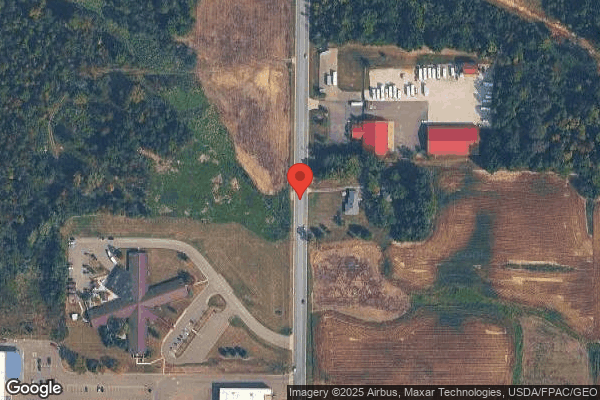

1785 FRESHLEY AVENUE, ALLIANCE, OH 44601 (330) 821-4000
For profit - Corporation 82 Beds FOUNDATIONS HEALTH SOLUTIONS Data: November 2025 1 Immediate Jeopardy citation
Trust Grade
26/100
#844 of 913 in OH
Last Inspection: May 2024

Within standard 12-15 month inspection cycle. Federal law requires annual inspections.

Overview

Canterbury Villa of Alliance has received a Trust Grade of F, indicating significant concerns about the facility's overall quality and care. They rank #844 out of 913 facilities in Ohio, placing them in the bottom half, and #32 out of 33 in Stark County, meaning there is only one other local option that ranks lower. Although the facility is showing signs of improvement, reducing issues from 6 in 2024 to 4 in 2025, there are still serious deficiencies, including a critical incident related to poor infection control during COVID-19, a serious medication error affecting a diabetic resident, and failures to adequately address fall risks for residents. Staffing is a relative strength with a turnover rate of 28%, which is significantly better than the state average, and they have not incurred any fines, indicating compliance with regulations. However, families should weigh these strengths against the serious issues and overall low performance ratings when considering this facility for their loved ones.

Trust Score
F
26/100
In Ohio
#844/913
Bottom 8%
Safety Record
High Risk
Review needed
Inspections
Getting Better
6 → 4 violations
Staff Stability
✓ Good
28% annual turnover. Excellent stability, 20 points below Ohio's 48% average. Staff who stay learn residents' needs.
Penalties
✓ Good
No fines on record. Clean compliance history, better than most Ohio facilities.
Skilled Nurses
○ Average
Each resident gets 33 minutes of Registered Nurse (RN) attention daily — about average for Ohio. RNs are the most trained staff who monitor for health changes.
Violations
⚠ Watch
19 deficiencies on record. Higher than average. Multiple issues found across inspections.
★☆☆☆☆
1.0
Overall Rating
★★★☆☆
3.0
Staff Levels
★★★☆☆
3.0
Care Quality
★☆☆☆☆
1.0
Inspection Score
Stable
2024: 6 issues
2025: 4 issues

The Good

  • Low Staff Turnover (28%) · Staff stability means consistent care
  • Full Sprinkler Coverage · Fire safety systems throughout facility
  • No fines on record
  • Staff turnover is low (28%)

    20 points below Ohio average of 48%

Facility shows strength in staff retention, fire safety.

The Bad

1-Star Overall Rating

Below Ohio average (3.2)

Significant quality concerns identified by CMS

Chain: FOUNDATIONS HEALTH SOLUTIONS

Part of a multi-facility chain

Ask about local staffing decisions and management

The Ugly 19 deficiencies on record

1 life-threatening 2 actual harm
May 2025 1 deficiency
CONCERN (F) 📢 Someone Reported This

A family member, employee, or ombudsman was alarmed enough to file a formal complaint

Potential for Harm - no one hurt, but risky conditions existed

Food Safety (Tag F0812)

Could have caused harm · This affected most or all residents

Based on observation and staff interview, the facility failed to serve food in a sanitary manner. This had the potential to affect all 70 residents (except Resident #31 and Resident #57 who had orders...

Read full inspector narrative →
Based on observation and staff interview, the facility failed to serve food in a sanitary manner. This had the potential to affect all 70 residents (except Resident #31 and Resident #57 who had orders for nothing by mouth) who received food from the kitchen. The facility census was 72. Findings include: Review of the Foundations Health Solutions Foodservice Audit, dated 05/27/25, revealed a Certified Nursing Assistant (CNA) was observed handling a sandwich with bare hands while assisting residents with meal service. Observation on 05/30/25 at 11:49 A.M. of tray line revealed [NAME] #100 touched a slice of cheese with her bare hands and placed it on a burger patty. Interview at the time of observation with [NAME] #100 confirmed she grabbed the cheese with her bare hand. [NAME] #100 stated that she was told not to wear gloves during tray line by management. Review of a list of resident diets revealed Resident #31 and Resident #57 received nothing by mouth. Review of Infection Control-Dietary/Food Handling Policy revised date of March 2016 revealed staff must wear single-use gloves before handling ready-to-eat food. This deficiency represents non-compliance investigated under Complaint Number OH00165294.
Apr 2025 1 deficiency 1 Harm
SERIOUS (G) 📢 Someone Reported This

A family member, employee, or ombudsman was alarmed enough to file a formal complaint

Actual Harm - a resident was hurt due to facility failures

Deficiency F0760 (Tag F0760)

A resident was harmed · This affected 1 resident

**NOTE- TERMS IN BRACKETS HAVE BEEN EDITED TO PROTECT CONFIDENTIALITY** THIS IS AN EXAMPLE OF PAST NONCOMPLIANCE SUBSEQUENTLY CORRECTED PRIOR TO THIS SURVEY. Based on medical record review, emergency...

Read full inspector narrative →
**NOTE- TERMS IN BRACKETS HAVE BEEN EDITED TO PROTECT CONFIDENTIALITY** THIS IS AN EXAMPLE OF PAST NONCOMPLIANCE SUBSEQUENTLY CORRECTED PRIOR TO THIS SURVEY. Based on medical record review, emergency room documentation review, review of the facility investigation, interview, review of the Lantus (glargine) Insulin prescribing information, review of www.insulins.lilly.com the facility failed to ensure medications were administered per physician orders resulting in a significant medication error. This affected one resident (Resident #73) of three residents reviewed for medications. Actual harm occurred on 03/14/25 at 10:30 P.M. when Resident #73, a diabetic resident who received insulin with meals and at bedtime, was administered the incorrect type of insulin (short acting instead of long-acting insulin) resulting in the resident having a headache, upset stomach and a blood sugar in low range. The physician was notified and ordered an emergency department transfer. Resident #73 was treated for hypoglycemia with intravenous fluids and concentrated intravenous dextrose before returning to the facility. Findings include: Review of Resident #73's medical record revealed an admission date of 03/06/25 with diagnoses that included diabetes mellitus, urinary tract infection with sepsis and hypertension. Upon admission Resident #73 was ordered Humalog (rapid acting, mealtime insulin) six units subcutaneously (SQ) with meals and insulin glargine (long-acting insulin) 54 units SQ at bedtime. On 03/14/25 at 10:30 P.M. a progress note revealed Resident #73 was having a headache, upset stomach and blood sugar in low range. The physician was updated on patient status and ordered to end to the emergency department for evaluation. Resident #73 returned from the emergency department on 03/15/25 at 5:10 A.M. with no new orders. Review of the facility transfer out of facility form completed on 03/14/25 revealed the indication for transfer out was due to receiving the wrong medication. Review of the emergency department Discharge summary dated [DATE] revealed Resident #73 was diagnosed with hypoglycemia (low blood sugar) due to insulin and administered intravenous (IV) dextrose 5% in water one liter and dextrose 25 grams per 50 milliliters by IV twice. A physician's progress note dated 03/15/25 indicated Resident #73 had an emergency department evaluation after administered the incorrect dosage of Humalog. On 04/10/25 at 10:15 A.M. interview with the Director of Nursing confirmed Resident #73 was administered 54 units of Humalog instead of the ordered insulin glargine and was transferred to the emergency department for evaluation and treatment per the physician. Review of the facility investigation into the medication administration error revealed on 03/14/25 Resident #73 was administered 54 units of Humalog instead of insulin glargine as ordered by the physician by Licensed Practical Nurse (LPN) #91. A written statement by LPN #91 indicated that on 03/14/25 at 10:30 P.M. he administered the incorrect insulin to Resident #73. On 04/10/25 at 12:08 P.M. telephone interview with LPN #91 verified that he administered 54 units of Humalog insulin instead of the ordered insulin glargine to Resident #73 resulting in Resident #73 to be transferred to the emergency department for evaluation and treatment with IV dextrose for low blood sugar. During the interview the LPN stated the resident's blood sugar level was 75 (milliliters (ml) per deciliter (dL) of blood); however, the resident's blood sugar level was not documented in the medical record and there was limited information documented regarding the error. Review of the Lantus (glargine) prescribing information revised June 2023 revealed Lantus (glargine) is a long-acting insulin (works over an extended period of time). It is important to check insulin labels before administration. Review of the Humalog insulin patient information listed on www.insulins.lilly.com dated November 2023 revealed Humalog insulin is a rapid acting insulin that starts working faster and works for a shorter period of time than a regular (short acting) insulin. It is identified as a mealtime insulin taken within 15 minutes before or immediately after meals to help manage blood sugar levels after meals. Low blood sugar is a possible serious side effect of Humalog insulin, and it can cause dizziness, lightheadedness, headache, blurred vision, sweating, confusion, shakiness, fast heartbeat, anxiety, irritability, mood changes and hunger. Before injecting each insulin dose, check the insulin label to make sure that you are taking the correct insulin. Review of the facility policy Medication Administration dated 06/21/17 indicated that medication will be administered by legally authorized and trained persons in accordance with State, Local and Federal laws and consistent with accepted standards of practice. The deficiency was corrected on 03/24/25 after the facility implemented the following corrective actions: • On 03/14/25 at 10:30 P.M. Resident #73 was assessed by Registered Nurse (RN) #95 for potential side effects. The resident's skin was warm and dry. The resident was alert and oriented to person, place and time. • On 03/14/25 Resident #73's physician was notified of the medication administration error and ordered to send to the emergency department for evaluation and treatment. • On 03/14/25 the Director of Nursing was notified of the medication administration error. • On 03/14/25 Resident #73 was transferred to the emergency department for evaluation and treatment and returned on 03/15/25 with a diagnosis of hypoglycemia and treatment with IV dextrose. • On 03/15/25, Resident #73 received his scheduled insulin without incident. • On 03/19/25 LPN #91 completed online education for the following: Insulin Administration, Preventing Medication Errors, Medication Awareness and Safe Handling of Medicines and Preparing and Administering Insulin. • By 03/24/25 all 25 nurses received Insulin Administration education provided by the Director of Nursing via handouts. • On 03/24/25 an ad-hoc (not scheduled) Quality Assurance Performance Improvement (QAPI) meeting was held regarding the medication administration error. In-person attendees included the Administrator, DON, Assistant Director of Nursing (ADON), and Minimum Data Set (MDS). The medical director attended via phone. • Audits of insulin and medication administration were completed by nursing administration staff on 03/19/25, 03/20/25, 03/25/25, 03/28/25 and 04/02/25 with no evidence of administration errors. LPN #91 was audited on 03/19/25 by Unit Manager #300. • There were no additional identified medication administration errors as of 04/10/25. This deficiency represents non-compliance investigated under Master Complaint Number OH00164591 and Complaint Numbers OH00164431 and OH00164415.
Mar 2025 2 deficiencies 1 Harm
SERIOUS (G) 📢 Someone Reported This

A family member, employee, or ombudsman was alarmed enough to file a formal complaint

Actual Harm - a resident was hurt due to facility failures

Accident Prevention (Tag F0689)

A resident was harmed · This affected 1 resident

**NOTE- TERMS IN BRACKETS HAVE BEEN EDITED TO PROTECT CONFIDENTIALITY** Based on observation, medical record review, review of hospice and hospital records, and interview, the facility failed to fully...

Read full inspector narrative →
**NOTE- TERMS IN BRACKETS HAVE BEEN EDITED TO PROTECT CONFIDENTIALITY** Based on observation, medical record review, review of hospice and hospital records, and interview, the facility failed to fully investigate concerns related to falls to ensure risk factors were addressed in the plan of care to prevent falls. The facility also failed to ensure physician orders were implemented for fall intervention. This affected two residents (#42 and #77) of three residents reviewed for falls. Actual Harm occurred on 02/07/25 when Resident #77, who was identified at risk for falls, cognitively impaired, required staff assistance with transfers and had concerns voiced to the facility from family and the hospice provider regarding the resident potentially falling, fell while ambulating unassisted resulting in a right femoral neck fracture. The resident reported complaints of pain following the fall and was transferred to the hospital. However, due to the resident's hospice status, the resident did not undergo surgical repair for the fracture. Findings include: 1.Review of Resident #77's medical record revealed diagnoses including generalized muscle weakness, need for assistance with personal care, intervertebral disc degeneration, dementia, abnormalities of gait and mobility, and anemia. An admission assessment dated [DATE] indicated Resident #77 was confused and anxious. The assessment indicated Resident #77 required assistance with transfers with a Hoyer lift and he was non-ambulatory. Safety interventions implemented included the use of a low bed. A plan of care initiated 12/31/24 revealed Resident #77 was at risk for falls related to impaired mobility/balance. The goal was to minimize potential risk factors related to falls. Interventions included keeping the bed in the lowest position, encouraging and reminding Resident #77 to ask for assistance, having commonly used articles within easy reach, using a low bed, and maintaining a clear pathway. Review of an admission Minimum Data Set (MDS) assessment dated [DATE] revealed Resident #77 was moderately cognitively impaired. Resident #77 had functional limitation in range of motion of one lower extremity. The MDS indicated Resident #77 required partial to moderate assistance for transfers between the bed and chair, toilet transfers and tub/shower transfers. Resident #77 walked ten feet with partial/moderate assistance. Resident #77 was not on hospice. A Physical Therapy (PT) Discharge summary dated [DATE] indicated Resident #77 needed supervision or touching assistance to transfer to a standing position from sitting in a chair, wheelchair or on the side of the bed and was able to ambulate 30 feet with contact guard assist of one prior to discharge to the hospital. A nursing note dated 02/03/2025 at 2:06 A.M. revealed an order was received to send Resident #77 to the hospital. Review of a hospital history and physical dated 02/03/25 revealed Resident #77 was sent to the emergency department because of abnormal labs showing renal failure and Resident #77 was feeling weak and not eating. Resident #77 was evaluated in the emergency department and a computed tomography scan of the abdominal pelvis showing hydronephrosis with ureteral stents and worsening of renal failure. Resident #77 was admitted for further evaluation and was also found to have a urinary tract infection (UTI). Resident #77 was a poor historian and had underlying dementia. Diagnoses included acute on chronic kidney injury, UTI, hydronephrosis, history of bladder cancer, dementia and chronic generalized weakness. Resident #77 returned to the facility on [DATE]. The admission assessment indicated Resident #77 was confused, had rhonchi (continuous low pitched, rattling lung sounds) bilaterally. Resident #77 required assistance with transfer. The assessment indicated Resident #77 was non-ambulatory, had half side rails, a bed in the lowest position and was on hospice care. Review of a hospice care plan dated 02/05/25 revealed a primary diagnosis of malignant neoplasm of the prostate with metastasis to bone. Safety measures included fall precautions. A fall risk assessment dated [DATE] revealed Resident #77 remained at risk for falls. Resident #77 had a history of falls within the past 90 days, was unable or unwilling to follow directions, was cognitively impaired, had behaviors, required assistance with elimination, did not ambulate, was unable to perform tests for balance, was unable to stand, had orthopedic risk factors and medications which contributed to the risk for falls. There was no evidence the plan of care was reviewed/revised after the resident's 02/05/25 readmission. A social service note dated 02/06/25 at 1:16 P.M. indicated a care conference was held and Resident #77 was being admitted to hospice services that day. Review of a hospice visit note dated 02/06/25 revealed safety and fall precautions were reviewed. Family reported that they noticed Resident #77 had been getting anxious and fidgeting a lot and trying to get up on his own, at times it was due to wanting to go home. Family expressed fear of Resident #77 falling in their absence. Family were at bedside most of the time but did go home at night time. Family talked with the hospice nurse on 02/05/25 about using an alarm but (facility) staff refused an alarm on 02/06/25 stating it was considered a restraint and against their policy since Resident #77 had not had any falls within the past 30 days. A nursing note dated 02/07/25 at 4:17 A.M. indicated Resident #77 was up walking with a walker without assistance and fell in the hallway outside of his room at 3:20 A.M. Resident #77 complained of right hip pain and was unable to move his right leg without pain. The right leg was noted to be shorter than the left and the right foot was rotated outward. At 3:30 A.M., Resident #77's wife and hospice were notified. At 3:40 A.M., hospice gave an order to send Resident #77 to the hospital for evaluation. At 3:45 A.M. emergency medical technicians were contacted for transport. Resident #77's wife and son were present at the facility and planned to meet Resident #77 in the emergency room (ER). At 4:07 A.M. Resident #77 was transported out of the facility. A nursing note dated 02/07/25 at 8:30 A.M. revealed Resident #77 returned to the facility with a diagnosis of right femoral neck fracture. No surgery was planned due to hospice status. The family was asking questions regarding a bed alarm. The wife and son stated Resident #77 was attempting to get our of bed while in the ER. A new order was received for a bed alarm at that time. On 03/11/25 at 10:19 A.M., an interview with the Administrator revealed the facility had no policies specific to alarm use. The use was based on an individual basis. On 03/11/25 at 11:04 A.M. an interview with Hospice Nurse #100 revealed hospice had addressed the use of an alarm for Resident #77 but the facility refused, stating a resident had to have a fall within the past 30 days for an alarm to be used and because alarms were considered restraints. On 03/11/25 at 3:20 P.M., an interview with Certified Nursing Assistant (CNA) #110 revealed Resident #77's family was usually sitting with him during the day but when they left Resident #77 would attempt to get up independently. This behavior had occurred throughout Resident #77's stay. When asked about fall interventions for Resident #77, CNA stated Resident #77 had a low bed. On 03/11/25 at 3:27 P.M., an interview with Registered Nurse (RN) #120 revealed Resident #77 had been found up walking independently at times on day shift. Night shift had also reported Resident #77 tried to get up independent at night. Resident #77 had a low bed. Family was present a lot during the day. RN #120 stated she knew family had requested an alarm, at least a couple days. Hospice had also talked about using an alarm when admitting Resident #77 to their services and had spoken to the Assistant Director of Nursing (ADON)/Licensed Practical Nurse (LPN) #130 and was told the facility was not going to initiate alarm use. On 03/11/25 at 3:34 P.M. an interview with LPN #130 revealed Resident #77 spent a lot of time in his room. The facility usually did not use alarms without a history of falls because alarms could upset residents. LPN #130 verified the alarm use might be upsetting to one resident but not another and could be a restraint for one resident but not another. It would require an individual evaluation for each resident. Any evaluation for alarm use for Resident #77 was requested but none was provided. LPN #130 stated the Director of Nursing (DON) was present during the discussion regarding alarm use. On 03/11/25 at 3:40 P.M. an interview with the DON revealed she was not aware of hospice addressing alarm use but they could have written an order although staff had told them an alarm could not be applied. The DON stated she was aware of the family's request for alarm use. The DON stated she was part of a discussion when family requested alarm use (could not provide a date). The DON stated she reviewed progress notes and there was no documentation of Resident #77 attempting to self-transfer or ambulate independently. Based on that lack of information she determined an alarm would be an unnecessary intervention. The DON verified she did not interview any staff or do any further investigation regarding the risk involved with Resident #77 making attempts to get up and walk independently. Without any evidence of the attempts to self transfer, no need was identified to re-evaluate the plan of care for new interventions. Despite the family concern, no new interventions related to fall prevention was implemented and Resident #77 experienced a self-transfer fall on 02/07/25 and received a right femoral neck fracture that was not surgically repaired due to the resident's hospice status. Review of the facility's fall management policy, dated 10/17/16, revealed each resident would be assessed throughout the course of treatment for different parameters such as cognition, safety awareness, fall history, mobility, medications, or predisposing health conditions that could contribute to fall risk. An interdisciplinary plan of care would be developed, implemented, reviewed and updated as necessary to reflect each resident's current safety needs and fall reduction interventions. 2. Review of Resident #42's medical record revealed diagnoses including generalized muscle weakness, hallucinations, history of falling, chronic pain, hypertension, difficulty walking, unsteadiness on feet, abnormalities of gait and mobility, and dementia. A care plan initiated 12/13/24 indicated Resident #42 was at risk for falls related to impaired mobility, muscle weakness, abnormalities of gait/mobility, difficulty walking, history of stroke and history of falling. Interventions included keeping the bed in the lowest position, encouraging and reminding Resident #42 to ask for assistance, keeping commonly used articles within easy reach and maintaining a clear pathway. A fall risk assessment dated [DATE] indicated Resident #42 was at risk for falls. Risk factors included a history of one to two falls in the last 90 days, a fall in the last 30 days, cognitive impairment, behaviors, need for assistance with ambulation, ambulating with problems and with or without assistive devices. The assessment revealed Resident #42's balance was unsteady and he was only able to stabilize with staff assistance. Other risk factors included age, cardiovascular issues, neuromuscular or functional issues and medication use. On 01/07/25 an order was written for a pressure sensor alarm to the chair with instructions to check placement and function every shift. The plan of care was updated to reflect the alarm use. On 03/10/25 at 4:43 P.M., Resident #42 was observed sitting in the wheelchair in the secure unit dining area without the alarm box in place. LPN #140 verified the alarm was not on as ordered. This deficiency represents non-compliance investigated under Master Complaint Number OH00162793 and Complaint Number OH00162716.
CONCERN (D) 📢 Someone Reported This

A family member, employee, or ombudsman was alarmed enough to file a formal complaint

Potential for Harm - no one hurt, but risky conditions existed

Notification of Changes (Tag F0580)

Could have caused harm · This affected 1 resident

**NOTE- TERMS IN BRACKETS HAVE BEEN EDITED TO PROTECT CONFIDENTIALITY** Based on medical record review, policy review, and interview, the facility failed to notify the physician when they were unable ...

Read full inspector narrative →
**NOTE- TERMS IN BRACKETS HAVE BEEN EDITED TO PROTECT CONFIDENTIALITY** Based on medical record review, policy review, and interview, the facility failed to notify the physician when they were unable to obtain stat laboratory tests (Stat testing is a category of medical testing that prioritizes speed and efficiency in delivering results. It is reserved for situations where a healthcare provider requires test results as quickly as possible to make immediate clinical decisions.) in a timely manner for one (Resident #77) of three residents reviewed for dehydration. Findings include: Review of Resident #77's medical record revealed diagnoses including acute kidney failure, dementia, and malignant neoplasm of the bladder and prostate. A nursing note dated 02/01/25 at 11:15 A.M. revealed Resident #77's wife and son voiced concerns as they stated Resident #77 had not been eating or drinking well for the past few days. Per the family, Resident #77 had an emesis a few days earlier after a meal and had not been eating or drinking. Resident #77's son and wife stated Resident #77 had been sleeping more often and they were concerned. The physician was notified and gave an order for a basic metabolic panel on the following Monday, 02/03/25. (A basic metabolic panel (BMP) is a helpful and common test that measures several important aspects of your blood, like electrolytes and blood sugar. Healthcare providers often use it as a go-to blood test to assess your general physical health. It can also help diagnose, screen for and monitor certain health conditions.) A nursing note dated 02/01/25 at 1:00 P.M. indicated a Certified Nursing Assistant (CNA) notified the nurse Resident #77 had a small emesis while eating lunch. Abnormal lung sounds were noted in the right lower lung. Resident #77 was lethargic (decrease in consciousness) and the family stated Resident #77 had been coughing up yellow mucus. Resident #77's family stated they were concerned as they believed Resident #77 was declining. The family stated they were concerned with weight loss and decreased appetite. Resident #77 had been reporting to family he was not hungry and had not been eating or drinking well. The physician was notified and orders were received for a stat chest x-ray and stat Complete metabolic panel (CMP) and to discontinue the BMP ordered for 02/03/25. Notification was made for need for a stat chest x-ray. A nursing note dated 02/02/25 at 8:20 A.M. revealed Resident #77's attending physician was notified the stat CMP from 02/01/25 had not been drawn yet due to the lab not having a phlebotomist available. A nursing note dated 02/02/25 at 10:01 A.M. revealed the physician visited and spoke with Resident #77 and his family regarding his condition. New orders were received for a stat Complete Blood Count (CBC) with differential, stat abdominal x-ray and omeprazole (proton pump inhibitor used to decrease heartburn and acid production in the stomach) 20 milligrams every day. A subsequent note at 10:16 A.M. revealed notification was made for the need for stat abdominal series. A nursing note dated 02/02/25 at 2:30 P.M. indicated a phone call was made regarding the stat labs ordered from 02/01/25 and stat labs ordered 02/02/25. The laboratory representative stated the phlebotomist was unable to see requisitions on her tablet. The phlebotomist was having technical issues and left at 2 P.M. Importance of obtaining the stat labs was discussed stressing the need to have them drawn as soon as possible. The lab representative stated she would inform the phlebotomist who started at 2 P.M. The physician was notified. A physician progress note dated 02/02/25 at 4:01 P.M. indicated the abdominal film ordered earlier that day showed mild stool burden as well as bilateral ureteral stents with patency noted. Resident #77 presented with nausea and vomiting after a meal. Resident #77 had been having a poor appetite eating only a couple bites of breakfast and was less conversant. Resident #77 had blood work pending. Resident #77 was awake and alert during the visit. Lungs were clear to auscultation in all lung fields. Resident #77's abdomen was soft, non-tender and non-distended. Bowel sounds were present. A nursing note dated 02/02/25 at 5:15 P.M. indicated a call was received from the phlebotomist stating she was approximately an hour and a half away from the facility and was on her way. Review of laboratory results dated [DATE] revealed lab tests were collected on 02/02/25 at 6:50 P.M. Results included a blood urea nitrogren (BUN) of 82, creatinine of 2.84 and BUN/creatinine ration of 28.9. Reference ranges for BUN were 7-26, creatinine were 0.74 to 1.35 milligrams per deciliter (mg/dL), and BUN/creatinine ratio were normal ratio of 10:1 to 10:1) A nursing note dated 02/03/25 at 2:06 A.M. revealed an order was received to send Resident #77 to the hospital. A nursing note dated 02/03/2025 at 8::22 A.M. revealed Resident #77 was admitted to the hospital with diagnoses of acute kidney injury and hydronephrosis (a condition that occurs when a kidney swells due to the inability to drain urine properly, typically caused by a blockage or obstruction in the urinary tract). On 03/11/25 at 10:39 A.M., Resident #77's attending physician was interviewed and stated he did not like to send residents to the hospital unless it was a known emergency. Unfortunately, in the nursing home setting sometimes vital signs were stable but the facility did not have the ability to do further testing. The facility was beholden to laboratory providers to draw labs and they were not always reliable. The physician (also the medical director) indicated he expected stat orders to be done the same day or at least be notified if they could not be obtained the same day. Unfortunately, he did not always receive notice when the labs were not completed. During an interview on 03/10/25 at 2:38 P.M., the Director of Nursing (DON) verified the stat CMP ordered on 02/01/25 was not obtained that day and the information was not provided to the physician until 02/02/25 at 8:20 A.M. over 19 hours later. The DON stated the facility had been having problems with the lab. The DON verified if there was difficulty obtaining a stat lab, the physician should be notified so he could decide if he wanted to send the resident to the hospital or change the course of treatment. Review of the lab policy, A Quick Reference for a One Time or Stat Order (undated) revealed a if there was a stat order, staff were to ensure STAT Order was selected. The requisition would automatically populate. The policy did not did not provide a time frame for obtaining stat laboratory tests. This deficiency is an incidental finding discovered during the complaint investigation.
May 2024 6 deficiencies
CONCERN (D)

Potential for Harm - no one hurt, but risky conditions existed

Comprehensive Care Plan (Tag F0656)

Could have caused harm · This affected 1 resident

**NOTE- TERMS IN BRACKETS HAVE BEEN EDITED TO PROTECT CONFIDENTIALITY** Based on record review and interview the facility did not ensure the care plan included the use of a mechanical lift for transfe...

Read full inspector narrative →
**NOTE- TERMS IN BRACKETS HAVE BEEN EDITED TO PROTECT CONFIDENTIALITY** Based on record review and interview the facility did not ensure the care plan included the use of a mechanical lift for transfers for Resident #227. This affected one resident (Resident #227) of 26 residents reviewed for care plans. The facility census was 78. Review of the medical record for Resident #227 revealed an admission date of 03/21/24 with diagnoses including mechanical loosening of internal right knee prosthetic joint, infection, and inflammatory reaction due to internal right knee prosthesis, muscle weakness, depression, cardiomyopathy, hypercholesterolemia, atrial fibrillation, hypertension, osteoarthritis, and fibromyalgia. Resident #227 was transferred to the hospital from an out-patient appointment with her orthopedic surgeon on 04/04/24 and elected to not return to the facility. Review of the facility admission assessment dated [DATE] revealed Resident #227 was alert and oriented and able to make her needs known to staff. Resident #227 was weight bearing as tolerated to the lower extremities and would be transferred with assistance by staff. Resident #227 used a wheelchair for mobility. Review of the March 2024 and April 2024 physician orders for Resident #227 revealed an order dated 03/22/24 for occupational therapy five times weekly for four weeks for activities of daily living, therapeutic exercises, and therapeutic activities, and physical therapy five times weekly for 30 days for therapeutic exercises, therapeutic activities, manual therapy, neuro-muscular reeducation, gait training, and group therapy. There were no physician orders for a mechanical lift for transfers for Resident #227. Review of the facility document titled Physical Therapy PT Evaluation and Plan of Treatment, dated 03/22/24, revealed Resident #227 was referred to therapy following a right knee resection arthroplasty with debridement and antibiotic spacer placement. The treating therapist noted Resident #227 was displaying self-limiting behavior and fearfulness about being transferred so it was recommended on 03/27/24 for staff to use a mechanical lift so she could come to therapy to try to stand at the bars. On 03/28/24 the mechanical lift was offered to the resident, and the Physical Therapist educated the resident on positioning with the mechanical lift for her right leg. The resident was alert and oriented to person, place, and time and able to understand and be understood and was independent with instructions. The resident got up into sitting position upright in a wheelchair with use of the mechanical lift. Review of the admission Minimum Data Set (MDS) 3.0 assessment, dated 03/28/24, revealed Resident #227 required partial or moderate assistance for sit-to-stand transfers and chair/bed-to-chair transfers. Resident #227 required total dependence on staff for toilet transfers and shower transfers. Review of the point of care documentation for March 2024 and April 2024 revealed Resident #227 was transferred either by two staff assist or by using a mechanical lift. The mechanical lift was used on 03/29/24, 03/30/24, 03/31/24, 04/02/24, and 04/04/24. Review of the care plan, date initiated 03/22/24, revealed Resident #227 required assistance with activities of daily living (ADLs) due to impaired mobility, right knee replacement revision with loosening of the prosthetic and joint infection, muscle weakness, abnormalities of gait and mobility, and fluctuations in ADL abilities at different times of the day. Interventions included transfer with physical assistance and gait belt as tolerated. There was nothing in the care plan to indicate therapy had recommended the use of a mechanical lift for transfers due to self-limiting behaviors and fearfulness during therapy nor were there any interventions listed regarding using a mechanical lift. Interview on 05/08/24 at 8:26 A.M. with STNA #265 verified Resident #227 was being transferred using a mechanical lift. Interview on 05/08/24 at 4:17 P.M. with Registered Nurse (RN) #280 stated Resident #227 admitted to the facility with orders for weight bearing as tolerated, and RN #280 said she believed Resident #227 was transferred with a mechanical lift since admission. Interview on 05/08/24 at 4:37 P.M. with MDS Nurse #208 and the Director of Nursing (DON) verified Resident #227 was transferred using mechanical lifts on 03/29/24, 03/30/24, 03/31/24, 04/02/24, and 04/04/24. The DON stated she did not know why staff were using a mechanical lift when Resident #227 did not have orders or a care plan for a mechanical lift. MDS Nurse #208 confirmed it should have been written as an order and added to the care plan.
CONCERN (D)

Potential for Harm - no one hurt, but risky conditions existed

Accident Prevention (Tag F0689)

Could have caused harm · This affected 1 resident

**NOTE- TERMS IN BRACKETS HAVE BEEN EDITED TO PROTECT CONFIDENTIALITY** Based on review of the medical record , review of the facility investigation and interview with staff the facility failed to pro...

Read full inspector narrative →
**NOTE- TERMS IN BRACKETS HAVE BEEN EDITED TO PROTECT CONFIDENTIALITY** Based on review of the medical record , review of the facility investigation and interview with staff the facility failed to provide the appropriate level of staff assistance and supervision during resident care for Resident #127 resulting in Resident #127 hitting his head on the wall. This affected one resident ( Resident #127) of seven residents reviewed for accidents. The facility census was 78. Findings included: Review of the medical record revealed Resident #127 was admitted to the facility on [DATE]. Diagnoses included multiple sclerosis, cerebral infarction, vascular dementia, dysphonia, anxiety disorder, dysphagia, aphasia, peripheral vascular disease, cognitive communication deficit, adult failure to thrive, major depressive disorder, and insomnia. Review of the quarterly Minimum Data Set 3.0 assessment dated [DATE] revealed Resident #127 had moderately impaired cognition and required extensive assistance of two staff members for bed mobility. Review of the care plan, date initiated 07/26/22, revealed Resident #127 may be at risk of developing complications associated with decreased activity of daily living self performance related to demetia and multiple sclerosis (MS) with gait and balance impairments. Interventions included assistance with bed mobility and did not specify how many staff were needed to assist him with bed mobility. The care plan also identified him as at risk for falls due to impaired balance, dementia, impaired cognition, personal history of falls, and neurological impairment. Review of the progress note dated 05/02/23 at 9:25 P.M. revealed Resident #127 was lying in bed and he complained of the right side of his head hurting, He told the nursing assistant an old lady had hit his head off the wall when she was turning him. The nursing assistant immediately notified the nurse and she assessed the resident. The resident stated again the old lady hit his head on the wall when she was doing his care that morning. The resident did not have any swelling or discoloration. He did not want any Tylenol for pain. The physician, responsible party, and the Director of Nursing (DON) were notified. There was no new order at this time. Review of the progress notes dated 05/03/23 at 5:57 A.M. revealed Resident #127 continued to complain of right forehead pain which was now more localized to the eyebrow area, no discoloration or edema noted. Review of the facility investigation revealed a witness statement from Resident #127 dated 05/03/23. The witness statement revealed the older aide who was working yesterday morning smacked Resident #127's head against the wall when getting him ready. When he was asked if he thought it was on purpose or accident, he stated he did not know. Review of the signed witness statement from State Tested Nursing Assistant (STNA) #201 dated 05/22/23 revealed she was taking care of Resident #127 and while giving care she rolled him on his side and accidentally hit his head on the wall. Review of the pain assessment dated [DATE] at 9:28 P.M. revealed Resident #127 was having mild pain to his right forehead due to hitting his head into the wall. On 05/07/24 at 9:54 A.M. an interview with the DON revealed she had dated the witness statement from STNA #201 for 05/22/23 in error and it was supposed to be dated 05/03/23. On 05/07/24 at 2:37 P.M. an interview with STNA # 201 confirmed she was providing care and bed mobility to Resident #127 by herself. She stated when she rolled him over towards the wall, he yelled ouch and stated she had hit his head on the wall. She stated his bed was up against the wall. She stated she apologized to him and Resident #127 stated he was okay. She stated she reported it as soon as it happened. She stated she did not know if it left a mark on his head.
CONCERN (D)

Potential for Harm - no one hurt, but risky conditions existed

Respiratory Care (Tag F0695)

Could have caused harm · This affected 1 resident

**NOTE- TERMS IN BRACKETS HAVE BEEN EDITED TO PROTECT CONFIDENTIALITY** Based on observation, review of the medical record and interview with the staff the facility failed to ensure the aerosol mask f...

Read full inspector narrative →
**NOTE- TERMS IN BRACKETS HAVE BEEN EDITED TO PROTECT CONFIDENTIALITY** Based on observation, review of the medical record and interview with the staff the facility failed to ensure the aerosol mask for Resident # 44 and the oxygen tubing and nasal cannula for Resident #39 were stored in a protective barrier when not in use. This affected two residents (Resident #39 and #44) of four residents reviewed for oxygen therapy. The facility identified 17 residents (Resident #1, #4, #11, #12, #13, #16, #24, #37, #39, #42, #45, #48, #51, #54, #65, #71, and #230) who required use of oxygen and eight residents (#1, #37, #44, #52, #61, #71, #73, and #230) who required aerosol treatments. The facility census was 78. Findings included: 1. Review of the medical record revealed Resident #44 was admitted to the facility on [DATE]. Diagnoses included chronic obstructive pulmonary disease, dementia. diabetes, congestive heart failure, Alzheimer's disease, chronic kidney disease, hypertension, peripheral vascular disease, anxiety disorder anemia, bilateral breast removal, presence of an intraocular disease, depression, gastric ulcer, and obstructive sleep apnea. Review of the quarterly Minimum Data Set (MDS) 3.0 assessment dated [DATE] revealed Resident #44 had moderately impaired cognition and required oxygen therapy. Review of the physician orders revealed Resident #44 had an order for ipratropium-albuterol solution 0.5-2.5 milligrams inhalation every four hours while awake for chronic obstructive pulmonary disease dated 05/04/24. Observation on 05/05/24 at 10:13 A.M. revealed Resident #44 was up in the recliner with her oxygen on. Her aerosol mask was lying directly inside the top drawer of her bedside table without being placed in a protective barrier. An interview at this time with Licensed Practical Nurse (LPN) #200 verified the aerosol mask should be placed in a protective barrier bag when not in use, however, there was not one in her room. On 05/07/24 at 2:23 P.M. an interview with the Director of Nursing (DON) verified aerosol masks and oxygen tubing should be stored in a protective barrier when not in use. 2. Review of the medical record revealed Resident #39 was admitted to the facility on [DATE]. Diagnoses included chronic obstructive pulmonary disease, end stage renal disease, atrial fibrillation, weakness, pleural effusion, atherosclerotic heart disease, myocardial infarction, acute respiratory failure, congestive heart failure, hypothyroidism, hypertension, major depressive disorder, peripheral vascular disease, cardiac pacemaker, sick sinus syndrome, transient ischemic attack, and adjustment disorder with depressed mood. Review of the physician orders revealed Resident #39 had an order for oxygen at two liters as needed per nasal cannula to maintain saturation above 90 percent dated 04/08/24. Review of the quarterly MDS 3.0 assessment dated [DATE] revealed Resident #39 had intact cognition and required oxygen therapy. Observation on 05/05/24 at 10:10 A.M. revealed the oxygen nasal cannula and tubing was lying across the top of the oxygen concentrator and not in a protective barrier. An interview at this time with LPN #200 verified the oxygen tubing and nasal cannula should be stored in a protective barrier when not in use. On 05/07/24 at 2:23 P.M. an interview with the DON verified aerosol masks and oxygen tubing should be stored in a protective barrier when not in use.
CONCERN (E)

Potential for Harm - no one hurt, but risky conditions existed

Abuse Prevention Policies (Tag F0607)

Could have caused harm · This affected multiple residents

**NOTE- TERMS IN BRACKETS HAVE BEEN EDITED TO PROTECT CONFIDENTIALITY** Based on medical record review, review of the facility self-reported incidents (SRIs), staff interview, and review of facility p...

Read full inspector narrative →
**NOTE- TERMS IN BRACKETS HAVE BEEN EDITED TO PROTECT CONFIDENTIALITY** Based on medical record review, review of the facility self-reported incidents (SRIs), staff interview, and review of facility policy, the facility failed implement their abuse policy regarding thoroughly investigating allegations of resident-to-resident abuse for Residents #50, #65, #128, and #129. This affected four residents (#50, #65, #128, and #129) of five reviewed for abuse. The facility census was 78. Findings include: 1. Review of the medical record for Resident #50 revealed an admission date of 11/05/20 with diagnoses including dementia with behavioral disturbance, Alzheimer's disease, major depressive disorder, anxiety, delusional disorder, and schizoaffective disorder. Review of the annual Minimum Data Set (MDS) 3.0 assessment dated [DATE] revealed Resident #50 had severely impaired cognition and had experienced hallucinations and delusions within the seven days prior to the assessment. Review of Resident #50's progress note dated 12/10/22 at 1:57 P.M. indicated Resident #50 stood up and hit the resident next to her in the stomach and Resident #50 later came out of her room and hit the same resident again in the side of the stomach. Review of the medical record for Resident #129 revealed an admission date of 10/16/21 with diagnoses including Alzheimer's disease, dementia with behavioral disturbance, major depressive disorder, and anxiety. Resident #129 discharged on 11/06/23. Review of the quarterly MDS 3.0 assessment dated [DATE] revealed Resident #129 had moderately impaired cognition and experienced delusions in the seven days prior to the assessment. Review of Resident #129's progress note dated 12/10/22 at 1:57 P.M. indicated Resident #129 was hit by another resident while sitting in her recliner in the common area. The progress note dated 12/10/22 at 6:09 P.M. indicated Resident #129 was hit in the stomach again by the same resident. The progress note dated 12/11/22 at 2:03 P.M. indicated Resident #129 was hit in the right side by another resident and about one hour later Resident #129 was hit again in the abdomen by the same resident. Review of the facility SRI dated 12/10/22 revealed a resident-to-resident altercation was reported to the Administrator on 12/10/22. The summary of the incident indicated Resident #50 walked over to Resident #129 and hit Resident #129. Neither Resident #50 nor Resident #129 could recall the incident after it happened. The SRI initial report form indicated facility staff witnessed Resident #50 hit Resident #129 in the stomach and rib with no bruising, pain, or swelling identified. The timeline included in the initial report of the SRI on 12/10/22 at 2:00 P.M. that Resident #50 hit Resident #129's right upper extremity and on 12/10/22 at 4:00 P.M. Resident #50 woke up and hit Resident #129 in the face. The witness statement, dated 12/10/22 at 2:00 P.M., by State Tested Nurse Aide (STNA) #450 indicated Resident #50 hit Resident #129 on the right arm. The witness statement, dated 12/10/22 at 4:00 P.M., by STNA #261 indicated Resident #50 hit Resident #129 in the side of the face with a closed fist. No other witness statements were included in the SRI investigation. There was no documentation of interviewing or assessing like residents. On 05/07/24 at 9:55 A.M., interview with the Director of Nursing (DON) verified the details of the investigation did not add up and there were discrepancies between the progress notes and the witness statements. On 05/07/24 at 11:40 A.M., interview with the Administrator and DON stated Resident #129 was not hit in the face. The Administrator and DON verified the witness statement indicated Resident #129 was hit in the face and both the Administrator and DON stated that claim could not be verified because Resident #129 did not have any red marks on her face. The Administrator and DON continued insisting that Resident #129 was only hit in the stomach and never hit in the face, despite what the witness statement indicated. When asked about the discrepancies between the witness statements and the progress notes, the Administrator stated the progress notes were written by a nurse on a different unit because there was a medication technician on the secured memory care unit at the time of the incident. On 05/08/24 at 10:36 A.M., interview with the Administrator confirmed the facility did not implement their policy and complete a thorough investigation of the incident between Resident #50 and Resident #129. The Administrator stated she needed more training on conducting SRI investigations. Review of the facility policy, Abuse, Neglect, Exploitation & Misappropriation of Resident Property, dated November 21, 2016, revealed all incidents and allegations of Abuse, Neglect, Exploitation, Mistreatment of resident, or Misappropriation of Resident Property and all Injuries of Unknown Source must be reported immediately to the Administrator or designee and have evidence that all alleged violations are thoroughly investigated. 2 .Review of the medical record for Resident #65 was admitted on [DATE] with diagnoses including but not limited to unspecified dementia, severity, with other behavioral disturbance, cognitive communication deficit, unspecified mood (affective) disorder, post-traumatic stress disorder, chronic, alcohol use, unspecified with alcohol-induced persisting dementia, and alcohol abuse with withdrawal unspecified Review of Resident #65's quarterly MDS assessment, dated 02/06/24, revealed Resident #65 had impaired cognition with behaviors to include verbal and physical towards others. Review of Resident #65's progress note dated 03/17/23 at 2:45 P.M. authored by the DON revealed STNA #247 witnessed Resident #65 hit Resident #128's hand twice as she reached to take his drink from his tray. The residents were separated immediately, and physician and guardian notified. Review of the medical record for Resident #128 revealed an admission date of 03/10/23 and a discharge date of 04/26/23. Diagnosis included but not limited to unspecified dementia, severity, with other behavioral disturbance, cognitive communication deficit, unspecified mood (affective) disorder, Post-traumatic stress disorder, chronic, alcohol use, unspecified with alcohol-induced persisting dementia, and alcohol abuse with withdrawal unspecified Review of Resident #128's admission MDS 3.0 assessment, dated 03/16/23, revealed Resident #128 had severely impaired cognition. Review of Resident #128's progress note dated 03/17/23 at 2:41 P.M. authored by the DON revealed Resident #128 had her hand hit by another resident when she tried to take his drink off his tray. Residents were immediately separated. No injuries noted and the physician and daughter notified. Review of the facility's SRI, dated 03/17/23, indicated STNA #247 witnessed Resident #65 hit Resident #128's hand twice. The residents were immediately separated, and notifications were done. The SRI stated the incident occurred on 03/16/23 at 8:00 A.M. and administrator was notified of the incident on 03/17/23 at 8:00 A.M. but it did not say who notified her. The witness statement by STNA #247 was dated 03/17/23 but not timed. There was one statement for Resident #128 regarding a skin check was done by the Assistant Director of Nursing (ADON) #246 dated 03/17/23. Interview on 05/07/24 at 2:25 P.M. with the DON verified the facility did not complete skin checks on Resident #65 or all like residents residing on the dementia unit until it was time for the regularly scheduled weekly skin check. The DON verified the skin checks were not completed on the day they were made aware of the incident and they weren't completed specifically for their investigation of the incident. Interview on 05/08/24 at 7:54 A.M. with the DON revealed for incidents of abuse the expectation was to separate the residents immediately, do skin checks on both residents, and notify physician, family, the DON, and usually the Administrator. The DON reported skin assessments on all residents on the unit were done shortly after an incident. The DON reported the Administrator does the reporting. The DON verified skin checks were not done on Resident #65 or any other residents on the unit. Interview on 05/08/24 at 8:13 A.M. with the DON revealed she would have to check her notes about the incident. The DON did not remember since it happened a year ago. Interview on 05/08/24 at 8:44 A.M. with the Administrator revealed she believed she was notified of the incident on 03/17/24 by the DON. The Administrator confirmed the SRI had the incident occurred on 03/16/24 at 8:00 A.M. The Administrator reported skin checks should have been done on both the residents involved in the incident (Resident #65 and #128). The Administrator verified a skin check was not done on Resident #65. Interview on 05/08/24 at 9:17 A.M. with the DON verified the Medication Technician (MT) #283 working the Dementia Unit where the incident occurred did not document as she should have for the incident between Resident #65 and Resident #128. The DON verified she was notified the day of the incident, 03/16/23, but did not recall what time she was notified that day. Interview on 05/08/24 at 9:39 A.M. with the DON revealed she gave the surveyor the wrong information. The DON retracted the previous statement and said since the incident was an isolated incident and the facility would not do skin assessments on everyone on the unit. Interview on 05/08/24 at 10:36 A.M. with the Administrator revealed the Administrator stated the investigations for these SRIs are crap. I get it. I need to do more training on SRI'S. Interview on 05/08/24 at 2:10 P.M. with STNA #261 revealed she witnessed the incident. STNA #261 reported Resident #128 reached for a drink from Resident #65's tray and Resident #65 hit Resident #128's hand two times and she immediately separated them and notified the nurse. STNA #261 was unable to remember who the nurse was. STNA #261 reported the nurse told her she would notify the further up what happened and told me to write my statement. STNA #261 reported she wrote a statement and gave the witness statement to the nurse. STNA #261 verified there was no witness statement from her in the SRI. Interview on 05/08/24 at 2:16 P.M. with the DON verified there was no witness statement in the SRI from STNA #261. The DON reported she had no explanation for what happened. Review of the facility policy, Abuse, Neglect, Exploitation & Misappropriation of Resident Property, dated November 21, 2016, revealed all incident and allegations of Abuse, Neglect, Exploitation, Mistreatment of resident, or Misappropriation of Resident Property and all Injuries of Unknown Source must be reported immediately to the Administrator or designee and have evidence that all alleged violations are thoroughly investigated.
CONCERN (E)

Potential for Harm - no one hurt, but risky conditions existed

Investigate Abuse (Tag F0610)

Could have caused harm · This affected multiple residents

**NOTE- TERMS IN BRACKETS HAVE BEEN EDITED TO PROTECT CONFIDENTIALITY** Based on medical record review, review of the facility self-reported incidents (SRIs), staff interview, and review of facility p...

Read full inspector narrative →
**NOTE- TERMS IN BRACKETS HAVE BEEN EDITED TO PROTECT CONFIDENTIALITY** Based on medical record review, review of the facility self-reported incidents (SRIs), staff interview, and review of facility policy, the facility failed to thoroughly investigate allegations of resident-to-resident abuse for Residents #50, #65, #128, and #129. This affected four residents (#50, #65, #128, and #129) of five reviewed for abuse. The facility census was 78. Findings include: 1. Review of the medical record for Resident #50 revealed an admission date of 11/05/20 with diagnoses including dementia with behavioral disturbance, Alzheimer's disease, major depressive disorder, anxiety, delusional disorder, and schizoaffective disorder. Review of the annual Minimum Data Set (MDS) 3.0 assessment dated [DATE] revealed Resident #50 had severely impaired cognition and had experienced hallucinations and delusions within the seven days prior to the assessment. Review of Resident #50's progress note dated 12/10/22 at 1:57 P.M. indicated Resident #50 stood up and hit the resident next to her in the stomach and Resident #50 later came out of her room and hit the same resident again in the side of the stomach. Review of the medical record for Resident #129 revealed an admission date of 10/16/21 with diagnoses including Alzheimer's disease, dementia with behavioral disturbance, major depressive disorder, and anxiety. Resident #129 was discharged on 11/06/23. Review of the quarterly MDS 3.0 assessment dated [DATE] revealed Resident #129 had moderately impaired cognition and experienced delusions in the seven days prior to the assessment. Review of Resident #129's progress note dated 12/10/22 at 1:57 P.M. indicated Resident #129 was hit by another resident while sitting in her recliner in the common area. The progress note dated 12/10/22 at 6:09 P.M. indicated Resident #129 was hit in the stomach again by the same resident. The progress note dated 12/11/22 at 2:03 P.M. indicated Resident #129 was hit in the right side by another resident and about one hour later Resident #129 was hit again in the abdomen by the same resident. Review of the facility SRI dated 12/10/22 revealed a resident-to-resident altercation was reported to the Administrator on 12/10/22. The summary of the incident indicated Resident #50 walked over to Resident #129 and hit Resident #129. Neither Resident #50 nor Resident #129 could recall the incident after it happened. The SRI initial report form indicated facility staff witnessed Resident #50 hit Resident #129 in the stomach and rib with no bruising, pain, or swelling identified. The timeline included in the initial report of the SRI on 12/10/22 at 2:00 P.M. that Resident #50 hit Resident #129's right upper extremity and on 12/10/22 at 4:00 P.M. Resident #50 woke up and hit Resident #129 in the face. The witness statement, dated 12/10/22 at 2:00 P.M., by State Tested Nurse Aide (STNA) #450 indicated Resident #50 hit Resident #129 on the right arm. The witness statement, dated 12/10/22 at 4:00 P.M., by STNA #261 indicated Resident #50 hit Resident #129 in the side of the face with a closed fist. No other witness statements were included in the SRI investigation. There was no documentation of interviewing or assessing like residents. On 05/07/24 at 9:55 A.M., an interview with the Director of Nursing (DON) verified the details of the investigation did not add up and there were discrepancies between the progress notes and the witness statements. On 05/07/24 at 11:40 A.M., an interview with the Administrator and DON stated Resident #129 was not hit in the face. The Administrator and DON verified the witness statement indicated Resident #129 was hit in the face and both the Administrator and DON stated that claim could not be verified because Resident #129 did not have any red marks on her face. The Administrator and DON continued insisting that Resident #129 was only hit in the stomach and never hit in the face, despite what the witness statement indicated. When asked about the discrepancies between the witness statements and the progress notes, the Administrator stated the progress notes were written by a nurse on a different unit because there was a medication technician on the secured memory care unit at the time of the incident. On 05/08/24 at 10:36 A.M., an interview with the Administrator confirmed the facility did not complete a thorough investigation of the incident between Resident #50 and Resident #129. The Administrator stated she needed more training on conducting SRI investigations. Review of the facility policy, Abuse, Neglect, Exploitation & Misappropriation of Resident Property, dated November 21, 2016, revealed all incidents and allegations of Abuse, Neglect, Exploitation, Mistreatment of resident, or Misappropriation of Resident Property and all Injuries of Unknown Source must be reported immediately to the Administrator or designee and have evidence that all alleged violations are thoroughly investigated. 2. Review of the medical record for Resident #65 was admitted on [DATE] with diagnoses including but not limited to unspecified dementia, severity, with other behavioral disturbance, cognitive communication deficit, unspecified mood (affective) disorder, post-traumatic stress disorder, chronic, alcohol use, unspecified with alcohol-induced persisting dementia, and alcohol abuse with withdrawal unspecified Review of Resident #65's quarterly MDS assessment, dated 02/06/24, revealed Resident #65 had impaired cognition with behaviors to include verbal and physical towards others. Review of Resident #65's progress note dated 03/17/23 at 2:45 P.M. authored by the DON revealed STNA #247 witnessed Resident #65 hit Resident #128's hand twice as she reached to take his drink from his tray. The residents were separated immediately, and physician and guardian notified. Review of the medical record for Resident #128 revealed an admission date of 03/10/23 and a discharge date of 04/26/23. Diagnosis included but not limited to unspecified dementia, severity, with other behavioral disturbance, cognitive communication deficit, unspecified mood (affective) disorder, post-traumatic stress disorder, chronic, alcohol use, unspecified with alcohol-induced persisting dementia, and alcohol abuse with withdrawal unspecified. Review of Resident #128's admission MDS 3.0 assessment, dated 03/16/23, revealed Resident #128 had severely impaired cognition. Review of Resident #128's progress note dated 03/17/23 at 2:41 P.M. authored by the DON revealed Resident #128 had her hand hit by another resident when she tried to take his drink off his tray. Residents were immediately separated. No injuries noted and the physician and daughter were notified. Review of the facility's SRI, dated 03/17/23, indicated STNA #247 witnessed Resident #65 hit Resident #128's hand twice. The residents were immediately separated, and notifications were done. The SRI stated the incident occurred on 03/16/23 at 8:00 A.M. and administrator was notified of the incident on 03/17/23 at 8:00 A.M. but it did not say who notified her. The witness statement by STNA #247 was dated 03/17/23 but not timed. There was one statement for Resident #128 regarding a skin check was done by the Assistant Director of Nursing (ADON) #246 dated 03/17/23. Interview on 05/07/24 at 2:25 P.M. with the DON verified the facility did not complete skin checks on Resident #65 or all like residents residing on the dementia unit until it was time for the regularly scheduled weekly skin check. The DON verified the skin checks were not completed on the day they were made aware of the incident, and they weren't completed specifically for their investigation of the incident. Interview on 05/08/24 at 7:54 A.M. with the DON revealed for incidents of abuse the expectation was to separate the residents immediately, do skin checks on both residents, and notify physician, family, the DON, and usually the Administrator. The DON reported skin assessments on all residents on the unit were done shortly after an incident. The DON reported the Administrator does the reporting. The DON verified skin checks were not done on Resident #65 or any other residents on the unit. Interview on 05/08/24 at 8:13 A.M. with the DON revealed she would have to check her notes about the incident. The DON did not remember since it happened a year ago. Interview on 05/08/24 at 8:44 A.M. with the Administrator revealed she believed she was notified of the incident on 03/17/24 by the DON. The Administrator confirmed the SRI had the incident occurred on 03/16/24 at 8:00 A.M. The Administrator reported skin checks should have been done on both the residents involved in the incident (Resident #65 and #128). The Administrator verified a skin check was not done on Resident #65. Interview on 05/08/24 at 9:17 A.M. with the DON verified the Medication Technician (MT) #283 working the Dementia Unit where the incident occurred did not document as she should have for the incident between Resident #65 and Resident #128. The DON verified she was notified the day of the incident, 03/16/23, but did not recall what time she was notified that day. Interview on 05/08/24 at 9:39 A.M. with the DON revealed she gave the surveyor the wrong information. The DON retracted the previous statement and said since the incident was an isolated incident, and the facility would not do skin assessments on everyone on the unit. Interview on 05/08/24 at 10:36 A.M. with the Administrator revealed the Administrator stated the investigations for these SRIs are crap. I get it. I need to do more training on SRI'S. Interview on 05/08/24 at 2:10 P.M. with STNA #261 revealed she witnessed the incident. STNA #261 reported Resident #128 reached for a drink from Resident #65's tray and Resident #65 hit Resident #128's hand two times and she immediately separated them and notified the nurse. STNA #261 was unable to remember who the nurse was. STNA #261 reported the nurse told her she would notify the further up what happened and told me to write my statement. STNA #261 reported she wrote a statement and gave the witness statement to the nurse. STNA #261 verified there was no witness statement from her in the SRI. Interview on 05/08/24 at 2:16 P.M. with the DON verified there was no witness statement in the SRI from STNA #261. The DON reported she had no explanation for what happened. Review of the facility policy, Abuse, Neglect, Exploitation & Misappropriation of Resident Property, dated November 21, 2016, revealed all incident and allegations of Abuse, Neglect, Exploitation, Mistreatment of resident, or Misappropriation of Resident Property and all Injuries of Unknown Source must be reported immediately to the Administrator or designee and have evidence that all alleged violations are thoroughly investigated.
CONCERN (E)

Potential for Harm - no one hurt, but risky conditions existed

Deficiency F0692 (Tag F0692)

Could have caused harm · This affected multiple residents

**NOTE- TERMS IN BRACKETS HAVE BEEN EDITED TO PROTECT CONFIDENTIALITY** Based on observation, review of the medical record and interview with staff the facility failed to ensure Resident # 17, #26, #6...

Read full inspector narrative →
**NOTE- TERMS IN BRACKETS HAVE BEEN EDITED TO PROTECT CONFIDENTIALITY** Based on observation, review of the medical record and interview with staff the facility failed to ensure Resident # 17, #26, #62 and #132 had drinking water available in their rooms. This affected four residents ( Resident # 17, #26, #62 and #132) of five residents observed during medication administration. The facility census was 78. Finding included: 1. Review of the medical record revealed Resident #132 was admitted to the facility on [DATE]. Diagnoses included chronic kidney disease, dementia, anemia, diabetes, anxiety, major depressive disorder, diarrhea, hypothyroidism, and diverticulosis. Review of the admission Minimum Data Set (MDS) 3.0 assessment dated [DATE] revealed Resident #132 had moderately impaired cognition. Review of the physician orders revealed Resident#132 had an order for a low concentrated sweets diet with regular texture and thin liquids dated 04/25/24 and an order for Levaquin ( antibiotic) 500 milligrams once daily for seven days for a positive urinalysis dated 05/06/24. Observation of medication administration on 05/05/24 at 7:30 A.M. revealed Resident #132 did not have any fresh water or cup in her room. An interview at this time with Licensed Practical Nurse (LPN) #200 verified Resident #132 did not have a glass or fresh water in her room. Review of the physician's note dated 05/06/24 at 1:33 P.M. revealed Resident #132 was out to the emergency room for a complaint if intense acute onset abdominal/pelvic pain. The resident was discharged back to this facility with a diagnosis of a urinary tract infection and was placed on Levaquin antibiotic therapy. The Resident denied any current abdominal pain. Levaquin was prescribed with a daily probiotic. 2. Review of the medical record revealed Resident #26 was admitted to the facility on [DATE]. Diagnoses included urinary tract infection, congestive heart failure, dysphagia, neoplasm of liver, gallbladder and bile ducts, peripheral vascular disease, hypertension, atherosclerotic heart disease, depression, diabetes, anxiety disorder, atrial fibrillation, and acute kidney failure. Review of the MDS 3.0 assessment dated [DATE] revealed Resident #26 had severely impaired cognition. Review of the physician orders revealed Resident #26 had a diet order for low concentrated sweet, no added salt diet with regular texture and thin liquids dated 03/12/24. Observation on medication administration on 05/05/24 at 7:10 A.M. revealed Resident #26 did not have a cup with water in his room. An interview at this time with Registered Nurse #236 revealed he should have fresh water in his room and she verified there was not any in his room for him to drink. On 05/05/24 at 10:43 A.M. an interview with Resident #26 revealed most of the time he had fresh waster but sometimes they did not pass it out. 3. Review of the medical record revealed Resident #62 was admitted to the facility on [DATE]. Diagnoses included dementia, diabetes, Poly-osteoarthritis, gout, anxiety disorder, peripheral vascular disease, Alzheimer's disease, and left tibia and fibula fracture. Review of the physician orders revealed Resident #62 had a diet order for low concentrated sweet with regular texture and thin consistency liquids dated 02/28/23. Review of the annual MDS 3.0 assessment dated [DATE] revealed Resident #62 had severely impaired cognition. Observation of medication administration on 05/05/24 at 7:37 A.M. revealed Resident #62 did not have any fresh water in his room. An interview at this time with LPN #200 verified Resident #62 did not have any fresh water or cup in his room. 4. Review of the medical record revealed Resident #17 was admitted to the facility on [DATE]. Diagnoses included pubic fracture, clavicle and nasal bones, weakness, eyeball and orbital contusions, diabetes, anxiety disorders and osteoarthritis. Review of the physician orders revealed Resident #17 had a diet order for low concentrated sweets with regular texture and thin liquids dated 04/05/24. Review of the admission MDS 3.0 assessment dated [DATE] revealed Resident #17 had moderately impaired cognition. Observation of medication administration on 05/05/24 at 7:30 A.M. revealed Resident #17 did not have any fresh water or cup in his room. An interview at this time LPN #200 verified Resident #17 did not have a glass or fresh water in his room.
Apr 2022 9 deficiencies 1 IJ (1 facility-wide)
CRITICAL (L)

Immediate Jeopardy (IJ) - the most serious Medicare violation

Infection Control (Tag F0880)

Someone could have died · This affected most or all residents

⚠️ Facility-wide issue

Based on the unprecedented global pandemic that resulted in the Presidential declaration of a State of National Emergency dated 03/13/20, review of Centers for Medicare and Medicaid Services (CMS) mem...

Read full inspector narrative →
Based on the unprecedented global pandemic that resulted in the Presidential declaration of a State of National Emergency dated 03/13/20, review of Centers for Medicare and Medicaid Services (CMS) memoranda, review of Centers for Disease Control and Prevention (CDC) guidelines, review of the facility's COVID-19 line list, review of facility infection control policies, interviews with staff, observations, interview with the local health department (LHD) and medical record review, the facility failed to implement appropriate infection control practices including appropriate use of personal protective equipment (PPE), social distancing with residents who tested positive for COVID-19 and failed to ensure residents who were exposed to COVID-19 were encouraged to wear appropriate PPE while visiting with other residents. This resulted in Immediate Jeopardy on 04/11/22 when State Tested Nursing Assistant (STNA) #213 was observed smoking and monitoring smoking outside the exit door of the COVID-19 Unit with Resident #52 who tested positive for COVID-19 on 04/07/22. Neither STNA #213 nor Resident #52 were social distancing, wearing a mask, eye protection, gown, or gloves. Interview with STNA #213 and review of the facility staffing schedule revealed STNA #213 was scheduled to work with residents throughout the facility who did not have COVID-19 during the week of 04/11/22 through 04/17/22. In addition, Resident #25 tested positive for COVID-19 on 04/11/22 exposing his roommate, Resident #46. After exposure to COVID-19, Resident #46 visited his spouse, who resided in a different room, and the spouse's roommate, multiple times a day for extended periods of time without wearing appropriate PPE or social distancing. Review of the facility timeline from 04/05/22 through 04/17/22 revealed between 04/05/22 and 04/17/22, 21 Residents #54, #48, #44, #53, #3, #50, #52, #37, #57, #26, #25, #61, #2, #62, #49, #14, #46, #36, #28, #6, and #60 tested positive for COVID-19. Between 04/07/22 and 04/16/22, seven staff members, STNA #233, #259, Registered Nurse (RN) #231, #235, Housekeeper #249, #222, and Therapy #269 tested positive for COVID-19. This deficient practice of infection control placed all residents at risk for serious life-threatening harm, complications and/or death. The facility census was 70. On 04/12/22 at 3:15 P.M. the Administrator, Director of Nursing (DON), and Corporate Nurse #267 were notified that Immediate Jeopardy began on 04/11/22 when the facility did not implement appropriate infection control practice when residents exposed to COVID-19 did not wear appropriate PPE when with non-exposed residents and did not implement appropriate infection control measures while monitoring smoking of a resident that was positive for COVID-19. The Immediate Jeopardy was removed on 04/13/22 when the facility implemented the following corrective actions: • On 04/12/22 at 5:00 P.M. STNA #213, who was monitoring smoking with a COVID-19 positive resident, Resident #52, without wearing PPE or social distancing outside the COVID unit, was removed from the schedule, and quarantined for 14 days. • On 04/12/22 at 5:00 P.M., the Administrator and DON began education of all staff that when within six feet of a resident who is on transmission-based precautions for COVID-19, the staff member must wear PPE that includes an N95 mask, gown, gloves and eye protection. This education was completed on 04/13/22 by the Administrator and/or DON. • On 04/12/22 at 6:10 P.M., Resident #46 was assessed for symptoms of COVID-19 and tested for COVID-19 by the DON. Resident #46 did not have signs/symptoms of COVID-19 and the COVID-19 test was negative. Resident #46 will continue to be monitored daily by the licensed nurse for an indefinite period. • On 04/12/22 at 7:00 P.M., Corporate Nurse #267 reviewed the facility's Novel Coronavirus Prevention and Response policy for identification, contact tracing, monitoring and quarantine of individuals exposed to COVID-19. 1) The facility will follow the CDC guidelines which includes placing residents who had close contact with someone with COVID-19 infection in quarantine after exposure, even if viral testing is negative, and staff caring for them will use full PPE that includes gowns, gloves, eye protection and N95 respirators. 2) These residents will be removed from Transmission-Based Precautions after day 10 following the exposure (day 0) if they do not develop symptoms. The facility may also remove these residents from Transmission-Based Precautions after day seven following the exposure (day 0) if a viral test is negative for COVID-19 and they do not develop symptoms. The specimen will be collected and tested within 48 hours before the time of planned discontinuation of Transmission-Based Precautions. 3) For residents who are up to date with all recommended COVID-19 vaccine doses and residents who have recovered from COVID-19 infection in the prior 90 days who have had close contact with someone with COVID-19 infection, staff are required to wear a well fitted mask when caring for them and are required to encourage that the resident is wearing a well fitted mask when engaging with other residents for 10 days but will not be quarantined, restricted to their room, or cared for by staff using the full PPE recommended for the care of a resident with COVID-19 infection unless they develop symptoms of COVID-19, are diagnosed with COVID-19 infection, or the facility is directed to do so by the Alliance City health department. If these residents are moderately to severely immunocompromised, the facility will place the resident in Quarantine as stated above. • On 04/13/22 at 9:00 A.M. Corporate Nurse #267 began a house-wide audit of all residents to ensure that high risk residents who had close contact to someone with COVID were placed in quarantine. Six residents (#61, #7, #2, #12, #4, #46) were considered to have close contact as defined by the CDC as less than 6 feet away for a combined total of 15 minutes or more over a 24-hour period of an infected individual within 48 hours of the positive test or start of symptoms. All six residents were up to date with COVID vaccinations and not moderately to severely immunocompromised. One (#61) of the six began symptoms on 4/11/22, was isolated, tested and moved to the COVID unit due to positive test results. A second, Resident #2, was up to date, asymptomatic and tested on positive on 04/12/22 and was immediately moved to the COVID unit. The remaining four residents, (#7, #12, #4, and #46) are asymptomatic and not immunocompromised and not quarantined per CDC guidance (encourage mask use, monitor signs and symptoms). Corporate Nurse #267 completed the audit at 12:00 P.M. on 04/13/22. • On 04/13/22 at 9:30 A.M., Corporate Nurse #267 provided education to the Administrator and DON on smoking procedures, managing residents with close contact (including symptomatic or immunocompromised), Novel Coronavirus Prevention and Response, donning and doffing personal protective equipment (PPE), initiating transmission-based precautions, and Coronavirus surveillance. • On 04/13/22 at 10:00 A.M., the Administrator and Human Resource Director (HR) #245 began all staff education on smoking procedures, managing residents with close contact (including symptomatic or immunocompromised), Novel Coronavirus Prevention and Response, donning and doffing of PPE, initiating transmission-based precautions, and Coronavirus surveillance. Training was completed on 04/13/22 for all staff. • On 04/13/22 at 6:00 P.M., Corporate Nurse #267 reviewed the facility's Novel Coronavirus Prevention and Response policy for outbreak testing and managing residents who have close contact with someone with COVID-19 infection and revised to refer to current CMS guidelines. The facility will follow CMS guidelines for testing (e.g., facility testing requirements), including but not limited to: 1) Testing Residents with Symptoms or Signs of COVID-19 Staff with symptoms or signs of COVID-19, regardless of vaccination status, must be tested immediately and are expected to be restricted from the facility pending the results of COVID-19 testing. In accordance with CDC guidance, appropriate actions are taken based on the results. Residents who have signs or symptoms of COVID-19, regardless of vaccination status, must be tested immediately. While test results are pending, residents with signs and symptoms should be place in transmission-based precautions in accordance with CDC guidance and appropriate actions taken based on the results. 2) Testing of Staff and Residents During an Outbreak Investigation. A new COVID-19 infection in any staff or any nursing home-onset COVID-19 infection in a resident triggers an outbreak investigation. In an outbreak investigation, rapid identification and isolation of new cases is critical in stopping further viral transmission. A resident who is admitted to the facility with COVID-19 does not constitute a facility outbreak If the facility has the ability to identify close contacts of the individual with COVID-19, they could choose to conduct focused testing based on known close contacts. If the facility does not have the expertise, resources, or ability to identify all close contacts, they should instead investigate the outbreak at a facility-wide or group-level (e.g., unit, floor, or other specific area(s) of the facility). Broader approaches might also be required if the facility is directed to do so by the jurisdiction's public health authority, or in situations where all potential contacts are unable to be identified, are too numerous to manage, or when contact tracing fails to halt transmission. • On 04/13/22 at 7:00 P.M., Corporate Nurse #267 educated the Administrator and DON on CMS guidance for COVID-19 testing. • Beginning 04/13/22, daily audits will be conducted by the Infection Preventionist (IP) #239, DON, Administrator or designee for four weeks, or until otherwise directed by the Quality Assurance (QA) committee, to ensure that when staff are within six feet of a resident who is on transmission-based precautions for COVID-19 and smoking, the staff member is wearing PPE that includes an N95, gown, gloves and eye protection. • Beginning 04/14/22, daily audits will be conducted by the IP, DON, Administrator or designee for four weeks, or until otherwise directed by the QA committee, to ensure that: • 1) Residents who have close contact with a resident who tested positive for COVID-19 and have are not up to date on COVID vaccination, are moderately or severely immunocompromised or are showing symptoms of COVID-19 are placed in quarantine. 2) Regardless of vaccination status, testing of staff and residents occurs for those who had a higher-risk exposure with a COVID-19 positive individual. 3) Facility wide or group level testing occurs for staff and residents when a positive case is identified if the facility is not able to identify all close contacts. 4) Staff and residents with symptoms or signs of COVID-19, regardless of vaccination status, will be tested immediately, with symptomatic staff being restricted from the facility pending the results of the COVID-19 testing and symptomatic residents being placed in transmission-based precautions for COVID-19 pending the results of COVID-19 testing. 5) Monitoring will be completed every shift for residents with close contact to COVID-19 positive resident. • Beginning 04/20/22, a weekly QA committee meeting will be held for four weeks to review the internal action and audit plan and make any new recommendations, which will be implemented immediately. Although the Immediate Jeopardy was removed on 04/13/22, the facility remained out of compliance at Severity Level 2 (no actual harm with harm that is not Immediate Jeopardy) as the facility was still in the process of implementing their corrective actions and monitoring to ensure on-going compliance. Findings include: 1. Observation on 04/11/22 at 3:54 P.M. revealed STNA #213 was standing outside the COVID-19 Unit exit door with Resident #52. Both STNA #213 and Resident #52 were smoking cigarettes. STNA #213 was standing directly in front of Resident #52, within two to three feet of Resident #52, while conversing and smoking. Neither STNA #213 nor Resident #52 were wearing PPE including face masks. Interview on 04/11/22 at 3:54 P.M. with STNA #213 and Resident #52 confirmed they were smoking together, were not social distancing or wearing PPE, and Resident #52 had been diagnosed with COVID-19 and resided on the COVID Unit. Observation and interview on 04/11/22 at 3:55 P.M. with Licensed Practical Nurse (LPN) #229 confirmed STNA #213 was outside the COVID-19 Unit exit door with Resident #52, both smoking cigarettes, not social distancing or wearing any PPE including masks. LPN #229 confirmed Resident #52 was diagnosed with COVID-19. LPN #229 instructed STNA #213 she should not be smoking with the resident and should be social distancing and wearing PPE. Interview on 04/11/22 at 4:35 P.M. with Resident #52 revealed when staff took him out to smoke, if they were smokers, they smoked with him without wearing PPE or social distancing. Interview on 04/11/22 at 4:59 P.M. with STNA #213 revealed she had been educated on COVID-19 and proper use of PPE. STNA #213 confirmed she routinely smoked with Resident #52 while he was on his smoke breaks. STNA #213 confirmed she would not wear PPE while smoking with Resident #52, stating, When I go outside, I need to remove it, sometimes it's my only break. 2. Interview on 04/11/22 at 9:10 A.M. with the DON revealed the facility was currently in outbreak status as of 04/05/22. There were 10 residents, Resident #54, #48, #44, #53, #3, #50, #52, #37, #57 and #26 who tested positive for COVID-19 between 04/05/22 and 04/10/22 who resided in the COVID-19 unit. Observation on 04/11/22 at 9:48 A.M. revealed five residents, Residents #28, #123, #36, #15, and #25, were sitting in the lounge. Residents #28, #123, #36, #15, and #25 were not social distancing or wearing any face masks. Interview on 04/11/22 at 9:49 A.M. with RN #262 confirmed Residents #28, #123, #36, #15, and #25 were not social distancing or wearing any face masks. RN #262 revealed there were no residents with COVID-19 on her unit so no residents needed to social distance or wear face masks. Interview on 04/11/22 at 1:45 P.M. with Infection Preventionist (IP) #239 revealed two additional residents, Resident #61 and #25 tested positive for COVID-19 on 04/11/22. Both residents were transferred to the COVID Unit. Resident #25 had a roommate prior to being transferred to the COVID Unit, Resident #46 who was fully vaccinated. Interview on 04/11/22 between 2:06 P.M. and 2:22 P.M. with STNA #238 and RN #262 confirmed Resident #46 was not on quarantine precautions. Resident #46 came out of his room frequently, visited and ate all meals with his wife, (Resident #43) and did not wear PPE. Resident #43 resided in the room next door and had a roommate, Resident #119. Observation on 04/11/22 at 2:26 P.M. revealed Resident #46 came out of his room and walked up the hall. Resident #46 did not have a face mask on. Observation on 04/11/22 at 2:41 P.M. revealed Resident #46 was standing at the nurses' station talking with RN #262. Resident #46 was not wearing any face mask or any type of PPE. Interview on 04/11/22 at 2:44 P.M. with RN #262 confirmed Resident #46 was not on quarantine precautions and did not wear PPE. RN #262 revealed she was not sure of the facility policy but was not instructed to do anything. RN #262 revealed Resident #46, looked more fatigued today for him, but he did not have a fever. RN #262 confirmed the resident would not be placed in quarantine or isolation unless he had a fever. Observation on 04/12/22 between 12:00 P.M. and 5:00 P.M. revealed Resident #46 sitting in his wife's room (Resident #43) directly across from her with the bedside table between them. The roommate, Resident #119 was sitting in her chair. Residents #46, #43, and #119 were not social distancing, or wearing any face masks or PPE. Record review revealed Resident #46 tested positive for COVID-19 on 04/14/22. Phone interview on 04/14/22 at 3:42 P.M. with Local Health Department (LHD) Infection Control Nurse #315 revealed the facility had not reached out to the health department related to recommendations on what PPE needed to be worn by residents who were exposed to COVID-19 but not quarantined during the outbreak. Review of the facility policy titled Interim Infection Prevention and Control Recommendations to Prevent SARS-CoV-2 Spread in Nursing Homes updated 02/02/22 revealed residents who are up to date with COVID-19 vaccine doses and residents who have recovered from SARS-COV-2 infection in the prior 90 days who have had close contact with someone with SARS-COV-2 infection should wear source control and be tested as described in the testing section. Interviews conducted on 04/18/22 from 11:20 A.M. through 4:45 P.M. with RN #262, LPN #274, #275, STNAs #208, #225, #238, #270, #206, and #273 and Housekeeper #221 confirmed although currently all residents were supposed to be wearing masks, they did not know how to identify a resident who was exposed to COVID-19 or actions to take place. On 04/18/22 at 2:30 P.M. during interview the DON was made aware staff were unable to identify residents who were exposed to COVID-19 and were not placed on isolation or quarantine precautions. Interview on 04/18/22 at 4:00 P.M. with the DON revealed there would be a posting in each residents' room, who was exposed to COVID-19 and not placed on quarantine, with a picture of a facemask and included: 1. If a resident was up to date with vaccinations and had close contact with an individual who tested positive for COVID -19 place this sign to the head of the bed. 2. We need to have the resident wear a face mask while providing care. 3. Please do not remove sign. The Administrative Team will review and remove the sign when indicated. 4. If the resident exhibits any signs or symptoms of COVID-19 report this immediately to the nurse. 5. Please call to the On Call nurse if you have any questions or concerns or have any known exposure. Review of the staff education dated 04/18/22 completed by DON revealed facility staff was educated on the posting to be placed above the bed of residents who were exposed to COVID-19 but not placed on quarantine or isolation. The education included: 1. If a resident was up to date with vaccinations and had close contact with an individual who tested positive for COVID -19 place this sign to the head of the bed. 2. We need to have the resident wear a face mask while providing care. 3. Please do not remove sign. The Administrative Team will review and remove the sign when indicated. 4. If the resident exhibits any signs or symptoms of COVID-19 report this immediately to the nurse. 5. Please call to the On Call nurse if you have any questions or concerns or have any known exposure. Observation on 04/18/22 at 4:45 P.M. revealed the posting for residents not on quarantine or isolation, but was exposed to COVID-19 was in place.
CONCERN (D)

Potential for Harm - no one hurt, but risky conditions existed

Transfer Notice (Tag F0623)

Could have caused harm · This affected 1 resident

**NOTE- TERMS IN BRACKETS HAVE BEEN EDITED TO PROTECT CONFIDENTIALITY** Based on record review and interview the facility failed to provide a written notice of transfer for one former resident's hospi...

Read full inspector narrative →
**NOTE- TERMS IN BRACKETS HAVE BEEN EDITED TO PROTECT CONFIDENTIALITY** Based on record review and interview the facility failed to provide a written notice of transfer for one former resident's hospitalization, Resident #70. This affected one Resident (Resident #70) of three reviewed for hospitalizations. The facility census was 70. Findings include: Review of the medical record for Resident #70 revealed an admission date of 02/09/22. Diagnoses included dementia, depression, insomnia, unspecified head injury and a pancreatic cyst. Review of the Minimum Data Set (MDS) 3.0 assessment dated [DATE] revealed Resident #70 had severe cognitive impairment with a score of three out of 15 for Brief Interview for Mental Status (BIMS) assessment. The resident needed extensive assistance or was totally dependent on staff for Activities of Daily Living (ADLs). Review of the discharge MDS 3.0 assessment dated [DATE] revealed Resident #70 was discharged on 03/26/22 to the hospital with return not anticipated. Review of a progress note dated 03/26/22 revealed Resident #70 had shallow breathing and upon assessment from the nurse, an irregular heartbeat. The facility's physician was notified and authorized a transfer to the Emergency Department (ED). The family was notified and report was given to the ED. There was no evidence in the medical record the Ombudsman was notified of the transfer. Review of the Quality Measures Tracking log for 03/01/22 - 03/31/22 revealed no evidence the Ombudsman was notified of the hospitalization. Interview on 04/14/22 at 10:02 A.M. with RN #268 revealed the facility did not notify the Ombudsman of the hospitalization.
CONCERN (D)

Potential for Harm - no one hurt, but risky conditions existed

Comprehensive Assessments (Tag F0636)

Could have caused harm · This affected 1 resident

**NOTE- TERMS IN BRACKETS HAVE BEEN EDITED TO PROTECT CONFIDENTIALITY** Based on observation, interview and record review the facility failed to ensure an accurate Minimum Data Set (MDS) 3.0 assessmen...

Read full inspector narrative →
**NOTE- TERMS IN BRACKETS HAVE BEEN EDITED TO PROTECT CONFIDENTIALITY** Based on observation, interview and record review the facility failed to ensure an accurate Minimum Data Set (MDS) 3.0 assessment to address Resident #9's tobacco use. This affected one (Resident #9) of six residents reviewed for MDS accuracy. The facility census was 70. Findings include: Review of the medical record revealed Resident #9 was admitted to the facility on [DATE] with diagnoses including Dementia, Parkinson's, muscle weakness and dysphagia. Review of the comprehensive MDS 3.0 dated 11/15/21 revealed Resident #9 did not use tobacco. Subsequent quarterly MDS assessments dated 12/14/21 and 01/11/22 and the comprehensive assessment dated [DATE] further revealed no evidence of tobacco use. Review of the smoking assessment dated [DATE] revealed the resident required a smoking apron due to tremors, when smoking. Observation on 04/13/22 at 10:28 A.M. revealed Resident #9 was escorted outside by Housekeeping Supervisor #221 who placed a smoking apron on her, gave her a cigarette and lit it for her. Resident #9 then proceeded to smoke two cigarettes. On 04/13/22 at 2:25 P.M., an interview with the Regional Manager of Clinical Services verified Resident #9's MDS assessments did not address Resident #9's tobacco use.
CONCERN (D)

Potential for Harm - no one hurt, but risky conditions existed

Comprehensive Care Plan (Tag F0656)

Could have caused harm · This affected 1 resident

**NOTE- TERMS IN BRACKETS HAVE BEEN EDITED TO PROTECT CONFIDENTIALITY** Based on record review and interview the facility failed to develop an individualized and comprehensive care plan related to Res...

Read full inspector narrative →
**NOTE- TERMS IN BRACKETS HAVE BEEN EDITED TO PROTECT CONFIDENTIALITY** Based on record review and interview the facility failed to develop an individualized and comprehensive care plan related to Resident #9's tobacco use. This affected one resident (#9) of six residents reviewed for care planning. Findings include: Review of the medical record revealed Resident #9 was admitted to the facility on [DATE] with diagnoses including Dementia, Parkinson's, muscle weakness and dysphagia. Review of the smoking assessment dated [DATE] revealed the resident required a smoking apron due to tremors, when smoking. Review of the resident's comprehensive care plan dated 11/28/21, revealed no evidence of the resident's tobacco use. Observation on 04/13/22 at 10:28 A.M. revealed Resident #9 was escorted outside by Housekeeping Supervisor # who placed a smoking apron on her, gave her a cigarette and lit it for her. Resident #9 then proceeded to smoke two cigarettes. On 04/13/22 at 2:25 P.M. interview with the Regional Manager of Clinical Services verified the facility had not developed an individualized and comprehensive plan of care related to the resident's tobacco use.
CONCERN (D)

Potential for Harm - no one hurt, but risky conditions existed

Deficiency F0685 (Tag F0685)

Could have caused harm · This affected 1 resident

**NOTE- TERMS IN BRACKETS HAVE BEEN EDITED TO PROTECT CONFIDENTIALITY** Based on observation, record review and interview the facility failed to ensure proper treatment to aide one resident (Resident ...

Read full inspector narrative →
**NOTE- TERMS IN BRACKETS HAVE BEEN EDITED TO PROTECT CONFIDENTIALITY** Based on observation, record review and interview the facility failed to ensure proper treatment to aide one resident (Resident #24) in her ability to hear adequately. The affected one (Resident #24) of one resident reviewed for ancillary services. Findings include: Review of the medical record for Resident #24 revealed an admission date of 05/26/20 with diagnoses of Alzheimer's Disease, dementia, emphysema, hyperlipidemia and pulmonary fibrosis. Observation and interview on 04/11/22 at 11:44 A.M. with Resident #24 revealed she did not have any assistive devices to aid in hearing. She repeatedly asked this surveyor to repeat herself so she could hear what was being asked. Resident #24 confirmed she could not hear well and thought she would benefit from having her hearing checked. Interview on 04/13/22 at 9:12 A.M. revealed Resident #24 needed questions and sentences repeated at least twice at a higher volume during conversation with this surveyor. Review of the Minimum Data Set (MDS) 3.0 assessment dated [DATE] revealed the resident had moderate cognitive impairment with a Brief Interview for Mental Status (BIMS) score of 12 out of 15. Resident #24 had adequate hearing and did not use an assistive device to aid in hearing. Review of the progress note from an audiologist appointment on 02/01/22 revealed the reason for the visit was an ear care exam and hearing loss. The note indicated Pt was noted to have a complete build up of cerumen (ear wax). Resident #24 refused any treatment at time of the appointment. The physician recommended Debrox 5 drops twice a day for three days with a gentle warm water rinse on the fourth day, or a referral from the Primary Care Physician (PCP) for other treatment options. Review of the Physician's orders from 02/01/22 through 04/13/22 did not reveal any evidence of ear drops being ordered or the PCP making any further recommendations for treatment for Resident #24's ear care. Interview on 04/13/22 at 10:36 A.M. with the Director of Nursing (DON) confirmed no action was taken to address recommendations for Resident #24 after her appointment with the audiologist on 02/01/22.
CONCERN (E)

Potential for Harm - no one hurt, but risky conditions existed

Deficiency F0761 (Tag F0761)

Could have caused harm · This affected multiple residents

Based on observation, interview, and policy review the facility failed to ensure medications requiring refrigeration were stored appropriately. This had the potential to affect all 70 residents curren...

Read full inspector narrative →
Based on observation, interview, and policy review the facility failed to ensure medications requiring refrigeration were stored appropriately. This had the potential to affect all 70 residents currently residing in the facility. Findings include: Observation made with Registered Nurse (RN) #262 on 04/11/22 at 12:02 P.M. of the medication storage room revealed one refrigerator containing medications. The refrigerator also contained four cups of pudding, three cups of applesauce and two gallons of juice one of which was ¼ full and the other was almost empty. At the time of observation RN #262 verified the refrigerator was to be used for medications only and no food should have been placed inside. Review of the facility policy for medication storage dated 07/23/19 revealed medications should be stored separately from juices, applesauce and other foods.
CONCERN (F)

Potential for Harm - no one hurt, but risky conditions existed

Garbage Disposal (Tag F0814)

Could have caused harm · This affected most or all residents

Based on observations, interviews and review of facility the facility failed to dispose of garbage and refuse properly. This had the potential to affect all 70 residents currently residing in the faci...

Read full inspector narrative →
Based on observations, interviews and review of facility the facility failed to dispose of garbage and refuse properly. This had the potential to affect all 70 residents currently residing in the facility. Findings include: Observations made on 04/11/22 from 10:00 A.M. through 10:30 A.M. revealed six red biohazard trash bags on the ground around the red biohazard trash can with two red bags on top of the lid which was located outside of the exit door (door two) from the COVID-19 unit. There were multiple trash items including used Personal Protective Equipment (PPE) such as surgical masks, gloves, and two N95 masks scattered throughout the grounds of the facility. There were also multiple trash items spread throughout the large, wooded area behind the facility including used PPE, clear trash bags in trees and other trash items. There were soiled gloves laying on the ground around the two dumpsters located in the back of the facility. Further biohazard bins located in the back of the facility had soiled gloves on the ground. There was a trash can located at the front door of the facility overflowing with used surgical masks hanging over the side. Observation on 04/11/22 at 10:35 A.M. with Laundry Aide (LA) #200 verified all biohazard trash bags, used PPE, and other trash items on the ground surrounding the entire facility and in the large, wooded area behind the facility. Interview on 04/12/22 at 1:00 P.M. with the Maintenance Director (MD) #216 revealed they do not do routine grounds clean up and would start this in the spring since it was getting warmer outside. Interview 04/18/22 2:40 P.M. with the Administrator revealed there was no cleaning schedule for the outside grounds. Review of facility policy dated 10/18/01 titled, Infectious Waste, Handling revealed any infectious waste including used PPE, items contaminated with secretions or excretions from residents believed to be infectious must be placed in red plastic bags and sealed and stored in a secured area until removal from the premises by an authorized vendor.
CONCERN (F)

Potential for Harm - no one hurt, but risky conditions existed

Deficiency F0885 (Tag F0885)

Could have caused harm · This affected most or all residents

**NOTE- TERMS IN BRACKETS HAVE BEEN EDITED TO PROTECT CONFIDENTIALITY** Based on medical record review, resident and staff interviews, and review of facility policies and Centers for Medicare and Medi...

Read full inspector narrative →
**NOTE- TERMS IN BRACKETS HAVE BEEN EDITED TO PROTECT CONFIDENTIALITY** Based on medical record review, resident and staff interviews, and review of facility policies and Centers for Medicare and Medicaid (CMS) guidance the facility failed to inform residents, their representatives, and families of those residing in facilities by 5:00 P.M. the next calendar day following the occurrence of either a single confirmed infection of COVID-19 or three or more residents or staff with new on-set of respiratory symptoms occurring within 72 hours of each other. This affected six (Residents #27, #29, #46, #55, #170, and # 319) of seven residents interviewed and had the potential to affect all residents currently residing in the facility. The facility census was 70. Findings include: Review of resident and staff COVID 19 testing information revealed on 04/05/22 Resident #54 tested positive for COVID-19. Additionally, on 04/06/22 Resident #48 and #44 tested positive for COVID-19, on 04/07/22 Resident #53, #3, #50, #52, #37, and #57 tested positive for COVID-19, on 04/08/22 Resident #26 tested positive for COVID-19, on 04/11/22 Resident #25, and #61 tested positive for COVID-19 on 04/12/22 Resident #2 tested positive for COVID-19, on 04/13/22 Resident #62 and #49 tested positive for COVID-19, on 04/14/22 Resident #14, #46 and #36 tested posited for COVID-19. On 04/16/22 Resident #28 and #60 tested positive for COVID-19. Additionally, between 04/07/22 and 04/16/22 State Tested Nurse Aide (STNA) #233, STNA #259, Registered Nurse (RN) #231, RN #235, housekeepers #249, and #222, and Therapy #269 all tested positive for COVID-19. 1. Record Review for Resident #46 revealed an admission date of 02/22/22. Medical diagnoses included COVID-19 dated 04/14/22. Review of Resident #46's admission Minimum Data Set (MDS) 3.0 dated 03/01/22 revealed Resident #46 had impaired cognition. On 04/11/22 Resident #46 was exposed to COVID-19 by his roommate Resident #25. Review of Resident #46's care plan (CP) dated 02/22/22 revealed the resident was at risk for impaired respiratory function or respiratory infection related to potential exposure to COVID-19. Goals included the resident would remain free of any community acquired respiratory illness. Interventions included, COVID-19 testing as needed, monitoring of labs, and x-rays as needed, staff to educate Resident #46 on infection control practices, and to monitor for signs and symptoms of infection including for COVID-19 such as cough, increased or new onset of shortness of breath and fever, new loss of taste and smell, nausea, vomiting and diarrhea. Review of Resident #46's progress notes from 04/04/22 through 04/11/22 revealed no documentation of notification to the resident, resident representative or guardian of new COVID-19 cases in the facility. Interview on 04/14/22 at 10:40 A.M. with Resident #46 revealed he was not updated on positive COVID-19 cases in the facility. Interview on 04/18/22 at 12:12 P.M. with Resident #46's representative revealed she was not notified when Resident #46 was exposed on 04/11/22 to COVID-19 and was not notified of each new case of COVID-19 in the facility. 2. Medical record review for Resident #27 revealed an admission dated of 01/18/17. Review of the quarterly MDS dated [DATE] revealed Resident #27 had intact cognition and was able to make all needs known. Review of Resident #27's progress notes from 04/05/22 through 04/13/22 revealed no notification made to the resident or her family of the COVID-19 positive cases in the facility. Interview on 04/14/22 at 10:35 A.M. with Resident #27 revealed she had not received any information or updates about the positive COVID-19 cases in the facility of residents and staff. Interview on 04/19/22 at 10:00 A.M. with Resident #27's representative revealed she was not notified of new cases of COVID-19 in the facility. 3. Medical record review for Resident #170 revealed an admission date of 03/24/22. Review of the admission MDS assessment dated [DATE] revealed Resident #170 had intact cognition and was able to make needs known. Review of Resident #170's progress notes from 04/05/22 through 04/13/22 revealed neither the resident, their representative, nor guardian had received an update from staff about the positive COVID-19 cases in the facility of residents and staff. Interview on 04/14/22 at 10:40 A.M. with Resident #170 revealed the resident was not updated regarding new positive cases of COVID-19. Interview on 04/19/22 at 10:05 A.M. with Resident #170's representative revealed she was had not received any updates about the positive cases of COVID-19 in the facility. 4. Medical record review for Resident #29 revealed an admission date of 11/01/19. Review of the quarterly MDS dated [DATE] revealed Resident #29 had intact cognition and was able to make all needs known. Review of Resident #29's progress notes from 04/05/22 through 04/13/22 revealed neither the resident, their representative, nor guardian had received an update from staff about the positive COVID-19 cases in the facility of residents and staff. Interview on 04/14/22 at 10:45 A.M. with Resident #29 revealed neither she nor her representative had received an update from staff about the positive COVID-19 cases in the facility of residents and staff. Interview on 04/19/22 at 10:10 A.M. with Resident #29's representative revealed she was not updated on the positive cases of COVID-19 in the facility. 5. Medical record review for Resident #55 revealed an admission date of 02/23/21. Review of the annual MDS assessment dated [DATE] revealed Resident #55 had intact cognition and was able to make needs known. Review of Resident #55's progress notes from 04/05/22 through 04/14/22 revealed the resident had not received an update from staff about the positive COVID-19 cases in the facility of residents and staff. Interview on 04/14/22 at 10:50 A.M. with Resident #55 revealed neither the resident, nor their representative had received an update from staff about the positive COVID-19 cases in the facility of residents and staff. Interview on 04/19/22 at 10:23 A.M. with Resident #55's representative revealed she was not updated on the positive cases of COVID-19 in the facility. 6. Medical record review for Resident #319 revealed an admission date of 03/28/22. Review of the five-day MDS assessment dated [DATE] revealed Resident #319 had intact cognition and was able to make all needs known. Review of Resident #319's progress notes dated 04/06/22 through 04/14/22 revealed neither the resident, nor their representative had received an update from staff about the positive COVID-19 cases in the facility of residents and staff. Interview on 04/14/22 at 10:55 A.M. with Resident #319 and their representative revealed he was not informed of new COVID-19 case in the facility since 04/05/22. Interview on 04/14/22 at 10:25 A.M. and 10:27 A.M. with Registered Nurse (RN) #262 and Licensed Practical Nurse (LPN) #246 revealed they did not know who was designated to inform the residents, their guardians, their representatives, or the staff of new staff or resident positive COVID-19 cases. They did state it was not the staff nurse's job. Interview on 04/14/22 at 10:28 A.M. with the Infection Preventionist (IP)/RN #239 revealed she did not notify residents or personally go around and notify staff and residents, but someone does. They do not document the notification and the IP/RN #239 only reviews the positive COVID-19 cases. Interview on 04/14/22 at 10:29 A.M. with the Corporate RN #267 revealed the nursing staff was to notify the other facility staff and the residents of new positive COVID-19 cases. Interview on 04/14/22 at 10:30 A.M. with the Director of Nursing (DON) #240 revealed they thought the Marketing Department notified the residents, their guardians, their representatives, or the staff of new staff or resident positive COVID-19 cases. Interview on 04/14/22 at 10:31 A.M. with the Marketing Personnel (MP) #256 revealed they do not do any notification of COVID-19 cases. They thought the nursing staff did all the notifications. Interview on 04/14/22 at 10:32 A.M. with Medical Records (MR) #250 revealed they believed nursing staff did the notifications and they were to document the notification in the resident's progress notes. Interview on 04/14/22 at 10:33 A.M. with the Activity Director (AD) #236 revealed they did do some notifications a few times however they thought it was the responsibility of the Social Service Designee (SSD) to do all the notifications. Interview on 04/14/22 at 11:02 A.M. with the Corporate Nurse RN #267 verified no one was doing the notifications to resident and staff of new positive COVID-19 cases. Review of the undated facility policy titled Resident Notification of COVID-19 Outbreaks revealed the administrator was to call a special resident council meeting through the activities department to inform residents present of the outbreak situation. The facility Administrator, or designee, will also compose a memo/letter to the residents informing them of the situation. Activity staff were responsible for the distribution of the letter, and the staff designated to notify the staff and residents families, or representatives of new COVID-19 cases were the SSD, MR, IP, and the Activity Aide (AA). Review of CMS guidance QSO-20-29-NH revealed the facility was to inform residents, their representatives, and families of those residing in facilities by 5:00 P.M. the next calendar day following the occurrence of either a single confirmed infection of COVID-19, or three or more residents or staff with new-onset of respiratory symptoms occurring within 72 hours of each other.
CONCERN (F)

Potential for Harm - no one hurt, but risky conditions existed

Deficiency F0886 (Tag F0886)

Could have caused harm · This affected most or all residents

**NOTE- TERMS IN BRACKETS HAVE BEEN EDITED TO PROTECT CONFIDENTIALITY** Based on medical record review, interviews, review of facility policy, and review of Centers for Medicare and Medicaid (CMS) gui...

Read full inspector narrative →
**NOTE- TERMS IN BRACKETS HAVE BEEN EDITED TO PROTECT CONFIDENTIALITY** Based on medical record review, interviews, review of facility policy, and review of Centers for Medicare and Medicaid (CMS) guidance and Centers for Disease Control (CDC) guidance in QSO memo 20-38-NH dated 03/10/22 the facility failed to ensure testing residents and staff immediately after identification of each new positive COVID-19 case. This affected six (Resident #27, #29, #46, #55, #170, and #319) of six residents reviewed for testing and had the potential to affect all residents currently residing in the facility. The facility census was 70. Findings include: Review of the COVID-19 positive testing log for residents revealed on 04/05/22 Resident #54 tested positive. On 04/06/22 Resident #48 and #44 tested positive. On 04/07/22 Resident #53, #3, #50, #52, #37, and #57 tested positive. On 04/08/22 Resident #26 tested positive. On 04/11/22 Resident #25, and #61 tested positive. On 04/12/22 Resident #2 tested positive. On 04/13/22 Resident #62 and #49 tested positive. On 04/14/22 Resident #14, #46 and #36 tested positive. On 04/16/22 Resident #28 and #60 tested positive. Additionally, between 04/07/22 and 04/16/22 State Tested Nursing Assistant (STNA) #233, STNA #259, Registered Nurse (RN) #231, RN #235, housekeepers #249, and #222, and Therapy #269 tested positive for COVID-19. Review of the Resident testing schedule revealed a whole facility testing of all residents did not occur until 04/14/22. Review of the testing schedule for staff confirmed testing was not initiated for all staff until 04/07/22. The next all staff testing occurred on 04/12/22 then again on 04/14/22. Review of facility staff testing revealed Dietary Manager (DM) #234 was not tested on [DATE]. Interview on 04/14/22 at 8:55 A.M. with DM #234 confirmed she was not tested on [DATE]. DM #234 asked if she should have been tested and then confirmed she worked on 04/12/22 and 04/13/22. Interview on 04/14/22 at 1:30 P.M. with the Infection Preventionist (IP) Registered Nurse (RN) #239 and the Director of Nursing (DON) confirmed the COVID-19 outbreak began on 04/05/22. RN #239 and the DON confirmed initial staff testing began on 04/07/22 for COVID-19 and would be completed every Tuesday and Thursday. All resident testing for COVID-19 began on 04/14/22 and would continue every Thursday unless the resident became symptomatic. Medical record review for Resident #46 revealed an admission date of 02/22/22. Review of Resident #46's care plan (CP) dated 02/22/22 revealed the resident was at risk for impaired respiratory function or respiratory infection related to potential exposure to COVID-19. Interventions included, COVID-19 testing as needed. Review of Resident #46's progress notes from 04/04/22 through 04/11/22 revealed there was no documentation of a completed test for COVID-19 until 04/12/22. Review of nurse progress notes from 04/05/22 through 04/13/22 for Resident #27, #29, #46, #55, #170 and #319 revealed no documentation for COVID-19 testing. Interviews completed on 04/18/22 from 12:00 P.M. through 4:45 P.M. with State Tested Nurse Aides (STNAs) #238, #270, #257, #273, #271, and #225, Registered Nurse (RN) #262 and Housekeeper #221 revealed their initial testing for COVID-19 outbreak for April 2022 was completed on 04/07/22. Staff confirmed they worked in the facility on 04/05/22, 04/06/22 and 04/07/22. Interviews completed on 04/18/22 from 12:40 P.M. through 1:25 P.M. with Residents #4, #5, #20, #22, #29, #38, #42 and #55 confirmed they were not tested until 04/14/22. Interviews on 04/18/22 between 1:30 P.M. and 2:30 P.M. with STNAs #273, #271, and #225 confirmed they were not tested during the whole staff testing dated on 04/14/22. Review of the facility policy titled Coronavirus Surveillance dated, 04/09/20 revealed the facility was to test all residents and staff immediately following the identification of a positive case of COVID-19 for residents or staff. Review of the CMS guidance in QSO memo 20-38-NH dated 03/10/22 revealed the facility was to test all residents and staff regardless of vaccination status immediately after exposure or identification of a positive case of COVID-19. If test results are negative, it should be repeated in five to seven days.
Understanding Severity Codes (click to expand)
Life-Threatening (Immediate Jeopardy)
J - Isolated K - Pattern L - Widespread
Actual Harm
G - Isolated H - Pattern I - Widespread
Potential for Harm
D - Isolated E - Pattern F - Widespread
No Harm (Minor)
A - Isolated B - Pattern C - Widespread

Questions to Ask on Your Visit

  • "What changes have you made since the serious inspection findings?"
  • "Can I speak with families of current residents?"
  • "What's your RN coverage like on weekends and overnight?"

Our Honest Assessment

Strengths
  • • No fines on record. Clean compliance history, better than most Ohio facilities.
  • • 28% annual turnover. Excellent stability, 20 points below Ohio's 48% average. Staff who stay learn residents' needs.
Concerns
  • • Multiple safety concerns identified: 1 life-threatening violation(s), 2 harm violation(s). Review inspection reports carefully.
  • • 19 deficiencies on record, including 1 critical (life-threatening) violation. These warrant careful review before choosing this facility.
  • • Grade F (26/100). Below average facility with significant concerns.
Bottom line: Trust Score of 26/100 indicates significant concerns. Thoroughly evaluate alternatives.

About This Facility

What is Canterbury Villa Of Alliance's CMS Rating?

CMS assigns CANTERBURY VILLA OF ALLIANCE an overall rating of 1 out of 5 stars, which is considered much below average nationally. Within Ohio, this rating places the facility higher than 0% of the state's 100 nursing homes. A rating at this level reflects concerns identified through health inspections, staffing assessments, or quality measures that families should carefully consider.
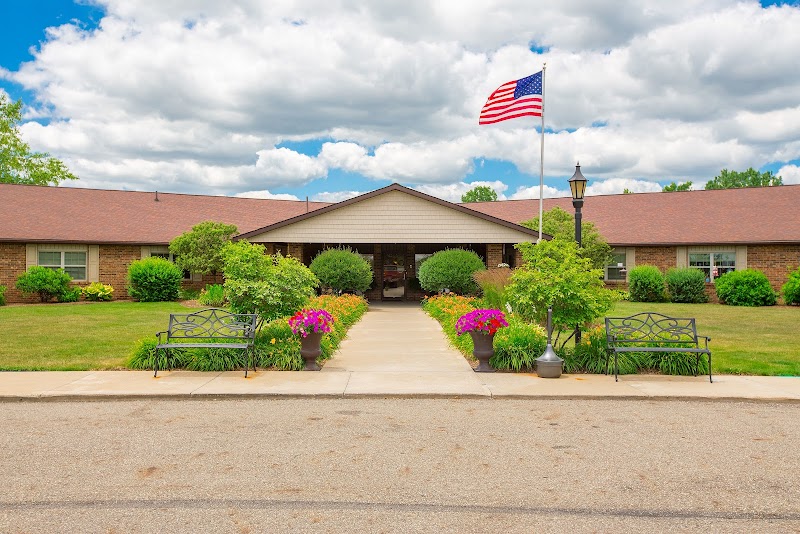
How is Canterbury Villa Of Alliance Staffed?

CMS rates CANTERBURY VILLA OF ALLIANCE's staffing level at 3 out of 5 stars, which is average compared to other nursing homes. Staff turnover is 28%, compared to the Ohio average of 46%. This relatively stable workforce can support continuity of care.

What Have Inspectors Found at Canterbury Villa Of Alliance?

State health inspectors documented 19 deficiencies at CANTERBURY VILLA OF ALLIANCE during 2022 to 2025. These included: 1 Immediate Jeopardy (the most serious level, indicating potential for serious harm or death), 2 that caused actual resident harm, and 16 with potential for harm. Immediate Jeopardy findings are rare and represent the most serious regulatory concerns. They require immediate corrective action.
Who Owns and Operates Canterbury Villa Of Alliance?

CANTERBURY VILLA OF ALLIANCE is owned by a for-profit company. For-profit facilities operate as businesses with obligations to shareholders or private owners. The facility is operated by FOUNDATIONS HEALTH SOLUTIONS, a chain that manages multiple nursing homes. With 82 certified beds and approximately 71 residents (about 87% occupancy), it is a smaller facility located in ALLIANCE, Ohio.

How Does Canterbury Villa Of Alliance Compare to Other Ohio Nursing Homes?

Compared to the 100 nursing homes in Ohio, CANTERBURY VILLA OF ALLIANCE's overall rating (1 stars) is below the state average of 3.2, staff turnover (28%) is significantly lower than the state average of 46%, and health inspection rating (1 stars) is much below the national benchmark.

What Should Families Ask When Visiting Canterbury Villa Of Alliance?

Based on this facility's data, families visiting should ask: "What changes have been made since the serious inspection findings, and how are you preventing similar issues?" "Can I visit during a mealtime to observe dining assistance and food quality?" "How do you handle medical emergencies, and what is your hospital transfer rate?" "Can I speak with family members of current residents about their experience?" These questions are particularly relevant given the facility's Immediate Jeopardy citations.

Is Canterbury Villa Of Alliance Safe?

Based on CMS inspection data, CANTERBURY VILLA OF ALLIANCE has documented safety concerns. Inspectors have issued 1 Immediate Jeopardy citation (the most serious violation level indicating risk of serious injury or death). The facility has a 1-star overall rating and ranks #100 of 100 nursing homes in Ohio. Families considering this facility should ask detailed questions about what corrective actions have been taken since these incidents.

Do Nurses at Canterbury Villa Of Alliance Stick Around?

Staff at CANTERBURY VILLA OF ALLIANCE tend to stick around. With a turnover rate of 28%, the facility is 18 percentage points below the Ohio average of 46%. Low turnover is a positive sign. It means caregivers have time to learn each resident's needs, medications, and personal preferences. Consistent staff also notice subtle changes in a resident's condition more quickly. Registered Nurse turnover is also low at 14%, meaning experienced RNs are available to handle complex medical needs.

Was Canterbury Villa Of Alliance Ever Fined?

CANTERBURY VILLA OF ALLIANCE has no federal fines on record. CMS issues fines when nursing homes fail to meet care standards or don't correct problems found during inspections. The absence of fines suggests the facility has either maintained compliance or corrected any issues before penalties were assessed. This is a positive indicator, though families should still review recent inspection reports for the full picture.

Is Canterbury Villa Of Alliance on Any Federal Watch List?

CANTERBURY VILLA OF ALLIANCE is not on any federal watch list. The most significant is the Special Focus Facility (SFF) program, which identifies the bottom 1% of nursing homes nationally based on persistent, serious quality problems. Not being on this list means the facility has avoided the pattern of deficiencies that triggers enhanced federal oversight. This is a positive indicator, though families should still review the facility's inspection history directly.