MCCREA MANOR NSNG AND REHAB CTR LLC
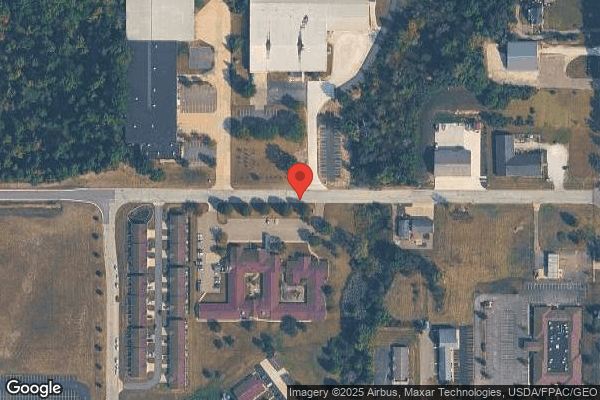
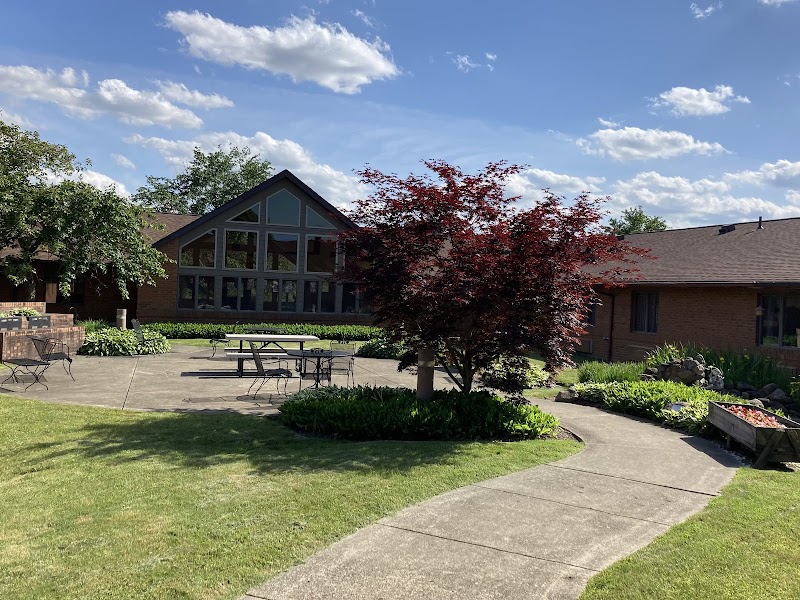
2040 MCCREA STREET, ALLIANCE, OH 44601 (330) 823-9005
For profit - Corporation 84 Beds LIONSTONE CARE Data: November 2025
Trust Grade
40/100
#732 of 913 in OH
Last Inspection: August 2024

Within standard 12-15 month inspection cycle. Federal law requires annual inspections.

Overview

Mccrea Manor Nursing and Rehab Center has a Trust Grade of D, indicating below-average performance with some significant concerns. Ranked #732 out of 913 facilities in Ohio, they fall in the bottom half, and at #29 out of 33 in Stark County, only a few local options are worse. The facility is stable, with 9 issues reported consistently over the last two years. Staffing is a major weakness, with a poor rating of 1 out of 5 stars and a turnover rate of 58%, which is higher than the state average. Although there have been no fines, there are serious deficiencies, including a failure to properly assess and notify a physician for a resident's acute condition, resulting in hospitalization, and concerns over kitchen cleanliness that could affect many residents.

Trust Score
D
40/100
In Ohio
#732/913
Bottom 20%
Safety Record
Moderate
Needs review
Inspections
Holding Steady
9 → 9 violations
Staff Stability
⚠ Watch
58% turnover. Above average. Higher turnover means staff may not know residents' routines.
Penalties
✓ Good
No fines on record. Clean compliance history, better than most Ohio facilities.
Skilled Nurses
⚠ Watch
Each resident gets only 22 minutes of Registered Nurse (RN) attention daily — below average for Ohio. Fewer RN minutes means fewer trained eyes watching for problems.
Violations
⚠ Watch
35 deficiencies on record. Higher than average. Multiple issues found across inspections.
★★☆☆☆
2.0
Overall Rating
★☆☆☆☆
1.0
Staff Levels
★★★★★
5.0
Care Quality
★★☆☆☆
2.0
Inspection Score
Stable
2024: 9 issues
2025: 9 issues

The Good

  • 5-Star Quality Measures · Strong clinical quality outcomes
  • Full Sprinkler Coverage · Fire safety systems throughout facility
  • No fines on record

Facility shows strength in quality measures, fire safety.

The Bad

2-Star Overall Rating

Below Ohio average (3.2)

Below average - review inspection findings carefully

Staff Turnover: 58%

12pts above Ohio avg (46%)

Frequent staff changes - ask about care continuity

Chain: LIONSTONE CARE

Part of a multi-facility chain

Ask about local staffing decisions and management

Staff turnover is elevated (58%)

10 points above Ohio average of 48%

The Ugly 35 deficiencies on record

1 actual harm
Apr 2025 8 deficiencies
CONCERN (D) 📢 Someone Reported This

A family member, employee, or ombudsman was alarmed enough to file a formal complaint

Potential for Harm - no one hurt, but risky conditions existed

Deficiency F0551 (Tag F0551)

Could have caused harm · This affected 1 resident

**NOTE- TERMS IN BRACKETS HAVE BEEN EDITED TO PROTECT CONFIDENTIALITY** Based on medical record review and interview, the facility failed to honor Resident #3's choice in showers. This affected one (R...

Read full inspector narrative →
**NOTE- TERMS IN BRACKETS HAVE BEEN EDITED TO PROTECT CONFIDENTIALITY** Based on medical record review and interview, the facility failed to honor Resident #3's choice in showers. This affected one (Resident #3) of three residents reviewed for resident rights Finding include: Review of Resident #3's open medical record revealed diagnoses including chronic kidney disorder, bipolar disorder, major depressive disorder, generalized muscle weakness, need for assistance with personal care and contracture. A care plan initiated 01/09/23 indicated Resident #3 needed assistance from staff to meet Activities of Daily Living (ADL) needs related to impaired mobility with decreased physical functioning and general debility following hospitalization with lymphedema and multiple wounds. Interventions included assisting Resident #3 with bathing as needed per resident's preference. A nursing note dated 03/15/25 at 11:51 P.M. indicated Resident #3 was offered a shower by staff during the shift. Resident #8 refused. The nurse spoke with Resident #3's Power of Attorney (POA) via Resident #3's personal cell phone about Resident #3 continuously refusing care and showers. The nurse explained to the POA that because Resident #3 continued to refuse showers/care his bed and linens had become extremely soiled. The nurse explained the POA/family would not be happy about Resident #3 being left in the condition he was in. The nurse went on to explain to the POA that staff would be getting Resident #3 up to be showered unless the POA stated otherwise. The nurse explained that if the POA were to say not to shower Resident #3 because he was refusing the nurse would chart the information. The POA stated she did not want it on the record that she was okay with Resident #3 laying in bed in his current stated and gave permission for the nurse and staff to shower Resident #3, clean and sanitize his mattress and change Resident #3's linen. A nursing note on 03/16/25 at 12:28 A.M. indicated Resident #3's shower was completed. Resident #3 tolerated the shower well. Review of a quarterly Minimum Data Set (MDS) assessment dated [DATE] indicated Resident #3 was able to make himself understood and was able to understand others. Resident #3 was assessed as cognitively intact. Disorganized thinking was present and did not fluctuate. A resident preference evaluation dated 04/03/25 at 11:44 A.M. indicated Resident #3 reported it was somewhat important to him to choose the type of bath he received. Resident #3 preferred a sponge bath. Resident #3 also indicated it was somewhat important to have his brother involved in discussion about his care. On 04/10/25 at 6:23 P.M., the nursing note from 03/25/25 regarding Resident #3 refusing a shower and the nurse reaching out to the POA to get permission to give a shower against his wishes when he was assessed as cognitively intact were discussed with the Administrator and Director of Nursing (DON). Neither voiced concerns regarding the note. The Administrator indicated staff could not just leave Resident #3 in bed unclean. The Administrator verified the power of attorney did not over-ride a resident's ability to make choices as long as the resident was able to make his own decisions. The Administrator stated Resident #3 had psychiatric diagnoses and might not be able to make good decisions. It was verified Resident #3 had not been deemed incompetent and did not have a guardianship assigned. On 04/10/25 at 8:40 A.M., Resident #3 was interviewed. When asked if he had any concerns about his care or how he was treated he stated he was taught by his parents at a young age not to report bad things against other people. This deficiency represents non-compliance investigated under Complaint Number OH00163934.
CONCERN (D) 📢 Someone Reported This

A family member, employee, or ombudsman was alarmed enough to file a formal complaint

Potential for Harm - no one hurt, but risky conditions existed

Pharmacy Services (Tag F0755)

Could have caused harm · This affected 1 resident

Based on observation, medical record review, and interview, the facility failed to ensure ordered medication was available for administration. This affected three residents (Resident #15, #31, #32) of...

Read full inspector narrative →
Based on observation, medical record review, and interview, the facility failed to ensure ordered medication was available for administration. This affected three residents (Resident #15, #31, #32) of three residents reviewed for pharmacy services. Findings include: 1. On 04/09/25 at 8:45 A.M., Licensed Practical Nurse (LPN) #100 was observed administering medication to Resident #31. As LPN #100 was preparing the medications she verified Resident #31 did not have Clopidrogel (anti-platelet) available for administration. 2. Review of Resident #15's open medical record revealed diagnoses including type two diabetes mellitus with a foot ulcer, generalized muscle weakness, gastroesophageal reflux disease (GERD), chronic obstructive pulmonary disease (COPD), polyneuropathy, hyperlipidemia, morbid obesity, anxiety, depression, non-pressure chronic ulcer of the right foot, and protein-calorie malnutrition. Review of the March 2025 Medication Administration Record (MAR) revealed an electronic MAR note on 03/12/25 indicating Losartan Potassium, Amlodipine and another unspecified medication was not administered and waiting on pharmacy delivery. During an interview with the Director of Nursing (DON) on 04/09/25 at 3:28 P.M., the DON reported she had only worked at the facility for one week and she was unable to provide an explanation to those specific medications. However, she had been made aware of problems with the pharmacy. 3. Review of Resident #32's medical record revealed diagnoses including epilepsy. Electronic MAR notes dated 02/09/25 at 10:45 P.M. 02/11/25 at 4:29 A.M., 02/12/25 at 6:49 A.M. and 02/12/25 at 8:31 A.M. indicated Phenobarbital (barbiturate) was not administered because it was not available. The note on 02/12/25 at 8:31 A.M. revealed the physician was aware and the facility was awaiting delivery from the pharmacy. On 04/15/25 at 4:20 P.M., the DON stated she was unable to explain why the Phenobarbital was not available during the time frame. This deficiency represents non-compliance investigated under Complaint Number OH00164119.
CONCERN (D) 📢 Someone Reported This

A family member, employee, or ombudsman was alarmed enough to file a formal complaint

Potential for Harm - no one hurt, but risky conditions existed

Unnecessary Medications (Tag F0759)

Could have caused harm · This affected 1 resident

**NOTE- TERMS IN BRACKETS HAVE BEEN EDITED TO PROTECT CONFIDENTIALITY** Based on observation, review of physician orders, review of manufacturer information, policy review and interview, the facility ...

Read full inspector narrative →
**NOTE- TERMS IN BRACKETS HAVE BEEN EDITED TO PROTECT CONFIDENTIALITY** Based on observation, review of physician orders, review of manufacturer information, policy review and interview, the facility failed to administer medication as ordered and/or in accordance with manufacturer guidance. Four medication errors out of 31 opportunities for error were identified resulting in a 12.9% error rate. This affected two (Residents #31 and #68) of six residents observed for medication administration. Findings include: 1. Review of Resident #31's physician orders revealed Clopidrogel bisulfate 75 mg was ordered once a day in the morning. The start date was 02/15/25. Review of physician orders indicated an order dated 02/18/25 for one multivitamin every day in the morning, with no indication for minerals. On 04/09/25 Licensed Practical Nurse (LPN) #100 was observed preparing medication for administration to Resident #31 at 8:45 A.M. During the preparation, LPN #100 stated she had no Clopidrogel bisulfate (anti-platelet) 75 milligrams (mg) available for administration. LPN #100 verified she was preparing one multivitamin with mineral for administration. LPN #100 administered the multivitamin with mineral along with other medications. This resulted in two medication errors. 2. Review of Resident #68's physician orders revealed an order dated 01/18/25 for one multivitamin every day. Resident #68 had orders for insulin Lispro dated 02/27/25 for 18 units before meals on a routine basis and for six units for a blood glucose level of 251-300. On 04/09/25 at 10:28 A.M., Registered Nurse (RN) #105 was observed preparing and administering medication to Resident #68. Among the medication administered was one multivitamin with mineral tablet. During the preparation stage, RN #105 verified she was preparing a multivitamin with mineral. At 10:38 A.M., RN #105 administered 24 units of insulin Lispro for a blood sugar level of 269. The Kwik-pen used did not have an open date recorded but was delivered to the facility on [DATE]. RN #105 was made aware the Kwik-pen did not have an open date on it prior to administration and the delivery date but administered it regardless. This results in two medications errors, to equal four total errors. Review of manufacturer information revealed the Kwik-pen should not be used for more than 28 days after the pen use started. Review of the facility's Medication Dispensing System policy (not dated) revealed instructions prior to medication administration, it should be verified the medication was the right drug, at the right dose, the right route, the right rate, the right time and for the right customer. This deficiency represents non-compliance investigated under Master Complaint Number OH00164409, Complaint Number OH00164119, and Complaint Number OH00163930.
CONCERN (D) 📢 Someone Reported This

A family member, employee, or ombudsman was alarmed enough to file a formal complaint

Potential for Harm - no one hurt, but risky conditions existed

Deficiency F0804 (Tag F0804)

Could have caused harm · This affected 1 resident

Based on observation and interview, the facility failed to ensure food was served at a palatable, safe temperature. This affected one (Resident #37) of seven residents interviewed regarding the lunch ...

Read full inspector narrative →
Based on observation and interview, the facility failed to ensure food was served at a palatable, safe temperature. This affected one (Resident #37) of seven residents interviewed regarding the lunch meal served on 04/07/25. Findings include: On 04/07/25 between 11:15 A.M. and 12:02 P.M., the lunch tray line was observed. Incorrect information was provided to the surveyor regarding carts that had been served. At 12:02 P.M., the cook indicated she only had three trays lift to serve but they were waiting on residents to indicate if they were going to the dining room or eating in their rooms. Meals were prepared and placed in the warmer. On 04/07/25 at 12:03 P.M., a test tray was prepared directly from the steam table. The temperature of the fish was 111 degrees Fahrenheit. [NAME] #120 stated the fish should have been 145 degrees when served. The fish tasted cool. On 04/07/25 at 1:53 P.M., Resident #37 reported she did not like the fish served for lunch. It was cold and did not taste good. Review of the facility's Food Temperature Guidelines (revised August 2008) revealed hot foods should be greater than 135 degrees at point of service. This deficiency represents non-compliance investigated under Complaint Number OH00164119.
CONCERN (D) 📢 Someone Reported This

A family member, employee, or ombudsman was alarmed enough to file a formal complaint

Potential for Harm - no one hurt, but risky conditions existed

Medical Records (Tag F0842)

Could have caused harm · This affected 1 resident

Based on review of medical records, policy review and interview, the facility failed to ensure medical records were complete to accurately reflect medications being administered or not. This affected ...

Read full inspector narrative →
Based on review of medical records, policy review and interview, the facility failed to ensure medical records were complete to accurately reflect medications being administered or not. This affected two (Residents #15 and #17) of three residents reviewed for medication administration. Findings include: 1. Review of Resident #15's open medical record revealed diagnoses including type two diabetes mellitus with a foot ulcer, generalized muscle weakness, gastroesophageal reflux disease (GERD), chronic obstructive pulmonary disease (COPD), polyneuropathy, hyperlipidemia, morbid obesity, anxiety, depression, non-pressure chronic ulcer of the right foot, and protein-calorie malnutrition. Review of the March 2025 Medication Administration Record (MAR) revealed no documentation of morning medications being administered on 03/13/25. Ordered medications included mag ox (supplement) 400 milligrams (mg), Fluoxetine (antidepressant) 40 mg, Buspirone (anti-anxiety) 10 mg, Pantoprazole sodium (used to reduce stomach acid production) 40 mg, Metformin (anti-diabetic) 750 mg, Meloxicam (non-steroidal anti-inflammatory drug) 7.5 mg, Losartan Potassium (used to treat high blood pressure 50 mg, iron-vitamins 325 mg, Aspirin 81 mg, and Amlodipine Besylate (used to treat high blood pressure) 5 mg. During an interview with the Director of Nursing (DON) on 04/09/25 at 3:28 P.M., the DON reported there was an agency nurse, identified as Registered Nurse (RN) #110, scheduled to work 03/13/25. RN #110 worked until 4:56 P.M. (time card provided) and was observed administering medications. However, after she left it was discovered she had not signed off the administration of medications on the MAR. 2. Review of Resident #17's open medical record revealed diagnoses included multiple sclerosis, schizoaffective disorder, narcolepsy, chronic pain syndrome, protein-calorie malnutrition, obstructive sleep apnea, depression, dysphagia, epilepsy, seasonal allergic rhinitis, GERD, polyosteoarthritis, weakness and abnormal posture. Review of the February 2025 MAR revealed no documentation of morning medications including Riboflavin 100 milligrams ordered once a day, vitamin D 2000 units ordered every day, Zyrtec 10 milligrams ordered every day, Gauifenesin ER 600 milligrams ordered every 12 hours, Keppra (anticonvulsant) 500 milligrams ordered twice a day, Modafinil (central nervous system stimulant) 200 milligrams ordered twice a day, Senna S 8.6-50 milligrams (two tablets) ordered twice a day, Baclofen (skeletal muscle relaxant) 20 milligrams ordered three times a day, and Sucralfate (used to treat ulcers) 1 gram ordered three times a day) being offered or administered on 02/06/25. There was no documentation of medications scheduled to be administered on 02/06/25 at 2:00 and 3:00 P.M. being offered/administered, including Sucralfate 1 gram, Baclofen 20 milligrams, Senna S 8.6-50 mg (two tablets), and Modafinil 200 milligrams. There was no documentation indicating medications scheduled at bedtime on 02/11/25 were offered/administered, included Simvastatin used to treat high cholesterol) 10 milligrams (mg), Guaifenesin ER 600 mg, Keppra 500 mg, Baclofen 20 mg, and Sucralfate 1 gram. On 04/15/25 at 4:18 P.M., the DON stated she was unable to provide any additional details regarding why the medications were not documented as offered/administered. This deficiency represents non-compliance investigated under Complaint Number OH00164119.
CONCERN (E) 📢 Someone Reported This

A family member, employee, or ombudsman was alarmed enough to file a formal complaint

Potential for Harm - no one hurt, but risky conditions existed

Deficiency F0761 (Tag F0761)

Could have caused harm · This affected multiple residents

**NOTE- TERMS IN BRACKETS HAVE BEEN EDITED TO PROTECT CONFIDENTIALITY** Based on medical records, review of manufacturer information, observation and interview, the facility failed to ensure opened in...

Read full inspector narrative →
**NOTE- TERMS IN BRACKETS HAVE BEEN EDITED TO PROTECT CONFIDENTIALITY** Based on medical records, review of manufacturer information, observation and interview, the facility failed to ensure opened insulin pens were dated for proper use and disposal. This affected four residents (Resident #28, #46, #68, and #71) from two of three medication carts observed for medication storage. Findings include: 1. During observation of medication preparation and administration on [DATE] between 10:28 A.M. and 10:38 A.M., Registered Nurse (RN) #105 was observed preparing and administering medication to Resident #68. RN #105 administered 24 units of insulin Lispro for a blood sugar level of 269. The Kwik-pen used did not have an open date recorded but was delivered to the facility on [DATE]. RN #105 was made aware the Kwik-pen did not have an open date on it prior to administration and the delivery date and acknowledged she agreed with the information shared. Review of manufacturer information for insulin Lispro revealed the Kwik-pen should not be used for more than 28 days after the pen use started. 2. On [DATE] at 10:28 A.M., RN #105 verified there was an undated opened insulin pen (Lantus) pen for Resident #46 and an undated opened Lantus Solostar pen for Resident #28 in the medication cart. 3. On [DATE] at 11:00 A.M., Licensed Practical Nurse (LPN) #145 verified there was an undated Lantus insulin pen in one of the medication carts for Resident #71. LPN #145 stated she did not know who Resident #71 was or how long ago he might have resided at the facility. LPN #145 indicated the insulin pen would need disposed of. Review of progress notes for Resident #71 revealed he expired [DATE]. Review of the facility's Medication Storage policy (not dated) indicated medications would be stored in the original, labeled containers received from pharmacy and expired, discontinued and/or contaminated medications were to be removed from the medication storage areas and disposed of in accordance with facility policy. This deficiency represents non-compliance investigated under Complaint Number OH00163930.
CONCERN (E) 📢 Someone Reported This

A family member, employee, or ombudsman was alarmed enough to file a formal complaint

Potential for Harm - no one hurt, but risky conditions existed

Menu Adequacy (Tag F0803)

Could have caused harm · This affected multiple residents

Based on review of menus with spreadsheets, policy review, observation and interview, the facility failed to ensure appropriate portion sizes were served. This affected 33 residents with the potential...

Read full inspector narrative →
Based on review of menus with spreadsheets, policy review, observation and interview, the facility failed to ensure appropriate portion sizes were served. This affected 33 residents with the potential to affect 69 of 70 residents in the facility as one resident (Resident #24) had an order for no food by mouth. The census was 70. Findings include: Review of the menu spreadsheet revealed four ounces of the rice pilaf was to be served except for those residents on carbohydrate controlled diets who were supposed to receive three ounces. Observations of the tray line on 04/07/25 at 11:15 A.M. revealed the facility was serving two ounces of rice pilaf. This was verified by [NAME] #120 at the time of the observation. [NAME] #120 was referred to the spreadsheet and verified the incorrect amount of rice pilaf had already been served. The facility identified Residents #2, #5, #6, #8, #11, #13, #14, #18, #21, #22, #23, #25, #27, #31, #32, #34, #35, #37, #39, #40, #48, #50, #53, #54, #55, #57, #59, #60, #62, #64, #65, #67, and #68 as those residents who received the inappropriate portion sizes of the rice pilaf. Review of the facility diet list revealed Resident #24 received no food by mouth. Review of the facility's Portion Control Guidelines (revised August 2008) revealed portion control shall be used to ensure nutritional adequacy of standardized recipes, positive nutritional status and cost control. Portion sizes shall be written on recipes, spreadsheets and production sheets. Portion control utensils shall be used during food preparation and service. This deficiency represents non-compliance investigated under Complaint Number OH00164119.
CONCERN (E) 📢 Someone Reported This

A family member, employee, or ombudsman was alarmed enough to file a formal complaint

Potential for Harm - no one hurt, but risky conditions existed

Safe Environment (Tag F0921)

Could have caused harm · This affected multiple residents

Based on observation and interview, the facility failed to maintain the environment in a clean and sanitary condition. This affected twelve residents (Resident #4, #8, #10, #15, #18, #23, #24, #27, #2...

Read full inspector narrative →
Based on observation and interview, the facility failed to maintain the environment in a clean and sanitary condition. This affected twelve residents (Resident #4, #8, #10, #15, #18, #23, #24, #27, #28, #36, #38, and #57) of fifteen resident rooms observed for cleanliness. Findings include: 1. During observation of medication administration in Resident #27's room on 04/07/25 at 9:17 A.M., it was observed the floor was dirty. Resident #27 had a urinal on the floor under his bed. The stripping on the side of Resident #36's over bed table had pulled away from the surface on one long side of the table and ½ of one short side. On 04/07/23 at 9:23 A.M. Certified Nursing Assistant (CNA)/med tech #125 verified the table was in disrepair and stated the floor could be cleaner. On 04/07/25 at 9:50 A.M., the Administrator verified the environmental concerns identified in Resident #27's room. 2. During observation of medication administration in Resident #24's on 04/09/25 at 9:37 A.M., a used toothette was observed on the floor near the trash can. A disposable glove was noted on the floor inside of the closet. Observations under Resident #24's bed revealed a ball of dust, a plastic bottle and a crayon. Resident #24 had a hair bush and paper under her bed. There was a plastic bag on the floor by the oxygen concentrator and a white substance on the floor in front of the night stand. The bathroom floor had one lighter area of brown between the toilet and doors which appeared to be the original coloring of the floor. The remainder of the flooring was dark. There was build up of dirt around the bolts at the base of the toilet. On 04/07/25 at 9:45 A.M. the environmental concerns were brought to the attention of Registered Nurse (RN) #105 who did not dispute the findings. RN #105 stated she was unaware of the facility's cleaning schedule. On 04/07/25 at 9:50 A.M., the Administrator verified the environmental concerns identified in Resident #24's room. 3. On 04/07/25 at 10:57 A.M., Resident #15 stated she did not feel the room and bathroom floors were kept clean. Observations at that time revealed along the edges of the bathroom flooring, flooring under the sink in the room and along the edges of the room were discolored. 4. On 04/09/25 at 9:20 A.M. , a discoloration of the flooring between the beds and doors in Resident #38 and Resident #57's room was noted. The areas appeared to be a dried spill. In Resident #8's room there was one large piece and multiple smaller shredded pieces of an incontinence brief on the floor. On 04/09/25 at 9:50 A.M., the environmental concerns in Resident #38, Resident #57, and Resident #8's rooms were verified by the Administrator who stated housekeeping might not have cleaned those rooms yet. The Administrator verified staff should clean spills and pick up trash regardless of their titles. The Administrator called for a housekeeper. 5. On 04/09/25 at 10:17 A.M., an over-bed table was inside the doorway of Resident #23 and Resident #28's room with the strip on the side of the table taped. This was verified by the Administrator at that time, who instructed staff to remove and replace the table. It was unknown whose table was taped. 6. On 04/09/25 at 10:57 A.M. observation and interview with the Administrator verified the bathroom floor between Resident #8 and Resident #10's rooms were stained and there was a build up of dirt around the toilet bolts. This deficiency represents non-compliance investigated under Complaint Number OH00164119 and Complaint Number OH00163934.
Mar 2025 1 deficiency
CONCERN (D) 📢 Someone Reported This

A family member, employee, or ombudsman was alarmed enough to file a formal complaint

Potential for Harm - no one hurt, but risky conditions existed

Deficiency F0744 (Tag F0744)

Could have caused harm · This affected 1 resident

**NOTE- TERMS IN BRACKETS HAVE BEEN EDITED TO PROTECT CONFIDENTIALITY** Based on observation, medical record review, review of Self-Reported Incident, review of witness statement, policy review and in...

Read full inspector narrative →
**NOTE- TERMS IN BRACKETS HAVE BEEN EDITED TO PROTECT CONFIDENTIALITY** Based on observation, medical record review, review of Self-Reported Incident, review of witness statement, policy review and interview, the facility failed to ensure staff provided appropriate dementia care when Resident #57, who had a diagnosis of dementia with mood disturbance/other behavioral disturbances and resided on the secured memory care unit, began to display resistive-to-care behaviors. This affected one (Resident #57) of three residents reviewed for dementia care. Sixteen residents (Residents #66, #62, #55, #52, #40, #57, #37, #49, #15, #68, #21, #45, #47, #41, #28 and #23) had a diagnosis of dementia and resided in the secured memory care unit. The census was 70. Findings include: Review of the medical record for Resident #57 revealed an admission date of 04/09/23 with diagnoses of Alzheimer's disease, dementia with mood disturbance, dementia with other behavior disturbances, and anxiety disorder. Resident #57's power of attorney (POA) was his wife. Resident #57 resided on the secured memory care unit. Review of Resident #57's care plan for impaired cognition dated 10/18/23 revealed Resident #57 had impaired cognitive function/dementia or impaired thought process with an intervention to communicate with Resident #57 and/or family/caregivers regarding his capabilities and needs. Review of Resident #57's care plan for inappropriate behaviors updated 02/13/24 revealed Resident #57 had verbally and physically aggressive behaviors at times related to diagnoses of Alzheimer's disease and dementia with behaviors. Behaviors included urinating in trash can, resistance to personal care, verbally and physically assaulting staff, removing clothing and wanting to walk around nude in the hallways with staff redirecting and assisting resident to redress. Inventions included approaching Resident #57 in a slow, calm manner, bringing resident to a quiet environment as needed, providing support and encouragement and allowing resident to make choices with daily care when possible. Review of the Minimum Data Set (MDS) 3.0 quarterly assessment dated [DATE] revealed Resident #57 was severely cognitively impaired, had continuous inattention and disorganized thinking, utilized a wheelchair for mobility and required partial/moderate assistance with toileting and walking 150 feet. Review of the nursing note dated 01/25/25 timed 11:17 P.M. revealed Resident #57 was aggressive with staff and other residents. It took three nurse aides to get Resident #57 back into his room as Resident #57 continued to try to hit, scream and yell. Resident #57 was taken into shower and continued to scream in shower with high pitched scream. Resident #57 took medications well after shower and was able to get calmed down and to room with no further incidents. Review of the Psychiatry Nurse Practitioner Note dated 01/30/25 revealed Resident #57 was last seen on 01/16/25 with a new order to discontinue Seroquel (an antipsychotic medication) 175 milligrams (mg) at bedtime and start Seroquel 150 mg at bedtime for seven days then 125 mg at bedtime. Nursing staff reported on 01/25/25 that Resident #57 was combative, and it took multiple nurses to get Resident #57 to room and his shower. The Assessment/Plan for anxiety/depression/dementia with behaviors indicated Resident #57 was to continue Namenda (a medication for treatment of Alzheimer's disease) 10 mg twice a day, paroxetine (an antidepressant) 20 mg, Depakote Sprinkles (used to treat mood conditions) 250 mg twice a day, Buspar (an antianxiety medication) 10 mg three times a day, Ativan (an antianxiety medication) 0.5 mg at bedtime and Ativan 0.5 mg every 24 hours as needed. At the last visit, gradual dose reduction (GDR) of Seroquel began. The note further indicated to continue decreasing Seroquel to 100 mg for seven days then to 75 mg. Resident #57 had an as needed available (Ativan), and would encourage use of as needed medication. Review of the physician orders from February 2025 revealed Resident #57 was ordered Ativan oral tablet 0.5 mg give one tablet by mouth every 24 hours as needed for agitation/anxiety. Review of the electronic medication administration record (eMAR) medication administration note dated 02/04/25 timed 9:50 A.M. revealed Resident #57 raised his fist and tried to hit the nurse when attempting to administer medications. Resident #57 refused and yelled, get the [expletive] out of here. Review of the nursing note dated 02/04/25 timed 7:04 P.M. revealed Resident #57 was going in and out of other resident rooms and got into an argument with another male resident. Resident #57 was hitting the nurse and nurse aides and was being very aggressive. Review of the eMAR medication administration note dated 02/10/25 timed 2:03 A.M. revealed Resident #57 began hitting and trying to bite an aide as she was trying to direct him to bed. The nurse interrupted and advised aide to step out of the room. Resident #57 was calm towards nurse and agreed to lay down in bed and let the nurse cover him up. Resident #57 stayed in bed with no further issues. Review of the Psychiatry Nurse Practitioner Note dated 02/13/25 revealed Resident #57 was last seen on 01/30/25 with a new order to decrease Seroquel to 100 mg for seven days then to 75 mg. Nursing staff reported Resident #57 had an incident with another resident and had been consistently having behaviors. The Assessment/Plan for anxiety/depression/dementia with behaviors indicated Resident #57 was utilizing Buspar 15 mg three times a day, Ativan 0.5 mg at bedtime and every 24 hours as needed, Namenda 10 mg twice a day, Seroquel 50 mg at bedtime and Depakote Sprinkles 250 mg at morning and 375 mg at bedtime. The note indicated the psychiatry nurse practitioner would continue to titrate Seroquel down because Resident #57 did not have the supporting diagnosis for the Seroquel medication. GDR of Seroquel 25 mg for seven days then discontinue. The note further indicated the nurse practitioner would like to increase Depakote Sprinkles to 250 mg three times a day. Review of the eMAR medication administration note dated 02/24/25 timed 3:44 A.M. revealed Resident #57 was wandering into other resident rooms. Resident #57 became agitated and tried to punch aides when they attempted to redirect. Resident #57 was directed to bedroom, medicated with bedtime medications, assisted to lay in bed, covered up, and bedroom door closed. Resident #57 stayed in room and eventually fell asleep. Review of the late entry health status note dated 02/28/25 timed 1:10 A.M. revealed Resident #57 was evaluated by the nurse to determine if any bruises or injuries were noted. No bruising/injuries were noted to resident face, neck or arms. Resident #57 would not allow the nurse to remove his shirt or pants to look for any bruising or injury. When asked if he had any pain anywhere, he replied, well no, nothing is bothering me. Review of the eMAR medication administration note dated 02/28/25 timed 4:07 A.M. revealed Resident #57 was wandering in other resident rooms, yelling at staff and was violent and aggressive with staff - hitting, punching and trying to bite staff. Interventions were one-to-one, reduction of stimulation and medication with bedtime medications that included Ativan. The note further indicated Resident #57 improved some, and would be violent and aggressive with staff whenever hands on care provided. Review of the February 2025 Medication Administration Record (MAR) revealed Resident #57 was not administered the as needed Ativan during the month. Review of the eMAR medication administration note dated 03/01/25 timed 2:08 A.M. revealed Resident #57 was fighting staff, trying to hit, kick and bite staff while they attempted to give him care. Resident #57 was wandering into other resident rooms and yelling at other residents. Resident #57 was directed to his room, bedtime medications were given and staff were able to get Resident #57 to lay down in his room and provided a quiet room with door shut. The note further indicated Resident #57 did calm down when left alone in room but continued to get up in the room, moved things around in room, urinated on the floor and tried to hit, kick and bite whenever staff tried to provide hands-on care. Review of the Psychiatry Nurse Practitioner Note dated 03/03/25 revealed psychiatric evaluation at the request of the facility staff for worsening of behaviors at bedtime and medication management. Wife reported Resident #57 told her, he is going to die. The note indicated Resident #57 was compliant with medications and review of the Medication Administration Record (MAR) indicated no use of as needed Ativan in over four weeks. Review of the nursing progress note dated 03/03/25 timed 8:40 P.M. revealed Resident #57 was walking around on unit searching for his room when he opened a door belonging to another resident. The other resident became angry and yelled at Resident #57 causing Resident #57 to go farther down the hall where he entered a different resident's room and that resident proceeded to tell him to get out and Resident #57 responded by telling the resident he would snap her neck. Review of the eMAR medication administration note dated 03/04/25 timed 12:54 A.M. revealed Resident #57 was wandering into other resident rooms, tried to lay in their beds, urinated all over his bedroom floor, and became violent with attempts of hands-on care. When staff was trying to redirect him out of another resident's room, Resident #57 became angry, started yelling, hitting and tried to bite staff. Other staff members took over care which did help Resident #57 calm down and they were able to get Resident #57 into bed to lay down. The note further indicated Resident #57 was currently asleep in bed and every 15 minute checks remained ongoing. Review of the March 2025 MAR revealed Resident #57 was not administered the as needed Ativan. Review of the February and March 2025 nursing and social services progress notes and assessments revealed there was no evidence the facility attempted to coordinate an interdisciplinary team meeting with Resident #57's wife regarding his increasing behaviors. Review of the Self-Reported Incident dated 02/27/25 revealed there was an allegation of physical and verbal abuse involving Resident #57. The MDS Nurse stated that a nurse aide who was training with two fellow nurse aides accused the other two nurse aides of holding down Resident #57 and covering his mouth with their hand/hands. Review of the witness statement dated 02/27/25 authored by Certified Nurse Aide (CNA) #4 revealed, so at 8:40 P.M., myself and [CNA #3] and [CNA #2], we went into [Resident #57's] room and trying to change him but he was fighting us .and [CNA #3] was trying to put his brief on and [Resident #57] was fighting his legs . Interview on 03/03/25 at 2:15 P.M. with CNA #4 revealed on 02/27/25, it was her third day orienting with other CNAs and CNA #4 had been shadowing CNA #12 earlier in the day then began shadowing CNA #2 and CNA #3 on the memory care unit. At 8:40 P.M., Resident #57 was exiting his bedroom when CNA #2 and CNA #3 assisted him back into his bathroom within his bedroom. Resident #57 was yelling/screaming standing in front of the toilet saying get off of me while CNA #3 was behind him trying to apply an incontinence brief with CNA #4 assisting. CNA #2 or CNA #3 told Resident #57 to cooperate, we're trying to put your brief on then CNA #2 put her hand in front of his mouth so Resident #57 would not bite CNA #4. Interview on 03/03/25 at 2:51 P.M. with CNA #3 revealed on 02/27/25 around 9:30 P.M., CNA #4 asked for assistance to change Resident #57 because Resident #57's was wet/soiled and had incontinent odor so the CNAs assisted Resident #57 into his bathroom. At that time, Resident #57 grabbed CNA #4's wrists and tried to bite or hit her. CNA #3 held her hand between his mouth and shoulder to prevent him from biting CNA #4. The CNAs got his incontinence brief changed and assisted him to bed then notified Licensed Practical Nurse (LPN) #10 of what happened. CNA #3 stated that Resident #57's behaviors had been bad lately and he screamed when the staff tried to do any kind of care. Resident #57 would yell and reject care. Observation on 03/03/25 at 4:05 P.M. revealed Resident #57 was pleasantly sitting in a wheelchair in the dining room. Interview, during the observation, with Resident #57 revealed Resident #57 was unaware he was residing at a nursing home and unaware of the town where he resided. Interview on 03/03/25 at 4:20 P.M. with CNA #6 revealed Resident #57 had violent tendencies and was very violent. Interview on 03/04/25 at 8:15 A.M. with LPN #8 revealed Resident #57 would often bite CNA #3 and LPN #8 had to patch up CNA #3's arms after being bit. Resident #57 sundowns (when behaviors occur in the afternoon and evening hours in people with dementia) and searched for his wife. Resident #57 got mad when redirected and re-approaching later did not work. However, if he was left alone and left to deescalate himself, he would lay down in bed. He got violent/yelled anytime the staff tried to perform care which was his way of acting out. Observation on 03/04/25 at 9:25 A.M. revealed Resident #57 was peacefully lying in bed with his eyes closed. Interview on 03/04/25 at 10:35 A.M. with CNA #2 revealed Resident #57 did not like to be touched, went into fight mode and would bite staff. On 02/27/25, the CNAs had been trying to assist him for five minutes in the bathroom beforehand when CNA #4 grabbed both his arms and pulled his sleeves over his hands then Resident #57 started swinging and biting CNA #4's arm stating, keep her away from me. Interview on 03/04/25 at 12:05 P.M. with Social Services Designee (SSD) #13 revealed Resident #57's wife used to come visit him from the morning into the afternoon every other day then the wife went on vacation for the last two to three weeks. Resident #57's behaviors had increased since the wife had not been coming in to visit. SSD #13 verified there had not been any documented formal interdisciplinary team meetings with Resident #57's wife to discuss his behavior management and dementia care. Interview on 03/04/25 at 12:45 P.M. and 3:05 P.M. with the Administrator verified there had not been an interdisciplinary team meeting including Resident #57's wife to discuss interventions that might be more successful in managing Resident #57's dementia related behaviors. The Administrator also verified Resident #57 was not administered as needed Ativan during February and March 2025 as suggested in the nurse practitioner progress note dated 01/30/25. Review of the facility's undated Dementia and Behavioral Health Guidelines policy revealed agitation referred to a range of behaviors associated with dementia, including irritability, sleeplessness and verbal or physical aggression. Agitation could be triggered by a variety of things, including environmental factors, fears and fatigue. Most often, agitation was triggered when the person experienced control being taken from him or her. Interventions included reducing noise, clutter or the number of people in the room. The policy indicated to try gentle touch, soothing music, reading or walking to quell agitation. Speak in a reassuring voice. Do not try to restrain the person during a period of agitation. This deficiency represents noncompliance investigated under Control Number OH00163161.
Aug 2024 8 deficiencies
CONCERN (D) 📢 Someone Reported This

A family member, employee, or ombudsman was alarmed enough to file a formal complaint

Potential for Harm - no one hurt, but risky conditions existed

Pressure Ulcer Prevention (Tag F0686)

Could have caused harm · This affected 1 resident

**NOTE- TERMS IN BRACKETS HAVE BEEN EDITED TO PROTECT CONFIDENTIALITY** Based on observation, record review and interview, the facility failed to ensure Residents #4 and #19's pressure ulcer wound car...

Read full inspector narrative →
**NOTE- TERMS IN BRACKETS HAVE BEEN EDITED TO PROTECT CONFIDENTIALITY** Based on observation, record review and interview, the facility failed to ensure Residents #4 and #19's pressure ulcer wound care was completed as ordered. This affected two ( #4 and #19) of two residents reviewed for pressure ulcer wounds. Findings include: 1. Review of Resident #4's medical record revealed the resident was originally admitted on [DATE] and readmitted on [DATE] with diagnoses including acute respiratory failure with hypercapnia, multiple sclerosis and chronic pain syndrome. Review of Resident #4's Minimum Data Set (MDS) 3.0 assessment dated [DATE] revealed the resident exhibited intact cognition. Review of Resident #4's skin care plans revealed an intervention dated 07/24/24 for treatments as ordered by the physician. Resident #4 was discharged to the hospital on [DATE] and returned on 07/24/24. Review of Resident #4's Pressure Ulcer Risk Assessment form dated 07/23/24 revealed the resident's pressure sore risk was 15 or low risk of developing pressure ulcer wounds. Review of Resident #4's hospital discharge paperwork dated 07/24/24 revealed new orders to clean the sacrum wound with normal saline, apply aquacel ag (provides rapid and sustained antimicrobial activity), 4 x 4, cover with foam dressing, change daily and as needed and an order to clean the right buttock wound with soap and water, apply Medihoney (medical-grade honey-based dressing to treat wounds and burns) to wound bed and cover with foam dressing change daily and as needed. Review of Resident #4's medical record revealed no evidence the aquacel ag to the resident's sacrum was implemented from 07/24/29 to 07/29/24. Observation on 08/25/24 at 2:43 P.M. with Assistant Director of Nursing (ADON) Wound Nurse #218 of Resident #4's right buttock and sacral wound care revealed the nurse setup a clean field on the resident's overbed table, washed her hands, put on gloves, removed the undated soiled dressings on the right buttock and sacral pressure wounds, placed the soiled dressings in the trash, cleansed the wounds on the right buttock and sacrum with normal saline and 4 x 4's, removed her gloves, washed her hands, applied Santyl (enzymatic debriding agent) on a 4 x 4 dressing and then used the 4 x 4 dressing to place the Santyl into the wound beds of both the right buttock and sacrum pressure wounds and then covered the right buttock and sacral wounds with dry dressings. Interview on 08/25/24 at 2:47 P.M. with ADON Wound Nurse #218 confirmed she did not remove her gloves and complete hand hygiene after she removed the visibly soiled dressing from Resident #4's right buttock prior to completing the rest of the wound care for the resident. ADON Wound Nurse #218 also confirmed she did not complete appropriate hand hygiene between Resident #4's right buttock pressure ulcer wound care and the Sacral pressure ulcer wound care. Interview on 08/26/24 at 12:19 P.M. with ADON Wound Nurse #218 confirmed Resident #4's pressure ulcer wound care treatment order dated 07/24/24 to clean the sacrum wound with normal saline, apply aquacel ag, 4 x 4, cover with foam dressing, change daily and as needed was not implemented from 07/25/24 to 07/29/24. 2. Review of Resident #19's medical record revealed the resident was admitted on [DATE] with diagnoses including unspecified dementia, hypothyroidism and major depressive disorder. Review of Resident #19's Quarterly Minimum Data Set (MDS) 3.0 assessment dated [DATE] revealed the resident exhibited moderate cognitive impairment. Review of Resident #19's physician orders revealed an order dated 06/17/24 to lightly pack triad infused gauze into the wound bed and cover with a foam dressing daily and as needed (discontinued 08/26/24). Review of Resident #19's pressure ulcer risk assessment dated [DATE] revealed the resident's pressure sore risk was 11 or moderate risk of developing pressure ulcer wounds. Review of Resident #19's care plans revealed an intervention revised 07/24/24 to provide for wound care as ordered. Review of Resident #19's Weekly Wound Round Notes form dated 08/19/24 revealed the resident had an inferior sacral pressure ulcer wound Stage 4 (in house acquired) dated 05/22/24 which measured 0.6 cm length by 0.3 cm width by 0.1 cm depth. The document stated it was an older Stage 4 pressure wound that had re-opened. Observation on 08/25/24 at 4:25 P.M. with Assistant Director of Nursing (ADON) Wound Nurse #218 of Resident #19's sacral wound revealed no dressing was implemented on the pressure ulcer wound. Interview on 08/25/24 at 4:30 P.M. with ADON Wound Nurse #218 confirmed Resident #19's pressure ulcer dressing was not in place as ordered. Interview on 08/25/24 at 4:35 P.M. with State Tested Nurse Aide (STNA) #220 revealed he had provided incontinence care for Resident #19 around 2:00 P.M. and the resident did not have a pressure ulcer dressing on her sacral wound. STNA #220 confirmed he did not report this to the nurse. Review of the Wound Care policy dated August 2021 revealed to verify the physician order, review resident care plan, assemble equipment and supplies, place a barrier on the bedside table to establish a clean field, wash and dry hands, position resident, put on exam glove and loosen tape to remove old dressing and discard the old dressing, remove gloves and wash hands, put on new gloves, cleanse the wound as ordered, apply treatments as indicated, dress wound and mark tape with initials, date and time of dressing applied. This deficiency represents non-compliance investigated under Complaint Number OH00156815.
CONCERN (D)

Potential for Harm - no one hurt, but risky conditions existed

Respiratory Care (Tag F0695)

Could have caused harm · This affected 1 resident

**NOTE- TERMS IN BRACKETS HAVE BEEN EDITED TO PROTECT CONFIDENTIALITY** Based on observation, record review, and interview, the facility failed to ensure a resident's oxygen flow rate was set as order...

Read full inspector narrative →
**NOTE- TERMS IN BRACKETS HAVE BEEN EDITED TO PROTECT CONFIDENTIALITY** Based on observation, record review, and interview, the facility failed to ensure a resident's oxygen flow rate was set as ordered by the physician. This affected one (Resident #34) of two residents reviewed for respiratory care. The facility identified nine residents who received oxygen therapy. Findings include: Review of the medical record revealed Resident #34 was admitted to the facility on [DATE]. Diagnoses included chronic obstructive pulmonary disease, asthma, dementia, diabetes mellitus, congestive heart failure, and atrial fibrillation. Review of the quarterly Minimum Data Set (MDS) assessment, dated 07/05/24, revealed Resident #34's Brief Interview for Mental Status (BIMS) score was 14, which indicated intact cognition. There were no behaviors or rejection of care. The resident received oxygen therapy. Review of the Care Plan, dated 10/16/23, revealed Resident #34 was at risk for alteration in air exchange with the intervention to administer oxygen as ordered. Review of physician order, dated 10/04/23, revealed an order for oxygen at two liters per minute to be infused via nasal cannula. Observations on 08/27/24 at 9:10 A.M. and at 11:00 A.M. revealed Resident #34's oxygen flow rate was set at three liters per minute via nasal cannula. During interview on 08/27/24 at 11:02 A.M., Licensed Practical Nurse (LPN) #269 confirmed Resident #34's oxygen flow rate was incorrectly infusing at three liters per minute and should be infusing at two liters per minute. During interview on 08/28/24 at 11:07 A.M., the Director of Nursing confirmed Resident #34's oxygen flow rate should be infused as ordered by the physician.
CONCERN (D)

Potential for Harm - no one hurt, but risky conditions existed

Safe Environment (Tag F0921)

Could have caused harm · This affected 1 resident

Based on observation and interview, the facility failed to ensure Resident #34's room was maintained in good repair. This affected one (#34) of 22 residents reviewed for environmental concerns. Facili...

Read full inspector narrative →
Based on observation and interview, the facility failed to ensure Resident #34's room was maintained in good repair. This affected one (#34) of 22 residents reviewed for environmental concerns. Facility census was 68. Findings include: Observation of Resident #34's room on 08/28/24 at 1:00 P.M. with Maintenance Director #2115 revealed four holes in the drywall which appeared recessed behind the resident's recliner and the electrical outlet was damaged and recessed into the wall. Interview on 08/28/24 at 1:02 P.M. with Maintenance Director #2115 confirmed Resident #34's room was not maintained in good repair.
CONCERN (E)

Potential for Harm - no one hurt, but risky conditions existed

Deficiency F0679 (Tag F0679)

Could have caused harm · This affected multiple residents

Based on observations, interview and record review, the facility failed to ensure residents were provided activities on the memory care unit. This affected 15 ( #8, #11, #16, #24, #26, #27, #35, #42, ...

Read full inspector narrative →
Based on observations, interview and record review, the facility failed to ensure residents were provided activities on the memory care unit. This affected 15 ( #8, #11, #16, #24, #26, #27, #35, #42, #44, #47, #49, #52, #53, #55, and #57) of 16 residents residing on the memory care unit. Resident #31 was identified as a resident taken off the memory care unit for activities. The facility census was 68. Findings include: Observation on 08/26/24 at 3:02 P.M. of the memory care dining room revealed the television was on the music channel, few residents were sitting at the tables, and agency State Tested Nursing Assistant (STNA) #500 was sitting at a table eating potato chips, drinking pop, and looking at her phone. STNA #500 stated she was on a small break and not there to do activities. Observation and interview on 08/26/24 at 3:30 P.M. revealed STNA #236 was coming out of a male resident's room and standing near the doorway. STNA #236 stated that she was trying to redirect a female resident out of the male resident's room. STNA #236 stated that she was standing at the doorway to keep an eye on the female resident and would reapproach in a few minutes. STNA #236 verified that there were no activities going on, but she was taking care of residents. Interview on 08/26/24 at 3:45 P.M. with the Director of Nursing (DON) revealed that one STNA was supposed to do activities at 3:00 P.M. because the residents got antsy before dinner, while the other STNA took care of the residents that were not in activities. Agency staff should find out their responsibilities from the facility staff. Interview on 08/27/24 at 10:59 A.M. with Activity Assistant (AA) #212 revealed she organized and completed the activities for the skilled residents and tracked the activities for all residents. AA #212 stated that there was not a specific time for movies to be shown in the memory care unit, but she assumed that the staff put a movie on the television which was their activity. AA #212 verified that music was played in the memory care unit from 10:00 A.M. through 3:30 P.M. and although she documented the residents participated in a movie activity no movie was provided for the residents to watch. AA #212 also documented all residents participated in reading and reality orientation because she delivered daily chronicles to the memory care unit and the STNAs were supposed to go over it with the residents and she assumed they did. The daily chronicles were documented as reading and reality orientation because they included the day and date on them. Interview on 08/27/24 at 11:40 A.M. with the DON revealed that the activity department documented activities as completed, not the STNAs but the DON did not know how the STNAs communicated with the activity department regarding what activities were completed and when. The DON also indicated morning care could hinder activities from being completed. Review of the staff in-service dated 02/27/24 revealed STNAs were to complete activities with the residents at 9:30 A.M. and 3:00 P.M. Interview with the Director of Nursing on 08/26/24 at 3:45 P.M. verified that the in-service was provided to STNAs. Review of the memory care unit activity calendar revealed that there were only two activities scheduled daily at 9:30 A.M. and 3:00 P.M. There were no evening activities on the memory care unit. Review of the current resident census revealed Residents #8, #11, #16, #24, #26, #27, #31 #35, #42, #44, #47, #49, #52, #53, #55, and #57 resided on the memory care unit.
CONCERN (E)

Potential for Harm - no one hurt, but risky conditions existed

Quality of Care (Tag F0684)

Could have caused harm · This affected multiple residents

**NOTE- TERMS IN BRACKETS HAVE BEEN EDITED TO PROTECT CONFIDENTIALITY** Based on observation, medical record review, interview, and review of facility policy, the facility failed to ensure Resident #9...

Read full inspector narrative →
**NOTE- TERMS IN BRACKETS HAVE BEEN EDITED TO PROTECT CONFIDENTIALITY** Based on observation, medical record review, interview, and review of facility policy, the facility failed to ensure Resident #9's wound related treatments were implemented as ordered; Resident #18's skin was assessed and treatments were applied as ordered; Resident #34's thrombo-embolic deterrent (TED) hose and geriatric sleeves were implemented as ordered; and Resident #45's percutaneous endoscopic gastrostomy (PEG) tube dressing was implemented as ordered. This affected three (Residents #9, #18 and #34) of three residents reviewed for general skin conditions; and one (Resident #45) of one resident reviewed for PEG tube care. Findings include: 1. Review of the medical record for Resident #9 revealed an admission date of 05/25/23 with diagnoses including type two diabetes mellitus with other circulatory complications, diabetic neuropathy, intervertebral disc degeneration of the lumbar region, fibromyalgia, depressive disorder, and stage three kidney disease. Review of the active diagnoses further revealed an additional diagnosis added on 07/15/24 of a left foot ulcer with fat layer exposed, and additional diagnoses added on 08/05/24 of a left foot ulcer with bone involvement and an unspecified wound to the left lower leg. Review of the quarterly Minimum Data Set (MDS) 3.0 assessment completed on 08/07/24 revealed Resident #9 had intact cognition. Further review of the MDS assessment revealed Resident #9 had a diabetic foot ulcer and skin tears and received applications of non-surgical dressings to his feet and to a site other than his feet. Review of the physician orders revealed an order dated 08/07/24 to cleanse the left foot with normal saline solution (NSS), pat dry, apply Medihoney and a foam dressing at bedtime every other day. Further review of the orders revealed skin assessments were to be completed on night shift weekly every Saturday and if any new skin areas were noted, the nurse was to complete a N Adv-skin only evaluation. Another order, dated 08/05/24, revealed Resident #9 was to wear an offloading shoe to his left lower extremity. Review of the care plan with date span of 05/30/23 through 10/09/24 revealed Resident #9 had the potential for altered skin integrity with development of a diabetic foot ulcer on 05/22/24, a vascular ulcer on the left medial great toe on 07/08/24, and a skin tear of the leg on 08/05/24. Interventions included adherence to enhanced barrier precautions, floating heels when in bed, inspection of skin during routine daily care, and application of treatments as ordered. Review of the weekly skin assessments revealed no documentation of assessment outcomes between 12/11/23 and 08/08/24. The three weekly documented skin assessments completed on 08/08/24, 08/15/24, and 08/22/24 revealed Resident #9 had fair to poor skin turgor, bilateral edema (unspecified upper, lower, or generalized), and no new skin areas of concern. Review of the N Adv - Skin only evaluation created on 02/02/24, 04/04/24, 04/18/24, 04/25/24, 05/02/24, 05/09/24, 05/16/24, 06/06/24, and 07/11/24 revealed each note stated that Resident #9's skin was warm and dry, skin color was within normal limits (WNL), skin turgor was normal, there were no external devices, and no skin issues. No other assessment criteria or details were included on these forms and there was no indication as to what new skin area, if any, was noted on the dates listed. Further review of the N Adv - Skin only evaluation forms revealed no documentation of the new skin areas noted per the care plan that developed on 05/22/24, 07/08/24, or 08/05/24. Review of the wound consultant progress note completed by Certified Nurse Practitioner (CNP) #206 on 05/22/24 revealed an initial evaluation of a left lateral diabetic foot ulcer measuring 1.4 centimeters (cm) by 0.9 cm by 0.1 cm with a small amount of serous drainage and orders to cleanse with NSS, apply collagen to the wound bed, cover with a foam dressing, and change three times a week and as needed. Interventions recommended by CNP #206 included offloading and repositioning. Review of the wound consultant progress note completed by Certified Nurse Practitioner (CNP) #206 on 07/08/24 revealed the left lateral diabetic foot ulcer measured 1.5 cm by 1.3 cm by 0.1 cm with a moderate amount of serous drainage and new orders to cleanse with NSS, apply Medihoney, silver alginate, and abdominal pad (ABD), and wrap in Kerlix daily and as needed. Further review of the wound note revealed a new vascular ulcer to the left great toe with orders for the nurse to apply Skin Prep (barrier film) every shift. Review of the wound consultant progress note completed by CNP #206 on 07/15/24 revealed the left lateral diabetic foot ulcer measured 1.5 cm by 2 cm by 0.1 cm with a moderate amount of serous drainage and the vascular wound to the left great toe measured 0.5 cm by 0.5 cm with zero depth. Review of the wound consultant progress note completed by CNP #206 on 07/22/24 revealed the left lateral diabetic foot ulcer had worsened and measured 2.1 cm by 2.4 cm by 0.7 cm with purulent drainage. A wound culture was obtained, treatment orders were updated, and Resident #9 was ordered Doxycycline (antibiotic) 100 milligrams (mg) by mouth twice daily for seven days pending results of the wound culture. The vascular ulcer to the left great toe was assessed as stable during the wound CNP's visit on this date. Review of the wound culture lab report dated 07/23/24 revealed the following growth of organisms: - high growth of Enterococcus faecalis - high growth of Morganella morganii - high growth of Bacteroides fragilis - high growth of Proteus miribilis/Proteus vulgaris - high growth of Staphylococcus aureus Review of the wound care visit notes from the new facility wound Nurse Practitioner (NP) #208 dated 08/05/24 revealed NP #208 provided wound assessment and care on 07/29/24 and on 08/05/24. Review of the visit note dated 08/05/24 revealed Resident #9's left lateral diabetic foot ulcer was improving after debridement performed on 07/29/24 and measured 1.16 cm by 1.29 cm by 0.1 cm with moderate serosanguinous drainage. Further review of the visit note revealed identification of a wound to the left anterior lower leg measuring 8.82 cm by 3.11 cm by 0.1 cm with an order to cleanse the left lower extremity wound with NSS, pat dry, apply Medihoney, and cover with a dry sterile dressing daily and as needed. Further review of the note revealed continued use of shoes could delay wound healing and the treatment plan moving forward was to discontinue footwear to the left foot and provide a surgical shoe for offloading. Observation on 08/26/24 at 8:23 A.M. revealed a bandage to Resident #9's left leg dated 08/23/24 with a large amount of light brown dried drainage soaked through the dressing. Further inspection of the left leg revealed one small open skin lesion just above the sock line seeping serous drainage just below the edge of the tape from the dressing and dried serosanguinous drainage the size of a nickel on his sock just below the anterolateral aspect of his ankle. An interview with Resident #9 at the time of the observation confirmed it had been a few nights since a nurse changed the dressing. Interview on 08/26/24 at 8:38 A.M. with Registered Nurse (RN) #219 confirmed the date on the dressing was 08/23/24 and it was soiled. At this time, Resident #9 stated the dressing only got changed when one nurse was on shift (Licensed Practical Nurse #232). Interview on 08/27/24 at 9:20 A.M. with the facility wound nurse, Assistant Director of Nursing (ADON) #218 confirmed the advanced skin assessments (N ADV - Skin only Evaluations) were to be opened and completed by the nurse whenever a new skin concern was found and should include location of the wound, wound type, and assessment of the wound status, including measurements. ADON #218 further confirmed this form would serve as the facility's initial wound assessment and if the complete wound assessment was not documented on this form, the facility did not have record of the initial wound assessment so the wound information would only be found by reviewing the Nurse Practitioner's visit progress notes. Observation on 08/27/24 at 10:29 A.M. with Resident #9 confirmed he was wearing his brown tie-up casual dress shoes on both feet and no offloading shoe. An interview conducted with Resident #9 during this observation confirmed he had no special shoe on his left foot, was wearing a regular shoe on his left foot, and did not have a surgical offloading shoe in his possession, as he also pointed out all his pairs of shoes that he stored under his bed. Interview on 08/27/24 at 10:41 A.M. with RN #219 confirmed he was unaware of the order for the offloading shoe and had not seen an offloading shoe being worn by Resident #9. Interview on 08/27/24 at 5:05 P.M. with ADON #218 confirmed there were two weeks another company provided wound care services and there were two weeks there was no wound physician or Nurse Practitioner following the residents with wound care needs. ADON #218 further confirmed that she had no knowledge of Resident #9 having an offloading shoe per orders. Interview on 08/28/24 at 10:4 A.M. with Physical Therapist (PT) #252 confirmed she had not seen Resident #9 in an offloading shoe for therapy sessions and had no knowledge of the order but assumed it could have been ordered to keep the pressure off the wound on his foot. Interview on 08/28/24 at 12:15 P.M. with ADON #218 confirmed wound NP #208 recommended Resident #9 should not wear shoes on his left foot and ordered an offloading shoe during the visit rendered on 08/05/24. ADON #218 further confirmed she did not know who put the order into the medical record or why nobody followed through by ordering the surgical offloading shoe but would follow-up with the new wound care practitioner. Review of the policy titled Wound Care last reviewed in August 2024 revealed wounds were to be cleansed, dressings applied per orders, and wound care related treatments applied as ordered. The policy further revealed treatments were to be documented in the electronic medical record, along with resident refusals and reasons for the refusal. 2. Review of the medical record for Resident #18 revealed an admission date of 04/03/24 with diagnoses including respiratory failure with hypoxia, constipation, cognitive impairment of unknown etiology, protein-calorie malnutrition, anxiety disorder, unspecified dementia, hypertension, atherosclerotic heart disease, and depressive disorder. Review of the quarterly Minimum Data Set (MDS) assessment completed on 08/12/24 revealed Resident #18 had intact cognition and required supervision or touching assistance with bathing and personal hygiene. Further review of the MDS assessment revealed Resident #18 was not receiving dressings or wound care but did have applications of ointments to locations other than her feet. Review of the care plan dated 04/06/20 through 09/30/24 revealed Resident #18 had the potential for altered skin integrity due to decreased mobility, incontinence, and age-related fragile skin. Interventions included minimizing irritation and dryness, keeping skin clean and dry, linens clean, dry and wrinkle free, minimizing moisture exposure, observing for signs of skin breakdown, and alerting the charge nurse and notifying the physician as needed for treatment orders. Review of the physician orders revealed an order dated 03/03/24 for Resident #18 to have skin assessments completed weekly every Sunday night and if any new skin areas were noted, the nurse was to complete a N Adv-skin only evaluation. Further review of the orders revealed an order dated 08/06/24 for Telfa, Kerlix, and Coban to Resident #18's right lower leg once daily for blisters. There were no orders for cleansing the blisters or for any ointments. Another order, dated 08/21/24, revealed Resident #18 was to have all cotton elastic (ACE) wraps applied to her bilateral lower extremities from her toes to her knees every morning and removed every evening at bedtime. Review of the weekly skin assessments in the electronic medical record revealed the last assessment had been documented on 11/20/23. Review of the shower sheets from 07/11/24 through 08/27/24 revealed the state tested nurse aide (STNA) performing showers on those dates noted blisters on 08/06/24, 08/08/24, 08/11/24 and the shower sheets were co-signed by a nurse. No nursing assessment was provided on the shower sheets. The shower sheet dated 08/21/24 was filled out by the wound care nurse/Assistant Director of Nursing (ADON) #218, which noted a scab to the right LE. With no other accompanying wound details. The shower sheet dated 08/27/24 revealed the STNA providing Resident #18's shower noted a scab to the right LE which was co-signed by a nurse. Review of the progress notes revealed a note dated 08/04/24 with the following note text: Resident concerned about right lower leg. states its painful and not healing. blisters noted to leg oozing purulent drainage. leg cleansed well. The note further revealed the physician was aware and there was no redness or warmth to the touch. Further review of the progress notes revealed there were no other notes regarding the blisters on Resident #18's right lower leg. Review of the progress notes revealed Resident #18 refused her bilateral ACE wraps on 08/27/24 and on 07/22/24. Review of the documents in the electronic medical record revealed no wound care provider progress notes related to the blisters on Resident #18's right lower leg. Review of the Medication Administration Record (MAR) and the Treatment Administration Record (TAR) for the month of August 2024 revealed nurses documented wound care had been completed as ordered daily each morning from 08/06/24 through 08/27/24 and the ACE wraps were applied daily from 08/01/24 through 08/28/24 except for no documentation on 07/07/24 and a noted resident refusal on 08/27/24. Observation on 08/25/24 at 12:34 P.M. revealed Resident #18 had a black, dried dime-sized scab on her right shin and a pea-sized open lesion just below the scab. Further observation revealed the right lower extremity was slightly more edematous than the left lower extremity. An interview conducted with Resident #18 at the time of the observation confirmed she was supposed to have cream to her right shin wounds, but never got it. Resident #18 further stated she felt it had been infected at one point, but nobody would take a swab to rule it out. Resident #18 further stated her right shin burned at times, more so at night. There were no ACE wraps noted at the time of this observation and interview. Observation on 08/26/24 revealed Resident #18 had a dressing wrapped in Coban to her right shin, but no ACE wraps to either lower extremity. Interview on 08/27/24 at 10:49 A.M. with Registered Nurse (RN) #219 after observing Resident #18 with no dressing to her right lower leg confirmed Resident #18 had an order for a dressing because she preferred her wound to be covered. RN #219 further stated it was his assessment the healing blisters should be left open to air and confirmed when nurses did apply a dressing, Resident #18 yelled to have the dressing removed after a few hours because she was non-compliant and dangled her legs all day, causing increased fluid retention. During the interview, RN #219 was unable to say what the etiology was for the blisters. Interview on 08/27/24 at 9:20 A.M. with the facility wound nurse, Assistant Director of Nursing (ADON) #218 confirmed the advanced skin assessments (N ADV - Skin only Evaluations) were to be opened and completed by the nurse whenever a new skin concern was found and should include location of the wound, wound type, and assessment of the wound status, including measurements. ADON #218 further confirmed this form would serve as the facility's initial wound assessment. Interview on 08/27/24 at 5:05 P.M. with ADON #218 confirmed there were two weeks another company provided wound care services and there were two weeks there was no wound physician or Nurse Practitioner following the residents with wound care needs. ADON #218 further confirmed that she was uncertain of the date of onset or the etiology of Resident #18's skin concern. Observation on 08/28/24 at 7:47 A.M. of Resident #18 revealed she was sitting in her wheelchair with no ACE wraps to her bilateral lower legs and her blisters were open to air. Resident #18 confirmed she was not approached about having her ACE bandages applied on this date and pointed to her dresser, which contained a roll of Coban and padded foam, stating she did not have ACE wraps in her room. Interview on 08/28/24 at 8:14 A.M. with STNA #247 confirmed Resident #18 was not wearing her bilateral ACE wraps and she did not know where the ACE wraps were kept. Interview on 08/28/24 at 8:09 A.M. with Licensed Practical Nurse (LPN) #315 confirmed she did not receive report that Resident #18 refused application of her ACE wraps and was unaware she was not wearing them. A follow-up interview with LPN #315 on this date at 8:28 A.M. confirmed Resident #18 was not wearing her bilateral ACE wraps as ordered and the Medication Administration Record reflected documentation they had been applied. Interview on 08/28/24 at 12:03 P.M. with ADON #218 revealed she just learned about Resident #18's blisters today or late yesterday and was uncertain as to the etiology or date of onset. During the interview, ADON #218 confirmed the order did not indicate the reason for the bilateral ACE wraps and she did not know why they were to be worn. ADON #218 confirmed Resident #18 had not been seen on weekly wound rounds and she was never made aware when the new skin concern was found. During the interview, ADON #218 confirmed staff had been reeducated on not signing off on treatments they had not administered, and it had been an ongoing concern that the facility was addressing. Review of the policy titled Wound Care last reviewed in August 2024 revealed wounds were to be cleansed, treatments applied, and dressings applied per orders. The policy further revealed treatments were to be documented in the electronic medical record, along with resident refusals and reasons for the refusal. 4. Review of Resident #45's physician orders revealed an order dated 04/25/23 for the percutaneous endoscopic gastrostomy (PEG) site t-drain dressing to be changed twice daily every shift. Observation on 08/26/24 at 8:42 A.M. with Licensed Practical Nurse (LPN) #269 of Resident #45's PEG tube medication administration revealed a PEG tube t-drain dressing was not in place. Interview on 08/26/24 at 8:50 A.M. with LPN #269 confirmed Resident #45's PEG tube t-drain dressing was not in place as ordered. Review of the Gastrostomy/Jejunostomy Site Care policy revised October 2011 revealed the purpose of the procedure was to promote cleanliness and to protect the gastrostomy or jejunostomy site from irritation, breakdown and infection. 3. Review of the medical record revealed Resident #34 was admitted to the facility on [DATE]. Diagnoses included chronic obstructive pulmonary disease, asthma, dementia, diabetes mellitus, congestive heart failure, and atrial fibrillation. Review of the quarterly Minimum Data Set (MDS) assessment, dated 07/05/24, revealed Resident #34's Brief Interview for Mental Status (BIMS) score was 14, which indicated intact cognition. There were no behaviors or rejection of care. The assessment indicated the resident had skin tears. Review of the Care Plan, dated 10/16/23, revealed Resident #34 was at risk for impaired skin integrity related to impaired mobility, diabetes mellitus, edema of the lower extremities, and age-related fragile skin with the intervention to apply geriatric (geri) sleeves (skin protection sleeves). Review of physician order, dated 10/24/23, revealed the order for thrombo-embolic deterrent hose (TED) hose to be applied to bilateral lower extremities, to be on in the A.M. and off in the P.M. Further review revealed the physician order, dated 01/15/24, for geri sleeves to be worn on the bilateral upper extremities to protect against skin tears, to be on in the A.M. and off in the P.M. Observations on 08/27/24 at 9:10 A.M. and again at 11:00 A.M. revealed Resident #34 was not wearing geri sleeves on his upper extremities or TED hose on his lower extremities as ordered by the physician. During interview on 08/27/24 at 11:01 A.M., State-Tested Nursing Assistant (STNA) #300 confirmed Resident #34 was not wearing his geri sleeves or TED hose. STNA #300 stated would apply both as soon as possible. During interview on 08/27/24 at 11:02 A.M., Licensed Practical Nurse (LPN) #269 confirmed Resident #34 was not wearing geri sleeves on his upper extremities or TED hose on his lower extremities as ordered by the physician. During interview on 08/28/24 at 11:07 A.M., the Director of Nursing confirmed Resident #34 should be wearing geri sleeves and TED hose as ordered by the physician.
CONCERN (E)

Potential for Harm - no one hurt, but risky conditions existed

Accident Prevention (Tag F0689)

Could have caused harm · This affected multiple residents

**NOTE- TERMS IN BRACKETS HAVE BEEN EDITED TO PROTECT CONFIDENTIALITY** Based on medical record review, interview, and review of facility policy, the facility failed to ensure resident comprehensive c...

Read full inspector narrative →
**NOTE- TERMS IN BRACKETS HAVE BEEN EDITED TO PROTECT CONFIDENTIALITY** Based on medical record review, interview, and review of facility policy, the facility failed to ensure resident comprehensive care plans were updated and individualized, or that staff were aware of the resident's current smoking status and interventions. This affected four residents (#9, #13, #17 and #31) of six residents (#9, #13, #17, #31, #52, and #59) who were reviewed for smoking. The facility also failed to ensure Resident #53 was free of accidents hazards. This affected one out of three residents reviewed for falls ( #8, #53, and #59). The facility census was 68. Findings include: 1. Review of the medical record for Resident #9 revealed an admission date of 05/25/23 with diagnoses including type two diabetes mellitus with other circulatory complications, diabetic neuropathy, intervertebral disc degeneration of the lumbar region, fibromyalgia, depressive disorder, diabetic foot ulcer, unspecified wound to the left lower leg, and stage three kidney disease. Review of the quarterly Minimum Data Set (MDS) 3.0 assessment completed on 08/07/24 revealed Resident #9 had intact cognition and was on a scheduled pain regimen. Further review of the MDS assessment revealed Resident #9 had no impairments of his upper or lower extremities limiting his range of motion and he used a walker and a wheelchair to aid in mobility. Review of the physician orders revealed an order dated 05/26/23 stating it was permitted for Resident #9 to sign himself out and go to the resident smoking area to smoke as needed. Review of the McCrea Manor Resident Smoking Agreement signed 03/22/24 revealed Resident #9 had permission to leave the building for personal smoke breaks by signing out at the nurse's station leave of absence (LOA) binder and signing back in upon return from the smoke break. Resident #9 was to return his lighter and smoking materials to the nurse upon his return from LOA and he understood he was not allowed to keep the smoking materials in his room or on his person. The document further stated no LOAs were permitted after 10:00 P.M. without the administrator's approval. Review of the document titled McCrea Manor LOA Smoking Rules dated 08/19/24 revealed Resident #9 agreed to the following rules: - Sign-out in the LOA binder each visit - Smoke in designated area only (near the picnic tables) - No smoking on walkway or sidewalks - Always dispose of cigarettes in the ashtray - Sign-in in the LOA binder each visit Review of the care plan dated 05/30/23 through 10/09/24 revealed Resident #9 used tobacco. Interventions included conducting smoking safety evaluations on admission and as needed, providing Resident #9 with education on the smoking policy, and orienting Resident #9 to the facility's smoking times and procedures. The care plan goal was for Resident #9 to adhere to the smoking policies of the facility. The care plan did not specify smoking times, whether Resident #9 was deemed safe for independent or unsupervised smoking, Resident #9's history of noncompliance with the smoking policy, or that storage of Resident #9's smoking materials was permitted in his room. Interview on 08/26/24 at 8:23 A.M. with Resident #9 confirmed he was a smoker, kept his lighter and his cigarettes in his room, and could go out front and smoke by the picnic tables whenever he wanted, if he signed the LOA book at the front desk first. Observation during this interview revealed a red lockbox inside a clear drawer of a storage dresser where Resident #9 revealed he kept his smoking materials. Interview on 08/27/24 at 9:50 A.M. with Social Services Director/Activity Coordinator #279 confirmed smoking materials were kept in individual lockboxes and that all the lock boxes, including the one for the residents she referred to as LOA smokers were to be locked in a designated cabinet near the smoking area, which was maintained and kept secured by facility staff. Observation on 08/27/24 at 10:10 A.M. of the cabinet used to store all resident smoking materials did not contain the lockbox or smoking materials for Resident #9. When informed the lockbox was observed to be in Resident #9's room, Social Services Director #279 confirmed Resident #9 liked to take multiple smoke breaks within an hour, and perhaps the Administrator gave him permission to keep his own smoking materials so he would not have to wait on facility staff to get his supplies each time. She further verbalized no knowledge whether Resident #9's care plan permitted the storage of Resident #9's smoking materials in his room. Interview on 08/27/24 at 10:58 A.M. with Interim Activities Coordinator #263 confirmed all resident smoking materials were to be kept in the locked cabinet by facility staff and was unaware of any individualized resident care plan that directed otherwise. Review of the policy titled Resident Smoking Policy for Resident Signature revealed residents were permitted to smoke in designated areas, at designated times, and with supervision. Further review of the policy revealed no smoking materials were permitted to be with the residents, either on their person or in their rooms. The policy further revealed reeducation on facility smoking procedures would occur after the first infraction of the rules, but subsequent infractions could result in involvement of the Ombudsman, one to one supervision, or the potential of an immediate or 30-day discharge notification. 2. Review of the medical record for Resident #13 revealed an admission date of 07/16/24 with diagnoses including chronic obstructive pulmonary disease (COPD), protein-calorie malnutrition, alcohol abuse, right shoulder pain, nicotine dependence, depression, anxiety disorder, polyneuropathy, colostomy status, and syncope and collapse. Review of the admission Minimum Data Set (MDS) 3.0 assessment revealed Resident #13 had moderate cognitive impairment, had no range of motion limitations in his upper or lower extremities and used a wheelchair for mobility. Further review of the MDS assessment revealed Resident #13 used tobacco. Review of the physician orders revealed no orders related to smoking. Review of the admission smoking assessment completed on 07/16/24 revealed no concerns related to safe smoking. Review of the updated smoking and safety assessment completed on 08/26/24 revealed Resident #13 followed policy on location and time of smoking and was capable of lighting own cigarettes & smoking safely, ok with LOA's [leave of absence] to smoke. Review of the care plan focus dated 08/06/24 revealed Resident #13 was at risk for injury related to smoking. Interventions included verbalization of adherence to the facility's smoking policy and keeping all smoking materials at the nurse's station. There were no care plan interventions related to rolling his own cigarettes, nor did the care plan specify whether Resident #13 was in independent smoker or required additional supervision or interventions. Observation on 08/25/24 at 10:40 A.M. revealed Resident #13 had a pack of cigarettes laying on his bedside table in his room and he was holding an unlit cigarette. During this observation, Resident #13 confirmed he kept his cigarettes and lighter in the drawer by his bed. Interview on 08/27/24 at 9:50 A.M. with Social Services Director/Activity Coordinator #279 confirmed smoking supplies were kept in individual lockboxes and that all the lock boxes, including the one for the residents she referred to as LOA smokers were to be locked in a designated cabinet near the smoking area, which was maintained and kept secured by facility staff. At the time of the interview, Social Services Director #279 was uncertain whether Resident #13 was considered an LOA smoker. Observation on 08/27/24 at 10:10 A.M. of the cabinet used to store all resident smoking materials did not contain the lockbox for Resident #13 but did contain two bags of tobacco and boxes of rolling paper. During the observation, Social Services Director #279 verbalized no knowledge of any care plan interventions involving storage of smoking materials in Resident #13's room. Further interview revealed Resident #13 was permitted to roll his own cigarettes while sitting at a table in the activity hall, then, to her knowledge, was to store them in the designated cabinet with all the other smoking materials. Interview on 08/27/24 at 10:58 A.M. with Interim Activities Coordinator #263 confirmed all resident smoking materials were to be kept in the locked cabinet by facility staff and was unaware of any individualized resident care plan directing otherwise. Review of the policy titled Resident Smoking Policy for Resident Signature revealed residents were permitted to smoke in designated areas, at designated times, and with supervision. Further review of the policy revealed no smoking materials were permitted to be with the residents, either on their person or in their rooms. 3. Review of the medical record for Resident #17 revealed an admission date of 12/01/23 with diagnoses including spondylolysis of the cervical region, hypertension, migraines, major depressive disorder, schizophrenia, need for assistance with personal care, type two diabetes mellitus, neuropathy, nystagmus, chronic obstructive pulmonary disease (COPD), and nicotine dependence. Review of the quarterly Minimum Data Set (MDS) 3.0 assessment completed on 06/06/24 revealed Resident #17 had intact cognition, no behaviors, and no wandering. Further review of the MDS assessment revealed Resident #17 had no limitations related to range of motion in her upper or lower extremities and was ambulatory with use of a cane or crutch. Review of the orders revealed a physician order dated 12/11/23 that it was ok for resident to have LOA smoking breaks. Review of the LOA Smoking Agreement signed on 03/22/24 revealed Resident #17 was permitted to sign-out on LOA for smoke breaks, but she was not to take any LOA smoke break after 10:00 P.M. and was to return her lighter and smoking materials to the nurse. This document contained Resident #17's acknowledgement she could not keep the smoking materials in her room. Review of the McCrea Manor LOA Smoking Rules document, signed by Resident #17 on 08/19/24 revealed she agreed to the following rules: - Sign out in LOA binder each time - Smoke only in designated area (near picnic tables) - No smoking on walkways or sidewalks - Dispose of cigarettes in the ashtray - Sign-in LOA binder each time There was no verbiage permitting the storage of smoking materials in Resident #17's room. Review of the care plan last revised on 08/26/24 revealed Resident #17 was at risk for injury related to smoking and needed frequent reminders where the designated smoking area was. Care plan interventions included verbalization of safe smoking practices, adherence to the smoking policy, and keeping smoking items at the nurse's station. The care plan did not identify whether Resident #17 was deemed safe as an independent smoker or if she required supervision or other safe smoking interventions. Observation and interview on 08/25/24 at 11:15 A.M. with Resident #17 revealed all other smoking residents had specific smoking times and a designated area, but she and one other male resident were allowed to smoke out front whenever they wanted and kept their smoking materials in a lockbox in their rooms. At the time of the interview, Resident #17 pointed to a lockbox sitting on top of her dresser and stated that was where she was told she needed to keep her lighter and cigarettes. Interview on 08/27/24 at 9:50 A.M. with Social Services Director/Activity Coordinator #279 confirmed smoking supplies were kept in individual lockboxes and that all the lock boxes, including the one for the residents she referred to as LOA smokers were to be locked in a designated cabinet near the smoking area, which was maintained and kept secured by facility staff. Observation on 08/27/24 at 10:10 A.M. of the cabinet used to store all resident smoking materials did not contain the lockbox for Resident #17. During the observation, Social Services Director #279 verbalized no knowledge of any care plan interventions involving the storage of smoking materials in Resident #17's room. Interview on 08/27/24 at 10:58 A.M. with Interim Activities Coordinator #263 confirmed all resident smoking materials were to be kept in the locked cabinet by facility staff and was unaware of any individualized resident care plans directing otherwise. Review of the policy titled Resident Smoking Policy for Resident Signature revealed residents were permitted to smoke in designated areas, at designated times, and with supervision. Further review of the policy revealed no smoking materials were permitted to be with the residents, either on their person or in their rooms. 4. Medical record revealed Resident #31 was admitted to the facility on [DATE] with a readmission date of 04/14/19 and diagnoses including but not limited to dementia, anxiety disorder, and major depressive disorder. Review of the quarterly Minimum Data Set (MDS) 3.0 assessment dated [DATE] revealed Resident #31 had severely impaired cognition and required physical assistance from staff for activities of daily living. Review of the care plan dated 04/04/22 for Resident #31 revealed Resident #31 had the potential for smoking safety issues related to being an active smoker. Interventions included but were not limited to providing a smoking apron during smoking to prevent accidental injury. Observation on 08/26/24 at 1:07 P.M. revealed Resident #31 was smoking during a supervised smoke break. Dietary Manager (DM) # 238 was observing the smokers. DM #238 stated Resident #31 required one on one supervision when smoking because she was an elopement risk. DM #238 verified that Resident #31 was not wearing a smoking apron. Interview on 08/28/24 at 10:12 A.M. with Business Office Manager (BOM) #293 verified Resident # 31's care plan indicated she should wear a smoking apron. 5. Medical record revealed Resident #53 was admitted to the facility on [DATE] with diagnoses including but not limited to dementia, restlessness, and agitation. Review of Resident #53's care plan dated 11/08/23 revealed Resident #53 was at risk for falls and potential injury related to impaired balance and poor decision-making skills. Interventions included but were not limited to nonskid socks to be worn at all times. may be removed for hygiene. Review of the quarterly Minimum Data Set (MDS) 3.0 assessment dated [DATE] revealed Resident #53 had severely impaired cognition and required physical assistance from staff for activities of daily living (ADL). Observation on 08/25/24 at 10:47 A.M. revealed Resident #53 sitting at a table with socks on his feet, the socks were not nonskid. Interview with State Tested Nursing Assistant (STNA) #247 verified Resident #53 was not wearing non skid socks at the time of observation. Review of the facility policy with a revision date of August 2024 titled, Falls and Fall Risk Managing, revealed that resident-centered approaches would be implemented to manage falls and fall risk.
CONCERN (E)

Potential for Harm - no one hurt, but risky conditions existed

Infection Control (Tag F0880)

Could have caused harm · This affected multiple residents

**NOTE- TERMS IN BRACKETS HAVE BEEN EDITED TO PROTECT CONFIDENTIALITY** Based on observation, record review and interview, the facility failed to ensure contact isolation was maintained as ordered for...

Read full inspector narrative →
**NOTE- TERMS IN BRACKETS HAVE BEEN EDITED TO PROTECT CONFIDENTIALITY** Based on observation, record review and interview, the facility failed to ensure contact isolation was maintained as ordered for Resident #50. This affected 12 residents who resided on the B unit where Resident #50 resided (Residents #1, #3, #4, #20, #28, #29, #30, #39, #54, #58, #59 and #115). Facility census was 68. Findings include: Review of Resident #50's medical record revealed the resident was admitted on [DATE] with diagnoses including hemiplegia and heimparesis, bipolar disorder and polyneuropathy. Review of Resident #50's Minimum Data Set (MDS) 3.0 assessment dated [DATE] revealed the resident exhibited intact cognition. Review of Resident #50's physician orders revealed an order dated 08/30/24 for contact isolation due to active herpes simplex virus (HSV) outbreak. Observation of the signage of Resident #50's door on 08/25/24 at 2:40 P.M. revealed the resident was in enhanced barrier precautions. Interview on 08/25/24 at 3:04 P.M. with the Director of Nursing (DON) confirmed the signage on Resident #50's door was inaccurate and the resident should have been in contact isolation precautions instead of enhanced barrier precautions. The DON confirmed contact precautions required the staff to don personal protective equipment (PPE) when entering the resident's room and enhanced barrier precautions required the staff to use PPE only if they were providing direct care. Review of the Infectious Diseases policy revised January 2023 revealed the goal was to protect the residents, families and staff from harm resulting from exposure to an emergent infectious disease while they were in the facility. Review of the facility census revealed Residents #1, #3, #4, #20, #28, #29, #30, #39, #50, #54, #58, #59 and #115 resided on the B unit.
CONCERN (F)

Potential for Harm - no one hurt, but risky conditions existed

Food Safety (Tag F0812)

Could have caused harm · This affected most or all residents

Based on observation and staff interview, the facility failed to ensure the kitchen was maintained in a clean and sanitary condition. This had the potential to affect 110 of 111 residents receiving fo...

Read full inspector narrative →
Based on observation and staff interview, the facility failed to ensure the kitchen was maintained in a clean and sanitary condition. This had the potential to affect 110 of 111 residents receiving food from the kitchen. Resident #45 was identified as receiving no food from the kitchen. The facility census was 68. Findings include: Initial tour of the kitchen on 08/25/24 from 8:10 A.M. to 8:32 A.M. with Dietary Manager (DM) #238 revealed the floor was dirty with food splatter, pieces of paper, and dried food debris especially underneath equipment. The microwave had food splatter on all sides of the microwave and had burnt food on the bottom. The grill had food residue on it and the grill pan was filled with french fries and food pieces. The prep table that the grill was sitting on had food debris on it. Dietary Manager (DM) #238 stated that the grill was electric and there was no power for it, so they did not use it for cooking. Observation inside the walk-in refrigerator revealed an undated food container on the floor with no label to identify what was inside of it. In addition, there was a container of soup, black olives and sliced tomatoes that were not labeled or dated. DM #238 verified the findings at time of observation. Observation inside the walk-in freezer revealed a bag of pepper steak that was open, not labeled, dated or wrapped properly. There was bag of breaded patties that was not labeled or dated. DM #238 verified the findings at time of observation. Review of the undated policy Food Safety and Sanitation Review revealed a checklist to ensure the kitchen was clean and sanitary. The policy indicated the checklist should always be followed in the dietary department. Review of the checklist revealed it was divided in the subgroups by food procurement, food storage, food preparation, and general sanitation. Under the food storage section it indicated that all food must be covered, label, and dated. The general sanitation subgroup indicated all equipment must be cleaned either after use or daily basis. Review of a list provided by the facility revealed Resident #45 received no food from the kitchen.
Jan 2024 1 deficiency
CONCERN (D) 📢 Someone Reported This

A family member, employee, or ombudsman was alarmed enough to file a formal complaint

Potential for Harm - no one hurt, but risky conditions existed

Deficiency F0778 (Tag F0778)

Could have caused harm · This affected 1 resident

**NOTE- TERMS IN BRACKETS HAVE BEEN EDITED TO PROTECT CONFIDENTIALITY** Based on record review and interviews, the facility failed to ensure Residents #14 and #24 were provided appropriate transportat...

Read full inspector narrative →
**NOTE- TERMS IN BRACKETS HAVE BEEN EDITED TO PROTECT CONFIDENTIALITY** Based on record review and interviews, the facility failed to ensure Residents #14 and #24 were provided appropriate transportation for scheduled appointments. This finding affected two (Residents #14 and #24) of three residents reviewed for appointments. Findings include: 1. Review of Resident #14's medical record revealed the resident was admitted on [DATE] with diagnoses including multiple sclerosis, major depressive disorder and weakness. Review of Resident #14's Minimum Data Set (MDS) 3.0 assessment dated [DATE] revealed the resident exhibited intact cognition. Review of Resident #14's physician orders revealed an order dated 12/26/23 for surgery for a nephrostomy tube placement with the time to be determined. Review of Resident #14's Appointment form dated 12/26/23 revealed the resident was scheduled to go to the radiology department for surgery. Review of Resident #14's progress note dated 12/26/23 at 12:47 P.M. authored by the Director of Nursing (DON) indicated Resident #14's doctor office was called on this date to see if it was possible for the resident to be transported to the hospital for the scheduled appointment. Transportation was found and Physician Nurse #804 called back to state it would be late today and that they would call back to reschedule the appointment for another date and time. The resident was up in a chair and made aware. Review of Resident #14's Witness Statement form dated 01/05/24 authored by Licensed Practical Nurse (LPN) #806 revealed the resident called the nurse into the room to hear a voice message the hospital left on the resident's cell phone. It had details of the upcoming surgery on 12/26/23. The time was clarified to transfer the resident to the hospital as well as instructions for the night before the surgery and leading up to the surgery. The information was passed on in report to LPN #807 with instructions on the keyboard at the nursing station. Review of Resident #14's Witness Statement dated 01/05/24 authored by LPN #807 indicated the nurse was aware of an appointment the week prior. LPN #806 provided report and did not mention anything about an appointment time. There was no note left on the keyboard. Interview on 01/08/24 at 7:14 A.M. with Registered Nurse (RN) Assistant Director of Nursing (ADON) #803 indicated Resident #14 was supposed to have a right kidney stent removed and the physician's office called the resident's cell phone instead of the facility. RN ADON #803 indicated the resident played the message for LPN #806 who then wrote it on an appointment paper and passed the information to the dayshift nurse (LPN #807). RN ADON #803 confirmed the form was not sent to the scheduler (Medical Records #801) and the resident subsequently missed the appointment. Interview on 01/08/24 at 8:06 A.M. with Resident #14 revealed she was ready for her appointment on 12/22/23 and they came and told her that it was canceled. She stated she was not sure why it was canceled. Interview on 01/08/24 at 10:54 A.M. with the DON indicated Resident #14 was originally scheduled for surgery to implement a nephrostomy tube and possible removal/replacement of a kidney/ureter stent on 11/28/23 and they failed to provide orders for Benadryl and prednisone since the resident was allergic to iodine. She stated the radiology department returned the resident to the facility without completing the surgery and set up a new date of 12/22/23 for the nephrostomy tube placement and possible stent removal. The resident's right nephrostomy catheter was placed on 12/22/23 and the resident was scheduled for surgery on 12/26/23 to remove a right kidney stone and/or replace the kidney/ureter stent. The DON indicated the radiology office called the resident on her cell phone and left a message with the exact date/time of the surgery. The DON confirmed the resident had LPN #806 listen to the message and she wrote it on a note in the resident's chart and left the note on the computer for the dayshift nurse to put in the orders. The DON confirmed the note was accidentally placed in the resident's record and the appointment was not placed in the computer or provided to the scheduler. The DON confirmed transportation was not set up for the resident and the resident missed the appointment. The DON confirmed the new surgery was scheduled for 01/24/24 and the radiology office would call with an exact time prior to the procedure. Interview on 01/08/24 at 12:57 P.M. with Physician's Office #804 indicated the physician had to reschedule the resident's surgery dated 12/26/23 to remove a right kidney stone and possible replacement of a right kidney/ureter stent. 2. Review of Resident #24's medical record revealed the resident was readmitted on [DATE] with diagnoses including cataract extraction left eye, hemiplegia and diabetes. Review of Resident #24's MDS 3.0 assessment dated [DATE] revealed the resident exhibited intact cognition. Review of Resident #24's Appointment form dated 03/09/23 revealed the resident had an eye follow-up on 12/06/23 at 9:50 A.M. Interview on 01/08/24 at 7:08 A.M. with Resident #24 revealed his eye appointment was missed and it had to be rescheduled. Interview on 01/08/24 at 7:32 A.M. with Medical Records #801 indicated she missed Resident #24's eye appointment on 12/06/23 and failed to set up transportation for the appointment. The appointment was rescheduled for 01/10/24. Review of the Resident Outpatient Appointments policy revised 11/30/23 revealed the policy was to provide the resident with assistance to outpatient visits with facility arranged transportation or with family. To ensure appropriate documents go with the resident to appointments to ensure continued quality of care. This deficiency represents non-compliance investigated under Master Complaint Number OH00149796 and Complaint Numbers OH00149689, OH00149596.
Dec 2023 1 deficiency
CONCERN (E) 📢 Someone Reported This

A family member, employee, or ombudsman was alarmed enough to file a formal complaint

Potential for Harm - no one hurt, but risky conditions existed

Deficiency F0726 (Tag F0726)

Could have caused harm · This affected multiple residents

Based on observation and staff interview, the facility failed to ensure staff were competent to identify and use the emergency release features of mechanical hoyer lift devices. This had the potential...

Read full inspector narrative →
Based on observation and staff interview, the facility failed to ensure staff were competent to identify and use the emergency release features of mechanical hoyer lift devices. This had the potential to affect all 24 residents (#6, #8, #12, #14, #15, #16, #17, #18, #21, #23, #24, #26, #27, #28, #38, #41, #43, #44, #48, #52, #53, #55, #58, and #63) who required a mechanical hoyer lift for transfers. The census was 63. Findings include: On 12/21/23 at 12:33 P.M., observation revealed State Tested Nurse Aide (STNA) #104 and STNA #183 transferred Resident #27 from his wheelchair to his bed using a mechanical hoyer lift device. Observation of the device revealed it had a pin hole emergency release button next to the red emergency stop button on the side of the device. On 12/21/23 at 12:45 P.M., observation of STNA #104 and STNA #183 revealed they were unable to identify the emergency release button on the device they had used to transfer Resident #27. Interview at the time of observation with STNA #104 and STNA #183 both stated the device did not have an emergency release button. Review of the manufacturer's instructions for the Invacare Reliant 450 Lifts revealed the device was equipped with a manual emergency lowering capability in case of total power loss which could be used by inserting the end of a ball point pen into the pin hole marked emergency or lift on the accessible ring-pull. The instructions included pictures identifying the location of these releases. This was an incidental finding identified during the investigation of Complaint Number OH00149079.
Aug 2023 1 deficiency
CONCERN (D) 📢 Someone Reported This

A family member, employee, or ombudsman was alarmed enough to file a formal complaint

Potential for Harm - no one hurt, but risky conditions existed

Room Equipment (Tag F0908)

Could have caused harm · This affected 1 resident

Based on observation and staff interview, the facility failed to ensure resident lift devices had functioning locking wheels. This had the potential to affect three (Residents #5, #7 and #13) identifi...

Read full inspector narrative →
Based on observation and staff interview, the facility failed to ensure resident lift devices had functioning locking wheels. This had the potential to affect three (Residents #5, #7 and #13) identified as utilizing a sit to stand lift device for transfer assistance. The facility census was 62. Findings include: Observation on 08/07/23 at 9:40 A.M. revealed a sit to stand lift (assistive device permitting transfer between bed and chair or other similar resting places by the use of hydraulic or electric power) in the hallway of the facility. Observation revealed the left rear wheel/caster to have a missing and non-functional lock. The missing lock caused the sit to stand lift to spin in a circle due to the locked right wheel and missing left wheel lock. On 08/07/23 at 9:53 A.M. interview with Maintenance Director (MD) #75 verified the sit to stand lift was missing the lock device for the left rear wheel causing the devices to be unsteady when used. On 08/07/23 at 10:00 A.M. interview with Registered Nurse (RN) #82 also verified the sit to stand lift was missing the lock device for the left rear wheel causing the devices to be unsteady when used. On 08/07/23 at 12:00 P.M. interview with State Tested Nurse Aide (STNA) #85 revealed the sit to stand lift had a missing wheel lock which caused it to not be stable during use. STNA #85 denied any accidents as a result of the unstable lift. This deficiency represents non-compliance investigated under Complaint Number OH00144938.
Feb 2023 2 deficiencies 1 Harm
SERIOUS (G) 📢 Someone Reported This

A family member, employee, or ombudsman was alarmed enough to file a formal complaint

Actual Harm - a resident was hurt due to facility failures

Quality of Care (Tag F0684)

A resident was harmed · This affected 1 resident

**NOTE- TERMS IN BRACKETS HAVE BEEN EDITED TO PROTECT CONFIDENTIALITY** Based on closed record review and interview, the facility failed to ensure adequate assessment/monitoring was completed and the ...

Read full inspector narrative →
**NOTE- TERMS IN BRACKETS HAVE BEEN EDITED TO PROTECT CONFIDENTIALITY** Based on closed record review and interview, the facility failed to ensure adequate assessment/monitoring was completed and the attending physician was promptly notified for Resident #55 following an acute change in condition. Actual harm occurred on 01/03/23 when Resident #55, who was assessed to have an acute change in condition (new onset inability to feed herself/diet downgrade) was not comprehensively assessed, provided timely medical treatment and the attending physician was not notified resulting in a delay of treatment. On 01/04/23 the resident was admitted to the hospital for treatment of weakness, encephalopathy, hypoxia and pneumonia. The resident did not return to the facility following the hospitalization. This affected one resident (#55) of three residents reviewed for a change in condition. Findings include: Review of Resident #55's closed medical record revealed the resident was admitted to the facility on [DATE] and discharged on 01/09/23. Resident #55 had diagnoses including unspecified dementia, major depressive disorder and anxiety disorder. Resident #55 resided on the secured memory care unit (SMCU). Review of Resident #55's Minimum Data Set (MDS) 3.0 assessment, dated 11/22/22 revealed the resident had intact cognition and required limited one person assist for bed mobility, transfers, dressing, toilet use and personal hygiene. Resident #55 required supervision setup assistance with meals and was assessed to be occasionally incontinent of urine and bowel. Review of Resident #55's progress note, dated 12/30/22 at 7:00 A.M., authored by Licensed Practical Nurse (LPN) Unit Manager #804, revealed the State Tested Nursing Assistant (STNA) notified the nurse of the resident being on the floor. The resident was assessed with no injuries and was noted to be attempting to take herself to the bathroom. The fall was unwitnessed and neurological checks were in place. Review of Resident #55's progress note, dated 01/03/23 at 12:23 P.M., authored by LPN #805, revealed the resident was incontinent as of this date and unable to feed herself. Labs were to be drawn on this date and the resident was to transfer with one assist. The note revealed the resident's vital signs were within normal limits. However, review of the medical record revealed no evidence a comprehensive assessment was completed related to the change in condition (identified in the 01/03/23 12:23 P.M.) note. The medical record contained no information related to what vital signs were actually taken and what they were. In addition, there was no assessment related to the resident's neurological status or a respiratory assessment (including oxygen saturation) completed at that time. Review of Resident #55's progress note, dated 01/03/23 at 12:31 P.M., authored by LPN #805, revealed the resident's diet was downgraded to mechanical soft per nursing judgement. The note indicated physician and power of attorney (POA) aware. The medical record did not reflect any type of follow up assessment/monitoring related to this new onset change in condition. Review of Resident #55's progress note, dated 01/04/23 at 6:28 A.M., authored by LPN #807, revealed the STNA reported changes to this nurse and Resident #55 was assessed. The resident's eyes opened when her name was called but she was nonverbal with very sweaty lips which were purplish. The certified nurse practitioner (CNP) was called, and the resident was transferred to the hospital. Review of Resident #55's progress note, dated 01/04/23 at 2:55 P.M. revealed the resident was admitted with weakness, encephalopathy, hypoxia and pneumonia. Interview on 02/09/23 at 9:41 A.M. with LPN #807 revealed on 01/04/23 at 6:28 A.M. she was working as an STNA and was with the midnight nurse when the STNA on the SMCU said Resident #55 was not doing well. She stated she called the Certified Nurse Practitioner (CNP) who wanted the resident sent to the emergency room and she contacted the emergency contact. Interview on 02/09/23 at 11:09 A.M. with Physician #803 revealed he was not aware of any changes in condition or phone calls involving Resident #55. Physician #803 revealed his last day with the facility was on 12/31/22. Email interview on 02/11/23 at 1:16 P.M. with the Administrator indicated LPN #805 reported she informed Physician #803 of Resident #55's downgraded diet due to her change in her baseline and her inability to feed herself. Interview on 02/09/23 at 1:34 P.M. with CNP #888 revealed her first call from the facility related to Resident #55 was on 01/04/23. She indicated she was first made aware of a change in condition on this date and ordered the facility to send the resident to the emergency room. She stated she received a call sheet daily and did not have any other notifications from the facility between 01/01/23 to 01/04/23 related to Resident #55. Interview on 02/13/23 at 9:22 A.M. with Registered Nurse (RN) Unit Manager #865 revealed the facility would call Physician #803 on multiple occasions and he would not return the call. She indicated she usually waited until the return call to document any interventions implemented for a resident's care. Interview on 02/13/23 at 9:35 A.M. with the Director of Nursing (DON) revealed LPN #805 noted Resident #55 had a change in condition when she was no longer able to feed herself (on 01/03/23). The DON verified the medical record lacked evidence a thorough assessment/comprehensive monitoring or treatment was initiated at that time. The DON also verified the lack of evidence to support the resident's vital signs were obtained or that neurological or respiratory assessments were completed. The DON also confirmed LPN #805 had attempted to notify the facility previous medical director (Physician #803) for the change in Resident #55's condition instead of the resident's current physician (Medical Director #965). An additional interview on 02/13/23 at 11:11 A.M. with Physician #803 with the Administrator and DON present revealed his last day with the facility as the medical director was 12/31/22 and he did not overlap with the new medical director at any point. Review of a facility notification form, dated 01/02/23 revealed Medical Director #965 and CNP #888 would be providing medical services as of this date. This deficiency represents non-compliance investigated under Complaint Number OH00139807.
CONCERN (D) 📢 Someone Reported This

A family member, employee, or ombudsman was alarmed enough to file a formal complaint

Potential for Harm - no one hurt, but risky conditions existed

Notification of Changes (Tag F0580)

Could have caused harm · This affected 1 resident

**NOTE- TERMS IN BRACKETS HAVE BEEN EDITED TO PROTECT CONFIDENTIALITY** Based on record review and interview, the facility failed to notify Resident #55's emergency contact of a fall, changes in her m...

Read full inspector narrative →
**NOTE- TERMS IN BRACKETS HAVE BEEN EDITED TO PROTECT CONFIDENTIALITY** Based on record review and interview, the facility failed to notify Resident #55's emergency contact of a fall, changes in her medications and new orders for bloodwork, and the facility failed to notify Resident #55's attending physician when they withheld her insulin medication. This finding affected one (Resident #55) of three resident records reviewed for notification. Findings include: Review of Resident #55's medical record revealed she was admitted on [DATE] and discharged on 01/09/23 with diagnoses including unspecified dementia, major depressive disorder and anxiety disorder. Resident #55 lived on the secured memory care unit (SMCU). Review of Resident #55's Minimum Data Set (MDS) 3.0 assessment dated [DATE] revealed she exhibited intact cognition and required limited one person assist for bed mobility, transfers, dressing, toilet use and personal hygiene. Review of Resident #55's physician orders revealed an order dated 07/09/21 for a diabetic snack at bedtime; an order dated 07/21/21 to check the blood sugar levels twice per day at 6:00 A.M. and 4:00 P.M.; an order dated 12/20/22 to inject 70 units of 75/25 insulin suspension in the evening; an order dated 12/21/22 to inject 130 units of Humalog 75/25 suspension subcutaneously in the morning for diabetes; and an order dated 01/03/23 for a modified diabetic diet, mechanical soft texture with a thin consistency. Per Resident #55's medical record review and medication administration records (MARS), the attending physician was not notified when the resident's Humalog 75/25 mix (insulin), due at 5:00 P.M., was withheld for the dates of 12/02/22, 12/03/22, 12/04/22, 12/05/22, 12/06/22, 12/07/22, 12/09/22, 12/10/22, 12/12/22 and 12/13/22. Review of Resident #55's progress note dated 12/30/22 at 7:00 A.M., authored by Licensed Practical Nurse (LPN) Unit Manager #804, revealed the state tested nursing assistant (STNA) notified the nurse of the resident being on the floor. She was assessed with no injuries and was attempting to take herself to the bathroom. The fall was unwitnessed and neurological checks were in place. Review of Resident #55's unwitnessed Fall Investigation form dated 12/30/22 indicated the STNA notified the nurse the resident was on the floor and no injuries were observed at the time of the incident. Physician #803 was notified on 12/30/22 at 7:25 A.M. Resident #55's medical record contained no evidence Resident #55's emergency contact was not notified of the fall dated 12/30/22. Review of Resident #55's progress notes dated 01/02/23 at 8:47 A.M. new order for complete blood count (CBC), complete metabolic panel (CMP) hemoglobin A1C. Resident #55's medical record contained no evidence emergency contact was not notified of the new order for bloodwork dated 01/02/23. Interview on 02/09/23 at 8:50 A.M. with LPN Unit Manager #804 revealed she documented Resident #55's fall, assessed the resident, initiated neurological interventions, completed a fall investigation report, notified the physician but she did not notify the family. She stated the fall was unwitnessed and neurological checks were automatically initiated when the fall was unwitnessed. She denied Resident #55 had any bumps or bleeding as a result of the fall and stated there was no obvious evidence she had hit her head during the fall. She stated Resident #55 reported she was trying to take herself to the bathroom and lost her balance. LPN Unit Manager #804 confirmed the lack of evidence Resident #55's emergency contact was notified of the ordered bloodwork. Interview on 02/13/23 at 9:22 A.M. with Registered Nurse (RN) Unit Manager #865 indicated the facility would call Physician #803 on multiple occasions and he would not return the call. She indicated she usually waited until the return call to document any interventions implemented for a resident's care. Review of the Change in a Resident's Condition policy dated 11/13/19 indicated the facility shall notify the resident, his or her attending physician and representative (sponsor) of changes in the resident's medical/mental condition. This deficiency represents non-compliance investigated under Complaint Number OH00139807.
Jul 2022 5 deficiencies
CONCERN (D)

Potential for Harm - no one hurt, but risky conditions existed

Transfer Notice (Tag F0623)

Could have caused harm · This affected 1 resident

**NOTE- TERMS IN BRACKETS HAVE BEEN EDITED TO PROTECT CONFIDENTIALITY** Based on record review and interview, the facility failed to ensure families/representatives were notified in writing of residen...

Read full inspector narrative →
**NOTE- TERMS IN BRACKETS HAVE BEEN EDITED TO PROTECT CONFIDENTIALITY** Based on record review and interview, the facility failed to ensure families/representatives were notified in writing of resident transfers to the hospital. This affected three Residents (Resident #9, #33 and #46) of three Residents reviewed for hospitalizations. The facility census was 47. Findings included: Review of the medical record for Resident #9 revealed an admission date of 06/23/22 with diagnoses of dementia, schizoaffective disorder, diabetes and anxiety. Review of a progress note dated 05/26/22 revealed the resident was transferred to the hospital on [DATE] and returned to the facility on [DATE]. Review of both the electronic and paper charts revealed no evidence the resident's emergency contact was notified in writing of the discharge. Review of the medical record for Resident #33 revealed an admission date of 08/13/20 with diagnoses of dementia, psychosis, depression and Alzheimer's. Review of a progress note dated 07/07/22 the resident was transferred to the hospital on [DATE] and returned to the facility on [DATE]. Review of both the electronic and paper charts revealed no evidence the resident's emergency contact was notified in writing of the discharge. Review of the medical record for Resident #46 revealed an admission date of 04/03/20 with diagnoses of dementia, hyperlipidemia and hypertension. Review of a progress note dated 05/22/22 revealed the resident was transferred to the hospital on [DATE] and returned to the facility on [DATE]. Review of both the electronic and paper charts revealed no evidence the resident's emergency contact was notified in writing of the discharge. Interview on 07/13/22 at 2:14 P.M. with Social Service Designee #100 revealed she was not aware she needed to notify family/representatives in writing when a transfer to the hospital occurred.
CONCERN (D)

Potential for Harm - no one hurt, but risky conditions existed

Comprehensive Care Plan (Tag F0656)

Could have caused harm · This affected 1 resident

**NOTE- TERMS IN BRACKETS HAVE BEEN EDITED TO PROTECT CONFIDENTIALITY** Based on record review and interview, the facility failed to ensure Resident #25 and #36 had a comprehensive care plan developed...

Read full inspector narrative →
**NOTE- TERMS IN BRACKETS HAVE BEEN EDITED TO PROTECT CONFIDENTIALITY** Based on record review and interview, the facility failed to ensure Resident #25 and #36 had a comprehensive care plan developed and implemented to meet their care and service needs. This affected two (#25 and #36) of 17 residents reviewed for a comprehensive care plan. The facility census was 47. Findings include: 1. Review of the medical record for Resident #25 revealed an admission dated of 04/29/22 with diagnoses including essential hypertension, major depressive disorder, anxiety disorder, and bipolar disorder. Review of Resident #25's Minimum Data Set (MDS) 3.0 comprehensive assessment dated [DATE] revealed Resident #25 had intact cognition and it was very important to Resident #25 to have reading materials, be able to listen to music, and to keep up with the news. Review of Resident #25's Activity assessment dated [DATE] revealed Resident #25 had an interest in reading, gardening, music, exercise, shopping, and watching television/movies. Review of Resident #25's social services notes dated 05/02/22 and 07/01/22 revealed Resident #25 enjoyed watching television, being outdoors, and doing arts and crafts. Review of Resident #25's comprehensive care plan dated 05/01/22 did not have a plan for activities. Interview on 07/13/22 at 1:24 P.M. with MDS Coordinator #130 verified Resident #25's current comprehensive care plan as of 07/13/22 did not include a plan of care for her preferred activities. 2. Review of the medical record for Resident #36 revealed an admission date of 09/07/12 with diagnoses of dementia, depression, anemia and hypertension. Review of the quarterly MDS 3.0 assessment dated [DATE] revealed the resident was totally dependent on staff for dressing, eating, hygiene and toilet use. Review of the care plan dated 06/08/22 revealed the resident had decreased mobility in her left hand with a goal to tolerate the use of the splint to her left hand. Interventions included to tolerate the splint for six hours at night, passive range of motion (PROM) exercises to the left wrist prior to placing it on her wrist, and to flex and extend the wrist for 15 minutes six to seven days per week. Review of the Occupational Therapy (OT) evaluation dated 05/26/22 revealed the resident would wear a left hand orthotic for four hours per day. The OT Discharge summary dated [DATE] revealed staff would be educated on removing the left wrist orthotic. Review of medical record was void of any evidence of a hand splint being in use. Observation on 07/13/22 at 7:57 A.M. revealed the resident did not have a hand splint/orthotic in use. Interview on 07/13/22 at 9:29 A.M. with STNA #150 at the time of the observation confirmed she did not know of a hand splint/orthotic for the resident and had never been educated on the use of one for this resident. Interview on 07/13/22 at 3:17 P.M. with the Administrator confirmed the hand splint was not in use per the plan of care.
CONCERN (D)

Potential for Harm - no one hurt, but risky conditions existed

Quality of Care (Tag F0684)

Could have caused harm · This affected 1 resident

**NOTE- TERMS IN BRACKETS HAVE BEEN EDITED TO PROTECT CONFIDENTIALITY** Based on record review and interview, the facility failed to ensure Resident #33's laboratory blood tests were completed as orde...

Read full inspector narrative →
**NOTE- TERMS IN BRACKETS HAVE BEEN EDITED TO PROTECT CONFIDENTIALITY** Based on record review and interview, the facility failed to ensure Resident #33's laboratory blood tests were completed as ordered. This finding affected one (Resident #33) of five residents reviewed for unnecessary medications. Findings include: Review of Resident #33's medical record revealed he was readmitted on [DATE] with diagnoses including epilepsy, developmental disorder of scholastic skills and unspecified intellectual disabilities. Review of Resident #33's Minimum Data Set (MDS) 3.0 assessment dated [DATE] revealed he exhibited intact cognition. Review of Resident #33's physician orders revealed an order dated 07/09/21 for Depakote delayed release 500 mg (milligrams) give two tablets by mouth two times a day related to epilepsy; an order dated 07/20/21 for Phenobarbital 30 mg give one tablet by the mouth in the morning related to epilepsy; an order dated 07/09/21 for Vimpat 200 mg give one tablet by mouth two times a day related to epilepsy; an order dated 08/05/21 to obtain a Vimpat blood level every six months in June and December; and an order dated 08/05/21 for a Depakote and Phenobarbital blood levels every six months in May and November. Review of Resident #33's laboratory test results indicated the last Vimpat (lacosamide) bloodwork was obtained on 06/25/21 with a level of 6.2 (normal 5.0 to 10) and the last Phenobarbital bloodwork was obtained on 05/03/21 with a level of 34 (normal 10 to 40). Interview on 07/13/22 at 1:15 P.M. with the Director of Nursing (DON) confirmed Resident #33's Phenobarbital and Vimpat labwork was not completed twice yearly as ordered.
CONCERN (E)

Potential for Harm - no one hurt, but risky conditions existed

Resident Rights (Tag F0550)

Could have caused harm · This affected multiple residents

**NOTE- TERMS IN BRACKETS HAVE BEEN EDITED TO PROTECT CONFIDENTIALITY** Based on observation, interview and record review the facility failed to provide a dignified dining experience for five resident...

Read full inspector narrative →
**NOTE- TERMS IN BRACKETS HAVE BEEN EDITED TO PROTECT CONFIDENTIALITY** Based on observation, interview and record review the facility failed to provide a dignified dining experience for five residents (Resident #3, #4, #36, #37 & #44) of 17 residents reviewed for dignity. The facility census was 47. Findings include: 1. Review of the medical record for Resident #3 revealed an admission date of 07/21/21 with diagnoses of Alzheimer's Disease, gastro-esophageal reflux disease (GERD), chronic kidney disease and polyosteoarthritis. Review of the Minimum Data Set (MDS) 3.0 assessment dated [DATE] revealed Resident #3 was totally dependent on staff for eating. 2. Review of the medical record for Resident #4 revealed an admission date of 02/22/19 with diagnoses of depression, anemia, dementia and hypothyroidism. Review of the quarterly MDS 3.0 assessment dated [DATE] revealed Resident #4 was totally dependent on staff for eating. 3. Review of the medical record for Resident #36 revealed an admission date of 09/07/12 with diagnoses of dementia, depression, anemia and dysphagia. Review of the quarterly MDS 3.0 assessment dated [DATE] revealed Resident #36 was totally dependent on staff for eating. 4. Review of the medical record for Resident #37 revealed an admission date of 05/05/17 and diagnoses of dementia, anemia, vitamin D deficiency and hypertension. Review of the quarterly MDS 3.0 assessment dated [DATE] revealed Resident #37 had a severe cognitive impairment and required supervision to feed herself. 5.Review of the medical record for Resident #44 revealed an admission date of 10/07/21 with diagnoses of dementia, schizophrenia and diabetes. Review of the quarterly MDS 3.0 assessment dated [DATE] revealed Resident #44 was moderately cognitively impaired and required supervision to feed herself. Observation on 07/11/22 at 11:20 A.M. in the dining room revealed Residents #3, #4 and #36 had their lunches sitting on the table in front of them uncovered while the other residents in the dining room were seated and eating their meals. State Tested Nurse Aide (STNA) #150 sat at the table and began feeding Resident #4 at 11:35 A.M. as Resident #3 and #36 watched Resident #4 being fed the meal. After STNA #150 was completely finished feeding Resident #4, she then began feeding Residents #3 and #36 at the same time. Observation on 07/12/22 from 7:27 A.M to 8:13 A.M in the dining room revealed both STNA #150 and STNA #160 assisting with the meal service. Residents #12, #37 and #44 were seated at the same table. Resident #12 was given her tray and began eating at 7:28 A.M. while Resident #37 and #44 sat watching her eat, as their tray had not been passed to them. In addition, Residents #3, #4, and #36 were all seated at another table together. STNA #160 did not start feeding Resident #36 until 7:48 A.M. and STNA #150 did not start feeding Residents #3 and #4 at 8:05 A.M. On 07/12/22 at 8:13 A.M. STNA #150 verified everyone seated at the table should be served and assisted with meals at the same time. Review of the facility policy titled Resident Centered Dining, revised 08/17/17, revealed each table would be served at the same time as all others at the table.
CONCERN (F)

Potential for Harm - no one hurt, but risky conditions existed

Deficiency F0868 (Tag F0868)

Could have caused harm · This affected most or all residents

Based on record review and staff interview, the facility failed to ensure Quality Assurance Performance Improvement (QAPI) meetings were held every quarter. This had the potential to affect all reside...

Read full inspector narrative →
Based on record review and staff interview, the facility failed to ensure Quality Assurance Performance Improvement (QAPI) meetings were held every quarter. This had the potential to affect all residents. The facility census was 47. Findings include: Review of the facilities sign-in sheet for the QA meeting minutes for the meetings held on July 2021 to April 2022 revealed no evidence the Quality Assurance (QA) meetings were held as required. Interview with the Administrator on 07/14/22 at 9:24 A.M. verified the QAPI meetings were not held from July 2021 to April 2022. The Administrator verified QAPI meetings are to be held every quarter.
Jun 2019 8 deficiencies
CONCERN (D)

Potential for Harm - no one hurt, but risky conditions existed

Deficiency F0757 (Tag F0757)

Could have caused harm · This affected 1 resident

**NOTE- TERMS IN BRACKETS HAVE BEEN EDITED TO PROTECT CONFIDENTIALITY** Based on, medical record review and interview, the facility did not ensure heart rate and blood pressure were obtained for Resid...

Read full inspector narrative →
**NOTE- TERMS IN BRACKETS HAVE BEEN EDITED TO PROTECT CONFIDENTIALITY** Based on, medical record review and interview, the facility did not ensure heart rate and blood pressure were obtained for Resident #28 prior to administration of cardiac and blood pressure medications per the physician orders. This affected one resident, Resident #28, of five residents, Resident #21, #28, #34, #38 and #40 reviewed for unnecessary medications. The facility census is 50. Findings include: Medical record review for Resident #28 revealed a date of birth as 06/13/50 and admission into the facility on [DATE]. Diagnoses included vascular dementia, primary hypertension, atherosclerotic heart disease of the coronary artery, pulmonary hypertension, mitral valve insufficiency, atrial fibrillation, heart failure, low blood pressure and history of a stroke. Resident #28 was not able to be interviewed. Review of the physician orders for Resident #28 revealed on 06/14/18, a physician order for the administration of the antiarrhythmic medication amiodarone, 200 milligrams (mg), one tablet by mouth once a day, hold if systolic (blood pressure- upper number), less than 95. Review of the medication administration record (MAR) was completed for period 01/04/19 through 06/25/19. The MAR had recorded the administration of the medication, amiodarone with the initials of the nurse providing the medication. The facility failed to obtain and record systolic blood pressure values, on the space below the nursing initials prior to the administration of the medication for each day from 04/04/19 through 04/30/19. This represented three of 30 compliant opportunities. Review of the MAR for the period 05/01/19 through 05/31/19 revealed the facility had failed to obtain and document the systolic blood pressure of the following days: 05/01/19, 05/02/19, 05/03/19, 05/05/19, 05/06/19, 05/07/19, 05/08/19, 05/09/19, 05/10/19, 05/16/19, 05/20/19, 05/22/19, 05/23/19, 05/24/19, 05/26/19, 05/27/19, 05/28/19, 05/29/19 and 05/30/19. This represented 11 of 31 compliant opportunities. Review of the MAR for the period 06/01/19 through 06/25/19 revealed the facility had failed to obtain and document the systolic blood pressure of the following days: 06/13/19, 06/14/19 and 06/17/19. This represented 22 of 25 compliant opportunities. The medication orders for Resident #28 revealed on 06/14/18, a physician order for the administration of the blood pressure medication, bisoprolol fumarate, 2.5 mg, once a day and hold if the heart rate was greater than 105 or less than 50. Review of the medication administration record was completed for period 01/04/19 through 06/25/19. The MAR had recorded the administration of the medication with the initials of the nurse providing the medication. The facility failed to obtain the heart rate and document on the space below the nursing initials prior to the administration of the medication for each day listed: 04/03/19, 04/04/19, 04/05/19, 04/08/19, 04/10/19, 04/11/19, 04/12/19 and 04/15/19 through 04/30/19. This represented seven of 30 compliant opportunities. Review of the MAR for the period 05/01/19 through 05/31/19 revealed the facility had failed to obtain and document the heart rate on the following days: 05/01/19, 05/03/19, 05/05/19, 05/07/19, 05/08/19, 05/09/19, 05/10/19, 05/15/19, 05/16/19, 05/17/19, 05/24/19, 05/26/19, 05/27/19, 05/28/19, 05/29/19 and 05/30/19. This represented 15 of 31 compliant opportunities. Review of the MAR for the period 06/01/19 through 06/25/19 revealed the facility had failed to obtain and document the systolic blood pressure of the following days: 06/12/19, 06/13/19, 06/14/19 and 06/17/19. This represented 21 of 25 compliant opportunities. An interview on 06/26/19 at 3:10 P.M. with the Director of Nursing (DON) and Corporate Registered Nurse (RN) #300 it was stated nursing was responsible to obtain document the blood pressure and heart rate as ordered prior to administering the cardiovascular medications. No documentation was provided to evidence the staff had been compliant with obtaining the ordered vital statistics as required and verified the above findings.
CONCERN (D)

Potential for Harm - no one hurt, but risky conditions existed

Medication Errors (Tag F0758)

Could have caused harm · This affected 1 resident

**NOTE- TERMS IN BRACKETS HAVE BEEN EDITED TO PROTECT CONFIDENTIALITY** Based on record review and interview, the facility failed to ensure Resident #34's as needed anti-anxiety medications were justi...

Read full inspector narrative →
**NOTE- TERMS IN BRACKETS HAVE BEEN EDITED TO PROTECT CONFIDENTIALITY** Based on record review and interview, the facility failed to ensure Resident #34's as needed anti-anxiety medications were justified for use, failed to monitor behavior for the use of psychotropic medication, failed to use non-pharmacological intervention prior to administering Resident #34's as needed anti-anxiety medication, and failed to properly monitor Resident #40's behavior for antipsychotic medication. This affected two, Resident #40 and Resident #34, of five residents reviewed for unnecessary medication. The facility census was 50 Findings include: 1. Resident #34 was admitted on [DATE] with diagnoses including but not limited to unspecified dementia without behavioral disturbance. Resident #34's quarterly Minimum Data Set (MDS) assessment dated [DATE] revealed the resident had short and long term memory loss and had modified independence for decision making. Resident #34 resided on the secured memory care unit. Resident #34's physician orders revealed she was on 05/20/19 she was ordered buspar (anti-antianxiety medication), 10 milligrams (mg) three times a day, and on 05/20/19 she was ordered lorazepam (anti-anxiety medication), .5 mg twice a day. Resident #34's buspar was increased from 10 mg to 15 mg three times a day on 06/17/19. Review of Resident #34's medical record, including physician notes, since admission revealed no clinical justification for duplicate use of anti-anxiety medication. Resident #34's physician orders revealed on 05/20/19 she was ordered lorazepam, .5 mg twice a day as needed. Resident #34's comprehensive care plan for the potential to demonstrate physical behaviors, initiated 06/18/19, revealed she hits, kicks, tries to bite staff, yells out on unit, and is hard to re-direct. When Resident #34 becomes agitated, interventions include guide away from source of distress, engage calmly in conversation, and if aggressive staff are to walk calmly away and approach later. Review of Resident #34 May and June 2019 Medication Administration Record (MAR) revealed she was administered lorazepam as needed for anxiety on 05/03/19, 05/06/19 on two occasions, 05/08/19, 05/09/19, 05/10/19, 05/11//19, 05/12/19, 05/13/19, 05/16/19, 05/17/19 05/18/19, 05/22/19, 05/29/19, 06/04/19, 06/05/19, 06/07/19, 06/08/19, 06/09/19, 06/12/19, 06/17/19, 06/19/19 on two occasions, 06/21/19, 06/22/19 on two occasions, and 06/24/19. Review of Resident #34's nursing progress notes revealed no evidence of non pharmacological interventions prior to administration of lorazepam on these dates. Interview on 06/25/19 at 3:49 P.M. with Director of Nursing (DON) revealed the facility has a behavior tracking log to record resident behaviors and interventions when an as needed medication is used. DON confirmed there was no evidence of a behavior tracking log for Resident #34 and no evidence for non pharmacological intervention before administering as needed lorazepam on the above dates. DON confirmed her as needed lorazepam order was not re-ordered since 05/20/19. Interview on 06/25/19 at 8:30 A.M. with DON revealed she was unsure why Resident #34 was ordered both buspar and lorazepam for anxiety, and after talking with her physician, the physician did not explain the use of the duplicate anti-anxiety medication. 2. Resident #40 was admitted on [DATE] with diagnoses including but not limited to unspecified dementia without behavioral disturbance, delusional disorders, hallucinations, major depressive disorder, and anxiety disorder. Resident #40's comprehensive care plan, initiated 05/17/17, revealed she was at risk of side effects due to use of psychoactive medication, including seroquel, and a comprehensive care plan initiated 01/09/19, revealed she had a behavior problem related to anxiety. Resident #40's care plan did not include what delusional behavior she had or how her behavior would be monitored. Resident #40's physician orders revealed on 05/05/17 she was ordered seroquel (anti-psychotic medication), 25 milligrams twice a day. Review of Resident #40's Physician Recommendation Form dated 04/16/19 revealed it was recommended to consider a gradual dose reduction for seroquel 25 milligrams, twice a day. The physician/prescriber disagreed as the reduction would likely impaired the resident's function an/or cause an increase in behavior and identified delusions and dementia as the diagnosis and/or symptoms identified with the resident. Resident #40's quarterly Minimum Data Set (MDS) assessment dated [DATE] revealed the resident's cognition was moderately impaired. Resident #40's Antipsychotic Medication Quarterly Evaluation for the use of seroquel (anti-psychotic medication), dated 05/14/19, indicated the need to document target behaviors and indicate the number of episodes in the last 30 days. Review of the evaluation revealed no behaviors were identified and the number of episodes per months had a check mark with no numerical value to behaviors. Review of Resident #40's medical record from 04/01/19 through 06/26/19 revealed no evidence of targeted behavior monitoring for the use of seroquel medication. Interview on 06/26/19 at 8:27 A.M. with Director of Nursing (DON) revealed Resident #40 should have a behavior tracker log but confirmed there is no evidence of behavior monitoring. DON revealed the resident is more anxious than delusional. DON confirmed Resident #40's Antipsychotic Medication Quarterly Evaluation did not identify the targeted behaviors and number of episodes of the behavior, as outlined on the evaluation.
CONCERN (E)

Potential for Harm - no one hurt, but risky conditions existed

Deficiency F0602 (Tag F0602)

Could have caused harm · This affected multiple residents

Based on record review and interview, the facility failed to ensure Resident #23, Resident #11, Resident #24, and Resident #42 was free from misappropriation of resident funds. This affected four (Res...

Read full inspector narrative →
Based on record review and interview, the facility failed to ensure Resident #23, Resident #11, Resident #24, and Resident #42 was free from misappropriation of resident funds. This affected four (Resident #23, Resident #11, Resident #24, and Resident #42) of five residents reviewed for personal funds. The facility census was 60. Findings include: 1. Review of the facility Self Reported Incident (SRI) submitted on 04/19/19 for an allegation of misappropriation revealed, per Resident #23' power of attorney (POA), 300 dollars were inappropriately withdrawn from the resident trust account. The summary of the incident included on 04/19/19 at 11:15 A.M., Resident #23's POA came in to question some withdrawals made on the fourth quarter report of the resident's trust fund. The statement was reviewed with Business Office Manager (BOM) #280 and Administrator and the signature log for the withdrawals were reviewed. The POA indicated the signature showing her name was not her signature. Replacement of the 300 dollars was requested and returned to the residents account. The police were notified. A facility investigation by BOM #280 and Administrator began immediately reviewed accounts back until May 2018. The review indicated four questionable signatures where the signators denied it was their signature. All accounts were replenished for missing dollars. The facility found the allegation to be unsubstantiated. Review of the police Incident/Offense Report dated 04/19/19 at 11:50 A.M. revealed the facility filed a report for a theft complaint for 300 dollars, and the victim was identified to be Resident #23. The case status was referred to detectives on 04/21/19. Review of the time line of events revealed on 04/19/19 a check request was submitted for 300 dollars reimbursement and will be deposited into Resident #23's resident trust fund. On 05/16/19 a detective indicated the case was inconclusive, there was nothing to take to court to help prosecute. The only other step would be to fingerprint the safe/cash box but that would be inconclusive as well. Detective indicated their report would be submitted for review and would let the facility know when available to receive full copy of report. Review of Resident #23's Trust Transaction History form 05/01/18 though 03/01/19 revealed the facility questioned nine cash or check withdraws. On 10/22/18 50 dollars was withdrawn with a signature of the residents name. On 11/19/18, 11/26/18, 11/27/18, and 12/17/18, and 12/25/18, 50 dollars was withdrawn with a signature of Resident #23's POA's name, totaling 300 dollars. Review of the facility Check Request Form dated 04/19/19 revealed 300 dollars was requested due to unauthorized disbursement of Resident #23's resident funds. A check dated 04/24//19 reveled the 300 dollars was deposited into Resident #23 funds account. Review of additional corrective measures for the SRI dated 04/19/19, revealed the facility completed a Resident Funds Checklist for April and May 2019, including daily, as needed, and monthly resident funds auditing. Corrective measures did not include in-serving the facility employees. Interview on 06/25/19 at 8:30 A.M. with BOM #280 and Administrator confirmed the facility identified the above findings through the facility investigation through a full year audit of personal funds. BOM #280 explained she started in April 2019, and Resident #23's POA inquired about not getting the last quarterly statement. Upon receipt of the statement the family questions a 50 dollar withdraw and it was discovered that the POA of the resident did not sign for the withdraw. Interview on 06/27/19 at 12:55 A.M. with BOM #280 and Administration revealed the receptionist, business office manager, and administrator are the only employees that have access to resident funds. BOM #280 reviewed statements from the facility investigation of the 04/19/19 SRI, showing three receptionists were interviewed by the facility, and the prior Administrator and BOM was interviewed by the police, with no findings. Administrator revealed they have not formally brought the incident to quality assurance because some of the department heads know the prior administrator and BOM. BOM #280 revealed she reviewed withdraws daily as their auditing took, the Administrator reviewed the bank statement, deposits, and the checks and balances, it is signed by both BOM and Administrator, and the facility corporation then reviewed is to close out the month end before moving on to the next. Administrator revealed the facility found the SRI unsubstantiated because they did not have enough evidence to determine who was responsible for misappropriating the funds. Interview on 06/27/18 at 2:56 P.M. with Director of Nursing revealed after the SRI dated 04/19/19, the facility did not in-service any staff on misappropriation. 2. Review of Resident #11's Transaction History from 05/01/19 through 03/31/19 revealed the facility identified 16 questionable cash withdrawals. Review of the Resident Fund Cash Box Disbursements revealed on 10/22/18, and 11/13/18 50 dollars was withdrawn with a signature of the residents name. On 10/26/18, 10/31/18, 12/17/18, 12/25/18, 50 dollars was withdrawn and on 11/26/18 100 dollars was withdrawn with a signature of Resident #11's POA's name, totaling 400 dollars. Review of the time line of events from the investigation for the SRI, dated 04/19/19 revealed on 04/24/19 at 9:01 A.M. Resident #11's POA verified that non her signatures on signature sheets were hers and a request for reimbursement was made to the facility corporation. Review of the facility Check Request Form dated 04/24/19 revealed 400 dollars was requested due to unauthorized disbursement of Resident #11's resident funds. A check dated 05/01/19 reveled the 500 dollars was deposited into Resident #11 funds account. Interview on 06/25/19 at 8:30 A.M. with BOM #280 and Administrator confirmed the facility identified the above findings through the facility investigation through a full year audit of personal funds. 3. Review of Resident #24's Trust Transaction History from 05/01/18 through 03/01/19 revealed the facility identified four questionable cash withdraws. Review of the Resident Fun Cash Box Disbursement revealed on 10/31/18, 11/07/18, 11/19/19 50 dollars was withdrawn, and on 01/16/19 100 dollars was withdrawn with a signature of Resident #24's name, totaling 250 dollars. Review of the time line of events from the investigation for the SRI, dated 04/19/19 revealed on 04/23/19 at 5:02 P.M. Resident #24's POA verified that none of her signatures on signature sheets were hers and a request to the facility corporation was made for reimbursement Review of the facility Check Request Form dated 04/23/19 revealed 250 dollars was requested due to unauthorized disbursement of Resident #24's resident funds. A check dated 05/01/19 reveled the 250 dollars was deposited into Resident #24's funds account. Interview on 06/25/19 at 8:30 A.M. with BOM #280 and Administrator confirmed the facility identified the above findings through the facility investigation through a full year audit of personal funds. 4. Review of Resident #42's Trust Transaction History from 05/01/18 through 03/31/18 revealed the facility identified six questionable cash withdrawals. Review of the Resident Fund Cash Box Disbursements revealed on 11/13/18, 11/19/19, 11/27/18, 11/26/18 50 dollars was withdrawn with a signature of the residents name. On 12/17/18 and 12/25/18, 50 dollars was withdrawn with a signature of Resident # POA's name, totaling 350 dollars. Review of the time line of events from the investigation for the SRI, dated 04/19/19 revealed on 04/22/19, the facility took signature cash receipts to Resident #42 and he stated I don't think I have money and don't know why I would need it. On 04/23/19 at 12:58 P.M. the facility spoke to Resident #42's POA and she verified that neither her of the residents signatures on the signature sheets were theirs. A request was sent to the corporation for reimbursement Review of the facility Check Request Form dated 04/23/19 revealed 350 dollars was requested due to unauthorized disbursement of Resident #42's resident funds. A check dated 05/01/19 reveled the 350 dollars was deposited into Resident #42's funds account Interview on 06/25/19 at 8:30 A.M. with BOM #280 and Administrator confirmed the facility identified the above findings through the facility investigation through a full year audit of personal funds. Review of the Abuse, Neglect, Exploitation and Misappropriation Resident Property Policy, dated November 2016, revealed the facility will not tolerate misappropriation of resident property. Misappropriation of resident property includes the deliberate misplacement, exploitation, or wrongful temporary or permanent use of a resident's belongings or money without the resident's consent. This deficiency substantiates Complaint Number OH00104065
CONCERN (E)

Potential for Harm - no one hurt, but risky conditions existed

Transfer Notice (Tag F0623)

Could have caused harm · This affected multiple residents

**NOTE- TERMS IN BRACKETS HAVE BEEN EDITED TO PROTECT CONFIDENTIALITY** Based on record review and interview the facility failed to provide written notification to the resident representatives for res...

Read full inspector narrative →
**NOTE- TERMS IN BRACKETS HAVE BEEN EDITED TO PROTECT CONFIDENTIALITY** Based on record review and interview the facility failed to provide written notification to the resident representatives for residents or notify the ombudsman for residents #19, #37, and # 55. This had the potential to effect all residents that were hospitalized and /or transferred. The facility's census at the time of the survey was 50. Findings include: 1. Review of the medical record for the Resident #19 revealed an admission date of 11-12-18. Diagnoses included unspecified Dementia with behavioral disturbance, unspecified psychosis, and Schizoaffective disorder. Resident #19's care plans dated 04/21/19 at risk for falls /injury, impaired activities (ADLs) of Daily Living ability r/t impaired cognition with decreased awareness, mental illness, altered thought process related to impaired cognition and risk of falls. The medical record revealed that the resident had been hospitalized for physically aggressive behavior on 03/09/19, the medical record was silent on providing written notification to Resident #19's representative or providing the Ombudsman with any notification of the discharge to the hospital. 2. Review of the medical record for the Resident #37 revealed an admission date of 04/03/19. Diagnoses included altered mental status, generalized weakness, and Schizoaffective disorder. Resident #37's care plans included but not limited to risk for falls /injury, impaired activities (ADLs) of Daily Living ability r/t impaired cognition with decreased awareness, mental illness, altered thought process related to impaired cognition and risk of falls. The medical record revealed that the resident had been hospitalized for a partial surgical amputation of her left foot 04/14/19, the medical record was silent on providing written notification to Resident #19's representative or providing the Ombudsman with any notification of the discharge to the hospital. Interview on 06/27/19 at 1:55 P.M. with the Corporate Nurse #1 verified the the residents represents were not given written notification and that the Ombudsman's office was not notified on the transfers to the hospital on Residents #19, #37, or #55. 3. Resident #55 was admitted on [DATE] and discharged on 04/18/19 with diagnoses including but not limited to monoarthritis of left ankle and foot, dysphagia, hypertension, hyperlipidemia, epilepsy, bipolar disorder, and schizophrenia. Resident #55's Nurses Note, dated 04/17/19, revealed the resident's family concerned that the resident remained confused and that the resident was being treated for a urinary tract infection. The nurse explained the family the urinary tract infection may cause increased confusion in some resident. and the family requested the resident be sent to the emergency room for evaluation. Resident #55 was transferred to the hospital. Resident #55 did not return to the facility. Review of Resident #55's medical record contained no evidence the resident and/or ombudsman was provided notification that she was transferred or the reason for the transfer. Interview on 06/27/19 at 12:49 A.M. with Administrator confirmed the ombudsman and resident did not receive notification for the transfer.
CONCERN (E)

Potential for Harm - no one hurt, but risky conditions existed

Deficiency F0725 (Tag F0725)

Could have caused harm · This affected multiple residents

**NOTE- TERMS IN BRACKETS HAVE BEEN EDITED TO PROTECT CONFIDENTIALITY** Based on Record Review, staff and resident interview, and observation, the facility failed to have sufficient staffing to care f...

Read full inspector narrative →
**NOTE- TERMS IN BRACKETS HAVE BEEN EDITED TO PROTECT CONFIDENTIALITY** Based on Record Review, staff and resident interview, and observation, the facility failed to have sufficient staffing to care for the needs of the residents on the locked memory care unit. This deficiency had the potential to effect ten of ten residents residing on the memory care unit at the time of the survey. Findings include: 1. During initial tour of the facility on 06/24/19 from 8:15 A.M. through revealed Residents were observed there was one State Tested Nurse Aide (STNA) on the locked memory care unit. There was a total of 2 LPN nurses and 5.5 STNA present (5 STNAs on the floor and one STNA for four hours to do the residents showers) in the facility to care for 50 residents. There was only one aide assigned to the memory care unit. There was no Specified Resident for this complaint. Resident #34, was admitted on [DATE] with diagnoses including but not limited to unspecified dementia without behavioral disturbance. Resident #34's quarterly Minimum Data Set (MDS) assessment dated [DATE] revealed the resident had short and long term memory loss, had modified independence for decision making, and required extensive two person assistance with bed mobility, transfers, and toileting. Resident #34 resided on the secured memory care unit. Review of Resident #34's Locked Unit Consent Form, dated 05/01/19, revealed the benefits of the locked unit include increased supervision and the existence of a stable and secure environment. Review of Resident #34's Nurses Note dated 06/04/19 at 4:30 P.M. revealed the nurse was notified by STNA #226 that the resident was on the floor. They rushed to the lounge area and she was lying on her back with no apparent injury. Apparently, the resident was trying to transfer self to the sofa chair and could not make it. Review of STNA #226 witness statement form the 06/04/19 fall investigation revealed after calming another resident down in the hallway, she came down the the dining room to check on the other residents sitting there. She looked in the small room off the dining room and found Resident #34 laying on the floor on her side. Interview on 06/26/19 at 2:40 P.M. with STNA #226 revealed she just checked on Resident #34 and was helping another resident with behaviors when she fell. STNA #226 revealed sometimes the residents in common areas are unsupervised in common areas if she is providing personal care. 2. Review of the medical record for the Resident #19 revealed an admission date of 11-12-18. Diagnoses included Unspecified Dementia with behavioral disturbance, Unspecified psychosis, and Schizoaffective disorder. Resident #19's care plans dated 04/21/19 at risk for falls /injury, impaired activities (ADLs) of Daily Living ability r/t impaired cognition with decreased awareness, mental illness, altered thought process related to impaired cognition and risk of falls. The medical record revealed that the resident had and falls without reported injury on 01/30/19, 03/05/19, 03/22/19, 03/30/19 and 04/09/19. The facility's fall investigations on 03/30/19 revealed the resident's falls were unsupervised on 03/30/19 and 04/09/19. Review of Resident #19's Locked Unit Consent Form, dated 04/26/19, revealed the benefits of the locked unit include increased supervision and the existence of a stable and secure environment. 3. Review of the medical record for the Resident #8 revealed an admission date of 01/01/18. Diagnoses included Unspecified Dementia, generalized weakness, and Schizoaffective disorder. Resident #2 are care plans dated 05/04/19 at risk for falls /injury, wandering, impaired activities (ADLs) of Daily Living ability r/t impaired cognition with decreased awareness, mental illness, risk of falls and risk of falls. Resident's last quarterly Minimum Data Set (MDS) indicated the resident was severely cognitively impaired, and a one person limited assistance for dressing, transfers, and toileting. Review of Resident #8's Locked Unit Consent Form, dated 06/13/18, revealed the benefits of the locked unit include increased supervision and the existence of a stable and secure environment. Observations on 06/23/19 at 9:30 A.M. from to 06/26/19 at 3:00 P.M. revealed concerns regarding insufficient staffing on the Memory Care Unit. On 06/25/19 at 11:57 A.M. five residents on the memory care unit were left unattended while STNA #230 was delivering care to Resident #14 in her room. Resident #254 knocked over a dining room chair and let go of her walker to pick up it up, legs very unsteady. Surveyor picked up chair and supervised resident until STNA was finished delivering personal care to the Resident #114 and able to return and assist Resident #254. Other times observed when STNAs had to deliver personal care service to individual residents in their rooms while leaving the other cognitively impaired residents on the memory care unit unsupervised were: 06/26/19 at 9:19 A.M., 9:29 A.M., 9:41, A.M., 3:33 PM, 3:57 P.M., and 06/27/19 at 9:19 A.M., 2:22 P.M., and 3:00 P.M Interview on 06/24/19 at 2:10 P.M. with the administrator revealed the facility attempts to staff the facility with two STNAs on the A and B units, and 1 STNA on the Memory Care locked unit. The facility attempts to staff an nurse and two STNAs on A unit and a nurse and two STNAs on B unit per shift with an STNA designated for showering four hours a day 5 days a week. There was only one STNA designated for the locked memory care units on each shift. And the memory care unit shares a single nurse with Unit A. Interview on 06/27/19 at 09:26 AM STNA #230 and #226 at 4:30 P.M. that work the memory care units regularly revealed that there was the only one aide assigned to the memory care unit on any shift, and it was very difficult to get all the assigned duties completed because STNAs had to deliver personal care to specific residents while trying to provide increased supervision on the other nine residents on the unit one because sometimes the resident who has behavior almost needs one to one supervision. STNA #230 stated if a resident needed by room for personal care she would, pull the privacy curtain and leave the door open, so they can hear if there is any major problems on the unit, but acknowledged that she cannot provide direct supervision of the residents in the general area or other rooms on the unit during these times. If the nurse is on the unit she will help but she is split between the units. It was also very difficult to give all the residents proper care if any residents were having any dementia or Mental illness related behavior problems. If there is a resident that needs two-person assistance and the nurse is not on the unit STNA #230 has to try to find another STNA or nurse on another unit to assist. Interview on 06/27/19 at 10:11 A.M. with DON revealed the facility has ten residents on the memory care unit. Increased supervision means there is a STNA for less residents. The DON acknowledged that it would be very difficult for single STNA on the unit to provide proper personal care in the residents rooms for ten resident and provide increased supervision for the severely cognitively impaired residents on the unit at the same time. Interviews from 06/25/19 at 11:00 A.M. to 06/27/19 at 3:00 P.M. revealed that State tested Nursing Aides (STNAs) #226, #230, #233, # 234, #260, #264 and LPNs #211 and #221 had concerns about staffing. LPNS #256, #267, STNAs #216, #204, and #204 had no concerns about staffing. Interviews on date from 06/24/19 at 9:00 A.M. through 06/27/19 AT 3:30 P.M. with Resident #3, #12, #23, and 44s revealed that they voiced concerns regarding staffing. Residents on the Memory Care Unit were not interviewable due to cognitive impairment. Based on review of Facility Staffing Sheets and interview, the facility failed to ensure a minimum of eight consecutive hours of registered nurse (RN) coverage per day for five days from 03/24/19 to 06/22/19 reviewed for staffing: 03/24/19, 04/06/19, 04/20/2019, 05/05/19, 05/19/19, 06/02/19. This had the potential to affect all 50 residents residing in the facility at the time of the survey. The facility's Memory Care Locked Unit Consent form dated 08/2016 revealed that the benefits include increased supervision and the existence of a stable and secure environment. Resident Council Minutes on 06/25/19 revealed that the Residents had expressed concerns about staffing. An interview on 06/26/19 at 1:30 P.M. with residents that regularly attend Resident Council meetings, revealed that multiple resident had staffing concerns. Review of the Facility Assessment revealed that the facility did not identify specific staffing ratios for the facility, the Administrator was made aware of this and corrected it on 06/27/19. Review of the Locked Unit Consent Form dated 08/16 revealed the unit benefits include increased supervision and the existence of a stable and secure environment. Review of facility policy titled Locked Unit Policy, dated 11/2017, revealed the The care and services are provided in accordance with each resident's individual care needs , not for staff convenience. This deficiency substantiates complaint OH00104332
CONCERN (E)

Potential for Harm - no one hurt, but risky conditions existed

Deficiency F0804 (Tag F0804)

Could have caused harm · This affected multiple residents

**NOTE- TERMS IN BRACKETS HAVE BEEN EDITED TO PROTECT CONFIDENTIALITY** Based on observations, interviews and review of the policy for mechanically altered diets, the facility did not ensure Resident ...

Read full inspector narrative →
**NOTE- TERMS IN BRACKETS HAVE BEEN EDITED TO PROTECT CONFIDENTIALITY** Based on observations, interviews and review of the policy for mechanically altered diets, the facility did not ensure Resident #9, #12, #13, #15 and #52 were served meals that looked appetizing and appealing. This affected five residents observed with pureed diets and had the potential to affect ten residents, (#9, #12, #13, #15, #24, #27, #30, #31, #36 and #52), identified as receiving pureed diets. The facility census was 50. Findings include: Observation of the evening meal was made on 06/25/19 at 5:35 P.M. The meal schedule included chili with beans, saltine crackers, corn muffin, orange wedges and a tossed salad. Residents were able to order various substitutions according to their likes and dislikes. During the evening meal, various residents were observed with dinner plates containing their evening meals. Residents who received pureed diets included, Resident #9, Resident #12, Resident #13, Resident #15, Resident #52., each resident had a plate placed in front of them with the pureed meal items on the plate. Resident #12 was observed with a spoon attempting to raise a spoonful of an orange liquefied substance to his mouth and the liquefied substance would fall from the spoon as he attempted to raise it to his mouth. A staff member observed this and provided assistance for the resident. The consistency of the food items for each of the five residents consisted of food items that had been liquefied. Each food item was not in any type of solid or pudding like consistency. The chili, orange substance (later identified as carrots), corn muffins each ran together to form what looked like a pie cut into three pieces. As the residents ate the food or were assisted with the food, the items would eventually run together and have no separation to each item. Review of the medical record and diet orders including food consistency or texture was completed for the residents identified above. Resident #9 was admitted to the facility on [DATE] and had a date of birth listed as 03/03/23. The diagnoses included vascular dementia and dysphagia (difficulty swallowing). The diet ordered on 05/22/19 for this resident was a regular diet with double portions, pureed texture with thickened liquids. Resident #12 was admitted to the facility on [DATE] and had a date of birth listed as 12/22/37. The diagnoses included vascular dementia and dysphagia (difficulty swallowing). The diet ordered on 04/02/19 for this resident was a regular diet with double portions, pureed texture with thickened liquids. Resident #13 was admitted to the facility on [DATE] and had a date of birth listed as 02/21/33. The diagnoses included dementia and dysphagia (difficulty swallowing). The diet ordered on 10/26/18 for this resident was protein fortified foods, pureed texture. Resident #15 was admitted to the facility on [DATE] and had a date of birth listed as 11/17/36. The diagnoses included dementia and dysphagia (difficulty swallowing). The diet ordered on 04/24/19 for this resident was a regular diet with pureed texture. Resident #52 was admitted to the facility on [DATE] and had a date of birth listed as 06/24/41. The diagnoses included Alzheimer's Disease, dementia and adult failure to thrive. The diet ordered on 04/02/19 for this resident was a regular diet with pureed texture. Review of the document titled Mechanically Altered Diets, not dated, stated the diet would be prepared and served as prescribed the physician. The policy states the pureed diets shall be given with a physician order and receive pureed homogeneous and cohesive foods. Foods shall be 'pudding-like. In an interview with State Tested Nurse Aide (STNA) #260 on 06/25/19 at 5:41 P.M. it was stated the food often looked runny and wound not be divided as to prevent unwanted mixture of foods. It was verified the food form of the residents above had not been in a form that resembled a pudding like consistency. During the interview, STNA #260 stated the food did not look appetizing. In an interview with the Corporate Consultant Registered Nurse (RN) #300 and Dietary Manager (DM) #222 on 06/25/19 at 5:45 P.M. it was stated the texture of the items for the pureed meals did not form to the desired texture and should resemble mashed potatoes. RN #300 stated education would be provided to ensure proper texture to meet the needs of the residents. Both RN #300 and DM #222 stated the meals had been liquefied and did not look appetizing. Each stated the form was to match the consistency or texture of mashed potatoes or pudding. In an interview on 06/25/19 at 5:50 P.M. with the DON it was stated the consistency of the food items was not correct for a pureed meal and looked bad as the items would run together and mix as the items had ben liquefied. In an interview on 06/25/19 at 5:40 P.M. with the sister of Resident #9 who was present for the evening meal, it stated the food looked liquefied and was disgusting.
CONCERN (F)

Potential for Harm - no one hurt, but risky conditions existed

Deficiency F0727 (Tag F0727)

Could have caused harm · This affected most or all residents

Based on review of Facility Staffing Sheets and interview, the facility failed to ensure a minimum of eight consecutive hours of registered nurse (RN) coverage per day for five days from 03/24/19 to 0...

Read full inspector narrative →
Based on review of Facility Staffing Sheets and interview, the facility failed to ensure a minimum of eight consecutive hours of registered nurse (RN) coverage per day for five days from 03/24/19 to 06/22/19 reviewed for staffing: 03/24/19, 04/06/19, 04/20/2019, 05/05/19, 05/19/19, 06/02/19. This had the potential to affect all 50 residents residing in the facility at the time of the survey. Findings include: Review of the facility staff nursing schedule from 03/24/19 to 06/22/19 reviewed for staffing: Revealed the facility had no Registered Nurse (RN) Coverage on 03/24/19, 04/06/19, 04/20/2019, 05/05/19, 05/19/19, 06/02/19 The finding was verified by the Director of Nursing (DON) on 06/27/19 at 1:26 P.M.
CONCERN (F)

Potential for Harm - no one hurt, but risky conditions existed

Food Safety (Tag F0812)

Could have caused harm · This affected most or all residents

Based on observation, interview, and record review, the facility failed to ensure food and ice were properly stored and served under sanitary conditions. This affected all 49 of 50 residents that cons...

Read full inspector narrative →
Based on observation, interview, and record review, the facility failed to ensure food and ice were properly stored and served under sanitary conditions. This affected all 49 of 50 residents that consumed food from the kitchen. Resident #7 did not consume food by mouth. The facility census was 50. Findings include: Observation on 06/24/19 at 8:35 A.M. during the initial kitchen tour, revealed the kitchen microwave had unknown substances inside on top and on the door of the microwave. The kitchen ice machine had a orange pink substance on an inside panel. Inside the walk-in cooler that was a tub of quartered corn cobs dated 06/16/19. Interview on 06/24/19 at 8:35 P.M. with Dietary Assistant #257 confirmed the above observation. Dietary Assistant #257 revealed food should be kept for three days and then discarded. Review of the Date Marking policy, revised 11/06, revealed food that is maintained at a temperature of 41 degrees or less, the food should be marked use by dated for seven calendar days.
Understanding Severity Codes (click to expand)
Life-Threatening (Immediate Jeopardy)
J - Isolated K - Pattern L - Widespread
Actual Harm
G - Isolated H - Pattern I - Widespread
Potential for Harm
D - Isolated E - Pattern F - Widespread
No Harm (Minor)
A - Isolated B - Pattern C - Widespread

Questions to Ask on Your Visit

  • "Why is there high staff turnover? How do you retain staff?"
  • "Can I speak with families of current residents?"
  • "What's your RN coverage like on weekends and overnight?"

Our Honest Assessment

Strengths
  • • No fines on record. Clean compliance history, better than most Ohio facilities.
Concerns
  • • 35 deficiencies on record, including 1 serious (caused harm) violation. Ask about corrective actions taken.
  • • Grade D (40/100). Below average facility with significant concerns.
  • • 58% turnover. Above average. Higher turnover means staff may not know residents' routines.
Bottom line: Trust Score of 40/100 indicates significant concerns. Thoroughly evaluate alternatives.

About This Facility

What is Mccrea Manor Nsng And Rehab Ctr Llc's CMS Rating?

CMS assigns MCCREA MANOR NSNG AND REHAB CTR LLC an overall rating of 2 out of 5 stars, which is considered below average nationally. Within Ohio, this rating places the facility higher than 0% of the state's 100 nursing homes. A rating at this level reflects concerns identified through health inspections, staffing assessments, or quality measures that families should carefully consider.
How is Mccrea Manor Nsng And Rehab Ctr Llc Staffed?

CMS rates MCCREA MANOR NSNG AND REHAB CTR LLC's staffing level at 1 out of 5 stars, which is much below average compared to other nursing homes. Staff turnover is 58%, which is 12 percentage points above the Ohio average of 46%. High turnover can affect care consistency as new staff learn residents' individual needs. RN turnover specifically is 89%, which is notably high. RNs provide skilled clinical oversight, so turnover in this role can affect medical care quality.

What Have Inspectors Found at Mccrea Manor Nsng And Rehab Ctr Llc?

State health inspectors documented 35 deficiencies at MCCREA MANOR NSNG AND REHAB CTR LLC during 2019 to 2025. These included: 1 that caused actual resident harm and 34 with potential for harm. Deficiencies causing actual harm indicate documented cases where residents experienced negative health consequences.
Who Owns and Operates Mccrea Manor Nsng And Rehab Ctr Llc?

MCCREA MANOR NSNG AND REHAB CTR LLC is owned by a for-profit company. For-profit facilities operate as businesses with obligations to shareholders or private owners. The facility is operated by LIONSTONE CARE, a chain that manages multiple nursing homes. With 84 certified beds and approximately 67 residents (about 80% occupancy), it is a smaller facility located in ALLIANCE, Ohio.
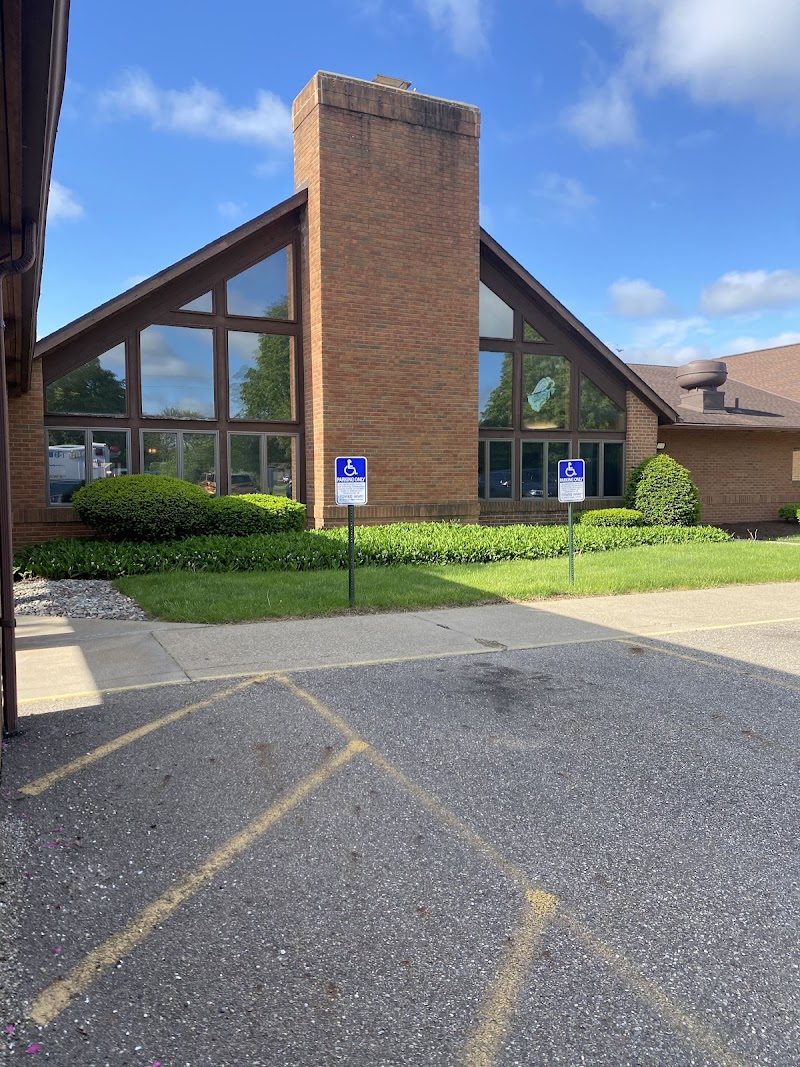
How Does Mccrea Manor Nsng And Rehab Ctr Llc Compare to Other Ohio Nursing Homes?

Compared to the 100 nursing homes in Ohio, MCCREA MANOR NSNG AND REHAB CTR LLC's overall rating (2 stars) is below the state average of 3.2, staff turnover (58%) is significantly higher than the state average of 46%, and health inspection rating (2 stars) is below the national benchmark.

What Should Families Ask When Visiting Mccrea Manor Nsng And Rehab Ctr Llc?

Based on this facility's data, families visiting should ask: "How do you ensure continuity of care given staff turnover, and what is your staff retention strategy?" "Can you walk me through typical staffing levels on day, evening, and night shifts?" "Can I visit during a mealtime to observe dining assistance and food quality?" "How do you handle medical emergencies, and what is your hospital transfer rate?" These questions are particularly relevant given the facility's high staff turnover rate and the below-average staffing rating.

Is Mccrea Manor Nsng And Rehab Ctr Llc Safe?

Based on CMS inspection data, MCCREA MANOR NSNG AND REHAB CTR LLC has a clean safety record: no substantiated abuse findings (meaning no confirmed cases of resident harm), no Immediate Jeopardy citations (the most serious violation level indicating risk of serious injury or death), and is not on the Special Focus Facility watch list (a federal program monitoring the lowest-performing 1% of nursing homes). The facility has a 2-star overall rating and ranks #100 of 100 nursing homes in Ohio. While no facility is perfect, families should still ask about staff-to-resident ratios and recent inspection results during their visit.

Do Nurses at Mccrea Manor Nsng And Rehab Ctr Llc Stick Around?

Staff turnover at MCCREA MANOR NSNG AND REHAB CTR LLC is high. At 58%, the facility is 12 percentage points above the Ohio average of 46%. Registered Nurse turnover is particularly concerning at 89%. RNs handle complex medical decisions and coordinate care — frequent RN changes can directly impact care quality. High turnover means new staff may not know residents' individual needs, medications, or preferences. It can also be disorienting for residents, especially those with dementia who rely on familiar faces. Families should ask: What is causing the turnover? What retention programs are in place? How do you ensure care continuity during staff transitions?

Was Mccrea Manor Nsng And Rehab Ctr Llc Ever Fined?

MCCREA MANOR NSNG AND REHAB CTR LLC has no federal fines on record. CMS issues fines when nursing homes fail to meet care standards or don't correct problems found during inspections. The absence of fines suggests the facility has either maintained compliance or corrected any issues before penalties were assessed. This is a positive indicator, though families should still review recent inspection reports for the full picture.

Is Mccrea Manor Nsng And Rehab Ctr Llc on Any Federal Watch List?

MCCREA MANOR NSNG AND REHAB CTR LLC is not on any federal watch list. The most significant is the Special Focus Facility (SFF) program, which identifies the bottom 1% of nursing homes nationally based on persistent, serious quality problems. Not being on this list means the facility has avoided the pattern of deficiencies that triggers enhanced federal oversight. This is a positive indicator, though families should still review the facility's inspection history directly.