ROSELAWN GARDENS NURSING & REHABILITATION
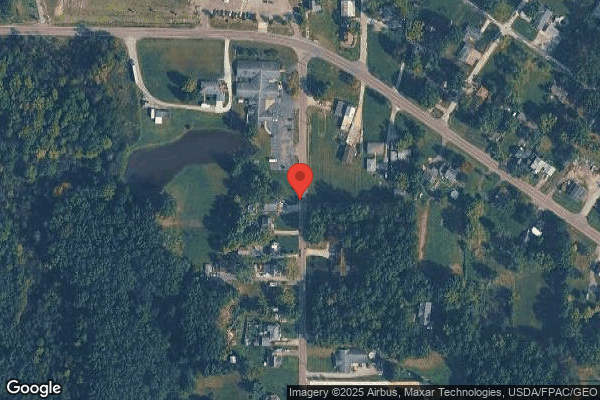

11999 KLINGER AVENUE NE, ALLIANCE, OH 44601 (330) 823-0618
For profit - Corporation 44 Beds HILLSTONE HEALTHCARE Data: November 2025
Trust Grade
90/100
#158 of 913 in OH
Last Inspection: February 2025

Within standard 12-15 month inspection cycle. Federal law requires annual inspections.

Overview

Roselawn Gardens Nursing & Rehabilitation has received a Trust Grade of A, indicating excellent quality and a highly recommended facility for care. It ranks #158 out of 913 nursing homes in Ohio, placing it in the top half of facilities statewide, and #6 out of 33 in Stark County, meaning only five local options are rated higher. The facility is improving, with a reduction in issues from six in 2022 to five in 2025. Staffing is a moderate strength with a 3/5 rating and a low turnover rate of 14%, significantly better than the Ohio average. There have been no fines reported, which is a good sign, but there are some concerns regarding food service; residents have reported issues with cold meals and inadequate staffing in the kitchen. Additionally, there was an incident where food safety protocols were not followed properly, posing potential contamination risks. Overall, while Roselawn Gardens has notable strengths, families should be aware of the food service concerns.

Trust Score
A
90/100
In Ohio
#158/913
Top 17%
Safety Record
Low Risk
No red flags
Inspections
Getting Better
6 → 5 violations
Staff Stability
✓ Good
14% annual turnover. Excellent stability, 34 points below Ohio's 48% average. Staff who stay learn residents' needs.
Penalties
✓ Good
No fines on record. Clean compliance history, better than most Ohio facilities.
Skilled Nurses
⚠ Watch
Each resident gets only 25 minutes of Registered Nurse (RN) attention daily — below average for Ohio. Fewer RN minutes means fewer trained eyes watching for problems.
Violations
⚠ Watch
18 deficiencies on record. Higher than average. Multiple issues found across inspections.
★★★★★
5.0
Overall Rating
★★★☆☆
3.0
Staff Levels
★★★★★
5.0
Care Quality
★★★★☆
4.0
Inspection Score
Stable
2022: 6 issues
2025: 5 issues

The Good

  • 5-Star Quality Measures · Strong clinical quality outcomes
  • Low Staff Turnover (14%) · Staff stability means consistent care
  • Full Sprinkler Coverage · Fire safety systems throughout facility
  • No fines on record
  • Staff turnover is low (14%)

    34 points below Ohio average of 48%

Facility shows strength in quality measures, staff retention, fire safety.

The Bad

Chain: HILLSTONE HEALTHCARE

Part of a multi-facility chain

Ask about local staffing decisions and management

The Ugly 18 deficiencies on record

Jun 2025 1 deficiency
CONCERN (D) 📢 Someone Reported This

A family member, employee, or ombudsman was alarmed enough to file a formal complaint

Potential for Harm - no one hurt, but risky conditions existed

Free from Abuse/Neglect (Tag F0600)

Could have caused harm · This affected 1 resident

**NOTE- TERMS IN BRACKETS HAVE BEEN EDITED TO PROTECT CONFIDENTIALITY** Based on record review and interview, the facility failed to ensure Resident #10 and Resident #15 was free from resident to resi...

Read full inspector narrative →
**NOTE- TERMS IN BRACKETS HAVE BEEN EDITED TO PROTECT CONFIDENTIALITY** Based on record review and interview, the facility failed to ensure Resident #10 and Resident #15 was free from resident to resident sexual abuse. This finding affected two residents (Resident #10 and Resident #15) of three residents reviewed for abuse. Findings include: Review of the Self-Reported Incident Investigation (SRI) tracking number #261364 dated 06/08/25 at 1:38 P.M. revealed the nurse was advised by the Certified Nursing Assistant (CNA) that Resident #10 was in his wheelchair with his pants down while Resident #15 had his head in Resident #10's lap performing oral sex. The facility unsubstantiated the SRI for abuse. Review of Resident #10's medical record revealed the resident was admitted on [DATE] with diagnoses including unspecified dementia, manic episode and depression. Review of Resident #10's Quarterly Minimum Data Set (MDS) 3.0 assessment dated [DATE] revealed the resident exhibited severe cognitive impairment. Review of Resident #10's Behavioral Care Plan revealed to administer medications as ordered, allow the resident to discuss his feelings, approach/speak to the resident in a calm voice, encourage the resident to attend activities of choice, provide resident privacy/re-direct the resident to his room when pleasuring himself, provide the resident with diversional activities, psych/counseling, staff to anticipate the needs of the resident, staff to provide 1:1 as needed, staff to redirect the resident as able. Review of Resident #15's medical record revealed the resident was admitted on [DATE] with diagnoses including dementia in other diseases classified elsewhere, major depressive disorder and high-risk heterosexual behavior. Review of Resident #15's Quarterly MDS 3.0 assessment dated [DATE] revealed the resident exhibited severe cognitive impairment. Review of Resident #15's Behavioral Care Plan revealed two staff for hands on care, administer medications as ordered, offer counseling services, provide psychiatry services, redirect/educate the resident as needed. Attempted interview on 06/18/25 at 6:29 A.M. with Resident #10 and the resident was not interviewable. Attempted interview on 06/18/25 at 6:33 A.M. with Resident #15 and he stated he could not recall the incident of inappropriate sexual contact. The resident reported he was in the hospital when questioned where he was currently located. Interview on 06/18/25 at 6:45 A.M. with CNA #805 revealed on 06/08/25 (Sunday) the facility had several call-offs of staff and there was one nurse and two aides for 42 residents. She stated Resident #10 was in his room and in bed and she went to check on him and found Resident #10 in his wheelchair with Resident #15 in a wheelchair near the resident performing oral sex on Resident #10. She stated the residents were separated. She could not recall anything like this happening before for these two residents and she was educated on abuse. Interview on 06/18/25 at 7:08 A.M. with Licensed Practical Nurse (LPN) Assistant Director of Nursing (ADON) #806 indicated she had worked on 06/08/25 but left around 11:00 A.M. prior to the incident between Resident #10 and Resident #15. LPN ADON #806 confirmed Resident #15 was a registered sex offender who had lived in the facility for over one year and Resident #10 had increased sexual behaviors but was not a registered sex offender. LPN ADON #806 denied concerns with staffing and stated Resident #15 was inappropriate with staff and says some very inappropriate sexual comments to staff. Interview on 06/18/25 at 7:43 A.M. with the Director of Nursing (DON) revealed Resident #10 had increased sexual tendencies. The DON revealed both Resident #10 and Resident #15 were placed on cimetidine (used to improve inappropriate sexual behaviors in demented residents) to try and reduce their sexual behaviors following the incident on 06/08/25. The DON denied concerns with staffing and stated the residents receive good care. The DON confirmed a sexual act occurred between Residents #10 and #15 who both had cognitive impairment. Review of the Abuse, Neglect, Exploitation and Misappropriation of Resident Property policy revised 01/27/23 revealed the facility would not tolerate abuse, neglect, exploitation of its residents or the misappropriation of resident property. This deficiency represents non-compliance investigated under Complaint Number OH00166709.
Feb 2025 4 deficiencies
CONCERN (D)

Potential for Harm - no one hurt, but risky conditions existed

Deficiency F0757 (Tag F0757)

Could have caused harm · This affected 1 resident

**NOTE- TERMS IN BRACKETS HAVE BEEN EDITED TO PROTECT CONFIDENTIALITY** Based on record review, interview and facility policy review, the facility failed to ensure non-pharmacological interventions an...

Read full inspector narrative →
**NOTE- TERMS IN BRACKETS HAVE BEEN EDITED TO PROTECT CONFIDENTIALITY** Based on record review, interview and facility policy review, the facility failed to ensure non-pharmacological interventions and parameters were in place to effectively manage pain for Resident #19. This affected one resident (#19) of five residents reviewed for unnecessary medications. The facility census was 40. Findings include: Review of the medical record for Resident #19 revealed an admission date of 01/14/25. Diagnoses included chronic kidney disease, hepatitis, schizophrenia, chronic pain syndrome, and cirrhosis. Review of the care plan dated 01/15/25 revealed Resident #19 was at risk for pain due to chronic pain syndrome. Interventions included administering medications as ordered, assisting with repositioning when in a chair or bed, observing for medication side effects and assessing for pain frequency, intensity, duration, and onset. Review of the comprehensive Minimum Data Set (MDS) 3.0 assessment dated [DATE] revealed Resident #19 was cognitively intact. He was independent for eating, oral and personal hygiene, and required supervision for showering and toileting. Review of Resident #19's current physicians' orders dated 01/14/25 revealed an order for Acetaminophen 325 milligrams (mg) (analgesic) give two tablets every six hours as needed (prn) for chronic pain and an order for Oxycodone HCL oral concentrate (a narcotic pain medication) 100 mg/5 milliliters (ml) give 0.75 ml by mouth every six hours prn for chronic pain. Review of the Medication Administration Record (MAR) for January 2025 revealed Resident #19 was given Oxycodone one time on 01/15/25 for a pain level of six, one time on 01/16/25 for a pain level of four, one time on 01/16/25 for a pain level of nine, one time on 01/16/25 for a pain level of seven, one time on 01/17/25 for a pain level of three, one time on 01/17/25 for a pain level of six, one time on 01/18/25 for a pain level of seven, one time on 01/20/25 for a pain level of six, one time on 01/21/25 for a pain level of seven, one time on 01/22/25 for a pain level of eight, one time on 01/23/25 for a pain level of seven, one time on 01/25/25 for a pain level of two, one time on 01/25/25 for a pain level of nine, one time on 01/26/25 for a pain level of three, one time on 01/26/25 for a pain level of nine, one time on 01/27/25 for a pain level of eight, one time on 01/29/25 for a pain level of nine, and one time on 01/30/25 for a pain level of eight. He was never offered the Acetaminophen. Review of the MAR for February 2025 revealed Resident #19 received one dose of Acetaminophen 02/05/25 for a pain level of four. Resident #19 received Oxycodone one dose on 02/04/25 for a pain level of four, one dose on 02/05/25 for pain level of six, one dose on 02/07/25 for a pain level of four, two doses on 02/08/25 for pain level of nine, one dose on 02/08/25 for pain level of three, one dose on 02/09/25 for a pain level two, one dose on 02/10/25 for pain level of four, and one dose on 02/10/25 for pain level five. Review of the progress notes for January and February 2025 revealed no evidence Resident #19 was provided non-pharmacological interventions prior to the administration of Oxycodone. Interview on 02/13/25 at 7:59 A.M. with Licensed Practical Nurse (LPN) #235 revealed non-pharmacological interventions would be attempted and documented in the progress notes for pain management, and she would offer a non-narcotic pain medication prior to a narcotic medication, if the resident was experiencing pain. She did not know if there were any parameters to assist in determining which medication to administer. Review of the facility policy titled Pain Assessment and Management, dated March 2015, revealed pain management would include non-pharmacological interventions and lower doses of medication would be administered and titrating upward as necessary.
CONCERN (D)

Potential for Harm - no one hurt, but risky conditions existed

Deficiency F0760 (Tag F0760)

Could have caused harm · This affected 1 resident

Based on observation, interview, review of the medical record, review of the manufacturer's instructions and review of the facility policy, the facility failed to ensure Resident #38's medications wer...

Read full inspector narrative →
Based on observation, interview, review of the medical record, review of the manufacturer's instructions and review of the facility policy, the facility failed to ensure Resident #38's medications were given per physician's orders. This affected one resident (#38) of six residents reviewed for medication administration. The facility census was 40. Findings include: Medical record review for Resident #38 revealed an admission date of 11/18/24 with diagnoses including type two diabetes mellitus, nonpsychotic mental disorder, polyneuropathy, paranoid schizophrenia, unspecified malignancy of skin, essential hypertension, and atrial premature depolarization. Review of the admission Minimum Data Set (MDS) 3.0 assessment completed on 11/25/24 revealed Resident #38 had mild cognitive impairment. Resident #38 received insulin injections seven days of the seven-day look-back period and had two insulin order changes during that time. Review of physician orders revealed the following two insulin orders dated 11/19/24: • Insulin Lispro injection pen 100 units per milliliter (units/ml), inject four units subcutaneously before meals and at bedtime, and • Insulin Lispro injection pen 100 units per milliliter (units/ml), inject per sliding scale: two units for blood sugar 150 to 200; four units for blood sugar 201 to 250; six units for blood sugar 251 to 300; eight units for blood sugar 301 to 350; 10 units for blood sugar 351 to 400; and 12 units for blood sugar 401 to 450 subcutaneously before meals and at bedtime. Observation on 02/11/25 at 4:30 P.M. of medication administration to Resident #38 by Licensed Practical Nurse (LPN) #206 revealed LPN #206 did not prime the insulin needle by dialing and wasting two units prior to setting the dose on the insulin pen to the ordered six units (four units plus an additional two units per sliding scale due to blood sugar reading of 194 at 4:26 P.M), attaching the needle, then administering the insulin to Resident #38. Interview on 02/11/25 at 4:30 P.M. with LPN #206 confirmed she did not prime Resident #38's insulin needle with two units prior to setting the ordered combined dose of six units on the Insulin Lispro pen, attaching the needle, and administering the injection. Review of the Insulin Lispro Instructions for Use revealed the pen needed primed to remove the air from the needle by turning the dose knob to two units and then depressing the dose knob in until it stopped at zero. The instructions further revealed the priming steps should be repeated if no insulin was noted exiting the tip of the needle and that failure to prime the needle could result in the recipient getting too much or too little insulin. Review of the facility policy titled Utilization of Prefilled insulin Pens Policy, dated 09/23/24, revealed that insulin pens were to be primed according to manufacturer's recommendations, two units, unless otherwise specified.
CONCERN (D)

Potential for Harm - no one hurt, but risky conditions existed

Infection Control (Tag F0880)

Could have caused harm · This affected 1 resident

**NOTE- TERMS IN BRACKETS HAVE BEEN EDITED TO PROTECT CONFIDENTIALITY** Based on observation, record review, interview and review of facility policies, the facility failed to properly clean and disinf...

Read full inspector narrative →
**NOTE- TERMS IN BRACKETS HAVE BEEN EDITED TO PROTECT CONFIDENTIALITY** Based on observation, record review, interview and review of facility policies, the facility failed to properly clean and disinfect the blood glucose monitor (BGM/glucometer) between resident use. This affected two residents (#6 and #18) of six residents observed during medication administration and had the potential to affect seven additional residents (#1, #2, #8, #10, #19, #21, and #23) in the 300 hall who had orders for blood sugar monitoring. The facility census was 40. Findings include: 1. Review of the medical record for Resident #6 revealed an original admission date of 12/30/20 with a re-entry date of 06/25/21. Diagnoses included stage two chronic kidney disease, gastroesophageal reflux disease (GERD), iron deficiency anemia, major depressive disorder, hypertension, congestive heart failure, chronic gastritis, and type two diabetes mellitus. Review of the physician orders revealed Resident #6 had an order dated 06/25/24 for NovoLog FlexPen Solution Pen-injector (Insulin Aspart) 100 units per milliliter (units/ml) per sliding scale subcutaneously before meals and at bedtime as follows: two units for blood sugar 151 to 200; six units for blood sugar 201 to 250; 10 units for blood sugar 251 to 300; 12 units for blood sugar 301 to 350; 14 units for blood sugar 351 to 400; 16 units for blood sugar 401 to 450; and notify the physician for blood sugar less than 70 or greater than 451. Observation on 02/11/25 at 3:38 P.M. revealed Licensed Practical Nurse (LPN) #208 performed a fingerstick blood sugar (FSBS) test on Resident #10 then exited the resident's room and placed the glucometer on top of her med cart and began preparing medications for Resident #10 without cleaning the device. Observation on 02/11/25 at 3:48 P.M. revealed LPN #208 performed a FSBS test on Resident #6 using the same glucometer that was lying on top of the medication cart, which had not been properly cleaned or disinfected after it was used for Resident #10. Interview on 02/11/25 at 3:55 P.M. with LPN #208 confirmed she did not know the facility policy on how to clean and disinfect the glucometer between resident use. During the interview, LPN #208 stated she quickly wiped the glucometer with one disposable alcohol wipe before using it on Resident #6 when the surveyor was not looking. Interview on 02/11/25 at 4:47 P.M. with Regional Nurse #261revealed she acknowledged with a nod and yes to the glucometers needing to be cleaned with a germicidal wipe and allowed to dry for the specified amount of time (per the wipes instructions) before using again. Review of the Environmental and Equipment Cleaning Policy, last revised August 2019, revealed glucometers were to be cleaned after each resident use with a bleach product disinfecting wipe and air dried before next use. The policy further revealed alcohol was not an acceptable product for disinfecting glucometers. 2. Review of the medical record for Resident #18 revealed he was admitted to the facility on [DATE] with diagnoses including type two diabetes mellitus, traumatic shock, insomnia, schizoaffective disorder, conductive hearing loss left ear, anxiety disorder, and mild receptive-expressive language disorder. Review of the physician orders revealed Resident #18 had an order dated 08/28/24 for Insulin Lispro 100 units per milliliter (units/ml) to be administered before meals and at bedtime per a sliding scale as follows: two units for blood sugar 151 to 200; four units for blood sugar 201 to 250; six units for blood sugar 251 to 300; eight units for blood sugar 301 to 350; 10 units for blood sugar 351 to 400; and notify the physician or nurse practitioner for blood sugar greater than 400. Observation on 02/11/25 at 3:48 P.M. revealed LPN #208 performed a FSBS test on Resident #6. Further observation on 02/11/25 revealed LPN #208 exited Resident #6's room and placed the glucometer on top of the medication cart and placed a dry cloth that looked like a tissue on top of it. No cleaning or disinfecting of the glucometer was observed. Observation on 02/11/25 t 3:54 P.M. revealed LPN #208 picked the glucometer up off the top of the medication cart and used it to check Resident #18's blood sugar at the medication cart without first properly disinfecting the device. Interview on 02/11/25 at 3:55 P.M. with LPN #208 confirmed she did not know the facility policy on how to clean and disinfect the glucometer between resident use. During the interview, LPN #208 stated she used a cloth on the top of the glucometer, picking the item up and showing it to the surveyor. When asked what the cloth was, she verified she did not know but showed the surveyor several other similar looking items placed in the top drawer of the medication cart. At the time of this interview, LPN #208 confirmed the cloth and the other similar items in the drawer were dry. Interview on 02/11/25 at 4:47 P.M. with Regional Nurse #261revealed she acknowledged with a nod and yes to the glucometers needing to be cleaned with a germicidal wipe and allowed to dry for the specified amount of time (per the wipes instructions) before using again. Review of the Environmental and Equipment Cleaning Policy, last revised August 2019, revealed glucometers were to be cleaned after each resident use with a bleach product disinfecting wipe and air dried before next use. The policy further revealed alcohol was not an acceptable product for disinfecting glucometers.
CONCERN (E)

Potential for Harm - no one hurt, but risky conditions existed

Deficiency F0883 (Tag F0883)

Could have caused harm · This affected multiple residents

**NOTE- TERMS IN BRACKETS HAVE BEEN EDITED TO PROTECT CONFIDENTIALITY** Based on medical record review, interview, and review of the facility policy, the facility failed to ensure Resident #31 receive...

Read full inspector narrative →
**NOTE- TERMS IN BRACKETS HAVE BEEN EDITED TO PROTECT CONFIDENTIALITY** Based on medical record review, interview, and review of the facility policy, the facility failed to ensure Resident #31 received the pneumococcal vaccine after signing consent, failed to ensure that Residents #34, #36, and #39 or their resident representative were given the opportunity to consent to or refuse the pneumococcal vaccine, and failed to ensure the medical record contained evidence Residents #31, #34, #36, #38, and #39 received education regarding the benefits and risks of immunization against the pneumococcal virus and each of these residents either received or did not receive the pneumococcal vaccine. This affected five residents (#31, #34, #36, #38, and #39) of 13 residents who were reviewed for immunizations. The facility census was 40. Findings include: 1. Review of the medical record for Resident #31 revealed an admission date of 11/15/24. Diagnoses included epilepsy, depression, dementia, chronic obstructive pulmonary disease (COPD), and alcohol abuse. Review of the quarterly Minimum Data Set (MDS) 3.0 assessment dated [DATE] revealed the pneumococcal vaccine was not offered, and Resident #31 was not up to date with the vaccine. Review of the immunization tab in the electronic medical record (EMR) revealed no vaccine history for Resident #31. Review of the hard chart alongside the Director of Nursing (DON) revealed a signed consent to receive the pneumococcal vaccine for Resident #31, but there was no documented evidence the vaccine had been administered. Interview on 02/13/25 at 10:20 A.M. with the DON confirmed Resident #31 signed consent to receive the pneumococcal vaccine but the EMR and the hard charts contained no documented evidence that the pneumococcal vaccine was administered to Resident #31. Review of the undated facility policy titled Pneumococcal Vaccine revealed all residents would be offered pneumococcal vaccines and were to be assessed for eligibility prior to or within five working days of admission to the facility. The policy further revealed the residents would be offered the vaccine series within 30 days of admission unless medically contraindicated or the resident had already been vaccinated. Refusals were to be documented in the resident's medical record, indicating the date of the refusal. 2. Review of the medical record for Resident #34 revealed an admission date of 03/22/24. Diagnoses included heart disease, kidney disease, asthma, and prediabetes. Review of the comprehensive MDS 3.0 assessment dated [DATE] revealed the pneumococcal vaccine was not offered, and Resident #34 was not up to date with the vaccine. Review of the vaccine consent binder, immunization tab in the EMR, and review of the hard chart revealed no documented evidence of pneumococcal vaccine eligibility assessment, education, consent, declination, or administration of the pneumococcal vaccine for Resident #34. Interview on 02/13/25 at 10:28 A.M. with the DON confirmed Resident #34's EMR and hard chart contained no documented evidence of pneumococcal vaccine education, consent, declination, or administration. Review of the undated policy titled Pneumococcal Vaccine revealed all residents would be offered pneumococcal vaccines and were to be assessed for eligibility prior to or within five working days of admission to the facility. The policy further revealed the residents would be offered the vaccine series within 30 days of admission unless medically contraindicated or the resident had already been vaccinated. Refusals were to be documented in the resident's medical record, indicating the date of the refusal. 3. Review of the medical record for Resident #36 revealed an admission date of 06/22/24 and re-entry dated of 12/03/24. Diagnoses included nondisplaced fracture of the neck of the left radius, chronic ulcerative proctitis, posthemorrhagic anemia, malignant neoplasm of the rectum, malignant neoplasm of the anus, hypertension, and COPD. Review of the quarterly MDS 3.0 assessment completed on 12/31/24 revealed Resident #36 was not up to date with the pneumococcal vaccine and the vaccine was not offered. Review of the facility's vaccine consent binder, immunization tab in the EMR, and Resident #36's hard chart revealed no documented evidence of pneumococcal vaccine eligibility assessment, education, consent, declination, or administration of the pneumococcal vaccine for Resident #36. Interview on 02/13/25 at 10:15 A.M. with the DON confirmed Resident #36's EMR and hard chart contained no documented evidence of pneumococcal vaccine education, consent, declination, or administration. Review of the undated policy titled Pneumococcal Vaccine revealed all residents would be offered pneumococcal vaccines and were to be assessed for eligibility prior to or within five working days of admission to the facility. The policy further revealed the residents would be offered the vaccine series within 30 days of admission unless medically contraindicated or the resident had already been vaccinated. Refusals were to be documented in the resident's medical record, indicating the date of the refusal. 4. Review of the medical record for Resident #38 revealed an admission date of 11/18/24 with diagnoses including type two diabetes mellitus, nonpsychotic mental disorder, polyneuropathy, paranoid schizophrenia, unspecified malignancy of skin, essential hypertension, and atrial premature depolarization. Review of the admission MDS 3.0 assessment completed on 11/25/24 revealed Resident #38 was not up to date with the pneumococcal vaccine, and the vaccine was not offered. Review of the facility's vaccine consent binder and the immunization tab in the EMR revealed no pneumococcal vaccine eligibility assessment, education, consent, declination, or administration of the vaccine. Review of the hard chart revealed admission paperwork titled INFLUENZA/PNEUMOCOCCAL ASSESSMENT/CONSENT which contained Resident #38's signature, dated 11/18/24, but no assessment information had been completed, and Resident #38 did not indicate whether he would consent or refuse the pneumococcal vaccine. Interview on 02/13/25 at 10:23 A.M. with the DON confirmed Resident #38 signed a blank vaccine assessment and consent form and that it did not indicate his eligibility for the vaccine or wishes regarding vaccine administration. The DON further confirmed there was no indication Resident #38 received pneumococcal immunization. Review of the undated policy titled Pneumococcal Vaccine revealed all residents would be offered pneumococcal vaccines and were to be assessed for eligibility prior to or within five working days of admission to the facility. The policy further revealed the residents would be offered the vaccine series within 30 days of admission unless medically contraindicated or the resident had already been vaccinated. Refusals were to be documented in the resident's medical record, indicating the date of the refusal. 5. Review of the medical record for Resident #39 revealed an admission date of 12/03/24. Diagnoses included sepsis, respiratory failure, lung cancer, anxiety, and COPD. Review of the quarterly MDS 3.0 assessment dated [DATE] revealed the pneumococcal vaccine was not offered, and Resident #39 was not up to date with the vaccine. Review of the facility's vaccine consent binder, immunization tab in the EMR, and Resident #39's hard chart revealed no documented evidence of pneumococcal vaccine eligibility assessment, education, consent, declination, or administration of the pneumococcal vaccine for Resident #39. Interview on 02/13/25 at 10:49 A.M. with the DON and Licensed Practical Nurse (LPN) #217 confirmed Resident #39's EMR and hard chart contained no documented evidence of pneumococcal vaccine education, consent, declination, or administration. Further interview with the DON confirmed there were no progress notes or admission paperwork to support Resident #39 had received pneumococcal vaccine education, assessment for vaccine eligibility, or consented to or refused vaccination. Review of the undated policy titled Pneumococcal Vaccine revealed all residents would be offered pneumococcal vaccines and were to be assessed for eligibility prior to or within five working days of admission to the facility. The policy further revealed the residents would be offered the vaccine series within 30 days of admission unless medically contraindicated or the resident had already been vaccinated. Refusals were to be documented in the resident's medical record, indicating the date of the refusal.
Jun 2022 6 deficiencies
CONCERN (D)

Potential for Harm - no one hurt, but risky conditions existed

Pressure Ulcer Prevention (Tag F0686)

Could have caused harm · This affected 1 resident

**NOTE- TERMS IN BRACKETS HAVE BEEN EDITED TO PROTECT CONFIDENTIALITY** Based on observation, record review and interview the facility failed to provide adequate wound care for Resident #23 to prevent...

Read full inspector narrative →
**NOTE- TERMS IN BRACKETS HAVE BEEN EDITED TO PROTECT CONFIDENTIALITY** Based on observation, record review and interview the facility failed to provide adequate wound care for Resident #23 to prevent infection and to promote optimal healing. This affected one resident (#23) of two residents reviewed for wound care. Findings include: Review of the medical record revealed Resident #23 was admitted to the facility on [DATE] with diagnoses including congestive heart failure, history of COVID-19, schizoaffective disorder, osteoarthritis, severe sepsis, osteomyelitis, gout, migraines, chronic obstructive pulmonary disease, anemia, bronchospasm, kidney disease, diabetes, post traumatic stress disorder, depressive disorders and anxiety disorders. Review of the quarterly Minimum Data Set (MDS) 3.0 assessment, dated 04/15/22 revealed Resident #23 had intact cognition and no pressure ulcers. Review of the May 2022 physician's orders revealed Resident #23 had an order, dated 05/26/22 to cleanse right heel with wound cleanser, pat dry, activate derma-blue with normal saline, apply to wound, cover with dry dressing, secure with an ace wrap and change every other day and as needed and an order for the antibiotic, Doxycycline hyclate 100 milligrams twice daily for redness and warmth to the right heel for seven days. Resident #23 was actively being treated for a right heel wound infection. On 06/01/22 at 10:25 A.M. Registered Nurse (RN) #31 was observed to provide wound care for Resident #23. RN #31 cut the old dressing off the resident's right foot, placed her scissors down on the clean dressing field, cleaned the right heel with a normal saline vial and wiped the wound off with a clean four by four gauze. RN #31 did not change her gloves or wash her hands between removing the old dressing and cleaning with the clean dressing. RN #31 then picked up the scissors and cleaned them off with a Microdot bleach wipe, she then proceeded to cut the derma blue dressing with the scissors while holding the derma blue dressing with her soiled gloved hand. She placed the derma blue directly on the right heel wound and wrapped with gauze wrap RN #31 never washed her hands or changed her gloves after cleaning the soiled scissors with the Microdot bleach wipe and picking up the clean derma-blue dressing and applying it to the resident's heel wound. On 06/01/22 at 10:40 A.M. interview with RN #31 verified she had not changed her gloves or washed her hands after she removed the old dressing. The RN also verified she cleaned her scissors with a bleach wipe then touched the clean dressing and applied it to the resident's right heel wound.
CONCERN (D)

Potential for Harm - no one hurt, but risky conditions existed

Deficiency F0692 (Tag F0692)

Could have caused harm · This affected 1 resident

Based on observation, record review and interview the facility failed to ensure weight loss interventions were provided as ordered by the physician for Resident #24. This affected one resident (#24) o...

Read full inspector narrative →
Based on observation, record review and interview the facility failed to ensure weight loss interventions were provided as ordered by the physician for Resident #24. This affected one resident (#24) of two residents reviewed for nutrition. Findings include: Review of the Consulting Management Fall Winter menu, signed by Dietitian #43 dated 10/08/21 revealed milk was to be served with each meal. Record review for Resident #24 revealed an admission date of 03/04/20 with diagnoses including muscle wasting and atrophy, weakness and adult failure to thrive. Review of laboratory results for Resident #24 revealed on 10/04/21 Resident #24's protein level was 6.1 (normal range was 6.0-8.3). On 01/05/22 Resident #24's protein level was 6.6. On 01/27/22 Resident #24's protein level was 5.3 and on 04/04/22 Resident #24's protein level was 5.7. Record review revealed a plan of care, dated 04/15/22 indicating Resident #24 had potential for alteration in nutrition and hydration related to underweight status, variable intake and adult failure to thrive. Interventions included to provide diet and supplements as ordered. Review of the Minimum Data Set (MDS) 3.0 assessment, dated 04/16/22 revealed Resident #24 required supervision and set up help with eating. Review of Resident #24's physician orders for May 2022 and June 2022 revealed Resident #24 was to receive a regular texture, regular consistency diet with whole milk with each meal, cream soup with lunch and supper, and large portions each meal. Resident #24 was also to receive a magic cup (supplement) before meals and at bedtime four times a day. Review of the nutritional assessment, dated 04/20/22 completed by Dietitian #43 revealed Resident #24's intake was variable, 25-100% meals. Magic cup four times a day (intake 50-100% both supplements, occasional refusals or <25%). Current intake of meals alone was inadequate to meet estimated nutritional needs. Current intake of meals + nutritional supplements meets and/or exceeds estimated nutritional needs, thus weight maintenance/gain anticipated. Magic Cup four times a day equaled 160 kcal, and 36 grams of protein. Record review of Resident #24's meal ticket (used by the kitchen staff to determine what should be placed on each meal tray) revealed Resident #24 was to receive large portions, cream soup with meals, magic cup with all meals, milk and a snack. On 05/31/22 at 11:46 A.M. observation revealed lunch trays were served to residents in the dining room. Observation revealed juice and water were served on the lunch trays. No milk was present on any trays served in the dining room. On 05/31/22 at 12:15 P.M. interview with Assistant Director of Nursing/Dietary Assistant #28 confirmed she ordered all food items for the kitchen and this was the correct menu (Fall/Winter menu) used for May 2022 and June 2022. On 05/31/22 at 12:25 P.M. of Resident #24's lunch tray served in his room revealed Resident #24 did not have milk, soup, magic cup or a snack on his lunch tray. On 05/31/22 at 12:28 P.M. interview with State Tested Nursing Assistant (STNA) #26 confirmed Resident #24 did not have milk, soup, magic cup or a snack on his lunch tray. STNA #26 revealed the kitchen staff were supposed to put the magic cup on the meal trays. On 05/31/22 at 1:41 P.M. interview with Dietary Assistant #34 confirmed the kitchen staff were supposed to put the magic cup on the meal tray for Resident #24. Dietary Assistant #34 revealed residents only receive milk on the breakfast trays. On 06/01/22 at 11:27 A.M. observation of the food service tray line revealed Dietary Manager #23 and Dietary Assistant #18 prepared resident meal plates with food for the lunch meal. There were two food carts. Each cart had the trays for each resident pre-made in the cart. On each tray were drink items, water and juice, silverware and the residents' food ticket which described the diet the resident was to receive. Observation revealed during the food service tray line for the lunch meal, neither Dietary Manager #23 or Dietary Assistant #18 looked at or discussed Resident #24's food items ordered prior to setting up the food to be delivered to Resident #24. Each plate served received one five and one third ounce scoop of the main entree, spaghetti. No milk was placed on any tray for any resident. On 06/01/22 at 11:50 P.M. interview with Dietary Manager #23 revealed staff did not read meal tickets because staff knew the residents well enough, they did not need to look at the ticket. On 06/01/22 at 12:19 P.M. observation with Dietary Manager #23 of Resident #24's meal tray that had been served to the resident in his room confirmed Resident #24 did not have milk, soup or a large portion served on his tray as per the physician's dietary orders. Dietary Manager #24 confirmed the kitchen was also to serve a magic cup and a snack that was additionally on the food ticket that were also not present on Resident #24's lunch tray. On 06/01/22 at 1:16 P.M. interview with Dietitian #43 confirmed she had assessed Resident #24. Dietitian #43 confirmed Resident #24 was to receive large portions for every meal. Dietitian #43 revealed large portions were a scoop and a half (instead of one scoop) for each food item. Resident #24 was also to receive milk with all meals, cream soup with lunch and dinner, and a magic cup and snack with all meals. Dietitian #24 revealed her assessments were based on Resident #24 receiving the dietary ordered items. Dietitian #43 confirmed she approved the menus for the facility and each resident was to receive milk with each meal. On 06/02/22 between 8:27 A.M. and 8:33 A.M. interview with Licensed Practical Nurse (LPN) #1 and LPN #20 revealed Resident #24's magic cup was to come from the kitchen with his meals. LPN #1 and LPN #20 then confirmed the order for the magic cup was to be given before meals. LPN #20 stated, That's just the way it's done. LPN #1 and LPN #20 revealed nursing staff did not look to see how much of the magic cup was consumed, the STNA staff would let them know how much was consumed. On 06/02/22 at 11:10 A.M. interview with Assistant Director of Nursing/Dietary Assistant #28 confirmed she also worked in the kitchen serving the tray line. Assistant Director of Nursing/Dietary Assistant #28 indicated staff, including herself did not look at the residents' meal tickets during meal service due to not having enough time. Assistant Director of Nursing/Dietary Assistant #28 revealed she ordered the food for the kitchen routinely and residents would only receive milk for breakfast unless they specifically requested milk during the meal served, due to the budget. On 06/02/22 at 2:16 P.M. interview with STNA #39 revealed the magic cup supplements were served on resident meal trays from the kitchen. STNA #39 revealed at times the kitchen does not send them and when staff floats from different areas of the facility, they do not realize the resident was supposed to receive them so they don't get them.
CONCERN (D)

Potential for Harm - no one hurt, but risky conditions existed

Antibiotic Stewardship (Tag F0881)

Could have caused harm · This affected 1 resident

**NOTE- TERMS IN BRACKETS HAVE BEEN EDITED TO PROTECT CONFIDENTIALITY** Based on record review, review of the facility infection control logs, facility policy and procedure review and staff interview ...

Read full inspector narrative →
**NOTE- TERMS IN BRACKETS HAVE BEEN EDITED TO PROTECT CONFIDENTIALITY** Based on record review, review of the facility infection control logs, facility policy and procedure review and staff interview the facility failed to implement an effective antibiotic stewardship program to ensure antibiotics were not used unless residents' met the criteria to treat an infection. This affected one resident (#23) of two residents reviewed for pressure ulcers. Findings include: Review of the medical record revealed Resident #23 was admitted to the facility on [DATE] with diagnoses including congestive heart failure, history of COVID-19, schizoaffective disorder, osteoarthritis, severe sepsis, osteomyelitis, gout, migraines, chronic obstructive pulmonary disease, anemia, bronchospasm, kidney disease, diabetes, post traumatic stress disorder, depressive disorders and anxiety disorder. Review of the nursing note, dated 01/18/22 at 11:40 A.M. revealed wound rounds were done and Resident #23 had erythema (redness) and warmth noted at the peri-wound to the right heel. A new order was received from the physician. Review of the physician's orders revealed Resident #23 had an order, dated 01/18/22 for the antibiotic, Cephalexin 500 milligrams (mg) twice daily for seven days for a wound infection. Review of the McGeer's Criteria, dated 01/18/22 revealed Resident #23 had a skin infection with redness and serous drainage. The criteria indicated the resident must have four of the following: fever greater than 100.4 Fahrenheit, heat, redness, swelling, pain or tenderness or serous drainage. The resident did not meet the criteria for antibiotic therapy. Review of the facility's infection control log, dated 01/18/22 revealed Resident #23 had wound infection which was treated with Cephalexin 500 mg with no culture done. Review of the physician's orders revealed Resident #23 had an order, dated 02/10/22 for the antibiotic, Doxycycline hyclate 100 mg twice daily for 10 days for a wound infection. Review of the facility's infection control log, dated 02/10/22 revealed Resident #23 had a skin infection which was treated with Doxycycline 100 mg with no culture done. Review of the McGeer's Criteria dated 02/10/22 revealed Resident #23 had a skin infection with heat, redness, and serous drainage. The criteria indicated the resident must have four of the following: fever greater than 100.4 Fahrenheit, heat, redness, swelling, pain or tenderness or serous drainage. The resident did not meet the criteria for antibiotic therapy. Review of the physician's orders revealed Resident #23 had an order, dated 03/03/22 for the antibiotic, Doxycycline hyclate 100 mg twice daily for 10 days for a wound infection. Review of the McGeer's Criteria dated 03/03/22 revealed Resident #23 had a skin infection with heat and redness. The criteria indicated the resident must have four of the following: fever greater than 100.4 Fahrenheit, heat, redness, swelling, pain or tenderness or serous drainage. The resident did not meet the criteria for antibiotic therapy. Review of the facility's infection control log, dated 03/23/22 revealed Resident #23 had a wound infection which was treated with Doxycycline 100 mg with no culture done. Review of the quarterly Minimum Data Set (MDS) 3.0 assessment, dated 04/15/22 revealed Resident #23 had intact cognition and no pressure ulcers. Review of the May 2022 physician's orders revealed Resident #23 had an order dated 05/26/22 for Doxycycline hyclate 100 mg twice daily for redness and warmth to the right heel for seven days. Resident #23 had was actively being treated for a right heel wound infection. Review of the nursing note, dated 05/26/2022 at 6:57 P.M. revealed a new order was received from the physician to start the resident on the antibiotic, Doxycycline 100 mg by mouth twice daily for redness and warmth to right heel. Review of the McGeer's Criteria dated 05/27/22 revealed Resident #23 had a skin infection with heat, redness, and serous drainage. The criteria indicated the resident must have four of the following: fever greater than 100.4 Fahrenheit, heat, redness, swelling, pain or tenderness or serous drainage. The resident did not meet the criteria for antibiotic therapy. Review of the facility's infection control log, dated 05/27/22 revealed Resident #23 had a wound infection which was treated with Doxycycline 100 mg with no culture done. Review of the laboratory results from 01/01/22 to 05/30/22 revealed no documentation or orders for a wound culture of the resident's right heel. On 06/02/22 at 9:19 A.M. interview with the Director of Nursing (DON) revealed all the wound/skin infections for Resident #23 were related to his right heel. The DON revealed there were never any cultures done of the resident's heel because the wound physician never ordered any. She stated she never asked him why he had not ordered any wound cultures. On 06/02/22 at 11:10 A.M. interview Physician #17 revealed the resident was prescribed a round of Doxycycline for cellulitis of the foot but the resident had chronic osteomyelitis and had responded well previously to Doxycycline. The physician indicated he had previously followed the resident up until August of 2021 and just started to follow him again in the last 6-8 weeks. He stated he had not ordered an wound culture, however if he had not seen a response to the Doxycycline this time he would order blood cultures but he had not done so previously. Review of the facility policy titled Antibiotic Stewardship, revised 08/2019 revealed the policy was to maintain an Antibiotic Stewardship Program (ASP) with the mission of promoting the appropriate use of antibiotic to treat infections and reduce possible adverse events associated with antibiotic use.
CONCERN (F)

Potential for Harm - no one hurt, but risky conditions existed

Deficiency F0802 (Tag F0802)

Could have caused harm · This affected most or all residents

Based on observation, record review and interview the facility failed to ensure sufficient staff to effectively carry out the functions of the food and nutrition services. This affected one sampled re...

Read full inspector narrative →
Based on observation, record review and interview the facility failed to ensure sufficient staff to effectively carry out the functions of the food and nutrition services. This affected one sampled resident (#24) and had the potential to affect all 41 residents residing in the facility. Findings include: Record review for Resident #24 revealed an admission date of 03/04/20 with diagnoses including muscle wasting, atrophy and adult failure to thrive. Review of the physician's orders for Resident #24 for the months of May 2022 and June 2022 revealed orders for a regular texture diet with regular consistency, whole milk with each meal, cream soup with lunch and supper, large portions each meal and a magic cup (supplement) before meals and at bedtime four times a day. On 05/31/22 at 9:25 A.M. observation of the kitchen area revealed Dietary Assistant (DA) #18 was the only staff member available in the kitchen. Observation of the kitchen area revealed dirty dishes were piled in the sinks and on the counters. DA #18 verified the condition of the kitchen and indicated it was because she was the only staff member in the kitchen from 6:00 A.M. to 10:00 A.M. to cook the residents' breakfast, set up each tray to be served with food and drinks and clean and store the leftover food items. Dietary Assistant #18 revealed there were not enough staff in the kitchen to effectively complete these tasks. On 06/01/22 at 11:27 A.M. observation of the food service tray line revealed Dietary Manager #23 and Dietary Assistant #18 prepared residents' plates of food with the lunch meal. There were two food carts. Each cart had the trays for each resident prepared in the cart. On each tray were drink items, silverware and the resident's meal ticket which described the diet the resident was to receive. Observation revealed during the food service tray line for the lunch meal, neither Dietary Manager #23 or Dietary Assistant #18 looked at or discussed Resident #24's food items ordered prior to setting up the food to be delivered to Resident #24. Each plate served received one five and one third ounce scoop of the main entree, spaghetti. On 06/01/22 at 12:19 P.M. observation with Dietary Manager #23 of Resident #24's meal tray that had been served to the resident in his room revealed Resident #24 did not have milk, soup or a large portion served on his tray as per the physician's dietary order. Dietary Manager #24 revealed the kitchen was also to serve a magic cup and a snack that were additionally on the meal ticket that was also not present on Resident #24's lunch tray. On 06/02/22 at 11:05 A.M. interview with Dietary Assistant #18 and Assistant Director of Nursing/Dietary Assistant #28 revealed staff do not look at the resident's individual meal tickets. Dietary Assistant #18 stated, Oh do you want us to look at each ticket, we cant do that, we dont have time for that, I am the only one here for breakfast, I have to do everything. Dietary Assistant #18 and Dietary Assistant #28 confirmed they did not have enough time to look at resident's meal tickets during any meals when preparing the resident's trays. Record review of the Kitchen Schedule for the week of 05/29/22 through 06/04/22 confirmed one staff member was scheduled 6:00 A.M. to 10:00 A.M. and an additional staff member was scheduled at 10:00 A.M. for meal service of all 41 residents. On 06/02/22 at 11:10 A.M. interview with Assistant Director of Nursing/Dietary Assistant #28 revealed she completed the dietary schedule monthly with only one staff member scheduled daily from 6:00 A.M. to 10:00 A.M. and a second member to come in to assist with lunch and dinner. Assistant Director of Nursing/Dietary Assistant #28 confirmed she also worked in the kitchen serving residents meals and indicated there were not enough staff present to read each resident's meal ticket and serve the food timely. Record review of the facility assessment for Food and Nutrition Services, dated 03/21/22 revealed the facility must employ sufficient staff with the appropriate competencies and skill sets to carry out the functions of the food and nutrition service.
CONCERN (F)

Potential for Harm - no one hurt, but risky conditions existed

Deficiency F0804 (Tag F0804)

Could have caused harm · This affected most or all residents

Based on observation, record review, facility policy and procedure review and interview the facility failed to ensure food items were served at an appetizing and palatable temperature for all resident...

Read full inspector narrative →
Based on observation, record review, facility policy and procedure review and interview the facility failed to ensure food items were served at an appetizing and palatable temperature for all residents. This affected four residents (#14, #3, #17 and #24) and had the potential to affect all 41 residents residing in the facility. Findings include: Review of the Resident Council Meeting Minutes, dated 01/06/22 revealed resident concerns with dietary which included concerns of cold food. On 05/31/22 at 9:52 A.M. interview with Resident #17 revealed breakfast was cold every morning and lunch was not good either. On 05/31/22 at 10:49 A.M. interview with Resident #3 revealed dietary concerns including the food was always cold, never warm when served. On 05/31/22 at 11:25 A.M. interview with Resident #14 revealed concerns his food was often served cold. On 06/01/22 at 12:15 P.M. interview with Resident #24 revealed concerns at times the food served was cold. On 06/01/22 at 12:08 P.M. observation of the lunch meal revealed the meal consisted of spaghetti with hamburger meat sauce, peas and a breadstick. A test tray completed with Dietary Assistant #18 revealed the spaghetti with hamburger meat sauce was 61 degrees Fahrenheit (F) and the peas were 43.3 degrees F. The taste of the spaghetti was slightly warm to cool, the peas were cold and the breadstick was cool to touch. Dietary Assistant #18 confirmed the temperatures of the food. On 06/02/22 11:10 A.M. interview with Assistant Director of Nursing/Dietary Assistant #28 revealed neither the food carts or plates the resident's food items were served on for each meal had warming elements to keep the food warm. There were two food carts to deliver the food and one of the two did not have a cover. Both carts were filled before serving the food to the residents. On 06/02/22 at 11:40 A.M. interview with Administrator revealed he was new to position and unaware of any concerns with the food temperatures. Record review of the facility undated policy titled, Cooking Temperatures, What is the Danger Zone revealed bacteria need warm, moist conditions to multiply in food. Foods must be held either below 41 degrees or above 135 degrees to reduce forborne illness.
CONCERN (F)

Potential for Harm - no one hurt, but risky conditions existed

Food Safety (Tag F0812)

Could have caused harm · This affected most or all residents

Based on observation, facility policy and procedure review and interview the facility failed to ensure food items were prepared and distributed under sanitary conditions to prevent contamination and/o...

Read full inspector narrative →
Based on observation, facility policy and procedure review and interview the facility failed to ensure food items were prepared and distributed under sanitary conditions to prevent contamination and/or food borne illness. This had the potential to affect all 41 residents residing in the facility. Findings include: On 06/01/22 at 11:42 A.M. observation of the tray line service for the lunch meal revealed Dietary Manager #23 had tested the temperatures of the of the food items on the steam table. Dietary Manager #23 had disposable gloves on both hands. After completing the food temperatures, Dietary Manager #23 dropped the alcohol wipe including the wrap the wipe came in on the floor. Dietary Manager #23 reached down and picked the wipe and covering off the floor, walked over to the trash can, removed the lid to the trash can and threw the wipe and covering away. Dietary Manager #23 then walked back to the tray line, picked up bread sticks with the hand he removed the trash can lid up with (no utensils were used) and placed the bread sticks on the plates to be served to the residents. Dietary Manager #23 then began plating the spaghetti with meat sauce on the plates when the surveyor intervened related to the observed kitchen sanitation concern. On 06/01/22 at 11:47 A.M. interview with Dietary Manager #23 confirmed after he picked up the trash from the floor, he picked up the lid to the trash can, threw away the trash, then returned to the tray line and picked up and plated the bread sticks with his same gloved hands to be served to the residents. Dietary Manager #23 confirmed he then then began plating the spaghetti and did not wash his hands or change his gloves before picking up the bread sticks or plating the spaghetti. Record review of the facility undated policy titled, Food Handling Guidelines revealed cross contamination precautions included hands should be scrubbed following facility policy between food preparation, tasks, etc.
Jun 2019 7 deficiencies
CONCERN (D)

Potential for Harm - no one hurt, but risky conditions existed

Deficiency F0657 (Tag F0657)

Could have caused harm · This affected 1 resident

**NOTE- TERMS IN BRACKETS HAVE BEEN EDITED TO PROTECT CONFIDENTIALITY** Based on record review and interview, the facility failed to ensure Resident #29 was invited and had scheduled care conferences....

Read full inspector narrative →
**NOTE- TERMS IN BRACKETS HAVE BEEN EDITED TO PROTECT CONFIDENTIALITY** Based on record review and interview, the facility failed to ensure Resident #29 was invited and had scheduled care conferences. This affected one resident (#29) out of 16 residents reviewed for care conferences. The facility census was 33. Findings include: Review of the medical record revealed Resident #29 was admitted on [DATE] with diagnosis that included diabetes mellitus, anxiety, and chronic obstructive pulmonary disease. The 30-day Minimum Data Set (MDS) dated [DATE] revealed Resident #29 was cognitively intact. Interview on 06/23/19 at 9:19 A.M. with Resident #29 revealed he had not had a care conference for a long time. Review of the medical record revealed no evidence of a care conference with Resident #29. Interview on 06/24/19 at 6:15 P.M. with Social Services #503 verified Resident #29 had not been invited to attend a care conference. Social Services #503 stated care conferences were not always scheduled and residents were not always invited to attend. Interview on 06/24/19 at 3:49 P.M. Director of Nursing verified social services should schedule care conferences with residents.
CONCERN (D)

Potential for Harm - no one hurt, but risky conditions existed

Quality of Care (Tag F0684)

Could have caused harm · This affected 1 resident

**NOTE- TERMS IN BRACKETS HAVE BEEN EDITED TO PROTECT CONFIDENTIALITY** Based on record review, observations and interviews, the facility failed to ensure Resident #28 was positioned properly in a whe...

Read full inspector narrative →
**NOTE- TERMS IN BRACKETS HAVE BEEN EDITED TO PROTECT CONFIDENTIALITY** Based on record review, observations and interviews, the facility failed to ensure Resident #28 was positioned properly in a wheelchair. This affected one resident (#28) out of one reviewed for positioning. Facility census was 33. Findings include: Review of the medical record revealed Resident #28 was admitted on [DATE] with diagnosis that included dementia, diabetes mellitus, and difficulty walking. The 14-day Minimum Data Set (MDS) dated [DATE] revealed Resident #28 had impaired cognition and required limited assistance of one for bed mobility, transfers, and locomotion. Observation on 06/23/19 at 11:52 A.M. revealed Resident #28 was sitting in a wheelchair in the common area. No foot pedals were observed on the wheelchair and Resident #28's feet were dangling approximately one to two inches above the floor. Observation on 06/24/18 at 10:56 A.M. revealed Resident #28 was sitting in a wheelchair in the common area. No foot pedals were observed on the wheelchair and Resident #28's feet were dangling approximately one to two inches above the floor. Observation on 06/24/19 at 5:26 P.M. revealed staff was pushing Resident #28 to the dining room. No foot pedals were observed on the wheelchair and Resident #28's feet were dangling approximately one to two inches above the floor. Observation on 06/25/19 at 11:17 A.M. revealed Resident #28 was sitting in a wheelchair in the common area with feet dangling approximately one to two inches above the floor. Interview on 06/25/19 at 11:19 A.M. Licensed Practical Nurse (LPN) #506 verified there were no foot pedals on Resident #28's wheelchair and the resident's feet were dangling and not touching the floor. Interview on 06/25/19 at 11:31 A.M. with Director of Nursing verified Resident #28's feet were not touching the floor and the resident needed foot pedals or a different wheelchair.
CONCERN (D)

Potential for Harm - no one hurt, but risky conditions existed

Accident Prevention (Tag F0689)

Could have caused harm · This affected 1 resident

**NOTE- TERMS IN BRACKETS HAVE BEEN EDITED TO PROTECT CONFIDENTIALITY** 2. During the kitchen tour completed on 06/23/19 at 8:57 A.M., facility staff and surveyor had to exit the building out the exi...

Read full inspector narrative →
**NOTE- TERMS IN BRACKETS HAVE BEEN EDITED TO PROTECT CONFIDENTIALITY** 2. During the kitchen tour completed on 06/23/19 at 8:57 A.M., facility staff and surveyor had to exit the building out the exit near room [ROOM NUMBER]. Observed immediately outside of the exit door, underneath an overhang was a flower planter sitting on the ground with dirt and no plants. Observed on top of the dirt was approximately 20 to 25 smoked cigarette butts. The flower planter with the cigarette butts was verified with the Director of Nursing (DON) and Maintenance Director (MD) #502 on 06/23/19 at 9:39 A.M. The DON stated staff enter the facility through this door and also verified smoking should not be either so close to the building or have cigarette butts placed in the flower planter. Based on medical record review, observation, and interview, the facility failed to ensure Resident #30 used adaptive equipment (smoking apron) properly. This affected one resident (#30) out of six residents that required supervision and adaptive equipment. The facility also failed to ensure cigarettes were discarded in an appropriate container. This had the potential to affect the 12 residents that smoke out of the 33 residents. Facility census was 33. Findings include: 1. Review of the medical record revealed Resident #30 was admitted on [DATE] with diagnosis that included Alzheimer's and flexion deformity of right wrist. The annual Minimum Data Set (MDS) dated [DATE] revealed Resident #30 had cognitive impairment. Review of the plan of care revealed Resident #30 was at risk for injury related to smoking. An intervention was in place was for Resident #30 to wear a smoking apron (used to protect from accidental cigarette burns) while smoking. The quarterly smoking assessment date 05/24/19 revealed Resident #30 required supervision while smoking. Observation on 06/24/19 at 10:59 A.M. revealed Resident #30 was sitting in a chair in the smoking area. Resident #30 was wearing a smoking apron but the apron did not cover the top of the resident's legs. Interview on 06/24/19 at 11:03 A.M. Laundry #601 verified there were no ashtrays, fire blanket (used to extinguish small fires), or fire extinguisher in the resident smoking area. Observation on 06/24/19 at 4:03 P.M. revealed Resident #30 was sitting in a chair in the smoking area. Resident #30 was wearing a smoking apron but the apron did not cover the top of the residents right leg. Observation on 06/24/19 at 4:07 P.M. revealed Resident #30 was sitting in a chair in the smoking area. Resident #30 was wearing a smoking apron but the apron was between his legs exposing the top of both lets. Observation on 06/25/19 at 11:00 A.M. revealed Resident #30 was sitting in a chair in the smoking area. Resident #30 was wearing a smoking apron but the top of resident left leg was uncovered. Interview on 06/25/19 at 11:00 A.M. with Activities #600 verified Resident #30 did not like to wear the smoking apron and did not keep the apron over the top of his legs. Activities #600 also verified there were no ashtrays or fire blanket in the resident smoking area.
CONCERN (D)

Potential for Harm - no one hurt, but risky conditions existed

Infection Control (Tag F0880)

Could have caused harm · This affected 1 resident

**NOTE- TERMS IN BRACKETS HAVE BEEN EDITED TO PROTECT CONFIDENTIALITY** Based on record review, observation, interview, and the dressing policy and procedure, the facility failed to maintain acceptabl...

Read full inspector narrative →
**NOTE- TERMS IN BRACKETS HAVE BEEN EDITED TO PROTECT CONFIDENTIALITY** Based on record review, observation, interview, and the dressing policy and procedure, the facility failed to maintain acceptable infection control standards during a dressing change for Resident #4. This affected one resident (#4) out of one resident reviewed for a dressing change. Facility census was 33. Findings include: Review of medical record revealed Resident #4 was admitted on [DATE] with diagnosis that included but not limited below the left knee amputation, osteomyelitis, sepsis, and diabetes mellitus. The annual Minimum Data Set (MDS) dated [DATE] revealed Resident #4 was cognitively intact. Review of the physician orders for Resident #4 revealed the resident's right heel was to be cleansed with normal saline and patted dry. Calcium alginate Ag (silver), a sterile antimicrobial fiber-structure alginate with high absorbency, was to be applied and then covered with a foam dressing. The dressing was to be changed daily and as needed. An observation was made on 06/24/19 at 9:55 A.M. of Registered Nurse (RN) #500 changing the dressing to Resident #4's right heel. RN #500 entered the residents room and laid the supplies on the resident's bedside table. RN #500 washed and dried her hands and applied three pairs of gloves. RN #500 removed the resident's sock and the dressing to the right heel. RN #500 removed one pair of gloves. RN #500 cleansed the resident right heel with normal saline and removed the second pair of gloves. RN #500 applied the calcium alginate Ag and foam dressing. RN #500 removed the last pair of gloves and washed her hands. Review of the dressing, dry/clean policy and procedure dated 12/01/18 revealed the bedside stand was to be cleaned to establish a clean field. The policy and procedure also revealed the bedside table was to be cleaned after the treatment was completed. Interview on 06/24/19 at 11:09 A.M. RN #500 verified she had applied three pairs of gloves at the beginning of the dressing changed, had not washed her hands during the procedure, and did not clean the bedside table before or after supplies were placed on the bedside table.
CONCERN (F)

Potential for Harm - no one hurt, but risky conditions existed

Food Safety (Tag F0812)

Could have caused harm · This affected most or all residents

Based on observation, interview, and policy review, the facility failed to ensure food was stored under safe techniques and the kitchen was maintained and arranged to avoid unsanitary conditions. This...

Read full inspector narrative →
Based on observation, interview, and policy review, the facility failed to ensure food was stored under safe techniques and the kitchen was maintained and arranged to avoid unsanitary conditions. This had the potential to affect all 33 residents in the facility who receive food from the kitchen. The facility census was 33. Findings include: During the initial kitchen tour with Dietary Manager (DM) #504 on 06/23/19 from 8:57 A.M. to 9:31 A.M. observations were made of two reach-in refrigerators, a small freezer, and a large walk-in freezer. Observed in the reach-in refrigerators were the following items, all undated: a bag of Swiss cheese slices, twelve glasses of milk, five cups of sliced peaches, two pieces of black forest cake, a bag of bologna slices, a container of a rice mixture, a large container of chili, and a lunch tray from 06/20/19. Also observed in the reach-in refrigerators was an open, undated bag of American cheese slices. Observed in the small freezer were the following items, all undated: a bag of green beans, a bag of meatballs, a bag of waffles, a bag of riblets, two bags of Salisbury steaks, a bag of corn dogs, eight bags of turkey slices, seventeen cups of ice cream, two hams, and two bags of salami slices. Also observed in the small freezer were the following items, all undated and opened: a bag of biscuits, a bag of chicken breasts, a bag of chicken chunks, a bag of bread sticks, a bag of fish, a bag of pierogies, a bag of Caribbean blend vegetables, and a bag of garlic bread. Observed in the large walk-in freezer were open boxes of frozen broccoli with a cup sitting in the broccoli and a vegetable medley, and an open, undated bag of tarts. Also observed in the large walk-in freezer was an extremely large amount of the frozen vegetable medley all over the freezer floor. Additional observations during the kitchen tour on 06/23/19 from 8:57 A.M. to 9:31 A.M. included a storage bin of sugar with a cup laying inside the bin on top of the sugar, the floor on the pantry appeared to be dirty and was sticky, there was one stand alone white fan oscillating over the food preparation area, and the trash can for the hand sink was at the level of the hand sink, placed immediately in front of the hand sink to where the individual had to lean over the trash can to wash their hands, and the trash can did not have a lid. Staff interview with DM #504 on 06/23/19 at 9:25 A.M. revealed knowledge staff were to label and date food items when putting in the refrigerator or freezer and also bags are supposed to be sealed or closed when used and dated when opened. DM #504 also stated the vegetable medley in the freezer must have spilled and had not been cleaned up, verified staff knew not to leave cups in the food items when used as scoops, and stated the trash can lid had accidentally been thrown away the previous week. DM #504 verified all findings found during the kitchen tour. A second observation was made of the large walk-in freezer with DM #519 on 06/25/19 at 11:38 A.M. and revealed open boxes of Caribbean blend vegetables, broccoli, cauliflower, and peas. DM #519 verified the open boxes of vegetables and securely tied all bags. Review of undated facility policy titled, Dietary: Food Storage, revealed the policy did not address the need for dating or the duration foods could be kept in either a refrigerator or freezer. The policy stated food storage areas shall be clean at all times.
CONCERN (F)

Potential for Harm - no one hurt, but risky conditions existed

Deficiency F0813 (Tag F0813)

Could have caused harm · This affected most or all residents

Based on observation, interview, and policy review, the facility failed to ensure food brought in for residents was handled to ensure safe storage and consumption. This had the potential to affect all...

Read full inspector narrative →
Based on observation, interview, and policy review, the facility failed to ensure food brought in for residents was handled to ensure safe storage and consumption. This had the potential to affect all 33 residents in the facility who receive food from the kitchen. The facility census was 33. Findings include: During the initial kitchen tour with Dietary Manager (DM) #504 on 06/23/19 from 8:57 A.M. to 9:31 A.M. observations were made of two reach-in refrigerators, a small freezer, and a large walk-in freezer. Observed in the reach-in refrigerators the following undated and unlabeled item was identified, a container of a rice mixture. Observed in the small freezer the following undated and unlabeled item was identified, a container of ice cream. DM #504 verified the presence of the two items and also verified they were neither labeled or dated. DM #504 also stated these two items were brought in by a resident who liked to order food from area restaurants. DM #504 on 06/23/19 at 9:25 A.M. stated the facility is not to store food items brought in by residents, families, or restaurants in the facility kitchen. Review of undated facility policy titled, Dietary: Foods Brought by Family Members stated non-perishable food permitted to be retained in the resident's room must be stored in plastic containers with tight-fitting lids, dated, except fresh fruit. Food may be stored for no more than five days in a refrigerator or daily if no refrigeration. Perishable foods must be thrown out at that time. The policy also stated the facility does provide a refrigerator for resident food in a central location. The policy does not state if the food can or cannot be stored in the facility kitchen.
MINOR (B)

Minor Issue - procedural, no safety impact

Assessment Accuracy (Tag F0641)

Minor procedural issue · This affected multiple residents

**NOTE- TERMS IN BRACKETS HAVE BEEN EDITED TO PROTECT CONFIDENTIALITY** Based on record review and interview, the facility failed to ensure Minimum Data Set (MDS) 3.0 assessments were completed accura...

Read full inspector narrative →
**NOTE- TERMS IN BRACKETS HAVE BEEN EDITED TO PROTECT CONFIDENTIALITY** Based on record review and interview, the facility failed to ensure Minimum Data Set (MDS) 3.0 assessments were completed accurately regarding medications received for six residents (Residents #6, #7, #8, #28, #29, and #35) out of ten residents (Residents #1, #3, #4, #6, #7, #8, #14, #28, #29, and #35) reviewed. The facility census was 33. Findings include: 1. Resident #6 was initially admitted to the facility on [DATE] with diagnoses including chronic obstructive pulmonary disease, hypertension, and heart disease. Review of Resident #6's medical record reveals orders for medications including aspirin (antiplatelet) 81 milligrams (mg) every day initially ordered 04/20/18 and lisinopril-hydrochlorothiazide (ace-inhibitor diuretic combination) 12.5 mg every day initially ordered 03/29/18. Review of Resident #6's quarterly MDS with an assessment reference date (ARD) of 07/12/18 revealed under medications received in the past seven days, diuretic was marked as zero, although the MDS should have been marked as seven. The quarterly MDS with an ARD of 07/20/18 was also marked incorrectly with zero days of diuretic use. The quarterly MDS with an ARD of 07/26/18 was also marked incorrectly with zero days of diuretic use. The quarterly MDS with an ARD of 10/04/18 was also marked incorrectly with zero days of diuretic use. Review of the annual MDS assessment with an ARD of 04/06/19 had Resident #6 marked as having received seven days of an anticoagulant and zero days of a diuretic, the MDS should have been marked as zero days of an anticoagulant use and seven days of diuretic use. Interview with the Director of Nursing (DON) on 06/26/19 at 10:01 A.M. verified the MDS discrepancies and stated she currently codes the use of aspirin as an anticoagulant. Review of the Resident Assessment Instrument Manual, which gives directions on how to complete the MDS assessment directs providers to not code antiplatelet medications such as aspirin/extended release. 2. Review of the medical record revealed Resident #7 was admitted on [DATE] with diagnoses that included seizures and congestive heart failure. The quarterly Minimum Data Set (MDS) dated [DATE], revealed under section N0410-E Resident #7 received an anticoagulant medication. Review of physician orders revealed Resident #7 was ordered Aspirin (antiplatelet) 325 milligrams (mg) daily. 3. Review of the medical record revealed Resident #29 was admitted on [DATE] with diagnoses that included diabetes mellitus and myocardial infarction. The 30-day MDS dated [DATE], revealed under section N0410-E Resident #29 received an anticoagulant medication. Review of physician orders revealed Resident #29 was ordered Aspirin 81 mg daily and Plavix (antiplatelet) 75 mg daily. 4. Review of the medical record revealed Resident #35 was admitted on [DATE] and readmitted on [DATE] with diagnoses that included acute kidney failure and cerebral infarction. The significant change MDS dated [DATE], revealed under section N0410-E Resident #35 received an anticoagulant medication. Review of physician orders revealed Resident #35 was not ordered any anticoagulant or antiplatelet medication. 5. Review of the medical record revealed Resident #8 was admitted on [DATE] with diagnosis that included cerebrovascular disease. The quarterly MDS dated [DATE], revealed under section N0410-E Resident #8 received an anticoagulant medication. Review of the physician orders revealed Resident #8 was ordered Aspirin 81 mg daily. 6. Review of the medical record revealed Resident #28 was admitted on [DATE] with diagnosis that included dementia and diabetes mellitus. The 14-day MDS dated [DATE], revealed under section N0410-E Resident #28 received an anticoagulant medication. Review of the physician orders revealed Resident #28 was ordered Aspirin 325 mg daily. Interview on 06/26/19 at 10:01 A.M. DON verified the MDS discrepancies and stated she currently coded the use of aspirin as an anticoagulant.
Understanding Severity Codes (click to expand)
Life-Threatening (Immediate Jeopardy)
J - Isolated K - Pattern L - Widespread
Actual Harm
G - Isolated H - Pattern I - Widespread
Potential for Harm
D - Isolated E - Pattern F - Widespread
No Harm (Minor)
A - Isolated B - Pattern C - Widespread

Questions to Ask on Your Visit

  • "Can I speak with families of current residents?"
  • "What's your RN coverage like on weekends and overnight?"

Our Honest Assessment

Strengths
  • • Grade A (90/100). Above average facility, better than most options in Ohio.
  • • No major safety red flags. No abuse findings, life-threatening violations, or SFF status.
  • • No fines on record. Clean compliance history, better than most Ohio facilities.
  • • 14% annual turnover. Excellent stability, 34 points below Ohio's 48% average. Staff who stay learn residents' needs.
Concerns
  • • 18 deficiencies on record. Higher than average. Multiple issues found across inspections.
Bottom line: Generally positive indicators. Standard due diligence and a personal visit recommended.

About This Facility

What is Roselawn Gardens Nursing & Rehabilitation's CMS Rating?

CMS assigns ROSELAWN GARDENS NURSING & REHABILITATION an overall rating of 5 out of 5 stars, which is considered much above average nationally. Within Ohio, this rating places the facility higher than 99% of the state's 100 nursing homes. This rating reflects solid performance across the metrics CMS uses to evaluate nursing home quality.

How is Roselawn Gardens Nursing & Rehabilitation Staffed?

CMS rates ROSELAWN GARDENS NURSING & REHABILITATION's staffing level at 3 out of 5 stars, which is average compared to other nursing homes. Staff turnover is 14%, compared to the Ohio average of 46%. This relatively stable workforce can support continuity of care.

What Have Inspectors Found at Roselawn Gardens Nursing & Rehabilitation?

State health inspectors documented 18 deficiencies at ROSELAWN GARDENS NURSING & REHABILITATION during 2019 to 2025. These included: 17 with potential for harm and 1 minor or isolated issues.

Who Owns and Operates Roselawn Gardens Nursing & Rehabilitation?

ROSELAWN GARDENS NURSING & REHABILITATION is owned by a for-profit company. For-profit facilities operate as businesses with obligations to shareholders or private owners. The facility is operated by HILLSTONE HEALTHCARE, a chain that manages multiple nursing homes. With 44 certified beds and approximately 40 residents (about 91% occupancy), it is a smaller facility located in ALLIANCE, Ohio.

How Does Roselawn Gardens Nursing & Rehabilitation Compare to Other Ohio Nursing Homes?

Compared to the 100 nursing homes in Ohio, ROSELAWN GARDENS NURSING & REHABILITATION's overall rating (5 stars) is above the state average of 3.2, staff turnover (14%) is significantly lower than the state average of 46%, and health inspection rating (4 stars) is above the national benchmark.

What Should Families Ask When Visiting Roselawn Gardens Nursing & Rehabilitation?

Based on this facility's data, families visiting should ask: "Can I visit during a mealtime to observe dining assistance and food quality?" "How do you handle medical emergencies, and what is your hospital transfer rate?" "Can I speak with family members of current residents about their experience?"

Is Roselawn Gardens Nursing & Rehabilitation Safe?

Based on CMS inspection data, ROSELAWN GARDENS NURSING & REHABILITATION has a clean safety record: no substantiated abuse findings (meaning no confirmed cases of resident harm), no Immediate Jeopardy citations (the most serious violation level indicating risk of serious injury or death), and is not on the Special Focus Facility watch list (a federal program monitoring the lowest-performing 1% of nursing homes). The facility has a 5-star overall rating and ranks #1 of 100 nursing homes in Ohio. While no facility is perfect, families should still ask about staff-to-resident ratios and recent inspection results during their visit.

Do Nurses at Roselawn Gardens Nursing & Rehabilitation Stick Around?

Staff at ROSELAWN GARDENS NURSING & REHABILITATION tend to stick around. With a turnover rate of 14%, the facility is 31 percentage points below the Ohio average of 46%. Low turnover is a positive sign. It means caregivers have time to learn each resident's needs, medications, and personal preferences. Consistent staff also notice subtle changes in a resident's condition more quickly.

Was Roselawn Gardens Nursing & Rehabilitation Ever Fined?

ROSELAWN GARDENS NURSING & REHABILITATION has no federal fines on record. CMS issues fines when nursing homes fail to meet care standards or don't correct problems found during inspections. The absence of fines suggests the facility has either maintained compliance or corrected any issues before penalties were assessed. This is a positive indicator, though families should still review recent inspection reports for the full picture.

Is Roselawn Gardens Nursing & Rehabilitation on Any Federal Watch List?

ROSELAWN GARDENS NURSING & REHABILITATION is not on any federal watch list. The most significant is the Special Focus Facility (SFF) program, which identifies the bottom 1% of nursing homes nationally based on persistent, serious quality problems. Not being on this list means the facility has avoided the pattern of deficiencies that triggers enhanced federal oversight. This is a positive indicator, though families should still review the facility's inspection history directly.