SUNRISE NURSING HEALTHCARE LLC
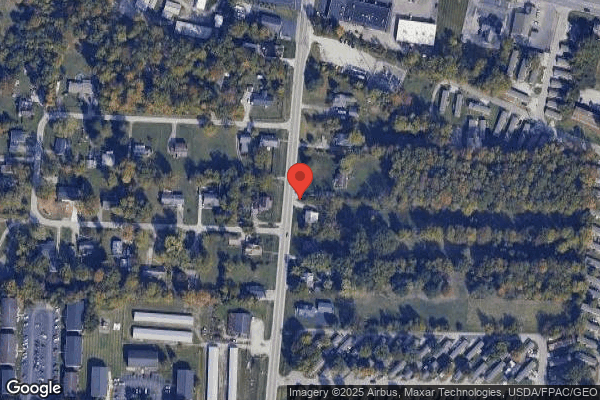
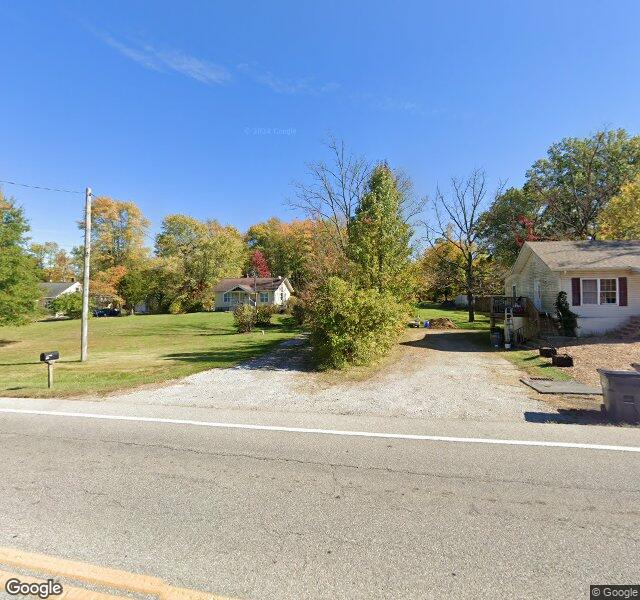
3434 STATE ROUTE 132, AMELIA, OH 45102 (513) 797-5144
For profit - Corporation 78 Beds CCH HEALTHCARE Data: November 2025
Trust Grade
40/100
#790 of 913 in OH
Last Inspection: June 2022

Over 2 years since last inspection. Current conditions may differ from available data.

Overview

Sunrise Nursing Healthcare LLC has a Trust Grade of D, indicating it is below average and has some significant concerns. It ranks #790 out of 913 facilities in Ohio, placing it in the bottom half, and #14 out of 15 in Clermont County, meaning only one local option is better. The facility is improving, as it reduced its issues from five in 2023 to two in 2024. Staffing is a mixed bag with a 3/5 rating, but a concerning turnover rate of 76%, significantly higher than the Ohio average, which may impact care continuity. Although the facility has not incurred any fines, they have been noted for several issues, including failing to discard expired medications and not providing properly qualified staff for meal preparation, which could affect the health and well-being of residents. On a positive note, they have more RN coverage than 89% of Ohio facilities, which is beneficial for resident care.

Trust Score
D
40/100
In Ohio
#790/913
Bottom 14%
Safety Record
Low Risk
No red flags
Inspections
Getting Better
5 → 2 violations
Staff Stability
⚠ Watch
76% turnover. Very high, 28 points above average. Constant new faces learning your loved one's needs.
Penalties
✓ Good
No fines on record. Clean compliance history, better than most Ohio facilities.
Skilled Nurses
✓ Good
Each resident gets 57 minutes of Registered Nurse (RN) attention daily — more than average for Ohio. RNs are trained to catch health problems early.
Violations
⚠ Watch
38 deficiencies on record. Higher than average. Multiple issues found across inspections.
★★☆☆☆
2.0
Overall Rating
★★★☆☆
3.0
Staff Levels
★★★☆☆
3.0
Care Quality
★★☆☆☆
2.0
Inspection Score
Stable
2023: 5 issues
2024: 2 issues

The Good

  • Full Sprinkler Coverage · Fire safety systems throughout facility
  • No fines on record

Facility shows strength in fire safety.

The Bad

2-Star Overall Rating

Below Ohio average (3.2)

Below average - review inspection findings carefully

Staff Turnover: 76%

30pts above Ohio avg (46%)

Frequent staff changes - ask about care continuity

Chain: CCH HEALTHCARE

Part of a multi-facility chain

Ask about local staffing decisions and management

Staff turnover is very high (76%)

28 points above Ohio average of 48%

The Ugly 38 deficiencies on record

Jul 2024 1 deficiency
CONCERN (D) 📢 Someone Reported This

A family member, employee, or ombudsman was alarmed enough to file a formal complaint

Potential for Harm - no one hurt, but risky conditions existed

Accident Prevention (Tag F0689)

Could have caused harm · This affected 1 resident

**NOTE- TERMS IN BRACKETS HAVE BEEN EDITED TO PROTECT CONFIDENTIALITY** THE FOLLOWING DEFICIENCY REPRESENTS AN INCIDENT OF PAST NON-COMPLIANCE THAT WAS SUBSEQUENTLY CORRECTED PRIOR TO THIS SURVEY. Bas...

Read full inspector narrative →
**NOTE- TERMS IN BRACKETS HAVE BEEN EDITED TO PROTECT CONFIDENTIALITY** THE FOLLOWING DEFICIENCY REPRESENTS AN INCIDENT OF PAST NON-COMPLIANCE THAT WAS SUBSEQUENTLY CORRECTED PRIOR TO THIS SURVEY. Based on observation, staff interviews and policy review, the facility failed to ensure staff smoked only in designated areas of the facility in accordance with the facilities smoking policy. This affected one (Resident #58) of three reviewed for oxygen usage. The facility census was 62. Findings include: Review of the medical record for Resident #58 revealed an admission date of 09/22/23 with diagnoses of traumatic subarachnoid hemorrhage, anoxic brain damage, metabolic encephalopathy and tracheostomy. Review of the Quarterly Minimum Data Set (MDS) assessment dated [DATE] revealed Resident #58 had severe cognitive impairment and had range of motion impairment of bilateral upper and lower extremities. Resident #58 was non-communicative and dependent on staff for all Activities of Daily Living (ADLs). Review of the physician orders for July 2024 revealed Resident #58 had a tracheostomy with continuous oxygen and received nutrition through an enteral feeding tube. Observation of the video with date and time that was blurred and unable to be visualized provided by the family through a camera located in the room of Resident #58 revealed Registered Nurse (RN) #222 visibly lighting an unidentified smoking paraphernalia on two occasions in the room of Resident #58. Observation of Resident #58 on 07/09/24 throughout the survey in her room revealed continuous oxygen was in use and administered through a tracheostomy. Further observations of Resident #58's room door on 07/09/24 revealed signage in place stating, Oxygen in use / No-Smoking Permitted. Interview on 07/09/24 at 3:10 P.M. The Administrator and [NAME] President of Clinical Operations (VPCO) #333 confirmed smoking is not permitted inside any part of the facility and in any area where oxygen is being used or stored. The Administrator and VPCO #333 confirmed RN #222 was observed on video camera smoking in Resident #58's room on 06/25/24. The Administrator and VPCO #333 confirmed the facility became aware of RN #222 smoking in Resident #58's room on 06/25/24 and the police were called and RN #222 was immediately removed from duty. The Administrator and VPCO #333 stated they were unable to determine what RN #222 was smoking in Resident #58's room. Review of the Smoking Policy-Employees revised 05/2019 revealed employee smoking is permitted only in places where it is designated and this includes use of cigarettes, e-cigarettes, chewing tobacco, pipes, cigars and vaping. Smoking is prohibited in all other areas. Smoking is prohibited in any area where oxygen is being used or stored, in any area that bears a No-Smoking sign, or in any area that would create a hazardous or unsafe condition. The deficiency was corrected on 06/26/24 when the facility implemented the following corrective actions: • On 06/25/24 at 10:40 P.M. the RN #222 was immediately relieved of duty and placed under the supervision of Licensed Practical Nurse (LPN) # 401 until law enforcement arrived at the facility. • On 06/25/24 the RN #222 exited the facility with law enforcement and never returned. • On 06/25/24 the RN #222 was replaced as the RN on duty by the Director of Nursing (DON). • On 06/26/24 the DON completed a skin assessment on Resident #58 with no new skin impairments noted. • On 06/26/26 the Administrator, a report with the Ohio Board of Nursing on the RN #222. The report # is 24-003334. • On 06/26/24 the Administrator and/or his designee interviewed all Residents to ensure they felt safe in their environment and had no concerns. No concerns were noted. • On 06/26/26 the Administrator interviewed staff working the evening/night of 06/25/24 to 06/26/24. • On 06/26/24 the Administrator and/or his designee educated facility staff on the policies of Substance Abuse, Smoking, and Oxygen. • On 06/26/24 the Administrator implemented an audit plan to audit five residents three times a week to ensure they feel safe in their environment and have no concerns. Audits will occur weekly for four weeks and then monthly for two months. Corrective action will be initiated for any noted non-compliance. • On 06/26/24 the Administrator presented the results of the investigation to the Quality Assurance and Performance Improvement (QAPI) committee. • Audit plan findings will be presented to Quality Assurance and Performance Improvement (QAPI) committee monthly for review and recommendations. This deficiency represents non-compliance investigated under Complaint Number OH00155153.
Jun 2024 1 deficiency
CONCERN (D) 📢 Someone Reported This

A family member, employee, or ombudsman was alarmed enough to file a formal complaint

Potential for Harm - no one hurt, but risky conditions existed

Deficiency F0761 (Tag F0761)

Could have caused harm · This affected 1 resident

**NOTE- TERMS IN BRACKETS HAVE BEEN EDITED TO PROTECT CONFIDENTIALITY** Based on observations, staff interview interview, and review of the facility policy, the facility failed to ensure there were no...

Read full inspector narrative →
**NOTE- TERMS IN BRACKETS HAVE BEEN EDITED TO PROTECT CONFIDENTIALITY** Based on observations, staff interview interview, and review of the facility policy, the facility failed to ensure there were no expired tube feed formula bottles stored in the medication rooms and central supply room. The facility identified one resident (#26) who received Glucerna 1.5 (a specialized tube feed formula) and no residents currently who received Nephro 1.8 (a specialized tube feed formula). The facility identified 11 residents who receive tube feed formula. The facility census was 63. Findings include: Observation of medication room B with Registered Nurse (RN) #206 on [DATE] at 11:15 A.M. verified there were eight bottles of expired Glucerna 1.5 in the medication room. The eight bottles had expiration date of [DATE]. Subsequent observations of the central supply room with RN #206 verified there were eight bottles Glucerna 1.5 with the expiration date of [DATE]. RN #206 verified there were a total of 16 bottles of Glucerna 1.5 bottles with expired date [DATE] in medication room B and central supply room. Observation of medication room A with Licensed Practical Nurse (LPN) #709 on [DATE] at 11:58 A.M. verified there was one bottle of Nephro 1.8 and one bottle of Glucerna 1.5 with an expiration date of [DATE] in medication room A. Interview on [DATE] at 1:38 P.M. with Central Supply (CS) #215 stated she was educated recently on checking in central supply the expiration dates on the gastric tube feeds. CS #215 stated she recently got rid of many expired gastric tube feeds bottles with expired dates already. Review of the facility policy titled Storage of Medication, dated 04/2019, revealed drugs and biologicals used at the facility are stored in a locked compartment. Discontinued, outdated, or deteriorated drugs or biologicals are returned to dispensing pharmacy or destroyed. This deficiency represents non-compliance investigated under Complaint Number OH00154163 and Complaint Number OH00153892.
Dec 2023 3 deficiencies
CONCERN (E) 📢 Someone Reported This

A family member, employee, or ombudsman was alarmed enough to file a formal complaint

Potential for Harm - no one hurt, but risky conditions existed

Deficiency F0694 (Tag F0694)

Could have caused harm · This affected multiple residents

**NOTE- TERMS IN BRACKETS HAVE BEEN EDITED TO PROTECT CONFIDENTIALITY** THE FOLLOWING DEFICIENCY REPRESENTS AN INCIDENT OF PAST NON-COMPLIANCE THAT WAS SUBSEQUENTLY CORRECTED PRIOR TO THIS SURVEY. Ba...

Read full inspector narrative →
**NOTE- TERMS IN BRACKETS HAVE BEEN EDITED TO PROTECT CONFIDENTIALITY** THE FOLLOWING DEFICIENCY REPRESENTS AN INCIDENT OF PAST NON-COMPLIANCE THAT WAS SUBSEQUENTLY CORRECTED PRIOR TO THIS SURVEY. Based on medical record review, review of the State of Ohio Board of Pharmacy Terminal Distributor Licensure of Prescriber Practices, review of facility policy, staff interview, and interview with contracted entity provider representative, the facility failed to ensure a contracted entity had appropriate State of Ohio required credentials for provision of services for residents. This affected four (#01, #09, #11, and #12) of the four residents reviewed for medications administered by a contracted ancillary provider. This also affected two additional current Residents (#03 and #19) and 16 discharged Residents (#02, #04, #05, #06, #07, #08, #10, #13, #14, #15, #16, #17, #18, #20, #21, and #22) for total of 22 residents. The facility census was 46. Findings include: 1) Review of the medical record for Resident #01 revealed an admission date of 11/18/19. Diagnoses included Parkinsonism, dementia, and protein calorie malnutrition. Review of the Minimum Data Set (MDS) assessment dated [DATE] for Resident #01, revealed the resident had moderate cognitive impairment. Review of the Care Plan for Resident #01 revealed areas of resident focus for risks related to hydration, nutrition, and skin integrity. Review of the physician's orders dated 05/08/23, 06/05/23, and 07/08/23 for Resident #01, revealed the resident was ordered to receive nutrition DRIPT IV (an entity who provides intravenous [IV] hydration and vitamin nutrient therapy) via IV one-time monthly 1000 milliliters (mLs) of 0.9 percent (%) normal saline (NS) at rate of 1000 mLs an hour (hr.) with total additive volume of 27.4 mLs of the additive formula: Vitamin C (ascorbic acid) 5 grams (gms), Vitamin B1 complex (Thiamine [Thia]) 200 milligrams (mgs), Vitamin B2 (Riboflavin [Ribo]) 4 mgs, Vitamin B3 (Niacin [Nia]) 200 mgs, Dexpanthenol (Dex) 4 mgs, Vitamin B6 (Pyridoxine [Pyr]) 4 mgs, Vitamin B5 (Pantothenic Acid) 250 mgs, Vitamin B12 (Methylcobalamin [Methyl]) 2 mgs, Magnesium Chloride (MagCl) 1000 mgs, Calcium Chloride (CaCl) 200 mgs, Zinc 10 mgs, Glutamine 150 mgs, Arginine (Arg) 500 mgs, Ornithine ([NAME])150 mgs, Lysine ([NAME]) 250 mgs, Vitamin D2 (calcium Citrate) 250 mgs, BCAA 2 mls via Nutrition IV one time only for micronutrient hydration therapy, hydration, and nutritional wellness secondary to wounds/intake/falls/decline (infusion administration time may vary based on clinic). Review of Medication Administration Records (MARs) revealed Resident #01 received ordered Nutrition IV infusions on 05/09/23, 06/06/23, and 07/11/23. 2) Review of the medical record for Resident #09 revealed the resident was admitted on [DATE]. Diagnoses included sequelae of cerebral infarction, protein calorie malnutrition, and vascular dementia. Review of the MDS assessment dated [DATE] for Resident #09, revealed the resident had moderate cognitive impairment. Review of the care plan for Resident #09 revealed areas of focus for risk for nutrition and skin integrity. Review of the physician's orders dated 05/08/23, 06/05/23, and 07/08/23 for Resident #09, revealed the resident was ordered to receive nutrition DRIPT intravenous (IV) one-time monthly 1000 mLs of 0.9 % NS at rate of 1000 mLs an hr. with total additive volume of 27.4 mLs of the additive formula: Vitamin C (Ascorbic acid) 5 gms, Vitamin B1 complex (Thiamine) 200 mgs, Vitamin B2 (Riboflavin) 4 mgs, Vitamin B3 (Niacin) 200 mgs, Dexpanthenol 4 mgs, Vitamin B6 Pyridoxine) 4 mgs, Vitamin B5 (Pantothenic Acid) 250 mgs, Vitamin B12 (Methylcobalamin )2 mgs, Magnesium Chloride 1000 mgs, Calcium Chloride 200 mgs, Zinc 10 mgs, Glutamine 150 mgs, Arginine 500 mgs, Ornithine 150 mgs, Lysine 250 mgs, Vitamin D2 (Calcium Citrate) 250 mgs, BCAA 2 mls via Nutrition IV one time only for micronutrient hydration therapy, hydration, and nutritional wellness secondary to wounds/intake/falls/decline (infusion administration time may vary based on clinic). Review of the MARs for Resident #09 revealed the resident received the ordered infusions on 05/09/23, 06/06/23, and 07/11/23. 3) Review of medical record for Resident #11 revealed the resident was admitted on [DATE]. Diagnoses included Anemia, hypothyroidism, binge eating disorder, Crohn's disease, Vitamin-D deficiency, and Barrett's esophagus with dysplasia. Review of the MDS assessment dated [DATE] for Resident #11 revealed the resident was cognitively intact. Review of the Care Plan for Resident #11 revealed areas of focus for risk for nutrition and skin impairment. Review of the physician's ordered dated 03/07/23, 04/07/23, 05/08/23, 06/05/23, 07/08/23, 08/02/23, 08/10/23, and 08/30/23 for Resident #11 revealed the resident was ordered the Derma infusion protocol - for DRIPT IV nurse - DRIPT IV therapy infusion - one time monthly - 1000 mLs of 0.9% NS at 1000 mls/hr. (total additives volume, 20 mls) additive formula: Vitamin C (Ascorbic Acid) 5 gms, Vitamin B1 (Thiamine) 100 mgs, Vitamin B2 (Riboflavin) 2 mgs, Vitamin B3 (Niacin) 100 mgs, Vitamin B5 (Pantothenic Acid) 2 mgs, Vitamin B6 (Pyridoxine) 2 mgs, Vitamin B7 (Biotin) 20 mgs, an amino acid blend (Glutamine 150 mgs, Arginine 500 mg, Ornithine 150mgs, Lysine 250 mgs, Citrulline 250 mgs, and Zinc 10 mgs) one time only for micronutrient hydration therapy for hydration and nutritional wellness secondary to wounds (infusion administration time may vary based on clinic). Review of the MARs revealed Resident #11 received the ordered infusions on 03/09/23, 04/13/23, 05/09/23, 06/06/23, 07/11/23, 08/10/23, and 09/05/23. 4) Review of medical records for Resident #12 revealed an admission date of 08/20/22 and a discharge date of 10/22/23 with diagnoses including traumatic brain injury, non-pressure chronic ulcer of left heel and midfoot, non-pressure chronic ulcer of right heel and midfoot, and pressure ulcer of sacral region stage IV. Review of the MDS assessment dated [DATE] revealed Resident #12 was cognitively intact, exhibited verbal behaviors, and refused care. Review of physician orders revealed orders for Derma Infusion on 03/07/23, 04/10/23, 05/08/23, 06/05/23, 07/08/23, 08/02/23, 08/10/23, and 08/31/23. Review of the physician's ordered dated 03/07/23, 04/07/23, 05/08/23, 06/05/23, 07/08/23, 08/02/23, 08/10/23, and 08/30/23 for Resident #11 revealed the resident was ordered the Derma infusion protocol - for DRIPT IV nurse - DRIPT IV therapy infusion - one time monthly - 1000 mLs of 0.9% NS at 1000 mls/hr. (total additive volume of 20 mls) additive formula: Vitamin C (Ascorbic Acid) 5 gms, Vitamin B1 (Thiamine) 100 mgs, Vitamin B2 (Riboflavin) 2 mgs, Vitamin B3 (Niacin) 100 mgs, Vitamin B5 (Pantothenic Acid) 2 mgs, Vitamin B6 (Pyridoxine) 2 mgs, Vitamin B7 (Biotin) 20 mgs, amino acid blend (Glutamine 150 mgs, Arginine 500 mgs, Ornithine 150 mgs, Lysine 250 mgs, Citrulline 250 mgs, and Zinc 10 mgs) one time only for micronutrient hydration therapy for hydration and nutritional wellness secondary to wounds (infusion administration time may vary based on clinic). Review of MARs revealed Resident #12 received the ordered infusions on 03/09/23, 04/13/23, 05/09/23, 06/06/23, 07/11/23, 08/10/23, and 09/05/23. Interview with the Administrator and the Director of Nursing (DON) on 11/30/23 at 1:15 P.M. revealed they were unaware if the ancillary provider (DRIPT IV) possessed a Terminal Distributor of Dangerous Drugs (TDDD) license for the State of Ohio. The DON verified that the above listed residents received IV infusions provided by the ancillary provider. Interview with Medical Director (MD) #500 on 11/30/23 at 3:45 P.M. revealed he was told the ancillary provider was a new service vendor brought to the facility to help prevent dehydration, and rehospitalization under the supervision of a physician. MD #500 stated that he was provided information from the facility's corporate management that the outside service was operating under proper local and federal regulations. MD #500 stated no negative reactions were reported to him in connection to the IV infusions. Interview with Representative #405 for the ancillary provider stated they did not have State of Ohio TDDD licensure. He stated they were a Medical Entity, with a Medical Director licensed in the State of Ohio. Every other state in which they provided services did not require a special TDDD license and after about three months of providing services in the Ohio area, they learned Ohio was an exception. He stated they applied for the license and were told they could continue providing services, license approval would take days. He stated an audit was conducted, and the Board of Pharmacy reported them. Simultaneously, the group had decided to stop providing services in Ohio unrelated to the licensure concerns. They rescinded their application for licensure. He stated they provided five specialized infusions that could be specialized based on resident needs. The intervention was created a couple of years ago and found to be beneficial for residents with chronic urinary tract infections (UTI), residents who did not eat or drink well, and/or weight loss concerns. He stated they presented the program to facility ownership. Review of the State of Ohio Terminal Distributor Licensure of Prescriber Practices (https://www.pharmacy.ohio.gov), dated 08/24/23, revealed a TDDD license allows a business entity to purchase, possess, and/or distribute dangerous drugs at specific locations. Terminal distributors of dangerous drugs include, but are not limited to, hospitals, pharmacies, Emergency Medical Services (EMS) organizations, laboratories, nursing homes, and prescriber practices. Distribution includes the administration of drugs on-site to patients as well as providing medications to patients to take away from the facility for later use. Dangerous drugs are defined in the Ohio Revised Code as any drug that meets any of the following: 1. Requires a subscription; 2. Bears on the label a Federal Legend (Rx Only or Caution: Federal law prohibits dispensing without a prescription); 3. Is intended for injection into the human body; or 4. Any drug that is a biological product as defined in section 3715.01 of the Revised Code. Ohio Revised Code (ORC) 4729.51 states that no licensed manufacturer, outsourcing facility, third-party logistics provider, repackager, or wholesale distributor shall sell dangerous drugs to anyone other than the following: (1) a licensed terminal distributor of dangerous drugs; (2) Any person exempt from licensure as a terminal distributor of dangerous drugs under section 4729.541 of the Revised Code (3) a licensed manufacturer, outsourcing facility, third-party logistics provider, repackager, or wholesale distributor; or (4) A terminal distributor, manufacturer, outsourcing facility, third-party logistics provider, repackager, or wholesale distributor that is located in another state, is not engaged in the sale of dangerous drugs within this state, and is actively licensed to engage in the sale of dangerous drugs by the state in which the distributor conducts business. In general, the exemptions to Ohio's TDDD licensure requirements do not apply if the prescriber practice is engaged in drug compounding. Compounding is defined as the preparation, mixing, assembling, packaging, and labeling of one or more drugs. Compounding includes the combining, admixing, diluting, reconstituting, or otherwise altering of a drug or bulk drug substance. The deficiency was corrected on 11/21/23 after the facility implemented the following corrective actions: On 09/22/23, the contract with DRIPT IV cessation was effective. On 09/22/23, all 10 (#02, #03, #04, #08, #09, #10, #11, #12, #16, and #19) residents who remained in the facility, who received IV's from DRIPT IV, were assessed and had no signs or symptoms or adverse effects related to the IV medications. On 11/21/23, all contracts that involve providing medications to the residents were reviewed to ensure the proper TDD licensure is in place and no issues were found. On 11/21/23, education was provided to the governing body (Vice President of Operations #505, Director of Operations #510, and Director of Clinical Operations #515) to ensure TDD licensure for Ohio is effective before accepting medication into facility/administration of medication. On 11/21/23, to monitor ongoing compliance, the facility will complete audits of any company providing any pharmacy services to ensure that the appropriate TDD licensure is effective in the State of Ohio. Audits will be completed weekly for one month and then monthly for three months. The audits will be taken to the Quality Assurance Performance Improvement (QAPI) review. On 12/06/23 at 10:10 A.M., an interview with the Administrator and the DON, verified education was provided by [NAME] President of Operations (VPO) #505 and confirmed education about verifying sources of medications were compliant with Ohio regulations regarding pharmacy and medications was providing. Review of four Residents (#01, #9, #11, and #12) medical records revealed assessments were completed. This deficiency represents non-compliance investigated under Complaint Number OH00148167.
CONCERN (E) 📢 Someone Reported This

A family member, employee, or ombudsman was alarmed enough to file a formal complaint

Potential for Harm - no one hurt, but risky conditions existed

Pharmacy Services (Tag F0755)

Could have caused harm · This affected multiple residents

**NOTE- TERMS IN BRACKETS HAVE BEEN EDITED TO PROTECT CONFIDENTIALITY** THE FOLLOWING DEFICIENCY REPRESENTS AN INCIDENT OF PAST NON-COMPLIANCE THAT WAS SUBSEQUENTLY CORRECTED PRIOR TO THIS SURVEY. Ba...

Read full inspector narrative →
**NOTE- TERMS IN BRACKETS HAVE BEEN EDITED TO PROTECT CONFIDENTIALITY** THE FOLLOWING DEFICIENCY REPRESENTS AN INCIDENT OF PAST NON-COMPLIANCE THAT WAS SUBSEQUENTLY CORRECTED PRIOR TO THIS SURVEY. Based on medical record review, review of the State of Ohio Board of Pharmacy Terminal Distributor Licensure of Prescriber Practices, staff interview and contracted entity provider representative interview, the facility failed to ensure medications were obtained from a source with a Terminal Distributor of Dangerous Drugs (TDDD) license (which allows a business entity to purchase, possess, and/or distribute dangerous drugs at a specific location) specific to the State of Ohio. This affected four (#01, #09, #11, and #12) of the four residents reviewed for medications administered by a contracted ancillary provider. This also affected two additional current Residents (#03 and #19) and 16 discharged Residents (#02, #04, #05, #06, #07, #08, #10, #13, #14, #15, #16, #17, #18, #20, #21, and #22) for total of 22 residents. The census was 46. Findings include: 1) Review of the medical record for Resident #01 revealed an admission date of 11/18/19. Diagnoses included Parkinsonism, dementia, and protein calorie malnutrition. Review of the Minimum Data Set (MDS) assessment dated [DATE] for Resident #01, revealed the resident had moderate cognitive impairment. Review of the Care Plan for Resident #01 revealed areas of resident focus for risks related to hydration, nutrition, and skin integrity. Review of the physician's orders dated 05/08/23, 06/05/23, and 07/08/23 for Resident #01, revealed the resident was ordered to receive nutrition DRIPT (entity who provides intravenous (IV) hydration and vitamin nutrient therapy) IV one-time monthly 1000 milliliters (mLs) of 0.9 percent (%) normal saline (NS) at rate of 1000 mLs an hour (hr.) with total additive volume of 27.4 mLs of the additive formula: Vitamin C (ascorbic acid) 5 grams (gms), Vitamin B1 complex (Thiamine [Thia]) 200 milligrams (mgs), Vitamin B2 (Riboflavin [Ribo]) 4 mgs, Vitamin B3 (Niacin [Nia]) 200 mgs, Dexpanthenol (Dex) 4 mgs, Vitamin B6 (Pyridoxine [Pyr]) 4 mgs, Vitamin B5 (Pantothenic Acid) 250 mgs, Vitamin B12 (Methylcobalamin [Methyl]) 2 mgs, Magnesium Chloride (MagCl) 1000 mgs, Calcium Chloride (CaCl) 200 mgs, Zinc 10 mgs, Glutamine 150 mgs, Arginine (Arg) 500 mgs, Ornithine ([NAME])150 mgs, Lysine ([NAME]) 250 mgs, Vitamin D2 (calcium Citrate) 250 mgs, BCAA 2 mls via Nutrition IV one time only for micronutrient hydration therapy, hydration, and nutritional wellness secondary to wounds/intake/falls/decline (infusion administration time may vary based on clinic). 2) Review of the medical record for Resident #09 revealed the resident was admitted on [DATE]. Diagnoses included sequelae of cerebral infarction, protein calorie malnutrition, and vascular dementia. Review of the MDS assessment dated [DATE] for Resident #09, revealed the resident had moderate cognitive impairment. Review of the care plan for Resident #09 revealed areas of focus for risk for nutrition and skin integrity. Review of the physician's orders dated 05/08/23, 06/05/23, and 07/08/23 for Resident #09, revealed the resident was ordered to receive nutrition DRIPT intravenous (IV) one-time monthly 1000 mLs of 0.9 % NS at rate of 1000 mLs an hr. with total additive volume of 27.4 mLs of the additive formula: Vitamin C (Ascorbic acid) 5 gms, Vitamin B1 complex (Thiamine) 200 mgs, Vitamin B2 (Riboflavin) 4 mgs, Vitamin B3 (Niacin) 200 mgs, Dexpanthenol 4 mgs, Vitamin B6 Pyridoxine) 4 mgs, Vitamin B5 (Pantothenic Acid) 250 mgs, Vitamin B12 (Methylcobalamin )2 mgs, Magnesium Chloride 1000 mgs, Calcium Chloride 200 mgs, Zinc 10 mgs, Glutamine 150 mgs, Arginine 500 mgs, Ornithine 150 mgs, Lysine 250 mgs, Vitamin D2 (Calcium Citrate) 250 mgs, BCAA 2 mls via Nutrition IV one time only for micronutrient hydration therapy, hydration, and nutritional wellness secondary to wounds/intake/falls/decline (infusion administration time may vary based on clinic). Review of the MARs for Resident #09 revealed the resident received the ordered infusions on 05/09/23, 06/06/23, and 07/11/23. 3) Review of medical record for Resident #11 revealed the resident was admitted on [DATE]. Diagnoses included Anemia, hypothyroidism, binge eating disorder, Crohn's disease, Vitamin-D deficiency, and Barrett's esophagus with dysplasia. Review of the MDS assessment dated [DATE] for Resident #11 revealed the resident was cognitively intact. Review of the Care Plan for Resident #11 revealed areas of focus for risk for nutrition and skin impairment. Review of the physician's ordered dated 03/07/23, 04/07/23, 05/08/23, 06/05/23, 07/08/23, 08/02/23, 08/10/23, and 08/30/23 for Resident #11 revealed the resident was ordered the Derma infusion protocol - for DRIPT IV nurse - DRIPT IV therapy infusion - one time monthly - 1000 mLs of 0.9% NS at 1000 mls/hr. (total additives volume, 20 mls) additive formula: Vitamin C (Ascorbic Acid) 5 gms, Vitamin B1 (Thiamine) 100 mgs, Vitamin B2 (Riboflavin) 2 mgs, Vitamin B3 (Niacin) 100 mgs, Vitamin B5 (Pantothenic Acid) 2 mgs, Vitamin B6 (Pyridoxine) 2 mgs, Vitamin B7 (Biotin) 20 mgs, an amino acid blend (Glutamine 150 mgs, Arginine 500 mg, Ornithine 150mgs, Lysine 250 mgs, Citrulline 250 mgs, and Zinc 10 mgs) one time only for micronutrient hydration therapy for hydration and nutritional wellness secondary to wounds (infusion administration time may vary based on clinic). Review of the MARs revealed Resident #11 received the ordered infusions on 03/09/23, 04/13/23, 05/09/23, 06/06/23, 07/11/23, 08/10/23, and 09/05/23. 4) Review of medical records for Resident #12 revealed an admission date of 08/20/22 and a discharge date of 10/22/23 with diagnoses including traumatic brain injury, non-pressure chronic ulcer of left heel and midfoot, non-pressure chronic ulcer of right heel and midfoot, and pressure ulcer of sacral region stage IV. Review of the MDS assessment dated [DATE] revealed Resident #12 was cognitively intact, exhibited verbal behaviors, and refused care. Review of physician orders revealed orders for Derma Infusion on 03/07/23, 04/10/23, 05/08/23, 06/05/23, 07/08/23, 08/02/23, 08/10/23, and 08/31/23. Review of the physician's ordered dated 03/07/23, 04/07/23, 05/08/23, 06/05/23, 07/08/23, 08/02/23, 08/10/23, and 08/30/23 for Resident #11 revealed the resident was ordered the Derma infusion protocol - for DRIPT IV nurse - DRIPT IV therapy infusion - one time monthly - 1000 mLs of 0.9% NS at 1000 mls/hr. (total additive volume of 20 mls) additive formula: Vitamin C (Ascorbic Acid) 5 gms, Vitamin B1 (Thiamine) 100 mgs, Vitamin B2 (Riboflavin) 2 mgs, Vitamin B3 (Niacin) 100 mgs, Vitamin B5 (Pantothenic Acid) 2 mgs, Vitamin B6 (Pyridoxine) 2 mgs, Vitamin B7 (Biotin) 20 mgs, amino acid blend (Glutamine 150 mgs, Arginine 500 mgs, Ornithine 150mgs, Lysine 250 mgs, Citrulline 250 mgs, and Zinc 10 mgs) one time only for micronutrient hydration therapy for hydration and nutritional wellness secondary to wounds (infusion administration time may vary based on clinic). Review of MARs revealed Resident #12 received the ordered infusions on 03/09/23, 04/13/23, 05/09/23, 06/06/23, 07/11/23, 08/10/23, and 09/05/23. Interview with the Administrator and the Director of Nursing (DON) on 11/30/23 at 1:15 P.M. revealed they were unaware if the ancillary provider (DRIPT IV) possessed a Terminal Distributor of Dangerous Drugs (TDDD) license for the State of Ohio. The DON verified that the above listed residents received IV infusions provided by the ancillary provider. Interview with Medical Director (MD) #500 on 11/30/23 at 3:45 P.M. revealed he was told the ancillary provider was a new service vendor brought to the facility to help prevent dehydration, and rehospitalization under the supervision of a physician. MD #500 stated that he was provided information from the facility's corporate management that the outside service was operating under proper local and federal regulations. MD #500 stated no negative reactions were reported to him in connection to the IV infusions. Interview with the Administrator on 12/06/23 at 10:20 A.M. revealed [NAME] President of Operations (VPO) #505 from the facility's corporate office notified them to stop administration of IV infusions from the ancillary provider (DRIPT IV) on 09/22/23. They were not made aware of any concerns related to the TDDD Ohio licensure for the ancillary provider. Interview with Representative #405 for the ancillary provider stated they did not have State of Ohio TDDD licensure. He stated they were a Medical Entity, with a Medical Director licensed in the State of Ohio. Every other state in which they provided services did not require a special TDDD license and after about three months of providing services in the Ohio area, they learned Ohio was an exception. He stated they applied for the license and were told they could continue providing services, license approval would take days. He stated an audit was conducted, and the Board of Pharmacy reported them. Simultaneously, the group had decided to stop providing services in Ohio unrelated to the licensure concerns. They rescinded their application for licensure. He stated they provided five specialized infusions that could be specialized based on resident needs. The intervention was created a couple of years ago and found to be beneficial for residents with chronic urinary tract infections (UTI), residents who did not eat or drink well, and/or weight loss concerns. He stated they presented the program to facility ownership. Review of the State of Ohio Terminal Distributor Licensure of Prescriber Practices (https://www.pharmacy.ohio.gov), dated 08/24/23, revealed a TDDD license allows a business entity to purchase, possess, and/or distribute dangerous drugs at specific locations. Terminal distributors of dangerous drugs include, but are not limited to, hospitals, pharmacies, Emergency Medical Services (EMS) organizations, laboratories, nursing homes, and prescriber practices. Distribution includes the administration of drugs on-site to patients as well as providing medications to patients to take away from the facility for later use. Dangerous drugs are defined in the Ohio Revised Code as any drug that meets any of the following: 1. Requires a subscription; 2. Bears on the label a Federal Legend (Rx Only or Caution: Federal law prohibits dispensing without a prescription); 3. Is intended for injection into the human body; or 4. Any drug that is a biological product as defined in section 3715.01 of the Revised Code. Ohio Revised Code (ORC) 4729.51 states that no licensed manufacturer, outsourcing facility, third-party logistics provider, repackager, or wholesale distributor shall sell dangerous drugs to anyone other than the following: (1) a licensed terminal distributor of dangerous drugs; (2) Any person exempt from licensure as a terminal distributor of dangerous drugs under section 4729.541 of the Revised Code (3) a licensed manufacturer, outsourcing facility, third-party logistics provider, repackager, or wholesale distributor; or (4) A terminal distributor, manufacturer, outsourcing facility, third-party logistics provider, repackager, or wholesale distributor that is located in another state, is not engaged in the sale of dangerous drugs within this state, and is actively licensed to engage in the sale of dangerous drugs by the state in which the distributor conducts business. In general, the exemptions to Ohio's TDDD licensure requirements do not apply if the prescriber practice is engaged in drug compounding. Compounding is defined as the preparation, mixing, assembling, packaging, and labeling of one or more drugs. Compounding includes the combining, admixing, diluting, reconstituting, or otherwise altering of a drug or bulk drug substance. The deficiency was corrected on 11/21/23 after the facility implemented the following corrective actions. On 09/22/23, the contract with DRIPT IV cessation was effective. On 09/22/23, all 10 (#02, #03, #04, #08, #09, #10, #11, #12, #16, and #19) residents who remained in the facility, who received IV's from DRIPT IV, were assessed and had no signs or symptoms or adverse effects related to the IV medications. On 11/21/23, all contracts that involve providing medications to the residents were reviewed to ensure the proper TDD licensure is in place and no issues were found. On 11/21/23, education was provided to the governing body (Vice President of Operations #505, Director of Operations #510, and Director of Clinical Operations #515) to ensure TDD licensure for Ohio is effective before accepting medication into facility/administration of medication. On 11/21/23, to monitor ongoing compliance, the facility will complete audits of any company providing any pharmacy services to ensure that the appropriate TDD licensure is effective in the State of Ohio. Audits will be completed weekly for one month and then monthly for three months. The audits will be taken to the Quality Assurance Performance Improvement (QAPI) review. On 12/06/23 at 10:10 A.M., an interview with the Administrator and the DON, verified education was provided by [NAME] President of Operations (VPO) #505 and confirmed education about verifying sources of medications were compliant with Ohio regulations regarding pharmacy and medications was providing. Review of four Residents (#01, #9, #11, and #12) medical records revealed assessments were completed. This deficiency represents non-compliance investigated under Complaint Number OH00148167.
CONCERN (E) 📢 Someone Reported This

A family member, employee, or ombudsman was alarmed enough to file a formal complaint

Potential for Harm - no one hurt, but risky conditions existed

Deficiency F0837 (Tag F0837)

Could have caused harm · This affected multiple residents

**NOTE- TERMS IN BRACKETS HAVE BEEN EDITED TO PROTECT CONFIDENTIALITY** Based on medical record review, review of the State of Ohio Board of Pharmacy Terminal Distributor Licensure of Prescriber Pract...

Read full inspector narrative →
**NOTE- TERMS IN BRACKETS HAVE BEEN EDITED TO PROTECT CONFIDENTIALITY** Based on medical record review, review of the State of Ohio Board of Pharmacy Terminal Distributor Licensure of Prescriber Practices, review of facility policy, and interview the facility failed to ensure a contracted entity had appropriate State of Ohio required credentials for provision of services for residents. This affected four (#01, #09, #11, and #12) of the four residents reviewed for medications administered by a contracted ancillary provider. This also affected two additional current Residents (#03 and #19) and 16 discharged Residents (#02, #04, #05, #06, #07, #08, #10, #13, #14, #15, #16, #17, #18, #20, #21, and #22) for total of 22 residents. The facility census was 46. Findings include: 1) Review of the medical record for Resident #01 revealed an admission date of 11/18/19. Diagnoses included Parkinsonism, dementia, and protein calorie malnutrition. Review of the Minimum Data Set (MDS) assessment dated [DATE] for Resident #01, revealed the resident had moderate cognitive impairment. Review of the Care Plan for Resident #01 revealed areas of resident focus for risks related to hydration, nutrition, and skin integrity. Review of the physician's orders dated 05/08/23, 06/05/23, and 07/08/23 for Resident #01, revealed the resident was ordered to receive nutrition DRIPT IV (entity who provides intravenous [IV] hydration and vitamin nutrient therapy) via IV one-time monthly 1000 milliliters (mLs) of 0.9 percent (%) normal saline (NS) at rate of 1000 mLs an hour (hr.) with total additive volume of 27.4 mLs of the additive formula: Vitamin C (ascorbic acid) 5 grams (gms), Vitamin B1 complex (Thiamine [Thia]) 200 milligrams (mgs), Vitamin B2 (Riboflavin [Ribo]) 4 mgs, Vitamin B3 (Niacin [Nia]) 200 mgs, Dexpanthenol (Dex) 4 mgs, Vitamin B6 (Pyridoxine [Pyr]) 4 mgs, Vitamin B5 (Pantothenic Acid) 250 mgs, Vitamin B12 (Methylcobalamin [Methyl]) 2 mgs, Magnesium Chloride (MagCl) 1000 mgs, Calcium Chloride (CaCl) 200 mgs, Zinc 10 mgs, Glutamine 150 mgs, Arginine (Arg) 500 mgs, Ornithine ([NAME])150 mgs, Lysine ([NAME]) 250 mgs, Vitamin D2 (calcium Citrate) 250 mgs, BCAA 2 mls via Nutrition IV one time only for micronutrient hydration therapy, hydration, and nutritional wellness secondary to wounds/intake/falls/decline (infusion administration time may vary based on clinic). Review of Medication Administration Records (MARs) revealed Resident #01 received ordered Nutrition IV infusions on 05/09/23, 06/06/23, and 07/11/23. 2) Review of the medical record for Resident #09 revealed the resident was admitted on [DATE]. Diagnoses included sequelae of cerebral infarction, protein calorie malnutrition, and vascular dementia. Review of the MDS assessment dated [DATE] for Resident #09, revealed the resident had moderate cognitive impairment. Review of the care plan for Resident #09 revealed areas of focus for risk for nutrition and skin integrity. Review of the physician's orders dated 05/08/23, 06/05/23, and 07/08/23 for Resident #09, revealed the resident was ordered to receive nutrition DRIPT intravenous (IV) one-time monthly 1000 mLs of 0.9 % NS at rate of 1000 mLs an hr. with total additive volume of 27.4 mLs of the additive formula: Vitamin C (Ascorbic acid) 5 gms, Vitamin B1 complex (Thiamine) 200 mgs, Vitamin B2 (Riboflavin) 4 mgs, Vitamin B3 (Niacin) 200 mgs, Dexpanthenol 4 mgs, Vitamin B6 Pyridoxine) 4 mgs, Vitamin B5 (Pantothenic Acid) 250 mgs, Vitamin B12 (Methylcobalamin )2 mgs, Magnesium Chloride 1000 mgs, Calcium Chloride 200 mgs, Zinc 10 mgs, Glutamine 150 mgs, Arginine 500 mgs, Ornithine 150 mgs, Lysine 250 mgs, Vitamin D2 (Calcium Citrate) 250 mgs, BCAA 2 mls via Nutrition IV one time only for micronutrient hydration therapy, hydration, and nutritional wellness secondary to wounds/intake/falls/decline (infusion administration time may vary based on clinic). Review of the MARs for Resident #09 revealed the resident received the ordered infusions on 05/09/23, 06/06/23, and 07/11/23. 3) Review of medical record for Resident #11 revealed the resident was admitted on [DATE]. Diagnoses included Anemia, hypothyroidism, binge eating disorder, Crohn's disease, Vitamin-D deficiency, and Barrett's esophagus with dysplasia. Review of the MDS assessment dated [DATE] for Resident #11 revealed the resident was cognitively intact. Review of the Care Plan for Resident #11 revealed areas of focus for risk for nutrition and skin impairment. Review of the physician's ordered dated 03/07/23, 04/07/23, 05/08/23, 06/05/23, 07/08/23, 08/02/23, 08/10/23, and 08/30/23 for Resident #11 revealed the resident was ordered the Derma infusion protocol - for DRIPT IV nurse - DRIPT IV therapy infusion - one time monthly - 1000 mLs of 0.9% NS at 1000 mls/hr. (total additives volume, 20 mls) additive formula: Vitamin C (Ascorbic Acid) 5 gms, Vitamin B1 (Thiamine) 100 mgs, Vitamin B2 (Riboflavin) 2 mgs, Vitamin B3 (Niacin) 100 mgs, Vitamin B5 (Pantothenic Acid) 2 mgs, Vitamin B6 (Pyridoxine) 2 mgs, Vitamin B7 (Biotin) 20 mgs, an amino acid blend (Glutamine 150 mgs, Arginine 500 mg, Ornithine 150mgs, Lysine 250 mgs, Citrulline 250 mgs, and Zinc 10 mgs) one time only for micronutrient hydration therapy for hydration and nutritional wellness secondary to wounds (infusion administration time may vary based on clinic). Review of the MARs revealed Resident #11 received the ordered infusions on 03/09/23, 04/13/23, 05/09/23, 06/06/23, 07/11/23, 08/10/23, and 09/05/23. 4) Review of medical records for Resident #12 revealed an admission date of 08/20/22 and a discharge date of 10/22/23 with diagnoses including traumatic brain injury, non-pressure chronic ulcer of left heel and midfoot, non-pressure chronic ulcer of right heel and midfoot, and pressure ulcer of sacral region stage IV. Review of the MDS assessment dated [DATE] revealed Resident #12 was cognitively intact, exhibited verbal behaviors, and refused care. Review of physician orders revealed orders for Derma Infusion on 03/07/23, 04/10/23, 05/08/23, 06/05/23, 07/08/23, 08/02/23, 08/10/23, and 08/31/23. Review of the physician's ordered dated 03/07/23, 04/07/23, 05/08/23, 06/05/23, 07/08/23, 08/02/23, 08/10/23, and 08/30/23 for Resident #11 revealed the resident was ordered the Derma infusion protocol - for DRIPT IV nurse - DRIPT IV therapy infusion - one time monthly - 1000 mLs of 0.9% NS at 1000 mls/hr. (total additive volume of 20 mls) additive formula: Vitamin C (Ascorbic Acid) 5 gms, Vitamin B1 (Thiamine) 100 mgs, Vitamin B2 (Riboflavin) 2 mgs, Vitamin B3 (Niacin) 100 mgs, Vitamin B5 (Pantothenic Acid) 2 mgs, Vitamin B6 (Pyridoxine) 2 mgs, Vitamin B7 (Biotin) 20 mgs, amino acid blend (Glutamine 150 mgs, Arginine 500 mgs, Ornithine 150mgs, Lysine 250 mgs, Citrulline 250 mgs, and Zinc 10 mgs) one time only for micronutrient hydration therapy for hydration and nutritional wellness secondary to wounds (infusion administration time may vary based on clinic). Review of MARs revealed Resident #12 received the ordered infusions on 03/09/23, 04/13/23, 05/09/23, 06/06/23, 07/11/23, 08/10/23, and 09/05/23. Interview with the Administrator and the Director of Nursing (DON) on 11/30/23 at 1:15 P.M. revealed they were unaware if the ancillary provider (DRIPT IV) possessed a Terminal Distributor of Dangerous Drugs (TDDD) license for the State of Ohio. The DON verified that the above listed residents received IV infusions provided by the ancillary provider. Interview with Medical Director (MD) #500 on 11/30/23 at 3:45 P.M. revealed he was told the ancillary provider was a new service vendor brought to the facility to help prevent dehydration, and rehospitalization under the supervision of a physician. MD #500 stated that he was provided information from the facility's corporate management that the outside service was operating under proper local and federal regulations. MD #500 stated no negative reactions were reported to him in connection to the IV infusions. Interview with the Administrator on 12/06/23 at 10:20 A.M. revealed [NAME] President of Operations (VPO) #505 from the facility's corporate office notified them to stop administration of IV infusions from the ancillary provider (DRIPT IV) on 09/22/23. They were not made aware of any concerns related to the TDDD Ohio licensure for the ancillary provider. Interview with Representative #405 for the ancillary provider stated they did not have State of Ohio TDDD licensure. He stated they were a Medical Entity, with a Medical Director licensed in the State of Ohio. Every other state in which they provided services did not require a special TDDD license and after about three months of providing services in the Ohio area, they learned Ohio was an exception. He stated they applied for the license and were told they could continue providing services, license approval would take days. He stated an audit was conducted, and the Board of Pharmacy reported them. Simultaneously, the group had decided to stop providing services in Ohio unrelated to the licensure concerns. They rescinded their application for licensure. He stated they provided five specialized infusions that could be specialized based on resident needs. The intervention was created a couple of years ago and found to be beneficial for residents with chronic urinary tract infections (UTI), residents who did not eat or drink well, and/or weight loss concerns. He stated they presented the program to facility ownership. Review of the State of Ohio Terminal Distributor Licensure of Prescriber Practices (https://www.pharmacy.ohio.gov), dated 08/24/23, revealed a TDDD license allows a business entity to purchase, possess, and/or distribute dangerous drugs at specific locations. Terminal distributors of dangerous drugs include, but are not limited to, hospitals, pharmacies, Emergency Medical Services (EMS) organizations, laboratories, nursing homes, and prescriber practices. Distribution includes the administration of drugs on-site to patients as well as providing medications to patients to take away from the facility for later use. Dangerous drugs are defined in the Ohio Revised Code as any drug that meets any of the following: 1. Requires a subscription; 2. Bears on the label a Federal Legend (Rx Only or Caution: Federal law prohibits dispensing without a prescription); 3. Is intended for injection into the human body; or 4. Any drug that is a biological product as defined in section 3715.01 of the Revised Code. Ohio Revised Code (ORC) 4729.51 states that no licensed manufacturer, outsourcing facility, third-party logistics provider, repackager, or wholesale distributor shall sell dangerous drugs to anyone other than the following: (1) a licensed terminal distributor of dangerous drugs; (2) Any person exempt from licensure as a terminal distributor of dangerous drugs under section 4729.541 of the Revised Code (3) a licensed manufacturer, outsourcing facility, third-party logistics provider, repackager, or wholesale distributor; or (4) A terminal distributor, manufacturer, outsourcing facility, third-party logistics provider, repackager, or wholesale distributor that is located in another state, is not engaged in the sale of dangerous drugs within this state, and is actively licensed to engage in the sale of dangerous drugs by the state in which the distributor conducts business. In general, the exemptions to Ohio's TDDD licensure requirements do not apply if the prescriber practice is engaged in drug compounding. Compounding is defined as the preparation, mixing, assembling, packaging, and labeling of one or more drugs. Compounding includes the combining, admixing, diluting, reconstituting, or otherwise altering of a drug or bulk drug substance. The deficiency was corrected on 11/21/23 after the facility implemented the following corrective actions. On 09/22/23, the contract with DRIPT IV cessation was effective. On 09/22/23, all 10 (#02, #03, #04, #08, #09, #10, #11, #12, #16, and #19) residents who remained in the facility, who received IV's from DRIPT IV, were assessed and had no signs or symptoms or adverse effects related to the IV medications. On 11/21/23, all contracts that involve providing medications to the residents were reviewed to ensure the proper TDD licensure is in place and no issues were found. On 11/21/23, education was provided to the governing body (Vice President of Operations #505, Director of Operations #510, and Director of Clinical Operations #515) to ensure TDD licensure for Ohio is effective before accepting medication into facility/administration of medication. On 11/21/23, to monitor ongoing compliance, the facility will complete audits of any company providing any pharmacy services to ensure that the appropriate TDD licensure is effective in the State of Ohio. Audits will be completed weekly for one month and then monthly for three months. The audits will be taken to the Quality Assurance Performance Improvement (QAPI) review. On 12/06/23 at 10:10 A.M., an interview with the Administrator and the DON, verified education was provided by [NAME] President of Operations (VPO) #505 and confirmed education about verifying sources of medications were compliant with Ohio regulations regarding pharmacy and medications was providing. Review of four Residents (#01, #9, #11, and #12) medical records revealed assessments were completed. This deficiency represents non-compliance investigated under Complaint Number OH00148167.
Apr 2023 1 deficiency
CONCERN (D) 📢 Someone Reported This

A family member, employee, or ombudsman was alarmed enough to file a formal complaint

Potential for Harm - no one hurt, but risky conditions existed

Deficiency F0563 (Tag F0563)

Could have caused harm · This affected 1 resident

**NOTE- TERMS IN BRACKETS HAVE BEEN EDITED TO PROTECT CONFIDENTIALITY** Based on record review, staff and resident interviews, review of personnel files, and review of facility policy, the facility fa...

Read full inspector narrative →
**NOTE- TERMS IN BRACKETS HAVE BEEN EDITED TO PROTECT CONFIDENTIALITY** Based on record review, staff and resident interviews, review of personnel files, and review of facility policy, the facility failed to ensure residents were allowed to have visitors of their choice. This affected two residents (#11 and #16) out of six Residents reviewed for visitation. The facility census was 47. Findings included: 1) Review of the clinical record for Resident #11 revealed the resident was admitted to the facility on [DATE]. Diagnoses included, but are not limited to, type II diabetes, cognitive communication deficit, major depressive disorder, hypertension, morbid obesity, and overactive bladder. Review of the quarterly Minimum Data Set (MDS) assessment dated [DATE] for Resident #11, revealed the resident had moderate cognitive impairment. Review of the care plan for Resident #11, addressed her being dependent on staff for meeting emotional, intellectual, physical, and social needs related to immobility. Interventions included encouraging ongoing family involvement and inviting the resident's family to attend special events, activities, and meals. Interview on 04/26/23 at 2:45 P.M. with Resident #11, revealed the resident indicated she would like to have one visitor and it was a former Activities Director from the facility. Resident #11 indicated she talked to former Activities Director #60 regularly on the phone. Resident #11 indicated she was told by former Activities Director #60 that she was not allowed to come and visit. 2) Review of the clinical record revealed Resident #16 was admitted to the facility on [DATE]. Diagnoses included, but are not limited to, schizoaffective disorder, sensorineural hearing loss bilaterally, major depressive disorder, intellectual disabilities,' mild cognitive impairment, type II diabetes, and cognitive communication deficit. Review of the quarterly MDS assessment dated [DATE], revealed Resident #16 had had a BIMS score of 11 indicating she had moderate cognitive impairment. She needed supervision for activities of daily living. Review of the care plan for Resident #16, revealed the resident was dependent on staff for meeting emotional, intellectual, physical, and social needs related to cognitive deficits. Interview on 04/26/23 at approximately 2:50 P.M. with Resident #16, revealed the resident indicated she would like to have former Activities Director #60 visit her in the facility. Interview on 04/26/23 at 10:45 A.M. with Administrator and the Director of Nursing (DON), revealed former Activities Director#60 started in December 2021 and walked off the job in October 2023. The Administrator indicated former Activities Director #60 was aggressive and had emotional outbursts with other staff members prior to leaving. Administrator indicated the Corporate Policy was that when someone quit, they were not to be back in the building. Administrator indicated a friendly reminder was sent to former Activities Director #60 via text message on 03/09/23, after she came to visit residents on a weekend. Administrator displayed his phone to the surveyor, which revealed a text message to former Activities Director #30 stating, I was notified by residents that you were on Sunrise Manor premises visiting and as another reminder, you are not allowed on premises. This is a company policy. Administrator denied having any documented evidence that the Former Activities Director #60 had been verbally or physically abusive to the residents. Review of the personnel file for former Activities Director #60, revealed no disciplinary action against her prior to a 10/26/22 write up for misconduct when she had outbursts and unprofessional behavior during staff meetings. The personnel file revealed a 90-day evaluation dated 02/25/22, which indicated former Activities Director #60 was rated as working well with others, taking pride in her work, seeking improvement, was always concerned with safety and was always polite and willing to help. Review of the Employee Handbook effective 12/01/18, revealed the corporate employee policy page 35 and under a section titled Visitors stated personal visits to residents during working hours are prohibited. If you resign or (are) terminated from Sunrise Nursing Healthcare and wish to return to visit a resident, you may do so only after obtaining permission from the Administrator. Review of the facility's policy titled Visitation revised in September 2022, revealed the facility permitted residents to receive visitors subject to the resident's wishes and the protection of the rights of other residents in the facility. The Residents are permitted to have visitors of their choosing at the time of their choosing. This deficiency represents non-compliance investigated under Complaint Number OH00141089.
Jan 2023 1 deficiency
CONCERN (D) 📢 Someone Reported This

A family member, employee, or ombudsman was alarmed enough to file a formal complaint

Potential for Harm - no one hurt, but risky conditions existed

Accident Prevention (Tag F0689)

Could have caused harm · This affected 1 resident

**NOTE- TERMS IN BRACKETS HAVE BEEN EDITED TO PROTECT CONFIDENTIALITY** Based on bystander interview, staff interview, review of the facility policy, and medical record review, the facility failed to ...

Read full inspector narrative →
**NOTE- TERMS IN BRACKETS HAVE BEEN EDITED TO PROTECT CONFIDENTIALITY** Based on bystander interview, staff interview, review of the facility policy, and medical record review, the facility failed to maintain a safe environment for a resident who had exit seeking behaviors and failed to follow their elopement policy. This affected one (Resident #25) of three residents reviewed for risk of elopement. The facility census was 49. Findings included: Review of Resident #25's medical record revealed an admission date of 07/14/22. Diagnoses included encephalopathy, chronic ulcer on the outer part of the left foot, difficulty walking, altered mental status, dementia, seizures, diabetes mellitus, schizophrenia, and Parkinson's disease. Review of the Minimum Data Set (MDS) assessment dated [DATE] revealed Resident #25 had moderate cognitive impairment. Resident #25 required extensive one-person assistance for transfers, bed mobility, and toileting. Review of Resident #25's plan of care dated 12/12/22 revealed Resident #25 was at risk for elopement and wandering related to impaired safety awareness, dementia, and impaired cognitive function. The plan of care revealed Resident #25 wandered aimlessly and had exit seeking behaviors. Interventions included to distract from wandering by offering pleasant diversions, structured activities, food, conversation, television, or a book. Document diversional intervention in the resident's behavior log. Monitor for fatigue or weight loss and to monitor resident for tailgating. Review of the progress note dated 01/01/23 entered by Agency Registered Nurse (RN) #175 revealed Resident #25 was observed walking down the driveway. RN #175 walked back into the facility and notified State Tested Nursing Assistant (STNA) #113. RN #175 and STNA #113 went to Resident #25. Resident #25 was with a bystander. Resident #25 was confused and not able to be redirected to the facility by either STNA #113 or the nurse. Resident #25 did not want to return to the facility. EMS had been called. The EMS did not want to transport Resident #25 to the hospital because the resident appeared to have no injuries. The police who were also present revealed the EMS could not take Resident #25 to the hospital unless there was a physician order to send the resident to the hospital. A physician order was received from the physician to transport Resident #25 to the hospital. The Director of Nursing (DON) and Resident #25's son were notified. The nurse was not able to complete an assessment, however no visible injuries were noted. Review of the facility's IDT (Interdisciplinary Team) Post Elopement Investigation Summary, dated 01/01/23, revealed on 01/01/23 at 1:15 P.M., Resident #25 was noted across the street from the facility. The incident report revealed a bystander was holding Resident #25's hand. The bystander had called Emergency Medical Services (EMS). The contributing factors included the resident had made comments to staff about looking for her son and the resident had anxiety related to her son with special needs. The staff reassured the resident her son was ok and at home and not to worry. The new intervention was to hang the son's name and the son's phone number in the resident's room and to prompt her to call her son. Review of Licensed Practical Nurse (LPN) #121's statement written on 01/01/23 revealed just before lunch trays were served, the door #1 alarm sounded (side door). LPN #121 revealed she responded to the alarm and saw Resident #25 walking away from the door. LPN #121 questioned Resident #25 and the resident replied she was looking for her son. LPN #121 led Resident #25 by her hand to STNA #113 and notified her of Resident #25's attempt to open the side door. LPN #121 advised STNA #113 to keep a close eye on Resident #25 so she did not go outside. The witness statement was silent for notification of the Director of Nursing regarding the attempt of the resident to exit the facility. Review of the Emergency Department (ED) discharge note dated 01/01/23 at 3:08 P.M. revealed Resident #25 was found wandering beside a busy road. The ED note revealed Resident #25 had no falls. Resident #25 had a Band-Aid on her forehead which was reported as old. The final impression revealed Resident #25 had severe dementia and was at baseline. Resident #25 had no complaints, and the physical examination revealed no concerns. Interview on 01/10/23 at 11:55 A.M. with STNA #132 confirmed she worked on 01/01/23. STNA #132 confirmed she was aware of Resident #25's elopement from the facility. STNA #132 revealed LPN #121 called out for a head count of all residents. STNA #132 revealed she was not the STNA who went with the nurse to get the resident. STNA #132 revealed she was aware Resident #25 had been antsy all day and staff had redirected Resident #25 most of the day. STNA #132 confirmed the police were present on 01/01/23 and she confirmed the Resident #25 had gone to the hospital. Telephone interview on 01/10/23 at 1:38 P.M. with Agency RN #175 confirmed she was an agency nurse and her first shift and only shift at the facility was on 01/01/23. RN #175 stated she was returning from her lunch break and saw a woman walking down the driveway near the road in front of the facility. RN #175 walked inside the facility and asked the receptionist if the woman was a resident and if she was allowed to be outside. RN #175 stated she hopped back in the car to drive to the resident across the street. RN #175 stated STNA #113 was already with the Resident #25 when she arrived. RN #175 stated Resident #25 was holding onto the man's hand who had stopped to help. RN #175 stated she tried to talk Resident #25 into sitting in her car because it was warm and more comfortable than standing in the cold. Interview on 01/10/23 at 1:45 P.M. with STNA #113 confirmed she worked on 01/01/23 and was assigned to Resident #25's hall. STNA #113 revealed Resident #25 had been crying intermittently and worried about her son. STNA #113 confirmed LPN #121 had alerted her Resident #25 had pushed on the side door which caused the door to alarm. STNA #113 stated she checked on Resident #25 at 1:00 P.M. when she went to her room to collect the resident's lunch tray. STNA #113 stated she collected a couple more lunch trays. STNA #113 stated not more than five minutes RN #175 approached her and asked if Resident #25 who was in the driveway was a resident at the facility and if she should be outside. STNA #113 stated she ran outside across the street to Resident #25. STNA #113 revealed she tried to redirect Resident #25 back to the facility, however Resident #25 refused. STNA #113 confirmed RN #175 drove her car to Resident #25 and encouraged Resident #25 to get into the car, however the resident refused. STNA #113 revealed she remained with Resident #25 until the resident was in the ambulance with the EMS personnel. STNA #113 confirmed Resident #25 was dressed and had shoes on. STNA #113 revealed she had not seen Resident #25 fall and denied seeing the resident lying on the road. Interview on 01/10/23 at 2:27 P.M. with the bystander revealed he was driving down State Route 132 in his tow truck and saw a woman (Resident #25) lying face down in the road. The bystander revealed he pulled his truck over and put on his warning lights. He got out of the truck and the aide with the glasses (STNA #113) was with Resident #25 as he was walking up to the resident. Interview on 01/11/23 at 8:25 A.M. with the Director of Nursing confirmed she was not present on 01/01/23 when Resident #25 eloped from the facility. The DON revealed she had been at the facility earlier prior to the incident and had gone home. The DON revealed the Administrator was also not present at the facility when the elopement had occurred. The DON confirmed both she and the Administrator did come into the facility after becoming aware of the elopement. The DON confirmed she was not notified of the earlier attempt of Resident #25's to exit the facility by the side door. The DON confirmed there was no Charge Nurse notified by the nurse of Resident #25's attempt to leave the facility. The DON confirmed the Elopement policy revealed staff shall promptly report any resident who tries to leave the premises or is suspected of being missing to the Director of Nursing or Charge Nurse. The DON confirmed had she been notified she would have had the nurse contact the resident's son and put frequent checks in place. Review of the facility policy titled Elopements, dated 12/2007, revealed staff shall promptly report any resident who tries to leave the premises or is suspected of missing to the Director of Nursing or the Charge Nurse. This deficiency represents non-compliance investigated under Complaint Number OH00139090.
Jun 2022 11 deficiencies
CONCERN (D)

Potential for Harm - no one hurt, but risky conditions existed

Resident Rights (Tag F0550)

Could have caused harm · This affected 1 resident

**NOTE- TERMS IN BRACKETS HAVE BEEN EDITED TO PROTECT CONFIDENTIALITY** Based on record review, observation, resident interview, staff interview, and review of the facility policy, the facility failed...

Read full inspector narrative →
**NOTE- TERMS IN BRACKETS HAVE BEEN EDITED TO PROTECT CONFIDENTIALITY** Based on record review, observation, resident interview, staff interview, and review of the facility policy, the facility failed to ensure residents were dressed in a dignified manner. This affected one (Resident #195) of 12 residents reviewed for dignity. The census was 41. Findings include: Review of the medical record for Resident #195 an admission date of 05/26/22 with a diagnosis of heart failure. Review of admission nursing note dated 05/26/22 revealed Resident #195 was admitted to the facility for a five-day respite stay. Review of the admission nursing assessment dated [DATE] revealed Resident #195 was alert and oriented to person but was not checked as oriented to place, time, or situation. The resident was able to express herself verbally in an appropriate manner. Review of baseline care plan dated 05/26/22 revealed Resident #195 preferred to choose which clothes she would wear for the day. Review of nursing note dated 05/30/22 revealed Resident #195's daughter reported the clothes brought into the facility on the day of admission were missing. Observation on 05/31/22 at 10:40 A.M. revealed Resident #195 was sitting in her wheelchair, with her door open. Resident #195 could be seen from the hallway and was wearing a short nightshirt, which barely covered her peri area. Resident #195 was tugging at the bottom of the nightshirt trying to cover herself. Interview on 05/31/22 at 10:40 A.M. with Resident #195 confirmed she didn't have any pants and she was embarrassed because the nightshirt did not cover her upper thighs. Resident #195 further confirmed she was new to the facility, and thought her family had brought in some clothes for her to wear but they hadn't been provided to her yet. Interview on 05/31/22 at 12:18 P.M. with State Tested Nursing Assistant (STNA) #261 confirmed she assisted Resident #195 with getting dressed that morning but the only clothing available was nightshirts. STNA #261 further confirmed Resident #195 was wearing a nightshirt which barely covered her peri area. Interview on 05/31/22 at 12:19 P.M. with Licensed Practical Nurse (LPN) #245 confirmed Resident #195 was wearing a nightshirt which did not appropriately cover her. LPN #245 further confirmed he heard the resident's clothes were missing and he thought management was conducting a search for them. Interview on 06/01/22 at 3:58 P.M. with the Director of Nursing (DON) confirmed Resident #195 was initially admitted for a respite stay but the resident and her family decided she would stay at the facility long-term. The DON further confirmed the facility had a supply of clothing available in the lost and found which could have been used for Resident #195 so she could have had appropriate clothing to wear. The DON further confirmed it was not appropriate for the resident to be uncovered and exposed when her preference was to wear clothing. Review of the facility policy titled, Quality of Life - Dignity, dated August 2009, revealed residents shall be encouraged and assisted to dress in their own clothes rather than in hospital gowns.
CONCERN (D)

Potential for Harm - no one hurt, but risky conditions existed

Deficiency F0558 (Tag F0558)

Could have caused harm · This affected 1 resident

Based on record review, observation, resident interview, staff interview, and review of facility policy, the facility failed to ensure residents were bathed according to their preference. This affecte...

Read full inspector narrative →
Based on record review, observation, resident interview, staff interview, and review of facility policy, the facility failed to ensure residents were bathed according to their preference. This affected one resident (#7) of 12 residents reviewed for bathing preferences. The census was 41. Findings include: Review of the medical record for Resident #7 revealed an admission date of 01/01/22 with a diagnosis of end stage renal disease (ESRD.) Review of the Minimum Data Set (MDS) for Resident #7 dated 05/16/22 revealed the resident was cognitively impaired and required extensive assistance of one to two staff with activities of daily living (ADLs). Review of MDS for Resident #7 dated 09/02/21 revealed resident was coded as very important for the question in section F of the MDS: How important is it to you to choose between a tub bath, shower, bed bath, or sponge bath? Review of the care plan for Resident #7 dated 04/19/21 revealed the resident had an ADL self-care performance deficit related to tibial plateau fracture, fibula fracture, diabetes, weakness, and non-weight bearing status. The resident required staff assistance to complete ADL tasks daily. Fluctuations were expected related to diagnoses and the resident was at risk for decline in physical function. Interventions included the resident should be bathed/showered two times per week, staff should avoid scrubbing and should pat dry sensitive skin, and provide a bed bath when a shower cannot be tolerated. Review of bathing records for Resident #7 for May 2022 revealed resident was out of the facility on 05/06/22 through 05/09/22. Further review of records revealed the resident received a bed bath on 05/02/22, 05/11/22/, 05/19/22, and 05/31/22. Observation on 05/31/22 at 9:35 A.M. revealed Resident #7 had a functioning shower in his room. Interview on 05/31/22 at 9:35 A.M. Resident #7 confirmed he preferred to take a shower, but the aides told him he wasn't allowed to take a shower and they gave him regular bed baths instead. Interview on 05/31/22 at 9:45 A.M. with State Tested Nursing Assistant (STNA) #253 confirmed Resident #7 had a functioning shower in his room but the facility used the central shower room for residents who got showers. STNA #253 confirmed Resident #7 was not permitted to take showers and the nightshift aides gave him bed baths. Interview on 06/01/22 at 12:00 P.M. with Registered Nurse (RN) #223 confirmed there was no clinical contraindication to Resident #7 receiving showers as opposed to bed baths. Review of the facility policy titled, Shower-Tub Bath, dated October 2010, revealed the facility would provide showers or tub baths to promote cleanliness, provide comfort to the resident and to observe the condition of the resident's skin.
CONCERN (D)

Potential for Harm - no one hurt, but risky conditions existed

Pressure Ulcer Prevention (Tag F0686)

Could have caused harm · This affected 1 resident

**NOTE- TERMS IN BRACKETS HAVE BEEN EDITED TO PROTECT CONFIDENTIALITY** Based on record review, observations and staff interview, the facility failed to implement a physician ordered intervention for ...

Read full inspector narrative →
**NOTE- TERMS IN BRACKETS HAVE BEEN EDITED TO PROTECT CONFIDENTIALITY** Based on record review, observations and staff interview, the facility failed to implement a physician ordered intervention for a speciality cushion to a residents wheelchair to promote healing of a pressure ulcer. This affected one (#44) of three residents reviewed for pressure ulcers. The facility census was 41. Findings include: Medical record review for Resident #44 revealed an admission date of 01/12/22. Diagnoses included hemorrhage of cerebrum, loss of consciousness unspecified, pneumonia, dementia, and chronic heart failure. Resident #44 received hospice services. Review of the Significant Change Minimum Data Set (MDS) assessment dated [DATE] revealed Resident #44 was cognitively impaired and required extensive assistance of two staff for transfers and bed mobility. Review of nurse note date 05/22/22 at 1:15 P.M. revealed Resident #44 was noted to have a open area/pressure ulcer to right inner coccyx measuring 1.0 centimeter by 0.5 centimeter. New orders included hydrocolloid dressing for three days and monitoring of wound on weekly wound rounds. Review of nurse's notes dated 05/26/22 at 6:06 P.M. revealed the physician ordered a specialty wheelchair cushion. Review of nurse's notes dated 06/01/22 at 12:35 P.M. revealed the family representative was notified of the specialty wheelchair cushion to assist with skin healing. The family representative was in agreement to implement the specialty wheelchair cushion. Observation on 05/31/22 from 12:22 P.M. through 4:30 P.M., Resident #44 was observed sitting in a wheelchair in the hallway near the unit nurse station. The wheelchair did not have the specialty wheelchair cushion in place. Observation on 06/01/22 at 8:55 A.M. revealed the resident in the wheelchair in her room with no specialty wheelchair cushion in place. Interview on 06/01/22 at 9:00 A.M., State Tested Nurse Aide, (STNA) #217 verified Resident #44 did not have the specialty wheelchair cushion in the wheelchair. STNA #217 stated the specialty wheelchair cushion was delivered earlier in the week. STNA #217 stated the cushion was too thick and would not fit in the resident's wheelchair. STNA #217 did not report the concern to the nurse managers. STNA #217 went to the resident's closet and showed the surveyor the specialty cushion. STNA #217 returned the specialty cushion to the resident's closet. Interview on 06/01 at 2:20 P.M., Licensed Practical Nurse (LPN) #219 verified Resident #44 should have had the specialty wheelchair cushion to prevent further skin breakdown. Observation on 06/02/22 at 8:00 A.M. revealed Resident #44 was in bed. The wheelchair was at bedside with no specialty wheelchair cushion in the wheelchair. Interview on 06/02/22 at 8:05 A.M. with STNA #217 verified the specialty wheelchair cushion was not in the wheelchair.
CONCERN (D)

Potential for Harm - no one hurt, but risky conditions existed

Respiratory Care (Tag F0695)

Could have caused harm · This affected 1 resident

**NOTE- TERMS IN BRACKETS HAVE BEEN EDITED TO PROTECT CONFIDENTIALITY** 2. Record review revealed Resident #44 was admitted on [DATE] with diagnosis of hemorrhage of cerebrum, loss of consciousness un...

Read full inspector narrative →
**NOTE- TERMS IN BRACKETS HAVE BEEN EDITED TO PROTECT CONFIDENTIALITY** 2. Record review revealed Resident #44 was admitted on [DATE] with diagnosis of hemorrhage of cerebrum, loss of consciousness unspecified, pneumonia, dementia, and chronic heart failure. Resident #44 received hospice services. Review of the Significant Change Minimum Data Set, (MDS), dated [DATE] revealed Resident #44 was cognitively impaired and required extensive assistance of two staff for care. Review of current physician orders revealed continuous oxygen at 3.5 milliliters via nasal cannula and change oxygen tubing every week on Sunday night shift and as needed. Observation on 05/31 22 at 12:24 P.M. and on 06/01/22 at 2:49 P.M. revealed Resident #44 was receiving oxygen via nasal cannula and the oxygen tubing was not dated. Interview on 06/01/22 at 2:50 P.M. with Licensed Practical Nurse (LPN) #219 verified Resident #44 oxygen tubing was not dated and was unable to determine when the oxygen tubing was last changed. LPN #219 stated the oxygen should have been changed and dated on Sunday, 05/29/22. Based on medical record review, observation, resident and staff interview, and review of facility policy, the facility failed to ensure residents oxygen tubing was dated when changed. Additionally, the facility failed to ensure a resident had physician's orders for oxygen administration. This affected two (#7 and #44) of three residents reviewed for oxygen administration. The census was 41. Findings include: 1. Review of the medical record for Resident #7 revealed an admission date of 08/26/21 with a diagnosis of end stage renal disease (ESRD). Review of the Minimum Data Set (MDS) for Resident #7 revealed resident was cognitively impaired and required extensive assistance of two staff with activities of daily living. Review of the May 2022 monthly physician orders for Resident #7 revealed there were no orders for oxygen administration. Review of the care plan for Resident #7 initiated 08/26/21 revealed it contained no documentation regarding the use of oxygen. Review of the May 2022 Treatment Administration Record (TAR) and Medication Administration Record (MAR) for Resident #7 revealed it did not include documentation regarding oxygen administration. Observation on 05/31/22 at 10:04 A.M. revealed Resident #7 had an oxygen concentrator in his room with oxygen tubing with a nasal cannula which was not dated. Resident #7 was not receiving oxygen. Interview on 05/31/22 at 10:04 A.M. with Resident #7 confirmed he occasionally used oxygen when he felt short of breath. Resident #7 confirmed he was unsure how often the tubing was changed or how much oxygen he was supposed to receive. Interview on 05/31/22 at 10:06 A.M. with State Tested Nursing Assistant (STNA) #253 confirmed Resident #7's oxygen tubing was undated and tubing was supposed to be changed every Friday. Observation on 06/01/22 at 12:01 P.M. revealed Resident #7 was receiving oxygen per nasal cannula with the oxygen concentrator set at three liters. The oxygen tubing was not dated. Interview on 06/01/22 at 12:01 P.M. with Registered Nurse (RN) #223 confirmed Resident #7's oxygen tubing was not dated. RN #223 further confirmed Resident #7 did not have a physician's order for the use of oxygen and she was unsure of the correct liters per minute for oxygen administration for Resident #7. Review of the facility policy titled Oxygen Administration dated October 2010 revealed prior to oxygen administration the nurse should verify that there is a physician's order for the procedure. The facility would ensure oxygen was administered in accordance with professional standards of practice.
CONCERN (D)

Potential for Harm - no one hurt, but risky conditions existed

Pharmacy Services (Tag F0755)

Could have caused harm · This affected 1 resident

Based on record review, observation, staff interview, and review of facility policy, the facility failed to ensure proper documentation of administration of controlled substances and accounting for co...

Read full inspector narrative →
Based on record review, observation, staff interview, and review of facility policy, the facility failed to ensure proper documentation of administration of controlled substances and accounting for controlled substance medications. This affected two (#15 and #20) of nine facility-identified residents with controlled substances stored on the Primrose Unit medication cart. The facility also failed to administer a residents medications (Ativan and Lyrica) as ordered. This affected one (#195) out of three residents reviewed for medication administration. The census was 41. Findings include: 1. Review of the medical record for Resident #15 revealed an admission date of 04/24/19 with a diagnoses of generalized anxiety disorder and chronic pain syndrome. Review of the June 2022 monthly physician orders for Resident #15 revealed an order dated 01/19/22 for Ativan twice daily at 9:00 A.M. and 9:00 P.M. Resident #15 also had an order dated 05/03/21 for hydrocodone twice daily at 9:00 A.M. for pain. Review of the controlled substance sheets for Resident #15's Ativan and hydrocodone revealed the 9:00 A.M. doses of the medications for 06/01/22 had not been signed out by the nurse. Observation on 06/01/22 at 9:40 A.M. with Licensed Practical Nurse (LPN) #219 of the Primrose Unit medication cart controlled substance medication drawer revealed there were five Ativan tablets in the cart for Resident #15 but the controlled substance sheet for Resident #15's Ativan indicated there should be six Ativan tablets remaining. Interview on 06/01/22 at 9:40 A.M. with LPN #219 confirmed she had administered tablet #6 to Resident #15 on 06/01/22 at approximately 9:00 A.M. but had not signed when she pulled the medication for administration. Observation on 06/01/22 at 9:41 A.M. with LPN #219 of the Primrose Unit medication cart controlled substance medication drawer revealed there was an empty card of hydrocodone tablets for Resident #15 with no tablets remaining. The controlled substance sheet for Resident #15's hydrocodone indicated there should be one hydrocodone tablets remaining. Interview on 06/01/22 at 9:41 A.M. with LPN #219 confirmed she had administered tablet #1 to Resident #15 on 06/01/22 at approximately 9:00 A.M. but had not signed when she pulled the medication for administration. 2. Review of the medical record for Resident #20 revealed an admission date of 04/16/21 with a diagnosis of panic disorder. Review of the June 2022 monthly physician orders for Resident #20 revealed an order dated 12/08/21 for Ativan twice daily at 9:00 A.M. and 9:00 P.M. Review of the controlled substance sheets for Resident #20's Ativan revealed the 9:00 A.M. doses of the medication for 06/01/22 had not been signed out by the nurse. Observation on 06/01/22 at 9:42 A.M. with LPN #219 of the Primrose Unit medication cart controlled substance medication drawer revealed there were 20 Ativan tablets remaining for Resident #20 with no tablets remaining. The controlled substance sheet for Resident #20's Ativan indicated there should be 21 Ativan tablets remaining. Interview on 06/01/22 at 9:42 A.M. with LPN #219 confirmed she had administered tablet #21 to Resident #20 on 06/01/22 at approximately 9:00 A.M. but had not signed when she pulled the medication for administration. Review of the facility policy titled Controlled Substance undated revealed the facility shall comply with all laws, regulations, and other requirements related to handling, storage, disposal, and documentation of Schedule II and other controlled substances. Review of the facility policy titled Administering Medications dated April 2019 revealed the individual administering the medication initials the resident's Medication Administration Record (MAR) on the appropriate spot after giving each medication and before administering the next one. As required or indicated for a medication, the individual administering the medication records in the resident's medical record: the date and time the medication was administered, the dosage, the route of administration, the signature and title of the person administering the drug. 3. Review of the medical record for Resident #195 revealed an admission date of 05/26/22 with diagnoses including heart failure and anxiety disorder. Review of the admitting physician orders for Resident #195 dated 05/26/22 revealed orders for resident to receive a routine dose of Ativan at 9:00 P.M. and a routine dose of Lyrica at 9:00 P.M. Review of the May 2022 MAR for Resident #195 revealed resident's Ativan and Lyrica were not documented as administered or refused on 05/28/22 at 9:00 P.M. Review of the controlled substance sheets for Resident #195 for Ativan and Lyrica revealed medications were not signed out for 05/28/22 at 9:00 P.M. Review of nurse progress notes for Resident #195 dated 05/28/22 revealed the notes were silent regarding rationale for Ativan and Lyrica not being administered as ordered. Interview on 06/01/22 at 5:00 P.M. with Regional Nurse (RN) #268 confirmed Resident #195's MAR, controlled substance sheets and nurse progress note dated 05/28/22 showed resident was not administered her 9:00 P.M. doses of Ativan and Lyrica on 05/28/22. Review of the facility policy titled Administering Medications dated April 2019 revealed medications are administered in a safe and timely manner, and as prescribed.
CONCERN (E)

Potential for Harm - no one hurt, but risky conditions existed

Menu Adequacy (Tag F0803)

Could have caused harm · This affected multiple residents

Based on record review, observation and staff , the facility failed to provide puree and mechanical soft diets as planned by a Registered Dietitian. This had the potential to affect two (#19 and #245)...

Read full inspector narrative →
Based on record review, observation and staff , the facility failed to provide puree and mechanical soft diets as planned by a Registered Dietitian. This had the potential to affect two (#19 and #245) residents with orders for a puree diet, and six (#8, #10, #24, #41, #44 and #195) residents with orders for a mechanical soft diet. The facility census was 41. Findings include: Review of the spreadsheet for lunch meal of 06/01/22 revealed there was no menu plan for mechanical soft diets. The puree diet was to include a puree bread portion of a number 16 scoop and the meat portion of a number eight scoop. Observation on 06/01/22 from 11:00 A.M. to 11:35 A.M., revealed [NAME] #228 preparing puree foods, and no puree bread was prepared. The 06/01/22 lunch spreadsheet was present on the counter. [NAME] #228 did not review the spreadsheet when pureeing the food. [NAME] #228 had the incorrect food portion number 16 scoop in the puree meat. There was a number eight portion scoop for the mechanical meat. Interview on 06/01/22 at 11:15 A.M. [NAME] #228 stated she did not normally make puree bread and did not know the amount of meat portion for the mechanical meat or foods to prepare for mechanical soft diet because it was not on the spreadsheet. [NAME] #228 stated she received new spreadsheets from the Interim Dietary Manger #275 and had not been trained on the spreadsheets. [NAME] #228 stated she had no reference sheet available to convert measurements and weights of food into scoop portion sizes. [NAME] #228 confirmed there are currently two (#19 and #245) residents with orders for a puree diet, and six (#8, #10, #24, #41, #44 and #195) residents with orders for a mechanical soft diet. Review of policy titled Kitchen Weights and Measures dated April 2007, revealed the staff will be trained in weights and measures, utensil use and size conversions of weight measures. Signs and posters explaining utensil measurement will be displayed for reference.
CONCERN (E)

Potential for Harm - no one hurt, but risky conditions existed

Infection Control (Tag F0880)

Could have caused harm · This affected multiple residents

Based on record review, observation, staff interview, and review of manufacturers guidelines, the facility failed to properly clean and sanitize blood glucose meters after use. This affected four (#22...

Read full inspector narrative →
Based on record review, observation, staff interview, and review of manufacturers guidelines, the facility failed to properly clean and sanitize blood glucose meters after use. This affected four (#22, #19, #7, and #14) of four residents observed for blood glucose monitoring. The census was 41. Findings include: Review of the medical record for Resident #22 revealed an admission date of 04/22/22 with a diagnosis of diabetes mellitus (DM). Review of the medical record for Resident #196 revealed an admission date of 04/27/22 with a diagnosis of DM. Review of the medical record for Resident #7 revealed an admission date of 01/01/22 with a diagnosis of DM. Review of the medical record for Resident #14 revealed an admission date of 01/21/19 with a diagnosis of DM Observation on 06/01/22 at 11:44 A.M. revealed Licensed Practical Nurse (LPN) #258 checked Resident #22's blood sugar with a glucose meter. After the procedure, LPN #258 wiped the meter with an alcohol pad. Continued observation at 11:49 A.M. revealed LPN #258 proceeded to check Resident #196's blood sugar with the same portable glucose meter used for Resident #22. After the procedure, LPN #258 wiped the meter with an alcohol pad. Interview on 06/01/22 at 11:52 A.M. LPN #258 confirmed she cleansed the glucose meter with an alcohol pad after use for Resident #22 and #196. LPN #258 further confirmed if she did not have bleach wipes available, she used alcohol pads instead. Observation on 06/01/22 at 12:01 P.M. revealed Registered Nurse (RN) #223 checked Resident #7's blood sugar with a portable glucose meter. After the procedure, RN #223 wiped the meter with an alcohol pad. Continued observation at 12:10 P.M. revealed RN #223 checked Resident #14's blood sugar with the same portable glucose meter used for Resident #7. After the procedure, RN #223 wiped the meter with an alcohol pad. Interview on 06/01/22 at 12:10 P.M. RN #223 confirmed she cleansed the glucose meter with an alcohol pad after use for Resident #7 and #14. RN #223 confirmed she usually used alcohol pads to clean the glucose meter. Review of manufacturer's guidelines for the glucose meter, undated, revealed the meter should be cleaned and disinfected with a commercially available Environmental Protection Agency (EPA)-approved disinfectant detergent or germicidal wipe.
CONCERN (F)

Potential for Harm - no one hurt, but risky conditions existed

Deficiency F0761 (Tag F0761)

Could have caused harm · This affected most or all residents

Based on record review, observation, staff interview, and review of facility policy, the facility failed to timely discard expired medications. This affected two (#195 and #15) residents with expired ...

Read full inspector narrative →
Based on record review, observation, staff interview, and review of facility policy, the facility failed to timely discard expired medications. This affected two (#195 and #15) residents with expired medications observed in the medication carts and had the potential to affect all 41 residents residing in the facility who could potentially receive expired stock medications. The census was 41. Findings include: 1. Observation on 06/01/22 at 9:15 A.M. with Licensed Practical Nurse (LPN) #219 revealed the B Side medication room refrigerator contained two open vial of tuberculin testing solution dated upon opening with dates of 03/30/22 and 04/12/22. Interview on 06/01/22 at 9:15 A.M. with LPN #219 confirmed the TB test solution was expired and should have been discarded. 2. Review of the medical record for Resident #40 revealed an admission date of 04/08/16 with a diagnosis of glaucoma Review of the June 2022 monthly physician orders for Resident #40 revealed an order dated 02/08/21 for Brimonidine Tartrate Solution eye drops to left eye two times a day. Observation on 06/01/22 at 9:16 A.M. with LPN #219 revealed the B side medication room contained an unopened bottle of Brimonidine Tartrate eye drops for Resident #40 with a manufacturer's expiration date of 05/23/22. Interview on 06/01/22 at 9:16 A.M. with LPN #219 confirmed the B side medication room contained an unopened bottle of Brimonidine Tartrate eye drops for Resident #40 with a manufacturer's expiration date of 05/23/22. LPN #219 confirmed the medication was expired and should have been discarded. 3. Review of the medical record for Resident #15 revealed an admission date of 04/24/19 with a diagnosis of angina pectoris. Review of the June 2022 monthly physician orders for Resident #15 revealed an order dated 02/08/21 for nitroglycerin tablet sublingual as needed for chest pain. Observation on 06/01/22 at 9:29 A.M. of the Primrose Unit medication cart with LPN #219 revealed the cart contained a bottle of nitroglycerin tablets for Resident #15 with a manufacturer's expiration date of February 2022. Interview on 06/01/22 at 9:29 A.M. with LPN #219 confirmed the Primrose Unit medication contained a bottle of nitroglycerin tablets for Resident #15 with a manufacturer's expiration date of February 2022. LPN #219 confirmed the nitroglycerin tablets for Resident #15 were expired and should have been discarded. 4. Observation on 06/02/22 at 7:35 A.M. of the Lilac Unit medication cart with LPN #258 revealed the cart contained a bottle of house stock sodium bicarbonate tablets with a manufacturer's expiration date of January 2022 and a bottle of magnesium oxide tablets with a manufacturer's expiration date of March 2022. Interview on 06/02/22 at 7:35 A.M. with LPN #258 revealed the cart contained a bottle of house stock sodium bicarbonate tablets with a manufacturer's expiration date of January 2022 and a bottle of magnesium oxide tablets with a manufacturer's expiration date of March 2022. Review of the facility policy titled Storage of Medications dated April 2019 revealed discontinued, outdated, or deteriorated drugs or biological's are returned to the dispensing pharmacy or destroyed.
CONCERN (F)

Potential for Harm - no one hurt, but risky conditions existed

Deficiency F0801 (Tag F0801)

Could have caused harm · This affected most or all residents

Based on observations, staff interviews, review of a meal spreadsheet and policy review, the facility failed to provide qualified staff to ensure meals were provided as ordered by the physician. This ...

Read full inspector narrative →
Based on observations, staff interviews, review of a meal spreadsheet and policy review, the facility failed to provide qualified staff to ensure meals were provided as ordered by the physician. This had the potential to affect all 41 residents residing in the facility. The facility census was 41. Findings include: Review of lunch menu spreadsheet dated 06/01/22 revealed a puree diet was to have a #16 scoop portion of puree bread. There was no diet planned for mechanical soft diets. Observation on 06/01/22 from 11:00 A.M. to 11:15 A.M. , revealed [NAME] #228 preparing puree foods, and no puree bread was prepared. The 06/01/22 lunch spreadsheet was observed on the counter. [NAME] #228 did not review the spreadsheet when pureeing the food. Interview on 06/01/22 at 11:15 A.M. [NAME] #228 stated she did not normally made puree bread and did not know the amount of meat portion or foods to prepared for mechanical soft diets. [NAME] #228 stated she just received new spreadsheets from the Interim Dietary Manger #275 and had not been trained on the spreadsheets. [NAME] #228 stated the Interim Dietary Manger #275 visits the facility one time a week to order food and has not seen Registered Dietitian, (RD) #271. [NAME] #228 states she works five to seven days a week as she is the only cook. [NAME] #228 stated she did not contact Dietary Manager #275 regarding meal and diet preparation, food substitutions, or portion control because she did not have time. [NAME] #228 stated she did not have RD #271's contact information. Interview on 06/01/22 at 1:18 P.M. RD #271 revealed she is contracted one day a month and a diet technician visits the facility for clinical duties one time a week. RD #271 verified the Dietary Manager #275 is not employed at the facility full time. RD #271 stated Dietary Manager #275 places food orders and was to provide new spreadsheets last week. RD #271 revealed her monthly audit, completed 05/21/22, recommended the cook to contact the RD before making substitutions, and to follow the spreadsheets for meal preparation. Observation during survey of dates 05/31/22, 06/01/22 and 06/02/22 from 8:00 A.M. through 4:00 P.M. revealed the Dietary Manger #275 and the RD #271 were not in the facility. Interview on 06/02/22 at 9:00 A.M. the Administrator verified the facility has had no full time employed RD and/or full-time certified Dietary Manager since 05/13/22. The Administrator stated current RD #271 is not employed full time and the Interim Dietary Manager #275 is not employed full time at the facility. The Administrator stated the current certified Dietary Manger #275 is at the facility one day a week to place the food order and verified the facility requires full time Dietary Manger. The facility confirmed all 41 residents residing in the facility receive their meals from the kitchen. Review of the policy titled Food and Nutrition Services, dated October 2017, revealed the Dietitian will assess the resident nutritional needs and a diet will be based on this assessment. Each resident will be provided a well-balanced diet that meets the national dietary needs.
CONCERN (F)

Potential for Harm - no one hurt, but risky conditions existed

Deficiency F0802 (Tag F0802)

Could have caused harm · This affected most or all residents

Based on observations, staff and resident interviews, review of a spreadsheet and policy review, the facility failed to ensure sufficient and trained dietary staff to meet residents' dietary needs. Th...

Read full inspector narrative →
Based on observations, staff and resident interviews, review of a spreadsheet and policy review, the facility failed to ensure sufficient and trained dietary staff to meet residents' dietary needs. This had the potential to affect all 41 residents residing in the facility who received meals from the kitchen. The facility census was 41. Findings include: Review of the dietary schedule revealed no dinner cook was scheduled on 05/31/22 and 06/01/22. Interview on 05/31/22 at 4:45 P.M. Housekeeper #231 revealed she was pulled to assist in the kitchen for the meal. Housekeeper #231 stated she had not worked in the kitchen for 10 years. Observation on 06/01/22 at 1:30 P.M. revealed the dishwasher washer was not meeting temperature standards and the Administrator instructed Dietary Aide #243 to clean and sanitize the dishes in the three-sink method. Interview on 06/01/22 at 3:30 P.M. with Dietary Aide #243 stated she was not going to clean the dishes by the three-sink method because she did not have enough time. Dietary Aide #243 stated there was no one else in the kitchen. Dietary Aide #243 stated there was no cook scheduled to cook dinner. Dietary Aide #243 verified there were many meals in which the menu was changed due to untrained staff asked to do dietary positions. Dietary Aide #243 verified there had been no Dietary Manager employed for several weeks. Observation on 06/01/22 at 4:30 P.M. revealed a dish rack of pots and pans in the dish machine and lunch plates in a rack on the clean side of the dish machine. Interview on 06/01/22 at 4:31 P.M. Dietary Aide #243 verified she had no time to wash the lunch plates and pans from lunch by the three-sink method and washed the pans and plates through the improper functioning dish machine. Dietary Aide #243 stated there had been no cook in the kitchen preparing dinner. Dietary Aide #243 verified dinner meals were to be delivered starting at 5:00 P.M. Observation at 5:45 P.M. on 06/01/22 revealed five staff in the kitchen plating food for residents. There was no qualified cook preparing or plating the resident meals. On the spread sheet, the meal was written as a chicken wrap, cucumber tomato salad and fruit cup. The observed meal served to the residents was a chicken wrap, cottage cheese, mandarin oranges, cookies, and yogurt. Activity Director #262 was observed to not follow the spreadsheet for portion control. The Administrator prepared puree food without following the spreadsheet for puree foods and did not use the correct scoop sizes per the spreadsheet. There was no Dietary Manager or Registered Dietitian present in the kitchen. Review of meal service times revealed the dinner meal was to begin service at 5:00 P.M. and at 5:15 P.M. for the Primrose unit. Interview on 06/02/22 at 8:30 A.M. with Residents #13 and #3, who resided on Primrose Unit, revealed the dinner meal on 06/01/22 had not been served until after 6:00 P.M. and were hungry. Residents #13 and #3 stated the meals are often late, especially on the weekends. Interview on 06/02/22 at 9:00 A.M. the Administrator verified the spreadsheet was not followed for the dinner meal on 06/01/22. The Administrator stated there was no substitution list completed and the Registered Dietitian was not contacted prior to the meal being planned or served. The Administrator verified the dietary staffing was being supplemented by staff who have not been recently trained. The Administrator verified the diner meal of 06/01/22 was served late. The facility confirmed all 41 residents residing in the facility receive their meals from the kitchen. Review of the policy titled, Prevention Foodborne Illness-Employee Hygiene and Sanitary Practices, dated October 2017, revealed all employees who handle, prepare or serve food will be trained in the practices of safe food handling. All employees will demonstrate knowledge prior to working with food or serving food to residents.
CONCERN (F)

Potential for Harm - no one hurt, but risky conditions existed

Food Safety (Tag F0812)

Could have caused harm · This affected most or all residents

Based on observations, staff interview, review of the dish machine log and policy review the facility failed to label foods, sanitize dishes and store ice machine scoop in a sanitary manner. This had ...

Read full inspector narrative →
Based on observations, staff interview, review of the dish machine log and policy review the facility failed to label foods, sanitize dishes and store ice machine scoop in a sanitary manner. This had the potential to affect all 41 residents residing in the facility who received food from the kitchen. The facility census was 41. Findings include: Observation on 05/31/22 at 8:45 A.M. revealed in the dry storage room, an undated bag of macaroni. In the refrigerator walk in, macaroni salad and two bags of chopped lettuce were undated. The lettuce appeared to be wet and had a brown colored appearance. In the reach in refrigerator, thawed meat was in an undated box. The ice machine scoop was directly on top of the ice machine, lying on the wet surface. The ice scoop holder was hanging onto the ice machine, attached on one side. The ice scoop had several cracked areas and had brown debris in the cracked areas. Interview on 05/31 at 8:50 A.M., Dietary Aide #202 verified the lettuce needed discarded and the macaroni salad was undated. Dietary Aide #202 verified the ice scoop holder had been broken, could not hold the ice scoop to drain and needed cleaned. Observation on 06/01/22 at 9:20 A.M. revealed the high temperature dish machine wash temperature peaked at 145 degrees Fahrenheit. The dish machine log dated 06/01/22, revealed the dish machine wash temperature was 150 degrees Fahrenheit during breakfast meal dish washing. The dish machine log dated May 2022 revealed the dish machine wash cycle was always above 150 degrees Fahrenheit. The dish machine log revealed the minimum wash temperature should be 150 degrees Fahrenheit. Interview on 06/01/22 at 9:22 A.M., Dietary Aide #202 stated the dish machine wash temperature runs low many days due to resident bathing times and laundry usage. Dietary Aide #202 verified the wash cycle should be 150 degrees Fahrenheit. Dietary Aide #202 stated she has not washed dishes in the three-sink when the wash cycle was below 150 degrees Fahrenheit. Observation on 06/01/22 at 11:15 P.M. revealed the dishwasher wash temperature was 140 to 145 degrees Fahrenheit. Interview on 06/01/22 at 11:20 A.M., the surveyor alerted the Administrator the dish machine wash temperature was 140 to 145 degrees Fahrenheit. Observation on 06/01/22 at 1:30 P.M. revealed the dishwasher was not meeting washing temperature standards and the Administrator instructed Dietary Aide #243 to clean and sanitize the dishes in the three-sink method. Interview on 06/01/22 at 3:30 P.M. with Dietary Aide #243 stated she was not going to clean the dishes by the three-sink method because she did not have enough time. Observation on 06/01/22 at 4:30 P.M. revealed a dish rack of pots and pans in the dish machine and lunch plates in a rack on the clean side of the dish machine. Interview on 06/01/22 at 4:31 P.M. Dietary Aide #243 verified she had no time to wash the lunch plates and pans from lunch by the three-sink method and washed the pans and plates in the improper functioning dish machine. The facility confirmed all 41 residents residing in the facility receive their meals from the kitchen. Review of the policy titled Dishwasher Machine Use, dated March 2010, revealed high temperature dish machine must maintain the wash solution temperature of 150 degrees Fahrenheit. Review of policy titled Sanitation dated October 2008, revealed ice machine storage containers will be clean, and in good repair. Review of policy titled Food Receiving and Storage dated October 2017 revealed, dry foods will be labeled, and foods stored in the refrigerator will be dated and discarded within seven days from preparation date.
Apr 2019 14 deficiencies
CONCERN (D)

Potential for Harm - no one hurt, but risky conditions existed

Resident Rights (Tag F0550)

Could have caused harm · This affected 1 resident

**NOTE- TERMS IN BRACKETS HAVE BEEN EDITED TO PROTECT CONFIDENTIALITY** Based on record review, observation and interviews, the facility failed to honor a resident's dignity when she was not provided ...

Read full inspector narrative →
**NOTE- TERMS IN BRACKETS HAVE BEEN EDITED TO PROTECT CONFIDENTIALITY** Based on record review, observation and interviews, the facility failed to honor a resident's dignity when she was not provided incontinence care in a timely manner during night shift and she was left sopping wet in her bed. This affected one (Resident #9) of 16 residents reviewed during the annual survey for dignity issues. The resident census was 33. Findings include: Resident #9 was admitted to the facility on [DATE] with diagnoses of heart failure, hypertension, hyperlipidemia, hip fracture, stroke, hemiplegia, encephalopathy, history of falling, atherosclerotic heart disease. A review of Resident #9 quarterly comprehensive assessment dated [DATE] revealed her cognition was intact. She required extensive assistance of two staff with bed mobility, transfers, toilet use, the extensive assistance of one staff with dressing and personal hygiene. The resident was always incontinent of bladder functions and frequently incontinent of bowel functions. On 04/09/19 at 9:45 A.M. the resident stated she was not changed the night prior and she was wet from her shoulders to her knees. She said she didn't tell anyone because it would not do any good. The resident said there was not enough staff last night. Resident #9 did not have a sheet on her bed at this time and she stated it was wet and staff had removed it. During interview on 04/09/19 at 2:49 P.M., State Tested Nurse Aide (STNA) #16 stated this morning at 7:00 A.M., she was receiving report from the agency aide and they did walking rounds. The agency STNA stated everyone was dry; everyone was fine. STNA #16 stated when she went to the resident room around 7:25 A.M. and pulled her covers back, she asked the resident if she was changed last night. The resident stated no, I wasn't changed all night. STNA #16 stated the resident was sopping wet. She did not report this to the nurse because it was an agency STNA. STNA #16 stated the resident was in her nightgown and the bottom half of her gown was wet. The sheet was wet under the resident as she was laying in bed. During interview on 04/09/19 at 4:00 P.M., Regional Clinical Director (RCD) #50 and the Director of Nursing (DON) stated the resident received a diuretic and she was a heavy wetter. They said two nurses checked the patch on her chest and they did not smell nor did they see any incontinence. These nurses also affirmed Resident #9 did not have a care plan for incontinence in the medical record. On 04/10/19 at 12:44 P.M. the DON affirmed Resident #9 was cognitively intact at times. The DON said she had asked staff about Resident #9 and heard the resident had refused care and had stayed up all night. She affirmed there was no documentation in the medical record pertinent to these staff statements. On 04/10/19 at 3:17 P.M. an observation was made as STNA #17 transferred the resident from the wheelchair to the commode in the shower room without any other staff assisting. The resident stood up from the wheelchair and asked for the walker to assist her as she pivoted from the wheelchair to the commode. The resident voided in the commode and stood up while using the walker to assist her to pivot back into the wheelchair. STNA #17 transferred her from the wheelchair and to the commode without any other staff assistance. Resident #9 stood and used the walker to pivot back to the wheelchair.
CONCERN (D)

Potential for Harm - no one hurt, but risky conditions existed

Assessment Accuracy (Tag F0641)

Could have caused harm · This affected 1 resident

**NOTE- TERMS IN BRACKETS HAVE BEEN EDITED TO PROTECT CONFIDENTIALITY** 2. Medical record review revealed Resident #27 was admitted to the facility on [DATE] with diagnoses including type two diagnose...

Read full inspector narrative →
**NOTE- TERMS IN BRACKETS HAVE BEEN EDITED TO PROTECT CONFIDENTIALITY** 2. Medical record review revealed Resident #27 was admitted to the facility on [DATE] with diagnoses including type two diagnoses schizoaffective disorder, dementia with behavioral disturbance and major depressive disorder. Review of the MDS dated [DATE] also revealed the resident's functional status required supervision with setup assistance with bed mobility, dressing, eating, toileting, personal hygiene, bathing, however documents resident required extensive one-person assistance with locomotion and walking, and limited one-person assistance with transfer. Review of balance during transition and walking revealed the resident was steady at all times and had no functional limitations in range of motion, and required no assistive devices for mobility Review of the quarterly MDS assessment dated [DATE] revealed the resident was cognitively intact with delusional behaviors. Review of the resident's functional status revealed he required supervision with setup assistance with bed mobility, dressing, eating, toileting, personal hygiene, bathing, however documented the resident required extensive one-person assistance with locomotion and walking, and limited one-person assistance with transfer. Review of balance during transition and walking revealed the resident was steady at all times and had no functional limitations in range of motion, and required no assistive devices for mobility. During observation on 04/10/19 at 1:30 P.M.,. Resident #27 was observed in his room with the door shut. The resident was observed walking independently throughout his room with a steady gait, dressed appropriately and well-groomed. Resident #27 refused interview at that time. During interview conducted on 04/10/19 at 2:55 P.M., RN #20 stated Resident #27 prefers to stay in his room majority of the time. RN #27 stated the resident is alert and independent, he uses his cell phone, makes his bed, and even holds the door open for others when going in and out of the locked unit. During interview on 04/10/19 at 3:03 P.M., State Tested Nursing Assistant (STNA) #15 stated Resident #27 stays in his room a lot and keeps to himself. STNA #15 stated the resident does not really require assistance with his activities of daily living (ADL) and does everything for himself. STNA #15 stated the only thing she assists the resident with is bringing him his food trays and getting him set up and in the tub for his baths, so he doesn't fall. During interview on 04/11/19 at 1:40 P.M., MDS Registered Nurse (RN) #18 stated the facility uses ADL Flow Records completed by nursing assistants to review and complete MDS assessments. MDS RN #18 reviewed and verified ADL Flow Records completed for Resident #27 documented the resident as independent with all reviewed ADL's, and only required setup assistance with eating. MDS RN #18 stated she was aware of Resident #27, and verified the resident was independent with locomotion, ambulation and transfer. She verified both MDS assessments were inaccurate. Based on record review and interview, the facility failed to accurately code resident's status on the Minimum Data Set (MDS) Assessments. This affected two (Residents #36 and #27) of 16 residents sampled. The resident census was 33. Findings include: 1. Resident #36 was admitted to the facility on [DATE] and discharged on 01/26/19 to another nursing home. Review of the five day MDS assessment documented the resident had been discharged to an acute care hospital on [DATE]. Review of progress notes dated 01/26/19 at 6:15 P.M. revealed the Licensed Social Worker documented the resident was discharged to another nursing home at the family's request. During interview on 04/10/19 at 4:57 P.M., Registered Nurse (RN) #75 verified the MDS was coded in error.
CONCERN (D)

Potential for Harm - no one hurt, but risky conditions existed

Deficiency F0655 (Tag F0655)

Could have caused harm · This affected 1 resident

**NOTE- TERMS IN BRACKETS HAVE BEEN EDITED TO PROTECT CONFIDENTIALITY** Based on record review, staff interview and policy review, the facility failed to initiate a baseline care plan within 48 hours ...

Read full inspector narrative →
**NOTE- TERMS IN BRACKETS HAVE BEEN EDITED TO PROTECT CONFIDENTIALITY** Based on record review, staff interview and policy review, the facility failed to initiate a baseline care plan within 48 hours of admission. This affected one (Resident #33) of 13 residents baseline care plans reviewed. The facility census was 33. Findings include: Review of the medical record revealed Resident #33 was admitted on [DATE] with diagnoses including Parkinson's disease, dementia and delusions, psychosis, behavior disorder, and vitamin B 12 and D deficiency. Review of Resident #33 admission comprehensive assessment dated [DATE] revealed the resident was severely cognitively impaired. The resident had physical and verbal behavioral symptoms directed toward others one to three days during the seven day look back period. The record contained no baseline care plan initiated within 48 hours of admission that addressed the resident's mental health diagnoses and behaviors. During interview on 04/11/19 at 12:27 P.M., MDS Registered Nurse (RN) #18 and Regional Clinical Director(RCD) #50 stated no baseline care plans were ever created relating to the resident's behaviors and/or mental health needs during the resident's initial stay from 01/23/19 to 03/02/19 when he was discharged for a short psychiatric hospitalization. Review of the facility policy titled, Care Plans-Baseline, dated December 2016, revealed the facility will develop, within 48 hours, baseline care plans to meet the immediate care needs of all residents.
CONCERN (D)

Potential for Harm - no one hurt, but risky conditions existed

Comprehensive Care Plan (Tag F0656)

Could have caused harm · This affected 1 resident

**NOTE- TERMS IN BRACKETS HAVE BEEN EDITED TO PROTECT CONFIDENTIALITY** Based on medical record review, staff interview and policy review, the facility failed to complete comprehensive care plans to a...

Read full inspector narrative →
**NOTE- TERMS IN BRACKETS HAVE BEEN EDITED TO PROTECT CONFIDENTIALITY** Based on medical record review, staff interview and policy review, the facility failed to complete comprehensive care plans to address resident needs. This affected two (Residents #9 and #33) of 13 residents reviewed for comprehensive care plans. The facility census was 33. Findings include: 1. Review of the medical record revealed Resident #33 was admitted on [DATE] with diagnoses including Parkinson's disease, dementia and delusions, psychosis, behavior disorder, and vitamin B12 and D deficiency. Review of the admission comprehensive assessment dated [DATE] revealed Resident #33 was severely cognitively impaired with physical and verbal behaviors directed towards others noted one to three days during the seven day look back period. The resident required supervision with walking and locomotion, supervision and setup with eating, limited one-person assistance with bed mobility, transfer, extensive one-person assistance with dressing, toileting, and personal hygiene. There was no evidence in the record a comprehensive care plan was initiated for the resident from admission on [DATE] to 03/02/19 when the resident was sent to the hospital for aggressive behaviors. During interview on 04/11/19 at 12:27 P.M., MDS Registered Nurse (RN) #18 and Regional Clinical Director(RCD) #50 stated no baseline care plans were ever created relating to the resident's behaviors and/or mental health needs during the resident's initial stay from 01/23/19 to 03/02/19 when he was discharged for a short psychiatric hospitalization. 2. Resident #9 was admitted to the facility on [DATE] with diagnoses including heart failure, hypertension, hyperlipidemia, hip fracture, stroke, hemiplegia, encephalopathy, history of falling, atherosclerotic heart disease. The quarterly comprehensive assessment dated [DATE] revealed her cognition was intact and she required extensive assistance of two staff with bed mobility, transfers, toilet use, the extensive assistance of one staff with dressing and personal hygiene. The resident was always incontinent of bladder functions and frequently incontinent of bowel functions. The medical record contained no care plan addressing the resident's incontinence. On 04/09/19 at 9:45 A.M. the resident stated she was not changed last night and she was wet from her shoulders to her knees. She said she didn't tell anyone because it would not do any good. Resident #9 did not have a sheet on her bed at this time and she stated it was wet and staff had removed it. During interview on 04/09/19 at 2:49 P.M., State Tested Nurse Aide (STNA) #16 stated this morning at 7:00 A.M., she was receiving report from the agency aide and they did walking rounds. The agency STNA stated everyone was dry; everyone was fine. STNA #16 stated when she went to the resident room around 7:25 A.M. and pulled her covers back, she asked the resident if she was changed last night. The resident stated no, I wasn't changed all night. STNA #16 stated the resident was sopping wet. She did not report this to the nurse because it was an agency STNA. STNA #16 stated the resident was in her nightgown and the bottom half of her gown was wet. The sheet was wet under the resident as she was laying in bed. During interview on 04/10/19 at 12:44 P.M. the Director of Nursing stated there was no comprehensive care plan to address the resident's incontinence. Review of the facility policy titled Care Plans, Comprehensive Person-Centered, undated, read the facility would develop and implement comprehensive, person-centered care plans to meet the residents's physical, psychosocial and functional needs, within seven days of the completion of the required [comprehensive assessment].
CONCERN (D)

Potential for Harm - no one hurt, but risky conditions existed

Deficiency F0661 (Tag F0661)

Could have caused harm · This affected 1 resident

**NOTE- TERMS IN BRACKETS HAVE BEEN EDITED TO PROTECT CONFIDENTIALITY** Based on record review and interview, the facility failed ensure discharge records contained a recapitulation of the resident's ...

Read full inspector narrative →
**NOTE- TERMS IN BRACKETS HAVE BEEN EDITED TO PROTECT CONFIDENTIALITY** Based on record review and interview, the facility failed ensure discharge records contained a recapitulation of the resident's stay, a final summary of resident's status, and a reconciliation of all pre- and post- discharge medications. This affected two (Residents #37 and #36) of four residents reviewed for discharge. The facility census was 33. Findings include: 1. A closed record review revealed that Resident #37 was admitted on [DATE] discharged on 01/18/19 to another facility. The closed record revealed there was no discharge summary. a Review of Social Service note dated 01/18/19 that Resident #37 was discharged to another facility of family's choice. During interview on 04/11/19 at 4:00 P.M. with Regional Clinical Director #50 verified there was no discharge summary for Resident #37. 2. Resident #36 was admitted to the facility on [DATE] and discharged on 01/26/19 to another nursing home. The comprehensive assessment dated [DATE] documented the resident had been discharged to an acute care hospital. On 01/26/19 at 6:15 P.M., a Licensed Social Worker (LSW) documented the resident was discharged to another nursing home per the family's request on this date. During interview on 04/11/19 at 2:03 P.M., LSW #6 said the resident was discharged to another nursing home, not a hospital. LSW #6 verified there was no recapitulation of the resident's stay.
CONCERN (D)

Potential for Harm - no one hurt, but risky conditions existed

ADL Care (Tag F0677)

Could have caused harm · This affected 1 resident

**NOTE- TERMS IN BRACKETS HAVE BEEN EDITED TO PROTECT CONFIDENTIALITY** Based on record review and interview, the facility failed to provide a resident with incontinence care to maintain personal hygi...

Read full inspector narrative →
**NOTE- TERMS IN BRACKETS HAVE BEEN EDITED TO PROTECT CONFIDENTIALITY** Based on record review and interview, the facility failed to provide a resident with incontinence care to maintain personal hygiene. This affected one (Resident #9) of 16 residents sampled. The resident census was 33. Findings include: Resident #9 was admitted to the facility on [DATE] with diagnoses of heart failure, hypertension, hyperlipidemia, hip fracture, stroke, hemiplegia, encephalopathy, history of falling, atherosclerotic heart disease. A review of Resident #9 quarterly comprehensive assessment dated [DATE] revealed her cognition was intact. She required extensive assistance of two staff with bed mobility, transfers, toilet use, the extensive assistance of one staff with dressing and personal hygiene. The resident was always incontinent of bladder functions and frequently incontinent of bowel functions. On 04/09/19 at 9:45 A.M. the resident stated she was not changed the night prior and she was wet from her shoulders to her knees. She said she didn't tell anyone because it would not do any good. The resident said there was not enough staff last night. Resident #9 did not have a sheet on her bed at this time and she stated it was wet and staff had removed it. During interview on 04/09/19 at 2:49 P.M., State Tested Nurse Aide (STNA) #16 stated this morning at 7:00 A.M., she was receiving report from the agency aide and they did walking rounds. The agency STNA stated everyone was dry; everyone was fine. STNA #16 stated when she went to the resident room around 7:25 A.M. and pulled her covers back, she asked the resident if she was changed last night. The resident stated no, I wasn't changed all night. STNA #16 stated the resident was sopping wet. She did not report this to the nurse because it was an agency STNA. STNA #16 stated the resident was in her nightgown and the bottom half of her gown was wet. The sheet was wet under the resident as she was laying in bed. During interview on 04/09/19 at 4:00 P.M., Regional Clinical Director (RCD) #50 and the Director of Nursing (DON) stated the resident received a diuretic and she was a heavy wetter. They said two nurses checked the patch on her chest and they did not smell nor did they see any incontinence. These nurses also affirmed Resident #9 did not have a care plan for incontinence in the medical record. On 04/10/19 at 12:44 P.M. the DON affirmed Resident #9 was cognitively intact at times. The DON said she had asked staff about Resident #9 and heard the resident had refused care and had stayed up all night. She affirmed there was no documentation in the medical record pertinent to these staff statements. On 04/10/19 at 3:17 P.M. an observation was made as STNA #17 transferred the resident from the wheelchair to the commode in the shower room without any other staff assisting. The resident stood up from the wheelchair and asked for the walker to assist her as she pivoted from the wheelchair to the commode. The resident voided in the commode and stood up while using the walker to assist her to pivot back into the wheelchair. STNA #17 transferred her from the wheelchair and to the commode without any other staff assistance. STNA #17 wet a washcloth with water from the shower head and used Silkened Body Wash to provide incontinence care. The STNA did not rinse the resident's perineum with water after cleansing with the body wash. The sink in the shower room was not functioning and STNA #17 was unable to assist the resident to use the sink for handwashing after using the commode. During interview on 04/10/19 at 3:30 P.M., STNA #17 said she usually used a washcloth to wash the resident's hands as she was unable to use the sink in the shower room. She also verified the body wash used for incontinence care required rinsing after using this product and she had not rinsed the resident after using the body wash.
CONCERN (D)

Potential for Harm - no one hurt, but risky conditions existed

Deficiency F0757 (Tag F0757)

Could have caused harm · This affected 1 resident

**NOTE- TERMS IN BRACKETS HAVE BEEN EDITED TO PROTECT CONFIDENTIALITY** Based on record review and staff interview, the facility failed to provide laboratory testing to monitor the use of medications....

Read full inspector narrative →
**NOTE- TERMS IN BRACKETS HAVE BEEN EDITED TO PROTECT CONFIDENTIALITY** Based on record review and staff interview, the facility failed to provide laboratory testing to monitor the use of medications. This affected one (Resident #17) of five residents reviewed for unnecessary medications. The resident census was 33. Findings include: Resident #17 was admitted to the facility on [DATE] with diagnoses including hypertension, urinary tract infection, hyperlipidemia, dementia, hypothyroidism, colon polyps and atherosclerosis of chronic ischemic disease. A review of physician orders revealed Resident #17 was receiving Atorvastatin ( to lower cholesterol), Levothyroxine (a thyroid medication) and Isosorbide ( for coronary artery disease) every day. The physician had ordered laboratory testing of Thyroid Stimulating Hormone, Total Thyroid 4, Complete Metabolic Panel, Complete Blood Count and Liver Profile to be done in January 2019. A review of the medical record revealed these laboratory tests were not completed in January 2019 in accordance with physician orders. During interview on 04/10/19 at 11:57 A.M., the Director of Nursing stated the laboratory testes ordered in January 2019 were not drawn.
CONCERN (D)

Potential for Harm - no one hurt, but risky conditions existed

Infection Control (Tag F0880)

Could have caused harm · This affected 1 resident

Based on review of monitoring measures, interview and policy review, the facility failed to have any water monitoring for Legionella; failed to provide a functional sink where staff and residents coul...

Read full inspector narrative →
Based on review of monitoring measures, interview and policy review, the facility failed to have any water monitoring for Legionella; failed to provide a functional sink where staff and residents could wash their hands in the Main Shower Room. This occurred in one (Main Shower Room) of two shower rooms used by 16 residents (Residents #12, #8, #13, #25, #30, #35, 328, #23, #34, #4, #16, #9, #10, #19, #22 and #17); and failed to administer Tuberculosis (TB) testing in accordance with facility policy. This involved six employees (Maintenance Director #2, Registered Nurse (RN) #21, Licensed Social Worker (LSW) #6, Housekeeper #34, the Director of Nursing (DON) and State Tested Nurse Aide (STNA) #4) of eleven personnel files reviewed. This had the potential to affect all residents residing in the facility. Facility census was 33. Findings include: 1. Review of the facility's Legionella Program revealed that the last water test was completed on 02/21/18 there was no evidence water temperatures being tested or any other monitoring for Legionella. During interview on 04/11/19 at 2:28 P.M., the Administrator verified that there was no Legionella monitoring in the facility and the last testing of the water was 02/21/18. 2. During observation on 04/10/19 at 3:17 P.M., Resident #9 was observed being toileted in the main shower room. STNA #17 provided incontinent care using water from the shower head in the shower. The the sink in the shower room was not functioning and STNA #17 was unable to assist the resident to use the sink for handwashing after using the commode. During interview on 04/10/19 at 3:30 P.M., STNA #17 said she usually used a washcloth to wash the resident's hands as she was unable to use the sink in the shower room. During interview on 04/12/19 at 3:50 P.M., Maintenance Director #2 verified the pipes for the sink in the main shower room were not attached and residents and staff were unable to use this sink for handwashing. 3. During personnel record review, Maintenance Director #2, hired on 01/31/19; Registered Nurse (RN) #21, hired on 01/28/19; Licensed Social Worker (LSW) #6, hired on 02/01/19; Housekeeper #34, hired on 02/15/19; Director of Nursing (DON), hired on 03/01/19; and State Tested Nurse Aides (STNA) #4 hired on 10/31/12 had no evidence of tuberculosis (TB) testing. During interview on 04/11/19 at 4:35 P.M., Human Resources Director (HR) #51 verified these employees did not have the required testing for TB. HR #51 stated the first step of the TB testing should have been read before they started work. The second step was to be given seven to 14 days later. A review of the facility policy titled Screening of Employees for Tuberculosis, revised July 2010, revealed the policy documented all employees shall be screened for tuberculosis (TB) and disease using a two step tuberculin skin test of blood assay for Mycobacterium and symptom screening, prior to beginning employment. The need for annual testing shall be determined by the annual TB risk classification or as per State regulations. Each newly hired employee will be screened for TB infection and disease after an employment offer has been made but prior to the employee's duty assignment. The need for annual testing will be based on TB risk classification or as required by State regulations.
CONCERN (F)

Potential for Harm - no one hurt, but risky conditions existed

Food Safety (Tag F0812)

Could have caused harm · This affected most or all residents

Based on observation, staff interview and policy review, the facility failed to date foods stored in the refrigerator and failed to dispose of outdated foods in the kitchen. This had the potential to ...

Read full inspector narrative →
Based on observation, staff interview and policy review, the facility failed to date foods stored in the refrigerator and failed to dispose of outdated foods in the kitchen. This had the potential to affect all 33 residents in the facility receiving meals from the kitchen. Findings include: Observation and interview of facility kitchen was completed on 04/09/19 at 9:40 A.M. with Food Service Director(FSD) #5. Observation of the facility walk in refrigerator revealed a box of pork chops thawed and undated; a box of Danish open and undated; a roll of bologna for use or freeze or use by 03/20/19 undated; two open boxes of bacon, undated; a tub of cole slaw with a use by date of 03/28/19; a package of ham open and dated 03/31/19; and a head of lettuce that was brown and soggy with green fuzz growing on it. In the kitchen area there were two loaves of bread with expiration dates of 04/02/19 and six bags of cheese puffs with a use by date of 03/25/19. FSD #5 verified all foods listed, stating all foods should be dated when delivered and when switched from the freezer to the refrigerator. Opened foods are discarded within three to seven days from opening, depending on the foods, and past dated foods should be discarded immediately. Review of the facility policy titled, Food Receiving and Storage, dated October 2017, revealed all foods stored in the refrigerator will be covered, labeled and dated with a use by date, and foods will be stored in a manner that complies with safe food handling.
CONCERN (F)

Potential for Harm - no one hurt, but risky conditions existed

Room Equipment (Tag F0908)

Could have caused harm · This affected most or all residents

Based on observation and staff interview, the facility failed maintain the stove and dish washer in safe operating conditions. This had the potential to affect all 33 resident receiving meals from the...

Read full inspector narrative →
Based on observation and staff interview, the facility failed maintain the stove and dish washer in safe operating conditions. This had the potential to affect all 33 resident receiving meals from the kitchen. Findings include: Observation and interview of facility kitchen on 04/09/19 at 9:40 A.M. with Food Service Director(FSD) #5 revealed the front bottom panel of the kitchen stove was missing with exposed wires. The wires were held together by wire connector caps with food noted down the front and sides of the stove that was dried and crusted. FSD #5 verified the above findings at the time of the observation. Observation and interview on 04/09/19 at 10:25 A.M. revealed Dietary Aid (DA) #12 was washing dishes in the dishwasher. The temperature gauges were not working. DA #12 stated she was unsure of how long the dish washer was broken. DA #12 said they just got test strips to verify sanitization was going to starting to use them that day. During interview on 04/10/19 at 12:11 P.M., FSD #5 stated instead of using the sanitization test strips, staff are using the three compartment sink for all dishwashing until the dishwasher was fixed or replaced.
MINOR (B)

Minor Issue - procedural, no safety impact

Deficiency F0582 (Tag F0582)

Minor procedural issue · This affected multiple residents

Based on record review and interview, the facility failed to provide Skilled Nursing Facility Advanced Beneficiary Notice (SNF ABN) letters to residents discharged from skilled care to nursing care. T...

Read full inspector narrative →
Based on record review and interview, the facility failed to provide Skilled Nursing Facility Advanced Beneficiary Notice (SNF ABN) letters to residents discharged from skilled care to nursing care. This affected three (Residents #13, #26 and #31) of three residents reviewed for Beneficiary Protection Notification. The facility census was 33. Findings include: 1. Review of the SNF Beneficiary Protection Notification Review for Resident #13 revealed Medicare Part A skilled services began on 12/12/18 and the last covered day was 02/05/19. Resident #13 remained in the nursing facility and was not provided a SNF ABN Form. 2. Review of the SNF Beneficiary Protection Notification Review for Resident #26 revealed Medicare Part A skilled services began on 01/31/19 and the last covered day was 02/10/19. Resident #26 remained in the nursing facility and was not provided a SNF ABN Form. 3. Review of the SNF Beneficiary Protection Notification Review for Resident #31 revealed Medicare Part A skilled services began on 02/11/19 and the last covered day was 03/15/19 and Resident #31 remained in the nursing facility and was not provided a SNF ABN Form. During interview on 04/10/19 at 3:00 P.M., Social Service Director #6 verified that the SNF ABN letters were not given to Residents #13, #26, and #31.
MINOR (B)

Minor Issue - procedural, no safety impact

Transfer Notice (Tag F0623)

Minor procedural issue · This affected multiple residents

**NOTE- TERMS IN BRACKETS HAVE BEEN EDITED TO PROTECT CONFIDENTIALITY** Based on record review, staff interview and policy review, the facility failed to provide residents, resident representatives, a...

Read full inspector narrative →
**NOTE- TERMS IN BRACKETS HAVE BEEN EDITED TO PROTECT CONFIDENTIALITY** Based on record review, staff interview and policy review, the facility failed to provide residents, resident representatives, and/or the local Ombudsman the required notification of transfer when the residents were sent out to the hospital. This affected two (Residents #26 and #33) of three residents reviewed for hospitalization. The facility census was 33. Findings include: 1. Review of the medical record revealed Resident #33 was admitted on [DATE]. The resident was transferred from the facility to the hospital on [DATE] for hallucinations resulting in aggressive behaviors towards peer. The resident returned to the faciltiy on 03/07/19. The record contained no documentation the resident, resident's representative, and/or local ombudsman was provided with notice of transfer when the resident was sent out of the facility. 2. Review of the medical record revealed Resident #26 was discharged to the hospital on [DATE] for gastrointestinal issues and was readmitted on [DATE]. The record contained no documentation the resident, resident's representative, and/or local ombudsman was provided with notice of transfer when the resident was sent out of the facility. During interview on 04/10/19 at 3:56 P.M., Regional Clinical Director (RCD) #50 stated the facility did not provide ombudsman, residents and/or family notification of transfer when residents were sent out of the facility. She stated the notices had not been sent since December 2018. Review of the facility policy titled Transfer or Discharge Notice, undated, revealed the facility would provide the residents and/or representative notice, in writing, before the resident was transferred out of the facility, and a copy of the transfer notice would be sent to the Office of the State Long-Term Ombudsman.
MINOR (B)

Minor Issue - procedural, no safety impact

Deficiency F0625 (Tag F0625)

Minor procedural issue · This affected multiple residents

**NOTE- TERMS IN BRACKETS HAVE BEEN EDITED TO PROTECT CONFIDENTIALITY** Based on record review, interview and policy review, the facility failed to provide residents and/or resident representatives th...

Read full inspector narrative →
**NOTE- TERMS IN BRACKETS HAVE BEEN EDITED TO PROTECT CONFIDENTIALITY** Based on record review, interview and policy review, the facility failed to provide residents and/or resident representatives the required bed hold notices when residents were transferred to the hospital. This affected two (Residents #26 and #33) of three residents reviewed for hospitalization. The facility census was 33. Findings include: 1. Review of the medical record revealed Resident #33 was admitted on [DATE]. The resident was transferred from the facility to the hospital on [DATE] for hallucinations resulting in aggressive behaviors towards peer. The resident returned to the facility on [DATE]. The record contained no documentation the resident, resident's representative, and/or local ombudsman was provided with the facility's bed hold policy when the resident was sent out of the facility. 2. Review of the medical record revealed Resident #26 was discharged to the hospital on [DATE] for gastrointestinal issues and was readmitted on [DATE]. The record contained no documentation the resident, resident's representative, and/or local ombudsman was provided with the facility's bed hold policy when the resident was sent out of the facility. During interview on 04/10/19 at 3:56 P.M., Regional Clinical Director (RCD) #50 stated the facility did not provide the required bed hold notices when residents were sent out to the hospital. She stated the notices had not been sent since December 2018. Review of the facility policy titled, Holding Bed Space, dated December 2006, read if a resident is sent out of the facility for emergency transfer the facility would provide, within 48 hours, the bed-hold policy including but not limited to any charges that the resident may incur if the resident wishes to hold the bed longer than the remaining allotted bed hold days.
MINOR (C)

Minor Issue - procedural, no safety impact

Abuse Prevention Policies (Tag F0607)

Minor procedural issue · This affected most or all residents

Based on record review, interview and policy review, the facility failed to ensure reference checks were obtained on employees prior to hire. This affected two (Dietary Manager #5 and Registered Nurse...

Read full inspector narrative →
Based on record review, interview and policy review, the facility failed to ensure reference checks were obtained on employees prior to hire. This affected two (Dietary Manager #5 and Registered Nurse #21) of eight employees hired since 01/01/19. This had the potential to affect all 33 residents in the facility. Findings include: 1. Review of the personnel file for Dietary Manager #5 revealed this employee was hired on 04/03/19. There was no evidence of reference checks prior to hire. 2. Review of the personnel file for Registered Nurse #21 revealed this employee was hired on 01/28/19. There was no evidence of reference checks prior to hire. On 04/11/19 at 4:35 P.M. an interview with Human Resources Staff (HR) #51 verified the facility had no evidence of reference checks in these new employee personnel files. HR #51 was unable to provide an explanation as to why reference checks were not obtained by the facility. On 04/11/19 at 5:00 P.M. an interview with the Administrator verified the facility policies indicated background checks would be conducted within two days of an offer of employment. A review of the facility policy titled Abuse Prevention Program, revised December 2016, read the residents had the right to be free from abuse, neglect, misappropriation of resident property and exploitation. As part of the resident abuse prevention, the administration would conduct employee background checks and will not knowingly employ or otherwise engage any individual who had been found guilty of abuse, neglect, exploitation, misappropriation of property or mistreatment by a court of law. Nor, would they employ anyone who had a disciplinary action in effect against his or her professional license by a state licensure body as a result of finding of abuse, neglect, exploitation, mistreatment of residents or misappropriation of resident property. A review of the facility policy titled Background Screening Investigations, revised November 2015, read the facility conducted employment background screening checks, reference checks and criminal conviction investigation checks on direct access employees. The Personnel/Human Resources Director, or other designee will conduct background checks, reference checks and criminal conviction checks on all potential employees and contract personnel who meet the criteria for direct access employee, as stated above. Such investigation will be initiated within two days of an offer of employment or contract agreement.
Mar 2018 6 deficiencies
CONCERN (E)

Potential for Harm - no one hurt, but risky conditions existed

ADL Care (Tag F0677)

Could have caused harm · This affected multiple residents

**NOTE- TERMS IN BRACKETS HAVE BEEN EDITED TO PROTECT CONFIDENTIALITY** 4. Review of Resident #30's medical record revealed the resident was admitted to the facility on [DATE], with diagnoses includin...

Read full inspector narrative →
**NOTE- TERMS IN BRACKETS HAVE BEEN EDITED TO PROTECT CONFIDENTIALITY** 4. Review of Resident #30's medical record revealed the resident was admitted to the facility on [DATE], with diagnoses including dementia, depression and anxiety disorder. Review of the care plan for activities of daily living, revised 02/04/18, identified a deficit due to dementia, limited range of motion, limited mobility, impaired balance, requiring extensive assistance for all activities of daily living. Review of the nursing assistant plan of care revealed Resident #30 had limited vision and was dependent upon the staff for providing personal hygiene. On 03/19/18 at 10:00 A.M., Resident #30 was observed in the dining room in a wheelchair. Her fingernails on her right hand were heavily soiled with a brown substance. State Tested Nurse Aide (STNA) #11 handed a cup of water to Resident #30. Resident #30 reached up with soiled fingernails toward the cup and the resident's hand came to rest on STNA #11's hand, as she drank from the cup. On 03/19/18 at 11:22 A.M., Resident #30 was observed in the small common room watching a movie. Her fingernails on her right hand was again observed to be soiled with the brown substance. Resident #30 was observed to reach up and touch her face with the soiled fingernails. On 03/19/18 at 12:30 P.M., Resident #30 was observed to have her fingers of her right hand in her mouth. STNA#11 told her to not be chewing her fingers and pushed Resident #30 hand away from her mouth. The fingernails were observed to still have the brown substance under them. On 03/19/18 at 1:00 P.M., the Director of Nursing (DON) was asked to observe the fingernails on Resident #30 hand. The DON confirmed that there was a brown substance under Resident #30 fingernails and Resident #30 required the staff to provide her with nail care. Based on observation, medical record review, and staff and family interview, the facility failed to ensure resident's who were unable to carry out activities of daily living received the necessary services to maintain good grooming, hygiene, and oral care. This affected four residents (#15, #18, #30, and #36) out of 28 final sampled residents reviewed. The facility census was 40. Findings include: 1. Resident #15 was admitted to the facility on [DATE], and readmitted to the facility on [DATE], with diagnoses including cerebral infarction, major depressive disorder, convulsions, cerebrovascular disease, pelvic fracture, and dislocation of right hip prosthesis. Review of the resident's comprehensive Minimum Data Set (MDS) assessment, dated 01/10/18, identified the resident as having mild to moderate cognitive impairment, and dependent on the assistance of one staff person for bed mobility, transfer, toilet use, and personal hygiene. The MDS assessment also identified the resident as always incontinent of bladder and bowel. Review of Resident #15's current plan of care, with a goal date of 04/12/18, identified the resident as being incontinent, and wearing an incontinence brief that was to be checked and changed every two hours along with being toileted at least every two hours and as needed. In addition, Resident #15's nursing assistant plan of care identified the resident as being incontinent of bladder and bowel and requiring the assistance of one staff person to assist with toileting, and that the resident was on a toileting schedule. On 03/19/18, at 10:27 A.M. , Resident #15 was observed lying in bed from the hallway. The resident was in bed with her call light in reach, with 3/4 length side rails in the up position and padded. Resident #15's covers were pulled across her body, and it was evident the resident had had a large bowel movement in her brief that had spread on to her back and inner, upper right leg and appeared to be dried. At 10:30 A.M. a Stated Tested Nurse Aide (STNA) #16 who was nearby was asked to check the resident with the surveyor. STNA #16 verified the presence of the dried feces on the resident's upper right leg. STNA #16 was asked who had last checked the resident for bladder/bowel incontinence, and she stated she was unsure of who had last checked the resident as the facility did not assign residents to specific STNAs. STNA #14 who was also working on the hallway where Resident #15 was located was then interviewed at 10:35 A.M. STNA #14 reported she had worked a double, the night shift and was also working the day shift. STNA #14 was asked about the last time Resident #15 was checked for incontinence and changed if necessary. STNA #14 stated she had last checked the resident for incontinence and changed her at about 7:00 A.M., at shift change. She affirmed if had been at least three and a half hours since the resident was last checked and changed, and stated the resident has been sick lately and having a lot of bowel movements and diarrhea. The STNAs proceed to provide Resident #15 with incontinence care at that time. STNA #16 was interviewed regarding Resident #15's bowel incontinence on 03/22/18 at 2:18 P.M. and 02:25 P.M. STNA #16 reported the resident would typically get up with the assist of one staff to use the toilet to urinate, but typically did not have a bowel movement on the toilet, was incontinence of bowel and wore a brief. She stated that residents were to be checked and changed as needed every two hours, but on occasion it was longer than that. Interview with the Director of Nursing (DON) on 03/21/18 at 6:00 P.M., and on 03/22/18 at 2:25 P.M., regarding the provision of care to dependent residents, including observations made of Resident #15 with the dried feces on her leg. The DON stated the incident was reported to her by STNA #14, that the resident had not been checked for incontinence for three and a half hours since last checking, and confirmed that care needs for each resident should be met in a timely manner by nursing staff. The DON reported that residents should be checked to ensure their incontinence care needs were met at least every two hours. The DON was queried about why STNA's were not sure about what residents they were primarily, directly responsible for during a shift and what system was in place to know who and when a nurse or nurse aide checked on a resident last and/or provided care. She reported the facility's current assignment system does not include assigning a specific STNA to be overall responsible/accountable for the care of a resident regarding activities of daily living etc. that all nurse aides on duty were responsible, that it was a team approach. 2. Review of Resident #18's medical record revealed the resident was admitted to the facility on [DATE] with diagnoses including old cerebral vascular accident, heart failure, history or transient ischemic attacks, and urinary retention. Review of the resident's comprehensive MDS assessment, dated 01/24/18, identified the resident with severely memory and recall problems, and being dependent on the assistance of at least one staff person to complete all activities of daily living. The resident had his own teeth, no dental problems at the time of the assessment, and required the assistance of one staff person to complete all personal hygiene. Review of Resident #18's current plan of care, with a goal date of 04/26/18, identified the resident as being at risk for oral /dental health problems, and that oral care was to be provided at least twice a day. The resident's plan of care for activities of daily living identified the resident as requiring the assistance with oral care routinely and as needed. The nursing assistant plan of care indicated the resident needed assistance with oral care. An interview was conducted with an involved family member of Resident #18 on 03/19/18 at 11:02 A.M. regarding the resident's oral/dental status. She reported the resident had his own teeth, that he was not able to brush his own teeth, that he won't always open his mouth for a toothbrush, and was not sure if staff routinely brushed his teeth. Resident #18 was lying in bed at the time, with his mouth open, but his teeth were not visible. On 03/21/18 at 2:20 P.M., an interview was conducted with STNA #16 and STNA #11 regarding Resident #18's oral care and if teeth were brushed during the morning hours, before or after breakfast. STNA #16 stated that STNA #11 and herself got the resident up during the morning, and did not brush his teeth, and was not sure if his teeth were brush by a third shift nurse aide prior to the start of first shift. STNA #16 reported that when they get a resident up in the morning they are responsible for dressing, grooming, and providing personal hygiene including oral care as well as making sure all other care planned devices are in place. STNA #11 affirmed tooth brushing would be included with daily grooming and hygiene. When asked why the resident's teeth were not brushed, STNA #16 and #11 communicated that they did not have enough time in the morning as they were trying to get as many residents as possible to the main dining room for breakfast by 7:30 A.M. Review of Resident #18's STNA flow record for March of 2018 was reviewed. There was a section for tracking oral care three times daily. There was no documentation to support the resident's teeth were brushed during the morning shift on 03/20/18 or 03/21/18. 3. Review of Resident #36's medical record revealed the resident was admitted to the facility on [DATE] with diagnoses including unspecified dementia without behavioral disturbance and repeated falls. Review of the resident's comprehensive MDS assessment, dated 02/21/18, identified the resident as having severely impaired cognitive skills, and requiring the physical assistance of one staff for grooming and personal hygiene as well as bathing. The resident had no oral dental problems at the time of the assessment. Resident #36 had her own teeth as identified in her 08/21/17 admission assessment at which time the resident was assessed as having obvious cavity or broken natural teeth. Resident #36's current plan of care, with a goal date of 05/24/18 was reviewed. The care plan identified the resident as having a self-performance deficit related to completing her activities of daily living related to dementia and impaired mobility. The plan of care specified that nursing staff were to assist with grooming/hygiene, as well as oral care daily. Resident #36's nursing assistant plan of care indicated the resident had her own teeth and needed assistance to brush them, Resident #36 was observed up in the main dining/activity room on the following dates and times with dark, broken teeth and unkempt fingernails as evidence by a notable accumulation of brown/black matter under her nails: 03/19/18 at 03:18 P.M., 03/20/18 at 11:46 A.M., 03/21/18 at 11:29 A.M., and on 03/21/18 at 12:56 P.M. while she was eating lunch. An interview was conducted with an involved family member of Resident #36 on 03/21/18 at 12:56 P.M. regarding the personal care the resident received at the facility specific to toothbrush and nail care. The family member of Resident #36 reported that resident's teeth have been missing for a long time, but she did not believe the facility was brushing her teeth routinely, and that they were not cleaning the resident's nails regularly as the resident often had brown matter under her nails. On 03/21/18 at 2:20 P.M., an interview was conducted with STNA #16 and STNA #11 regarding Resident #36's oral care and if teeth were brushed during the morning hours, before or after breakfast. STNA #16 stated that STNA #11 and herself got the resident up during that morning, and did not brush her teeth, and was unsure if the resident's teeth had been brushed by third shift staff before they came on duty. STNA #16 was asked to show this surveyor where the resident's toothbrush was kept. She was unable to find it in the drawer where she stated it was supposed to be, there was no toothbrush evident in the room or bathroom. STNA #16 then stated that Resident #36 had dementia and had a habit of picking things up and moving them around, but affirmed there was no toothbrush belonging to the resident evident in the room or bathroom. STNA #11 was asked if tooth brushing and nail care would be included with daily grooming and hygiene. She stated that tooth brushing would be done in the morning with morning care, and nail care was typically done with showers and when needed. STNA #11 and STNA #16 affirmed they had noticed Resident #36 having black debris under her fingernails. When asked why the resident's nails were not cleaned, they communicated that they did not have enough time in the morning as they were trying to get as many residents as possible to the main dining room for breakfast by 7:30 A.M. Review of Resident #36's STNA flow record for March of 2018 revealed there was a section for tracking oral care three times daily. There was no documentation to support the resident's teeth were brushed during the morning shift on 03/20/18 or 03/21/18.
CONCERN (E)

Potential for Harm - no one hurt, but risky conditions existed

Menu Adequacy (Tag F0803)

Could have caused harm · This affected multiple residents

Based on observation, review of the planned/approved menu, and staff interview, the facility failed to follow and update the planned menu for resident's prescribed a pureed diet. This had the potentia...

Read full inspector narrative →
Based on observation, review of the planned/approved menu, and staff interview, the facility failed to follow and update the planned menu for resident's prescribed a pureed diet. This had the potential to affect five residents on pureed diets (#6, #7. #12, #18, and #30) out of a total facility census of 40. Findings include: Cook #25 was observed preparing and serving the supper meal on 03/20/18, beginning at 4:25 P.M. The menu for residents on a pureed diet included a six ounce portion of sloppy joe meat (a saucy, seasoned ground beef mixture) pureed with bread, four ounces of pureed pickled beets, three ounces of puree cheese puffs. four ounces of pureed spice cake, and four ounces of milk. When asked to observed preparation of the pureed sloppy joe, [NAME] #15 reported that it was already done and on the steam table. Observation of the food on the steam table revealed five thermal bowls with lids with what appeared to be pureed sloppy joe, and five thermal bowls of mashed potatoes. [NAME] #25 affirmed she had pureed the hot sloppy joe from the oven, portioned the pureed meat and mashed potatoes in advance of tray assembly, and was using the steam table to heat up the bowls of food up. She stated she added nothing to the sloppy joe meat when she pureed it, only sloppy joe. [NAME] #25 then began assembling trays at 4:40 P.M. When assembling trays for resident's on pureed diets, she stated she was not giving them cheese puffs or potatoes chips as they didn't puree well, and was giving the pureed diets mashed potatoes for their starch. On 03/20/18 at 5:58 P.M., Residents #18 and #12 were observed in the main dining room being fed their supper meals by nursing staff person. Both residents received a thermal bowl of pureed sloppy joe, and thermal bowl of mashed potatoes, pureed spice cake, and beverages. No pureed pickled beets had been offered. Licensed Practical Nurse (LPN) #30 sitting at the table with Residents #18 and #12 affirmed neither resident had been served pickled beets. Dietary Aide (DA) #7 was made aware that Residents #18 and #12 did not receive any pureed beets. DA #7 then went to the kitchen to retrieve two serving of pureed pickled beets for the residents. On 03/20/18 at 6:04 P.M., [NAME] #25 was asked again about the pureed sloppy joe meat, and if she had added anything to the meat. [NAME] #25 confirmed that the only thing in the pureed meat, was sloppy joe meat. The cook verified the menu specified that residents on pureed diets were to receive six ounces of a combination of pureed sloppy joe meat and bread. [NAME] #25 stated that she was not aware the planned menu specified that bread was supposed to have been added to the pureed meat, and that she had not added any bread to the meat. An interview was conducted with Registered Dietitian (RD) #62 on 03/21/18 at 9:20 A.M. regarding the planned menu for pureed diets, and the observations made during the evening meal on 03/20/18 of the menu not being followed. She reported that that the menu should be followed as planned and approved, but did note that cheese puffs should not have been included on the menu for pureed diets and must have been a typo. Review of the facility's list of residents on mechanically altered diets revealed Resident #6, #7. #12, #18, and #30 were on a pureed diet.
CONCERN (F)

Potential for Harm - no one hurt, but risky conditions existed

Deficiency F0801 (Tag F0801)

Could have caused harm · This affected most or all residents

**NOTE- TERMS IN BRACKETS HAVE BEEN EDITED TO PROTECT CONFIDENTIALITY** Based on staff interview and review of personnel files, the facility failed to employ and/or designate a person to served as the...

Read full inspector narrative →
**NOTE- TERMS IN BRACKETS HAVE BEEN EDITED TO PROTECT CONFIDENTIALITY** Based on staff interview and review of personnel files, the facility failed to employ and/or designate a person to served as the director of food and nutrition services on a full time basis, as the facility did not employee a qualified dietitian of a qualified nutrition profession on a full-time basis. This had the potential to affect all 40 residents of the facility. Findings include: An initial kitchen tour was conducted on 02/20/18 beginning at 9:45 A.M. Upon entering the kitchen staff was questioned as to who the Director/Manager of the Food Service Department was. [NAME] #25 reported there was no manager of the kitchen and the former manager had quit a few weeks ago. An interview was conducted with Registered Dietitian (RD) #62 on 03/21/18 at 9:20 A.M. regarding what hours she worked at the facility, and who the facility had designated as the person in charge of the kitchen i.e. the Director/Manager of the Food Service Department when she was not there. RD #62 reported that she consulted at the facility once a week on Wednesdays for about a half a day. She stated she was aware there was no qualified staff person designated as a the Food Service Director at that time. Several food service sanitation and preparation concerns observed during the initial tour of the facility on 03/20/18 at 9:45 A.M., and during meal preparation and service on 03/20/18 at 4:25 P.M., were shared with RD #62 at that time. RD #62 shared that the former Dietary Manger, [NAME] #48, was re-hired and believed that would help. An interview was conducted with the Administrator on 03/21/18 at 4:56 P.M. regarding what staff person was employed as the Director/Manager of the Food Service Department. She stated that the former Dietary Manager from one of their former sister facility was just re-hired, [NAME] #48. The Administrator stated that until [NAME] #48 was re-hired that [NAME] #42 was in charge of the kitchen. She stated both Cooks #48 and #42 were Serve-Safe Certified. She provided documentation that Cooks #42 and [NAME] #48, as well as Dietary Staff (DS) #6, were all Serve-Safe certified. An interview was conducted with [NAME] #42 on 03/22/18 at 10:53 A.M. stated that she works full-time as a cook, but was not the manager or director of the kitchen. She explained that she has been employed at the facility since the end of December 2017, and there was a designated kitchen manager that left about three weeks after she started. [NAME] #42 stated that since then, there has been no full-time manager or supervisor in the kitchen . She communicated that RD #62 comes to the kitchen once or twice a week to see if the staff has any questions, watches a meal being served, and has a plate of the prepared food and tastes it and checks the temperature. [NAME] #42 reported that a new [NAME] #48 was hired the end of last week, although she was not sure if she was the designated kitchen manager. She stated Wednesday 03/21/18 was the first day she worked with [NAME] #48, and that she left the facility about 9:30 A.M. to supposedly do something that would take an hour and never came back. [NAME] #42 stated, [NAME] #48 left her in the kitchen to fix lunch be herself, while she was training a new dietary staff person. She affirmed she was Serve-Safe certified. Review of [NAME] #48 personnel record revealed she worked at the facility until 10/18/17. There was no re-hire date evident in the personnel record. Review of former (KM) #88 revealed she left the faciity on [DATE]. The job descriptions in [NAME] #48's and former KM #88 personnel records was for that of cook and/or diet aide, Neither employee has a signed job description which specified they were responsible for general kitchen oversight and operations, food service sanitation, and nutrition services for residents.
CONCERN (F)

Potential for Harm - no one hurt, but risky conditions existed

Food Safety (Tag F0812)

Could have caused harm · This affected most or all residents

Based on observation and staff interview, the facility failed to ensure food was stored and prepared in accordance with accepted safe practices in regards to cold food storage, ice storage, the use of...

Read full inspector narrative →
Based on observation and staff interview, the facility failed to ensure food was stored and prepared in accordance with accepted safe practices in regards to cold food storage, ice storage, the use of outdated food items, and not preparing/holding foods at safe temperatures. This had the potential to affect all 40 residents of the facility. Findings include: A tour of the facility was conducted with [NAME] #25 on 03/20/18, beginning at 9:45 A.M. While touring the kitchen the following was observed: • Examination of the interior of the ice machine revealed a mild to moderate growth of mildew/mold along the metal strip just above where the ice was dispensed into the bin. [NAME] #25 verified the presence of the mildew/mold stated that the ice machine was supposed to be cleaned monthly. [NAME] #25 stated there was a cleaning checklist showing that it should be cleaned monthly but it was missing. She did not know when the ice machine was last cleaned. • In the walk-in refrigerator, there was a clear container with a lid which contained approximately two pounds of cooked chicken strips. The container was dated 03/12/18. There was also a clear container with a lid which contained five pounds of cooked turkey, which was dated 03/12/18. [NAME] #25 reported the facility policy was to use any prepared/cooked items within three days, and that the aforementioned turkey and chicken were outdated and removed both items from the refrigerator. 2. [NAME] #25 was observed preparing and serving the supper meal on 03/20/18, beginning at 4:25 P.M. The menu included sloppy joes, a saucy, seasoned ground beef mixture on a bun, cheese puffs, pickled beets (a cold side dish), and spice cake. There were six small thermal bowls on the food preparation counted at that time; three containing green beans and three with mashed potatoes. [NAME] #25 stated she portioned them up about an hour ago, put then in the refrigerator, and was going to put them in a pan on the steam table to heat them up. She proceeded to put them on the steam table. Also in a pan on the steam table, there were several other thermal bowls with lids. When asked what was in the other bowls she stated the prepared pureed sloppy joe meat was in the bowls, as well as more mashed potatoes; five bowls of pureed meal and five additional bowls of mashed potatoes. [NAME] #25 affirmed she had portioned the pureed meat and mashed potatoes in advance of tray assembly, and was using the steam table to heat the bowls of food up. The cook was then asked to take the temperature of the pureed meat and mashed potatoes in the thermal bowls. The temperature of the pureed meat was 116 degrees Fahrenheit (F), and the mashed potatoes was 110 degrees F. [NAME] #25 did not verbalize or demonstrate any awareness the food was below acceptable temperatures for holding hot food. She then started assembling resident's meal trays at 4:40 P.M. While [NAME] #25 was assembly the sloppy joe sandwiches for residents, the packages of buns were examined. Each package contained a dozen sandwich buns. Two of the packages of buns were stamped by the bakery as being best by 03/14/18, and two additional packages were stamped by the bakers as being best by 03/16/18. [NAME] #25 verified the dates on the packages of buns, was not sure what she should do, and continued to assemble the sandwiches. An interview was conducted with Registered Dietitian (RD) #62 on 03/21/18 at 9:20 A.M. regarding the aforementioned food sanitation and safety concerns observed in the kitchen on 03/19/18 and 03/20/18. She affirmed it was not proper for the cook to use the steam table to heat up food, and that the pureed food was not heated up to accepted temperatures prior to service.
CONCERN (F)

Potential for Harm - no one hurt, but risky conditions existed

Safe Environment (Tag F0921)

Could have caused harm · This affected most or all residents

**NOTE- TERMS IN BRACKETS HAVE BEEN EDITED TO PROTECT CONFIDENTIALITY** Based on observation and staff interview, the facility failed to provide residents with a safe, sanitary, and functional environ...

Read full inspector narrative →
**NOTE- TERMS IN BRACKETS HAVE BEEN EDITED TO PROTECT CONFIDENTIALITY** Based on observation and staff interview, the facility failed to provide residents with a safe, sanitary, and functional environment for residents as well as visitors/family member. This had the potential to affect all 40 residents residing in the facility. Findings include: On 03/21/18 at 2:00 P.M. at tour of the facility was conducted with Maintenance Staff (MS) #75, who observed and confirmed the following observations of the facility: 1. Observation of the main dining room revealed twenty wood frame chairs had the finish worn down to the bare wood. In the activity area of the main dining room, two vinyl covered love seats and four vinyl covered chairs with wood frames were observed with the finish on the arms worn down to the bare wood. One of the chairs had fabric hanging loose from underneath it. 2. Observation of the poppy unit revealed the following: a) In room [ROOM NUMBER], on the wall next to bed one, there was an old thermostat with a sharp metal covering and in the bathroom the sink was hanging loose from the wall. b) In room [ROOM NUMBER], on the wall next to the bed, there was an old thermostat with sharp metal covering, the wall behind the bed has black marks on it, and the floor tile finish was worn off. c) In room [ROOM NUMBER], the floor tile was worn and under the dresser, there was missing tile. Next to bed 1, there was an old thermostat covered with sharp metal . In the bathroom, a black substance was on the floor tile behind the toilet, and a old rusted metal trash can sat in the bathroom. d) In room [ROOM NUMBER], the floor tile was worn. e) In room [ROOM NUMBER], there was worn floor tile, missing floor tiles in front of bathroom door, missing floor tile in the closet. In the bathroom, the toilet had a towel around the base and appeared from leakage. f) In room [ROOM NUMBER], there was a dark substance on the floor tile by bed one and under the dresser floor the floor tile appeared black g) In the unit's dining room, there were floor tiles of a lighter color that had a heavy build up of dirt and grime. Black marks were evident on the walls. 3. Observation of the Periwinkle Unit: a) In room [ROOM NUMBER], in the bathroom, the fiberglass shower floor was cracked and has a hole in it where water was standing. There was also a long crack along the edge of the fiberglass floor where it met the tile floor under it . 4. Observation of the Primrose Unit: a) At the end of unit's hallway, by room [ROOM NUMBER] and 25, the floor tile was cracked and chipped. b) In room [ROOM NUMBER], behind the brown recliner, there was gouges in the plastered wall. b) In the unit's shower room, there was a rusted metal trash can and the grout on floor was dark and dirty. At the conclusion of the tour with MS #75 revealed that he was responsible for another home besides this one and he was not always here. He shared there was a system for reporting needed repairs but staff do not consistently use it. MS #75 confirmed he was not aware of the areas needing repair.
MINOR (C)

Minor Issue - procedural, no safety impact

Abuse Prevention Policies (Tag F0607)

Minor procedural issue · This affected most or all residents

Based on interviews, review of facility criminal background check log, Abuse Prevention Program and Background Screening Investigations Policies, the facility failed to follow policies and ensure crim...

Read full inspector narrative →
Based on interviews, review of facility criminal background check log, Abuse Prevention Program and Background Screening Investigations Policies, the facility failed to follow policies and ensure criminal conviction checks including fingerprinting were completed timely on new employees. This affected eight out of nine employees reviewed whom were hired over the past year. This had the potential to affect all 40 residents residing at the facility. Findings include: Review of facility criminal background check log revealed the following: • The Director of Nursing (DON) started working at the facility on 10/13/17, Bureau of Criminal Investigation (BCI) background check was submitted on 11/09/17, and results were received on 12/15/17. • Stated Tested Nursing Aide (STNA) #16 started working at the facility on 09/21/17, BCI check was submitted on 01/10/17, and results were received on 01/27/17. • Housekeeper (HSKP) #18 started working at the facility on 04/06/17, BCI check was submitted on 05/26/17, and results were received on 06/19/17. • Licensed Practical Nurse (LPN) #19 started working at the facility on 02/07/18, BCI check was submitted on 02/23/18, and results were received on 02/27/18. • LPN #23 started working at the facility on 02/20/18, BCI check was submitted on 03/01/18, and results were received on 03/08/18. • STNA #33 started working at the facility on 08/28/17, BCI check was submitted on 10/25/17, and results were received on 11/28/17. • STNA #46 started working at the facility on 08/21/17, BCI check was submitted on 10/25/17, and results were received on 11/28/17. • Maintenance Supervisor (MS) #75 started working at the facility on 05/17/17 and there was not any record of a BCI check ever being submitted or completed. Interview on 03/22/18 at 3:42 P.M. with the Administrator and Medical Records (MR) #36 reported the date mailed column on the criminal background check log was the date the BCI check was submitted and the date received was the date the facility received the results by mail. They confirmed criminal background checks including fingerprinting were not completed timely and reported employees were instructed to go to the sheriffs department upon hire to have BCI check completed. The Administrator reported inability to control when employees go to the Sheriffs department for BCI check. MR #36 reported STNA #16 had a BCI check completed during a previous employment at the facility and it wasn't completed again upon rehire. Both the Administrator and MR #36 thought MS #75 was included on the criminal background check log, acknowledged he wasn't, and reported he was subcontracted through a company owned by the Administrator. They were unable to produce any documents of a BCI check ever being completed for MS #75 and the Administrator reported he would not be permitted to return to work until a BCI check was submitted. Review of facility Abuse Prevention Program Policy revised August 2006 revealed the facility conducted employee background checks and would not knowingly employ any individual who had been convicted of abusing, neglecting, or mistreating individuals. Comprehensive policies and procedures had been developed to aid in preventing abuse, neglect, or mistreatment of residents. The abuse prevention program provided policies and procedures including protocols for conducting employment background checks. Review of facility Background Screening Investigations Policy, revised August 2009, revealed the facility would conduct employment background checks, reference checks and criminal conviction checks (including fingerprinting as may be required by state law) on persons making application for employment with this facility. Such investigation will be initiated within two days of employment or offer of employment.
Understanding Severity Codes (click to expand)
Life-Threatening (Immediate Jeopardy)
J - Isolated K - Pattern L - Widespread
Actual Harm
G - Isolated H - Pattern I - Widespread
Potential for Harm
D - Isolated E - Pattern F - Widespread
No Harm (Minor)
A - Isolated B - Pattern C - Widespread

Questions to Ask on Your Visit

  • "Why is there high staff turnover? How do you retain staff?"
  • "Can I speak with families of current residents?"
  • "What's your RN coverage like on weekends and overnight?"

Our Honest Assessment

Strengths
  • • No major safety red flags. No abuse findings, life-threatening violations, or SFF status.
  • • No fines on record. Clean compliance history, better than most Ohio facilities.
Concerns
  • • 38 deficiencies on record. Higher than average. Multiple issues found across inspections.
  • • Grade D (40/100). Below average facility with significant concerns.
  • • 76% turnover. Very high, 28 points above average. Constant new faces learning your loved one's needs.
Bottom line: Trust Score of 40/100 indicates significant concerns. Thoroughly evaluate alternatives.

About This Facility

What is Sunrise Nursing Healthcare Llc's CMS Rating?

CMS assigns SUNRISE NURSING HEALTHCARE LLC an overall rating of 2 out of 5 stars, which is considered below average nationally. Within Ohio, this rating places the facility higher than 0% of the state's 100 nursing homes. A rating at this level reflects concerns identified through health inspections, staffing assessments, or quality measures that families should carefully consider.

How is Sunrise Nursing Healthcare Llc Staffed?

CMS rates SUNRISE NURSING HEALTHCARE LLC's staffing level at 3 out of 5 stars, which is average compared to other nursing homes. Staff turnover is 76%, which is 30 percentage points above the Ohio average of 46%. High turnover can affect care consistency as new staff learn residents' individual needs. RN turnover specifically is 81%, which is notably high. RNs provide skilled clinical oversight, so turnover in this role can affect medical care quality.

What Have Inspectors Found at Sunrise Nursing Healthcare Llc?

State health inspectors documented 38 deficiencies at SUNRISE NURSING HEALTHCARE LLC during 2018 to 2024. These included: 33 with potential for harm and 5 minor or isolated issues.

Who Owns and Operates Sunrise Nursing Healthcare Llc?

SUNRISE NURSING HEALTHCARE LLC is owned by a for-profit company. For-profit facilities operate as businesses with obligations to shareholders or private owners. The facility is operated by CCH HEALTHCARE, a chain that manages multiple nursing homes. With 78 certified beds and approximately 64 residents (about 82% occupancy), it is a smaller facility located in AMELIA, Ohio.

How Does Sunrise Nursing Healthcare Llc Compare to Other Ohio Nursing Homes?

Compared to the 100 nursing homes in Ohio, SUNRISE NURSING HEALTHCARE LLC's overall rating (2 stars) is below the state average of 3.2, staff turnover (76%) is significantly higher than the state average of 46%, and health inspection rating (2 stars) is below the national benchmark.

What Should Families Ask When Visiting Sunrise Nursing Healthcare Llc?

Based on this facility's data, families visiting should ask: "How do you ensure continuity of care given staff turnover, and what is your staff retention strategy?" "Can I visit during a mealtime to observe dining assistance and food quality?" "How do you handle medical emergencies, and what is your hospital transfer rate?" "Can I speak with family members of current residents about their experience?" These questions are particularly relevant given the facility's high staff turnover rate.

Is Sunrise Nursing Healthcare Llc Safe?

Based on CMS inspection data, SUNRISE NURSING HEALTHCARE LLC has a clean safety record: no substantiated abuse findings (meaning no confirmed cases of resident harm), no Immediate Jeopardy citations (the most serious violation level indicating risk of serious injury or death), and is not on the Special Focus Facility watch list (a federal program monitoring the lowest-performing 1% of nursing homes). The facility has a 2-star overall rating and ranks #100 of 100 nursing homes in Ohio. While no facility is perfect, families should still ask about staff-to-resident ratios and recent inspection results during their visit.

Do Nurses at Sunrise Nursing Healthcare Llc Stick Around?

Staff turnover at SUNRISE NURSING HEALTHCARE LLC is high. At 76%, the facility is 30 percentage points above the Ohio average of 46%. Registered Nurse turnover is particularly concerning at 81%. RNs handle complex medical decisions and coordinate care — frequent RN changes can directly impact care quality. High turnover means new staff may not know residents' individual needs, medications, or preferences. It can also be disorienting for residents, especially those with dementia who rely on familiar faces. Families should ask: What is causing the turnover? What retention programs are in place? How do you ensure care continuity during staff transitions?

Was Sunrise Nursing Healthcare Llc Ever Fined?

SUNRISE NURSING HEALTHCARE LLC has no federal fines on record. CMS issues fines when nursing homes fail to meet care standards or don't correct problems found during inspections. The absence of fines suggests the facility has either maintained compliance or corrected any issues before penalties were assessed. This is a positive indicator, though families should still review recent inspection reports for the full picture.

Is Sunrise Nursing Healthcare Llc on Any Federal Watch List?

SUNRISE NURSING HEALTHCARE LLC is not on any federal watch list. The most significant is the Special Focus Facility (SFF) program, which identifies the bottom 1% of nursing homes nationally based on persistent, serious quality problems. Not being on this list means the facility has avoided the pattern of deficiencies that triggers enhanced federal oversight. This is a positive indicator, though families should still review the facility's inspection history directly.