SERENITY SPRING SENIOR LIVING AT ARLINGTON
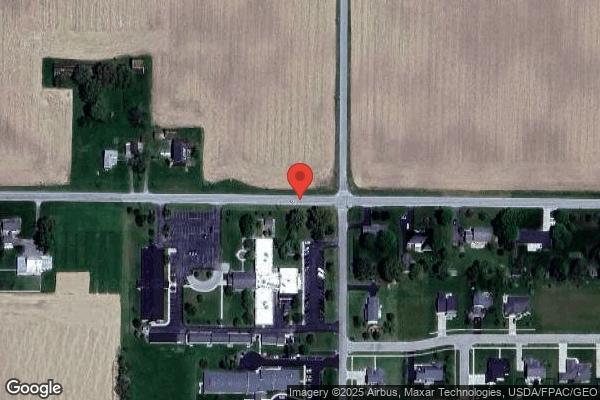
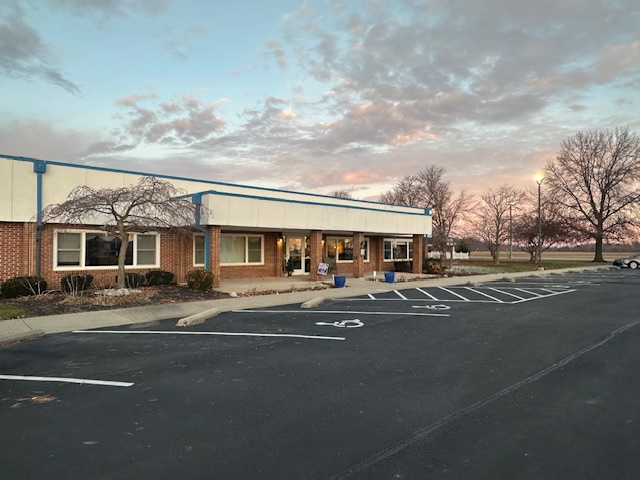
100 POWELL DRIVE, ARLINGTON, OH 45814 (419) 365-5115
For profit - Limited Liability company 50 Beds CONTINUUM HEALTHCARE Data: November 2025
Trust Grade
78/100
#335 of 913 in OH
Last Inspection: April 2024

Within standard 12-15 month inspection cycle. Federal law requires annual inspections.

Overview

Serenity Spring Senior Living at Arlington has a Trust Grade of B, which means it is a good choice overall, reflecting solid performance but with room for improvement. It ranks #335 out of 913 facilities in Ohio, placing it in the top half, and #3 out of 6 in Hancock County, indicating only one local option is rated higher. The facility is improving, having reduced issues from 6 in 2023 to 4 in 2024. Staffing is average with a turnover rate of 45%, which is better than the Ohio average of 49%, suggesting that staff members tend to stay longer, contributing to better resident care. However, the facility has incurred $20,265 in fines, which is concerning as it is higher than 81% of other facilities in Ohio, indicating some compliance issues. While there is a good amount of RN coverage, the facility has faced specific concerns, such as failing to properly date and cover open food products in the kitchen, which could affect all residents. Additionally, they did not have a proper Legionella water management program in place, posing potential health risks. There were also issues with staff not following hand hygiene protocols during food preparation, which could further compromise resident safety. Overall, Serenity Spring has strengths in staffing stability but needs to address its compliance and hygiene practices.

Trust Score
B
78/100
In Ohio
#335/913
Top 36%
Safety Record
Low Risk
No red flags
Inspections
Getting Better
6 → 4 violations
Staff Stability
⚠ Watch
45% turnover. Above average. Higher turnover means staff may not know residents' routines.
Penalties
○ Average
$20,265 in fines. Higher than 51% of Ohio facilities. Some compliance issues.
Skilled Nurses
○ Average
Each resident gets 40 minutes of Registered Nurse (RN) attention daily — about average for Ohio. RNs are the most trained staff who monitor for health changes.
Violations
⚠ Watch
11 deficiencies on record. Higher than average. Multiple issues found across inspections.
★★★★☆
4.0
Overall Rating
★★★☆☆
3.0
Staff Levels
★★★★★
5.0
Care Quality
★★★☆☆
3.0
Inspection Score
Stable
2023: 6 issues
2024: 4 issues

The Good

  • 5-Star Quality Measures · Strong clinical quality outcomes
  • Full Sprinkler Coverage · Fire safety systems throughout facility
  • No fines on record

Facility shows strength in quality measures, fire safety.

The Bad

Staff Turnover: 45%

Near Ohio avg (46%)

Higher turnover may affect care consistency

Federal Fines: $20,265

Below median ($33,413)

Minor penalties assessed

Chain: CONTINUUM HEALTHCARE

Part of a multi-facility chain

Ask about local staffing decisions and management

The Ugly 11 deficiencies on record

Apr 2024 4 deficiencies
CONCERN (D)

Potential for Harm - no one hurt, but risky conditions existed

Deficiency F0698 (Tag F0698)

Could have caused harm · This affected 1 resident

**NOTE- TERMS IN BRACKETS HAVE BEEN EDITED TO PROTECT CONFIDENTIALITY** Based on record review, interview, and policy review, the facility failed to ensure communication was maintained between the fac...

Read full inspector narrative →
**NOTE- TERMS IN BRACKETS HAVE BEEN EDITED TO PROTECT CONFIDENTIALITY** Based on record review, interview, and policy review, the facility failed to ensure communication was maintained between the facility and dialysis center. This affected one (Resident #2) of one reviewed for dialysis. The facility census was 33. Findings include: Review of the medical record for Resident #2 revealed an admission date of 02/22/24. Diagnoses included end stage renal disease and kidney transplant status. Review of the Minimum Data Set (MDS) assessment dated [DATE] revealed Resident #2 was cognitively intact. Resident #2 was independent for activities of daily living. Review of the physician orders revealed Resident #2 received dialysis services on Monday, Wednesday, and Friday and check for thrill/bruit to fistula in right upper arm. There was no mention of where dialysis was performed with address and phone number in the physician orders for dialysis. Review of the care plan dated 02/22/24 revealed Resident #2 required hemodialysis related to end stage renal disease. The care plan did not include which dialysis center or contact information for the dialysis center. Review of the dialysis communication/referral forms to be sent with Resident #2 on dialysis days revealed the facility did not fill out their portion on 03/22/24, 04/07/24, 04/10/24, 04/12/24, and 04/15/24. Further review of the dialysis communication/referral forms sent with Resident #2 revealed the only forms sent with the resident on dialysis days were on 02/28/24, 03/13/24, 03/22/24, 04/07/24, 04/10/24, 04/12/24, and 04/15/24. Resident #2's dialysis days were Monday, Wednesday, and Friday. Since admission to the facility on [DATE], the resident would have been to dialysis 25 times at a minimum. The communication form was missed 19 dialysis days. Interview on 04/16/24 at 1:16 P.M. with the Director of Nursing (DON) verified the communication form was hit or miss on whether the dialysis center sends them back to the facility. The DON verified that several of the returned communication sheets were not filled out by the facility nurse and the dialysis center information was completed. The DON stated the dialysis center information would be listed on the face sheet. The DON verified the face sheet for Resident #2 did not include the dialysis center information. Interview on 04/16/24 at 2:15 P.M. with Dialysis Registered Nurse (RN #700) verified the communication forms have been missed due to staffing. RN #700 stated that they have a plan in place to improve the communication form being filled out for each dialysis treatment. RN #700 stated they do have communication on the phone with the facility. Review of the facility policy titled End-Stage Renal Disease, Care of a Resident with, revised September 2023, revealed agreements between the facility and the contracted end stage renal disease facility include all aspects of how the resident's care will be managed, including how the care plan will be developed and implemented, and how information will be exchanged between the facilities.
CONCERN (E)

Potential for Harm - no one hurt, but risky conditions existed

Comprehensive Care Plan (Tag F0656)

Could have caused harm · This affected multiple residents

**NOTE- TERMS IN BRACKETS HAVE BEEN EDITED TO PROTECT CONFIDENTIALITY** Based on review of the medical record, staff interview, and facility policy review, the facility failed to complete for advanced...

Read full inspector narrative →
**NOTE- TERMS IN BRACKETS HAVE BEEN EDITED TO PROTECT CONFIDENTIALITY** Based on review of the medical record, staff interview, and facility policy review, the facility failed to complete for advanced directives for six (#2, #15, #22, #24, #28, and #30) of six residents reviewed for advanced directives and one (#22) resident reviewed hospice. The facility census was 33. Findings include: 1. Review of the medical record for Resident #22 revealed the resident was admitted on [DATE]. Diagnoses included Alzheimer's disease, dementia, cerebral atherosclerosis, occlusion and stenosis of unspecified carotid artery disease, personal history of malignant neoplasm of bladder, benign prostatic hyperplasia (BPH) without lower urinary tract symptoms, and encounter for palliative care. Review of the Minimum Data Set (MDS) assessment dated [DATE] revealed Resident #22 was severely cognitively impaired. Review of the facility's provided care plans for Resident #22 revealed the facility failed to develop and implement a comprehensive person-centered care plan for advanced directives and hospice services. Interview on 04/16/24 at 1:03 P.M. with the Director of Nursing (DON) verified Resident #22 did not have advanced directives included in the comprehensive care plan. In addition, Resident #22 did not have a comprehensive care plan for hospice services to include information for coordination of care. 2. Review of the medical record for Resident #2 revealed an admission date of 02/22/24. Diagnoses included end stage renal disease, generalized anxiety disorder, kidney transplant status, and dementia. Review of the physician orders revealed Resident #2's advanced directive was do not resuscitate comfort care arrest (DNRCCA). Review of the most recent care plan revealed Resident #2 did not have a care plan for advanced directive. Interview on 04/16/24 at 1:03 P.M. with the Director of Nursing (DON) verified Resident #2 did not have advanced directives included in the comprehensive care plan. 3. Review of the medical record revealed Resident #15 was admitted on [DATE]. Diagnoses included chronic obstructive pulmonary disease, spinal stenosis, type two diabetes mellitus with diabetic chronic kidney disease, hypertensive chronic kidney disease, chronic kidney disease stage three, dementia, chronic respiratory failure, and hypoxia. Review of the Minimum Data Set (MDS) assessment, dated 02/16/24, revealed the resident was moderately cognitively impaired. Review of the physician order revealed Resident #15's advanced directive was do not resuscitate comfort care (DNRCC). Review of the most recent care plan revealed Resident #15 did not have a care plan for advanced directive. Interview on 04/16/24 at 1:03 P.M. with the Director of Nursing (DON) verified Resident #15 did not have advanced directives included in the comprehensive care plan. 4. Review of the medical record revealed Resident #24 was admitted on [DATE]. Diagnoses included Alzheimer's disease, dementia in other diseases with behavioral disturbance, and personal history of transient ischemic attack and cerebral infarction without residual deficits. Review of the Minimum Data Set (MDS) assessment, dated 01/30/24, revealed the resident was rarely/never understood. Review of the physician order revealed Resident #24's advanced directive was do not resuscitate comfort care (DNRCC). Review of the most recent care plan revealed Resident #24 did not have a care plan for advanced directive. Interview on 04/16/24 at 1:03 P.M. with the Director of Nursing (DON) verified Resident #24 did not have advanced directives included in the comprehensive care plan. 5. Review of medical record for Resident #28 revealed an admission date of 05/25/23 with diagnoses including chronic respiratory failure with hypoxia, dementia, malignant neoplasm of bronchus or lung, major depressive disorder, and cognitive communication deficit. Review of the Minimum Data Set (MDS) assessment dated [DATE] revealed Resident #28 had severe cognitive impairment. Review of the physician orders revealed Resident #28 was a do not resuscitate comfort care (DNRCC), Review of the care plan dated 01/15/24 for Resident #28 revealed no care plan for advance directives. Interview on 04/16/24 at 1:03 P.M. with the Director of Nursing (DON) verified Resident #28 did not have advanced directives included in the comprehensive care plan. 6. Review of the medical record for Resident #30 revealed an admission date of 01/12/24 with diagnoses including displaced intertrochanteric fracture of right femur, chronic pain syndrome, chronic kidney disease stage three, and pain in right hip. Review of the Minimum Data Set (MDS) assessment dated [DATE] revealed Resident #30 was cognitively intact. Review of the physician orders revealed Resident #30 was a do not resuscitate comfort care arrest (DNRCCA). Review of the care plan dated 02/15/24 for Resident #30 revealed no care plan for advance directives. Interview on 04/16/24 at 1:03 P.M. with the Director of Nursing (DON) verified Resident #30 did not have advanced directives included in the comprehensive care plan. Review of the facility's policy titled Comprehensive Person-Centered Care Plan, revised March 2022, revealed the comprehensive person-centered care plan describes services that are to be furnished to attain or maintain the resident's highest practicable physical, mental, and psychosocial well-being including services that would otherwise be provided for the above, but are not provided due to the resident exercising his or her rights, including the right to refuse treatment.
CONCERN (F)

Potential for Harm - no one hurt, but risky conditions existed

Food Safety (Tag F0812)

Could have caused harm · This affected most or all residents

Based on observation, staff interview, and policy review, the facility failed to ensure open food products were dated and covered in the kitchen. This had the potential to affect all 33 residents who ...

Read full inspector narrative →
Based on observation, staff interview, and policy review, the facility failed to ensure open food products were dated and covered in the kitchen. This had the potential to affect all 33 residents who the facility identified to all receive food from the kitchen. The facility census was 33. Findings include: Observation on 04/15/24 at 8:20 A.M. of the kitchen revealed in the dry storage area, five bags of open pasta were not dated. In the walk-in refrigerator, two trays of mandarin oranges were not covered or dated and two bags of mozzarella cheese open with no date. In the walk-in freezer, one bag of Salisbury steak open with no date. In the reach-in refrigerator, there was one container of ham, one container of strawberries, and one container of dill pickles not dated. Interview on 04/15/24 at 8:30 A.M. with Dietary Manager (DM) #500 verified the five bag of pasta, two trays of mandarin oranges, two bags of mozzarella cheese, one bag of Salisbury steak, one container of each ham, strawberries, and pickles were all not dated. DM #500 verified the mandarin oranges were also not covered. DM #500 stated that they typically date the food as it comes into the facility on delivery date. Review of the facility's policy titled Food Receiving and Storage revised October 2017 revealed dry foods that are stored in bins will be removed from original packaging, labeled and dated (use by date). Such foods will be rotated using the first in- first out system. All foods stored in the refrigerator or freezer will be covered, labeled, and dated (use by date). Open containers must be dated and sealed or covered during storage.
CONCERN (F)

Potential for Harm - no one hurt, but risky conditions existed

Infection Control (Tag F0880)

Could have caused harm · This affected most or all residents

Based on the facility's water management program information, staff interview, review of the Centers for Disease Control (CDC) guidance, and review of the facility policy, the facility failed to have ...

Read full inspector narrative →
Based on the facility's water management program information, staff interview, review of the Centers for Disease Control (CDC) guidance, and review of the facility policy, the facility failed to have an appropriate Legionella water management program in place. This had the potential to affect all 33 residents in the facility. Findings include: Review of the most recent Legionella documentation information revealed the facility's Legionella information contained both cold and hot water chlorine testing and eye wash station testing. The cold and hot water chlorine residual testing verified the facility had not conducted a chlorine residual testing since 11/29/23. The 2024 log for the eye wash station revealed the station was inspected (included running water for three minutes) on 02/01/24, 03/11/24, and 04/09/24. Interview on 04/18/24 at 9:00 A.M. and 9:45 A.M. with the Administrator verified the facility has not completed chlorine residual testing since November 2023. There was no evidence of flushing of stagnant water except for monthly inspections of the eyewash stations. The Administrator revealed the former maintenance director had left in December 2023. The position was filled in February or March 2024 through early April 2024. The maintenance director position had been filled effective 04/18/24. Interview on 04/18/24 at 12:25 P.M. with the Administrator and Regional Director of Operations #701 verified the facility did not have Legionella prevention, detection, and control measures in place including a risk assessment, facility mapping of water sources, flushes, or testing. The facility has identified five current unoccupied resident rooms including rooms 112, 115, 206, 214, and 215. Review of the undated CDC guidance titled, Overview of Water Management Programs, revealed water management programs identify hazardous conditions and take steps to minimize the growth and transmission of Legionella and other waterborne pathogens in building water systems. Developing and maintaining a water management program is a multi-step process that requires continuous review. Seven key elements of a Legionella water management program are to: o Establish a water management program team o Describe the building water systems using text and flow diagrams o Burden of Waterborne Disease o Read about various illnesses, including Legionnaires' disease, in CDC's first estimates of the impact of waterborne disease in the United States. o Identify areas where Legionella could grow and spread o Decide where control measures should be applied and how to monitor them o Establish ways to intervene when control limits are not met o Make sure the program is running as designed (verification) and is effective (validation) o Document and communicate all the activities Review of the facility's policy titled Legionella Water Management Program, revised October 2023, revealed the water management program includes but not limited to the following a detailed description and diagram of the water system in the facility including receiving, cold water distribution, heating, hot water distribution, and waste. Also, the identification of areas in the water system that could encourage the growth and spread of Legionella or other waterborne pathogens including storage tanks, water heaters, filters, aerators, showerheads and hoses, misters, atomizers, air washers, humidifiers, hot tubs, fountains, and medication devices.
Jul 2023 6 deficiencies
CONCERN (D)

Potential for Harm - no one hurt, but risky conditions existed

Deficiency F0558 (Tag F0558)

Could have caused harm · This affected 1 resident

**NOTE- TERMS IN BRACKETS HAVE BEEN EDITED TO PROTECT CONFIDENTIALITY** Based on medical record review, observations, resident and staff interview and policy review, the facility failed to ensure the ...

Read full inspector narrative →
**NOTE- TERMS IN BRACKETS HAVE BEEN EDITED TO PROTECT CONFIDENTIALITY** Based on medical record review, observations, resident and staff interview and policy review, the facility failed to ensure the call lights were within reach of residents. This affected one (Resident #12) of five residents reviewed for call lights. The facility census was 36. Findings include: Record review for Resident #12 revealed the resident was admitted to the facility on [DATE]. Diagnoses for Resident #12 included acute kidney failure, chronic kidney disease, auditory hallucination, depression, and dementia. Review of the comprehensive Minimum Data Set (MDS) assessment dated [DATE] revealed the resident had mildly impaired cognition, was incontinent of bowel and bladder, and was a one-person assist with activities of daily living. Review of Resident #12's care plans dated 02/09/20 revealed a focus for risk for falls. Interventions included to educate the resident to ask for assistance. Observation and interview on 07/03/23 at 9:20 A.M. revealed Resident #12 sitting in his wheelchair with his back to his bed. Resident #12's call light was on his bed and not within reach. Resident #12 stated he did not have his call light and Resident #12 stated he would holler if he needed assistance from staff. Observation and interview on 07/05/23 at 4:33 P.M. revealed Resident #12 was sitting up in his recliner. When asked where his call light was, Resident #12 stated he did not know. Resident #12 answered he did not know what to do if he would need help from a staff member. Resident #12's call light was not visible during the observation. Interview on 07/05/23 at 4:40 P.M. with State Tested Nurse Aide (STNA ) #477 verified Resident #12's call light was behind his back under him in his recliner. STNA #477 verified the call light was to be placed within reach for the resident's use. Review of the facility's policy titled Call-Light, dated 10/21/22, revealed when staff leave a resident room, they are to place the call light within easy reach of the resident.
CONCERN (D)

Potential for Harm - no one hurt, but risky conditions existed

Accident Prevention (Tag F0689)

Could have caused harm · This affected 1 resident

**NOTE- TERMS IN BRACKETS HAVE BEEN EDITED TO PROTECT CONFIDENTIALITY** Based on observations, staff interviews, record review, and review of the facility policy, the facility failed to ensure fall in...

Read full inspector narrative →
**NOTE- TERMS IN BRACKETS HAVE BEEN EDITED TO PROTECT CONFIDENTIALITY** Based on observations, staff interviews, record review, and review of the facility policy, the facility failed to ensure fall interventions were in place for a resident with a history of falling. This affected one (Resident #17) of four residents reviewed for falls. The facility census was 36. Findings include: Review of the medical record for Resident #17 revealed an admission date of 09/10/21 with diagnoses including chronic pain, insomnia, and a history of falling. Review of a progress note dated 06/02/23 revealed Resident #17 fell at approximately 3:00 A.M. while standing and attempting to remove her nightgown while a state tested nurse aide (STNA) was changing the chair pad. Resident #17 stumbled backwards due to her slip-on slippers. Review of an additional progress note dated 06/02/23 revealed a plan to remove the slip-on slippers and replace them with the new enclosed slippers. Review of the current care plan for Resident #17 revealed she was at risk for falls. Interventions included ensuring Resident #17 was wearing appropriate footwear, including fully enclosed slip resistant shoes, skid resistant slippers, or gripper socks when ambulating or mobilizing in her wheelchair. Review of the facility's Fall Scene Huddle Worksheet revealed Resident #17 fell on [DATE] due to wearing slip-on slippers and the intervention was to use gripper socks instead of slippers. Review of the comprehensive Minimum Data Set (MDS) assessment dated [DATE] revealed Resident #17 had intact cognition and required extensive assistance of one person for bed mobility, transfers, toileting and hygiene. Resident #17 had one fall without injury since the previous assessment completed 05/30/23. Observation on 07/05/23 at 9:17 A.M. revealed Resident #17 sitting in her recliner in her room wearing slip-on slippers. Observation on 07/05/23 at 12:18 P.M. revealed Resident #17 sitting in her wheelchair in the dining room wearing slip-on slippers. Interview at that time with Licensed Practical Nurse (LPN) #400 confirmed Resident #17 was wearing slip-on slippers. LPN #400 confirmed Resident #17 was supposed to be wearing fully enclosed slippers. Interview on 07/06/23 at 11:49 A.M. with the Director of Nursing (DON) confirmed Resident #17 should be wearing gripper socks, not backless slippers. The DON stated she spoke with Resident #17 who was agreeable to wearing gripper socks. Observation and interview on 07/06/23 at 11:53 A.M. with Registered Nurse (RN) #433 revealed Resident #17 sitting in her wheelchair in the dining room. RN #433 confirmed Resident #17 was wearing slip-on slippers. Interview on 07/06/23 at 2:53 P.M. with STNA #499 revealed she was assigned to provide care for Resident #17 during the morning shift on 07/06/23 and was aware Resident #17 should be wearing gripper socks because the slip on slippers were causing her to fall. STNA #499 stated she did not notice Resident #17's footwear throughout the day. Review of the facility's fall policy, last reviewed on March 2023, revealed fall interventions should be implemented and updated in the care plan, as needed.
CONCERN (D)

Potential for Harm - no one hurt, but risky conditions existed

Deficiency F0692 (Tag F0692)

Could have caused harm · This affected 1 resident

**NOTE- TERMS IN BRACKETS HAVE BEEN EDITED TO PROTECT CONFIDENTIALITY** Based on record review, observation, staff interview, and review of the facility policy, the facility failed to ensure a residen...

Read full inspector narrative →
**NOTE- TERMS IN BRACKETS HAVE BEEN EDITED TO PROTECT CONFIDENTIALITY** Based on record review, observation, staff interview, and review of the facility policy, the facility failed to ensure a resident who was on a fluid restriction had fluid allowances designated to ensure staff knew how much to give the resident at meals, snacks, and medication pass. This affected one (Resident #17) of one resident reviewed on a fluid restriction. The facility census was 36. Findings include: Review of the medical record for Resident #17 revealed an admission date of 09/10/21. Diagnoses included heart failure and chronic kidney disease. Review of the comprehensive Minimum Data Set (MDS) assessment dated [DATE] revealed Resident #17 had intact cognition and was not on a therapeutic diet. Review of a physician order dated 05/16/23 revealed Resident #17 was on a 48-ounce fluid restriction (1,419 millimeters) daily. There was no fluid allocation listed in the physician order on how much fluids Resident #17 can receive at meals, snacks and medication pass for each day. Review of the current care plan revealed Resident #17 had a potential nutritional problem related to debility and had a history of noncompliance with her fluid restriction. Interventions included a 48-ounce daily fluid restriction. The care plan did not include the specific amount of fluids Resident #17 should receive at meals, snacks and medication pass for the day. Review of the meal ticket for Resident #17 revealed she had a 1,500 milliliter daily fluid restriction. There was no specific amount listed on the meal ticket for how much fluids Resident #17 should receive at each meal. Observation and interview on 07/05/23 at 11:50 A.M. with Licensed Practical Nurse (LPN) #400 revealed Resident #17 had a glass of water, a mug of coffee, and a eight-ounce glass of juice sitting in front of her in the dining room. LPN #400 confirmed Resident #17 had a glass of water, a mug of coffee, and a glass of juice for her lunch meal sitting in front of her. Interview on 07/05/23 at 2:30 P.M. with Dietary Aide #521 confirmed Resident #17 was on a fluid restriction and staff were not supposed to give Resident #17 water unless she requested it. Dietary Aide #521 confirmed she provided fluids to Resident #17 at mealtimes and was unable to define the amount of fluid Resident #17 should receive with meals. Interview on 07/06/23 at 3:30 P.M. with the Director of Nursing (DON) confirmed the fluid allocation for Resident #17's fluid restriction was not defined in the care plan or the physician orders. Review of the facility policy titled Resident at Risk For Dehydration, Fluid Maintenance, reviewed 05/08/23, revealed fluid allocations for residents on a fluid restriction would be identified and distributed among meals, snacks, and medication passes.
CONCERN (D)

Potential for Harm - no one hurt, but risky conditions existed

Antibiotic Stewardship (Tag F0881)

Could have caused harm · This affected 1 resident

**NOTE- TERMS IN BRACKETS HAVE BEEN EDITED TO PROTECT CONFIDENTIALITY** Based on record review, review of facility's infection control logs, and staff interview, the facility failed to ensure resident...

Read full inspector narrative →
**NOTE- TERMS IN BRACKETS HAVE BEEN EDITED TO PROTECT CONFIDENTIALITY** Based on record review, review of facility's infection control logs, and staff interview, the facility failed to ensure residents were receiving the correct antibiotics. This affected one (Resident #17) of five residents reviewed for antibiotic medications. The facility census was 36. Findings include: Record review for Resident #17 revealed the resident was admitted to the facility on [DATE]. Diagnoses included chronic obstructive pulmonary disease, chronic kidney disease, and altered mental status. Review of the comprehensive Minimum Data Set (MDS) assessment dated [DATE] revealed Resident #17 had impaired cognition. Review of Resident #17's care plans dated 09/2022 revealed a focus area for increased risk of urinary tract infections (UTI). Interventions included to monitor and report any signs and symptoms of a UTI. Review of Resident #17's laboratory results dated [DATE] revealed the resident's urine culture was positive for E-Coli. On 05/17/23, the resident's culture results revealed the presence of Enterbacter Cloacae bacteria. Review of Resident #17's physician orders revealed on 05/10/23, the primary physician ordered Cephalexin (oral antibiotic) 500 milligrams (mg) daily for seven days for a UTI. On 05/26/23, the nephrologist physician ordered Ciprofloxacin (an oral antibiotic) 250 mg for five days due to a UTI. On 06/21/23, the primary physician ordered Bactrim (an oral antibiotic) 800 mg daily for 10 days for UTI. Review of the Medication Administration Records (MAR) dated 05/2023 and 06/2023 revealed Resident #17 received the prescribed antibiotics per order. Review of Resident #17's medical records revealed there were no follow up laboratory results or urine cultures after 05/16/23. Review of the facility's infection control log with the Director of Nursing (DON) identified Resident #17 was on the log in 05/2023 for a UTI and in 06/2023 for a UTI. Interview on 07/06/23 at 2:00 P.M. with the DON reviewed the laboratory results, the resident's physician orders for antibiotics, and MARs. The DON verified for the positive culture on 05/01/23, the primary physician ordered two oral antibiotics and the neurologist physician ordered one oral antibiotic for the positive culture on 05/16/23. The DON verified the three antibiotics were ordered within a 30-day period without a follow up culture test being completed after the 05/16/23 test. The DON verified this practice did not follow the antibiotic stewardship guidelines and policy the facility follows. Review of the facility policy titled Antibiotic Stewardship, dated 10/2021, revealed the purpose of the program is to reduce the use of antibiotics.
CONCERN (E)

Potential for Harm - no one hurt, but risky conditions existed

Deficiency F0800 (Tag F0800)

Could have caused harm · This affected multiple residents

Based on record review, observation, and staff interview, the facility failed to provide adequate portions of protein to residents on texture modified diets. This affected seven residents (#6, #12, #1...

Read full inspector narrative →
Based on record review, observation, and staff interview, the facility failed to provide adequate portions of protein to residents on texture modified diets. This affected seven residents (#6, #12, #19, #23, #27, #29, and #91) identified by the facility to be on texture modified diets. The facility census was 36. Findings include: Observation during meal service on 07/05/23 beginning at 11:52 A.M. revealed [NAME] #520 served pureed ham using a two-ounce scoop and minced and moist (chopped small) ham using a 1.625 ounce scoop. Interview on 07/05/23 at 12:25 P.M. with [NAME] #520 revealed she did not have a spreadsheet with serving sizes. [NAME] #520 further verified the appropriate serving sizes were listed on each resident's meal tickets. [NAME] #520 confirmed the portion size listed on the meal tickets for pureed ham was five ounces and confirmed she only provided a two ounce portion. [NAME] #520 confirmed the portion listed on the meal ticket for minced and moist ham was four ounces and confirmed she only provided a 1.625 ounce portion. [NAME] #520 confirmed the residents who received texture modified meat did not receive the correct portion. Review of the facility's list of diets revealed Residents #6, #12, #19, #23, #27, #29, and #91 were on texture modified diets.
CONCERN (F)

Potential for Harm - no one hurt, but risky conditions existed

Food Safety (Tag F0812)

Could have caused harm · This affected most or all residents

Based on observations, staff interviews, and review of the facility policy, the facility failed to ensure proper hand hygiene was used during food preparation and dishwashing. This affected one reside...

Read full inspector narrative →
Based on observations, staff interviews, and review of the facility policy, the facility failed to ensure proper hand hygiene was used during food preparation and dishwashing. This affected one resident (#11) and had the potential to affect all 36 residents residing in the facility. The facility census was 36. Findings include: 1. Observation of meal service on 07/05/23 beginning at 11:52 A.M. revealed [NAME] #520 wearing plastic gloves and touching serving utensils, drawers, and the lid of the plate-warming machine. [NAME] #520 did not change her gloves and continued to plate Resident #11's meal. [NAME] #520 picked up a knife with her right hand, and held the ham in place with her left gloved hand and cut the ham into bite-sized pieces. [NAME] #520 then placed the plate on the meal cart and the meal cart left the kitchen to be passed out to residents. [NAME] #520 did not change her gloves during the observation. Interview on 07/05/23 at 12:00 P.M. with [NAME] #520 confirmed she touched Resident #11's ham with her left gloved hand which had touched several non-food items in the kitchen. [NAME] #520 confirmed she was aware she should not have touched ready-to-eat food without washing her hands and putting on clean gloves. 2. Observation on 07/05/23 at approximately 12:45 P.M. revealed Dietary Aide #521 rinsing dirty dishes and stacking them into the dish rack, then opening the dish machine and removing clean dishes, without washing her hands in between touching the dirty dishes and clean dishes. Further observation revealed Dietary Aide #521 pushed the dirty dishes into the machine, then began unloading clean dishes and putting them away. Interview with Dietary Aide #521 confirmed she touched the clean dishes after handling dirty dishes without washing her hands. Dietary Aide #521 stated she was unaware of the need to wash her hands between touching dirty and clean dishes. Dietary Aide #521 did not re-wash the clean dishes she had already unloaded. Review of the facility's policy titled Hand Washing and Glove Use, reviewed 06/14/23, revealed employees must wash hands before handling food, when switching tasks, and after performing any activity that could contaminate hands.
Feb 2020 1 deficiency
CONCERN (D)

Potential for Harm - no one hurt, but risky conditions existed

Deficiency F0676 (Tag F0676)

Could have caused harm · This affected 1 resident

**NOTE- TERMS IN BRACKETS HAVE BEEN EDITED TO PROTECT CONFIDENTIALITY** Based on medical record review and staff interview; the facility failed to ensure a resident was provided a restorative nursing ...

Read full inspector narrative →
**NOTE- TERMS IN BRACKETS HAVE BEEN EDITED TO PROTECT CONFIDENTIALITY** Based on medical record review and staff interview; the facility failed to ensure a resident was provided a restorative nursing program as recommended to maintain current level of mobility. This affected one (#4) of one resident reviewed for activities of daily living (ADL). The facility census was 43. Findings include: Review of the medical record for Resident #4 revealed the resident was admitted to the facility on [DATE]. Diagnoses included hypertension, hemiplegia, hypertension, dizziness, hypothyroidism, major depressive disorder, muscle weakness, overactive bladder, and abnormal posture. Review of the plan of care dated 05/22/19 revealed Resident #4 had a need for restorative intervention due to ADL self-care performance deficits/limited and physical mobility related to stroke as evidenced by assistance required from staff to performs her ADL. The goal was the resident will increase level of mobility walking to and from dining room with assistance of one. Interventions include: 1. Active range of motion: Nu Step (recumbent cross trainer) 10-15 minutes to be completed up to five times a week as tolerated. Give the option of using or not using hands, however encourage using hands as much as possible. 2. Active range of motion: standing marches with two pound weights, 15 repetitions for two sets to be completed up to five times a week as tolerated. Provide 100 percent contact assistance with gait belt, encourage no holding on with hands to improve balance and strength in legs. 3. Active range of motion: balance (seated or standing) as tolerated; ball toss/balloon tapping for core engagement and balance as tolerated to be completed three times a week as tolerated. 4. Active range of motion: upper arm extremities; gentle stretching/active range of motion (AROM) and upper extremity lifting within a pain free range with two pound weight for shoulder, elbow and wrist to be completed three to six times times a week as tolerated. 5. Active range of motion: hand writing exercises to keep up dexterity to be completed three to six times a week as tolerated. 6. Moist heat to low back, left hip, left knee, left thigh area, and bilateral shoulders for 15 to 20 minutes. Review of a physician order dated 05/22/19, revealed restorative therapy was to work with Resident #4 at least five times a week. Review of the annual Minimum Data Set (MDS) assessment dated [DATE], revealed Resident #4 had moderately impaired cognition. The resident required limited assistance of one staff for bed mobility, transfers, and toilet use. The resident required extensive assistance of one for personal hygiene and dressing. Review of restorative therapy documentation from 01/21/20 to 02/19/20 revealed no evidence the facility offered or provided Resident #4 the restorative therapy program for the Nu Step from 01/21/20 to 01/28/20, from 01/30 to 02/13/20, and from 02/15/20 to 02/19/20. Continued review of restorative documentation revealed no evidence the facility offered or provided Resident #4 with the standing marches with two pound weights, balance, upper arm extremity gentle stretching/AROM and lifting and hand writing exercises from 01/21/20 to 02/13/20 and from 02/15/20 to 02/19/20. Further review of the medical record revealed there was no evidence of the facility provided the restorative program for moist heat throughout the reference period except on 01/29/20 and 02/14/20 when refusal was documented. Review of the nurse progress notes dated 01/20 to 02/20, revealed no documentation Resident #4 was provided restorative therapy or of the resident refusing restorative therapy. Interview on 02/19/20 at 1:55 P.M. with State Tested Nurse Aide (STNA) #450 revealed restorative therapy programs are documented in the resident's medical record. The STNA revealed if a resident refused to participate with the restorative therapy, the refusal would be documented in the medical record. STNA #450 revealed Resident #4 was to be provided restorative therapy three to six times a week. The STNA revealed it was sometimes difficult to complete Resident #4's therapy program because the STNA's shift ended at 2:45 P.M. and the family preferred the therapy be completed after the resident's afternoon nap, which was about 2:00 P.M. Interview on 02/19/20 at 2:15 P.M. with the Director of Nursing (DON) verified the medical record for Resident #4 contained no evidence of restorative therapy being provided for Resident #4 as written in the plan of care. The DON further verified the medical record for Resident #4 contained no evidence of the resident refusing to participate with restorative therapy.
Understanding Severity Codes (click to expand)
Life-Threatening (Immediate Jeopardy)
J - Isolated K - Pattern L - Widespread
Actual Harm
G - Isolated H - Pattern I - Widespread
Potential for Harm
D - Isolated E - Pattern F - Widespread
No Harm (Minor)
A - Isolated B - Pattern C - Widespread

Questions to Ask on Your Visit

  • "Can I speak with families of current residents?"
  • "What's your RN coverage like on weekends and overnight?"

Our Honest Assessment

Strengths
  • • No major safety red flags. No abuse findings, life-threatening violations, or SFF status.
Concerns
  • • 11 deficiencies on record. Higher than average. Multiple issues found across inspections.
  • • $20,265 in fines. Higher than 94% of Ohio facilities, suggesting repeated compliance issues.
Bottom line: Generally positive indicators. Standard due diligence and a personal visit recommended.

About This Facility

What is Serenity Spring Senior Living At Arlington's CMS Rating?

CMS assigns SERENITY SPRING SENIOR LIVING AT ARLINGTON an overall rating of 4 out of 5 stars, which is considered above average nationally. Within Ohio, this rating places the facility higher than 99% of the state's 100 nursing homes. This rating reflects solid performance across the metrics CMS uses to evaluate nursing home quality.
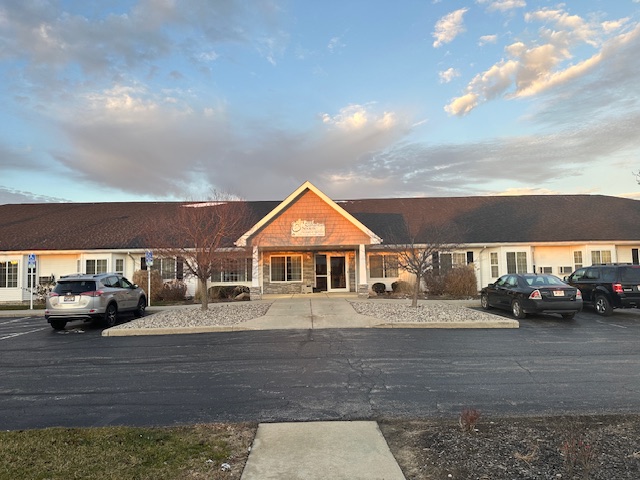
How is Serenity Spring Senior Living At Arlington Staffed?

CMS rates SERENITY SPRING SENIOR LIVING AT ARLINGTON's staffing level at 3 out of 5 stars, which is average compared to other nursing homes. Staff turnover is 45%, compared to the Ohio average of 46%. This relatively stable workforce can support continuity of care.

What Have Inspectors Found at Serenity Spring Senior Living At Arlington?

State health inspectors documented 11 deficiencies at SERENITY SPRING SENIOR LIVING AT ARLINGTON during 2020 to 2024. These included: 11 with potential for harm.
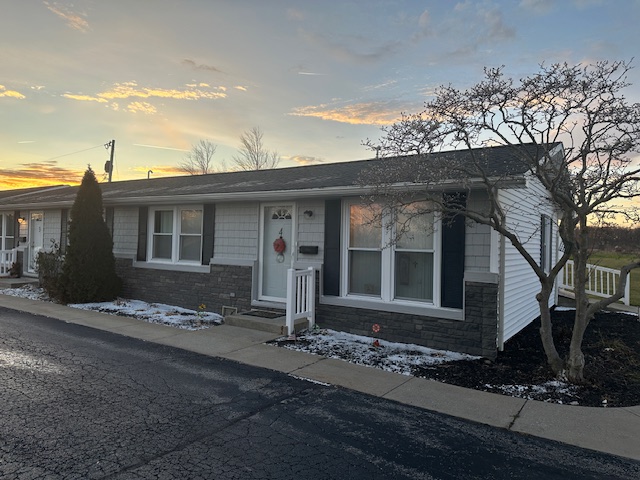
Who Owns and Operates Serenity Spring Senior Living At Arlington?

SERENITY SPRING SENIOR LIVING AT ARLINGTON is owned by a for-profit company. For-profit facilities operate as businesses with obligations to shareholders or private owners. The facility is operated by CONTINUUM HEALTHCARE, a chain that manages multiple nursing homes. With 50 certified beds and approximately 39 residents (about 78% occupancy), it is a smaller facility located in ARLINGTON, Ohio.
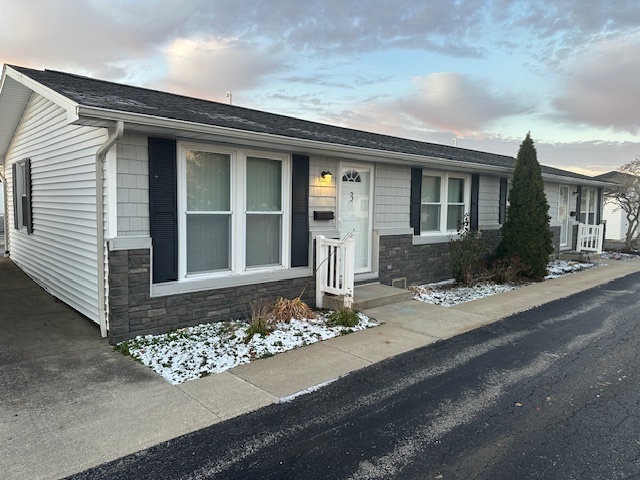
How Does Serenity Spring Senior Living At Arlington Compare to Other Ohio Nursing Homes?

Compared to the 100 nursing homes in Ohio, SERENITY SPRING SENIOR LIVING AT ARLINGTON's overall rating (4 stars) is above the state average of 3.2, staff turnover (45%) is near the state average of 46%, and health inspection rating (3 stars) is at the national benchmark.

What Should Families Ask When Visiting Serenity Spring Senior Living At Arlington?

Based on this facility's data, families visiting should ask: "Can I visit during a mealtime to observe dining assistance and food quality?" "How do you handle medical emergencies, and what is your hospital transfer rate?" "Can I speak with family members of current residents about their experience?"

Is Serenity Spring Senior Living At Arlington Safe?

Based on CMS inspection data, SERENITY SPRING SENIOR LIVING AT ARLINGTON has a clean safety record: no substantiated abuse findings (meaning no confirmed cases of resident harm), no Immediate Jeopardy citations (the most serious violation level indicating risk of serious injury or death), and is not on the Special Focus Facility watch list (a federal program monitoring the lowest-performing 1% of nursing homes). The facility has a 4-star overall rating and ranks #1 of 100 nursing homes in Ohio. While no facility is perfect, families should still ask about staff-to-resident ratios and recent inspection results during their visit.

Do Nurses at Serenity Spring Senior Living At Arlington Stick Around?

SERENITY SPRING SENIOR LIVING AT ARLINGTON has a staff turnover rate of 45%, which is about average for Ohio nursing homes (state average: 46%). Moderate turnover is common in nursing homes, but families should still ask about staff tenure and how the facility maintains care continuity when employees leave.

Was Serenity Spring Senior Living At Arlington Ever Fined?

SERENITY SPRING SENIOR LIVING AT ARLINGTON has been fined $20,265 across 5 penalty actions. This is below the Ohio average of $33,282. While any fine indicates a compliance issue, fines under $50,000 are relatively common and typically reflect isolated problems that were subsequently corrected. Families should ask what specific issues led to these fines and confirm they've been resolved.

Is Serenity Spring Senior Living At Arlington on Any Federal Watch List?

SERENITY SPRING SENIOR LIVING AT ARLINGTON is not on any federal watch list. The most significant is the Special Focus Facility (SFF) program, which identifies the bottom 1% of nursing homes nationally based on persistent, serious quality problems. Not being on this list means the facility has avoided the pattern of deficiencies that triggers enhanced federal oversight. This is a positive indicator, though families should still review the facility's inspection history directly.