COUNTRY CLUB RET CENTER I I I
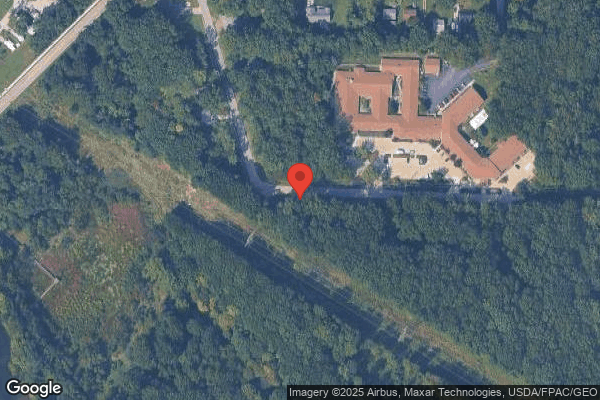
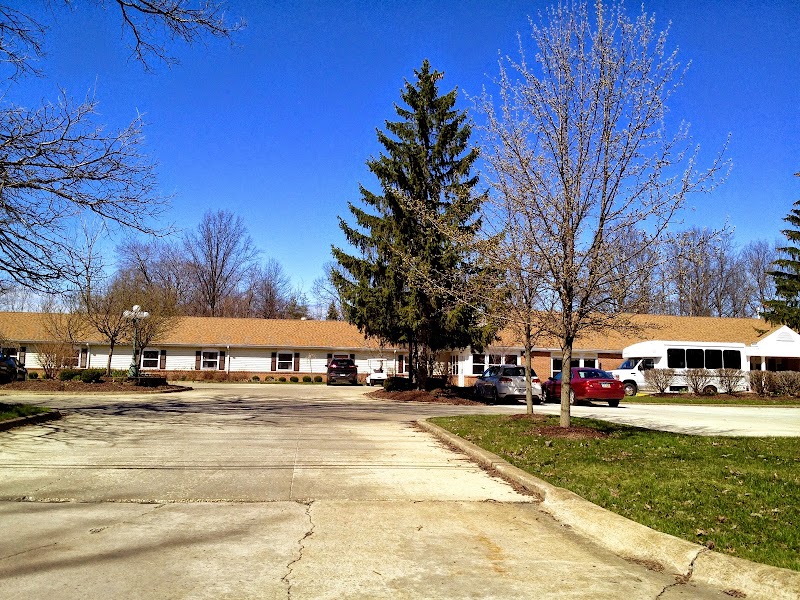
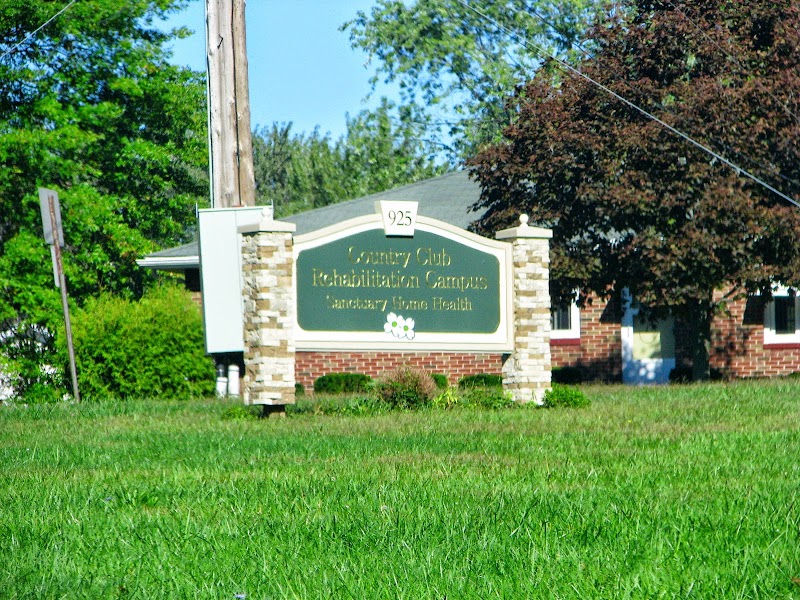
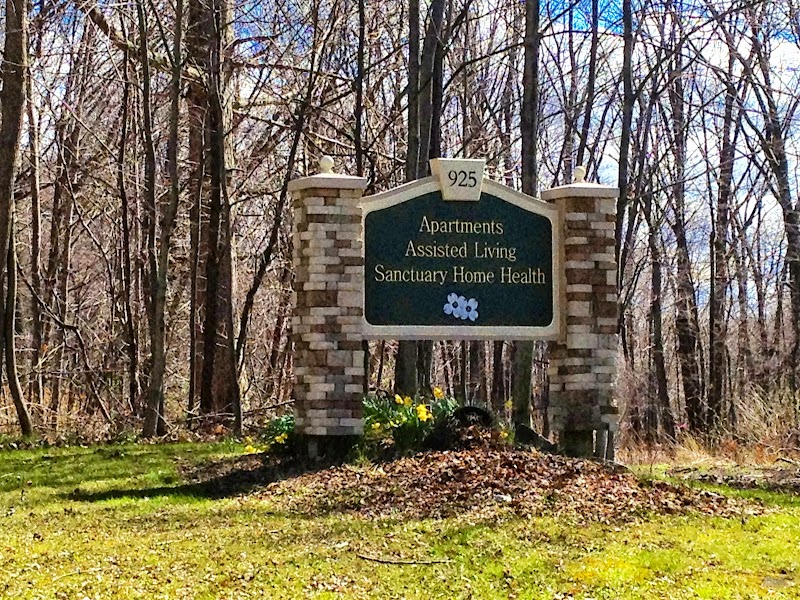
925 E 26TH ST, ASHTABULA, OH 44004 (440) 992-0022
For profit - Individual 73 Beds COUNTRY CLUB REHABILITATION CAMPUS Data: November 2025
Trust Grade
80/100
#246 of 913 in OH
Last Inspection: May 2024

Within standard 12-15 month inspection cycle. Federal law requires annual inspections.

Overview

Country Club Ret Center III has a Trust Grade of B+, indicating it is above average and recommended for families looking for care. It ranks #246 out of 913 facilities in Ohio, placing it in the top half, and #8 out of 12 in Ashtabula County, meaning only a few local options are better. Unfortunately, the facility's trend is worsening, with issues increasing from 4 in 2023 to 6 in 2024. While staffing is a weaker area, rated at 2 out of 5 stars with a 50% turnover rate, it does have good RN coverage, exceeding 79% of Ohio facilities, which can help catch potential problems. However, there are concerning incidents such as failing to follow proper hygiene protocols during catheter care for several residents, not implementing an abuse policy after a reported incident, and not providing adequate individualized care for a resident's edema, indicating a need for improvement in their care practices.

Trust Score
B+
80/100
In Ohio
#246/913
Top 26%
Safety Record
Low Risk
No red flags
Inspections
Getting Worse
4 → 6 violations
Staff Stability
⚠ Watch
50% turnover. Above average. Higher turnover means staff may not know residents' routines.
Penalties
✓ Good
No fines on record. Clean compliance history, better than most Ohio facilities.
Skilled Nurses
○ Average
Each resident gets 40 minutes of Registered Nurse (RN) attention daily — about average for Ohio. RNs are the most trained staff who monitor for health changes.
Violations
⚠ Watch
11 deficiencies on record. Higher than average. Multiple issues found across inspections.
★★★★☆
4.0
Overall Rating
★★☆☆☆
2.0
Staff Levels
★★★★☆
4.0
Care Quality
★★★★☆
4.0
Inspection Score
Stable
2023: 4 issues
2024: 6 issues

The Good

  • 4-Star Quality Measures · Strong clinical quality outcomes
  • Full Sprinkler Coverage · Fire safety systems throughout facility
  • No fines on record

Facility shows strength in quality measures, fire safety.

The Bad

Staff Turnover: 50%

Near Ohio avg (46%)

Higher turnover may affect care consistency

Chain: COUNTRY CLUB REHABILITATION CAMPUS

Part of a multi-facility chain

Ask about local staffing decisions and management

The Ugly 11 deficiencies on record

May 2024 6 deficiencies
CONCERN (D)

Potential for Harm - no one hurt, but risky conditions existed

Abuse Prevention Policies (Tag F0607)

Could have caused harm · This affected 1 resident

Based on interview, record review and policy review, the facility failed to implement the abuse policy and procedure after receipt of an allegation of abuse for Resident #52. This affected one residen...

Read full inspector narrative →
Based on interview, record review and policy review, the facility failed to implement the abuse policy and procedure after receipt of an allegation of abuse for Resident #52. This affected one resident (Resident #52) of one reviewed for abuse and had the potential to affect all 68 residents residing in the facility. Findings include: Review of the medical record for Resident #52 revealed an admission date of 09/21/23. Diagnoses included chronic obstructive pulmonary disease, diabetes mellitus type 2, need for assistance with personal care and neuromuscular dysfunction of bladder. The quarterly Minimum Data Set (MDS) assessment completed 04/08/24 indicated Resident #52 had moderate cognitive impairment. Review of Resident #52's nursing progress note by Licensed Practical Nurse (LPN) #211 dated 03/01/24 at 5:13 P.M. revealed staff reported Resident #52's spouse smacked her in the face, so the two were separated for the night. Interview on 05/07/24 at 9:38 A.M. with Resident #52 and Resident #52's spouse revealed the spouse lived in the adjoining assisted living facility and visited Resident #52 daily and usually all day long. The two had arguments but the spouse denied ever laying a hand on Resident #52 or details of the incident on 03/01/24. Resident #52 was unable to recall the incident on 03/01/24. Interview on 05/08/24 at 8:13 A.M. with Registered Nurse (RN) #258 stated Resident #52's spouse visited daily from the adjoining facility and were known to fight with each other frequently. There were times when staff had to separate them but denied knowledge of the 03/01/24 incident. Interview on 05/09/24 at 7:26 A.M. with LPN #211 confirmed on 03/01/24, another staff member who LPN #211 could not remember the name, reported an incident had occurred in the adjoining assisted living facility dining room area. Both Resident #52 and the spouse were visiting each other in the adjoining facility dining room when staff reportedly saw the spouse slap Resident #52 across the face, then Resident #52 supposedly tried to throw a bowl back at him. LPN #211 denied reporting the incident to the facility's Administrator or any other staff member because she assumed the adjoining facility's staff took care of it. However, LPN #211 stated she made sure the two stayed separated for the night on 03/01/24. Interview on 05/09/24 at 9:22 A.M. with Administrator confirmed no knowledge of the incident on 03/01/24 with Resident #52 and verified an abuse investigation was not completed due to the lack of staff reporting it to Administrator. Interview on 05/09/24 at 3:54 P.M. with Administrator and Assistant Director of Nursing (ADON) #232 revealed ADON #232 was present in the facility on 03/01/24, received a report of the incident from the adjoining assisted living facility's staff member, Hospitality Companion Aide (HCA) #292 so ADON #232 completed a facility incident report. This incident report was provided to the surveyor with a facility copy of Self-Reported Incident (SRI) instructions on abuse. A marking was made on the instruction sheet to highlight Examples from CMS (Centers for Medicare & Medicaid Services) of issues that do not need reported: Resident to resident altercations that do not result in physical injury, mental anguish, and/or pain. Review of the facility incident report dated 03/01/24 at 6:00 P.M. which was provided by ADON #232 indicated an incident occurred in the location of the apartment dining room (of the adjoining assisted living facility) which involved Resident #52 and Resident #52's husband (who lived in the adjoining assisted living facility). The incident report indicated an apartment aide (from the adjoining facility) reported Resident #52's husband smacked Resident #52 in the back of the head after Resident #52 threw a bowel of food at him. A skin assessment of Resident #52 resulted in no injury. Resident #52 stated the husband was following girls and fooling around, so she got mad and he got mad. As part of the incident report a nurse progress note which was obtained from the adjoining assisted living facility's medical record for Resident #52's spouse. It was dated 03/01/24 at 5:06 P.M., authored by LPN #293, a nurse employed by the adjoining facility, and indicated a companion aide reported Resident #52's spouse was physically fighting with Resident #52. The spouse hit Resident #52, who then attempted to hit back with a bowl from dinner. The incident report further recorded the two were separated and the spouse was instructed not to visit Resident #52 until the next day. There was also a history of arguments between the two. Continued interview on 05/09/24 at 3:54 P.M. with Administrator and ADON #232 confirmed ADON #232 did not report the incident to Administrator as required for abuse prevention. ADON #232 indicated a belief the incident was resident to resident despite the fact the spouse did not live in the same facility as Resident #52. The Administrator conferred and stated that although the two individuals lived in separate facilities, the two facilities were adjoined so staff responded to the incident as if it was one facility and being resident to resident. Review of facility policy, Abuse, revised 01/31/20 revealed staff should report all incident/allegations immediately to the Administrator or designee per regulations. The Administrator should be notified by informing him/her in person, calling via telephone, or sending an email or text message. The Administrator or designee will notify the survey agency of all alleged violations involving mistreatment, neglect, abuse, exploitation, misappropriation of resident property and injuries of unknown source as soon as possible but no later than 24 hours from the time the incident/allegation was made known to the staff member. If a third party (including family members) have abused, exploited, mistreated, neglected, or misappropriated property from a resident, the Administrator will determine an appropriate response up and including notifying the appropriate legal authorities and permanently banning the individual from the premises.
CONCERN (D)

Potential for Harm - no one hurt, but risky conditions existed

Quality of Care (Tag F0684)

Could have caused harm · This affected 1 resident

Based on observation, interview, record review, and facility policy review, the facility failed to provide individualized and sufficient care to manage edema for Resident #24. This affected one reside...

Read full inspector narrative →
Based on observation, interview, record review, and facility policy review, the facility failed to provide individualized and sufficient care to manage edema for Resident #24. This affected one resident (#24) of one resident reviewed for edema. The facility census was 68. Findings include: Review of the medical record for Resident #24 revealed an admission date of 01/03/24. Diagnoses included diabetes mellitus type 2, congestive heart failure, chronic severe kidney disease and essential primary hypertension. Review of the progress note for admission dated 01/03/24 revealed Resident #24 had edema at a grade of plus two pitting in both ankles and feet. Review of the admission and Medicare 5-day MDS (Minimum Data Set) assessment completed 01/10/24 indicated no cognitive impairment. The plan of care initiated on 01/18/24 revealed cardiac impairment and potential for fluid volume excess. Interventions included observing edema and reporting to physician as needed. Review of the physician orders, medication administration record (MAR), treatment administration record (TAR) and nursing progress notes for January 2024 to February 2024 revealed there was an order for Bumex (a diuretic) 1 milligram (mg) daily for edema which started 11/15/23 (during a previous facility admission) which was discontinued on 01/03/24 at the time of the current facility admission. There was no additional evidence for the care, monitoring and management of Resident #24's edema after admission. Review of the physician progress note dated 03/09/24 revealed the physician examined Resident #24 who complained of chronic pitting leg edema. The physician documented will use loop diuretics with monitoring renal profile. The leg (specific location(s) not described) had edema at a grade of plus three pitting. Review of the physician orders, MAR, TAR, and nursing progress notes from March 2024 to April 2024 revealed on 03/09/24 spironolactone (a diuretic) was ordered and administered for two days. There was no additional evidence for the care, monitoring and management of Resident #24's edema. Review of the physician progress note dated 05/02/24 revealed the physician examined Resident #24 and documented massive chronic edema with need to try to reduce amlodipine (medication for hypertension), add chlorthalidone (a diuretic), and monitor blood pressure and kidney profile. Review of the physician orders, MAR, TAR, and nursing progress notes for May 2024 revealed there were no medication changes made, and no additional evidence for the care, monitoring and management of Resident #24's edema. Interview on 05/07/24 at 9:51 A.M. with Resident #24 who complained of being frustrated with the swelling in both legs because it was hard to get any shoes on the feet, and although she was able to still walk it was getting more difficult. Resident #24 stated prior to admission she took 40 mg of a diuretic (could not remember the name) daily and at times took 80 mg when it was bad, but since being at the facility nothing is being done. Resident #24 talked to the physician each time when examined and it is said something will be done but nothing yet. The physician said once a stronger diuretic was needed but Resident #24 indicated not being aware of receiving any medication to address the edema. Observation at the time of the interview revealed Resident #24 was reclined in a chair. Both lower legs, particularly the ankles, had gross edema. Some of the skin appeared shiny and tight. Velcro foot coverings covered the feet and were snug. Interview on 05/08/24 at 7:24 A.M. with Registered Nurse (RN) #258 confirmed Resident #24 had edema in both legs since admission and was not on a diuretic. RN #258 indicated Resident #24's legs were not routinely monitored and was not aware of Resident #24 making any complaints related to the edema. Interview on 05/08/24 at 2:09 P.M. with Assistant Director of Nursing (ADON) #232 verified the above findings and confirmed the facts were accurate. ADON #232 indicated for the physician visit on 05/02/24, the physician did not communicate a plan of care or orders to nursing, so it just did not get done. ADON #232 also reported seeing Resident #24 prior to the interview and confirmed the gross edema was present. Review of the facility policy, Resident Condition Changes, revised 04/01/23 revealed the nurse will implement all new physician's orders immediately and if unable to implement order will contact the physician immediately for direction as to how to proceed. This conversation will be documented in nurses' notes.
CONCERN (D)

Potential for Harm - no one hurt, but risky conditions existed

Respiratory Care (Tag F0695)

Could have caused harm · This affected 1 resident

**NOTE- TERMS IN BRACKETS HAVE BEEN EDITED TO PROTECT CONFIDENTIALITY** Based on observation, interview, and record review, the facility failed to provide tracheostomy care for Resident #170. This aff...

Read full inspector narrative →
**NOTE- TERMS IN BRACKETS HAVE BEEN EDITED TO PROTECT CONFIDENTIALITY** Based on observation, interview, and record review, the facility failed to provide tracheostomy care for Resident #170. This affected one resident (#170) of one resident reviewed for tracheostomy care. The facility census was 68. Findings include: Review of the medical record for Resident #170 revealed an admission date of 05/02/24. Diagnoses included malignant neoplasm of supraglottis, emphysema, diabetes mellitus type 2, and tracheostomy status. The baseline care plan undated for admission on [DATE] indicated tracheostomy and oxygen saturation checks as needed. Review of Resident #170's physician orders for May 2024 revealed an order dated 05/05/24 for trach care daily and every 24 hours PRN (as needed) for tracheostomy. There were no orders for any tracheostomy related care including oxygenation monitoring, suctioning, dressing changes, or cannula changes at the time of admission or thereafter until the order for trach care daily was started on 05/05/24. No other tracheostomy related orders were in place. Review of the medication administration record for May 2024 revealed no tracheostomy related care was completed. Review of the treatment administration record for May 2024 revealed tracheostomy care daily and PRN was not provided until 05/06/24. Other than the trach care provided on 05/06/24, there was no evidence of any tracheostomy related care provided after admission. Review of the nursing progress note for admission assessment dated [DATE] indicated Resident #170 had no cognitive impairment and trach care was provided. A nursing progress note dated 05/05/24 indicated the tracheostomy dressing and ties were changed. There was no additional evidence in the progress notes of any tracheostomy related care being provided. Interview on 05/08/24 at 7:50 A.M. with Resident #170 using a writing method to communicate complained of tracheostomy care not being completed daily since admission. Resident #170 indicated having to remind the staff to give care for the tracheostomy including changing the dressing. Resident #170 stated some nurses do it and some do not. Observation at the time of the interview revealed tracheostomy supplies and a suctioning machine was present in the room. Interview on 05/08/24 at 7:53 A.M. with Registered Nurse (RN) #258 reported after Resident #170 was admitted there was an issue with availability of supplies such as a shipment was received with the wrong sized disposable cannulas but it was now resolved. Interview on 05/08/24 at 9:46 A.M. with Director of Nursing (DON) and Corporate Nurse #289 verified the above findings.
CONCERN (D)

Potential for Harm - no one hurt, but risky conditions existed

Medication Errors (Tag F0758)

Could have caused harm · This affected 1 resident

**NOTE- TERMS IN BRACKETS HAVE BEEN EDITED TO PROTECT CONFIDENTIALITY** Based on record review and staff interview, and the facility failed to ensure as needed (PRN) orders for psychotropic drugs were...

Read full inspector narrative →
**NOTE- TERMS IN BRACKETS HAVE BEEN EDITED TO PROTECT CONFIDENTIALITY** Based on record review and staff interview, and the facility failed to ensure as needed (PRN) orders for psychotropic drugs were limited to 14 days or had a determined stop date. This affected three residents (#51, #28 and #48 ) of five reviewed for unnecessary medications. The facility census was 68. Findings include: 1. Resident #28 was admitted on [DATE]. Medical diagnoses included major depression, type two diabetes, anxiety, dysphasia, muscle weakness, assistance with personal care, difficulty walking, and dementia. Review of the facility electric medical record Minimum Data Set ( MDS) 3.0 annual assessment dated [DATE] revealed a Brief Interview of Mental Status ( BIMS) revealed a score of 04 out of 15 indicating severe cognitive impairment. Review of the facility electric medical record Plan of Care dated 04/22/24 revealed Resident # 28 would have no episodes of inappropriate behaviors. Interventions included administer medications as ordered, approach resident in a slow manner, bring Resident #28 to a quiet environment as needed, document behaviors, observations of environment and situation for possible cause of behaviors, observe Resident #28 for pain, provide diversional activities such as ambulation, food , drink, toileting and small group activities. Provide verbal support as needed, psychological consult, and redirect as possible. Review of electric medical record physician orders dated 05/08/24 revealed an order for Lorazepam oral tablet one milligram ( mg) , given by mouth two times a day for anxiety and agitation. Start date was 05/08/24 and end date was indefinite. Review of electric medical record physician order start date 02/27/24 and end date was indefinite for Lorazepam oral tablet one milligram give by mouth every twelve hours as needed for anxiety was discontinued 05/08/24. Review of electric medical record physician order dated 05/08/24 revealed a new order for Lorazepam oral tablet one milligram given by mouth every twelve hours for anxiety was started 05/08/24 and end date was indefinite. Review of the electronic medical record Pharmacist Medication Regimen Review dated 04/20/24 revealed a report of irregularities was provided to the Director of Nursing and prescriber. The facility could not locate the note to Attending Physician document dated 04/20/24. Review of electronic medical record Medication Administration Record dated May 2024 revealed Lorazepam oral tablet one milligram by mouth was provide as needed every twelve hours : once on 05/01/24 at 4:06 P.M., twice on 05/02/24 at 9:59 A.M. and 9:40 P.M., once on 05/03/24 at 7:30 P.M., 05/04/24 at 4:15 P.M. ,05/05/24 at 8:42 P.M., 05/06/24 10:15 A.M. , and twice on 05/07/24 at 5:42 A.M. and 9:07 P.M. Review of electric medical record Medication Administration Record dated April 2024 revealed Lorazepam oral tablet one milligram provide every twelve hours as needed for anxiety was provided by mouth once on 04/03/24 at 4:25 P.M., 04/06/24 at 4:49 P.M., 04/07/24 at 4:35 P.M., 04/08/24 at 5:32 P.M. , 04/10/24 at 9:08 A.M., 04/14/24 at 10:47 A.M., 04/21/24 at 10:29 A.M. , 04/22/24 at 4:31 P.M. , 04/23/24 at 4:31 P.M., 04/24/24 at 9:07 A.M., 04/28/24 at 9:16 A.M., 04/29/24 at 5:54 P.M. and 04/30/24 6:24 P.M. Review of electronic medical record Medication Administration Record dated March 2024 revealed Lorazepam oral tablet one milligram give every twelve hours as needed for anxiety was provided once on 03/01/24 at 9:29 A.M., 03/03/24 at 7:38 A.M., 03/06/24 at 8:16 A.M., twice on 03/07/24 at 7:23 A.M. and 7:53 P.M., once on 03/10/24 at 7:30 A.M., twice on 03/11/24, once on 03/13/24 at 12:00 P.M. , 03/14/24 at 5:00 P.M., 03/15/24 at 6:38 P.M. , 03/16/24 at 4:43 P.M., 03/17/24 at 10:15 A.M., 03/27/24 at 7:26 A.M., 03/28/24 at 10:00 A.M., 03/29/24 at 9:36 A.M., 03/30/24 at 8:59 A.M. and 03/31/24 at 9:32 A.M 2. Resident #51 was admitted to the facility on [DATE]. Medical diagnoses included atrial fibrillation, chronic obstructive pulmonary disease, anxiety, depression, muscle weakness, hypertension, congestive heart failure, cerebral palsy, insomnia, constipation. Review of electric medical record Minimum Data Set ( MDS) 3.0 quarterly assessment dated [DATE] revealed Resident #51 had a Brief Interview Mental Status ( BIMS) revealed a score of 14 out of 15 indicating cognition was intact. No verbal or physical behaviors were exhibited. Review of facility electric medical record Plan of Care dated 04/11/24 revealed Resident #51 had potential for feelings of sadness, emptiness, anxiety, and depression. Interventions included Resident #51 to accept care and medication as prescribed, discuss feeling about placement, encourage loved ones to keep contact, encourage resident to attend group activities, , praise and reward for demonstration of desired mood and behavior, provided one on one as needed. Review of electronic medical record physician order start date of 02/07/24 and end date was indefinite of hydroxyzine HCL 25 milligrams by mouth four times a day for anxiety related to depression. Review of electronic medical record physician order start date of 03/25/24 and end date was indefinite for hydroxyzine Pamoate ( antianxiety) oral capsule by mouth every twelve hours as needed for anxiety. Review of the facility Note to Attending Physician document dated 03/25/24 from the pharmacist #290 revealed Resident #51 had an order for both Hydroxyzine HCL 25 milligrams and Hydroxyzine Pamoaye 25 milligrams every twelve hours as needed for anxiety. The pharmacist stated in order to avoid duplication of therapy please consider discontinuing one. Further review of the Note to Attending Physician document dated 03/25/24 revealed Advanced Practitioner Registered Nurse #291 responded on 04/08/24 and disagreed with the recommendation. The Advanced Practitioner Registered Nurse declined to change treatment because it was a necessary treatment. Review of the facility medical record Medication Administration Record dated April 2024 revealed as needed hydroxyzine Pamoate oral capsule was provided by mouth the night of 04/23/24, twice a day on 04/24/23, 04/25/23, 04/26/23, 04/27/24, 04/28/24, 04/29/24 and 04/30/24 the time medication was given was not documented. Interview with the Assistant Director of Nursing on 05/09/24 at 10:55 A.M. revealed the Advanced Practice Registered Nurse #291 declined to change Resident #51 as needed Hydroxyzine Pamoave 25 milligram every twelve hours as needed for anxiety with any stop date as indicated. 3. Review of the medical record for Resident #48 revealed an admission date of 12/13/23. Diagnoses included diabetes, muscle weakness, need for assistance with personal care, difficulty in walking, other abnormalities of gait and walking, cognitive communication deficit, other specified disorders of bone density and structure, chronic kidney disease, osteoarthritis, encephalopathy, and a history of falling. Review of the quarterly Minimum Data Set (MDS) 3.0 assessment for Resident #48, dated 04/05/24, revealed impaired cognition. The assessment identified the resident had received insulin and antianxiety medication. Review of physician orders for Resident #48 revealed medication orders including Lorazepam Tablet 1 mg by mouth every 12 hours as needed for anxiety and agitation started 04/08/24 with no stop date. Review of the Pharmacy Recommendation dated 03/25/24 revealed the pharmacist had informed the physician Resident #48 had an as needed (PRN) order for Lorazepam and that PRN orders for Anxiolytics, Antidepressants, and Sedative/Hypnotics medications were to be limited to 14 days. If PRN use was extended, the medical record must contain documented rationale for use and a determined duration. Review of the Medication Administration Records (MAR) for Resident #48 for April 2024 revealed Lorazepam Tablet 1 mg had been given eight times. Review of the MAR for May 2024 revealed Lorazepam Tablet 1 mg had been given twice. Interview on 05/08/24 at 2:30 P.M. with ADON #232 verified the order for Lorazepam did not have a stop date.
CONCERN (D)

Potential for Harm - no one hurt, but risky conditions existed

Medical Records (Tag F0842)

Could have caused harm · This affected 1 resident

Based on record review and interview the facility failed to accurately document the resident's diagnoses to justify use of ordered medications. This affected one resident (#48) of five residents revie...

Read full inspector narrative →
Based on record review and interview the facility failed to accurately document the resident's diagnoses to justify use of ordered medications. This affected one resident (#48) of five residents reviewed for medications. Facility census was 68. Findings Include: Review of the medical record for Resident #48 revealed an admission date of 12/13/23. Diagnoses included diabetes, muscle weakness, need for assistance with personal care, difficulty in walking, other abnormalities of gait and walking, cognitive communication deficit, other specified disorders of bone density and structure, chronic kidney disease, osteoarthritis, encephalopathy, and a history of falling. Review of the quarterly Minimum Data Set (MDS) 3.0 assessment for Resident #48, dated 04/05/24, revealed impaired cognition. Review of physician orders for Resident #48 revealed medication orders including the following which did not have corresponding diagnosis: • Atorvastatin Calcium Oral Tablet 40 MG. for cholesterol dated 12/14/23. • Amitiza Oral. 24 MCG. for irritable bowel syndrome dated 12/14/23. • Levothyroxine Sodium Oral Tablet 25 MCG. for hypothyroidism dated 12/14/23. • Tizanidine HCl Oral Tablet 2 MG. for spasms dated 01/18/24. • Buspirone HCl Oral Tablet 10 MG. for anxiety dated 03/15/24. • Lorazepam Tablet 1 MG. for anxiety and agitation dated 04/08/24. Interview on 05/08/24 at 2:30 P.M. with Assistant Director of Nursing (ADON) #232 verified there were not diagnosis listed that justified all medications orders.
CONCERN (E)

Potential for Harm - no one hurt, but risky conditions existed

Infection Control (Tag F0880)

Could have caused harm · This affected multiple residents

Based on observation, interview, record review, facility policy review, review of the memorandum from the Department of Health & Human Services, and review of guidelines from the Centers for Disease C...

Read full inspector narrative →
Based on observation, interview, record review, facility policy review, review of the memorandum from the Department of Health & Human Services, and review of guidelines from the Centers for Disease Control and Prevention, the facility failed to implement and utilize required enhanced barrier precautions (EBP) for Residents #35, #36, #163, #170 and #172, and use appropriate standards of practice with use of gloves during catheter care and tracheostomy care for Residents #36 and #170. This affected five residents (#35, #36, #163, #170 and #172) and had the potential to affect all 68 residents residing in the facility. Findings include: 1. Review of the medical record for Resident #35 revealed an admission date of 08/17/20. Diagnoses included dysphagia (difficulty swallowing), dementia and gastrostomy status. Physician orders effective May 2024 included enteral feeding 16 hours daily via gastrostomy tube. Observation and interview on 05/06/24 at 9:40 A.M. with Resident #35 indicated an enteral tube feeding was used. There was no EBP posted and no PPE (personal protective equipment) available at the room entrance. 2. Review of the medical record for Resident #170 revealed an admission date of 05/02/24. Diagnoses included malignant neoplasm of supraglottis, emphysema, and tracheostomy status. Physician orders effective May 2024 included tracheostomy care daily and as needed. Observation on 05/06/24 at 10:54 A.M. of Resident #170 revealed a tracheostomy was in place. There was no EBP posted and no PPE available at the room entrance. Observation on 05/08/24 at 7:53 A.M. with RN #258 of tracheostomy care for Resident #170 revealed Registered Nurse (RN) #258 entered the room wearing gloves without donning a gown and then completed tracheostomy care without wearing the required gown for EBP. Interview at the time of the observation with RN #258 verified a gown was not worn as required. Further observation Observation on 05/08/24 at 7:53 A.M. with RN #258 of tracheostomy care for Resident #170 revealed RN #258 removed the soiled tracheostomy dressing and inner cannula using gloved hands then removed the gloves and used hand sanitizer. RN #258 then donned sterile gloves and using the right hand and a sterile cotton tipped applicator moistened with normal saline, cleansed around the tracheostomy opening and discarded the applicator. RN #258 then picked up sterile gauze saturated with normal saline and cleansed around the base of the tracheostomy tube. Using both gloved hands, RN #258 pulled the gauze underneath the flange and around the base of the tube for cleansing then disposed of the soiled gauze. Using the gloved hands now soiled, RN #258 picked up the sterile disposable cannula with the right hand making contact with the tip of the cannula and the upper portion of the sterile tube and inserted it into Resident #170's tracheostomy tube. Then using the same soiled gloved hands picked up a clean tracheostomy collar and applied it around Resident #170's neck. Interview at the time of the observation with RN #258 verified the above observation and confirmed the soiled gloves were not changed prior to touching and inserting the sterile cannula. 3. Review of the medical record for Resident #36 revealed an admission date of 09/30/23. Diagnoses included obstructive and reflux uropathy, chronic kidney disease stage 2 mild, and benign prostatic hyperplasia. Physician orders effective May 2024 included urinary catheter care every shift. Observation and interview on 05/06/24 at 11:36 A.M. with Resident #36 indicated a urinary catheter was used. There was no EBP posted and no PPE available at the room entrance. Observation on 05/07/24 at 2:20 P.M. with State Tested Nursing Assistant (STNA) #264 and ADON #232 of urinary catheter care for Resident #36 revealed STNA #264 while wearing gloves and a gown performed urinary catheter care which included handling of Resident #36's genitals and washing and drying the urinary catheter site. STNA #264 then emptied the urinary catheter drainage bag. While wearing the soiled gloves worn during the care, STNA #264 assisted Resident #36 to stand, pulled up Resident #264's brief and pants, pulled down the shirt, and completed a transfer from the commode to the wheelchair. The soiled gloves contacted multiple body areas while providing assistance. Upon completion, STNA #264 removed the soiled gloves. Interview at the time of the observation with STNA #264 verified the above observation and indicated the soiled gloves should have been removed after the procedure and prior to assisting Resident #36 with dressing and a transfer. 4. Review of the medical record for Resident #172 revealed an admission date of 04/29/24. Diagnoses included peritoneal abscess and diverticulosis. Physician orders effective May 2024 included flush the wound drain every shift, antibiotic therapy intravenously four times daily, and change the PICC line dressing weekly. Observation and interview on 05/06/24 at 12:06 P.M. with Resident #172 indicated a left upper arm PICC (peripherally inserted central catheter) used for antibiotic therapy and a wound drain was in place. There was no EBP posted and no PPE available at the room entrance. Observation on 05/08/24 at 11:21 A.M. with RN #201 of intravenous medication administration through a PICC line for Resident #172. RN #201 entered the room wearing gloves without donning a gown and then completed the intravenous medication administration via the PICC line without wearing the required gown for EBP. Interview at the time of the observation with RN #201 verified a gown was not worn as required. 5. Review of the medical record for Resident #163 revealed an admission date of 04/26/24. Diagnoses included osteomyelitis left ankle and foot and diabetes mellitus type 2. Physician orders effective May 2024 and progress notes from April 2024 to May 2024 indicated antibiotic therapy intravenously twice daily via right upper arm PICC line. Observation and interview on 05/06/24 at 1:46 P.M. with Resident #163 indicated a right upper arm PICC was used for antibiotic therapy. There was no EBP posted and no PPE available at the room entrance. Observations on 05/06/24 at 5:10 P.M. revealed EBPs remained not posted with no PPE available at the room entrances for Residents #35, #36, #163, #170 and #172. Interviews on 05/06/24 at 5:11 P.M. with Licensed Practical Nurse (LPN) #286 and Registered Nurse (RN) #281 verified there were no EBPs in place for Residents #35, #36, #163, #170 and #172. RN #281 indicated EBP training was completed in the previous month and was planned to be started on the next day, 05/07/24. Interviews on 05/06/24 at 5:18 P.M. with Director of Nursing (DON) and Assistant Director of Nursing (ADON) #232 confirmed the facility had no EBPs in place yet and the plan was to begin on the next day, 05/07/24. EBP orders were in the process of being put in place on this date, 05/06/24, and then the supplies were to be put out on the next morning of 05/07/24. The facility had some issues with supplies being on back order so it took a while to enough into the facility. Interview on 05/06/24 at 5:20 P.M. with Corporate Nurse (CN) #289 confirmed EBPs were planned to begin on the next day, 05/07/24. There was an issue with supplies being available, and staff training was completed in April 2024. Originally there was a planned start date of 05/01/24 but they were unable to start it then. CN #289 indicated being aware of the memorandum from the Department of Health and Human Services for initiating EBPs but was uncertain about the required effective date. Review of the memorandum, QSO-24-08-NH, entitled Enhanced Barrier Precautions in Nursing Homes, dated 03/20/24, by the Centers for Medicare & Medicaid Services, Department of Health & Human Services revealed enhanced barrier precautions are indicated for residents with wounds and/or indwelling medical devices even if the resident is not known to be infected or colonized with a MDRO. The effective date for implementation of enhanced barrier precautions under the guidelines was 04/01/24. Review of facility policy for EBP which was untitled and undated revealed EBP involved gown and glove use during high-contact resident care activities for residents known to be colonized or infected with a multidrug-resistant organism (MDRO) as well as those at increased risk of MDRO acquisition (e.g., residents with wounds or indwelling medical devices). Review of Hand Hygiene in Healthcare Settings, Healthcare Providers, Glove Use, last reviewed 01/08/21, from the Centers for Disease Control and Prevention, located at https://www.cdc.gov/handhygiene/providers/index.html revealed gloves are not a substitute for hand hygiene. Change gloves and perform hand hygiene during patient care if gloves become visibly soiled with blood or body fluids following a task and moving from work on a soiled body site to a clean body site on the same patient.
May 2023 1 deficiency
CONCERN (D) 📢 Someone Reported This

A family member, employee, or ombudsman was alarmed enough to file a formal complaint

Potential for Harm - no one hurt, but risky conditions existed

Deficiency F0760 (Tag F0760)

Could have caused harm · This affected 1 resident

**NOTE- TERMS IN BRACKETS HAVE BEEN EDITED TO PROTECT CONFIDENTIALITY** Based on observation, interview, record review, and facility policy review the facility failed to ensure Resident #51's medicati...

Read full inspector narrative →
**NOTE- TERMS IN BRACKETS HAVE BEEN EDITED TO PROTECT CONFIDENTIALITY** Based on observation, interview, record review, and facility policy review the facility failed to ensure Resident #51's medications were administered properly. This affected one resident (#51) of the 24 residents (#3, #4, #5, #6, #7, #13, #16, #18, #22, #23, #24, #25, #26, #27, #29, #34, #36, #37, #39, #47, #48, #51, #55, and #56) who reside on the 400 unit. The facility census is 58. Findings include: Review of the medical record for Resident #51 revealed an admission date of 01/20/23. Diagnoses included atrial fibrillation, insomnia, osteoarthritis, peripheral vascular disease, and hypertension. Review of physician's orders dated 01/21/23 for Resident #51 revealed an order for Eliquis (anticoagulant) 5 milligrams (mg) two times a day; an order for Verapamil HCL ER (blood pressure medication) 180 mg daily; Tylenol 325 mg give two tablets every six hours as needed for pain; and Metoprolol (blood pressure medication) 12.5 mg twice a day. Review of the care plan dated 04/24/23 for Resident #51 revealed she had impaired cognition. Interventions included administering medications as ordered and observing a decline in cognition. Review of the quarterly Minimum Data Set (MDS) assessment dated [DATE] revealed Resident #51 had moderate cognitive impairment. Resident #51 required extensive two-person physical assistance for bed mobility and toilet use; extensive one-person physical assistance for transfers, dressing, and personal hygiene; and supervision with set-up help only for eating. Review of the facility Medication Administration Record (MAR) for Resident #51 revealed she was administered Tylenol, Metoprolol, Eliquis, and Verapamil on 05/15/23 at 8:00 A.M. Observation on 05/15/23 at 11:39 A.M. of Resident #51 revealed her lying in bed sleeping. Her bedside tray was halfway across the bed and on the edge closest to her was a pill cup with five pills inside. Interview during the observation with Resident #51 revealed she did not know what they were and why they were there. Interview on 05/15/23 at 11:42 A.M. with Registered Nurse (RN) #502 confirmed she gave those pills to Resident #51 on 05/15/23 at 8:00 A.M. RN #502 was unsure of what medication was in the cup. RN #502 discarded the medications and then administered the 8:00 A.M. pills to Resident #51. RN #502 could not confirm that Resident #51 had even taken any medications that morning. RN #502 reported she did not stay with Resident #51 to ensure she had taken the medications before she documented them as administered. Interview on 05/15/23 at 12:00 P.M. with the Director of Nursing (DON) confirmed nurses must make sure the residents swallow all their pills or refuse them before they document that the pills were administered. Review of the facility policy titled Administration Procedures for all Medications, effective 07/01/21, revealed all medication storage areas are locked at all times unless in use and under direct observation of the medication nurse/aide. Once medications are removed from the package or container, unused or partial doses should be disposed of in accordance with the medication destruction policy.
Apr 2023 3 deficiencies
CONCERN (D) 📢 Someone Reported This

A family member, employee, or ombudsman was alarmed enough to file a formal complaint

Potential for Harm - no one hurt, but risky conditions existed

Notification of Changes (Tag F0580)

Could have caused harm · This affected 1 resident

**NOTE- TERMS IN BRACKETS HAVE BEEN EDITED TO PROTECT CONFIDENTIALITY** Based on interviews, record review, documented staff statements, and facility policy review, the facility failed to ensure the p...

Read full inspector narrative →
**NOTE- TERMS IN BRACKETS HAVE BEEN EDITED TO PROTECT CONFIDENTIALITY** Based on interviews, record review, documented staff statements, and facility policy review, the facility failed to ensure the physician and family were notified timely of Resident #50's fall which resulted in a fracture on 12/08/22. This affected one resident (#50) of three residents reviewed for falls. The census was 62. Findings include: Review of the medical record for Resident #50 revealed an admission date of 08/19/22. Diagnoses included difficulty walking, abnormalities of gait, muscle weakness, cognitive communication deficit, need for assistance with personal care, pain in right knee, arthritis, overactive bladder, history of falling, and dizziness and giddiness. Review of the Quarterly Minimum Data Set (MDS) assessment dated [DATE] revealed Resident #50 had moderately impaired cognition. Resident #50 required extensive one staff assistance for bed mobility, transfers, and toileting. The assessment indicated Resident #50 was frequently incontinent of urine and occasionally incontinent of bowel. Review of the progress note dated 12/09/22 at 10:14 A.M. revealed Resident #50 complained of left rib pain and all over pain to her son and was transferred to the local emergency room for evaluation. Review of the physician progress note dated 12/14/22 revealed Resident #50 was diagnosed with post left multiple rib fractures with pain of the eighth and ninth ribs. Interview on 03/29/23 at 5:10 P.M. with Regional Nurse #582 verified there was no incident report or investigation completed for Resident #50's rib fractures, and the only documentation in the medical record was the progress notes. Regional Nurse #582 stated Resident #50 reported that the evening before going to the hospital she was trying to put her nightgown on and fell forward out of her wheelchair. When asked if anyone helped her off the floor she did not respond or indicate reporting it to any staff. Regional Nurse #582 confirmed an investigation was started. Interview on 03/30/23 at 8:06 A.M. with Regional Nurse #582 revealed staff was aware Resident #50 fell prior to the resulting fractures on 12/09/23, and the facility was collecting documents to complete the fall investigation. Regional Nurse #582 identified Registered Nurse (RN) #537 who was on assignment when the fall occurred and despite being confronted by administrative staff through a text message to complete the necessary documentation, failed to do so and ultimately it was not again addressed. Review of the hospital documentation dated 12/09/22 at 11:49 A.M. revealed left eighth and ninth rib fractures. Treatment instructions were provided to the son which included monitoring closely for signs of pneumonia and administering acetaminophen (analgesic) as needed for pain. Review of the printed text message dated December 9th (year not printed), at 2:30 P.M. to RN #537 from the Director of Nursing revealed questioning for forgotten documentation of a fall on the previous night for Resident #50 as the resident was sent out with a fractured rib. RN #537 responded with Ok. Review of the progress note dated 12/10/22 at 4:01 A.M. by RN #537 for Resident #50 revealed an entry of . Interview on 03/30/23 at 8:55 A.M. with Assistant Director of Nursing (ADON) #532 confirmed RN #537 and State Tested Nursing Assistant (STNA) #529 reported Resident #50 fell but verified there was no documentation including an incident report and an investigation related to the fall. ADON #532 was the manager on duty the weekend of the incident and talked with Resident #50's family and recalled the incident on 12/08/22 around 6:30 P.M. ADON #532 indicated Licensed Practical Nurse (LPN) #578 who was assigned on 12/09/22 stated receiving in report from RN #537 that Resident #50 fell and then Resident #50's son called and reported Resident #50 was having rib pain so LPN #578 transferred her to the local emergency room for evaluation. ADON #532 verified nurses were required to document all falls, including filling out a report. Telephone interview on 03/30/23 at 11:24 A.M. with RN #537 stated on 12/08/22 between 7:30 P.M. and 8:00 P.M. Resident #50 fell while attempting to get out of a recliner chair and was sitting on its leg rest. An assessment revealed no injury or pain so both RN #537 and STNA #529, one on each side and arm in arm, assisted Resident #50 in scooting back onto the chair seat, then to a standing position, and then to ambulate to the bed using a walker. Resident #50 did not complain throughout the night or during personal care. RN #537 indicated a belief the documentation was completed but now all that could be found was an entry with a period in it. RN #537 confirmed the physician and family were not contacted and informed of the fall, investigation forms were not completed, and interventions were not put into place. Interview on 03/30/23 at 11:42 A.M. with ADON #532, Regional Nurse #582, and the Director of Nursing verified there was no fall investigation completed or fall interventions put into place by RN #537 after Resident #50's fall on 12/08/22. Interview on 03/30/23 at 1:44 P.M. with LPN #578 verified Resident #50 was transferred to the local emergency room because of complaint of rib pain. LPN #578 denied remembering what was received in report from RN #537 but knew Resident #50 fell because the nursing assistants talked to her about the fall the night before. LPN #578 denied remembering talking with Resident #50's family but stated the physician was aware which was how Resident #50 was able to be transferred. Review of the documented statement by RN #537, dated 03/31/23, revealed on 12/08/22 around 8:00 P.M. Resident #50 was observed sitting upright on the mechanical reclining chair footrest with her legs out in front of her and arms down at her sides. Resident #50 stated she was trying to get out of the recliner and the remote control did not work to lower the leg rest so she scooted down to get out of the chair which resulted in tipping the recliner and the footrest to the floor with Resident #50 sitting on top of it. Resident #50 denied pain and hitting her head. After assessment of the upper and lower extremities all were within normal limits. Resident #50 with assistance of STNA (unnamed) was raised to the seat of the recliner. The power chord of the recliner was found to be unplugged and the remote began to work again. Resident #50 was raised to a standing positioning using the mechanical recliner and with two staff assistance and a walker ambulated to bed. Resident #50 was educated to use the call bell for assistance with transfers. The physician was not notified due to no significant abnormal findings and Resident #50 had no complaints of pain. Resident #50 was alert and in a good mood, and there were no other incidents for the remainder of the shift. Review of the documented statement by STNA #529 dated 04/03/23 revealed on 12/08/23 Resident #50 was observed sitting on the footrest of the lift recliner. The nurse (unnamed) was informed and assessed Resident #50 who stated the chair remote did not work so she scooted down onto the footrest to get out of the chair, causing the chair to tilt. The footrest landed on the floor with Resident #50 sitting on top with legs out in front of her, and with the assistance of Resident #50 and the nurse, lifted her back into the chair. Resident #50 had no complaints of pain. After inspecting the chair, it was found to be unplugged so it was plugged back in, and Resident #50 was ambulated to the bed with assistance. Interview on 04/03/23 at 1:01 P.M. with ADON #532 verified RN #537 should have called the physician and family after Resident #50 fell on [DATE] regardless of injury because it was the facility's policy. ADON #532 stated there were some families who had designated not to receive phone calls during night hours which were designated on the medical chart but Resident #50 was not one of them. Review of the facility policy, Falls Policy and Procedures, revised 05/21/18, revealed when a fall occurs the licensed nurse shall assess the resident's condition, complete the incident report, the falls investigation, implement immediate safety approaches if identifiable until the interdisciplinary team (falls committee) can meet to review the fall and implement interventions to the plan of care, document the incident in the medical record and post fall assessment, and notification of physician and responsible party. Review of the facility policy, Resident Condition Changes/COVID Notification, revised 05/20/20, revealed the nurse will contact the resident's physician immediately when any resident has a perceived change in condition, an assessment will be made by the nurse prior to the phone call so that nurse is prepared to discuss condition change, a condition change includes an accident, the nurse will also notify resident' responsible party of condition change, if resident is responsible for self that is the person who should be notified documentation will be completed in nurses notes, the nurse will implement all new physician's order immediately, the nurse will document condition change and physician/responsible party contact information in nurses notes, the nurse will report resident changes and new orders to oncoming nurse. This deficiency represents non-compliance investigated under Complaint Number OH00141550.
CONCERN (D) 📢 Someone Reported This

A family member, employee, or ombudsman was alarmed enough to file a formal complaint

Potential for Harm - no one hurt, but risky conditions existed

Accident Prevention (Tag F0689)

Could have caused harm · This affected 1 resident

**NOTE- TERMS IN BRACKETS HAVE BEEN EDITED TO PROTECT CONFIDENTIALITY** Based on interviews, record review, documented staff statements, and facility policy review, the facility failed to ensure a fal...

Read full inspector narrative →
**NOTE- TERMS IN BRACKETS HAVE BEEN EDITED TO PROTECT CONFIDENTIALITY** Based on interviews, record review, documented staff statements, and facility policy review, the facility failed to ensure a fall was documented, investigated, fall interventions were implemented, and the care plan was updated for Resident #50. This affected one resident (#50) of three residents reviewed for falls. The census was 62. Findings include: Review of the medical record for Resident #50 revealed an admission date of 08/19/22. Diagnoses included difficulty walking, abnormalities of gait, muscle weakness, cognitive communication deficit, need for assistance with personal care, pain in right knee, arthritis, overactive bladder, history of falling, and dizziness and giddiness. Review of the Quarterly Minimum Data Set (MDS) assessment dated [DATE] revealed Resident #50 had moderately impaired cognition. Resident #50 required extensive one staff assistance for bed mobility, transfers, and toileting. The assessment indicated Resident #50 was frequently incontinent of urine and occasionally incontinent of bowel. Review of the progress note dated 12/09/22 at 10:14 A.M. revealed Resident #50 complained of left rib pain and all over pain to her son and was transferred to the local emergency room for evaluation. Review of the physician progress note dated 12/14/22 revealed Resident #50 was diagnosed with post left multiple rib fractures with pain of the eighth and ninth ribs. Interview on 03/29/23 at 5:10 P.M. with Regional Nurse #582 verified there was no incident report or investigation completed for Resident #50's rib fractures, and the only documentation in the medical record was the progress notes. Regional Nurse #582 stated Resident #50 reported that the evening before going to the hospital she was trying to put her nightgown on and fell forward out of her wheelchair. When asked if anyone helped her off the floor she did not respond or indicate reporting it to any staff. Regional Nurse #582 confirmed an investigation was started. Interview on 03/30/23 at 8:06 A.M. with Regional Nurse #582 revealed staff was aware Resident #50 fell prior to the resulting fractures on 12/09/23, and the facility was collecting documents to complete the fall investigation. Regional Nurse #582 identified Registered Nurse (RN) #537 who was on assignment when the fall occurred and despite being confronted by administrative staff through a text message to complete the necessary documentation, failed to do so and ultimately it was not again addressed. Review of the hospital documentation dated 12/09/22 at 11:49 A.M. revealed left eighth and ninth rib fractures. Treatment instructions were provided to the son which included monitoring closely for signs of pneumonia and administering acetaminophen (analgesic) as needed for pain. Review of the printed text message dated December 9th (year not printed), at 2:30 P.M. to RN #537 from the Director of Nursing revealed questioning for forgotten documentation of a fall on the previous night for Resident #50 as the resident was sent out with a fractured rib. RN #537 responded with Ok. Review of the progress note dated 12/10/22 at 4:01 A.M. by RN #537 for Resident #50 revealed an entry of . Interview on 03/30/23 at 8:55 A.M. with Assistant Director of Nursing (ADON) #532 confirmed RN #537 and State Tested Nursing Assistant (STNA) #529 reported Resident #50 fell but verified there was no documentation including an incident report and an investigation related to the fall. ADON #532 was the manager on duty the weekend of the incident and talked with Resident #50's family and recalled the incident on 12/08/22 around 6:30 P.M. ADON #532 indicated Licensed Practical Nurse (LPN) #578 who was assigned on 12/09/22 stated receiving in report from RN #537 that Resident #50 fell and then Resident #50's son called and reported Resident #50 was having rib pain so LPN #578 transferred her to the local emergency room for evaluation. ADON #532 verified nurses were required to document all falls, including filling out a report, and initiate interventions. ADON #532 stated if nurses did not complete the necessary paperwork it might fall through the cracks as in this case. Review of the plan of care for falls last revised on 09/14/22 revealed Resident #50 was at risk for falls and injury related to a history of falls, weakness, arthritis, macular degeneration, dizziness, pain in the right knee, muscle weakness, difficulty walking and other abnormalities of gait. Interventions included one person assistance with transfers and gait with walker; increase assistance as needed; keep bed in low position; staff to anticipate needs; therapy to evaluate and treat as ordered; put call light within resident reach; encourage resident to come to the multipurpose room for closer supervision; and encourage non-skid, gripper socks when shoes are off. There were no additional interventions added or revisions made after Resident #50's fall with resulting fracture on 12/08/22. Review of the plan of care for pain last revised on 08/23/22 revealed Resident #50 had potential for alteration in comfort related to arthritis, right knee pain, a history of falls, and an overactive bladder. Interventions included to administer medications as ordered and per resident preference or request; assist resident with repositioning as needed; attempt alternate relief measures, i.e., a back rub, relaxation, reposition, exercise, or music prior to medications; encourage resident to report pain early prior to becoming severe; and observe for any signs or symptoms of pain. There were no additional interventions added or revisions made after Resident #50's fall with resulting fracture on 12/08/22. Interview on 03/30/23 at 10:28 A.M. with MDS Nurse #530 stated being unaware of Resident #50's fall with rib fractures on 12/08/22 and confirmed Resident #50's care plan for falls and pain was not revised or updated after 12/08/22. Telephone interview on 03/30/23 at 11:24 A.M. with RN #537 stated on 12/08/22 between 7:30 P.M. and 8:00 P.M. Resident #50 fell while attempting to get out of a recliner chair and was sitting on its leg rest. An assessment revealed no injury or pain so both RN #537 and STNA #529, one on each side and arm in arm, assisted Resident #50 in scooting back onto the chair seat, then to a standing position, and then to ambulate to the bed using a walker. Resident #50 did not complain throughout the night or during personal care. RN #537 indicated a belief the documentation was completed but now all that could be found was an entry with a period in it. RN #537 confirmed the physician and family were not contacted and informed of the fall, investigation forms were not completed, and interventions were not put in place. Interview on 03/30/23 at 11:42 A.M. with ADON #532, Regional Nurse #582, and the Director of Nursing verified there was no fall investigation completed or fall interventions put into place by RN #537 after Resident #50's fall on 12/08/22. Interview on 03/30/23 at 1:44 P.M. with LPN #578 verified Resident #50 was transferred to the local emergency room because of complaint of rib pain. LPN #578 denied remembering what was received in report from RN #537 but knew Resident #50 fell because the nursing assistants talked to her about the fall the night before. LPN #578 denied remembering talking with Resident #50's family but stated the physician was aware which was how Resident #50 was able to be transferred. Review of the documented statement by RN #537, dated 03/31/23, revealed on 12/08/22 around 8:00 P.M. Resident #50 was observed sitting upright on the mechanical reclining chair footrest with her legs out in front of her and arms down at her sides. Resident #50 stated she was trying to get out of the recliner and the remote control did not work to lower the leg rest so she scooted down to get out of the chair which resulted in tipping the recliner and the footrest to the floor with Resident #50 sitting on top of it. Resident #50 denied pain and hitting her head. After assessment of the upper and lower extremities all were within normal limits. Resident #50 with assistance of STNA (unnamed) was raised to the seat of the recliner. The power chord of the recliner was found to be unplugged and the remote began to work again. Resident #50 was raised to a standing positioning using the mechanical recliner and with two staff assistance and a walker ambulated to bed. Resident #50 was educated to use the call bell for assistance with transfers. The physician was not notified due to no significant abnormal findings and Resident #50 had no complaints of pain. Resident #50 was alert and in a good mood, and there were no other incidents for the remainder of the shift. Review of the documented statement by STNA #529 dated 04/03/23 revealed on 12/08/23 Resident #50 was observed sitting on the footrest of the lift recliner. The nurse (unnamed) was informed and assessed Resident #50 who stated the chair remote did not work so she scooted down onto the footrest to get out of the chair, causing the chair to tilt. The footrest landed on the floor with Resident #50 sitting on top with legs out in front of her, and with the assistance of Resident #50 and the nurse, lifted her back into the chair. Resident #50 had no complaints of pain. After inspecting the chair, it was found to be unplugged so it was plugged back in, and Resident #50 was ambulated to the bed with assistance. Interview on 04/03/23 at 1:01 P.M. with ADON #532 verified RN #537 should have called the physician and family after Resident #50 fell on [DATE] regardless of injury because it was the facility's policy. ADON #532 stated there were some families who had designated not to receive phone calls during night hours which were designated on the medical chart but Resident #50 was not one of them. Review of the facility policy, Falls Policy and Procedures, revised 05/21/18, revealed the falls care plan will be reviewed at least quarterly and as needed by the interdisciplinary team/falls committee and updated; when a fall occurs the licensed nurse shall assess the resident's condition, complete the incident report, the falls investigation, implement immediate safety approaches if identifiable until the interdisciplinary team (falls committee) can meet to review the fall and implement interventions to the plan of care, document the incident in the medical record and post fall assessment, and notification of physician and responsible party. Review of the facility policy, Resident Condition Changes/COVID Notification, revised 05/20/20, revealed the nurse will contact the resident's physician immediately when any resident has a perceived change in condition, an assessment will be made by the nurse prior to the phone call so that nurse is prepared to discuss condition change, a condition change includes an accident, the nurse will also notify resident' responsible party of condition change, if resident is responsible for self that is the person who should be notified documentation will be completed in nurses notes, the nurse will implement all new physician's order immediately, the nurse will document condition change and physician/responsible party contact information in nurses notes, the nurse will report resident changes and new orders to oncoming nurse. This deficiency represents non-compliance investigated under Complaint Number OH00141550.
MINOR (C) 📢 Someone Reported This

A family member, employee, or ombudsman was alarmed enough to file a formal complaint

Minor Issue - procedural, no safety impact

Safe Environment (Tag F0921)

Minor procedural issue · This affected most or all residents

Based on interview, record review, and facility policy review the facility failed to ensure facility temperatures of common areas and resident rooms were monitored and documented during a power outage...

Read full inspector narrative →
Based on interview, record review, and facility policy review the facility failed to ensure facility temperatures of common areas and resident rooms were monitored and documented during a power outage. This had the potential to affect all residents residing in the facility. The census was 62. Findings include: Interview on 03/29/23 at 11:53 A.M. of Licensed Practical Nurse (LPN) #509 revealed she was working at the facility when the power went out on 03/25/23. LPN #509 stated the power flickered on and off a couple times before going out, and the generator turned on, flickered and then the power went out. LPN #509 stated Maintenance Director (MD) #517 was called, he lived close to the facility, arrived timely and was able to get the generator to work. LPN #509 stated she thought from the time the generator went out until it came back on was approximately a half hour. LPN #509 indicated when the power was out oxygen concentrators, air mattresses, computers were all plugged into the emergency outlets, and portable oxygen tanks were used. LPN #509 stated residents were on every 15-minute checks while the power was out. LPN #509 indicated she left the facility around 7:00 P.M. and she did not work again until 03/27/23 and the power was restored. Interview on 03/29/23 at 12:00 P.M. of Registered Nurse (RN) #556 revealed the facility had a power outage on 03/25/23 due to severe weather. RN #556 stated the power was out for about 16 hours from around 3:00 P.M. on 03/25/23 through 03/26/23 at around 9:00 A.M. RN #556 stated the call light system and facility phones did not work and no management staff were in the facility during the outage. RN #556 stated on 03/25/23 at 3:00 P.M. the emergency generator did not work for about a half hour when the power went out. RN #556 stated on 03/26/23 at around 6:30 or 7:00 A.M. it was 65 degrees in the facility when he looked at the indoor thermometer in the common area, and residents were complaining they were very cold, especially on the skilled nursing unit. RN #556 stated he started calling families to let them know the facility was not sure when the power would come back on and asked them if they wanted to take residents home until the power was restored. RN #556 indicated residents were checked at least every half hour, and oxygen and air mattresses were plugged into the emergency outlets in the halls. RN #556 stated the emergency generator did not work for about a half hour when the power first went out on 03/25/23 at 3:00 P.M. Interview on 03/29/23 at 12:35 P.M. of MD #517 revealed the weather got bad very quickly, and the power was out throughout the entire area the facility was in. MD #517 stated the power flickered on and off for about ten minutes, then went out entirely. MD #517 stated the generator started but because the power flickered multiple times the generator had an issue and did not work for a few minutes. MD #517 indicated he arrived at the facility in about ten minutes because he lived close and had the generator running within minutes of his arrival. MD #517 stated he walked around to make sure everything was alright, and the staff had enough extension cords and batteries. MD #517 stated he checked the water, and it was ok, and the corridor lights were working. MD #517 indicated the extension cords were plugged into emergency outlets in the hallway and were used for air mattresses and oxygen concentrators. MD #517 stated heat was supplied to the residents during the power outage through a central duct located in the ceilings of the halls of each nursing unit and branches from the central duct led into each resident room and supplied some heat. MD #517 stated on 03/25/23 at 8:00 P.M. the temperature was 71 degrees Fahrenheit. MD #517 stated RN #556 told him the temperature was around 66 degrees Fahrenheit in the skilled nursing unit and around 70 degrees Fahrenheit in the long-term nursing unit on the morning of 03/26/23. MD #517 stated there was no log with temperatures documented throughout the power outage of the common areas and resident rooms. MD #517 stated if the facility phones were not working, he was not aware of it, and his communication with the staff was via his cell phone. Interview on 03/29/23 at 3:42 P.M. of the Administrator revealed severe weather on 03/25/23 caused the facility to have a power outage. The Administrator stated MD #517 was in the facility timely and supplied flashlights, extension cords, and assisted with plugging oxygen concentrators into emergency outlets. The Administrator indicated the electric company was contacted and the facility was told power would not be restored until 03/27/23, but power was restored on 03/26/23 around 8:30 A.M. The Administrator stated he did not come to the facility to assist staff during the power outage because he was out of town. The Administrator stated the furnaces were working, just not at full power, and he was told by RN #556 the temperature in the facility was 69 degrees Fahrenheit. The Administrator stated residents liked their rooms very warm and a temperature of 69 was freezing for them. The Administrator stated residents were given blankets and hot tea. The Administrator confirmed temperatures were not monitored during the power outage in resident rooms and the common areas. The Administrator stated monitoring the temperatures was a good idea if there was enough staff and resources, and it was a matter of priority. Interviews on 03/29/23 between 2:50 P.M. and 3:05 P.M. of Resident's #20, #41 and #50 revealed it was very cold in the facility when the power was out. Interview on 03/30/23 at 3:46 P.M. with the Director of Nursing (DON) revealed she worked on 03/24/23 from 10:00 P.M. until 03/25/23 around 3:00 P.M. and was home sleeping when the power went out in the facility. When she learned about the power outage, she returned to work on 03/26/23 around 7:45 A.M. and assisted staff to provide care for the residents. Record review did not reveal evidence temperatures in the facility common areas and resident rooms were monitored during the power outage on 03/25/23 at 3:00 P.M. through 03/26/23 at 8:30 A.M. Review of the undated facility policy titled Exceeding Maximum and Minimum Temperature included the policy of the facility was to provide comfortable and safe temperature levels. The temperature of the facility should be maintained between 71- and 81-degrees Fahrenheit. Any temperature outside of this range required specific interventions to avoid potential negative impact on the resident's wellbeing. Should the air conditioning or heating system fail, specific monitoring and safety measures should be activated. Environmental temperatures were monitored by the assigned person every one to four hours throughout the facility. This deficiency represents non-compliance investigated under Complaint Number OH00141475 and OH00141550.
Feb 2020 1 deficiency
CONCERN (D)

Potential for Harm - no one hurt, but risky conditions existed

Deficiency F0578 (Tag F0578)

Could have caused harm · This affected 1 resident

**NOTE- TERMS IN BRACKETS HAVE BEEN EDITED TO PROTECT CONFIDENTIALITY** Based on record review and interview the facility failed to ensure advance directives for Resident #43 were accurately and consi...

Read full inspector narrative →
**NOTE- TERMS IN BRACKETS HAVE BEEN EDITED TO PROTECT CONFIDENTIALITY** Based on record review and interview the facility failed to ensure advance directives for Resident #43 were accurately and consistently noted throughout the resident's medical record. This affected one resident (#43) of one resident reviewed for advance directives. The facility census was 62. Findings included: Review of medical record for Resident #43 with an admission date of 01/15/20 and diagnoses included hemiplegia and hemiparesis following infarction affecting right dominant side, Parkinson's disease, atrial fibrillation, and hypertension heart and chronic kidney disease with heart failure. Review of nursing notes dated 01/15/20 at 12:52 P.M. completed per Licensed Practical Nurse (LPN) #600 revealed Resident #43 was admitted to the facility on [DATE] and Resident #43's power of attorney signed for Resident #43 to be a Do Not Resuscitate Comfort Care (DNRCC). Resident #43 Primary Care Physician (PCP) #601 was notified, and the family was awaiting on the physician's arrival. Review of form labeled, DNR Comfort Care located in Resident #43's chart revealed Resident #43's authorized representative signed but did not date requesting Resident #43 to be a DNRCC. Resident #43's Primary Care Physician (PCP) #601 signed the DNRCC form and dated the form 01/16/20. The form indicated the following DNR protocol was effective immediately. Review of admission Medicare five-day Minimum Data Set (MDS) dated [DATE] revealed Resident #43 had impaired cognition. Review of care plan for Resident #43 dated 01/29/20 revealed Resident #43 was a full code. Intervention included review code status quarterly and as needed. Review of physician orders for February 2020 revealed Resident #43 did not have a code status listed on his physician orders. Interview on 02/26/20 at 10:52 A.M. with Registered Nurse (RN)/ Assistant Director of Nursing (ADON) #602 revealed when a code status was not listed on the physician orders the resident was a full code. RN/ ADON #602 verified PCP #601 signed Resident #43's DNR comfort care form to have Resident #43 a DNR Comfort Care (DNRCC) on 01/16/20. She verified the facility did not change Resident #43's code status in his physician orders or in his care plan. Review of facility policy labeled, Advance Directives dated 11/21/16 revealed the purpose of the policy was to recognize the resident's right to establish individual advance directives. The facility revealed the resident's right to determine a DNR or full code status would be honored. The facility would offer information about the DNR decision at the time of admission.
Understanding Severity Codes (click to expand)
Life-Threatening (Immediate Jeopardy)
J - Isolated K - Pattern L - Widespread
Actual Harm
G - Isolated H - Pattern I - Widespread
Potential for Harm
D - Isolated E - Pattern F - Widespread
No Harm (Minor)
A - Isolated B - Pattern C - Widespread

Questions to Ask on Your Visit

  • "Can I speak with families of current residents?"
  • "What's your RN coverage like on weekends and overnight?"

Our Honest Assessment

Strengths
  • • Grade B+ (80/100). Above average facility, better than most options in Ohio.
  • • No major safety red flags. No abuse findings, life-threatening violations, or SFF status.
  • • No fines on record. Clean compliance history, better than most Ohio facilities.
Concerns
  • • 11 deficiencies on record. Higher than average. Multiple issues found across inspections.
Bottom line: Generally positive indicators. Standard due diligence and a personal visit recommended.

About This Facility

What is Country Club Ret Center I I I's CMS Rating?

CMS assigns COUNTRY CLUB RET CENTER I I I an overall rating of 4 out of 5 stars, which is considered above average nationally. Within Ohio, this rating places the facility higher than 99% of the state's 100 nursing homes. This rating reflects solid performance across the metrics CMS uses to evaluate nursing home quality.
How is Country Club Ret Center I I I Staffed?

CMS rates COUNTRY CLUB RET CENTER I I I's staffing level at 2 out of 5 stars, which is below average compared to other nursing homes. Staff turnover is 50%, compared to the Ohio average of 46%.

What Have Inspectors Found at Country Club Ret Center I I I?

State health inspectors documented 11 deficiencies at COUNTRY CLUB RET CENTER I I I during 2020 to 2024. These included: 10 with potential for harm and 1 minor or isolated issues.
Who Owns and Operates Country Club Ret Center I I I?

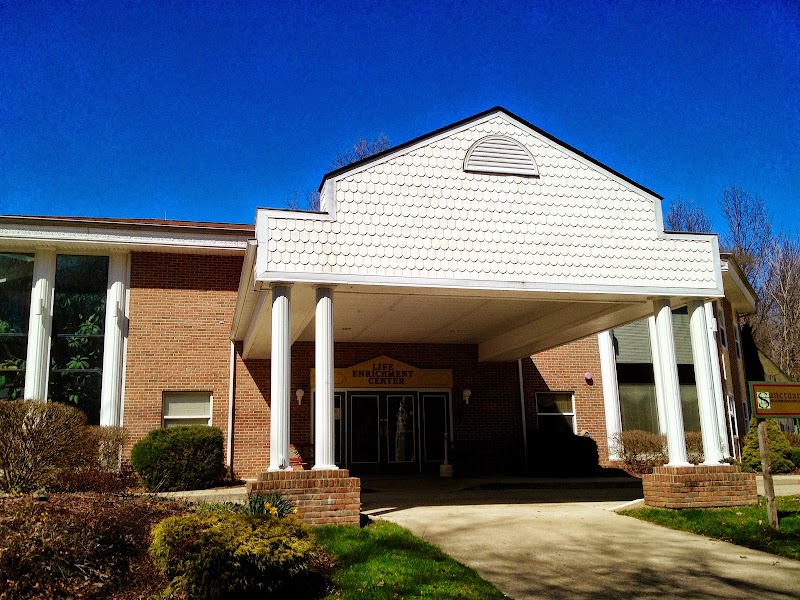
COUNTRY CLUB RET CENTER I I I is owned by a for-profit company. For-profit facilities operate as businesses with obligations to shareholders or private owners. The facility is operated by COUNTRY CLUB REHABILITATION CAMPUS, a chain that manages multiple nursing homes. With 73 certified beds and approximately 72 residents (about 99% occupancy), it is a smaller facility located in ASHTABULA, Ohio.
How Does Country Club Ret Center I I I Compare to Other Ohio Nursing Homes?

Compared to the 100 nursing homes in Ohio, COUNTRY CLUB RET CENTER I I I's overall rating (4 stars) is above the state average of 3.2, staff turnover (50%) is near the state average of 46%, and health inspection rating (4 stars) is above the national benchmark.

What Should Families Ask When Visiting Country Club Ret Center I I I?

Based on this facility's data, families visiting should ask: "Can you walk me through typical staffing levels on day, evening, and night shifts?" "Can I visit during a mealtime to observe dining assistance and food quality?" "How do you handle medical emergencies, and what is your hospital transfer rate?" "Can I speak with family members of current residents about their experience?" These questions are particularly relevant given the below-average staffing rating.

Is Country Club Ret Center I I I Safe?

Based on CMS inspection data, COUNTRY CLUB RET CENTER I I I has a clean safety record: no substantiated abuse findings (meaning no confirmed cases of resident harm), no Immediate Jeopardy citations (the most serious violation level indicating risk of serious injury or death), and is not on the Special Focus Facility watch list (a federal program monitoring the lowest-performing 1% of nursing homes). The facility has a 4-star overall rating and ranks #1 of 100 nursing homes in Ohio. While no facility is perfect, families should still ask about staff-to-resident ratios and recent inspection results during their visit.

Do Nurses at Country Club Ret Center I I I Stick Around?

COUNTRY CLUB RET CENTER I I I has a staff turnover rate of 50%, which is about average for Ohio nursing homes (state average: 46%). Moderate turnover is common in nursing homes, but families should still ask about staff tenure and how the facility maintains care continuity when employees leave.

Was Country Club Ret Center I I I Ever Fined?

COUNTRY CLUB RET CENTER I I I has no federal fines on record. CMS issues fines when nursing homes fail to meet care standards or don't correct problems found during inspections. The absence of fines suggests the facility has either maintained compliance or corrected any issues before penalties were assessed. This is a positive indicator, though families should still review recent inspection reports for the full picture.

Is Country Club Ret Center I I I on Any Federal Watch List?

COUNTRY CLUB RET CENTER I I I is not on any federal watch list. The most significant is the Special Focus Facility (SFF) program, which identifies the bottom 1% of nursing homes nationally based on persistent, serious quality problems. Not being on this list means the facility has avoided the pattern of deficiencies that triggers enhanced federal oversight. This is a positive indicator, though families should still review the facility's inspection history directly.