ANNA MARIA OF AURORA
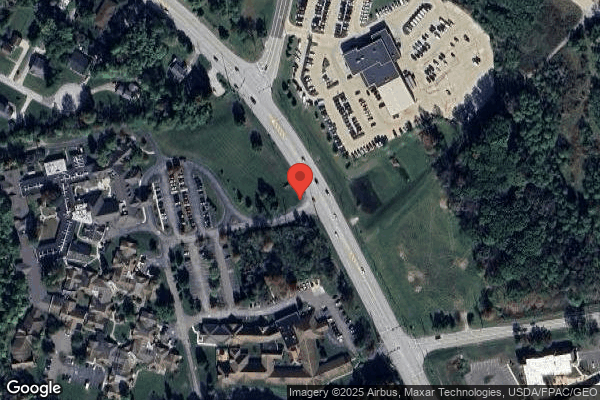

889 NORTH AURORA ROAD, AURORA, OH 44202 (330) 562-6171
For profit - Corporation 98 Beds Independent Data: November 2025
Trust Grade
85/100
#14 of 913 in OH
Last Inspection: August 2023

Over 2 years since last inspection. Current conditions may differ from available data.

Overview

Anna Maria of Aurora has a Trust Grade of B+, indicating they are above average in quality and recommended for families considering care options. They rank #14 out of 913 nursing homes in Ohio, placing them solidly in the top half of facilities statewide, and #2 out of 10 in Portage County, with only one local option rated higher. The facility is improving, as they've reduced their issues from three in 2023 to two in 2024. Staffing is a moderate concern, rated at 3 out of 5 stars with a turnover rate of 36%, which is better than the state average but indicates there is room for improvement in staff retention. While the facility has no fines, which is a positive sign, they do have some concerning incidents. For example, a resident who was at high risk for falls was left unattended during therapy and subsequently sustained multiple rib fractures. Additionally, there were issues with unsecured medication storage and a lack of cleanliness in the kitchen, which raises concerns about overall safety and hygiene. Families should weigh these strengths and weaknesses carefully when considering this nursing home for their loved ones.

Trust Score
B+
85/100
In Ohio
#14/913
Top 1%
Safety Record
Moderate
Needs review
Inspections
Getting Better
3 → 2 violations
Staff Stability
○ Average
36% turnover. Near Ohio's 48% average. Typical for the industry.
Penalties
✓ Good
No fines on record. Clean compliance history, better than most Ohio facilities.
Skilled Nurses
⚠ Watch
Each resident gets only 28 minutes of Registered Nurse (RN) attention daily — below average for Ohio. Fewer RN minutes means fewer trained eyes watching for problems.
Violations
○ Average
7 deficiencies on record. Average for a facility this size. Mostly minor or procedural issues.
★★★★★
5.0
Overall Rating
★★★☆☆
3.0
Staff Levels
★★★★★
5.0
Care Quality
★★★★☆
4.0
Inspection Score
Stable
2023: 3 issues
2024: 2 issues

The Good

  • 5-Star Quality Measures · Strong clinical quality outcomes
  • Full Sprinkler Coverage · Fire safety systems throughout facility
  • No fines on record
  • Staff turnover below average (36%)

    12 points below Ohio average of 48%

Facility shows strength in quality measures, fire safety.

The Bad

Staff Turnover: 36%

Near Ohio avg (46%)

Typical for the industry

The Ugly 7 deficiencies on record

1 actual harm
Dec 2024 1 deficiency 1 Harm
SERIOUS (G) 📢 Someone Reported This

A family member, employee, or ombudsman was alarmed enough to file a formal complaint

Actual Harm - a resident was hurt due to facility failures

Accident Prevention (Tag F0689)

A resident was harmed · This affected 1 resident

**NOTE- TERMS IN BRACKETS HAVE BEEN EDITED TO PROTECT CONFIDENTIALITY** Based on closed record review, interview and review of facility policy, the facility failed to provide adequate assistance/super...

Read full inspector narrative →
**NOTE- TERMS IN BRACKETS HAVE BEEN EDITED TO PROTECT CONFIDENTIALITY** Based on closed record review, interview and review of facility policy, the facility failed to provide adequate assistance/supervision and develop and implement a comprehensive, individualized and effective fall prevention program for Resident #91 to prevent falls with injury and failed to ensure the resident was adequately and timely assessed post fall. Actual harm occurred beginning on 09/27/24 when Resident #91, who was at high risk for falls, had a history of multiple falls and was cognitively impaired with poor safety awareness, sustained a witnessed fall resulting in injury in the rehab gym when Physical Therapy Assistant (PTA) #432 walked away from Resident #91 during treatment to get equipment and the resident fell while being left unattended. On 09/30/24 (three days after the fall), Resident #91's wife alerted staff to bruising to the resident's rib area. An x-ray was ordered revealing multiple rib fractures. On 10/05/24 Resident #91 sustained a fall when he stood up from his wheelchair while being left unattended by staff and fell to the ground fracturing his right wrist requiring treatment in the hospital emergency room to obtain a cast to his right wrist. This affected one resident (#91) of three residents reviewed for falls. The facility census was 89. Findings include: Review of the closed medical record for Resident #91 revealed the resident was admitted to the facility on [DATE] with diagnoses including fracture of femur with routine healing, sleep behavior disorder, fracture of radius, disorder of bone density and structure, restlessness, multiple fractures of the ribs left side, orthopedic aftercare, pulmonary hypertension, dementia, repeated falls, atrial fibrillation, age related macular degeneration and Parkinson's disease. The resident was discharged to another facility on 10/24/24. Review of the Minimum Data Set (MDS) 3.0 admission assessment dated [DATE] revealed Resident # 91 was admitted to the facility on [DATE] from a general hospital. Resident #91 was usually able to make self-understood and usually able to understand others and had impaired vision. Resident #91 had long term memory problems and short-term memory problems and moderately impaired decision-making skills. The assessment revealed the resident required moderate assistance to roll left and right in bed, was dependent on staff to sit on the side of the bed, lie back in bed, transfer from the bed to the chair and transfer on and off the toilet. Resident #91 did not attempt to walk ten feet. Resident #91 was continent of bladder. The assessment also noted Resident #10 had a fall history prior to admission. Review of the Fall Risk Evaluation dated 09/10/24 revealed Resident #10 was a high risk for falls. Review of the plan of care initiated of 09/11/24 revealed Resident #91 had a self-care deficit on admission from a recent hospitalization for a fall with left femur neck fracture for which he had a surgical nailing performed. Due to cognitive deficits, the resident often forgot to use the walker and had frequent falls. The care plan revealed the resident required increased assistance with care related to impaired mobility, pain and severe cognition deficits, combative and resistant with care. Resident #91 also had a plan of care for being at high fall risk related to impaired mobility, pain, severe cognition deficits, increased potential for lethargy, increased agitation, combative and resistant with care, poor safety awareness, psychoactive and opioid medication use, repeated falls at home, behaviors and Parkinson's disease. Fall interventions included administer pain medication as needed, anticipate and meet residents needs, keep call light in reach and encourage use, bed in low position, call daughter or wife when having unsafe behaviors, fall risk evaluation upon admission, quarterly and as needed, monitor changes in balance and safety awareness, monitor for lethargy, pressure alarm to bed, provide assistance as needed with activity of daily living (ADL), physical therapy and occupational therapy evaluation and treatment to increase independence with transfer and mobility, and short string personal alarm to wheelchair. Review of a nursing progress note dated 09/22/24 at 5:59 P.M. authored by Registered Nurse (RN) #392 revealed staff heard resident's alarm go off from the end of the hallway. Resident attempted to stand from the recliner in the lounge area and sank to the floor. Review of the facility document titled Resident Incident Report, dated 09/22/24 and authored by RN #392, revealed Resident #91 had a witnessed fall in the TV lounge at 4:30 P.M. The resident was last toileted at 2:30 P.M. and was sitting in a recliner watching a Brown's game on TV. The resident stated he got up to go to the office and fell. The witness was Registered Nurse (RN) #392. The incident description indicated the resident stood from the recliner, his legs went out and he sat on the floor on his bottom. An alarm was ringing but the RN could not get to the resident in time. An assessment of the resident was completed with no complaints of pain or abnormal vital signs. Additional comments on the document included the resident had a large group of family in to visit who had just left and he fell. The Certified Nurse Practitioner (CNP) was notified with no new orders. The immediate intervention was a short-string personal alarm to chair. Review of the witness statement dated 09/22/24 and authored by Licensed Practical Nurse (LPN) #309 revealed LPN #309 was in another room assisting staff with a transfer when an alarm started to sound. Another nurse, who also was helping assist, looked out of the room and saw Resident #91 standing up. Both nurses headed toward Resident #91 who was found sitting on his bottom saying help. No staff were present with Resident #91 prior to this fall. Review of physician's orders dated 09/23/24 revealed an order for a short string personal alarm, check placement and function every shift to alert staff of transfers. Review of the facility document titled Steel Valley portable x-ray, dated 09/25/24, revealed a left shoulder x-ray was completed and results indicated no acute fractures noted. Review of the Physical Therapist Summary of Skill progress note dated 09/26/24 written by Physical Therapist (PT) #433 revealed Resident #91 needed skilled interventions and training in safe sit to stand and stand to sit mobility. Minimal assist/contact guard assist was needed for sit to stand and stand pivot with front wheeled walker and a Nustep (a piece of specialized equipment which is a recumbent cross-trainer used for low-impact exercise) for 23 minutes to work on strength per therapy goals. Review of the facility document titled Physical Therapy Treatment Encounter Note, dated 09/27/24, revealed transfer training was being provided to increase functional task performance to and from the wheelchair with use of a front wheeled walker and verbal cues for hand placement with contact guard assist to minimal assist to promote prior level of function with decreased fall risk. An additional comment revealed near the end of the therapy session Resident #91 stood from his wheelchair and lost his balance falling onto his right side. The physical therapy assistant (PTA) was across the room and not close enough to help although (the employee) did call out (to the resident) to sit. However, Resident #91 did not (follow the verbal command) due to cognitive deficits. The note included nursing was notified and the resident was assessed with no injuries. Review of the facility document titled Resident Incident Report, dated 09/27/24, revealed Resident #91 had a witnessed fall in the rehab gym at 10:00 A.M. The resident had a personal alarm in place at the time of the fall. The resident was witnessed by PTA #432 to stand up from his wheelchair, leaning to his right side and fell onto his right side and shoulder. The resident had no complaints of pain, no abrasions or contusions. He was at baseline mentation; no abnormal vitals and the physician and family were notified. Interventions included two persons assist and direct attendance during therapy. Review of the witness statement dated 09/27/24 and authored by PTA #432, revealed immediately prior to the fall Resident #91 was sitting in his wheelchair in the therapy gym with his personal alarm in place. PTA #432 who was working with the resident walked across the room away from the resident to get the Nustep set up and after turning to walk back saw Resident #91 stand up from his wheelchair without holding on to anything, lost his balance then fell onto the floor onto his right upper and lower extremities. The resident had on non-skid socks and no injury was noted. Review of a nursing note dated 09/27/24 at 10:03 A.M. written by LPN #320 revealed nursing was notified by therapy that Resident #91 stood up on his own in the gym and fell to the right side. The fall was witnessed by two therapists. Review of a facility Incident Report dated 09/30/24 revealed bruises were found by Resident #91's spouse. Bruises were evaluated to left rib cage and scattered bruises to hand. Resident complained of pain to left shoulder. Treatment included an x-ray of the ribs. Interventions included discussing with wife a one-on-one sitter for Resident #91. Review of medical record nursing note dated 09/30/24 revealed Resident #91 was seen by the CNP who ordered left rib x-ray status post fall. Purple bruising and mild pain noted to area. Review of facility document titled Steel Valley portable x-ray dated 09/30/24 revealed Resident #91 had his left ribs x-rayed and the results were an acute displaced left posterior 7th, 8th and possible 9th rib fracture. Review of the CNP note dated 10/01/24 revealed Resident #91 had closed fractures of multiple ribs on the left side with improving ecchymosis (bruising). Pain was being controlled with routine Tylenol and narcotic pain medication as needed. A lidocaine patch was added for pain. The resident was seen sitting in his chair without complaint of pain. The note included staff to ensure fall precaution. Review of the facility document titled Resident Incident Report, dated 10/05/24 revealed Resident #91 had a witnessed fall in the dining area at 3:44 P.M. The resident had a personal alarm in place and stated he was looking for his office. The incident description indicated Resident #91 was trying to get up several times throughout the shift. The Certified Nursing Assistant (CNA) placed him in his wheelchair and pushed him to the table. Resident #91 kept trying to stand up and kept unlocking his wheelchair. Next thing he fell onto the floor. After the fall his right hand was bruised, and right wrist was swollen, and he had complained of pain with touch/range of motion. The physician and family were notified. The immediate intervention was to move the resident to a more supervised location. Review of medical record nursing note dated 10/05/24 at 3:39 P.M. revealed Resident #91 fell. Resident #91 stood up from his wheelchair. Resident #91 stated he was in pain. An x-ray was order to the right hand and right wrist. Review of facility document titled Steel Valley portable x-ray dated 10/05/24 revealed Resident #91 had an x-ray of right wrist that revealed an acute distal radial fracture and osteopenia. Review of medical record nursing note dated 10/06/24 at 12:24 A.M. revealed Resident #91 x-ray result of right wrist was reported to the CNP and a new order was obtained to send Resident #91 to the emergency room for evaluation. Review of medical record nursing note dated 10/06/24 at 4:32 A.M. revealed Resident #91 came back to the facility from the hospital with a soft fiberglass cast on his right wrist which was to be on for one week. The note included the resident would need a hard cast and clinic shoulder immobilizer. A follow up appointment was needed with orthopedics. A cat scan of the head was done with no new orders. Review of the CNP note dated 10/07/24 revealed Resident #91 had a closed fracture of the distal end of the right radius with routine healing and unspecified fracture morphology after falling over the weekend with right wrist pain. Pain was controlled with routine Tylenol, narcotic pain medication as needed and lidocaine patch. The note included the facility was to ensure fall precaution. Review of the witness statement dated 10/07/24 authored by CNA #348 revealed Resident #91 was attempting to get out of his recliner (on 10/05/24) so CNA #348 moved him to his wheelchair and pushed him to the dining room table with a snack. He appeared confused and slightly aggressive, and he was dry. The chair alarm was present, and he had on non-skid socks. CNA #348 documented the fall was unwitnessed by her, as she observed him on the floor. Review of the investigation worksheet, dated 10/07/24, revealed Resident #91 had a witnessed fall on 10/05/24. Resident #91 said he was looking for the office. Contributing factors were non-compliance, being resistive to care and confusion. The investigation summary revealed the resident's personal alarm was sounding, he stood up from his chair took one step and fell. Staff had requested he sit down when he stood. Interventions ordered in response to this fall included a medication review, review by the interdisciplinary team, and a private duty sitter. Interview on 12/04/24 at 6:33 A.M. with Nurse Unit Manager (NUM)# 346 verified Resident #91 fell in the dining room, the TV lounge and in the therapy room during his admission with resultant fractures to his ribs and right wrist. NUM #346 stated Resident #91 was non-compliant and combative and he was known to get up at any time. NUM #346 revealed awareness of Resident #91 having falls at home prior to admission. Interview on 12/04/24 at 11:25 A.M. with PTA # 432 with Administrator #431 present revealed Resident #91 needed a gait belt for walking. PTA #432 stated Resident #91's baseline was maximum (staff) assist moving from wheelchair to standing position and the resident was not able to walk. Therapy provided daily treatments and Resident #91 needed contact guard minimum assistance to stand from sitting. During the interview, PTA #432 revealed (on 09/27/24) Resident #91 was sitting in his wheelchair by the four-step fixture located near the entrance door in the therapy gym. PTA #432 stated Resident #91 remained seated in the wheelchair while she walked 20 feet to retrieve the NuStep equipment. PTA #432 verified Resident #91 stood up while she was away from the resident, Resident #91 lost his balance, but PTA #432 stated she was not close enough to keep Resident #91 from falling. PTA #432 verified a hand must be on Resident #91 with contact assistance. Interview on 12/04/24 at 3:35 P.M. with Resident #91's wife revealed during the resident's stay she would stay overnight to monitor Resident #91 from falling. The day of Resident #91's last fall in the facility on 10/05/24 resulted in the resident sustaining a broken wrist. She stated on this date, she had informed the nurse she was leaving Resident #91 for an hour, and he fell after she left. She stated she requested the x-ray of Resident #91's hand after the fall on 10/05/24. She stated in addition, she had found the bruising on Resident #91 on 09/30/24 (from the fall that occurred on 09/27/24) and requested the x-rays to be taken. The x-rays on 09/30/24 revealed the resident had broken ribs. During the interview Resident #91's wife showed the surveyor pictures she had taken on 09/30/24 of a large bruise over the resident's rib area and multiple scattered bruises to Resident #91's right hand after he fell on [DATE]. Interview on 12/06/24 at 2:17 P.M. with CNA #348 revealed on 10/05/24 Resident #91 was agitated, so she placed the resident at a table in his wheelchair to eat a snack. CNA #348 stated she believed Resident #91 would be safe alone and stepped away without notifying another nurse. CNA #348 stated Resident #91 then stood to up on his own and fell. CNA #348 verified Resident #91 required monitoring at all times to prevent falls. Interview on 12/06/24 at 3:21 P.M. with RN #392 revealed she worked the night of 09/22/24 and witnessed Resident #91 fall. RN #392 stated the night Resident #91 fell, the rehab unit had a new admission that required three people to transfer the resident to bed. RN #392 was assisting with the new admission transfer with other staff when she heard Resident #91's alarm sound. RN #392 stated she was at the other end of the hall and could not run to Resident #91 fast enough to prevent his fall. Interview on 12/09/24 at 11:10 A.M. with the Director of Nursing (DON) revealed she did not have clinical oversight of the fall investigations because NUM #346 was in-charge of the fall investigations, so the DON was only involved in the post-fall interdisciplinary meeting. She stated she did not observe bruising to Resident #91's body. The DON stated on 09/22/24 Resident #91 had been sitting in a recliner then sat down from his recliner onto the floor. The DON verified he did fall onto his right side on 09/27/24 in the therapy gym. The DON stated Resident #91's falls were caused by Resident #91's agitation and staff had to repeat often for him to stay seated. The DON stated nursing staff were aware Resident #91's wife also had to repeatedly tell the resident to remain seated, but the resident could not understand to remain seated because of his dementia. When the resident fell on [DATE] the DON revealed nursing staff knew Resident #91's wife was not in the facility to watch him as he had been placed at a table to have a snack. Review of facility policy titled Falls Policy and Procedure, undated, revealed residents were assessed for fall risk factors and the facility strived to reduce the risk of falls and injuries by implementing the Falls Policy and Procedure. Residents are assessed for fall risk factors. The interdisciplinary team worked with the resident and family to identify and implement appropriate interventions to prevent falls or injuries. This deficiency represents non-compliance investigated under Complaint Number OH00159706.
Jul 2024 1 deficiency
CONCERN (D) 📢 Someone Reported This

A family member, employee, or ombudsman was alarmed enough to file a formal complaint

Potential for Harm - no one hurt, but risky conditions existed

Deficiency F0602 (Tag F0602)

Could have caused harm · This affected 1 resident

**NOTE- TERMS IN BRACKETS HAVE BEEN EDITED TO PROTECT CONFIDENTIALITY** THE FOLLOWING DEFICIENCY REPRESENTS AN INCIDENT OF PAST NON-COMPLIANCE THAT WAS SUBSEQUENTLY CORRECTED PRIOR TO THIS SURVEY. Bas...

Read full inspector narrative →
**NOTE- TERMS IN BRACKETS HAVE BEEN EDITED TO PROTECT CONFIDENTIALITY** THE FOLLOWING DEFICIENCY REPRESENTS AN INCIDENT OF PAST NON-COMPLIANCE THAT WAS SUBSEQUENTLY CORRECTED PRIOR TO THIS SURVEY. Based on staff interviews, resident interview, review of the facility self-reported incident (SRI), review of the facility investigation, and facility policy and procedure review, the facility failed to ensure misappropriation did not occur for Resident #50. This affected one resident (#50) of four residents reviewed for misappropriation. The facility census was 92. Findings include: Review of the medical record for Resident #50 revealed an admission date of 06/04/24. Diagnoses included major depressive disorder, chronic congestive heart failure, and age-related osteoporosis. Review of the admission Minimum Data Set (MDS) assessment dated [DATE] revealed Resident #50 had intact cognition, required partial/moderate assistance from staff for transfers, and used a walker for ambulation. Review of the self-reported incident (SRI) tracking number 248730 dated 06/17/24 revealed Resident #50's wallet was found by a housekeeper in the staff restroom on the rehab unit the morning of 06/17/24. The wallet was returned, and the resident reported that a debit card was missing from the wallet. Resident #50 along with the Director of Nursing (DON), called the resident's bank to identify any questionable transactions. The resident identified two transactions, a withdrawal at 6:05 P.M. on 06/16/24 from an ATM at a gas station down the street and another ATM withdrawal at a nearby ATM at 11:18 PM on 06/16/27. The resident then closed the account while on the phone with the bank. Review of the facility's investigation revealed an undated handwritten statement from Housekeeper (HSK) #601 revealed on 06/17/24 she was cleaning the bathroom by the nurse's station in the rehab unit. While bending down to restock the shelf, she noticed it was very dusty. When she took her rag to wipe, her nail caught on something. When she looked to see what it was, she found a wallet. She then took said wallet to the front desk and was not sure who it belonged to. Further review of the facility's investigation revealed a typed statement by the DON dated 06/17/24 revealed a nurse approached her at approximately 8:00 A.M. to let her know that a resident's wallet was found in the staff bathroom on the rehab unit. The DON spoke with Resident #50, who stated that her debit card was missing and that she believed the wallet was last in her purse yesterday, the morning of 06/16/24. In the typed statement, Resident #50 stated the pin code to her debit card was written on a piece of paper in her purse. Resident #50 gave the DON permission to call the bank where they noted transactions on 06/16/24 at 6:05 P.M. for $403.50 at a non-bank ATM. There was also a cash transaction at a bank ATM on 06/16/24 at 11:18 P.M. for $117.00. Resident #50 did not make the transactions as she was in the facility and presumed the fraudulent transactions were from the theft of her debit card. The DON assisted the resident with cancelling her debit card and reporting that her credit card was stolen. The statement also indicated the resident and daughter stated the purse was last seen either on 06/11/24 or 06/13/24. The investigation included a typed timeline based on the review of camera footage throughout the facility showing State Tested Nurse Aide (STNA) #507 entered Resident #50's room from 5:33 P.M. to 5:34 P.M. STNA #507 went to the restroom on the rehab unit from 5:46 P.M. to 5:48 P.M. STNA #507 then went into Resident #50's room at 5:48 P.M. to 5:51 P.M. STNA #507 left the facility at 5:57 P.M. STNA #507 pulled out of the parking lot at 5:59 P.M. STNA #507 returned to parking lot at 6:19 P.M. STNA #507 returned to the facility at 6:24 P.M. STNA #507 left facility at 10:56 P.M. to the parking lot. STNA #507 left the parking lot at 11:13 P.M. turning right out of the parking lot. Review of Resident #507's punch detail revealed he last worked on 06/16/24 from 3:23 P.M. to 10:55 P.M. Review of the typed statement for STNA #507 dated 06/18/24 at 12:25 P.M. via phone revealed he worked on 06/16/24 from 3:00 P.M. to 11:00 P.M. on the rehab unit (Resident #50's unit). STNA #507 denied being aware Resident #50 having a purse/wallet in her room or of it going missing. Interview on 07/12/24 at 9:14 A.M. with the Administrator revealed STNA #507 was permanently suspended until final evidence was subpoenaed from the ATM videos. The Administrator stated the police were involved and there was currently an ongoing investigation. The Administrator stated they can't say STNA #507 did it, and he never admitted anything. The Administrator stated they substantiated their investigation because Resident #50's wallet was taken. The Administrator stated they suspect STNA #507 but had no hard evidence. The Administrator stated on the facility's camera footage they were able to see STNA #507 leaving around the time of the withdrawals. Interview on 07/12/24 at 10:17 A.M. with Resident #50 revealed she hated that it happened. Resident #50 stated she had a small wallet that contained her identification card, medical cards, $20 bill, check book, and bank card. Resident #50 stated her purse was in bag wrapped tight, in the drawer, close to her bed. Resident #50 stated she wasn't aware it was missing until one morning a nurse came in with her wallet and stated someone put in the lost and found. Resident #50 stated someone took money from her, but she had talked to a detective who came out. Resident #50 stated as far as she knows they were looking into everything but don't know if they came up with anything. Resident #50 stated she had to cancel the card right away. Resident #50 stated she did not know who could have done it but didn't believe it was someone working at the facility because she felt the staff were excellent. Resident #50 stated she wasn't always in her room and at times she was in therapy or outside with her sister. Resident #50 stated it was kind of scary, and her daughter was upset about the incident. Resident #50 stated she got everything back except her bankcard. Review of the facility policy Abuse, Neglect, Misappropriation of Resident Property, Exploitation, and Mistreatment Policy, revised 01/28/17, revealed the facility will not tolerate, abuse, neglect, exploitation, or mistreatment of its residents, or misappropriation of resident property by anyone. It is the facility's policy to investigate all allegations, suspicions and incidents of abuse, neglect, exploitation, mistreatment, the misappropriation of resident property and injury of unknown source and report the results of any such investigation as required by law. The deficient practice was corrected on 07/09/24 when the facility implemented the following corrective actions: • All staff were educated on Abuse/Neglect/Misappropriation on 06/17/24. • Care conference forms with residents and their representatives list under question number three: security measure or intervention to reduce risk of loss currently in place now include a statement for family to monitor, advise to alert staff immediately if personal belongings are missing. Care conferences are conducted within seven days of admission to the rehab unit and weekly throughout facility. • Resident/Family Handbook on page 13 revised to include loss/missing items: the facility encourages residents to not keep valuables, jewelry and/or significant amounts of money (cash, credit cards, etc.) on their person or in their room. However, if the resident finds that something is missing (property, money, etc.) please let the nurse, nurse manager, or administrator know immediately. Residents and family can also voice their concerns by calling the facility confidential concern/grievance line. (The number was listed). • Weekly Resident Property Monitoring of four resident interviews weekly dated 06/21/24, 06/26/24, 06/28/24, 07/05/24, and 07/12/24 with no negative findings completed by Assistant Director of Nursing (ADON) #467 and Nurse Unit Manager (UM) #441. • Weekly camera monitoring of staff on various shift once weekly dated 06/25/24 of third shift on 06/18/24, 07/01/24 of second shift on 06/30/24, and 07/09/25 of first and second shifts on 07/06/24 with no negative findings completed by Human Resources (HR) #602. • Audits and monitors to continue for six weeks. Review in QAA/QAPI committee in the upcoming meeting next week. This deficiency represents non-compliance investigated under Master Complaint Number OH00155122.
Aug 2023 3 deficiencies
CONCERN (D)

Potential for Harm - no one hurt, but risky conditions existed

Deficiency F0569 (Tag F0569)

Could have caused harm · This affected 1 resident

**NOTE- TERMS IN BRACKETS HAVE BEEN EDITED TO PROTECT CONFIDENTIALITY** Based on record review and staff interview the facility failed to ensure resident funds were conveyed timely upon discharge from...

Read full inspector narrative →
**NOTE- TERMS IN BRACKETS HAVE BEEN EDITED TO PROTECT CONFIDENTIALITY** Based on record review and staff interview the facility failed to ensure resident funds were conveyed timely upon discharge from the facility. This affected one resident (#337) of one resident reviewed for conveyance of funds. The facility census was 90. Findings include: Review of the closed medical record for Resident #337 revealed an admission date of 05/26/22 and date of death of [DATE]. Review of the letter from Collections Enforcement Section of the Attorney General's office dated 01/06/23 revealed resident funds for Resident #337 were not dispersed within 30 days of death. Review of the business records for Resident #337 revealed a check for $610.24 was dispersed to the treasurer of the state dated 01/06/23 to close Resident #337's account. Interview on 08/24/23 at 11:45 A.M. with Accounting #592 revealed he was unsure why the funds for Resident #337 were not dispersed within 30 days following her death.
CONCERN (E)

Potential for Harm - no one hurt, but risky conditions existed

Deficiency F0761 (Tag F0761)

Could have caused harm · This affected multiple residents

**NOTE- TERMS IN BRACKETS HAVE BEEN EDITED TO PROTECT CONFIDENTIALITY** Based on observation, interview, and facility policy review the facility failed to securely store medications. This had the pote...

Read full inspector narrative →
**NOTE- TERMS IN BRACKETS HAVE BEEN EDITED TO PROTECT CONFIDENTIALITY** Based on observation, interview, and facility policy review the facility failed to securely store medications. This had the potential to affect the four independently ambulatory residents (#59, #53, #24, and #48) in non-secured units. The facility census was 90. Findings include: On entry into the facility on [DATE] at 8:00 A.M., the surveyor observed a large, full paper bag on a table in the unmonitored breezeway inside the unlocked main entrance. The bag was stapled shut and labeled 'return to pharmacy.' Observation on 08/21/23 at 8:30 A.M. alongside the interim Director of Nursing revealed the bag contained 43 medication cards and one medication bottle. All of these items contained at least one remaining pill. Interview with the Interim Director of Nursing on 08/21/23 at 8:39 A.M. confirmed the above observations. She confirmed there was no electronic monitoring of the entryway and that medications should be in locked storage when not in use. Review of the facility medication storage policy, dated 04/01/2013, revealed medications were to be stored securely in locked or monitored areas, and only pharmacy staff and those authorized to administer medications were to have access to them.
CONCERN (E)

Potential for Harm - no one hurt, but risky conditions existed

Food Safety (Tag F0812)

Could have caused harm · This affected multiple residents

Based on observation, interview, and facility policy review the facility failed to maintain a clean and sanitary kitchen. This had the potential to affect all residents except one resident (#51), who ...

Read full inspector narrative →
Based on observation, interview, and facility policy review the facility failed to maintain a clean and sanitary kitchen. This had the potential to affect all residents except one resident (#51), who received nothing by mouth. The facility census was 90. Findings include: Observations on 08/21/23 from 9:22 A.M. through 9:41 A.M., with Dietary Manager (DM) #540 revealed underneath a prep table in area where the juice machine was located was a bulk container of sugar with a scoop stored inside. There was also sticky food splatter observed on the clear lid and the white portion under the lid of the container. Next to the sugar container was bulk flour container that had a cup stored inside of it. The clear lid also had sticky food splatter. Observed in the next room over was a rack that the juice containers were stored, underneath the rack the floor was dirty, sticky, and also with a moderate amount of black specks in the sticky spillage. Observation of the steam table revealed streaks of grease that were solidified drippings down the front of it under the white ledge/table portion, the side facing the stove. Observed underneath the steam table was a shelf where several pans were stored was various food debris. Observed various food debris and splatter along the side of the plate warmer which was located next to the steam table. Across from the steam table was the stove, observed streaks of dried grease with food stains on the front of it. Observation of the steamer next to the stove on the bottom shelf were several stacked pans with various food debris and crumbs on the shelf. Across from the steamer and next to the plate warmer was a prep table, the bottom shelf had several long sheet pans and cutting boards stored there with various food debris and crumbs on this shelf. Observation of the dish machine revealed a moderate amount of lime buildup. Interview on 08/21/23 between 9:22 A.M. through 9:41 A.M., with DM #540 verified all the above findings. Review of the facility policy titled Food Receiving and Storage, revised 2014, revealed Food Services, or other designated staff, will maintain clean food storage areas at all times.
Dec 2019 2 deficiencies
CONCERN (D)

Potential for Harm - no one hurt, but risky conditions existed

Deficiency F0679 (Tag F0679)

Could have caused harm · This affected 1 resident

**NOTE- TERMS IN BRACKETS HAVE BEEN EDITED TO PROTECT CONFIDENTIALITY** Based on interview and record review the facility failed to provide Resident #42 with activities that met his preferences and ps...

Read full inspector narrative →
**NOTE- TERMS IN BRACKETS HAVE BEEN EDITED TO PROTECT CONFIDENTIALITY** Based on interview and record review the facility failed to provide Resident #42 with activities that met his preferences and psychosocial needs. This affected one resident (Resident #42) out of 27 residents interviewed regarding activities. Findings include: Medical record review revealed Resident #42 was admitted to the facility on [DATE] with diagnoses including major depressive disorder and dementia without behavioral disturbances. Review of the annual Minimum Data Set (MDS) 3.0 assessment dated [DATE] revealed Resident #42 was cognitively intact and independent in daily decision making, and it was very important to Resident #42 to do activities with groups of people, to participate in favorite activities, and to go outside to get fresh air when the weather permitted. Review of the activity assessment dated [DATE] indicated Resident #42's current activity pursuits/interests included shopping and outdoors. It was additionally noted he enjoyed visiting his wife, Bingo, football pool and shopping at the local department store. Review of the activity plan of care revised on 10/14/19 indicated he would benefit from a variety of programs to help maintain his current functional abilities. The interventions included documenting attendance/refusals, encouraging him to attend, praising attendance and providing him a monthly calendar. Although the plan was revised, it lacked inclusion of Resident #42's preferences or interventions to meet his activity needs. Interview of Resident #42 on 12/09/19 at 1:35 P.M. revealed Resident #42 was very disappointed and disheartened that the facility had decided not to continue dine in (lunch brought to the facility from area restaurants monthly) each month from November until March. The facility had also chosen to discontinue outings to an area department store from November until March. Resident #42 was told the food gets too cold when it was brought in for lunch, and there was not enough staff for the outings. Interview of Assistant Activities Director (AAD) #502 on 12/11/19 at 8:14 A.M. revealed the dine in was only from March through October because a staff member fell in the snow and was injured. AAD #502 confirmed that the residents would like to have dine in all year, and Resident #42 had also requested that it continue all year. Interview of Activities Director #501 on 12/11/19 at 8:34 A.M. revealed field trips were from March through October for safety reasons, and dine in was March through October. AD #501 stated that the program was new and having area restaurants deliver food during the winter months was something she had not thought of but would consider. AD #501 stated that field trips required a lot of effort to plan and additional staff members needed to be scheduled so that there were six staff for ten residents on the bus.
CONCERN (D)

Potential for Harm - no one hurt, but risky conditions existed

Deficiency F0804 (Tag F0804)

Could have caused harm · This affected 1 resident

Based on observation, interview, and record review, the facility failed to ensure room trays were served at appetizing temperatures. This affected three of three residents (Residents #46, #76, and #35...

Read full inspector narrative →
Based on observation, interview, and record review, the facility failed to ensure room trays were served at appetizing temperatures. This affected three of three residents (Residents #46, #76, and #35) who complained of food temperatures and ate meals in their rooms on the North Unit. Findings include: Interviews on the North unit on 12/09/19 from 9:56 A.M. through 2:57 P.M. with Residents #46, #76, and #35 revealed concerns related to receiving hot foods served at cold temperatures. Observation of tray line on the North unit on 12/10/19 at 11:45 A.M. with Foodservice Worker (FW) #200 revealed the following food temperatures: corn-167 degrees Fahrenheit (F), spinach 177 degrees F, mechanical chicken 187 degrees F, chicken 165 degrees F, cream of chicken 168 degrees F, salmon 177 degrees F. FW #200 stated room trays were served room by room after the dining room was served. A test tray was completed on 12/10/19 at 12:38 P.M. after last room tray was served with FW #200. The chicken was 136 degrees F and tasted hot, palatable, and was easy to chew. The spinach was 114 degrees F and was cool to taste but palatable. The corn was 119 degrees F and was cool to taste but palatable. Interview at this time with FW #200 verified the corn and spinach tasted cool. Interview on 12/10/19 at 12:54 P.M. with FW #200 revealed that there was typically three to four residents who ate in their room on the North unit. Review of the undated facility policy titled Policy and Procedure Conducting Test Trays, revealed test trays would be completed at least once monthly at breakfast, lunch, or dinner meal service. Additional test trays would be completed as needed based on patient complaints about cold food. The purpose was to assure meal trays were delivered to residents in a timely manner, assuring food was at the proper temperature and quality when it was served to the patient.
Understanding Severity Codes (click to expand)
Life-Threatening (Immediate Jeopardy)
J - Isolated K - Pattern L - Widespread
Actual Harm
G - Isolated H - Pattern I - Widespread
Potential for Harm
D - Isolated E - Pattern F - Widespread
No Harm (Minor)
A - Isolated B - Pattern C - Widespread

Questions to Ask on Your Visit

  • "Can I speak with families of current residents?"
  • "What's your RN coverage like on weekends and overnight?"

Our Honest Assessment

Strengths
  • • Grade B+ (85/100). Above average facility, better than most options in Ohio.
  • • No fines on record. Clean compliance history, better than most Ohio facilities.
  • • 36% turnover. Below Ohio's 48% average. Good staff retention means consistent care.
Concerns
  • • 7 deficiencies on record, including 1 serious (caused harm) violation. Ask about corrective actions taken.
Bottom line: Generally positive indicators. Standard due diligence and a personal visit recommended.

About This Facility

What is Anna Maria Of Aurora's CMS Rating?

CMS assigns ANNA MARIA OF AURORA an overall rating of 5 out of 5 stars, which is considered much above average nationally. Within Ohio, this rating places the facility higher than 99% of the state's 100 nursing homes. This rating reflects solid performance across the metrics CMS uses to evaluate nursing home quality.
How is Anna Maria Of Aurora Staffed?

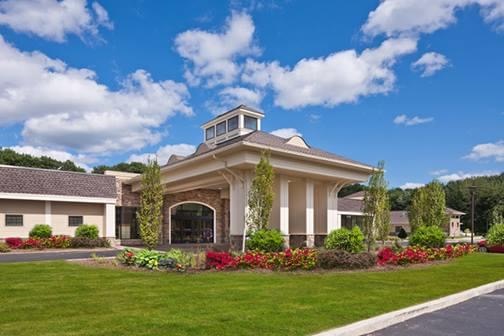
CMS rates ANNA MARIA OF AURORA's staffing level at 3 out of 5 stars, which is average compared to other nursing homes. Staff turnover is 36%, compared to the Ohio average of 46%. This relatively stable workforce can support continuity of care.

What Have Inspectors Found at Anna Maria Of Aurora?

State health inspectors documented 7 deficiencies at ANNA MARIA OF AURORA during 2019 to 2024. These included: 1 that caused actual resident harm and 6 with potential for harm. Deficiencies causing actual harm indicate documented cases where residents experienced negative health consequences.
Who Owns and Operates Anna Maria Of Aurora?

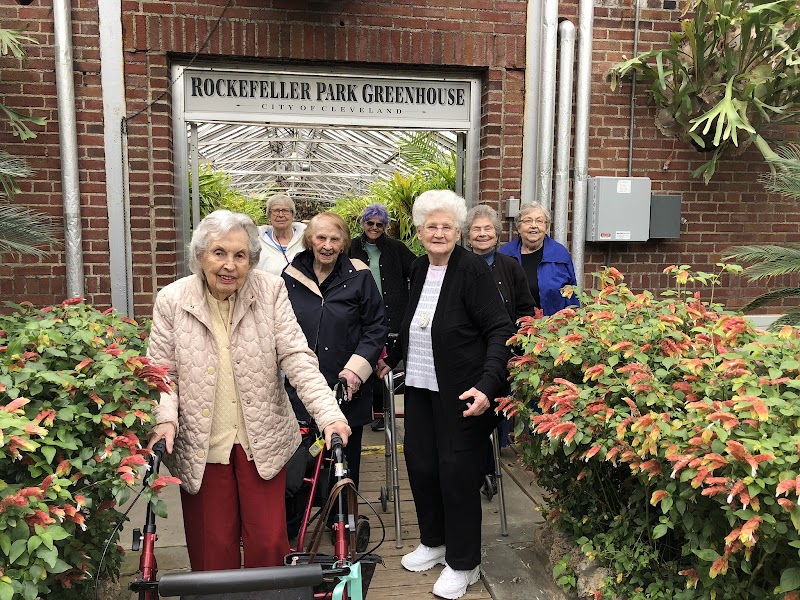
ANNA MARIA OF AURORA is owned by a for-profit company. For-profit facilities operate as businesses with obligations to shareholders or private owners. The facility operates independently rather than as part of a larger chain. With 98 certified beds and approximately 91 residents (about 93% occupancy), it is a smaller facility located in AURORA, Ohio.
How Does Anna Maria Of Aurora Compare to Other Ohio Nursing Homes?

Compared to the 100 nursing homes in Ohio, ANNA MARIA OF AURORA's overall rating (5 stars) is above the state average of 3.2, staff turnover (36%) is near the state average of 46%, and health inspection rating (4 stars) is above the national benchmark.

What Should Families Ask When Visiting Anna Maria Of Aurora?

Based on this facility's data, families visiting should ask: "Can I visit during a mealtime to observe dining assistance and food quality?" "How do you handle medical emergencies, and what is your hospital transfer rate?" "Can I speak with family members of current residents about their experience?"

Is Anna Maria Of Aurora Safe?

Based on CMS inspection data, ANNA MARIA OF AURORA has a clean safety record: no substantiated abuse findings (meaning no confirmed cases of resident harm), no Immediate Jeopardy citations (the most serious violation level indicating risk of serious injury or death), and is not on the Special Focus Facility watch list (a federal program monitoring the lowest-performing 1% of nursing homes). The facility has a 5-star overall rating and ranks #1 of 100 nursing homes in Ohio. While no facility is perfect, families should still ask about staff-to-resident ratios and recent inspection results during their visit.

Do Nurses at Anna Maria Of Aurora Stick Around?

ANNA MARIA OF AURORA has a staff turnover rate of 36%, which is about average for Ohio nursing homes (state average: 46%). Moderate turnover is common in nursing homes, but families should still ask about staff tenure and how the facility maintains care continuity when employees leave.

Was Anna Maria Of Aurora Ever Fined?

ANNA MARIA OF AURORA has no federal fines on record. CMS issues fines when nursing homes fail to meet care standards or don't correct problems found during inspections. The absence of fines suggests the facility has either maintained compliance or corrected any issues before penalties were assessed. This is a positive indicator, though families should still review recent inspection reports for the full picture.

Is Anna Maria Of Aurora on Any Federal Watch List?

ANNA MARIA OF AURORA is not on any federal watch list. The most significant is the Special Focus Facility (SFF) program, which identifies the bottom 1% of nursing homes nationally based on persistent, serious quality problems. Not being on this list means the facility has avoided the pattern of deficiencies that triggers enhanced federal oversight. This is a positive indicator, though families should still review the facility's inspection history directly.