MAIN STREET CARE CENTER
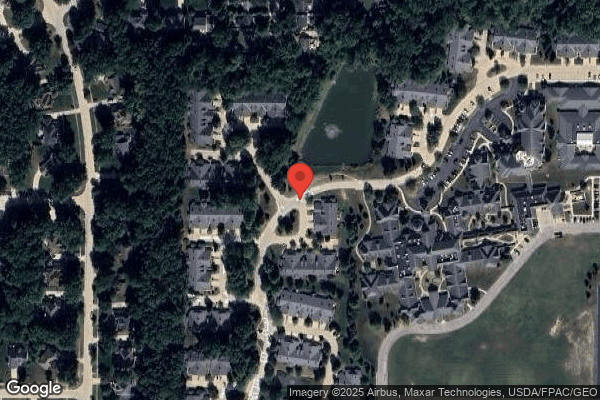
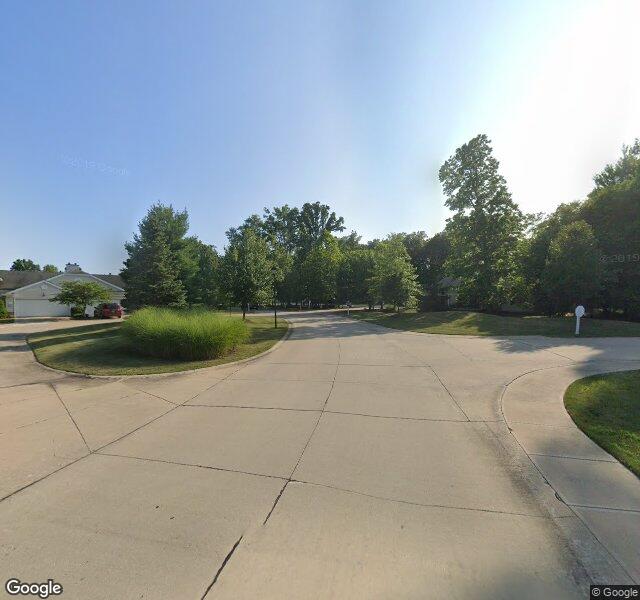
500 COMMUNITY DRIVE, AVON LAKE, OH 44012 (440) 930-6600
For profit - Corporation 120 Beds SPRENGER HEALTH CARE SYSTEMS Data: November 2025
Trust Grade
38/100
#500 of 913 in OH
Last Inspection: June 2024

Within standard 12-15 month inspection cycle. Federal law requires annual inspections.

Overview

Main Street Care Center in Avon Lake, Ohio has received a Trust Grade of F, indicating significant concerns and that it is performing poorly compared to other facilities. It ranks #500 out of 913 nursing homes in Ohio, placing it in the bottom half of the state, and #17 out of 20 in Lorain County, meaning there are only three local options that are worse. The facility is showing an improving trend, having reduced its issues from 6 in 2024 to 4 in 2025. Staffing is average with a turnover rate of 59%, which is higher than the state average. While the facility has more RN coverage than 83% of Ohio facilities, there have been serious incidents, including a resident who suffered a deep tissue pressure injury after being left on a bedpan for an extended time, and another who fell and sustained significant injuries due to a failure to use proper positioning support. Overall, families should weigh these strengths and weaknesses carefully when considering this facility for their loved ones.

Trust Score
F
38/100
In Ohio
#500/913
Bottom 46%
Safety Record
High Risk
Review needed
Inspections
Getting Better
6 → 4 violations
Staff Stability
⚠ Watch
59% turnover. Above average. Higher turnover means staff may not know residents' routines.
Penalties
✓ Good
$16,801 in fines. Lower than most Ohio facilities. Relatively clean record.
Skilled Nurses
✓ Good
Each resident gets 47 minutes of Registered Nurse (RN) attention daily — more than average for Ohio. RNs are trained to catch health problems early.
Violations
⚠ Watch
37 deficiencies on record. Higher than average. Multiple issues found across inspections.
★★★☆☆
3.0
Overall Rating
★★★☆☆
3.0
Staff Levels
★★★★☆
4.0
Care Quality
★★★☆☆
3.0
Inspection Score
Stable
2024: 6 issues
2025: 4 issues

The Good

  • 4-Star Quality Measures · Strong clinical quality outcomes
  • Full Sprinkler Coverage · Fire safety systems throughout facility
  • No fines on record

Facility shows strength in quality measures, fire safety.

The Bad

3-Star Overall Rating

Near Ohio average (3.2)

Meets federal standards, typical of most facilities

Staff Turnover: 59%

13pts above Ohio avg (46%)

Frequent staff changes - ask about care continuity

Federal Fines: $16,801

Below median ($33,413)

Minor penalties assessed

Chain: SPRENGER HEALTH CARE SYSTEMS

Part of a multi-facility chain

Ask about local staffing decisions and management

Staff turnover is elevated (59%)

11 points above Ohio average of 48%

The Ugly 37 deficiencies on record

3 actual harm
Jan 2025 4 deficiencies
CONCERN (D) 📢 Someone Reported This

A family member, employee, or ombudsman was alarmed enough to file a formal complaint

Potential for Harm - no one hurt, but risky conditions existed

Report Alleged Abuse (Tag F0609)

Could have caused harm · This affected 1 resident

Based on medical record review, interview, and facility policy review, the facility failed to report an incident of possible neglect involving Resident #195 to the State Agency as required. This affec...

Read full inspector narrative →
Based on medical record review, interview, and facility policy review, the facility failed to report an incident of possible neglect involving Resident #195 to the State Agency as required. This affected one (Resident #195) of three residents reviewed for elopement. The facility census was 101. Findings include: Review of the medical record for Resident #195 revealed an admission date of 12/06/24. Diagnoses included but were not limited to cerebrovascular disease, palliative care, vascular dementia, insomnia, dementia, type II diabetes mellitus with chronic kidney disease, and anxiety disorder. Review of 12/13/24 admission Minimum Data Set (MDS) 3.0 for Resident #195 revealed a Brief Interview of Mental Status (BIMS) score of 10 which indicated moderate cognitive impairment with no behaviors noted. Review of activities of daily living (ADLs) revealed Resident #195 used a walker and wheelchair and was noted to walk 50 feet with partial moderate assistance and was independent to wheel his wheelchair 150 feet independently. Review of the facility incident tracking log for December 2024 revealed on 12/24/24 at 8:45 P.M. Resident #195 was noted to have an unwitnessed fall with the location noted as other with no noted injuries and the origin established. Review of witness statement dated 12/24/24 at 8:50 P.M. from CNA #59 revealed he had last seen Resident #195 at 8:35 P.M. in the dining room and then went on break. CNA #59 stated when he came back from break, CNA # 56 told him Resident #195 had fallen through the window in an unoccupied room, was observed outside, and was brought back inside the building safely. Review of the witness statement dated 12/24/24 timed at 8:50 P.M. from CNA #56 revealed she had last seen Resident #195 around 8:30 P.M. in the dining room. She was assisting Licensed Practical Nurse (LPN) #58 and then started walking down the 500 hall and Resident #199 stated a man was outside her window yelling for help. CNA #56 went to Resident #199's room and observed Resident #195 laying on the grass outside of Resident #199's window. CNA #56 ran to get LPN #58 and called for help from CNA #57, and they went outside. CNA #56 stated Resident #195 was confused and stated he got tangled in the window screen and pushed through it. Review of the nursing progress note for Resident #195 created on 12/25/24 at 6:37 A.M. dated 12/24/24 timed at 8:50 P.M. entered by the Director of Nursing (DON) revealed Resident was noted on the ground/floor attempting to crawl outside through window. Able to redirect resident. Assessed for injuries, not noted. Unable to state what he was doing due to the resident had a dementia diagnosis. Resident moved to secure unit and wander guard placed. Interview on 01/06/25 at 7:57 A.M. with Resident #199 confirmed she was unsure of the date, but after dinner she heard someone yelling for help outside of her window and heard something hit the window but was unsure what caused the noise. Resident #199 told the aide who was in the hall but was unsure of her name. Interview on 01/06/25 at 10:31 A.M. with the ADON revealed she received a text on 12/25/24 at 3:24 A.M. from LPN #58 stating Resident #195 had exited through a facility window, fell, and was found outside lying on the grass. The ADON confirmed Resident #195 was found outside and stated to initiate 15-minute checks. The ADON stated she would notify administration and obtain further instructions. The ADON notified the Director of Nursing (DON) on 12/25/24 at 3:34 A.M. and received a return call at 3:36 A.M. from the DON who stated she would contact the covering Administrator. Phone interview on 01/06/25 at 11:10 A.M. with Certified Nurse Assistant (CNA) #56 revealed she last saw Resident #195 around 8:00 P.M. in the dining room. Shortly before 9:00 P.M. she was walking in the hall and Resident #199 told her she heard someone yelling outside her window. CNA #56 went to Resident #199's room and upon lifting the blinds so Resident #195 lying on the grass outside the window. CNA #56 immediately went to get Licensed Practical Nurse (LPN) #58. LPN #58, CNA#56 and CNA #57 went outside to assist Resident #195. CNA #56 stated Resident #195 did not complain of pain and no injuries were observed. Phone interview on 01/06/25 at 11:45 A.M. with LPN #58 revealed he had last seen Resident #195 around 7:00 P.M. Shortly before 9:00 P.M. CNA #56 came to him stating Resident #195 was outside. LPN #58 and CNA #56 went outside and found Resident #195 lying on his left side on the grass outside of Resident #199's window. Resident #195 was assessed without noted injuries. LPN #58 confirmed he should have notified management immediately but did not contact the ADON till after 3:00 A.M. on 12/25/24. Interview on 01/06/25 at 12:55 P.M. with the DON revealed on 12/24/24 at 8:45 P.M. Resident #195 had an unwitnessed fall and was told he was found in an unoccupied room tangled in the window screen found on the floor. DON stated she was never told Resident #195 was found outside of the facility. DON confirmed she reviewed the staff witness statements and confirmed the statement from CNA #59 stated he was told Resident #195 was found outside of the building and brought back in safely. DON confirmed the witness statement completed by CNA #56 stated she observed Resident #195 through the window of the unoccupied room and observed the resident outside of the building lying on the ground. DON confirmed she was notified by the ADON on 12/25/24 at approximately 4:00 A.M. and she made the Administrator on call aware. Resident #195 was moved to the secured unit for safety. DON confirmed LPN #58 did not complete a nursing progress note and did not write a witness statement following the incident and staff were unaware Resident #195 was outside of the facility until Resident #199 told CNA #56. DON confirmed no other witness statements were obtained. DON also confirmed if a resident is found outside it would be considered an elopement. DON stated she did not complete an elopement incident investigation or a self-reported incident report to the State Agency because it was a new behavior and thought it was a change in status. Review of the 01/2022 revised facility policy called; Missing Person/Elopement Policy revealed an elopement is identified as an unauthorized exit from the facility involving a resident whose cognitive status and safety awareness are impaired. Once it is established a resident is missing, the following staff members are notified immediately: Charge nurse, Administrator, Director of Nursing and Quality Assurance. In the absence of Nursing Administration, the charge nurse will be responsible for keeping the above-mentioned informed of the progress of the search. When the resident is located and safety is assured, the Nursing Supervisor or Charge Nurse will perform and document a detailed physical, mental and emotional assessment of the resident. All persons listed above will be informed of the resident's status. A detailed investigation as to the circumstances surrounding the elopement will be completed by the Director of Nursing, Administrator, or designee following each incidence of resident elopement from the facility premises. Staff education will be provided during the orientation process, annually and on an as needed basis. Education will include a missing person drill on each shift to ensure understanding of the missing person/elopement policy and procedure. Review of the 02/2022 revised facility protocol called; Reporting of Key Facility Events Protocol revealed it the facility protocol that the on-call nurse will be notified immediately if an elopement event occurs. The on-call nurse will be responsible to notify the facility Administrator and/or Director of Nursing. It is the protocol that the DON or Administrator will notify the corporate team timely. The policy listed an elopement to incide any exit outside of the skilled nursing facility door, even if only for a moment. This deficiency represents non-compliance investigated under Complaint Number OH00161157.
CONCERN (D) 📢 Someone Reported This

A family member, employee, or ombudsman was alarmed enough to file a formal complaint

Potential for Harm - no one hurt, but risky conditions existed

Assessment Accuracy (Tag F0641)

Could have caused harm · This affected 1 resident

**NOTE- TERMS IN BRACKETS HAVE BEEN EDITED TO PROTECT CONFIDENTIALITY** Based on medical record review, interviews, facility incident report review, the facility failed to maintain an accurate medical...

Read full inspector narrative →
**NOTE- TERMS IN BRACKETS HAVE BEEN EDITED TO PROTECT CONFIDENTIALITY** Based on medical record review, interviews, facility incident report review, the facility failed to maintain an accurate medical record. This affected one (Resident #195) of three residents reviewed for accuracy of medical records. The facility census was 101. Findings include: Review of the medical record for Resident #195 revealed an admission date of 12/06/24. Diagnoses included but were not limited to cerebrovascular disease, palliative care, vascular dementia, insomnia, dementia, type II diabetes mellitus with chronic kidney disease, and anxiety disorder. Review of 12/13/24 admission Minimum Data Set (MDS) 3.0 for Resident #195 revealed a Brief Interview of Mental Status (BIMS) score of 10 which indicated moderate cognitive impairment with no behaviors noted. Review of activities of daily living (ADLs) revealed Resident #195 used a walker and wheelchair and was noted to walk 50 feet with partial moderate assistance and was independent to wheel his wheelchair 150 feet independently. Review of the facility incident tracking log for December 2024 revealed on 12/24/24 at 8:45 P.M. Resident #195 was noted to have an unwitnessed fall with the location noted as other with no noted injuries and the origin established. Review of the 12/24/24 fall assessment timed at 4:18 A.M. completed by the Assistant Director of Nursing (ADON) for Resident #195 revealed he was high risk for falls. Review of the 12/24/24 safety assessment timed at 4:20 A.M. completed by the ADON for Resident #195 revealed the resident had an unwitnessed fall on 12/24/24 at 12:00 A.M. No injuries were noted. Intervention was to place Resident #195 on the secured unit. Review of the nursing progress note for Resident #195 created on 12/25/24 at 6:37 A.M. dated 12/24/24 timed at 8:50 P.M. entered by the Director of Nursing (DON) revealed Resident was noted on the ground/floor attempting to crawl outside through window. Able to redirect resident. Assessed for injuries, not noted. Unable to state what he was doing due to the resident had a dementia diagnosis. Resident moved to secure unit and wander guard placed. Review of witness statement dated 12/24/24 at 8:50 P.M. from CNA #59 revealed he had last seen Resident #195 at 8:35 P.M. in the dining room and then went on break. CNA #59 stated when he came back from break shortly after 9:00 P.M., CNA # 56 told him Resident #195 had fallen through the window in room [ROOM NUMBER] and was brought back inside the building safely. Review of the witness statement dated 12/24/24 timed at 8:50 P.M. from CNA #56 revealed she had last seen Resident #195 around 8:30 P.M. in the dining room. She was walking down the 500 hall and Resident #199 stated a man was outside her window yelling for help. CNA #56 went to Resident #199's room and observed Resident #195 laying on the grass outside of Resident #199's window. CNA #56 ran to get LPN #58 and called for help from CNA #57, and they went outside. CNA #56 stated Resident #195 was confused and stated he got tangled in the window screen and pushed through it. Interview on 01/06/25 at 7:57 A.M. with Resident #199 confirmed she was unsure of the date, but after dinner she heard someone yelling for help outside of her window and heard something hit the window but was unsure what caused the noise. Resident #199 told the aide who was in the hall but was unsure of her name. Interview on 01/06/25 at 10:31 A.M. with the ADON revealed she received a text on 12/25/24 at 3:24 A.M. from LPN #58 stating Resident #195 had exited through a facility window, fell and was found outside lying on the grass. ADON confirmed Resident #195 was found outside and stated to initiate 15-minute checks. ADON stated she would notify administration and obtain further instructions. ADON notified the Director of Nursing (DON) on 12/25/24 at 3:34 A.M. of the elopement and received a return call at 3:36 A.M. from the DON who stated she would contact the covering Administrator. Phone interview on 01/06/25 at 11:10 A.M. with Certified Nurse Assistant (CNA) #56 revealed she last saw Resident #195 around 8:00 P.M. in the dining room. Shortly before 9:00 P.M. she was walking in the hall and Resident #199 told her she heard someone yelling outside her window. CNA #56 went to Resident #199's room and upon lifting the blinds so Resident #195 lying on the grass outside the window. CNA #56 immediately went to get Licensed Practical Nurse (LPN) #58. LPN #58, CNA#56 and CNA #57 went outside to assist Resident #195. CNA #56 stated Resident #195 did not complain of pain and no injuries were observed. Phone interview on 01/06/25 at 11:30 A.M. with CNA #57 confirmed he received a call from CNA #56 for assistance around 9:00 P.M. on 12/24/24. He observed Resident #195 lying on the ground outside of the facility. CNA #57 went to get Resident #195's wheelchair and then assisted LPN #58, and CNA #56 to get Resident #195 up and back into the facility. Phone interview on 01/06/25 at 11:45 A.M. with LPN #58 revealed he had last seen Resident #195 around 7:00 P.M. Shortly before 9:00 P.M. CNA #56 came to him stating Resident #195 was outside. LPN #58 and CNA #56 went outside and found Resident #195 lying on his left side on the grass outside of Resident #199's window. Resident #195 was assessed without noted injuries. LPN #58 confirmed he should have notified management immediately but did not contact the ADON till after 2:00 A.M. on 12/25/24. Interview on 01/06/25 at 12:55 P.M. with the DON revealed on 12/24/24 at 8:45 P.M. Resident #195 had an unwitnessed fall and she was told he was found in room [ROOM NUMBER] tangled in the window screen found on the floor. DON stated she was never told Resident #195 was found outside of the facility. DON confirmed she reviewed the staff witness statements and confirmed the statement from CNA #59 stated he was told Resident #195 was found outside of the building and brought back in safely. DON confirmed the witness statement completed by CNA #56 stated she observed Resident #195 through the window of Resident #199's room outside of the building lying on the ground. DON confirmed she was notified by the ADON on 12/25/24 at approximately 4:00 A.M. and she made the administrator on call aware. DON also confirmed if a resident is found outside it would be considered an elopement. DON stated she did not complete an elopement incident investigation or a self-reported incident report to the State Agency because it was a new behavior and thought it was a change in status. Interview on 01/06/24 at 1:31 P.M. with the ADON confirmed she erroneously entered the fall risk and safety assessment on 12/24/24 at 4:18 A.M. and 4:20 A.M. and both assessments were completed on 12/25/24 at the respective times listed. This deficiency represents non-compliance investigated under Complaint Number OH00161157.
CONCERN (D) 📢 Someone Reported This

A family member, employee, or ombudsman was alarmed enough to file a formal complaint

Potential for Harm - no one hurt, but risky conditions existed

Accident Prevention (Tag F0689)

Could have caused harm · This affected 1 resident

Based on medical record review, interviews, facility incident report review, and facility policy review, the facility failed to provide adequate supervision to prevent the elopement of one resident (R...

Read full inspector narrative →
Based on medical record review, interviews, facility incident report review, and facility policy review, the facility failed to provide adequate supervision to prevent the elopement of one resident (Resident #195) out of three residents reviewed for elopements. The facility census was 101. Findings include: Review of the medical record for Resident #195 revealed an admission date of 12/06/24. Diagnoses included but were not limited to cerebrovascular disease, palliative care, vascular dementia, insomnia, dementia, type II diabetes mellitus with chronic kidney disease, and anxiety disorder. Review of the 12/06/24 admission fall assessment for Resident #195 revealed he was alert and oriented to time and place, required adaptive equipment, had dementia, and had noted unsteady gait. Intervention was a reminder sign to ask for assistance when ambulating or transferring. Review of the 12/06/24 elopement risk assessment for Resident #195 revealed a diagnosis of dementia and no noted attempts to exit facility. Resident #195 was noted to be mobile in a wheelchair and was not noted to be at risk for elopement. Review of the plan of care dated 12/07/24 revealed no indication Resident #195 was at risk for elopement/wandering. Resident #195 was noted to have knowledge deficit and require assistance with decision making as needed. Review of 12/13/24 admission Minimum Data Set (MDS) 3.0 for Resident #195 revealed a Brief Interview of Mental Status (BIMS) score of 10 which indicated moderate cognitive impairment with no behaviors noted. Review of activities of daily living (ADLs) revealed Resident #195 used a walker and wheelchair and was noted to walk 50 feet with partial moderate assistance and was independent to wheel his wheelchair 150 feet independently. Review of the 12/24/24 fall assessment timed at 4:18 A.M. completed by the Assistant Director of Nursing (ADON) for Resident #195 revealed he was high risk for falls. Review of the 12/24/24 safety assessment timed at 4:20 A.M. completed by the ADON for Resident #195 revealed the resident had an unwitnessed fall on 12/24/24 at 12:00 A.M. No injuries were noted. Intervention was to place Resident #195 on the secured unit. Review of the facility incident tracking log for December 2024 revealed on 12/24/24 at 8:45 P.M. Resident #195 was noted to have an unwitnessed fall with the location noted as other with no noted injuries and the origin established. Review of the witness statement dated 12/24/24 at 8:50 P.M. from Certified Nursing Assistant (CNA) #59 revealed he had last seen Resident #195 at 8:35 P.M. in the dining room and then went on break. CNA #59 stated when he came back from break, CNA # 56 told him Resident #195 had fallen through the window in an unoccupied room, was observed outside, and was brought back inside the building safely. Review of the witness statement dated 12/24/24 timed at 8:50 P.M. from CNA #56 revealed she had last seen Resident #195 around 8:30 P.M. in the dining room. She was assisting Licensed Practical Nurse (LPN) #58 and then started walking down the 500 hall and Resident #199 stated a man was outside her window yelling for help. CNA #56 went to Resident #199's room and observed Resident #195 laying on the grass outside of Resident #199's window. CNA #56 ran to get LPN #58 and called for help from CNA #57, and they went outside. CNA #56 stated Resident #195 was confused and stated he got tangled in the window screen and pushed through it. Review of the nursing progress note for Resident #195 created on 12/25/24 at 6:37 A.M. dated 12/24/24 timed at 8:50 P.M. entered by the Director of Nursing (DON) revealed Resident was noted on the ground/floor attempting to crawl outside through window. Able to redirect resident. Assessed for injuries, not noted. Unable to state what he was doing due to the resident had a dementia diagnosis. Resident moved to secure unit and wander guard placed. Interview on 01/06/25 at 7:57 A.M. with Resident #199 confirmed she was unsure of the date, but after dinner she heard someone yelling for help outside of her window and heard something hit the window but was unsure what caused the noise. Resident #199 told the aide who was in the hall but was unsure of her name. Interview on 01/06/25 at 10:09 A.M. with Resident #195 was attempted but did not recall any fall or being outside of the facility. Interview on 01/06/25 at 10:31 A.M. with the ADON revealed she received a text on 12/25/24 at 3:24 A.M. from LPN #58 stating Resident #195 had exited through a facility window, fell, and was found outside lying on the grass. The ADON confirmed Resident #195 was found outside and stated to initiate 15-minute checks. The ADON stated she would notify administration and obtain further instructions. The ADON notified the DON on 12/25/24 at 3:34 A.M. and received a return call at 3:36 A.M. from the DON who stated she would contact the covering Administrator. Phone interview on 01/06/25 at 11:10 A.M. with CNA #56 revealed she last saw Resident #195 around 8:00 P.M. in the dining room. Shortly before 9:00 P.M. she was walking in the hall and Resident #199 told her she heard someone yelling outside her window. CNA #56 went to Resident #199's room and upon lifting the blinds so Resident #195 lying on the grass outside the window. CNA #56 immediately went to get LPN #58. LPN #58, CNA #56 and CNA #57 went outside to assist Resident #195. CNA #56 stated Resident #195 did not complain of pain and no injuries were observed. Resident #195 was safely returned into the building. Phone interview on 01/06/25 at 11:30 A.M. with CNA #57 confirmed he received a call from CNA #56 for assistance around 9:00 P.M. on 12/24/24. He observed Resident #195 lying on the ground outside of the facility. CNA #57 went to get Resident #195's wheelchair and then assisted LPN #58, and CNA #56 to get Resident #195 up and back into the facility. Phone interview on 01/06/25 at 11:45 A.M. with LPN #58 revealed he had last seen Resident #195 around 7:00 P.M. Shortly before 9:00 P.M. CNA #56 came to him stating Resident #195 was outside. LPN #58 and CNA #56 went outside and found Resident #195 lying on his left side on the grass outside of Resident #199's window. Resident #195 was assessed without noted injuries. LPN #58 confirmed he should have notified management immediately but did not contact the ADON till after 3:00 A.M. on 12/25/24. Interview on 01/06/25 at 12:55 P.M. with the DON revealed on 12/24/24 at 8:45 P.M. Resident #195 had an unwitnessed fall and was told he was found in an unoccupied room tangled in the window screen found on the floor. DON stated she was never told Resident #195 was found outside of the facility. DON confirmed she reviewed the staff witness statements and confirmed the statement from CNA #59 stated he was told Resident #195 was found outside of the building and brought back in safely. DON confirmed the witness statement completed by CNA #56 stated she observed Resident #195 through the window of the unoccupied room and observed the resident outside of the building lying on the ground. DON confirmed she was notified by the ADON on 12/25/24 at approximately 4:00 A.M. and she made the Administrator on call aware. Resident #195 was moved to the secured unit for safety. DON confirmed LPN #58 did not complete a nursing progress note and did not write a witness statement following the incident and staff were unaware Resident #195 was outside of the facility until Resident #199 told CNA #56. DON confirmed no other witness statements were obtained. DON also confirmed if a resident is found outside it would be considered an elopement. DON stated she did not complete an elopement incident investigation or a self-reported incident report because it was a new behavior and thought it was a change in status. Review of the 01/2022 revised facility policy Missing Person/Elopement Policy revealed an elopement is identified as an unauthorized exit from the facility involving a resident whose cognitive status and safety awareness are impaired. This deficiency represents non-compliance investigated under Complaint Number OH00161157.
CONCERN (D) 📢 Someone Reported This

A family member, employee, or ombudsman was alarmed enough to file a formal complaint

Potential for Harm - no one hurt, but risky conditions existed

Deficiency F0760 (Tag F0760)

Could have caused harm · This affected 1 resident

**NOTE- TERMS IN BRACKETS HAVE BEEN EDITED TO PROTECT CONFIDENTIALITY** Based on closed record review, staff interview, and review of the facility policy, the facility failed to ensure residents were ...

Read full inspector narrative →
**NOTE- TERMS IN BRACKETS HAVE BEEN EDITED TO PROTECT CONFIDENTIALITY** Based on closed record review, staff interview, and review of the facility policy, the facility failed to ensure residents were free from significant medication errors. This affected one (Resident #202) of three residents reviewed for medication administration. The facility census was 101. Findings include: Review of the closed medical record for Resident #202 revealed an admission date of 12/20/24 with medical diagnoses including Parkinson's disease, dementia, and adjustment disorder with mixed anxiety and depressed mood. Resident #202 was admitted for a short, few-day respite stay. Review of Resident #202's physician's orders revealed an order dated 12/20/24 was placed for Carbidopa/Levodopa 23.75 milligrams (mg)-95 mg capsule, take one capsule by mouth four times daily for treatment of Parkinson's disease. Review of Resident #202's Medication Administration Record (MAR) for December 2024 revealed on 12/20/24, Resident #202 was administered Carbidopa/Levodopa one capsule at lunch and dinner and hour of sleep (hs). On 12/21/24, Resident #202 was administered Carbidopa/Levodopa 23.75-95 mg one capsule at breakfast, lunch, dinner, and hs. On 12/22/24, Resident #202 was administered Carbidopa/Levodopa 23.75-95 mg one capsule at breakfast, lunch, dinner, and hs. On 12/24/24, Resident #202 was administered Carbidopa/Levodopa 23.75-95 mg at breakfast. Review of the facility's Medication Error Log for December 2024 revealed a medication error occurred for Resident #202 on 12/23/24. The error was listed as having reaching the resident but had no listed adverse outcome. Review of the Medication Incident Report, dated 12/23/24, revealed Resident #202 was supposed to receive three capsules of Carbidopa/Levodopa 23.75-95 mg, four times a day. Resident #202 only received one capsule with each dose, equaling one-third of the ordered dose. The report indicated Resident #202 required increased monitoring, but the error led to no actual harm. The report listed education and counseling was provided to RN #64. Review of Resident #202's progress notes revealed an order dated 12/23/24 at 7:51 A.M. indicating the resident was found declined from baseline. The provider was alerted and agreeable to send the resident to a local hospital for evaluation. A subsequent note dated 12/23/24 at 11:52 A.M. noted the resident was observed with an altered mental status, talked/communicated less, was drowsy, and had decreased mobility. A third note dated 12/23/24 at 4:18 P.M. revealed a conversation with Resident #202's wife who communicated Resident #202 was admitted to the hospital for observation overnight, and the wife would be taking the resident home from the hospital at discharge. Interview on 01/09/25 at 9:00 A.M. with the DON and Administrator revealed Resident #202 was admitted to the facility on [DATE] by Registered Nurse (RN) #64. The admission paperwork was reviewed by the DON on Monday morning 12/23/24, and she identified a discrepancy when RN #64 transcribed Resident #202's admission order of Carbidopa/Levodopa 23.75-95 mg. The written admission orders called for Resident #202 to receive Carbidopa/Levodopa 23.75-95 mg, take three capsules by mouth four times a day at 7:00 A.M., 11:00 A.M., 3:00 P.M. and 7:00 P.M. RN #64 transcribed the order into the electronic health record as Carbidopa/Levodopa 23.75-95 mg one capsule to be given by mouth four times a day. The DON confirmed Resident #202 only received one-third of his ordered dose from 12/20/24 to 12/23/24. Interview on 01/13/25 at 2:26 P.M. with RN #64 revealed she was the nurse on duty and admitted Resident #202 on 12/20/24. RN #64 stated she transcribed the resident's medication incorrectly upon admission. She felt terrible when the DON told her she found a medication transcription and subsequent administration error for Resident #202 on 12/20/24, 12/21/24, 12/22/24 and 12/23/24. RN #64 noted a change in Resident #202's mental status on 12/23/24. She notified the provider, family, and sent the resident to the hospital. Resident #202 did not return to the facility. Review of the Medication Administration Policy, dated 03/22 revealed licensed nurses will ensure the six medication rights are followed: right resident, right drug, right dose, right time, right route, and right documentation. Any errors should be reported to the DON, resident physician, and resident/resident representative. Review of the Physician Order Policy dated 07/14 revealed the facility's policy is to follow physicians' orders as directed by the attending physician. Written orders obtained from the physician will be transcribed into the electronic health record for delivery. This deficiency represents non-compliance investigated under Master Complaint Number OH00161334.
Sept 2024 4 deficiencies 1 Harm
SERIOUS (G) 📢 Someone Reported This

A family member, employee, or ombudsman was alarmed enough to file a formal complaint

Actual Harm - a resident was hurt due to facility failures

Pressure Ulcer Prevention (Tag F0686)

A resident was harmed · This affected 1 resident

**NOTE- TERMS IN BRACKETS HAVE BEEN EDITED TO PROTECT CONFIDENTIALITY** Based on observation, interview, record review and review of the facility policy the facility failed to ensure Resident #56 rece...

Read full inspector narrative →
**NOTE- TERMS IN BRACKETS HAVE BEEN EDITED TO PROTECT CONFIDENTIALITY** Based on observation, interview, record review and review of the facility policy the facility failed to ensure Resident #56 received care and services to prevent prolonged pressure to her bilateral buttocks resulting in pressure injury. Actual Harm occurred on 06/24/24 at 10:00 A.M. when Resident #56, who was at risk for developing pressure ulcers and required assistance on staff for incontinence care, was left on a bed pan for a unknown length of time resulting in a deep tissue pressure injury (a serious type of pressure injury that occurred when prolonged pressure and shear forces damage the tissues beneath the skin) to her bilateral buttocks. This affected one resident (Resident #56) out of three residents reviewed for pressure injuries. The facility census was 110. Findings include: Review of Resident #56's medical record revealed an admission date of 06/21/24 and diagnoses included atherosclerotic heart disease of native coronary artery with unstable angina pectoris, type two diabetes, wedge compression fracture of T5-T6 vertebra, and moderate protein calorie malnutrition. Review of Resident #56's Braden Scale for Predicting Pressure Sore Risk dated 06/21/24 revealed Resident #56's risk was very high. Review of Resident #56's Pressure Injury Investigation dated 06/24/24 at 6:53 P.M. included Resident #56's Pressure Ulcer was discovered on 06/24/24, was a new area and in house acquired, the location of the wound was her bilateral buttocks and measurements were length 23.2 cm, width 30.0 cm, and depth was UTD (unable to be determined). The new wound was unstageable related to suspected Deep Tissue Injury (DTI). Area to bilateral buttocks, full thickness, 10 percent pink, 40 percent purple, maroon discoloration, 50 percent epithelial tissue, no drainage, peri wound moist, macerated, no signs and symptoms of infection. Unable to determine progress related to new area. Treatment ordered was cleanse with normal saline, pat dry, apply zinc oxide, leave open to air, apply every shift and as needed. Resident #56 had chronic bowel incontinence and continuous urinary incontinence or voiding dysfunction. Resident #56's HOB (head of bed) was elevated most days due to medical necessity. Resident #56 was receiving routine prevention daily (turning and repositioning, pressure relief, skin care, kept clean and dry), her care plan was appropriate and implemented consistently, and Resident #56 was compliant with her care. The section under Summary Statement of Wound was not completed. Resident #56's risk was very high for Braden Scale for Predicting Pressure Sore Risk. Resident #56's physician and family were notified. Initial evaluation with Wound Nurse Practitioner (WNP) #209 was completed, follow up in one week. Review of Resident #56's late entry progress notes dated 06/25/24 at 9:56 P.M. for 06/24/24 at 9:48 A.M. revealed Resident #56's admission skin assessment was completed with WNP #209. During assessment it was noted that Resident #56 had an area to her bilateral buttocks caused by the bed pan. Treatment orders and interventions were put in place. Nurse Practitioner (NP) #210, the care team, and Resident #56's son were notified. Resident #56's Braden Scale was 9 (very high risk for developing a pressure ulcer, injury). Review of Resident #56's Wound Care Notes dated 06/24/24 at 10:00 A.M. and completed by WNP #209 included Resident #56 was being seen today for an initial consultation for wound care services in the setting of a Skilled Nursing Facility (SNF). Resident #56 was a [AGE] year-old female, and was a new admit from the hospital. Resident #56 had a fall and broke her T6. Resident #56 had urinary retention and a Foley (indwelling) catheter. Resident #56 was pleasantly confused, resting in bed and agreeable to care. Further review revealed Resident #56 had a DTPI (Deep Tissue Pressure Injury) to her bilateral buttocks. Depth Exposure was full thickness. Wound size measurements were length 23.2 cm (centimeters), width 30.0 cm, depth was UTD, clustered wound with intact skin bridge present. Wound base was 10 percent pink, 40 percent purple or maroon discoloration, 50 percent epithelial. There was no exudate, the peri wound was moist, macerated. The wound status was initial evaluation, linear purple discoloration from left to right buttock. Skin had a moist and macerated appearance with a small area of exposed pink tissue to the left buttock. Skin was dry in between with no exposed tissue to right buttock. Treatment was cleanse area with normal saline, apply zinc oxide to protect skin and keep dry, and leave open to air every shift and as needed. The treatment was chosen to help promote autolytic (breakdown of cells or tissues by enzymes produced by the cells themselves) debridement of the wound. Review of Resident #56's admission Minimum Data Set (MDS) 3.0 assessment dated [DATE] revealed Resident #56 was unable to complete the interview for Brief Interview for Mental Status. Resident #56 was dependent for toileting hygiene, bathing, and lower body dressing. Resident #56 was dependent to roll left and right, sit to lying, lying to sitting on side of bed, chair, bed-to-chair transfers and toilet transfers. Resident #56 had an indwelling catheter and was occasionally incontinent of bowel. Resident #56 had a pressure ulcer, injury and was at risk of developing pressure ulcer, injuries. Review of Resident #56's care plan dated 06/28/24 included Resident #56 had impairment of skin integrity related to weakness, impaired mobility, DTI of her bilateral buttocks. Resident #56's skin interventions, preventative measures were maintained. Resident #56 would have no avoidable skin breakdown. Interventions included turn and reposition every two hours while in bed (initiated 06/25/24); minimize pressure on bony prominences, pressure reducing mattress to bed (initiated 06/25/24). Further review did not reveal a care plan related to noncompliance with interventions related to DTPI of her bilateral buttocks. Review of Resident #56's Wound Report dated 07/01/24 at 12:30 P.M. revealed Resident #56 had an unstageable pressure ulcer (full thickness tissue loss in which the base of the ulcer is covered by slough (yellow, tan, gray, green or brown) and/or eschar (tan, brown or black) in the wound bed), originated as DTPI, was full thickness, measurements were length 20.1 cm, width 18.7 cm, and UTD depth, it was a clustered wound, with intact skin bridge present. Wound base was 20 percent granulation, 20 percent slough, 20 percent purple or maroon discoloration, 40 percent epithelial, with moderate serosanguinous drainage, peri wound was moist, macerated. The wound status had declined, Resident #56 was poorly compliant with offloading, poor nutritional intake, dementia, confusion, incontinence, and overall poor medical condition making the presence of the wound unavoidable (although the resident was identified to be on a bedpan contributing to the wound). Left buttock with dark purple discoloration as well as granulation tissue exposed. There was an area of slough to the upper left buttock which was debrided today. The wound was now more accurately identified as unstageable. Apply alginate silver to decrease bacterial colonization and manage drainage and apply zinc oxide to peri wound to protect skin and keep dry. Review of Resident #56's progress notes Wound Track documentation dated 08/26/24 at 8:52 A.M. included Resident #56's unstageable pressure ulcer related to suspected DTI had a length of 1.6 cm, width 0.5 cm, depth 0.2 cm, was in house acquired on 06/24/24, was unavoidable and Resident #56 was not compliant with interventions, had a red, yellow wound bed with scant amount of serous drainage, slough 30 percent, 70 percent granulation. Review of Resident #56's progress notes dated 07/28/24 through 08/27/24 revealed no evidence in the nursing progress notes or care plan Resident #56 was not compliant with interventions. Review of Resident #56's aide charting in the electronic record dated 08/26/24 at 6:41 P.M. through 08/28/24 at 4:15 P.M. did not reveal evidence Resident #56 was turned and repositioned. Review of Resident #56's Treatment Administration Record (TAR) dated 08/27/24 revealed it was documented on day shift by Licensed Practical Nurse (LPN) #214 that Resident #56 was turned and repositioned. Observation on 08/27/24 from 10:00 A.M. through 1:00 P.M. revealed Resident #56 was in bed, lying on her back with her eyes closed. There was no observation of any staff entering Resident #56's room and offering to turn and reposition her. Interview on 08/27/24 at 1:04 P.M. with State Tested Nurse Aide (STNA) #212 revealed she worked in the facility Assisted Living area and sometimes helped out in the Nursing Home. STNA #212 stated on 08/27/24, day shift, she was assigned to work in the Assisted Living area, but went to the Nursing Home nursing unit Resident #56 resided on to help from 8:00 A.M. until 10:00 A.M. STNA #212 stated while she was assigned to the nursing unit Resident #56 resided on, she did not check or change Resident #56's incontinence brief or turn and reposition her. Observation on 08/27/24 from 1:07 P.M. until 1:57 P.M. of Resident #56 revealed Resident #56 was lying on her back, the head of her bed was elevated, and her eyes were closed. No staff entered Resident #56's room and offered to turn and reposition her. Observation on 08/27/24 from 2:11 P.M. through 2:58 P.M. of Resident #56 revealed she was lying on her back, the head of her bed elevated, eyes closed. No staff entered Resident #56's room and offered to turn and reposition her. Observation on 08/27/24 at 2:58 P.M. revealed STNA #213 gathered incontinence care supplies and entered Resident #56's room to provide care. STNA #213 stated she arrived for work at 10:00 A.M. today, and this was the first time she entered Resident #56's room to provide care including turning and repositioning. STNA #213 stated she was too busy until now to assist Resident #56 with turning and repositioning and incontinence care. STNA #213 proceeded to provide Resident #56's incontinence care, and during the observation a long curving line on Resident #56's left buttock could be seen. The line was a purplish red in color and along the line about midway a small opening about a half inch by three quarters of an inch could be seen, and the wound bed was dark red. Resident #56's right buttock was reddened with no open area. Resident #56 did not resist or refuse to have STNA #213 provide incontinence care. Interview on 08/28/24 at 9:08 P.M. with Nurse #215 revealed on 06/24/24 Resident #56 was found lying on a bedpan when WNP #209 entered her room with Nurse #215 to evaluate Resident #56's pressure injuries which were present on admission to the facility. Nurse #215 stated the length of time Resident #56 was on the bedpan was unknown because it was first thing in the morning and when they entered Resident #56's room to assess her they found her with the bedpan underneath her. Nurse #215 stated the bedpan was left underneath Resident #56 from the night shift, and with the amount of agency staff in the building it could not be determined how the situation happened, or who caused the situation. Nurse #215 stated Resident #56 was treated for the injury caused by the bedpan. Nurse #215 stated we were both pretty mortified that something like that could happen, and the marks on her left buttock had the impression from the bedpan. Nurse #215 stated the injury was a DTI which progressed. Interview on 08/28/24 at 9:23 A.M. with NP #210 confirmed Resident #56 was found on a bedpan which caused a pressure injury. NP #210 stated she did not know the details, and did not look at the wound because WNP #209 was taking care of it and ordered treatments. Interview on 08/28/24 at 10:46 A.M. with STNA #216 revealed she was assigned to care for Resident #56 today and had taken care of her previously. STNA #216 stated Resident #56 was compliant with her care and she lets us do what we need to do. Interview on 08/28/24 at 2:06 P.M. with WNP #209 revealed on 06/24/24 she was at the facility in the morning to evaluate Resident #56's wound. WNP #209 stated she was told about the bedpan and her job was to evaluate the wound. WNP #209 stated Resident #56 had a DTI on her buttocks which was caused by prolonged pressure for an extended period of time. WNP #209 stated anything that pushes could cause a DTI. WNP #209 stated Resident #56 had issues with declining health, something could have happened with the bedpan, and she heard Resident #56 was on the bedpan for a prolonged period of time, and I am sure it contributed. Review of the facility policy titled Wound Prevention and Management Policy dated 10/2022 included a Wound Track Assessment would be documented at the time of discovery of the skin breakdown and then weekly thereafter. A care plan would be initiated and updated as necessary until the area was resolved. A preventative plan of care and intervention would be initiated for any residents determined to be at risk, to reduce the possibility of further breakdown. This deficiency represents non-compliance investigated under Complaint Number OH00156926.
CONCERN (D) 📢 Someone Reported This

A family member, employee, or ombudsman was alarmed enough to file a formal complaint

Potential for Harm - no one hurt, but risky conditions existed

Accident Prevention (Tag F0689)

Could have caused harm · This affected 1 resident

**NOTE- TERMS IN BRACKETS HAVE BEEN EDITED TO PROTECT CONFIDENTIALITY** Based on interview, record review and review of facility policy the facility failed to ensure care planned interventions were im...

Read full inspector narrative →
**NOTE- TERMS IN BRACKETS HAVE BEEN EDITED TO PROTECT CONFIDENTIALITY** Based on interview, record review and review of facility policy the facility failed to ensure care planned interventions were implemented to treat Resident #75's substance abuse. This affected one resident (Resident #75) out of three residents reviewed for substance abuse. The facility census was 110. Findings include: Review of Resident #75's medical record revealed an admission date of 04/12/24 and diagnoses included congestive heart failure (CHF), alcohol dependence with alcohol-induced mood disorder, and bipolar disorder. Review of Resident #75's admission Minimum Data Set (MDS) 3.0 assessment dated [DATE] revealed Resident #75 was cognitively intact. Resident #75 required substantial to maximal assistance with toileting hygiene, bathing, lower body dressing, and putting on and taking off footwear. Resident #75 required partial to moderate assistance to walk 10 feet, walking further and car transfer was not attempted due to medical condition or safety concerns. Review of Resident #75's physician orders dated 07/08/24 revealed no LOA (leave of absence) except for Dr. appointments until further notice per MD #216. The order was discontinued on 08/16/24. Review of Resident #75's progress notes dated 07/30/24 at 6:50 P.M. included after Resident #75's girlfriend was at the facility for a visit Resident #75 was sleeping in his room. After dinner Resident #75 woke up and appeared to be inebriated. Resident #75 stated his girlfriend gave him a bottle. There was an empty water bottle in Resident #75's trash that smelled of liquor. Information passed on to the nightshift nurse and Physician made aware. Review of Resident #75's progress notes dated 07/30/24 at 10:00 P.M. included the nightshift nurse was informed Resident #75 was intoxicated, went to happy hour and may have had one drink. Resident #75 told the nurse he had one drink. The nurse told Resident #75 she needed an honest answer for his safety. Resident #75 stated his girlfriend came to visit, and asked him to go to her car because she had a gift. Resident #75's caretaker gave him a bottle with vodka in it when he went with her to the car. Resident #75 pointed to the empty water bottle in his trash when asked where the bottle was. The nurse removed the water bottle which smelled like alcohol. Resident #75's nurse practitioner was made aware and he was being watched for safety. Call light within reach. Review of Resident #75's care plan with a target date of 10/03/24 included Resident #75 had a risk for harm, injury to self, non compliance. Resident #75 drinks ETOH (alcohol) to excess and had a physician order to only have one to two beers at happy hour, which was discontinued on 08/19/24. Resident #75's resident rights would be respected, Resident #75 would accept reason why to be compliant, Resident #75 would have decreased episodes of non compliance and his safety would be maintained. Interventions included one to one visit as needed, involve family and make referrals as needed; acknowledge Resident #75's right to not comply, provide positive feedback for compliance; identify reasons for noncompliance such as lack of understanding, cultural differences and emphasize positives. The care plan was revised and included Resident #75 remained non compliant with ETOH use despite education on negative effects, continued to go on LOA where ETOH was potentially involved, MD prefers LOA be only for medical appointment. The Goal and Interventions were unchanged. Review of Resident #75's medical record including orders and progress notes dated 07/30/24 through 08/15/24 did not reveal evidence of care planned interventions being implemented after Resident #75 used alcohol on 07/30/24. Review of Resident #75's progress notes dated 08/16/24 at 5:16 P.M. revealed a call was placed to MD #217's office regarding Resident #75's request to have LOA and to fishing this weekend. Return call received and orders noted that resident may resume LOA's. Resident #75 was educated on safety on LOA and dangers of consuming alcohol excessively. Resident #75 verbalized understanding. Review of Resident #75's physician orders dated 08/16/24 through 08/28/24 did not reveal further orders related to Resident #75's LOA's, including MD prefers Resident #75 to only go on medical appointments. Interview on 08/28/24 at 2:41 P.M. with Director of Nursing (DON) revealed she only knew about one episode of Resident #75 drinking, was not aware Resident #75 had another episode of inebriation, and did not know about Resident #75's girlfriend bringing him vodka in a water bottle on 07/30/24. The DON stated she spoke with Resident #75 today, and he stated he had no problem, saw an outside psych counselor, and did not want to see anyone else. Interview on 08/28/24 at 3:19 P.M. with Licensed Practical Nurse (LPN) #220 revealed she worked night shift on 07/30/24 and was told by the day shift nurse Resident #75 went to happy hour, seemed like he had more than one drink, was very intoxicated and not able to stand. Resident #75 stated the nurse told her there was an empty water bottle in his room that smelled like alcohol. LPN #220 stated Resident #75's caretaker brought the water bottle with vodka when she came to visit, and Resident #75's physician was notified of the situation and did not give further instructions or orders. Interview on 08/28/24 at 3:57 P.M. with Social Services Designee (SSD) #221 revealed Resident #75 had a drinking problem in the past, and he said he was an alcoholic. SSD #221 stated she was aware of one situation where Resident #75 became drunk, and she had to follow up with him, but did not know he had another episode of drinking on 07/30/24. SSD #221 stated when she talked to MD #217 she was told MD #217 was restricting LOA's until further notice, but Resident #75 could participate in happy hour at the facility because alcohol consumption was limited. SSD #221 indicated she did not offer Resident #75 psych services because she only knew of one time when Resident #75 became drunk, thought it was a one time issue, and if she knew about the second episode she would have offered services including a psychology consult. Resident #75 received psych services from an outside hospital and SSD #221 would have contacted his outside provider social worker so the appropriate services could be provided. SSD #221 stated she was not notified the second drinking situation happened, and usually nursing reviewed progress notes and the DON would bring it to her attention. Interview on 08/28/24 at 4:19 P.M. with MD #217 revealed she was notified about Resident #75's caretaker bringing him vodka on 07/30/24. MD #217 stated Resident #75's LOA should have been revoked, and he should not have been allowed to go on LOA for a fishing trip due to safety reasons. MD #217 stated she did not know who called from her office and told the facility Resident #75 could go on a LOA for a fishing trip. A request was made for the facility substance abuse treatment policy and an illegal substance policy was provided. A substance abuse treatment policy was not provided for review. This deficiency represents non-compliance investigated under Complaint Number OH00156926.
CONCERN (D) 📢 Someone Reported This

A family member, employee, or ombudsman was alarmed enough to file a formal complaint

Potential for Harm - no one hurt, but risky conditions existed

Deficiency F0743 (Tag F0743)

Could have caused harm · This affected 1 resident

**NOTE- TERMS IN BRACKETS HAVE BEEN EDITED TO PROTECT CONFIDENTIALITY** Based on interview, record review and review of facility policy the facility failed to ensure appropriate placement and interven...

Read full inspector narrative →
**NOTE- TERMS IN BRACKETS HAVE BEEN EDITED TO PROTECT CONFIDENTIALITY** Based on interview, record review and review of facility policy the facility failed to ensure appropriate placement and interventions were in place to ensure Resident #111's choice and safety were maximized. This affected one resident (Resident #111) out of three residents reviewed for behavioral health services. The facility census was 110. Findings include: Review of Resident #111's medical record revealed an admission date of 07/24/24 and diagnoses included Parkinson's Disease without dyskinesia, without mention of fluctuations, dementia with agitation, hallucinations, and wedge compression fracture of third lumbar vertebra. Resident #111 was discharged from the facility on 08/09/24. Review of Resident #111's hospital notes for his admission from 07/17/24 through 07/24/24 included Resident #111 was brought to the ED for wandering away from his home. Resident #111 had Parkinson's disease and dementia, and his ton stated Resident #111 was not very compliant with his medications. EMS stated they were called to the home because Resident #111 was found wandering. On arrival to the ED Resident #111 was awake, alert, oriented, he knew where he was. Resident #111's son stated Resident #111 cooked, cleaned and seemed to take care of himself very well, but did have an occasional instance where he had hallucinations and wandered away from home. Resident #111's son stated at this time he felt Resident #111 was safe to reside in his home by himself, they checked on him periodically. Resident #111's son was given information for services that could provide additional assistance with the home. Resident #111's son stated he felt there were no acute findings today and Resident #111 could be discharged and return to his home. Resident #111 was referred to follow up with his family physician for reevaluation or placement if desired in the future. Review of Resident #111's After Visit Summary for hospital stay 07/16/24 through 07/24/24 included Resident #111 was unable to ambulate. Resident #111's mental status was disoriented, alert, and wax and wane. Resident #111 used a walker and needed assistance with walking. Safety concerns were sundowners syndrome, history of falls in past 30 days and was at risk for falls. Resident #111 was discharged to the facility due to he required a Skilled Nursing Facility for less than 30 days. There were no orders for Resident #111 to be placed in a secured nursing unit. Review of Resident #111's physician orders dated 07/24/24 revealed MD (Medical Doctor) #217 approved placement, continued placement in secured unit. Review of Resident #111's Elopement Risk assessment dated [DATE] revealed Resident #111 was not at risk for elopement. Review of Resident #111's progress notes admission assessment dated [DATE] at 6:16 P.M. included Resident #111 was alert and oriented times three (time, place, person), MD #217 notified of admission and orders verified. Resident #111 was able to explain his current diagnosis of Parkinson's disease and he was at the facility to receive therapy and get his strength back up. Review of Resident #111's care plan dated 07/25/24 included Resident #111 had the potential for impaired adjustment. Resident #111 identified inability to adequately adjust and cope. Resident #111 would adjust to new environment with minimal frustration. Interventions included to assess Resident #111's interests and strengths and encourage activity particiation; to encourage expression of feelings; one on one visits as needed, allow to vent feelings related to placement, involve family in care and update as needed. Review of Resident #111's progress notes dated 07/27/24 at 11:03 P.M. included Resident #111 was alert and oriented times two (person, place), and at times seemed to be oriented times two to three. Resident #111 voiced being able to leave and go home. Resident #111 was reminded he needed to be at the facility to get stronger. Review of Resident #111's progress notes dated 07/28/24 at 10:20 A.M. revealed Resident #111 was alert and oriented times one to two. Resident #111 insisted he needed to call his bank to check on his account. It was explained to Resident #111 that his son would be handling all his financial needs while he was in the facility. Resident #111 was very upset and stated he had to get out of here,and continuously paced throughout the secured unit. Review of Resident #111's progress notes dated 07/28/24 at 4:18 P.M. revealed at approximately 3:15 P.M. Resident #111 was alert and oriented times four (person, place, time, situation) went to walk outside the facility for air and did not notify the nurse or staff. Resident #111 returned and the leave of absence policy was reviewed by the nurse and Resident #111 was educated on courtyard adherence. Resident #111 was last seen at the nurse's station at around 2:30 P.M., was asking to use the telephone and call the bank. Resident #111's sons and MD #217 were notified. Review of Resident #111's progress notes dated 07/28/24 at 6:03 P.M. revealed Resident #111 was not confused and family aware Resident #111 calling bank was normal behavior for financial concerns. Family and MD #217 noted Resident #111 did not need to be on a dementia unit at this time and at no risk at present. Review of Resident #111's admission Minimum Data Set (MDS) 3.0 assessment dated [DATE] revealed Resident #111 was cognitively intact. Resident #111 used a walker, and required supervision or touching assistance for toileting and personal hygiene, and lower body dressing. Resident #111 was independent for putting on and taking off footwear, and upper body dressing. Resident #111 required supervision with assistance for walking 10 feet to 150 feet. Resident #111's ability to walk 10 feet on uneven surfaces was not attempted due to medical condition or safety concerns. Observation on 08/27/24 at 10:17 A.M. of Resident #111's former room with Assistant Director of Nursing (ADON) #202 revealed there were two metal brackets secured to the window frame on both sides of the window, and above the metal brackets on both sides of the window revealed two black brackets attached above the metal brackets. ADON #202 stated the metal brackets and the black brackets were to prevent the window from being opened. ADON #202 stated we thought Resident #111 was an elopement risk and needed the secured unit. ADON #202 indicated Resident #111 could do things on his own, could manage his money and after a lengthy conversation it was noticed Resident #111 was a bit confused. ADON #202 stated Resident #111 was adamant about moving, got out and said he was not like these people. ADON #202 stated Resident #111 was found wandering at home and taken to the hospital. Interview on 08/27/24 at 10:43 A.M. of Maintenance Assistant (MA) #208 revealed the Maintenance Supervisor was on vacation and she was called into the facility when Resident #111 left via his window. MA #208 stated he was not sure how Resident #111 opened his window and exited the facility, but he put a second set of black brackets on the window. MA #208 stated the Maintenance Supervisor put new metal brackets on the window until the black brackets could be installed. Interview on 08/27/24 at 12:23 P.M. of Licensed Practical Nurse (LPN) #206 revealed she was working the day Resident #111 left the secured unit via his window. LPN #206 stated the metal brackets on the window were very loose and Resident #111 was able to move them and push the window up. LPN #206 stated she saw Resident #111 when he was coming back in the window and she saw his foot come in through the window. LPN #206 indicated Resident #111 told her he was only gone a short time, only went to the parking lot and back, and just needed some air. LPN #206 stated Resident #111 was not exit concerned, he was more tired of other residents, and said he was not like these people and why am I here on this unit. LPN #206 indicated Resident #111 was upset and stated he had to get out of here. LPN #206 stated the Director of Nursing (DON) told her to move Resident #111 out of the secured unit because he should not be on the unit due to a BIMS (Brief Interview for Mental Status) of 14. LPN #206 stated Resident #111 did not have an order to be on the unit and MD #217 told her it was okay to move him. LPN #206 indicated Resident #111 told her they were restraining me and had to let me go. Interview on 08/27/24 at 4:45 P.M. of MD #217 revealed Resident #111 was placed in a secured unit and he was transferred out of the unit to have the ability to have more freedom and would be less restless. MD #217 stated Resident #111 had a BIMS of 14 and was automatically placed on admission in the secured unit. MD #217 stated wherever he came from must have requested a secured unit, it must have been requested by the hospital, and she did not order him to be on a secured unit. Interview on 08/27/24 at 4:58 P.M. of Registered Nurse (RN) #218 revealed Resident #111 was placed on a secured unit because he was wandering at home, and admissions made the decision to place him on the unit. RN #218 stated she verified Resident #111's medication orders with MD #217, but not the secured unit order. RN #218 stated she did not take an order from MD #217 to place Resident #111 on the secured unit. RN #218 indicated she might have sent MD #217 a message stating Resident #111 was on the secured unit. RN #218 stated she did not know if the secured unit admission form was signed, and was not responsible to make sure the form was signed. RN #218 stated the secured unit order was a standard batch order, Resident #111 was admitted to the secured unit and batch orders were placed. RN #218 indicated an order for the secured unit was automatically placed under Resident #111's primary care providers name (MD #217). Interview on 08/27/24 at 5:06 P.M. of Admissions Director (AD) #205 revealed the hospital staff told Hospital Liason (HL) #219 that Resident #111 needed a secured unit, and HL #219 told her he needed the secured unit. AD #205 stated she had no written documentation Resident #111 needed a secured unit, and it was all done verbally. Interview on 08/27/24 at 5:10 P.M. of HL #219 revealed revealed Resident #111 was in the hospital for altered mental status. HL #219 stated there was some back and forth communication with the facility regarding the high cost of a medication, but she did not tell the facility Resident #111 needed to be in a secured unit, and the hospital did not say Resident #111 needed a secured unit. HL #219 stated Resident Rights were important and she would have requested psych notes, but the hospital did not think psych needed to be involved so she did not request them. Interview on 08/28/24 at 9:47 A.M. of the DON revealed Resident #111 was alert and oriented most of the time he was in the facility, and was independent. The DON stated she was called when Resident #111 left his room via the window, and when he returned she spoke to him and he told her he wanted to go outside for a breath of fresh air, walked up and down the sidewalk then came back in his window. Resident #111 stated he wanted to call the bank and pay his bills, and the DON spoke to his son who told her Resident #111 took care of his business at home and was fine to do it while he resided in the facility. Resident #111's son told the DON the only reason he was in the facility was because he needed therapy to get stronger, then he was going home. The DON stated Resident #111 was moved off the secured unit. The DON stated the hospital said he was noted walking around the community, he was confused, his labs were off, and the hospital treated him. The DON stated Resident #111's son felt he needed therapy, he was admitted to the facility for therapy, and the facility wanted to keep him safe and felt the secured unit was appropriate. The DON stated the family gave verbal consent for Resident #111 to be placed in the secured unit. The DON confirmed Resident #111 was placed in the secured nursing unit for four days. Interview on 08/28/24 at 3:10 P.M. of the Administrator revealed AD #205 forgot she had a signed form for Resident #111 to be in the secured unit and just found it. The Administrator handed a signed Secured Unit form to the surveyor which was dated 07/24/24 and electronically signed by Resident #111. Review of Resident #111's medical record dated 07/24/24 through 08/09/24 revealed although Resident #111 electronically signed the Secured Unit form there was no evidence it was clinically indicated he needed a secured unit. Review of the policy titled Secured Unit Placement Assessment dated 04/2022 included Residents with a diagnosis of dementia, behaviors, memory impairment and, or those resident that were exit seeking would be considered for placement on the secured unit. The resident representative, responsible party, POA, would sign the secured unit consent prior to placement on the unit, unless placement was needed in an emergency situation. This deficiency represents non-compliance investigated under Complaint Number OH00156926.
CONCERN (E) 📢 Someone Reported This

A family member, employee, or ombudsman was alarmed enough to file a formal complaint

Potential for Harm - no one hurt, but risky conditions existed

Incontinence Care (Tag F0690)

Could have caused harm · This affected multiple residents

**NOTE- TERMS IN BRACKETS HAVE BEEN EDITED TO PROTECT CONFIDENTIALITY** Based on observation, interview, record review and review of the manufacturers instructions and facility policy the facility fai...

Read full inspector narrative →
**NOTE- TERMS IN BRACKETS HAVE BEEN EDITED TO PROTECT CONFIDENTIALITY** Based on observation, interview, record review and review of the manufacturers instructions and facility policy the facility failed to ensure appropriate incontinence care was provided for Resident's #43, #48 and #56. This affected three residents (#43, #48, and #56) and had the potential to affect resident residing in the facility who were incontinent. The facility census was 110. Findings include: 1. Review of Resident #48's medical record revealed an admission date of 07/07/24 and diagnoses included type two diabetes mellitus, major depressive disorder, anxiety disorder, and alcohol abuse. Review of Resident #48's admission Minimum Data Set (MDS) 3.0 assessment dated [DATE] revealed Resident #48 had moderate cognitive impairment. Resident #48 was dependent for toileting hygiene and was frequently incontinent of urine and bowel. Observation on 08/27/24 at 1:26 P.M. of State Tested Nursing Assistant (STNA) #213 revealed she gathered supplies and entered Resident #48's room to provide incontinence care. Resident #48 stated she was getting really frustrated because she needed incontinence care and wanted to go to the activity with animals, and she was afraid she was going to miss the activity, and she really loved animals. STNA #213 asked Resident #48 how much help she needed and Resident #48 stated she could not lift her bottom, she had not been changed today, and was wearing a liner and a pull up for incontinence. STNA #213 proceeded to provide Resident #48 incontinence care, and observation of her bottom revealed a small open abrasion area on her right lower buttocks. Resident #48 stated she did not get changed timely and that was why she wanted two liners in her pull up before she went to see the animals. Resident #48 stated she often had to wait a long time before her call light was answered and her incontinence pull up and liners were changed, and if she only had one liner her leggings would be soaked by the time someone came to change her. Resident #48 stated she did not want her leggings to get wet and that was why she requested two liners. Resident #48 stated by the time she peed three times the urine gets on her leggings. Resident #48 indicated the two liners in her pull up made it look like she had a penis, but that was okay because she would be dry. Review of the facility incontinence liners manufacturers instructions included two incontinence liners should not be worn at the same time, and you should not wear more than one liner at a time. Wearing multiple pads could cause hard edges that could damage skin and be uncomfortable. Using more than one pad did not provide extra absorbency. Leakage from the first product would overflow into the second product, causing both products to leak more quickly. The first product would leak onto the second and both would become less absorbent. Wearing more than one pad was considered bad practice. Review of the facility policy titled Protocol Related to Assessment of Bowel and Bladder Incontinence revised 10/2014 included the policy was a resident who was incontinent of bladder received appropriate treatment and services to prevent urinary tract infections and to restore as much normal bladder function as possible. If continence assessment identified a resident as incontinent of bowel, bladder, the facility would initiate appropriate interventions to help maintain dryness and the resident's right to dignity. 2. Review of Resident #56's medical record revealed an admission date of 06/21/24 and diagnoses included atherosclerotic heart disease of native coronary artery with unstable angina pectoris, type two diabetes, wedge compression fracture of T5-T6 vertebra, and moderate protein calorie malnutrition. Review of Resident #56's admission MDS 3.0 assessment dated [DATE] revealed Resident #56 was unable to complete the interview for mental status. Resident #56 was dependent for toileting hygiene. Review of Resident #56's aide charting in the electronic record from 08/26/24 at 6:42 P.M. through 08/28/24 at 4:15 P.M. revealed there was no evidence Resident #56 was provided incontinence care and her incontinence brief and liners were changed. Observation on 08/27/24 at 2:58 P.M. of STNA #213 revealed she gathered incontinence supplies and entered Resident #56's room to provide incontinence care. STNA #213 proceeded to provide incontinence care and Resident #56 was observed to have one incontinence brief and two liners on inside her brief. The incontinence liners and incontinence brief were wet with urine. Resident #56's perineal area and buttocks were red and irritated looking. STNA #213 stated she arrived to work at 10:00 A.M. and this was the first time she checked and changed Resident #56's incontinence brief and liners. STNA #213 was unable to complete Resident #56's incontinence care without help because Resident #56 was afraid of falling on the floor. STNA #213 made Resident #56 comfortable and left the room to find someone to assist her. Observation on 08/27/24 at 3:33 P.M. STNA #213 arrived back to Resident #56's room with the Director of Nursing (DON) to help her complete Resident #56's incontinence care. STNA #213 placed two incontinence liners on Resident #56, and did not use panties. The Director of Nursing confirmed Resident #56 was wearing two incontinence liners. Interview on 08/27/24 at 4:24 P.M. with the DON and Wound Nurse (WN) #222 revealed Resident #56 preferred an incontinence liner over a brief. When asked if two incontinence liners was appropriate the DON did not answer the question directly. Review of the facility incontinence liners manufacturers instructions included two incontinence liners should not be worn at the same time, and you should not wear more than one liner at a time. Wearing multiple pads could cause hard edges that could damage skin and be uncomfortable. Using more than one pad did not provide extra absorbency. Leakage from the first product would overflow into the second product, causing both products to leak more quickly. The first product would leak onto the second and both would become less absorbent. Wearing more than one pad was considered bad practice. Review of the facility policy titled Protocol Related to Assessment of Bowel and Bladder Incontinence revised 10/2014 included the policy was a resident who was incontinent of bladder received appropriate treatment and services to prevent urinary tract infections and to restore as much normal bladder function as possible. If continence assessment identified a resident as incontinent of bowel, bladder, the facility would initiate appropriate interventions to help maintain dryness and the resident's right to dignity. 3. Review of Resident #43's medical record revealed an admission date of 07/01/21 and diagnoses included Alzheimer's Disease, rheumatoid arthritis, and retention of urine. Review of Resident #43's Quarterly MDS 3.0 assessment dated [DATE] revealed Resident #43 had severe cognitive impairment. Resident #43 was dependent for bathing, personal hygiene and toileting hygiene. Resident #43 was frequently incontinent of urine and always incontinent of bowel. Observation on 08/27/24 at 3:43 P.M. of STNA's #213 and #223 revealed they entered Resident #43's room to provide incontinence care. STNA #213 stated this was the first time since she arrived to work at 10:00 A.M. that she checked Resident for incontinence and changed her incontinence brief. STNA's #213 and #223 proceeded to provide Resident #43's incontinence care, and when the soiled incontinence brief was removed a soiled incontinence liner was observed. Resident #43's bottom was reddened over most of her perineum and buttocks, and she had a moderate bowel movement and it looked like feces was dried on her skin, and STNA #223 had to scrub back and forth on Resident #43's skin to remove the feces. STNA #223 stated the bowel movement looked fresh to her. STNA's #213 and #223 finished with Resident #43's care and placed a clean incontinence brief and incontinence liner on her. Review of the facility incontinence liners manufacturers instructions included two incontinence liners should not be worn at the same time, and you should not wear more than one liner at a time. Wearing multiple pads could cause hard edges that could damage skin and be uncomfortable. Using more than one pad did not provide extra absorbency. Leakage from the first product would overflow into the second product, causing both products to leak more quickly. The first product would leak onto the second and both would become less absorbent. Wearing more than one pad was considered bad practice. Review of the facility policy titled Protocol Related to Assessment of Bowel and Bladder Incontinence revised 10/2014 included the policy was a resident who was incontinent of bladder received appropriate treatment and services to prevent urinary tract infections and to restore as much normal bladder function as possible. If continence assessment identified a resident as incontinent of bowel, bladder, the facility would initiate appropriate interventions to help maintain dryness and the resident's right to dignity. This deficiency represents non-compliance investigated under Complaint Number OH00156926.
Jun 2024 1 deficiency
CONCERN (D)

Potential for Harm - no one hurt, but risky conditions existed

Deficiency F0558 (Tag F0558)

Could have caused harm · This affected 1 resident

Based on observation and interview, the facility failed to ensure resident call lights were answered in a timely manner. This affected one (Resident #59) of one resident reviewed for call lights. The ...

Read full inspector narrative →
Based on observation and interview, the facility failed to ensure resident call lights were answered in a timely manner. This affected one (Resident #59) of one resident reviewed for call lights. The facility census was 106. Findings include: During an interview on 06/03/24 at 10:29 A.M., Resident #40 stated when she activated their call light, it took a long time for staff to respond. During an interview on 06/03/24 at 10:56 A.M., Resident #306 stated it sometimes took staff a long time to answer his call light. During an interview on 06/03/24 at 12:03 P.M., Resident #59 stated she activated her call light when she was incontinent of urine and/or bowel and her call light was often not answered timely. Resident #59 stated she would activate her call light button and staff would sometimes come into the room and turn it off without providing assistance. Resident #59 stated she yelled for help at times when waiting a long time for assistance. During an observation on 06/03/24 beginning at 12:21 P.M., Resident #59's call light was activated. The resident stated see, this is a perfect example, and stated a staff member had come into the room, turned the call light off, and said they would be back. Resident #59 continued to yell hello repeatedly. At 12:56 P.M., Agency State Tested Nurse Aide (STNA) #611 entered Resident #59's room. Resident #59 told STNA #611 a staff member never came back to change her. STNA #511 stated she had just gotten to the facility and would return to the room in a few minutes. At 1:08 P.M., Resident #59 stated aloud I cant believe it--it's been an hour and they still haven't came in here. At 1:10 P.M., STNA #417 entered Resident #59's room while the call light was activated to deliver a meal tray for the lunch meal. Resident #59 stated she did not want to eat. STNA #417 stated no problem and returned the tray to the meal cart as the call light continued to be activated. During an observation on 06/03/24 at 1:11 P.M. an unidentified staff member delivered a meal tray to the roommate of Resident #59. At that time, Resident #59 stated she had been waiting to be changed for an hour. The staff member stated they did not know anything about that, turned the call light off, and exited the room. Resident #59 continued to notify staff that she needed assistance. On 06/03/24 at approximately 1:15 P.M., the resident received assistance from a nurse. During an interview following the observation, Resident #59 stated she refused her lunch because she was so upset at having to wait to be changed. During an interview on 06/03/24 at 1:28 P.M., Agency STNA #411 verified Resident #59's call light had been on for quite a while. STNA #411 reported that when receiving report, Resident #59 had asked her to come into the room when she had a chance but did not specify what they needed. STNA #411 stated she then got busy with assisting residents in getting up and delivering meal trays for the lunch meal.
Feb 2024 1 deficiency 1 Harm
SERIOUS (G) 📢 Someone Reported This

A family member, employee, or ombudsman was alarmed enough to file a formal complaint

Actual Harm - a resident was hurt due to facility failures

Accident Prevention (Tag F0689)

A resident was harmed · This affected 1 resident

**NOTE- TERMS IN BRACKETS HAVE BEEN EDITED TO PROTECT CONFIDENTIALITY** Based on observation, record review, interview, facility policy and procedure review, self-reported incident (SRI) and investiga...

Read full inspector narrative →
**NOTE- TERMS IN BRACKETS HAVE BEEN EDITED TO PROTECT CONFIDENTIALITY** Based on observation, record review, interview, facility policy and procedure review, self-reported incident (SRI) and investigation review, the facility failed to ensure bilateral bed bolsters (long firm narrow cushion used to prop, position and/ or support) were in place per the physician's orders and care plan prior to completing bed mobility and incontinence care resulting in Resident #63's fall with significant injuries. Actual Harm occurred on 01/31/24 at approximately 11:00 A.M. when Resident #63, who had a physician order to have bilateral bed bolsters to her mattress and was dependent on staff for activities of daily living (ADL), was provided incontinence care by Agency State Tested Nursing Assistant (STNA) #600 and fell from her bed face down onto the floor resulting in having a neck injury, a tennis ball sized hematoma to the forehead, closed fracture of the nasal bone, closed nondisplaced fracture to her right wrist, contusion of the chest and abdominal wall, and skin tear to the right elbow. Resident #63 stated she requested Agency STNA #600 put her bed bolsters back on prior to providing care, but Agency STNA #600 did not listen to her and instead proceeded without the bolsters in place and pushed her too far over in bed resulting in her falling out of the bed. This affected one resident (#63) out of three residents reviewed for falls. The facility identified 13 residents (#17, #24, #30, #31, #37, #39, #52, #59, #63, #64, #70, #81, and #94) who had physician's orders for bed bolsters. The facility census was 96. Findings Include: Review of the medical record for Resident #63 revealed an admission date of 12/19/23 and diagnoses included asthma, diabetes, chronic kidney disorder, anxiety, colitis, and osteoarthritis. Review of the undated care plan revealed Resident #63 had an ADL selfcare-deficit. Interventions included check and change every two hours and as needed, transfer with two-person assist for safety, and assist with ADL as needed. Review of the undated care plan revealed Resident #63 had impaired skin integrity. Interventions included turning and repositioning every two hours while in bed and low air loss mattress with bilateral bolsters. Review of the admission Minimum Data Set (MDS) assessment dated [DATE] revealed Resident #63 had intact cognition as her Brief Interview for Mental Status (BIMS) was a 13 of 15 . She was dependent on staff to assist with toileting, rolling left to right, sitting to lying, lying to sitting, and transfers. She was always incontinent of bowel and bladder. Review of the Fall Risk assessment dated [DATE] and completed by Licensed Practical Nurse (LPN) #618 revealed Resident #63 was at high risk for falls as she was incontinent, non-ambulatory, and required assistance with transfers. Review of the physician order dated 01/10/24 revealed Resident #63 had an order to have a low air loss mattress with bilateral bolsters every shift. Review of the Physical Therapy Evaluation and Plan of Treatment dated 01/17/24 and completed by Physical Therapist (PT) #611 revealed therapy would be provided 12 times from 01/17/24 to 02/13/24. The evaluation revealed currently Resident #63 required maximum assistance with bed mobility. Review of SRI tracking number 243669 dated 01/31/24 revealed the facility filed an SRI for neglect involving Resident #63 and Agency STNA #600. The SRI revealed Resident #63 came back from an appointment and needed immediate care as she was incontinent. While providing care, the resident turned the wrong way and fell out of bed. The facility unsubstantiated the SRI for neglect. Review of undated witness statement completed by Agency STNA #600 revealed she and another aide, Agency STNA #607, went to complete care in Resident #63's room. (Agency STNA #607 provided care to Resident #63's roommate in the bathroom). Agency STNA #600 completed care for Resident #63 as she had come back from a doctor's appointment and requested to be changed. She proceeded to gather her stuff to provide care and Resident #63 stated not to forget to put her bolsters back on when she was done. She told Resident #63 that she would not forget. Resident #63 stated the paramedics took them out of her bed. She proceeded to roll the linen on the bed and asked the resident to turn. She proceeded to turn and placed the linen underneath her. She told her not to roll anymore but she rolled again, and Agency STNA #600 tried to catch her as she leaped onto her bed but Resident #63 fell to the floor. She told the Agency STNA #607 who went to get the nurse. Review of the progress note dated 01/31/24 at 10:58 A.M. and completed by Nurse Practitioner (NP) #606 revealed Resident #63 was examined due to the fall and hematoma. Resident #63 had a tennis ball sized hematoma to her forehead due to a fall from her bed to the floor. She had a skin tear on her right arm. Her neurological checks were within normal limits but due to blood thinners NP #606 recommended the resident be sent to the hospital. Review of the nursing note dated 1/31/24 at 5:13 P.M. and completed by Registered Nurse (RN) #605 revealed Resident #63 rolled out of bed onto the floor when turned on her side during care. She hit her face on the carpet causing large hematoma to the middle of her forehead, bruising to the bridge of her nose, bleeding from her nose, and a skin tear to her right elbow. Her vital signs were stable, and she was alert and oriented with no loss of consciousness. NP #606 was notified, and Resident #63 was sent to the emergency room (ER). Review of the After Visit Summary dated 01/31/24 revealed ER Physician #601 evaluated Resident #63 due to fall from bed. She was diagnosed with neck injury, closed fracture to her nasal bone, closed nondisplaced fracture to her right wrist, contusion of her chest and abdominal wall, and a skin tear to her right elbow. She was provided with a splint to her right wrist and an ordered antibiotic therapy. She also was scheduled to have follow up consults with Facial/ Plastic Physician #602 and Orthopedic Physician #603. Review of the nursing note dated 01/31/24 at 7:30 P.M. and completed by RN #604 revealed Resident #63 came back from the emergency room and had facial bruising, right wrist wrapped due to fracture, skin tear to right elbow, severe swelling to her face, hematoma above her eyes, and her eyes were black and blue. Review of the nursing note dated 02/01/24 at 1:49 A.M. and completed by RN #604 revealed Resident #63's face was swollen to the point her right eye was swollen shut. Review of the Visual/ Bedside [NAME] Report as of 02/23/24 revealed Resident #63 was to have a low air loss mattress with bilateral bolsters. She required check and change every two hours and as needed. Interview on 02/23/24 at 8:52 A.M. with Agency STNA #607 revealed on 01/31/24 she was in Resident #63's bathroom during the incident with her roommate. She revealed Agency STNA #600 had gone in the room at the same time to provide Resident #63 incontinence care. (Agency STNA #600 was the only other staff member in the room providing Resident #63's care). While in the bathroom she heard a loud commotion, and Agency STNA #600 stated Resident #63 was on the floor. Agency STNA #607 went to get the nurse. Interview and observation on 02/23/24 at 9:26 A.M. revealed Resident #63 was lying on a low air loss mattress with bilateral bolsters and had a large hematoma to the center of her forehead, bruising covering almost her entire face of all different colors: yellow, brown, purple, and blue. She had a black splint on her right wrist. Resident #63 revealed when she went to the doctor's appointment, the paramedics removed the bolsters so that they could move her from the bed to the stretcher. When she returned, she told Agency STNA #600 to put her bumpers back on her bed before she changed her. Agency STNA #600 was in a big hurry and would not listen to her. Agency STNA #600 started changing her by pushing her over towards the doorway. Resident #63 told Agency STNA #600 to stop but she kept on pushing her until she fell out of bed onto the floor. Resident #63 fell on her face and broke her wrist. Observation on 02/23/24 at 10:47 A.M. of incontinence care for Resident #63 completed by Licensed Practical Nurse (LPN) #608, STNA #609, and Agency STNA #607 revealed Resident #63 was dependent on staff to assist in rolling her from side to side in bed to complete her incontinence care. She was on a low air loss mattress with bed bolsters. Interview on 02/23/24 at 12:27 P.M. with the Director of Nursing revealed Resident #63 had gone on an appointment on 01/31/24 and at that time the paramedics removed the bolsters because they were moving her from the bed to the cot. When Resident #63 returned from the appointment the bolsters were not put back on. She verified in Agency STNA #600's witness statement that Resident #63 had requested her bed bolsters be put on. She verified Agency STNA #600 provided care including rolling and incontinence care without the bed bolsters in place resulting in Resident #63 falling out of bed. Interview on 02/23/24 at 12:32 P.M. with Agency STNA #600 revealed Resident #63 had told her to put the bed bolsters back on when she got done with providing her incontinence care. She told Resident #63 that she would and that she would not forget. Agency STNA #600 then proceeded to raise the bed to her height and had Resident #63 roll towards the door because she needed a complete bed linen change. Resident #63 rolled fast right off the bed. Agency STNA #600 attempted to catch her but was unable, and she fell face down onto the floor. The other aide (STNA #607) was in the same room but in the bathroom providing care for Resident #63's roommate. STNA #607 went to get the nurse. Agency STNA #600 denied pushing Resident #63 stating, Resident #63 rolled on her own and did not require assistance. Agency STNA #600 was asked why she did not place the bolsters prior to providing care and she revealed because she was going to after she was done. Interview on 02/23/24 at 3:00 P.M. with Physical Therapy Assistant (PTA) #610 revealed she had provided Resident #63's therapy. Resident #63 required maximum assistance of one for bed mobility as she felt comfortable rolling her side to side by herself but with bed bolsters in place. If she was not positioned in the center of the bed and/or needed moved up in bed she would require two staff assist. Interview on 02/27/24 at 9:03 A.M. with RN #605 revealed she was assigned Resident #63's unit on 01/31/24. Staff had alerted her that Resident #63 had fallen out of bed. When RN #605 walked into her room Resident #63 was lying face down on the carpeted floor. They carefully rolled her over and she noticed a large hematoma to her front forehead, bruising already forming to her bridge of her nose, and her nose bleeding. NP #606 was in the facility, examined, and ordered her to go to the hospital for evaluation. Resident #63 stated Agency STNA #600 had rolled her right out of bed. RN #605 noticed after Resident #63 went to the hospital that she did not have her bed bolsters in place. RN #605 revealed Resident #63 had a doctor's appointment previously in the day and felt when she went to that appointment her bed bolsters were removed and not put back in place when Resident #63 returned. Interview on 02/27/24 at 9:38 A.M. with NP #606 revealed she was in the facility when Resident #63 fell out of bed. When NP #606 went to assess her, they had already gotten her back in bed. Resident #63 had tennis ball sized hematoma to her forehead and bruising already forming on her face. NP #606 was concerned because the resident was on blood thinners, so ordered her to be sent to the hospital for evaluation. Resident #63 was alert and stated that she told the aide to put her bolsters on before performing care, but that the aide did not listen to her. The aide then provided incontinence care, and she rolled her out of bed onto the floor. Interview on 02/27/24 at 9:57 A.M. with RN #604 revealed he was the nurse on duty 01/31/24 when Resident #63 returned from the hospital. He revealed she had a large hematoma to her forehead, bruising all over her face, her right eye was almost completely shut, right wrist fracture, and contusions to her abdominal and chest wall region. RN #604 revealed she had not talked about the incident, just that she was tired. Interview on 02/28/24 at 10:15 A.M. with the DON revealed the facility utilized many agency staff including nurses and STNAs. She was asked how agency staff were educated to prevent a similar incident. She stated, there was really no answer. There is really no answer like if they are here, I try but no I have nothing in place to ensure agency staff are educated prior to working especially regarding ensuring bed bolsters were in place and proper turning and repositioning during ADL care. She verified they had not figured out an effective training program to prevent another issue by agency staff. Review of the facility policy labeled, Fall Management and Incident Intervention Protocol, dated July 2022, revealed residents would be assessed as to their risk of sustaining a fall and interventions would be implemented to decrease the incidence of resident's incidents including falls ad to minimize the risk of injury. The policy revealed any interventions would be added to the resident plan of care and would be communicated to relevant nursing staff. This deficiency represents non-compliance investigated under Self-Reported Incident, Control Number OH00150879.
Sept 2023 1 deficiency
CONCERN (D) 📢 Someone Reported This

A family member, employee, or ombudsman was alarmed enough to file a formal complaint

Potential for Harm - no one hurt, but risky conditions existed

Pressure Ulcer Prevention (Tag F0686)

Could have caused harm · This affected 1 resident

**NOTE- TERMS IN BRACKETS HAVE BEEN EDITED TO PROTECT CONFIDENTIALITY** Based on medical record review, observation, resident interview, and staff interviews, the facility failed to ensure Resident #5...

Read full inspector narrative →
**NOTE- TERMS IN BRACKETS HAVE BEEN EDITED TO PROTECT CONFIDENTIALITY** Based on medical record review, observation, resident interview, and staff interviews, the facility failed to ensure Resident #5's sacral pressure ulcer wound care was completed per the physician's order. This affected one (Resident #5) of three residents reviewed for pressure ulcers. The facility census was 99. Findings include: Review of Resident #5's medical record revealed the resident was admitted on [DATE] with diagnoses including unspecified dislocation of the left hip with encounter for other orthopedic aftercare, muscle weakness and difficulty in walking. Review of Resident #5's admission assessment dated [DATE] revealed the resident's skin was intact (with the exception of a surgical hip wound the resident was admitted with). Review of Resident #5's comprehensive Minimum Data Set (MDS) 3.0 assessment dated [DATE] revealed the resident exhibited intact cognition and required extensive two person assist for bed mobility and toilet use as well as extensive one person assist for dressing, personal hygiene, and bathing. Review of Resident #5's weekly skin check dated 08/02/23 revealed the resident had a recent left hip surgical site with a wound vac in place and was followed by the wound team. The resident did not have a pressure ulcer to the sacral area on this date. Review of Resident #5's initial wound track form dated 08/08/23 revealed the resident had a stage three sacral pressure wound (full-thickness skin loss with fat exposed) which measured 4.3 cm (centimeters) length by 7.6 cm width by 0.2 cm depth acquired 08/08/23. Current pressure prevention interventions included turning and repositioning the resident. New pressure prevention interventions included to elevate heel, low air-loss mattress and roho cushion to the wheelchair. Review of Resident #5's Wound Nurse Practitioner (NP) progress note dated 08/08/23 indicated the NP was consulted for evaluation of a pressure injury to the sacrum. Per the facility staff, the patient was non-compliant with skin checks, skin care and turning. Upon exam, the stage 3 pressure injury noted to the sacral region, contiguous with the bilateral buttocks, revealed a shallow, full thickness wound comprised primarily of red, moist tissue with some yellow, adherent tissue noted to the dermal layer as well. Review of Resident #5's skin integrity care plan dated 08/08/23 revealed the resident had a stage 3 pressure ulcer to the sacrum and interventions included to elevate the heels while in bed, a low air loss mattress with a perimeter overlay, moisture barrier after each incontinent episode, roho cushion to the wheelchair and turn and reposition in bed every two hours. Review of Resident #5's physician orders revealed an order dated 08/08/23 to cleanse the sacrum with vashe wound wash and gauze, pat dry, apply triad to wound, top with alginate and cover with a bordered foam dressing daily and as needed. Review of Resident #5's wound care progress note dated 08/23/23 revealed the resident had a stage 3 sacral pressure ulcer measuring 3.7 cm by 4.5 cm by 0.2 cm and the wound tissue color was 75% (percent) red and 25% yellow, adherent slough with a large amount of serosanguineous drainage. Review of Resident #5's Treatment Administration Records (TARS) from 08/08/23 to 09/20/23 revealed no evidence the sacral pressure ulcer wound care was completed on 08/10/23, 08/12/23, 08/29/23, 09/02/23, 09/15/23 and 09/16/23. Interview on 09/20/23 at 7:41 A.M. with Resident #5 indicated the facility staff did not change his sacral pressure dressing as ordered. Observation on 09/20/23 at 9:55 A.M. with Licensed Practical Nurse (LPN) #811, Nurse Practitioner (NP) #809 and LPN Wound Nurse #810 of Resident #5's incontinence care revealed the sacral pressure ulcer dressing was not in place at the time of the incontinence care. Interview on 09/20/23 at 10:05 A.M. with LPN Wound Nurse #810 confirmed Resident #5's TARS from 08/08/23 to 09/20/23 did not have evidence sacral pressure ulcer wound care was completed on 08/10/23, 08/12/23, 08/13/23, 08/29/23, 09/02/23, 09/15/23 and 09/16/23. A second interview on 09/20/23 at 10:11 A.M. with Resident #5 revealed he had a bowel movement in therapy at some point on 09/19/23 after breakfast and the State Tested Nursing Assistant (STNA) provided him incontinence care. Resident #5 confirmed the nursing staff did not replace the sacral pressure ulcer dressing after the STNA removed the dressing during the incontinence care. Review of an undated witness statement authored by Registered Nurse (RN) #802 revealed Resident #5's sacral dressing was applied on night shift (09/19/23) after he was placed in bed. He was changed a few times during the night. Interview on 09/20/23 at 10:15 A.M. with LPN Treatment Nurse #811 confirmed Resident #5's sacral pressure ulcer dressing was not in place when the staff were providing incontinence care. Interview on 09/21/23 at 1:18 P.M. with Regional Director of Operations #817 indicated the facility completed a Quality Assurance and Performance Improvement (QAPI) plan on 08/08/23 following identification of Resident #5's stage 3 sacral pressure ulcer wound with interventions including daily skin checks, audits and licensed staff education. Review of the Wound Prevention and Management Policy revised 10/22 indicated upon admission, all residents would have a comprehensive skin assessment to identify current skin breakdown and identify pressure ulcer risk factors. This deficiency represents non-compliance investigated under Complaint Number OH00145950.
Aug 2023 3 deficiencies
CONCERN (D) 📢 Someone Reported This

A family member, employee, or ombudsman was alarmed enough to file a formal complaint

Potential for Harm - no one hurt, but risky conditions existed

Deficiency F0552 (Tag F0552)

Could have caused harm · This affected 1 resident

**NOTE- TERMS IN BRACKETS HAVE BEEN EDITED TO PROTECT CONFIDENTIALITY** Based on observation, interview and record review, the facility failed to ensure Resident #96's medical Power of Attorney was in...

Read full inspector narrative →
**NOTE- TERMS IN BRACKETS HAVE BEEN EDITED TO PROTECT CONFIDENTIALITY** Based on observation, interview and record review, the facility failed to ensure Resident #96's medical Power of Attorney was informed Resident #96 had an order for and was administered a significant medication for hypersexuality. This affected one resident (Resident #96) out of five residents reviewed for medication administration. The facility census was 100. Findings include: Review of Resident #96's medical record revealed an admission date of 10/28/22 and diagnoses included schizophrenia, Parkinson's Disease and type two diabetes mellitus. Review of Resident #96's Quarterly Minimum Data Set (MDS) 3.0 assessment dated [DATE] revealed Resident #96 had severe cognitive impairment. Resident #96 required extensive assistance of one staff member for bed mobility, transfers, and locomotion on the unit. Resident #96's mood was not assessed. Review of Resident #96's progress notes revealed Resident #96's physician was in and made aware that Resident #96 continued to inappropriately touch other female residents. New orders to increase Haldol one milligram (mg) from twice a day to three times a day. Power of attorney (POA) aware of new orders. Review of Resident #96's physician orders dated 06/20/23 revealed Haloperidol tablet one milligram (mg), give one table by mouth three times a day for agitation related to schizophrenia. Review of Resident #96's progress notes dated 06/27/23 revealed Resident #96 noted to be touching a female resident's thigh, and attempted to place a hand between thighs when redirected by staff. Resident #96 was redirected to the common area to watch television. Review of Resident #96's physician orders dated 07/04/23 revealed leuprolide acetate (Lupron Depot) intramuscular kit 7.5 milligram (mg), inject one dose intramuscularly one time a day every 30 days for hyposexuality. Review of Resident #96's progress notes dated 07/04/23 through 07/07/23 did not reveal documentation Family Member (FM) #295 was notified Resident #96 was ordered Lupron Depot for hypersexuality. Review of Resident #96's Medication Administration Record (MAR) dated 07/07/23 revealed leuprolide acetate intramuscular kit 7.5 mg was administered at 9:00 A.M. for hyposexuality (meant hypersexuality). Interview on 08/03/23 at 3:25 P.M. of Family Member (FM) #295 revealed she was Resident #96's Power of Attorney for medical and health. FM #295 stated she was not notified about the medication Resident #96 received to decrease his sexuality. FM #295 stated she received a letter from the insurance company stating Lupron Depot inject kit was limited due to the expense. FM #295 indicated she called the insurance company and was told they issued it and the copay was 500.00 dollars. FM #295 stated she was not contacted by the facility to make her aware Lupron Depot was ordered and administered to Resident #96. FM #295 stated she should have been notified and the medication chemically castrated Resident #96. FM #295 indicated the order was written as an emergency drug given for hypersexuality and she was kind of notified her brother was touching residents inappropriately but the facility did not clearly communicate exactly what that meant. FM #295 revealed Resident #96 had dementia and Parkinson's Disease, was impulsive, but giving Lupron Depot was a very severe approach to take. FM #295 stated she asked Assistant Director of Nursing (ADON) #278 to tell her what behaviors her brother displayed. FM #295 stated she was upset she was never called about the Lupron Depot because she makes the medical decisions due to Resident #96 was unable to make his own decisions. FM #295 stated she was told Resident #96 needed to stay away from women, but she was not told he was inappropriately touching anyone. FM #295 indicated Resident #96 received Haldol before he was administered Lupron Depot. Observation on 08/03/23 at 4:30 P.M. revealed Resident #96 sitting quietly in his wheelchair in the common area. Resident #96 was unable to be interviewed. Interview on 08/07/23 at 2:10 P.M. of the Director of Nursing (DON) and ADON #278 revealed ADON #278 spoke with FM #295 after the Lupron Depot was ordered and administered to Resident #96. ADON #278 stated she touched base with FM #295 afterwards when FM #295 called the facility regarding insurance coverage for the Lupron depot. ADON #278 stated FM #295 was not notified Resident #96 had Lupron Depot ordered and administered and she should have been notified. ADON #278 stated FM #295 said she wished someone had told her about the Lupron Depot. ADON #278 stated she never witnessed Resident #96 inappropriately touching another resident. DON stated Resident #96 did not have major incidents of extreme sexual advances, but would rub other residents legs, rub their arms, and would roll his wheelchair into their room. The DON indicated Resident #96 received Finasteride and Haldol previous to the Lupron Depot for sexual behaviors. ADON #278 stated the order written on 07/04/23 for Lupron Depot stated for hyposexuality, but should read hypersexuality. This deficiency represents non-compliance investigated under Complaint Number OH00144610.
CONCERN (E) 📢 Someone Reported This

A family member, employee, or ombudsman was alarmed enough to file a formal complaint

Potential for Harm - no one hurt, but risky conditions existed

Deficiency F0679 (Tag F0679)

Could have caused harm · This affected multiple residents

**NOTE- TERMS IN BRACKETS HAVE BEEN EDITED TO PROTECT CONFIDENTIALITY** Based on observation, interview, record review and review of the facility activity calendar the facility failed to ensure activi...

Read full inspector narrative →
**NOTE- TERMS IN BRACKETS HAVE BEEN EDITED TO PROTECT CONFIDENTIALITY** Based on observation, interview, record review and review of the facility activity calendar the facility failed to ensure activities were consistently provided for residents on the memory care unit. This affected two residents (Resident's #15 and #96) and had the potential to affect all 25 residents (Resident's #1, #3, #7, #11, #12, #15, #17, #23, #29, #46, #47, #53, #54, #55, #56, #60, #66, #71, #73, #74, #76, #81, #85, #88, #96) residing on the memory care unit. The facility census was 100. Findings include: 1. Review of Resident #15's medical record revealed an admission date of 10/29/21 and diagnoses included Alzheimer's Disease, dementia with other behavioral disturbances, and atrial fibrillation. Review of Resident #15's admission Activity assessment dated [DATE] included Resident #15's hobby was gardening. Resident #15's religion was Catholic, and she participated in church and religious activities. Resident #15 preferred to keep herself busy with a variety of individual and group activities of her choice when she was not involved in activities. Preferred participation was morning, afternoon, evening. Family interview revealed Resident #15 enjoyed spending time and visiting with family and friends, having her meal served in a social setting, pet therapy, resting and relaxing and a variety of individual and group activities of her choice. Review of Resident #15's Quarterly Minimum Data Set (MDS) 3.0 assessment dated [DATE] revealed Resident #15 had severe cognitive impairment. Resident #15's mood was not assessed. Review of Resident #15's activities schedule dated 07/07/23 through 07/31/23 revealed no arts and crafts activities were documented, cooking and food activity revealed on 07/21/23 she received juice from the juice cart, and on 07/28/23 Resident #15 received a snack, current event activity revealed on 07/20/23 Resident #15 watched television. Review of the game, puzzle activity revealed on 07/28/23 Resident #15 played bingo, the type of music attended on 07/21/23 was dinner music and on 07/23/23 musical guest was attended. Resident #15 did not have any one on one visits, activities or other activities documented. Resident #15 did not have any party, holiday activities documented. Resident #15 did not have any religious activities attended documented, even though the activity calendar stated they were offered every Sunday in July, 2023. Resident #15 did not have a visit activity including pet visit documented. There were no other activities documented. 2. Review of Resident #96's medical record revealed an admission date of 10/28/22 and diagnoses included schizophrenia, Parkinson's Disease and type two diabetes mellitus. Review of Resident #96's Preferences for Everyday Living Inventory dated 10/29/22 included it was very important to Resident #96 to spend time by himself, to meet new people, to attend entertainment events in the facility, to do outdoor tasks, to watch sports, to play games, and to listen to music. Review of Resident #96's Quarterly Minimum Data Set (MDS) 3.0 assessment dated [DATE] revealed Resident #96 had severe cognitive impairment. Resident #96 required extensive assistance of one staff member for bed mobility, transfers, and locomotion on the unit. Resident #96's mood was not assessed. Review of the Activity Calendar for the Memory Care Unit dated 07/2023 revealed four to seven activities were provided each day, but activities actually documented for Resident's #15 and #96 were minimal. Resident #96 had eight activities documented from 07/07/23 through 07/31/23 and Resident #15 had six activities documented for the same time period. Review of Resident #96's activities dated 07/07/23 through 07/31/23 revealed no arts and crafts activities were attended. Review of the game, puzzle activity revealed balloon toss was attended on 07/26/23 and 07/27/23. Resident #96 attended cooking on 07/27/23, and received a snack on 07/28/23. Resident #96 received mail on 07/12/23. Resident #96 attended dinner music on 07/21/23 and musical guest on 07/23/23. Further review did not reveal any one on one visit, activity, or other activity was attended. Resident #96 did not attend any outside, community activity or any party, holiday activity. Resident #96 did not attend any type of religious activity. Resident #96 attended a pet visit on 07/11/23. No other activities were documented. Observation on 08/03/23 at 12:05 P.M. revealed Resident #15 sitting quietly at a table in the common area waiting to be served the lunch meal. Interview on 08/03/23 at 4:22 P.M. of Anonymous Individual (AI) #301 revealed the memory care nursing unit had very few activities conducted during 07/2023. AI #301 stated residents just sat with nothing to do. Observation on 08/03/23 at 4:30 P.M. revealed Resident #96 sitting quietly in his wheelchair in the common area. Resident #96 was unable to be interviewed. Interview on 08/07/23 at 11:38 A.M. of Social Services Designee (SSD) #280 revealed she recently changed positions in 06/2023 and was the facility Activity Director previous to the change. SSD #280 stated the Memory Care nursing unit (400 hall) had a separate activity calendar from the other nursing units in the facility. SSD #280 stated the facility had one Activity Director (AD #202) and one Activity Assistant (AA#200). SSD #280 stated all activities the residents' attended were documented in the resident's electronic medical record. SSD #280 stated documentation should be accurate because the activity staff were able to keep up with the documentation on a daily basis. Interview on 08/07/23 at 11:55 A.M. of State Tested Nursing Assistant (STNA) #255 revealed there was a change of activity staff recently, and activities in Memory Care were not as often for awhile and there was a bit of a gap due to changes. STNA #255 stated activities for sure suffered for a few weeks in 07/2023 during the transition of activities from SSD #280 to AD #202. Interview on 08/07/23 at 12:30 P.M. of AD #202 revealed she became the Activity Director about two weeks ago and before that was an STNA on the Memory Care nursing unit. AD #202 stated she made sure activities were done every day, but was not sure if activities were getting charted, and she was going to make sure they were documented every day going forward. Interview on 08/07/23 at 3:02 P.M. of the Administrator and AA #200 revealed AA #200 worked on a part time basis until a week or two ago when she became a full time Activity Assistant. The Administrator stated an Activity Director was hired and started working in the facility around the beginning of 07/2023, worked a week and quit. The Administrator stated activities were always done in the Memory Care unit. Interview on 08/09/23 at 3:45 P.M. of Family Member (FM) #300 revealed she was unhappy with the activities Resident #15 attended while residing in the facility. FM #300 stated Resident #15 was not stimulated and was provided minimal if any activities. FM #300 stated she was supposed to have once a week face times which were frequently missed, and she was sad when the face times were missed because she very much enjoyed seeing her mother during the face time encounters. FM #300 indicated even if Resident #15 was at the end of life stage she should still be stimulated and have activities provided. Resident #15 stated when family visited they rarely saw activities conducted, and Resident #15 was usually sitting with no stimulation. Review of the facility census revealed Resident's #1, #3, #7, #11, #12, #15, #17, #23, #29, #46, #47, #53, #54, #55, #56, #60, #66, #71, #73, #74, #76, #81, #85, #88, #96 resided on the memory care unit.
CONCERN (E) 📢 Someone Reported This

A family member, employee, or ombudsman was alarmed enough to file a formal complaint

Potential for Harm - no one hurt, but risky conditions existed

Infection Control (Tag F0880)

Could have caused harm · This affected multiple residents

**NOTE- TERMS IN BRACKETS HAVE BEEN EDITED TO PROTECT CONFIDENTIALITY** Based on observation, interview, record review and review of the facility policy, the facility failed to ensure appropriate hand...

Read full inspector narrative →
**NOTE- TERMS IN BRACKETS HAVE BEEN EDITED TO PROTECT CONFIDENTIALITY** Based on observation, interview, record review and review of the facility policy, the facility failed to ensure appropriate hand hygiene was completed for Resident #2 who was in isolation and contact precautions for suspected clostridium difficile (C Diff), failed to ensure stool specimen's for Resident's #2 and #30 were collected timely and failed to ensure Resident #30's stool specimen was sent to the lab accurately labeled. This affected two resident's (Resident's #2 and #30) out of three residents reviewed for infection control and had the potential to affect all 22 residents (Resident's #2, #6, #8, #18, #20, #21, #22, #24, #25, #30, #33, #40, #42, #50, #65, #70, #79, #84, #86, #91, #92, #97) residing on the facility's 200 nursing unit. The facility census was 100. Findings include: 1. Review of Resident #2's medical record revealed an admission date of 05/25/23 and diagnoses included diffuse large B-cell lymphoma, intrathoracic lymph nodes, hypertension and major depressive disorder. Review of Resident #2's admission Minimum Data Set (MDS) 3.0 assessment revealed Resident #2 was cognitively intact. Resident #2 required extensive assistance of one staff member for bed mobility, limited assistance of one staff member for transfers and toilet use. Resident #2 was always continent of urine and bowel. Review of Resident #2's care plan dated 06/07/23 included Resident #2 had the potential for impairment of skin integrity. Skin interventions were maintained, and Resident #2 would have no avoidable skin breakdown. Interventions included to turn and reposition every two hours while in bed; apply moisture barrier after each incontinent episode. Further review of the care plan did not reveal a care plan related to C Diff (inflammation of the colon caused by the bacterial clostridium difficile). Review of Resident #2's progress notes dated 08/02/23 at 1:30 P.M. written by Licensed Practical Nurse (LPN) #236 revealed orders put in for stool sample to rule out C Diff. Resident and family notified. Review of Resident #2's physician orders dated 08/02/23 at 1:36 P.M. revealed orders for a stool specimen, diagnosis ICD 10 code (International Classification of Diseases, tenth revision), A04.7 (enterocolitis due to clostridium difficile), one time only for diarrhea. Review of Resident #2's physician orders dated 08/03/23 at 9:50 A.M. revealed orders for a stool specimen, diagnosis ICD 10 code A04.7. Observation on 08/03/23 at 10:55 A.M. revealed Resident's #2 and #65 resided in the same room. There was no observation of a contact precautions sign on the door or wall outside room [ROOM NUMBER] and no PPE supplies were noted on the door or in a plastic cart outside of the room. Review of Resident #2's progress notes dated 08/03/23 at 12:16 P.M. revealed Resident #2 and family notified of room move. Resident #2's clinical needs required the change. Review of Resident #2's progress notes dated 08/03/23 at 1:36 P.M. revealed orders for a stool sample collected on 08/03/23 and was in the refrigerator awaiting pick up on 08/04/23. Review of Resident #2's physician orders dated 08/03/23 at 2:02 P.M. revealed single room isolation, contact precautions to rule out C Diff, every shift for three days. Review of Resident #2's lab results collected on 08/03/23 at 12:00 P.M. and reported on 08/04/23 at 3:16 P.M. revealed stool for occult blood (hidden blood) was negative. Observation on 08/03/23 at 4:40 P.M. of Resident #2 revealed he resided in a new room. Resident #2 stated he was moved from his previous this morning around 12:00 P.M. Resident #2 stated he was under observation for C Diff. Resident #2 stated he had loose stools and C Diff. Review of Resident #2's physician orders dated 08/04/23 at 7:22 P.M. revealed stool specimen for C Diff, diagnosis ICD 10 code A04.7., until 08/07/23 at 11:59 P.M. Review of Resident #2's progress notes from 08/03/23 through 08/07/23 did not reveal notes a stool specimen was collected and sent to the lab to rule out C Diff. Review of Resident #2's lab results from 08/04/23 through 08/07/23 did not reveal a lab result for stool collected and checked for C Diff. Observation on 08/07/23 at 9:15 A.M. revealed Resident #2's breakfast tray was brought to his room on a cart with wheels and the cart was placed outside his room. The Director of Nursing (DON) picked up the breakfast tray from the cart, walked into Resident #2's room and delivered Resident #2's breakfast tray to him. The DON exited the room, did not wash her hands, used hand sanitizer and left the area. Observation on 08/07/23 at 9:18 A.M. of State Tested Nursing Assistant (STNA) #250 revealed she used hand sanitizer, and walked into Resident #2's room to give him a drink for breakfast, walked out of the room, did not wash her hands, used hand sanitizer, and walked to the drink cart. STNA #250 prepared a drink for Resident #87, did not wash her hands, walked into Resident #87's room, and delivered the drink to him. Interview on 08/07/23 at 9:33 A.M. of STNA #250 confirmed she did not wash her hands after giving Resident #2 a drink and leaving his room. Observation on 08/07/23 at 9:51 A.M. of Licensed Practical Nurse (LPN) #236 revealed she prepared medications to be administered to Resident #2. LPN #236 donned an isolation gown and gloves, picked up the medications which were in a plastic cup and walked into Resident #2's room. LPN #236 administered the medications to Resident #2, and walked out of the room to the medication cart. After arriving at the medication cart LPN #236 removed her isolation gown and gloves and placed them in the trash bin located on the side of the medication cart. LPN #236 used hand sanitizer, but did not wash her hands after removing her isolation gown and gloves. LPN #236 confirmed she placed her isolation gown and gloves in the trash bin on the medication cart, stated she should not have done that, and closed the trash bag with the soiled isolation gown and gloves and took it to the dirty utility room. LPN #236 used hand sanitizer, but did not wash her hands. LPN #236 proceeded to prepare medications for Resident #86, did not wash her hands and walked into Resident #86's room and administered the medications. LPN #236 confirmed she did not wash her hands after administering medications to Resident #2 and removing her isolation gown and gloves. LPN #236 confirmed she did not wash her hands before administering medications to Resident #86. LPN #236 stated she should have washed her hands. Interview on 08/07/23 at 2:26 P.M. of the DON confirmed staff did not wash their hands after walking out of Resident #2's room who had suspected C Diff. Observation on 08/08/23 at 10:30 A.M. of Resident #2 revealed he was back in his old room. Observation did not reveal a contact precaution sign outside his room or PPE supplies. Interview on 08/08/23 at 10:30 A.M. of Resident #2 revealed he was suspected to have C Diff, the staff took a stool sample and sent it to the lab. Resident #2 indicated the lab ran the wrong test, checked his stool for blood but not C Diff. Resident #2 stated he was put in isolation in a new room because his stools were soft, and he told the nurse's he did not need a laxative because he had multiple bowel movements during the day. Resident #2 stated he was moved back to original this morning under the assumption he did not have C Diff, but he was not sure because a second stool specimen was never collected. Resident #2 indicated he told staff he could give another specimen, but was told no, another stool specimen was not needed. Resident #2 stated he did not know why a second stool specimen was not collected, how could the follow up be so bad, and lets get another sample, check it and then we would know for sure if he had C Diff or not. Resident #2 stated it was terrible being confined to his room and he could not leave the room or go outside the whole time. Interview on 08/08/23 at 11:15 A.M. of the DON and Assistant Director of Nursing (ADON) #278 revealed Resident #2 was placed in isolation on 08/03/23. ADON #278 stated she did not know why Resident #2 was not put in single room isolation with contact precautions on 08/02/23 when his progress notes stated orders were put in for a stool specimen to rule out C Diff. ADON #278 stated on 08/03/23, as soon as she was aware Resident #2 was suspected for C Diff he was moved to a single room and placed on contact precautions. ADON #278 stated she did not know why Resident #2's physician order dated 08/02/23 at 1:36 P.M. did not specify diarrhea for C Diff instead of stool for diarrhea. ADON #278 stated the ICD 10 code of A04.7 was correct, but the lab ran the test for occult blood instead of C Diff. ADON #278 stated a second specimen was not obtained because Resident #2 was not having diarrhea, his stool was formed, and he was taken off contact precautions. ADON #278 stated she was not sure why the Nurse Practitioner was not contacted before 08/07/23 to let her know the second stool specimen was not collected. The DON and ADON #278 stated they were aware staff were not washing their hands after they were in Resident #2's room who had suspected C Diff. Interview on 08/08/23 at 11:44 A.M. of LPN #236 revealed Resident #2 brought it to her attention that he was having soft stools for the past couple weeks and he did not need laxatives. LPN #236 stated Resident #2's roommate told her he was having diarrhea and because another resident (Resident #22) was being treated for C Diff and resided in the same hall with the same STNA we were afraid of cross contamination and a stool specimen for C Diff was ordered. LPN #236 stated when she arrived for work on 08/06/23 she thought Resident #2 needed a test for C Diff, checked the lab results and found out the lab ran the wrong test (occult blood) on the specimen collected on 08/03/23. LPN #236 indicated the lab was not called on 08/06/23 when the mistake was found because the lab staff did not work on Sunday. LPN #236 stated the lab was contacted on 08/07/23 and it was confirmed the wrong test was completed on Resident #2's stool specimen. After the lab was contacted it was found Resident #2 had soft stool, no diarrhea, no odor to the stool, and he was taken off precautions. Review of the facility policy titled Transmission Based Precautions reviewed 05/2023 included contact precautions: in addition to standard precautions for C Diff residents with pending and or positive for C Diff would be placed in single room isolation. [NAME] PPE prior to contact with the resident. Alcohol based sanitizers were not effective, staff must wash their hands with soap and water before leaving the room. 2. Review of Resident #30's medical record revealed an admission date of 04/02/20 and diagnoses included chronic obstructive pulmonary disease, heart failure and type two diabetes mellitus. Review of Resident #30's Quarterly MDS assessment dated [DATE] revealed Resident #30 was cognitively intact. Resident #30 required supervision for bed mobility, transfers, and toilet use. Resident #30 was always continent of bowel and occasionally incontinent of urine. Review of Resident #30's late entry progress note, effective date 07/31/23 at 12:51 P.M. stated Resident #30 was complaining of diarrhea and weakness. Medical Doctor (MD) #290 was texted, and order was put in for urine culture and sensitivity and a stool sample to rule out C Diff. Resident and family notified. Review of Resident #30's physician orders dated 08/01/23 at 6:45 A.M., 08/03/23 at 2:02 P.M. and 08/07/23 at 9:37 A.M. revealed single room isolation, contact precautions for C Diff, every shift. Review of Resident #30's physician orders dated 08/01/23 at 2:53 P.M. revealed orders for stool for C Diff and urine for urinalysis and culture and sensitivity. Review of Resident #30's physician orders dated 08/02/23 at 3:48 P.M., 08/02/23 at 5:32 P.M., and 08/04/23 at 6:53 P.M. revealed orders for stool for C Diff. Review of Resident #30's progress notes dated 08/04/23 at 5:40 P.M. included Resident #30 was able to provide a stool specimen to be sent out to rule out C Diff. Review of Resident #30's lab results for stool specimen collected on 08/02/23 and reported on 08/04/23 at 12:23 P.M. revealed stool culture was pending and the problem was an incorrect specimen collected by the long term care facility. Review of Resident #30's progress notes from 08/04/23 through 08/07/23 did not reveal a second stool specimen was obtained and sent to the lab to be checked for C Diff. Observation on 08/03/23 at 4:45 P.M. of Resident #30's room revealed a contact precaution sign outside the room and a plastic cart filled with PPE (personal protective equipment) by the door of the room. Resident #30 resided in the room and was lying on his bed with his eyes closed. Review of Resident #30's lab results for the stool specimen collected on 08/07/23 at 4:10 P.M. and reported 08/08/23 at 6:40 A.M. stated C Diff DNA Amplification results were pending. Interview on 08/08/23 at 11:27 A.M. of the DON and ADON #278 revealed on 07/31/23 Resident #30 complained of diarrhea and an order was obtained from MD #290 to collect a stool specimen to rule out C Diff. ADON #278 confirmed on 08/01/23 an order for isolation and contact precautions was placed, and she did not know why Resident #30 was not placed in isolation and contact precautions on 07/31/23 when C Diff was suspected. ADON #278 stated on 08/02/23 a stool specimen was collected by facility staff and picked up by the lab. ADON #278 stated the stool specimen was labeled incorrectly (there was a label on bag which contained the specimen but there was no label on specimen container) and the lab was unable to check the stool specimen for C Diff. ADON #278 stated a second specimen was collected on 08/07/23 and sent to the lab for C Diff, and the results were pending. ADON #278 stated the stool specimen was formed and was sent to lab to be checked for C Diff even though earlier she stated Resident #2's specimen was not sent to the lab to be checked because it was formed. ADON #278 stated they wanted to be sure Resident #30 did not have C Diff. The DON stated specimen follow up started with the charge nurse assigned to the nursing unit, if a specimen was not followed up by the charge nurse then the night supervisor would follow up, unit managers should follow up with specimens, then ADON #278 and the DON. The DON stated the lab usually did not pick up specimens on the weekend, but would come if the specimen needed to be taken to the lab before Monday. The DON stated she did not know how the specimen was missed and it did not stand out to her when she reviewed lab results. Interview on 08/08/23 at 11:44 A.M. of LPN #236 revealed she knew Resident #30 needed a stool specimen sent for C Diff, but she did not send the specimen to the lab. Review of the facility census revealed Resident #2, #6, #8, #18, #20, #21, #22, #24, #25, #30, #33, #40, #42, #50, #65, #70, #79, #84, #86, #91, #92, #97 resided on the 200 unit. This deficiency represents non-compliance investigated under Complaint Number OH00144952.
Jun 2023 1 deficiency
CONCERN (E) 📢 Someone Reported This

A family member, employee, or ombudsman was alarmed enough to file a formal complaint

Potential for Harm - no one hurt, but risky conditions existed

Deficiency F0744 (Tag F0744)

Could have caused harm · This affected multiple residents

Based on medical record review, staff interview, and review of facility policy, the facility failed to maintain a safe environment for residents residing on the secured memory care unit, when Resident...

Read full inspector narrative →
Based on medical record review, staff interview, and review of facility policy, the facility failed to maintain a safe environment for residents residing on the secured memory care unit, when Resident #21 was able to retrieve a steak knife from behind the nursing station. This affected one resident (#21) of three residents reviewed for environment, and had the potential to affect all 23 residents (#1, #2, #3, #4, #5, #6, #7, #8, #9, #10, #11, #12, #13, #14, #15, #16, #17, #18, #19, #20, #21, #22, and #23) residing on the secured memory care unit. The facility census was 100. Findings include: Review of Resident #21's medical record revealed an initial admission date of 02/08/23. Diagnoses included dementia, tremor, age-related debility, hypertension, and altered mental status. Review of Resident #21's most recent completed Minimum Data Set assessment, dated 04/30/23, identified the resident was cognitively impaired with a Brief Interview for Mental Status (BIMS) score of five. The resident exhibited verbal behaviors directed toward others and other behavioral symptoms not directed toward others between one and three days within the lookback period. The resident required supervision for a majority of the activities of daily living. Review of Resident #21's current plan of care, revised 03/17/23, revealed the resident was at risk for harm to self. Goals included remaining safe in a secure setting. Interventions included assisting with decision-making as needed, allowing time to perform tasks, and minimizing environmental stimulation. Review of Resident #21's current plan of care, revised 03/17/23, revealed there was a need to monitor behaviors, resident had potential for altered behavioral patterns, disruptive interactions, disruptive verbally, resistive to care, violence/anger, agitation and/or anxiety, agitation, altered thought process, dementia, wandered into other resident rooms, refused care, rummaged in other resident belongings, carried his belongings around, hid or slept in other resident beds, got combative, and agitated with staff providing care. Interventions included administering prescribed medications, praising positive behavior, and removing from public area when behavior was unacceptable. Review of Resident #21's nursing progress notes dated 05/10/23 and timed 6:10 P.M. revealed the resident's niece attempted to cut off the resident's wander management device. The niece was educated on the importance of the resident having the device on. The niece then handed the resident a long pointed end piece of metal so he could try to take it off himself. The object was removed from the resident's possession and was in a safe keeping place. Review of Resident #21's nursing progress notes dated 06/12/23 and timed 5:07 P.M. revealed the resident cut off his wander management device. The resident was educated on the importance of the wander management device and not to cut it off. Another wander management device was placed on the resident. Review of Resident #21's nursing progress notes dated 06/14/23 revealed during care State Tested Nurse Aides (STNA) found a sharp steak knife wrapped in paper and stuffed inside socks and the resident was carrying it around. The knife was removed from the resident, the Nurse Practitioner was notified, and the resident was sent to the emergency room for a psychiatric evaluation. The resident returned to the facility on the evening of 06/14/23. Interview on 06/14/23 at 10:33 A.M. with STNA #365 revealed Resident #21 had previously been found with nail clippers which he used to cut or attempt to cut his wander management device of with. The resident had also been found to have scissors which staff believed the resident obtained from his family. STNA #365 reported on 06/14/23, the resident was found to have a steak knife. STNA #365 stated Resident #21 had been harmful before and residents residing on the memory care unit were not supposed to have sharp objects such as knives or scissors. Interview on 06/14/23 at 12:49 P.M. with Registered Nurse (RN) #403 revealed on 06/12/23, Resident #21 had obtained a pair of scissors and cut off his wander management device. RN #403 stated she believed the resident obtained the scissors from a family member. RN #403 also verified Resident #21 was found to have a steak knife hidden in a sock on 06/14/23. Interview on 06/14/23 at 5:38 P.M. with the Director of Nursing (DON) verified residents residing on the memory care unit were not supposed to have sharp objects such as scissors and knives. The DON also verified Resident #21 had and previously used nail clippers and scissors to cut off and/or attempt to cut off his wander management device. The DON reported the scissors were obtained from a family member and staff were unsure of how the resident obtained the nail clippers. The DON verified the resident was found with a steak knife on 06/14/23, which he had retrieved from behind the nursing station while staff were not in the area. The DON confirmed there are 23 residents (#1, #2, #3, #4, #5, #6, #7, #8, #9, #10, #11, #12, #13, #14, #15, #16, #17, #18, #19, #20, #21, #22, and #23) residing on the secured memory care unit that could have potentially been affected. Review of the facility-provided document titled Nursing Home Residents' [NAME] of Rights, not dated, revealed residents had the right to safe and clean living environment. This deficiency represents non-compliance investigated under Complaint Number OH00143144.
Mar 2023 1 deficiency 1 Harm
SERIOUS (G) 📢 Someone Reported This

A family member, employee, or ombudsman was alarmed enough to file a formal complaint

Actual Harm - a resident was hurt due to facility failures

Accident Prevention (Tag F0689)

A resident was harmed · This affected 1 resident

Based on medical record review, hospital record review, staff interviews, review of a fall incident report, and policy review, the facility failed to ensure proper positioning in the bed occurred duri...

Read full inspector narrative →
Based on medical record review, hospital record review, staff interviews, review of a fall incident report, and policy review, the facility failed to ensure proper positioning in the bed occurred during care for a resident who required total assistance for bathing. This resulted in Actual Harm when Resident #114 was positioned too close to the edge of the bed while receiving bathing from a State Tested Nursing Assistant (STNA) and rolled off the bed when the STNA turned away, resulting in a hospitalization for treatment of a comminuted intra-articular right proximal humerus fracture, mildly displaced anterior right 3rd through 10th rib fracture, a nondisplaced posterior right 11th rib fracture, impacted fractures of the left distal femoral metaphysis and proximal tibia metaphysis of uncertain etiology, manually displaced left fibular head fracture, and hematoma with fracture blisters of the left anterior lower leg. This affected one (#114) of three residents reviewed for falls. The facility census was 103. Findings include: Review of Resident #114's medical record revealed an admission date of 08/26/22. Diagnoses included diabetes mellitus, peripheral vascular disease, dysphagia, and weakness. Review of Resident #114's quarterly Minimum Data Set (MDS) assessment, dated 12/02/22, revealed the resident had a moderate cognitive function. She was coded as using an extensive two person assist for bed mobility and personal hygiene, and was dependent on two staff for transfers. Review of Resident #114's most recent care plan revealed she had a potential for falls or injury. Interventions included a perimeter mattress to the bed. Review of Resident #114's Fall Risk Assessment,t dated 01/12/23, revealed the resident was at high risk for falls. Review of Resident #114's health status note, dated 03/05/23 and timed 5:45 P.M. revealed the resident was receiving a bed bath. Per STNA #124's statement while laying on her left side having her back washed by the aide Resident #114 continued to roll off of her bed. The STNA immediately contacted the nurse. When the nurse entered the room the resident was on the floor with her feet facing the head of the bed and her head facing the doorway. Resident #114 stated that she was having pain in her left leg and right shoulder and was placed back into bed. Vital signs were blood pressure 140/86, pulse 88, respirations 20, and pulse oximetry was 97%. A hematoma was assessed to be present. A cool pack was placed on the resident's leg for 15 minutes on and 20 minutes off three times. The physician was texted and an order for an immediate leg and shoulder x-ray was received. During shift change Resident #114 complained of nausea and right shoulder pain which radiated down to her right ribs. She became diaphoretic and clammy. The decision to send Resident #114 to the hospital was made by both day and night shift nurses at that time. There was no further assessment in the record following the note regarding the fall. Review of Resident #114's hospital note, dated 03/06/23, revealed the resident arrived at the hospital at 8:06 P.M. and appeared to be critically ill with pallor, and cold skin. Resident #114 was awake, and following commands. Review of Resident #114's chest x-ray revealed a comminuted intra-articular right proximal humerus fracture, mildly displaced anterior right third through tenth rib fractures, and a nondisplaced posterior right 11th rib fracture. The resident was transferred to a trauma hospital at 9:39 P.M. Review of Resident #114's trauma physician note, dated 03/06/23, revealed the resident arrived by life flight helicopter from another local hospital. The resident was in a nursing facility and while being rolled in bed, fell off a side. She was initially hypotensive, was administered one unit of packed red blood cells and one liter of saline, and started on Levophed to raise her blood pressure. Upon review of all imaging and assessment she was found to have metabolic acidosis with elevated lactate and leukocytosis, right rib fractures of three through ten, right proximal humerus fracture, impacted fractures of the left distal femoral metaphysis and proximal tibia metaphysis of uncertain etiology, manually displaced left fibular head fracture, and hematoma with fracture blisters of the left anterior lower leg. Review of Resident #114's Fall Incident Report dated 03/05/23 at 3:00 P.M. revealed Resident #114 was with a STNA in the room receiving a bed bath when the resident rolled onto her left side by the aide and continued to roll off of the bed per the STNA that witnessed it. The nurse on duty stated the resident was on the floor when she entered the room and Resident #114 denied hitting her head. The resident had a large left shin hematoma, as well as complained of right shoulder pain. Range of motion was limited as Resident #114 was unable to move her left leg or raise her right arm. The resident received Tylenol for pain. The resident was sent to the hospital. Review of STNA #124's witness statement dated 03/05/23 revealed at the time of the fall the STNA was in the resident's room providing patient care. The resident's behaviors did not play a factor in the fall. STNA #124 stated she was giving Resident #114 a bed bath and went to turn her over to clean her back side and bottom. When the STNA was going to cover her up she fell over and out of the bed. The STNA called another STNA to ask for help. The nurse was alerted and they proceeded to lift the resident off of the floor to the bed. Interview with STNA #124 on 03/13/23 at 1:26 P.M. revealed the STNA Going to give Resident #114 a bed bath and thought she had everything ready. The STNA was going to dry her bottom and went to get a towel. When the STNA went to dry the resident's bottom she let go of Resident #114 to get a towel and that is when the resident rolled out of bed. STNA #124 stated the resident was in the middle of the bed but closer to the edge. She didn ' t realize the resident was so close to the side of the bed and it was too late to catch her. Telephone interview on 03/14/23 at 10:48 A.M., Licensed Practical Nurse (LPN) #143 stated STNA #124 informed her Resident #114 had fallen out of bed during a bed bath. The STNA had the resident on her left side and was washing her back and bottom when the resident rolled out of bed. When LPN #143 entered the room she found Resident #114 on the floor in pain with a pillow under her head. The resident did not hit her head but complained of pain to the right shoulder and left leg. On assessment a small hematoma was noted on the resident's left shin. Resident #114 requested to return to bed. At that point the nurse applied ice on the shin but Resident #114 continued to complain of pain to the shoulder and leg. The physician was contacted and ordered immediate x-rays. It was then shift change and the night nurse and LPN #143 chose to transfer Resident #114 to the hospital due to her feeling worse as time went on. The resident was having nausea, pain radiating down the right shoulder, and the left leg hematoma was becoming much larger, banana shaped, and working it's way down toward the ankle. LPN #143 verified the fall occurred between 3:00 P.M. and 3:30 P.M. and shift change occurred between 6:30 P.M. and 7:00 P.M. The immediate x-rays never occurred because the mobile unit would have come in the evening or the next morning. Review of facility policy titled Fall Management and Incident Intervention Protocol dated 07/22, revealed interventions will be implemented and evaluated in order to decrease the incidence of resident incidents, including falls, and to minimize the risk of injury. This is non-compliance discovered during the investigation of Complaint Number OH00140966.
Jan 2023 2 deficiencies
CONCERN (D) 📢 Someone Reported This

A family member, employee, or ombudsman was alarmed enough to file a formal complaint

Potential for Harm - no one hurt, but risky conditions existed

Menu Adequacy (Tag F0803)

Could have caused harm · This affected 1 resident

Based on medical record review, observations, staff interviews and review of the facility menus and spreadsheets, the facility failed to ensure renal diets were served in accordance with the facility ...

Read full inspector narrative →
Based on medical record review, observations, staff interviews and review of the facility menus and spreadsheets, the facility failed to ensure renal diets were served in accordance with the facility menu/spreadsheet. This affected two (#29 and #37) of three residents reviewed on special diets. The facility census was 109. Findings include: Observation of the meal services occurred on 01/09/23 starting at 7:32 A.M. and review of the facilities breakfast menu for 01/09/23 identified choice of cereal, eggs of choice and wheat toast. Review of the menu spread sheet identified menus for Carbohydrate controlled (Diabetic), no added salt, mechanical soft, pureed, liberalized renal diets and finger foods. The menus identified each of those specialized diets have the serving size and or alternative items to be served to those residents. Review of the liberalized renal diet identified white toast should be served to those residents. The kitchen staff were noted to have made scramble eggs, oatmeal and wheat toast. Observation of the kitchen staff preparing food for Unit 200 was completed on 01/09/23 at 8:14 A.M. revealed the staff was noted to plate wheat toast for all the residents. Resident #29 and Resident #37 were both identified to be on liberalized renal diets; however their meal was plated with wheat toast. Dietary Manager (DM) #400 confirmed the staff plated wheat toast when the menu identified white toast should be served for the liberalized renal diets. DM #400 confirmed those two (#29 and #37) residents are the only residents currently with that diet. DM #400 confirmed the spread sheet that lists the specific diets was not located near the service line. Review of Resident #29 and Resident #37's medical records confirmed both residents had current physician orders for a liberalized renal diet. This deficiency represents non-compliance investigated under Complaint Number OH00138726 and OH00138511.
CONCERN (E) 📢 Someone Reported This

A family member, employee, or ombudsman was alarmed enough to file a formal complaint

Potential for Harm - no one hurt, but risky conditions existed

Deficiency F0804 (Tag F0804)

Could have caused harm · This affected multiple residents

Based on observations, observations of a test tray and staff interviews, the facility failed to serve milk to residents on the 100 hallway, that was at an appropriate temperature and/or palatable. Thi...

Read full inspector narrative →
Based on observations, observations of a test tray and staff interviews, the facility failed to serve milk to residents on the 100 hallway, that was at an appropriate temperature and/or palatable. This had the potential to affect 20 (#1, #2, #3, #4, #5, #6, #7, #8, #9, #10, #11, #12, #13, #14, #15, #16, #17, #18, #19 and #20) residents residing on the 100 unit. The facility census was 109. Findings include: Observation of the kitchen started on 01/09/23 at 7:32 A.M. revealed the kitchen has insulated plate covers, with the bottom of the covers noted with warmers. The plates were also located inside plate warmers as they were serving breakfast. The oatmeal was placed into insulate bowels with covers. The kitchen staff identified the liquids/beverages are sent out on carts before the meals to each unit in the facility and staff there provide the liquids to the residents. Observation identified a test tray was plated on 01/09/23 at 8:18 A.M. in the kitchen and was the first plate on the 100 hallway cart. The cart arrived to the 100 hallway on 01/09/23 at 8:33 A.M. The 100 hallway was observed with a drink cart located on the unit. The cart was observed to contain; apple juice, orange juice, water, white milk, tea and chocolate milk. The drink containers were located in a large tub. The bottom of the tub was observed with a small amount of ice. The test tray was obtained from the meal cart on 01/09/23 at 8:37 A.M. and the staff provided coffee and chocolate milk. The eggs, toast and oatmeal were tested and were warm with good flavor. The coffee was hot and had good taste. The chocolate milk was warm. The temperature of the chocolate milk was taken and identified at 58 degrees Fahrenheit (F) and was not palatable. State Tested Nursing Assistant (STNA) #500 tasted the chocolate milk and confirmed it was warm and not palatable. STNA #500 confirmed the kitchen did not provide enough ice in the bin to keep the liquids cold. STNA #500 confirmed the ice machine located in the servery near this unit is currently broken. The facility confirmed this had the potential to affect 20 (#1, #2, #3, #4, #5, #6, #7, #8, #9, #10, #11, #12, #13, #14, #15, #16, #17, #18, #19 and #20) residents residing on the 100 unit. This deficiency represents non-compliance investigated under Complaint Number OH00138726 and OH00138511.
Dec 2022 4 deficiencies
CONCERN (D) 📢 Someone Reported This

A family member, employee, or ombudsman was alarmed enough to file a formal complaint

Potential for Harm - no one hurt, but risky conditions existed

Deficiency F0558 (Tag F0558)

Could have caused harm · This affected 1 resident

**NOTE- TERMS IN BRACKETS HAVE BEEN EDITED TO PROTECT CONFIDENTIALITY** 2. Review of the medical record for Resident #63 revealed an admission date of 11/06/21. Diagnoses included dementia, adult fail...

Read full inspector narrative →
**NOTE- TERMS IN BRACKETS HAVE BEEN EDITED TO PROTECT CONFIDENTIALITY** 2. Review of the medical record for Resident #63 revealed an admission date of 11/06/21. Diagnoses included dementia, adult failure to thrive, hypertension, and unsteadiness on feet. Review of Resident #63's annual Minimum Data Set (MDS) 3.0 assessment dated [DATE] revealed the resident had a moderate cognitive impairment and required supervision for bed mobility, transfers, and toilet use. Review of Resident #63's plan of care, dated 11/08/21, revealed the resident was at risk for falls/injury. Current interventions included reminder sign in room to remind resident to call for assistance, encourage resident to ask/use call light for assistance, and call light within reach. Observation on 12/12/22 at 7:45 A.M. revealed Resident #63 was sitting in a chair located on the right side of her bed with her walker placed in front of her. Resident #63's call light was out of reach and on the floor located on the left side of the bed. A sign was located on the wall near where Resident #63 was sitting, which read PLEASE USE YOUR RED CALL BUTTON AND ASK FOR ASSISTANCE! Interview and observation on 12/12/22 AT 7:58 A.M., with STNA #78 verified Resident #63's call light was on the floor and out of reach. This deficiency represents non-compliance investigated under Complaint Number OH00137966. Based on observation, medical record review, and resident and staff interviews, the facility failed to ensure resident call lights were accessible. This affected two residents (#14 and #63) out of 12 sampled residents. The facility census was 102. Findings include: 1. Observation on 12/12/22 at 8:30 A.M., revealed Resident #14 was in her private room attempting to use her cellular phone. Resident #14 identified she could not locate her call light and was trying to go to the bathroom. Resident #14 identified the phone was not going through and the resident could not obtain assistance. Resident #14 asked the surveyor to press the call light for her. The call light was located on the floor on the right side of Resident #14's bed and was pressed for assistance. At 8:33 A.M. State Tested Nursing Assistant (STNA) #89 entered Resident #14's room to answer the call light. Resident #14 explained to STNA #89 she did not have access to her call light and the facilities main phone number was not working. Resident #14 told STNA #89 she needed to go to the bathroom. The STNA #89 verified residents should have access to their call lights at all times.
CONCERN (D) 📢 Someone Reported This

A family member, employee, or ombudsman was alarmed enough to file a formal complaint

Potential for Harm - no one hurt, but risky conditions existed

Safe Environment (Tag F0584)

Could have caused harm · This affected 1 resident

Based on observation, resident and staff interview, and review of the resident handbook, the facility failed to ensure residents had a reasonably quiet and peaceful environment. This affected one resi...

Read full inspector narrative →
Based on observation, resident and staff interview, and review of the resident handbook, the facility failed to ensure residents had a reasonably quiet and peaceful environment. This affected one resident (#41) out of one resident reviewed for homelike environment. The facility census was 102. Findings include: Observation and interview with Resident #41 on 12/12/22 at 9:51 A.M. revealed Resident #41 was sitting in a soft recliner chair inside her room. Resident #41 was observed with her call light attached to the side of the chair, within her reach. During the interview, Resident #31 whom resides across the hallway was yelling out oh my dog over and over. The observation identified even when the surveyor attempted to speak to Resident #31 she continued to loudly yell out. The survey notified Licensed Practical Nurse (LPN) #50 who was going to evaluate Resident #31. LPN #50 identified Resident #31 yelled out loudly frequently. Observation on 12/12/22 at approximately 10:15 A.M. revealed Resident #31 was crying/yelling out loudly, which could be heard down and throughout the hallway. Resident #31 was also heard crying out I can't breathe repeatedly earlier in the morning. Interview on 12/12/22 at 11:17 A.M., with Resident #41 said Resident #31 could be heard crying/yelling loudly throughout the day. Interview on 12/12/22 at approximately 11:20 A.M., with Resident #41's family member, revealed Resident #41 liked to take about a two and a half hour nap in the afternoon and often could not do so due to Resident #31 yelling out. Resident #41's family member reported feeling sorry for Resident #31 but stated the loud yelling made it difficult and was upsetting for Resident #41 throughout the day. Interview on 12/12/22 at 3:39 P.M., with State Tested Nurse Aide (STNA) #77 revealed Resident #31 cried/yelled out often and staff would attempt to assess and meet her needs but she would often begin crying again shortly after if subsided. STNA #77 reported Resident #41 and Resident #41's family member reported being bothered by the yelling and would close Resident #41's door or try to attend activities to get away from the noise. Review of the facility resident handbook revealed a facility must care for each resident in a manner and in an environment that promotes maintenance or enhancement of his or her quality of life, and residents had the right to a comfortable and homelike environment and the facility must provide for the maintenance of comfortable sound levels.
CONCERN (E) 📢 Someone Reported This

A family member, employee, or ombudsman was alarmed enough to file a formal complaint

Potential for Harm - no one hurt, but risky conditions existed

Accident Prevention (Tag F0689)

Could have caused harm · This affected multiple residents

**NOTE- TERMS IN BRACKETS HAVE BEEN EDITED TO PROTECT CONFIDENTIALITY** Based on observation, policy review, and staff interview, the facility failed to ensure two oxygen tanks were stored in a safe m...

Read full inspector narrative →
**NOTE- TERMS IN BRACKETS HAVE BEEN EDITED TO PROTECT CONFIDENTIALITY** Based on observation, policy review, and staff interview, the facility failed to ensure two oxygen tanks were stored in a safe manner. This could potentially affect all residents whom resided on the 100 and 200 hallways residents (#01 through #43). The facility census was 102. Findings include: Observation on 12/12/22 at 7:50 A.M. revealed a free standing oxygen E-tank was sitting beside a motorized wheelchair in Resident #15's room, on the floor. The oxygen E-tank was not in a secured stand to prevent possible tipping. Observation on 12/12/22 at 8:00 A.M. revealed an unsecured oxygen tank was sitting in the seat of a motorized wheelchair outside of Resident room [ROOM NUMBER]. Observation and interview with Licensed Practical Nurse (LPN) #50 on 12/12/22 at 8:01 A.M. verified the oxygen E-tank was located in the seat of the motorized wheelchair and was unsecured. Observation and interview with Regional Administrator #123 on 12/12/22 at 8:03 A.M. verified the oxygen E-tank in Resident #15's room was unsecured. Review of the facility policy titled Oxygen therapy, dated 07/13 revealed if oxygen source is a tank this must be secured in a cart, rack or sling.
CONCERN (F) 📢 Someone Reported This

A family member, employee, or ombudsman was alarmed enough to file a formal complaint

Potential for Harm - no one hurt, but risky conditions existed

Deficiency F0919 (Tag F0919)

Could have caused harm · This affected most or all residents

Based on observation, review of the maintenance repair log, resident and staff interview, the facility failed to ensure residents had a functioning call system. This affected three residents (#80, #81...

Read full inspector narrative →
Based on observation, review of the maintenance repair log, resident and staff interview, the facility failed to ensure residents had a functioning call system. This affected three residents (#80, #81, and #97) out of 102 reviewed for a functioning call system. In addition, the facility failed to have routine testing procedures in place to ensure the call system was functioning. This had the potential to affect all 102 residents currently residing in the facility. The facility census was 102. Findings include: Interview with Resident #97 on 12/12/22 at 8:09 A.M., revealed his call light was not functioning properly. Resident #97 identified that additionally he tried to call the facility and the number provided was not working. Resident #97 identified his call button has not been working for four days and he had told multiple staff persons the light was not functioning. Observation of the call light on 12/12/22 at 8:11 A.M. revealed the call light was not functioning. When the button was pressed the light would not illuminate in the hallway and was not functioning. Observation and interview with Licensed Practical Nurse (LPN) #50 on 12/12/22 at 8:18 A.M. LPN #50 came into Resident #97's room and verified the call light system was not functioning. Resident #97 informed LPN #50 the light had not been working for four days. Review of the facility maintenance log for December 2022 identified no reports the call light was not functioning for Resident #97. Interview with the Maintenance Director #43 on 12/12/22 at 3:34 P.M., revealed when items are identified as broken they are placed electronically in the facilities reporting system. There was no evidence Resident #97's broken call light was placed into the reporting system. The interview identified a full in house audit to ensure the call systems were working for all residents. The interview verified Resident #80 and #81's call lights were not functioning and the facility moved those residents to another room, until the system could be repaired. The Maintenance Director #43 verified there were no scheduled system checks of all the residents call lights currently for the facility and they were checked when a resident moved out of the room.
Mar 2022 9 deficiencies
CONCERN (D)

Potential for Harm - no one hurt, but risky conditions existed

Safe Environment (Tag F0584)

Could have caused harm · This affected 1 resident

**NOTE- TERMS IN BRACKETS HAVE BEEN EDITED TO PROTECT CONFIDENTIALITY** Based on observation, record review, and resident and staff interview, the facility failed to maintain a homelike and safe envir...

Read full inspector narrative →
**NOTE- TERMS IN BRACKETS HAVE BEEN EDITED TO PROTECT CONFIDENTIALITY** Based on observation, record review, and resident and staff interview, the facility failed to maintain a homelike and safe environment for the residents. This affected two (Resident #61 and #64) of 36 residents during the initial pool of the survey process. The facility census was 98. Findings include: 1. Review of Resident #64's medical record revealed the resident was admitted to the facility on [DATE]. Review of the Minimum Data Set (MDS) assessment, dated 02/08/22, revealed Resident #64 was cognitively intact, had adequate hearing, had no hallucinations, delusions or behaviors during the review period. Review of the facility's work orders revealed a work order was created on 03/05/22 for Resident #61's furnace beeping which read the furnace was making a continuous beeping sound and driving the resident crazy. Observation of Resident #64's room and interview with Resident #64 on 03/28/22 at 12:01 P.M. revealed there was a constant high pitched beeping during the interview. Resident #64 indicated the noise was coming from a locked panel on the wall and the resident stated it has beeped since she was admitted . The resident verified the staff being aware of the beeping, however the constant beeping has continued. Observation of Resident # 64's room on 03/29/22 at 8:28 A.M. revealed the beeping noise continued. Registered Nurse (RN) #688 observed the room at this time and confirmed the noise was coming from behind the access panel for the furnace. RN #688 stated Maintenance Worker #800 was coming to look at the thermostat for the room and can also address the beeping. Interview on 03/29/22 at 9:50 A.M. with the Administrator verified the facility was aware the furnace in Resident #61's room beeped at times and the Administrator stated the staff either change the filter when the beeping noise starts or the staff push a button to reset the furnace and the beeping stops. The Administrator stated Maintenance Worker #800 reset the furnace on 03/28/22 in the afternoon and the unit should not be beeping today. The Administrator was informed Resident #64 stated the furnace has beeped her entire stay and it was beeping during their interview yesterday and continued to still be beeping this morning (03/29/22) when the room was observed. 2. Review of Resident #61's medical record revealed the resident was admitted to the facility on [DATE]. Review of the MDS assessment dated [DATE] revealed Resident #61 was cognitively intact, had no hallucinations, delusions or behaviors during the review period. Review of work order #14692 revealed the work order was created on 01/06/22 and indicated the door handle to Resident #61's room was loose and was not latching. The comment section of the work order stated a new door was measured and was being installed. Resident #61 will have a whole new door soon. During an observation and interview with Resident #61 on 03/28/22 at 9:48 A.M. it was visualized there was a bath towel stuffed in the resident's door jam to keep the door closed. The door was knocked on to enter the room and the resident stated come in, the door was opened and the towel was was placed over the top of the door as the door handle was hanging down toward the floor on both sides of the door and could not hold the towel. Resident #61 stated the door will not latch and staff use a towel to make sure the door stays closed. Resident #61 stated about two months ago his/her room door would not open when the staff attempted to bring him/her their medication. Resident #61 stated the staff had to break the door to gain entry. Resident #61 verified during the time his door would not open he/she was not in any distress, danger or in need of any services, stating if an emergency had happened he/she would have called 911. Resident #61 stated the staff informed him/her the door would be replaced but it had not happened yet. During an interview with State Tested Nursing Assistant (STNA) #692 on 03/28/22 at 9:50 A.M., it was verified the door handle was broken, part of the door itself was pulled away from the door and the door was being held closed by a bath towel being shoved in the door jam between the wall and the door. The STNA stated he/she worked for an agency and was not sure how long the door had been in that condition. During an interview with Maintenance Worker #800 on 03/29/22 at 8:11 A.M., it was revealed the facility uses the Tels system to track and complete work orders. MW #800 stated the staff put in a work order into the Tels system and it populates to the maintenance workers cell phones in the Tels app. MW #800 stated the app tracks when the work order was put in, who put it in, and there was a a space for the maintenance worker to document when it was worked on and completed in the app. MW #800 stated after work orders were complete, they were still saved in the Tels system and can be viewed. It was asked if he/she was aware of Resident #61 having a broken room door and MW #800 stated he/she had called the vendor yesterday to come out and replace the door. MW #800 stated the work order would need to come from an employee of the health care building as MW #800 was not over healthcare, but assisting with the health care building needs as the maintenance worker over the health care center was on vacation. MW #800 stated he/she did not know when the door initially became broken. During an observation of Resident #61's door on 03/29/22 at 8:40 A.M. it was visualized the door had a door reinforcer (a U-shaped piece of metal that is approximately nine inches tall that goes around the front and back of the door at the location of the door knob to repair the door or prevent forced entry) placed around the door handle hole which allowed the door handle to function properly and the door to be closed and stay closed without the use of a towel being placed in the door jam. During an interview with the Administrator on 03/29/22 at 9:50 A.M. it was confirmed the door in Resident #61's room had broken in January 2022. The Administrator verified a temporary fix to the door was put in place on 03/28/22 which allowed the door to latch and stay closed without the use of a towel. The Administrator verified this was the first time a temporary fix had been initiated for the resident's door. The Administrator stated the facility had a vendor come out to the facility in January to measure and order a new door for the resident but the new door was not yet available. The Administrator stated they were unaware the door was being held closed by a towel being placed in the door jam and said it must be by resident preference the staff are doing that.
CONCERN (D)

Potential for Harm - no one hurt, but risky conditions existed

Quality of Care (Tag F0684)

Could have caused harm · This affected 1 resident

**NOTE- TERMS IN BRACKETS HAVE BEEN EDITED TO PROTECT CONFIDENTIALITY** 2. Review of medical record for Resident #48 revealed an admission date of 10/29/21. Diagnoses included Alzheimer's disease, dem...

Read full inspector narrative →
**NOTE- TERMS IN BRACKETS HAVE BEEN EDITED TO PROTECT CONFIDENTIALITY** 2. Review of medical record for Resident #48 revealed an admission date of 10/29/21. Diagnoses included Alzheimer's disease, dementia with behavioral disturbance, and encounter for palliative care. Review of the significant change Minimum Data Set (MDS) 3.0 assessment dated [DATE] revealed Resident #48 had severely impaired cognition and had wandered four to six days of review period. Review of current physician's orders revealed no order to address Resident #48's placement of wanderguard. Review of the elopement risk assessment dated [DATE] revealed Resident #48 was known to wander aimlessly and was ambulatory. Resident #48 was confused and resided on secured unit for safety. There was no assessment or care plan in the resident's medical record for the use of the wanderguard. Observation on 03/28/22, 03/29/22, and 03/31/22 revealed Resident #48 had wanderguard secured around right ankle. Resident #48 resided on the secured unit. Interview on 03/31/22 at 11:42 A.M. with License Practical Nurse (LPN) #637 confirmed Resident #48 had wanderguard secured around the right ankle. Follow up interview on 03/31/22 at 11:46 A.M. with LPN #637 verified lack of physician's order, assessment, and care plan for Resident #48 regarding a wanderguard placement on the right ankle. Review of the facility's policy Person/Elopement Policy revised January 2022 revealed residents at risk for elopement will have wander guard bracelet applied and assessed daily by licensed nurse. Based on observation, record review, family interview, and staff interview, the facility failed to implement physician orders for Resident #94) and failed to assess for a device in use for Resident #48). This affected two (Resident #48 and #94) of 28 residents reviewed for devices. The facility identified six residents with wanderguards. The facility census was 98. Findings include: 1. Review of Resident #94's medical record revealed the resident was admitted to the facility on [DATE]. Diagnoses included Parkinson's disease, dementia with behavioral disturbance, weakness, falls, and fatigue. Review of the quarterly Minimum Data Set (MDS) assessment dated [DATE] revealed Resident #94 was cognitively intact. Resident #94 required extensive assistance with bed mobility, dressing, transfers, and toileting. Review of the physician's orders dated 03/02/22 revealed Resident #94 had an order in place for hip protectors/hipsters when out of bed. Review of Resident #94's treatment administration order (TAR) revealed the staff had initialed the hip protectors/hipsters indicating the device was in place every shift starting on 03/02/22, on the night shift. Observation on 03/28/22 at 11:43 A.M. revealed Resident #94 was sitting in his wheelchair and no hip protectors or hipsters were noted to be in place. Subsequent observation of Resident #94 on 03/31 22 at 7:54 A.M. revealed the resident was in the dining room and no hip protectors or hipsters were noted to be in place. On 03/31/22 at 8:45 A.M., an observation of Resident #94 was in a common area outside the 200 hallway and no hip protectors or hipsters were noted to be in place. Interview on 03/31/22 at 7:54 A.M. with Resident #94's wife confirmed the resident wears incontinent care products, but does not wear any hip protector device. Interview on 03/31/22 at 8:38 A.M. with Registered Nurse (RN) #658 confirmed he/she was the nurse who usually works on Resident #94's hallway. The RN verified Resident #94 does not wear hipsters but has a bed and chair alarm used in his/her care. Interview on 03/31/22 at 2:00 P.M. with the Administrator stated the facilities documentation was lacking and the documentation was not where it should be.
CONCERN (D)

Potential for Harm - no one hurt, but risky conditions existed

Deficiency F0698 (Tag F0698)

Could have caused harm · This affected 1 resident

**NOTE- TERMS IN BRACKETS HAVE BEEN EDITED TO PROTECT CONFIDENTIALITY** Based on review of the facility's policy, record review, resident interview, and staff interview the facility failed to assess a...

Read full inspector narrative →
**NOTE- TERMS IN BRACKETS HAVE BEEN EDITED TO PROTECT CONFIDENTIALITY** Based on review of the facility's policy, record review, resident interview, and staff interview the facility failed to assess and monitor the dialysis access site for one (#40) of one resident reviewed for dialysis. The facility identified two current residents receiving dialysis services. The facility census was 98. Findings include: Review of Resident #40's medical record revealed the resident was admitted on [DATE] with most recent re-admission on [DATE]. Diagnoses included depression, hypothyroidism, anxiety, end stage renal disease, type two diabetes, headache, schizophrenia, psychosis, and dependant on renal dialysis. Review of the care plan dated 01/2022 revealed Resident #40 was to have the dialysis access bruit and thrill checked. Review of the discharge return anticipated Minimum Data Set (MDS) dated [DATE] revealed Resident #40's had no memory deficit, had behaviors one to three days of the review period, and was independent with daily cares. The 01/21/22 quarterly MDS assessment dated [DATE] revealed Resident #40 received dialysis services. Review of the medical record revealed Resident #40 had a hospital stay from 03/11/22 to 03/15/22. The medical record did not have evidence the staff were monitoring Resident #40's thrill and bruit from 03/15/22 through 03/29/22. There was no physician order to monitor Resident #40's thrill and bruit from 03/15/22 through 03/29/22. Interview with Resident #40 on 03/28/22 at 9:17 A.M. stated the staff sometimes felt or listened to his dialysis fistula site, but it was not all the time. Interview on 03/30/22 at 3:15 P.M. with the Director of Nursing (DON) confirmed the medical record did not have evidence of the staff monitoring the Resident #40's thrill and bruit from 03/15/22 to 03/29/22. Review of the policy titled Dialysis, dated July 2013, revealed the policy was to ensure the resident receiving dialysis treatment receives safe and appropriate treatment related to dialysis care. The procedure included to develop a plan of care which addresses the following items as appropriate to the individual resident and monitoring of the access site.
CONCERN (D)

Potential for Harm - no one hurt, but risky conditions existed

Medical Records (Tag F0842)

Could have caused harm · This affected 1 resident

**NOTE- TERMS IN BRACKETS HAVE BEEN EDITED TO PROTECT CONFIDENTIALITY** Based on observation, resident and staff interview, and record review, the facility failed to maintain a complete and accurate m...

Read full inspector narrative →
**NOTE- TERMS IN BRACKETS HAVE BEEN EDITED TO PROTECT CONFIDENTIALITY** Based on observation, resident and staff interview, and record review, the facility failed to maintain a complete and accurate medical records. This affected three (#18 #94, and #150) of 28 residents reviewed for medical record accuracy. The facility census was 98. Findings include: 1. Review of the medical record for Resident #18 revealed an admission date of 10/30/18. Diagnoses included hemiplegia and hemiparesis following a stroke, major depressive disorder, and weakness. Review of the quarterly Minimum Data Set (MDS) assessment dated [DATE] revealed the resident had impaired cognition and required extensive assistance of two staff for bed mobility, total dependence of two staff for transfers, and extensive assistance of one staff for locomotion on and off the unit. Review of Resident #18's medical record from 03/25/22 to 03/28/22 revealed no documentation related to his eye. Observation on 03/28/22 at 3:28 P.M. of Resident #18 revealed bruising under his left eye. Interview at this time with Resident #18 revealed he did not have a fall and he stated he did not know what happened to his eye. Interview on 03/29/22 at 4:30 P.M. with Director of Nursing (DON) stated she knew what happened with the Resident #18's eye. DON stated staff called her either on 03/25/22 or 03/26/22 that Resident #18 had a mark under his eye due to sleeping with his glasses on and had rubbed his eye making it worse. DON stated the physician was made aware. DON verified there was no documentation in the electronic medical record but stated they did an incident report that was entered into the electronic medical record. The DON stated she would log in and print the incident report. Subsequent review of the progress notes dated 03/30/22 at 9:52 A.M. revealed a late entry note for 03/26/22 at 9:43 A.M. revealed Resident #18 came up to nurses station after breakfast to get his medication and the aide asked the resident what happened to his eye. Nurse and another aide turned and look at the resident. He had a discoloration under his left eye. Nurse asked resident did someone hurt him, and the resident stated no. The nurse asked the resident did he go to bed with his glasses on and the resident stated no. The nurse ask resident did he bump his eye or anything like that and resident stated no. Resident #18 stated that he was rubbing his eye and thinks he may have also scratched it. Nurse Practitioner (NP) and resident's daughter were notified. Subsequent interview on 03/30/22 at 2:03 P.M. with the DON stated she had to call the nurse at home when she was unable to find the documentation of the incident related to Resident #18's eye. The DON stated the nurse stated she wrote the note on the day of the incident but didn't save or lock it. The DON stated she had the nurse write the note today (03/20/22) when she came in to work. 3. Review of Resident #150's medical record revealed the resident was admitted to the facility on [DATE]. Diagnoses included thoracic spinal stenosis, after-care following spinal surgery, Crohn's disease, moderate protein-calorie malnutrition, ileostomy, and depression. Review of the discharge Minimum Data Set (MDS) assessment, dated 03/29/22 revealed a discharge MDS assessment was initiated but not completed. Review of the Electronic Medication Administration Record dated 03/29/22 indicated Resident #150 was discharged . Review of Resident #150's nurse progress notes dated 03/29/22 through 03/30/22 revealed no information regarding the the reason for the resident's discharge from the facility. A nurse progress note dated 03/31/22 at 9:31 A.M. indicated Resident #150 discharged to hospital for a scheduled surgery. The progress note was not identified as a late entry. Interview on 03/30/22 at 11:15 A.M. with the Director of Nursing (DON) #612 and Wound Nurse #613 confirmed Resident #150 had been discharged from the facility to the hospital for surgery. Interview on 03/30/22 at 11:08 A.M. with the Administrator confirmed Resident #150 had been discharged . The Administrator stated the facility's documentation was sketchy at best and it was their biggest problem. 2. Review of Resident #94's medical record revealed the resident was admitted to the facility on [DATE]. Diagnoses included Parkinson's disease, dementia with behavioral disturbance, weakness, falls, and fatigue. Review of the quarterly Minimum Data Set (MDS) assessment dated [DATE] revealed Resident #94 was cognitively intact. Resident #94 required extensive assistance with bed mobility, dressing, transfers, and toileting. Review of the physician's orders dated 03/02/22 revealed Resident #94 had an order in place for hip protectors/hipsters when out of bed. Review of Resident #94's treatment administration order (TAR) revealed the staff had initialed the hip protectors/hipsters indicating the device was in place every shift starting on 03/02/22, on the night shift. Observation on 03/28/22 at 11:43 A.M. revealed Resident #94 was sitting in his wheelchair and no hip protectors or hipsters were noted to be in place. Subsequent observation of Resident #94 on 03/31 22 at 7:54 A.M. revealed the resident was in the dining room and no hip protectors or hipsters were noted to be in place. On 03/31/22 at 8:45 A.M., an observation of Resident #94 was in a common area outside the 200 hallway and no hip protectors or hipsters were noted to be in place. Interview on 03/31/22 at 7:54 A.M. with Resident #94's wife confirmed the resident wears incontinent care products, but does not wear any hip protector device. Interview on 03/31/22 at 8:38 A.M. with Registered Nurse (RN) #658 confirmed he/she was the nurse who usually works on Resident #94's hallway. The RN verified Resident #94 does not wear hipsters but has a bed and chair alarm used in his/her care. During an interview with the Director of Nursing on 03/31/22 at 9:15 A.M. confirmed Resident #94 has hipsters signed off in the TAR indicating the device was in use. The DON stated the facility has hipsters and they do use hipsters in resident care. During an interview conducted on 03/30/22 at 11:08 A.M. the Administrator revealed the facilities documentation was sketchy at best and stated they were calling staff back into the facility to complete documentation. On 03/31/22 at 2:00 P.M., the Administrator verified the facilities documentation was lacking and the documentation was not where it should be.
CONCERN (E)

Potential for Harm - no one hurt, but risky conditions existed

Medication Errors (Tag F0758)

Could have caused harm · This affected multiple residents

**NOTE- TERMS IN BRACKETS HAVE BEEN EDITED TO PROTECT CONFIDENTIALITY** 4. Medical record review for Resident #48 revealed an admission date of 10/29/21. Diagnoses included Alzheimer's disease and dem...

Read full inspector narrative →
**NOTE- TERMS IN BRACKETS HAVE BEEN EDITED TO PROTECT CONFIDENTIALITY** 4. Medical record review for Resident #48 revealed an admission date of 10/29/21. Diagnoses included Alzheimer's disease and dementia with behavioral disturbance. Review of the significant change Minimum Data Set (MDS) assessment dated [DATE] revealed Resident #48 had impaired cognition. Resident #48 received antipsychotic medications for seven days of seven-day review period. Review of the physician's orders dated 02/01/22 revealed an order for Ativan 0.5 milligrams (mg) every four hours as needed for anxiety with no stop date noted. Interview with Director of Nursing (DON) on 03/29/22 at 4:30 P.M. verified there was no stop date for Resident #48's as needed Ativan order. The DON stated she didn't know that they needed a stop date. Review of the facility's policy titled Psychoactive Medication Reduction Policy, dated August 2021, revealed PRN psychoactive medications will be discontinued after 14 days from start date. If long term use is required then the physician must document reason for continued use. Non-pharmacological interventions will be used prior to administration of PRN psychoactive medication and interventions will be documented in residents' electronic medication record. 3. Review of the medical record for Resident #10 revealed an admission date of 07/02/21. Diagnoses included dementia with behavioral disturbances, psychosis, anxiety disorder, and major depressive disorder. Review of the physician orders dated 07/02/21 revealed an order for Xanax (antianxiety) tablet 0.5 mg and to give one tablet by mouth every four hours as needed for anxiety for 14 days with no stop date. Interview on 03/29/22 at 4:30 P.M. with Director of Nursing (DON) verified there was no stop date for Resident #10's as needed Xanax order. The DON stated she didn't know that they needed a stop date and contacted the resident's nurse practitioner. 2. Review of Resident #29's medical record revealed the resident was admitted to the facility on [DATE]. Diagnoses included dementia, psychotic disorder, and bipolar disorder. Review of the MDS assessment dated [DATE] revealed Resident #29 was severely cognitive impaired. Review of the physicians orders dated 05/28/21 revealed an order for Lorazepam (antianxiety medication) 0.5 mg every eight hours PRN for anxiety/agitation. There was no stop date for the use of Lorazepam. Interview with the Director of Nursing on 03/29/22 at 2:15 P.M. verified the PRN order for Lorazepam was not limited to 14 days as required and did not have a stop date. Based on record review, review of the facility's policy, and staff interview, the facility failed to have stop dates on as needed (PRN) antianxiety medications for four ( #10, #15, #29, and #48) of five residents reviewed for unnecessary medications. The facility also failed to ensure non pharmacological interventions were attempted prior to the administration of as PRN antianxiety medication which affected one (#15) of five residents reviewed for unnecessary medications. The facility identified 18 residents residents receiving antianxiety medications. The facility census was 98. Findings include: 1. Review of Resident #15's medical record revealed the resident was admitted to the facility on [DATE]. Diagnoses included depression and anxiety. Review of the physician's orders dated 12/09/21 revealed Resident #15 had an order for Ativan (anti-anxiety medication) 0.5 milligrams (mg) PRN every eight hours for anxiety. There was no stop date for the use of Ativan. Review of the quarterly Minimum Data Set (MDS) assessment dated [DATE] revealed Resident #15 was having hallucinations, delusions, behaviors directed towards others daily, no rejection of care and no wandering. Resident #15 had anxiety and depression and took seven days of antianxiety medications. Review of the medication administration record (MAR) for March 2022 revealed Resident #15 was administered PRN Ativan on 03/02/22 at 11:01 P.M., 03/04/22 at 7:44 P.M., 03/05/22 at 10:07 P.M., 03/06/22 at 7:22 P.M., 03/09/22 at 12:24 A.M. and 8:25 P.M., 03/11/22 at 7:49 P.M., 03/15/22 at 4:42 P.M., 03/16/22 at 12:42 A.M. and 8:55 P.M., 03/19/22 at 8:08 P.M., 03/21/22 at 1:31 A.M., 03/23/22 at 3:45 A.M. and 8:25 P.M., 03/25/22 at 2:38 P.M. and 03/27/22 at 8:17 P.M. There was only documentation of non pharmacological interventions being used prior to the administration of the PRN Ativan for the medication on 03/02/22 at 11:01 P.M., 03/04/22 at 7:44 P.M., 03/15/22 at 4:442 P.M., 03/16/22 at 12:42 A.M., 03/19/22 at 8:08 P.M. 03/23/22 at 3:45 A.M. and on 03/25/22 at 2:38 P.M. and nine doses of medication were administered without non pharmacological interventions being attempted first. Interview with the Director of Nursing (DON) on 03/29/22 at 3:21 P.M. verified there was no stop date for the ativan 0.5 mg every eight hours PRN. The DON verified the physician order was initiated on 12/03/21 and revised on 01/27/22. The DON verified there was only documentation of non pharmacological interventions being used prior to the administration of the PRN Ativan for the medication on 03/02/22 at 11:01 P.M., 03/04/22 at 7:44 P.M., 03/15/22 at 4:442 P.M., 03/16/22 at 12:42 A.M., 03/19/22 at 8:08 P.M. 03/23/22 at 3:45 A.M. and on 03/25/22 at 2:38 P.M. and nine doses of medication were administered without non pharmacological interventions being attempted first.
CONCERN (F)

Potential for Harm - no one hurt, but risky conditions existed

Food Safety (Tag F0812)

Could have caused harm · This affected most or all residents

Based on record review, observations and staff interviews, the facility failed to properly store food and maintain the kitchen and the 200 hall servery in a clean and sanitary manner. This had the pot...

Read full inspector narrative →
Based on record review, observations and staff interviews, the facility failed to properly store food and maintain the kitchen and the 200 hall servery in a clean and sanitary manner. This had the potential to affect all residents except one resident (#58) who received nothing by mouth. The facility census was 98. Findings include: During the initial tour of the kitchen on 03/28/22 at 7:03 A.M. revealed Dietary [NAME] (DC) #750 was in the kitchen standing by the prep table across from the stove and not wearing a hair restraint. DC #750 verified the observation and stated she had just taken it off. DC #750 observed getting another hair restraint. Observations on 03/28/22 from 7:10 A.M. through 7:37 A.M. with Dietary Manager (DM) #660 revealed the lower part of the steam table facing the side where the stove was had various splatters and a brown drippings on it. Next to the steam table was the plate warmer that also had various food splatters and crumbs with clean plates loaded on it. The deep fryer and grill both had various food debris and dried food. The floor between the grill and deep fryer appeared with grease spillage and food debris. The steamer was leaking water and caused rust-like stains underneath onto the shelves and a rust-like color stain on the floor. The stove had dried food debris and there was two white plastic buckets full of solidified grease near and across from the stove. There were also a larger bucket that was dirty but empty. DM #660 stated they had to let the grease cool down before emptying it out in the grease trap outside and the empty bucket they used to let the hot water out of the tilt skillet because it didn't reach the drain. DM #660 stated there was a hole at the bottom of the bucket. There were various crumbs and food debris at the bottom of the reach in cooler. The prep sink was dirty with water stains, dirty rag, and food debris in the sink. Next to the prep sink, there was the bread rack that housed a numerous loaves of bread without any dates. At this time, DM #600 stated the bread came frozen and staff were to date it prior to putting it on the bread rack. Observation of the walk-in cooler were two trays of prepared cheese sandwiches with butter on top (for grilled cheese sandwiches) uncovered, unlabeled, and undated. The floor of the walk-in cooler was dirty with food debris. Observation of the walk-in freezer revealed a box of frozen hamburger patties in plastic bag wide open to air and the floor was dirty with various food and debris. In the dry storage area, the floor was also dirty with various debris and there were nine boxed containers of cooking oil stored on the floor. The mixer outside of the dry storage area was uncovered and dirty with various food splatters. At this time, DM #600 stated the mixer guard was stuck on the mixer which made it difficult to be cleaned. The area where the coffee urn was had various food splatter and debris and underneath it were two large clear containers that housed clean serving utensils and scoops. The two clear containers were dirty with food crumbs and debris. The commercial can opener appeared with dried grease, rust, and food debris. The shelves on the side of the steam table side facing the door into kitchen, were dirty with crumbs and food debris. The entire floor throughout the kitchen was dirty with various debris and food. Interview on 03/28/22 between 7:10 A.M. and 7:37 A.M. with DM #660 verified all the above findings. DM #660 stated he had been out sick in the hospital for the one and a half weeks and was not happy with the current condition of the kitchen. Observation on 03/30/22 at 8:51 A.M. of the dish machine revealed a layer of off white lime buildup that appeared to be like chipped paint on the inside doors, the inside corners, and along sides inside of the dish machine. Interview at this time with DM #660 verified the findings and stated the lime build up was stuck and he had been trying to get it off but it would will take time. Observation on 03/30/22 at 11:05 A.M. of the 200 hall servery revealed inside of the reach-in freezer had a moderate amount of yellow jello like substance on the bottom of the freezer as well as food crumbs. The reach-in refrigerator had spills and crumbs on the bottom of the refrigerator and on the top of the grill that met the bottom part of the door of there refrigerator. At this time, Certified Dietary Manager (CDM) #693 verified all the above findings. Review of the facility's list of resident's diets revealed Resident #58 was nothing by mouth and did not receive any food from the kitchen.
CONCERN (F)

Potential for Harm - no one hurt, but risky conditions existed

Deficiency F0885 (Tag F0885)

Could have caused harm · This affected most or all residents

Based on review of the Centers for Medicare and Medicaid Services (CMS) Quality, Safety and Oversight Memo (QSO-20-29-NH), record review, and staff interview, the facility failed to inform residents, ...

Read full inspector narrative →
Based on review of the Centers for Medicare and Medicaid Services (CMS) Quality, Safety and Oversight Memo (QSO-20-29-NH), record review, and staff interview, the facility failed to inform residents, their representatives and families of those residing in the facility by 5:00 P.M. the next calendar day following the occurrence of a confirmed infection of COVID-19 as required. This had the potential to affect all 98 residents residing in the facility. Findings include: Review of the facility's resident testing records revealed a resident test positive for COVID-19 on Friday 01/20/22. Review of the facility's staff testing records revealed the facility had one staff member test positive for COVID-19 on Saturday 02/05/22. Review of the medical record for multiple residents including progress notes revealed no documented evidence of resident notification of the presence of COVID-19 in the facility. On 03/31/21 at 12:45 P.M., review of the facility's scripted e-mail document dated 01/29/22 at 8:54 P.M. revealed the document was e-mailed to the resident's families and responsible parties regarding COVID-19 positive cases in the facility discovered during the week of 01/23/22. During an interview on 03/31/22 at 12:50 P.M., the Administrator indicated the resident's families and responsible parties were notified via e-mail regarding COVID-19 positive cases or suspected cases. Those families or responsible parties without an e-mail were notified by a telephone call. The Administrator provided an e-mail list for review. The Administrator stated residents in the facility were notified in person during testing and when the Social Worker walks around and lets them know. The Administrator indicated the Social Worker keeps a list of the residents she has talked to. The Administrator indicated the scripted e-mails and telephone calls were made weekly and no additional notification/information was sent out by 5:00 P.M. the next day after either a resident or staff member tested positive. Review of the guidance of the Centers for Medicare and Medicaid Services (CMS) released new Quality, Safety and Oversight Memo (QSO-20-29-NH), dated 05/06/20 revealed the facility must inform residents, their representatives, and families of those residing in facilities by 5:00 P.M. the next calendar day following the occurrence of either a single confirmed infection of COVID-19, or three or more residents or staff with new-onset of respiratory symptoms occurring within 72 hours of each other. This information must: (i) Not include personally identifiable information. (ii) Include information on mitigating actions implemented to prevent or reduce the risk of transmission, including if normal operations of the facility will be altered. (iii) Include any cumulative updates for residents, their representatives, and families at least weekly or by 5 p.m. the next calendar day following the subsequent occurrence of either: each time a confirmed infection of COVID-19 is identified, or whenever three or more residents or staff with new onset of respiratory symptoms occur within 72 hours of each other.
MINOR (C)

Minor Issue - procedural, no safety impact

Staffing Information (Tag F0732)

Minor procedural issue · This affected most or all residents

Based on observation and staff interview, the facility failed to ensure posted nursing staff was up to date as required. This had the potential to affect all 98 residents residing in the facility. Fin...

Read full inspector narrative →
Based on observation and staff interview, the facility failed to ensure posted nursing staff was up to date as required. This had the potential to affect all 98 residents residing in the facility. Findings include: Observation of the posted nursing staff information on 03/28/22 at 6:45 A.M. revealed the posted nursing staff information was from 03/24/22. Interview on 03/28/22 07:11 AM with Minimum Data Set Nurse #688 verified the posted nursing staff information was from four days ago on 03/24/22.
MINOR (C)

Minor Issue - procedural, no safety impact

Garbage Disposal (Tag F0814)

Minor procedural issue · This affected most or all residents

Based on observation, staff interview, and policy review, the facility failed to maintain its dumpster area in a clean and sanitary condition. This had the potential to affect all 98 residents residin...

Read full inspector narrative →
Based on observation, staff interview, and policy review, the facility failed to maintain its dumpster area in a clean and sanitary condition. This had the potential to affect all 98 residents residing in the facility. Findings include: Observation on 03/30/22 at approximately 9:10 A.M. of the outside dumpsters revealed two dumpsters, one on the right contained card board boxes and the one on the left contained trash. Both lids of the dumpsters were up and open and there was moderate amount of trash, clear trash bags filled with trash and other debris between the dock and the dumpsters. Interview at this time with Dietary Manager (DM) #660 verified the observations and stated when the garbage truck comes to empty the dumpsters, trash falls out. DM #660 stated the garbage truck would then pushed the dumpsters back pushing the trash back making it difficult to clean up the trash. Review of the facility's policy titled Dumpster/Trash Policy revised January 2022 revealed it was the policy of the facility to ensure that the trash dumpster will remain closed at all times and the area around will be free from any debris.
May 2019 6 deficiencies
CONCERN (D)

Potential for Harm - no one hurt, but risky conditions existed

PASARR Coordination (Tag F0644)

Could have caused harm · This affected 1 resident

**NOTE- TERMS IN BRACKETS HAVE BEEN EDITED TO PROTECT CONFIDENTIALITY** Based on record review and staff interview, the facility failed to notify the appropriate state mental health agency of a signif...

Read full inspector narrative →
**NOTE- TERMS IN BRACKETS HAVE BEEN EDITED TO PROTECT CONFIDENTIALITY** Based on record review and staff interview, the facility failed to notify the appropriate state mental health agency of a significant change in a mental health condition on the preadmission screening and resident review (PASRR) for one (#49) of one resident reviewed for PASRR. The facility census was 114. Findings include: Resident #49 was admitted to the facility on [DATE] with diagnoses including dementia, major depressive disorder and psychosis. Review of the psychology consult note for Resident #49 dated 10/26/18 revealed Resident #49 was given a diagnosis of adjustment disorder. Review of both the electronic and hard charts revealed no evidence the appropriate state agency was notified of the new diagnosis for PASRR review as required. Interview on 05/01/19 at 10:01 A.M., with Social Service Designee (SSD) #995 verified the appropriate state agency was not notified of the new diagnosis/decline.
CONCERN (D)

Potential for Harm - no one hurt, but risky conditions existed

Infection Control (Tag F0880)

Could have caused harm · This affected 1 resident

**NOTE- TERMS IN BRACKETS HAVE BEEN EDITED TO PROTECT CONFIDENTIALITY** Based on observation, staff interview, and review of facility policy, the facility failed to ensure urinary catheter drainage ba...

Read full inspector narrative →
**NOTE- TERMS IN BRACKETS HAVE BEEN EDITED TO PROTECT CONFIDENTIALITY** Based on observation, staff interview, and review of facility policy, the facility failed to ensure urinary catheter drainage bags were maintained in a sanitary manner and staff performed proper hand hygiene after providing urinary catheter care. This affected one resident (#30) of three residents reviewed for urinary catheter care. The facility further failed to ensure shared equipment was sanitized between resident uses. This had the potential to affect Resident #158 and Resident #160. The facility census was 114. Findings include: 1. Medical record review revealed Resident #30 admitted to the facility on [DATE]. Diagnoses included Alzheimer's disease, urinary tract infection (UTI), and urine retention. Review of the 04/2019 physician orders revealed Resident #30 had an indwelling catheter. Review of the quarterly Minimum Data Set assessment, dated 02/11/19, revealed the resident's cognition was severely impaired and dependent on staff for toileting. Observation on 04/29/19 at 9:57 A.M., revealed Resident #30 was laying in his bed with his eyes closed. His catheter drainage bag was hanging on the right side of the bed frame. Half of the drainage bag was laying on a fall mat on the floor beside his bed. Observation on 04/30/19 at 12:39 P.M., revealed the resident sitting in his room in a recliner with his eyes closed. His catheter drainage bag was observed to be hanging on the side of a trash can located beside the recliner. Observation on 05/01/19 at 10:16 A.M., revealed Resident #30 was laying in bed with his eyes closed. The resident's catheter drainage bag was observed hanging on the right side of the bed frame. Half of the drainage bag was laying on a fall mat that was on the floor beside the bed. Interview on 04/30/19 at 12:43 P.M., Licensed Practical Nurse (LPN) #101 verified Resident #30's catheter drainage bag was hanging on the side of a trash can located beside the recliner he was sitting in. LPN #101 revealed a catheter drainage bag should never touch the ground or be hung from the side of a trash can. Interview on 05/01/19 at 10:18 A.M., State Tested Nursing Assistant (STNA) #13 verified half of the resident's catheter drainage bag was laying on the floor mat next to the resident's bed. Review of a facility policy titled, Catheters: Infection Control Methods, revised 09/2013, revealed urinary drainage systems and catheters would be maintained as a closed sterile system. Further review revealed drainage bags and tubing shall not touch the floor. 2. Medical record review revealed Resident #30 was admitted to the facility on [DATE]. Diagnoses included Alzheimer's disease, urinary tract infection (UTI), and urine retention. Review of the quarterly Minimum Data Set assessment, dated 02/11/19, revealed the resident's cognition was severely impaired and dependent on staff for toileting. Review of the April 2019 physician orders revealed Resident #30 had an indwelling catheter. Observation on 05/01/19 at 10:20 A.M., revealed STNA #13 and STNA #12 provided hygiene care for Resident #30's urinary catheter. After providing the care, STNA #13 was observed to gather the soiled linens and trash, place them in a bad, and exit the room. STNA #13 carried them down the hall to an utility room, punched in a code on a key pad to unlock the door, and opened the door to enter. STNA #13 did not remove her gloves and wash her hands after providing care for Resident #30 and was wearing the same gloves she provided the resident's care with when she punched in the code and opened a utility room door. Further observation revealed after providing hygiene care for Resident #30's urinary catheter, STNA #12 removed her gloves and exited the resident's room. STNA #12 did not wash her hands after removing the gloves and before exiting the room. Interview on 05/01/19 at 10:38 A.M., with STNA #13 verified after providing care for Resident #30 she gathered the soiled linens and trash, placed them in a bad, and exited the room. STNA #13 further verified she carried them down the hall to an utility room, punched in a code on a key pad to unlock the door, and opened the door to enter, and she was wearing the same gloves she wore while she provided hygiene care for Resident #30's urinary catheter. STNA #12 verified after providing care for Resident #30, she removed her gloves and exited the resident's room without washing her hands. Review of a facility policy titled, Standard Precautions, revised 08/15/2014, revealed staff were to wear gloves when touching blood, body fluids, secretions, excretions, and contaminated items. Further review revealed staff were to remove gloves promptly after use, before touching non-contaminated items and environmental surfaces, and before going to another room. Staff were supposed to wash hands immediately to avoid transfer of microorganisms to other residents or environments. Review of a facility policy titled, Hand washing, revised 05/2014, revealed the purpose of hand washing was to reduce the potential of spreading unknown pathogens. Staff were supposed to wash their hands before and after their work shift, physical contact with a resident, dispensing medication, after handling contaminated items, and whenever hands were visibly soiled. 3. Review of Resident #160's medical record revealed an admission date of 04/12/19. Diagnoses included infection and inflammatory reaction due to internal right knee prosthesis, pressure ulcer to sacral region stage 4, and atrial fibrillation. Review of Resident #160's admission Minimum Data Set (MDS) dated [DATE] revealed the resident had a high cognitive function. The resident required an extensive assist in transfers and toilet use. Review of Resident #160's most recent care plan revealed the resident was a self care deficit related to a staph infection in the right knee, weakness and a stage 4 sacral wound. Staff were to maintain universal precautions. The resident had the potential for infections. Review of Resident #160's wound care records revealed the resident had a stage 4 pressure ulcer to the coccyx measuring 3 centimeters (cm) x 3.2 cm x 2.2 cm. In addition, Resident #160 had a surgical wound to the right knee measuring 26 cm 0.1 cm x 0 cm. The knee wound was positive for staph infection. 4. Review of Resident #158's medical record revealed an admission date of 04/16/19. Diagnoses included methicillin resistant staphylococcus aureus (MRSA) infection of the left lower limb, cellulitis of the left lower limb, diabetes mellitus, and morbid obesity. Review of Resident #158's admission MDS dated [DATE] revealed the resident had a high cognitive function. The resident was noted to have one venous and arterial ulcer. Review of Resident #158's most recent care plan revealed the resident required assistance with activities of daily living related to infection of the left lower extremity and use of antibiotic therapy. Due to a wound infection interventions included to help resident to wash hands, maintain universal precautions and report the charge nurse any mouth pain or sores. Observations on 04/29/19 at 9:18 A.M. revealed Resident #160 shared a room with Resident #158 who had a seeping leg wound which contained MRSA. The residents beds were separated by a wall, but shared a common bathroom. Observation of Residents #158 and #160's room revealed signage on the door and personal protective equipment were available for staff and visitors. Interview with Resident #158 on 04/29/19 at 11:53 A.M. revealed the resident had an open, seeping wound to the left lower extremity. The resident stated he/she completed wound care per self in the room. The resident stated he/she had been instructed by nursing staff on proper wound care procedures. Resident #158 confirmed a diagnosis of MRSA in the seeping wound. Interview with State Tested Nursing Aide (STNA) #20 on 04/30/19 at 11:08 A.M. verified Residents #158 and #160 shared the same bathroom, but there were no special cleaning precautions in place regarding infection control. Interview with Resident #160 on 05/02/19 11:15 A.M. revealed the resident was not aware of what type of infection the roommate (Resident #158) was diagnosed with. Resident #160 stated when he/she first saw the infection control cart by the door, the resident inquired staff what it's purpose was and staff informed him/her it was nothing to be concerned about. Resident #160 stated the facility failed to educate him/her on infection control precautions. Interview with the Assistant Director of Nursing (ADON) on 04/30/19 at 1:32 P.M., revealed Resident #160 had a hospital acquired stage 4 pressure ulcer on his/her coccyx and a wound vac was intact. In addition the resident had a healing surgical incision to the right knee. Further interview revealed Resident #158 had an open wound to the lower extremity in which the resident cared for per him/herself per resident request. Resident #158 completed the dressing changes several times per day in his/her room with STNA assistance. The nursing staff completed an observation of the wound daily. Interview with the Director of Nursing (DON) on 05/01/19 at 2:25 P.M., verified Residents #158 and #160 shared a bathroom. The DON revealed the facility housekeeping services were not disinfecting Resident's #158 and #160 bathroom after each use per the facility policy. Review of the facility policy titled Infection Control Policies Transmission-Based Precautions revealed in long-term care and other residential settings, make decisions regarding patient placement on a case-by-case basis, balancing infection risks to other patients in the room, the presence of risk factors that increase the likelihood of transmission and the potential adverse psychological impact on the infected or colonized patient. Avoid placing patients on contact precautions in the same room with patients who have conditions that may increase the risk of adverse outcome from infection or that may facilitate transmission (e.g., those who are immunocompromised, have open wounds, or have anticipated prolonged lengths of stay.) If use of common equipment or items is unavoidable, then adequately clean and disinfect them before use for another resident.
CONCERN (E)

Potential for Harm - no one hurt, but risky conditions existed

Resident Rights (Tag F0550)

Could have caused harm · This affected multiple residents

**NOTE- TERMS IN BRACKETS HAVE BEEN EDITED TO PROTECT CONFIDENTIALITY** Based on observation, record review, staff interview, and review of a facility policy, the facility failed to provide residents ...

Read full inspector narrative →
**NOTE- TERMS IN BRACKETS HAVE BEEN EDITED TO PROTECT CONFIDENTIALITY** Based on observation, record review, staff interview, and review of a facility policy, the facility failed to provide residents with a dignified dining experience. This affected three residents (#64, #35, and #48) in the [NAME] Lane dining room and ten residents (#8, #11, #21, #25, #27, #28, #31, #80, #102, and #209) on Main Street in the main dining room. The facility census 114. Findings included: 1. Medical record review revealed Resident #64 was admitted to the facility on [DATE]. Diagnoses included multiple myeloma, Diabetes, and dementia. Review of the quarterly Minimum Data Set (MDS) assessment, dated 03/11/19, revealed the resident's cognition was impaired. Further review revealed the resident required extensive assistance from one staff member for eating. Observation of the lunch meal on 04/29/19 from 12:10 A.M. through 12:35 P.M., revealed State Tested Nursing Assistant (STNA) #10 was feeding Resident #64. STNA #10 was observed standing beside the resident, during the entire meal, while she fed Resident #64. Interview on 04/29/19 at 12:43 P.M., STNA #10 revealed staff were supposed to sit with residents who required assistance with feeding to promote a dignified meal experience for resident. STNA #10 verified she stood beside Resident #64, for the entire meal, and fed him. 2. Medical record review revealed Resident #35 was admitted to the facility on [DATE]. Diagnoses included Alzheimer's disease, dementia, and unspecified psychosis. Review of the quarterly Minimum Data Set (MDS) assessment, dated 02/19/19, revealed the resident's cognition was impaired. Further review revealed the resident required extensive assistance from one staff member for eating. Observation of the lunch meal on 04/29/19 from 12:10 A.M. through 12:38 P.M., revealed State Tested Nursing Assistant (STNA) #11 was feeding Resident #35. STNA #11 was observed standing beside the resident, during the entire meal, while she fed Resident #35. Interview on 04/29/19 at 12:43 P.M., STNA #11 revealed staff were supposed to sit with residents who required assistance with feeding to promote a dignified meal experience for residents. STNA #11 verified she stood beside Resident #35, for the entire meal, and fed her. 3. Medical record review revealed Resident #48 was admitted to the facility on [DATE]. Diagnoses included Alzheimer's disease, dementia, and major depressive disorder. Review of the comprehensive Minimum Data Set (MDS) assessment, dated 03/18/19, revealed the resident's cognition was impaired. Further review revealed the resident required limited assistance from one staff member for eating. Observation of the lunch meal on 04/29/19 from 12:30 P.M. through 12:45 P.M., revealed Dietetic #100 was feeding Resident #48. Dietetic #100 was observed standing beside the resident while she fed Resident #48. Interview on 04/29/19 at 12:45 P.M., Dietetic #100 revealed she was unaware of the facility policy regarding providing a dignified meal experience for residents. Dietetic #100 verified she stood beside Resident #48 and assisted the resident with eating. Interview on 04/30/19 at 10:55 A.M., the Director of Nursing revealed part of providing a dignified dining experience for residents was to have staff sit with the resident while assisting them with eating, rather than stand over them. The facility was unable to provide a policy directly related to dining services. 4. Observation of meal service in the main dining room on 04/29/19 between 11:55 A.M. and 12:45 P.M. revealed residents whom were seated at the same tables were not served meals timely. Observations of the 200 hall dining room on 04/29/19 revealed all residents were seated at tables at 12:03 P.M. Observation of table #1 revealed Resident #11 was served lunch at 12:13 P.M. Residents #27, #31 and #209 were not served their lunches until 12:33 P.M. Observation of table #2 revealed Resident #25 was served lunch at 12:22 P.M. and Resident #21 was not served lunch until 12:30 P.M. Observation of table #3 revealed Resident #28 was served lunch at 12:10 P.M. , Resident #80 at 12:25 P.M., Resident #102 at 12:28 P.M. and Resident #8 at 12:33 P.M. Interview with Dietary Aide (DA) #50 on 04/29/19 at 12:43 P.M., verified that the resident's did not receive their meals timely. The aide stated the orders came out of the kitchen in no particular order. The facility did not have a policy regarding dining serving times.
CONCERN (E)

Potential for Harm - no one hurt, but risky conditions existed

Deficiency F0679 (Tag F0679)

Could have caused harm · This affected multiple residents

Based on observation, staff interview, and facility policy, the facility failed to offer activities to residents on [NAME] Lane, a locked memory care unit. This had the potential to affect all residen...

Read full inspector narrative →
Based on observation, staff interview, and facility policy, the facility failed to offer activities to residents on [NAME] Lane, a locked memory care unit. This had the potential to affect all residents on [NAME] Lane except nine residents (#91, #154, #159, #52, #6, #35, #51, #41, and #30) identified by the facility who never participated in activities. The facility census was 114. Findings include: Observations on 04/29/19 from 8:58 A.M. to 10:14 A.M., 10:54 A.M. to 1:00 P.M., and from 2:15 P.M. to 3:50 P.M. revealed no observations of residents engaged in group or individual activities. Interview on 04/30/19 at 1:00 P.M., Licensed Practical Nurse (LPN) #101 revealed the Activity Aide assigned to [NAME] Lane was often sent to a different unit when someone in the activity department was absent. LPN #101 revealed when this happened residents on [NAME] Lane did not get their activities. LPN #101 verified [NAME] Lane residents did not get their activities on 04/29/19. Interview on 04/30/19 at 1:30 P.M., Activity Aide (AA) #15 revealed she was the assigned AA for [NAME] Lane. AA #15 revealed the activity director was on vacation and she was assigned to cover activities in other units while she was gone. AA #15 verified residents on [NAME] Lane did not get their activities on 04/30/19. Review of a facility policy titled, Activity Program, revised January 2015, revealed the Activities Director was to plan and organize a program of activities for Residents on a group level and for individuals.
CONCERN (F)

Potential for Harm - no one hurt, but risky conditions existed

Food Safety (Tag F0812)

Could have caused harm · This affected most or all residents

Based on observation and staff interview, the facility failed to ensure food was labeled and dated appropriately. This had the potential to affect 113 of 113 residents who received meals from the faci...

Read full inspector narrative →
Based on observation and staff interview, the facility failed to ensure food was labeled and dated appropriately. This had the potential to affect 113 of 113 residents who received meals from the facility kitchen. The facility identified one resident (Resident #43) who received no food by mouth. The facility census was 114. Findings include: The following concerns were noted during the main initial kitchen tour conducted on 04/29/19 between 8:27 A.M. and 9:10 A.M. Nine undated open bottles of turkey base in the main walk in refrigerator, one undated and unlabeled container of pineapple jello in the kitchens side refrigerator, one undated and unlabeled container of butter in the kitchens side refrigerator and one undated and unlabeled container of white gravy the kitchens side refrigerator. Interview on 04/29/19 at 9:12 A.M., Dietary Manager (DM) #972 verified there were nine undated open bottles of turkey base in the main walk in refrigerator, one undated and unlabeled container of pineapple jello in the kitchens side refrigerator, one undated and unlabeled container of butter in the kitchens side refrigerator and one undated and unlabeled container of white gravy the kitchens side refrigerator. Review of the undated document titled How to store food properly. Best practices for storing food posted on the wall between the facilities dry storage area and walk-in freezer noted, staff should label and date all stored food. The facility identified Resident #43 as receiving no food by mouth.
MINOR (C)

Minor Issue - procedural, no safety impact

Garbage Disposal (Tag F0814)

Minor procedural issue · This affected most or all residents

Based on observation and staff interview, the facility failed to ensure its refuse area was maintained in a clean and sanitary condition. This had the potential to affect all residents. The facility c...

Read full inspector narrative →
Based on observation and staff interview, the facility failed to ensure its refuse area was maintained in a clean and sanitary condition. This had the potential to affect all residents. The facility census was 114. Findings include: Observation of the dumpster area with Dietary Manager (DM) #972 on 04/29/19 at 8:56 A.M. revealed numerous items of debris including cardboard, food scraps, plastic wear and other numerous refuse items around the dumpster area. An untied bag of refuse was also noted to the side of the dumpster area. Interview on 04/29/19 with DM #972 immediately following the observation, verified there were numerous items of debris including cardboard, food scraps, plastic wear and other numerous refuse items around the dumpster area. An untied bag of refuse was also noted to the side of the dumpster area.
Understanding Severity Codes (click to expand)
Life-Threatening (Immediate Jeopardy)
J - Isolated K - Pattern L - Widespread
Actual Harm
G - Isolated H - Pattern I - Widespread
Potential for Harm
D - Isolated E - Pattern F - Widespread
No Harm (Minor)
A - Isolated B - Pattern C - Widespread

Questions to Ask on Your Visit

  • "Why is there high staff turnover? How do you retain staff?"
  • "Can I speak with families of current residents?"
  • "What's your RN coverage like on weekends and overnight?"

Our Honest Assessment

Strengths
  • • Licensed and certified facility. Meets minimum state requirements.
Concerns
  • • Multiple safety concerns identified: 3 harm violation(s). Review inspection reports carefully.
  • • 37 deficiencies on record, including 3 serious (caused harm) violations. Ask about corrective actions taken.
  • • $16,801 in fines. Above average for Ohio. Some compliance problems on record.
  • • Grade F (38/100). Below average facility with significant concerns.
Bottom line: Trust Score of 38/100 indicates significant concerns. Thoroughly evaluate alternatives.

About This Facility

What is Main Street's CMS Rating?

CMS assigns MAIN STREET CARE CENTER an overall rating of 3 out of 5 stars, which is considered average nationally. Within Ohio, this rating places the facility higher than 0% of the state's 100 nursing homes. This mid-range rating indicates the facility meets federal standards but may have areas for improvement.

How is Main Street Staffed?

CMS rates MAIN STREET CARE CENTER's staffing level at 3 out of 5 stars, which is average compared to other nursing homes. Staff turnover is 59%, which is 13 percentage points above the Ohio average of 46%. High turnover can affect care consistency as new staff learn residents' individual needs.

What Have Inspectors Found at Main Street?

State health inspectors documented 37 deficiencies at MAIN STREET CARE CENTER during 2019 to 2025. These included: 3 that caused actual resident harm, 31 with potential for harm, and 3 minor or isolated issues. Deficiencies causing actual harm indicate documented cases where residents experienced negative health consequences.

Who Owns and Operates Main Street?

MAIN STREET CARE CENTER is owned by a for-profit company. For-profit facilities operate as businesses with obligations to shareholders or private owners. The facility is operated by SPRENGER HEALTH CARE SYSTEMS, a chain that manages multiple nursing homes. With 120 certified beds and approximately 106 residents (about 88% occupancy), it is a mid-sized facility located in AVON LAKE, Ohio.

How Does Main Street Compare to Other Ohio Nursing Homes?

Compared to the 100 nursing homes in Ohio, MAIN STREET CARE CENTER's overall rating (3 stars) is below the state average of 3.2, staff turnover (59%) is significantly higher than the state average of 46%, and health inspection rating (3 stars) is at the national benchmark.

What Should Families Ask When Visiting Main Street?

Based on this facility's data, families visiting should ask: "How do you ensure continuity of care given staff turnover, and what is your staff retention strategy?" "Can I visit during a mealtime to observe dining assistance and food quality?" "How do you handle medical emergencies, and what is your hospital transfer rate?" "Can I speak with family members of current residents about their experience?" These questions are particularly relevant given the facility's high staff turnover rate.

Is Main Street Safe?

Based on CMS inspection data, MAIN STREET CARE CENTER has a clean safety record: no substantiated abuse findings (meaning no confirmed cases of resident harm), no Immediate Jeopardy citations (the most serious violation level indicating risk of serious injury or death), and is not on the Special Focus Facility watch list (a federal program monitoring the lowest-performing 1% of nursing homes). The facility has a 3-star overall rating and ranks #100 of 100 nursing homes in Ohio. While no facility is perfect, families should still ask about staff-to-resident ratios and recent inspection results during their visit.

Do Nurses at Main Street Stick Around?

Staff turnover at MAIN STREET CARE CENTER is high. At 59%, the facility is 13 percentage points above the Ohio average of 46%. High turnover means new staff may not know residents' individual needs, medications, or preferences. It can also be disorienting for residents, especially those with dementia who rely on familiar faces. Families should ask: What is causing the turnover? What retention programs are in place? How do you ensure care continuity during staff transitions?

Was Main Street Ever Fined?

MAIN STREET CARE CENTER has been fined $16,801 across 1 penalty action. This is below the Ohio average of $33,247. While any fine indicates a compliance issue, fines under $50,000 are relatively common and typically reflect isolated problems that were subsequently corrected. Families should ask what specific issues led to these fines and confirm they've been resolved.

Is Main Street on Any Federal Watch List?

MAIN STREET CARE CENTER is not on any federal watch list. The most significant is the Special Focus Facility (SFF) program, which identifies the bottom 1% of nursing homes nationally based on persistent, serious quality problems. Not being on this list means the facility has avoided the pattern of deficiencies that triggers enhanced federal oversight. This is a positive indicator, though families should still review the facility's inspection history directly.