AVON PLACE HEALTHCARE CENTER
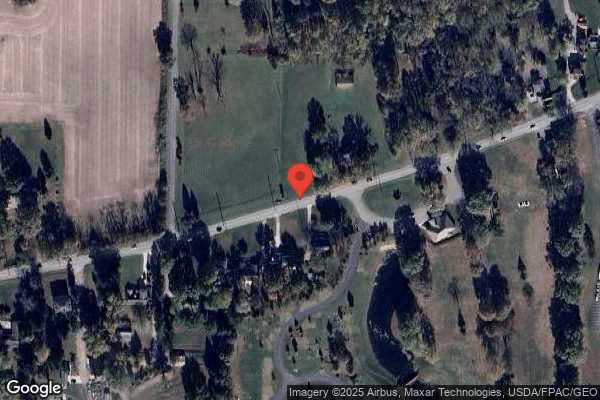

32900 DETROIT RD, AVON, OH 44011 (440) 937-6201
For profit - Corporation 91 Beds FOUNDATIONS HEALTH SOLUTIONS Data: November 2025
Trust Grade
75/100
#220 of 913 in OH
Last Inspection: June 2023

Over 2 years since last inspection. Current conditions may differ from available data.

Overview

Avon Place Healthcare Center has a Trust Grade of B, indicating it is a good choice for families seeking care. It ranks #220 out of 913 facilities in Ohio, placing it in the top half, but #9 out of 20 in Lorain County suggests there are better local options available. The facility is improving, having reduced its issues from 2 in 2023 to just 1 in 2024. Staffing, however, is a concern with a low rating of 1 out of 5 stars and a turnover rate of 59%, which is higher than average for the state. While there are no fines on record, indicating compliance with regulations, there have been incidents such as a resident being left with medications at their bedside and a failure to provide evening activities for residents, highlighting areas that need attention.

Trust Score
B
75/100
In Ohio
#220/913
Top 24%
Safety Record
Low Risk
No red flags
Inspections
Getting Better
2 → 1 violations
Staff Stability
⚠ Watch
59% turnover. Above average. Higher turnover means staff may not know residents' routines.
Penalties
✓ Good
No fines on record. Clean compliance history, better than most Ohio facilities.
Skilled Nurses
○ Average
Each resident gets 37 minutes of Registered Nurse (RN) attention daily — about average for Ohio. RNs are the most trained staff who monitor for health changes.
Violations
⚠ Watch
12 deficiencies on record. Higher than average. Multiple issues found across inspections.
★★★★☆
4.0
Overall Rating
★☆☆☆☆
1.0
Staff Levels
★★★★☆
4.0
Care Quality
★★★★★
5.0
Inspection Score
Stable
2023: 2 issues
2024: 1 issues

The Good

  • 4-Star Quality Measures · Strong clinical quality outcomes
  • Full Sprinkler Coverage · Fire safety systems throughout facility
  • No fines on record

Facility shows strength in quality measures, fire safety.

The Bad

Staff Turnover: 59%

13pts above Ohio avg (46%)

Frequent staff changes - ask about care continuity

Chain: FOUNDATIONS HEALTH SOLUTIONS

Part of a multi-facility chain

Ask about local staffing decisions and management

Staff turnover is elevated (59%)

11 points above Ohio average of 48%

The Ugly 12 deficiencies on record

Aug 2024 1 deficiency
CONCERN (D) 📢 Someone Reported This

A family member, employee, or ombudsman was alarmed enough to file a formal complaint

Potential for Harm - no one hurt, but risky conditions existed

Pharmacy Services (Tag F0755)

Could have caused harm · This affected 1 resident

Based on medical record review, observation, resident interview, staff interview, and review of facility policy, the facility failed to ensure medications were administered and were not left at the re...

Read full inspector narrative →
Based on medical record review, observation, resident interview, staff interview, and review of facility policy, the facility failed to ensure medications were administered and were not left at the resident bedside. This affected one resident (Resident #20) of one resident observed. The facility census was 79. Findings include: Review of Resident #20's medical record revealed an admission date of 07/26/24. Diagnoses included periprosthetic fracture around internal prosthetic right hip joint, generalized muscle weakness, difficulty in walking, history of trans ischemic attack (TIA), osteoporosis, hypertension (HTN), alcohol abuse (in remission), nicotine dependence, major depressive disorder, acute cystitis without hematuria. Review of Resident #20's most recent Medicare 5 Day Minimum Data Set (MDS) evaluation dated 08/02/24, revealed a Brief Interview for Mental Status (BIMS) score of 15, indicating the resident was cognitively intact. Observation on 08/06/24 at 9:40 A.M. revealed Resident #20 had a medication cup containing five unidentified pills located on a table in the resident room. During an interview on 08/06/24 at 9:40 A.M., Resident #20 reported the medication in the cup was their morning medications. Resident #20 reported approximately 20 minutes prior to this encounter, the nurse, identified as Licensed Practical Nurse (LPN) #147, brought their medications into the room when they were in the restroom and left the medications on the table for them to consume. Interview on 08/06/24 at 9:45 A.M. with LPN #147 revealed they had taken Resident #20 their morning medications, placed them in a medication cup and placed them on the table in Resident #20's room and left. Review on 08/06/24 at approximately 10:30 A.M. of the electronic medical record (EMR) for Resident #20 revealed no order for self-administration of medication. Interview on 09/08/24 at 11:27 A.M. with the Director of Nursing (DON) and the Assistant Director of Nursing (ADON) revealed Resident #20 does not have an order for self-administration of medication. Review of the facility policy titled, Medication Administration, dated 06/21/17 revealed medications will be administered by legally-authorized and trained persons in accordance to applicable State, Local and Federal laws and consistent with accepted standards of practice and those who administer medication will administer medication and remain with resident while medication is swallowed. Never leave a medication in a resident's room without orders to do so.
Jun 2023 2 deficiencies
CONCERN (D)

Potential for Harm - no one hurt, but risky conditions existed

Deficiency F0679 (Tag F0679)

Could have caused harm · This affected 1 resident

**NOTE- TERMS IN BRACKETS HAVE BEEN EDITED TO PROTECT CONFIDENTIALITY** Based on medical record review, staff and resident interview, review of the activity calendar, and policy review, the facility f...

Read full inspector narrative →
**NOTE- TERMS IN BRACKETS HAVE BEEN EDITED TO PROTECT CONFIDENTIALITY** Based on medical record review, staff and resident interview, review of the activity calendar, and policy review, the facility failed to ensure evening activities were provided. This affected three resident (#03, #16, and #47) out of 10 residents and three families interviewed for activities. The facility census was 73. Findings Include: Review of the medical record for Resident #16 revealed an admission date of 08/18/22. Diagnoses included schizoaffective disorder, bipolar, anxiety, epilepsy, and alcohol induced dementia. Review of the quarterly Minimum Set (MDS) 3.0 dated 06/13/23, revealed she had intact cognition and was independent with transfers, ambulation, and hygiene. Review of the plan of care dated 06/12/23 revealed the resident is a sociable person and likes to participate in various activities. Intervention included to participate in group activities at least twice a week. Keeping busy with self-directed activities throughout the week. Interview on 06/26/23 at 11:59 A.M., during the initial screening process Resident #16 revealed there was nothing to do in the evening. Resident #16 stated she bought a [NAME] hoop for entertainment. Interview on 06/27/23 at 2:16 P.M., with Registered Nurse #390 stated activities are scheduled in the morning, after breakfast and in the afternoon between 2:00 P.M. and 3:00 P.M. There were no scheduled activities after dinner. Interviews on 06/28/23 with State Tested Nursing Assistant (STNA) #344 at 10:22 A.M. and STNA #322 at 3:10 P.M. each revealed no activities were provided during evening hours. Interviews on 06/28/23 at 3:55 P.M., during the resident council meeting Resident #47 said the place was an absolute ghost town after 4:00 P.M. and barely anything goes on besides reading the chronicle/newspaper thing on the weekends. Resident #03 said a friend of mine here has a saying when nothing is going on. Time to go back to our prison cells. Interview on 06/29/23 at 8:04 A.M., with Activity Personnel (AP) #348 stated all facility activities are provided from 8:00 A.M. to 4:00 P.M. seven days a week. AP #348 stated they have been without an Activity Director since April 2023. Interview on 06/29/23 at 8:59 A.M., with Human Resources (HR) Director #402 stated the former Activity Director was terminated in April 2023. HR #402 stated a new Activity Director will onboard on 07/11/23. She stated it was difficult to find a Certified Activity Director. Review of the Activity Calender for April 2023, May 2023 and June 2023, revealed no activities were scheduled past 3:30 P.M. Review of the policy titled Program Planning/Scheduling, dated 10/18/2001 revealed the activity department is responsible for planning and scheduling an Activity Program consisting of stimulating and therapeutic activities, diverse in focus, and consistent with resident's wishes and needs. The activity calendar will include some evening and weekend activities. The calendar will be implemented as written.
CONCERN (D)

Potential for Harm - no one hurt, but risky conditions existed

Deficiency F0744 (Tag F0744)

Could have caused harm · This affected 1 resident

**NOTE- TERMS IN BRACKETS HAVE BEEN EDITED TO PROTECT CONFIDENTIALITY** Based on observation, medical record review, staff interview and review of material safety and data sheets (MSDS), the facility ...

Read full inspector narrative →
**NOTE- TERMS IN BRACKETS HAVE BEEN EDITED TO PROTECT CONFIDENTIALITY** Based on observation, medical record review, staff interview and review of material safety and data sheets (MSDS), the facility failed to ensure a safe environment for residents residing on the secured memory care unit, when Resident #54 was able to have direct access to chemicals (spray can air freshener). This affected one resident (#54) of one resident reviewed for accident hazards. This had the potential to affect the 31 Residents (Residents #02, #04, #05, #06, #08, #13, #15, #16, #18, #23, #28, #30, #31, #33, #34, #36, #39, #40, #42, #44, #48, #49, #51, #56, #57, #64, #66, #67 #68, #71 and #125) who resided on the facilitys' secured dementia care unit. The facility census was 73. Findings Include: Review of the medical record revealed Resident #54 was admitted to the facility on [DATE]. Diagnoses included chronic kidney disease, dementia and psychosis. Review of the most recent Minimum Data Set 3.0 assessment dated [DATE] revealed Resident #54 was cognitively impaired, does not speak English (Romanian was primary language), has active hallucinations and delusions and required hands on assistance for completing her activities of daily living (ADLs). Review of the care plan dated 06/28/22 revealed Resident #54 experienced alteration in mood and/or behavior as evidence by spraying herself and others with air freshener. No interventions related to inappropriate air freshener use or related chemicals were noted in the care plan. Observation of Resident #54 on 06/26/23 at 9:15 A.M. revealed Resident #54 was in her room, laying in bed watching television. Upon entrance in Resident #54's room Resident #54 immediately grabbed a bottle of febreeze air freshener from the bed side table behind her bed and began spraying the surveyor and shouting very loudly in her native language for approximately fifteen to twenty seconds until the surveyor left the room. Interview on 06/26/23 at 9:16 A.M., with the Housekeeper #399 who was cleaning the hallway in front of Resident #54's room while the above observation took place verified Resident #54 had the bottle of febreeze air freshener and probably should not have access to such items. The Housekeeper #399 said that was just who Resident #54 was. Interview with the Director of Nursing and the Administrator on 06/27/23 at 2:30 P.M., revealed they were aware of Resident #54 having access to items such as air fresheners and it was constant battle to educate Resident #54's family and loved ones regarding the safety of the use of such items as they are noted to frequently purchase similar items for Resident #54. Review of the MSDS sheet for the febreeze air freshener used by and located in Resident #54's room dated March 2011 revealed misuse by concentrating and inhaling the contents (the air freshener) can be harmful or fatal.
Dec 2019 4 deficiencies
CONCERN (D)

Potential for Harm - no one hurt, but risky conditions existed

Deficiency F0582 (Tag F0582)

Could have caused harm · This affected 1 resident

Based on record review and staff interview, the facility failed to ensure all required notices of potential financial obligation were given to residents prior to the discontinuation of skilled service...

Read full inspector narrative →
Based on record review and staff interview, the facility failed to ensure all required notices of potential financial obligation were given to residents prior to the discontinuation of skilled services while using their Medicare Part A benefit. This affected one (Resident #46) of three residents review of appropriate beneficiary notices. The facility census was 80. Findings include: Review of the beneficiary notice worksheet provided by facility during the annual survey revealed Resident #46 was discharged from skilled therapy services while using his Medicare Part A benefit on 08/01/19. Review of the notices provided to Resident #46 upon discontinuation of skilled services revealed no Skilled Nursing Facility Advanced Beneficiary Notice of Non-coverage (SNFABN) was given to Resident #46 as required. Interview with Social Worker #95 on 12/26/19 at 3:35 P.M. verified the SNFABN was not given to Resident #46 as required.
CONCERN (D)

Potential for Harm - no one hurt, but risky conditions existed

Comprehensive Care Plan (Tag F0656)

Could have caused harm · This affected 1 resident

**NOTE- TERMS IN BRACKETS HAVE BEEN EDITED TO PROTECT CONFIDENTIALITY** Based on record review, observation and staff interview, the facility failed to ensure care planned interventions for falls were...

Read full inspector narrative →
**NOTE- TERMS IN BRACKETS HAVE BEEN EDITED TO PROTECT CONFIDENTIALITY** Based on record review, observation and staff interview, the facility failed to ensure care planned interventions for falls were implemented for Resident #28. This affected one (#28) of two residents reviewed for falls. The facility census was 80. Findings include: Review of the medical record for Resident #28 revealed the resident was admitted to the facility on [DATE] with diagnoses including dementia, delusional disorder and constipation. Review of the most recent Minimum Data Set (MDS) 3.0 assessment, dated 10/22/19, revealed the resident was severely cognitively impaired. Review of the care plan, dated 10/29/19, revealed Resident #28 was at risk for falls related to impaired mobility, impaired balance, risk of medication side effects, incontinence and multiple medical co-morbidities. Review of interventions for the falls care plan revealed an intervention, dated 03/12/19, for non skid strips in front of the toilet in bathroom. Observation of Resident #28's room on 12/27/19 at 9:33 A.M. with Minimum Data Set Nurse #995 revealed no non skid strips in front of Resident #28's toilet in her bathroom. Minimum Data Set Nurse #995 verified the lack of non skid strips at the time of discovery.
CONCERN (D)

Potential for Harm - no one hurt, but risky conditions existed

Pharmacy Services (Tag F0755)

Could have caused harm · This affected 1 resident

Based on record review, review of facility policy, resident interview and staff interview, the facility failed to provide physician ordered medications to one (#67) of five residents reviewed for unne...

Read full inspector narrative →
Based on record review, review of facility policy, resident interview and staff interview, the facility failed to provide physician ordered medications to one (#67) of five residents reviewed for unnecessary medications. The facility identified 18 residents whom received physician ordered eye drops. The facility census was 80. Findings include: Review of Resident #67's medical record revealed an admission date of 07/18/19. Diagnosis included glaucoma and diabetes mellitus Review of the quarterly Minimum Data Set (MDS) assessment, dated 12/08/19, revealed the resident had a high cognitive function and had adequate vision. Review of the physician's order, dated 07/29/19, revealed an order for Dorzolamide HCl-Timolol Mal Solution 22.3-6.8 milligrams/milliliters (mg./ml.). The medication is a beta blocker used to treat glaucoma. The eye drops were to be instilled one drop in both eyes daily. Review of the Medication Administration Record (MAR), dated 12/2019, revealed on 12/24/19, 12/25/19 and 12/26/19 the resident failed to receive the eye drops. Interview with Resident #67 on 12/27/19 at 9:11 A.M. revealed the resident failed to receive the physician prescribed eye drops on 12/24/19, 12/25/19 and 12/26/19 due to the medication being unavailable. Interview with the Director of Nursing on 12/27/19 at 3:01 P.M. verified Resident #67 failed to receive the Dorzolamide HCI-Timolol Mal Solution eye drops on 12/24/19, 12/25/19 and 12/26/19 due to the eye drops were not available. The DON stated the nursing staff failed to inform the DON the medication was unavailable. Once the DON learned the issue the pharmacy was notified, and the issue of non-payment was reconciled. Review of the facility's policy titled Medication Ordering and Receipt, dated 06/21/17, revealed routine medication orders will be cycle filled every 24 hours and delivered to the facility on a daily basis in resident specific, date and time specific medications pass bags.
MINOR (C)

Minor Issue - procedural, no safety impact

Garbage Disposal (Tag F0814)

Minor procedural issue · This affected most or all residents

Based on observation and staff interview, the facility failed to maintain its dumpster area in a clean and sanitary manner. This had the potential to affect all 80 residents residing in the facility. ...

Read full inspector narrative →
Based on observation and staff interview, the facility failed to maintain its dumpster area in a clean and sanitary manner. This had the potential to affect all 80 residents residing in the facility. Findings include: Observation of the facilities dumpster area on 12/26/19 at 8:35 A.M. revealed the following concerns: a. Two dumpster lids were not closed. b. One dumpster's side door was open with a bag of refuse hanging off the side. c. A significant amount of corn was noted on the ground in front of the dumpsters. d. Seven red skin potatoes were noted scattered on the ground through out the dumpster. e. A significant amount of debris (plastic wear, food scraps,) were noted on the ground through out the dumpster area. Interview with [NAME] #900 on 12/26/19 at 8:45 A.M. verified the condition of the dumpster area.
Oct 2018 5 deficiencies
CONCERN (D)

Potential for Harm - no one hurt, but risky conditions existed

Deficiency F0552 (Tag F0552)

Could have caused harm · This affected 1 resident

**NOTE- TERMS IN BRACKETS HAVE BEEN EDITED TO PROTECT CONFIDENTIALITY** Based on record review, family interview, resident interview, guardian interview and staff interview, the facility failed to not...

Read full inspector narrative →
**NOTE- TERMS IN BRACKETS HAVE BEEN EDITED TO PROTECT CONFIDENTIALITY** Based on record review, family interview, resident interview, guardian interview and staff interview, the facility failed to notify a resident's family of results of laboratory testing and failed to notify Resident #39's guardian timely regarding room cleaning. This affected two (Resident #39 and #40) of two residents reviewed for notification. The facility census was 84. Findings include: 1. Medical record review revealed Resident #40 admitted to the facility on [DATE]. Diagnoses included Alzheimer's disease, delusional disorder, and anxiety. Review of the quarterly Minimum Data Sets (MDS) assessment, dated 08/27/18, revealed the resident's cognition was severely impaired. Review of laboratory test for Resident #40 revealed an urinalysis was performed for the resident on 07/16/18. There was no evidence the resident's son was notified of the urinalysis results from 07/16/18 through 10/16/18. Interview on 10/16/18 at 9:58 A.M. with Resident #40's son revealed he was the responsible party for his mother's care. The resident's son revealed, a couple months prior, he requested for the facility to collect an urinalysis from his mother due to symptoms he was seeing. The son revealed he was never informed of the results from the urinalysis. The son further revealed he inquired a couple times to the nurse on duty, but was told they would get back to him with the results. No one ever did. Interview on 10/17/18 at 2:25 P.M. with the Director of Nursing (DON) revealed staff were to notify the resident and/or resident's representative of all ordered test and new orders. The DON further revealed staff should notify the resident and/or resident's representative of laboratory test, regardless of the results. The DON verified there was no evidence Resident #40's son was notified of the results of the urinalysis performed on 07/16/18. 2. Review of Resident #39's medical record revealed an admission date of 06/01/16. Diagnoses included Schizophrenia and brief psychotic disorder. Review of the resident's annual Minimum Data Set (MDS) assessment, dated 09/28/18, revealed the resident was cognitively intact and required supervision for activities of daily living. No negative behaviors were documented. Review of Resident #39's care plan revealed the resident tended to hoard items in his/her room. The resident was encouraged to clean up and remove the extra items in his/her room and the resident's room would be checked for items that need to be removed at least weekly. Review of a social service note, dated 09/24/18, revealed the Licensed Social Worker (LSW) #500 spoke to Resident #39 regarding the cleaning of his/her room the previous week. SR #1 reported he/she was remorseful about items being thrown away. Interview with Resident #39 on 10/15/18 at 2:58 P.M. revealed last month the facility Administrator and LSW #500 came into his/her room and began throwing his/her personal items away. Items thrown away included multiple pairs of blue jeans, a box of important papers and two cellular telephones. Resident #39 revealed the Administrator searched every drawer, box and closet and would inform the resident that he/she did not need the items and threw his belongings in the garbage. Resident #40 informed his/her guardian of the situation. Telephone interview with Resident #39's legal guardian on 10/16/18 at 1:50 P.M. revealed she/he agreed that the resident's room needed cleaning and she/he was discussing the situation with the facility social worker. The guardian stated he/she had informed the LSW that the guardian wanted to be present while the room was being cleaned. The guardian stated he/she was not alerted of the day of the cleaning so was not in the facility to provide emotional support to Resident #39 during the task. Resident #39 suffered from Schizophrenia and needed support during the cleaning process. In addition, the guardian revealed items thrown away included two cellular telephones, blue jeans and a box of important papers. Interview with LSW #500 on 10/17/18 at 9:42 A.M. revealed Resident #39 collected many items, especially food sent by his/her family. Resident #39 was alerted two to three days in advance that the room would be cleaned by staff. The LSW stated the items thrown away were expired Girl Scout cookies, socks and underwear. The LSW stated two cellular telephones were thrown away because the resident stated the phones did not work. The LSW verified the guardian was failed to be notified of the date of the room cleaning. Review of the facility's Resident's [NAME] of Rights undated, revealed nursing home residents have the right to have any significant change reported to their sponsor. This deficiency substantiates Complaint Number OH00100526.
CONCERN (D)

Potential for Harm - no one hurt, but risky conditions existed

ADL Care (Tag F0677)

Could have caused harm · This affected 1 resident

Based on resident interviews, staff interview, record review and review of facility policy, the facility failed to provide showers for residents unable to carry out activities of daily living independ...

Read full inspector narrative →
Based on resident interviews, staff interview, record review and review of facility policy, the facility failed to provide showers for residents unable to carry out activities of daily living independently. This affected two (Resident #7 and #24) of three residents reviewed for showers. The facility identified 57 residents who require assistance with showers. The facility census was 84. Findings include: 1. Review of the medical record for Resident #24 revealed an admission date of 08/09/18. Diagnoses included chronic obstructive pulmonary disease, anxiety disorder, major depressive disorder, acute and chronic respiratory failure and dependence on supplemental oxygen. Review of Resident #24's comprehensive Minimum Data Set (MDS) assessment, dated 08/09/18, revealed the resident had intact cognition. The resident extensive assistance of two staff for bed mobility, transfers, and dressing. Review of Resident #24's care plan revealed the resident was scheduled for showers every Wednesday and Saturday on the second shift. Review of Resident #24's shower documentation revealed the resident failed to receive showers on 08/15/18, 08/18/18, 08/29/18, 09/01/18, 09/15/18, 09/29/18, 10/03/18 and 10/06/18. Review of Resident #24's medical records revealed no documentation or reasoning of why the resident failed to receive showers. Interview with the Director of Nursing (DON) on 10/17/18 at 2:56 P.M. verified Resident #24 failed to receive an adequate number of required showers per schedule for Resident #24. 2. Review of the medical record for Resident #7 revealed an admission date of 10/19/16. Diagnoses included multiple sclerosis, chronic obstructive pulmonary disease, chronic respiratory failure, and depression. Review of Resident #7's MDS revealed the resident was cognitively intact and required extensive assistance with personal hygiene and bathing. Review of Resident #7's shower documentation revealed the resident was to receive showers on second shift every Monday and Thursday. Review of Resident #7's shower documentation revealed the resident failed to receive showers on 09/17/18, 09/24/18, 10/01/18 and 10/15/18. Interview with Resident #7 on 10/17/18 at 8:55 A.M. revealed the resident was informed by staff that there was no time to give the showers on the days missed showers would be given on the following shift. Resident #7 stated the showers were not accommodated on the following shifts. Interview with the Director of Nursing (DON) on 10/18/18 at 10:35 A.M. verified Resident #7 failed to receive an adequate number of required showers per schedule for Resident #24. Interviews with State Tested Nursing Aides (STNA) #410, #415 and #420 on 10/16/18 between 9:30 P.M. and 11:40 P.M. revealed periodically showers were unable to be completed on second shift due to call offs. Showers were to be completed on the following shift. Review of the facility policy titled Bathing: Shower dated 10/21/01 revealed the purpose of bathing was to provide cleanliness and comfort, stimulate circulation and observe condition of resident. This deficiency substantiates Complaint Number OH00100313.
CONCERN (D)

Potential for Harm - no one hurt, but risky conditions existed

Accident Prevention (Tag F0689)

Could have caused harm · This affected 1 resident

Based on record review, observation, review of facility policy, and staff interview, the facility failed to ensure staff maintained resident's assistive devices to prevent accidents. This affected one...

Read full inspector narrative →
Based on record review, observation, review of facility policy, and staff interview, the facility failed to ensure staff maintained resident's assistive devices to prevent accidents. This affected one resident (#30) of one residents reviewed for falls. The facility identified 27 residents with personal safety alarms. The facility census was 84. Findings Include: Review of Resident #30's medical record revealed an admission date of 11/10/17. Diagnoses included cerebral infarction, dementia, and hemiplegia of the right side. Review of Resident #30's quarterly Minimum Data Set (MDS) assessment, dated 08/14/18, revealed the resident had a moderate cognitive deficit and required extensive assistance in all activities of daily living except eating. Review of Resident #30's Fall Risk Evaluation, dated 10/14/18, revealed the resident was at a high risk for falls. Review of Resident #30's medical record dated 10/15/18 at 2:13 P.M. revealed the resident fell which resulted in a laceration on right forehead requiring 12 staples. In addition, Resident #30 suffered bruising to bilateral facial bones, nose and forehead. Review of physician's order, dated 11/11/17, revealed an order for a personal safety alarm (PSA) to the wheelchair. Review of Resident #30's most recent care plan revealed the resident required a PSA to the bed and while in the wheelchair. Observation of Resident #30 on 10/17/18 between 9:10 A.M. and 10:33 A.M. revealed the resident's personal safety alarm was not functioning. Observation of the alarm revealed the alarm base unit was attached properly to the wheel chair handle. Staff failed to attach the clip end of the pull cord to Resident #30's clothing; the clip was attached to the back of the wheelchair. In addition, the opposite end of the pull cord was viewed laying on the floor and was failed to be attached to the alarm base. Interview with State Tested Nursing Aide #400 on 10/17/18 at 10:36 A.M. verified Resident #30's PSA was not properly attached and failed to function properly. Review of the facility policy titled Alarms - Personal Monitoring, dated 07/13/07, revealed personal monitoring alarms will be checked every shift when in use for placement and function. This would include all types of alarms including but not limited to chair alarms, bed alarms, personal body alarms, motion detectors and wanderguards.
CONCERN (D)

Potential for Harm - no one hurt, but risky conditions existed

Medication Errors (Tag F0758)

Could have caused harm · This affected 1 resident

**NOTE- TERMS IN BRACKETS HAVE BEEN EDITED TO PROTECT CONFIDENTIALITY** Based on medical record review, staff interview, and review of a facility policy, the facility failed to monitor residents takin...

Read full inspector narrative →
**NOTE- TERMS IN BRACKETS HAVE BEEN EDITED TO PROTECT CONFIDENTIALITY** Based on medical record review, staff interview, and review of a facility policy, the facility failed to monitor residents taking antipsychotic medications for possible side effects. This affected two residents (#40 and #67) of five residents reviewed for unnecessary medications. The facility census was 84. Findings include: 1. Medical record review revealed Resident #40 admitted to the facility on [DATE]. Diagnoses included Alzheimer's disease, major depressive disorder, delusional disorder, and anxiety. Review of the resident's most recent plan of care revealed the resident was at risk for complications related to the administration of antipsychotic medication. Interventions included to complete an Abnormal Involuntary Movement Scale (AIMS) (a rating scale designed to measure involuntary movements known as tardive dyskinesia (TD) in residents receiving antipsychotic medications) assessment and report any changes to the physician. Review of a physician order, dated 02/28/18, revealed the resident was ordered Seroquel (antipsychotic medication) 25 milligrams (mg.) twice a day for a delusional disorder. Review of Resident #40's assessments revealed an AIMS assessment was completed on 02/14/18. No more recent assessment was found. 2. Medical record review revealed Resident #67 admitted to the facility on [DATE]. Diagnoses included unspecified dementia, major depressive disorder, anxiety, and delusional disorder. Review of the resident's most recent plan of care revealed the resident was at risk for complications related to the administration of antipsychotic medication. Interventions included to complete an AIMS assessment and report any changes to the physician. Review of a physician order dated 02/28/18, revealed the resident was ordered Seroquel 25 mg. at bed time for a delusional disorder. Review of Resident #67's assessments revealed an AIMS assessment was completed on 02/14/18. No more recent assessment was found. Interview on 10/18/18 at 9:46 A.M., the Director of Nursing (DON) revealed all resident's that received antipsychotic medications were to have an AIMS assessment done, at minimum, every six months. The DON verified the last AIMS assessment completed for Resident #40 and Resident #67 was eight months ago, on 02/14/18. Review of a facility policy titled, Abnormal Involuntary Movement Scale (AIMS), dated 05/24/16, revealed the assessment was to be completed for all residents with orders for antipsychotic medications. Further review revealed the assessment was to be completed every six months and if the resident had a significant change.
CONCERN (D)

Potential for Harm - no one hurt, but risky conditions existed

Medical Records (Tag F0842)

Could have caused harm · This affected 1 resident

**NOTE- TERMS IN BRACKETS HAVE BEEN EDITED TO PROTECT CONFIDENTIALITY** Based on medical record review, staff interview, and review of a facility policy, the facility failed to ensure resident's advan...

Read full inspector narrative →
**NOTE- TERMS IN BRACKETS HAVE BEEN EDITED TO PROTECT CONFIDENTIALITY** Based on medical record review, staff interview, and review of a facility policy, the facility failed to ensure resident's advanced directive wishes were accurate and placed in the resident's charts. This affected two (Resident #19 and #63) of 24 residents reviewed for advanced directives. The facility census was 84. Findings include: 1. Medical record review revealed Resident #19 admitted to the facility on [DATE]. Diagnoses included unspecified dementia. Review of a physician's orders, dated [DATE], revealed the advanced directive wishes for Resident #19 was to be a full code which meant he/she wished to have cardiopulmonary resuscitation (CPR) performed if needed. Review of the resident's most recent plan of care revealed the resident's advanced directive wishes were to be a full code and have CPR performed if needed. Review of a social service progress noted, dated [DATE], revealed a quarterly assessment was completed for Resident #19 and the resident's advanced directive was full code. Review of the resident's electronic health record (EHR) revealed the residents advanced directive was full code. Further review of the resident's paper chart revealed an advanced directive form dated [DATE] and signed by the residents representative. The form indicated Resident #19's advanced directive was changed to Do Not Resuscitate, Comfort Care (DNRCC) which meant CPR was not to be performed if the resident went into cardio and or pulmonary arrest. The form was also signed by the physician's Nurse Practitioner (NP). 2. Medical record review revealed Resident #63 admitted to the facility on [DATE]. Diagnoses included epilepsy and vascular dementia. Review of the resident's electronic health record (EHR) revealed no advanced directive listed. Further review of the resident's paper chart revealed a full code advanced directive form. Interview on [DATE], at 4:06 P.M., the Director of Nursing (DON) revealed all resident's advanced directive wishes were placed in the resident's paper chart and EHR on admission. The DON revealed the advanced directive, located in the paper chart and the EHR, were to be the same. The DON verified the advanced directive in Resident #19's EHR was full code and the advanced directive in the paper chart was DNRCC. The DON further revealed he had no knowledge the resident's representative changed the advance directive on [DATE]. The DON further verified no advanced directive was placed in Resident #63's EHR. The DON revealed the admitting nurse must of put the order wrong into the computer for Resident #63. Review of a facility policy titled, Resident's Rights: Treatment and Advanced Directives, dated [DATE], revealed each resident had the right to formulate an Advanced Directive and to accept for refuse medical statement. Further review revealed, upon admission, the facility would interview each resident to determine whether or not the resident had executed an advanced directive and a copy of the residents advanced directive was to be placed in the medical record.
Understanding Severity Codes (click to expand)
Life-Threatening (Immediate Jeopardy)
J - Isolated K - Pattern L - Widespread
Actual Harm
G - Isolated H - Pattern I - Widespread
Potential for Harm
D - Isolated E - Pattern F - Widespread
No Harm (Minor)
A - Isolated B - Pattern C - Widespread

Questions to Ask on Your Visit

  • "Why is there high staff turnover? How do you retain staff?"
  • "Can I speak with families of current residents?"
  • "What's your RN coverage like on weekends and overnight?"

Our Honest Assessment

Strengths
  • • No major safety red flags. No abuse findings, life-threatening violations, or SFF status.
  • • No fines on record. Clean compliance history, better than most Ohio facilities.
Concerns
  • • 12 deficiencies on record. Higher than average. Multiple issues found across inspections.
  • • 59% turnover. Above average. Higher turnover means staff may not know residents' routines.
Bottom line: Generally positive indicators. Standard due diligence and a personal visit recommended.

About This Facility

What is Avon Place Healthcare Center's CMS Rating?

CMS assigns AVON PLACE HEALTHCARE CENTER an overall rating of 4 out of 5 stars, which is considered above average nationally. Within Ohio, this rating places the facility higher than 99% of the state's 100 nursing homes. This rating reflects solid performance across the metrics CMS uses to evaluate nursing home quality.

How is Avon Place Healthcare Center Staffed?

CMS rates AVON PLACE HEALTHCARE CENTER's staffing level at 1 out of 5 stars, which is much below average compared to other nursing homes. Staff turnover is 59%, which is 13 percentage points above the Ohio average of 46%. High turnover can affect care consistency as new staff learn residents' individual needs. RN turnover specifically is 58%, which is notably high. RNs provide skilled clinical oversight, so turnover in this role can affect medical care quality.

What Have Inspectors Found at Avon Place Healthcare Center?

State health inspectors documented 12 deficiencies at AVON PLACE HEALTHCARE CENTER during 2018 to 2024. These included: 11 with potential for harm and 1 minor or isolated issues.
Who Owns and Operates Avon Place Healthcare Center?

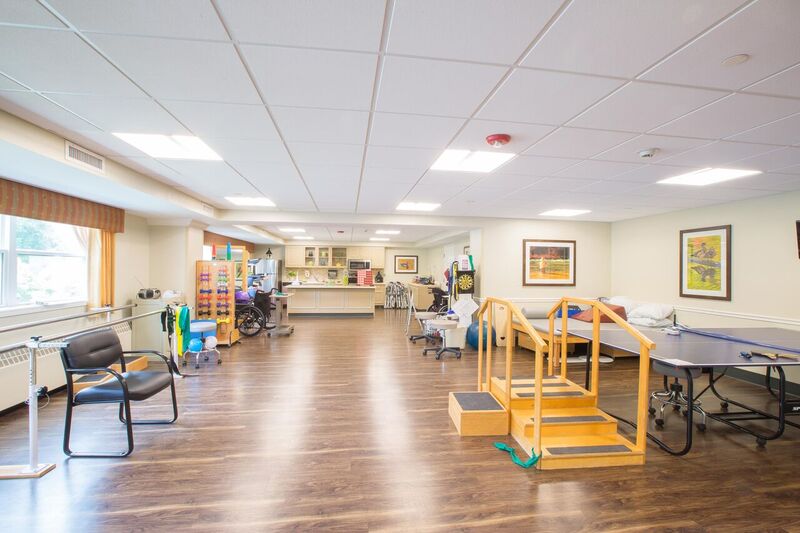
AVON PLACE HEALTHCARE CENTER is owned by a for-profit company. For-profit facilities operate as businesses with obligations to shareholders or private owners. The facility is operated by FOUNDATIONS HEALTH SOLUTIONS, a chain that manages multiple nursing homes. With 91 certified beds and approximately 70 residents (about 77% occupancy), it is a smaller facility located in AVON, Ohio.
How Does Avon Place Healthcare Center Compare to Other Ohio Nursing Homes?

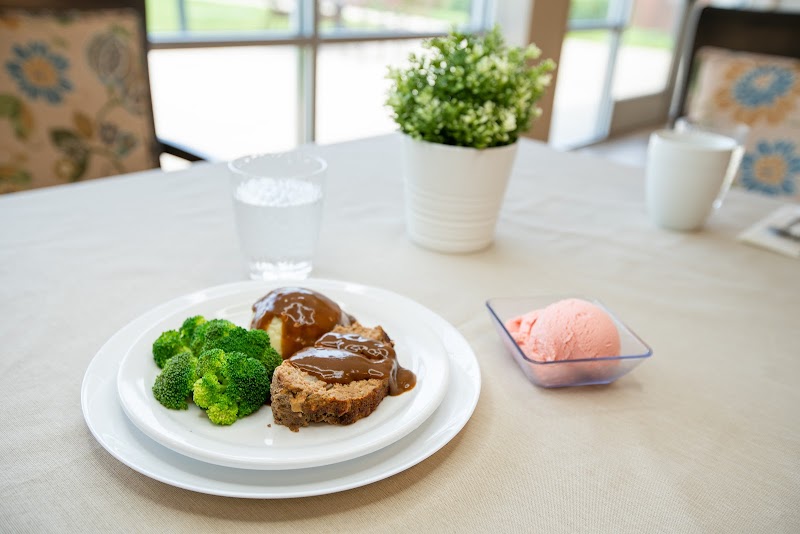
Compared to the 100 nursing homes in Ohio, AVON PLACE HEALTHCARE CENTER's overall rating (4 stars) is above the state average of 3.2, staff turnover (59%) is significantly higher than the state average of 46%, and health inspection rating (5 stars) is much above the national benchmark.

What Should Families Ask When Visiting Avon Place Healthcare Center?

Based on this facility's data, families visiting should ask: "How do you ensure continuity of care given staff turnover, and what is your staff retention strategy?" "Can you walk me through typical staffing levels on day, evening, and night shifts?" "Can I visit during a mealtime to observe dining assistance and food quality?" "How do you handle medical emergencies, and what is your hospital transfer rate?" These questions are particularly relevant given the facility's high staff turnover rate and the below-average staffing rating.

Is Avon Place Healthcare Center Safe?

Based on CMS inspection data, AVON PLACE HEALTHCARE CENTER has a clean safety record: no substantiated abuse findings (meaning no confirmed cases of resident harm), no Immediate Jeopardy citations (the most serious violation level indicating risk of serious injury or death), and is not on the Special Focus Facility watch list (a federal program monitoring the lowest-performing 1% of nursing homes). The facility has a 4-star overall rating and ranks #1 of 100 nursing homes in Ohio. While no facility is perfect, families should still ask about staff-to-resident ratios and recent inspection results during their visit.

Do Nurses at Avon Place Healthcare Center Stick Around?

Staff turnover at AVON PLACE HEALTHCARE CENTER is high. At 59%, the facility is 13 percentage points above the Ohio average of 46%. Registered Nurse turnover is particularly concerning at 58%. RNs handle complex medical decisions and coordinate care — frequent RN changes can directly impact care quality. High turnover means new staff may not know residents' individual needs, medications, or preferences. It can also be disorienting for residents, especially those with dementia who rely on familiar faces. Families should ask: What is causing the turnover? What retention programs are in place? How do you ensure care continuity during staff transitions?

Was Avon Place Healthcare Center Ever Fined?

AVON PLACE HEALTHCARE CENTER has no federal fines on record. CMS issues fines when nursing homes fail to meet care standards or don't correct problems found during inspections. The absence of fines suggests the facility has either maintained compliance or corrected any issues before penalties were assessed. This is a positive indicator, though families should still review recent inspection reports for the full picture.

Is Avon Place Healthcare Center on Any Federal Watch List?

AVON PLACE HEALTHCARE CENTER is not on any federal watch list. The most significant is the Special Focus Facility (SFF) program, which identifies the bottom 1% of nursing homes nationally based on persistent, serious quality problems. Not being on this list means the facility has avoided the pattern of deficiencies that triggers enhanced federal oversight. This is a positive indicator, though families should still review the facility's inspection history directly.