ST MARY OF THE WOODS
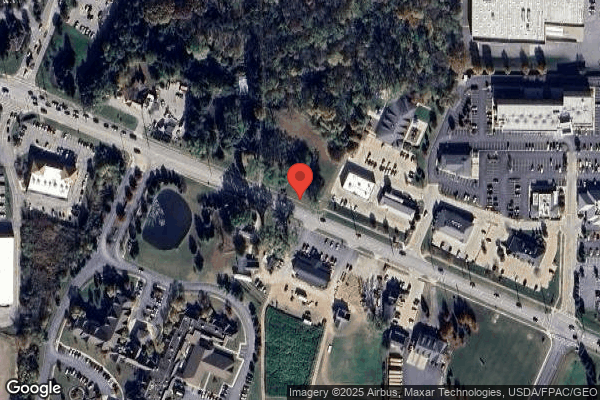

35755 DETROIT ROAD, AVON, OH 44011 (440) 937-6869
For profit - Corporation 50 Beds SAINT THERESE SENIOR COMMUNITIES Data: November 2025
Trust Grade
80/100
#345 of 913 in OH
Last Inspection: June 2022

Over 2 years since last inspection. Current conditions may differ from available data.

Overview

St. Mary of the Woods in Avon, Ohio has a Trust Grade of B+, indicating it is above average and recommended for families seeking care. It ranks #345 out of 913 facilities in Ohio, placing it in the top half of the state, and #12 out of 20 in Lorain County, suggesting that there are only a few local options that are better. The facility's performance is stable, with 2 issues reported in both 2022 and 2025. Staffing is a relative strength, with a turnover rate of 0%, significantly lower than the Ohio average, and the facility benefits from more RN coverage than 93% of state facilities. However, there are areas of concern, including incidents where a resident's private medical information was mistakenly shared with another resident's family, and failure to provide necessary respiratory care for a resident with serious health conditions. Overall, while there are notable strengths, families should be aware of these weaknesses as they consider this nursing home.

Trust Score
B+
80/100
In Ohio
#345/913
Top 37%
Safety Record
Low Risk
No red flags
Inspections
Holding Steady
2 → 2 violations
Staff Stability
○ Average
Turnover data not reported for this facility.
Penalties
✓ Good
No fines on record. Clean compliance history, better than most Ohio facilities.
Skilled Nurses
✓ Good
Each resident gets 72 minutes of Registered Nurse (RN) attention daily — more than 97% of Ohio nursing homes. RNs are the most trained staff who catch health problems before they become serious.
Violations
○ Average
9 deficiencies on record. Average for a facility this size. Mostly minor or procedural issues.
★★★★☆
4.0
Overall Rating
★★★☆☆
3.0
Staff Levels
★★★★☆
4.0
Care Quality
★★★★☆
4.0
Inspection Score
Stable
2022: 2 issues
2025: 2 issues

The Good

  • 4-Star Quality Measures · Strong clinical quality outcomes
  • Full Sprinkler Coverage · Fire safety systems throughout facility
  • No fines on record

Facility shows strength in quality measures, fire safety.

The Bad

Chain: SAINT THERESE SENIOR COMMUNITIES

Part of a multi-facility chain

Ask about local staffing decisions and management

The Ugly 9 deficiencies on record

Aug 2025 2 deficiencies
CONCERN (D) 📢 Someone Reported This

A family member, employee, or ombudsman was alarmed enough to file a formal complaint

Potential for Harm - no one hurt, but risky conditions existed

Deficiency F0583 (Tag F0583)

Could have caused harm · This affected 1 resident

Based on medical record review, interviews, and review of facility policy, the facility failed to ensure the resident personal privacy and confidentiality of medical records was maintained. This affec...

Read full inspector narrative →
Based on medical record review, interviews, and review of facility policy, the facility failed to ensure the resident personal privacy and confidentiality of medical records was maintained. This affected one resident (#63) of two residents reviewed for medical record release. The facility census was 36. Findings include: Interview with Resident #58's Family Member (FM) on 08/27/25 at 1:32 P.M. revealed she received Resident #58's medical records as requested from the facility, however; it also included another Resident's (#63) personal information, date of birth , insurance, diagnoses, and complete care plan. Review of medical record package sent to Resident #58's FM by facility verified Resident #63's private information and medical information were included in the packet for Resident #58. Interview with the Director of Nursing (DON) on 08/27/25 at 1:15 P.M. verified the medical record requested for Resident #58 also contained Resident #63's personal private and clinical information sent from the facility. The DON also informed Resident #63's family of the breech in confidentiality and release of private information. Review of facility policy titled, Release of Medical Records Policy. dated May 2022 revealed all medical records will be released with a valid request and in accordance with state and federal laws. This deficiency represents non-compliance investigated under Complaint Number 2562366.
CONCERN (D) 📢 Someone Reported This

A family member, employee, or ombudsman was alarmed enough to file a formal complaint

Potential for Harm - no one hurt, but risky conditions existed

Respiratory Care (Tag F0695)

Could have caused harm · This affected 1 resident

Based on record review, staff interviews, and facility policy, the facility failed to provide necessary respiratory care and services in accordance with professional standards of practice and facility...

Read full inspector narrative →
Based on record review, staff interviews, and facility policy, the facility failed to provide necessary respiratory care and services in accordance with professional standards of practice and facility policy. This affected one resident (#58) of three residents reviewed for oxygen administration. The facility census was 36.Review of medical record for Resident #58 revealed an admission date of 04/01/25 with diagnoses of acute respiratory failure with hypoxia, Parkinson's disease, heart failure with ejection fraction of 42%, dysphagia, history of falls, hypertension, myocardial infarction, and cognitive deficits.Review of the Minimum Data Set (MDS) assessment for Resident #58 dated 04/04/25 revealed the resident had cognitive decline as evidenced by a Brief Interview for Mental Status (BIMS) score of 11. The resident was assessed to require some assistance for Activities of Daily Living (ADLs) but maximum assistance with hygiene/toileting needs related to shortness of breath with minimal exertion. Resident also required continuous oxygen per nasal cannula at two to three liters per minute.Record review of progress notes on 04/04/25 for Resident #58 revealed when the resident was having shortness of breath and restlessness with an oxygen saturation of 87-89%, the nurse placed a simple mask on the resident but left the oxygen flow rate at 3 liters per minute while awaiting the ambulance to transfer the resident to the hospital.Record review of the ambulance run report on 04/04/25 revealed when the squad arrived the resident's oxygen saturation at 89% with oxygen flow rate listed at only 1 liter per minute via simple mask. Squad immediately increased the flow rate to 8 liters per minute and the resident became more responsive. Re-assessment of pulse oximetry revealed the oxygen saturation was up to 93%. The resident was then transferred to the hospital and admitted with a diagnosis of respiratory failure.Interview on 08/26/25 at 8:19 A.M. with Licensed Practical Nurse (LPN) #406 stated she was aware of various oxygen flow rates for different oxygen delivery systems but could only state the parameters for nasal cannulas from one to five liters per minute. LPN #406 could not state what the flow rate would be for a simple mask or when she would place on a resident.Interview on 08/27/25 at 8:31 A.M. with LPN #387 was unable to state the flow rate parameters for the facilities oxygen delivery systems. LPN #387 stated he has never used a simple mask for a resident and only has used nasal cannulas.Interview of 08/27/25 at 2:06 P.M. with LPN #351 was unable to state the flow rate parameters for the facilities oxygen delivery systems. LPN #351 also had knowledge deficits related to the use of a simple mask.Observation of the facility's respiratory supply room revealed a large amount of respiratory equipment including nasal cannulas, high flow nasal cannulas, simple masks, aerosol treatment masks, and a non-rebreather mask.Interview with contracted Respiratory Therapist (RT) #516 on 08/27/25 at 3:40 P.M. revealed he was not onsite but supports the facility by setting up respiratory equipment for residents who need continuous positive airway pressure (CPAP), bilevel positive airway pressure (BIPAP) or tracheostomy oxygen set up with suctioning. He will also set-up water humidification for oxygen delivery systems that require humidification due to higher oxygen needs. RT #516 educates the staff on trach care and suctioning and performs the initial inner cannula exchange for trach residents. He stated he has not provided education to staff on oxygen flow rates. Interview with the Director of Nursing (DON) on 08/27/25 at 3:55 P.M. verified RT #516 is available to assist staff but he is contracted from Respiratory Partners who supply the equipment and oxygen concentrators to the facility. The DON stated she had not done education with staff regarding flow rates for the various oxygen delivery systems at the facility.Review of facility policy titled, Oxygen Administration, dated April 1, 2022 revealed a simple mask can deliver concentrations of 35-50% oxygen and requires a minimum of 5 liters/minute for use to prevent the resident from rebreathing carbon dioxide.This deficiency represents non-compliance investigated under Complaint Number 2562366.
Jun 2022 2 deficiencies
CONCERN (D)

Potential for Harm - no one hurt, but risky conditions existed

Incontinence Care (Tag F0690)

Could have caused harm · This affected 1 resident

Based on observation, interview, record review, and review of the facility policy, the facility failed to ensure an indwelling urinary catheter was stabilized and maintained in a manner to prevent uri...

Read full inspector narrative →
Based on observation, interview, record review, and review of the facility policy, the facility failed to ensure an indwelling urinary catheter was stabilized and maintained in a manner to prevent urinary tract infection (UTI). This affected one resident (#17) out of three residents reviewed for an indwelling urinary catheter. The facility census was 45. Findings include: Review of the medical record for Resident #17 revealed an admission date of 04/25/22 with diagnoses including type II diabetes mellitus, chronic kidney disease, and calculus of kidney. Review of Resident #17's admission Minimum Data Set (MDS) 3.0 assessment, dated 05/01/22, revealed Resident #17 was cognitively intact. Resident #17 required the extensive assistance of two staff members for bed mobility and transfers. Resident #17 had an indwelling catheter for urine and was always continent of bowel. Review of the plan of care, dated 04/26/22, revealed the resident had an indwelling urinary catheter due to urinary retention. Interventions included positioning catheter bag below level of bladder, manipulating tubing as little as possible during care, reporting UTIs, and changing the catheter per physician order. Review of physician orders, dated 04/26/22, revealed an order for catheter care every shift for indwelling 16 French with 10 cubic centimeter (CC) balloon due to urinary retention. Observation on 06/21/22 at 11:16 A.M. revealed Resident #17 sitting in her wheelchair with her urinary catheter drainage bag sitting next to her on the wheelchair seat. The urinary catheter drainage bag was not secured to the chair and the drainage tube was looping upward and stationary in a position above the resident's bladder. Interview and observation on 06/21/22 at 11:21 A.M. with Licensed practical Nurse (LPN) #905 verified the aforementioned findings. LPN #905 further verified the drainage tube was kinked which prevented urine from flowing through the drainage tube, and the Foley catheter stabilization device/lock normally located on Resident #17's inner thigh had become unattached and unsecured. LPN #905 retrieved and replaced the stabilization device. Review of the facility policy titled Infection Control Program, reviewed January 2022, revealed an important facet of infection prevention includes educating staff and ensuring they adhere to proper techniques and procedures.
CONCERN (D)

Potential for Harm - no one hurt, but risky conditions existed

Respiratory Care (Tag F0695)

Could have caused harm · This affected 1 resident

Based on observation, interview,record review, and review of facilities policy, the facility failed to notify and obtain physician orders for the use of oxygen for one resident (Resident #14) of three...

Read full inspector narrative →
Based on observation, interview,record review, and review of facilities policy, the facility failed to notify and obtain physician orders for the use of oxygen for one resident (Resident #14) of three residents reviewed. The facility census was 45. Findings include: Record review for Resident #14 revealed an admission date of 04/21/22. Diagnoses include unspecified fracture of shaft of right fibula, subsequent encounter for closed fracture with routine healing, mild cognitive impairment and unspecified dementia without behavioral disturbance. Record review of the Minimum Data Set (MDS) for Resident #14 dated 06/02/22 revealed resident had moderately impaired cognition and required extensive assistance for bed mobility transfers and mobility. Record review of the progress note dated 06/19/22 at 10:29 A.M. completed by Licensed Practical Nurse (LPN) #906 revealed State Tested Nursing Assistant (STNA) was toileting (Resident #14) and while washing (Resident #14) hands with the STNA, (Resident #14) knees felt weak and was lowered to ground. STNA called for the nurse, and nurse assessed (Resident #14). Patient stated her legs gave out. Vital signs were 128/75, 97%, two liters of oxygen, respirations were 16. No complaints of pain or shortness of breath. Record review of the physician orders for June 2022 revealed Resident #14 had no orders for use of oxygen. Observation on 06/21/22 at 10:53 A.M. revealed Resident #14 was sitting up in a recliner chair. A nasal cannula connected to a concentrator running at two liters per minute was lying on the bed next to Resident #14. Resident #14 revealed she was unsure how to put the cannula back on. Interview on 06/21/22 at 10:54 A.M. with LPN #906 revealed Resident #14 was to be wearing oxygen continuously at two liters per minute per nasal cannula. Observation with LPN # 906 verified the oxygen tubing was lying on the bed and revealed the therapy department must have forgot to put the oxygen back on after the therapy session. Observation revealed LPN #906 placed the nasal cannula back on Resident #14 to provide oxygen at two liters per minute. Observation on 06/22/22 at 09:05 A.M. revealed Resident #14 was sitting in the recliner chair. Resident #14 was wearing oxygen at two liters per minute per nasal cannula. Observation on 06/22/22 at 2:03 P.M. revealed Resident #14 was sitting in the recliner chair. Resident #14 was wearing oxygen at two liters per minute per nasal cannula. Interview on 06/22/22 at 2:42 P.M. with Certified Occupational Therapy Assistant (COTA) #908 confirmed she worked with Resident #14 on 06/21/22. COTA #908 confirmed she worked with Resident #908 without the use of oxygen. COTA #908 confirmed Resident # 14 did not have orders for oxygen. COTA #908 confirmed Resident #14's oxygen saturation was 95 with activity and did not require oxygen. Interview on 06/22/22 at 2:56 P.M. with LPN #906, verified Resident #14 did not have physician orders for the use of oxygen. LPN #906 revealed on 06/19/22 Resident #14 had a syncope episode. LPN #906 revealed at that time she put oxygen at two liters per minute on Resident #14 as a nursing judgement. LPN #906 confirmed Resident #14 had been wearing the oxygen since 06/19/22. LPN #906 confirmed she did not update the physician or the Certified Nurse Practitioner (CNP) that she applied the oxygen or continued use of the oxygen. Interview on 06/22/22 03:07 P.M. with CNP #907 confirmed she or Resident #14's physician was not aware Resident #14 had been wearing oxygen that was initiated 06/19/22 and continued. CNP #907 confirmed the nursing staff could initiate the use of oxygen in an emergency but should have notified the physician or CNP within 24 hours, not four days, to obtain an order. Record review of the facility policy titled, Care Standards Oxygen Therapy dated January 2022, revealed oxygen will be administered per physician order by qualified personnel. In an emergency situation, the licensed nurse may administer no more than four liters of oxygen until the physician can be notified for further orders.
May 2019 5 deficiencies
CONCERN (D)

Potential for Harm - no one hurt, but risky conditions existed

Resident Rights (Tag F0550)

Could have caused harm · This affected 1 resident

**NOTE- TERMS IN BRACKETS HAVE BEEN EDITED TO PROTECT CONFIDENTIALITY** Based on record review, observation, and staff interview, the facility failed to maintain a drainage bag for an indwelling urina...

Read full inspector narrative →
**NOTE- TERMS IN BRACKETS HAVE BEEN EDITED TO PROTECT CONFIDENTIALITY** Based on record review, observation, and staff interview, the facility failed to maintain a drainage bag for an indwelling urinary catheter in a manner to ensure the dignity of one (#285) out of three residents reviewed for personal privacy. The census was 48. Findings include: Review of Resident #285's medical record revealed the resident was admitted to the facility on [DATE]. Diagnoses included urinary tract infection, enterocolitis due to clostridium difficile, sepsis, and chronic kidney disease. Observation of Resident #285 on 05/28/19 at 8:50 A.M. and 3:43 P.M., on 05/29/19 at 10:20 A.M., 11:50 A.M.,1:09 P.M., and 2:23 P.M., and on 05/30/19 at 8:50 A.M. revealed the resident was in his room lying in bed. Resident #285's catheter bag was attached to the bed frame facing the open door and without a cover. Interview on 5/30/19 at 8:50 A.M., with the Director of Nursing verified the observation of Resident #285's catheter bag being in view of the hallway and not covered.
CONCERN (D)

Potential for Harm - no one hurt, but risky conditions existed

Deficiency F0655 (Tag F0655)

Could have caused harm · This affected 1 resident

**NOTE- TERMS IN BRACKETS HAVE BEEN EDITED TO PROTECT CONFIDENTIALITY** Based on record review and staff interview, the facility failed to develop an initial baseline plan of care for one (#288) of 12...

Read full inspector narrative →
**NOTE- TERMS IN BRACKETS HAVE BEEN EDITED TO PROTECT CONFIDENTIALITY** Based on record review and staff interview, the facility failed to develop an initial baseline plan of care for one (#288) of 12 residents reviewed for initial baseline plans of care. The facility census was 48. Findings include: Review of Resident #288's medical record revealed the resident was admitted to the facility on [DATE]. Diagnoses included cerebral infarction due to thrombosis of left anterior cerebral artery, Antiphospholipid Syndrome (a disorder in which the immune system mistakenly attacks normal proteins in the blood. It causes blood clots, can cause organ damage and death), epilepsy, thrombocytopenia, chronic kidney disease, stage 3, bipolar disorder, and vascular dementia without behavioral disturbance. The record contained no evidence Resident #288 had an Initial Baseline Plan of Care developed until 05/29/19. Interview with the Director of Nursing (DON) on 05/29/19 at 10:20 A.M. verified she could not find any documented evidence the facility developed a baseline plan of care for Resident #288.
CONCERN (D)

Potential for Harm - no one hurt, but risky conditions existed

ADL Care (Tag F0677)

Could have caused harm · This affected 1 resident

**NOTE- TERMS IN BRACKETS HAVE BEEN EDITED TO PROTECT CONFIDENTIALITY** Based on observation, resident interview, family interview, staff interview and record review, the facility failed to provide as...

Read full inspector narrative →
**NOTE- TERMS IN BRACKETS HAVE BEEN EDITED TO PROTECT CONFIDENTIALITY** Based on observation, resident interview, family interview, staff interview and record review, the facility failed to provide assistance with activities of daily living of bathing, hygiene, and opening food packets for one (#291) of 12 residents reviewed for showers. The facility identified 48 residents who required staff assistance or were dependent for bathing and 26 residents who required assistance or were dependent for eating. The facility census was 48. Findings include: Review of Resident # 291 medical record revealed the resident was admitted to the facility on [DATE]. Diagnoses included congestive heart failure, pneumonitis, ischemic cardiomyopathy, chronic stage 4 kidney disease, and type 2 diabetes mellitus. Review of Resident # 291's plan of care, dated 05/22/19, revealed the resident had limited ability to perform his activities of daily living, including bathing, hygiene, and eating. The goal was for the resident to be well-groomed and dressed appropriately with proper hygiene maintained. Interventions included to provide assistance with activities of daily living. Observation on 05/28/19 at 12:20 P.M. revealed Resident #291's fingernails were soiled, his teeth were not brushed, and his hair was combed but not clean. On 05/29/19 at 10:50 A.M., 1:09 P.M. and 4:50 P.M., Resident #291 was observed seated in a recliner chair with dry, cracked, lips, his teeth not brushed, his fingernails remained dirty, and his hair was greasy and uncombed. Interview on 05/29/19 at 4:50 P.M. the Director of Nursing verified the unkempt appearance of Resident #291. Additionally, interview with Resident #291's family member on 05/28/19 at 11:00 A.M. revealed Resident #291 had vision problems. Since admission the staff have brought in his meal trays, opened up the silverware, and expected the resident to feed himself. Staff do not open packets for him and he has trouble getting the food items open. Resident #291's family member stated he has stayed with the resident to make sure he eats and receives care. Observation on 05/28/19 at 12:20 P.M. of Resident #291's lunch meal revealed the resident was in bed with his lunch tray setting on the bedside table out of reach and to his left side. The tray contained two small packets of peanut butter and three packets of saltine crackers. No other food items were on the tray. The peanut butter and crackers had not been opened and the silverware was out of the resident's reach. Interview at the time of the observation on 05/28/19 at 12:20 P.M., Resident #291 it was his choice to have the peanut butter and crackers and not the full lunch meal. He stated he was hungry, could not see the food packets and could not open the packets. Resident Interview on 05/28/19 at 12:30 P.M., Registered Nurse (RN) #509 verified the observation of Resident #291 and his food packages.
CONCERN (D)

Potential for Harm - no one hurt, but risky conditions existed

Deficiency F0697 (Tag F0697)

Could have caused harm · This affected 1 resident

**NOTE- TERMS IN BRACKETS HAVE BEEN EDITED TO PROTECT CONFIDENTIALITY** Based on record review, staff interview, resident interview, and review of facility policy, the facility failed to ensure pain m...

Read full inspector narrative →
**NOTE- TERMS IN BRACKETS HAVE BEEN EDITED TO PROTECT CONFIDENTIALITY** Based on record review, staff interview, resident interview, and review of facility policy, the facility failed to ensure pain medication were available and administered timely for one (#187) of two residents reviewed for pain. The facility identified 27 residents who required pain management. The facility census was 48 residents. Findings include: Review of the medical record revealed Resident #187 was admitted to the facility on [DATE]. Diagnoses included status post bilateral knee replacement surgery, critical illness polyneuropathy, complex regional pain syndrome, osteoarthritis, obesity and depression. Review of the baseline care plan included improving pain and ambulation. Review of the nurses' note dated 05/25/19 at 2:40 P.M. revealed Resident #187 arrived to the facility status post bilateral knee replacement surgery and was three days post-operation. Review of the May 2019 Medication Administration Record (MAR) revealed upon admission [DATE] Resident #187 was prescribed Lyrica (for nerve and muscle pain) 200 milligrams (mg) by mouth three times a day starting. The 2:00 P.M. and 10:00 P.M. doses for 05/25/19 were not administered with the notation, drug/item not available; all three doses on 05/26/19 were marked as not administered and not available; and the 6:00 A.M. dose on 05/27/19 was marked as not administered and not available. Review of a prescription for Lyrica, dated 05/28/19, was noted to not have been faxed to the pharmacy until 05/30/19. Review of the May 2019 MAR also revealed an order dated 05/25/19 for the narcotic pain medication oxycodone 5 mg, administer 10 mg ,or one to two tablets, every four hours as needed for pain. The MAR revealed no oxycodone was administered until 05/26/19 at 5:54 A.M. Review of a fax of a prescription dated 05/23/19 for oxycodone was noted to be received by the facility on 05/24/19. Interview on 05/28/19 at 10:13 A.M., Resident #187 revealed she was admitted to the facility on [DATE] at 1:30 P.M. and did not receive her oxycodone until nearly 6:00 A.M. on 05/26/19. The facility had to obtain the medicine from the pharmacy. Resident #187 shared she had been at the facility previously and had trouble with her pain medications at that time as well. Interview on 05/30/19 at 4:17 P.M., Licensed Practical Nurse (LPN) #506 revealed when a new resident came into the facility, the prescriptions needed to be sent as quickly as possible so the pharmacy could fill the orders. LPN #506 nurses can obtain an authorization to pull medication from the facility's contingency box and the process would not have taken more than several hours. Interview on 05/30/19 at 4:57 P.M. and 5:24 P.M., the Assistant Director of Nursing (ADON) confirmed the oxycodone script was received by the facility on 05/24/19 and verified the medication should have been filled timely. Review of the facility's policy titled Medication Pass, revised May 2019, revealed all new medication orders were to be started after the next regular medication delivery time unless ordered now.
CONCERN (D)

Potential for Harm - no one hurt, but risky conditions existed

Infection Control (Tag F0880)

Could have caused harm · This affected 1 resident

**NOTE- TERMS IN BRACKETS HAVE BEEN EDITED TO PROTECT CONFIDENTIALITY** Based on record review, observation, staff interview, visitor interview, and review of facility policy, the facility failed to e...

Read full inspector narrative →
**NOTE- TERMS IN BRACKETS HAVE BEEN EDITED TO PROTECT CONFIDENTIALITY** Based on record review, observation, staff interview, visitor interview, and review of facility policy, the facility failed to ensure information signage was properly posted on the door of a room with contact isolation and failed to ensure visitors were educated on the need for precautions when visiting one (#285) three residents on contact isolation precautions. The facility census was 48. Findings include: Review of Resident #285 medical record revealed the resident was admitted to the facility on [DATE]. Diagnoses included urinary tract infection, enterocolitis due to clostridium difficile, sepsis, chronic kidney disease, severe protein-calorie malnutrition, and atherosclerotic heart disease. Resident #285 was on contact isolation for clostridium difficile (C-Diff). Review of Resident #285's Initial Base Line Plan of Care dated 05/20/19, revealed the resident was on isolation for clostridium difficile, (C-Diff). Interventions included gown, gloves and handwashing. Observation of Resident #285 on 05/28/19 at 8:50 A.M. revealed the resident was in his room in bed with the call light within reach. The educational precautionary signage alerting the public of a potential for precautions was posted on the inside of the door and when the door was closed was not visible to warn visitors from entering the room. Interview with Licensed Practical Nurse (LP) #511 on 05/28/19 at 8:50 A.M. verified the lack of signage on the door for Resident #285. An additional observation on 05/28/19 at 1:50 P.M. revealed the two visitors were seated talking with Resident #285 in his room. Neither visitor had a gowns on. From the doorway the surveyor asked if the visitors were aware the resident was on isolation. Both visitors stated the saw the sign, but no one told them what the needed to do. Both visitors stated the nurse came in and did not say anything to them about putting on gowns. Interview on 05/28/19 at 1:57 P.M. the Administrator verified Resident #285 was on isolation and required to have his visitors wear gowns. The Administrator verified the visitors required additional education to find to nurse for guidance when a resident was on isolation. Interview with the Director of Nursing (DON) on 05/28/19 at 2:00 P.M. verified Resident #285 was on contact isolation which included all visitors and staff to wear gowns while visiting the resident. Review of the facility policy titled Isolation- Categories of transmission-Based Precaution, dated 12/20/15, revealed Contact- Based Precaution are for resident who are known or suspected to be infected or colonized with infectious agents, including certain epidemiologically pathogens, which require additional control measures to effectively prevent transmission. Wear a disposable gown upon entering the Contact Precaution room. Gown is to be donned prior to entering resident's room and removed prior to exiting.
Understanding Severity Codes (click to expand)
Life-Threatening (Immediate Jeopardy)
J - Isolated K - Pattern L - Widespread
Actual Harm
G - Isolated H - Pattern I - Widespread
Potential for Harm
D - Isolated E - Pattern F - Widespread
No Harm (Minor)
A - Isolated B - Pattern C - Widespread

Questions to Ask on Your Visit

  • "Can I speak with families of current residents?"
  • "What's your RN coverage like on weekends and overnight?"

Our Honest Assessment

Strengths
  • • Grade B+ (80/100). Above average facility, better than most options in Ohio.
  • • No major safety red flags. No abuse findings, life-threatening violations, or SFF status.
  • • No fines on record. Clean compliance history, better than most Ohio facilities.
Concerns
  • • No significant concerns identified. This facility shows no red flags across CMS ratings, staff turnover, or federal penalties.
Bottom line: Generally positive indicators. Standard due diligence and a personal visit recommended.

About This Facility

What is St Mary Of The Woods's CMS Rating?

CMS assigns ST MARY OF THE WOODS an overall rating of 4 out of 5 stars, which is considered above average nationally. Within Ohio, this rating places the facility higher than 99% of the state's 100 nursing homes. This rating reflects solid performance across the metrics CMS uses to evaluate nursing home quality.

How is St Mary Of The Woods Staffed?

CMS rates ST MARY OF THE WOODS's staffing level at 3 out of 5 stars, which is average compared to other nursing homes.

What Have Inspectors Found at St Mary Of The Woods?

State health inspectors documented 9 deficiencies at ST MARY OF THE WOODS during 2019 to 2025. These included: 9 with potential for harm.
Who Owns and Operates St Mary Of The Woods?

ST MARY OF THE WOODS is owned by a for-profit company. For-profit facilities operate as businesses with obligations to shareholders or private owners. The facility is operated by SAINT THERESE SENIOR COMMUNITIES, a chain that manages multiple nursing homes. With 50 certified beds and approximately 43 residents (about 86% occupancy), it is a smaller facility located in AVON, Ohio.
How Does St Mary Of The Woods Compare to Other Ohio Nursing Homes?

Compared to the 100 nursing homes in Ohio, ST MARY OF THE WOODS's overall rating (4 stars) is above the state average of 3.2 and health inspection rating (4 stars) is above the national benchmark.

What Should Families Ask When Visiting St Mary Of The Woods?

Based on this facility's data, families visiting should ask: "Can I visit during a mealtime to observe dining assistance and food quality?" "How do you handle medical emergencies, and what is your hospital transfer rate?" "Can I speak with family members of current residents about their experience?"

Is St Mary Of The Woods Safe?

Based on CMS inspection data, ST MARY OF THE WOODS has a clean safety record: no substantiated abuse findings (meaning no confirmed cases of resident harm), no Immediate Jeopardy citations (the most serious violation level indicating risk of serious injury or death), and is not on the Special Focus Facility watch list (a federal program monitoring the lowest-performing 1% of nursing homes). The facility has a 4-star overall rating and ranks #1 of 100 nursing homes in Ohio. While no facility is perfect, families should still ask about staff-to-resident ratios and recent inspection results during their visit.

Do Nurses at St Mary Of The Woods Stick Around?

ST MARY OF THE WOODS has not reported staff turnover data to CMS. Staff turnover matters because consistent caregivers learn residents' individual needs, medications, and preferences. When staff frequently change, this institutional knowledge is lost. Families should ask the facility directly about their staff retention rates and average employee tenure.

Was St Mary Of The Woods Ever Fined?

ST MARY OF THE WOODS has no federal fines on record. CMS issues fines when nursing homes fail to meet care standards or don't correct problems found during inspections. The absence of fines suggests the facility has either maintained compliance or corrected any issues before penalties were assessed. This is a positive indicator, though families should still review recent inspection reports for the full picture.

Is St Mary Of The Woods on Any Federal Watch List?

ST MARY OF THE WOODS is not on any federal watch list. The most significant is the Special Focus Facility (SFF) program, which identifies the bottom 1% of nursing homes nationally based on persistent, serious quality problems. Not being on this list means the facility has avoided the pattern of deficiencies that triggers enhanced federal oversight. This is a positive indicator, though families should still review the facility's inspection history directly.