WOODS ON FRENCH CREEK NURSING & REHAB CENTER THE
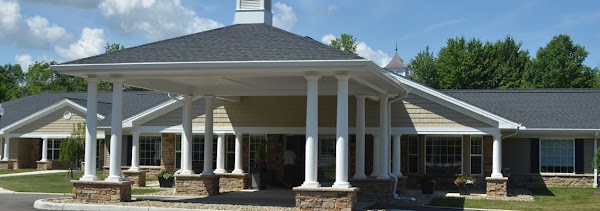
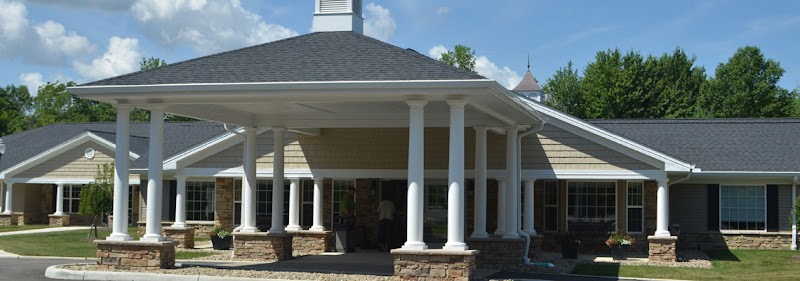
37845 COLORADO AVENUE, AVON, OH 44011 (440) 695-1400
For profit - Corporation 74 Beds FOUNDATIONS HEALTH SOLUTIONS Data: November 2025
Trust Grade
75/100
#203 of 913 in OH
Last Inspection: August 2023

Over 2 years since last inspection. Current conditions may differ from available data.

Overview

Woods on French Creek Nursing & Rehab Center has received a Trust Grade of B, which indicates it is a good facility, solid but not exceptional. It ranks #203 out of 913 nursing homes in Ohio, placing it in the top half of state facilities, and #7 of 20 in Lorain County, meaning only a few local options are better. The facility is improving, having reduced the number of issues from four in 2023 to one in 2025. However, its staffing rating is below average at 2 out of 5 stars, with a turnover rate of 54%, which is close to the state average. On a positive note, the facility has good RN coverage, exceeding 94% of Ohio facilities, and has not incurred any fines, suggesting compliance with regulations. Some concerns include a serious incident where a resident suffered a foot fracture during a transfer due to improper assistance, and there have been issues with scheduling community outings and monitoring residents at risk for weight loss. Overall, while Woods on French Creek has strengths in RN coverage and a lack of fines, families should be aware of staffing challenges and specific incidents that have raised concerns.

Trust Score
B
75/100
In Ohio
#203/913
Top 22%
Safety Record
Moderate
Needs review
Inspections
Getting Better
4 → 1 violations
Staff Stability
⚠ Watch
54% turnover. Above average. Higher turnover means staff may not know residents' routines.
Penalties
✓ Good
No fines on record. Clean compliance history, better than most Ohio facilities.
Skilled Nurses
✓ Good
Each resident gets 51 minutes of Registered Nurse (RN) attention daily — more than average for Ohio. RNs are trained to catch health problems early.
Violations
⚠ Watch
23 deficiencies on record. Higher than average. Multiple issues found across inspections.
★★★★★
5.0
Overall Rating
★★☆☆☆
2.0
Staff Levels
★★★★★
5.0
Care Quality
★★★★☆
4.0
Inspection Score
Stable
2023: 4 issues
2025: 1 issues

The Good

  • 5-Star Quality Measures · Strong clinical quality outcomes
  • Full Sprinkler Coverage · Fire safety systems throughout facility
  • No fines on record

Facility shows strength in quality measures, fire safety.

The Bad

Staff Turnover: 54%

Near Ohio avg (46%)

Higher turnover may affect care consistency

Chain: FOUNDATIONS HEALTH SOLUTIONS

Part of a multi-facility chain

Ask about local staffing decisions and management

The Ugly 23 deficiencies on record

1 actual harm
Mar 2025 1 deficiency 1 Harm
SERIOUS (G) 📢 Someone Reported This

A family member, employee, or ombudsman was alarmed enough to file a formal complaint

Actual Harm - a resident was hurt due to facility failures

Accident Prevention (Tag F0689)

A resident was harmed · This affected 1 resident

**NOTE- TERMS IN BRACKETS HAVE BEEN EDITED TO PROTECT CONFIDENTIALITY** THE FOLLOWING DEFICIENCY REPRESENTS AN INCIDENT OF PAST NON-COMPLIANCE THAT WAS SUBSEQUENTLY CORRECTED PRIOR TO THIS SURVEY. Bas...

Read full inspector narrative →
**NOTE- TERMS IN BRACKETS HAVE BEEN EDITED TO PROTECT CONFIDENTIALITY** THE FOLLOWING DEFICIENCY REPRESENTS AN INCIDENT OF PAST NON-COMPLIANCE THAT WAS SUBSEQUENTLY CORRECTED PRIOR TO THIS SURVEY. Based on medical record review, resident and staff interview, review of x-ray images, review of orthopedic records, review of therapy notes, review of physician notes, and review of facility corrective action, the facility failed to ensure residents who required assistance with transfers were safely transported in their wheelchair to prevent injury. Actual harm occurred to Resident #10 when a dental provider staff member was transporting the resident in his wheelchair and pushed the resident's right foot into a door frame which resulted in excruciating pain and a subsequent distal posterior tibial fracture to the right foot. Resident #10 required orthopedic follow-up appointments, was required to wear a protective boot, and was non-weight bearing to the right foot until the fracture healed. This deficient practice affected one (#10) of three residents reviewed for accidents. The facility census was 70. Findings include: Review of Resident #10's medical record revealed an initial admission date of 02/27/19. Diagnoses included type II diabetes mellitus, congestive heart failure, chronic kidney disease, and anxiety. Review of the most recent quarterly Minimum Data Set assessment dated [DATE] revealed Resident #10 was cognitively intact. The resident utilized a wheelchair and was dependent on staff for mobility. Review of the physical therapy notes dated 06/26/24 revealed Resident #10 was being wheeled into the therapy gym by a dental assistant and the dental assistant ran the resident's right leg rest into the doorframe with the resident indicating he was in severe pain, and he felt like his foot was broken. The resident also stated it felt like when he previously broke the foot on the opposite leg. Nursing was notified and an order to obtain an x-ray was given. Review of the health status progress notes dated 06/26/24 and timed 11:42 A.M. revealed Resident #10 stated the dental assistant ran his right foot into the wall on the way to therapy. The resident was yelling out that the foot was broken. There was no redness, swelling, or warmth noted to the resident's right foot. The physician was notified and ordered an x-ray of the resident's right foot. Review of Resident #10's x-ray results dated 06/26/24 revealed images were taken due to pain and trauma. Further review of the x-ray results revealed an acute distal posterior fibial fracture and mild soft tissue swelling. An x-ray of the right foot also identified a questionable fourth proximal phalanx fracture. A new order was given to consult with orthopedic care. Review of the orthopedic notes dated 06/27/24 revealed Resident #10 was seen for acute right ankle pain, ankle injury, and a closed fracture of the right ankle. The resident was instructed to wear a boot at all times and to remain non-weight bearing at all times. Review of the physician notes dated 07/15/24 revealed Resident #10 had been seen by dental and then his leg was jammed up and ended up having a fracture. The plan for care included as-need pain medication and follow-up with orthopedics. Interview on 03/26/25 at 10:24 A.M. with Resident #10 revealed, on 06/26/24, the resident saw a dentist in an examination room located in the facility. When the resident finished speaking with the dentist, the dental assistant offered to push him to therapy. While pushing the resident, the dental assistant turned her head to say something to another person and ran Resident #10's right foot into the doorframe of the therapy room. Resident #10 stated to the dental assistant that she broke his foot, the dental assistant tried to deny it was broken and then left the resident. Resident #10 stated he had excruciating pain once going back to his room and, ultimately, found out he had broken his right foot. Resident #10 reported having a walking-cast and being non-weight bearing until cleared by a physician. Resident #10 reported after many orthopedic appointments he was cleared to begin putting weight on his foot again. Interview on 03/26/25 at 11:44 A.M. with Registered Nurse (RN) #238 revealed she was working on the day Resident #10's foot was fractured. RN #238 stated a dental assistant had been pushing the resident from the examination room to the therapy room and jammed the resident's foot in the door. RN #238 stated Resident #10 reported excruciating pain, and x-rays were ordered which showed a fractured right foot. Interview on 03/27/25 at 8:43 A.M. with Physical Therapy Assistant (PTA) #382 revealed PTA #382 was scheduled to see Resident #10 on the date of the aforementioned incident (06/26/24). PTA #382 reported the resident had been in the examination room seeing the dentist. Afterwards, the dental assistant was pushing the resident and when she brought him around the corner, PTA #382 heard a thud and Resident #10 said, Ow, and was cursing and saying the dental assistant broke his foot. PTA #382 informed nursing and did not have the resident stand on the foot in case he did have a fracture. PTA #382 stated the resident ended up having a fracture from the incident, so therapy was limited after that due to the resident's non-weight bearing status. Interview on 03/27/25 at 3:04 P.M. with RN #349 revealed he helped with transporting residents to and from dental appointments on a regular basis. RN #349 reported it was common knowledge among staff that vendors were not to be transporting residents to and from appointments. As a result of the incident, the facility implemented the following corrective actions to correct the deficient practice by 06/27/24: • On 06/26/24, Resident #10 was immediately assessed and the provider was updated by the Director of Nursing (DON). • On 06/26/24, all residents seen by the dentist were interviewed and/or assessed by the facility Administrator and the DON to identify any concerns. No concerns were identified. • On 06/26/24, all residents who were seen by the dentist were reviewed by the Administrator and the DON to determine if any special accommodation was needed for dental visits. • On 06/26/24, Licensed Social Worker (LSW) #844 was educated by the Administrator that dental staff were to ask facility staff to assist with transporting residents to and from dental visits. • On 06/26/24, an ad hoc Quality Assessment and Assurance (QAA) Committee meeting was held with the Administrator and the DON to review the incident investigation, internal action plan, and audit plan. • On 06/27/24, dental staff were educated by the DON to ask facility staff to assist with transporting residents to and from dental visits. • On 06/27/24, all nursing staff members were educated by the Administrator that dental staff were to ask facility staff to assist in transporting residents to and from dental visits. • On 06/27/24, the Administrator initiated audits to observe dental visits to ensure dental staff were asking facility staff to assist with transporting residents to and from dental visits. Negative findings would be addressed immediately with reeducation provided and reported to the QAA Committee for review. • The Administrator observed the next two dental visits on 08/21/24 and 01/31/25 with no concerns identified related to dental staff transporting residents. • Interviews on 03/27/25 between 2:50 P.M. and 3:24 P.M. with LSW #844 and Certified Nurse Aide (CNA) #498 verified they were provided education regarding transportation of residents to and from dental visits. Staff interviewed possessed appropriate knowledge of the education provided by the facility. This deficiency represents non-compliance investigated under Complaint Number OH00162109.
Aug 2023 4 deficiencies
CONCERN (D)

Potential for Harm - no one hurt, but risky conditions existed

Deficiency F0692 (Tag F0692)

Could have caused harm · This affected 1 resident

**NOTE- TERMS IN BRACKETS HAVE BEEN EDITED TO PROTECT CONFIDENTIALITY** Based on observation, resident interview, resident representative interview, staff interview, and medical record review, the fac...

Read full inspector narrative →
**NOTE- TERMS IN BRACKETS HAVE BEEN EDITED TO PROTECT CONFIDENTIALITY** Based on observation, resident interview, resident representative interview, staff interview, and medical record review, the facility failed to implement and assess for appropriate interventions for a resident at risk for weight loss. This affected one (#2) of two residents reviewed for nutrition. The facility census was 69. Findings include: Review of the medical record for Resident #2 revealed an admission date of 11/15/19. Diagnoses included dementia, rheumatoid arthritis, hypertensive heart disease, chronic pain syndrome, and anemia. Review of a quarterly Minimum Data Set (MDS) assessment dated [DATE] revealed Resident #2 was independent with set up for eating and had no significant weight changes. Review of a plan of care dated 10/06/22 revealed Resident #2 was at risk for alteration in nutrition status related to dementia, use of diuretics, decreased mobility, advanced age, and overall decline. Interventions included assistance with meals as needed, two handled cup with lid and straw for drinks, encourage the resident to dine in the dining room, offer meal substitutes when foods are refused, built-up utensils for all meals, and refer to dietitian or therapy as needed. Review of physician's orders revealed Resident #2 was ordered a no added salt diet with regular texture and thin consistency liquids, a two handled cup with lid and straw in drinks, and built-up utensils for all meals. There were no orders for nutritional supplements or snacks. Resident #2 had an order dated 03/15/23 for the diuretic furosemide 20 milligrams by mouth once per day every Wednesday and Friday. Review of documented weights for Resident #2 revealed on 08/04/22 a weight of 170.5 pounds, on 02/03/23 a weight of 158.2 pounds, on 07/02/23 a weight of 165.8 pounds, and on 08/12/23 a weight of 155.5 pounds. Resident #2 had 6.21 percent (%) weight loss in one month. Review of a nutrition risk tool dated 06/20/23 revealed Resident #2 was assessed at moderate risk for nutritional decline. Review of a nutrition assessment dated [DATE] revealed Resident #2 was on a no added salt diet and required two handled cups with lids and straw. There was no note of snacks or nutritional supplements being provided. Resident #2 was documented to eat between 75 % and 100 % of meals. Resident #2's weight was noted to be overall stable with no significant weight change. Resident #2 was noted to have a history of fluid shifts with edema and use of diuretics. There were no indications Resident #2 was assessed for sleeping during meals. There were no changes made to the nutritional plan of care. Review of a physician progress note dated 06/25/23 revealed Resident #2 was seen for a check up on dementia, hypertension, and congestive heart failure. There were no acute symptoms noted during the exam. Medications were reviewed with no new orders. There was no indication Resident #2 was assessed for sleeping during meals. Review of a therapy screen for skilled services assessment dated [DATE] revealed Resident #2 was assessed at baseline and required no therapy services. Review of a nurse practitioner (NP) progress note dated 08/07/23 revealed Resident #2 was assessed for increased itching. The NP noted Resident #2 had stable weights and made no changes to the congestive heart failure plan of care. There was no indication Resident #2 was assessed for sleeping during meals. Review of progress notes from June 2023 through August 2023 revealed no indication of fluid shifts related to edema that may be attributing to weight changes, and revealed no indication Resident #2 was assessed for sleeping during meals. Observation on 08/14/23 at 8:59 A.M. revealed Resident #2 was sitting in a recliner chair in her room with a breakfast meal on tray table in front of her. Observation on 08/14/23 at 10:03 A.M. revealed Resident #2 continued to be sitting in a recliner chair in her room. Resident #2 continued to attempt to feed herself the breakfast meal. Further observation of the tray table revealed a breakfast tray that included two pieces of toast, beverages in two handled cups with lid and straw, and an open yogurt container. On the floor in front of Resident #2 was a spoon and fork. Resident #2 was attempting to put jelly on the toast. Interview with Resident #2 at time of observation revealed she was struggling to get jelly on toast. Resident #2 reported sometimes the staff will help her with meals. Observation on 08/15/23 at 10:14 A.M. revealed Resident #2 was in bed with a breakfast tray in front of her on the tray table. Resident #2 was noted to be sleeping and ate less than half of the breakfast tray. Observation on 08/15/23 at 12:14 P.M. revealed Resident #2 was seen in the dining room sleeping at the table. The lunch meal was delivered to Resident #2 at 12:18 P.M. Resident #2 was noted to continue to sleep at table. Resident #2 was awakened by staff several times from 12:14 P.M. to 12:52 P.M.; however, continued to fall asleep. Resident #2 did not eat the lunch meal; however, did eat dessert when it was placed in front of her. At 12:52 P.M., Registered Nurse (RN) #875 brought Resident #2 back to her room. Observation on 08/15/23 at 12:59 P.M. revealed Resident #2 was sitting in her wheelchair in her room, and on the tray table in front of her was a sandwich cut in half. Resident #2 was observed to fall asleep between bites of sandwich. Interview on 08/15/23 at 2:26 P.M. with RN #875 confirmed Resident #2 slept through the lunch meal, and indicated it was common for Resident #2 to sleep during meals or between bites. Observation on 08/15/23 at 2:33 P.M. revealed Resident #2 continued to sit in her wheelchair in her room, continued sleeping, and on the tray table in front of her was half of a sandwich. Observation on 08/16/23 at 8:09 A.M. revealed Resident #2's breakfast was delivered. Observation on 08/16/23 at 8:38 A.M. revealed Resident #2 was sleeping in a recliner chair with her breakfast sitting in front of her on the tray table. Resident #2 had a two handled cup with a lid and straw. Resident #2's breakfast was untouched. Observation on 08/16/23 at 8:49 A.M. revealed State Tested Nurse Aide (STNA) #864 was collecting breakfast trays and entered Resident #2's room. STNA #864 indicated Resident #2 did not eat anything yet and encouraged her to eat. Interview on 08/16/23 at 8:50 A.M. with STNA #864 confirmed Resident #2 slept through the breakfast meal and had not eaten. STNA #864 indicated she attempted to wake Resident #2 up three times already for breakfast. STNA #864 indicated Resident #2 does not use silverware appropriately and typically plays with the silverware or pushes stuff around on the tray with silverware. An interview was attempted on 08/16/23 at 8:53 A.M. with Resident #2; however, Resident #2 was still sleeping. Resident #2 briefly opened her eyes and did not respond to questions. Resident #2 was up in a reclining chair with untouched breakfast in front of her. Observation on 08/16/23 at 8:58 A.M. revealed Resident #2 fell back asleep and had not eaten any items on her tray. Interview on 08/16/23 at 9:06 A.M. with the Director of Nursing (DON) stated Resident #2 had general decline and was likely appropriate for hospice services. The DON indicated Resident #2 was not on any sedative medications that would cause sleeping during meals. Observation on 08/16/23 at 9:11 A.M. with Dietary #911 stated Resident #2's breakfast tray was collected and was untouched. Resident #2's meal intake was confirmed with Dietary #911. Dietary #911 indicated Resident #2 usually liked sweet foods and coffee; however, did not eat the donut or drink coffee on the tray. Interview on 08/16/23 at 9:12 A.M. with Licensed Practical Nurse (LPN) Unit Manager #912 and the DON confirmed Resident #2 was not on any sedative medications and confirmed Resident #2 lost 10.3 pounds in last month per the electronic medical record (EMR). LPN Unit Manager #912 and DON were unable to report if Resident #2 was assessed for sleeping during meals. Interview on 08/16/23 at 9:29 A.M. with Registered Dietitian (RD) #913 confirmed Resident #2 had no orders for nutritional supplements or snacks between meals, and was unaware Resident #2 was sleeping through meals. RD #913 indicated Resident #2's weight loss was not significant (significant weight loss was identified as greater than five percent loss in one month) and confirmed weight change had not yet been assessed. Observation on 08/16/23 at 11:48 A.M. with LPN Unit Manager #912 revealed Resident #2 was on scale in shower room, and Resident #2 was sitting in a wheelchair. The scale indicated the weight was 217.0 pounds and the tag on Resident #2's wheelchair indicated it weighed 59.6 pounds. Resident #2's updated weight was 157.4 pounds and indicated a significant weight loss of 5.06 % over one month. Interview on 08/16/23 at 1:44 P.M. with RN #878 stated Resident #2 ate meals in both the dining room and her room. RN #878 indicated Resident #2 was known to fall asleep during meals. RN #878 confirmed Resident #2 did not have order for snacks or nutritional supplements in the case she did not eat a meal. Interview on 08/16/23 at 4:54 P.M. with Resident #2's daughter stated her mother had declined mentally and she was unaware if Resident #2 slept through meals. Resident #2's daughter indicated, to her knowledge, Resident #2 did not require assistance during meals. Resident #2 indicated it was common for Resident #2 to fall asleep during visits. Review of a facility policy titled, Weight Policy, dated 07/01/04, revealed residents experiencing weight changes would have appropriate measures taken to ensure resident maintains nutritional status. The policy identified significant weight changes were five percent change in 30 days. Interventions could include feeding programs, finger foods, therapy screening, and dietary supplements.
CONCERN (D)

Potential for Harm - no one hurt, but risky conditions existed

Unnecessary Medications (Tag F0759)

Could have caused harm · This affected 1 resident

Based on observation, staff interview, medical record review, review of a facility policy, the facility failed to administer medications as ordered. There were three medication errors observed out of ...

Read full inspector narrative →
Based on observation, staff interview, medical record review, review of a facility policy, the facility failed to administer medications as ordered. There were three medication errors observed out of 27 opportunities for a medication error rate of 11.1 percent (%). This affected two (#46 and #14) of four residents observed for medication administration. The census was 69. Findings include: 1. Observation of medication administration by Registered Nurse (RN) #878 for Resident #46 on 08/16/23 at 8:21 A.M. revealed one of the medications administered was a stool softener Senna 8.6 milligrams (mg) by mouth. RN #878 did not administer Resident #46 a Senna-docusate sodium combination pill during the procedure. Review of Resident #46's medical record, following administration of medication on 08/16/23, revealed there was no active order for Senna 8.6 mg. There was an active order dated 03/10/23 for a Senna-docusate sodium combination pill with a dosage of 8.6-50 mg to be given twice daily for constipation at 9:00 A.M. and 9:00 P.M. Interview with RN #878 on 08/16/23 at 9:44 A.M. verified the incorrect medication was administered to Resident #46, and stated she made the mistake because orders for the combination pill were usually written as Senna-Plus. 2. Observation of medication administration by RN #878 for Resident #14 on 08/16/23 at 8:32 A.M. revealed one of the medications administered was Senna 8.6 mg. No Senna-docusate sodium combination pill was given during the procedure. Additionally, RN #878 removed five pills of the anti-inflammatory medication dexamethasone two (2) mg, and split one of the five pills in half, and discarded the other half to create a total dose of nine (9) mg. The medications were then placed in a medication cup to be crushed. RN #878 confirmed Resident #14's physician order called for two and one-half tablets of dexamethasone four (4) mg to be given, so the pill was split to make the correct dose. When RN #878 announced she was ready to crush the pills, the surveyor intervened to verify two and one-half tablets of dexamethasone 4 mg would create a total dose of 10 mg, not 9 mg which was what RN #878 had ready for administration. Review of Resident #14's physician orders at that time revealed Resident #14's total dose of dexamethasone was to equal 10 mg. RN #878 then prepared the correct dosage and administered it to the resident. Review of Resident #14's medical record revealed an order dated 03/15/23 for two and one-half tablets of dexamethasone 4 mg creating a total dose of 10 mg to be given daily on Wednesdays and Thursdays at 8:00 A.M Further review of Resident #14's physician orders revealed no active order for Senna 8.6 mg. There was an active order dated 03/13/23 for a Senna-docusate sodium combination pill with a dosage of 8.6-50 mg to be given twice daily for constipation at 8:00 A.M. and 8:00 P.M. Interview with RN #878 on 08/16/23 at 9:44 A.M. confirmed the active order for Resident #14's dexamethasone for two and one-half 4 mg tablets, and confirmed there was no order for Resident #14 to receive Senna 8.6 mg. RN #878 stated she made the mistake because orders for the Senna-docusate sodium combination pill were usually written as Senna-Plus. Review of the medication administration policy, dated 06/21/2017, revealed the medication name, strength, and quantity was to be verified for each medication before giving it to the resident.
CONCERN (D)

Potential for Harm - no one hurt, but risky conditions existed

Deficiency F0761 (Tag F0761)

Could have caused harm · This affected 1 resident

**NOTE- TERMS IN BRACKETS HAVE BEEN EDITED TO PROTECT CONFIDENTIALITY** Based on observation, staff and resident interviews, medical record review, and review of a facility policy, the facility failed...

Read full inspector narrative →
**NOTE- TERMS IN BRACKETS HAVE BEEN EDITED TO PROTECT CONFIDENTIALITY** Based on observation, staff and resident interviews, medical record review, and review of a facility policy, the facility failed to ensure resident medications were maintained in a safe and secure manner. This affected one (#39) of one residents reviewed for medication storage. The facility census was 69. Findings include: Review of the medical record for Resident #39 revealed an admission date of 02/28/23. Diagnoses included unilateral primary osteoarthritis of the right hip, unspecified pulmonary hypertension, and primary generalized arthritis. Review of a Minimum Data Set (MDS) assessment dated [DATE] revealed Resident #39 was alert and oriented to person, place, and time and was extensive assist for activities of daily living (ADLs). Review of Resident #23's August 2023 monthly physician orders revealed orders for the diuretic torsemide oral tablet 20 milligrams (mg), the blood pressure medication hydralazine oral tablet 50 mg, the antiemetic medication ondansetron oral tablet four (4) mg, the supplement vitamin D3 oral tablet, the pain medication aspirin 81 mg chewable oral tablet, the antihypertensive medication doxazosin mesylate two (2) mg oral tablet, the supplement potassium chloride extended-release tablet extended release 20 milliequivalents (mEq), the blood pressure medication carvedilol 3.125 mg oral tablet, the stool softener polyethylene glycol 17 gram powder, and the medication for heart failure isosorbide dinitrate 30 mg oral tablet. There were no orders to keep medications at Resident #39's bedside. Observation on 08/14/23 at 8:55 A.M. with Resident #39 revealed the resident had a white tissue on her bed with medication on to of it. Interview with Resident #39 at that time stated she had six to eight pills, but declined allowing the surveyor to count them. Resident #39 declined to name the pills after grabbing the tissue and closing her fist. Interview and observation on 08/14/23 at 8:58 A.M. with State Tested Nurse Aide (STNA) #897 confirmed Resident #39's pills were left at bedside and were wrapped up in tissue in her closed fist. Interview on 08/14/23 at 8:59 A.M. with Resident #39 stated she held on to her pills and took them after breakfast. Interview on 08/14/23 at 9:05 A.M. with Licensed Practical Nurse (LPN) #831 confirmed Resident #39 pills were left in her room. LPN #831 stated Resident #39 liked to take her pills after breakfast with her apple sauce or orange juice. Follow-up interview on 08/14/23 at 10:00 A.M. with LPN #831 stated she provided Resident #39 with torsemide 20 mg oral tablet, hydralazine 50 mg oral tablet, vitamin D3 oral tablet, aspirin 81 mg chewable oral tablet, potassium chloride 20 mEq extended-release oral tablet, carvedilol 3.125 mg oral tablet, polyethylene glycol 17 grams powder, and isosorbide dinitrate 30 mg oral tablet. Review of the facility policy titled, Medication Administration, dated 06/21/17, revealed medications would be administered by legally authorized and trained persons in accordance to applicable state, local, and federal laws and consistent with accepted standards of practice. Review of the document revealed that tablets and capsules would be poured into the medication cup while remaining with resident while medication is swallowed. Review of the document also revealed to never leave a medication in a resident room without orders to do so, and to proceed to the next resident after all medications had been administered and documented. Review of the document revealed the facility did not implement the policy.
CONCERN (D)

Potential for Harm - no one hurt, but risky conditions existed

Deficiency F0810 (Tag F0810)

Could have caused harm · This affected 1 resident

**NOTE- TERMS IN BRACKETS HAVE BEEN EDITED TO PROTECT CONFIDENTIALITY** Based on observation, resident interview, staff interview, medical record review, and review of a meal ticket, the facility fail...

Read full inspector narrative →
**NOTE- TERMS IN BRACKETS HAVE BEEN EDITED TO PROTECT CONFIDENTIALITY** Based on observation, resident interview, staff interview, medical record review, and review of a meal ticket, the facility failed to provide adaptive eating utensils as ordered and care planned. This affected one (#2) of two residents reviewed for nutrition. The facility census was 69. Findings include: Review of the medical record for Resident #2 revealed an admission date of 11/15/19. Diagnoses included dementia, rheumatoid arthritis, hypertensive heart disease, chronic pain syndrome, and anemia. Review of a quarterly Minimum Data Set (MDS) assessment dated [DATE] revealed Resident #2 was independent with set up for eating. Review of a plan of care dated 10/06/22 revealed Resident #2 was at risk for alteration in nutrition status related to dementia, use of diuretics, decreased mobility, advanced age, and overall decline. Interventions included assistance with meals as needed, two handled cup with lid and straw for drinks, encourage the resident to dine in the dining room, offer meal substitutes when foods are refused, built-up utensils for all meals, and refer to dietitian or therapy as needed. Review of physician's orders revealed Resident #2 was ordered a no added salt diet with regular texture and thin consistency liquids, a two handled cup with lid and straw in drinks, and built-up eating utensils for all meals. Observation on 08/14/23 at 8:59 A.M. revealed Resident #2 was sitting in a recliner chair in her room with a breakfast meal on tray table in front of her. Observation on 08/14/23 at 10:03 A.M. revealed Resident #2 continued to be sitting in a recliner chair in her room. Resident #2 continued to attempt feed herself the breakfast meal. Further observation of the tray table revealed a breakfast tray that included two pieces of toast, beverages in two handled cups with lid and straw, and an open yogurt container. On the floor in front of Resident #2 was a spoon and fork. There were no noted built-up eating utensils in the room. Resident #2 was attempting to put jelly on the toast. Interview with Resident #2 at time of observation revealed she was struggling to get jelly on toast. Resident #2 reported sometimes the staff will help her with meals. Observation on 08/16/23 at 8:09 A.M. revealed Resident #2's breakfast was delivered. Observation on 08/16/23 at 8:38 A.M. revealed Resident #2 was sleeping in a recliner chair with her breakfast sitting in front of her on the tray table. Resident #2 had a two handled cup with a lid and straw, but no built-up eating utensils. Resident #2's breakfast was untouched. Observation on 08/16/23 at 8:49 A.M. revealed State Tested Nurse Aide (STNA) #864 was collecting breakfast trays and entered Resident #2's room. STNA #864 indicated Resident #2 did not eat anything yet and encouraged her to eat. Interview on 08/16/23 at 8:50 A.M. with STNA #864 confirmed Resident #2 slept through the breakfast meal and had not eaten. STNA #864 confirmed there were no built-up eating utensils on Resident #2's meal tray. STNA #864 indicated she attempted to wake Resident #2 up three times already for breakfast. STNA #864 indicated Resident #2 does not use silverware appropriately and typically plays with the silverware or pushes stuff around on the tray with silverware. Review of Resident #2's paper meal ticket dated 08/16/23 for breakfast meal revealed documentation for built-up eating utensils. Interview on 08/16/23 at 9:12 A.M. with Licensed Practical Nurse (LPN) Unit Manager #912 and the DON confirmed Resident #2 did not have built-up utensils on her meal ticket and there was a physician order in electronic medical record (EMR) for adaptive equipment. Interview on 08/16/23 at 9:29 A.M. with Registered Dietitian (RD) #913 confirmed there was an order in Resident #2's EMR for built-up silverware that was not on the meal tray ticket. Interview on 08/17/23 at 2:10 P.M. with the Administrator stated the order for Resident #2 to have built-up eating utensils did not show up on an order report and was missed during an adaptive equipment audit. The Administrator stated the therapy department indicated the order was likely made in error. The Administrator was unaware why the order was in place from 2019 to 2023 if the order was not needed.
Feb 2020 8 deficiencies
CONCERN (D)

Potential for Harm - no one hurt, but risky conditions existed

Deficiency F0558 (Tag F0558)

Could have caused harm · This affected 1 resident

**NOTE- TERMS IN BRACKETS HAVE BEEN EDITED TO PROTECT CONFIDENTIALITY** 3. Review of the medical record for Resident #58 revealed an admission date of 10/29/15. Diagnoses included gastro-esophageal re...

Read full inspector narrative →
**NOTE- TERMS IN BRACKETS HAVE BEEN EDITED TO PROTECT CONFIDENTIALITY** 3. Review of the medical record for Resident #58 revealed an admission date of 10/29/15. Diagnoses included gastro-esophageal reflux disease, hypothyroidism, dementia without behaviors and hypertension. Review of the quarterly Minimum Data Set (MDS) assessment, dated 01/14/20, revealed the resident had impaired cognition. The resident was extensive assistance of one for bed mobility, transfers, and ambulation. Observation on 02/18/20 at 10:23 A.M., of Resident #58 sitting in wheelchair in her/his room with the call light laying across the top of bed and not in reach. Interview on 02/20/20 at 12:21 P.M. with the Director of Nursing (DON) revealed all staff should ensure the resident's call lights were in reach. The DON confirmed Resident #25, #58 and #273 call lights should be within reach. Based on observation, medical record review and staff and resident interview, the facility failed to accommodate residents needs by ensuring call lights were within reach and accessible for Resident #25, #58 and #273. This affected three (#25, #58 and #273) of 48 residents reviewed for call light placement. Facility census was 68. Findings include: 1. Record review revealed Resident #273 was admitted to the facility on [DATE] with diagnoses that included but not limited to fracture of lower end of left radius, unsteadiness on feet, and atrial fibrillation. Review of the admission Minimum Data Set (MDS) 3.0 assessment dated [DATE] revealed Resident #273 was moderately cognitively impaired and required extensive assistance of activities of daily living. Review of the care plan falls dated 02/12/20 revealed that call light should be within reach. Observation of Resident #273 on 02/18/20 at 9:36 A.M. revealed Resident #273 was sitting in a recliner with her legs elevated. When this surveyor asked Resident #273 if she uses the call light, Resident #273 stated that she was told to use the call light when she wants to get up, so she doesn't fall. The call light was wrapped around the side rail of the bed located the furthest from the resident. The Administrator on 02/18/20 at 9:37 A.M. verified the call light was not within reach of Resident #273. 2. Medical record review revealed Resident #25 had an admission date of 06/19/19. Diagnoses included chronic obstructive pulmonary disease, diabetes mellitus type two, dementia and chronic pain. Review of the quarterly Minimum Data Set (MDS) assessment dated [DATE] revealed Resident #25 had intact cognition. Observation on 02/18/20 at 10:07 A.M. revealed Resident #25 was sitting in his recliner on the right side of the bed. Further observation revealed Resident #25's call light was attached to the left side of the bed and not within the resident's reach. Interview on 02/18/20 at 10:07 A.M. with Licensed Practical Nurse (LPN) #47 verified Resident #25's call light was not within reach. LPN #47 stated Resident #25 required staff assistance for transfers.
CONCERN (D)

Potential for Harm - no one hurt, but risky conditions existed

Deficiency F0676 (Tag F0676)

Could have caused harm · This affected 1 resident

**NOTE- TERMS IN BRACKETS HAVE BEEN EDITED TO PROTECT CONFIDENTIALITY** Based on medical record review, observation, staff and resident interview and policy review, the facility failed to ensure resid...

Read full inspector narrative →
**NOTE- TERMS IN BRACKETS HAVE BEEN EDITED TO PROTECT CONFIDENTIALITY** Based on medical record review, observation, staff and resident interview and policy review, the facility failed to ensure resident nail care was provided. This affected one (#25) of three residents reviewed for activities of daily living. The facility census was 68. Findings include: Medical record review revealed Resident #25 had an admission date of 06/19/19. Diagnoses included chronic obstructive pulmonary disease, diabetes mellitus type two, dementia and chronic pain. Review of the quarterly Minimum Data Set (MDS) assessment dated [DATE] revealed Resident #25 had intact cognition. Further review of the MDS assessment revealed the resident required limited assistance from one staff member for personal hygiene. Review of the nurses progress notes dated 01/01/20 through 02/19/20 revealed no documentation the resident had refused nail care. Observation on 02/18/20 at 9:56 A.M. revealed Resident #25's fingernails were long with dark debris underneath the nails. Interview on 02/18/20 at 9:56 A.M. with Resident #25 revealed he wanted his fingernails trimmed. Resident #25 revealed staff had not cut his fingernails in a few weeks. Observation on 02/19/20 at 12:45 P.M. revealed Resident #25's nails remained long and untrimmed. Interview on 02/19/20 at 12:47 P.M. with Licensed Practical Nurse (LPN) #47 verified the resident's fingernails had not been trimmed. Interview on 02/19/20 at 3:18 P.M. with the Director of Nursing (DON) revealed the facility had no policy regarding nail care. The DON revealed resident nails should be trimmed on shower days and as needed.
CONCERN (D)

Potential for Harm - no one hurt, but risky conditions existed

Deficiency F0685 (Tag F0685)

Could have caused harm · This affected 1 resident

**NOTE- TERMS IN BRACKETS HAVE BEEN EDITED TO PROTECT CONFIDENTIALITY** Based on medical record review and resident and staff interviews, the facility failed to provide services to maintain a resident...

Read full inspector narrative →
**NOTE- TERMS IN BRACKETS HAVE BEEN EDITED TO PROTECT CONFIDENTIALITY** Based on medical record review and resident and staff interviews, the facility failed to provide services to maintain a resident's hearing. This affected one (#37 out of 19 residents sampled for hearing. The facility census was 68. Findings include: Review of Resident #37's medical record identified admission to the facility occurred on 12/26/17. Resident #37 had a medical diagnosis including: Lumbago with sciatica, scoliosis and major depression. The annual Minimum Data Set (MDS) assessment dated [DATE] identified Resident #37 was completely cognitively intact, with a Brief Interview for Mental Status (BIMS) score of 15 out of 15. Review of an Audiology visit 09/05/19 identified Resident #37 was alert and oriented time three (person, place and time) was evaluated with an otoscope (device to view ear canal) which identified impacted cerumen (wax) in both ears. The visit report identified hearing tests were not preformed this visit, due to wax in the left ear. Right ear was identified partially blocked. The notes identified refer to Nurse Practitioner (NP) for removal, test post cerumen removed. Review of Resident #37's medication administration record (MAR) identified from 09/22/19 through 09/29/19 Resident #37 was receiving Debrox (ear wax softening) solution. The records identified no evidence and or follow up if the wax removal occurred. Review of Resident #37's progress notes from 09/05/19 through 02/18/20 identified no evidence of any follow up regarding Resident #37 ear wax and or hearing testing being completed. Interview with Resident #37 on 02/18/20 at 2:32 P.M. The interview required speaking directly into her left ear, as she identified she was very hard of hearing. Resident #37 identified she has a hard time hearing, is totally deaf in the right ear and is very hard of hearing in the left ear. Resident #37 identified several months ago someone told her she had a bunch of wax in her ears and that someone would come evaluate this and remove it. Resident #37 identified no one has ever followed up with the ear wax concerns. Interview with State Tested Nursing Assistant (STNA #91) was conducted on 02/20/20 at 8:43 A.M. STNA #91 confirmed Resident #37 is very hard of hearing and she must speak directly into her left ear to communicate with her. Interview with Licensed Practical Nurse #69 occurred on 02/2020 at 8:51 A.M. The interview confirmed there was no evidence of any follow up for Resident #37 following the Audiology visit on 09/05/19. There is no assessment to identify if the Debrox was effective and a hearing test to be completed.
CONCERN (D)

Potential for Harm - no one hurt, but risky conditions existed

Deficiency F0806 (Tag F0806)

Could have caused harm · This affected 1 resident

**NOTE- TERMS IN BRACKETS HAVE BEEN EDITED TO PROTECT CONFIDENTIALITY** Based on observation, medical record review, staff and resident interview, the facility failed to honor resident food preference...

Read full inspector narrative →
**NOTE- TERMS IN BRACKETS HAVE BEEN EDITED TO PROTECT CONFIDENTIALITY** Based on observation, medical record review, staff and resident interview, the facility failed to honor resident food preferences. This affected two (#11 and #60) of 19 sampled residents. The facility census was 68. Finding include 1. Medical record review revealed Resident #11 had an admission dated of 11/09/18. Diagnoses included chronic kidney disease, diabetes mellitus type two, Parkinson's disease, anxiety and depressive disorder. Review of the annual Minimum Data Set (MDS) assessment dated [DATE] revealed the resident had intact cognition. Review of an undated diet history and food preference sheet revealed the resident preferred cold cereal, cranberry juice and coffee. Further review revealed the resident disliked chicken breasts, chicken legs, corn, and carrots. Review of the resident's dietary meal ticket dated 02/20/20 revealed all the resident's disliked foods were not included on the dietary meal ticket. The meal ticket indicated the resident disliked bananas, potatoes and orange juice. Observation on 02/20/20 at 8:38 A.M. revealed Resident #11 had a banana and orange juice on her breakfast tray. Interview on 02/20/20 at 8:38 A.M. with Resident #11 revealed she should not have received a banana or orange juice. Resident #11 stated the facility had not been honoring her food likes and dislikes. Interview on 02/20/20 at 8:56 A.M. with the Dietary Manager (DM) #53 verified the resident had received orange juice and a banana on her meal tray. DM #53 verified the resident's meal ticket indicated orange juice and bananas were listed as dislikes on the residents meal ticket. DM #53 revealed the dietary cook and the aide should verify resident meals with the meal tickets. Interview on 02/20/20 at 10:20 A.M. with the Registered Dietician (RD) #54 verified the resident's food preference sheet was undated and most likely completed at admission. RD #54 verified there were no updated food preference sheets in the medical record. RD #54 verified the resident's likes and dislikes from the food preference sheet were not indicated on the resident's dietary meal ticket. RD #54 revealed she was newly employed with the facility, and going forward dietary preferences would be reviewed annually. Further interview with RD #54 revealed the facility had no policy regarding resident food preferences. 2. Review of Resident #60's medical record identified admission to the facility occurred on 09/13/19 with medical diagnosis include multiple sclerosis and chronic kidney disease. Review of the MDS assessment dated [DATE] identified Resident #60 had a BIMS score of 15, which identified completely cognitively intact. Review of Resident #60's nutritional written plan of care, identified honor food preferences. Review of Resident #60's nutritional assessments dated 09/16/19, 01/13/20, 02/18/20 revealed Resident #60 can not tolerate cabbage or fried foods. The assessment identified updated food preferences, however did not list what those preferences were. Interview with Resident #60 occurred on 02/18/20 at 11:33 A.M. Resident #60 was asked if she liked the food and replied the facility does not follow her likes and dislikes preferences and send her multiple items she does not like. Observation of Resident #60's meal service and meal ticket occurred on 02/19/20 at 11:53 A.M. The meal ticket was blank in the area that identified Resident #60's Food Like/Dislikes. Interview with RD #54 on 02/20/20 at 10:20 A.M. identified the facility staff utilize the meal tickets during services to provide residents food preferences. The interview confirmed she just started at the facility a month ago and confirmed Resident #60's meal ticket does not identify any of her preferences.
CONCERN (D)

Potential for Harm - no one hurt, but risky conditions existed

Deficiency F0810 (Tag F0810)

Could have caused harm · This affected 1 resident

**NOTE- TERMS IN BRACKETS HAVE BEEN EDITED TO PROTECT CONFIDENTIALITY** Based on observation, medical record review and family and staff interviews, the facility failed to ensure a resident was provid...

Read full inspector narrative →
**NOTE- TERMS IN BRACKETS HAVE BEEN EDITED TO PROTECT CONFIDENTIALITY** Based on observation, medical record review and family and staff interviews, the facility failed to ensure a resident was provided with eating equipment to maintain independence with eating. This affected one (#30) out of four residents reviewed for maintaining independence with eating. The facility census was 68. Findings include: Review of Resident #30's medical record identified admission to the facility occurred 09/25/15, following a stroked. Resident #30 had additional medical diagnosis including kidney disease, anxiety, dementia and high blood pressure. Review of the quarterly Minimum Data Set (MDS) assessment dated [DATE], identified Resident #30 was not interviewable. Review of Resident #30's nutritional assessment dated [DATE] identified he utilizes a sip cup, but there was no documentation regarding any need for bowls to maintain independence. Resident #30 requires a pureed diet with honey thick liquids. The assessment also identified Resident #30 required being fed by staff and there was no evidence the resident was actually able to feed himself. Observation of Resident #30's meal services occurred on 02/18/20 at 12:03 P.M. in the dinning room. Resident #30 was observed to be sitting in a tilt back style wheelchair. Licensed Practical Nurse (LPN) #105 was observed to place a full plate of pureed food on the table for Resident #30, turn his chair away from the table and start spoon feeding the resident. Resident #30 was observed trying to reach the table to turn his chair facing the table, multiple times. LPN #105 was observed to continue to spoon feed the resident. LPN #105 was observed to leave the table and Resident #30 was able to, pull himself around to the table, pick up the bowl and started feeding himself, without issue. Resident #30 was then able to pick up his drink sip cup, independently, and drink. LPN #105 was observed to not allow and or encourage Resident #30 to attempt to feed himself, prior to completing spoon feeding. Interview with Resident #30's family member on 02/19/20 at 12:50 P.M. identified Resident #30 is able to feed himself, most of the time, if the food he receives is placed in bowls. Resident #30 is able to manage eating from the bowl and drinking from a sip cup to maintain independence. Interview with Registered Dietician (RD #54) on 02/19/20 at 1:24 P.M. revealed she is new to the facility and determined Resident #30 has not been evaluated by Occupational therapy or herself regarding his ability to feed himself and possible interventions and assistive devices to make that happen. RD #54 confirmed Resident #30 does not have an order for separate bowls for his food items, which could allow him independence with eating. RD #54 confirmed Resident #30 does well eating independently, most of the time when he is provided a bowl with food in it.
CONCERN (D)

Potential for Harm - no one hurt, but risky conditions existed

Food Safety (Tag F0812)

Could have caused harm · This affected 1 resident

**NOTE- TERMS IN BRACKETS HAVE BEEN EDITED TO PROTECT CONFIDENTIALITY** Based on observation, staff interview and policy review, the facility failed to ensure staff wore proper hair restraints while f...

Read full inspector narrative →
**NOTE- TERMS IN BRACKETS HAVE BEEN EDITED TO PROTECT CONFIDENTIALITY** Based on observation, staff interview and policy review, the facility failed to ensure staff wore proper hair restraints while food was being plated in the servery of dining room [ROOM NUMBER]. This affected one of three serveries observed during a meal service. The facility census was 68. Findings include: Observation on 02/18/20 at 12:20 P.M., of the servery in dining room [ROOM NUMBER] revealed License Practical Nurse (LPN) #49 and State Tested Nursing Assistant (STNA) #16 were in the area of the food being plated for the lunch meal without wearing hair restraints and/or a hair net. This was verified by the Dietary Staff (DS) #31. Interview on 02/18/20 at 12:25 P.M., with the Dietary Staff (DS) #31 revealed staff are to wear hair restraints when food is being plated and states, They are wearing them now. Review of facility policy titled Infection Control-Dietary Food Handling, dated 03/2016, revealed the purpose of this procedure is to provide guidelines for the for the safe preparation, handling and storage of perishable food and proper environmental cleaning. Hairnets or caps are to be worn to effectively keep hair from contacting exposed food, clean equipment, utensils and linens.
CONCERN (D)

Potential for Harm - no one hurt, but risky conditions existed

Infection Control (Tag F0880)

Could have caused harm · This affected 1 resident

**NOTE- TERMS IN BRACKETS HAVE BEEN EDITED TO PROTECT CONFIDENTIALITY** Based on observation, medical record review, staff interviews and policy review, the facility failed to ensure nursing staff adh...

Read full inspector narrative →
**NOTE- TERMS IN BRACKETS HAVE BEEN EDITED TO PROTECT CONFIDENTIALITY** Based on observation, medical record review, staff interviews and policy review, the facility failed to ensure nursing staff adhered to infection control standards during blood glucose monitoring. This affected one (#30) of eight residents observed during medication administration. The facility census was 68. Findings include: Medical record review revealed Resident #30 had an admission date of 09/25/15. Diagnoses included Parkinson's disease, diabetes mellitus type two, chronic kidney disease, and dementia with behavioral disturbance. Review of the quarterly Minimum Data Set (MDS) assessment dated [DATE] revealed the resident had severe cognitive impairment. Review of the monthly physician orders revealed the resident was order blood glucose monitoring before meals. Observation on 02/19/20 at 6:37 A.M. revealed Registered Nurse (RN) #94 performed blood glucose testing for Resident #30 without wearing gloves. Interview on 02/19/20 at 6:37 A.M., RN #94 verified she forgot to put on gloves prior to testing the resident's blood glucose. Interview on 02/19/20 at 1:28 P.M. with the Director of Nursing (DON) revealed nursing staff should wear gloves during blood glucose testing. Review of the policy Glove Technique--Clean last revised 04/2002 revealed staff should wear clean gloves whenever they may come in contact with blood, urine, or feces. Review of the policy Testing Blood Glucose Levels, revised 04/2015 revealed staff were to wear gloves when testing blood glucose levels.
MINOR (C)

Minor Issue - procedural, no safety impact

Deficiency F0730 (Tag F0730)

Minor procedural issue · This affected most or all residents

Based on personnel file review, review of the employee handbook, review of a job description and staff interview, the facility failed to ensure performance evaluations were completed as required for S...

Read full inspector narrative →
Based on personnel file review, review of the employee handbook, review of a job description and staff interview, the facility failed to ensure performance evaluations were completed as required for State tested nursing assistants (STNAs). This affected four STNAs (#2, #19, #35, and #88) of eight STNAs whose personnel files were reviewed and had the potential to affect all 68 residents residing in the facility. Facility census was 68. Findings include: On 02/18/20 from 5:48 P.M. through 7:02 P.M. with Human Resources Director #75 revealed the following STNA files did not contain 90-day or annual performance evaluations: Review of the personnel file for STNA #2 revealed a hire date of 10/10/18. Review of the employee's personnel file revealed no annual performance evaluation had been completed for 2019. Review of the personnel file for STNA #19 revealed a hire date of 11/19/18. Review of the employee's personnel file revealed no annual performance evaluation had been completed for 2019. Review of the personnel file for STNA #35 revealed a hire date of 02/05/19. Review of the employee's personnel file revealed no annual performance evaluation had been completed. Review of the personnel file for STNA #88 revealed a hire date of 02/05/18. Review of the employee's personnel file revealed no annual performance evaluation had been completed. Review of the employee handbook revealed that performance evaluations will be completed 90 days after hire and annually. Review of the Director of Nursing's job description revealed that the responsibilities and major duties include but not limited to prepare written employee performance evaluations.
Dec 2018 10 deficiencies
CONCERN (D)

Potential for Harm - no one hurt, but risky conditions existed

Deficiency F0553 (Tag F0553)

Could have caused harm · This affected 1 resident

**NOTE- TERMS IN BRACKETS HAVE BEEN EDITED TO PROTECT CONFIDENTIALITY** Based on medical record review, resident interview, staff interview, and review of a facility policy, the facility failed to pro...

Read full inspector narrative →
**NOTE- TERMS IN BRACKETS HAVE BEEN EDITED TO PROTECT CONFIDENTIALITY** Based on medical record review, resident interview, staff interview, and review of a facility policy, the facility failed to provide residents with care planning meetings on a quarterly basis. This affected two residents (#38 and #51) of three residents reviewed for care planning meetings. The facility census was 67. Findings include: 1. Medical record review for Resident #38 revealed an admission date of 12/15/18. Diagnoses included malignant neoplasm of the breast, spinal stenosis, chronic obstructive pulmonary disease, and unspecified mood disorder. Review of the quarterly Minimum Data Set (MDS) assessment, dated 10/26/18, revealed the resident was cognitively intact. Review of Resident #38's most recent plan of care revealed care planning would be reviewed with resident and/or responsible party upon admission, quarterly, and as needed and the resident's care planning wishes would be respected. Review of a progress note, dated 02/14/17, revealed a care planning meeting was held with Resident #38, the resident's son, therapy, and the Assistant Director of Nursing. No other evidence of a care planning meeting held with the resident and/or the resident's family was found. Interview on 12/16/18 at 10:01 A.M., Resident #38 revealed she did not know what a care planning meeting was and had no memory of ever attending one. Resident #38 verified she was not offered an opportunity to attend a care planning meeting with the facilities interdisciplinary team. Interview on 12/18/18 at 10:44 A.M., Social Service Designee (SS) #325 revealed an invitation was mailed to resident's family offering a quarterly care planning meeting and a care planning meeting was held only when the family accepted the invitation to attend. SS #325 further revealed the resident were not invited to attend the care plan meeting. SS #325 verified Resident #38 was not invited to a care conference since his employment with the facility. Review of a facility policy titled, Resident/Family/Responsible Party Care Conference, dated 08/2006, revealed the purpose of a care planning meeting was to provide resident and families the opportunity to participate in the residents plan of care. 2. Medical record review revealed Resident #51 was admitted to the facility on [DATE]. Diagnoses included atrial fibrillation, dementia, hypertension, and peripheral vascular disease. Review of the quarterly Minimum Data Set (MDS) assessment, dated 11/01/18, revealed Resident #51 was cognitively intact. Review of the medical record revealed no documentation the facility reviewed the care plan with Resident #51. Further review of the medical record also revealed no documentation Resident #51 was invited to attend a care plan conference. Interview on 12/16/18 at 1:01 P.M. with Resident #51 revealed he had not been invited to a care plan conference. Resident #51 revealed he was not aware of any care plan meetings to discuss his care. Interview on 12/16/18 at 2:26 P.M. with the Administrator verified there was no documented evidence the facility had invited Resident #51 to a care plan meeting or completed care plan meetings for Resident #51. Review of the policy titled Resident/Resident Representative Care Conference, revised 05/09/18, revealed residents would be offered an initial care meeting. Also, residents would be informed of a projected schedule for quarterly care conferences for the year and that they could request a care conference at any time. Routinely letters would be sent to residents and/or resident's representatives reminding them of the availability of scheduling a care conference meeting.
CONCERN (D)

Potential for Harm - no one hurt, but risky conditions existed

Deficiency F0558 (Tag F0558)

Could have caused harm · This affected 1 resident

**NOTE- TERMS IN BRACKETS HAVE BEEN EDITED TO PROTECT CONFIDENTIALITY** 2. Medical record review revealed Resident #31 was admitted to the facility on [DATE]. Diagnoses included atrial fibrillation, s...

Read full inspector narrative →
**NOTE- TERMS IN BRACKETS HAVE BEEN EDITED TO PROTECT CONFIDENTIALITY** 2. Medical record review revealed Resident #31 was admitted to the facility on [DATE]. Diagnoses included atrial fibrillation, schizoaffective disorder, hypertension, and muscle weakness. Review of the comprehensive Minimum Data Sets (MDS) assessment, dated 10/26/18, revealed the resident's cognition was severely impaired. Observation on 12/16/18 at 8:38 A.M., revealed Resident #31 was in her bed sleeping. Further observation revealed the resident's call light was lying in a chair located opposite of the head of the resident's bed and under a blanket that was also lying in the chair. Observation and interview on 12/16/18 at 9:00 A.M., State Tested Nursing Assistant (STNA) #103 revealed all resident's call lights were to be within the resident's reach while they were in bed so they would be able to call for assistance if needed. STNA #103 verified Resident #31's call light was lying in a chair located opposite of the head of the resident's bed and under a blanket. STNA #103 verified the resident was not able to reach the call light if she needed assistance. 3. Medical record review revealed Resident #19 admitted to the facility on [DATE]. Diagnoses included cerebral infarction, hemiplegia affecting the right side, aphasia, and difficulty walking. Review of the quarterly MDS assessment dated [DATE] revealed the resident's cognition was severely impaired. Observation on 12/16/18 at 8:43 A.M., revealed Resident #19 was in his bed sleeping. Further observation revealed the resident's call light was laying on the floor under the resident's bed. Observation and interview on 12/16/18 at 9:01 A.M., STNA #103 verified Resident #19's call light was lying on the floor, under his bed. STNA #103 verified the resident was not able to reach the call light if he needed assistance. Interview on 12/17/18 at 3:55 P.M., the Director of Nursing revealed staff were supposed to ensure resident's call lights were placed with in their reach while in their beds to ensure residents would be able to ring for assistance if it was needed. Based on record review, observations and staff interviews, the facility failed to ensure resident's call lights were within reach. This affected three (#19, #31 and #45) of 67 residents observed for call light placement. The facility census was 67. Findings include 1. Medical record review revealed Resident #45 was admitted to the facility on [DATE]. Diagnoses included cerebral infarction, dementia with behavioral disturbance, hemiplegia and hemiparesis. Review of the Minimum Data Set (MDS) assessment dated [DATE] revealed Resident #45 had cognitive impairment. Observation on 12/16/18 at 1:21 P.M. revealed Resident #45 was sitting in her wheelchair in her room. Further observation revealed Resident #45's call light was clipped to her bed and not within her reach. Interview on 12/16/18 at 01:23 PM with State Tested Nursing Assistant (STNA) #103 verified Resident #45's call light was not within her reach.
CONCERN (D)

Potential for Harm - no one hurt, but risky conditions existed

Notification of Changes (Tag F0580)

Could have caused harm · This affected 1 resident

**NOTE- TERMS IN BRACKETS HAVE BEEN EDITED TO PROTECT CONFIDENTIALITY** Based on record review and resident and staff interview, the facility failed to ensure the physician was informed of a resident'...

Read full inspector narrative →
**NOTE- TERMS IN BRACKETS HAVE BEEN EDITED TO PROTECT CONFIDENTIALITY** Based on record review and resident and staff interview, the facility failed to ensure the physician was informed of a resident's continuous refusal of care. This affected one (Resident #69) of three residents reviewed for nutrition. The facility census was 67. Findings include: Record review revealed Resident #69 was re-admitted to the facility on [DATE]. Diagnoses included cerebral infarction, type two diabetes mellitus, malignant neoplasm of larynx, tracheostomy status, muscle weakness and gastrostomy status. Review of the most recent nursing assessment, dated 12/18/18, revealed Resident #69 to have no cognitive impairment, needed staff assist for bed mobility, transfers, tube feeding, toileting, dressing, and ambulation. Review of the most recent physician orders revealed Resident #69 to have a current order for nothing by mouth (NPO) diet with enteral feed order of Diabetisource 250 milliliters (ml.) gravity feedings six times per day. Review of the nutrition assessment, dated 12/07/18 revealed Resident #69 had changes in weight and noted the resident had complaints of feeling full and at times refusing enteral nutrition. The assessment also revealed the resident and Certified Nurse Practitioner (CNP) were notified of the weight change,but evidence of notification of enteral feeding refusals. Review of progress notes from 12/01/18 to 12/16/18 revealed Resident #69 refused 1:00 A.M. enteral nutrition feedings on a continued basis. There was no evidence the physician and/or CNP was notified of the refusals. Interview with Diet Tech #180 on 12/17/18 at 5:30 P.M. revealed awareness that Resident #69 would refuse tube feed and that he also had a continuous feeding tube at one time and refused that as well. Diet Tech #180 revealed Resident #69 had complained he felt full and doesn't want all feedings. Interview on 12/18/18 at 5:50 P.M. with Registered Nurse (RN) #311 verified the resident's progress notes do not show any notation regarding notification made to the physician and/or CNP regarding Resident #69's refusals of enteral nutrition feedings at 1:00 A.M. Interview on 12/19/18 at 9:30 A.M. with Resident #69 revealed the resident had reported to the nursing staff regularly that he does not want the 1:00 A.M. tube feedings and feels this feeding was too much and he feels too full. Interview on 12/19/18 at 3:08 P.M. with Administrator revealed the facility does not have a policy regarding notification to physician or change of condition.
CONCERN (D)

Potential for Harm - no one hurt, but risky conditions existed

Abuse Prevention Policies (Tag F0607)

Could have caused harm · This affected 1 resident

**NOTE- TERMS IN BRACKETS HAVE BEEN EDITED TO PROTECT CONFIDENTIALITY** Based on review of a self-reported incident (SRI), an employee statement, staff and resident interviews and review of facility p...

Read full inspector narrative →
**NOTE- TERMS IN BRACKETS HAVE BEEN EDITED TO PROTECT CONFIDENTIALITY** Based on review of a self-reported incident (SRI), an employee statement, staff and resident interviews and review of facility policy, the facility failed to follow their abuse policy requirement to immediately report an allegation of misappropriation to the State Agency. This affected one (#60) of one resident reviewed for misappropriation. The facility census was 67. Findings include Medical record review revealed Resident #60 was admitted to the facility on [DATE]. Diagnoses included cellulitis of the right lower limb, chronic kidney disease, type diabetes mellitus, kidney transplant and pancreas transplant. Review of the admission Minimum Data Set (MDS) assessment dated [DATE] revealed Resident #60 had impaired cognition. Review of a facility self-reported incident (SRI) dated 12/16/18 revealed on 12/14/18 Resident #60 realized his wallet was not in his duffle bag. Resident #60 reported the missing wallet to a nurse. The nurse reported the missing wallet to the Director of Nursing (DON). Review of an investigation statement dated 12/14/18 written by Licensed Practical Nurse (LPN) #201 revealed at approximately 8:30 P.M. Resident #60 informed her, someone took his wallet. LPN #201 also wrote Resident #60 reported his wallet was missing. Interview on 12/16/18 at 10:34 A.M., Resident #60 stated he was robbed on Friday, (12/14/18). Resident #60 revealed in the evening on 12/14/18 his wallet was gone. Resident #60 stated the only time he was out of his room was during therapy from around 11:00 A.M. to 12:00 P.M. Resident #60 said he notified a nurse his wallet was gone. Resident #60 heard the nurse on the phone tell her supervisor his wallet was gone. Resident #60 stated he stored his duffle bag in his closet. Resident #60 stated there was a drawer with a lock on his bedside table, but no one had given him a key. Resident #60 reported he was missing two credit cards, a driver's license and $200.00. In a follow up interview on 12/18/18 at 2:09 P.M. Resident #60 indicated he was missing $1200.00. Interview on 12/17/18 at 5:08 P.M. with the Administrator verified a Self-Reported Incident (SRI) was not filed until 12/16/18. The Administrator revealed the Director of Nursing notified him regarding Resident #60's missing wallet during the morning on 12/15/18. The Administrator revealed Resident #60's wallet was missing, and misappropriation was not suspected at the time. The Administrator also revealed the resident changed the amount of money that was in wallet. Further interview with the Administrator revealed on 12/16/18 a family member of Resident #60 confirmed she had given the resident $1000.00. The Administrator revealed the facility would provide Resident #60 with a key for the locked drawer on his bedside stand. Interview on 12/18/18 at 5:50 P.M. with Licensed Practical Nurse (LPN) #201 revealed on 12/14/18 around 8:30 P.M., Resident #60 notified her he could not find his wallet. LPN #201 revealed she could not remember if Resident #60 stated the wallet was missing or if someone took his wallet. LPN #201 further revealed in her witness statement she wrote Resident #60 indicated both the wallet was missing and someone took the wallet. LPN #201 revealed she notified the Director of Nursing (DON). LPN #201 revealed the DON indicated she would notify the Administrator. Interview on 12/19/18 at 10:04 A.M. with the DON revealed she was notified on 12/14/18 sometime after 8:00 P.M. of Resident #60's missing wallet. The DON revealed she notified the Administrator of the missing wallet on 12/15/18. Interview on 12/19/18 at 2:12 P.M. with the Administrator revealed the police and the facility had not yet completed their investigation. Review of the policy for Abuse, Neglect, Exploitation & Misappropriation of Resident Property, dated 11/21/16 revealed the facility would investigate all alleged violations involving Abuse, Neglect, Exploitation, Mistreatment or Misappropriation of Resident Property. The facility would immediately report all such allegations to the Ohio Department of Health. In cases where a crime was suspected, staff would also report the same to local law enforcement.
CONCERN (D)

Potential for Harm - no one hurt, but risky conditions existed

Report Alleged Abuse (Tag F0609)

Could have caused harm · This affected 1 resident

**NOTE- TERMS IN BRACKETS HAVE BEEN EDITED TO PROTECT CONFIDENTIALITY** Based on review of a self-reported incident (SRI), an employee statement, staff and resident interviews and review of facility p...

Read full inspector narrative →
**NOTE- TERMS IN BRACKETS HAVE BEEN EDITED TO PROTECT CONFIDENTIALITY** Based on review of a self-reported incident (SRI), an employee statement, staff and resident interviews and review of facility policy, the facility failed to immediately report an allegation of misappropriation to the State Agency. This affected one (#60) of one resident reviewed for misappropriation. The facility census was 67. Findings include Medical record review revealed Resident #60 was admitted to the facility on [DATE]. Diagnoses included cellulitis of the right lower limb, chronic kidney disease, type diabetes mellitus, kidney transplant and pancreas transplant. Review of the admission Minimum Data Set (MDS) assessment dated [DATE] revealed Resident #60 had impaired cognition. Review of a facility self-reported incident (SRI) dated 12/16/18 revealed on 12/14/18 Resident #60 realized his wallet was not in his duffle bag. Resident #60 reported the missing wallet to a nurse. The nurse reported the missing wallet to the Director of Nursing (DON). Review of an investigation statement dated 12/14/18 written by Licensed Practical Nurse (LPN) #201 revealed at approximately 8:30 P.M. Resident #60 informed her, someone took his wallet. LPN #201 also wrote Resident #60 reported his wallet was missing. Interview on 12/16/18 at 10:34 A.M., Resident #60 stated he was robbed on Friday, (12/14/18). Resident #60 revealed in the evening on 12/14/18 his wallet was gone. Resident #60 stated the only time he was out of his room was during therapy from around 11:00 A.M. to 12:00 P.M. Resident #60 said he notified a nurse his wallet was gone. Resident #60 heard the nurse on the phone tell her supervisor his wallet was gone. Resident #60 stated he stored his duffle bag in his closet. Resident #60 stated there was a drawer with a lock on his bedside table, but no one had given him a key. Resident #60 reported he was missing two credit cards, a driver's license and $200.00. In a follow up interview on 12/18/18 at 2:09 P.M. Resident #60 indicated he was missing $1200.00. Interview on 12/17/18 at 5:08 P.M. with the Administrator verified a Self-Reported Incident (SRI) was not filed until 12/16/18. The Administrator revealed the Director of Nursing notified him regarding Resident #60's missing wallet during the morning on 12/15/18. The Administrator revealed Resident #60's wallet was missing, and misappropriation was not suspected at the time. The Administrator also revealed the resident changed the amount of money that was in wallet. Further interview with the Administrator revealed on 12/16/18 a family member of Resident #60 confirmed she had given the resident $1000.00. The Administrator revealed the facility would provide Resident #60 with a key for the locked drawer on his bedside stand. Interview on 12/18/18 at 5:50 P.M. with Licensed Practical Nurse (LPN) #201 revealed on 12/14/18 around 8:30 P.M., Resident #60 notified her he could not find his wallet. LPN #201 revealed she could not remember if Resident #60 stated the wallet was missing or if someone took his wallet. LPN #201 further revealed in her witness statement she wrote Resident #60 indicated both the wallet was missing and someone took the wallet. LPN #201 revealed she notified the Director of Nursing (DON). LPN #201 revealed the DON indicated she would notify the Administrator. Interview on 12/19/18 at 10:04 A.M. with the DON revealed she was notified on 12/14/18 sometime after 8:00 P.M. of Resident #60's missing wallet. The DON revealed she notified the Administrator of the missing wallet on 12/15/18. Interview on 12/19/18 at 2:12 P.M. with the Administrator revealed the police and the facility had not yet completed their investigation. Review of the policy for Abuse, Neglect, Exploitation & Misappropriation of Resident Property, dated 11/21/16 revealed the facility would investigate all alleged violations involving Abuse, Neglect, Exploitation, Mistreatment or Misappropriation of Resident Property. The facility would immediately report all such allegations to the Ohio Department of Health. In cases where a crime was suspected, staff would also report the same to local law enforcement.
CONCERN (D)

Potential for Harm - no one hurt, but risky conditions existed

Deficiency F0711 (Tag F0711)

Could have caused harm · This affected 1 resident

**NOTE- TERMS IN BRACKETS HAVE BEEN EDITED TO PROTECT CONFIDENTIALITY** Based on medical record review and staff interview, the facility failed to ensure the physicians wrote new orders for residents ...

Read full inspector narrative →
**NOTE- TERMS IN BRACKETS HAVE BEEN EDITED TO PROTECT CONFIDENTIALITY** Based on medical record review and staff interview, the facility failed to ensure the physicians wrote new orders for residents and progress notes at the time of their visits. This affected one resident (#31) of one resident reviewed for physician visits. The facility census was 67. Findings included: Medical record review revealed Resident #31 admitted to the facility on [DATE]. Diagnoses included muscle weakness, ataxic gait, schizoaffective disorder bipolar type, and depression. Review of Resident #31's nursing progress notes revealed on 12/10/18 at 6:00 P.M., the resident's alarm was sounding and staff found the resident face down on the floor next to her wheelchair. No injury was noted and neurological monitoring was initiated. Review of Resident #31's skin assessments revealed on 12/11/18, the resident had bruising under both eyes and to her forehead. Review of Resident #31's physician visits revealed on 12/12/18, the resident's was seen by the physician and noted to have black eyes after a fall with a closed head injury from a fall she suffered on 12/10/18. The resident was found to be at her baseline neurologically. The physician revealed staff were to continue to observe the resident for any neurological decline, strive to continue aggressive fall precautions, monitor high risk medications, and provide an ice pack to the resident's frontal hematoma as needed for comfort. Review of Resident #31's 12/2018 physician orders revealed an order dated 12/11/18 to monitor the discoloration to the resident's bilateral eyes and forehead and to discontinue when resolved. Further review revealed there was no order to apply an ice pack to her frontal hematoma as needed for comfort. Interview on 12/18/18 at 11:00 A.M., the Director of Nursing (DON) revealed Resident #31 suffered a fall in her room on 12/10/18 and bruising was noted under the resident's eyes and forehead on 12/11/18. The physician was notified and came to the facility on [DATE] to examine the resident. The DON revealed the physician did not write any new orders for the resident or write a physician progress note while at the facility on 12/12/18. The DON revealed the facility contacted the physician's office on 12/17/18 to obtain a progress note for the 12/12/18 visit. The DON verified the progress note stated to apply an ice pack to the resident's frontal hematoma as needed for comfort. The DON verified an order to apply the ice pack was never initiated because the facility was not aware of the order until they called and obtained the progress note on 12/17/18.
CONCERN (D)

Potential for Harm - no one hurt, but risky conditions existed

Deficiency F0757 (Tag F0757)

Could have caused harm · This affected 1 resident

Based on medical record review, staff interview, and review of a facility policy, the facility failed to ensure residents did not receive unnecessary opioid pain medication when they failed to assess ...

Read full inspector narrative →
Based on medical record review, staff interview, and review of a facility policy, the facility failed to ensure residents did not receive unnecessary opioid pain medication when they failed to assess and document the location of resident's pain. The facility further failed to attempt non-pharmacological interventions prior to the administration of as needed opioid pain medication. This affected one resident (#15) of five residents reviewed for unnecessary medications. The facility census was 67. Findings include: Medical record review for Resident #15 revealed an admission date of 07/15/18. Diagnoses included chronic respiratory failure, chronic kidney disease, and obstructive sleep apnea. Review of Resident #15's physician orders revealed an order dated 12/01/18 for Norco (Opioid pain medication) 5-325 milligrams (mg.) one tablet every 12 hours as needed for pain. Review of the most recent plan of care revealed Resident #15 was at risk for pain or alteration in comfort related to restless leg syndrome, peripheral vascular disease, mobility impairments, arthropathy, and peptic ulcer disease. Interventions included to provide activities of diversion that the resident enjoys, encourage relaxation techniques (visualization, guided imagery, deep breathing), provide rest periods and/or reposition the resident for comfort, and provide a warm compress per orders. Review of Resident #15's Medication Administration Record (MAR) for 12/2018 revealed the resident was administered the as needed Norco eight times between 12/01/18 and 12/16/18. No documentation of the type and/or location of the resident's pain as well as any non-pharmacological interventions attempted, prior to the administration of the pain medication, for seven of the eight administrations was found on the MAR or in the resident's nursing progress notes. Interview on 12/18/18 at 10:09 A.M., the Director of Nursing (DON) revealed nurses were supposed to assess and document on the resident's MAR, the type/location of pain , severity of pain based on a numerical pain scale, and attempted non-pharmacological interventions to reduce pain prior to administering as needed opioid pain medications. The DON verified Resident #15 was administered eight doses of Norco between 12/01/18 and 12/16/18. The DON further verified there was no documentation of the type and/or location of the resident's pain as well as no documentation of any non-pharmacological interventions attempted, prior to the administration of the pain medication, for seven of the eight administrations on the resident's MAR or progress notes. Review of a facility policy titled, Pain Assessment and Management, dated 03/31/16, revealed resident's pain was to be assessed with the admission process and as needed thereafter. Residents were to be asked to describe his/her pain status including rating the pain on a numeric pain scale of zero to ten, and verbal descriptors such as mild, moderate, or severe/very severe. Further review revealed non-pharmacological methods to reduce pain in a resident may be implemented.
CONCERN (D)

Potential for Harm - no one hurt, but risky conditions existed

Medication Errors (Tag F0758)

Could have caused harm · This affected 1 resident

**NOTE- TERMS IN BRACKETS HAVE BEEN EDITED TO PROTECT CONFIDENTIALITY** Based on record review and staff interview, the facility failed to identify target behavior appropriate of psychosis for use of ...

Read full inspector narrative →
**NOTE- TERMS IN BRACKETS HAVE BEEN EDITED TO PROTECT CONFIDENTIALITY** Based on record review and staff interview, the facility failed to identify target behavior appropriate of psychosis for use of antipsychotic medication. This affected one (Resident #47) of five residents reviewed for unnecessary medication and regimen review. The facility census was 67. Findings include: Record review revealed Resident #47 was admitted to the facility on [DATE]. Diagnoses included unspecified psychosis not due to a substance or known physiological condition, major depressive disorder, unspecified dementia without behavioral disturbance, anxiety disorder, low back pain, difficulty in walking, muscle weakness, and unsteadiness on feet. Review of most recent quarterly psychosocial assessment revealed Resident #47 to have clear speech, adequate hearing, understands others and was understood. Resident noted to be alert and oriented to person, time, and place. No changes recorded in mood and nursing was aware and monitoring due to resident having history of feeling down, tired, having poor appetite and trouble concentrating. Review of current physician order list for Resident #47 revealed orders of antipsychotic medication Risperidone tablet 0.25 milligrams (mg.) to administer three tablets by mouth at bedtime. The original medication order from date of 12/27/18 read, for sadness related to major depressive disorder, recurrent, and unspecified. Review of current medication administration record for Resident #47 revealed Risperidone medication to be scheduled for three tablets by mouth at bedtime for sadness related to major depressive disorder, recurrent, unspecified. Behavior was monitored, and nursing signed off days and hours. Interview with the Director of Nursing (DON) on 12/19/18 at 9:14 A.M. verified Resident #47 to have diagnosis of dementia and also psychosis. She reported that Resident #47 was taking antipsychotic medication of Risperidone for a documented behavior of sadness, and nursing staff tracked this behavior for her diagnosis. Interview with Licensed Practical Nurse (LPN) #209 on 12/19/18 at 2:28 P.M. revealed Resident #47 had memory issues and periods of time when she believes she was in times past, or still has young children, etc. LPN #209 reported that Resident #47 has had behavior of delusional thinking and hallucinations of talking to children that were not present. Review of the facility policy for Medication Monitoring- Antipsychotics revealed the policy was for residents to receive antipsychotic medications only when medically necessary. Every effort was made to ensure that residents who use antipsychotics receive the intended benefit of the medications and to minimize the unwanted effects of the antipsychotic medications. Additional requirements outline the target behavior must be clearly and specifically identified and monitored.
CONCERN (E)

Potential for Harm - no one hurt, but risky conditions existed

Deficiency F0679 (Tag F0679)

Could have caused harm · This affected multiple residents

Based on record review, policy review and staff interview, the facility failed to ensure community outings were scheduled for residents in the facility. This affected five residents (#12, #15, #25, #4...

Read full inspector narrative →
Based on record review, policy review and staff interview, the facility failed to ensure community outings were scheduled for residents in the facility. This affected five residents (#12, #15, #25, #42, and #50) who attended community outings. The facility census was 67. Findings include: Review of facility's Activities calendars revealed an outing in November was scheduled for 11/13/18. No other outing was listed in that month. Further review of calendars revealed no outings to be scheduled for month of December. Interview with Resident #42 on 12/16/18 at 10:33 A.M. revealed outings to have been canceled by facility for winter months. Resident #42 reported that outing scheduled in November had been canceled due to a bus breaking down and was never re-scheduled. Interviews on 12/17/18 at 10:09 A.M. with residents, including Resident #15, #25, #42 and #59, who attended the Resident Council meeting, revealed concerns with the activities programs and lack of outings. Residents expressed feelings of being 'cooped up' and 'down' in facility during winter months. Interview on 12/17/18 at 11:10 A.M. with Activities Director (AD) #326 revealed outings were not scheduled for months of December, January, February and March. AD #326 reported that she made this decision due to staying healthy- not getting residents sick during the winter months and then start outings back up in the spring. She reported that there were several accessible vans through the company to use for back-ups if the facility van was not working. Review of the facility's list of residents who attend community outings regularly revealed Resident #12, #15, #25, #42, and #50 attend community outings regularly. Review of facility policy named Activity Department Policy/Procedure Manual revealed the policy of the Activity Department is responsible for planning and scheduling an Activity Program, consisting of stimulating and therapeutic activities, diverse in focus, and consistent with resident's wishes and needs. The procedure outlined the calendar will be implemented as written. When cancellations and changes are unavoidable they will be announced in the morning and afternoon. Changes and substitutes will be noted on the daily participation log.
MINOR (C)

Minor Issue - procedural, no safety impact

Staffing Information (Tag F0732)

Minor procedural issue · This affected most or all residents

Based on observation and staff interview, the facility failed to ensure the posted daily staffing was updated daily. This had the potential to affect all 67 residents residing in the facility. Findin...

Read full inspector narrative →
Based on observation and staff interview, the facility failed to ensure the posted daily staffing was updated daily. This had the potential to affect all 67 residents residing in the facility. Findings include: Observation on 12/16/18 at 8:12 A.M., of the facility's posted daily staffing in the front lobby, revealed the posting was dated 12/14/18. No staff posting for 12/16/18 was observed. Interview on 12/16/18 at 8:24 A.M., Dietary Manager (DM) #304 verified the posted daily staffing was dated 12/14/18. DM #304 further verified there was not any staff posting for 12/16/18. Interview on 12/17/18 at 3:55 P.M., the Director of Nursing revealed nursing staff was responsible for making sure the posted daily staffing was changed daily.
Understanding Severity Codes (click to expand)
Life-Threatening (Immediate Jeopardy)
J - Isolated K - Pattern L - Widespread
Actual Harm
G - Isolated H - Pattern I - Widespread
Potential for Harm
D - Isolated E - Pattern F - Widespread
No Harm (Minor)
A - Isolated B - Pattern C - Widespread

Questions to Ask on Your Visit

  • "Can I speak with families of current residents?"
  • "What's your RN coverage like on weekends and overnight?"

Our Honest Assessment

Strengths
  • • No fines on record. Clean compliance history, better than most Ohio facilities.
Concerns
  • • 23 deficiencies on record, including 1 serious (caused harm) violation. Ask about corrective actions taken.
Bottom line: Generally positive indicators. Standard due diligence and a personal visit recommended.

About This Facility

What is Woods On French Creek Nursing & Rehab Center The's CMS Rating?

CMS assigns WOODS ON FRENCH CREEK NURSING & REHAB CENTER THE an overall rating of 5 out of 5 stars, which is considered much above average nationally. Within Ohio, this rating places the facility higher than 99% of the state's 100 nursing homes. This rating reflects solid performance across the metrics CMS uses to evaluate nursing home quality.
How is Woods On French Creek Nursing & Rehab Center The Staffed?

CMS rates WOODS ON FRENCH CREEK NURSING & REHAB CENTER THE's staffing level at 2 out of 5 stars, which is below average compared to other nursing homes. Staff turnover is 54%, compared to the Ohio average of 46%. RN turnover specifically is 69%, which is notably high. RNs provide skilled clinical oversight, so turnover in this role can affect medical care quality.

What Have Inspectors Found at Woods On French Creek Nursing & Rehab Center The?

State health inspectors documented 23 deficiencies at WOODS ON FRENCH CREEK NURSING & REHAB CENTER THE during 2018 to 2025. These included: 1 that caused actual resident harm, 20 with potential for harm, and 2 minor or isolated issues. Deficiencies causing actual harm indicate documented cases where residents experienced negative health consequences.
Who Owns and Operates Woods On French Creek Nursing & Rehab Center The?

WOODS ON FRENCH CREEK NURSING & REHAB CENTER THE is owned by a for-profit company. For-profit facilities operate as businesses with obligations to shareholders or private owners. The facility is operated by FOUNDATIONS HEALTH SOLUTIONS, a chain that manages multiple nursing homes. With 74 certified beds and approximately 69 residents (about 93% occupancy), it is a smaller facility located in AVON, Ohio.
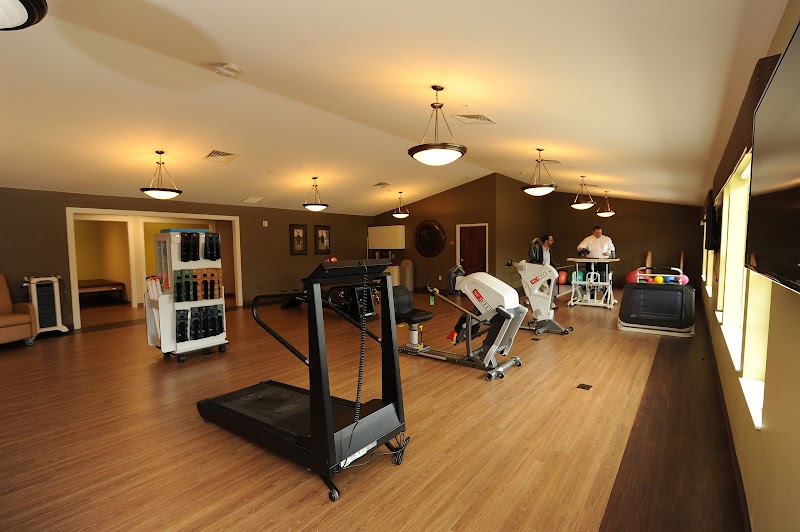
How Does Woods On French Creek Nursing & Rehab Center The Compare to Other Ohio Nursing Homes?

Compared to the 100 nursing homes in Ohio, WOODS ON FRENCH CREEK NURSING & REHAB CENTER THE's overall rating (5 stars) is above the state average of 3.2, staff turnover (54%) is near the state average of 46%, and health inspection rating (4 stars) is above the national benchmark.

What Should Families Ask When Visiting Woods On French Creek Nursing & Rehab Center The?

Based on this facility's data, families visiting should ask: "Can you walk me through typical staffing levels on day, evening, and night shifts?" "Can I visit during a mealtime to observe dining assistance and food quality?" "How do you handle medical emergencies, and what is your hospital transfer rate?" "Can I speak with family members of current residents about their experience?" These questions are particularly relevant given the below-average staffing rating.

Is Woods On French Creek Nursing & Rehab Center The Safe?

Based on CMS inspection data, WOODS ON FRENCH CREEK NURSING & REHAB CENTER THE has a clean safety record: no substantiated abuse findings (meaning no confirmed cases of resident harm), no Immediate Jeopardy citations (the most serious violation level indicating risk of serious injury or death), and is not on the Special Focus Facility watch list (a federal program monitoring the lowest-performing 1% of nursing homes). The facility has a 5-star overall rating and ranks #1 of 100 nursing homes in Ohio. While no facility is perfect, families should still ask about staff-to-resident ratios and recent inspection results during their visit.

Do Nurses at Woods On French Creek Nursing & Rehab Center The Stick Around?

WOODS ON FRENCH CREEK NURSING & REHAB CENTER THE has a staff turnover rate of 54%, which is 8 percentage points above the Ohio average of 46%. Moderate turnover is common in nursing homes, but families should still ask about staff tenure and how the facility maintains care continuity when employees leave.

Was Woods On French Creek Nursing & Rehab Center The Ever Fined?

WOODS ON FRENCH CREEK NURSING & REHAB CENTER THE has no federal fines on record. CMS issues fines when nursing homes fail to meet care standards or don't correct problems found during inspections. The absence of fines suggests the facility has either maintained compliance or corrected any issues before penalties were assessed. This is a positive indicator, though families should still review recent inspection reports for the full picture.

Is Woods On French Creek Nursing & Rehab Center The on Any Federal Watch List?

WOODS ON FRENCH CREEK NURSING & REHAB CENTER THE is not on any federal watch list. The most significant is the Special Focus Facility (SFF) program, which identifies the bottom 1% of nursing homes nationally based on persistent, serious quality problems. Not being on this list means the facility has avoided the pattern of deficiencies that triggers enhanced federal oversight. This is a positive indicator, though families should still review the facility's inspection history directly.