OTTERBEIN UNION TOWNSHIP
1114 NEIGHBORHOOD DRIVE, BATAVIA, OH 45103 (513) 933-5409
Non profit - Church related 60 Beds OTTERBEIN SENIORLIFE Data: November 2025
Trust Grade
40/100
#757 of 913 in OH
Last Inspection: August 2022

Over 2 years since last inspection. Current conditions may differ from available data.

Overview

Otterbein Union Township has received a Trust Grade of D, indicating below average quality and raising some concerns for families considering this nursing home. It ranks #757 out of 913 facilities in Ohio, placing it in the bottom half, and #13 out of 15 in Clermont County, meaning there are only two better options locally. The facility's issues have remained stable over the past few years, with one incident reported in both 2024 and 2025. Staffing is a relative strength with a 4/5 rating and a turnover rate of 43%, which is better than the state average, suggesting that many staff members stay long-term and build relationships with residents. However, there have been serious incidents, such as a resident being injured during a transfer due to improper procedures and another resident receiving the wrong medication, both of which resulted in actual harm. On a positive note, the facility has not incurred any fines, and their RN coverage is average, meaning they have enough registered nurses to oversee care effectively. Overall, families should weigh these strengths and weaknesses carefully when considering this home for their loved ones.

Trust Score
D
40/100
In Ohio
#757/913
Bottom 18%
Safety Record
Moderate
Needs review
Inspections
Holding Steady
1 → 1 violations
Staff Stability
○ Average
43% turnover. Near Ohio's 48% average. Typical for the industry.
Penalties
✓ Good
No fines on record. Clean compliance history, better than most Ohio facilities.
Skilled Nurses
○ Average
Each resident gets 37 minutes of Registered Nurse (RN) attention daily — about average for Ohio. RNs are the most trained staff who monitor for health changes.
Violations
⚠ Watch
23 deficiencies on record. Higher than average. Multiple issues found across inspections.
★★☆☆☆
2.0
Overall Rating
★★★★☆
4.0
Staff Levels
★★★★☆
4.0
Care Quality
★★☆☆☆
2.0
Inspection Score
Stable
2024: 1 issues
2025: 1 issues

The Good

  • 4-Star Staffing Rating · Above-average nurse staffing levels
  • 4-Star Quality Measures · Strong clinical quality outcomes
  • Full Sprinkler Coverage · Fire safety systems throughout facility
  • No fines on record
  • Staff turnover below average (43%)

    5 points below Ohio average of 48%

Facility shows strength in staffing levels, quality measures, fire safety.

The Bad

2-Star Overall Rating

Below Ohio average (3.2)

Below average - review inspection findings carefully

Staff Turnover: 43%

Near Ohio avg (46%)

Typical for the industry

Chain: OTTERBEIN SENIORLIFE

Part of a multi-facility chain

Ask about local staffing decisions and management

The Ugly 23 deficiencies on record

2 actual harm
Aug 2025 1 deficiency 1 Harm
SERIOUS (G) 📢 Someone Reported This

A family member, employee, or ombudsman was alarmed enough to file a formal complaint

Actual Harm - a resident was hurt due to facility failures

Accident Prevention (Tag F0689)

A resident was harmed · This affected 1 resident

**NOTE- TERMS IN BRACKETS HAVE BEEN EDITED TO PROTECT CONFIDENTIALITY** THE FOLLOWING DEFICIENCY REPRESENTS AN INCIDENT OF PAST NON-COMPLIANCE THAT WAS SUBSEQUENTLY CORRECTED PRIOR TO THIS SURVEY.Base...

Read full inspector narrative →
**NOTE- TERMS IN BRACKETS HAVE BEEN EDITED TO PROTECT CONFIDENTIALITY** THE FOLLOWING DEFICIENCY REPRESENTS AN INCIDENT OF PAST NON-COMPLIANCE THAT WAS SUBSEQUENTLY CORRECTED PRIOR TO THIS SURVEY.Based on record review, staff interview, review of self-reported incidents (SRI), review of witness statements, review of personnel files, review of X-ray results, and review of facility policy, the facility failed to ensure Resident #32 was transferred per physician orders and in a manner consistent with her plan of care. This resulted in Actual Harm on 06/22/25 at 4:01 P.M. when Certified Nursing Assistant (CNA) #168 attempted to transfer Resident #32 from the bed to a wheelchair by carrying her without additional staff and without the use of a mechanical Hoyer lift. CNA #168 tripped and fell with Resident #32 and the resident sustained an acute fracture of the right humerus, with mild displacement, and soft tissue swelling. This affected one (Resident #32) of the three residents reviewed for falls. The facility identified 11 additional residents who were dependent on a mechanical lift for transfers. The facility census was 58.Findings include::Review of the medical record for Resident #32 revealed the resident was admitted on [DATE]. Diagnoses included atherosclerotic heart disease, diabetes mellitus (DM), dementia, major depressive disorder, anxiety disorder, essential primary hypertension, and hypoglycemia.Review of a physician order dated 09/03/22 for Resident #32, revealed the resident was ordered to be transferred via mechanical Hoyer lift for all transfers. Review of the Care Plan revised on 02/02/24 for Resident #32, revealed the resident required a mechanical lift for all transfers which required two staff members. The Care Plan was revised on 06/23/35 to include a fall with major injury. Review of the Minimum Data Set (MDS) assessment dated [DATE] for Resident #32, revealed the resident had impaired cognition. Resident #32 was dependent on staff for all activities of daily living (ADLs) including transfers.Review of comprehensive Fall Risk Screening dated 05/15/25 for Resident #32, revealed the resident was at a high risk for falls. Review of the accident/incident log revealed Resident #32 had a witnessed fall on 06/22/25 at 4:00 P.M. Review of a progress note dated 06/22/25 at 4:01 P.M. for Resident #32, revealed CNA #168 transferred Resident #32 to a wheelchair and tripped during the transfer and Resident #32 fell. Resident #32 was lying flat on her back in front of the dresser with her legs outstretched and her wheelchair next to the bed. Resident #32 complained of right arm pain and had an abrasion to her right elbow which measured approximately three centimeters (cm) by 2 cm. Resident #32 guarded her right arm and cried when the nurse attempted to assess the arm. Review of the facility's SRI (261893) created on 06/22/25 at 5:13 P.M. for allegation of neglect/mistreatment, revealed CNA #168 improperly transferred Resident #32 who required assistance of two staff, and the resident was assessed with a minor abrasion. Registered Nurse (RN) #170 was called to the resident's room where the resident was discovered on the floor of her room. CNA #168 reported she was transferring the resident to a wheelchair by carrying her when CNA #168 tripped during the transfer resulting in the resident falling. The resident was assessed by RN #170 with a small abrasion to the right elbow and wound treatment was initiated. The resident complained of generalized right arm pain but unable to be specific about the pain or a pain level. The resident was contracted at baseline and the resident's range of motion (ROM) in the right arm was not within normal limits. The provider was notified of incident and provided new orders for a stat (immediate) X-ray of the right shoulder and right elbow. The X-ray results were received on 06/23/24 at 12:05 A.M. and Resident #32 had an acute right mildly displaced humeral head fracture. The resident was assessed by the Nurse Practitioner (NP) on 06/23/25 and spoke with family regarding treatment options. A sling was ordered for the resident and no further orthopedic follow up was needed. The resident's pain was managed with Tylenol and ibuprofen, and the family was in in agreement with the treatment plan. CNA #168 indicated she was aware Resident #32 required a two-person transfer via mechanical Hoyer lift and transferred the resident by herself. The facility's investigation was unsubstantiated for abuse/neglect related to the incident not meeting definitions of neglect in the regulations. CNA #168 was terminated on 06/27/25 for violations of company policy regarding delivery of patient care. The SRI was completed on 06/27/25 at 12:34 A.M. and unsubstantiated due to evidence indicating abuse, neglect or misappropriation did not occur.Review of the X-ray report dated 06/22/25 at 11:02 P.M. for Resident #32, revealed an acute fracture involving the neck of the right humerus with mild displacement. Review of a witness statement dated 06/22/25 and authored by Registered Nurse (RN) #170, revealed CNA #112 and #168 stated Resident #32 had a fall. CNA #168 reported she attempted to transfer Resident #32 to a wheelchair but tripped and fell with Resident #32. RN #170 reported she observed Resident #32 on the floor on her back in front of the dresser. RN #170 reported she assessed Resident #32 and identified an abrasion on her right arm approximately three centimeters (cm) by two (cm). RN #170 reported Resident #32 complained of right arm pain. RN #170 report she obtained an order for a stat (immediate) X-ray of the right arm and shoulder. Review of a NP #500 progress note dated 06/23/25 at 1:00 A.M. for Resident #32, revealed the resident was seen for an acute /follow-up visit. The chief complaint was a right arm injury related to a fall and right arm fracture. On 06/22/25 at 4:00 P.M., the resident had a fall related to an improper transfer and the imaging showed an acute mildly displaced humeral head fracture, The resident was placed in a shoulder sling and recommended for a follow-up X-ray in six weeks. The resident's family requested no opioids be ordered due to the resident's tolerance level. Review of an Interdisciplinary Team (IDT) note dated 06/23/25 at 3:32 P.M., revealed RN #170 was alerted by CNA #168 on 06/22/25 at 4:00 P.M. that she tripped as she attempted to transfer Resident #32 to her wheelchair when the resident fell. Resident #32 was lying flat on her back in front of her dresser with her legs outstretched. Resident #32 was assisted off the ground using a Hoyer lift with three staff members. An abrasion was noted to Resident #32's right elbow that measured approximately three cm by two cm. Resident #32 complained of right arm pain, guarded her right arm and cried when the nurse attempted to move and assess the right arm. An X-ray was completed which revealed Resident #32 had an acute right humeral neck fracture. Review of a witness statement dated 06/23/25 and authored by CNA #168, revealed on 06/22/25 around 3:45 P.M., she began her rounds and Resident #32 was in her bed. CNA #168 stated she checked and changed the resident's incontinent brief. CNA #168 indicated that since it was close to dinner time, she attempted to transfer Resident #32 then tripped and fell. CNA #168 sated she fell on her left side and Resident #32 fell on her right side. CNA #168 stated she went to the kitchen and called the nurse to tell her about the fall. Review of a witness statement dated 06/23/25 and authored by CNA #112, revealed on 06/22/25 around 4:00 P.M., she observed CNA #168 go into Resident #32's room then came out and stated Resident #32 was on the floor. CNA #112 called RN #170 to report the resident was on the floor. During an interview on 08/07/25 at 11:07 A.M., the Administrator stated on 06/22/25, CNA #168 completed an improper transfer on Resident #32 by transferring the resident without a Hoyer and without additional staff. Administrator reported CNA #168 tripped and fell with the resident during the transfer and Resident #32 sustained a fractured right arm. The Administrator verified Resident #32 was ordered to be transferred via mechanical Hoyer lift with two staff members for all transfers. The Administrator stated CNA #168 picked up Resident #32 with one arm under her shoulders and one arm under her knees and they both fell. The Administrator stated CNA #168 was terminated for an improper transfer of a Resident #32.Review of the personnel file for CNA #168 revealed a hire date of 05/21/25. CNA #168 had an active and unrestricted license. CNA #168 was terminated on 06/27/25 for an incident that occurred on 06/22/25 when CNA #168 failed to ensure the safety of self and others when she provided care inconsistent with Resident #32's care plan. Resident #32 required a Hoyer mechanical lift with two staff, and CNA #168 transferred Resident #32 without the assistance of another and without a mechanical Hoyer lift. CNA #168 was signed off on competency skills for Hoyer transfers during orientation. Subsequent interview with the Administrator on 08/07/25 at 4:19 P.M., revealed he did not report CNA #168 to the abuse registry because he reported her on the SRI. The Administrator stated he unsubstantiated the allegation of neglect because he felt the facility provided CNA #168 with the appropriate tools to provide the care for Resident #32 and CNA #168 chose not to utilize the tools. The Administrator stated he did not feel this met the definition of neglect, so the SRI investigation was unsubstantiated. During an interview on 08/11/25 at 9:36 A.M., RN #170 stated she was the charge nurse on 06/22/25 when she got the call from CNA #112 who stated Resident #32 had a fall. RN #170 stated there were small houses on the campus where the residents reside. RN #170 stated when she arrived in Resident's #32 house, she learned CNA #168 was the only CNA in the house. RN #170 stated CNA #168 picked up Resident #32 with her arms around her and attempted to pivot her to a wheelchair when both fell to the ground. CNA #168 stated CNA #112 was not in the house at the time of the fall. RN #170 stated Resident #32 had an abrasion on her right elbow and complained of pain in her right arm. RN #170 stated she obtained an order for a stat X-ray and provided pain medication to Resident #32.Review of the undated Kardex form (a quick reference guide for caregivers, providing a snapshot of a resident's status and care plan) for Resident #32, revealed the resident required a mechanical lift with two staff members using a red sling for transfers.Review of the facility policy titled Abuse, Mistreatment, Neglect, Exploitation, and Misappropriation of Resident Property-Ohio only dated 10/25/22, revealed the definition of neglect is the failure of the facility or its staff to provide goods and services to a resident necessary to avoid physical harm, pain, mental anguish or emotional distress. Review of the facility policy titled Falls Management dated 12/03/19, revealed the facility would have procedures in place to prevent and/or reduce falls. The definition of a fall is an unintentional coming to rest on the ground, floor, or other lower level. When a Resident is observed on the floor, a fall is considered to have occurred.The deficient practice was corrected on 07/03/25 when the facility implemented the following corrective actions: On 06/22/25 at 5:23 P.M., immediate education was sent out to all employees via a facility application installed on all the employees' phones. The education consisted of ensuring staff followed the residents' care plans, Kardex, physician orders, ensuring all staff utilized a mechanical lift if required and transferring resident with two staff members if required. The Administration was able to verify all employees received the education via a read message returned to the facility. Starting on 06/23/25 and completed on 07/03/25, the DON initiated education for all nursing staff which included nurses and CNA on providing care as documented in the residents' care plan, the importance of utilizing two staff members with resident care when required, safe transfers, utilizing mechanical lifts if required and providing care per physician orders. A return demonstration on resident transfers via Hoyer lift was completed with all nursing staff. A post-education quiz was utilized with all staff to verify the staff's knowledge related to proper transfers, abuse, neglect, and how to access the Kardex or Care Plan. On 06/23/25 and 06/24/25, the DON completed an audit for all current residents who used a Hoyer lift for transfers. The facility identified 11 (#01, #02, #13, #20, #28, #37, #38, #40, #45, #53 and #60) additional residents required the use of a Hoyer lift for transfers and/or to obtain ordered weights. There were no adverse findings.Beginning on 06/23/25, the DON/designee conducted randomized observational audits of mechanical Hoyer lift transfers on at least five residents weekly for four weeks. The results were reported to the Administrator and Quality Assurance and Performance Improvement (QAPI) committee for any modification of intervention or adjustments as needed. On 06/23/25, The DON completed an audit on all current residents to ensure physician orders, Care Plans, and Kardexs were current and up to date and current per physician orders. No additional concerns were identified.On 6/23/25, an ad hoc QAPI meeting was held by the IDT with the medical director in attendance to discuss the incident and review the audits completed of all elder records to ensure physician orders, care plans, and Kardexs were accurate. Additional QAPI meetings were held weekly for four weeks to ensure audits were completed and to review them to determine if any modification of intervention or adjustments were needed.On 06/23/25, the previous physician order dated 09/03/22 related to Resident #32 being transferred via Hoyer, was discontinued and a new order was placed so the physician order would transfer over to the treatment administration record (TAR) which required the nurses to sign off when the transfer was completed via Hoyer. This same order was also completed for the 11 additional residents identified as utilizing a Hoyer for transfers. On 06/25/25, skin assessments were completed for all residents who could not be interviewed. No issues were identified. On 06/27/25, CNA #168 was terminated for an improper transfer related to the transfer with Resident #32.This deficiency represents non-compliance investigated under Complaint Number OH00167463.
Jul 2024 1 deficiency
CONCERN (D) 📢 Someone Reported This

A family member, employee, or ombudsman was alarmed enough to file a formal complaint

Potential for Harm - no one hurt, but risky conditions existed

Accident Prevention (Tag F0689)

Could have caused harm · This affected 1 resident

**NOTE- TERMS IN BRACKETS HAVE BEEN EDITED TO PROTECT CONFIDENTIALITY** THE FOLLOWING DEFICIENCY REPRESENTS AN INCIDENT OF PAST NONCOMPLIANCE THAT WAS SUBSEQUENTLY CORRECTED PRIOR TO THIS SURVEY. Bas...

Read full inspector narrative →
**NOTE- TERMS IN BRACKETS HAVE BEEN EDITED TO PROTECT CONFIDENTIALITY** THE FOLLOWING DEFICIENCY REPRESENTS AN INCIDENT OF PAST NONCOMPLIANCE THAT WAS SUBSEQUENTLY CORRECTED PRIOR TO THIS SURVEY. Based on medical record review, incident investigation review, and staff interview, the facility failed to provide the appropriate level of assistance during resident transfers. This affected one (Resident #34) of the four residents reviewed for falls. The facility census was 58 residents. Findings include: Review of the medical record for Resident #34 revealed an admission date of 11/07/2023 with diagnoses including heart failure and morbid obesity. Review of the plan of care for Resident #34 dated 11/07/23 revealed the resident was at risk for falls related to impaired mobility, history of falls, history of a fractured femur, and obesity. Interventions included to ensure two staff members provided all check and change care. Review of the Minimum Data Set (MDS) assessment for Resident #34 dated 06/19/24 revealed the resident had moderately impaired cognition and required complete staff assistance by two staff members for bed mobility, transfers and most activities of daily living (ADL) care. Review of the progress note for Resident #34 dated 06/04/24 timed at 4:23 A.M. per Registered Nurse (RN) #23 revealed the Elder Assistant (EA) notified the nurse Resident #34 was assisted to the floor while the EA was changing and turning the resident. The nurse assessed the resident and noted multiple bruises to the left forearm. Resident #34 denied pain and neurological checks were within normal limits. The nurse called 911 was called for lift assistance and remained with the resident until emergency personnel arrived to transport the resident to the hospital. Follow up interventions included to ensure the assistance of two staff for all check and changes. Review of the fall investigation form for Resident #34 dated 06/04/24 revealed the resident fell when receiving assistance from one staff member. Resident #34 was assisted to the floor while one staff member was changing and turning resident. Review of the investigation statement form for Resident #34 dated 06/04/24 per the Director of Nursing (DON) and Hospice RN #836 revealed the hospice RN and the DON assessed the resident's skin following the fall on 06/04/24 and determined there were various areas of discoloration, no bruising noted to shoulder or legs, discoloration noted to left arm that appear to be related to co-morbidities versus actual bruising. Resident #34 had normal range of motion (ROM) to all extremities and denied pain to the joints. Review of the investigation statement form for Resident #34 dated 06/05/24 per the DON revealed RN #23 reported being called to the resident's room by EA #3 who stated she was providing care to the resident and lowered her to the floor from the bed. Review of the investigation statement form for Resident #34 dated 06/05/24 per Elder Assistant Coach (EAC) #585 for an incident that occurred on 06/04/2024 revealed EA #3 stated was providing incontinence care to Resident #34 and she rolled the resident onto her left side and the resident's legs dropped to the side of the bed so the EA put her body against the resident's upper body, used the remote to lower the bed, and then the EA laid the resident onto the floor. EA #3 reported she was the only staff member providing assistance to Resident #34 on 06/04/24 when the resident was lowered to the floor. Review of the witness statement dated 06/05/2024 timed at 11:30 A.M. per EAC #585 revealed the coach educated EA #3 regarding use of the Hoyer lift and the importance of checking the [NAME]/care plan on the electronic charting system when coming onto a shift before providing care to elders to ensure the appropriate level of assistance was provided. Interview on 07/24/2024 at 1:00 P.M. with the Administrator confirmed EA #3 lowered Resident #34 to the floor during care. The Administrator further confirmed Resident #34 was care planned to require the assistance of two staff members for bed mobility and incontinence care, and the incident occurred when EA #3 provided bed mobility and incontinence care with only one staff member. The deficient practice was corrected on 06/08/2024 when the facility implemented the following corrective actions: -On 06/04/24 the DON and Hospice RN #836 assessed Resident #34 for injuries and found no fractures or complaints of pain. -On 06/05/24 the DON provided education for all staff on care delivery and review of the [NAME] prior to the delivery of care. -On 06/05/24 the Interdisciplinary Team (IDT) reviewed the incident on 06/04/24 involving Resident #34. -On 06/06/24 the DON completed a 72-hour follow up assessment of Resident #34 -On 06/06/24 Resident #34 had an x-ray of her left hip, pelvis, knee, and ankle with no fractures. -On 06/08/24 the DON completed a 100 percent (%) audit of resident care plans to determine that transfers status, bed mobility, and care needs flowed over to their [NAME]. -On 06/08/24 the DON and/or designee began auditing of transfers for residents including Resident #34 and a random sample of other residents who required the assistance of two staff for bed mobility and transfers. The results would be monitored by Quality Assurance and Performance Improvement (QAPI) committee and frequency would be adjusted per recommendations. Monitoring would continue for four weeks with frequency adjusted as needed by QAPI committee. -Interview on 07/24/2024 from 1:00 P.M. through 2:30 P.M. with Caregiver #326, #338, #565, and #867 confirmed they had received education per management staff on or around 06/05/2024 regarding reviewing each residents [NAME] prior to the start of their shift on how to properly deliver their care. This deficiency represents noncompliance investigated under Complaint Number OH00155181.
Aug 2022 11 deficiencies 1 Harm
SERIOUS (G)

Actual Harm - a resident was hurt due to facility failures

Deficiency F0760 (Tag F0760)

A resident was harmed · This affected 1 resident

**NOTE- TERMS IN BRACKETS HAVE BEEN EDITED TO PROTECT CONFIDENTIALITY** Based on medical record review, staff interview, and review of facility policy, the facility failed to verify a resident's (Resi...

Read full inspector narrative →
**NOTE- TERMS IN BRACKETS HAVE BEEN EDITED TO PROTECT CONFIDENTIALITY** Based on medical record review, staff interview, and review of facility policy, the facility failed to verify a resident's (Resident #55) identity prior to medication administration, resulting in Resident #55 being given another resident's medication. This resulted in actual harm when Resident #55 had a subsequent episode of vomiting and lethargy, leading to the resident being transferred to the emergency room. Additionally, the facility failed to administer pain medication in a timely manner and as ordered by the physician for Resident #107. This affected two (Residents #55 and #107) of six residents reviewed for medication administration. The facility census was 58. Findings included: Medical record review for Resident #55 revealed the resident admitted to the facility on [DATE] with diagnoses including vascular disorder of intestine, chronic kidney disease, essential hypertension, other iron deficiency anemias, unspecified asthma, dyspnea, nonrheumatic mitral valve stenosis, aphasia, asthma, and arthropathy. Review of Resident #55's quarterly Minimum Data Set (MDS) assessment dated [DATE] revealed the resident had moderate cognitive impairment. Resident #55 required extensive assistance with bed mobility, transfers, dressing, toileting, and personal hygiene. Review of the facility's undated incident submission summary revealed on 05/29/22, Resident #55 was administered the wrong medication by agency staff. The agency staff member was going in order of rooms and failed to verify Resident #55's name and room number with staff. At approximately 10:30 A.M., Resident #55 was given aspirin, calcium, Aricept, doxycycline, iron, gabapentin, lisinopril, Namenda, Protonix, multivitamin, Profenone, zinc and vitamin D. After the wrong medication was administered, Resident #55 presented with vomiting. The agency nurse contacted the physician who gave orders to send the resident to the emergency room. The nurse also contacted Resident #55's representative and Resident #55 left the facility for the hospital at 11:30 A.M. On 05/29/22 at approximately 12:21 P.M., the facility contacted the emergency room, and the emergency room nurse returned the call and reported Resident #55 was fine and lethargic. Resident #55 also still had episodes of vomiting but was stable. Resident #55 returned from the hospital on [DATE] at 8:10 P.M. Review of the progress note dated 05/29/22 revealed Resident #55 was out to the hospital and should be closely monitored and charted on every shift for three days. Per the hospital, the resident was in stable condition. Review of the late entry progress note dated 05/31/22 revealed Resident #55 was administered the wrong medication. The nurse was educated on medication administration and asking facility staff for proper resident identification if unable to determine. The physician and family were notified. Resident #55 returned from the emergency room at 8:10 P.M. with vital signs within normal limits and lungs clear with a moist cough noted. Resident #55 continued on coronavirus quarantine until asymptomatic. Resident #55 denied pain or discomfort. No further emesis noted. All parties were aware. Telephone interview on 08/04/22 at 1:30 P.M. with the Director of Nursing (DON) revealed she received a call from the previous Administrator on 05/29/22. The Administrator informed the DON Resident #55 was administered another resident's medications. Resident #55 received Aspirin 81 milligrams (mg), calcium plus vitamin D 600mg, Aricept 10 mg, doxycycline 100mg, iron 325 mg, vitamin D 25 micrograms (mcg), gabapentin 300 mg, lisinopril 5 mg, Namenda 10 mg, Protonix 40 mg, multivitamin and zinc 50 mg that were not prescribed to her. The DON stated the nurse who administered the wrong medications was an agency nurse, but she could not recall her name. The DON stated the agency nurse was going room to room passing medications and did not realize she was in the wrong room. The DON stated Resident #55 had episodes of vomiting after receiving the wrong medication and was sent to the emergency room. The DON reported Resident #55's representatives were contacted. The DON reported she started medication administration audits after the incident and educated the facility's staff. The DON also reported she notified the agency where the agency nurse was employed, of the incident. The DON educated the nurse that made the medication error but did not put in place, any education for other agency nurses or staff that worked in the facility stating, It's the agencies job to educate their staff. Attempted interview on 08/09/22 at 2:05 P.M. with Staffing Agency #801 was unsuccessful. Review of the facility's medication administration procedure revised 11/09/21 revealed residents are identified before medications are administered. Methods of identification include checking the photograph attached to the medical record, ask the resident to say or spell his or her name, and verify the resident's identification with other community personnel if necessary. 2. Review of Resident #107's medical record revealed an admission date of 07/17/22. Diagnoses included pneumonia, hypertension, osteoarthritis, cardiomegaly, gout, presence of unspecified artificial knee, chronic pain, atrial fibrillation, and diabetes. Review of Resident #107's Minimum Data Set (MDS) dated [DATE] revealed a Brief Interview for Mental Status score of 15, which indicated the resident was cognitively intact. The MDS revealed the resident required extensive two-person assistance for bed mobility, transfers, and dressing. The resident was totally dependent with two-person assist for toileting and personal hygiene. The resident required supervision with set-up for eating. Review of Resident #107's plan of care dated 07/17/22 revealed the resident had a self-care deficit related to multiple diagnoses. The plan of care identified the resident was at risk for skin breakdown. Interventions included turn and repositioned frequently. The plan of care revealed the resident was at risk for pain with interventions to administer medications as ordered. Review of Resident #107's physician order dated 07/22/22 revealed an order for Lyrica 75mg to be administered three times daily (8:00 A.M., 5:00 P.M. and 9:00 P.M.) for pain. Observation on 08/01/22 at 11:59 A.M. revealed Resident #107 was administered the Lyrica 75mg, which was ordered to be administered at 8:00 A.M. Interview on 08/01/22 at 12:10 P.M. Resident #107 reported she did not receive her morning medications until almost noon. Interview on 08/01/22 at 12:34 P.M. with Licensed Practical Nurse (LPN) #92 confirmed the resident's Lyrica was ordered to be administered at 8:00 A.M. LPN #92 confirmed she did not administer the medication timely. LPN #92 revealed she had an admission earlier in the morning which made her medication administration times late. Interview on 08/01/22 at 1:05 P.M. with the Certified Nurse Practitioner (CNP) #325 revealed she was at the facility every Monday and Thursday. The CNP #325 revealed late medication administration was a, common occurrence. Interview on 08/02/22 at 10:44 A.M. with the Director of Nursing confirmed it was the facility's expectation to administer resident's medications within one hour prior or one hour after the scheduled medication ordered time. Review of the facility policy titled, Medication Administration Procedures, revised 11/09/21 revealed medications are administered within one hour before or one hour after scheduled times.
CONCERN (D)

Potential for Harm - no one hurt, but risky conditions existed

Notification of Changes (Tag F0580)

Could have caused harm · This affected 1 resident

**NOTE- TERMS IN BRACKETS HAVE BEEN EDITED TO PROTECT CONFIDENTIALITY** Based on observation, record review, and staff interview, the facility failed to timely notify a physician of a resident's signi...

Read full inspector narrative →
**NOTE- TERMS IN BRACKETS HAVE BEEN EDITED TO PROTECT CONFIDENTIALITY** Based on observation, record review, and staff interview, the facility failed to timely notify a physician of a resident's significant weight loss. This affected one resident (#55) out of five residents reviewed for nutrition. The facility census was 58. Findings include: Medical record review revealed Resident #55 admitted to the facility on [DATE] with diagnoses including vascular disorder of intestine, chronic kidney disease, unsteadiness, essential hypertension, other iron deficiency anemias, and morbid obesity due to excess calories. Review of Resident #55's quarterly Minimum Data Set (MDS) assessment dated [DATE] revealed the resident was moderately cognitively impaired and required extensive assistance with bed mobility, transfers, dressing, toileting, and personal hygiene. Resident #55 required supervision with eating. Resident #55 was reported to have a five percent or more weight loss in the last month or ten percent or more in the last six months and was not on a prescribed weight loss regimen. Review of Resident #55's nutritional care plan dated 05/06/22 revealed Resident #55 was at risk for changes in nutrition. Interventions included review the resident's weights, skin, labs, and intakes routinely and as available and report changes as needed, offer supplements as ordered, offer the diet as ordered by the physician, observe for signs and symptoms of dehydration, offer meal substitutes, encourage the resident to eat and drink, encourage the resident to eat calorically dense foods and encourage the resident to drink all of her fluids when medications are given. Review of Resident #55's weights from 05/01/22 to 08/01/22 revealed Resident #55 weighted 184.2 pounds (lbs.) on 05/01/22, 183.2 lbs. on 05/10/22, 181.4 lbs. on 05/17/22, 182.4 lbs. on 05/31/22, 182.4 lbs. on 06/01/22, 170.0 lbs. on 06/07/22, 170.0 lbs. on 06/16/22, 170.2 lbs. on 06/28/22, 172.9 lbs. on 07/12/22, 160.6 lbs. on 07/26/22 and 159.8 lbs. on 08/01/22. Review of Resident #55's quarterly nutritional screen dated 06/14/22 revealed Resident #55 had a weight loss of five percent or more in the last month or ten percent or more in the last six months and was not on a prescribed weight loss regimen. The assessment reported Resident #55 was on weekly weights and had a significant weight loss over the past 30 days. Review of Resident #55's quarterly nutritional screen dated 08/02/22 revealed Resident #55 had a loss of five percent or more in the last month or ten percent or more in the last six months and was not on a prescribed weight loss regiment. The assessment reported Resident #55 was on weekly weights and had a significant weight loss over the past 30 days. A recommendation of ensure enlive 237 milliliters twice a day was recommended to the physician. Review of Resident #55's progress notes from 07/26/22 to 08/02/22 revealed no documentation that Resident #55's weight loss of 7.11 percent or Resident #55's weight loss of 172.9 lbs. to 160.6 lbs. from 07/12/22 to 07/26/22 was addressed by the dietician or physician, or that interventions were put in place for the weight loss prior to 08/02/22. Additional review revealed no documentation the physician was notified of the weight loss. Telephone interview on 08/04/22 at 10:15 A.M. with Registered Dietician (RD) #800 verified Resident #55 did not receive a weekly weight on 07/19/22 as ordered by the physician. RD #800 also verified Resident #55 had a weight loss of 7.11 percent or 172.9 lbs to 160.6 lbs from 07/12/22 to 07/26/22 and Resident #55 was not assessed for the weight loss and no interventions were put in place until 08/02/22. RD #800 also confirmed the physician was not notified of Resident #55's weight loss of 7.11 percent or 172.9 lbs on 07/12/22 to 160.6 lbs on 07/26/22 until 08/02/22.
CONCERN (D)

Potential for Harm - no one hurt, but risky conditions existed

Deficiency F0679 (Tag F0679)

Could have caused harm · This affected 1 resident

**NOTE- TERMS IN BRACKETS HAVE BEEN EDITED TO PROTECT CONFIDENTIALITY** Based on medical record review, observation, staff interview, and review of facility policy, the facility failed to provide an o...

Read full inspector narrative →
**NOTE- TERMS IN BRACKETS HAVE BEEN EDITED TO PROTECT CONFIDENTIALITY** Based on medical record review, observation, staff interview, and review of facility policy, the facility failed to provide an ongoing activities program. This affected three (Residents #29, #30, and #50) of four residents reviewed for activities. The facility census was 58. Findings include: 1. Medical record review revealed Resident #29 admitted to the facility on [DATE] with diagnoses including heart failure, diabetes, and dementia with behavioral disturbance. Review of Resident #29's admission Minimum Data Set (MDS) assessment dated [DATE] revealed the resident was cognitively impaired and required extensive assistance with bed mobility, transfers, dressing, toileting, and personal hygiene. The resident activity preferences included group activities, and pet visits. Further review of the medical record and review of the Activity Leisure Logs revealed no documentation showing Resident #29 participated in daily activities. 2. Medical record review revealed Resident #30 admitted to the facility on [DATE] with diagnosis of Parkinson, Alzheimer's disease, muscle weakness, dysphagia, repeated falls, peripheral vascular disease, and abnormal weight loss. Review of Resident #30 admission Minimum Data Set (MDS) assessment dated [DATE] revealed the resident was severely cognitively impaired and required extensive assistance with bed mobility, transfers, dressing, toileting, and personal hygiene. Resident #30 activity preferences included watching TV in room in afternoon and group activities. Further review of the medical record and review of the Activity Leisure Logs revealed no documentation showing Resident #30 participated in daily activities. 3. Review of the Resident #50s chart revealed Resident #50 admitted to the facility on [DATE] with diagnoses including anxiety disorder, depressive disorder, and dementia, Review of Resident #50's admission Minimum Data Set (MDS) assessment dated [DATE]revealed the resident was moderately cognitively impaired and required extensive assistance with bed mobility, transfers, dressing, toileting, and personal hygiene. There were no activity preferences listed on the MDS. Further review of the medical record and review of the Activity Leisure Logs revealed no documentation showing Resident #50 participated in daily activities. Observation on 08/01/22 revealed the facility had five separate houses. Each house was licensed for 12 residents. There were two nurses and eight State Tested Nurse Aides (STNA) present in the facility to care for 58 residents. The STNAs were observed assisting residents with care, cooking, and washing dishes. Review of the posted activity calendar in all facility houses revealed three to four daily planned activities for 08/01/22 through 08/04/22. There were no times listed for the activities except for church at 2:00 P.M. on 08/03/22. A weekly pet visit was scheduled on Tuesday, 08/02/22. Review of activity calendars provided from 07/10/22 through 08/13/22 revealed no Bingo was listed as a planned activity. Random observations of residents from 08/01/22 through 08/04/22 from 8:30 A.M. to 4:30 P.M. revealed one activity was presented by a volunteer on 08/03/22 at 2:00 P.M. No other organized planned activities were led or offered by STNAs or other designated staff throughout the facility. Interview on 08/01/22 at 4:38 P.M. the family member of Resident #30, who visits multiple times throughout the week, reported there were no group and/or planned activities for residents. Interview on 08/02/22 at 4:26 P.M. STNA #63 verified the facility has not had an Activity Director since 07/07/22 and no activity staff for the last three years. The STNAs were expected to provide activities as scheduled or alternatives. Activities and any one-on-one activities were to be documented in the Activity Leisure section of the resident's medical electronic record. Interview on 08/03/22 at 8:50 A.M. STNA #89 reported there was not enough time to conduct activities. STNA #89 further reported the facility did not have an Activity Director for over a month and no activity staff. STNA #89 did not have the activity calendar for the current week and was unaware of what activities were scheduled. STNA #89 said daily participation in activities were to be documents in the resident's electronic medical record, for each resident. Interview on 08/03/22 at 11:10 A.M., STNA #26 verified family members have voiced concerns regarding insufficient resident activities. STNA #26 further verified there had been no ongoing activities for over three weeks. Interview on 8/03/22 at 11:45 A.M. STNA #46 verified the facility did not have an Activity Director and there were no designated activity staff to cover each house. STNAs did not have enough time to provide planned activities or one-on-one activities. Observation on 08/03/22 at 1:19 P.M. revealed Resident #30 was sitting in a wheelchair at the dining room table with blocks, which were out of reach from the resident. Resident #30 was not engaged with the blocks and STNA #26, who was present in the area, was not assisting or engaging with the resident. Observation on 08/03/22 from 1:20 P.M. to 2:00 P.M. revealed Resident #50 sitting in a wheelchair at the dining room table without any activity material or engagement. A TV approximately 30 feet away but was not within seeing or hearing distance. The resident was rocking back in forth in the wheelchair, appearing anxious and at times slumped forward with her head on the table. Interview on 08/03/22 at 2:59 P.M. Resident #29 reported she preferred group activities and Bingo was not provided as an activity for several weeks. Resident #29 further stated there was no variety in activities and her preferences were not followed/provided. Resident #29 verified the pet visit scheduled on 08/02/22 did not happen and there was no alternative offered. Interview on 08/03/22 at 3:29 P.M. Diet Tech #31 reported she was filling in as the Activity Director and completed the August activity calendar. The Activity Director position had been vacated for several weeks. Diet Tech #31 verified the facility did not have any activity staff for any of the facility's houses and STNAs were expected to conduct the ongoing activity program. Observation on 08/08/22 at 10:19 A.M. revealed Resident #30 sitting in a wheelchair at the dining room table with blocks, which were out of reach. Resident #50 was sitting in a wheelchair at the dining room table slumped forward with her head on the table. Interview on 08/08/22 at 10:19 A.M. STNA #89 verified Resident #30 and Resident #50 were not being provided effective and preferred activities due to STNAs not having enough time. Review of the facility policy titled, Engagement and Activity, dated April 2013, revealed the STNAs will print an engagement calendar and store it in the binder for reference. The STNAs are to document resident provided activities in the engagement calendar.
CONCERN (D)

Potential for Harm - no one hurt, but risky conditions existed

Incontinence Care (Tag F0690)

Could have caused harm · This affected 1 resident

**NOTE- TERMS IN BRACKETS HAVE BEEN EDITED TO PROTECT CONFIDENTIALITY** Based on observation, staff inteview, and resident interview, the facility failed to provide timely incontinence care. This affe...

Read full inspector narrative →
**NOTE- TERMS IN BRACKETS HAVE BEEN EDITED TO PROTECT CONFIDENTIALITY** Based on observation, staff inteview, and resident interview, the facility failed to provide timely incontinence care. This affected one (Resident #107) of three residents reviewed for incontinence care. The facility census was 58. Findings included: Review of Resident #107's medical record revealed an admission date of 07/17/22. Diagnoses included pneumonia, hypertension, osteoarthritis, cardiomegaly, gout, presence of unspecified artificial knee, chronic pain, atrial fibrillation, and diabetes. Review of Resident #107's Minimum Data Set (MDS) dated [DATE] revealed a Brief Interview for Mental Status score of 15, which indicated the resident was cognitively intact. The MDS revealed the resident required extensive two-person assistance for bed mobility, transfers, and dressing. The resident was totally dependent with two-person assist for toileting and personal hygiene. The resident required supervision with set-up for eating. Review of Resident #107's plan of care dated 07/17/22 revealed the resident had a self-care deficit related to multiple diagnoses. The plan of care identified the resident was at risk for skin breakdown. Interventions included turn and reposition frequently. Interview on 08/01/22 at 12:10 P.M. with Resident #107 revealed no staff had offered to change or reposition her since 4:00 A.M. Resident #107 stated she required two staff to change and reposition. The resident stated there was only one staff. Resident #107 stated on occasion she was wet up to her shoulders because there was not been enough staff to change her. Resident #107 stated she was uncomfortable and needed repositioned. Interview on 08/01/22 at 12:32 P.M. with State Tested Nursing Assistant (STNA) #76 confirmed she began working at 7:00 A.M. and had not repositioned or changed Resident #107 since coming to work. STNA #76 stated she was the only staff present to care for Resident #107 and the resident required two staff for incontinence care. Interview on 08/02/22 at 11:14 A.M. with the Director of Nursing revealed it was the expectation of the facility that residents who required incontinence care were checked and repositioned every two hours. The DON revealed staff were expected to request assistance from administrative staff when other staff were not available. This deficiency substantiates Complaint Numbers OH00131398 and OH00134286.
CONCERN (D)

Potential for Harm - no one hurt, but risky conditions existed

Deficiency F0692 (Tag F0692)

Could have caused harm · This affected 1 resident

**NOTE- TERMS IN BRACKETS HAVE BEEN EDITED TO PROTECT CONFIDENTIALITY** Based on medical record review, observation, staff interview, and review of facility policy, the facility failed to timely monit...

Read full inspector narrative →
**NOTE- TERMS IN BRACKETS HAVE BEEN EDITED TO PROTECT CONFIDENTIALITY** Based on medical record review, observation, staff interview, and review of facility policy, the facility failed to timely monitor and address Resident #55's weight loss and failed to ensure weekly weights were completed as ordered by the physician. This affected one (Resident #55) of five residents reviewed for nutrition. The facility census was 58. Findings include: Medical record review revealed Resident #55 admitted to the facility on [DATE] with diagnoses including vascular disorder of intestine, chronic kidney disease, unsteadiness, essential hypertension, other iron deficiency anemias, and morbid obesity due to excess calories. Review of Resident #55's quarterly Minimum Data Set (MDS) assessment dated [DATE] revealed the resident was moderately cognitively impaired and required extensive assistance with bed mobility, transfers, dressing, toileting, and personal hygiene. Resident #55 required supervision with eating. Resident #55 was reported to have a five percent or more weight loss in the last month or ten percent or more in the last six months and was not on a prescribed weight loss regimen. Review of Resident #55's nutritional care plan dated 05/06/22 revealed Resident #55 was at risk for changes in nutrition. Interventions included review the resident's weights, skin, labs, and intakes routinely and as available and report changes as needed, offer supplements as ordered, offer the diet as ordered by the physician, observe for signs and symptoms of dehydration, offer meal substitutes, encourage the resident to eat and drink, encourage the resident to eat calorically dense foods and encourage the resident to drink all of her fluids when medications are given. Review of Resident #55's physician's order dated 04/28/22 and discontinued on 07/07/22 revealed Resident #55 was on a regular diet with regular texture and thin liquids. Review of Resident #55's physician's order dated 05/10/22 and discontinued 07/10/22 revealed Resident #55 was to have weekly weights on Tuesdays for four weeks. Review of Resident #55's physician's order dated 07/07/22 revealed Resident #55 was on a regular diet with pureed texture and mildly thick liquids. Review of Resident #55's physician's order dated 07/12/22 revealed Resident #55 was to have weekly weights on Tuesdays. Review of Resident #55's physician's order dated 08/02/22 revealed Resident #55 was to have ensure enlive advanced therapeutic nutrition shake before meals for breakfast and dinner. Review of Resident #55's weights from 05/01/22 to 08/01/22 revealed Resident #55 weighted 184.2 pounds (lbs.) on 05/01/22, 183.2 lbs. on 05/10/22, 181.4 lbs. on 05/17/22, 182.4 lbs. on 05/31/22, 182.4 lbs. on 06/01/22, 170.0 lbs. on 06/07/22, 170.0 lbs. on 06/16/22, 170.2 lbs. on 06/28/22, 172.9 lbs. on 07/12/22, 160.6 lbs. on 07/26/22 and 159.8 lbs. on 08/01/22. Review of Resident #55's quarterly nutritional screen dated 06/14/22 revealed Resident #55 had a weight loss of five percent or more in the last month or ten percent or more in the last six months and was not on a prescribed weight loss regimen. The assessment reported Resident #55 was on weekly weights and had a significant weight loss over the past 30 days. Review of Resident #55's quarterly nutritional screen dated 08/02/22 revealed Resident #55 had a loss of five percent or more in the last month or ten percent or more in the last six months and was not on a prescribed weight loss regiment. The assessment reported Resident #55 was on weekly weights and had a significant weight loss over the past 30 days. A recommendation of ensure enlive 237 milliliters twice a day was recommended to the physician. Review of Resident #55's progress note dated 06/10/22 revealed Resident #55 had a five percent weight change over 30 days. Resident #55 tested positive for coronavirus 2019 (COVID-19) at the end of May and complained of a sore mouth on the lower right side. The dentist was called, and Resident #55 had orajel that she was using in her mouth. The family and physician were notified of the weight change. Review of Resident #55's progress notes from 07/26/22 to 08/02/22 revealed no documentation that Resident #55's weight loss of 7.11 percent or Resident #55's weight loss of 172.9 lbs. to 160.6 lbs. from 07/12/22 to 07/26/22 was addressed by the dietician or physician, or that interventions were put in place for the weight loss prior to 08/02/22. Review of Resident #55's Treatment Administration Record (TAR) dated July 2022 revealed Resident #55 did not receive her weekly weight as ordered on 07/19/22. Telephone interview on 08/04/22 at 10:15 A.M. with Registered Dietician (RD) #800 verified Resident #55 did not receive a weekly weight on 07/19/22 as ordered by the physician. RD #800 also verified Resident #55 had a weight loss of 7.11 percent or 172.9 lbs to 160.6 lbs from 07/12/22 to 07/26/22 and Resident #55 was not assessed for the weight loss and no interventions were put in place until 08/02/22. RD #800 also confirmed the physician was not notified of Resident #55's weight loss of 7.11 percent or 172.9 lbs on 07/12/22 to 160.6 lbs on 07/26/22 until 08/02/22. Observation on 08/04/22 at 12:26 P.M. revealed Resident #55 to be eating pureed corn, pureed macaroni and cheese, and pureed pears independently with a divided plate and spoon. Review of the facility's weights policy and procedure dated 06/26/09 revealed weights will be taken within the comprehensive review period. The following interventions may be put in place if significant weight change occurs: Review of the current diet order, monitor weights weekly, speak with elderly assistants, nurses, and the resident regarding weight changes, monitor the resident at meal times, make recommendations for interventions and updating the care plan and care card with interventions.
CONCERN (D)

Potential for Harm - no one hurt, but risky conditions existed

Deficiency F0730 (Tag F0730)

Could have caused harm · This affected 1 resident

Based on staff interview and review of personnel files, the facility failed to ensure an annual performance review was completed for State Tested Nursing Assistant (SNTA) #2. This affected one (STNA #...

Read full inspector narrative →
Based on staff interview and review of personnel files, the facility failed to ensure an annual performance review was completed for State Tested Nursing Assistant (SNTA) #2. This affected one (STNA #2) of two STNAs reviewed for annual performance reviews. This had the potential to affect all residents at the facility. The facility census was 58. Findings include: Review of State Tested Nursing Assistant (STNA) #2's personnel file revealed a date of hire on 02/10/20. Review of the STNA's file revealed no annual performance review was contained in the file. Interview on 08/04/22 at 8:02 A.M. with Business Office Manager #84 confirmed the facility was not able to provide evidence an annual performance review was completed for STNA #2.
CONCERN (D)

Potential for Harm - no one hurt, but risky conditions existed

Deficiency F0757 (Tag F0757)

Could have caused harm · This affected 1 resident

**NOTE- TERMS IN BRACKETS HAVE BEEN EDITED TO PROTECT CONFIDENTIALITY** Based on medical record review and staff interview, the facility failed to identify the reason for the use of as needed (PRN) na...

Read full inspector narrative →
**NOTE- TERMS IN BRACKETS HAVE BEEN EDITED TO PROTECT CONFIDENTIALITY** Based on medical record review and staff interview, the facility failed to identify the reason for the use of as needed (PRN) narcotic pain medications and provide other interventions prior to the administration of pain medications for one (#22) of six residents reviewed for unnecessary medications. The facility census was 58. Findings include: Review of Resident #22's medical record revealed an admission date of 01/06/18. Diagnoses included fracture of unspecified pubis, chronic obstructive pulmonary disease, neuropathy, anxiety disorder, urinary incontinence, chronic pain, and hyponatremia. Review of Resident #22's Minimum Data Set (MDS) assessment dated [DATE] revealed the resident had a severe cognitive deficit. Review of Resident #22's plan of care dated 05/11/22 revealed the resident was at risk for pain related to poly-osteoarthritis, neuropathy, and decreased mobility. Interventions included topical pain medications, range of motion, and administer pain medications as ordered. Review of Resident #22's physician order dated 07/26/22 revealed an order for the narcotic pain medication oxycodone hydrochloride (HCL) tablet 10 milligrams (mg) every four hours PRN for pain. Review of Resident #22's narcotic sheet for the PRN oxycodone HCL 10mg revealed the medication was removed on the following dates and times: On 08/01/22 at 7:05 A.M., at 10:55 A.M., 2:40 P.M., 5:45 P.M., and at 11:00 P.M. by Licensed Practical Nurse (LPN) #92. On 08/02/22 at 12:00 A.M., (one hour later from the 08/01/22 11:00 P.M. dose), 10:00 A.M., and 2:30 P.M. by Agency Registered Nurse (RN) #99. On 08/02/22 at 5:40 P.M., 8:50 P.M., and 11:00 P.M. by LPN #92. Review of Resident #22's Medication Administration Record (MAR) for 08/01/22 revealed the oxycodone HCL was only documented as administered to the resident at 7:01 A.M. and 10:57 A.M. with no reason for the administration documented. Review of the MAR for 08/02/22 revealed no oxycodone HCL 10mg tablets were administered. The medical record contained no documentation of the reason the oxycodone HCL 10 mg was removed from the narcotic storage for administration to Resident #22 on 08/01/22 and 08/02/22. The record did not address if other pain interventions were utilized prior to administration. Interview on 08/04/22 at 1:25 P.M. with the Director of Nursing (DON) confirmed discrepancy between the resident's MAR and the narcotic record. The DON confirmed, per the documentation, the MAR indicated the resident was not administered the oxycodone HCL each time the oxycodone HCL was removed from the narcotic drawer.
CONCERN (D)

Potential for Harm - no one hurt, but risky conditions existed

Deficiency F0761 (Tag F0761)

Could have caused harm · This affected 1 resident

Based on observation and staff interview, the facility failed to properly label insulin medication. This affected two (Residents #13 and #21) and had the potential to affect 10 residents (#13, #21, #2...

Read full inspector narrative →
Based on observation and staff interview, the facility failed to properly label insulin medication. This affected two (Residents #13 and #21) and had the potential to affect 10 residents (#13, #21, #206, #41, #29, #48, #4, #49, #43, #40) who received insulin at the facility. The facility census was 58. Findings include: Observation and interview on 08/03/22 at 11:23 A.M. revealed the medication cart located in House #17 contained two opened, unnamed, multi-use vials of insulin. Neither vial was labeled with a resident's name or the date it was opened. Agency Registered Nurse (RN) #101 confirmed the Lantus 100 units per milliliter (ml) belonged to Resident #13 and the Humalog 100 units per ml belonged to Resident #21. Further observation revealed both bottles were open and approximately half empty. RN #101 confirmed neither insulin vial was labeled with an open-dat and neither insulin vial was in a pharmacy bag or box with the name, order or open date. RN #101 verified all insulin was required to have the opened date written on the vial or container. Review of Resident #13's medical record revealed an admission date of 01/14/21. Diagnoses included diabetes, chronic congestive heart failure, and unspecified dementia. Review of Resident #13's physician orders revealed an order for Insulin Glargine Solution 100 unit per milliliter (ml) with directions to inject 22 units subcutaneously at bedtime for diabetes. Review of Resident #21's medical record revealed and admission date of 04/03/20. Diagnoses included diabetes, morbid obesity, dementia and major depressive disorder. Review of Resident #21's physician orders revealed no active orders Humalog 100 unit per ml as identified by RN #101. Interview on 08/04/22 at 10:11 A.M. with the Director of Nursing confirmed the expectation of the facility was all multi-use medications were labeled with the date the product was opened. Review of the facility's policy titled, Medication Administration Procedure, dated 11/09/21 revealed the policy did not address the labeling of insulin or multi-use medications.
CONCERN (E)

Potential for Harm - no one hurt, but risky conditions existed

Deficiency F0725 (Tag F0725)

Could have caused harm · This affected multiple residents

**NOTE- TERMS IN BRACKETS HAVE BEEN EDITED TO PROTECT CONFIDENTIALITY** Based on observation, record review, staff interviews, resident interviews, and review of facility policy, the facility failed t...

Read full inspector narrative →
**NOTE- TERMS IN BRACKETS HAVE BEEN EDITED TO PROTECT CONFIDENTIALITY** Based on observation, record review, staff interviews, resident interviews, and review of facility policy, the facility failed to provide sufficient staffing to meet the needs of the residents. This affected one (Resident #107) and had the potential to affect twelve residents (#207, #47, #46, #156, #206, #111, #106, #107, #45, #108, #40 and #31) who resided in House #15. The facility census was 58. Findings included: During initial tour of the facility on 08/01/22 from 8:15 A.M. through 9:20 A.M. revealed the facility had five separate homes. Each home was licensed for twelve residents. There were two nurses, Licensed Practical Nurse (LPN) #92 and Registered Agency Nurse (RN) #120 and eight State Tested Nurse Aides (STNA) (#8, #9, #35, #38, #46, #52, #76, and #82) present in the facility to care for 58 residents residing in the five houses. Review of Resident #107's medical record revealed an admission date of 07/17/22. Diagnoses included pneumonia, hypertension, osteoarthritis, cardiomegaly, gout, presence of unspecified artificial knee, chronic pain, atrial fibrillation, and diabetes. Review of Resident #107's Minimum Data Set (MDS) dated [DATE] revealed a Brief Interview for Mental Status score of 15, which indicated the resident was cognitively intact. The MDS revealed the resident required extensive two-person assistance for bed mobility, transfers, and dressing. The resident was totally dependent with two-person assist for toileting and personal hygiene. The resident required supervision with set-up for eating. Further review of the MDS revealed the resident revealed the resident was occasionally incontinent of bowel and bladder. Review of Resident #107's plan of care dated 07/17/22 revealed the resident had a self-care deficit related to multiple diagnoses. The plan of care identified the resident was at risk for skin breakdown. Interventions included turn and repositioned frequently. Interview on 08/01/22 at 12:10 P.M. with Resident #107 revealed no staff who had offered to change or reposition her since 4:00 A.M. The Resident #107 stated she required two staff to change and reposition her. The resident stated there was only one staff member. Resident #107 stated there have been days when she was wet up to her shoulders because there was not enough staff. Resident #107 stated she was uncomfortable and needed repositioned. Interview on 08/01/22 at 12:32 P.M. with State Tested Nursing Assistant (STNA) #76 confirmed she began working at 7:00 A.M. and had not repositioned or changed Resident #107 since coming to work. STNA #76 stated she was currently the only direct care staff in House #15 and the resident required two staff for incontinence care. Interviews on 08/04/22 from 7:53 A.M. with STNA #6 and #89 revealed the facility did not have sufficient staff to provide the care and services needed for the residents. STNA #6 stated there are multiple residents who require two people for repositioning and transfers. Interview on 08/04/22 at 10:44 A.M. with Director of Nursing confirmed the facility expectation for the STNAs included resident care, cooking, cleaning, and laundry. The DON stated the night shift cleans the common area and does the laundry. The first shift STNAs responsibilities included cooking, serving, and providing care and services for the residents. The DON revealed it was the responsibility of the STNAs to ask for help from administrative staff if needed. The DON stated the goal was two STNAs were to be assigned to each home. The DON confirmed there were homes with only one STNA to care for the twelve residents. The DON further reported the expectation was if residents required incontinence care, they were checked and respositioned every two hours. Review of the facility Resident Council Meeting Minutes dated 03/29/22 revealed residents voiced concerns related to only one STNA working in a house per shift. Review of the facility policy titled, Scheduling Guidelines Consistent Assignments, dated 01/23/08 revealed the facility must maintain appropriate staffing levels in each home. The policy revealed consistent assignments are essential to the quality and care of the elders. Further review revealed two STNAs per house and two nurses per neighborhood (five homes) were to be scheduled on day shift and afternoon/evening shift and one STNA and one nurse on night shift. This deficiency substantiates Complaint Numbers OH00134286, OH00132632, and OH00131398.
CONCERN (E)

Potential for Harm - no one hurt, but risky conditions existed

Menu Adequacy (Tag F0803)

Could have caused harm · This affected multiple residents

Based on record review, observation, and interview, the facility failed to provide food portions and menus as approved by a Registered Dietitian. This had the potential to affect all 58 residents who ...

Read full inspector narrative →
Based on record review, observation, and interview, the facility failed to provide food portions and menus as approved by a Registered Dietitian. This had the potential to affect all 58 residents who received food from the kitchen. The facility census was 58. Findings Include: Review of the facility's approved menu dated 08/01/22 for House #15's lunch meal revealed the following was to be served: Six ounces (oz) of spaghetti with meatballs, four oz of broccoli, four oz of cottage cheese with peaches, one slice of garlic bread and a beverage. Observation on 08/01/22 at 12:40 P.M. revealed Resident #207 was served five slices of peaches, less than one cup of chicken noddle soup, and one slice of bread with butter. Interview on 08/01/22 at 12:41 P.M. Resident #207 reported the lunch portion was, not much food for anyone. Resident #207 stated the portion sizes were dependent upon which State Tested Nurse Aide (STNA) or how many STNAs were working. Resident #207 also verified menus were not followed. Observation and interview on 8/01/22 at 1:15 P.M. revealed Resident #206 was serviced five slices of peaches, less than one cup of chicken noodle soup, and one slice of break. Resident #206 verified the food served and reported she had not requested a substitute. Resident #206 reported there was not enough time for staff to prepare meals on most days and there was only one STNA working to prepare meals and care for residents. Interview on 8/01/22 at 1:18 P.M. Household Assistant (HA) #77 reported she prepared lunch and did not follow a menu, but prepared the meal with foods found in the storage room. HA #77 verified she did not use measuring utensils when serving lunch. HA #77 did not have approval from a Registered Dietician (RD) to make food substitutions and did not log substitutions. HA #77 further verified she did not follow recipes when preparing meals, but utilized the meal guideline reference sheet found in the STNA notebook of menus. HA #77 reported broccoli was listed on the lunch menu for 08/01/22 and she did not prepare broccoli or any other vegetable for lunch. Interview on 08/01/22 at 12:27 P.M. with STNA #46 (working in House #14) revealed the menu changed from a hamburger to a tuna noodle casserole, with no vegetables because groceries were not delivered as planned. STNA #46 did not use a recipe and did not use measuring utensils when serving. STNA #46 verified she was the only STNA working in the house and had little time to prepare a full meal. STNA #46 reported she did not have approval from a RD to make food substitutions and did not log substitutions. Interview on 08/02/22 at 10:35 A.M. with STNA #11 (working in House #16) revealed she was the only STNA working to prepare meals and care for 12 residents. STNA #11 verified the menu was not followed as many foods were not delivered and recipes were not provided. STNA #11 further stated measuring utensils were not utilized to follow listed portion sizes and there were no measuring utensils even available for use. STNA #11 reported she did not log food substitutions. Observation and interview on 08/03/22 at 8:50 A.M. with STNA #89 (working in House #16) revealed breakfast served was a croissant roll with eggs, cheese, and bacon, despite the menu listing one egg, two slices of bacon, one cup of cereal, and two slices of toast. STNA #89 stated she did not follow a recipe and used five slices of bacon for 12 residents. STNA #89 stated a RD did not review, provide, or approve recipes or meal substitutions. STNA #89 further verified she did not measure portions per the menu and she, eyeballs, the amount of food she thinks the resident will accept. Interview on 08/03/22 at 11:06 A.M. with HA #77 (working in House #19) revealed the menu listed the following to be served for lunch: Applesauce, ham salad, croissant, and broccoli salad. HA #77 stated none of the ingredients were available and she was substituting the meal with hotdog's, baked beans, potato salad or potato chips. HA #77 stated a RD had not approved the substitution and it was not logged. HA #77 reported she did not know what portion sizes were required and verified she did not have measuring utensils available for use. Observation and interview on 08/03/22 at 11:20 A.M. with STNA #19 (working in House #15) revealed the planned meal was supposed to be four oz of pulled pork sandwich, green beans, pasta salad, and a fruit cup, but she was serving a baked chicken croissant, green beans with potato, fruit cocktail, and pudding. STNA #19 verified she came up with the baked chicken croissant recipe herself and it was not written down. STNA #19 was not measuring the chicken mixture when preparing the croissant. STNA #19 stated she was putting enough in the croissant so it could be folded. Upon insistence of the surveyor, the meat mixture measured two oz, not four oz as listed on the menu for the protein portion. Observation and interview on 08/03/22 at 12:19 P.M. with STNA #6 (working in House #16) revealed she was serving Spaghetti O's, mixed fruit, peanut butter sandwich, and mixed berry pie for lunch. STNA #6 was unaware of required portion sizes and reported she did not have any measuring utensils for use. Review of the planned menu for House #15 dated 08/03/22 revealed the supper meal was to consist of hearty vegetable soup, a roll, pears, and a cookie. There was no entry on the substitution log for baked spaghetti. Interview on 8/04/22 at 8:30 A.M. family member of Resident #156 (in House #15) revealed the supper meal on 08/03/22 consisted of baked spaghetti, applesauce, and no vegetable. Interview on 08/04/22 at 08:47 A.M. Resident #107 verified supper on 08/03/22 had no vegetables served. Interview on 08/04/22 at 10:52 A.M. STNA #38 (working in House #17) verified substitutions of meals were not documented on the substitution logs. Review of substitution logs of Houses #14, #15, #16, #17 and #19 for January 2022 through August 2022 revealed no food substitution entries. Review of Resident Council Meeting Minutes dated 07/27/21 and 10/26/21 revealed Resident #49 reported there were a lot of menu substitutions and the menu was not followed a lot of the time. Review of the Food Substitution Guideline Reference Sheet dated 03/20/20 revealed like foods were to be substituted for like foods. Review of facility policy titled, Food Substitution Log Use, dated 07/21/22 revealed food is substituted in an appropriate, healthy, and safe way. Food will be replaced with the respective food group, the diet technician will be notified of the change to the day's menu, the change will be written on the menu substitution log. Review of the facility policy titled, Family Style Meal Service Policy and Procedure, dated May 2013 revealed the nurse aide will plate food with the appropriate serving portion.
CONCERN (F)

Potential for Harm - no one hurt, but risky conditions existed

Food Safety (Tag F0812)

Could have caused harm · This affected most or all residents

Based on observation, staff interviews, review of manufacture directions, and review of facility policy, the facility failed to store foods in a safe and sanitary manner. This had the potential to aff...

Read full inspector narrative →
Based on observation, staff interviews, review of manufacture directions, and review of facility policy, the facility failed to store foods in a safe and sanitary manner. This had the potential to affect all 58 residents who received food from the kitchen. The facility census was 58. Findings include: Observation on 08/01/22 at 8:30 A.M. with Diet Technician #31 revealed the following concerns in House #16's kitchen. 1. Two containers of unidentifiable food, unlabeled and undated. 2. Three quarters of a chocolate pie in a pie pan uncovered and undated. 3. Opened potato salad, undated. 4. Container of opened applesauce, undated. 5. Open container of pineapple undated. 6. Container of opened chicken broth, undated. 7. No thermometer in reach of the refrigerator. 8. An undated pan of partially served brownies. Observation on 08/01/22 at 8:45 A.M. with Diet Technician #31 revealed the following concerns in House #17's kitchen: 1. Container of opened applesauce, undated. 2. Container of opened beef broth with expiration date of 07/27/22. 3. Undated open container of cranberry juice. 4. No thermometer in reach of the freezer 5. Package of bread with expiration date of 07/31/22. Observation on 08/01/22 at 9:05 A.M. with Diet Technician #31 revealed following concerns in House #19's kitchen: 1. No thermometer in reach of the refrigerator or freezer 2. Container of opened beef broth with expiration date of 07/28/22. 3. Open containers of sour cream and cottage cheese, undated. 4. Container of opened applesauce, undated. Observation on 08/01/22 at 9:20 A.M. with Diet Technician #31 revealed following concerns in House #15's kitchen: 1. No thermometer in reach of the refrigerator. 2. Container of opened chicken broth with expiration date of 07/20/22. 3. Cheese spread, undated. 4. Open and partially used sour cream, undated. 5. Bagged potatoes stored on the floor in the dry storage area. 6. Two bags of unidentifiable food unlabeled and undated. Observation on 08/01/22 at 9:30 A.M. with Diet Technician #31 revealed following concerns in House #14's kitchen: 1. Container of opened applesauce, undated. 2. Open container of ham salad, undated. 3. No thermometer in reach of the refrigerator. 4. Bag of several unidentifiable containers with food undated and unlabeled. Interview on 08/01/22 at 9:30 A.M. Diet Technician #31 verified all above observations. Interview on 08/09/22 at 1:20 P.M. Registered Dietitian (RD) #800 verified opened foods should be labeled with a date of when the product was opened and needed to be discarded within four to seven days of the open date. Review of facility policy titled, Food Storage Policy and Procedure, dated May 2013, revealed food should be covered, dated, and labeled with the month and day which it was opened and used by four to seven days after the food was opened/prepared. Food containers are stored at least six inches off the floor.
Jul 2019 6 deficiencies
CONCERN (D)

Potential for Harm - no one hurt, but risky conditions existed

Transfer Notice (Tag F0623)

Could have caused harm · This affected 1 resident

**NOTE- TERMS IN BRACKETS HAVE BEEN EDITED TO PROTECT CONFIDENTIALITY** Based on record review, staff interview, and review of facility policy, the facility failed to ensure a written notice including...

Read full inspector narrative →
**NOTE- TERMS IN BRACKETS HAVE BEEN EDITED TO PROTECT CONFIDENTIALITY** Based on record review, staff interview, and review of facility policy, the facility failed to ensure a written notice including reasons for transfer/discharge was provided to the resident, resident's representative, and ombudsman prior to transfer/discharge. This affected one (#35) of three residents reviewed for hospitalization. The facility census was 46. Findings include: Review of Resident #35's medical record revealed the resident was admitted to the facility on [DATE]. Diagnoses included pneumonitis due to inhalation of food and vomit, chronic obstructive pulmonary disease, major depressive disorder, chronic kidney disease stage four, and chronic pain syndrome. Review of the quarterly Minimum Data Set (MDS) assessment, dated 07/02/19, revealed the resident had severe cognitive impairment. Review of Resident #35's nursing progress notes revealed on 06/14/19, Resident #138 noted the resident appeared to be in respiratory distress and the resident was to sent the emergency department for evaluation and treatment. She noted the daughter was notified via a telephone message with a return call requested. A progress note, dated 06/14/19 at 10:26 P.M., revealed the resident was admitted to the hospital with diagnoses including febrile illness and dyspnea. On 06/19/19 at 10:55 A.M., Resident #35 returned from the hospital. The medical records was silent for written notification to resident/representative and Ombudsman for the reason for transfer. On 07/30/19 at 5:25 P.M., interview with the Director of Nursing (DON) verified she did not have any information to confirm the resident/representative and Ombudsman were made aware of the reason for transfer. On 07/31/19 at 8:40 A.M., interview the Administrator revealed he thought that notice of transfer/discharge information only had to be provided in writing to residents/representative and the Ombudsman if it was a facility-initiated 30 day discharge notice. No additional information was provided to show that transfer/discharge information was in writing to Resident #35, her representative, and the Ombudsman. Review of the facility policy titled Discharge/Transfer revealed that facility-initiated transfers included emergency and acute care transfers because the resident's return is generally expected. The section in the policy titled notice of transfer or discharge and Ombudsman Notification: For Facility-Initiated transfer/discharge specified the facility must notify the resident and resident representative of the transfer or discharge and the reasons for the move in writing and in a language and manner they under stand, and a copy of the notice of transfer or discharge is to be sent to the Ombudsman. The facility policy also specified the notice of transfer/discharge must include the reason for the transfer/discharge, the effective dated of the transfer/discharge and location of transfer/discharge.
CONCERN (D)

Potential for Harm - no one hurt, but risky conditions existed

Assessment Accuracy (Tag F0641)

Could have caused harm · This affected 1 resident

**NOTE- TERMS IN BRACKETS HAVE BEEN EDITED TO PROTECT CONFIDENTIALITY** Based on record review, observation, resident and staff interview, and review of facility policy, the facility failed to ensure ...

Read full inspector narrative →
**NOTE- TERMS IN BRACKETS HAVE BEEN EDITED TO PROTECT CONFIDENTIALITY** Based on record review, observation, resident and staff interview, and review of facility policy, the facility failed to ensure the accuracy of Minimum Data Set (MDS) assessments for two (#8 and #32) of 13 residents reviewed for MDS accuracy. The facility census was 46. Findings include: 1. Review of the record for Resident #8 revealed an admission date of 11/08/17 with diagnoses which included chronic obstructive pulmonary disease and asthma. Review of hearing progress notes signed by a nurse practitioner dated 05/07/18, 10/26/18, and 04/11/19 revealed Resident #8 was evaluated and failed a whisper test (a preliminary test for assessing for hearing impairment) and would benefit from an audiology referral. Review of the MDS assessment, dated 04/19/19, revealed the resident was cognitively intact and had adequate hearing. Review of physician orders revealed an order, dated 05/21/19, that resident may be seen and treated by an audiologist. Interview with Resident #8 on 07/29/19 at 10:03 AM confirmed the resident had difficulty with hearing, that she did not wear hearing aids, and that she wanted to see an audiologist regarding her hearing loss. Interview with Registered Nurse (RN) #111 on 07/30/19 at 12:43 P.M. confirmed Resident #8's MDS assessment dated [DATE] was was coded in error regarding the resident's hearing status. 2. Review of the record for Resident #32 revealed an admission date of 05/14/19 with diagnoses which included unspecified dementia without behavioral disturbance. Review of the MDS assessment, dated 05/22/19, revealed the resident had natural teeth or teeth fragments and was not edentulous. Review of the care plan, dated 06/04/19, revealed the resident had a potential for oral/dental health problems related to being edentulous and having no lower dentures. Review of the dental progress note for Resident #32, dated 07/12/19, revealed the resident was edentulous (had no natural teeth), had upper dentures, did not have lower dentures, and was not a candidate for new lower dentures. Observation of Resident #32 on 07/29/19 at 10:15 A.M. revealed the resident was edentulous and had upper dentures in place and no lower dentures in place. Interview with RN #111 on 07/30/19 at 12:43 P.M. confirmed Resident #32 was edentulous upon admission to the facility and the MDS assessment, dated 05/22/19, was coded in error regarding the resident's dental status. Review of policy titled Resident Assessment, dated 12/06/16, revealed the facility expected every member of the interdisciplinary team to be knowledgeable of the Minimum Data Set 3.0 Resident Assessment Instrument Manual to ensure accurate documentation for each resident.
CONCERN (D)

Potential for Harm - no one hurt, but risky conditions existed

Deficiency F0657 (Tag F0657)

Could have caused harm · This affected 1 resident

Based on observation, record review, review of facility policy and staff interviews, the facility failed to revise care plans with fall interventions and specific medical devices in use. This affected...

Read full inspector narrative →
Based on observation, record review, review of facility policy and staff interviews, the facility failed to revise care plans with fall interventions and specific medical devices in use. This affected two (#21 and #33) of thirteen residents reviewed for care planning. The facility census was 46. Findings include: 1. Review of Resident #21's medical record revealed an admit date of 10/08/18 with diagnosis including dementia, osteoarthritis, neuropathy, and peripheral vascular disease. Review of the Minimum Data Set (MDS) assessment, dated 04/19/19, indicated the resident had moderate cognitive impairment, no behaviors or rejections of care, and extensive assist of two for all activities of daily living. Review of the fall care plan, dated 10/18/18, included to utilize a stand pivot disc with two staff for transfers. The care plan was silent for a revision to the use of foot pedals on the wheelchair. Review of a progress note, dated 06/20/19 at 8:42 P.M.,. revealed a nurse responded to a 9-1-1 page and found Resident #21 lying on her back and state tested nurse assistant (STNA) reporting while she was pushing the resident in her chair, she dropped her feet down and fell forward out of her chair. No complaints of pain or injury indicated. Review of a progress note, dated 06/20/19 at 10:14 A.M., indicated the interdisciplinary meeting review was held and revealed a fall occurred on 06/20/19 when a staff member was pushing Resident #21 in her wheelchair. While being pushed, she put her feet down and fell forward out of chair. The note also stated the new intervention will be to place foot pedals on the wheelchair while in use for safety. Review of Resident #21's care card revealed it was not updated to reflect wheelchair with foot rests and to assist with transfers of two staff using a stand pivot disc. Observation on 07/29/19 at 12:42 P.M. of Resident #21 sitting in her wheelchair in a common area revealed her wearing hard soled shoes and had no foot pedals on her chair. Interview on 07/30/19 at 11:27 A.M. with STNA #103 and #121 both reported they were unaware of any wheelchair pedals indicated for Resident #21 and confirmed her wheelchair did not have foot pedals in place at that time. STNA #103 reported the care cards were reviewed by STNAs before each shift for any care changes. She confirmed the care card for Resident #21 had no mention of foot pedals and voiced she was unsure who would update the cards. Interview with the Director of Nursing on 07/30/19 at 11:36 A.M. confirmed the care card did not include the updates and deferred to Assistant Licensed Nursing Home Administer since she was their supervisor. Interview on 07/30/19 at 11:42 A.M. with Assistant Nursing Home Administrator #171 stated the care cards were to be updated by the therapist who make the recommendations and verified the care plan and care card was silent to stand pivot disc and wheelchair pedals when pushed in wheelchair. 2. Review of Resident #33's medical record revealed an admit date of 06/06/19 with diagnoses of chronic kidney disease, major depressive disorder, anemia, convulsion, pulmonary fibrosis, emphysema, and malignant cancer of bladder. Review of the Minimum Data Set (MDS) assessment, dated 06/17/19, revealed the resident had intact cognition, no behaviors or rejections of care, and limited assist required for all activities of daily living. Review of the care plan, dated 06/06/19, revealed a focus of catheter with interventions that failed to identify the type or size of a catheter. Another intervention indicated to change the catheter but failed to identify frequency. A separate focus on the care plan identified potential for dental problems and the intervention failed to specify if the resident had natural teeth, missing teeth, dentures, or was edentulous. A nutritional screen dated 06/10/19 revealed Resident #33 wore upper denture, partial lower denture and both fit well. Interview on 07/31/19 at 9:44 A.M. with facility MDS Registered Nurse #111 stated the care plan should have been completed to indicate Residents #33's catheter type, size, and his dental status. Review of the facility policy titled Care Planning Procedure, dated 12/06/16, indicated each care plan problem will be resident centered and have specific interventions.
CONCERN (D)

Potential for Harm - no one hurt, but risky conditions existed

Deficiency F0685 (Tag F0685)

Could have caused harm · This affected 1 resident

Based on record review, resident and staff interview, and review of the facility policy, the facility failed to ensure that residents received treatment for hearing loss. This affected one (Resident #...

Read full inspector narrative →
Based on record review, resident and staff interview, and review of the facility policy, the facility failed to ensure that residents received treatment for hearing loss. This affected one (Resident #8) of two residents reviewed for communication and sensory concerns. The facility census was 46. Findings include: Review of the record for Resident #8 revealed an admission date of 11/08/17 with diagnoses which included chronic obstructive pulmonary disease and asthma. Review of the Minimum Data Set (MDS) assessment, dated 04/19/19, revealed the resident was cognitively intact, had adequate hearing and did not wear hearing aids. Review of hearing progress notes signed by a nurse practitioner dated 05/07/18, 10/26/18, and 04/11/19 revealed Resident #8 was evaluated and failed a whisper test (a preliminary test for assessing for hearing impairment) and would benefit from an audiology referral. Review of physician orders for Resident #8 revealed an order, dated 05/21/19, that resident may be seen and treated by an audiologist. Interview with Resident #8 on 07/29/19 at 10:03 AM confirmed the resident had difficulty with hearing, that she did not wear hearing aids, and that she wanted to see an audiologist regarding her hearing loss. Interview with the Director of Nursing (DON) on 07/29/19 at 4:55 P.M. confirmed that the facility had not followed up on the nurse practitioner's recommendations made on 05/07/18, 10/26/18, and 04/11/19 regarding Resident #8 failing the whisper test, and that the resident had not been examined by an audiologist during her stay at the facility.
CONCERN (D)

Potential for Harm - no one hurt, but risky conditions existed

Pharmacy Services (Tag F0755)

Could have caused harm · This affected 1 resident

Based on record review and staff interview, the facility failed to administer a resident's medication as ordered by the physician. This affected one (#5) of thirteen residents reviewed in the final sa...

Read full inspector narrative →
Based on record review and staff interview, the facility failed to administer a resident's medication as ordered by the physician. This affected one (#5) of thirteen residents reviewed in the final sample. The facility identified all 46 residents receive medications administered by the facility nurses. Findings include: Review of Resident #5's medical record revealed an admit date of 11/09/17 with diagnoses included dementia, hypertension and heart disease. Review of the Minimum Data Set (MDS) assessment, dated 07/05/19, indicated the resident had impaired cognition with behaviors. Review of the physician orders for July 2019 revealed an order, dated 07/23/19, for Clonidine (antihypertensive medication) 0.1 milligrams to be administered as needed for a systolic blood pressure greater than 160, not to exceed twice per day. Review of the Medication Administration Record (MAR) for July 2019 revealed results of blood pressure measurements five times per day. The MAR revealed from 06/23/19 to 06/29/19 sixteen blood pressures exceeded 160 systolic: on 07/23/19 at 10 A.M. 170/88; at 2 P.M. 165/74, at 6:00 P.M. 184/126; on 07/24/19 at 10 A.M. 189/115, at 2:00 P.M. 170/80; on 07/26/19 at 10:00 A.M. at 167/99, 2:00 P.M. 167/99, at 6:00 P.M. 193/130, at 10:00 P.M. 192/117; on 07/27/19 at 6:00 A.M. 163/84, at 2:00 P.M. 218/110, at 6:00 P.M. 249/127; on 07/28/19 at 6:00 P.M. 164/101, at 10:00 P.M. 182/90; on 07/29/19 at 2:00 P.M. 170/98, at 6:00 P.M. 217/121. Further review of the MAR revealed the Clonidine was only administered to the resident six of the 16 times the resident's systolic blood pressure was greater than 160. The resident received Clonidine on 07/23/19 at 5:20 P.M., on 07/24/19 at 4:13 P.M., on 07/26/19 at 11:30 P.M., on 07/27/19 at 1:54 P.M. and on 07/29/19 at 6:12 P.M. Interview with the Director of Nursing on 07/31/19 at 11:48 A.M. confirmed the Clonidine medication had not been administered per physician orders 10 times from 07/23/19 through 07/29/19.
CONCERN (F)

Potential for Harm - no one hurt, but risky conditions existed

Deficiency F0761 (Tag F0761)

Could have caused harm · This affected most or all residents

**NOTE- TERMS IN BRACKETS HAVE BEEN EDITED TO PROTECT CONFIDENTIALITY** Based on observation, record review, policy review and staff interview, the facility failed to discard expired medications, fail...

Read full inspector narrative →
**NOTE- TERMS IN BRACKETS HAVE BEEN EDITED TO PROTECT CONFIDENTIALITY** Based on observation, record review, policy review and staff interview, the facility failed to discard expired medications, failed to date medications when open to ensure efficacy, and failed to secure controlled medications. This had the potential to affect all residents of the facility. The facility census was 44. Findings include: 1. Review of Resident #43's medication administration record (MAR) revealed Latanoprost eye drops (treats glaucoma) to be administered one drop in each eye twice daily. During a medication storage tour on 07/31/19 at 12:42 P.M. with Registered Nurse (RN) #150 revealed Latanoprost eye drop container in Resident #43's bin. The container was in a clear plastic bag displaying a handwritten date of 06/01/19 that indicated - dispose of after 42 days. RN #150 confirmed the expired date and was unable to locate any other Latanoprost supply for Resident #43. Interview with the Director of Nursing (DON) on 07/31/19 at 11:30 A.M. stated the expired Latanoprost was the only supply available for Resident #43, it was a current order, and the pharmacy was delivering a new supply today. 2. Tour of the medication cart on 300 and 400 house on 07/29/19 from 8:10 A.M. to 9:15 A.M. revealed an undated open vial of Aplisol (injectable solution to test for Tuberculosis) solution in a medication refrigerator in 400 House; an open vial of Aplisol solution with a date of 03/?? (illegible), two vials of Pneumovax with an expiration date of 05/2019, and insulin vial for a resident discharged in March of 2019 in the 300 House medication refrigerator. Interview with the DON on 07/29/19 at 8:47 A.M. confirmed the undated open vial of Aplisol, the vial of Aplisol with a 03/illegible date, and the expired Pneumovax, insulin for a resident discharged in March 2019 and removed the expired medications. She also verified the Aplisol in House 400, stating her corporate support staff had advised her to keep the solution since there was a nation-wide shortage. On 07/31/19 at 11:30 A.M., the DON verified all facility residents were able to receive the Aplisol solution. Review of package insert for the Aplisol solution indicated vials in use more than 30 days should be discarded due to possible oxidation and degradation which may affect potency. Review of the facility policy titled Medication Storage, dated 06/21/19, indicated outdated medications are immediately removed from stock. 3. Observation of a medication cart sitting near room [ROOM NUMBER] on 07/29/19 at 8:08 A.M. revealed it was unlocked. This finding was verified by State Tested Nurse Assistants (STNA) #102 and #126 who took no action. Interview with Registered Nurse (RN) #130 at 8:20 A.M. confirmed the medication cart was unlocked, the controlled medications box was in an unlocked drawer and locked the cart. Review of facility policy titled Medication Storage, dated 06/21/19, indicated controlled medications are stored in a separate, permanently affixed area and are under double lock.
Jul 2018 4 deficiencies
CONCERN (D)

Potential for Harm - no one hurt, but risky conditions existed

Deficiency F0637 (Tag F0637)

Could have caused harm · This affected 1 resident

**NOTE- TERMS IN BRACKETS HAVE BEEN EDITED TO PROTECT CONFIDENTIALITY** Based on medical record review and staff interview the facility failed to implement a significant change Minimum Data Set (MDS) ...

Read full inspector narrative →
**NOTE- TERMS IN BRACKETS HAVE BEEN EDITED TO PROTECT CONFIDENTIALITY** Based on medical record review and staff interview the facility failed to implement a significant change Minimum Data Set (MDS) assessment after a resident was placed on Hospice. This affected one (#36) Resident reviewed for Hospice services. The facility identified three residents on hospice services. The facility census was 44. Findings include: Review of the medical record for Resident #36 revealed an admission date of 05/28/17 and diagnoses included chronic pain, spondylolisthesis, spinal stenosis lumbar region, anxiety, major depression, venous insufficiency, hypothyroidism, chronic kidney disease stage three, chronic ischemic heart disease and atherosclerotic heart disease. Review of a physician order dated 08/18/17 revealed to admit Resident #36 to hospice with the admitting diagnosis of congestive heart failure. Review of the admission MDS dated [DATE] under Section O: Special Treatments, Procedures and Programs revealed hospice care was not marked as being provided while a resident or within the last 14 days. Review of the annual MDS assessment dated [DATE] revealed a Brief Interview for Mental Status (BIMS) score of 15 which indicated no cognitive impairment. Resident #36 was noted to be an extensive assist for bed mobility, transfers, locomotion on the unit, dressing, eating, toileting and personal hygiene. Hospice care was noted on the MDS. Interview on 07/19/18 at 12:38 P.M. with the Director of Nursing (DON) and Licensed Practical Nurse (LPN) #27 verified the start date of hospice services was 08/18/17 and a significant change MDS should have been completed. The DON and LPN #27 further verified the admission MDS dated [DATE] did not reflect the hospice status.
CONCERN (D)

Potential for Harm - no one hurt, but risky conditions existed

Medication Errors (Tag F0758)

Could have caused harm · This affected 1 resident

**NOTE- TERMS IN BRACKETS HAVE BEEN EDITED TO PROTECT CONFIDENTIALITY** Based on record review, observation, and resident and staff interview the facility failed to ensure a resident who was prescribe...

Read full inspector narrative →
**NOTE- TERMS IN BRACKETS HAVE BEEN EDITED TO PROTECT CONFIDENTIALITY** Based on record review, observation, and resident and staff interview the facility failed to ensure a resident who was prescribed antipsychotic medications had a diagnosis for the medication. This affected one Resident (#299) of eight residents reviewed for unnecessary medications. The census was 44. Findings include: Review of the medical record revealed Resident #299 was admitted to the facility on [DATE] with diagnoses included chronic obstructive pulmonary disease and acute kidney failure. Review of the admission Minimum Data Set (MDS) dated [DATE] revealed the resident was assessed as cognitively intact and exhibiting no behavioral symptoms Resident #299 was coded as having no psychiatric diagnoses and not receiving psychoactive medications. Review of behavioral care plan for Resident #299 initiated 07/02/18 revealed a problem behavior of yelling and screaming at times. Interventions included ensuring resident safety and re-approaching at a later time, providing a calm environment and encouraging to attend activities. Review of the MDS dated [DATE] revealed a cognitive assessment was not completed and that resident was assessed as having delusions and exhibiting verbal behavioral symptoms directed at others less than daily. Resident #299 was coded as having no psychiatric diagnoses and not receiving psychoactive medications. Review of the nurses progress notes revealed that resident was sent to the hospital on [DATE] due to an elevated white blood cell count and was admitted with a diagnosis of chronic obstructive pulmonary disease (COPD) . Further review of the nurses progress notes revealed that resident was readmitted to the facility on [DATE]. Review of the hospital records for Resident #299 revealed the resident was treated for an acute exacerbation of COPD. The hospital discharge diagnoses did not include any psychiatric diagnoses. The hospital records listed Risperdal an antipsychotic medication on the list of current medications for Resident #299. Review of antipsychotic medication care plan initiated 07/12/18 revealed a problem statement of taking an antipsychotic medication with interventions including monitoring resident for lethargy, hypotension, restlessness, dark urine, and constipation and to notify the physician of abnormalities. The care plan did not indicate a medical condition or rationale for the antipsychotic medication use. Review of the Medication Administration Record for Resident #299 for July, 2018 revealed the resident received the antipsychotic Risperdal daily at bedtime starting on 07/12/18. Review of a progress note for Resident #299 signed by nurse practitioner #5 dated 07/16/18 revealed the resident had behaviors including hallucinations at night and intense itching of skin and the resident was taking the antipsychotic medication Risperdal. There was no documentation of a specific diagnosed medical condition or rationale for Resident #299's antipsychotic medication use. Review of current diagnosis list for Resident #299 as of 07/17/18 did not include any psychiatric diagnoses. Observations of Resident #299 on 07/17/18 at 3:14 P.M. and on 07/18/18 at 3:09 P.M. revealed the resident was alert and oriented and exhibited no behaviors or signs and symptoms of distress. An interview with MDS Coordinator, Licensed Practical Nurse (LPN) #27 on 07/18/18 at 11:37 AM confirmed Resident #299 had no psychiatric diagnoses and the resident had returned from the hospital on [DATE] on the antipsychotic medication, Risperdal. LPN #27 was unsure why Resident #299 was on an antipsychotic medication. An interview with the Director of Nursing on 07/19/18 at 8:41 A.M., revealed the DON was not aware Resident #299 was placed on an antipsychotic medication. The DON further confirmed antipsychotic medications should only be used to treat a documented and diagnosed specific medical condition and that antipsychotic medications should only be used as a last resort when all other interventions have failed. An interview with Resident #299 on 07/19/18 at 9:00 A.M. confirmed the resident was in no distress, and that she had slept well the previous night.
CONCERN (D)

Potential for Harm - no one hurt, but risky conditions existed

Deficiency F0761 (Tag F0761)

Could have caused harm · This affected 1 resident

Based on observation, staff interview, review of facility policy, and review of manufacturer's guidelines the facility failed to properly store insulin. This affected one Resident (#8) who resided in ...

Read full inspector narrative →
Based on observation, staff interview, review of facility policy, and review of manufacturer's guidelines the facility failed to properly store insulin. This affected one Resident (#8) who resided in the 1116 house and who received insulin. The census was 44. Findings include: Observation of the medication storage refrigerator in the 1116 house on 07/17/18 at 10:00 A.M. revealed a thermometer inside the refrigerator that read 56 degrees Fahrenheit (F). The refrigerator contained an unopened vial of Levemir insulin not assigned to a specific resident, ten unopened Levemir insulin flex pens assigned to Resident #8, and eight unopened Novolog insulin flex pens assigned to Resident #8. Interview with the Director of Nursing (DON) on 07/17/18 at 10:05 A.M. confirmed the thermometer inside the medication storage refrigerator for the 1116 house read 56 degrees F and the temperature of the refrigerator for medication storage should read between 36 and 46 degrees F. Interview with Maintenance Director #52 on 07/17/18 at 12:50 P.M. confirmed he had not received any report of problems with the medication storage refrigerator in the 1116 house until approximately 11:00 A.M. on 07/17/18 when he received verbal notification from the DON there was a concern with the temperature of the medication storage refrigerator in the 1116 house. Review of temperature log for 1116 house medication storage refrigerator revealed temperatures recorded for 07/01/18 at 50 degrees F , 07/02/18 at 50 degrees F , 07/03/18 at 52 degrees F, 07/04/18 at 20 degrees R F, 07/05/18 at 22 degrees F, 07/06/18 at 50 degrees F, 07/07/18 at 28 degrees F, 07/11/18 at 22 degrees F, 07/12/18 at 26 degrees F, 07/13/18 at 54 degrees F, 07/14/18 at 20 degrees F, 07/15/18 at 44 degrees F, and on 07/16/18 at 20 degrees F. No temperatures were recorded for 07/08/18 and 07/09/18. Review of facility policy titled Medication Storage revised 07/20/11 revealed medications requiring refrigeration are to be stored at a temperature not less than 36 degrees Fahrenheit or not more than 46 degrees Fahrenheit. Review of manufacturer's guidelines dated 02/2015 for Levemir insulin vials and flex pens revealed unopened vials and flex pens are to be refrigerated. Review of manufacturer's guidelines dated 4/2017 for Novolog insulin flex pens revealed unopened flex pens are to be refrigerated.
CONCERN (E)

Potential for Harm - no one hurt, but risky conditions existed

Food Safety (Tag F0812)

Could have caused harm · This affected multiple residents

Based on observation, staff interview, review of the census and review of facility policy the facility failed to store and properly label foods that were thawing in the refrigerator. This had the pote...

Read full inspector narrative →
Based on observation, staff interview, review of the census and review of facility policy the facility failed to store and properly label foods that were thawing in the refrigerator. This had the potential to affect all nine Residents (#4, #7, #10, #12, #17, #30, #32, #35, #305) who resided in 1119 house. The facility census was 44. Findings include: Observation on 07/17/18 at 9:26 A.M. of the kitchen during tour revealed two packages of Italian sweet sausage dated 06/06/18, one roll of hamburger dated 06/06/18, one roll of hamburger dated 07/04/18, one package of bacon dated 07/11/18 and one package of bacon dated 06/26/18, none had the word thaw or the date they were placed in the drawer to thaw. Interview on 07/17/18 at 9:26 A.M. with Elder Assistant (EA) #10 stated normally someone would write the date on the items when they were placed in the drawer to thaw and the word thaw. EA #10 verified none of the items contained the word thaw or the date they were placed in the drawer to thaw. Interview on 07/17/18 at 12:00 P.M. with Coach #50 stated the items in the thaw drawer were thrown away because they should have had a thaw date on them and they did not. Review of the census revealed nine Residents (#4, #7, #10, #12, #17, #30, #32, #35, #305) resided in 1119 house. Review of facility policy titled Thawing Policy and Procedure dated August 2007 and revised May 2013 revealed frozen foods are to be thawed in one of the following manners: in the refrigerator - the item is to be dated and marked with the word thaw.
Understanding Severity Codes (click to expand)
Life-Threatening (Immediate Jeopardy)
J - Isolated K - Pattern L - Widespread
Actual Harm
G - Isolated H - Pattern I - Widespread
Potential for Harm
D - Isolated E - Pattern F - Widespread
No Harm (Minor)
A - Isolated B - Pattern C - Widespread

Questions to Ask on Your Visit

  • "Can I speak with families of current residents?"
  • "What's your RN coverage like on weekends and overnight?"

Our Honest Assessment

Strengths
  • • No fines on record. Clean compliance history, better than most Ohio facilities.
  • • 43% turnover. Below Ohio's 48% average. Good staff retention means consistent care.
Concerns
  • • 23 deficiencies on record, including 2 serious (caused harm) violations. Ask about corrective actions taken.
  • • Grade D (40/100). Below average facility with significant concerns.
Bottom line: Trust Score of 40/100 indicates significant concerns. Thoroughly evaluate alternatives.

About This Facility

What is Otterbein Union Township's CMS Rating?

CMS assigns OTTERBEIN UNION TOWNSHIP an overall rating of 2 out of 5 stars, which is considered below average nationally. Within Ohio, this rating places the facility higher than 0% of the state's 100 nursing homes. A rating at this level reflects concerns identified through health inspections, staffing assessments, or quality measures that families should carefully consider.
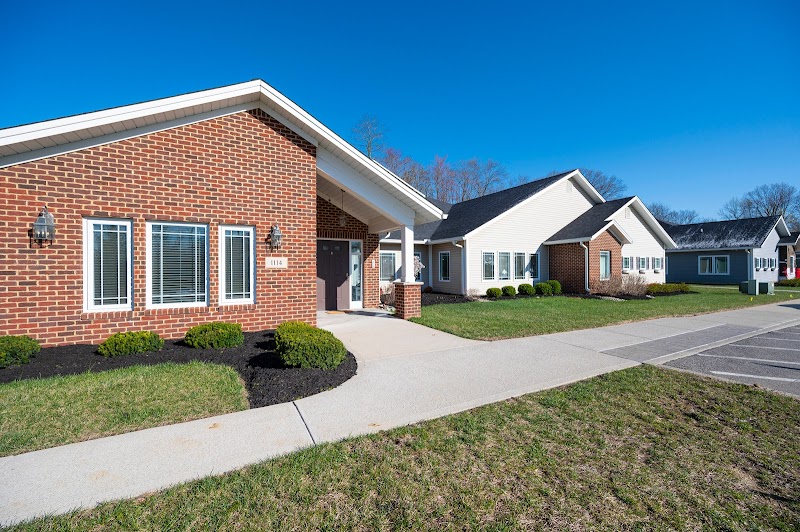
How is Otterbein Union Township Staffed?

CMS rates OTTERBEIN UNION TOWNSHIP's staffing level at 4 out of 5 stars, which is above average compared to other nursing homes. Staff turnover is 43%, compared to the Ohio average of 46%. This relatively stable workforce can support continuity of care.

What Have Inspectors Found at Otterbein Union Township?

State health inspectors documented 23 deficiencies at OTTERBEIN UNION TOWNSHIP during 2018 to 2025. These included: 2 that caused actual resident harm and 21 with potential for harm. Deficiencies causing actual harm indicate documented cases where residents experienced negative health consequences.

Who Owns and Operates Otterbein Union Township?

OTTERBEIN UNION TOWNSHIP is owned by a non-profit organization. Non-profit facilities reinvest revenue into operations rather than distributing to shareholders. The facility is operated by OTTERBEIN SENIORLIFE, a chain that manages multiple nursing homes. With 60 certified beds and approximately 56 residents (about 93% occupancy), it is a smaller facility located in BATAVIA, Ohio.
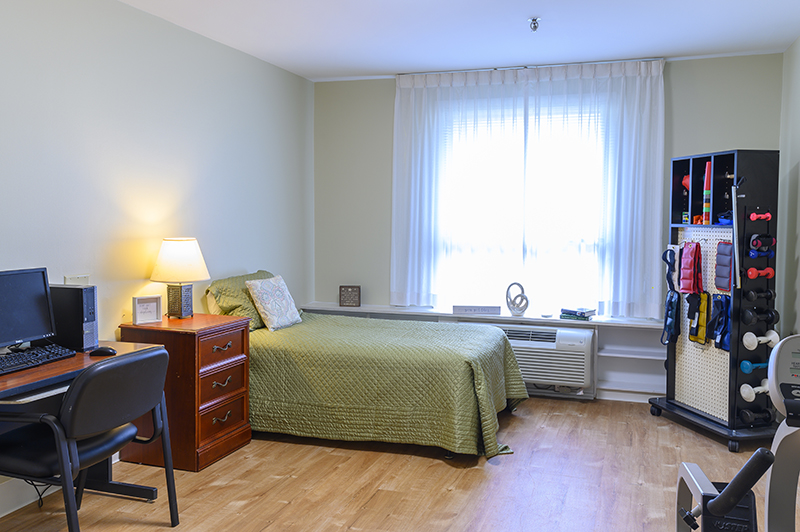
How Does Otterbein Union Township Compare to Other Ohio Nursing Homes?

Compared to the 100 nursing homes in Ohio, OTTERBEIN UNION TOWNSHIP's overall rating (2 stars) is below the state average of 3.2, staff turnover (43%) is near the state average of 46%, and health inspection rating (2 stars) is below the national benchmark.

What Should Families Ask When Visiting Otterbein Union Township?

Based on this facility's data, families visiting should ask: "Can I visit during a mealtime to observe dining assistance and food quality?" "How do you handle medical emergencies, and what is your hospital transfer rate?" "Can I speak with family members of current residents about their experience?"

Is Otterbein Union Township Safe?

Based on CMS inspection data, OTTERBEIN UNION TOWNSHIP has a clean safety record: no substantiated abuse findings (meaning no confirmed cases of resident harm), no Immediate Jeopardy citations (the most serious violation level indicating risk of serious injury or death), and is not on the Special Focus Facility watch list (a federal program monitoring the lowest-performing 1% of nursing homes). The facility has a 2-star overall rating and ranks #100 of 100 nursing homes in Ohio. While no facility is perfect, families should still ask about staff-to-resident ratios and recent inspection results during their visit.

Do Nurses at Otterbein Union Township Stick Around?

OTTERBEIN UNION TOWNSHIP has a staff turnover rate of 43%, which is about average for Ohio nursing homes (state average: 46%). Moderate turnover is common in nursing homes, but families should still ask about staff tenure and how the facility maintains care continuity when employees leave.

Was Otterbein Union Township Ever Fined?

OTTERBEIN UNION TOWNSHIP has no federal fines on record. CMS issues fines when nursing homes fail to meet care standards or don't correct problems found during inspections. The absence of fines suggests the facility has either maintained compliance or corrected any issues before penalties were assessed. This is a positive indicator, though families should still review recent inspection reports for the full picture.

Is Otterbein Union Township on Any Federal Watch List?

OTTERBEIN UNION TOWNSHIP is not on any federal watch list. The most significant is the Special Focus Facility (SFF) program, which identifies the bottom 1% of nursing homes nationally based on persistent, serious quality problems. Not being on this list means the facility has avoided the pattern of deficiencies that triggers enhanced federal oversight. This is a positive indicator, though families should still review the facility's inspection history directly.