BEACHWOOD POINTE CARE CENTER
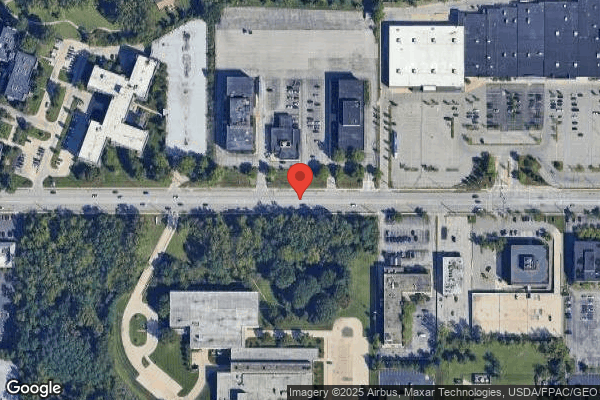
23900 CHAGRIN BLVD, BEACHWOOD, OH 44122 (216) 464-1000
For profit - Corporation 120 Beds Independent Data: November 2025
Trust Grade
40/100
#838 of 913 in OH
Last Inspection: July 2024

Within standard 12-15 month inspection cycle. Federal law requires annual inspections.

Overview

Beachwood Pointe Care Center has a Trust Grade of D, indicating that it is below average with some significant concerns. Ranked #838 out of 913 facilities in Ohio, this places it in the bottom half of state options, and at #83 out of 92 in Cuyahoga County, it is among the least favorable local choices. While the facility has shown some improvement, reducing issues from 22 in 2024 to 9 in 2025, it still faces many challenges, including a concerning lack of registered nurse (RN) coverage that is lower than 97% of Ohio facilities. Notably, there were specific incidents where food storage was not properly monitored, leading to hygiene concerns, and the overall cleanliness of the facility was inadequate with overflowing garbage and visible dirt throughout common areas. However, there have been no fines recorded, which is a positive aspect, and the staffing turnover is average at 53%, suggesting some continuity among staff.

Trust Score
D
40/100
In Ohio
#838/913
Bottom 9%
Safety Record
Low Risk
No red flags
Inspections
Getting Better
22 → 9 violations
Staff Stability
⚠ Watch
53% turnover. Above average. Higher turnover means staff may not know residents' routines.
Penalties
✓ Good
No fines on record. Clean compliance history, better than most Ohio facilities.
Skilled Nurses
⚠ Watch
Each resident gets only 17 minutes of Registered Nurse (RN) attention daily — below average for Ohio. Fewer RN minutes means fewer trained eyes watching for problems.
Violations
⚠ Watch
44 deficiencies on record. Higher than average. Multiple issues found across inspections.
★☆☆☆☆
1.0
Overall Rating
★☆☆☆☆
1.0
Staff Levels
★★★★☆
4.0
Care Quality
★☆☆☆☆
1.0
Inspection Score
Stable
2024: 22 issues
2025: 9 issues

The Good

  • 4-Star Quality Measures · Strong clinical quality outcomes
  • Full Sprinkler Coverage · Fire safety systems throughout facility
  • No fines on record

Facility shows strength in quality measures, fire safety.

The Bad

1-Star Overall Rating

Below Ohio average (3.2)

Significant quality concerns identified by CMS

Staff Turnover: 53%

Near Ohio avg (46%)

Higher turnover may affect care consistency

The Ugly 44 deficiencies on record

Sept 2025 7 deficiencies
CONCERN (D) 📢 Someone Reported This

A family member, employee, or ombudsman was alarmed enough to file a formal complaint

Potential for Harm - no one hurt, but risky conditions existed

Deficiency F0805 (Tag F0805)

Could have caused harm · This affected 1 resident

Based on medical record review, observations, interviews, review of facility menus, spreadsheets, and facility policy revealed the facility failed to ensure four residents (Residents #36, #80, #82 and...

Read full inspector narrative →
Based on medical record review, observations, interviews, review of facility menus, spreadsheets, and facility policy revealed the facility failed to ensure four residents (Residents #36, #80, #82 and #99) received the physician ordered pureed diet as required. The facility indicated there were three residents (Residents #6, #23, and #66) who received nothing by mouth. The facility census was 102.Findings include:Review of the medical record for Resident #99 revealed and admission date of 01/31/22. Diagnoses included but were not limited to unspecified dementia with agitation and seizures. Review of the physician order dated 01/31/22 for Resident #99 revealed an order for a regular pureed diet with thin liquids.Review of the 08/16/25 quarterly Minimum Data Set (MDS) 3.0 for Resident #99 revealed severe cognitive impairment and she required maximum staff assistance for eating.Review of the facility provided menu for week three lunch for Thursday revealed Chinese pepper steak, fried rice, oriental blend vegetables, iced mandarin orange cake and choice of milk and other beverage.Review of menu production sheets revealed residents receiving a pureed diet were supposed to receive a number eight scoop (1/2 cup) of pureed Chinese pepper steak, a number eight scoop (1/2 cup) of seasoned cream of rice, a number eight scoop of pureed oriental vegetables and a number ten scoop (3/8 cup) of pureed iced mandarin orange cake.Observation on 09/11/25 at 12:13 P.M. of lunch tray line revealed pepper steak, oriental mixed vegetables, white rice mixed with peas, carrots and corn, ground chicken, pureed chicken, pureed vegetables, pureed bread, white rice, and diced chicken with mixed vegetables with chicken gravy. Observation on 09/11/25 at 12:30 P.M. revealed no seasoned cream of rice as a pureed modification for the fried rice. Interview at the time of the observation with FSD #344 revealed residents do not like regular cream of rice so they give them pureed wheat bread instead, had been doing it for a while, but had not discussed it with the Registered Dietitian. FSD #344 also stated since the meat is sometimes tough and probably not puree well, they usually substitute baked chicken for the beef for the mechanical soft and pureed diets. The mechanical soft diets get ground baked chicken, and the pureed diets get pureed baked chicken.A test tray was initiated with FSD #344 on 09/11/25 at 1:32 P.M. Temperatures taken by FSD #344 were as follows: Chinese pepper steak was 119.5 F, chicken with vegetables in gravy 126.7 F, pureed bread 82 F, pureed vegetables 113.5 F, Oriental vegetables 113.4 F, and pureed chicken 107.6F. Taste test for each item was completed with FSD #344. FSD #344 confirmed the Chinese pepper steak was chewy with some notable gristle with chewing and was not warm enough. The oriental vegetables were watery, mushy and not warm enough to preference. The chicken with vegetables in gravy was not warm enough. The pureed chicken appeared to be more a mechanical soft consistency, was not a smooth consistency and tasted bland without seasoning. FSD #344 also noted the pureed bread was grainy, tasted pasty and was not a smooth consistency and the pureed vegetable had bean strings that were evident when chewing it. Following testing the above listed items, FSD #344 confirmed the tested items were not warm enough and she now understood resident complaints about food not being warm enough seeing the drop from the initial tray line temperature to the temperature of the test tray following the last passed resident meal tray. FSD #344 confirmed she does not usually complete test trays and had not tried the pureed food items to ensure a safe texture or taste. Observation on 09/11/25 at 1:41 P.M. revealed the tray for Resident #99, who is severely cognitively impaired and receives a pureed diet, received pureed chicken, pureed vegetables, pureed wheat bread and pudding. Interview at the time of the observation with Certified Nurse Aide (CNA) #251 confirmed the above listed items received for Resident #99 were already consumed with no swallowing concerns noted at the time.Phone interview on 09/15/25 at 1:33 P.M. with [NAME] #294 revealed he did not use the pepper steak for the pureed diets or mechanical soft diets as stated on the menu. [NAME] #294 confirmed he used chicken for the mechanical soft and pureed diets and did not taste them prior to serving them for taste or texture. Phone interview on 09/11/25 at 2:07 P.M. with Registered Dietitian (RD) #362 confirmed she has not been doing test trays at the facility, menus were to be followed and stated she recently told the dietary staff that modified diets are supposed to get the items as written on the menu production sheets.Review of the undated facility policy called; Puree Food Preparation revealed puree means that all food has been ground, pressed an/or strained to a consistency of a soft, smooth, thick paste like a thick pudding. Pureed foods should be prepared in such a manner to prevent lumps or chunks. The goal is a smooth, soft, homogenous consistency like soft mashed potatoes. Review of the 2023 facility policy called Texture and Consistency Modified Diets revealed texture and consistency modified diets should be individualized with modifications made by the speech language pathologist (SLP) and physician in conjunction with the registered dietitian nutrition (RDN) or designee and director of food and nutrition services. A written order is needed. The food and nutrition services department will be responsible for preparing and serving the correct consistency of food and beverages as ordered.
CONCERN (E) 📢 Someone Reported This

A family member, employee, or ombudsman was alarmed enough to file a formal complaint

Potential for Harm - no one hurt, but risky conditions existed

Menu Adequacy (Tag F0803)

Could have caused harm · This affected multiple residents

Based on observation, interview, review of facility menus, and facility policy review, the facility failed to ensure the registered dietitian approved dietary menus were followed and the facility did ...

Read full inspector narrative →
Based on observation, interview, review of facility menus, and facility policy review, the facility failed to ensure the registered dietitian approved dietary menus were followed and the facility did not run out of menu items during service as required. This had the potential to affect 99 residents receiving meals from the facility. The facility indicated that three residents (Residents #6, #23, and #66) were receiving nothing by mouth from the kitchen. The facility census was 102.Findings include:Review of the facility provided menu for week three lunch for Thursday 09/11/25 revealed Chinese pepper steak, fried rice, oriental blend vegetables, iced mandarin orange cake and choice of milk and other beverage were being served.Observation on 09/11/25 at 12:13 P.M. of lunch tray line revealed pepper steak, oriental mixed vegetables, white rice mixed with peas, carrots and corn, ground chicken, pureed chicken, pureed vegetables, pureed bread, white rice, and diced chicken with mixed vegetables with chicken gravy. Review of menu production sheets revealed regular diets were to get six ounces (oz) of pepper steak with onion and green pepper, four ounces of fried rice, four ounces of oriental blend vegetables, and one slice (1 1/2 inch x 2-inch piece) of iced mandarin orange cake and 4 ounces of milk. Mechanical soft diets were supposed to receive a number eight scoop (1/2 cup) of ground Chinese pepper steak with the other menu items and the pureed diets were supposed to receive a number eight scoop (1/2 cup) of pureed Chinese pepper steak, a number eight scoop (1/2 cup) of seasoned cream of rice, a number eight scoop of pureed oriental vegetables and a number ten scoop (3/8 cup) of pureed iced mandarin orange cake.Observation on 09/11/25 at 12:18 P.M. revealed two different types of cake being served. Interview at the time with Foodservice Director (FSD) #344 revealed they only had enough mandarin orange cake for the first floor, so they substituted carrot cake for the second and third floor residents.Observation on 09/11/25 at 12:17 P.M. revealed the serving scoop used for the pepper steak was a four ounce not a six ounce as written in the approved production sheet. Interview at the time with [NAME] #294 confirmed he was using a four ounce rather than a six ounce as required.Observation on 09/11/25 at 12:30 P.M. revealed no seasoned cream of rice as a pureed modification for the fried rice. Interview at the time of the observation with FSD #344 revealed residents do not like regular cream of rice so they give them pureed wheat bread instead, had been doing it for a while, but had not discussed it with the Registered Dietitian. FSD #344 also stated since the meat is sometimes tough and will probably not puree well, they usually substitute baked chicken for beef in the mechanical soft and pureed diets on the menu. The mechanical soft diets get ground baked chicken, and the pureed diets get pureed baked chicken.Observation on 09/11/25 at 12:38 P.M. revealed no evidence of a pureed dessert. Interview at the time of the observation with FSD #344 stated because they ran out of orange cake, they are sending pudding for the pureed residents since the carrot cake would not puree smoothly.Observation on 09/11/25 at 12:55 P.M. revealed the cart for the second-floor residents began. Observation revealed [NAME] #294 ran out of fried rice and started sending white rice instead. FSD #344 confirmed they were out of fried rice and were sending white rice to finish out the carts for second floor residents. FSD #344 confirmed if residents did not like beef they received the chicken with vegetables in gravy.Phone interview on 09/15/25 at 1:33 P.M. with [NAME] #294 revealed he did not use a recipe for fried rice, he just made white rice and added various vegetables to it and did not realize the recipe included eggs. [NAME] #294 also confirmed he did not use the pepper steak for the pureed diets or mechanical soft diets as stated on the menu. [NAME] #294 confirmed he used chicken for the mechanical soft and pureed diets and did not taste them prior to serving them for taste or texture. [NAME] #294 also confirmed he did not use a recipe for chicken with vegetables mixed with chicken gravy. [NAME] #294 stated the menu recipes are in the book in the kitchen to use but since the meat was tougher, it was suggested to use the chicken instead and just made the chicken, vegetables and gravy without a recipe and was not listed on the facility approved menu.Interview on 09/15/25 at 1:38 P.M. with FSD #344 confirmed she did not have a substitution log for review prior to 08/01/25 and confirmed the substitution of the chicken with vegetables and gravy was not listed on the substitution list. FSD #344 confirmed it was not listed on the menu, and no recipe was followed. Observation on 09/11/25 at 1:41 P.M. revealed the tray for Resident #99, who is severely cognitively impaired and receives a pureed diet, received pureed chicken, pureed vegetables, pureed wheat bread and pudding. Interview at the time of the observation with Certified Nurse Aide (CNA) #251 confirmed the above listed items received for Resident #99 were already consumed with no swallowing concerns noted at the time.Phone interview on 09/11/25 at 2:07 P.M. with Registered Dietitian (RD) #362 confirmed she has not been doing test trays and stated she recently told the dietary staff that modified diets needs to get the items listed on the menu.Review of the 2023 facility policy called Standardized Recipes revealed standardized recipes will be used when preparing menu items. Standardized recipes for planned menu items will be maintained in the facility. Cooks/chefs are expected to use and follow the recipes provided.
CONCERN (E) 📢 Someone Reported This

A family member, employee, or ombudsman was alarmed enough to file a formal complaint

Potential for Harm - no one hurt, but risky conditions existed

Deficiency F0804 (Tag F0804)

Could have caused harm · This affected multiple residents

Based on observation, interview and review of facility policies the facility failed to ensure palatable meals were served for resident meals. This had the potential to affect all residents receiving m...

Read full inspector narrative →
Based on observation, interview and review of facility policies the facility failed to ensure palatable meals were served for resident meals. This had the potential to affect all residents receiving meals from the facility. The facility indicated three residents (Residents #6, #23, and #66 received nothing by mouth). The facility census was 102.Findings include:Review of the facility provided menu for week three lunch for Thursday 09/11/25 revealed Chinese pepper steak, fried rice, oriental blend vegetables, iced mandarin orange cake and choice of milk and other beverage.Observation on 09/11/25 at 12:13 P.M. of lunch tray line revealed pepper steak, oriental mixed vegetables, white rice mixed with peas, carrots and corn, ground chicken, pureed chicken, pureed vegetables, pureed bread, white rice, and diced chicken with mixed vegetables with chicken gravy. Review of menu production sheets revealed regular diets were to get six ounces (oz) of pepper steak with onion and green pepper, four ounces of fried rice, four ounces of oriental blend vegetables, and one slice (1 1/2 inch x 2-inch piece) of iced mandarin orange cake and 4 ounces of milk. Mechanical soft diets were supposed to receive a number eight scoop (1/2 cup) of ground Chinese pepper steak with the other menu items and the pureed diets were supposed to receive a number eight scoop (1/2 cup) of pureed Chinese pepper steak, a number eight scoop (1/2 cup) of seasoned cream of rice, a number eight scoop of pureed oriental vegetables and a number ten scoop (3/8 cup) of pureed iced mandarin orange cake.Observation on 09/11/25 at 12:13 P.M. of the lunch tray line temperatures with [NAME] #294 temperatures were as follows: pepper steak 178 F, oriental vegetables 195 F, fried rice 183 F, ground chicken 178 F, pureed chicken 172 F, pureed vegetable 179 F, pureed bread 165 F, white rice 170 F, diced chicken with vegetables and chicken gravy 169 F.Observation on 09/11/25 at 12:30 P.M. revealed no seasoned cream of rice as a pureed modification for the fried rice. Interview at the time of the observation with FSD #344 revealed residents do not like regular cream of rice so they give them pureed wheat bread instead, had been doing it for a while, but had not discussed it with the Registered Dietitian. FSD #344 also stated since the meat is sometimes tough and will probably not puree well, they usually substitute baked chicken for the beef in the mechanical soft and pureed diets. The mechanical soft diets get ground baked chicken, and the pureed diets get pureed baked chicken.Observation on 09/11/25 at 12:36 P.M. revealed the first-floor cart left the kitchen for the floor. Observation on 09/11/25 at 12:38 P.M. revealed no evidence of the pureed orange cake dessert. Interview at the time of the observation with FSD #344 stated because they ran out of orange cake, they are substituting carrot cake with cream cheese frosting. FSD #344 further stated they are sending pudding for the pureed diet residents since the carrot cake would not puree smoothly.Observation on 09/11/25 at 12:51 P.M. revealed the third-floor cart left for the floor.Observation on 09/11/25 at 12:55 P.M. revealed the cart for the second-floor residents began. Observation revealed [NAME] #294 ran out of fried rice and started sending white rice instead. FSD #344 confirmed they were out of fried rice and were sending white rice to finish out the carts for the 37 residents receiving meals on the second-floor residents.Observation on 09/11/25 at 1:15 P.M. revealed the last cart for the second floor left the kitchen. Upon arrival on the second floor three aides started passing resident meal trays. Last resident tray was passed at 1:30 P.M.A test tray initiated with FSD #344 on 09/11/25 at 1:32 P.M. Temperatures taken by FSD #344 were as follows: Chinese pepper steak was 119.5 F, chicken with vegetables in gravy 126.7 F, pureed bread 82 F, pureed vegetables 113.5 F, Oriental vegetables 113.4 F, and pureed chicken 107.6F. Taste test for each item was completed with FSD #344. FSD #344 confirmed the Chinese pepper steak was chewy with some notable gristle when chewing and was not warm enough. The oriental vegetables were watery, mushy and not warm enough to preference. The chicken with vegetables in gravy was not warm enough. The pureed chicken appeared to be more a mechanical soft consistency, was not a smooth consistency and tasted bland without seasoning. FSD #344 also noted the pureed bread was grainy, tasted pasty and was not a smooth consistency and the pureed vegetable had bean strings that were evident when chewing it. Following testing the above listed items, FSD #344 confirmed the tested items were not warm enough and she now understood resident complaints about food not being warm enough seeing the drop from the initial tray line temperature to the temperature of the test tray following the last passed resident meal tray. FSD #344 confirmed she does not usually complete test trays and had not tried the pureed food items. Phone interview on 09/15/25 at 1:33 P.M. with [NAME] #294 revealed he did not use a recipe for fried rice, he just made white rice and added various vegetables to it and did not realize the recipe included eggs. [NAME] #294 also confirmed he did not use the pepper steak for the pureed diets or mechanical soft diets as stated on the menu. [NAME] #294 confirmed he used baked chicken for the mechanical soft and pureed diets and did not taste them prior to serving them for taste or texture. [NAME] #294 also confirmed he did not use a recipe for the chicken with vegetables mixed with chicken gravy. [NAME] #294 stated the menu recipes are in the book in the kitchen to use but since the meat was tougher, it was suggested to use the chicken instead and just made the chicken, vegetables and gravy without a recipe and was not listed on the facility approved menu.Interview on 09/15/25 at 1:38 P.M. with FSD #344 confirmed she did not have a substitution log for review prior to 08/01/25 and confirmed the substitution of the chicken with vegetables and gravy was not listed on the substitution list. FSD #344 confirmed it was not listed on the menu, and no recipe was followed. Phone interview on 09/11/25 at 2:07 P.M. with Registered Dietitian (RD) #362 confirmed she has not been doing test trays at the facility, menus were to be followed, and stated she recently told the dietary staff that modified diets are supposed to get the items as written on the menu production sheets.Review of the 2023 facility policy called: The Dining Experience revealed the dining experience will be person centered with the purpose of enhancing each individual's quality of life and being supportive of each individual's needs during dining. Individuals will be provided with nourishing, palatable, attractive meals that meet daily nutrition and/or special dietary needs and food preferences and are served at a safe and appetizing temperature. Review of the 2023 facility policy called: Food Temperatures revealed foods sent to the units for distribution (such as meals, snacks, nourishments, oral supplements) will be transported and delivered to unit storage areas to maintain temperatures at or below 41 degrees Fahrenheit (F) for cold food and at or above 135 degrees F for hot foods.
CONCERN (E) 📢 Someone Reported This

A family member, employee, or ombudsman was alarmed enough to file a formal complaint

Potential for Harm - no one hurt, but risky conditions existed

Food Safety (Tag F0812)

Could have caused harm · This affected multiple residents

Based on observation, interview and review of facility kitchen cleaning schedules, and facility policies the facility failed to ensure a clean and sanitary kitchen was maintained as required. This had...

Read full inspector narrative →
Based on observation, interview and review of facility kitchen cleaning schedules, and facility policies the facility failed to ensure a clean and sanitary kitchen was maintained as required. This had the potential to affect 99 residents in the facility receiving meals from the kitchen. The facility identified three residents (Resident #6, #23, and #66) who received no food by mouth. The facility census was 102. Initial kitchen tour on 09/09/25 at 10:05 A.M. completed with Food Service Director (FSD) #344 revealed six packages of 12 count dinner rolls with best buy date of 09/06/25, 12 count hot dog buns with best buy date of 09/06/25. FSD #344 confirmed the bread should have been discarded over the weekend. Observation in the walk in refrigerator #1 revealed a one pound plastic container of diced tomatoes with a use by date of 09/01/25, a two pound plastic container of sliced onions with a use by date of 09/07/25, a leftover ham portion (approximately 2#) with a use by date of 08/25/25, and four packages of five pound Italian four cheese blend with a best by date of 08/29/25. FSD #344 confirmed the items should have been discarded and should not have still been in the refrigerator. Interview on 09/09/25 at 10:32 A.M. with FSD#344 confirmed she was unable to provide evidence of daily staff cleaning logs for August and had some sheets partially filled out for September but were not completed as required. FSD #344 stated each of the three scheduled dietary aides are supposed to complete a daily cleaning sheet and turn it in daily. FSD #344 also confirmed tray line food temperatures for the month of August 2025 were not available for review and the ones for September revealed dinner were not recorded on 09/06/25, no temperatures were recorded for 09/07/25 and dinner was not recorded on 09/08/25. Review of the 2023 facility policy called: Food Safety and Sanitation revealed all local, stated and federal standards and regulations will be followed to assure a safe and sanitary food and nutrition services department. Stored food will be handled to prevent contamination and growth of pathogenic organisms. Leftovers are to be used within 72 hours or discarded. Perishable foods with expiration dates should be used prior to the use by date on the package. All time and temperature control for safety (TCS) foods including leftovers should be labeled, covered and dated when stored.
CONCERN (F) 📢 Someone Reported This

A family member, employee, or ombudsman was alarmed enough to file a formal complaint

Potential for Harm - no one hurt, but risky conditions existed

Deficiency F0813 (Tag F0813)

Could have caused harm · This affected most or all residents

Based on observation, interview, and review of facility policy the facility failed to ensure appropriate monitoring and safe storage or outside foods for residents. This had the potential to affect 36...

Read full inspector narrative →
Based on observation, interview, and review of facility policy the facility failed to ensure appropriate monitoring and safe storage or outside foods for residents. This had the potential to affect 36 residents residing on the second floor (Residents #38, #39, #40, #41, #42, #43, #44, #45, #46, #47, #48, #49, #50, #51, #52, #53, #54, #55, #56, #57, #58, #59, #60, #61, #62, #63, #64, #65, #67, #68, #69, #70, #71, #72, #73, and #74) residing in the facility. The facility indicated Resident #66 received nothing by mouth. The facility census was 102. Observation on 09/09/25 at 11:17 A.M. of the second-floor resident lounge refrigerator revealed the front of the refrigerator was heavily soiled with dried food and fingerprints and the front of the door and handle were sticky. Inside of the resident refrigerator revealed a paper plate with two cheeseburgers with no name or date, an open package of microwavable chicken patties that did not have a resident name, an open date and the use by date was unable to be determined. The six chicken patties contained inside of the open bag had visible mold on each of the chicken patties and had a bad odor when the bag was moved.Observation and interview on 09/09/25 at 11:20 A.M. with Certified Nurse Aide (CNA) #316 confirmed the chicken patties were moldy and the burgers were not labeled with a name or date as required. CNA #316 stated dietary was supposed to monitor the unit refrigerator.Interview on 09/11/25 at 1:35 P.M. with Dietary Director #344 stated she thought the resident unit refrigerators were monitored by nursing staff on each floor. Review of the undated facility policy called; Foods Brought by Family/Visitors revealed perishable foods must be stored in a re-sealable container with tightly fitting lids in the refrigerator. Containers will be labeled with the residents' name, the item and the ‘use by' date. The nursing staff is responsible for discarding perishable foods on or before the ‘use by' date. The nursing and/or food service staff must discard any food prepared for the residents that show obvious signs of potential foodborne danger (for example, mold growth, foul odor, past due package expiration dates.)
CONCERN (F) 📢 Someone Reported This

A family member, employee, or ombudsman was alarmed enough to file a formal complaint

Potential for Harm - no one hurt, but risky conditions existed

Garbage Disposal (Tag F0814)

Could have caused harm · This affected most or all residents

Based on observation ,staff interview and facility policy review, the facility failed to ensure the dumpster/refuse area was maintained in a clean and sanitary condition. This had the potential to aff...

Read full inspector narrative →
Based on observation ,staff interview and facility policy review, the facility failed to ensure the dumpster/refuse area was maintained in a clean and sanitary condition. This had the potential to affect all residents residing in the facility. The facility census was 102.Findings include:Observation on 09/09/25 at 10:45 A.M. of the facilities outside dumpster area revealed various loose rubbish around and underneath the stairs leading to the dumpster. The Administrator confirmed the observation and stated maintenance is supposed to clean the area week following the dumpster being emptied to prevent rodents.Review of the undated facility policy called; Disposal of Garbage and Refuse revealed the facility shall properly dispose of kitchen garbage and refuse. Storage areas, enclosures, and receptacles for refuse shall be maintained in good repair and cleaned at a frequency necessary to prevent them from developing a buildup of soil or becoming an attractant for insects and rodents.
CONCERN (F) 📢 Someone Reported This

A family member, employee, or ombudsman was alarmed enough to file a formal complaint

Potential for Harm - no one hurt, but risky conditions existed

Safe Environment (Tag F0921)

Could have caused harm · This affected most or all residents

**NOTE- TERMS IN BRACKETS HAVE BEEN EDITED TO PROTECT CONFIDENTIALITY** Based on observation, interview and policy review, the facility failed to maintain a clean and homelike environment. This had th...

Read full inspector narrative →
**NOTE- TERMS IN BRACKETS HAVE BEEN EDITED TO PROTECT CONFIDENTIALITY** Based on observation, interview and policy review, the facility failed to maintain a clean and homelike environment. This had the potential to affect all residents residing in the facility. The facility census was 102.Findings include:On 09/09/25 between 10:00 A.M. and 12:30 P.M. an initial tour of the building was conducted. room [ROOM NUMBER] was noted with visible dirt at the door threshold. The resident lounge on the second floor was noted to have a floor with visible dirt and debris. The garbage can was overflowing. The common bathroom on the second floor was noted to have caked hair and visible dirt under the sink in the back right hand side of the floor. There was a stained ceiling tile. There was plastic tape hanging from the overhead light. The mirror was chipped and broken. The elevator threshold was caked with visible dirt and debris. There was built up, visible dust on all baseboards on all units. room [ROOM NUMBER] was missing the baseboard behind the bed headboard exposing the wall. Peeling paint was noted under the air conditioning unit. The window seal in the common hall outside room [ROOM NUMBER] was noted to have built up visible dust and dead insects. The blinds on the window above outside room [ROOM NUMBER] were noted to have a build up of visible dust and dirt. room [ROOM NUMBER] was noted to have the corner of the wall outside of the bathroom torn away exposing the wall. The soap dispensers outside rooms [ROOM NUMBERS] were noted to not be filled. The threshold outside room [ROOM NUMBER] was noted to have built up dirt and debris. Maintenance Director #347 verified the aforementioned findings at the time of the observations. On 09/10/25 at 11:05 A.M. another tour of the building was conducted with Environmental Service Director (ESD) #346. Built up, visible dust was noted on all baseboards of all units. Windowsills at the end of each unit were noted to have visible dirt and dead insects. Blinds at the end of every hallway on all units were noted to have built up visible dust and dirt on them. ESD #346 verified the findings at the time of the tour. On 09/10/25 at 3:10 P.M. Visible dirt and dead insects was noted at the windowsills at the end of the halls on the 200 unit. Housekeeper #314 verified the findings at the time of the observation. A review of the policy titled; Homelike Environment with a revision date of 02/2021 revealed Residents are provided with a safe, clean, comfortable and homelike environment and encouraged to use their personal belongings to the extent possible. The facility staff and management maximizes, to the extent possible, the characteristics of the facility that reflect personalized, home-like setting. These characteristics include a clean, sanitary and orderly environment. This deficiency represents non-compliance investigated under Complaint Numbers 1271397, 2589543, and 1271392.
Jan 2025 2 deficiencies
CONCERN (D) 📢 Someone Reported This

A family member, employee, or ombudsman was alarmed enough to file a formal complaint

Potential for Harm - no one hurt, but risky conditions existed

Pharmacy Services (Tag F0755)

Could have caused harm · This affected 1 resident

Based on record review and interview, the facility failed to timely reorder medications to avoid missed doses. This affected one resident (Resident #32) of three residents reviewed for pharmacy servic...

Read full inspector narrative →
Based on record review and interview, the facility failed to timely reorder medications to avoid missed doses. This affected one resident (Resident #32) of three residents reviewed for pharmacy services. The total census was 105. Findings include: Record review of Resident #32 revealed an admission date of 08/22/23 with diagnoses including schizophrenia, diabetes, and breast cancer. Resident #32 had an order dated 12/13/24 and a previous order lasting from 09/05/23 to 12/13/24 for Verzenio (a medication for breast cancer) 150 milligram tablets to be given twice per day. Review of the December medication administration record revealed she did not receive doses of Verzenio on the mornings of 12/12/23 through 12/14/23. Progress notes on 12/12/24 and 12/13/24 revealed the medication was not at the facility. No physical effect on the resident was noted. Interview with Resident #32 on 01/15/25 at 9:44 A.M. revealed she had no knowledge of missed medications. Interview with Registered Nurse (RN) #202 on 01/15/25 at 9:54 A.M. revealed Resident #32's Verzenio was delivered from an outside pharmacy in opaque boxes. There was an event in December where an agency nurse stored empty boxes in the medication cart, and when RN #202 counted remaining doses she believed those boxes were full. Due to the resulting delay in reordering, this resulted in the resident missing roughly two days of doses. Interview with the Director of Nursing (DON) on 01/15/25 at 2:46 P.M. confirmed the above findings. She confirmed Resident #32 missed doses of Verzenio due to the facility running out of the medication. In response, the facility provided education and changed the order to clarify reordering procedures. This deficiency represents noncompliance investigated under OH00160400.
CONCERN (D) 📢 Someone Reported This

A family member, employee, or ombudsman was alarmed enough to file a formal complaint

Potential for Harm - no one hurt, but risky conditions existed

Deficiency F0914 (Tag F0914)

Could have caused harm · This affected 1 resident

**NOTE- TERMS IN BRACKETS HAVE BEEN EDITED TO PROTECT CONFIDENTIALITY** Based on observation, interview, and record review, the facility failed to provide privacy curtains in shared rooms. This affect...

Read full inspector narrative →
**NOTE- TERMS IN BRACKETS HAVE BEEN EDITED TO PROTECT CONFIDENTIALITY** Based on observation, interview, and record review, the facility failed to provide privacy curtains in shared rooms. This affected two (Resident #5 and #82) of six residents reviewed for privacy. The total census was 105. Findings include: Record review of Resident #82 revealed he was admitted on [DATE] and resided in the same room since his admission. Record review of Resident #5 revealed he was admitted [DATE] and resided in the same room since his admission, with a room mate (Resident #82) Observation on 01/15/25 at 3:48 P.M. of Resident #82 and #5's room revealed it had no wall or other barrier between the residents' beds, and no privacy curtain or hooks on which one could be hung. Interview with the Administrator on 01/16/25 at 4:13 P.M. confirmed the above observations. Interviews with Resident #5 and Resident #82 on 01/16/25 from 9:23 A.M. to 9:32 A.M. revealed their room never had a privacy curtain throughout their stay. Both roommates entered the bathroom when changing clothes to preserve their own and each other's privacy. This deficiency represents noncompliance investigated under OH00160860.
Oct 2024 7 deficiencies
CONCERN (E) 📢 Someone Reported This

A family member, employee, or ombudsman was alarmed enough to file a formal complaint

Potential for Harm - no one hurt, but risky conditions existed

Safe Environment (Tag F0584)

Could have caused harm · This affected multiple residents

Based on observation, interview, record review and review of the facility policy, the facility failed to ensure residents had a clean, comfortable, home-like environment due to a pervasive urine odor,...

Read full inspector narrative →
Based on observation, interview, record review and review of the facility policy, the facility failed to ensure residents had a clean, comfortable, home-like environment due to a pervasive urine odor, the first-floor central bathroom was not maintained in a clean, sanitary manner, and failed to ensure door thresholds (a strip of wood, or metal forming the bottom of the doorway entering a room) were not missing. This affected all 40 residents on the first floor (#2, #5, #7, #12, #15, #16, #18, #21, #27, #28, #29, #32, #33, #35, #38, #39, #44, #46, #48, #50, #52, #53, #56, #57, #60, #63, #66, #68, #69, #70, #72, #76, #85, #86, #88, #91, #93, #95, #100, and #101). In addition, the facility failed to ensure door thresholds were not missing and the hallway handrail was not broken resulting in sharp edges on both sides which affected 37 residents on the second floor (#1, #3, #9, #13, #17, #19, #20, #22, #25, #26, #30, #31, #34, #42, #43, #45, #47, #49, #55, #58, #59, #61, #62, #73, #74, #75, #77, #78, #79, #80, #81, #92, #94, #97, #98, #99, and #102). The facility census was 102. Findings include: 1. Interview on 10/24/24 at 1:07 P.M. and 10/28/24 at 3:17 P.M. with Ombudsman #600 revealed she had one open case regarding Resident #1 stating she was not getting timely incontinence care. She revealed Resident #1 had stated at times she had not been changed for over 24 hours. She revealed approximately two to three weeks ago, she informed the facility, including the Director of Nursing (DON), of Resident #1's concerns, and they stated they would complete staff training on timely incontinence care. During her visits, she often found areas throughout the facility that smelled of urine. The smell of urine lingered throughout the hallways. Several residents voiced concerns regarding possible mold (black substance) in the first-floor central shower room. 2. Review of the medical record for Resident #15 revealed an admission date of 02/23/24 with diagnoses including spastic hemiplegia affecting the right dominant side, hypertension, and osteoarthritis. Interview and observation on 10/28/24 at 11:18 A.M. with Resident #15 revealed there was a strong urine odor in the hallway outside of Resident #15's room that got stronger when entering her room. She was lying in bed with the top sheet partially pulled down and a brown dried urine ring to the bottom of her fitted sheet was observed. Resident #15 revealed she had not been provided with incontinent care since 1:00 A.M. She stated, so I would say the day is not going good, as I am a mess. Interview on 10/28/24 at 11:26 A.M. with Certified Nurse Aide (CNA) #611 verified there was a strong urine odor outside of Resident #15's room. Observation on 10/28/24 at 11:26 A.M. revealed CNA #611 provided incontinence care for Resident #15. Resident #15 was wearing a green incontinence brief that was soaked with urine. She had a bath blanket folded in four underneath her that was soaked with urine that was on top of a washable incontinence pad that was also soaked with urine. The washable incontinence pad and the bottom fitted sheet had multiple brown dried urine rings. CNA #611stated, it appeared she had not been provided with incontinence care for a prolonged time and verified that it was likely that Resident #15 was correct in stating she was last changed at 1:00 A.M. based on the condition she was in. She verified it appeared she had voided multiple times, especially since urine had soaked through the disposable incontinence brief, bath blanket, washable incontinence pad, and bottom fitted sheet. 3. Review of the medical record for Resident #48 revealed an admission date of 06/18/21 with diagnoses including schizophrenia, dementia with agitation, diabetes, and frontotemporal neurocognitive disorder. Observation on 10/24/24 at 8:14 A.M. revealed a strong urine odor midway down the hallway towards Resident #48's room. Observation of Resident #48's room revealed he was not in his room. There was a bottom-fitted sheet on his bed that had large yellow and brown dried urine rings that covered almost the entire sheet; the sheet also had wet areas throughout. Observation revealed he had a urine-soaked top sheet lying on the floor that also had yellow stains throughout. There was a green incontinent brief opened, lying in the center of the floor that also contained urine. There was a garbage container next to his dresser that had a strong pungent smell of urine and fecal material as it contained three incontinent products (one green and two white). There was a pile of clothing lying against the wall containing three pants and three shirts that also smelled of urine. There was a urinal sitting on the dresser that was one third full of urine. Several flies were observed flying throughout the room, especially around the garbage container. Interview on 10/24/24 at 8:29 A.M. with Licensed Practical Nurse (LPN) #601 and LPN #602 verified the above findings and stated Resident #48 often refused care but were unable to identify when the last time staff had attempted and were unable to provide any documented evidence of attempts. Observation on 10/28/24 at 11:00 A.M. revealed a strong urine odor continued in the hallway leading to Resident #48's room. Resident #48 was not in his room, but the center of his room contained a large puddle of liquid that smelled of urine. His bed was unmade with a pile of urine-soaked sheets against the wall with dried yellow and brown rings throughout the sheets. Interview on 10/28/24 at 11:02 A.M. with Resident #46 revealed he was up in his wheelchair and resided across the hall from Resident #48's room. He stated, the smell of piss is all I smell all day long, and it is horrible. He felt staff did not do anything about it as they never go into Resident #48's room and clean, so he stated he was stuck smelling it 24-7. Interview on 10/28/24 at 12:25 P.M. and 10/29/24 at 11:20 A.M. with DON verified there was a strong urine smell throughout the hallway leading towards Resident #48's room. She verified there was a large puddle of urine in the center of Resident #48's room, and CNA #613 had just entered the room to pick up the urine-soaked sheets that were against the wall. 4. Review of the medical record for Resident #7 revealed an admission date of 03/27/17 with diagnoses including diabetes, urinary incontinence, major depression, and hypertension. Observation on 10/28/24 at 12:01 P.M. as this surveyor walked by Resident #7's room, there was a strong urine odor lingering in the hallway outside of Resident #7's closed door. After knocking and receiving permission to enter from Resident #7, this surveyor observed Resident #7 sitting up in her wheelchair folding incontinent products on her over the bed table. Observation revealed a soiled washable incontinence pad lying in Resident #7's bed that had dried dark brown urine rings surrounding the length of the pad, and the top sheet also had yellow and brown stains. Interview on 10/28/24 at 12:01 P.M. with Resident #7 stated, the girl usually comes around and fixes the bed, but I have not seen her. Interview on 10/28/24 at 12:05 P.M. with LPN #610 verified the above findings that Resident #7's washable incontinent pad and top sheet had dried brown and yellow rings and stains caused by urine. She verified there was a strong urine smell in the hallway as well as in Resident #7's room. Interview and observation on 10/28/24 at 12:20 P.M. with the DON verified Resident #7's washable incontinent pad had dried brown rings, and her top sheet had yellow brown stains on it. She asked Resident #7 if staff could come in and change her bedding she stated, oh sure, they can come in. 5. Observation on 10/28/24 at 8:14 A.M. revealed the first-floor central bathroom shower had a black substance along the whole base of the left side of the shower approximately two inches in width. Interview on 10/28/24 at 8:14 A.M. with LPN/Unit Manager #607 verified there was a black substance along the entire left side of the base of the shower. She stated the substance looked like caked up Oreo cookies along the whole base. Interview on 10/28/24 at 9:09 A.M. with Maintenance Director #609 verified there was a large black substance along the base of the left side of the shower in the first-floor central bathroom. He applied a glove and began peeling off the black substance. He stated, that is just caked on dirt that needs a good cleaning which looks like has not been done for some time to have that much buildup of dirt. Interview on 10/28/24 at 11:02 A.M. with Resident #46 revealed the central bathroom shower was always dirty, and he refused to take showers in it because he believed the black substance was mold. 6. Observation on 10/28/24 at 9:09 A.M. the environmental tour revealed the second floor i hallway on both sides of the therapy door, the handrail was missing the end protective guard, and the handrail was cracked resulting in broken, sharp, jagged edges. Interview on 10/28/24 at 9:09 A.M. with Maintenance Director #609 verified the above findings and revealed he was not aware the handrail was broken. 7. Observation on 10/28/24 at 9:09 A.M. on environmental tour revealed the following door thresholds were missing: rooms 101, 108, 123, 125, 126, 127, 214, 218, first floor dining room entrance, shower room entrance, and second floor central bathroom entrance. Observation revealed there was dried black dirt the whole length of the threshold where the threshold was supposed to be. Interview on 10/28/24 at 9:09 A.M. with Maintenance Director #609 verified the above door thresholds were missing and stated they had been missing for a while now because as often as the residents' wheelchairs run over them, and they come loose and eventually fall off. Review of the facility policy labeled, Quality of Life- Homelike Environment, dated August 2009, revealed residents' were to be provided with safe, clean, comfortable, and homelike environment. The staff and management should maximize characteristics of the facility to reflect a personalized homelike setting including cleanliness, and pleasant neutral scents. This deficiency represents non-compliance investigated under Master Complaint Number OH00159140 and Complaint Number OH00158925.
CONCERN (E) 📢 Someone Reported This

A family member, employee, or ombudsman was alarmed enough to file a formal complaint

Potential for Harm - no one hurt, but risky conditions existed

Abuse Prevention Policies (Tag F0607)

Could have caused harm · This affected multiple residents

**NOTE- TERMS IN BRACKETS HAVE BEEN EDITED TO PROTECT CONFIDENTIALITY** Based on record review, interview, Ohio Department of Health Gateway review, and review of the facility abuse policy, the facili...

Read full inspector narrative →
**NOTE- TERMS IN BRACKETS HAVE BEEN EDITED TO PROTECT CONFIDENTIALITY** Based on record review, interview, Ohio Department of Health Gateway review, and review of the facility abuse policy, the facility failed to implement their abuse policy including investigating and reporting Resident #22's allegation that Licensed Practical Nurse (LPN) #614 verbally abused her and withheld her pain medication out of retaliation. This affected one resident (#22) out of seven residents reviewed for abuse. The facility also failed to investigate and report Resident #104's daughter-in-law's allegation that Certified Nurse Aide (CNA) #615 was yelling at residents in the third-floor dining room. This had the potential to affect 25 residents (#4, #6, #8, #10, #11, #14, #23, #24, #36, #37, #40, #41, #51, #54, #64, #65, #67, #71, #82, #84, #87, #89, #90, #96, and #103) residing on the third floor. The facility census was 102. Findings include: 1. Review of the closed medical record for Resident #104 revealed an admission date of 10/10/24 and she was discharged the same day against medical advice (AMA) to home. Her diagnoses included Alzheimer's disease, hypertension, and major depression. Review of the nursing note dated 10/10/24 at 6:10 P.M. authored by LPN #610 revealed Resident #104's daughter-in-law was taking Resident #104 out of the facility and Nurse Practitioner #901 was notified and stated if the resident left, she had to sign AMA papers. Resident #104's daughter-in-law signed the paper and took Resident #104 home. Review of the personnel file for CNA #615 revealed a hire date of 08/29/22. There was a disciplinary action form located in the file dated 10/16/24 that revealed on 10/10/24 a family member had stated she was rude. The disciplinary action revealed that it was a violation of customer service. There was nothing else regarding the incident in her file. Review of the timecard for CNA #615 revealed on 10/10/24 CNA #615 worked from 7:01 A.M. and punched out early at 6:37 P.M. There were no other time punches after 10/10/24 that CNA #615 worked at the facility. Review of the Ohio Department of Health Gateway from 10/10/24 to 10/28/24 revealed the facility had not filed a self-reported incident (SRI) of the allegation of staff-to-resident verbal abuse after Resident #104's daughter-in-law alleged CNA #615 was yelling at residents in the third-floor dining room on 10/10/24. Interview on 10/28/24 at 10:24 A.M. and on 10/28/24 at 2:36 P.M. with the Director of Nursing (DON) revealed on 10/10/24 she received a phone call from Resident #104's daughter-in-law who was upset and wanted to remove Resident #104 from the facility. She stated she heard CAN #615 yelling at residents in the dining room and did not feel safe leaving Resident #104 at the facility. Resident #104's daughter-in-law had not provided any details as to what CNA #615 yelled and/or specified a specific resident and/or residents CNA #615 yelled at. The nurse had immediately sent CNA #615 home, but she verified that she did not complete an investigation including interviewing and assessing residents on the third floor or obtaining witness statements of staff on duty during the incident. She revealed CNA #615 only worked at the facility as needed and had not picked up any further shifts since 10/10/24. The DON was asked why she did not complete an investigation regarding the above incident, and she revealed she only completed a full investigation and/ or filed a SRI when there was evidence that there was some truth to the allegation. Interview on 10/28/24 at 11:45 A.M. with LPN #610 revealed on 10/10/24 Resident #104's daughter-in-law was upset regarding CNA #615 yelling at residents on the third floor and telling the residents to shut up. Resident #104 was just admitted that same day and Resident #104's daughter-in- law did not feel comfortable leaving Resident #104 at the facility as she did not feel safe due to CNA #615's actions. Resident #104's daughter-in-law did not name specific residents that CNA #615 yelled at, just that it was at residents in the dining room. She sent CNA #615 immediately home. Resident #104's daughter-in-law removed Resident #104 from the facility AMA that same day, 10/10/24. An attempt to contact CNA #615 on 10/28/24 at 12:44 P.M. but the person who answered the phone stated it was the wrong number. Human Resource Director #608 revealed he had no other contact numbers. 2. Review of the medical record for Resident #22 revealed an admission date of 04/09/24 with diagnoses including hemiplegia and hemiparesis following cerebral infarction affecting the left non-dominant side, opioid abuse, and personality disorder. Review of the care plan dated 07/29/24 revealed Resident #22 refused care and wanted care only from one nurse. She was physically and verbally aggressive towards staff and made threats towards others. Interventions included attempting one on one to de-escalate verbal aggressive behavior, educate and encourage residents to be patient and allow nursing to provide care. Review of the care plan dated 09/05/24 revealed Resident #22 had a history of telling stories or making false allegations against staff and other residents. Interventions included documenting resident behavior, do not minimize residents' concerns, and referring to social services. Review of the quarterly Minimum Data Set (MDS) assessment dated [DATE] revealed Resident #22 had intact cognition. She had other behaviors documented one to three days of the seven-day assessment reference period. Review of the Ohio Department of Health Gateway from 08/01/24 to 10/28/24 revealed the facility had not filed an SRI regarding Resident #22's allegation that LPN #614 verbally abused her and withheld her pain medication out of retaliation Interview on 10/28/24 at 2:05 P.M. revealed Resident #22 requested to speak with this surveyor. She revealed LPN #614 had screamed and yelled at her multiple times, as well as denied her pain medication out of retaliation. She stated she was left in pain multiple times because LPN #614 refused to give her medications. She believed it was abusive and had reported it to the Administrator but that nothing was done except LPN #614 was now working on a different floor, but she was unsure how long that would last. Interview on 10/28/24 at 2:32 P.M. with Administrator verified Resident #22 told her LPN #614 walked up and down the hallway yelling and cussing at her and would not give her pain medications. She was unable to remember the date Resident #22 told her that. The Administrator revealed that she was new at the facility (less than three weeks), so she immediately talked with the DON and LPN/ Unit Manager #800 who stated Resident #22 had behaviors. She verified she had not investigated and/or reported the incident as she felt it was just behavioral. Interview on 10/28/24 at 2:36 P.M. with the Administrator and DON regarding Resident #22's allegation revealed the DON stated Resident #22 was very manipulative as she targeted and accused several nurses regarding not getting her as needed pain medication timely even if it was not due to be given. She stated this had been an ongoing pattern of Resident #22 making allegations and it was care planned as behaviors. She revealed at the time of the allegation, she had moved LPN #614 to a different floor to work but had not investigated or reported the incident because it was Resident #22's behavioral pattern that she demonstrated frequently. The DON revealed she only completed a full investigation and/or filed a SRI when there was evidence that there was some truth in the allegation. Review of the facility policy labeled, Abuse Prevention Program, dated December 2016, revealed the residents had the right to be free from abuse and neglect which included verbal abuse. The policy revealed the facility was to investigate and report any allegations of abuse within the time frames required by federal requirements. Review of the undated facility policy labeled, Abuse Investigations revealed all reports of resident abuse, and neglect shall be promptly and thoroughly investigated by facility management. The individual conducting the investigation as a minimum included interviewing the person reporting the incident, interviewing any witnesses to the incident, and interviewing the resident. The policy revealed witness reports would be obtained in writing and witnesses would be required to sign and date the reports. The results of the investigation would be recorded on approved documentation forms. The investigator would give a completed copy of the investigation to the Administrator within three working days of the incident. The administrator would provide a written report of the abuse investigation and appropriate actions taken to the state survey agency, local police, ombudsman, and others required by law within five days of the reported incident. This deficiency represents non-compliance investigated under Complaint Number OH00158925.
CONCERN (E) 📢 Someone Reported This

A family member, employee, or ombudsman was alarmed enough to file a formal complaint

Potential for Harm - no one hurt, but risky conditions existed

Report Alleged Abuse (Tag F0609)

Could have caused harm · This affected multiple residents

**NOTE- TERMS IN BRACKETS HAVE BEEN EDITED TO PROTECT CONFIDENTIALITY** Based on record review, interview, Ohio Department of Health Gateway review, and review of the facility abuse policy, the facili...

Read full inspector narrative →
**NOTE- TERMS IN BRACKETS HAVE BEEN EDITED TO PROTECT CONFIDENTIALITY** Based on record review, interview, Ohio Department of Health Gateway review, and review of the facility abuse policy, the facility failed to report Resident #22's allegation that Licensed Practical Nurse (LPN) #614 verbally abused her and withheld her pain medication out of retaliation. This affected one resident (#22) out of seven residents reviewed for abuse. The facility also failed to report Resident #104's daughter-in-law's allegation that Certified Nurse Aide (CNA) #615 was yelling at residents in the third-floor dining room. This had the potential to affect 25 residents (#4, #6, #8, #10, #11, #14, #23, #24, #36, #37, #40, #41, #51, #54, #64, #65, #67, #71, #82, #84, #87, #89, #90, #96, and #103) residing on the third floor. The facility census was 102. Findings include: 1. Review of the closed medical record for Resident #104 revealed an admission date of 10/10/24 and she was discharged the same day against medical advice (AMA) to home. Her diagnoses included Alzheimer's disease, hypertension, and major depression. Review of the nursing note dated 10/10/24 at 6:10 P.M. authored by LPN #610 revealed Resident #104's daughter-in-law was taking Resident #104 out of the facility and Nurse Practitioner #901 was notified and stated if the resident left, she had to sign AMA papers. Resident #104's daughter-in-law signed the paper and took Resident #104 home. Review of the personnel file for CNA #615 revealed a hire date of 08/29/22. There was a disciplinary action form located in the file dated 10/16/24 that revealed on 10/10/24 a family member had stated she was rude. The disciplinary action revealed that it was a violation of customer service. There was nothing else regarding the incident in her file. Review of the timecard for CNA #615 revealed on 10/10/24 CNA #615 worked from 7:01 A.M. and punched out early at 6:37 P.M. There were no other time punches after 10/10/24 that CNA #615 worked at the facility. Review of the Ohio Department of Health Gateway from 10/10/24 to 10/28/24 revealed the facility had not filed a self-reported incident (SRI) of the allegation of staff-to-resident verbal abuse after Resident #104's daughter-in-law alleged CNA #615 was yelling at residents in the third-floor dining room on 10/10/24. Interview on 10/28/24 at 10:24 A.M. and on 10/28/24 at 2:36 P.M. with the Director of Nursing (DON) revealed on 10/10/24 she received a phone call from Resident #104's daughter-in-law who was upset and wanted to remove Resident #104 from the facility. She stated she heard CAN #615 yelling at residents in the dining room and did not feel safe leaving Resident #104 at the facility. Resident #104's daughter-in-law had not provided any details as to what CNA #615 yelled and/or specified a specific resident and/or residents CNA #615 yelled at. The nurse had immediately sent CNA #615 home, but she verified that she did not complete an investigation including interviewing and assessing residents on the third floor or obtaining witness statements of staff on duty during the incident. She revealed CNA #615 only worked at the facility as needed and had not picked up any further shifts since 10/10/24. The DON was asked why she did not complete an investigation regarding the above incident, and she revealed she only completed a full investigation and/ or filed a SRI when there was evidence that there was some truth to the allegation. Interview on 10/28/24 at 11:45 A.M. with LPN #610 revealed on 10/10/24 Resident #104's daughter-in-law was upset regarding CNA #615 yelling at residents on the third floor and telling the residents to shut up. Resident #104 was just admitted that same day and Resident #104's daughter-in- law did not feel comfortable leaving Resident #104 at the facility as she did not feel safe due to CNA #615's actions. Resident #104's daughter-in-law did not name specific residents that CNA #615 yelled at, just that it was at residents in the dining room. She sent CNA #615 immediately home. Resident #104's daughter-in-law removed Resident #104 from the facility AMA that same day, 10/10/24. An attempt to contact CNA #615 on 10/28/24 at 12:44 P.M. but the person who answered the phone stated it was the wrong number. Human Resource Director #608 revealed he had no other contact numbers. 2. Review of the medical record for Resident #22 revealed an admission date of 04/09/24 with diagnoses including hemiplegia and hemiparesis following cerebral infarction affecting the left non-dominant side, opioid abuse, and personality disorder. Review of the care plan dated 07/29/24 revealed Resident #22 refused care and wanted care only from one nurse. She was physically and verbally aggressive towards staff and made threats towards others. Interventions included attempting one on one to de-escalate verbal aggressive behavior, educate and encourage residents to be patient and allow nursing to provide care. Review of the care plan dated 09/05/24 revealed Resident #22 had a history of telling stories or making false allegations against staff and other residents. Interventions included documenting resident behavior, do not minimize residents' concerns, and referring to social services. Review of the quarterly Minimum Data Set (MDS) assessment dated [DATE] revealed Resident #22 had intact cognition. She had other behaviors documented one to three days of the seven-day assessment reference period. Review of the Ohio Department of Health Gateway from 08/01/24 to 10/28/24 revealed the facility had not filed an SRI regarding Resident #22's allegation that LPN #614 verbally abused her and withheld her pain medication out of retaliation. Interview on 10/28/24 at 2:05 P.M. revealed Resident #22 requested to speak with this surveyor. She revealed LPN #614 had screamed and yelled at her multiple times, as well as denied her pain medication out of retaliation. She stated she was left in pain multiple times because LPN #614 refused to give her medications. She believed it was abusive and had reported it to the Administrator but that nothing was done except LPN #614 was now working on a different floor, but she was unsure how long that would last. Interview on 10/28/24 at 2:32 P.M. with Administrator verified Resident #22 told her LPN #614 walked up and down the hallway yelling and cussing at her and would not give her pain medications. She was unable to remember the date Resident #22 told her that. The Administrator revealed that she was new at the facility (less than three weeks), so she immediately talked with the DON and LPN/ Unit Manager #800 who stated Resident #22 had behaviors. She verified she had not investigated and/or reported the incident as she felt it was just behavioral. Interview on 10/28/24 at 2:36 P.M. with the Administrator and DON regarding Resident #22's allegation revealed the DON stated Resident #22 was very manipulative as she targeted and accused several nurses regarding not getting her as needed pain medication timely even if it was not due to be given. She stated this had been an ongoing pattern of Resident #22 making allegations and it was care planned as behaviors. She revealed at the time of the allegation, she had moved LPN #614 to a different floor to work but had not investigated or reported the incident because it was Resident #22's behavioral pattern that she demonstrated frequently. The DON revealed she only completed a full investigation and/or filed a SRI when there was evidence that there was some truth in the allegation. Review of the facility policy labeled, Abuse Prevention Program, dated December 2016, revealed the residents had the right to be free from abuse and neglect which included verbal abuse. The policy revealed the facility was to investigate and report any allegations of abuse within the time frames required by federal requirements. Review of the undated facility policy labeled, Abuse Investigations revealed all reports of resident abuse, and neglect shall be promptly and thoroughly investigated by facility management. The individual conducting the investigation as a minimum included interviewing the person reporting the incident, interviewing any witnesses to the incident, and interviewing the resident. The policy revealed witness reports would be obtained in writing and witnesses would be required to sign and date the reports. The results of the investigation would be recorded on approved documentation forms. The investigator would give a completed copy of the investigation to the Administrator within three working days of the incident. The administrator would provide a written report of the abuse investigation and appropriate actions taken to the state survey agency, local police, ombudsman, and others required by law within five days of the reported incident. This deficiency represents non-compliance investigated under Complaint Number OH00158925.
CONCERN (E) 📢 Someone Reported This

A family member, employee, or ombudsman was alarmed enough to file a formal complaint

Potential for Harm - no one hurt, but risky conditions existed

Investigate Abuse (Tag F0610)

Could have caused harm · This affected multiple residents

**NOTE- TERMS IN BRACKETS HAVE BEEN EDITED TO PROTECT CONFIDENTIALITY** Based on record review, interview, and review of the facility abuse policy, the facility failed to investigate Resident #22's al...

Read full inspector narrative →
**NOTE- TERMS IN BRACKETS HAVE BEEN EDITED TO PROTECT CONFIDENTIALITY** Based on record review, interview, and review of the facility abuse policy, the facility failed to investigate Resident #22's allegation that Licensed Practical Nurse (LPN) #614 verbally abused her and withheld her pain medication out of retaliation. This affected one resident (#22) out of seven residents reviewed for abuse. The facility also failed to investigate Resident #104 daughter-in-law's allegation that Certified Nurse Aide (CNA) #615 was yelling at residents in the third-floor dining room. This had the potential to affect 25 residents (#4, #6, #8, #10, #11, #14, #23, #24, #36, #37, #40, #41, #51, #54, #64, #65, #67, #71, #82, #84, #87, #89, #90, #96, and #103) residing on the third floor. The facility census was 102. Findings include: 1. Review of the closed medical record for Resident #104 revealed an admission date of 10/10/24 and she was discharged the same day against medical advice (AMA) to home. Her diagnoses included Alzheimer's disease, hypertension, and major depression. Review of the nursing note dated 10/10/24 at 6:10 P.M. authored by LPN #610 revealed Resident #104's daughter-in-law was taking Resident #104 out of the facility and Nurse Practitioner #901 was notified and stated if the resident left, she had to sign AMA papers. Resident #104's daughter-in-law signed the paper and took Resident #104 home. Review of the personnel file for CNA #615 revealed a hire date of 08/29/22. There was a disciplinary action form located in the file dated 10/16/24 that revealed on 10/10/24 a family member had stated she was rude. The disciplinary action revealed that it was a violation of customer service. There was nothing else regarding the incident in her file. Review of the timecard for CNA #615 revealed on 10/10/24 CNA #615 worked from 7:01 A.M. and punched out early at 6:37 P.M. There were no other time punches after 10/10/24 that CNA #615 worked at the facility. Interview on 10/28/24 at 10:24 A.M. and on 10/28/24 at 2:36 P.M. with the Director of Nursing (DON) revealed on 10/10/24 she received a phone call from Resident #104's daughter-in-law who was upset and wanted to remove Resident #104 from the facility. She stated she heard CAN #615 yelling at residents in the dining room and did not feel safe leaving Resident #104 at the facility. Resident #104's daughter-in-law had not provided any details as to what CNA #615 yelled and/or specified a specific resident and/or residents CNA #615 yelled at. The nurse had immediately sent CNA #615 home, but she verified that she did not complete an investigation including interviewing and assessing residents on the third floor or obtaining witness statements of staff on duty during the incident. She revealed CNA #615 only worked at the facility as needed and had not picked up any further shifts since 10/10/24. The DON was asked why she did not complete an investigation regarding the above incident, and she revealed she only completed a full investigation and/ or filed a SRI when there was evidence that there was some truth to the allegation. Interview on 10/28/24 at 11:45 A.M. with LPN #610 revealed on 10/10/24 Resident #104's daughter-in-law was upset regarding CNA #615 yelling at residents on the third floor and telling the residents to shut up. Resident #104 was just admitted that same day and Resident #104's daughter-in- law did not feel comfortable leaving Resident #104 at the facility as she did not feel safe due to CNA #615's actions. Resident #104's daughter-in-law did not name specific residents that CNA #615 yelled at, just that it was at residents in the dining room. She sent CNA #615 immediately home. Resident #104's daughter-in-law removed Resident #104 from the facility AMA that same day, 10/10/24. An attempt to contact CNA #615 on 10/28/24 at 12:44 P.M. but the person who answered the phone stated it was the wrong number. Human Resource Director #608 revealed he had no other contact numbers. 2. Review of the medical record for Resident #22 revealed an admission date of 04/09/24 with diagnoses including hemiplegia and hemiparesis following cerebral infarction affecting the left non-dominant side, opioid abuse, and personality disorder. Review of the care plan dated 07/29/24 revealed Resident #22 refused care and wanted care only from one nurse. She was physically and verbally aggressive towards staff and made threats towards others. Interventions included attempting one on one to de-escalate verbal aggressive behavior, educate and encourage residents to be patient and allow nursing to provide care. Review of the care plan dated 09/05/24 revealed Resident #22 had a history of telling stories or making false allegations against staff and other residents. Interventions included documenting resident behavior, do not minimize residents' concerns, and referring to social services. Review of the quarterly Minimum Data Set (MDS) assessment dated [DATE] revealed Resident #22 had intact cognition. She had other behaviors documented one to three days of the seven-day assessment reference period. Interview on 10/28/24 at 2:05 P.M. revealed Resident #22 requested to speak with this surveyor. She revealed LPN #614 had screamed and yelled at her multiple times, as well as denied her pain medication out of retaliation. She stated she was left in pain multiple times because LPN #614 refused to give her medications. She believed it was abusive and had reported it to the Administrator but that nothing was done except LPN #614 was now working on a different floor, but she was unsure how long that would last. Interview on 10/28/24 at 2:32 P.M. with Administrator verified Resident #22 told her LPN #614 walked up and down the hallway yelling and cussing at her and would not give her pain medications. She was unable to remember the date Resident #22 told her that. The Administrator revealed that she was new at the facility (less than three weeks), so she immediately talked with the DON and LPN/ Unit Manager #800 who stated Resident #22 had behaviors. She verified she had not investigated and/or reported the incident as she felt it was just behavioral. Interview on 10/28/24 at 2:36 P.M. with the Administrator and DON regarding Resident #22's allegation revealed the DON stated Resident #22 was very manipulative as she targeted and accused several nurses regarding not getting her as needed pain medication timely even if it was not due to be given. She stated this had been an ongoing pattern of Resident #22 making allegations and it was care planned as behaviors. She revealed at the time of the allegation, she had moved LPN #614 to a different floor to work but had not investigated or reported the incident because it was Resident #22's behavioral pattern that she demonstrated frequently. The DON revealed she only completed a full investigation and/or filed a SRI when there was evidence that there was some truth in the allegation. Review of the facility policy labeled, Abuse Prevention Program, dated December 2016, revealed the residents had the right to be free from abuse and neglect which included verbal abuse. The policy revealed the facility was to investigate and report any allegations of abuse within the time frames required by federal requirements. Review of the undated facility policy labeled, Abuse Investigations revealed all reports of resident abuse, and neglect shall be promptly and thoroughly investigated by facility management. The individual conducting the investigation as a minimum included interviewing the person reporting the incident, interviewing any witnesses to the incident, and interviewing the resident. The policy revealed witness reports would be obtained in writing and witnesses would be required to sign and date the reports. The results of the investigation would be recorded on approved documentation forms. The investigator would give a completed copy of the investigation to the Administrator within three working days of the incident. The administrator would provide a written report of the abuse investigation and appropriate actions taken to the state survey agency, local police, ombudsman, and others required by law within five days of the reported incident. This deficiency represents non-compliance investigated under Complaint Number OH00158925.
CONCERN (E) 📢 Someone Reported This

A family member, employee, or ombudsman was alarmed enough to file a formal complaint

Potential for Harm - no one hurt, but risky conditions existed

ADL Care (Tag F0677)

Could have caused harm · This affected multiple residents

**NOTE- TERMS IN BRACKETS HAVE BEEN EDITED TO PROTECT CONFIDENTIALITY** Based on observation, interview, record review, and review of the facility policy, the facility failed to ensure timely incontin...

Read full inspector narrative →
**NOTE- TERMS IN BRACKETS HAVE BEEN EDITED TO PROTECT CONFIDENTIALITY** Based on observation, interview, record review, and review of the facility policy, the facility failed to ensure timely incontinence care was provided to Residents #1, #7, #15, and #48. This affected four residents (#1, #7, #15, #48) out of five residents reviewed for incontinence care. This had the potential to affect 52 residents (#1, #3, #4, #6, #7, #8, #10, #13, #14, #15, #19, #23, #24, #26, #29, #30, #33, #37, #38, #41, #42, #43, #45, #46, #48, #52, #54, #55, #58, #59, #60, #64, #65, #66, #69, #70,#72, #73, #74, #75, #81, #82, #85, #88, #89, #91, #93, #96, #95, #99, #102, and #103) identified by the facility as incontinent. The facility census was 102. Findings include: 1. Review of the medical record for Resident #15 revealed an admission date of 02/23/24 with diagnoses including spastic hemiplegia affecting the right dominant side, hypertension, and osteoarthritis. Review of the care plan dated 07/18/24 revealed Resident #15 had bladder incontinence related to the aging process. Interventions included checking Resident #15 every two hours and as needed, monitoring for signs of urinary tract infection, and changing clothing as needed after incontinent episodes. Review of the quarterly Minimum Data Set (MDS) assessment dated [DATE] revealed Resident #15 had impaired cognition with no behaviors identified. She required substantial to maximum staff assist with toileting hygiene and supervision or touch assist with rolling left and right. She was frequently incontinent of urine and always incontinent of bowel. Review of the Resident/Family/Staff Concern dated 10/10/24 revealed Resident #15's son filed a grievance that on the weekends, Resident #15 was not being provided care on a regular basis. The form revealed Licensed Practical Nurse (LPN)/ Unit Manager #607 spoke with Resident #15 on 10/10/24 who also stated she sometimes had to wait an extended time for her care to be completed. The concern form revealed an in-service would be provided to staff regarding timeliness of care which was completed on 10/10/24. There was no additional follow-up noted except asking the resident on 10/11/24, and she stated she was ok. Review of the Visual/Bedside [NAME] Report dated 10/28/24 revealed Resident #15 was to be checked and changed every two hours and as needed and provided perineal care after each incontinent episode. Interview and observation on 10/28/24 at 11:18 A.M. with Resident #15 revealed there was a strong urine odor in the hallway outside of Resident #15's room that got stronger when entering her room. She was lying in bed with the top sheet partially pulled down and a brown dried ring of urine observed to her fitted sheet. Resident #15 revealed she had not been provided with incontinence care since 1:00 A.M. She stated, so, I would say the day is not going good, as I am a mess. Interview on 10/28/24 at 11:26 A.M. with Certified Nurse Aide (CNA) #611 verified there was a strong urine odor outside of Resident #15's room. Observation on 10/28/24 at 11:26 A.M. revealed CNA #611 provided incontinence care for Resident #15. Resident #15 was wearing a green incontinence brief that was soaked with urine. She had a bath blanket folded in four underneath her that was soaked with urine that was on top of a washable incontinence pad that was also soaked with urine. The washable incontinence pad and the bottom fitted sheet had multiple brown dried urine rings. CNA #611stated, it appeared she had not been provided with incontinence care for a prolonged time and verified that it was likely that Resident #15 was correct in stating she was last changed at 1:00 A.M. based on the condition she was in. She verified it appeared she had voided multiple times, especially since urine had soaked through the disposable incontinence brief, bath blanket, washable incontinence pad, and bottom fitted sheet. Interview on 10/28/24 at 11:44 A.M. with Licensed Practical Nurse (LPN) #614 (nurse assigned to Resident #15) revealed CNA #616 was assigned Resident #15's room but was not sure where she was. LPN #614 revealed she was not aware the facility had pulled CNA #616 or that the assignments had changed. Interview on 10/28/24 at 11:45 A.M. with LPN #610 revealed CNA #611 had just found out that she was assigned Resident #15 as they did not realize the other CNA was not on the floor. She stated, honestly, I do not know who was assigned to care for Resident #15 from 7:00 A.M. to 11:26 A.M. She was not aware that CNA #616 was pulled to the kitchen to work. She then stated, I guess CNA #619 was to take CNA #616's spot, but she had been sick in the bathroom. She revealed she was not aware CNA #619 was off the floor and not working as scheduled. Interview on 10/28/24 at 2:49 P.M. with CNA #616 revealed she was assigned to Resident 15's room from 7:00 A.M. till approximately 9:00 A.M. when she was pulled to work in the kitchen. She verified she had not communicated with nurses on the unit (LPNs #610 and #614) that she had been pulled and/or any of the other aides on the floor as she just figured management told them. She verified she had not provided incontinence care for Resident #15 from 7:00 A.M. to 9:00 A.M. Review of the daily staffing assignment sheet for 10/28/24 revealed the first-floor unit had scheduled LPN #610, LPN #614, CNA #611 and CNA #613 from 7:00 A.M. to 7:00 P.M. CNA #616 was assigned from 7:00 A.M. till 9:00 A.M. then was pulled to work in the kitchen. CNA #617 was scheduled to work from 10:00 A.M. to 7:00 P.M. and CNA #619 was scheduled 9:00 A.M. till 7:00 P.M. but was sent home. Interview on 10/29/24 at 11:49 A.M. with Scheduler/ CNA #620 verified she pulled CNA #616 to work in the kitchen at 9:00 A.M. She revealed usually the floor nurse or unit manager updated the staffing assignment as to which residents a staff was assigned. She revealed she was not aware CNA #619 was not on the floor working as scheduled and had heard she was sent home because she was arguing with management. 2. Review of the medical record for Resident #48 revealed an admission date of 06/18/21 with diagnoses including schizophrenia, dementia with agitation, diabetes, and frontotemporal neurocognitive disorder. Review of the undated care plan revealed Resident #48 was non-compliant with personal care, incontinence care, and assistance with transfers. Interventions included attempting to educate in relation to compliance, educating the resident on negative outcomes related to noncompliance, notifying the physician of noncompliance, and explaining all procedures prior to starting. Review of the undated care plan revealed Resident #48 was at risk for alteration in elimination related to occasional incontinence of bowel and bladder and his need for assistance with toileting may fluctuate. Interventions included providing incontinence care as needed, monitoring for skin irritation and redness, and monitoring for signs of urinary tract infections. Review of the care plan dated 02/10/22 revealed Resident #48 had a behavior of urinating in inappropriate places in the facility. Interventions included educating him on infection control when urinating in inappropriate places, encouraging the resident to ask for assistance, offering toileting assistance every two hours and as needed, and showing the resident appropriate places to void. Review of the quarterly MDS assessment dated [DATE] revealed Resident #48 had cognitive impairment as his brief interview of mental status (BIMS) score was a five. There was nothing identified by the MDS that he rejected care. He required partial to moderate assistance with toileting hygiene, showering, lower body dressing, and transfers. He was always incontinent of urine and occasionally incontinent of bowel. Review of the nursing notes dated from 09/01/24 to 10/24/24 revealed there was no documented evidence of Resident #48 refusing care including toileting hygiene and cleaning of his room. Review of the toileting hygiene under the task section of the electronic medical record revealed from 10/01/24 to 10/29/24 there was no documented evidence that Resident #48 refused care. The only documentation on 10/24/24 revealed Resident #48 received toileting hygiene care at 6:59 P.M., and there was no other documentation he received care on 10/24/24. There was no documented evidence that Resident #48 received toileting hygiene assistance on 10/28/24. Observation on 10/24/24 at 8:14 A.M. revealed a strong urine smell midway down the hallway towards Resident #48's room. Observation of Resident #48's room revealed he was not in his room. There was a bottom-fitted sheet on his bed that had large yellow and brown dried urine rings that covered almost the entire sheet, and the sheet had wet areas throughout. Observation revealed he had a urine-soaked top sheet lying on the floor that also had yellow stains throughout. There was a green incontinent brief opened lying in the center of the floor that also contained urine. There was a garbage container next to his dresser that had a strong pungent smell of urine and fecal material as it contained three incontinent products (one green and two white). There was a pile of clothing lying against the wall containing three pants and three shirts that also smelled of urine. There was a urinal sitting on the dresser that was one third full of urine. Several flies were observed flying throughout the room, especially around the garbage container. Interview on 10/24/24 at 8:29 A.M. with LPN #601 and LPN #602 verified the above findings and stated Resident #48 often refused care but were unable to identify when the last time staff attempted and were unable to provide documented evidence of attempts. Interview and observation on 10/24/24 at 8:35 A.M. with Resident #48 revealed he was sitting in his wheelchair in the dining room without signs of incontinence as he appeared to have clean clothing on, but there was a urine smell noted upon interview. Interview with Resident #48 revealed he had cognitive impairment as he was unable to provide details regarding his care including how often incontinence care was provided and/or how often staff assisted with cleaning his room. Review of the Visual/Bedside [NAME] Report dated 10/28/24 revealed Resident #48 was to receive a check and change every two hours and as needed, and staff were to show him appropriate places to void. Observation on 10/28/24 at 11:00 A.M. revealed a strong urine smell continued in the hallway leading to Resident #48's room. Resident #48 was not in his room but in the center of his room was a large puddle of liquid that smelled of urine. His bed was unmade with a pile of sheets against the wall that appeared urine soaked with dried yellow and brown rings throughout the sheets. Interview on 10/28/24 at 11:02 A.M. with Resident #46 revealed he was up in his wheelchair and resided across the hall from Resident #48's room. He stated, the smell of piss is all I smell all day long, and it is horrible. He felt staff did not do anything about it as they never go into Resident #48's room and clean, so he stated he was stuck smelling it 24-7. Interview on 10/28/24 at 12:25 P.M. and 10/29/24 at 11:20 A.M. with Director of Nursing (DON) verified there was a strong urine smell throughout the hallway leading towards Resident #48's room. She verified there was a large puddle of urine in the center of Resident #48's room and CNA #613 had just entered the room to pick up the urine-soaked sheets that were against the wall. The DON verified there was nothing documented in Resident #48's nursing notes and/or task bar that he had refused incontinence care. 3. Review of the medical record for Resident #1 revealed an admission date of 01/25/19 with diagnoses including chronic respiratory failure with hypoxia, chronic pain, and muscle weakness. She was receiving hospice services. Review of the care plan dated 02/23/21 revealed Resident #1 had an alteration in elimination as she was incontinent of bowel and bladder. She was dependent on staff assistance to meet her toileting needs. Interventions included providing incontinence care as needed, monitoring for skin redness and irritation, and monitoring for signs of urinary tract infection. Review of the quarterly MD assessment dated [DATE] revealed Resident #1 had impaired cognition with no behaviors identified. She required substantial to maximum assistance with toileting hygiene and lower body dressing. She was dependent on staff for rolling left and right with bed mobility. She was always incontinent with bowel and bladder. Review of the Resident/Family/Staff Concern dated 10/09/24 revealed Resident #1 had communicated concerns to Ombudsman #600 that staff were on their cellphones while providing care, and staff were rough while completing bed baths. There was nothing identified on the grievance form regarding not receiving timely incontinence care. There was an in-service attached to the grievance form that included providing proper bed baths, and not being on personal phones, but there was no education regarding timely incontinence care. Interview on 10/24/24 at 1:07 P.M. and 10/28/24 at 3:17 P.M. with Ombudsman #600 revealed she had one open case regarding Resident #1 stating she was not getting timely incontinence care. She revealed Resident #1 stated at times she had not been changed for over 24 hours. She revealed approximately two to three weeks ago she informed the facility, including the DON, of Resident #1's concerns, and they stated they would complete staff training on timely incontinence care. Ombudsman #600 revealed on her visits, she often found that areas throughout the facility smelled of urine. She revealed the smell of urine lingered throughout the hallways. Review of Visual/Bedside [NAME] Report dated 10/28/24 revealed Resident #1 was to be checked and changed every two hours and as needed. Interview and observation on 10/28/24 at 2:13 P.M. with Resident #1 revealed she was lying in bed covered with blankets. She revealed at times she was not provided with incontinence care for over 12 hours as she had gone whole shifts from 7:00 A.M. to 7:00 P.M. without being changed. She revealed the last time she was provided with incontinence care today, 10/28/24, was at 5:00 A.M. and had not been offered since. She revealed staff were to change her every two hours, but they did not. She stated, they will lie and say because I did not ring, but they should be changing me, not me telling them to change me. She felt it was wrong to lie in one spot and not be changed. She could feel that she was very wet at the time of the interview, but CNA #612 was her aide for the day, and she never changes her. Interview on 10/28/24 at 2:22 P.M. with CNA #612 revealed she was Resident #1's CNA from 7:00 A.M. to 7:00 P.M. She verified she had not changed Resident #1 since coming on duty at 7:00 A.M. and had not provided any morning personal care. Observation on 10/28/24 at 2:25 P.M. revealed CNA #612 provided incontinence care for Resident #1. Resident #1's incontinence brief contained dark brown, yellow urine with a strong urine smell. CNA #612 verified it appeared Resident #1 had voided multiple times. CNA #612 revealed Resident #1 usually asked when she wanted changed but verified, she had not asked her anytime from 7:00 A.M. to 2:25 P.M. if she wanted changed. Interview on 10/29/24 at 11:20 A.M. with the DON verified Ombudsman #600told her that Resident #1 had concerns regarding her care, including staff being rough with bed baths and staff on their cell phones. She revealed she was not aware Resident #1 had also voiced concern regarding not being provided with incontinence care timely but also verified she had not spoken with Resident #1 regarding the concerns. 4. Review of the medical record for Resident #7 revealed an admission date of 03/27/17 with diagnoses including diabetes, urinary incontinence, major depression, and hypertension. Review of the care plan dated 12/27/23 revealed Resident #7 had an alteration in elimination related to occasional incontinence of bladder and her toileting assistance fluctuated. Interventions included providing incontinence care as needed, monitoring for signs of urinary tract infection, and monitoring for skin redness and irritation. Review of the task bar regarding bladder continence documentation for the last 30 days revealed from 09/30/24 till 10/28/24 it was documented Resident #7 was incontinent every day except 10/03/24, 10/08/24, and 10/15/24. There was no documented evidence Resident #7 refused incontinence care during this time frame. Review of the annual MDS assessment dated [DATE] revealed Resident #7 had impaired cognition. She required supervision to touching assistance with toileting hygiene, dressing, and transfers. She was occasionally incontinent of urine and frequently incontinent of bowel. Review of the Visual/Bedside [NAME] Report dated 10/28/24 revealed Resident #7 was continent of bowel and bladder. Resident #7 was able to maintain her toileting hygiene with supervision and minimal assistance. Observation on 10/28/24 at 12:01 P.M. as this surveyor walked by Resident #7 room, there was a strong urine odor lingering in the hallway outside of Resident #7's closed door. After knocking and receiving permission to enter from Resident #7, this surveyor observed Resident #7 sitting up in her wheelchair folding incontinent products on her over the bed table. Observation revealed a soiled washable incontinence pad lying in Resident #7's bed that had dried dark brown urine rings surrounding the length of the pad and the top sheet was also stained with yellow and brown urine. Interview on 10/28/24 at 12:01 P.M. with Resident #7 stated, the girl usually comes around and fixes the bed, but I have not seen her. Interview on 10/28/24 at 12:05 P.M. with LPN #610 verified the above findings that Resident #7's washable incontinent pad and top sheet had dried brown and yellow rings and stains caused by urine. She verified there was a strong urine smell in the hallway as well as in Resident #7's room. Interview on 10/28/24 at 12:14 P.M. with CNA #611 revealed she was assigned to Resident #7, and Resident #7 does her own care, including taking herself to the toilet. She verified she had not completed any checks and changes for Resident #7 regarding incontinence care from the time she came on duty at 7:00 A.M. Interview and observation on 10/28/24 at 12:20 P.M. with the DON verified Resident #7's washable incontinent pad had dried brown rings, and her top sheet had yellow brown urine stains. She asked Resident #7 if staff could come in and change her bedding she stated, oh sure, they can come in. Interview on 10/29/24 at 11:24 A.M. with Registered Nurse (RN)/MDS #618 verified the care plan and MDS revealed Resident #7 was incontinent, but the [NAME] stated Resident #7 was continent. Staff utilize the [NAME] on the floor to know the care needs a resident, including incontinence care, and verified the [NAME] was inaccurate. Review of the facility policy labeled, Perineal Care, dated October 2010, revealed the purpose was to provide cleanliness and comfort to the resident, prevent infections, prevent skin irritation, and observe resident's skin condition. The following information should be recorded in the resident's medical record: if the resident refused the procedure, the reason for the refusal, and the intervention taken. There was nothing in the policy regarding the frequency of the incontinence care. This deficiency represents non-compliance investigated under Master Complaint Number OH00159140.
CONCERN (E) 📢 Someone Reported This

A family member, employee, or ombudsman was alarmed enough to file a formal complaint

Potential for Harm - no one hurt, but risky conditions existed

Deficiency F0725 (Tag F0725)

Could have caused harm · This affected multiple residents

**NOTE- TERMS IN BRACKETS HAVE BEEN EDITED TO PROTECT CONFIDENTIALITY** Based on observation, record review, interview, Facility Assessment review, the facility failed to ensure they maintained suffic...

Read full inspector narrative →
**NOTE- TERMS IN BRACKETS HAVE BEEN EDITED TO PROTECT CONFIDENTIALITY** Based on observation, record review, interview, Facility Assessment review, the facility failed to ensure they maintained sufficient and competent staff on the first floor on 10/28/24. This affected three residents (#1, #7, and #15) out of seven residents reviewed for staffing. This had the potential to affect 40 residents (#2, #5, #7, #12, #15, #16, #18, #21, #27, #28, #29, #32, #33, #35, #38, #39, #44, #46, #48, #50, #52, #53, #56, #57, #60, #63, #66, #68, #69, #70, #72, #76, #85, #86, #88, #91, #93, #95, #100, and #101) residing on the first floor. The facility census was 102. Findings include: 1. Review of the medical record for Resident #15 revealed an admission date of 02/23/24 with diagnoses including spastic hemiplegia affecting the right dominant side, hypertension, and osteoarthritis. Review of the care plan dated 07/18/24 revealed Resident #15 had bladder incontinence related to the aging process. Interventions included checking Resident #15 every two hours and as needed, monitoring for signs of urinary tract infection, and changing clothing as needed after incontinent episodes. Review of the quarterly Minimum Data Set (MDS) assessment dated [DATE] revealed Resident #15 had impaired cognition with no behaviors identified. She required substantial to maximum staff assistance with toileting hygiene and supervision, or touch assist with rolling left and right. She was frequently incontinent of bladder and always incontinent of bowel. Review of the Resident/Family/Staff Concern dated 10/10/24 revealed Resident #15's son filed a grievance that on the weekends, Resident #15 was not being provided care on a regular basis. The form revealed Licensed Practical Nurse (LPN)/ Unit Manager #607 spoke with Resident #15 on 10/10/24 who also stated she sometimes had to wait an extended time for her care to be completed. The concern form revealed an in-service would be provided to staff regarding timeliness of care which was completed on 10/10/24. There was no additional follow-up noted except asking the resident on 10/11/24, and she stated she was ok. Review of the Visual/Bedside [NAME] Report dated 10/28/24 revealed Resident #15 was to be checked and changed every two hours and as needed and provided perineal care after each incontinent episode. Interview and observation on 10/28/24 at 11:18 A.M. with Resident #15 revealed there was a strong urine odor in the hallway outside of Resident #15's room that got stronger when entering her room. She was lying in bed with the top sheet partially pulled down and a brown dried ring of urine observed to her fitted sheet. Resident #15 revealed she had not been provided with incontinence care since 1:00 A.M. She stated, so, I would say the day is not going good, as I am a mess. Interview on 10/28/24 at 11:26 A.M. with Certified Nurse Aide (CNA) #611 revealed the other aide she believed went on an appointment or something as she was not aware there had not been an aide assigned to Resident #15. CNA #611 revealed she did not know Resident #15 was her resident to care for until a few minutes ago when she was told. CNA #611 verified she arrived on duty at 7:00 A.M. but had not been in Resident #15's room to provide incontinence care. Observation on 10/28/24 at 11:26 A.M. revealed CNA #611 provided incontinence care for Resident #15. Resident #15 was wearing a green incontinence brief that was soaked with urine. She had a bath blanket folded in four underneath her that was soaked with urine that was on top of a washable incontinence pad that was also soaked with urine. The washable incontinence pad and the bottom fitted sheet had multiple brown dried urine rings. CNA #611stated, it appeared she had not been provided with incontinence care for a prolonged time and verified that it was likely that Resident #15 was correct in stating she was last changed at 1:00 A.M. based on the condition she was in. She verified it appeared she had voided multiple times, especially since urine had soaked through the disposable incontinence brief, bath blanket, washable incontinence pad, and bottom fitted sheet. Interview on 10/28/24 at 11:44 A.M. with Licensed Practical Nurse (LPN) #614 (nurse assigned to Resident #15) revealed CNA #616 was assigned Resident #15's room but was not sure where she was. LPN #614 revealed she was not aware the facility had pulled CNA #616 or that the assignments had changed. Interview on 10/28/24 at 11:45 A.M. with LPN #610 revealed CNA #611 had just found out that she was assigned Resident #15 as they did not realize the other CNA was not on the floor. She stated, honestly, I do not know who was assigned to care for Resident #15 from 7:00 A.M. to 11:26 A.M. She was not aware that CNA #616 was pulled to the kitchen to work. She then stated, I guess CNA #619 was to take CNA #616's spot, but she had been sick in the bathroom. She revealed she was not aware CNA #619 was off the floor and not working as scheduled. Interview on 10/28/24 at 2:49 P.M. with CNA #616 revealed she was assigned to Resident 15's room from 7:00 A.M. till approximately 9:00 A.M. when she was pulled to work in the kitchen. She verified she had not communicated with nurses on the unit (LPNs #610 and #614) that she had been pulled and/or any of the other aides on the floor as she just figured management told them. She verified she had not provided incontinence care for Resident #15 from 7:00 A.M. to 9:00 A.M. Review of the daily staffing assignment sheet for 10/28/24 revealed the first-floor unit had scheduled LPN #610, LPN #614, CNA #611 and CNA #613 from 7:00 A.M. to 7:00 P.M. CNA #616 was assigned from 7:00 A.M. till 9:00 A.M. then was pulled to work in the kitchen. CNA #617 was scheduled to work from 10:00 A.M. to 7:00 P.M. and CNA #619 was scheduled 9:00 A.M. till 7:00 P.M. but was sent home. Interview on 10/29/24 at 11:49 A.M. with Scheduler/ CNA #620 verified she pulled CNA #616 to work in the kitchen at 9:00 A.M. She revealed usually the floor nurse or unit manager updated the staffing assignment as to which residents a staff was assigned. She revealed she was not aware CNA #619 was not on the floor working as scheduled and had heard she was sent home because she was arguing with management. Interview on 10/29/24 at 12:00 P.M. with the Director of Nursing (DON) verified on 10/28/24 CNA #616 was pulled from the first floor to work in the kitchen. She verified CNA #619 was to take her assignment but CNA #619 was in the bathroom (ill). She verified she was not aware she was not completing her assignment as scheduled until she was notified of the condition Resident #15 was found in. 2. Review of the medical record for Resident #48 revealed an admission date of 06/18/21 with diagnoses including schizophrenia, dementia with agitation, diabetes, and frontotemporal neurocognitive disorder. Review of the undated care plan revealed Resident #48 was non-compliant with personal care, incontinence care, and assistance with transfers. Interventions included attempting to educate in relation to compliance, educating the resident on negative outcomes related to noncompliance, notifying the physician of noncompliance, and explaining all procedures prior to starting. Review of the undated care plan revealed Resident #48 was at risk for alteration in elimination related to occasional incontinence of bowel and bladder and his need for assistance with toileting may fluctuate. Interventions included providing incontinence care as needed, monitoring for skin irritation and redness, and monitoring for signs of urinary tract infections. Review of the care plan dated 02/10/22 revealed Resident #48 had a behavior of urinating in inappropriate places in the facility. Interventions included educating him on infection control when urinating in inappropriate places, encouraging the resident to ask for assistance, offering toileting assistance every two hours and as needed, and showing the resident appropriate places to void. Review of the quarterly MDS assessment dated [DATE] revealed Resident #48 had cognitive impairment as his brief interview of mental status (BIMS) score was a five. There was nothing identified by the MDS that he rejected care. He required partial to moderate assistance with toileting hygiene, showering, lower body dressing, and transfers. He was always incontinent of urine and occasionally incontinent of bowel. Review of the nursing notes dated from 09/01/24 to 10/24/24 revealed there was no documented evidence of Resident #48 refusing care including toileting hygiene and cleaning of his room. Review of the toileting hygiene under the task bar in the electronic medical record revealed from 10/01/24 to 10/29/24 there was no documented evidence that Resident #48 refused care. There was no documented evidence Resident #48 received toileting hygiene assistance on 10/28/24. Review of the Visual/Bedside [NAME] Report dated 10/28/24 revealed Resident #48 was to receive a check and change every two hours and as needed and staff were to show him the appropriate places to void. Observation on 10/28/24 at 11:00 A.M. revealed a strong urine smell continued to surround the hallway leading to Resident #48's room. Resident #48 was not in his room but in the center of his room was a large puddle of liquid that smelled of urine. His bed was unmade, and a pile of urine-soaked sheets were against the wall with dried yellow and brown rings throughout the sheets. Interview on 10/28/24 at 12:25 P.M. and 10/29/24 at 11:20 A.M. with the Director of Nursing (DON) verified there was a strong urine smell throughout the hallway leading towards Resident #48's room. She verified there was a large puddle of urine in the center of Resident #48's room and CNA #613 had just entered the room to pick up the urine-soaked sheets that were against the wall. The DON verified there was not documented evidence in Resident #48's nursing notes and/or task bar that he refused incontinence care. 4. Review of the medical record for Resident #7 revealed an admission date of 03/27/17 with diagnoses including diabetes, urinary incontinence, major depression, and hypertension. Review of the care plan dated 12/27/23 revealed Resident #7 had an alteration in elimination related to occasional incontinence of bladder and her toileting assistance fluctuated. Interventions included providing incontinence care as needed, monitoring for signs of urinary tract infection, and monitoring for skin redness and irritation. Review of the task bar regarding bladder continence documentation for the last 30 days revealed from 09/30/24 till 10/28/24 it was documented Resident #7 was incontinent every day except 10/03/24, 10/08/24, and 10/15/24. There was no documented evidence Resident #7 refused incontinence care during this time frame. Review of the annual MDS assessment dated [DATE] revealed Resident #7 had impaired cognition. She required supervision to touching assistance with toileting hygiene, dressing, and transfers. She was occasionally incontinent of urine and frequently incontinent of bowel. Review of the Visual/Bedside [NAME] Report dated 10/28/24 revealed Resident #7 was continent of bowel and bladder. Resident #7 was able to maintain her toileting hygiene with supervision and minimal assistance. Observation on 10/28/24 at 12:01 P.M. as this surveyor walked by Resident #7 room, there was a strong urine odor lingering in the hallway outside of Resident #7's closed door. After knocking and receiving permission to enter from Resident #7, this surveyor observed Resident #7 sitting up in her wheelchair folding incontinent products on her over the bed table. Observation revealed a soiled washable incontinence pad lying in Resident #7's bed that had dried dark brown urine rings surrounding the length of the pad and the top sheet was also stained with yellow and brown urine. Interview on 10/28/24 at 12:01 P.M. with Resident #7 stated, the girl usually comes around and fixes the bed, but I have not seen her. Interview on 10/28/24 at 12:05 P.M. with LPN #610 verified the above findings that Resident #7's washable incontinent pad and top sheet had dried brown and yellow rings and stains caused by urine. She was unsure why Resident #7 had not received care including incontinence care and a bed change. She verified CNA #611 had not communicated with her that Resident #7 refused care. Interview on 10/28/24 at 12:14 P.M. with CNA #611 revealed she was assigned to Resident #7, and Resident #7 does her own care, including taking herself to the toilet. She verified she had not completed any checks and changes for Resident #7 regarding incontinence care from the time she came on duty at 7:00 A.M. Interview and observation on 10/28/24 at 12:20 P.M. with the DON verified Resident #7's washable incontinent pad had dried brown rings, and her top sheet had yellow brown urine stains. She asked Resident #7 if staff could come in and change her bedding she stated, oh sure, they can come in. Interview on 10/29/24 at 11:24 A.M. with Registered Nurse (RN)/MDS #618 verified the care plan and MDS revealed Resident #7 was incontinent, but the [NAME] stated Resident #7 was continent. Staff utilize the [NAME] on the floor to know the care needs a resident, including incontinence care, and verified the [NAME] was inaccurate. Review of the facility policy labeled, Perineal Care, dated October 2010, revealed the purpose was to provide cleanliness and comfort to the resident, prevent infections, prevent skin irritation, and observe resident's skin condition. The following information should be recorded in the resident's medical record: if the resident refused the procedure, the reason for the refusal, and the intervention taken. There was nothing in the policy regarding the frequency of the incontinence care. Review of the facility policy labeled, Facility Assessment, dated October 2018, revealed a facility assessment was to be conducted annually to determine and update the needs and competency care for the residents during day-to-day operations. The facility assessment was to include factors that affect the overall acuity of the residents including incontinence, need for assistance with activities of daily living, cognitive and behavioral impairments. The facility assessment also was to include a detailed review of resources available including staffing personnel (directors, managers, regular employees, contracted staff and volunteers). Review of the Facility Assessment, dated 01/18/24, revealed the facility would provide adequate staffing to meet the residents' needs, preferences and routines. This included an RN for at least eight consecutive hours a day, a designated licensed nurse to serve as a charge nurse on each tour of duty and adequate staffing on each shift to ensure residents' needs were met. There was no breakdown regarding how many nurses and direct care staff the facility would have except that the facility would not fall below the minimum daily average required by the law. This deficiency represents non-compliance investigated under Master Complaint Number OH00159140.
CONCERN (F) 📢 Someone Reported This

A family member, employee, or ombudsman was alarmed enough to file a formal complaint

Potential for Harm - no one hurt, but risky conditions existed

Food Safety (Tag F0812)

Could have caused harm · This affected most or all residents

Based on observation, interview, record review, and review of the facility policy, the facility failed to ensure the kitchen was maintained in a safe and sanitary manner. This had the potential to aff...

Read full inspector narrative →
Based on observation, interview, record review, and review of the facility policy, the facility failed to ensure the kitchen was maintained in a safe and sanitary manner. This had the potential to affect all residents residing at the facility except two residents (Residents #88 and #94) identified by the facility as receiving nothing by mouth. The facility census was 102. Findings include: 1. Observation of the dishwasher on 10/24/24 from 8:38 A.M. till 8:45 A.M. revealed Dietary Aide #605 was actively cleaning breakfast dishes through the dishwasher. Observation of the gauges on the front of the dishwasher revealed the gauges did not move when she ran each cycle: the rinse gauge was set at 152 degrees Fahrenheit (F), and the sanitizer gauge was set at 154 degrees F. There was a back gauge on the dishwasher which also did not move that was at 156 degrees F during all cycles. Interview on 10/24/24 at 8:43 A.M. with Dietary Aide/Cook #604 verified during all three cycles, the three gauges did not move from the start of the cycle to the end. She revealed she was unsure how they measured the temperature of the rinse and sanitation cycle and/or how they knew if it reached a safe temperature for proper sanitation of the dishes. She was asked if they documented the temperatures anywhere and she stated, no, I do not see where we do that; I'm not sure what that is. Interview on 10/24/24 at 8:45 A.M. with Dietary Aide #605 who was the aide running the dishes through the dishwasher revealed she had worked at the facility for a couple months, and her routine job was running the dishes through the dishwasher. She revealed she had not received any training regarding looking at the gauges to know what the appropriate temperature for a rinse cycle and/or sanitation cycle. She had never checked the temperature by means of the gauges and/or any other means. She verified she had never documented the temperatures of the dishwasher on a log sheet. Interview on 10/24/24 at 8:52 A.M. with Food Service Director #606 revealed she had just started on 10/21/24. The dishwasher was a hi-low dishwasher and according to the manufacture's sign located on the dishwasher, the wash cycle was to be from 155 to 165 degrees F, and the rinse cycle was to be from 180 to 195 degrees F. Food Service Director #606 observed a cycle of dishes and verified the gauges on the outside of the dishwasher did not move: the rinse gauge was 152 degrees F, and the sanitizer gauge was at 154 degrees F. She was not aware the gauges were not working, and that staff were not utilizing a log sheet to record the dishwasher temperatures. Interview and observation on 10/24/24 at 9:27 A.M. after the entrance conference, the Administrator revealed that she had been the one completing audits regarding the dishwasher temperatures and verified that she thought the gauges were to remain where they were at and not supposed to move: the rinse gauge was at 152 degrees F and the sanitizer gauge was at 154 degrees F. She stated, to be honest I thought where they were at meant they were normal. She was never trained or knew what the temperatures of the dishwasher were to be, and she completed the audits. She had a staff member come from another facility, and they had never stated that the dishwasher gauges needed to move or that there was an issue if they did not. Observation with the Administrator revealed the gauges continued to be stuck at the same reading, and she verified for the past few weeks the gauges were like that each time she looked at them; she assumed that was normal. Interview on 10/28/24 at 9:30 A.M. with the Administrator revealed the dishwasher repair contractor was out on 10/24/24 and adjusted the water temperature and that currently they were utilizing a thermometer to measure the sanitation temperature while washing the dishes as the gauges continued to be broken. 2. Review of the facility form labeled, 3-Compartment Sink Chemical Concentration Level for September 2024 revealed the facility tested the three-compartment sink concentration levels for each meal by utilizing Quat testing strips, and the level was to be 200 parts per million (ppm) per manufacture guidelines. There was no form for October 2024 located in the kitchen. Observation and interview on 10/24/24 at 8:48 A.M. with Dietary Aide/Cook #604 revealed there was a bucket filled with sanitizer in the three-compartment sink that contained a washcloth inside the bucket. Dietary Aide/Cook #604 revealed they utilized the bucket to wash off the counter tops in the kitchen. She revealed she was unsure how to test the sanitation level of the bucket and the sanitizer that comes out of the three-compartment sink as there were no testing strips. Dietary Aide/Cook #604 revealed she had not seen testing strips for a while and that they had not been documenting the concentration levels of the sanitizer for the month of October 2024. Interview on 10/24/24 at 8:52 A.M. with Food Service Director #606 verified she did not have documented evidence that staff tested the concentration level of the three-compartment sink from 10/01/24 to 10/24/24. She also verified there were no testing strips to test the concentration level. 3. Review of the freezer temperature log from 10/01/24 to 10/24/24 revealed the freezer temperature was checked twice a day and ranged from eight to ten degrees F. On 10/24/24 the freezer temperature was recorded as eight degrees F. Observation on 10/24/24 at 8:56 A.M. with Food Service Director #606 verified the thermostat outside by the entrance to the freezer was 10 degrees F. The thermostat inside the freezer was 19 degrees F. Observation revealed the food inside the freezer was not frozen solid including four large ice cream containers were semi-liquid, ravioli and chicken in a bag when touched was mushy in nature, and pies on the back wall were not frozen. Interview on 10/24/24 at 8:56 A.M. with Food Service Director #606 verified the food in the freezer was not frozen solid. She revealed she started on 10/21/24 and was not aware this was an issue. Observation and interview on 10/24/24 at 9:30 A.M. with the Administrator verified the food in the freezer was not frozen as most of the food was either semi-liquid and/or mushy in nature. She verified she was not aware there was an issue regarding the food not being frozen solid. Interview on 10/28/24 at 9:09 A.M. with Maintenance Director #609 revealed there was an issue on 10/24/24 with the freezer maintaining proper temperature and keeping the food frozen solid. He stated the outside coil needed to be cleaned causing the freezer not to properly work. Review of the facility policy labeled, Refrigerators and Freezer, dated 2001, revealed the facility would ensure safe refrigerator and freezer maintenance, temperatures, and sanitation. The acceptable temperature of a freezer was to be less than zero degrees F. The policy revealed monthly tracking sheets would be posted, and employees would check and record the refrigerator and freezer temperatures daily. The supervisor would take immediate action if the temperature was out of range. Review of the facility policy labeled, Dish Machine Temperature Log, dated 2023, revealed dishwashing staff would monitor and record dish machine temperatures to assure proper sanitation of dishes. The policy revealed staff would be trained to report any problems with the dish machine to the Food Service Director. The Food Service Director would post a log near the dish machine for the staff to document temperatures. Review of the facility policy labeled, Cleaning Dishes- Manual Dishwashing, dated 2023, revealed dishes and cookware would be cleaned and sanitized after each meal. The policy revealed staff were to check the sanitation of the sink frequently using test strips to assure the level of sanitation solution was appropriate. This deficiency is an incidental finding identified during the complaint survey and is an example of continued non-compliance from the surveys completed on 07/23/24 and 09/25/24.
Jul 2024 10 deficiencies
CONCERN (D) 📢 Someone Reported This

A family member, employee, or ombudsman was alarmed enough to file a formal complaint

Potential for Harm - no one hurt, but risky conditions existed

Deficiency F0573 (Tag F0573)

Could have caused harm · This affected 1 resident

Based on closed medical record review, review of medical record request forms and interview, the facility failed to ensure medical record requests were completed timely for Resident #197. This affecte...

Read full inspector narrative →
Based on closed medical record review, review of medical record request forms and interview, the facility failed to ensure medical record requests were completed timely for Resident #197. This affected one resident (Resident #197) of one resident reviewed for medical record requests. The facility census was 97. Findings include: Review of the closed medical record for Resident #197 revealed an admission date of 09/09/23 and discharge date of 10/17/23. Diagnoses included but were not limited to complete traumatic amputation at level between right hip and knee, peripheral vascular disease, hypertension, chronic obstructive pulmonary disease, cardiomyopathy, unspecified severe-protein- calorie malnutrition. Review of the 11/30/23 fax timed at 2:20 P.M. sent to the medical records department from Resident #197's family attorney revealed a medical records request for Resident #197. Review of the 06/21/24 email sent to the Administrator by Resident #197's family attorney revealed a second medical record request for Resident #197. Interview on 07/17/24 at 9:06 A.M. with Medical Records #506 revealed she had worked in medical records since April of 2024 and had only had one family request medical records since she started and was not aware of any medical record requests for Resident #197. Interview on 07/17/24 at 2:20 P.M. with Social Services Assistant #501, who previously worked in Medical Records, revealed she had never received a medical information request for Resident #197 and if so, it would have been logged in the medical record request logbook. Observation on 07/17/24 at 2:27 P.M. with Social Services Assistant #501 of the medical record request logbook revealed no evidence of a medical request form for Resident #197. Interview on 07/18/24 at 8:53 A.M. with the Administrator revealed he received an email from Resident #197's family attorney on 06/21/24 and had forwarded the request to the facility owner the same day and did not receive further correspondence related to the request. Interview on 07/18/24 at 9:10 A.M. with Medical Records #506 confirmed she received a phone call about 9:00 A.M. on 05/29/24 from Resident #197's family attorney and then an email request for medical records for Resident #197. She emailed the request to the facility owner on 05/29/24 at 9:21 A.M. with the attachment of the medical record request and requested how to proceed with the email. Medical Records #506 received an email requesting her to call the facility owner and following the phone call was told to email Resident #197's attorney and tell them the facility attorneys will further assist her. Medical Records #506 provided the contact information for the facility attorney. Interview on 07/18/24 at 9:37 A.M. with Social Services Assistant #501 stated she never received a medical request from a representative for Resident #197. Interview on 07/18/24 at 9:52 A.M. with the Administrator revealed he had received electronic text from the facility owner who stated the facility attorneys are handling the medical record request. This deficiency represents non-compliance investigated under Complaint Number OH00155587.
CONCERN (D) 📢 Someone Reported This

A family member, employee, or ombudsman was alarmed enough to file a formal complaint

Potential for Harm - no one hurt, but risky conditions existed

Quality of Care (Tag F0684)

Could have caused harm · This affected 1 resident

Based on closed record review, interview and review of facility policy, the facility did not ensure a STAT (urgent) urinalysis test was obtained according to the physician order delaying treatment of ...

Read full inspector narrative →
Based on closed record review, interview and review of facility policy, the facility did not ensure a STAT (urgent) urinalysis test was obtained according to the physician order delaying treatment of a urinary tract infection (UTI) for Resident #197. This affected one resident (Resident #197) of 25 residents reviewed for physician orders. The facility census was 97. Findings included: Review of the closed medical record for Resident #197 revealed an admission date of 09/09/23 and discharge date of 10/17/23. Diagnoses included but were not limited to complete traumatic amputation between right hip and knee, peripheral vascular disease, hypertension, chronic obstructive pulmonary disease and unspecified severe-protein-calorie malnutrition. Review of the facility admission assessment for Resident #197 completed on 09/09/23 revealed Resident #197 was noted to have an indwelling catheter. Review of the 09/22/23 admission Minimum Data Set (MDS) 3.0 assessment for Resident #197 revealed a Brief Interview of Mental Status (BIMS) score of 15 which indicated intact cognition. Resident #197 was noted to have an indwelling catheter. Review of the physician order dated 09/26/23 for Resident #197 revealed an order for a STAT (urgent) urinalysis with culture and sensitivity (UA/CS) test. Further review of the closed medical record revealed the STAT UA/CS ordered on 09/26/23 was not collected until 10/04/23 and was reported on 10/04/23 revealing the urine results were abnormal with mucos, few bacteria, three plus (3+) blood and two plus (2+) leucocytes (white blood cells in urine that can indicate infection) in the collected urine. Review of the 10/04/23 nursing progress note for Resident #197 revealed urinalysis results were reported to the Nurse Practitioner with no new orders. Review of physician orders dated 10/06/23 for Resident #197 revealed an order for Macrobid (an antibiotic) oral capsule 100 milligram. Give one table twice daily for seven days for a urinary tract infection (UTI). Review of the facility infection control log for 10/23 revealed Resident #197 was noted to have a UTI on 10/06/23 and was started on Macrobid for seven days until 10/13/23. Interview on 07/22/24 at 10:13 A.M. with the Director of Nursing (DON) revealed the facility did not get the 09/26/23 STAT UA/CS order completed until 10/04/23 and the DON had no documented evidence of attempts made to collect the urine sample until 10/04/23. The DON verified the results were abnormal and former Resident #197 had been started on an antibiodic to treat UTI on 10/06/23. Phone interview on 07/23/24 at 7:44 A.M. with Nurse Practitioner #665 revealed when she ordered a STAT lab, she would expect it to be completed within three days at the most if it fell near the weekend. Interview on 07/23/24 at 9:45 A.M. with the DON revealed on 10/06/23 the nurse practitioner looked over the urinalysis results and ordered the Macrobid to treat the UTI based on sensitivity of the bacteria to the Macrobid. Review of the undated facility policy called; Lab Results revealed the policy did not give guidance regarding timeframes for obtaining lab samples nor STAT labs. This deficiency represents non-compliance investigated under Complaint Number OH00155587.
CONCERN (D)

Potential for Harm - no one hurt, but risky conditions existed

Drug Regimen Review (Tag F0756)

Could have caused harm · This affected 1 resident

Based on record review and interview the facility failed to ensure pharmacy recommendations were addressed for Resident #46. This affected one Resident (#46) of five residents reviewed for unnecessary...

Read full inspector narrative →
Based on record review and interview the facility failed to ensure pharmacy recommendations were addressed for Resident #46. This affected one Resident (#46) of five residents reviewed for unnecessary medications. The facility census was 97. Finding Include: Review of the medical record for Resident #46 revealed an admission date of 10/02/19. Diagnoses included chronic respiratory failure, hypertension, and dementia. The record revealed the last lipid panel ( a blood test used to check the amount of cholesterol in the blood) was completed on 06/22/22. The resident was taking Lipitor (a drug used to lower cholesterol in the blood) Review of the pharmacy recommendation dated 09/20/23 recommended a lipid panel now and annually to monitor Lipitor. The recommendation was signed by the physician on 10/10/23 indicating a lipid panel should be completed as ordered. Review of the laboratory order created on 10/10/23 at 1:43 P.M. revealed an order for a lipid profile panel to be completed on 10/02/24. Interview on 07/17/24 at 2:00 P.M. with the Director of Nursing (DON) revealed the order for the lipid panel had been submitted to the laboratory on 10/10/23 but the laboratory made a mistake and assigned a collection date of 10/02/24. The DON verified a lipid panel was not completed per pharmacy recommendations and the last lipid panel completed was 06/22/22.
CONCERN (D) 📢 Someone Reported This

A family member, employee, or ombudsman was alarmed enough to file a formal complaint

Potential for Harm - no one hurt, but risky conditions existed

Medical Records (Tag F0842)

Could have caused harm · This affected 1 resident

Based on closed record review and interview the facility did not ensure physician ordered treatments were consistently documented in the medical record for Resident #197. This affected one resident ( ...

Read full inspector narrative →
Based on closed record review and interview the facility did not ensure physician ordered treatments were consistently documented in the medical record for Resident #197. This affected one resident ( Resident #197) of 25 resident records reviewed for physician orders. The facility census was 97. Findings included: Review of the physician order dated 09/09/23 for Resident #197 revealed an order to complete a Braden assessment (skin assessment) every week times four weeks. Review of the physician order dated 09/14/23 for Resident #197 revealed an order for catheter care every shift. Review of the physician order dated 09/14/23 for Resident #197 revealed an order for no compression (shrinker, ace wrap) to right above knee amputation. Review of the physician order dated 09/15/23 for Resident #197 revealed an order for treatment to right stump: cleanse with normal saline, apply Betadine and cover with ABD (sterile, padded) bandage as needed and every night shift. Review of the 09/23 Treatment Administration Record (TAR) for Resident #197 revealed no evidence of the Braden assessment being documented on 09/10/23, 09/17/23 and 10/01/23, no evidence of catheter care being completed on the night shift for 09/21/23, 09/22/23 and 09/30/23, no evidence of no compression (shrinker, ace wrap) to right above knee amputation for 09/21/23, 09/22/23, and 09/30/23 and no evidence of treatment for the right stump as ordered for 09/22/23 and 09/30/23. Interview on 07/22/24 at 10:13 A.M. with the Director of Nursing (DON) confirmed she was unable to provide evidence of documentation for the physician orders for weekly Braden assessments, wound treatment, catheter care or order for no compression to the amputation stump as ordered by the physician for the missing dates listed above.
CONCERN (D) 📢 Someone Reported This

A family member, employee, or ombudsman was alarmed enough to file a formal complaint

Potential for Harm - no one hurt, but risky conditions existed

Deficiency F0919 (Tag F0919)

Could have caused harm · This affected 1 resident

Based on observation, interview and review of facility policy the facility failed to ensure Resident #46 had a functional call light. This affected one resident (# 46) of 24 residents reviewed for cal...

Read full inspector narrative →
Based on observation, interview and review of facility policy the facility failed to ensure Resident #46 had a functional call light. This affected one resident (# 46) of 24 residents reviewed for call lights. The facility census was 97. Findings Include: Interview with Resident #46 on 07/15/24 at 2:30 P.M. revealed her call light had not been lighting up when she pressed the call button. Observation of Resident #46's call light on 07/15/24 at 2:35 P.M. with the facility's Director of Maintenance (DOM) revealed the call light above the resident's door was not working when activated. The DOM stated he had replaced the bulb several days earlier. The DOM shook the call light above the door, the call light lit up, and the DOM stated it must have been loose wiring attached to the bulb so he would fix it. Review of the undated facility policy titled Call Light revealed resident call lights were to be checked by nursing and maintenance on a regular basis to test if functioning.
CONCERN (E) 📢 Someone Reported This

A family member, employee, or ombudsman was alarmed enough to file a formal complaint

Potential for Harm - no one hurt, but risky conditions existed

Safe Environment (Tag F0584)

Could have caused harm · This affected multiple residents

Based on observation and interview the facility failed to maintain resident rooms in a safe, sanitary, and homelike condition. This affected seven residents (Resident #6, #16, #40, #43, #68, #71, and ...

Read full inspector narrative →
Based on observation and interview the facility failed to maintain resident rooms in a safe, sanitary, and homelike condition. This affected seven residents (Resident #6, #16, #40, #43, #68, #71, and #85 ) of 97 resident rooms observed for physical environment. The facility census was 97. Findings include: During the screening process of the facility annual survey on 07/15/24 and 07/16/24, the following concerns were identified and verified with the Director of Nursing and the Administrator at approximately 7:56 A.M. on 07/16/24. • The rooms for Residents #16, #40 and #43 had chipped wall paint, the window shade and privacy curtains had brown stains and splatter marks. Also, the room for Resident #6 included one inch diameter holes around four bolts in the wall behind her bed. • The room for Resident #71 had a four foot by four foot patch on the wall of bare wall. The room also had chipped wall paint, the window shade and privacy curtains had brown stains and splatter marks. • The room for Resident #68 had no transition between the bathroom and room hallway. The tile floor at the entrance into the bathroom was chipped and jagged, easily catching on the residents wheeled walker. • The room for Resident #85 had peeling paint on the door, missing slats in the vertical blinds, and stained privacy curtain and ceiling tiles. Interview on 07/15/24 at 11:37 AM with Maintenance Director #640 revealed the resident rooms were observed at least weekly. The facility had a program called Angel Walks. Each manager had assigned rooms, and they inspect them weekly and turn in the paperwork at the Wednesday morning meeting for review. The concerns were entered in the Work Order log and maintenance departments electronic log. Interview on 07/15/24 at 12:21 P.M. with Resident #71 ' s family revealed the bathroom had peeling paint and no supplies like toilet paper or paper towels. Observation and interview with LPN #526 on 07/16/24 at 10:25 A.M. of Resident #71's room confirmed the peeling paint and lack of supplies. Observations on 07/16/24 at 10:36 A.M. of Resident #68 ' s room revealed her dresser was missing the bottom drawer. Observation confirmed with LPN #570. Resident #68 revealed at the time of the observation the bottom drawer had been missing for a year. This deficiency represents noncompliance identified during the investigation of Complaint Number OH00154805.
CONCERN (E) 📢 Someone Reported This

A family member, employee, or ombudsman was alarmed enough to file a formal complaint

Potential for Harm - no one hurt, but risky conditions existed

Comprehensive Care Plan (Tag F0656)

Could have caused harm · This affected multiple residents

**NOTE- TERMS IN BRACKETS HAVE BEEN EDITED TO PROTECT CONFIDENTIALITY** 5. Review of the closed medical record for Resident #197 revealed an admission date of 09/09/23 and discharge date of 10/17/23. ...

Read full inspector narrative →
**NOTE- TERMS IN BRACKETS HAVE BEEN EDITED TO PROTECT CONFIDENTIALITY** 5. Review of the closed medical record for Resident #197 revealed an admission date of 09/09/23 and discharge date of 10/17/23. Diagnoses included but were not limited to complete traumatic amputation between right hip and knee. This resident had a surgical wound to the amputation site. Review of 09/22/23 admission MDS 3.0 assessment for Resident #197 revealed a Brief Interview of Mental Status (BIMS) score of 15 which indicated intact cognition. Resident #197 was receiving post-surgical wound care. Review of Resident #197's care plan revealed it was initiated on 09/11/23 but there was no evidence of a wound care plan until 10/11/23 and no interventions were listed. Interview on 07/23/24 at 10:20 A.M. with MDS Coordinator #697 confirmed Resident #197's wound care plan was not initiated until 10/11/23 and no interventions were listed. Based on interviews and record reviews, the facility failed to ensure care plans reflected resident needs regarding Activities of Daily Living (ADL), hospice, wound care and behaviors. This affected five Residents (#7, #16, #60, #74, and #197) of 25 resident records reviewed. The facility census was 97. Findings include: 1. Review of Resident #16's medical record revealed and admission date of 02/23/24 with diagnoses including spastic hemiplegia, osteoarthritis, hypertension, and hyperlipidemia. Resident #16 required repositioning by staff. Review of Resident #16's care plans revealed no focus area, goals, or interventions for positioning or repositioning the resident. Interview on 07/17/24 at 10:19 A.M. with Licensed Practical Nurse (LPN) #610 revealed Resident #16 went out with family a lot and attended activities. LPN #610 said the aides and nurses needed to reposition her frequently throughout the day because she would slump over in the chair if not repositioned. Interview on 07/18/24 at 11:18 A.M. with Minimum Data Set (MDS) Coordinator #647 confirmed Resident #16 did not have a care plan for positioning, but needed to have one written. MDS Coordinator #647 entered the care plan during the interview and said she would have it carry over to the resident [NAME] for the aides to access so they would know her needs for frequent repositioning. 2. Review of the medical record for Resident #60 revealed an admission date of 05/17/24. Diagnoses included delirium, type one diabetes, neuromuscular dysfunction of the bladder, reflux. Review of the comprehensive MDS 3.0 assessment, dated 05/30/24, revealed the resident had one stage III pressure ulcer. Review of the plan of care dated 06/18/24 revealed there was no evidence of a care plan for stage III pressure ulcer or skin impairment. Review of the wound assessment dated [DATE] revealed the resident had a left heel pressure/ deep tissue injury that was acquired on 05/17/24 and improving. Interview on 07/17/24 at 11:30 A.M. with the Director of Nursing (DON) revealed there was no care plan developed for wound management. 3 . Review of the medical record for Resident #74 revealed an admission date of 06/09/23. Diagnoses included post-traumatic stress disorder (PSTD). Review of the comprehensive Minimum Data Set MDS 3.0 assessment, dated 06/22/24, revealed the resident had intact cognition. The assessment identified the resident had a diagnosis of PTSD. Review of the plan of care dated 06/18/24 revealed there was no evidence of a care plan for PTSD. Review of the psychiatric note date 07/05/24 revealed the resident reported having flash backs of past trauma. He was reminded that he was receiving counseling from outside providers. The resident expressed that he did not know that the social workers were the therapists for PTSD. The physician explained to the patient that some social workers have the training to be therapists and they are experienced with managing PTSD related issues. Interview on 07/28/24 at 5:40 P.M. with the MDS Nurse #647 verified the resident had a diagnosis of PTSD and there was no care plan developed. 4. Review of the medical record for Resident #7 revealed an admission date of 06/03/22. Diagnoses included unspecified dementia without behavioral disturbance, osteoarthritis, and primary hypertension. Review of the comprehensive MDS 3.0 assessment, dated 06/14/24 , revealed the resident had severely impaired cognition. The MDS revealed the resident was on Hospice services Review of physicians orders on 06/02/24 revealed a physician order for admit to hospice services. Review of the plan of care dated 07/16/24 revealed there was no evidence of a care plan for Resident #7 being on hospice services and/or coordination with hospice services . . Interview on 07/22/24 at 5:27 P.M. with the Director of Nursing (DON) revealed there was no care plan for hospice services and/or the admission of the resident to hospice services.
CONCERN (F)

Potential for Harm - no one hurt, but risky conditions existed

Deficiency F0801 (Tag F0801)

Could have caused harm · This affected most or all residents

Based on record review and interview the facility failed to employ a qualified dietary manager to carry out the functions of the food service department. This had the potential to affect all 94 reside...

Read full inspector narrative →
Based on record review and interview the facility failed to employ a qualified dietary manager to carry out the functions of the food service department. This had the potential to affect all 94 residents receiving food from the facility kitchen. The facility identified three residents (#8, #91 and #201) who received nothing by mouth. The facility census was 97. Findings include: Review of Dietary Manager (DM) #574's employee file revealed no formal certified dietary manager training and documentation for the SERV Safe course revealed DM #574 had not passed the course. Interview on 07/15/24 at 8:50 A.M. with DM #574 revealed she had been the dietary manager for about four months. DM #574 stated she completed a SERV Safe course prior to starting as the dietary manager, did not pass the course and did not have any additional formal training to qualify her as the DM. Interview on 07/22/24 at 9:10 A.M. with Dietitian #664 confirmed she only worked at the facility seven to ten hours per week so she was not full-time in the facility. Interview on 07/22/24 at 1:42 P.M. with the Administrator confirmed the facility did not employ a full-time dietitian and DM #574 was not a certified dietary manager nor had any additional formal training to qualify her to act as the DM.
CONCERN (F)

Potential for Harm - no one hurt, but risky conditions existed

Menu Adequacy (Tag F0803)

Could have caused harm · This affected most or all residents

Based on record review, observation, interview and review of facility policy the facility did not ensure the pureed menu was followed for residents requiring a pureed diet. This affected three residen...

Read full inspector narrative →
Based on record review, observation, interview and review of facility policy the facility did not ensure the pureed menu was followed for residents requiring a pureed diet. This affected three residents (#38, #71 and #350) of three residents who required pureed diets. The facility census was 97. Findings include: Review of the medical record for Resident #38 revealed an admission date of 04/24/24. Diagnoses included but were not limited to congestive heart failure, hypertension, renal insufficiency, and diabetes mellitus. Resident #38's diet order was a regular pureed diet with thin liquids. Review of the medical record for Resident #71 revealed an admission date of 01/31/22. Diagnoses included but were not limited to hypertension, hyperlipidemia, and dementia. Resident #71's diet order was a regular pureed diet with thin liquids. Review of the medical record for Resident #350 revealed an admission date of 07/15/24. Diagnoses included but were not limited to chronic bronchitis, chronic obstructive pulmonary disease, type II diabetes mellitus, and chronic kidney disease. Resident #71's diet order was a regular pureed diet with honey thick consistency liquids. Review of the facility week one lunch menu production sheet for Wednesday 07/17/24 revealed residents with a pureed diet were to receive a number eight scoop of pureed chicken, a four-ounce scoop of mashed potatoes, a number eight scoop of pureed vegetable blend, a #16 scoop of pureed bread, a number eight scoop of pureed cookie, and four ounces of milk. Interview and observation on 07/17/24 at 10:07 A.M. with [NAME] #577 revealed she was pureeing the meat and vegetables for the lunch meal. [NAME] #577 stated the only two items she was pureeing was the chicken and mixed vegetables since the residents were getting mashed potatoes. Observation on 07/17/24 at 1:42 P.M. of the lunch tray line revealed Resident #350 received pureed chicken, pureed mixed vegetables, mashed potatoes, a pureed cookie and honey thick milk. Interview at the time of the observation with DM #574 confirmed pureed bread was listed on the lunch menu but was not prepared for the pureed residents so there would be no pureed bread served to residents requiring a pureed diet. Review of the 2024 facility policy called; Puree Food Preparation revealed residents receiving puree diets should always receive portions equivalent to those served on the regular or therapeutic diet ordered per facility policy and procedure.
CONCERN (F)

Potential for Harm - no one hurt, but risky conditions existed

Food Safety (Tag F0812)

Could have caused harm · This affected most or all residents

Based on observation, staff interview and facility policy review, the facility failed to store, prepare and serve foods under sanitary conditions and to prevent the potential for food born illness. Th...

Read full inspector narrative →
Based on observation, staff interview and facility policy review, the facility failed to store, prepare and serve foods under sanitary conditions and to prevent the potential for food born illness. This had the potential to affect 94 residents receiving meals from the facility. The facility identified three residents (#8, #91, and #201) who received nothing by mouth. The facility census was 97. Findings include: 1. Initial tour of the facility kitchen on 07/15/24 at 8:50 A.M. with Dietary Manager (DM) #574 revealed the following concerns which were verified by DM #574 at the time of the observations: In the cooling unit there was a quart of whole milk with a best by date of 07/11/24. The milk had visibly separated and had white chunks floating in it. There were also 12 four-ounce containers of yogurt with an expiration date of 07/10/24. Also in the kitchen was observed multiple (between 10 to 50 of each) individual packets of mustard, mayonnaise, ketchup, French dressing, sugar-free breakfast syrup, reduced-sugar blackberry, strawberry and grape spread, red-hot sauce, BBQ sauce, tartar sauce, ranch dressing, blue cheese dressing and caesar dressing that had been removed from the original box which was no longer in the kitchen and the packets did not have a use-by nor date of expiration on them. 2. Observation on 07/15/24 at 9:10 A.M. with [NAME] #577 confirmed there was a kitchen cleaning schedule posted in the kitchen, but there weren't any daily or weekly check-off cleaning logs to ensure cleaning was being completed on all shifts in the kitchen. Observation on 07/15/24 at 9:20 A.M. with DM #574 revealed the three-compartment sink had food particles stuck to all four sides of the middle sink about two inches up from the bottom. DM #574 stated the sink had not been used since yesterday and it should have been cleaned prior to the end of the shift. DM #574 verified the finding at the time of the observation. Observation on 07/15/24 at 9:35 A.M. with DM #574 revealed underneath the three compartment sink there was a bucket of chemical sanitizer and the bucket was empty. DM #574 proceeded to test the level of chemical sanitizer in the rinse water in the sink and the test strip did not change color indicating there was no sanitizer in the water. DM #574 verified the sanitizer bucket was empty and no sanitizer was in the rinse water. DM #574 replaced the sanitizer with a full bucket of sanitizer upon this finding. 3. Observation on 07/15/24 at approximately 9:40 A.M. with DM #574 revealed the facility had a high-temperature dish machine. Review of the facility dish machine temperature log dated for July 2024 revealed temperatures for the wash and rinse were not recorded for lunch and dinner on 07/08/24. Interview on 07/17/24 at 10:25 A.M. with DM #574 verified the dish machine temperature log was not completed for lunch and dinner on 07/08/24 and should have been. 4. Observations on 07/15/24 at 1:22 P.M. with Licensed Practical Nurse (LPN) #526 revealed the third-floor dining room refrigerator had a concern/temperature log posted on it and dated for June 2024 but it was not filled out indicating the temperatures were not being monitored on that refrigerator. LPN #526 verified resident foods were stored in this refrigerator. Interview on 07/17/24 at 10:47 A.M. with LPN #646 confirmed the third-floor dining room refrigerator still had the concern/temperature log for June 2024 that was devoid of any documentation. Observation on 07/22/24 at 9:49 A.M. with Dietitian #664 revealed the first and second floor/unit refrigerators for the residents did not have temperature monitoring logs for the month of July. Dietitian #664 confirmed the observation and stated monitoring logs should have been in place. 5. Review of the kitchen food temperature log dated 06/14 to 06/20 revealed no evidence of temperatures being recorded for breakfast, lunch and dinner on Thursday, Friday and Saturday of that week. Interview on 07/17/24 at 10:25 A.M. with DM #574 confirmed the 06/14 to 06/20 kitchen food temperatures logs were not complete, and DM #574 was unable to provide any completed temperature logs for the week of 07/14/24 to 07/17/24 breakfast. Review of the 2023 facility policy called; Cleaning and Sanitation of Dining and Food Service areas revealed the director of food and nutrition services will determine all cleaning and sanitation tasks needed for the department. A cleaning schedule will be posted for all cleaning tasks, and staff will initial the tasks as completed. Review of the 2023 facility policy called; Cleaning Dishes/Dish Machine revealed prior to use, proper temperatures and/or chemical concentrations and machine function should be verified. Confirm that soap and rinse dispensers are filled and have enough cleaning product for the shift. Review of the August 2017 revised facility policy called; Food Storage-Labeling and Dating revealed all food must have a date that includes month/day/year on the package indicating the date in which it entered the facility. All items removed from its original packaging must be dated.
Apr 2024 1 deficiency
CONCERN (F) 📢 Someone Reported This

A family member, employee, or ombudsman was alarmed enough to file a formal complaint

Potential for Harm - no one hurt, but risky conditions existed

Safe Environment (Tag F0921)

Could have caused harm · This affected most or all residents

Based on observation and interview, the facility failed to maintain a clean, safe, and sanitary environment. This affected Resident #67 and had the potential to affect all 90 residents in the facility...

Read full inspector narrative →
Based on observation and interview, the facility failed to maintain a clean, safe, and sanitary environment. This affected Resident #67 and had the potential to affect all 90 residents in the facility. The facility census was 90. Findings include: Observation of Resident #67's room on 04/23/24 at 10:50 A.M. revealed the door was hanging off the close. This was verified during interview with Registered Nurse #200 at time of observation. Observation on 04/23/24 at 11:02 A.M. with State Tested Nursing Assistant (STNA) # 202 of the dining room on the third floor revealed the window shades had food splatter on them and a cabinet door was hanging off. This was verified during interview with STNA #202 at time of observation. Observation of the shower room on 04/23/24 at 11:35 A.M. with STNA #205 revealed the ceiling paint was peeling and there was mold and paper on the floor. This was verified during interview with STNA # 205 at time of observation. Interview on 04/24/24 at 10:09 A.M. with Housekeeping Supervisor #216 revealed the dining room was cleaned before and after breakfast and lunch every day; it was not cleaned after dinner because housekeeping did not work in the evenings. This deficiency represents non-compliance investigated under Complaint Number OH00153302, OH00152029, and OH00151866.
Mar 2024 3 deficiencies
CONCERN (D) 📢 Someone Reported This

A family member, employee, or ombudsman was alarmed enough to file a formal complaint

Potential for Harm - no one hurt, but risky conditions existed

Deficiency F0840 (Tag F0840)

Could have caused harm · This affected 1 resident

Based on record review and interview, the facility did not ensure Resident #56 attended a follow-up appointment with an outside provider. This affected one resident (#56) of three residents reviewed f...

Read full inspector narrative →
Based on record review and interview, the facility did not ensure Resident #56 attended a follow-up appointment with an outside provider. This affected one resident (#56) of three residents reviewed for ancillary services. The facility census was 104. Findings include: Review of the medical record of Resident #56 revealed an admission date of 10/18/22. Diagnoses included left lower leg amputation on 12/04/2022, hyperlipidemia and anemia. Review of a progress note dated 01/12/23 stated: Follow up appointment for left stump is scheduled for July 5th 2023 at 10:30 A.M. Review of progress notes and ancillary/consultation services notes for 07/2023 revealed no evidence of an appointment being made on 07/05/2023 and no evidence Resident #56 had refused to go to that appointment. Review of the treatment administration records (TARs) for 01/2023, 02/2023 and 07/2023 revealed no appointment was noted as an order on the TARs. Interview on 03/05/24 at 1:00 P.M. with the Director of Nursing (DON) revealed an appointment for Resident #56's left leg stump exam was to be implemented on 07/05/23 with an outside provider. The DON stated she was not sure it had been set up for Resident #56. A subsequent interview on 03/05/24 at 3:45 P.M. revealed the DON had called the office of the outside provider who stated to the DON that Resident #56 did not come to that appointment. The DON stated she interviewed the nurses from that date who stated he refused to go, and the DON verified there was no documentation of refusal and she would expect there to be documentation if a resident refused to go to an appointment. The DON also verified an order for the appointment was not written in the TARs. This deficiency was an incidental finding during the investigation of Complaint Number OH00150993.
CONCERN (E) 📢 Someone Reported This

A family member, employee, or ombudsman was alarmed enough to file a formal complaint

Potential for Harm - no one hurt, but risky conditions existed

Food Safety (Tag F0812)

Could have caused harm · This affected multiple residents

Based on observation and interview, the facility did not ensure food was stored, prepared and served under sanitary conditions in the first and second floor kitchenettes. This had the potential to aff...

Read full inspector narrative →
Based on observation and interview, the facility did not ensure food was stored, prepared and served under sanitary conditions in the first and second floor kitchenettes. This had the potential to affect all 39 residents on the first floor (Resident #4,#6,#7,#11,#14,#19,#20,#24,#29,#30,#33,#35,#37,#38,#41,#42,#48,#50,#51,#53,#55,#56,#57,#61,#64,#66,#71,#72,#74,#79,#81,#85,#87,#88,#90,#95,#97,#102,#103) and 32 residents on the second floor (#1,#2,#3,#12,#18,#21,#22,#28,#31,#34,#36,#39,#40,#44,#45,#49,#52,#54,#60,#62,#65,#69,#75,#77,#80,#82,#83,#84,#86,#92,#96,#99,#100,#101)who received foods from those kitchenettes, as the facility identified Resident #36 and #99, who lived on the second floor, as receiving nothing by mouth (NPO). The facility census was 104. Findings include: Observation on 03/03/24 at 4:30 P.M. of the second floor kitchenette area revealed two trays with dirty dishes and cups of coffee from the lunch meal sitting on the counter. Inside of a refrigerator there was a mint green colored liquid along with a syrup-like substance spilled on the bottom of the inside of refrigerator, and slices of unwrapped, undated cheese on the shelf along with an outdated gallon of milk dated 01/31/24 indicating the refrigerator was not being regularly cleaned and food was not being stored safely to prevent food borne illness. At the time of the observation, Licensed Practical Nurse #259 verified the findings. Observation on 03/03/24 at 4:45 P.M. of the first floor kitchenette revealed on the half wall separating the dining room from the kitchenette there were dried stains along the whole wall which looked like an unknown substance had been spilled on the wall and the wall was left uncleaned. The refrigerator had three trays of cheese sandwiches (approximately 15-20 sandwiches) in individual clear bags that were not labeled or dated. There was sliced cheese with multiple black dots of an unknown substance on the cheese, and it was loosely wrapped in plastic wrap that was not labeled or dated. State Tested Nursing Assistant (STNA) #644 verified the findings at the time of the observation and at 5:00 P.M. the Administrator also verified these findings. This deficiency represents non-compliance investigated under Complaint Number OH00150993.
CONCERN (E) 📢 Someone Reported This

A family member, employee, or ombudsman was alarmed enough to file a formal complaint

Potential for Harm - no one hurt, but risky conditions existed

Safe Environment (Tag F0921)

Could have caused harm · This affected multiple residents

Based on observation and interview, the facility failed to ensure the baseboard in the first floor kitchenette was safety adhered to the wall in order to prevent a source of moisture entrapment and su...

Read full inspector narrative →
Based on observation and interview, the facility failed to ensure the baseboard in the first floor kitchenette was safety adhered to the wall in order to prevent a source of moisture entrapment and subsequent growth of mold. This had the potential to affect all 39 residents ((Resident #4,#6,#7,#11,#14,#19,#20,#24,#29,#30,#33,#35,#37,#38,#41,#42,#48,#50,#51,#53,#55,#56,#57,#61,#64,#66,#71,#72,#74,#79,#81,#85,#87,#88,#90,#95,#97,#102,#103) living on the first floor. The facility census was 104. Findings include: Observation on 03/03/24 at 4:45 P.M. of the first floor kitchenette revealed an approximate two feet strip of the baseboard molding close to the floor and below the counter, and a half foot strip of baseboard molding next to the refrigerator was pulled away from the wall causing a gap which contained a build up of a black substance. Interview on 03/03/24 at 4:45 P.M. with State Tested Nursing Assistant (STNA) #644 verified the findings at the time of the observation. Interview on 03/03/24 at 5:00 P.M. with the Administrator verified the finding in the first floor kitchenette. This deficiency represents non-compliance investigated under Complaint Number OH00150993.
Jan 2024 1 deficiency
CONCERN (D) 📢 Someone Reported This

A family member, employee, or ombudsman was alarmed enough to file a formal complaint

Potential for Harm - no one hurt, but risky conditions existed

Deficiency F0760 (Tag F0760)

Could have caused harm · This affected 1 resident

Based on record review, interview and policy review, the facility failed to ensure medications to treat diabetes and to improve glucose control were administered as ordered by the physician. This affe...

Read full inspector narrative →
Based on record review, interview and policy review, the facility failed to ensure medications to treat diabetes and to improve glucose control were administered as ordered by the physician. This affected one (Resident #99) of seven residents reviewed for medication administration. The facility census was 97. Findings include: Review of the medical record for Resident #99 revealed an admission date of 11/30/23 with diagnoses including diabetes mellitus and hypertension. Review of the physician's orders for December 2023 revealed Resident #99 had an order for Insulin Glargine to inject 40 units in the evening for blood sugar dated 12/01/23; Insulin Lispro to inject 15 units in the evening with dinner for diabetes and Empagliflozin 10 milligrams (mg) one time a day upon rising for diabetes dated 12/03/23. Review of the Medication Administration Record (MAR) for December 2023 for Resident #99 revealed Basaglar Kwikpen (Insulin Glargine) and Humalog (Insulin Lispro) were not documented as administered, refused or held on 12/04/23, 12/16/23 and 12/19/23 at 5:00 P.M. Resident #99's Empagliflozin 10 mg was noted to have a progress note attached to it on 12/12/23 and 12/18/23. Review of the nursing progress notes for Resident #99 revealed on 12/12/23 at 8:31 A.M. Empagliflozin 10 mg was pending. On 12/18/23 at 9:25 A.M. Empagliflozin 10 mg stated medication was not available. Interview on 01/03/24 at 9:22 A.M. with Licensed Practical Nurse (LPN) #207 verified Resident #99's medications were not documented in the medical record as administered on the dates listed above. Review of the facility policy titled, Administering Medications, revised April 2019, revealed medications were to be administered in accordance to the prescriber's orders. The individual that administered the medication was to document on the MAR after giving each medication. If the drug was withheld or refused, this was also to be documented. This deficiency represents non-compliance investigated under Complaint Number OH00149362.
Aug 2023 9 deficiencies
CONCERN (D) 📢 Someone Reported This

A family member, employee, or ombudsman was alarmed enough to file a formal complaint

Potential for Harm - no one hurt, but risky conditions existed

Deficiency F0558 (Tag F0558)

Could have caused harm · This affected 1 resident

Based on observation and interview the facility failed to ensure call lights were within reach of residents. This affected two residents (#25 and #52) of four residents observed for call lights. The f...

Read full inspector narrative →
Based on observation and interview the facility failed to ensure call lights were within reach of residents. This affected two residents (#25 and #52) of four residents observed for call lights. The facility census was 105. Findings include: 1. Observation on 08/22/23 at 8:12 A.M. revealed Resident #25's call light was on the floor next to his bed. Interview with Resident #25 at time of observation revealed he was completely paralyzed and was unable to get his call light off the floor. Resident #25 stated his call light was often not within reach and would have to yell out for staff to assist him. Observation on 08/22/23 at 2:04 A.M. with Director of Nursing (DON) confirmed Resident #25's call light remained on the floor. 2. Observation on 08/22/23 at 9:40 A.M. revealed Resident #52's call light was wrapped around her bed rail and on the floor. Observation was confirmed with Registered Nurse (RN) #310. RN #310 stated Resident #52's call light was usually clipped to the resident's pillow. RN #310 attempted to clip the call light to Resident #52's pillow and no clip was on the call light. This deficiency represents an incidental finding of non-compliance investigated under Master Complaint Number OH00145421.
CONCERN (D) 📢 Someone Reported This

A family member, employee, or ombudsman was alarmed enough to file a formal complaint

Potential for Harm - no one hurt, but risky conditions existed

Comprehensive Care Plan (Tag F0656)

Could have caused harm · This affected 1 resident

**NOTE- TERMS IN BRACKETS HAVE BEEN EDITED TO PROTECT CONFIDENTIALITY** Based on interview and record review the facility failed to ensure complete and accurate care plans. This affected two residents...

Read full inspector narrative →
**NOTE- TERMS IN BRACKETS HAVE BEEN EDITED TO PROTECT CONFIDENTIALITY** Based on interview and record review the facility failed to ensure complete and accurate care plans. This affected two residents (#25 and #36) of four residents reviewed for care plans. The facility census was 105. Findings include: 1. Review of Resident #25's medical records revealed an admission date of 03/23/23. Diagnoses included quadriplegia and colostomy. Review of Resident #25's care plan dated 07/11/23 did not include colostomy care. Review of Resident #25's Minimum Data Set (MDS) assessment dated [DATE] revealed resident had intact cognition. Resident #25 had a colostomy for bowel elimination. Review of physician orders dated 08/22/23 revealed to provide colostomy care every shift and as needed. 2. Review of Resident #36's medical records revealed an admission date of 06/15/23. Diagnoses included paraplegia and altered mental status. Review of Resident #36's care plan dated 07/10/23 did not include colostomy or urinary catheter care. Interview on 08/22/23 at 2:04 P.M. with Director of Nursing (DON) confirmed Residents #25 and #36's care plans did not include colostomy or urinary catheter care. This deficiency represents an incidental finding of non-compliance investigated under Master Complaint Number OH00145421.
CONCERN (D) 📢 Someone Reported This

A family member, employee, or ombudsman was alarmed enough to file a formal complaint

Potential for Harm - no one hurt, but risky conditions existed

ADL Care (Tag F0677)

Could have caused harm · This affected 1 resident

**NOTE- TERMS IN BRACKETS HAVE BEEN EDITED TO PROTECT CONFIDENTIALITY** Based on observation and interview the facility failed to ensure residents were turned and repositioned as needed. This affected...

Read full inspector narrative →
**NOTE- TERMS IN BRACKETS HAVE BEEN EDITED TO PROTECT CONFIDENTIALITY** Based on observation and interview the facility failed to ensure residents were turned and repositioned as needed. This affected one resident (#25) of four residents observed for activities of daily living (ADL) care. The facility census was 105. Findings include: Review of Resident #25's medical records revealed an admission date of 03/23/23. Diagnosis included quadriplegia. Review of the care plan dated 07/11/23 did not include turning or reposition interventions. Review of the Minimum Data Set (MDS) assessment dated [DATE] revealed Resident #25 had intact cognition. Resident #25 required total dependence on staff for bed mobility, toileting, and personal hygiene. Observation on 08/22/23 at 7:25 A.M. revealed Resident #25 was asleep in bed positioned on his back toward his right side. Interview on 08/22/23 at 8:12 A.M. with Resident #25 revealed he had been asking the staff to get him up into his power wheelchair since it had been repaired on 08/18/23; however, staff had not gotten him up. Resident #25 stated he would like to be up more often and stated he was paralyzed and unable to reposition himself in bed. Observation on 08/22/23 at 10:25 A.M. revealed Resident #25 remained in the same position as previous observation. Resident #25 stated he had informed the Director of Nursing (DON) he had requested assistance out of bed; however, he had not received assistance yet. Observation on 08/22/23 at 11:52 A.M. revealed Resident #25 remained in the same position as previous observation and stated he had asked staff to get him up before lunch; however, he had not been assisted up yet. Interview on 08/22/23 at 1:28 P.M. with State Tested Nursing Assistant (STNA) #332 revealed she had been aware Resident #25 had not been assisted with repositioning and was often left in bed for long periods of time. Interview on 08/22/23 at 2:04 P.M. with the DON revealed she had spoken with Resident #25 at approximately 10:30 A.M. and was aware the resident had requested to be up out of bed. The DON stated she was not aware Resident #25 had not been assisted up and confirmed the resident had remained in bed and was in the same position as previous observations. Interview on 08/23/23 at 8:08 A.M. with STNA #204 revealed he had observed Resident #25 up in his wheelchair when he had arrived on 08/22/23 at 7:00 P.M. and stated he was surprised to see him in his wheelchair due to the resident was rarely up when he arrived. This deficiency represents non-compliance investigated under Master Complaint Number OH00145421.
CONCERN (D) 📢 Someone Reported This

A family member, employee, or ombudsman was alarmed enough to file a formal complaint

Potential for Harm - no one hurt, but risky conditions existed

Quality of Care (Tag F0684)

Could have caused harm · This affected 1 resident

**NOTE- TERMS IN BRACKETS HAVE BEEN EDITED TO PROTECT CONFIDENTIALITY** Based on interview and record review the facility failed to ensure physician orders were in place regarding colostomy care. This...

Read full inspector narrative →
**NOTE- TERMS IN BRACKETS HAVE BEEN EDITED TO PROTECT CONFIDENTIALITY** Based on interview and record review the facility failed to ensure physician orders were in place regarding colostomy care. This affected one resident (#25) of four residents reviewed for physician orders. The facility census was 105. Findings include: Review of Resident #25's medical records revealed an admission date of 03/23/23. Diagnoses included quadriplegia and colostomy. Review of Resident #25's care plan dated 07/11/23 did not include colostomy care. Review of Resident #25's Minimum Data Set (MDS) assessment dated [DATE] revealed Resident #25 had intact cognition. Resident #25 had a colostomy for bowel elimination. Review of the physician orders dated 08/22/23 revealed to provide colostomy care every shift and as needed. No previous orders were in place regarding Resident #25's colostomy care. Interview on 08/23/23 at 2:02 P.M. with the Director of Nursing (DON) confirmed Resident #25's physician orders did not contain colostomy care. This deficiency represents an incidental finding of non-compliance investigated under Master Complaint Number OH00145421.
CONCERN (D) 📢 Someone Reported This

A family member, employee, or ombudsman was alarmed enough to file a formal complaint

Potential for Harm - no one hurt, but risky conditions existed

Pressure Ulcer Prevention (Tag F0686)

Could have caused harm · This affected 1 resident

**NOTE- TERMS IN BRACKETS HAVE BEEN EDITED TO PROTECT CONFIDENTIALITY** Based on observation, interview, and record review the facility failed to ensure wound dressings were changed and intact. This a...

Read full inspector narrative →
**NOTE- TERMS IN BRACKETS HAVE BEEN EDITED TO PROTECT CONFIDENTIALITY** Based on observation, interview, and record review the facility failed to ensure wound dressings were changed and intact. This affected one resident (#17) of two residents observed for wound dressings. The facility census was 105. Findings include: Review of Resident #17's medical records revealed an admission date of 10/18/22. Diagnoses included stage four pressure ulcer (Full-thickness tissue loss with exposed bone, tendon, or muscle. Slough may be present on some parts of the wound bed. Often include undermining and tunneling.) of the sacrum (tailbone), left sided paralysis, muscle weakness, and need for personal care assistance. Review of the care plan dated 07/26/23 revealed Resident #17 had a pressure ulcer related to immobility. Interventions included educate resident on importance of turning and reposition and being compliant with care. Review of the Minimum Data Set (MDS) assessment dated [DATE] revealed Resident #17 had intact cognition. Resident #17 required total dependence with bed mobility, transfers, toileting, and personal hygiene. Resident #17 was incontinent of bowel and bladder. Resident #17 was admitted with a stage four pressure ulcer. Review of the current physician orders for August 2023 revealed Resident #17 had an ordered to cleanse the sacrum with normal saline, apply collagen powder and silver alginate (wound dressing), and cover with a foam dressing every shift. Observation of incontinence care on 08/23/23 8:08 A.M. for Resident #17 with State Tested Nursing Assistant (STNA) #204 revealed the resident had a foam dressing dated 08/20/23 that was soiled and was not intact or covering the resident's sacral wound. Interview with Resident #17 at time of observation revealed he had a wound to his buttocks prior to being admitted that had been healing and stated he had asked the nurses to change his dressing because he did not want the wound to not continue to heal. STNA #204 stated he had observed the soiled dressing and stated he was going to let the nurse know it needed to be changed. Review of Treatment Administration Record (TAR) for August 2023 revealed the wound dressing had been documented as being completed on 08/21/23, 08/22/23, and 08/23/23. Interview on 08/23/23 at 2:02 P.M. with the Director of Nursing (DON) confirmed the TAR for Resident #17's wound dressings was documented as being completed; however, treatments were not done. This deficiency represents an incidental finding of non-compliance investigated under Master Complaint Number OH00145421.
CONCERN (D) 📢 Someone Reported This

A family member, employee, or ombudsman was alarmed enough to file a formal complaint

Potential for Harm - no one hurt, but risky conditions existed

Deficiency F0691 (Tag F0691)

Could have caused harm · This affected 1 resident

**NOTE- TERMS IN BRACKETS HAVE BEEN EDITED TO PROTECT CONFIDENTIALITY** Based on observation, record review, and interview the facility failed to ensure timely colostomy care was provided to Resident'...

Read full inspector narrative →
**NOTE- TERMS IN BRACKETS HAVE BEEN EDITED TO PROTECT CONFIDENTIALITY** Based on observation, record review, and interview the facility failed to ensure timely colostomy care was provided to Resident's #17 and #25. This affected two residents (#17 and #25) of two residents observed for colostomies. The facility identified four residents (#17, #25, #36 and #70) with colostomies. The facility census was 105. Findings include: 1. Review of Resident #17's medical records revealed an admission date of 10/18/22. Diagnoses included left sided paralysis, muscle weakness, and need for personal care assistance. Review of the care plan dated 07/26/23 revealed Resident #17 had a colostomy. Interventions include provide colostomy care every shift and as needed. Review of the Minimum Data Set (MDS) assessment dated [DATE] revealed Resident #17 had intact cognition. Resident #17 was incontinent of urine and had a colostomy for bowel elimination. Review of current physician order for August 2023 revealed to provide colostomy care every shift. Interview on 08/22/23 at 8:05 A.M. with Resident #17 revealed he had a colostomy, and it had not been emptied regularly. Resident #17 stated he had asked for the bag to be emptied, and sometimes the staff would not empty it all day and the bag would leak. Resident #17 stated his bag needed to be emptied. Interview on 08/22/23 at 12:20 P.M. with Resident #17 revealed his colostomy bag had not been emptied and would prefer for the bag to be emptied before he ate, and stated, he did not want to smell the feces while he was eating. Observation on 08/22/23 at 12:40 P.M. revealed Resident #17's lunch tray had been delivered and Resident #17 stated his colostomy bag had not been emptied prior to being served. Observation on 08/22/23 at 2:04 P.M. with the Director of Nursing (DON) confirmed Resident #17's colostomy bag was full and had not been emptied. 2. Review of Resident #25's medical records revealed an admission date of 03/23/23. Diagnoses included quadriplegia and colostomy. Review of Resident #25's care plan dated 07/11/23 did not include colostomy care. Review of Resident #25's MDS assessment dated [DATE] revealed the resident had intact cognition. Resident #25 had a colostomy for bowel elimination. Review of physician orders dated 08/22/23 revealed to provide colostomy care every shift and as needed. Interview on 08/22/23 at 8:12 A.M. with Resident #25 revealed he had a colostomy bag that not been emptied regularly. Resident #25 stated his colostomy bag needed to be emptied and he stated it was last been emptied the previous evening. Observation on 08/22/23 at 2:44 P.M. with the DON for Resident #25 confirmed the resident's colostomy bag had stool in it and the flap on the bottom of the bag was not closed. This deficiency represents non-compliance investigated under Master Complaint Number OH00145421.
CONCERN (D) 📢 Someone Reported This

A family member, employee, or ombudsman was alarmed enough to file a formal complaint

Potential for Harm - no one hurt, but risky conditions existed

Deficiency F0760 (Tag F0760)

Could have caused harm · This affected 1 resident

**NOTE- TERMS IN BRACKETS HAVE BEEN EDITED TO PROTECT CONFIDENTIALITY** Based on interview and record review the facility failed to ensure medications were administered and documented timely. This aff...

Read full inspector narrative →
**NOTE- TERMS IN BRACKETS HAVE BEEN EDITED TO PROTECT CONFIDENTIALITY** Based on interview and record review the facility failed to ensure medications were administered and documented timely. This affected one resident (#45) of three residents reviewed for medication administration. The facility census was 105. Findings include: Review of Resident #45's medical records revealed an admission date of 01/25/19. Diagnoses included chronic pain, muscle weakness, and difficulty walking. Review of the Minimum Data Set (MDS) assessment dated [DATE] revealed Resident #45 had intact cognition. Review of the care plan dated 07/18/23 revealed Resident #45 had alteration in comfort related to chronic pain. Interventions included administer medications as ordered. Review of current physician orders for August 2023 revealed Resident #45 was ordered Roxicodone (narcotic pain medication) 30 milligrams (mg) twice daily at 9:00 A.M. and 9:00 P.M. and Roxicodone 5 mg at 3:00 A.M. and 3:00 P.M. Interview on 08/22/23 at 8:53 A.M. with Resident #45 revealed her medications were not always administered timely. Resident #45 stated she was ordered Roxicodone at 9:00 A.M. and 9:00 P.M. as well as 3:00 A.M. and 3:00 P.M. Resident #45 stated her 9:00 A.M. medication was sometimes given around lunch time and her evening medications were often late and she had to be woken up to take them. Review of time stamped Medication Administration Record (MAR) on 08/23/23 at 1:00 P.M. revealed on 08/09/23 Roxicodone 30 mg was due at 9:00 A.M. and Roxicodone 5 mg was due at 3:00 P.M., both doses had been documented as given at 7:23 P.M. on 08/11/23 Roxicodone 30 mg dose due at 9:00 A.M. was documented at 9:55 A.M. and Roxicodone 5 mg dose was due at 3:00 P.M. and was documented at 10:40 A.M., on 08/13/23 Roxicodone 5 mg dose was due at 3:00 P.M. and was documented at 6:06 P.M. on 08/14/23 Roxicodone 5 mg dose was due at 3:00 P.M. and was documented at 6:50 P.M., on 08/15/23 Roxicodone 30 mg was due at 9:00 A.M. and 5 mg dose was due at 3:00 P.M., both doses were documented at 7:53 A.M., on 08/16/23 Roxicodone 5 mg dose was due at 3:00 P.M. and dose was documented at 9:12 A.M., on 08/17/23 Roxicodone 30 mg was due at 9:00 A.M. and 5 mg dose was due at 3:00 P.M., both doses were documented at 8:32 A.M., on 08/22/23 Roxicodone 5 mg was due at 3:00 P.M. and was documented at 6:38 P.M. Interview on 08/23/23 at 1:30 P.M. with the Director of Nursing (DON) confirmed the MAR had medications being documented several hours after the ordered medication times and stated the nurses may have documented the medications during or at the end of their shifts instead of at the time the medication had actually been given. The DON stated medications should have been documented at the time they had been given. The DON stated the narcotic sheets should have the actual time the medication was given. Observation of Resident #25's narcotic sheet with the DON at 1:59 P.M. revealed a narcotic sheet for Roxicodone beginning on 08/20/23 and medications had been signed off at 9:00 A.M. and 9:00 P.M. The DON stated the narcotic sheet had been signed off by the nurses for the ordered time and were not the actual time the medications were administered. Review of the facility policy titled Administering Medications, revised 04/19, revealed medications were to be administered within one hour of their prescribed times. This deficiency represents non-compliance investigated under Complaint Number OH00140122.
CONCERN (D) 📢 Someone Reported This

A family member, employee, or ombudsman was alarmed enough to file a formal complaint

Potential for Harm - no one hurt, but risky conditions existed

Deficiency F0810 (Tag F0810)

Could have caused harm · This affected 1 resident

**NOTE- TERMS IN BRACKETS HAVE BEEN EDITED TO PROTECT CONFIDENTIALITY** Based on observation, interview, and record review the facility failed to provide adequate and timely feeding assistance to Resi...

Read full inspector narrative →
**NOTE- TERMS IN BRACKETS HAVE BEEN EDITED TO PROTECT CONFIDENTIALITY** Based on observation, interview, and record review the facility failed to provide adequate and timely feeding assistance to Resident's #25 and #41. This affected two residents (#25 and #41) of three residents observed for feeding assistance. The facility identified six residents (#25, #34, #41, #78, #90 and #100) who required feeding assistance. The facility census was 105. Findings include: 1. Review of Resident #25's medical records revealed an admission date of 03/23/23. Diagnosis included quadriplegia. Review of the care plan dated 07/11/23 revealed no interventions related to feeding assistance. Review of the Minimum Data Set (MDS) assessment dated [DATE] revealed Resident #25 had intact cognition. Resident #25 required total assistance with eating. Interview on 08/22/23 at 8:12 A.M. with Resident #25 revealed he needed assistance with eating and stated there had been occasions when he had not received a meal or assistance with his meals. Observation on 08/22/23 at 12:37 P.M. revealed Resident #25's lunch tray had been brought into his room by State Tested Nursing Assistant (STNA) #312, almost immediately after STNA #312 had entered Resident #25's room, she had exited the room with the tray. Interview with STNA #312 at time of observation revealed Resident #25 did not wanted his meal and requested a sandwich instead. STNA #312 stated she would contact the kitchen and have a sandwich sent up. Observation on 08/22/23 1:24 P.M. revealed STNA #312 was assisting Resident #25 with his sandwich and stated the kitchen had not sent his sandwich and she had gone to the kitchen and get it. Interview on 08/22/23 at 1:28 P.M. with STNA #322 revealed she was aware Resident #25 had not been assisted with his meals regularly. 2. Review of Resident #41's medical records revealed an admission date of 04/16/22. Diagnoses included legal blindness and need for personal care assistance. Review of the MDS assessment dated [DATE] revealed Resident #41 had intact cognition. Resident #41 required partial to moderate assistance with eating. Review of the care plan dated 07/18/23 revealed Resident #41 had nutritional problems related chronic disease. Interventions included provide assistance with eating as needed. Observation on 08/22/23 at 12:42 P.M. revealed Resident #41 was eating her lunch using her fingers. Interview with Resident #41 at time of observation revealed the resident was legally blind and was unable to see her meal tray. Resident #41 stated the staff was supposed to assist her with eating; however, they usually just set the tray down and left it. Resident #41 stated she would prefer the staff to assist her with meals because she had made a mess when she ate by herself. Interview on 08/22/23 at 12:50 P.M. with STNA #276 revealed Resident #41 should have been a fed; however, she had not been told to feed the resident. This deficiency represents non-compliance investigated under Master Complaint Number OH00145421.
CONCERN (E) 📢 Someone Reported This

A family member, employee, or ombudsman was alarmed enough to file a formal complaint

Potential for Harm - no one hurt, but risky conditions existed

Safe Environment (Tag F0921)

Could have caused harm · This affected multiple residents

Based on observation and interview the facility failed to provide a clean and sanitary environment. This affected four residents (#16, #24, #25 and #44) and had the potential to affect all 105 residen...

Read full inspector narrative →
Based on observation and interview the facility failed to provide a clean and sanitary environment. This affected four residents (#16, #24, #25 and #44) and had the potential to affect all 105 residents residing in the facility. Findings include: Observation on 08/22/23 at 7:20 A.M. revealed a strong odor of urine at the end of the 100-hall. Observation on 08/22/23 at 7:22 A.M. revealed dirty meal trays and two overflowing trashcans in a common dining area on the 100-hall. Observation on 08/22/23 at 7:30 A.M. revealed dirty meal trays and two overflowing trashcans in a common dining area on the third floor. Observation on 08/22/23 at 7:42 A.M. revealed dirty meal trays from the previous meal and an overflowing trashcan in a common dining area on the second floor. Observation on 08/22/23 at 8:05 A.M. revealed a large amount of tube feed underneath Resident #16's bed and along the baseboards. Resident #16 was not interviewable. Observation on 08/22/23 at 8:12 A.M. revealed Resident #25's wall next to his bed had various areas with brown splatters on it. Resident #25 stated he was not sure what the brown splatters were, and they had been there since he was moved into that room. Interview on 08/22/23 at 10:20 A.M. with Housekeeper #213 revealed he had adequate amounts of cleaning supplies. Housekeeper #213 stated he had observed the dirty meal tray and overflowing trashcans in the common dining area that had been left from the previous shift. Observation on 08/22/23 at 12:10 P.M. revealed Resident #44's bathroom had stool on the floor and walls and wall underneath the resident's window had large amounts of greenish brown splatter on it. Resident #44 was not present at time of observation. Observation of Resident #44's room was confirmed by State Tested Nursing Assistant (STNA) #255 and stated she was not sure when the resident's room had been last cleaned. Observation on 08/22/23 at 1:28 P.M. with STNA #322 revealed Resident #24's room had a strong urine odor. Further observation revealed STNA #322 had removed Resident #16's blanket on her bed and a large yellow stain was observed on the resident's sheets. STNA #322 stated Resident #24 was often left wet and staff and had not cleaned her bed or bedding after the resident had been incontinent. Observation with STNA #322 for Resident #25 revealed his bedding had a large yellowish colored stain near the resident's urinary catheter, and underneath of the residents left heel sheet had a green colored stain and underneath his right heel was a reddish-brown stain. Observation on 08/23/23 at 8:08 A.M. revealed tube feed remained on the floor and baseboard of Resident #16's bed. Observation was confirmed by STNA #204, and STNA stated, No one cleans in this place. This deficiency represents non-compliance investigated under Master Complaint Number OH00145421.
Feb 2023 1 deficiency
CONCERN (D) 📢 Someone Reported This

A family member, employee, or ombudsman was alarmed enough to file a formal complaint

Potential for Harm - no one hurt, but risky conditions existed

Deficiency F0910 (Tag F0910)

Could have caused harm · This affected 1 resident

**NOTE- TERMS IN BRACKETS HAVE BEEN EDITED TO PROTECT CONFIDENTIALITY** Based on observation, interview record review, and facility policy review the facility failed to ensure Resident #16's room main...

Read full inspector narrative →
**NOTE- TERMS IN BRACKETS HAVE BEEN EDITED TO PROTECT CONFIDENTIALITY** Based on observation, interview record review, and facility policy review the facility failed to ensure Resident #16's room maintained full visual privacy. This affected one resident (#16) of three residents reviewed for environment. The facility census was 92. Findings include: Review of the medical record for Resident #16 revealed an admission date of 02/01/22 and no room changes were made since admission. Diagnoses included dementia, diabetes mellitus type II, and repeated falls. Review of the quarterly Minimum Data Set (MDS) 3.0 assessment, dated 01/11/23, revealed Resident #16 had severely impaired cognition. Resident #16 required extensive two staff assistance for bed mobility and transfers, extensive one staff assistance for dressing, was dependent on two staff assistance for toileting, and was dependent on one staff assistance for personal hygiene and bathing. The assessment indicated Resident #16 was always incontinent of urine and bowel. Review of the plan of care dated 11/07/22 revealed Resident #16 had impaired cognition, had diabetes, was incontinent, and had an activities of daily living (ADL) self-care performance deficit. Interventions included to keep care routine consistent; provide medication and blood sugar monitoring as ordered; provide incontinence care and staff assisted ADL as needed. Review of the progress notes for January 2023 revealed Resident #16 was dependent on staff to transfer using a mechanical lift and relied on staff for ADL including incontinence care. Observation on 01/25/23 at 3:17 P.M. in the hallway at the entrance of Resident #16's private room revealed there was no main door attached to the hinges. There was no privacy curtain hanging from the ceiling fixtures. The bed was visible from the doorway entrance against the left wall with the head of the bed and left side of the bed placed into a recessed area and the right side of the bed visible to the center of the room. The entire area of the bed beginning from beneath the placed bed pillow and below was visible from the hallway and doorway. Interview at the time of the observation with State Tested Nursing Assistant (STNA) #413 verified Resident #16 had no door on the hinges of the room, and there was no privacy curtain hanging within the room to ensure privacy during personal care including dressing, bathing, transfers, and incontinence care. STNA #413 confirmed Resident #16 was dependent upon staff for personal care and required a mechanical lift for transfers into and out of bed. Observation and interview on 01/25/23 at 3:20 P.M. with STNA #357 and Licensed Practical Nurse (LPN) #334 confirmed Resident #16 had no door for about two to three weeks. LPN #334 stated it was reported to maintenance who was aware of it. LPN #334 and STNA #357 verified personal care was provided for the past two to three weeks without a door or curtain for privacy, so staff had positioned their bodies the best possible way to obstruct view. Interview on 01/25/23 at 3:33 P.M. with Maintenance Director (MD) #315 stated he was finished gluing and repairing Resident #16's door and was headed to put it up. MD #315 verified Resident #16's door was removed for repair and had been off for at least one week, without a privacy curtain installed for use while out for repair. Review of work order #1041 created 12/30/22 revealed room [ROOM NUMBER]'s door needed tightened up on hinges and was documented as completed on 01/19/23. Review of work order #1042 created 01/01/23 revealed room [ROOM NUMBER]'s bedroom door needed repair and was documented as completed on 01/03/23. Interview on 01/26/23 at 9:21 A.M. with Administrator stated Resident #16's missing door was unacceptable and confirmed Nurse Manager (NM) #302 and MD #315 knew about Resident #16's missing door for at least one week but could not explain why a privacy curtain was not provided. Administrator stated there was no work order for when Resident #16's door broke, and the two work orders for the door, on 12/30/22 and 01/01/23, were completed so it had to have broken after those orders were placed. Interview on 01/26/23 at 11:38 A.M. with NM #302 verified Resident #16 was without a room door for two to three weeks. NM #302 stated one of the nurses on a weekend noted it was off the hinges and texted her that it would not close. NM #302 notified maintenance and the nurse made a work order in the system on 01/03/23 but had no knowledge of the exact day the door was removed. NM #302 confirmed after 01/03/23 the door could not be used so the staff did not try to close it anymore, and because it was a private room there was no privacy curtain. NM #302 verified Resident #16 received personal care in bed including mechanical lift transfers, bathing, dressing, and incontinence care which was in view from the hallway and entrance door of the room. NM #302 stated the staff tried to position their bodies to enable privacy. Interview on 01/26/23 at 12:10 P.M. with MD #315 verified Resident #16's work orders were marked as completed because the hinges were tightened but the whole door was yanked off the hinges. MD #315 stated the door was probably removed about a week later so Resident #16 was without a door for two weeks. MD #315 stated Resident #16's door was put back up on 01/25/23 but would not close correctly so a new door will need to be reordered. Review of the facility policy, Resident Rights Guidelines for All Nursing Procedures, revised October 2010, revealed for any procedure that involved direct resident care, close the room entrance door and provide for the resident's privacy. This deficiency represents noncompliance investigated under Master Complaint Number OH00139325 and Complaint Number OH00137779.
Apr 2022 2 deficiencies
CONCERN (D)

Potential for Harm - no one hurt, but risky conditions existed

Comprehensive Care Plan (Tag F0656)

Could have caused harm · This affected 1 resident

**NOTE- TERMS IN BRACKETS HAVE BEEN EDITED TO PROTECT CONFIDENTIALITY** 2. Review of Resident #30's medical record revealed an admission date of 11/10/21 with diagnoses including end stage renal disea...

Read full inspector narrative →
**NOTE- TERMS IN BRACKETS HAVE BEEN EDITED TO PROTECT CONFIDENTIALITY** 2. Review of Resident #30's medical record revealed an admission date of 11/10/21 with diagnoses including end stage renal disease, altered mental status, heart failure, hypertension, osteoarthritis, protein calorie malnutrition, and dependence on hemodialysis treatments due to kidney failure. Review of a health status note dated 11/10/21 revealed Resident #30 was admitted to the facility with a need for hemodialysis. Review of the physician's order dated 12/07/21 for Resident #30 revealed an order for hemodialysis treatments on Tuesdays, Thursdays, and Saturdays. Review of the plan of care, updated on 02/22/22, revealed no focus areas, goals, or interventions for hemodialysis treatments. Review of the most recently updated plan of care dated 04/06/22 revealed a focus for hemodialysis treatments. The interventions included check and change dressings, do not draw blood, or take blood pressure in arm with graft, monitor labs, monitor for peripheral edema, monitor for infection, monitor for signs and symptoms of renal insufficiency, and monitor for signs of bleeding. Interview with MDS Nurse #582 on 04/07/22 at 2:30 P.M. verified the care plan did not reflect Resident #30 received dialysis treatments until 04/06/22 despite Resident #30 having been admitted to the facility receiving hemodialysis treatments on 11/10/21. Based on record review and interview the facility failed to ensure comprehensive care plans for antidepressant medications were written for Resident #24 and Resident #44 and failed to ensure a care plan to address hemodialysis care was in place for Resident #30. This affected three residents (Resident's #24, #30 and #44) of 24 residents reviewed for comprehensive care plans. The facility census was 87. Findings include: 1. Review of Resident #24's medical record revealed an admission date of 12/17/21 with diagnoses including personality disorder, patient noncompliance with medical treatment, and latent syphilis. Review of Resident #24's March 2022 and April 2022 physician orders and medication administration records (MAR) revealed the resident received Aripiprazole (antidepressant) tablet 5 milligram (mg) three times a day for depression and Quetiapine Fumarate tablet 25 mg one tablet at bedtime (antidepressant). Review of Resident #24's electronic care plan dated 04/04/22 revealed no focus areas, goals, or interventions for antidepressant medication. Interview on 04/11/22 at 9:12 A.M. with Minimum Data Set (MDS) Nurse #582 verified the electronic care plan did not reflect the resident's use of antidepressant medication, goals, or interventions for use of such drug. 3. Review of Resident #44's medical record revealed the resident was admitted to the facility on [DATE] with diagnoses of cocaine abuse with unspecified cocaine-induced disorder, altered mental status, alcohol abuse, depression, suicide attempt, cannabis use, and mental disorder not specified. Review of Resident #44's March 2022 through April 2022 physician orders and MAR revealed the resident received Citalopram (antidepressant) and Quetiapine (antipsychotic). Review of Resident #44's plan of care dated 01/11/22 revealed no focus areas, goals, or interventions for antipsychotic medication or antidepressant medication. Review of Resident #44's electronic record revealed the care plan had no focus areas, goals, or interventions for antidepressants or antipsychotics. On 04/07/22 at 10:38 A.M. MDS Nurse #154 verified the intermediate care plan and electronic care plan did not reflect the resident's diagnosis of dementia with behaviors and medications administered.
CONCERN (D)

Potential for Harm - no one hurt, but risky conditions existed

Unnecessary Medications (Tag F0759)

Could have caused harm · This affected 1 resident

**NOTE- TERMS IN BRACKETS HAVE BEEN EDITED TO PROTECT CONFIDENTIALITY** Based on observation, record review, interview, and review of manufacture's guidelines, and policy review the facility failed to...

Read full inspector narrative →
**NOTE- TERMS IN BRACKETS HAVE BEEN EDITED TO PROTECT CONFIDENTIALITY** Based on observation, record review, interview, and review of manufacture's guidelines, and policy review the facility failed to ensure a medication error rate of less than five percent. Two errors occurred within thirty-three opportunities for error resulting in a medication error rate of 6.06 percent. This affected two (Resident #22 and #292) of six residents observed during the medication administration observation. The facility census was 87. Findings include: 1. Review of Resident #22's medical records revealed an admission date of 02/08/21 with diagnoses including type two diabetes mellitus with diabetic peripheral angiopathy, hypertension, adult failure to thrive, symbolic dysfunctions, severe protein-calorie malnutrition, and malignant neoplasm of colon. Review of the care plan dated 01/27/22 revealed Resident #22 had actual/potential for fluid deficit related to dehydration, diuretic use, electrolyte imbalance, and cancer. Review of the Minimum Data Set (MDS) 3.0 assessment dated [DATE] revealed Resident #22 had moderately impaired cognition and required extensive assistance of one staff for bed mobility, transfers, toileting, and personal hygiene. Resident #22 received a diuretic daily during the seven-day look back period. Review of the physician orders for April 2022 revealed Resident #22 was to receive Furosemide (diuretic) 20 milligrams (mg) by mouth two times a day for hypertension. Observation of medication administration on 04/06/22 at 8:58 A.M. with Licensed Practical Nurse (LPN) #512 for Resident #22 revealed LPN #512 did not have Furosemide 20 mg but had Furosemide 40 mg available. LPN #512 reported she would have to contact the pharmacy and physician regarding this medication. LPN #512 did not give Resident #22 the Furosemide 20 mg as ordered. Interview on 04/06/22 at 5:03 P.M. with the Director of Nursing (DON) verified Resident #22 did not receive Furosemide 20 mg as ordered from the physician, the nurse documented it was not available, did not notify the physician and did not administer it despite having Furosemide 40 mg available to give. The DON confirmed she just notified the physician of the missed morning dose of Furosemide. Review of the facility policy titled Administering Medications, revised 04/19, revealed medications are administered in accordance with prescriber orders, including any required time frame. 2. Review of Resident #292's medical records revealed an admission date of 04/05/22 with diagnoses including type one diabetes mellitus with hypoglycemia without coma, pneumonia, end stage renal disease, peripheral vascular disease, major depressive disorder, anxiety disorder, unspecified convulsions, abnormal weight loss, dependence on dialysis, acquired absence of right leg below knee, hypertension, diabetic neuropathic arthropathic, epilepsy, severe protein calorie malnutrition, and anoxic brain damage. Review of the care plan dated 01/27/22 revealed Resident #292 had diabetes mellitus and required insulin per physician orders. Review of the 5-day Medicare MDS 3.0 assessment dated [DATE] revealed Resident #292 had intact cognition and required extensive assistance of two staff for bed mobility, transfers, toileting, and personal hygiene. Review of the physician orders for 04/06/22 revealed Resident #292 received Humalog Solution 100 unit/ml (Insulin Lispro) (1 unit dial) solution pen injector 100 units per milliliter (ml), give 5 units subcutaneously before meals and an order dated 04/05/22 for insulin Lispro (1 unit dial) solution pen injector 100 units per ml, give per sliding scale subcutaneously before meals, if glucometer reading is 151 - 200 give 2 units; if 201 - 250 give 4 units; if 251 - 300 give 6 units; if 301 - 350 give 8 units; if 351 - 400 give 10 units; if 401 or above call Medical Doctor. Observation of medication administration on 04/06/22 at 11:14 A.M. with LPN #589 for Resident #292 revealed LPN #589 did not prime the insulin pen as required before drawing up insulin. During the medication administration observation on 04/06/22 at 11:14 A.M., LPN #589 prepared Resident #292's Lispro KwikPen insulin (a disposable prefilled insulin pen used for injection) by securing a new needle onto the KwikPen and set the dial at nine units of insulin, three units for coverage and six units for the routine order. LPN #292 then performed hand washing, donned gloves, entered Resident #292's room, and administered the nine units of insulin, and did not prime the pen prior to the injection as required. Interview at the time of the observation with LPN #589 verified the pen was not primed prior to administering the insulin to Resident #292. Interview on 04/06/22 at 3:01 P.M. with the DON confirmed insulin pens are required to be primed (discard 2 units) for 2 units before drawing up insulin dosage. Review of facility policy titled Administering Medications, revised 04/19, revealed medications are administered in accordance with prescriber orders, including any required time frame and in a safe and timely manner. Review of facility policy titled Insulin Administering, revised 09/14, revealed medications are administered in accordance with prescriber orders, including any required time frame. Review of the manufacturer's instructions for Insulin Lispro Injection KwikPen (pi.lilly.com/insulin-lispro-kwikpen-us-ifu.pdf) revealed prime before each injection, if you do not prime before each injection, you may get too much or too little insulin.
May 2019 1 deficiency
CONCERN (D)

Potential for Harm - no one hurt, but risky conditions existed

Deficiency F0688 (Tag F0688)

Could have caused harm · This affected 1 resident

**NOTE- TERMS IN BRACKETS HAVE BEEN EDITED TO PROTECT CONFIDENTIALITY** Based on observation, interview and record review the facility failed to ensure Resident #76's splint was applied to the right h...

Read full inspector narrative →
**NOTE- TERMS IN BRACKETS HAVE BEEN EDITED TO PROTECT CONFIDENTIALITY** Based on observation, interview and record review the facility failed to ensure Resident #76's splint was applied to the right hand as ordered. This affected one resident (Resident #76) of two residents reviewed for range of motion. The facility census was 103. Findings include: Resident #76 was admitted to the facility on [DATE] with diagnoses including hemiplegia and hemiparesis, aphasia and contracture of muscles at multiple sites. The quarterly Minimum Data Set (MDS) assessment dated [DATE] revealed the resident was totally dependent on staff for bed mobility, transfers, dressing, eating, toilet use and personal hygiene. A Brief Interview for Mental Status (BIMS) score of 00 indicated severe cognitive impairment. A care plan relative to activities of daily living (ADLs) revealed Resident #76 was to wear a right-hand resting splint for six to eight hours daily. Review of the progress notes from 03/05/19 through 05/06/19 revealed only one note mentioning Resident #76's splint. A health status note dated 03/27/19 at 10:50 A.M. revealed Resident #76 continued occupational therapy (OT) for a left hand resting splint. Review of physician orders revealed an order dated 04/06/19 for Resident #76 to wear a right-hand resting splint for six to eight hours daily. Observations on 05/06/19 at 8:22 P.M., 05/07/19 at 10:52 A.M., 05/08/19 at 4:38 P.M. and on 05/09/19 at 11:22 A.M. revealed Resident #76 was not wearing a splint on the right hand. Interview on 05/08/19 at 2:45 P.M. with Rehabilitation Director #401 revealed Resident #76 had been discharged from OT on 03/29/19. The resident had been tolerating the right-hand splint for six to eight hours daily. The resident had been referred to nursing. Interview on 05/08/19 at 4:34 P.M. with Licensed Practical Nurse (LPN) #402 revealed the splint was in the resident's room. LPN #402 stated the resident sometimes refused to have the splint put on and sometimes took it off himself. On 05/09/19 at 11:18 A.M. interview with State Tested Nursing Aide (STNA) #403 revealed OT) worked with Resident #76 for the splint and the STNAs sometimes put the splint on and took it off as well. STNA #403 stated it was documented under restorative notes. Review of the tasks section of the electronic medical record revealed nursing was to assist Resident #76 with splint/brace application for at least fifteen minutes per day up to seven days/week. There was only one notation this was done. That was on 05/09/19 at 6:22 A.M. The task stated fifteen minutes, there was nothing to indicate six to eight hours of wear daily as per the physician's order. On 05/09/19 at 2:56 P.M. interview with the Director of Nursing (DON) revealed no further documentation of right-hand splint usage could be found in Resident #76's record. The DON verified the splint was not applied for Resident #76 per the physician's order.
Understanding Severity Codes (click to expand)
Life-Threatening (Immediate Jeopardy)
J - Isolated K - Pattern L - Widespread
Actual Harm
G - Isolated H - Pattern I - Widespread
Potential for Harm
D - Isolated E - Pattern F - Widespread
No Harm (Minor)
A - Isolated B - Pattern C - Widespread

Questions to Ask on Your Visit

  • "Can I speak with families of current residents?"
  • "What's your RN coverage like on weekends and overnight?"

Our Honest Assessment

Strengths
  • • No fines on record. Clean compliance history, better than most Ohio facilities.
Concerns
  • • 44 deficiencies on record. Higher than average. Multiple issues found across inspections.
  • • Grade D (40/100). Below average facility with significant concerns.
Bottom line: Trust Score of 40/100 indicates significant concerns. Thoroughly evaluate alternatives.

About This Facility

What is Beachwood Pointe's CMS Rating?

CMS assigns BEACHWOOD POINTE CARE CENTER an overall rating of 1 out of 5 stars, which is considered much below average nationally. Within Ohio, this rating places the facility higher than 0% of the state's 100 nursing homes. A rating at this level reflects concerns identified through health inspections, staffing assessments, or quality measures that families should carefully consider.

How is Beachwood Pointe Staffed?

CMS rates BEACHWOOD POINTE CARE CENTER's staffing level at 1 out of 5 stars, which is much below average compared to other nursing homes. Staff turnover is 53%, compared to the Ohio average of 46%.

What Have Inspectors Found at Beachwood Pointe?

State health inspectors documented 44 deficiencies at BEACHWOOD POINTE CARE CENTER during 2019 to 2025. These included: 44 with potential for harm.
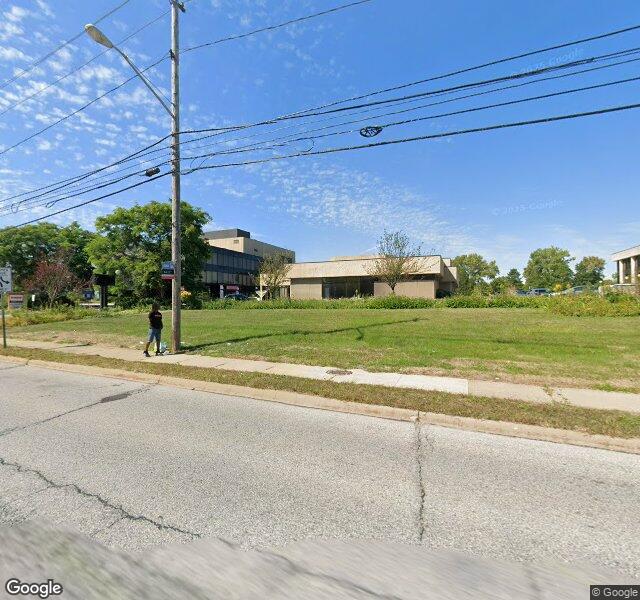
Who Owns and Operates Beachwood Pointe?

BEACHWOOD POINTE CARE CENTER is owned by a for-profit company. For-profit facilities operate as businesses with obligations to shareholders or private owners. The facility operates independently rather than as part of a larger chain. With 120 certified beds and approximately 94 residents (about 78% occupancy), it is a mid-sized facility located in BEACHWOOD, Ohio.
How Does Beachwood Pointe Compare to Other Ohio Nursing Homes?

Compared to the 100 nursing homes in Ohio, BEACHWOOD POINTE CARE CENTER's overall rating (1 stars) is below the state average of 3.2, staff turnover (53%) is near the state average of 46%, and health inspection rating (1 stars) is much below the national benchmark.

What Should Families Ask When Visiting Beachwood Pointe?

Based on this facility's data, families visiting should ask: "Can you walk me through typical staffing levels on day, evening, and night shifts?" "Can I visit during a mealtime to observe dining assistance and food quality?" "How do you handle medical emergencies, and what is your hospital transfer rate?" "Can I speak with family members of current residents about their experience?" These questions are particularly relevant given the below-average staffing rating.

Is Beachwood Pointe Safe?

Based on CMS inspection data, BEACHWOOD POINTE CARE CENTER has a clean safety record: no substantiated abuse findings (meaning no confirmed cases of resident harm), no Immediate Jeopardy citations (the most serious violation level indicating risk of serious injury or death), and is not on the Special Focus Facility watch list (a federal program monitoring the lowest-performing 1% of nursing homes). The facility has a 1-star overall rating and ranks #100 of 100 nursing homes in Ohio. While no facility is perfect, families should still ask about staff-to-resident ratios and recent inspection results during their visit.

Do Nurses at Beachwood Pointe Stick Around?

BEACHWOOD POINTE CARE CENTER has a staff turnover rate of 53%, which is 7 percentage points above the Ohio average of 46%. Moderate turnover is common in nursing homes, but families should still ask about staff tenure and how the facility maintains care continuity when employees leave.

Was Beachwood Pointe Ever Fined?

BEACHWOOD POINTE CARE CENTER has no federal fines on record. CMS issues fines when nursing homes fail to meet care standards or don't correct problems found during inspections. The absence of fines suggests the facility has either maintained compliance or corrected any issues before penalties were assessed. This is a positive indicator, though families should still review recent inspection reports for the full picture.

Is Beachwood Pointe on Any Federal Watch List?

BEACHWOOD POINTE CARE CENTER is not on any federal watch list. The most significant is the Special Focus Facility (SFF) program, which identifies the bottom 1% of nursing homes nationally based on persistent, serious quality problems. Not being on this list means the facility has avoided the pattern of deficiencies that triggers enhanced federal oversight. This is a positive indicator, though families should still review the facility's inspection history directly.