JOSHUA TREE CARE CENTER
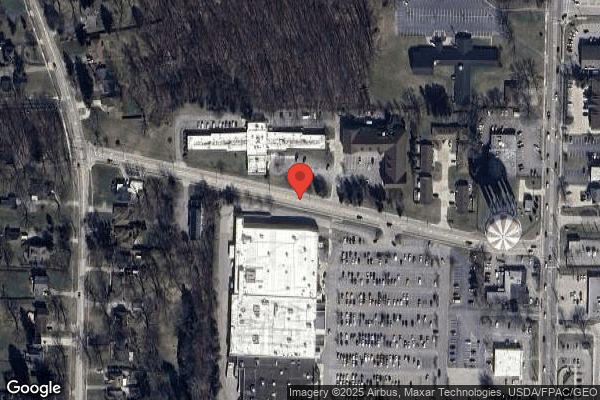
27500 MILL RD, NORTH OLMSTED, OH 44070 (440) 777-8444
For profit - Individual 36 Beds Independent Data: November 2025
Trust Grade
90/100
#89 of 913 in OH
Last Inspection: January 2025

Within standard 12-15 month inspection cycle. Federal law requires annual inspections.

Overview

Joshua Tree Care Center in North Olmsted, Ohio, has an impressive Trust Grade of A, indicating it is considered excellent and highly recommended. It ranks #89 out of 913 nursing homes in Ohio, placing it in the top half of facilities statewide, and #9 out of 92 in Cuyahoga County, meaning only eight local options are better. The facility's trend is stable, with the number of reported issues remaining the same at five from 2023 to 2025. While staffing has a rating of 3 out of 5, which is average, the turnover rate is a positive 33%, significantly lower than the state average, suggesting staff retention is good. However, there are some areas of concern, including incidents where food was not properly labeled or dated, leading to potential contamination risks, and instances where RN coverage was insufficient for eight consecutive hours, which could impact resident care. Overall, while the facility has strong ratings and good staffing, families should be aware of these concerns.

Trust Score
A
90/100
In Ohio
#89/913
Top 9%
Safety Record
Low Risk
No red flags
Inspections
Holding Steady
5 → 5 violations
Staff Stability
○ Average
33% turnover. Near Ohio's 48% average. Typical for the industry.
Penalties
✓ Good
No fines on record. Clean compliance history, better than most Ohio facilities.
Skilled Nurses
✓ Good
Each resident gets 42 minutes of Registered Nurse (RN) attention daily — more than average for Ohio. RNs are trained to catch health problems early.
Violations
⚠ Watch
11 deficiencies on record. Higher than average. Multiple issues found across inspections.
★★★★★
5.0
Overall Rating
★★★☆☆
3.0
Staff Levels
★★★★★
5.0
Care Quality
★★★★☆
4.0
Inspection Score
Stable
2023: 5 issues
2025: 5 issues

The Good

  • 5-Star Quality Measures · Strong clinical quality outcomes
  • Full Sprinkler Coverage · Fire safety systems throughout facility
  • No fines on record
  • Staff turnover below average (33%)

    15 points below Ohio average of 48%

Facility shows strength in quality measures, fire safety.

The Bad

Staff Turnover: 33%

13pts below Ohio avg (46%)

Typical for the industry

The Ugly 11 deficiencies on record

Jan 2025 5 deficiencies
CONCERN (D)

Potential for Harm - no one hurt, but risky conditions existed

Comprehensive Care Plan (Tag F0656)

Could have caused harm · This affected 1 resident

**NOTE- TERMS IN BRACKETS HAVE BEEN EDITED TO PROTECT CONFIDENTIALITY** Based on record review and interview the facility failed to develop a person-centered care plan for post-traumatic stress disord...

Read full inspector narrative →
**NOTE- TERMS IN BRACKETS HAVE BEEN EDITED TO PROTECT CONFIDENTIALITY** Based on record review and interview the facility failed to develop a person-centered care plan for post-traumatic stress disorder (PTSD). This affected two residents (Residents #10 and #24) out of 15 residents reviewed for care planning. The facility census was 35. Finding include: 1. Review of the medical record for Resident #10 revealed and admittance date of 10/04/24 with diagnoses including chronic obstructive pulmonary disease (COPD), venous insufficiency, post-traumatic stress disorder (PTSD), depression, dementia, type II diabetes, and chronic kidney disease. Review of Resident #10's quarterly Minimum Data Set (MDS) 3.0 assessment dated [DATE] revealed the resident had intact cognition and had moderate depression. The resident required supervision with activities of daily living. No behaviors were noted. The resident was recorded as having received antidepressant medications. Review of Resident #10's care plan dated 12/27/24 revealed the resident had potential for psychosocial well-being problems and was at risk for changes in mood related to nursing home placement. On 12/19/24, the resident was agreeable to a psychological consult at the facility and continued to see psychiatry in the community for PTSD. Interventions included psychology consult as needed and to review preferences quarterly and as needed. The plan did not identify trigger-specific interventions and ways to decrease the resident's exposure to triggers which re-traumatize the resident, as well as identify ways to mitigate or decrease the effect of the trigger on the resident. Interview on 01/15/25 at 12:30 P.M. with Registered Nurse (RN) #850 verified she did not develop a specific care plan for PTSD for Resident #10 or Resident #24 that identified triggers or interventions to minimize or eliminate triggers. RN #850 stated that PSTD was referenced in Resident #10 nutritional, activities of daily living, and skin integrity plan. 2. Review of Resident #24's medical record revealed an admission date of 05/09/24 with diagnoses including osteoarthritis, PTSD, traumatic brain injury, type II diabetes, and schizoaffective disorder. Review of the quarterly Minimum Data Set (MDS) 3.0 assessment dated [DATE] revealed the resident had impaired cognition and required substantial to maximum assistance with activities of daily living. No behaviors were noted. The resident was recorded as having received antidepressant medications. Review of Resident #24's care plan dated 12/04/24 revealed the resident was at risk for psychosocial wellbeing decline and changes in mood related to diagnosis including depression, anxiety, parkinsonism, hydrocephalus, transient ischemic attack (TIA) a brief stroke, traumatic brain injury and PTSD. Intervention included to identify factors that influence resident psycho-social wellbeing/mood. No factors were identified. The plan did not identify trigger-specific interventions or ways to decrease the resident's exposure to triggers which could re-traumatize the resident, as well as identify ways to mitigate or decrease the effect of the trigger on the resident.
CONCERN (D)

Potential for Harm - no one hurt, but risky conditions existed

ADL Care (Tag F0677)

Could have caused harm · This affected 1 resident

**NOTE- TERMS IN BRACKETS HAVE BEEN EDITED TO PROTECT CONFIDENTIALITY** Based on medical record review, interview, and review of the facility policy, the facility failed to ensure showers were complet...

Read full inspector narrative →
**NOTE- TERMS IN BRACKETS HAVE BEEN EDITED TO PROTECT CONFIDENTIALITY** Based on medical record review, interview, and review of the facility policy, the facility failed to ensure showers were completed for Resident #4. This affected one resident (Resident #4) of two residents reviewed for activities of daily living. The facility census was 35. Findings include: Review of Resident #4's medical record revealed an admission date of 06/14/22 diagnoses including type II diabetes, heart disease, depression and dementia. Review of Resident #4's care plan dated 10/15/22 revealed she required assistance with bathing and dressing. Review of Resident #4's progress notes revealed a note dated 04/21/23 at 11:18 A.M. which stated the resident requested one shower per week. The resident agreed to receive a shower on Monday mornings. Review of Resident 4's comprehensive Minimum Data Set (MDS) 3.0 assessment dated [DATE] revealed the resident required substantial to maximal assistance with showers. Review of Resident #4's shower documentation for December 2024 revealed the resident received a shower on 12/02/24, 12/09/24, 12/16/24 and 12/30/24. There was 13 days without a shower from 12/16/25 to 12/30/25. Interview on 01/12/25 at 3:36 P.M. with Resident #4 stated she received a shower every other week. Interview with the Director of Nursing on 01/13/25 at 2:49 P.M. verified the resident received a shower on 12/16/24 and on 12/30/24, and confirmed the resident went 13 day without receiving a shower. Review of the facility policy titled Shower and bathing schedules, revised April 2023 revealed the resident bathing schedule is set-up that each resident is given at least whirlpool tub bath or shower once a week according to their preference.
CONCERN (F)

Potential for Harm - no one hurt, but risky conditions existed

Food Safety (Tag F0812)

Could have caused harm · This affected most or all residents

Based on observation, staff interview, and policy review, the facility failed ensure food was labeled and dated in a manner to prevent food contamination and spoilage, failed to ensure expired food wa...

Read full inspector narrative →
Based on observation, staff interview, and policy review, the facility failed ensure food was labeled and dated in a manner to prevent food contamination and spoilage, failed to ensure expired food was disposed of timely, and failed to ensure food was served to residents in a clean and sanitary manner. This had the potential to affect all residents. The facility census was 35. Findings include: 1. Tour of the facility's main kitchen and kitchenette on 01/12/24 between 8:00 A.M. and 8:33 A.M. with Dietary Manager (DM) #759 revealed the following that was observed and verified at the time of discovery: a. An open plastic container of sour cream with an expiration date of 01/06/25. b. Five packages of raisins with an expiration date of 11/13/24. c. An open package of liquid butter with no date. d. An open package of baking soda with no date. e. An open package of sprinkles with no date. f. An open package of marshmallows with no date. g. Four packages of orange juice thickener with a best-by date of 11/15/24. h. A peanut butter container in both the main kitchen area and kitchenette with expiration dates of 11/24/24. i. The ceiling lights directly above the kitchenette serving area had numerous dead bugs. 2. Observation of the dinner time meal service on 01/12/24 between 5:00 P.M. and 5:30 P.M. revealed the meal was being served by Dietary Aide (DA) #761. During the entire observation, DA #761 was noted to not be wearing a hair net while actively engaged in the serving of the dinner time meal. An interview on 01/12/24 at 5:33 P.M. with the Director of Nursing (DON) verified that DA #761 was not wearing a hair net as required. Review of the policy entitled Food Safety/Sanitary Conditions dated 11/01/19 revealed hair restraints must be worn to prevent hair from contacting exposed food.
MINOR (C)

Minor Issue - procedural, no safety impact

Deficiency F0625 (Tag F0625)

Minor procedural issue · This affected most or all residents

**NOTE- TERMS IN BRACKETS HAVE BEEN EDITED TO PROTECT CONFIDENTIALITY** 2. Review of Resident #21's medical record revealed an admission date of 06/14/22 with diagnoses including chronic kidney diseas...

Read full inspector narrative →
**NOTE- TERMS IN BRACKETS HAVE BEEN EDITED TO PROTECT CONFIDENTIALITY** 2. Review of Resident #21's medical record revealed an admission date of 06/14/22 with diagnoses including chronic kidney disease, depressive disorder, peripheral vascular disease, and chronic obstructive pulmonary disease (COPD). Review of Resident #21's medical record revealed Resident #21 was transferred to the hospital on two occasions, on 04/18/24 and 04/26/24. Resident #21's electronic and hard medical chart revealed no evidence that Resident #21 was given a copy of the facility's bed hold policy before or immediately after the transfer to the hospital. Interview on 01/14/25 at 1:40 P.M. with the Owner verified the facility was not providing bed hold notices. The Owner stated the employee who was responsible for bed hold notices terminated employment and she did not assign the task to another employee. However, going forward she stated she would ensure residents and/or representatives received bed hold notices. Review of the facility's policy titled Bed-Hold Policy/Payment for Services. revised November 2017 revealed should a resident be transferred to the hospital, the resident will be notified of the bed hold policy. Based on record review, staff interview and policy review, the facility failed to ensure residents were given written copies of the facility bed hold policy upon discharge/transfer from the facility. This affected two (Residents #21 and #33) of two residents reviewed for hospitalization. The facility census was 35. Findings include: 1. Review of Resident #33's medical record revealed an admission date of 11/18/24 with diagnoses including kidney failure, hypertension and bipolar disorder. Review of Resident #33's nursing progress noted revealed Resident #33 was discharged to an acute care hospital on [DATE] and did not return to the facility. Review of both the electronic and hard medical charts for Resident #33 revealed no evidence that Resident #33 was given a copy of the facility's bed hold policy before or immediately after his transfer to the hospital.
MINOR (C)

Minor Issue - procedural, no safety impact

Deficiency F0838 (Tag F0838)

Minor procedural issue · This affected most or all residents

**NOTE- TERMS IN BRACKETS HAVE BEEN EDITED TO PROTECT CONFIDENTIALITY** Based on review of the facility assessment and staff interview, the facility failed to ensure its facility assessment contained ...

Read full inspector narrative →
**NOTE- TERMS IN BRACKETS HAVE BEEN EDITED TO PROTECT CONFIDENTIALITY** Based on review of the facility assessment and staff interview, the facility failed to ensure its facility assessment contained all required information. This had the potential to affect all 35 residents. The facility census was 35. Findings include: Review of the facility assessment dated [DATE] revealed the assessment did not contain information on how the facility would develop and maintain a plan to maximize recruitment and retention of direct care staff. Interview on 01/17/25 at 11:14 A.M. with the Administrator verified the assessment did not contain all required information on recruitment and retention of direct care staff.
Mar 2023 5 deficiencies
CONCERN (F)

Potential for Harm - no one hurt, but risky conditions existed

Deficiency F0727 (Tag F0727)

Could have caused harm · This affected most or all residents

Based on record review and staff interview the facility failed to ensure the service of a Registered Nurse (RN) for at least eight hours a day seven days a week as required. This had the potential to ...

Read full inspector narrative →
Based on record review and staff interview the facility failed to ensure the service of a Registered Nurse (RN) for at least eight hours a day seven days a week as required. This had the potential to affect all residents. The facility census was 30. Findings Include: Review of facility staffing schedules revealed on 04/02/22, 04/03/22, 04/16/22, 04/17/22, 04/30/22, 05/01/22, 05/14/22, 05/28/22, 05/29/22, 06/12/22, and 06/25/22 the facility did not have the services of an RN for eight consecutive hours as required. Interview with the Administrator on 03/07/23 at 5:00 P.M. verified the lack of RN hours on the dates listed above.
CONCERN (F)

Potential for Harm - no one hurt, but risky conditions existed

Food Safety (Tag F0812)

Could have caused harm · This affected most or all residents

Based on observation and staff interview the facility failed to ensure food was labeled and dated properly and the walk in freezer was maintained in good working condition. This had the potential to a...

Read full inspector narrative →
Based on observation and staff interview the facility failed to ensure food was labeled and dated properly and the walk in freezer was maintained in good working condition. This had the potential to affect all residents. The facility census was 30. Findings Include: Observation during tour of the kitchen on 03/06/23 between 7:15 A.M. and 7:33 A.M. revealed the following. 1. The walk in in freezer had significant ice build up. Multiple chunks of ice more then six inches in diameter with ice crystals formed were stuck to the freezer shelves. One of the chunks of ice had engulfed a box of tater tots and the box of tater tots was stuck to the ice block and immovable. Hanging from the top of freezer were over ten, six inch long icicles. In addition, there was an undated and opened bag chicken patties, an undated and opened bag of chicken tenders, an undated unlabeled and opened bag of cheese omelettes, an undated and opened box of pork egg rolls, and two undated and opened packages of ham. 2. In the dry storage area there was a dented can of sweet peas, an undated and opened bag of elbow macaroni, an undated and opened bag of rainbow rotini, an undated and opened bag of rigatoni, and an undated and open container of liquid butter. Interview with Dietary Manager (DM) #800 at the time of the discovery, on 03/06/23 between 7:15 A.M. and 7:33 A.M., confirmed the observations.
CONCERN (F)

Potential for Harm - no one hurt, but risky conditions existed

Deficiency F0865 (Tag F0865)

Could have caused harm · This affected most or all residents

Based on record review and interview the facility failed to implement and maintain a comprehensive Quality Assurance Performance and Improvement (QAPI) plan. This had the potential to affect all 30 re...

Read full inspector narrative →
Based on record review and interview the facility failed to implement and maintain a comprehensive Quality Assurance Performance and Improvement (QAPI) plan. This had the potential to affect all 30 residents residing at the facility. Findings Include: Review of the QAPI program documentation revealed no evidence the plan addressed the full range of care and services provided by the facility which was comprehensive, data driven and ongoing. There were no indicators focusing on outcomes of care, quality of life or resident rights. Interview with Director of Nursing (DON) on 03/09/23 at 2:10 P.M. revealed the facility did not have a plan to provide the survey team. The last QAPI plan was completed on 03/16/21. Interview with the Administrator on 03/09/23 at 2:15 P.M. verified the facility was not participating in any data driven ongoing QAPI programs. Several weeks ago she started considering programs for participation. Review of the facility's policy titled Quality Assurance Program, undated revealed the facility would have a program in effect, in order to continue to identify, monitor, evaluate and promote the maintenance and enhancement of every resident's quality of life and quality of care.
CONCERN (F)

Potential for Harm - no one hurt, but risky conditions existed

Infection Control (Tag F0880)

Could have caused harm · This affected most or all residents

Based on record review and interview the facility failed to implement and monitor measures to prevent the potential spread of Legionella. This had the potential to affect all 30 residents residing at ...

Read full inspector narrative →
Based on record review and interview the facility failed to implement and monitor measures to prevent the potential spread of Legionella. This had the potential to affect all 30 residents residing at the facility. Findings include: Review of the facility's policy titled Legionella Prevention Program dated November 2017, revealed control measures including physical control measures, water temperature management, disinfectant level controls, visual inspections, environmental testing for pathogens and specific testing protocols with acceptable ranges for control measures. Parameters included: • Hot water to be maintained above a temperature of 122 degrees Fahrenheit (F). • Cold water temperatures to be maintained below 77 degrees F. • Maintain chlorine residual levels at Center of Diseases Control and Prevention (CDC) recommended levels. • Maintain chlorine residual logs to ensure safe levels. Review of the Legionella water testing log from 03/01/22 through 03/01/23 revealed one entry indicating on 05/12/22 the water from the faucet at the eye wash station located in the kitchen was tested and negative for Legionella. There was no documented evidence the other control measures listed in the facility's legionella prevention program were implemented/monitored. Interview with the Administrator on 03/09/23 at 11:00 A.M. revealed the facility had no additional documentation to support the facility's legionella prevention program was implemented/monitored. Review of CMS Survey and Certification letter 17-30-All, dated 06/02/17, revealed facilities were to implement a water management program that considered the American Society of Heating, Refrigerating and Air-Conditioning Engineers (ASHRAE) industry standard and the Center of Disease Control and Prevention (CDC) toolkit, and included control measures such as physical controls, temperature management, disinfection level control, visual inspections, and environmental testing for pathogens.
MINOR (B)

Minor Issue - procedural, no safety impact

Deficiency F0582 (Tag F0582)

Minor procedural issue · This affected multiple residents

**NOTE- TERMS IN BRACKETS HAVE BEEN EDITED TO PROTECT CONFIDENTIALITY** Based on record review and staff interview the facility failed to ensure notices of Medicare non-coverage (NOMNC) contained all ...

Read full inspector narrative →
**NOTE- TERMS IN BRACKETS HAVE BEEN EDITED TO PROTECT CONFIDENTIALITY** Based on record review and staff interview the facility failed to ensure notices of Medicare non-coverage (NOMNC) contained all required information. This affected two of two residents (Residents #133 and #134) reviewed for beneficiary notices. The facility census was 30. Findings Include: Medical record review revealed Resident #133 was admitted to the facility [DATE] with diagnoses that included heart failure and high blood pressure. Resident #133 discharged home [DATE]. Review of the NOMNC given to Resident #133 on [DATE] prior to his discharge revealed the notice stated Your Medicare provider and/or health plan have determined that Medicare with not pay for your current {insert type} services after the effective date indicated above. Medical record review revealed Resident #134 was admitted to the facility on [DATE] with diagnoses that included left femur fracture, anxiety disorder and depression. Resident #134 expired at the facility on [DATE]. Review of the NOMNC given to Resident #134 on [DATE] prior to ending skilled services and electing hospice services revealed the notice stated Your Medicare provider and/or health plan have determined that Medicare with not pay for your current {insert type} services after the effective date indicated above. Interview with Social Worker (SW) #998 on [DATE] at 3:30 P.M. verified the notices given to Residents #133 and #134 did not contain what service type was ending.
Jan 2020 1 deficiency
CONCERN (F)

Potential for Harm - no one hurt, but risky conditions existed

Food Safety (Tag F0812)

Could have caused harm · This affected most or all residents

Based on observation, interview and record review, the facility failed to ensure the kitchen was maintained in a clean and sanitary manner and that food was properly stored. This affected 47 out 47 re...

Read full inspector narrative →
Based on observation, interview and record review, the facility failed to ensure the kitchen was maintained in a clean and sanitary manner and that food was properly stored. This affected 47 out 47 residents residing in the facility who received meals from the dietary department. Findings include: A tour of the kitchen was conducted on 01/21/10 with the Registered Nurse #100 from 8:04 A.M. through 8:15 A.M. Dietary Manager (DM) #101 was not yet at the facility. Observation of the kitchen revealed a black cart had food particles on both shelves, dried cake batter on the mixer which was covered by a plastic bag and considered clean, two bags of noodles and black eyed peas were not labeled or dated in the dry storeroom, there was ice was build-up along the back of the walk-in freezer that created ice on top of a box of dinner rolls and two pizza crusts were not labeled or dated. A follow-up visit was conducted on 01/22/20 at 9:14 A.M. and revealed food splatter and white icing were on the ceiling. DM #101 and Registered Dietitian (RD) #102 verified the findings at time of observation. Review of the policy titled, Food Safety/Sanitary Conditions, dated 11/2019, revealed that food sanitary conditions must be present in healthcare food service settings.
Understanding Severity Codes (click to expand)
Life-Threatening (Immediate Jeopardy)
J - Isolated K - Pattern L - Widespread
Actual Harm
G - Isolated H - Pattern I - Widespread
Potential for Harm
D - Isolated E - Pattern F - Widespread
No Harm (Minor)
A - Isolated B - Pattern C - Widespread

Questions to Ask on Your Visit

  • "Can I speak with families of current residents?"
  • "What's your RN coverage like on weekends and overnight?"

Our Honest Assessment

Strengths
  • • Grade A (90/100). Above average facility, better than most options in Ohio.
  • • No major safety red flags. No abuse findings, life-threatening violations, or SFF status.
  • • No fines on record. Clean compliance history, better than most Ohio facilities.
  • • 33% turnover. Below Ohio's 48% average. Good staff retention means consistent care.
Concerns
  • • 11 deficiencies on record. Higher than average. Multiple issues found across inspections.
Bottom line: Generally positive indicators. Standard due diligence and a personal visit recommended.

About This Facility

What is Joshua Tree's CMS Rating?

CMS assigns JOSHUA TREE CARE CENTER an overall rating of 5 out of 5 stars, which is considered much above average nationally. Within Ohio, this rating places the facility higher than 99% of the state's 100 nursing homes. This rating reflects solid performance across the metrics CMS uses to evaluate nursing home quality.

How is Joshua Tree Staffed?

CMS rates JOSHUA TREE CARE CENTER's staffing level at 3 out of 5 stars, which is average compared to other nursing homes. Staff turnover is 33%, compared to the Ohio average of 46%. This relatively stable workforce can support continuity of care.

What Have Inspectors Found at Joshua Tree?

State health inspectors documented 11 deficiencies at JOSHUA TREE CARE CENTER during 2020 to 2025. These included: 8 with potential for harm and 3 minor or isolated issues.

Who Owns and Operates Joshua Tree?

JOSHUA TREE CARE CENTER is owned by a for-profit company. For-profit facilities operate as businesses with obligations to shareholders or private owners. The facility operates independently rather than as part of a larger chain. With 36 certified beds and approximately 32 residents (about 89% occupancy), it is a smaller facility located in NORTH OLMSTED, Ohio.

How Does Joshua Tree Compare to Other Ohio Nursing Homes?

Compared to the 100 nursing homes in Ohio, JOSHUA TREE CARE CENTER's overall rating (5 stars) is above the state average of 3.2, staff turnover (33%) is significantly lower than the state average of 46%, and health inspection rating (4 stars) is above the national benchmark.

What Should Families Ask When Visiting Joshua Tree?

Based on this facility's data, families visiting should ask: "Can I visit during a mealtime to observe dining assistance and food quality?" "How do you handle medical emergencies, and what is your hospital transfer rate?" "Can I speak with family members of current residents about their experience?"

Is Joshua Tree Safe?

Based on CMS inspection data, JOSHUA TREE CARE CENTER has a clean safety record: no substantiated abuse findings (meaning no confirmed cases of resident harm), no Immediate Jeopardy citations (the most serious violation level indicating risk of serious injury or death), and is not on the Special Focus Facility watch list (a federal program monitoring the lowest-performing 1% of nursing homes). The facility has a 5-star overall rating and ranks #1 of 100 nursing homes in Ohio. While no facility is perfect, families should still ask about staff-to-resident ratios and recent inspection results during their visit.

Do Nurses at Joshua Tree Stick Around?

JOSHUA TREE CARE CENTER has a staff turnover rate of 33%, which is about average for Ohio nursing homes (state average: 46%). Moderate turnover is common in nursing homes, but families should still ask about staff tenure and how the facility maintains care continuity when employees leave.

Was Joshua Tree Ever Fined?

JOSHUA TREE CARE CENTER has no federal fines on record. CMS issues fines when nursing homes fail to meet care standards or don't correct problems found during inspections. The absence of fines suggests the facility has either maintained compliance or corrected any issues before penalties were assessed. This is a positive indicator, though families should still review recent inspection reports for the full picture.

Is Joshua Tree on Any Federal Watch List?

JOSHUA TREE CARE CENTER is not on any federal watch list. The most significant is the Special Focus Facility (SFF) program, which identifies the bottom 1% of nursing homes nationally based on persistent, serious quality problems. Not being on this list means the facility has avoided the pattern of deficiencies that triggers enhanced federal oversight. This is a positive indicator, though families should still review the facility's inspection history directly.