KING DAVID POST ACUTE NURSING & REHABILITATION LLC
27100 CEDAR RD, BEACHWOOD, OH 44122 (216) 831-6500
For profit - Individual 355 Beds Independent Data: November 2025
Trust Grade
23/100
#872 of 913 in OH
Last Inspection: May 2024

Within standard 12-15 month inspection cycle. Federal law requires annual inspections.

Overview

King David Post Acute Nursing & Rehabilitation LLC received a Trust Grade of F, indicating significant concerns about the facility's care and management. Ranking #872 out of 913 facilities in Ohio and #89 out of 92 in Cuyahoga County places it in the bottom half of options available, suggesting families may want to explore better alternatives. Although the facility's issues have improved from 32 in 2024 to 12 in 2025, it still has a troubling number of incidents, including one serious case where a resident suffered a fractured collarbone due to a failure in fall prevention measures. Staffing is average with a 3/5 rating, but the 73% turnover rate is concerning, suggesting that many staff members do not stay long. Families should also note that while there are some strengths, like good quality measures, there are significant issues with meal quality and temperature, as multiple residents reported dissatisfaction with their food.

Trust Score
F
23/100
In Ohio
#872/913
Bottom 5%
Safety Record
Moderate
Needs review
Inspections
Getting Better
32 → 12 violations
Staff Stability
⚠ Watch
73% turnover. Very high, 25 points above average. Constant new faces learning your loved one's needs.
Penalties
✓ Good
$10,221 in fines. Lower than most Ohio facilities. Relatively clean record.
Skilled Nurses
✓ Good
Each resident gets 47 minutes of Registered Nurse (RN) attention daily — more than average for Ohio. RNs are trained to catch health problems early.
Violations
⚠ Watch
60 deficiencies on record. Higher than average. Multiple issues found across inspections.
★☆☆☆☆
1.0
Overall Rating
★★★☆☆
3.0
Staff Levels
★★★★☆
4.0
Care Quality
★☆☆☆☆
1.0
Inspection Score
Stable
2024: 32 issues
2025: 12 issues

The Good

  • 4-Star Quality Measures · Strong clinical quality outcomes
  • Full Sprinkler Coverage · Fire safety systems throughout facility
  • No fines on record

Facility shows strength in quality measures, fire safety.

The Bad

1-Star Overall Rating

Below Ohio average (3.2)

Significant quality concerns identified by CMS

Staff Turnover: 73%

27pts above Ohio avg (46%)

Frequent staff changes - ask about care continuity

Federal Fines: $10,221

Below median ($33,413)

Minor penalties assessed

Staff turnover is very high (73%)

25 points above Ohio average of 48%

The Ugly 60 deficiencies on record

1 actual harm
Sept 2025 6 deficiencies
CONCERN (D) 📢 Someone Reported This

A family member, employee, or ombudsman was alarmed enough to file a formal complaint

Potential for Harm - no one hurt, but risky conditions existed

ADL Care (Tag F0677)

Could have caused harm · This affected 1 resident

**NOTE- TERMS IN BRACKETS HAVE BEEN EDITED TO PROTECT CONFIDENTIALITY** Based on record review, observation, interview and review of the facility policy, the facility failed to ensure residents depend...

Read full inspector narrative →
**NOTE- TERMS IN BRACKETS HAVE BEEN EDITED TO PROTECT CONFIDENTIALITY** Based on record review, observation, interview and review of the facility policy, the facility failed to ensure residents dependent on staff for activities of daily living (ADL) received assistance for feeding and showers as ordered, recommended per therapy and/or per preference. This affected two residents (#8 and #195) out of four residents reviewed for resident's dependent on ADL care on the [NAME] unit. This had the potential to affect four residents (#91, #107, #185, and #195) that required feeding assistance, and all 31 residents (#8, #33, #45, #61, #89, #91, #93, #102, #104, #107, #143, #146, #155, #181, #185, #187, #192, #194, #195, #198, #199, #200, #203, #213, #229, #231, #233, #249, #252, #267, and #292) that the facility identified requiring assistance with showers on the [NAME] unit. The facility census was 259. Findings include: 1. Review of the medical record for Resident #195 revealed an admission date of 02/01/10 with diagnoses including hemiplegia affecting the right dominant side, dysphagia, diabetes, and gastro-esophageal reflux disease (GERD). Review of the care plan dated 02/14/20 revealed Resident #195 had a self-care performance deficit. Interventions included assistance of one staff with eating. Review of the care plan dated 02/14/20 revealed Resident #195 required assistance with ADL including cues and assistance with feeding as needed to assist in choking prevention. Interventions included cueing the resident and/or assisting with feeding and reminding the resident to slow down when feeding self. Review of the undated Assignment B report sheet revealed Resident #195 was not to have coffee, was on a soft diet with honey thick liquids, no cold cereal, encourage oral fluids, and head of bed up at 45 degrees at all times. Review of the nursing notes dated 06/11/25 at 8:47 A.M. and authored by Registered Nurse (RN) #958 revealed Resident #195 choked on scrambled eggs. Nurses and Certified Nursing Assistants (CNAs) were able to dislodge the food, as Resident #195 was lowered to the floor. Review of the quarterly Minimum Data Set (MDS) 3.0 assessment dated [DATE] revealed Resident #195 had intact cognition and had impairment of one of her upper extremities. She required set up and clean up assistance with eating. She was on a mechanically altered diet. Review of the Speech Therapy Updated Therapy Plan dated 08/22/25 and completed by Speech Therapist (ST) #712 revealed Resident #195 had dysphagia and hemiplegia of her right dominant side. She had a choking incident on 06/11/25 and required cues to reduce rate and alternate liquids and solids. She had precautions in place that included instructing the resident to double swallow, no hot liquids and soft texture diet. Review of the September 2025 physician orders revealed Resident #195 had an order for mechanical soft, diabetic diet with nectar thickened liquids and an order dated 06/12/25 for Resident #195 to be fed by staff, including to sit with the resident, and remind the resident to slow down and chew her food thoroughly before attempting to swallow every shift. Observation on 09/10/25 at 8:15 A.M. revealed Resident #195 was eating breakfast in the dining room with her tray in front of her. She was eating scrambled eggs, banana, and hot cereal independently. She appeared to place large bites into her mouth utilizing a foam handled spoon and taking another bite before fully swallowing the previous bite. She had an occasional cough while eating and drinking. CNA #506 was observed in the dining room with her back to Resident #195 feeding Resident #185 and was not reminding Resident #195 to slow down and chew her food thoroughly before attempting to swallow. Interview on 09/10/25 at 8:30 A.M. with CNA #506 revealed she was told that Resident #195 ate by herself and did not require any assistance, including feeding, monitoring, cueing, reminding the resident to slow down, and/or to chew her food thoroughly before attempting to swallow. She was not aware of any previous choking incidents and was not aware of any feeding interventions. Observation on 09/10/25 at 12:25 P.M. revealed Resident #195 received her tray from CNA #656 in the dining room. He uncovered her tray which included an enchilada, diced carrots, rice and pears and then went back to pass other trays. Resident #195 picked up the enchilada and began to take a bite, chewed once and then took another bite. Resident #195 continued to take multiple bites at a fast pace without fully chewing and swallowing the food. After completing the enchilada, she picked up her spoon with foam handle and began scooping a heaping spoonful of rice and carrots placing it in her mouth. Before she completely chewed and swallowed, she consumed another heaping spoonful. She continued to repeat the process until she completed the rice and carrots. She then took the fruit cup lifted the cup to her mouth and took one large gulp of juice and fruit (pears) and before fully chewing and swallowing she repeated and took a second gulp (emptying the fruit cup) in the two gulps. During the process, Resident #195 coughed intermittently, and no staff intervened attempting to feed, remind Resident #195 to slow down and chew her food thoroughly before attempting to swallow or take another bite. Interview on 09/10/25 at 12:30 P.M. with CNA #656, after Resident #195 completed eating her enchilada, revealed he was just assigned to pass the trays as he usually did not work on the [NAME] unit. He verified he gave Resident #195 her tray and was not aware if she needed fed, cued or reminded to slow down and chew her food thoroughly before attempting to swallow or take another bite during her meal. CNA #656 walked away and proceeded to continue to pass trays as Resident #195 continued to eat independently. Interview on 09/10/25 at 12:25 P.M. with ST #698 revealed Resident #195 was on and off the speech case load over the years due to dysphagia. She was currently on a maintenance program where ST checked in on her status every two weeks. She had a history of coughing on her food, eating at a fast pace, and taking a bite before chewing fully and swallowing the previous bite. She had a choking incident in the past, and staff were to remind her to double swallow, take small bites, alternate liquids and food, and slow down her rate of eating. Staff should be monitoring as she eats because Resident #195 had cognitive impairment and needed continuous reminders. She did not have any documented evidence that staff were trained on the dining interventions and stated the unit manager for the unit usually completed the education. Interview on 09/10/25 at 1:07 P.M. with RN Unit Manager #726 verified Resident #195 had a physician order that included she was to be fed by staff and required staff to sit with the resident, remind her to slow down and chew food thoroughly before attempting to swallow. She verified Resident #195 had a previous choking incident and needed monitored during meals as she ate with a fast pace as well as took bites of food without properly chewing and swallowing the previous bites. She revealed staff on the floor received a report sheet at the beginning of the shift that was detailed regarding the care needs of each resident and Resident #195's dining needs and interventions were on that report sheet. RN/ Unit Manager #726 went up to CNA #656 and requested the report sheet he had for Resident #195. CNA #656 revealed he had only grabbed Assignment A report sheet and not Assignment B which had Resident #195 on it. He verified again to RN/ Unit Manager #726 he was unaware Resident #195 had any specific dining interventions. RN/ Unit Manager #72 then located Assignment B report sheet in the nursing office and verified the report sheet identified that Resident #195 was not to have coffee, was on a soft honey thick liquid diet, no cold cereal, encourage oral fluids, and head of bed up at 45 degrees. She verified the report sheet was incorrect as Resident #195 was not on honey thick liquids instead she was on nectar and verified there was nothing on the report sheet regarding dining interventions including that she was to be fed by staff, staff were to sit with the resident, and remind her to slow down and chew food thoroughly before attempting to swallow as ordered. She verified she had no other education or training that staff would be aware of the dining interventions. Interview on 09/15/25 at 1:58 P.M. with the Director of Nursing (DON) verified Resident #195 had a physician order to be fed by staff, staff was to sit with Resident #195, remind her to slow down and chew her food thoroughly before attempting to swallow as she had a previous choking incident. She revealed there was no policy regarding feeding and/or dining interventions. 2. Review of the medical record for Resident #8 revealed an admission date of 03/12/25 with diagnoses including diabetes, hemiplegia following cerebral infarction affecting the right dominant side, major depression, hypertension, and depression. Review of the care plan dated 03/24/25 revealed Resident #8 had a self-care performance deficit related to hemiplegia following cerebral infarction. Interventions included providing a sponge bath when a full bath or shower cannot be tolerated, and he was totally dependent on one staff to provide a bath and/or shower as necessary. There was no documented evidence in the care plan stating Resident #8 refused showers and/or personal hygiene. Review of the quarterly MDS 3.0 assessment dated [DATE] revealed Resident #8 had impaired cognition with no behaviors identified. He had impairment on one side of his upper and lower extremities. He was dependent on staff for ADL including dressing, personal hygiene, transfers and showers. Review of the nursing notes from 07/01/25 to 09/11/25 revealed no documented evidence that Resident #8 refused a shower and/or personal hygiene. Review of the Skin Monitoring: Comprehensive CNA Shower Review sheets revealed Resident #8 received showers 07/14/25, 07/17/25, 07/28/25, 07/31/25, 08/04/25, 08/07/25, 08/08/25, 08/11/25, 08/14/25, 08/18/25, 09/01/25, 09/04/25, and 09/08/25, 09/11/25. There were no shower sheets from 07/17/25 to 07/28/25 indicating Resident #8 had gone ten days without a bath and/or shower. There also was no shower sheet from 08/18/25 to 09/01/25 indicating Resident #8 had gone 12 days without a bath and/or shower. The shower sheets dated 09/01/25, 09/04/25, 09/08/25 and 09/11/25 had the same signature located on the sheet but it was illegible to determine who the staff was that had given Resident #8 a shower and/or bath. Review of the monitoring task bar in the electronic medical record for bathing dated from 08/18/25 to 09/16/25 revealed no documented evidence Resident #8 had received a shower and/or bath. The task bar revealed he was scheduled to have a shower every Monday and Thursday on night shift. Interview and observation on 09/08/25 at 11:14 A.M. with Resident #8 revealed he was in bed, and his hair appeared greasy with white specks throughout. Resident #8 revealed he was supposed to get a shower twice a week on Monday and Thursday, and he had not had a shower in the last two weeks. He preferred a shower twice a week, but when he asked for a shower, they would never give him one. Observation on 09/10/25 at 8:47 A.M. revealed Resident #8 was lying in bed and his hair continued to appear unkept and greasy. Interview on 09/10/25 at 12:20 P.M. with Resident #8 revealed he still had not received a shower. He stated, staff had never offered a shower. Interview and observation on 09/11/25 at 7:48 A.M. revealed Resident #8 was lying in bed, and his hair continued to be unkept and greasy. Resident #8 stated he had not received a shower. Interview on 09/11/25 at 10:50 A.M. with CNA #674 verified Resident #8's hair was unkept and greasy. She revealed he was scheduled as an evening shift shower every Monday and Thursday. She did not feel he received the showers as scheduled as he often appeared with body odor and/or his hair was greasy. She revealed Resident #8 had also stated that he had not received a shower on his shower days, and he wanted a shower. She had often passed it on to the aides that came in that he needed and wanted a shower but often the next day she would come in and he still had not received the shower. Interview on 09/15/25 at 1:58 P.M. with the DON verified there were no shower sheets from 07/17/25 to 07/28/25 indicating Resident #8 had gone ten days without a bath and/or shower. There were also no shower sheet from 08/18/25 to 09/01/25 indicating Resident #8 had gone 12 days without a bath and/or shower. She was unable to identify who had given him a shower on 09/01/25, 09/04/25, 09/08/25 and 09/11/25 as the signature on the shower sheets was illegible and that they had contacted the staff on duty for that day and were unable to determine who provided the shower. She revealed they were still working on determining who had. Interview on 09/16/25 at 10:00 A.M. with the Administrator and DON revealed they were unable to determine which staff member signed off on the shower sheet for 09/01/25, 09/04/25, 09/08/25 and 09/11/25 as it is illegible and they contacted the staff on duty and were unable to determine who had provided Resident #8 the shower and/or bath for these days. Review of the facility policy labeled, Resident Bath/ Showering/ Scheduling, dated 09/09/22, revealed residents would be bathed or showered according to their preference in order to maintain hygiene and skin condition. Each resident would be scheduled to receive bathing a minimum of two times per week unless they prefer less frequently. When the bath or shower was completed, the staff would document on the shower sheet and/or the electronic record. If the bath or shower could not be given or the resident refused, the nursing assistant would report to the charge nurse. The charge nurse would speak with the resident to determine alternative arrangements and document the refusal in the medical record. This deficiency represents non-compliance investigated under Complaint Numbers 2601023, 2562355, 1383330 (OH00166217), 1383336 (OH00165819), and 1383342 (OH00163342).
CONCERN (D) 📢 Someone Reported This

A family member, employee, or ombudsman was alarmed enough to file a formal complaint

Potential for Harm - no one hurt, but risky conditions existed

Deficiency F0679 (Tag F0679)

Could have caused harm · This affected 1 resident

**NOTE- TERMS IN BRACKETS HAVE BEEN EDITED TO PROTECT CONFIDENTIALITY** Based on record review, observation and interview, the facility failed to ensure Resident #201 was offered activities to meet he...

Read full inspector narrative →
**NOTE- TERMS IN BRACKETS HAVE BEEN EDITED TO PROTECT CONFIDENTIALITY** Based on record review, observation and interview, the facility failed to ensure Resident #201 was offered activities to meet her preferences. This affected one resident (#201) of three residents reviewed for activities. The facility census was 259. Findings include:Review of the medical record for Resident #201 revealed an admission date of 07/19/23. Diagnoses included Alzheimer's disease, congestive heart failure, glaucoma, kidney disease and anxiety. Review of the comprehensive Minimum Data Set (MDS) 3.0 assessment dated [DATE] revealed Resident #201 was severely cognitively impaired. She required setup help for eating, and supervision for oral hygiene, toileting dressing, showering and hygiene. It was very important to her to have books, newspapers and magazines to read, listen to music that she liked, be around animals, keep up with the news, do things with groups of people, get fresh air outside and participate in religious services or practices. Review of the care plan dated 07/25/25 revealed Resident #201 would benefit from activities such as walking groups, discussions, keeping up with the news, ice cream socials, religious services and being outdoors. Interventions included assisting her with the television (TV) as needed, encouraging her to attend scheduled outdoor programming and religious activities, attending scheduled activities during the week such as music and special events and accepting room visits from life enrichment staff. Review of the activity calendar for July, August and September 2025 revealed no activities listed for the locked dementia unit where Resident #201 resided. Review of the activity participation note dated 08/26/25 revealed resident #201 enjoyed being social with others and liked to participate in activities such as music, art and games. Interview on 09/08/25 at 1:43 P.M. with Resident #201's granddaughter/guardian revealed the resident was often alone in her room when she came to visit. She would encourage her grandmother to leave her room while she was there, which the resident did willingly. Observation on 09/10/25 at 12:50 P.M. revealed Resident #201 was sitting at the end of the hallway holding a toy doll, she was pleasant and alert. She was not involved in actives. Observation on 09/11/25 at 1:53 P.M. revealed Resident #201 was sitting by herself at the end of the hallway. She was not involved in activities. Observations of the locked dementia unit on 09/08/25, 09/09/25, 09/10/25, 09/11/25, 09/15/25 and 09/16/25 revealed no formal activities on the locked dementia unit. Review of the document titled Record of One-on-One Activities dated 08/04/25 through 09/12/25 revealed Resident #201 participated in music therapy six times and received a visit from activity staff eight times. She was described as chatty, talking, singing and dancing at various intervals throughout the events. Interview on 09/16/25 at 1:18 P.M. with Activity Director #845 revealed activities such as hand massages, music, walking and activity carts were available for residents on the locked unit where Resident #201 resided. She revealed Resident #201 participated in approximately one group activity in the past few weeks and did not normally attend group activities. She confirmed activity staff did not remind residents on the unit when a group activity was taking place or encourage participation. She also confirmed there were multiple activities that occurred outside of the locked unit; however, staff availability did not always afford the option for residents on the locked dementia unit where Resident #201 resided to attend those events. She acknowledged Resident #201 had an interest in activities such as music, animals, keeping up with the news, being with groups of people and other social events but could provide no additional evidence that those activities had been provided to or offered to Resident #201. She confirmed the activity calendar for July, August and September 2025 did not identify specific activities that would occur on the locked dementia unit where Resident #201 resided. This deficiency represents noncompliance investigated under Complaint Number 1383336 (OH00165819).
CONCERN (D) 📢 Someone Reported This

A family member, employee, or ombudsman was alarmed enough to file a formal complaint

Potential for Harm - no one hurt, but risky conditions existed

Quality of Care (Tag F0684)

Could have caused harm · This affected 1 resident

**NOTE- TERMS IN BRACKETS HAVE BEEN EDITED TO PROTECT CONFIDENTIALITY** Based on record review and interview, the facility failed to ensure a change in condition was thoroughly addressed and vital sig...

Read full inspector narrative →
**NOTE- TERMS IN BRACKETS HAVE BEEN EDITED TO PROTECT CONFIDENTIALITY** Based on record review and interview, the facility failed to ensure a change in condition was thoroughly addressed and vital signs were obtained as ordered. This affected two residents (#93 and #278) of three residents reviewed for change in condition. The facility census was 259. Findings include:1. Review of the medical record for Resident #278 revealed an admission date of [DATE] and expired on [DATE] (. Diagnoses included malnutrition, diabetes, spinal stenosis, high cholesterol and dementia. Review of the quarterly Minimum Data Set (MDS) 3.0 assessment dated [DATE] revealed Resident #278 was severely cognitively impaired. She required setup help for eating, substantial or maximum assistance for oral care and was dependent on staff for toileting, showering and personal hygiene. Review of the physician's orders for [DATE] revealed an order for a Do Not Resuscitate Comfort Care Only Arrest (DNRCCA) (order that allows patients to receive all standard medical treatments, including resuscitation, until a cardiac or respiratory arrest occurs). Review of the nursing progress note dated [DATE] at 5:17 P.M. revealed Licensed Practical Nurse (LPN) #865 was notified by an unidentified certified nursing assistant (CNA) that Resident #278 was vomiting. LPN #865 assessed the resident who had yellow feces all over her with no smell. The nurse practitioner (NP) was notified and gave orders for a KUB (x-ray of the kidneys, ureter and bladder), chest X-ray and CBC (complete blood count), BMP (basic metabolic panel) and MA (magnesium level), STAT (immediately). Review of the nursing progress note dated [DATE] at 7:28 P.M. revealed a stool sample was needed to rule out Clostridioides difficile (C, Diff) (a bacterium that can cause severe diarrhea and other gastrointestinal problems). Her temperature was reported as 97.8 degrees Fahrenheit (F). Review of the KUB and chest x-ray results dated [DATE] at 8:22 P.M. revealed no obstructive bowel gas pattern and no acute abnormalities. Interview on [DATE] at 9:24 A.M. with LPN #981 confirmed the CBC, BMP, MA and stool sample order for Resident #278 was never obtained. She confirmed Resident #278 was identified as having a change in condition, which was not fully addressed. Interview on [DATE] at 9:51 A.M. with LPN #865 revealed she identified a change in condition for Resident #278 and notified the NP who ordered a KUB, chest X-ray and STAT labs. She assessed the color of Resident #278's vomit, and took her blood pressure and temperature, but confirmed they were not documented in the resident's medical record. She could not verify a formal assessment had been documented. Interview on [DATE] at 10:30 A.M. with LPN #644 revealed Resident #278 had been declining for a while prior to her change in condition. She was consuming Boost (nutritional supplement) as ordered and taking an appropriate amount of fluids. Interview on [DATE] at 10:36 A.M. with LPN #984 revealed Resident #278 appeared to be at baseline in the days prior to her expiring. She could not recall if any additional labs are treatments were ordered or in place for her. Interview one [DATE] at 10:40 A.M with LPN #798 revealed Resident #278 was at baseline in the days prior to her expiring. She could not confirm her stool sample had been completed but stated it would have been documented if it had been done. She revealed Resident #278 had loose stools when she called the physician, and he ordered the labs and KUB. Interview on [DATE] at 10:44 A.M. with LPN #663 revealed she observed no vomiting or diarrhea for Resident #278 in the days prior to her expiring. She revealed she was at baseline. On [DATE] at 10:50 A.M. a phone call made to Resident #278's NP #507 that was not returned. Interview on [DATE] at 11:08 A.M. with LPN #679 revealed she spoke with the physician and Resident #278's family. She revealed that residents' son was on-site when she expired. Resident #278 was last seen at approximately 2:00 P.M. and was doing well. She had no knowledge of Resident #278 not feeling well. Review of the facility policy titled “Resident Change in Condition Policy,” dated [DATE], revealed the nurse would address any emergent situation and gather information such as current vital signs including blood pressure, temperature, pulse, respirations and pulse ox and provide the information to the physician. Information related to the change in condition and subsequent events and notifications would be documented in the residents' medical record. 2. Review of the medical record for Resident #93 revealed an admission date of [DATE] with diagnoses including congestive heart failure (CHF), hypertension, acute kidney failure, acute and chronic respiratory failure with hypoxia, and history of myocardial infarction. Review of the [DATE] physician orders revealed Resident #93 had an order dated [DATE] for vital signs vitals every four hours (four times a day) for CHF. Review of the Treatment Administration Record (TAR) for [DATE] and [DATE] revealed Resident #93 was to have vitals every four hours (four times a day) for CHF. The TAR revealed the nurse signed off at 9:00 A.M., 1:00 P.M., 5:00 P.M. and 9:00 P.M. that vitals were obtained but there were no specific vital signs documented as ordered on the TAR. Review of the “Pulse Summary” in the electronic monitoring system from [DATE] to [DATE] revealed Resident #93's pulse rates: [DATE] at 9:38 A.M. his pulse rate was 60 beats per minute, [DATE] at 9:19 A.M. his pulse rate was 59 beats per minute, [DATE] at 12:45 P.M. his pulse rate was 63 beats per minute, [DATE] at 5:14 P.M. his pulse rate was 62 beats per minute, [DATE] at 10:05 A.M. his pulse rate was 62 beats per minute, [DATE] at 3:34 A.M. his pulse rate was 69 beats per minute, and on [DATE] at 10:12 A.M. his pulse rate was 78 beats per minute. (There was no documented evidence that his pulse was assessed as ordered). Review of the “Respiration Summary” in the electronic monitoring system from [DATE] to [DATE] revealed Resident #93's respiratory rates: [DATE] at 9:38 A.M. his respirations were 18 per minute, [DATE] at 9:19 A.M. his respirations were 17 per minute, [DATE] at 12:45 P.M. his respirations were 17 per minute, [DATE] at 5:14 P.M. his respirations were 16 per minute, [DATE] at 10:05 A.M. at his respirations were 16 per minute, [DATE] at 3:34 A.M. his respirations were 18 per minute, [DATE] at 10:12 A.M. his respirations were 18 per minute, and [DATE] at 11:06 P.M. his respirations were 18 per minute. (There was no documented evidence that his respirations were assessed as ordered). Review of the “Temperature Summary” in the electronic monitoring system from [DATE] to [DATE] revealed Resident #93's temperature: [DATE] at 9:38 A.M. his temperature was 97.7 degrees Fahrenheit (F), [DATE] at 9:19 A.M. his temperature was 98.4 degrees F, [DATE] at 12:45 P.M. his temperature was 97.5 degrees F, [DATE] at 5:14 P.M. his temperature was 98.2 degrees F, [DATE] at 10:05 A.M. his temperature was 98.2 degrees F, [DATE] at 3:34 A.M. his temperature was 96 degrees F, [DATE] at 10:12 A.M. his temperature was 98 degrees F and [DATE] at 11:06 P.M. his temperature was 98.7 degrees F. (There was no documented evidence that his temperature was assessed as ordered). Review of the “Blood Pressure Summary” in the electronic monitoring system from [DATE] to [DATE] revealed Resident #93's blood pressure was obtained: [DATE] at 12:09 A.M., 9:38 A.M. and 10:54 P.M., [DATE] at 11:49 A.M., [DATE] at 9:14 P.M., [DATE] at 9:19 A.M.,12:45 P.M., 5:14 P.M., 8:47 P.M., [DATE] at 9:17 A.M., 8:56 P.M., [DATE] at 10:05 A.M., [DATE] at 1:12 P.M., 9:37 P.M., [DATE] at 8:00 A.M., 10:42 A.M., [DATE] at 1:12 P.M., 10:08 P.M., [DATE] at 9:40 A.M., 10:46 P.M., [DATE] at 9:13 A.M., 1:30 P.M., 8:34 P.M., [DATE] at 8:14 A.M., 10:14 P.M., [DATE] at 3:34 A.M., 8:15 A.M., 3:19 P.M, 9:49 P.M., [DATE] at 8:03 A.M. 8:42 P.M., [DATE] at 10:02 A.M., [DATE] at 8:06 A.M., 11:49 P.M., [DATE] at 8:33 A.M., 3:06 P.M., 8:35 P.M., [DATE] at 5:06 A.M., 1:06 P.M., 11:31 P.M., [DATE] at 3:27 P.M., 10:57 P.M., [DATE] at 8:37 A.M., 11:43 P.M., [DATE] at 10:37 A.M., 10:49 P.M., [DATE] at 8:06 A.M. 1:17 P.M., [DATE] at 8:09 A.M., 1:05 P.M., 10:17 P.M., [DATE] at 8:04 A.M., 1:07 P.M., 10:08 P.M., [DATE] at 8:11 A.M., 1:01 P.M., 10:03 P.M., [DATE] at 10:56 A.M., [DATE] at 8:35 A.M., 1:14 P.M., [DATE] at 12:00 A.M., 1:35 P.M., [DATE] at 9:54 A.M., [DATE] at 8:01 A.M., 1:07 P.M., 10:43 P.M., [DATE] at 8:02 A.M., 1:42 P.M., 10:58 P.M., [DATE] at 8:04 A.M., 1:03 P.M., 10:34 P.M., [DATE] at 8:04 A.M., 10:58 P.M., [DATE] at 9:37 A.M., 1:08 P.M., 10:36 P.M., 11:31 P.M., [DATE] at 8:09 A.M. 1:09 P.M., [DATE] at 8:02 A.M., 1:33 P.M., [DATE] at 8:42 A.M., 1:11 P.M. 8:35 P.M., [DATE] at 8:49 A.M., 1:16 P.M., 11:12 P.M., [DATE] at 8:02 A.M., 1:00 P.M., 11:27 P.M. and [DATE] at 9:00 A.M. His blood pressure varied during this time frame as his blood pressure ranged from 103/61 to 200/108. There was no blood pressure documented on [DATE], and [DATE]. (There was no documented evidence that his blood pressure was assessed as ordered). Interview on [DATE] at 1:58 P.M. with the Director of Nursing (DON) verified Resident #93 had an order dated [DATE] that read the following: vitals every four hours (four times a day) for CHF. She verified that the nurse was just initialing on the TAR and that there was no documented evidence that vital signs were obtained as ordered. She verified vital signs including blood pressure, pulses, respirations, and temperatures were not assessed as ordered. She revealed she did not have a policy in regard to obtaining vital signs and the documentation of. This deficiency represents non-compliance investigated under Complaint Numbers 2601023.
CONCERN (D) 📢 Someone Reported This

A family member, employee, or ombudsman was alarmed enough to file a formal complaint

Potential for Harm - no one hurt, but risky conditions existed

Accident Prevention (Tag F0689)

Could have caused harm · This affected 1 resident

**NOTE- TERMS IN BRACKETS HAVE BEEN EDITED TO PROTECT CONFIDENTIALITY** Based on record review, observation, interview and facility policy review, the facility failed to ensure fall interventions were...

Read full inspector narrative →
**NOTE- TERMS IN BRACKETS HAVE BEEN EDITED TO PROTECT CONFIDENTIALITY** Based on record review, observation, interview and facility policy review, the facility failed to ensure fall interventions were in place and falls were thoroughly investigated. This affected one resident (Resident #259) of three reviewed for falls and orders. The facility census was 259. Findings include:Review of the medical record for Resident #259 revealed an admission date of 09/27/24. Diagnoses included muscle weakness, artificial hip joints, dementia, depression and glaucoma. Review of the care plan initiated 10/09/24 revealed Resident #259 was at risk for falls. Interventions included anticipating the resident's needs, anticipating safety needs and potential hazards, assessing proper footwear and suggesting change if needed, ensuring the resident's call light is within reach and encouraging the resident to use it to call for assistance. A new intervention was added on 11/11/24 to lay the resident down after meals. Review of the care plan dated 10/16/24 revealed Resident #259 had an actual fall. Interventions included providing one-on-one activities that promote exercise and strength where possible, provide one-on-one activities if bedbound, physical therapy (PT) consult for strength and mobility, ensuring the call light was within reach, encouraging the resident to use the call light for any transfers, ensuring the resident has non-skid socks or proper shoes for transfers, and encouraging the resident to go to the dining room for dinner. New interventions were added lay the resident down after lunch (11/10/24), pain medication regimen (11/19/24), keep the bathroom light on at night as tolerated by the resident (11/25/24), bed in low position (12/09/25), and a bolster mattress (03/22/25). Review of the fall risk assessment dated [DATE] revealed Resident #259 was at risk for falls. Review of the quarterly Minimum Data Set (MDS) 3.0 assessment dated [DATE] revealed Resident #259 had severe cognitive impairment and required partial to moderate assistance for lower body dressing, hygiene, sit-to-stand, chair/bed-to-chair transfers and toilet transfers. The resident required substantial to maximum assistance for toileting hygiene and showers. Resident #259 was occasionally incontinent of bowel and bladder. Review of the fall investigation dated 07/24/25 at 1:20 P.M. revealed Resident #259 was oriented to himself and sustained an abrasion to his left hip. Witness statements were obtained by staff, and the nurse practitioner (NP), family and nursing supervisor were notified. A toileting program was implemented as an immediate intervention. There was no evidence that the residents' vital signs were assessed, or a full body assessment was completed. In addition, there was no mention of whether appropriate footwear was in place at the time of the fall. Review of the progress note dated 07/24/25 at 3:28 P.M. revealed Resident #259 was found on the floor in his room. (This is the progress note for the fall investigation above). He was lying on his right side, he denied hitting his head. He stated he was on his way to the bathroom and complained of left hip pain. The NP was notified and ordered bilateral STAT (immediate) hip x-rays. Resident #259's guardian and sister were notified; the resident was given Tylenol (analgesic) for pain and neurological checks were initiated. The x-ray revealed a left femur fracture, and Resident #295 was sent to the local emergency department (ED). Review of the fall investigation dated 08/02/25 at 10:30 A.M. revealed Resident #259 was oriented to himself and sustained no injuries. Witness statements were obtained by staff, and the nurse supervisor, family and physician were notified. The resident's vital signs were obtained, and his blood pressure was 131/62, heart rate 79, temperature 98 degrees Fahrenheit (F), respirations 18 and pulse ox 96%. He reported his back pain at a six on a one to 10 scale with 10 being the worst. He was described as confused and incontinent at the time; the physician ordered an x-ray of the back and left hip. There was no documented evidence of the bolster mattress being in place, the call light being in reach, when the resident was last toileted, nonskid socks being in use or the bed being in the lowest position. Review of the progress note dated 08/02/25 at 1:41 P.M. (this is the progress note for the fall investigation above) revealed Resident #259 was found on the floor in his room between his bed and bedside table. His head was at the foot of his bed, and his feet were at the top of the bed. Resident #259 was lying on his back with his wheelchair behind him facing the window. The resident was wrapped in his sheets and complained of back pain. No injuries were noted, his vital signs were blood pressure 131/62 heart rate 98 temperature 96 degrees F, respirations 18. The resident was placed back into bed, and his family and the supervisor were notified. Review of the significant change MDS 3.0 assessment dated [DATE] revealed Resident #259 was severely cognitively impaired and required set-up help for eating, partial to moderate assistance for oral hygiene, chair/bed-to-chair transfers, and toilet transfers. He required substantial to maximum assistance for toileting, personal hygiene and showering. He was frequently incontinent of bowel and bladder. Observation on 09/11/25 at 7:20 A.M. revealed Resident #259 was lying asleep in his bed. A fall mat was noted to be folded up at the head of Resident #259's bed. There was no bolster mattress on Resident #259's bed. Interview at the time of the observation with Certified Nurse Aide (CNA) #854 confirmed Resident #259 never had a bolster mattress to his bed, and there was not one in place at that time. He also confirmed the fall mat should have been spread out on the side of Resident #259's bed, and it had been implemented as an intervention as a result of the fall on 07/24/25. (The fall mat was not noted on the fall investigation or on the care plan). Interview on 09/15/25 at 2:16 P.M. with the Director of Nursing (DON) confirmed the fall investigations for Resident #259 did not have all the necessary information to consider the investigations complete and thorough. Review of the facility policy titled Fall Prevention and Management Policy, dated 12/09/19, revealed residents would be assessed for falls on admission, quarterly and as needed. If risks were identified, preventative measures would be put in place and care planned, and all falls would be reviewed and investigated. Individualized interventions would be implemented and added to the care plan accordingly. This deficiency represents noncompliance investigated under Complaint Number 1383335 (OH00166244).
CONCERN (D) 📢 Someone Reported This

A family member, employee, or ombudsman was alarmed enough to file a formal complaint

Potential for Harm - no one hurt, but risky conditions existed

Deficiency F0698 (Tag F0698)

Could have caused harm · This affected 1 resident

**NOTE- TERMS IN BRACKETS HAVE BEEN EDITED TO PROTECT CONFIDENTIALITY** THE FOLLOWING DEFICIENCY REPRESENTS AN INCIDENT OF PAST NON-COMPLIANCE THAT WAS SUBSEQUENTLY CORRECTED PRIOR TO THIS SURVEY. Bas...

Read full inspector narrative →
**NOTE- TERMS IN BRACKETS HAVE BEEN EDITED TO PROTECT CONFIDENTIALITY** THE FOLLOWING DEFICIENCY REPRESENTS AN INCIDENT OF PAST NON-COMPLIANCE THAT WAS SUBSEQUENTLY CORRECTED PRIOR TO THIS SURVEY. Based on interview and record review the facility failed to ensure Resident #7 was provided with reliable transportation to and from dialysis. This affected one resident (#7) of two residents reviewed for transportation. The facility census was 295. Findings include:Review of the medical record for Resident #7 revealed an admission date of 12/27/24. Diagnoses included fracture of the left fibula, acute pain due to trauma, diabetes with diabetic neuropathy, and dependence on renal dialysis. Review of physician order dated 12/28/24 revealed Resident #7 received dialysis on Tuesday, Thursday, and Saturday. The resident must be in the lobby at 9:00 A.M. for pick-up. Review of the admission Minimum Data Set (MDS) 3.0 assessment for Resident #7 dated 01/08/25 revealed the resident was cognitively intact. Resident #7 used a walker and a wheelchair. Transfers were not attempted due to medical condition. Review of the plan of care dated 01/23/25 revealed Resident #7 was at risk for potential complications of dialysis related to end stage renal disease (ESRD) and received dialysis at CDC Fresenius on Tuesday, Thursday, and Saturday. The plan of care specified King [NAME] provided transportation. Review of the nursing progress note dated 02/25/25 at 1:32 P.M. Resident #7 missed the scheduled dialysis chair time related to transportation. The resident stated she did not have transportation. This nurse informed dialysis, and dialysis was rescheduled for Wednesday, 02/26/25 at 1:00 P.M. The resident was aware, and the physician ordered a cardiac assessment. Vital signs were obtained, and the resident was asymptomatic at this time. Review of nursing progress note dated 03/03/25 at 11:40 A.M. revealed the nurse received a phone call from the hospital informing the facility nurse of Resident #7's upcoming appointment on 03/07/25 at 8:00 A.M. related to dialysis catheter port replacement. The hospital nurse inquired about transportation. The facility nurse informed her that Resident #7 was responsible for providing transportation. The facility nurse reiterated to Resident #7 that she was responsible for setting up transportation. Resident #7 was provided with second copy of transportation companies. Review of the Pre/Post Dialysis Evaluations noted Resident #7 was transported to and from dialysis via a private car on 03/08/25, 03/11/25, 03/20/25, 03/22/25, 03/29/25, 04/03/25, 04/08/25, and 04/12/25. Interview on 9/10/25 at 9:20 A.M. with Resident #7 revealed when the Resident first arrived at the facility, she missed dialysis two or three times because she had no one to take her. The facility to the resident she had to find her own transportation. For Para transport, she had to wait for the application to go through and she didn't have money for Uber. The resident stated she was still in a wheelchair, and Uber and Lift were not supposed to have to get out of their car to assist. Later, the facility started taking the resident to her dialysis appointments. The Unit Manager usually arranged the transportation with the transportation office. The transportation department and transporters were very good and treated her well. Interview on 09/16/25 at 2:20 P.M. with Regional Nurse Director #672 revealed she had been at the facility about five months. She stated she didn't know what the transportation set up was previously but knew the facility had used some different transportation companies and there had been concerns with consistent transportation for residents. The facility has been working on correcting transportation issues. The facility had implemented several major changes in how they did resident transportation in May 2025 and felt the issue was corrected. Review of the Transportation Policy dated 09/11/24 revealed the facility will arrange transportation to and from medically necessary appointments and assist with arranging transportation to and from social events. Procedure: Facility will ensure residents receive facility transportation to medically necessary appointments with in-house transportation. The deficient practice was corrected on 05/13/25 when the facility implemented the following corrective actions: By 05/01/25, all facility staff and residents were educated by Regional Nurse Director #672 using in-services and signs hanging on the units of the facility providing transportation to outside medical appointments when necessary either by the facility or insurance related transport. On 05/01/25, all unit managers were educated by Regional Nurse Director #672 on the process of ensuring residents' appointments and transportation needs were given to the transportation scheduler. On 05/13/25, Regional Nurse Director #672 and Previous Administrator #510 met with all the facilities and created the workflow schedule of the drivers to understand schedule availability. On 05/13/25, Previous Administrator #510 educated the transportation coordinators to work together on the scheduling of appointments. On 05/13/25, Regional Nurse Director #672 educated the drivers and transportation coordinators that the dialysis residents were assigned to a specific driver and kept on their schedule to help with continuity. On 05/13/25, the transportation policy was reviewed by the interdisciplinary team including the unit managers and Regional Nurse Director #672. No changes to the policy were needed. Beginning 05/13/25, audits were conducted by Regional Nurse Director #672 or designee weekly for four weeks then monthly for two months. Results of the audits and any negative findings were forwarded to the QAPI (Quality Assurance and Performance Improvement) committee. On 05/22/25, Activities Coordinator #845 reminded all residents in the monthly Resident Council meeting of the facility providing transportation to outside medical appointments when necessary either by facility or insurance related transport. This deficiency represents non-compliance investigated under Complaint Number 1383325 (OH00163377).
CONCERN (F) 📢 Someone Reported This

A family member, employee, or ombudsman was alarmed enough to file a formal complaint

Potential for Harm - no one hurt, but risky conditions existed

Deficiency F0804 (Tag F0804)

Could have caused harm · This affected most or all residents

Based on observation, test tray and interviews, the facility failed to ensure meals were served at a safe and palatable temperature. This had the potential to affect all residents who received meals f...

Read full inspector narrative →
Based on observation, test tray and interviews, the facility failed to ensure meals were served at a safe and palatable temperature. This had the potential to affect all residents who received meals from the facility except for six residents (#1, #2, #101, #212, #240, and #261) identified by the facility as having orders for nothing by mouth (NPO). The facility census was 259. Findings include:Interview on 09/08/25 at 11:17 A.M. Resident #58 stated there was no good help in the kitchen. The food in the kitchen is strictly kosher, and she is not getting enough food. She stated sometimes the food is cold because there were not enough staff. By the time she gets her food, it's cold. She also stated the food comes from the kitchen late and it's not good. Interview on 09/08/25 at 12:28 P.M. Resident #192 stated the food is bad, and she cannot eat it. Interview on 09/08/25 at 3:54 P.M. Resident #272 stated the food is gross, cold, and not cooked properly. Interview on 09/09/25 at 8:29 A.M. Resident #54 stated the food was okay, but not seasoned. Interview on 09/11/25 at 8:32 A.M. with Certified Nursing Assistant (CNA) #708 stated she hears a lot of residents complain about the food. They say they get small amounts of food and have to pay for food at the cafe. Interview on 09/11/25 t 8:34 A.M. with Licensed Practical Nurse (LPN) #693 stated she hears a lot of food complaints from the residents. They have to go to the cafe and buy food because they do not like the food or they receive a small amount and are still hungry. Observation on 09/11/25 at 11:20 A.M. revealed the Interim Certified Dietary Manager (CDM) #508 was taking food temperatures for lunch from the steam table in the kitchen. The eggplant cheese lasagna was 174 degrees Fahrenheit (F), the eggplant cheese lasagna with no tomato sauce was 151 degrees F, the veggie patty was 137 degrees F, the Italian green beans were 162 degrees F, and the puree Italian green beans were 134 degrees F. The veggie patties were pulled from the tray line and heated to 160 degrees F. The pureed green beans were pulled from the line and heated to 170 degrees F. Meals were plated and placed on the meal cart to be taken to the unit. No thermal plate liners were used. On 09/11/25 at 11:41 A.M. a test tray was placed on the meal cart. At 11:47 A.M. the meal cart arrived at the Fairmount Pavilion, and the trays were immediately passed to the residents. At 11:58 A.M. all residents had been served their lunch. At 11:59 A.M. the food on the test tray was tasted by the surveyor and CDM #509, with Interim CDM #508 taking the temperatures. The eggplant cheese lasagna was 138 degrees F, the eggplant cheese lasagna with no tomato sauce was 123 degrees F, and the green beans were 121 degrees F. Interview with Interim CDM #508 verified the food temperatures of the eggplant lasagna with no tomato sauce, and the green beans were not at an acceptable service temperature for palatability at the time of the test tray. This deficiency represents non-compliance investigated under Complaint Number 2591287, 2562355, 1383326 (OH00163396) and 1383324 (OH00163342).
Feb 2025 1 deficiency
CONCERN (D) 📢 Someone Reported This

A family member, employee, or ombudsman was alarmed enough to file a formal complaint

Potential for Harm - no one hurt, but risky conditions existed

Safe Transfer (Tag F0626)

Could have caused harm · This affected 1 resident

**NOTE- TERMS IN BRACKETS HAVE BEEN EDITED TO PROTECT CONFIDENTIALITY** Based on closed record review, and interview, the facility failed to ensure Resident #284 was permitted to return to the facilit...

Read full inspector narrative →
**NOTE- TERMS IN BRACKETS HAVE BEEN EDITED TO PROTECT CONFIDENTIALITY** Based on closed record review, and interview, the facility failed to ensure Resident #284 was permitted to return to the facility after being transferred to the emergency room due to an acute change in condition. This affected one resident (#284) of one resident reviewed for hospitalization. The facility census was 283. Findings include: Review of the closed medical record for Resident #284 revealed an admission date of 02/03/22 with diagnoses that included chronic obstructive pulmonary disease (COPD), peripheral vascular disease, amputation, and atherosclerotic heart disease. Review of the annual Minimum Data Set (MDS) assessment dated [DATE] revealed Resident #284 was alert and oriented to person, place, and time. Review of the MDS assessment revealed Resident #284 was dependent on staff for activities of daily living (ADLs). Review of the care plan dated 02/04/22 revealed Resident #284 was expected to remain in the facility for long-term care placement. Review of the physician's orders dated November 2024 through February 2025 revealed Resident #284 had no discharge orders in place. Review of a progress note dated 11/22/24 at 11:20 A.M. but entered approximately three days later on 11/25/24 at 1:43 P.M., revealed Social Service Designee (SSD) #677 informed Resident #284's daughter via phone of the need to reschedule a care conference that was scheduled for 11/25/24 at 10:30 A.M. During the phone conversation, Resident #284's daughter requested the Director of Nursing (DON), and Assistant Director of Nursing (ADON) not attend the care conference and further inquired if the Administrator would be present, stating that if the Administrator was present, she would not be able to attend the care conference as she had been informed by her lawyer that the Administrator was not to have contact with herself or Resident #284. Review of the progress note dated 11/26/24 at 2:00 P.M., but entered approximately 15 days later on 12/11/24, revealed SSD #677 presented Resident #284 with a 30-day discharge notice and a copy of the notice was mailed to Resident #284's son. Resident #284 was informed he had a right to file an appeal if he did not agree with the discharge. Resident #284 requested to file an appeal and Resident #284's son filed the appeal. A hearing was scheduled to take place on 12/13/24 at 4:00 P.M. Review of the 30-day discharge notice dated 11/26/24 revealed Resident #284 received a discharge notice to take effect on 12/26/24 due to the welfare and needs of Resident #284 no longer being able to be met by the facility. Further review of the notice verified Resident #284 signed acknowledging the receipt of the notice and Resident #824's son was mailed a copy of the notice. Review of Resident #284's medical record failed to contain documentation of the specific needs that could no longer be met by the facility. Review of the progress note dated 01/17/25 at 10:56 A.M. revealed it was documented that Resident #284 became lethargic and unresponsive while attempting to shower. After vital signs were taken, Resident #284 was placed back in bed and aroused slowly. Orders were received to transfer Resident #284 to the hospital for evaluation. Review of the progress note dated 01/17/25 at 11:33 A.M. revealed Resident #284's daughter was notified of the resident's transport to the acute hospital. Review of the Nursing Home to Hospital Transfer Form assessment dated [DATE] revealed Resident #284 was emergently transferred to the acute hospital due to loss of consciousness (syncope) with a plan to return to the facility. Review of the assessment revealed Resident #284 was a chronic long-term care resident at the time of the transfer to the hospital. Review of the progress notes dated 01/17/25 through 02/26/25 revealed Resident #284 had not returned to the facility. Interview on 02/24/25 at 10:42 A.M. with SSD #677 verified Resident #284 received a 30-day discharge notice on 11/26/24 and Resident #284, his daughter, and son, requested an appeal. SSD #677 revealed Resident #284 won the appeal process and was granted permission to remain in the facility for long-term care. SSD #677 then verified Resident #284 was transferred to the hospital due to a fainting episode and was expected to return to the facility. However, SSD #677 verified Resident #284 had not returned to the facility and was not sure why as the SSD revealed residents who transferred to the hospital were expected to return to the facility after medically cleared Interview on 02/24/25 at 10:55 A.M. with the DON verified Resident #284 was sent out to the hospital on [DATE] and had not returned to the facility. The DON and was uncertain whether the resident remained in the hospital and was not sure when or if the resident would return to the facility. The DON verified Resident #284 received a 30-day discharge notice in November 2024, but could not recall for what reasons. The DON revealed the Administrator was responsible for all decisions regarding Resident #284, including the 30-day discharge notice being given in November 2024 and the decision to not allow Resident #284 to return to the facility on [DATE] (when he returned to the building). In a follow-up interview with the DON, she denied knowledge of Resident #284 returning to the facility on [DATE] after being medically cleared at the hospital, but denied entry into the building. The DON was unable to answer if Resident #284 was provided 30-day discharge notice when denied re-entry on 01/17/25. Interview on 02/24/25 at 11:06 A.M. with Admissions Director (AD) #679 revealed she was responsible for all facility admissions, including the re-admission of residents returning to the facility after a hospitalization. AD #679 revealed that once the hospital informed her that Resident #284 was ready to return to the facility on [DATE], she sent the call to the Administrator as directed by the Administrator. AD #679 stated she was informed by the Administrator that Resident #284 would not return to the facility due to the facility not being able to manage Resident #284's care. On 02/24/25 at 12:00 P.M. an attempted interview with the Administrator regarding Resident #284 revealed he vaguely remembered Resident #284 and would have to return to complete the interview once he reviewed his notes in regard to the resident. A follow-up interview on 02/24/25 at 4:40 P.M. with the Administrator revealed Resident #284 did not return to the facility after evaluation for the syncopal episode on 01/17/25, due to the facility being unable to meet the resident's needs. The Administrator was unsure why the facility could no longer meet Resident #284 needs, stating he asked nursing about the resident returning and was told the facility could not meet Resident #284's care needs. The Administrator acknowledged Resident #284 had been a resident since 2022 and confirmed Resident #284 transferred to the hospital on [DATE] but had not been permitted to return as of this date. In a follow up interview, the Administrator denied knowledge of Resident #284 attempting to return (on 01/17/25) to the facility and being denied entry and was unable to verify if a 30-day notice had been provided to Resident #284 on or after 01/17/25. Interview on 02/25/25 at 9:21 A.M. with Licensed Practical Nurse (LPN) #714 revealed Resident #284 was appropriate to be long-term care in the facility. LPN #714 revealed Resident #284 did not display any behaviors, required some assistance from staff, and did not have any complaints regarding care. LPN #714 had expected Resident #284 to return after his hospitalization (on 01/17/25). Interview on 02/25/25 at 9:24 A.M. with Certified Nursing Assistant (CNA) #500 revealed Resident #284 was appropriate to be a resident in the facility. CNA #500 revealed Resident #284 did not require any more care than any other resident residing in the facility. CNA #500 revealed Resident #284 required some assistance for toileting and could maneuver by himself. CNA #284 revealed Resident #284 was also very cognitively aware. Interview on 02/25/25 at 9:58 A.M. with LPN #794 revealed Resident #284 was a total care for ADLs and required some assistance from staff for other needs, like having water set-up in his room. LPN #794 stated Resident #284, whether totally dependent or not, was an appropriate resident for the facility, as there were other residents residing in the facility who required more hands-on care. Interviews with Resident #284's family throughout the survey process revealed the family had placed a camera in Resident #284's room and when there were care concerns, lack of staff response to the call light or when medications were not administered timely the daughter would call and talk with nurse. The daughter of Resident #284 stated on 01/17/25 she was notified by the facility of Resident #284 having a syncopal episode while in the shower and that Resident #284 was being transported to the hospital per private ambulance. The daughter questioned why by private ambulance and not emergency services and was not provided with an answer. Additionally, the daughter requested Resident #284 not be sent to the hospital the facility had identified he was being transported to. The daughter stated she again inquired why the resident was not going to a hospital closer to the facility, as there were two, due to the emergency situation and again was not provided an answer. The daughter stated she received a call form the hospital around 3:30 P.M. on 01/17/25 informing her Resident #284 had been medically cleared and was being returned to the facility per private ambulance. The family met Resident #284 and the ambulance at the facility. The daughter stated both Resident #284 and the family were denied entry into facility and were told they were not welcome back as the family was too much trouble. The daughter stated the family requested to obtain Resident #284's dentures and phone from his room and again were denied access. Police were called and with a police escort one family member was able to obtain Resident #284's dentures and phone from the resident's room. The daughter continued, since Resident #284 was not able to return to facility he had to be transported to another hospital, which was full and unable to accept Resident #284 as he did not have an emergency condition, so he was then sent to another hospital where he remained until 01/24/25. The daughter stated family was unable to care for Resident #284 at home and needed to find safe alternate placement. An interview during the survey process with the hospital Care Transition Manager (CTM) where the resident was ultimately admitted on [DATE] revealed Resident #284 was admitted on [DATE] and discharged on 01/24/25. The CTM stated the hospital had no choice but to keep Resident #284 as the resident did not have a safe place to discharge to (when the nursing home refused to allow him to return). The CTM stated upon arrival to the emergency department on 01/17/25, Resident #284 shared he had been at another hospital earlier in the day due to an altered level of consciousness, after a work-up he was discharged and upon returning to the facility where has lived since 2022, was denied entry. The CTM stated they called the facility and was told Resident #284 could not return, with no other explanation provided. In a conference call on 01/20/25 at 4:30 P.M. with the facility Administrator, the CTM stated she could not get confirmation as to why Resident #284 was not permitted to return to the facility and further could not get confirmation of Resident #284 being provided with the required 30-day notice. The CTM stated the Administrator had a 'canned' dissertation about Resident #284's family. The CTM stated after three attempts of explaining the requirement of the 30-day notice and informing the Administrator that Resident #284's return could not be refused, she stated she gave up because the Administrator only provided a repeat of the canned dissertation and never answered her question, if a 30-day discharge notice had been provided. The CTM stated she assumed no notice had not been provided, at which time the CTM stated hospital staff started to send referrals to other facilities, with a total of 22 referrals sent. The CTM stated finding placement for Resident #284 was a challenge as they received several denials due to the referring facilities reaching out to the facility Resident #284 had resided and being told horrible things about the resident's family. The CTM stated the resident was accepted by a facility within a close proximity from the original facility on 01/24/25 at 1:14 P.M. and was discharged . A request was made to review any policy and procedures related to discharge; however, as of 02/27/25 at the completion of the survey, no policy had been provided to review. During the complaint survey, the DON had indicated the facility was willing to take the cite over dealing with the resident's family. The DON had stated, We already figured we were getting that cite. This deficiency represents non-compliance investigated under Complaint Numbers OH00161872, OH00161814, OH00161818, and OH00161828.
Jan 2025 5 deficiencies
CONCERN (D) 📢 Someone Reported This

A family member, employee, or ombudsman was alarmed enough to file a formal complaint

Potential for Harm - no one hurt, but risky conditions existed

Notification of Changes (Tag F0580)

Could have caused harm · This affected 1 resident

Based on interview, record review, and review of the facility policy, the facility failed to ensure Resident #138's physician and responsible party was notified of a change in condition. This affected...

Read full inspector narrative →
Based on interview, record review, and review of the facility policy, the facility failed to ensure Resident #138's physician and responsible party was notified of a change in condition. This affected one resident (Resident #138) of three residents reviewed for a change in condition. The facility census was 277. Findings include: Record review for Resident #138 revealed an admission date of 12/02/21. Diagnosis included need for assistants with personal care, stress incontinence, and morbid severe obesity. Observation on 01/13/25 at 11:26 A.M. of incontinent care for Resident #138 provided by Certified Nursing Assistant (CNA) #748 revealed Resident #138 had an open area to the right anterior/medial thigh. The open area was actively bleeding a small amount serosanguinous drainage. No treatment was observed to the area. CNA #748 revealed she worked on Saturday, 01/11/25, and the same open area was there then. CNA #748 wiped off the wound during incontinent care while Resident #138 revealed the area was painful. Observation on 01/13/25 between 11:48 A.M. and 12:29 P.M. of the wound on Resident #138's right anterior/medial thigh with Licensed Practical Nurse (LPN) #790 confirmed the wound was open and bleeding. LPN #790 revealed she was Resident #138's primary care nurse and revealed she was unaware of the wound to that area. LPN #790 confirmed Resident #138 did not have a treatment order for the specified wound. Record review on 01/15/25 at 4:28 P.M. for Resident #138 (of the physician orders, Medication Administration Record (MAR), Treatment Administration Record (TAR) progress notes and Assessments), with Assistant Director of Nursing (ADON) #744, (DON present), confirmed there was no documentation of the open area on the anterior/medial thigh, no treatment, or physician/family notification of the open area on Resident #138's anterior thigh after the area was found on 01/11/25 through 01/13/25 at 11:26 A.M. (during the observation of incontinent care with the surveyor) . DON and ADON #744 confirmed Wound Care Nurse #377 was notified of the open area to the anterior thigh on 01/11/25 but the physician or family was not notified, and no treatment was initiated prior to the surveyor observation on 01/13/25 at 11:26 A.M. Phone interview on 01/15/25 at 4:50 P.M. with Wound Care Nurse #377 confirmed she was made aware of the open area to Resident #138's thigh on Saturday, 01/11/25 by the floor Supervisor. Wound Care Nurse #377 revealed the open area was due to moisture. Review of the facility policy titled, Change in Resident's Condition or Status revised February 2021 revealed the facility promptly notifies the resident, his or her attending physician, and the resident representative of changes in the resident's medical/mental condition and or status. The nurse will record in the residents medical record information related to changes in the resident's medical/mental condition or status. This deficiency represents non-compliance investigated under Complaint Number OH00161351.
CONCERN (D) 📢 Someone Reported This

A family member, employee, or ombudsman was alarmed enough to file a formal complaint

Potential for Harm - no one hurt, but risky conditions existed

Quality of Care (Tag F0684)

Could have caused harm · This affected 1 resident

**NOTE- TERMS IN BRACKETS HAVE BEEN EDITED TO PROTECT CONFIDENTIALITY** Based on observation, interview, record review, and review of the facility policy, the facility failed to timely assess and prov...

Read full inspector narrative →
**NOTE- TERMS IN BRACKETS HAVE BEEN EDITED TO PROTECT CONFIDENTIALITY** Based on observation, interview, record review, and review of the facility policy, the facility failed to timely assess and provide wound care for Resident #138. This affected one resident (Resident #138) of three residents reviewed for incontinence care. The facility census was 277. Findings include: Record review for Resident #138 revealed an admission date of 12/02/21. Diagnosis included need for assistants with personal care, stress incontinence, and morbid severe obesity. Review of the significant change Minimum Data Set (MDS) dated [DATE] revealed Resident #138 was cognitively intact. Resident #138 used a wheelchair for mobility, required partial/moderate assistants for toileting hygiene, and dependent for personal hygiene. Resident #138 was frequently incontinent of bowel and bladder. Resident #138 was at risk for pressure ulcers/injuries. Record review of the care plan dated 06/10/24 revealed Resident #138 had potential for impaired skin integrity. Interventions included to provide skin care per facility guidelines. Review of the Weekly Skin Check completed 01/08/25 by Registered Nurse (RN) #717 revealed Resident #138's skin was intact. Record review of the progress notes and assessments for Resident #138 from 01/07/24 through 01/13/24 at 12:00 P.M. revealed no documentation of open areas to Resident #138 anterior thigh. Review of the physician orders for Resident #138 revealed no order for a treatment to Resident #138's open area to the anterior/medial right thigh. Observation on 01/13/25 at 11:26 A.M. of incontinent care for Resident #138 provided by Certified Nursing Assistant (CNA) #748 revealed Resident #138 had an open area to the right anterior/medial thigh. The open area was actively bleeding a small amount serosanguinous drainage. No treatment was observed to the area. CNA #748 revealed she worked on Saturday, 01/11/25, and the same open area was there then. CNA #748 wiped off the wound during incontinent care while Resident #138 revealed the area was painful. Observation on 01/13/25 between 11:48 A.M. and 12:29 P.M. with Licensed Practical Nurse (LPN) #790 of the wound on Resident #138's right anterior/medial thigh confirmed the wound was open and bleeding. LPN #790 revealed she was Resident #138's primary care nurse and revealed she was unaware of the wound to that area. LPN #790 confirmed Resident #138 did not have a treatment order for the specified wound. Observation revealed LPN #790 measured the wound and LPN #790 revealed the wound measured 1.7 centimeters (cm) in length by 0.5 cm in width by 0.5 cm in depth. Record review on 01/15/25 at 4:28 P.M. for Resident #138 (of the physician orders, Medication Administration Record (MAR), Treatment Administration Record (TAR) progress notes and Assessments), with Assistant Director of Nursing (ADON) #744, (DON present), confirmed there was no documentation of the open area on the anterior/medial thigh, no treatment, or physician/family notification of the open area on Resident #138's anterior thigh after the area was found on 01/11/25 through 01/13/25 at 11:26 A.M. (during the observation of incontinent care with the surveyor). DON and ADON #744 confirmed Wound Care Nurse #377 was notified of the open area to the anterior thigh on 01/11/25 but the physician or family was not notified, and no treatment was initiated prior to the surveyor observation on 01/13/25 at 11:26 A.M. DON confirmed a treatment should have been initiated on 01/11/25 after the wound was found to be open. Phone interview on 01/15/25 at 4:50 P.M. with Wound Care Nurse #377 confirmed she was made aware of the open area to Resident #138's thigh on Saturday, 01/11/25 by the floor Supervisor. Wound Care Nurse #377 revealed the open area was due to moisture. Review of the facility policy tilted, Wound Care, revised October 2010, revealed the purpose of the procedure was to provide guidelines for the care of wounds to promote healing. Documentation of the wound included type of wound care given, the date and time the wound care was given, the position in which the resident was placed, the name of the individual performing wound care, any change in the resident's condition, all assessment data (wound bed color, size, drainage, etc.) obtained when inspecting the wound, how the resident tolerated the procedure, any complaints or problems made by the resident related to the procedure, if the resident refused the treatment and the reason why, and the signature and title of the person recording the data. Reporting requirements included notify the supervisor if the resident refused wound care and report other information in accordance with facility policy and professional standards of practice. Review of the facility policy titled, Change in Resident's Condition or Status revised February 2021 revealed the facility promptly notifies the resident, his or her attending physician, and the resident representative of changes in the resident's medical/mental condition and or status. The nurse will record in the residents medical record information related to changes in the resident's medical/mental condition or status. This deficiency represents non-compliance investigated under Complaint Number OH00161351.
CONCERN (D) 📢 Someone Reported This

A family member, employee, or ombudsman was alarmed enough to file a formal complaint

Potential for Harm - no one hurt, but risky conditions existed

Pharmacy Services (Tag F0755)

Could have caused harm · This affected 1 resident

**NOTE- TERMS IN BRACKETS HAVE BEEN EDITED TO PROTECT CONFIDENTIALITY** Based on medical record review, interview, review of a video recording, review of the facility investigation report, and review ...

Read full inspector narrative →
**NOTE- TERMS IN BRACKETS HAVE BEEN EDITED TO PROTECT CONFIDENTIALITY** Based on medical record review, interview, review of a video recording, review of the facility investigation report, and review of the facility policy, the facility failed to administer Resident #85 and Resident #155's medications per physician orders. This affected two residents (Resident #155 and #85) of three residents reviewed for pharmacy services. The facility census was 277. Findings include: 1. Record review for Resident #155 revealed an admission of 02/03/22. Diagnosis included unspecified convulsions, atherosclerotic heart disease, and constipation. Review of the quarterly MDS dated [DATE] revealed Resident #155 was cognitively intact. Resident #155 required extensive assistance for bed mobility, transfers, and toilet use. Review of the physician orders for Resident #155 revealed orders for Atorvastatin calcium tablet 40 milligrams (mg) give 1 tablet by mouth in the evening related to atherosclerotic heart disease ordered 11/26/23; scheduled to be given from 7:00 P.M. to 11:00 P.M., Polyethylene Glycol 3350 powder give 34 grams by mouth two times a day for constipation ordered 11/26/23; scheduled to be given from 8:00 P.M. to 10 :00 P.M., Senna Docusate Sodium tab 8.6-50 mg give two tablets by mouth two times a day for constipation ordered 11/26/23; scheduled be given from 8:00 P.M. to 10 :00 P.M., and Depakote oral tablet delayed release 250 mg give one tablet by mouth three times a day for seizures, ordered 11/13/24 and scheduled to be given 9:00 A.M., 2:00 P.M. and 9:00 P.M. Review of the Medication Administration Record (MAR) for Resident #155 for 01/10/25 revealed the medications were signed off as administered per the physicians orders (indicated by a check mark and the nurses initial for the date and time administered). No medications were administered between 1:00 A.M. and 3:00 A.M. including as needed (prn) medications. Review of the Medication Administration Audit Report (revealed the exact time the medication was documented as administered) for Resident #155 revealed Atorvastatin calcium was administered at 10:52 P.M., Polyethylene Glycol 3350 powder was administered at 10:52 P.M., Senna docusate sodium tab was administered at 10:52 P.M., and Depakote oral tablet delayed release was administered at 10:52 P.M. Review of an undated video recording of Resident #155 revealed a person was administering medications to Resident #155. In the video Resident #155 asked the person administering the medication what time it was. The person responded it was Saturday, 1:56 (A.M.) in the morning. Interview on 01/14/25 at 3:13 P.M. with Resident #155's daughter revealed Resident #155 had a camera in his room for monitoring and on 01/10/25 Resident #1:55 did not receive his evening medications until almost 2:00 A.M. Resident #155's daughter revealed she called the nursing supervisor three times that evening to request the nurse to offer Resident #155 his evening medications. The last call was 1:00 A.M., and the nursing supervisor told her there must have just been a misunderstanding to why the charge nurse did not administer the medication. Phone interview on 01/14/25 at 3:36 P.M. with LPN Nursing Supervisor #353 confirmed she worked on 01/10/25 from 7:00 P.M. to 7:00 A.M. Nursing Supervisor #353 revealed everyone got their medications on time on Friday 01/10/24 night shift. Nursing Supervisor #353 confirmed she spoke with Resident #155's daughter on 01/10/25, but she could not remember what the concerns or conversations were regarding. On 01/14/25 at 4:30 P.M. the video recording of Resident #155 was reviewed with Assistant Director of Nursing (ADON) #744 who revealed the nurse administering the medications to Resident #155 was Licensed Practical Nurse (LPN) #791. ADON #744 confirmed the MAR did not reflect any medications being administered between 1:00 A.M. and 3:00 A.M. Review of the Investigation Summary for Resident #155 provided on 01/15/24 by DON dated 01/14/25 revealed the description of the event included Resident #155 and medications received by LPN #791. Investigation findings included during the medication pass (01/10/25) LPN #791 was getting ready to go into Resident #155's room when she noted another resident in distress. The nurse revealed she completed the medication pass around 10:50 P.M., she then remembered at 1:54 A.M. that she forgot to give Resident #155 his medications. The nurse stated she signed off the medications because she was walking in the room to give the medications when the emergency occurred. The physician was notified. DON confirmed the medications were administered late. Each medication was signed off on the MAR as given on 01/10/25 at 10:52 P.M. but the medications were not administered until 01/11/25 at approximately 1:56 A.M.; DON confirmed there were sufficient nursing staff available, including the supervisor to assist with medication administration when an emergency occurred to assure medications were administered timely. DON confirmed there was no documentation in Resident #155's medical records disclosing the time the medications were actually administered nor notifications of the physician being notified. Review of the guidance titled, Depakote Drug Profile and Side Effects, dated 09/18/23, revealed Depakote ER helps prevent brain cells from working as fast as a seizure requires them to. In this way, seizures can be stopped when they are just beginning. People with conditions including epilepsy have to take medications when they need it and often at a specific time (time critical medication). If a dose is missed or taken late, they risk becoming more unwell, sometimes irreversibly. Review of the facility policy titled, Administering Medications,revised April 2019, revealed medications are administered in a safe and timely manner, and as prescribed. Staffing schedules are arranged to ensure that medications are administered without unnecessary interruptions. Medications are administered in accordance with prescriber orders, including any required time frame. Medications are administered within one hour of their prescribed times unless otherwise specified. The individual administering the medication initials the resident's MAR on the appropriate line after giving each medication and before administering the next ones. 2. Record review for Resident #85 revealed an admission date of 08/20/18. Diagnosis included atrial fibrillation, diabetes mellitus with diabetic polyneuropathy, and vitamin d deficiency. Review of the quarterly MDS dated [DATE] revealed Resident #85 was cognitively intact. Resident #85 used a wheelchair for mobility and required set up or clean up assist with meals. Review of the physician orders for Resident #85 revealed orders for Eliquis (anticoagulant) five mg one tablet by mouth two times a day ordered 11/19/23; scheduled to be given from 8:00 A.M. to 10:00 A.M. and 8:00 P.M. to 10:00 P.M., Metformin 1000 mg tablet one time a day related to type two diabetes mellitus with diabetic polyneuropathy ordered 08/07/23; scheduled to be given at 8:00 A.M., Vitamin D 50 micrograms (mcg) give one tablet by mouth one time a day for vitamin d deficiency ordered 06/26/24; scheduled to be given from 8:00 A.M. to 10:00 A.M., and Lactobacillus give one tablet by mouth two times a day for gastrointestinal health ordered 11/19/23; scheduled to be given from 8:00 A.M. to 10:00 A.M. and 8:00 P.M. to 10:00 P.M. Review of the Medication Administration Audit Report (revealed the exact time the medication was documented as administered) dated 01/12/25 for Resident #85 revealed Eliquis, Metformin, Vitamin D and Lactobacillus was not administered until 11:58 A.M. by Registered Nurse (RN) #443. Interview on 01/13/25 at 1:16 P.M. with Resident #85 revealed it was important to her to receive her medications timely and on 01/12/24 she did not receive her A.M. medications until 12:00 P.M. and RN #443 was the nurse at the time. Interview on 01/13/25 at 1:28 P.M. with RN #443 confirmed on 01/12/24 Resident #85 did not receive her A.M. medications until 11:58 A.M RN #443 revealed she did not recall why they were late, there was no specific reason, she was just dealing with issues which can throw the medications off. RN #443 revealed sometimes she just gets busy and residents' medications were administered late. Review of the National Institutes of Health guidance for Eliquis, dated 2023, revealed recommendations to take Eliquis exactly as prescribed at the same time everyday in the morning and at night. Review of the facility policy titled, Administering Medications, revised April 2019, revealed medications are administered in a safe and timely manner, and as prescribed. Staffing schedules are arranged to ensure that medications are administered without unnecessary interruptions. Medications are administered in accordance with prescriber orders, including any required time frame. Medications are administered within one hour of their prescribed times unless otherwise specified. The individual administering the medication initials the resident's MAR on the appropriate line after giving each medication and before administering the next ones. This deficiency represents non-compliance investigated under Complaint Number OH00161278, OH00161166, and OH00161595.
CONCERN (D) 📢 Someone Reported This

A family member, employee, or ombudsman was alarmed enough to file a formal complaint

Potential for Harm - no one hurt, but risky conditions existed

Unnecessary Medications (Tag F0759)

Could have caused harm · This affected 1 resident

**NOTE- TERMS IN BRACKETS HAVE BEEN EDITED TO PROTECT CONFIDENTIALITY** Based on medical record review, observation, staff interview, and review of the facility policy, the facility failed physician o...

Read full inspector narrative →
**NOTE- TERMS IN BRACKETS HAVE BEEN EDITED TO PROTECT CONFIDENTIALITY** Based on medical record review, observation, staff interview, and review of the facility policy, the facility failed physician orders were followed and the medication error rate did not exceed five percent (%). The facility had four medication errors of 30 opportunities for an error rate of 13.33%. This affected three residents (Resident #8, Resident #127, and Resident #271) of nine residents observed for medication administration. The facility census was 277 residents. Findings include: 1. Record review for Resident #8 revealed an admission date of 01/08/25. Diagnosis included Parkinson's, cerebral infarction, and muscle weakness. Review of the Clinical admission assessment completed 01/08/25 revealed Resident #8 was verbal, oriented to person, place, and required cues. Review of the physician orders for Resident #8 revealed Resident #8 had an order dated 01/10/25 for Aspirin 81 milligram (mg) oral tablet give one tablet by mouth in the morning for Parkinson's; scheduled to be given between 8:00 A.M. and 11:00 A.M., and an additional order for Fish Oil oral capsule 500 mg (Omega-3 Fatty Acids) give one capsule by mouth in the morning for supplement; scheduled to be given between 8:00 A.M. and 11:00 A.M. Observation on 01/14/25 at 9:42 A.M. of medication administration revealed Registered Nurse (RN) #792 did not administer Resident #8's Aspirin or Fish Oil, indicating Resident #8 did not have Aspirin 81 mg or Fish Oil oral capsule 500 mg available for administration. Interview on 01/15/25 at 3:40 P.M. with Assistant Director of Nursing (ADON) #744 confirmed Resident #8 did not receive the Aspirin 81 mg or Fish Oil oral capsule 500 mg in the morning on 01/14/25 per the physician order. Review of the facility policy titled, Administering Medications, revised April 2019, revealed medications are administered in a safe and timely manner, and as prescribed. Medications are administered in accordance with prescriber orders, including any required time frame. Medications are administered within one hour of their prescribed times unless otherwise specified (for example, before and after meal orders). 2. Record review for Resident #127 revealed an admission date of 11/13/24. Diagnosis included type two diabetes mellitus with diabetic chronic kidney disease. Review of the admission Minimum Data Set (MDS) dated [DATE] revealed Resident #127 was cognitively intact. Resident #127 required set up or clean up assist with eating and was dependent for personal hygiene and transfers. Review of the care plan for Resident #127 dated 11/13/24 revealed Resident #127 had a risk for altered fluid balance. Interventions included administering medications as prescribed. Review of the physician orders for Resident #127 revealed an order dated 11/15/24 for Humalog solution 100 units/milliliter (ml) (Insulin Lispro) Inject as per sliding scale: if the blood sugar was 150 - 200 = two units (u); 201 - 250 = four u; 251 - 300 = six u; 301 - 350 = eight u, 351 - 400 = 10 u, 401 and above give 12 units and notify physician, subcutaneously before meals for diabetes. Review of the orders revealed Resident #127 had an order for a regular diet regular texture dated 11/15/24. Observation on 01/14/25 at 8:44 A.M. revealed Licensed Practical Nurse (LPN) #557 entered Resident #127's room. Resident #127 was sitting up in bed with his breakfast tray in front of him. Resident #127's plate and glasses were empty. Resident #127 revealed he had eggs, hash browns, cereal and juice for breakfast. Observation revealed LPN #557 assessed Resident #127's blood sugar via glucometer. The blood sugar results were 209. Observation revealed LPN #557 administered Humalog solution four units subcutaneously. Interview on 01/15/25 at 11:31 A.M. with Resident #127 revealed sometimes the nurses did not check his blood sugars until after he ate his meal. Interview on 01/14/25 at 9:15 A.M. with LPN #557 confirmed the blood sugar for Resident #127 was assessed after the breakfast meal was completed and insulin was administered for per a sliding scale. LPN #557 revealed sometimes she did assess resident blood sugar after the meal and confirmed it was supposed to be done before meals. Interview on 01/14/25 at 1:47 P.M. with Director of Nursing (DON) confirmed blood sugars were to be assessed prior to meals. Review of Healthline dated 12/08/20 revealed in the sliding scale method, the dose (insulin) is based on your blood sugar level just before your meal. The higher the blood sugar, the more insulin you take. 3. Record review for Resident #271 revealed an admission date of 11/28/24. Diagnosis included type two diabetes mellitus and need for assistants with personal care. Review of the admission MDS dated [DATE] revealed Resident #271 was cognitively intact. Resident #271 required substantial/maximal assistants with eating and was dependent for personal hygiene and transfers. Review of the physician orders for Resident #271 revealed an order dated 11/29/24 for Humalog solution 100 units/milliliter (ml) (Insulin Lispro) Inject as per sliding scale: if the blood sugar (BS) was 71 - 150 = 0 units; 151 - 200 = two units (u); 201 - 250 = four u; 251 - 300 = six u; 301 - 350 = eight u, 351 - 400 = 10 u, if BS greater than 400 notify physician, administer subcutaneously before meals for diabetes. Review of the care plan dated 12/11/24 for Resident #271 revealed Resident #271 has diabetes mellitus, insulin usage. Interventions included diabetes medication as ordered by doctor. Monitor/document for side effects and effectiveness. Observation on 01/14/25 at 9:01 A.M. revealed LPN #557 entered Resident #271's room. Resident #271 was lying in bed. Resident #271 revealed he already had his breakfast and ate 100%. Observation revealed LPN #557 assessed Resident #271's blood sugar via glucometer. The blood sugar results were 167. Observation revealed LPN #557 administered Humalog solution two units subcutaneously to Resident #271. Interview on 01/14/25 at 9:15 A.M. with LPN #557 confirmed the blood sugar for Resident #271 was assessed after the breakfast meal was completed and insulin was administered for the resident per a sliding scale. LPN #557 revealed sometimes she did assess resident's blood sugar after the meal and confirmed it was supposed to be done before meals. Interview on 01/14/25 at 1:47 P.M. with DON confirmed blood sugars were to be assessed prior to meals. Review of Healthline dated 12/08/20 revealed in the sliding scale method, the dose (insulin) is based on your blood sugar level just before your meal. The higher the blood sugar, the more insulin you take. Review of the facility policy titled, Administering Medications revised April 2019 revealed medications are administered in a safe and timely manner, and as prescribed. Medications are administered in accordance with prescriber orders, including any required time frame. Medications are administered within one hour of their prescribed times unless otherwise specified (for example, before and after meal orders). This deficiency represents non-compliance investigated under Complaint Number OH00161278, OH00161166, and OH00161595.
CONCERN (E) 📢 Someone Reported This

A family member, employee, or ombudsman was alarmed enough to file a formal complaint

Potential for Harm - no one hurt, but risky conditions existed

Infection Control (Tag F0880)

Could have caused harm · This affected multiple residents

Based on observation, interview, record review, review of the label directions on the cleaning wipes and review of the facility policy, the facility failed to ensure proper cleaning of a blood glucose...

Read full inspector narrative →
Based on observation, interview, record review, review of the label directions on the cleaning wipes and review of the facility policy, the facility failed to ensure proper cleaning of a blood glucose meter while checking resident blood sugar levels. This affected two residents (Resident #127 and #271) and had the potential to affect an additional 28 residents (Resident #5, #31, #36, #46, #49, #51, #58, #61, #81, #85, #92, #116, #124, #145, #148, #152, #163, #186, #195, #230, #242, #245, #254, #261, #272, #273, #275, and #276) who received blood glucose level checks via a glucometer. The facility census was 277. Findings include: 1. Record review for Resident #127 revealed an admission date of 11/13/24. Diagnosis included type two diabetes mellitus with diabetic chronic kidney disease. Review of the physician orders for Resident #127 revealed an order dated 11/15/24 for Humalog solution 100 units/milliliter (ml) (Insulin Lispro) Inject as per sliding scale before meals for diabetes. Observation on 01/14/25 at 8:44 A.M. of a blood sugar assessment via glucometer revealed Licensed Practical Nurse (LPN) #557 removed the glucometer from the top right hand drawer (lying on the bottom of the drawer uncovered) of the medication cart. Inside the drawer was insulin vial, alcohol wipes, and lancets. LPN #557 did not clean the glucometer. Observation revealed LPN #557 entered Resident #127's room and assessed Resident #127's blood sugar via glucometer. LPN #557 then sat the glucometer directly on Resident #127's nightstand while conversing with Resident #127. LPN #557 then returned to the medication cart and put the glucometer directly back in the top right hand drawer without cleaning the glucometer. 2. Record review for Resident #271 revealed an admission date of 11/28/24. Diagnosis included type two diabetes mellitus and need for assistants with personal care. Review of the physician orders for Resident #271 revealed an order dated 11/29/24 for Humalog solution 100 units/milliliter (ml) (Insulin Lispro) Inject as per sliding scale subcutaneously before meals for diabetes. Observation on 01/14/25 at 9:01 A.M. of blood sugar assessment via glucometer revealed LPN #557 removed the glucometer (the same glucometer used for Resident #127) from the top right hand drawer of the medication cart. LPN #557 then opened an alcohol wipe and wiped the front of the glucometer only with an alcohol wipe for approximately three to five seconds. LPN #557 then placed the glucometer in a small green basket located on the medication cart, entered Resident #271's room and assessed Resident #271's blood sugar via glucometer. LPN #557 then returned the basket with the glucometer in it to the medication cart, took an alcohol wipe, and cleaned the glucometer front and back with the alcohol wipe for approximately three to five seconds. LPN #557 then placed the glucometer back in the basket then back in the top right-hand drawer of the medication cart. the Interview on 01/14/25 at 9:15 A.M. with LPN #557 confirmed she did not clean the glucometer before or after use for Resident #127 then used an alcohol wipe only to clean the glucometer prior to and after assessing Resident #271's blood sugar via glucometer. LPN #557 confirmed each medication cart had one glucometer to share with the residents receiving medications from that cart. Interview on 01/14/25 at 1:47 P.M. with Director of Nursing (DON) and Assistant Director of Nursing (ADON) #744 revealed per DON glucometer's were to be cleaned between residents. The facility used Super Sani cloth wipes. Per ADON #744 the nurses were to wipe the entire glucometer with the wipe then allow two minutes wet time then do not reuse until completely dry. Review of the label directions on the container of the Super Sani cloth wipes for cleaning hard surfaces including glucometer's on the container of the Super Sani cloth wipes with ADON #744 revealed to thoroughly wet surface. Allow the surface to remain wet two minutes, let air dry. Interview 01/15/24 at 3:40 P.M. with ADON #744 revealed LPN #557 worked all areas of the facility. Review of the facility policy titled, Blood Sampling - Capillary (Finger Sticks) undated revealed the purpose of this procedure is to guide the safe handling of capillary-blood sampling devices to prevent transmission of bloodborne diseases to residents and employees. Always ensure the blood glucose meters intended for reuse are cleaned and disinfected between resident uses with approved germicidal disinfectant and let dry between uses.
Oct 2024 4 deficiencies
CONCERN (D) 📢 Someone Reported This

A family member, employee, or ombudsman was alarmed enough to file a formal complaint

Potential for Harm - no one hurt, but risky conditions existed

Infection Control (Tag F0880)

Could have caused harm · This affected 1 resident

Based on observation, record review, review of the facility policy, review of the Centers for Medicare and Medicaid (CMS) directive related to Enhanced Barrier Precautions (EBP) and interview, the fac...

Read full inspector narrative →
Based on observation, record review, review of the facility policy, review of the Centers for Medicare and Medicaid (CMS) directive related to Enhanced Barrier Precautions (EBP) and interview, the facility failed to develop and implement an effective infection control program to ensure enhanced barrier precautions (EBP) were maintained while wound care was performed for Resident #67. This affected one resident (#67) of three residents reviewed for wound care. The facility census was 264. Findings include: Review of the medical record for Resident #67 revealed an admission date of 06/21/24. Diagnoses included multiple sclerosis, cognitive communication deficit, Crohn's disease, unspecified severe protein calorie malnutrition, Parkinson's disease, major depressive disorder and neuromuscular dysfunction of bladder. Review of the quarterly Minimum Data Set (MDS) 3.0 assessment completed on 10/01/24 revealed Resident #67 had intact cognition and was dependent on staff for activities of daily living. Resident #67 had an indwelling urinary catheter, and two unhealed Stage II pressure ulcers that were present on admission. Review of the physician's orders for Resident #67 revealed no physician orders for EBP were in place related to suprapubic catheter use and wounds care. Review of the care plan dated 06/21/24 revealed Resident #67 had an actual pressure wound present on admission as well as a suprapubic catheter due to neurogenic bladder. Intervention included to maintain EBP while performing high-contact resident care activities. Observation on 10/17/24 from 8:15 A.M. to 8:20 A.M. revealed Licensed Practical Nurse (LPN) #835 knocked on Resident #67's door and entered. While Registered Nurse (RN) #842 was gathering needed supplies, LPN #835 cleansed the resident's bedside table. RN #842 placed wound care supplies on bedside table and both LPN #835 and RN #842 then washed their hands and applied (donned) gloves (no gown was applied), then both staff proceeded to assist Resident #67 to turn onto the resident's side to allow RN #842 to complete the dressing changes. RN #842 removed soiled dressings, removed (doffed) gloves, cleansed hands and donned clean gloves. Nurse Practitioner (NP) #1000, who was present also, was observed to cleanse his/her hands and donned gloves (no gown applied) then proceeded to measure Resident #67's hip and coccyx wound. RN #842 then placed new dressings on the resident's coccyx and hip wounds. RN #842, LPN #835 and NP #1000 removed their gloves, performed hand hygiene and exited the resident's room. Interview on 10/16/24 at 8:22 A.M. with RN #842, LPN #835, and NP #1000 confirmed they did not wear gowns while performing high contact (wound) care for Resident #67. RN #842 further stated she had not worn a gown since Resident #67 did not have Methicillin-Resistant Staphylococcus aureus (MRSA). Interview on 10/17/24 at 3:23 P.M. with the Director of Nursing (DON) revealed the staff did not write an actual physician order for EBP; however, the need for EBP was identified in the resident's plan of care. Review of facility policy titled Enhanced Barrier Precautions, dated 04/01/24), revealed enhanced barrier precautions were used in conjunction with standard precautions and expand the use of personal protective equipment (PPE) to donning of gown and gloves during high-contact resident care activities that provide opportunities for transfer of multi-drug-resistant organisms (MDROs) to staff hands and clothing. EBP was indicated for residents with wounds and indwelling medical devices such as urinary catheters. Review of the Centers for Medicare and Medicaid, Center for Clinical Standards and Quality/Quality, Safety & Oversight (QSO) Group memorandum summary, reference number QSO-24-08-NH, issued 03/20/24, revealed EBP in long-term care facilities became effective on 04/01/24 to align with nationally accepted standards. The QSO memorandum further revealed EBP was to include residents with chronic wounds and/or indwelling medical devices, including feeding tubes and tracheostomies, during high contact care regardless of their status related to multi-drug-resistant organisms. This deficiency represents incidental findings of non-compliance investigated under Complaint Number OH00158514.
CONCERN (E) 📢 Someone Reported This

A family member, employee, or ombudsman was alarmed enough to file a formal complaint

Potential for Harm - no one hurt, but risky conditions existed

Free from Abuse/Neglect (Tag F0600)

Could have caused harm · This affected multiple residents

Based on observations, staff interviews, and review of the employee handbook, the facility failed to ensure residents were free from potential neglect when staff were sleeping while on duty. This had ...

Read full inspector narrative →
Based on observations, staff interviews, and review of the employee handbook, the facility failed to ensure residents were free from potential neglect when staff were sleeping while on duty. This had the potential to affect all 35 residents (#17, #27, #35, #47, #56, #62, #70, #76, #83, #92, #98, #102, #109, #120, #129, #131, #142, #143, #147, #150, #151, #161, #163, #165, #198, #213, #219, #221, #229, #231, #232, #233, #236, #246, #250) residing on the Beachwood Pavilion unit and the potential to affect all 55 residents (#3, #4, #11, #13, #18, #19, #20, #34, #36, #37, #42, #46, #54 #63, #66, #84, #86, #91, #94, #95, #99, #101, #103, #110, #113, #119, #123, #124, #126, #128, #133, #154, #156, #158, #160, #166, #168, #169, #172, #179, #181, #185, #187, #194, #199, #201, #202, #205, #210, #218, #227, #234, #238, #252, #262) residing on the Euclid Pavilion Unit. The facility census was 264. Findings include: Observation on 10/20/24 at 6:21 A.M. of the Beachwood Pavilion unit nursing station revealed Licensed Practical Nurse (LPN) #1001 was seated at the nursing station desk. The employee's head was observed tilted downward and the employee's eyes were closed. The State Surveyor attempted to arouse LPN #1001 by stating Good Morning, but LPN #1001 did not arouse. The State Surveyor attempted to arouse LPN #1001 a second time. When the LPN aroused, the State Surveyor asked LPN #1001 if he/she was sleeping, LPN #1001, smiled and rose from the desk and informed the State Surveyor the facility was sufficiently staffed, and shift change would occur at 7:00 A.M. Interview on 10/20/24 at approximately 6:30 A.M. with Registered Nurse (RN) #169 revealed all staff knew the rules as it pertained to sleeping on the job and all staff were provided the same employee handbook. RN #169 stated she did not know what to tell the State Surveyor as it related to the observation (of staff sleeping), but RN #169 stated I do my job and they (other staff) should do theirs. During the onsite survey, there were 35 residents, Resident #17, #27, #35, #47, #56, #62, #70, #76, #83, #92, #98, #102, #109, #120, #129, #131, #142, #143, #147, #150, #151, #161, #163, #165, #198, #213, #219, #221, #229, #231, #232, #233, #236, #246 and #250 who resided on the Beachwood Pavilion unit. Observation on 10/20/24 at 6:33 A.M. of the Euclid Pavilion unit revealed State Tested Nursing Assistant (STNA) #362 was observed sitting in a chair with the chair back against the wall. The STNA's head was observed resting on the wall, eyes closed, and mouth ajar. The State Surveyor attempted to arouse STNA #362 three times, but was unsuccessful. The State Surveyor leaned forward to speak louder in a fourth attempt to arouse STNA #362 which was successful. STNA #362 opened his/her eyes while stating residents on the unit were just waking up and getting prepared for the breakfast meal. STNA #362 confirmed, verified, and apologized for sleeping while on duty. Interview on 10/20/24 at 7:00 A.M. with Night Supervisor Licensed Practical Nurse (LPN) #157 revealed she had been trying to locate the State Surveyor to open the conference room. The State Surveyor informed LPN #157 that staff were observed sleeping on the night shift. No additional information was provided from the LPN in regard to staff observed sleeping on duty. During the onsite survey, there were 55 residents, Resident #3, #4, #11, #13, #18, #19, #20, #34, #36, #37, #42, #46, #54 #63, #66, #84, #86, #91, #94, #95, #99, #101, #103, #110, #113, #119, #123, #124, #126, #128, #133, #154, #156, #158, #160, #166, #168, #169, #172, #179, #181, #185, #187, #194, #199, #201, #202, #205, #210, #218, #227, #234, #238, #252 and #262 who resided Euclid Pavilion Unit Review of the employee handbook (dated 2024) employees received during orientation to the facility included a section titled Work Rules: Employee Conduct and Work Rules that revealed an infraction that may result in disciplinary action, up to and including termination of employment was sleeping while on duty. Review of the handbook revealed the infraction was listed as item Number 20 (sleeping). Review of the handbook revealed the facility did not implement the guidelines. Interview with administration staff, including the Administrator and the Director of Nursing (DON), during the course of the survey period dated 10/16/24 through 10/23/24 revealed during the hiring process, all new employees were educated on conduct including not sleeping while on duty. Review of the facility document titled Abuse, Mistreatment, Neglect, Exploitation and Misappropriation of Resident Property (last reviewed on 10/27/22), revealed the facility had a policy in place to ensure the facility provided goods and services to residents to avoid physical harm, pain, mental anguish, or emotional distress. Further review of the policy revealed all staff would be deployed, trained and qualified to meet the needs of the residents and the Administrator would ensure all situations were communicated to and coordinated with the Quality Assurance and Performance Improvement (QAPI) program and Quality Assurance Committee to determine a need for systemic action. Review of the document revealed the facility did not implement the policy to prevent potential incidents of neglect when staff were observed on duty and sleeping. This deficiency represents incidental findings of non-compliance investigated under Master Complaint Number OH00159014.
CONCERN (F) 📢 Someone Reported This

A family member, employee, or ombudsman was alarmed enough to file a formal complaint

Potential for Harm - no one hurt, but risky conditions existed

Deficiency F0804 (Tag F0804)

Could have caused harm · This affected most or all residents

Based on observation, interview and policy review, the facility failed to ensure resident meals were palatable. This had the potential to affect 261 of 261 residents who received meal trays from the k...

Read full inspector narrative →
Based on observation, interview and policy review, the facility failed to ensure resident meals were palatable. This had the potential to affect 261 of 261 residents who received meal trays from the kitchen with the exception of three residents (#99, #182, #204) who the facility identified as receiving no food by mouth (NPO). The facility census was 264. Findings include: Interview on 10/16/24 at 10:15 A.M. with Resident #7 revealed the resident had concerns the food was not good and was not hot when served. Interview on 10/17/24 at 9:00 A.M. with Dietary Director (DD) #858 during tour of the kitchen and kitchenettes revealed the dishwasher was currently not being utilized for the cleaning and sanitizing of dishware for residents. DD #858 revealed all residents were served on disposable dishware and plastic silverware. DD #858 stated the facility was currently waiting for additional parts (timeframe for parts to arrive was not provided) to fix the dishwasher after it had not reached the required temperatures of at least 180 degrees Fahrenheit. DD #858 revealed the dishwasher was not being used to ensure the safety of the residents when it pertained to meals being served from the kitchen. Observation on 10/17/24 at 9:56 A.M. of the kitchen dishwasher revealed a final rise temperature of 186 degrees Fahrenheit. Observation revealed the dishwasher was safely meeting the final rinse cycle temperature to wash and sanitize dishware to serve residents in the facility. DD #858 confirmed and verified the dishwasher was meeting the appropriate rinse cycle temperature. Interview and observation on 10/17/24 at 9:58 A.M. with Dietary Supervisor (DS) #812 revealed the dishwasher was maintaining a final rinse cycle of 186 degrees Fahrenheit, but the facility was continuing to use disposable dishware to serve residents meals. Observation of a wash and rinse cycle at the time of the interview revealed the dishwasher was currently maintaining a final rinse cycle of 186 degrees Fahrenheit. DS #812 revealed the minimum temperature should be 180 degrees Fahrenheit. DS #812 confirmed and verified the observation at the time of the interview. Interview on 10/17/24 at 10:10 A.M. with the Administrator revealed the dishwasher issues regarding the final rinse cycle meeting required temperatures were actually resolved (date not provided ) but she made the executive decision to not utilize the dishwasher for dishware until the entire dishwasher was fixed in entirety (the facility had parts on order for additional work on the dishwasher at the time of the survey). The Administrator revealed she was not using the dishwasher as a precaution. Observation on 10/17/24 at 11:25 A.M. with Dietary Director (DD) #858 of the tray line revealed the lunch meal consisted of breaded tilapia, green beans, grilled cheese, chopped potatoes, rice, and a chocolate brownie. All food items were checked, and the following temperatures were recorded at the steam table: the tilapia was 167 degrees Fahrenheit, the chopped potatoes were 174 degrees Fahrenheit, the grilled cheese was 150 degrees Fahrenheit, the rice was 182 degrees Fahrenheit, and the green beans were 184 degrees Fahrenheit. All food items were plated on disposable dishware with a plastic dome top, without warming plates, and placed in the travel carts to be dispersed to each unit for serving. A test tray of the lunch meal was completed on 10/17/24 at 11:50 A.M. with DD #858 on the memory care unit. The test tray included breaded tilapia, green beans and grilled cheese. DD #858 utilized a digital thermometer to check the temperatures of the food items. The breaded tilapia was 123 degrees Fahrenheit, the grilled cheese was 118 degrees Fahrenheit, and the green beans were 121 degrees Fahrenheit. The food items were flavorful, however they were only warm and not hot. The temperatures had dropped in temperature in comparison to the temperatures taken at the steam table. DD #858 confirmed and verified the food items were not hot at the time of the observation of the test tray. Interview on 10/17/24 at 12:31 P.M. with Resident #87 revealed concerns with meal temperatures. The resident stated staff had to re-warm her breakfast due to the eggs being cold and this had been occurring for awhile. Interview on 10/17/24 at 12:33 P.M. with Residents #36, #199, and #205 revealed the meals served from the kitchen were barely hot and sometimes needed reheated in the microwave. Interview on 10/17/24 at 12:35 P.M. with Resident #126 revealed the food was horrible. Interview on 10/17/24 at 12:36 P.M. with Resident #54 revealed the meals were awful, not hot enough and sometimes served cold. Interview on 10/17/24 at 12:38 P.M. with Resident #243 revealed the food was not hot most of the time. Interview on 10/17/24 at 12:40 P.M. with Resident #118 revealed the food was served hot sometimes. Interview on 10/17/24 at 12:44 P.M. with Resident #89 revealed the food was not hot and it did not pertain to any specific meal. Interview on 10/17/24 at 12:46 P.M. with Resident #190 revealed the meals from the kitchen were served cold and he could not eat it. Interview on 10/17/24 at 12:47 P.M. with Resident #188 revealed she was upset about the lunch meal today due to her fries (chopped potatoes) being cold and greasy. Resident #188 revealed her food was cold most of the time. Interview on 10/17/24 at 12:50 P.M. with Resident #226 revealed she was upset with her lunch meal. Resident #226 revealed her food was normally cold, especially breakfast, and she had to have staff re-warm her food. A telephone interview on 10/17/24 at 4:06 P.M. with a General Parts Group Technician revealed he was able to access the information to the facility and services provided. Interview revealed the facility dishwasher previously had an issue with keeping the rinse cycle temperature sustained at a safe temperature (180 degrees Fahrenheit) and was reading between 164 degrees Fahrenheit and 166 Fahrenheit degrees. Interview revealed the flow of water needed to be regulated and it required no additional parts to correct. The technician revealed at the time of service on 10/15/24, the onsite technician switched the gate valve to regulate the flow of water, and the rinse cycle temperatures were corrected and held steady. Follow-up visits to the facility were not related to the dishwasher rinse cycle, however, it required continued service due to the conveyor belt running slowly. Interview revealed the conveyor belt concern with the dishwasher did not affect the rinse cycle temperatures, the issue was resolved. The service of food on disposable plates resulting in food being served that was not hot and palatable after the facility dishwasher was repaired and functioning affected all residents, except three residents (#99, #182, #204) who the facility identified as receiving no food by mouth (NPO). Review of the facility document titled Food Preparation and Service (revised November 2022), revealed the facility had a policy in place that food would be prepared, distributed, and served in a manner that complied with safe food handling practices. Review of the policy revealed the danger zone for food temperatures was above 41 degrees Fahrenheit and below 135 degrees Fahrenheit due to the temperature range promoted rapid growth of pathogenic microorganism that caused food borne illnesses. This deficiency represents incidental findings of non-compliance investigated under Master Complaint Number OH00159014.
CONCERN (F) 📢 Someone Reported This

A family member, employee, or ombudsman was alarmed enough to file a formal complaint

Potential for Harm - no one hurt, but risky conditions existed

Administration (Tag F0835)

Could have caused harm · This affected most or all residents

Based on observation, review of the job descriptions, review of the employee handbook, and interviews, the facility failed to have systems in place to ensure it was administered in a manner that enabl...

Read full inspector narrative →
Based on observation, review of the job descriptions, review of the employee handbook, and interviews, the facility failed to have systems in place to ensure it was administered in a manner that enabled it to use its resources effectively and efficiently to attain or maintain the highest practicable physical, mental, and psychosocial well-being of each resident. Administrative staff failed to ensure staff did not sleep while on duty, failed to ensure staff did not have and/or utilize phones for personal use in resident care areas of the facility and failed to ensure the kitchen dishwasher was utilized timely after repairs to ensure meals were not served on disposable plates resulting in food being served from the kitchen that was not palatable. This affected 15 residents (#95, #7, #87, #36, #103, #199, #205, #126, #54, #243, #118, #89, #226, #190 and #188) and had the potential to affect all 264 facility residents residing in the facility which included 35 residents who resided on the Beachwood Pavilion unit and 55 residents who resided on the Euclid Pavilion unit. The facility census was 264. Findings include: Review of the undated job description for the Administrator revealed the Administrator reported to the Chief Executive Officer (CEO) and essential job functions included, but were not limited to, overseeing and ensuring the facility adhered to standards, norms, and government agency regulatory expectations, and to ensure patient safety, and healthcare quality. Review of the undated job description for the Director of Nursing (DON) revealed the DON reported to the Chief Operating Officer (COO) and was responsible for assuring the residents care was optimal and met and/or exceeded standards of nursing practice that included, but not limited to, providing supervision, guidance, and direction to resident units and nursing personnel within each unit, assess, evaluate and improve resident care, responsible for training, in-servicing, and evaluating staff. Interviews with administrative staff, including the Administrator and the DON, during the course of the survey period dated 10/16/24 through 10/23/24 revealed administration staff were aware of ongoing concerns due to previous deficiencies issued by the State agency regarding staff on cell phones, dishwasher maintenance and repair, and acknowledged during the hiring process, all new employees were educated on conduct including personal use of cell phones while on duty. The following new and continued concerns were identified during the on-site complaint survey and correlated to a lack of effective administrative oversight: a. Observation on 10/20/24 at 6:21 A.M. of the Beachwood Pavilion unit nursing station revealed Licensed Practical Nurse (LPN) #1001 was seated at the nursing station desk. The employee's head was observed tilted downward and the employee's eyes were closed. The State Surveyor attempted to arouse LPN #1001 by stating Good Morning, but LPN #1001 did not arouse. The State Surveyor attempted to arouse LPN #1001 a second time. When the LPN aroused, the State Surveyor asked LPN #1001 if he/she was sleeping, LPN #1001, smiled and rose from the desk and informed the State Surveyor the facility was sufficiently staffed, and shift change would occur at 7:00 A.M. Interview on 10/20/24 at approximately 6:30 A.M. with Registered Nurse (RN) #169 revealed all staff knew the rules as it pertained to sleeping on the job and all staff were provided the same employee handbook. RN #169 stated she did not know what to tell the State Surveyor as it related to the observation (of staff sleeping), but RN #169 stated I do my job and they (other staff) should do theirs. During the onsite survey, there were 35 residents, Resident #17, #27, #35, #47, #56, #62, #70, #76, #83, #92, #98, #102, #109, #120, #129, #131, #142, #143, #147, #150, #151, #161, #163, #165, #198, #213, #219, #221, #229, #231, #232, #233, #236, #246 and #250 who resided on the Beachwood Pavilion unit. Observation on 10/20/24 at 6:33 A.M. of the Euclid Pavilion unit revealed State Tested Nursing Assistant (STNA) #362 was observed sitting in a chair with the chair back against the wall. The STNA's head was observed resting on the wall, eyes closed, and mouth ajar. The State Surveyor attempted to arouse STNA #362 three times, but was unsuccessful. The State Surveyor leaned forward to speak louder in a fourth attempt to arouse STNA #362 which was successful. STNA #362 opened his/her eyes while stating residents on the unit were just waking up and getting prepared for the breakfast meal. STNA #362 confirmed, verified, and apologized for sleeping while on duty. Interview on 10/20/24 at 7:00 A.M. with Night Supervisor Licensed Practical Nurse (LPN) #157 revealed she had been trying to locate the State Surveyor to open the conference room. The State Surveyor informed LPN #157 that staff were observed sleeping on the night shift. No additional information was provided from the LPN in regard to staff observed sleeping on duty. During the onsite survey, there were 55 residents, Resident #3, #4, #11, #13, #18, #19, #20, #34, #36, #37, #42, #46, #54 #63, #66, #84, #86, #91, #94, #95, #99, #101, #103, #110, #113, #119, #123, #124, #126, #128, #133, #154, #156, #158, #160, #166, #168, #169, #172, #179, #181, #185, #187, #194, #199, #201, #202, #205, #210, #218, #227, #234, #238, #252 and #262 who resided Euclid Pavilion Unit Review of the employee handbook (dated 2024) employees received during orientation to the facility included a section titled Work Rules: Employee Conduct and Work Rules that revealed an infraction that may result in disciplinary action, up to and including termination of employment was sleeping while on duty. Review of the handbook revealed the infraction was listed as item Number 20 (sleeping). Review of the handbook revealed the facility did not implement the guidelines. Interview with administration staff, including the Administrator and the Director of Nursing (DON), during the course of the survey period dated 10/16/24 through 10/23/24 revealed during the hiring process, all new employees were educated on conduct including not sleeping while on duty. b. Observation on 10/20/24 at 6:24 A.M. of the Beachwood Pavilion unit revealed STNA #374 was observed sitting in the common area/dining room with a personal cell phone in the employee's hand and face illuminated by the light from the phone. There were four (unidentified) residents also present in the area. As the State Surveyor approached STNA #374, the cell phone was dimmed and placed in the pocket of STNA #374's scrub pants. An interview with the STNA at the time of the observation verified she had been using her phone and stated she was checking something. Interview on 10/20/24 at approximately 6:30 A.M. with Registered Nurse (RN) #169 revealed staff knew the rules as it pertained to talking on the phone as all staff were provided the same employee handbook. RN #169 revealed she did not know what to tell the State Surveyor as it related to the observations (of staff using their cell phone), but RN #169 stated I do my job and they (other staff) should do theirs. Observation on 10/20/24 at 6:36 A.M. of the Euclid Pavilion unit revealed STNA #170 was observed inside Resident #95's bathroom. Resident #95 was observed laying in bed. STNA #170 was heard from the hallway talking loudly but conversation details were unclear. Resident #95 appeared sleep and not engaging in conversation with STNA #170. STNA #170 was observed exiting Resident #95 room with a telephone earpiece in the right ear. When the State Surveyor asked STNA #170 if they were on their phone, STNA #170 stated they were not aware that State Surveyors visited facilities early or on the weekends. STNA #170 did not answer or acknowledge the State Surveyor inquiry into phone use. Interview on 10/20/24 at 7:00 A.M. with Night Supervisor LPN #157 revealed she had been trying to locate state surveyor to open the conference room. The State Surveyor informed LPN #157 that staff were seen utilizing their personal phones while on duty. LPN #157 revealed that staff were just informed of phone use due to previous citations and all staff were aware of the phone policy upon hire. Interview on 10/23/24 at 11:18 A.M. with Registered Nurse (RN) #169 revealed she disciplined staff in the past for using their phone while working but could not remember dates or staff names. Interview on 10/23/24 at 2:02 P.M. with Resident #103 revealed he had seen staff on their phones sometimes, but he stated he tried not to acknowledge it because he did not like it. Review of the undated job description for STNAs revealed the STNA reported to the nursing manager and/or supervisor, and the DON and Assistant Director of Nursing (ADON). Review of the job description revealed STNAs were responsible for providing a safe environment for residents and monitoring the environment for safety. Review of the employee handbook employees received during orientation to the facility, dated 2024, included a section titled Work Rules: Employee Conduct and Work Rules that revealed an infraction that may result in disciplinary action, up to and including termination of employment, was receiving or making personal calls while on duty. Review of the handbook revealed the infraction was listed as item Number 47 (phones). Review of the handbook revealed the facility did not implement the guidelines. c. Interview on 10/16/24 at 10:15 A.M. with Resident #7 revealed the resident had concerns the food was not good and was not hot when served. Interview on 10/17/24 at 9:00 A.M. with Dietary Director (DD) #858 during tour of the kitchen and kitchenettes revealed the dishwasher was currently not being utilized for the cleaning and sanitizing of dishware for residents. DD #858 revealed all residents were served on disposable dishware and plastic silverware. DD #858 stated the facility was currently waiting for additional parts (timeframe for parts to arrive was not provided) to fix the dishwasher after it had not reached the required temperatures of at least 180 degrees Fahrenheit. DD #858 revealed the dishwasher was not being used to ensure the safety of the residents when it pertained to meals being served from the kitchen. Observation on 10/17/24 at 9:56 A.M. of the kitchen dishwasher revealed a final rise temperature of 186 degrees Fahrenheit. Observation revealed the dishwasher was safely meeting the final rinse cycle temperature to wash and sanitize dishware to serve residents in the facility. DD #858 confirmed and verified the dishwasher was meeting the appropriate rinse cycle temperature. Interview and observation on 10/17/24 at 9:58 A.M. with Dietary Supervisor (DS) #812 revealed the dishwasher was maintaining a final rinse cycle of 186 degrees Fahrenheit, but the facility was continuing to use disposable dishware to serve residents meals. Observation of a wash and rinse cycle at the time of the interview revealed the dishwasher was currently maintaining a final rinse cycle of 186 degrees Fahrenheit. DS #812 revealed the minimum temperature should be 180 degrees Fahrenheit. DS #812 confirmed and verified the observation at the time of the interview. Interview on 10/17/24 at 10:10 A.M. with the Administrator revealed the dishwasher issues regarding the final rinse cycle meeting required temperatures were actually resolved (date not provided ) but she made the executive decision to not utilize the dishwasher for dishware until the entire dishwasher was fixed in entirety (the facility had parts on order for additional work on the dishwasher at the time of the survey). The Administrator revealed she was not using the dishwasher as a precaution. Interview on 10/17/24 at 12:31 P.M. with Resident #87 revealed concerns with meal temperatures. The resident stated staff had to re-warm her breakfast due to the eggs being cold and this had been occurring for awhile. Interview on 10/17/24 at 12:33 P.M. with Residents #36, #199, and #205 revealed the meals served from the kitchen were barely hot and sometimes needed reheated in the microwave. Interview on 10/17/24 at 12:35 P.M. with Resident #126 revealed the food was horrible. Interview on 10/17/24 at 12:36 P.M. with Resident #54 revealed the meals were awful, not hot enough and sometimes served cold. Interview on 10/17/24 at 12:38 P.M. with Resident #243 revealed the food was not hot most of the time. Interview on 10/17/24 at 12:40 P.M. with Resident #118 revealed the food was served hot sometimes. Interview on 10/17/24 at 12:44 P.M. with Resident #89 revealed the food was not hot and it did not pertain to any specific meal. Interview on 10/17/24 at 12:46 P.M. with Resident #190 revealed the meals from the kitchen were served cold and he could not eat it. Interview on 10/17/24 at 12:47 P.M. with Resident #188 revealed she was upset about the lunch meal today due to her fries being cold and greasy. Resident #188 revealed her food was cold most of the time. Interview on 10/17/24 at 12:50 P.M. with Resident #226 revealed she was upset with her lunch meal. Resident #226 revealed her food was normally cold, especially breakfast, and she had to have staff re-warm her food. The service of food on disposable plates resulting in food being served that was not hot and palatable after the facility dishwasher was repaired and functioning affected all residents, except three residents (#99, #182, #204) who the facility identified as receiving no food by mouth (NPO). A telephone interview on 10/17/24 at 4:06 P.M. with a General Parts Group Technician revealed he was able to access the information to the facility and services provided. Interview revealed the facility dishwasher previously had an issue with keeping the rinse cycle temperature sustained at a safe temperature (180 degrees Fahrenheit) and was reading between 164 degrees Fahrenheit and 166 Fahrenheit degrees. Interview revealed the flow of water needed to be regulated and it required no additional parts to correct. The technician revealed at the time of service on 10/15/24, the onsite technician switched the gate valve to regulate the flow of water, and the rinse cycle temperatures were corrected and held steady. Follow-up visits to the facility were not related to the dishwasher rinse cycle, however, it required continued service due to the conveyor belt running slowly. Interview revealed the conveyor belt concern with the dishwasher did not affect the rinse cycle temperatures, the issue was resolved. The facility failed to ensure effective administrative services were in place to monitor the service to the dish machine to allow for staff to timely resume normal operation of the dish machine and discontinue the use of disposable service ware to ensure food was served at the proper temperature and palatable . This deficiency represents incidental findings of non-compliance investigated under Master Complaint Number OH00159014.
Oct 2024 2 deficiencies 1 Harm
SERIOUS (G) 📢 Someone Reported This

A family member, employee, or ombudsman was alarmed enough to file a formal complaint

Actual Harm - a resident was hurt due to facility failures

Accident Prevention (Tag F0689)

A resident was harmed · This affected 1 resident

**NOTE- TERMS IN BRACKETS HAVE BEEN EDITED TO PROTECT CONFIDENTIALITY** Based on closed medical record review, review of a facility fall investigation, hospice staff interview, review of a hospice ele...

Read full inspector narrative →
**NOTE- TERMS IN BRACKETS HAVE BEEN EDITED TO PROTECT CONFIDENTIALITY** Based on closed medical record review, review of a facility fall investigation, hospice staff interview, review of a hospice electronic mail (e-mail) correspondence, staff interview and review of facility policy, the facility failed to ensure physician ordered fall interventions were implemented and further failed to accurately report assessment findings and timely notify the attending physician and resident representative following a fall. Actual harm occurred on 09/15/24 at 11:00 P.M. when Resident #280, who was assessed to be at high risk for falls, sustained a fall from bed onto the floor without a physician ordered fall mat in place sustaining a fractured right clavicle (collarbone) and fracture at the sixth and seventh ribs. At the time of the fall, nursing staff assessed the resident and identified Resident #280 had limited range of motion (ROM) to her upper extremities and pain. The facility failed to accurately report Resident #280's injuries to the hospice provider, and did not immediately notify the attending physician, which delayed evaluation and treatment for approximately 10 hours. This affected one resident (#280) of three residents reviewed for falls. The facility census was 276. Findings Include: Review of Resident #280's medical record revealed an admission date of 06/26/22. Diagnoses included hypertension, heart failure, vertigo, anxiety, syncope, seizures and depression. Further review revealed the resident was discharged on 09/19/24 at 5:17 P.M. to an in-patient hospice facility. Review of the Minimum Data Set (MDS) 3.0 assessment, dated 06/19/24, revealed Resident #280 was cognitively intact, had impairment on one side of the lower extremities and used a wheelchair. Resident #280 required partial to moderate (staff) assistance with rolling right to left and substantial (staff) assistance with lying to sitting, sit to stand and toilet transfer. Resident #280 had no falls indicated on the MDS. Review of the fall risk assessment dated [DATE] revealed Resident #280 was assessed to be at high risk for falls. Review of the plan of care, dated 07/08/24, revealed Resident #280 was at risk for falls related to deconditioning and gait balance problems. Interventions included to ensure the resident's call light was within reach and encourage use, educate resident and family on safety reminders, ensure the resident was wearing appropriate footwear when ambulating or mobilizing in the wheelchair and encourage resident to participate in activities that promote exercise and physical activity for strengthening and improved mobility. The plan of care did not identity a mat to the floor or side bed rails. Review of a physician order dated 08/20/24 revealed, while in bed, ensure there is a mat next to the bed. Review of the September 2024 physician orders revealed Resident #280 required two-person assistance for transfers. Additional review revealed the following orders: on 09/16/24 at 2:45 P.M. an x-ray of the right shoulder due to a fall with pain, 09/16/24 at 11:00 P.M. ice pack to right shoulder four times daily for 20 minutes, 09/17/24 at 6:00 P.M. air mattress with bolsters and 09/18/24 at 6:00 A.M. apply lidocaine patch to right clavicle and ribs daily. Review of an undated facility fall investigation revealed on 09/15/24 at 11:00 P.M., Resident #280 was calling for help and the nurse found the resident lying face down on the floor. Resident #280's head was turned towards the door, with her right arm positioned under her chest. The resident's lower extremities were tangled in the bedding, slightly elevated on the bed. The resident's bed rail was in the up position. Resident #280 stated she was attempting to turn and then rolled off the bed. Initial nursing assessment, while the resident remained on the floor, revealed the resident complained of pain to the right arm with no signs of deformity. A head-to-toe assessment was completed once the resident was put back in bed. Pain was noted to the right arm (rated) on a scale of three out of ten (with ten being the most severe pain). Resident #280 had limited range of motion to the bilateral upper extremities. The investigation indicated there were injuries to the top of the scalp and right upper arm. The investigation indicated the side rail was up but did not indicate the fall mat was in place at the time of the fall. It was noted Resident #280 had clutter in the bed and was too close to the right rail. The supervisor and hospice were notified. Further review revealed family was notified on 09/16/24 at 12:30 P.M. and the attending physician was notified on 09/17/24 at 7:15 A.M. Review of a nursing progress note dated 09/16/24 at 1:15 A.M. revealed an assessment was completed and Resident #280 had complaints of right arm pain with no signs of deformity. The resident denied neck pain on palpation. Resident #280 denied shortness of breath. Lungs were equal and clear bilaterally and abdomen was soft and non-tender. Resident #280 had limited ROM to upper and lower extremities, which was normal. Resident placed back in bed. Supervisor and hospice notified. The progress note did not indicate the assessment was completed as a result of Resident #280 falling from bed, nor did it include any additional details related to the fall. Review of a hospice e-mail correspondence dated 09/16/24 at 1:34 A.M. revealed the hospice on-call nurse communicated to the hospice team that she received a call from the facility reporting Resident #280 was turning in bed and had a fall. The fall was unwitnessed and there were no apparent injuries. The facility nurse was advised to continue neurological checks and report any concerns to hospice. Review of a hospice summary visit, dated 09/16/24, revealed Hospice Nurse Practitioner (HNP) #949 assessed Resident #280 with the chief complaint being a mechanical fall with injury to the right shoulder. Resident #280 was unable to move her right arm and complained of severe pain. The assessment indicated the resident's right shoulder had limited range of motion, was ecchymosis (bruising), swollen and tender with minimal touch. The note further stated the attending physician's nurse practitioner (NP), and the resident's daughter were notified. Review of the radiology imaging report dated 09/16/24 at 5:28 P.M. revealed Resident #280 had a fracture of the right clavicle and a fracture at the sixth and seventh ribs. Review of a late entry progress note, dated 09/19/24, revealed Resident #280 had one to two falls in the past three months. Interview on 09/24/24 at 1:04 P.M. with Resident #280's daughter revealed she initially learned of the resident's fall the morning of 09/16/24, when hospice staff left her a voice mail indicating they ordered an x-ray due to her injuries. Resident #280's daughter stated the facility did not notify her of the fall until 09/16/24 at approximately 10:00 P.M., even though the fall had occurred the night prior. Resident #280's daughter confirmed the resident sustained a right clavicle fracture and fracture at the sixth and seventh ribs. The resident's daughter stated Resident #280 subsequently discharged from the facility on 09/19/24 to the hospice's inpatient facility. Interview on 09/25/24 at 11:00 A.M. with Hospice Case Manager (HCM) #498 revealed the facility nurse reported Resident #280's fall on the night it occurred to the on-call hospice nurse. HCM #498 stated the facility nurse indicated there were no apparent injuries at the time of the notification. The on-call hospice nurse sent out an email to the hospice team notifying them of a fall with no injuries and to follow up within 24 hours. HCM #498 stated if the facility nurse would have notified them of Resident #280's pain and/or injury, a hospice physician would have been notified at that time of the call for further orders. HCM #498 stated HNP #949 was unaware of the injury until she visited the resident the next day, 09/16/24, at approximately 10:00 A.M. HCM #498 stated an x-ray was ordered and an air mattress with bolsters was implemented. Interview on 09/25/24 at 2:59 P.M. with State Tested Nursing Assistant (STNA) #931 revealed she was assigned to provide care for Resident #280 on the night of her fall. STNA #931 stated she checked on the resident around 10:00 P.M. and the resident was sleeping. STNA #931 stated the nurse found the resident on the floor around midnight. STNA #931 stated she went to the resident's room and saw her on the floor, with her face positioned toward the door, her abdomen on the floor and her hips were turned to the side. STNA #931 stated Resident #280 had bruising to her right arm. STNA #931 verified there was no fall mat in place and further stated she was unaware of the fall mat intervention and there was no mat in the resident's room. Interview on 09/25/24 at 5:15 P.M. with STNA #829 revealed on the night Resident #280 fell, he went into the room and found the resident lying on the floor on her stomach. STNA #829 stated the resident's hips and torso were sideways and her right arm was bent at the elbow behind her hips. STNA #829 stated the resident's lower extremities were tangled in the bedding. STNA #829 stated when Resident #280 lifted her right arm, she had pain and there was bruising to her chest on the right side. STNA #829 verified there was no fall mat in Resident #280's room. Interview on 09/26/24 at 9:12 A.M. with HNP #949 revealed she received notification that Resident #280 had a fall with no injuries. HNP #949 stated she did not typically follow-up on a fall with no injuries, but stated she happened to in this case. HNP #949 stated she visited Resident #280 the morning of 09/16/24 and was surprised to see the resident had pain, bruising and swelling of the right shoulder. HNP #949 ordered an x-ray of the right shoulder and a sling. HNP #949 stated she notified the family of the fall and discussed treatment options. Interview on 09/26/24 at 1:50 PM with Registered Nurse (RN) #930 revealed she was off at the time of the resident's fall and could not verify if all fall interventions, including the fall mat, were in place. RN #930 stated the interventions in place would have been filled out on the fall investigation by the nurse on duty. Interview on 09/26/24 at 2:45 P.M. with the Director of Nursing (DON) revealed she could not verify if Resident #280's fall mat was in place at the time of the fall and stated she would have to investigate to determine that. The DON declined to review the fall investigation with the surveyor and stated the information was documented in the investigation. The DON stated it was her opinion the physician and family were notified timely. Review of the facility policy titled Change in a Resident's Condition or Status, revised February 2021, revealed the facility promptly notified the resident, his or attending physician and the resident representative of change in the resident's medical/mental condition. Except in medical emergencies, notification would be made within twenty-four hours of a change occurring in the resident's condition. Review of the facility policy titled Falls and Fall Risk, Managing, revised March 2018, revealed in conjunction with the attending physician, staff would identify and implement relevant interventions to minimize serious consequences of falling. This deficiency represents noncompliance investigated under Master Complaint Number OH00158189 and Complaint Number OH00158027. This deficiency is an example of continued noncompliance from the survey completed 09/12/24.
CONCERN (E) 📢 Someone Reported This

A family member, employee, or ombudsman was alarmed enough to file a formal complaint

Potential for Harm - no one hurt, but risky conditions existed

Food Safety (Tag F0812)

Could have caused harm · This affected multiple residents

**NOTE- TERMS IN BRACKETS HAVE BEEN EDITED TO PROTECT CONFIDENTIALITY** Based on observation, staff interview and review of facility policy, the facility failed to ensure the nursing unit kitchenettes...

Read full inspector narrative →
**NOTE- TERMS IN BRACKETS HAVE BEEN EDITED TO PROTECT CONFIDENTIALITY** Based on observation, staff interview and review of facility policy, the facility failed to ensure the nursing unit kitchenettes were maintained in a clean and sanitary manner. This had the potential to affect all residents except two (#105 and #193) who received nothing by mouth and 34 residents (#2, #8, #24, #30, #40, #46, #54, #64, #76, #78, #111, #116, #131, #132, #136, #138, #140, #150, #154, #155, #159, #177, #185, #195, #216, #221, #222, #225, #226, #232, #249, #255, #265 and #269) who resided on the [NAME] nursing unit. The facility census was 276. Findings include: Observations on 09/24/25 from 10:49 A.M. to 11:36 P.M. of the nursing unit kitchenettes with Dietary Manager (DM) #597 revealed the following: • Euclid pavilion 1 nursing unit kitchenette had food spillage on the bottom shelf of the refrigerator. The meat and dairy microwaves were dirty with various dried food splatter inside. Further observation revealed food crumbs on the counters and on the two toasters. • Euclid pavilion 2 nursing unit kitchenette's dairy and meat microwaves had various dried food splatter inside and accumulated food crumbs under the dairy microwave. Continued observation revealed various dried, dark brown splatter behind the coffee and ice/water machines. Lastly, food crumbs were observed in the condiment container. • Fairmont nursing unit kitchenette had crumbs on the counter around the toaster. Further observation revealed the refrigerator shelves had a dried, brown colored substance/spots throughout and cardboard was stuck to the bottom shelf. There was a clear container with three bags of brown sugar, with two of the bags opened. [NAME] sugar was spilled inside the plastic container and on the shelf around the container. Observation of a second refrigerator in the kitchenette revealed a dried, dark brown substance on the shelves. • Weinburg nursing unit kitchenette refrigerator had a plastic container with half of a wrap sandwich, which was not labeled or dated and a Styrofoam cup of grapes, not labeled or dated. Continued observation revealed the bottom of the refrigerator had various spots of dried substances and a dried, white spillage down the inside wall. The dairy microwave had dried flood splatter inside and under it was various debris, including a straw, margarine container and dried food splatter. The meat microwave had various dried food splatter inside. • Shaker nursing unit kitchenette refrigerator had a dried, dark brown substance on the shelves. The sink was dirty, with various splatter, and an unshelled hard boiled egg was laying in the sink. The counter next to the coffee maker had dried coffee stains and there was dried coffee spillage down the front of the cabinet and drawers near the coffee maker. On top of the coffee maker was dried coffee splatters and coffee grounds. On the counter, next to the sink, was a large blue bin with melting ice and two cups inside. At this time, DM #597 stated the bin was to go back to the kitchen to be refilled with ice for lunch service and should not be used. Continued observation revealed next to the blue bin, and in front of the toaster, was a piece of brown paper towel with two opened margarine containers and a spoon with margarine on it, a balled up clothing protector and a white balled up linen. • Beachwood nursing unit kitchenette meat microwave had a paper towel and various dried food splatter and crumbs inside. The dairy microwave had dried food splatter inside. • Heights 2 nursing unit kitchenette meat microwave had dried food crumbs inside. • Heights 1 nursing unit kitchenette refrigerator had a dark brown substance and food crumbs on the shelves and white substance on the inside bottom. The dairy microwave had various dried food splatter and the counter, near the coffee maker, had dried coffee stains. • [NAME] nursing unit kitchenette had no observed concerns. Interview on 09/23/24 between 10:49 A.M. and 11:36 A.M., during observations of the nursing unit kitchenettes, with DM #597 verified the above findings. DM #597 stated dietary staff stocked the kitchenettes, but nursing staff were responsible for cleaning them. Review of the facility policy titled Cleaning and Disinfection of Environmental Surfaces, revised August 2019, revealed housekeeping surfaces (e.g., floors, tabletops) will be cleaned on a regular basis, when spills occur, and when these surfaces are visibly soiled. Environmental surfaces will be disinfected (or cleaned) on a regular basis (e.g., daily, three times per week) and when surfaces are visibly soiled. This deficiency represents noncompliance investigated under Complaint Number OH00157980. This deficiency is an example of continued noncompliance from the survey dated 09/12/24.
Sept 2024 4 deficiencies
CONCERN (D) 📢 Someone Reported This

A family member, employee, or ombudsman was alarmed enough to file a formal complaint

Potential for Harm - no one hurt, but risky conditions existed

Resident Rights (Tag F0550)

Could have caused harm · This affected 1 resident

Based on observation, resident interview, staff interview, and review of the employee handbook, the facility failed to ensure staff did have personal conversations, which included yelling into their p...

Read full inspector narrative →
Based on observation, resident interview, staff interview, and review of the employee handbook, the facility failed to ensure staff did have personal conversations, which included yelling into their phones, in resident rooms. not talk on their phone in resident care areas of the facility. This affected one (#294) out of four residents observed for staff -to-resident interactions. The facility census was 288. Findings include: An observation on 09/09/24 at 3:50 P.M. revealed Licensed Practical Nurse (LPN) #301 entered Resident #294's room to check on him and provide care as needed. LPN #301 was standing next to Resident #294's bed yelling in a very loud voice while talking on her personal cellular phone. After a few minutes LPN #301 exited Resident #294's room without speaking to Resident #294. LPN #301 continued to talk/yell loudly on her phone directly outside of Resident #294's room for a few more minutes. An interview with Resident #294 on 09/09/24 at 4:05 P.M. revealed he was startled by the way LPN #301 was yelling on the phone and wasn't sure why she was upset. Resident #294 stated he didn't like the staff talking on their cellular phone while in his room. An interview with LPN #301 on 09/09/24 at the time of the observation revealed she was talking to her children on the phone and they were locked out of their home. LPN #301 stated she was upset her children were unable to unlock the door to their home and needed to contact the landlord to assist them to gain entrance to their home. An interview with Chief Executive Officer (CEO) #302 on 09/10/24 at 2:12 P.M. revealed the staff had received clear direction of the use of their personal cellular phone in the resident care areas of the facility. CEO #302 stated she had talked to LPN #301 regarding the incident and verified the above findings. Review of the employee handbook employees received during orientation to the facility included item Number 46 which stated: Receiving or making personal calls while on duty. Only emergency calls are permitted when screened through a supervisor. Telephones on units may not be used by personnel, except with prior permission of your supervisor, for a specific call. Using a resident's or client's phone to make or receive personal calls for any reason at any time. This non-compliance was discovered during the complaint investigation.
CONCERN (D) 📢 Someone Reported This

A family member, employee, or ombudsman was alarmed enough to file a formal complaint

Potential for Harm - no one hurt, but risky conditions existed

Safe Environment (Tag F0584)

Could have caused harm · This affected 1 resident

**NOTE- TERMS IN BRACKETS HAVE BEEN EDITED TO PROTECT CONFIDENTIALITY** Based on medical record review, observation and staff interview, the facility failed to maintain wheelchairs and durable medical...

Read full inspector narrative →
**NOTE- TERMS IN BRACKETS HAVE BEEN EDITED TO PROTECT CONFIDENTIALITY** Based on medical record review, observation and staff interview, the facility failed to maintain wheelchairs and durable medical equipment in a clean and sanitary manner one (#120) out of three residents who used a wheelchair for mobility. The facility census was 288. Findings include: Review of the medical record revealed Resident #120 was admitted on [DATE] and re-admitted on [DATE]. Diagnoses included traumatic brain injury, cerebral infarction (stroke) with right sided hemiplegia and hemiparesis, cognitive communication deficit with dementia, brain cancer, hydrocephalus with cerebrospinal fluid drainage device, seizures, congestive heart failure, depression, hypothyroidism, and pulmonary eosinophilia. An observation on 09/12/24 at 7:45 A.M. revealed Resident #120 was assisted up to his wheelchair by State Tested Nursing Assistant (STNA) #303. Resident #120's wheelchair had dried liquid substances and dried food/debris coating both the lower foot rest and leg rests of the wheelchair. STNA #120 applied both of Resident #120's lower leg ankle foot orthosis (AFOs) which had a coating of dried liquid/food substances and debris coating the surface of both AFOs. At the time of the observation STNA #303 verified the above finding. An interview with Licensed Practical Nurse (LPN) #304 on 09/12/24 at 7:51 A.M. revealed the STNAs were responsible for cleaning the residents' wheelchairs and other equipment during the night shift hours from 7:00 P.M. to 7:00 A.M. on the residents' shower days twice a week. This non-compliance was discovered during the complaint investigation.
CONCERN (D) 📢 Someone Reported This

A family member, employee, or ombudsman was alarmed enough to file a formal complaint

Potential for Harm - no one hurt, but risky conditions existed

Pressure Ulcer Prevention (Tag F0686)

Could have caused harm · This affected 1 resident

**NOTE- TERMS IN BRACKETS HAVE BEEN EDITED TO PROTECT CONFIDENTIALITY** Based on observation, record review, staff interview, resident interview and review of facility policy, the facility failed to e...

Read full inspector narrative →
**NOTE- TERMS IN BRACKETS HAVE BEEN EDITED TO PROTECT CONFIDENTIALITY** Based on observation, record review, staff interview, resident interview and review of facility policy, the facility failed to ensure pressure ulcer treatments were provided as ordered for one (#105) out of three residents reviewed for wounds. The facility census was 288. Findings include: Review of the medical record revealed Resident #105 was admitted on [DATE]. Diagnoses included chronic osteomyelitis with draining sinus of the left femur, pain, depression, vitamin deficiency, chronic kidney disease, prostate cancer, anorexia, and monoclonal gammopathy. A review of Resident #105's Minimum Data Set (MDS) dated [DATE] revealed he had intact cognition and was frequently incontinent of bowel and bladder. Review of Resident #105's wound assessment, dated 09/05/24, revealed a left heel stage III pressure ulcer currently measuring 0.3 centimeters (cm) long by 0.3 cm wide by 0.2 cm. deep. Resident #105's physician order dated 08/27/24 revealed to clean the left heel ulcer with normal saline, pat dry, pack the wound with hydroferablue, and cover with foam dressing every day shift on Tuesday, Thursday and Saturday. A physician order dated 09/05/24 revealed to apply the above treatment every 12 hours as needed for wound care. A review of Resident #105's September 2024 Treatment Administration Record (TAR) revealed the left heel wound treatment was last applied on 09/07/24 during the day shift from 7:00 A.M. to 7:00 P.M. An observation of Resident #105's left heel wound on 09/10/24 at 9:30 A.M. with Registered Nurse (RN) Wound Nurse #200 revealed the left heel wound bed had the hydroferablue dressing in place but no foam dressing covering the left heel pressure ulcer. RN Wound Nurse #200 verified the above finding and stated Resident #105 had an order to provide wound care as needed in the event the wound treatment was soiled or was dislodged. An interview with Resident #105 on 09/10/24 at 9:35 A.M. stated he didn't know the wound treatment was not present on the left heel wound and was unable to state when the wound treatment was removed from his left heel. Review of facility policy titled Wound Care, revised October 2010, revealed the purpose of this procedure was to provide guidelines for the care of wounds to promote healing. The preparation for wound care included verify there is a physician's order for the procedure. This deficiency represents non-compliance investigated under Complaint Number OH00157712, Complaint Number OH00157495 and Complaint Number OH00157397. This deficiency also represents continued non-compliance from the survey dated 08/20/24.
CONCERN (F) 📢 Someone Reported This

A family member, employee, or ombudsman was alarmed enough to file a formal complaint

Potential for Harm - no one hurt, but risky conditions existed

Food Safety (Tag F0812)

Could have caused harm · This affected most or all residents

Based on observation, staff interview, review of the dishwasher temperature log, service manager interview, and review of the manufacturer's brochure for the facility's dishwasher, the facility failed...

Read full inspector narrative →
Based on observation, staff interview, review of the dishwasher temperature log, service manager interview, and review of the manufacturer's brochure for the facility's dishwasher, the facility failed to ensure the dishwasher reached the minimum required temperature for proper dish sanitization. This had the potential to affect all but three residents (Residents #113, #203, and #293) who received meals prepared and served by the facility. The facility census was 288. Findings include: Observation on 09/11/24 from 2:04 P.M. to 2:15 P.M. of kitchen staff washing dishes using the M-iQ Flight-type Conveyor Warewasher revealed the dishwasher exhibited two error codes throughout the observation: 1) Rinse 1 Warning 701, low temperature, and 2) Warning 710, air gap tank under-run minimum. Further random observations revealed the final rinse temperature reading did not rise above 150 degrees (°) Fahrenheit (F), averaging 144 °F. At 2:15 P.M., Director of Dietary Services #500 removed the facility's thermometer from the dish conveyor belt, which displayed a temperature reading of 157.7 °F after the final rinse, which was confirmed at the time of this observation. During this observation and interview, Director of Dietary Services #500 further confirmed the facility dishwasher was considered a high-temperature dishwasher. Interview on 09/11/24 at 2:15 P.M. with Assistant Director of Engineering #506 confirmed he ordered parts for the dishwasher due to staff report of the conveyor belt pausing. When asked about the expected temperature of the dishwasher, whether the pausing was the cause of the error codes, or whether the dishwasher reached the appropriate final rinse temperatures, he confirmed he would have to call the manufacturer service department for that information. Assistant Director of Engineering #506 further confirmed he did not know what the water temperature should reach on the final rinse. Phone interview on 09/11/24 at 2:50 P.M. with Key Account Service Manager #507 from MEIKO USA, Incorporated, confirmed the facility dishwasher was a high-temperature sanitizing machine and the final rinse temperature must meet the minimum requirement of 180 °F for effective sanitization. Key Account Service Manager #507 further confirmed 1) error code number 710 meant that the dishwasher was running below the desired water level and the water was being pumped out of the tank faster than water was being pumped into the tank, and 2) error code number 701 meant the final rinse did not reach the minimum required temperature of 180 °F. During the interview, Account Service Manager #507 confirmed the conveyor belt would automatically pause during the final rinse when the temperature was low. Observation on 09/12/24 from 9:50 A.M. to 9:55 A.M. revealed the final rinse temperature of the dishwasher never rose above 154 °F. Observation of the dishwasher in use on 09/12/24 from 10:00 A.M. to 10:05 A.M., alongside Director of Dietary Services #500, revealed final rinse temperatures ranged between 141 °F and 153 °F and Director of Dietary Services #500 confirmed the facility's thermometer reading was 149.9 °F. The conveyor belt paused intermittently during the observation. Interview with Director of Dietary Services #500 during this observation confirmed the intermittent pausing of the conveyor belt and the water temperature of the final rinse cycle never reached the minimum requirement of 180 °F. Director of Dietary Services #500 also confirmed he immediately notified the maintenance department of a final rinse temperature concern. Interview on 09/12/24 at 10:10 A.M. with Director of Dietary Services #500 confirmed he had noticed the water temperature was going down on 09/11/24 after making observations with the surveyor. Director of Dietary Services #500 further confirmed he maintained temperature logs but was uncertain whether dishwasher temperatures were being consistently monitored and logged. During a follow-up interview at 11:30 A.M., Director of Dietary Services #500 confirmed the dishwasher had been shut down due to low final rinse temperatures and a service call was placed to the manufacturer. Review of the dishwasher temperature logs for September 2024 revealed columns labeled BREAKFAST, LUNCH, and DINNER with times and temperatures logged in each row, undated. The following times and temperatures were logged below 180 °F: - Row one: 7:00 A.M = 171°F; 12:30 P.M. = 175 °F; 3:30 P.M. = 179 °F - Row two: 7:30 A.M. = 179 °F; 3:30 P.M. = 179 °F - Row four: 12:40 P.M. = 179 °F - Row five: 7:30 P.M. = 179 °F; 3:30 P.M. 179 °F - Row six: 1:00 P.M. = 177 °F - Row nine: 12:30 P.M. 179 °F - Row 10: 7:45 A.M. = 179 °F; 12:4 P.M. = 174 °F - Row 11: 7:30 A.M. = 176 °F; 12:30 P.M. = 167 °F - Row 12: 8:00 A.M. = 169 °F; 10:00 A.M. = 149 °F No previous dishwasher logs were produced upon request. The facility identified three residents, Resident #113, Resident #203, and Resident #293 who did not consume food from the kitchen. This non-compliance was discovered during the complaint investigation.
Aug 2024 6 deficiencies
CONCERN (D) 📢 Someone Reported This

A family member, employee, or ombudsman was alarmed enough to file a formal complaint

Potential for Harm - no one hurt, but risky conditions existed

Deficiency F0557 (Tag F0557)

Could have caused harm · This affected 1 resident

**NOTE- TERMS IN BRACKETS HAVE BEEN EDITED TO PROTECT CONFIDENTIALITY** Based on observation, interview, record review, and facility policy review the facility failed to ensure staff treated Residents...

Read full inspector narrative →
**NOTE- TERMS IN BRACKETS HAVE BEEN EDITED TO PROTECT CONFIDENTIALITY** Based on observation, interview, record review, and facility policy review the facility failed to ensure staff treated Residents #68 and #126 with respect and dignity. This affected two residents (#68 and #24) of ten residents reviewed for dignity and respect. The facility census was 276. Findings include: 1. Review of Resident #68's medical record revealed an admission date of 06/21/24 with diagnoses including multiple sclerosis, suprapubic cystostomy, a surgical connection between the bladder and abdomen to drain urine, Crohn's disease, malnutrition, Parkinson Disease, fracture of the right patella, (the knee bone) and tibia (shin bone), and neuromuscular bladder, disfunction of the bladder due to nerve injury. Review of Resident #68's comprehensive Minimum Data Set (MDS) 3.0 assessment dated [DATE] revealed he was cognitively intact and dependent on staff for eating, toileting, bathing, and personal hygiene. Review of Resident #68's care plan dated 07/02/24 revealed the resident had impaired functional abilities related to current medical diagnosis. Interventions included staff to assist with activities of daily living to promote independence, and staff to encourage use of assistive devices as needed. Interview on 08/12/23 at 10:50 A.M. with Resident #68 revealed he was not feeling well last night and had vomited about 2:00 A.M. The state tested nurse aide (STNA) cleaned him up but did not replace his blanket with a clean one. Resident #68 stated he wanted a clean blanket. Observation at this time revealed several large stains of dried substance on his blanket. Interview on 08/12/23 at 10:58 A.M. with STNA #433 verified Resident #68 needed a clean blanket. STNA #433 stated her sift started at 7:00 A.M., and she had not provided care to Resident #68. She stated she checked in on the resident earlier on her shift, and the resident requested the nurse. STNA #433 stated she would provide care to Resident #68 and get him a clean blanket. 2. Review of Resident #24's medical record revealed an admission date of 10/15/19 with diagnoses including chronic osteomyelitis, pain, depression, chronic kidney failure, neoplasm of the prostate. Review of Resident #24's quarterly MDS 3.0 assessment dated [DATE] revealed the resident was cognately intact and required supervision or touching assistance with eating. Review of the care plan dated 07/09/24 revealed Resident #24 had a self-care deficit and required staff for assistance for eating. Observation on 08/13/24 at 12:05 P.M. of the lunch time tray delivery revealed STNA #434 walked into Resident #24's room to deliver the tray. Resident's #24's daughter asked STNA #434 to set up the tray and remove the plastic wrapper from the ice cream container. STNA #434 stated she was not able to do that because of her fingernails and handed the lunch tray to Resident #24's daughter and walked out of the room. Interview at this time, with Resident #24's daughter stated the STNAs expect me to do their job when I am here at the facility. Resident #24's daughter had difficulty removing the plastic wrap and wanted STNA #434 to complete the task. Interview on 08/13/24 at 12:25 P.M. with STNA #434 stated Resident #24's daughter took the tray, and she assumed the daughter would take care of it. STNA #434 stated, normally, she would ask another staff to remove the wrapping on the ice cream. Interview with LPN #408 on 08/13/24 at 12:30 P.M. stated she would expect the STNA to get another staff member to remove the plastic and not expect the family to it. Review of the undated facility policy labeled, Resident Right stated employees shall treat all resident with kindness, respect, and dignity. This deficiency represents non-compliance investigated under Master Complaint Number OH00156678 and Complaint Number OH00156022.
CONCERN (D) 📢 Someone Reported This

A family member, employee, or ombudsman was alarmed enough to file a formal complaint

Potential for Harm - no one hurt, but risky conditions existed

Deficiency F0559 (Tag F0559)

Could have caused harm · This affected 1 resident

**NOTE- TERMS IN BRACKETS HAVE BEEN EDITED TO PROTECT CONFIDENTIALITY** Based on interview and record review the facility failed to notify Resident #281 or the resident's representative before a trans...

Read full inspector narrative →
**NOTE- TERMS IN BRACKETS HAVE BEEN EDITED TO PROTECT CONFIDENTIALITY** Based on interview and record review the facility failed to notify Resident #281 or the resident's representative before a transfer to another room. This affected one resident (#281) of three residents reviewed for room changes. The facility census was 276. Findings include: Review of the closed medical record for Resident #281 revealed an admission date of 05/07/25. Diagnoses included multiple fractures of the pelvis, difficulty walking, muscle wasting and atrophy, diabetes, and cognitive communication deficit. The resident was discharged to an assisted living facility on 05/28/24. Review of the discharge Minimum Data Set (MDS) 3.0 assessment dated [DATE] revealed Resident #281 had impaired cognition. Review of the medical record revealed Resident #281 was transferred from Heights Pavilion Second Floor H133 to Heights Pavilion Second Floor H230 as of 05/15/24. (The resident's room was changed after dinner on 05/14/24). Review of the communication with family/power of attorney (POA) note on 05/15/24 at 9:21 A.M. revealed the Assistant Director of Nursing (ADON) #405 spoke with the daughter of Resident #281. The conversation included readdressing the move of the resident from one unit to another. (This communication note was not part of the resident's medical record. The other two residents reviewed for room changes had documentation of notification in the medical record prior to the room change). Review of the communication with family on 05/15/24 at 9:21 A.M. was the only documentation regarding Resident #281's transfer. There was no documentation prior to the move. Interview on 08/14/24 at 3:30 P.M. with ADON #405 verified there was no documentation in the medical record indicating Resident #281 and/ or the resident's representative were informed of the room change prior to the transfer. The resident's room was changed on 05/14/24 after dinner. This deficiency represents non-compliance investigated under Complaint Number OH00156022.
CONCERN (D) 📢 Someone Reported This

A family member, employee, or ombudsman was alarmed enough to file a formal complaint

Potential for Harm - no one hurt, but risky conditions existed

Pressure Ulcer Prevention (Tag F0686)

Could have caused harm · This affected 1 resident

**NOTE- TERMS IN BRACKETS HAVE BEEN EDITED TO PROTECT CONFIDENTIALITY** Based on record review, interview, and observation the facility failed to provide wound care according to physician's orders for...

Read full inspector narrative →
**NOTE- TERMS IN BRACKETS HAVE BEEN EDITED TO PROTECT CONFIDENTIALITY** Based on record review, interview, and observation the facility failed to provide wound care according to physician's orders for Resident #68. This affected one resident (#68) of three residents reviewed for wound management. The facility census was 276. Finding include: Review of Resident #68's medical record revealed an admission date of 06/21/24 with diagnoses including multiple sclerosis, suprapubic cystostomy, a surgical connection between the bladder and abdomen to drain urine, Crohn's disease, malnutrition, Parkinson disease, fracture of the right patella (the knee bone) and tibia (shin bone), and neuromuscular bladder, disfunction of the bladder due to nerve injury. Review of Resident #68's comprehensive Minimum Data Set (MDS) 3.0 assessment dated [DATE] revealed he was cognitively intact and had two stage IV pressure ulcers. (Full thickness tissue loss with exposed bone, tendon or muscle. Slough may be present on some parts of the wound bed. Often include undermining and tunneling). Review of Resident #68's care plan dated 07/02/24 revealed the resident had a right hip stage IV pressure ulcer and a coccyx stage IV pressure ulcer. Interventions include to perform wound treatments as ordered and continue with preventative care plan measures to prevent further skin breakdown. The care plan was updated on 08/12/24 stating the resident was non-compliant with dressing changes. Review of the August 2024 physician's orders revealed the wound treatment to coccyx stated to clean the wound with normal saline and pat dry and apply Anasept (a broad-spectrum antimicrobial cleaner), collagen for wound healing, calcium alginate (highly absorbent dressing), and cover with a silicone border dressing every other day. There was an order for wound treatment to the right hip to clean the wound with normal saline, pat dry apply Anasept, collagen, calcium alginate, and cover with a silicone border dressing every other day. Review of the August 2024 Treatment Administration Record (TAR) revealed the wound treatment for the right hip and coccyx for 08/10/24 were not signed off as completed. Interview on 08/12/23 at 10:50 A.M. with Resident #68 revealed his wound treatments were not completed on 08/10/23. Resident #68 stated he did not refuse the wound treatment. Observation on 08/12/23 at 10:58 A.M. with Licensed Practical Nurse (LPN) #418, the Unit Manager, of Resident #68's wound dressing for the right hip and the coccyx revealed the dressings were dated 08/08/24. Interview at this time with LPN #418 verified the wound dressing were dated as completed on 08/08/24, and he would have to investigate why the dressing was not signed off. LPN #418 provided wound care to Resident #68's right hip and coccyx. Review of the progress note dated 08/10/24 at 12:05 P.M. created on 08/12/24 at 12:17 P.M. stated the resident refused treatment and was educated on risks and benefits of completing treatment. Further review of the August 2024 TAR revealed the right hip wound treatment, and the coccyx wound treatment dated 08/10/24 were signed off with a number two, indicating the resident refused treatment. Further interview on 08/12/23 at 12:30 P.M. with the LPN #418 stated after his investigation the nurse stated the resident refused the treatment and he had the nurse sign off the TAR and create a late-entry progress note. This deficiency represents non-compliance investigated under Complaint Number OH00156357.
CONCERN (D) 📢 Someone Reported This

A family member, employee, or ombudsman was alarmed enough to file a formal complaint

Potential for Harm - no one hurt, but risky conditions existed

Incontinence Care (Tag F0690)

Could have caused harm · This affected 1 resident

**NOTE- TERMS IN BRACKETS HAVE BEEN EDITED TO PROTECT CONFIDENTIALITY** Based on observation, record review, interview, and facility policy review the facility failed to provide routine indwelling uri...

Read full inspector narrative →
**NOTE- TERMS IN BRACKETS HAVE BEEN EDITED TO PROTECT CONFIDENTIALITY** Based on observation, record review, interview, and facility policy review the facility failed to provide routine indwelling urinary catheter care and failed to have indwelling urinary catheter care orders in place for Resident #68. This affected one resident (#68) of three residents reviewed for indwelling urinary catheters. The facility census was 276. Findings include: Review of Resident #68's medical record revealed an admission date of 06/21/24 with diagnoses including multiple sclerosis, suprapubic cystostomy, a surgical connection between the bladder and abdomen to drain urine, Crohn's disease, malnutrition, Parkinson's disease, fracture of the right patella (the knee bone) and tibia (shin bone), and neuromuscular bladder, and dysfunction of the bladder due to nerve injury. Review of the physician's orders revealed an order dated 06/21/24 to record output from the suprapubic catheter every shift. This order was discontinued on 07/30/24. An order dated 06/22/24 stated to change and date the indwelling urinary drainage bag. This order was discontinued on 07/30/24. An order dated 07/05/24 stated to change the suprapubic catheter on the fifth day of every month. This order wad discontinued on 08/05/24. An order dated 08/02/24 stated to cleanse the suprapubic catheter and apply a drain sponge daily. This order was discontinued on 08/08/24. An order on 08/08/24 to start treatment to cleanse the suprapubic catheter and change the drainage sponge three times a week on day shift. There were no orders to cleanse the suprapubic catheter from 06/21/24 through 08/01/24. There were no current orders to change out the urinary drainage bag, change the suprapubic catheter, or to empty the urinary drainage bag. There were no orders to monitor for signs and symptoms of urinary tract infections. Review of Resident #68's comprehensive Minimum Data Set (MDS) 3.0 assessment dated [DATE] revealed he was cognitively intact and was dependent on staff for toileting. The assessment indicated the resident had an indwelling urinary catheter. Review of Resident #68s care plan dated 07/03/24 revealed the resident had a suprapubic catheter. Interventions included monitor and document intake and output as per facility policy, monitor and document for signs and symptoms of urinary tract infection such as pain, blood-tinged urine, cloudiness, no output, deepening of urine color, increased pulse, increased temperature, foul smelling urine, altered mental status, change in behavior, and change in eating patterns. In addition, check tubing for kinks each shift, position the catheter bag and tubing below the level of the bladder, and maintain enhanced barrier precautions (EBP) while performing high-contact resident care activities. Review of Resident #68's physician's orders dated 08/02/24 stated to start Keflex 500 milligram (mg), an antibiotic, for seven days. Review of the urinalysis collected on 07/31/24 and reported on 08/04/24 resulted in a positive organism greater than 100,000 for Proteus mirabilis (bacteria) and greater than 100,000 Citrobacter freundii (bacteria). Observation on 08/12/24 at 10:50 A.M. Resident #68 revealed his urinary drainage bag was full. Interview at this time with Resident #68 revealed night shift did not empty his urinary drainage bag, and the state tested nurse aide (STNA) had not provided any care this morning. Interview on 08/12/24 at 10:58 A.M. with STNA #433 stated she started her shift at 7:00 A.M. and had not provided care to Resident #68. She stated she checked in on the resident earlier in her shift, and the resident requested the nurse. STNA #433 verified the urinary drainage bag was filled with urine and needed to be drained. STNA #433 was worried she would have to take the blame for night shift not emptying the resident's urine bag. Interview on 08/19/24 at 10:14 A.M. with Licensed Practical Nurse (LPN) #416, the Unit Manager, stated the process is on admission was to input indwelling urinary catheter orders for cleaning, changing the urine bag, and changing out the catheter. LPN # 416 verified that there were missing indwelling urinary catheter orders, and Resident #68 had a urinary tract infection. LPN #416 stated he was new to the position and did not input the indwelling urinary catheter orders. LPN #416 continued imputing missing orders as they were discovered. Review of the facility policy, Catheter Care, Urinary, revised August 2022, revealed the policy was to prevent urinary catheter-associated complications, including urinary tract infections. Documentation should include the following, date and time care was given, the name of the individual providing care, character of urine, and any problems noted during care. This deficiency represents non-compliance investigated under Master Complaint Number OH00156678.
CONCERN (D) 📢 Someone Reported This

A family member, employee, or ombudsman was alarmed enough to file a formal complaint

Potential for Harm - no one hurt, but risky conditions existed

Deficiency F0760 (Tag F0760)

Could have caused harm · This affected 1 resident

**NOTE- TERMS IN BRACKETS HAVE BEEN EDITED TO PROTECT CONFIDENTIALITY** Based on record review, interview, and facility policy review the facility failed prevent a significant medication error when Re...

Read full inspector narrative →
**NOTE- TERMS IN BRACKETS HAVE BEEN EDITED TO PROTECT CONFIDENTIALITY** Based on record review, interview, and facility policy review the facility failed prevent a significant medication error when Resident #38, who was being treated for chronic pain, did not receive pain medication as ordered by the physician. This affected one resident (#38) of four residents reviewed for medication administration. The facility census was 276. Findings include: Review of Resident #38's medical record revealed an admission date of 11/22/23 with diagnoses including multiple myeloma, anxiety, dementia, type II diabetes, and depression. The record revealed the resident was receiving hospice services. Review of the facility's pain documentation tab revealed the following: • On 06/01/24, Resident #38 had a pain score of zero, on a scale of zero to ten, indicating no pain. • On 06/20/24, Resident #38 had a pain score of one, indicating mild pain. • On 07/01/24, Resident #38 had a pain score of zero, indicating no pain. • There was no documented evidence of pain monitoring for Resident #38 from 07/01/24 through 08/15/24. Review of Resident #38's quarterly Minimum Data Set (MDS) 3.0 assessment dated [DATE] revealed the resident was severely cognately impaired, had disorganized thinking, and had inattention. The assessment indicated the resident received scheduled pain medication. Review of Resident #38s care plan dated 06/24/24 revealed the resident had chronic pain related to comorbidities. Interventions included to evaluate effectiveness of pain-relieving interventions and monitor for resident's pain related to dietary intake. Review of the physicians' orders revealed an order dated 07/10/24 for a Fentanyl patch 12 microgram (mcg) (opioid pain medication), used to treat moderate to severe chronic pain, to be changed every three days for a diagnosis of multiple myeloma. Review of the Medication Administration Record (MAR) for July 2024 revealed the Fentanyl patch was administered on 07/13/24, unavailable on 07/16/24, and signed as administered 07/19/24. Review of the progress noted dated 07/19/24 at 7:06 P.M. revealed Resident #38 needed Fentanyl patches. A new prescription was to be sent to the pharmacy. The hospice nurse was aware. Review of the facility's-controlled drug record revealed the Fentanyl patch was signed out and administered 07/13/24 and 07/22/24. There was no documented evidence Resident #38 received the Fentanyl patch on 07/16/24 or 07/19/24. Interview with on 08/14/24 with the Hospice Case Manager #439 stated a new prescription for Fentanyl patches was submitted to the pharmacy on 07/10/24, and a new prescription was not needed on 07/19/24. Interview on 08/14/24 at 3:30 P.M. with the Director of Nursing (DON) revealed the facility charts by exemption and pain monitoring was to be documented in the progress notes. The physician conducts pain assessments. The DON stated Resident #38 did not exhibit any pain. Interview on 08/15/24 at 9:30 P.M. Registered Nurse (RN) #407, the Quality Assurance Nurse, revealed on 07/10/24 a prescription was sent to the pharmacy and was canceled on 07/11/24. Resident #38 did not receive the patch on 07/16/23 and 07/19/24 because a new prescription needed to be submitted. RN #407 stated the nurse signed off the medication on the MAR by mistake on 07/19/24 and put a progress note stating a new prescription was needed. Interview on 08/15/24 at 11:00 A.M. with Pharmacist (RPH) #430 revealed the facility receives orders through Point Click Care (electronic medical record) that flow to their pharmacy system. The two systems do not communicate well, and the prescription got canceled. Review of the undated facility policy labeled, King [NAME] Post Acute Care revealed the facility shall provide adequate management of pain to ensure that residents attain or maintain the highest practicable physical, mental, and psychosocial well-being. This deficiency represents non-compliance investigated under Complaint Numbers OH00156630, OH00156259, OH00156063, OH00156037, and OH00156022.
CONCERN (D) 📢 Someone Reported This

A family member, employee, or ombudsman was alarmed enough to file a formal complaint

Potential for Harm - no one hurt, but risky conditions existed

Deficiency F0761 (Tag F0761)

Could have caused harm · This affected 1 resident

**NOTE- TERMS IN BRACKETS HAVE BEEN EDITED TO PROTECT CONFIDENTIALITY** Based on observation, record review, interview, and facility policy review the facility failed to ensure medications were always...

Read full inspector narrative →
**NOTE- TERMS IN BRACKETS HAVE BEEN EDITED TO PROTECT CONFIDENTIALITY** Based on observation, record review, interview, and facility policy review the facility failed to ensure medications were always secure form unauthorized access. This affected one resident (#162) of 29 residents identified to receive medications on the involved nurse's assignment. The facility census was 276. Findings include: Review of the medical record for Resident #162 revealed an admission date of 06/26/22 with diagnoses including hypertension, heart failure, vertigo, anxiety, syncope, seizures, and depression. Review of the quarterly Minimum Data Set (MDS) 3.0 assessment dated [DATE] revealed Resident #162 had intact cognition and received and antibiotics and an opioid. Review of the physicians' orders for August 2024 revealed afternoon medication orders for Depakote 250 milligrams (mg) (anti-seizure medication) for seizures, Tramadol 50 mg (opioid pain medication), Tylenol 1000 mg (analgesic), gabapentin 10 mg (anticonvulsant and nerve pain medication), and a probiotic capsule (supplement). Observation on 08/07/24 at 11:34 A.M. revealed there was a medication cup sitting on Resident #162's nightstand. The medication cup contained six pills. Interview with Resident #162 at the time of the observation revealed the nurse left her afternoon pills on the nightstand to take at her convenience. Interview on 08/07/24 at 12:06 P.M. with Registered Nurse (RN) #406, the Unit Manager, verified there was a medication cup with six pills sitting on the Resident #162's nightstand and stated the Resident #162 does not self-administer her medications. Interview on 08/07/24 at 12:19 P.M. with Licensed Practical Nurse (LPN) #432 stated at 11:00 A.M. the resident was complaining about her shoulder pain and requested her afternoon medications. LPN #432 verified that she prepared Resident #162's afternoon medications and left them on the bedside table for Resident #162 to take with her lunch. LPN #432 stated the facility's policy was not to leave medications at the bedside. Review of the facility policy labeled, Administering Medications, dated April 2019, stated residents may self-administer their own medications only if the attending physician, in conjunction with the interdisciplinary care planning team, has determined that they have the decision-making capacity to do so safely. This deficiency is an incidental finding identified during the complaint investigation.
Jul 2024 1 deficiency
CONCERN (E) 📢 Someone Reported This

A family member, employee, or ombudsman was alarmed enough to file a formal complaint

Potential for Harm - no one hurt, but risky conditions existed

Food Safety (Tag F0812)

Could have caused harm · This affected multiple residents

**NOTE- TERMS IN BRACKETS HAVE BEEN EDITED TO PROTECT CONFIDENTIALITY** Based on observation, staff interview, resident interview, and review of the facility policy, the facility failed to ensure resi...

Read full inspector narrative →
**NOTE- TERMS IN BRACKETS HAVE BEEN EDITED TO PROTECT CONFIDENTIALITY** Based on observation, staff interview, resident interview, and review of the facility policy, the facility failed to ensure residents received clean silverware with meals. This affected five (Residents #42, #183, #215, #261, and #261) of five residents observed for meal service. The facility census was 266 residents. Findings include: Observation on 07/15/24 at 8:25 A.M. of the dietary cart on the [NAME] unit revealed it contained breakfast trays which had not yet been served to residents. The trays for Residents #42, #183, #215, #261, and #261 revealed the silverware on each of the trays had a translucent yellowish color with occasional small bumps solidified onto the surface. Interview on 07/15/24 at 8:33 A.M with Dietary Manager (DM) #401 confirmed the silverware on the breakfast trays for Residents #42, #183, #215, #261, and #261 was dirty. DM #410 confirmed the dietary staff had been handwashing some dishes due to problems with their dishwasher. Interviews on 07/15/24 at 11:22 A.M. with Resident #75 and at 11:41 A.M. with Resident #73 confirmed sometimes the silverware was dirty when it arrived with meal trays. Review of the facility policy titled Dietary Sanitation dated November 2022 revealed utensils were to be kept clean and in good repair. This deficiency represents noncompliance investigated under OH00155123.
Jun 2024 6 deficiencies
CONCERN (D) 📢 Someone Reported This

A family member, employee, or ombudsman was alarmed enough to file a formal complaint

Potential for Harm - no one hurt, but risky conditions existed

Resident Rights (Tag F0550)

Could have caused harm · This affected 1 resident

**NOTE- TERMS IN BRACKETS HAVE BEEN EDITED TO PROTECT CONFIDENTIALITY** Based on observation, interview, record review and review of facility policy the facility failed to ensure call lights were answ...

Read full inspector narrative →
**NOTE- TERMS IN BRACKETS HAVE BEEN EDITED TO PROTECT CONFIDENTIALITY** Based on observation, interview, record review and review of facility policy the facility failed to ensure call lights were answered in a timely manner and failed to ensure staff was not taking personal phone calls while a resident was waiting for assistance. This affected three residents (#285, #116, and #139) out of five residents reviewed for call light response and had the potential to affect all residents residing in the facility. The facility census was 285. Findings include: 1. Review of the medical record for Resident #285 revealed an admission date of 03/18/14 with diagnoses including Parkinson's disease, diabetes, morbid obesity, urinary incontinence, and heart failure. Review of the care plan dated 06/19/19 revealed Resident #285 was at risk for falls due to anxiety disorder, depression, and decline in functional status. Interventions included be sure the call light was within reach, encourage resident to use it, and promptly respond to all requests for assistance. Review of the care plan dated 09/11/19 revealed Resident #285 had an activities of daily living (ADL) self-care performance deficit requiring assistance with ADL due to Parkinson's, mood, impaired mobility, and incontinence. Interventions included mechanical lift with two-staff assistance for transfers, assistance of staff with dressing, personal hygiene, bed mobility, and bathing. Review of the quarterly Minimum Data Set (MDS) assessment dated [DATE] revealed Resident #285 had impaired cognition. Observation on 06/12/24 from 10:03 A.M. to 10:39 A.M, revealed Resident #285's call light was activated. Agency State Tested Nurse Aide (STNA) #620 was observed sitting at a desk at the end of Resident #285's hallway. After several minutes she got up from the desk and proceeded down the hallway passing Resident #285's room; the call light that remained on. This surveyor asked who was assigned to care for Resident #285, and Agency STNA #620 stated that she did not know and that she was from agency. Agency STNA #620 proceeded to pick up linen off the floor that was contained in a clear trash bag and place it into a pink laundry cart. Agency STNA #620 then started to talk aloud having a conversation as she had an earpiece in place. She proceeded to walk down the hallway towards the desk again continuing to have a conversation passing Resident #285's room as her call light continued to go off. At 10:26 A.M. Agency STNA #620 continued to carry on a conversation aloud as she remained in the hallway not answering Resident #285's call light. Observation on 06/12/24 at 10:39 A.M. Registered Nurse (RN) #621 answered Resident #285's call light after it had been activated for 36 minutes. Interview on 06/12/24 at 10:39 A.M. with RN #621 revealed Resident #285 stated she was not able to find her call light, and that her television was not working. RN #621 revealed she was not aware Resident #285's call light was on for 36 minutes as she was just one of the nurses helping on the floor. Interview on 06/12/24 at 10:45 A.M. with Resident #285 revealed she was cognitively impaired as well as spoke a different language. She was unable to provide details regarding her call light, and she just kept pointing to her television. Interview on 06/12/24 at 10:55 A.M. with STNA #623 and STNA #622 revealed they were the other two aides on the unit that Resident #285 resided on, and they had been in the shower room giving a shower to another resident for the last half hour. They revealed Agency STNA #620 should have answered Resident #285's call light since they were not on the floor. Interview on 06/12/24 at 11:03 A.M. with Agency STNA #620 (with RN #621 and Assistant Director of Nursing (ADON)/ RN #600 present) revealed that she did not answer Resident #285's call light as Resident #285 was not her resident, and she had her own residents to care for and get up. ADON/ RN #600 educated Agency STNA #620 that all residents were her responsibility, and if a resident's call light was ringing that she needed to answer the call light. Agency STNA #620 denied being on her personal phone having a conversation while on the hallway but admitted to having an earpiece in place. Interview on 06/12/24 at 11:10 A.M. with ADON/ RN #600 verified staff should not be on their phones including speaking through an earpiece while on the unit. She verified that she had previously warned Agency STNA #620 about being on her phone while on the unit. She also verified call lights should be answered timely, and 36 minutes was not timely. Interview on 06/12/24 at 2:25 P.M. with President and Chief Operating Officer #601 revealed the facility did not have a cellphone policy regarding staff being on their phones while on the units but stated obviously they should not be using their personal phones on the floor. 2. Interview on 06/13/24 at 8:17 A.M. with Resident #116 who also stated he was the resident council president revealed that lately staff had not been answering his call light timely. He revealed at times his call light was not answered for over an hour, which he felt was way too long. He revealed often staff would answer his call light and state they would be back but then never come back, especially when he requested to go to bed. He revealed he felt it was not right to have to wait over an hour just to have staff assist him to get into bed. 3. Interview on 06/13/24 at 9:01 A.M. with Resident #139 revealed she has had to wait over an hour to have her call light answered. She revealed often the staff would answer her call light, shut it off, and state they would be back to complete the requested need, but that staff did not come back. She revealed she often had to call again and again just to get staff to assist her with her ADL, including incontinence care, getting out of bed, getting back in bed and/ or other needs. Review of the facility policy labeled Call System, Resident, dated September 2022, revealed residents were provided with means to call staff for assistance through a communication system that directly calls a staff member or centralized workstation. The policy revealed calls for assistance were answered as soon as possible. This deficiency represents non-compliance investigated under Complaint Number OH00154304.
CONCERN (D) 📢 Someone Reported This

A family member, employee, or ombudsman was alarmed enough to file a formal complaint

Potential for Harm - no one hurt, but risky conditions existed

Quality of Care (Tag F0684)

Could have caused harm · This affected 1 resident

**NOTE- TERMS IN BRACKETS HAVE BEEN EDITED TO PROTECT CONFIDENTIALITY** Based on record review, staff interview, and facility policy review the facility failed to ensure to obtain Pedialyte (oral elec...

Read full inspector narrative →
**NOTE- TERMS IN BRACKETS HAVE BEEN EDITED TO PROTECT CONFIDENTIALITY** Based on record review, staff interview, and facility policy review the facility failed to ensure to obtain Pedialyte (oral electrolytes) ordered by the physician for Resident #226's resulting in nursing staff having to pay for the product with their own money. In addition, the facility failed to notify the physician when Pedialyte was unavailable, and staff were substituting it with Powerade. This affected one resident (#226) of five residents reviewed for dietary services. The facility census was 285. Findings include: Review of the medical record for Resident #226 revealed an admission date of 06/13/22. Diagnoses included non-infective gastroenteritis and colitis, malignant lung cancer, and autistic disorder. Review of the quarterly Minimum Data Set (MDS) 3.0 assessment dated [DATE] revealed Resident #226 had intact cognition, no behaviors, and required set-up/clean up help with eating. The assessment also indicated the resident weighed 174 pounds, had no significant weight changes, and did not receive a mechanically altered or therapeutic diet. Review of the physician's orders for June 2024 revealed an active order for Pedialyte oral solution (oral electrolytes). Give six ounces by mouth three times a day for electrolyte supplement with a start date of 05/29/24. Review of the medication administration record (MAR) for May 2024 and June 2024 revealed the order was signed off as given on 05/29/24 through 06/17/24 except on 06/09/24 at 9:00 A.M. when Resident #226 refused and on 06/15/24 at 9:00 P.M. when the Pedialyte was not available (N/A). Interview on 06/17/24 at 2:47 P.M. with Registered Nurse (RN) #650 revealed it had been an ongoing issue with Resident #226 getting the Pedialyte. RN #650 stated they never received it from pharmacy and were told to go through dietary. Dietary sent something like Gatorade, and she could not recall the name of the product. RN #650 stated it got to the point that she talked with the resident's power of attorney (POA) and had gotten permission to get Gatorade from the store in the facility. RN #650 stated she and the resident had to purchase Gatorade in place of the Pedialyte. RN #650 stated Resident #226 had uncontrollable diarrhea from the treatment of cancer and that was why the Pedialyte was ordered. RN #650 stated they just now were able to get the diarrhea under control. RN #650 stated Resident #650 was alert and oriented and would ask for it, if he was not getting it. RN #650 stated she was not sure what the issue was, but when she had contacted the pharmacy, they had her call dietary. RN #650 stated management was aware. RN #650 stated she had given Resident #226 the oral solution sent up by dietary once today and that it was kept in the refrigerator, with his name on it, in the kitchenette across from the nursing station. Observation at this time of the refrigerator with RN #650 revealed nothing with the resident's name on it. RN #650 stated that she needed to get him more. Follow-up interview on 06/17/24 at 3:27 P.M., with RN #650 revealed she had to go purchase the oral electrolytes (Powerade) with her own money for Resident #226 to take instead of the Pedialyte. Observation at this time revealed two unopened, 28 fluid ounce bottles of Powerade sitting at the nurses' station. RN #650 clarified the solution that was provided by dietary at times and purchased by her and the resident was Powerade, not Gatorade. RN #650 verified when she signed off on the MAR it was Powerade that was given except for the 2:00 P.M. administration, she had signed off on it but had not given it yet due to it not being available at that time. RN #650 stated she was in the process of giving the resident a large Styrofoam cup full of ice with the Powerade poured in. RN #650 stated she always administered the Powerade that way and was able to give two servings per bottle. RN #226 stated that one-time Licensed Practical Nurse (LPN) #651 had Door Dashed (food delivery company) Pedialyte for Resident #226. RN #650 stated dietary did not bring the Powerade consistently. Interview on 06/17/24 at 3:38 P.M. with LPN #651 verified she had Door Dashed Pedialyte for Resident #226. LPN #651 stated she was not going to sign off on orders that were not being provided. LPN #650 stated she was not sure what the issue was but knew the pharmacy did not carry Pedialyte. LPN #651 stated there should be a bottle of Pedialyte in the refrigerate with Resident #226 that she had brought in. Observation on 06/17/24 at 3:42 P.M. with LPN #651 revealed in the locked medication room, a small refrigerator, a bottle of Pedialyte that was three fourths full, with the resident's name written on the top of the cap. At this time, RN #651 stated she did not know that was in there. Interview on 06/17/24 at 3:47 P.M. with Pharmacy Director (PD) #605 revealed they did not normally stock nutritional products such as Pedialyte and that it would come from central supply. PD #605 stated it could be something she could order but it was not normally on her stock. Interview on 06/17/24 at 4:03 P.M. with Registered Dietitian (RD) #652 stated the dietary department only purchased food and beverages. RD #652 stated they did not purchase nutritional supplements such as Pedialyte. RD #652 stated the Pedialyte would come from central supply. RD #652 stated there was no Pedialyte in the facility at this time, and someone had to go out to get it. Interview on 06/17/24 at 4:29 P.M. with the Assistant Director of Nursing (ADON) #600 stated they had Pedialyte, and it was provided through central supply. ADON #600 stated she was not aware there were issues with the facility providing Pedialyte for Resident #226. ADON #600 stated she also was not aware that staff had been purchasing Powerade or had Door Dashed Pedialyte for the resident. ADON #600 stated she was aware of one time that they had ran out, but she had gotten an order over the phone from the physician to give Powerade instead until the Pedialyte was provided. ADON #600 stated they had attempted to get the order changed to Powerade, but Resident #226's oncologist wanted to keep the Pedialyte. ADON #600 stated the Pedialyte was kept in central supply on the bottom shelf and should be there. Observation on 06/17/24 at 4:41 P.M. of central supply revealed no observation of Pedialyte. Interview on 06/18/24 at 10:03 A.M. with Central Supply Staff (CSS) #653 revealed he did the stock in central supply which included going to the nursing units to see what was needed. CSS #653 stated he would take pictures or nursing staff would like him to know what was needed to restock/stock on the nursing units. CSS #653 stated ordering of products went through someone else. CSS #653 stated Pedialyte was provided either through central supply or pharmacy, and that they had it consistently. CSS #653 stated there was only one resident that he was aware of that used Pedialyte, and that he was not aware that there was none on the nursing unit. CSS #653 was asked to provide evidence of invoices for the Pedialyte through central supply. Interview on 06/18/24 at 1:09 P.M. with Resident #226 stated sometimes he received Powerade instead of Pedialyte, and sometimes he received nothing at all. As of 06/18/24 at 4:15 P.M., the facility did not provide invoices or documented evidence of past purchases of Pedialyte. This deficiency represents non-compliance investigated under Complaint Numbers OH00154919 and OH00154420.
CONCERN (D) 📢 Someone Reported This

A family member, employee, or ombudsman was alarmed enough to file a formal complaint

Potential for Harm - no one hurt, but risky conditions existed

Accident Prevention (Tag F0689)

Could have caused harm · This affected 1 resident

**NOTE- TERMS IN BRACKETS HAVE BEEN EDITED TO PROTECT CONFIDENTIALITY** Based on interview, observation, record review, review of manufacture guidelines, facility policy review, and review of the faci...

Read full inspector narrative →
**NOTE- TERMS IN BRACKETS HAVE BEEN EDITED TO PROTECT CONFIDENTIALITY** Based on interview, observation, record review, review of manufacture guidelines, facility policy review, and review of the facility Caregiver Safety Tips for use of a mechanical lift (device used to move a resident from one place to another)/ sling revealed the facility failed to ensure Resident #280's mechanical lift sling was properly examined prior to transferring resulting in the sling strap breaking and Resident #280 falling to the floor. The facility also failed to complete a thorough nursing assessment prior to Resident #280 being transferred back to bed, the mechanical lift slings were properly laundered, and a thorough investigation was completed of the incident. This affected one resident (#280) of three residents reviewed for falls. The facility census was 285. Findings include: Review of the medical record for Resident #280 revealed an admission date of 06/28/23 with diagnoses including dementia, hypertension, and hemiplegia affecting her right dominate side. Review of the care plan dated 08/23/21 revealed Resident #280 had an activities of daily living self - care deficit performance deficit. Interventions included the resident required assistance by staff to move between surfaces. Resident #280 was also at risk for falls and/ or injury. Interventions included anticipating safety needs and potential hazards. (There was nothing in the comprehensive care plan regarding to use mechanical lift for transfers per her physician order). Review of the quarterly Minimum Data Set (MDS) 3.0 assessment dated [DATE] revealed Resident #280 had impaired cognition. She was totally dependent on staff for transfers. Review of the June 2024 Physician Orders revealed Resident #280 had an order dated 05/30/24 that she was to be transferred with a two-person assist by use of a mechanical lift. Review of June 2024 Medication Administration Record (MAR) revealed on 06/12/24 at 6:11 P.M. Resident #280 had a pain that was assessed at a ten on a pain scale of zero to ten, ten being severe. She was administered acetaminophen 325 milligram (mg) (analgesic) two tablets by mouth for her pain that was documented as effective. Review of the unsigned Investigation Summary dated 06/12/24 revealed at approximately 5:00 P.M. Resident #280 was being transferred by two STNAs by use of a mechanical lift, and the strap on the mechanical lift sling broke resulting in the resident falling to the ground landing on her left side. The investigation revealed the mechanical lift sling was dated November 2023 and showed no signs of tearing, fraying, or weakening. The straps were checked post fall, and no other straps were noted to be frayed or with any sort of decline even after pulling on the straps. The investigation revealed staff followed the protocol of transferring with mechanical lift utilizing two staff transfer and the mechanical lift sling was inspected prior to use. The conclusion of the investigation was that the mechanical lift sling was inspected, dated within the year framework, and washed per facility procedure of hanging to dry and inspection post#641. Review of the facility incident report, Witnessed Fall dated 06/12/24 at 5:35 P.M. and completed by Licensed Practical Nurse (LPN) #642 revealed the nurse was alerted by the STNAs that they were using the mechanical lift to transfer the resident into bed, and the mechanical lift sling broke causing Resident #280 to fall to the floor. The report revealed vital signs were obtained and were stable, and range of motion was performed and was within normal limits to all extremities. The resident was assisted by multiple staff members to her bed. Resident #280 complained of leg pain at approximately 10:00 P.M. and she was administered Tylenol with good results. Review of the witness statement dated 06/12/24 and completed by Agency STNA #644 revealed at 5:35 P.M. Resident #280 was transferred with use of mechanical lift to her bed, and the mechanical lift sling strap broke on the left side while moving her to her bed. Agency STNA #644 revealed she notified the nurse regarding the fall, and Resident #280 did not hit her head. Review of the witness statement dated 06/12/24 and completed by STNA #641 revealed she assisted Agency STNA #644 in transferring Resident #280 to the bed by using a mechanical lift. While transferring Resident #280, one of the mechanical lift sling straps broke which resulted in Resident #280 falling. Review of the nursing note dated 06/12/24 at 5:40 P.M. and completed by LPN #642 revealed she was notified by the STNAs that Resident #280 fell from the mechanical lift when they were transferring her. The note revealed STNAs stated she did not hit her head but landed on her left side. Upon assessment, Resident #280 was able to move all extremities without any new discomfort. Resident #280 voiced pain in her left knee but also stated it was chronic. Primary Care Physician #647 was notified. Review of the nursing note dated 06/12/24 at 6:30 P.M. and completed by Registered Nurse (RN) Supervisor #643 revealed Resident #280 fell out of the mechanical lift while being transferred back into bed. The note revealed one of the straps on the mechanical lift sling broke resulting in the resident falling. One of the staff members who was in the room during the transfer stated she had fell on her left side but did not hit her head. During the assessment Resident #280 was able to move all extremities within her normal limits without any new discomfort. The note revealed she voiced pain to her left knee but stated it was chronic. Review of the nursing note dated 06/12/24 at 6:31 P.M. and completed by LPN #642 revealed Primary Care Physician #647 ordered an x-ray for Resident #280 and give Tylenol to relieve her pain. Interview on 06/13/24 at 3:12 P.M. with Resident #280's daughter revealed Resident #280 had a fall last evening, 06/12/24 as staff was transferring her from her chair to her bed by use of a mechanical lift. She revealed the facility told her the mechanical lift sling strap broke causing her to fall from mid-aid to the floor. She stated, I feel this is neglect; How can a resident that is totally dependent on staff in transferring fall from that high up in the air to the floor. She revealed the facility stated she was having pain and when she asked how much, they had stated it was a ten. She revealed she requested multiple x-rays be completed to make sure nothing was broken. Review of the x-ray report of the left knee-three view, left hip, and right femur dated 06/13/24 revealed Resident #280's x-rays were negative. Interview on 06/17/24 at 8:59 A.M. with Housekeeping and Laundry Supervisor #640 revealed all mechanical lift slings were washed and then air dried to not destroy the texture of the sling. He showed a rack that all slings were to be hung on after they were washed to air dry. Interview and observation on 06/17/24 at 10:05 A.M. revealed Resident #280 was sitting up in her Broda chair with a mechanical lift sling underneath her. She was unable to provide any details regarding Resident #280's fall that occurred on 06/12/24. Interview on 06/17/24 at 11:06 A.M. and 3:33 P.M. with LPN #642 revealed Agency STNA #644 and STNA #641 were transferring Resident #280 with a mechanical lift when one of the straps on the sling broke causing Resident #280 to fall to the floor. She was not in the room when the incident happened and by the time she came to assess Resident #280, she was already in bed as Agency STNA #644 and STNA #641 assisted her back in bed. LPN #642 stated, yes I know they should not have gotten her up first without me assessing her. LPN #642 was not aware of any other nurse assessing Resident #280 prior to the staff transferring her back into bed as she was the one that obtained the vital signs and checked her range of motion when she was back in bed. LPN #642 revealed she was complaining of pain in her left thigh area where she had fallen. She saw the sling and revealed the strap had snapped into two pieces as it looked old and worn. Interview on 06/17/24 at 11:10 A.M. with RN Supervisor #643 revealed when she arrived at Resident #280's room, she was in bed. She verified she looked at the mechanical lift sling, and one of the lower straps had broken when the aides were transferring Resident #280 from her chair to bed causing her to fall to the floor. She revealed, it looked like it was frayed. Interview on 06/17/24 at 11:58 A.M. with the Director of Nursing (DON) revealed she was on vacation when the incident occurred with Resident #280 falling from the mechanical lift due to the strap on the sling breaking, and that [NAME] President of Clinical Services #632 completed the investigation. She verified that she had not seen the sling and that the facility no longer had the sling as it was discarded. She verified Resident #280's comprehensive care plan did not include that Resident #280 was to be transferred by use of a mechanical lift. She verified the nurse was to assess anyone after a fall before getting the resident off the floor and was not aware Resident #280 was not assessed prior to Agency STNA #644 and STNA #641 transferring her back into bed. She also verified STNA #641 had a competency completed on 03/15/24, and the competency form revealed nothing regarding the sling was to be examined for tears, holes, and frayed seems before lifting a resident. She revealed the facility followed Caregiver Safety Tips which revealed staff was to perform safety checks before lifting the patient by examining hooks and fasteners to ensure they would not unhook during use, double check position and check the stability of straps before lifting the patient. She also verified the procedure revealed to air dry the slings only, and do not machine dry. Interview on 06/17/24 at 1:19 P.M. with [NAME] President of Clinical Services #632 revealed she completed the investigation regarding the incident with Resident #280's fall from the mechanical lift. She revealed she had only gone by the two witness statements, incident report, and documentation in the medical record but had not spoken with any staff involved in the incident including (nurses, STNAs, and/ or laundry personnel). She revealed she was not aware STNA #641 stated she, and Agency STNA #644 placed Resident #280 back in bed prior to a nurse assessing her, and that STNA #641 revealed she had not checked the sling including checking the strap prior to transferring Resident #280. She then revealed Assistant Director of Nursing (ADON)/ RN #600 had interviewed the staff involved in the incident. She revealed she had observed the sling and noted the lower middle strap on the right side had torn/ broke. Interview on 06/17/24 at 1:37 P.M. with ADON/ RN #600 revealed she had not completed the formal investigation regarding the incident with Resident #280's fall from the mechanical lift except for interviewing RN #645. She did not talk with any other staff involved in the incident. She revealed she was not aware that LPN #642 had stated the STNAs had assisted the resident back into bed before a nurse assessed her, and that STNA #641 did not check the sling prior to transferring the resident back to bed. She revealed she had not obtained a witness statement from RN #645 and verified the nursing notes and incident report did not include any assessment completed by RN #645 and that there was only documentation per RN Supervisor #643 and LPN #642 (after it was brought to the facility attention that LPN #642 stated the STNAs had transferred Resident #280 back to bed prior to a nurse assessing her. The facility stated RN #645 had assessed her). Interview on 06/17/24 at 2:10 P.M. with STNA #641 revealed she assisted in transferring Resident #280 with Agency STNA #644 from her Broda chair to the bed. She revealed while Resident #280 was in the air, at a height above her bed, the mechanical lift sling strap broke, and Resident #280 fell to the floor from the lift. She stated, we did not notice it was on the last few strings. STNA #641 revealed she did not look at the straps while hooking the sling onto the mechanical lift. STNA #641 verified she had not checked the integrity of the sling, including the strap, because she was already up in the chair. STNA #641 revealed Resident #280 was complaining of her leg hurting and that was why STNA #641 and Agency STNA #644 transferred her back into the bed before the nurse came to assess her. STNA #641 verified again that she had not checked the sling's integrity prior to transferring as STNA #641 stated, I would not check the sling again as they had already gotten her up with the sling, so they would have checked it when they got her up. Observation on 06/18/24 at 10:47 A.M. of laundry revealed Laundry #648 had taken a load out of the washer and was proceeding to place the laundry into the dryer including mechanical lift slings. He proceeded to push the top button on the dryer that indicated High Heat and walked away. Interview on 06/18/24 at 10:50 A.M. with Laundry #648 verified he had placed five mechanical lift slings into the dryer on high heat. Laundry #648 stated my mistake, yes they are not supposed to go in the drier. Laundry #648 then proceeded to grab all five slings bunched all together he placed the slings into a laundry cart and did not drape them individually on the previously designated laundry rack for drying. Re-interview on 06/18/24 at 11:27 A.M. with Housekeeping/ Laundry Supervisor #640 verified Laundry #648 should not have placed the mechanical lift slings in the drier on high heat and should have utilized the rack to air dry each sling individually. He stated Laundry #648 was new to the facility. Interview on 06/18/24 at 12:20 P.M. with RN #645 revealed she had received a call that Resident #280 had a fall in her room and was lying on her right side. She revealed she went into the room quickly and made sure she did not hit her head. She revealed Resident #280 had complained of left knee pain but the STNA's stated that she always complained of her knee hurting, so felt it was chronic. She verified she had not checked her medical record to see if she had any previous complaints of pain documented, she went by the STNAs stated at the time. She revealed Resident #280 was able to move all her extremities, and she left the room to go get the vital signs machine to check her vital signs. She revealed she did not communicate to the aides not to put her to bed as she thought she would just grab the vital signs machine outside of her room and notify LPN #642 (Resident #280's assigned nurse), but the machine was not there. She revealed by the time she returned, the aides had placed Resident #280 back into the bed, and LPN #642 proceeded to complete the rest of the assessment including vital signs. She verified she had not documented her partial assessment and that she had not completed a witness statement regarding the incident as she was just asked today, 06/18/24, to complete one. Review of the unlabeled mechanical lift competency, revealed STNA #641 had a competency completed on 03/15/24. The competency revealed nothing regarding ensuring the sling was examined for tears, holes, and frayed seems before lifting a resident. Review of undated Caregiver Safety Tips revealed staff was to examine the sling for tears, holes, and frayed seams and not use a sling if any signs of wear. The staff was to perform safety checks before lifting the patient by examining hooks and fasteners to ensure they would not unhook during use, double check position and stability of the straps before lifting the patient. The procedure revealed to air dry only, and do not machine dry. Review of the facility policy labeled, Lifting Machine, using a Mechanical, revised July 2017, the purpose of the procedure was to establish the general principles of safe lifting using mechanical lifting device. The policy revealed to ensure all necessary equipment including slings, hooks, straps were in good condition. The policy revealed before lifting a resident, double check the security of the sling attachment, examine all hooks clips and fasteners. The sling was to be washed and sanitized according to manufactures guidelines. Review of the facility policy labeled, Falls and Fall Risk, managing, dated March 2018, revealed there was nothing in the policy regarding assessing thoroughly a resident after a fall prior to staff getting resident up. Review of the manufacture guidelines labeled; User Instruction Manual Hoyer One Piece Sling, dated 2022, revealed to avoid injury read manual prior to use. The guideline revealed it is the responsibility of a competent person to conduct a thorough risk assessment prior to using any sling to ensure proper sling choice, method of positioning in the sling, and procedure for transfer has been correctly determined for the patient. The guidelines revealed that slings were checked each and every time prior to use to ensure the safety of the patient. Bleached, torn, cut, frayed or broken slings were unsafe and must be discarded and replaced. The guideline revealed a warning to check the sling and stitching before each use and broken slings could result in serious injury or death to the patient. The guideline revealed to cool dry tumble, air dry or dry at very low temperature. Review of the manufacture guidelines labeled; User- Service Manual Lifting and Repositioning Hoyer HPL402 Power Patient Lift, dated 2024, revealed torn, cut, frayed, or broken slings could fail resulting in serious injury or death to patient. The guideline revealed to use only slings in good condition. The lift maintenance checklist revealed to check slings and straps for wear and damage before each use. This deficiency represents non-compliance investigated under Complaint Numbers OH00154618 and OH00154331.
CONCERN (D) 📢 Someone Reported This

A family member, employee, or ombudsman was alarmed enough to file a formal complaint

Potential for Harm - no one hurt, but risky conditions existed

Incontinence Care (Tag F0690)

Could have caused harm · This affected 1 resident

**NOTE- TERMS IN BRACKETS HAVE BEEN EDITED TO PROTECT CONFIDENTIALITY** Based on observation, interview, record review, and review of facility policy revealed the facility failed to ensure Resident #2...

Read full inspector narrative →
**NOTE- TERMS IN BRACKETS HAVE BEEN EDITED TO PROTECT CONFIDENTIALITY** Based on observation, interview, record review, and review of facility policy revealed the facility failed to ensure Resident #285's incontinence care was completed in a timely manner, did not place soiled linen and incontinence briefs (a product that holds urine or bowel movement) on the floor and that Resident #285 did not have two incontinence briefs applied at once. This affected one resident (#285) out of three residents reviewed for incontinence care. This had the potential to affect 50 residents (#20, #23, #26, #37, #38, #47, #48, #57, #60, #67, #72, #89, #91, #95, #119, #133, #135, #136 #138, #143, #150, #151, #155, #160, #169, #171, #189, #193, #195, #210, #213, #216, #217, #219, #221, #222, #233, #238, #246, #247, #248, #254, #257, #264, #274, #275, #278, #280, #282, and #285) on the Fairmount Unit that were identified as incontinent. The facility census was 285. Findings include: Review of the medical record for Resident #285 revealed an admission date of 03/18/14 with and her diagnoses including Parkinson's disease, diabetes, morbid obesity, urinary incontinence, and heart failure. Review of the care plan dated 06/19/19 revealed Resident #285 had bowel and bladder incontinence related to dementia and immobility. Interventions included checking the resident every two hours and assisting with toileting as needed, providing peri care after each incontinent episode, and checking skin integrity daily. There was nothing in the comprehensive care plan that Resident #285 was to wear two incontinence briefs at once. Review of the quarterly Minimum Data Set (MDS) 3.0 assessment dated [DATE] revealed Resident #285 had impaired cognition. She was dependent on staff assistance with toileting and hygiene and required maximum assistance of staff with rolling left and right. She was always incontinent of bowel and bladder. Interview on 06/12/24 at 10:45 A.M. with Resident #285 revealed she was cognitively impaired as well as spoke a different language and was unable to be interviewed in regard to details regarding her incontinence care. Interview on 06/12/24 at 10:55 A.M. with State Tested Nursing Assistant (STNA) #623 revealed she was assigned to care for Resident #285, and she started her shift on 06/12/24 at 7:00 A.M. She revealed that this was the first time she was providing Resident #285's care as she was still on her first set of rounds. Observation on 06/12/24 at 10:55 A.M. of incontinence care provided by STNA #622 and STNA #623 revealed Resident #285 had two incontinent briefs on. STNA #623 verified the resident had two incontinent briefs on and she did not know why as she should only have one in place. She verified the first incontinent brief was saturated in urine and that the second incontinent brief was also wet from urine. She verified from at least from 7:00 A.M. to 10:55 A.M. (almost four hours) Resident #285 was not provided incontinence care, and incontinence care should be provided every two hours. STNA #623 verified Resident #284 had urinated multiple times by the looks of both incontinence products. STNA #623 revealed that she had been unable to provide timely incontinence care as there was too many other residents that required the time, including getting residents up for therapy, residents up for dialysis, and showers that were scheduled, causing residents, including Resident #285, to not receive the timely care. STNA #623 stated she was busy caring for other residents. Interview on 06/12/24 at 11:10 A.M. with Assistant Director of Nursing (ADON)/ Registered Nurse (RN) #600 verified residents should not have two incontinence briefs in place at once, and incontinence care was to be provided every two hours. She revealed she was unsure of the reason for the delay in care as there was no excuse as the unit had six aides. Observation on 06/13/24 at 2:39 P.M. revealed Resident #285 rang her call light, and Licensed Practical Nurse (LPN) #900 answered her call light. Resident #285 requested to be changed. Observation on 06/13/24 at 2:44 P.M. revealed STNA #637 gathered the supplies to complete incontinence care and then STNA #638 came into the room to provide the incontinence care at 2:47 P.M. STNA #637 exited the room. STNA #638 proceeded to pull down the sheets, and Resident #285 had two incontinent briefs in place. STNA #638 stated that she had not changed her previously as every time she had entered the room Resident #285 stated she did not need changed. STNA #638 stated she had offered incontinence care at 8:15 A.M., 10:00 A.M., and now. This was the third time she had been in the room. STNA #638 revealed she did not know who had double briefed the resident as she had not. She stated it was most likely it was night shift, because Resident #285 had not been changed since day shift arrived. She stated, majority of people double brief. STNA #638 provided incontinence care and Resident #285 appeared to be slightly wet. During the incontinence care, Resident #285 had a large bowel movement and was provided incontinence care. STNA #638 proceeded to throw both incontinence briefs, three towels, three washcloths, and the washable incontinence pad on the floor. STNA #638 verified she placed the above items on the floor and stated she would get a bag. Interview on 06/13/24 at 3:09 P.M. with Unit Manager/ Licensed Practical Nurse (LPN) #616 as she was in the hallway revealed she knew night shift did not apply two disposable incontinent briefs as she heard about the incident that had occurred on 06/12/24 and checked Resident #285 to ensure she did not have two incontinent briefs on as well as checked to ensure she was changed timely. Unit Manager/LPN #616 entered Resident #285's room and verified that the soiled linen continued to remain on the floor, including the two disposable incontinence briefs. Unit Manager/LPN #616 began to question STNA #638 how Resident #285 had two incontinence products on as she had checked Resident #285 after third shift left and that she did not have two incontinence briefs on. Unit Manager/LPN #616 stated that STNA #638 was the aide assigned to her Resident #285 throughout the day. STNA #638 continued to deny applying two incontinence briefs. Review of the facility policy labeled, Perineal Care, last revised February 2018, revealed the purpose of the policy was to provide cleanliness and comfort to the resident, to prevent infections, and to observe the resident's skin condition. The policy revealed if the resident refused the procedure the reason why and interventions taken was to be documented. There was nothing in the policy in regard to providing incontinence care every two hours and/ or as needed and/ or anything in regard to not applying two briefs at once. This deficiency represents non-compliance investigated under Complaint Numbers OH00154919, OH00154865, OH00154318, and OH00153888.
CONCERN (D) 📢 Someone Reported This

A family member, employee, or ombudsman was alarmed enough to file a formal complaint

Potential for Harm - no one hurt, but risky conditions existed

Respiratory Care (Tag F0695)

Could have caused harm · This affected 1 resident

Based on observation, interview, record review, and review of facility policy the facility failed to ensure oxygen cylinders was secured safely and failed to ensure residents had oxygen signs indicati...

Read full inspector narrative →
Based on observation, interview, record review, and review of facility policy the facility failed to ensure oxygen cylinders was secured safely and failed to ensure residents had oxygen signs indicating oxygen was in use upon entrance to their rooms. This affected three residents (#51, #193, and #262) out of four residents reviewed for oxygen use. This had the potential to affect 38 residents (#1, #6, #10, #17, #19, #25, #35, #38, #44, #71, #83, #99, #105, #115, #117, #130, #140, #148, #150, #155, #193, #194, #195, #199, #200, #205, #210, #211, #213, #219, #225, #241, #242, #243, #258, #261, #262, and #283) with orders for oxygen. The facility census was 285. Findings include: 1. Review of the medical record for Resident #51 revealed an admission date of 02/19/22 with diagnoses including chronic respiratory failure, hypertension, and diabetes. Review of the care plan dated 04/02/24 revealed Resident #51 was on a respiratory program including cough and deep breathing per protocol. Interventions included assess respiratory status, cough and deep breathing exercises, and medications as ordered. There was nothing in her care plan regarding oxygen use. Review of June 2024 physician orders revealed Resident #51 was to have oxygen per nasal cannula as needed if oxygen saturation rate was less than 92 percent or if having shortness of breath. Observation on 06/17/24 at 8:40 A.M. revealed there was one green E-cylinder (a cylinder containing oxygen that was combustible) free standing on the floor in her room not in a oxygen rack or holder. Also, on observation, there was not a sign on the outside of Resident #51's room indicating oxygen was in use. Interview on 06/17/24 at 8:46 A.M. with Unit Manager/ Licensed Practical Nurse (LPN) #901 verified in Resident #51's room contained one e-cylinder freestanding not in a proper oxygen holder/ rack, and there was no sign upon entrance to her room regarding oxygen in use. 2. Review of the medical record for Resident #193 revealed an admission date of 06/23/20 with diagnoses including pneumonia, asthma, and hypertension. Review of the care plan dated 04/19/21 revealed Resident #193 had the potential for altered respiratory status and difficulty breathing related to asthma. Interventions included administering medications as ordered, elevate head of bed, and monitor symptoms of respiratory distress. There was nothing in the care plan regarding oxygen use. Review of June 2024 physician ordered revealed Resident #193 had an oxygen order for two liters via nasal cannula continuous to maintain oxygen saturation rate above 93 percent due to pneumonia and asthma. Interview and observation on 06/17/24 at 8:23 A.M. revealed Resident #193 was lying in bed and had oxygen in place per nasal cannula. She had one e-cylinder tank free standing next to her bed as well as no sign upon entrance to her room regarding oxygen in use. Interview on 06/17/24 at 8:35 A.M. with Unit Manager/ LPN #616 verified Resident #193 had one e-cylinder free standing not in a proper holder or rack next to her bed, and there was not an oxygen in use sign upon entrance to her room. 3. Review of the medical record for Resident #262 revealed an admission date of 03/06/24 with diagnoses including acute and chronic congestive heart failure, acute and chronic respiratory failure with hypoxia, and diabetes. Review of the care plan dated 03/07/24 revealed Resident #262 had oxygen due to acute and chronic respiratory failure with hypoxia and chronic obstructive pulmonary disease (COPD). Interventions included oxygen as ordered and monitor for difficulty breathing. Review of the June 2024 Physician Orders revealed Resident #262 had an oxygen order for 1.5 liters per nasal cannula continuous. Observation on 06/17/24 at 8:38 A.M. revealed Resident #262 had oxygen per nasal cannula as ordered, and there was no sign indicating oxygen was in use upon entrance to his room. Interview on 06/17/24 at 8:46 A.M. with Unit Manager/ LPN #901 verified Resident #262 was on oxygen and did not have a sign upon entrance to her room regarding oxygen in use. Review of the facility policy labeled; Oxygen Administration, last revised October 2010, revealed the purpose of the procedure was to provide guidelines for safe oxygen administration. The policy revealed Oxygen in use signs would be on the outside of the room entrance door. There was nothing in the policy regarding ensuring e-cylinders were not left free standing and were in a proper holder/ rack to prevent tipping. This deficiency substantiates Complaint Number OH00154865.
CONCERN (D) 📢 Someone Reported This

A family member, employee, or ombudsman was alarmed enough to file a formal complaint

Potential for Harm - no one hurt, but risky conditions existed

Deficiency F0760 (Tag F0760)

Could have caused harm · This affected 1 resident

**NOTE- TERMS IN BRACKETS HAVE BEEN EDITED TO PROTECT CONFIDENTIALITY** Based on observation, interview, record review, review of facility policy and clinical pharmacology guidelines and manufacture i...

Read full inspector narrative →
**NOTE- TERMS IN BRACKETS HAVE BEEN EDITED TO PROTECT CONFIDENTIALITY** Based on observation, interview, record review, review of facility policy and clinical pharmacology guidelines and manufacture insulin pen guidelines, the facility failed to ensure Resident #264's insulin by route of insulin pen (an injection device that can use to deliver a preloaded insulin subcutaneously (under the skin)) was administered in a safe manner according to the guidelines. This affected one resident (#264) out of three residents observed for insulin administration. This had the potential to affect 47 Residents (#4, #5, #14, #17, #34, #55, #57, #65, #66, #68, #75, #87, #89, #91, #93, #101, #102, #107, #117, #122, #123, #128, #136, #138, #144, #147, #156, #160, #177, #183, #187, #188, #189, #203, #206, #212, #224, #228, #234, #253, #255, #264, #274, #277, #279, #284, and #285) that had physician orders for insulin. The facility census was 285. Findings include: Review of the medical record for Resident #264 revealed an admission date of 11/14/22 with diagnoses including hypertension, seizures, diabetes, and long-term use of insulin. Review of the care plan dated 11/25/22 revealed Resident #264 had diabetes mellitus. Interventions included administering diabetic medications as ordered, monitoring for signs of hypoglycemia and hyperglycemia symptoms, and monitoring blood sugars as ordered. Review of the quarterly Minimum Data Set (MDS) 3.0 assessment dated [DATE] revealed Resident #264 had intact cognition and she received seven days of insulin during the seven-day assessment period. Review of the June 2024 physician orders revealed Resident #264 had an order for Humalog solution 100 units per milliliter (ml) inject per sliding scale subcutaneously before meals due to diabetes. The sliding scale indicated to administer six units if her blood glucose level was 251 to 300. Observation on 06/11/24 at 11:33 A.M. revealed Licensed Practical Nurse (LPN) #604 obtained Resident #264's blood glucose level and it was 256. She retrieved a new insulin Humalog flex pen and instead of placing a specifically designed needle for the insulin pen on the end, LPN #604 used an insulin needle to aspirate the six units into the insulin needle. LPN #604 administered to Resident #264's left upper arm with the insulin syringe. Interview on 06/11/24 at 11:47 A.M. with LPN #604 verified she had specifically designed needles for the insulin pen on her medication cart but that she preferred to draw the insulin out of the insulin pen with a regular insulin needle. LPN #604 revealed when she used the insulin pen, she was unable to see the exact amount a resident would get and did not trust the insulin pen delivery system. LPN #604 verified she had not discussed her concerns regarding the insulin pen with pharmacy and/ or nursing management. Interview on 06/11/24 at 12:28 A.M. with the Director of Pharmacy #605 (the facility had their own onsite pharmacy) revealed they went by the Clinical Pharmacology Guidelines as well as the manufacturer guidelines regarding the procedure a medication was to be administered. She reviewed both guidelines and revealed there was nothing in the guidelines that stated a nurse could take an insulin needle and aspirate the insulin out of the end of an insulin pen. She revealed the guidelines only gave instructions to apply the specifically designed needle to the end of the pen and administer in that manner. She verified there was nothing indicating a procedure a nurse should follow to administer insulin using a regular insulin syringe. She revealed she was unsure why a nurse would not just utilize the needle that was designed to go on the insulin pen and administer according to the guidelines. She verified that she cannot say a nurse can do it that way since not in the guidelines. She revealed no nurses have ever brought to her attention concerns regarding the accuracy of the insulin pen delivery system. Interview on 06/12/24 at 1:07 P.M. with President and Chief Operating Officer #601 and [NAME] President of Clinical Service #632 revealed they were not aware of any concerns from a nurse with the insulin pen delivery system and using a regular insulin syringe to draw out insulin instead of a utilizing the designed pen needle. They did not have a policy and/ or procedure that permitted a nurse to do this and verified the manufacture guidelines also did not have that this was permitted. Review of the undated Clinical Pharmacology revealed administration information for Humalog insulin pen revealed instructions for applying standard pen needles and safety pen needles. The administration information revealed the needle should remain in the skin for at least six seconds to ensure complete delivery of the insulin dose, dial doses on the insulin pen in one-unit increments. There was nothing in the guidelines regarding taking a regular insulin needle and aspirating insulin from the end of the insulin pen. Review of the Instructions for Use Humalog Kwik Pen, dated 2007, revealed instructions for preparing the pen for administration of the insulin included: pull the pen cap straight off, wipe the rubber stopper with alcohol, select a needle and pull the paper tab from the outer needle shield, push the capped needle straight onto the pen and twist the needle on until it is tight, prime the pen by turning the dose knob to select two units, hold the pen with the needle pointing up and push the dose knob until it stopped and a zero was seen, select the dose ordered for the patient by turning the knob to the selected units needed, insert the needle into the skin, push down on the dose knob and slowly count to five before removing the needle. There was nothing in the manufacture's guidelines and/ or instructions on using a regular insulin needle and aspirating insulin from the end of the pen. Review of the facility policy labeled; Subcutaneous Injections, dated March 2011, revealed guidelines for the administration of medication by subcutaneous injection. There was nothing in the policy regarding the administration of insulin by use of an insulin pen. Review of the facility policy labeled; Administering Medications, dated April 2019, revealed repackaging single use vials required compliance standards. If there was a need to repackage unopened vials the consultant pharmacist was contacted. The policy revealed insulin pens containing multiple doses of insulin were for a single resident use only and changing the needle does not make it safe to use insulin pens for more than one resident. There was nothing in the policy regarding using a regular insulin needle to aspirate the insulin from the end of an insulin pen. This deficiency substantiates Master Complaint Number OH00154920 and Complaint Numbers OH00154919, OH00154481, and OH00154304.
May 2024 5 deficiencies
CONCERN (D) 📢 Someone Reported This

A family member, employee, or ombudsman was alarmed enough to file a formal complaint

Potential for Harm - no one hurt, but risky conditions existed

Deficiency F0558 (Tag F0558)

Could have caused harm · This affected 1 resident

**NOTE- TERMS IN BRACKETS HAVE BEEN EDITED TO PROTECT CONFIDENTIALITY** 2. Review of medical record revealed Resident #666 was admitted to the facility on [DATE] with medical diagnoses that included h...

Read full inspector narrative →
**NOTE- TERMS IN BRACKETS HAVE BEEN EDITED TO PROTECT CONFIDENTIALITY** 2. Review of medical record revealed Resident #666 was admitted to the facility on [DATE] with medical diagnoses that included hemiplegia and hemiparesis following cerebral infarction affecting right dominant side, type two diabetes mellitus with diabetic neuropathy, diabetic neuropathic arthropathy, and diabetic peripheral angiopathy without gangrene. Review of the care plan dated 04/26/24 revealed Resident #666 had an amputation of left toes and a right below the knee amputation. Interventions included to change positions frequently. Further review of care plan revealed Resident #666 had the potential for impairment to skin integrity. Interview on 04/29/24 at 1:46 P.M. with Resident #666 revealed he felt the bed the facility provided him with was not long enough as his left foot touched the bottom of the bed which caused pain to shoot up and down his leg. Observations on 04/29/24 at 1:46 P.M., 04/30/24 at 9:45 A.M. and 05/06/24 at 10:28 A.M. revealed Resident #666's left foot was pressed against the foot board at the bottom of the bed. Observation and interview on 05/06/24 at 10:35 A.M. with Licensed Practical Nurse (LPN) #1043 confirmed Resident #666 was pulled all the way up in the bed, and his left foot was resting on the foot board. LPN #1043 stated she would put in a work order to see if she could get him a bed that better fit him. This deficiency represents non-compliance investigated under Complaint Number OH00152850. Based on observation, interview, record review, and policy review the facility failed to ensure Resident #764's call light was within reach and Resident #666's bed was of a comfortable length. This affected two of three residents reviewed for accommodation of needs, Residents #764 and #666. The facility census was 318. Findings include: 1. Review of the medical record for Resident #764 revealed an admission date of 02/06/24 with diagnoses including difficulty walking, muscle weakness and diabetes mellitus. Resident #764 was discharged from the facility on 05/03/24. Review of the admission Minimum Data Set (MDS) 3.0 assessment dated [DATE] revealed Resident #764 had intact cognition, was dependent on staff for chair to bed transfer, and ambulation was not attempted due to medical condition or safety concerns during the assessment period. Observation and interview on 05/01/24 at 11:36 A.M. of Resident #764 revealed her call light was attached the handrail of her bed and the cord was wrapped around the handrail multiple times. Resident #764 was in her wheelchair across the room, approximately six to eight feet away. Resident #764 stated if she had an emergency or needed someone she would not be able to call because her call light was attached on her bed. Resident #764 was e very soft spoken. Interview on 05/01/24 at 11:37 A.M. with Registered Nurse (RN) #952 verified Resident #764's call light was on the handrail of the bed and not within reach of the resident. Review of the facility policy titled, Call Lights, last reviewed by the facility on January 2024, revealed staff should ensure the call light was within the resident's reach while in bed or in a chair.
CONCERN (D)

Potential for Harm - no one hurt, but risky conditions existed

Report Alleged Abuse (Tag F0609)

Could have caused harm · This affected 1 resident

**NOTE- TERMS IN BRACKETS HAVE BEEN EDITED TO PROTECT CONFIDENTIALITY** Based on interview, record review, and policy review the facility failed to report an allegation of misappropriation to the stat...

Read full inspector narrative →
**NOTE- TERMS IN BRACKETS HAVE BEEN EDITED TO PROTECT CONFIDENTIALITY** Based on interview, record review, and policy review the facility failed to report an allegation of misappropriation to the state survey agency in a timely manner. This affected one resident (Resident #21) of three residents investigated for concerns related to abuse (Resident #21, Resident #110 and Resident #217) The facility census was 318. Findings include: Review of Resident #21's clinical record revealed she was admitted to the facility on [DATE] and had diagnoses including cognitive communication deficit and major depressive disorder. During interview on 04/30/24, Resident #21 revealed that both she and her niece had discovered unauthorized charges on her bank credit card. Resident #21 indicated she had not initiated the charges. Resident #21 confirmed that her niece had reported the suspicious charges to Unit Manager (UM) #1339. Resident #21 was alert, oriented and able to respond to interview questions appropriately. During interview on 05/07/24 at 2:30 P.M., UM #1339 verified that Resident #21's niece had reported an allegation of misappropriation due to unauthorized charges made on the resident's bank card. UM #1339 said the niece wanted to file a police report. UM #1339 immediately reported the allegation of misappropriation to the facility Executive Director (ED) and the Director of Nursing (DON). UM #1339 was unable to recall the exact date the allegation was reported. UM #1339 confirmed that a city Police Officer came to the facility to investigate. During interview on 05/07/24, the ED confirmed that she was told about the credit card charges. The ED described the charges as Lyft charges and indicated that the niece did not indicate that the charges occurred at the facility or that the facility was involved in any way. The ED indicated she tried to reach out to the niece but had not received a return phone call. The ED verified that she did not file an SRI (Self-Reported Incident) until 05/07/24. Review of the Self-Reported Incident submitted on 05/07/24 revealed that the allegation of misappropriation date of occurrence was 04/23/24. Review of the facility policy titled Abuse, Mistreatment, Neglect, Exploitation and Misappropriation of Resident Property dated 2019, revealed the facility had a policy in place that residents had the right to be free from abuse, neglect, exploitation, and misappropriation of resident property. Review of the document revealed the facility did not implement the policy in regard to the allegation of misappropriation. Allegations of misappropriation were to be reported to the relevant state agencies within 24 hours. In response to misappropriation allegations, the facility was to have evidence that all alleged violations were thoroughly investigated.
CONCERN (D)

Potential for Harm - no one hurt, but risky conditions existed

Investigate Abuse (Tag F0610)

Could have caused harm · This affected 1 resident

**NOTE- TERMS IN BRACKETS HAVE BEEN EDITED TO PROTECT CONFIDENTIALITY** Based on interview, record review, and policy review the facility failed to thoroughly investigate an allegation of misappropria...

Read full inspector narrative →
**NOTE- TERMS IN BRACKETS HAVE BEEN EDITED TO PROTECT CONFIDENTIALITY** Based on interview, record review, and policy review the facility failed to thoroughly investigate an allegation of misappropriation. This affected one resident (Resident #21) of three residents investigated for concerns related to abuse (Resident #21, Resident #110 and Resident #217) The facility census was 318. Findings include: Review of Resident #21's clinical record revealed she was admitted to the facility on [DATE] and had diagnoses including cognitive communication deficit and major depressive disorder. During interview on 04/30/24, Resident #21 revealed that both she and her niece had discovered unauthorized charges on Resident #21's bank credit card. Resident #21 indicated she had not initiated the charges. Resident #21 confirmed that her niece reported the suspicious charges to the Unit Manager (UM) #1339. Resident #21 was alert, oriented and able to respond to interview questions appropriately. During interview on 05/07/24 at 2:30 P.M., UM #1339 verified that Resident #21's niece had reported an allegation of misappropriation due to unauthorized charges made on the resident's bank card. UM #1339 said the niece wanted to file a police report. UM #1339 immediately reported the allegation of misappropriation to the facility Executive Director (ED) and the Director of Nursing (DON). UM #1339 was unable to recall the exact date the allegation was reported. UM #1339 confirmed that a city Police Officer came to the facility to investigate. During interview on 05/07/24, the ED confirmed that she was told about the credit card charges. The ED described the charges as Lyft charges and indicated that the niece did not indicate that the charges occurred at the facility or that the facility was involved in any way. The ED indicated she tried to reach out to the niece but had not received a return phone call. Review of the Self-Reported Incident (SRI) submitted on 05/07/24 revealed that the allegation of misappropriation date of occurrence was 04/23/24. The SRI indicated that their investigation was completed on 05/08/24. Review of the facility's investigation indicated that after their thorough investigation they felt that misappropriation did not occur. It was stated there was no proof that the alleged event occurred on campus and that Resident #21 ordered online and at different places frequently. The Lyft charges took place in San Francisco, California, according to the bank statement Resident #21's niece brought in. The resident and niece made a police report to help investigate which the facility indicated they would follow up on. The investigative findings indicated there were too many variables to suggest misappropriation occurred at the facility. Resident #21 was re-educated on the importance of locking all items up when not in use or resident out of the room. The facility provided Resident #21 with education on keeping bank account safe when ordering online. The facility also provided the resident with a lockbox. Further review of the facility investigation revealed that the facility did not conduct interviews with staff across all shifts, auxiliary staff who had access to the resident's room, or residents who resided near the resident to determine if other residents had similar concerns or if staff had knowledge of any misappropriation of residents' property. The facility did not provide a copy of the police report or evidence of further attempts to contact Resident #21's niece for additional information. Review of the facility policy titled Abuse, Mistreatment, Neglect, Exploitation and Misappropriation of Resident Property dated 2019, revealed the facility had a policy in place that residents had the right to be free from abuse, neglect, exploitation, and misappropriation of resident property. Review of the document revealed the facility did not implement the policy in regard to the allegation of misappropriation. Allegations of misappropriation were to be reported to the relevant state agencies within 24 hours. In response to misappropriation allegations, the facility was to have evidence that all alleged violations were thoroughly investigated.
CONCERN (E)

Potential for Harm - no one hurt, but risky conditions existed

Assessment Accuracy (Tag F0641)

Could have caused harm · This affected multiple residents

**NOTE- TERMS IN BRACKETS HAVE BEEN EDITED TO PROTECT CONFIDENTIALITY** Based on record review and interview, the facility failed to ensure assessments were accurately completed. This affected four (R...

Read full inspector narrative →
**NOTE- TERMS IN BRACKETS HAVE BEEN EDITED TO PROTECT CONFIDENTIALITY** Based on record review and interview, the facility failed to ensure assessments were accurately completed. This affected four (Residents #77, #110, #217 and #281) of 42 residents reviewed for Minimum Data Set (MDS) 3.0 assessments. The facility census was 318. Findings include: 1. Review of the medical record for Resident #77 revealed an admission date of 04/07/22 with diagnoses including dementia, anxiety and pain. Review of the quarterly Minimum Data Set (MDS) 3.0 assessment dated [DATE] revealed Resident #77 had clear speech, understood staff and was able to be understood by staff. Review of section C (assessment for cognition) under sections C0100, C0200, C0300, and C0400 revealed the questions were answered as not assessed which resulted in a dash for the cognitive score for Resident #77. The staff interview section for Resident #77 for cognition was also not assessed. Review of section D (assessment for mood) revealed interview with the resident was not performed and the questions were answered not assessed. The staff was not interviewed for Resident #77's mood. On section E (assessment for behaviors) the questions under section E0100 for the resident having hallucinations or delusions were dashed and the questions were not answered. On section J (assessment for health conditions including pain) revealed interview of the resident for pain in section J0200, J0300, J0410, J0510, J0520 and J0600 questions were not answered and indicated not assessed. The staff assessment for pain was not conducted. Interview on 05/06/24 at 12:41 P.M. with Registered Nurse (RN) #1141 verified the MDS assessment dated [DATE] for Resident #77 was not completed accurately. She stated the questions were answered not assessed or had dashes because other staff had not completed their assigned sections of the MDS assessment timely. 2. Review of the medical record for Resident #110 revealed an admission date of 03/26/22 with diagnoses including dementia, diabetes and depression. Review of the annual MDS 3.0 assessment dated [DATE] revealed Resident #110 had clear speech, usually understood staff and was usually able to be understood by staff. Review of section C under sections C0100, C0200, C0300, and C0400 revealed the questions were answered not assessed which resulted in a dash for the cognitive score for Resident #110. The staff interview section for Resident #110 for cognition was also not assessed. Review of section D revealed interview with the resident was not completed and the questions were answered not assessed. The staff was also not interviewed. On section E the questions were answered with dashes or not assessed. On section F (assessment for preferences for routine and activities) revealed interview of the resident was not performed nor the staff questioned as all questions were answered not assessed or had dashes. Interview on 05/06/24 at 12:41 P.M. with RN #1141 verified the MDS dated [DATE] for Resident #110 was not completed accurately. She stated the questions were answered not assessed or had dashes because other staff had not completed their assigned sections of the MDS assessment timely. 3. Review of the medical record for Resident #217 revealed an admission date of 03/26/21 with diagnoses including Alzheimer's disease, hypertension and depression. Review of the quarterly MDS 3.0 assessment dated [DATE] revealed Resident #217 had clear speech, usually understood staff and was usually able to be understood by staff. Review of section J revealed interview of the resident for pain should be conducted, however on questions J0300, J0410, J0510, J0520, J0530 and J0600 questions were not answered and stated not assessed or had dashes. The staff assessment for pain was not conducted. Interview on 05/06/24 at 12:41 P.M. with RN #1141 verified the MDS dated [DATE] for Resident #217 was not completed accurately. She stated the questions were answered not assessed or had dashes because other staff had not completed their assigned sections of the MDS assessment timely. 4. Review of the medical record for Resident #281 revealed an admission date of 09/05/23 with diagnoses including Alzheimer's disease and diabetes mellitus. Review of the comprehensive MDS 3.0 assessment dated [DATE] revealed Resident #281 had clear speech, was sometimes understood by staff and sometimes was able to understand staff. Review of section C under sections C0100, C0200, C0300, and C0400 revealed the questions were answered not assessed which resulted in a dash for the cognitive score for Resident #281. The staff interview section for Resident #281 for cognition was also not assessed. Review of section D revealed interview with the resident was not performed and the questions were answered not assessed. The staff was also not interviewed for Resident #281's mood. Interview on 05/06/24 at 12:41 P.M. with Registered Nurse RN #1141 verified the MDS dated [DATE] for Resident #281 was not completed accurately. She stated the questions were answered not assessed or had dashes because other staff had not completed their assigned sections of the MDS assessment timely.
CONCERN (E) 📢 Someone Reported This

A family member, employee, or ombudsman was alarmed enough to file a formal complaint

Potential for Harm - no one hurt, but risky conditions existed

Medical Records (Tag F0842)

Could have caused harm · This affected multiple residents

**NOTE- TERMS IN BRACKETS HAVE BEEN EDITED TO PROTECT CONFIDENTIALITY** Based on record review, interview, and policy review the facility failed to ensure medical records were accurate and complete. T...

Read full inspector narrative →
**NOTE- TERMS IN BRACKETS HAVE BEEN EDITED TO PROTECT CONFIDENTIALITY** Based on record review, interview, and policy review the facility failed to ensure medical records were accurate and complete. This affected four residents (#28, #43, #179 and #317) of 42 residents reviewed for accurate medical records. The facility census was 318. Findings include: 1. Review of medical record revealed Resident #28 was admitted to the facility on [DATE] and discharged from the facility on 04/30/24. Medical diagnoses for Resident #28 included unspecified protein-calorie malnutrition, atrial fibrillation, essential primary hypertension, chronic kidney disease stage four, anemia in chronic kidney disease and generalized anxiety disorder. Review of quarterly Minimum Data Set (MDS) assessment dated [DATE] revealed Resident #28 was cognitively impaired. Resident #28 was dependent for eating, toileting hygiene, shower/bathing, upper body and lower body dressing, and personal hygiene. Resident #28 was always incontinent of bowel and bladder. Review of the care plan dated 07/29/22 revealed Resident #28 had an unstageable wound to left heel, and skin tears to the right lower extremity. Interventions included to perform current treatment as ordered. Review of physician orders for Resident #28 revealed an order dated 11/23/23 for treatment to left heel, cleanse with normal saline, pat dry, apply Anasept gel, then apply calcium alginate, pad with abdominal pad and wrap with Kerlix daily. Review of Resident #28's Medication Administration Record (MAR) for February 2024 and March 2024 revealed the left heel wound care was not documented as completed for 02/16/24, 02/28/24, and 03/13/24. Review of physician orders for Resident #28 revealed an order dated 03/14/24 for treatment to left heel, cleanse with normal saline, pat dry, apply Anasept gel, apply Xeroform, and pad daily. Review of Resident #28's MAR for March 2024 and April 2024 revealed left heel wound care was not documented as completed for 03/30/24, 04/01/24, 04/08/24, 04/19/24, 04/22/24, 04/24/24, and 04/27/24. Interview on 05/08/24 at 10:45 A.M. with Assistant Director of Nursing (ADON) #1332 confirmed missing documentation for Resident #28's left heel dressing for 02/16/24, 02/28/24, 03/13/24, 03/30/24, 04/01/24, 04/08/24, 04/19/24, 04/22/24, 04/24/24, and 04/27/24. The facility was unable to provide additional documentation that showed Resident #28's left heel dressing was completed per physician order for 02/16/24, 02/28/24, 03/13/24, 03/30/24, 04/01/24, 04/08/24, 04/19/24, 04/22/24, 04/24/24, and 04/27/24. Review of facility policy titled Charting and Documentation dated 07/17 revealed all services provided to the resident, were to be documented in the resident's medical record. Documentation in the medical record was to be objective, complete and accurate. Documentation of procedures and treatments was to include care specific details including: - The date and time the procedure or treatment was provided; - The name and title of the individual who provided the care; - The assessment data and or any unusual findings obtained during the procedure or treatment; - How the resident tolerated the procedure or treatment; - Whether the resident refused the procedure or treatment; - Notification of family, physician or other staff, if indicated; - The signature, the title of the individual documenting. 2. Review the medical record for Resident #43 revealed an admission date of 04/07/24. Diagnosis includes spondylosis of the lumbar spine, weakness, diabetes, muscle abscess, peripheral vascular disease, and bacteremia. Review of Resident #43's Medicare five-day MDS assessment dated [DATE] revealed the resident was cognitively intact and required partial assistance by at least one staff member for activities of daily living (ADLs) including toileting, dressing, showers, and transfers. Review of Resident #43's meal intakes from 04/09/24 to 05/06/24 revealed there was missing documentation on 04/09/24, 04/11/24,04/14/24, 04/17/24, 04/18/24, 04/19/24, 04/20/24, 04/21/24, 04/24/24, 04/26/24, 04/27/24, 04/28/24 and 05/06/24. Interview on 05/07/24 at 11:25 A.M. with Dietitian #1182 revealed facility nursing staff including nurses or State Tested Nursing Assistants (STNAs) were to document all meal intakes in the electronic medical record and this was not completed often. Interview with the Director of Nursing (DON) and ADON on 05/08/24 at 1:47 P.M. verified the missing documentation related to meal intakes. 3. Review of the medical record for Resident #179 revealed an initial admission date of 03/19/24 with re-entry on 05/04/24. Diagnoses included metabolic encephalopathy, reduced mobility, diabetes mellitus type II, kidney disease stage III, hypertension, kidney failure, and peripheral vascular disease. Review of Resident #179's Medicare five-day MDS assessment dated [DATE] revealed he had severely impaired cognition and required substantial assistance by staff for all ADLs. Review of Resident #179's meal intakes from 03/20/24 to 04/16/24 revealed there was missing documentation on 03/22/24, 04/06/24, 04/07/24, 04/11/24, 04/13/24, and 04/16/24. Interview on 05/07/24 at 11:25 A.M. with Dietitian #1182 revealed facility nursing staff including nurses or STNAs were to document all meal intakes in the electronic medical record and this was not completed often. Interview with the DON and ADON on 05/08/24 at 1:47 P.M. verified the missing documentation related to meal intakes. 4. Review of Resident #317's medical record revealed an admission date of 11/10/23. Resident #317 was discharged to the hospital on [DATE] and did not return to the facility. Diagnoses includes cellulitis of left lower limb, reduced mobility, diabetes, severe obesity, kidney failure, and osteoarthritis of the hip. Review of Resident #317's progress notes from 11/10/24 to 11/11/24 revealed there was no documentation related to the resident going to the hospital on [DATE]. There was no documentation related to the reason why, the condition of the resident or when the resident went to the hospital. Interview with the DON and ADON on 05/08/24 at 1:47 P.M. verified there was no documentation in the nurse progress notes of why or when Resident #317 went to the hospital. Review of the facility policy titled Charting and Documentation last revised July 2017, revealed under Policy Statement All services provided to the resident, progress toward the care plan goals, or any changes in the resident's medical, physical, functional, or psychosocial condition, was to be documented in the resident's medical record. The medical record should facilitate communication between the interdisciplinary team regarding the resident's condition and response to care.
Apr 2024 1 deficiency
CONCERN (D) 📢 Someone Reported This

A family member, employee, or ombudsman was alarmed enough to file a formal complaint

Potential for Harm - no one hurt, but risky conditions existed

Pressure Ulcer Prevention (Tag F0686)

Could have caused harm · This affected 1 resident

**NOTE- TERMS IN BRACKETS HAVE BEEN EDITED TO PROTECT CONFIDENTIALITY** Based on observation, interview, and record review the facility failed to ensure proper infection control measures were maintain...

Read full inspector narrative →
**NOTE- TERMS IN BRACKETS HAVE BEEN EDITED TO PROTECT CONFIDENTIALITY** Based on observation, interview, and record review the facility failed to ensure proper infection control measures were maintained throughout a wound care dressing change to promote healing of the wound. This affected one resident (Resident #296) out of eight residents reviewed for wound care. The facility census was 306. Findings include: Review of the medical record for Resident #296 revealed an admission date of 03/21/24 with diagnoses including congestive heart failure, atrial fibrillation, hypertension, acute kidney failure, prostate cancer, and pneumonia. Review of Resident #296's five-day Minimum Data Set (MDS) 3.0 assessment dated [DATE] revealed the resident had intact cognition and required substantial assistance by two staff members for bed mobility toileting, and transfers. Review of Resident #296's physician's orders dated for March 2024 revealed orders to cleanse abrasion to right buttock with normal saline, pat dry and cover with foam dressing daily and as needed. Review of Resident #296's Treatment Administration Record (TAR) dated March 2024 revealed treatment was completed per physician orders for the abrasion to the right buttock. Observation made on 03/28/24 at 10:01 A.M. of wound care for Resident #296 by LPN #775 revealed LPN #775 gathered all supplies and placed them down on the resident's bed without placing a protective barrier first. LPN #775 then performed hand hygiene, applied clean gloves, positioned the resident on his side, removed brief, performed hand hygiene again, applied a new set of clean gloves, removed the old dressing dated 03/27/24, placed the dressing on top of unused gloves laying on the bed then proceeded to clean the wound with gauze pads which made direct contact with the resident's bed. LPN #775 did not perform hand hygiene after removing the old dressing and used the same gloves to cleanse the wound and those same gloves had touched the dirty dressing. Prior to the new dressing being applied he performed hand hygiene, new gloves, and applied new dressing. Interview on 03/28/24 at 10:09 A.M. with Resident #296 revealed the nursing staff completed wound care as ordered by the physician and he had no concerns with the frequency of dressing changes. Interview on 03/28/24 at 10:30 A.M. with LPN #775, the Director of Nursing and the Administrator revealed LPN #775 stated he did not understand where he went wrong with the wound care provided for Resident #296. LPN #775 stated he felt he did everything right. When the surveyor explained his errors in proper infection control during the dressing change such as placing materials directly on the resident's bed instead of placing a protective barrier and not performing hand hygiene or changing his gloves after removing the old dressing and before cleansing the wound, LPN #775 became upset and was instructed by the Director of Nursing (DON) and Administrator to leave and to go to the DON's office and write a statement of what happened for the DON and the Administrator. Review of facility policy titled Wound Care, last revised in October 2010, revealed under section titled Steps in the Procedure number one: staff was to use a disposable cloth (paper towel is adequate) to establish clean field on resident's overbed table. Place all items to be used during the procedure on the clean field. Arrange the supplies so they can be easily reached. Instructions in step four: put on exam gloves, loosen tape, and remove dressing. Step five: pull glove over old dressing and discard in appropriate receptacle. Wash and dry hands thoroughly. Step six: put on new gloves and proceed with cleansing the wound and applying new dressing. This deficiency represents non-compliance investigated under Complaint Number OH00151950.
Feb 2024 3 deficiencies
CONCERN (D) 📢 Someone Reported This

A family member, employee, or ombudsman was alarmed enough to file a formal complaint

Potential for Harm - no one hurt, but risky conditions existed

Quality of Care (Tag F0684)

Could have caused harm · This affected 1 resident

**NOTE- TERMS IN BRACKETS HAVE BEEN EDITED TO PROTECT CONFIDENTIALITY** The facility failed to ensure Resident #34's skin treatment was applied to prevent development of skin breakdown. This affected ...

Read full inspector narrative →
**NOTE- TERMS IN BRACKETS HAVE BEEN EDITED TO PROTECT CONFIDENTIALITY** The facility failed to ensure Resident #34's skin treatment was applied to prevent development of skin breakdown. This affected one resident (Resident #34) out of two residents observed for incontinence care. The facility census was 317. Findings include: Resident #34 was admitted on [DATE] with diagnoses including infection/inflammation of cardiac implant device, aortic aneurysm, leakage of aortic graft replacement, dementia, hypokalemia, defibrination syndrome (coagulation disorder), major depressive disorder, hyperlipidemia, high blood pressure, atrial fibrillation/flutter, adult failure to thrive, heart failure, acute kidney failure, diabetes mellitus, stage 2 sacral region pressure ulcer, and hyperosmolality. A review of Resident #34's Minimum Data Set (MDS) assessment dated [DATE] for determining risk of skin breakdown revealed she had a risk of developing skin breakdown. Resident #34's physician order dated 12/08/23 to apply Chamosyn ointment 0.45-20 percent (menthol-zinc oxide) topically every shift for skin integrity/protection. A physician order dated 01/13/24 indicated the apply citric acid thick moist barrier paste to buttocks, inner thighs topically every shift for treatment. Nursing progress note dated 01/26/24 indicated Resident #34 had a skin tear located on the chest area with treatment in place. On 01/25/24 the nursing progress note indicated a new skin problem on the buttock region and the area was already being treated by the skin team. On 01/13/24 the nursing progress note indicated the new open areas had a treatment in place and the physician was notified and a consult was initiated for the wound team. On 01/13/24, 01/12/24, 01/11/24, 01/10/24, 01/09/24, 01/07/24, 01/06/24, 01/04/24 the skilled nursing evaluation note indicated Resident #34 had skin redness located on the buttock region. The wound assessment progress note indicated on 01/18/24 the wound team had assessed Resident #34's coccyx and inner thigh area. The area was moist but intact and to continue the barrier cream. On 01/25/24 a wound assessment indicated Resident #34 had moisture associated skin damage which had resolved. The provider consultation assessment dated [DATE] indicated the wound team assessed Resident #34's buttocks and recommended to continue the barrier cream per facility protocol. Resident #34's Medication Administration Record (MAR)/Treatment Administration Record (TAR) dated 02/01/24 to 02/29/24 indicated the Chamosyn ointment 0.45-20 percent (menthol-zinc oxide) to apply to buttocks every day and night shift for skin integrity and citric acid thick barrier paste (skin protectant) to apply to the coccyx, inner thighs topically every shift for treatment were documented as administered by Registered Nurse (RN) #404. An observation on 02/01/24 at 9:55 A.M. of Resident #34's buttock skin/perineal area with Nursing Unit Manager #403 (NUM) revealed Resident #34's buttock/perineal area was red and discolored with no open areas. There was no skin barrier ointment or other skin product present on the buttock and inner thigh area. NUM #403 inspected the buttock/perineal area closely and verified there was no skin protective treatment. An interview with RN #404 on 02/01/24 at 10:05 A.M. indicated she thought the wound team had applied the skin treatment when they assessed Resident #34 earlier in the morning and had documented the completion of the treatment on Resident #34's MAR/TAR dated 02/01/24 at 7:00 A.M. An interview RN #405 and LPN #406 on 02/01/23 at 10:23 A.M. indicated they made rounds on the residents to assess their wounds as part of the wound team earlier in the day. Both staff indicated they had assessed Resident #34's perineal/buttock region and determined the MASD had resolved. Both staff indicated they did not apply the skin treatment when they assessed Resident #34. The facility policy titled Prevention of Skin Breakdown (undated) indicated the purpose of this procedure is to provide information regarding identification of skin breakdown and interventions for specific risk factors. The prevention of skin breakdown included to keep skin clean and hydrated. Clean promptly after episodes of incontinence. Avoid alkaline soaps and cleansers. Use a barrier product to protect skin from moisture. Use incontinence products with high absorbency. Do not rub or otherwise cause friction of skin that is at risk for pressure injuries. Use facility-approved protective dressings for at risk individuals. This deficiency represents non-compliance investigated under Complaint Number OH00149964.
CONCERN (D) 📢 Someone Reported This

A family member, employee, or ombudsman was alarmed enough to file a formal complaint

Potential for Harm - no one hurt, but risky conditions existed

Deficiency F0761 (Tag F0761)

Could have caused harm · This affected 1 resident

**NOTE- TERMS IN BRACKETS HAVE BEEN EDITED TO PROTECT CONFIDENTIALITY** Based on observation, record review and interview the facility failed to ensure staff secured Resident #24's, Resident #29's, an...

Read full inspector narrative →
**NOTE- TERMS IN BRACKETS HAVE BEEN EDITED TO PROTECT CONFIDENTIALITY** Based on observation, record review and interview the facility failed to ensure staff secured Resident #24's, Resident #29's, and Resident #33's medications. This affected three residents (Resident #24, Resident #29, Resident #33) out of six residents observed for medication administration. Findings include: 1. Resident #29 was admitted on [DATE] with diagnoses including intracerebral hemorrhage with right sided paralysis, hypertension, major depressive disorder, and chronic gastritis. Resident #29's physician order dated 01/11/22 indicated to administer Omeprazole 20 milligram (mg) tablet orally once a day for gastritis and on 01/22/24 indicated to administer 10 milliliters (ml) of cough/chest congestion Dextromethorphan oral syrup 10/100 mg in 5 ml (dextromethorphan-guaifenesin) every 6 hours as needed for cough. An observation on 01/31/24 at 7:00 A.M. revealed Licensed Practical Nurse (LPN) was in the process of administering medications to Resident #29. The medication cart LPN #400 was using was located at the end of the hallway. The medication cart LPN #400 was using to obtain the resident's medications had several medication cups with medications labeled with the resident's room number, and filled with medications she was administering to the residents. LPN #400 had two medication cups with the number 252 written on the outside of the cup. LPN #400 stated the one medication cup contained pre-measured cough syrup and the second medication cup contained one tablet of omeprazole. LPN #400 proceeded to carry the two medication cups down the hall to Resident #29's room and administered the medications to Resident #29. An interview with LPN #400 on 01/31/24 at 7:04 A.M. indicated she had been having trouble logging in to the the resident's electronic computer system throughout her shift from 7:00 P.M. to 7:30 A.M. and had notified the nursing supervisor. LPN #400 stated the nursing supervisor had tried to fix the problem and she was able to intermittently log in to the system but not consistently. LPN #400 stated she was aware she was not supposed to dispense the resident's medications ahead of time but wanted the residents to receive their medications in a timely manner. LPN #400 proceeded to administer the medications listed above to Resident #29. 2. Resident #33 was admitted on [DATE] with diagnoses including cerebral palsy, left hand contracture, weakness, mild protein-calorie malnutrition with ileus and hypertrophic pyloric stenosis, morbid obesity, and schizoeffective disorder. Resident #33's physician order dated 07/18/23 indicated to administer Levothyroxine sodium oral tablet 112 micrograms (mcg) one time of day for hypothyroidism, administer 40 mg Pantoprazole orally once a day for hypertrophic pyloric stenosis, and to instill one drop in both eyes of polyvinyl alcohol ophthalmic solution 1.4 percent four times a day for dry eyes, on 07/19/23 to administer Linzess capsule 290 mcg once a day orally, on 11/27/23 to administer 10 mg oxycodone hydrochloride orally every six hours as needed for chronic pain. An observation on 01/31/24 at 7:20 A.M. of the medication cart LPN #400 was using to obtain Resident #33's medications had a medication cup labeled with Resident #33's room number hand written on the outside of the medication cup. The medication cup had four medications dispensed in the cup. LPN #400 crushed the oral medications and placed them back in the medication cup mixed with chocolate pudding. LPN #400 walked down the hallway and proceeded to administer the four oral medications to Resident #33 including the eye drops listed above. An interview with LPN #400 on 01/31/24 at 7:04 A.M. indicated she had been having trouble logging in to the the resident's electronic computer system throughout her shift from 7:00 P.M. to 7:30 A.M. and had notified the nursing supervisor. LPN #400 stated the nursing supervisor had tried to fix the problem and she was able to intermittently log in to the system but not consistently. LPN #400 stated she was aware she was not supposed to dispense the resident's medications ahead of time but wanted the residents to receive their medications in a timely manner. LPN #400 proceeded to administer the medications listed above to Resident #33. 3. Resident #24 was admitted on [DATE] with diagnoses including chronic lymphocytic leukemia, left and right foot deformity, hypothyroidism and urinary retention. Resident #24's physician order dated 07/22/21 indicated to administer Levothyroxine 88 mcg orally one time a day for hypothyroidism, and on 12/03/23 to apply lidocaine patch 4 percent the right knee for pain once a day. An observation on 01/31/24 at 7:30 A.M. revealed there was a medication cup with the number written on the outside of the cup. The medication cup contained one tablet dispensed in the cup. There were three opened lidocaine 4 percent patches on the top o the medication cart with the room number written on the outside of the lidocaine packaging. LPN #400 carried the medication cup and lidocaine patches down the hallway to Resident #24's room and administered the medications to Resident #24. An interview with LPN #400 on 01/31/24 at 7:04 A.M. indicated she had been having trouble logging in to the the resident's electronic computer system throughout her shift from 7:00 P.M. to 7:30 A.M. and had notified the nursing supervisor. LPN #400 stated the nursing supervisor had tried to fix the problem and she was able to intermittently log in to the system but not consistently. LPN #400 stated she was aware she was not supposed to dispense the resident's medications ahead of time but wanted the residents to receive their medications in a timely manner. LPN #400 proceeded to administer the medications listed above to Resident #24. A review of the facility policy titled Medication Administration dated 09/14/20 indicated the purpose of the policy was to provide guidance for medication administration, while allowing Resident-Centered-Care and choice, while providing medications in a safe manner as prescribed. The policy interpretation and implementation included for staff to prepare resident medications for one patient/resident at a time. Medication carts were locked when out of view of the person who was preparing the medications. Cart keys would be kept on the person who was assigned to the cart. The cart must remain visible to the person preparing the medications. The facility policy titled Medication Labeling and Storage revised 02/2023 indicated medication were stored in an orderly manner in cabinets, drawers, carts, or automatic dispensing systems. Each resident's medications were assigned to an individual cubicle, drawer, or other holding area to prevent the possibility of mixing medications.
CONCERN (E) 📢 Someone Reported This

A family member, employee, or ombudsman was alarmed enough to file a formal complaint

Potential for Harm - no one hurt, but risky conditions existed

Infection Control (Tag F0880)

Could have caused harm · This affected multiple residents

**NOTE- TERMS IN BRACKETS HAVE BEEN EDITED TO PROTECT CONFIDENTIALITY** Based on observation, interview and review of the facility policy the facility failed to ensure residents performed hand hygiene...

Read full inspector narrative →
**NOTE- TERMS IN BRACKETS HAVE BEEN EDITED TO PROTECT CONFIDENTIALITY** Based on observation, interview and review of the facility policy the facility failed to ensure residents performed hand hygiene to prevent cross contamination of germs during Resident #16's and Resident #17's medication administration, Resident #23's perineal care and Resident #31's mechanical lift transfer. This affected two residents (Resident #16 and #17) out of six residents observed for medication administration, one resident (Resident #23) out of two residents observed for perineal care and one resident (Resident #31) out of one resident observed for mechanical lift transfer. The facility census was 317. Findings include: 1a. Resident #16 was admitted on [DATE] and re-admitted on [DATE] with diagnoses including traumatic subarachnoid hemorrhage, dementia with cognitive communication deficit, heart block and arrhythmia, osteoarthritis, fractured radius, humerus and femur, iron deficiency anemia, mood disorder, anxiety, psychosis, hypothyroidism, and high blood pressure. Resident #16's physician order dated 01/24/24 indicated to administer Levothyroxine 100 micrograms (mcg) orally once a day. 1b. Resident #17 was admitted on [DATE] with diagnoses including thrombocytopenia, hypoxemia, constipation, hypokalemia, osteoporosis, embolism/thrombosis of left femoral vein, high blood pressure, dementia, hypothyroidism, breast cancer, and high liver enzyme level, Resident #17's physician order dated 07/01/21 indicated to administer Synthroid (Levothyroxine) 75 mcg orally once a day for hypothyroidism and on 01/29/24 to obtain Resident #17's blood sugar three times a day to monitor for hypoglycemia for three days. An observation on 02/01/24 at 6:35 A.M. of Licensed Practical Nurse (LPN) #401 administer medication to Resident #16 revealed a concern with hand hygiene. LPN #401 approached the medication cart and unlocked the cart. LPN #401 proceeded to obtain and dispense Resident #16's Levothyroxine medication in a medication cup. LPN #401 proceeded to administer the medication to Resident #17 and did not wash her hands before or after the task. LPN #401 proceeded to obtain Resident #17's Levothyroxine medication and glucometer to obtain her blood sugar. LPN #401 dispensed the medication and crushed the Levothyroxine medication and placed the medication in a medication cup mixed with applesauce. LPN #401 entered Resident #17's room, donned a pair of gloves and obtained her blood sugar. LPN #401 then removed her glove and donned another glove to her right hand. LPN #401 then administered Resident #17 her medication. LPN #401 did not wash her hands before or after the medication administration or between glove changes after obtained her blood sugar. An interview with LPN #401 on 02/01/24 at 6:49 A.M. verified the above findings. 2. Resident #31 was admitted on [DATE] with diagnoses including metabolic encephalopathy, cognitive communication deficit, malnutrition, urinary catheter infection/inflammation, seizures, kidney failure, altered mental status, insomnia, gastroesophageal reflux, convulsions, neuromuscular/obstructive and reflux uropathy, depression, heart arrhythmia, hyperlipidemia, benign prostatic hyperplasia, dementia with behaviors, high blood pressure, Alzheimer's disease, and vitamin D deficiency. Resident #31's plan of care dated 11/24/23 indicated an activity of daily living self-care performance deficit related to Alzheimer's disease. Interventions on the plan of care indicated to provide one staff to assist with bathing, showering, personal hygiene, oral care and toileting. An observation of State Tested Nursing Assistant (STNA) #402 on 02/01/24 at 7:00 A.M. revealed STNA #402 asked Resident #31 to come back to his room so she could assist him with dressing and toileting. STNA #402 asked Resident #31 to enter the bathroom and STNA #402 donned a pair of disposable gloves. While Resident #31 was standing in front of the toilet, STNA #402 assisted him with removing his incontinence brief. STNA #402 proceeded to empty Resident #31's indwelling urine drainage bag and assisted him with cleaning his perineal area. After assisting Resident #402 with perineal care she exited the bathroom and obtained clean clothing from Resident #31's closet without removing her gloves and performing hand hygiene. After assisting Resident #31 with dressing, STNA #402 obtained Resident #31's front wheeled walker. STNA #402 then removed her gloves and exited the room without washing her hands and proceeded to obtain clean linens from the linen supply cart and entered Resident #23's room to assist with transfer with the use of a mechanical lift. STNA #402 did not perform hand hygiene and donned a pair of gloves and started to assist with transferring Resident #23. STNA #402 was stopped and asked if she needed to wash her hands. STNA #402 removed her gloves and agreed she did not wash her hands after assisting Resident #31 with his perineal care. An interview with STNA #402 immediately following completion of assisting Resident #23 to a wheelchair on 02/01/24 at 7:27 A.M. verified the above findings. A review of the facility policy titled Handwashing/Hand Hygiene dated 10/2023 indicted the facility considered hand hygiene the primary means to prevent the spread of healthcare-associated infections. The policy indicated hand hygiene was indicated: a. immediately before touching a resident; b. before performing an aseptic task (for example, placing an indwelling device or handling an invasive medical device); c. after contact with blood, body fluids, or contaminated surfaces; d. after touching a resident; e. after touching the resident's environment; f. before moving from work on a soiled body site to a clean body site on the same resident; and g. immediately after glove removal. The facility Medication Administration dated policy 09/14/20 indicated the process during medication administration was to follow facility for established infection control processes (handwashing, aseptic techniques, use of gloves, and isolation precautions) for the administration of medications as applicable. Hand hygiene should be performed immediately prior to passing medications. The facility policy titled Perineal Care dated 02/2018 indicated the purpose of the policy was to provide cleanliness and comfort for residents, to prevent infections and skin irritation, and to observe resident's skin condition. Steps in the procedure included: 1. Place the equipment on the bedside stand. Arrange the supplies so they can be easily reached. 2. Wash and dry your hands thoroughly. 3. Fill the wash basin one-half ( 1/2) full of warm water. Place the wash basin on the bedside stand within easy reach. 4. Fold the bedspread or blanket toward the foot of the bed. 5. Fold the sheet down to the lower part of the body. Cover the upper torso with a sheet. 6. Raise the gown or lower the pajamas. Avoid unnecessary exposure of the resident's body. 7. Put on gloves. 8. Ask the resident to bend his or her knees and put his or her feet flat on the mattress. Assist as necessary. 9. Discard disposable items into designated containers. 10. Remove gloves and discard into designated container. 11. Wash and dry your hands thoroughly. 12. Reposition the bed covers. Make the resident comfortable. 13. Place the call light within easy reach of the resident. 14. Clean wash basin and return to designated storage area. 15. Clean the bedside stand. 16. Wash and dry your hands thoroughly.
Jul 2023 2 deficiencies
CONCERN (D) 📢 Someone Reported This

A family member, employee, or ombudsman was alarmed enough to file a formal complaint

Potential for Harm - no one hurt, but risky conditions existed

Quality of Care (Tag F0684)

Could have caused harm · This affected 1 resident

**NOTE- TERMS IN BRACKETS HAVE BEEN EDITED TO PROTECT CONFIDENTIALITY** Based on closed record review and interview the facility failed to provide surgical wound care and emptying/ monitoring of drain...

Read full inspector narrative →
**NOTE- TERMS IN BRACKETS HAVE BEEN EDITED TO PROTECT CONFIDENTIALITY** Based on closed record review and interview the facility failed to provide surgical wound care and emptying/ monitoring of drain output for Resident #219 as ordered by the physician. This affected one resident (#219) of two residents reviewed for abdominal drains. The facility census was 326. Findings include: Review of the closed medical record for Resident #219 revealed admission date of 06/08/23 and discharge date of 06/21/23. Resident #219 had diagnoses including bladder cancer, urinary tract infection, sepsis, cognitive communication deficit, age-related osteoporosis, low back pain and anemia. Review of pre-admission hospital documentation from 05/09/23 to 06/08/23 revealed Resident #219 had a cystectomy (surgical removal of bladder) and prostatectomy (surgical removal of prostate) with formation of ileal conduit (a type of urostomy that provides a way of collecting urine through a bag outside the body) in right lower quadrant on 05/09/23. Resident #219's hospital stay was complicated by ileus, sepsis, and intraabdominal abscess. Resident #219 had abdominal drains placed on right and left side for intraabdominal abscess. On 05/31/23 Resident #219 had exploratory laparotomy with lysis of adhesion and complex skin closure. Prior to discharge to the facility on [DATE], the physician gave recommendations to remove Resident #219's right abdominal drain and the left abdominal drain was to remain in place. Review of the hospital nursing/clinician summary, dated 06/08/23 revealed Resident #219 had a surgical incision to the abdomen and abdominal pigtail drain. Hospital gave included to cleanse drain site with soap and water and change gauze dressing daily and as needed. Hospital orders also included to empty drain three times per day or more if full and record amounts emptied in milliliters. The record of amounts should be brought to follow up appointments. Review of Resident #219's physician order's dated 06/08/23 revealed to cleanse abdominal pigtail drain site with soap and water, pat dry, and apply split sponge dressing daily and as needed. Review of physician's orders dated 06/09/23 revealed to empty abdominal drain every shift and record output. Review of the Physician admission History and Physical, dated 06/15/23 revealed Resident #219 was admitted to the facility post hospitalization for ileal conduit formation. Physical examination revealed Resident #219's ileal conduit stoma was pink and viable with clear yellow urine draining. The physician noted drains to left lower quadrant and right lower quadrant with abdominal binder in place. The physician gave order to maintain drains and monitor output. Review of Medicare admission Minimum Data Set (MDS) 3.0 assessment dated [DATE] revealed Resident #219 had intact cognition. Resident #219 required extensive two staff assistance with bed mobility, transfers, and toileting, extensive one staff assistance with personal hygiene, and physical help of one staff for bathing. The assessment indicated Resident #219 had urinary ostomy and was always incontinent of bowel. Review of the Treatment Administration Record (TAR) for June 2023 revealed no written evidence the resident's abdominal pigtail drain site was cleansed or dressing changed from 06/09/23 to 06/18/23. Review of TAR for June 2023 also revealed no evidence the abdominal drain was emptied and output recorded on 06/10/23 for day and night shift, 06/11/23 for day shift, 06/14/23 for night shift, 06/17/23 for night shift, 06/19/23 for night shift, and 06/20/23 for night shift. Interview on 06/26/23 at 2:22 P.M. with the Director of Nursing (DON), who reviewed the resident's June 2023 TAR verified the lack of written evidence to support treatment to the resident's drain site and emptying/monitoring output was completed as ordered as noted above. This deficiency represents non-compliance investigated under Complaint Number OH00143756.
CONCERN (D) 📢 Someone Reported This

A family member, employee, or ombudsman was alarmed enough to file a formal complaint

Potential for Harm - no one hurt, but risky conditions existed

Deficiency F0691 (Tag F0691)

Could have caused harm · This affected 1 resident

**NOTE- TERMS IN BRACKETS HAVE BEEN EDITED TO PROTECT CONFIDENTIALITY** Based on closed record review, facility policy and procedure review and interview the facility failed to provide routine urostom...

Read full inspector narrative →
**NOTE- TERMS IN BRACKETS HAVE BEEN EDITED TO PROTECT CONFIDENTIALITY** Based on closed record review, facility policy and procedure review and interview the facility failed to provide routine urostomy care and output monitoring for Resident #219 following hospital discharge recommendations/physician orders. This affected one resident (#219) of three residents reviewed for ostomy care. The facility census was 326. Findings include: Review of the closed medical record for Resident #219 revealed an admission date of 06/08/23 and discharge date of 06/21/23. Resident #219 had diagnoses including bladder cancer, urinary tract infection, sepsis, cognitive communication deficit, age-related osteoporosis, low back pain, and anemia. Review of pre-admission hospital documentation 05/09/23 to 06/08/23 revealed Resident #219 had a cystectomy (surgical removal of bladder) and prostatectomy (surgical removal of prostate) with formation of ileal conduit (a type of urostomy that provides a way of collecting urine through a bag outside the body) in right lower quadrant on 05/09/23. Resident #219's hospital stay was complicated by ileus, sepsis, and intraabdominal abscess. Resident #219 had abdominal drains placed on right and left side for intraabdominal abscess. On 05/31/23 Resident #219 had exploratory laparotomy with lysis of adhesion and complex skin closure. Review of the hospital nursing/clinician summary, dated 06/08/23 revealed Resident #219 had an ileal conduit stoma. Hospital orders included to change pouch twice weekly or sooner if found to be leaking. Review of resident's physician's orders revealed there were no orders for care of ileal conduit (urostomy) site or to change the pouch. Review of a physician's order dated 06/08/23 revealed to empty ileostomy (surgical opening in abdominal wall into small intestine to allow collection of stool through a bag outside of the body) pouch every shift and document output. Review of Medicare admission Minimum Data Set (MDS) 3.0 assessment dated [DATE] revealed Resident #219 had intact cognition. The assessment revealed Resident #219 required extensive two staff assistance with bed mobility, transfers, and toileting, extensive one staff assistance with personal hygiene, and physical help of one staff for bathing. The assessment indicated Resident #219 had urinary ostomy and was always incontinent of bowel. Review of the Treatment Administration Record (TAR) from June 2023 revealed no documented evidence of care for the resident's ileal conduit site or evidence of changing the pouch system. Review of the Treatment Administration Record (TAR) for June 2023 revealed no evidence the resident's ileostomy pouch was emptied or output recorded on 06/10/23 for day and night shift, 06/11/23 for day shift, 06/14/23 for night shift, 06/17/23 for night shift, 06/19/23 for night shift, and 06/20/23 for night shift. Interview on 06/20/23 at 10:37 A.M. with Resident #219's family member revealed concerns regarding the resident's care. The family member stated she constantly had to be at the facility to make sure the staff were doing their jobs. The family member indicated the resident's urine bag was always overflowing and on 06/18/23 family had to bring in urostomy supplies from home because the facility did not have the supplies. The resident was at the facility for five days without supplies and stated the pouch should have been changed every three days. Interview on 06/26/23 at 2:22 P.M. with the Director of Nursing (DON), who reviewed the resident's TAR verified the lack of written evidence of orders, care or treatments for the resident's ileal conduit being completed during the resident's stay. In addition, during the interview and upon review of the TAR, the DON confirmed no evidence of treatments being documented as completed. The DON indicated the missing treatments were likely agency nurses and indicated this was just how it was working with agency. The DON revealed she was unable to force agency staff to document. Interview on 07/07/23 at 1:25 P.M. with Registered Nurse (RN) #825 via telephone with the DON present revealed she did not document Resident #219's ileostomy output on 06/09/23, 06/12/23, 06/14/23, or 06/16/23. RN #825 indicated Resident #219's wife had emptied the pouch on these dates and would not have known what the output was to document. There was no evidence the amount emptied was discussed with the resident's wife or of education being provided related to the staff's need to monitor the resident's output. Interview on 07/07/23 at 1:29 P.M. with RN Supervisor #806 via telephone with the DON present revealed she did not document Resident #219's ileostomy output on 06/17/23. RN Supervisor #806 indicated Resident #219's wife often emptied the pouch. RN Supervisor #806 indicated she did not document that the wife was completing care in the medical record. Interview on 07/07/23 at 1:48 P.M. with Licensed Practical Nurse (LPN) #826 via telephone with the DON present revealed she did not document on Resident #219's ileostomy output on 06/10/23. LPN #826 indicated Resident #219's wife emptied the ileostomy pouch. LPN #826 indicated she did not document any output for this time period, because she did not see the bag before it was emptied. Interview on 07/07/23 at 2:00 P.M. with RN #827 via telephone with the Administrator present revealed she did not document on Resident #219's ileostomy output on 06/18/23. RN #827 indicated Resident #219's wife had emptied the ileostomy pouch on this date/time. Review of facility policy titled, Ostomy Care dated February 2020 revealed the pouch system should be changed at least every three days and as needed. There should be documentation of stoma site assessment and resident's tolerance of procedure in the medical record. This deficiency represents non-compliance investigated under Complaint Number OH00143756.
Apr 2023 8 deficiencies
CONCERN (D)

Potential for Harm - no one hurt, but risky conditions existed

PASARR Coordination (Tag F0644)

Could have caused harm · This affected 1 resident

**NOTE- TERMS IN BRACKETS HAVE BEEN EDITED TO PROTECT CONFIDENTIALITY** Based on record review and staff interview the facility failed to notify the appropriate state agency (The Ohio Department of Me...

Read full inspector narrative →
**NOTE- TERMS IN BRACKETS HAVE BEEN EDITED TO PROTECT CONFIDENTIALITY** Based on record review and staff interview the facility failed to notify the appropriate state agency (The Ohio Department of Mental Health) of a significant change in a resident's mental health condition as required. This affected one resident (#91) of one resident reviewed for preadmission screening and resident review (PASARR). The facility census was 309. Findings Include: Medical record review revealed Resident #91 was admitted to the facility on [DATE] with diagnoses including chronic obstructive pulmonary disease (COPD), rheumatoid arthritis, hypertension (high blood pressure), and major depressive disorder. Review of the psychiatric consult note for Resident #74, dated 11/02/22, revealed Resident #91 was given a diagnosis of schizoaffective disorder. This diagnosis was reflected and dated as such throughout Resident #91's medical record. Review of the medical record for Resident #91 revealed no evidence the appropriate state agency (The Ohio Department of Mental Health) was notified of the new diagnosis for PASARR review as required. Social Service Designee #1484 verified the appropriate state agency was not notified of the new diagnosis/decline for Resident #91 in an interview on 04/17/23 at 3:03 P.M.
CONCERN (D)

Potential for Harm - no one hurt, but risky conditions existed

Respiratory Care (Tag F0695)

Could have caused harm · This affected 1 resident

**NOTE- TERMS IN BRACKETS HAVE BEEN EDITED TO PROTECT CONFIDENTIALITY** Based on observation, interview, record review, and facility policy review the facility failed to date or change oxygen tubing f...

Read full inspector narrative →
**NOTE- TERMS IN BRACKETS HAVE BEEN EDITED TO PROTECT CONFIDENTIALITY** Based on observation, interview, record review, and facility policy review the facility failed to date or change oxygen tubing for Residents #188 and #255 and failed to have a physician order for oxygen administration for Resident #188. This affected two residents (#188 and #255) of two residents reviewed for oxygen therapy. The facility census was 309. Findings include: 1. Review of Resident #188's medical record revealed an admission date of 12/27/18 with diagnoses including disease of spinal cord, abnormalities of breathing, obstructive sleep apnea, and acute respiratory failure. Review of the Medicare 5-day Minimum Data Set (MDS) 3.0 assessment dated [DATE] revealed Resident #188 was cognitively intact, required limited assistance for bed mobility and transfers. Review of Resident #188's April 2023 physician orders revealed no orders for oxygen administration. Observation on 04/10/23 at 11:08 A.M. of Resident #188 in the room with oxygen administered at four- and one-half liters per minute (LPM) via nasal cannula, and the oxygen tubing was not dated. Interview with Registered Nurse (RN) #1343 on 04/12/23 at 8:57 A.M. confirmed Resident #188 received oxygen at four-and-one-half LPM, and the oxygen tubing was not dated. RN #1343 stated it was difficult to tell how old the oxygen tubing was due to no date on the tubing and was unable to indicate when the tubing was last changed. Interview with RN #1049 on 04/13/23 at 3:49 P.M. verified Resident #188 did not have a physician's order for oxygen therapy. Interview with RN #1370 on 04/13/23 at 3:53 P.M. stated Resident #188 once had an order for oxygen therapy as needed but when he was readmitted from a recent hospital stay around 03/23/23, there were no order for oxygen therapy. RN #1370 continued to state that Resident #188 still had an oxygen concentrator and a portable oxygen tank in his room because he wore it when he felt it was needed. Observation on 04/12/23 at 4:10 P.M. of Resident #188 in the room with oxygen administered at four-and-one-half LPM via nasal cannula, and the oxygen tubing was dated 04/12/23. Review of Resident #188 physician orders revealed an order to apply oxygen at two liters per minute as needed for pulse oxygenation less than 92% with a start date of 04/13/23 at 5:00 P.M. 2. Review of Resident #255's medical record revealed an admission date of 01/28/22 with diagnoses including chronic heart failure, hypoxemia, pulmonary embolism, and acute respiratory failure with hypoxia. Review of the quarterly MDS 3.0 assessment dated [DATE] revealed Resident #255 was mildly cognitively impaired, required extensive assistance with bed mobility, transfers, dressing, and toilet use. Resident #255 received oxygen therapy and had no shortness of breath. Review of Resident #255 April 2023 physician's orders revealed an order for oxygen therapy at five to ten LPM continuous for shortness of breath or dyspnea. Observation on 04/10/23 at 11:05 A.M. of Resident #255 in the room with oxygen administered at five and one-half LPM via nasal cannula, and the oxygen tubing was dated 02/12/23. Interview on 04/12/23 at 8:50 A.M., Resident #255 stated she had no memory of when staff had last changed her oxygen tubing. Observation at the time of the interview revealed the oxygen tubing was dated 02/12/23. Interview on 04/12/23 at 8:56 A.M. with RN #1343 confirmed the oxygen tubing for Resident #255 was dated 02/12/23 and was set at five- and one-half LPM through a nasal cannula. RN #1343 stated that she normally changed oxygen tubing when she was scheduled to work, which was twice weekly. She further stated the tubing should be changed at least every 48 hours. Observation on 04/12/23 at 4:11 P.M. of Resident #255 in the room with oxygen administered at five and a half LPM via nasal cannula, and the tubing was dated 04/12/23. Interview on 04/16/23 at 11:36 A.M. with Director of Nursing confirmed the staff was required to change the oxygen tubing on night shift once a week on Tuesday. Review of the undated facility policy titled Night Shift Nursing Duties revealed night shift nurses on Monday nights were to change oxygen tubing and date the new tubing on residents that require oxygen therapy.
CONCERN (D)

Potential for Harm - no one hurt, but risky conditions existed

Deficiency F0698 (Tag F0698)

Could have caused harm · This affected 1 resident

**NOTE- TERMS IN BRACKETS HAVE BEEN EDITED TO PROTECT CONFIDENTIALITY** Based on record review, interview, and facility policy review the facility failed to ensure Resident #270 was assessed and monit...

Read full inspector narrative →
**NOTE- TERMS IN BRACKETS HAVE BEEN EDITED TO PROTECT CONFIDENTIALITY** Based on record review, interview, and facility policy review the facility failed to ensure Resident #270 was assessed and monitored for complications after hemodialysis treatments and failed to provide proof of ongoing communication and collaboration with the dialysis facility. This affected one resident (#270) of one resident reviewed for hemodialysis. The facility census was 309. Findings include: Record review revealed Resident #270 was admitted to the facility on [DATE] with diagnoses of end stage renal disease, type two diabetes mellitus without complications, and severe protein calorie malnutrition. Review of the annual Minimum Data Set (MDS) 3.0 assessment dated [DATE] revealed Resident #270 was cognitively intact, required supervision with set up for all activities of daily living (ADL) except required supervision of one person assist for bed mobility and toilet use. Resident #270 received dialysis. Review of Resident #270's physician orders revealed an order dated 12/16/22 for dialysis treatment Monday, Wednesday, and Friday and a pre/post dialysis assessment was to be sent with resident to dialysis. Review of Resident #270's pre and post dialysis assessments from 03/01/23 to 04/14/23 revealed no post dialysis assessments were completed on 03/07/23, 03/15/23, 03/24/23, 03/29/23, 03/31/23, 04/03/23, 04/10/23, or 04/12/23. Review of medical record for Resident #270 revealed there was no documented evidence of communication between the facility and the dialysis center from 03/01/23 to 04/14/23. Interview on 04/17/23 at 12:30 P.M. with Unit Manager #1380 verified post dialysis assessments were not completed for Resident #270 on 03/07/23, 03/15/23, 03/24/23, 03/29/23, 03/31/23, 04/03/23, 04/10/23, or 04/12/23. Unit Manager #1380 stated there was no reason why the post dialysis assessments were not completed; however, agency staff tended to work the shift when the post dialysis assessments were to be completed. Interview on 04/17/23 at 3:35 P.M. with Medical Records #1258 stated there were no hard charts, everything was uploaded into the electronic medical record by 11:00 A.M., and the medical records department was up to date with uploading material. Medical Records #1258 confirmed there was no documented evidence of communication between the dialysis center and the facility for Resident #270. Review of the policy titled End-Stage Renal Disease, Care of a Resident with, revised September 2010, revealed the staff would gather data about the resident's condition and complete assessments and would monitor for signs and symptoms of worsening condition and/or complications of end stage renal disease.
CONCERN (D) 📢 Someone Reported This

A family member, employee, or ombudsman was alarmed enough to file a formal complaint

Potential for Harm - no one hurt, but risky conditions existed

Medical Records (Tag F0842)

Could have caused harm · This affected 1 resident

**NOTE- TERMS IN BRACKETS HAVE BEEN EDITED TO PROTECT CONFIDENTIALITY** Based on record review, interview, and facility policy review the facility failed to ensure medical records were complete and ac...

Read full inspector narrative →
**NOTE- TERMS IN BRACKETS HAVE BEEN EDITED TO PROTECT CONFIDENTIALITY** Based on record review, interview, and facility policy review the facility failed to ensure medical records were complete and accurate. This affected one resident (#278) of three reviewed for accurate medical records. The facility census was 309. Findings include: Review of the medical record for Resident #278 revealed an admission date of 03/08/23 with diagnoses including left femur fracture, reduced mobility, hypertension, and edema. Review of the comprehensive Minimum Data Set (MDS) 3.0 assessment dated [DATE] revealed Resident #278 was cognitively intact. She required extensive assistance of one person for bed mobility, dressing, and hygiene, extensive assistance of two people for transfers and toileting, and limited assistance of one person for eating. Review of the physician's orders for March 2023 revealed Resident #278 was admitted to hospice services on 03/21/23 with a diagnosis of coronary artery disease. Interview on 04/18/23 at 1:13 P.M. with the Director of Nursing (DON) revealed there was no record of Resident #278 having a diagnosis of coronary artery disease. Review of the facility policy titled Charting and Documentation, dated July 2017, revealed the documentation in the residents' medical record would be complete and accurate. This deficiency represents non-compliance investigated under Complaint Number OH00141597.
CONCERN (D) 📢 Someone Reported This

A family member, employee, or ombudsman was alarmed enough to file a formal complaint

Potential for Harm - no one hurt, but risky conditions existed

Infection Control (Tag F0880)

Could have caused harm · This affected 1 resident

**NOTE- TERMS IN BRACKETS HAVE BEEN EDITED TO PROTECT CONFIDENTIALITY** Based on observation, interview, record review, and facility policy review, the facility failed to ensure staff used appropriate...

Read full inspector narrative →
**NOTE- TERMS IN BRACKETS HAVE BEEN EDITED TO PROTECT CONFIDENTIALITY** Based on observation, interview, record review, and facility policy review, the facility failed to ensure staff used appropriate infection control practices, including hand washing and use of gloves during wound care for Resident #61 and intravenous medication administration for Resident #641. This affected one resident (#61) of six residents reviewed for wounds, and one resident (#641) of two residents reviewed for intravenous medication administration. The census was 309. Findings include: 1. Record review revealed Resident #61 was admitted to the facility on [DATE] with diagnoses of chronic osteomyelitis with draining sinus of left femur, non-pressure chronic ulcer of the left thigh with necrosis of bone and non-pressure ulcer of left thigh with necrosis of muscle. Review of the physician orders for Resident #61 revealed an order dated 04/04/23 to instill chlorhexidine (antiseptic) into canals with twelve-inch catheter attached to a normal saline syringe for five minutes; remove catheter; wipe skin with Skin-Prep ((creates a protective layer between tape and skin), moisten Mesalt ribbon (absorbent wound packing) with normal saline and instill one-half strip of Mesalt ribbon at 2:00 P.M. position and one-half Mesalt ribbon strip into 5:00 P.M. position and cover with Duoderm (occlusive gel dressing); cut a circle in the middle of the Duoderm dressing and put tail of Mesalt ribbon through the cut-out; and dry remaining area of skin and cover completely with tape. Observation on 04/16/23 at 9:18 A.M. during wound care Registered Nurse (RN) #1445 placed a barrier on Resident #61's bed side table without sanitizing prior. RN #1445 washed hands with soap and water and donned clean gloves. RN #1445 revealed Resident #61's left hip tunneling ulcer after removing the soiled dressing. RN #1445 removed the soiled gloves and without performing hand hygiene, donned clean gloves, and cleansed around wound with chlorhexidine. RN #1445 opened a 14 French Foley catheter and touched the tip of the sterile catheter with the soiled gloved hands then proceeded to place the Foley catheter into the deepest part of the wound and irrigate the wound with chlorhexidine solution. RN #1445 placed the Foley catheter on a towel while the chlorhexidine solution dwelled within the wound bed then doffed the soiled gloves and without performing hand hygiene, prepared the new wound dressing supplies with soiled non-gloved hands as follows: RN #1445 opened and cut a hole in the center of the Duoderm foam dressing, and cut Mesalt ribbon packing strips in half and placed it in saline solution by pushing the Mesalt strips into the normal saline solution until the strips were fully saturated. RN #1445 donned clean gloves over soiled hands, then removed remaining chlorhexidine solution from the wound with the Foley catheter. RN #1445 dried the intact skin around the wound with a dry washcloth and with a soiled gloved hand packed the deep wound with saturated Mesalt strips and applied a clean Duoderm dressing. Interview with RN #1445 on 04/16/23 at 9:35 A.M. confirmed she did not perform hand hygiene between glove changes or wear gloves when needed during wound care. RN #1445 stated she did not feel she needed to perform hand hygiene if she changed gloves. RN #1445 further stated she usually washed her hands but did not wash her hands during the dressing change to save time. Review of the facility policy, Handwashing/Hand Hygiene, revised August 2019, revealed all staff shall follow hand washing/hand hygiene to help prevent the spread of infections including before handling clean or soiled dressings, after handline used dressings, and after removing gloves. 2. Record review for Resident #641 revealed an admission date of 03/23/23 with diagnoses including sepsis, bacteremia, metabolic encephalopathy, muscle wasting, cognitive communication deficit, kidney stone, hydro nephrosis, type two diabetes mellitus, hypertension, spinal stenosis cervical region, anxiety, urinary retention, heart failure, hematuria, and anemia. Review of Resident #641's five-day admission Minimum Data Set (MDS) assessment dated [DATE] revealed the resident had intact cognition. He required a two-person extensive physical assist for bed mobility, he required total dependence of two staff members for transfers, wheelchair mobility; he required a one-person extensive assist for dressing, eating, personal hygiene, and was totally dependent on two staff members for bathing and toileting. Review of the plan of care dated 03/23/23 revealed Resident #641 was at risk for infection due to diagnosis of metabolic encephalopathy, urinary tract infection, sepsis, and intrajugular (IJ) double lumen catheter inserted in the right side of resident's neck. Interventions included administering antibiotic therapy as prescribed, change the transparent dressing and needle cap to IJ double lumen catheter every seven days and as needed, educate the resident or representatives on infection control practices, evaluate for diarrhea, evaluate lung sounds, evaluate source of infection, monitor indwelling catheters to minimize risk of infection, monitor IV insertion site for redness, swelling, and drainage, monitor lab results, monitor vital signs, monitor wounds for signs of infection, and staff to follow standard precautions, including proper hand washing technique, to minimize microorganism transmission. Review of the physician orders for April 2023, identified orders for sodium chloride flush IV 10 milliliters (mL) three times a day, Ampicillin-Sulbactam Sodium IV solution (antibiotic) reconstituted 3 grams (GM) every six hours, complete blood count (CBC), and a basic metabolic panel (BMP), every Thursday. Observation made on 04/18/23 at 11:45 A.M. of RN # 1331 preparing and administering IV antibiotics to Resident #641 revealed no concerns with the preparation of the IV antibiotics; however, there was a break in infection control when RN #1331 removed her gloves after prepping the IV antibiotics and applied new gloves to administer the medication without performing hand hygiene before donning new gloves. RN #1331 continued with the administration of the IV antibiotics. Interview on 04/18/23 at 12:00 P.M. with Registered Nurse (RN) #1331 confirmed she did not perform hand hygiene before donning new gloves prior to the administration to the IV antibiotic. Review of the facility policy titled Handwashing/Hand Hygiene, last revised in August 2019, revealed under the section titled Applying and Removing Gloves item number four instructs the staff member how to remove gloves and item number five instructs the staff member to perform hand hygiene prior to donning more gloves or when completing a task. This deficiency represents noncompliance investigated under Complaint Numbers OH00141634, OH00141597, and OH00141355.
CONCERN (E)

Potential for Harm - no one hurt, but risky conditions existed

Quality of Care (Tag F0684)

Could have caused harm · This affected multiple residents

**NOTE- TERMS IN BRACKETS HAVE BEEN EDITED TO PROTECT CONFIDENTIALITY** Based on observations, interview, and record review the facility failed to ensure residents received treatment and care in accor...

Read full inspector narrative →
**NOTE- TERMS IN BRACKETS HAVE BEEN EDITED TO PROTECT CONFIDENTIALITY** Based on observations, interview, and record review the facility failed to ensure residents received treatment and care in accordance with professional standards of practice, the comprehensive person-centered care plan, and the residents' choices. This affected one resident (#33) of one resident reviewed for choices. The facility census was 309. Findings include: Record review for Resident #33 revealed and admission date of 04/13/18. Diagnoses included heart failure, stage IV pressure ulcer of sacral region (Full thickness tissue loss with exposed bone, tendon, or muscle. Slough may be present on some parts of the wound bed. Often include undermining and tunneling.), acute respiratory failure with hypercapnia, chronic obstructive pulmonary disease (COPD), hypertension, diverticulosis, history of blood clots, breast cancer, and osteoarthritis. Review of the annual Minimum Data Set (MDS) 3.0 assessment dated [DATE] revealed Resident #33 had intact cognition. She required two-person extensive physical assistance for bed mobility. She required total dependence of two staff members for dressing, bathing, personal hygiene, and toileting. She required supervision with set-up help only with eating. Review of the physician orders dated April 2023 revealed there were no orders for medications to be left in the resident's room per her request for consumption. Review of care plan dated 04/11/23 did not reveal the resident's preference of having her medications left at the bed side for her to take. Observation on 04/12/23 at 9:57 A.M. revealed a four-ounce cup with medications covered in applesauce on Resident #33's tray table with no nursing staff in the room. Interview on 04/12/23 at 10:00 A.M. with Registered Nurse (RN) #1168 verified she left the cup with medication and applesauce on the resident's tray table to take by herself. Interview on 04/16/23 at 2:45 P.M. with the Director of Nursing (DON) confirmed Resident #33's care plan was altered on 04/12/23 by RN #1388 MDS Coordinator after surveyor found medications on Resident #33's tray table, to specifically show the resident was able to self-administer medications and would like the medications to be left in her room and she would take them when ready.
CONCERN (E)

Potential for Harm - no one hurt, but risky conditions existed

Deficiency F0692 (Tag F0692)

Could have caused harm · This affected multiple residents

**NOTE- TERMS IN BRACKETS HAVE BEEN EDITED TO PROTECT CONFIDENTIALITY** Based on interviews, record review, and facility policy review the facility failed to ensure fluid restrictions were being monit...

Read full inspector narrative →
**NOTE- TERMS IN BRACKETS HAVE BEEN EDITED TO PROTECT CONFIDENTIALITY** Based on interviews, record review, and facility policy review the facility failed to ensure fluid restrictions were being monitored for four residents (#98, #232, #233, and #270) out of four residents reviewed for fluid restriction. The facility identified eleven residents (#98, #161, #232, #233, #256, #259, #266, #270, #307, #631, and #651) on a fluid restriction. The facility census was 309. Findings include: 1. Record review revealed Resident #270 was admitted to the facility on [DATE] with diagnoses of end stage renal disease, type two diabetes mellitus without complications, and severe protein calorie malnutrition. Review of the annual Minimum Data Set (MDS) 3.0 assessment dated [DATE] revealed Resident #270 was cognitively intact, required supervision with set up for all activities of daily living (ADL) except required supervision of one person assist for bed mobility and toilet use, and received dialysis. Review of the physician orders for Resident #270 revealed an order dated 12/18/22 for a 1000 milliliter (ml) fluid restriction daily record intake every shift. Review of 04/15/22 care plan revealed Resident #270 was at risk for potential complications of dialysis and interventions included educating the resident and enforcing diet and fluid restrictions. Review of the March and April 2023 medication administration record (MAR) and treatment administration revealed (TAR) revealed Resident #270 was on a 1000 ml fluid restriction and no intakes were recorded every shift as ordered. Review of the facility policy Fluid Restriction Guidelines, dated 11/24/20, revealed the diet technician and/or dietitian would enter the fluid restriction on the diet note section of the resident's computerized profile and nursing would plan how fluids are to be distributed for the remainder of the day. Interview on 04/19/23 at 12:39 P.M. with Unit Manager #1380 confirmed there was no documentation in the TAR on how much fluid was being provided each shift to Resident #270, and there should be a breakdown on how fluids should be dispersed. 2. Record review revealed Resident #98 was admitted to the facility on [DATE] with diagnoses of end stage renal disease, type two diabetes mellitus without complications, and major depressive disorder, and hyperkalemia (elevated potassium level in the blood). Review of the quarterly MDS 3.0 assessment dated [DATE] revealed Resident #98 was cognitively intact, required limited assistance of one person for all ADL, and received dialysis. Review of the physician orders for Resident #98 revealed an order dated 10/11/22 for a daily 1000 ml fluid restriction. Review of care plan revealed Resident #98 was at risk for potential complications of dialysis and interventions included educating the resident and enforcing diet and fluid restrictions. Review of the March and April 2023 TAR revealed Resident #98 was on a 1000 ml fluid restriction but there was no indication of how liquids were being tracked. Interview on 04/19/23 at 12:39 P.M. with Unit Manager #1380 confirmed there was no documentation in the TAR on how much fluid was being provided each shift to the resident and there should be a breakdown on how fluids should be dispersed. Review of the facility policy Fluid Restriction Guidelines, dated 11/24/20, revealed the diet technician and/or dietitian would enter the fluid restriction on the diet note section of the resident's computerized profile and nursing would plan how fluids are to be distributed for the remainder of the day. 3. Record review revealed Resident #232 was admitted to the facility on [DATE] with diagnoses of end stage renal disease, type two diabetes mellitus without complications, acute respiratory distress syndrome, anemia, and chronic kidney disease. Review of the quarterly MDS 3.0 assessment dated [DATE] revealed Resident #232 was moderately impaired cognitively, required extensive assistance of one person for locomotion, required supervision with set up for eating, and extensive assistance of two persons for bed mobility and transfers, and received dialysis. Review of the physician orders for Resident #232 revealed an order dated 03/15/22 for a daily 1200 ml fluid restriction. Review of the care plan dated 02/16/23 revealed Resident #232 was at risk for potential complications of dialysis and interventions included educating the resident and enforcing diet and fluid restrictions. Review of the March and April 2023 MAR revealed Resident #232 was on a 1200 ml fluid restriction but there was no indication of amount of liquids given was being tracked. Interview on 04/19/23 at 12:39 P.M. with Unit Manager #1380 confirmed there was no documentation in the MAR on how much fluid was being provided to the resident and there should be a breakdown on how fluids should be dispersed. Review of the facility policy Fluid Restriction Guidelines, dated 11/24/20, revealed the diet technician and/or dietitian would enter the fluid restriction on the diet note section of the resident's computerized profile and nursing would plan how fluids are to be distributed for the remainder of the day. 4. Record review revealed Resident #233 was admitted to the facility on [DATE] with diagnoses of end stage renal disease, cognitive communication deficit, type two diabetes mellitus without complications, and major depressive disorder. Review of the quarterly MDS 3.0 assessment dated [DATE] revealed Resident #233 was cognitively intact; required extensive assistance of one person for bed mobility and toilet use; required limited assistance of one person for transfer, dressing, and personal hygiene; supervision of one person for locomotion; supervision with set up for eating; and received dialysis. Review of the physician orders for Resident #233 revealed an order dated 4/14/23 for a daily 1500 ml fluid restriction. Review of the care plan dated 05/05/21 revealed Resident #233 was at risk for potential complications of dialysis and interventions included educating the resident and enforcing diet and fluid restrictions. Review of the March and April 2023 MAR revealed Resident #233 was on a 1500 ml fluid restriction but there was no indication of the amount of liquids given being tracked. Interview on 04/19/23 at 12:39 P.M. with Unit Manager #1380 confirmed there was no documentation in the MAR on how much fluid was being provided to the resident and there should be a breakdown on how fluids should be dispersed. Review of the facility policy Fluid Restriction Guidelines, dated 11/24/20, revealed the diet technician and/or dietitian would enter the fluid restriction on the diet note section of the resident's computerized profile and nursing would plan how fluids are to be distributed for the remainder of the day.
CONCERN (F)

Potential for Harm - no one hurt, but risky conditions existed

Food Safety (Tag F0812)

Could have caused harm · This affected most or all residents

**NOTE- TERMS IN BRACKETS HAVE BEEN EDITED TO PROTECT CONFIDENTIALITY** Based on observation, staff interview, and facility policy review the facility failed to ensure the kitchen was clean and sanita...

Read full inspector narrative →
**NOTE- TERMS IN BRACKETS HAVE BEEN EDITED TO PROTECT CONFIDENTIALITY** Based on observation, staff interview, and facility policy review the facility failed to ensure the kitchen was clean and sanitary, food items were dated when opened, there were internal thermometers for reach in freezers and refrigerators, microwaves in the kitchenettes were clean, and cross contamination did not occur when taking the temperatures of food items or when placing lids over the plates of food. This had the potential to affect all residents receiving food from the facility kitchen. The facility identified five residents (#111, #142, #209, #657, and #663) that received no food by mouth. The facility census was 309. Findings include: 1. Observation during the initial kitchen tour on 04/10/23 between 8:45 A.M. and 9:21 A.M. with Assistant Dietary Manager #1408 revealed the following concerns: In the kitchen area the following was observed: • An accumulation of black dust observed blowing from the metal cage of the fan on the wall next to the dairy warmer. • The six ANSUL nozzles above the soup kettle revealed a buildup of dust. • In the dairy walk-in cooler was observed an open and resealed one fourth full bag of shredded mozzarella cheese undated, a one-fourth loaf of sliced American cheese opened and wrapped in plastic wrap undated, and one-and-a-half-pound container of cottage cheese undated when opened. • Observation of the chest freezer located by the tray line had no internal thermometer and had a buildup of food debris around the base perimeter of the unit. • Observation of the meat walk in cooler revealed a buildup of debris on the floor, one opened and resealed bag of ground beef undated, one bag of chicken legs open to air and not dated, a three-fourth log of bologna open and resealed with plastic undated, one half log of bologna open and resealed with plastic undated, and one sealed plastic storage bag of ten hotdogs undated. At the time of observation, Assistant Dietary Manager #1408 confirmed the areas of concern. Review of the undated facility policy Cleaning, Sanitizing Work Areas revealed all work areas were to be cleaned and sanitized. It was expected that work areas would be maintained throughout the shift and equipment was expected to be cleaned within 30 minutes of use. The floors must be mopped by those making the mess, unless otherwise directed. Review of the undated facility policy Food Storage Tag revealed all food must be labeled with a sticker with a date on it before it is put in the cooler. 2. During the observation of tray line food temperatures being taken on 04/13/23 from 10:45 A.M. to 11:10 A.M. revealed Dietary Supervisor #1212 took the thermometer off the shelf above the steam table closest to the dish room, took the lid off the thermometer, took the temperature of the home fries, home fries, pureed home fries and the farfel. Dietary Supervisor #1212 then took a dry white rag which was sitting on the shelf above the steam table and wiped the thermometer clean and then proceeded to temp the cauliflower and carrots blend, the chopped carrots/cauliflower blend, and the red sauce. Dietary Supervisor #1212 then put the lid back on the thermometer and placed it back on the shelf above the tray line. Dietary Supervisor #1212 then went to the middle steam table and took the lid off the thermometer which was on the shelf above the steam table and put the thermometer in the puree pancake and then used a dry white rag, which was sitting on the shelf above the steam table and wiped the thermometer clean. Dietary Supervisor #1212 then temped the mushroom quiche, the apple cinnamon pancakes, the fish, the chopped fish and then put the lid back on the thermometer and placed it on the shelf above the steam table. Dietary Supervisor #1212 then went to the third steam table which was at the start of the tray line and took the thermometer off the shelf above the steam table and took the lid off the thermometer and took the temperature of the puree cream of potato soup and the cream of potato soup. Dietary Supervisor #1212 then took a dry white rag sitting on the shelf above the steam table and wiped the thermometer and took the temperature of the low sodium cream of potato soup. He then used the white rag to wipe the thermometer and took the temperature of the lactose free soup. Dietary Supervisor #1212 took the dry white rag and wiped the thermometer clean and placed the lid back on and placed the thermometer back on the shelf. Dietary Supervisor #1212 confirmed he did not properly sanitize the thermometer while taking the temperatures and stated he usually had a cup of sanitizer water that he would use but he forgot. Review of the undated facility policy Sanitize Work Area revealed rags must be stored in the sanitizing water, not on top of the counter. Storing rags in the sanitizing water prevents the growth of bacteria and cross contamination. 3. Observation of the tray line service on 04/13/23 from 11:48 A.M. to 12:10 P.M. revealed Dietary Supervisor #1212 was putting the lids on top of the plates of food prior to placing them in the covered carts, was holding the lids so they touched his shirt prior to being placed on the plate of food. The Assistant Dietary Manager #1408 confirmed at the time of observation placing the lid on the shirt before placing it on top of plate was not sanitary. Review of the undated facility policy Handling Clean Equipment and Utensils revealed staff would avoid touching the parts that that would come into contact with food. 4. Observation during the facility tour of the unit kitchenettes on 04/13/23 from 3:10 P.M. to 3:46 P.M. with the Director of Campus Nutrition #1112 revealed the following concerns: • In the Euclid Pavilion kitchenette, the stainless-steel reach in refrigerator had no internal thermometer and the dairy microwave had orange food splatters on the base of the unit. • In the Fairmont Pavilion kitchenette, the stainless-steel reach in refrigerator had no internal thermometer. The dairy microwave had brown food splatters on all inside walls and inside top of the unit. • In the [NAME] Pavilion kitchenette, in the ice machine was observed a scoop being stored in the ice, a buildup of black dirt on the inside of the unit, and a broken seal was observed. The meat microwave had brown food splatters on the inside left wall and inside top of unit. The compartment size freezer was observed to have a buildup of ice on the top shelf. • In the Beachwood Pavilion kitchenette, the stainless-steel reach in refrigerator was observed to not have an internal thermometer. The meat microwave had a white food splatter on the black window on the inside of the door and yellow splash marks were observed on the inside back wall and top of unit. • In the [NAME] Pavilion kitchenette, the stainless-steel reach in refrigerator was observed to have no internal thermometer. • In the [NAME] Pavilion kitchenette, the meat microwave was observed to have yellow food spots on the inside back left wall, base, and top of unit. The double reach in refrigerator did not have an internal thermometer. • In the Heights Two Pavilion kitchenette, the stainless-steel reach in refrigerator did not have an internal thermometer. • In the Heights One Pavilion kitchenette, the stainless-steel reach in refrigerator did not have an internal thermometer. At the time of observation, the Director of Campus Nutrition #1112 confirmed the areas of concerns. Review of the undated facility policy Ice Machine revealed the door to the ice machine shall be kept clean inside and outside. The inside of the machine shall be cleaned and sanitized. The ice machine must be free from contamination. Review of the undated facility policy Cleaning, Sanitizing Work Areas revealed all work areas were to be cleaned and sanitized. It was expected that work areas would be maintained throughout the shift and equipment was expected to be cleaned within 30 minutes of use. The floors must be mopped by those making the mess, unless otherwise directed.
Feb 2020 6 deficiencies
CONCERN (D)

Potential for Harm - no one hurt, but risky conditions existed

Deficiency F0561 (Tag F0561)

Could have caused harm · This affected 1 resident

**NOTE- TERMS IN BRACKETS HAVE BEEN EDITED TO PROTECT CONFIDENTIALITY** Based on record review and resident and staff interviews, the facility failed to honor Resident #54's preference for showers. Th...

Read full inspector narrative →
**NOTE- TERMS IN BRACKETS HAVE BEEN EDITED TO PROTECT CONFIDENTIALITY** Based on record review and resident and staff interviews, the facility failed to honor Resident #54's preference for showers. This affected one of three residents reviewed for activities of daily living. The facility census was 345. Findings include: Review of the medical record revealed Resident #54 was admitted to the facility on [DATE] with diagnoses that included dysphagia, cerebrovascular disease and cognitive communication deficit. Review of the most recent Minimum Data Set (MDS) 3.0 assessment dated [DATE] revealed Resident #54 was cognitively intact and required assistance of one person for activities of daily living including bathing. Interview with Resident #54 on 02/04/20 at 1:09 P.M. revealed she was not getting her showers twice a week as preferred. Review of the tasks section of the electronic medical record revealed Resident #54 preferred baths or showers on Tuesday and Saturdays on second shift. Review of the shower documentation for Resident #54 revealed the last documented shower for Resident #54 was on 01/11/20. Unit Manager #995 verified the lack of shower documentation in an interview on 02/04/20 at 1:17 P.M.
CONCERN (D)

Potential for Harm - no one hurt, but risky conditions existed

Deficiency F0645 (Tag F0645)

Could have caused harm · This affected 1 resident

Based on record review and staff interview, the facility failed to ensure a resident (Resident #39) with a level two mental illness was screened by the appropriate state agency (The Ohio Department of...

Read full inspector narrative →
Based on record review and staff interview, the facility failed to ensure a resident (Resident #39) with a level two mental illness was screened by the appropriate state agency (The Ohio Department of Mental Health) for services and placement in the nursing facility. This affected one of three residents reviewed for Pre admission Screen and Resident Review (PASRR) status. The facility census was 345. Findings Include: Review of the medical record revealed Resident number #39 was admitted to the from another skilled nursing facility on 09/13/19 with diagnoses including schizophrenia, suicidal ideation's and major depressive disorder. Review of the PASRR form 3622 dated 04/04/19 from Resident #39's previous facility revealed he had a level two mental illness. Review of the transfer paperwork from Resident #39's previous facility and current facility records revealed no evidence the PASRR form was submitted to the appropriate state agency as required for a level two evaluation. Telephone interview with PASRR Worker #650 from the Ohio Department of Mental Health (ODMH) on 02/04/20 at 2:45 P.M. revealed no PASRR had been sent to the department regarding Resident #39. Interview with Social Worker #999 on 02/04/20 at 2:45 P.M. verified the facility did not submit any PASRR to ODMH for review for Resident #39.
CONCERN (D)

Potential for Harm - no one hurt, but risky conditions existed

Comprehensive Care Plan (Tag F0656)

Could have caused harm · This affected 1 resident

**NOTE- TERMS IN BRACKETS HAVE BEEN EDITED TO PROTECT CONFIDENTIALITY** 2. Review of Resident #201's medical record revealed the resident was admitted to the facility on [DATE] with diagnoses includin...

Read full inspector narrative →
**NOTE- TERMS IN BRACKETS HAVE BEEN EDITED TO PROTECT CONFIDENTIALITY** 2. Review of Resident #201's medical record revealed the resident was admitted to the facility on [DATE] with diagnoses including Alzheimer's disease, dementia, anemia, diabetes, hypertension and Parkinson's disease. Review of Resident #201's physician orders and medication administration records revealed the resident received Keflex Capsule 500 MG (Cephalexin), an antibiotic, give 1 capsule two times a day for right foot wound infection. Review of Resident #201's care plan revealed no care plan for right foot wound. On 02/06/20 at 2:30 P.M. an interview with the Director of Nursing (DON) confirmed Resident #201's care plan for her right foot wound did not exist. Based on record review, observation and interview, the facility failed to ensure a skin care plan was initiated for two residents who had skin damage and/or breakdown. This affected one resident (Resident #241) of four residents reviewed for skin conditions, non-pressure related, and one resident (Resident #201) of seven residents reviewed for pressure ulcers. Findings include: 1. Review of the medical record revealed Resident #241 was admitted to the facility on [DATE] with diagnoses including anemia, history of falling, hypertension, type II diabetes, heart failure, acute/chronic kidney disease and abnormality of gait. Review of the Minimum Data Set (MDS) 3.0 assessment dated [DATE] revealed the resident was cognitively intact. He required extensive assistance of two staff for bed mobility, transfers, toileting and personal hygiene. Review of the plan of care revealed no plan for skin prevention due to injury and there were no interventions in place for the treatment of the skin tear on the resident's right wrist or the bruises on his bilateral hands and right arm. Interview with Assistant Director of Nursing (ADON) #820 verified during an interview on 02/05/20 at 2:30 P.M. that the resident did not have a care plan in place for skin prevention from injury.
CONCERN (D)

Potential for Harm - no one hurt, but risky conditions existed

Medical Records (Tag F0842)

Could have caused harm · This affected 1 resident

**NOTE- TERMS IN BRACKETS HAVE BEEN EDITED TO PROTECT CONFIDENTIALITY** Based on record review and interview, the facility failed to ensure accurate and complete medical records were maintained for Re...

Read full inspector narrative →
**NOTE- TERMS IN BRACKETS HAVE BEEN EDITED TO PROTECT CONFIDENTIALITY** Based on record review and interview, the facility failed to ensure accurate and complete medical records were maintained for Resident #334 related to death. This affected one resident of one resident reviewed for death. The facility census was 345. Findings include: A review of Resident #334's medical record revealed a readmission date of [DATE] and a discharge date of [DATE] with the diagnoses of diabetes mellitus, hypothyroidism, fracture of shaft of right femur and heart failure. Review of the most recent Minimum Data Set (MDS) 3.0 assessment dated [DATE] revealed Resident #334 was cognitively intact and required extensive assistance for activities of daily living. Review of Resident #334's care plan dated [DATE] revealed Resident #334 was Do Not Resuscitate (DNR). Review of the electronic medical record documentation revealed no documentation on the day that Resident #334 expired. A social service progress note dated [DATE] at 10:17 A.M. revealed the resident passed away here at Menorah Park. Interview with the Director of Nursing on [DATE] at 2:40 P.M. verified the lack of documentation regarding the resident's death. The DON further indicated the facility nurse should have documented vital signs and that the family and doctor were notified.
CONCERN (E)

Potential for Harm - no one hurt, but risky conditions existed

Assessment Accuracy (Tag F0641)

Could have caused harm · This affected multiple residents

**NOTE- TERMS IN BRACKETS HAVE BEEN EDITED TO PROTECT CONFIDENTIALITY** 2. Review of the medical record revealed Resident #35 was admitted to the facility on [DATE] with diagnoses including panic diso...

Read full inspector narrative →
**NOTE- TERMS IN BRACKETS HAVE BEEN EDITED TO PROTECT CONFIDENTIALITY** 2. Review of the medical record revealed Resident #35 was admitted to the facility on [DATE] with diagnoses including panic disorder, post traumatic stress disorder and schizotypal disorder. Review of the PASRR determination from the Ohio Department of Mental Health dated 04/21/15 revealed Resident #35 had a level two mental illness. Review of the most recent comprehensive MDS 3.0 assessment dated [DATE] revealed the facility answered no to the question Is the resident currently considered by the state level II PASRR process to have serious mental illness and/or intellectual disability (mental retardation in federal regulation) or a related condition? Social Worker Number #999 verified the incorrect coding during an interview on 02/04/20 at 1:31 P.M. 3. Review of the medical record revealed Resident number #39 was admitted to the from another skilled nursing facility on 09/13/19 with diagnoses including schizophrenia, suicidal ideation's and major depressive disorder. Review of the PASRR form 3622 dated 04/04/19 from Resident #39's previous facility revealed he had a level two mental illness. Review of the most recent comprehensive MDS 3.0 assessment dated [DATE] revealed the facility answered no to the question Is the resident currently considered by the state level II PASRR process to have serious mental illness and/or intellectual disability (mental retardation in federal regulation) or a related condition? Social Worker Number #999 verified the incorrect coding during an interview on 02/04/20 at 1:33 P.M. 4. Review of the medical record revealed Resident #168 was admitted to the facility on [DATE] with diagnoses including bipolar disorder, paranoid personality disorder and schizoaffective disorder. Review of the PASRR determination from the Ohio Department of Mental Health dated 01/31/17 revealed Resident #168 had a level two mental illness. Review of the most recent comprehensive MDS 3.0 assessment dated [DATE] revealed the facility answered no to the question Is the resident currently considered by the state level II PASRR process to have serious mental illness and/or intellectual disability (mental retardation in federal regulation) or a related condition? . Social Worker Number #999 verified the incorrect coding during an interview on 02/04/20 at 1:37 P.M. Based on interview, observation and record review, the facility failed to ensure an accurate and thorough skin assessment was completed on Resident #241 when he was readmitted from the hospital. This affected one resident (Resident #241) out of four residents reviewed for skin condition, non-pressure related. In addition, based on record review and staff interview the facility failed to code the Pre admission Screen and Resident Review (PASRR) status accurately for Residents #35, #39 and #169. This affected three of three residents reviewed for PASRR status. The facility census was 345. Findings include: Review of the medical record revealed Resident #241 was admitted to the facility on [DATE] with diagnoses including anemia, history of falling, hypertension, type II diabetes, heart failure, acute/chronic kidney disease and abnormality of gait. This resident's Minimum Data Set (MDS) 3.0 assessment dated [DATE] revealed the resident was cognitively intact. He required extensive assistance of two people for bed mobility, transfers, toileting and personal hygiene. Observation of Resident #241 on 02/03/20 at 10:30 A.M. revealed an elderly resident with a short sleeved shirt on. Upon closer observation there were noted bruises on his right hand and arm and left arm in various stages of healing. Also, on the wrist on the right was a small dressing. The bruise on the right back of hand measured 3.0 centimeters by 3.0 centimeters and was dark purple in color with a small circular black scab in the center. On the back of the left hand, the bruise measured 6.0 centimeters by 7.0 centimeters and it was also a dark purple in color. There was also a black circular scab noted to the left side of this purple area. The bruise on the upper right arm was dark purple black in color and it was located on the top of the right arm near the wrist. It measured roughly 2.0 centimeters by 3.0 centimeters. There was another fading purplish bruise on the right arm close to the antecubital area that measured 1.0 centimeter by 1.0 centimeter. The resident denied having any pain in these areas and again stated the bruises were all from lab draws. Interview with Resident #241 on 02/03/20 at 10:55 A.M. revealed that he had obtained these bruises from the hospital and from blood draws. He stated the dressing was due to a cut he had on his wrist from when he fell. Observation of the resident's skin assessment dated [DATE] revealed a mention of a skin tear measuring 2.0 centimeters by 3.0 centimeters but there was no mention of the bruises on his bilateral hands or on his right arm. Review of the nursing progress notes dated from 01/02/20 to present showed no mentions of the bruises on the residents hands or of the bruises on his right arm. Interview with Registered Nurse (RN) #819 on 02/05/20 at 9:30 A.M. revealed that she was aware of the bruises on his hands and arm and stated that she hasn't had time yet to document them. Interview with Assistant Director of Nursing (ADON) #820 on 02/05/20 at 11:30 A.M. revealed that those were bruises from blood draws. She also stated they were not documented on the skin assessments.
CONCERN (F)

Potential for Harm - no one hurt, but risky conditions existed

Food Safety (Tag F0812)

Could have caused harm · This affected most or all residents

Based on observation, interview and policy review, the facility failed to ensure the kitchen was maintained in a clean and sanitary manner. This affected 334 of 345 residents who received meals from t...

Read full inspector narrative →
Based on observation, interview and policy review, the facility failed to ensure the kitchen was maintained in a clean and sanitary manner. This affected 334 of 345 residents who received meals from the dietary department. Eleven Residents (#43, #66, #88, #98, #201, #264, #287, #299, #310, #303 and #584) were Nothing by Mouth (NPO) and did not receive meals prepared by dietary staff. The facility census was 345. Findings include: A tour of the kitchen was conducted on 02/03/20 from 8:16 A.M. through 8:50 A.M. with Director of Campus Nutritional Services #101 revealed the Dairy side of the kitchen was being used for breakfast. On the meat side of the kitchen, in the walk-in freezer, revealed veggie burgers and tortilla shells were not labeled or dated, the meat slicer had meat residue on the blade, the large mixer had food residue on the stand and bowl holder, the meat reach-in refrigerator revealed that salami was not labeled and dated. Observations on the Euclid server on 02/04/20 at 12:33 P.M., while conducting a test tray, revealed both the meat and dairy microwaves on the unit were dirty with food splatter inside, and the margarine in the reach in refrigerator was not covered correctly and not dated. This was verified by Director of Campus Nutritional Services #101 at time of observation. Interview on 02/04/20 at 3:17 P.M. with Registered Dietitian #102 stated that Director of Campus Nutritional Services #101 does sanitation rounds. Review of the kitchen sanitation policies, dated 12/2019, reveal that work areas should be clean and sanitized, and all food that is opened should be labeled and dated.
Understanding Severity Codes (click to expand)
Life-Threatening (Immediate Jeopardy)
J - Isolated K - Pattern L - Widespread
Actual Harm
G - Isolated H - Pattern I - Widespread
Potential for Harm
D - Isolated E - Pattern F - Widespread
No Harm (Minor)
A - Isolated B - Pattern C - Widespread

Questions to Ask on Your Visit

  • "Why is there high staff turnover? How do you retain staff?"
  • "Can I speak with families of current residents?"
  • "What's your RN coverage like on weekends and overnight?"

Our Honest Assessment

Strengths
  • • Licensed and certified facility. Meets minimum state requirements.
Concerns
  • • 60 deficiencies on record, including 1 serious (caused harm) violation. Ask about corrective actions taken.
  • • $10,221 in fines. Above average for Ohio. Some compliance problems on record.
  • • Grade F (23/100). Below average facility with significant concerns.
  • • 73% turnover. Very high, 25 points above average. Constant new faces learning your loved one's needs.
Bottom line: Trust Score of 23/100 indicates significant concerns. Thoroughly evaluate alternatives.

About This Facility

What is King David Post Acute Nursing & Rehabilitation Llc's CMS Rating?

CMS assigns KING DAVID POST ACUTE NURSING & REHABILITATION LLC an overall rating of 1 out of 5 stars, which is considered much below average nationally. Within Ohio, this rating places the facility higher than 0% of the state's 100 nursing homes. A rating at this level reflects concerns identified through health inspections, staffing assessments, or quality measures that families should carefully consider.
How is King David Post Acute Nursing & Rehabilitation Llc Staffed?

CMS rates KING DAVID POST ACUTE NURSING & REHABILITATION LLC's staffing level at 3 out of 5 stars, which is average compared to other nursing homes. Staff turnover is 73%, which is 27 percentage points above the Ohio average of 46%. High turnover can affect care consistency as new staff learn residents' individual needs.

What Have Inspectors Found at King David Post Acute Nursing & Rehabilitation Llc?

State health inspectors documented 60 deficiencies at KING DAVID POST ACUTE NURSING & REHABILITATION LLC during 2020 to 2025. These included: 1 that caused actual resident harm and 59 with potential for harm. Deficiencies causing actual harm indicate documented cases where residents experienced negative health consequences.
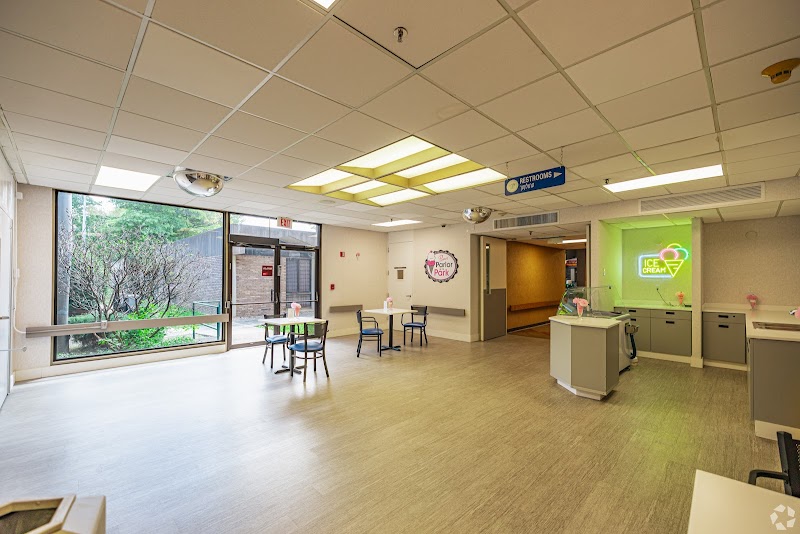
Who Owns and Operates King David Post Acute Nursing & Rehabilitation Llc?

KING DAVID POST ACUTE NURSING & REHABILITATION LLC is owned by a for-profit company. For-profit facilities operate as businesses with obligations to shareholders or private owners. The facility operates independently rather than as part of a larger chain. With 355 certified beds and approximately 266 residents (about 75% occupancy), it is a large facility located in BEACHWOOD, Ohio.
How Does King David Post Acute Nursing & Rehabilitation Llc Compare to Other Ohio Nursing Homes?

Compared to the 100 nursing homes in Ohio, KING DAVID POST ACUTE NURSING & REHABILITATION LLC's overall rating (1 stars) is below the state average of 3.2, staff turnover (73%) is significantly higher than the state average of 46%, and health inspection rating (1 stars) is much below the national benchmark.

What Should Families Ask When Visiting King David Post Acute Nursing & Rehabilitation Llc?

Based on this facility's data, families visiting should ask: "How do you ensure continuity of care given staff turnover, and what is your staff retention strategy?" "Can I visit during a mealtime to observe dining assistance and food quality?" "How do you handle medical emergencies, and what is your hospital transfer rate?" "Can I speak with family members of current residents about their experience?" These questions are particularly relevant given the facility's high staff turnover rate.

Is King David Post Acute Nursing & Rehabilitation Llc Safe?

Based on CMS inspection data, KING DAVID POST ACUTE NURSING & REHABILITATION LLC has a clean safety record: no substantiated abuse findings (meaning no confirmed cases of resident harm), no Immediate Jeopardy citations (the most serious violation level indicating risk of serious injury or death), and is not on the Special Focus Facility watch list (a federal program monitoring the lowest-performing 1% of nursing homes). The facility has a 1-star overall rating and ranks #100 of 100 nursing homes in Ohio. While no facility is perfect, families should still ask about staff-to-resident ratios and recent inspection results during their visit.

Do Nurses at King David Post Acute Nursing & Rehabilitation Llc Stick Around?

Staff turnover at KING DAVID POST ACUTE NURSING & REHABILITATION LLC is high. At 73%, the facility is 27 percentage points above the Ohio average of 46%. High turnover means new staff may not know residents' individual needs, medications, or preferences. It can also be disorienting for residents, especially those with dementia who rely on familiar faces. Families should ask: What is causing the turnover? What retention programs are in place? How do you ensure care continuity during staff transitions?

Was King David Post Acute Nursing & Rehabilitation Llc Ever Fined?

KING DAVID POST ACUTE NURSING & REHABILITATION LLC has been fined $10,221 across 1 penalty action. This is below the Ohio average of $33,181. While any fine indicates a compliance issue, fines under $50,000 are relatively common and typically reflect isolated problems that were subsequently corrected. Families should ask what specific issues led to these fines and confirm they've been resolved.

Is King David Post Acute Nursing & Rehabilitation Llc on Any Federal Watch List?

KING DAVID POST ACUTE NURSING & REHABILITATION LLC is not on any federal watch list. The most significant is the Special Focus Facility (SFF) program, which identifies the bottom 1% of nursing homes nationally based on persistent, serious quality problems. Not being on this list means the facility has avoided the pattern of deficiencies that triggers enhanced federal oversight. This is a positive indicator, though families should still review the facility's inspection history directly.