BEAVERCREEK HEALTH AND REHAB
3854 PARK OVERLOOKE DRIVE, BEAVERCREEK, OH 45431 (937) 429-9655
For profit - Corporation 90 Beds SIMCHA HYMAN & NAFTALI ZANZIPER Data: November 2025
Trust Grade
30/100
#839 of 913 in OH
Last Inspection: September 2024

Within standard 12-15 month inspection cycle. Federal law requires annual inspections.

Overview

Beavercreek Health and Rehab has a Trust Grade of F, indicating significant concerns about the care provided, which is poor compared to other facilities. It ranks #839 out of 913 in Ohio, placing it in the bottom half of the state, and #9 out of 10 in Greene County, meaning there is only one better local option. Although the facility is showing improvement, reducing issues from 17 in 2024 to 3 in 2025, it still faces serious problems, including a concerning staffing turnover rate of 67%, which is higher than the Ohio average. Specific incidents include a failure to implement physician-recommended care for residents with pressure ulcers, resulting in actual harm to two residents, and issues with food safety, such as improperly stored dairy products that could lead to foodborne illness. While there have been no fines reported, the overall staffing and health inspection ratings are poor, indicating a need for families to carefully consider this facility.

Trust Score
F
30/100
In Ohio
#839/913
Bottom 9%
Safety Record
Moderate
Needs review
Inspections
Getting Better
17 → 3 violations
Staff Stability
⚠ Watch
67% turnover. Above average. Higher turnover means staff may not know residents' routines.
Penalties
✓ Good
No fines on record. Clean compliance history, better than most Ohio facilities.
Skilled Nurses
○ Average
Each resident gets 31 minutes of Registered Nurse (RN) attention daily — about average for Ohio. RNs are the most trained staff who monitor for health changes.
Violations
⚠ Watch
57 deficiencies on record. Higher than average. Multiple issues found across inspections.
★☆☆☆☆
1.0
Overall Rating
★☆☆☆☆
1.0
Staff Levels
★★★☆☆
3.0
Care Quality
★★☆☆☆
2.0
Inspection Score
Stable
2024: 17 issues
2025: 3 issues

The Good

  • Full Sprinkler Coverage · Fire safety systems throughout facility
  • No fines on record

Facility shows strength in fire safety.

The Bad

1-Star Overall Rating

Below Ohio average (3.2)

Significant quality concerns identified by CMS

Staff Turnover: 67%

20pts above Ohio avg (46%)

Frequent staff changes - ask about care continuity

Chain: SIMCHA HYMAN & NAFTALI ZANZIPER

Part of a multi-facility chain

Ask about local staffing decisions and management

Staff turnover is elevated (67%)

19 points above Ohio average of 48%

The Ugly 57 deficiencies on record

1 actual harm
Sept 2025 3 deficiencies
CONCERN (D) 📢 Someone Reported This

A family member, employee, or ombudsman was alarmed enough to file a formal complaint

Potential for Harm - no one hurt, but risky conditions existed

Deficiency F0628 (Tag F0628)

Could have caused harm · This affected 1 resident

Based on medical record record review and staff interview the facility failed to document discharge planning for one (Resident #27) of three residents reviewed for discharge planning. The facility cen...

Read full inspector narrative →
Based on medical record record review and staff interview the facility failed to document discharge planning for one (Resident #27) of three residents reviewed for discharge planning. The facility census was 69 residents.Findings include: Review of the medical record for Resident #27 revealed an admission date of 09/19/24 with diagnoses including chronic obstructive pulmonary disease, atherosclerotic heart disease, anxiety disorder, hypertension, osteoarthritis, and depression, and a discharge date of 06/11/25. Review of her the care plan for Resident #27 dated 01/08/25 revealed the resident had planned to be at the facility for a short time and wanted assistance in planning steps to be able to return home safely. Review of the Minimum Data Set (MDS) assessment for Resident #27 dated 04/04/25 revealed the resident was cognitively intact and required set-up or supervision with activities of daily living (ADLs.) Review of a 30-day discharge notice for Resident #27 dated 05/12/25 revealed the was being discharged for non-payment of services and would be going to her sister's home. Review of the MDS assessment for Resident #27 dated 06/11/25 revealed the resident was discharged to the community and was not anticipated to return to the facility. Review of the physician's orders for Resident #27 revealed an order dated 06/10/25 for the resident to discharge to home with hospice care. Review of the progress notes for Resident #27 dated 06/11/25 to 08/27/25 revealed there was no documentation regarding the resident's discharge from the facility. Review of the recapitulation of stay form for Resident #27 dated 06/11/25 revealed the resident was independent with mobility and activities of daily living and had participated in self-directed and occasional group activities. All other sections of the form were blank. Interview on 08/27/15 at 11:20 A.M. with Assistant Director of Nursing (ADON) #109 verified there should have been a nursing discharge note for Resident #27 and the recapitulation of stay form should have been fully completed. He stated he was not aware of the details of her discharge planning as that would be the responsibility of the social worker. Interview on 08/27/25 at 11:50 A.M. with the Administrator confirmed Resident #27 had been given a 30-day discharge notice due to non-payment and had gone home with her sister, and he was not sure what discharge planning had taken place. The Administrator verified the staff should have completed a nursing note and the recapitulation of stay document upon discharge for Resident #27. Interview on 09/02/25 at 2:25 P.M. with the former Social Worker (SW) #121 confirmed she was not present when Resident #27 was discharged . SW #121 reported Resident #27's insurance gave notice they would not cover a long-term stay. Resident #27 was planning to try to go to her sister's house and she had recommended home health care and therapy but was not sure what had been set up when Resident #27 actually discharged as the SW was no longer working at the facility. This deficiency represents noncompliance investigated under Complaint Number OH00165679 (iQIES 1344432.)
CONCERN (D) 📢 Someone Reported This

A family member, employee, or ombudsman was alarmed enough to file a formal complaint

Potential for Harm - no one hurt, but risky conditions existed

Pressure Ulcer Prevention (Tag F0686)

Could have caused harm · This affected 1 resident

**NOTE- TERMS IN BRACKETS HAVE BEEN EDITED TO PROTECT CONFIDENTIALITY** Based on medical record review, staff interview and online information on pressure ulcers from Medscape the facility failed to t...

Read full inspector narrative →
**NOTE- TERMS IN BRACKETS HAVE BEEN EDITED TO PROTECT CONFIDENTIALITY** Based on medical record review, staff interview and online information on pressure ulcers from Medscape the facility failed to timely treat pressure wounds. This affected one (Resident #10) of three residents reviewed for pressure ulcers. The facility census was 69 residents. Findings include:Review of the medical record for Resident #10 revealed admission date of 07/18/25 with diagnoses including stage four pressure ulcer, stroke, liver cirrhosis, and depression and a discharge date of 07/22/25.Review of the Minimum Data Set (MDS) assessment for Resident #10 dated 07/22/25 revealed the resident had severely impaired cognition and was dependent upon staff for activities of daily living (ADLs.)Review of the admission assessment for Resident #10 dated 07/18/25 revealed the resident had a left heel pressure ulcer which measured two centimeters (cm) in length by two in width with the depth not measured and the resident had a left outer ankle pressure ulcer which measured two cm in length by two cm in width with the depth not measured.Review of the physician's orders for Resident #10 revealed orders dated 07/21/25 to cleanse the left heel pressure ulcer and left outer ankle pressure ulcer with normal saline and apply skin prep every shiftInterview on 08/26/25 at 11:02 A.M. with Assistant Director of Nursing (ADON) #109 confirmed Resident #10 was admitted on [DATE] with deep tissue injuries (DTIs) to her left heel and left outer ankle. ADON #109 confirmed the treatment for the pressure ulcers was not initiated until 07/21/25.Review of online resource Medscape at https://emedicine.medscape.com/article/190115-treatment revealed once a pressure ulcer has developed immediate treatment is required.This deficiency represents noncompliance investigated under Complaint Number 2582540 and Complaint Number 2572464.
CONCERN (D) 📢 Someone Reported This

A family member, employee, or ombudsman was alarmed enough to file a formal complaint

Potential for Harm - no one hurt, but risky conditions existed

Accident Prevention (Tag F0689)

Could have caused harm · This affected 1 resident

**NOTE- TERMS IN BRACKETS HAVE BEEN EDITED TO PROTECT CONFIDENTIALITY** Based on medical record review, review of recorded video footage, staff interview, and review of the facility policy, the facili...

Read full inspector narrative →
**NOTE- TERMS IN BRACKETS HAVE BEEN EDITED TO PROTECT CONFIDENTIALITY** Based on medical record review, review of recorded video footage, staff interview, and review of the facility policy, the facility failed to ensure staff timely reported falls, failed to assess residents for injuries following falls, and failed to investigate falls. This affected one (Resident #17) of three residents reviewed for falls. Based on medical record review, observation, and staff interview, the facility failed to ensure fall prevention interventions were implemented per the resident care plan. This affected one (Resident #12) of three residents reviewed for falls. The facility census was 69 residents.Findings include:1.Review of the medical record for Resident #17 revealed admission date of [DATE] with diagnoses including chronic obstructive pulmonary disease, dementia, depression, anxiety and psychotic disorder with delusions. The resident expired on [DATE].Review of the care plan for Resident #17 initiated on [DATE] revealed the resident was at risk for falls related to multiple comorbidities including weakness, chronic pain, impaired balance, unsteady gait and behaviors. Interventions included to encourage the resident to ask for assistance, ensure resident is wearing appropriate footwear, and keep environment well-lit and free of clutter.Review of the Minimum Data Set (MDS) assessment for Resident #17 dated [DATE] revealed the resident was cognitively impaired and was dependent on staff for assistance with activities of daily living (ADLs.)Review of a video recording undated of Resident #17 revealed a female resident was on the floor opposite the wall, beside her bed which was in low position. A second person bent down and grabbed the resident under her arms and attempted to put the resident back on the bed. Resident #17 kept her left leg straight and did not assist in the transfer. The resident was wearing socks which allowed her feet to slide hindering the transfer. The video showed two attempts of the person to hoist the resident onto the bed without success before ending.Interview on [DATE] at 12:09 P.M. with the Administrator confirmed he was aware of the video of Resident #17's fall and had been informed of the fall by the resident's family member on [DATE]. The Administrator confirmed the aide in the video was Certified Nursing Assistant (CNA) #114. The Administrator stated when he was made aware of the video CNA #114 was suspended pending an investigation on [DATE], and the facility had disciplined the aide and provided education on the fall policy. The Administrator was unsure if CNA #114 had provided a statement regarding the fall circumstances and did not provide a statement by the end of the survey.Review of the facility fall investigation dated [DATE] revealed it included a suspension notice for CNA #114 due to picking a resident up after finding her on the floor during rounding and not reporting to the nurse. The investigation form indicated the facility was unable to investigate the fall due to the timing of the incident reporting. The investigation did not include a statement from CNA#114 regarding the circumstances of the fall.Review of the facility policy titled Falls-Clinical Protocol dated 2001 revealed staff would evaluate and document falls that occurred and the nurse would assess and document vital signs, injury, precipitating factors, and details of how the fall occurred.2.Review of the medical record for Resident #12 revealed admission date of [DATE] with diagnoses including hemiparesis and hemiplegia left dominant side following stroke, COPD, and depression.Review of the care plan for Resident #12 dated [DATE] revealed the resident was at risk for falls due to left sided hemiplegia, weakness tremors and impaired balance. Interventions included to keep the call light within reach, keep the bed in low position, and to place a fall mat to bilateral sides of the bed.Observation on [DATE] at 3:16 P.M. revealed Resident #12 was in bed, and the bed was in the highest position with no floor mat in place to the right side of the bed. Interview and observation on [DATE] at 3:19 P.M. with CNA #101 verified Resident #12's bed was too high and she lowered the bed. CNA #101 stated she was unsure if Resident #12 should have a mat on both sides of the bed and added he probably should because he could roll out on either side. CNA #101 confirmed Resident #12 did not have a fall mat on the floor to the right side of the bed, and there was only one mat present in the room.This deficiency represents noncompliance investigated under Complaint Number 2594984 and Complaint 2582540 and Complaint Number 2572464 and Complaint Number OH00165679 (1344432.)
Nov 2024 3 deficiencies
CONCERN (D) 📢 Someone Reported This

A family member, employee, or ombudsman was alarmed enough to file a formal complaint

Potential for Harm - no one hurt, but risky conditions existed

Pressure Ulcer Prevention (Tag F0686)

Could have caused harm · This affected 1 resident

**NOTE- TERMS IN BRACKETS HAVE BEEN EDITED TO PROTECT CONFIDENTIALITY** Based on medical record review, staff interviews and policy review, the facility failed to ensure a newly identified skin issue ...

Read full inspector narrative →
**NOTE- TERMS IN BRACKETS HAVE BEEN EDITED TO PROTECT CONFIDENTIALITY** Based on medical record review, staff interviews and policy review, the facility failed to ensure a newly identified skin issue was assessed timely and treatments were initiated. The facility also failed to ensure treatments to a pressure ulcer were completed as ordered. This affected one (#30) out of the three residents reviewed for pressure ulcers. The facility census was 70. Findings include: Review of the medical record for Resident #30 revealed an admission date of 12/03/2020 with medical diagnoses of nontraumatic intracerebral hemorrhage, chronic respiratory failure, left hemiplegia, vascular dementia, anxiety, and depression. Review of the medical record for Resident #30 revealed a Minimum Data Set (MDS) assessment, dated 10/01/24, which indicated Resident #30 had severe cognitive impairment and was dependent for all activities of daily living (ADL's). The MDS indicated Resident #30 did not have a pressure ulcer. Review of medical record for Resident #30 revealed physician orders dated 10/10/24 for left knee brace, staff to apply during day shift as tolerated for up to eight hours which was discontinued on 10/30/24 and an order to monitor skin on left knee for any redness due to knee brace every shift. Further review of the physician orders revealed an order dated 11/01/24 to cleanse left knee with normal saline or wound cleanser and apply betadine daily. Review of the medical record for Resident #30 revealed a Braden assessment which indicated Resident #30 was at high risk for skin breakdown. Review of the medical record for Resident #30 revealed Treatment Administration Record (TAR) for October 2024 which revealed no documentation to support the facility completed left knee skin checks as ordered on 10/24/24, 10/26/24, 10/28/24, or 10/29/24. Further review of the October 2024 TAR revealed documentation to support the facility applied Resident #30's left leg brace from 10/10/24 until discontinued on 10/30/24. Review of the November 2024 TAR revealed no documentation to support the facility completed wound care to Resident #30's left knee on 11/02/24, 11/03/24, 11/04/24, 11/05/24, 11/08/24, 11/09/24, 11/15/24, and 11/17/24. Review of the medical record for Resident #30 revealed a Physical Therapy note dated 10/16/24 which stated passive range of motion (PROM) to left knee and left hip were completed. The note stated left orthotic donned with new scab to left knee. The note continued to state left orthotic doffed, and plan was to continue with PROM until left knee healed. The note stated the nurse was notified of the new scab with redness to Resident #30's left knee. Review of the medical record for Resident #30 revealed Physical Therapy notes dated 10/23/24 which stated red scab to left knee, a note dated 10/24/24 which stated checked skin integrity before donning orthotic to left lower extremity, a note dated 10/25/24 which stated Resident #30 tolerated orthotic being donned yesterday for five hours and scab intact to left knee, and lastly a note dated 10/30/24 which stated during PROM Resident #30's left knee appeared to be redder and more inflamed. The note continued to state noted necrotic scab intact but discoloration around area and new thinning of skin noted. The note stated Resident #30's nurse was notified and would not apply orthotic until area was healed. Review of the medical record for Resident #30 revealed a nurses' note dated 10/30/24 at 10:13 A.M. which stated Resident #30's left knee has red area, so therapy notified to discontinue brace. Review of the medical record for Resident #30 revealed weekly skin assessment dated [DATE], 10/22/24, and 10/29/24 all indicated Resident #30's skin was intact, and no skin issues were noted. Further review of the medical record for Resident #30 revealed a Weekly Pressure Ulcer documentation assessment, dated 11/01/24, which stated Resident #30 have an unstageable pressure ulcer to left knee (front) which measured 6 centimeters (cm) by 6 cm by less than 0.1 cm, necrotic. Review of the Weekly Pressure Ulcer documentation assessment dated [DATE] stated Resident #30's left knee unstageable pressure ulcer was healing and measured 3.5 cm by 3.0 cm with necrotic tissue. Review of the medical record for Resident #30 revealed a Wound Physician progress note, dated 10/30/24, which stated Resident #30 had an unstageable pressure ulcer to left knee (necrotic) which measured 6 cm by 6 cm. The note stated Resident #30 was wearing a brace to left leg to straighten her knee and was noted to have a pressure wound to anterior knee where brace was placed. The wound was described as central area of black dry eschar with surrounding deep tissue injury changes. Review of the Wound Physician note dated 11/13/24 stated Resident #30 continued with unstageable pressure ulcer to left knee which measured 3.5 cm by 3 cm and the wound was healing. Interview on 11/19/24 at 8:15 A.M. with Physical Therapy Manager (PTM) #182 confirmed Resident #30's physical therapy note dated 10/16/24 was written by Physical Therapist (PT) #180 and the note indicated Resident #30 had a scab to her left knee, the orthotic was doffed, and the nurse was notified. Interview on 11/19/24 at 8:45 A.M. with Assistant Director of Nursing (DON) #143 confirmed the medical record for Resident #30 did not contain documentation to the facility completed left knee skin checks as ordered on 10/24/24, 10/26/24, 10/28/24, or 10/29/24. ADON #143 also confirmed the medical record for Resident #30 did not contain documentation to support wound care to the left knee unstageable pressure ulcer was completed as ordered on 11/02/24, 11/03/24, 11/04/24, 11/05/24, 11/08/24, 11/09/24, 11/15/24, and 11/17/24. ADON #143 stated he was not aware Resident #30 had any skin breakdown to left knee until after 10/30/24. Interview on 11/19/24 at 10:10 A.M. with [NAME] President of Clinical (VPC) #108 confirmed the physical therapy note, dated 10/16/24, indicated Resident #30 was noted to have a skin issue to left knee and that the nurse was notified. VPC #108 confirmed Resident #30's medical record contained documentation to support the facility continued to place brace to left leg until the order was discontinued on 10/30/24. Interview on 11/19/24 at 10:21 A.M. with PT #180 via phone confirmed she provided treatment for Resident #30 on 10/16/24 when she observed a scab to Resident #30's left knee. PT #180 stated the scab was about the size of a dime and stated she notified the nurse on the hall that day but could not remember the name of the nurse. PT #180 stated the ADON #143 was also present when the nurse was notified of the scab to Resident #30's knee. PT #180 stated the nursing staff were informed to no longer place the brace to Resident #30's left leg until the wound healed. Review of the facility policy titled, Prevention of Pressure Injuries, revised April 2020, stated to inspect resident's skin on a daily basis when performing or assisting with personal cares or ADL's and identify any signs of developing pressure injuries. The policy stated review and select medical devices with consideration to the ability to minimize tissue damage, including size, shape, its application and ability to secure the device and to monitor regularly for comfort and signs of pressure-related injury. This deficiency represents non-compliance investigated under Complaint Number OH00159378 and Complaint Number OH00158451.
CONCERN (D) 📢 Someone Reported This

A family member, employee, or ombudsman was alarmed enough to file a formal complaint

Potential for Harm - no one hurt, but risky conditions existed

Pharmacy Services (Tag F0755)

Could have caused harm · This affected 1 resident

**NOTE- TERMS IN BRACKETS HAVE BEEN EDITED TO PROTECT CONFIDENTIALITY** Based on medical record review, staff interview, and policy review, the facility failed to ensure medications were administered ...

Read full inspector narrative →
**NOTE- TERMS IN BRACKETS HAVE BEEN EDITED TO PROTECT CONFIDENTIALITY** Based on medical record review, staff interview, and policy review, the facility failed to ensure medications were administered as ordered. This affected one (#75) out of five residents reviewed for medication administration. The facility census was 70. Findings include: Review of the medical record for Resident #75 revealed an admission date of [DATE] with medical diagnoses of chronic obstructive pulmonary disease, heart failure, atrial fibrillation, dementia with psychosis, paranoid schizophrenia, and diabetes mellitus. Review of the medical record revealed Resident #75 enrolled onto Hospice services [DATE] and expired on [DATE]. Review of the medical record for Resident #75 revealed a significant change Minimum Data Set (MDS) assessment, dated [DATE], which indicated Resident #75 had severe cognitive impairment and required substantial/maximum assistance for eating and bed mobility and was dependent upon staff for toilet hygiene and bathing. The MDS indicated Resident #75 did not transfer during the review window. Review of the medical record for Resident #75 revealed a physician order dated [DATE] for Morphine Sulfate (MSO4) 10 milligram (mg) per milliliter (ml) to give 0.25 ml by mouth three times per day for pain or shortness of breath. Review of the medical record for Resident #75 revealed the Medical Administration Record (MAR) for [DATE] which indicated Resident #75 received the MSO4 three times a day as ordered daily from [DATE] to [DATE]. Further review of Resident #75's Controlled Drug Record revealed no documentation to support the facility administered the MSO4 for the 2:00 P.M. on [DATE], [DATE], [DATE], [DATE], and [DATE]. Review of the Controlled Drug Record for Resident #75's MSO4 revealed no concerns related to the amount of MSO4 signed out daily and the amount remaining in the medication bottle daily. Interview on [DATE] at 3:07 P.M. with Licensed Practical Nurse (LPN) #155 confirmed she documented on Resident #75's MAR that he received the 2:00 P.M. doses of MSO4 on [DATE], [DATE], [DATE], [DATE], and [DATE]. LPN #155 confirmed Resident #75's Controlled Drug Record did not contain documentation to support the MSO4 was administered at 2:00 P.M. on [DATE] through [DATE]. LPN #155 stated she did not administer Resident #75's 2:00 P.M. doses of MSO4 on [DATE] through [DATE] because Resident #75 was usually sleeping or resting comfortably at the time of the administration. LPN #155 stated she was not sure why she documented on the MAR that the MSO4 was administered instead of writing a progress note as to why the medication was not administered. Review of the facility policy titled, Medication Administration, revised [DATE], stated medications are administered in a safe and timely manner and as prescribed. The policy stated medications are to be administered in accordance with prescriber's orders, including any required time frame. The policy stated if a drug is withheld, refused, or given at a time other than the scheduled time, the individual administering the medication shall document appropriately on the resident Medication Administration Record (MAR). This deficiency represents non-compliance investigated under Complaint Number OH00158451.
CONCERN (D) 📢 Someone Reported This

A family member, employee, or ombudsman was alarmed enough to file a formal complaint

Potential for Harm - no one hurt, but risky conditions existed

Infection Control (Tag F0880)

Could have caused harm · This affected 1 resident

Based on medical record review, observations, staff interviews, and policy review, the facility failed to follow infection control procedures for a resident in Contact Precautions. This affected one (...

Read full inspector narrative →
Based on medical record review, observations, staff interviews, and policy review, the facility failed to follow infection control procedures for a resident in Contact Precautions. This affected one (#13) out of three residents reviewed for wound care. The facility census was 70. Findings include: Review of the medical record for Resident #13 revealed an admission date of 09/10/24 with medical diagnoses of alcoholic cirrhosis of liver, chronic obstructive pulmonary disease, chronic Hepatitis C, resistant to multiple antibiotics, and carrier or suspected carrier of Methicillin-resistant staphylococcus aureus (MRSA). Review of the medical record for Resident #13 revealed an admission Minimum Data Set (MDS) assessment, dated 09/16/24, which indicated Resident #13 was cognitively intact and required set-up assistance for all activities of daily living. Review of the medical record for Resident #13 revealed a physician order dated 09/10/24 for Contact Precautions. Review of the medical record for Resident #13 revealed physician orders dated 09/12/24 to cleanse right lateral calf, right medial shin, left medial calf, left anterior shin with normal saline, apply xerofoam, cover with abdominal pad, and wrap with kerlix daily. Further review, revealed a physician order dated 10/16/24 to right abdominal Pleurex drainage catheter dressing change when drained and to cleanse with normal saline, apply gauze and cover with Tegaderm and an order dated 11/16/24 to cleanse right dorsal second toe with normal saline and apply skin prep daily. Review of the medical record for Resident #13 revealed weekly non-pressure documentation dated 11/13/24 which stated Resident #13 had vascular ulcers to right dorsal second toe, left anterior shin, left medial calf, right lateral calf, and right medial shin with drainage noted. Review of the medical record for Resident #13 revealed a comprehensive care plan dated 09/24/24 which stated Infection actual or at risk related to pneumonia. Carrier or suspected carrier of MRSA. Interventions included isolation cart and signage on the resident's door and to follow standard precautions. Further review revealed a care plan dated 09/12/24 which stated Resident #13 had wounds to left anterior shin, left medial calf, right lateral calf, right lateral ankle, left upper shin and right medial shin. The care plan stated Resident #13 chooses not to allow staff to complete dressing changes at times. Interventions included treatments as ordered. Review of the medical record for Resident #13 revealed no lab results to confirm the MRSA to her wounds was colonized. Review of the medical record for Resident #13 revealed hospital documentation dated 09/10/24 which stated Resident #13 was under Contact Precautions related to MRSA to left and right leg wounds and extended-spectrum beta-lactamase (ESBL) to left and right leg wounds. Observation on 11/18/24 at 8:39 A.M. revealed a Contact Precaution sign posted on Resident #13's door and an isolation cart located outside of Resident #13's room with personal protective equipment (PPE). The observation revealed State Tested Nursing Assistant (STNA) #102 enter Resident #13's room without donning any PPE. STNA #102 was observed speaking with Resident #13 and taking Resident #13's breakfast tray out of her room. STNA #102 was not observed performing hand hygiene prior to exiting Resident #13's room or after placing breakfast tray in cart in the hallway. Interview on 11/18/24 at 8:42 A.M. with STNA #102 confirmed Resident #13 had a Contact Precaution sign posted on her door and an isolation cart located outside of the room. STNA #102 confirmed she did not donn PPE prior to entering Resident #13's room nor did she perform hand hygiene after leaving Resident #13's room. STNA #102 stated she thought Resident #13 was only on Enhanced Barrier Precautions not Contact Precautions. Interview on 11/18/24 at 3:18 P.M. with [NAME] President of Clinical (VPC) #108 confirmed the medical record for Resident #13 did not contain documentation to support MRSA was colonized. VPC #108 confirmed Resident #13 continued with vascular wounds to bilateral lower extremities and Resident #13 refused treatments at times and preferred to complete the treatments herself. VPC #108 stated Resident #13 was educated on proper wound care but probably should remain in Contact Precautions due to risk for infection control concerns when Resident #13 completed her own wound care. Review of the facility policy titled, Isolation- Categories of Transmission Based Precautions (TBP), stated TBP are initiated when a resident develops signs and symptoms of a transmissible infection; arrives for admission with symptoms of an infection; or has a laboratory confirmed infection; and is at risk of transmitting the infection to other residents. The policy stated Contact Precautions are implemented for residents known or suspected to be infected with microorganisms that can be transmitted by direct contact with resident or indirect contact with environmental surfaces or resident-care items in the resident's environment. The policy stated staff and visitors wear gloves (clean, non-sterile) when entering the room and gloves are to be removed and hand hygiene performed before leaving the room. The policy also stated staff and visitors would wear a disposable gown upon entering the room and remove before leaving the room and avoid touching potentially contaminated surfaces with clothing after gown is removed. This deficiency is based on incidental findings discovered during the course of this complaint investigation.
Sept 2024 10 deficiencies
CONCERN (D) 📢 Someone Reported This

A family member, employee, or ombudsman was alarmed enough to file a formal complaint

Potential for Harm - no one hurt, but risky conditions existed

Resident Rights (Tag F0550)

Could have caused harm · This affected 1 resident

**NOTE- TERMS IN BRACKETS HAVE BEEN EDITED TO PROTECT CONFIDENTIALITY** 2) Review of the medical record for Resident #29 revealed an admission date of 02/02/24. Diagnoses included osteomyelitis, chron...

Read full inspector narrative →
**NOTE- TERMS IN BRACKETS HAVE BEEN EDITED TO PROTECT CONFIDENTIALITY** 2) Review of the medical record for Resident #29 revealed an admission date of 02/02/24. Diagnoses included osteomyelitis, chronic pulmonary disease, diabetes, emphysema, dysphagia and failure to thrive. Review of the physician's order dated 09/20/24 revealed Resident #29 had a catheter with instructions for catheter care daily. Observation on 09/23/24 at 10:24 A.M. revealed Resident #29's foley catheter bag was full of urine, visible form the hallway and without a proper dignity cover in place. Interview on 09/23/24 at 10:46 A.M. with STNA #324 verified the facility had privacy covers for the foley catheter bags and Resident #29 did not have one in place. Interview on 09/23/24 at 4:38 P.M. with Administrator and Director of Nursing (DON) verified Resident #29's foley catheter bag was uncovered and visible from the hallway. Review of the facility policy titled Dignity dated 02/21 revealed residents were to provided with a dignified and respect. This deficiency represents non-compliance investigated under Complaint Number OH00157658. Based on observation, record review, and staff interviews, the facility failed to treat all residents with dignity and respect. This affected two (#28, and #29) of three residents reviewed for dignity. The facility census was 70. Findings Include: 1) Review of Resident #28's medical record revealed an admission date of 07/24/24. Diagnoses included dysphasia, atrial fibrillation, and hemiplegia. Review of the most recent Minimum Data Set (MDS) assessment dated [DATE], revealed Resident #28 was severely cognitively impaired and required substantial assistance with eating. Observation of Resident #28 on 09/23/24 at 11:30 A.M., revealed he was in the dining room/lounge area with other residents and the afternoon meal was being served by the staff. All the other residents were served their lunch, and they were eating with the exception of Resident #28. Resident #28 continued to face the other residents as they were eating, including another resident seated at the same table. At 12:10 P.M., Resident #28 still wasn't served his lunch and continued to face other residents while they were eating. All the other residents finished eating and were leaving the dining room while Resident #28 remained in the dining room without being served a lunch. Interview with State Tested Nursing Assistant (STNA) #362 on 09/23/24 at 12:15 P. M., revealed Resident #28 needed assistance to eat his meal. STNA #362 verified Resident #28 wasn't served lunch at the same as the other residents. Interview with Resident #28 at 12:20 P.M. revealed he was hungry, and the food smelled good. Observation at 12:25 P.M., revealed Resident #28 received his tray after STNA #362 asked for it. The resident ate 75 percent of his meal.
CONCERN (D)

Potential for Harm - no one hurt, but risky conditions existed

Deficiency F0578 (Tag F0578)

Could have caused harm · This affected 1 resident

**NOTE- TERMS IN BRACKETS HAVE BEEN EDITED TO PROTECT CONFIDENTIALITY** 3) Review of the medical record for Resident #29 revealed an admission date of 02/02/24. Diagnoses included osteomyelitis, chron...

Read full inspector narrative →
**NOTE- TERMS IN BRACKETS HAVE BEEN EDITED TO PROTECT CONFIDENTIALITY** 3) Review of the medical record for Resident #29 revealed an admission date of 02/02/24. Diagnoses included osteomyelitis, chronic pulmonary disease, diabetes, emphysema, dysphagia and failure to thrive. Review of the physician orders in the EMR dated 09/20/24 for Resident #29 revealed a code status of DNR-CC. Review of an undated DNR signed physician form in the paper (hard) chart revealed Resident #29 had DNR-CC-A on file. Interview on 09/25/24 at 9:34 A.M. with Director of Nursing (DON) verified Resident #29's code status was mismatched in medical record with the documents and orders saying both DNRCC and DNR-CC-A. Review of the facility policy titled, Advance Directives, dated 09/2022, revealed the residents' advance directive wishes would be communicated to the resident's direct care staff and physician by placing the advance directive documents in a prominent, accessible location in the medical record. Based on medical record review, staff interview, and policy review, the facility failed to ensure accuracy of code status in the medical record. This affected three (#29, #32, and #58) of nineteen residents reviewed for advanced directives. This had the potential to affect all 70 residents in the facility. Findings include: 1) Review of the medical record of Resident #58 revealed an admission date of 06/27/23. Diagnoses included metabolic encephalopathy, alcoholic cirrhosis of liver, respiratory failure, chronic obstructive pulmonary disease (COPD), anxiety, depression, obsessive-compulsive disorder (OCD), and hypertension. Review of the Do Not Resuscitate (DNR) order form located in the paper (hard) chart dated 09/28/23 for Resident #58, revealed the resident was to be a DNR-Comfort Care-Arrest (CCA). Review of the physician orders in the electronic medical record (EMR) for Resident #58 revealed an order dated 10/05/23 for the resident to be a Full Code. Interview on 09/23/24 at 3:45 P.M., Licensed Practical Nurse (LPN) #319, verified Resident #58's code status differed between the EMR and the signed DNR order form in the paper (hard) chart. LPN #319 further stated, when checking a code status, she would most likely refer to the EMR to check a resident's code status. 2) Review of the medical record of Resident #32 revealed an admission date of 01/12/24. Diagnoses included chronic atrial fibrillation, major depressive disorder, paranoid schizophrenia, mild cognitive impairment, nondisplaced fracture of middle phalanx of right middle finger, essential hypertension, epilepsy, hyperlipidemia, anxiety, human immunodeficiency virus (HIV), gastro-esophageal reflux disease, and irritable bowel syndrome. Review of the quarterly Minimum Data Set (MDS) assessment dated [DATE] revealed Resident #32 had impaired cognition. Review of the DNR order form located in the paper (hard) chart dated 01/12/24 revealed Resident #32 was to be a DNR-Comfort Care (CC) Review of the physician orders in the EMR for Resident #32, revealed an order dated 01/15/24 for the resident to be a full code. Interview on 09/24/24 at 10:27 A.M. LPN #319, verified the EMR status did not match the code status in the paper (hard) chart.
CONCERN (D)

Potential for Harm - no one hurt, but risky conditions existed

Safe Environment (Tag F0584)

Could have caused harm · This affected 1 resident

Based on observations, staff interview and record review, the facility failed to ensure residents had to a safe, clean, comfortable and homelike environment. This affected one (#18) resident of one re...

Read full inspector narrative →
Based on observations, staff interview and record review, the facility failed to ensure residents had to a safe, clean, comfortable and homelike environment. This affected one (#18) resident of one reviewed for physical environment. The facility census was 70. Findings include Review of the medical record for Resident #18 revealed an admission date of 03/22/19. Diagnoses included chronic obstructive pulmonary disease (COPD), diabetes, dysphagia, heart failure, unspecified psychosis, respiratory failure and morbid obesity. Observation on 09/23/24 at 1:18 P.M., revealed Resident #18 had a large hole in the drywall behind her bed. Resident had a bariatric bed and a board affixed to the wall behind her bed to protect the drywall from damage from the bed. On the right side of the board was damage to the drywall with estimated size of about six inches by 18 inches. Interview on 09/26/24 at 12:50 P.M. with Maintenance Director (MD) #364, verified damage to the drywall. MD #364 revealed he had not been informed of the damage. MD #364 stated the damage was significant enough where a patch would not work and to do a repair, he would need to order drywall and cut out a large section and replace it. Review of facility policy, Homelike Environment, dated 02/2021 revealed resident shall be provided a safe clean comfortable and homelike environment. Facility shall maintain a clean and orderly environment.
CONCERN (D)

Potential for Harm - no one hurt, but risky conditions existed

Transfer Notice (Tag F0623)

Could have caused harm · This affected 1 resident

**NOTE- TERMS IN BRACKETS HAVE BEEN EDITED TO PROTECT CONFIDENTIALITY** Based on record review, staff interview, and policy review, the facility failed to ensure residents were provided with notificat...

Read full inspector narrative →
**NOTE- TERMS IN BRACKETS HAVE BEEN EDITED TO PROTECT CONFIDENTIALITY** Based on record review, staff interview, and policy review, the facility failed to ensure residents were provided with notification indicating the reason for transfer upon a transfer to the hospital. This affected three (#21, #43, and #56) residents of the four residents reviewed for hospitalization. The facility census was 70. Finding included: 1) Review of the medical record for Resident #43 revealed an admission date of 12/07/24. Diagnoses included osteomyelitis of vertebra, heart failure, cellulitis, kidney failure, and edema. Review of Resident #43's admission census record revealed the resident was hospitalized from [DATE] to 03/13/24, again from 04/13/24 to 05/06/24 and 08/13/24 to 08/14/24. Further record review found no documented evidence of Resident #43 nor Resident #43's representative being provided with a notification for reason of transfer for any of these three hospitalizations. 2) Review of the medical record for Resident #56 revealed an admission date of 02/27/24. Diagnoses included cerebral palsy, diabetes, encephalitis, heart failure, and paraplegia. Review of Resident #56's census record revealed the resident was hospitalized from [DATE] to 07/29/24. Further record review found no documented evidence of Resident #56 being provided with a notification for reason of transfer for hospitalization from 07/26/24 to 07/29/24. Interview on 09/25/24 at 4:40 P.M. with Regional Director of Operations (RDO) #400 revealed the facility was unable to find any documented evidence of Residents' (#43 and #56) nor their representatives being provided with a notification for reason of transfer to the hospital. 3). Review of the medical record of Resident #21 revealed an admission date of 08/07/23. Diagnoses included acute respiratory failure with hypercapnia, severe sepsis, acute and chronic respiratory failure, multiple sclerosis, moderate protein-calorie malnutrition, traumatic subcutaneous emphysema, gastro-esophageal reflux disease, depression, hypertension, myasthenia gravis, pulmonary embolism, congestive heart failure, epilepsy, dysphagia. Review of the comprehensive Minimum Data Set (MDS) assessment dated [DATE] revealed Resident #21 had moderately impaired cognition. Review of the medical record revealed Resident #21 was transferred to the hospital on [DATE] and readmitted to the facility on [DATE]. Further review of the medical record revealed no documented evidence of Resident #21 nor the resident's representative being notified of the reason for transfer to the hospital in writing prior to the hospitalization. Interview on 09/26/24 at 4:20 P.M., Business Office Manager (BOM) #334 verified Resident #21 nor the resident's representative were not notified in writing of the reason for discharge to the hospital prior to the hospitalization. Review of the facility policy titled, Transfer or Discharge, Facility Initiated, dated 10/2022, revealed a notice of transfer would be issued as soon as practicable before the transfer.
CONCERN (D)

Potential for Harm - no one hurt, but risky conditions existed

Deficiency F0625 (Tag F0625)

Could have caused harm · This affected 1 resident

**NOTE- TERMS IN BRACKETS HAVE BEEN EDITED TO PROTECT CONFIDENTIALITY** Based on record review and staff interview, facility failed to ensure residents were provided with bed hold notification upon a ...

Read full inspector narrative →
**NOTE- TERMS IN BRACKETS HAVE BEEN EDITED TO PROTECT CONFIDENTIALITY** Based on record review and staff interview, facility failed to ensure residents were provided with bed hold notification upon a transfer to the hospital. This affected three (#21, #43, and #56) residents of four residents reviewed for hospitalization. The facility census was 70. Finding included: 1) Review of the medical record for Resident #43 revealed an admission date of 12/07/24. Diagnoses included osteomyelitis of vertebra, heart failure, cellulitis, kidney failure, and edema. Review of Resident #43's census record revealed the resident was hospitalized from [DATE] to 03/13/24 and again from 04/13/24 to 05/06/24. Review of a Bed Hold Notice dated 03/13/2/4 revealed Resident #43 was hospitalized from [DATE] to 03/13/24. The form was provided to the resident on the date of discharge from the hospital and therefore was not provided timely and upon admission to the hospital. Review of a Bed Hold Notice dated 05/06/24 revealed Resident #43 was hospitalized from [DATE] to 05/06/24. The form was provided to the resident on the date of discharge from the hospital and therefore was not provided timely and upon admission to the hospital. 2) Review of the medical record for Resident #56 revealed an admission date of 02/27/24. Diagnoses included cerebral palsy, diabetes, encephalitis, heart failure, and paraplegia. Review of Resident #56 census record revealed the resident was hospitalized from [DATE] to 07/29/24. Review of the Bed Hold Notice dated 07/29/24 revealed Resident #56 was hospitalized from [DATE] to 07/29/24. The form was provided to the resident on the date of discharge from the hospital and therefore was not provided timely and upon admission to the hospital. It was noted to have been delivered to the resident on 07/29/24. Interview on 09/26/24 at 11:28 A.M. with Director of Nursing (DON), verified the dates on the bed hold notices for Residents (#43 and #56) which included the entire hospital stay. The DON also verified the bed hold notice forms were given to Residents (#43 and #56) after the hospital stay ended. 3) Review of the medical record of Resident #21 revealed an admission date of 08/07/23. Diagnoses included acute respiratory failure with hypercapnia, severe sepsis, acute and chronic respiratory failure, multiple sclerosis, moderate protein-calorie malnutrition, traumatic subcutaneous emphysema, gastro-esophageal reflux disease, depression, hypertension, myasthenia gravis, pulmonary embolism, congestive heart failure, epilepsy, dysphagia. Review of the comprehensive Minimum Data Set (MDS) assessment dated [DATE] revealed Resident #21 had moderately impaired cognition. Review of the medical record revealed Resident #21 was transferred to the hospital on [DATE] and readmitted to the facility on [DATE]. Review of the Bed Hold Notice revealed Resident #21 had eight bed hold days remaining, which included the hospitalization dated 08/13/24 through 08/28/24. The form was signed and dated 08/29/24. Interview on 09/26/24 at 4:20 P.M., Business Office Manager (BOM) #334 verified bed hold notices were issued following the hospital stay instead of at the time the residents were sent to the hospital. Review of the facility policy titled, Transfer or Discharge, Facility Initiated, dated 10/2022, revealed notice of facility bed hold and return policies are provided to the resident and representative within 24 hours of emergency transfer.
CONCERN (D) 📢 Someone Reported This

A family member, employee, or ombudsman was alarmed enough to file a formal complaint

Potential for Harm - no one hurt, but risky conditions existed

Safe Transfer (Tag F0626)

Could have caused harm · This affected 1 resident

**NOTE- TERMS IN BRACKETS HAVE BEEN EDITED TO PROTECT CONFIDENTIALITY** Based on record review, staff interview, and review of hospital records, the facility failed to allow a resident to return to th...

Read full inspector narrative →
**NOTE- TERMS IN BRACKETS HAVE BEEN EDITED TO PROTECT CONFIDENTIALITY** Based on record review, staff interview, and review of hospital records, the facility failed to allow a resident to return to the facility timely following a hospital stay. This affected one (#43) of four residents reviewed for hospitalization. The facility census was 70. Finding included: Review of the medical record for Resident #43 revealed an admission date of 12/07/24. Diagnoses included osteomyelitis of vertebra, heart failure, cellulitis, kidney failure, and edema. Review of Resident #43 census revealed the resident was hospitalized from [DATE] to 08/14/24. Review of a nurse's progress note for Resident #43 dated 08/13/24 at 4:49 P.M., revealed the resident was sent to hospital for critical laboratory findings (labs) per the Nurse Practitioner (NP). Review of a nurse's progress note for Resident #43 dated 08/14/24 at 10:57 A.M. revealed the resident returned home from the hospital with a new order for Levaquin 500 milligrams (mg) once daily for seven days for urinary tract infection (UTI) and Pneumonia. Review of medical record found no evidence of discussions with hospital staff on resident stabilization or concern of return back to the facility and no evidence to support any concerns. Review of an emergency room (ER) discharge note dated 08/13/24 at 5:16 P.M., revealed Resident #43 was diagnosed with a catheter associated UTI and multifocal pneumonia with a plan to discharge back to the facility on an antibiotic and follow up with primary care physician. The physician's note revealed the resident was admitted to the ER with a chief complaint of abnormal labs per the facility. The ER completed various tests including labs and found the resident's white blood cell (WBC) count to be 20.6 (elevated) and blood urea nitrogen (BUN) of 102 (elevated). The physical exam indicated the resident appeared to be at baseline. Resident #43 was given fluids for likely dehydration. Resident #43 had no fever and borderline tachycardia. The suspicion of dehydration should be addressed with fluids and there was a low suspicion of acute kidney injury (AKI) as the resident currently had creatinine of 2.0 (elevated); however, they were improved levels. Resident #43 appeared to have a UTI from the urinalysis and multifocal pneumonia and was started on Levaquin intravenous (IV) antibiotics. The results were discussed with the resident and was comfortable discharging the resident. The resident should follow up with their primary physician to ensure infection and dehydration were improving. Review of an ER note dated 08/13/24 at 8:00 P.M. authored by an ER nurse, revealed she contacted the facility and spoke with the Director of Nursing (DON) who informed the ER that they could not accept the resident back because she was too critical for our care. The ER staff spoke with the ER Physician who reported they had no reason to admit the resident and she was stable for discharge back to the facility and the ER staff should continue with the plan for discharge. Review of an ER note dated 08/13/24 at 8:33 P.M. authored by an ER nurse revealed she spoke with the DON at the facility who informed her the resident could not return because of her labs. The ER nurse spoke with the ER physician who explained that the resident received IV fluid and IV antibiotics and would need to continue antibiotics at facility then have follow up labs completed. The ER physician reported the resident was appropriate for nursing facility level of care. Review of ER note dated 08/13/24 at 8:45 P.M. authored by an ER nurse revealed she attempted to call a report, and the nurse reported it was unnecessary as the facility would refuse for resident to return and send her back to the hospital immediately. Review of ER note dated 08/13/24 at 8:52 P.M. authored by an ER nurse, revealed the resident's discharge instructions were explained, and the resident was discharged in stable condition back to her nursing facility by a stretcher transport. Review of ER note dated 08/13/24 at 9:26 P.M. authored by an ER nurse, revealed Resident #43 arrived back to at the ER after being discharged to the facility an hour ago and. The staff at the facility declined to accept the resident stating the resident was unstable and needed to remain at the hospital. Review of ER note dated 08/13/24 at 9:30 P.M. authored by an ER nurse , revealed he spoke with the facility staff and the resident was sent back to the ER due to the facility refusing to accept the resident back. ER nurse spoke with the facility nurse who stated the DON instructed her to refuse the resident due to being unstable. The ER nurse requested to speak with the DON to clarify the resident's condition and stability concerns and was informed the DON would not speak with ER nurse. The ER nurse was told the facility's Physician informed the staff to refuse the resident and to stop taking calls from hospital regarding this resident. The resident was visibly upset upon return. Review of ER note dated 08/13/24 at 9:36 P.M. authored by the ER physician, revealed Resident #43 was diagnosed with a catheter associated UTI and multifocal pneumonia with a plan to discharge back to the facility on an antibiotic. The ER Physician note revealed the resident was refused at her nursing facility and was sent back without any explanation. Multiple conversations with nursing facility revealed the resident had no new or different symptoms or complaints. The resident denied any new symptoms. Review of ER note dated 08/13/24 at 10:00 P.M. authored by ER nurse revealed the resident was visibly upset and crying stating I want to go back, I belong there. Review of ER note dated 08/13/24 at 10:30 P.M. authored by ER nurse, revealed two messages were sent to facility physician to have a physician-to-physician conversation about the resident's discharge. Review of ER note dated 08/14/24 at 7:10 A.M. authored by ER nurse, revealed Facility Physician #450 contacted the ER to discuss why the resident was refused to return to facility the previous night. The ER nurse indicated the facility nurse deemed the resident was unstable although the ER physician reported the resident was stable and could be discharged . Physician #450 was asked if he had evaluated the resident as per previous conversation with facility's DON, since the physician had been the one to refuse the resident's return. Physician #450 stated he spoke with the DON and was informed of the resident's condition. ER Nurse noted the facility stopped taking calls from the ER staff to discuss the resident's stability, Facility Physician #450 stated he would speak with the DON and would get an update. Interview with LPN #315 on 09/25/24 at 3:57 P.M., revealed she was the nurse working the night shift on 08/13/24 when the resident returned from the hospital and was sent back to the ER from the front entrance of the facility. LPN #315 stated she did not know the resident's condition when she left for the hospital, and revealed the DON had talked with the hospital throughout the evening and ultimately declined the resident to return to the facility. LPN #315 stated the Physician had been reviewing the labs from the hospital and had been in contact with DON. LPN #315 stated she spoke with ambulance transport staff, but the DON was on the phone with them at that time as well and informed them the facility was refusing the resident and instructed them to return her to the hospital. LPN #315 indicated Resident #43 was not brought back into the facility. LPN #315 stated the resident was not assessed and also stated the DON and Physician #450 were not present when the resident returned to the facility on evening of 08/13/24. Interview with Regional Director of Operations (RDO) #400 on 09/25/24 at 4:40 P.M. revealed he spoke with the staff about the incident involving Resident #43 and was under the impression the hospital staff would not respond to the calls from the facility. RDO #490 verified facility had no documentation to support communication or reasoning for refusing to allow Resident #43 to return to the facility following the ER visit on 08/13/24. RDO #400 stated he would have allowed the resident to be brought in, assessed her, and if any concerns arose, then resend her back to the hospital instead of refusing her at the facility entrance. RDO #400 verified the facility physician, and the DON were not at the facility when Resident #43 returned the first time and Resident #43 was not reassessed before being returned to the hospital. Interview with Facility Physician #450 on 09/26/24 at 8:48 A.M. revealed he received one call from the DON about not wanting to accept Resident #43 back following the ER visit on 08/13/24. Physician #450 stated the DON informed him of the resident's labs and stated she had talked with hospital staff and felt the resident was unstable. Physician #450 stated the resident's BUN level was slightly elevated from her baseline and thought she would get fluids and be kept overnight. Physician #450 stated he had a message from the hospital nurse manager from late in the evening about Resident #43 being refused at the entrance of the facility and was sent back to the hospital due to the facility refusing to accept the resident. Physician #450 stated the on-duty nurse, nor the DON had contacted him at any point after the initial conversation. Physician #450 stated the resident had stabilized and was able to return in the morning after speaking with the DON. Review of facility policy titled Transfer of Discharge dated 10/2022, revealed if the facility determined a resident cannot return to the facility, the medical record shall indicate the facility made efforts to determine if resident still required services of the facility and was eligible for skilled services and ascertain an accurate status if the resident's condition which can be accomplished via communication between the hospital and facility staff and or through visits by staff to the hospital and work with the hospital to ensure the resident's condition and needs are within the facility's scope of care. This deficiency represents non-compliance investigated under Complaint Number OH00156858.
CONCERN (D)

Potential for Harm - no one hurt, but risky conditions existed

Deficiency F0810 (Tag F0810)

Could have caused harm · This affected 1 resident

**NOTE- TERMS IN BRACKETS HAVE BEEN EDITED TO PROTECT CONFIDENTIALITY** Based on medical record review, observation, resident interview, staff interview, and policy review, the facility failed to ensu...

Read full inspector narrative →
**NOTE- TERMS IN BRACKETS HAVE BEEN EDITED TO PROTECT CONFIDENTIALITY** Based on medical record review, observation, resident interview, staff interview, and policy review, the facility failed to ensure residents were provided adaptive equipment as ordered. This affected one (#55) of one resident reviewed for adaptive equipment. The facility identified ten residents who utilized adaptive equipment. The facility census was 70. Findings include: Review of the medical record of Resident #55 revealed an admission date of 05/25/23. Diagnoses included dementia and oropharyngeal dysphagia. Review of the quarterly Minimum Data Set (MDS) dated [DATE] revealed Resident #55 had severely impaired cognition. Review of the Speech-Language Pathology (SLP) Discharge summary, dated [DATE], revealed Resident #55 utilized a provale cup for safe intake of thin liquids and was assessed as independent with the use of the provale cup. Review of a physician order for Resident #55 revealed an order dated 03/12/24 for a regular, dysphagia mechanical soft diet with regular liquid consistency and a provale cup. Review of the plan of care dated 06/19/24 revealed Resident #55 had a physical functioning deficit related to impaired mobility and impaired cognition. Interventions included to provide a provale cup. Observation on 09/25/24 at 9:04 A.M., Resident #55 had a brown-handled provale cup on her tray; however, there was no lid for the cup observed. The cup was observed with remnants of orange juice, which had already been consumed. Further observation revealed Resident #55's meal ticket indicated the resident should have a 10 cubic centimeters (CC) provale cup (brown). Interview at the time of the observation, Resident #55 stated she was not provided with the lid for her provale cup. Interview on 09/25/24 at 9:05 A.M., Dietary Manager (DM) #345 verified Resident #55's provale cup did not have a lid. DM #345 stated the resident did not like to use the lid, so they typically do not provide it. DM #345 was observed attempting to locate the lid for the provale cup in the dietary service area and was unable to locate it. DM #345 verified adaptive equipment should be provided if it is listed on the meal ticket. Review of the facility policy titled, Assistance with Meals, dated 03/2022, revealed adaptive devices, including specialized cups, would be provided for residents who need them.
CONCERN (E)

Potential for Harm - no one hurt, but risky conditions existed

Grievances (Tag F0585)

Could have caused harm · This affected multiple residents

Based on resident interviews, staff interviews, and record review, facility failed to document and follow up on resident concerns from the resident council meetings. This affected seven (#09, #19, #26...

Read full inspector narrative →
Based on resident interviews, staff interviews, and record review, facility failed to document and follow up on resident concerns from the resident council meetings. This affected seven (#09, #19, #26, #30, #56, #62, and #221) residents who participated in resident council. The facility census was 70. Findings include 1) Review of the medical record for Resident #09 revealed an admission date of 05/06/19. Resident #09 was cognitively intact. 2) Review of the medical record for Resident #19 revealed an admission date of 10/25/21. Resident #19 was cognitively intact. 3) Review of the medical record for Resident #26 revealed an admission date of 02/05/24. Resident #26 was cognitively intact. 4) Review of the medical record for Resident #30 revealed an admission date of 01/27/20. Resident #30 was cognitively intact. 5) Review of the medical record for Resident #56 revealed an admission date of 02/27/24. Resident #56 was cognitively intact. 6) Review of the medical record for Resident #62 revealed an admission date of 03/12/24. Resident #62 had mild cognitive impairment. 7) Review of the medical record for Resident #221 revealed an admission date of 09/17/24. Resident #221 was cognitively intact. Review of Resident Council meeting minutes dated 08/30/23 revealed resident concerns related to dietary snacks, meat varieties, nursing call lights, showers, night shift concerns and housekeeping concerns. The facility provided no documented evidence of what was discussed including concerns brought up by the residents and plans to address concerns. Review of the correlating concern forms dated 08/30/23 revealed the State Tested Nursing Assistants (STNAs) were not giving snacks out at night. The action taken section of the form was left blank. Another concern form dated 08/30/23 revealed call lights were taking a long time on night shift. The response indicated the Administrator, the Director of Nursing (DON) and Assistant DON (ADON) reviewed times and completed random audits. The action taken section of the form was left blank. Another concern form dated 08/30/23 revealed showers were not being done and the STNAs were saying the residents refused when they did not. A response indicated DON and ADON reviewed the shower sheets and noted the STNAs should be completing shower sheets and nurse signs the sheet, then the DON and ADON verify the sheets were complete. The action taken section of the form was left blank. Another concern from dated 08/30/23 revealed the residents wanted more snack varieties for evening snacks and more deli meat varieties with the additional snacks ordered. The action taken section of the form was left blank. Review of Resident Council meeting minutes dated 09/27/23 revealed resident concerns related to dietary (no specifics documented), nursing, snack and drink pass concerns. The facility provided no documented evidence of what was discussed including concerns brought up by residents and plans to address concerns. Review of Resident Council meeting minutes dated 10/17/23 revealed resident concerns related to nursing, tray pass and pick up concerns. It was documented on the form; education would be provided to staff. There was no documented evidence, of any resolution being completed. Review of Resident Council meeting minutes dated 11/22/23 revealed resident concerns related to nursing, snack and drink pass concerns on night shift. Staff education and audits would be completed. There was no documented evidence of any resolutions being completed. Review of Resident Council meeting minutes dated 12/20/23 revealed resident concerns related to showers not being done, call lights and snack and drink pass concerns as well as dietary concerns of snack and drink pass issues. The minutes revealed staff education would be completed for the concerns. There was no documented evidence of any resolutions being completed. Review of Resident Council meeting minutes dated 01/31/24 revealed resident concerns related to passing out snacks and drinks at night and more check-ins throughout the night. The facility provided no documented evidence of what was discussed including concerns brought up by the residents and plans to address concerns. Review of a correlating concern form dated 01/31/24 revealed issues with snack and drink pass on nights and residents reported not getting offered snacks or drinks with response that nurse was assigned to snacks at night and audits would be put in place. The action taken section of the form revealed the Interdisciplinary Team (IDT) was informed of the customer service and snacks were to be offered. There was no documented evidence provided by the facility that indicated the actions were followed up on. Another concern form dated 01/31/24 revealed the residents felt they needed to be checked on more throughout the night. A response indicated that audits would be put in place. The action taken section of the form revealed nursing and aides were given education on customer service and check and changes. There was no documented evidence provided by the facility of the audits and the education being completed. Review of Resident Council meeting minutes dated 02/28/24 revealed resident concerns related to passing out snacks and drinks at night. The facility provided no documented evidence of what was discussed including concerns brought up by the residents and plans to address concerns. Correct Review of Resident Council meeting minutes dated 03/27/24 revealed resident concerns related to nursing with no specific, menu, activity, and maintenance. The facility provided no documented evidence of what was discussed including concerns brought up by the residents and plans to address concerns. Review of Resident Council meeting minutes dated 04/24/24 revealed resident concerns related to nursing, menu, activities, and maintenance. The facility provided no documented evidence of what was discussed including concerns brought up by the residents and plans to address concerns. Review of Resident Council meeting minutes dated 05/29/24 revealed resident concerns related to nursing, menu, activities, and maintenance. The facility provided no documented evidence of what was discussed including concerns brought up by the residents and plans to address concerns. Review of a correlating concern form dated 05/29/24 revealed concerns about aides being on their phones when providing resident care. A response indicated education would be provided to the aides about cellphone usage and policy. There was no documented evidence provided by the facility of the education being completed. Review of Resident Council meeting minutes dated 06/26/24 revealed resident concerns related to nursing, menu, activities, and maintenance. The facility provided no documented evidence of what was discussed including concerns brought up by the residents and plans to address concerns. Review of Resident Council meeting minutes dated 07/30/24 revealed resident concerns related to nursing, menu, activities, and maintenance. The facility provided no documented evidence of what was discussed including concerns brought up by the residents and plans to address concerns. Review of Resident Council meeting minutes dated 08/28/24 revealed resident concerns related to nursing, menus, activities, and maintenance. The facility provided no documented evidence of what was discussed including concerns brought up by the residents and plans to address concerns. Interviews on 09/26/24 from 9:25 A.M. to 9:40 A.M. with Residents #09, #19, #26, #30, #56, #62, and #221 revealed the facility does not follow up timely on concerns brought up by the residents. The residents revealed some of the same things were brought up every meeting including snacks and drinks being passed out at night, showers not being done, call lights timeliness and food palatability concerns. The residents indicated the staff take very detailed notes at each meeting; however, they don't get to see the meeting notes. The residents stated that when they review the previous month's council minutes, they are very general and do not go into much detail about the concerns brought up in the previous meeting and doesn't mention what the facility did to address those concerns. Interview on 09/26/24 at 10:30 A.M. with the Administrator Activity Director (AD) #311 revealed AD #311 takes detailed notes on the concerns brought up during the Resident Council meetings. AD #311 stated the notes were not put in the meeting minutes as she was told not to by management. AD #311 verified the Residents are still making complaints of snack and drink pass, tray pass, call lights, showers and staffing and revealed those are consistent brought up at most meetings. AD #311 verified these concerns were not documented in the Resident Council minutes from 03/2024 to 08/2024. AD #311 verified there was no follow-up documented in the Resident Council meeting notes; however, any issues brought up had concern forms completed and sent to the managers for follow-up. AD #311 and the Administrator acknowledged facility should have evidence and documentation of the concerns being addressed that are brought up by the residents. Interview on 09/26/24 around 12:30 P.M. with Regional Director of Operations (RDO) #400 and the Administrator revealed they looked through files and could only find forms for 08/2023, 01/2024 and 05/2024. RDO #400 confirmed the facility was unable to locate any additional concern forms for 09/2024, 10/2023, 11/2023, 12/2023, 02/2024, 03/2024, 04/2024, 06/2024, 07/2024, and 08/2024 and their resolutions. RDO #400 also verified the facility was unable provide documented evidence of the follow ups, the education and the audits noted on the for. Review of facility policy titled Resident and Family Grievances, dated 09/29/22 revealed the facility shall provide prompt efforts to resolve and include facility acknowledgement for a complaint or grievance and actively work toward a resolution of the complaint or grievance. Facility shall take immediate actions needed to prevent further potential violations of residents rights and record information about the concern and actions taken.
CONCERN (F)

Potential for Harm - no one hurt, but risky conditions existed

Deficiency F0804 (Tag F0804)

Could have caused harm · This affected most or all residents

Based on observation, staff interview, and policy review, the facility failed to ensure dairy products were served at the appropriate temperature. This had the potential to affect 68 residents in the ...

Read full inspector narrative →
Based on observation, staff interview, and policy review, the facility failed to ensure dairy products were served at the appropriate temperature. This had the potential to affect 68 residents in the facility. The facility identified two residents (#08 and #21) who did not receive food from the kitchen. The facility census was 70. Findings include: Observation on 09/25/34 at 8:06 A.M. of the dining area on the facility's Red unit revealed fifteen trays lined up on the counter. Each tray contained a meal ticket, silverware, insulating covers, and a carton of milk. Observation on 09/25/24 at 8:25 A.M. revealed dietary staff started trayline, plating food and placing it in the insulated covers. Continued observation revealed nine trays were placed on a cart and delivered to the residents by the staff. Further observation revealed dietary staff placed an additional four trays on a cart for delivery. Observation on 09/25/24 at 8:41 A.M. revealed the milk on the tray of Resident #23 was 46.6 degrees Fahrenheit. Interview at the same time, Dietary Aid (DA) #349 verified the milk on Resident #23's tray was 46.6 degrees Fahrenheit. DA #349 stated she did not know what temperature at which the milk should be served. Continued observation on 09/25/24 at 8:42 A.M. revealed DA #349 replaced the milk cartons on the tray of Resident #23 and trays after that; however, the four trays already on the cart received the same milk that was already on the trays during the initial observation at 8:06 A.M. Observation on 09/25/24 beginning at 8:45 A.M. revealed the four trays which had the original milk were delivered to the resident's rooms. Interview on 09/25/24 at 8:54 A.M., Dietary Manager (DM) #345 stated the milk should be maintained at 41 degrees Fahrenheit or less. DM #345 stated the milk was placed in the freezer 30 minutes prior to being brought to the unit. Interview on 09/25/24 at 9:07 A.M. DA #349 verified she did not switch the milk on the four trays that were already on the cart following identifying the milk temped at 46.6 degrees Fahrenheit. Interview on 09/25/24 at 9:22 A.M., Resident #58 stated the milk she received at breakfast could have been a little colder. Review of the facility policy titled, Assistance with Meals, dated 03/2022, revealed cold foods should be held at 41 degrees or below until served.
CONCERN (F)

Potential for Harm - no one hurt, but risky conditions existed

Food Safety (Tag F0812)

Could have caused harm · This affected most or all residents

Based on observation, staff interview, and policy review, the facility failed to ensure food was stored and prepared in a manner to prevent against the potential spread of foodborne illness. This had ...

Read full inspector narrative →
Based on observation, staff interview, and policy review, the facility failed to ensure food was stored and prepared in a manner to prevent against the potential spread of foodborne illness. This had the potential to affect 68 residents in the facility. The facility identified two residents (#08 and #21) who did not receive food from the kitchen. The facility census was 70. Findings include: 1) Observation on 09/23/24 at approximately 8:20 A.M. of the facility's walk-in cooler revealed gray and white speckled areas throughout the eight wire shelves and several plastic milk crates. Further observation revealed a puddle of brown liquid, measuring approximately two feet by two feet, on the floor below a box of potatoes, which was positioned on the lowest shelf of a wire rack. A large box of cucumbers was observed on the top shelf of the rack and was leaking onto the shelves below and into the box of potatoes. Interview at the same time, Dietary Staff (DS) #306 stated the gray and white speckled areas throughout the cooler were mold and stated it had just started. DS #306 verified the cooler continued to be utilized to store food. DS #306 further verified liquid from the cucumbers was leaking into the potatoes and caused a subsequent puddle on the floor of the cooler. Interview on 09/23/24 at approximately 8:25 A.M., Dietary Manager (DM) #345 stated the walk-in cooler had just been cleaned and she was told the gray and white speckled areas were coming from a dirty fan. Review of the undated document titled, Timeline for Walk-in, revealed the Maintenance Director (MD) #364 cleaned the fan on 08/27/24. Interview on 09/25/24 at 2:53 P.M., MD #364 stated he was asked to clean the fan of the walk-in cooler and stated he vacuumed off the blades and cleaned the cover to the fan blades at that time. 2) Observation on 09/23/24 at 8:15 A.M. of the walk-in freezer, revealed two boxes of vegetable protein loafs which were open and not sealed, exposing the food to air. Interview at the same time, DS #306 verified the two boxes of vegetable protein loafs were not sealed and open to air. 3) Observation on 09/23/24 at approximately 8:30 A.M. revealed the hood vents were coated in a dark gray fuzzy substance. Further observation revealed a dark gray fuzzy substance coating and dangling from the sprinklers underneath the hood, above the stove. A sticker on the hood indicated the hood was last cleaned 05/2024. Interview at the same time, DS #306 verified the hood vents and sprinklers were coated in a dark gray fuzzy substance. Review of the facility policy titled, Basic Food Storage, undated, revealed food storage areas would be kept clean and free of spills and leaks. Review of the facility policy titled, Food Service, undated, revealed the facility would store, prepare, distribute and serve food under sanitary conditions.
Jul 2024 1 deficiency
CONCERN (D) 📢 Someone Reported This

A family member, employee, or ombudsman was alarmed enough to file a formal complaint

Potential for Harm - no one hurt, but risky conditions existed

Accident Prevention (Tag F0689)

Could have caused harm · This affected 1 resident

**NOTE- TERMS IN BRACKETS HAVE BEEN EDITED TO PROTECT CONFIDENTIALITY** THE FOLLOWING DEFICIENCY REPRESENTS AN INCIDENT OF PAST NONCOMPLIANCE THAT WAS SUBSEQUENTLY CORRECTED PRIOR TO THIS SURVEY. Base...

Read full inspector narrative →
**NOTE- TERMS IN BRACKETS HAVE BEEN EDITED TO PROTECT CONFIDENTIALITY** THE FOLLOWING DEFICIENCY REPRESENTS AN INCIDENT OF PAST NONCOMPLIANCE THAT WAS SUBSEQUENTLY CORRECTED PRIOR TO THIS SURVEY. Based on review of medical records, staff interview, and policy review, the facility failed to ensure a licensed nurse communicated a resident incident, that was later determined to be a fall, to the oncoming licensed nurse to allow for ongoing monitoring and/or potentially prevent further incidents or falls. This affected one (#2) of three residents reviewed for falls. The census was 62. Findings include: Review of Resident #2's medical record revealed an admission date of 10/02/23. Diagnoses listed included anxiety disorder, right femur fracture, atrial fibrillation, hypertension, and repeated falls. Review of a quarterly Minimum data Set (MDS) assessment dated [DATE] revealed Resident #2 had moderately impaired cognition. Resident #2 had not had any reported falls. Review of progress notes dated 06/12/24 at 1:14 P. M revealed when nurse went into Resident #2's room to pass medications Resident #2 state, I fell sometime last night and my right leg has been hurting ever since. Resident #2 denied hitting head at this time. The nurse called the physician and obtained an order for X-ray (X-radiation) of right leg and ankle. Resident #2's family, Director of Nursing (DON) and Assistant Director of Nursing (ADON) were made aware. Review of progress notes dated 06/12/24 at 6:08 P.M. revealed X-ray technician was performing X-ray on Resident #2 on 06/12/24 at 2:40 P.M. The physician was in the room observing X-ray and noticed a possible fracture and ordered a right hip X-ray for clarification. Results were positive for right hip fracture. Resident #2 was sent to a local hospital on [DATE] at 3:45 P.M. Review of a progress note dated 06/12/24 at 11:55 P.M. revealed Resident #2 was observed on the floor by the state tested nursing assistant (STNA) at about 6:00 A.M. The nurse was notified and upon arriving at the scene Resident #2 was in sitting position between a chair and her bed. Resident #2 insisted multiple times that she intentionally sat on the floor because she forgot her walker and did not want to fall. Resident #2 was assisted off the floor by the nurse and STNA. Resident #2 denied any pain throughout the nurse's presence in the room. Review hospital documents dated 06/12/24 through 06/18/24 revealed Resident #2 required surgery to repair a right hip fracture. Interview with [NAME] President of Clinical Services (VPCS) #100 on 07/23/24 at 2:55 P.M. confirmed Registered Nurse (RN) #200 did not report finding Resident #2 on the floor of her room on the morning of 06/12/24 to the oncoming dayshift nurse. VPCS #100 confirmed RN #200 did not document finding Resident #2 on her floor until his next shift the night of 06/12/24. VPCS #100 stated that RN #200 did not consider finding Resident #2 on the floor a fall because she reported to him that she sat on the floor intentionally to avoid falling. Interview with RN #200 on 07/24/24 at 7:25 A.M. revealed he was informed by the STNA on duty on 06/12/24 that Resident #2 was on the floor. RN #200 asked Resident #2 how she ended up on the floor and she stated that she sat on the floor because she forgot her walker when going to the bathroom and did not want to fall. Resident #2 was assisted back in bed with the help of a STNA. Resident #2 denied any pain and showed no signs of pain when assessed. Resident #2 was independent with walking and sometimes forgot to use her walker. RN #200 did not remember telling the oncoming Licensed Practical Nurse (LPN) #150 about finding Resident #2 on her floor. RN #200 did not consider finding Resident #2 on the floor a fall because she could tell him that she sat on the floor intentionally. RN #200 did not document finding Resident #2 on the floor before he left the facility the morning of 06/12/24. Interview with LPN #150 07/24/24 at 8:25 A.M. revealed RN #200 did not report to her on 06/12/24 that Resident #2 was found on her floor. LPN #150 was not aware that Resident #2 was found on the floor by RN #200 on 06/12/24. When Resident #2 was first seen in the morning on 06/22/24 by LPN #150 she did not report pain. An STNA informed LPN #150 that Resident #2 was having pain. Resident #2 told LPN #150 that she had pain in her hip from a fall during the night. LPN #150 performed range of motion (ROM) and Resident #2 had pain with movement of her right leg. Resident #2's physician was called, and an X-ray was ordered. Resident #2's physician was during the X-ray and confirmed a right hip fracture. Resident #2 was sent to a local hospital for evaluation. Review of a facility policy titled Falls and Fall Risk, Managing revised March 2018 revealed the staff will monitor and document each resident's response to interventions intended to reduce falling or the risk of falling. As a result of the incident, the facility took the following actions to correct the deficient practice by 06/21/24: • On 06/12/24 Resident #2 was fully evaluated by a licensed nurse and Medical Director. An X-tray was obtained, and Resident #2 was sent to a local hospital for further evaluation and treatment. • On 06/13/24 current residents that were interviewable were interviewed to determine if they had any recent falls or if they had any concerns related to falls. No other residents were found to be affected. • On 06/14/24 current residents unable to be interviewed had head-to-toe skin evaluations completed. No other residents were found to be affected. • On 06/12/24 the Director of Nursing (DON)/ designee educated all nursing staff on facility policy Falls and Fall Risk, Managing. • On 06/15/24 the Administrator/designee audited three staff daily through 06/21/24 to ensure staff were able to demonstrate knowledge of managing falls. The results will be reviewed by the Quality Assurance (QA) committee for the need of continued monitoring. No continued monitoring was determined to be required. This deficiency represents non-compliance investigated under Complaint Number OH00155290.
Feb 2024 3 deficiencies
CONCERN (D) 📢 Someone Reported This

A family member, employee, or ombudsman was alarmed enough to file a formal complaint

Potential for Harm - no one hurt, but risky conditions existed

Quality of Care (Tag F0684)

Could have caused harm · This affected 1 resident

**NOTE- TERMS IN BRACKETS HAVE BEEN EDITED TO PROTECT CONFIDENTIALITY** Based on record review, observations and staff interviews, the facility failed to ensure treatments (i.e. moon boots) were in pl...

Read full inspector narrative →
**NOTE- TERMS IN BRACKETS HAVE BEEN EDITED TO PROTECT CONFIDENTIALITY** Based on record review, observations and staff interviews, the facility failed to ensure treatments (i.e. moon boots) were in place as prescribed. This affected one (#30) of three residents reviewed for treatment implementation. The facility census was 68. Findings include: Review of medical record for Resident #30 revealed admission date of 01/17/23 with a Brief Interview Mental Status (BIMS) score of 13 on 01/11/24 indicating intact cognition. Diagnoses include chronic obstructive pulmonary disorder, heart failure, schizophrenia, depression, dementia with psychotic disturbances and insomnia. Resident #30 remains in the facility. Review of Resident #30's physician orders revealed an order for moon boots to both feet every shift with a start date of 11/02/23. Observation on 01/22/24 with State Tested Nursing Assistant STNA #30 at 3:26 P.M. revealed Resident #30 did not have his moon boots on. STNA #30 verified Resident #30's moon boots were not on and a search of the room revealed they were not present. STNA #30 stated she had not seen the boots in the room for a while and believed his family took them home. Observation on 01/23/24 at 10:10 A.M. with Assistant Director of Nursing (ADON) #117 revealed Resident #30, did not have his moon boots on. ADON #117 verified Resident #30 did not have the prescribed [NAME] boots, instead he had on heel protectors. ADON #117 acknowledged the heel protectors did not provide the same protection. Inspection of the room revealed the moon boots were not present. This deficiency represents non-compliance investigated under Complaint Number OH00150026 and OH00149574.
CONCERN (D) 📢 Someone Reported This

A family member, employee, or ombudsman was alarmed enough to file a formal complaint

Potential for Harm - no one hurt, but risky conditions existed

Pharmacy Services (Tag F0755)

Could have caused harm · This affected 1 resident

**NOTE- TERMS IN BRACKETS HAVE BEEN EDITED TO PROTECT CONFIDENTIALITY** Based on record review, observations, staff and pharmacy interviews and policy review, the facility failed to ensure medications...

Read full inspector narrative →
**NOTE- TERMS IN BRACKETS HAVE BEEN EDITED TO PROTECT CONFIDENTIALITY** Based on record review, observations, staff and pharmacy interviews and policy review, the facility failed to ensure medications were administered as ordered. This affected two (#30 and #60) of three residents reviewed for medication administration. Facility census was 68. Findings include: 1. Review of medical record for Resident #30 revealed admission date of 01/17/23 with a Brief Interview Mental Status (BIMS) score of 13 on 01/11/24 indicating intact cognition. Diagnoses include chronic obstructive pulmonary disorder, heart failure, schizophrenia, depression, dementia with psychotic disturbances and insomnia. Resident #30 remains in the facility. The quarterly Minimum Data Set (MDS) dated [DATE] revealed he required set up for meals, dependent for bathing, toileting and substantial assistance for bed mobility. Observation on 01/23/23 at 10:10 A.M. of medication pass by Assistant Director of Nursing (ADON) #117 for Resident #30 revealed Potassium Chloride (hypokalemia) packet 10 Milliequivalent (MEQ) was not available for administration. ADON #117 was unable to answer when and or if the medication had been reordered. Interview on 01/24/24 at 12:11 P.M. with Pharmacy Clinical Director (PCD) #120 revealed the pharmacy received an order for Potassium Chloride 10 MEQ oral packet daily on 01/11/14 and they contacted the facility for clarification as the packet medication did not come in that strength. PCD #120 stated the facility did not provide a clarification and verified no 10 MEQ Potassium Chloride packet was delivered to the facility. Interview on 01/25/24 at 10:58 A.M. with the DON and Clinical Corporate Registered Nurse #121 the incorrect dosage of Potassium Chloride was documented as given to Resident #30 during the period of 01/11/24 through 01/22/23. Further record review of the progress notes 01/24/2024 at 4:23 P.M. revealed the DON and ADON #117 contacted family that Resident #30 had received the incorrect strength of Potassium Chloride. During the period of 01/11/24 through 01/22/24 Resident #30 was given 20 MEQ instead of 10 MEQ in error with no adverse effects. Record review of the January Medication Administration Record (MAR) revealed Potassium Chloride Packet 10 MEQ was charted as given on 01/12/24, 01/13/24, 01/14/24, 01/15/24, 01/16/24, 01/17/24, 01/19/24, 01/20/24 and 01/22/24. 2. Review of medical record for Resident #60 revealed admission date of 12/08/23. Diagnoses include chronic obstructive pulmonary disorder and Parkinson's disease. Resident #60 remains in the facility. Review of the physician orders revealed an order for Symbicort 80.0-4.5 mcg/act, two puffs two times a day. Observation on 01/23/24 at 8:26 A.M. of Licensed Practical Nurse (LPN) # 100 for Resident #60 revealed her prescribed Symbicort (inhaler) 80.0-4.5 micrograms per (/) actuation (mcg/act) was not in the medication cart. LPN #100 stated the medication was given the evening of 01/22/24 and was previously reordered. LPN #100 verified she would contact the Nurse Practitioner to inform the medication was unavailable. Interview on 01/23/24 at 11:11 A.M. with Pharmacy Technician #106 revealed Symbicort had not been reordered until 01/23/24. Review of the facility policy Medication Administration, dated 10/01/22 documented to compare the medication source with MAR to verify resident name, medication name, form dose, route and time. This deficiency represents non-compliance investigated under Complaint Number OH00150026 and OH00149574.
CONCERN (D) 📢 Someone Reported This

A family member, employee, or ombudsman was alarmed enough to file a formal complaint

Potential for Harm - no one hurt, but risky conditions existed

Medical Records (Tag F0842)

Could have caused harm · This affected 1 resident

**NOTE- TERMS IN BRACKETS HAVE BEEN EDITED TO PROTECT CONFIDENTIALITY** Based on medical record review, review of hospital documentation and staff interview, the facility failed to ensure documentatio...

Read full inspector narrative →
**NOTE- TERMS IN BRACKETS HAVE BEEN EDITED TO PROTECT CONFIDENTIALITY** Based on medical record review, review of hospital documentation and staff interview, the facility failed to ensure documentation regarding nursing assessments and/or the circumstances surrounding a residents hospitalization was documented in the medical record. This affected one (#84) of three residents medical records reviewed for hospitalization. Facility census was 68. Findings include: Review of medical record for Resident #84 revealed admission date of 04/26/23. Diagnoses include femur fracture and hypertension. Resident #84 was discharged from the facility to the hospital on [DATE]. The discharge Minimum Data Set (MDS) dated [DATE] revealed Resident #84 required extensive assistance for bed mobility, toileting, transfers occurred only once or twice and eating required supervision. The MDS documented Resident #84 was discharged to an acute hospital. Record review of the progress notes for Resident #84 revealed there was no documentation for his hospitalization, and/or him leaving the facility. Further review of physician notes revealed no documentation of his hospitalization or discharge information. Further review of hospital records revealed Resident #84 presented to the emergency room with postoperative right hip pain that is chronic. The hip is not infected, the leg is neurovascularly intact, the hardware looks to be intact. Resident #84 reported the pain worsened last night. Resident #84 states that his family was the one to call the squad today because of his increase in pain which he describes as a gradual onset of constant, waxing and waning in severity, moderate to severe, sharp pain over his right hip. Resident #84 was admitted to the hospital related to the right hip pain. Interview on 01/25/24 at 8:42 A.M. with Clinical Corporate Registered Nurse #119 verified there was no documentation including nursing assessments and/or the circumstances regarding the hospitalization of Resident #84. Interview on 01/25/24 at 12:30 P.M. with Assistant Director of Nursing (ADON) #117 verified there was no documentation regarding the discharge of Resident #84 and added he did not recall any specifics regarding his discharge. Interviews on 01/25/24 at 1:15 P.M. with Social Services Designee SSD#103 revealed she recalled Resident #84 was sent to the hospital but did not recall why, nor could she recall any follow up from the hospital. This deficiency is based on incidental findings discovered during the course of this complaint investigation.
Dec 2023 1 deficiency
CONCERN (F) 📢 Someone Reported This

A family member, employee, or ombudsman was alarmed enough to file a formal complaint

Potential for Harm - no one hurt, but risky conditions existed

Deficiency F0804 (Tag F0804)

Could have caused harm · This affected most or all residents

Based on review of the facility menu, observations, resident and staff interviews, review of recipes, the facility failed to provide nutritious and palatable meals to residents. This had the potential...

Read full inspector narrative →
Based on review of the facility menu, observations, resident and staff interviews, review of recipes, the facility failed to provide nutritious and palatable meals to residents. This had the potential to affect 67 residents in the facility who received meals prepared in the kitchen. The census was 68. Findings include: Review of the facility menu dated 12/28/23 revealed the breakfast meal included waffles, sausage, and oatmeal. Observation on 12/28/23 at 8:30 A.M. of the 400 Unit service line for breakfast revealed Dietary Aide (DA) #140 opened a plastic bag of thawed waffles which were sitting in a warmer tray. DA #140 placed a waffle onto a resident's plate. Interview on 12/27/23 at 8:30 A.M. of DA #140 confirmed the waffles came frozen and were steamed in their original packaging and then plated to serve to the residents. Observation of a test tray on 12/28/23 at 8:35 A.M. revealed the frozen waffle was light yellow in color with no toaster marks and was soft and wet. The sausage link was dark brown in color, hard, and difficult to cut. Interview on 12/28/23 at 8:35 A.M. with Dietary Manager (DM) #145 confirmed the waffle was soft and wet and the sausage link was hard and difficult to cut. Interviews on 12/28/23 from 9:10 A.M. to 9:20 A.M. with Residents #40, #41 and #42 confirmed the waffles were too soft to eat and had not been properly cooked. Interview on 12/28/23 at 9:00 A.M. with DM #145 confirmed the dietary staff did not follow the waffle recipe. Observations on 12/28/23 at 9:25 A.M. of Residents #40, #41, and #42 revealed the residents did not consume the waffles. Review of the facility recipe for buttered waffles undated revealed waffles should be kept frozen until ready to use and should be toasted in a toaster on low to medium setting and heated until hot and crispy. Alternatively, waffles could be prepared in a conventional oven pre-heated to 400 degrees Fahrenheit (F). Frozen waffles should be placed on a sheet pan in a single layer and baked uncovered for eight to 10 minutes until crispy. This deficiency represents non-compliance investigated under Complaint Number OH00148860.
Nov 2023 1 deficiency
CONCERN (D) 📢 Someone Reported This

A family member, employee, or ombudsman was alarmed enough to file a formal complaint

Potential for Harm - no one hurt, but risky conditions existed

Deficiency F0558 (Tag F0558)

Could have caused harm · This affected 1 resident

**NOTE- TERMS IN BRACKETS HAVE BEEN EDITED TO PROTECT CONFIDENTIALITY** Based on observations, interviews, and medical record review, the facility failed to ensure a resident had access to their call ...

Read full inspector narrative →
**NOTE- TERMS IN BRACKETS HAVE BEEN EDITED TO PROTECT CONFIDENTIALITY** Based on observations, interviews, and medical record review, the facility failed to ensure a resident had access to their call light. This affected one (Resident #10) of two residents reviewed for call light access. The facility census was 67. Findings include: Review of the medical record for Resident #10 revealed she was admitted to the facility on [DATE] with a diagnoses of nontraumatic intracerebral hemorrhage, hemiplegia affecting left non-dominant side, chronic respiratory failure, chronic obstructive pulmonary disease, atrial fibrillation, and seizures. Resident #10 was paralyzed to the left side of her body. Review of the annual Minimum Data Set (MDS) assessment dated [DATE] revealed Resident #10 had cognitive impairment. Her functional status was listed as extensive to totally dependent on staff for all activities of daily living. Observations on 11/02/23 at 12:00 P.M. of Resident #10 with State Tested Nurse Aide (STNA) #161 revealed Resident #10's call light was laying on her paralyzed side, dropped off the bed, and could not be reached. STNA #161 placed the call light next to the resident and after surveyor intervention, STNA #161 replaced it on the Resident #10's proper side (right side) so the resident could utilize it if needed. Interview on 11/02/23 at 2:10 P.M. with the Director of Nursing (DON) revealed she was unaware of the call lights being placed on Resident #10's paralyzed side and stated she would address this with staff. This deficiency represents non-compliance investigated under Complaint Number OH00147241.
Aug 2023 1 deficiency
CONCERN (D) 📢 Someone Reported This

A family member, employee, or ombudsman was alarmed enough to file a formal complaint

Potential for Harm - no one hurt, but risky conditions existed

Deficiency F0692 (Tag F0692)

Could have caused harm · This affected 1 resident

**NOTE- TERMS IN BRACKETS HAVE BEEN EDITED TO PROTECT CONFIDENTIALITY** Based on observations, resident and staff interviews, and record review, facility failed to ensure physician ordered nutritional...

Read full inspector narrative →
**NOTE- TERMS IN BRACKETS HAVE BEEN EDITED TO PROTECT CONFIDENTIALITY** Based on observations, resident and staff interviews, and record review, facility failed to ensure physician ordered nutritional supplements were provided as ordered. This affected one (Resident #46) of three reviewed for nutritional supplements. The facility census was 71. Findings include Review of the medical record for Resident #46 revealed an admission date of 01/21/19. Diagnoses included heart failure, depression, acute embolism, anemia, anxiety and muscle weakness. Review of the Minimum Data Set (MDS) assessment dated [DATE] revealed Resident #46 was cognitively impaired and required limited assistance with eating. Review of Resident #46's physician orders for July 2023 revealed an order dated 06/20/23 for house supplement, 120 milliliters (ml) to be given three times daily. Additionally, there was an active order for a health shake, three times daily with meals. Review of the plan of care dated 06/16/23 revealed Resident #46 was at risk for weight loss and malnutrition with interventions in place to provide the resident's diet as ordered, administer medications as ordered, and monitor weights. The care plan included use of the house supplement, but did not include the health shake. Review of the Medication Administration Record (MAR) for August 2023 revealed Resident #46 received the house supplement (med pass) and healthy shake on 08/15/23. Both were signed as administered by LPN #185. Review of Resident #46's meal ticket revealed the ticket did not include any nutritional supplements under the preferences section. Interview on 08/15/23 at 12:30 P.M. with Licensed Practical Nurse (LPN) #180 revealed State Tested Nurse Aides (STNAs) were responsible for ensuring supplements were put on residents trays during meals. LPN #180 reported supplements were located in the nutrition and snack rooms on each unit. Interview on 08/15/23 at 12:35 P.M. with LPN #185 revealed nurses provide the med pass supplement only and the aides or dietary staff were supposed to provide the other supplements. Observation on 08/15/23 at 12:36 P.M. revealed supplements available for use. Interview 08/15/23 at 12:38 PM with Dietary Staff #190 revealed she was unsure who provided nutritional supplements to residents. Dietary Staff #190 reported nurses and aides know what the residents are supposed to get and revealed kitchen staff do not put nutritional supplements on the meal tray during tray line. Interview and observation on 08/15/23 at 12:40 P.M. revealed Resident #46 did not have a health shake served with lunch. Resident #46 reported she received a health shake with breakfast, but not with lunch. Interview on 08/15/23 at 12:45 P.M. with LPN #185 confirmed Resident #46 did not receive the health with lunch stating, I did not pass the tray. LPN #185 further verified Resident #46's meal ticket did not include nutritional supplements. Interview on 08/15/23 at 12:52 P.M. with STNA #187 and STNA #189 revealed they were not familiar about which residents received supplements and where supplements were found. STNA #187 and STNA #189 thought dietary staff or nurses were responsible for ensuring residents received their supplements. Interview on 08/15/23 at 1:35 P.M. with Interim Kitchen Manager (IKM) #125 revealed the kitchen provided mighty shakes and magic cups. IKM #125 reported the supplements would be documented under the residents' preference section on their individual meal ticket so staff would know to get the supplement during tray line. IKM @125 verified no orders for supplements were provided for Resident #46. Follow-up interview on 08/15/23 at 2:10 P.M. with IKM #125 revealed she looked into Resident #46's supplements and found the nursing department never provided the nutritional supplement order to the kitchen, so it could be entered into the kitchen system. IKM #125 confirmed Resident #46's health shake was missed, and verified the resident should be receiving a health shake. Review of the facility policy titled, Nutritional and Dietary Supplements, dated 09/29/22 revealed the facility shall ensure dietary supplements would be used to complement a resident's dietary needs in order to maintain nutritional status and residents' highest practicable level of well-being. The policy revealed the facility would provide dietary supplements to each resident consistent with assessed needs. This deficiency represents non-compliance investigated under Complaint Number OH00145004.
Jun 2023 2 deficiencies
CONCERN (D) 📢 Someone Reported This

A family member, employee, or ombudsman was alarmed enough to file a formal complaint

Potential for Harm - no one hurt, but risky conditions existed

Incontinence Care (Tag F0690)

Could have caused harm · This affected 1 resident

**NOTE- TERMS IN BRACKETS HAVE BEEN EDITED TO PROTECT CONFIDENTIALITY** Based on medical record review, observation, staff interview, and policy review, the facility failed to ensure a resident receiv...

Read full inspector narrative →
**NOTE- TERMS IN BRACKETS HAVE BEEN EDITED TO PROTECT CONFIDENTIALITY** Based on medical record review, observation, staff interview, and policy review, the facility failed to ensure a resident received timely incontinence care. This affected one resident (#45) out of three reviewed. The facility census was 70. Findings Included: Review of medical record for Resident #45 revealed an admission date 12/05/12. Diagnoses included hemiplegia and hemiparesis left non-dominant side, cerebral infarction, type two diabetes, cognitive communication deficit, contracture left hand, abnormal posture, anoxic brain damage, and aphasia. Review of the minimum data set (MDS) dated [DATE] revealed Resident #45 had Brief Interview of Mental Status was 12 indicating mild cognitive impairment Resident #45 required extensive two-person physical assistance for bed mobility. Resident #45 was total dependent on two-person physical assistance for transfers. Resident #45 was total dependence with one-person for bathing. Resident #45 required extensive one-person physical assistance for dressing, toilet use, and personal hygiene. The resident was always incontinent of bladder. Review of the plan of care dated 05/16/23 revealed Resident #45 was at risk for alteration in elimination of bowel and bladder functional incontinence related to decreased mobility related to hemiplegia following a cerebral vascular accident. Interventions included assist in incontinence care after each incontinent episode, bowel medication as ordered, call bell within reach and reminders to use the call bell, check and change every two hours and as needed, report any changes in ability to toilet or continence status, monitor and report signs and symptoms of urinary tract infection, monitor bowel status, provide extensive one person assistance for bed pan use, provide easy access to clothing, and use of briefs and pads for incontinence protection. Observation on 06/27/23 from 9:30 A.M. through 3:05 P.M. with Resident #45 revealed Resident #45 had never been asked or had received incontinence care. Observation on 06/27/23 at 3:05 P.M. with Resident #45 and Certified Nurse Aid (CNA) #201 took Resident #45 to her room to provide incontinence care. Resident #45's incontinent brief was saturated with urine and the urine leaked through the brief onto the pajama shorts the resident was wearing. Interview on 06/27/23 at 3:10 P.M., with CNA #201 verified Resident #45's brief and pajama shorts were saturated with urine in SR #45 brief, and pajama bottoms were saturated with urine. CNA #201 verified she had only changed her once today. Interview on 06/27/23 at 3:30 P.M., with Stated Tested Nurse Aid (STNA) #269 stated the last time she changed Resident #45 was at 8:00 A.M., with CNA #201 when we got the resident out of bed into her wheelchair. Review of facility policy titled Incontinence, dated 09/29/22 revealed residents who were incontinent of bowel and bladder will receive appropriate treatment to prevent infections and to restore continence to the extent possible.
CONCERN (E) 📢 Someone Reported This

A family member, employee, or ombudsman was alarmed enough to file a formal complaint

Potential for Harm - no one hurt, but risky conditions existed

Infection Control (Tag F0880)

Could have caused harm · This affected multiple residents

**NOTE- TERMS IN BRACKETS HAVE BEEN EDITED TO PROTECT CONFIDENTIALITY** Based on observation, medical record review, staff interview, review of the disinfectant recommendations, and policy review, the...

Read full inspector narrative →
**NOTE- TERMS IN BRACKETS HAVE BEEN EDITED TO PROTECT CONFIDENTIALITY** Based on observation, medical record review, staff interview, review of the disinfectant recommendations, and policy review, the facility failed to ensure infection control was maintained during medication administration. This affected four residents (#31, #36, #59, and #61) out of four observed for medication administration. In addition, the facility failed to ensure a resident glucometer was cleaned after use. This affected one resident (#64) out of one reviewed. Additionally, the facility failed to ensure infection control measures were implemented in resident wound treatments. This affected one resident (#36) of three residents reviewed for wounds. The facility census was 70. Findings Included: 1. Review of the medical records for Resident #31 revealed an admission date 06/03/2021. Diagnoses include vascular dementia, major depressive disorder, and type two diabetes. 2. Review of the medical record for Resident #59 revealed an admission date 03/06/23. Diagnoses included multiple sclerosis, chronic systolic heart failure, and paraplegia. 3. Review of the medical records for Resident #61 revealed an admission date 08/09/2018. Diagnoses included Parkinson's Disease, chronic pulmonary disease, and dementia. Observation on 06/27/23 at 8:21 A.M. with Licensed Practical Nurse (LPN) #246 who did not perform hand hygiene at medication cart, prepared Resident #59's medication. LPN #246 entered Resident #59's room and proceeded to administer medications without hand hygiene. LPN #246 held the medication cup with an ungloved hand to the lips of Resident #59 because the resident was unable to hold the medication cup. After administration of the liquid medication LPN #246 said her hands were sticky from the liquid medications and she washed her hands. LPN #246 then administered a nasal spray and tablet medications to Resident #59. LPN #246 left Resident #59's room without performing hand hygiene went to the medication cart and began preparation of medication for Resident #61 without hand sanitizing at the cart. At 8:35 A.M., LPN #246 entered Resident #61's room administered medications without hand washing or sanitizing then proceeded out of the room to the medication cart where LPN #246 had not sanitized and began preparation of Resident #31's medication. At 8:44 A.M., LPN #246 entered Resident #31's room administered medications with a spoon and exited the room without completing any hand hygiene, went to the medication cart and began preparation of Resident #36's medication. At 9:00 A.M., LPN #246 entered Resident #36's room donned a gown, washed her hands, donned gloves and washed her hands prior to administration of medications for Resident #36 through a gastric tube. Interview on 06/27/23 at 9:10 A.M. with LPN #246 verified she had not washed or sanitized her hands between residents during medication administration. LPN #246 verified she washed her hands after administering the liquid protein for Resident #59, then again before administering medication to Resident #36 before his medication administration, and after doffing personal protective equipment in Resident #36's room. Review of the facility policy titled Hand Hygiene Policy, dated 09/29/22 revealed all staff will perform proper hand hygiene procedures to prevent the spread of infection to other personnel, residents, and visitors. 4. Review of medical record revealed Resident #64 admitted to the facility on [DATE]. Diagnoses included type two diabetes, anxiety disorder, and chronic diastolic heart failure. Observation on 06/27/23 at 10:35 A.M. with LPN #262 who pulled out a glucometer from her medication cart before entering Resident #64's room to obtain a blood glucose reading. At 10:38 A.M. LPN #262 exited Resident #64's room and placed the glucometer on top of the medication cart. After reviewing her laptop, LPN #262 placed the glucometer inside the medication cart. At no time had LPN #262 cleaned the glucometer. Interview and Observation on 06/27/23 at 10:39 A.M., with LPN #262 said she had cleaning supplies for the glucometer in her medication cart. LPN #262 opened the medication cart and showed alcohol preps, and then opened all the other drawers to find the recommended wipes in the bottom drawer. LPN #262 verified she had not cleaned the glucometer before she put the glucometer back into her medication cart. Review of facility policy titled Glucometer Disinfection, dated 09/29/22 revealed the facility will ensure blood glucometers will be cleaned and disinfected after each use and according to manufacturer's instructions for multi-resident use. Review of the recommended use of Glucometer Disinfection undated revealed the glucometers should be disinfected with wipe pre-saturated with an EPA registered healthcare disinfection that was effective against human immunodeficiency virus (HIV), Hepatitis C and Hepatitis B virus. Glucometers should be cleaned and disinfected after each use and according to manufacturer's instructions regardless of whether they were intended for single resident or multiple resident use. 5. Review of the medical record for Resident #36, revealed an admission date 05/17/22. Diagnoses included hemiplegia and hemiparesis following cerebral infarction, type two diabetes, multiple sclerosis, Schizophrenia, dementia severity without behavioral disturbances, and dysphasia. Resident #36 had a current gastric tube for nutrition. Observation on 06/28/23 at 9:07 A.M. with Resident #36, Assisted Director of Nursing (ADON) #279, and State Tested Nursing Aid (STNA) #215 who assisted in wound care. ADON #279 completed hand hygiene in the sink, donned a gown and entered the residents' room. ADON #279 placed wound supplies on the bedside end table. ADON #279 donned gloves and cleansed Resident #36's coccyx wound with normal saline and a sterile four by four gauze. The ADON #279 cleansed the coccyx wound a second time with another sterile four-by-four gauze. ADON #279 doffed the gloves, then donned new gloves, applied calcium alginate (a wound agent) in the wound bed, then a border gauze dressing. The ADON #279 then wrote initials and the date on the dressing. Interview at 9:09 A.M., with the ADON #279 verified he had not performed hand hygiene after cleaning the wound and donning new gloves to apply the wound treatment for Resident #36's coccyx wound. Review of the facility policy titled Wound Treatment Management, dated 09/29/22 revealed the facility was to promote wound healing of various types of wounds. It was the policy of this facility to provide evidence-based treatments in accordance with current standards of practice and physician orders. Review of the facility policy titled Hand Hygiene Policy, dated 09/29/22, revealed all staff will perform proper hand hygiene procedures to prevent the spread of infection to other personnel, residents, and visitors. Review of the facility policy titled Transmission-Based Precautions, dated 09/29/22 revealed was facility policy to take appropriate precautions to prevent transmission of infectious agents, based on agent's modes of transmission. Intended to prevent transmission of infectious agents, including epidemiological important microorganisms, which are spread by direct or indirect contact with the resident or resident's environment.
May 2023 2 deficiencies
CONCERN (D) 📢 Someone Reported This

A family member, employee, or ombudsman was alarmed enough to file a formal complaint

Potential for Harm - no one hurt, but risky conditions existed

ADL Care (Tag F0677)

Could have caused harm · This affected 1 resident

**NOTE- TERMS IN BRACKETS HAVE BEEN EDITED TO PROTECT CONFIDENTIALITY** Based on medical record review and staff interview, the facility failed to assist a resident dependent for bathing in a timely m...

Read full inspector narrative →
**NOTE- TERMS IN BRACKETS HAVE BEEN EDITED TO PROTECT CONFIDENTIALITY** Based on medical record review and staff interview, the facility failed to assist a resident dependent for bathing in a timely manner. This affected one (#13) of three residents reviewed for bathing. The census was 72. Findings include: Review of the medical record for Resident #13 revealed an admission date of 04/19/23. Medical diagnoses included but were not limited to a stroke, unspecified pain, congestive heart failure, diabetes mellitus type two, gout, and hypertension. The resident was hospitalized [DATE] and remained out of the facility. Review of Resident #13's admission Minimum Data Set (MDS) assessment dated [DATE] revealed a Brief Interview Mental Status (BIMS) score of 13 indicating intact cognition. The resident required an extensive two-person assistance for bed mobility, transfers, and toileting, supervision for eating, and was dependent for bathing. Review of a care plan initiated 05/03/23 for Resident #13 revealed a physical functioning deficit related to a self-care impairment with interventions which included the need for one person assistance for personal hygiene. Review of the electronic medical record for Resident #13 revealed showers were scheduled for Tuesdays and Thursdays. Review of Resident #13's shower sheet documents revealed a shower was provided on 04/24/23, 04/25/23, and 05/02/23, and Resident #13 refused on 04/27/23 and 05/05/23. Interview on 05/09/23 at 1:20 P.M. with [NAME] President of Clinical Services #23 verified Resident #13 was admitted to the facility on [DATE] and there was no documentation of a shower until 04/24/23. This deficiency represents non-compliance investigated under Complaint Number OH000142331.
CONCERN (D) 📢 Someone Reported This

A family member, employee, or ombudsman was alarmed enough to file a formal complaint

Potential for Harm - no one hurt, but risky conditions existed

Incontinence Care (Tag F0690)

Could have caused harm · This affected 1 resident

**NOTE- TERMS IN BRACKETS HAVE BEEN EDITED TO PROTECT CONFIDENTIALITY** Based on observation, medical record review, staff interview, and policy review, the facility failed to ensure residents were pr...

Read full inspector narrative →
**NOTE- TERMS IN BRACKETS HAVE BEEN EDITED TO PROTECT CONFIDENTIALITY** Based on observation, medical record review, staff interview, and policy review, the facility failed to ensure residents were provided with adequate and thorough incontinence care. This affected one (#73) of two residents reviewed for incontinent care. The census was 72. Findings include: Review of the medical record for Resident #73 revealed an admission date of 03/09/22 with medical diagnoses included but not limited to stroke, hemiplegia affecting right dominant side, and dementia without behaviors. Review of the annual Minimum Data Set (MDS) assessment dated [DATE] revealed Resident #73 was assessed with moderately impaired cognition. The resident required extensive two person assistance for bed mobility, was totally dependent with toileting, and required supervision for eating. The resident was documented as always incontinent of urine and bowel. Observation on 05/08/23 at 1:51 P.M. revealed State Tested Nurse Aide (STNA) #10 informed Resident #73 she was going to provide incontinence care. STNA #10 opened Resident #73's incontinence brief and Resident #73 was noted to be incontinent of bowel. STNA #10 wet a towel, applied soap, and proceeded to clean Resident #73's peri-area and remove stool from Resident #73's peri-area. STNA #10 asked another staff member for additional care items to complete Resident #73's incontinence care, and once the items were provided, STNA #10 continued to clean stool from Resident #73's buttocks. STNA #10 rolled a clean pad and placed in under the dirty pad on Resident #73's bed. STNA #10 then placed a rolled clean incontinence brief under the soiled brief and rolled Resident #73 onto her left side. STNA #100 removed the dirty incontinence brief, unrolled the clean brief, and asked Resident #73 to roll onto her back. STNA #10 fastened the clean incontinence brief, covered Resident #73, and handled her the call light. STNA #10 gathered all used items, discarded them, washed her hands, and exited the room. Interview with STNA #10 on 05/08/23, after leaving Resident #73's room just after incontinence care was provided at 1:51 P.M., stated she could not verify she thoroughly cleaned all the stool off of Resident #73's skin during the incontinence care observation. Observation on 05/08/23, immediately after the interview, revealed STNA #10 gathered additional washcloths and a new incontinence brief and entered Resident #73's bedroom to provide follow-up incontinence care. Further observation revealed there was stool which remained on Resident #73's skin, and when STNA #10 wiped Resident #73's peri-area there was visible stool. Resident #73 was then assisted onto her right side where stool was again noted on the washcloth after STNA #10 wiped Resident #73's peri-area. STNA #10 continued to cleanse Resident #73 until there was no visible signs of stool on the washcloth. A new incontinence brief was applied and Resident #73 was comfortably positioned in bed. Interview on 05/08/23 at 2:11 P.M. with STNA #10 verified she had not thoroughly cleaned Resident #73 at her first attempt of incontinence care. Review of the facility policy related to perineal care, dated 09/29/23, revealed it was the practice of the facility to provide perineal care to all incontinent residents during routine bathing and as needed in order to promote cleanliness and comfort, prevent infection to the extent possible, and to prevent and assess for skin breakdown. The supplies needed included a basin filled with warm water and toilet paper if applicable. Under step eight in the procedure, if the perineum was grossly soiled, staff were to turn the resident on their side and remove any fecal material with toilet paper and discard. This deficiency represents non-compliance investigated under Complaint Number OH000142331.
Mar 2023 1 deficiency
CONCERN (D) 📢 Someone Reported This

A family member, employee, or ombudsman was alarmed enough to file a formal complaint

Potential for Harm - no one hurt, but risky conditions existed

Accident Prevention (Tag F0689)

Could have caused harm · This affected 1 resident

**NOTE- TERMS IN BRACKETS HAVE BEEN EDITED TO PROTECT CONFIDENTIALITY** Based on medical record review, observation, review of the fall investigation, and staff interview, the facility failed to ensur...

Read full inspector narrative →
**NOTE- TERMS IN BRACKETS HAVE BEEN EDITED TO PROTECT CONFIDENTIALITY** Based on medical record review, observation, review of the fall investigation, and staff interview, the facility failed to ensure fall interventions were implemented. This affected one resident (#15) out of three residents reviewed for falls. The facility census was 65. Findings include: Review of medical record for Resident #15 revealed admission date of 05/17/22. Diagnoses included stroke, hemiplegia, major depression and anxiety. The resident remained in the facility. The annual Minimum Data Set (MDS) assessment dated [DATE] revealed a Brief Interview Mental Status (BIMS) score of five indicating severely impaired cognition. He required extensive two person assistance for bed mobility, transfers, toilet use, one person assistance for eating and one fall since the last assessment with no minor or major injury documented. Review of a care plan for falls revealed interventions initiated 05/18/22 included to keep the bed in the lowest position, may raise during care and a mat to both sides of the bed initiated 02/20/23. Review of the physician orders for Resident #15 revealed an order dated 12/14/22 to ensure the bed was in the lowest position. Review of a progress note dated 02/19/23 at 6:50 P.M. by Licensed Practical Nurse (LPN) #16 revealed Resident #15 was found halfway out of his bed with his head on the floor and feet on the bed. Review of the progress notes dated 02/19/23 at 11:45 P.M. revealed Resident #15 returned to the facility after hospital evaluation with negative results of testing and with no new orders. Resident #15 denied pain or discomfort upon arrival. Review of the fall investigation note dated 02/20/23 revealed Resident #15 was sent to the local emergency room for evaluation after the fall with no injuries reported. Mats were placed on the sides of the bed. The fall investigation revealed the bed was in a low position, and the root cause was likely the resident trying to self-transfer. Observation on 03/17/23 at 8:54 A.M. revealed Resident #15 was laying in his bed, on his back. The bed was not in the lowest position and the bottom frame was approximately 12 inches off the floor, a fall mat was noted folded over on itself on the right side of the bed, towards the foot of the bed. The bedside table was on the right side of the bed, towards the head of the bed. Interview and observation on 03/17/23 at 8:57 A.M., with LPN #10 revealed she was unsure if Resident #15's bed was ordered to be in the lowest position, she looked in the electronic health record and verified there was an order to keep the bed in the lowest position. She entered Resident #15's room and verified the bed was not in the lowest position and then lowered it. She also verified the mat was not beside the bed properly and proceeded to move the bedside table and laid the mat out fully on the right side of the bed. Interview on 03/17/22 at 11:19 A.M. with LPN #16 revealed she cared for Resident #15 on the night of his fall on 02/19/23. She stated she and a State Tested Nursing Assistant (STNA) were walking by his room when he was observed with his upper body off the side of the bed with his head on the floor, his lower body remained on the bed. She verified his bed was in a low position at the time of his fall, but verified it was not in the lowest position. This deficiency represents non-compliance discovered in Complaint Number OH00140728.
Feb 2023 13 deficiencies
CONCERN (D)

Potential for Harm - no one hurt, but risky conditions existed

PASARR Coordination (Tag F0644)

Could have caused harm · This affected 1 resident

**NOTE- TERMS IN BRACKETS HAVE BEEN EDITED TO PROTECT CONFIDENTIALITY** Based on medical record review, staff interview, and policy review, the facility failed to ensure preadmission screening and res...

Read full inspector narrative →
**NOTE- TERMS IN BRACKETS HAVE BEEN EDITED TO PROTECT CONFIDENTIALITY** Based on medical record review, staff interview, and policy review, the facility failed to ensure preadmission screening and resident reviews (PASARR) were completed accurately and the facility failed to ensure residents were re-screened for Level II services when given a new mental health diagnosis. This affected two (#15 and #57) of three residents reviewed for PASARR. The facility census was 71. Findings include 1. Review of the medical record for Resident #57 revealed an admission date of 06/07/21. Diagnoses included bipolar disorder with psychotic features, schizoaffective disorder, mood disorder, and generalized anxiety disorder. Review of the quarterly Minimum Data Set (MDS) assessment, dated 12/26/22, revealed the resident had adequate short and long-term memory and was independent with cognitive skills for daily decision making. The resident was assessed as not having any behaviors. Review of the PASARR dated 06/05/21 revealed section D was checked no for indications of serious mental illness, including schizophrenia, mood disorder, and personality disorder. Further review of the medical record revealed Resident #57 received the diagnoses of bipolar disorder was on 11/25/20 (previous admission) and 09/23/21, mood disorder on 03/19/21, and schizoaffective disorder on 04/06/22. Interview on 01/24/23 at 1:21 P.M. with Business Office Manager (BOM) #323 verified the most recent PASARR did not reflect Resident #57's diagnoses of schizoaffective disorder, mood disorder, and bipolar disorder and a new screening for Level II services was not completed when Resident #57 was diagnosed with schizoaffective disorder 04/06/22. 2. Review of the medical record for Resident #15 revealed an admission date of 11/30/12. Diagnoses included cerebral infarction/traumatic brain injury and schizoaffective disorder. Resident #15 was diagnosed with schizoaffective disorder on 02/08/22. Review of the most recent Minimum Data Set (MDS) 3.0 assessment dated [DATE] revealed Resident #15 had severely impaired cognition, had no behaviors, did not reject care, and did not wander. Review of the medical record revealed Resident #15 had PASSAR level I screening completed 03/07/11. There was no diagnoses of Serious Mental Illness (SMI). Review of the Determination letter dated 03/18/11 revealed there was no further review necessary from Ohio Department of Disabilities. Interview on 01/26/2023 at 2:26 P.M. with Regional Registered Nurse (RN) #409 confirmed there was no evidence the facility completed a significant change PASARR after Resident # 15 received a new diagnosis of schizoaffective disorder on 02/08/22. Review of the facility's policy titled Resident Assessment-Coordination with PASARR Program, dated 09/29/22, revealed any resident who exhibits a newly evident mental disorder, intellectual disability, or related condition will be referred promptly to the state mental health or intellectual disability authority for a level II resident review. Examples include: (a) a resident who exhibits behavioral, psychiatric, or mood-related symptoms suggesting the presence of a mental disorder or (b) a resident who's intellectual disability or related condition was not previously identified and evaluated through PASARR.
CONCERN (D)

Potential for Harm - no one hurt, but risky conditions existed

Deficiency F0657 (Tag F0657)

Could have caused harm · This affected 1 resident

**NOTE- TERMS IN BRACKETS HAVE BEEN EDITED TO PROTECT CONFIDENTIALITY** Based on medical record review, staff interviews, and policy review, the facility failed to ensure care plans were updated timel...

Read full inspector narrative →
**NOTE- TERMS IN BRACKETS HAVE BEEN EDITED TO PROTECT CONFIDENTIALITY** Based on medical record review, staff interviews, and policy review, the facility failed to ensure care plans were updated timely status post a resident's fall and failed to conduct quarterly care conferences timely. This affected three (#12, #39, and #68) of 24 residents reviewed for care plans. The facility census was 71. Findings include: 1. Review of the medical record for Resident #14 revealed an admission date 08/26/17. Diagnoses included chronic isocheimic heart disease, chronic obstructive pulmonary disease (COPD), Alzheimer's disease, schizoaffective disorder, and anxiety. Review of the medical record revealed Resident #14 enrolled into Hospice services on 11/22/21. Review of the annual Minimum Data Set (MDS) assessment dated [DATE] revealed Resident #14 had severe cognitive impairment. Resident #14 received Hospice services. Review of the progress notes for Resident #14 dated 05/04/22 and 08/03/22, revealed care conference were conducted with son via phone. The documentation did not support the Hospice provider was invited or attended the care conferences on 05/04/22 or 08/03/22. Further review of the medical record for Resident #14 revealed no documentation to support Resident #14 had a quarterly care conference since 08/03/22. Interview on 01/30/23 at 9:10 A.M. with Regional Nurse Coordinator (RNC) #409 confirmed Resident #14 had not had a quarterly care conference since 08/03/22. RNC #409 verified the Hospice provider was not invited to attend the care conferences on 05/04/22 and 08/03/22. 3. Review of the medical record of Resident #39 revealed an admission date of 09/28/19. Diagnoses included nondisplaced fracture of third metatarsal bone, wedge compression fracture of third, fourth, and fifth lumbar vertebra, difficulty in walking, age-related osteoporosis with current pathological fracture, and wedge compression fracture of T11 and T12 vertebra. Review of the quarterly Minimum Data Set (MDS) assessment dated [DATE] revealed Resident #39 had short and long-term memory problems. Review of the fall investigation dated 12/06/22 at 6:00 P.M. revealed Resident #39 was sleeping in her wheelchair and fell out of the wheelchair. Following the fall, an intervention was to encourage the resident to lie down after meals was implemented. The fall investigation form revealed a statement indicating the care plan must be updated with a new intervention. Review of the care plan dated 10/07/22 revealed Resident #39 was at risk for falls due to the use of medications, weakness, ataxic gait, history of spinal fractures, and right third metatarsal fracture. Interventions included to assess for pain, keep environment well lit and free of clutter, and keep call light or personal items available in easy reach or provide reacher. The care plan was silent for the intervention of offering to lie down after meals. Interview on 01/24/23 at 3:49 P.M. with Director of Nursing #403 verified Resident #39's care plan was not updated and should be updated following the fall, as indicated on the fall investigation form. Review of the facility policy titled, Fall Prevention Program, dated 09/29/22, revealed, when any resident experiences a fall, the facility will review the resident's care plan and update as indicated. Review of the policy titled, Family Involvement in Resident Care, dated 11/2020, stated resident and their representative will be provided with an opportunity to participate in the care planning process and be included in decisions, changes of care, treatment and/or interventions. The policy stated family members will be invited to quarterly Care Plan meetings or Care Plan Meetings that occur due to change in resident condition. 2. Review of the medical record for Resident #12 revealed an admission date of 11/20/20. Diagnoses included chronic obstructive pulmonary disease, psychosis, major depressive disorder, morbid obesity, stage III chronic kidney disease, type II diabetes, and heart failure. Review of the most recent Minimum Data Set (MDS) 3.0 assessment dated [DATE] revealed Resident #12 was cognitively intact, had verbal behaviors, did not reject care, and did not wander. Further review of the medical record revealed Resident #12 attended care conferences held 06/01/22 and 09/07/22. There were no other care conferences held after 09/07/22. During an interview on 01/30/23 at 9:13 A.M., Corporate Registered Nurse (CRN) #409 confirmed the last care conference documented for Resident #12 occurred on 09/07/22.
CONCERN (D) 📢 Someone Reported This

A family member, employee, or ombudsman was alarmed enough to file a formal complaint

Potential for Harm - no one hurt, but risky conditions existed

Deficiency F0661 (Tag F0661)

Could have caused harm · This affected 1 resident

**NOTE- TERMS IN BRACKETS HAVE BEEN EDITED TO PROTECT CONFIDENTIALITY** Based on record review and staff interview, the facility failed to complete discharge summary and recapitulation of stay for res...

Read full inspector narrative →
**NOTE- TERMS IN BRACKETS HAVE BEEN EDITED TO PROTECT CONFIDENTIALITY** Based on record review and staff interview, the facility failed to complete discharge summary and recapitulation of stay for residents who discharged from the facility. This affected two (#71 and #73) of three residents reviewed for discharges. The facility census was 71. Findings include: 1. Review of the medical record for Resident #71 revealed an admission date of 12/18/22. Diagnoses included wedge compression fracture of second and third lumbar vertebra, anemia, retention of urine, and COVID-19. Resident #71 discharged to the community on 01/18/23. Review of the admission Minimum Data Set (MDS) assessment dated [DATE] revealed Resident #71 was cognitively intact. Resident #71 required extensive assist from staff with bed mobility, transfers, dressing, toileting, and personal hygiene. Further review of the medical record for Resident #71 revealed no documentation to support the facility completed a discharge summary or recapitulation of stay upon Resident #71's discharge to community on 01/18/23. Interview on 01/30/23 at 3:36 P.M. with Regional Nurse Coordinator (RNC) #409 confirmed the facility did not complete a discharge summary or recapitulation of stay for Resident #71's discharge to the community on 01/18/23. 2. Review of the medical record for Resident #73 revealed an admission date on 12/07/22. Diagnoses included cellulitis of unspecified limb, depression, hypertension, gout, morbid obesity, type II diabetes, stage IV chronic kidney disease, and chronic diastolic heart failure. Resident #73 discharged to home with home health care services on 12/20/22. Review of the baseline care plan dated 12/07/22 revealed Resident #73 planned to discharge to home. Review of the most recent Minimum Data Set (MDS) assessment dated [DATE] revealed Resident #73 was independent with decision making and memory was ok. Resident #73 had no behaviors, did not wander, and did not reject care. Review of the physician orders revealed Resident #73 had a telephone order dated 12/20/22 for discharge to home with home healthcare services and to arrange for hospital bed at home after discharge. Further review of the medical record revealed there was no discharge summary or recapitulation of stay for Resident #73 upon discharge to home on [DATE]. Interview on 01/30/23 at 3:14 P.M. with Business Office Manager (BOM) #323 stated Resident #73 was cut by insurance and went home with his wife. BOM #323 arranged for home health care services and a bariatric bed to be delivered to the home before discharge. Interview with Regional Registered Nurse (RN) #409 on 01/03/23 at 3:38 P.M. verified the facility had no recapitulation of stay or discharge summary documented for Resident #73.
CONCERN (D) 📢 Someone Reported This

A family member, employee, or ombudsman was alarmed enough to file a formal complaint

Potential for Harm - no one hurt, but risky conditions existed

ADL Care (Tag F0677)

Could have caused harm · This affected 1 resident

**NOTE- TERMS IN BRACKETS HAVE BEEN EDITED TO PROTECT CONFIDENTIALITY** 3. Review of the medical record for Resident #38 revealed the resident was admitted to the facility on [DATE]. Diagnoses include...

Read full inspector narrative →
**NOTE- TERMS IN BRACKETS HAVE BEEN EDITED TO PROTECT CONFIDENTIALITY** 3. Review of the medical record for Resident #38 revealed the resident was admitted to the facility on [DATE]. Diagnoses included cerebrovascular accident with left sided hemiplegia, seizures and diabetic neuropathy. Review of the quarterly MDS assessment revealed Resident #38 was cognitively intact, had no behaviors, did not reject care, and did not wander. Resident #38 required extensive assistance for personal hygiene. The assessment revealed bathing had not occurred in the previous seven days. Review of the medical record from 01/01/23 to 01/24/23 revealed Resident #38 last shower received was on 01/15/23. Interview with Resident #38 on 01/24/23 at 11:40 A.M., revealed she was not getting showers. Resident #38 stated she was supposed to get showers on Monday and Thursday. Resident #38 stated when there was only one state tested nursing aide on the hallway, she cannot get a shower. Interview on 01/25/23 at 7:54 A.M. with Licensed Practical Nurse (LPN) #317 revealed a concern the showers were not completed as scheduled do to a discrepancy between the electronic charting schedule and the paper schedule. LPN #317 verified Resident #38 was not receiving showers as scheduled. Interview with State Tested Nurse Aide (STNA) #408 on 01/25/23 at 10:45 A.M. verified she was unable to get showers done for her residents and there was about four to five residents she was to assist with showers. This deficiency represents non-compliance investigated under Complaint Numbers OH00138966, OH00138961, OH00138960, OH00138955, OH00138953, and OH00138967. 2. Review of the medical record for Resident #276 revealed an admission date of 01/10/23. Diagnoses included left lower leg fracture, chronic atrial fibrillation, cellulitis to right lower leg, osteomyelitis right ankle and foot, congestive heart failure, and fibromyalgia. Review of the admission Minimum Data Set (MDS) assessment dated [DATE] revealed Resident #276 was cognitively intact and required extensive staff assistance with bathing. Review of the facility shower schedule revealed Resident #276 was scheduled for showers on Tuesday and Friday nights. Review of the shower documentation revealed Resident #276 received a shower on 01/13/23 and 01/21/23. There was no other documentation to support Resident #276 received any other showers during January 2023. There were two missed opportunities for showers on 01/17/23 and 01/24/23. Interview on 01/23/23 at 11:06 A.M. with Resident #276 stated she had only received two showers since her admission on [DATE]. Resident #276 stated she informed the facility staff she wanted a shower on her scheduled shower days, but the showers were not completed. Interview on 01/26/23 at 8:18 A.M. with Regional Nurse Coordinator #409 confirmed Resident #276 did not receive her showers as scheduled. Based on record review, staff and resident interview, the facility failed to ensure residents that required assistance with activities of daily living (ADL) received adequate assistance with bathing and repositioning. This affected three (#38, #68, and #276) of six residents reviewed for ADLs. The facility identified 69 residents who required assistance with ADLs. The facility census was 71. Findings include: 1. Review of medical record for Resident #68 revealed an admission date of 08/13/22. Diagnoses included stroke with hemiplegia affecting the left non dominant side, depression, and anxiety. Review of the quarterly Minimum Data Set (MDS) assessment dated [DATE] revealed Resident #68 had intact cognition. Resident #68 required extensive one person assistance for bathing. Review of the care plan dated 08/25/22 revealed Resident #68 required assistance with ADLs related to her stroke, blindness, and weakness and required assistance of staff as needed when requested. Review of the December 2022 and January 2023 shower documentation revealed Resident #68 was scheduled to receive showers on Wednesdays and Saturdays. It was documented Resident #68 received a shower on 12/03/22, 12/10/22, 12/28/22, 01/07/23, 01/18/23 and 01/21/23. There was no other documentation to reflect Resident #68 received two showers per week and/or Resident #68 refused any showers. There were nine showers Resident #68 did not receive on 12/07/22, 12/14/22, 12/17/22, 12/21/22, 12/24/22, 12/31/22, 01/04/23, 01/11/23, and 01/24/23. Interview on 01/23/23 at 1:50 P.M. with Resident #68 revealed she should receive showers on Wednesdays and Saturdays and had not received them regularly. Interview on 01/26/23 at 7:32 AM with Regional Nurse Coordinator #409 revealed there was no further shower documentation available for Resident #68.
CONCERN (D) 📢 Someone Reported This

A family member, employee, or ombudsman was alarmed enough to file a formal complaint

Potential for Harm - no one hurt, but risky conditions existed

Quality of Care (Tag F0684)

Could have caused harm · This affected 1 resident

**NOTE- TERMS IN BRACKETS HAVE BEEN EDITED TO PROTECT CONFIDENTIALITY** 2. Review of the medical record for Resident #276 revealed an admission date of 01/10/23. Diagnoses included left lower leg frac...

Read full inspector narrative →
**NOTE- TERMS IN BRACKETS HAVE BEEN EDITED TO PROTECT CONFIDENTIALITY** 2. Review of the medical record for Resident #276 revealed an admission date of 01/10/23. Diagnoses included left lower leg fracture, chronic atrial fibrillation, cellulitis to right lower leg, and osteomyelitis right ankle and foot. Review of the admission Data Collection assessment dated [DATE] revealed Resident #276 was admitted with a small open area to left gluteal fold. The assessment stated Resident #276 had pressure ulcer and an open lesion. Further review of the medical record for Resident #276 revealed no documentation to support the facility initiated a treatment for the pressure ulcer or open lesion documented on admission Data Collection assessment dated [DATE]. Review of the weekly skin integrity check assessment dated [DATE] indicated Resident #276 had a new wound and the skin issue was coded as non-decubitus. The assessment did not document the location or measurement of skin issue. The assessment did not contain documentation to support Resident #276 had a pressure ulcer present. Review of the admission Minimum Data Set (MDS) assessment dated [DATE] revealed Resident #276 was cognitively intact. Resident #276 had a venous ulcer present upon admission. Review of the wound physician note dated 01/18/23 revealed Resident #276 had a wound to left anterior ankle measuring 3.0 centimeters (cm) by 2.0 cm by 0.1 cm. The wound physician note stated treatment plan initiated included calcium alginate and gauze dressing daily for 30 days. Review of the non-decubitus skin injury weekly measurement assessment, dated 01/18/23, which indicated Resident #276 had a venous wound to the left lateral anterior ankle measuring 3.0 cm by 2.0 cm by 0.1 cm. Review of the physician order dated 01/19/23 revealed an order for calcium alginate to left ankle and to cover with gauze daily. Interview on 01/25/23 at 3:24 P.M. with Resident #276 confirmed the wound to her left anterior ankle was present upon admission and the facility did not start treatment to the area until 01/19/23 after she was seen by the wound physician. Resident #276 also stated she did not have an open area to her left gluteal fold upon admission. Interview on 01/26/23 with Regional Nurse Coordinator (RNC) #409 confirmed the facility did not initiate treatment to left anterior ankle wound until 01/19/23. RNC #409 confirmed the area to Resident #276's ankle was present upon admission. Review of the policy titled Pressure Injury Surveillance, dated 09/29/22, stated Registered Nurses and Licensed Practical Nurses should notify physician of changes in resident's condition or presence of new or worsened pressure injuries. 3. Review of the medical record for Resident #28 revealed an admission date of 07/17/15. Diagnoses included unspecified injury at C7 cervical spine, idiopathic aseptic necrosis of left femur, anxiety disorder, quadriplegia, and uninhibited neuropathic bladder. Review of the most recent Minimum Data Set (MDS) 3.0 assessment dated [DATE] revealed Resident #28 had moderately impaired cognition, had no behaviors, did not reject care, and did not wander. Review of the physician order dated 11/25/22 revealed an order to cleanse right posterior thigh Moisture Associated Skin Damage (MASD) with soap and water, pat dry, apply calcium alginate and border gauze change daily. Further record review for Resident #28 revealed no weekly skin measurements or description of the right thigh wound from 01/01/23 to 01/31/23. Interview on 02/01/23 at 2:10 P.M. with the Director of Nursing (DON) #403 verified there were no weekly skin measurements or description of the right wound for Resident #28 for January 2023. Interview on 02/01/23 at 9:25 A.M. with Resident #28 stated her wound dressing to her right posterior thigh did not always get changed daily. Review of the facility policy titled Skin Evaluation, dated 09/29/22, dated revealed skin assessments will be conducted upon admission and weekly thereafter with documentation to include the of the wound type and description (measurements, color, type of tissue in the wound bed, drainage, odor and pain). This deficiency represents non-compliance investigated under Complaint Numbers OH00139874, OH00139782, and OH00138967. Based on staff interview, observation, record review and policy review, the facility failed to administer medications according to physician orders and failed to initiate treatment orders for wound care. This affected three (Residents #16, #28, and #276) of twenty-four residents reviewed for wound care. The facility census was 71. Findings include: 1. Review of the medical record for Resident #16 revealed an admission date of 06/09/17. Diagnoses included chronic obstructive pulmonary disease and chronic pain syndrome. Review of the most recent Minimum Data Set (MDS) 3.0 assessment dated [DATE] revealed Resident #16 had moderately impaired cognition, had no behaviors, did not reject care, and did not wander. Review of the physician orders dated 02/08/20 revealed Resident #16 had an order for Aspercream patch (treats pain): Apply one patch to bilateral shoulders daily in the morning and remove at bedtime. Review of the medication administration record dated January 2023 revealed Resident #16 had received Aspercream patch daily 01/01/23 through 01/30/23 with the exception of 01/26/23 when it was held due to the patch was unavailable. There was no documentation regarding patch removal at bedtime. Observation on 01/26/23 at 11:49 A.M. revealed Resident #16 had multiple lidocaine transdermal patches on her body while State Tested Nurse Aides (STNAs) gave her a bed bath. Resident #16 had two patches adhered to bilateral collarbones and were dated 01/24/23, one patch adhered to her right upper thigh dated 01/19/23, and one patch adhered to her mid spine dated 01/20/23. During concurrent interviews on 01/26/23 at 11:49 A.M., STNAs #305 and #323 verified Resident #16 had multiple lidocaine patches on her body dated 01/19/23, 01/20/23, and 01/24/23. During an interview on 01/26/23 at 2:26 P.M., Regional Registered Nurse (RRN) #409 stated she did not know how the orders were worded in this facility for removal, but as far as she knew, the patches were good for eight hours. RRN #409 verified Resident #16 had physician orders for lidocaine patch to be applied once daily to bilateral shoulders and removed at bedtime. Review of the policy titled Medication Administration, dated 10/01/22, revealed medications were administered as ordered by a physician an in accordance with professional standards of practice.
CONCERN (D) 📢 Someone Reported This

A family member, employee, or ombudsman was alarmed enough to file a formal complaint

Potential for Harm - no one hurt, but risky conditions existed

Deficiency F0685 (Tag F0685)

Could have caused harm · This affected 1 resident

**NOTE- TERMS IN BRACKETS HAVE BEEN EDITED TO PROTECT CONFIDENTIALITY** Based on resident and staff interview, eye center interview, and record review, the facility failed to ensure residents received...

Read full inspector narrative →
**NOTE- TERMS IN BRACKETS HAVE BEEN EDITED TO PROTECT CONFIDENTIALITY** Based on resident and staff interview, eye center interview, and record review, the facility failed to ensure residents received adequate care to maintain vision. This affected one (Resident #12) of two residents review for vision services. The facility census was 71. Findings include: Review of the medical record for Resident #12 revealed an admission date of 11/20/20. Diagnoses included stage III chronic kidney disease, type I diabetes mellitus, and heart failure. Review of the most recent Minimum Data Set (MDS) 3.0 assessment dated [DATE] revealed Resident #12 was cognitively intact and did not reject care. Review of the care plan dated 03/25/19 revealed Resident #19 had age-related visual changes which placed her at risk for injury. Interventions included to assist with glasses placement/cleaning, encourage involvement in activities, set up and provide cueing assistance as needed, and vision exams as needed. Review of the medical record revealed Resident #19 received an eye exam on 09/23/22. The recommendation was to follow-up with Ophthalmology for worsening vision and cornea disease. The plan of care was to continue with current glasses until after referral appointment. Review of the physician order dated 09/30/22 and discontinued on 11/09/22 revealed an order to schedule referral to ophthalmology for Fuch's Dystrophy (fluid builds up in the clear layer (cornea) on the front the eye, causing the cornea to swell and thicken). Resident #19 had a physician order written on 11/10/22 for ophthalmology appointment on 12/19/22 at 10:15 A.M. for decreased vision. Transportation scheduled by stretcher with pick-up time of 9:15 A.M. Subsequent review of Resident #19's medical record revealed there was no evidence Resident #19 saw the ophthalmologist on 12/19/22. There was no evidence the appointment was canceled and was rescheduled. Interview on 01/23/23 at 9:16 A.M. with Resident #19 stated she believed she had vision changes related to diabetic retinopathy. She had glasses when she admitted to the facility, but they were misplaced. The facility had the eye doctor come in and made replacement glasses, but the glasses they made provided almost no correction to her vision. The eye doctor said that was due to a disease of the cornea and asked Resident #19 if she wanted to see a cornea specialist. The resident stated she agree to see an ophthalmologist for further testing about three months ago, but it never happened. Interview on 01/26/23 at 9:28 A.M. with Ophthalmologist Group Scheduler #25 revealed the eye center had no record of Resident #19 ever having an appointment at the office. The scheduler confirmed the address listed on the physician order was correct and confirmed the ophthalmologist named on the order belonged to the practice. The scheduler stated sometimes if a patient was a no-show for an appointment, after a time, the resident information was removed from the system. Interview on 01/26/23 at 9:50 A.M. with Regional Nurse Coordinator #409 confirmed the facility had no evidence Resident #19 attended the ophthalmology appointment scheduled on 12/19/22. This deficiency represents non-compliance investigated under Complaint Number OH00139235.
CONCERN (D) 📢 Someone Reported This

A family member, employee, or ombudsman was alarmed enough to file a formal complaint

Potential for Harm - no one hurt, but risky conditions existed

Pressure Ulcer Prevention (Tag F0686)

Could have caused harm · This affected 1 resident

**NOTE- TERMS IN BRACKETS HAVE BEEN EDITED TO PROTECT CONFIDENTIALITY** 2. Review of Resident #70's medical record revealed an admission date of 12/02/22. Diagnoses included nontraumatic subarachnoid ...

Read full inspector narrative →
**NOTE- TERMS IN BRACKETS HAVE BEEN EDITED TO PROTECT CONFIDENTIALITY** 2. Review of Resident #70's medical record revealed an admission date of 12/02/22. Diagnoses included nontraumatic subarachnoid hemorrhage with loss of consciousness, motor vehicle accident and cancer of spinal cord. Review of the admission Minimum Data Set (MDS) assessment dated [DATE] revealed Resident #70 required extensive two person assistance for bed mobility and transfers. Review of the progress notes dated 01/13/23 revealed Resident #70 had a suspected deep tissue injury to left elbow which measured 2.0 centimeters (cm) by (x) 2.0 cm x 0.0 cm. Review of the physician orders revealed an order started on 01/13/23 to cleanse the left elbow with normal saline and apply betadine every night shift. Review of the pressure ulcer care plan dated 01/19/23 revealed Resident #70 was at risk related to impaired bed mobility, incontinence, and fragile skin. Interventions included elbow pad to left arm, encourage activity as tolerated, weekly wound assessments, skin assessments and treatments as ordered. Review of the physician orders revealed there were no orders for an elbow pad to Resident #70's elbow until 01/26/23. Interview on 01/25/23 at 12:04 P.M. with Physician #1 revealed he had originally assessed Resident #70 on 01/18/23 and he gave a verbal order to the nurse to implement an elbow pad as an intervention to alleviate prolonged pressure. Physician #1 did state upon assessment on 01/25/23, the elbow pad was not present. Observation on 01/25/23 at 1:02 P.M. with the Director of Nursing (DON) #354 revealed there was no padding present to Resident #70's left elbow. Interview on 01/25/23 at 1:15 P.M. with Assistant Director of Nursing (ADON) #340 verified Physician #1 had ordered a left elbow pad for Resident #70 and it was not present during that days wound rounds. Follow up interview on 01/26/23 at 2:29 P.M. with ADON #340 verified he did not enter the left elbow pad as an order on 01/18/23 and did enter it on 01/26/23. Review of the facility policy titled Pressure Injury Prevention Guidelines, dated 09/29/22, revealed the facility would implement interventions for all residents assessed at risk for pressure injuries. Interventions would be implemented in accordance with physician orders. In the absence of prevention orders, the licensed nurse will utilize nursing judgement in accordance with pressure injury prevention guidelines to provide care, and will notify physician to obtain orders. This deficiency represents non-compliance investigated under Complaint Number OH00139847. Based on medical record review, staff interview, and policy review, the facility failed to provide the care and services to prevent a pressure ulcer and the facility failed to initiate physician's orders to treat a pressure ulcer in a timely manner. This affected two (#28 and #70) of five residents reviewed for pressure ulcers. The facility identified nine residents with current pressure ulcers. The facility census was 71. Findings include: 1. Review of Resident #26's medical record revealed an admission date of 08/31/21. Resident #26 began receiving hospice services on 11/22/22. Diagnoses included cerebral infarction, cellulitis of left lower limb, extended spectrum beta lactamase (ESBL) resistance, acute embolism and thrombosis of deep vein of left lower extremity, non-pressure chronic ulcer, type II diabetes mellitus with diabetic dermatitis, and chronic peripheral venous sufficiency. Review of the quarterly Minimum Data Set (MDS) assessment dated [DATE] revealed Resident #26 had severely impaired cognition. Resident #26 required assistance of two staff for transfers. Review of the quarterly MDS assessment dated [DATE] revealed the resident was at risk of developing pressure ulcers. Review of the Occupational Therapy (OT) Evaluation and Plan of Treatment, dated 08/23/22, revealed Resident #26 had a contracture to her left arm, hand, and fingers. Review of the progress note dated 10/24/22 revealed Nurse Practitioner (NP) #402 documented Resident #26 had an left upper extremity (LUE) contracture. The progress note dated 11/20/22 revealed Resident #26 was observed with an open wound on her left palm. The hand was noted to be contracted and the resident's fingernails were growing into the palm of the hand. Review of a care plan dated 11/21/22 revealed Resident #26 was identified as having impaired mobility due to a contracture of her left arm. Interventions included to offer OT and apply splint to left arm. Review of the physician's orders revealed orders dated from 11/20/22 to 11/25/22, to place a clean rolled up cloth in the left hand as a barrier. The physician orders from 11/23/22 to 11/25/22 revealed an order to place calcium alginate in the resident's palm every shift, and from 11/26/22 to 12/21/22 revealed an order to cleanse open area on left palm with normal saline and pat dry, apply calcium alginate, and cover with sterile gauze sponge. There were no physician orders for any type of barrier or treatment to the palm were identified prior to the development of the pressure ulcer. Interview on 02/01/23 at 9:50 A.M. with Registered Nurse (RN) #411 verified Resident #26 did not have any orders for any type of treatment or barrier to the left palm prior to the pressure ulcer being identified on 11/20/22. Interview on 01/30/23 at 3:07 P.M. with Regional Nurse Coordinator (RNC) #409 verified a care plan for the resident's contracture was not developed until 11/21/22, after a pressure ulcer had developed, as a result of the contracture. Interview on 01/31/23 at 12:53 P.M. with Registered Nurse (RN) #411 and Regional Director of Operations (RDO) #435 verified Resident #26's care plan indicated the need for a splint. RN #411 stated the splint was mistakenly included in the care plan. RDO #435 stated the resident did not have any splint orders prior to the development of the pressure ulcer, nor were recommendations made for a splint following the OT evaluation after the pressure ulcer had developed.
CONCERN (D)

Potential for Harm - no one hurt, but risky conditions existed

Accident Prevention (Tag F0689)

Could have caused harm · This affected 1 resident

**NOTE- TERMS IN BRACKETS HAVE BEEN EDITED TO PROTECT CONFIDENTIALITY** Based on medical record review, observation, and staff interviews, the facility failed to ensure a fall prevention was in place ...

Read full inspector narrative →
**NOTE- TERMS IN BRACKETS HAVE BEEN EDITED TO PROTECT CONFIDENTIALITY** Based on medical record review, observation, and staff interviews, the facility failed to ensure a fall prevention was in place for a resident at risk for falls. This affected one (Resident #3) of three residents reviewed for falls. The facility census was 71. Findings include: Review of Resident #3's medical record revealed an admission date of 05/01/18. Diagnoses included dementia with behaviors, anxiety, depression, anorexia and non traumatic subarachnoid hemorrhage. Review of the quarterly Minimum Data Set (MDS) assessment dated [DATE] revealed Resident #3 had severely impaired cognition. Resident #3 required extensive two person assistance for bed mobility and transfers. Review of the care plan, initiated 10/03/18, revealed Resident #3 was at risk for falls related to poor safety awareness, Alzheimer's disease, and a decrease in functional mobility. Interventions included bed in low position (initiated on 03/18/21), a contour mattress and mat beside bed. Observation on 01/23/23 at 3:36 P.M. revealed Resident #3 was laying on her back on a contoured mattress, with mats on both sides of the bed. Resident #3's bed was not in its lowest position. Interview on 01/23/23 at 3:39 P.M. with State Tested Assistant (STNA) #406 verified Resident #3's bed was not in the lowest position. Observation and interview on 01/26/23 at 9:31 A.M. with STNA #423 verified Resident #3's bed was not in its lowest position. Resident #3 was lying bed at the time of observation.
CONCERN (D) 📢 Someone Reported This

A family member, employee, or ombudsman was alarmed enough to file a formal complaint

Potential for Harm - no one hurt, but risky conditions existed

Incontinence Care (Tag F0690)

Could have caused harm · This affected 1 resident

**NOTE- TERMS IN BRACKETS HAVE BEEN EDITED TO PROTECT CONFIDENTIALITY** Based on record review, observations, resident and staff interview, and policy review, the facility failed to ensure incontinenc...

Read full inspector narrative →
**NOTE- TERMS IN BRACKETS HAVE BEEN EDITED TO PROTECT CONFIDENTIALITY** Based on record review, observations, resident and staff interview, and policy review, the facility failed to ensure incontinence care was provided timely to residents. This affected two (Residents #4 and #50) of three residents reviewed for incontinent care. The facility census was 71. Findings include: 1. Record review for Resident #4 revealed the resident was admitted to the facility on [DATE]. Diagnoses included cerebral palsy, chronic back/knee pain, hypertension, hypothyroidism irritable bowel syndrome, anxiety, and left knee pain. Review of the quarterly Minimum Data Set (MDS) assessment dated [DATE] revealed Resident #4 was cognitively intact and required extensive staff assistance for bed mobility. Resident #4 was dependent on staff for transfers and was incontinent of bladder and bowel. Review of the incontinence care plan, dated 01/19/23, revealed Resident #4 required assistance with activities of daily living (ADL) related to cerebral palsy. The interventions included to check and change for incontinence every two hours, change incontinence briefs, and provide incontinence care. Review of the activity of daily living task documentation for Resident #4 on 01/24/23 at 10:30 A.M. revealed the last incontinence care provided to Resident #4 was at 01/24/23 at 12:31 A.M. Interview and observation on 01/24/23 at 9:35 A.M. with Resident #4 revealed she was soaked with urine in her brief and on her sheets. Resident #4 stated the last time she was provided incontinence care was around midnight on 01/23/23. Resident #4 stated said this happens all the time. Observation and interview on 01/24/23 at 10:00 A.M. with State Tested Nursing Assistant (STNA) #413 revealed Resident #4 was found to have an incontinence brief soaked with urine and the draw sheet and bed sheets were also soaked with urine. STNA #413 stated she had not provided incontinent care to Resident #4 since she had come on shift at 7:00 A.M. 2. Record review for Resident #50 revealed the resident was admitted to the facility on [DATE]. Diagnoses included quadriplegia, chronic pain syndrome, venous insufficiency, and epilepsy. Review of the quarterly Minimum Data Set (MDS) assessment dated [DATE] revealed Resident #50 was cognitively intact. Resident #50 was dependent upon staff for bed mobility and toileting. Resident #50 did not transfer out of her bed. Resident #50 was always incontinent of bladder and bowel. Review of the Activity of Daily Living (ADL) care plan, dated 01/19/23, revealed Resident #50 required assistance with ADLs, including toileting, due to quadriplegia, history of transient ischemic attack (TIA), dysphagia, skin cancer, chronic pain, epilepsy, hypertension, and constipation. The interventions included to check for incontinence and change every two hours, change incontinence briefs, and provide incontinence care. Review of the ADL task documentation for Resident #50 on 01/24/23 at 10:45 A.M. revealed the last incontinence care provided to Resident #50 was at 01/24/23 at 1:00 A.M. Interview on 01/24/23 at 9:55 A.M. with Resident #50 stated her incontinence brief was saturated with urine and the sheets on her bed were also soaked with urine. Resident #50 could not recall the last time staff provided incontinence care. Observation on 01/24/23 at 10:20 A.M. with State Tested Nursing Assistant (STNA) #408 revealed Resident #50 was found to have an incontinence brief that was soaked with urine and the draw sheet and bed sheets under Resident #50 were soaked with urine. STNA #408 stated she had not provided incontinence care to Resident #50 since she had come on shift at 7:00 A.M. Review of the facility policy titled Incontinence, dated 09/29/22, revealed based on resident's comprehensive assessment, all residents that are incontinent will receive appropriate treatment and services. The residents that are incontinent of bladder and bowel would receive appropriate treatment to prevent infections and to restore continence to the extent possible. This deficiency represents non-compliance investigated under Complaint Numbers OH00139847, OH00139235, and OH00138953.
CONCERN (E)

Potential for Harm - no one hurt, but risky conditions existed

Deficiency F0761 (Tag F0761)

Could have caused harm · This affected multiple residents

Based on record review, observation, policy review, staff interviews, the facility failed to ensure medications were properly stored. This had the potential to affect four residents (#12, #14, #54, an...

Read full inspector narrative →
Based on record review, observation, policy review, staff interviews, the facility failed to ensure medications were properly stored. This had the potential to affect four residents (#12, #14, #54, and #65) who were cognitively impaired and independently mobile. Findings include: 1. Observation on 01/25/23 7:04 A.M. revealed two unidentified pills in a medicine cup left unattended on the 200 hall medication cart. No staff was noted in the hall. Interview on 01/25/23 at 7:08 A.M. with Licensed Practical Nurse (LPN) #708 verified Protonix (acid reflux) and a multivitamin were left unattended. 2. Observation on 01/30/23 at 10:09 A.M. revealed an unidentified nurse walked away from the medication cart and left the unit. The medication cart was observed unlocked. Interview on 01/30/23 at 10:11 A.M. with Assistant Director of Nursing (ADON) #340 verified the medication cart was left unlocked and unattended. ADON #340 verified medication carts should be locked when unattended. Review of the facility's list of residents revealed Resident #12, #14, #54, and #65 were cognitively impaired and independently mobile. Review of the facility policy titled Medication Storage, dated 09/29/22, revealed during a medication pass, medications must be under direct supervision of the person administering medications or locked in the medication cart.
CONCERN (E)

Potential for Harm - no one hurt, but risky conditions existed

Food Safety (Tag F0812)

Could have caused harm · This affected multiple residents

Based on record review, observation, staff interview, and policy review, the facility failed to ensure staff wore hairnets while in food preparation areas and failed to ensure food was stored in a man...

Read full inspector narrative →
Based on record review, observation, staff interview, and policy review, the facility failed to ensure staff wore hairnets while in food preparation areas and failed to ensure food was stored in a manner to prevent the potential spread of foodborne illness. This had the potential to affect all residents in the facility who receive food from the kitchen. The facility identified four resident (#10, #11, #55, and #57) who did not receive food from the kitchen. The facility census was 71. Findings include: 1. Observation on 01/23/23 at 7:12 A.M., upon entrance into the kitchen, revealed several dietary staff members standing around the food prep area. Four employees were observed not wearing hairnets: [NAME] #310, Dietary Assistant (DA) #301, [NAME] #300, and [NAME] #315. All employees listed verified they were not wearing hairnets at the time of the observation. Interview on 01/25/23 12:02 P.M. with Dietary Manager (DM) #342 confirmed a hairnet should be applied immediately upon entrance to the kitchen. Review of the facility's undated policy titled Basic Safe Food Handling revealed hair restraints should be worn. 2. Observation on 01/23/23 at 7:15 A.M. revealed two stacks of crates containing milk, two on one stack and three on the other, sitting directly on the floor of the walk-in cooler. Further observation revealed a drink dispenser, containing an unidentified brown liquid substance. The dispenser was approximately one-third full and did not contain any type of label or date. Interview on 01/23/23 at 7:16 A.M. with [NAME] #300 stated milk was delivered on Thursdays and verified the crates should not be stored directly on the ground. [NAME] #300 stated the drink dispenser contained iced tea and verified it did not contain a label nor date. Review of the facility's undated policy titled Basic Food Storage revealed food should be stored a minimum of six inches above the floor. Review of the facility's undated policy titled Cold Food Storage revealed items that are expired or past the use-by date should be discarded. 3. Observation on 01/23/23 at 7:17 A.M. revealed a box of approximately 11 croissants on a shelf in the walk-in freezer. There was torn plastic wrap around the box, exposing the croissants to air. The plastic of the croissants was dated 11/09/22. Interview on 01/23/23 at 7:17 A.M. with [NAME] #300 verified the box of croissants had non-intact plastic and was dated 11/09/22. [NAME] #300 stated the croissants should have been used or discarded within seven days of opening. 4. Observation on 01/23/23 at 7:19 A.M. of the dry storage area revealed a box containing a bag of brown sugar was open and not sealed and a large bag of potato chips that was open and loosely wrapped in foil. Interview on 01/23/23 at 7:19 A.M. with [NAME] #300 verified the brown sugar and potato chips were open and were not sealed properly. Review of the facility's list of residents and diets revealed Resident #10, #11, #55, and #57 were nothing by mouth and did not receive food from the kitchen. Review of the facility's undated policy titled Dry Food Storage revealed open products would be placed in air-tight containers or sealed bags.
CONCERN (E)

Potential for Harm - no one hurt, but risky conditions existed

Medical Records (Tag F0842)

Could have caused harm · This affected multiple residents

**NOTE- TERMS IN BRACKETS HAVE BEEN EDITED TO PROTECT CONFIDENTIALITY** 4. Record review for Resident #4 revealed the resident was admitted to the facility on [DATE]. Diagnoses included cerebral palsy...

Read full inspector narrative →
**NOTE- TERMS IN BRACKETS HAVE BEEN EDITED TO PROTECT CONFIDENTIALITY** 4. Record review for Resident #4 revealed the resident was admitted to the facility on [DATE]. Diagnoses included cerebral palsy, chronic back/knee pain, hypertension, hypothyroidism irritable bowel syndrome, anxiety, and left knee pain. Further review of the medical record for Resident #4 revealed physicians' progress notes were not available from September 2022 through 01/29/23. Interview on 01/30/23 at 4:33 P.M. with Regional Nurse Coordinator #409 verified physician notes for Resident #4 were not able to be located at the facility and were not available in Resident #4's medical record. 5. Review of the medical record for Resident #38 revealed the resident was admitted to the facility on [DATE]. Diagnoses included cerebrovascular accident with left sided hemiplegia, seizures and diabetic neuropathy. Further review of the medical record for Resident #38 revealed physicians' progress notes were not available from September 2022 through 01/29/23. Interview on 01/30/23 at 4:33 P.M. with Regional Nurse Coordinator #409 verified physician notes for Resident #38 were not able to be located at the facility and were not available in Resident #38's medical record. 6. Record review for Resident #50 revealed the resident was admitted to the facility on [DATE]. Diagnoses included quadriplegia, chronic pain syndrome, venous insufficiency, and epilepsy. Further review of the medical record for Resident #50 revealed physicians' progress notes were not available from September 2022 through 01/29/23. Interview on 01/30/23 at 4:33 P.M. with Regional Nurse Coordinator #409 verified physician notes for Resident #50 were not able to be located at the facility and were not available in Resident #50's medical record. 3. Review of the medical record for Resident #276 revealed an admission date of 01/10/23. Diagnoses included left lower leg fracture, chronic atrial fibrillation, cellulitis to right lower leg, osteomyelitis right ankle and foot, congestive heart failure, and fibromyalgia. Review of the medical record for Resident #276 from 01/10/23 to 01/29/23 revealed the absence of physician progress notes. Interview on 01/30/23 at 9:10 A.M. with Regional Nurse Coordinator (RNC) #409 confirmed the physician had visited Resident #276 several times and the medical record did not contain the physician progress notes. Based on record review and staff interviews, the facility failed to ensure physician records were readily accessible. This affected six (#4, #26, #38, #50, #70, and #276) of 24 residents reviewed for medical record accuracy. The facility census was 71. Findings include: 1. Review of Resident #26's medical record revealed an admission date of 08/31/21. Diagnoses included cerebral infarction, cellulitis of left lower limb, acute embolism and thrombosis of deep vein of left lower extremity, schizoaffective disorder, depressive type, non-pressure chronic ulcer, type II diabetes mellitus with diabetic dermatitis, anxiety disorder, and major depressive disorder. Review of the medical record from September 2022 to 01/29/23 = revealed physician and/or certified nurse practitioner (CNP) notes were unavailable for review. Interview on 01/30/23 at 4:33 P.M. with Regional Nurse Coordinator #409 verified physician notes for Resident #26 were not able to be located at the facility and were not available in Resident #26's medical record. 2. Review of Resident #70's medical record for Resident #70 revealed an admission date of 12/02/22. Diagnoses included nontraumatic subarachnoid hemorrhage with loss of consciousness, motor vehicle accident, and cancer of spinal cord. Review of the medical record from 12/02/22 to 01/29/23 revealed physician and/or CNP notes since admission were unavailable for review. Interview on 01/30/23 at 4:33 P.M. with Regional Nurse Coordinator #409 verified physician notes for Resident #70 were not able to be located at the facility and were not available in Resident #70's medical record.
MINOR (C)

Minor Issue - procedural, no safety impact

Deficiency F0847 (Tag F0847)

Minor procedural issue · This affected most or all residents

**NOTE- TERMS IN BRACKETS HAVE BEEN EDITED TO PROTECT CONFIDENTIALITY** Based on record review and staff interview, the facility's Binding Arbitration Agreement failed to explicitly grant the resident...

Read full inspector narrative →
**NOTE- TERMS IN BRACKETS HAVE BEEN EDITED TO PROTECT CONFIDENTIALITY** Based on record review and staff interview, the facility's Binding Arbitration Agreement failed to explicitly grant the resident or resident representative the right to rescind the agreement within 30 days of signing the agreement. This affected four (#9, #22, #68, and #276) residents reviewed for Binding Arbitration Agreements. The facility had 41 residents who had signed a Binding Arbitration Agreements. This had the potential to affect all 71 residents residing in the facility. Findings include: 1. Review of the medical record for Resident #9 revealed an admission date of 06/03/21. Diagnoses included dementia, major depression, peripheral vascular disease, idiopathic peripheral neuropathy, and diabetes mellitus. Review of the annual Minimum Data Set (MDS) assessment dated [DATE] revealed Resident #9 had severely impaired cognition. Review of Resident #9's Voluntary Arbitration Agreement revealed the agreement was signed on 06/04/21 by Resident #9's representative. It stated the agreement may be canceled by way of written notice sent to the facility administrator by certified mail, return receipt requested, within ten business days of the date it was executed by the resident. 2. Review of the medical record for Resident #22 revealed an admission date of 12/26/22. Diagnoses included metabolic encephalopathy, solitary pulmonary nodule, atherosclerotic heart disease,and peripheral vascular disease. Review of the quarterly MDS assessment dated [DATE] revealed Resident #22 has moderately impaired cognition. Review of Resident #22's Voluntary Arbitration Agreement revealed the agreement was signed on 12/28/22 by Resident #22's representative. The agreement stated the agreement may be canceled by way of written notice sent to the facility administrator by certified mail, return receipt requested, within ten business days of the date it was executed by the resident. 3. Review of the medical record for Resident #276 revealed an admission date of 01/10/23. Diagnoses included left lower leg fracture, chronic atrial fibrillation, cellulitis to right lower leg, and osteomyelitis right ankle and foot. Review of the admission MDS assessment dated [DATE] revealed Resident #276 was cognitively intact. Review of Resident #276's Voluntary Arbitration Agreement revealed the agreement was signed on 01/12/23 by Resident #276. The agreement stated the agreement may be canceled by way of written notice sent to the facility administrator by certified mail, return receipt requested, within ten business days of the date it was executed by the resident. 4. Review of the medical record for Resident #68 revealed an admission date of 08/13/22. Diagnoses included stroke with hemiplegia affecting the left non dominant side, depression, and anxiety. Review of the quarterly Minimum Data Set (MDS) assessment dated [DATE] revealed Resident #68 was cognitively intact. Review of Resident #68's Voluntary Arbitration Agreement, revealed the agreement was signed on 08/15/22 by Resident #68's representative. The agreement stated the agreement may be canceled by way of written notice sent to the facility administrator by certified mail, return receipt requested, within ten business days of the date it was executed by the resident. Interview on 01/26/23 at 2:30 P.M. with Regional Nurse Coordinator (RNC) #409 confirmed the facility's Voluntary Arbitration Agreement stated the resident or resident representative only had ten business days to rescind the agreement. RNC #409 confirmed the medical records for Residents #9, #22, 68, and #276 all contained Voluntary Arbitration Agreements that stated the resident and/or resident representative had ten business days to rescind the agreement.
Nov 2022 5 deficiencies 1 Harm
SERIOUS (G) 📢 Someone Reported This

A family member, employee, or ombudsman was alarmed enough to file a formal complaint

Actual Harm - a resident was hurt due to facility failures

Pressure Ulcer Prevention (Tag F0686)

A resident was harmed · This affected 1 resident

Based on record review, observation, staff interview, review of facility policy, and review of guidelines from the National Pressure Ulcer Advisory Panel (NPUAP), the facility failed to implement phys...

Read full inspector narrative →
Based on record review, observation, staff interview, review of facility policy, and review of guidelines from the National Pressure Ulcer Advisory Panel (NPUAP), the facility failed to implement physician-recommended interventions for residents with pressure ulcers, failed to thoroughly assess resident's skin, and failed to identify pressure ulcers until they had already reached an advanced stage. This resulted in actual harm to one resident (#24) who was admitted to the facility without pressure ulcers and who developed an avoidable unstageable pressure ulcer to her coccyx and actual harm to a second resident (#34) who was admitted to the facility without pressure ulcers and developed a suspected deep tissue injury (unstageable) avoidable pressure ulcer to his right heel. This affected two (#24 and #34) of three residents reviewed for pressure ulcers. The facility identified four residents with pressure ulcers. The facility census was 66. Findings include: Review of the medical record for Resident #24 revealed an admission date of 09/16/22 with diagnoses of vascular dementia, metabolic encephalopathy, hyperlipidemia, muscle weakness, dysphagia, and anemia. Review of the Minimum Data Set (MDS) assessment for Resident #24 dated 09/21/22, revealed the resident was cognitively impaired and required extensive assistance of two staff with activities of daily living (ADLs). Further review of the MDS revealed the resident was coded as negative for the presence of pressure ulcers and was coded as being at risk for the development of pressure ulcers. Review of the pressure ulcer risk assessments for Resident #24 dated 09/16/22 and 10/20/22, revealed the resident was at moderate risk for the development of pressure ulcers. Review of the skin assessment for Resident #24 dated 09/16/22, revealed resident's skin was intact. Review of the care plan for Resident #24 initiated 09/22/22, revealed the resident was at pressure ulcer risk due to assistance required in bed mobility, bed fast, bowel incontinence, and thin aging skin. Interventions included the following: complete Braden Scale per policy, conduct weekly skin inspection, for residents who are ambulatory encourage activity as tolerated, provide pressure reducing wheelchair cushion, provide pressure reduction/relieving mattress, provide thorough skin care after incontinent episodes, and apply barrier cream, referral to therapy, treatments as ordered (added 10/18/22), and weekly wound assessment (added 10/18/22). Review of the care plan revealed it did not include interventions to float resident's heels. Review of weekly skin checks for Resident #24 dated 09/27/22, 10/04/22, 10/11/22, and 10/18/22 revealed resident's skin was assessed as intact with no new areas noted. Review of a nurse progress note for Resident #24 dated 10/18/22, revealed therapy brought to the nurse's attention resident had a new area on her coccyx which measured 2.0 centimeters (cm) in length by 1.5 cm in width with no depth and no drainage. Area was red in color. Review of wound physician's assessment for Resident #24 dated 10/19/22, revealed resident had an unstageable (due to necrosis) pressure ulcer to her coccyx which measured 4.0 cm in length by 4.0 cm in width with no depth. Wound was noted to have a moderate amount of serous exudate and the wound bed was 100 percent (%) slough. Physician recommended to float resident's heels while in bed. Review of wound physician notes for Resident #24 dated 10/26/22 and 11/09/22, revealed the physician made the recommendation to float resident's heels while in bed. Review of the October and November 2022 Treatment Administration Record (TARs) for Resident #24 revealed there was no record of interventions to float resident's heels as recommended by the wound physician. Review of the TARs revealed an order dated 10/18/22 to wash area to coccyx with soap and water, pat dry, apply calcium alginate and cover with dry dressing and change once daily. Observation on 11/09/22 at 12:35 P.M. of Resident #24 with State Tested Nursing Assistant (STNA) #173 revealed resident's heels were laying directly on the mattress. Heels were not floated. Interview on 11/09/22 at 12:35 P.M. with STNA #173 confirmed Resident #24's heels were not floated and she was unaware of any orders or physician recommendations to do so. Observation of wound care on 11/14/22 at 10:40 A.M. per Licensed Practical Nurse (LPN) #149 revealed resident had a dime-sized open area to her coccyx which appeared to be of superficial depth with minimal drainage and the wound bed was red in color. Resident #24's heels were laying directly on the mattress. Heels were not floated. Interview on 11/14/22 at 10:50 A.M. with LPN #149 confirmed Resident #24 had a pressure ulcer to her coccyx. LPN #149 further confirmed Resident #24's heels were not floated and she was unaware of any orders or physician recommendations to do so. Interview on 11/14/22 at 11:23 A.M. with the Director of Nursing (DON) confirmed Resident #24 was admitted to the facility without pressure ulcers and developed a preventable unstageable pressure ulcer to her coccyx which was first identified by the therapy department on 10/18/22. The DON further confirmed the weekly skin checks performed by licensed nurses on 09/27/22, 10/04/22, 10/11/22, and 10/18/22 revealed resident's skin was assessed as intact with no new areas noted. The DON confirmed the wound physician made the recommendation to float resident's heels on 10/19/22, 10/26/22 and 11/09/22 and the facility had not implemented any orders to float the resident's heels. 2. Review of the medical record for Resident #34 revealed an admission date of 03/11/21 with a diagnosis of diabetes mellitus (DM), congestive heart failure (CHF), end stage renal disease (ESRD) and peripheral vascular disease (PVD.) Review of the MDS assessment for Resident #34 dated 09/20/22 revealed the resident was cognitively intact and was independent with ADLs. Further review of the MDS revealed resident was coded as negative for the presence of pressure ulcers and was coded as being at risk for the development of pressure ulcers. Review of the care plan for Resident #34 dated 08/01/22, revealed resident was at pressure ulcer risk due to diagnoses of diabetes, ESRD, and PVD. Interventions included the following: complete Braden Scale per policy, conduct weekly skin inspection, monitor labs as ordered by practitioner, provide low air loss mattress as ordered, skin assessment to be completed per policy, treatments as ordered, and weekly wound assessment. Review of the care plan revealed it did not include interventions to float heels. Review of the most recent weekly skin assessment for Resident #34 dated 09/26/22, revealed resident's skin was intact. There were no weekly skin checks for Resident #34 after 09/26/22. Review of nurse progress note for Resident #34 dated 10/19/22, revealed resident had an unstageable pressure ulcer to his right heel which measured 3.0 cm in length by 3.0 cm in width with no depth. Review of wound physician's assessment for Resident #34 dated 10/26/22, revealed resident had an unstageable deep tissue injury (DTI) to the right heel which measured 2.0 cm in length by 2.0 cm in width with no depth. The physician recommended to float resident's heels while in bed and to offload the wound. Review of the October and November 2022 TARs for Resident #34 revealed there was no record of interventions to float resident's heels as recommended by the wound physician. Review of the TARs revealed an order dated 10/21/22 to apply Betadine to right heel and leave open to air once daily. Interview on 11/09/22 at 11:23 A.M. with the DON confirmed Resident #34's most recent weekly skin check was completed on 09/26/22 and showed no new open areas. The DON confirmed the facility had identified a preventable unstageable pressure ulcer to Resident #34's right heel on 10/19/22. The DON further confirmed the wound physician had made the recommendation on 10/26/22 to offload the wound to resident's right heel and to float resident's heels when in bed. The DON confirmed the facility had no orders indicating the wound physician's recommendations had been implemented. Observation on 11/09/22 at 3:00 P.M. of Resident #34 revealed the resident had a nickel-sized pressure ulcer to his right heel. Resident #34 was up in his wheelchair but did not have devices in his room to float his heels while in bed or offload the wound. Resident #34 was wearing non-skid socks and had just returned from dialysis. Interview on 11/09/22 at 3:00 P.M. with Resident #34 confirmed he had developed a pressure ulcer to his right heel sometime last month. Resident #34 confirmed he had just returned from dialysis and had worn his non-skid socks on his feet for the appointment. Resident #34 confirmed the facility had not offered him any devices such as heel protectors or other devices to offload the wound and/or to float his heels. Interview on 11/09/22 at 3:19 P.M. with STNA #120 confirmed Resident #34 did not have heel protectors or orders for other devices or interventions to take the pressure off the wound on his right heel. Review of the facility policy titled Pressure Injury Prevention Guidelines dated 09/29/22 revealed the facility would prevent the formation of avoidable pressure injuries and would promote healing of existing pressure injuries. The facility would implement evidence-based interventions for all residents who were assessed at risk or who had a pressure injury present. Interventions would be implemented in accordance with physician orders, including the type of prevention devices to be used and, for tasks, the frequency for performing them. Review of the NPUAP guidelines dated 2014 pages 70-71 at https://npiap.com/general/custom.asp?page=2014Guidelines revealed facilities should educate health professionals on how to undertake a comprehensive skin assessment that includes the techniques for identifying blanching response, localized heat, edema, and induration. Further review of the guidelines revealed ongoing assessment of the skin was necessary in order to detect early signs of pressure damage. Visual assessment for erythema (redness of the skin) was the first component of every skin inspection. Skin redness and tissue edema resulting from capillary occlusion was a response to pressure, especially over bony prominences. Staff should conduct a head-to-toe assessment with particular focus on skin overlying bony prominences including the sacrum, ischial tuberosities, greater trochanters and heels and each time the patient was repositioned was an opportunity to conduct a brief skin assessment. This deficiency represents non-compliance investigated under Complaint Number OH00137183.
CONCERN (D) 📢 Someone Reported This

A family member, employee, or ombudsman was alarmed enough to file a formal complaint

Potential for Harm - no one hurt, but risky conditions existed

Deficiency F0697 (Tag F0697)

Could have caused harm · This affected 1 resident

Based on record review, resident interview, staff interview, and review of facility policy the facility failed to ensure residents were appropriately monitored and treated for pain. This affected one ...

Read full inspector narrative →
Based on record review, resident interview, staff interview, and review of facility policy the facility failed to ensure residents were appropriately monitored and treated for pain. This affected one (Resident #22) of three residents reviewed for medications. The facility census was 66. Findings include: Review of the medical record for Resident #22 revealed an admission date of 09/21/22 with a diagnosis including dementia, idiopathic neuropathy, muscle weakness, chronic kidney disease (CKD), anemia, and glaucoma. Review of the Minimum Data Set (MDS) for Resident #22 dated 09/27/22 revealed resident was cognitively intact and required extensive assistance of staff with activities of daily living (ADLs.) Resident was coded for receiving regular pain medications and was coded as having occasional pain which rose to a level of four on a scale of 1 to 10 with 10 being the worst pain during the review period. Review of the care plan for Resident #22 dated 09/21/22 revealed the care plan did not address pain management. Review of the October 2022 monthly physician orders for Resident #22 revealed an order dated 09/21/22 for Norco (Hydrocodone/Tylenol) (narcotic pain), one tablet every four hours while awake for pain. Review of the orders revealed there were no other pain medications ordered. Review of the controlled substance sheets for Resident #22 revealed resident received Norco on 10/17/22 at 4:00 A.M. but did not receive doses ordered at 8:00 A.M., 12:00 P.M., 4:00 P.M., 8:00 P.M. Review of the October 2022 Medication Administration Record (MAR) for Resident #22 revealed the following doses of routine Norco were not administered on 10/17/22: 8:00 A.M., 12:00 P.M., 4:00 P.M., 8:00 P.M. Review of the MAR revealed resident's pain was assessed as five on a scale of 1 to 10 with 10 being the worst pain on 10/17/22 at 8:00 P.M. Review of the MAR revealed resident did not receive any alternative pain medication nor was there documentation of any non-pharmacological interventions offered for pain. Review of the nurse progress note for Resident #22 dated 10/17/22 timed at 9:37 A.M. revealed Norco was not available for administration and the nurse was going to contact the pharmacy. Review of the nurse progress note for Resident #22 dated 10/17/22 timed at 11:39 A.M. revealed Norco was not available for administration and the pharmacy indicated medication would be delivered on same day. Review of the nurse progress note for Resident #22 dated 10/17/22 timed at 3:38 P.M. revealed resident's Norco was not available for administration. Review of the nurse progress notes for Resident #22 dated 10/17/22 revealed there was no documentation of physician notification of the missed doses of Norco, no documentation of alternative pain medications offered to resident, and no documentation of nonpharmacological interventions offered for pain Interview on 11/09/22 at 10:27 A.M. with Resident #22 confirmed the facility ran out of her pain medication one day in October and she experienced increased pain on that date because she did not receive routinely ordered Norco nor was, she offered any other pain medication. Interview on 11/14/22 at 1:06 P.M. with the Administrator confirmed Resident #22 missed four routinely ordered doses of Norco on 10/17/22 at 8:00 A.M., 12:00 P.M., 4:00 P.M., 8:00 P.M. due to the medication not being available for administration. Interview on 11/14/22 at 4:25 P.M. with Regional Nurse (RN) #169 confirmed the facility staff had not provided Resident #22 with alternative pain medications nor had the facility staff documented nonpharmacological interventions for pain to resident. Review of the facility policy titled Medication Administration dated 05/2016 revealed medications should be administered as prescribed and if two consecutive doses of a vital medication are withheld or refused, the physician was to be notified. Review of the facility policy titled Pain Management dated 09/29/22 revealed in order to help a resident attain or maintain his/her highest practicable level of physical, mental, and psychosocial well-being and to prevent or manage pain, the facility would recognize when the resident was experiencing pain and identify circumstances when the pain could be anticipated. The interventions for pain management would be incorporated into the components of the comprehensive care plan, addressing conditions or situations that may be associated with pain or may be included as a specific pain management need or goal. Interventions for pain would include pharmacological and non-pharmacological interventions.
CONCERN (D) 📢 Someone Reported This

A family member, employee, or ombudsman was alarmed enough to file a formal complaint

Potential for Harm - no one hurt, but risky conditions existed

Pharmacy Services (Tag F0755)

Could have caused harm · This affected 1 resident

Based on record review, resident interview, staff interview, and review of facility policy the facility failed to ensure residents received medications as ordered by the physician. This affected one (...

Read full inspector narrative →
Based on record review, resident interview, staff interview, and review of facility policy the facility failed to ensure residents received medications as ordered by the physician. This affected one (Resident #22) of three residents reviewed for medications. The facility census was 66. Findings include: Review of the medical record for Resident #22 revealed an admission date of 09/21/22 with a diagnosis including dementia, idiopathic neuropathy, muscle weakness, chronic kidney disease (CKD), anemia, and glaucoma. Review of the Minimum Data Set (MDS) for Resident #22 dated 09/27/22 revealed resident was cognitively intact and required extensive assistance of staff with activities of daily living (ADLs.) Review of the October 2022 monthly physician orders for Resident #22 revealed an order dated 09/21/22 for Norco (Hydrocodone/Tylenol) (narcotic pain), one tablet every four hours while awake for pain. Review of the controlled substance sheets for Resident #22 revealed resident received Norco on 10/17/22 at 4:00 A.M. but did not receive doses at 8:00 A.M., 12:00 P.M., 4:00 P.M., 8:00 P.M. Review of the October 2022 Medication Administration Record (MAR) for Resident #22 revealed the following doses of routine Norco were not administered on 10/17/22: 8:00 A.M., 12:00 P.M., 4:00 P.M., 8:00 P.M. Review of the nurse progress note for Resident #22 dated 10/17/22 timed at 9:37 A.M. revealed Norco was not available for administration and the nurse was going to contact the pharmacy. Review of the nurse progress note for Resident #22 dated 10/17/22 timed at 11:39 A.M. revealed Norco was not available for administration and the pharmacy indicated medication would be delivered on same day. Review of the nurse progress note for Resident #22 dated 10/17/22 timed at 3:38 P.M. revealed resident's Norco was not available for administration. Interview on 11/09/22 at 10:27 A.M. with Resident #22 confirmed the facility ran out of her pain medication one day in October and she experienced increased pain on that date because she did not receive routinely ordered Norco nor was, she offered any other pain medication. Interview on 11/14/22 at 1:06 P.M. with the Administrator confirmed Resident #22 missed four routine doses of Norco on 10/17/22 at 8:00 A.M., 12:00 P.M., 4:00 P.M., 8:00 P.M. due to the medication not being available for administration. Review of the facility policy titled Medication Administration dated 05/2016 revealed medications should be administered as prescribed and if two consecutive doses of a vital medication are withheld or refused, the physician is notified. This deficiency represents non-compliance investigated under Complaint Number OH00137183.
CONCERN (D) 📢 Someone Reported This

A family member, employee, or ombudsman was alarmed enough to file a formal complaint

Potential for Harm - no one hurt, but risky conditions existed

Deficiency F0760 (Tag F0760)

Could have caused harm · This affected 1 resident

**NOTE- TERMS IN BRACKETS HAVE BEEN EDITED TO PROTECT CONFIDENTIALITY** Based on record review, resident interview, staff interview, and review of facility policy the facility failed to ensure residen...

Read full inspector narrative →
**NOTE- TERMS IN BRACKETS HAVE BEEN EDITED TO PROTECT CONFIDENTIALITY** Based on record review, resident interview, staff interview, and review of facility policy the facility failed to ensure residents received medications as ordered by the physician. This affected one (Resident #22) of three residents reviewed for medications. The facility census was 66. Findings include: Review of the medical record for Resident #22 revealed an admission date of 09/21/22 with a diagnosis including dementia, idiopathic neuropathy, muscle weakness, chronic kidney disease (CKD), anemia, and glaucoma. Review of the Minimum Data Set (MDS) for Resident #22 dated 09/27/22 revealed resident was cognitively intact and required extensive assistance of staff with activities of daily living (ADLs.) Review of the October 2022 monthly physician orders for Resident #22 revealed an order dated 09/21/22 for Epogen (chronic anemia) injection once every two weeks with parameters to hold the medication if resident's hemoglobin level was above 10.0 grams per deciliter (g/DL) (normal 11.6 - 15 g/DL). Review of the nurse progress note for Resident #22 dated 09/22/22 revealed Epogen injection was not available for administration. Review of the September 2022 Medication Administration Record (MAR) for Resident #22 revealed Epogen was scheduled for administration on 09/22/22 but it was not given. Review of the lab work for Resident #22 revealed resident's hemoglobin level was under 10.0 g/dL with the following dates and corresponding lab values: 09/26/22 =8.0 g/dL, 10/03/22 = 7.8 g/dL, 10/06/22 = 7.9 g/dL, and 11/09/22 = 7.4 g/dL. Review of the nurse progress note for Resident #22 dated 10/06/22 revealed Epogen injection was not available for administration. Review of the October 2022 MAR for Resident #22 revealed Epogen was scheduled for administration on 10/06/22, 10/10/22 and 10/24/22 but it was not given. Review of the nurse progress note for Resident #22 dated 10/10/22 revealed Epogen injection was on order. Review of the November 2022 MAR for Resident #22 revealed Epogen was scheduled for administration on 11/07/22 but it was not given. Observation on 11/09/22 at 3:40 P.M. with Licensed Practical Nurse (LPN) #149 revealed there was no Epogen available in the medication cart for Resident #22. Observation on 11/09/22 at 3:41 P.M. with LPN #149 revealed there was a single-dose vial of Epogen dated 10/06/22 available in the medication refrigerator. LPN #149 confirmed Resident #22 had not received Epogen since her admission on [DATE]. Review of nurse progress note for Resident #22 dated 11/09/22 timed at 4:30 P.M. revealed Epogen was administered per a one-time order to give on this date. Review of nurse progress note for Resident #22 dated 11/09/22 timed at 5:30 P.M. revealed the resident and family were made aware of missed doses of Epogen and physicians order given for administration on 11/09/22 and every 2 weeks thereafter and the order for stat laboratory (lab) work prior to administration. Interview on 11/14/22 at 1:06 P.M. with the Administrator confirmed Resident #22 had not received Epogen as ordered since her admission on [DATE]. Administrator confirmed the facility notified the physician on 11/09/22 of the medication errors and the resident received a dose of Epogen after LPN #149's interview with the surveyor. Review of the facility policy titled Medication Administration dated 05/2016 revealed medications should be administered as prescribed and if two consecutive doses of a vital medication are withheld or refused, the physician is notified. This deficiency represents non-compliance investigated under Complaint Number OH00137183.
CONCERN (D) 📢 Someone Reported This

A family member, employee, or ombudsman was alarmed enough to file a formal complaint

Potential for Harm - no one hurt, but risky conditions existed

Infection Control (Tag F0880)

Could have caused harm · This affected 1 resident

Based on record review, observation, staff interview, and review of the facility policy, the facility failed to ensure nursing staff practiced proper hand hygiene during wound care. This affected one ...

Read full inspector narrative →
Based on record review, observation, staff interview, and review of the facility policy, the facility failed to ensure nursing staff practiced proper hand hygiene during wound care. This affected one (Resident #24) of three residents reviewed for pressure ulcers. The facility identified four residents with pressure ulcers. The facility census was 66. Findings include: Review of the medical record for Resident #24 revealed an admission date of 09/16/22 with a diagnosis of vascular dementia, metabolic encephalopathy, hyperlipidemia, muscle weakness, dysphagia, and anemia. Review of the Minimum Data Set (MDS) for Resident #24 dated 09/21/22 revealed the resident was cognitively impaired and required extensive assistance of two staff with activities of daily living (ADLs.) Review of the November 2022 monthly physician orders for Resident #24 revealed an order dated 10/18/22 to wash area to coccyx with soap and water, pat dry, apply calcium alginate (skin barrier for microbial penetration) and cover with dry dressing and change once daily. Observation of wound care for Resident #24 on 11/14/22 at 10:40 A.M. per Licensed Practical Nurse (LPN) #149 revealed nurse washed hands and donned gloves. Nurse positioned resident on her side and removed resident's incontinence brief. There was no dressing on the wound. LPN #149 then cleaned the open area to resident's coccyx with soap and water using a washcloth and patted the area dry. LPN #149 applied calcium alginate to the wound bed and covered the wound with an abdominal (ABD) pad and secured the pad with tape. LPN #149 did not remove contaminated gloves and perform hand hygiene before applying calcium alginate and ABD pad to the wound. Interview on 11/14/22 at 10:50 A.M. with LPN #149 confirmed she cleansed the resident's wound and applied calcium alginate and ABD pad to the wound. LPN #149 confirmed she did not remove her contaminated gloves and perform hand hygiene after cleansing the wound and she should have done so. Review of the facility policy titled Clean Dressing Change dated 09/29/2022 revealed after cleansing the wound as ordered the nurse should remove gloves, wash hands, and put on clean gloves before proceeding to the next step in the dressing change. Review of the facility policy titled Hand Hygiene dated 09/29/22 revealed employees should wash their hands in accordance with established guidelines to prevent the spread of infection. Hand hygiene should be performed during resident care when moving from a contaminated body site to a clean body site.
Jan 2020 11 deficiencies
CONCERN (D)

Potential for Harm - no one hurt, but risky conditions existed

Resident Rights (Tag F0550)

Could have caused harm · This affected 1 resident

**NOTE- TERMS IN BRACKETS HAVE BEEN EDITED TO PROTECT CONFIDENTIALITY** Based on medical record review, observations and staff interviews, the facility failed to ensure staff provided a dignified dini...

Read full inspector narrative →
**NOTE- TERMS IN BRACKETS HAVE BEEN EDITED TO PROTECT CONFIDENTIALITY** Based on medical record review, observations and staff interviews, the facility failed to ensure staff provided a dignified dining experience while feeding cognitive impaired residents. This affected one (Resident #39) out of one reviewed for dignity and respect. The facility census was 73. Findings include: Review of the medical record revealed Resident #39 was admitted on [DATE]. Diagnoses included vascular dementia without behavioral disturbance, major depressive disorder recurrent, dysphagia oral phase, cognitive communication deficit, repeated falls, muscle weakness, unsteadiness on feet, anxiety, hypertension, chronic kidney disease and heart failure. Review of the quarterly Minimum Data Set (MDS) assessment, dated 11/21/19, revealed Resident #39 had severely impaired cognitive deficits, required extensive assistance with activities of daily living, and was frequently incontinent of bladder and bowels. Observations on 12/30/19 at 10:30 A.M., revealed Resident #39 was sitting in the common area with the television on. Resident #39 was wearing a pink sweat shirt with stained red dried substances covering the left side of chest. Resident #39 also had pieces of scrambled eggs and other food particles noted on the pink shirt. Resident #39 has a lap buddy across her lap. The lap buddy was soiled with dirt and food stains. Observation on 12/30/19 at 11:23 A.M., revealed Resident #39 was sitting in the common area with seven other residents watching television. Resident #39 had the same pink sweat shirt with food particles lying on the shirt and lap buddy soiled with dirt and food stains. Observation on 12/30/19 at 12:37 P.M., revealed State Tested Nursing Assistant (STNA) #10 was feeding Resident #39 who was wearing the same pink sweat shirt stained with red substance and food particles on it. Interview on 12/30/19 at 12:39 P.M., STNA #10 verified the food stains and particles on Resident #39's shirt.
CONCERN (D)

Potential for Harm - no one hurt, but risky conditions existed

Comprehensive Assessments (Tag F0636)

Could have caused harm · This affected 1 resident

**NOTE- TERMS IN BRACKETS HAVE BEEN EDITED TO PROTECT CONFIDENTIALITY** Based on medical record review and facility staff interview the facility failed to accurately code minimum data set (MDS). This ...

Read full inspector narrative →
**NOTE- TERMS IN BRACKETS HAVE BEEN EDITED TO PROTECT CONFIDENTIALITY** Based on medical record review and facility staff interview the facility failed to accurately code minimum data set (MDS). This affected one (Resident #217) of 22 residents records reviewed during the annual survey. The total facility census was 73. Findings Include: Review of Resident #217's medical record revealed the resident was admitted to the facility on [DATE]. Diagnoses included schizo affective disorder depressive type, traumatic brain injury, diabetes mellitus type two, acute osteomyelitis, peripheral vascular disease, and weakness. Review of the admission MDS dated [DATE] revealed the resident was severely cognitively impaired, had no delusions nor hallucinations but had rejection of care one to three days of the review period. The resident was coded as having traumatic brain injury, and psychotic disorder other than schizophrenia. The resident was coded as receiving seven days of antipsychotic medication, seven days antidepressant, and seven days of antibiotics. The resident received four days of opioid medication. The MDS was coded the resident as receiving antipsychotics on a routine basis only. Review of Resident 217's medication administration record (MAR) and the resident's monthly orders revealed the resident had an order for quetiapine (an antipsychotic) 100 milligram (mg) take one tablet by mouth at bedtime for sleep however there was a note Pending Confirmation. The MAR revealed the medication had not been administered while the resident had been at the facility from 12/12/19 to 12/30/19. During an interview with Licensed Practical Nurse (LPN) #52 on 12/30/19 at 5:31 P.M. it was revealed new resident orders were addressed on admission with the physician. The LPN verified Resident #217 had orders for quetiapine 100 mg that had not been administered while a resident and the order was pending confirmation. During an interview with Corporate Clinical Nurse (CCN) #700 and the Director of Nursing on 12/30/19 at approximately 6:00 P.M., Resident #217's discharge instructions, hospital transfer form and the electronic MAR were reviewed. It was verified there was an order for quetiapine 100 mg daily at bedtime at time of transfer from the hospital and the MAR indicated the quetiapine was pending confirmation. There was no documentation the resident had received the medication. During an interview with the Director of Nursing (DON) on 12/31/19 at 10:35 A.M. it was confirmed the admission MDS coded Resident #217 had received antipsychotic medication seven days of the review period and that antipsychotics were only received on a scheduled basis. The DON confirmed there was no evidence the resident had not received any antipsychotic medication at the facility.
CONCERN (D)

Potential for Harm - no one hurt, but risky conditions existed

Deficiency F0655 (Tag F0655)

Could have caused harm · This affected 1 resident

**NOTE- TERMS IN BRACKETS HAVE BEEN EDITED TO PROTECT CONFIDENTIALITY** Based on medical record review and staff interview, the facility failed to ensure a resident's baseline care plan was accurate r...

Read full inspector narrative →
**NOTE- TERMS IN BRACKETS HAVE BEEN EDITED TO PROTECT CONFIDENTIALITY** Based on medical record review and staff interview, the facility failed to ensure a resident's baseline care plan was accurate regarding the resident's skin, safety and elopement risk/interventions. This affected one (#217) of 13 new admission care plans reviewed. The total facility census was 73. Findings include: Review of Resident #217's medical record revealed the resident was admitted to the facility on [DATE] with the diagnosis that include but are not limited to schizo affective disorder depressive type, traumatic brain injury, diabetes mellitus type two, acute osteomyelitis, peripheral vascular disease, and weakness. Review of Resident #217's progress note revealed on 12/12/19 at 3:15 P.M. the resident had an admission note that revealed the resident assessment was completed and resident was alert and forgetful, unable to read with garbled speech intermittently. Resident blood sugar was 169, with no signs of hyperglycemia. Skin was assessed with left large toe posterior open wound one by one inch open area with xeroform dressing intact, covered with abdominal pad and kling wrap ace wrap secured. Resident is noted to be ambulatory without difficulty, continent of bowel and bladder. The resident was informed of room, bed, dining and a wanderguard is noted to be on the left ankle. It is noted the brother arrived to sign admission form. The note indicated notified physician and pharmacy to send medications this evening. Review of the baseline care plan reviewed and in the additional comments long hand portion of the care plan it is noted to be pleasant. Review of the baseline care plan section titled skin care needs documented Resident #217's skin was intact and the resident has no safety issues and the section for elopement risk with interventions was not marked or filled in. Further review of the baseline care plan section titled Additional Comments/Changes for Baseline Care Plan-Date and Sign All Notes revealed an assessment was completed with vital signs listed and blood sugar 169, no signs of hyperglycemia, skin assessed with left large toe posterior open wound one by one with no drainage at present time. Xeroform dressing intact, wrap with abdominal pad and kling wrap. Resident speech is garbled at times, ambulates self without difficulty. Wanderguard is on left ankle. Informed resident of room number, bed, TV, alarm call light. Brother arrived to sign all forms. The care plan is signed by the Licensed Practical Nurse (LPN) on 12/12/19 at 3:15 P.M. During an interview with the Director of Nursing on 12/31/19 at 10:35 A.M. confirmed Resident #217's baseline care plan had discrepancies on the care plan and the additional notes part of the care plan. The DON verified the baseline care plan documented the residents skin was intact and the resident had no safety concerns; however, further verified there was a discrepancy with the care plan related to a hand written note that did not match on the residents skin care, safety, and elopement risk portions of the care plan.
CONCERN (D)

Potential for Harm - no one hurt, but risky conditions existed

ADL Care (Tag F0677)

Could have caused harm · This affected 1 resident

**NOTE- TERMS IN BRACKETS HAVE BEEN EDITED TO PROTECT CONFIDENTIALITY** Based on medical record review, observation, and resident and staff interview the facility failed to ensure dependent residents ...

Read full inspector narrative →
**NOTE- TERMS IN BRACKETS HAVE BEEN EDITED TO PROTECT CONFIDENTIALITY** Based on medical record review, observation, and resident and staff interview the facility failed to ensure dependent residents were provided shaving assistance. This affected one (Resident #10) of four reviewed for activities of daily living (ADL). The total facility census was 73. Findings include: Review of Resident #10's medical record revealed an admission date of 09/19/19. Diagnoses included dementia, schizoaffective disorder, muscle weakness, convulsions, anxiety disorder, hyperlipidemia, Alzheimer's disease, hypertension, osteoarthritis and benign prostatic hyperplasia without lower urinary tract symptoms. Review of the Minimum Data Set (MDS) dated [DATE] revealed Resident #10 was severely impaired and required extensive assist of two for bed mobility and transfers. He was totally dependent for toileting, eating, personal hygiene and dressing. Resident #10 had unclear speech and rarely makes self-understood. Review of the plan of care dated 10/09/19 revealed Resident #10 had self-care impairment and required assistance with ADLs. Review of nursing notes from 11/2019 through 01/02/20 revealed no refusal of care. Review of [NAME] (medical information system used to communicate important information about care) for Resident #10 revealed a shower schedule for Tuesdays and Fridays on first shift (7 A.M. to 3 P.M.). Observation on 12/30/19 (Monday) at 12:36 P.M., revealed Resident #10 was not shaved. Resident #10 was sitting in the common area. Observation on 12/31/19 (Tuesday) at 4:30 P.M., revealed Resident #10 was not shaved. Resident #10 was sitting in the dining room. Observation on 01/03/20 (Friday) at 9:15 A.M., revealed Resident #10 was not shaved and he was sitting in the common area. Interview on 01/03/20 at 10:30 A.M., Licensed Practical Nurse (LPN) #50 reported State Tested Nursing Assistants (STNAs) give showers and complete the shower sheets. LPN #50 collects them to determine if there are any wounds documented and then the shower sheets are thrown away. LPN #50 reported she looks at the shower schedules and if a shower has not been given, she requests for it to be completed. LPN #50 reported Resident #10 was to receive showers on Tuesdays and Fridays. LPN #50 admitted she failed to place Resident #10 on the shower sheet for Fridays. LPN #50 was unable to verified whether Resident #10 received a shower on his days because she disposed of the shower sheets. LPN #50 reported if residents do not refuse, they should be shaved on their shower days. Interview on 01/03/20 at 10:28 A.M., STNA #24 reported giving Resident #10 a shower earlier in the day. STNA #24 verified Resident #10 was not shaved and reported residents were to be shaven when they receive their showers.
CONCERN (D)

Potential for Harm - no one hurt, but risky conditions existed

Deficiency F0679 (Tag F0679)

Could have caused harm · This affected 1 resident

**NOTE- TERMS IN BRACKETS HAVE BEEN EDITED TO PROTECT CONFIDENTIALITY** Based on medical record review, observations and staff and resident interview, the facility failed to provide a resident with ac...

Read full inspector narrative →
**NOTE- TERMS IN BRACKETS HAVE BEEN EDITED TO PROTECT CONFIDENTIALITY** Based on medical record review, observations and staff and resident interview, the facility failed to provide a resident with activities in accordance with the resident's preferences including providing a newly admitted resident with an activity calendar identifying activities provided by the facility. This affected one (#120) of one reviewed for activities. The total facility census was 73. Findings include: Review of Resident #120's medical record revealed the resident was admitted to the facility on [DATE]. Diagnoses include hip surgery, hypertension, chronic kidney disease, history of cancer and obesity. The resident is noted to be alert and oriented and able to make needs known. Review of the residents' activities admission assessment revealed the assessment was put in the computer on 12/31/19. Resident #120's likes are listed as read books on her tablet, is interested in the senior center, no interest in crafts, likes hallmark channel and smooth jazz. Enjoys outings with friends and families, euchre, games on the tablet, and senior games. Attends church, likes gospel music, hand massage, visits with family and friends, visits with dogs and cats. Program preferences are independent, one-on-one (1:1) with friends, family, in room out of room, outside and outings. During an interview with Resident #120 on 12/30/19 at 12:39 P.M. revealed the resident did not know what activities the facility had to offer and there was no activity calendar in her room and no staff had offered him/her activities in her room, or to assist her to attend activities. During an interview with state tested nursing assistant (STNA) #18 on 12/31/19 at 8:39 A.M. it was revealed the activity calendars were put on the resident bulletin boards. During on observation of the resident's room with STNA #78 at 12/31/19 at 8:40 AM the bulletin board was observed and there was no calendar present and no calendar was found in the room to be visualized to know what activities were available for the resident it was confirmed there was no activity calendar in the resident room. During an interview with Activity Director (AD) #72 on 12/31/19 at 9:00 A.M. revealed Resident #120's assessments were completed within five days of admission, the resident had an assessment completed on paper that had not yet been put in the computer. It was asked if a resident is new and needs assistance to activities where is is documented the resident was offered or participated in the activities. AD #72 stated in the activity log, it indicated if a resident was offered an activity and if the resident participated. AD #72 opened the activity log book and revealed Resident #120 did not have any activity log sheet started at this time. AD #72 then reviewed/looked through paper notebooks that she stated were the activity assistants logs where they indicate who attended an activity and what the activity was and there was no documentation of the resident having any activities offered or participation at the facility. AD #72 then stated he/she will have to look to see where that documentation is, however AD #72 verified the note books reviewed were the activity assistants notebooks where the documentation should be. During an interview with AD #72 on 12/31/19 at 1:25 P.M. it was verified the medical record had no documentation of Resident #120 being offered to attend the church services on Sunday and the music and motion on Saturday which both were consistent with the resident's likes on the activity assessment.
CONCERN (D)

Potential for Harm - no one hurt, but risky conditions existed

Quality of Care (Tag F0684)

Could have caused harm · This affected 1 resident

**NOTE- TERMS IN BRACKETS HAVE BEEN EDITED TO PROTECT CONFIDENTIALITY** Based on medical record review, observation, and resident and staff interviews the facility failed to provide ordered skin care....

Read full inspector narrative →
**NOTE- TERMS IN BRACKETS HAVE BEEN EDITED TO PROTECT CONFIDENTIALITY** Based on medical record review, observation, and resident and staff interviews the facility failed to provide ordered skin care. This affected one (Resident #12) of one resident reviewed for non pressure skin alteration. The total facility census was 73. Findings include: Review of the medical record revealed Resident #12 was admitted to the facility on [DATE]. Diagnoses included but are not limited to diabetes type two, weakness, cellulitis of right lower limb, cellulitis of left lower limb, urinary tract infection lymphedema, multiple sclerosis and obesity. Review of the 10/01/19 quarterly minimum data set revealed the resident was cognitively intact, had no behaviors delusions or hallucinations or rejection of care. The resident required extensive assistance with bed mobility, dressing, toileting and personal hygiene, and was dependent on staff for transfers. Review of care plans revealed the resident had altered skin integrity non pressure related to moisture associated skin dermatitis (MASD) to bilateral posterior knees. Care plan indicated treatment as ordered. Review of the December 2019 Treatment Administration Record (TAR) revealed the resident did not have dressing changes completed to the bilateral posterior knees on the day shift on 12/03/19, 12/10/19, and 12/14/19. The treatment was changed to twice daily on 12/12/19 and the TAR revealed the treatment was not initialed as completed on the night shift on 12/12/19, 12/13/19, 12/14/19, 12/15/19, 12/18/19, 12/19/19, 12/20/19, 12/25/19, 12/26/19, 12/27/19, 12/28/19, and 12/29/19. Review of progress notes for the month of December, 2019 revealed the resident had no refusals of treatments documented. During an interview with the resident on 12/30/19 at 10:48 A.M. she revealed she had skin alterations behind her bilateral knees and the staff did not always complete her dressing changes. The resident stated the dressing changes were missed one to two days a week. During an interview with the Administrator on 12/31/19 at 8:28 A.M. it was confirmed the agency staff who work at the facility have point click care (PCC) access and document resident care in PCC the same as the staff who are employed at the facility. During an observation on 12/31/19 at 2:35 P.M. revealed Licensed Practical Nurse (LPN) #50 performed the dressing change on Resident #12 with no issues noted. At the time of observation LPN #50 was interviewed and verified staff should document treatments on the TAR. Resident #12's December 2019 TAR was reviewed with LPN #50 and it was confirmed there were multiple shifts during the month where there was no documentation of the dressing change being completed. The nurse stated he/she could not comment as to why the documentation was not present.
CONCERN (D)

Potential for Harm - no one hurt, but risky conditions existed

Deficiency F0742 (Tag F0742)

Could have caused harm · This affected 1 resident

**NOTE- TERMS IN BRACKETS HAVE BEEN EDITED TO PROTECT CONFIDENTIALITY** Based on medical record review, hospital record review, facility staff and physician interview and review of Self Reported Incid...

Read full inspector narrative →
**NOTE- TERMS IN BRACKETS HAVE BEEN EDITED TO PROTECT CONFIDENTIALITY** Based on medical record review, hospital record review, facility staff and physician interview and review of Self Reported Incident (SRI) the facility failed to meet the behavioral health needs of residents. This affected one (Resident #217) of two reviewed for behavioral emotional services. The total facility census was 73. Findings include: Review of Resident #217's medical record revealed the resident was admitted to the facility on [DATE]. Diagnoses included schizo affective disorder depressive type, traumatic brain injury,diabetes mellitus type two, acute osteomyelitis, peripheral vascular disease, and weakness. Review of the admission minimum data set (MDS) dated [DATE] revealed the resident was severely cognitively impaired, had no delusions or hallucinations but had rejection of care one to three days of the review period. The resident was coded as having traumatic brain injury, and psychotic disorder other than schizophrenia. The resident was coded as receiving seven days of antipsychotic medication, seven days of antidepressants, and seven days of antibiotics. The resident received four days of opioid medication. The resident was coded as receiving antipsychotics on a routine basis only. Review of the resident hospital history and physical (H&P), prior to admission, dated 11/28/19 revealed the resident was transferred from a hospital from another stated. Further review revealed the resident was at the other hospital from [DATE] to 11/28/19 and received treatment for osteomyelitis of the left foot, and for chronic obstructive pulmonary disease. Per the H&P the resident was transferred to a local hospital as he was from the area. The resident had intellectual disability and was unable to provide any further history. Review of the plastic surgery progress note, prior to admission, dated 12/04/19 revealed the resident had a Medication Administration Record (MAR) from the hospital for 12/04/19. The MAR indicated Resident #217 had quetiapine (an antipsychotic) ordered while at the hospital which was last administered on 12/03/19 at 9:10 P.M. and it was scheduled to be administered daily at bedtime. Review of the resident's Patient Discharge Instructions, and patient transfer form dated 12/12/19 at 8:01 A.M. revealed the medication list indicating Take these medications were as follows: acetaminophen (analgesic)325 milligram (mg) two tabs by mouth every six hours (no indication for use), amlodipine (calcium channel blocker)10 mg take one tab by mouth daily indication hypertension, amoxicillin-potassium clavulanate (antibiotic) 875-125 mg take one tablet by mouth every 12 hours (no indication for use), aspirin (antiplatelet agent) chewable tablet 81 mg take one table by mouth daily (no indication for use) , atorvastatin (lipid lowering agent) 80 mg tablet take one tablet by mouth at bedtime (no indication for use) , bisacodyl (laxative) 10 mg suppository insert one suppository rectally daily as needed (no indication for use), carvedilol (beta blocker) 25 mg tablet take one tablet by mouth every 12 hours (no indication for use), doxycycline monohydrate (antibiotic)100 mg capsule take one capsule every 12 hours (no indication for use), hydralazine (vasodilator)10 mg tablet take on tablet by mouth every eight hours (no indication for use), insulin lispro 100 units/ml subcutaneous injection, inject 2-10 units subcutaneously three times a day before meals based on sliding scale, levetiracetam (anti seizure) 500 mg take one tablet two times a day (no indication for use), methocarbamol (skeletal muscle relaxant) 500 mg take one tablet by mouth every six hours (no indication for use), nystatin (antifungal) 100,000 units/gram topical powder apply three times a day as needed (no indication for use), oxycodone (opioid) 5 mg tablet take one tablet by mouth every four hours as needed (no indication for use), Pro Air HFA (beta 2 agonist) 90 mcg/actuation aerosol inhale two puffs by mouth as directed every four hours as needed for shortness of breath, quetiapine (antipsychotic) 100 mg tablet take one tablet by mouth at bedtime (no indication for use), and trazodone (antidepressant)150 mg tablet take one tablet by mouth at bedtime (no indication for use). Also on the form was Durable Medical Equipment (DME MISC) to please provide a wanderguard. Review of Resident #217's progress note revealed on 12/12/19 at 3:15 P.M. the resident had an admission note that revealed the resident assessment was completed and resident was alert and forgetful, unable to read with garbled speech intermittently. Resident's blood sugar was 169, with no signs of hyperglycemia. Skin was assessed with left large toe posterior open wound 1 by 1 inch open area with xeroform dressing intact, covered with abdominal pad and kling wrap ace wrap secured. Resident was noted to be ambulatory without difficulty, continent of bowel and bladder. The resident was informed of room, bed, dining and a wanderguard was noted to be on the left ankle. It was noted the brother arrived to sign the admission form. The note indicated the physician was notified and the pharmacy was requested to send medications this evening. Review of Resident 217's facility MAR and monthly orders revealed the resident's order for quetiapine 100 mg take one tablet by mouth at bedtime indicated for sleep was Pending Confirmation. The MAR revealed the medication had not been administered while the resident was at (12/12/19-12/30/19). Further review of Resident #217's physician orders and the entire medical record revealed there was no order to discontinue, hold or not administer the quetiapine 100 mg daily at bedtime. Further review of Resident #217's MAR and physician orders revealed the trazodone order on the MAR indicated it was only for 100 mg and not for 150 mg. There was no evidence in the medical record to indicated the trazodome was changed from 150 mg to 100 mg. Further review of the December, 2019 MAR revealed the bisacodyl 10 mg suppository was note listed and there was no evidence in the medical record of the biscodyl being discontinued, held or a rationale as to why the medication was ordered. Review of Resident #217's nursing home admission H&P form dated 12/13/19 at 9:00 A.M. revealed the resident was admitted from another state after a prolonged hospital stay for osteomyelitis. The resident had a remote history of traumatic brain injury which left him with multiple medical problems including ongoing seizure disorder with intellectual limitations. Patient also had diabetes which was poorly controlled and he recently had a diabetic foot ulcer which developed osteomyelitis. He was hospitalized in another state where he received long-term antibiotics. Patient had recovered and was not currently on any treatment for this condition. Resident had been transferred to the facility for on going supportive care. Due to his traumatic brain injury patient was not able to live independently or in assisted living. The note listed current medications (included over the counter) as outpatient medication on file prior to visit: aspirin 81 mg enteric coated take one tablet by mouth daily atorvastatin 80 mg take one tablet by mouth at bed time carvedilol 25 mg take one tablet by mouth two times daily Plavix 75 mg take one tablet by mouth daily Lasix 40 mg take by mouth twice daily gabapentin 300 mg take 600 mg by mouth three times daily hydralazine 50 mg take by mouth three times daily lisinopril 20 mg take one daily by mouth (noted the patient is taking 40 mg) omeprazole 20 mg take daily Januvia 100 mg take one by mouth daily. Further review of the H&P revealed the resident had fatigue, depression and falls marked by the physician. There were no irregularities for general, head, eyes, ears, nose, face, throat, mouth, neck, thyroid, chest cardio, abdomen, muscular/skeletal, skin, extremities, neuro, motor, cerebellar sensory and central nervous. Breast, genitourinary, back and rectal were left blank. Long hand charting under the physical exam revealed: it should be noted that even though the patient had a superficial normal neurological exam he was not able to convey any significant insightful history. He does have paranoia. Resident was seen initially ambulating in the hallway, was able to get him to sit down long enough to get what history could be obtained and perform a cursory physical exam. Assessment/plan revealed: diagnosis and all orders for this visit: traumatic brain injury without loss of consciousness initial encounter type two diabetes mellitus with diabetic neuropathy with long term current use of insulin hypertension associated with diabetes seizure disorder schizoaffective disorder, depressive type Reviewed care plan at length. Resident just getting settled into the facility . Will offer complete supportive care, Reviewed all of his above diagnosis and they appear to be stable at this pint in time certainly will be in a better position to make decisions as staff get to know him better. In the meantime, will hold off on any sedating medications that could cause him to be an increased fall risk. Will monitor closely and make adjustments as necessary. Additional documentation was noted under: Orders Placed: none Medication Changes: as of 12/13/19 11:15 A.M. none The H&P was electronically signed by the physician on 12/13/19. Review of a SRI dated 12/20/19 revealed Resident #217 was reported to go into a female resident room and exposed his private parts to her and stating I am having trouble getting this to work. Review of physician orders revealed the resident had Provera (hormone) 5 mg one tablet by mouth one time a day ordered on 12/21/19. During an interview with Licensed Practical Nurse (LPN) #52 on 12/30/19 at 5:31 P.M. it was revealed new resident orders were addressed on admission with the physician. The LPN verified Resident #217 had orders for quetiapine 100 mg that had not been administered while a resident and the order indicated pending confirmation. The nurse stated the resident was up all night walking around, removed the dressing to his bilateral toes, and was non compliant with the plan of care. The nurse was not sure why the order was pending confirmation, and verified there was no order to discontinue the quetiapine. LPN #52 verified Resident #217 had been discharged to an acute care hospital on this day,12/30/19, as there was an acute change in the resident's toe's. The nurse stated the resident's great toe was larger in size, darker in color and the leg was warm and red. During an interview with Corporate Clinical Nurse (CCN) #700 and the Director of Nursing (DON) on 12/30/19 at approximately 6:00 P.M. Resident #217's patient discharge instructions and patient transfer form from the hospital was reviewed along with the facility electronic MAR and it was agreed the resident had an order for quetiapine 100 mg daily at bedtime at time of transfer from the hospital and the medication indicated pending confirmation at the facility. There was no indicated the resident received the medication. CCN #700 was requested to provide information as to why the medication was changed to pending confirmation. During an interview with the DON on 12/31/19 at 10:35 A.M., she stated CCN #700 was investigating why the resident quetiapine was made pending confirmation on admission and not administered to the resident. During an interview with CCN #700 on 12/31/19 at 11:30 A.M. it was confirmed Resident #217 had orders for quetiapine 100 mg daily at bedtime on the transfer sheet from the hospital and the medication was noted on Resident #217's facility orders and MAR to be awaiting confirmation. The CCN stated the facility had spoken to the pharmacy and the pharmacy revealed they did not change the order to read pending confirmation. The CCN stated the facility had a call out to the corporate office to see where the change in the order came from. CCN #700 agreed the medical record was silent to the resident having documentation indicating the medication should not be administered. During a subsequent interview with CCN #700 on 12/31/19 at approximately 12:15 P.M. the CCN stated point click care (the electronic medical record program the facility uses) had completed an update in the last two months and as part of the update the program had changes put in place that put quetiapine on pending confirmation for Resident #217. She indicated it was not the pharmacist or the physician who had indicated the quetiapine should be pending confirmation. The CCN stated there were certain medications the program placed on pending confirmation with the new update. During an interview with physician #600 via speaker phone on 12/31/19 at 3:50 P.M. with the Administrator, DON and CCN #700 in the room, revealed the physician saw the resident the morning after admission to the facility. The physician stated when reviewing documents he looked at all medications the resident was using and he pulled the medication list off of epic (the hospital electronic medical record system) to put in his H&P. The physician stated that was where he got the list of medications for the resident's H&P he had written. The physician was asked about the discrepancies between his medication list on his H&P and the medications ordered on the resident patient discharge instructions. Physician #600 stated he examined all documents available including medications on epic the resident had ordered. It was discussed with the physician that the medications the resident was discharged from the hospital on and the medications the resident had listed in his H&P were not congruent. The surveyor was trying to determined what medications the resident was to be administered at the facility. The physician then stated he looked at the medications the resident was administered at the acute care hospital and then he took the residents condition into account and determined what medications to have the resident on. The physician stated the resident seemed unsteady and he was currently looking in the MAR from the hospital. He stated the resident was not administered quetiapine while at the hospital so he was trying to use the same medications the resident was given at the hospital. The surveyor questioned why there was an order for quetiapine at time of discharge from the hospital, but no order to discontinue the quetiapine. The medication had not been administered at the facility and there was no explanation provided why the medication was not being administered. The surveyor questioned if the transfer orders were followed at the facility or not, and if not, how were medications for a resident determined. At this time CCN #700 stated to the physician as per our former discussion yesterday you (the physician) decided to not have sedating medications for Resident #217 which you noted in your note. The surveyor then stated the resident continued to have trazodone administered at bedtime to which the physician stated he attempted to keep the resident on the same medications the resident was being administered at the hospital. The hospital medication administration record was requested for this resident by the surveyor, as it was not available in the medical record. During an interview with the DON on 01/02/20 at 10:30 A.M. it was requested to have the list of medications point click care automatically puts on hold pending confirmation. The DON stated she would need to call and get that from the corporate person, whom CCN #700 had spoken to. During an interview with the DON and Administrator on 01/02/20 at 10:45 A.M. it was revealed there was no list of medications point click puts on hold pending confirmation. The DON stated the nurse who admitted the resident had to have marked the quetiapine for Resident #217 to be pending confirmation. The facility was informed their documentation failed to address the ordered quetiapine for Resident #217 at time of transfer and never administered or discontinued the medication. The DON questioned how the surveyor could go against the physician interview yesterday when the physician stated he did not want the resident on quetiapine. The DON further stated the physician noted the facility would hold off on any sedating medications. The surveyor indicated that the medical record had the resident receiving all medications on the transfer medication list including trazodone, oxycodone, methocarbamol all of which have sedating properties and the resident remained on those medications. The facility only excluded quetiapine from the transfer orders. The quetiapine being placed pending confirmation was investigated by the facility only after the surveyor brought it to the facilities attention on 12/30/19. The facility had taken two days to look at the issue and was indicating the physician did not want the medication administered per his admission H&P; however, examination of the medical record proved there was no order to discontinue or hold the quetiapine. Lastly review of the physician's H&P noted medication changes as none and orders placed as none. During an interview with LPN #50 on 01/02/20 at 10:50 A.M. it was revealed when a new admission comes to the facility the staff call the physician and read over all the medications listed on the transfer orders. If the physician does not want one of the medications to be given then the medication is discontinued by a written physician order or by an electronic order put in the computer. Then the pharmacy is contacted to dispense the orders. During an interview on 01/02/20 at 11:31 A.M., the DON was again requested to produce the resident's hospital MAR that was previously requested on 12/31/19. The DON stated she did not have it. It was reiterated the physician referenced the hospital MAR as a rationale for not wanting Resident #217 on quetiapine at the facility and the MAR was needed for review. During an interview with LPN #52 on 01/02/20 at 11:52 A.M. it was confirmed the LPN was the nurse who admitted Resident #217 to the facility. The LPN verified the physician was called the day of admission and the LPN read over all medications on Resident #217's transfer form medication list to the physician and no orders were received to alter or discontinue any of the transfer medications. The LPN stated the pharmacy was then called to release the medications for Resident #217. LPN # 52 stated he/she did not know how the medication quetiapine was placed as pending confirmation. LPN #52 stated if the physician had discontinued the medication, held the medication or put the medication on hold he/she would have written an order with the physician's instruction indicating what the physician wanted to do with the resident's ordered quetiapine. The LPN stated the physician agreed to all the medications and the pharmacy was called to release all the medications. LPN #52 stated somehow the quetiapine was qued in the computer system as pending confirmation. LPN #52 stated any order that is qued in the computer system as pending goes to another site and management at the facility is flagged to verify the order and addresses any medication which are placed as pending. LPN #52 stated the surveyor had brought the quetiapine for Resident #217 to his/her attention on 12/30/19 and an investigation was started into what happened to cause the medication to be flagged pending confirmation and not administered to the resident at that time. During a follow up interview (obtained by another surveyor) on 01/03/20 at 4:25 P.M. with Physician #600, CCN#700, DON and the Administrator revealed the physician demonstrated the hospital medication list on his computer for Resident #217. The physician had used this during Resident #217's H&P. The physician stated he did not know Resident #217 had taken quetiapine in the hospital. CCN #700 stated resident had only taken one dose (at the hospital) but she was unaware of what prompted the initiation of the medication. Physician #600 stated that information was not shared with him and Physician #600 confirmed the hospital medication list he was demonstrating did not match what Resident #217 was ordered on the transfer orders when the resident was admitted to the facility. The facility never provided the hospital MAR for review by the survey team.
CONCERN (D)

Potential for Harm - no one hurt, but risky conditions existed

Drug Regimen Review (Tag F0756)

Could have caused harm · This affected 1 resident

**NOTE- TERMS IN BRACKETS HAVE BEEN EDITED TO PROTECT CONFIDENTIALITY** Based on medical record review, hospital record review, and facility staff interview the facility failed to ensure medication ir...

Read full inspector narrative →
**NOTE- TERMS IN BRACKETS HAVE BEEN EDITED TO PROTECT CONFIDENTIALITY** Based on medical record review, hospital record review, and facility staff interview the facility failed to ensure medication irregularities were identified by the pharmacist. This affected one (Resident #217) of six reviewed for unnecessary medications. The facility census was 73. Findings include: Review of Resident #217's medical record revealed the resident was admitted to the facility on [DATE]. Diagnosis included schizo affective disorder depressive type, traumatic brain injury, diabetes mellitus type two, acute osteomyelitis, peripheral vascular disease, and weakness. Review of the admission Minimum Data Set, dated [DATE] revealed the resident was severely cognitively impaired, had no delusions, hallucinations but had rejection of care one to three days of the review period. The resident was coded as having traumatic brain injury, and psychotic disorder other than schizophrenia. The resident was coded as receiving seven days of antipsychotic medication, seven days antidepressant, and seven days of antibiotics. The resident received four days of opioid medication. The resident was coded as receiving antipsychotics on a routine basis only. Review of the resident's Patient Discharge Instructions, and patient transfer form dated as 12/12/19 at 8:01 A.M. revealed the medication list indicating Take these medications were as follows: acetaminophen (analgesic)325 mg two tabs by mouth every six hours (no indication for use), amlodipine (calcium channel blocker)10 mg take one tab by mouth daily indications hypertension, amoxicillin-potassium clavulanate (antibiotic) 875-125 mg take one tablet by mouth every 12 hours (no indication for use), aspirin (antiplatelet agent) chewable tablet 81 mg take one table by mouth daily (no indication for use) , atorvastatin (lipid lowering agent) 80 mg tablet take one tablet by mouth at bedtime (no indication for use) , bisacodyl (laxative) 10 mg suppository insert one suppository rectally daily as needed (no indication for use), carvedilol (beta blocker) 25 mg tablet take one tablet by mouth every 12 hours (no indication for use), Durable Medical Equipment (DME MISC) please provide a wanderguard doxycycline monohydrate (antibiotic)100 mg capsule take one capsule every 12 hours (no indication for use), hydralazine (vasodilator)10 mg tablet take on tablet by mouth every eight hours (no indication for use), insulin lispro 100 units/ml subcutaneous injection, inject 2-10 units subcutaneously three times a day before meals based on sliding scale. levetiracetam (anti seizure) 500 mg take one tablet two times a day (no indication for use), methocarbamol (skeletal muscle relaxant) 500 mg take one tablet by mouth every six hours (no indication for use), nystatin (antifungal) 100,000 units/gram topical powder apply three times a day as needed (no indication for use), oxycodone (opioid) 5 mg tablet take one tablet by mouth every four hours as needed (no indication for use), Pro Air HFA (beta 2 agonist) 90 mcg/actuation aerosol inhale two puffs by mouth as directed every four hours as needed for shortness of breath quetiapine (antipsychotic) 100 mg tablet take one tablet by mouth at bedtime (no indication for use), trazodone (antidepressant)150 mg tablet take one tablet by mouth at bedtime (no indication for use). Review of Resident# 217's facility medication administration record (MAR) and monthly orders revealed the order for quetiapine 100 mg was marked Pending Confirmation. The medication had not been administered while the resident was at the facility from 12/12/19-12/30/19. Further review of Resident #217's orders and entire medical record revealed there was no order to discontinue, hold or not administer the quetiapine 100 mg daily at bedtime. Review of the pharmacy review assessment dated [DATE] revealed the pharmacist noted the resident record was reviewed with no recommendation or irregularities noted at this time. During an interview with Licensed Practical Nurse (LPN) #52 on 12/30/19 at 5:31 P.M. it was revealed new resident orders were addressed on admission with the physician. The LPN verified Resident #217 had orders for quetiapine 100 mg that had not been administered while a resident and the MAR indicated pending confirmation. During an interview with Corporate Clinical Nurse (CCN) #700 and the Director of Nursing on 12/30/19 at approximately 6:00 P.M., Resident #217's patient discharge instructions and patient transfer form from the hospital were reviewed along with the facility electronic MAR. It was agreed the resident had an order for quetiapine 100 mg noted on transfer from the hospital and the MAR indicated pending confirmation. There was no indicated the resident had received the medication. During an interview with the DON on 12/31/19 at 10:35 A.M. the DON stated the clinical corporate nurse was investigating why the resident's quetiapine was made pending confirmation on admission and not administered to the resident. During an interview with CCN #700 on 12/31/19 at 11:30 A.M. it was confirmed Resident #217 had orders for quetiapine 100 mg daily at bedtime on the transfer sheet from the hospital and the medication was noted on Resident #217's facility orders and MAR as awaiting confirmation. The CCN stated the facility had spoken to the pharmacy and the pharmacy revealed they did not change the order to read pending confirmation. The CCN stated the facility had a call out to the corporate office to see where the change in the order came from. The nurse agreed the medical record was silent to the resident having documentation indicating the medication should not be administered. During the interview it was verified the pharmacist had reviewed Resident #217's medical record on 12/20/19 and indicated there were no discrepancies in the record, but did not address the resident not receiving the ordered quetiapine that was listed as pending confirmation, and not being administered.
CONCERN (D)

Potential for Harm - no one hurt, but risky conditions existed

Deficiency F0760 (Tag F0760)

Could have caused harm · This affected 1 resident

**NOTE- TERMS IN BRACKETS HAVE BEEN EDITED TO PROTECT CONFIDENTIALITY** Based on record review, hospital record reveiw and facility staff interview the facility failed to ensure residents received med...

Read full inspector narrative →
**NOTE- TERMS IN BRACKETS HAVE BEEN EDITED TO PROTECT CONFIDENTIALITY** Based on record review, hospital record reveiw and facility staff interview the facility failed to ensure residents received medications as ordered. This affected Resident #217 who had orders for an antiphyscotic upon dischage from the hospital. The order was not followed up on and the resident was not adminsiterd the mediation while at the facility for eight days. This affected one (Resident #217) of two reviewed for behavioral emotional services. The total facility census was 73. Findings Include: Review of Resident #217's medical record revealed the resident was admitted to the facility on [DATE]. Diagnoses included schizo affective disorder depressive type, traumatic brain injury,diabetes mellitus type two, acute osteomyelitis, peripheral vascular disease, and weakness. Review of the admission minimum data set (MDS) dated [DATE] revealed the resident was severely cognitively impaired, had no delusions or hallucinations but had rejection of care one to three days of the review period. The resident was coded as having traumatic brain injury, and psychotic disorder other than schizophrenia. The resident was coded as receiving seven days of antipsychotic medication, seven days of antidepressants, and seven days of antibiotics. The resident received four days of opioid medication. The resident was coded as receiving antipsychotics on a routine basis only. Review of the resident hospital history and physical (H&P), prior to admission, dated 11/28/19 revealed the resident was transferred from a hospital from another stated. Further review revealed the resident was at the other hospital from [DATE] to 11/28/19 and received treatment for osteomyelitis of the left foot, and for chronic obstructive pulmonary disease. Per the H&P the resident was transferred to a local hospital as he was from the area. The resident had intellectual disability and was unable to provide any further history. Review of the plastic surgery progress note, prior to admission, dated 12/04/19 revealed the resident had a Medication Administration Record (MAR) from the hospital for 12/04/19. The MAR indicated Resident #217 had quetiapine (an antipsychotic) ordered while at the hospital which was last administered on 12/03/19 at 9:10 P.M. and it was scheduled to be administered daily at bedtime. Review of the resident's Patient Discharge Instructions, and patient transfer form dated 12/12/19 at 8:01 A.M. revealed the medication list indicating Take these medications were as follows: acetaminophen (analgesic)325 milligram (mg) two tabs by mouth every six hours (no indication for use), amlodipine (calcium channel blocker)10 mg take one tab by mouth daily indication hypertension, amoxicillin-potassium clavulanate (antibiotic) 875-125 mg take one tablet by mouth every 12 hours (no indication for use), aspirin (antiplatelet agent) chewable tablet 81 mg take one table by mouth daily (no indication for use) , atorvastatin (lipid lowering agent) 80 mg tablet take one tablet by mouth at bedtime (no indication for use) , bisacodyl (laxative) 10 mg suppository insert one suppository rectally daily as needed (no indication for use), carvedilol (beta blocker) 25 mg tablet take one tablet by mouth every 12 hours (no indication for use), doxycycline monohydrate (antibiotic)100 mg capsule take one capsule every 12 hours (no indication for use), hydralazine (vasodilator)10 mg tablet take on tablet by mouth every eight hours (no indication for use), insulin lispro 100 units/ml subcutaneous injection, inject 2-10 units subcutaneously three times a day before meals based on sliding scale, levetiracetam (anti seizure) 500 mg take one tablet two times a day (no indication for use), methocarbamol (skeletal muscle relaxant) 500 mg take one tablet by mouth every six hours (no indication for use), nystatin (antifungal) 100,000 units/gram topical powder apply three times a day as needed (no indication for use), oxycodone (opioid) 5 mg tablet take one tablet by mouth every four hours as needed (no indication for use), Pro Air HFA (beta 2 agonist) 90 mcg/actuation aerosol inhale two puffs by mouth as directed every four hours as needed for shortness of breath, quetiapine (antipsychotic) 100 mg tablet take one tablet by mouth at bedtime (no indication for use), and trazodone (antidepressant)150 mg tablet take one tablet by mouth at bedtime (no indication for use). Also on the form was Durable Medical Equipment (DME MISC) to please provide a wanderguard. Review of Resident #217's progress note revealed on 12/12/19 at 3:15 P.M. the resident had an admission note that revealed the resident assessment was completed and resident was alert and forgetful, unable to read with garbled speech intermittently. Resident's blood sugar was 169, with no signs of hyperglycemia. Skin was assessed with left large toe posterior open wound 1 by 1 inch open area with xeroform dressing intact, covered with abdominal pad and kling wrap ace wrap secured. Resident was noted to be ambulatory without difficulty, continent of bowel and bladder. The resident was informed of room, bed, dining and a wanderguard was noted to be on the left ankle. It was noted the brother arrived to sign the admission form. The note indicated the physician was notified and the pharmacy was requested to send medications this evening. Review of Resident 217's facility MAR and monthly orders revealed the resident's order for quetiapine 100 mg take one tablet by mouth at bedtime indicated for sleep was Pending Confirmation. The MAR revealed the medication had not been administered while the resident was at (12/12/19-12/30/19). Further review of Resident #217's physician orders and the entire medical record revealed there was no order to discontinue, hold or not administer the quetiapine 100 mg daily at bedtime. Further review of Resident #217's MAR and physician orders revealed the trazodone order on the MAR indicated it was only for 100 mg and not for 150 mg. There was no evidence in the medical record to indicated the trazodome was changed from 150 mg to 100 mg. Further review of the December, 2019 MAR revealed the bisacodyl 10 mg suppository was note listed and there was no evidence in the medical record of the biscodyl being discontinued, held or a rationale as to why the medication was ordered. Review of Resident #217's nursing home admission H&P form dated 12/13/19 at 9:00 A.M. revealed the resident was admitted from another state after a prolonged hospital stay for osteomyelitis. The resident had a remote history of traumatic brain injury which left him with multiple medical problems including ongoing seizure disorder with intellectual limitations. Patient also had diabetes which was poorly controlled and he recently had a diabetic foot ulcer which developed osteomyelitis. He was hospitalized in another state where he received long-term antibiotics. Patient had recovered and was not currently on any treatment for this condition. Resident had been transferred to the facility for on going supportive care. Due to his traumatic brain injury patient was not able to live independently or in assisted living. The note listed current medications (included over the counter) as outpatient medication on file prior to visit: aspirin 81 mg enteric coated take one tablet by mouth daily atorvastatin 80 mg take one tablet by mouth at bed time carvedilol 25 mg take one tablet by mouth two times daily Plavix 75 mg take one tablet by mouth daily Lasix 40 mg take by mouth twice daily gabapentin 300 mg take 600 mg by mouth three times daily hydralazine 50 mg take by mouth three times daily lisinopril 20 mg take one daily by mouth (noted the patient is taking 40 mg) omeprazole 20 mg take daily Januvia 100 mg take one by mouth daily. Further review of the H&P revealed the resident had fatigue, depression and falls marked by the physician. There were no irregularities for general, head, eyes, ears, nose, face, throat, mouth, neck, thyroid, chest cardio, abdomen, muscular/skeletal, skin, extremities, neuro, motor, cerebellar sensory and central nervous. Breast, genitourinary, back and rectal were left blank. Long hand charting under the physical exam revealed: it should be noted that even though the patient had a superficial normal neurological exam he was not able to convey any significant insightful history. He does have paranoia. Resident was seen initially ambulating in the hallway, was able to get him to sit down long enough to get what history could be obtained and perform a cursory physical exam. Assessment/plan revealed: diagnosis and all orders for this visit: traumatic brain injury without loss of consciousness initial encounter type two diabetes mellitus with diabetic neuropathy with long term current use of insulin hypertension associated with diabetes seizure disorder schizoaffective disorder, depressive type Reviewed care plan at length. Resident just getting settled into the facility . Will offer complete supportive care, Reviewed all of his above diagnosis and they appear to be stable at this pint in time certainly will be in a better position to make decisions as staff get to know him better. In the meantime, will hold off on any sedating medications that could cause him to be an increased fall risk. Will monitor closely and make adjustments as necessary. Additional documentation was noted under: Orders Placed: none Medication Changes: as of 12/13/19 11:15 A.M. none The H&P was electronically signed by the physician on 12/13/19. Review of a SRI dated 12/20/19 revealed Resident #217 was reported to go into a female resident room and exposed his private parts to her and stating I am having trouble getting this to work. Review of physician orders revealed the resident had Provera (hormone) 5 mg one tablet by mouth one time a day ordered on 12/21/19. During an interview with Licensed Practical Nurse (LPN) #52 on 12/30/19 at 5:31 P.M. it was revealed new resident orders were addressed on admission with the physician. The LPN verified Resident #217 had orders for quetiapine 100 mg that had not been administered while a resident and the order indicated pending confirmation. The nurse stated the resident was up all night walking around, removed the dressing to his bilateral toes, and was non compliant with the plan of care. The nurse was not sure why the order was pending confirmation, and verified there was no order to discontinue the quetiapine. LPN #52 verified Resident #217 had been discharged to an acute care hospital on this day,12/30/19, as there was an acute change in the resident's toe's. The nurse stated the resident's great toe was larger in size, darker in color and the leg was warm and red. During an interview with Corporate Clinical Nurse (CCN) #700 and the Director of Nursing (DON) on 12/30/19 at approximately 6:00 P.M. Resident #217's patient discharge instructions and patient transfer form from the hospital was reviewed along with the facility electronic MAR and it was agreed the resident had an order for quetiapine 100 mg daily at bedtime at time of transfer from the hospital and the medication indicated pending confirmation at the facility. There was no indicated the resident received the medication. CCN #700 was requested to provide information as to why the medication was changed to pending confirmation. During an interview with the DON on 12/31/19 at 10:35 A.M., she stated CCN #700 was investigating why the resident quetiapine was made pending confirmation on admission and not administered to the resident. During an interview with CCN #700 on 12/31/19 at 11:30 A.M. it was confirmed Resident #217 had orders for quetiapine 100 mg daily at bedtime on the transfer sheet from the hospital and the medication was noted on Resident #217's facility orders and MAR to be awaiting confirmation. The CCN stated the facility had spoken to the pharmacy and the pharmacy revealed they did not change the order to read pending confirmation. The CCN stated the facility had a call out to the corporate office to see where the change in the order came from. CCN #700 agreed the medical record was silent to the resident having documentation indicating the medication should not be administered. During a subsequent interview with CCN #700 on 12/31/19 at approximately 12:15 P.M. the CCN stated point click care (the electronic medical record program the facility uses) had completed an update in the last two months and as part of the update the program had changes put in place that put quetiapine on pending confirmation for Resident #217. She indicated it was not the pharmacist or the physician who had indicated the quetiapine should be pending confirmation. The CCN stated there were certain medications the program placed on pending confirmation with the new update. During an interview with physician #600 via speaker phone on 12/31/19 at 3:50 P.M. with the Administrator, DON and CCN #700 in the room, revealed the physician saw the resident the morning after admission to the facility. The physician stated when reviewing documents he looked at all medications the resident was using and he pulled the medication list off of epic (the hospital electronic medical record system) to put in his H&P. The physician stated that was where he got the list of medications for the resident's H&P he had written. The physician was asked about the discrepancies between his medication list on his H&P and the medications ordered on the resident patient discharge instructions. Physician #600 stated he examined all documents available including medications on epic the resident had ordered. It was discussed with the physician that the medications the resident was discharged from the hospital on and the medications the resident had listed in his H&P were not congruent. The surveyor was trying to determined what medications the resident was to be administered at the facility. The physician then stated he looked at the medications the resident was administered at the acute care hospital and then he took the residents condition into account and determined what medications to have the resident on. The physician stated the resident seemed unsteady and he was currently looking in the MAR from the hospital. He stated the resident was not administered quetiapine while at the hospital so he was trying to use the same medications the resident was given at the hospital. The surveyor questioned why there was an order for quetiapine at time of discharge from the hospital, but no order to discontinue the quetiapine. The medication had not been administered at the facility and there was no explanation provided why the medication was not being administered. The surveyor questioned if the transfer orders were followed at the facility or not, and if not, how were medications for a resident determined. At this time CCN #700 stated to the physician as per our former discussion yesterday you (the physician) decided to not have sedating medications for Resident #217 which you noted in your note. The surveyor then stated the resident continued to have trazodone administered at bedtime to which the physician stated he attempted to keep the resident on the same medications the resident was being administered at the hospital. The hospital medication administration record was requested for this resident by the surveyor, as it was not available in the medical record. During an interview with the DON on 01/02/20 at 10:30 A.M. it was requested to have the list of medications point click care automatically puts on hold pending confirmation. The DON stated she would need to call and get that from the corporate person, whom CCN #700 had spoken to. During an interview with the DON and Administrator on 01/02/20 at 10:45 A.M. it was revealed there was no list of medications point click puts on hold pending confirmation. The DON stated the nurse who admitted the resident had to have marked the quetiapine for Resident #217 to be pending confirmation. The facility was informed their documentation failed to address the ordered quetiapine for Resident #217 at time of transfer and never administered or discontinued the medication. The DON questioned how the surveyor could go against the physician interview yesterday when the physician stated he did not want the resident on quetiapine. The DON further stated the physician noted the facility would hold off on any sedating medications. The surveyor indicated that the medical record had the resident receiving all medications on the transfer medication list including trazodone, oxycodone, methocarbamol all of which have sedating properties and the resident remained on those medications. The facility only excluded quetiapine from the transfer orders. The quetiapine being placed pending confirmation was investigated by the facility only after the surveyor brought it to the facilities attention on 12/30/19. The facility had taken two days to look at the issue and was indicating the physician did not want the medication administered per his admission H&P; however, examination of the medical record proved there was no order to discontinue or hold the quetiapine. Lastly review of the physician's H&P noted medication changes as none and orders placed as none. During an interview with LPN #50 on 01/02/20 at 10:50 A.M. it was revealed when a new admission comes to the facility the staff call the physician and read over all the medications listed on the transfer orders. If the physician does not want one of the medications to be given then the medication is discontinued by a written physician order or by an electronic order put in the computer. Then the pharmacy is contacted to dispense the orders. During an interview on 01/02/20 at 11:31 A.M., the DON was again requested to produce the resident's hospital MAR that was previously requested on 12/31/19. The DON stated she did not have it. It was reiterated the physician referenced the hospital MAR as a rationale for not wanting Resident #217 on quetiapine at the facility and the MAR was needed for review. During an interview with LPN #52 on 01/02/20 at 11:52 A.M. it was confirmed the LPN was the nurse who admitted Resident #217 to the facility. The LPN verified the physician was called the day of admission and the LPN read over all medications on Resident #217's transfer form medication list to the physician and no orders were received to alter or discontinue any of the transfer medications. The LPN stated the pharmacy was then called to release the medications for Resident #217. LPN # 52 stated he/she did not know how the medication quetiapine was placed as pending confirmation. LPN #52 stated if the physician had discontinued the medication, held the medication or put the medication on hold he/she would have written an order with the physician's instruction indicating what the physician wanted to do with the resident's ordered quetiapine. The LPN stated the physician agreed to all the medications and the pharmacy was called to release all the medications. LPN #52 stated somehow the quetiapine was qued in the computer system as pending confirmation. LPN #52 stated any order that is qued in the computer system as pending goes to another site and management at the facility is flagged to verify the order and addresses any medication which are placed as pending. LPN #52 stated the surveyor had brought the quetiapine for Resident #217 to his/her attention on 12/30/19 and an investigation was started into what happened to cause the medication to be flagged pending confirmation and not administered to the resident at that time. During a follow up interview (obtained by another surveyor) on 01/03/20 at 4:25 P.M. with Physician #600, CCN#700, DON and the Administrator revealed the physician demonstrated the hospital medication list on his computer for Resident #217. The physician had used this during Resident #217's H&P. The physician stated he did not know Resident #217 had taken quetiapine in the hospital. CCN #700 stated resident had only taken one dose (at the hospital) but she was unaware of what prompted the initiation of the medication. Physician #600 stated that information was not shared with him and Physician #600 confirmed the hospital medication list he was demonstrating did not match what Resident #217 was ordered on the transfer orders when the resident was admitted to the facility. The facility never provided the hospital MAR for review by the survey team.
CONCERN (D)

Potential for Harm - no one hurt, but risky conditions existed

Deficiency F0761 (Tag F0761)

Could have caused harm · This affected 1 resident

**NOTE- TERMS IN BRACKETS HAVE BEEN EDITED TO PROTECT CONFIDENTIALITY** Based on observation, staff interview and facility policy review, the facility failed to ensure medications were not expired. Th...

Read full inspector narrative →
**NOTE- TERMS IN BRACKETS HAVE BEEN EDITED TO PROTECT CONFIDENTIALITY** Based on observation, staff interview and facility policy review, the facility failed to ensure medications were not expired. The facility identified two residents (#52 and #54) who had orders for Vitamin D and lived on the 300 unit, there were no residents identified who received Aspirin 325 milligrams (mg). The facility census was 73. Findings include: Observation on [DATE] at 11:17 A.M. of the blue medication storage room revealed nine bottles of enteric coated Aspirin 325 mg with 100 tablets. Each bottle had an expiration date of 07/2019. There were also two bottles of Vitamin D 400 International Units (IU) with 100 tablets. Each bottle had an expiration date of 11/2019. Interview at the time of the observation with Corporate Clinical Nurse #700 verified the nine bottles of enteric coated aspirin and two bottles of Vitamin D were all expired and should have been removed from the medication storage room and discarded. Review of the facility policy titled Medication Storage, Storage of Medication, dated 09/2018 revealed outdated, contaminated, discontinued or deteriorated medications and those in containers that are cracked, soiled, or without secure closures are immediately removed from stock and disposed of according to procedures for medication disposal and reordered from pharmacy, if a current order exists.
CONCERN (E)

Potential for Harm - no one hurt, but risky conditions existed

Safe Environment (Tag F0584)

Could have caused harm · This affected multiple residents

Based on observation and staff and resident interview, the facility failed to lighting level was adequate and comfortable in a facility dining room. This had the potential to affect 11 (#10, #13, #17,...

Read full inspector narrative →
Based on observation and staff and resident interview, the facility failed to lighting level was adequate and comfortable in a facility dining room. This had the potential to affect 11 (#10, #13, #17, #21, #23, #26, #36, #50, #48, #50 and #63) residents residing in the red dining room. The facility census was 73. Finding include: Interview on 12/30/19 at 4:34 P.M., revealed Resident #63 reported the lights in the red dining room have been out and been reported in the resident council meetings. Resident #63 reported the facility would always say they would handle it. Resident #63 continued to say when the chandeliers are on it makes the dining room warmer. Resident #63 reported ceiling lights were not working but if working would brighten up the dining room. Observation on 12/30/19 at 4:55 P.M., revealed red dining room had five ceiling lights not working. The chandeliers were positioned about two to three feet away from the residents' head. Chandeliers lights were on low. Residents (#10, #13, #17, #21, #23, #26, #36, #50, #48, #50 and #63) were in the dining room eating dinner. Interview on 12/30/19 at 5:02 P.M., revealed five (#13, #21, #26, #48, and #63) residents stated they would like the dining room to be brighter. Residents reported they have said something to staff. Observation on 12/31/19 at 8:34 A.M., revealed red dining lights were out and residents eating in the dining room. The chandeliers lights were turned off. Interview on 01/02/20 at 10:31 A.M., revealed Maintenance Supervisor (MS) #54 verified lights out and not working. After surveyor intervention MS #54 placed light bulbs in the blue and red dining rooms. The facility confirmed this had the potential to affect (#10, #13, #17, #21, #23, #26, #36, #50, #48, #50 and #63) residents who eat in the red dining room.
Understanding Severity Codes (click to expand)
Life-Threatening (Immediate Jeopardy)
J - Isolated K - Pattern L - Widespread
Actual Harm
G - Isolated H - Pattern I - Widespread
Potential for Harm
D - Isolated E - Pattern F - Widespread
No Harm (Minor)
A - Isolated B - Pattern C - Widespread

Questions to Ask on Your Visit

  • "Why is there high staff turnover? How do you retain staff?"
  • "Can I speak with families of current residents?"
  • "What's your RN coverage like on weekends and overnight?"

Our Honest Assessment

Strengths
  • • No fines on record. Clean compliance history, better than most Ohio facilities.
Concerns
  • • 57 deficiencies on record, including 1 serious (caused harm) violation. Ask about corrective actions taken.
  • • Grade F (30/100). Below average facility with significant concerns.
  • • 67% turnover. Above average. Higher turnover means staff may not know residents' routines.
Bottom line: Trust Score of 30/100 indicates significant concerns. Thoroughly evaluate alternatives.

About This Facility

What is Beavercreek Health And Rehab's CMS Rating?

CMS assigns BEAVERCREEK HEALTH AND REHAB an overall rating of 1 out of 5 stars, which is considered much below average nationally. Within Ohio, this rating places the facility higher than 0% of the state's 100 nursing homes. A rating at this level reflects concerns identified through health inspections, staffing assessments, or quality measures that families should carefully consider.
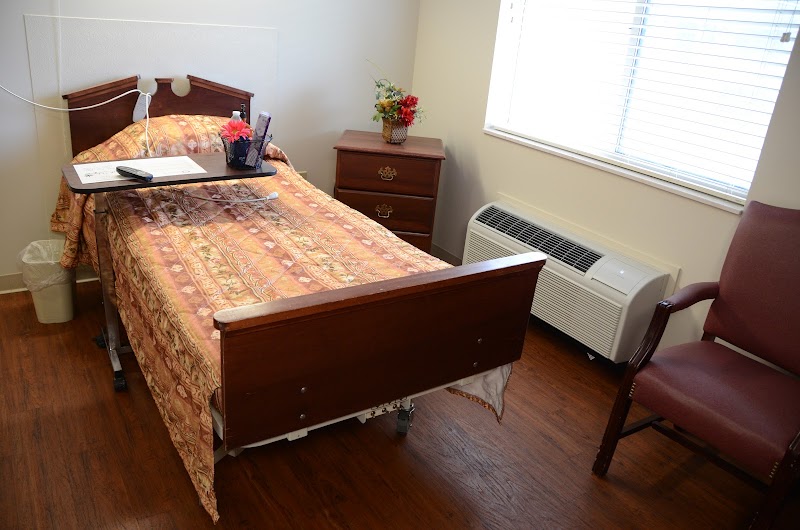
How is Beavercreek Health And Rehab Staffed?

CMS rates BEAVERCREEK HEALTH AND REHAB's staffing level at 1 out of 5 stars, which is much below average compared to other nursing homes. Staff turnover is 67%, which is 20 percentage points above the Ohio average of 46%. High turnover can affect care consistency as new staff learn residents' individual needs. RN turnover specifically is 78%, which is notably high. RNs provide skilled clinical oversight, so turnover in this role can affect medical care quality.

What Have Inspectors Found at Beavercreek Health And Rehab?

State health inspectors documented 57 deficiencies at BEAVERCREEK HEALTH AND REHAB during 2020 to 2025. These included: 1 that caused actual resident harm, 55 with potential for harm, and 1 minor or isolated issues. Deficiencies causing actual harm indicate documented cases where residents experienced negative health consequences.
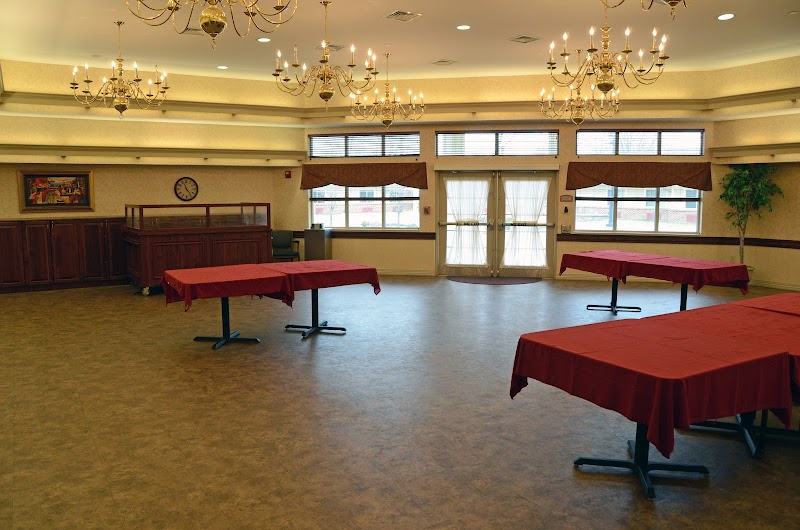
Who Owns and Operates Beavercreek Health And Rehab?

BEAVERCREEK HEALTH AND REHAB is owned by a for-profit company. For-profit facilities operate as businesses with obligations to shareholders or private owners. The facility is operated by SIMCHA HYMAN & NAFTALI ZANZIPER, a chain that manages multiple nursing homes. With 90 certified beds and approximately 70 residents (about 78% occupancy), it is a smaller facility located in BEAVERCREEK, Ohio.
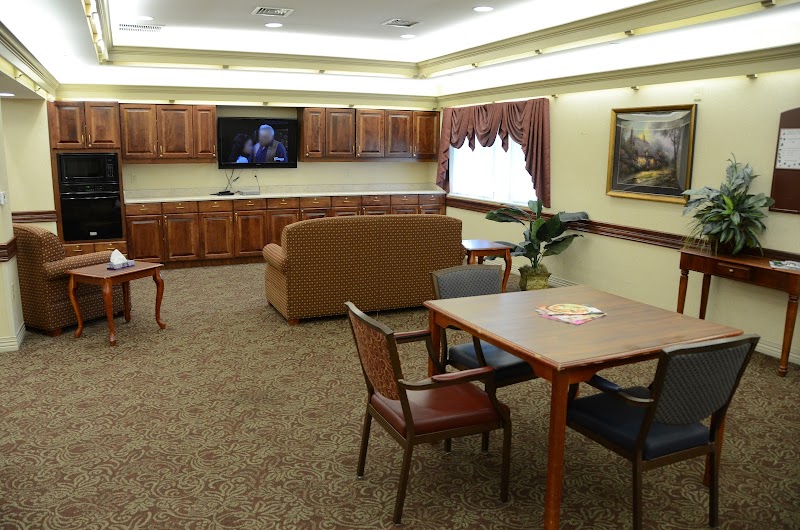
How Does Beavercreek Health And Rehab Compare to Other Ohio Nursing Homes?

Compared to the 100 nursing homes in Ohio, BEAVERCREEK HEALTH AND REHAB's overall rating (1 stars) is below the state average of 3.2, staff turnover (67%) is significantly higher than the state average of 46%, and health inspection rating (2 stars) is below the national benchmark.

What Should Families Ask When Visiting Beavercreek Health And Rehab?

Based on this facility's data, families visiting should ask: "How do you ensure continuity of care given staff turnover, and what is your staff retention strategy?" "Can you walk me through typical staffing levels on day, evening, and night shifts?" "Can I visit during a mealtime to observe dining assistance and food quality?" "How do you handle medical emergencies, and what is your hospital transfer rate?" These questions are particularly relevant given the facility's high staff turnover rate and the below-average staffing rating.

Is Beavercreek Health And Rehab Safe?

Based on CMS inspection data, BEAVERCREEK HEALTH AND REHAB has a clean safety record: no substantiated abuse findings (meaning no confirmed cases of resident harm), no Immediate Jeopardy citations (the most serious violation level indicating risk of serious injury or death), and is not on the Special Focus Facility watch list (a federal program monitoring the lowest-performing 1% of nursing homes). The facility has a 1-star overall rating and ranks #100 of 100 nursing homes in Ohio. While no facility is perfect, families should still ask about staff-to-resident ratios and recent inspection results during their visit.

Do Nurses at Beavercreek Health And Rehab Stick Around?

Staff turnover at BEAVERCREEK HEALTH AND REHAB is high. At 67%, the facility is 20 percentage points above the Ohio average of 46%. Registered Nurse turnover is particularly concerning at 78%. RNs handle complex medical decisions and coordinate care — frequent RN changes can directly impact care quality. High turnover means new staff may not know residents' individual needs, medications, or preferences. It can also be disorienting for residents, especially those with dementia who rely on familiar faces. Families should ask: What is causing the turnover? What retention programs are in place? How do you ensure care continuity during staff transitions?

Was Beavercreek Health And Rehab Ever Fined?

BEAVERCREEK HEALTH AND REHAB has no federal fines on record. CMS issues fines when nursing homes fail to meet care standards or don't correct problems found during inspections. The absence of fines suggests the facility has either maintained compliance or corrected any issues before penalties were assessed. This is a positive indicator, though families should still review recent inspection reports for the full picture.

Is Beavercreek Health And Rehab on Any Federal Watch List?

BEAVERCREEK HEALTH AND REHAB is not on any federal watch list. The most significant is the Special Focus Facility (SFF) program, which identifies the bottom 1% of nursing homes nationally based on persistent, serious quality problems. Not being on this list means the facility has avoided the pattern of deficiencies that triggers enhanced federal oversight. This is a positive indicator, though families should still review the facility's inspection history directly.