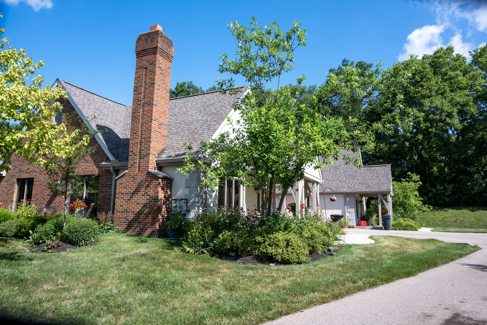

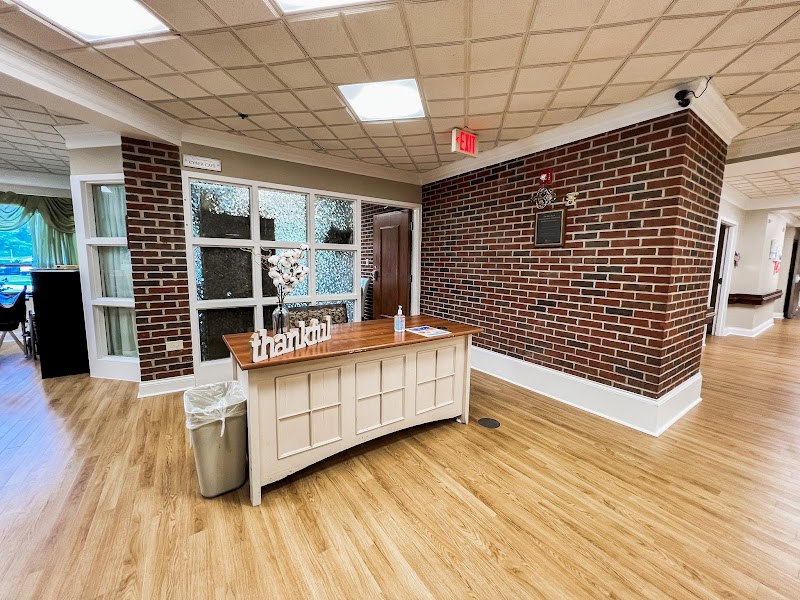

TRINITY COMMUNITY

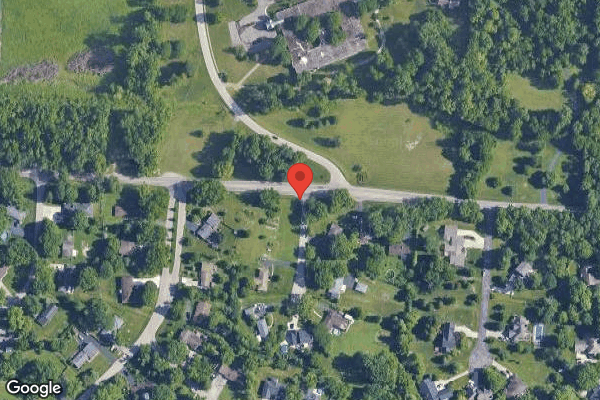
3218 INDIAN RIPPLE ROAD, BEAVERCREEK, OH 45440 (937) 426-8481
Non profit - Corporation 95 Beds UNITED CHURCH HOMES Data: November 2025 1 Immediate Jeopardy citation
Trust Grade
41/100
#563 of 913 in OH
Last Inspection: April 2025

Within standard 12-15 month inspection cycle. Federal law requires annual inspections.

Overview

Trinity Community in Beavercreek, Ohio, has received a Trust Grade of D, indicating below-average performance with some significant concerns. It ranks #563 out of 913 facilities in Ohio, placing it in the bottom half, and #5 out of 10 in Greene County, meaning only four local homes are rated lower. The facility's situation is worsening, with issues increasing from 1 in 2024 to 6 in 2025. Staffing is somewhat of a strength, rated 3 out of 5 stars with a turnover rate of 40%, which is better than the state average, but RN coverage is concerning as it is lower than 80% of Ohio facilities. The facility has incurred $24,453 in fines, which is higher than 76% of others in the state, suggesting ongoing compliance issues. Specific incidents highlight significant risks, including a resident with severe cognitive impairment who exited the facility unnoticed, and a failure to manage another resident's blood pressure medication properly, leading to hospitalization. Additionally, there were issues with food safety standards, putting residents at risk for potential foodborne illnesses. Overall, while there are some strengths, the facility has serious weaknesses that families should consider.

Trust Score
D
41/100
In Ohio
#563/913
Bottom 39%
Safety Record
High Risk
Review needed
Inspections
Getting Worse
1 → 6 violations
Staff Stability
○ Average
40% turnover. Near Ohio's 48% average. Typical for the industry.
Penalties
✓ Good
$24,453 in fines. Lower than most Ohio facilities. Relatively clean record.
Skilled Nurses
⚠ Watch
Each resident gets only 28 minutes of Registered Nurse (RN) attention daily — below average for Ohio. Fewer RN minutes means fewer trained eyes watching for problems.
Violations
⚠ Watch
31 deficiencies on record. Higher than average. Multiple issues found across inspections.
★★★☆☆
3.0
Overall Rating
★★★☆☆
3.0
Staff Levels
★★★★★
5.0
Care Quality
★★☆☆☆
2.0
Inspection Score
Stable
2024: 1 issues
2025: 6 issues

The Good

  • 5-Star Quality Measures · Strong clinical quality outcomes
  • Full Sprinkler Coverage · Fire safety systems throughout facility
  • No fines on record
  • Staff turnover below average (40%)

    8 points below Ohio average of 48%

Facility shows strength in quality measures, fire safety.

The Bad

3-Star Overall Rating

Near Ohio average (3.2)

Meets federal standards, typical of most facilities

Staff Turnover: 40%

Near Ohio avg (46%)

Typical for the industry

Federal Fines: $24,453

Below median ($33,413)

Minor penalties assessed

Chain: UNITED CHURCH HOMES

Part of a multi-facility chain

Ask about local staffing decisions and management

The Ugly 31 deficiencies on record

1 life-threatening 1 actual harm
Apr 2025 6 deficiencies
CONCERN (D)

Potential for Harm - no one hurt, but risky conditions existed

PASARR Coordination (Tag F0644)

Could have caused harm · This affected 1 resident

**NOTE- TERMS IN BRACKETS HAVE BEEN EDITED TO PROTECT CONFIDENTIALITY** Based on medical record review and staff interview, the facility failed to refer residents for Pre-admission Screening and Resid...

Read full inspector narrative →
**NOTE- TERMS IN BRACKETS HAVE BEEN EDITED TO PROTECT CONFIDENTIALITY** Based on medical record review and staff interview, the facility failed to refer residents for Pre-admission Screening and Resident Review (PASARR) level two services after a significant mental health change. This affected one (56) of the six residents reviewed for PASARR. The census was 81. Findings include: Review of the medical record for Resident #56, revealed the resident was admitted to the facility on [DATE]. Her diagnoses included but were not limited to bipolar disorder, psychotic disorder with delusions, and mood disorder. Review of the Brief Interview for Mental Status (BIMS) dated 02/18/25 for Resident #56 revealed a score of 12, indicating the resident was moderately cognitively intact. Review of Resident #56's medical records revealed the following mental health diagnoses were not included in her current PASARR application: bipolar disorder (02/27/25), Mood Disorder (09/06/24), and Psychotic Disorder with Delusions (09/06/24). There was no documented evidence that an initial or significant change PASARR application/form was submitted to the state agency to decide if the resident needed level II services. Interview with the Administrator and Admissions Coordinator #368 on 04/02/2025 at 08:23 A.M. confirmed the facility had no documented evidence they submitted a significant change PASARR application for Resident #56 after new mental health diagnoses. Review of the policy Preadmission Screening and Annual Resident Review (PASARR) dated on 08/12/15 revealed the community will refer all residents with newly evident or possible serious mental disorders for a level II review upon a significant change in status assessment to the state PASARR represented.
CONCERN (D)

Potential for Harm - no one hurt, but risky conditions existed

Deficiency F0655 (Tag F0655)

Could have caused harm · This affected 1 resident

**NOTE- TERMS IN BRACKETS HAVE BEEN EDITED TO PROTECT CONFIDENTIALITY** Based on medical record review, staff interview, and policy review, the facility failed to ensure baseline care plans were devel...

Read full inspector narrative →
**NOTE- TERMS IN BRACKETS HAVE BEEN EDITED TO PROTECT CONFIDENTIALITY** Based on medical record review, staff interview, and policy review, the facility failed to ensure baseline care plans were developed within 48 hours of admission. This affected three (#29, #54, and #139) of the 12 residents reviewed for baseline care plans. The facility census was 81. Findings include: 1. Review of the medical record of Resident #29 revealed an admission date of 02/27/25. Diagnoses included acute on chronic congestive heart failure (CHF), acute and chronic respiratory failure with hypoxia and hypercapnia, type 2 diabetes mellitus, morbid obesity, prostate cancer, and hypothyroidism. Review of the comprehensive Minimum Data Set (MDS) dated [DATE] revealed Resident #29 had intact cognition. The resident required supervision for eating, and was dependent on staff for toileting, bathing, dressing, bed mobility, and transfers. Review of the care plans revealed a baseline care plan was initiated on 03/11/25. Interview on 04/01/25 at 2:57 P.M., Licensed Practical Nurse (LPN) #417 verified Resident #29 was admitted on [DATE] and a baseline care plan was completed on 03/11/25 and should have been completed within 48 hours of admission. 2. Review of the medical record of Resident #139 revealed an admission date of 03/21/25. Diagnoses included vertigo, type 2 diabetes mellitus, and congestive heart failure. Review of the care plans revealed a baseline care plan was initiated on 03/24/25. Review of the comprehensive MDS assessment dated [DATE] revealed the resident had intact cognition. The resident required substantial/maximal assistance with eating and was dependent for toileting, bathing, dressing, bed mobility, and transfers. Interview on 04/01/25 at 2:57 P.M., LPN #417 verified Resident #139 was admitted on [DATE] and a baseline care plan was not started until 03/24/25. 3. Review of the medical record for Resident #54 revealed an admission date of 02/21/25. Diagnoses included other toxic encephalopathy, sepsis, other acute kidney failure, hypovolemia, hypo-osmolality and hyponatremia, type one diabetes mellitus, dementia, hemiplegia and hemiparesis following cerebral infarction affecting right dominant side, generalized anxiety disorder, congestive heart failure, and major depressive disorder. Review of the five-day MDS assessment dated [DATE] revealed Resident #54 had severely impaired cognition. Resident #54 was assessed to require supervision for eating, substantial/maximal assistance for oral hygiene, lower body dressing, bed mobility, and transfer, partial/moderate assistance for upper body dressing, and was dependent for toileting. Review of the baseline plan of care revealed it was initiated on 02/21/25 but was not completed until 02/24/25. Interview on 04/03/25 at 11:53 A.M. with the Director of Nursing (DON) verified the baseline care plan indicated it was started on 02/21/25 but was not completed until 02/24/25. Review of the facility policy titled, Resident Directed Care Planning, dated 11/22/16, revealed the baseline care plan should be developed within 48 hours of a resident's admission and include the minimum healthcare information necessary to properly care for a resident. A comprehensive care plan can be developed in place of the baseline care plan if it is developed within 48 hours of the resident's admission.
CONCERN (D)

Potential for Harm - no one hurt, but risky conditions existed

Deficiency F0692 (Tag F0692)

Could have caused harm · This affected 1 resident

**NOTE- TERMS IN BRACKETS HAVE BEEN EDITED TO PROTECT CONFIDENTIALITY** Based on record review, staff interview, and policy review, the facility failed to ensure meal intakes were monitored and record...

Read full inspector narrative →
**NOTE- TERMS IN BRACKETS HAVE BEEN EDITED TO PROTECT CONFIDENTIALITY** Based on record review, staff interview, and policy review, the facility failed to ensure meal intakes were monitored and recorded. This affected one (#77) of the seven residents reviewed for nutrition. The facility census was 81. Findings include: Review of the medical record for Resident #77, revealed an admission date of 01/16/24. Diagnoses included but were not limited to metabolic encephalopathy, urinary tract infection, and Coronavirus (COVID-19). Review of the most recent Minimum Data Set (MDS) 3.0 assessment dated [DATE], revealed Resident #77 had severe cognition evidenced by a Brief Interview for Mental Status (BIMS) of 00. The resident was dependent on staff for activities of daily living (ADLs). Review of the documentation for Nutrition Amount Eaten from 03/21/25 through 04/02/25 for Resident #77, revealed the dinner time meal intakes were not documented for dinner with the exception of 03/25/2025. Interview on 04/02/25 at 10:30 AM with the Dietician Tech (DT) #345 confirmed Resident #77's dinner intakes were not recorded accurately from 03/21/25 through 04/02/25.
CONCERN (D)

Potential for Harm - no one hurt, but risky conditions existed

Medical Records (Tag F0842)

Could have caused harm · This affected 1 resident

**NOTE- TERMS IN BRACKETS HAVE BEEN EDITED TO PROTECT CONFIDENTIALITY** Based on staff interviews and record review the facility failed to maintain accurate records for supplemental orders. This had t...

Read full inspector narrative →
**NOTE- TERMS IN BRACKETS HAVE BEEN EDITED TO PROTECT CONFIDENTIALITY** Based on staff interviews and record review the facility failed to maintain accurate records for supplemental orders. This had the potential to affect one (77) of the seven residents reviewed for resident orders. The census was 81. Findings Include: Review of the medical record for Resident #77, revealed an admission date of 01/16/24. Diagnoses included but were not limited to metabolic encephalopathy, urinary tract infection, and Coronavirus (COVID-19). Review of the most recent Minimum Data Set (MDS) 3.0 assessment dated [DATE], revealed Resident #77 had severe cognition evidenced by a Brief Interview for Mental Status (BIMS) of 00. The resident was dependent on staff for activities of daily living (ADLs). Review of physician orders for Resident #77 dated 01/18/25, revealed the resident was ordered Ensure (supplement) with meals. Review of the weights documented for Resident #77 revealed a weight change of 5.37 percent (%). A documented weight on 02/13/25 revealed her weight to be 201.00 lbs. and on 03/10/25 revealed a documented weight to be 190.2 lbs. No evidence of a reweight or notification to the Registered Dietician (RD) or the physician. An interview on 04/02/25 at 10:07 AM with Certified Nursing Assistant (CNA) #488, revealed an Ensure was only given if the resident didn't eat her meals. CAN #488 stated they wait for her private caregiver to come in to feed her or give her an Ensure. An interview on 04/02/25 at 10:45 A.M. with the Dietician Technician (DT), revealed Resident #77's family feeds her, but the staff should be giving her the magic cup and Ensure supplement. An interview on 04/02/25 at 10:58 A.M. with Licensed Practical Nurse (LPN) #510, revealed she documented the Ensure in the medication administration record (MAR) according to what the family reported to her; however, she never verified if the ensure was consumed or not. An interview on 04/02/2025 at 11:00 A.M. with Director of Nursing (DON) stated that staff should administer the ensure (supplement order) and accurately document.
CONCERN (F)

Potential for Harm - no one hurt, but risky conditions existed

Food Safety (Tag F0812)

Could have caused harm · This affected most or all residents

Based on observation, staff interview, and policy review, the facility failed to store, prepare, distribute, and serve foods in accordance with professional standards for food service safety. This had...

Read full inspector narrative →
Based on observation, staff interview, and policy review, the facility failed to store, prepare, distribute, and serve foods in accordance with professional standards for food service safety. This had the potential to affect 79 residents in the facility. The facility identified two residents (21 and #137) who did not receive food from the kitchen. The facility census was 81. Findings include: Observation of the kitchen's reach in coolers on 03/31/25 at 8:25 A.M. revealed the following: a. a plastic tub of yogurt, opened and partially used, with no open date b. a bag of spinach with an open date of 03/20 c. two packages of lunch meat, opened and not dated d. a bag of hotdogs, opened, not sealed, not dated e. a plastic container of cheese slices, not labeled, not dated f. a bag of garlic cloves, opened, partially used, not dated g. a plastic container of chickpea patties, not labeled, not dated, and the cover was not properly affixed to the container Interview at the time of the observation, [NAME] #357 verified the yogurt was not dated, the spinach was outdated, lunch meat was not dated, hot dogs and cheese slices were not sealed or dated, garlic cloves were not dated, and the chickpea patties were not labeled, dated, or properly sealed. Observation of the dry storage area on 03/31/25 at 8:35 A.M., revealed a bag of penne pasta, which appeared to be torn open, not sealed, and not dated. Interview at the same time, [NAME] #357 verified the bag of penne pasta was not sealed or dated. Observation of the facility's walk-in cooler on 03/31/25 at 8:37 A.M., revealed a bag of lettuce, opened, partially used, and had no open date. The lettuce was brown and had a best by date of 03/16/25. Further observation revealed a bag of parmesan cheese, opened, partially used, not sealed, and no open date. Interview at the same time, [NAME] #357 verified the lettuce was not dated, brown, and had a best by date of 03/16/25 and the parmesan cheese was not sealed or dated. Review of the facility policy titled Food Safety and Sanitation, dated 2019, revealed food should be protected from contamination (dust, flies, rodents), all time and temperature control for safety foods (including leftovers) should be labeled, covered, and dated when stored. When a food package is opened, the food item should be marked to indicate the open date, and this date will be used to determine when to discard the food. Leftovers are used or discarded within 72 hours. Perishable foods with expiration dates are used prior to the use by date on the package.
CONCERN (F)

Potential for Harm - no one hurt, but risky conditions existed

Garbage Disposal (Tag F0814)

Could have caused harm · This affected most or all residents

Based on observation and staff interview, the facility failed to ensure trash cans in the kitchen food preparation areas were covered. This had the potential to affect 79 residents in the facility. Th...

Read full inspector narrative →
Based on observation and staff interview, the facility failed to ensure trash cans in the kitchen food preparation areas were covered. This had the potential to affect 79 residents in the facility. The facility identified two residents (#21 and #137) who did not receive food from the kitchen. The facility census was 81. Findings include: Observation on 03/31/25 at 8:30 A.M. revealed a trash can in the food preparation area by the stove was not covered. Interview at the same time, [NAME] #357 verified the trash can did not have a lid. [NAME] #357 stated she looked for a lid and was not able to locate one. Observation on 04/02/25 at 11:47 A.M., the trash can in the food preparation area remain uncovered. Review of the facility policy titled, Food Safety-Director of Food and Nutrition Services' Responsibilities, dated 2019 revealed the director of food and nutrition services assures sanitary conditions are maintained in food storage, preparation, and serving areas and proper waste disposal methods.
Apr 2024 1 deficiency 1 Harm
SERIOUS (G) 📢 Someone Reported This

A family member, employee, or ombudsman was alarmed enough to file a formal complaint

Actual Harm - a resident was hurt due to facility failures

Quality of Care (Tag F0684)

A resident was harmed · This affected 1 resident

**NOTE- TERMS IN BRACKETS HAVE BEEN EDITED TO PROTECT CONFIDENTIALITY** Based on staff interview, record review, facility protocol review, and hospital record review, the facility failed to ensure res...

Read full inspector narrative →
**NOTE- TERMS IN BRACKETS HAVE BEEN EDITED TO PROTECT CONFIDENTIALITY** Based on staff interview, record review, facility protocol review, and hospital record review, the facility failed to ensure residents received treatment and care in accordance with professional standards when they failed to hold blood pressure medications and notify the doctor of a low blood pressure for Resident #77. This resulted in actual harm when Resident #77 was hospitalized with diagnoses of hypotension, acute kidney injury, and altered mental status. Resident #77 had an elevated Blood Urea Nitrogen (BUN) level of 110 milligrams per deciliter (mg/dl), and elevated creatinine level of 3.22 mg/dl, and a hospital emergency room triage blood pressure of 80/36 millimeters of mercury (mmHg). This affected one (Resident #77) of three residents reviewed for hospitalization. The facility census was 79. Findings include: Record review of Resident #77 revealed an admission date of 03/02/24 with an admission to the hospital on [DATE] and a readmission to the facility on [DATE]. Resident #77 had pertinent diagnoses including wedge compression fracture of fifth lumbar vertebrae, low back pain, pain in right hip, unilateral primary osteoarthritis right hip, chronic peripheral venous insufficiency, dementia without behavioral disturbances, muscle weakness, gait and mobility abnormalities, opioid dependence, atrial fibrillation, depression, hyperlipidemia, irritable bowel syndrome, fibromyalgia, hypertension, anxiety disorder, and migraine. Review of the 03/05/24 Medicare five-day Minimum Data Set (MDS) assessment revealed Resident #77 was moderately cognitively impaired and used a manual wheelchair to aid in mobility. Resident #77 required setup or clean up assistance for eating, and oral hygiene. She was dependent for toileting, showering, lower body dressing, and putting on taking off footwear. Resident #77 required partial/moderate assistance for roll left and right, sit to lying, lying to sitting, and sit to stand. Review of a hospital record dated 02/24/24 revealed Resident #77's BUN level (a test used to test kidney function) was 32 mg/dl (normal range is 3-29 mg/dl). The creatinine (a test used to test kidney function) was 3.22 mg/dl (normal is 0.5-1.2). Review of a Physician Order dated 03/02/24 revealed Metoprolol Tartrate Oral Tablet give 12.5 milligrams (mg) by mouth one time a day for hypertension. Review of a Physician Order dated 03/02/24 revealed an order for Losartan Potassium Oral Tablet 50 mg, give one tablet by mouth one time a day for hypertension. Review of a Physician Order dated 03/02/24 revealed Propranolol HCl Oral Tablet 10 mg, give one tablet by mouth at bedtime for hypertension. Review of a Physician Order dated 03/03/24 revealed Diovan/Hydrochlorothiazide (HCL) Oral Tablet 160/25 mg give one tablet by mouth one time a day for hypertension. Review of vital signs revealed on 03/04/24 at 4:45 A.M., Resident #77's blood pressure was 131/72 mmHg. Review of vital signs revealed on 03/04/24 at 7:43 A.M. her blood pressure was 98/43 mmHg. The medication administration record revealed her blood pressure medications were given that morning on 03/04/24. The doctor was not notified of the low blood pressure and the medications were not withheld. Review of the vital signs revealed on 03/04/24 at 9:32 P.M. her blood pressure was 88/32 mmHg. Resident #77's propranolol was held by the nurse due to low blood pressure and she did not notify the doctor. The medical record had no mention of notifying the physician. Review of vital signs revealed on 03/05/24 at 9:51 A.M. her blood pressure was 104/67 mmHg. Resident #77's blood pressure medications were given that morning. Review of nurses' notes dated 03/05/24 at 1:58 P.M. revealed Resident #77's daughter requested her mother be sent out to hospital stating, she is not where she was mentally prior to hospitalization, and she is hallucinating. Orders were received from Medical Director #100 to send to the emergency room for evaluation. Transport picked her up at 1:30 P.M. Review of hospital records dated 03/05/24 revealed a hospital emergency room triage blood pressure of 80/36 mmHg at 1:43 P.M. with admitting diagnoses of hypotension, acute kidney injury, and altered mental status with an elevated BUN level of 110 mg/dl, elevated creatinine level of 3.22 and Resident #77 was hospitalized for nine days and returned to the facility on [DATE]. Interview with Registered Nurse (RN) #15 on 04/11/24 at 10:40 A.M. revealed on 03/05/24 she called Medical Director #100 to send Resident #77 out. Resident #77 was answering questions appropriately; however, the family wanted her to be sent out to the hospital. RN #15 was not sure if she called the Physician for Resident #77's blood pressure on 03/04/23 and she stated she did give her blood pressure medications on 03/04/24 and 03/05/24. Interview with the Medical Director #100 on 04/11/24 at 11:40 A.M. revealed Resident #77 was in the assisted living part of the facility and went to the hospital and came back skilled in the Nursing Home. The Medical Director verified she was not notified of the blood pressure of 98/43 mmHg on 03/04/24 at 7:43 A.M. or of the blood pressure of 88/32 mmHg on 03/04/24 at 9:32 P.M. Medical Director #100 stated she would have held all blood pressure medications, drew labs, gave midodrine medication to bring up the blood pressure, encouraged oral fluids if able, or started intravenous fluids. She stated they have a protocol sheet here that addresses medical concerns including hypotension for nurses to follow. The Medical Director #100 was asked if it is normal for someone to have an acute kidney injury after a few days of being admitted and she stated sometimes residents do not eat or drink adequately when they come into the nursing home. Review of fluid intakes on 04/11/24 revealed on 03/03/24 Resident #77 was documented as taking in 480 milliliters of fluid, 03/03/24 is blank for fluid intake, and 03/04/24 documented 720 milliliters of fluid intake. Review of an undated facility Protocol Order Set: Hypotension on 04/11/24 revealed the protocol is to be utilized by the RN/LPN and delegated as appropriate within the scope and practice. Assessment: Systolic blood pressure (SBP) <100 mmHg Plan: 1. Implementation: • Hold all blood pressure medications for systolic blood pressure (SBP) <100 • If not on blood pressure medications and SBP consistently <100, begin: Proamatine (midodrine) 5 milligrams (mg) by mouth, twice a day: scheduled at 8:00 A.M. and 2:00 P.M. • If not taking in orally, obtain complete blood count (lab test that test blood levels) and basic metabolic panel (lab test that tests electrolytes and other tests) 2. Nursing Action: • Assess the amount of oral intake in the last 24 hours. • Assess ability to tolerate oral intake. • Assess the frequency/volume urination in the last 24 hours. 3. Criteria for calling the Physician/Advanced Practice Provider: • Systolic blood pressures <90 mmHg 4. Follow Up: • Repeat blood pressure prior to the next dose of medication. • Monitor vitals and report for improvement or persistent worsening symptoms. • Notify DPOA/responsible party. • Document in progress notes. This deficiency represents non-compliance investigated under Complaint Number OH00152332.
Aug 2023 2 deficiencies
CONCERN (D) 📢 Someone Reported This

A family member, employee, or ombudsman was alarmed enough to file a formal complaint

Potential for Harm - no one hurt, but risky conditions existed

Pharmacy Services (Tag F0755)

Could have caused harm · This affected 1 resident

Based on interview, medical record review, and policy review, the facility failed to ensure residents received medications as ordered. This affected one (#20) of four residents reviewed for medication...

Read full inspector narrative →
Based on interview, medical record review, and policy review, the facility failed to ensure residents received medications as ordered. This affected one (#20) of four residents reviewed for medications. The facility census was 79. Findings include: Review of the medical record for Resident #20 revealed an admission date of 04/11/19. Diagnoses included unspecified Alzheimer's disease, pseudobulbar effect, and unspecified anxiety disorder. Review of Resident #20's physician orders revealed an order dated 08/07/22 for the narcotic pain medication oxycodone five (5) milligrams (mg), to give 2.5 mg by mouth twice daily for knee pain. Review of a progress noted dated 06/30/23 revealed Licensed Practical Nurse (LPN) #23 administered oxycodone 5 mg instead of oxycodone 2.5 mg to Resident #20. Interview on 08/21/23 at 1:59 P.M., LPN #23 verified she had made a medication error on 06/30/23 when she gave Resident #20 a double dose of oxycodone by mistake. LPN #23 stated she thought she was administering Resident #20's 5:00 P.M. dose of oxycodone 2.5 mg and 6:00 P.M. dose of the antianxiety medication Ativan 0.5 mg when, in actuality, she removed the medications from two separate medication cards of oxycodone 2.5 mg tablets. LPN #23 stated she did not notice her mistake until a few hours later when she tried to reconcile the narcotics books and noticed the counts were off. Review of policy titled, General Dose Preparation and Medication Administration, dated 12/01/07, revealed the facility staff should verify that the medication name and dose are correct when compared to the medication order of the medication administration record. This deficiency represents non-compliance investigated under Complaint Number OH00145219.
CONCERN (D) 📢 Someone Reported This

A family member, employee, or ombudsman was alarmed enough to file a formal complaint

Potential for Harm - no one hurt, but risky conditions existed

Deficiency F0761 (Tag F0761)

Could have caused harm · This affected 1 resident

**NOTE- TERMS IN BRACKETS HAVE BEEN EDITED TO PROTECT CONFIDENTIALITY** Based on observation, staff interview, and policy review, the facility failed to ensure that medications were stored properly in...

Read full inspector narrative →
**NOTE- TERMS IN BRACKETS HAVE BEEN EDITED TO PROTECT CONFIDENTIALITY** Based on observation, staff interview, and policy review, the facility failed to ensure that medications were stored properly in medication carts. This affect one (#65) of eleven residents on the D-Hall with active prescriptions for the pain medication Tylenol 500 milligram (mg) tablets. The facility census was 79. Findings include: Review of the medical record revealed Resident #65 admitted to the facility on [DATE] and had primary diagnosis of unspecified rheumatoid arthritis. Review of Resident #65's medical record revealed a physician order dated 01/18/23 for the pain medication acetaminophen (Tylenol) 500 mg, one tablet by mouth three times daily for pain. Observation on 08/21/2023 from 8:48 A.M. to 8:51 A.M. revealed, in the top drawer of the D-Hall medication cart, a large plastic drinking cup labeled Tyle 500 with marker on the outside of the cup. Observed inside the cup was an unspecified, but numerous, quantity of round white tablets, and the tablets were marked with M2A4 57344. Licensed Practical Nurse (LPN) #136 administered four medications to Resident #65 including the antidepressant Cymbalta 60 mg, the stool softener Miralax 17 grams, the diuretic Aldactone 25 mg, and Tylenol 500 mg. LPN #136 took one of the round white tablets from the cup labeled Tyle 500 and administered it to Resident #65. Interview on 08/21/2023 at 8:48 A.M., LPN#136 stated she was aware medications were not supposed to be stored the way the round white tablets were stored during the observation on 08/21/23, and stated she did not put the Tylenol in the medication cart like that. LPN #136 stated the medication was already stored in the medication cart that way when she came on shift, and verified she did not normally work on that medication cart. Interview on 08/21/2023 at 9:19 A.M., the Director of Nursing (DON) stated she was not aware nurses were storing medications inappropriately in the medication carts. The DON stated central supply ordered Tylenol in large bottles that did not fit in the top drawer of the medication carts, but would start to order smaller bottles. Review of a policy titled, Storage and Expiration Dating of Medications and Biologicals, dated January 2022, revealed the facility should ensure that the medications and biologicals are stored in the containers in which they were originally received.
Apr 2023 1 deficiency 1 IJ
CRITICAL (J) 📢 Someone Reported This

A family member, employee, or ombudsman was alarmed enough to file a formal complaint

Immediate Jeopardy (IJ) - the most serious Medicare violation

Accident Prevention (Tag F0689)

Someone could have died · This affected 1 resident

**NOTE- TERMS IN BRACKETS HAVE BEEN EDITED TO PROTECT CONFIDENTIALITY** Based on medical record review, observations, staff interviews, resident representative interview, community member interviews, ...

Read full inspector narrative →
**NOTE- TERMS IN BRACKETS HAVE BEEN EDITED TO PROTECT CONFIDENTIALITY** Based on medical record review, observations, staff interviews, resident representative interview, community member interviews, review of the facilities investigations, review of hospital records, review of witness statements, review of online resources from Weather Underground (online resources for weather conditions), and review of the facility's policy regarding elopement, the facility failed to provide adequate supervision for Resident #82, who had severely impaired cognition, a history of dementia, increased confusion, poor judgment and displayed exit seeking behaviors. This resulted in Immediate Jeopardy and the potential for serious life-threatening harm, injuries, and/or death on [DATE] when Resident #82 displayed exit seeking behaviors, expressed to State Tested Nurse Aide (STNA) #309 the desire to go home and Resident #82 exited the Rehabilitation (rehab) portion of the facility without staff knowledge into the outside temperature of 33 degrees Fahrenheit. Resident #82 left the facility wearing pajamas and socks through an unalarmed and unlocked set of doors, and by the time staff responded to the elopement, Resident #82 had ambulated across the parking lot, crawled over a guardrail, navigated down a steep culvert with water flowing in it, then ambulated up a steep incline and into a busy roadway. The resident was discovered confused and bleeding from his face, approximately 0.3 miles away and partially lying in a heavily trafficked roadway with speed limits posted at 40 miles per hour (MPH) by two separate motorists. Consequently, the resident was transported to the local emergency department (ED) where he was diagnosed with fractured nasal bones, contusions, and increased confusion. This affected one (#82) of six residents (#04, #13, #16, #29, #42 and #82) reviewed for being at risk for elopement. The facility identified ten residents (#04, #13, #16, #21, #23, #29, #42, #53, #59 and #81) currently residing in the facility at risk for elopement. The facility census was 81. On [DATE] at 9:48 A.M., the Administrator and Director of Nursing (DON) were notified Immediate Jeopardy began on [DATE] at approximately 4:30 P.M. when Resident #82 displayed exit seeking behaviors and expressed to STNA #309 that he wanted to go home and then exited the facility without staff's knowledge at approximately 6:38 P.M. Resident #82 was discovered on [DATE] between 6:45 P.M. and 7:00 P.M. confused, bleeding from his face, had grass and dirt on his face, was wearing pajamas and socks, and partially lying in the heavily trafficked roadway by two separate motorists as they were driving on the road. The facility staff were alerted by another resident's family who were visiting inside the facility, that one of the residents was in the roadway. The facility staff members exited the facility and met the resident and the motorists on the roadway. The facility staff assisted Resident #82 into one of the motorist's vehicles and transported the resident back to the facility and then called 911 for transportation to the ED for evaluation of injuries he sustained during the elopement. The Immediate Jeopardy was removed on [DATE] when the facility implemented the following corrective actions: • On [DATE] at approximately 7:30 P.M. to 8:30 P.M., the Interdisciplinary Team (IDT) had an Ad Hoc Quality Assurance and Performance Improvement (QAPI) meeting including the following team members: Maintenance Director #400, Admissions Director #355, the DON, Administrator, Central Supply #329, and Registered Nurse (RN) #310, and discussed the root cause of the incident and any follow up measures that needed to be implemented. • On [DATE] at 7:45 P.M., the keypad door of the Fast Track Rehabilitation (FTR) was checked and tested by Maintenance Director #400, and the door was noted to be operating properly. • On [DATE] at 9:00 P.M., the DON completed a visual inspection of all current residents with wander guards to ensure they were in place and operational. No issues were identified. • On [DATE], the Administrator educated Admissions Director (AD) #355 on the new Elopement Management Policy changes. • On [DATE], an elopement drill and education were completed by the DON with all STNAs and Nurses, on wandering/elopement, wander guards, responding to door alarms quickly, exit seeking behaviors and checking on new admissions. • On [DATE], the Administrator and the DON met with Medical Director #600 to discuss the root cause analysis findings and the action plan. Medical Director #600 was out of town the previous week. • On [DATE], the DON/designee audited all the residents, and facility identified Resident #13 (newly admitted ) who did not have a wander guard on, and the facility placed one at that time. Audits will continue for at least four weeks related to any new admissions. • On [DATE], the DON/designee will audit all new admissions to ensure elopement assessments are completed, completed accurately, and a plan of care is implemented to address elopement risks as indicated. Audits will continue for all new admissions for at least four weeks. • On [DATE], all working staff (Nursing, Dietary, Housekeeping, Laundry, Business Office, Activities, Spiritual Care, and Therapy) will be re-educated on the Elopement Policy including wandering/elopement, wander guards, responding to door alarms quickly and exit seeking behaviors by [DATE], and all other staff who are vacationing or out of the community will be reeducated by [DATE] and prior to working any shifts. • On [DATE], the DON and Assistant Director of Nursing (ADON) #411 assessed every resident for elopement risk. There were no identified concerns. • On [DATE], all care plans were reviewed and updated for all residents to reflect current interventions by Minimum Data Set (MDS) Licensed Practical Nurses (LPNs) #442 and #550. • On [DATE], the DON and the Administrator were reeducated on elopement practice and policies by Executive Director of Clinical Operations (EDCO) #500. • On [DATE] at approximately 4:30 P.M., the surveyor completed review of the medical records for Residents #04, #13, #16, #29, and #42, identified as elopement risks, and there were no concerns related to actual elopement from the facility, elopement risk assessments were current and accurate, and care plans were initiated and updated with appropriate interventions to prevent elopement. • On [DATE] between 11:35 A.M. and 12:15 P.M., LPNs #330, #333, and #436, and STNAs #314, and #404, and Housekeeping Staff #319, and #445 verified they were educated on the Elopement Policy including wandering/elopement, wander guards, responding to door alarms quickly and exit seeking behaviors. All staff members interviewed were knowledgeable of the content of each education provided by the facility. • The QAPI Committee will monitor the results of the audits and follow-up as needed. Although the Immediate Jeopardy was removed on [DATE], the deficiency remains at a Severity Level 2 (no actual harm with potential for more than minimal harm that is not Immediate Jeopardy) as the facility is in the process of implementing their corrective action plan and monitoring to ensure on-going compliance. Findings Include Review of the medical record for Resident #82 revealed an admission date of [DATE] at 4:15 P.M. The resident had diagnoses including dementia with behavioral disturbance, paroxysmal atrial fibrillation (A-fib), muscle weakness, and essential primary hypertension. Resident #82 was discharged to the hospital on [DATE] at 7:04 P.M. Review of the hospital transfer discharge/continuity of care dated [DATE] for Resident #82, revealed the resident required a skilled level of care with a transfer to the facility dated [DATE]. The discharge orders stated Resident #82 was confused, and forgetful with impaired judgement. Further review of the continuity of care revealed Resident #82 had a need for extensive assistance with toileting, transfers, dressing, and limited assistance with eating. Resident #82's primary admitting diagnosis to the hospital was increased confusion. Further review of the hospital's physical therapy notes dated [DATE], revealed upon Resident #82's discharge, a caregiver would need to provide full time supervision for safety and the resident could be unobserved for brief periods of time but could not be left alone. Review of the incident log dated [DATE] at 6:56 P.M., revealed Resident #82 was recorded as a fall incident. Review of the discharge MDS assessment dated [DATE] for Resident #82, revealed the Brief Interview for Mental Status (BIMS) assessment was coded as the resident's memory being ok. Review of the elopement/wandering assessment dated [DATE] for Resident #82 and completed by RN #310, revealed Resident #82 was recorded as a low risk for elopement. Further review of Resident #82's elopement/wandering assessment indicated the resident was not cognitively impaired or had poor decision-making skills. Review of the plan of care dated [DATE] for Resident # 82, revealed the resident was at risk for falls related to impaired mobility, positive Fall Risk Assessment, impaired cognition and safety awareness related to dementia. Resident #82 had a self-care performance deficit related to decreased induration, Alzheimer's disease, dementia, generalized weakness, and post-acute hospitalization. Review of physician orders dated [DATE] for Resident #82, revealed resident may be admitted to the Skilled Nursing Facility (SNF) for skilled level of care with no diagnosis listed. Resident #82 was not ordered to be on the secured unit. Review of the nurse's progress notes dated [DATE] for Resident #82, revealed no documentation regarding the resident's new admission. Further review of the nurse's progress notes dated [DATE] at 6:56 P.M. (entered as a late entry at 8:14 P.M.) revealed, the resident left the community (facility), angry that his wife left him in community. The resident fell in the parking lot, had a small abrasion to the nose and was tender to touch, vital signs stable (VSS) and the resident's temperature was 98.5 degrees Fahrenheit (normal 98.6). The family and the physician were notified, and the resident was sent to the ED for an evaluation. Review of the hospital records dated [DATE] for Resident #82, revealed resident was seen for injuries from a fall after the resident escaped the building and was found wandering down the road. The hospital records indicated the resident fell and hit his face on an unknown object, and it was unknown if resident had any loss of consciousness (LOC). The resident had a laceration on his nose and the resident was admitted with a fractured nose, increased confusion, contusion on his hip, and neck strain. Resident #82 was discharged to another facility's secured memory care unit. Review of [DATE] witness statement by LPN #308, revealed she was sitting with another resident who was wandering around and trying to go into other resident's room. STNA #309 was helping the new admit (Resident #82) into the bed. The witness statement indicated when STNA #309 put Resident #82 to bed they met to discuss the plans for the 6:00 P.M. to 10:00 P.M. hours. The nurse (RN #310) received a phone call that a resident was outside on the road walking. STNAs #307 and #309 ran outside and saw the resident at the top of the hill on the road with traffic getting piled up. The resident was standing at a car that was parked on the side of the road with two ladies. STNAs #307 and #309 helped Resident #82 back to the rehab center, put the resident into a wheelchair and back inside the building. Review of a [DATE] witness statement by STNA #307, revealed she was at the nurse's station sitting down with a different resident who was wandering around in the hallway. STNA #309 was with the new admit (Resident #82) in his room getting the resident settled in. STNA #309 placed Resident #82 in bed and walked to the nurse's station to discuss the plans for the 6:00 P.M. to 10:00 P.M. hours. The nurse (RN #310) received a phone call stating there was a resident outside on road lying down. STNAs #307 and #309 ran outside to look for the resident when they saw a man standing at a car window with traffic starting to pile at the entrance to the facility. STNAs #307 and #309 ran up the hill to get the resident. Resident #82 had blood on his face, was unsteady on his feet, was confused and no shoes, only socks. The lady that stopped her car offered to take the resident back to the building in her car. STNA #307 and Resident #82 got into the car and the lady drove them back to the Fast Track Rehab entrance. The resident was placed into a wheelchair, was assessed by the nurses, and then taken away by ambulance. Review of a [DATE] witness statement by STNA #309, revealed the STNA put Resident #82 to bed after dinner due to agitation. Resident #82 was under three blankets, looked comfortable and content. Approximately 10 to 15 minutes later, a residents family came out to tell us he saw a resident in the road stumbling around and RN #310 noted it could have been one of the cottage residents, but the family said the resident looked confused. STNAs #307 and #309 immediately ran down the hallway to check Resident #82's room but he was not in there. STNAs #307 and #309 ran outside and began searching for the resident. STNAs #307 and #309 saw a man standing by a car with traffic piling up. STNAs #307 and #309 ran closer and saw it was Resident #82. STNAs #307 and #309 spoke with the two ladies who were standing with the resident and one of the ladies offered to give the resident a ride back to the rehab. Resident #82 was transported back to the facility and the resident was sent to the hospital. Review of the IDT note dated [DATE] at 10:14 A.M., revealed the IDT met to discuss the incident as noted. The resident was sent to the hospital for further evaluation and treatment and the team would reassess upon the residents return. Interview on [DATE] at 9:09 A.M. with LPN #305 stated she was working on an adjacent hall on [DATE], when she learned Resident #82 had exited the facility. LPN #305 stated she did not realize she could run that fast. LPN #305 stated Resident #82 was found on Indian Ripple Road with blood coming from the corner of his upper nose. LPN #305 stated the resident and an employee got in one of the cars and rode back to the facility. LPN #305 stated she assessed Resident #82 upon his return and the resident could not give his name and he was unable to give details of how he left the facility. LPN #305 stated the resident continued to repeat that he did not want to be there. LPN #305 stated Resident #82 was sent to the hospital. Interview on [DATE] at 10:00 A.M. with Unit Manager/LPN #344 stated Resident #82 was not in his room after dinner. Observation at that same time with LPN #344, revealed Resident #82's room was located near the exit doors where Resident #82 exited the facility. LPN #344 stated she did not know anything else about the elopement. Review of the facilities investigation file on [DATE] at 10:30 A.M. with the DON revealed the file only contained two witness statements. One from STNA #309 and one from LPN #308. When the surveyor questioned the investigation file, the DON stated she had an additional witness statement from STNA #307 and a phone number for a witness (Community Member #02). Interview on [DATE] at 10:30 A.M. with the DON revealed the facility was not aware Resident #82 was ambulatory. The DON verified the hospital transfer orders indicated Resident #82 utilized a cane or walker to assist him with walking. The DON stated the facility completed a Root Cause Analysis (RCA) of the elopement and believed the issue was the staff thought Resident #82 required two-person assistance with activities of daily living and was physically not able to elope from the facility. Review of the camera footage on [DATE] at 11:33 A.M. with the Administrator on her mobile phone, revealed the resident pushed on the exit doors at 6:38 P.M. and walked briskly up the facilities long driveway, climbed over a guard rail divider and the resident was not able to be viewed after that. The Administrator stated Resident #82 did not have shoes on. Interview on [DATE] at 11:43 A.M. with STNA #307, revealed she observed Resident #82 sitting in a chair in his room after he arrived at the facility. STNA #307 stated Resident #82 appeared confused and acted like he was not aware of what was going on. STNA #307 stated another resident's family member called the unit and stated a resident was outside on the road. STNA #307 stated she ran outside and observed five or six cars backed up on Indian Ripple Road. STNA #307 stated Resident #82 was standing near a stopped car along with two women. STNA #307 stated it appeared they were holding Resident #82 up. STNA #307 stated Resident #82 had both hands bracing himself on the car and he was shaking. STNA #307 stated Resident #82 did not have on any shoes and his nose was bleeding. STNA #307 stated she rode in the car with Resident #82 back to the facility and Resident #82 stated he wanted to go home. STNA #307 stated it was cold outside with very light snow flurries. Interview on [DATE] at 12:08 P.M. with the admitting RN #310, revealed she was the manager on duty when Resident #82 was admitted to the facility. RN #310 stated Resident #82 was admitted around 4:15 P.M. because she remembered looking at her watch and telling Resident #82 it was almost dinner time. RN #310 stated another resident's family member called the facility and reported a resident was on Indian Ripple Road. RN #310 revealed she looked out the therapy room windows and saw an elderly man hunched over; however, she could not tell if he had fallen. RN #310 stated she told STNAs #307 and #309, and they ran out of the door and up the driveway to assist the resident. Resident #82 was returned to the facility, assessed, and sent to the hospital. RN #310 stated she saw Resident #82 in his room eating dinner and that is where she thought he was at the time of the incident. Interview on [DATE] at 3:37 P.M with STNA #309, revealed he was aware Resident #82 had a diagnosis of dementia. STNA #309 reported after Resident #82 arrived at the facility, the resident had a disagreement with his spouse because Resident #82 stated he wanted to go home with her, and the resident's spouse told him he could not go home. STNA #309 stated he observed Resident #82 standing at his closet and looking for his coat. STNA #309 stated he managed to talk Resident #82 into lying in the bed to rest. STNA #309 stated around 6:30 P.M. Resident #82's spouse left the facility. STNA #309 stated he knew Resident #82 would attempt to wander because he appeared confused and stated several times he wanted to leave with his wife; however, STNA #309 stated he never expected Resident #82 to leave the facility. STNA #309 stated Resident #82 continued to state he wanted to go home with his wife. STNA #309 stated around 6:40 P.M. another resident's family was on the phone and stated a resident had gotten out of the facility. STNA #309 stated he and STNA #307 went to Resident #82's room and noticed the resident was not in his room. They ran outside and toward the resident when they noticed four or five cars backed up on Indian Ripple Road. STNA #309 stated he could see two ladies with Resident #82 on Indian Ripple Road. STNA #309 stated Resident #82 was bleeding at the top of his nose and had grass on his face. STNA #309 stated one of the ladies stated they saw Resident #82 fall in the ditch. STNA #309 stated Resident #82 was confused. Interview on [DATE] at 5:07 P.M. with Resident #82's spouse, revealed she arrived at the facility with her husband on [DATE] around 4:30 P.M. Resident #82's spouse stated she brought Resident #82 to the facility by private car because Resident #82 was walking up and down the hallways at the hospital and the therapist worked on getting the resident in and out of the car and he was fine. Resident 82's spouse stated when she arrived at the facility, the resident climbed out of the car and walked into the facility without any assistance from anyone and using his cane. Resident #82's spouse stated they walked through the rehab unit doors and made a right turn onto the unit. Resident #82's spouse stated they were greeted by STNA #309, and they went into Resident #82's room. Resident #82's spouse stated she observed STNA #309 to calm the resident because he continued to state he wanted to leave and wanted to go home. Resident #82's spouse stated she left the facility at around 6:30 P.M. once Resident #82 was in bed and appeared calm. Resident #82's spouse stated she stressed to STNA #309 and RN #310 to keep an eye on him because he was so far away from the nurse's station, and he was a fall risk. Interview on [DATE] at 6:23 A.M. with LPN #308, revealed she arrived at the facility on [DATE] at 6:00 P.M. to relieve RN #310. LPN #308 reported she did not see or talk to Resident #82 prior to the elopement incident. LPN #308 reported another resident's family member walked out of a resident's room and stated her son just left the facility and called her to report a resident was stumbling on Indian Ripple Road. LPN #308 stated she ran to the doors of the therapy room and looked out the window, but she could not see anything. LPN #308 stated she and STNAs #307 and #309 ran outside and to the top of the drive. LPN #308 stated she looked up the driveway and saw cars stopped on Indian Ripple Road and two Citizens were with an elderly man off to the side of the road. LPN #308 stated it was visible that Resident #82 may have broken his nose and his face was bleeding. LPN #308 stated she called 911 and Resident #82 was discharged to the hospital. Attempts to interview Medical Director #600 were made on [DATE] at 8:53 A.M. and no return call was received. A subsequent interview on [DATE] at 10:40 A.M. with STNA #309 confirmed Resident #82 stated several times he wanted to leave and wanted to go home with his spouse. STNA #309 stated he told RN #310 that Resident #82 made the statements that he wanted to go home. A subsequent interview on [DATE] at 10:53 A.M., with RN #310, revealed she was not sure how Resident #82 arrived at the facility on [DATE], but believed Resident #82's spouse may have brought him. RN #310 stated she marked the Elopement/Wandering assessment for Resident #82 as not having cognitive problems and based this decision on how the resident appropriately responded to her questions about wearing glasses or having dentures. RN #310 stated the resident also answered why he was in the hospital correctly. RN #310 stated she did not get a verbal report from the hospital regarding Resident #82's transfer. RN #310 stated she did not have time to read the hospital transfer orders or the hospital paperwork for Resident #82. Attempts to interview Nurse Practitioner (NP) #602 on [DATE] at 11:20 A.M. revealed NP #602 called the surveyor back and left a message that she was on vacation, and she would not be able to provide information on Resident #82 because she had no access. A subsequent interview on [DATE] at 11:45 A.M. with the DON, revealed she felt the facility could have done a better job at assessing Resident #82 on admission. The DON stated she felt there could be better communication between admissions staff and the nursing staff. The DON stated her expectations when assessing a resident's cognition would include questions about the date or who is the President. The DON stated she would not expect the nursing staff to base a resident's cognition from answers regarding the use of glasses or dentures. The DON stated the doors Resident #82 walked out of do not alarm unless a resident had a wander guard on. The DON stated anyone could just push on the doors and they would open. During record review of additional residents for elopement risks on [DATE] at 11:50 A.M., with the DON, revealed Resident #13 was discovered as being newly admitted to the facility on [DATE] with a diagnosis of dementia and a history of wandering with no wander guard in place. Further review of the medical record for Resident #13 revealed the resident did not have a wander guard in place according to their new facility policy and their plan of action. The DON indicated the facility revised their admission policy to indicate any new resident with a history of dementia would have a wander guard placed until the facility could accurately assess them for elopement risk. The DON verified the facility failed to assess and identify Resident #13's need to have had a wander guard in place due to being newly admitted and having a diagnosis of dementia and a history of wandering. The DON verified the facility placed a wander guard on Resident #13 on [DATE] after the resident's record was reviewed by the surveyor. During a follow up interview on [DATE] at 11:55 A.M. with the Administrator she stated she was unable to pull up and review the video footage of when Resident #82 arrived at the facility, exiting out of the car and walking into the facility. The Administrator stated she was more concerned with how and when Resident #82 left the faciity on [DATE] and that was the only footage she identified. Interview with AD #355 on [DATE] at 1:00 P.M., revealed she is responsible for assessing residents and determining their admission to the facility. AD #355 stated she assessed residents for admission through the hospital's electronic health records (EHR). AD #355 stated she would send an email to the facility care team as soon as she received a resident's discharge orders. AD #355 stated she was surprised to learn of Resident #82's elopement because the hospital notes indicated the resident was a maximum assist of two staff members per the hospital's therapy notes. AD #355 stated she did not know that Resident #82 was able to get out of his spouse's car upon arrival at the facility on [DATE] and walk to his room unassisted. AD #355 stated it was not unusual for the hospital staff to report a resident's family would be transporting a resident. AD #355 stated if a family member transported a resident to the facility, the facility staff would assist the resident out of the car and into the facility. AD #355 stated Medical Director #600 was included in the admission emails and that was how the communication was given to the Medical Director regarding any new admissions to the facility. AD #355 stated there was no prior approval given from the Medical Director prior to a resident admission. Interview on [DATE] at 1:17 P.M. with Community Member #02, revealed she was driving down Indian Ripple Road and witnessed a car pulled off the side of the road and the resident (Resident #82) was standing and holding onto the car of Community Member #01. Community Member #02 stated the resident was wearing pajama pants and no shoes. Community Member #02 stated it was very cold outside and the resident was bleeding from his face, had grass on his face, and what appeared to be the beginning of a black eye. Community Member #02 sated Community Member #01 told her she did not know the resident and wondered if they could sit him in Community Member #02's car because Community Member #01 had a baby in her backseat. Community Member #02 stated Community Member #01 reported when she found the resident, he was lying on the street and got up when Community Member #01 pulled over. Community Member #02 stated about three to four staff members came running up the hill to assess the resident. Community Member #02 stated a staff member asked if she could drive a staff member and the resident back to the facility. Community Member #02 stated she drove the resident and staff back to the facility. Interview on [DATE] at 3:40 P.M. with Community Member #01 revealed she was driving past the facility on Indian Ripple Road on [DATE] between 6:45 P.M. and 7:00 P.M. and passed the resident (Resident #82) standing partially in the roadway. Community Member #01 stated she turned around at the cemetery and came back down Indian Ripple Road and observed the resident lying partially on the roadway. Community Member #01 stated she parked her car in a way to try and block the road because she was afraid the resident was going to get hit. Community Member #01 stated the resident got up from the road when she returned and braced himself on her car with both hands. Community Member #01 stated it was cold outside and the resident had blood on his nose and the side of his head. Community Member #01 stated Community Member #02 arrived, and they sat the resident in her back seat because he was shaky. Community Member #01 stated she called the facility and told them a resident was in the road. Community Member #01 stated if this was her grandfather or father, she would lose her expletive. Community Member #01 stated several staff members came running up the road. Community Member #01 stated Community Member #02 and another staff member drove the resident back to the facility. Observation and interview on [DATE] at 12:50 P.M. with Environmental Services Director (ESD) #432, revealed the door Resident #82 exited the facility through had a numerical keypad and the code was posted on a piece of paper above the keypad. ESD #432 was observed to push the door open; however, no alarm sounded. The door was a quick release door and did not have an alarm attached when opened. ESD #432 pointed towards a panel on the door frame and indicated that would alarm if a resident was wearing a wander guard. Review of the [DATE] facility policy titled admission Policy, revealed all inquiries go through the Admissions Director. Prospective residents will be admitted based on determinations from the pre-admission screening and financial verification items available at the time of the request for admission. The admission Coordinator will assign the primary physician and on-call practitioner in the Electronic Health Record. When no physician had been selected, the Medical Director would be assigned until a community credentialed physician of the residents' choice had been assigned. Review of the updated facility policy titled, Elopement Policy, dated [DATE], revealed [NAME] Community would maintain both the freedom and safety of our residents. [NAME] Community will identify residents at risk for elopement and the safety and dignity of those residents will be preserved and promoted by using the least restrictive means as is practical to reduce the risk of or prevent elopement from occurring. Any resident with a dementia diagnosis will have a wander guard placed, despite whether the score indicates the need, in order to allow time for the staff to evaluate the resident. Review of the undated facility form titled, Elopement/Wandering Assessment, revealed. the following questions for a risk assessment finding: 1. If you answer yes to any of the above questions two through 10, resident is a high risk. 2. Notify the DON or supervisor and initiate interventions as appropriate (i.e., wander guard, frequent checks, notify all staff, utilize visual barriers, stop signs, and apply safety alarm to person or adaptive devices).[TRUNCATED]
Apr 2022 10 deficiencies
CONCERN (D)

Potential for Harm - no one hurt, but risky conditions existed

Resident Rights (Tag F0550)

Could have caused harm · This affected 1 resident

**NOTE- TERMS IN BRACKETS HAVE BEEN EDITED TO PROTECT CONFIDENTIALITY** Based on medical record review, staff interview, observation and policy review, the facility failed to ensure residents were pro...

Read full inspector narrative →
**NOTE- TERMS IN BRACKETS HAVE BEEN EDITED TO PROTECT CONFIDENTIALITY** Based on medical record review, staff interview, observation and policy review, the facility failed to ensure residents were provided dignity when a resident was called a feed. This affected one resident (#25) of 18 residents reviewed. The facility identified 17 residents who were dependent for eating. The facility census was 79. Findings include: Review of the medical record for Resident #25 revealed an admission date of 01/17/20. Diagnoses included vascular dementia without behavioral disturbance, scoliosis, chronic pain, anemia, underweight, body mass index (BMI) 19.9 or less, adjustment disorder with mixed anxiety and depressed mood, malaise, muscle weakness, and dysphagia oropharyngeal phase. Review of the quarterly Minimum Data Set (MDS) assessment dated [DATE] revealed Resident #25 had impaired cognition. There were no documented behaviors. The resident required limited assistance of one staff member for eating. Review of the plan of care dated 03/03/22 revealed the resident had an Activity of Daily Living (ADL) self-care performance deficit related to impaired cognitive processes related to dementia, decreased mobility, and increased weakness fluctuations. Interventions included staff assistance to eat. Observation on 04/20/22 at 8:44 A.M. of Licensed Practical Nurse (LPN) #1000 asked STNA #735 if Resident #25 was a feed at the residents' bedside. STNA #735 said Resident #25 was not a feed. Interview on 04/20/22 at 8:44 A.M., with LPN #1000 and STNA #735 both verified they referenced Resident #25 as a feed at the residents' bedside. Review of the facility policy titled, Resident Rights revised 10/14/19 revealed every resident had the right to be treated with dignity and respect.
CONCERN (D)

Potential for Harm - no one hurt, but risky conditions existed

Deficiency F0578 (Tag F0578)

Could have caused harm · This affected 1 resident

**NOTE- TERMS IN BRACKETS HAVE BEEN EDITED TO PROTECT CONFIDENTIALITY** Based on medical review, staff interview and policy review, the facility failed to ensure an Advanced Directive was signed by th...

Read full inspector narrative →
**NOTE- TERMS IN BRACKETS HAVE BEEN EDITED TO PROTECT CONFIDENTIALITY** Based on medical review, staff interview and policy review, the facility failed to ensure an Advanced Directive was signed by the physician. This affected one resident (#67) of one resident reviewed for Advanced Directives of 18 sampled. The facility identified 33 residents who had an Advanced Directive. The facility census was 79. Findings included: Review of the medical record for Resident #67 revealed an admission dated of [DATE]. Diagnoses included Alzheimer's Disease, heart failure, renal failure, and malnutrition. Review of the physician orders dated [DATE] revealed Resident #67 was a Do Not Resuscitate Comfort Care (DNRCC). Review of the quarterly Minimum Data Set (MDS) dated [DATE] revealed Resident #67 was moderately cognitively impaired. Review of the advanced directive for Resident #67 revealed the directive was a DNRCC and the paperwork had not been signed or dated by the physician. Interview with the Registered Nurse (RN) #100 on [DATE] at 11:15 A.M., verified the advanced directive wasn't signed and should have been. Review of the policy titled DNR undated revealed a Do Not Resuscitate (DNR) order means a directive issued by the physician which states a resident should not receive Cardiopulmonary Resuscitation (CPR). For residents without capacity the resident's attending physician has consulted with the resident's hierarchy in descending order of priority, and has fully and frankly discussed with the individual or individuals of priority class of nature of the resident's illness, the resident's treatment options and the potential benefits and reasonably known medical risks, and the majority of initials in the priority class have given written consent and the physician's DNR order. Such consent must also be documented in the medical record of the resident. A DNR Identification Form will be completed by the physician and signed.
CONCERN (D)

Potential for Harm - no one hurt, but risky conditions existed

Deficiency F0657 (Tag F0657)

Could have caused harm · This affected 1 resident

**NOTE- TERMS IN BRACKETS HAVE BEEN EDITED TO PROTECT CONFIDENTIALITY** 2. Review of Resident #46's medical record revealed an admission date of 02/11/22. Diagnosis included stroke with right dominant...

Read full inspector narrative →
**NOTE- TERMS IN BRACKETS HAVE BEEN EDITED TO PROTECT CONFIDENTIALITY** 2. Review of Resident #46's medical record revealed an admission date of 02/11/22. Diagnosis included stroke with right dominant hand weakness, expressive aphasia, type two diabetes, and hyponatremia. Review of the physician orders dated April 2022 revealed Resident #46 was ordered a mechanical soft diet due to he was an aspiration risk. Review of the comprehensive MDS assessment dated [DATE] revealed Resident #46 required supervision to eat meals. The quarterly MDS dated [DATE] revealed Resident #46 required limited assistance of one staff member for eating meals. Review of the comprehensive plan of care dated 02/18/22 revealed Resident #46 had interventions that included diet as ordered and he required assistance at meals. Review of the Speech Therapy Discharge summary dated [DATE] for Resident #46 revealed a recommendation to have 24-hour care, mechanical soft diet, supervision during oral intake to ensure upright posture during meals and for at least 30 minutes after. It also revealed recommendations for staff to assist Resident #46 with proper swallow techniques. Observation on 04/19/22 at 10:08 A.M. Resident #46's breakfast plate had a hashbrown and ground up sausage. Resident #46 was eating a snickers candy bar with is left hand. Interview on 04/19/22 at 10:08 A.M., Resident #46 revealed he was not interested in his meal. Resident #46 stated he does not like what they served then pointed to his plate and stated, I won't eat that. Observation on 04/20/22 at 08:31 A.M. Resident #46 revealed he had not eaten his breakfast. Resident #46's breakfast plate contained scrambled eggs and gravy sausage. Resident #46's nightstand and bedside table revealed he had an orange, banana, bag of grapes, bags candy, and other snacks. Observation on 04/20/22 08:35 A.M. the Medical Records Staff #839 collected the uneaten breakfast tray from resident #46. The Medical Records Staff #839 had not offered to assist Resident #46 with his meal. At 08:43 A.M., Medical Records Staff #839 brought corn flakes to Resident #46 but did not offer to assist him to eat the cereal. Interview on 04/20/22 at 08:57 A.M., with the Licensed Practical Nurse (LPN) #833 stated Resident #46 sometimes needed help with eating and was unsure what type of diet he was ordered. Observation on 04/20/22 at 12:07 P.M. of the lunch meal State Tested Nursing Assistant (STNA) #828 approached Resident #46 to take away his uneaten lunch meal. STNA #828 had not offered to assist him with his meal, encourage him to eat, or offer an alternative. Interview on 04/20/22 at 2:27 P.M., the Director of Nursing (DON) verified Resident #46's family brings in the fruits, candy, and snacks. The DON verified the family brought in extra snacks and his plan of care had not been followed or updated per speech recommendations. Based on medical record review, staff and resident interview, observation and policy review, the facility failed to ensure care plans were updated. This affected two residents (#18 and #46) of 18 residents reviewed for care plans. The facility census was 79. Findings include: 1. Review of the medical record for Resident #18 revealed an initial admission date of 08/09/21 and a re-admission date of 08/13/21. Diagnoses included Dementia without behavioral disturbance, Chronic Obstructive Pulmonary Disease (COPD), and the need for assistance with personal care. Review of the quarterly Minimum Data Set (MDS) assessment dated [DATE] revealed the Resident #18 had impaired cognition with a Brief Interview of Mental Status (BIMS) score of 12 out of 15 (moderate impairment). Her behaviors included disorganized thinking and rejection of care. The resident required extensive assistance of one to two staff members for bed mobility, transfers, locomotion on and off the unit, dressing, personal hygiene, and toilet use. Further review of the MDS revealed the resident's special treatment did not include oxygen therapy. Review of the plan of care dated 03/09/22 revealed the resident used oxygen therapy related to noted decreased oxygen saturation. Interventions included two liters per minute via nasal cannula as ordered. Observations on 04/18/22 at 8:25 P.M. and at 8:41 P.M. revealed Resident #18 did not have Oxygen in place nor did she have a concentrator in her room. Interview on 04/20/22 at 11:26 A.M., with the Director of Nursing (DON) revealed she was unable to find an order for Resident #18 to be administered Oxygen. A follow-up interview on 04/20/22 at 12:08 P.M., with the DON verified Resident #18 did not have an order for oxygen or a concentrator in her room and her care plan must not have been updated to reflect the discontinued oxygen. Review of the facility policy titled, Person-Centered Care Planning Policy and Procedure revised 11/27/17 revealed care plans were to be updated with changes, at least quarterly, and after assessments.
CONCERN (D)

Potential for Harm - no one hurt, but risky conditions existed

Quality of Care (Tag F0684)

Could have caused harm · This affected 1 resident

Based on medical record review, staff interview, and review of the hospice agreement the facility failed to ensure residents who received hospice had current detailed and completed hospice medical rec...

Read full inspector narrative →
Based on medical record review, staff interview, and review of the hospice agreement the facility failed to ensure residents who received hospice had current detailed and completed hospice medical records. This affected one resident (#25) of two residents reviewed for hospice services. The facility census was 79. Findings include: Review of the medical record for Resident #25 revealed an admission date of 01/17/20. Diagnoses included vascular dementia without behavioral disturbance, Scoliosis, chronic pain, anemia, underweight, body mass index (BMI) 19.9 or less, bilateral unspecified hearing loss, age-related osteoporosis without current pathological fracture, bilateral primary osteoarthritis of the knee, dysphagia oropharyngeal phase, and presence of left artificial hip joint. Review of the quarterly Minimum Data Set (MDS) assessment, dated 03/22/22, revealed the Resident #25 had impaired cognition. There were no documented behaviors. The resident required limited assistance of one staff member for eating and extensive assistance of one staff member for all other activities of daily living (ADL). Further review of the MDS revealed the resident received oxygen therapy and hospice services. Review of the plan of care dated 03/03/22 revealed the Resident #25 had a terminal prognosis related to vascular dementia. Interventions included hospice State Tested Nursing Assistant (STNA) twice a week for nine weeks, a hospice social services was to visit once or twice a month for two months, and a hospice nurse was to visit four to five times per month for two months. Review of the hospice notes for the previous three months revealed the notes were dated 04/19/22 and at the top of the page revealed the notes were faxed from the hospice service provider on 04/19/22. Interview on 04/20/22 at 10:09 A.M., with the Director of Nursing (DON) verified the facility had not kept the hospice notes onsite and the hospice notes were faxed to the facility upon request and were sent to the facility after surveyor intervention. Review of the Hospice and facility agreement dated 04/10/15 revealed the facility was to prepare and maintain complete and detailed medical records concerning each hospice resident receiving facility services. The records were to be prepared in accordance with prudent and accepted principles for medical record-keeping procedures and as required by applicable federal and state laws and regulations and Medicare and Medicaid program guidelines. The facility was to retain such records for a minimum of six years from the date of discharge of each Hospice resident or such other time period as required by applicable federal and state law. Each clinical record was to be complete, prompt, accurate, and document all services provided to and event concerning each hospice resident, including evaluations, treatments, progress notes, authorizations to admission to Hospice and/or facility, physician orders, and discharge summaries. Each record was to document that the specified services were furnished and were to be readily accessible and systemically organized to facilitate retrieval by either party.
CONCERN (D)

Potential for Harm - no one hurt, but risky conditions existed

Incontinence Care (Tag F0690)

Could have caused harm · This affected 1 resident

**NOTE- TERMS IN BRACKETS HAVE BEEN EDITED TO PROTECT CONFIDENTIALITY** Based on medical record review, staff and resident interview, observation, and policy review the facility failed to perform inco...

Read full inspector narrative →
**NOTE- TERMS IN BRACKETS HAVE BEEN EDITED TO PROTECT CONFIDENTIALITY** Based on medical record review, staff and resident interview, observation, and policy review the facility failed to perform incontinence care per the facility policy/procedure. This affected two residents (#18 and #50) of three residents reviewed for incontinence care. The facility census was 79. Findings include: 1. Review of the medical record for Resident #18 revealed an initial admission date of 08/09/21 and a re-admission date of 08/13/21. Diagnoses included dementia without behavioral disturbance, Chronic Obstructive Pulmonary Disease (COPD), and the need for assistance with personal care. Review of the bowel and bladder assessment dated [DATE], 11/08/21, and 03/25/22 revealed the resident was able to feel the urge sensation for a bowel movement but was incontinent of bladder and bowel. Review of the quarterly Minimum Data Set (MDS) assessment, dated 03/28/22, revealed the Resident #18 had impaired cognition with a Brief Interview of Mental Status (BIMS) score of 12 out of 15 (moderate impairment). Her behaviors included disorganized thinking and rejection of care. The resident required extensive assistance of one to two staff members for bed mobility, transfers, locomotion on and off the unit, dressing, personal hygiene, and toilet use. She was frequently incontinent of bowel and bladder and did not have a toileting program. Review of the plan of care dated 03/09/22 revealed Resident #18 had an activities of daily living (ADL) self-care performance deficit related to weakness, status post an acute hospitalization related to acute cystitis, metabolic encephalopathy, recent history of fall with a pubic fracture, distal radius fracture, and status post fall with subdural hematoma (SDH). Interventions included one to two staff assistance to help with toilet use. Review of the plan of care dated 03/09/22 revealed the resident had episodes of urinary incontinence, was at risk for complications related to urinary incontinence including skin breakdown, urinary tract infection, and loss of dignity. Interventions included check and change as required for incontinence, wash, rinse and dry the perineum. Observation and interview on 04/18/22 at 8:25 P.M. Resident #18 stated I'm wet and pushed the call button. Observation on 04/18/22 at 8:41 P.M. with State Tested Nursing Assistant (STNA) #843 revealed no hand hygiene was preformed prior to providing incontinence care for Resident #18. The STNA #843 wet a hand towel that was used to clean the resident peri area. During incontinence care STNA #843 placed the soiled depend and towel used to clean the resident, on the matt next to her bed. Further observation revealed the resident's buttock was not cleansed after being incontinent of urine and before placing a new depend on the resident. There were no trash bags in the resident's room, so the STNA placed the soiled depend and the towel on the floor in the bathroom after looking in the bath room for the trash bags. The STNA removed her gloves by folding them inside out and grabbed the soiled towel and depend with her bare thumb. She then placed the towel and soiled depend back on the floor in the bathroom, wiped her hand on her scrub top, and proceeded out of the room to get the trash bags. There was no hand hygiene preformed prior to exiting the room or reentering the room after she obtained the trash bags. Interview on 04/18/22 at 8:50 P.M. with STNA #843 verified no hand hygiene was completed prior to the incontinence care, she touched the soiled towel with her bare thumb, no hand hygiene was preformed after touching the towel, and no hand hygiene was performed before exiting the resident's room to get trash bags and reentering the resident's room. Review of the facility policy titled, Perineal Care undated revealed the staff were to wash their hand before and after the procedure. Further review of the procedure revealed the bedside stand or overbed table was to be disinfected and supplies were to be placed on the table. Supplies for the procedure included a basin, filled halfway with warm water. Cleansing of the perineal area included washing from front to back, rinsing the area thoroughly using clean wash clothes, and patting the area dry. Further review of the policy revealed the resident's bony prominence and friction areas were to be checked for redness and/or irritation and the bed was to be checked to ensure the bed linen was clean, dry, and free of wrinkles. Further review of the procedure revealed disposable gloves were to be removed, discarded, and hands were to be washed before exiting the resident's room and disposing of the trash and soiled linen. Review of the facility policy titled, Handwashing Policy dated 11/24/17 revealed hand hygiene was to be performed before and after direct contact with residents and after removing gloves. 2. Review of the medical record for Resident #50 revealed an admission date of 03/24/21. Diagnoses included metabolic encephalopathy, Dementia without behavioral disturbance, type II Diabetes Mellitus (DM2), Chronic Obstructive Pulmonary Disease (COPD), Parkinson's Disease, and Sleep Apnea. Review of the quarterly Minimum Data Set (MDS) assessment dated [DATE] revealed the resident had impaired cognition with a Brief Interview of Mental Status (BIMS) score of 12 out of 15 (moderate impairment) and no documented behaviors. The resident required supervision and set up for bed mobility, personal hygiene, toilet use, and transfers. He was always continent of bowel and bladder. Review of the care plan dated 02/08/22 revealed the resident was at risk for an alteration to skin integrity related to fecal incontinence, generalized weakness, impaired mobility, positive pressure risk assessment, potential medication side effects, presence of fragile skin, requiring assistance with activities of daily living (ADL) tasks, and urinary incontinence. Interventions included keeping the skin clean and dry. The plan identified bowel and bladder incontinence related to dementia. Interventions included incontinence care every two hours and as needed which included washing, rinse, and dry the perineum as needed. Observation on 04/19/22 at 9:52 AM with State Tested Nursing Assistant (STNA) #828 revealed no hand hygiene was performed before beginning incontinence care for Resident #50. STNA #828 used the same area of the wash cloth for several passes. STNA #828 then cleansed the resident's anus and did not rinse nor dry the resident perineal area. No hand hygiene or glove changes were completed before or after applying the barrier cream or before applying a new depend. The resident's urine soaked pad was placed directly on floor, next to the resident's bed. The STNA #828 adjusted her N95 mask and glasses various times throughout the process with her contaminated and gloved hands. She then exited the room without performing hand hygiene to throw away the trash, dispose of the soiled linen, and get new linen. Interview on 04/19/22 at 10:09 A.M., with STNA #828 verified the observations and incontinence care was not preformed per the facility policy. Review of the facility policy titled, Perineal Care undated revealed the staff were to wash their hand before and after the procedure. Further review of the procedure revealed the bedside stand or overbed table was to be disinfected and supplies were to be placed on the table. Supplies for the procedure included a basin, filled halfway with warm water. Cleansing of the perineal area included washing from front to back, rinsing the area thoroughly using clean wash clothes, and patting the area dry. Further review of the policy revealed the resident's bony prominence and friction areas were to be checked for redness and/or irritation and the bed was to be checked to ensure the bed linen was clean, dry, and free of wrinkles. Further review of the procedure revealed disposable gloves were to be removed, discarded, and hands were to be washed before exiting the resident's room and disposing of the trash and soiled linen. Review of the facility policy titled, Handwashing Policy dated 11/24/17 revealed hand hygiene was to be performed before and after direct contact with residents and after removing gloves.
CONCERN (D)

Potential for Harm - no one hurt, but risky conditions existed

Respiratory Care (Tag F0695)

Could have caused harm · This affected 1 resident

**NOTE- TERMS IN BRACKETS HAVE BEEN EDITED TO PROTECT CONFIDENTIALITY** Based on medical record review, staff and resident interview, observation and policy review, the facility failed to administer o...

Read full inspector narrative →
**NOTE- TERMS IN BRACKETS HAVE BEEN EDITED TO PROTECT CONFIDENTIALITY** Based on medical record review, staff and resident interview, observation and policy review, the facility failed to administer oxygen per orders and failed to properly store oxygen tubing/masks. This affected three residents (#25, #35 and #50) of 10 residents who used oxygen in the facility. The facility census was 79. Findings include: 1. Review of the medical record for Resident #25 revealed an admission date of 01/17/20. Diagnoses included vascular dementia without behavioral disturbance, Scoliosis, chronic pain, anemia, underweight, body mass index (BMI) 19.9 or less, bilateral unspecified hearing loss, age-related osteoporosis without current pathological fracture, bilateral primary osteoarthritis of the knee and presence of left artificial hip joint. Review of the quarterly Minimum Data Set (MDS) assessment dated [DATE] revealed the Resident #25 had impaired cognition. There were no documented behaviors. The resident required limited assistance of one staff member for eating and extensive assistance of one staff member for all other activities of daily living (ADL). Further review of the MDS revealed the resident received oxygen therapy and hospice services. Review of the plan of care dated 03/03/22 revealed the resident used oxygen therapy related to ineffective gas exchange. Interventions included oxygen settings at two liters. Review of physician orders for April 2022 identified an order dated 03/17/22 for oxygen administered at two liters per minute (L/min). Review of the Medication Administration Record (MAR) and the Treatment Administration Record (TAR) for March 2022 and April 2022 revealed oxygen at two L/min every shift. Oxygen use was signed off every day of March 2022 starting on 03/18/22 through April including 04/19/22. Observation and interview on 04/18/22 at 7:37 P.M., and 04/19/22 at 9:24 A.M., of Resident #25 revealed she had an oxygen concentrator at the end of her bed and it was not turned on and was not connected to the resident. The resident was unable to recall if she wore oxygen. Observation and interview on 04/19/22 at 11:48 A.M., with Licensed Practical Nurse (LPN) #780 verified Resident #25 was ordered on two liters of oxygen routinely and the resident did not have it in place. 2. Review of the medical record for Resident #35 revealed an initial admission date of 05/19/21 and a re-admission date of 07/23/21. Diagnoses included acute and chronic respiratory failure with hypoxia and hypercapnia, metabolic encephalopathy, Chronic Obstructive Pulmonary Disease (COPD), chronic congestive heart failure (CHF), and malaise. Review of the quarterly Minimum Data Set (MDS) assessment dated [DATE] revealed the Resident #35 had intact cognition and no documented behaviors. The resident required extensive assistance of two staff for bed mobility, transfers, dressing, toilet use, and personal hygiene. She received oxygen therapy. Review of the plan of care dated 03/10/22 revealed the resident used oxygen therapy related to CHF, COPD, and acute on chronic respiratory failure. Interventions included Oxygen to be administered at two liters per minute. The plan of care dated 03/10/22 revealed the resident had COPD. Interventions included Oxygen as ordered by the physician. Review of the physician orders for April 2022 revealed an order dated 11/15/21 the Resident #35 had an unclarified amount of oxygen. Review of the physician orders for April 2022 revealed an order for a continuous positive airway pressure (CPAP) machine to be worn nightly. Observation and interview on 04/18/22 at 7:46 P.M., with Resident #35 revealed she was on three liters (L) of oxygen per nasal cannula. The resident stated she was supposed to be on two L. Further observation revealed the residents CPAP mask was stored on top of her machine next to her bed on the nightstand. The resident verified staff store her CPAP mask on top of her machine each day when she removed it from the night use. Observation and interview on 04/19/22 at 11:42 A.M., with LPN #780 verified Resident #35 was to be on an unknown amount of oxygen since her order was blank. She verified Resident #35 was receiving 3.5 L of oxygen per minute and her CPAP mask was stored on the top her machine. Interview on 04/19/22 at 6:05 P.M., with the Director of Nursing (DON) revealed the facility did not have an oxygen tubing storage policy but she did not deny tubing/masks were to be stored in a bag to prevent contamination. 3. Review of the medical record for Resident #50 revealed an admission date of 03/24/21. Diagnoses included metabolic encephalopathy, Dementia without behavioral disturbance, type II Diabetes Mellitus (DM2), Chronic Obstructive Pulmonary Disease (COPD), Parkinson's Disease, and Sleep Apnea. Review of the quarterly Minimum Data Set (MDS) assessment dated [DATE] revealed the resident had impaired) cognition with a Brief Interview of Mental Status (BIMS) score of 12 out of 15 (moderate impairment) and no documented behaviors. The resident required supervision and set up for bed mobility, personal hygiene, toilet use, and transfers, extensive assistance of one staff member for dressing, and he required total dependence for eating. Further review of the MDS revealed the resident was not on oxygen therapy. Review of the physician orders for April 2022 identified an order dated 11/16/21 for CPAP machine settings of plus 11 centimeter of water via nasal mask every night at bedtime and as needed. A physician order dated 04/01/22 revealed Resident #50 had orders for four liters of oxygen and an order dated 04/02/21 to wean oxygen to keep saturation above 90% every shift. Review of the plan of care dated 02/08/22 revealed the Resident #50 used oxygen therapy. Interventions included oxygen at five liters per minute per nasal cannula. Observation and interview on 04/18/22 at 8:27 P.M., with Resident #50 revealed oxygen was in place via nasal cannula at two L/min. The resident's CPAP and nebulizer masks were laying exposed on night stand. The resident said his masks were stored on the table by staffing and he was unable to recall how much oxygen he was supposed to receive. Observation and interview on 04/19/22 at 11:40 A.M., with LPN #780 verified Resident #50 was ordered on four liters of oxygen per minute and he was receiving 2.5 liters and his masks was not stored in a dated bag per the facility policy. Interview on 04/19/22 at 6:05 P.M., with the DON revealed the facility did not have an oxygen tubing storage policy but she did not deny tubing/masks were to be stored in a bag to prevent contamination. Review of the facility policy titled, Oxygen Storage and Therapy revised 01/2018 revealed oxygen was to be administered to residents based on physician order. The policy revealed oxygen liter flow was to be adjusted per physician order.
CONCERN (D)

Potential for Harm - no one hurt, but risky conditions existed

Drug Regimen Review (Tag F0756)

Could have caused harm · This affected 1 resident

**NOTE- TERMS IN BRACKETS HAVE BEEN EDITED TO PROTECT CONFIDENTIALITY** Based on medical record review, staff interview, observation, review of the pharmacy recommendations, review of an email corresp...

Read full inspector narrative →
**NOTE- TERMS IN BRACKETS HAVE BEEN EDITED TO PROTECT CONFIDENTIALITY** Based on medical record review, staff interview, observation, review of the pharmacy recommendations, review of an email correspondence and policy review the facility failed to timely address pharmacy recommendations. This affected two residents (#35 and #34) of five residents reviewed for unnecessary medications. The facility census was 79. Findings include: 1. Review of the medical record for Resident #35 revealed an initial admission date of 05/19/21 and a re-admission date of 07/23/21. Diagnoses included acute and chronic respiratory failure with hypoxia and hypercapnia, metabolic encephalopathy, Chronic Obstructive Pulmonary Disease (COPD), chronic congestive heart failure (CHF), overactive bladder, major depressive disorder, spina bifida, type II Diabetes Mellitus (DM2), Stage III Chronic Kidney Disease (CKD III), hyperlipidemia, iron deficiency anemia, restless legs syndrome, fibromyalgia, hypothyroidism, gastro-esophageal reflux disease (GERD), chronic pain syndrome, history of transient ischemic attack (TIA) and cerebral infarction without residual deficits, muscle weakness, unsteadiness on her feet, and malaise. Review of the quarterly Minimum Data Set (MDS) assessment, dated 03/10/22, revealed the resident had intact cognition with a Brief Interview of Mental Status (BIMS) score of 14 out of 15 (no impairment) and no documented behaviors. The resident required extensive assistance of two staff for bed mobility, transfers, dressing, toilet use, and personal hygiene. She required set up and supervision for eating. She was frequently incontinent of bowel and bladder. She received oxygen therapy, antipsychotic, antianxiety, opioids, and antidepressant medications. Further review of the MDS revealed the last attempted gradual dose reduction was on 08/24/21 and the physician documented the GDR was clinically contraindicated on 10/14/21. Review of the pharmacy recommendations dated 07/26/21 revealed a recommendation for Resident #35 to stop taking varenicline (smoking cessation) 0.5 milligram (mg). The report revealed the physician declined the recommendations stating the Resident #35 would benefit from continuing varenicline 0.5 mg daily for smoking cessation. Review of the discontinued physician orders revealed varenicline 0.5 mg daily for smoking cessation was discontinued almost a month after receiving the pharmacy recommendation, on 8/24/2021. Review of the pharmacy recommendations dated 11/29/21 revealed a recommendation for a gradual dose reduction (GDR) for buspar (anti anxiety medication). The report revealed the physician agreed with the recommendation and an order to decrease Resident #35's buspar was written on 01/29/22, two months after receiving the recommendation. Review of the pharmacy recommendations dated 01/18/22 recommended a decrease in fingerstick blood glucose testing from twice weekly since her hemoglobin A1C was in a target range. The physician agreed on 03/29/22 over two months after receiving the pharmacy recommendation. Review of the discontinued physician orders revealed the resident finger stick glucose check was discontinued on 03/30/22. Review of the plan of care dated 03/10/22 revealed the resident had or had the potential for pain related to neuropathy, fibromyalgia, spina bifida, stated there was no pain relief from any intervention except medications, and a new onset of knee pain. Interventions included medications as ordered, monitor for effectiveness, assess causes of pain, assist with mobility as needed, assess and/or ask about her pain every shift, and position for comfort. Review of the plan of care dated 03/10/22 revealed the resident had diabetes mellitus. Interventions included monitoring of the resident's glucose per orders and monitoring and updating the doctor as needed. Review of the plan of care dated 03/10/22 revealed the resident used anti-anxiety medications for management of depression/anxiety. Interventions included gradual dose reductions (GDR) attempts as clinically indicated, administration of medications as ordered, and monitor/report side effects. Interview on 04/20/22 at 2:25 P.M., with the Director of Nursing (DON) verified several of Resident #35's pharmacy recommendations were undated, and some were signed by the physician months after the recommendation was dated. Review of the email correspondence dated 04/21/22 at 9:32 A.M. and 9:49 A.M. from the DON revealed the physician came in twice a week. There was also a Nurse Practitioner (NP) and a Physician Assistant (PA) that came into the facility once a week until the month prior to the survey. Review of the facility policy titled, LTC Facility's Pharmacy Services and Procedures Manual revised 03/03/20 revealed the attending physician should address the consultant pharmacists recommendation no later than their next scheduled visit to the facility to assess the resident, either 30 or 60 days per applicable regulation. 2. Medical record review for Resident #34 revealed an admission date of 06/01/21, with diagnoses including type two diabetes mellitus with diabetic neuropathy, vascular dementia with behavioral disturbance. Review of the quarterly Minimum Data Set (MDS) assessment dated [DATE] revealed the Resident #34 had severe cognitive impairment and required extensive assistance with all Activities of Daily Living (ADL). Review of the pharmacy recommendations for Resident #34 dated 10/25/21 revealed a recommendation the residents prescribed Methocarbamol (muscle relaxant) 500 milligrams (mg) administered three times daily, be decreased to administered twice daily. The recommendation indicated the decrease in the frequency of the Methocarbamol should be tapered over two to four weeks (11/01/21 through 11/22/21) with the end goal of discontinuation. Review of Resident #34's discontinued medications revealed Resident #34's prescribed Methocarbamol 500 mg was ordered and decreased to twice daily on 12/28/21, five weeks past the recommended date of 11/01/21 through 11/22/21 and discontinued on 04/16/22 approximately five months past the pharmacy recommendation. Interview on 04/20/22 at 10:30 A.M., the DON verified the physician visits the facility twice weekly and Resident #34's pharmacy recommendations were not initiated in a timely manner. Review of the facility policy titled Medication Regimen Review, revised 03/03/20. Procedure 11. The attending physician should address the consultant pharmacist's recommendation no later than their next scheduled visit to the facility to assess the resident, either 30 or 60 days per applicable.
CONCERN (D)

Potential for Harm - no one hurt, but risky conditions existed

Deficiency F0810 (Tag F0810)

Could have caused harm · This affected 1 resident

**NOTE- TERMS IN BRACKETS HAVE BEEN EDITED TO PROTECT CONFIDENTIALITY** 2. Review of the medical record for Resident #25 revealed an admission date of 01/17/20. Diagnoses included vascular dementia wi...

Read full inspector narrative →
**NOTE- TERMS IN BRACKETS HAVE BEEN EDITED TO PROTECT CONFIDENTIALITY** 2. Review of the medical record for Resident #25 revealed an admission date of 01/17/20. Diagnoses included vascular dementia without behavioral disturbance, Scoliosis, chronic pain, anemia, underweight, body mass index (BMI) 19.9 or less, bilateral unspecified hearing loss, age-related osteoporosis without current pathological fracture, bilateral primary osteoarthritis of the knee, history of malignant neoplasm of the breast, adjustment disorder with mixed anxiety and depressed mood, malaise, muscle weakness, unsteadiness on her feet, abnormalities of gait and mobility, dysphagia oropharyngeal phase, and presence of left artificial hip joint. Review of the quarterly Minimum Data Set (MDS) assessment dated [DATE] revealed the Resident #25 had impaired cognition. There were no documented behaviors. The resident required limited assistance of one staff member for eating and extensive assistance of one staff member for all other ADL care. Review of the plan of care dated 03/03/22 revealed Resident #25 was at nutrition/dehydration risk due to advanced age, comorbidities, vascular dementia, mood issues, pressure ulcer (PU), hospice services in place, body weight 84 pounds on 2/22/21, 87 pounds on 11/21/21, 90 pounds on 8/21/22, and 97 pounds on 2/21/22, and was COVID positive on 9/23/21. Interventions included diet as ordered, monitor intake, and offer substitutions if less than 50% consumed, sippy cup at all meals, supplements and fortified cereal as ordered and monitor/document the resident's acceptance, weights as ordered, and notify the responsible party of the significant changes. Review of the plan of care dated 03/03/22 revealed the resident had an ADL self-care performance deficit related to impaired cognitive processes related to dementia, decreased mobility, increased weakness fluctuations, and/or further decline was likely related to ends stage dementia. Interventions included staff assistance to eat. Review of the physician orders for April 2022 identified an order dated 02/25/20 for a regular diet, pureed texture, thin consistency, and pleasure foods. There was no order for an assistive device. Observation on 04/19/22 at 5:59 P.M. revealed Resident #25 fed herself, with a small amount of food on her night gown and had a regular cup with a straw. Observation and interview on 04/20/22 at 8:42 A.M. revealed Resident #25 was lying on her right side with her head of the bed barely raised. She had a napkin in her food which was on a divided plate and a sippy cup was present. She said she was unable to reach her food and could not call for help since her call light was on the floor. Review of the residents meal ticket revealed she was to have a sippy cup with all meals. Interview and observation on 04/20/22 at 8:44 A.M. with Licensed Practical Nurse (LPN) #1000 and STNA #735 verified Resident #25 was unable to reach her food and feed herself while on her right side and in the laying position. The resident's spouted cup was dropped on the floor and taken to the kitchen. Observation and Interview on 04/20/22 at 9:08 A.M., revealed the Assistant Director of Nursing (ADON) was standing next to the Resident #25's bed, encouraged the resident to eat, no sippy cup was present. The resident stated please, I'm not eating. The ADON went to get the residents adaptive sippy cup after surveyor intervention. Resident #25 continued to eat with encouragement but when the encouragement stopped, the resident ceased eating. Observation on 04/20/22 at 9:12 A.M. revealed STNA #735 entered Resident #25's room with a cup of water with a straw. STNA #735 verified she brought a cup of water in with a straw at this time. Review of the facility policy titled, Implementation undated revealed the staff was to review the residents medical record for the resident ability to self-feed, assess the resident's neurological status, dentition, and functional status to determine whether oral feeding was appropriate. Further review of the policy revealed the residents head of bed was to be elevated 30 to 45 degrees to ease swallowing and reduce the risk of aspiration. Further review of the policy revealed spouted (sippy) cups were cups with a spout that was to be used to prevent spills and/or burns for residents experiencing tremors or who have unsteady arms and hands. Based on medical record review, staff and resident interview, observation and policy review the facility failed to ensure residents were provided physician ordered adaptive devices for eating. This affected two residents (#25 and #58) two residents reviewed for devices of 18 residents reviewed. The facility census was 79. Findings include: 1. Review of Resident #58's medical record revealed she was admitted to the facility on [DATE]. Diagnoses included Parkinson's Disease, dementia with behavioral disturbances, bipolar disorder, major depressive and anxiety disorders, lobular carcinoma in the left breast, abnormality of gait, need for assistance with personal care, history of falls, and muscle weakness. Review of the quarterly Minimal Data Set (MDS) dated [DATE] revealed Resident #58 was cognitively intact. She required extensive one to two person assistance for all activities of daily living (ADL) except eating and she was supervision, set up help only. Review of the care plan dated 04/09/22 revealed a plan in place for an ADL care performance deficit related to effects of Parkinson's, acute hospitalization, weakness, impaired balance, mood disorder, bipolar, left lateral lean, worsens in the evening. Fluctuations in status are likely and noted following radiation treatments. Interventions included required supervision with eating. Review of the physician orders dated 03/04/21 revealed regular texture, regular/thin consistency, built up utensils and scoop plate for all meals. Observation on 04/19/22 at 8:36 A.M. and again at 12:10 P.M. revealed Resident #58 was trying to scoop up her meal by using her utensil and her fingers due to not having a scoop plate. She was given a regular plate for both meals. Interview with Staff #721 on 04/19/22 at 12:10 P.M. verified Resident #58 was given her meals on a regular plate. Review of the facility policy titled Lippincott Nursing Procedures, undated revealed the staff were to verify the practitioners order and gather the appropriate materials before meals.
CONCERN (D)

Potential for Harm - no one hurt, but risky conditions existed

Infection Control (Tag F0880)

Could have caused harm · This affected 1 resident

**NOTE- TERMS IN BRACKETS HAVE BEEN EDITED TO PROTECT CONFIDENTIALITY** Based on medical record review, staff interview, observations, and policy review the facility failed to perform hand hygiene bef...

Read full inspector narrative →
**NOTE- TERMS IN BRACKETS HAVE BEEN EDITED TO PROTECT CONFIDENTIALITY** Based on medical record review, staff interview, observations, and policy review the facility failed to perform hand hygiene before and after care, failed to wear gloves when handling soiled linen, failed to properly dispose of soiled linens and a soiled adult brief. This affected three residents (#25, #18, and #50) of 18 residents sampled. In addition, the facility failed to ensure isolation precautions were in place for a resident who required contact precaution. This affected one resident (#50) of two residents reviewed for isolation precautions. The facility census was 79. Findings include: 1. Review of the medical record for Resident #25 revealed an admission date of 01/17/20. Diagnoses included vascular dementia without behavioral disturbance, Scoliosis, chronic pain, anemia, underweight, body mass index (BMI) 19.9 or less, bilateral unspecified hearing loss, age-related osteoporosis without current pathological fracture, bilateral primary osteoarthritis of the knee, and presence of left artificial hip joint. Review of the quarterly Minimum Data Set (MDS) assessment dated [DATE] revealed Resident #25 had impaired cognition. There were no documented behaviors. The resident required limited assistance of one staff member for eating and extensive assistance of one staff member for all other Activities of daily Living (ADL). Review of the plan of care dated 03/03/22 revealed the resident had an ADL self-care performance deficit related to impaired cognitive processes related to dementia, decreased mobility, increased weakness fluctuations, and/or further decline was likely related to ends stage dementia. Interventions included staff assistance with ADL care. Observation on 04/20/22 at 8:44 A.M., with Licensed Practical Nurse (LPN) #1000 and STNA #735 repositioned the resident without performing hand hygiene prior to providing care with their bare hands. Interview on 04/20/22 at 8:51 A.M. with LPN #1000 verified she had not performed hand hygiene before repositioning Resident #25. Interview on 04/20/22 08:52 AM with STNA #725 verified she had not performed hand hygiene before repositioning Resident #25. Review of the facility policy titled, Handwashing Policy dated 11/24/17 revealed hand hygiene was to be performed before and after direct contact with residents and after removing gloves. 2. Review of the medical record for Resident #18 revealed an initial admission date of 08/09/21 and a re-admission date of 08/13/21. Diagnoses included dementia without behavioral disturbance, Chronic Obstructive Pulmonary Disease (COPD), and the need for assistance with personal care. Review of the quarterly MDS assessment dated [DATE] revealed Resident #18 had impaired cognition with a Brief Interview of Mental Status (BIMS) score of 12 out of 15 (moderate impairment). Her behaviors included disorganized thinking and rejection of care. The resident required extensive assistance of one to two staff members for bed mobility, transfers, locomotion on and off the unit, dressing, personal hygiene, and toilet use. She was frequently incontinent of bowel and bladder and did not have a toileting program. Review of the plan of care dated 03/09/22 revealed Resident #18 had an ADL self-care performance deficit related to weakness, status post an acute hospitalization related to acute cystitis, metabolic encephalopathy, recent history of fall with a pubic fracture, distal radius fracture, and status post fall with subdural hematoma (SDH). Interventions included one to two staff assistance to help with toileting. The plan of care dated 03/09/22 included the resident had episodes of urinary incontinence, was at risk for complications related to urinary incontinence including skin breakdown, urinary tract infection, and loss of dignity. Interventions included check and change as required for incontinence, wash, rinse, and dry the perineum. Observation on 04/18/22 at 8:41 P.M. with State Tested Nursing Assistant (STNA) #843 revealed no hand hygiene was performed prior to providing incontinence care for Resident #18. During incontinence care STNA #843 placed the soiled depend and the towel used to clean the resident on the mat next to her bed. The resident's buttock was not cleansed after being incontinent of urine and before placing a new depend on the resident. There were no trash bags in the resident's room so the STNA #843 placed the soiled depend and the towel on the floor in the bath room after looking in the bath room for trash bags. The STNA removed her gloves by folding them inside out and grabbing the soiled towel and depend with her bare thumb. STNA #843 placed the towel and the soiled depend back on the floor in the bathroom, wiped her hand on her scrub top, and proceeded out of the room to get trash bags. There was no hand hygiene performed prior to exiting the room or reentering the room after she obtained the trash bags. Interview on 04/18/22 at 8:50 P.M., with STNA #843 verified no hand hygiene was completed prior to the incontinence care, she touched the soiled towel with her bare thumb, no hand hygiene was preformed after touching the towel, and no hand hygiene was performed before exiting the resident's room to get trash bags and reentering the resident's room. Review of the facility policy titled, Perineal Care undated revealed the staff were to wash their hand before and after the procedure. Further review of the procedure revealed the bedside stand or overbed table was to be disinfected and supplies were to be placed on the table. The procedure revealed disposable gloves were to be removed, discarded, and hands were to be washed before exiting the resident's room and disposing of the trash and soiled linen. Review of the facility policy titled, Handwashing Policy dated 11/24/17 revealed hand hygiene was to be performed before and after direct contact with residents and after removing gloves. 3. Review of the medical record for Resident #50 revealed an admission date of 03/24/21. Diagnoses included metabolic encephalopathy, dementia without behavioral disturbance, type II diabetes mellitus, Chronic Obstructive Pulmonary Disease (COPD), Parkinson's Disease, and sleep apnea. Review of the quarterly MDS assessment dated [DATE] revealed the resident had impaired cognition with a BIMS score of 12 out of 15 (moderate impairment) and no documented behaviors. The resident required supervision and set up for bed mobility, personal hygiene, toilet use, and transfers, extensive assistance of one staff member for dressing, and he required total dependence for eating. Review of the physician orders for April revealed the resident was ordered Sulfamethoxazole-trimethoprim (Bactrim DS) for Methicillin-resistant staphylococcus aureus (MRSA) at his peg tube site for 14 days starting on 04/14/22. There was no order or isolation precautions. Observation on 04/18/22 at 8:27 P.M. of Resident #50 revealed he was not on isolation precautions. There was no signage outside of his room nor was there an isolation supply cart outside of his room. Observation on 04/19/22 at 11:40 A.M. with LPN #780 of Resident #50 revealed he was not on isolation precautions. There was no signage outside of his room nor was there an isolation supply cart outside of his room. Observation on 04/19/22 at 9:52 A.M. with STNA #828 revealed no hand hygiene was performed before beginning incontinence care for Resident #50. The resident was also not on isolation precautions. The incontinence care revealed the same area of the wash cloth was used for several passes. The STNA #828 cleansed the resident's anus, no hand hygiene or glove change was completed before or after applying the barrier cream or before applying a new depend. The STNA placed her gloved hand that had left over barrier residue on the residents right shoulder to provide turning assistance. Resident #50's urine soaked pad was placed directly on the floor, next to the resident's bed. The STNA #828 adjusted her N95 mask and glasses various times throughout the process with her contaminated and gloved hands. She then exited the room without performing hand hygiene to throw away the trash, dispose of the soiled linen, and get new linen. Interview on 04/19/22 at 10:09 A.M., with STNA #828 verified the observations and said hand hygiene was not preformed per the facility policy. Interview on 04/20/22 at 5:01 P.M., with the Director of Nursing (DON) verified Resident #50 was prescribed Bactrim DS (antibiotic) for Methicillin-resistant staphylococcus aureus (MRSA) at his peg tube site for 14 days starting on 04/14/22. She also verified Resident #50 was not on isolation precautions but should have been on contact precautions. Review of the facility policy titled, Perineal Care undated revealed the staff were to wash their hand before and after the procedure. Cleansing of the perineal area included washing from front to back, rinsing the area thoroughly using clean wash clothes, and patting the area dry. The procedure revealed disposable gloves were to be removed, discarded, and hands were to be washed before exiting the resident's room and disposing of the trash and soiled linen. Review of the facility policy titled, Handwashing Policy dated 11/24/17 revealed hand hygiene was to be performed before and after direct contact with residents and after removing gloves. Review of the facility policy titled, Isolation Precautions Policy revised 06/08/20 revealed contact precautions were used to prevent transmission of infectious organisms spread by direct or indirect contact with the resident or the resident's environment. Isolation was to include a private room or cohort, clean when entering the room, clean gown when entering the residents room, and limited transport to essential purposes and ensure precautions were taken to minimize contamination of environmental surfaces and equipment.
CONCERN (E)

Potential for Harm - no one hurt, but risky conditions existed

Deficiency F0883 (Tag F0883)

Could have caused harm · This affected multiple residents

**NOTE- TERMS IN BRACKETS HAVE BEEN EDITED TO PROTECT CONFIDENTIALITY** Based on medical record review, staff interview, and policy review the facility failed to offer residents influenza and pneumoco...

Read full inspector narrative →
**NOTE- TERMS IN BRACKETS HAVE BEEN EDITED TO PROTECT CONFIDENTIALITY** Based on medical record review, staff interview, and policy review the facility failed to offer residents influenza and pneumococcal immunizations. This affected five residents (#17, #29, #78, #330, and #339) of seven residents reviewed for immunizations. The facility census was 79. Findings include: 1. Review of Resident #17's medical record revealed an admission date of 03/18/22. Diagnosis included chronic kidney disease, encephalopathy, and peripheral vascular disease. Further review of Resident #17's medical record revealed no evidence the resident was offered a pneumonia or influenza vaccine. Review of the influenza and pneumonia vaccine section of the comprehensive Minimum Data Set (MDS) assessment dated [DATE] was coded as not assessed. 2. Review of Resident #29's medical record revealed an admission date of 03/02/22. Diagnosis included neoplasm of the colon, acute kidney injury, and intellectual disability. Further review of Resident #29's medical record revealed no evidence the resident was offered a pneumonia or influenza vaccine. Review of the influenza and pneumonia vaccine section of the comprehensive MDS assessment dated [DATE] was coded as not assessed. 3. Review of Resident #78's medical record revealed an admission date of 03/27/22. Diagnosis included atrial fibrillation, arthritis, and dementia. Further review of Resident #78's medical record revealed no evidence the resident was offered an influenza vaccine. Review of the influenza and pneumonia vaccine section of the comprehensive MDS assessment dated [DATE] was coded as not assessed. 4. Review of Resident #330's medical record revealed an admission date of 04/09/22. Diagnosis included right femur fracture, weakness, and fibromyalgia. Further review of Resident #330's medical record revealed no evidence the resident was offered a pneumonia or influenza vaccine. Review of the influenza and pneumonia vaccine section of the comprehensive MDS assessment dated [DATE] was coded as not assessed. 5. Review of Resident #339's medical record revealed an admission date of 04/02/22. Diagnosis included type two diabetes, urinary tract infection, and weakness. Further review of Resident #339's medical record revealed no evidence the resident was offered a pneumonia or influenza vaccine. Review of the influenza and pneumonia vaccine section of the comprehensive MDS assessment dated [DATE] was coded as not assessed. Interview on 04/20/22 at 12:16 P.M., the Director of Nursing (DON) verified Residents #17, #29, #78, #330, and #339 had not received their influenza or pneumonia vaccine. The DON also verified there was no documentation of the vaccine offered or refused in the resident's medical records. Review of the facility policy titled, Prevention Strategies for Influenza dated 06/10/21 revealed each resident will be assessed upon admission and every fall for immunization status and will be offered the pneumococcal immunization if it is not contraindicated. The policy also states the Residents' medical records. shall include documentation of the influenza immunization, contraindication, or refusal. Review of the facility policy titled, Pneumococcal Immunization dated 09/21/21 revealed each resident will be assessed upon admission for immunization status and will be offered the pneumococcal immunization if it is not contraindicated. The policy also states the Residents' medical records shall include documentation of the pneumococcal immunization, contraindication, or refusal.
Feb 2019 11 deficiencies
CONCERN (D)

Potential for Harm - no one hurt, but risky conditions existed

Comprehensive Assessments (Tag F0636)

Could have caused harm · This affected 1 resident

**NOTE- TERMS IN BRACKETS HAVE BEEN EDITED TO PROTECT CONFIDENTIALITY** Based on medical record review, observations, staff and resident interviews, the facility failed to ensure an assessment was cor...

Read full inspector narrative →
**NOTE- TERMS IN BRACKETS HAVE BEEN EDITED TO PROTECT CONFIDENTIALITY** Based on medical record review, observations, staff and resident interviews, the facility failed to ensure an assessment was correct regarding the dental status for one resident (#48) of one reviewed for dental status. The facility census was 82. Findings included: 1. Review of the medical record for Resident #48 revealed an admission date of 08/31/18. Diagnoses included displaced intertrochanteric fracture of the right femur, chronic obstructive pulmonary disease, and Alzheimer's disease. Review of Resident #48's oral assessment dated [DATE] revealed the resident to have upper and lower dentures. There was no answer marked for the questions on whether the dentures fit properly, or could the resident take them in and out. Review of the quarterly Minimum Data Set (MDS) assessment dated [DATE] revealed Resident #48 had moderate cognitive impairment. The resident was noted to not have ill-fitting dentures. Review of Resident #48's care plan dated 02/18/19 revealed the resident was care plan revealed the resident wore upper and lower dentures and was to receive oral care in the A.M. and P.M. The care plan also recommended the resident's upper dentures be removed for meals, while keeping the lower dentures in place. On 02/25/19 at 3:27 P.M., observation and interview with Resident #48 revealed the resident was observed to be edentulous (no teeth) and was not wearing any dentures. Resident #48 revealed she had dentures, however had not worn them for a long time because they didn't fit well. She stated she would love to be able to have good fitting dentures. Interview on 02/27/19 at 12:50 P.M., with Licensed Practical Nurse (LPN) #171 verified the quarterly MDS assessment for Resident #48 revealed the resident did have upper and lower dentures, and they were neither loose fitting or broken. On 02/27/19 at 12:55 P.M., interview with LPN #170 revealed she completed the MDS according to Resident #48's previous dental assessments. She revealed she only went by the previous assessments and did not physically look at the resident's dental status or talk with staff regarding the resident's dental status. On 02/27/19 at 1:00 P.M., LPN #171 verified the MDS was incorrect and would make a correction to her MDS and care plan.
CONCERN (D)

Potential for Harm - no one hurt, but risky conditions existed

Deficiency F0638 (Tag F0638)

Could have caused harm · This affected 1 resident

**NOTE- TERMS IN BRACKETS HAVE BEEN EDITED TO PROTECT CONFIDENTIALITY** Based on closed medical review, open medical record review, staff interview, review of the Minimum Data Set (MDS) 3.0 Resident A...

Read full inspector narrative →
**NOTE- TERMS IN BRACKETS HAVE BEEN EDITED TO PROTECT CONFIDENTIALITY** Based on closed medical review, open medical record review, staff interview, review of the Minimum Data Set (MDS) 3.0 Resident Assessment Instrument (RAI) guidelines, and facility policy review, the facility failed to timely complete MDS assessments within the required time frame. This affected two residents (#5 and #3) of 20 residents reviewed for MDS accuracy and timeliness of assessments. The facility census was 82. Findings include: 1. Review of medical record for Resident #5 revealed an admission date of 01/27/12 with diagnoses including Alzheimer's, dementia, and hypertension. She passed away at facility on 12/27/18. Review of Resident #5's MDS assessments revealed no discharge MDS was completed. Her last MDS was a quarterly assessment was dated 10/17/18. Review of the MDS 3.0 RAI guidelines revealed the completion date for the death in facility MDS is to be completed seven days after the date of death . Interview on 02/26/19 at 2:29 P.M., with Licensed Practical Nurse (LPN) #320 verified the discharge MDS was not completed for Resident #5 and verified it was 54 days late. She stated the MDS got missed. 2. Review of medical record for Resident #3 revealed an admission date of 10/09/18 with diagnoses including anemia, diabetes mellitus, and hypertension. She was discharged to the hospital on [DATE] and readmitted to facility on 01/25/19. Review of Resident #3's quarterly MDS dated [DATE] was signed as completed by the Registered Nurse (RN) on 01/29/19 which was one day late. Other sections of the MDS was not completed until 02/20/19 which were 23 days late. Review of Resident #3's discharge MDS dated [DATE] revealed it was completed on 02/20/19 and was 18 days late. Review of Resident #3's reentry MDS dated [DATE] was not completed until 02/18/19 and was 17 days late. Review of the MDS 3.0 RAI guidelines revealed the completion date for quarterly MDS is fourteen days after the assessment reference date, the completion date for discharge assessments is fourteen days after discharge date . The completion date for reentry tracking assessments is seven days after the entry date. Interview on 02/26/19 at 2:29 P.M., with LPN #320 verified the MDS's were not completed for Resident #3 timely and said they were behind and trying to play catch up. Review of facilities Resident Assessment and MDS Policy dated 01/18/18, revealed the MDS nurse is responsible for conducting and coordinating each resident assessment.
CONCERN (D)

Potential for Harm - no one hurt, but risky conditions existed

MDS Data Transmission (Tag F0640)

Could have caused harm · This affected 1 resident

**NOTE- TERMS IN BRACKETS HAVE BEEN EDITED TO PROTECT CONFIDENTIALITY** Based on medical record review, staff interview, review of the Minimum Data Set (MDS) 3.0 Resident Assessment Instrument (RAI) g...

Read full inspector narrative →
**NOTE- TERMS IN BRACKETS HAVE BEEN EDITED TO PROTECT CONFIDENTIALITY** Based on medical record review, staff interview, review of the Minimum Data Set (MDS) 3.0 Resident Assessment Instrument (RAI) guidelines, and facility policy review, the facility failed to timely submit MDS assessments within the required time frame. This affected one resident (#3) out of six residents reviewed for MDS timeliness of submission. The facility census was 82. Findings include: Review of medical record for Resident #3 revealed an admission date of 10/09/18 with diagnoses including anemia, diabetes mellitus, and hypertension. She was discharged to hospital on [DATE] and readmitted to facility on 01/25/19. Review of Resident #3's quarterly MDS assessment dated [DATE] revealed it was signed as completed by the Registered Nurse (RN) on 01/29/19 and other sections of the MDS were not completed until 02/20/19. The MDS was not yet submitted and per RAI guidelines was to be submitted by 02/12/19. Review of Resident #3's discharge MDS dated [DATE] revealed it was completed on 02/20/19 and not yet submitted. Per RAI guidelines it was to be completed fourteen days after discharge and submitted fourteen days after that date. Interview on 02/26/19 at 2:29 P.M., with Licensed Practical Nurse (LPN) #320 verified the MDS's was not submitted in required timeframe for Resident #3. She revealed they ere behind and trying to play catch up. Interview on 02/26/19 at 2:47 P.M. with the Director of Nursing (DON) revealed she had two LPNs completing the MDS's and she signed them once completed. She was not aware they were running late on being completed and submitted. Review of facilities Resident Assessment and MDS Policy dated 01/18/18 revealed the MDS nurse is responsible for conducting and coordinating each resident assessment.
CONCERN (D)

Potential for Harm - no one hurt, but risky conditions existed

Deficiency F0642 (Tag F0642)

Could have caused harm · This affected 1 resident

**NOTE- TERMS IN BRACKETS HAVE BEEN EDITED TO PROTECT CONFIDENTIALITY** Based on medical record review, staff interview, review of the Minimum Data Set (MDS) 3.0 Resident Assessment Instrument (RAI) g...

Read full inspector narrative →
**NOTE- TERMS IN BRACKETS HAVE BEEN EDITED TO PROTECT CONFIDENTIALITY** Based on medical record review, staff interview, review of the Minimum Data Set (MDS) 3.0 Resident Assessment Instrument (RAI) guidelines, and facility policy review, the facility failed to ensure the Registered Nurse (RN) coordination of assessments and failed to ensure a RN signed and certified the MDS's were complete. This affected two residents ( #3 and #48) of six residents reviewed for MDS accuracy and RN signature. The facility census was 82. Findings include: 1. Review of medical record for Resident #3 revealed an admission date of 10/09/18 with diagnoses including anemia, diabetes mellitus, and hypertension. Review of quarterly MDS assessment dated [DATE] revealed the latest sections signed as completed by a licensed practical nurse (LPN) was 02/20/19, there were sections of the MDS also signed off by a therapist on 02/15/19 and social services on 02/01/19. The signature of the RN assessment coordinator verified assessment completion was 01/29/19 before sections were completed. 2. Review of medical record for Resident #48 revealed an admission date of 09/30/18 with diagnoses including depression, anxiety, and anemia. Review of quarterly MDS assessment dated [DATE] revealed the latest sections signed as completed by LPN was 12/27/18. The signature of the RN assessment coordinator verifying assessment completion was 12/21/18 before sections were completed. Interview on 02/26/19 at 2:47 P.M., with the Director of Nursing (DON) verified she signs off the MDS once completed. Interview on 02/26/19 at 5:15 P.M., with the DON revealed she had two LPNs who complete MDS's. They set the MDS dates, open them, set the schedule, and then she watches her computer for the in progress section of the MDS. Once they were signed she goes in and signs them. She stated she was not aware when MDS's were late. She verified her signature was before sections of the MDS were completed for Resident #3 and Resident #48 and she did not know how that could have happened. She was unaware she could sign the MDS's if they were not complete. Review of facilities Resident Assessment and MDS Policy dated 01/18/18, revealed a RN must sign and date that the Resident Assessment is accurate and complete. The completed MDS is done by the fourteenth day and or amended with the RN signing that the MDS is complete.
CONCERN (D)

Potential for Harm - no one hurt, but risky conditions existed

Quality of Care (Tag F0684)

Could have caused harm · This affected 1 resident

**NOTE- TERMS IN BRACKETS HAVE BEEN EDITED TO PROTECT CONFIDENTIALITY** Based on medical record review, observations, staff interview, resident interview, and review of assignment sheets, the facility...

Read full inspector narrative →
**NOTE- TERMS IN BRACKETS HAVE BEEN EDITED TO PROTECT CONFIDENTIALITY** Based on medical record review, observations, staff interview, resident interview, and review of assignment sheets, the facility failed to timely implement physician orders. This affected one resident (#75) of 21 resident reviewed for implementing physician orders. The facility census was 82. Findings include: Review of the medical record revealed Resident #75 was admitted to the facility on [DATE]. Diagnoses included acute diastolic heart failure, edema, chronic kidney disease stage three, abnormal weight gain, syncope with collapse, fall with fracture right lower extremity prior to admission, and localized edema. Review of the Minimum Data Set (MDS) admission assessment dated [DATE] revealed the resident had intact cognition, and required extensive assistance of staff for bed mobility, transfer and toileting due to non weight bearing status of the right lower extremity. Review of the physician orders (PO) dated 02/18/19 revealed TED hose (anti-embolism stockings) were to be on Resident #75 in the morning and off in the evening. Review of the plan of care (POC) revised 02/19/19 revealed TED hose were to be on Resident #75 in the morning and off in the evening. Review of the assignment sheet updated 02/22/19 revealed Resident #75's TED hose were not listed as ordered. Observation and interview on 02/25/19 at 10:18 A.M., with Resident #75 revealed the resident was sitting up in the wheelchair in his room with a cast on the right left from the knee down. A family member was at the bed side. His left leg was red, shiny and edematous (swollen). No [NAME] hose were observed on the resident. At 3:30 P.M., Resident #75 was sleeping in his recliner, no TED hose was observed on his left leg. At 5:15 P.M., Resident #75 was in the dining room in his wheelchair and no TED hose was observed on his left leg. Resident #75 revealed he had not had TED hose on since he moved from the rehab hall. Observation on 02/26/19 at 8:28 A.M., revealed Resident #75 was up in his chair and TED hose were not observed on at this time. Observation on 02/27/19 at 8:11 A.M., Resident #75 was sitting in the hallway in his wheelchair with no TED hose on at this time. At 12:30 P.M., Resident #75 was in the dining room and he had no TED hose on his left leg. Interview on 02/27/19 at 12:30 P.M., with Licensed Practical Nurse (LPN) #211 confirmed Resident #75 did not have TED hose on his left leg. She reviewed he should have TED hose placed on the left leg in the morning and removed in the evening. State Tested Nursing Assistant (STNA) #253 revealed she never placed TED hose on Resident #75's left leg because it was not on the assignment sheet.
CONCERN (D)

Potential for Harm - no one hurt, but risky conditions existed

Accident Prevention (Tag F0689)

Could have caused harm · This affected 1 resident

Based on medical record review, staff interview, and facility policy review, the facility failed to investigate a resident's fall. This affected one resident (#59) of one resident reviewed for falls. ...

Read full inspector narrative →
Based on medical record review, staff interview, and facility policy review, the facility failed to investigate a resident's fall. This affected one resident (#59) of one resident reviewed for falls. The facility census was 82. Findings include: Review of medical record for Resident #59 revealed an admission date of 7/14/15 with diagnoses including Alzheimer's disease and major depression. Review of the Minimum Data Set (MDS) assessment completed on 01/09/19 revealed the resident had severe cognitive impairment. Review of Resident #59's nurse's progress note dated 01/20/19 revealed at 4:45 A.M., the resident was found on the floor in another resident's room. Resident #59 denied any pain or discomfort. Licensed Practical Nurse (LPN) # 220 assessed Resident #59 and found no injuries. There was no evidence the facility completed a fall investigation of the fall. On 02/27/19 at 4:06 P.M., interview with the Director of Nursing (DON) revealed she received notification by email of Resident #59 being found on the floor of another resident's room. She confirmed the facility did not do an investigation of the fall in accordance with their Accident /Incident policy and procedure Review of the Accident/Incident Policy and Procedures dated 01/10/14 revealed an incident as any event, occurrence, situation or circumstances which may or may not result in bodily injury of a resident. All incidents of any kind, which directly involve a resident including falls, the nurse is to complete the electronic incident report, at a minimum, by the end of his/her shift. The incident follow up will also be completed and an appropriate intervention shall be implemented immediately to prevent the incident reoccurring.
CONCERN (D)

Potential for Harm - no one hurt, but risky conditions existed

Deficiency F0698 (Tag F0698)

Could have caused harm · This affected 1 resident

**NOTE- TERMS IN BRACKETS HAVE BEEN EDITED TO PROTECT CONFIDENTIALITY** Based on medical record review, observations, staff interview, resident interview, and review of the facility policy, the facili...

Read full inspector narrative →
**NOTE- TERMS IN BRACKETS HAVE BEEN EDITED TO PROTECT CONFIDENTIALITY** Based on medical record review, observations, staff interview, resident interview, and review of the facility policy, the facility failed to ensure ongoing dialysis communication between the dialysis and the facility was maintained for one resident (#27) of one reviewed for dialysis. The facility census was 82. Findings include: Review of the medical record for Resident #27 revealed an admission date of 01/30/19 with a readmission date of 02/13/19. Diagnoses included end stage renal disease (ESRD), dependence on renal dialysis, and type two diabetes. Review of the five-day Minimum Data Set (MDS) assessment from the resident's previous admission, revealed Resident #27 had moderate cognitive impairment. Further review revealed the resident was on hemodialysis. Review of the care plan for Resident #27 dated 02/13/19, revealed the resident utilized hemodialysis related to renal failure. Interventions included but not limited to check and change dressing daily, access site, document assessment of the resident upon return to the facility from dialysis, coordinate care and services as they related to dialysis with the staff at the dialysis center. Do not draw blood or take blood pressure in the graft arm, and labs to be drawn at the dialysis center and reports to be sent to the facility. On 02/26/19 at 4:48 P.M., interview with Registered Nurse (RN) #196 denied receiving any communication for Resident #27 from the dialysis center. She stated the dialysis center never sent any information home with the resident. She said she assumed they would reach out to the facility if there was a need. On 02/27/19 at 8:21 A.M., interview with Licensed Practical Nurse (LPN) #170 revealed Resident #27 took a dialysis information packet with her every time she went to dialysis. On 02/27/19 at 8:25 A.M., an interview with the Director of Nursing (DON) confirmed no documentation of any dialysis communication was noted in the Resident #27's medical record. On 02/27/19 at 8:30 A.M., the DON produced two laboratory results dated [DATE] and 02/20/19 for Resident #27. The DON stated the two lab reports were the only dialysis communication she could find. She verified there was no other communication from the dialysis facility documented in the resident's chart. On 02/27/19 at 11:20 A.M., in an interview with Unit Manager #317 she confirmed the facility's policy was to have the unit manager contact the dialysis facility if no paperwork was returned after a dialysis visit. She also confirmed she had not been notified by the staff of not receiving any post dialysis documentation and she had not contacted the dialysis for any communication paperwork. Review of the facility's policy titled Hemodialysis [NAME] Community dated 07/2015, revealed upon return from the dialysis facility the information packet of notes from the dialysis nurse should be reviewed and process accordingly. It also stated if notes are absent upon the residents return, the charge nurse is to call the dialysis center for the report. In addition, the dialysis center will assure they communicate any labs and/or orders to the home facility. The staff will assure this information returns from dialysis appointments.
CONCERN (D)

Potential for Harm - no one hurt, but risky conditions existed

Deficiency F0757 (Tag F0757)

Could have caused harm · This affected 1 resident

**NOTE- TERMS IN BRACKETS HAVE BEEN EDITED TO PROTECT CONFIDENTIALITY** Based on medical record review, observations, staff interview, and facility policy review, the facility failed to adequately mon...

Read full inspector narrative →
**NOTE- TERMS IN BRACKETS HAVE BEEN EDITED TO PROTECT CONFIDENTIALITY** Based on medical record review, observations, staff interview, and facility policy review, the facility failed to adequately monitor a resident's behaviors who was taking an anti-psychotic medication. This affected one resident (#50) of seven reviewed for unnecessary medications. The facility census was 82. Findings include: Review of the medical record revealed Resident #50 was admitted to the facility on [DATE]. Diagnoses included dementia with behaviors, anxiety, abnormal weight loss, sarcopenia, and Alzheimer's disease. Review of the comprehensive Minimum Data Set (MDS) assessment dated [DATE] revealed Resident #50 had impaired cognition. She had behaviors such as wandering, screaming, smearing bodily wastes, and disrobing. Review of the plan of care dated 02/16/19 revealed Resident #50 had mood problems, anxiety and was resistive to care. The resident would spit into tissues, spit on the floor, resist eating, remove clothing, and was at risk for drowsiness, fatigue and slowed reflexes. Interventions included monitor/document side effects and effectiveness of medications, monitor/record occurrence of target behavior symptoms pulling her own hair, spitting on the floor, and document. Review of the current physician orders revealed Resident #50 had an order for Seroquel (an antipsychotic medication), every eight hours for anxiety and agitation routinely. Review of the Medication Administration Record (MAR) and Treatment Administration Record (TAR) for February 2019 revealed the resident was not documented as having any behaviors. Specifically on 02/25/19. Observation on 02/25/19 from 10:15 A.M., to 5:45 P.M., Resident #50 was observed spitting on the floor, wandering throughout the facility, running into other resident's wheelchairs in the dining area. Staff were observed with her one to one. Interview on 02/28/19 at 9:45 A.M., with Physician #322 revealed Resident #50 had behaviors and was very busy around the facility. The physician revealed she expected the nurses to document behaviors in the medical record. Interview on 02/28/19 at 10:01 A.M., with the DON confirmed there was no documentation of Resident #50's behaviors on 02/25/19. Review of the policy titled Behavior Problems Policy revised 06/18 revealed the event should have a full description of what the behavior is, how the resident was doing it, where it occurred, when did it occur, what interventions were attempted and the effectiveness of the interventions and to notify family, physician and the Inter-Disciplinary Team (IDT).
CONCERN (D)

Potential for Harm - no one hurt, but risky conditions existed

Medication Errors (Tag F0758)

Could have caused harm · This affected 1 resident

**NOTE- TERMS IN BRACKETS HAVE BEEN EDITED TO PROTECT CONFIDENTIALITY** Based on medical record review and staff interview, the facility failed to ensure a resident's (#63)ordered as needed anti-anxie...

Read full inspector narrative →
**NOTE- TERMS IN BRACKETS HAVE BEEN EDITED TO PROTECT CONFIDENTIALITY** Based on medical record review and staff interview, the facility failed to ensure a resident's (#63)ordered as needed anti-anxiety medication was reviewed every 14 days. The facility further failed to ensure a resident (#59) who was ordered an anti-psychotic medication had an appropriate diagnoses for the use of the medication. This affected two residents (#63 and #59) of seven reviewed for unnecessary medications. The facility census was 82. Findings include: 1. Review of medical record for Resident #63 revealed admission date of 04/13/17 with diagnoses including adjustment disorder with anxiety, dementia with Lewy bodies, and kidney failure. Review of the most recent Minimum Data Set (MDS) assessment revealed the resident intact cognition. Review of Resident #63's December 2018 physician's orders revealed an order for Ativan, 0.5 milligrams (mg), every 12 hours, as needed for anxiety. Review of the Medication Administration Record (MAR) from 12/12/19 to 2/28/19 revealed Resident #63 received Ativan 18 times. Review of physician's progress notes dated 01/19/19 (37 days after the original order) revealed the physician assessed and documented a reason for the use of Ativan. On 02/28/19, the physician assessed and documented a reason for the use of Ativan. On 02/28/19 at 1:26 P.M.,. interview with Physician #322 confirmed she did not review the use of Ativan as needed for Resident #63 every 14 days. 2. Review of Resident #59's medical record revealed an admission date of 07/14/15 with diagnoses including Alzheimer's disease, and major depression. Review of the Minimum Data Set (MDS) assessment dated [DATE] revealed the resident had moderate cognitive deficits. Review of Resident #59's nurse's progress note dated 01/05/19 revealed the resident was verbally aggressive towards staff using foul language. On 01/23/19, the resident was aggressive during a shower. He was punching, hitting, and kicking staff. Resident #59's physician was notified by Licensed Practical Nurse (LPN) #212 and an order was received to give the resident Haloperidol (anti-psychotic) 2 mg, one time a day, every Wednesday and Saturday, one hour prior to staff giving the resident a shower. Review of the MAR from 01/26/19 to 2/23/19 revealed Resident #59 received Haloperidol one hour before his shower every Wednesday and Saturday, for a total of nine times. On 02/27/19 at 10:58 A.M interview with LPN #212 revealed Resident #59 was receiving Haloperidol before his showers. The LPN revealed the resident resists showering. The staff tried different approaches to engage the resident in showering, such as low lighting in the shower room, having his spouse assist staff during the showers and nothing was effective until the medication was utilized. On 02/27/19 at 12:40 P.M., interview with the Director of Nursing (DON) confirmed Resident #59 was receiving Haloperidol prior to being given showers. The DON confirmed the resident did not have a diagnosis to support the used of the Haloperidol.
CONCERN (D)

Potential for Harm - no one hurt, but risky conditions existed

Deficiency F0773 (Tag F0773)

Could have caused harm · This affected 1 resident

**NOTE- TERMS IN BRACKETS HAVE BEEN EDITED TO PROTECT CONFIDENTIALITY** Based on closed medical record review, staff interview, and facility policy review, the facility failed to ensure lab test order...

Read full inspector narrative →
**NOTE- TERMS IN BRACKETS HAVE BEEN EDITED TO PROTECT CONFIDENTIALITY** Based on closed medical record review, staff interview, and facility policy review, the facility failed to ensure lab test ordered were completed as ordered by the physician. This affected one resident (#433) of one resident reviewed for lab orders. The facility census was 82. Findings include: Review of the closed medical record revealed Resident #433 was admitted to the facility on [DATE]. Diagnoses included unspecified dementia without behavioral disturbances, a mechanical heart valve, chronic kidney disease stage four, and diabetes. Review of the Minimum Data Set (MDS) quarterly assessment dated [DATE] revealed Resident #433 had impaired cognition, and took an anticoagulant (blood thinner) seven days. Review of the plan of care dated 01/14/19 revealed Resident #433 was on anticoagulant therapy and would be free from adverse reactions related to anticoagulant use. Interventions included laboratory values as ordered, monitor for bleeding, and avoid foods high in Vitamin K (a vitamin which caused thicker blood). Review of the physician order dated 01/09/19 revealed the Prothrombin Time and International Normalized Ratio (PT/INR) was reviewed and an order for another PT/INR was ordered to be completed on 01/16/19. There was no evidence the lab was ever drawn. The resident's anticoagulant was ordered to be held on 01/19/19 and to complete another PT/INR on 01/18/19. Review of the lab value of the PT/INR dated 01/18/19 revealed the result to be 54.8/5.7 (the therapeutic range for the mechanical heart valve was 2.5-3.5 seconds it takes for blood to clot). The physician was notified and the medication was ordered to be held. Interview on 02/27/19 at 12:04 P.M., with Licensed Practical Nurse (LPN) #205 revealed she never saw Resident #433 exhibit any signs of bleeding. The LPN confirmed she took the order on 01/09/19 for the follow up PT/INR for 01/16/19, however did not put it into the system. Review of the policy titled Anticoagulation Administration revised 04/2016 documented PT/INR monitored as ordered per the physician and per INR process. Review of the policy titled Laboratory Orders Policy revised 10/2018 documented the charge nurse obtains and notes physician's orders, completes a lab requisition in the computer, the night shift nurse for each unit will print off the daily log and requisitions daily, the night shift nurse will verify all needed labs are on the daily log and add to the log as needed.
CONCERN (E)

Potential for Harm - no one hurt, but risky conditions existed

Deficiency F0657 (Tag F0657)

Could have caused harm · This affected multiple residents

**NOTE- TERMS IN BRACKETS HAVE BEEN EDITED TO PROTECT CONFIDENTIALITY** 4. Review of the medical record for Resident #48 revealed an admission date of 08/31/18. Diagnoses included displaced intertroch...

Read full inspector narrative →
**NOTE- TERMS IN BRACKETS HAVE BEEN EDITED TO PROTECT CONFIDENTIALITY** 4. Review of the medical record for Resident #48 revealed an admission date of 08/31/18. Diagnoses included displaced intertrochanteric fracture of the right femur, chronic obstructive pulmonary disease, Alzheimer's disease, and history of falls. Review of Resident #48's oral assessment dated [DATE] revealed the resident had upper and lower dentures. There was no answer marked for the questions on whether the dentures fit properly, or if the resident could take them in and out. Review of the quarterly MDS assessment dated [DATE] revealed Resident #48 had moderate cognitive impairment. The resident was noted to not have any broken or ill-fitting dentures. Review of Resident #48's care plan dated 02/18/19 revealed the resident wore upper and lower dentures. The resident was to receive oral care in the A.M. and P.M. The care plan also recommended the resident's upper dentures be removed for meals, while keeping the lower dentures in place. On 02/25/19 at 3:27 P.M. interview and observation of Resident #48 revealed the resident was edentulous (no teeth) and was not wearing any dentures. Resident #48 revealed she had dentures, however had not worn them for a long time because they didn't fit well. She stated she would love to be able to have good fitting dentures. On 02/27/19 at 9:08 A.M., interview with LPN #212 and Social Worker #150 both confirmed the resident did not wear her dentures because they did not fit correctly. Interview on 02/27/19 at 12:57 P.M., with LPN #171 revealed she was the nurse who completed and updated the resident's care plans. LPN #171 confirmed Resident #48's care plan only revealed the resident needed to have her upper dentures removed during meals. She confirmed he resident had ill filling dentures and could not wear them and the POC needed to be updated to reflect the resident's current oral status. 3. Review of medical record for Resident #59 revealed an admission date of 7/14/15 with diagnoses of Alzheimer's disease and major depression. Review of Resident #59's nurse's progress note dated 01/05/19 revealed the resident was verbally aggressive towards staff using foul language. Review of the MDS assessment dated [DATE] revealed the resident had severe cognitive impairment. On 01/23/19 the resident was aggressive during a shower. He was punching, hitting and kicking State Tested Nursing Assistants (STNAs) and refused assistance with his ADLs. Resident #59's physician was notified by LPN #212 and Physician #323 ordered Haloperidol (anti-psychotic) tablet 2 milligrams (mg) one time a day every Wednesday and Saturday, one hour prior to staff giving the resident a shower. Review of the Plan of Care last updated on 1/26/19 for Resident #59 revealed no behaviors of hitting, kicking, biting, or the use of Haloperidol. On 02/27/19 at 10:58 A.M., interview with LPN #212 confirmed Resident #59 was receiving Haloperidol prior to being given a shower twice a week. The LPN revealed the resident resisted showers. The staff tried different approaches to engage the Resident in showering such as low lighting in the shower room, having his spouse assist staff during the showers and nothing was effective until the medication was utilized. Review of the Medication Administration Record (MAR) from 01/26/19 to 2/23/19 revealed Resident #59 received Haloperidol one hour before his shower every Wednesday and Saturday for a total of nine occurrences. On 02/27/19 at 11:30 A.M., interview with the Director of Nursing (DON) revealed Resident #59's POC did not include Resident #59 having any type of behaviors of hitting, kicking, biting, or the use of Haloperidol. 5. Review of medical record for Resident #61 revealed an admission date of 02/05/19 with diagnoses including Alzheimer's, dementia, hypertension, anemia, chronic kidney disease, and edema. Review of Resident #61's care plan revealed she was at a nutritional risk due to decline in condition, medical problems, decreased intake and cognitive loss. There was no update to reflect her weight loss. Review of interventions did not reveal she was on supplements or weekly weights. Review of the quarterly MDS assessment dated [DATE] revealed Resident #61 had severe cognitive loss, no significant weight change and received a therapeutic diet. Review of physician orders dated February 2019 revealed Resident #61 was on a regular diet with no added salt (NAS) and received 2 cal supplement four times a day. Review of monthly weights revealed Resident #61 had a 15.94 % (percent) weight loss in last six months and a 17.39 % weight loss in last 30 days based on weight of 160 pounds on 08/11/18, weight of 162 pounds on 01/07/19 and a weight of 138 pounds on 02/06/19. Review of dietary note dated 02/19/19 revealed Resident #61 had a significant weight loss, meals had been 50% on average. The resident was taking three cans of Glucerna a week and recommended 2 cal supplement four times a day and will monitor weights, intakes, and acceptance of supplement. Interview on 02/28/19 at 10:09 A.M., with the DON verified Resident #61's care plan was not updated to reflect weight loss and updated interventions for weekly weights and supplements. Review of facilities Person-Centered Care Planning Policy dated 11/27/17 revealed the interdisciplinary team shall develop and implement care plans for each resident that includes instructions needed to provide effective and person-centered care of the resident that meets the professional standards of quality care. The care plan includes services that are to be furnished to attain or maintain the resident's highest practicable physical, mental and psychosocial well being. Based on medical record review, staff interview, and facility policy review. the facility failed to timely revise the plan of care for five residents (#48, #49, #59, #61, and #433) of 18 care plans reviewed. The facility census was 82. Findings include: 1. Review of the medical record revealed Resident #49 was admitted to the facility on [DATE]. Diagnoses included multiple sclerosis, Parkinson's disease, hypertension (HTN), major depression, and functional quadriplegia. Review of the plan of care (POC) target date of 01/28/19 revealed she had problems and goals to include activities of daily living (ADLs), pain, incontinence, skin break down, side effects of antidepressant medications, anticoagulant therapy, diuretic therapy, and HTN. The problems, goals, and interventions had not been updated or revised with the last MDS quarterly assessment. Review of the Minimum Data Set (MDS) quarterly assessment dated [DATE] revealed she had intact cognition, no mood issues, however one to three days she yelled, screamed or cursed at others. She was totally dependent on staff for all care, and was incontinent of bowel and bladder. Interview on 02/26/19 at 4:30 P.M., with the Director of Nursing (DON) revealed they were behind on many of the care plans and were trying to get caught up. Interview on 02/28/19 at 3:23 P.M., with Licensed Practical Nurse (LPN) #318 revealed she was the MDS nurse and she had not been able to revise and update all the plans. 2. Review of the medical record revealed Resident #433 was admitted to the facility on [DATE]. Diagnoses included unspecified dementia without behavioral disturbances, HTN, chronic kidney disease stage four, and diabetes. Review of the physician order dated 11/13/18 revealed a change in code status from full code to do not resuscitate comfort care (DNRCC). Review of the advanced directive form dated 11/14/18 had the signature of Physician #322. Review of the MDS quarterly assessment dated [DATE] revealed the resident had impaired cognition, he required extensive assistance of two staff for bed mobility, transfer and toileting. Review of the POC dated 01/14/19 revealed Resident #433 was a Full Code and would receive artificial resuscitation in the event of an emergency. Interview on 02/28/19 at 9:27 A.M., with Physician #322 confirmed Resident #433's code status was changed to a DNRCC. Interview on 02/28/19 at 3:23 P.M., with LPN #318 revealed she was unsure why she did not update the POC and should have.
Understanding Severity Codes (click to expand)
Life-Threatening (Immediate Jeopardy)
J - Isolated K - Pattern L - Widespread
Actual Harm
G - Isolated H - Pattern I - Widespread
Potential for Harm
D - Isolated E - Pattern F - Widespread
No Harm (Minor)
A - Isolated B - Pattern C - Widespread

Questions to Ask on Your Visit

  • "What changes have you made since the serious inspection findings?"
  • "Can I speak with families of current residents?"
  • "What's your RN coverage like on weekends and overnight?"

Our Honest Assessment

Strengths
  • • 40% turnover. Below Ohio's 48% average. Good staff retention means consistent care.
Concerns
  • • Multiple safety concerns identified: 1 life-threatening violation(s), 1 harm violation(s). Review inspection reports carefully.
  • • 31 deficiencies on record, including 1 critical (life-threatening) violation. These warrant careful review before choosing this facility.
  • • $24,453 in fines. Higher than 94% of Ohio facilities, suggesting repeated compliance issues.
  • • Grade D (41/100). Below average facility with significant concerns.
Bottom line: Trust Score of 41/100 indicates significant concerns. Thoroughly evaluate alternatives.

About This Facility

What is Trinity Community's CMS Rating?

CMS assigns TRINITY COMMUNITY an overall rating of 3 out of 5 stars, which is considered average nationally. Within Ohio, this rating places the facility higher than 0% of the state's 100 nursing homes. This mid-range rating indicates the facility meets federal standards but may have areas for improvement.

How is Trinity Community Staffed?

CMS rates TRINITY COMMUNITY's staffing level at 3 out of 5 stars, which is average compared to other nursing homes. Staff turnover is 40%, compared to the Ohio average of 46%. This relatively stable workforce can support continuity of care.

What Have Inspectors Found at Trinity Community?

State health inspectors documented 31 deficiencies at TRINITY COMMUNITY during 2019 to 2025. These included: 1 Immediate Jeopardy (the most serious level, indicating potential for serious harm or death), 1 that caused actual resident harm, and 29 with potential for harm. Immediate Jeopardy findings are rare and represent the most serious regulatory concerns. They require immediate corrective action.

Who Owns and Operates Trinity Community?

TRINITY COMMUNITY is owned by a non-profit organization. Non-profit facilities reinvest revenue into operations rather than distributing to shareholders. The facility is operated by UNITED CHURCH HOMES, a chain that manages multiple nursing homes. With 95 certified beds and approximately 81 residents (about 85% occupancy), it is a smaller facility located in BEAVERCREEK, Ohio.

How Does Trinity Community Compare to Other Ohio Nursing Homes?

Compared to the 100 nursing homes in Ohio, TRINITY COMMUNITY's overall rating (3 stars) is below the state average of 3.2, staff turnover (40%) is near the state average of 46%, and health inspection rating (2 stars) is below the national benchmark.

What Should Families Ask When Visiting Trinity Community?

Based on this facility's data, families visiting should ask: "What changes have been made since the serious inspection findings, and how are you preventing similar issues?" "Can I visit during a mealtime to observe dining assistance and food quality?" "How do you handle medical emergencies, and what is your hospital transfer rate?" "Can I speak with family members of current residents about their experience?" These questions are particularly relevant given the facility's Immediate Jeopardy citations.

Is Trinity Community Safe?

Based on CMS inspection data, TRINITY COMMUNITY has documented safety concerns. Inspectors have issued 1 Immediate Jeopardy citation (the most serious violation level indicating risk of serious injury or death). The facility has a 3-star overall rating and ranks #100 of 100 nursing homes in Ohio. Families considering this facility should ask detailed questions about what corrective actions have been taken since these incidents.

Do Nurses at Trinity Community Stick Around?

TRINITY COMMUNITY has a staff turnover rate of 40%, which is about average for Ohio nursing homes (state average: 46%). Moderate turnover is common in nursing homes, but families should still ask about staff tenure and how the facility maintains care continuity when employees leave.

Was Trinity Community Ever Fined?

TRINITY COMMUNITY has been fined $24,453 across 2 penalty actions. This is below the Ohio average of $33,323. While any fine indicates a compliance issue, fines under $50,000 are relatively common and typically reflect isolated problems that were subsequently corrected. Families should ask what specific issues led to these fines and confirm they've been resolved.

Is Trinity Community on Any Federal Watch List?

TRINITY COMMUNITY is not on any federal watch list. The most significant is the Special Focus Facility (SFF) program, which identifies the bottom 1% of nursing homes nationally based on persistent, serious quality problems. Not being on this list means the facility has avoided the pattern of deficiencies that triggers enhanced federal oversight. This is a positive indicator, though families should still review the facility's inspection history directly.