COUNTRY CLUB RETIREMENT CTR IV
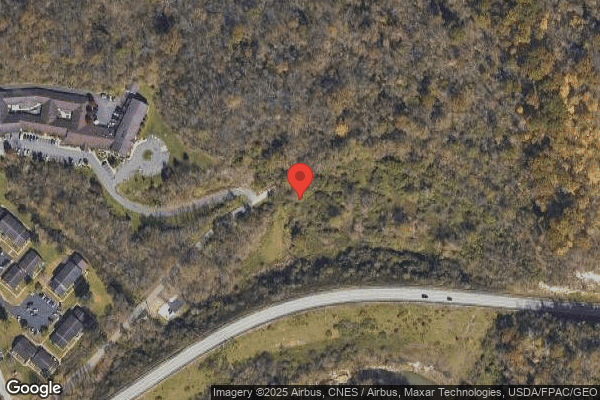
55801 CONNO-MARA DRIVE, BELLAIRE, OH 43906 (740) 676-2300
For profit - Limited Liability company 62 Beds COUNTRY CLUB REHABILITATION CAMPUS Data: November 2025 1 Immediate Jeopardy citation
Trust Grade
58/100
#247 of 913 in OH
Last Inspection: September 2024

Within standard 12-15 month inspection cycle. Federal law requires annual inspections.

Overview

Country Club Retirement Center IV in Bellaire, Ohio has a Trust Grade of C, indicating that it is average compared to other nursing homes. With a state ranking of #247 out of 913, it falls within the top half of facilities in Ohio, and it is ranked #1 out of 10 in Belmont County, which is a positive sign for local options. The facility has shown improvement, with issues decreasing from 12 in 2024 to just 2 in 2025. Staffing is rated 4 out of 5 stars, but the turnover rate is at 53%, which is about average for Ohio. Notably, there have been serious incidents, including a critical situation where a resident sustained life-threatening injuries from falls due to inadequate safety interventions, as well as concerns about timely responses to call lights, which affects residents' care. However, it is worth mentioning that the facility has not incurred any fines, suggesting a commitment to compliance. Overall, while there are strengths in staffing and local rankings, families should be aware of the facility's past issues with safety and staffing responsiveness.

Trust Score
C
58/100
In Ohio
#247/913
Top 27%
Safety Record
High Risk
Review needed
Inspections
Getting Better
12 → 2 violations
Staff Stability
⚠ Watch
53% turnover. Above average. Higher turnover means staff may not know residents' routines.
Penalties
✓ Good
No fines on record. Clean compliance history, better than most Ohio facilities.
Skilled Nurses
○ Average
Each resident gets 41 minutes of Registered Nurse (RN) attention daily — about average for Ohio. RNs are the most trained staff who monitor for health changes.
Violations
⚠ Watch
29 deficiencies on record. Higher than average. Multiple issues found across inspections.
★★★★☆
4.0
Overall Rating
★★★★☆
4.0
Staff Levels
★★★★★
5.0
Care Quality
★★★☆☆
3.0
Inspection Score
Stable
2024: 12 issues
2025: 2 issues

The Good

  • 4-Star Staffing Rating · Above-average nurse staffing levels
  • 5-Star Quality Measures · Strong clinical quality outcomes
  • Full Sprinkler Coverage · Fire safety systems throughout facility
  • No fines on record

Facility shows strength in staffing levels, quality measures, fire safety.

The Bad

Staff Turnover: 53%

Near Ohio avg (46%)

Higher turnover may affect care consistency

Chain: COUNTRY CLUB REHABILITATION CAMPUS

Part of a multi-facility chain

Ask about local staffing decisions and management

The Ugly 29 deficiencies on record

1 life-threatening
Mar 2025 2 deficiencies
CONCERN (D) 📢 Someone Reported This

A family member, employee, or ombudsman was alarmed enough to file a formal complaint

Potential for Harm - no one hurt, but risky conditions existed

Incontinence Care (Tag F0690)

Could have caused harm · This affected 1 resident

**NOTE- TERMS IN BRACKETS HAVE BEEN EDITED TO PROTECT CONFIDENTIALITY** Based on medical record review, interview, and policy review the facility failed to comprehensively assess residents' urinary in...

Read full inspector narrative →
**NOTE- TERMS IN BRACKETS HAVE BEEN EDITED TO PROTECT CONFIDENTIALITY** Based on medical record review, interview, and policy review the facility failed to comprehensively assess residents' urinary incontinence to determine type of bladder incontinence and failed to develop and implement an appropriate treatment plan to maintain and/or restore the residents' bladder function. This affected two residents (#45 and #57) of three residents reviewed for urinary incontinence. Findings include: 1. Record review revealed Resident #45 was admitted to the facility on [DATE] with diagnoses including diabetes, heart disease, difficulty walking, encephalopathy, and chronic obstructive pulmonary disease. Review of Resident #45's record revealed the resident was incontinent of bladder due to unaware of toileting needs at this time. Review of the plan of care dated 11/19/24 revealed to assist the resident to the bathroom per resident request, assist with incontinence care, and assist with pads/briefs/pull ups. a. Review of Resident #45's admission and modification Minimum Data Set (MDS) dated [DATE] revealed the resident's brief interview for mental status (BIMS) score was 11 (moderately impaired). The resident was occasionally incontinent of urine and was not on a toileting program. Review of Resident #45's bladder assessment dated [DATE] revealed the resident doesn't always void appropriately and was continent of urine at least daily. The resident was independent, but slow with toileting, and alert and oriented. The resident was usually aware of the need to toilet. The resident didn't have diabetes. The type of incontinence was left blank. Review of Resident #45's bladder assessment dated [DATE] revealed the resident doesn't always void appropriately and was continent of urine at least daily. The resident was independent with toileting and forgetful but follows commands. The resident was always aware of the need to toilet. The resident didn't have diabetes. The type of incontinence section and the three day tracker section were left blank. There was an additional typed comment that indicated the resident was continent of bowel and bladder with occasional urine dribbling. Resident doesn't meet criteria at this time for toileting program. Review of Resident #45's bladder assessment dated [DATE] revealed the resident doesn't always void appropriately and was continent of urine at least daily. The resident was independent with toileting and forgetful but follows commands. The resident was always aware of the need to toilet. The resident didn't have diabetes. The type of incontinence section and three day tracker section were left blank. There was an additional typed comment that indicated the resident was continent of bowel and bladder with occasional urine dribbling. Resident doesn't meet criteria at this time for toileting program. b. Review of Resident #45's discharge MDS dated [DATE] revealed the resident's BIMS was not completed. The resident was frequently incontinent of urine. c. Review of Resident #45's quarterly MDS dated [DATE] revealed the resident's BIMS score was 14 (cognition intact). The resident was frequently incontinent of urine and was not on a toileting program. Review of Resident #45's bladder assessment dated [DATE] revealed the resident doesn't always void appropriately and was continent of urine at least daily. The resident required one assist with toileting, was confused, and needed prompting. The resident was sometimes aware of the need to toilet. The type of incontinence section and three-day tracker section were left blank. Review of Resident #45's bladder assessment dated [DATE] revealed the resident never void appropriately. The resident required one assist with toileting. The resident was confused and needed prompting. The resident was sometimes aware of need to toilet. The type of incontinence section and three-day tracker section were left blank. There was an additional typed comment that indicated the resident was incontinent of bladder and doesn't meet criteria at this time for toileting program. Review of Resident #45's bladder tracking dated 02/11/25 to 03/12/25 revealed the resident had 40 episodes of incontinence and 46 episodes of incontinence. Interview on 03/12/25 at 3:00 P.M., with the Director of Nursing (DON) confirmed Resident #45 was not on a toileting program and had a decline in urinary function and would have benefited from a toileting program. The DON confirmed the bladder assessments didn't identify the type of incontinence the resident was experiencing or a treatment plan to prevent decline or improve the resident's bladder function. The DON confirmed the facility doesn't have a procedure or system in place to determine if the resident met criteria for a program and it was the judgement of the nurse who completed the bladder assessments. 2. Closed medical record review revealed Resident #57 was admitted to the facility on [DATE] and again on 02/21/25 with diagnoses including dementia, metabolic encephalopathy, chronic kidney disease, muscle weakness, and need for assistance with personal care. a. Review of Resident #57's admission MDS dated [DATE] revealed Resident #57 had severe cognition impairment. The resident was frequently incontinent of urine and was not on a toileting program. Review of Resident #57's discharge MDS dated [DATE] revealed Resident #57 was frequently incontinent of urine and was not on a toileting program. Review of Resident #57's three-day bladder voiding diary dated 01/10/25, 01/11/25, and 01/12/25 revealed the resident had not urinated for three days. Review of Resident #57's bladder assessment dated [DATE] revealed Resident #57 doesn't always void appropriately and was continent of urine at least daily. The resident required one person assist with toileting, was forgetful but follows commands, and was always aware of need to toilet. The three-day tracker section identified no pattern determined. The type of incontinence was left blank. Review of Resident #57's bladder assessment dated [DATE] and 01/20/25 revealed Resident #57 doesn't always void appropriately and was continent of urine at least daily. The resident required one person assist with toileting, was forgetful but follows commands, and was always aware of need to toilet. The three-day tracker section identified no pattern determined. The type of incontinence was left blank. There was a comment that indicated the resident was continent of bowel and bladder, occasional urine dripping if waits too long. b. Review of Resident #57's significant change MDS dated [DATE] revealed Resident #57 had severe cognition impairment and was frequently incontinent of urine and was not on a toileting program. Review of Resident #57's bladder assessment dated [DATE] revealed the resident was never continent of urine. The resident required one assist with toileting. The resident was forgetful but followed commands and sometimes was aware of toilet needs. The type of incontinence section was blank. The comment indicated the resident was incontinent of bowel and bladder and did not feel the urge to void. The resident did not meet criteria for a toileting program. Interview on 03/12/25 at 3:00 P.M., with the DON confirmed Resident #57 was not on a toileting program. The DON confirmed the bladder assessment including the three-day bladder tracker was inaccurate due to the tracker indicated the resident did not urinate for three days. The DON confirmed the assessments didn't identify the type of incontinence the resident was experiencing or a treatment plan to prevent decline or improve the resident bladder function. The DON confirmed the facility doesn't have a policy that determines if the resident met criteria for a program and it was the judgement of the nurse who completes the bladder assessment. Review of the facility's policy titled Bowel and Bladder Assessment and Incontinence (dated 02/2019) revealed it was the facility's policy to assure that any resident who was incontinent of bladder receives the appropriate treatment and services to restore as much normal bladder function as possible and to assist the resident in attaining or maintaining his/her highest practicable physical, emotional, and social function. The facility would identify any resident with continence management problems, perform adequate incontinence assessment, and provide appropriate treatment and services congruent with the resident history of incontinence, personal goals, mental status, physical capabilities, and cognitive function. Residents identified with incontinence would be assessed by licensed nurse to attempt to identify the type of urinary incontinence, potential and or actual cause of incontinence, and reversible and irreversible causes of incontinence. A licensed nurse would develop and/or revise the resident's plan of care as determined by the assessment data and periodic evaluation of the resident response to incontinent management interventions. Review of the facility's policy titled Incontinence Policy (dated 11/2017) revealed residents that are incontinent of bladder would receive appropriate treatment to prevent infections and to restore continence to the extent possible. This deficiency represents non-compliance investigated under Master Complaint Number OH00162880 and Complaint Number OH00162831.
CONCERN (D) 📢 Someone Reported This

A family member, employee, or ombudsman was alarmed enough to file a formal complaint

Potential for Harm - no one hurt, but risky conditions existed

Respiratory Care (Tag F0695)

Could have caused harm · This affected 1 resident

**NOTE- TERMS IN BRACKETS HAVE BEEN EDITED TO PROTECT CONFIDENTIALITY** Based on medical record review, observation, and interviews, the facility failed to ensure a resident's oxygen concentrator alar...

Read full inspector narrative →
**NOTE- TERMS IN BRACKETS HAVE BEEN EDITED TO PROTECT CONFIDENTIALITY** Based on medical record review, observation, and interviews, the facility failed to ensure a resident's oxygen concentrator alarm was addressed timely. This affected one resident (#45) of three residents observed with oxygen concentrators. Findings included: Record review revealed Resident #45 was admitted to the facility on [DATE] with diagnoses including dependence on supplement oxygen, pneumonia, chronic respiratory failure with hypoxia, hypertension, heart disease, chronic obstructive pulmonary disease (COPD), hyperlipidemia, and tobacco use. Review of Resident #45's current orders dated 03/2025 revealed to check oxygen saturation twice daily and continuous oxygen at three liters via nasal cannula. Review of Resident #45's cardiac impairment related to hypertension, coronary heart disease (CAD), and hyperlipidemia and potential for alteration in respiratory function related to COPD plan of care dated 11/19/24 revealed to administer oxygen as ordered. Observation on 03/10/25 at 10:04 A.M., revealed Resident #45's oxygen concentrator was alarming as the surveyor walked by the room. The concentrator reading indicated flowrate was low. The flow rate was set on zero. Staff were observed passing by the room in the hallway, but no one stopped to address the alarm sounding. The surveyor activated the resident's call light at 10:05 A.M., due to no one had responded to the oxygen concentrator alarm. At 10:10 A.M., no one had responded to the call light and the resident had voiced concerns she was having trouble breathing and she had opened the window to help her breathe. The surveyor walked to the door and two certified nurse's aides (CNA's) were observed standing in the doorway of a room across the hall from the resident's room. CNA #166 reported she was the CNA for Resident #45; however, she did not hear the call light activation at 10:05 A.M., go over her pager. The CNA reported the computer at the nurse's station would confirm if Resident #45's call light was activated. CNA #166 went to dispose of a bag of trash and the surveyor went to the nurse's station of find a nurse. The computer confirmed Resident #45's call light was activated 10:05 A.M. The surveyor alerted Registered Nurse (RN) #112 that Resident #45's oxygen concentrator was alarming and the resident voiced concerns of difficulty with breathing. Resident #45 reported the oxygen concentrator had been beeping for sometime. RN #112 assessed the concentrator and reported the resident needed a new concentrator and she left the room to get a new concentrator and alerted the staff walking by to find the nurse. The surveyor asked the unidentified staff member to ask the nurse to bring a pulse ox. CNA #166 assisted the resident to the bathroom while the RN went to get a new concentrator. RN #112 returned with a new concentrator and the resident finished using the bathroom and sat on her respiratory walker while the nurse hooked up the new concentrator. The new concentrator was not working as well. The surveyor observed the resident's oxygen tubing and noted the tubing was kinked completely off around the resident's neck. RN #112 removed the nasal cannula off the resident and straightened out the tubing and re-applied. RN#159 arrived and placed a pulse ox on the resident's finger. The pulse ox originally would not register. RN #159 asked the resident to take deep slow breaths. The pulse ox then registered at 81 percent. The oxygen concentrator was set on three liters. The resident's pulse ox was 90 percent when the surveyor left the room, however the nurses were still present and instructing the resident to take slow deep breaths. These findings were confirmed with RN#112 and RN #159 during observation. This deficiency represents an incidental finding of non-compliance investigated under Master Complaint Number OH00162880.
Sept 2024 12 deficiencies
CONCERN (D) 📢 Someone Reported This

A family member, employee, or ombudsman was alarmed enough to file a formal complaint

Potential for Harm - no one hurt, but risky conditions existed

Notification of Changes (Tag F0580)

Could have caused harm · This affected 1 resident

**NOTE- TERMS IN BRACKETS HAVE BEEN EDITED TO PROTECT CONFIDENTIALITY** Based on record review, interview, and policy review, the facility failed to notify the resident representative and the physicia...

Read full inspector narrative →
**NOTE- TERMS IN BRACKETS HAVE BEEN EDITED TO PROTECT CONFIDENTIALITY** Based on record review, interview, and policy review, the facility failed to notify the resident representative and the physician of a change in health status. This affected one resident (#35) of three residents reviewed for notification of change. The facility census was 51. Findings include: Review of the medical record revealed Resident #35 was admitted to the facility on [DATE] with diagnoses including cardiomyopathy, hypertension, dementia, diabetes mellitus, and history of Coronavirus (COVID)-19. Review of the quarterly Minimum Data Set (MDS) 3.0 assessment, dated 08/13/24, revealed a Brief Interview for Mental Status (BIMS) score of 05, which indicated severely impaired cognition. The MDS further revealed Resident #35 required staff assistance with activities of daily living (ADLs). The resident had no chewing or swallowing difficulties. Review of the admission record revealed Family Representative #500 was listed as the resident's emergency contact. Review of nursing progress note, dated 09/13/24 at 2:08 A.M., revealed Resident #35 was sitting up on the side of her bed and stated she was having a hard time laying down as it caused shortness of breath. Oxygen saturation was 86% on room air, respiratory rate was 24 breaths per minute, and audible wheezing was noted. Oxygen was applied at 2 liter per min via nasal cannula. During interview on 09/30/24 at 9:20 A.M., the Director of Nursing (DON) confirmed Resident #35's family/emergency contact and physician should have been notified of the resident's increased shortness of breath and need for supplemental oxygen and according to the nursing progress note, proper notification was not made to Resident #35's family representative or physician. The DON further stated that after this incident, Resident #35's granddaughter (Family Member #501) requested to be added to the list of emergency contacts. Review of the facility policy titled, Resident Condition Changes, (dated 04/01/23), revealed the nurse will contact the resident's physician immediately when any resident has a perceived change in condition. A change in condition includes but is not limited to, a change in physical or mental status, refusal of medications or treatment, a need to alter treatment, an accident, need to transfer or discharge, development of wounds or other new condition, inability to provide an ordered medication or treatment, lab or radiology results. The nurse will notify the resident's responsible party of condition change. This deficiency represents non-compliance investigated under Complaint Number OH00158236.
CONCERN (D)

Potential for Harm - no one hurt, but risky conditions existed

Deficiency F0604 (Tag F0604)

Could have caused harm · This affected 1 resident

Based on observation, medical record review, and staff interview, the facility failed to ensure physician's orders were in place prior to the use of a reclining safety and enabling chair. This affecte...

Read full inspector narrative →
Based on observation, medical record review, and staff interview, the facility failed to ensure physician's orders were in place prior to the use of a reclining safety and enabling chair. This affected one resident (#34) of one resident reviewed for potential restraint use. The facility census was 51. Findings include: Observation of Resident #34 throughout the annual survey from 09/23/24 to 09/30/24 revealed the resident utilizing a reclining geri chair (a large, reclining, mobile and padded chair that's designed to help people with limited mobility sit and stand comfortably). Review of Resident #34's medical record revealed an admission date of 07/02/21 with diagnoses that included chronic obstructive pulmonary disorder, white matter disease and diabetes mellitus. Further review of Resident #34's medical record including Minimum Data Set (MDS) 3.0 assessment with a reference date of 07/03/24 indicated the resident had a significantly impaired cognition level and no restraints were used. Review of Resident #34's physician's orders revealed no evidence of any physician's order in place for the use of the reclining geri chair. On 06/06/24 an assessment was completed for the use of the geri chair which indicated the chair was utilized for increased comfort and safety. Interview with Registered Nurse (RN) #110 on 09/25/24 at 10:50 A.M. verified no physician's order currently in place for the use of a reclining geri chair as per facility policy. Interview with the Director of Nursing on 09/30/24 at 2:10 P.M. revealed the facility had no policy in place related to physician's orders needed for the use of a reclining geri chair.
CONCERN (D)

Potential for Harm - no one hurt, but risky conditions existed

PASARR Coordination (Tag F0644)

Could have caused harm · This affected 1 resident

**NOTE- TERMS IN BRACKETS HAVE BEEN EDITED TO PROTECT CONFIDENTIALITY** Based on medical record review and staff interview, the facility failed to ensure Pre-admission Screening and Resident Review (P...

Read full inspector narrative →
**NOTE- TERMS IN BRACKETS HAVE BEEN EDITED TO PROTECT CONFIDENTIALITY** Based on medical record review and staff interview, the facility failed to ensure Pre-admission Screening and Resident Review (PASRR) documents accurately reflected a new diagnosis and medications. This affected two residents (#38 and #16) of four residents reviewed for PASRR documents. The census was 51. Findings Include: 1. Medical record review revealed Resident #38 was admitted to the facility on [DATE] with diagnoses including bipolar disorder, dementia, diabetes mellitus, muscle weakness, and asthma. Review of the admission Minimum Data Set (MDS) 3.0 assessment, dated 08/31/24, revealed the resident had intact cognition and a diagnosis of dementia. Review of Resident #38's PASRR document, dated 08/29/24, revealed under Section D, no was selected incorrectly indicating there was not a diagnosis of dementia. Review of the diagnosis list revealed Resident #38 was diagnosed with dementia on 06/26/24. During interview on 09/24/24 at 5:29 P.M., Corporate Registered Nurse #201 confirmed Resident #38's PASRR document was not accurate and did not indicate the diagnosis of dementia. 2. Review of Resident #16's medical record revealed the resident was admitted to the facility on [DATE] with diagnoses of schizophrenia and Parkinson disease. Review of Resident #16's admission history and physical (H&P) note dated 08/01/24 revealed the resident had a past history of anxiety disorder and schizophrenia. Review of Resident #16's psychiatric note dated 08/13/24 revealed Resident #16 reported she had sadness, hopelessness, or worthlessness and was worried about things. The resident was started on Lexapro 5 milligrams (mg) daily for adjustment disorder with anxiety and depression. Review of Resident #16's nursing progress note dated 08/13/24 revealed the resident was seen by psych due to new diagnoses of adjustment disorder with depression and anxiety. Review of Resident #16's psych note dated 08/28/24 revealed the resident reported depression and anxiety in relationship to her recent admission to the facility. The resident reported sadness, increased worrying, and lack of motivation. She has had increased movements since starting the Lexapro. The plan included to stop Lexapro. Review of Resident #16's orders revealed on admission the resident was ordered 400 mg daily for Seroquel schizophrenia and Valium 5 mg every 12 hours as needed for anxiety. From 08/14/24 to 08/28/24 the resident was ordered Lexapro 5 mg daily for depression. On 09/04/24 the resident was ordered Hydroxyzine 25 mg three times a day for anxiety. Review of Resident #16's PASRR's revealed there was only one PASRR completed for Resident #16 on 07/11/24 (prior to the resident admission) that was completed by the local hospital social worker. The PASRR only indicated the resident had schizophrenia and was prescribed Seroquel (anti-psychotic). There was no evidence a PASRR was completed for the new diagnoses of depression or adjustment disorder that required anti-depressants or anti-anxiety medication. Review of Resident #16's cumulative diagnoses list revealed no evidence anxiety, depression, or adjustment disorder. Interview on 09/25/24 at 10:14 A.M., with Corporate Registered Nurse (CRN) #201 confirmed the facility didn't complete a new PASRR when the resident received the new diagnoses of depression and adjustment disorder that required a new medication on 08/13/24 nor was the cumulative diagnoses list updated to reflect the resident past history of anxiety per the resident H&P or the new diagnoses of depression and adjustment disorder on 08/13/24.
CONCERN (D)

Potential for Harm - no one hurt, but risky conditions existed

Deficiency F0645 (Tag F0645)

Could have caused harm · This affected 1 resident

**NOTE- TERMS IN BRACKETS HAVE BEEN EDITED TO PROTECT CONFIDENTIALITY** 2. Review of Resident #16's medical record revealed the resident was admitted to the facility on [DATE] with diagnose of schizop...

Read full inspector narrative →
**NOTE- TERMS IN BRACKETS HAVE BEEN EDITED TO PROTECT CONFIDENTIALITY** 2. Review of Resident #16's medical record revealed the resident was admitted to the facility on [DATE] with diagnose of schizophrenia and Parkinson's disease. Review of Resident #16 hospital discharge note dated 07/16/24 revealed the resident had history of anxiety since 05/28/24 and a diagnosis of schizophrenia with mood disorder. Further review revealed the resident was ordered Valium 5 milligrams every 12 hours as needed for anxiety and Seroquel 400 mg daily for schizophrenia. Review of Resident #16's cumulative diagnoses list revealed the residents' diagnoses included Parkinson's Disease, neoplasm of uncertain behavior, anemia, hypertension, hyperlipidemia, schizophrenia, and muscle weakness. There was no evidence mood disorder or anxiety. Review of Resident #16's admission PASRR's dated 07/11/24 revealed the PASRR was completed by the local hospital staff. The PASRR only indicated the resident had schizophrenia and was only prescribed Seroquel (anti-psychotic). There was no evidence regarding the resident being ordered Valium (anti-anxiety) or diagnoses of mood disorder and anxiety per the hospital notes. Review of Resident #16's Minimum Data Set (MDS) dated [DATE] revealed no evidence of a diagnoses of anxiety or mood disorder. Review of Resident #16's admission history and physical (H&P) note dated 08/01/24 revealed the resident had a past history of anxiety disorder and schizophrenia. Interview on 09/25/24 at 10:14 A.M., with Corporate Registered Nurse (CRN) #201 confirmed the admission PASRR completed on 07/11/24 was inaccurate due to it didn't reflect the resident's diagnoses of mood disorder or anxiety nor did it include the resident was prescribed an anti-anxiety medication (Valium). The CRN confirmed the facility did not complete a new PASRR to reflect the mood disorder and anxiety or the resident was prescribed an anti-anxiety medication. Based on medical record review and staff interview the facility failed to ensure Pre-admission Screening and Resident Review assessments were completed accurately upon admission to the facility. This affected two residents (#16 and #20) of four residents reviewed for admission assessments. The facility census was 51. Findings include: 1. Review of Resident #20's medical record revealed an admission date of 04/04/24 with diagnoses that included bipolar disorder, chronic kidney disease and hypertension. Review of the Pre-admission Screening and Resident Review (PASRR) completed on 04/05/24 revealed Resident #20 had a prior diagnosis which included a mood disorder. No psychotropic medications were identified as currently prescribed for the resident. Review of Resident #20's admission medication orders on 04/04/24 revealed the use of Lamictal (mood stabilization medication) 25 milligrams two tablets every day. Further review of the PASRR dated 04/05/24 indicated no current use of medications. On 09/24/24 at 1:15 P.M. interview with Social Services Designee (SSD) #178 verified Resident #20's admission PASRR was completed incorrectly and mood stabilization medication use should have been identified.
CONCERN (D)

Potential for Harm - no one hurt, but risky conditions existed

Quality of Care (Tag F0684)

Could have caused harm · This affected 1 resident

**NOTE- TERMS IN BRACKETS HAVE BEEN EDITED TO PROTECT CONFIDENTIALITY** Based on record review, interview, and policy review, the facility failed to provide timely treatment as ordered by the physicia...

Read full inspector narrative →
**NOTE- TERMS IN BRACKETS HAVE BEEN EDITED TO PROTECT CONFIDENTIALITY** Based on record review, interview, and policy review, the facility failed to provide timely treatment as ordered by the physician. This affected one resident (#35) of three residents reviewed for change of condition. The facility census was 51. Findings include: Review of the medical record revealed Resident #35 was admitted to the facility on [DATE] with diagnoses including cardiomyopathy, hypertension, dementia, diabetes mellitus, and history of Coronavirus (COVID)-19. Review of the quarterly Minimum Data Set (MDS) 3.0 assessment, dated 08/13/24, revealed a Brief Interview for Mental Status (BIMS) score of 05, which indicated severely impaired cognition. Review of a physician order, dated 09/13/24 at 4:00 P.M., revealed the order for Furosemide 40 milligrams (mg), to be injected intramuscularly (IM) one time a day for swelling, for three days. Review of nursing progress note, dated 09/13/24 at 4:02 P.M., revealed Resident #35 had continued swelling of bilateral legs and was not compliant with elevating her legs. The resident sat up while sleeping throughout the night. Family Member #500 was notified and voiced understanding and asked for his daughter be placed on the contact list for updates on the resident's condition. Resident #35 continued with slight, labored breathing. The physician was notified and ordered Lasix 40 mg IM to be administered daily for three days. New medication discussed with family members. Review of the Medication Administration Record (MAR), dated September 2024, revealed the resident did not receive her scheduled dose of Furosemide 40 mg injection IM until the morning of 09/14/24. Review of the facility's Emergency Medication Supply List revealed Furosemide Injection 40 mg/4ml was available. During interview on 09/30/24 at 8:29 A.M., the Director of Nursing (DON) confirmed Resident #35 did not receive the Furosemide 40 mg injection timely on 09/13/24 as ordered by the physician.
CONCERN (D)

Potential for Harm - no one hurt, but risky conditions existed

Deficiency F0688 (Tag F0688)

Could have caused harm · This affected 1 resident

**NOTE- TERMS IN BRACKETS HAVE BEEN EDITED TO PROTECT CONFIDENTIALITY** Based on observation, record review, policy review, and interview, the facility failed to ensure a dependent resident received a...

Read full inspector narrative →
**NOTE- TERMS IN BRACKETS HAVE BEEN EDITED TO PROTECT CONFIDENTIALITY** Based on observation, record review, policy review, and interview, the facility failed to ensure a dependent resident received appropriate services to maintain mobility and prevent further decrease in range of motion. This affected one resident (#9) of two residents reviewed for mobility. The census was 51. Findings include: Review of the medical record revealed Resident #9 was admitted to the facility on [DATE] with diagnoses including dementia, osteoporosis, chronic kidney disease, chronic obstructive pulmonary disease, tremor, and difficulty walking. Review of the Minimum Data Set (MDS) annual assessment, dated 08/05/24, indicated Resident #9's Brief Interview for Mental Status (BIMS) score was 03, which indicated the resident was severely cognitively impaired. The resident was totally dependent on staff for putting on/taking off footwear, lower body dressing, and transfers. The resident had impairment of both lower extremities. Review of the Care Plan, dated 07/07/23, revealed Resident #9 had the potential for alteration in comfort related to osteoporosis with interventions including to assist resident with repositioning as needed. During observations on 09/23/24 at 3:05 P.M., 09/24/24 at 8:40 A.M., and 09/24/24 at 10:43 A.M., revealed Resident #9 was observed sitting in her wheelchair, in the common area. Both lower legs were dangling and not supported on the footrests of the wheelchair. Interview on 09/24/24 at 10:44 A.M., the Assistant Director of Nursing (ADON) confirmed Resident #9's lower legs were dangling and supported and not properly placed on the footrests of her wheelchair. The ADON proceeded to position the resident's lower legs and feet on the footrests. Review of the facility policy titled, Positioning of Patients, (dated 07/27/21), revealed each patient will be positioned appropriate to his/her specific condition to ensure patient comfort and to maximize the benefits of therapy.
CONCERN (D)

Potential for Harm - no one hurt, but risky conditions existed

Respiratory Care (Tag F0695)

Could have caused harm · This affected 1 resident

**NOTE- TERMS IN BRACKETS HAVE BEEN EDITED TO PROTECT CONFIDENTIALITY** Based on record review and interview, the facility failed to obtain a physician order for oxygen therapy. This affected one resi...

Read full inspector narrative →
**NOTE- TERMS IN BRACKETS HAVE BEEN EDITED TO PROTECT CONFIDENTIALITY** Based on record review and interview, the facility failed to obtain a physician order for oxygen therapy. This affected one resident (#35) of three residents reviewed for respiratory care. The facility census was 51. Findings include: Review of the medical record revealed Resident #35 was admitted to the facility on [DATE] with diagnoses including cardiomyopathy, hypertension, dementia, diabetes mellitus, and history of Coronavirus (COVID)-19. Review of the quarterly Minimum Data Set (MDS) 3.0 assessment, dated 08/13/24, revealed a Brief Interview for Mental Status (BIMS) score of 05, which indicated severely impaired cognition. There were no behaviors or rejection of care. The resident did not receive oxygen therapy. Review of physician orders, dated September 2024, revealed no order for oxygen therapy. Review of nursing progress note, dated 09/13/24 at 2:08 P.M., revealed Resident #35 was sitting up on the side of her bed and stated she was having a hard time laying down as it caused shortness of breath. Oxygen saturation was 86% on room air, respiratory rate was 24 breaths per minute, and audible wheezing was noted. Oxygen was applied at 2 liter per min via nasal cannula. During interview on 09/30/24 at 9:20 A.M., the Director of Nursing (DON) confirmed Resident #35 did not have a physician order for oxygen therapy. The DON further stated the nurse should have notified the physician and obtained an order for oxygen.
CONCERN (D)

Potential for Harm - no one hurt, but risky conditions existed

Drug Regimen Review (Tag F0756)

Could have caused harm · This affected 1 resident

**NOTE- TERMS IN BRACKETS HAVE BEEN EDITED TO PROTECT CONFIDENTIALITY** Based on medical record review and interview the facility failed to ensure laboratory results were performed to ensure adequate ...

Read full inspector narrative →
**NOTE- TERMS IN BRACKETS HAVE BEEN EDITED TO PROTECT CONFIDENTIALITY** Based on medical record review and interview the facility failed to ensure laboratory results were performed to ensure adequate monitoring of medication and failed to ensure abnormal laboratory results were addressed appropriately. This affected two residents (#28 and #47) of six resident reviewed for medication review. Findings included: 1. Medical record review revealed Resident #28 was admitted to the facility on [DATE] with diagnoses including hyperlipidemia and hypothyroidism. Review of Resident #28's cumulative current diagnoses list revealed the resident had hyperlipidemia on admission, however there was no documented evidence of the diagnosis of hypothyroidism. Review of Resident #28's Minimum Data Set (MDS) dated [DATE] revealed the resident had hyperlipidemia however there was no documented evidence of diagnosis of hypothyroidism. Review of Resident #28's medication orders dated 01/10/23 to 09/26/24 revealed on admission the resident was ordered pravastatin 80 milligrams (mg) daily for hyperlipidemia and Synthroid 25 micrograms (mcg) since 04/20/23 for hypothyroidism. Review of Resident #28's medication administration records revealed the resident had been receiving pravastatin 80 mg daily for hyperlipidemia since 01/10/23 and Synthroid 25 mcg daily for hypothyroidism since 04/20/23. Review of Resident #28's laboratory results dated [DATE] to 09/2024 revealed no evidence the resident had a lipid panel completed to monitor the pravastatin and the last thyroid test for the Synthroid monitoring was completed on 06/26/23. The resident thyroid results were high at 4.99. The normal thyroid range was 0.46 to 4.68 uIU/ml (milliunits) There was no evidence the thyroid levels were re-checked after 06/26/23 or the resident Synthroid medication were adjusted. Review of Resident #28's physician progress note dated 07/11/24 revealed the resident had hypothyroidism and he was to continue Synthroid and monitor his TSH (thyroid-stimulating hormone) and to continue pravastatin for hyperlipidemia. Review of Resident #28's pharmacy recommendation dated 09/2023 to 09/2024 revealed no evidence of recommendation for laboratory monitoring for hyperlipidemia or hypothyroidism. Interview on 09/25/24 at 1:31 P.M. and 4:09 P.M. with Corporate Registered Nurse (CRN) #201 confirmed he had reached out to the facility's pharmacy and the recommendation was to check a TSH level and lipid panel annually. The CRN confirmed there was no record that Resident #28 had a lipid panel done and the last TSH level done was on 06/26/23 and the resident levels were high. The CRN also confirmed the resident cumulative diagnoses list and the MDS failed to reflect the diagnosis of hypothyroidism. The CRN reported the facility had reached out to the provider to obtain order to check the resident's TSH and lipid panel tomorrow and the facility was going to initiate an audit on all records. Interview on 09/30/24 at 8:37 A.M., with the Director of Nursing (DON) revealed Resident #28's TSH that was completed on 09/26/24 came back at 17.7 (high) and the normal range was 0.45 to 4.5 uIU/ml. The resident's lipid panel was also completed on 09/26/24 and the triglycerides were 175 mg/dL (milligrams per deciliter) (high) normal range (less than 150 mg/dL) and HDL (high-density lipoprotein) were 31 mg/dL (low) normal less than 40 mg/dL. The physician increased the dose of Synthroid to 50 mcg daily and repeat the TSH in six weeks and no new orders for the pravastin. 2. Medical record review revealed Resident #47 was admitted to the facility on [DATE] with diagnoses of hypothyroidism, depression, and anxiety. Review of Resident #47's orders and MAR's revealed Resident #47 received Synthroid 50 mcg from 01/23/24 to 09/26/24. The Synthroid was decreased to 25 mcg on 09/27/24. Review of Resident #47's progress note dated 09/04/24 revealed the resident had become more agitated and confused. The physician was notified, and new orders were received to obtain and complete blood count (CBC), complete metabolic profile (CM), and TSH to rule out infection. Review of Resident #47's TSH laboratory results dated [DATE] revealed the resident TSH was 0.010 (low) (normal range 0.4001-4.049). Review of Resident #47's progress note dated 09/06/24 revealed laboratory results were reviewed and no new orders. Interview on 09/25/24 at 1:31 P.M. and 4:09 P.M. with Corporate Registered Nurse (CRN) #201 confirmed Resident #47's TSH was low, and the resident was currently on thyroid medication and the previous Nurse Practitioner (NP), who was let go, did not address the low TSH level. Review of Resident #47's progress note dated 09/26/24 revealed the facility had reached out to the current NP and reviewed the laboratory results from 09/05/24 and new orders were received to adjust Synthroid dose and recheck TSH level. Review of Resident #47's laboratory test dated 09/26/24 revealed the resident thyroid level was still low 0.0200 mU/L. Review of resident orders dated 09/29/24 and 09/30/24 revealed to recheck TSH on 11/11/24. Interview on 09/30/24 at 8:37 A.M., with the Director of Nursing (DON) revealed Resident #47's TSH came back on 09/27/24 and it was still low, and the NP was notified, and new orders were received to recheck the TSH in six weeks. The DON confirmed the previous NP did not adequately treat the resident's low TSH level on 09/05/24 to ensure the resident was within normal range.
CONCERN (D)

Potential for Harm - no one hurt, but risky conditions existed

Deficiency F0757 (Tag F0757)

Could have caused harm · This affected 1 resident

Based on medical record review, hospital record review, resident interview and staff interview, the facility failed to ensure medications had an appropriate indication for use. This affected one resid...

Read full inspector narrative →
Based on medical record review, hospital record review, resident interview and staff interview, the facility failed to ensure medications had an appropriate indication for use. This affected one resident (#50) of five residents reviewed for medications. The facility census was 51. Findings include: Review of Resident #50's medical record revealed an admission date of 07/25/24 with diagnoses that included schizophrenia, anxiety, dementia and diabetes mellitus. Review of the medications for Resident #50 revealed on 08/05/24 Depakote (seizure medication and for mood stabilization) 250 milligram (mg) twice daily was prescribed. Further review of the medical record revealed no evidence of any physician or certified nurse practitioner evaluation which indicated a diagnosis of seizure disorder or why the medication was initiated. Review of hospital records prior to transfer to the facility revealed no evidence of any prior seizure disorder or use of Depakote. Review of the Medication Administration Record (MAR) for the months of August and September 2024 for Resident #50 revealed Depakote was used for seizure disorder from 08/05/25-09/06/24 and then changed indication to hallucinations on 09/07/24. Review of the Minimum Data Set (MDS) 3.0 assessment with a reference date of 08/01/24 indicated Resident #50 had an independent and intact cognition level and no diagnosis of seizure disorder was found. On 09/26/24 at 8:15 A.M. interview with the Director of Nursing (DON) verified Depakote was initiated for Resident #50 on 08/05/24 for seizure activity. DON further verifies there is no evidence of any seizure diagnosis or seizure activity in the facility or prior to admission at the hospital. On 09/26/24 at 8:25 A.M., interview with Resident #50 revealed no prior diagnosis or seizure activity.
CONCERN (D)

Potential for Harm - no one hurt, but risky conditions existed

Medication Errors (Tag F0758)

Could have caused harm · This affected 1 resident

Based on medical record review and staff interview the facility failed to administer psychotropic medications as ordered. This affected one resident (#8) of five residents reviewed for medications. Th...

Read full inspector narrative →
Based on medical record review and staff interview the facility failed to administer psychotropic medications as ordered. This affected one resident (#8) of five residents reviewed for medications. The facility census was 51. Findings include: Review of Resident #8's medical record revealed an admission date of 01/25/24 with admission diagnoses that include chronic obstructive pulmonary disease, mood disorder, depression and anxiety. Further review of Resident #8's medical record revealed on 09/23/24 the psychiatric certified nurse practitioner (CNP) evaluated Resident #8 and increased the dosage of Depakote (medication for mood disorders) from 250 milligrams (mg) twice daily to 250 mg two tablets in the morning and 250 mg every night. Review of Resident #8's Medication Administration Record (MAR) revealed after the increased Depakote order was initiated by the CNP on 09/23/24, the new order was transcribed incorrectly into the medical record medication orders and MAR which resulted in Resident #8 to receive two 250 mg tablets in the morning, 250 mg at night and 500 mg every day. No order for Depakote 500 mg every day was found in the medical record. The extra Depakote 500 mg every day was documented as administered to Resident #8 on 09/24/24 and 09/25/24 in error. Review of the psychiatric CNP evaluation on 09/23/24 indicated to only increase the Depakote to two 250 mg tablets in the morning and 250 mg at night. No evidence of an additional 500 mg every day was found. On 09/25/24 at 10:10 A.M. interview with psychiatric CNP #202 revealed she had evaluated Resident #8 on 09/23/24 and ordered an increase in the Depakote to two 250 mg tablets in the morning and 250 mg at night. She denied any order for Depakote 500 mg every day. On 09/25/24 at 11:00 A.M. interview with Registered Nurse (RN) #110 verified a transcription/medication order entry error for Resident #8. RN #110 verified a new ordered received on 09/23/24 to increase Depakote to two 250 mg tablets in the morning and 250 mg at night and the order for Depakote 500 mg every day should not have been entered into the physician's orders and MAR resulting in Resident #8 receiving two doses of extra medication in error on 09/24/24 and 09/25/24.
CONCERN (D)

Potential for Harm - no one hurt, but risky conditions existed

Deficiency F0790 (Tag F0790)

Could have caused harm · This affected 1 resident

**NOTE- TERMS IN BRACKETS HAVE BEEN EDITED TO PROTECT CONFIDENTIALITY** Based on medical record review and interview the facility failed to ensure a resident received dental care timely for ill-fittin...

Read full inspector narrative →
**NOTE- TERMS IN BRACKETS HAVE BEEN EDITED TO PROTECT CONFIDENTIALITY** Based on medical record review and interview the facility failed to ensure a resident received dental care timely for ill-fitting dentures and dentures were readily accessible to the resident. This affected one resident (#21) of two reviewed for dental. Findings included: Medical record review revealed Resident #21 was originally admitted to the facility on [DATE] and re-admitted on [DATE] with diagnoses including dysphagia, needing assistance with personal care, gastro-esophageal reflux, and heart disease. Review of Resident #21's census revealed the resident was admitted on [DATE] and was hospitalized from [DATE] to 09/17/24. Interview and observation on 09/23/24 at 1:30 P.M., with Resident #21 revealed he had sores on his gums related to his upper dentures were ill fitting and his bottom dentures have been missing since he returned from the hospital last week (09/17/24). The resident removed his upper denture to show the surveyor the sores he had on the top gum line and that he had no bottom dentures. The surveyor observed two red bumps on the upper gumline where the front teeth would have been and there was no evidence of bottom dentures visible in the room. The resident denture cup was on the bedside table, and it was empty. Review of Resident #21's admission oral assessment dated [DATE] revealed the resident had upper and lower dentures. The resident had sores from the dentures and tongue pain. Review of Resident #21's nursing note dated 09/03/24 revealed the reporting nurse reported the resident was upgraded to a puree diet before discharge. Speech had stated he could eat a mechanical soft as well but due to the sores in his mouth from the dentures it was hard for him to chew. Review of Resident #21's Minimum Date Set (MDS) dated [DATE] revealed the resident had no broken or loose fitting full or partial dentures, no pain, discomfort or difficulty chewing. Review of Resident #21's dental plan of care dated 09/09/24 revealed the resident was at risk for oral complications related to edentulous and wore upper and lower dentures. Interventions included to assist with oral care, dental consult as needed, observe dentures for proper fit, and observe residents' mouth and gums for any redness, ulcerations, pain or bleeding during daily mouth care and report any abnormalities. Review of Resident #21's re-admission oral assessment dated [DATE] revealed the resident had upper and lower dentures. The resident had sores from the dentures and tongue pain. Review of Resident #21's orders and medication record dated 09/2024 revealed the resident was ordered Lidocaine viscous solution 2% 10 milliliters (ml) four times a day for throat pain. Observation on 09/24/24 at 9:45 A.M. with the Assistant Director of Nursing (ADON) #110 revealed the resident's bottom dentures were missing and the resident removed his upper dentures and reported he had two sores in his mouth to the surveyor and ADON. The resident reported he used to get sores in the past and would put a cream on them. The ADON told the resident she would have staff call the doctor and she would call his wife regarding his missing lower dentures. The ADON reported she was not aware the dentures were missing; however, she could not find them in his room at the time of the observation. Interview on 09/24/24 at 10:58 AM with Corporate Registered Nurse (CRN) #210 revealed staff were interviewed and were unaware the resident bottom dentures were missing; however, the facility found the resident dentures in the bathroom medicine cabinet. The CRN reported the resident had received Lidocaine Viscous HCl Mouth/Throat Solution 2 % 10 ml by mouth four times a day for throat pain, however the order should have been for the mouth sores since admission on [DATE]. The CRN confirmed on admission the resident refused the facility's dental services, however there was no documented evidence the facility had inquired if the resident wanted to see a dentist of his choice to adjust the dentures since they were ill fitting. Interview on 09/24/24 at 1:36 P.M., with CRN #201 revealed the facility was going to talk to the resident to see if he would like to see a dentist and the facility received new orders Anbesol to the red areas on his gums. The CRN reported he has spoken to the MDS nurse regarding the MDS on 09/06/24 that indicated the resident had no dental issues and she reported to him the assessment was just her observation that day and it was not the record review, or a review of the seven days look back period. The MDS reported to CRN at the time of her observation on 09/06/24 the resident didn't have sores on his gum. Review of Resident #21's nursing note dated 09/26/24 revealed an appointment was made with an dental office in the community for 10/01/24 at 10:30 A.M.
CONCERN (D)

Potential for Harm - no one hurt, but risky conditions existed

Antibiotic Stewardship (Tag F0881)

Could have caused harm · This affected 1 resident

Based on infection control log review, medical record review, policy review and staff interview the facility failed to ensure residents had an appropriate indication for the use of antibiotics. This a...

Read full inspector narrative →
Based on infection control log review, medical record review, policy review and staff interview the facility failed to ensure residents had an appropriate indication for the use of antibiotics. This affected three residents (#3, #16 and #44) of eight residents reviewed for antibiotic use. The facility census was 51. Findings include: Review of the facility infection control log for the months of July, August and September 2024 revealed 28 resident infections which did not meet McGeer's criteria (assessment to determine if antibiotics are appropriate to be utilized). Review of the following resident records revealed the following: 1. Review of Resident #3's medical record revealed an admission date of 02/21/24 with diagnoses that included Parkinson's disease, chronic obstructive pulmonary disease and congestive heart failure. Review of the infection control log revealed on 07/17/24 Resident #3 had a urinary tract infection which did not meet McGeer's criteria. Physician's orders on 07/17/24 revealed Resident #3 was prescribed Macrobid (antibiotic) 100 milligrams (mg) twice daily for seven days for a UTI. Review of the antibiotic assessment completed on 07/17/24 indicated Resident #3 did not meet criteria for use of any antibiotics. A nurse's note on 07/17/24 indicated Resident #3 did not meet criteria for use of an antibiotic, the physician was notified of not meeting criteria and indicated to continue the antibiotic. 2. Review of Resident #16's medical record revealed an admission date of 07/16/24 with diagnoses that included Parkinson's disease, hypertension and hyperlipidemia. Review of the infection control log revealed on 08/22/24 Resident #16 had a UTI which did not meet McGeer's criteria. Physician's orders on 08/22/24 revealed Resident #16 was prescribed Macrobid 100 mg twice daily for five days for a UTI. Review of the antibiotic assessment completed on 08/22/24 indicated Resident #16 did not meet criteria for use of any antibiotic. A nurse's note on 08/22/24 and 08/25/24 indicated Resident #16 did not meet criteria for antibiotic use, the physician was notified of not meeting criteria and indicated to continue the antibiotic. 3. Review of Resident #44's medical record revealed an admission date of 11/30/23 with diagnoses that included hypothyroidism, hypertension and hyperlipidemia. Review of the infection control log revealed on 09/04/24 and 09/10/24 Resident #44 had a UTI which did not meet McGeer's criteria. Physician's orders on 09/04/24 revealed Resident #44 was prescribed Macrobid 100 mg twice daily for seven days for a UTI. And on 09/10/24 Resident #44 was prescribed Augmentin 500-125 mg twice daily for five days for a UTI. Review of the antibiotic assessment completed on 09/04/24 and 09/10/24 indicated Resident #44 did not meet criteria for use of any antibiotic. A nurse's note on 09/04/24 and 09/10/24 indicated Resident #44 did not meet criteria for antibiotic use, the physician was notified of not meeting criteria and indicated to continue the antibiotic. Review of the facility policy titled Antibiotic Stewardship Program with a (revision date of 11/01/19) indicated appropriate utilization of antibiotics will be determined in accordance with McGeer's criteria. Under circumstances in which criteria for infection is not met discontinuance of the antibiotic should be considered by the physician. If the antibiotic treatment course is continued a clinical rationale must be provided through the physician's documentation supporting continued use. On 09/26/24 at 1:15 P.M. interview with the Director of Nursing (DON) verified Residents #3, #16 and #44 did not meet McGeer's criteria for appropriate use of an antibiotic. The DON indicated the physician was notified, but wanted the antibiotic continued.
Mar 2023 1 deficiency
CONCERN (D) 📢 Someone Reported This

A family member, employee, or ombudsman was alarmed enough to file a formal complaint

Potential for Harm - no one hurt, but risky conditions existed

Pressure Ulcer Prevention (Tag F0686)

Could have caused harm · This affected 1 resident

Based on record review and interview, the facility failed to ensure comprehensive pressure wound assessments were completed. This affected one resident (Resident #11) of three residents reviewed for p...

Read full inspector narrative →
Based on record review and interview, the facility failed to ensure comprehensive pressure wound assessments were completed. This affected one resident (Resident #11) of three residents reviewed for pressure ulcers. The facility identified nine residents with pressure ulcers. The census was 52. Findings include: Review of the medical record for Resident #11 revealed an admission date of 03/07/23. Diagnoses included Parkinson's disease, dementia, failure to thrive, osteomyelitis (bone infection) of vertebra and sacral and sacrococcygeal region, pressure ulcer to sacral region, and seizures. Review of the plan of care dated 03/07/23 revealed the resident needed assistance from staff to meet activities of daily living (ADL) needs with interventions including to assist resident with bed mobility, transfers, eating, and toileting as needed. Review of the pressure ulcer risk assessment, dated 03/07/23, revealed the resident was at high risk for the development of pressure ulcers. Review of the admission nursing assessment, dated 03/07/23, identified Resident #11 was admitted with a Stage IV pressure ulcer (Full-thickness skin and tissue loss with exposed or directly palpable fascia, muscle, tendon, ligament, cartilage or bone in the ulcer. Slough (dead cells) and/or eschar (dead tissue) may be visible. Epibole (rolled edges), undermining and/or tunneling often occur. Depth varies by anatomical location located on the sacrum), a Stage I pressure ulcer (Intact skin with a localized area of non-blanchable erythema. Presence of blanchable erythema or changes in sensation, temperature, or firmness may precede visual changes. Color changes do not include purple or maroon discoloration) located on the left trochanter (the bony bump over the side of the hip), a pressure ulcer located on the left ischium (lower back of the hip bone) with no staging documented, a deep tissue injury located on the left, outer ankle, and a pressure ulcer located on the left heel with no staging documented. Review of the admission Minimum Data Set (MDS) assessment, dated 03/09/23, revealed the resident had impaired cognition. The resident required extensive, one-person physical assistance for bed mobility, transfers, and toileting. The resident was dependent upon staff for bathing. Further review of the MDS revealed there was one, stage four pressure ulcer present and the resident was always incontinent of bladder and bowel. Review of the Weekly Wound Assessment, dated 03/09/23, revealed the resident had five wounds. Wound #1: Stage IV pressure ulcer located on the sacrum. The wound measured 8.0 centimeters (cm) by 5.0 cm with undetermined depth. The wound bed was described with brown/black eschar with a large amount of serous (clear, thin) drainage. Wound #2: Stage I pressure ulcer located on the left trochanter. The wound measured 7.0 cm by 5.0 cm by undetermined depth. Wound #3: Pressure ulcer located on the left ischium with no staging documented. The wound measured 4.5 cm by 7.0 cm with undetermined depth. Wound #4: Deep tissue injury located on the left, outer ankle. The wound measured 16.8 cm by 2.5 cm with undetermined depth. Wound #5: Pressure ulcer located on the left heel with no staging documented. The wound measured 1.2 cm by 3.0 cm with undetermined depth. The wound was described to have pink, peeling skin. Review of the Weekly Wound Assessment, dated 03/16/23, revealed the resident had five wounds. Wound #1: Stage IV pressure ulcer located on the sacrum. The wound measured 7.2 centimeters (cm) by 5.1 cm with undetermined depth. The wound bed was described with 60 % slough (dead cells, usually presents yellow, green or grey and can be sticky and string-like) and 40 % granulation (new tissue) and with a large amount of serous drainage. Wound #2: Pressure ulcer located on the left trochanter with no staging documented. The wound measured 6.0 cm by 4.0 cm with undetermined depth. The wound was described as closed. Wound #3: Pressure ulcer located on the left ischium with no staging documented. The wound measured 4.0 cm by 7.6 cm with an undetermined depth The wound was described as pink, non-blanching with 20% black necrosis and 80% epithelial tissue. Wound #4: Deep tissue injury located on the left, outer ankle. The wound measured 16.1 cm by 2.2 cm with an undetermined depth. Wound #5: Pressure ulcer located on the left heel with no staging documented. The wound measured 1.0 cm by 2.5 cm with an undetermined depth. The wound was described to have pink, peeling skin. During interview on 03/20/23 at 12:08 P.M., Wound Nurse/Registered Nurse (RN) #100 confirmed Resident #11's wound assessments, dated 03/07/23, 03/09/23 and 03/16/23, were not thoroughly and completely documented to indicate the staging of each wound. During interview on 03/20/23 at 2:45 P.M., the Director of Nursing (DON) confirmed Resident #11's wound assessments, dated 03/07/23, 03/09/23 and 03/16/23, were not thoroughly and completely documented to indicate the staging of each wound. The DON further confirmed it is her expectation that all weekly wound assessments should include documentation indicating the stage of the wound. This deficiency is an incidental finding identified during the complaint investigation.
Jan 2023 1 deficiency
CONCERN (D) 📢 Someone Reported This

A family member, employee, or ombudsman was alarmed enough to file a formal complaint

Potential for Harm - no one hurt, but risky conditions existed

Accident Prevention (Tag F0689)

Could have caused harm · This affected 1 resident

Based on observation, record review, policy review, and staff interview the facility failed to ensure fall safety measures were in place as ordered. This affected two (Residents #35 and #42) of three ...

Read full inspector narrative →
Based on observation, record review, policy review, and staff interview the facility failed to ensure fall safety measures were in place as ordered. This affected two (Residents #35 and #42) of three residents reviewed for falls. Findings include: 1. Review of Resident #35's medical record revealed a 11/04/20 readmission with diagnoses including muscle weakness, dysphasia, hypertension, hyperlipidemia, hypothyroidism, irritable bowel syndrome, osteoarthritis, sciatica, vascular dementia, psychotic disturbance, mood disturbance and anxiety, gastroesophageal reflux disease, insomnia, constipation, slipping, tripping and stumbling falls, unsteadiness on feet, intravertebral disc degeneration, lumbar region chronic pain, scoliosis, and cognitive communication disorder. Resident #35 had a care plan dated 07/28/19 for risk for falls/injury related to history of falls, muscle weakness, abnormal gait, and scoliosis. Interventions included Dycem (non slip mat) to wheelchair dated 05/11/21 and use a larger piece of Dycem to wheelchair chair initiated 10/07/21. The plan did not indicate if the Dycem was to be on top of the seat or between the wheelchair seat and the pressure reduction cushion. Physician orders dated 05/23/22 included bright colored tape to call light and wheelchair locks, Dycem to seat of wheelchair, visual reminder sign to call for assistance, encourage to wear non skid socks, and bed in lowest position. Review of the progress notes dated 11/22/22 at 12:20 P.M. revealed Resident #35 slid/fell out of her wheelchair. Upon entering, Resident #35 was observed lying on floor on left side in front of wheelchair. Resident #35 was alert and oriented times one, at her baseline, and neurologically intact. Resident #35 complained of slight discomfort to left knee. A small ecchymotic (bruised) area noted to left knee as well as a small skin tear approximately one to two centimeters (cm) in length noted to the left elbow. Scant sanguineous (pink) drainage was noted. Resident #35 was assisted back into wheelchair with two assist. Immediate intervention indicated Resident #35 was not to be left in dining room unattended. There was no indication if the Dycem to the wheelchair seat was in place as ordered. Review of the Unwitnessed Fall Investigation (#537) revealed no evidence the Dycem was to the wheelchair seat as ordered. The investigation indicated a new intervention to offer to lay down after breakfast was ordered and care planned. Review of the 11/22/22 Post Fall Assessment revealed Resident #35 was at moderate risk for falls due to being over the age of 80, no history of falls in the last six months, disoriented more than 50 percent of the time, was on antihypertensive and antipsychotic medications, ambulated with staff assistance, and utilized a wheelchair. The assessment indicated Resident #35 needed staff assistance to transfer. Resident #35 had abnormality with sitting balance, rising from sitting, initiation of walking. length of stride, distance feet apart, pivoting on feet, sitting down, and muscle/joint function. Review of the 12/17/22 quarterly Minimum Data Set (MDS) assessment revealed Resident #35 was moderately impaired for daily decision making, required extensive assistance of one for bed mobility, extensive assist of two for transfers, did not walk in room, required supervision set up for eating, extensive assist of one for personal hygiene and toilet use. Resident #35 weighed 91 pounds and had no weight gain or loss. Review the Nurse Progress noted dated 12/20/22 at 6:15 P.M. revealed the author was called to Resident #35's room to find her lying on the floor beside her bed on her left side. No complaints of discomfort, no injury noted. Alert to self per usual, range of motion times two without difficulty. When asking Resident #35 what she was trying to do she stated, nothing I was laying in bed. Resident #35 was assisted back into bed with two assist. The note indicated a mat would be placed beside bed when available. Physician orders dated 12/21/22 included an order for mat to right side of bed. Observation on 01/03/23 at 7:19 P.M. revealed Resident #35 was put to bed. Observation of the wheelchair seat Resident #35 was moved from revealed there was no Dycem on the top of the wheelchair seat or under the seat cushion. Interview 01/03/22 at 7:20 P.M. with Registered Nurse (RN) #88 verified Resident #35 had been sitting in a wheelchair without the fall prevention intervention of Dycem to the seat as ordered. Interview 01/04/22 at 1:04 P.M. with RN #88 included their paperwork did not have an area to mark what interventions were in place at the time of a fall. 2. Review of Resident #42's medical record revealed a 06/21/22 admission with diagnoses including personal history of Covid, hyperlipidemia, type two diabetes mellitus with poly neuropathy, hypertension, vitamin B12 deficiency anemia, chronic obstructive pulmonary disease, dysphasia, atherosclerotic heart disease, chronic kidney disease, vitamin D deficiency, difficulty in walking, muscle weakness, dysphasia and aphasia following cerebral infarction, muscle wasting, Alzheimer's disease, bipolar disorder and generalized abdominal pain. Resident #42 had a care plan dated 11/05/21 for risk for falls/injury related to weakness, cerebral vascular accident, poor safety awareness and history of falls. Interventions included a chair clip alarm when in reclining chair/wheelchair per her preference, however resident removed at times initiated 04/11/22, Dycem to seat of wheelchair initiated 05/28/22, extra pillows to side when in bed for a boundary initiated 01/29/22, resident was to be up by nurse station during waking hours initiated 08/25/22, and encourage resident to wear non skid/gripper socks when shoes off initiated 11/05/21. Further review of the medical record revealed Resident #42's last fall was 11/07/22 at 10:00 P.M. Progress notes included called to room by second nurse who reported resident on the floor. Upon entering, noted to be in left side-lying position on the floor in between bathroom door and roommate's bed. Legs outstretched with left arm underneath her. Bright red blood coming from scalp. Complained of pain to forehead. A one centimeter laceration noted to left brow along with golf ball sized hematoma. Area cleansed and dry dressing applied. Resident #42 was assisted to roll onto back. Abrasion to left knee was noted. Resident #42 stated she fell out of her chair trying to give some snacks to her roommate. Resident #42 was sent to the emergency room and returned 11/08/22 at 2:00 A.M. The hospital reported a CT scan of head negative, and x-ray of left shoulder negative. The laceration to left brow was glued and well approximated. A dry dressing was to left knee with no complaints of pain. Review of the 11/21/22 quarterly MDS assessment indicated Resident #42 was moderately impaired for decision making, required the assistance of one for bed mobility, extensive assistive of two for transfers, one person physical assist for walking in room, extensive assistance of one for dressing, and supervision of one for eating. Resident #42 had no weight loss or weight gain and weighted 114 pounds. Review of the 12/13/22 Fall Risk Evaluation revealed Resident #42 was a high risk for falls, had intermittent confusion, three or more falls in the past three months and was chairbound. Resident #42 had balance problems while standing and while walking with decreased muscular coordination, balance problems changing a pattern, on walking through doorways, jerking, or unstable. When making turns required use of assistive devices. She had fall predisposing medications and diseases. Observation 01/03/22 at 12:17 P.M. revealed Resident #42 was in a wheelchair across from the nurse station without a clip alarm. There were antitippers on the wheelchair and Resident #42 was wearing shoes. Observation 01/03/23 at 7:07 P.M. revealed Resident #42 was in bed without a pillow by side to provide a boundary. Interview 01/03/23 at 7:17 P.M. with Registered Nurse #88 verified Resident #42 was in bed without pillows to her side to create a boundary. Review of the Falls Policy and Procedures revised 05/21/18 included residents with one or more documented falls applicable interventions would be implemented in accordance with the assessment. Immediate safety approaches if identifiable would be implemented until the Interdisciplinary Team (falls committee) met to review the fall and implement interventions to the plan of care. This deficiency represents non-compliance investigated under Complaint Number OH00138626.
Nov 2022 5 deficiencies
CONCERN (D)

Potential for Harm - no one hurt, but risky conditions existed

Deficiency F0645 (Tag F0645)

Could have caused harm · This affected 1 resident

**NOTE- TERMS IN BRACKETS HAVE BEEN EDITED TO PROTECT CONFIDENTIALITY** Based on medical record review and interview the facility failed to ensure an accurate Preadmission Screening and Resident Revie...

Read full inspector narrative →
**NOTE- TERMS IN BRACKETS HAVE BEEN EDITED TO PROTECT CONFIDENTIALITY** Based on medical record review and interview the facility failed to ensure an accurate Preadmission Screening and Resident Review (PASARR) Identification Screen was completed to determine if Resident #4 needed specialized services. This affected one resident (#4) of two residents reviewed for PASARR. Findings include: Review of Resident #4's medical record revealed diagnoses including psychosis, generalized anxiety disorder, schizophrenia, and auditory and visual hallucinations. According to the diagnosis list, the schizophrenia diagnosis was present upon admission on [DATE]. Resident #4 had orders for the antipsychotic medication Zyprexa and antidepressant Lexapro. Resident #4 was under the services of a psychiatrist. A PASARR, dated 05/03/22 indicated Resident #4 had no diagnoses of mental disorders listed, no disruption in usual living arrangement over the prior two years, and was not prescribed psychotropic medication in the prior six months. On 11/09/22 at 8:49 A.M. the Administrator verified the PASARR which was completed by the facility's social worker 05/03/22 was incorrect and did not accurately reflect the diagnoses/condition of Resident #4 prior to admission [DATE]. A new PASARR had not been completed to determine if Resident #4 had indications of serious mental illness or if she would benefit from Level II services.
CONCERN (D)

Potential for Harm - no one hurt, but risky conditions existed

ADL Care (Tag F0677)

Could have caused harm · This affected 1 resident

Based on observation, medical record review and interview the facility failed to ensure Resident #4 and Resident #96, who required staff assistance with activities of daily living received timely and ...

Read full inspector narrative →
Based on observation, medical record review and interview the facility failed to ensure Resident #4 and Resident #96, who required staff assistance with activities of daily living received timely and adequate assistance with personal care, including facial hair removal. This affected two residents (#4 and #96) of four residents reviewed for activities of daily living. Findings include: 1. Review of Resident #4's medical record revealed diagnoses including congestive heart failure, psychosis, type 2 diabetes mellitus, chronic atrial fibrillation, atherosclerotic heart disease, depression, schizophrenia, chronic obstructive pulmonary disease, pain, auditory and visual hallucinations, heart failure, macular degeneration, osteoarthritis, and generalized muscle weakness. A care plan initiated 05/30/22 indicated Resident #4 needed assistance from staff to meet activities of daily living needs. Interventions included assisting with meals, ambulation, hair care, incontinence care, oral care, toileting, transfers, bed mobility, dressing, and bathing as needed. The care plan did not specifically address monitoring for or removal of facial hair. The care plan did not reveal rejection of care. A quarterly Minimum Data Set (MDS) 3.0 assessment, dated 10/07/22 revealed Resident #4 required extensive assistance from staff for hygiene and grooming. Resident #4 was assessed to be severely cognitively impaired. On 11/07/22 at 9:28 A.M. Resident #4 was observed to have facial hair on her chin. Resident #4 indicated she had poor vision. Subsequent observations on 11/07/22 at 3:20 P.M., 11/08/22 at 10:55 A.M., 12:55 P.M., 3:50 P.M. and 4:10 P.M. revealed Resident #4 continued to have hair protruding from her chin with three hairs noted to be a minimum of an inch long. On 11/08/22 at 4:21 P.M. the facial hair was brought to the attention of Registered Nurse (RN) #404 who inquired of Resident #4 if she would like the hairs cut from her chin after supper and Resident #4 agreed. On 11/09/22 at 11:33 A.M. Resident #4 was noted to continue to have long chin hairs present. On 11/09/22 at 9:08 A.M. State Tested Nursing Assistant (STNA) #450 and STNA #475 verified neither of them had asked Resident #4 if she preferred or needed assistance with removal of chin hair. 2. Review of Resident #96's medical record revealed an admission date of 10/31/22 with diagnoses including ischemic cardiomyopathy (a condition of weakened heart muscles due to heart attack or coronary heart disease which might cause fatigue and shortness of breath), hypertension, pneumonia, and congestive heart failure. An intermediate care plan, dated 10/31/22 indicated Resident #96 might need help with activities of daily living with assist of one for grooming. On 11/07/22 at 10:01 A.M. Resident #96 was observed with facial hair on his cheeks, chin, under and above his lip, and on his neck. Resident #96 stated he was receiving blood thinners so staff did not want to shave him. Resident #96 reported he had never had a beard in his life and it was driving him crazy. On 11/07/22 at 1:02 P.M. interview with RN #212 revealed she did not know if staff shaved residents receiving blood thinners. On 11/07/22 at 1:06 P.M. interview with STNA #467 verified she had noticed Resident #96 had facial hair growth and stated she could shave residents, even if they were receiving blood thinners. Another unidentified staff member standing nearby indicated STNA #467 should consult with the nurse prior to shaving a resident receiving blood thinners. On 11/07/22 at 3:25 P.M. interview with Resident #96 revealed staff tried to shave him but the razor they used was not very good. Resident #96 was noted to have less facial hair but patchy areas of hair remained, heavier above the lips. On 11/08/22 at 9:04 A.M. Resident #96 was observed to continue to have some patches of facial hair which was more prominent than other remaining facial hair.
CONCERN (D)

Potential for Harm - no one hurt, but risky conditions existed

Quality of Care (Tag F0684)

Could have caused harm · This affected 1 resident

Based on medical record review and interview the facility failed to ensure adequate monitoring and care for Resident #28 related a diagnosis of diabetes mellitus including clarification of a physician...

Read full inspector narrative →
Based on medical record review and interview the facility failed to ensure adequate monitoring and care for Resident #28 related a diagnosis of diabetes mellitus including clarification of a physician's order for administration of sliding scale insulin. This affected one resident (#28) of five residents reviewed for medication use. Findings include: Review of Resident #28's medical record revealed diagnoses including Alzheimer's disease and diabetes mellitus. Record review revealed on 06/13/22 Resident #28 had a physician order for enteral (tube) feeding at night between 8:00 P.M. and 6:00 A.M., Novolog insulin 15 milliliters to be administered three times a day, and Novolin R insulin four times a day per sliding scale. On 06/13/22, the Novolin R was discontinued and an order was written for Novolog insulin to be administered four times a day per a sliding scale two hours after Resident #28 ate to see if blood glucose levels had gone down with the regular dose administered. The times were listed as 6:30 A.M., 10:30 A.M., 3:30 P.M. and 8:00 P.M. The routine Novolog insulin was discontinued 07/13/22 but the order remained to provide insulin coverage with Novolog per a sliding scale four times a day two hours after Resident #28 ate to see if blood glucose levels had gone down with the regular dose administered. No new orders were received for routine administration of insulin. On 11/09/22 at 3:54 P.M. interview with the Director of Nursing (DON) revealed residents ate at 7:00 A.M., 11:00 A.M., and 4:00 P.M. The order for administration of the Novolog after meals was discussed. At 3:57 P.M., the DON and Regional DON #444 were interviewed and Regional DON #444 revealed the order did not make sense because one would normally obtain blood glucose levels before meals. Both the DON and Regional DON #444 agreed staff administering the insulin should have questioned the order. The DON stated they just spoke to the physician and he wanted the blood glucose levels checked before meals as the staff were doing. At 4:08 P.M., the orders and order changes from June and July 2022 were discussed with the DON and Regional DON #444 and they agreed the order for monitoring blood glucose levels after meals made sense at that time. However, they were unable to provide an explanation as to why the order for administration of the sliding scale scale insulin after meals had the same times ordered as the routine insulin.
CONCERN (D)

Potential for Harm - no one hurt, but risky conditions existed

Incontinence Care (Tag F0690)

Could have caused harm · This affected 1 resident

Based on observation, medical record review, and interview the facility failed to ensure Resident #10, who had an indwelling urinary catheter received appropriate services to prevent urinary tract inf...

Read full inspector narrative →
Based on observation, medical record review, and interview the facility failed to ensure Resident #10, who had an indwelling urinary catheter received appropriate services to prevent urinary tract infections. This affected one resident (#10) of two residents reviewed for urinary catheters. The facility identified four residents with urinary catheters. Findings include: Review of Resident #10's medical record revealed diagnoses including obstructive and reflux uropathy (blockage in the urinary tract), Parkinson's disease, and osteoarthritis. A care plan, initiated 09/06/22 indicated Resident #10 had an indwelling urinary catheter related to urinary retention with hydronephrosis (excess urine accumulation in kidney(s) that caused swelling of kidneys) and obstructive and reflux uropathy. The goal was for Resident #10 to be free of infection. Review of physician's antibiotic orders and progress notes revealed Resident #10 was treated for a urinary tract infection beginning 07/29/22 and started treatment for a possible urinary tract infection on 10/04/22 related to (urinary tract infection) symptoms. On 11/07/22 at 10:20 A.M. Resident #10 was observed sitting in a wheelchair with her catheter bag and tubing touching the floor. On 11/07/22 at 1:07 P.M. Resident #10 was observed being propelled through the hall with the catheter bag dragging on the carpeted floor. On 11/07/22 at 3:17 P.M. Resident #10 was observed sitting in a wheelchair in her room with the bottom of the catheter bag resting on a fall mat on the floor beside Resident #10's bed. On 11/09/22 at 10:15 A.M. Resident #10 was observed sitting in a wheelchair in her room with the bottom of the catheter bag resting on the floor. The observation was verified by State Tested Nursing Assistant (STNA) #450. Review of guidance from the Centers for Disease Control (CDC) for Indwelling Urinary Catheter Insertion and Maintenance revealed the urinary catheter bag should be kept off the floor.
CONCERN (F) 📢 Someone Reported This

A family member, employee, or ombudsman was alarmed enough to file a formal complaint

Potential for Harm - no one hurt, but risky conditions existed

Deficiency F0725 (Tag F0725)

Could have caused harm · This affected most or all residents

Based on observation, review of the facility's concern log, record review, and interview the facility failed to maintain sufficient levels of staffing to ensure call lights were responded to in a time...

Read full inspector narrative →
Based on observation, review of the facility's concern log, record review, and interview the facility failed to maintain sufficient levels of staffing to ensure call lights were responded to in a timely manner and to meet the total care needs of all residents. This had the potential to affect all 45 residents residing in the facility. Findings include: 1. Review of the facility's concern log dated 11/01/21 to 10/27/22 revealed a concern, dated 07/28/22 indicating call lights needed to be answered more quickly. The facility response included the Director of Nursing (DON) re-educated staff on call lights and the facility's expectations. During the survey, the following resident concerns related to staffing were voiced: a. On 11/07/22 at 9:45 A.M. interview with Resident #7 revealed a concern that it took a while to receive staff assistance after activating the call light. The resident was unable to provide any specifics or quantify the time. b. On 11/07/22 at 10:06 A.M. interview with Resident #20 revealed concerns there were times she was unable to participate in activities because staff did not provide assistance to get her out of bed in accordance with her requests. Resident #20 indicated her showers had been moved to afternoon shift (due to staffing issues) but stated she preferred to be up for meals. On 11/07/22 at 10:21 A.M., while discussing Resident #20's request to be up for lunch so she could go to the dining room with an unidentified nurse, the nurse indicated she was aware Resident #20 wanted to be out of bed for lunch but needed her dressings changed. The nurse was unaware who was doing the dressing changes or when they would be performed. On 11/07/22 at 10:23 A.M. interview with State Tested Nursing Assistant (STNA) #440 verified Resident #20 preferred to be out of bed for meals and activities and preferred to get showers on day shift. c. On 11/07/22 at 8:57 A.M. interview with Resident #25 and his family member revealed concerns it took a while to receive care, especially on weekends. The family member stated there were times he was on the phone with Resident #25 and it would take one to 1.5 hours to receiving assistance with incontinence care or repositioning as the resident could not reposition himself. d. On 11/07/22 at 9:25 A.M. interview with Resident #4 revealed a concern that it took a long time to get call lights answered. The resident was unable to provide specific information or quantify the time. e. On 11/07/22 at 10:16 A.M. interview with Resident #10 revealed a concern that sometimes she waited a half hour to 40 minutes for staff assistance after activated it. 2. Review of Resident #96's medical record revealed diagnoses including ischemic cardiomyopathy (weakened heart muscles which can cause fatigue and shortness of breath), hypertension, pneumonia, and congestive heart failure. An admission Minimum Data Set (MDS) 3.0 assessment, dated 11/07/22 indicated Resident #96 was cognitively intact. On 11/07/22 at 3:53 P.M. Resident #96 was observed lying in bed stating he was waiting for his brief to be changed. The call light had been activated. At 4:30 P.M., Resident #96 stated he had still not received assistance with incontinence care. At 4:33 P.M., the call light was responded to. When the unidentified staff member asked what Resident #96 needed he responded he needed changed and repositioned in bed. The staff member closed the door to provide the requested assistance. On 11/08/22 at 4:06 P.M., Resident #96 was observed lying in bed and he stated he had been waiting as he needed pulled up in bed. Resident #96 stated the pad under him had bunched up and was causing discomfort due to his pressure injury. At 4:09 P.M., an unidentified staff member's walkie talkie in the hall announced alarm and identified Resident #96's room and bed number. The staff member was passing supper trays. At 4:10 P.M., Resident #96 remained down in the bed with his feet past the foot of the bed. At 4:12 P.M., an unidentified staff member in gray scrubs walked past Resident #96's room without stopping to inquire what he needed. At 4:15 P.M., RN #404 entered the room of the resident next to Resident #96 and asked what the resident wanted and stated somebody else must have turned the call light off. After exiting the other room, RN #404 was informed it might have been Resident #96 whose call light she intended to respond to. It was only at that time that RN #404 went to Resident #96's room to inquire if he needed something. RN #404 called over the walkie talkie for assistance. RN #404 stated she might have looked at the screen wrong prior to answering the adjoining room's call light. At 4:17 P.M. (an hour after the call light was activated), Resident #96 was assisted to reposition in the bed. 3. The following staff interviews were obtained related to staffing: a. On 11/08/22 at 10:57 A.M. interview with State Tested Nursing Assistant (STNA) #439 revealed when call lights were activated, staff received a notice over walkie talkies. STNA #439 indicated she did not have her walkie talkie on her at the time, having given it to somebody else to use. STNA #439 stated she had worked the day before and was there for supper, and stated around meal time it was harder to get to call lights timely as staff were transporting residents to and from the dining room and serving drinks and meals. The STNA indicated the facility attempted to try to have somebody to monitor halls. b. On 11/09/22 between 8:59 A.M. and 9:05 A.M. interviews with STNA #450 and STNA #475 revealed it was difficult to respond to call lights in a timely manner around meals. STNA #450 stated there were supposed to be two nursing assistants in the dining room and two on the floor when there were four aides. If other departments did not pitch in and help pass trays one of the aides from the hall were pulled to the dining room leaving one person to respond to call lights and requests on the hall. It was difficult for one aide to respond to call lights in a timely manner. STNA #475 agreed. On 11/09/22 at 9:23 A.M. interview with the Director of Nursing (DON) revealed the restorative aide was scheduled to work the dining room. The DON indicated there had been sufficient staff to keep two aides on the units to respond to call lights on 11/07/22 and 11/08/22. The DON verified 40 minutes to one hour wait time for call light response was not acceptable. This deficiency represents non-compliance investigated under Complaint Number OH00137391.
Dec 2019 8 deficiencies 1 IJ
CRITICAL (J)

Immediate Jeopardy (IJ) - the most serious Medicare violation

Accident Prevention (Tag F0689)

Someone could have died · This affected 1 resident

**NOTE- TERMS IN BRACKETS HAVE BEEN EDITED TO PROTECT CONFIDENTIALITY** Based on review of a closed medical record, hospital records, death certificate, facility investigation and staff interview the ...

Read full inspector narrative →
**NOTE- TERMS IN BRACKETS HAVE BEEN EDITED TO PROTECT CONFIDENTIALITY** Based on review of a closed medical record, hospital records, death certificate, facility investigation and staff interview the facility failed to develop and implement comprehensive and individualized fall/safety interventions and provide adequate supervision for one resident (Resident #46), who was assessed as cognitively impaired, at risk for falls and required extensive staff assistance for transfers and ambulation. Resident #46 sustained 18 falls while residing in the facility between [DATE] and [DATE]. This resulted in Actual Harm that was Immediate Jeopardy on [DATE] when Resident #46 sustained an unwitnessed fall in his room sustaining an intracranial bleed, multiple facial fractures, lacerations to his right forehead/scalp which required six sutures to control vascular bleeding, two cervical spine fractures and a right frontal skull fracture with a scalp hematoma. Resident #46 expired (in the hospital) on [DATE] as a result of the injuries sustained during the fall. The cause of death on the death certificate indicated blunt force injury due to a fall. This affected one resident (#46) of five residents reviewed for falls. The facility census was 51. On [DATE] at 2:59 P.M. the Administrator (LNHA) and Corporate Registered Nurse (RN) #94 were notified Immediate Jeopardy began on [DATE] when Resident #46, who was at high risk for falls, cognitively impaired and required extensive assistance from staff for transfers and ambulation sustained an unwitnessed fall in his room which resulted in multiple serious injuries including a skull fracture and cervical spine fractures. The resident was subsequently transported to the emergency room and admitted to the hospital where he later expired as a result of complications from the fall. The death certificate, dated [DATE] revealed Resident #46's cause of death was from blunt force injury due to the fall. The Immediate Jeopardy was removed on [DATE] when the facility implemented the following corrective action: • On [DATE] at 7:22 P.M., Resident #46 was sent to the hospital and subsequently expired. • On [DATE] the facility initiated an investigation regarding Resident #46's injuries/fall on [DATE]. • On [DATE] the DON/designee completed fall risk assessments for all 52 residents residing in the facility as of [DATE]. Ten residents (Resident #9, #12, #18, #19, #21, #28, #37, #42, #43, and #297) were identified to be at risk for falls. On [DATE] at 10:30 P.M. RN #19, RN #94, RN #23, RN #96, Social Service Director (SSD) #6, Licensed Practical Nurse (LPN) # 38 and Physical Therapy Assistant (PTA) #95 observed fall risk safety interventions in place as planned for the ten current residents identified to be at risk for falls. A plan for the DON/designee to audit fall safety interventions being in place three times per week for an indefinite period of time was implemented. • On [DATE] at 6:30 P.M. nine residents (#9, #12, #19, #21, #28, #37, #42, #43, #297) identified by the facility to have experienced falls from [DATE] through [DATE] were reviewed by the DON/designee to ensure a thorough investigation was completed to determine the root cause of the fall and to determine if interventions were implemented appropriately. The plan of care for all each resident was reviewed and revised on [DATE] by Corporate RN #94. • Beginning on [DATE] a plan for all residents to have a fall risk assessment completed on admission, quarterly, and as needed by the DON/ designee to ensure interventions were implemented that would decrease the number of falls and the risk for injury. The DON would ensure care plans were revised based on the risk assessment. In addition, a plan for a fall risk re-assessment to be completed after each fall was implemented. • On [DATE] a new fall intervention listing sheet for each resident was initiated by Corporate RN #94. The list is to be reviewed at the nurses' station by nursing staff during shift changes. The purpose of this fall intervention listing was to provide easily accessible, visual information to the direct care staff. A plan was implemented for the Assistant Director of Nursing (ADON) to review the listing three times per week. • Beginning [DATE] fall investigations were to be initiated immediately, at the time of a fall, by the licensed nurse on duty. A new fall investigation form was developed to be utilized to include what was the location of the resident prior to the fall, where was the resident last seen and by whom, what was the resident doing when last seen, does the resident wear glasses and if so, were the glasses on at the time of the fall, were all previous interventions in place and if so, what were those interventions, was the call light within reach, was the call light on at the time of the fall and was it working. • Beginning on [DATE] a plan for the interdisciplinary (IDT) team consisting of Corporate RN #94, the DON, ADON, Programs Nurse, Therapy Director, and the SSD to review all fall investigations to ensure a thorough investigation and a root cause analysis was done in order to ensure individualized interventions and revision/review of fall care plans. • On [DATE] Corporate RN #94 provided education to all nurse managers which included the DON, ADON, MDS Nurse and Programs Nurse on the fall program, thorough investigation with root cause analysis and individualized interventions for residents at risk for falls or with actual falls. • On [DATE] beginning at 3:56 P.M. the DON/designee provided education to 27 STNAs either in person or via telephone related to fall interventions and the fall intervention listing sheet. As of [DATE] the facility identified only one STNA who had not received the education. A plan for this employee to receive the training prior to the next scheduled work shift was implemented. • On [DATE] the DON/designee provided education to 17 licensed nurses either in person or via telephone related to the all program, implementation of immediate interventions, fall intervention listing sheet and the investigation of falls. As of [DATE] the facility identified three licensed nurses who could not be reached and implemented a plan to ensure all three received the education prior to their next scheduled work shift. • On [DATE], audits were started by the DON/designee, to be conducted for four weeks, then monthly for two months, and then ongoing by the DON/designee to ensure falls have thorough investigations, individualized interventions based on the root cause analysis. • On [DATE], a Quality Assurance and Performance Improvement (QAPI) review included discussion of Resident #46's fall and the lack of a thorough fall investigation, lack of root cause analysis, and if fall/safety interventions were appropriate. A plan to review fall investigations to ensure they include a thorough investigation and a root cause analysis to implement interventions that are individualized was developed. • Observation on [DATE] between 1:45 P.M. and 4:25 P.M. revealed fall risk interventions were in place for Resident #21, #28, #42 and #43. No concerns were identified. • Interviews on [DATE] between 1:55 P.M. and 4:22 P.M. with RN #15, LPN #88 and State Tested Nursing Assistants STNAs) #11, #60, and #73 revealed the staff interviewed were knowledgeable of the facility fall policy, fall expectations and the fall intervention listing binder. Although the Immediate Jeopardy was removed on [DATE], the deficiency remains at Severity Level 2 (no actual harm with potential for more than minimal harm that is not Immediate Jeopardy) as the facility was in the process of implementing their corrective action including all staff education, audits and interdisciplinary team follow up. Findings Include: Review of Resident #46's closed medical record revealed the resident was admitted to the facility on [DATE] with diagnoses including cerebrovascular accident (CVA) with aphasia (inability to speak). The resident was admitted to the facility from an acute care hospital with a history of falls and inability to ambulate with recommendations for occupational therapy (OT) due to functional mobility, dressing and transfer decline. The resident was also noted to have deficits in strength, balance and coordination affecting his functional mobility and transfer ability requiring physical therapy (PT) at the time of admission. Record review revealed the resident was cognitively impaired. Review of the admission physician's orders, treatment administration orders and STNA task documentation, beginning [DATE] revealed there were no fall/safety interventions ordered or in place at the time of admission. Review of the STNA task documentation revealed on [DATE] the resident was to use a wheeled walker with two staff and a gait belt during ambulation. This directive remained in place for the duration of the resident's stay at the facility. Review of the admission fall risk assessment, dated [DATE] revealed Resident #46 had a history of falls in the past six months (prior to admission). The assessment revealed the resident was at moderate risk for falls. Review of an immediate plan of care, dated [DATE] revealed Resident #46 required assistance from one staff person for toileting, ambulation and transfers. The resident used both a walker and a wheelchair for mobility. The care plan indicated Resident #46 was at risk for falls with interventions that included reduce clutter, provide proper lighting and ensure the call light was within place. Resident #46 wore glasses. The immediate plan of care did not address the resident's cognition or ability to use the call light. Review of the initial OT evaluation, dated [DATE] revealed Resident #46 had a decline affecting his functional transfers requiring OT intervention. The resident was noted to have a decline in functional mobility, dressing and transfers due to physical, cognitive and/or psychosocial skills which resulted in activity limitations and/or participation restrictions. Minimal to moderate modifications of tasks, including modified visual cues, were needed to enable the resident to complete the evaluation. There were concerns related to engaging in daily life activities including balance and communication. Functional cognition revealed the resident needed some help from another person to complete activities. Transfers from chair and/or bed to chair, and sit to stand tasks needed contact guard assist due to unsteadiness. The resident needed cuing and/or redirection for safety on two occasions during the evaluation and the resident needed minimal assistance of one person for dressing. Review of the PT evaluation, dated [DATE] revealed Resident #46 had limitations and participation restrictions with strength, balance and coordination affecting functional mobility, transfer ability and endurance. The resident had performance deficits in functional mobility, dressing and toilet transfers related to physical, cognitive or psychosocial skills including being a fall risk. Resident #46 required partial assistance of another person with ten percent visual cueing for safety for ambulation using a four wheeled walker which enabled him to ambulate 90 feet. Resident #46 also had a wheelchair for mobility. The resident needed minimal assistance of one person for toilet transfers and needed minimal to moderate assistance of one person for picking up objects. Resident #46's safety orientation was to person and place only. The therapy evaluation revealed Resident #46's safety was impaired by functional limitations as evidenced by need for assist with transfers, gait and bed mobility. Static standing balance was fair and he was able to maintain balance with occasional hand held support. The resident was at moderate fall risk (26-75%) due to balance issues and having kyphosis (forward rounding of the back). The resident had minimal impairment (up to 25%) for coordination of the right and left extremities. Review of the admission Minimum Data Set (MDS) 3.0, dated [DATE] revealed a Brief Interview for Mental Status (BIMS) was not completed due to the resident not being understood. The MDS assessment indicated Resident #46 required extensive assistance from one person for bed mobility, transfers and toileting, was not steady when ambulating and had impairment on one side of the lower extremities. The resident was mobile with both a walker and a wheelchair. Review of the speech therapy initial evaluation, dated [DATE] for communication revealed the resident was having extreme difficulty communicating and following directions. The resident was confused, had profound impairment (with less than 10 percent comprehension) in auditory comprehension when answering yes/no questions. The resident had severe impairment requiring extensive cueing for following one step commands. Upon discharge from speech therapy ([DATE]) the staff were educated on compensatory communication strategies including use of a notebook, picture sheets, eye contact, limiting choices and repetition. Review of the signed [DATE] monthly physician orders revealed there were no fall interventions ordered. Further review of the treatment administration record (TAR) and the STNA tasks (each resident had their individual needs on tasks in the computer the STNAs were to sign as the task was completed) revealed there were no fall interventions documented as being completed for the resident. Record review revealed the resident sustained 18 falls, from [DATE] through [DATE] while residing in the facility: Review of the nurse's note, dated [DATE] revealed the STNA reported an area of discoloration to the resident ' s tailbone. Further review of the note revealed the resident informed the nurse he had a prior fall but was not able to give any details. The nurse observed bruising to the resident's tail bone, left hip, right shoulder blade and right lateral thigh. A raised toilet seat was initiated after the fall. Review of the nurse's note, dated [DATE] revealed the STNA found the resident sitting on the floor with two skin tears to the left hand and two to the left knee. Review of the fall investigation revealed the resident fell at 4:40 P.M. when getting up from the dining room table. The investigation was contradictory, one statement indicated the resident fell when he did not lock the wheels of the wheelchair and another statement indicated the resident did not lock the wheels of the walker. Record review revealed the resident's plan of care was updated on [DATE] for staff to anticipate the resident ' s needs, apply non-skid gripper socks when shoes were off and have therapy evaluate (which was already being done). The care plan interventions from the immediate care plan indicated the room be clutter free and provide adequate lighting as interventions. There were no interventions to ensure the wheels were locked of either the walker or the wheelchair. Review of the nurse's note, dated [DATE] revealed Resident #46 was guarded with his right lower quadrant and showed staff a bruise to his right lower quadrant. The resident pointed to the foot board of the bed and indicated he fell into it. Further review of the fall investigation revealed on [DATE] at 11:45 A.M., the resident fell into the foot board and sustained bruising (there was no further description of the bruising). The resident indicated he was walking in the room but was not able to say why or what he was trying to do. The intervention was a noodle covering the foot board to pad and protect from further harm. The care plan was updated [DATE] to reflect the use of the covering. Review of the nurse's note, dated [DATE] revealed Resident #46 had skin tears to the left lower hand, to the left upper hand/forearm, to the left upper knee and to the lower knee all with drainage needing treatments related to a fall. There was no additional information available related to these injuries and no investigation was completed. Review of the nurse's note, dated [DATE] at 10:44 P.M., revealed the STNA called the nurse to Resident #46 ' s room. The nurse observed the resident laying on his right side on the floor beside his bed and above his head was a trash can. The STNA stated she witnessed the resident fall and the resident did hit his head on the trash can. The nurse asked the resident if he had any injuries and he pointed to his right hip. The resident was observed with a large bruise on the front of his groin and his hip. The resident was sent to the hospital for evaluation. Review of the hospital x-ray dated [DATE] revealed the resident sustained a right hip (superior/inferior pubic ramus) fracture and a head contusion. The resident returned to the facility on [DATE]. Record review revealed no new fall or safety interventions were put in place and no investigation of the fall was completed. Review of the nurse's note, dated [DATE] at 5:47 P.M., revealed the STNA called the nurse to the room. The note revealed Resident #46 attempted to take himself to the restroom and fell to his knees, caught himself with the grab bar and lowered himself to his knees. Further review of the fall investigation indicated the fall occurred at 5:00 P.M. but did not include evidence the facility attempted to determine the root cause or if any prior interventions were in place at the time of the fall. No new interventions were implemented following the incident. Review of the [DATE] nurse's note revealed the resident was observed on his hands and knees in front of his recliner chair. The recliner chair was in the highest position and the resident had a skin tear to the left elbow. Further review of the fall investigation revealed the fall occurred at 1:15 P.M. and the resident was not able to provide any information related to the fall. There was no evidence any prior fall interventions were in place at the time of the fall. Following the incident, a Dycem (non-skid mat) was to placed to the seat of the recliner chair. Review of the nurse's note, dated [DATE] revealed the resident was found lying on the floor on his left side with no visible injuries. Further review of the fall investigation revealed the fall occurred at 5:30 A.M. Resident #46 was not able to provide any information related to the fall due to his confusion. An intervention for the resident's bed to be in the lowest position was added to the care plan on [DATE]. Review of the nurse's note, dated [DATE] reveled the nurse was called to the room by the STNA who reported the resident was on the floor. Resident #46 was observed to be in the doorway of the room on his knees with his arms resting on the wheelchair seat. The STNA reported he had been in his recliner the last time he was seen (by staff). The resident did have a skin tear to his right lateral knee requiring treatment. Further review of the fall investigation revealed the fall occurred at 7:45 P.M. There was no evidence the Dycem was in place as planned at the time of the fall. The investigation revealed a sign was placed in the room reminding the resident not to get up by himself despite his confusion. However, this was not added to the care plan until [DATE]. Review of the signed [DATE] monthly physician's orders revealed there were no fall interventions ordered by the physician. Further review of the TAR and the STNA tasks revealed none of the care planned fall interventions were documented as being in place or monitored. Review of the nurse's note, dated [DATE] at 4:00 A.M. revealed the nurse was called to the room by the STNA who reported the resident had a skin tear to his right elbow and there was blood on the wheelchair. The resident was not able to say what happened or how he obtained the skin tear. The STNA stated the last time she observed the resident he was in bed. There was no investigation of the injuries completed in an attempt to determine the root cause and no interventions were put into place for what appeared to have been a fall for the resident. Review of the nurse's note dated [DATE] at 1:33 P.M., revealed the nurse was called to Resident #46's room by an STNA. The resident was observed sleeping on the floor next to the bed with a pillow and blanket with his eyes closed. Further review of a fall investigation revealed at 7:45 A.M. the resident was found sleeping on the floor. The resident was alert and oriented times two. Following the incident, a new intervention was initiated to keep the resident in high traffic areas. A defined perimeter mattress (DPM) was implemented. However, the use of the DPM was not noted on the care plan until [DATE]. Review of the physician's progress note, dated [DATE] revealed the resident had a history of a stroke, was not able to speak and had recurrent falls. There was no other information related to the resident's falls and/or safety needs or fall risk interventions. Review of the nurse's note, dated [DATE] revealed a note see the fall assessment. However, there was no fall assessment completed on this date. There was no further nurse's note in the medical record related to a fall occurring on this date. However, review of a fall investigation revealed on [DATE] at 10:39 A.M., Resident #46 sustained a fall when attempting to transfer himself to the recliner from the wheelchair. The initial intervention was to remind the resident to use the call light (which had been implemented on admission on the immediate care plan). Staff also placed bright tape to the foot rest of the recliner on [DATE]. Review of a fall investigation revealed Resident #46 sustained a fall on [DATE] at 9:00 P.M. The nurse entered the resident's room with his medications and the resident was sitting in his wheelchair with skin tears and blood running down both legs. The resident also had skin tears to the right upper back. The resident was not able to answer any questions. The resident was reminded to use his call light when needing help and this message was written on the resident's dry erase board. The investigation also revealed to keep the resident in high traffic areas. Review of the nurse's note, dated [DATE] at 5:01 A.M., revealed Resident #46 tipped his wheelchair over backwards in the hallway and struck the back of his head on the wall and wooden banister. There was a large abrasion noted to the back of his head and the resident complained of head and neck pain and wanted to be sent to the hospital for evaluation. The resident returned to the facility with no new orders. Anti-tippers to the rear of the wheelchair were added after the fall. The use of the anti-tippers were not added to the resident ' s plan of care until [DATE]. Review of the nurse's note, dated [DATE] at 1:10 P.M., revealed the nurse was called to Resident #46's room and upon arrival, the resident was sitting on the floor. The STNA witnessed the resident backing out of his room quickly into the hallway while in his wheelchair, running into another resident. This resulted in Resident #46's wheelchair flipping and the resident falling out of the wheelchair. Further review of the investigation revealed the resident ' s wheelchair flipped backwards. There was no evidence the rear anti-tippers were in place at the time of the fall. The investigation did not attempt to determine why the resident was in his wheelchair alone in his room and not in high traffic areas or how the resident got into his wheelchair. The investigation did not specify if previous planned interventions were in place prior to the fall. Following the incident, the resident was educated to wheel frontwards while in the wheelchair. Review of a PT Discharge summary, dated [DATE] revealed therapy goals were not met. Resident #46 continued to need assistance from one person for transfers and ambulation. The summary revealed the goals were not met due to the resident's limited cognition and hip fracture. The resident was referred to a restorative nursing program. Review of the signed [DATE] monthly physician's orders revealed there were no fall interventions ordered by the physician. Further review of the TAR and the STNA task documentation revealed no evidence the care planned fall interventions were being monitored to ensure they were in place. The resident's OT services were extended for neuromuscular re-education and gait training. Review of a therapy referral for restorative services, dated [DATE] revealed recommendations for restorative services for transfers on and off the toilet, in and out of bed and in and out of the chair with one person assistance. Review of the STNA task documentation revealed no evidence the restorative nursing program was implemented for the resident. Record review revealed on [DATE] a change in physician services occurred due to family request. Review of the signed clinical nurse practitioner progress note, for the new physician, dated [DATE] revealed the resident was up in the wheelchair, was alert and oriented times two with slurred speech from a prior stroke. The plan was to monitor the resident for neurological deficits. There was no mention of the resident having any falls including the fall with a fracture or safety needs. Review of a nurse's note, dated [DATE] revealed the STNA called the nurse to Resident #46's room. The resident was observed face down on the floor with his head and body under the bed and his body positioned at an angle. The resident was not able to respond to any questions due to aphasia. There were two raised areas noted to the mid spine area and both were surrounded by purplish blue bruising. The resident also had bruising to the left rib areas, a skin tear to the top of the left outer knee, abrasion to the top of left great toe and a skin tear to the left elbow with active bleeding. The resident was groaning. Emergency Medical Services (EMS) was called and the resident was sent to the emergency department of the local hospital. The resident returned to the facility with a diagnosis of pneumonia and orders for antibiotics. Further review of the fall investigation revealed the resident fell at 10:30 A.M. At the time of the fall he was barefoot and was not wearing his glasses. There was no additional information documented regarding the fall including a root cause analysis. Following the fall, staff were to complete a side rail assessment, an initial bowel and bladder tracker and provide aromatherapy at night. Review of the OT Discharge summary, dated [DATE] revealed the resident needed one person assistance with transfers to and from the wheelchair and recliner. The summary revealed Resident #46 did not meet his transfer goal of being independent due to balance and lack of safety awareness concerns. Staff were educated on balance precautions. The resident was occasionally able to respond to needs and occasionally able to follow direction and/or respond appropriately through gestures. The summary revealed OT discussed with staff the need for supervision during transfers. Record review revealed on [DATE] an order was obtained for a wanderguard (an alert bracelet that alarms if a person tries to leave an area unsupervised) due to the resident's impaired cognition. Review of the nurse's note, dated [DATE] revealed the nurse was called to Resident #46's room by the housekeeper. The resident was observed on his knees on the floor. The housekeeper revealed the resident was trying to transfer himself to the chair and did not make it. Review of the fall investigation revealed the fall occurred at 10:00 A.M. There was no evidence any fall safety interventions were in place at the time of the fall. The investigation did not contain a root cause analysis and did not address why the resident was not in a high traffic area as previously planned. No new fall interventions were implemented following this fall. Review of the [DATE] physician progress note revealed no information related to the resident's increased falls, fall risk and/or safety needs or fall risk interventions. Review of the nurse's note, dated [DATE] at 6:45 P.M. and authored by RN #16 revealed the nurse was called to Resident #46's room. The note indicated upon arrival to the room, the resident was observed standing naked, walking away from the doorway with copious amounts of blood noted to the floor surrounding the resident. The resident had facial injuries with excessive amounts of blood on his head, face and chest. Pressure was applied to a large laceration above the resident's right eye and the resident was assisted to a seated position on his bed. The nurse was not able to assess the resident's facial wounds because of the need to keep continuous pressure to control active bleeding from his laceration and his nose. EMS was called and the resident was transported to the hospital. The resident left the facility at 7:15 P.M. and did not return. Review of a fall investigation, dated [DATE] revealed Resident #46 was found standing in his doorway holding onto his wheelchair bloody from head to toe at 6:45 P.M. when an STNA was walking down the hall assisting another resident. The STNA paged the nurse to the resident's room. Upon entering the resident's room, the nurse observed large puddles of blood on the carpet on the right side of bed (the side closest to the window). Blood spats were found throughout the entire traffic areas of the carpet. Blood was found on the toilet and the sink and blood spots were observed throughout the bathroom floor. The investigation revealed it appeared Resident #46 either fell head first when getting out of bed or fell head first on the right side of the bed while ambulating, then got himself up and ambulated to the bathroom and then towards the doorway. (The investigation did not fully determine how the resident fell as the fall was unwitnessed). The water was running in the bathroom sink but there was no water on the floor. The investigation revealed the resident had last been seen at the nurse's station at 6:30 P.M. when the nurse changed the resident's dressing. The nurse then walked by the resident as he propelled himself back to his room and was seen messing with items on his bed. The resident was not kept in a high traffic area and there was no evidence of any other fall/safety interventions being in place at the time of the fall. The resident was in his bare feet. Review of the EMS run sheet, dated [DATE] at 7:06 P.M., revealed when EMS personnel arrived to the facility, they found Resident #46 sitting on the bed surrounded by staff. Two staff members were holding pressure to the resident's face. There was a substantial amount of blood found on the floor, bed and in the bathroom. The resident had a one inch laceration above the right eye with a large goose egg and an abrasion on the top of his head. The resident was bleeding from both nostrils with blood clots, he was bleeding from the lip and mouth and had abrasions on the left shoulder and both knees. The bleeding from all locations was uncontrolled. The resident's right eye was purple and swollen shut. The resident's airway needed suctioned on the way to the hospital
CONCERN (D)

Potential for Harm - no one hurt, but risky conditions existed

Report Alleged Abuse (Tag F0609)

Could have caused harm · This affected 1 resident

**NOTE- TERMS IN BRACKETS HAVE BEEN EDITED TO PROTECT CONFIDENTIALITY** Based on record review and interview the facility failed to report injuries of unknown origin involving Resident #46 to the Stat...

Read full inspector narrative →
**NOTE- TERMS IN BRACKETS HAVE BEEN EDITED TO PROTECT CONFIDENTIALITY** Based on record review and interview the facility failed to report injuries of unknown origin involving Resident #46 to the State agency as required. This affected one resident (#46) of five residents reviewed for falls. Findings Include: Review of Resident #46's closed medical record revealed the resident was admitted to the facility on [DATE] with diagnoses including cerebrovascular accident (CVA) with aphasia (inability to speak). Review of the nurse's note, dated 11/16/19 at 6:45 P.M. and authored by Registered Nurse (RN) #16 revealed the nurse was called to Resident #46's room. The note indicated upon arrival to the room, the resident was observed standing naked, walking away from the doorway with copious amounts of blood noted to the floor surrounding the resident. The resident had facial injuries with excessive amounts of blood on his head, face and chest. Pressure was applied to a large laceration above the resident's right eye and the resident was assisted to a seated position on his bed. The nurse was not able to assess the resident's facial wounds because of the need to keep continuous pressure to control active bleeding from his laceration and his nose. EMS was called and the resident was transported to the hospital. The resident left the facility at 7:15 P.M. and did not return. Review of a fall investigation, dated 11/16/19 revealed Resident #46 was found standing in his doorway holding onto his wheelchair bloody from head to toe at 6:45 P.M. when a State tested nursing assistant (STNA) was walking down the hall assisting another resident. The STNA paged the nurse to the resident's room. Upon entering the resident's room, the nurse observed large puddles of blood on the carpet on the right side of bed (the side closest to the window). Blood spats were found throughout the entire traffic areas of the carpet. Blood was found on the toilet and the sink and blood spots were observed throughout the bathroom floor. The investigation revealed it appeared Resident #46 either fell head first when getting out of bed or fell head first on the right side of the bed while ambulating, then got himself up and ambulated to the bathroom and then towards the doorway. (The investigation did not fully determine how the resident fell as the fall was unwitnessed). The investigation revealed the resident had last been seen at the nurse's station at 6:30 P.M. when the nurse changed the resident's dressing. The nurse then walked by the resident as he propelled himself back to his room and was seen messing with items on his bed. Review of the facility self reported incidents revealed no evidence this incident was reported to the State agency for Resident #46 as a report of injuries of unknown origin. On 12/12/19 at 2:59 P.M. interview with the Administrator verified the unwitnessed injuries sustained by Resident #46 were not reported to the State agency as injuries of unknown origin. Review of the abuse policy, reviewed 10/01/18, revealed injuries of unknown source were both when the injury was not observed by any person and the injury was suspicious because of the extent of the injury, the location of the injury and the number of injuries. All injuries of unknown source would be reported to the State agency as soon as possible but no later than two hours.
CONCERN (D)

Potential for Harm - no one hurt, but risky conditions existed

Deficiency F0676 (Tag F0676)

Could have caused harm · This affected 1 resident

**NOTE- TERMS IN BRACKETS HAVE BEEN EDITED TO PROTECT CONFIDENTIALITY** Based on closed record review and interview the facility failed to implement a comprehensive and individualized restorative ambu...

Read full inspector narrative →
**NOTE- TERMS IN BRACKETS HAVE BEEN EDITED TO PROTECT CONFIDENTIALITY** Based on closed record review and interview the facility failed to implement a comprehensive and individualized restorative ambulation and transfer program for Resident #46 following the resident's discharge from therapy as recommended. This affected one resident (#46) of four residents reviewed for restorative nursing services. Findings Include: Review of Resident #46's closed medical record revealed the resident was admitted to the facility on [DATE] with diagnoses including cerebrovascular accident (CVA) with aphasia (inability to speak). The resident was admitted to the facility from an acute care hospital with a history of falls and inability to ambulate with recommendations for occupational therapy (OT) due to functional mobility, dressing and transfer decline. The resident was also noted to have deficits in strength, balance and coordination affecting his functional mobility and transfer ability requiring physical therapy (PT) at the time of admission. Record review revealed the resident was cognitively impaired. Review of the admission physician's orders, treatment administration orders and STNA task documentation, beginning 07/17/19 revealed there were no fall/safety interventions ordered or in place at the time of admission. Review of the STNA task documentation revealed on 07/17/19 the resident was to use a wheeled walker with two staff and a gait belt during ambulation. This directive remained in place for the duration of the resident's stay at the facility. Review of the admission fall risk assessment, dated 07/17/19 revealed Resident #46 had a history of falls in the past six months (prior to admission). The assessment revealed the resident was at moderate risk for falls. Review of an immediate plan of care, dated 07/17/19 revealed Resident #46 required assistance from one staff person for toileting, ambulation and transfers. The resident used both a walker and a wheelchair for mobility. The care plan indicated Resident #46 was at risk for falls with interventions that included reduce clutter, provide proper lighting and ensure the call light was within place. Resident #46 wore glasses. The immediate plan of care did not address the resident's cognition or ability to use the call light. Review of the initial OT evaluation, dated 07/18/19 revealed Resident #46 had a decline affecting his functional transfers requiring OT intervention. The resident was noted to have a decline in functional mobility, dressing and transfers due to physical, cognitive and/or psychosocial skills which resulted in activity limitations and/or participation restrictions. Minimal to moderate modifications of tasks, including modified visual cues, were needed to enable the resident to complete the evaluation. There were concerns related to engaging in daily life activities including balance and communication. Functional cognition revealed the resident needed some help from another person to complete activities. Transfers from chair and/or bed to chair, and sit to stand tasks needed contact guard assist due to unsteadiness. The resident needed cuing and/or redirection for safety on two occasions during the evaluation and the resident needed minimal assistance of one person for dressing. Review of the PT evaluation, dated 07/19/19 revealed Resident #46 had limitations and participation restrictions with strength, balance and coordination affecting functional mobility, transfer ability and endurance. The resident had performance deficits in functional mobility, dressing and toilet transfers related to physical, cognitive or psychosocial skills including being a fall risk. Resident #46 required partial assistance of another person with ten percent visual cueing for safety for ambulation using a four wheeled walker which enabled him to ambulate 90 feet. Resident #46 also had a wheelchair for mobility. The resident needed minimal assistance of one person for toilet transfers and needed minimal to moderate assistance of one person for picking up objects. Resident #46's safety orientation was to person and place only. The therapy evaluation revealed Resident #46's safety was impaired by functional limitations as evidenced by need for assist with transfers, gait and bed mobility. Static standing balance was fair and he was able to maintain balance with occasional hand held support. The resident was at moderate fall risk (26-75%) due to balance issues and having kyphosis (forward rounding of the back). The resident had minimal impairment (up to 25%) for coordination of the right and left extremities. Review of the admission Minimum Data Set (MDS) 3.0, dated 07/24/19 revealed a Brief Interview for Mental Status (BIMS) was not completed due to the resident not being understood. The MDS assessment indicated Resident #46 required extensive assistance from one person for bed mobility, transfers and toileting, was not steady when ambulating and had impairment on one side of the lower extremities. The resident was mobile with both a walker and a wheelchair. Review of a PT Discharge summary, dated [DATE] revealed therapy goals were not met. Resident #46 continued to need assistance from one person for transfers and ambulation. The summary revealed the goals were not met due to the resident's limited cognition and hip fracture. The resident was referred to a restorative nursing program. Review of a therapy referral for restorative services, dated 10/02/19 revealed recommendations for restorative services for transfers on and off the toilet, in and out of bed and in and out of the chair with one person assistance. Review of the STNA task documentation revealed no evidence the restorative nursing program was implemented for the resident. On 12/11/19 at 10:00 A.M., interview with RN #94 and the Administrator verified a restorative transfer and ambulation program had not been initiated for Resident #46 following the resident's discharge from therapy, dated 10/02/19. On 12/11/19 at 11:00 A.M., interview with Physical Therapy Assistant (PTA) #94 revealed Resident #46's orientation varied. The resident had poor safety awareness including not remembering to use the call light for assistance or his walker when attempting to self-transfer. PTA #94 revealed Resident #46 required staff assistance with transfers because of his unsteadiness. PTA #94 revealed therapy staff had been told the resident could communicate by writing, but staff tried this method twice and it was unsuccessful. The resident was not able to write accurate information related to the questions asked. PTA #94 revealed Resident #46 was not safe to transfer, ambulate, toilet or dress himself.
CONCERN (D)

Potential for Harm - no one hurt, but risky conditions existed

Quality of Care (Tag F0684)

Could have caused harm · This affected 1 resident

**NOTE- TERMS IN BRACKETS HAVE BEEN EDITED TO PROTECT CONFIDENTIALITY** Based on record review and staff interview the facility failed to ensure a wound specimen was obtained timely and antibiotic tre...

Read full inspector narrative →
**NOTE- TERMS IN BRACKETS HAVE BEEN EDITED TO PROTECT CONFIDENTIALITY** Based on record review and staff interview the facility failed to ensure a wound specimen was obtained timely and antibiotic treatment was initiated timely for Resident #29. This affected one resident (#29) of two residents reviewed for non- pressure skin alterations. Findings Include: Record review revealed Resident #29 was admitted to the facility on [DATE] with diagnoses including open wound of ankle, anemia, acute embolism and thrombosis of deep veins of right lower extremity, moderate protein-calorie malnutrition, and peripheral vascular disease. Review of Resident #29's wound center orders, dated 10/11/19 revealed new orders to obtain a wound aerobic and anaerobic positive gram stain (to be collected by the facility on 10/11/19). Review of Resident #29's progress notes dated 10/11/19 revealed at 4:00 P.M., the resident returned from the wound center with new orders to obtain a sample from the resident's right lateral ankle and send to the laboratory in the morning. At 4:07 P.M., the specimen was obtained from the right lateral ankle wound as ordered. At 11:25 P.M., the lab was advised the specimen needed to be picked up tomorrow morning. The lab advised the nurse that the specimen was not a STAT lab and the wound specimen needed to be picked up on regularly scheduled lab days Monday through Friday. Record review revealed the specimen was not sent to the lab until 10/14/19. Further review of Resident #29's progress notes revealed no evidence the physician or wound center were notified the wound specimen was not sent to the lab, until 10/14/19. On 10/14/19 at 10:35 A.M., the progress note indicated the specimen was not sent to the lab because it was not ordered as a STAT lab. The nurse made the physician aware. New orders to obtain specimen now and send with the lab when they arrive in the morning. Review of Resident #29's wound specimen results, dated 10/14/19 revealed the specimen was collected on 10/14/19 and the final report was completed on 10/16/19. The report indicated there was light growth gram positive cocci in clusters with no white blood cells. Further review revealed a hand written note from the physician, dated 10/18/19 that indicated if the resident was not allergic to penicillin start Amoxicillin 500 milligrams (mg) three times a day for seven days. Review of Resident #29's medication administration records (MAR) dated 10/2019 revealed the resident received one one dose of Amoxicillin 500 mg on 10/18/19, three doses from the 19th to the 24th, and two doses on 25th. Review of Resident #29's weekly skin assessments dated 10/08/19 and 10/15/19 revealed on 10/08/109 the right ankle vascular wound had moderate amount of thin serous non odorous drainage. The wound bed was pink. On 10/15/19 the wound had moderate amount of thin serous odorous drainage. The wound bed was pink with 25/5 slough adherent to the wound margins with no edema. Interview on 12/11/19 at 8:26 A.M., and 8:41 A.M., with Registered Nurse (RN) #94 reported the lab was at the facility earlier on 10/11/19 and had picked up Resident #29's blood work, however would not come back the following day to pick up the wound specimen because it was not ordered STAT. RN #94 reported staff had hand written a note on the resident's blood work results to let the physician know they were unable to do the wound specimen until next week due to lab issues, however never indicated the reason why it had to collected next week. There was no evidence the wound center was notified the specimen was not collected as ordered. RN #94 confirmed the wound specimen results were received on 10/16/19 at 12:13 P.M., however the physician did not address results until two days later delaying the resident's antibiotic treatment.
CONCERN (D)

Potential for Harm - no one hurt, but risky conditions existed

Deficiency F0688 (Tag F0688)

Could have caused harm · This affected 1 resident

**NOTE- TERMS IN BRACKETS HAVE BEEN EDITED TO PROTECT CONFIDENTIALITY** Based on observation, record review and interview the facility failed to ensure restorative range of motion services and/or spli...

Read full inspector narrative →
**NOTE- TERMS IN BRACKETS HAVE BEEN EDITED TO PROTECT CONFIDENTIALITY** Based on observation, record review and interview the facility failed to ensure restorative range of motion services and/or splints were implemented per the plan of care for Resident #3 and Resident #38 and failed to ensure restorative staff were knowledgeable of the types of range of motion exercises to be provided. This affected two residents (#3 and #38) of four residents reviewed for positioning and restorative/rehabilitation. Findings Include: 1. Record review revealed Resident #3 was admitted to the facility on [DATE] with diagnoses including muscle weakness, difficulty walking, and unsteadiness on feet. Review of Resident #3's physical therapy notes, dated 09/30/19 the revealed resident was discharged to skilled nursing facility with recommendations including restorative nursing. Review of Resident #3's occupational therapy notes dated 09/30/19 revealed the resident was discharged from therapy with recommendations for transfer and functional mobility including decrease balance. Review of Resident #3's therapy referral to restorative dated 10/02/19 revealed active range of motion to right upper and lower extremities, left upper and lower extremities two sets of 10 repetitions (reps) twice a day. Ambulate 50 feet with one assist with chair to follow and gait belt. Review of Resident #3's restorative program task revealed she would ambulate 50 feet twice a day, 6-7 days a week, for 15 minutes. Range of motion to upper extremities: shoulders flexion (arms over head) and back down times 10 repetitions (reps) times two, elbow, wrist, and finger flexion and extension times 10 reps times two 6-7 days a week for minimum of 15 minutes. Transfer: stand resident up from a sitting position for 10 reps, also throughout the day, during toileting, and all other surfaces to surface transfers. The recommended program was to be completed 6-7 days a week for a minimum of 15 minutes. Further review of Resident #3's restorative program documentation dated 11/10/19 to 12/09/19 revealed from 11/10/19 to 11/16/19 the resident received ROM one time a day for four days and refused one time. From 11/17/19 to 11/23/19 the resident only received ROM one time a day for five days and had no refusals. The weeks of 11/24/19 to 11/30/19 the resident received ROM one time a day for six days. The week of 12/01/19 to 12/07/19 the resident received ROM one time a day for three days, twice for two day, and one refusal. Review of Resident #3's mobility assessment dated [DATE] revealed the resident had full flexion, extension, and abduction of right and left shoulders. Record review revealed the resident had a plan of care related to a potential for decreased range of motion, due to decreased strength in upper extremities. Interventions included restorative program, range of motion for upper extremities: shoulders- flexion (arms over head) and back down 10 reps, 2 times. Elbow- Flexion and extension x 10 reps, 2 times. Wrist- flexion and extension, side to side x 10 reps, 2 times. Fingers-flexion and extension x 10 reps, 2 times. 6-7 days a week for a minimum of 15 minutes. Review of the undated therapy exercise program instruction revealed the instruction showed pictures and direction with each exercise. For active range of motion (AROM) shoulder abduction instruction the instruction included with your affected arm starting at your side with your thumb pointed upward, raise up your arm to the side. For AROM flexion while sitting or standing with your arm at your side, slowly raise it up and forward towards overhead. For AROM shoulder extension with your affected arm starting at your side, draw your arm back behind your waist. Keep your elbows straight. Interview and observation with Resident #3 on 12/09/19 at 9:50 A.M., revealed the resident reported she was not able to lift her left arm over her head because her left shoulder had been frozen for a couple years now. The resident demonstrated and she was only able to lift her left arm to shoulder level. The resident reported she had the same issue in the right should years ago, however it improved with therapy. She was able to extend the right arm above her head during the observation. The resident revealed she had not received any type of restorative nursing services including range of motion exercise or therapy to the left shoulder. She reported was in restorative for walking, but not range of motion. Interview with Restorative aide (RA) #34 on 12/10/19 at 10:00 A.M., revealed she had been doing restorative five days a week for about one and half years. RA #34 reported she was not sure what abduction ROM for shoulder would include. She reported for flexion she would lift the elbow to shoulder level and extension she would lift the resident and elbow straight out in front of them. She was not aware of Resident #3 had any limited range of motion. RA #34 reported she was provided little training from the previous restorative aide and had received little training from therapy. She reported it was difficult to complete all the restorative programs at times because she also responsible for helping answering call lights. She indicated she tries to do the best she can with the time she had. Observation of Resident #3 on 12/10/19 at 10:05 A.M., with the Director of Nursing (DON) revealed the resident was not able to lift/extend her left arm/shoulder above her head. She was able to lift her arm to shoulder height. The resident reported to the DON that staff were not performing ROM exercise to the upper extremities, however they were walking her. Interview with Therapy manager/Physical therapy Assistant (TM) #95 on 12/10/19 at 11:43 A.M., verified therapy had recommended Resident #3's restorative therapy for supervision range of motion including flexion, extension, and abduction of all four extremities two sets of 10 reps twice a day. TM #95 reported she had not documented evidence the RA's were provided any type of training. Interview on 12/10/19 at 12:38 P.M, with Registered Nurse (RN) #94 confirmed Resident #3's restorative program was not performed per her plan of care or therapy recommendation and the mobility assessment completed on 10/31/19 indicating the resident had no limited range of motion was inaccurate if the resident reported she had decrease ROM in the left shoulder for years. The RN reported the issue was with the electronic medical reported because it automatic populates the task and was not individual towards the residents. The RN reported she was going to have therapy provide education to RA #34 on the types of ROM of motions since she was unable to demonstrate flexion and extensions correctly and did not know what abduction range of motion was. 2. Record review revealed Resident #38 was admitted to the facility on [DATE] with diagnoses which included brain cancer with caused seizures. Review of the current physician's order, initiated 11/25/19 revealed Resident #38 was to wear a splint at all times during the day to the left arm. Review of the quarterly Minimum Data Set (MDS) 3.0 assessment, dated 11/05/19 revealed a Brief Interview for Mental Status (BIMS) score of 12. The assessment revealed the resident needed extensive assistance of of two or more staff for dressing. The resident had limitations to one side of her upper extremity. On 12/09/19 at 11:59 A.M., the resident was observed without a splint on his left arm. On 12/10/19 at 2:35 P.M. and 4:25 P.M. the resident was observed without a splint on his left arm. On 12/10/19 at 4:40 P.M., interview with the resident revealed he wore his left arm splint whenever staff put it on him but they had not put it on in the last few days. On 12/10/19 at 4:50 P.M., interview with STNA #12 verified she had not seen the resident today but when she worked with him last week he had on a splint to the left arm and did not refuse to wear. On 12/10/19 at 4:53 P.M., interview with Licensed Practical Nurse (LPN) #88 verified the resident was to have a splint on his left arm and was not aware the splint was not in place as ordered. On 12/10/19 at 4:57 P.M., interview with STNA #40 verified she was not aware the resident was to wear a splint on his left arm and had not put it on him 12/09/19 or today.
CONCERN (D)

Potential for Harm - no one hurt, but risky conditions existed

Dental Services (Tag F0791)

Could have caused harm · This affected 1 resident

**NOTE- TERMS IN BRACKETS HAVE BEEN EDITED TO PROTECT CONFIDENTIALITY** Based on observation, record review and interview the facility failed to ensure Resident #9 received timely dental services. Thi...

Read full inspector narrative →
**NOTE- TERMS IN BRACKETS HAVE BEEN EDITED TO PROTECT CONFIDENTIALITY** Based on observation, record review and interview the facility failed to ensure Resident #9 received timely dental services. This affected one resident (#9) of one resident reviewed for dental care. Findings Include: Medical record review revealed Resident #9 was admitted to the facility on [DATE] with diagnoses that included unspecified dementia without behavioral disturbance, muscle weakness and a history of falling. Review of Resident #9's dental health notes revealed Resident #9 was seen by the dentist on 05/24/19 and a new lower partial was recommended so the resident could chew better. Review of Resident #9's oral status, dated 10/02/19 failed to identify the resident had a broken or loosely fitting partial denture. Review of Resident #9's oral cavity assessment, dated 10/07/19 revealed the resident had some teeth loss, but failed to identify she had a lower partial or the condition of the lower partial. Review of Resident #9's care plan, dated 12/10/19 revealed the resident was at risk for oral complications. The resident had her own teeth on top with several caries and a lower partial dental plate. The resident also had an intervention to observe her partial dental plate for proper fit. Observation on 12/09/19 at 10:26 A.M. revealed Resident #9 had several teeth missing from the front bottom part of her gums. Interview on 12/09/19 at 10:26 A.M. Resident #9 revealed she had a partial dental plate, but it was only for two missing teeth and had three. She further revealed her partial dental plate did not fit right, and she had not been able to wear it in at least six months. Interview on 12/11/19 at 11:30 A.M. with an employee at Resident #9's dentist office revealed on 05/24/19 the resident was seen and a partial dental plate was recommended. On 05/30/19 treatment authorization was sent to the resident's daughter. On 09/05/19 the dentist office received the authorization back. On 09/18/19 the dentist office received a plan of care from the facility. On 09/25/19 x-Rays with the plan of care and authorization were sent to Medicaid. A denial was receive within two weeks of the previous paperwork being sent due to the x-rays not being clear. On 11/01/19 the dentist re-did the x-rays. On 11/13/19 the dental office resubmitted to Medicaid. On 12/10/19 the dentist office checked on the progress and saw it was denied once again due to not submitting the information in a timely manner. On 12/10/19 the dentist office resubmitted everything to Medicaid. Interview on 12/11/19 at 11:40 AM with Registered Nurse #94 verified Resident #9 still had not reviewed her partial dental plate that was recommenced on 05/24/19 to help the resident chew better due to delays with the submission process. Interview on 12/12/19 at 10:06 A.M. with State Tested Nursing Assistant #76 revealed that Resident #9 rarely wore her partial dental plate, and that it was loose fitting.
CONCERN (D)

Potential for Harm - no one hurt, but risky conditions existed

Infection Control (Tag F0880)

Could have caused harm · This affected 1 resident

Based on observation, record review and interview the facility failed to maintain adequate infection control practices during a pressure ulcer dressing change for Resident #27 to prevent the spread of...

Read full inspector narrative →
Based on observation, record review and interview the facility failed to maintain adequate infection control practices during a pressure ulcer dressing change for Resident #27 to prevent the spread of infection. This affected one resident (#27) of one resident observed for wound care. Findings Include: Record review revealed Resident #27 was admitted to the facility 05/18/19 with diagnoses including Stage III pressure ulcer to right shoulder and amyotrophic lateral sclerosis. Observation on 12/10/19 from 8:46 A.M. to 9:02 A.M., revealed Registered Nurse (RN) #19 placed supplies (clear trash bag, two alcohol wipes, gauze package, alginate (AG) package, and a foam dressing package) on an uncleaned bedside table. She wiped half of the bedside table with a wet paper towel and placed the clear trash bag over the half of the bedside table. She removed scissors from her pocket and cleansed them with one of the alcohol wipes and then placed them down on the clear plastic bag. The nurse removed the old dressing and performed hand hygiene with soap and water and applied new non-sterile gloves. She cleansed the wound with normal saline and gauze. She removed her gloves; however, she did not perform hand hygiene. She then opened the AG and cut a corner piece out of the AG with the scissors that were lying on the plastic bag. She placed her scissors back into her pocket without first cleaning them. She washed her hands with soap and water and applied new non-sterile gloves. She opened the foam dressing package and then reached into her smock pocket with the same gloved hands and removed a contaminated marker to date the foam dressing. She placed the marker back into her pocket which also contained tape and extra trash bags. With the same gloved hands, she picked up the AG touching both sides of the AG and placed the AG onto the wound bed. She applied the foam dressing over the wound. Interview on 12/10/19 at 9:02 A.M., with RN #19 confirmed the above findings. Review of clean dressing policy, dated 06/10/19 revealed to create a clean field, remove dressing and assess wound. Remove disposable gloves and discard. Immediately wash your hands and apply new gloves. Cleanse wound and apply prescribed medication and clean dressing. Remove gloves and wash and dry hands. Thoroughly clean all equipment used and return to appropriate storage area.
CONCERN (F)

Potential for Harm - no one hurt, but risky conditions existed

Antibiotic Stewardship (Tag F0881)

Could have caused harm · This affected most or all residents

Based on record review and interview the facility failed to implement a comprehensive and effective antibiotic stewardship program to ensure the appropriate use of antibiotics. This affected 19 reside...

Read full inspector narrative →
Based on record review and interview the facility failed to implement a comprehensive and effective antibiotic stewardship program to ensure the appropriate use of antibiotics. This affected 19 residents (#18, #14, #17, #28, #149, #29, #46, #150, #3, #40, #45, #299, #35, #39, #20, #196, #12, #5 and #151) and had the potential to affect all 51 residents residing in the facility: Findings Include: Review of the antibiotic stewardship program/infection control log dated 10/2019 to 12/2019 with Licensed Practical Nurse (LPN) #20 revealed: a. In October 2019 there were ten infections. Resident #18 was started on Cipro for a urinary tract infection (UTI) before the culture had returned. The culture indicated the resident was resistance against Cipro and she was switched to Amoxicillin. Resident #14 was treated with Keflex for and unidentified source and did not meet criteria. Resident #17 received Keflex for a UTI without evidence of urine culture. There was no form completed to ensure the resident met criteria. Resident #28 was treated with Daptomycin antibiotic and the culture indicated the wound sample was contaminated. There was no evidence another wound culture was collected or a form was completed to ensure the resident met criteria. Resident #149 was treated with antibiotics for an unidentified infection. There was no evidence a form was completed to ensure the resident met criteria for treatment. Resident #29 was treated with Almecillin for a wound infection. There was no evidence a form was completed to ensure the resident met criteria for treatment. Resident #46 was treated with Zithromax for a lower respiratory tract infection. There was no evidence a form was completed to ensure the resident met criteria for treatment. Resident #150 was treated with Aztreonam intravenously for a UTI. There was no evidence a form was completed to ensure the resident met criteria for treatment. b. In November 2019 there was 16 infection noted on the log. Resident #29 was treated with Tetracycline for Methicillin Resistant in a wound. There was no culture completed or a form completed to ensure the resident met criteria for treatment. Resident #3 was treated with Macrobid for a UTI. The culture indicated the urine was contaminated the form was completed and indicated the resident did not met criteria for treatment. Resident #40 Cefepime intravenously for a lower respiratory infection. There was no form completed to ensure the resident met criteria for treatment. Resident #45 was treated with Ceftin intravenously for an unidentified organism. There was no form completed to ensure the resident met criteria for treatment or the organism identified. Resident #299 was treated with Keflex prophylactic. The organism and source were unidentified and there was no form completed to ensure the resident met criteria for treatment. Resident #28 was treated with Daptomycin intravenously and by mouth for a wound infection. There was no evidence a form was completed to ensure the resident met criteria for treatment. Resident #35 was treated with Doxycycline, Ampicillin, and Cipro for wound/skin infection. The wound culture did not include Doxycycline was resistant to the organism. Resident #39 was treated with Bactrim for a UTI. There was no evidence of a urine culture or a form completed to ensure the resident met criteria for treatment. Resident #20 was treated with Zipfian for a UTI. There was no evidence of a urine culture or a form completed to ensure the resident met criteria for treatment. Resident #12 was treated with Cipro for wound infection. There was no evidence of a wound culture or a form completed to ensure the resident met criteria for treatment. Resident #45 was treated with Augmentin for an unidentified organism or source. There was no evidence of a culture or a form completed to ensure the resident met criteria for treatment. Resident #196 was treated with Aztreomen intravenously and Vancomycin by mouth for lower respiratory infection. There was no evidence of x-ray/culture or a form completed to ensure the resident met criteria for treatment. Resident #5 was treated with Augmentin for an upper respiratory infection. There was no evidence of x-ray /culture or a form completed to ensure the resident met criteria for treatment. c. In December 2019 there were two infections noted on the log. Resident #151 returned from the hospital on Augmentin for a lower respiratory infection. There was no criteria form completed to indicate if the resident met criteria. The hospital chest x-ray completed on 12/03/19 indicated the resident had increased density at the right lung base that could represent acute infiltrate. There was no pleural effusion or pneumothorax. During an interview on 12/12/19 from 10:56 A.M. to 11:23 A.M., LPN #20 verified the above findings. She confirmed antibiotics were administered prior to culture results and there was no evidence residents meet the criteria for antibiotics, however received them anyways. She reported if she did not complete a criteria form that indicated the resident did not met criteria for treatment. Review of the antibiotic stewardship program policy, dated 11/14/19 revealed all residents with newly diagnosed infections utilizing antibiotics would be reviewed for appropriate utilization. Residents without proof of review of infection symptoms prior to the initiation of an antibiotic would be reviewed for antibiotic holiday, culture and sensitivity results would include recommendation for treatment and be discussed with the provider to ensure antibiotics were utilized in a responsible effective manner. Prescribers would be required to document dose, duration, and indications for all antibiotic use. Facility would track and monitor antibiotic prescribing and utilization. Review of infection control protocol and tracking policy, dated 10/19/19 revealed when a resident was admitted to the facility with an infection or when a resident acquired an infection, the infection report would be completed by the infection control nurse/designee. Antibiotic orders would be obtained from the physician and implemented upon proper microorganism identification, if necessary.
Understanding Severity Codes (click to expand)
Life-Threatening (Immediate Jeopardy)
J - Isolated K - Pattern L - Widespread
Actual Harm
G - Isolated H - Pattern I - Widespread
Potential for Harm
D - Isolated E - Pattern F - Widespread
No Harm (Minor)
A - Isolated B - Pattern C - Widespread

Questions to Ask on Your Visit

  • "What changes have you made since the serious inspection findings?"
  • "Can I speak with families of current residents?"
  • "What's your RN coverage like on weekends and overnight?"

Our Honest Assessment

Strengths
  • • No fines on record. Clean compliance history, better than most Ohio facilities.
Concerns
  • • Multiple safety concerns identified: 1 life-threatening violation(s). Review inspection reports carefully.
  • • 29 deficiencies on record, including 1 critical (life-threatening) violation. These warrant careful review before choosing this facility.
  • • Grade C (58/100). Below average facility with significant concerns.
Bottom line: Mixed indicators with Trust Score of 58/100. Visit in person and ask pointed questions.

About This Facility

What is Country Club Retirement Ctr Iv's CMS Rating?

CMS assigns COUNTRY CLUB RETIREMENT CTR IV an overall rating of 4 out of 5 stars, which is considered above average nationally. Within Ohio, this rating places the facility higher than 99% of the state's 100 nursing homes. This rating reflects solid performance across the metrics CMS uses to evaluate nursing home quality.

How is Country Club Retirement Ctr Iv Staffed?

CMS rates COUNTRY CLUB RETIREMENT CTR IV's staffing level at 4 out of 5 stars, which is above average compared to other nursing homes. Staff turnover is 53%, compared to the Ohio average of 46%.

What Have Inspectors Found at Country Club Retirement Ctr Iv?

State health inspectors documented 29 deficiencies at COUNTRY CLUB RETIREMENT CTR IV during 2019 to 2025. These included: 1 Immediate Jeopardy (the most serious level, indicating potential for serious harm or death) and 28 with potential for harm. Immediate Jeopardy findings are rare and represent the most serious regulatory concerns. They require immediate corrective action.

Who Owns and Operates Country Club Retirement Ctr Iv?

COUNTRY CLUB RETIREMENT CTR IV is owned by a for-profit company. For-profit facilities operate as businesses with obligations to shareholders or private owners. The facility is operated by COUNTRY CLUB REHABILITATION CAMPUS, a chain that manages multiple nursing homes. With 62 certified beds and approximately 46 residents (about 74% occupancy), it is a smaller facility located in BELLAIRE, Ohio.

How Does Country Club Retirement Ctr Iv Compare to Other Ohio Nursing Homes?

Compared to the 100 nursing homes in Ohio, COUNTRY CLUB RETIREMENT CTR IV's overall rating (4 stars) is above the state average of 3.2, staff turnover (53%) is near the state average of 46%, and health inspection rating (3 stars) is at the national benchmark.

What Should Families Ask When Visiting Country Club Retirement Ctr Iv?

Based on this facility's data, families visiting should ask: "What changes have been made since the serious inspection findings, and how are you preventing similar issues?" "Can I visit during a mealtime to observe dining assistance and food quality?" "How do you handle medical emergencies, and what is your hospital transfer rate?" "Can I speak with family members of current residents about their experience?" These questions are particularly relevant given the facility's Immediate Jeopardy citations.

Is Country Club Retirement Ctr Iv Safe?

Based on CMS inspection data, COUNTRY CLUB RETIREMENT CTR IV has documented safety concerns. Inspectors have issued 1 Immediate Jeopardy citation (the most serious violation level indicating risk of serious injury or death). The facility has a 4-star overall rating and ranks #1 of 100 nursing homes in Ohio. Families considering this facility should ask detailed questions about what corrective actions have been taken since these incidents.

Do Nurses at Country Club Retirement Ctr Iv Stick Around?

COUNTRY CLUB RETIREMENT CTR IV has a staff turnover rate of 53%, which is 7 percentage points above the Ohio average of 46%. Moderate turnover is common in nursing homes, but families should still ask about staff tenure and how the facility maintains care continuity when employees leave.

Was Country Club Retirement Ctr Iv Ever Fined?

COUNTRY CLUB RETIREMENT CTR IV has no federal fines on record. CMS issues fines when nursing homes fail to meet care standards or don't correct problems found during inspections. The absence of fines suggests the facility has either maintained compliance or corrected any issues before penalties were assessed. This is a positive indicator, though families should still review recent inspection reports for the full picture.

Is Country Club Retirement Ctr Iv on Any Federal Watch List?

COUNTRY CLUB RETIREMENT CTR IV is not on any federal watch list. The most significant is the Special Focus Facility (SFF) program, which identifies the bottom 1% of nursing homes nationally based on persistent, serious quality problems. Not being on this list means the facility has avoided the pattern of deficiencies that triggers enhanced federal oversight. This is a positive indicator, though families should still review the facility's inspection history directly.