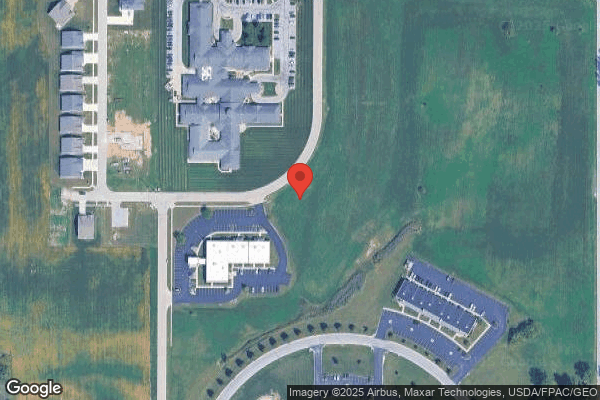
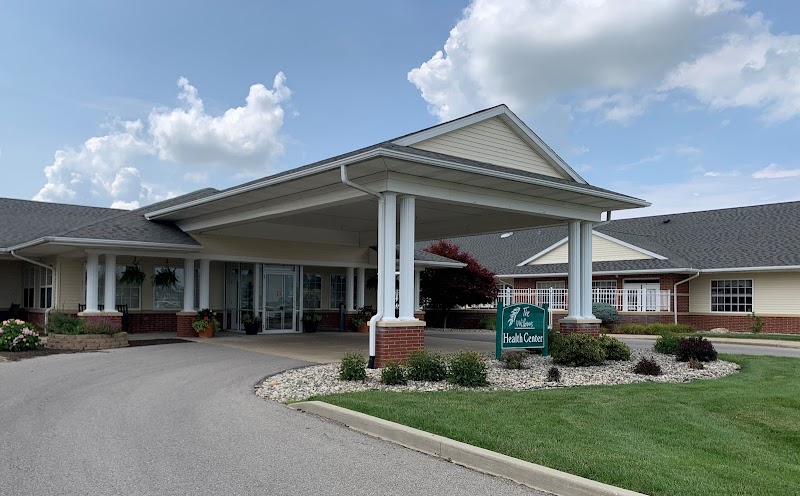

WILLOWS AT BELLEVUE

101 AUXILIARY DRIVE, BELLEVUE, OH 44811 (419) 483-5000
For profit - Corporation 60 Beds TRILOGY HEALTH SERVICES Data: November 2025
Trust Grade
85/100
#199 of 913 in OH
Last Inspection: April 2025

Within standard 12-15 month inspection cycle. Federal law requires annual inspections.

Overview

The Willows at Bellevue has a Trust Grade of B+, which means it is above average and recommended for families looking for care. It ranks #199 out of 913 facilities in Ohio, placing it in the top half, and #2 out of 9 in Sandusky County, indicating only one local option is better. The facility is improving, with issues decreasing from 10 in 2023 to just 3 in 2025. Staffing is considered average with a 3 out of 5 stars rating and a turnover rate of 50%, similar to the state average. While there are no fines, which is a positive sign, there have been some concerning incidents, such as expired food items stored in refrigerators, call lights not being within reach for residents, and a resident not receiving oxygen at the correct rate as prescribed. These weaknesses highlight areas for improvement, but the facility's overall high quality measures and good RN coverage, which is better than 98% of Ohio facilities, are encouraging for potential residents and their families.

Trust Score
B+
85/100
In Ohio
#199/913
Top 21%
Safety Record
Low Risk
No red flags
Inspections
Getting Better
10 → 3 violations
Staff Stability
⚠ Watch
50% turnover. Above average. Higher turnover means staff may not know residents' routines.
Penalties
✓ Good
No fines on record. Clean compliance history, better than most Ohio facilities.
Skilled Nurses
✓ Good
Each resident gets 72 minutes of Registered Nurse (RN) attention daily — more than 97% of Ohio nursing homes. RNs are the most trained staff who catch health problems before they become serious.
Violations
⚠ Watch
16 deficiencies on record. Higher than average. Multiple issues found across inspections.
★★★★★
5.0
Overall Rating
★★★☆☆
3.0
Staff Levels
★★★★★
5.0
Care Quality
★★★★☆
4.0
Inspection Score
Stable
2023: 10 issues
2025: 3 issues

The Good

  • 5-Star Quality Measures · Strong clinical quality outcomes
  • Full Sprinkler Coverage · Fire safety systems throughout facility
  • No fines on record

Facility shows strength in quality measures, fire safety.

The Bad

Staff Turnover: 50%

Near Ohio avg (46%)

Higher turnover may affect care consistency

Chain: TRILOGY HEALTH SERVICES

Part of a multi-facility chain

Ask about local staffing decisions and management

The Ugly 16 deficiencies on record

Apr 2025 3 deficiencies
CONCERN (D)

Potential for Harm - no one hurt, but risky conditions existed

Deficiency F0558 (Tag F0558)

Could have caused harm · This affected 1 resident

**NOTE- TERMS IN BRACKETS HAVE BEEN EDITED TO PROTECT CONFIDENTIALITY** Based on medical record review, observation, staff interview, and review of facility policy, the facility failed to ensure call ...

Read full inspector narrative →
**NOTE- TERMS IN BRACKETS HAVE BEEN EDITED TO PROTECT CONFIDENTIALITY** Based on medical record review, observation, staff interview, and review of facility policy, the facility failed to ensure call lights were within reach. This affected two (#11 and #33) of two residents reviewed for call lights. The facility census was 57. Findings include: 1. Review of the medical record for Resident #11 revealed diagnoses including encephalopathy, myocardial infarction, stage four chronic kidney disease, venous insufficiency, anxiety, bipolar disorder, depression, schizoaffective disorder, left knee effusion, history of falling, chronic pain, weakness, lymphedema, cardiac pacemaker, atrial fibrillation, communication deficit, and mild cognitive impairment. Review of the quarterly Minimum Data Set 3.0 (MDS) assessment dated [DATE] for Resident #11 revealed she was a fall risk, had mild cognitive impairment, used a wheelchair, required supervision with transfers, and required assistance with toileting. Observation on 04/07/25 at 9:46 A.M. of Resident #11's room revealed she was unable to see or reach her call light. Resident #11 was sitting in her recliner next to her bed and the call light was tangled around the back of the bed handle. Subsequent interview with Graduate Resident Care Associate (GRCA) #406 confirmed Resident #11 could not see or reach her call light. 2. Review of the medical record for Resident #33 revealed diagnoses including congestive heart failure, heart disease, hypertension, disorientation, fall on the same level, and unsteady gait. Review of the quarterly MDS assessment dated [DATE] revealed Resident #33 was cognitively intact, used a manual wheelchair and required moderate assistance with transfers, bathing, and toileting. Observation on 04/07/25 at 9:42 A.M. of Resident #33's room revealed Resident #33 was sitting in her wheelchair in the center of her room. The bed was against the wall and the call light was tied to the bed handle on the wall side of the bed, out of her reach of the resident. Subsequent interview with Floor Technician #405 confirmed Resident #33 was not able to reach her call light. Observation on 04/09/25 at 10:07 A.M. of Resident #33's room revealed Resident #33 was sitting in her wheelchair at the side of her bed. The bed was against the wall and the call light was tied to the bed handle on the wall side of the bed, opposite the resident and out of the resident's reach. Subsequent interview with GRCA #409 confirmed Resident #33 was not able to reach her call light. Review of facility policy titled Guidelines for Answering Call Lights dated 12/17/24 indicated call lights would be placed within reach of residents.
CONCERN (D)

Potential for Harm - no one hurt, but risky conditions existed

Respiratory Care (Tag F0695)

Could have caused harm · This affected 1 resident

**NOTE- TERMS IN BRACKETS HAVE BEEN EDITED TO PROTECT CONFIDENTIALITY** Based on medical record review, observation, resident interview, staff interview, and review of the facility policy, the facilit...

Read full inspector narrative →
**NOTE- TERMS IN BRACKETS HAVE BEEN EDITED TO PROTECT CONFIDENTIALITY** Based on medical record review, observation, resident interview, staff interview, and review of the facility policy, the facility failed to ensure Resident #205 received oxygen at the correct rate as prescribed by the physician. This affected one (Resident #205) of one resident reviewed for respiratory care. The facility census was 57. Findings include: Review of the medical record revealed Resident #205 was admitted to the facility on [DATE]. Diagnoses included acute respiratory failure with hypoxia, acute kidney failure, heart failure, chronic kidney disease, chronic venous insufficiency (peripheral), type II diabetes mellitus, obstructive sleep apnea, dyspnea, hypoxemia, and weakness. Review of the admission Minimum Data Set assessment dated [DATE] identified Resident #205 was cognitively intact. The resident required some level of staff assistance for all activities of daily living and also received oxygen therapy. Review of the active physician orders for April 2025 identified an order dated 03/27/25 for continuous oxygen at two liters per nasal cannula. Review of the plan of care dated 03/27/25 revealed Resident #205 had the potential for complications, functional and cognitive status decline. Interventions included administering oxygen per orders. Review of the vital sign record for 03/27/25 through 04/06/25 revealed Resident #205 was receiving oxygen at three liters on 03/29/25 at 4:00 A.M., 04/01/25 at 4:03 A.M., 04/01/25 at 4:17 P.M., 04/02/25 at 7:38 A.M., 04/02/25 at 1:33 P.M., 04/02/25 at 3:43 P.M., 04/03/25 at 7:57 A.M., 04/03/25 at 7:59 A.M., 04/04/25 at 11:37 P.M., 04/06/25 at 6:31 A.M., 04/06/25 at 6:32 A.M., 04/06/25 at 9:13 A.M., and 04/06/25 at 10:53 A.M. During an observation on 04/07/25 at 10:40 A.M., Resident #205's oxygen concentrator was running at three liters per minute while Resident #205 was receiving the oxygen via nasal cannula. During an interview at the time of observation, Resident #205 reported they were supposed to receive two liters of oxygen per minute. During a follow-up observation on 04/07/25 at 11:28 A.M., Resident #205's oxygen concentrator was running at three liters per minute while Resident #205 was receiving the oxygen via nasal cannula. An interview on 04/10/25 at 8:23 A.M. with the Director of Nursing confirmed Resident #205 had a physician order for two liters of oxygen and did not have an order for three liters of oxygen. The Director of Nursing verified the oxygen for Resident #205 was being administered at three liters per minute via nasal cannula. Review of the facility policy titled Administration of Oxygen, dated May 2018, revealed physician orders would be verified when oxygen was administered.
CONCERN (F)

Potential for Harm - no one hurt, but risky conditions existed

Food Safety (Tag F0812)

Could have caused harm · This affected most or all residents

Based on observation, staff interview, and review of the facility policies, the facility failed to ensure food items stored in unit refrigerators were labeled and dated and further failed to ensure un...

Read full inspector narrative →
Based on observation, staff interview, and review of the facility policies, the facility failed to ensure food items stored in unit refrigerators were labeled and dated and further failed to ensure unit refrigerators did not contain expired food items. This had the potential to affect all 57 residents who received food from the kitchen. The facility census was 57. Findings include: Observation beginning on 04/07/25 at approximately 5:38 P.M. of the unit refrigerator located centrally between all resident units hallways with Registered Nurse (RN) #396 revealed the following concerns: In the refrigerator, there was one plastic container containing prunes which was dated 03/29/25, one plastic container containing potato soup which was dated 03/30/25, one plastic container containing grapefruit which was labeled 03/30/25, one container of prunes which was dated 03/31/25, one undated disposable container from a restaurant which contained fried chicken, two containers of pudding which expired in August 2024, and one unlabeled and undated container of cottage cheese which had been opened. Interview at the time of observation, with RN #396, confirmed the areas of concern. Additional observation and interview on 04/10/25 at 5:52 P.M. with Dietary Manager #344 further verified the areas of concern. Dietary Manager #344 verified prepared items should be disposed of within three days of being placed in the refrigerator. Review of the facility policy titled Food Brought Into Facility, dated 11/22/17, revealed the purpose of the policy was storage of foods brought to residents by family and other visitors to ensure safe and sanitary storage, handling, and consumption. The policy stated food brought in by family members, friends or gusts must be inspected by a staff member, properly labeled and dated, and stored and discarded in conjunction with the facility's Date [NAME] and Labeling policy and procedure. Review of the facility policy titled Food Safety and Handling, not dated, revealed prepared leftover food items must be discarded within three days and ready-to-eat potentially hazardous foods must be marked with the date of preparation and consumed or discarded within seven days (including he day of preparation).
Jun 2023 1 deficiency
CONCERN (D) 📢 Someone Reported This

A family member, employee, or ombudsman was alarmed enough to file a formal complaint

Potential for Harm - no one hurt, but risky conditions existed

Deficiency F0558 (Tag F0558)

Could have caused harm · This affected 1 resident

**NOTE- TERMS IN BRACKETS HAVE BEEN EDITED TO PROTECT CONFIDENTIALITY** Based on medical record review and resident and staff interview, the facility failed to ensure a resident's bathing preference w...

Read full inspector narrative →
**NOTE- TERMS IN BRACKETS HAVE BEEN EDITED TO PROTECT CONFIDENTIALITY** Based on medical record review and resident and staff interview, the facility failed to ensure a resident's bathing preference was reasonably met. This affected one (Resident #20) of three residents reviewed for reasonable accommodations of shower preferences. The facility census was 54. Findings include: Review of Resident #20's medical record revealed an admission to the facility occurred on 12/20/22. Diagnoses included stroke, chronic obstructive pulmonary disease (COPD), and diabetes mellitus. Review of the comprehensive Minimum Data Set (MDS) assessment dated [DATE] revealed Resident #20 was cognitively intact and was dependent on staff for bathing. The MDS assessment dated [DATE] revealed Resident #20's preferences for choosing bathing/shower was listed as very important to the resident. Review of Resident #20's shower/bathing records was completed from 05/12/23 through 06/01/23. Resident #20 was documented as receiving a shower on 05/19/23 and 05/29/23. The documentation revealed there were no other showers given to Resident #20 in the 20 days. Resident #20 did receive bed baths during this time frame but no other showers were given. Interview with Resident #20 on 06/01/23 at 3:08 P.M. confirmed she has been getting bed baths instead of showers frequently. Resident #20 confirmed she was scheduled for showers twice a week and was getting them about once a week. Resident #20 confirmed she wants her showers twice a week as scheduled. Resident #20 confirmed she received a shower on Monday (05/29/23) however it had been quite a while before that. Interview with the Director of Nursing (DON) on 06/01/23 at 5:52 P.M. confirmed there was a lack of documented showers for Resident #20. The DON confirmed Resident #20 has been receiving bed baths instead of showers on several occasions in the past three weeks. This deficiency represents non-compliance investigated under Complaint Number OH00143054.
Feb 2023 9 deficiencies
CONCERN (D)

Potential for Harm - no one hurt, but risky conditions existed

Deficiency F0554 (Tag F0554)

Could have caused harm · This affected 1 resident

**NOTE- TERMS IN BRACKETS HAVE BEEN EDITED TO PROTECT CONFIDENTIALITY** Based on observations, medical record review, staff interview and review of facility policy, the facility failed to complete an ...

Read full inspector narrative →
**NOTE- TERMS IN BRACKETS HAVE BEEN EDITED TO PROTECT CONFIDENTIALITY** Based on observations, medical record review, staff interview and review of facility policy, the facility failed to complete an assessment for self-medication administration for one (#28) of one resident reviewed for self-administration of medication. The facility census was 53. Findings include: Review of the medical record revealed Resident #28 admitted to facility on 06/15/22. Diagnoses included dry eye syndrome of unspecified lacrimal gland. Review of Minimum Data Set assessment (MDS) dated [DATE] revealed Resident #28 had moderately impaired cognition. Review of the current physician orders revealed Resident #28's medications included Gen Teal Tears moderate artificial tear over the counter eye drop to be used twice daily in the morning and evening. There was no order for the resident to self administer any medications. Observations on 01/31/23 at 2:00 P.M. revealed two green boxes that contained over the counter lubricating eye drops at the Resident #28's bedside. Interview with Resident #28 on 01/31/23 at 2:55 P.M. revealed Resident #28 prefers to have the eye drops at bedside to give right at bedtime and first thing in the morning. Interview with Licensed Practical Nurse (LPN) #316 on 01/31/23 at 3:52 P.M. verified the two green boxes containing over the counter lubricating eye drops were at Resident #28's bedside. LPN #316 was unaware of a self-medication assessment. Interview with Director of Nursing (DON) on 02/01/23 at 4:09 P.M. verified no self-medication assessment had been completed for Resident #28. Review of facility policy titled Guidelines for Self-Administration of Medications, reviewed 12/01/21, revealed residents requesting to self-medicate shall be assessed and the results of the assessment would be presented to the physician for evaluation and an order for self-administration.
CONCERN (D)

Potential for Harm - no one hurt, but risky conditions existed

Notification of Changes (Tag F0580)

Could have caused harm · This affected 1 resident

Based on medical record review, staff interview, and review of facility policy, the facility failed to provide timely physician and resident representative notification of changes in condition. This a...

Read full inspector narrative →
Based on medical record review, staff interview, and review of facility policy, the facility failed to provide timely physician and resident representative notification of changes in condition. This affected one (#31) of two residents reviewed for notification of change. The facility census was 53. Findings include: 1. Review of Resident #31's medical record revealed an admission date of 03/09/22. Diagnoses included type II diabetes, dementia, hypertensive chronic kidney disease, atrial fibrillation, other symptoms and signs concerning food and fluid intake, weakness and metabolic encephalopathy. Review of the annual Minimum Data Set (MDS) assessment, dated 01/12/23, revealed Resident #31 was moderately cognitively impaired, required limited assistance with activities of daily living (ADLs), supervision for eating and experienced a significant weight loss and was not on physician prescribed weight loss program. Review of a plan of care focus area, initiated 01/13/23, revealed Resident #31 experienced a significant weight loss. Interventions included provide diet, supplements, medications, adaptive equipment and snacks as ordered, offer encouragement and assistance with eating as needed and weigh as ordered. Review of current physician orders revealed Resident #31 was ordered a regular, mechanical soft, ground meat diet. In addition, Resident #31 was ordered Ensure pudding one time daily, Glucerna supplement two times daily and three snacks daily. Review of Resident #31's weights revealed on 07/01/2022, the resident weighed 106.6 pounds (lbs.). Resident #31's weights revealed on 12/03/2022, the resident weighed 97.4 lbs. On 01/09/2023, the resident weighed 92.4 pounds, indicating a 5.13% significant weight loss in one month and a significant weight loss of 13.32% in six months. Review of progress notes from 01/09/23 through 01/30/23 revealed no evidence Resident #31's physician or representative were notified of the resident's significant weight loss. Interview on 02/02/23 at 7:33 A.M. with the Director of Nursing (DON) revealed the typical process for weight loss was to document all residents with weight loss on a log which the physician reviewed each Tuesday when he visited the facility. The DON stated a facility event document, which was part of the facility's risk management program, was sometimes created for significant weight loss and notifications were documented on the event document. The DON confirmed an event document was not created following Resident #31's significant weight loss on 01/09/23. The DON verified there was no evidence Resident #31's physician was notified of the resident's significant weight loss until 01/31/23 and there was no evidence the resident's representative was notified of the weight loss. Review of facility policy titled Guidelines for Weight Tracking, reviewed 03/16/22, revealed residents who had a weight that seemed out of normal range would be re-weighed to determine accuracy of the original weight. In addition, the physician, resident representative and dietitian shall be notified of a weight variance of 5% in 30 days, 7.5% in 90 days and 10% in 180 days days.
CONCERN (D)

Potential for Harm - no one hurt, but risky conditions existed

ADL Care (Tag F0677)

Could have caused harm · This affected 1 resident

Based on observation, medical record review, family interview and staff interview, the facility failed to ensure dependent residents were provided assistance with shaving. This affected one (#16) of f...

Read full inspector narrative →
Based on observation, medical record review, family interview and staff interview, the facility failed to ensure dependent residents were provided assistance with shaving. This affected one (#16) of four residents reviewed for activities of daily living (ADLs). The facility census was 53. Findings include: Review of Resident #16's medical record revealed an admission date of 03/27/19. Diagnoses included vascular dementia, type II diabetes, chronic kidney disease, macular degeneration, hypertension, depressive disorder and muscle weakness. Review of the quarterly Minimum Data Set (MDS) assessment, dated 01/01/23, revealed Resident #16 was severely cognitively impaired and required limited one person assistance with personal hygiene. Review of a plan of care focus area, reviewed 01/05/23, revealed Resident #16 required staff assistance to complete activities of daily living (ADLs) completely and safely related to cerebrovascular disease, dementia, vision, medications and weakness and Resident #16 would have ADLs met safely by staff assistance. Observation on 01/30/23 at 11:28 A.M. revealed Resident #16 was assisted back to the 100 Hall, after having her hair done. Resident #16 was noted to have significant hair on her chin. Interview on 01/30/23 at 1:35 P.M. with Resident #16's family member revealed family visited over the weekend and noticed the resident had hair on her chin. The family member stated he believed staff assisted Resident #16 with shaving on the days she had her hair done. Observation on 01/31/23 at 11:25 A.M. revealed Resident #16 sitting in the common area of the 100 Hall unit. Resident #16 was observed to have multiple hairs on her chin. Observation on 02/01/23 at 7:50 A.M. revealed Resident #16 was eating breakfast in the dining room. Resident #16 was observed to still have significant hair on her chin. Interview on 02/01/23 at 8:44 A.M. with State Tested Nurse Aide (STNA) #313 revealed Resident #16 required extensive assistance with ADLs, including grooming and hygiene. STNA #313 stated the resident typically had her hair done weekly by the beautician and did not refuse care. While assistance with shaving could be done anytime it was needed, STNA #313 confirmed Resident #16's shower days were Tuesdays and Thursdays and assistance with shaving should have been completed on those days. STNA #313 stated she would take care of it today.
CONCERN (D)

Potential for Harm - no one hurt, but risky conditions existed

Accident Prevention (Tag F0689)

Could have caused harm · This affected 1 resident

**NOTE- TERMS IN BRACKETS HAVE BEEN EDITED TO PROTECT CONFIDENTIALITY** Based on observations, medical record review, staff interview, and review of facility policy, the facility failed to implement f...

Read full inspector narrative →
**NOTE- TERMS IN BRACKETS HAVE BEEN EDITED TO PROTECT CONFIDENTIALITY** Based on observations, medical record review, staff interview, and review of facility policy, the facility failed to implement fall interventions as care planned and per physician orders. This affected one (Resident #9) of two residents reviewed for falls. The facility census was 53. Findings include: Review of the medical record revealed Resident #9 admitted to the facility on [DATE]. Diagnoses included memory deficit following cerebral infarct, vascular dementia, psychotic disturbance, mood disturbance, anxiety disorder, disorientation, weakness, altered mental status, cognitive communication deficit, and hemiplegia and hemiparesis following cerebral infarction affecting the left non-dominant side. Review of Minimum Data Set assessment (MDS) dated [DATE] revealed Resident #9 could not complete the assessment of cognitive functioning. Resident #9 was dependent on staff for bed mobility, toileting, activities of daily living, bathing, locomotion, and dressing. Resident #9 required extensive assistance for transferring. Review of the care plan dated 01/10/23 revealed Resident #9 was at risk for falls due to decreased strength, mobility, high risk medications, and cognition. Interventions included the use of a fall mat next to the bed while the resident was laying down. Review of the fall risk assessment dated [DATE] revealed Resident #9 was at moderate risk for falls. Review of the current physician orders revealed orders for a fall mat next to the bed while the resident was laying in bed. Observations on 01/30/23 at 2:34 P.M. revealed Resident #9 was laying in bed without a fall mat in place to the floor. Observations on 01/31/23 at 7:52 A.M., 11:35 A.M., 2:36 P.M., and 2:44 P.M. revealed Resident #9 was laying in bed without a fall mat in place to the floor. Interview with Licensed Practical Nurse (LPN) #316 on 01/31/23 at 03:48 P.M. verified a fall mat was not in place while Resident #9 was in bed. Review of facility policy titled Fall Management Program Guidelines, dated 03/22, revealed to carry out any orders prescribed by the physician.
CONCERN (D)

Potential for Harm - no one hurt, but risky conditions existed

Deficiency F0692 (Tag F0692)

Could have caused harm · This affected 1 resident

Based on medical record review, resident and staff interview, and review of facility policy, the facility failed to ensure the physician followed up timely on dietitian recommendations for a resident ...

Read full inspector narrative →
Based on medical record review, resident and staff interview, and review of facility policy, the facility failed to ensure the physician followed up timely on dietitian recommendations for a resident with a significant weight loss. This affected one (#31) of one residents reviewed for nutrition. The facility census was 53. Findings include: Review of Resident #31's medical record revealed an admission date of 03/09/22. Diagnoses included type II diabetes, dementia, hypertensive chronic kidney disease, atrial fibrillation, other symptoms and signs concerning food and fluid intake, weakness and metabolic encephalopathy. Review of the annual Minimum Data Set (MDS) assessment, dated 01/12/23, revealed Resident #31 was moderately cognitively impaired, required supervision for eating, experienced a significant weight loss, and was not on physician prescribed weight loss program. Review of a plan of care focus area, initiated 01/13/23, revealed Resident #31 experienced a significant weight loss. Interventions included provide diet, supplements, medications, adaptive equipment and snacks as ordered, offer encouragement and assistance with eating as needed and weigh as ordered. Review of current physician orders revealed Resident #31 was ordered a regular, mechanical soft, ground meat diet. In addition, Resident #31 was ordered Ensure pudding one time daily, Glucerna supplement two times daily and three snacks daily. Review of Resident #31's weights revealed on 07/01/2022, the resident weighed 106.6 pounds (lbs.). Resident #31's weights revealed on 12/03/2022, the resident weighed 97.4 lbs. On 01/09/2023, the resident weighed 92.4 pounds, indicating a 5.13% significant weight loss in one month and a significant weight loss of 13.32% in six months. Review of the Nutritional Quarterly/re-admission Observation, dated 01/13/23, revealed Resident #31 screened for malnutrition with advanced age, multiple medications, low body mass index (BMI), dementia and dysphagia. Resident #31's intakes were documented as good at 75% or more for 90% of meals, was on three supplements and three snacks daily and noted to accept those well also. It was recommended for Resident #31's diabetes medications to be evaluated to potentially reduce effects of weight loss. Review of a nursing progress note dated 01/16/23 revealed dietitian recommendations were printed and sent to the physician. Further review of progress notes from 01/16/23 through 01/30/23 revealed no evidence Resident #31's physician evaluated the resident's diabetes medications as recommended by the dietitian. Interview on 02/01/23 at 8:56 A.M. of the Director of Nursing (DON) revealed she discussed the dietitian's recommendations, made on 01/13/23, with Resident #31's physician on 01/31/23. The DON stated the physician was hesitant to make any changes to Resident #31's diabetes medications due to unstable blood sugar levels. Interview on 02/02/23 at 10:28 A.M. of Medical Director (MD) #415 confirmed he did not address the dietitian recommendation to review Resident #31's diabetes medications until 01/31/23. MD #415 stated the problem was the recommendation was made but the facility did not send a list of Resident #31's medications for him to review. MD#415 stated he did not have access to or know how to access the resident's medications via the electronic medical record (EMR) and stated he had weekly meetings with the Administrator and would be discussing with her how to ensure he received needed information to follow up on recommendations timely. MD #415 stated he typically followed the dietitian recommendations and, while he was uncertain it would have an impact on the resident's weight, he was looking at making changes to one of Resident #31's diabetes medications. Interview on 02/02/23 at 11:38 A.M. of Resident #31 confirmed she was aware she had lost weight. Resident #31 stated she was provided enough to eat, consumed two nutritional supplements daily, had an ensure pudding each day and was provided multiple snacks daily, including peanut butter and jelly sandwiches, fruit, peanut butter crackers. Resident #31 attributed her weight loss to being retired and not being as active as she once was. Review of facility policy titled Nutritional Recommendation Guideline, reviewed 12/01/21, revealed the suggested discipline follows up on recommendation(s) in a timely manner.
CONCERN (D)

Potential for Harm - no one hurt, but risky conditions existed

Respiratory Care (Tag F0695)

Could have caused harm · This affected 1 resident

**NOTE- TERMS IN BRACKETS HAVE BEEN EDITED TO PROTECT CONFIDENTIALITY** Based on observations, staff interview, and review of facility policy, the facility failed to properly store oxygen tubing and f...

Read full inspector narrative →
**NOTE- TERMS IN BRACKETS HAVE BEEN EDITED TO PROTECT CONFIDENTIALITY** Based on observations, staff interview, and review of facility policy, the facility failed to properly store oxygen tubing and follow their policy to date oxygen tubing when put into use. This affected one (#13) of one resident reviewed for oxygen administration. The facility identified 10 residents who had orders for oxygen. The facility census was 53. Findings include: Review of the medical record revealed Resident #13 admitted to the facility on [DATE]. Diagnoses included acute respiratory failure with hypoxia and unspecified asthma. Review of the Minimum Data Set (MDS) assessment, dated 01/02/23, revealed Resident #13 had severe cognitive impairment. Review of current physician's orders revealed orders for oxygen as needed for shortness of breath every four hours, change oxygen tubing monthly, and assess respiratory status twice daily. Observations on 01/30/23 at 12:19 P.M. revealed Resident #13's oxygen tubing was not dated and oxygen tubing draped across bed. Observations on 01/31/23 at 7:49 A.M. and 11:33 A.M. Resident #13 oxygen tubing noted to be undated and laying on the floor. Observations on 01/31/23 at 11:33 A.M. Resident #13 oxygen tubing noted to be undated and laying on Resident # 13's bed. Review of the facility policy titled Administration of Oxygen, dated 12/22, revealed oxygen tubing was to be changed monthly and dated. Interview with Licensed Practical Nurse (LPN) # 411 verified Resident #13 oxygen tubing was undated and not stored appropriately. LPN #411 verified the facility policy was to date tubing and and stored in a plastic bag attached to the oxygen concentrator.
CONCERN (D)

Potential for Harm - no one hurt, but risky conditions existed

Pharmacy Services (Tag F0755)

Could have caused harm · This affected 1 resident

**NOTE- TERMS IN BRACKETS HAVE BEEN EDITED TO PROTECT CONFIDENTIALITY** Based on observation, resident and staff interview, medical record review, review of pharmacy delivery slips, and review of a fa...

Read full inspector narrative →
**NOTE- TERMS IN BRACKETS HAVE BEEN EDITED TO PROTECT CONFIDENTIALITY** Based on observation, resident and staff interview, medical record review, review of pharmacy delivery slips, and review of a facility policy, the facility failed to ensure the pharmacy sent resident medications to the facility as ordered. This affected one (#7) of five residents reviewed for unnecessary medications. The census was 53. Findings include: Review of Resident #7's medical record revealed an admission date of 04/10/22. Diagnoses included diabetes mellitus type II, anemia, hypokalemia, peripheral vascular disease, altered mental status, acute pulmonary edema, and COVID-19. Review of the most recently completed Minimum Data Set (MDS) assessment, dated 01/12/23, revealed Resident #7 was assessed with moderately impaired cognition. Review of a nursing progress note dated 12/31/22 revealed Resident #7 tested positive for COVID-19 with no abnormal lung sounds or shortness of breath exhibited. Review of a subsequent nursing progress note dated 12/31/22 revealed a new order was given for Resident #7 to receive the medication to treat COVID-19, Paxlovid. Review of a physician order dated 12/31/22 revealed Resident #7 was ordered Paxlovid 300 milligrams (mg)-100 mg three tablets twice daily. Review of the December 2022 medication administration record (MAR) revealed Resident #7 did not receive the ordered Paxlovid on 12/31/22 with a note documented on 12/31/22 at 8:48 P.M. stating the medication was not available. Review of the January 2023 MAR revealed Resident #7 did not receive Paxlovid as ordered on 01/02/23, on 01/03/23 in evening, or on 01/04/23 in the morning. Nurses documented in the comments on 01/02/23 at 9:03 A.M. and at 8:56 P.M., on 01/03/23 at 10:16 A.M., and on 01/04/23 at 8:39 A.M. that the medication was not available. Review of pharmacy delivery sheets dated 12/31/22 and 01/03/23 revealed no evidence of Resident #7's Paxlovid being sent to the facility. Review of nursing progress notes between 12/31/22 and 01/04/23 revealed Resident #7 remained asymptomatic of COVID-19 symptoms. Review of a nursing progress note dated 01/04/23 at 5:33 P.M. revealed Resident #7's Paxlovid was discontinued due to the medication not received from the pharmacy and Resident #7 was five days out from her positive COVID-19 test. Interview on 01/31/23 at 2:48 P.M. with Resident #7 stated when she had COVID-19 in the beginning of January 2023 she did not have any symptoms other than an occasional cough. Resident #7 stated she did not feel tired or experience any changes in her respiratory status. Resident #7 stated she felt she recovered from her COVID-19 infection and had no lasting effects from it. Interview on 02/03/23 at 12:22 P.M. with Regional Clinical Support (RCS) #416 stated the pharmacy indicated Resident #7's Paxlovid was sent to the facility sometime between 12/31/22 and 01/04/23 but they did not have any delivery slips confirming that. RCS #416 stated the pharmacy received the order for Paxlovid on 12/31/22 and it should have been received in the facility the following day. RCS #416 stated the facility had pharmacy delivery slips from 12/31/22 and 01/03/22 and Resident #7's Paxlovid was not delivered on either of those days. Interview on 02/03/23 at 1:20 P.M. with Director of Nursing (DON) #332 stated the pharmacy told her Resident #7's Paxlovid was delivered to the facility on [DATE], but the facility did not have any record of it. DON #332 stated she reviewed the 12/31/22 pharmacy delivery slip and verified Resident #7's Paxlovid was not on the list. DON #332 confirmed the facility did not have any other pharmacy delivery slips between 12/31/22 and 01/04/23 other than what was provided. Review of a facility policy titled, Medication Ordering and Receiving from Pharmacy, revised November 2018, revealed medication orders are written on a medication order form provided by the pharmacy, written in the chart by the physician, electronic order, or written on a transfer order form and transmitted to the pharmacy. A licensed nurse or certified technician as permitted receives the medications delivered to the facility and documents that the delivery was received and verifies medications received with the medication order form.
CONCERN (D)

Potential for Harm - no one hurt, but risky conditions existed

Deficiency F0810 (Tag F0810)

Could have caused harm · This affected 1 resident

Based on observation, staff interview, and medical record review, the facility failed to ensure residents were provided adaptive equipment during meals. This affected one (#34) of five residents obser...

Read full inspector narrative →
Based on observation, staff interview, and medical record review, the facility failed to ensure residents were provided adaptive equipment during meals. This affected one (#34) of five residents observed eating meals in their room on the 100 Hall. The facility identified six residents in the facility with orders for adaptive eating equipment. The census was 53. Findings include: Review of Resident #34's medical record revealed an admission date of 07/24/21. Diagnoses including anemia in chronic kidney disease, unspecified protein-calorie malnutrition, unspecified dementia, chronic kidney disease, facial weakness following cerebral infarction, and hemiplagia and hemiparesis. Review of the Minimum Data Set (MDS) assessment completed on 11/21/22 revealed Resident #34 was assessed with severely impaired cognitive skills for daily decision making and required limited assistance with eating. Review of a care plan dated 07/26/21 revealed a nutritional risk care plan with an intervention to provide diet, supplements, medications, and adaptive equipment as ordered. Review of a physician order dated 11/16/22 revealed Resident #34 was to have a plate guard for all meals on the right side of the plate for increased self feeding and decreased spillage. Observation on 01/31/22 at 12:25 P.M. revealed Resident #34 in her bed on the 100 Hall sitting up and awaiting lunch. Further observation revealed Resident #34 received her lunch tray from staff and was assisted with tray set up. Resident #34's plate contained beef brisket and french fries and no plate guard in place on Resident #34's plate. Observation on 01/31/22 at 12:32 P.M. revealed Resident #34 fed herself and ate her lunch with no plate guard in place. Interview on 01/31/22 at 12:40 P.M. with Stated Tested Nurse Aide (STNA) #313 stated she never saw Resident #34 with a plate guard to her meal plate and was not aware one was needed. Observation on 01/31/22 at 12:40 P.M. of Resident #34 eating in her room with STNA #313 verified Resident #34 did not have a plate guard in place and she was eating lunch in her room. Interview on 01/31/22 at 12:42 P.M. with Licensed Practical Nurse (LPN) #315 verified Resident #34 had a physician order for a plate guard for all meals, but stated she did not consistently work on Resident #34's hall so she was not aware how often, if ever, Resident #34 was given a plate guard. Observation on 01/31/22 at 12:45 P.M. with LPN #315 confirmed Resident #34 was eating in her room with no plate guard in place. Interview on 01/31/22 at 1:10 P.M. with [NAME] #341 stated the kitchen staff are made aware of all residents with order for adaptive eating equipment and keep a paper in the kitchen with what each resident required with meals. [NAME] #341 stated she knew Resident #34 was to have a plate guard in place for all meals. [NAME] #341 stated the plate guard for Resident #34's plate was not put in place in the kitchen because Resident #34 ate in her room and the plate cover used for the hall trays would not fit over the plate if a plate guard was applied. [NAME] #341 stated Resident #34's plate guard should be applied after she was served her meal tray in her room. Review of a facility policy titled Meal Service, revised January 2023, revealed adaptive equipment is provided as ordered to aid an individual in feeding self when necessary. Items are included in the tray set up or during dining room service. Nursing will make final arrangement of the devices as part of the presentation. Dining service staff will deliver tray carts to each nurse's station and nursing staff will deliver and collect trays from individuals.
CONCERN (D)

Potential for Harm - no one hurt, but risky conditions existed

Safe Environment (Tag F0921)

Could have caused harm · This affected 1 resident

Based on observations and staff interviews, the facility failed to ensure furniture in living quarters was maintained in good condition. This affected one (#9) of one resident reviewed. The facility c...

Read full inspector narrative →
Based on observations and staff interviews, the facility failed to ensure furniture in living quarters was maintained in good condition. This affected one (#9) of one resident reviewed. The facility census was 53. Findings include: Observations on 01/30/23 at 09:29 A.M. of Resident #9's room revealed the left door of the wardrobe had the wood grain laminate peeling off the door down the entire left side and hanging loosely from the door Interview with State Tested Nursing Assistant (STNA) #386 on 02/01/23 at 04:17 P.M. verified the wardrobe for Resident #9 had the laminate peeling off the door.
Dec 2019 3 deficiencies
CONCERN (D)

Potential for Harm - no one hurt, but risky conditions existed

Deficiency F0558 (Tag F0558)

Could have caused harm · This affected 1 resident

**NOTE- TERMS IN BRACKETS HAVE BEEN EDITED TO PROTECT CONFIDENTIALITY** Based on observation, resident interview, and staff interview, the facility failed to provide access to the remote control to ch...

Read full inspector narrative →
**NOTE- TERMS IN BRACKETS HAVE BEEN EDITED TO PROTECT CONFIDENTIALITY** Based on observation, resident interview, and staff interview, the facility failed to provide access to the remote control to change position of an electric recliner chair for one for one (#200) of one resident reviewed for accommodation of needs. The facility census was 51. Findings include: Review of the medical record for Resident #200 revealed the resident was admitted on [DATE]. Diagnoses included unspecified fracture of T11-T12 vertebra, low back pain, hypertensive chronic kidney disease stage 3, heart failure, atrial fibrillation, hyperlipidemia, insomnia, osteoarthritis, history of falling, and hypertension. Review of the admission Minimum Data Set (MDS) 3.0 assessment, dated 09/27/19, revealed the resident had no cognitive issues. The resident required extensive assistance with bed mobility, transfer, locomotion, dressing, toilet use, and personal hygiene. Interview on 12/26/19 at 9:36 A.M., Resident #200 revealed she was not able to access the remote control to her electric recliner chair. Resident #200 stated the facility does not want her to get out of her chair without assistance. Observation on 12/26/19 at 9:38 A.M. revealed Resident #200 was reclined in the electric recliner chair in the resident's room. The recliner chair had a remote control, which was attached to a cord, and located in the side pocket of the recliner chair. The remote controlled the back and foot rest. On the remote was taped a handwritten note reading Remote to stay in side pocket. Resident #200 was unable to access the remote to make adjustments to the chair for comfort. Additional observations on 12/27/19 at 9:26 A.M. and 3:29 P.M. revealed the remote control to the recliner was located in the side pocket of the recliner. Interview on 12/26/19 at 11:45 A.M., State Tested Nurse Aide (STNA) #600 verified Resident #200 was unable to reach the remote control to the recliner. STNA #600 stated about three to four weeks ago there was a note to keep the remote control in the side pocket of the recliner. Resident #200 was to use the call light when needed. Interview on 12/27/19 at 10:56 A.M., STNA #650 verified Resident #200 was not to have access to the remote control for the recliner and the remote was to be kept in the side pocket. STNA #650 stated the resident was to use the call light when needed. Review of facility policy titled Resident Rights Guidelines, revised May 2017, verified the residents have the right to be given the information to participate in decisions which affect them both individually and corporately.
CONCERN (D)

Potential for Harm - no one hurt, but risky conditions existed

Accident Prevention (Tag F0689)

Could have caused harm · This affected 1 resident

Based on observation, staff interview, and review of a facility policy, the facility failed to ensure medications were secured from unauthorized access when a medication cart was left unlocked and una...

Read full inspector narrative →
Based on observation, staff interview, and review of a facility policy, the facility failed to ensure medications were secured from unauthorized access when a medication cart was left unlocked and unattended by staff. This affected one (#50) resident the facility identified as the only independently mobile and cognitively impaired resident residing on the 300 Hall. The census was 51. Findings include: Observation on 12/27/19 at approximately 3:30 P.M. revealed Registered Nurse (RN) #375 administering medications to residents on the 300 Hall from the 300 Hall medication cart. At 3:38 P.M., RN #375 removed medications from the 300 Hall medication cart, prepared them for administration, and walked away from the medication cart without locking it. RN #375 walked down the 300 Hall and entered a resident's room to administer the medications, leaving the unlocked medication cart out of her sight. At 3:42 P.M., RN #375 walked back to the 300 Hall medication cart, prepared another resident's medications for administration, and again, walked away from the medication cart without locking it. RN #375 walked down the 300 Hall and entered another resident's room to administer the medications, leaving the unlocked medication cart out of her sight. Interview on 12/27/19 at 3:47 P.M. with RN #375 verified she did not lock the 300 Hall medication cart for two different resident medication administrations in a row. RN #375 stated the medication cart should be locked every time a nurse steps away from the cart. Review of a facility policy titled Medication Storage in the Facility, revised August 2014, revealed medications and biologicals are stored safely, securely, and properly, following manufacturer's recommendations or those of the supplier. Only licensed nurses, pharmacy personnel and those lawfully authorized to administer medications (such as medication aides) are permitted to access medications. Medication rooms, carts, and medication supplies are locked when not attended by persons with authorized access. The facility identified Resident #50 as the only resident residing on the 300 Hall who was cognitively impaired and independently mobile.
CONCERN (D)

Potential for Harm - no one hurt, but risky conditions existed

Incontinence Care (Tag F0690)

Could have caused harm · This affected 1 resident

Based on observation, staff interview, medical record review, and review of a facility policy, the facility failed to ensure a resident's urinary catheter collection bag was kept off the ground. This ...

Read full inspector narrative →
Based on observation, staff interview, medical record review, and review of a facility policy, the facility failed to ensure a resident's urinary catheter collection bag was kept off the ground. This affected one (#48) of one residents reviewed for urinary catheters. The facility identified two residents in the facility with urinary catheters. The census was 51. Findings include: Review of Resident #48's medical record revealed and admission date of 06/17/15. Diagnoses included hemiplagia and hemiparesis, vascular dementia with behavioral disturbances, anxiety, insomnia, retension of urine, neuromuscular dysfunction of bladder, and muscle wasting and atrophy. Review of the most recent Minimum Data Set (MDS) assessment, dated 12/04/19, revealed Resident #48 was assessed with an indwelling urinary catheter. Review of a care plan dated 12/10/19 for Resident #48's urinary catheter, revealed an intervention to maintain a closed system with the urinary collection bag below the resident's bladder and keep the bag covered. Observation on 12/26/19 at 01:27 PM revealed Resident #48 sitting in a wheelchair in the dining room with his urinary catheter collection bag suspended from under his wheelchair and the bag resting on the floor. Subsequent observations on 12/27/19 at 10:20 A.M. and 5:26 P.M., revealed Resident #48's urinary catheter collection bag remained suspended from under his wheelchair with the bag resting on the floor. Observations on 12/27/19 at 10:26 A.M. and 12:49 P.M., revealed Resident #48 was propelling himself in his wheelchair and his urinary catheter collection bag could be heard and seen dragging on the floor as Resident #48 moved down the hallway. Observation on 12/28/19 at 7:56 A.M., revealed Resident #48 sitting in his wheelchair in his room with his urinary catheter collection bag resting on the floor. Interview on 12/28/19 at 8:00 A.M., Licensed Practical Nurse (LPN) #480 verified Resident #48's urinary catheter collection bag was on the floor and stated it should not be touching the ground at anytime. LPN #480 stated Resident #480 would not be able to reach under his wheelchair and move the placement of his urinary catheter collection bag on his own. Resident #48 was observed once again on 12/28/19 at 11:34 A.M. sitting in the dining room with his urinary catheter collection bag suspended from underneath his wheelchair and resting on the floor. Review of a facility policy titled Urinary Catheter Care, dated 05/11/16, revealed staff should be sure the catheter tubing and drainage bag are kept off the floor.
Understanding Severity Codes (click to expand)
Life-Threatening (Immediate Jeopardy)
J - Isolated K - Pattern L - Widespread
Actual Harm
G - Isolated H - Pattern I - Widespread
Potential for Harm
D - Isolated E - Pattern F - Widespread
No Harm (Minor)
A - Isolated B - Pattern C - Widespread

Questions to Ask on Your Visit

  • "Can I speak with families of current residents?"
  • "What's your RN coverage like on weekends and overnight?"

Our Honest Assessment

Strengths
  • • Grade B+ (85/100). Above average facility, better than most options in Ohio.
  • • No major safety red flags. No abuse findings, life-threatening violations, or SFF status.
  • • No fines on record. Clean compliance history, better than most Ohio facilities.
Concerns
  • • 16 deficiencies on record. Higher than average. Multiple issues found across inspections.
Bottom line: Generally positive indicators. Standard due diligence and a personal visit recommended.

About This Facility

What is Willows At Bellevue's CMS Rating?

CMS assigns WILLOWS AT BELLEVUE an overall rating of 5 out of 5 stars, which is considered much above average nationally. Within Ohio, this rating places the facility higher than 99% of the state's 100 nursing homes. This rating reflects solid performance across the metrics CMS uses to evaluate nursing home quality.

How is Willows At Bellevue Staffed?

CMS rates WILLOWS AT BELLEVUE's staffing level at 3 out of 5 stars, which is average compared to other nursing homes. Staff turnover is 50%, compared to the Ohio average of 46%.

What Have Inspectors Found at Willows At Bellevue?

State health inspectors documented 16 deficiencies at WILLOWS AT BELLEVUE during 2019 to 2025. These included: 16 with potential for harm.

Who Owns and Operates Willows At Bellevue?

WILLOWS AT BELLEVUE is owned by a for-profit company. For-profit facilities operate as businesses with obligations to shareholders or private owners. The facility is operated by TRILOGY HEALTH SERVICES, a chain that manages multiple nursing homes. With 60 certified beds and approximately 53 residents (about 88% occupancy), it is a smaller facility located in BELLEVUE, Ohio.

How Does Willows At Bellevue Compare to Other Ohio Nursing Homes?

Compared to the 100 nursing homes in Ohio, WILLOWS AT BELLEVUE's overall rating (5 stars) is above the state average of 3.2, staff turnover (50%) is near the state average of 46%, and health inspection rating (4 stars) is above the national benchmark.

What Should Families Ask When Visiting Willows At Bellevue?

Based on this facility's data, families visiting should ask: "Can I visit during a mealtime to observe dining assistance and food quality?" "How do you handle medical emergencies, and what is your hospital transfer rate?" "Can I speak with family members of current residents about their experience?"

Is Willows At Bellevue Safe?

Based on CMS inspection data, WILLOWS AT BELLEVUE has a clean safety record: no substantiated abuse findings (meaning no confirmed cases of resident harm), no Immediate Jeopardy citations (the most serious violation level indicating risk of serious injury or death), and is not on the Special Focus Facility watch list (a federal program monitoring the lowest-performing 1% of nursing homes). The facility has a 5-star overall rating and ranks #1 of 100 nursing homes in Ohio. While no facility is perfect, families should still ask about staff-to-resident ratios and recent inspection results during their visit.

Do Nurses at Willows At Bellevue Stick Around?

WILLOWS AT BELLEVUE has a staff turnover rate of 50%, which is about average for Ohio nursing homes (state average: 46%). Moderate turnover is common in nursing homes, but families should still ask about staff tenure and how the facility maintains care continuity when employees leave.

Was Willows At Bellevue Ever Fined?

WILLOWS AT BELLEVUE has no federal fines on record. CMS issues fines when nursing homes fail to meet care standards or don't correct problems found during inspections. The absence of fines suggests the facility has either maintained compliance or corrected any issues before penalties were assessed. This is a positive indicator, though families should still review recent inspection reports for the full picture.

Is Willows At Bellevue on Any Federal Watch List?

WILLOWS AT BELLEVUE is not on any federal watch list. The most significant is the Special Focus Facility (SFF) program, which identifies the bottom 1% of nursing homes nationally based on persistent, serious quality problems. Not being on this list means the facility has avoided the pattern of deficiencies that triggers enhanced federal oversight. This is a positive indicator, though families should still review the facility's inspection history directly.