BELPRE LANDING NURSING AND REHABILITATION
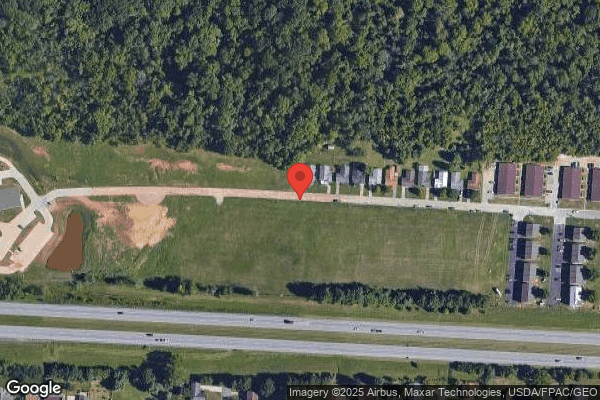
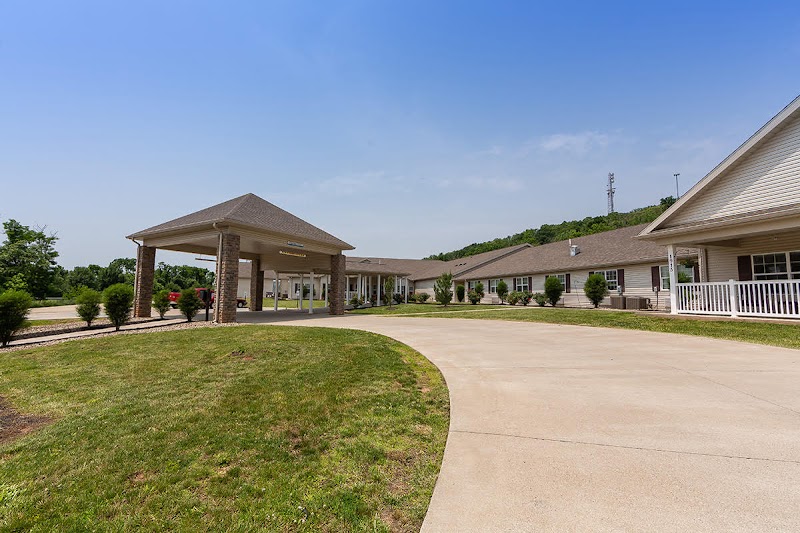
1915 HILL STREET, BELPRE, OH 45714 (740) 350-9095
For profit - Corporation 62 Beds CONTINUING HEALTHCARE SOLUTIONS Data: November 2025
Trust Grade
50/100
#621 of 913 in OH
Last Inspection: January 2025

Within standard 12-15 month inspection cycle. Federal law requires annual inspections.

Overview

Belpre Landing Nursing and Rehabilitation has a Trust Grade of C, which means it is average and positioned in the middle of the pack compared to other facilities. It ranks #621 out of 913 in Ohio, placing it in the bottom half of the state, and #4 out of 6 in Washington County, indicating only one local option is better. The facility is improving, having reduced its issues from 16 in 2024 to 14 in 2025. Staffing is a concern with a low rating of 1 out of 5 stars and a turnover rate of 52%, which is close to the state average. Specific incidents reported include a failure to hold required quarterly quality improvement meetings, a lack of proper enhanced barrier precautions for a resident with serious health issues, and unsanitary conditions in the kitchen, all of which indicate areas that need attention despite the facility having no fines on record. Overall, while there are strengths in the quality measures and the absence of fines, the staffing issues and specific operational deficiencies suggest families should carefully consider these factors.

Trust Score
C
50/100
In Ohio
#621/913
Bottom 32%
Safety Record
Low Risk
No red flags
Inspections
Getting Better
16 → 14 violations
Staff Stability
⚠ Watch
52% turnover. Above average. Higher turnover means staff may not know residents' routines.
Penalties
✓ Good
No fines on record. Clean compliance history, better than most Ohio facilities.
Skilled Nurses
⚠ Watch
Each resident gets only 29 minutes of Registered Nurse (RN) attention daily — below average for Ohio. Fewer RN minutes means fewer trained eyes watching for problems.
Violations
⚠ Watch
40 deficiencies on record. Higher than average. Multiple issues found across inspections.
★★☆☆☆
2.0
Overall Rating
★☆☆☆☆
1.0
Staff Levels
★★★★★
5.0
Care Quality
★★☆☆☆
2.0
Inspection Score
Stable
2024: 16 issues
2025: 14 issues

The Good

  • 5-Star Quality Measures · Strong clinical quality outcomes
  • Full Sprinkler Coverage · Fire safety systems throughout facility
  • No fines on record

Facility shows strength in quality measures, fire safety.

The Bad

2-Star Overall Rating

Below Ohio average (3.2)

Below average - review inspection findings carefully

Staff Turnover: 52%

Near Ohio avg (46%)

Higher turnover may affect care consistency

Chain: CONTINUING HEALTHCARE SOLUTIONS

Part of a multi-facility chain

Ask about local staffing decisions and management

The Ugly 40 deficiencies on record

Jan 2025 14 deficiencies
CONCERN (D)

Potential for Harm - no one hurt, but risky conditions existed

Assessment Accuracy (Tag F0641)

Could have caused harm · This affected 1 resident

**NOTE- TERMS IN BRACKETS HAVE BEEN EDITED TO PROTECT CONFIDENTIALITY** Based on medical record review and staff interview, the facility failed accurately reflect Resident #14's significant change, in...

Read full inspector narrative →
**NOTE- TERMS IN BRACKETS HAVE BEEN EDITED TO PROTECT CONFIDENTIALITY** Based on medical record review and staff interview, the facility failed accurately reflect Resident #14's significant change, including hospice, in the comprehensive significant change in condition assessment. This affected one resident, (Resident #14) of one resident reviewed for Hospice care. The facility census was 52. Findings include: Review of the medical record for Resident #14 revealed an admission date of 02/26/23 with diagnoses including chronic kidney disease stage three, cerebral infarction, chronic obstructive pulmonary disorder, atherosclerotic heart disease, cardiomegaly, atrial fibrillation, dementia and peripheral venous insufficiency. Review of physician orders revealed an order dated 12/12/24 to admit Resident #14 to Buckeye Hospice care on 12/11/24. Review of the significant change Minimum Data Set (MDS) assessment opened 12/11/24 and signed on 12/16/24 revealed Resident #14 was cognitively intact. Resident #14 had a decline in bed mobility and eating assistance. The assessment did not indicate Resident #14 had a life expectancy of less than six months and did not indicate Resident #14 was receiving hospice services. Review of the nursing progress notes from 09/01/24 through 12/31/24 revealed no documentation of Resident #14 admission to hospice services. Review of hospice provider folder for Resident #14 revealed an admission date of 12/11/24 related to diagnosis of chronic kidney disease and hypertensive heart disease. The folder contained nursing and Certified Nurse Aide (CNA) visits and documentation. Review of the plan of care dated 12/13/24 revealed Resident #14 received hospice care and services related to chronic kidney disease, and hypertensive heart disease. The goal to receive palliative measures to provide comfort care and emotional support for pain, nausea, vomiting, shortness of breath and diarrhea through the review date. The interventions included receiving hospice services as ordered, monitoring the resident for breakthrough pain, inspecting skin during care, assisting with the grieving process, contacting hospice for changes in condition, medications as ordered, and hospice to collaborate care with facility staff. Interview on 12/31/24 at 3:04 P.M. with MDS Nurse #604 revealed Resident #14 had a significant change MDS dated [DATE] related to a decline in two areas of activities of daily living. MDS Nurse #604 confirmed the assessment did not address hospice care and that hospice care would require a significant change. MDS Nurse #604 confirmed there was not an MDS completed for Resident #14 related to hospice care and services.
CONCERN (D)

Potential for Harm - no one hurt, but risky conditions existed

PASARR Coordination (Tag F0644)

Could have caused harm · This affected 1 resident

**NOTE- TERMS IN BRACKETS HAVE BEEN EDITED TO PROTECT CONFIDENTIALITY** Based on medical record review, staff interview and facility policy review, the facility failed to complete a new Pre-admission ...

Read full inspector narrative →
**NOTE- TERMS IN BRACKETS HAVE BEEN EDITED TO PROTECT CONFIDENTIALITY** Based on medical record review, staff interview and facility policy review, the facility failed to complete a new Pre-admission Screening and Resident Review (PASARR) assessment for Resident #6 with a new diagnosis. The facility also failed to ensure the admission PASARR for Resident #37 was accurate. This affected two residents (#6 and #37) of three residents reviewed for PASARR completion. The facility census was 52. Findings include: 1. Review of the medical record for Resident #6 revealed an admission date of 11/01/23 with diagnoses including traumatic brain injury, schizoaffective disorder and dissociative conversion disorder. Review of the plan of care initiated on 12/12/23 revealed Resident #6 had a behavior problem related to belief in delusions that staff was abusive towards the resident, visual and auditory hallucinations and calling 911 (emergency). The goal stated Resident #6 would be free from behaviors by the review date of 02/11/25. The interventions included to administer medications as ordered, monitor for effectiveness of medication and potential side effects, intervene and redirect the resident as needed, monitor and assess for behaviors, document and notify physician of increased behaviors, provide a calm and relaxing environment, refer to psych as needed and see staff psychologist as needed. Review of Resident #6 most recent PASARR dated 01/16/24 revealed the resident diagnoses included schizophrenia, panic disorder, depression and insomnia. Resident #6 was prescribed antipsychotic, antidepressant and antianxiety medications. Review of the plan of care initiated on 01/23/24 revealed Resident #6 had an alteration in mood with anxiety related to repetitive anxious complaints and or concerns, sad anxious appearance and unrealistic fears and anxiety. The goal stated Resident #6 would be able to verbalize positive aspects of daily life through review date of 02/11/25 and would exhibit the ability to express anxiety in a calm manner through review date of 02/11/25. The interventions included one on one meetings as needed, medications as ordered by physician and refer to counseling/psychiatry as needed. Review of the diagnoses list of Resident #6 revealed a new diagnosis of dissociative conversion disorder was added on 09/30/24. Interview on 12/31/24 at 3:49 P.M. with Director of Nursing (DON) #591 confirmed the most recent PASARR was dated 01/16/24, and the facility did not complete a new PASARR with the new diagnosis of disassociate conversion disorder added on 09/30/24. 2. Review of Resident #37's medical record revealed she was admitted to the facility on [DATE]. Her diagnoses upon admission included unspecified dementia. Review of Resident #37's PASARR Identification Screen completed on 11/19/24 revealed the pre-admission screening (PAS) was completed as an out of State PAS. The PAS was completed by a social worker from a local hospital, prior to the resident's admission to the facility on [DATE]. Section (D.) of the PAS was to indicate what medical diagnoses the resident was known to have. Section (D.) (1.) asked if the individual had a diagnosis of dementia. The social worker from the local hospital indicated that the resident did not by checking the box no. As a result of that PAS, it was determined that the resident did not have any indications of serious mental illness and/or developmental disability, with an effective date of 11/19/24. Further review of Resident #37's medical record revealed it was absent for any additional PASARR's completed for the resident since her admission to the facility on [DATE]. Findings were verified by Admissions Director #541. On 01/20/25 at 11:35 A.M., an interview with Admissions Director #541 revealed it was her responsibility to review PASARR's for all residents that had been completed prior to their admission into the facility. Part of her review was to ensure the PASARR had been completed accurately. After reviewing the PASARR, she uploaded a copy of them into the computer under each resident's electronic medical record. She tried the best she could to check them for accuracy, but did not always catch them when they were filled out incorrectly. They have been having issues with the hospital social workers not completing them accurately. She questioned if it would just be easier if she completed a new one every time a resident was admitted , due to the issues they have been having. After the initial PASARR was completed, checked, and uploaded, it would be the responsibility of the facility's social worker to complete new PASARR's with any significant change or added mental illness diagnoses. She confirmed Resident #37's PASARR completed on 11/19/24 was not completed accurately, as it did not identify the resident as having dementia. She verified dementia was part of the resident's diagnoses that were present upon her admission. She further confirmed she should have completed a new PASARR for the resident, if it was noted that the resident's PASARR was not completed accurately. She acknowledged she did not catch that the PASARR was not accurate, as it did not indicate the resident had a diagnosis of dementia. Review of the facility's policy on PASARR's updated 01/01/19 revealed the purpose of the policy was to assure that all admissions to the nursing facility were screened for indications of serious mental illness or developmental disabilities in effort to prevent inappropriate admissions to the nursing facility. The protocol included a Level I screen to be completed by the hospital discharge planners through the Healthcare Electronic Notification System ([NAME]) system. The admission Director of the facility or designee should verify the Level I screen was completed through [NAME], prior to admission. The policy was not specific to having the admission Director ensure accuracy of the PASARR that had been completed prior to the resident's admission.
CONCERN (D)

Potential for Harm - no one hurt, but risky conditions existed

Deficiency F0646 (Tag F0646)

Could have caused harm · This affected 1 resident

Based on medical record review, staff interview and facility policy review, the facility failed to notify the mental health authority by completing a resident Pre-admission Screening and Resident Revi...

Read full inspector narrative →
Based on medical record review, staff interview and facility policy review, the facility failed to notify the mental health authority by completing a resident Pre-admission Screening and Resident Review (PASARR)Level II assessment for Resident #6 with a new diagnosis. This affected one resident (#6) of three residents reviewed for PASARR. The facility census was 52. Findings include: Review of the medical record for Resident #6 revealed an admission date of 11/01/23 with diagnoses including traumatic brain injury, schizoaffective disorder and dissociative conversion disorder. Review of the plan of care initiated on 12/12/23 revealed Resident #6 had a behavior problem related to belief in delusions that staff was abusive towards the resident, visual and auditory hallucinations and calling 911 (emergency). The goal stated Resident #6 would be free from behaviors by the review date of 02/11/25. The interventions included to administer medications as ordered, monitor for effectiveness of medication and potential side effects, intervene and redirect the resident as needed, monitor and assess for behaviors, document and notify physician of increased behaviors, provide a calm and relaxing environment, refer to psych as needed and see staff psychologist as needed. Review of Resident #6's most recent PASARR and Level II dated 01/16/24 revealed the resident diagnoses included schizophrenia, panic disorder, depression and insomnia. Resident #6 was prescribed antipsychotic, antidepressant, and antianxiety medications. Resident #6 did not require level II services. Review of the plan of care initiated on 01/23/24 revealed Resident #6 had an alteration in mood with anxiety related to repetitive anxious complaints and or concerns, sad anxious appearance and unrealistic fears and anxiety. The goal stated Resident #6 would be able to verbalize positive aspects of daily life through review date of 02/11/25 and would exhibit the ability to express anxiety in a calm manner through review date of 02/11/25. The interventions included one on one meetings as needed, medications as ordered by physician and refer to counseling/psychiatry as needed. Review of the diagnoses list of Resident #6 revealed a new diagnosis of dissociative conversion disorder was added on 09/30/24. Interview on 12/31/24 at 3:49 P.M. with Director of Nursing (DON) #591 confirmed the most recent PASARR was dated 01/16/24, the facility did not complete a new PASARR with new diagnosis of disassociate conversion disorder added on 09/30/24 or submit a Level II to the mental health authority.
CONCERN (D)

Potential for Harm - no one hurt, but risky conditions existed

Deficiency F0655 (Tag F0655)

Could have caused harm · This affected 1 resident

**NOTE- TERMS IN BRACKETS HAVE BEEN EDITED TO PROTECT CONFIDENTIALITY** Based on record review and interviews, the facility failed ensure Residents #4, #19, and #36 or their representatives were provi...

Read full inspector narrative →
**NOTE- TERMS IN BRACKETS HAVE BEEN EDITED TO PROTECT CONFIDENTIALITY** Based on record review and interviews, the facility failed ensure Residents #4, #19, and #36 or their representatives were provided with a copy of their baseline care plan. This affected three residents (#4, #19, #36) of three residents reviewed for baseline care plans. The facility census was 52. Findings include: 1. Record review revealed Resident #4 admitted to the facility on [DATE] with diagnoses including venous insufficiency, hypertension, and gastro-esophageal reflux disease. Review of a Minimum Data Set (MDS) assessment dated [DATE] revealed Resident #4's cognition remained intact, and she had no behaviors. Review of the medical record revealed no documented evidence of a new admission care conference being completed within 48 hours of admission. Review of typed notes dated 06/11/24, 09/15/24, and 12/15/24, and signed by Social Services Director (SSD) #568 revealed a quarterly care conference was held but did not include a list of who was present for the meeting and if a copy of the care plan was offered to Resident #4. Interview on 01/02/25 at 7:46 A.M. with SSD #568 confirmed Resident #4 did not have a new admission care conference completed within 48 hours of her admission to the facility because the facility previously had an assisted unit, and Resident #4 admitted to the skilled nursing facility when the assisted living closed. SSD #568 confirmed there was no sign-in sheet or list of those in attendance at the care conferences or documented evidence if a copy of the care plan was given to the resident or the resident's representative. 2. Record review revealed Resident #19 admitted to the facility on [DATE] with diagnoses including malignant neoplasm of stomach and esophagus, muscle wasting and atrophy, and hypertension. Review of a Multidisciplinary Care Conference assessment dated [DATE] revealed a care conference was held with Resident #19's family, a social worker, and a physical therapist. There was no documented evidence Resident #19 was invited to the care conference or received a copy of the baseline care plan. Review of a MDS assessment completed 11/27/24 revealed Resident #19's cognition remained intact, and he had no behaviors. Interview on 12/30/24 at 9:46 A.M. with Resident #19 revealed he had not been invited to a care conference since his admission to the facility. Interview on 01/02/25 at 7:46 A.M. with SSD #568 confirmed Resident #19 was not at the care conference and the only attendees included Resident #19's family, a social worker, and a physical therapist. SSD #568 confirmed a full interdisciplinary team should have been in attendance for care conferences. SSD #568 confirmed there was no documented evidence Resident #19 received a copy of his baseline care plan. 3. Record review revealed Resident #36 admitted on [DATE] with diagnoses including displaced intertrochanteric fracture of left femur, muscle wasting and atrophy, chronic kidney disease stage three, and hypertension. Review of an assessment titled CHS Multidisciplinary Care Conference dated 11/21/24 revealed the assessment was completely blank with no documented evidence of an initial care conference being completed and/or a copy of the baseline care plan being given to the resident or the resident's representative. Review of progress notes from 11/20/24 through 11/23/24 revealed no documented evidence Resident #36 or her representative received a copy of her baseline care plan. Review of an MDS completed 12/02/24 revealed Resident #36's cognition remained intact, and she had no behaviors. A printed copy of the incomplete care conference dated 11/21/24 was requested on 12/31/24 at approximately 4:30 P.M. Review of a printed copy of the CHS Multidisciplinary Care Conference assessment dated [DATE] revealed the assessment had been completed and locked on 12/31/24. Interview on 01/02/24 at 7:46 A.M. with SSD #568 confirmed an admission care conference was not completed within 48 hours of Resident #36's admission and there was no documented evidence Resident #36 or her representative received a copy of her baseline care plan. SSD #568 confirmed the care conference assessment was started on 11/21/24 but it was not completed until 12/31/24. SSD #568 confirmed only social services and physical therapy were present for the care conference.
CONCERN (D)

Potential for Harm - no one hurt, but risky conditions existed

ADL Care (Tag F0677)

Could have caused harm · This affected 1 resident

**NOTE- TERMS IN BRACKETS HAVE BEEN EDITED TO PROTECT CONFIDENTIALITY** 3. Record review revealed Resident #19 admitted to the facility on [DATE] with diagnoses including malignant neoplasm of stomach...

Read full inspector narrative →
**NOTE- TERMS IN BRACKETS HAVE BEEN EDITED TO PROTECT CONFIDENTIALITY** 3. Record review revealed Resident #19 admitted to the facility on [DATE] with diagnoses including malignant neoplasm of stomach and esophagus, muscle wasting and atrophy, and hypertension. Review of a MDS assessment completed 11/27/24 revealed Resident #19's cognition remained intact, and he had no behaviors. Interview on 12/30/24 at 9:42 A.M. with Resident #19 revealed he asks for showers but never gets them unless a certain aide is working. Review of EMR for showers and shower sheets from 12/02/24 through 12/30/24 revealed three scheduled showers were missed on 12/04/24, 12/20/24, and 12/25/24. Interview on 01/08/25 at 9:59 A.M. with LPN #557 confirmed three showers were missing for Resident #19. Based on record review, resident interview, staff interview, and policy review, the facility failed to ensure residents, who were dependent on staff for personal care, received the assistance needed to shower/ bathe when they were scheduled to receive them. This affected three (Resident #19, #147, and #149) of four residents reviewed for activities of daily living (ADL). The facility census was 52. Findings include: 1. Review of Resident #147's medical record revealed the resident admitted to the facility on [DATE] with diagnoses including encounter for orthopedic aftercare following surgical amputation, idiopathic aseptic necrosis of right toes, acquired absence of other right toes, atherosclerosis of native arteries of extremities with rest pain right leg, pancreas transplant status, kidney transplant status, muscle weakness, Type I (juvenile onset) diabetes mellitus, neuromuscular dysfunction of the bladder, chronic kidney disease (CKD)- stage three, atrial flutter, hypertension (HTN), epilepsy, and presence of a cardiac pacemaker. Review of Resident #147's admission Minimum Data Set (MDS) assessment dated [DATE] revealed the resident did not have any communication issues and was cognitively intact. She did not display any behaviors or reject care during the seven days of the assessment period. The resident indicated it was somewhat important for her to choose between a tub bath, shower, bed bath, or sponge bath. It did not ask her preference on how many times a week she wanted to receive the bathing activity of her choice. She did not have any functional limitations in her range of motion (ROM). The ability to shower/ bathe self was coded as being not applicable. Review of Resident #147's care plans revealed she required assistance with ADL related to debility, pain, weakness, and status post amputation of her right toes. The goal was for her to remain well-groomed and free of odors at all times. The interventions included applying a post-op shoe when out of bed, staff to adjust care as needed to meet the resident's needs, staff to encourage the resident to participate in ADL during care, staff would assist as needed with daily hygiene, and staff would assist with showering residents as per facility policy weekly. Review of Resident #147's physician's orders revealed she was to wear her post-op shoe when out of bed and non-weight bearing to the right lower extremity. There were no physician's orders that restricted her ability to take a shower or bath. Review of Resident #147's shower/ bath documentation under the task tab of the electronic medical record (EMR) revealed the resident was to receive showers/ baths every Tuesday, Thursday, and Saturday. The documentation from the time of 12/10/24 (date of admission) through 12/31/24 revealed out of the nine opportunities, in which a shower/ bath should have been given on her scheduled shower/ bath days, the resident was indicated to have only received three bathing activities occurring on 12/19/24, 12/24/24, and 12/26/24. It did not specify the type of bathing activity that was provided, as it only specified the level of assistance provided to complete that task. She was marked as being a substantial/ maximum assist on 12/19/24 and was marked as being dependent on staff for her bathing activity on 12/24/24 and 12/26/24. No bathing activities were documented as having been provided on 12/12/24, 12/14/24, 12/17/24, 12/21/24, 12/28/24, or on 12/31/24, which all were her scheduled shower days. On 12/30/24 at 1:32 P.M., an interview with Resident #147 revealed she only got a shower or bed bath once a week, usually on Sundays. She reported it would have been her preference to receive at least two a week. On 01/06/24 at 11:09 A.M., an email was sent to the facility's Director of Nursing (DON) to ask her to provide any additional documentation they may have that provided documented evidence of the resident having received a bathing activity for the missing dates above. She provided paper shower sheets that documented a bed bath had been provided to Resident #147 on 12/12/24 and 12/14/24. There was no additional documentation to show a bed bath or a shower had been provided to the resident on 12/17/24, 12/21/24, 12/28/24, or 12/31/24, which were all on her scheduled shower/ bath days. 2. Review of Resident #149's medical record revealed she was admitted to the facility on [DATE] with diagnoses including an encounter for orthopedic aftercare, acute post procedural pain, abnormalities of gait and mobility, need for assistance with personal care, type II (adult-onset diabetes mellitus) with diabetic neuropathy, morbid obesity, anxiety disorder, fibromyalgia, and low back pain. Review of Resident #149's admission MDS dated [DATE] revealed the resident did not have any communication issues and was cognitively intact. She was not known to display any behaviors or reject care during the seven days of the assessment period. She did not have any functional limitations in her ROM. She required a partial to moderate assist for showers/ bathing. Review of Resident #149's care plans revealed she had a care plan in place for requiring assistance with ADL related to debility, pain, and weakness. Her goal was to remain well groomed and free of odors at all times and to participate as able in ADL self-care. The interventions included the resident requiring setup and/or clean-up assistance with personal hygiene and showering, resident was totally dependent and did not participate in any aspect of the task for lower body dressing, putting on/taking off footwear, staff would assist as needed with daily hygiene and would assist with showering residents as per facility policy weekly. Review of Resident #149's physician's orders revealed the resident was to be non-weight bearing to her left lower extremity. Her physician's orders did not include any restrictions for the resident to be showered. Review of Resident #149's shower documentation under the task tab of the EMR revealed the resident was to shower/ bathe every Monday, Wednesday, and Friday. It did not specify the time of day at which the shower or bath was to be provided. Review of the resident's documented showers/ baths from 12/20/24 (date of admission) through 01/05/25 revealed the resident was only documented as having received a shower or bath on 12/25/24 and again on 01/01/25. It only documented the level of assistance the resident was provided when a shower or bath was documented and did not indicate if a shower or a complete bed bath had been given on those days. The resident was indicated to have refused a shower/ bath when it was offered on 12/20/24 and again on 12/30/24. There was no evidence of any shower or bath having been provided or refused on 12/23/24 or on 12/27/24, which were her scheduled days. On 12/30/24 at 10:11 A.M., an interview with Resident #149 revealed she had not been provided a shower in the past week since she had been admitted to the facility. She reported it was her preference to be given a shower as the bathing activity of her choice. On 01/02/24 at 9:00 A.M., Licensed Practical Nurse (LPN) #557 was asked to provide any paper shower sheets the facility might have had of any bathing activities provided to Resident #149 since her admission into the facility on [DATE]. The facility's DON had made it known that showers/ baths were documented under the task tab of the EMR or on paper shower sheets. He provided a copy of a paper shower sheet for 12/24/24 that indicated a shower/ bath had been offered on that date and refused by the resident. A second shower/ bath sheet had been provided for the date of 12/25/24 or 12/27/24. It was not clear what the date was as someone had written a 7 over top of the 5 making the date unclear. It did show that a bed bath had been given on one of those two days. The task tab of the EMR indicated set up or clean up assistance was provided to the resident on 12/25/24, which coincided with the original date on the paper shower/ bath sheet that was provided that had a 7 transcribed over top of the 5 on the date of 12/25/24. No assistance level was documented as having been provided on 12/27/24, under the task tab of the EMR. On 01/02/25 at 12:02 P.M., a follow-up interview with Resident #149 revealed again it was her preference to be given a shower on her scheduled shower days, instead of a bed bath. She denied that she had ever refused any showers that had been offered to her. She confirmed there was one day last week in which she was given a bed bath. She denied that a shower had been offered, when the bed bath had been given. She recalled a conversation she had with an aide about her having stitches on her left foot. The aide then went and got a wash basin to give her a bed bath. When the aide returned, the resident stated she made the comment no shower and the aide replied, nope bed bath. She denied the aide had checked with the nurse to see if a shower could be given. She preferred showers over bed baths so she could get her hair washed. She did not understand why they just could not wrap her foot in a plastic bag during a shower to keep it dry. She had been out for a follow-up appointment with the surgeon. She denied that they said anything about her not being able to receive a shower. On 01/02/25 at 1:50 P.M., an interview with Certified Nursing Assistant (CNA) #507 revealed she was somewhat familiar with Resident #149 and had taken care of her two or three times since the resident had been there. She reported that the resident did require assistance with ADL due to her legs. She was asked what type of bathing activity the resident was receiving on her scheduled days. She indicated with the resident's foot; she would think they were probably doing a bed bath with her. One of her feet had a brace on it and could not bear weight and the other had a callous on it. She went out today and had some of her callous removed. She denied that she had given the resident a shower during the two or three days she worked with her. She denied the resident had ever refused any care that she offered to her and was happy when the staff went into her room to help her. On 01/02/25 at 1:55 P.M., an interview with LPN #527 revealed Resident #149 required a one-person assist with transfers and personal care. She had surgical wounds on her foot that had dressing changes done daily. She was asked if the resident was being given showers or bed baths as her bathing activity. She started, with her foot, she imagined the resident was receiving a bed bath. She reported that was not what the resident preferred, as she assumed the resident would have wanted showers like most people do. She confirmed the resident did not have any orders from the physician or the surgeon that restricted her from receiving showers. She also confirmed they had used plastic bags for other residents with wounds to wrap an extremity allowing them to receive showers, without getting their wounds wet. She stated she would clarify with the physician or surgeon to see if it was okay for the resident to be showered as per her preference. She confirmed the shower documentation that had been provided or that was available in the computer indicated the resident had refused a bath or shower when offered on 12/30/24. She acknowledged the resident denied that she had been offered a bed bath or a shower that day when she was marked as having refused. They did not have any documentation of the resident being given a bed bath or a shower on 12/23/24 or 12/27/24, which were both her scheduled shower/ bath day. Review of the facility's undated policy on Personal Care/ Bathing revealed the residents of the facility would receive personal care in the facility according to the resident's plan of care to promote dignity, cleanliness, and general well-being. A shower, bath, or tub would be offered to the resident twice a week, as needed, and as often as the resident would like per their request. Residents with deeper breaks in the skin integrity such as incisions, would be offered a shower and not a tub bath to prevent the risk of infection. Bed baths were to be offered to residents on the other days that a shower or tub bath was not scheduled and/ or as often as the resident would like.
CONCERN (D)

Potential for Harm - no one hurt, but risky conditions existed

Deficiency F0679 (Tag F0679)

Could have caused harm · This affected 1 resident

**NOTE- TERMS IN BRACKETS HAVE BEEN EDITED TO PROTECT CONFIDENTIALITY** Based record review, observations, and interviews, the facility failed to ensure Residents #4 and #19 were invited to participat...

Read full inspector narrative →
**NOTE- TERMS IN BRACKETS HAVE BEEN EDITED TO PROTECT CONFIDENTIALITY** Based record review, observations, and interviews, the facility failed to ensure Residents #4 and #19 were invited to participate in activities. This affected two residents (#4 and #19) of two residents reviewed for activities. The facility census was 52. Findings include: 1. Record review revealed Resident #4 admitted to the facility on [DATE] with diagnoses including venous insufficiency, hypertension, and gastro-esophageal reflux disease. Review of a care plan dated 03/16/24 revealed Resident #4 had an alteration in activity participation related to preferring independent activities and she preferred music, playing piano, reading, animals, and word puzzles. Review of a Minimum Data Set (MDS) assessment dated [DATE] revealed Resident #4's cognition remained intact, and she had no behaviors. Interview on 12/30/24 at 3:32 P.M. with Resident #4 revealed she did not participate in activities or do anything other than lay in her bed. Interview on 12/31/24 at 1:10 P.M. with Certified Nurse Assistant (CNA) #503 revealed some residents do get invited to activities, but some do not. CNA #503 stated she does not see activities being offered on the hall she works. CNA #503 stated Resident #4 does nothing all day but lay in her bed except talk to nursing staff when they go to check on her. CNA #503 stated Resident #4 had not been out of her been in six to seven months due to the Hoyer lift and chair hurting her leg. CNA #503 stated in room activities were not offered on the hall she worked. Review of the Activity Participation Log for December 2024 revealed Resident #4 had no activities listed for 12/01/24, 12/02/24,12/12/24, 12/13/24, 12/14/24, 12/16/24, 12/17/24, 12/18/24, 12/19/24, 12/20/24, 12/23/24, 12/25/24, and 12/28/24. Interview on 12/31/24 at 3:13 P.M. with Activity Director (AD) #566 revealed residents are invited to activities by staff going room to room to inform them of activities each day, and they try to offer activities two to three times per day. AD #566 stated for residents who do not want group activities, materials were provided based on resident interest, such as word searches, crosswords, cards, and conversations. AD #566 confirmed there was missing documentation on the activity log, but stated they were struggling with staffing, so she was often busy providing the activities and completing documentation. AD #566 stated she had written down the activity participation on another document but did not have time to log it yet. AD #566 stated she would provide an updated log. Review of the updated activity log for December 2024 revealed no documentation for Resident #4 for 12/01/24 or 12/28/24. 2. Record review revealed Resident #19 admitted to the facility on [DATE] with diagnoses including malignant neoplasm of stomach and esophagus, muscle wasting and atrophy, and hypertension. Review of a MDS assessment completed 11/27/24 revealed Resident #19's cognition remained intact, and he had no behaviors. Review of a care plan dated 11/27/24 revealed Resident #19 had an alteration in activity participation related to preferring independent activities. Interview on 12/30/24 at 9:43 A.M. with Resident #19 revealed he does not ever get invited to activities, and all he does is sit in his room. Interview on 12/31/24 at 1:10 P.M. with CNA #503 revealed some residents do get invited to activities and some do not. CNA #503 stated she does not see activities being offered on the hall she works. CNA #503 stated Resident #19 did not go to activities and in-room activities were not offered. Review of the Activity Participation Log for December 2024 revealed there was no documentation of Resident #19 having activities from 12/01/24 through 12/03/24, 12/12/24 through 12/20/24, or on 12/28/24. Interview on 12/31/24 at 3:13 P.M. with AD #566 revealed residents are invited to activities by staff going room to room to inform them of activities each day, and they try to offer activities two to three times per day. AD #566 stated for residents who do not want group activities, materials were provided based on resident interest, such as word searches, crosswords, cards, and conversations. AD #566 confirmed there was missing documentation on the activity log, but stated they were struggling with staffing, so she was often busy providing the activities and completing documentation. AD #566 stated she had written down the activity participation on another document but did not have time to log it yet. AD #566 stated she would provide an updated log. An updated log was provided on 01/08/25 and it revealed no activities were completed for Resident #19 on 12/20/24 or 12/28/24. Interview on 01/08/25 at 9:59 A.M. with Licensed Practical Nurse (LPN) #557 confirmed there were holes in the activity documentation.
CONCERN (D)

Potential for Harm - no one hurt, but risky conditions existed

Incontinence Care (Tag F0690)

Could have caused harm · This affected 1 resident

**NOTE- TERMS IN BRACKETS HAVE BEEN EDITED TO PROTECT CONFIDENTIALITY** Based on record review, interview and facility policy review, the facility failed to address signs and symptoms of a urinary tra...

Read full inspector narrative →
**NOTE- TERMS IN BRACKETS HAVE BEEN EDITED TO PROTECT CONFIDENTIALITY** Based on record review, interview and facility policy review, the facility failed to address signs and symptoms of a urinary tract infection (UTI) in a timely manner for Resident #36. This affected one resident (#36) of one resident reviewed for UTIs. The facility census was 52. Findings include: Record review revealed Resident #36 admitted to the facility on [DATE] with diagnoses including displaced intertrochanteric fracture of left femur, difficulty in walking, muscle wasting and atrophy, and hypertension. Review of a care plan completed on 11/21/24 revealed Resident #36 had an alteration in elimination related to indwelling Foley catheter with an intervention to monitor for signs and symptoms of a UTI such as elevated temperature, dysuria, flank pain, hematuria, foul smelling urine and report to provider to seek diagnosis and treatment. Review of a Minimum Data Set (MDS) assessment completed on 12/02/24 revealed Resident #36's cognition remained intact, no behaviors, required setup or clean-up help for toileting, and was occasionally incontinent of bladder. Review of an orthopedic consult dated 12/04/24 revealed Resident #36 reported urinary incontinence and dysuria ongoing for over one week. A recommendation was given to the facility for staff to order a urinalysis related to urinary symptoms. Review of a nursing note dated 12/04/24 revealed Resident #36 returned from her orthopedic appointment and had reported dysuria and urinary incontinence with a recommendation for a urinalysis to rule out a UTI. Review of a nursing note dated 12/05/24 revealed a new order was received for Resident #36 to have a urinalysis with culture and sensitivity related to dysuria. Review of a urinalysis for Resident #36 revealed the urine was collected on 12/06/24 and the results were reported to the facility on [DATE] revealing the resident had a UTI with Escherichia coli (E. coli). Review of a Medication Administration Record (MAR) for December 2024 revealed a new order was given for Resident #36 on 12/09/24 for Cipro (an antibiotic) tablet 500 milligrams (mg) by mouth two times a day for UTI until 12/16/24. Further review of the MAR revealed Resident #36 did not receive the first dose of cipro until 12/10/24. Review of a document titled Inventory Summary revealed the facility keeps Cipro 500 mg tablets in their Pyxis (automated medication dispensing system). Interview on 12/30/24 at 1:54 P.M. with Resident #36 revealed she told the staff for approximately two weeks she had a UTI because she was having symptoms of frequent urination, burning, and odorous urine. Resident #36 stated when she went to her follow-up orthopedic appointment, she asked her physician to help get a urinalysis completed due to the facility staff not listening to her. Interview on 12/31/24 at 1:10 P.M. with Certified Nursing Assistant (CNA) #503 revealed Resident #36 carried on for about two weeks with complaints of having a UTI due to having pressure and burning with urination and the odor was bad. CNA #503 stated Resident #36 is a retired nurse and would know the signs. CNA #503 stated she reported this multiple times to the nurses on her hall with no success in getting antibiotics for two weeks. Interview on 12/31/24 at 2:14 P.M. with Director of Nursing (DON) confirmed the urinalysis was completed on 12/06/24 with results being reported on 12/08/24, an order for antibiotics on 12/09/24 that were not started until 12/10/24. Interview on 01/08/25 at 9:59 A.M. with Licensed Practical Nurse (LPN) #557 revealed if someone was complaining about signs or symptoms of a UTI, staff should contact the provider to get orders for a urinalysis and treatment. LPN #557 stated the facility did interview several nurses with all of them denying they were aware of Resident #36's symptoms. Review of an undated policy titled Status Change in Resident Condition- Notification revealed the facility will promptly notify the resident, their provider, and the responsible party of change in resident's condition.
CONCERN (D)

Potential for Harm - no one hurt, but risky conditions existed

Respiratory Care (Tag F0695)

Could have caused harm · This affected 1 resident

**NOTE- TERMS IN BRACKETS HAVE BEEN EDITED TO PROTECT CONFIDENTIALITY** Based on record review, observations, interview and policy review, the facility failed to ensure Resident #4's oxygen tubing was...

Read full inspector narrative →
**NOTE- TERMS IN BRACKETS HAVE BEEN EDITED TO PROTECT CONFIDENTIALITY** Based on record review, observations, interview and policy review, the facility failed to ensure Resident #4's oxygen tubing was changed once per week as ordered by the physician. This affected one resident (#4) of two residents reviewed for respiratory services. The facility census was 52. Findings include: Record review revealed Resident #4 admitted to the facility on [DATE] with diagnoses including venous insufficiency, hypertension, and gastro-esophageal reflux disease. Review of a medication administrator record from December 2024 revealed Resident #4 had orders in place for oxygen at two liter per minute continuously via nasal canula as resident will allow (09/29/24), change oxygen tubing every week and as needed on Wednesdays (09/29/24), and change aerosol nebulizer set-up every week on Wednesday and as needed (09/29/24). Review of a Minimum Data Set (MDS) assessment dated [DATE] revealed Resident #4's cognition remained intact, and she had no behaviors. Observation on 12/30/24 at 3:28 P.M. revealed Resident #4's oxygen and nebulizer tubing were last changed on 12/18/24. Observation on 12/31/24 at 9:48 A.M. revealed Resident #4's oxygen and nebulizer tubing were still dated for 12/18/24. Interview on 12/31/24 at 9:50 A.M. with Certified Nursing Assistant (CNA) #503 confirmed Resident #4's oxygen and nebulizer tubing were dated for 12/18/24. Interview on 12/31/24 at 9:55 A.M. with Licensed Practical Nurse (LPN) #522 confirmed Resident #4's oxygen and nebulizer tubing should be changed weekly and should have been changed on 12/25/24. Review of an undated policy titled Nasal Cannula revealed the nasal cannula is recommended to be changed weekly and as needed.
CONCERN (D)

Potential for Harm - no one hurt, but risky conditions existed

Deficiency F0697 (Tag F0697)

Could have caused harm · This affected 1 resident

**NOTE- TERMS IN BRACKETS HAVE BEEN EDITED TO PROTECT CONFIDENTIALITY** Based on record review, interview and facility policy review, the facility failed to address signs and symptoms of pain Resident...

Read full inspector narrative →
**NOTE- TERMS IN BRACKETS HAVE BEEN EDITED TO PROTECT CONFIDENTIALITY** Based on record review, interview and facility policy review, the facility failed to address signs and symptoms of pain Resident #36 in a timely manner. This affected one resident (#36) of one resident reviewed for pain. The facility census was 52. Findings include: Record review revealed Resident #36 admitted to the facility on [DATE] with diagnoses including displaced intertrochanteric fracture of left femur, difficulty in walking, muscle wasting and atrophy, and hypertension. Review of a care plan dated 11/21/24 revealed Resident #36 was at risk for an alteration in comfort related to generalized pain, gout, rheumatoid arthritis, and left femur fracture post-surgical repair. Interventions included, but were not limited to, medications as ordered to manage pain, monitor for increased levels of pain, and monitor for effectiveness of interventions. Review of a Minimum Data Set (MDS) assessment completed on 12/02/24 revealed Resident #36's cognition remained intact, no behaviors, and had a pain rating of seven, on a scale of zero to ten, ten being the worst. Review of a medication administration record (MAR) for December 2024 revealed Resident #36 had an order for acetaminophen tablet 325 milligrams (mg) (analgesic) two tablets by mouth every four hours as needed for pain starting on 11/30/24. The were no parameters to direct when to give the as needed acetaminophen. Review of a medication administration record (MAR) for December 2024 revealed Resident #36 had an order for Norco (opioid pain medication) 5-325 mg one tablet by mouth every six hours as needed for pain relief starting 12/02/24. There were no parameters to direct when to give the as needed pain medication. Review of an orthopedic consult dated 12/04/24 revealed Resident #36 complained of intermittent left forearm pain. Review of a medication administration record (MAR) for December 2024 revealed Resident #36 had a pain level of five during the dayshift and nightshift for 12/11/24; a pain level of four for dayshift and one for nightshift of 12/12/24; a pain level of four during day shift and three during night shift of 12/13/24; a pain level of seven on dayshift and a pain level of four on nightshift of 12/16/24; and a pain level of seven for dayshift and nightshift of 12/27/24. Further review of the MAR revealed Resident #36 did not receive her as needed Norco on 12/11/24 through 12/13/24, 12/16/24, or 12/27/24. Resident #36 also did not receive as needed acetaminophen during nightshift of 12/11/24, on 12/12/24, during nightshift on 12/13/24, on nightshift for 12/16/24, or on 12/17/24. Review of a narcotic log for the ordered Norco for Resident #36 revealed one dose of Norco was pulled on 12/16/24 at 6:00 A.M. and two doses were pulled on 12/27/24 at 9:22 A.M. and 7:01 P.M. with no further information in the medical record regarding whether the resident received her medication. These doses were not signed as administered on the MAR. Interview on 12/30/24 at 1:54 P.M. with Resident #36 revealed she had waited almost six hours one day to get her pain medications, two and half hours another time, and two hours a third time. Resident #36 stated her daughter called the facility and after that, she received her medication timelier. Interview on 12/31/24 at 1:10 P.M. with Certified Nursing Assistant (CNA) #503 revealed Resident #36 will sometimes request her pain medication then wait an hour or two to receive it. CNA #503 would tell the nurse, then complete her rounds again in two hours and Resident #36 still had not received the medication, so she had to tell the nurse again. Interview on 12/31/24 at 2:18 P.M. with Director of Nursing (DON) confirmed the MAR showed Resident #36 had pain on 12/11/24 through 12/13/24, 12/16/24, and 12/17/24 and did not receive as needed Norco. The DON also confirmed the as needed Norco and acetaminophen did not have parameters to direct nursing staff which to administer. Interview on 12/31/24 at 3:10 P.M. with the DON confirmed Norco had been signed out three times but was not documented in the medical record as administered. The DON stated she would have her nurses sign off on the MAR for the days they missed. Interview on 01/02/24 at 9:27 A.M. with Resident #36 revealed she kept a log of each time she had pain but had to wait for her medications, including 12/16/24 due to the aide forgetting to tell the nurse. Review of an undated policy titled Pain Management revealed the facility recognizes the need to identify pain and its underlying cause, respond promptly, assess, monitor, intervene, and re-evaluate resident's pain while updating the necessary documentation routinely.
CONCERN (D)

Potential for Harm - no one hurt, but risky conditions existed

Medication Errors (Tag F0758)

Could have caused harm · This affected 1 resident

**NOTE- TERMS IN BRACKETS HAVE BEEN EDITED TO PROTECT CONFIDENTIALITY** Based on record review, staff interview and policy review, the facility failed to ensure Resident #37, who received an antipsych...

Read full inspector narrative →
**NOTE- TERMS IN BRACKETS HAVE BEEN EDITED TO PROTECT CONFIDENTIALITY** Based on record review, staff interview and policy review, the facility failed to ensure Resident #37, who received an antipsychotic medication, had an abnormal involuntary movement scale (AIMS) assessment completed to monitor the resident for any extrapyramidal side effects of the medication. This affected one resident (#37) of five residents reviewed for unnecessary medications. The facility assessment was 52. Findings include: Review of Resident #37's medical record revealed she was admitted to the facility on [DATE]. Her diagnoses included unspecified psychosis, unspecified dementia, and anxiety disorder. Review of Resident #37's admission Minimum Data Set (MDS) assessment dated [DATE] revealed the resident's cognition was severely impaired. She was not known to have displayed any behaviors or reject care during the seven days of the assessment period. She was documented as having received antipsychotic medications during the seven-day assessment period. Review of Resident #37's physician's orders revealed the resident had an order to receive Olanzapine (Zyprexa) 7.5 milligrams (mg) by mouth at bedtime related to unspecified psychosis. The order originated on 11/20/24 (when the resident was admitted ) and continued through 12/04/24. It was re-ordered on 12/13/24, upon the resident's return from a hospital stay. Resident #37's medical record was absent for any documented evidence of an AIMS assessment having been completed, since the resident's admission to the facility on [DATE]. There was also no evidence of an AIMS assessment being completed, after the Zyprexa was restarted on 12/13/24. On 01/02/25 at 3:15 P.M., an interview with the Director of Nursing (DON) confirmed there was no evidence of an AIMS assessment having been completed on Resident #37 despite her receiving Zyprexa on a scheduled basis. She confirmed an AIMS assessment should be completed for every resident receiving an antipsychotic medication. She stated she would go ahead and have an AIMS assessment completed since one had not been done. Review of the facility's undated policy on Assessments revealed AIMS testing was to be completed initially on admission, then every six months for residents on psychotropic medications.
CONCERN (D)

Potential for Harm - no one hurt, but risky conditions existed

Deficiency F0761 (Tag F0761)

Could have caused harm · This affected 1 resident

**NOTE- TERMS IN BRACKETS HAVE BEEN EDITED TO PROTECT CONFIDENTIALITY** Based on observation, staff interview and policy review, the facility failed to ensure stock medications were stored in its orig...

Read full inspector narrative →
**NOTE- TERMS IN BRACKETS HAVE BEEN EDITED TO PROTECT CONFIDENTIALITY** Based on observation, staff interview and policy review, the facility failed to ensure stock medications were stored in its original packaging and in a manner that allowed the staff to identify the expiration date of that medication. This affected three (Resident #2, #6, and #12), who resided on the 200 hall and had orders to receive Tylenol Extra Strength medication and received medication from the 200-hall medication administration cart where the improperly stored stock medication was found. The facility census was 52. Findings include: On [DATE] at 8:07 A.M., a medication administration observation was made of Resident #12 receiving her morning medication. The medications were administered by Licensed Practical Nurse (LPN) #527. The resident was given Acetaminophen 500 milligram (mg) (analgesic/fever reducer) two tablets by mouth as ordered three times daily, among multiple other medications due at that time. The Acetaminophen was pulled from a small stock bottle stored in the top drawer of the 200-hall medication administration cart. The stock bottle it was pulled from was intended for Acetaminophen 325 mg tablets. The outside of the bottle showed a round shaped tablet, and the 500 mg tablets that were being stored in the bottle were elongated tablets. There was medical tape wrapped around the outside of the stock bottle that had Acetaminophen 500 mg written on the tape with a black Sharpie. There was no date written on the tape to indicate when the Acetaminophen 500 mg tablets would expire since they were not being stored in its original bottle. Findings were verified by LPN #527. On [DATE] at 8:12 A.M., an interview with LPN #527 was completed after Resident #12 received their medications. The nurse reported she had noted the Acetaminophen 500 mg tablets had been put into a bottle that was not intended for that medication. She reported the stock bottle the Acetaminophen 500 mg tablets came in was a larger bottle and was being stored in the bottom drawer of the medication administration cart. She suspected someone had put some of the 500 mg tablets in the bottle that was for the 325 mg tablets, as it was smaller and would allow for easier storage and access. She acknowledged medications should be stored in the same container they were originally packaged in by the manufacturer. On [DATE] at 9:05 A.M., an interview with the Director of Nursing (DON) revealed she was informed of the Acetaminophen 500 mg tablets that were placed in a bottle intended for Acetaminophen 325 mg tablets. She reported the nursing staff should not have placed the 500 mg tablets into the bottle that was intended for 325 mg tablets. She acknowledged that by moving the Acetaminophen 500 mg tablets into the bottle intended for 325 mg tablets, they would not know when the 500 mg tablets expired. Review of the facility's policy on Medication Storage that was from Nursing Care Center Pharmacy Policy and Procedure Manual with a copywrite date of 2007 by Pharmerica Corp. revealed it was the policy for medications and biologicals to be stored properly, following manufacturers or provider pharmacy recommendations, to maintain their integrity and to support safe effective drug administration. The provider pharmacy dispensed medications in containers that meet state and federal labeling requirements, including requirements of good manufacturing practices established by the United States Pharmacopeia (USP). Medications were to remain in those containers and stored in a controlled environment. Outdated, contaminated, discontinued, or deteriorated medications were to be immediately removed from stock.
CONCERN (D)

Potential for Harm - no one hurt, but risky conditions existed

Medical Records (Tag F0842)

Could have caused harm · This affected 1 resident

**NOTE- TERMS IN BRACKETS HAVE BEEN EDITED TO PROTECT CONFIDENTIALITY** 3. Review of Resident #11's medical record revealed an admission date of 04/25/23 and a reentry date of 06/12/24. Diagnoses incl...

Read full inspector narrative →
**NOTE- TERMS IN BRACKETS HAVE BEEN EDITED TO PROTECT CONFIDENTIALITY** 3. Review of Resident #11's medical record revealed an admission date of 04/25/23 and a reentry date of 06/12/24. Diagnoses include end stage renal disease, diabetes, morbid obesity, depression, cerebral infarction, and nontraumatic intracerebral hemorrhage. Review of the MDS assessment dated [DATE] revealed a Brief Interview of Mental Status (BIMS) score of 15 indicating Resident #11 had intact cognition. Further review revealed Resident #11 had orders for hemodialysis every Monday, Wednesday and Friday since 06/13/24. Review of assessments titled Dialysis Pre and Post Evaluation revealed missing assessments on 06/17/24, 06/19/24, 06/28/24, 07/01/24, 07/03/24, 07/10/24, 07/19/24, 07/24/24, 07/26/24, 07/29/24, 07/31/24, 08/28/24, 08/30/24, 10/04/24, 10/11/24, 10/18/24, 10/23/24, 11/01/24,11/04/24, 11/20/24 and 11/27/24. In an interview with LPN Unit Manager #557 on 01/02/25 at 3:00 P.M. he revealed that when Resident #11 returns from dialysis the paperwork completed at the dialysis center accompanies the resident. The paperwork was placed in a folder at the nurse's station and used to complete the dialysis pre and post evaluation after each visit and then filed in medical records. LPN Unit Manager #557 revealed a dialysis pre and post evaluation should be completed with each dialysis visit. In an interview on 01/02/25 at 3:30 P.M. LPN Unit Manager #557 verified the dialysis pre and post evaluation forms were missing for 06/17/24, 06/19/24, 06/28/24, 07/01/24, 07/03/24, 07/10/24, 07/19/24, 07/24/24, 07/26/24, 07/29/24, 07/31/24, 08/28/24, 08/30/24, 10/04/24, 10/11/24, 10/18/24, 10/23/24, 11/01/24,11/04/24, 11/20/24 and 11/27/24. Review of the undated policy titled Dialysis revealed the licensed nurse would obtain vital signs and a weight of the resident prior to and upon return from hemodialysis. The licensed nurse would monitor the hemodialysis site for thrill or bruit and signs and symptoms of infection. Further review revealed the licensed nurse would monitor the resident for complications from hemodialysis upon return of the resident to the facility. Based on record review and interview, the facility failed to ensure meal intake documentation was completed for Residents #4 and #19 and failed to ensure pre and post dialysis evaluations were completed for Resident #11. This affected two residents (#4, and #19) of two residents reviewed for meal intakes and one resident (#19) of one resident reviewed for dialysis. The facility census was 52. Findings include: 1. Record review revealed Resident #4 was admitted to the facility on [DATE] with diagnoses including venous insufficiency, hypertension, and gastro-esophageal reflux disease. Review of a Minimum Data Set (MDS) assessment completed on 12/16/24 revealed Resident #4's cognition remained intact, had no behaviors, and required set up help for eating. Interview on 12/30/24 at 3:26 P.M. with Resident #4 revealed the food was so lousy you can't eat it. Review of Resident #4's meal intake record from 12/04/24 through 01/02/24 revealed incomplete documentation from 12/06/24, 12/07/24, 12/20/24, 12/21/24, 12/23/24, 12/24/24, 12/27/24, and 12/29/24. Interview on 01/08/24 at 9:59 A.M. with Licensed Practical Nurse (LPN) #557 confirmed the missing documentation for Resident #4's meal intakes. 2. Record review revealed Resident #19 was admitted to the facility on [DATE] with diagnoses including malignant neoplasm of stomach, malignant neoplasm of esophagus, and hypertension. Review of an MDS assessment completed on 11/27/24 revealed Resident #19's cognition remained intact, he had no behaviors, and required set up assistance for meals. Interview on 12/30/24 at 9:40 A.M. with Resident #19 revealed the food was horrible and made him sick to eat it. Review of meal intake documentation from 12/04/24 through 01/02/25 revealed missing documentation on 12/06/24, 12/07/24, 12/19/24, 12/20/24, 12/21/24, 12/23/24, 12/24/24, 12/27/24, 12/29/24, and 01/01/24. Interview on 01/08/24 at 9:59 A.M. with LPN #557 confirmed the missing documentation for Resident #19's meal intakes.
CONCERN (E)

Potential for Harm - no one hurt, but risky conditions existed

Deficiency F0657 (Tag F0657)

Could have caused harm · This affected multiple residents

**NOTE- TERMS IN BRACKETS HAVE BEEN EDITED TO PROTECT CONFIDENTIALITY** 3. Review of Resident #148's medical record revealed an admission date of 12/18/24 with diagnoses including end stage renal dise...

Read full inspector narrative →
**NOTE- TERMS IN BRACKETS HAVE BEEN EDITED TO PROTECT CONFIDENTIALITY** 3. Review of Resident #148's medical record revealed an admission date of 12/18/24 with diagnoses including end stage renal disease, mechanical complication of surgically created arteriovenous fistula, thrombosis due to vascular prosthetic devices, diabetes, chronic respiratory failure, chronic obstructive pulmonary disease, congestive heart failure, depression and anxiety. Review of the admission MDS assessment dated [DATE] revealed a Brief Interview of Mental Status (BIMS) score of 15 indicating Resident #148 had intact cognition. Further review revealed a document titled CHS Multidisciplinary Care Conference - Copy dated 12/20/24 at 10:40 A.M. that indicated the meeting was attended by the social worker and PT. No other attendees are marked as being present for the care conference. Interview on 12/30/24 at 3:19 P.M. Resident #148 on stated he had not attended a care conference. Interview on 12/31/24 at 2:00 P.M. with SSD #568 and Social Services Designee #513 they revealed there was no other documented evidence of the care conference or of the care conference attendees and verified that the only attendees marked were social services and PT. 4. Record review revealed Resident #19 admitted to the facility on [DATE] with diagnoses including malignant neoplasm of stomach and esophagus, muscle wasting and atrophy, and hypertension. Review of a Multidisciplinary Care Conference assessment dated [DATE] revealed a care conference was held with Resident #19's family, a social worker, and a physical therapist. There was no documented evidence that Resident #19 was invited to the care conference or received a copy of the baseline care plan. Review of a MDS assessment completed 11/27/24 revealed Resident #19's cognition remained intact, and he had no behaviors. Interview on 12/30/24 at 9:46 A.M. with Resident #19 revealed he had not been invited to a care conference since his admission to the facility. Interview on 01/02/25 at 7:46 A.M. with SSD #568 confirmed Resident #19 was not at the care conference and the only attendees included Resident #19's family, a social worker, and a physical therapist. SSD #568 confirmed a full IDT should be in attendance for care conferences. Review of an undated policy titled Care Conference revealed each member of the IDT, including but not limited to MDS Nurse, Social Services, nursing, dietary, therapy, activities, a nursing aide, and the primary provider would be invited to the care conference. 2. Review of the medical record for Resident #6 revealed an admission date of 11/01/23 with diagnoses including traumatic brain injury, schizoaffective disorder and dissociative conversion disorder. Review of the quarterly MDS assessment dated [DATE] revealed Resident #6 had intact cognition with no behaviors. Resident #6 required assistance with activities of daily living (ADL). Review of the plan of care revealed no concerns. Review of the facility provided and identified as care conference notes dated 01/26/24, 04/27/24, 10/14/24 and 11/22/24 revealed Social Services documented review of mood/behaviors, cognition, decision making ability, vision/hearing/speech, diagnosis, family/support, psychoactive medications, code status, referrals and discharge plans. The documentation did not include the team members present, date and/or method of invitation to attend, including the resident or any family members. Interview on 01/02/25 at 9:32 A.M. with Resident #6 confirmed the resident did not have any kind of meeting with the care team about her medications, plans for discharge, changes, problems, activities or meals. Resident #6 also confirmed she was not invited or informed of any meeting to discuss her care. Resident #6 revealed the Activities Director would visit but no one else. Interview on 12/31/24 at 11:08 A.M. with Social Services #608 revealed she documented the care conferences in the EMR, and the meetings were held every quarter. Social Services #608 stated she notified residents and family members verbally. Social Services #608 confirmed she did not send any formal invitation and did not document the date and time of notification or include in the note those that attended. Interview on 01/02/25 at 2:16 P.M. with Activity Director #601 confirmed she had not been invited to any care conferences and did not attend any care conferences. Interview on 01/02/25 at 2:18 P.M. with CNA #507 confirmed she had not been invited to any care conference or attended any care conferences for the residents. Review of the undated facility policy titled Care Conference revealed the facility will conduct routine and scheduled care conferences to evaluate and re-evaluate each resident's plan of care to determine whether the established goals were appropriate and being met by the resident or if changes to the goals were necessary. Social Services will send letters two weeks in advance of the meeting to the resident's responsible party and/or the resident notifying them of the upcoming meeting. Each member of the IDT, including but not limited to, MDS nurse, Social Services, Nursing, Dietary, Therapy, Activities, as well as the primary caregiver to include the residents most routine CNA, will review the medical record, visit the resident, seek out any concerns and assess the outcome of the last meetings recommendations prior to attending the care conference. The physician, DON, Administrator, an CNA responsible for individual resident, a member of the food or nutrition department, and rehabilitation services will be invited to attend to discuss the medical conditions, give input, and answer any questions that may arise. The contents of the care conference will be documented by the MDS Coordinator on the care conference form. The attendees of the care conference, including the resident or responsible party, will sign the care conference form. The MDS Coordinator should also document the resident and or responsible parties decline to attend the care conference. Based on record review, resident interview, staff interview, and policy review, the facility failed to ensure a multi-disciplinary approach was taken and resident's and/or their representatives were included in the development of their care plans. This affected four (Resident #6, #19, #148, and #149) of four residents reviewed for care planning. The facility census was 52. Findings include: 1. Review of Resident #149's medical record revealed the resident was admitted to the facility on [DATE] with diagnoses including an encounter for other orthopedic aftercare, acute post-procedural pain, abnormalities of gait and mobility, need for assistance with personal care, adult-onset diabetes mellitus, hypertension, obstructive sleep apnea, anxiety disorder, fibromyalgia, and low back pain. Review of Resident #149's admission Record (face sheet) revealed she was her own responsible party. She had a friend listed as her first emergency contact. Review of Resident #149's multi-disciplinary care conference form revealed a care conference meeting had allegedly taken place on 12/21/24 at 1:52 P.M. (day after admission). The notification of the plan of care (POC) meeting was indicated to have been made verbally. Attendance at meeting included the social worker, physical therapy (PT), and family. There was no place on the form for the facility to identify the resident as being one of the people who attended the meeting. There was a box to checkmark if a resident representative was present, and the form included a space for them to indicate the name of the representative who attended. That box was left unmarked, and the name of the resident representative that attended was left blank. Under a section titled Review, it indicated they were to review with team/ resident/ power of attorney (POA) ancillary services, physician's orders, preferences, advanced directives and discharge plans. Under the section titled Summary, problems/ needs and evaluation/ goals were to be identified from input from all those in attendance. Problems/ needs indicated the resident admitted for PT/ occupational therapy (OT) following a recent hospital stay. The resident was indicated to live alone and would return home with Passport services after rehabilitation goals had been met. There was nothing documented under the evaluation/ goals, which was under the Summary section. There was also nothing documented under the sections for Discharge Plan/ Summary, PT/ OT summary, and the Resident/ Family which was to include any expectations/ concerns/ preferences. They did not have anyone who may have been in attendance of that care conference meeting sign the form to show proof of attendance. Review of Resident #149's admission Minimum Data Set (MDS) assessment dated [DATE] revealed the resident did not have any communication issues and was cognitively intact. She was not known to have displayed any behaviors or reject care during the seven days of the assessment period. On 12/30/24 at 10:09 A.M., an interview with Resident #149 revealed she had not been invited to participate in any care conference meetings since her admission on [DATE]. An explanation of what the meeting would entail was provided, and Resident #149 again denied being part of any meeting like that. On 12/31/24 at 2:30 P.M., an interview with Social Service Director (SSD) #568 revealed Resident #149's care conference meeting on 12/21/24 was held in the resident's room. She acknowledged the care conference form that they filled out did not allow them to mark it to show the resident was in attendance of the meeting. She was asked who all participated in the care conference that was said to have been held in the resident's room. She replied it was her and PT. She denied any other disciplines were part of the care conference meeting. She was asked who the family member was that was marked as having attended the meeting. She started to pull the resident's information up from her profile on the computer before being informed the electronic medical record (EMR) indicated the resident did not have any family members listed. She only had a friend that was identified as her first emergency contact. She then stated that it was marked in error, and the resident did not have a family member present for the meeting. She was asked if the resident's friend would have been invited to attend the care conference since she was listed as her first emergency contact. She reported it would be up to the resident. SSD #568 was accompanied into the therapy room, where she went to talk with the PT who was indicated on the care conference form as having been part of that care conference meeting. She started to tell the PT the reason for coming to her office, explaining to her that the resident was questioning if the PT was part of her care conference. It was clarified with SSD #568 that Resident #149's concern was she did recollect having had a care conference meeting or that she had even been invited to attend one, after it had to be explained to her what a care planning conference was. The PT was not able to confirm or deny that she was part of the care conference meeting. She was attempting to pull up notes from her computer but was not able to provide any information about the care conference. SSD #568 then indicated she was the only one in the resident's room when the care conference took place. She reported the PT would have come into the resident's room either before or after she was in there. She acknowledged the purpose of the care conference was to ensure a multidisciplinary approach was taken to develop the resident's comprehensive care plan, and the resident should have had the opportunity to participate in the development of her care plans. She further acknowledged they should have checked with the resident to see if she wanted her friend to be invited to the care conference, since her friend was listed as her first emergency contact. On 12/31/24 at 3:35 P.M., a follow up interview with Resident #149 revealed she recalled the facility's SSD did come in her room the day after she was admitted to the facility. She recalled they briefly talked about her discharge intentions and what services she had in place prior to her admission. She recalled the SSD was happy she already had services set up in her home that were in place prior to her admission into the facility. She did not recall the PT or any other discipline being part of that meeting, but the therapist may have been in her room the day after her admission as well. She reported she would have liked to have had her friend invited to attend the meeting, as she was her emergency contact, and she would have liked to have her included with what was going on with her. She denied she had been asked if she wanted the friend invited to attend. She did not feel the interaction she had with the SSD the day after her admission was any type of meeting to review her orders, identify any issues/ concerns, establish any goals or allow her participation in the development of her plan of care. She described it more as just a brief, informal encounter. Review of the undated facility's policy on Care Conferences revealed the facility would conduct routine and scheduled care conferences to evaluate and re-evaluate each resident's plan of care to determine whether the established goals were appropriate and being met by the resident or if changes to the goals were necessary. The MDS nurse was responsible for coordinating the routine schedule of the resident's care conference. Social services would send letters two weeks in advance of the meeting to the resident's responsible party and/ or the residents notify them of the upcoming meeting. A resident care conference schedule would be distributed to the nurse's station and to each discipline. Any scheduling changes should be directed to the MDS nurse. Each member of the interdisciplinary team, including but not limited to, MDS, social services, nursing, dietary, therapy, activities, as well as the primary caregivers to include the residents most routine certified nursing assistant (CNA), would review the medical record, visit the resident, seek out any concerns, and assess the outcome of the last meetings recommendations prior to attending the care conference. The social service coordinator or the activities coordinator would ask each resident prior to the meeting if they would like to be present at the meeting. The MDS nurse would briefly review the resident's diagnoses, current medications, orders, labs, weights, restraint use, advanced directives, psychotropics, and change in status and resident concerns. The interdisciplinary team (IDT) would discuss the MDS assessment, care area assessments (CAA), triggers, as well as intervention for each area of concern. The social service coordinator would discuss the plans for discharge and make any necessary arrangements that need to be made. The resident or the responsible party would be asked if they had any concerns or questions. The physician, DON, Administrator, an CNA responsible for the individual resident, a member of the food or nutrition department, and rehabilitation services would be invited to attend to discuss the medical condition, give input, and answer any questions that may arise. The contents of the care conference would be documented by the MDS coordinator on the care conference form. The attendees of the care conference, including the resident and/ or responsible party, would sign the care conference form. The MDS coordinator should document the resident's and/ or the responsible party's decline to attend the care conference. The policy did not specifically address initial care conferences or the scheduling of them.
CONCERN (F)

Potential for Harm - no one hurt, but risky conditions existed

Deficiency F0868 (Tag F0868)

Could have caused harm · This affected most or all residents

Based on record review, policy review and interviews, the facility failed to meet at least quarterly to coordinate and evaluate activities under the Quality Assurance and Performance Improvement (QAPI...

Read full inspector narrative →
Based on record review, policy review and interviews, the facility failed to meet at least quarterly to coordinate and evaluate activities under the Quality Assurance and Performance Improvement (QAPI) program. This had the potential to affect all 52 residents residing in the facility. Findings include: Review of the facility QAPI program revealed no documented evidence, such as meeting minutes or sign-in sheets, that quarterly Quality Assessment and Assurance (QAA) committee meetings were held. In an interview on 01/08/25 at 10:16 A.M. Administrator #582 verified the facility had no documented evidence, such as meeting minutes or sign-in sheets, that quarterly QAA committee meetings were held. She stated that they worked on quality improvement at least weekly but did not have a formal meeting with minutes to prove that they had done so. Review of the undated policy titled Quality Assurance/Performance improvement (QAPI) revealed the Medical Director has the responsibility to attend the QAPI committee meetings at least quarterly. Further review revealed the committee should analyze system changes made over the quarter that might have affected the outcome of the findings.
May 2024 5 deficiencies
CONCERN (D) 📢 Someone Reported This

A family member, employee, or ombudsman was alarmed enough to file a formal complaint

Potential for Harm - no one hurt, but risky conditions existed

ADL Care (Tag F0677)

Could have caused harm · This affected 1 resident

**NOTE- TERMS IN BRACKETS HAVE BEEN EDITED TO PROTECT CONFIDENTIALITY** Based on medical record review, observation and interview, the facility failed to ensure dependent residents received assistance...

Read full inspector narrative →
**NOTE- TERMS IN BRACKETS HAVE BEEN EDITED TO PROTECT CONFIDENTIALITY** Based on medical record review, observation and interview, the facility failed to ensure dependent residents received assistance with activities of daily living (ADL) and grooming as needed. This affected two residents (#7, #53) of three sampled residents. The census was 48. Findings include: 1. Medical record review revealed Resident #7 was admitted on [DATE] with diagnoses including chronic respiratory failure with hypercapnia, end stage renal disease, hemodialysis and ventilator dependence. Review of the quarterly Minimum Data Set 3.0 (MDS) assessment dated [DATE] revealed Resident #7 was cognitively intact for daily decision-making. Review of the Shower Sheets and Bathing Daily Task List dated April and May 2024 revealed Resident #7 receives a bed bath daily. There was no documentation of her hair being washed or assistance provided to remove her facial hair. Review of the care plan: Require Assistance with ADL's related to debility and weakness dated 03/13/24 revealed Resident #7's ADL goal was to remain well-groomed and free of odors at all times. Interventions included weight bearing assistance with care including personal hygiene. On 05/06/24 at 8:55 A.M., observation revealed Resident #7 had long black facial hairs extending from her chin, around her mouth and sides of her face. Her black hair had large white dandruff-like skin loosely scattered throughout her hair that was readily observed. Interview with Resident #7 at the time of the observation revealed it had been at least three weeks since staff washed her hair, she requires medicated shampoo and she wanted her facial hair removed. Resident #7 further stated sometimes she will wear a hat when out of her room or at the dialysis center to cover up the loose, white flakes of skin in her hair from being seen. On 05/08/24 at 4:36 P.M., interview with State Tested Nurse Aide #10 stated showers were completed on day shift and Resident #7 required assistance with shaving and washing her hair. STNA #10 verified she had noticed the above observations prior to today. On 05/08/24 at 4:45 P.M., observation of Resident #7 revealed her facial hair was removed and hair washed. Resident #7 voiced appreciation to have her facial hair removed and hair washed. 2. Medical record review revealed Resident #53 was admitted on [DATE] with diagnoses including unspecified dementia, hypertension, hyperlipidemia, GERD, osteoporosis, anxiety disorder and depression. Review of the 5-day MDS assessment dated [DATE] revealed Resident #53 was severely impaired for daily decision-making. Review of the Task List revealed Resident #53 required supervision or touching assist with hygiene. Review of the care plan: Requires Assistance with ADL's dated 02/26/24 revealed goals included for Resident #53 to remain well-groomed and free of odors at all times. Resident #53's interventions included non-weight bearing assistance with personal hygiene. On 05/06/24 at 10:23 A.M., observation revealed Resident #53 was sitting in a chair in the lounge area. Observation of the fourth and fifth digit on her right hand revealed her fingernails were broken and jagged. The resident stated it had been like that for three days and she did not have a file or clippers to trim her nails. On 05/06/24 at 10:27 A.M., interview with Therapy #14 verified the observation and stated she would inform the aide because the resident required staff assistance with nail care. This deficiency represents non-compliance investigated under Complaint Number OH00152983.
CONCERN (D) 📢 Someone Reported This

A family member, employee, or ombudsman was alarmed enough to file a formal complaint

Potential for Harm - no one hurt, but risky conditions existed

Deficiency F0726 (Tag F0726)

Could have caused harm · This affected 1 resident

**NOTE- TERMS IN BRACKETS HAVE BEEN EDITED TO PROTECT CONFIDENTIALITY** Based on observation, medical record review and interview, the facility failed to ensure competent nursing staff administered in...

Read full inspector narrative →
**NOTE- TERMS IN BRACKETS HAVE BEEN EDITED TO PROTECT CONFIDENTIALITY** Based on observation, medical record review and interview, the facility failed to ensure competent nursing staff administered intravenous medications. This affected one (#47) of five residents observed for medication admininstration. The census was 48. Findings include: Medical record review revealed Resident #47 was admitted on [DATE] with diagnoses including sepsis, diabetes mellitus, and history of embolism. Review of the electronic Physician Orders dated May 2024 revealed intravenous medications including Meropenem (antibiotic) 1000 milligrams (mg) intravenous (IV) every 12 hours. On 05/06/24 at 10:53 A.M., observation revealed Licensed Practical Nurse (LPN) #4 flushed Resident #47's left upper extremity PICC line (peripherally inserted central catheter) with 10 cc of normal saline and then administered Meropenem 1000 mg IV. Review of the eLicense Ohio Professional Licensure dated 05/09/24 revealed LPN #4's license was issued on 04/24/17 and was currently active for sub-category: medications. There was no evidence LPN #4 was certified for IV administration. On 05/06/24 at 10:53 A.M., interview with Licensed Practical Nurse #4 verified the Meropenem IV was scheduled to be administered at 8:00 A.M. and it was administered late due to training new staff and being behind. On 05/09/24 at 12:01 P.M., electronic interview with the Director of Nursing (DON) revealed LPN #4 received her training on 08/17/23 through the company staff educator. The facility provided check marked skill competency from the company staff educator; however, the facility did not provide evidence the IV training provided met the Ohio Board of Nursing requirements. The DON further provided an electronic quote stating the following, On April 6, 2023 House [NAME] 509: The implication of 4723.17 being rescinded, and the rule being eliminated, is that LPNs will no longer be required to take education specific to IV skills and knowledge in order to perform specific IV skills. In other words, performing IV skills as outlined in the LPN scope is now a default ability for all LPN's. This deficiency represents incidental findings of non-compliance investigated under Complaint Number OH00152983.
CONCERN (D) 📢 Someone Reported This

A family member, employee, or ombudsman was alarmed enough to file a formal complaint

Potential for Harm - no one hurt, but risky conditions existed

Pharmacy Services (Tag F0755)

Could have caused harm · This affected 1 resident

**NOTE- TERMS IN BRACKETS HAVE BEEN EDITED TO PROTECT CONFIDENTIALITY** Based on observation, medical record review, policy review and interview, the facility failed to ensure medications were stored ...

Read full inspector narrative →
**NOTE- TERMS IN BRACKETS HAVE BEEN EDITED TO PROTECT CONFIDENTIALITY** Based on observation, medical record review, policy review and interview, the facility failed to ensure medications were stored appropriately and administered when dispensed. This affected two residents (#1, #3) from one of three medication carts observed during medication administration. The census was 48. Findings include: Medical record review revealed Resident #1 was admitted on [DATE] with diagnoses including asthma and atrial fibrillation. Medical record review revealed Resident #3 was admitted on [DATE] with diagnoses including arteriosclerotic heart disease. On 05/06/24 between 7:12 A.M. and 7:16 A.M., interview and observation revealed the 100 hall medication cart top drawer was opened by Registered Nurse (RN) #2 and she stated unfortunately she had already pre-poured several resident medications for the morning medication administration. RN #2 stated she sometimes did this depending on what kind of day it was going to be and what all was going on. Observation of the top medication drawer revealed two clear medication cups labeled with a number written in black marker on the outside of the cup. The medication administration cup labeled '#3' contained five tablets and one capsule. A second medication administration cup labeled '#4' contained eight tablets. The medications were unable to be identified and there was no resident name or date/time on the cup to identify who's medications they were. On 05/06/24 at 7:16 A.M., interview with Registered Nurse #2 verified she dispensed the medications earlier that morning. RN #2 was observed removing the medication cup out of the drawer and then administered it to the resident. Review of the policy: Medication Administration General Guidelines (dated December 2012) revealed medications were to be administered at the time they were prepared. This deficiency represents incidental findings of non-compliance investigated under Complaint Number OH00152983.
CONCERN (D) 📢 Someone Reported This

A family member, employee, or ombudsman was alarmed enough to file a formal complaint

Potential for Harm - no one hurt, but risky conditions existed

Unnecessary Medications (Tag F0759)

Could have caused harm · This affected 1 resident

**NOTE- TERMS IN BRACKETS HAVE BEEN EDITED TO PROTECT CONFIDENTIALITY** Based on observation, medical record review, policy review and interview, the facility failed to ensure medications were adminis...

Read full inspector narrative →
**NOTE- TERMS IN BRACKETS HAVE BEEN EDITED TO PROTECT CONFIDENTIALITY** Based on observation, medical record review, policy review and interview, the facility failed to ensure medications were administered without error. This affected two (#5, #47) of five residents observed during 25 medication opportunities with four medications errors. The medication administration error rate was 16%. The census was 48. Findings include: 1. Medical record review revealed Resident #5 was admitted on [DATE] with diagnoses including atrial fibrillation, unspecified sequelae of cerebral infarction and constipation. Review of the electronic Physician Orders dated May 2024 revealed an order for Resident #5 to receive senna (laxative) 8.6 milligrams (mg) for bowel management. On 05/06/24 at 7:19 A.M., observation of Resident #5's morning medication administration revealed Registered Nurse (RN) #2 administered lisinopril, Hydralazine, toprol xl, benicar and senna plus (combination of a stool softener and laxative) 8.6 mg/50 mg. On 05/06/24 at 7:23 A.M., interview with RN #2 verified the above medications were administered to Resident #5. RN #2 verified the resident was ordered a laxative (senna) and received a stool softener and a laxative (senna plus). 2. Medical record review revealed Resident #47 was admitted on [DATE] with diagnoses including sepsis, diabetes mellitus, and history of embolism. Review of the electronic Physician Orders dated May 2024 revealed scheduled orders including lispro flexpen (insulin) 16 units before meals, Meropenem (antibiotic) 1000 milligrams (mg) intravenous every 12 hours and Lactobacillus 100 mg orally every morning. On 05/06/24 at 10:53 A.M., observation revealed Resident #47 was administered her morning medications including her insulin that was scheduled to be administered between 7:00 A.M. and 8:00 A.M., IV antibiotic that was scheduled to be administered at 8:00 A.M. and only 50 mg of Lactobacillus was administered. On 05/06/24 at 10:53 A.M., interview with Licensed Practical Nurse #4 verified the above medications were not administered as ordered (insulin was administered after breakfast and not before a meal, IV antibiotic was not administered within 12 hours of the previous dose, and Lactobacillus was only administered at 50 mg instead of the physician ordered 100 mg). Review of the policy: Medication Administration General Guidelines dated December 2012 revealed medication were to be administered in accordance with written orders of the prescriber This deficiency represents non-compliance investigated under Complaint Number OH00152983.
CONCERN (F) 📢 Someone Reported This

A family member, employee, or ombudsman was alarmed enough to file a formal complaint

Potential for Harm - no one hurt, but risky conditions existed

Infection Control (Tag F0880)

Could have caused harm · This affected most or all residents

**NOTE- TERMS IN BRACKETS HAVE BEEN EDITED TO PROTECT CONFIDENTIALITY** Based on observation, medical record review, policy review and interview, the facility failed to initiate enhanced barrier preca...

Read full inspector narrative →
**NOTE- TERMS IN BRACKETS HAVE BEEN EDITED TO PROTECT CONFIDENTIALITY** Based on observation, medical record review, policy review and interview, the facility failed to initiate enhanced barrier precautions as required. This affected one (Resident #37) of three sampled residents and the potential to affect all 48 residents. The facility identified 21 residents on enhanced barrier precautions (EBP). Findings include: Medical record review revealed Resident #37 was admitted on [DATE] with diagnoses including Parkinson's disease, diabetes mellitus and a history of Extended-spectrum beta-lactamases (ESBL). Review of the Physician Orders dated 04/01/24 revealed the resident was on enhanced barrier precautions due to a history of ESBL and multi-drug resistant organism E-coli. On 05/06/24 at 9:00 A.M., observation revealed no EBP sign was posted outside Resident #37's room. On 05/08/24 at 10:01 A.M., observation revealed EBP sign was posted outside Resident #37's room and Licensed Practical Nurse (LPN) #16 was observed in the room removing a trash bag of soiled items without the use of gloves or gown. Soiled bed linens and a hospital-like gown was observed on the floor just inside the resident's room by the door. As LPN #16 was leaving Resident #37's room, she asked State Tested Nurse Aide (STNA) #18 to gather up the soiled linen and remove it from the room. At that time, STNA #18 was observed entering Resident #37's room without washing her hands or applying personal protective equipment. STNA #18 proceeded to gather the soiled linens with her bare hands, placed them in a clear bag, left the room without washing her hands and walked down the hallway. At the time of the observation, Housekeeping Supervisor (HSKP) #20 was walking down the hallway and was informed of the observation. HSKP #20 verified Resident #37's EBP were not implemented as ordered for Resident #37. Review of the policy Enhanced Barrier Precautions revised March 2024 revealed the purpose was to reduce the transmission of multidrug resistant organism (MDRO) during high contact resident care activities for residents with colonized or infected, as well as, those at increased risk to acquire MDRO. This deficiency represents non-compliance investigated under Complaint Number OH00152983.
Jan 2024 11 deficiencies
CONCERN (D)

Potential for Harm - no one hurt, but risky conditions existed

Deficiency F0646 (Tag F0646)

Could have caused harm · This affected 1 resident

Based on record review and staff interview the facility failed to complete and submit a new Preadmission Screening and Resident Review (PASARR) for residents with a significant change in behaviors. Th...

Read full inspector narrative →
Based on record review and staff interview the facility failed to complete and submit a new Preadmission Screening and Resident Review (PASARR) for residents with a significant change in behaviors. This affected one (Resident #05) of two residents reviewed for PASARR screenings. The facility census was 44. Findings include: Review of the medical record for Resident #5 revealed an admission date of 10/19/23 with diagnoses including schizoaffective disorder, schizophrenia, psychological conversion disorder, anxiety disorder and history of traumatic brain injury. Review of the hospital discharge summary for Resident #05 dated 10/19/23 revealed the resident had diagnoses of anxiety and schizoaffective disorder and a history of psychiatric illness and had been on antipsychotic medications, Clozaril and Haldol, but was unable to take them while in the hospital. Review of the PASARR dated 11/02/23 revealed Resident #05 was admitted with diagnosis of mood disorder, schizophrenia and psychologic conversion disorder. The PASARR did not indicate Resident #05 was referred to state agency for PASARR Level II screening. Review of the nursing progress note for Resident #05 dated 12/08/23 revealed the resident was having crying episodes and verbalized feelings of depression. The Nurse Practitioner (NP) was notified and a gave a new order to start Zoloft (antidepressant) 25 milligram (mg) by mouth daily. Review of the nursing progress note for Resident #05 dated 12/12/23 revealed the resident was seated in the common area and repeatedly verbalized that she did not kill the baby. Resident also verbalized she was having visual hallucinations of a dead baby. Staff notified the resident's physician when he arrived at the facility of the resident's delusions and visual hallucinations. The physician reviewed Resident #05's previous records and spoke with the resident's psychiatrist who told the physician Resident #05 had been on multiple medications throughout the years for schizophrenia, and the only medications that seemed helpful were Clozaril and Haldol. The physician gave new orders to start Haldol 5 mg by mouth two times daily. Review of the nursing progress note for Resident #05 dated 12/12/23 revealed during care the resident stated she was hearing a man's voice in her head, and he was telling her to say things that were not true. During the conversation, Resident #05 went from being pleasant and cooperative to demanding and raising her voice. Review of the nursing progress note for Resident #05 dated 01/16/24 revealed the resident was seated in the lobby and was yelling out. The staff asked resident what was wrong, and the resident replied that everything was wrong and that she was dying. The staff attempted to reassure the resident of her safety. Interview on 01/10/24 at 11:05 A.M. with Admissions Director #79 confirmed Resident #5 should have had a new PASARR completed and a referral for PASARR Level II evaluation based on her change in behaviors. Further interview confirmed the facility did not have policy for PASARR completion.
CONCERN (D)

Potential for Harm - no one hurt, but risky conditions existed

Comprehensive Care Plan (Tag F0656)

Could have caused harm · This affected 1 resident

**NOTE- TERMS IN BRACKETS HAVE BEEN EDITED TO PROTECT CONFIDENTIALITY** Based on medical record review and staff interview the facility failed to ensure the development of comprehensive resident care ...

Read full inspector narrative →
**NOTE- TERMS IN BRACKETS HAVE BEEN EDITED TO PROTECT CONFIDENTIALITY** Based on medical record review and staff interview the facility failed to ensure the development of comprehensive resident care plans. This affected two (Residents #15 and #20) of 12 residents reviewed for care plans. The facility census was 44. Findings include: 1.Review of the medical record for Resident #20 revealed an admission date of 10/31/23 with diagnoses including metabolic encephalopathy, transient ischemic attack (TIA) and congestive heart failure (CHF). Review of the physician orders for Resident #20 dated January 2024 revealed orders for order for oxygen at three liters per minute via nasal cannula. Review of the care plan for Resident #20 updated 11/29/23 revealed it did not include a plan of care related to oxygen therapy administration. Review of the nutritional progress note dated 12/28/23 at 3:31 P.M. the Dietary Technician #105 did not make any indications of Resident #20 using built up silverware with meals. Review of the care plan for Resident #20 updated 11/29/23 revealed the resident had a potential for alteration in nutrition and hydration. Weighted silverware was not included as an intervention in the care plan. Observation on 01/11/24 at 4:35 P.M. revealed Resident #20 was eating dinner. Resident #20 was feeding himself using built-up utensils. The meal ticket on his tray did not include the built-up utensil as adaptive equipment. Further observation revealed resident was receiving oxygen per nasaul cannula at three liters per minute. Interview on 01/16/24 at 11:11 A.M. with Certified Occupational Therapist (COTA) #142 confirmed Resident #20 used built- up utensils to feed himself his meals. COTA #142 stated Resident #20 was admitted to the facility with the built-up silverware for use in self-feeding at meals. Interview on 01/16/23 at 3:40 P.M. with the Director of Nursing (DON) confirmed the facility had not developed a care plan for Resident #05's oxygen use nor did the resident's nutritional plan of care include the use built-up utensils. 2. Review of the medical record review for Resident # 15 revealed the resident was admitted on [DATE] with diagnoses including sacroiliitis, urinary tract infections, and anxiety. Review of the monthly physician orders dated January 2024 for Resident #15 revealed the resident was allergic to ciprofloxacin (antibiotic), codeine and morphine (narcotic). Review of the medical record for Resident #15 revealed no care plan was developed for the resident's medication allergies. Interview on 01/11/24 at 3:15 P.M. with Registered Nurse (RN) #4 confirmed Resident #15's medication allergies were not included in his care plan.
CONCERN (D)

Potential for Harm - no one hurt, but risky conditions existed

Quality of Care (Tag F0684)

Could have caused harm · This affected 1 resident

Based on medical record review, observation, staff interview, and review of the facility policy, the facility failed to accurately assess residents' skin and obtain timely treatment for areas of impai...

Read full inspector narrative →
Based on medical record review, observation, staff interview, and review of the facility policy, the facility failed to accurately assess residents' skin and obtain timely treatment for areas of impaired skin integrity. This affected two (Residents #01 and #35) of three residents reviewed for skin integrity. The facility census was 44. Findings include: 1.Review of the medical record for Resident #01 revealed an admission date of 02/27/23 with diagnoses including chronic respiratory failure with hypercapnia, type two diabetes mellitus, severe morbid obesity, chronic kidney disease and obstructive sleep apnea. Review of the plan of care for Resident #01 dated 11/28/23 revealed the resident was at risk for impaired skin integrity/pressure ulcers related to fragile skin, impaired mobility and diabetes mellitus with a goal for open areas to be healed without complications. Interventions included the following: inspect skin during routine daily care, skin assessment as ordered, treatments as ordered. Review of the weekly skin assessments for Resident #01 dated 12/05/23, 12/19/23, 12/26/23, 01/02/24, and 01/09/24 revealed there was no documentation regarding a red, flaky area to the left side of the resident's face. Review of the quarterly Minimum Data Set (MDS) assessment for Resident #01 dated 12/06/23 revealed the resident was cognitively intact and required assistance to complete activities of daily living. Resident #1 was assessed to have no skin impairments. Review of the monthly physician orders Resident #01 for January 2024 revealed there were no treatment orders for the red, flaky area to left side of the resident's face. Observations on 01/09/24 at 10:55 A.M., on 01/10/24 at 1:25 P.M., and on 01/16/24 at 2:50 P.M. of Resident #01 revealed the resident was lying in bed and had a red, flaky area of skin covering the left side of her face. Interview on 01/16/24 at 2:50 P.M. with Licensed Practical Nurse (LPN) #77 confirmed Resident #01 had a red, flaky area of impaired skin integrity to the left side of her face. Further interview with LPN #77 confirmed Resident #01 did not have a treatment ordered for the area of impaired skin integrity and she would notify the Nurse Practitioner (NP) of the area. Review of the facility policy titled Skin Assessment undated revealed a licensed nurse would assess residents' skin every week and document findings in the medical record. The nursing assistants would audit residents' skin during care daily and report to the nurse any abnormal findings. 2. Review of the medical record for Resident #35 revealed an admission date of 10/11/23 with diagnoses including multiple sclerosis, myopathy, weakness, osteoarthritis and venous insufficiency-peripheral. Review of the plan of care for Resident #35 dated 10/12/23 revealed the resident was at risk for impaired skin integrity/pressure ulcers related to fragile skin. The plan of care did not address redness or edema to Resident #35 lower extremities. Interventions included assessing the skin during routine daily care and conducting weekly skin assessments. Review of the January 2024 monthly physician orders for Resident #35 revealed an order to wrap left lower extremity in the morning and remove in the evening. Review of the Treatment Administration Record dated January 2024 for Resident #35 revealed the nursing staff had signed the wrap was on the resident's left leg on 01/08/24, 01/09/24, 01/10/24 and 01/11/23. Review of the skilled nursing notes for Resident #35 dated 01/08/24, 01/09/24, 01/10/24, and 01/11/24 revealed they did not include documentation regarding edema or redness to the resident's lower extremities. Review of the weekly skin assessments for Resident #35 dated 01/01/24 and 01/08/23 revealed they did not include documentation regarding edema or redness to the resident's lower extremities. Observations of Resident #35 on 01/09/24, 01/10/24, 01/11/24 and 01/16/24 revealed the resident did not have a wrap to her lower extremities. Resident #35's lower extremities were red, tight, and edematous. Interview on 01/11/24 at 1:20 P.M. with Resident #35 confirmed the staff had not wrapped her legs in some time. Interview on 01/16/24 at 3:40 P.M. with the Director of Nursing (DON) confirmed Resident #35 had edema and redness to her lower extremities and did not have a wrap in place as ordered to her lower extremities.
CONCERN (D)

Potential for Harm - no one hurt, but risky conditions existed

Accident Prevention (Tag F0689)

Could have caused harm · This affected 1 resident

**NOTE- TERMS IN BRACKETS HAVE BEEN EDITED TO PROTECT CONFIDENTIALITY** Based on medical record review, observation, staff interview and review of the facility policy, the facility failed to accuratel...

Read full inspector narrative →
**NOTE- TERMS IN BRACKETS HAVE BEEN EDITED TO PROTECT CONFIDENTIALITY** Based on medical record review, observation, staff interview and review of the facility policy, the facility failed to accurately assess resident risk for falls and failed to ensure fall prevention interventions were implemented to prevent falls. This affected one (Resident #11) of one resident reviewed for accidents. The facility census was 44. Findings include: Review of the medical record for Resident #11 revealed the resident was admitted on [DATE] with diagnoses including dementia, atrial fibrillation, coronary artery disease, heart failure, hypertension, diabetes mellitus and respiratory failure. Review of the care plan for Resident #11 dated 02/28/23 revealed the resident was at risk for falls and potential injury related to debilitation, weakness, dementia and unsteady gait. Interventions included the following: minimize potential risk factors, bed stabilizers, lock bed, encourage resident to wear non-skid footwear, have commonly used articles within easy reach, low bed, maintain a clear pathway, provide rest periods, rehab referral, resident education. The care plan had not been revised since 02/28/23. Review of the nursing progress note for Resident #11 dated 03/29/23 revealed the nurse was walking past the resident's room and saw him slide out of his wheelchair onto the floor. The resident sustained no injuries during the fall and said he slid out of the bed, and he didn't know his shoes were so slippery. Review of the fall investigation for Resident #11 dated 03/29/23 revealed resident had no previous falls and interventions in place at the time of the fall included a low bed and physical/occupational therapies. The resident had a poor memory and a history of non-compliance with medical recommendation/safety recommendations. The cause of the fall was determined to be resident was wearing shoes without a non-skid surface. The new intervention to be added to plan of care to prevent further falls included the resident's family would bring in shoes with a non-skid surface. Review of the significant Minimum Data Set (MDS) assessment for Resident #11 dated 04/26/23 revealed the resident was moderately impaired for daily decision-making and was coded for one prior fall with no injury. Review of the quarterly fall risk evaluation for Resident #11 dated 12/20/23 revealed the resident required assistance with activities of daily living (ADL) self-performance and used an assistive device for mobility. The resident's fall risk score was 10, but there was no legend or definition of what this number meant. The risk assessment did not indicate if the resident was at low or high risk for falls. Observation on 01/08/24 at 11:34 A.M. of Resident #11 revealed there was a pair of shoes on top of the resident's heater unit located below the window. Resident #11 was seated on his bedside facing the doorway to the hallway. There were no shoes were observed within the resident's reach. Observation on 01/08/24 at 11:46 A.M. of Resident #11 revealed the resident was sitting on edge of bed and was barefoot and holding a pair of dress socks without grippers. Observation on 01/08/24 at 12:23 P.M. and 12:38 P.M. of Resident #11 revealed the resident was self-transferring from bed to wheelchair, walking independently in his room and walking to the bathroom by himself. He was wearing black dress socks with no gripper. Observation on 01/08/24 at 2:31 P.M. of Resident #11 revealed the resident was observed walking in his room and wearing slip-on shoes without a non-skid surface. Observation on 01/10/24 at 8:59 A.M. of Resident #11 revealed the resident was observed ambulating in his room in his bare feet. Interview on 01/10/24 at 9:02 A.M. with State Tested Nursing Assistant (STNA)#5 confirmed Resident #11 was walking around the room in his bare feet and was not aware the resident's fall care plan indicated he should wear non-skid footwear. Interview on 01/11/24 at 8:38 A.M. with Registered Nurse (RN)#4 confirmed Resident #11's fall care plan did not indicate if the resident was at high risk for falls or not. RN #4 further confirmed Resident #11 was supposed to wear non-skid footwear. Interview on 01/11/24 at 10:59 A.M. with the Director of Nursing (DON) confirmed Resident #11's fall risk assessment did not indicate if the resident was a high or low risk for falls. The DON stated there was no legend to determine the assessment outcome. Review of the facility policy titled Fall Management undated revealed the facility would identify each resident who was at high risk for falls and would develop a plan of care and implement interventions to manage falls. The facility was to provide an environment free from potential hazards. Review of the facility policy titled Falls Program revealed the purpose of the falls program was to determine and monitor those residents that were at risk for falls and increase the awareness of the staff to attempt in the prevention of falls. The falls program would promote a pro-active approach to nursing care and resident safety. The goal was to enhance and heighten the staff awareness and to focus on frequent and timely response to resident needs specific to assistance with toileting, offering of food and fluids, intervening with unsafe self-transfer, redirecting and assisting more frequently with care or redirection. The fall risk assessment was used to assess fall risk factors to develop interventions for the residents' plan of care based on the reason for the fall.
CONCERN (D)

Potential for Harm - no one hurt, but risky conditions existed

Respiratory Care (Tag F0695)

Could have caused harm · This affected 1 resident

**NOTE- TERMS IN BRACKETS HAVE BEEN EDITED TO PROTECT CONFIDENTIALITY** Based on medical record review, staff interview, and review of the facility policy the facility failed to ensure residents were ...

Read full inspector narrative →
**NOTE- TERMS IN BRACKETS HAVE BEEN EDITED TO PROTECT CONFIDENTIALITY** Based on medical record review, staff interview, and review of the facility policy the facility failed to ensure residents were provided with oxygen therapy as ordered. This affected one (Resident #11) of one resident reviewed for respiratory care. The facility census was 44. Findings include: Review of the medical record for Resident #11 revealed the resident was admitted on [DATE] with diagnoses including dementia, atrial fibrillation, coronary artery disease, heart failure, hypertension and respiratory failure. Review of the significant change Minimum Data Set (MDS) assessment for Resident #11 dated 09/24/23 revealed the resident was moderately impaired for daily decision-making and had a life expectancy of less than six months. Review of the hospice care plan for Resident #11 dated 11/11/23 revealed the resident utilized oxygen therapy. Interventions including the following: collaborate with facility staff to ensure proper oxygen flow is prescribed, ensure nasal cannula was connected, ensure oxygen concentrator was turned on to the appropriate flow rate. Review of the hospice certification for Resident #11 revealed benefits started 12/20/23 with a qualifying diagnosis of atherosclerosis heart disease. The resident had a documented prognosis of less than six months to live if disease process continued and had shortness of breath at rest required three liters per minute of continuous oxygen per nasal cannula. Review of the monthly physician orders for Resident #11 dated January 2024 revealed the resident had an order to wear oxygen at three liters per minute continuously. Review of the Treatment Administration Record (TAR) for Resident #11 dated January 2024 revealed staff signed off the resident was receiving continuous oxygen at three liters per minute. Observation on 01/08/24 at 11:34 A.M. of Resident #11 revealed the resident was seated on his bed with an oxygen concentrator in his room. The nasal cannula and oxygen tubing were laying on the floor. Observation on 01/08/24 at 11:46 A.M. of Resident #11 revealed the oxygen tubing and nasal cannula were laying on the floor. The resident was sitting on the edge of the bed putting on his socks without the use of oxygen. Observations on 01/08/24 at 12:23 P.M. and 12:38 P.M. revealed Resident #11 was self-transferring from bed to wheelchair, walking independently in his room and walking to the bathroom by himself. He was not wearing his oxygen. Observation on 01/08/24 at 2:31 P.M., 01/09/24 at 2:30 P.M., and 01/10/24 at 9:02 A.M. revealed Resident #11 was walking in his room without the use of oxygen. Observation on 01/11/24 at 7:27 A.M. of Resident #11 revealed Resident #11 was in bed with his eyes closed and was receiving oxygen via nasal cannula at three liters per minute. Interview on 01/09/24 at 3:10 P.M. with Registered Nurse (RN) #6 confirmed Resident #11 had a physician's order to receive oxygen continuously at three liters per minute per nasal cannula and staff were responsible to ensure the order was implemented. Interview on 01/10/24 at 9:02 A.M. with State Tested Nursing Assistant (STNA) #5 confirmed Resident #11 was a long-term care resident and he did not have to use oxygen. STNA #5 stated he only had to use it when he felt he needed it, and it was okay if he took it off whenever he wanted to do so. STNA #5 the resident was not wearing oxygen at the time of the interview. Review of the facility policy titled Oxygen Therapy undated revealed the objective of oxygen therapy was to provide relief from hypoxemia (low levels of oxygen in the blood). Review of the facility policy titled Nasal Cannula undated revealed staff should assemble the oxygen source and delivery device to administer oxygen per the physician's orders.
CONCERN (D)

Potential for Harm - no one hurt, but risky conditions existed

Deficiency F0740 (Tag F0740)

Could have caused harm · This affected 1 resident

**NOTE- TERMS IN BRACKETS HAVE BEEN EDITED TO PROTECT CONFIDENTIALITY** Based on medical record review and staff interview, the facility failed to provide necessary behavioral health services to resid...

Read full inspector narrative →
**NOTE- TERMS IN BRACKETS HAVE BEEN EDITED TO PROTECT CONFIDENTIALITY** Based on medical record review and staff interview, the facility failed to provide necessary behavioral health services to residents. This affected one (Resident #5) of one resident reviewed for behavioral health. The facility census was 44. Findings include: Review of the medical record for Resident #05 revealed an admission date of 10/19/23 with diagnoses including schizoaffective disorder, schizophrenia, psychological conversion disorder, anxiety disorder and history of traumatic brain injury. Review of the hospital discharge instructions for Resident #05 dated 10/19/23 revealed the resident was admitted to the hospital on [DATE] for cough, shortness of breath, low oxygen saturations and history of recurrent pneumonia. The medication list upon admission to the hospital included Haloperidol 5 milligrams (mg), take one half tablet by mouth at bedtime, Clozapine 100 mg, take three tablets by mouth at bedtime and Clozapine 25 mg, take three tablets by mouth every morning. Resident #05 had diagnoses of anxiety and schizoaffective disorder. The Discharge summary dated revealed the resident had a history of psychiatric illness and was on psychiatric medications at home, but they were discontinued during the resident's hospital stay. Review of the Preadmission Screening and Resident Review (PASARR) dated 11/02/23 revealed Resident #05 was admitted with diagnosis of mood disorder, schizophrenia and psychologic conversion disorder. The PASARR did not indicate Resident #05 was referred to state agency for PASARR Level II screening. Review of the nursing progress note for Resident #05 dated 12/08/23 revealed the resident was having crying episodes and verbalized feelings of depression. The Nurse Practitioner (NP) was notified and a gave a new order to start Zoloft (antidepressant) 25 milligram (mg) by mouth daily. Review of the nursing progress note for Resident #05 dated 12/12/23 revealed the resident was seated in the common area and repeatedly verbalized that she did not kill the baby. Resident also verbalized she was having visual hallucinations of a dead baby. Staff notified the resident's physician when he arrived at the facility of the resident's delusions and visual hallucinations. The physician reviewed Resident #05's previous records and spoke with the resident's psychiatrist who told the physician Resident #05 had been on multiple medications throughout the years for schizophrenia, and the only medications that seemed helpful were Clozaril and Haldol. The physician gave new orders to start Haldol 5 mg by mouth two times daily. Review of the nursing progress note for Resident #05 dated 12/12/23 revealed during care the resident stated she was hearing a man's voice in her head, and he was telling her to say things that were not true. During the conversation, Resident #05 went from being pleasant and cooperative to demanding and raising her voice. Review of the nursing progress note for Resident #05 dated 01/16/24 revealed the resident was seated in the lobby and was yelling out. The staff asked resident what was wrong, and the resident replied that everything was wrong and that she was dying. The staff attempted to reassure the resident of her safety. Interview on 01/17/24 at 10:31 A.M. with the Director of Nursing (DON) confirmed Resident #05 had a history of mental illness and was seen by the facility psychologist on 10/26/23. The DON confirmed the resident had not received cognitive behavioral therapy as was recommended by the psychologist. The DON confirmed the resident had not been examined by a behavioral health provider since 10/26/23.
CONCERN (D)

Potential for Harm - no one hurt, but risky conditions existed

Drug Regimen Review (Tag F0756)

Could have caused harm · This affected 1 resident

Based on medical record review and staff interview the facility failed to ensure physicians documented a rationale indicating why consultant pharmacist medication regimen recommendations were rejected...

Read full inspector narrative →
Based on medical record review and staff interview the facility failed to ensure physicians documented a rationale indicating why consultant pharmacist medication regimen recommendations were rejected. This affected one (Resident #32) of five residents reviewed for unnecessary medications. The facility census was 44. Findings include: Review of the medical record for Resident #32 revealed an admission date of 11/27/23 with diagnoses including respiratory failure, morbid obesity, type two diabetes mellitus, hyperparathyroidism, anxiety and depression. Review of the physician orders for Resident #32 revealed Resident #an order dated 11/27/23 for Lexapro 20 milligrams (mg) by mouth in the morning for depression. Review of the medication regimen review (MRR) per the consultant pharmacist for Resident #32 dated 12/01/23 revealed a recommendation to decrease the dosage of Lexapro 20 mg by mouth daily. Further review of the MRR revealed according to new dosing guidelines, the antidepressant Lexapro should no longer be used at doses greater than 10 mg per day in patients over the age of 60 because it could cause abnormal changes in the electrical activity of the heart and could lead to abnormal and possibly fatal heart rhythms. Review of the MRR revealed Resident #32's physician documented to continue the current dose but gave no rationale regarding the same. Interview on 01/11/24 at 3:40 P.M. with the Director of Nursing (DON) confirmed Resident #32's physician did not document a rationale as required for declining the pharmacy recommendation to reduce the dose of the resident's Lexapro.
CONCERN (D)

Potential for Harm - no one hurt, but risky conditions existed

Menu Adequacy (Tag F0803)

Could have caused harm · This affected 1 resident

Based on medical record review, observation, staff interview, review of alternate menu and review of the facility policy, the facility failed to ensure alternate menu items included a variety based on...

Read full inspector narrative →
Based on medical record review, observation, staff interview, review of alternate menu and review of the facility policy, the facility failed to ensure alternate menu items included a variety based on resident preferences, likes or dislikes and failed to ensure residents knew what was on the alternate menu and where to find it. This affected two (Residents #15 and #20) of two residents reviewed for food preferences. The facility census was 44. Findings include: 1.Review of the medical record for Resident #15 revealed an admission date of 01/24/23 with diagnoses including diabetes mellitus, Parkinson's disease, tremors, osteoarthritis, generalized anxiety, hyperlipidemia and atrial fibrillation. Review of the physician orders for Resident #15 dated January 2024 revealed the resident was ordered a consistent carbohydrate, no added salt, regular texture diet with thin liquids. Review of the plan of care revealed for Resident #15 dated 01/24/23 revealed the resident had a potential for alteration in nutrition and hydration related to chronic diseases, therapeutic diet and body mass index (BMI) greater than 40. Interventions included the following: assist with meals as needed, honor food preferences as able, offer alternative fluid options, offer meal alternate if resident refused meal, provide diet as ordered, dietitian referral as needed. The plan of care did not include the resident's personal preferences and/or likes/dislikes of food. Review of the alternate menu undated revealed the following choices: chef salad, hamburger, cheeseburger, hot dog, grilled cheese sandwich, cottage cheese, mashed potatoes, side salad. Interview on 01/11/24 at 7:30 A.M. with Resident #15 confirmed she was not aware of what was on the alternate menu or where to find the information. Interview on 01/17/24 at 1:22 P.M. with the Director of Nursing (DON) confirmed Resident #15's care plan did address the resident's personal preferences and/or likes and dislikes for food. 2. Review of the medical record for Resident #20 revealed an admission date of 10/31/23 with diagnoses including metabolic encephalopathy, weakness, protein-calorie malnutrition, congestive heart failure, hyperlipidemia and transient ischemic attacks (TIA). Review of the physician orders for Resident #20 dated January 2024 revealed the resident had an order for a regular diet, regular texture and thin liquids. Review of the dietary progress note progress note for Resident #20 dated 12/22/23 revealed it did not include documentation of the resident's references and/or likes/dislikes of food. Review of the plan of care for Resident #20 dated10/21/23 revealed the resident had potential for alteration in nutrition and hydration related to chronic disease, therapeutic diet, diuretic treatment, BMI greater than 25, increased nutritional needs and inadequate oral intake. Interventions included the following: assist with meals as needed, honor food preferences as able, medications as ordered, offer alternative fluid options, offer meal alternate if resident refused meal, provide diet as ordered, supplements as ordered, dietitian referral as needed. The plan of care did not include the resident's personal preferences and/or likes/dislikes of food. Observation on 01/11/24 at 4:35 P.M. of the dinner meal for Resident #20 revealed the meal ticket did not indicate Resident #20's food preferences and/or likes/dislikes. Interview on 01/09/24 at 2:00 P.M. with Resident #20's representative confirmed the food variety was poor. The menu repeated itself and offered very little variety. Resident #20's representative stated Resident #20 liked fresh fruit which was rarely available, and the alternate menu was limited to a few items. The representative stated she brought food in for the resident to eat, and she did not recall anyone asking her or Resident #20 what foods he liked or disliked. Interview on 01/16/24 at 3:40 P.M. with DON confirmed Resident #20's nutritional care plan was generic and was not individualized to meet resident preferences. Review of the facility policy titled Resident Interview/Food Preferences undated revealed the Resident Interview/Food Preferences form would be completed for all new residents. The form would be updated annually, and any time the residents' food preferences changed. A copy of the form would be kept in the residents' medical record.
CONCERN (D)

Potential for Harm - no one hurt, but risky conditions existed

Deficiency F0887 (Tag F0887)

Could have caused harm · This affected 1 resident

Based on medical record review and staff interview the facility failed to ensure residents were educated regarding the risk and benefits of Coronavirus (COVID-19) vaccination. This affected three (Res...

Read full inspector narrative →
Based on medical record review and staff interview the facility failed to ensure residents were educated regarding the risk and benefits of Coronavirus (COVID-19) vaccination. This affected three (Residents #20, #32, and #97) of four residents reviewed for vaccines. The facility census was 44. Findings include: 1. Review of the medical record for Resident #20 revealed an admission date of 10/31/23 with diagnoses including metabolic encephalopathy, weakness, protein-calorie malnutrition, congestive heart failure, hyperlipidemia and transient ischemic attacks (TIAs). Review of the vaccine consent form dated 11/23/23 revealed Resident #20 did not wish to receive the COVID-19 vaccine. The record did not include documentation regarding education provided to the resident regarding risks and benefits of the COVID-19 vaccine. Interview on 01/10/24 at 1:09 P.M. with the Director of Nursing (DON) confirmed the facility did not have documentation of education to Resident #20 regarding the risks and benefits of the COVID-19 vaccine. 2. Review of the medical record for Resident #97 revealed an admission date of 12/01/23 with diagnoses including congestive heart failure, weakness, type two diabetes mellitus, dementia and clostridium difficile. Review of the vaccine consent form dated 12/11/23 revealed Resident #97 did not wish to receive the COVID-19 vaccine. The record did not include documentation regarding education provided to the resident regarding risks and benefits of the COVID-19 vaccine. Interview on 01/10/24 at 1:09 P.M. with the DON confirmed the facility did not have documentation of education to Resident #97 regarding the risks and benefits of the COVID-19 vaccine. 3. Review of the medical record for Resident #32 revealed an admission date of 11/27/23 with diagnoses including morbid obesity, type two diabetes mellitus, respiratory failure, anemia, depression, anxiety, chronic kidney disease stage three, congestive heart failure and atrial fibrillation. Review of the vaccine consent form dated 11/27/23 revealed Resident #32 did not wish to receive the COVID-19 vaccine. The record did not include documentation regarding education provided to the resident regarding risks and benefits of the COVID-19 vaccine. Interview on 01/10/24 at 1:09 P.M. with the DON confirmed the facility did not have documentation of education to Resident #32 regarding the risks and benefits of the COVID-19 vaccine.
CONCERN (E)

Potential for Harm - no one hurt, but risky conditions existed

Deficiency F0883 (Tag F0883)

Could have caused harm · This affected multiple residents

Based on medical record review, staff interview, and review of Centers for Disease Control and Prevention (CDC) documents, the facility failed to provide education to residents regarding influenza and...

Read full inspector narrative →
Based on medical record review, staff interview, and review of Centers for Disease Control and Prevention (CDC) documents, the facility failed to provide education to residents regarding influenza and pneumonia vaccines and failed to ensure residents received the recommended pneumonia vaccines. This affected four (Residents #15, #20, #32 and #97) of four residents reviewed for immunizations. The facility census was 44. Findings included: 1.Review of the medical record for Resident #20 revealed an admission date of 10/31/23 with diagnoses including metabolic encephalopathy, weakness, protein-calorie malnutrition, congestive heart failure, hyperlipidemia and transient ischemic attacks (TIAs). Review of the vaccine consent form for Resident #20 dated 11/23/23 revealed the resident did not wish to receive the influenza or pneumococcal pneumonia vaccine. The record did not include documentation regarding education provided to the resident regarding risks and benefits of the vaccines. Interview on 01/10/24 at 1:09 P.M. with the Director of Nursing (DON) confirmed the facility did not have documentation of education to Resident #20 regarding the risks and benefits of the influenza and pneumococcal pneumonia vaccines. 2. Review of the medical record for Resident #15 revealed an admission date of 01/24/23 with diagnoses including atrial flutter, diabetes mellitus with diabetic neuropathy, Parkinson's disease and generalized anxiety disorder. Review of the vaccine consent form for Resident #15 dated 01/24/23 revealed the resident consented to receive the pneumococcal polysaccharide vaccine. Review of the immunization record for Resident #15 received a Pneumovac-23 on 11/09/22. Review of the Medication Administration Record (MAR) for Resident #15 dated November 2023 revealed Resident #15 was administered a Prevnar-13 vaccination on 11/10/23. Interview on 01/10/24 at 1:09 P.M. with the DON confirmed Resident #15 was not administered the correct pneumococcal vaccination in 2023. The DON verified Resident #15 should have received a PCV15 or PCV20 per CDC guidance and facility policy. Review of the CDC document dated 04/01/22 titled Pneumococcal Vaccine Timing for Adults undated revealed for those previously received PPSV23 but who have not received any pneumococcal conjugate vaccine may receive one dose of PCV15 OR PCV20. Regardless of which vaccine was used the minimum interval was at least one year and then their pneumococcal vaccinations were considered completed. 3. Review of the medical record for Resident #97 revealed an admission date of 12/01/23 with diagnoses including congestive heart failure, weakness, type two diabetes mellitus, dementia and clostridium difficile. Review of the vaccine consent form for Resident #97 dated 12/11/23 revealed the resident did not wish to receive the influenza or pneumococcal pneumonia vaccines. The record did not include documentation regarding education provided to the resident regarding risks and benefits of the vaccines. Interview on 01/10/24 at 1:09 P.M. with the DON confirmed the facility did not have documentation of education to Resident #97 regarding the risks and benefits of pneumococcal pneumonia vaccines. 4. Review of the medical record for Resident #32 revealed an admission date of 11/27/23 with diagnoses including morbid obesity, type two diabetes mellitus, respiratory failure, anemia, depression, anxiety, chronic kidney disease stage three, congestive heart failure and atrial fibrillation. Review of the vaccine consent form for Resident #32 dated 11/27/23 revealed the resident had received a pneumococcal pneumonia vaccine prior to admission. The record did not include documentation regarding education provided to the resident regarding risks and benefits of the vaccines nor did it include information regarding the next eligible pneumonia vaccine. Interview on 01/10/24 at 1:09 P.M. interview with the DON confirmed the facility did not have documentation of education to Resident #97 regarding the risks and benefits of pneumococcal pneumonia vaccines nor did the facility have information regarding the resident's next eligible pneumonia vaccine.
CONCERN (F)

Potential for Harm - no one hurt, but risky conditions existed

Food Safety (Tag F0812)

Could have caused harm · This affected most or all residents

Based on observation, staff interview, and facility policy review, the facility failed to maintain sanitary conditions in the kitchen. This had the potential to affect all 44 residents residing in the...

Read full inspector narrative →
Based on observation, staff interview, and facility policy review, the facility failed to maintain sanitary conditions in the kitchen. This had the potential to affect all 44 residents residing in the building. Findings include: Observation on 01/08/24 at 8:53 A.M. revealed there was heavy dust/grease build-up on the sprinkler heads and piping located above the six-burner gas stove. The metal can opener attached to the side of the prep table revealed there were metal shavings on the point of the opener and also on the indentation behind the metal spike. Interview on 01/08/24 at 8:53 A.M. with [NAME] #1 confirmed the sprinkler heads and piping above the stove and the can opener were not clean. Observation on 01/10/24 at 7:08 A.M. of the kitchen dry stock room revealed there was a metal scoop inside a clear plastic bin that was half-full of white flour. Further observation revealed there was a 112 ounce can of apple pie filling and a 50 ounce can of cream of chicken soup which were dented on the bottom seam. Interview on 01/10/24 at 7:08 A.M. with Dietary Manager (DM) #2 there was a metal scoop stored inside the flour bin, and scoops should not be stored inside storage bins. DM #2 further confirmed the dry storage area had a dented can of pie filling and a dented can of soup and dented items should be discarded. Review of the facility policy titled Dry Storage undated revealed food storage and preparation areas should be kept clean. Further review of the policy revealed dented cans of food should be discarded. Review of the facility policy titled Food Storage undated revealed scoops for food should be kept covered in a protected area near the containers and should not be stored in the container of food.
Nov 2022 10 deficiencies
CONCERN (D)

Potential for Harm - no one hurt, but risky conditions existed

Notification of Changes (Tag F0580)

Could have caused harm · This affected 1 resident

Based on record review, facility policy and procedure and interview the facility failed to ensure Resident #43's physician was notified timely regarding the resident's discharge against medical advice...

Read full inspector narrative →
Based on record review, facility policy and procedure and interview the facility failed to ensure Resident #43's physician was notified timely regarding the resident's discharge against medical advice. This affected one resident (#43) of four residents reviewed for hospitalization. Findings include: Review of Resident #43's medical record revealed an admission date of 09/07/22 with diagnoses including cellulitis, difficulty walking and cognitive communication deficit. Review of the five-day Minimum Data Set (MDS) 3.0 assessment, dated 09/12/22 revealed the resident had moderate cognitive impairment and required extensive staff assistance with activities of daily living. Review of the progress note, dated 09/12/22 at 3:27 P.M. revealed the resident insisted on going home against medical advice (AMA) with her son. The son set up home health through the resident's primary care physician (PCP). Review of an undated Discharge Against Medical Advice (AMA) document revealed the named resident was being discharged AMA of the attending physician and the facility administration. The document was signed by Resident #43 and witnessed by Licensed Practical Nurse (LPN) #62. On 11/09/22 at 4:54 P.M. interview with Social Services Designee (SSD) #96 revealed the resident had voiced her desire to leave and since her son had arranged for home health services through her primary care physician (PCP), who was not overseeing her care while in the facility, she thought this was physician notification of the resident wanting to leave AMA. On 11/09/22 at 5:30 P.M. interview with LPN #53 verified there was no documentation regarding notification of the resident's facility physician of the AMA discharge at the time it occurred. The LPN verified this should be documented in the medical record and he also verified the AMA document was not dated to indicate when the resident signed the document. The document was witnessed by LPN #62. Review of the facility undated policy titled Against Medical Advice revealed if the resident/responsible party chooses to discharge from the facility against the medical advice of his/her physician and was unwilling to wait until the interdisciplinary team (IDT) was able to fully plan a safe discharge, the facility would notify the physician of the patient's decision to leave against the physician's advice. It was important to note the facility would make every attempt to make the discharge as safe as possible by providing the resident/responsible party with a list of community services for their references. The Discharge AMA form would be placed in the medical record along with narrative documentation that reflected conversations that were relevant to the resident discharging.
CONCERN (D)

Potential for Harm - no one hurt, but risky conditions existed

Deficiency F0625 (Tag F0625)

Could have caused harm · This affected 1 resident

**NOTE- TERMS IN BRACKETS HAVE BEEN EDITED TO PROTECT CONFIDENTIALITY** Based on record review, facility policy and procedure review and interview the facility failed to ensure written notification wa...

Read full inspector narrative →
**NOTE- TERMS IN BRACKETS HAVE BEEN EDITED TO PROTECT CONFIDENTIALITY** Based on record review, facility policy and procedure review and interview the facility failed to ensure written notification was provided related to bed hold procedures. This affected two residents (#27 and #44) of four residents reviewed for hospitalization. Findings include: 1. Review of Resident #27's medical record revealed an admission date of 11/02/22 with diagnoses including chronic obstructive pulmonary disease, history of lung transplant, chronic kidney disease and rectal cancer. Review of the resident's payer source revealed the resident received Medicare Part A services. Review of the progress note, dated 11/02/22 at 3:52 P.M. revealed the resident was sent to the emergency room due to an abrupt onset of change in mental status. A subsequent progress note revealed the resident was admitted to the hospital with diagnoses including urinary tract infection, renal failure and metabolic encephalopathy. Record review revealed the resident did return from the hospital. Further review of the medical record revealed no evidence the resident received written notification of the facility bed hold policy. On 11/09/22 at 1:45 P.M. interview with Business Office Manager #107 verified no bed hold letter was provided to Resident #27 upon transfer to the hospital. The BOM stated she only provided letters to residents who received Medicaid and not all residents, regardless of payer source. 2. Review of Resident #44's closed medical record revealed the resident was admitted to the facility on [DATE] and transferred to the hospital 10/19/22 for dizziness, hypotension and shaking. The medical record made no mention if the resident was admitted to the hospital, however, the resident did not return to the facility. The resident received services through Medicare Part A. Further review of the medical record revealed no evidence of bed hold notification prior to the resident's transfer to the hospital. On 11/09/22 at 1:45 P.M. interview with BOM #107 verified Resident #44 and/or his responsible party were not provided written bed hold notification prior to the resident's transfer to the hospital. The BOM stated she only provided letters to residents who received Medicaid and not all residents, regardless of payer source. Review of the facility Bed Hold Policy, revised 04/2019 revealed the facility would offer Medicaid residents the opportunity to hold their bed for a maximum of 30 days per calendar year. If the resident's payer source was one other than Medicaid, the resident or their sponsor would contact the facility if they would be holding the bed via telephone and/or in person on the next business day following admission to the hospital. The facility would, at that time, inform them of their financial responsibility in regards to the bed hold option. The charges would be reasonable.
CONCERN (D)

Potential for Harm - no one hurt, but risky conditions existed

Deficiency F0657 (Tag F0657)

Could have caused harm · This affected 1 resident

**NOTE- TERMS IN BRACKETS HAVE BEEN EDITED TO PROTECT CONFIDENTIALITY** Based on record review, facility policy and procedure review and interview the facility failed to ensure Resident #95's plan of ...

Read full inspector narrative →
**NOTE- TERMS IN BRACKETS HAVE BEEN EDITED TO PROTECT CONFIDENTIALITY** Based on record review, facility policy and procedure review and interview the facility failed to ensure Resident #95's plan of care was accurate and updated to reflect the resident's advance directives. This affected one resident (#95) of one resident reviewed for advanced directives. Findings include: Review of the medical record for Resident #95 revealed an admission date of [DATE] with diagnoses including malignant neoplasm of upper lobe of right bronchus or lung, chronic obstructive pulmonary disease, and atherosclerotic heart disease of native coronary artery. Review of Resident #95's physician's orders for [DATE] revealed a Do Not Resuscitate-Comfort Care Arrest (DNRCCA) advanced directive. Continued review of Resident #95's medical record revealed a signed DNR Identification Form, dated [DATE] indicating Resident #95 selected to be a DNRCC-Arrest If this box is checked, the DNR Comfort Care Protocol is implemented in the event of a cardiac arrest or a respiratory arrest. Review of the plan of care, dated [DATE] reflected Resident #95's advance directives included the resident was a Full Code (as per wishes). Interventions included advance directives would be placed on chart, call 911 for emergency help if needed, code status would be reviewed at lease quarterly, annually and as needed, staff would initiate cardiopulmonary resuscitation (CPR) until emergency medical services (EMS) arrived, staff would notify physician of resident wishes and carry out any orders, staff would update family/responsible part of residents wishes. Review of the plan of care, dated [DATE] revealed Resident #95 wished her advanced directive to be Do Not Recusant, Comfort Care Arrest (DNRCCA). Interventions included advance directives would be on chart, hospitalize as needed for all routine test and treatments, if resident choked, provide abdominal thrust but do not proceed with CPR, send a copy of my DNR orders to any hospital visits. On [DATE] at 2:26 P.M. interview with the Director of Nursing (DON) and Licensed Practical Nurse (LPN) #112 confirmed Resident #95 had a care plan indicating an advanced directive for full Code and a care plan for a DNR-CCA. LPN #112 claimed when Resident #95 was first admitted to the facility, there was not a signed code status form in her medical record, so until this was obtained, Resident #95 would be treated as a Full Code. When the official code status form was obtained and signed by the physician, Resident #95's plan of care should have been updated to reflect the proper code status and the old care plan should have been deleted. LPN #53 verified a signed, updated DNR Identification Form was located in Resident #95's medical record. Review of facility undated policy titled Advanced Care Planning Policy revealed Advanced Directive: A written document that stated what medical treatment a resident wanted in the event he/she was unable to make his/her own health care decisions. Cardiac Arrest: The absence of a palpable pulse. Comfort Care: Any of the following: a. nutrition when administered to diminish the pain or discomfort of a resident, not to postpone his/her death. b. hydration when administered to diminish the pain or discomfort of a resident, not to postpone his/her death. c. any other medical or nursing procedure, treatment, intervention, or other measure that is taken to diminish the pain or discomfort of a resident, no to postpone his/her death.
CONCERN (D)

Potential for Harm - no one hurt, but risky conditions existed

ADL Care (Tag F0677)

Could have caused harm · This affected 1 resident

Based on observation, record review, facility policy and procedure review and interview the facility failed to ensure Resident #246, who required staff assistance for activities of daily living receiv...

Read full inspector narrative →
Based on observation, record review, facility policy and procedure review and interview the facility failed to ensure Resident #246, who required staff assistance for activities of daily living received adequate and timely assistance with nail care to maintain proper hygiene. This affected one resident (#246) of four residents reviewed for activities of daily living (ADL) care. Findings include: Review of Resident #246's medical record revealed an 10/20/22 admission date with diagnoses including hemiplegia and hemiparesis following a cerebral infarction affecting left non dominant side, severe protein calorie malnutrition, hyperlipidemia, failure to thrive and anemia. Review of the 10/21/22 activities of daily living plan of care revealed the resident had a self care deficit related to debility, hemiplegia, shortness of breath and weakness. The goal was for the resident's needs to be met through the review date. Review of the 10/26/22 five-day Minimum Data Set (MDS) 3.0 assessment revealed the resident was moderately impaired for daily decision making, required extensive assistance from two staff for bed mobility and transfers and and extensive assistance from one staff for personal hygiene. On 11/07/22 at 11:20 A.M. Resident #246 was observed in bed with dark debris under the fingernail beds. On 11/07/22 at 4:38 P.M. the resident's fingernails remained dirty. On 11/08/22 at 10:52 A.M. the resident's fingernails on the right hand and left thumb were observed to have dark debris in the nail beds. On 11/08/22 at 11:12 A.M. interview and observation with State Tested Nursing Assistant (STNA) #85 verified the resident's nails needed cleaned. STNA #85 indicated staff were to do nail care when baths and showers were given. Review of the Fingernail Care policy, revised 10/2018 revealed fingernail care was completed to provide cleanliness and prevent the spread of infection.
CONCERN (D)

Potential for Harm - no one hurt, but risky conditions existed

Quality of Care (Tag F0684)

Could have caused harm · This affected 1 resident

**NOTE- TERMS IN BRACKETS HAVE BEEN EDITED TO PROTECT CONFIDENTIALITY** Based on observation, record review and interview the facility failed to ensure physician ordered anti-embolism stockings/(TED) ...

Read full inspector narrative →
**NOTE- TERMS IN BRACKETS HAVE BEEN EDITED TO PROTECT CONFIDENTIALITY** Based on observation, record review and interview the facility failed to ensure physician ordered anti-embolism stockings/(TED) hose were in place for Resident #2. This affected one resident (#2) of one resident reviewed for hemodialysis. Findings include: Review of Resident #2's medical record revealed the resident was admitted to the facility on [DATE] with diagnoses including chronic kidney disease, protein calorie malnutrition, anxiety, congestive heart failure (CHF), end stage renal disease, osteoarthritis. Review of the admission Minimum Data Set (MDS) 3.0 assessment, dated 09/26/22 revealed the resident's cognition was moderately impaired, he required extensive assistance from one staff member for bed mobility, dressing, and personal hygiene, and required extensive assistance from two or more staff members for transfers and toilet use. Review of the physician's orders for 11/2022 revealed an order for TED hose (anti-embolism stockings) to be on in the morning and off at bedtime. On 11/08/22 at 12:02 P.M., 2:53 P.M. and 3:45 P.M. Resident #2 was observed without the ordered TED hose in place. On 11/08/22 at 3:45 P.M. interview with State Tested Nursing Assistant (STNA) #64 verified the resident's TED hose were no in place as ordered. There was no evidence the resident had refused the TED hose on this date provided.
CONCERN (D)

Potential for Harm - no one hurt, but risky conditions existed

Pressure Ulcer Prevention (Tag F0686)

Could have caused harm · This affected 1 resident

**NOTE- TERMS IN BRACKETS HAVE BEEN EDITED TO PROTECT CONFIDENTIALITY** Based on observation, record review, facility policy and procedure review and interview the facility failed to ensure wound care...

Read full inspector narrative →
**NOTE- TERMS IN BRACKETS HAVE BEEN EDITED TO PROTECT CONFIDENTIALITY** Based on observation, record review, facility policy and procedure review and interview the facility failed to ensure wound care was provided using proper and adequate infection control techniques to decrease the risk of infection for Resident #349. This affected one resident (#349) of two residents reviewed for pressure ulcers. Findings include: Review of Resident #349's medical record revealed the resident was admitted to the facility on [DATE] with diagnoses including pneumonia, diabetes mellitus, severe protein calorie malnutrition, pacemaker, epilepsy, dementia, high blood pressure and anemia. Review of the plan of care , dated 11/04/22 revealed the resident had actual impaired skin integrity/pressure ulcer related to Stage I (non-blanchable erythema of intact skin) pressure ulcer to right buttock and left rear hip and unstageable (obscured full-thickness skin and tissue loss) pressure ulcer to coccyx (as documented on admission). Review of the admission Minimum Data Set (MDS) 3.0 assessment, dated 11/08/22 revealed the resident was totally dependent on one staff for toilet use. Review of the physician's order revealed an order to cleanse coccyx with in house wound cleanser, pat dry, apply skin prep to peri wound, apply Medihoney, then pack wound with calcium alginate and cover with border foam dressing, change daily and as needed if soiled or dislodged, change every shift and as needed and monitor coccyx for signs and symptoms of infection and dressing placement. On 11/09/22 at 9:35 A.M. observation of the dressing change to the coccyx wound revealed Licensed Practical Nurse (LPN) #112 washed her hands and applied gloves and removed the old dressing. The LPN removed her gloves and washed her hands, put on new gloves and cleansed the wound with dermal wound cleanser and 4 x 4 gauze. Wearing the same gloves, the LPN applied skin prep around the wound, then opened q-tips and applied Medi-honey into the wound. Still wearing the same gloves she opened the calcium alginate and tore off a piece and place it into the wound bed and placed a boarder foam dressing over it, removed her gloves and washed her hands. On 11/09/22 at 9:45 A.M. interview with LPN #112 verified she failed to complete proper hand hygiene and glove use during the pressure ulcer dressing change for Resident #349. Review of the facility undated Pressure Ulcer Prevention and Risk Identification policy revealed if a new skin area was identified on the skin assessment or during any other type of care or service, the licensed nurse would initiate a skin grid/measurement flow record. The skin grid would be updated every seven days until the area was resolved.
CONCERN (D)

Potential for Harm - no one hurt, but risky conditions existed

Accident Prevention (Tag F0689)

Could have caused harm · This affected 1 resident

Based on observation, record review, facility policy and procedure review and interview the facility failed to ensure fall safety measures were in place for Resident #19 as planned. This affected one ...

Read full inspector narrative →
Based on observation, record review, facility policy and procedure review and interview the facility failed to ensure fall safety measures were in place for Resident #19 as planned. This affected one resident (#19) of three residents reviewed for accidents. Findings include: Review of Resident #19's medical record revealed a 09/27/22 admission and re-admission date of 10/13/22 with diagnoses including dementia without behavioral disturbance, psychotic disturbance and mood disturbance, and anxiety, difficulty walking, muscle wasting and atrophy, muscle weakness, cognitive communication deficit, muscle wasting and atrophy, insomnia, osteoporosis and anxiety disorder. Review of the new admission assessment revealed the resident was at risk for falls due to impaired decision making, delusions, vision impaired, wandering, restlessness/agitation, needing assistance in activity of daily living self performance, unsteady gait, use of assistive device for mobility, bladder incontinence and involuntary of bowel, osteoporosis and vertigo. Interventions included bed stabilizers, lock bed, have commonly used articles within easy reach: water, call light, remote control, telephone and maintain a clear pathway. Review of the 10/20/22 admission Minimum Data Set (MDS) 3.0 assessment revealed the resident was severely impaired for daily decision making, required limited assistance from two staff for bed mobility and transfers, extensive assistance from one staff for toilet use, personal hygiene, walking in room and dressing and (staff) supervision set up for eating. The assessment revealed the resident had no upper or lower extremity impairment, no hallucinations, delusions or behaviors and no falls. The resident utilized antipsychotic, antianxiety, antidepressant, and antibiotic medications during the assessment reference period. Record review revealed a 11/05/22 11:29 A.M. incident note which included the nurse was called into the resident's room due to the resident being on the floor. Found resident laying on the floor between the bed and recliner. Resident alert. Assessment of resident completed. Noted bruising to the right side of forehead, temple and above right eyebrow. Noted bruising to left hip and back of neck. Resident stated she was standing up, reaching for something and fell to the floor. Vital signs as follows: temperature 97.4 degreess Fahrenheit, pulse 88 beats per minute, oxygen 98%, blood pressure 149/97 and respirations 18 breaths per minute. Review of a 11/07/2022 9:35 A.M. interdisciplinary team follow-up note included the resident was alert and oriented to person, confused, baseline for resident. No neurological deficits noted. Resident propelling self in wheelchair, no signs/symptoms of pain or discomfort. Bed in low position at time of fall. Perimeter mattress was placed to resident's bed along with bilateral floor mats. On 11/07/22 at 3:41 P.M. Resident #19's room was observed. There were no floor mats in the room and no perimeter mattress on the resident's bed. On 11/08/22 at 11:40 A.M. the resident was observed without a perimeter mattress on her bed as per the new fall intervention following the 11/05/22 fall. On 11/08/22 at 11:42 A.M. interview with Licensed Practical Nurse (LPN) #111 verified the resident did not have a perimeter mattress in place as care planned. On 11/09/22 at 10:47 A.M. the resident was observed in bed without a fall mat to the left of her bed as care planned. The resident was observed with a black and blue right eye and forehead. On 11/09/22 at 10:49 A.M. interview with LPN #53 verified the resident was in bed without bilateral floor mats as ordered. Review of the undated facility Falls Program revealed the interdisciplinary team would review occurrences and the implemented immediate interventions daily and implement additional interventions, as needed.
CONCERN (D)

Potential for Harm - no one hurt, but risky conditions existed

Deficiency F0805 (Tag F0805)

Could have caused harm · This affected 1 resident

Based on observation, record review, facility policy and procedure review and interview the facility failed to ensure pureed food was prepared by the recipe to ensure it was served at the proper consi...

Read full inspector narrative →
Based on observation, record review, facility policy and procedure review and interview the facility failed to ensure pureed food was prepared by the recipe to ensure it was served at the proper consistency. This affected two resident (#39 and #349) two residents who received pureed diets from the kitchen. Findings include: On 11/09/22 at 9:30 A.M. observation of the pureed food process revealed Dietary [NAME] (DC) #99 first obtained the temperature of the chicken (204.5 degrees Fahrenheit) and cauliflower (200 degrees Fahrenheit). DC #99 then placed the chicken in the food processor and added an unmeasured amount of hot water and broth. DC #99 pureed four ounces of chicken for both Resident #39 and Resident #349. Dietary [NAME] #99 then placed the cauliflower in the food processor and pureed two ounces of cauliflower without adding any additional liquids or items. DC #99 then placed the food items in bowls once completed. Review of the recipe, dated 10/13/22 for the pureed vegetable revealed when processing to gradually add food thickener and melted margarine to the vegetables while processing. Review of the undated facility policy and procedure for mechanical soft diets revealed it shall be the responsibility of the Dietary Manager to assure recipes for pureed diets were available and followed by staff. On 11/09/22 at 9:45 A.M. interview with Dietary Manager #59 verified DC #99 had not used a recipe during the pureed food process for the chicken and cauliflower observed.
CONCERN (D)

Potential for Harm - no one hurt, but risky conditions existed

Medical Records (Tag F0842)

Could have caused harm · This affected 1 resident

Based on observation, record review and interview the facility failed to ensure Resident #21's medical record was maintained in an accurate manner related to wound care. This affected one resident (#2...

Read full inspector narrative →
Based on observation, record review and interview the facility failed to ensure Resident #21's medical record was maintained in an accurate manner related to wound care. This affected one resident (#21) of two residents reviewed for pressure ulcers. Findings include: Review of Resident #21's medical record revealed a 04/09/22 admission with diagnoses including orthopedic aftercare following surgical amputation, absence of right leg below knee, respiratory failure, peripheral vascular disease and anxiety. On 11/09/22 at 11:23 A.M. Resident #21 was observed sitting on the side of the bed dressed in street clothes. The resident's prosthetic leg was off and she had no dressing in place to the right stump. The resident had a dressing in place to her left heel. Review of the November 2022 treatment administration record revealed to monitor dressing to right medial amputation. The treatment order was signed off/documented as being completed twice a day. However, record review revealed a physician's order, dated 09/21/22 to discontinue the dressing to the resident's right stump. On 11/09/22 at 4:28 P.M. interview with Licensed Practical Nurse (LPN) #53 verified the resident did not have a dressing on her right stump. LPN #53 verified staff were documenting twice a day they were monitoring a dressing to the right medial leg when a dressing had not been ordered since 09/21/22.
CONCERN (E)

Potential for Harm - no one hurt, but risky conditions existed

Respiratory Care (Tag F0695)

Could have caused harm · This affected multiple residents

**NOTE- TERMS IN BRACKETS HAVE BEEN EDITED TO PROTECT CONFIDENTIALITY** 4. Review of the medical record for Resident #13 revealed an admission date of 10/28/22 with diagnoses including pneumonia, cogn...

Read full inspector narrative →
**NOTE- TERMS IN BRACKETS HAVE BEEN EDITED TO PROTECT CONFIDENTIALITY** 4. Review of the medical record for Resident #13 revealed an admission date of 10/28/22 with diagnoses including pneumonia, cognitive communication deficit and dementia without behavioral disturbances. Review of a hospital visit summary, dated 10/28/22 revealed while at the hospital Resident #13 was on room air for respiratory status and no equipment was needed upon discharge to the skilled nursing facility. The resident was to remain room air for respiratory needs. Review of Resident #13's admission Packet, dated 10/28/22 (with a lock date of 10/31/22) revealed the resident's lungs were clear throughout bilaterally, no noted difficulty breathing. No supplemental oxygen was noted to be ordered or required for respiratory status. Review of Resident #13's plan of care revealed the resident did not have any type of care plan related to the use or need of supplemental oxygen. Review of Resident #13's physician orders for November 2022 revealed no physician order for the use of supplemental oxygen. Review of the progress notes for Resident #13 from 10/28/22 through 11/10/22 revealed no information regarding staff receiving any orders for oxygen use, or the resident's need for supplemental oxygen. Review of Resident #13's Physical History and Physicals/Consult Evaluation, dated 10/31/22 and 11/04/22 indicated no need or use of supplemental oxygen was in place. On 11/07/22 at 9:30 A.M. Resident #13 was observed to have an oxygen concentrator machine sitting next to the bed. The oxygen concentrator was not in use at the time of observation. The oxygen tubing was noted to be laying on the floor with no date noted on the tubing. On 11/08/22 at 10:58 A.M. Resident #13 was observe to have an oxygen concentrator machine remain in her room, not in use, next to her bed. The oxygen tubing was noted to be laying on the floor, with the date of 11/07/22 noted on it. On 11/08/22 at 11:05 A.M. interview with Licensed Practical Nurse (LPN) #68 confirmed Resident #13 had a supplemental oxygen concentrator in her room. LPN #68 revealed she was not sure why it was in there since the resident did not have an order for it. At the time of the interview, LPN #68 confirmed Resident #13's oxygen tubing was not in a protective bag and the nasal cannula part of the tubing was touching the floor. LPN #68 claimed Resident #13's family had been known to come in and take the resident's oxygen off and place the tubing on the oxygen concentrator where it would then fall to the floor, but also confirmed a bag for the oxygen tubing to be placed in when not in use was not available. On 11/10/22 at 1:30 P.M. interview with the Director of Nursing (DON) revealed the oxygen concentrator was removed from Resident #13's room since there was no real reason for the resident to have it and there was no order for its use. The DON verified she was not really sure why the oxygen concentrator was in Resident #13's room to begin with. Review of facility undated policy titled Oxygen Per Concentrator revealed under procedure- check physician's orders. If oxygen was not in use, place cannula in a plastic bag. Based on observation, record review, facility policy and procedure review and interview the facility failed to ensure orders were in place for oxygen use and/or failed to ensure oxygen supplies were maintained in a clean and sanitary manner for Resident #9, #13 and #349. The facility also failed to ensure hospital discharge instructions were implemented for Resident #44 to prevent potential re-hospitalization and failed to ensure the resident's respiratory needs were met. This affected one resident (#44) of four residents reviewed for hospitalization and three residents (#9, #13 and #349) of four residents reviewed for respiratory care. Findings include: 1. Review of the closed medical record for Resident #44 revealed the resident was admitted to the facility on [DATE] with diagnoses including obstructive sleep apnea, chronic respiratory failure, atrial fibrillation, chronic obstructive pulmonary disease (COPD) and congestive heart failure. Review of the hospital Discharge summary, dated [DATE] revealed the resident had presented to the emergency room after several weeks of progressively worsening shortness of breath. He had been non-compliant with his Trilogy (an all-in-one ventilation device capable of delivering invasive and non-invasive ventilation modes) machine. Resident #44 received non-invasive ventilation for obstructive sleep apnea. The resident had been intubated during his hospital stay and now required nocturnal BiPAP (non-invasive ventilation used to provide breathing support administered through a face mask, nasal mask or helmet. Air, usually with added oxygen, is given through the mask under positive pressure; generally the amount of pressure is alternated depending on whether someone is breathing in and out) and nasal cannula during the day. For the obstructive sleep apnea the hospital encouraged compliance with Trilogy machine every bedtime. Further review of the discharge summary revealed the resident had obstructive sleep apnea and wore Trilogy nightly. The orders indicated what medications to stop and which to continue. The discharge summary made no mention of discontinuing the resident's Trilogy and oxygen, however there was not a specific order for either in the summary. Review of the resident's admission orders to the facility revealed the orders did not indicate to continue the Trilogy. However, per the admission assessment, the resident received oxygen delivered via a BiPAP. Review of the admission Communication form, dated 10/16/22, however not part of the medical record, indicated the resident received oxygen and per the hospital social worker, the physician discontinued the Trilogy due to non-use. However, there was no clarification on the discharge summary or in the facility medical record regarding the discontinuation of the Trilogy due to non-use. The progress notes were silent to encouraging the use of the BiPAP, education of the risks and benefits of not wearing/wearing the BiPAP, why the resident was not wearing his BiPAP or clarification regarding the use of the BiPAP. Review of the facility History and Physical (H&P), dated 10/17/22 and completed by Physician #119 revealed the resident was admitted to the hospital from [DATE] to 10/16/22. The H&P reflected the resident was a gentleman with multiple medical problems including COPD and obstructive sleep apnea. The H&P noted the resident used a Trilogy machine, but was apparently non-compliant with it. He reported he could not wear his CPAP, BiPAP or Trilogy due to sore throat. He had acute-on-chronic hypoxic hypercapnic respiratory failure requiring intubation. He certainly had oral thrush and the physician noted a concern with yeast esophagitis based on symptoms. The note indicated the resident would be empirically treat. Overall prognosis for this gentleman is extremely poor. It sounds like he is noncompliant to start with. He does not wear his Trilogy or CPAP or BiPAP here and I am sure he is not going to wear it in the future, which is what got him into this trouble to start with. Review of the physician orders revealed an order, dated 10/17/22 for Nystatin four times a day and Diflucan daily for 14 days to treat oral and esophageal thrush. Review of the progress note, dated 10/19/22 at 10:45 A.M. revealed the resident was with decreased alertness, increase in lethargy, shaking, complaining of dizziness and feeling unwell. Vitals were taken and the resident's blood pressure was 76/45, oxygen 100% and respirations 16. The nurse practitioner was notified and suggested to send the resident to the hospital. 911 was activated and the resident was transported via stretcher out of the facility. Review of the hospital records dated 10/19/22 revealed the resident was discharged from the hospital three days ago after he was admitted for acute on chronic hypercapnic respiratory failure requiring intensive care unit and mechanical ventilation. He was sent from the skilled facility for evaluation of lethargy. It was not clear whether the patient had been compliant with non-invasive mechanical ventilation. On 11/09/22 at 3:30 P.M. interview with the Director of Nursing (DON) verified the hospital documentation reflected the resident wore a Trilogy at bedtime and the social worker from the hospital notified the facility the resident's trilogy had been discontinued due to non-use. However, the hospital documents discussed the resident using the Trilogy at bedtime and there was no order to discontinue the Trilogy. The DON also verified the admission assessment noted the resident received oxygen via BiPAP and he was re-admitted to the hospital on [DATE] for respiratory failure and was intubated receiving mechanical ventilation. The DON verified the facility should have clarified the use of the Trilogy through orders to continue or discontinue and education should have been provided if the resident was refusing and the reason for his refusal should have been documented as well. 2. Review of Resident #9's medical record revealed a 02/09/22 admission and re-admission date of 05/27/22 with a diagnoses including chronic obstructive pulmonary disease, acute and chronic respiratory failure with hypoxia, asthma and heart failure. Review of the 10/01/22 quarterly Minimum Data Set (MDS) 3.0 assessment revealed the resident was severely impaired for daily decision making, required extensive assist from two staff for bed mobility, extensive assistance from one staff for transfers and dressing and staff supervision set up for eating. The MDS 3.0 assessment revealed the resident was at risk for developing pressure ulcers, utilized a pressure reducing device for bed, had no unhealed pressure ulcers and used oxygen. On 11/07/22 at 11:50 A.M. Resident #9 was observed using oxygen being delivered per nasal cannula at 2 liters per minute. The cannula and bag were dated 10/02/22. There was a nebulizer machine and mouth piece on the resident's bedside table. The mouthpiece was not in its holder. The mouthpiece was observe laying on the over bed table with the mouthpiece touching the table. On 11/07/22 at 4:30 P.M. observation revealed the resident had a nasal cannula on delivering oxygen. The nasal cannula remained dated 10/02/22. There was a clear storage bag hanging on the oxygen condenser. The bag was dated 10/02/22. The nebulizer mouthpiece remained touching the bedside table. Review of the physician's orders revealed the resident had no physician order for the use of oxygen. There was an order, dated 05/27/22 for an Albuterol Sulfate HFA aerosol medication 108 (90 Base) micrograms (MCG)/ACT two puffs orally every four hours as needed for shortness of breath/wheezing and an order for Ipratropium-Albuterol Solution 0.5-2.5 milligrams (MG)/3 milliliters (ML) three ml inhalation orally every six hours as needed for shortness of breath/wheezing. Review of the resident's care plan revealed there was not a comprehensive plan of care developed for the use of oxygen. On 11/08/22 at 10:59 A.M. Licensed Practical Nurse (LPN) #111 verified the resident had oxygen tubing and bag which were both dated 10/02/22. LPN #111 verified the nebulizer was laying on the over bed table with the mouthpiece touching the table. On 11/09/22 at 11:11 A.M. interview with the DON verified the resident had no physician order or care plan related to the use of oxygen in place until 11/08/22. Review of facility undated policy titled Oxygen Per Concentrator revealed under procedure- check physician's orders and adjust liter flow to prescribed flow. 3. Review of Resident #349's medical record revealed the resident was admitted to the facility on [DATE] with diagnoses including pneumonia, diabetes, severe protein calorie malnutrition, pacemaker, epilepsy, dementia, high blood pressure and anemia. Review of the admission MDS 3.0 assessment, dated 11/08/22 revealed the resident required staff assistance for activities of daily living. Review of the physician's orders for 11/2022 revealed an order to change aerosol nebulizer set-up every seven days and as needed (PRN) on night shift every Sunday. The resident also had an order for Ipratropium Bromide Solution 0.02 % 2.5 ml inhalation three times a day for COPD. On 11/07/22 at 12:30 P.M., 3:03 P.M. and 4:02 P.M. observation revealed the resident's nebulizer with tubing and mask were not dated or covered and laying on the resident's bed side stand uncovered. On 11/08/22 at 10:43 A.M. the nebulizer with tubing and mask were observed not dated or covered. On 11/08/22 at 10:57 P.M. interview with Licensed Practical Nurse (LPN) #111 verified the resident's oxygen nebulizer tubing and mask were not properly dated or stored.
Understanding Severity Codes (click to expand)
Life-Threatening (Immediate Jeopardy)
J - Isolated K - Pattern L - Widespread
Actual Harm
G - Isolated H - Pattern I - Widespread
Potential for Harm
D - Isolated E - Pattern F - Widespread
No Harm (Minor)
A - Isolated B - Pattern C - Widespread

Questions to Ask on Your Visit

  • "Can I speak with families of current residents?"
  • "What's your RN coverage like on weekends and overnight?"

Our Honest Assessment

Strengths
  • • No major safety red flags. No abuse findings, life-threatening violations, or SFF status.
  • • No fines on record. Clean compliance history, better than most Ohio facilities.
Concerns
  • • 40 deficiencies on record. Higher than average. Multiple issues found across inspections.
  • • Grade C (50/100). Below average facility with significant concerns.
Bottom line: Mixed indicators with Trust Score of 50/100. Visit in person and ask pointed questions.

About This Facility

What is Belpre Landing Nursing And Rehabilitation's CMS Rating?

CMS assigns BELPRE LANDING NURSING AND REHABILITATION an overall rating of 2 out of 5 stars, which is considered below average nationally. Within Ohio, this rating places the facility higher than 0% of the state's 100 nursing homes. A rating at this level reflects concerns identified through health inspections, staffing assessments, or quality measures that families should carefully consider.
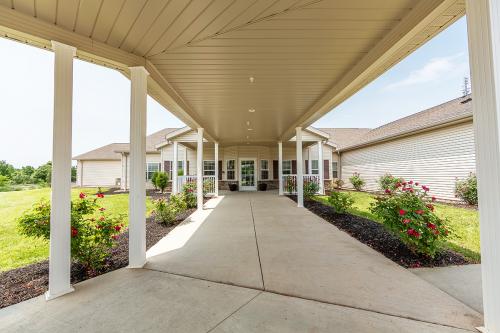
How is Belpre Landing Nursing And Rehabilitation Staffed?

CMS rates BELPRE LANDING NURSING AND REHABILITATION's staffing level at 1 out of 5 stars, which is much below average compared to other nursing homes. Staff turnover is 52%, compared to the Ohio average of 46%. RN turnover specifically is 57%, which is notably high. RNs provide skilled clinical oversight, so turnover in this role can affect medical care quality.

What Have Inspectors Found at Belpre Landing Nursing And Rehabilitation?

State health inspectors documented 40 deficiencies at BELPRE LANDING NURSING AND REHABILITATION during 2022 to 2025. These included: 40 with potential for harm.

Who Owns and Operates Belpre Landing Nursing And Rehabilitation?

BELPRE LANDING NURSING AND REHABILITATION is owned by a for-profit company. For-profit facilities operate as businesses with obligations to shareholders or private owners. The facility is operated by CONTINUING HEALTHCARE SOLUTIONS, a chain that manages multiple nursing homes. With 62 certified beds and approximately 51 residents (about 82% occupancy), it is a smaller facility located in BELPRE, Ohio.
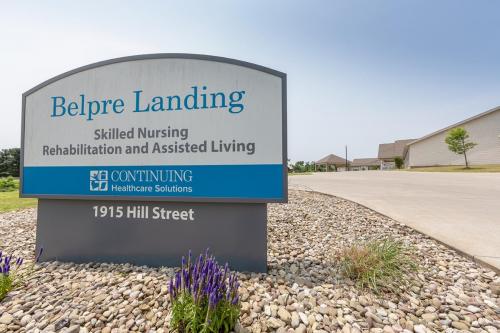
How Does Belpre Landing Nursing And Rehabilitation Compare to Other Ohio Nursing Homes?

Compared to the 100 nursing homes in Ohio, BELPRE LANDING NURSING AND REHABILITATION's overall rating (2 stars) is below the state average of 3.2, staff turnover (52%) is near the state average of 46%, and health inspection rating (2 stars) is below the national benchmark.

What Should Families Ask When Visiting Belpre Landing Nursing And Rehabilitation?

Based on this facility's data, families visiting should ask: "Can you walk me through typical staffing levels on day, evening, and night shifts?" "Can I visit during a mealtime to observe dining assistance and food quality?" "How do you handle medical emergencies, and what is your hospital transfer rate?" "Can I speak with family members of current residents about their experience?" These questions are particularly relevant given the below-average staffing rating.

Is Belpre Landing Nursing And Rehabilitation Safe?

Based on CMS inspection data, BELPRE LANDING NURSING AND REHABILITATION has a clean safety record: no substantiated abuse findings (meaning no confirmed cases of resident harm), no Immediate Jeopardy citations (the most serious violation level indicating risk of serious injury or death), and is not on the Special Focus Facility watch list (a federal program monitoring the lowest-performing 1% of nursing homes). The facility has a 2-star overall rating and ranks #100 of 100 nursing homes in Ohio. While no facility is perfect, families should still ask about staff-to-resident ratios and recent inspection results during their visit.

Do Nurses at Belpre Landing Nursing And Rehabilitation Stick Around?

BELPRE LANDING NURSING AND REHABILITATION has a staff turnover rate of 52%, which is 6 percentage points above the Ohio average of 46%. Moderate turnover is common in nursing homes, but families should still ask about staff tenure and how the facility maintains care continuity when employees leave.

Was Belpre Landing Nursing And Rehabilitation Ever Fined?

BELPRE LANDING NURSING AND REHABILITATION has no federal fines on record. CMS issues fines when nursing homes fail to meet care standards or don't correct problems found during inspections. The absence of fines suggests the facility has either maintained compliance or corrected any issues before penalties were assessed. This is a positive indicator, though families should still review recent inspection reports for the full picture.

Is Belpre Landing Nursing And Rehabilitation on Any Federal Watch List?

BELPRE LANDING NURSING AND REHABILITATION is not on any federal watch list. The most significant is the Special Focus Facility (SFF) program, which identifies the bottom 1% of nursing homes nationally based on persistent, serious quality problems. Not being on this list means the facility has avoided the pattern of deficiencies that triggers enhanced federal oversight. This is a positive indicator, though families should still review the facility's inspection history directly.