WATERVIEW POINTE NURSING & REHABILITATION
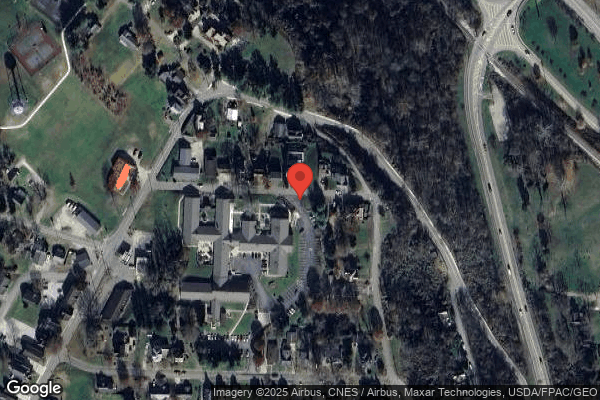
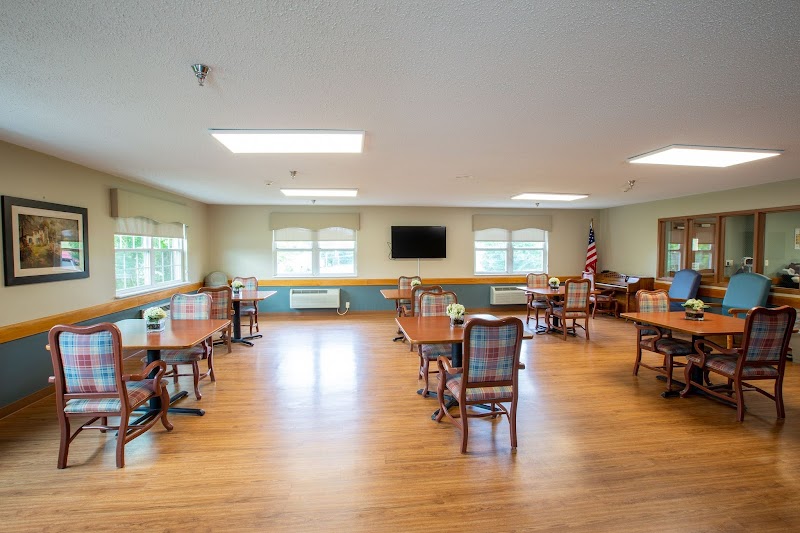
117 BARTLETT STREET, MARIETTA, OH 45750 (740) 434-5900
For profit - Corporation 80 Beds FOUNDATIONS HEALTH SOLUTIONS Data: November 2025
Trust Grade
68/100
#371 of 913 in OH
Last Inspection: May 2024

Within standard 12-15 month inspection cycle. Federal law requires annual inspections.

Overview

Waterview Pointe Nursing & Rehabilitation has a Trust Grade of C+, indicating it is slightly above average, but not without room for improvement. It ranks #371 out of 913 facilities in Ohio, placing it in the top half of the state, and #2 out of 6 in Washington County, meaning only one local option is better. The facility is improving, as it reduced its issues from 14 in 2023 to just 5 in 2024. Staffing is a relative strength with a turnover rate of 27%, significantly lower than Ohio's average of 49%, although it received an average staffing rating of 3 out of 5 stars. While it has not incurred any fines, there have been concerning incidents, including a failure to implement proper nutritional interventions that led to a resident being hospitalized for serious health issues, and inadequate monitoring of a resident's skin condition. Overall, while Waterview Pointe has some strengths, families should be aware of notable weaknesses in resident care that require attention.

Trust Score
C+
68/100
In Ohio
#371/913
Top 40%
Safety Record
Moderate
Needs review
Inspections
Getting Better
14 → 5 violations
Staff Stability
✓ Good
27% annual turnover. Excellent stability, 21 points below Ohio's 48% average. Staff who stay learn residents' needs.
Penalties
✓ Good
No fines on record. Clean compliance history, better than most Ohio facilities.
Skilled Nurses
○ Average
Each resident gets 35 minutes of Registered Nurse (RN) attention daily — about average for Ohio. RNs are the most trained staff who monitor for health changes.
Violations
⚠ Watch
26 deficiencies on record. Higher than average. Multiple issues found across inspections.
★★★★☆
4.0
Overall Rating
★★★☆☆
3.0
Staff Levels
★★★☆☆
3.0
Care Quality
★★★★☆
4.0
Inspection Score
Stable
2023: 14 issues
2024: 5 issues

The Good

  • Low Staff Turnover (27%) · Staff stability means consistent care
  • Full Sprinkler Coverage · Fire safety systems throughout facility
  • No fines on record
  • Staff turnover is low (27%)

    21 points below Ohio average of 48%

Facility shows strength in staff retention, fire safety.

The Bad

Chain: FOUNDATIONS HEALTH SOLUTIONS

Part of a multi-facility chain

Ask about local staffing decisions and management

The Ugly 26 deficiencies on record

1 actual harm
May 2024 5 deficiencies
CONCERN (D)

Potential for Harm - no one hurt, but risky conditions existed

Quality of Care (Tag F0684)

Could have caused harm · This affected 1 resident

**NOTE- TERMS IN BRACKETS HAVE BEEN EDITED TO PROTECT CONFIDENTIALITY** Based on observation, interview, record review, and facility policy review, the facility failed to evaluate and treat a resident...

Read full inspector narrative →
**NOTE- TERMS IN BRACKETS HAVE BEEN EDITED TO PROTECT CONFIDENTIALITY** Based on observation, interview, record review, and facility policy review, the facility failed to evaluate and treat a resident's skin condition. This affected one of one resident (#31) reviewed for non pressure skin impairment. The facility census was 71. Findings include: Review of the medical record for Resident #31 revealed an admission date of 07/22/22 with diagnoses including psoriasis. Review of the quarterly Minimum Data Set (MDS) dated [DATE] indicated Resident #31 required partial to moderate assistance with showers and or bathing and supervision with personal hygiene. The assessment indicated Resident #31 had no skin impairments however received application of ointment/medication to site other than his feet. Review of the physician orders dated May 2024 revealed Resident #31 had an order for Ketoconazole external shampoo 2 percent to apply to scalp topically every day shift on Monday and Thursday for Seborrhea. Review of the Medication Administration Record for May 2024 revealed Resident #31 received the shampoo as ordered. There was not a physician's order to address Resident #31 psoriasis or redness noted to chin. Review of nursing progress notes revealed on 05/07/24 at 12:02 P.M. Registered Nurse (RN) #116 documented Resident #31 reported itching and dry areas of skin to his neck and face. Resident #31 stated he had put medicated cream on the areas before and had relief of symptoms. Physician Assistant (PA) was in the facility to see Resident #31 and wrote an order for hydrocortisone one percent, topically to rash on the right neck and face two times daily for 10 days. The nursing progress notes were silent on red, blotchy area to Resident #31 chin. Review of the plan of care dated 08/10/23 revealed Resident #31 had alteration in skin integrity as evidenced by a rash related to psoriasis present on bilateral buttocks. On 08/08/23 Resident #31 may keep medication at bedside for self administration. The goal was Resident #31 would be free from signs and symptoms of infection, and have no increased pain related to skin impairment by the target date (no date). The interventions included to assess area for size, color and drainage as needed, assess for pain and provide treatment per the physician orders, body check weekly and as needed, notify the physician and family of changes as needed and the staff to provide skin care as needed. Review of the last non pressure weekly skin assessment dated [DATE] revealed no areas of concern. The medical record did not include evidence Resident #31 was seen by dermatology. The medical record did not include a self medication assessment for Resident #31. Observations of Resident #31 on 05/20/24 at 10:20 A.M., 05/22/24 at 2:43 P.M. and on 05/23/24 at 12:30 P.M. revealed Resident #31 had a bright red, blotchy area to his chin. Interview on 05/23/24 at 12:30 P.M. with Resident #31 confirmed he had a bright red blotchy area to his chin. Resident #31 stated it was itchy and was not sure if the nurse had put anything on it or notified the physician. Interview on 05/22/24 at 9:40 A.M. with the Director of Nursing (DON) confirmed there were not any residents in the facility that self administered medications. An observation on 05/22/24 at 2:10 P.M. of Resident #31 room with RN #125 confirmed in the top drawer of Resident #31 bedside table was a tube of Desonide lotion 0.05%, apply topically two times daily to skin redness, itching or discomfort related to atopic dermatitis. The cream was filled by the pharmacy on 04/12/21 and stated to discard by 04/12/22. RN #125 stated it was unknown if Resident #31 used the medication. RN #125 confirmed there was not an order for Resident #31 to have the medication or an order to keep at bedside for self administration. An interview on 05/22/24 at 2:30 P.M. with the MDS nurse #187 confirmed the plan of care indicated Resident #31 may keep medicated cream at bedside for self administration. MDS nurse #187 also confirmed there was not a current treatment order for residents skin, and Resident #31 did not have a self medication assessment. An interview on 05/23/24 at 12:34 P.M. with RN #182 confirmed Resident #31 continued to have a bright red blotchy area to his chin. RN #182 stated she would notify the physician. RN #182 stated skin assessments were completed two times weekly and with care. The State Tested Nursing Assistants (STNA) were good about reporting skin issues, however, no one had reported it to her. Review of the facility policy titled Medication Storage/Bedside Storage of Medications dated 06/21/17 revealed resident who were able to self administer medications may be allowed to store at bedside. The procedure included a written physician order, stored in a locked area, and periodically reassess the ability of the resident to continue self administering medications. The facility did not provide a policy for non pressure related skin impairment.
CONCERN (D)

Potential for Harm - no one hurt, but risky conditions existed

Accident Prevention (Tag F0689)

Could have caused harm · This affected 1 resident

**NOTE- TERMS IN BRACKETS HAVE BEEN EDITED TO PROTECT CONFIDENTIALITY** Based on observations, staff interview, resident interview, and record review, the facility failed to ensure each resident recei...

Read full inspector narrative →
**NOTE- TERMS IN BRACKETS HAVE BEEN EDITED TO PROTECT CONFIDENTIALITY** Based on observations, staff interview, resident interview, and record review, the facility failed to ensure each resident received adequate supervision to prevent accidents. This affected one of one residents reviewed for falls (#12). The facility census was 71. Findings include: Review of the medical record for Resident #12 revealed an admission date of 02/29/24 and diagnoses including morbid obesity, chronic obstructive pulmonary disease, and chronic respiratory failure. Review of a fall risk assessment 02/29/24 revealed the resident was at risk for falls and had a history of a fall in the last 30 days. It indicated the resident's balance was not steady moving from a seated to standing position or with walking. Review of an incident report revealed on 03/04/24 at 4:30 P.M. Resident #12 was noted on the floor in her bathroom. The resident was sitting on her buttocks facing the grab bar with her legs straight out in front of her. The resident stated that staff assisted her to the bathroom and gave her the call light. However, she stated she let go of the call light cord and thought she could transfer herself back to her recliner. She stated her pants leg got under her socks and her foot slipped. She then fell onto her buttocks. There was no injury noted. The resident's son was notified and was to bring in shorter pants. Physician's orders were obtained on 03/04/24 for a low bed and pants to be ankle length or shorter for fall prevention. A fall risk assessment 03/04/24 continued to indicate the resident was at risk for falls due to a history of falls and unsteady balance. It indicated the resident was only able to stabilize with staff assistance. Review of a Minimum Data Set assessment completed 03/07/24 revealed a Brief Interview for Mental Status (BIMS) score of 15, indicating intact cognition. It indicated the resident required substantial/maximal assistance from staff with sit to stand, chair/bed transfer, toilet transfer, and walking 10 feet. Review of an incident report dated 03/12/24 at 8:30 P.M. revealed Resident #12 had fallen in the bathroom. Nursing assistant stated she assisted resident to bathroom and placed call light cord in resident's hand before leaving. Nursing assistant came back to check on resident and observed resident on floor. The resident was sitting up on buttocks with legs straight out in front of resident. Resident leaning up on side of toilet. The resident stated she got off the toilet, became dizzy, fell, and hit her head off the rim of the toilet. The resident was noted to have a 1.2 by 1.2 by 0.1 centimeter open area to the back of her head which was actively bleeding. The resident was transferred to the emergency room for evaluation. Review of nurses notes revealed on 03/13/24 at 12:10 A.M. the hospital emergency room called and stated the resident received two staples to the open area on back of scalp. The resident returned to the facility on [DATE] at 3:26 A.M. A fall risk assessment dated [DATE] stated the resident had a history of falls in the past 30 and 90 days. It stated the resident had unsteady balance and was only able to stabilize with staff assistance. Review of the plan of care revealed on 03/01/24 and revised 03/13/24 the resident was noted to be at risk for falls due to debilitation, weakness, impaired vision, history of falls, syncope, psychotropic medication use, and poor safety awareness. On 03/12/24 interventions were added for staff to offer to toilet every two hours and not leave resident unattended while toileting. Interview with Resident #12 on 05/20/24 at 2:43 P.M. revealed she had fallen twice at the facility. She stated she got hurt when she fell in the bathroom and hit her head and had to get stitches. Observations on 05/21/24 at 3:06 P.M. revealed Resident #12 to be in the bathroom of her room. Nursing assistant #137 was observed leaving the room. Resident #12 was alone in her bathroom in her room. Observations on 05/21/24 at 3:12 P.M. revealed the call light to be on in Resident #12's room. Nursing assistant #137 went to the room and assisted Resident #12 from the bathroom to her chair with the use of a walker. Interview with Licensed Practical Nurse #103 on 05/23/24 at 9:35 A.M. revealed staff are to stay with Resident #12 when she is in the bathroom. She stated staff are not to leave the room. She confirmed Resident #12 had experienced two falls in the bathroom. Interview with the Director of Nursing on 05/23/24 at 9:43 A.M. revealed staff are to stay close by, either in bathroom or in the resident's room, when she is in the bathroom.
CONCERN (D)

Potential for Harm - no one hurt, but risky conditions existed

Deficiency F0698 (Tag F0698)

Could have caused harm · This affected 1 resident

**NOTE- TERMS IN BRACKETS HAVE BEEN EDITED TO PROTECT CONFIDENTIALITY** Based on interviews and record review, the facility failed to monitor a dialysis site per the resident centered care plan. This ...

Read full inspector narrative →
**NOTE- TERMS IN BRACKETS HAVE BEEN EDITED TO PROTECT CONFIDENTIALITY** Based on interviews and record review, the facility failed to monitor a dialysis site per the resident centered care plan. This affected one resident (#26) of one resident reviewed who was receiving dialysis. The facility census was 71. Findings include: Review of the medical record for Resident #26, revealed an admission date of 10/18/20. Diagnoses included: type 2 diabetes mellitus with diabetic neuropathy, heart failure, chronic kidney disease, stage 4 (severe) and dysphagia, oral phase. Review of the most recent Minimum Data Set (MDS) 3.0 assessment dated [DATE] revealed a Brief Interview for Mental Status (BIMS) of 15. The resident was assessed to require independent with bed mobility and transfers from bed and chairs, with supervision or touching assistance with tub/shower transfers and partial moderate assistance with shower/bathe self. Review of the progress note dated 04/10/24 for Resident #26 revealed the placement of a central venous line (CVL) for dialysis with no documentation on the location and the site had a dry bandage to it. Review of the active care plan for Resident #26 revealed to monitor permacath every shift for bleeding. Further record review for this resident revealed no monitoring of the permacath every shift and no documentation of the location of the site by the facility. Interview on 05/22/24 at 1:54 P.M. with Resident #26 revealed she lets the facility know if there is an issue with her permacath and stated They do not come in here at night to check my bandage, but I let them know if there is an issue. Observation on 05/22/24 at 1:59 P.M. of Resident #26 revealed a site to the left upper chest, dressing was clean and dry. Interview on 05/22/24 at 2:14 P.M. with the Director of Nursing (DON) verified Resident #26's active care plan stated to monitor permacath for bleeding every shift with no monitoring documentation and no site location ever being noted throughout the resident's record.
CONCERN (D)

Potential for Harm - no one hurt, but risky conditions existed

Deficiency F0699 (Tag F0699)

Could have caused harm · This affected 1 resident

**NOTE- TERMS IN BRACKETS HAVE BEEN EDITED TO PROTECT CONFIDENTIALITY** 2. Review of the medical record for Resident #23, revealed an admission date of 7/16/20. Diagnoses included, but were not limite...

Read full inspector narrative →
**NOTE- TERMS IN BRACKETS HAVE BEEN EDITED TO PROTECT CONFIDENTIALITY** 2. Review of the medical record for Resident #23, revealed an admission date of 7/16/20. Diagnoses included, but were not limited to: generalized anxiety disorder, polyneuropathy, and paraplegia. Post traumatic Stress Disorder (PTSD) and hallucinations were added to the list of diagnoses as of 03/08/24. Review of the most recent Minimum Data Set (MDS) 3.0 assessment dated [DATE] revealed a Brief Interview for Mental Status (BIMS) of 14. The resident was assessed to have an active diagnosis of PTSD. Review of the active care plans for Resident #23 revealed no plan of care was in place until 05/23/24 addressing the cause of PTSD, triggers which may cause re-traumatization, or interventions to reduce the risk of re-traumatization and provide care for PTSD. Further record review for this resident revealed no assessment had been completed to identify the cause of PTSD for Resident #23 and to identify potential triggers which may cause re-traumatization. Interview with the Regional Nurse on 05/28/24 at 2:22 P.M. verified an assessment of the cause of PTSD and possible triggers for Resident #23 had not been completed and additionally verified there had not been a plan of care implemented for Resident #23 to minimize the risk of re-traumatization until 05/23/24 with verbal confirmation of the triggers without an actual assessment. Based on interview and record review, the facility failed to ensure residents with Post Traumatic Stress Disorder (PTSD) were appropriately evaluated to identify the cause of the resident's PTSD and minimize triggers and/or re-traumatization. This affected two residents (#23 and #24) of two residents identified by the facility as having PTSD/trauma. The facility census was 71. Findings include: 1. Review of the medical record for Resident #24 revealed an admission date of 03/20/23 with diagnoses including major depressive disorder, anxiety disorder, bipolar disorder and dated 03/23/23 PTSD. Review of the annual Minimum Data Set (MDS) assessment dated [DATE] indicated Resident #24 was cognitively intact with a Brief Interview of Mental Status (BIMS) of 15 with no behaviors however, did self isolate at times. Resident #24 required staff assistance to complete activities of daily living. The assessment identified Resident #24 had diagnoses of anxiety, depression, bipolar disorder, and PTSD. Review of the Brief Trauma Questionnaire dated 04/03/23 revealed Resident #24 had no traumatic events or triggers. Further record review for this resident revealed no assessment had been completed to identify the cause of PTSD for Resident #24 and to identify potential triggers which may cause re-traumatization. Review of the updated plan of care dated 03/24/24 for Resident #24 revealed no plan of care was in place addressing the cause of the PTSD, the triggers which may cause re-traumatization or interventions to reduce the risk of re-traumatization and provide care for PTSD. An observation and interview with Resident #24 on 05/20/24 at 1:45 P.M. revealed Resident #24 appeared sad, and withdrawn. Resident #24 stated she was depressed and sad but she had to work through it. An interview on 05/23/24 at 12:20 P.M. with State Tested Nursing Assistant (STNA) #129 stated she was not sure which residents on her hall had PTSD. STNA #129 also stated she was not aware Resident #24 had PTSD, did not know what the triggers were or how to react to the triggers. STNA #129 stated she had not received education on PTSD or trauma informed care. An interview 05/23/24 at 12:24 P.M. with STNA #153 stated she was aware that Resident #24 had PTSD possibly related to a boating accident. However, STNA #153 did not know what Resident #24 triggers were or what to do if resident exhibited symptoms. STNA #153 stated she had not received education on PTSD or trauma informed care. An interview on 05/23/24 at 1:29 P.M. with the Director of Nursing (DON) revealed the facility did not have a policy on PTSD or trauma informed care. The DON stated the facility completed a brief trauma informed care assessment on admission along with a plan of care. The DON verified the assessment did not identify the cause of the PTSD and possible triggers. Also verified the plan of care for Resident #24 did not include triggers or interventions to prevent or minimize the risk of re-traumatization.
CONCERN (D)

Potential for Harm - no one hurt, but risky conditions existed

Pharmacy Services (Tag F0755)

Could have caused harm · This affected 1 resident

**NOTE- TERMS IN BRACKETS HAVE BEEN EDITED TO PROTECT CONFIDENTIALITY** Based on interview and record review, the facility failed to administer medication as ordered for Resident #26 after dialysis tr...

Read full inspector narrative →
**NOTE- TERMS IN BRACKETS HAVE BEEN EDITED TO PROTECT CONFIDENTIALITY** Based on interview and record review, the facility failed to administer medication as ordered for Resident #26 after dialysis treatments. This affected one resident (#26) of one resident reviewed for dialysis. The facility census was 71. Findings include: Review of the medical record for Resident #26, revealed an admission date of 10/18/20. Diagnoses included: type 2 diabetes mellitus with diabetic neuropathy, heart failure, chronic kidney disease, stage 4 (severe), anxiety, depression, parkinson's disease, and dysphasia, oral phase. Review of the most recent Minimum Data Set (MDS) 3.0 assessment dated [DATE] revealed a Brief Interview for Mental Status (BIMS) of 15. The resident was assessed to require independent with bed mobility and transfers from bed and chairs, with supervision or touching assistance with tub/shower transfers and partial moderate assistance with shower/bathe self. Review of active physician orders for Resident #26 revealed the following medications were to be given upon rise at 7:00 A.M.: 1. calcitrol oral capsule 0.25 micrograms (MCG) one capsule by mouth every Monday, Wednesday and Friday. 2. Duloxetine Hydrochloride (HCL) oral capsule delayed release particles give 90 milligrams (mg) by mouth one time a day for depression/anxiety. 3. Carbidopa-Levodopa oral tablet 25-100 MG give one tablet by mouth two times a day for parkinson's. 4. Ferrous Sulfate oral tablet 325 MG give one tablet by mouth one time a day for anemia. 5. Fexofenadine HCL oral tablet 180 MG give one tablet by mouth daily. 6. Flonase Allergy Relief Nasal Suspension 50 MCG/ACT two sprays alternating nostrils one time a day for allergies. 7. Gabapentin oral tablet 600 MG give one tablet by mouth two times a day for pain. 8. Lokelma (Sodium Zirconium Cyclosilicate) oral packet 10 grams (GM) give one packet by mouth one time a day for hyperkalemia. 9. Magnesium oral tablet 500 MG give one tablet by mouth two times a day for supplement. 10. Multivitamin oral tablet give one tablet one times a day for supplement. 11. Omeprazole oral capsule delayed release 40 MG give one capsule by mouth one time a day for Gastroesophageal Reflux Disease (GERD). 12. Saccharomyces boulardii capsule give one capsule by mouth two times a day for probiotic. 13. Sodium Bicarbonate oral tablet 650 MG give by mouth three times a day for GERD. 14. Tums (Calcium Carbonate) oral tablet chewable give one tablet by mouth four times a day for GERD. 15. Vitamin D 3 oral tablet 125 MCG (5000 units) give one capsule by mouth one times a day for supplemental health. Review of May 2024 Medication Administration Record (MAR) for Resident #26 revealed for the dates of 05/06/24, 05/08/24, 05/10/24, 05/13/24, 05/15/24, 05/17/24, 05/20/24 and 05/22/24 the 15 medications ordered for upon rise at 7:00 A.M. were not administered. Interview on 05/22/24 at 1:56 P.M. with Resident #26 revealed she has not been receiving her morning medications on the days she goes out for dialysis, even when she returns. Interview on 05/22/24 at 2:14 P.M. with the Director of Nursing (DON) verified Resident #26 did not receive her 15 morning medications as ordered on her dialysis days dated 05/06/24, 05/08/24, 05/10/24, 05/13/24, 05/15/24, 05/17/24, 05/20/24 and 05/22/24. She stated I will get this fixed right now with the House Doctor so she can get them after as it does her no good before and that is why the nurses are not giving them.
Jun 2023 4 deficiencies 1 Harm
SERIOUS (G) 📢 Someone Reported This

A family member, employee, or ombudsman was alarmed enough to file a formal complaint

Actual Harm - a resident was hurt due to facility failures

Deficiency F0692 (Tag F0692)

A resident was harmed · This affected 1 resident

**NOTE- TERMS IN BRACKETS HAVE BEEN EDITED TO PROTECT CONFIDENTIALITY** Based on observation, record review, review of medical nutrition therapy best practice guidance and interview, the facility fail...

Read full inspector narrative →
**NOTE- TERMS IN BRACKETS HAVE BEEN EDITED TO PROTECT CONFIDENTIALITY** Based on observation, record review, review of medical nutrition therapy best practice guidance and interview, the facility failed to develop and implement comprehensive, individualized and adequate nutritional interventions and complete accurate weight monitoring to meet the nutritional needs and prevent weight loss for all residents. Actual Harm occurred on 04/24/23, when the facility failed to implement comprehensive and individualized nutritional interventions, failed to ensure discharge orders regarding resident fluid intake were properly addressed, failed to timely implement dietician recommendations for nutritional support/supplements, failed to provide the resident with the correct diet, failed to timely address the resident's reports of mouth pain/thrush and failed to notify the resident's physician of condition changes related to lethargy and decreased meal intakes. On 05/14/23 Resident #67 was transferred to the hospital, admitted and diagnosed with toxic metabolic encephalopathy (a condition of acute global cerebral dysfunction manifested by altered consciousness, behavior changes, and/or seizures in the absence of primary structural brain disease or direct central nervous system infection with causes including infections, dehydration and malnutrition) related to acute kidney injury, sepsis, urinary tract infections likely due to poor oral intakes and severe protein calorie malnutrition with temporal wasting (loss of temporalis muscle mass commonly seen in cases of catabolism (destructive metabolism) and/or generalized nutritional deficiency), rib exposure with a body mass index less than 19. This affected three residents (#4, #18 and #67) of four residents reviewed for nutrition. The facility identified four residents (#4, #18, #34, and #43) with significant, unplanned weight loss. The facility census was 66. Findings include: 1. Review of Resident #67's hospital records (prior to facility admission) dated 04/19/23 to 04/24/23 revealed the resident had a history of severe protein calorie malnutrition and had acute on chronic renal failure related to poor intake. Review of the hospital discharge summary plan dated, 04/24/23 revealed the resident had an echocardiogram (a scan used to look at the heart and near-by blood vessels) during her hospitalization that showed a grade one diastolic dysfunction (heart cannot fully fill during the diastolic part of the heartbeat). The resident's discharge orders revealed the resident required a cardiac 1500 milliliter (ml) fluid restriction daily (used to avoid overloading your heart if you have heart failure as more fluid in your bloodstream makes it harder for your heart to pump) and a minced moisture texture diet. Hospital discharge documentation noted the resident's stay was expected to be less 30-days at the skilled nursing facility. The resident's discharge instructions included a recommendation if you were told you had heart failure weigh yourself daily at the same time each day. Call your doctor and report right away if you gain more than three (3) pounds or more in one day or if you gain five (5) pounds or more in one week or if you have any heart failure symptoms. Closed record review revealed Resident #67 was admitted to the facility on [DATE] and discharged to the hospital on [DATE]. The resident's diagnoses included orthopedic aftercare due to a displaced intertrochanter fracture of the left femur, type two diabetes, muscle weakness, dysphagia (difficulty swallowing), heart disease, stage three chronic kidney disease, hypertension, falls and ectopic kidney (a kidney located below, above or on the opposite side of the kidney's normal position in the urinary tract). Review of Resident #67 electronic medical record (EMR) revealed a documented weight on 04/24/23 of 113.0 pounds. Review of the resident's physician's orders (from 04/2023 through 05/14/23) revealed no physician's order for any type of weight monitoring. Record review revealed an admission order, dated 04/24/23 for a no added salt (NAS) mechanical soft diet. On 04/25/23 the resident's diet was upgraded to a regular texture diet; however this was not communicated to the dietary department. Review of Resident #67's fluid restriction worksheet and physician's orders, dated 04/25/23 revealed the resident was not to exceed a total daily fluid intake of 1500 milliliters (ml); 720 ml dietary and 780 ml nursing. The worksheet noted one cup of 240 ml of fluids on each meal tray. Review of Resident #67's oral assessment dated [DATE] and authored by the Director of Nursing (DON) revealed the resident had one to three decayed or broken teeth and no dentures. Record review revealed a plan of care, dated 04/26/23 related to altered health maintenance due to progress physical and mental status. Interventions included to monitor for signs and symptoms of cardiac distress and report to the cardiac and vascular doctor if any weight gain/loss, edema, fatigue, chest pain, confusion, nausea, decreased urinary output, or increased laboratory testing (BUN/Creatine). Interventions also included to provide diet ordered; if less than 50% consumed offer supplements as ordered (the resident had no orders for nutritional supplements at this time). Stress the importance of good nutrition and how it promotes healing and increases resistance. Review of Resident #67's speech notes authored by Speech and Language Pathologist (SLP) #201 dated 04/26/23 revealed the resident ate slightly better after speech sat and ate their own individual items while the resident ate. The resident reported the food was bland, Mrs. Dash was used and the resident reported the food was better. Review of Resident #67's nutrition risk tool, dated 04/27/23 and authored by Registered Dietician (RD) #198 revealed the resident was at moderate risk for nutritional decline due to having a moderate decrease in food intake, no weight loss in three months, able to get out of bed/chair but does not go out, BMI 21 to less than 23, had suffered psychological stress or acute disease in the past three months, and no psychological problems. There were no guidelines to direct staff on how to proceed with a resident assessed with nutritional risks. Review of Resident #67's dietary assessment, dated 04/27/23 and authored by RD #198 revealed the resident was hospitalized for an intertrochanter fracture and had undergone surgery (gamma nailing) on 04/20/23 (during the resident's hospitalization). The resident lived at home (prior to the hospitalization), and family had provided her with breakfast and dinner. The resident reported she would often forget to eat lunch due to being home alone. The resident reported she had recently started drinking Boost (a nutritional supplement) once daily due to weight loss and lack of intake. The assessment noted, a no added salt (NAS) with thin liquids and regular textured solids diet. The current diet provided 2454 calories and 92 grams of protein. The resident reported her appetite was fair and slowly improving. The resident fed herself with no noted chewing or swallowing problems. Documentation indicated the resident was consuming 25-50% of meal trays. The dietary note indicated the RD would order a house supplement, 120 milliliters (ml) twice daily to provide an additional 240 calories and 20 grams of protein. The resident's weight was noted to be 113 pounds with a BMI of 21.3. The resident's usual body weight (UBW) was 130 pounds and last weight in 09/2022 showed a weight loss of 17 pounds in seven months which was significant. The resident had no edema noted. The dietary assessment also reflected the resident had a deep tissue injury (pressure ulcer) to the coccyx per a skin grid assessment completed on 04/25/23. Resident #67 was noted to be at risk for decline in nutritional status per the Nutrition Risk Tool with a score of 9 (moderate risk for nutritional decline). The resident had nutritional diagnoses including malnutrition, chronic illness, severe muscle/fat loss, weight loss, and suboptimal intakes. Nutritional interventions included to discuss the importance of adequate nutrition to help aid in wound healing, encourage adequate calories, protein, nutrition supplements, and micronutrients to help in wound healing, encourage oral intake with at least 50% consumption at mealtimes, encourage snacking frequently between meals, and encourage compliance with fluid restrictions. Nutrition monitoring and evaluation included monitoring weights via weight report (paper weight book), monitor intakes, and skin integrity. The nutrition goals included the resident would consume at least 50% of meals, snack once daily, and consume Prostat (supplement) 30 ml daily with 100% consumption and house supplement 120 ml twice daily with 100% consumption. Review of Resident #67's paper medical record and electronic medical record (EMR) revealed no evidence a house supplement was ordered or administered to Resident #67 during the residents stay. Review of Resident #67's admission Minimum Data Set (MDS) 3.0 assessment, dated 05/01/23 revealed the resident had severe cognitive impairment with a Brief Interview for Mental Status of three out of 15. The assessment revealed the resident required extensive assistance from two staff for bed mobility, transfers and toilet use, extensive assistance from one staff for dressing, supervision from staff for eating, and limited assistance from one staff for personal hygiene. The resident had no impairment to the upper or lower body and used a walker. The MDS assessment revealed Resident #67 was 61 inches in height and weighed 113 pounds; had no swallowing issues, weight loss, or dental problems. The resident was at risk for pressure ulcer development and had one unstageable deep tissue injury on admission located on the coccyx. On 05/02/23 Licensed Practical Nurse (LPN) #192 documented in the electronic medical record the resident weighed 113.2 pounds. On 05/10/23 RD #198 entered a weight of 112.5 pounds for the resident in the electronic medical record. On 05/11/23 Registered Nurse (RN) #136 documented the resident weighed 113.2 pounds in the electronic medical record. The resident was discharged to the hospital on [DATE]. Review of the facility paper weight book revealed the week of 05/10/23 there were no documented weights for Resident #67 or for residents on the 200, 300, 400, or 500 halls. Resident #67's name was highlighted yellow. There was a handwritten note by an unidentified author that indicated weights need to be completed by 05/16/23, however floors 200, 300, 400, and 500 were not completed by 05/16/23 and the Director of Nursing (DON) was notified by an unidentified staff member. On 05/04/23 a speech note authored by Speech Therapist (SLP) #201 indicated the resident remarked that it hurt to eat. Speech therapy noted something that appeared ulcer-like and hurt whenever even light pressure was applied (to the resident's mouth). The note indicated the nurse was made aware and was going to have the physician look at it first before making a referral to the dentist. The nurse who was notified was not identified in the SLP documentation. On 05/05/23 a speech note authored by SLP #201 indicated the resident was still complaining of her mouth hurting when eating. The note indicated nursing was aware and would have the physician look at it when he comes in. Review of Resident #67's therapy note dated 05/08/23 and authored by SLP #201, revealed ST #201 called Resident #67's family (Family Member #199) regarding the resident's diet order. Resident #67's diet was a regular diet, however the diet slip on the meal tray had not been updated. The diet slip was now updated, and the family was notified the resident would receive the correct diet. On 05/09/23 a speech note authored by SLP #201 indicated the resident had complaints of mouth pain when eating. Nursing and physician aware. The note did not indicate which nurse was aware or who made the physician aware. Review of Resident #67's (nursing) progress notes dated 04/25/23 to 05/09/23 revealed no documented assessment or evidence of the resident's reported complaints of mouth pain. Although the resident's dietary assessment, completed on 04/27/23 reflected frequent snacking between meals, review of snack intakes, dated 05/08/23 to 05/14/23 revealed the resident was provided a snack on 05/10/23, 05/12/13, and 05/13/23. She refused a snack on 05/08/23 and there was no documentation of snacks on 05/09/23 or 05/11/23. Review of Resident #67's paper record and EMR revealed no evidence the physician was notified of Resident #67's complaints of pain that were reported to therapy by the resident. Review of a progress note dated 05/10/23 at 11:10 P.M. and authored by ADON #120 revealed the Resident #67 was complaining of sores in (her) mouth and mouth pain. The resident was noted to have inflamed gums and few white patches/sores noted. The physician was notified and ordered Clotrimazole (antifungal) lozenges for 14 days due to thrush (yeast infection in the mouth). Review of Resident #67's physician progress notes revealed no evidence the resident was assessed/seen by a physician and/or other designated healthcare provider on behalf of the physician during the resident's stay, with the exception of 04/25/23 when a history and physical was completed. Review of Resident #67's meal intake records, documented by STNA staff assigned to provide care to the resident reflected the resident had decreased intake during her stay. On 04/25/23 breakfast and lunch intakes were 1-25% and dinner 50%. On 04/26/23 breakfast and dinner intakes were 75% and lunch was 25%. On 04/27/23 breakfast intake was 75% and lunch and dinner intakes were 50%. On 04/28/23 breakfast intake was 75%, lunch 100%, and dinner was 50%. On 04/29/23 and 04/30/23 all three meals the resident had 75% intake. On 05/01/23 the resident refused breakfast, lunch intake was 25% and dinner intake was 50%. On 05/02/23 breakfast and lunch intakes were 50% and dinner was 75%. On 05/03/23 breakfast intake was 1-25%, lunch intake was 50%, and dinner intake was 25%. On 05/04/23 breakfast and dinner intakes were 50% and lunch was 25%. On 05/05/23 breakfast and dinner intakes were 25% and lunch was 75%. On 05/06/23 breakfast intake was 25% and lunch and dinner intakes were 50%. On 05/07/23 breakfast intake was 75%, lunch was 1-25%, and dinner was 25%. On 05/08/23 breakfast and dinner intakes were 25% and lunch was 50%. On 05/09/23 only two meal intakes were recorded. The breakfast meal intake was 25%, lunch was 50%, and there was no documented intake for dinner. On 05/10/23 breakfast and dinner intakes were 1-25% and lunch was 75%. On 05/11/23 breakfast intake was 75% and lunch and dinner were refused. There were no meal intakes recorded for 05/12/23. On 05/13/23 breakfast was 1-25% and lunch and dinner were 25%. On 05/14/23 the resident did not have any breakfast. Review of Resident #67's paper and EMR revealed no evidence the resident received an alternative when consuming less than 50% of her meals. Review of Resident #67's treatment administration records dated 05/01/23 to 05/13/23 revealed the resident's 24-hour fluid intakes were documented to range from 360 ml to 600 ml during this time period. Review of Resident #67's occupational therapy note dated 05/12/23 at 1:44 P.M. revealed Certified Occupational Therapy Assistant (COTA) #203 was not able to keep the resident's attention to task due to the resident falling asleep and confusion. COTA #203 took the resident to nurse's station completing communication with nursing pertaining to resident status. The resident was not unable to participate in therapy session this date secondary to mental status and lethargy. The note indicated nursing was looking into a possible urinary tract infection (UTI). Review of Resident #67's nursing progress notes, dated 05/12/23 through 05/13/23 revealed no evidence the physician was notified of the resident's change in condition reported by COTA #203. Review of Resident #67's health status progress note, dated 05/14/23 at 11:58 A.M. and authored by LPN #151 revealed the resident was in the dining room with family for lunch and not acting like herself. She had increased confusion, lethargy, and low blood pressure (91/64). The family requested the resident to be sent to the ER for evaluation where she was admitted . Review of the fire department patient care record form for Resident #67, dated 05/14/23 revealed the fire department arrived (on 05/14/23) to the facility at 12:02 P.M., arrived at the resident's bedside at 12:03 P.M., departed the facility at 12:16 P.M., arrived at the (hospital) destination at 12:22 P.M., and transferred the resident at 12:25 P.M. The call from the facility was for an [AGE] year-old requiring transport to hospital. Upon arrival, fire department staff found a patient sitting in a chair with her family. The family stated she was not acting like herself. The patient did answer several of the questions asked of her but not all. The patient was complaining about her (bake?) being sore. Checked vitals while sitting and family stated the last time the resident was known to be feeling well was last Friday. The resident's vital signs were obtained which showed a blood pressure of 84/56 (hypotensive), pulse 90 (tachycardic) per minute, respirations 16 per minute, and pulse ox (oxygen saturation) of 96%. Review of Resident #67's hospital emergency room documentation dated 05/14/23 from 1:35 P.M. to 2:52 P.M. revealed the resident presented to the emergency room with complaints of altered mental status. The patient was sent from nursing home for lethargy. The resident's daughter was at bedside to assist with the history as patient did not answer questions. Family stated the patient was normally verbal and could walk; however noticed today she was just lying in bed and staring up. Patient would occasionally complain of having left hip pain. History was limited secondary to patient not answering questions. The resident's general appearance was chronically ill appearing, cachectic (a general state of ill health involving marked weight loss and muscle tone) and appeared very dehydrated on exam. The patient's mucus membranes were dry. The resident had a Grade 2 pressure ulcer over the sacrum; her skin was warm and dry with poor skin turgor. The patient would respond to painful stimuli but not verbal stimuli, would move all four extremities if agitated. The resident's blood pressure initially was hypotensive with a pressure of 70/30 (normal 120/80). The ER gave patient a fluid bolus to determine if her (blood) pressure was responsive. The patient does have a history of congestive heart failure, but it was felt the patient needed the intravenous fluids to tolerate the prescribed intravenous fluid orders. The patient was very thin and required the physician's vigilant attention to prevent deterioration (sepsis, hypotension). Review of the hospital admission notes, dated 05/14/23 revealed the resident was admitted to the hospital with diagnoses including toxic metabolic encephalopathy related to acute kidney injury, sepsis, urinary tract infection likely due to poor oral intakes and severe protein calorie malnutrition with temporal wasting, rib exposure with a body mass index under 19, and a Stage II pressure ulcer to the left buttocks. Review of Resident #67's hospital dietary notes, dated 05/15/23 revealed the resident was at high nutritional risk as evidence supported by diagnosis of severe malnutrition based on weight decrease. The resident's estimated energy needs were not being met due to poor oral intake. The note indicated to recommend Ensure high protein supplement three times a day and obtain updated weight. The resident had intravenous fluids running at 75 ml hour at the time of visit and refused to consume ordered supplements due to lethargy. The resident was only consuming 10% of Ensure due to spilling most of it. The note indicated the resident would be tried with a magic cup to see if it improved intakes. The physical findings revealed the patient had severe muscle and fat depletion per ASPEN malnutrition guidelines; her orbital region had a hollow look, depressions, dark circles and loose skin; the temple region had significant hollowing and depression; the shoulder region had a prominent protruding (the bony process on the shoulder blade); prominent protruding clavicle bone; very little thickness of tricep skin fold; in her scapular region she had very visible bones with depressions between ribs/scapula (shoulder blade) and shoulder/spine; severe depression of the inner thigh muscles; bones prominent with little muscle present around the knee; little to no muscle definition in the posterior calf region. On 05/23/23 at 1:47 P.M. and a follow-up interview at 3:05 P.M. with Registered Dietician (RD) #198 revealed resident weights were usually obtained on Tuesday and discussed on Wednesday during the facility's risk meetings. First the RD reported she was not responsible for notifying the physician or families of weight changes. The RD reported she would email the MDS nurse and DON of any significant weight changes. During the second interview at 3:05 P.M., the RD reported she was responsible for notifying the physician of weight loss and she had just forgotten she was responsible as she had previously stated she was not the responsible person for reporting weight loss to the physician. She stated she would only report to the physician if there was a 5% weight loss in one month or 10% weight loss in six months, but not sooner. The RD revealed she was not familiar with the federal regulations for nursing homes as she was just hired last month and had no prior nursing home experience. The RD #198 reported she did not have facility policies and procedures to reference, and stated she would follow the medical nutrition therapy best practices for high risk areas. On 05/24/23 at 10:32 A.M. interview with Regional Registered Dietitian (RRD) #197 verified Resident #67's diet was upgraded on 04/25/23 to a regular texture diet from a mechanical soft diet, however the dietary department never received the order or communication form. The only order/communication form the dietary department had received was the admission order for the mechanical soft textured diet. On 05/24/23 at 11:30 A.M. interview with ADON #120 revealed there was no documentation assessing the resident on 05/12/23 or 05/13/23. The ADON revealed the resident was skilled and should have had documentation completed at least once a day. ADON #120 revealed the resident was ordered a COVID test, laboratory testing including a Complete Blood Count (CBC) and Basic Metabolic Profile (BMP) on 05/11/23 without any indication or documentation why it was ordered. The resident was also ordered a chest x-ray on 05/11/23 that indicated possible fluid overload, however there was no documentation to support the order or assessment of the resident after receiving the x-ray results. ADON #120 revealed she did not believe Resident #67 had a change of condition on 05/12/23 or 05/13/23; however there was no documented evidence to support the resident's condition except a phone interview that was completed on 05/24/23 with LPN #151 and after the above concerns that had been identified by the State survey agency. On 05/24/23 at 12:33 P.M. interview with Resident #67's family, Family Member #199 revealed she rode in the squad on 05/14/23 to the emergency room (ER) with Resident #67. The family member stated when the squad transferred Resident #67 to the bed in the emergency room the emergency room (ER) nurse looked at Resident #67's skin and reported the resident had a bad pressure ulcer on her buttocks. During this interview and a subsequent interview on 05/31/23 at 2:19 P.M. Family Member #199 reported she had visited the resident in the facility on 05/12/23. On 05/14/23 when visiting, the family member felt the resident was confused and lethargic and asked the nurse to assess the resident. The resident's blood pressure was low, and she had asked the nurse to transfer the resident to the emergency room. The facility nurse reported to her (Family Member #199) and the ambulance driver Resident 67's had been like this for three days and had not eaten or consumed fluids. Family Member #199 revealed the facility had reported to them the resident's weight was 113 pounds but in the emergency room, the family was told the resident weighed 85 pounds. The family member denied the resident or herself reporting the resident weighed 85 pounds to hospital staff. Family Member #199 reported the family didn't understand why the resident was on fluid restriction because she had not been on a fluid restriction or special diet when she was in the hospital (prior to the nursing home admission). The family member also indicated the resident would not eat the mechanically altered diet provided by the facility. After being treated in the hospital, the resident was discharged to a different skilled nursing facility in the area and had done a complete 180 degree turn around (improvement). Family Member #199 revealed she had shown co-workers pictures of the resident while she was at the facility compared to the current skilled nursing facility and they couldn't believe the improvement. The resident had gained weight and was able to use Facetime and communicate with family. The resident reported to family that facility staff never checked on her, which she felt was accurate as when family visited no staff ever came in to check on the resident. On 05/24/23 at 1:16 P.M. interview with STNA #124, STNA #188, and LPN #153 with RRD #197 revealed the STNA staff reported they did not include fluids as part of their meal intake documentation. The LPN reported she only documented on the treatment administration record (TAR) the fluids nursing staff administered. The STNA and LPN confirmed they do not calculate or document the fluids dietary provided. RRD #197 reported she was not aware staff were not monitoring or documenting the fluids dietary was providing on the meal trays. She thought 25% of the meal intakes staff were recording under the task tab in the EMR include fluids provided at mealtime. The RRD reported all residents, no matter the diagnosis, should have fluid monitoring. Nutritional intakes were more important than solid intakes. During the interview, RRD #197 verified Resident #67 was not receiving adequate fluids while in the facility especially given the admitting diagnosis to the hospital on [DATE]. On 05/24/23 at 3:30 P.M. interview with the Administrator confirmed the RD had ordered a house supplement, 120 ml twice daily on 04/27/23, however the order was never implemented, and the resident did not receive the supplement. On 05/25/23 at 11:36 A.M. interview with COTA #203 revealed Resident #67 was more confused and lethargic (on 05/12/23) so she took the resident back to the nurse's station to report the change of condition to the nurse. COTA #203 stated the nurse thought the resident had a urinary tract infection (UTI). On 05/25/23 at 12:30 P.M. interview with Physical Therapist (PT) #204 revealed the resident was a skinny little thing. PT #204 revealed the resident spent most of her time in bed. On 05/25/23 at 12:45 P.M. interview with STNA #114 revealed she provided care to Resident #67 during the resident's stay. STNA #114 revealed the resident was confused but could let you know her needs. The resident would ask for fluids; however, since she was on a fluid restriction the nurses would have to provide fluids to the resident. STNA #114 revealed STNA staff did not monitor or document resident fluids intakes. The STNA indicated the resident was a tiny bony lady and required encouragement to eat, drink, and even to get out of bed. During the resident's stay, the resident had dried skin on the top of her buttocks and complained it was sore. On 05/25/23 at 1:36 P.M. interview with Resident #67's primary care physician, who was also the facility medical director, Medical Director #196 revealed he was not aware of the nutritional concerns with Resident #67 including the failure to provide nutritional supplements, the lack of nutritional support with the resident being admitted to the facility with a pressure ulcer as well as developing a pressure ulcer during her stay, the resident's decreased meal intakes and fluid intakes, the facility not providing the resident the correct diet, the presence of thrush for several days before it was reported or the resident's condition change over the last few days of her stay until the time of this interview. The MD reported he was the only provider for the facility and staff should notify him immediately with weight changes if they were significant or not and even if they occur sooner than one month or six months as indicated by the dietician. Weight loss needed to be addressed sooner than when the loss became significant. The MD reported he could not change the concerns identified for Resident #67 but stated he would make arrangements to meet with the dietitian to discuss the concerns and begin a corrective action plan. The physician was unaware the facility did not have policies and procedures in place related to weights, weight loss and fluid intakes. On 05/25/23 at 3:28 P.M. interview with ADON #120 revealed in the facility paper weight book, if a resident's name was highlighted yellow that indicated the resident required weekly weights. The ADON revealed STNA staff were responsible to obtain the weights, however the STNA staff did not have access to record the weights in the electronic medical record (EMR) and would either document the weight on sticky note, scrap piece of paper, or a report sheet and then give it to the nurse working to chart the weight in the EMR. The papers (used by the STNAs to document the resident weights) were then shredded. On 05/25/23 at 3:09 P.M. interview with RN #136 revealed she could not remember what Resident #67's weights were as the STNA staff obtained the weights; however, she thought the resident's weights varied. The RN also noted STNA staff did not have access to the EMR to record the weights and the STNAs would give her weights usually documented on a sticky note and then she would document the weight in the EMR for the STNA. The RN confirmed she had documented Resident #67's weight on 05/11/23, however could not recall where she got the resident's weight to record in the EMR. On 05/25/23 at 3:12 P.M. interview with RD #198 confirmed the paper weight book did not have any documented weights for any residents residing on the 200, 300, 400 or 500 halls including Resident #67 for the week of 05/10/23. The RD confirmed she had documented in the EMR on 05/10/23 the resident weighed 112.5 pounds, however she was unable to recall where she got that weight from. RD #198 confirmed Resident #67 weights that were documented in the EMR on 05/10/23 and 05/11/23 were not documented in the paper weight book. The RD stated the paper weight book was for the RD to reference and the licensed nurse would document the weight in the paper weight book after notification was received from the STNA of the resident's weight. On 05/25/23 at 3:16 P.M. interview with STNA #161 revealed she did not recall what Resident #67's weights were, however she did recall weighing the resident using a weight chair and stated she believed the resident was a weekly weight. The STNA confirmed she didn't have access to enter weights in the EMR and stated she usually documented the weights on a shift report sheet and gave the weights to the nurses to be documented in the EMR. During the interview STNA #161 revealed Resident #67 was on a mechanical soft diet and would try to feed herself. STNA #161 recalled the family wanted the resident's diet upgraded to a regular diet due to the resident's poor intake. The STNA stated the resident's family would bring drinks and food in for Resident #67 even though she was on a fluid restriction and a mechanical soft diet. On 05/30/23 at 12:37 P.M. and 1:24 P.M. interview with Hospital Coordinator #206, Hospit[TRUNCATED]
CONCERN (D) 📢 Someone Reported This

A family member, employee, or ombudsman was alarmed enough to file a formal complaint

Potential for Harm - no one hurt, but risky conditions existed

Notification of Changes (Tag F0580)

Could have caused harm · This affected 1 resident

**NOTE- TERMS IN BRACKETS HAVE BEEN EDITED TO PROTECT CONFIDENTIALITY** Based on record review, hospital record review, interview and policy review the facility failed to ensure timely physician notif...

Read full inspector narrative →
**NOTE- TERMS IN BRACKETS HAVE BEEN EDITED TO PROTECT CONFIDENTIALITY** Based on record review, hospital record review, interview and policy review the facility failed to ensure timely physician notification related to mouth pain/thrush, lethargy and decreased meal and fluid intakes. This affected one resident (Resident #67) of three resident reviewed for change in condition. The census was 66. Findings include: Review of Resident #67's hospital records (prior to facility admission) dated 04/19/23 to 04/24/23 revealed the resident had a history of severe protein calorie malnutrition and had acute on chronic renal failure related to poor intake. Review of the hospital discharge summary plan dated, 04/24/23 revealed the resident had an echocardiogram (a scan used to look at the heart and near-by blood vessels) during her hospitalization that showed a grade one diastolic dysfunction (heart cannot fully fill during the diastolic part of the heartbeat). The resident's discharge orders revealed the resident required a cardiac 1500 milliliter (ml) fluid restriction daily (used to avoid overloading your heart if you have heart failure as more fluid in your bloodstream makes it harder for your heart to pump) and a minced moisture texture diet. Hospital discharge documentation noted the resident's stay was expected to be less 30-days at the skilled nursing facility. Closed record review revealed Resident #67 was admitted to the facility on [DATE] and discharged to the hospital on [DATE]. The resident's diagnoses included orthopedic aftercare due to a displaced intertrochanter fracture of the left femur, type two diabetes, muscle weakness, dysphagia (difficulty swallowing), heart disease, stage three chronic kidney disease, hypertension, falls and ectopic kidney (a kidney located below, above or on the opposite side of the kidney's normal position in the urinary tract). Record review revealed an admission order, dated 04/24/23 for a no added salt (NAS) mechanical soft diet. On 04/25/23 the resident's diet was upgraded to a regular texture diet; however this was not communicated to the dietary department and the resident never received the upgraded diet while in the facility. Review of Resident #67's fluid restriction worksheet and physician's orders, dated 04/25/23 revealed the resident was not to exceed a total daily fluid intake of 1500 milliliters (ml); 720 ml dietary and 780 ml nursing. The worksheet noted one cup of 240 ml of fluids on each meal tray. Record review revealed a plan of care, dated 04/26/23 related to altered health maintenance due to progress physical and mental status. Interventions included to monitor for signs and symptoms of cardiac distress and report to the cardiac and vascular doctor if any weight gain/loss, edema, fatigue, chest pain, confusion, nausea, decreased urinary output, or increased laboratory testing (BUN/Creatine). Interventions also included to provide diet ordered; if less than 50% consumed offer supplements as ordered (the resident had no orders for nutritional supplements at this time). Stress the importance of good nutrition and how it promotes healing and increases resistance. Review of Resident #67's speech notes authored by Speech and Language Pathologist (SLP) #201 dated 04/26/23 revealed the resident ate slightly better after speech sat and ate their own individual items while the resident ate. The resident reported the food was bland, Mrs. Dash was used and the resident reported the food was better. Review of Resident #67's nutrition risk tool, dated 04/27/23 and authored by Registered Dietician (RD) #198 revealed the resident was at moderate risk for nutritional decline due to having a moderate decrease in food intake, no weight loss in three months, able to get out of bed/chair but does not go out, BMI 21 to less than 23, had suffered psychological stress or acute disease in the past three months, and no psychological problems. There were no guidelines to direct staff on how to proceed with a resident assessed with nutritional risks. Review of Resident #67's dietary assessment, dated 04/27/23 and authored by RD #198 revealed the resident was hospitalized for an intertrochanter fracture and had undergone surgery (gamma nailing) on 04/20/23 (during the resident's hospitalization). The resident lived at home (prior to the hospitalization), and family had provided her with breakfast and dinner. The resident reported she would often forget to eat lunch due to being home alone. The resident reported she had recently started drinking Boost (a nutritional supplement) once daily due to weight loss and lack of intake. The assessment noted, a no added salt (NAS) with thin liquids and regular textured solids diet. Documentation indicated the resident was consuming 25-50% of meal trays. The dietary note indicated the RD would order a house supplement, 120 milliliters (ml) twice daily to provide an additional 240 calories and 20 grams of protein. The dietary assessment also reflected the resident had a deep tissue injury (pressure ulcer) to the coccyx per a skin grid assessment completed on 04/25/23. Resident #67 was noted to be at risk for decline in nutritional status per the Nutrition Risk Tool with a score of 9 (moderate risk for nutritional decline). The resident had nutritional diagnoses including malnutrition, chronic illness, severe muscle/fat loss, weight loss, and suboptimal intakes. Nutritional interventions included to discuss the importance of adequate nutrition to help aid in wound healing, encourage adequate calories, protein, nutrition supplements, and micronutrients to help in wound healing, encourage oral intake with at least 50% consumption at mealtimes, encourage snacking frequently between meals, and encourage compliance with fluid restrictions. Nutrition monitoring and evaluation included monitoring weights via weight report (paper weight book), monitor intakes, and skin integrity. The nutrition goals included the resident would consume at least 50% of meals, snack once daily, and consume Prostat (supplement) 30 ml daily with 100% consumption and house supplement 120 ml twice daily with 100% consumption. Review of Resident #67's paper medical record and electronic medical record (EMR) revealed no evidence a house supplement was ordered or administered to Resident #67 during the residents stay. Review of Resident #67's admission Minimum Data Set (MDS) 3.0 assessment, dated 05/01/23 revealed the resident had severe cognitive impairment with a Brief Interview for Mental Status of three out of 15. The assessment revealed the resident required extensive assistance from two staff for bed mobility, transfers and toilet use, extensive assistance from one staff for dressing, supervision from staff for eating, and limited assistance from one staff for personal hygiene. The resident had no impairment to the upper or lower body and used a walker. The MDS assessment revealed the resident was at risk for pressure ulcer development and had one unstageable deep tissue injury on admission located on the coccyx. On 05/04/23 a speech note authored by Speech Therapist (SLP) #201 indicated the resident remarked that it hurt to eat. Speech therapy noted something that appeared ulcer-like and hurt whenever even light pressure was applied (to the resident's mouth). The note indicated the nurse was made aware and was going to have the physician look at it first before making a referral to the dentist. On 05/05/23 a speech note authored by SLP #201 indicated the resident was still complaining of her mouth hurting when eating. The note indicated nursing was aware and would have the physician look at it when he comes in. Review of Resident #67's therapy note dated 05/08/23 and authored by SLP #201, revealed ST #201 called Resident #67's family (Family Member #199) regarding the resident's diet order. Resident #67's diet was a regular diet, however the diet slip on the meal tray had not been updated. The diet slip was now updated, and the family was notified the resident would receive the correct diet. On 05/09/23 a speech note authored by SLP #201 indicated the resident had complaints of mouth pain when eating. Nursing and physician aware. The speech note did not indicate who notified the physician. Review of Resident #67's (nursing) progress notes dated 04/25/23 to 05/09/23 revealed no documented assessment or evidence of the resident's reported complaints of mouth pain. Review of a progress note dated 05/10/23 at 11:10 P.M. and authored by ADON #120 revealed the Resident #67 was complaining of sores in (her) mouth and mouth pain. The resident was noted to have inflamed gums and few white patches/sores noted. The physician was notified and ordered Clotrimazole (antifungal) lozenges for 14 days due to thrush (yeast infection in the mouth). Review of Resident #67's physician progress notes revealed no evidence the resident was assessed/seen by a physician and/or other designated healthcare provider on behalf of the physician during the resident's stay, with the exception of 04/25/23 when a history and physical was completed. Review of Resident #67's meal intake records, documented by STNA staff assigned to provide care to the resident reflected the resident had decreased intake during her stay. On 04/25/23 breakfast and lunch intakes were 1-25% and dinner 50%. On 04/26/23 breakfast and dinner intakes were 75% and lunch was 25%. On 04/27/23 breakfast intake was 75% and lunch and dinner intakes were 50%. On 04/28/23 breakfast intake was 75%, lunch 100%, and dinner was 50%. On 04/29/23 and 04/30/23 all three meals the resident had 75% intake. On 05/01/23 the resident refused breakfast, lunch intake was 25% and dinner intake was 50%. On 05/02/23 breakfast and lunch intakes were 50% and dinner was 75%. On 05/03/23 breakfast intake was 1-25%, lunch intake was 50%, and dinner intake was 25%. On 05/04/23 breakfast and dinner intakes were 50% and lunch was 25%. On 05/05/23 breakfast and dinner intakes were 25% and lunch was 75%. On 05/06/23 breakfast intake was 25% and lunch and dinner intakes were 50%. On 05/07/23 breakfast intake was 75%, lunch was 1-25%, and dinner was 25%. On 05/08/23 breakfast and dinner intakes were 25% and lunch was 50%. On 05/09/23 only two meal intakes were recorded. The breakfast meal intake was 25%, lunch was 50%, and there was no documented intake for dinner. On 05/10/23 breakfast and dinner intakes were 1-25% and lunch was 75%. On 05/11/23 breakfast intake was 75% and lunch and dinner were refused. There were no meal intakes recorded for 05/12/23. On 05/13/23 breakfast was 1-25% and lunch and dinner were 25%. On 05/14/23 the resident did not have any breakfast. Review of Resident #67's paper and EMR revealed no evidence the resident received an alternative when consuming less than 50% of her meals. Review of Resident #67's treatment administration records dated 05/01/23 to 05/13/23 revealed the resident's 24-hour fluid intakes were documented to range from 360 ml to 600 ml during this time period. Review of Resident #67's occupational therapy note dated 05/12/23 at 1:44 P.M. revealed Certified Occupational Therapy Assistant (COTA) #203 was not able to keep the resident's attention to task due to the resident falling asleep and confusion. COTA #203 took the resident to nurse's station completing communication with nursing pertaining to resident status. The resident was not unable to participate in therapy session this date secondary to mental status and lethargy. The note indicated nursing was looking into a possible urinary tract infection (UTI). Review of Resident #67's nursing progress notes, dated 05/12/23 through 05/13/23 revealed no evidence the physician was notified of the resident's change in condition reported by COTA #203. Review of Resident #67's health status progress note, dated 05/14/23 at 11:58 A.M. and authored by LPN #174 revealed the resident was in the dining room with family for lunch and not acting like herself. She had increased confusion, lethargy, and low blood pressure (91/64). The family requested the resident to be sent to the ER for evaluation where she was admitted . Review of the fire department patient care record form for Resident #67, dated 05/14/23 revealed the fire department arrived (on 05/14/23) to the facility at 12:02 P.M., arrived at the resident's bedside at 12:03 P.M., departed the facility at 12:16 P.M., arrived at the (hospital) destination at 12:22 P.M., and transferred the resident at 12:25 P.M. The call from the facility was for an [AGE] year-old requiring transport to hospital. Upon arrival, fire department staff found a patient sitting in a chair with her family. The family stated she was not acting like herself. The patient did answer several of the questions asked of her but not all. The patient was complaining about her (bake?) being sore. Checked vitals while sitting and family stated the last time the resident was known to be feeling well was last Friday. The resident's vital signs were obtained which showed a blood pressure of 84/56 (hypotensive), pulse 90 (tachycardic) per minute, respirations 16 per minute, and pulse ox (oxygen saturation) of 96%. Review of Resident #67's hospital emergency room documentation dated 05/14/23 from 1:35 P.M. to 2:52 P.M. revealed the resident presented to the emergency room with complaints of altered mental status. The patient was sent from nursing home for lethargy. The resident's daughter was at bedside to assist with the history as patient did not answer questions. Family stated the patient was normally verbal and could walk; however noticed today she was just lying in bed and staring up. Patient would occasionally complain of having left hip pain. History was limited secondary to patient not answering questions. The resident's general appearance was chronically ill appearing, cachectic (a general state of ill health involving marked weight loss and muscle tone) and appeared very dehydrated on exam. The patient's mucus membranes were dry. The resident had a Grade 2 pressure ulcer over the sacrum; her skin was warm and dry with poor skin turgor. The patient would respond to painful stimuli but not verbal stimuli, would move all four extremities if agitated. The resident's blood pressure initially was hypotensive with a pressure of 70/30 (normal 120/80). The ER gave patient a fluid bolus to determine if her (blood) pressure was responsive. The patient does have a history of congestive heart failure, but it was felt the patient needed the intravenous fluids to tolerate the prescribed intravenous fluid orders. The patient was very thin and required the physician's vigilant attention to prevent deterioration (sepsis, hypotension). Review of the hospital admission notes, dated 05/14/23 revealed the resident was admitted to the hospital with diagnoses including toxic metabolic encephalopathy related to acute kidney injury, sepsis, urinary tract infection likely due to poor oral intakes and severe protein calorie malnutrition with temporal wasting, rib exposure with a body mass index under 19, and a Stage II pressure ulcer to the left buttocks. On 05/24/23 at 10:32 A.M. interview with Regional Registered Dietitian (RRD) #197 verified Resident #67's diet was upgraded on 04/25/23 to a regular texture diet from a mechanical soft diet, however the dietary department never received the order or communication form. The only order/communication form the dietary department had received was the admission order for the mechanical soft textured diet. On 05/24/23 at 11:30 A.M. interview with ADON #120 revealed there was no documentation assessing the resident on 05/12/23 or 05/13/23. The ADON revealed the resident was skilled and should have had documentation completed at least once a day. ADON #120 revealed the resident was ordered a COVID test, laboratory testing including a Complete Blood Count (CBC) and Basic Metabolic Profile (BMP) on 05/11/23 without any indication or documentation why it was ordered. The resident was also ordered a chest x-ray on 05/11/23 that indicated possible fluid overload, however there was no documentation to support the order or assessment of the resident after receiving the x-ray results. ADON #120 revealed she did not believe Resident #67 had a change of condition on 05/12/23 or 05/13/23; however there was no documented evidence to support the resident's condition except a phone interview that was completed on 05/24/23 by ADON #120, with LPN #174 and after the above concerns that had been identified by the State survey agency. On 05/24/23 at 12:33 P.M. interview with Resident #67's family, Family Member #199 revealed she rode in the squad on 05/14/23 to the emergency room (ER) with Resident #67. The family member stated when the squad transferred Resident #67 to the bed in the emergency room the emergency room (ER) nurse looked at Resident #67's skin and reported the resident had a bad pressure ulcer on her buttocks. During this interview and a subsequent interview on 05/31/23 at 2:19 P.M. Family Member #199 reported she had visited the resident in the facility on 05/12/23. On 05/14/23 when visiting, the family member felt the resident was confused and lethargic and asked the nurse to assess the resident. The resident's blood pressure was low, and she had asked the nurse to transfer the resident to the emergency room. The facility nurse reported to her (Family Member #199) and the ambulance driver Resident 67's had been like this for three days and had not eaten or consumed fluids. Family Member #199 revealed the facility had reported to them the resident's weight was 113 pounds but in the emergency room, the family was told the resident weighed 85 pounds. The family member denied the resident or herself reporting the resident weighed 85 pounds to hospital staff. Family Member #199 reported the family didn't understand why the resident was on fluid restriction because she had not been on a fluid restriction or special diet when she was in the hospital (prior to the nursing home admission). The family member also indicated the resident would not eat the mechanically altered diet provided by the facility. After being treated in the hospital, the resident was discharged to a different skilled nursing facility in the area and had done a complete 180 degree turn around (improvement). Family Member #199 revealed she had shown co-workers pictures of the resident while she was at the facility compared to the current skilled nursing facility and they couldn't believe the improvement. The resident had gained weight and was able to use Facetime and communicate with family. The resident reported to family that facility staff never checked on her, which she felt was accurate as when family visited no staff ever came in to check on the resident. On 05/24/23 at 1:16 P.M. interview with STNA #124, STNA #188, and LPN #153 with RRD #197 revealed the STNA staff reported they did not include fluids as part of their meal intake documentation. The LPN reported she only documented on the treatment administration record (TAR) the fluids nursing staff administered. The STNA and LPN confirmed they do not calculate or document the fluids dietary provided. RRD #197 reported she was not aware staff were not monitoring or documenting the fluids dietary was providing on the meal trays. She thought 25% of the meal intakes staff were recording under the task tab in the EMR include fluids provided at mealtime. The RRD reported all residents, no matter the diagnosis, should have fluid monitoring. Nutritional intakes were more important than solid intakes. During the interview, RRD #197 verified Resident #67 was not receiving adequate fluids while in the facility especially given the admitting diagnosis to the hospital on [DATE]. On 05/24/23 at 3:30 P.M. interview with the Administrator confirmed the RD had ordered a house supplement, 120 ml twice daily on 04/27/23, however the order was never implemented, and the resident did not receive the supplement. On 05/25/23 at 11:36 A.M. interview with COTA #203 revealed Resident #67 was more confused and lethargic (on 05/12/23) so she took the resident back to the nurse's station to report the change of condition to the nurse. COTA #203 stated the nurse thought the resident had a urinary tract infection (UTI). On 05/25/23 at 12:45 P.M. interview with STNA #114 revealed she provided care to Resident #67 during the resident's stay. STNA #114 revealed the resident was confused but could let you know her needs. The resident would ask for fluids; however, since she was on a fluid restriction the nurses would have to provide fluids to the resident. STNA #114 revealed STNA staff did not monitor or document resident fluids intakes. The STNA indicated the resident was a tiny bony lady and required encouragement to eat, drink, and even to get out of bed. On 05/25/23 at 1:36 P.M. interview with Resident #67's primary care physician, who was also the facility medical director, Medical Director #196 revealed he was not aware of the nutritional concerns with Resident #67 including the failure to provide nutritional supplements, the lack of nutritional support with the resident being admitted to the facility with a pressure ulcer as well as developing a pressure ulcer during her stay, the resident's decreased meal intakes and fluid intakes, the facility not providing the resident the correct diet, the presence of thrush for several days before it was reported or the resident's condition change over the last few days of her stay until the time of this interview. The MD reported he was the only provider for the facility and he should be notified with changes in the resident's condition. On 05/25/23 at 3:16 P.M. interview with STNA #161 revealed Resident #67 was on a mechanical soft diet and would try to feed herself. STNA #161 recalled the family wanted the resident's diet upgraded to a regular diet due to the resident's poor intake. The STNA stated the resident's family would bring drinks and food in for Resident #67 even though she was on a fluid restriction and a mechanical soft diet. On 05/31/23 at 9:30 A.M. interview with Dietary Manger (DM) #104 confirmed Resident #67 never received the ordered upgrade to a regular diet because the order and/or communication form (used to notify dietary of orders or changes) was never sent to the dietary department. DM #104 verified the only written communication received about Resident #67's diet orders was on admission that indicated the resident required a mechanical soft diet. On 05/31/23 at 10:09 A.M. interview with Manger of Clinical Service #195 confirmed the physician had only seen Resident #67 once during her stay at the facility and that was on 04/25/23 when he performed the resident's history of physical. This deficiency represents non-compliance investigated under Complaint Number OH00142901.
CONCERN (D) 📢 Someone Reported This

A family member, employee, or ombudsman was alarmed enough to file a formal complaint

Potential for Harm - no one hurt, but risky conditions existed

Pressure Ulcer Prevention (Tag F0686)

Could have caused harm · This affected 1 resident

**NOTE- TERMS IN BRACKETS HAVE BEEN EDITED TO PROTECT CONFIDENTIALITY** Based on closed record review, review of hospital records, review of therapy notes, review of staff telephone statements, and in...

Read full inspector narrative →
**NOTE- TERMS IN BRACKETS HAVE BEEN EDITED TO PROTECT CONFIDENTIALITY** Based on closed record review, review of hospital records, review of therapy notes, review of staff telephone statements, and interviews the facility failed to ensure pressure ulcers were timely identified. This affected one resident (Resident #67) of three residents reviewed for pressure ulcers. The census was 66. Findings included: Closed record review revealed Resident #67 was admitted to the facility on [DATE] and discharged to the hospital on [DATE]. The resident's diagnoses included orthopedic aftercare due to a displaced intertrochanter fracture of the left femur, type two diabetes, muscle weakness, dysphagia (difficulty swallowing), heart disease, stage three chronic kidney disease, hypertension, falls and ectopic kidney (a kidney located below, above or on the opposite side of the kidney's normal position in the urinary tract). Review of Resident #67's admission assessment dated [DATE] revealed the resident had several surgical wounds, abrasion to left inner thigh, moisture associated skin damage to the buttocks, and a deep tissue pressure injury (DTPI) area (intact or non-intact skin with localized area of persistent non-blanchable deep red, maroon, purple discoloration or epidermal separation revealing a dark wound bed or blood filled blister) to the coccyx measuring 4.9 centimeter (cm) by 6.4 cm by unable to determine (UTD). The DTPI area to the coccyx was red to purple non-blanching area with peeling tissue, no drainage, peri wound appears normal and a skin tear to left elbow. Review of Resident #67 pressure ulcer assessment completed on 04/24/23 revealed the resident was at risk for pressure ulcer development. Review of Resident #67's alteration of skin integrity plan of care dated 04/26/23 revealed check body weekly and to notify physician and family of changes as needed. Review of Resident #67's coccyx pressure ulcer assessment completed on 05/02/23 indicated the resident had a DTPI to the coccyx had resolved. Review of Resident #67's paper record and EMR revealed no evidence of skin alteration to buttocks/coccyx or treatment to buttocks/coccyx from 05/02/23 through 05/14/23. Review of Resident #67's medication and treatment records dated 05/08/23 revealed a weekly skin assessment was completed, however there was no indication of the findings of the skin assessment. Review of Resident #67's physical therapy notes authored by Physical Therapist (PT) #204 and Physical Therapy Assistant (PTA) #205 dated 05/09/23, 05/10/23, 05/11/23, and 05/12/23 revealed the resident had reported pain and a sore on buttocks. Review of Resident #67's paper record and EMR revealed no evidence Resident #67's complaints of pain and sore buttocks that were reported to therapy 05/09/23, 05/10/23, 05/11/23, and 05/12/23 , by Resident #67, had been assessed by nursing. Review of Resident #67's shower sheet dated 05/13/23 revealed the resident had no areas and the skin was intact, however review of Resident #67's skin assessment completed on 05/10/23 indicated there was skin tear to the right elbow and surgical incision to the left lateral thigh. There was no evidence that the right elbow or left lateral thigh skin alterations had resolved. Review of the fire department patient care record form for Resident #67 dated 05/14/23 revealed the fire department arrived at the facility at 12:02 P.M., arrived to the resident at 12:03 P.M., departed the facility at 12:16 P.M., arrived at destination at 12:22 P.M., and transferred resident at 12:25 P.M. (to the ER bed). Time elapsed from pick up to transfer to ER care was 23 minutes. Review of Resident hospital notes dated 05/14/23 revealed the resident had a Stage II pressure ulcer on the buttocks upon arrival to the emergency room. Review of two handwritten unsigned statements dated 05/24/23 revealed STNA #174 was interviewed via phone on 05/24/23 by ADON #191 and reported the resident had no open areas on her body on Sunday 05/14/23. The second statement was LPN #151 revealed the resident had no pressure areas to coccyx on 05/14/23 and a patch was used for comfort. The statements were not part of the resident's medical record and none of the documentation in the medical record supported the use of a patch for comfort or the area had been observed/assessed by the nurse. Interview on 05/24/23 at 12:33 P.M., with Resident #67's family member #199 revealed she rode in the squad on 05/14/23 to the emergency room (ER) with Resident #67. When the squad transferred Resident #67 to the bed in the emergency room the ER nurse looked at Resident #67's skin and reported she had a bad pressure ulcer on her buttocks. The family member denied the resident waiting to be assessed/treated once she arrived in the emergency room and was assisted from the transport cot to the ER bed upon the resident's arrival to the ER. The nurse assisted with moving the resident from the transport cot to the ER bed and identified the resident's pressure ulcer at that time. Interview on 05/24/23 at 12:36 P.M with the ADON #120 and ADON #191 confirmed the resident had two documented skin (right elbow and left lateral thigh) alterations on 05/13/23 confirming the shower sheet dated 05/13/23 was inaccurate as skin alterations present had not been identified on the document. Interview on 05/25/23 at 12:30 P.M., with Physical Therapist (PT) #204 revealed the resident was a skinny little thing. He did not visualize Resident #67's buttocks, but the resident had reported it was sore. The resident spent most of her time in bed. Interview on 05/25/23 at 12:51 P.M., with Physical Therapy Assistant (PTA) #205 revealed she had never visualized Resident #67's buttocks, however the resident reported she had a bedsore and complained of pain and this information was reported to the nursing staff as well as documented in the therapy notes. Attempts to reach LPN #174 and STNA #151 were unsuccessful. Messages were left for the staff to return the call however, no return call was provided. This deficiency represent non-compliance investigated under Complaint Number OH00142901.
CONCERN (D) 📢 Someone Reported This

A family member, employee, or ombudsman was alarmed enough to file a formal complaint

Potential for Harm - no one hurt, but risky conditions existed

Incontinence Care (Tag F0690)

Could have caused harm · This affected 1 resident

**NOTE- TERMS IN BRACKETS HAVE BEEN EDITED TO PROTECT CONFIDENTIALITY** Based on record review and interview the facility failed to timely identify and treat a urinary tract infection for Resident #67...

Read full inspector narrative →
**NOTE- TERMS IN BRACKETS HAVE BEEN EDITED TO PROTECT CONFIDENTIALITY** Based on record review and interview the facility failed to timely identify and treat a urinary tract infection for Resident #67. This affected one resident (#67) of four sampled residents. Findings include: Closed record review revealed Resident #67 was admitted to the facility on [DATE] and discharged to the hospital on [DATE]. The resident's diagnoses included orthopedic aftercare due to a displaced intertrochanter fracture of the left femur, type two diabetes, muscle weakness, dysphagia (difficulty swallowing), heart disease, stage three chronic kidney disease, hypertension, falls and ectopic kidney (a kidney located below, above or on the opposite side of the kidney's normal position in the urinary tract). Review of the resident's hospital records (prior to facility admission) dated 04/19/23 to 04/24/23 revealed the resident had a history of severe protein calorie malnutrition and had acute on chronic renal failure related to poor intake. Review of Resident #67's fluid restriction worksheet and physician's orders, dated 04/25/23 revealed the resident was not to exceed a total daily fluid intake of 1500 milliliters (ml); 720 ml dietary and 780 ml nursing. The worksheet noted one cup of 240 ml of fluids on each meal tray. Record review revealed a plan of care, dated 04/26/23 related to altered health maintenance due to progress physical and mental status. Interventions included to monitor for signs and symptoms of cardiac distress and report to the cardiac and vascular doctor if any weight gain/loss, edema, fatigue, chest pain, confusion, nausea, decreased urinary output, or increased laboratory testing (BUN/Creatine). Review of Resident #67's admission Minimum Data Set (MDS) 3.0 assessment, dated 05/01/23 revealed the resident had severe cognitive impairment with a Brief Interview for Mental Status of three out of 15. The assessment revealed the resident required extensive assistance from two staff for bed mobility, transfers and toilet use, extensive assistance from one staff for dressing, supervision from staff for eating, and limited assistance from one staff for personal hygiene. The resident had no impairment to the upper or lower body and used a walker. The MDS assessment revealed Resident #67 was 61 inches in height and weighed 113 pounds; had no swallowing issues, weight loss, or dental problems. The resident was at risk for pressure ulcer development and had one unstageable deep tissue injury on admission located on the coccyx. Review of Resident #67's physician progress notes revealed no evidence the resident was assessed/seen by a physician and/or other designated healthcare provider on behalf of the physician during the resident's stay, with the exception of 04/25/23 when a history and physical was completed. Review of Resident #67's treatment administration records dated 05/01/23 to 05/13/23 revealed the resident's 24-hour fluid intakes were documented to range from 360 ml to 600 ml during this time period. Review of Resident #67's occupational therapy note dated 05/12/23 at 1:44 P.M. revealed Certified Occupational Therapy Assistant (COTA) #203 was not able to keep the resident's attention to task due to the resident falling asleep and confusion. COTA #203 took the resident to nurse's station completing communication with nursing pertaining to resident status. The resident was not unable to participate in therapy session this date secondary to mental status and lethargy. The note indicated nursing was looking into a possible urinary tract infection (UTI). Record review revealed no evidence of any assessment or additional follow up on 05/12/23 related to the resident possibly having a urinary tract infection. Review of Resident #67's nursing progress notes, dated 05/12/23 through 05/13/23 revealed no evidence the physician was notified of the resident's change in condition reported by COTA #203. Review of Resident #67's health status progress note, dated 05/14/23 at 11:58 A.M. and authored by LPN #151 revealed the resident was in the dining room with family for lunch and not acting like herself. She had increased confusion, lethargy, and low blood pressure (91/64). The family requested the resident to be sent to the ER for evaluation where she was admitted . Review of the fire department patient care record form for Resident #67, dated 05/14/23 revealed the fire department arrived (on 05/14/23) to the facility at 12:02 P.M., arrived at the resident's bedside at 12:03 P.M., departed the facility at 12:16 P.M., arrived at the (hospital) destination at 12:22 P.M., and transferred the resident at 12:25 P.M. The call from the facility was for an [AGE] year-old requiring transport to hospital. Upon arrival, fire department staff found a patient sitting in a chair with her family. The family stated she was not acting like herself. The patient did answer several of the questions asked of her but not all. The patient was complaining about her (bake?) being sore. Checked vitals while sitting and family stated the last time the resident was known to be feeling well was last Friday. The resident's vital signs were obtained which showed a blood pressure of 84/56 (hypotensive), pulse 90 (tachycardic) per minute, respirations 16 per minute, and pulse ox (oxygen saturation) of 96%. Review of Resident #67's hospital emergency room documentation dated 05/14/23 from 1:35 P.M. to 2:52 P.M. revealed the resident presented to the emergency room with complaints of altered mental status. The patient was sent from nursing home for lethargy. The resident's daughter was at bedside to assist with the history as patient did not answer questions. Family stated the patient was normally verbal and could walk; however noticed today she was just lying in bed and staring up. Patient would occasionally complain of having left hip pain. History was limited secondary to patient not answering questions. The resident's general appearance was chronically ill appearing, cachectic (a general state of ill health involving marked weight loss and muscle tone) and appeared very dehydrated on exam. The patient's mucus membranes were dry. The resident had a Grade 2 pressure ulcer over the sacrum; her skin was warm and dry with poor skin turgor. The patient would respond to painful stimuli but not verbal stimuli, would move all four extremities if agitated. The resident's blood pressure initially was hypotensive with a pressure of 70/30 (normal 120/80). The ER gave patient a fluid bolus to determine if her (blood) pressure was responsive. The patient does have a history of congestive heart failure, but it was felt the patient needed the intravenous fluids to tolerate the prescribed intravenous fluid orders. The patient was very thin and required the physician's vigilant attention to prevent deterioration (sepsis, hypotension). Review of the hospital admission notes, dated 05/14/23 revealed the resident was admitted to the hospital with diagnoses including toxic metabolic encephalopathy related to acute kidney injury, sepsis, urinary tract infection likely due to poor oral intakes and severe protein calorie malnutrition with temporal wasting, rib exposure with a body mass index under 19, and a Stage II pressure ulcer to the left buttocks. On 05/24/23 at 11:30 A.M. interview with ADON #120 revealed there was no documentation assessing the resident on 05/12/23 or 05/13/23. The ADON revealed the resident was skilled and should have had documentation completed at least once a day. ADON #120 revealed the resident was ordered a COVID test, laboratory testing including a Complete Blood Count (CBC) and Basic Metabolic Profile (BMP) on 05/11/23 without any indication or documentation why it was ordered. The resident was also ordered a chest x-ray on 05/11/23 that indicated possible fluid overload, however there was no documentation to support the order or assessment of the resident after receiving the x-ray results. ADON #120 revealed she did not believe Resident #67 had a change of condition on 05/12/23 or 05/13/23; however there was no documented evidence to support the resident's condition except a phone interview that was completed on 05/24/23 with LPN #151 and after the above concerns that had been identified by the State survey agency. On 05/24/23 at 12:33 P.M. interview with Resident #67's family, Family Member #199 revealed she rode in the squad on 05/14/23 to the emergency room (ER) with Resident #67. The family member stated when the squad transferred Resident #67 to the bed in the emergency room the emergency room (ER) nurse looked at Resident #67's skin and reported the resident had a bad pressure ulcer on her buttocks. During this interview and a subsequent interview on 05/31/23 at 2:19 P.M. Family Member #199 reported she had visited the resident in the facility on 05/12/23. On 05/14/23 when visiting, the family member felt the resident was confused and lethargic and asked the nurse to assess the resident. The resident's blood pressure was low, and she had asked the nurse to transfer the resident to the emergency room. The facility nurse reported to her (Family Member #199) and the ambulance driver Resident 67's had been like this for three days and had not eaten or consumed fluids. On 05/24/23 at 1:16 P.M. interview with STNA #124, STNA #188, and LPN #153 with RRD #197 revealed the STNA staff reported they did not include fluids as part of their meal intake documentation. The LPN reported she only documented on the treatment administration record (TAR) the fluids nursing staff administered. The STNA and LPN confirmed they do not calculate or document the fluids dietary provided. RRD #197 reported she was not aware staff were not monitoring or documenting the fluids dietary was providing on the meal trays. She thought 25% of the meal intakes staff were recording under the task tab in the EMR include fluids provided at mealtime. The RRD reported all residents, no matter the diagnosis, should have fluid monitoring. Nutritional intakes were more important than solid intakes. During the interview, RRD #197 verified Resident #67 was not receiving adequate fluids while in the facility especially given the admitting diagnosis to the hospital on [DATE]. On 05/25/23 at 11:36 A.M. interview with COTA #203 revealed Resident #67 was more confused and lethargic (on 05/12/23) so she took the resident back to the nurse's station to report the change of condition to the nurse. COTA #203 stated the nurse thought the resident had a urinary tract infection (UTI). The COTA was unable to recall who the nurse was she reported the resident's condition to. On 05/25/23 at 12:45 P.M. interview with STNA #114 revealed she provided care to Resident #67 during the resident's stay. STNA #114 revealed the resident was confused but could let you know her needs. The resident would ask for fluids; however, since she was on a fluid restriction the nurses would have to provide fluids to the resident. STNA #114 revealed STNA staff did not monitor or document resident fluids intakes. The STNA indicated the resident was a tiny bony lady and required encouragement to eat, drink, and even to get out of bed. On 05/25/23 at 1:36 P.M. interview with Resident #67's primary care physician, who was also the facility medical director, Medical Director #196 revealed he was not aware of the resident's condition change over the last few days of her stay until the time of this interview. On 05/31/23 at 10:09 A.M. interview with Manger of Clinical Service #195 confirmed the physician had only seen Resident #67 once during her stay at the facility and that was on 04/25/23 when he performed the resident's history of physical. This deficiency represents non-compliance investigated under Complaint Number OH00142901.
Jan 2023 10 deficiencies
CONCERN (D)

Potential for Harm - no one hurt, but risky conditions existed

Deficiency F0567 (Tag F0567)

Could have caused harm · This affected 1 resident

**NOTE- TERMS IN BRACKETS HAVE BEEN EDITED TO PROTECT CONFIDENTIALITY** Based on record review, review of resident fund management services authorization agreement form, interviews, and policy review ...

Read full inspector narrative →
**NOTE- TERMS IN BRACKETS HAVE BEEN EDITED TO PROTECT CONFIDENTIALITY** Based on record review, review of resident fund management services authorization agreement form, interviews, and policy review the facility failed to obtain written authorization to manage residents' funds. This affected two (Resident #33 and #35) of six residents reviewed for personal funds. Findings include: 1. Record review revealed Resident #33 was admitted to the facility on [DATE] with diagnoses including heart and kidney failure. Review of Resident #33's resident fund management services authorization agreement to handle funds undated revealed there was an X for the resident's signature. There were two witnesses, however, the witnesses were facility staff. Interview on 01/17/23 at 3:26 P.M. and 01/18/23 at 8:27 A.M., with the Business office Manager (BOM) #187 revealed the resident and his sister refused to sign the fund authorization form and she was afraid the resident would throw the checks in the trash, so she took his mail and deposited the checks into a personal funds account. The BOM #187 verified she did not have permission to open the resident's mail. The witnesses on the authorization forms were staff members and they did not witness the resident place the X in the resident signature place. BOM #187 had them sign the form not in the presence of the resident. The resident was not signing the checks, BOM #187 was using the facility's stamp to deposit the checks into the personal funds account with the bank. The BOM #187 reported last week the resident's family had gone off on her for taking the checks and depositing them into the personal funds account. The resident was wanting the checks deposited in his personal bank. BOM #187 told the resident's family that they would have to call each company to have the checks directly deposited into his personal account. Two days later the resident's family member came back to her office but she was on the phone. The sister waited a few minutes and then stormed off. Resident #33 was his own person. Interview on 01/18/23 at 1:25 PM with Resident #33 revealed he did not give the facility permission to open his mail. He knew the checks were to be delivered to the facility and he would not throw them away. He refused to sign the resident agreement form and they told him he did not have a choice and if he didn't sign, he would need to put an X on the form. He did not understand why they needed an X. He wanted his money directly deposited into his personal account not the facility's account. 2. Record review revealed Resident #35 was admitted to the facility on [DATE] with diagnoses of dementia, psychosis, mental disorder, depression, anxiety, and Alzheimer's disease. Review of Resident #35's resident fund statements dated 01/01/22 to 12/31/22 revealed the resident had an active account and the balances ranged from $3,588.38 to $5,468.71. Review of Resident #35's resident fund management services authorization agreement to handle funds dated 01/10/23 revealed there was an X for the resident's signature. The two witness signatures were staff members. There was no evidence an agreement was obtained prior to 01/10/23. Interview on 01/17/23 at 4:28 P.M., with the BOM #187 revealed there was not a resident fund management service authorization agreement obtained when Resident #35's account when it was open. Last week BOM #187 had the resident place an X on the agreement form, even though the resident had dementia and was not competent to sign the agreement. The two witnesses who signed the agreement on 01/10/23 were staff members of the facility. Review of the facility's policy titled Foundations Health Solution Policy and Procedure dated 12/10/21 revealed the nursing facility shall establish and maintain a system that ensures full, complete, and separate accounting of each resident's Personal Needs Allowance (PNA) account funds. All residents with trust funds must have a trust fund authorization before an account can be established. Authorizations must be kept in an orderly fashion for easy access and auditing purposes.
CONCERN (D)

Potential for Harm - no one hurt, but risky conditions existed

Deficiency F0569 (Tag F0569)

Could have caused harm · This affected 1 resident

**NOTE- TERMS IN BRACKETS HAVE BEEN EDITED TO PROTECT CONFIDENTIALITY** Based on record review, resident fund review, interview, and policy review the facility failed to ensure residents received spen...

Read full inspector narrative →
**NOTE- TERMS IN BRACKETS HAVE BEEN EDITED TO PROTECT CONFIDENTIALITY** Based on record review, resident fund review, interview, and policy review the facility failed to ensure residents received spend down notifications timely and reimbursed funds timely after death. This affected one (Resident #35) of five residents reviewed for personal funds and one (Resident #74) of two residents reviewed for closer of account. Findings included: 1. Record review revealed Resident #35 was admitted to the facility on [DATE] with diagnoses of dementia, psychosis, mental disorder, depression, anxiety, and Alzheimer's disease. The resident's primary insurance was Medicaid and secondary was Medicare. Review of Resident #35's resident fund statements dated [DATE] to [DATE] revealed the resident had an active account and the balances ranged from $3,588.38 to $5,468.71. Review of Resident #35's resident fund management services authorization agreement to handle funds dated [DATE] revealed there was an X for the resident's signature. The two witness signatures were staff members. There was no evidence an agreement was obtained prior to [DATE]. Interview on [DATE] at 4:28 P.M., with the Business Office Manager (BOM) #187 reported she has never sent a spend down notification to any of the residents since she had been employed by the facility. She had two residents that have gone over the $2,000.00 in the last year. BOM #187 wasn't informing the representatives prior to reaching the $2,000.00 max until the resident funds accounts had gone over. The BOM #187 reported she would call Resident #35's family when the resident's account was over and she would help the resident spend money on personal items or the family would buy snacks. 2. Record review revealed Resident #74 was admitted to the facility on [DATE] and expired on [DATE]. Review of Resident #74's resident fund management services authorization agreement to handle funds dated [DATE] revealed the resident's power of attorney (POA) had signed the authorization, however the authorization was not witnessed. Review of Resident #74's personal needs allowance account remittance notice undated revealed the resident expired on [DATE] and the remittance amount was $818.93. Review of the facilities check to the attorney general for Resident #74's Medicaid estate recovery revealed the money was not reimbursed back to the state until [DATE]. Interview on [DATE] at 4:35 P.M., with the BOM #187 revealed the Resident #74's had expired on [DATE], however the facilities accounting firm had closed the account before she had printed a reimbursement check to the state. The money was not reimbursed within the 30 days per the regulation. The BOM also confirmed the authorization was not witnessed. Review of the facilities policy titled Foundations Health Solution Policy and Procedure dated [DATE] revealed the nursing facility shall establish and maintain a system that ensures full, complete, and separate accounting of each resident's Personal Needs Allowance (PNA) account funds. A provider shall give written notification to each resident who receives Medicaid benefits and whose funds are managed by the provider, when the amount in the resident's PNA account reached $200.00 less than the resource limit. A copy of the notice would be kept in the record. Upon discharge of a resident, a provider shall release all funds up to and including the maximum resource limit amount. The PNA account must be closed within 30 days of death. Funds must be returned to the Estate Recovery for a Medicaid recipient. The PNA account must be closed within 30 days of discharge. Representatives payee funds must be returned to social security, Private funds may be sent to the resident. All residents with trust funds must have a trust fund authorization before an account can be established. Authorizations must be kept in an orderly fashion for easy access and auditing purposes.
CONCERN (D)

Potential for Harm - no one hurt, but risky conditions existed

Deficiency F0576 (Tag F0576)

Could have caused harm · This affected 1 resident

**NOTE- TERMS IN BRACKETS HAVE BEEN EDITED TO PROTECT CONFIDENTIALITY** Based on Resident medical and financial record review, resident interview, resident family interview, and staff interview, the f...

Read full inspector narrative →
**NOTE- TERMS IN BRACKETS HAVE BEEN EDITED TO PROTECT CONFIDENTIALITY** Based on Resident medical and financial record review, resident interview, resident family interview, and staff interview, the facility failed to allow residents to receive all mail without it being unopened. This affected one (Resident #33) of one resident reviewed for opened mail. The census was 71. Findings Include: Resident #33 was admitted to the facility on [DATE]. His diagnoses included heart and kidney failure. Review of his Minimum Data Set (MDS) assessment revealed he was cognitively intact. Review of Resident #33 financial records revealed he had an opened personal funds account with the facility. There were multiple entries per month of funds that were being added, via checks that were deposited by the facility into this account. There were between two and four checks per month added to this financial account; the checks were sent to the facility via mail and addressed to Resident #33. Interview on 01/18/23 at 1:25 PM with Resident #33 revealed he did not give the facility permission to open his mail and deposit the checks into this personal funds account the facility opened. He stated he knew the checks were to be delivered to the facility via mail. He stated he received two checks from two different companies a month. Interview with Resident #33 family on 01/17/23 at approximately 2:00 P.M. confirmed the facility opened Resident #33 mail without his permission. They would get his checks in the mail, and open/deposit them into his personal funds account without asking his permission first or giving the mail to him first. Interview with Business Office Manager (BOM) #187 on 01/17/23 at 3:26 P.M. and 01/18/23 at 8:27 A.M. confirmed she would get the mail for Resident #33, which included his checks that were sent each month, and open them to deposit the checks into his personal funds account. She stated she was afraid he was going to keep throwing them away prior to depositing them, so she decided to get them, open the checks from the mail, and deposit the checks. She confirmed she did not have permission from Resident #33 or his family to open his mail.
CONCERN (D)

Potential for Harm - no one hurt, but risky conditions existed

Deficiency F0578 (Tag F0578)

Could have caused harm · This affected 1 resident

**NOTE- TERMS IN BRACKETS HAVE BEEN EDITED TO PROTECT CONFIDENTIALITY** Based on medical record review, review of hospital records, interview, and policy review the facility failed to ensure a residen...

Read full inspector narrative →
**NOTE- TERMS IN BRACKETS HAVE BEEN EDITED TO PROTECT CONFIDENTIALITY** Based on medical record review, review of hospital records, interview, and policy review the facility failed to ensure a resident was involved in advance directive decisions. This affected one (Resident #225) of two residents reviewed for advance directives. Findings included: Record review revealed Resident #225 was admitted to the facility on [DATE] with diagnoses including heart and respiratory failure. Review of Resident #225's progress notes dated 01/11/23 to 01/23/23 revealed the resident had no cognition impairment. Review of Resident #225's hospital notes dated 01/06/23 to 01/11/23 revealed the resident was a full code and had changed code status on 01/06/23 to Do Not Resuscitate-Comfort Care Arrest (DNRCC-A). Review of Resident #225's facility physician orders dated 01/11/23 revealed the resident's code status was a full code. Review of Resident #225's paper care conference note dated 01/17/23 revealed the social worker had marked the resident's code status was a full code. Interview on 01/18/23 at 3:45 P.M. and 4:13 P.M., with Resident #225 and his son to clarify discrepancy in the hospital records revealed the resident reported his code status was a DNRCC-A. The resident and the son both reported the staff at the nursing home had never asked the resident or the son about the resident's Advance Directives/code status, however the resident had signed papers at the hospital changing his code status from full code to DNRCC-A. The son reported his two sisters, himself, and his father just had a care conference with the facility yesterday. Both the resident and son reported they don't recall telling anyone at the facility asking the resident if he wished to be a full code. Interview on 01/18/23 at 4:18 P.M., with Registered Nurse (RN) #132 reported she had assisted with part of Resident #225's admission. The RN reported she recalls the resident indicating he wanted to be a full code. RN #132 verified the hospital records had listed the resident as full code and DNRCC-A. The nurse went and spoke to Resident #225 and came back and reported the resident wanted his code status to be a DNRCC-A and not a full code. The surveyor requested a copy of Resident #225's DNRCC-A papers that were completed at the hospital; however they were never provided. Review of the facility's policy titled Social Services Policy/Procedure Manual dated 11/22/16 revealed the resident's right to formulate an Advance Directive, and to accept or refuse medical or surgical treatment. On admission, the facility will determine if the resident had executed an Advance Directive and if not, determine whether the resident would like to formulate an Advance Directive. Up admission should the resident have an Advance Directive, copies will be made and placed on the chart as well as communicated to the staff. During the care planning process, the facility will identify, clarify, and review with the resident or legal representee whether they desire to make any changes related to the Advance Directives.
CONCERN (D)

Potential for Harm - no one hurt, but risky conditions existed

Quality of Care (Tag F0684)

Could have caused harm · This affected 1 resident

**NOTE- TERMS IN BRACKETS HAVE BEEN EDITED TO PROTECT CONFIDENTIALITY** Based on observation, medical record review, and staff interview, the facility failed to ensure a resident's back brace (ordered...

Read full inspector narrative →
**NOTE- TERMS IN BRACKETS HAVE BEEN EDITED TO PROTECT CONFIDENTIALITY** Based on observation, medical record review, and staff interview, the facility failed to ensure a resident's back brace (ordered to be in place at all times when out of bed) was implemented. This affected one (Resident #19) of the 24 residents reviewed for orders being implemented. The facility census was 71. Findings include: Review of the medical record for Resident #19 revealed an admission date of 11/14/22. Diagnoses included dementia without behavioral disturbance, muscle wasting and atrophy, symbolic dysfunction, dysphagia, difficulty walking, L 2 fracture, and osteoarthritis. Review of Resident #19's admission Minimum Data Set (MDS) 3.0 assessment dated [DATE] revealed a Brief Interview for Mental Status (BIMS) score of 09 indicating a moderately impaired cognition for daily decision making abilities. No behaviors were noted with this assessment review including rejection of care. Resident #19 required extensive assistance from two staff members for bed mobility, transfers, toilet use, and extensive assistance from one staff for dressing and eating. Resident #19 was noted to be free of impairment to the bilateral upper or lower extremities and noted to requires a walker for mobility assistance. Review of the plan of care dated 11/22/22 revealed Resident #19 was at risk for alteration in comfort due to back fracture impaired mobility. Interventions include to encourage and assist resident to maintain proper body alignment, encourage and assist resident to turn and reposition every 2 hours as needed, notify Medical Director for review of or changes, offer backrub or warm blankets, offer non-pharmaceutical interventions, pain assessment per facility policy, rest periods as needed, Review of Resident #19's physician orders for January 2023 revealed a order for resident to wear a back brace, on at all times when out of bed; may remove when laying in bed. Review of Resident #19's treatment administration record (TAR) for January 2023 revealed this order had been implemented as ordered and the back brace was on and in proper position while Resident #19 was out of bed. Observation on 01/17/23 at 9:52 A.M., on 01/17/23 at 3:21 P.M., on 01/18/23 at 8:42 A.M. and on 01/18/23 at 1:34 P.M. of Resident #19 revealed the resident up out of bed sitting in a reclining Broda chair in the dining room. Resident #19 was not wearing a back brace during these observations. Interview on 01/18/23 at 1:25 P.M. with Licensed Practical Nurse (LPN) #150 confirmed the order for Resident #19 to have a back brace on at all times while out of bed and to be removed when laying in bed. LPN #150 revealed she spoke with the resident's family who agreed with changing the order to as tolerated due to the resident not tolerating the brace very well. LPN #150 has been meaning to change it but has not yet. LPN #150 also confirmed this order had been marked as completed in the resident's TAR for 01/17/23 day shift and night shift and on 01/18/23 day shift and night shift. LPN #150 revealed that if Resident #150 refused to wear the back brace, the TAR should have been marked with a 9 indicating to review the progress note and then a progress note should have been completed, which it was not. Review of facility policies revealed the facility did not provide a policy regarding back braces or implementing physician orders.
CONCERN (D)

Potential for Harm - no one hurt, but risky conditions existed

Respiratory Care (Tag F0695)

Could have caused harm · This affected 1 resident

**NOTE- TERMS IN BRACKETS HAVE BEEN EDITED TO PROTECT CONFIDENTIALITY** Based on record review, observation, interviews, and policy review the facility failed to ensure respiratory equipment was maint...

Read full inspector narrative →
**NOTE- TERMS IN BRACKETS HAVE BEEN EDITED TO PROTECT CONFIDENTIALITY** Based on record review, observation, interviews, and policy review the facility failed to ensure respiratory equipment was maintained to prevent infection. This affected two (Resident #1 and #59) of two reviewed for respiratory. Findings included: 1. Record review revealed Resident #59 was admitted to the facility on [DATE] with diagnoses including chronic obstructive pulmonary disease and heart disease. Observation on 01/17/23 at 9:29 A.M., of Resident #59 revealed the resident's oxygen tubing was dated 10/15/22. The resident's oxygen concentrator was running and set at four liters. The resident's oxygen tubing was wrapped around the bedrail. The resident reported she had removed the oxygen because she needed a break. The resident reported she had no idea when the last time staff changed the oxygen tubing. Observation on 01/18/23 at 7:57 A.M., of Resident #59's oxygen tubing revealed the tubing was still dated 10/15/22. Observation on 01/18/23 at 5:04 P.M., of Resident #59 with Licensed Practical Nurse (LPN) #185 revealed the resident oxygen tubing was dated 10/15/22. LPN #185 confirmed findings and reported staff should change the tubing weekly and staff were told not to date the tubing. Review of Resident #59's orders and treatment administration records (TAR) revealed orders to change the oxygen tubing/cannula/mask once a week on Wednesday and to clean filter on oxygen concentrators weekly since 09/28/22. On 09/24/22 the resident's oxygen orders were oxygen continuous per nasal cannula to maintain saturation above 90% at two liters per minute. Further review of 01/2023 TAR revealed staff signed off the oxygen equipment had been changed on 01/04/23, 01/11/23, and 01/18/23. Review of Resident #59's respiratory plan of care revealed to administer oxygen per orders. There was no evidence of maintaining respiratory equipment. 2. Record review revealed Resident #1 was admitted to the facility on [DATE] with diagnoses including chronic obstructive pulmonary disease, respiratory failure, COVID-19, and heart failure. Observation on 01/17/23 at 10:56 A.M., of Resident #1 revealed the oxygen bag was dated 12/22/22. The resident was on isolation precautions for COVID-19. Observation on 01/18/23 at 5:20 P.M., of Resident #1 with Licensed Practical Nurse (LPN) #185 verified Resident #1's oxygen tubing was dated 12/22/22. LPN #185 reported the oxygen tubing should be changed weekly. The resident confirmed the oxygen tubing had not been changed for some time. Review of Resident #1's current orders dated 01/2023 revealed the resident was ordered two liters of oxygen continuously via nasal cannula and to change the oxygen tubing/cannula/mask weekly on night shift every Wednesday. There was no evidence to clean or maintain the oxygen concentrator. Review of Resident #1's medication and treatment administration records dated 12/22/22 to 01/18/23 revealed the resident was started on antibiotics (Cefdinir)on 01/08/23 for an upper respiratory infection. Staff had signed off they changed the oxygen tubing on 12/28/22 and 01/04/23. Review of Resident #1's progress notes dated 01/08/23 revealed the resident had a productive cough noted with clear mucous, lungs had expiratory wheezes noted to left upper lobe. The resident was hospitalized from [DATE] to 01/13/23. The resident had tested positive on 01/12/23 in the hospital for COVID-19. Review of Resident #1's respiratory plan of care dated 12/28/22 and revised 01/13/23 revealed the resident had respiratory deficiencies or abnormalities of pulmonary function related to heart failure and chronic obstructive pulmonary disease. The resident goal was to reduce the risk of respiratory complications. Further review of Resident #1's plan of care revealed no evidence of maintaining respiratory equipment. Interview on 01/19/23 at 10:19 AM with LPN #185 confirmed staff were signing off they were changing Resident #1's and #59's mask/cannula/tubing when it had not been changed. The LPN #185 reported she had reported the concern to the Director of Nursing (DON) so the issue could be addressed. The facility did not have a contract with the oxygen company to service the oxygen machines. Review of the facility's policy titled Foundation Health Solutions Policy and Procedure dated 09/14/18 revealed to change tubing weekly or as needed. The oxygen concentrators external surfaces are to be cleaned as needed and filters cleaned weekly or as needed.
CONCERN (D)

Potential for Harm - no one hurt, but risky conditions existed

Antibiotic Stewardship (Tag F0881)

Could have caused harm · This affected 1 resident

**NOTE- TERMS IN BRACKETS HAVE BEEN EDITED TO PROTECT CONFIDENTIALITY** 2. Review of the medical record for Resident #46 revealed an initial admission date of 06/29/20 and re-admission [DATE]. Diagnos...

Read full inspector narrative →
**NOTE- TERMS IN BRACKETS HAVE BEEN EDITED TO PROTECT CONFIDENTIALITY** 2. Review of the medical record for Resident #46 revealed an initial admission date of 06/29/20 and re-admission [DATE]. Diagnoses included dementia without behavioral disturbances, carcinoma in situ of prostate, squamous cell carcinoma of skin of right ear and external auricular canal, acquired absence of part of head and neck, and psoriasis. Review of the plan of care dated 09/15/22 revealed Resident #46 had an alteration in skin integrity as evidenced by open lesion present at right ear with a cancer lesion 2nd squamous cell carcinoma. Resident picks at skin at times. Interventions included to assess area for size, color, drainage as needed, and complete skin care. Review of the plan of care, (no date noted) revealed Resident #46 was at risk for infection related to cancer lesion to right ear and resident has a habit of picking at area. Interventions include to administer antibiotics as ordered, assess for signs and symptoms of infection, culture areas if it is clinically suspicious, labs as ordered, and cleanse area as ordered. Review of Resident #46's quarterly Minimum Data Set (MDS) 3.0 assessment dated [DATE] revealed a Brief Interview for Mental Status (BIMS) score of 00 indicating a severely impaired cognition for daily decision making abilities. Resident #46 was noted to display disorganized thinking and inattention. Resident #46 was noted to receive an antibiotic 7 days a week. Review of Resident #46's physician orders for January 2023 revealed an order for Bacitracin Ointment (antibiotic) 500 units/gram, apply to right ear topically every day shift for right ear cancer. Ordered on start on 11/25/21 with no stop date noted. Review of Resident #46's medication administration record (MAR) for January 2023 confirmed the medication Bacitracin Ointment was being applied to the right ear twice a day as ordered. Interview on 01/19/23 at 2:15 P.M. with Director of Nursing (DON) revealed the physician was in the facility today and after speaking with the physician, the antibiotic ointment order was discontinued. The DON stated the continued use of the antibiotic ointment had not been discussed with the physician regarding a discontinue date. Review of facility policy titled Antibiotic Stewardship Program, dated 11/28/17 revealed, It is the policy of this facility to implement an Antibiotic Stewardship Program as part of the facility's overall infection prevention and control program. The purpose of the program is to optimize the treatment of infections while reducing the adverse events associated with antibiotic use. (a.) The program includes antibiotic use protocols and a system to monitor antibiotic use. (iv.) Prescriptions for antibiotics shall specify the dose, duration, and indication for use. (b.) Monitoring antibiotic use: (i.) Antibiotic orders obtained upon admission or readmission to the facility shall be reviewed for appropriateness, as well as those obtained from consulting, speciality, or emergency providers. Based on medical record review, staff interview, and facility policy review, the facility failed to provide adequate justification and monitoring for the use of an antibiotic. This affected two (Residents #15 and #46) of four residents reviewed for antibiotic usage. The census was 71. Findings Include: 1. Record review revealed Resident #15 was admitted to the facility on [DATE]. Her diagnoses were type II diabetes, osteonecrosis, morbid obesity, MRSA, cellulitis of right lower limb, nontoxic single thyroid nodule, rheumatoid arthritis, osteoarthritis, hypertension, fibromyalgia, major depressive disorder, and psoriasis. Review of her Minimum Data Set (MDS) assessment, dated 11/01/22, revealed she was cognitively intact. Review of Resident #15 physician orders revealed she was ordered Doxycycline 100 milligrams (mg) twice daily for infection for 30 days. This order was written on 03/30/22. Then, on 04/20/22, the order from 03/30/22 for Doxycycline 100 mg was discontinued, and replaced with an order for Doxycycline 100 mg twice daily for infection. The order had no stop date; was written as an indefinite order. But the order was revised on 08/23/22, which gave an order for the Doxycycline to continue for four to six months. Review of Resident #15 progress note, dated 04/20/22, confirmed a new order for Doxycycline 100 mg twice daily. It also confirmed there was no justification or end/review date given for the use of this antibiotic. Review of Resident #15 progress notes, dated 08/19/22, revealed the facility noted that they called the physician to determine how long they are to continue the use of Doxycycline. Review of Resident #15 progress note, dated 08/23/22, revealed Resident #15 went to the physician to be assessed for the use of Doxycycline. The progress note stated the Doxycycline was to continue by mouth, twice daily. Review of Resident #15 McGeer's Criteria, dated 03/29/22, revealed the form was not completed to determine if the use of Doxycycline was needed or justified. Review of facility Infection Control log, dated April 2022, revealed no indication that Resident #15 Doxycycline was documented and captured for review and monitoring. Review of the facility McGeer's Criteria documentation confirmed the facility did not perform an assessment/review of the Doxycycline order on 04/20/22. Interview with Assistant Director of Nursing (ADON) #185 on 01/19/23 at 2:15 P.M. confirmed there was no documented justification for the extension of Doxycycline on 04/20/22. She also confirmed there was no documentation until 08/23/22 regarding an end/review date for Doxycycline. Even on 08/23/22, she confirmed there was no documented justification on the physician orders as to why the Doxycycline was ordered. Interview with Director of Nursing (DON) on 01/19/23 at 2:37 P.M. confirmed the dates of the Doxycycline orders and the lack of justification for the use of this antibiotic. But, she also stated, the doctor wanted and ordered it; who are we to challenge a doctor's orders. Review of the facility Antibiotic Stewardship Program policy, dated 11/28/17, revealed the program includes antibiotic use protocols and a system to monitor antibiotic use. Antibiotic use protocols include: laboratory testing shall be in accordance with current standards of practice. McGeer Criteria are used to define the infections and the Loeb Minimum Criteria are used to determine whether or not to treat an infection with antibiotics. Prescription for all antibiotics shall specify the dose, duration and indication of use.
CONCERN (D)

Potential for Harm - no one hurt, but risky conditions existed

Deficiency F0886 (Tag F0886)

Could have caused harm · This affected 1 resident

Based on review of COVID-19 testing records, staff interview, and facility policy review, the facility failed to ensure employees who tested positive for COVID-19 had a negative COVID test within 48 h...

Read full inspector narrative →
Based on review of COVID-19 testing records, staff interview, and facility policy review, the facility failed to ensure employees who tested positive for COVID-19 had a negative COVID test within 48 hours of returning to work when returning in seven days. This affected three of three employees who tested positive for COVID-19 in the past 50 days and had the potential to affect 71 of 71 residents residing in the facility. Findings include: The facility provided a list of employees who had tested positive for COVID-19 since 12/01/22. The list indicated there were three employees that had tested positive: State Tested Nursing Assistant (STNA) #181 on 12/08/22, Occupational Therapy Assistant (OTA) #155 on 12/27/22, and Physical Therapy Assistant (PTA) #113 on 01/11/23. Review of employee COVID-19 testing logs revealed it indicated STNA #181 tested positive on 12/01/22, not 12/08/22. The log indicated OTA #155 tested positive on 12/27/22, and PTA #113 on 01/11/23. Review of the facility policy titled Return to Work Criteria-Interim Policy for COVID-19 revised 09/26/22 revealed healthcare personnel who tested positive for COVID-19 with mild to moderate illness and are not severely immuno-compromised may return to work if at least 7 days have passed and a negative antigen or NAAT is obtained within 48 hours prior to returning to work (if testing is not performed, or a positive test is obtained on day 5-7, the employee may return to work once 10 days have passed since symptoms first appeared) and at least 24 hours have passed since last fever without use of fever-reducing medications and symptoms have improved. Healthcare personnel who were asymptomatic throughout their infection and are not moderately to severely immuno-compromised may return to work if at least seven days have passed and a negative antigen or NAAT is obtained within 48 hours prior to returning to work. If testing is not performed, or a positive test is obtained on day 5-7, the employee may return to work once 10 days have passed since the date of their first positive viral test. 1. Review of a timecard report for STNA #181 revealed on 11/29/22 she clocked in at 7:10 A.M. and left at 8:05 A.M. She was then off work until 12/04/22 and worked from 7:00 A.M. to 7:17 P.M. that day. She also worked 11.75 hours on 12/08/22, 12/09/22, 12/12/22, 12/13/22, and 12/17/22. (COVID-19 testing log indicated she tested positive on 12/01/22 and list provided from facility indicated she tested positive on 12/08/22). There was no documentation to indicate if the employee was symptomatic or not and what criteria was followed for allowing her to return to work. There were no test results available for the testing prior to returning to work. Interview with STNA #181 on 01/19/23 at 3:10 P.M. revealed she tested positive for COVID-19 on 11/29/22 (not 12/01/22 or 12/08/22) and was off work until 12/04/22. She stated she only had mild symptoms of coughing and testing on 12/02/22 and 12/04/22 were negative. Interview with Registered Nurse #109 on 01/19/23 at 3:15 P.M. revealed the list provided to the surveyors of COVID-19 positive staff and the testing result log were inaccurate for STNA #181. She stated STNA #181 actually tested positive for COVID-19 on 11/29/22. She further stated there were no test results available for the testing done on 12/02 and 12/04/22 for STNA #181. Interview with the Director of Nursing on 01/19/23 at 4:00 P.M. confirmed STNA #181 tested positive for COVID-19 on 11/29/22, not 12/01/22 or 12/08/22. She stated the facility followed the policy for staff to return to work after seven days with a negative test 48 hours prior. She confirmed there was no documentation of protocol followed to allow staff to return to work. She confirmed there were no test results available for STNA #181 for 12/02 or 12/04/22. She confirmed STNA #181 returned to work on the fifth day after testing positive, not the seventh. 2. Review of the timecard report for PTA #113 revealed she clocked in at 8:38 A.M. on 01/11/23 and clocked out at 8:51 A.M. She did not return to work until 01/17/23. (off 6 days). There was no evidence of any testing results for PTA #113 prior to returning to work. There was no documentation to indicate if the employee was symptomatic or not and what criteria was followed for allowing her to return to work. Interview with the Director of Nursing on 01/19/23 at 4:00 P.M. confirmed there was no documentation of protocol followed to allow staff to return to work and no evidence of a negative test prior to returning to work. She confirmed PTA #113 returned to work on the sixth day after testing positive, not the seventh. She stated she thought PTA #113's symptoms had started on 01/10/23 and so it was considered day 1 of the seven days. 3. Review of the timecard report for OTA #155 revealed she did not work from 12/26/22 to 01/03/23. (Tested positive on 12/27/22). There was no evidence of any testing results for OTA #155 prior to returning to work. There was no documentation to indicate if the employee was symptomatic or not and what criteria was followed for allowing her to return to work. Interview with the Director of Nursing on 01/19/23 at 4:00 P.M. confirmed there was no documentation of protocol followed to allow staff to return to work and no evidence of a negative test prior to returning to work CDC guidance at cdc.gov/coronavirus/2019-ncov/hcp/guidance-risk-assessment-hcp.html (updated 09/23/22): HCP with mild to moderate illness who are not moderately to severely immuno-compromised could return to work after the following criteria have been met: • At least 7 days have passed since symptoms first appeared if a negative viral test* is obtained within 48 hours prior to returning to work (or 10 days if testing is not performed or if a positive test at day 5-7), and • At least 24 hours have passed since last fever without the use of fever-reducing medications, and • Symptoms (e.g., cough, shortness of breath) have improved. • Either a NAAT (molecular) or antigen test may be used. If using an antigen test, HCP should have a negative test obtained on day 5 and again 48 hours later • HCP who were asymptomatic throughout their infection and are not moderately to severely immuno-compromised could return to work after the following criteria have been met: • At least 7 days have passed since the date of their first positive viral test if a negative viral test* is obtained within 48 hours prior to returning to work (or 10 days if testing is not performed or if a positive test at day 5-7). • Either a NAAT (molecular) or antigen test may be used. If using an antigen test, HCP should have a negative test obtained on day 5 and again 48 hours later • HCP with severe to critical illness who are not moderately to severely immuno-compromised could return to work after the following criteria have been met: • At least 10 days and up to 20 days have passed since symptoms first appeared, and • At least 24 hours have passed since last fever without the use of fever-reducing medications, and • Symptoms (e.g., cough, shortness of breath) have improved. • The test-based strategy as described below for moderately to severely immuno-compromised HCP can be used to inform the duration of work restriction.
CONCERN (E)

Potential for Harm - no one hurt, but risky conditions existed

Deficiency F0692 (Tag F0692)

Could have caused harm · This affected multiple residents

**NOTE- TERMS IN BRACKETS HAVE BEEN EDITED TO PROTECT CONFIDENTIALITY** Based on medical record review, resident interview, staff interview, and facility policy review, the facility failed to adequate...

Read full inspector narrative →
**NOTE- TERMS IN BRACKETS HAVE BEEN EDITED TO PROTECT CONFIDENTIALITY** Based on medical record review, resident interview, staff interview, and facility policy review, the facility failed to adequately monitor resident nutritional status and health. This affected four (Residents #7, #39, #41, and #59) of five residents reviewed for nutrition. The census was 71. Findings Include: 1. Record review revealed Resident #7 was admitted to the facility on [DATE]. Her diagnoses were acute of chronic right heart failure, atrial fibrillation, generalized edema, low back pain, disorder of bone density, constipation, enterococcus as the cause of diseases, urinary tract infection, and hypertension. Review of her Minimum Data Set (MDS) assessment, dated 10/02/22, revealed she was cognitively intact. Review of Resident #7 weights revealed the following weights and dates in which significant change occurred: 08/08/22 (139.1 pounds), 09/01/22 (115.4 pounds), 10/02/22 (112.2 pounds), and 11/01/22 (121 pounds). Review of Resident #7 progress notes, dated 09/01/22 to 11/01/22, revealed no documentation to support the resident, resident's representative, not resident's physician were notified of the significant weight changes. Also, there was no documentation in the progress notes to support re-weights were taken to confirmed the significant weight change. Review of Resident #7 care plan, dated 09/01/22, revealed an intervention that meal substitutes are to be offered if the resident refuses her meal. Review of Resident #7 meal intake documentation, dated August 2022, September 2022, November 2022, December 2022, and January 2023, revealed a total of 66 meals that were either refused or not documented as being refused or consumed. There was no documentation to support these substitutes were offered as well. Interview with Licensed Practical Nurse (LPN) #178, LPN #203, and State Tested Nurse Aide (STNA) #124 on 01/19/23 at 8:20 A.M., 8:27 A.M., and 8:40 A.M. stated the aides typically take the resident weights; but the nurses will help as well. They are to be done at least once a month. STNA #124 stated she is told by the nurses if there is a weight that is to be done daily or weekly, the morning of when it should be completed. They take a piece of paper around with them to get the weights, document on that paper, and then give the paper to the nurse to enter the weights into the electronic medical record (EMR). LPN #178 and LPN #203 confirmed the EMR will alert them if there is a significant weight change entered into the medical record. They will either tell the aide to retake the weight because of the significant change (on the same day the significant weight change is noted), or contact the dietitian/diet tech to inform them, and then take directive from them about the next steps. New weights will be added to the EMR when a re-weight is completed. If not in the medical records, no evidence it was completed. Interview with Dietary Tech (DT) #200 on 01/19/23 at 10:15 A.M. stated she will visit the facility once a week to review all significant weight changes and dietary concerns. She also confirmed she will review the EMR a few times a week to see if there are any significant changes that need addressed. She will also expect the nursing staff to call her with any significant changes, including significant weight changes. If they don't inform her (which she admitted the notifications to her from nursing staff could be better), she looks at the weights a couple times per week to determine if there are any concerns. She would expect to have a re-weight done within 24 hours, and then report back to her with that re-weight to verify it was accurate. She stated Resident #7 has congestive heart failure, so her weights can significantly change. She confirmed she would want to be notified of significant changes to her weight, due to her congestive heart failure. She confirmed there were no documented re-weights and should have been. 2. Record review revealed Resident #39 was admitted to the facility on [DATE]. Her diagnoses were atrial fibrillation, type II diabetes, obstructive and reflux uropathy, hypothyroidism, hyperlipidemia, osteoporosis, major depressive disorder, squamous cell carcinoma of skin, difficulty walking, osteoarthritis, and anxiety. Review of her MDS assessment, dated 10/05/22, revealed she had a mild cognitive impairment. Review of Resident #39 weights revealed the following weights and dates in which significant change occurred: 06/07/22 (149 pounds), 07/01/22 (136.6 pounds), and 08/02/22 (129 pounds). Review of Resident #39 progress notes, dated 07/01/22 to 08/04/22, revealed no documentation to support the resident, resident's representative, not resident's physician were notified of the significant weight changes. Also, there was no documentation in the progress notes to support re-weights were taken to confirm the significant weight change. Review of Resident #39 care plan, undated, revealed an intervention that meal substitutes are to be offered if the resident refuses her meal. Review of Resident #39 meal intake documentation, dated July 2022, September 2022, October 2022, November 2022, and December 2022, revealed a total of 69 meals that were either refused or not documented as being refused or consumed. There was no documentation to support these substitutes were offered as well. Interview with Dietary Tech (DT) #200 on 01/19/23 at 10:15 A.M. confirmed Resident #39 lost significant amounts of weight and no reweighs completed. She confirmed Resident #39 should have been re-weighed timely, and the significant changes should have been reported to her. 3. Record review revealed Resident #41 was admitted to the facility on [DATE]. His diagnoses were hemiplegia and hemiparesis, aphasia, chronic respiratory failure, pneumoconiosis, unspecified severe protein-calorie malnutrition, chronic embolism and thrombosis, epilepsy, atherosclerotic heart disease, peripheral vascular disease, contracture of right hand, squamous cell carcinoma, anxiety disorder, major depressive disorder, hyperlipidemia, and other chest pain. Review of his MDS assessment, dated 10/21/22, revealed he had a significant cognitive impairment. Review of Resident #41 weights revealed the following weights and dates in which significant change occurred: 07/01/22 (199 pounds), 08/02/22 (178.2 [pounds), 09/01/22 (188.6 pounds), 10/02/22 (188 pounds), 10/18/22 (200.4 pounds), 10/23/22 (191.3 pounds), 11/04/22 (177.8 pounds), and 11/10/22 (173 pounds). Review of Resident #41 progress notes, dated 07/01/22 to 11/30/22, revealed no documentation to support the resident, resident's representative, not resident's physician were notified of the significant weight changes. Also, there was no documentation in the progress notes to support re-weights were taken to confirm the significant weight change. Interview with Dietary Tech (DT) #200 on 01/19/23 at 10:15 A.M. confirmed Resident #41 lost significant amounts of weight and no reweighs completed in a timely manner. She confirmed Resident #41 should have been re-weighed timely, and the significant changes should have been reported to her. Interview on 01/19/23 at 3:13 P.M., with DT #200 and the Director of Nursing (DON) confirmed that re-weights should be taken within 24 hours of the significant weight being identified in the medical records. They both confirmed they do not have a significant weight change policy, including when to take re-weights. They both confirmed that meal substitutions and snack offerings should be documented in the medical records. They confirmed they could not find any for the above residents. Interview with DT #200 on 01/23/23 at 9:38 A.M. confirmed they do not have any re-weights for the residents. She also confirmed that the physician should be notified of significant weight change within 24 to 48 hours. All documentation should have a date as to when notifications were made, either on the weight log (hand written) or in the EMR. Review of facility Change of Condition policy, dated April 2013, revealed the unit supervisor or charge nurse will notify the resident, physician, and guardian/interested family member of all changes and of any other situations requiring notification. The person doing the notification may document all notification. 4. Record review revealed Resident #59 was admitted to the facility on [DATE] with diagnoses including palliative care, diabetes, end stage renal disease, hypothyroidism, chronic obstructive pulmonary disorder, and disorder of lipoprotein metabolism. Interview on 01/17/23 at 9:25 A.M., with Resident #59 reported her weight loss was due to she doesn't like a lot of the food the facility serves. She doesn't like the smell of broccoli and cauliflower; however, the staff keeps putting it on her plate. Resident #59 reported she has told staff several times she did not like those items and they keep sending them on her meal tray. Review of Resident #59's diet history/food preference dated 09/24/22 revealed the resident was 63 inches tall, usual body weight was 165, weight was steady, and no issues with chewing or swallowing. She drank one Glucerna daily at home and disliked peas. The residents' likes were beef, chicken, and vegetables. The resident's breakfast preference were biscuits and gravy, scrambled eggs, toast, French toast, pancakes, bacon, potatoes, and orange juice. The information was provided by the resident. Review of Resident #59's meal tickets dated 01/19/23 revealed the resident's diet was regular, dislikes peas, likes were chicken, turkey, beef, and 2% of milk. For breakfast she likes fried eggs and gets a mighty shake for all three meals. Review of Resident #59's weights revealed on admission the resident weighed 166 pounds. On 10/02/22 Resident #59's weight was 148.4, which indicated a 17.6-pound weight loss. There was no evidence the resident was re-weighed to check the accuracy of the weight loss. On 11/08/22 Resident #59's weight was 149.3. There was no evidence the resident was weighed in December 2022. On 01/01/23 the resident weighed 138.8, which indicated a 10.5-pound weight loss from November. There was no evidence the resident was re-weighed to check the accuracy of the weight loss. The resident had a 27.2-pound weight loss from 09/24/22 to 01/01/23. Review of Resident #59's admission minimum date set (MDS) dated [DATE] and quarterly MDS dated [DATE] revealed the resident was set up for meals and ate independently, no swallowing disorders, and no significant weight loss noted. The 01/01/23 quarterly MDS indicated the resident was on a therapeutic diet. Review of Resident #59's dietary notes dated 10/13/22 revealed the resident's current weight was 148.4 pounds with a body mass index (BMI) of 26.4 indicating she was overweight. The resident had a 10.6 percent weight loss since 09/24/22. Her meal intakes ranging 0-100%. Recommend changing house supplements to 120 milliliter (ml) three times daily between meals to encourage better meal acceptance. Review of Resident #59's dietary note dated 01/02/23 revealed the resident's current weight was 138.8 and her BIM was 24.6. The resident had 16.4% weight loss in four months. Meal intakes are usually 25-50%. The resident was independent with meals. The resident was on a regular diet. Her diet liberalized at this time to offer more variety of food in diet. The resident is a high nutritional risk. Her needs are not being met as related to inadequate by mouth intakes. The resident was at risk for continued unavoidable significant weight loss and decline in nutritional status related to inadequate protein-energy intakes and limited food acceptance as evidence by poor to fair meal intakes. Recommend six ounces might shakes with meals to offer 600 calories and 18 grams of protein. Monitor weights, labs, by mouth intakes. The goal will remain comfortable and tolerate least restrictive diet consistency. Review of Resident #59's current orders dated 01/2023 revealed on 10/13/22 the physician ordered house supplements 120 ml three times daily between meals and on 01/03/23 mighty shakes with meal. There was no evidence of an order for weights. The resident was ordered a regular diet. Review of Resident #59's meal intakes dated 12/26/22 to 01/23/23 revealed the resident had refused 17 meals and the majority of the intakes were 1-50%. There was no evidence the resident was offered a substitute when she refused the meal. Review of Resident #59's potential for alternation in nutrition and hydration plan of care related to BMI (25-29.9 overweight status), hypertensive heart and chronic kidney disease without heart failure, stage five chronic kidney disease, type two diabetes, osteoarthritis, depression, gout, anxiety, depression, chronic obstructive pulmonary disease, and hospice palliative care. Intervention included the resident would remain comfortable and tolerate least restrictive diet consistency, coordinate care with hospice, honor food preferences as able, invite resident to foods related activities, monitor labs as ordered, offer meal substitutes when food are refused, provide meals and supplements as ordered, and weights as ordered. Review of Risk Assessment form titled Provider Services Nutrition Recommendation Physician Notification of Significant Weight Changes dated 10/19/22 revealed on 10/18/23 (future date that has not occurred yet) Resident #59's family was notified of weight change. The physician signed the notification form on 10/19/22 indicating the resident had a decrease of 10.6% since 09/24/22. Review of Risk Assessment form titled Provider Services Nutrition Recommendation Physician Notification of Significant Weight Changes dated 01/06/23 revealed on 01/06/23 the physician signed the notification form indicating the resident had a decrease of 16.4% since 09/24/22. Interview on 01/19/23 at 11:49 A.M. with Dietary Technician (DT) #200 , Dietician #201, and Dietary Manager (DM)#160 revealed the DM reported he had spoken to the resident two weeks ago and reviewed her preferences, however he did not document the interview because there was no changes. The DT #200 reported she had not spoken to the resident, however felt her assessment was sufficient without speaking to the resident to ask her input on her weight loss. The DT #200 reported she doesn't know if staff had re-weighed the resident with noted weight loss on 10/02/22 and 01/01/23 or if the resident was weighed in December. She only reviews the weights that are documented in the electronic medical record. The Dietician reported she believes the admission weight was inaccurate due to it was hard to believe the resident had lost that much weight in that short period of time. The Dietician reported the DT should speak to residents as part of her assessment. Interview on 01/19/23 at 11:58 A.M., with Hospice Aide #202 revealed the Resident #59 had voiced complaints of food all the time to her. She had reported the residents' concerns to the staff; however, food concerns were not addressed. Interview on 01/19/23 at 3:13 P.M., with DT #200 and the Director of Nursing (DON) revealed the resident weight was correct on admission. There was no evidence the resident was re-weighed within 24 hours for accuracy of weight loss on 10/02/22 or 01/01/23. There was no evidence the facility weighed the resident in December 2022. The DON reported hospice residents were weighed monthly. There was no evidence the physician or hospice was notified in the medical record, however the DON reported she may have evidence the physician was notified on her risk assessment documentation (not part of the medical record). The facility doesn't have a policy on weighing residents and the facility just follows best practice. Interview on 01/23/23 at 9:37 A.M., with DT #200 reported the physician should have been notified of Resident #59's weight loss in 24-48 hours. DT #200 reviewed the risk assessment forms, which are not part of the medical record, indicated the physician was not notified of the 17.6-pound weight loss on 10/02/22 until 10/19/22 and the additional 10.5-pound weight loss on 01/01/23 the physician was not notified until 01/06/23, which was not timely. There was no evidence the Resident was weighed in December 2022. DT #200 reported she had went and spoke to the Resident on 01/19/23 to update her preferences and the resident had told her she did not like broccoli, cauliflower, rice, green beans, and soups. The DT confirmed the new intervention for both noted weight loss was supplements (house and might shakes). The resident was receiving six supplements a day and when she spoke to the resident the resident wanted to continue the supplements due to, she liked them. The DT reported she was working remotely from another facility on 01/02/23 when she had completed the resident's assessment, however she was in the building on the 5th but did not interview the resident. The floor staff/DON should notify hospice of weight loss, however there was no documented evidence that hospice was notified, but hospice should be reviewing the residents record at least monthly. The facility called hospice to see if they had obtained weights, however it appears the weight information was obtained from the facilities records on 11/28/22. Review of the best practice for weight loss undated revealed significant weight loss or trending insidious with loss should be documented timely, within 7 days. Assess resident's ability to eat independently and adequacy of nutrient intake. Notify the physician for significant unplanned weight changes. Consider risk factors that may contribute to weight loss. Intervention was to utilize food first. Liberalized diet, fortified foods, choice of meals/snack, increase portion size of favorite food or consider small portions, restorative dining, increased assistance at meal, therapy and pharmacy consults, appetite stimulants, and nutritional supplementation between meals.
MINOR (C)

Minor Issue - procedural, no safety impact

Abuse Prevention Policies (Tag F0607)

Minor procedural issue · This affected most or all residents

Based on staff personnel record review, staff interview, and facility handbook review, the facility failed to complete reference checks for newly hired staff in a timely manner. This had the potential...

Read full inspector narrative →
Based on staff personnel record review, staff interview, and facility handbook review, the facility failed to complete reference checks for newly hired staff in a timely manner. This had the potential to affect 71 of 71 residents. Findings Include: Review of Registered Nurse (RN) #109 personnel file revealed she was hired by the facility on 06/13/22. Her reference checks were completed on 06/16/22 and 06/17/22. Review of State Tested Nursing Aide (STNA) #198 personnel file revealed she was hired by the facility on 09/16/22. Her reference checks were completed on 09/13/22 and 09/21/22, which one was after her hire date. Review of Human Resource (HR) Director #110 personnel file revealed she was hired by the facility on 01/24/22. She had three hand written notes on the back of her application in which it appeared that reference checks were completed/attempted. There were no dates as to when these reference checks were completed/attempted. Interview with HR Manager #110 on 01/19/23 at 9:20 A.M. revealed the facility utilizes the 30 days after hire to complete all the background and reference checks. She stated they utilize the same time frame for the Bureau of Criminal Investigation (BCI) checks, which can be returned to the facility within the first 30 days of hire for final determination of employment status. She confirmed the reference checks listed above were not completed by the first day of hire for those new employees. Review of facility Employee Handbook, undated, revealed employment openings will be filled by applicants who, in judgement or the hiring supervisor, best meet the requirements of the job. The selection process is an attempt to match an applicant's education, skills and interests with the requirements of the job. Applicants will be evaluated through written application, careful interviewing and reference checks. When the applicant has been offered a position with the facility, employment will be conditioned upon the successful completion or verification of the following: verification of the applicant's references. Review of facility Abuse, Neglect, Exploitation, and Misappropriation of Resident Property policy, dated 11/21/16, revealed no procedures listed on reference checks for newly hired staff.
Nov 2022 7 deficiencies
CONCERN (D) 📢 Someone Reported This

A family member, employee, or ombudsman was alarmed enough to file a formal complaint

Potential for Harm - no one hurt, but risky conditions existed

Notification of Changes (Tag F0580)

Could have caused harm · This affected 1 resident

**NOTE- TERMS IN BRACKETS HAVE BEEN EDITED TO PROTECT CONFIDENTIALITY** Based on record review, facility policy and procedure review and interview the facility failed to ensure Resident #72's daughter...

Read full inspector narrative →
**NOTE- TERMS IN BRACKETS HAVE BEEN EDITED TO PROTECT CONFIDENTIALITY** Based on record review, facility policy and procedure review and interview the facility failed to ensure Resident #72's daughter was timely notified by the facility of the resident passing away. This affected one resident (#72) of three residents reviewed for notification. Findings include: Record review revealed Resident #72 was admitted to the facility on [DATE] with diagnoses including acute and chronic respiratory failure. congestive heart failure, urinary tract infections, chronic kidney disease, atrial fibrillation, dependence on supplement oxygen, noncompliance with medical treatment and regimen, monoplegia, metabolic encephalopathy, and sleep apnea. Resident #72 passed away on [DATE]. Review of Resident #72's medical record contact information revealed the resident's niece was listed as emergency contact and power of attorney (POA) #1, a granddaughter was listed as emergency contact #2, the resident was listed as the third contact and Daughter #200 was listed in the medical record as a 4th contact. Record review revealed no evidence the resident had a legal guardian. Review of Resident #72's progress noted dated [DATE] until [DATE] the resident had no cognitive impairment. On [DATE] the resident was noted to have moderately impaired cognition. Review of a progress note, dated [DATE] revealed the resident's daughter (#200) called to check on the resident. The note indicated the daughter had not been informed (notified) the resident was transferred from the facility. The note revealed the daughter had requested to be informed when her mother was transferred out of the facility. The daughter was told the facility would put a note at the nursing station to remind nurse to notify the daughter when resident was transferred out of facility. Further review of Resident #72's progress notes revealed the resident passed away on [DATE]. Record review revealed no evidence the resident's daughter was notified by the facility of her mother's passing. On [DATE] at 8:57 A.M. telephone interview with Daughter #200 revealed a concern she had not been contacted by the facility when her mother passed away. Daughter #200 indicated she had called the facility the following day to see how her mother was doing and was told by staff that she had expired. On [DATE] at 1:18 P.M. interview with the Director of Nursing (DON) and Assistant Director of Nursing (ADON) revealed usually the POA was the only person notified of a change of condition unless another family member request to be notified. The DON verified there was no evidence the resident's daughter (Daughter #200) was notified of her mother's passing. The DON reported there were some dynamics between the niece and the resident's daughter. Review of the facility policy titled Change of Condition, dated [DATE] revealed a change of condition was defined as deterioration in the health, mental, or psychosocial status of a resident related to a life-threatening condition, significant alteration in treatment, or a significant change in the resident's clinical condition or status. The unit supervisor or charge nurse would notify the resident, physician and guardian/interested family member of all changes as stated above and of any other situation requiring notification. The person doing the notification may document all notification. This deficiency represents non-compliance investigated under Complaint Number OH00136388.
CONCERN (D) 📢 Someone Reported This

A family member, employee, or ombudsman was alarmed enough to file a formal complaint

Potential for Harm - no one hurt, but risky conditions existed

Safe Environment (Tag F0584)

Could have caused harm · This affected 1 resident

**NOTE- TERMS IN BRACKETS HAVE BEEN EDITED TO PROTECT CONFIDENTIALITY** Based on observation, record review and interview the facility failed to exercise reasonable care for the protection of Resident...

Read full inspector narrative →
**NOTE- TERMS IN BRACKETS HAVE BEEN EDITED TO PROTECT CONFIDENTIALITY** Based on observation, record review and interview the facility failed to exercise reasonable care for the protection of Resident #36's property from loss or theft and failed to ensure missing items were replaced timely. This affected one resident (#36) of three residents reviewed for misappropriation. Findings include: Record review revealed Resident #36 was admitted to the facility on [DATE] with diagnoses including urinary tract infections, ulcerative proctitis, chronic obstructive pulmonary disease, diabetes, proteus, rheumatoid arthritis, depression, restless leg syndrome, heart disease, dementia, psychosis, hallucinations, anemia, anxiety, abnormal posture, repeated falls and insomnia. Review of facility self-reported incident (SRI) tracking number 212396 revealed an allegation of misappropriation was reported to the State agency involving Resident #36. The SRI summary of incident revealed on 10/01/2021 at 2:00 P.M. Resident #36's daughter was visiting when she inquired about her mother's necklace with cross pendant. The resident, who had a Brief Interview for Mental Status (BIMS) score of 10 (moderate cognitive impairment) and resided on the facility memory care unit was asked about the necklace to which she replied she left it in Indiana. The resident could provide no other information. Employee statements were obtained which showed an employee had checked on the resident (timeframe unknown) when the resident was yelling to give the necklace to her son. Resident #36 had removed the necklace and was throwing it on the floor. An employee picked up the necklace and placed it in the resident's bedside table located beside the bed. Further statements revealed staff searched the room and other areas and were not able to locate the necklace at this time. The SRI noted, as a result of the investigation and based upon resident and staff interviews and record review the facility was unable to support the allegation of misappropriation. However, the SRI indicated the facility would replace the necklace with cross pendant in good faith and provide education to staff utilizing the misappropriation policy and procedure. On 11/21/22 at 8:25 A.M., 11:03 A.M., and 4:30 P.M. Resident #36 was observed without a gold cross necklace. On 11/22/22 at 8:00 A.M. interview with Licensed Practical Nurse (LPN) #48 revealed she was aware Resident #36 had a missing gold necklace, but stated she could not recall the exact date it went missing. The LPN revealed she remember the resident was trying to take it off and give to staff to give to her niece. On 11/22/22 at 8:23 A.M. interview with the Administrator revealed in October 2021 the facility was aware the resident's necklace was missing; however, he thought the facility had replaced the necklace at that time. The Administrator was unable to find a receipt of the necklace being replaced. This deficiency represents non-compliance investigated under Complaint Number OH00132636.
CONCERN (D) 📢 Someone Reported This

A family member, employee, or ombudsman was alarmed enough to file a formal complaint

Potential for Harm - no one hurt, but risky conditions existed

Deficiency F0661 (Tag F0661)

Could have caused harm · This affected 1 resident

Based on record review, review of home health notes and interview the facility failed to ensure Resident #74's discharge summary included all wounds and care/treatments. This affected one resident (#7...

Read full inspector narrative →
Based on record review, review of home health notes and interview the facility failed to ensure Resident #74's discharge summary included all wounds and care/treatments. This affected one resident (#74) of three residents reviewed for skin alteration/wounds. Findings include: Record review revealed Resident #74 was admitted to the facility with lymphedema, metabolic encephalopathy, obesity, chronic obstructive pulmonary disease, atrial fibrillation, intellectual disability, and liver disease. Review of Resident #74's physician's orders, dated 05/2022 revealed the resident was receiving skin prep to right ear starting on 05/09/22, moisture wicking fabric to abdominal folds daily starting 05/06/22, and lymphedema wraps to bilateral lower extremities while awake that was started on 04/26/22. Record review revealed all orders were active until the resident was discharged from the facility. Review of Resident #74's discharge plan of care and recapitulation, dated 05/09/22 revealed the wound sections were blank. The wound section included site, description, treatment and if representative understood the wound/treatment and if they had visualized the wound. There was no evidence of alteration or treatments to the right ear, abdominal folds or bilateral lower extremities noted. Review of Resident #74's nursing progress note, dated 05/11/22 revealed home health nurse (Registered Nurse #200) picked the resident up to transport back to the group home. Discharge instructions and medications reviewed with the nurse. There was no evidence of wounds or treatments being discussed with nurse. Review of Resident #74's home health service note, from RN #200 dated 05/11/22 at 11:00 A.M., revealed the RN had picked the resident up from the nursing facility on this date. The nurse noted numerous bruises to both arms of the resident and thought it was expected due to the resident being on blood thinners and intravenous therapy in the nursing home. The RN and staff had taken the resident into the shower when she arrived and noticed the resident had severe redness/gaulding under both breasts, under her abdominal folds and groins, and spotty bruising. The resident's legs were so dry, her skin was coming off in chunks. The resident did not have her legs wrapped and she had plus two-three pitting edema (swelling). Further review revealed the home health services provided photos of resident's skin for review as part of the investigation. The pictures noted the resident had a large dark purple area on the inside of her left upper arm and gaulding in the groin area. On 11/22/22 at 9:00 A.M. interview with the Assistant Director of Nursing (ADON) confirmed the wound section of the resident's discharge plan of care/recapitulation was left blank/incomplete. The ADON reported staff should have sent a copy of the treatment administration records (TAR) with the resident at the time of discharge for continuity of care. This deficiency represents non-compliance investigated under Complaint Number OH00132731.
CONCERN (D) 📢 Someone Reported This

A family member, employee, or ombudsman was alarmed enough to file a formal complaint

Potential for Harm - no one hurt, but risky conditions existed

Quality of Care (Tag F0684)

Could have caused harm · This affected 1 resident

**NOTE- TERMS IN BRACKETS HAVE BEEN EDITED TO PROTECT CONFIDENTIALITY** Based on record review, review of home health notes, review of shower/bath skin sheets, and interview the facility failed to ens...

Read full inspector narrative →
**NOTE- TERMS IN BRACKETS HAVE BEEN EDITED TO PROTECT CONFIDENTIALITY** Based on record review, review of home health notes, review of shower/bath skin sheets, and interview the facility failed to ensure skin assessments were completed. This affected one resident (#74) of three residents reviewed for skin alteration/wounds. Findings include: Record review revealed Resident #74 was admitted to the facility with lymphedema, metabolic encephalopathy, obesity, chronic obstructive pulmonary disease, atrial fibrillation, intellectual disability, and liver disease. Review of Resident #74's skilled charting notes dated 05/06/22 to 05/11/22 revealed the resident had no changes in skin documented during this time period. Review of Resident #74's electronic medical record revealed the only skin alteration for the resident was noted on admission [DATE]) which reflected bruises to the resident's bilateral upper extremities, right hip, and right buttocks. There were no descriptions of the wounds. There was no evidence of any skin alterations to the resident's right ear, breast or abdomen folds. Review of Resident #74's paper shower/bath skin sheets revealed on 04/22/22 the resident had some reddened areas in the breast and groin area, however no intervention required. No further skin alterations were noted until 05/06/22 when the resident had redness to groin area and moisture wick fabric in folds was added as a treatment. On 05/10/22 there was no skin alterations marked on the sheet and the resident had refused her bath. Review of Resident #74's physician's orders, dated 05/2022 revealed the resident was receiving skin prep to right ear starting on 05/09/22, moisture wicking fabric to abdominal folds daily starting 05/06/22, and lymphedema wraps to bilateral lower extremities while awake that was started on 04/26/22. All orders were active until the resident was discharged . There was no evidence of any treatments to the resident's breast area. Review of Resident #74's home health service note, from Registered Nurse (RN) #200 dated 05/11/22 at 11:00 A.M., revealed the RN picked the resident today from the nursing facility. The nurse noted numerous bruises to both of the resident's arms and thought it was expected due to the resident being on blood thinners and intravenous therapy in the nursing home. The RN and staff had gotten the resident into the shower and noticed the resident had severe redness/gaulding under both breasts, under her abdominal folds and groins and spotty bruising. The resident's legs were so dry the skin was coming off in chunks. The resident did not have her legs wrapped and she had plus two-three pitting edema (swelling). Further review revealed the home health services provided photos of above findings as part of the investigation. The photos noted the resident had a large dark purple area on the inside of her left upper arm and gaulding in the groin area. On 11/22/22 at 9:00 A.M. and 10:26 A.M. interview with the Assistant Director of Nursing (ADON) revealed she could not find any assessment regarding a skin alteration to the resident's right ear, the only skin assessment regarding the abdominal folds was on the paper shower sheets, and the bruising assessment was only completed on admission. This deficiency represents non-compliance investigated under Complaint Number OH00132731.
CONCERN (D) 📢 Someone Reported This

A family member, employee, or ombudsman was alarmed enough to file a formal complaint

Potential for Harm - no one hurt, but risky conditions existed

Accident Prevention (Tag F0689)

Could have caused harm · This affected 1 resident

**NOTE- TERMS IN BRACKETS HAVE BEEN EDITED TO PROTECT CONFIDENTIALITY** Based on observation, record review, review of fall investigations, facility policy and procedure review and interview the facil...

Read full inspector narrative →
**NOTE- TERMS IN BRACKETS HAVE BEEN EDITED TO PROTECT CONFIDENTIALITY** Based on observation, record review, review of fall investigations, facility policy and procedure review and interview the facility failed to comprehensively assess and ensure individualized and effective fall safety interventions were in place to prevent fall and ensure Resident #36's safety. This affected one resident (#36) of resident's reviewed for falls. Findings include: Record review revealed Resident #36 was admitted to the facility on [DATE] with diagnoses including repeated falls, urinary tract infections, ulcerative proctitis, chronic obstructive pulmonary disease, diabetes, proteus, rheumatoid arthritis, depression, restless leg syndrome, heart disease, dementia, psychosis, hallucinations, anemia, anxiety, abnormal posture, and insomnia. Review of Resident #36's Minimum Date Set (MDS) 3.0 assessment, dated 02/01/22 revealed the resident performed bed mobility with extensive (staff) assistance. The assessment revealed the resident required two-person physical assist for bed mobility, extensive assistance from two staff for transfers, extensive (staff) assist from one person for toileting and was totally dependent (on staff) for bathing. The assessment revealed the resident was not steady and only able to stabilize with staff assistance when moving from a seated to standing position. Review of Resident #36's at risk for falls and fall related injuries plan of care, dated 05/24/22 revealed interventions including proper fitting wheelchair, asking for assistance with fitting/adjusting footwear when in wheelchair, low bed, bilateral assist bars, checks every hour to ensure safety, Dycem to wheelchair, encourage and ask for assistance, ask for assistance to get something before reaching out for it, encourage resident to wear proper footwear when out of bed, call light in reach, mat on the floor next to bed, place in common/supervised areas when in wheelchair, and place at nurse's station when restless. The care plan did not include any interventions related to reclining the resident in the wheelchair. Review of the current physician's orders for 11/2022 revealed the following: On 09/23/22 place (resident) at nurse's station during periods of restlessness. On 08/23/22 may reside on the secure unit. On 05/02/22 Dycem to wheelchair On 04/02/22 bed to remain in low position while resident is in bed On 02/24/22 ask for assistance with fitting/adjusting footwear when resident was in wheelchair, bilateral assist bars to enhance bed mobility, maintain floor mats to both sides of bed for safety precautions, and observe resident/avoiding lying flat, related to shortness of breath, trouble breathing. Review of the physician's orders revealed no order to recline the resident in the wheelchair. Review of the resident's falls revealed the following: A fall investigation, dated 05/11/22 revealed the resident was found lying on the right side of her wheelchair. She had a one-by-one small open area noted above her right eye. There was a note the resident's wheelchair was not reclined. A new interventions was to place resident in bed or recliner when sleeping in wheelchair. Further review revealed the resident had three additional falls; two out of bed on 03/19/22 and 08/01/22 and one out of the wheelchair on 09/23/22. On 09/23/22 the resident was found on the floor in the dining room. A new intervention was to place at nurse's station when the resident had periods of restlessness. Review of the facility fall investigations revealed no evidence a root cause of the falls was determined to ensure appropriate and individualized interventions were implemented following the falls and to prevent additional falls. On 11/21/22 at 8:25 A.M., 11:03 A.M. and 4:30 P.M. Resident #36 was observed seated in a wheelchair that was reclined back. The resident's feet were not able to touch the floor completely in this reclined position. The wheelchair did not properly fit the resident when it was reclined. On 11/22/22 at 1:59 P.M. observation with the Director of Nursing (DON) and Assistant Director of Nursing (ADON) verified Resident #36's feet were not able to touch the ground completely when the wheelchair was reclined. The DON reported she would have therapy look at the resident's chair. On 11/22/22 at 1:59 P.M. interview with Licensed Practical Nurse (LPN) #48 revealed the resident's daughter had requested the resident's wheelchair be reclined to help prevent falls. The LPN confirmed this was not part of the resident's plan of care and staff just passed the request on during report from shift to shift. On 11/22/22 at 2:29 P.M. interview with the ADON revealed Resident #36 was no longer on every one hour checks as they were only completed for 24 hours after the fall sustained on 08/01/22. The ADON reported she was not aware the resident's family requested the chair to be reclined and verified reclining the chair had not been considered as part of the resident's fall plan of care. Review of the fall management policy dated 10/17/16 revealed the charge nurse would gather and record as much pertinent data as possible related to the fall. The residents plan of care would be updated, and new fall interventions would be implemented. This deficiency represents non-compliance investigated under Complaint Number OH00132636.
CONCERN (D) 📢 Someone Reported This

A family member, employee, or ombudsman was alarmed enough to file a formal complaint

Potential for Harm - no one hurt, but risky conditions existed

Incontinence Care (Tag F0690)

Could have caused harm · This affected 1 resident

**NOTE- TERMS IN BRACKETS HAVE BEEN EDITED TO PROTECT CONFIDENTIALITY** Based on record review and interview the facility failed to ensure Resident #36 received adequate and proper treatment of urinar...

Read full inspector narrative →
**NOTE- TERMS IN BRACKETS HAVE BEEN EDITED TO PROTECT CONFIDENTIALITY** Based on record review and interview the facility failed to ensure Resident #36 received adequate and proper treatment of urinary tract infections. This affected one resident (#36) of three residents reviewed for urinary tract infections. Findings include: Record review revealed Resident #36 was admitted to the facility on [DATE] with diagnoses including urinary tract infections (UTI), ulcerative proctitis, chronic obstructive pulmonary disease, diabetes, proteus, rheumatoid arthritis, repeated falls, depression, restless leg syndrome, heart disease, dementia, psychosis, hallucinations, anemia, anxiety, abnormal posture and insomnia. Record review revealed an order for a urine test dated 06/16/22. The order noted to repeat urine with culture and sensitivity in seven days with reflux. Review of a medication administration noted, dated 6/25/2022 revealed State Tested Nursing Assistant (STNA) and Director of Nursing (DON) attempted multiple times to toilet resident to obtain clean catch urine. Resident's power of attorney (POA) did not want the resident straight cathed due to causing the resident more agitation. The note indicated the physician was in the facility and aware. The note also revealed staff would continue to attempt to obtain clean catch (urine specimen). Resident had been incontinent (of urine) this shift. Review of Resident #36's progress notes revealed a note, dated 06/27/22 indicating the physician had re-ordered the urinalysis. Record review revealed no evidence the follow up urinalysis was collected. Review of a nursing note, dated 07/15/22 revealed the facility explained to the resident's daughter the urine specimen had not been obtained as the daughter previously indicated she did not want the resident to be straight cathed. The note indicated the daughter was agreeable to obtaining the urine via straight cath at that time. The urine specimen was obtained. Review of Resident #36's progress notes revealed a note, dated 07/28/22 for a new orders to recheck resident's urine in seven to 10 days. Review of Resident #36's lab results revealed no evidence a urine was rechecked in 7-10 days. Record review revealed an order, dated 07/28/22 for the antibiotic, Meropenem one gram (gm) intravenously every eight hours for bacterial infection for UTI for seven days (21 doses). Review of Resident #36's Medication Treatment Records (MAR) dated 07/2022 and 08/2022 revealed the resident was ordered Meropenem one gram (gm) intravenously every eight hours for bacterial infection for UTI. However, the resident only received 20 of the 21 doses ordered. The medication was not available on 07/28/22, however the order was not extended out. On 11/22/22 11:17 A.M. interview with the Medical Director revealed he was not aware the resident's family had refused to allow staff to straight cath the resident to obtain a urine specimen. On 11/22/22 at 1:10 P.M. interview with the Assistant Director of Nursing (ADON) revealed Resident #36's family had refused to let the facility straight cath the resident originally. During the interview, the ADON also verified the Resident #36 did not receive the full treatment of Meropenem. She had only received 20 of the 21 doses. On 11/28/22 at 3:53 P.M. information obtained via email from the Administrator and DON revealed the repeat urine was not collected seven to 10 days after 07/28/22 due to the order was being entered in the computer. On 11/28/22 at 4:00 P.M. information obtained via email from the Administrator and DON verified urine specimen testing ordered on 06/16/22 and 06/27/22 had not been obtained. This deficiency represents non-compliance investigated under Complaint Number OH00132636.
CONCERN (D) 📢 Someone Reported This

A family member, employee, or ombudsman was alarmed enough to file a formal complaint

Potential for Harm - no one hurt, but risky conditions existed

Antibiotic Stewardship (Tag F0881)

Could have caused harm · This affected 1 resident

**NOTE- TERMS IN BRACKETS HAVE BEEN EDITED TO PROTECT CONFIDENTIALITY** Based on record review, facility policy and procedure review and interview the facility failed to implement a comprehensive anti...

Read full inspector narrative →
**NOTE- TERMS IN BRACKETS HAVE BEEN EDITED TO PROTECT CONFIDENTIALITY** Based on record review, facility policy and procedure review and interview the facility failed to implement a comprehensive antibiotic stewardship program to ensure the proper use of antibiotics. This affected one resident (#36) of three residents reviewed for urinary tract infections. Findings include: Record review revealed Resident #36 was admitted to the facility on [DATE] with diagnoses including urinary tract infections (UTI), ulcerative proctitis, chronic obstructive pulmonary disease, diabetes, proteus, rheumatoid arthritis, repeated falls, depression, restless leg syndrome, heart disease, dementia, psychosis, hallucinations, anemia, anxiety, abnormal posture and insomnia. Review of Resident #36's urine culture testing and Medication Administration Records (MAR) from 01/2022 to 10/2022 revealed the following: a. On 01/25/22 a urine was collected with the final culture received on 01/27/22. Resident #36 tested positive for proteus mirabilis. The antibiotics listed as sensitive were Ampicillin, Cefazolin, and Tobramycin. Bactrim was not listed. Review of Resident #36's MAR (dated 01/2022 to 02/2022) revealed the resident was ordered Bactrim originally on 01/26/22 and received three doses of it before the medication was discontinued and a new order was obtained for the antibiotic, Rocephin one gram intramuscularly every 24 hours for five days. On 11/22/22 at 9:00 A.M., 10:21 A.M. and 1:01 P.M. interview with the Assistant Director of Nursing (ADON) confirmed the resident was started on an antibiotic that was not listed as sensitive prior to receiving the final culture results. b. On 05/09/22 a urine was collected with the final culture results received on 05/11/22. Resident #36 tested positive for Escherichia Coli. The antibiotics listed as sensitive were Meropenem, Amikacin, and Nitrofurantoin. Review of Resident #36's MAR for 05/10/22 revealed the resident received three doses of Cephalexin. The medication was discontinued and a new order was obtained for the antibiotic, Nitrofurantoin twice daily (on 05/12/22). On 11/22/22 at 9:00 A.M., 10:21 A.M. and 1:01 P.M. interview with the Assistant Director of Nursing (ADON) confirmed the resident was started on an antibiotic that was not listed as sensitive prior to receiving the final culture results. c. Review of Resident #36's MAR from 06/11/22 to 10/28/22 revealed Resident #36 received the antibiotic, Macrodantin 50 milligrams daily prophylactic per family request. On 11/22/22 at 9:00 A.M., 10:21 A.M. and 1:01 P.M. interview with the Assistant Director of Nursing (ADON) revealed the resident's family had requested the resident start on an antibiotic prophylactic because she was having so many UTI's. The ADON was unable to provide evidence the resident met criteria for antibiotic treatment at that time. On 11/22/22 11:17 A.M. interview with the Medical Director (MD) revealed he doesn't recommend starting an antibiotic until culture results were reviewed and very rarely had he start an antibiotic prior in this situation. The MD reported he was not the medical director during the times the resident was ordered antibiotics that were not appropriate. Review of the facility Antibiotic Stewardship Program, dated 11/18/17 revealed it was the facility policy to implement an Antibiotic Stewardship Program as part of the facility's overall infection prevention and control program. The purpose of the program was to optimize the treatment of infection while reducing the adverse events associated with antibiotic use. This deficiency represents non-compliance investigated under Complaint Number OH00132636.
Understanding Severity Codes (click to expand)
Life-Threatening (Immediate Jeopardy)
J - Isolated K - Pattern L - Widespread
Actual Harm
G - Isolated H - Pattern I - Widespread
Potential for Harm
D - Isolated E - Pattern F - Widespread
No Harm (Minor)
A - Isolated B - Pattern C - Widespread

Questions to Ask on Your Visit

  • "Can I speak with families of current residents?"
  • "What's your RN coverage like on weekends and overnight?"

Our Honest Assessment

Strengths
  • • No fines on record. Clean compliance history, better than most Ohio facilities.
  • • 27% annual turnover. Excellent stability, 21 points below Ohio's 48% average. Staff who stay learn residents' needs.
Concerns
  • • 26 deficiencies on record, including 1 serious (caused harm) violation. Ask about corrective actions taken.
Bottom line: Mixed indicators with Trust Score of 68/100. Visit in person and ask pointed questions.

About This Facility

What is Waterview Pointe Nursing & Rehabilitation's CMS Rating?

CMS assigns WATERVIEW POINTE NURSING & REHABILITATION an overall rating of 4 out of 5 stars, which is considered above average nationally. Within Ohio, this rating places the facility higher than 99% of the state's 100 nursing homes. This rating reflects solid performance across the metrics CMS uses to evaluate nursing home quality.
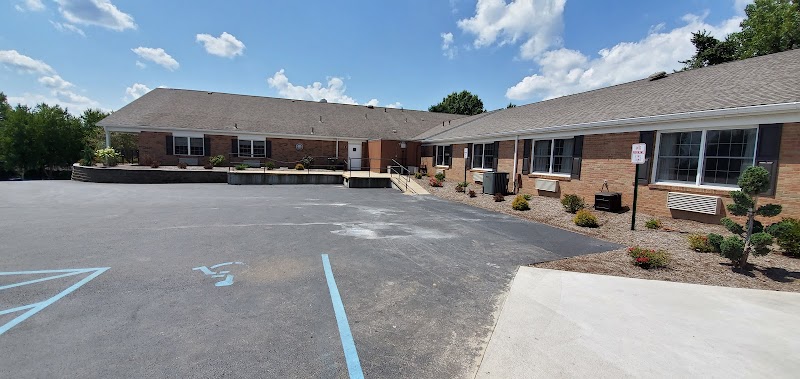
How is Waterview Pointe Nursing & Rehabilitation Staffed?

CMS rates WATERVIEW POINTE NURSING & REHABILITATION's staffing level at 3 out of 5 stars, which is average compared to other nursing homes. Staff turnover is 27%, compared to the Ohio average of 46%. This relatively stable workforce can support continuity of care.

What Have Inspectors Found at Waterview Pointe Nursing & Rehabilitation?

State health inspectors documented 26 deficiencies at WATERVIEW POINTE NURSING & REHABILITATION during 2022 to 2024. These included: 1 that caused actual resident harm, 24 with potential for harm, and 1 minor or isolated issues. Deficiencies causing actual harm indicate documented cases where residents experienced negative health consequences.
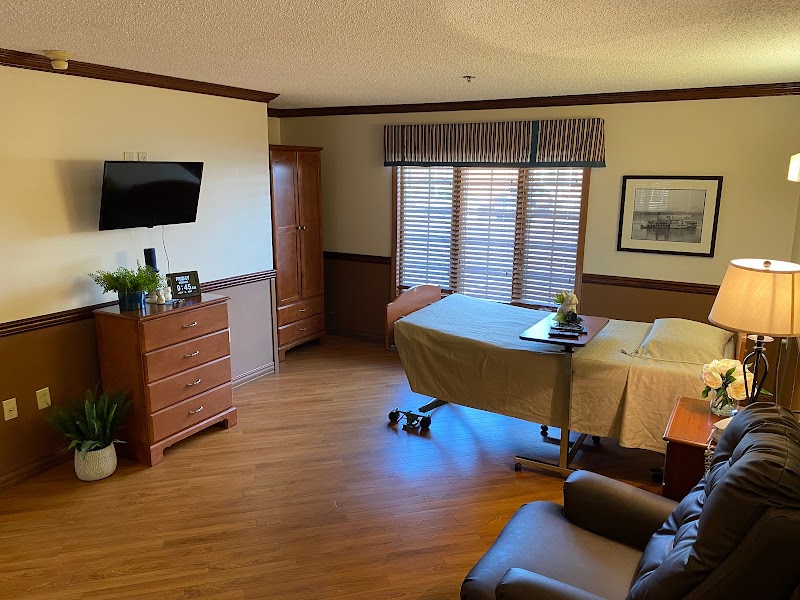
Who Owns and Operates Waterview Pointe Nursing & Rehabilitation?

WATERVIEW POINTE NURSING & REHABILITATION is owned by a for-profit company. For-profit facilities operate as businesses with obligations to shareholders or private owners. The facility is operated by FOUNDATIONS HEALTH SOLUTIONS, a chain that manages multiple nursing homes. With 80 certified beds and approximately 70 residents (about 88% occupancy), it is a smaller facility located in MARIETTA, Ohio.

How Does Waterview Pointe Nursing & Rehabilitation Compare to Other Ohio Nursing Homes?

Compared to the 100 nursing homes in Ohio, WATERVIEW POINTE NURSING & REHABILITATION's overall rating (4 stars) is above the state average of 3.2, staff turnover (27%) is significantly lower than the state average of 46%, and health inspection rating (4 stars) is above the national benchmark.

What Should Families Ask When Visiting Waterview Pointe Nursing & Rehabilitation?

Based on this facility's data, families visiting should ask: "Can I visit during a mealtime to observe dining assistance and food quality?" "How do you handle medical emergencies, and what is your hospital transfer rate?" "Can I speak with family members of current residents about their experience?"

Is Waterview Pointe Nursing & Rehabilitation Safe?

Based on CMS inspection data, WATERVIEW POINTE NURSING & REHABILITATION has a clean safety record: no substantiated abuse findings (meaning no confirmed cases of resident harm), no Immediate Jeopardy citations (the most serious violation level indicating risk of serious injury or death), and is not on the Special Focus Facility watch list (a federal program monitoring the lowest-performing 1% of nursing homes). The facility has a 4-star overall rating and ranks #1 of 100 nursing homes in Ohio. While no facility is perfect, families should still ask about staff-to-resident ratios and recent inspection results during their visit.

Do Nurses at Waterview Pointe Nursing & Rehabilitation Stick Around?

Staff at WATERVIEW POINTE NURSING & REHABILITATION tend to stick around. With a turnover rate of 27%, the facility is 19 percentage points below the Ohio average of 46%. Low turnover is a positive sign. It means caregivers have time to learn each resident's needs, medications, and personal preferences. Consistent staff also notice subtle changes in a resident's condition more quickly. Registered Nurse turnover is also low at 10%, meaning experienced RNs are available to handle complex medical needs.

Was Waterview Pointe Nursing & Rehabilitation Ever Fined?

WATERVIEW POINTE NURSING & REHABILITATION has no federal fines on record. CMS issues fines when nursing homes fail to meet care standards or don't correct problems found during inspections. The absence of fines suggests the facility has either maintained compliance or corrected any issues before penalties were assessed. This is a positive indicator, though families should still review recent inspection reports for the full picture.

Is Waterview Pointe Nursing & Rehabilitation on Any Federal Watch List?

WATERVIEW POINTE NURSING & REHABILITATION is not on any federal watch list. The most significant is the Special Focus Facility (SFF) program, which identifies the bottom 1% of nursing homes nationally based on persistent, serious quality problems. Not being on this list means the facility has avoided the pattern of deficiencies that triggers enhanced federal oversight. This is a positive indicator, though families should still review the facility's inspection history directly.