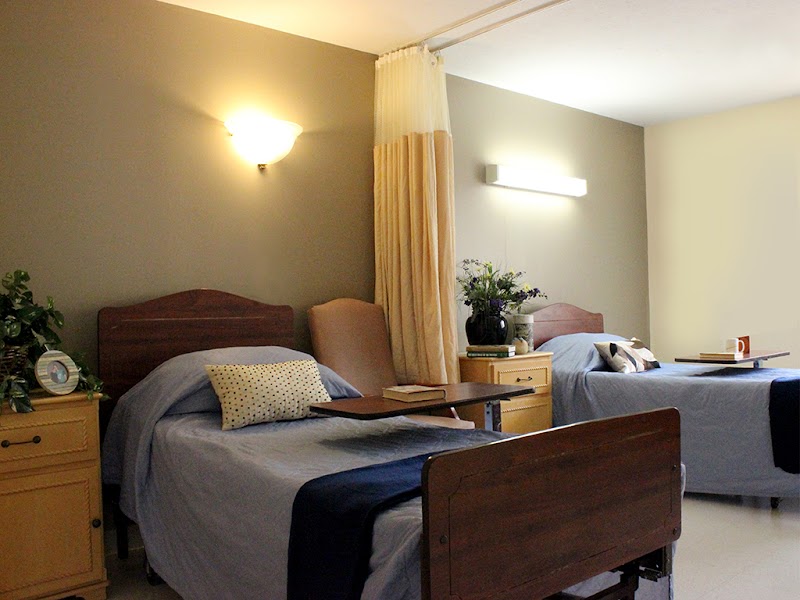
BEREA CENTER

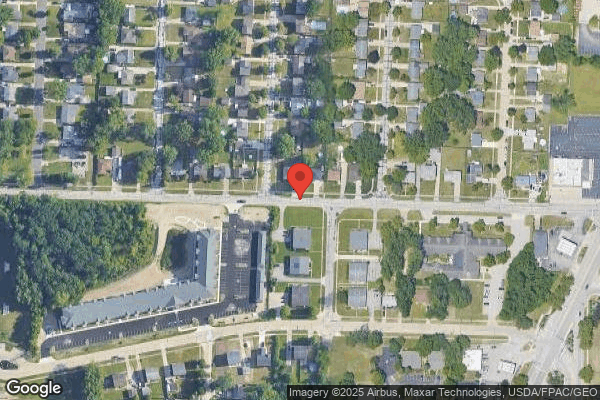
49 SHELDON RD, BEREA, OH 44017 (440) 234-0454
For profit - Corporation 50 Beds COMMUNICARE HEALTH Data: November 2025
Trust Grade
90/100
#25 of 913 in OH
Last Inspection: June 2023

Over 2 years since last inspection. Current conditions may differ from available data.

Overview

Berea Center has received an excellent Trust Grade of A, indicating it is highly recommended and performs well compared to other facilities. It ranks #25 out of 913 nursing homes in Ohio, placing it in the top half of the state, and #4 out of 92 in Cuyahoga County, meaning there are only three local options that are better. The facility's trend is stable, with one issue reported in both 2024 and 2025, indicating consistent performance. Staffing is a weakness here, with a lower rating of 2 out of 5 stars and a turnover rate of 42%, which is slightly better than the Ohio average of 49%. However, there have been no fines recorded, which suggests good compliance with regulations. On the downside, there are notable concerns such as the facility's kitchen not being kept clean, with observed food debris and stains that could affect the health of residents. Additionally, there were issues related to monitoring resident interactions, which could potentially limit residents' autonomy and expose them to risks. While Berea Center has strengths, including good health inspection and quality measures, families should be aware of these weaknesses when considering care options.

Trust Score
A
90/100
In Ohio
#25/913
Top 2%
Safety Record
Low Risk
No red flags
Inspections
Holding Steady
1 → 1 violations
Staff Stability
○ Average
42% turnover. Near Ohio's 48% average. Typical for the industry.
Penalties
✓ Good
No fines on record. Clean compliance history, better than most Ohio facilities.
Skilled Nurses
⚠ Watch
Each resident gets only 25 minutes of Registered Nurse (RN) attention daily — below average for Ohio. Fewer RN minutes means fewer trained eyes watching for problems.
Violations
○ Average
9 deficiencies on record. Average for a facility this size. Mostly minor or procedural issues.
★★★★★
5.0
Overall Rating
★★☆☆☆
2.0
Staff Levels
★★★★★
5.0
Care Quality
★★★★☆
4.0
Inspection Score
Stable
2024: 1 issues
2025: 1 issues

The Good

  • 5-Star Quality Measures · Strong clinical quality outcomes
  • Full Sprinkler Coverage · Fire safety systems throughout facility
  • No fines on record
  • Staff turnover below average (42%)

    6 points below Ohio average of 48%

Facility shows strength in quality measures, fire safety.

The Bad

Staff Turnover: 42%

Near Ohio avg (46%)

Typical for the industry

Chain: COMMUNICARE HEALTH

Part of a multi-facility chain

Ask about local staffing decisions and management

The Ugly 9 deficiencies on record

Aug 2025 1 deficiency
CONCERN (D) 📢 Someone Reported This

A family member, employee, or ombudsman was alarmed enough to file a formal complaint

Potential for Harm - no one hurt, but risky conditions existed

Infection Control (Tag F0880)

Could have caused harm · This affected 1 resident

**NOTE- TERMS IN BRACKETS HAVE BEEN EDITED TO PROTECT CONFIDENTIALITY** Based on observation, interviews, and policy review, the facility failed to ensure infection control procedures were followed du...

Read full inspector narrative →
**NOTE- TERMS IN BRACKETS HAVE BEEN EDITED TO PROTECT CONFIDENTIALITY** Based on observation, interviews, and policy review, the facility failed to ensure infection control procedures were followed during incontinence care. This affected one resident (#4) of three residents reviewed for incontinence care. The facility census was 47.Findings include:Review of the Medical record for Resident #4 revealed an admission date 04/14/23. Diagnoses included dementia, major depression, chronic kidney disease, and psychotic disorder with delusions due to known physiological condition. Review of the Minimum Data Set (MDS) dated [DATE] revealed Resident #4 had impaired cognition. Resident #4 was dependent on staff for toileting and was incontinent of bowel and bladder. Observation on 08/06/25 at 9:26 A.M. of incontinence care for Resident #4 with Certified Nurse Assistant (CNA) #327 and CNA #337 revealed the CNA's both put gloves on and positioned Resident #4 in bed for incontinence care. Resident #4 was incontinent of a moderate amount of urine. CNA #327 and CNA #337 rolled Resident #4 side-to-side to remove the soiled brief. CNA #337 removed the soiled brief and threw it on the floor beside the bed. Then, CNA #327 brought over the trash can and CNA #337 picked up the dirty brief off the floor and threw it in the trash can. CNA #337 continued to finish peri care and put a clean brief on Resident #4. After incontinence care was completed, CNA #337 removed her dirty gloves and put them in the trash can and continued to finish up with Resident #4 without washing her hands or putting on clean gloves. CNA #337 and #327 used the mechanical lift to put Resident #4 back into the wheelchair, without washing their hands. After Resident #4 was in the wheelchair, CNA #337 then took the mechanical lift back to storage room and still had not washed her hands. CNA #327 did not wash her hands and pushed Resident #4 back to the dining room without washing her hands. Interview on 08/06/25 at 9:36 A.M. with CNA #327 and CNA #337 verified they did not wash their hands during or after incontinence care for Resident #4, and CNA #337 verified that she threw the soiled brief on the floor and stated she should have put it in the appropriate receptacle. Interview on 08/06/25 at 9:50 A.M. with Director of Nursing (DON) verified when completing incontinence care staff are to wash their hands and then put clean gloves on and after removing dirty gloves staff should be washing their hands. The DON additionally verified dirty linens or soiled briefs should not be thrown on the floor due to infection control. Review of the facility policy, Perineal Care- Male and Female, dated 07/07/18 revealed arrange items at side of bed and perform hand hygiene and put gloves on. Continue to provide incontinence care. Discard disposable items into designated containers. Remove gloves and discard into designated containers, perform hand hygiene and put on clean gloves reposition resident comfortably, clean up resident area and then perform hand hygiene again. This deficiency represents non-compliance investigated under Complaint Number 1283308 (OH00165852).
Apr 2024 1 deficiency
CONCERN (D) 📢 Someone Reported This

A family member, employee, or ombudsman was alarmed enough to file a formal complaint

Potential for Harm - no one hurt, but risky conditions existed

Quality of Care (Tag F0684)

Could have caused harm · This affected 1 resident

**NOTE- TERMS IN BRACKETS HAVE BEEN EDITED TO PROTECT CONFIDENTIALITY** Based on medical record review, staff interview, and facility policy review, the facility failed to comprehensively assess as we...

Read full inspector narrative →
**NOTE- TERMS IN BRACKETS HAVE BEEN EDITED TO PROTECT CONFIDENTIALITY** Based on medical record review, staff interview, and facility policy review, the facility failed to comprehensively assess as well as monitor non-pressure skin areas. This affected two (Residents #13 and #14) of three residents reviewed for skin issues. The census was 50. Findings include: 1. Review of Resident #13's medical record revealed Resident #13 was admitted to the facility on [DATE]. His diagnoses included but were not limited to Alzheimer's disease, type two diabetes, atherosclerotic heart disease, anemia, schizophrenia, vitamin D deficiency, chronic kidney disease, dementia, hypertensive heart and chronic kidney disease, and hyperlipidemia. Review of Resident #13's Minimum Data Set (MDS) assessment, dated 01/06/24, revealed Resident #13 had a severe cognitive impairment. Review of Resident #13 skin assessment, dated 03/12/24, revealed the facility documented he had no new or existing skin issues. Review of Resident #13's physician orders, dated 03/15/24, revealed he was ordered Hydrocortisone (steroid) External Cream 2.5 percent for contact dermatitis for seven days. There were no skin assessments or progress notes to support the initial diagnosis of dermatitis, and there were no ongoing skin assessments or progress notes to support monitoring of the dermatitis/rash/skin issue. Review of Resident #13 skin assessments, dated 03/19/24 and 03/27/24, revealed the facility documented he had no new or existing skin issues. Review of Resident #13's skin assessment, dated 04/02/24, revealed there was a skin issue documented, but the assessment also stated that the skin issue was not new. It did not indicate what the skin issue was, where it was located, or any description of the skin issue. Review of Resident #13 physician orders, dated 04/03/24, revealed he was ordered Permethrin External Cream five percent (medication used to treat scabies) to be spread over his whole body one time for a rash. There was no documentation indicating where the rash was located. 2. Review of Resident #14's medical record revealed Resident #14 was admitted to the facility on [DATE]. His diagnoses included but were not limited to dementia, need for assistance with personal care, dysphagia, major depressive disorder, anxiety disorder, retention of urine, single subsegmental pulmonary embolism, history of falling, long term use of anticoagulants, and hyperlipidemia. Review of Resident #14's MDS assessment, dated 01/04/24, revealed he had a severe cognitive impairment. Review of Resident #14's skin assessments, dated 02/28/24, 03/06/24, 03/12/24, 03/19/24, and 03/27/24, revealed the facility documented he had no new or existing skin issues. Review of Resident #14's physician orders, dated 03/02/24 to 03/07/24, revealed he was ordered Hydrocortisone External Cream 2.5 percent for contact dermatitis for five days. There were no skin assessments or progress notes to support the initial diagnosis of dermatitis and there were no ongoing skin assessments or progress notes to support monitoring of the dermatitis/rash/skin issue. Review of Resident #14's physician orders, dated 03/08/24 to 03/13/24, revealed he was ordered Hydrocortisone External Cream 2.5 percent for contact dermatitis for five days. There were no skin assessments or progress notes to support the initial diagnosis of dermatitis and there were no ongoing skin assessments or progress notes to support monitoring of the dermatitis/rash/skin issue. Review of Resident #14's physician orders, dated 03/14/24 to 03/21/24, revealed he was ordered Hydrocortisone External Cream 2.5 percent for contact dermatitis for seven days. There were no skin assessments or progress notes to support the initial diagnosis of dermatitis and there were no ongoing skin assessments or progress notes to support monitoring of the dermatitis/rash/skin issue. Review of Resident #14's skin assessment, dated 04/02/24, revealed there was a skin issue documented, but the assessment also stated that the skin issue was not new. It did not indicate what the skin issue was, where it was located, or any description of the skin issue. Review of Resident #14's physician orders, dated 04/03/24, revealed he had a dermatology appointment to determine the cause/extent of the skin issues that had not been resolved. Review of Resident #14's physician orders, dated 04/03/24, revealed he was ordered Permethrin External Cream five percent to be spread over his whole body one time for suspected scabies. There was no documentation to support where the rash/skin issues/suspected scabies was located. Interview with the Director of Nursing and Administrator on 04/05/24 at 12:50 P.M. confirmed there were no skin assessments, monitoring, or initial documentation of both Resident #13 and Resident #14's dermatitis/rash/skin issues. They confirmed the Residents #13 and #14 had skin issues that were found by staff and treated but were not included on the skin assessments. They confirmed Resident #14 was sent to the dermatologist and was diagnosed with and treated for suspected scabies. They also confirmed they treated Resident #13's skin issues/rash in the same manner as Resident #14 and Resident #14 was suspected of having scabies. Neither Resident #13 or Resident #14 were confirmed to have scabies since the dermatologist declined to scrape Resident #14's skin in order to confirm it was scabies and it was decided the best course of action was to treat the skin issues as if they did have scabies. Interview with Registered Nurse (RN) #102 and Licensed Practical Nurse (LPN) #103 on 04/05/24 at 1:00 P.M. revealed they were spoosed to perform skin assessments on the residents each week. If the resident had a new skin issue then they were to document it on the weekly skin assessment form. They were supposed to describe the type of skin issue, where it was, and who they contacted about the skin issue. They also revealed they were supposed to document the progression/regression of the resident's skin issues in the residents medical record, and document if/when a skin issue moves to another area of the body. Interview with Nurse Practitioner #101 on 04/05/24 at 1:15 P.M. confirmed the order for hydrocortisone for Resident #14 was ordered each time because Resident #14's rash was moving to different areas. She was not sure if the facility documented where the rashes were located each time they notified her of the changes to the rash and received a new order for hydrocortisone. She confirmed she saw the rash on his back and his chest; but she confirmed she did not describe what the rash looked like each time she assessed it. Review of the facility policy titled Scabies Management and Care, dated 07/07/17, revealed scabies was defined as a common, contagious, intensely itchy skin condition caused by a tiny, burrowing parasitic mites. Staff are to perform visual skin assessments on admission. If noted with red, raised areas with tracks or crusted, rash areas particularly on hands, fingers, toes, buttocks, and belt, sock, and bra area, contact the physician/provider. All abnormalities are noted and documented. The attending physician will be notified, as well as the attending physician of the roommate and other close contacts. The physician may order prophylactic treatment depending on each circumstance. The resident's responsible party will be notified as well. If scabies is diagnosed, notify the responsible party that those who had recent contact, including roommates with the resident, should follow up with their physician for treatment including possible prophylactic treatment to prevent spreading the mite to others. There is no effective, recommended over-the-counter treatment for scabies. The facility is to implement contact precautions. A private room is desirable, if the resident is not cognitively intact, update the care plan, obtain labs as ordered including skin scraping for identification, staff to wear appropriate PPE (personal protective equipment) when providing direct care, and discontinue contact precautions 24 hours after initial treatment. The incubation period can be two to six weeks before signs or symptoms occur. Clinical signs of infestation may include tiny vesicles or blisters where the scabies mite has penetrated the skin and tiny, slightly elevated, linear burrows, about 0.5 millimeters (mm) in diameter and three to 15 mm in length, containing the mites and their eggs. Failure to identify positive scrapings does not indicate a negative diagnosis. It is very difficult to obtain a positive scraping because only one or two mites may cause multiple lesions. Often diagnosis is made from signs and symptoms and treatment is followed without scraping sent to lab. This deficiency represents non-compliance investigated under Complaint Number OH00152194.
Aug 2023 1 deficiency
CONCERN (D) 📢 Someone Reported This

A family member, employee, or ombudsman was alarmed enough to file a formal complaint

Potential for Harm - no one hurt, but risky conditions existed

Deficiency F0760 (Tag F0760)

Could have caused harm · This affected 1 resident

**NOTE- TERMS IN BRACKETS HAVE BEEN EDITED TO PROTECT CONFIDENTIALITY** Based on record review, observation and interview, the facility failed to ensure Resident #26 was free of significant medication...

Read full inspector narrative →
**NOTE- TERMS IN BRACKETS HAVE BEEN EDITED TO PROTECT CONFIDENTIALITY** Based on record review, observation and interview, the facility failed to ensure Resident #26 was free of significant medication errors. This affected one (Resident #26) of four residents reviewed for medication administration. The facility census was 47. Findings include: Review of the medical record for Resident #26 revealed she was admitted on [DATE] with diagnoses including dementia, dysphagia (difficulty swallowing), and hypertension (high blood pressure). Review of the physician's orders and Medication Administration Record (MAR) for Resident #26 revealed she had an order for Metoprolol Succinate 100 milligrams (mg) Extended Release (ER) in the morning for hypertension dated 08/24/22. Observation was made on 08/21/23 at 8:45 A.M. with Licensed Practical Nurse (LPN) #113 of medication administration to Resident #26. LPN #113 prepared the medications, including Acetaminophen (for pain), Buspirone (for depression), Depakote (for seizures), Magnesium, Potassium, Torsemide (diuretic) and Metoprolol Succinate ER 100 mg. She placed the Potassium in a separate cup and added water to assist in dissolving. She opened the Depakote capsules and placed it in with the Potassium. She then crushed the remaining medications and placed them in the cup with the other medications. LPN #113 then administered Resident #26 her medications. Interview on 08/21/23 at 8:50 A.M. with LPN #113 verified she crushed the Metoprolol Succinate ER 100 mg. even though it should not have been crushed as it was extended release. Review of the nursing progress note dated 08/21/23 at 9:45 A.M. for Resident #26 revealed nursing staff documented the nurse crushed a medication that was not to be crushed and administered it to the resident. The nurse practitioner was updated. Review of the prescribing information for Toprol-XL (Metoprolol Succinate ER) on the manufacturer's website (www.toprol-xl.com), dated 2022, revealed the medication can be divided, however, patients are not to crush or chew the tablet. Review of the facility policy titled, Medication Administration, undated, revealed nursing staff should follow the manufacturer's recommendations for medications that note do not crush.
Jun 2023 1 deficiency
CONCERN (F)

Potential for Harm - no one hurt, but risky conditions existed

Food Safety (Tag F0812)

Could have caused harm · This affected most or all residents

Based on observation and interview, the facility failed to maintain a clean and sanitary kitchen. This had the potential to affect all 47 residents residing in the facility. Findings included: Tour ...

Read full inspector narrative →
Based on observation and interview, the facility failed to maintain a clean and sanitary kitchen. This had the potential to affect all 47 residents residing in the facility. Findings included: Tour of the kitchen on 05/30/23 from 8:56 A.M. through 9:15 A.M. with Dietary Manager (DM) #857 revealed the wall where the prep table that housed the microwave had various dried splatters and red streaks running down the wall at the point of the middle shelf toward the floor. Next to the microwave was the knife holder that had various stains and debris. Observed DM #857 pickup the knife holder and underneath were various food debris and a butter knife. The commercial can opener holder had dark brownish black build up. Also on the prep table was a toaster that had various splatters and stains. On the top shelf of the prep table were various food crumbs. The front of the stove had various stains; the grease trap had a moderate amount of burnt grease build up. Next to the stove was a table that housed the steamer that had a large brownish and whitish dried on stain. The floor under this table and along with side of it near the wall had various debris and dirt. In the dry storage room area underneath the racks were various debris including plastic fork and spoon, styrofoam cup, and individual condiment packets. The floor of the walk-in cooler had a moderate amount of debris on black floor mat. The floor of the walk-in freezer had a minimal amount of debris on black floor mat. Interview on 05/30/23 between 8:56 A.M. and 9:15 A.M. with DM #857 verified the above findings.
Feb 2023 3 deficiencies
CONCERN (D) 📢 Someone Reported This

A family member, employee, or ombudsman was alarmed enough to file a formal complaint

Potential for Harm - no one hurt, but risky conditions existed

Free from Abuse/Neglect (Tag F0600)

Could have caused harm · This affected 1 resident

Based on record review, staff interview, review of facility Self-Reported Incidents (SRIs) and review of the facility policy titled OHIO Abuse, Neglect, and Misappropriation the facility failed to ens...

Read full inspector narrative →
Based on record review, staff interview, review of facility Self-Reported Incidents (SRIs) and review of the facility policy titled OHIO Abuse, Neglect, and Misappropriation the facility failed to ensure residents were free from abuse. This affected one resident (#46) of two residents reviewed for physical abuse. The facility census was 48. Findings include: 1. Review of the medical record for Former Resident (FR) #49 revealed an admission date of 12/14/22. FR #49 was discharged on 01/18/23. Diagnoses included unspecified dementia, unspecified severity, without behavioral disturbance, psychotic disturbance, mood disturbance, and anxiety, paranoid schizophrenia, and other specified mental disorders due to known physiological condition. Review of the 01/03/23, return-not-anticipated, Minimum Data Set (MDS) 3.0 assessment for FR #49 revealed the resident had a memory problem and was severely impaired for tasks of daily life. FR #49 also had a history of physical and verbal symptoms directed towards others. Review of the MDS 3.0 assessment revealed FR #49 required supervision to limited assist from staff for activities of daily living (ADL). Review of the care plan, dated 12/13/22, revealed FR #49 had a behavior problem related to post-traumatic stress disorder, schizophrenia, hallucinations, pain, and psychosocial issues that included physical aggression towards others, exit seeking behaviors, verbal aggression towards others, and placing self on floor. Interventions included intervene as necessary to protect the rights and safety of others, administer medications as ordered, monitor, observe, and report to physician. Review of the physician orders dated 12/14/22 revealed an order for lorazepam oral tablet 0.5 milligrams (antianxiety) to be given one tablet by mouth every eight hours as needed for agitation for 14 days. Review of the physician orders dated 12/19/22 revealed an order for Seroquel oral tablet 100 milligrams (antipsychotic) to be given one tablet by mouth at bedtime for schizophrenia. Review of the physician orders dated 12/27/22 revealed an order for olanzapine oral tablet 2.5 milligrams (antipsychotic) to be given one tablet by mouth at bedtime for schizophrenia. Review of the physician orders dated 12/27/22 revealed an order for one-on-one supervision until further notice every shift for safety. 2. Review of the medical record for Resident #46 revealed an admission date of 12/30/20. Diagnoses included encephalopathy, difficulty in walking, and dementia unspecified severity, with other behavioral disturbance. Review of the 01/09/23, quarterly, MDS 3.0 assessment for Resident #46 revealed the resident had cognitive impairment. Review of the MDS 3.0 assessment revealed Resident #46 required one-staff physical extensive assist for ADL. Review of the care plan, dated 01/09/23, revealed Resident #46 had a mood problem related to impulse disorder, psychotic disorder, and insomnia, required a secured unit related to poor cognition, dementia, elopement risk, depression, and anxiety. Interventions included offer task to divert attention, apply secured device, administer medications as ordered, monitor, observe, and report to physician. Review of the progress note, located in the electronic medical record (EMR) for FR #49, dated 12/16/22 at 12:50 P.M., revealed he was agitated, swearing, and swinging his cane at staff. Review of the progress note dated 12/26/22 at 10:18 P.M. FR #49 hit another resident (#46) in the face with his cane. FR #49 was separated from Resident #46. FR #49 cane was confiscated as a weapon. FR #49's gait was steady without the use of the cane. FR #49 was placed on one-on-one supervision. Review of the progress note, located in the EMR for Resident #46, dated 12/26/22 at 10:26 P.M., revealed he was hit in the face with a cane by another resident (FR #49). Resident #46 had a 0.5 centimeter (cm) length by 0.5 cm width by 0.5 cm depth laceration under his left eye. Resident #46's eye was cleansed, patted dried, triple antibiotic ointment was applied and open to air. Residents #46 and FR #49 were separated, neurological checks initiated, one-on-one interventions and monitoring were put into place. Review of the incident log dated 11/03/22 to 02/01/23 revealed an incident of alleged resident-to-resident physical abuse was listed on 12/26/22 for Resident #46 and FR #49. Review of the Ohio Department of Health's Gateway system revealed a facility SRI related to the allegation of physical abuse initiated as of 12/26/22 for Resident #46 and FR #49. Review of the facility SRI tracking number (#) 230500 dated 12/26/22 revealed Resident #46 and FR #49 were sitting in the dining room. FR #49 was overheard asking Resident #46 for money. Resident #46 did not answer and attempted to pick up something from the floor. FR #49 thought Resident #46 was trying to take his shoes and took his cane and hit Resident #46 in the face, causing a laceration to his left eye. Review of the facility policy titled OHIO Abuse, Neglect, and Misappropriation, revised 10/27/21, revealed the facility had a policy in place to prevent abuse, mistreatment, or neglect of residents or the misappropriation of their property, corporal punishment and/or voluntary seclusion and to provide guidance to direct staff to manage any concerns or allegations of abuse, neglect, or misappropriation of their property. Review of the policy revealed staff would be established based on census, acuity level, and needs. Review of the facility document revealed the facility did not implement the policy regarding the allegation of abuse. The above findings were verified during an interview on 02/01/23 at 3:26 P.M. with the Director of Nursing (DON).
CONCERN (D) 📢 Someone Reported This

A family member, employee, or ombudsman was alarmed enough to file a formal complaint

Potential for Harm - no one hurt, but risky conditions existed

Abuse Prevention Policies (Tag F0607)

Could have caused harm · This affected 1 resident

Based on record review, staff interview, review of facility Self-Reported Incidents (SRIs) and review of the facility policy titled OHIO Abuse, Neglect, and Misappropriation the facility failed to imp...

Read full inspector narrative →
Based on record review, staff interview, review of facility Self-Reported Incidents (SRIs) and review of the facility policy titled OHIO Abuse, Neglect, and Misappropriation the facility failed to implement a policy to prevent resident-to-resident physical abuse. This affected one resident (#46) of two residents reviewed for physical abuse. The facility census was 48. Findings Include: 1. Review of the medical record for Former Resident (FR) #49 revealed an admission date of 12/14/22. FR #49 was discharged on 01/18/23. Diagnoses included unspecified dementia, unspecified severity, without behavioral disturbance, psychotic disturbance, mood disturbance, and anxiety, paranoid schizophrenia, and other specified mental disorders due to known physiological condition. Review of the 01/03/23, return-not-anticipated, Minimum Data Set (MDS) 3.0 assessment for FR #49 revealed the resident had a memory problem and was severely impaired for tasks of daily life. FR #49 also had a history of physical and verbal symptoms directed towards others. Review of the MDS 3.0 assessment revealed FR #49 required supervision to limited assist from staff for activities of daily living (ADL). Review of the care plan, dated 12/13/22, revealed FR #49 had a behavior problem related to post-traumatic stress disorder, schizophrenia, hallucinations, pain, and psychosocial issues that included physical aggression towards others, exit seeking behaviors, verbal aggression towards others, and placing self on floor. Interventions included intervene as necessary to protect the rights and safety of others, administer medications as ordered, monitor, observe, and report to physician. Review of the physician orders dated 12/14/22 revealed an order for lorazepam oral tablet 0.5 milligrams (antianxiety) to be given one tablet by mouth every eight hours as needed for agitation for 14 days. Review of the physician orders dated 12/19/22 revealed an order for Seroquel oral tablet 100 milligrams (antipsychotic) to be given one tablet by mouth at bedtime for schizophrenia. Review of the physician orders dated 12/27/22 revealed an order for olanzapine oral tablet 2.5 milligrams (antipsychotic) to be given one tablet by mouth at bedtime for schizophrenia. Review of the physician orders dated 12/27/22 revealed an order for one-on-one supervision until further notice every shift for safety. 2. Review of the medical record for Resident #46 revealed an admission date of 12/30/20. Diagnoses included encephalopathy, difficulty in walking, and dementia unspecified severity, with other behavioral disturbance. Review of the 01/09/23, quarterly, MDS 3.0 assessment for Resident #46 revealed the resident had cognitive impairment. Review of the MDS 3.0 assessment revealed Resident #46 required one-staff physical extensive assist for ADL. Review of the care plan, dated 01/09/23, revealed Resident #46 had a mood problem related to impulse disorder, psychotic disorder, and insomnia, required a secured unit related to poor cognition, dementia, elopement risk, depression, and anxiety. Interventions included offer task to divert attention, apply secured device, administer medications as ordered, monitor, observe, and report to physician. Review of the progress note, located in the electronic medical record (EMR) for FR #49, dated 12/16/22 at 12:50 P.M., revealed he was agitated, swearing, and swinging his cane at staff. Review of the progress note dated 12/26/22 at 10:18 P.M. FR #49 hit another resident (#46) in the face with his cane. FR #49 was separated from Resident #46. FR #49 cane was confiscated as a weapon. FR #49's gait was steady without the use of the cane. FR #49 was placed on one-on-one supervision. Review of the progress note, located in the EMR for Resident #46, dated 12/26/22 at 10:26 P.M., revealed he was hit in the face with a cane by another resident (FR #49). Resident #46 had a 0.5 centimeter (cm) length by 0.5 cm width by 0.5 cm depth laceration under his left eye. Resident #46's eye was cleansed, patted dried, triple antibiotic ointment was applied and open to air. Residents #46 and FR #49 were separated, neurological checks initiated, one-on-one interventions and monitoring were put into place. Review of the incident log dated 11/03/22 to 02/01/23 revealed an incident of alleged resident-to-resident physical abuse was listed on 12/26/22 for Resident #46 and FR #49. Review of the Ohio Department of Health's Gateway system revealed a facility SRI related to the allegation of physical abuse initiated as of 12/26/22 for Resident #46 and FR #49. Review of the facility SRI tracking number (#) 230500 dated 12/26/22 revealed Resident #46 and FR #49 were sitting in the dining room. FR #49 was overheard asking Resident #46 for money. Resident #46 did not answer and attempted to pick up something from the floor. FR #49 thought Resident #46 was trying to take his shoes and took his cane and hit Resident #46 in the face, causing a laceration to his left eye. Review of the facility policy titled OHIO Abuse, Neglect, and Misappropriation, revised 10/27/21, revealed the facility had a policy in place to prevent abuse, mistreatment, or neglect of residents or the misappropriation of their property, corporal punishment and/or voluntary seclusion and to provide guidance to direct staff to manage any concerns or allegations of abuse, neglect, or misappropriation of their property. Review of the policy revealed staff would be established based on census, acuity level, and needs. Review of the facility document revealed the facility did not implement the policy regarding the allegation of abuse. The above findings were verified during an interview on 02/01/23 at 3:26 P.M. with the Director of Nursing (DON).
CONCERN (E) 📢 Someone Reported This

A family member, employee, or ombudsman was alarmed enough to file a formal complaint

Potential for Harm - no one hurt, but risky conditions existed

Resident Rights (Tag F0550)

Could have caused harm · This affected multiple residents

**NOTE- TERMS IN BRACKETS HAVE BEEN EDITED TO PROTECT CONFIDENTIALITY** Based on record review, staff interview, review of facility Self-Reported Incident (SRIs), and review of the policy titled OHIO ...

Read full inspector narrative →
**NOTE- TERMS IN BRACKETS HAVE BEEN EDITED TO PROTECT CONFIDENTIALITY** Based on record review, staff interview, review of facility Self-Reported Incident (SRIs), and review of the policy titled OHIO Abuse, Neglect, and Misappropriation the facility failed to monitor resident-to-resident interactions that may limit residents' autonomy or choice. This affected four (#6, #47, #48, and #50) of four residents reviewed for sexual abuse. The facility census was 48. Findings include: 1. Review of the medical record for Resident #6 revealed an admission date of 04/13/22. Diagnoses included dementia, unspecified severity without behavioral disturbance, psychotic disturbance, mood disturbance, and anxiety, senile degeneration of brain, and personal history of COVID-19. Review of the quarterly, Minimum Data Set (MDS) 3.0 assessment dated [DATE] revealed Resident #6 had a Brief Interview for Mental Status (BIMS) score of 6 that indicated cognitive impairment. Review of the MDS 3.0 assessment revealed Resident #6 required set-up help only with supervision from staff for activities of daily living (ADL). Review of the care plan dated 01/01/23 revealed Resident #6 had a behavior problem related to impaired cognition, depression, senile degeneration, and insomnia that included being sexually inappropriate, aggressive, wandering, refusal of care, and agitation. Resident #6 also required a secured unit due to poor cognition and wandering. Interventions included intervene as necessary to protect the rights and safety of others, offer task to divert attention, apply secured device, administer medications as ordered, monitor, observe, and report to physician. Review of the physician orders dated 06/21/22 revealed an order to check Wanderguard (wander management system to protect residents at risk for elopement) placement on left ankle every shift. Review of the physician orders dated 07/19/22 revealed an order for Resident #6 to be monitored for behaviors such as wandering, sexually aggressive, refusals of care, and agitation every shift. Review of the physician orders dated 11/10/22 revealed an order for Resident #6 to be on secured unit due to dementia. Review of the physician orders dated 01/30/23 revealed an order for Resident #6 to be one-on-one supervision every shift. 2. Review of the medical record for Resident #48 revealed an admission date of 01/07/23. Diagnoses included memory deficit following cerebral infarction, type II diabetes mellitus without complications, and cerebral infarction. Review of the admission, MDS 3.0 assessment dated [DATE] revealed Resident #48 had a BIMS score of 14 indicating he was alert and oriented to person, place, and time. Review of the MDS 3.0 assessment revealed Resident #48 required set-up help only to one-staff physical limited assist from staff for ADL. Review of the care plan dated 01/07/23 revealed Resident #48 required a secured unit for poor cognition, wandered aimlessly form place to place, and had a behavior problem related to being sexually inappropriate with staff members. Interventions included intervene as necessary to protect the rights and safety of others, offer task to divert attention, apply secured device (Wanderguard), administer medications as ordered, monitor, observe, and report to physician. Review of the progress note located in the electronic medical record (EMR) dated 01/12/23 at 7:29 P.M. revealed Resident #48 was being sexually inappropriate with staff members. Resident #48 was redirected to his room. Resident #48 was to be monitored for his behavior and any signs of inappropriate behavior. Review of the progress note dated 01/16/23 at 5:40 A.M. revealed Resident #48 was sexually inappropriate with staff and redirected. Review of the progress note dated 01/17/23 at 4:11 P.M. revealed Resident #48 was making inappropriate sexual comments and actions towards staff. Resident #48 was easily redirected and apologetic. Review of the progress note located in the EMR for Resident #6 dated 01/29/23 at 5:20 P.M. revealed Resident #6 was witnessed being sexually inappropriate with a male resident (Resident #48). Review of the progress note dated 01/29/23 at 6:09 P.M. revealed Resident #48 and another resident, Resident #6, were separated due to inappropriate sexual activity. Head-to-toe skin checks were completed with no issues noted. Resident #48 was assisted to the dining room. The Director of Nursing (DON), local police department, and family were notified. Review of the progress note dated 01/29/23 at 6:17 P.M. for Resident #48 revealed, at approximately 5:00 P.M., Resident #6 and Resident #48 were separated due to inappropriate sexual activity. Review of the progress note revealed head-to-toe skin checks were done with no issues noted. Resident #6 was assisted to the dining room and the DON, local police department, and family were notified. Review of the progress note dated 01/31/21 at 6:30 A.M. revealed Resident #6 had no behaviors and continued one-on-one supervision. Review of the incident log dated 11/03/22 to 02/01/23 revealed an incident of alleged sexual abuse was listed on 01/29/23 at 5:00 P.M. for Residents #6 and #48. Review of the incident log revealed no other reported incidents regarding Residents #6 and #48. Review of the Ohio Department of Health's Gateway system revealed an SRI related to the allegation of abuse initiated as of 01/29/23 for Residents #6 and #48. Further review of the Gateway system revealed other sexual abuse allegations dated 12/30/21 and 04/14/22 for Resident #6. Review returned a history of sexually inappropriate behaviors displayed by Resident #6. Review of the facility SRI tracking number (#) 231552 dated 01/29/23 revealed Resident #6 was in Resident #48's room standing next to the bed with her hands down Resident #48's pants. Residents #6 and #48 were immediately separated and assessed. Assessment returned no injuries noted. Resident #6 was placed on one-on-one supervision. Both residents were then escorted to the dining room for the dinner meal and seated at separate tables. The local police department were notified, and a report was filed. Review of Certified Nurse Aide (CAN) #812's witness statement revealed she found Resident #6's hands down Resident #48's pants as she was making rounds checking resident rooms. CNA #812 revealed she notified staff in charge and separated Residents #6 and #48 from each other. 3. Review of medical record for Resident #47 revealed an admission date of 09/28/22. Diagnoses included early onset Alzheimer's disease, unspecified severity with other behavioral disturbance, and unspecified dementia, unspecified severity with anxiety. Review of the physician orders dated 09/28/22 revealed an order to check Wanderguard placement on left ankle every shift. Review of the physician orders dated 10/04/22 revealed an order to monitor behaviors for wandering, exit seeking, and being withdrawn every shift. Review of the quarterly MDS 3.0 assessment dated [DATE] revealed Resident #47 had a BIMS score of 3 indicating cognitive impairment. Review of the MDS 3.0 assessment revealed Resident #47 required one-staff physical extensive assist for ADL. Review of the care plan dated 01/06/23 revealed Resident #47 required a secured unit due to poor cognition and wandering. Interventions included offer task to divert attention, administer medications as ordered, monitor, observe, and report to physician. 4. Review of medical record for Former Resident (FR) #50 revealed an admission date of 08/11/22. Diagnoses included dementia, unspecified severity, with other behavioral disturbance, atherosclerotic heart disease of native coronary artery without angina pectoris, and major depressive disorder, recurrent, unspecified. Review of the care plan dated 08/11/22 revealed FR #50 had a behavior problem related to being sexually inappropriate with staff members and female residents. Interventions included offer task to divert attention, administer medications as ordered, monitor, observe, and report to physician. Review of the quarterly, MDS 3.0 assessment dated [DATE] revealed FR #50 had a BIMS score of 3 indicating cognitive impairment. Review of the MDS 3.0 assessment revealed FR #50 required one-staff physical extensive assist from staff for ADL. Review of the progress note, located in the EMR for Resident #47 dated 12/01/22 at 9:15 P.M. revealed Resident #47 was observed in another resident (FR #50) room, sitting on the bed, and being touched inappropriately. Resident #47 and FR #50 were separated immediately; the local police department was notified. Review of the progress note, located in the EMR for FR #50 dated 12/01/22 at 9:27 P.M. revealed he was touching another resident (Resident #47) inappropriately. The Administrator and DON were notified, and the local police were contacted and enroute. Review of the progress note dated 12/01/22 at 10:14 P.M. revealed police arrived at the facility at 9:30 P.M. and obtained report. Review of the incident log dated 11/03/22 to 02/01/23 revealed an incident of alleged sexual abuse was listed on 12/01/22 for Resident #47 and FR #50. Review of the incident log revealed no other reported incidents regarding Resident #47 and FR #50. Review of the Ohio Department of Health's Gateway system revealed an SRI related to the allegation of abuse initiated as of 12/01/22 for Resident #47 and FR #50. Further review of the Gateway system revealed another sexual abuse allegation entry dated 09/18/22 for FR #50. Review returned a history of sexually inappropriate behaviors displayed by FR #50. Review of the facility SRI tracking #229701 dated 12/01/22 revealed FR #50 was observed with his hand down Resident #47's pants in his room. Resident #47 and FR #50 were immediately separated and assessed for injury. Resident #47 was escorted out of room and assisted to the common area. FR #50 remained in his room and placed on one-on-one supervision. Review of the facility policy titled OHIO Abuse, Neglect, and Misappropriation, revised 10/27/21, revealed the facility had a policy in place to prevent abuse, mistreatment, or neglect of residents or the misappropriation of their property, corporal punishment and/or voluntary seclusion and to provide guidance to direct staff to manage any concerns or allegations of abuse, neglect, or misappropriation of their property. Review of the policy revealed staff would be established based on census, acuity level, and needs. Review of the facility document revealed the facility did not implement the policy in regard to the allegation of abuse. The above findings were verified during an interview on 02/01/23 at 3:26 P.M. with the DON. This deficiency represents noncompliance investigated under Self-Reported Incident Control Number OH00139805.
Jan 2019 2 deficiencies
CONCERN (D)

Potential for Harm - no one hurt, but risky conditions existed

Deficiency F0810 (Tag F0810)

Could have caused harm · This affected 1 resident

**NOTE- TERMS IN BRACKETS HAVE BEEN EDITED TO PROTECT CONFIDENTIALITY** Based on observation, interview and record review the facility failed to ensure consistent use of adaptive equipment for one res...

Read full inspector narrative →
**NOTE- TERMS IN BRACKETS HAVE BEEN EDITED TO PROTECT CONFIDENTIALITY** Based on observation, interview and record review the facility failed to ensure consistent use of adaptive equipment for one resident (Resident #17) of 43 residents observed for dining (Resident #36 and Resident #38 were identified by the facility as receiving nothing by mouth). The facility census was 45 residents. Findings include: Review of Resident #17's medical record revealed an admission date of 11/01/16 and diagnoses including dementia, right wrist contracture, bipolar disorder, falls and vitamin D deficiency. Review of an annual minimum data set (MDS) 3.0 assessment dated [DATE] revealed Resident #17 was cognitively impaired, had a mechanically altered diet and had no weight loss or weight gain. Review of physician's orders in both the paper chart as well as the electronic medical record revealed Resident #17 was on a puree diet with honey thick liquids and required a small bolus spoon (adaptive device used for those with decreased oral motor strength to ensure food is entirely consumed). Review of a nutrition assessment dated [DATE] revealed Resident #17 received a pureed diet with honey thick liquids and required a small bolus spoon. Review of a nutrition care plan revealed Resident #17 was at risk for choking at meals and pocketed food (held it in his cheeks) and required feeding assistance at meals. Interventions included to assist with feeding Resident #17 including alternating small bites and sips, following any safe feeding strategies per speech-language pathologist guidelines and use of the small bolus spoon. Observation of the lunch meal on 01/23/19 starting at 12:45 P.M. revealed State Tested Nurse Aide (STNA) #200 feeding Resident #17 soup as well as thickened water with a plastic spoon. A bolus spoon was available and used for the pureed items on the resident's plate. STNA #200 continued to use the plastic spoon to provide water to Resident #17 at 12:53 P.M. Resident #17 coughed several times throughout the observation. Observation of the lunch meal on 01/24/19 starting at 12:26 P.M. revealed STNA #200 seated to the right of Resident #17. STNA #200 brought Resident #17's tray to the table at 12:34 P.M. which consisted of two small bolus spoons, a glass of thickened milk, a glass of thickened water, a plate with pureed entrees and sides, soup and pudding. STNA #200 then went over to the medication cart to grab several plastic spoons off the cart. STNA #200 was noted to use these plastic spoons to provide Resident #17 thickened water at 12:37 P.M., 12:44 P.M. and 12:51 P.M. and soup at 12:48 P.M. Resident #17 coughed several times throughout the observation. Interview on 01/24/19 at 12:58 P.M. with STNA #200 revealed she had fed Resident #17 on 01/23/19 and on 01/24/19. STNA #200 did not tell the surveyor why she used a plastic spoon to feed Resident #17 soup instead of the bolus spoon and stated she used the plastic spoon on the thickened water to ensure he had enough to drink. Interview on 01/24/19 at 1:03 P.M. with Occupational Therapist #201 verified Resident #17 was to have the bolus spoon for all items during the meal and showed the surveyor the physician's order in the resident's chart stating this information.
CONCERN (E)

Potential for Harm - no one hurt, but risky conditions existed

Deficiency F0804 (Tag F0804)

Could have caused harm · This affected multiple residents

**NOTE- TERMS IN BRACKETS HAVE BEEN EDITED TO PROTECT CONFIDENTIALITY** 3. Review of Resident #33's medical record revealed an admission date of 10/15/14 and diagnoses including dementia, depression, ...

Read full inspector narrative →
**NOTE- TERMS IN BRACKETS HAVE BEEN EDITED TO PROTECT CONFIDENTIALITY** 3. Review of Resident #33's medical record revealed an admission date of 10/15/14 and diagnoses including dementia, depression, hypertension (high blood pressure), left hand contracture and chronic pain syndrome. Review of a quarterly minimum data set (MDS) 3.0 assessment dated [DATE] revealed the resident was cognitively impaired and required the extensive assist of one person at meals. Review of physician's orders revealed Resident #33 received a mechanical soft diet. Review of Resident #33's [NAME] (document detailing care needs of a resident) revealed she required extensive to dependent assistance and staff participation for eating. The resident could not be interviewed due to cognition. Observation of the lunch meal on 01/22/19 starting at 12:30 P.M. revealed Resident #33 was served her plate consisting of mechanically altered pork, rice and cauliflower at 12:35 P.M. Her plate remained uncovered to air and untouched until staff came by to assist her at 12:55 P.M. Per surveyor intervention, temperature readings of the food on Resident #33's plate were obtained by Food Service Director (FSD) #202 at 12:58 P.M. and were as follows: pork 111 degrees Fahrenheit (F); cauliflower 96 degrees F and rice 115 degrees F. Interview with FSD #202 at the time of the above observation revealed foods should be at least 135 degrees F at the time of presentation to the table and verified food should not have been sitting out uncovered before Resident #33 was assisted at the meal. Based on observation and staff interview the facility failed to serve the lunch meal at a palatable temperature to three residents (Resident #27, #41, and #33) of 40 residents eating in the dining room. The facility census was 45. Findings Include: 1. The lunch service was observed on 01/22/19 from 12:35 P.M. through 1:10 P.M. The lunch trays were given to the three residents at approximately 12:35 P.M. At 1:05 P.M. an aide sat down next to Resident #27 and started to feed him. The meal was stopped and Dietary Manager (DM) 202 was asked to check the temperature of the resident's food. Resident #27's food temperatures were pureed pork 141 degrees Fahrenheit (F), pureed rice was 132 degrees F, and pureed carrots were 122 degrees F. Review of the [NAME] (contains instructions for resident care) for Resident #27 revealed he required extensive assistance of one staff member at meals and at times may require total dependence on staff to eat his meals. The resident could not be interviewed due to cognition. 2. Resident # 41's food temperatures were checked and the pureed pork was 133 degrees F, pureed rice was 130 degrees F, and the pureed carrots were 110 degrees F. DM #202 informed the aides not to feed the residents until the meals were reheated. Review of the [NAME] for Resident #41 revealed he required extensive assistance of one staff member at meals and at times may require total dependence on staff to eat his meals.The resident could not be interviewed due to cognition. Interview with DM #202 at 1:10 P.M. confirmed the food should be served at no less than 135 degrees F.
Understanding Severity Codes (click to expand)
Life-Threatening (Immediate Jeopardy)
J - Isolated K - Pattern L - Widespread
Actual Harm
G - Isolated H - Pattern I - Widespread
Potential for Harm
D - Isolated E - Pattern F - Widespread
No Harm (Minor)
A - Isolated B - Pattern C - Widespread

Questions to Ask on Your Visit

  • "Can I speak with families of current residents?"
  • "What's your RN coverage like on weekends and overnight?"

Our Honest Assessment

Strengths
  • • Grade A (90/100). Above average facility, better than most options in Ohio.
  • • No major safety red flags. No abuse findings, life-threatening violations, or SFF status.
  • • No fines on record. Clean compliance history, better than most Ohio facilities.
  • • 42% turnover. Below Ohio's 48% average. Good staff retention means consistent care.
Concerns
  • • No significant concerns identified. This facility shows no red flags across CMS ratings, staff turnover, or federal penalties.
Bottom line: Generally positive indicators. Standard due diligence and a personal visit recommended.

About This Facility

What is Berea Center's CMS Rating?

CMS assigns BEREA CENTER an overall rating of 5 out of 5 stars, which is considered much above average nationally. Within Ohio, this rating places the facility higher than 99% of the state's 100 nursing homes. This rating reflects solid performance across the metrics CMS uses to evaluate nursing home quality.

How is Berea Center Staffed?

CMS rates BEREA CENTER's staffing level at 2 out of 5 stars, which is below average compared to other nursing homes. Staff turnover is 42%, compared to the Ohio average of 46%. This relatively stable workforce can support continuity of care.

What Have Inspectors Found at Berea Center?

State health inspectors documented 9 deficiencies at BEREA CENTER during 2019 to 2025. These included: 9 with potential for harm.

Who Owns and Operates Berea Center?

BEREA CENTER is owned by a for-profit company. For-profit facilities operate as businesses with obligations to shareholders or private owners. The facility is operated by COMMUNICARE HEALTH, a chain that manages multiple nursing homes. With 50 certified beds and approximately 46 residents (about 92% occupancy), it is a smaller facility located in BEREA, Ohio.

How Does Berea Center Compare to Other Ohio Nursing Homes?

Compared to the 100 nursing homes in Ohio, BEREA CENTER's overall rating (5 stars) is above the state average of 3.2, staff turnover (42%) is near the state average of 46%, and health inspection rating (4 stars) is above the national benchmark.

What Should Families Ask When Visiting Berea Center?

Based on this facility's data, families visiting should ask: "Can you walk me through typical staffing levels on day, evening, and night shifts?" "Can I visit during a mealtime to observe dining assistance and food quality?" "How do you handle medical emergencies, and what is your hospital transfer rate?" "Can I speak with family members of current residents about their experience?" These questions are particularly relevant given the below-average staffing rating.

Is Berea Center Safe?

Based on CMS inspection data, BEREA CENTER has a clean safety record: no substantiated abuse findings (meaning no confirmed cases of resident harm), no Immediate Jeopardy citations (the most serious violation level indicating risk of serious injury or death), and is not on the Special Focus Facility watch list (a federal program monitoring the lowest-performing 1% of nursing homes). The facility has a 5-star overall rating and ranks #1 of 100 nursing homes in Ohio. While no facility is perfect, families should still ask about staff-to-resident ratios and recent inspection results during their visit.

Do Nurses at Berea Center Stick Around?

BEREA CENTER has a staff turnover rate of 42%, which is about average for Ohio nursing homes (state average: 46%). Moderate turnover is common in nursing homes, but families should still ask about staff tenure and how the facility maintains care continuity when employees leave.

Was Berea Center Ever Fined?

BEREA CENTER has no federal fines on record. CMS issues fines when nursing homes fail to meet care standards or don't correct problems found during inspections. The absence of fines suggests the facility has either maintained compliance or corrected any issues before penalties were assessed. This is a positive indicator, though families should still review recent inspection reports for the full picture.

Is Berea Center on Any Federal Watch List?

BEREA CENTER is not on any federal watch list. The most significant is the Special Focus Facility (SFF) program, which identifies the bottom 1% of nursing homes nationally based on persistent, serious quality problems. Not being on this list means the facility has avoided the pattern of deficiencies that triggers enhanced federal oversight. This is a positive indicator, though families should still review the facility's inspection history directly.