ABBYSHIRE PLACE HEALTH AND REHABILITATION CENTER L
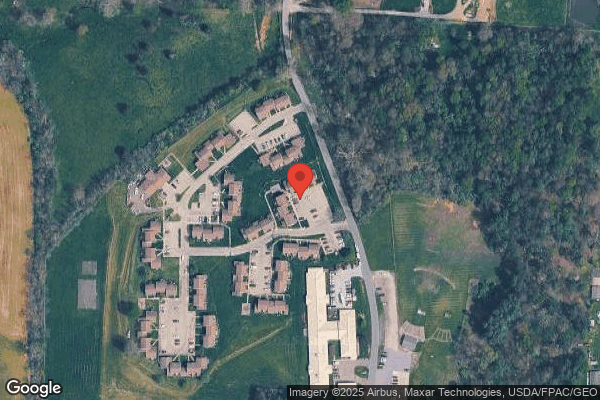
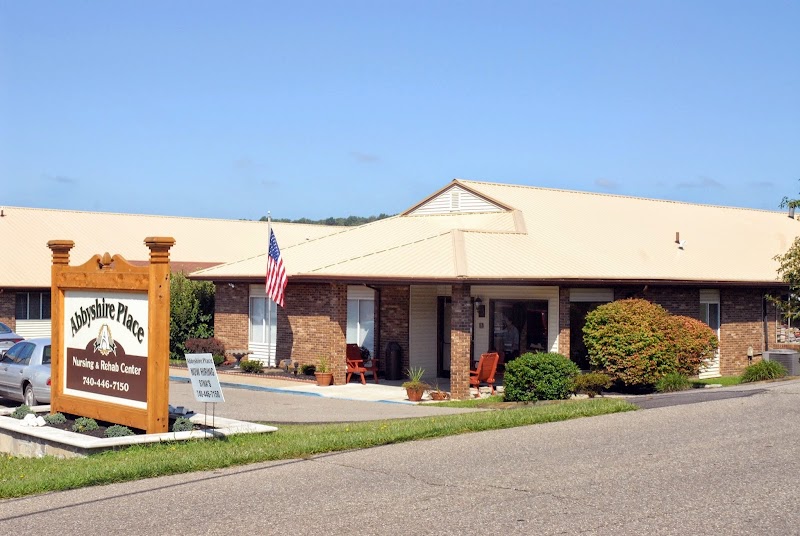
311 BUCKRIDGE ROAD, BIDWELL, OH 45614 (740) 446-7150
For profit - Limited Liability company 95 Beds OPTALIS HEALTH & REHABILITATION Data: November 2025
Trust Grade
60/100
#387 of 913 in OH
Last Inspection: February 2024

Within standard 12-15 month inspection cycle. Federal law requires annual inspections.

Overview

Abbyshire Place Health and Rehabilitation Center has a Trust Grade of C+, indicating it is slightly above average but not exceptional. It ranks #387 out of 913 in Ohio, placing it in the top half of facilities statewide, and #1 out of 3 in Gallia County, meaning it is the best local option available. However, the facility is showing a concerning trend as issues have worsened from 5 in 2022 to 14 in 2024. Staffing appears to be a strength, with a turnover rate of 30%, significantly lower than the Ohio average of 49%. There have been no fines recorded, which is a positive sign, but recent inspections revealed serious concerns such as staff failing to maintain proper hand hygiene during meal preparation, which could affect all residents, and a lack of cleanliness in resident rooms that could negatively impact their living environment. Overall, while there are strengths in staffing and a lack of fines, the increasing number of issues and specific incidents of care deficiency are important factors for families to consider.

Trust Score
C+
60/100
In Ohio
#387/913
Top 42%
Safety Record
Low Risk
No red flags
Inspections
Getting Worse
5 → 14 violations
Staff Stability
○ Average
30% turnover. Near Ohio's 48% average. Typical for the industry.
Penalties
✓ Good
No fines on record. Clean compliance history, better than most Ohio facilities.
Skilled Nurses
○ Average
Each resident gets 36 minutes of Registered Nurse (RN) attention daily — about average for Ohio. RNs are the most trained staff who monitor for health changes.
Violations
⚠ Watch
26 deficiencies on record. Higher than average. Multiple issues found across inspections.
★★★☆☆
3.0
Overall Rating
★★★☆☆
3.0
Staff Levels
★★★★☆
4.0
Care Quality
★★★☆☆
3.0
Inspection Score
Stable
2022: 5 issues
2024: 14 issues

The Good

  • 4-Star Quality Measures · Strong clinical quality outcomes
  • Full Sprinkler Coverage · Fire safety systems throughout facility
  • No fines on record
  • Staff turnover below average (30%)

    18 points below Ohio average of 48%

Facility shows strength in quality measures, fire safety.

The Bad

3-Star Overall Rating

Near Ohio average (3.2)

Meets federal standards, typical of most facilities

Staff Turnover: 30%

16pts below Ohio avg (46%)

Typical for the industry

Chain: OPTALIS HEALTH & REHABILITATION

Part of a multi-facility chain

Ask about local staffing decisions and management

The Ugly 26 deficiencies on record

Jul 2024 1 deficiency
CONCERN (D) 📢 Someone Reported This

A family member, employee, or ombudsman was alarmed enough to file a formal complaint

Potential for Harm - no one hurt, but risky conditions existed

Accident Prevention (Tag F0689)

Could have caused harm · This affected 1 resident

**NOTE- TERMS IN BRACKETS HAVE BEEN EDITED TO PROTECT CONFIDENTIALITY** Based on record review, review of the facility's fall investigation, review of a self-reporting incident (SRI) and for an allega...

Read full inspector narrative →
**NOTE- TERMS IN BRACKETS HAVE BEEN EDITED TO PROTECT CONFIDENTIALITY** Based on record review, review of the facility's fall investigation, review of a self-reporting incident (SRI) and for an allegation of neglect and the facility's related investigation, observation, staff interview, family interview and policy review, the facility failed to ensure a resident with cognitive impairment, who was at risk for falls and had a history of falls, received the appropriate level of supervision to prevent him from falling in the facility's enclosed patio area. This affected one (Resident #65) of three residents reviewed for falls. Findings include: Review of Resident #65's medical record revealed he was admitted to the facility on [DATE]. His diagnoses included a history of a pubis (pelvic) fracture (05/2024), heart failure, chronic obstructive pulmonary disease (COPD), osteoarthritis (OA), orthostatic hypotension, muscle weakness, vertigo, atrial fibrillation, unspecified dementia, and macular degeneration. He resided on the facility's North unit until he was moved to the secured memory care unit on 07/19/24. Review of Resident #65's fall risk assessment dated [DATE] revealed the resident was at risk for falls. His fall risk factors included occasional confusion, history of one to two falls in the past three months, intermittent incontinence, minimal unsteadiness with balance/ ambulation needing supervision or contact guard assist (hands on assist), poor safety awareness where he attempted to self-transfer or ambulate when not recommended to do so, impulsiveness, taking medications that increased his risk for falls, and diagnoses that predisposed him to falls. Review of Resident #65's quarterly Minimum Data Set (MDS) assessment completed on 06/03/24 revealed the resident had clear speech and was usually able to make himself understood. He had minimal difficulty in hearing and was usually able to understand others. His vision was adequate, without the use of corrective lenses. His cognition at the time of the assessment was severely impaired. He was known to have verbal behaviors directed at others but was not known to reject care. A wheelchair was indicated to be a mobility device he used, and he did not have any functional limitations in his range of motion. Supervision or touching assistance was needed with going from a sitting to lying position and lying to sitting on the side of the bed. Moderate assistance was needed with sit to stand and chair to chair transfers. Ambulation did not occur. Review of Resident #65's care plans revealed he had a care plan in place for an activities of daily living (ADL) self-care deficit related to increased weakness and decreased mobility. The care plan was initiated on 05/15/24. The interventions included transferring the resident with a two-person physical assist using a gait belt and rollator walker. Further review of Resident #65's care plans revealed he also had a care plan for being at risk for falls related to the diagnoses of OA, orthostatic hypotension, generalized muscle weakness, a history of falls, vertigo, low back pain, spinal stenosis, and sciatica. The care plan was last revised on 10/25/23. The goal was for him to have less falls during the review period. The interventions included placing an alarm on the patio door. That intervention was added on 07/01/24. The use of a mesh barrier across the patio door to deter residents from going out was added on 07/18/24. Review of Resident #65's progress notes revealed a nurse's note dated 06/30/24 at 12:13 P.M., that indicated the resident went outside on the patio and slid out of his wheelchair. He sustained an abrasion to the top of his head and left outer elbow. Dycem (non-slip pad) was applied to his wheelchair. Further review of the progress notes revealed a nurse's note dated 07/17/24 at 7:08 P.M. by Registered Nurse (RN) #100 that indicated a state tested nurse aide (STNA) went to the Buckeye room (lounge area by the North nurses' station that had an exit door to the enclosed patio) and saw Resident #65 lying on the patio floor on his right side. The STNA called out for help. The resident was assisted back to his wheelchair and his skin was assessed. He was noted to have an abrasion to his right elbow. Review of the facility's fall investigation for Resident #65's fall on 07/17/24 revealed the resident's fall occurred at 5:10 P.M. RN #100 was the staff member that completed the fall investigation form and indicated the location of the fall was outside. The resident had been seen at the nurses' station approximately ten minutes prior to the fall. The fall investigation indicated the resident's daughter had been in agreement with the resident sitting outside, when the weather was nice. It did not specify if the daughter wanted him to be supervised while he was outside. Immediate action taken included adding a mesh barrier across the patio door to deter the resident from going out unsupervised. The patio door was indicated to remain alarmed. Predisposed physiological factors to the fall included him being confused, having gait imbalance, having impaired memory, and weakness. Predisposing situation factors included active exit seeking and ambulating without assistance. Review of SRI #249803 for an allegation of neglect with date of discovery of 07/17/24 revealed the initial source of the allegation was from a visitor/ family member and the involved resident was Resident #65. The alleged/ suspected perpetrator was facility staff or other care provider. The resident's relevant condition included dementia, heart failure, pleural effusion, COPD, and orthostatic hypotension. He was not able to provide meaningful information regarding the incident when interviewed. A narrative summary of the incident revealed Resident #65 was found on the patio, where he had fallen from his wheelchair. While staff were assisting him, his daughter came in and began screaming at the staff. The staff were trying to communicate to her that the resident had only been outside for less than ten minutes. A mesh barrier was placed across the patio door to deter the resident from going onto the patio unsupervised. The patio was enclosed with no way to exit. The patio door was alarmed to let staff know when a resident got outside. A body check was completed with a small abrasion noted to the elbow being the only injury the resident sustained. The facility's investigation was ongoing, and no conclusion/ disposition had been made at that time regarding the facility's conclusion of the allegation. Review of a witness statement obtained from RN #120 (the nurse assigned to Resident #65's hall on 07/17/24) dated 07/17/24 revealed she was not in the building when Resident #65 fell. Staff were aware she was on break. When she returned into the facility, she was notified by the South nurse (RN #115) of the resident's fall. Review of an undated written statement by RN #115 revealed she was at the medication cart passing evening medication at 5:00 P.M. to the residents on the South Hall. She was alerted by staff (STNA #125) that Resident #65 fell on the back patio. Upon entering the back patio area, the resident was noted to be lying on his right side. While the nurse was assessing the resident for injuries, the resident's daughter arrived and became agitated while yelling at the staff, this needs to stop. The daughter was yelling and cursing about the staff not doing their jobs. The nurse explained to the daughter that the resident was not under her care, and she was unaware of the resident's care/needs. Review of a written statement from RN #100 revealed she went to assist a resident at 5:03 P.M. When she walked past the Buckeye room, Resident #65 was sitting by the table in his wheelchair. After walking out of the other resident's room, staff had notified her of what happened with Resident #65 falling. Review of a written statement from STNA #125 revealed she was on her way to empty the linen cart and looked down at her watch and saw it was 5:00 P.M. She then saw Resident #65 sitting in front of the North nurses' station. She proceeded to grab the linen cart and went down to empty it. She hurried because dinner trays were coming. When she arrived back onto the hallway, she replaced the linen cart and went to grab a pop from the vending machine (located in the Buckeye room). When she looked out the door, she saw Resident #65 on the ground. She looked down at her watch and it was 5:10 P.M. She went and yelled for STNA #150 to assist and then went to get the nurse (RN #115). During all of that, the daughter came running behind them and was screaming at them. It was hard for them to hear anything because the call lights were going off and the TV in the Buckeye room was loud. Review of a written statement by STNA #150 revealed at 5:00 P.M. she used the North Hall staff restroom and saw Resident #65 sitting in the hall between the nurses' station and the staff restroom. She came out of the restroom, saw that the trays were on the hall and started passing the dinner trays. At 5:10 P.M., STNA #125 yelled at her from the Buckeye room, and she sprinted there to find Resident #65 lying on the ground. STNA #125 went and got the nurse (RN #115). Review of a written statement by STNA #175 revealed at 5:00 P.M., while she was walking past the Buckeye room to answer a call light, she observed Resident #65 in the Buckeye room watching TV. She proceeded to go answer the call light that was going activated. She assisted the other resident with changing him and getting him ready for dinner. When she came out, she saw STNA #125, STNA #150, and RN #115 out on the back porch. STNA #125 and RN #115 assisted Resident #65 into his chair. She then assisted with getting the resident back to his room. The resident's daughter was yelling at staff and was yelling at her in the hallway while being in her face. The aide informed the daughter that she was assisting another resident and would not have been able to hear the door alarm to the patio. On 07/22/24 at 1:47 P.M., the door alarm to the enclosed patio area off of the Buckeye room was checked for proper function and to see how the alarm was transmitted. The facility's Director of Nursing (DON) assisted with checking the door and with describing how it worked. The patio door had a small alarm in the right upper corner of the door with two small, white plastic pieces that made up the alarm. One piece was on the door and the other was on the door frame so when the two pieces became disengaged, an audible alarm would sound. The alarm sounded like a doorbell making a ding-[NAME] sound while it was open. Once the door closed the alarm would stop. There was a box at the North nurses' station across from the Buckeye room that transmitted the audible alarm. The alarm was not overly loud and did not require staff to respond to the door in order to silence the alarm. On 07/22/24 at 1:49 P.M., an interview with STNA #125 confirmed she was working when Resident #65 fell in the patio area on 07/17/24. She confirmed her written statement was accurate and she could not hear the door alarm go off while she was in another resident's room at the time of the fall. On that day, they had to redirect the resident frequently, as he was exit seeking through that back patio door most of the day. She stated it was hard to keep an eye on one individual, when they had 30 residents to take care of. The resident required an extensive assistance of two staff for transfers and was not able to ambulate. He had declined the past couple of months and was more confused now than he had been. He used to be allowed to go outside a couple of months ago and usually did that at the front porch where the office staff and other residents could see him. Since it had been hot outside, the resident's daughter did not want him outside. He was not allowed to be out unattended due to his increased confusion. She denied there had been a functioning problem with the door alarm, as it worked as it should. It was just hard to hear, if you were away from the nurse's station and down the hall in a resident's room. On 07/22/24 at 1:58 P.M., an interview with STNA #150 confirmed she was working on 07/17/24, when Resident #65 fell in the patio area. The resident required maximum assistance of two staff for transfers. She considered him to be at risk for falls, and he was known to have fallen prior to the fall on 07/17/24. She described him as being confused. He had displayed exit seeking behaviors before. They had to constantly redirect him and that had not been the first time the patio door alarm had sounded. She confirmed she had seen the resident sitting in the hallway between the nurses' station and the staff's restroom as was written in her statement. She further confirmed he was no longer there when she came out of the restroom. She started passing the dinner trays and then notified by STNA #125 that Resident #65 had fallen on the patio. She denied she had heard the doorbell alarm go off at the patio door. If they were down the hall or in a resident's room, they were not able to hear the alarm. They could not hear it if they were in the restroom either. She did not feel the patio door alarm was an effective intervention, due to them not always being able to hear it. On 07/22/24 at 2:10 P.M., an interview with RN #100 revealed she was Resident #65's assigned nurse when he fell on [DATE]. She reported the resident was a fall risk and had fallen quite a few times while in the facility. She described him as being very confused and required frequent redirection. She confirmed he had previously fallen in the patio area on 06/30/24, before the fall on 07/17/24. They placed the doorbell alarm on the patio door following that previous fall. She denied she heard the door alarm go off when the resident exited through the patio door to access the enclosed patio area. She was assisting another resident in their room towards the end of the hall near the secured unit doors. When she came out of the room, she was told what had happened. She did not feel the doorbell alarm on the patio door was effective as a fall prevention intervention, unless they were sitting at the nurse's station or in the nearby area. She confirmed the resident should not have been out in the patio area unattended. On 07/22/24 at 2:19 P.M., an interview with RN #120 revealed Resident #65 was a fall risk and had a history of falls. She described him as being very unsteady and required extensive assistance of two staff for transfers. His cognitive status had declined, and he was confused most of the time. He was not fully aware of his limitations. He used to sit outside by himself, but the power of attorney (POA) made it known she did not want him sitting outside by himself anymore. If he did go outside, he should be supervised. His fall interventions included the use of the door alarm to the patio door. She confirmed that intervention was in place before the 07/17/24 fall. She reported, when they were down the hall or in another resident's room, that door alarm to the patio door was hard to hear. On 07/22/24 at 2:26 P.M., an interview with Resident #65's daughter/ POA revealed she found the resident in the patio area, and it was the third time. He had been found out there alone, and after the first time, she asked the facility to put an alarm on the patio door so the staff would know when he went out there. She reported after they put the door alarm on that door it happened again. The staff said they could not hear the alarm when they were down the hall. She confirmed she had told the facility he could go outside, when it was nice weather, if someone was out there with him. With it being so hot outside, she asked that they not allow him out there. On 07/22/24 at 2:40 P.M., an interview with the DON was completed to review Resident #65's fall on 07/17/24. She acknowledged the staff were reporting it was hard for them to hear the door alarm that was on the patio door when they were down the hall or in a resident's room. She further acknowledged the patio door alarm only sounded while the door was open. With it being hard to hear and only sounding when the door was open, it was not effective in preventing Resident #65's fall on 07/17/24. She confirmed that was not the first fall he had out there, as he fell while in the enclosed patio area on 06/20/24. She further confirmed the doorbell alarm on the patio door was their fall prevention intervention for his fall on 06/30/24. Review of the facility's policy on Fall Management Guidelines issued on 12/13/23 revealed the purpose of the policy was to provide guidelines to assist with fall risk identification and fall management of residents in the facility. Fall management goals included reducing the risk of falls by intervening in modifiable risk factors. Factors included in the fall risk evaluation included mental status, history of falling in the last three months, balance while standing, transferring and/or walking, and safety awareness. The resident's care plan and interventions would be reviewed and revised as indicated for the individual needs of the resident and effectiveness of the interventions. This deficiency represents non-compliance investigated under Self-Reported Incident, Control Number OH00155927.
Feb 2024 13 deficiencies
CONCERN (D)

Potential for Harm - no one hurt, but risky conditions existed

Grievances (Tag F0585)

Could have caused harm · This affected 1 resident

**NOTE- TERMS IN BRACKETS HAVE BEEN EDITED TO PROTECT CONFIDENTIALITY** Based on review of a facility self-reporting incident (SRI) report for misappropriation of property, review of the facility's re...

Read full inspector narrative →
**NOTE- TERMS IN BRACKETS HAVE BEEN EDITED TO PROTECT CONFIDENTIALITY** Based on review of a facility self-reporting incident (SRI) report for misappropriation of property, review of the facility's related investigation, record review, resident interview, staff interview, and policy review, the facility failed to provide a prompt effort to resolve a grievance/ concern from a resident regarding missing personal property. This affected one resident (#58) of one resident reviewed for missing personal property. Findings include: A review of SRI with tracking #241366 dated 11/20/23 revealed the facility self-reported an allegation of misappropriation involving Resident #58 as the resident victim. Another resident was identified as the alleged perpetrator. The date and time of the occurrence was on 11/20/23 at 3:00 P.M. and the alleged incident occurred in the resident's room. Resident #58 provided meaningful information as part of the facility's investigation. The summary of the incident revealed Resident #58 reported his wallet was missing and it had $600.00 dollars and a bank card in it when it went missing. He thought the wallet was in his old room (where it was last known to be prior to him changing rooms after he had tested positive for Covid-19). His daughter had informed the facility she had brought $300.00 to $400.00 dollars in for the resident, but had his bank card in her possession. Both rooms (Resident #58's old room and his new room) had been searched and a report was filed with the local Sheriff's Department. Resident #58 informed the Deputy Sheriff that he thought another resident may have had it. The other resident was interviewed by the Deputy Sheriff and the facility staff during their investigation, but he denied seeing the wallet. Staff interviews were completed and confirmed he had been known to have a wallet, but it had been several days since anyone had seen it. A review of the facility's investigation that was completed in response to Resident #58's allegation of misappropriation revealed it was determined by talking with the resident's daughter that she had brought in between $300.00 to $400.00 dollars the day before he was moved to his new room. The daughter indicated she had the resident's bank card. A review of the Sheriff's Department's report dated 11/20/23 (that was included in the facility's investigation) revealed the resident only had a prepaid card and not a bank card in his wallet. He informed the Sheriff's Deputy that he had $300.00 to $400.00 dollars in cash in his wallet. He noted the wallet and it's contents were missing on 11/18/23, after he completed his 10 day quarantine period for Covid-19. The facility staff were indicated to have been the ones who moved all his property when he was moved from his old room to the new room. Resident #58 was said to have talked with the other resident that had been placed in his old room but the wallet was not able to be found. A review of Resident #58's medical record revealed he was admitted to the facility on [DATE]. He was diagnosed with Covid-19 on 11/09/23. His census tab revealed he was moved from his previous room to a new room on 11/09/23 and had remained in that room since being moved. Record review for Resident #58 revealed a review of a brief interview for mental status (BIMS) assessment dated [DATE] revealed the resident was cognitively intact. His care plans did not note he was known to make any false accusations. On 02/06/24 at 9:21 A.M., an interview with Resident #58 revealed he did report a wallet and around $600.00 dollars missing in the recent past. He was not sure what all the facility did to look into it and had not been reimbursed for the wallet or for its contents. The wallet and money went missing around the time he had Covid-19 and had been moved to a different room. On 02/08/24 at 9:00 A.M., a follow up interview with Resident #58 revealed he did not feel the facility responded adequately to his concern about his missing wallet and money. He denied he was reimbursed for the amount it would have cost him to replace that wallet with a wallet of equal value or for the amount of money he had in the wallet. He was asked about the various reports of the actual amount of money that was also missing in addition to the wallet. He stated he had $200.00 dollars in his wallet, prior to his daughter bringing money to him on 11/08/23. He stated they (him and his daughter) had planned to go out and do some Christmas shopping the day he tested positive for Covid-19 and that was why he had a large amount on him. He did not go shopping, after he tested positive for Covid-19. On 02/08/24 at 9:12 A.M., an interview with the director of nursing (DON) revealed the facility had not replaced Resident #58's wallet or the money that was known to have been in his possession by what the daughter had said was brought into the facility and given to the resident on 11/08/23. She acknowledged, if nothing else, they should have replaced the wallet with one of equal value and at least given him the minimum amount of money that he was known to have based on what was discovered during their investigation. She reported they did not substantiate the allegation of misappropriation, due to there being conflicting reports on the amount of money he had in his wallet that went missing and what other items were in his wallet when it came up missing. A review of the facility's policy on Missing Items (reviewed 05/21/20) revealed it was the facility's policy to resolve missing item issues. It was at the discretion of the Administrator to replace missing items and at what value. Permission to replace an item that exceeded $100.00 needed the approval of the Administrator.
CONCERN (D)

Potential for Harm - no one hurt, but risky conditions existed

Deficiency F0602 (Tag F0602)

Could have caused harm · This affected 1 resident

Based on observation, staff interview, and policy review, the facility failed to ensure a resident's medication was not misappropriated and was administered to the resident it was intended for. This a...

Read full inspector narrative →
Based on observation, staff interview, and policy review, the facility failed to ensure a resident's medication was not misappropriated and was administered to the resident it was intended for. This affected one resident (#61) of two residents reviewed for misappropriation of property. Findings include: On 02/08/24 at 9:25 A.M., an observation of the medication administration cart for the VA/ North hall revealed there was an Insulin Lispro (fast acting insulin given as an injection subcutaneously) Kwik Pen u-100 that was found in the top drawer of the medication administration cart. It had a pharmacy label wrapped around the Kwik Pen with a resident's name that had been marked out using a black Sharpie. The last name of the resident, whom the Kwik Pen was intended for, was still visible and identified the resident by name. There was also another resident's name (first name) that had been hand written on the side of the Kwik Pen using a black Sharpie. Findings were verified by Registered Nurse (RN) #103. The facility's Director of Nursing (DON) had walked out of her office and into the nurses' station at the time RN #103 was verifying the findings. The DON was asked to identify who the resident was that had their name marked off the label on the Insulin Lispro Kwik Pen and who the resident was that had a first name added on the side of that same Insulin Lispro Kwik Pen. On 02/08/24 at 9:31 A.M., an interview with the DON revealed she was able to determine that the Insulin Lispro Kwik Pen that had the name of the resident it was intended for (as specified on the pharmacy label) marked out using a Sharpie was that of Resident #61. She also identified the name of the resident whose first name had been hand written on the side of the Insulin Lispro Kwik Pen as being that of Resident #236. She verified Resident #61 had a current order to receive Insulin Lispro 3 units subcutaneously (SQ) three times a day before meals and he also had an order to give it before meals and at bedtime as per a sliding scale. She was asked if she would consider using one resident's medications for another resident it was not intended for to be misappropriation of that resident's property. She stated she would consider that misappropriation of resident property. The facility initiated a self-reporting incident (SRI) with tracker #249939 on 02/08/24. They concluded the investigation on 02/09/24 and unsubstantiated the allegation of misappropriation of property due to their investigation determining the nurse, who had pulled Resident #61's Insulin Lispro Kwik Pen from the refrigerator it was being stored in, did not intentionally or deliberately use Resident #61's Insulin Lispro Kwik Pen for Resident #236. They claimed the nurse pulled it out of the refrigerator to be used for the other resident when that resident's blood sugar was high, without noticing it was the property of Resident #61's. They further claimed the nurse that administered the insulin to Resident #236 did not notice her mistake until after the insulin had already been given. The SRI indicated the nurse involved received education and Resident #61 was reimbursed the amount for the Insulin Lispro at the facility's cost, after it had been brought to their attention. A review of the facility's policy on Abuse (dated 04/13/22) revealed the policy indicated the residents have the right to be free from abuse, neglect, exploitation, and misappropriation of resident property. The policy identified misappropriation of resident property as the deliberate misplacement, exploitation, or wrongful, temporary, or permanent, use of a resident's belongings or money without the resident's consent.
CONCERN (D)

Potential for Harm - no one hurt, but risky conditions existed

Investigate Abuse (Tag F0610)

Could have caused harm · This affected 1 resident

**NOTE- TERMS IN BRACKETS HAVE BEEN EDITED TO PROTECT CONFIDENTIALITY** Based on review of a facility self-reporting incident (SRI) report for misappropriation of property, review of the facility's re...

Read full inspector narrative →
**NOTE- TERMS IN BRACKETS HAVE BEEN EDITED TO PROTECT CONFIDENTIALITY** Based on review of a facility self-reporting incident (SRI) report for misappropriation of property, review of the facility's related investigation, record review, resident interview, staff interview, and policy review, the facility failed to ensure a resident's allegation of misappropriation was thoroughly investigated and included interviews with all relevant employees that may have had knowledge of the alleged misappropriation. This affected one resident (#58) of two residents that were reviewed for misappropriation of property. Findings include: A review of a SRI report with tracking #241366 dated 11/20/23 revealed the facility self-reported an allegation of misappropriation identifying Resident #58 as the resident victim and another resident (Resident #47) as the alleged perpetrator. No witnesses were identified in the report. The date and time of the occurrence was on 11/20/23 at 3:00 P.M. and the alleged incident occurred in the resident's room. Resident #58 was indicated to have been able to provide meaningful information as part of the investigation. The summary of the incident revealed Resident #58 reported his wallet was missing with $600.00 dollars and a bank card inside. He had thought the wallet was in his old room before he had been moved when testing positive for Covid-19. His daughter had informed the facility she had brought $300.00 to $400.00 dollars into the facility for the resident, but had his bank card in her possession. Both rooms (Resident #58's old room and his new room) had been searched and a report was filed with the local Sheriff's Department. Resident #58 informed the Deputy Sheriff that he thought Resident #47 may have had it. Resident #47 was interviewed by the Deputy Sheriff and the facility staff during their investigation and he denied seeing the wallet. Staff and other residents were interviewed as part of the facility's investigation. The staff interviewed confirmed the resident had a wallet, but they had not seen the wallet for several days. A review of the facility's investigation that was completed in response to Resident #58's allegation of misappropriation revealed it was determined by talking with the resident's daughter that she had brought in between $300.00 to $400.00 dollars the day before he was moved to his new room. The daughter indicated she had the resident's bank card. The resident was indicated to have a resident funds account with the facility but preferred keeping his money in his room. The facility's investigation indicated they had provided education to the resident on keeping his money in his trust account and not in his room A review of the Sheriff's Department's report dated 11/20/23 (that was included as part of the facility's investigation) revealed Resident #58 reported he only had a prepaid card and not a bank card in his wallet. He did inform the Sheriff's Deputy that he had $300.00 to $400.00 dollars in cash in his wallet and the wallet and its contents went missing on 11/18/23, after he completed his 10 day quarantine period for Covid-19. The facility staff were indicated to have been the ones to move all his property when he changed rooms after contracting a Covid-19 infection. Resident #47 was identified as having been the resident who was moved into the old room that belonged to Resident #58 before he was moved. Resident #58 talked with Resident #47, as did the Sheriff's Deputy, and they looked in Resident #47's room but did not find it The facility's investigation included statements from staff that had been obtained. In all, 35 employees of various disciplines were interviewed. One of the 35 employees (SSD #150) provided a typed statement. The other 34 completed a questionnaire in person or over the phone that asked them a series of questions. They were asked if they had seen a wallet in Resident #58's room or in his possession. If so, when and where? They also asked if they were aware of any items purchased by the resident in the last few weeks. If so, when and what? The statements did not include the titles of the employees interviewed and one failed to include the name of the staff members that had been interviewed. Residents were asked if they felt safe in the facility and if they had ever had any items missing that were not found or replaced. The investigation did not identify the staff members who assisted with moving the resident's belongings when he was moved from his old room to his new room, after contracting Covid-19. A review of Resident #58's medical record revealed he was admitted to the facility on [DATE]. He was diagnosed with Covid-19 on 11/09/23. His census tab revealed he was moved from his previous room to a new room on 11/09/23 and had remained in that room since being moved. A review of a brief interview for mental status (BIMS) assessment dated [DATE] revealed the resident was cognitively intact. His care plans did not note he was known to make any false accusations. On 02/06/24 at 9:21 A.M., an interview with Resident #58 revealed he did report a missing wallet and around $600.00 dollars missing in the recent past. He was not sure what all the facility did to look into it and had not been reimbursed for the wallet or its contents. He indicated the wallet and its contents went missing around the time he had Covid-19 and had been moved to his new room. On 02/07/24 at 2:10 P.M., an interview with the facility's Director of Nursing (DON) confirmed she completed the facility's investigation into Resident #58's allegation of missing property on 11/20/23. She was asked who the employees were that moved Resident #58 from his old room to his new room when he contracted Covid-19 on 11/09/23. She identified that resident as being State Tested Nursing Assistant (STNA) #118. She claimed STNA #118 was the only employee that assisted Resident #58 with moving his belongings to his new room. She thought her investigation included an interview with him. Further review of the facility's investigation into Resident #58's allegation of misappropriation revealed there was no statement obtained from STNA #118, nor was he one of the 34 employees who had been asked if he had seen Resident #58 with a wallet in his room or in his possession. Findings were verified by the DON on 02/07/24 at 2:20 P.M. She reviewed the staff statements that had been provided as part of their investigation and confirmed there was not a statement from STNA #118. On 02/08/24 at 9:00 A.M., a follow up interview with Resident #58 revealed he did not feel the facility responded adequately to his concern about his missing wallet/ money. He denied he had been given a new wallet of equal value or was reimbursed for the amount a similar wallet would cost to replace the one that he had lost. He also denied he was given any money to replace what he was known to have prior to the facility staff assisting him with moving his belongings on 11/09/23. He was asked about the discrepancies in the amount of what he had reported was missing and what his daughter had told the facility that was brought into him. He indicated he already had $200.00 dollars in his wallet when his daughter brought him in money on 11/08/23. He stated they (him and his daughter) had planned to go out and do some Christmas shopping the day he tested positive for Covid-19. That was why he had a large amount on him. He did not end up going shopping, after he tested positive for Covid-19. He was further asked about the bank card and indicated it was a debit card that was in his wallet along with the cash. He indicated the bank card the facility said the daughter had was his new debit card that was given to him by the bank, after the first one went missing. He denied any transactions occurred on his original bank card, after it went missing, and had been canceled. He had since purchased a Velcro wallet but it was not as nice as the one he had. He confirmed the staff had provided education to him about not keeping money in his room but it was his choice and right to do so. He denied they had ever offered him a locked box for the safe storage of his valuables until after his wallet and money went missing. On 02/08/24 at 9:12 A.M., an interview with the DON revealed the facility had not replaced Resident #58's wallet or the money that was known to have been in his possession from what they gathered from the resident's daughter. She acknowledged, if nothing else, they should have replaced the wallet with one of equal value and at least given him the minimum amount of money that was known to have been in his possession when the wallet went missing. She stated the facility did not substantiate the allegation of misappropriation because there was conflicting reports of the amount of money that had been missing and what the wallet's contents were in regards to a bank card. She stated that they could not determine if the wallet and money had been misappropriated or just misplaced. She further acknowledged, if the wallet and money had not turned up by now, it was likely to remain missing. On 02/09/24 at 9:35 A.M., an interview with STNA #118 revealed he was off with Covid-19 himself on 11/09/23, when Resident #58 was moved from his old room to the new room after he contracted Covid-19. When he returned to work, Resident #58 had already been placed in his new room. On 02/09/24 at 9:40 A.M., the DON was informed STNA #118 reported he was off work with Covid-19 when Resident #58 moved on 11/09/23, when he contracted Covid-19, therefore could not have been the one that moved the resident as she had previously indicated. She questioned if that was accurate and indicated that she believed STNA #118 was working on that date and was the one that moved the resident's belongings. She was asked to review the schedule and confirmed what staff worked on 11/09/23 that could have assisted Resident #58 with his room change. She acknowledged identifying and interviewing the employee that assisted in moving the resident's belongings should have been part of their investigation in determining what happened to his wallet and money. She followed up after reviewing the 11/09/23 schedule and determined one facility employee and two agency aides had worked that day. She did not provide any evidence those employees working were interviewed as part of her investigation. A review of the facility's policy on abuse (updated on 05/24/23) revealed the residents had the right to be free from abuse, neglect, exploitation, and misappropriation of resident property. The key to investigating abuse allegations was in an environment that facilitated the reporting of such allegations. Once reported, the facility would conduct a timely, thorough, and objective investigation of any allegation of abuse. The investigation included identifying and interviewing all involved persons, including the alleged victim, alleged perpetrator, witnesses, and others who might have knowledge of the allegations (such as other residents, family members, staff who worked closely with the alleged perpetrator and/ or alleged victim).
CONCERN (D)

Potential for Harm - no one hurt, but risky conditions existed

PASARR Coordination (Tag F0644)

Could have caused harm · This affected 1 resident

**NOTE- TERMS IN BRACKETS HAVE BEEN EDITED TO PROTECT CONFIDENTIALITY** Based on record review and interview, the facility failed to accurately complete a level one Pre-admission Screening/Resident Re...

Read full inspector narrative →
**NOTE- TERMS IN BRACKETS HAVE BEEN EDITED TO PROTECT CONFIDENTIALITY** Based on record review and interview, the facility failed to accurately complete a level one Pre-admission Screening/Resident Review (PASRR) and did not list post traumatic stress disorder (PTSD) on the serious mental illness section to be reviewed for a level two. This affected one resident (#82) of two residents reviewed for PASRRs. The facility census was 90. Findings include: Record review revealed Resident #82 was admitted to the facility on [DATE] with diagnoses including dementia with behaviors, cognitive communication deficit, dysphagia, PTSD, major depression, and anxiety disorder. Review of a PASRR completed on 01/15/24 by Admissions Director (AD) #143 revealed PTSD was not indicated under the level one review for serious mental illness. Interview on 02/07/24 at 4:53 P.M. with AD #143 confirmed PTSD was not included on the level one screen for the PASRR. Review of a policy titled Pre-admission Screening dated 05/13/20 revealed it is the responsibility of the center admissions personnel or designee to ensure the correct documents are in place according to the Ohio Revised Code. The Center Admissions personnel or designee must ensure the proper steps and documents are completed prior to admission.
CONCERN (D)

Potential for Harm - no one hurt, but risky conditions existed

Comprehensive Care Plan (Tag F0656)

Could have caused harm · This affected 1 resident

**NOTE- TERMS IN BRACKETS HAVE BEEN EDITED TO PROTECT CONFIDENTIALITY** 2. Record review revealed Resident #82 was admitted on [DATE] with diagnoses including dementia with other behaviors, cognitive ...

Read full inspector narrative →
**NOTE- TERMS IN BRACKETS HAVE BEEN EDITED TO PROTECT CONFIDENTIALITY** 2. Record review revealed Resident #82 was admitted on [DATE] with diagnoses including dementia with other behaviors, cognitive communication deficit, dysphagia, post traumatic stress disorder (PTSD), major depression, hypertension, and anxiety disorder. Review of an admission minimum data set completed on 01/20/24 revealed Resident #82 had a diagnosis of PTSD, exhibited physical behaviors towards others four to six days a week, verbal behaviors towards others four to six days a week, wandered one to three days a week, and had other behaviors one to three days a week. Review of Resident #82's comprehensive care plan revealed no care plan or interventions regarding PTSD. Observation on 02/05/24 at 5:55 P.M. revealed Resident #82 was sitting in the dining room and staff were attempting to help him get to a table for dinner when Resident #82 began screaming and threatening the staff. Interview on 02/07/24 at 3:53 P.M. with Social Worker (SW) #150 revealed Resident #82's admission assessments were completed with his representative due to Resident #82 being a poor historian. SW #150 revealed she did not ask Resident #82's representative about his history in the military. SW #150 stated she figured Resident #82 had PTSD since he is a veteran. SW #150 stated she was aware of Resident #82 exhibiting behaviors but she had not contacted his representative to discuss PTSD and triggers. SW #150 stated comprehensive care plans should be completed within five days of admission and confirmed Resident #82 did not have a care plan in place for PTSD. Based on observation, record review, resident interview, and staff interview, the facility failed to ensure residents had a comprehensive care plan in place to address Post Traumatic Stress Disorder (PTSD) and impaired vision. This affected two residents (#25 and #82) of 20 residents reviewed for care plans. Findings include: 1. A review of Resident #25's medical record revealed he was admitted to the facility on [DATE]. His diagnoses included adult onset diabetes mellitus, hypertension, and history of a cerebral vascular accident (stroke). A review of Resident #25's admission nursing assessment dated [DATE] revealed the resident was known to have impaired vision. There was no mention of him having the use of any glasses to address his impaired vision. A review of Resident #25's admission Minimum Data Set (MDS) assessment dated [DATE] revealed the resident had adequate vision with the use of corrective lenses. He was not indicated to have any communication issues and was cognitively intact. A review of Resident #25's active care plans revealed he did not have any care plan in place to address impaired vision. There was no mention on any of his care plans about the use or the need for glasses. On 02/05/24 at 2:02 P.M., an interview with Resident #25 revealed he had impaired vision and was in need of glasses. He indicated he had checked onto getting glasses in the recent past, but he was told that it would cost him around 500.00 dollars to do so. At that time, he was not in the position to be able to do so. He would like to bee seen by an optometrist so he could see what other options were out there. On 02/07/24 at 4:28 P.M., an interview with Social Service Director (SSD) #150 revealed they have not had an ancillary service consent form signed by the resident yet. The resident and his daughter were back and forth on whether or not he was short term to home or if they were going to sign him up for hospice. She stated she had the form in her office to be signed if it was determined he wanted those services provided. She confirmed there had been some discussions in his last care conference about the daughter taking him somewhere local to have his eyes checked and see about getting him a pair of glasses. On 02/08/24 at 11:15 A.M., an interview with the Director of Nursing (DON) confirmed Resident #25 did not have a care plan in place to address his vision impairment or needs for an optometry appointment to get glasses. She acknowledged his admission nursing assessment identified him as having impaired vision without the use of glasses and his admission MDS assessment had him as having adequate vision with glasses. She further acknowledged the resident reported he did not have glasses, but was interested in getting some.
CONCERN (D)

Potential for Harm - no one hurt, but risky conditions existed

Deficiency F0657 (Tag F0657)

Could have caused harm · This affected 1 resident

**NOTE- TERMS IN BRACKETS HAVE BEEN EDITED TO PROTECT CONFIDENTIALITY** 2. Record review of Resident #73 revealed an admission date of 12/28/23 with pertinent diagnoses of: acute and subacute infectiv...

Read full inspector narrative →
**NOTE- TERMS IN BRACKETS HAVE BEEN EDITED TO PROTECT CONFIDENTIALITY** 2. Record review of Resident #73 revealed an admission date of 12/28/23 with pertinent diagnoses of: acute and subacute infective endocarditis, cognitive communication deficit, bacteremia, obstructive reflux uropathy, dementia, hypothyroidism, hypertension, Review of Resident #73's 01/04/24 admission Minimum Data Set (MDS) assessment revealed the resident was severely cognitively impaired. The resident used a wheelchair to aid in mobility and required partial to moderate assist with toileting, and substantial to maximal assist with personal hygiene. The Resident has an indwelling urinary catheter and is frequently incontinent of bowel. Observation of Resident #73 on 02/07/24 at 10:25 A.M. revealed he was laying in bed with a urinary catheter bag attached to his leg. Interview with State Tested Nurse Aide (STNA) #115 on 02/07/24 at 10:30 A.M. verified Resident #73 had a urinary catheter bag on his leg and not the large collection bag that attaches to the bed. STNA #115 was unaware why the resident had a urinary leg catheter bag and stated he always wears a leg bag. STNA #115 stated the resident stays in bed majority of the day, but he does walk to the dining room. Interview with State Tested Nurse Aide (STNA) #188 on 02/07/24 at 10:31 A.M. revealed she was unaware why the Resident had a leg bag and stated she has never seen him with the regular large drainage bag. Review of the medical record on 02/07/24 at 10:40 A.M. revealed there was not a Physician Order for a urinary catheter leg bag to be worn at all times, and there was not a care plan addressing the leg catheter bag. Interview with the Director of Nursing (DON) on 02/12/24 at 9:55 A.M. verified the care plan did not address Resident #73 wearing the leg catheter collection bag at all times, and a care plan was developed on 02/07/24. Based on record review, observation, and staff interview, the facility failed to ensure care plans were revised to reflect a resident's non-compliance with the use of hand splints to manage contractures and another resident's care plan was revised to reflect the use of a leg bag collection system with the use of his indwelling urinary catheter. This affected two residents (#72 and #73) of 20 residents reviewed for care plans. Findings include: 1. A review of Resident #72's medical record revealed he was admitted to the facility on [DATE]. His diagnoses included hemiplegia and hemiparesis following a cerebral vascular accident (stroke) affecting the left non-dominant side, lack of physical exercise, contractures of the bilateral hips and the bilateral knees, muscle spasms, vascular dementia, and unspecified osteoarthritis. A review of Resident #72's physician's orders revealed the resident had the use of a palm guard to his left hand at all times to promote skin integrity. The order was in place between 05/24/23 and 02/06/24. His physician's orders included an updated order to encourage the use of a palm guard to his left hand at all times to promote skin integrity. The updated order was initiated on 02/06/24. A review of Resident #72's care plans revealed he had a care plan in place for an activities of daily living (ADL) self-care performance deficit care plan related to confusion, dementia, CVA, left hemiplegia, limited range of motion. contractures, pain, and muscle spasms. The interventions included the use of a palm guard to the left hand at all times to help maintain skin integrity. It did not indicate the resident was known to be non-compliant with it's use. On 02/06/24 at 8:53 A.M., 02/06/24 at 1:00 P.M., and 02/07/24 at 10:20 A.M., observations of Resident #72 noted him to be lying in bed without his palm guard in place to his left hand. On 02/07/24 at 10:30 A.M., an interview with State Tested Nursing Assistant (STNA) #174 revealed Resident #72 was noted to have a left hand contracture and pain related to his contractures. She reported the resident had the use of a brace on his left hand and was to wear that brace when tolerated. The majority of the time he did not want it on when offered because it hurt him to wear it. She had it on him yesterday but he only allowed it to be on for about a half hour before he became irritated and wanted it off. She offered to put it on him earlier that day around 9:45 A.M., but the resident declined. She stated he typically agreed to wear it once during the three days that she was there. On 02/07/24 at 10:55 A.M., an interview with Registered Nurse (RN) #103 confirmed Resident #72 had a contracture to his left hand. She indicated they tried to place hand rolls in his left hand or put his palm guard in place when the resident would allow. He was known to refuse the use of the palm guard at times as he could become combative with staff. On 02/07/24 at 11:20 A.M., an interview with Licensed Practical Nurse (LPN) #169 confirmed Resident #72's care plans had not been revised to reflect he was known to be non-compliant with the use of his palm guard at times. He acknowledged the resident's non-compliance with the use of the palm guard should have been reflected in his care plans, as was observed and being reported by the facility staff.
CONCERN (D)

Potential for Harm - no one hurt, but risky conditions existed

Deficiency F0699 (Tag F0699)

Could have caused harm · This affected 1 resident

**NOTE- TERMS IN BRACKETS HAVE BEEN EDITED TO PROTECT CONFIDENTIALITY** Based on observation, record review, and interview, the facility failed to provide services to prevent Resident #82 from experie...

Read full inspector narrative →
**NOTE- TERMS IN BRACKETS HAVE BEEN EDITED TO PROTECT CONFIDENTIALITY** Based on observation, record review, and interview, the facility failed to provide services to prevent Resident #82 from experiencing triggers related to post traumatic stress disorder (PTSD). This affected one resident (#82) of two residents reviewed for behaviors. The facility census was 90. Finding included: Record review revealed Resident #82 was admitted on [DATE] with diagnoses including dementia with other behaviors, cognitive communication deficit, dysphagia, post traumatic stress disorder (PTSD), major depression, hypertension, and anxiety disorder. Review of an admission minimum data set completed on 01/20/24 revealed Resident #82 had a diagnosis of PTSD, exhibited physical behaviors towards others four to six days a week, verbal behaviors towards others four to six days a week, wandered one to three days a week, and had other behaviors one to three days a week. Review of orders revealed Resident #82 had orders in place for mirtazepine 15 milligrams (mg) at bedtime for depression, trileptal (an anticonvulsant) 300 mg twice a day for behavioral management, and vistaril 25 mg twice daily for anxiety. Review of Resident #82's comprehensive care plan revealed no care plan or interventions regarding PTSD. Observation on 02/05/24 at 5:55 P.M. revealed Resident #82 was sitting in the dining room and staff were attempting to help him get to a table for dinner when Resident #82 began screaming and threatening the staff. Interview on 02/07/24 at 3:53 P.M. with Social Worker (SW) #150 revealed Resident #82's admission assessments were completed with his representative due to Resident #82 being a poor historian. SW #150 revealed she did not ask Resident #82's representative about his history in the military. SW #150 stated she figured Resident #82 had PTSD since he is a veteran. SW #150 stated she was aware of Resident #82 exhibiting behaviors but she has not contacted his representative to discuss PTSD and triggers. SW #150 stated comprehensive care plans should be completed within five days of admission and confirmed Resident #82 did not have a care plan in place for PTSD. Interview on 02/07/24 at 4:46 P.M. with Licensed Practical Nurse (LPN) #131 revealed she was not aware Resident #82 had PTSD. LPN #131 stated when Resident #82 first arrived to the facility, he was very combative but she has learned how to approach him. LPN #131 stated when Resident #82 is agitated, she doesn't disagree with him, stays as calm as possible, and will back off if needed and reapproach at a later time. Interview on 02/08/24 at 9:36 A.M. with Activities Aides #107 revealed Resident #82 had an outburst the day prior to interview. Activities Aide #107 stated she was aware of Resident #82 having PTSD and she will just try to distract him with a new topic when he is upset. Activities Aide #107 stated she is not aware of what triggers Resident #82 and she had not received training on trauma informed care.
CONCERN (D)

Potential for Harm - no one hurt, but risky conditions existed

Deficiency F0757 (Tag F0757)

Could have caused harm · This affected 1 resident

Based on record review, and staff interview the facility failed to ensure a resident had appropriate monitoring of the anticoagulant medication coumadin. This affected one resident (#8) of five reside...

Read full inspector narrative →
Based on record review, and staff interview the facility failed to ensure a resident had appropriate monitoring of the anticoagulant medication coumadin. This affected one resident (#8) of five residents reviewed for unnecessary medications. The facility census was 90. Findings include: Record review of Resident #8 revealed an admission date of 08/28/23 with pertinent diagnoses of: atrial fibrillation, pressure induced deep tissue damage left heel, dysphagia, fracture of left patella, schizoaffective disorder, anxiety disorder, muscle weakness, anxiety disorder, cognitive communication deficit, repeated falls, chronic obstructive pulmonary disease, protein calorie malnutrition, obsessive compulsive disorder, hypertension, syncope and collapse, history of venous thrombosis and embolism. Review of Resident #8's 09/15/23 quarterly Minimum Data Set (MDS) revealed the resident was moderately cognitively impaired and required extensive assistance for transfer, bed mobility, dressing, toilet use and personal hygiene. The resident used a walker and wheelchair to aid in mobility and was frequently incontinent of bladder and always incontinent of bowel. The resident received seven days of anticoagulant medication during the seven day look back period. Review of a Physician Order dated 10/11/23 revealed to give Coumadin (warfarin) oral tablet two Milligram (mgs) give one tablet by mouth at bedtime for atrial fibrillation. The order was discontinued on 10/16/23. Review of a Physician Order dated 10/16/23 revealed to give Coumadin (warfarin) oral tablet two Milligrams (mgs) give one tablet by mouth at bedtime every Monday, Wednesday, Friday, Saturday, and Sunday for atrial fibrillation. Review of a Physician Order dated 10/16/23 revealed to give Coumadin (warfarin) oral tablet three Milligrams (mgs) give one tablet by mouth at bedtime every Tuesday, Thursday for anticoagulation/ atrial fibrillation. Review of a laboratory value dated 10/17/23 at 4:19 P.M. revealed INR (international normalized ratio) lab test used to check coagulation level of blood showed a lab value of 4.4 which was high. The normal range is 0.9-1.2, standard coagulation range 2.0-3.0, and aggressive anticoagulation range 2.5-3.5. There was no progress note about notifying the doctor of INR values. Review of a laboratory value dated 10/24/23 at 4:16 P.M. revealed a high INR value of 4.9. Review of a progress note dated 10/25/23 at 10:47 A.M. revealed the nurse notified Physician #200 of INR 4.9 from lab draw on 10/24/23 and new orders were received to hold coumadin and recheck in morning. All responsible parties aware. Review of a progress note dated 10/26/23 at 4:04 P.M. revealed contacted Physician #200 to notify him that INR redraw from today is still pending at this time. New orders received to hold coumadin again tonight. All responsible parties aware. Review of a laboratory value dated 10/26/23 at 6:19 P.M. revealed a real critical high INR value of 6.0. Review of a progress note dated 10/26/23 at 11:20 P.M. revealed received INR results and sent to Physician #200 via facility phone, no new orders received. Review of the medication administration record from 10/27/23 to 11/01/23 revealed it was documented Resident #8 received coumadin as ordered every day. Review of a laboratory value dated 10/31/23 and 11/01/23 revealed there was not enough blood for INR labs to be completed so the company will redraw. Review of a laboratory value dated 11/02/23 at 6:40 P.M. revealed a real critical high INR value of 8.1. Review of a progress note dated 11/02/23 at 7:09 P.M. revealed Lab results sent to Physician #200. He stated to hold coumadin and recheck in morning. Review of the medical record medication administration record from 11/02/23 to 11/09/23 revealed the coumadin was held for elevated lab levels and due to starting paxlovid (a medication to treat Covid-19). A new anticoagulant (eliquis) was started on 12/05/23 due to fluctuating INR levels Review of a laboratory value dated 11/03/23 revealed a real critical high INR value of 8.6. Review of a laboratory value dated 11/06/23 revealed a high INR value of 4.1 Review of a laboratory value dated 11/07/23 revealed a high INR value of 3.3 Review of a laboratory value dated 11/09/23 revealed a high INR value of 2.1 Interview with Physician #200 on 02/07/24 at 11:34 A.M. revealed he wanted Resident #8 INR levels to be in the upper range of 2.5 to 3.5 due to multiple comorbidities including deep vein thrombosis, pulmonary embolism, smoking, atrial fibrillation, and being non mobile. Physician #200 revealed he was never notified of the 4.4 INR value on 10/17/23 or the 6.0 INR on 10/26/23. He stated he would have held the coumadin on 10/17/23 and 10/26/23 and would have drawn an INR the next day to check the levels.
CONCERN (D)

Potential for Harm - no one hurt, but risky conditions existed

Deficiency F0761 (Tag F0761)

Could have caused harm · This affected 1 resident

Based on observation, staff interview, and policy review, the facility failed to ensure medications were properly stored to include labeling that identified who the medication belonged to, date multi-...

Read full inspector narrative →
Based on observation, staff interview, and policy review, the facility failed to ensure medications were properly stored to include labeling that identified who the medication belonged to, date multi-use vials/ insulin pens were first accessed/ used, and medications did not exceed the expiration date on stock medication supplies. This affected one resident (#70) of two residents reviewed for medication administration and two residents (#12 and #236) with review of two of three medication administration carts. Findings include: 1. On 02/08/24 at 9:20 A.M., the medication administration cart for the short hall/ rehabilitation unit was checked for medication storage. There were multi-use vials of Lidocaine 5 milliliters and sterile water that was in the top drawer of the medication cart. The multi-use vials were loose inside the cart and not stored in a bag/ box with any labels that would identify who the medications were used for. The multi-use vials also did not include a date on either bottle that identified when they had first been accessed. Findings were verified by Registered Nurse (RN) #103. On 02/08/24 at 9:21 A.M., an interview with RN #103 revealed the multi-use vials of Lidocaine and sterile water were being used for Resident #12. She stated the resident was on an intravenous antibiotic, but they lost peripheral access. They were using the Lidocaine and sterile water to mix with the antibiotic so it could be given intramuscularly until the resident was able to have a PICC line (a peripherally inserted central catheter) inserted. The multi-use vials were not currently being used, but she acknowledged they were not labeled to show who they belonged to or when they had first been accessed. 2a.) On 02/08/24 at 9:25 A.M., an observation of the medication administration cart for the VA/ North hall revealed there was a stock bottle of Vitamin B-12 100 mcg in the top drawer of the medication cart that had an expiration date of October 2023. A Vitamin B-12 tablet had been noted to be pulled from that stock bottle during a medication administration observation for Resident #70 on 02/07/24 at 8:13 A.M. Findings were verified by RN #103. On 02/08/24 at 9:26 A.M., an interview with RN #103 revealed she acknowledged Resident #70 had a dose of Vitamin B-12 pulled from that stock bottle during a medication administration observation of her giving medications to Resident #70 the day before. She removed the stock bottle of Vitamin B-12 from the medication cart and disposed of it. 2b.) On 02/08/24 at 9:27 A.M., further observation of the medication administration cart for the VA/ North hall revealed there was a Lantus Flex-pen (a multi-use insulin administration pen that required the needle to be changed between uses) 100 units/ milliliters (ml) that was loose in the cart and was not stored in any type of packaging that included a label. There was no identification to identify what resident it was to be used for and did not have a date written on it to identify when it was first accessed/ used. Findings were verified by RN #103. 2c.) On 02/08/24 at 9:28 A.M., further review of the medication administration cart for the VA/ North hall revealed there was a Levemir flex-pen in the top drawer of the medication cart that was identified to be that of Resident #236. It was not dated to show when the flex-pen had first been used so the staff knew what date it should be discarded. Findings were verified by RN #103. The Director of Nursing (DON) walked out of her office into the nurses' station and was informed of the concerns with the insulin flexpens being found in the medication cart that did not identify a name of a resident it was being used for or dates when first accessed. On 02/08/24 at 9:31 A.M., an interview with the DON revealed all items in the medication administration cart should have proper labeling to identify who they belonged to and multi-use vials/ flex-pens should be dated when first accessed. A review of the facility's policy on Medication- Insulin Administration dated 08/21/23 revealed insulin vials and pens should be disposed of after 28 days or according to manufacturer's recommendations after opening. A review of the facility's policy on Medication and Treatment Storage issued 08/07/23 revealed it was the policy of the facility to ensure accurate labeling and dating of medications and treatments for safe administration and safe and secure storage of all medications and treatments. Labeling of all medications and biologicals dispensed by the pharmacy would be consistent with applicable federal and state requirements and currently accepted pharmaceutical principles and practices including expiration dates and with appropriate accessory and precautionary instructions. Medications designed for multiple administrations, the label would identify the specific resident for whom it was prescribed. Multi-use vials would be dated when the vial was first accessed. If a multi-dose vial had been opened or accessed, the vial should be dated and discarded within 28 days unless the manufacturer specified a different date for that opened vial.
CONCERN (D)

Potential for Harm - no one hurt, but risky conditions existed

Deficiency F0773 (Tag F0773)

Could have caused harm · This affected 1 resident

Based on record review, and staff interview the facility failed to promptly notify the physician of a high and critical high INR (international normalized ratio) lab value for the anticoagulant medica...

Read full inspector narrative →
Based on record review, and staff interview the facility failed to promptly notify the physician of a high and critical high INR (international normalized ratio) lab value for the anticoagulant medication coumadin. This affected one resident (#8) of five residents reviewed for unnecessary medications. The facility census was 90. Findings include: Record review of Resident #8 revealed an admission date of 08/28/23 with pertinent diagnoses of: atrial fibrillation, pressure induced deep tissue damage left heel, dysphagia, fracture of left patella, schizoaffective disorder, anxiety disorder, muscle weakness, anxiety disorder, cognitive communication deficit, repeated falls, chronic obstructive pulmonary disease, protein calorie malnutrition, obsessive compulsive disorder, hypertension, syncope and collapse, history of venous thrombosis and embolism. Review of Resident #8's 09/15/23 quarterly Minimum Data Set (MDS) revealed the resident was moderately cognitively impaired and required extensive assistance for transfer, bed mobility, dressing, toilet use and personal hygiene. The resident used a walker and wheelchair to aid in mobility and was frequently incontinent of bladder and always incontinent of bowel. The resident received seven days of anticoagulant medication during the seven day look back period. Review of a Physician Order dated 10/11/23 revealed to give Coumadin (warfarin) oral tablet two Milligram (mgs) give one tablet by mouth at bedtime for atrial fibrillation. The order was discontinued on 10/16/23. Review of a Physician Order dated 10/16/23 revealed to give Coumadin (warfarin) oral tablet two Milligrams (mgs) give one tablet by mouth at bedtime every Monday, Wednesday, Friday, Saturday, and Sunday for atrial fibrillation. Review of a Physician Order dated 10/16/23 revealed to give Coumadin (warfarin) oral tablet three Milligrams (mgs) give one tablet by mouth at bedtime every Tuesday, Thursday for anticoagulation/ atrial fibrillation. Review of a laboratory value dated 10/17/23 at 4:19 P.M. revealed INR (international normalized ratio) lab test used to check coagulation level of blood showed a lab value of 4.4 which was high. The normal range is 0.9-1.2, standard coagulation range 2.0-3.0, and aggressive anticoagulation range 2.5-3.5. There was no progress note about notifying the doctor of INR values. Review of a laboratory value dated 10/24/23 at 4:16 P.M. revealed a high INR value of 4.9. Review of a progress note dated 10/25/23 at 10:47 A.M. revealed the nurse notified Physician #200 of INR 4.9 from lab draw on 10/24/23 new orders received to hold coumadin and recheck in morning. All responsible parties aware. Review of a progress note dated 10/26/23 at 4:04 P.M. revealed contacted Physician #200 to notify him that INR redraw from today is still pending at this time. new orders received to hold coumadin again tonight. All responsible parties aware. Review of a laboratory value dated 10/26/23 at 6:19 P.M. revealed a real critical high INR value of 6.0. Review of a progress note dated 10/26/23 11:20 P.M. revealed received INR results and sent to Physician #200 via facility phone, no new orders received. Review of the medication administration record from 10/27/23 to 11/01/23 revealed it was documented Resident #8 received coumadin as ordered every day. Review of a laboratory value dated 10/31/23 and 11/01/23 revealed there was not enough blood for INR labs to be completed so the company will redraw. Review of a laboratory value dated 11/02/23 at 6:40 P.M. revealed a real critical high INR value of 8.1. Review of a progress note dated 11/02/23 at 7:09 P.M. revealed lab results sent to Physician #200. He stated to hold coumadin and recheck in morning. Review of the medical record medication administration record from 11/02/23 to 11/09/23 revealed the coumadin was held for elevated lab levels and due to starting paxlovid (a medication to treat Covid-19). A new anticoagulant (eliquis) was started on 12/05/23 due to fluctuating INR levels Review of a laboratory value dated 11/03/23 revealed a real critical high INR value of 8.6. Review of a laboratory value dated 11/06/23 revealed a high INR value of 4.1 Review of a laboratory value dated 11/07/23 revealed a high INR value of 3.3 Review of a laboratory value dated 11/09/23 revealed a high INR value of 2.1 Interview with Physician #200 on 02/07/24 at 11:34 A.M. revealed he wanted Resident #8's INR levels to be in the upper range of 2.5 to 3.5 due to multiple comorbidities including deep vein thrombosis, pulmonary embolism, smoking, atrial fibrillation, and being non mobile. Physician #200 revealed he was never notified of the 4.4 INR value on 10/17/23 or the 6.0 INR on 10/26/23. He stated he would have held the coumadin on 10/17/23 and 10/26/23 and would have drawn an INR the next day to check the levels.
CONCERN (D)

Potential for Harm - no one hurt, but risky conditions existed

Deficiency F0805 (Tag F0805)

Could have caused harm · This affected 1 resident

**NOTE- TERMS IN BRACKETS HAVE BEEN EDITED TO PROTECT CONFIDENTIALITY** Based on observation and interview, the facility failed to follow a dietary order for a resident and did not ensure texture of p...

Read full inspector narrative →
**NOTE- TERMS IN BRACKETS HAVE BEEN EDITED TO PROTECT CONFIDENTIALITY** Based on observation and interview, the facility failed to follow a dietary order for a resident and did not ensure texture of pureed foods was without grainy texture. This affected one resident (#54) and had the potential to affect six residents receiving pureed diets. The facility census was 90. Findings include: 1. Record review revealed Resident #54 was admitted to the facility on [DATE] with diagnoses including dementia with behaviors, dysphagia following unspecified cerebrovascular disease, and avoidance/restrictive food intake disorder. Review of a dietary order dated 01/25/24 revealed Resident #54 should receive a regular diet with mechanical soft texture with fortified foods and no bread. Observation on 02/07/24 at 11:24 A.M. revealed Dietary Manager (DM) #132 preparing Resident #54's tray for lunch. DM #132 was preparing a Philly cheese steak sandwich for Resident #54 and placed the meat, cheese and vegetables on bread. The plate was then placed on a tray and put in the meal cart for delivery. At 11:25 A.M. after two more trays were prepared and placed on the cart, the surveyor intervened and made staff aware Resident #54 had a dietary order for no bread. Interview on 02/07/24 at 2:26 P.M. with Speech Therapist (ST) #192 revealed Resident #54 could have items such as cake or biscuits, but was not able to comprehend what a sandwich was so when she sees one, she does not eat as much. Review of a policy titled Accuracy of Tray Line dated 03/01/11 revealed it is the center's policy to provide meals that are accurate, follow physician orders and patient/resident requests. It is the responsibility of the Dietary Manager to ensure each meal served is accurate. 2. Observation on 02/07/24 at 9:36 A.M. revealed DM #132 preparing meals for residents requiring a pureed diet. DM #132 reported there are five residents who receive a pureed texture diet. DM #132 began by combining 30 ounces of beef, 20 ounces of vegetables, 10 slices of cheese, three buns, and a large, unmeasured pour of au jus in the food processor. After pureeing for about fifteen seconds, DM #132 then added seven more buns to the mixture and continued pureeing the food. Once DM #132 stated she was finished with processing the pureed food, she poured the mixture into a pan. There were visible chunks of green peppers. DM #132 and surveyor tested the pureed food and DM #132 acknowledged it was grainy, then poured the pan of pureed Philly cheese steaks back in the food processor and added in an unmeasured pour of au jus. Once pureed, DM #132 and surveyor tested mixture and it was smooth. DM #132 then poured the food back into the pan she previously used to put the mixture in without cleaning it or ensuring there were no chunks left in the pan. DM #132 then used a clean food processor to puree the vegetables, using 10 four ounce scoops of mixed vegetables and five spoon fulls of thickener. Food was processed for approximately two minutes then tested. Skin from peas was still present in the mixture, and DM #132 pureed the mixture for an additional two minutes. Once completed, the pureed mixture was smooth. DM #132 confirmed findings.
CONCERN (E)

Potential for Harm - no one hurt, but risky conditions existed

Safe Environment (Tag F0921)

Could have caused harm · This affected multiple residents

**NOTE- TERMS IN BRACKETS HAVE BEEN EDITED TO PROTECT CONFIDENTIALITY** Based on observation, staff interview, and record review the facility failed to maintain a clean, homelike environment related t...

Read full inspector narrative →
**NOTE- TERMS IN BRACKETS HAVE BEEN EDITED TO PROTECT CONFIDENTIALITY** Based on observation, staff interview, and record review the facility failed to maintain a clean, homelike environment related to walls in disrepair and a dirty bathroom. This affected five residents (#5, #11, #52, #57, and #72) who resided in rooms [ROOM NUMBER]. The facility census was 90. Findings include: 1. Record review of Resident #72 revealed an admission date of 04/12/23 with pertinent diagnoses of hemiplegia and hemiparesis, contracture right and left hip, protein calorie malnutrition, polyneuropathy, epilepsy, hypertension, depression, hyperlipidemia, gastrostomy status, cerebral infarction, pain, and vascular dementia, Record review of Resident #57 revealed an admission date of 06/27/23 with pertinent diagnoses of: obstructive and reflux uropathy, chronic kidney disease stage three, chronic pain syndrome, benign prostatic hyperplasia, atrial fibrillation, hypertension, and retention of urine. Observation of room [ROOM NUMBER] on 02/12/24 at 10:10 A.M. revealed there was multiple large deep scratches on the walls. Interview with Maintenance Manager (MM) #116 on 02/12/24 at 10:10 A.M. verified there was multiple large deep scratch marks on the wall of resident room [ROOM NUMBER]. 2. Record review of Resident #11 revealed an admission date of 11/16/21 with pertinent diagnoses of: degenerative disease of basal ganglia, Covid-19, cognitive communication deficit, chronic kidney disease stage three, neuromuscular dysfunction of the bladder, hypertension, mild intellectual disability, and peripheral vascular disease. Record review of Resident #5 revealed an admission date of 06/29/23 with pertinent diagnoses of: acute respiratory failure with hypoxia, anorexia, anxiety disorder, atherosclerosis of coronary artery bypass without angina pectoris, benign prostatic hyperplasia, chronic cholecystitis, chronic kidney disease, chronic obstructive pulmonary disease, and hypertension. Record review of Resident #52 revealed an admission date of 12/28/21 with pertinent diagnoses of: congestive heart failure, atrial fibrillation, Covid-19, anemia, mixed hyperlipidemia, anorexia, hypokalemia, generalized anxiety disorder, heart failure, congenital hiatus hernia, and hypothyroidism. Observation of the adjoining bathroom of room [ROOM NUMBER] and 323 on 02/12/24 at 10:06 A.M. revealed there was a black substance on the tiles around the toilet, and a brown substance on the bathroom call light and cord. Interview with Maintenance Manager (MM) #116 on 02/12/24 at 10:06 A.M. verified there was a black substance on the tiles around the toilet, and a brown substance on the bathroom call light and cord of resident rooms [ROOM NUMBERS].
CONCERN (F)

Potential for Harm - no one hurt, but risky conditions existed

Food Safety (Tag F0812)

Could have caused harm · This affected most or all residents

Based on observation and interview, the facility failed to maintain proper hand hygiene during tray line. This had the potential to affect all 90 residents in the building. Findings included: Observat...

Read full inspector narrative →
Based on observation and interview, the facility failed to maintain proper hand hygiene during tray line. This had the potential to affect all 90 residents in the building. Findings included: Observation of lunch tray line on 02/07/24 which began at 10:55 A.M. revealed the following: At 11:03 A.M., Dietary Aide (DA) #104 touched her face three times and did not wash her hands. DA #104 then began touching trays and drinks. At 11:15 A.M., DA #104 touched her ear, then placed her hands on her hips. DA #104 did not wash her hands prior to touching trays. At 11:23 A.M., DA #104 touched her upper lip and did not wash her hands prior to touching trays. At 11:27 A.M., DA #104 touched her face twice and did not wash her hands prior to touching trays. At 11:34 A.M., Dietician #128 coughed into her arm, did not wash her hands or change gloves, then continued to help serving lunch. Interview on 02/07/24 at 11:45 A.M. with DM #132 confirmed all findings. Review of a policy titled IC- Hand Hygiene/Hand Washing (dated 03/18/13) revealed it is the policy of the center to provide guidelines to staff for proper and appropriate hand washing and hygiene techniques that will aid in the prevention of the transmission of infections.
Jun 2022 5 deficiencies
CONCERN (D)

Potential for Harm - no one hurt, but risky conditions existed

Deficiency F0645 (Tag F0645)

Could have caused harm · This affected 1 resident

Based on record review and interview the facility failed to ensure a Pre-admission Screening and Resident Review (PASARR) was accurate for Resident #41. This affected one resident (#41) of two residen...

Read full inspector narrative →
Based on record review and interview the facility failed to ensure a Pre-admission Screening and Resident Review (PASARR) was accurate for Resident #41. This affected one resident (#41) of two residents reviewed for PASARR. Findings include: Review of the medical record for Resident #41 revealed an admission date of 11/05/21 with diagnosis including bipolar disorder, schizophrenia, anxiety, restlessness and agitation. Review of the admission Minimum Data Set (MDS) 3.0 assessment, dated 11/05/21 revealed Resident #41 had clear speech, was understood and understands. The assessment revealed the resident was cognitively intact with verbal behaviors directed towards others. Resident #41 received an antipsychotic medication. Review of the physician orders for 06/2022 revealed Resident #41 received the antipsychotic medication, Latuda 20 milligrams (mg) by mouth one time a day for bipolar disorder and schizophrenia. Resident #41 had the following behaviors: agitation, anxiousness and hallucinations/delusions. Non pharmacological interventions included one to one, re-direction activities, meet basic needs, comforting interventions, and refer to nursing notes. Review of the plan of care for Resident #41 revealed the resident had behavior problems such as agitation, hallucinations/delusions, verbally aggressive to others and easily agitated. Interventions included administer medications as ordered, redirect resident with activities such as music, television or a walk, offer food, liquids or toileting, and approach in calm manner. Review of the PASARR dated 11/05/21 revealed Resident #41 had no indications of serious mental illness and was not receiving an antipsychotic medication. On 06/16/22 at 8:38 A.M. interview with the Assistant Director of Nursing (ADON) verified Resident #41's PASARR was not accurate as it had not been completed correctly to capture the resident's psychiatric diagnoses and medication use.
CONCERN (D)

Potential for Harm - no one hurt, but risky conditions existed

ADL Care (Tag F0677)

Could have caused harm · This affected 1 resident

Based on observation, record review, facility policy and procedure review and interview the facility failed to ensure Resident #46, who required staff assistance with personal hygiene received adequat...

Read full inspector narrative →
Based on observation, record review, facility policy and procedure review and interview the facility failed to ensure Resident #46, who required staff assistance with personal hygiene received adequate and timely nail care to maintain proper grooming/hygiene. This affected one resident (#46) of four residents reviewed for activities of daily living. Findings include: Review of the medical record for Resident #46 revealed an admission date of 12/10/20 with diagnoses including malignant neoplasm of colon, chronic kidney disease stage four, muscle weakness and osteoarthritis. Review of the plan of care, dated 03/14/22 revealed Resident #46 had an activities of daily living/self care performance deficit related to activity intolerance, poor motivation and fatigue. Interventions included check nail length and trim on bath day and as necessary. Review of the quarterly Minimum Data Set (MDS) 3.0 assessment, dated 05/07/22 revealed Resident #46 had clear speech, was understood and understands and was cognitively intact with no behaviors. The assessment revealed Resident #46 required extensive assistance from two persons for bed mobility, dressing and personal hygiene. Resident #46 required extensive assistance of one person for bathing. Review of the bath/shower sheets for Resident #46 revealed the resident was scheduled to receive a shower/bath every Tuesday and Friday. Staff documented showers/baths were completed on 06/03/22, 06/07/22 and 06/10/22. On 06/12/22 at 12:23 P.M., 06/13/22 at 3:57 P.M. and 06/14/22 at 1:23 P.M. Resident #46 was observed to have long, jagged fingernails with a brown and black substance under the nails. On 06/13/22 at 3:57 P.M. interview with Resident #46 revealed she wanted her fingernails cleaned and trimmed. The resident denied staff provided nail care when she received showers/baths. On 06/14/22 at 11:12 A.M. interview with State Tested Nursing Assistant (STNA) #35 revealed nail care was to be completed with showers/baths and as needed and documented on the shower sheets. On 06/14/22 at 1:24 P.M. interview with the Assistant Director of Nursing (ADON) confirmed Resident #46 had long, jagged fingernails with black/brown substance under the nails. The ADON said he would have a State Tested Nursing Assistant provide nail care for the resident. Review of the facility policy titled Bathing-Showering, dated 12/2006 revealed no directions related to nail care.
CONCERN (D)

Potential for Harm - no one hurt, but risky conditions existed

Quality of Care (Tag F0684)

Could have caused harm · This affected 1 resident

Based on observation, record review, facility policy and procedure review and interview the facility failed to timely identify and comprehensively monitor non-pressure related skin impairments for Res...

Read full inspector narrative →
Based on observation, record review, facility policy and procedure review and interview the facility failed to timely identify and comprehensively monitor non-pressure related skin impairments for Resident #220. This affected one resident (#220) of one resident reviewed for non pressure skin alterations. Findings include: Review of the medical record for Resident #220 revealed an admission date of 05/25/22 with diagnoses including Parkinson's disease, muscle weakness, atrial fibrillation, anxiety and mood disorder. Review of the admission Minimum Data Set (MDS) 3.0 assessment, dated 06/01/22 revealed Resident #220 was cognitively impaired. The assessment revealed Resident #220 required assistance with activities of daily living, received an anticoagulant and had no skin abnormalities. Review of the physician's orders for 06/2022 revealed an order for Rivaroxaban (a blood thinner medication) 10 milligrams (mg) by mouth daily for deep vein thrombosis. The resident also had an order to monitor for side effects of the blood thinner including monitor for signs/symptoms of bleeding (dark tarry stools, nosebleeds, bleeding gums, hematemesis, pinpoint areas to skin) due to anticoagulant therapy every shift. Review of the Treatment Administration Record (TAR) from 06/01/22 to 06/15/22 revealed the nurse documented two times daily of monitoring for signs/symptoms of bleeding. On 06/13/22 at 8:04 A.M. and 06/15/22 at 2:55 P.M. Resident #220 was observed to have a small skin tear that was scabbed to the right hand and a bruise to left hand. On 06/14/22 at 11:12 A.M. interview with State Tested Nursing Assistant (STNA) #35 revealed any skin issue noted during a shower would be documented on the shower sheet and reviewed by the nurse. Review of the nursing progress notes, from 06/01/22 through 06/15/22 revealed no documentation related to any type of skin tear to the right hand and/or bruising to the left hand. Review of the weekly skin assessments, dated 06/08/22 and 06/15/22 revealed Resident #220 had bruises however, there was no documentation indicating the location of the bruises, size or color and there was no mention of the skin tear to right hand. Review of the shower sheets, dated 05/28/22, 06/01/22, 06/07/22 and 06/10/22 revealed no skin conditions were noted with the resident's shower or bath. Review of the plan of care dated 06/13/22 for potential/actual skin alteration due to fragile skin revealed interventions to keep fingernails short, and weekly skin alteration checks (document size and treatment) and report abnormalities , failure to heal and signs and symptoms of infection to the physician. On 06/15/22 at 3:10 P.M. interview with the Assistant Director of Nursing (ADON) revealed a bruise or skin tear would have a physician's order to be monitored until resolved, any treatment needed and the nurse would document in the progress notes or on the weekly skin assessment the details of the area. On 06/16/22 at 9:15 A.M. interview with the ADON confirmed the lack of documentation regarding the skin tear to the right hand and bruise to the left had of Resident #220. Review of the facility undated policy titled Skin Protocol revealed a skin assessment was completed by a licensed nurse on all new admissions and weekly, and the STNA checked the residents skin twice a week with shower days. The nurse would obtain orders from the physician as needed for interventions and all interventions would be placed on the Medication Administration Record (MAR) and or Treatment Administration Record (TAR). Therapy and dietary would be notified. A care plan implemented based on the assessment, and the staff would be educated on the interventions.
CONCERN (D)

Potential for Harm - no one hurt, but risky conditions existed

Deficiency F0688 (Tag F0688)

Could have caused harm · This affected 1 resident

Based on observation, record review, facility policy and procedure review and interview the facility failed to timely identify and provide services to address limitations to range of motion and a hand...

Read full inspector narrative →
Based on observation, record review, facility policy and procedure review and interview the facility failed to timely identify and provide services to address limitations to range of motion and a hand contracture for Resident #41. This affected one resident (#41) of one resident reviewed for range of motion. Findings include: Review of the medical record for Resident #41 revealed an admission date of 11/05/21 with a readmission date of 04/21/22 with diagnoses including osteoarthritis, congestive heart failure, chronic kidney disease stage three and chronic obstructive pulmonary disorder. Review of the admission Minimum Data Set (MDS) 3.0 assessment, dated 11/2021 revealed Resident #41 was cognitively intact and required extensive assistance from staff for activities of daily living. The assessment revealed the resident had no impaired range of motion to the bilateral upper or lower extremities and no therapy minutes recorded. Review of the plan of care, dated 11/19/21 revealed no care plan addressing any type of range of motion needs or contracture of the right hand. Review of a significant change MDS 3.0 assessment, dated 05/30/22 revealed Resident #41 was cognitively intact and required extensive assistance from staff for activities of daily living. The assessment revealed the resident had no impaired range of motion to the bilateral upper or lower extremities and no therapy minutes recorded. Review of the physician's orders for 06/2022 revealed no orders related to care or treatment of contracture(s) or decreased range of motion for Resident #41. Review of the nursing progress notes from 03/01/22 to 06/15/22 revealed no documentation related to any type of contracture or decreased range of motion. On 06/12/22 at 2:23 P.M. 06/13/22 at 4:18 P.M. and on 06/14/22 at 10:17 A.M. Resident #41's right hand was observed in a closed with a white tissue like cloth under his fingernails to prevent them from cutting into his hand. On 06/14/22 at 10:17 A.M. interview with Resident #41 revealed his right hand was closed when he came to the facility. The resident denied using any type of brace/device for his right hand and indicated no facility staff had done any type of stretches or had worked with it. On 06/14/22 at 10:31 A.M. interview with State Tested Nursing Assistant (STNA) #35 revealed the STNA was aware Resident #41's right hand did not open. STNA #35 said the resident did not have a hand roll or carrot to put in his right hand. The STNA said she assumed the nurses were aware of the resident's right hand being closed as they provided care and administered medications to the resident every day. On 06/14/22 at 11:18 A.M. interview with Occupational Therapist #70 revealed she was not aware the resident had a contracture or decreased range of motion of his right hand until this date. A second interview on 06/15/22 at 10:37 A.M. with Occupational Therapist #70 revealed she assessed Resident #41's hand and the hand was rigid and would not open. The therapist said Resident #41 would not be able to use a splint or brace, however she ordered a hand roll/carrot to be in place daily. Review of the facility policy titled Contractures, prevention dated 12/2006 revealed each resident must be assessed for need of contracture prevention procedures on admission and as needed. Hand rolls should be in any hand that the resident cannot move. For a resident whose hand was already severely contracted, a few pieces of gauze, rolled up, may be all that would fit into the hand.
CONCERN (D)

Potential for Harm - no one hurt, but risky conditions existed

Respiratory Care (Tag F0695)

Could have caused harm · This affected 1 resident

**NOTE- TERMS IN BRACKETS HAVE BEEN EDITED TO PROTECT CONFIDENTIALITY** Based on observation, record review, facility policy and procedure review and interview the facility failed to ensure oxygen tub...

Read full inspector narrative →
**NOTE- TERMS IN BRACKETS HAVE BEEN EDITED TO PROTECT CONFIDENTIALITY** Based on observation, record review, facility policy and procedure review and interview the facility failed to ensure oxygen tubing was changed weekly and failed to ensure humidification was being administered appropriately for Resident #25. This affected one resident (#25) of the two residents reviewed for respiratory care. Findings include: Record review revealed Resident #25 was admitted to the facility on [DATE] and had diagnoses including acute respiratory failure with hypoxia, muscle weakness, shortness or breath and chronic obstructive pulmonary disease. Review of the care plan, dated 04/27/22 revealed the resident received oxygen therapy. Interventions included to change the humidifier bottle and tubing every week and as needed per facility policy. Review of the quarterly Minimum Data Set (MDS) 3.0 assessment, dated 05/28/22 revealed this resident had severely impaired cognition evidenced by a Brief Interview for Mental Status (BIMS) assessment score of 03 out of 15. The resident was assessed to require extensive assistance from one staff member for bed mobility and limited assistance from one staff member for transfers and toileting. This resident was assessed to have received oxygen in the last 14 days while residing in the facility. On 06/12/22 at 11:30 A.M. observation of the oxygen tubing for Resident #25 revealed it was connected to the concentrator and was labeled with a date of 06/01/22. The water humidification bottle was sitting on the floor not connected to the concentrator or tubing and contained a date of 06/02/22. On 06/12/22 at 2:37 P.M. observation revealed the oxygen tubing for Resident #25 was connected to the concentrator and was labeled with a date of 06/01/22. The water humidification bottle was sitting on the floor not connected to the concentrator or tubing and contained a date of 06/02/22. On 06/13/22 at 9:35 A.M. observation revealed the oxygen tubing for Resident #25 was connected to the concentrator and was labeled with a date of 06/01/22. The water humidification bottle was sitting on the floor not connected to the concentrator or tubing and contained a date of 06/02/22. On 06/13/22 at 3:45 P.M. observation revealed the oxygen tubing for Resident #25 was connected to the concentrator and was labeled with a date of 06/01/22. The water humidification bottle was sitting on the floor not connected to the concentrator or tubing and contained a date of 06/02/22. On 06/14/22 at 11:30 A.M. observation revealed the oxygen tubing for Resident #25 was connected to the concentrator and was labeled with a date of 06/01/22. The water humidification bottle was sitting on the floor not connected to the concentrator or tubing and contained a date of 06/02/22. Interview with Licensed Practical Nurse (LPN) #90 at the time of the observation verified the date of 06/01/22 on the oxygen tubing and 06/02/22 on the humidification bottle. LPN #90 also verified the humidification bottle for the oxygen was lying on the floor and was not connected to the concentrator despite the oxygen concentrator being turned on. On 06/15/22 at 3:04 P.M. interview with LPN #80 revealed oxygen tubing and humidification bottles were to be changed out weekly. Review of the facility policy titled Departmental (Respiratory Therapy) - Prevention of Infection, revised 11/2011 revealed to change oxygen cannula and tubing every seven days, or as needed.
Aug 2019 7 deficiencies
CONCERN (D)

Potential for Harm - no one hurt, but risky conditions existed

Comprehensive Care Plan (Tag F0656)

Could have caused harm · This affected 1 resident

**NOTE- TERMS IN BRACKETS HAVE BEEN EDITED TO PROTECT CONFIDENTIALITY** Based on observation, record review and interview the facility failed to develop a comprehensive plan of care for Resident #9 re...

Read full inspector narrative →
**NOTE- TERMS IN BRACKETS HAVE BEEN EDITED TO PROTECT CONFIDENTIALITY** Based on observation, record review and interview the facility failed to develop a comprehensive plan of care for Resident #9 related to wearing hospital gowns throughout the day. This affected one resident (#9) of four residents reviewed for dignity. Findings include: Record review revealed Resident #9 was admitted to the facility on [DATE] with diagnoses including acute and chronic respiratory failure, chronic obstructive pulmonary disease, hyperlipidemia, transient ischemic attack, mood disorder, hemiplegia and hemiparesis, peripheral vascular disease, diverticulosis, obesity, constipation, chronic pain, diabetes mellitus type II, cardiomyopathy, obstructive sleep apnea, ventricular tachycardia, anemia, pneumonia, macular degeneration, myocardial infarction, cardiac defibrillator, depression, anxiety, and tachycardia. Review of the Minimum Data Set (MDS) 3.0 assessment, dated 07/23/19 revealed the resident had a Brief Interview for Mental Status (BIMS) score of seven indicating moderate cognitive impairment. The assessment revealed the resident required extensive assistance from two staff for dressing. Record review revealed the resident often refused basic care and preferred to remain in bed throughout the day. Review of a current care plan revealed the resident had an activity of daily living care plan with an intervention to assist the resident to choose simple comfortable clothing that maximizes the resident's ability to dress self. There was no information in the care plan related to the resident wearing hospital gowns throughout the day. On 08/06/19 at 11:15 A.M. observation of Resident #9 revealed he way laying in bed with a blue and white hospital gown as clothing. On 08/07/19 at 1:16 P.M. observation of Resident #9 revealed he was wearing a hospital gown. The resident was in bed watching television at this time. The resident remained wearing a hospital gown on this date at 3:17 P.M. On 08/09/19 at 11:09 A.M. interview with Licensed Practical Nurse #614 revealed the resident liked to wear hospital gowns during the day for freedom of movement, but verified the resident did not have a care plan related to wearing a hospital gown during the day.
CONCERN (D)

Potential for Harm - no one hurt, but risky conditions existed

Incontinence Care (Tag F0690)

Could have caused harm · This affected 1 resident

**NOTE- TERMS IN BRACKETS HAVE BEEN EDITED TO PROTECT CONFIDENTIALITY** Based on record review and interview the facility failed to ensure Resident #51 who demonstrated a decline in urinary continence...

Read full inspector narrative →
**NOTE- TERMS IN BRACKETS HAVE BEEN EDITED TO PROTECT CONFIDENTIALITY** Based on record review and interview the facility failed to ensure Resident #51 who demonstrated a decline in urinary continence received the necessary services to restore as much normal bladder function as possible. This affected one resident (#51) of one resident reviewed for bladder incontinence. Findings include: Review of Resident #51's medical record revealed the resident was admitted to the facility on [DATE] with diagnoses that included difficulty walking, cerebral infarction and anxiety disorder. Review of Resident #51's admission Minimum Data Set (MDS) 3.0 assessment, dated 05/24/19 revealed his speech was clear, he understands, was understood, and his cognition was intact. Resident #51 had no behaviors and did not reject care. Resident #51 required limited assistance of one staff for bed mobility, to transfer, and extensive assistance of one staff to toilet. Resident #51 was always continent of urine. Review of Resident #51's May 2019 physician orders revealed he was placed on toileting schedule of every two hours and as needed. Review of Resident #51's bladder assessment dated [DATE] revealed he was incontinent of urine once. Review of Resident t#51's bladder assessment dated [DATE] revealed he was frequently incontinent of urine, had increased confusion, and decreased mobility. Staff were to toilet him every two hours and as needed. Review of Resident #51's bladder assessment dated [DATE] revealed the resident was frequently incontinent of urine. The assessment stated to continue the same plan. Review of Resident #51's quarterly MDS 3.0 assessment dated [DATE] revealed the resident usually understands, was usually understood, and his cognition was moderately impaired. Resident #51 required extensive assistance of one staff for bed mobility, and extensive assistance of two staff to transfer. Resident #51 was frequently incontinent of urine. Interview of State Tested Nursing Assistant (STNA) #540 on 08/07/19 at 1:27 P.M. revealed Resident #51 was more continent during the day than the night. She stated residents were toileted every two hours on the even hours as it was easier for staff. STNA #540 stated Resident #51 would tell them when he needed to toilet. STNA #540 stated to get staff assistance he would yell for them. Interview of Licensed Practical Nurse (LPN) #511 on 08/07/19 at 1:35 P.M. revealed when Resident #51 was sick he was more incontinent, but that had improved, and he would tell the staff when he needed to toilet. Interview of LPN #541 on 08/08/19 at 7:29 A.M. revealed Resident #51 would yell to let them know when he needed assistance. Interview of the Director of Nursing (DON) on 08/08/19 at 8:43 A.M. revealed Resident #51 was not on any type of individualized and comprehensive restorative bladder program to restore normal bladder function for the resident.
CONCERN (D)

Potential for Harm - no one hurt, but risky conditions existed

Deficiency F0692 (Tag F0692)

Could have caused harm · This affected 1 resident

**NOTE- TERMS IN BRACKETS HAVE BEEN EDITED TO PROTECT CONFIDENTIALITY** Based on record review and interview the facility failed to ensure a nutritional supplement was implemented timely for Resident ...

Read full inspector narrative →
**NOTE- TERMS IN BRACKETS HAVE BEEN EDITED TO PROTECT CONFIDENTIALITY** Based on record review and interview the facility failed to ensure a nutritional supplement was implemented timely for Resident #51 following a hospitalization to prevent further weight loss and promote weight gain. This affected one resident (#51) of two sampled residents reviewed for nutrition. Findings include: Review of Resident #51's medical record revealed the resident was admitted to the facility on [DATE] with diagnoses that included difficulty walking, cerebral infarction, type two diabetes, and anxiety disorder. Review of Resident #51's admission Minimum Data Set (MDS) 3.0 assessment dated [DATE] revealed his speech was clear, he understands, was understood, and his cognition was intact. Resident #51 had no behaviors and did not reject care. Resident #51 required limited assistance of one staff for bed mobility, to transfer, and supervision with one staff assistance to eat. Resident #51 had no swallowing problems, was 70 inches tall, weighed 117 pounds, had no weight changes, and received a therapeutic diet. Record review revealed Resident #51 was readmitted to the facility on [DATE] with diagnoses that included traumatic subdural hemorrhage with loss of consciousness of 39 minutes or less, fracture of superior of left pubis, non-displaced fracture of sacrum and contusion of eyeball and orbital of left eye. Review of Resident #51's quarterly MDS 3.0 assessment, dated 07/22/19 revealed the resident usually understands, was usually understood, and his cognition was moderately impaired. Resident #51 required extensive assistance of one staff for bed mobility, to eat, and extensive assistance of two staff to transfer. Resident #51 weighed 111 pound and had experienced an unplanned significant weight loss. Review of Resident #51's May 2019 physician's orders revealed on 05/23/19 a liquid nutritional supplement (Ensure) was ordered. On 05/24/19 the order was changed to Ensure Plus. The Ensure Plus was discontinued on 06/04/19 when Resident #51 was discharged to the hospital. Resident #51 returned to the facility on [DATE]. However, the Ensure Plus was not resumed until 06/27/19. Review of Resident #51's weights revealed on 05/19/19 he weighed 116.5 pounds, on 06/02/19 he weighed 112.2 pounds, a 4.3-pound weight loss. On 06/14/19 Resident #51 returned from a hospitalization weighing 112 pounds. On 06/23/19 Resident #51 weighed 109 pounds, on 06/30/19 he weighed 104.6 pounds a 11.9-pound weight loss (10% weight loss). Interview of Registered Dietitian (RDN) #570 on 08/08/19 at 10:36 A.M. confirmed the resident should have been restarted the Ensure Plus when he was readmitted to the facility to assist in preventing further weight loss.
CONCERN (D)

Potential for Harm - no one hurt, but risky conditions existed

Deficiency F0744 (Tag F0744)

Could have caused harm · This affected 1 resident

**NOTE- TERMS IN BRACKETS HAVE BEEN EDITED TO PROTECT CONFIDENTIALITY** Based on record review and interview the facility failed to identify and accurately monitor and document behaviors exhibited by ...

Read full inspector narrative →
**NOTE- TERMS IN BRACKETS HAVE BEEN EDITED TO PROTECT CONFIDENTIALITY** Based on record review and interview the facility failed to identify and accurately monitor and document behaviors exhibited by Resident #11 and Resident #61 to meet their total care needs related to a diagnosis of dementia. This affected two residents (#11 and #61) of four residents reviewed for mood/behavior. Findings include: 1. Record review revealed Resident #11 was admitted to the facility on [DATE] with diagnoses including chronic obstructive pulmonary disorder, muscle weakness, depression, history of dementia, malignant neoplasm of the brain, anxiety, auditory hallucinations, transient ischemic attack and cerebral infarction. Review of the plan of care (POC) dated 01/31/18 for Resident #11 revealed the resident exhibited behavioral problems related to pouring urine out of urinal onto floor and smearing feces on surfaces including curtains, urinating in trash can, openly masturbating and having been observed hoarding forks and knifes, hiding them under mattress and pillow. Interventions included to anticipate and meet needs, provide opportunity for positive interaction, document behavior episodes and attempt to determine underlying cause. The POC for Resident #11 also identified verbally abusive behaviors, becoming aggressive with staff, yelling at people who were not present (auditory and visual hallucination). Interventions included to analyze key times and what triggers and de-escalates behaviors, anticipate need, document behavior and intervene before agitation escalates. The medical record revealed on 02/15/19 Resident #11 had a room change following conflict with current roommate due to 'pilfering'. The quarterly Minimum Data Set (MDS) 3.0 assessment completed on 04/25/19 revealed the resident had cognitive impairment. Resident #11's mood assessment identified he was depressed, having little energy and trouble concentrating. No indicators for psychosis were identified and the only behavior identified was wandering. Resident #11 was not prescribed any psychotropic medications and had a physician order for regular diet with pureed texture and pudding/spoon thick liquids. The behavior monthly flow sheet for 06/2019, 07/2019, and 08/2019 revealed staff were to monitor for behaviors of hallucinations and throwing objects. Record review revealed no other behaviors were identified or monitored. On 08/06/19 at 1:39 P.M. interview with the resident's physician, Doctor (DR) #636 reported he was informed by facility staff that Resident #11 had a butter knife under his pillow and was sent to the emergency room for an evaluation. DR #636 reported Resident #11 had not had issues like this previously. During an interview on 08/07/19 at 3:12 P.M. Social Service Designee (SSD) #525 reported Resident #11 had a history of taking objects from the common area and placing them in his room. SSD #525 stated Resident #11 would take Bibles from the entry area, tear out the pages and place them on the wall in his room. During an interview with State Tested Nursing Assistant (STNA) #540 on 08/08/19 at 10:17 A.M. she stated Resident #11 always had an issue with 'hoarding' items. STNA #540 stated he would normally gather items from front of facility (decorations, papers, etc) and put them in his room for 'decorations' and had also gathered silverware in the past and kept it under his bed. STNA #540 stated Resident #11 had visual and auditory hallucinations and staff were normally able to re-direct when becoming upset. The Assistant Director of Nurses (ADON) confirmed on 08/08/19 at 10:32 A.M. behaviors of hallucination and throwing objects were the only behaviors facility was monitoring for Resident #11. Review of the facility policy for Behavior Monitoring, dated 02/2009, indicated the facility would monitor and appropriately document on residents with behavioral problems. 2. Review of Resident #61's medical record revealed the resident was admitted to the facility on [DATE] with diagnoses that included dementia with behavioral disturbance, and Alzheimer's disease. Review of Resident #61's admission MDS 3.0 assessment, dated 07/08/19 revealed the resident had clear speech, he rarely understands, was rarely understood, and his cognition was severely impaired. Resident #61 had delusions, had physical behaviors one to three days, other behaviors one to three days which put the resident at risk for significant illness or injury, interfered with his care, and put others at significant risk for injury. Review of Resident #61's August 2019 physician orders revealed he received an antidepressant medication, Venlafaxine 37.5 milligrams (mg) daily and a dementia medication, Aricept 5 mg daily. Review of Resident #61's plan of care revealed no target behaviors were identified. Review of Resident #61's behavior tracking revealed the only behavior monitored was restlessness. Interview of State Tested Nursing Assistant (STNA) #540 on 08/07/19 at 1:27 P.M. revealed Resident #61 had behaviors of combativeness with care and yelling. STNA #540 stated he was hard of hearing and once you got his attention he would cooperate. Interview of the Registered Nurse (RN) #518 on 08/09/19 at 9:30 A.M. confirmed target behaviors were not identified for Resident #61.
CONCERN (D)

Potential for Harm - no one hurt, but risky conditions existed

Drug Regimen Review (Tag F0756)

Could have caused harm · This affected 1 resident

**NOTE- TERMS IN BRACKETS HAVE BEEN EDITED TO PROTECT CONFIDENTIALITY** Based on record review and staff interview the facility failed to ensure a rational was provided when a pharmacy drug regimen re...

Read full inspector narrative →
**NOTE- TERMS IN BRACKETS HAVE BEEN EDITED TO PROTECT CONFIDENTIALITY** Based on record review and staff interview the facility failed to ensure a rational was provided when a pharmacy drug regimen recommendation was declined for Resident #51. This affected one resident (#51) of five residents reviewed for unnecessary medication use. Findings include: Review of Resident #51's medical record revealed the resident was admitted to the facility on [DATE] with diagnoses that included difficulty walking, cerebral infarction, depression, and anxiety disorder. Review of Resident #51's admission Minimum Data Set (MDS) 3.0 assessment, dated 05/24/19 revealed his speech was clear, he understands, was understood, and his cognition was intact. Resident #51 had no behaviors and did not reject care. Resident #51 required limited assistance of one staff for bed mobility and to transfer. Resident #51 received an antianxiety medication daily. Review of Resident #51's June 2019 physician's orders revealed orders for an antianxiety medication(Buspar), an antidepressant medication (Desipramine), two blood pressure medications (Lisinopril and Amlodipine) and two cardiac medications (Carvedilol and Isosorbide). Review of Resident #51's pharmacy recommendations dated 07/07/19 revealed a recommendation to review the use of the resident's Buspar, Desipramine, Lisinopril, Amlodipine, Carvedilol, and Isosorbide as the resident had sustained a fall. The physician declined the recommendation but failed to give a rational for continuing the medications. Interview of the Director of Nursing on 08/08/19 at 8:45 A.M. confirmed no rational was given as to why the medications were continued and/or how the medications were reviewed in conjunction with the fall the resident had sustained.
CONCERN (D)

Potential for Harm - no one hurt, but risky conditions existed

Medical Records (Tag F0842)

Could have caused harm · This affected 1 resident

**NOTE- TERMS IN BRACKETS HAVE BEEN EDITED TO PROTECT CONFIDENTIALITY** Based on observation, record review and interview the facility failed to maintain complete and accurate medical record documnati...

Read full inspector narrative →
**NOTE- TERMS IN BRACKETS HAVE BEEN EDITED TO PROTECT CONFIDENTIALITY** Based on observation, record review and interview the facility failed to maintain complete and accurate medical record documnation for Resident #35 related to enteral feeding, for Resident #71 related to vision/glasses and for Resident #61 related to hearing aid use. This affected three residents (#35, #61 and #71) of 18 residents whose medical records were reviewed. Findings Include: 1. Record review revealed Resident #35 was admitted to the facility on [DATE] from another long term facility with diagnoses including dysphagia, cerebral infarction, hemiplegia, neuromuscular dysfunction of bladder, major depression, urine retention, and gastritis. Record review revealed from 04/19/19 through 05/16/19, Resident #35 was to receive a bolus enteral (tube) feed of Suplena 237 milliliters three times daily. Review of the physician's orders revealed an order dated 05/17/19 for Resident #35 to receive continuous enteral (tube) feed at night of Suplena at 60 milliliters (ml) per hour for 12 hours for a volume of 720 ml to infuse daily. Review of the electronic Medication Administration Record (eMAR) from 05/17/19 to 07/23/19 and from 07/25/19 to 08/05/19 revealed staff documented Resident #35 received 237 ml of Suplena from 8:00 P.M. to 8:00 A.M. On 08/08/19 at 3:45 P.M. the Director of Nursing (DON), Assistant Director of Nursing (ADON) and Licensed Practical Nurse (LPN) #635 confirmed the medical record for Resident #35 incorrectly documented 237 ml of Suplena was administered from 05/17/19 through 08/05/19. Interview with Central Supply Staff (CSS) #615 revealed on 08/08/19 at 3:50 P.M. Resident #35 was the only resident at the facility who received Suplena and she ordered two cases about every two weeks and always had one case on hand. CSS #615 reported had ordered this amount for at least the past three months and had not noticed any decrease in the amount Resident #35 received. On 08/09/19 at 7:19 A.M. Licensed Practical Nurse (LPN) #541 reported would put three cans of Suplena in the delivery system at 8:00 P.M. and the nutrition infused per pump all night until discontinued the next morning by the day shift nurse. LPN #541 reported Resident #35 very seldom had any residual, and would check around midnight to ensure proper rate infusing. LPN #541 reported by morning check over two thirds of the feeding had infused with no concerns. LPN #541 reported was unsure why documentation of 237 ml of nutrition rather than 720 ml. Review of the facility policy titled Enteral Tube Feeding via Continuous Pump, dated 03/2015 revealed the medical record documentation should contain the amount of the enteral feeding. 2. Review of Resident #61's medical record revealed the resident was admitted to the facility on [DATE] with a diagnosis that included dementia with behavioral disturbance. Review of Resident #61's current plan of care revealed he used hearing aids. Review of Resident #61's admission Minimum Data Set (MDS) 3.0 assessment, dated 07/08/19 revealed the resident had clear speech, rarely understands and was rarely understood. The assessmnt revealed his hearing was moderately impaired and he did not use hearing aids. Review of Resident t#61's medical record revealed on 07/28/19 the resident fell resulting in two lacerations to his right inner ear. There was no documentation regarding Resident #61's right hearing aide. Observation of Resident #61 on 08/06/19 at 10:37 A.M. revealed he had a hearing aide in his left ear and his right ear had a cut visible. Interview of Licensed Social Worker (LSW) #525 on 08/09/19 at 9:44 A.M. revealed Resident #61 was not currently wearing his right hearing aid due to the cuts in his ear. LSW #525 confirmed there was no documentation in the resident's medical record regarding his right hearing aid use. 3. Review of Resident #71's medical record revealed the resident was admitted to the facility on [DATE] with a diagnosis that included quadriplegia. Review of Resident #71's annual MDS 3.0 assessment, dated 07/05/19 revealed his speech was unclear, he understands, was usually understood, his cognition was intact, and he wore glasses. Review of Resident #71's nursing notes revealed on 06/19/19 new glasses were left in the resident's room. The notes also revealed the resident was visiting a family member the week the glasses were delivered. There was no documentation Resident #71 did not actually receive his new glasses. Interview of Resident #71 on 08/08/19 at 10:30 A.M. revealed he did not receive his new glasses. The resident stated he was not in the facility when they were left and when he returned there were no glasses. Interview of LSW #525 on 08/09/19 at 9:30 A.M. confirmed there was no documentation in Resident #71's medical record regarding lost glasses and/or their replacement.
CONCERN (E)

Potential for Harm - no one hurt, but risky conditions existed

Menu Adequacy (Tag F0803)

Could have caused harm · This affected multiple residents

Based on observation, record review and staff interview the facility failed to ensure the menu for heart healthy, carbohydrate controlled and finger food diets were followed. This affected nine reside...

Read full inspector narrative →
Based on observation, record review and staff interview the facility failed to ensure the menu for heart healthy, carbohydrate controlled and finger food diets were followed. This affected nine residents (#23, #25, #29, #33, #37, #62, #63, #127, and #227) of the nine residents who received a heart healthy, carbohydrate controlled or finger food diets. The facility census was 76. Findings include: Review of the facility menu for the breakfast meal on 08/08/19 revealed the carbohydrate-controlled diet called for one slice of bread. The finger food menu called for jelly. The heart healthy diet called for one fourth cup egg substitute and one slice of whole wheat toast. Observation of tray-line on 08/08/19 from 6:45 A.M. to 7:27 A.M. revealed the residents on carbohydrate-controlled diets received two slices of toast. Residents on finger foods did not receive jelly and residents on heart healthy diets received fried eggs and two slices of whole wheat toast. Interview of Dietary Manager #608 on 08/08/19 at 7:27 A.M. confirmed the menus were not followed as written for the above ordered diets. The facility identified nine residents, Resident #23, #25, #29, #33, #37, #62, #63, #127, and #227 who received a heart healthy, carbohydrate controlled or finger food diets.
Understanding Severity Codes (click to expand)
Life-Threatening (Immediate Jeopardy)
J - Isolated K - Pattern L - Widespread
Actual Harm
G - Isolated H - Pattern I - Widespread
Potential for Harm
D - Isolated E - Pattern F - Widespread
No Harm (Minor)
A - Isolated B - Pattern C - Widespread

Questions to Ask on Your Visit

  • "Can I speak with families of current residents?"
  • "What's your RN coverage like on weekends and overnight?"

Our Honest Assessment

Strengths
  • • No major safety red flags. No abuse findings, life-threatening violations, or SFF status.
  • • No fines on record. Clean compliance history, better than most Ohio facilities.
  • • 30% turnover. Below Ohio's 48% average. Good staff retention means consistent care.
Concerns
  • • 26 deficiencies on record. Higher than average. Multiple issues found across inspections.
Bottom line: Mixed indicators with Trust Score of 60/100. Visit in person and ask pointed questions.

About This Facility

What is Abbyshire Place Center L's CMS Rating?

CMS assigns ABBYSHIRE PLACE HEALTH AND REHABILITATION CENTER L an overall rating of 3 out of 5 stars, which is considered average nationally. Within Ohio, this rating places the facility higher than 0% of the state's 100 nursing homes. This mid-range rating indicates the facility meets federal standards but may have areas for improvement.
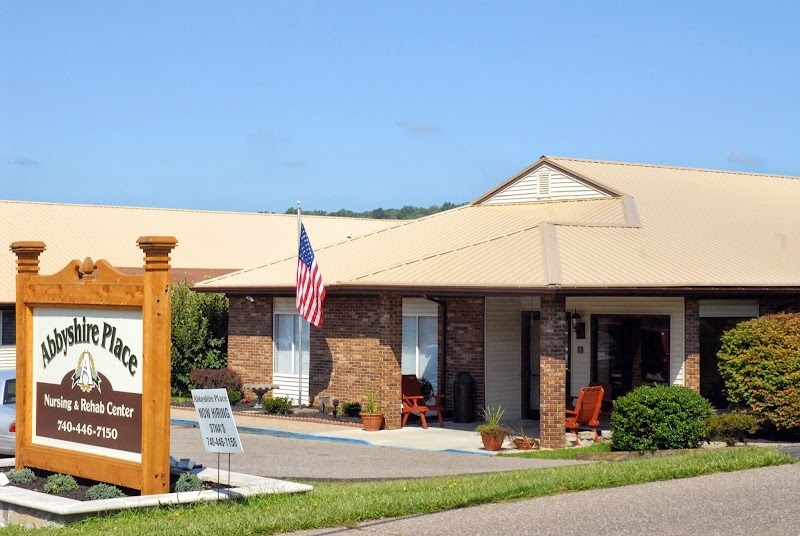
How is Abbyshire Place Center L Staffed?

CMS rates ABBYSHIRE PLACE HEALTH AND REHABILITATION CENTER L's staffing level at 3 out of 5 stars, which is average compared to other nursing homes. Staff turnover is 30%, compared to the Ohio average of 46%. This relatively stable workforce can support continuity of care.

What Have Inspectors Found at Abbyshire Place Center L?

State health inspectors documented 26 deficiencies at ABBYSHIRE PLACE HEALTH AND REHABILITATION CENTER L during 2019 to 2024. These included: 26 with potential for harm.
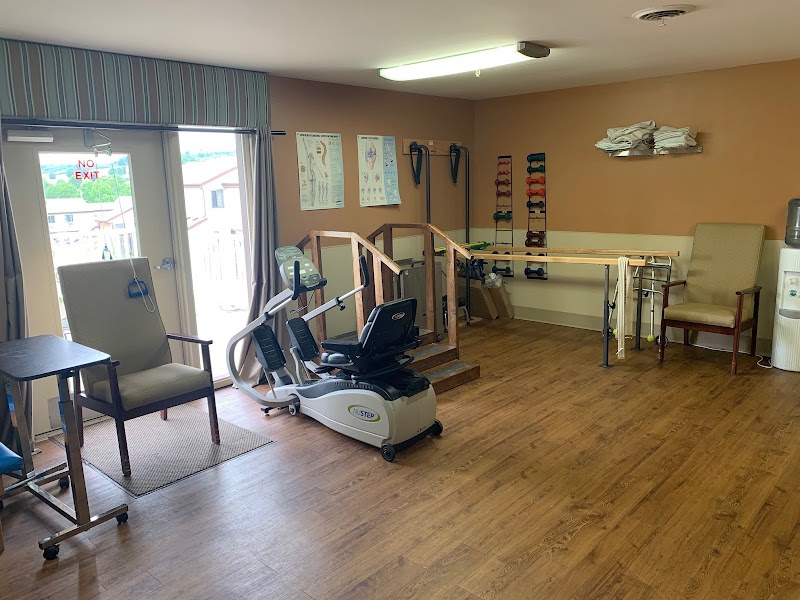
Who Owns and Operates Abbyshire Place Center L?

ABBYSHIRE PLACE HEALTH AND REHABILITATION CENTER L is owned by a for-profit company. For-profit facilities operate as businesses with obligations to shareholders or private owners. The facility is operated by OPTALIS HEALTH & REHABILITATION, a chain that manages multiple nursing homes. With 95 certified beds and approximately 79 residents (about 83% occupancy), it is a smaller facility located in BIDWELL, Ohio.
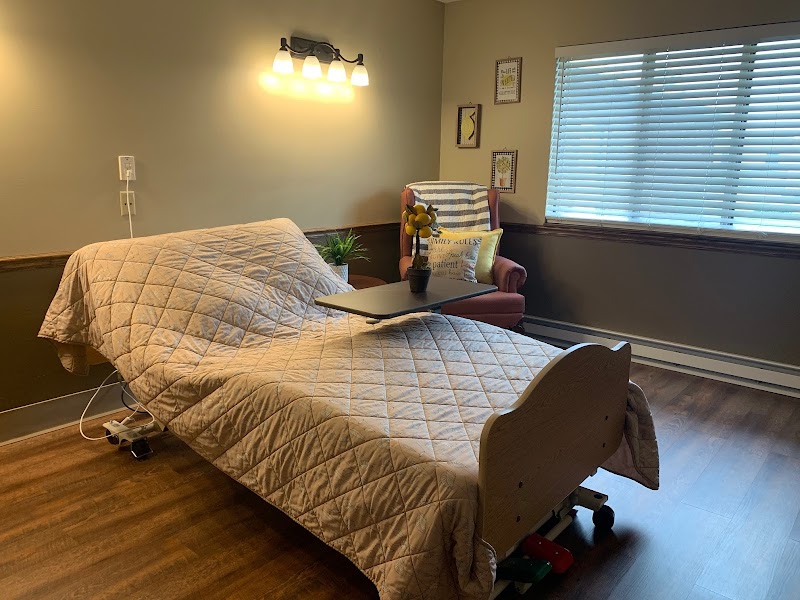
How Does Abbyshire Place Center L Compare to Other Ohio Nursing Homes?

Compared to the 100 nursing homes in Ohio, ABBYSHIRE PLACE HEALTH AND REHABILITATION CENTER L's overall rating (3 stars) is below the state average of 3.2, staff turnover (30%) is significantly lower than the state average of 46%, and health inspection rating (3 stars) is at the national benchmark.

What Should Families Ask When Visiting Abbyshire Place Center L?

Based on this facility's data, families visiting should ask: "Can I visit during a mealtime to observe dining assistance and food quality?" "How do you handle medical emergencies, and what is your hospital transfer rate?" "Can I speak with family members of current residents about their experience?"

Is Abbyshire Place Center L Safe?

Based on CMS inspection data, ABBYSHIRE PLACE HEALTH AND REHABILITATION CENTER L has a clean safety record: no substantiated abuse findings (meaning no confirmed cases of resident harm), no Immediate Jeopardy citations (the most serious violation level indicating risk of serious injury or death), and is not on the Special Focus Facility watch list (a federal program monitoring the lowest-performing 1% of nursing homes). The facility has a 3-star overall rating and ranks #100 of 100 nursing homes in Ohio. While no facility is perfect, families should still ask about staff-to-resident ratios and recent inspection results during their visit.

Do Nurses at Abbyshire Place Center L Stick Around?

ABBYSHIRE PLACE HEALTH AND REHABILITATION CENTER L has a staff turnover rate of 30%, which is about average for Ohio nursing homes (state average: 46%). Moderate turnover is common in nursing homes, but families should still ask about staff tenure and how the facility maintains care continuity when employees leave.

Was Abbyshire Place Center L Ever Fined?

ABBYSHIRE PLACE HEALTH AND REHABILITATION CENTER L has no federal fines on record. CMS issues fines when nursing homes fail to meet care standards or don't correct problems found during inspections. The absence of fines suggests the facility has either maintained compliance or corrected any issues before penalties were assessed. This is a positive indicator, though families should still review recent inspection reports for the full picture.

Is Abbyshire Place Center L on Any Federal Watch List?

ABBYSHIRE PLACE HEALTH AND REHABILITATION CENTER L is not on any federal watch list. The most significant is the Special Focus Facility (SFF) program, which identifies the bottom 1% of nursing homes nationally based on persistent, serious quality problems. Not being on this list means the facility has avoided the pattern of deficiencies that triggers enhanced federal oversight. This is a positive indicator, though families should still review the facility's inspection history directly.