WILLOW RIDGE OF MENNONITE HOME COMMUNITIES OF OHIO
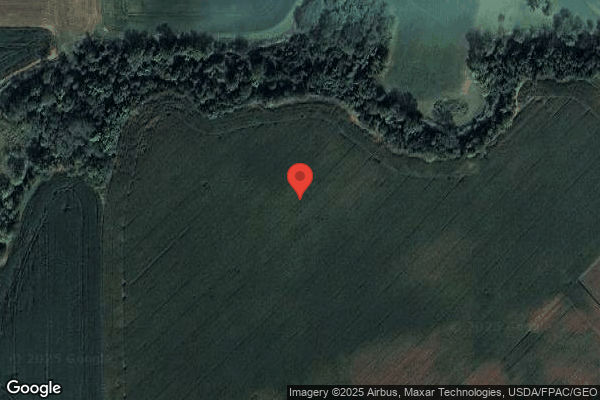
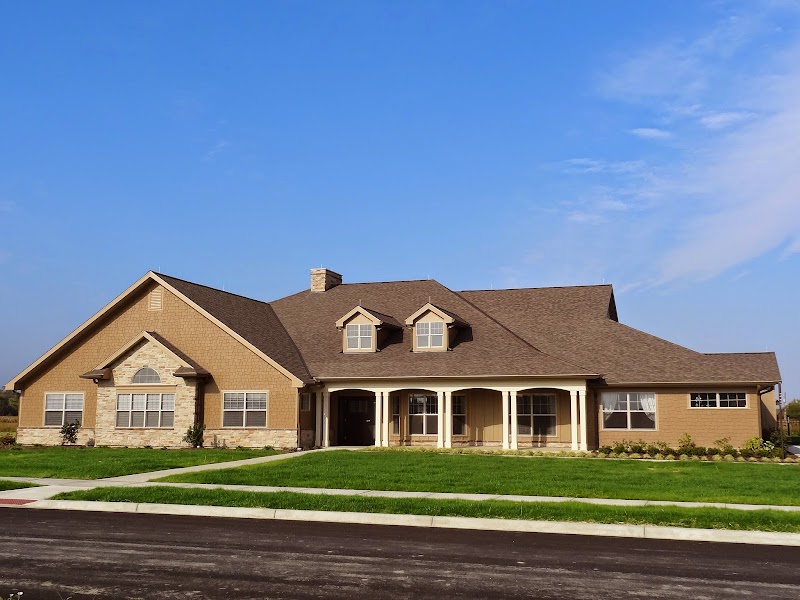
101 WILLOW RIDGE DRIVE, BLUFFTON, OH 45817 (419) 358-1015
Non profit - Church related 20 Beds Independent Data: November 2025
Trust Grade
75/100
#198 of 913 in OH
Last Inspection: July 2024

Within standard 12-15 month inspection cycle. Federal law requires annual inspections.

Overview

Willow Ridge of Mennonite Home Communities of Ohio has a Trust Grade of B, indicating it is a good option for care, falling solidly in the middle of available facilities. It ranks #198 out of 913 facilities in Ohio, placing it in the top half, and #3 out of 11 in Allen County, meaning only two local options are rated higher. However, the facility's trend is worsening, with the number of issues increasing from 7 in 2022 to 8 in 2024. Staffing is a strength, with a perfect 5/5 star rating and a turnover rate of 46%, slightly below the state average. There have been no fines, which is positive, and they have more RN coverage than 82% of Ohio facilities, ensuring better oversight of patient care. On the downside, there have been serious concerns, such as a resident experiencing actual harm when a nurse removed an adhering dressing without proper precautions, leading to bleeding. Additionally, there were lapses in infection control, including failure to disinfect thermometers used for COVID-19 screening, potentially putting all residents at risk. Another concern involved improper sanitation of dishes, which could affect the health of residents in that area. Overall, while there are strengths in staffing and oversight, families should be aware of these serious incidents and the facility's declining trend.

Trust Score
B
75/100
In Ohio
#198/913
Top 21%
Safety Record
Moderate
Needs review
Inspections
Getting Worse
7 → 8 violations
Staff Stability
⚠ Watch
46% turnover. Above average. Higher turnover means staff may not know residents' routines.
Penalties
✓ Good
No fines on record. Clean compliance history, better than most Ohio facilities.
Skilled Nurses
✓ Good
Each resident gets 62 minutes of Registered Nurse (RN) attention daily — more than 97% of Ohio nursing homes. RNs are the most trained staff who catch health problems before they become serious.
Violations
⚠ Watch
23 deficiencies on record. Higher than average. Multiple issues found across inspections.
★★★★★
5.0
Overall Rating
★★★★★
5.0
Staff Levels
★★★☆☆
3.0
Care Quality
★★★★☆
4.0
Inspection Score
Stable
2022: 7 issues
2024: 8 issues

The Good

  • 5-Star Staffing Rating · Excellent nurse staffing levels
  • Full Sprinkler Coverage · Fire safety systems throughout facility
  • No fines on record

Facility shows strength in staffing levels, fire safety.

The Bad

Staff Turnover: 46%

Near Ohio avg (46%)

Higher turnover may affect care consistency

The Ugly 23 deficiencies on record

1 actual harm
Jul 2024 8 deficiencies
CONCERN (D)

Potential for Harm - no one hurt, but risky conditions existed

Deficiency F0565 (Tag F0565)

Could have caused harm · This affected 1 resident

Based on record review and staff interviews, the facility failed to ensure a thorough baseline care plan was created for one (Resident #172) of one reviewed for baseline care plans. The facility censu...

Read full inspector narrative →
Based on record review and staff interviews, the facility failed to ensure a thorough baseline care plan was created for one (Resident #172) of one reviewed for baseline care plans. The facility census was 20. Findings include: Review of the medical record for Resident #172 revealed an admission date of 07/01/24. The resident was admitted with diagnoses including aftercare following knee joint prosthesis, Parkinsonism, and hypertension. Review of the 07/01/24 admission skin assessment revealed documentation of a surgical wound with 31 staples and two sutures. Review of Resident #172's baseline care plan revealed no interventions or goals in place for the resident's surgical wound. Interview and observation on 07/08/24 at 10:47 A.M. revealed Resident #172 had thigh high compression hose on bilaterally. An Abdominal (ABD) pad was observed over his right knee. Upon questioning, Resident #172 stated he had right knee replacement surgery and was at the facility temporarily for therapy. Interview on 07/12/24 at 2:15 P.M. with the Director of Nursing verified there was no baseline care plan related to the surgical wound of Resident #172 and reported it was the expectation the base line care plan would have addressed the resident's surgical wound. Review of the 03/22 facility, Baseline Care Policy revealed any services and treatments to be administered on the behalf of the facility would be developed within the first 48 hours.
CONCERN (D)

Potential for Harm - no one hurt, but risky conditions existed

Deficiency F0578 (Tag F0578)

Could have caused harm · This affected 1 resident

**NOTE- TERMS IN BRACKETS HAVE BEEN EDITED TO PROTECT CONFIDENTIALITY** Based on record review and staff interview, the facility failed to ensure the advance directive code status in the Electronic Me...

Read full inspector narrative →
**NOTE- TERMS IN BRACKETS HAVE BEEN EDITED TO PROTECT CONFIDENTIALITY** Based on record review and staff interview, the facility failed to ensure the advance directive code status in the Electronic Medical Record (EMR) matched the signed advanced directive form. This affected two (Resident #5 and #18) of three reviewed for advanced directives. The facility census was 20. Findings include: 1. Review of the medical record of Resident #5 revealed an admission date of 04/26/24 with diagnoses of unspecified dementia, unspecified severity, without behavioral disturbance, psychotic disturbance, mood disturbance, and anxiety. Review of the Minimum Data Set (MDS) dated [DATE] revealed Resident #5 had severe cognitive impairment. Review of a physician order in the EMR dated 04/27/24 revealed Resident #5's advanced code status was Do Not Resuscitate - Comfort Care (DNR-CC). Review of the DNR Order Form dated 04/29/24 revealed Resident #5's advanced code status was Do Not Resuscitate - Comfort Care Arrest (DNR-CCA). Interview on 07/11/24 at 2:16 P.M. with the Director of Nursing (DON) confirmed the advanced directive for Resident #5 was documented in the EMR as DNR-CC but should have been documented as DNR-CCA. 2. Review of the medical record of Resident #18 revealed an admission date of 05/27/24 with diagnoses of fracture of other parts of pelvis, subsequent encounter for fracture with routine healing and essential (primary) hypertension. Review of the MDS dated [DATE] revealed Resident #18 was cognitively intact. Review of a physician order in the EMR dated 05/29/24 revealed Resident #18's advanced code status was DNR-CCA. Review of the DNR Order Form dated 06/11/24 revealed Resident #18'5 advanced code status was DNR-CC. Interview on 07/11/24 at 2:16 P.M. with the DON verified the advanced directive for Resident #18 was documented in the EMR as DNR-CCA but should have been documented as DNR-CC.
CONCERN (D)

Potential for Harm - no one hurt, but risky conditions existed

Investigate Abuse (Tag F0610)

Could have caused harm · This affected 1 resident

**NOTE- TERMS IN BRACKETS HAVE BEEN EDITED TO PROTECT CONFIDENTIALITY** Based on review of Self Reported Incidents (SRI), staff interviews, record review, and review of facility policy, the facility f...

Read full inspector narrative →
**NOTE- TERMS IN BRACKETS HAVE BEEN EDITED TO PROTECT CONFIDENTIALITY** Based on review of Self Reported Incidents (SRI), staff interviews, record review, and review of facility policy, the facility failed to complete thorough investigations related to resident-to-resident sexual abuse. This affected three residents (#16, #15, #7) of three reviewed for abuse. The facility census was 20. Findings include: 1. Review of the medical record for Resident #16 revealed an admission date of 03/09/24. The resident was admitted with diagnoses including dementia, stroke, type two diabetes mellitus, depression, and hypertension. The resident remained at the facility. Review of the quarterly Minimum Data Set (MDS) assessment dated [DATE] revealed Resident #16 had intact cognition and required extensive one person assistance for toileting and supervision for eating, bed mobility and transfers. Review of the care plan revealed Resident #16 had a history of being drawn to various females by doting affection, asking for dates and wanting companionship. Interventions included to educate family members regarding affectionate behavior and plans to divert, discourage, monitor displays and to offer alternative activities. Record review revealed Resident #16 had documented 15-minute checks from 03/10/24 at 9:30 P.M. until 03/18/24 at 3:15 P.M. Review of the progress note date 03/11/24 revealed Resident #16's daughter was called and notified of an incident with another resident which had occurred the previous day, and he remained on 15-minute checks. Review of the progress note dated 03/13/24 at 3:57 P.M. revealed activity staff requested an interview with Resident #16. Resident #16 began to rub activity staff's back and shoulders and staff attempted to redirect him. Resident #16 was documented to have told the activity staff he got lonely and would like to marry someone and leaned in to kiss her. Review of progress notes dated 03/14/24 and 03/15/24 reveled Resident #16 was observed on multiple occasions to hold hands, touch the leg, and put his arm around a female elder. Review of the progress note dated 03/16/24 revealed Resident #16 touched a staff member's breast two times and asked if someone could go to bed with him. 2. Review of the medical record for Resident #15 revealed an admission date of 01/08/24. The resident was admitted with diagnoses including Alzheimer's Disease, depression, aphasia and anxiety. The resident remained at the facility. Review of the quarterly MDS assessment dated [DATE] revealed Resident #15 had impaired cognition and required extensive two person assistance for bed mobility, one person assistance for transfers and toileting, and supervision for eating. Review of a progress note dated 03/18/24 revealed Licensed Practical Nurse (LPN) #421 recieved a call from House #2 from State Tested Nurse Aide (STNA) #238 that Resident #15 had been observed touching the shoulder and thigh of Resident #7 and kissing her on the lips and cheek. Resident #15 had been removed fromt the area. 3. Review of the medical record for Resident #7 revealed an admission date of 07/27/20. The resident was admitted with diagnoses including Alzheimer's Disease, unspecified psychosis, anxiety, depression and paranoid personality disorder. The resident remained at the facility. Review of the quarterly MDS assessment dated [DATE] revealed Resident #7 had severely impaired cognition and required extensive two-person assistance with bed mobility, transfers, and toileting, and supervision for eating. Review of the SRI dated 03/16/24 revealed Resident #16 had been observed by staff touching the arm of Resident #15. At a later time, Resident #16 was observed by State Tested Nurse Aide (STNA) #492 touching the right breast of Resident #15. Resident #16 was removed from the area and a full body assessment of Resident #16 was completed with no concerns. The physician and families were notified. Review of the SRI dated 03/18/24 revealed Resident #16 was observed kissing Resident #7 by STNA #428. Resident #16 was removed and nursing staff were notified. A thorough skin assessment was completed of Resident #7 with no concern. The physician and families were notified and Resident #16 was admitted to a different facility for his behaviors. Interview on 07/10/24 at 10:42 A.M. with the Administrator, Director of Nursing (DON), and Clinical Services #505 while reviewing the SRI revealed a physical assessments of Resident #15 and Resident #7 was performed with no concerns, however no other residents were assessed. No interviews of residents were completed in regards of a concern for abuse. No staff statements were provided and no staff education had been given following the incident. The DON and Administrator stated they were not employed at the time of the incident and were unaware of the progress notes documenting behaviors prior to the sexual abuse, which had been substantiated at the time of either investigation. Review of the 10/22 facility policy, Abuse, Neglect and Expolitation, revealed allegations of abuse would be investigated.
CONCERN (D)

Potential for Harm - no one hurt, but risky conditions existed

Comprehensive Care Plan (Tag F0656)

Could have caused harm · This affected 1 resident

**NOTE- TERMS IN BRACKETS HAVE BEEN EDITED TO PROTECT CONFIDENTIALITY** 2. Review of the medical record of Resident # 5 revealed an admission date of 04/26/24 with diagnoses of unspecified dementia, u...

Read full inspector narrative →
**NOTE- TERMS IN BRACKETS HAVE BEEN EDITED TO PROTECT CONFIDENTIALITY** 2. Review of the medical record of Resident # 5 revealed an admission date of 04/26/24 with diagnoses of unspecified dementia, unspecified severity, without behavioral disturbance, psychotic disturbance, mood disturbance, and anxiety. Review of the MDS assessment dated [DATE] revealed Resident #5 had severe cognitive impairment. Resident #5 required set-up assistance for eating and oral hygiene, supervision assistance for ambulation, and partial assistance for toileting hygiene, bathing, dressing, bed mobility, and transfers. Review of physician orders revealed an order dated 06/14/24 for Seroquel (antipsychotic) Oral Tablet 25 Milligrams (mg) (Quetiapine Fumarate) give 25 mg by mouth at bedtime related to unspecified dementia, unspecified severity, without behavioral disturbance, psychotic disturbance, mood disturbance, and anxiety. Review of Resident #5's care plan revealed the care plan did not address Resident #5's use of antipsychotic medication. Interview on 07/11/24 at 2:16 P.M. with the DON confirmed Resident #5's care plan did not address use of antipsychotic medication. Based on record review and staff interviews, the facility failed to ensure a thorough comprehensive care plan was completed for two (Residents #19, #5) of three reviewed for care plans. The facility census was 20. Findings include: 1. Review of the medical record for Resident #9 revealed an admission date of 11/15/23. The resident was admitted with diagnoses including unspecified dementia, anxiety, depression and senile degeneration of the brain. She was admitted to hospice on 05/16/24. The resident remained at the facility. Review of the significant change Minimum Data Set (MDS) assessment dated [DATE] revealed Resident #9 had severely impaired cognition. She required moderate assistance with eating, substantial assistance for bed mobility, and was dependent for toileting, hygiene, and transfers. Review of the care plan revealed no goals or interventions in place for hospice care. An interview on 07/11/24 at 2:15 P.M. with the Director of Nursing (DON) verified there was no hospice care plan for Resident #19 and reported the expectation was for the care plan to include hospice care.
CONCERN (D)

Potential for Harm - no one hurt, but risky conditions existed

Deficiency F0657 (Tag F0657)

Could have caused harm · This affected 1 resident

**NOTE- TERMS IN BRACKETS HAVE BEEN EDITED TO PROTECT CONFIDENTIALITY** Based on record review, staff interview, and policy review, the facility failed to ensure a comprehensive care plan was develope...

Read full inspector narrative →
**NOTE- TERMS IN BRACKETS HAVE BEEN EDITED TO PROTECT CONFIDENTIALITY** Based on record review, staff interview, and policy review, the facility failed to ensure a comprehensive care plan was developed and implemented. This affected two (Residents #5 and #18) of two residents reviewed for care planning. The facility census was 20. Findings include: 1. Review of the medical record of Resident #5 revealed an admission date of 04/26/24 with diagnoses of unspecified dementia, unspecified severity, without behavioral disturbance, psychotic disturbance, mood disturbance, and anxiety. Review of the Minimum Data Set (MDS) assessment dated [DATE] revealed Resident #5 had severe cognitive impairment and required set-up assistance for eating and oral hygiene, supervision assistance for ambulation, partial assistance for toileting hygiene, bathing, dressing, bed mobility, and transfers. Review of physician orders revealed an order dated 04/27/24 for an advance directive of Do Not Resuscitate - Comfort Care (DNR-CC), an order dated 04/27/24 for Apixaban (blood thinner) Oral Tablet 2.5 Milligram (mg) (Apixaban), give 1 tablet by mouth two times a day for blood thinner and an order dated 06/14/24 for Seroquel (antipsychotic) Oral Tablet 25 mg (Quetiapine Fumarate), give 25 mg by mouth at bedtime related to unspecified dementia, unspecified severity, without behavioral disturbance, psychotic disturbance, mood disturbance, and anxiety. Review of Resident #5's care plan revealed the care plan did not address code status, use of a blood thinner, or the use of an anti-psychotic medication. 2. Review of the medical record of Resident #18 revealed an admission date of 05/27/24 with diagnoses of fracture of other parts of pelvis, subsequent encounter for fracture with routine healing and essential (primary) hypertension. Review of the MDS assessment dated [DATE] revealed Resident #18 was cognitively intact. Resident #18 was independent for eating and required partial assistance for bed mobility, and substantial assistance for toileting hygiene, bathing, dressing, transfers, and for wheelchair mobility over 150 feet. Review of physician orders revealed an order dated 05/29/24 for Resident #18's advanced code status was DNR-CC Arrest, an order dated 06/13/24 for Aspirin Oral Tablet Delayed Release 81 mg (Aspirin), give 81 mg by mouth one time a day related to essential hypertension, an order dated 06/13/24 for Metoprolol Tartrate 25 mg two times daily for hypertension, an order dated 06/06/24 for Myrbetriq 25 mg extended release daily for urinary incontinence, and an order for Tramadol 50 mg every six hours as needed for pain. Review of Resident #18's care plan revealed the care plan did not address code status, hypertension, urinary incontinence, or pain. Interview on 07/11/24 at 2:16 P.M. with the Director of Nursing (DON) confirmed Resident #5's care plan was not comprehensive and did not address code status, use of a blood thinner, or use of antipsychotic medication. The interview also confirmed that Resident #18's care plan was not comprehensive and did not address code status, hypertension, urinary incontinence, or pain. Review of the Care Plans policy dated 4/2022 revealed, It is the policy of the facility to develop and implement a person-centered care plan for each resident, consistence with resident rights, that included measurable objectives and timeframe's to meet a residents medical, nursing, and mental and psychosocial needs that are identified in the residents comprehensive assessment.
CONCERN (D)

Potential for Harm - no one hurt, but risky conditions existed

Quality of Care (Tag F0684)

Could have caused harm · This affected 1 resident

Based on record review and staff interviews, the facility failed to properly assess a surgical wound upon admission. This affected one (Resident #172) of one reviewed for wound assessments. The facili...

Read full inspector narrative →
Based on record review and staff interviews, the facility failed to properly assess a surgical wound upon admission. This affected one (Resident #172) of one reviewed for wound assessments. The facility census was 20. Findings include: Review of the medical record for Resident #172 revealed an admission date of 07/01/24. The resident was admitted with diagnoses including aftercare following knee joint prosthesis, Parkinsonism, and hypertension. The resident remained at the facility. Review of the 07/01/24 admission skin assessment revealed documentation of a surgical wound with 31 staples and two sutures. There was no further description and no measurements of the surgical wound in the document. Interview and observation on 07/08/24 at 10:47 A.M. revealed Resident #172 had thigh high compression hose on bilaterally. An Abdominal (ABD) pad was observed over his right knee. Upon questioning, Resident #172 stated he had right knee replacement surgery and was at the facility temporarily for therapy. Interview on 07/10/24 at 1:59 P.M. with Registered Nurse (RN) #414 verified there were no measurements or description of the right knee surgical wound on the admission skin assessment. Review of the undated facility policy, Wound and Skin Care Treatment Program, revealed measurements of a wound would be completed.
CONCERN (D)

Potential for Harm - no one hurt, but risky conditions existed

Pharmacy Services (Tag F0755)

Could have caused harm · This affected 1 resident

**NOTE- TERMS IN BRACKETS HAVE BEEN EDITED TO PROTECT CONFIDENTIALITY** Based on record review, observations, staff interviews, pharmacist interview, and policy review, the facility failed to ensure m...

Read full inspector narrative →
**NOTE- TERMS IN BRACKETS HAVE BEEN EDITED TO PROTECT CONFIDENTIALITY** Based on record review, observations, staff interviews, pharmacist interview, and policy review, the facility failed to ensure medications that should not be crushed were not crushed. This affected one (Resident #18) of one resident reviewed for medication administration. The facility census was 20. Findings include: Review of the medical record of Resident #18 revealed an admission date of 05/27/24 with diagnoses of fracture of other parts of pelvis, subsequent encounter for fracture with routine healing and essential (primary) hypertension. Review of the Minimum Data Set (MDS) assessment dated [DATE] revealed the resident was cognitively intact. Resident #18 was independent for eating and required partial assistance for bed mobility and substantial assistance for toileting hygiene, bathing, dressing, transfers, and for wheelchair mobility over 150 feet. Review of physician orders revealed an order dated 06/13/24 for Aspirin Oral Tablet Delayed Release 81 Milligrams (mg) (Aspirin), give 81 mg by mouth one time a day related to essential hypertension. Observation and interview on 07/10/24 at 7:54 A.M. with Registered Nurse (RN) #414 revealed the Aspirin Delayed Release was crushed and administered to Resident #18. RN #414 confirmed the medication was crushed. Interview on 07/10/24 at 10:28 A.M. with Pharmacist #510 confirmed Aspirin Delayed Release is what is supplied in the package for Resident #18's daily medication. Interview also confirmed the pharmacy was not aware of Resident #18 needing her medications crushed and that Aspirin Delayed Release should not be crushed and that she will be reaching out to the physician for a change in medications. Interview on 07/11/24 at 2:16 P.M. with the Director of Nursing (DON) confirmed the Aspirin Delayed Release for Resident #18 should not have been crushed. Review of the Standards for Medication Administration dated 08/15/12 revealed the policy does not address crushing medications that are not to be crushed.
CONCERN (D)

Potential for Harm - no one hurt, but risky conditions existed

Infection Control (Tag F0880)

Could have caused harm · This affected 1 resident

Based on review of facility policy, documentation, and staff interviews, the facility failed to follow their Legionnaires policy. This had the potential to affect all 20 residents at the facility. Fi...

Read full inspector narrative →
Based on review of facility policy, documentation, and staff interviews, the facility failed to follow their Legionnaires policy. This had the potential to affect all 20 residents at the facility. Findings include: Review of the undated facility policy, Legionnaires Policy, revealed the policy applied to all water systems which included, but not limited to shower heads and hoses, ice machines and infrequently used equipment, cold water would be heated to 140 degrees Fahrenheit by water heaters in each house and relevant procedures and record keeping related to the program would be kept, maintained and reviewed as necessary. Interview on 07/11/24 at 2:59 P.M. with Maintenance Director #509 revealed the provided policy and water testing by an outside testing facility for Legionella and intermittent room water temperatures were the only documentation available for Legionella. He verified in the seven months he had been employed, he did not test the temperature of the water heaters and there was no documentation the shower heads had been treated or when a resident room was empty, stagnant water prevention was completed. Review of facility documentation revealed there was no documentation to show the facility was following their policy of checking water heaters.
Jan 2022 7 deficiencies 1 Harm
SERIOUS (G)

Actual Harm - a resident was hurt due to facility failures

Quality of Care (Tag F0684)

A resident was harmed · This affected 1 resident

**NOTE- TERMS IN BRACKETS HAVE BEEN EDITED TO PROTECT CONFIDENTIALITY** Based on observation, medical record review, staff interview, and review of facility policy, the facility failed to obtain and e...

Read full inspector narrative →
**NOTE- TERMS IN BRACKETS HAVE BEEN EDITED TO PROTECT CONFIDENTIALITY** Based on observation, medical record review, staff interview, and review of facility policy, the facility failed to obtain and evaluate appropriate treatment, and removed an old dressing in a manner to prevent pain and tissue damage for one (#14) resident. This resulted in actual harm when Resident #14's ordered dressing was adhering to her open wound and was removed by the nurse without any interventions to loosen the dressing before removal. Resident #14 was noted to squeeze her eyes shut, grimace, tense her upper body, grab hold of the armrest with her hand, and pull her leg away when the dressing was removed. The wound was noted to be opened and actively bleeding following the immediate removal of the adhering dressing. Additionally, the facility failed to conduct a comprehensive wound assessment which including measurements of the wound for one (#14) resident out of one resident reviewed for wounds. The facility census was 18. Findings Include: Review of Resident #14's medical record revealed an admission date of 11/27/19. Diagnoses included chronic obstructive pulmonary disease, psychosis, hallucinations, dementia, cognitive communication deficit, difficulty walking, and chronic kidney disease. Review of Resident #14's Minimum Data Set (MDS) assessment dated [DATE] revealed the resident had severe cognitive impairment. The assessment listed the resident as being at risk for pressure ulcers and having no pressure ulcers. Review of Resident #14's nurse's note dated 12/28/21 revealed the resident was noted to have a raised racquetball sized bruise to the posterior aspect of the left knee. There were no measurements of the area. There were no additional assessments of the area until 01/08/22. Review of Resident #14's nurse's note dated 01/08/22 revealed ABD pad and kerlix were applied to left calf area due to black swollen fluid filled area. There were no measurements of the area. Review of Resident #14's nurse's note dated 01/09/22 revealed ABD pad and kerlix were applied to blackened fluid filled cyst behind left knee. Bloody discharge was noted on previous bandage. There were no measurements of the area. Review of Resident #14's weekly skin sweep dated 01/10/22 listed previously documented racquetball size lump now with blackened fluid filled area and previous ABD pad saturated with dark red/tan discharge. Review of Resident #14's physician orders dated 01/10/22 revealed the following obtain a culture and sensitivity of hematoma on back of left leg. Apply warm compress to site to promote absorption every morning and as needed. Review of Resident #14's wound culture final report dated 01/14/22 revealed moderate growth of staphylococcus aureus isolated. Review of physician orders dated 01/15/22 revealed an order for the antibiotic azithromycin 250 milligrams orally at bedtime for four days for area to posterior left knee, Apply ABD pad to back of left leg over hematoma site. Wrap area loosely with ACE wrap, as the area shrinks, apply ace wrap tighter. Review of Resident #14's current care plan revealed the care plan did not address the resident's wound or wound infection. Skin sweep dated 01/17/22 revealed posterior left calf had reddened area due to fluid filled cyst draining and brownish red discharge on previous dressing. There were no measurements of the area. Review of Resident #14's nurse's note dated 01/20/22 at 2:24 P.M. revealed post hematoma left posterior calf which measured 5 centimeters (cm) by 7 cm by <0.1 cm and was draining bright red blood. The note documented the resident noted to grimace during the dressing change. An ABD pad and ace wrap applied per order. Adaptic placed on wound under the ABD pad to prevent sticking to the wound. The physician was notified. Observation on 01/20/22 at 10:05 A.M. revealed Registered Nurse (RN) #439 completed a wound treatment for Resident #14's left posterior leg. The order was to apply an ABD pad over hematoma site and wrap with an ACE wrap. When RN #439 removed the old ABD pad from the wound upper left posterior leg, the pad was sticking to the wound and was not easily removable. RN #439 pulled the ABD pad off the area without any interventions to loosen the dressing. There was a moderate amount of bright red blood on the ABD pad and blood dripping from the wound immediately after removal of the ABD pad. The wound was was observed to be very large in size and open. As the nurse was removing the old ABD pad from the resident's wound the resident squeezed her eyes shut, grimaced, tensed her upper body, grabbed hold of the armrest with her hand, and pulled her leg away. Per surveyor intervention the RN measured the resident's wound and obtained a measurements documented in the 01/20/22 nurse's note. Interview on 01/20/22 10:05 A.M. with RN #439 stated Resident #14 had a large hematoma behind her left knee and then the wound opened up. RN #439 was unaware of when the area became an open wound. RN #439 verified the ABD dressing was sticking to Resident #14's wound on the left leg and it appeared to hurt the resident when she removed it. RN #439 stated she would contact the physician for a different treatment. Interview on 01/20/22 10:55 A.M., the Director of Nursing (DON) stated Resident #14 had a hematoma behind her left knee which started on 01/08/22 and was a fluid filled area. DON stated the hematoma opened up on 01/19/22 and verified there was no documentation of the area becoming an open wound. The DON verified there were no measurements taken of the area until 01/20/22. Review of facility policy titled Treatment Guidelines for Pressure Injury and Wounds, dated 06/05/18, revealed a very important consideration in establishing and implementing a treatment program for any type of wound is an individualized treatment program for each Elder. For infected wounds, cover with Mepilex border foam and change everyday.
CONCERN (D)

Potential for Harm - no one hurt, but risky conditions existed

Deficiency F0554 (Tag F0554)

Could have caused harm · This affected 1 resident

Based on observation, medical record review, and staff interview, the facility failed to ensure the interdisciplinary team assessed a resident's ability to self administer and properly store medicatio...

Read full inspector narrative →
Based on observation, medical record review, and staff interview, the facility failed to ensure the interdisciplinary team assessed a resident's ability to self administer and properly store medications. This affected one (#14) of six residents observed for medication administration. The facility census was 18. Findings include: Observation on 01/18/22 10:36 A.M. of Resident #14 revealed the resident had a bottle of Tums and a small cup of cough drops sitting on a bedside stand in her room. Review of Resident #14's medical record revealed an admission date of 11/27/19. Diagnoses included chronic obstructive pulmonary disease, psychosis, hallucinations, dementia, cognitive communication deficit, difficulty walking, unsteadiness on feet, and chronic kidney disease. Review of Resident #14's Minimum Data Set (MDS) assessment, dated 10/20/21, revealed the resident had severe cognitive impairment. Review of Resident #14's monthly physician orders dated January 2022 revealed no orders for Tums or cough drops. Review of Resident #14's current care plan revealed the care plan did not address the resident having medications at bedside or the resident self administrating medications. Interview on 01/18/22 at 2:18 P.M. with Registered Nurse (RN) #435 verified Resident #14 had a bottle of Tums and small cup full of cough drops at the bedside.
CONCERN (D)

Potential for Harm - no one hurt, but risky conditions existed

Comprehensive Care Plan (Tag F0656)

Could have caused harm · This affected 1 resident

**NOTE- TERMS IN BRACKETS HAVE BEEN EDITED TO PROTECT CONFIDENTIALITY** Based on medical record review, staff interview, and review of facility policy, the facility failed to ensure comprehensive care...

Read full inspector narrative →
**NOTE- TERMS IN BRACKETS HAVE BEEN EDITED TO PROTECT CONFIDENTIALITY** Based on medical record review, staff interview, and review of facility policy, the facility failed to ensure comprehensive care plans were developed for communication and significant weight loss. This affected three (#2, #9 and #14) out of eight residents reviewed for care plans. The facility census was 18. Findings include: 1. Review of Resident #14's medical record revealed an admission date of 11/27/19. Diagnoses included chronic obstructive pulmonary disease, psychosis, hallucinations, dementia, cognitive communication deficit, difficulty walking, unsteadiness on feet, and chronic kidney disease. Review of Resident #14's Minimum Data Set (MDS) assessment, dated 10/20/21, revealed the resident has severe cognitive impairment. The assessment also listed the resident as having moderate difficulty hearing and utilized a hearing aid. Review of Resident #14's current care plan did not address Resident #14's hearing loss and interventions to communicate with the resident. Additionally, observation on 01/18/22 at 10:32 A.M. of Resident #14 revealed the resident to be extremely hard of hearing. The resident did not have hearing aids in place and a white board had to be utilized to communicate with the resident. Interview on 01/18/22 at 5:04 P.M. with Licensed Practical Nurse (LPN) # 437 stated Resident #14 used to wear hearing aids and she believes the resident's family took them home. LPN #437 stated the staff communicate with the resident using a white board. The resident also has an portable hearing amplifier but she chooses not to use it. Interview on 01/19/22 at 11:17 A.M. with State Tested Nursing Assistant (STNA) #427 stated she didn't know of the resident ever having hearing aids. STNA #427 stated the resident has a portable hearing amplifier and the resident does not like to use it. Interview on 01/20/22 at 1:08 P.M. with the Director of Nursing (DON) verified Resident #14's care plan did not address the resident's hearing loss. 2. Review of medical record for Resident #9 revealed an admission date of 08/14/13. Diagnoses included Alzheimer's disease, dementia with behavioral disturbance, depressive disorder, gastroesophageal reflux disease, anxiety disorder, essential tremor, brief psychotic disorder, and paranoid personality disorder. Review of Resident #9's MDS assessment, dated 12/15/21, revealed the resident to have severe cognitive impairment. The assessment listed the resident as having weight loss and no therapeutic diet. Review of Resident #9's monthly physician orders dated January 2022 revealed an order for a regular diet. Review of Resident #9's weights revealed a weight of 158 pounds on 06/02/21 and a weight of 138 pounds on 12/02/21. This represented a 20 pound, or 12 %, weight loss in 180 days. Review of the dietary note dated 12/08/21 revealed the resident had a weight warning. While the resident had a body mass index of 22.4, there had been a 12.1% weight loss over the prior 180 days. Resident #9 is on regular diet and intakes are 50-100% at meals. The resident refuses supplements. There were no further recommendations at this time. Continue to monitor monthly and make additional recommendations as needed. Review of Resident #9's current care plan did not address the resident's significant weight loss. Interview on 01/20/22 1:54 P.M., Dietician #441 stated Resident #9 has had some weight loss and refuses supplements. Interview on 01/20/22 at 3:29 P.M., the Director of Nursing (DON) verified the resident's care plan had not been updated. 3. Review of Resident #2's medical record revealed an admission date of 03/03/21. Diagnoses included cerebrovascular disease, vascular dementia, moderate protein calorie malnutrition, repeated falls, generalized anxiety, atrial fibrillation, and heart disease. Review of Resident #2's MDS assessment, dated 01/05/22, revealed Resident #2 was not able to complete the cognition assessment. Resident #2 required extensive assistance with eating. Resident #2 was noted to cough or choke during meals or when swallowing medications. Resident #2 had a weight loss of 5% or more in the last month or a loss of 10% or more in the last six months and she was not on a prescribed weight loss program. Resident #2 was receiving a mechanically altered diet. Review of Resident #2's care plan, revised 01/07/22, revealed supports and interventions for risk for altered nutrition and hydration. Resident #2's care plan did not include supports and interventions for her significant weight loss. Review of Resident #2's Nutrition assessment dated [DATE] revealed Resident #2 had a significant weight loss of 5% in 30 days and 10% in 180 days. Recommendations included speech therapy to assess diet for increased intakes. Interview on 01/20/22 at 1:08 P.M., the DON verified Resident #2's care plan did not address the resident's significant weight loss. Review of the facility policy titled Baseline Care Plan Policy, revised January 2019, revealed the care plan would reflect the resident's stated goals and objective and include interventions that address his/her current needs.
CONCERN (D)

Potential for Harm - no one hurt, but risky conditions existed

Deficiency F0657 (Tag F0657)

Could have caused harm · This affected 1 resident

**NOTE- TERMS IN BRACKETS HAVE BEEN EDITED TO PROTECT CONFIDENTIALITY** Based on record review, observation, resident interview, staff interview, and review of the facility policy, the facility failed...

Read full inspector narrative →
**NOTE- TERMS IN BRACKETS HAVE BEEN EDITED TO PROTECT CONFIDENTIALITY** Based on record review, observation, resident interview, staff interview, and review of the facility policy, the facility failed to ensure resident care plans were revised. This affected three (#7, #9, #14) out of eight residents reviewed for care plan revisions. The facility census was 18. Findings include: 1. Review of Resident #14's medical record revealed an admission date of 11/27/19. Diagnoses included chronic obstructive pulmonary disease, psychosis, hallucinations, dementia, cognitive communication deficit, and chronic kidney disease. Review of Resident #14's Minimum Data Set (MDS) assessment, dated 10/20/21, revealed the resident had severe cognitive impairment. The assessment listed the resident as being at risk for pressure ulcers and having no pressure ulcers. Review of nurse's note for Resident #14 dated 12/28/21 revealed during morning care the resident was noted to have a racquetball size bruise to posterior aspect of the left knee. Review of Resident #14's weekly skin sweep dated 01/10/22 revealed the previously documented racquetball size lump now a blackened fluid filled area. Previous ABD was saturated with dark red/tan drainage. Review of Resident #14's physician orders revealed on 01/10/22 to obtain a culture and sensitivity of the hematoma on back of left leg and apply warm compress to site to promote absorption every morning and as needed On 01/15/22 an order was received to administer the antibiotic azithromycin 250 milligrams (mgs) orally at bedtime for four days, apply ABD pad to back of left leg over hematoma site, wrap area loosely with ACE wrap, and as the area shrinks, apply ace wrap tighter. Review of weekly skin sweeps revealed on 01/17/22 the posterior left calf was reddened due to fluid filled draining cyst. Review of Resident #14's current care plan revealed the resident's care plan was not updated regarding the resident's current posterior upper left left wound. Interview on 01/20/22 at 1:08 P.M. with the Director of Nursing (DON) verified Resident #14's care plan did not address the resident's posterior upper left left wound. 2. Review of medical record for Resident #9 revealed an admission date of 08/14/13. Diagnoses included Alzheimer's disease, gastroesophageal reflux disease (GERD), depressive disorder, anxiety disorder, and paranoid personality disorder. Review of Resident #9's MDS assessment dated [DATE] revealed the resident to severe cognitive impairment. Review of the plan of care, last revised 11/04/16, indicated Resident #9 was at risk for altered nutrition related to diagnosis of GERD and frequent pain medications with potential for gastrointestinal discomfort. An intervention dated 09/03/20 revealed the resident will take omeprazole (medication for GERD) as ordered. Review of physician orders revealed the omeprazole was discontinued on 11/30/21. The plan of care was not updated. Interview on 01/20/22 at 3:29 P.M. with Director of Nursing (DON) stated the resident had a choking episode in December 2021 and was evaluated at the hospital and returned the same day. Review of Speech Therapy (ST) evaluation dated 12/10/21 revealed Resident #9 was seen during lunch and was consuming food safely. There were no signs or symptoms of aspiration. No therapy recommended at this time. Review of nurse's note for Resident #9 dated 01/13/22 revealed the resident began choking at dinner, followed by a small emesis. The resident refused supper and returned to her room. Review of physician orders revealed on 01/13/22 an order for lansoprazole (a medication for treating GERD) was received. Review of the plan of care revealed it was not revised following Resident #9's choking and emesis episodes and the medication used to treat the resident's GERD was not updated. Interview on 01/20/22 at 3:29 P.M., the DON verified the resident's care plan had not been updated. 3. Review of Resident #7's medical record revealed an admission date of 07/24/13. Diagnoses included subluxation of right shoulder joint, muscle weakness, atrial fibrillation, panic disorder, anxiety disorder, major depressive disorder, and convulsions. Review of Resident #7's care plan, revised 01/18/22, revealed supports and interventions for self-care deficit and risk for falls. Resident #7's self-care deficit interventions included using a [NAME] lift for all transfers. Resident #7's fall risk description stated she used a [NAME] lift for transfers. The interventions noted Resident #7 used to use a [NAME] lift for transfers but she was getting distracted and would let go of the lift and try and move her feet off the platform. A ceiling lift was to be used for transfers. The fall risk description for the use of the [NAME] lift and the self-care deficit care plan were not updated to indicate Resident #7 now used a ceiling lift. Observation on 01/18/22 9:54 A.M. of Resident #7's room found a ceiling lift available for use and the sling for the ceiling lift positioned under Resident #7. Interview on 01/19/22 at 01/19/22 8:55 A.M. with State Tested Nursing Assistant (STNA) #421 revealed Resident #7 had a fall from her [NAME] lift because she let go during transfer. STNA #421 reported Resident #7 has since used the ceiling lift for safety purposes. Interview on 01/19/22 at 10:57 A.M. with Resident #7 verified she no longer used the [NAME] lift and now used the ceiling lift. Resident #7 reported she fell back in December 2021 and dislocated her shoulder falling after letting go and moving her feet on the [NAME] walker. Resident #7 reported the staff now use the ceiling lift because it was safer for her. Interview on 01/20/22 at 1:08 P.M. with the Director of Nursing (DON) verified Resident #7's care plan was not updated accurately for the type of lift Resident #7 used. Review of the facility policy titled Baseline Care Plan Policy, revised January 2019, revealed the care plan would reflect the resident's stated goals and objective and include interventions that address his/her current needs. Changes would be made as necessary, resulting from significant changes in condition or needs.
CONCERN (D)

Potential for Harm - no one hurt, but risky conditions existed

Deficiency F0688 (Tag F0688)

Could have caused harm · This affected 1 resident

Based on medical record review, resident interview, staff interview and review of facility policy, the facility failed to ensure residents were provided ongoing range of motion (ROM). This affected on...

Read full inspector narrative →
Based on medical record review, resident interview, staff interview and review of facility policy, the facility failed to ensure residents were provided ongoing range of motion (ROM). This affected one (#13) of two residents reviewed for limited range of motion. The facility census was 18. Finding Include: Review of Resident #13's medical record revealed an admission date of 09/26/18. Diagnoses included hemiplegia and hemiparesis, atrial fibrillation, hypertension, hypersomnia, muscle weakness, cerebral infarction, kidney failure, heart failure, abnormal posture, type II diabetes, and anemia. Review of Resident #13's Minimum Data Set (MDS) assessment, dated 10/13/21, revealed Resident #13 was cognitively intact. Resident #13 was totally dependent on staff for bed mobility, transfer, and toilet use. Resident #13 required extensive assistance with dressing and personal hygiene. Resident #13 was noted to have an upper extremity impairment on one side and and a lower extremity impairment on both sides. Resident #13 received passive range of motion three times during the seven calendar days of the review period. Review of Resident #13's care plan revised 01/18/22 revealed supports and interventions for self-care deficit, risk for pain, recently discharged from physical therapy and would participate in range of motion supine or seated leg stretches. Review of the record revealed Resident #13 was discontinued from physical therapy and occupational therapy on 10/19/21. Resident #13 was referred by therapy at discharge to nursing to perform passive ROM to the upper body, left shoulder ROM, and lower extremity ROM during care. Review of Resident #13's State Tested Nursing Assistant (STNA) tasks for the last 30 days revealed ROM was only completed on 01/15/22, 01/16/22, and 01/19/22. It was noted Resident #13 refused on ROM on 12/23/21, 12/24/21, 01/01/22, 01/02/22, and 01/05/22. ROM was identified as not completed on 19 days and documented as not applicable. Interview on 01/18/22 at 10:17 A.M. with Resident #13 revealed she had limited movement with her arm and her legs. Resident #13 reported she was not receiving ROM exercises from the staff like she was supposed to. Resident #13 reported she was done with physical therapy but she was still supposed to be getting ROM. Resident #13 stated she could only do what she could do without their help. Resident #13 stated her husband tried to help her when he visited but the facility was not providing supports. Interview on 01/20/22 at 9:16 A.M. with the Director of Nursing (DON) verified Resident #13 was documented as receiving ROM only three times in the last 30 days. The DON reported Resident #13's husband did ROM with Resident #13 at times but they did not have a way of tracking those ROM interactions. Review of the undated facility policy titled, Range of Motion (ROM), revealed ROM program required planning and consistency. Whenever possible ROM should be preformed on a daily basis.
CONCERN (E)

Potential for Harm - no one hurt, but risky conditions existed

Food Safety (Tag F0812)

Could have caused harm · This affected multiple residents

Based on observation, staff interview, and review the Dish Machine Temperature Log, the facility failed to ensure dishes were properly sanitized in the dishwashers in the 101 House. This affected all ...

Read full inspector narrative →
Based on observation, staff interview, and review the Dish Machine Temperature Log, the facility failed to ensure dishes were properly sanitized in the dishwashers in the 101 House. This affected all nine residents (#2, #6, #7, #10, #12, #13, #268, #269, and #270) who resided in the 101 House. The facility census was 18. Findings Include: Observation on 01/18/22 at 1:26 P.M. of State Tested Nursing Assistant (STNA) #415 found her running the dishwasher following the lunch meal in the 101 House. The dishwasher was noted to be a low temperature, chemical sanitization machine using chlorine for sanitation. The observed wash temperature was 120 degrees Fahrenheit (F) and rinse temperature of 129 degrees F. STNA #415 completed a test strip for chlorine sanitation levels and found the level were 25 parts per million (ppm). STNA #415 verified the proper level for sanitation was at least 50 ppm and dishwasher was not at the proper level of chlorine for sanitation. Observation on 01/18/22 at 1:38 P.M. of a second cycle of the dishwasher found the chemical sanitation level continued to be 25 ppm. STNA #415 verified it was still not reaching the proper sanitation level. She checked the chemicals and found them to be full and connected properly. STNA #415 stated she would notify the maintenance staff to have the machine serviced. Review of the Dish Machine Temperature Log for lunch on 01/18/22 revealed the chemical sanitation level was documented as 50 ppm. Interview on 01/18/22 at 2:12 P.M. with STNA #415 verified the chemical sanitization level for the lunch meal on 01/18/22 was 25 ppm and the documented 50 ppm was inaccurate. Review of the log titled Dish Machine Temperature Log, dated January 2022, revealed the dish wash machine temperatures should be between 120 degrees F and 140 degrees F and the chlorine sanitizer should be 50 ppm. Resident #2, #268, #269, #10, #6, #7, #12, #13, and #270 resided in the 101 House.
CONCERN (F)

Potential for Harm - no one hurt, but risky conditions existed

Infection Control (Tag F0880)

Could have caused harm · This affected most or all residents

Based on observation and staff interview, the facility failed to prevent possible transmission of COVID-19 infection by failing to ensure the thermometer used for screening was properly disinfected be...

Read full inspector narrative →
Based on observation and staff interview, the facility failed to prevent possible transmission of COVID-19 infection by failing to ensure the thermometer used for screening was properly disinfected between use by different persons. This had the potential to affect all 18 residents in the facility. The facility census was 18. Findings include: Observations on 01/18/22 through 01/22/22 revealed surveyors had to self screen upon entrance into the facility on a sheet of paper. The surveyors used a hand held thermometer to obtain their temperatures upon entrance. The facility staff did not disinfect thermometer between uses nor was there disinfectant available to disinfect the thermometer between uses. Interview on 01/19/22 at 2:40 P.M. with State Tested Nurse Aide (STNA) #430 verified she did not disinfect the thermometer after use.
May 2019 8 deficiencies
CONCERN (D)

Potential for Harm - no one hurt, but risky conditions existed

Assessment Accuracy (Tag F0641)

Could have caused harm · This affected 1 resident

**NOTE- TERMS IN BRACKETS HAVE BEEN EDITED TO PROTECT CONFIDENTIALITY** Based on medical record review and staff interview, the facility failed to ensure a resident's Minimum Data Set (MDS) assessment...

Read full inspector narrative →
**NOTE- TERMS IN BRACKETS HAVE BEEN EDITED TO PROTECT CONFIDENTIALITY** Based on medical record review and staff interview, the facility failed to ensure a resident's Minimum Data Set (MDS) assessment was coded accurately for restorative nursing programs (RNP). This affected one (Resident #19) of one residents reviewed for limited range of motion. The facility identified 12 residents (#1, #4, #6, #8, #9, #10, #11, #13, #14, #16, #19, and #20) participating in a RNP. The facility census was 20. Findings include: Review of Resident #19's medical record revealed an admission date of 06/03/15. Medical diagnoses included athetoid cerebral palsy, generalized muscle weakness, involuntary movements, hypertension, dorsalgia, and asthma. Review of the resident's MDS assessment dated [DATE] revealed the resident had functional limitation in range of motion (ROM) in bilateral upper and lower extremities. He received RNP for passive ROM five out of seven days of the look back assessment period. The resident participated in active ROM four of seven days of the look back assessment period. Review of the documentation for the resident's RNP for the look back assessment period for the 01/09/19 MDS revealed he received three days of passive ROM and three days of active ROM. Review of the resident's MDS assessment dated [DATE] revealed the resident received RNP for passive range of motion (ROM) six out of seven days of the look back assessment period. The resident participated in active ROM six of seven days of the look back assessment period. Review of the documentation for the resident's RNP for the look back assessment period for the 04/10/19 MDS revealed he received three days of passive ROM and six days of active ROM. Interview with the Director of Nursing on 05/01/19 at 8:27 A.M. verified the resident's 01/09/19 MDS was coded incorrectly for active and passive RNP. She also verified the resident's 04/10/19 MDS was coded incorrectly for passive ROM. The facility identified 12 residents (#1, #4, #6, #8, #9, #10, #11, #13, #14, #16, #19, and #20) participating in a RNP.
CONCERN (D)

Potential for Harm - no one hurt, but risky conditions existed

Deficiency F0657 (Tag F0657)

Could have caused harm · This affected 1 resident

**NOTE- TERMS IN BRACKETS HAVE BEEN EDITED TO PROTECT CONFIDENTIALITY** Based on medical record review and staff interview, the facility failed to ensure a resident's care plan was revised to address ...

Read full inspector narrative →
**NOTE- TERMS IN BRACKETS HAVE BEEN EDITED TO PROTECT CONFIDENTIALITY** Based on medical record review and staff interview, the facility failed to ensure a resident's care plan was revised to address a change in skin condition. This affected one (Resident #12) of one residents reviewed for pressure ulcers. The facility identified only one resident with a pressure ulcer. The facility census was 20. Findings include: Review of Resident #12's medical record revealed an admission date of 05/18/18. Medical diagnoses included generalized muscle weakness, malignant neoplasm of mouth, chronic kidney disease, chronic atrial fibrillation, abdominal aortic aneurysm, and gastrointestinal hemorrhage. Review of the resident's Minimum Data Set (MDS) assessment dated [DATE] revealed a brief interview for mental status (BIMS) score of 15, indicating no impairment in cognition. He was identified as at risk for pressure ulcers. Review of the resident's wound documentation revealed two unstageable pressure ulcers developed on his right and left great toes on 04/09/19. Review of the resident's skin care plan created on 01/25/19 and revised on 04/30/19 revealed no mention of the impairment to the resident's right and great toes and no interventions to address these concerns. Interview with the Director of Nursing on 04/30/19 at 6:26 P.M. verified Resident #12's skin care plan was not updated to reflect the unstageable pressure areas to his right and left great toes. She stated the facility did not have a policy regarding updating care plans, they follow the Resident Assessment Instrument guidelines.
CONCERN (D)

Potential for Harm - no one hurt, but risky conditions existed

Deficiency F0688 (Tag F0688)

Could have caused harm · This affected 1 resident

**NOTE- TERMS IN BRACKETS HAVE BEEN EDITED TO PROTECT CONFIDENTIALITY** Based on medical record review, and resident and staff interview, the facility failed to ensure a resident's restorative nursing...

Read full inspector narrative →
**NOTE- TERMS IN BRACKETS HAVE BEEN EDITED TO PROTECT CONFIDENTIALITY** Based on medical record review, and resident and staff interview, the facility failed to ensure a resident's restorative nursing program (RNP) was implemented as planned. This affected one (Resident #19) of one residents reviewed for limited range of motion. The facility identified 12 residents (#1, #4, #6, #8, #9, #10, #11, #13, #14, #16, #19, and #20) participating in a RNP. The facility census was 20. Findings include: Review of Resident #19's medical record revealed an admission date of 06/03/15. Medical diagnoses included athetoid cerebral palsy, generalized muscle weakness, involuntary movements, hypertension, dorsalgia, and asthma. Review of the resident's physical therapy Discharge summary dated [DATE] revealed his prognosis to maintain current level of function was good with strong family support and consistent follow through. Recommendation was for a restorative program. Review of the resident's rehabilitation screens dated 12/24/18 and 03/20/19 revealed he did not demonstrate any changes since his last screen. No therapy orders were needed. The screens indicated the resident was not currently in a restorative program. Review of the resident's care plan revealed a care plan revised on 03/26/18 revealed for a RNP. The plan indicated therapy had worked with him to establish a RNP. He needed stretching because of his diagnosis of spastic cerebral palsy. His goal was to maintain the use of his computer mouse and manage certain items on his desk and to maintain stand pivot transfers to and from the toilet. The plan included active ROM shoulder flexion five to ten times daily, leaning back in his chair and raising his arm above his head, repeating on both sides daily. The plan indicated he may need assistance. Active ROM also included horizontal abduction, seated trunk flexion, and resistance band exercises. His plan included passive ROM dorsiflexion stretch, foot pronation supination, knee extension stretches, hip abduction/adduction, hip flexion/extension, shoulder flexion/extension, finger flexion/extension. The passive ROM was to be completed twice daily. Review of restorative nursing program documentation for passive and active ROM for April 2019 revealed active ROM was completed once daily as scheduled. Passive ROM was not documented as completed twice daily for 21 of 30 days. Continued review of the resident's medical record revealed no updated assessment of resident's progress with RNP since 08/04/17. Review of the resident's Minimum Data Set (MDS) assessment dated [DATE] revealed the resident had a brief interview for mental status score of 15, indicating no impairment in cognition. He had no rejection of care. He required extensive assistance with two plus staff for bed mobility, transfers, and dressing. He required extensive assistance with one staff for toilet use and hygiene. The resident had functional limitation in ROM bilaterally upper and lower extremities. He received RNP for passive range of motion (ROM) six out of seven days of the look back assessment period. The resident participated in active ROM six of seven days of the look back assessment period. Interview with the Resident #19 on 04/29/19 at 2:04 P.M., revealed he had limited ROM to bilateral arms and legs and hands. He stated staff were supposed to assist him with ROM once daily, but it only occurred once or twice per week. Interview with the Director of Nursing (DON) on 04/30/19 verified there had been no evaluation of the resident's RNP documented since his most recent RNP plan was implemented on 03/06/18. She also verified she had no documentation indicating the resident's RNP was completed as planned for 21 of 30 days in April 2019. Interview with Certified Occupational Therapy Assistant (COTA) #101 on 05/01/19 at 8:43 A.M., verified the resident's status in a RNP was not accurately identified in his two most recent therapy screens. She stated she completed the screen on 03/20/19. She stated she asked the State Tested Nursing Assistant if the resident was on a restorative program and she was told he was not. She stated she looked in the resident's hard chart but not the electronic health record.
CONCERN (D)

Potential for Harm - no one hurt, but risky conditions existed

Deficiency F0692 (Tag F0692)

Could have caused harm · This affected 1 resident

**NOTE- TERMS IN BRACKETS HAVE BEEN EDITED TO PROTECT CONFIDENTIALITY** Based on medical record review, staff interview, and review of a facility procedure manual, the facility failed to ensure dietar...

Read full inspector narrative →
**NOTE- TERMS IN BRACKETS HAVE BEEN EDITED TO PROTECT CONFIDENTIALITY** Based on medical record review, staff interview, and review of a facility procedure manual, the facility failed to ensure dietary assessments accurately reflected a resident's skin condition. This affected one (Resident #12) of one residents reviewed for pressure ulcers. The facility identified only one resident with a pressure ulcer. The facility census was 20. Findings include: Review of Resident #12's medical record revealed an admission date of 05/18/18. Medical diagnoses included generalized muscle weakness, malignant neoplasm of mouth, chronic kidney disease, chronic atrial fibrillation, abdominal aortic aneurysm, and gastrointestinal hemorrhage. Review of the resident's Minimum Data Set (MDS) assessment dated [DATE] revealed a brief interview for mental status (BIMS) score of 15, indicating no impairment in cognition. He was identified as at risk for pressure ulcers and had moisture associated skin damage. Review of the resident's nutrition care plan dated 06/01/18 revealed the resident was at risk for impaired nutritional status. One of his goals was to maintain skin integrity. Interventions included monitoring skin per nursing protocol. Continued review of the resident's medical record revealed he was identified as having impaired areas to his buttocks associated with moisture on 01/09/19. He was assessed as having a stage two pressure ulcer to the right buttock and unstageable pressure ulcers to the right and left great toes on 04/09/19. Review of the resident's quarterly dietary assessments dated 01/21/19 and 04/19/19 his skin was intact with no recommendations indicated. Review of the resident's physician's orders revealed no orders for increased protein until 04/23/19 when protein Jell-O was ordered once daily. Interview with Dietary Technician (DT) #145 on 04/30/19 at 12:21 P.M., verified she did not include information regarding the resident's skin impairment in her dietary assessments dated 01/21/19 and 04/19/19. She stated she was not aware of the resident's skin impairments. She stated the facility staff would normally notify her verbally. She stated she must have missed this information in the resident's medical record. She verified she would have recommended a high protein supplement to promote wound healing in a resident with skin impairment. Review of an undated facility procedure manual titled Dietary Procedure Manual revealed quarterly assessment updates were written for all nursing home residents. The Registered Dietitian reviews the medical record for current physician's orders, recent lab data, Minimum Data Set assessment, interdisciplinary care plan, and recent interdisciplinary progress notes for changes since last progress note was written. Review may include other pertinent records available such as data sheets, medication administration record, and skin evaluations.
CONCERN (D)

Potential for Harm - no one hurt, but risky conditions existed

Deficiency F0761 (Tag F0761)

Could have caused harm · This affected 1 resident

Based on observation, medical record review, staff interview, and review of a facility policy, the facility failed to ensure accurate labeling of resident medications. This affected one (Resident # 1)...

Read full inspector narrative →
Based on observation, medical record review, staff interview, and review of a facility policy, the facility failed to ensure accurate labeling of resident medications. This affected one (Resident # 1) of six residents observed for medication administration. The facility census was 20. Findings include: Review of Resident #1's medical record revealed an admission date of 11/26/18. Medical diagnoses included unspecified dementia with behavioral disturbance, paranoid personality disorder, anxiety disorder, chronic obstructive pulmonary disease, hypertension, insomnia, and major depressive disorder. Observation of medication administration on 05/01/19 at 8:02 A.M. for Resident #1 with Registered Nurse (RN) #124 revealed she administered 75 milligrams (mg) of Seroquel (antipsychotic) to the resident. Review of the Seroquel label revealed the resident was to receive 50 mg in the morning and 75 mg at night. The resident had two bottles of Seroquel labeled in this manner. Handwritten across the lid of the bottle was dose change. Continued review of the resident's medical record revealed the most current Seroquel order was for 75 mg twice daily dated 04/01/19. Interview with RN #124 at time of observation verified the resident's Seroquel label did not correlate with her current physician's order dated 04/01/19. Review of a facility policy titled Medication Ordering and Receiving from Pharmacy revised on 10/22/07 revealed the dispensing pharmacy will be informed prior to the next refill of the prescription so the new container will show an accurate label.
CONCERN (D)

Potential for Harm - no one hurt, but risky conditions existed

Antibiotic Stewardship (Tag F0881)

Could have caused harm · This affected 1 resident

**NOTE- TERMS IN BRACKETS HAVE BEEN EDITED TO PROTECT CONFIDENTIALITY** Based on medical record review, facility infection tracking logs, staff interview, and review of a facility policy, the facility...

Read full inspector narrative →
**NOTE- TERMS IN BRACKETS HAVE BEEN EDITED TO PROTECT CONFIDENTIALITY** Based on medical record review, facility infection tracking logs, staff interview, and review of a facility policy, the facility failed to ensure a resident's prescribed antibiotic was in accordance with the Antibiotic Stewardship program. This affected one resident (#2) of one resident reviewed for urinary tract infections. The facility census was 20. Findings include: Medical record review for Resident #2 revealed an admission date of 08/27/18. Diagnoses included iron deficiency anemia, hypokalemia, transient cerebral ischemic attack, cardiac arrhythmia, myelodysplastic syndrome (deficient production of blood cells in bone marrow), anxiety disorder, epistaxis, cardiac pacemaker, major depressive disorder, muscle weakness, difficulty walking, heart failure, urinary tract infection site not specified, insomnia, anxiety disorder, diaphragmatic hernia, pulmonary fibrosis, age related osteoporosis, hypothyroidism, type two diabetes, and hyperlipidemia. Review of Resident #2's medication administration records (MARs) for October 2018 and November 2018 revealed Macrobid (antibiotic) 100 milligrams (mg) was administered daily for prophylaxis of urinary tract infections. The antibiotic was subsequently discontinued on 12/15/18. Further review of Resident #2's medical record revealed a urinalysis was completed on 12/24/18 with abnormalities, but no growth after 48 hours. Review of the physician orders for Resident #2 revealed an order dated 12/24/18 for Macrobid (antibiotic) 100 milligrams (mg) one tablet orally daily for prevention of urinary tract infections (UTI's). The physician order gave no ending date for the use of the antibiotic. Review of the Minimum Data Set (MDS) assessment dated [DATE] revealed Resident #2 had a Brief Interview Mental Status (BIMS) of three indicating severely impaired cognition. The MDS further revealed Resident #2 to be incontinent of urine with no documented urinary tract infections in the last 30 days. Continued review of the MARs for 12/24/18 through 04/30/19 revealed the Macrobid to be administered daily as ordered prophylactically for urinary tract infections. Review of the facility infection control logs for January, February, March and April 2019 revealed them to be silent for documentation of a urinary tract infection for Resident #2. Review of the medical record for Resident #2 revealed the pharmacy did monthly medication reviews as required from August 2018 through April 2019. The pharmacy failed to recognize/question/make recommendations to the physician regarding the continued use of an antibiotic with no stop date indicated. Interview on 04/30/19 at 10:13 A.M. with the Director of Nursing (DON) revealed the Macrobid had been stopped prior to 12/24/18 and Resident #2 incurred a UTI. The DON reported the resident had not had any UTI's since the implementation of the prophylactic antibiotic Macrobid. The DON confirmed Resident #2's last UTI was the end of December 2018. The DON further reported having conversation with the physician regarding the regulation requirement and indicated the physician ordered the continuation of the prophylactic medication. Review of the facility provided policy titled, Antibiotic Stewardship Program with a revision date of 04/09/19 revealed the DON/Nursing Staff would assess and monitor the antibiotic prescribing practices (documentation of the indication, dose, and duration of the antibiotic, review laboratory reports) to determine if the antibiotic is indicated or needs to be adjusted. The policy also contained the minimum criteria for common infections (urinary tract infections, lower respiratory infections and skin/soft tissue infections). The policy indicated the facility would use the minimum criteria for the three common infections implemented 10/05/17 to improve appropriate antibiotic use for the residents.
CONCERN (E)

Potential for Harm - no one hurt, but risky conditions existed

Deficiency F0567 (Tag F0567)

Could have caused harm · This affected multiple residents

Based on review of resident funds accounts, staff interview, and review of the facility resident handbook, the facility failed to ensure residents had access to their resident funds at the facility. T...

Read full inspector narrative →
Based on review of resident funds accounts, staff interview, and review of the facility resident handbook, the facility failed to ensure residents had access to their resident funds at the facility. This affected two residents (#8 and #14) of four residents reviewed for resident funds accounts. The facility identified six residents (#6, #7, #8, #11, #13, and #14) with resident funds accounts. The facility census was 20. Findings include: 1. Review of resident funds accounts on 04/30/19 at 5:35 P.M., with [NAME] Specialist #147 revealed Resident #14 withdrew $15.00 from her resident funds account on 01/30/19. Review of the receipt for withdrawal revealed it was signed by two staff members, but not the resident. 2. Review of resident funds accounts on 04/30/19 at 5:35 P.M. with [NAME] Specialist #147 revealed Resident #8 withdrew $50.00 from her resident funds account on 01/04/19. Review of the receipt for withdrawal revealed it was signed by two staff members, but not the resident. Interview with [NAME] Specialist #147 during review of resident funds accounts revealed the residents did not sign for withdrawals as staff from the facility went to a sister facility approximately one mile away to obtain money from the resident's personal funds account. She stated a staff member from each facility signed for the withdrawal, but the residents do not sign for cash withdrawals. She verified there was no petty cash kept at the facility. She stated petty cash from the resident's personal funds accounts was available Monday through Friday 8:00 A.M. through 5:00 P.M. at a sister facility located approximately one mile away. Review of the facility Elder Handbook with a revision date of 11/2012 revealed elders may open a personal account by signing up at the business office. This money was kept on deposit solely for use by elders. Withdrawals of up to $50.00 may be made when the front office was open. A responsible family member, friend or other trusted and interested adult should manage an elder's funds if an elder no longer wishes to or was not able to do so. Staff members are not permitted to help elders with any financial matters.
CONCERN (E)

Potential for Harm - no one hurt, but risky conditions existed

Food Safety (Tag F0812)

Could have caused harm · This affected multiple residents

**NOTE- TERMS IN BRACKETS HAVE BEEN EDITED TO PROTECT CONFIDENTIALITY** Based on observation, staff interview and review of facility policy, the facility failed to ensure food was stored in a sanitary...

Read full inspector narrative →
**NOTE- TERMS IN BRACKETS HAVE BEEN EDITED TO PROTECT CONFIDENTIALITY** Based on observation, staff interview and review of facility policy, the facility failed to ensure food was stored in a sanitary condition. The facility identified 10 (Residents #2,#3, #4, #7, #8, #10, #16, #17, #18 and #20) residents as receiving meals from the [NAME] House kitchen. The facility census was 20. Findings Include: Observation during the initial tour of the kitchen in the [NAME] House with State Tested Nurse Aide (STNA) #142 on 04/29/18 at 10:15 A.M. revealed one clear plastic bag half full of frozen shoestring french fries, one bag of half full frozen sweet potato french fries and one bag three quarters full of frozen turkey filets that had been previously opened. None of the three opened plastic bags contained labeling or dating of the items. Interview with STNA #142 on 04/29/19 at 10:15 A.M. during the observation confirmed the items had been opened and were silent for labeling and/or dating. Review of the facility provided undated policy titled, Date Marking revealed potentially hazardous leftover food will include the beginning and ending date on the container. The beginning date was the date opened, ending date was seven days after beginning date starting with beginning date as day one. All opened containers would include the date that it was opened. Staff would use masking tape and a black marker to do the labeling. The facility identified 10 (Residents #2,#3, #4, #7, #8, #10, #16, #17, #18 and #20) residents as receiving meals from the [NAME] House kitchen.
Understanding Severity Codes (click to expand)
Life-Threatening (Immediate Jeopardy)
J - Isolated K - Pattern L - Widespread
Actual Harm
G - Isolated H - Pattern I - Widespread
Potential for Harm
D - Isolated E - Pattern F - Widespread
No Harm (Minor)
A - Isolated B - Pattern C - Widespread

Questions to Ask on Your Visit

  • "Can I speak with families of current residents?"
  • "What's your RN coverage like on weekends and overnight?"

Our Honest Assessment

Strengths
  • • No fines on record. Clean compliance history, better than most Ohio facilities.
Concerns
  • • 23 deficiencies on record, including 1 serious (caused harm) violation. Ask about corrective actions taken.
Bottom line: Generally positive indicators. Standard due diligence and a personal visit recommended.

About This Facility

What is Willow Ridge Of Mennonite Home Communities Of Ohio's CMS Rating?

CMS assigns WILLOW RIDGE OF MENNONITE HOME COMMUNITIES OF OHIO an overall rating of 5 out of 5 stars, which is considered much above average nationally. Within Ohio, this rating places the facility higher than 99% of the state's 100 nursing homes. This rating reflects solid performance across the metrics CMS uses to evaluate nursing home quality.
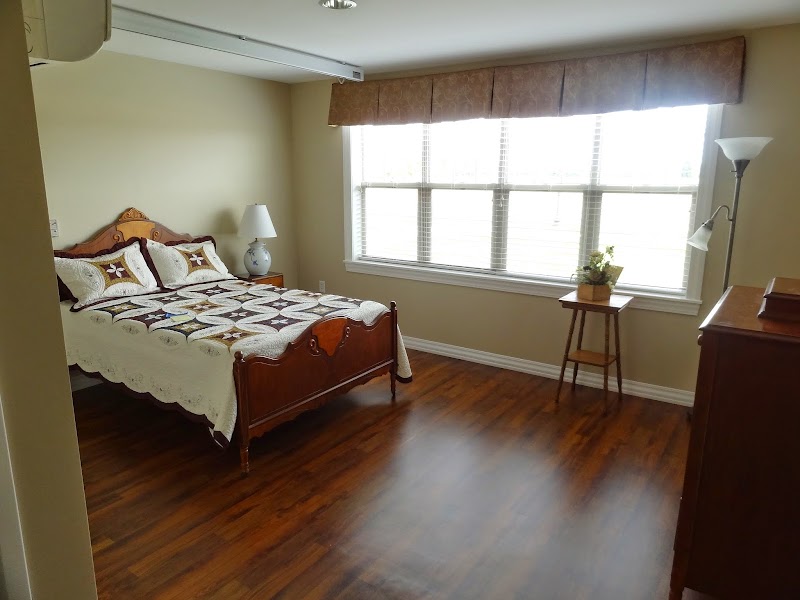
How is Willow Ridge Of Mennonite Home Communities Of Ohio Staffed?

CMS rates WILLOW RIDGE OF MENNONITE HOME COMMUNITIES OF OHIO's staffing level at 5 out of 5 stars, which is much above average compared to other nursing homes. Staff turnover is 46%, compared to the Ohio average of 46%.

What Have Inspectors Found at Willow Ridge Of Mennonite Home Communities Of Ohio?

State health inspectors documented 23 deficiencies at WILLOW RIDGE OF MENNONITE HOME COMMUNITIES OF OHIO during 2019 to 2024. These included: 1 that caused actual resident harm and 22 with potential for harm. Deficiencies causing actual harm indicate documented cases where residents experienced negative health consequences.
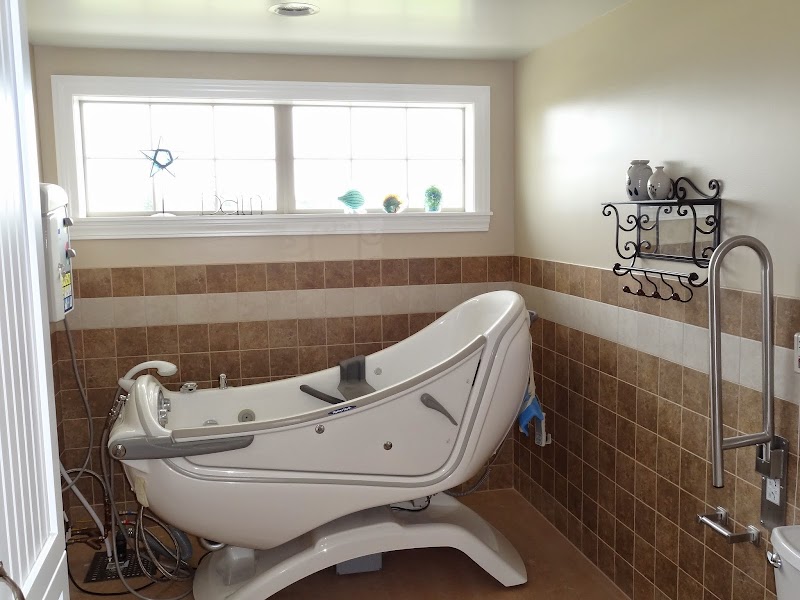
Who Owns and Operates Willow Ridge Of Mennonite Home Communities Of Ohio?

WILLOW RIDGE OF MENNONITE HOME COMMUNITIES OF OHIO is owned by a non-profit organization. Non-profit facilities reinvest revenue into operations rather than distributing to shareholders. The facility operates independently rather than as part of a larger chain. With 20 certified beds and approximately 16 residents (about 80% occupancy), it is a smaller facility located in BLUFFTON, Ohio.

How Does Willow Ridge Of Mennonite Home Communities Of Ohio Compare to Other Ohio Nursing Homes?

Compared to the 100 nursing homes in Ohio, WILLOW RIDGE OF MENNONITE HOME COMMUNITIES OF OHIO's overall rating (5 stars) is above the state average of 3.2, staff turnover (46%) is near the state average of 46%, and health inspection rating (4 stars) is above the national benchmark.

What Should Families Ask When Visiting Willow Ridge Of Mennonite Home Communities Of Ohio?

Based on this facility's data, families visiting should ask: "Can I visit during a mealtime to observe dining assistance and food quality?" "How do you handle medical emergencies, and what is your hospital transfer rate?" "Can I speak with family members of current residents about their experience?"

Is Willow Ridge Of Mennonite Home Communities Of Ohio Safe?

Based on CMS inspection data, WILLOW RIDGE OF MENNONITE HOME COMMUNITIES OF OHIO has a clean safety record: no substantiated abuse findings (meaning no confirmed cases of resident harm), no Immediate Jeopardy citations (the most serious violation level indicating risk of serious injury or death), and is not on the Special Focus Facility watch list (a federal program monitoring the lowest-performing 1% of nursing homes). The facility has a 5-star overall rating and ranks #1 of 100 nursing homes in Ohio. While no facility is perfect, families should still ask about staff-to-resident ratios and recent inspection results during their visit.

Do Nurses at Willow Ridge Of Mennonite Home Communities Of Ohio Stick Around?

WILLOW RIDGE OF MENNONITE HOME COMMUNITIES OF OHIO has a staff turnover rate of 46%, which is about average for Ohio nursing homes (state average: 46%). Moderate turnover is common in nursing homes, but families should still ask about staff tenure and how the facility maintains care continuity when employees leave.

Was Willow Ridge Of Mennonite Home Communities Of Ohio Ever Fined?

WILLOW RIDGE OF MENNONITE HOME COMMUNITIES OF OHIO has no federal fines on record. CMS issues fines when nursing homes fail to meet care standards or don't correct problems found during inspections. The absence of fines suggests the facility has either maintained compliance or corrected any issues before penalties were assessed. This is a positive indicator, though families should still review recent inspection reports for the full picture.

Is Willow Ridge Of Mennonite Home Communities Of Ohio on Any Federal Watch List?

WILLOW RIDGE OF MENNONITE HOME COMMUNITIES OF OHIO is not on any federal watch list. The most significant is the Special Focus Facility (SFF) program, which identifies the bottom 1% of nursing homes nationally based on persistent, serious quality problems. Not being on this list means the facility has avoided the pattern of deficiencies that triggers enhanced federal oversight. This is a positive indicator, though families should still review the facility's inspection history directly.