
SPRINGS OF LIMA THE

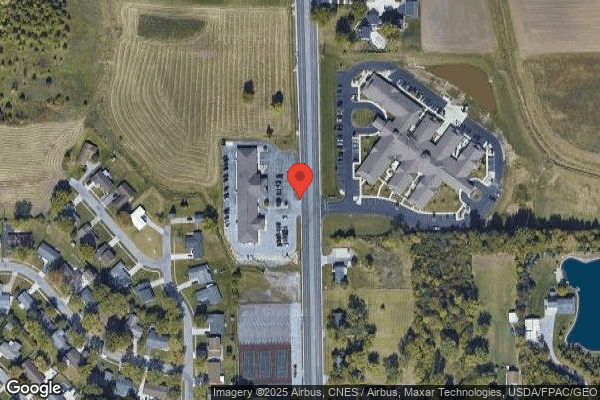
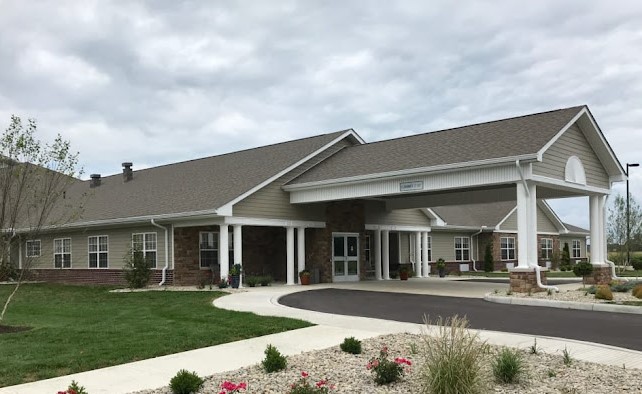
370 NORTH EASTOWN ROAD, LIMA, OH 45807 (419) 221-6051
For profit - Corporation 56 Beds TRILOGY HEALTH SERVICES Data: November 2025
Trust Grade
85/100
#168 of 913 in OH
Last Inspection: July 2025

Inspected within the last 6 months. Data reflects current conditions.

Overview

The Springs of Lima nursing home has a Trust Grade of B+, indicating it is above average and recommended for families considering care options. It ranks #1 of 11 facilities in Allen County and #168 of 913 in Ohio, placing it in the top half of all nursing homes in the state. The facility shows an improving trend, with issues decreasing from four in 2024 to just one in 2025. Staffing is rated 3 out of 5 stars, with a turnover rate of 36%, which is better than the state average, suggesting that staff remain long enough to develop relationships with residents. While there are no recorded fines, the facility has faced some concerns, such as failing to prepare medications properly for three residents and not initiating care plans for a resident with a respiratory infection or for colostomy care, highlighting areas for improvement despite its overall strong performance.

Trust Score
B+
85/100
In Ohio
#168/913
Top 18%
Safety Record
Low Risk
No red flags
Inspections
Getting Better
4 → 1 violations
Staff Stability
○ Average
36% turnover. Near Ohio's 48% average. Typical for the industry.
Penalties
✓ Good
No fines on record. Clean compliance history, better than most Ohio facilities.
Skilled Nurses
✓ Good
Each resident gets 44 minutes of Registered Nurse (RN) attention daily — more than average for Ohio. RNs are trained to catch health problems early.
Violations
⚠ Watch
18 deficiencies on record. Higher than average. Multiple issues found across inspections.
★★★★★
5.0
Overall Rating
★★★☆☆
3.0
Staff Levels
★★★★★
5.0
Care Quality
★★★★★
5.0
Inspection Score
Stable
2024: 4 issues
2025: 1 issues

The Good

  • 5-Star Quality Measures · Strong clinical quality outcomes
  • Full Sprinkler Coverage · Fire safety systems throughout facility
  • No fines on record
  • Staff turnover below average (36%)

    12 points below Ohio average of 48%

Facility shows strength in quality measures, fire safety.

The Bad

Staff Turnover: 36%

Near Ohio avg (46%)

Typical for the industry

Chain: TRILOGY HEALTH SERVICES

Part of a multi-facility chain

Ask about local staffing decisions and management

The Ugly 18 deficiencies on record

Nov 2024 1 deficiency
CONCERN (D) 📢 Someone Reported This

A family member, employee, or ombudsman was alarmed enough to file a formal complaint

Potential for Harm - no one hurt, but risky conditions existed

Deficiency F0761 (Tag F0761)

Could have caused harm · This affected 1 resident

**NOTE- TERMS IN BRACKETS HAVE BEEN EDITED TO PROTECT CONFIDENTIALITY** Based on record review, observation, staff interview, and policy review, the facility failed to ensure medications were not prep...

Read full inspector narrative →
**NOTE- TERMS IN BRACKETS HAVE BEEN EDITED TO PROTECT CONFIDENTIALITY** Based on record review, observation, staff interview, and policy review, the facility failed to ensure medications were not prepared prior to administration. This affected three (#03, #04, and #13) out of three residents reviewed for medication administration. The facility census was 54. Findings include: 1. Review of the medical record for Resident #03 revealed an admission date of 10/26/24 with medical diagnoses of anemia, thrombocytopenia, morbid obesity, chronic obstructive pulmonary disease, and diabetes mellitus. Review of the medical record for Resident #03 revealed an admission assessment dated [DATE] which indicated Resident #03 was cognitively intact. Review of the medical record for Resident #03 revealed a Functional Abilities assessment, dated 10/28/24, which revealed Resident #03 required set-up assistance with eating, toilet hygiene, bathing, bed mobility, and transfers. 2. Review of the medical record for Resident #04 revealed an admission date of 06/14/24 with medical diagnoses of Alzheimer's disease, atrial fibrillation, hypertension, and depression. Review of the medical record for Resident #04 revealed a quarterly Minimum Data Set (MDS) assessment, dated 10/01/24, which indicated Resident #04 had severe cognitive impairment and required partial/moderate staff assistance with bathing, bed mobility, and transfers, and supervision with toilet hygiene. 3. Review of the medical record for Resident #13 revealed an admission date of 06/29/21 with medical diagnoses of chronic respiratory failure, spinal bifida, depression, anxiety, and bipolar disorder. Review of the medical record for Resident #13 revealed a quarterly MDS assessment, dated 08/08/24, which indicated Resident #13 was cognitively intact and required substantial/maximum staff assistance for toilet hygiene, bathing, bed mobility and transfers. Observation with interview on 11/01/24 at 9:03 A.M. revealed Licensed Practical Nurse (LPN) #200 was standing at the medication cart on 400 Hall with three medication pill cups filled with medications sitting on top of her cart. The observation revealed each medication cup was labeled with Resident #03, #04, and #13 names. Interview with LPN #200 confirmed she had prepared the medications for Resident #03, #04, and #13 while standing at the nurse's station and stated she was going to bring the medications to the resident's rooms. Review of the facility policy titled, Medication Administration, revised November 2018 stated medications are administered as prescribed in accordance with good nursing principles and practices and only by person legally authorized to do so. The policy stated when mediations are administered by mobile cart and taken to the resident's location (room, dining room, etc.) medications are administered at the time they are prepared. Medications are not pre-poured either in advance of the med pass or for more than one resident at a time. This deficiency is based on incidental findings discovered during the course of this complaint investigation.
Aug 2024 3 deficiencies
CONCERN (D) 📢 Someone Reported This

A family member, employee, or ombudsman was alarmed enough to file a formal complaint

Potential for Harm - no one hurt, but risky conditions existed

Comprehensive Care Plan (Tag F0656)

Could have caused harm · This affected 1 resident

Based on medical record review and staff interview, the facility failed to ensure a care plan was initiated to address care and services for a resident with a respiratory infection. This affected one ...

Read full inspector narrative →
Based on medical record review and staff interview, the facility failed to ensure a care plan was initiated to address care and services for a resident with a respiratory infection. This affected one (#15) of three reviewed for respiratory infections. The census was 55. Findings included : Review of the medical record for Resident #15 revealed an admission date of 05/10/24. The resident was admitted with diagnoses including rhabdomyolysis and pulmonary fibrosis. The resident was discharged on 06/14/24. Review of a chest x-ray image for Resident #15 dated 06/04/24 revealed there were bilateral opacities which may represent multifocal infectious process, to include viral agent with out pleural effusion. Review of physician orders for Resident #15 revealed an order dated 06/05/24 for the antibiotic Zithromax (azithromycin) 500 milligrams (mg) to give one tablet orally with special instructions give for three days and once a day. Review of Resident # 15's care plan revealed there was no care plan initiated to include care and services, with measurable objectives, for the treatment of the resident's respiratory infection. Interview with Regional Nurse #600 on 08/15/24 at 1:30 P.M. verified there was not a care plan initiated for Resident #15's respiratory infection which occurred on 06/04/24. This deficiency represents an incidental finding discovered during investigation of Complaint Number OH00156307.
CONCERN (D) 📢 Someone Reported This

A family member, employee, or ombudsman was alarmed enough to file a formal complaint

Potential for Harm - no one hurt, but risky conditions existed

Deficiency F0691 (Tag F0691)

Could have caused harm · This affected 1 resident

**NOTE- TERMS IN BRACKETS HAVE BEEN EDITED TO PROTECT CONFIDENTIALITY** Based on medical record review and staff interview, the facility failed to ensure care and treatment of a resident's colostomy w...

Read full inspector narrative →
**NOTE- TERMS IN BRACKETS HAVE BEEN EDITED TO PROTECT CONFIDENTIALITY** Based on medical record review and staff interview, the facility failed to ensure care and treatment of a resident's colostomy was provided. This affected one (#16) of one resident reviewed for colostomy care. The census was 55. Findings included: Review of the medical record for Resident #16 revealed an admission date of 04/19/24. The resident was admitted with a diagnosis including the encounter for attention to a colostomy (a surgical operation in which a piece of the colon is diverted to an artificial opening in the abdominal wall). The resident was discharged on 06/24/24. Review of the Minimum Data Set (MDS) assessment dated [DATE] revealed Resident #16 was assessed with intact cognition and an ostomy. Review of Resident #16's admission physician orders from 04/19/24 were absent for care of the colostomy. Further review revealed orders for care and treatment of the colostomy were not initiated until 05/24/24 which included to burp and empty the colostomy bag and wafer every three days and as needed when soiled and dislodged. On 05/26/24, Resident #16 received an order for staff to apply Adapt stoma powder topically with special instructions to use as needed on the skin around the stoma when the colostomy bag was changed. There was no evidence of care or treatment to Resident #16's colostomy until the initiation of the orders. Interview with Regional Nurse #600 on 08/15/24 at 1:30 P.M. verified Resident #16 did not have orders for care and services of the colostomy until 05/24/24 and there was lack of documentation of colostomy care in the medical record. This deficiency represents non-compliance investigated under Complaint Number OH00156307.
CONCERN (D) 📢 Someone Reported This

A family member, employee, or ombudsman was alarmed enough to file a formal complaint

Potential for Harm - no one hurt, but risky conditions existed

Pharmacy Services (Tag F0755)

Could have caused harm · This affected 1 resident

Based on observation, medical record review, resident and staff interview, and review of a facility policy, the facility failed to ensure medications were taken by the resident when administered and a...

Read full inspector narrative →
Based on observation, medical record review, resident and staff interview, and review of a facility policy, the facility failed to ensure medications were taken by the resident when administered and administered as ordered. This one (#13) of three residents reviewed for medications. The census was 55. Findings included: Review of Resident #13's medical record revealed an admission date of 08/09/24. Diagnoses included acute kidney failure, syncope and collapse, orthostatic hypotension, congestive heart failure, and anemia. Review of Resident #13's admission physician orders from 08/09/24 revealed the resident was ordered the stool softeners Colace 100 milligrams (mg) and Citrucel one tablet by mouth, the antidepressant fluoxetine 40 mg by mouth, the pain medication gabapentin 600 mg two tablets by mouth, a probiotic tablet by mouth, the vitamin Foltx 2.6/25/2 mg one tablet by mouth, the pain medications Mobic 7.5 mg one tablet by mouth and tramadol 50 mg one tablet by mouth, the blood pressure medication metoprolol 25 mg one tablet by mouth, and the medication to treat an overactive bladder oxybutynin 10 mg one tablet by mouth. Further review of the physician order for gabapentin 600 mg two tablets by mouth revealed the order was discontinued on 08/12/24. Observation on 08/14/24 at 9:48 A.M. revealed on Resident #13's bedside table was a medication cup filled with medications. Further observation revealed no staff members in Resident #13's room. Interview with Resident #13 on 08/14/24 at 9:48 A.M. verified the nurse gave the resident the medication to be taken with his meal and the nurse had left them on the bedside table. Resident #13 stated he had dropped the medications on the floor and the person who brought the breakfast tray in picked them up and placed them back into the cup. Interview with License Practical Nurse (LPN) #200 on 08/14/24 at 9:51 A.M. verified she left the medications on the bedside for Resident # 13 so the resident could take the medication with breakfast. LPN #200 stated she administered 11 tablets to Resident #13 including one Colace 100 mg tablet, one Citrucel tablet, one fluoxetine 40 mg tablet, two gabapentin 600 mg tablets, one probiotic tablet, one Foltx 2.6/25/2 mg tablet, one Mobic 7.5 mg tablet, one tramadol 50 mg tablet, one metoprolol 25 mg tablet, and one oxybutynin 10 mg tablet. Interview with Regional Nurse #600 on 08/14/24 at 3:00 P.M. verified LPN #200 administered Resident #13 the resident gabapentin 600 mg in error due the medication being discontinued on 08/12/24. Review of the facility policy titled, Medication Administration - General Guidelines, revised January 2018, revealed medications are administered in accordance with written orders of the prescriber. The resident is always observed after administration to ensure that the dose was complete ingested. This deficiency represents an incidental finding discovered during investigation of Complaint Number OH00156307.
Sept 2022 7 deficiencies
CONCERN (D)

Potential for Harm - no one hurt, but risky conditions existed

Notification of Changes (Tag F0580)

Could have caused harm · This affected 1 resident

**NOTE- TERMS IN BRACKETS HAVE BEEN EDITED TO PROTECT CONFIDENTIALITY** Based on medical record review, staff interview, and review of a facility policy, the facility failed to notify the physician of...

Read full inspector narrative →
**NOTE- TERMS IN BRACKETS HAVE BEEN EDITED TO PROTECT CONFIDENTIALITY** Based on medical record review, staff interview, and review of a facility policy, the facility failed to notify the physician of resident's weight gain as ordered. This affected one (Resident #40) of three residents reviewed for weight changes. The facility census was 45. Findings include: Review of Resident #40's medical record revealed an admission date of 06/29/22. Diagnoses included hypertensive heart disease, chronic kidney disease, acute respiratory failure, cardiomegaly, diabetes mellitus type II, gastroesophageal reflux disease, anxiety, cerebral infarction, and heart failure. Review of the most recently completed Minimum Data Set (MDS) assessment dated [DATE] revealed Resident #40 was assessed with intact cognition and required supervision only for eating. Review of a care plan dated 07/06/22 revealed Resident #40 had potential for complications of congestive heart failure with an intervention to obtain weight as ordered. Review of a physician order dated 07/28/22 revealed Resident #40 was to be weighed daily for congestive heart failure. This order was discontinued on 08/09/22 and a new order was written dated 08/09/22 to weigh Resident #40 daily and notify the physician of weight gain of two pounds (lbs.) a day or three to five pounds a week. Review of Resident #40's August 2022 medication administration record and vital signs from August 2022 revealed Resident #40's weights were not obtained on 08/10/22, 08/11/22, 08/14/22, 08/15/22, 08/16/22, 08/18/22, 08/19/22, 08/22/22, 08/24/22, 08/25/22, and 08/26/22. Further review of Resident #40's weights revealed Resident #40's weight was 184.0 lbs. on 08/23/22 and the next weight obtained was on 08/27/22 and was 196.0 lbs. for a weight gain of 12.0 lbs. in four days. Resident #40's weight was obtained on 08/28/22 and was 201.0 lbs. for a weight gain of five lbs. in one day. Resident #40's weight was obtained on 08/29/22 and was 204.4 lbs. for a weight gain of 3.4 lbs. in one day. There was no evidence in the MAR the physician was notified of Resident #40's weight gain. Review of the nursing progress notes dated 08/10/22, 08/11/22, 08/14/22, 08/15/22, 08/16/22, 08/18/22, 08/19/22, 08/22/22, 08/24/22, 08/25/22, and 08/26/22 revealed no documentation of the physician being notified of Resident #40's weights not being obtained. Further review of nursing progress notes dated 08/27/22, 08/28/22, and 08/29/22 revealed no documentation of the physician being notified of Resident #40's daily and weekly weight gains as physician ordered. Review of the most recent dietician assessment dated [DATE] revealed Resident #40 displayed significant weight gain between 06/30/33 and 08/30/22 with her weight initially down from Resident #40's normal and trending back up over the last month. Resident #40's weight gains were likely attributed to improved intakes since admission as well as edema to the bilateral lower extremities which Resident #40 recently had diuretics adjusted to treat the edema. Resident #40's meal intakes were noted between 75 percent (%) and 100 % during the review period. Interview on 09/08/22 at 11:16 A.M. with Registered Nurse (RN) #239 stated Resident #40 was able to feed herself and had no recent issues with her weights. RN #239 verified Resident #40's weights were being monitored daily due to edema associated with congestive heart failure and not for nutritional concerns. RN #239 verified there was no documentation of Resident #40's weights being obtained on 08/10/22, 08/11/22, 08/14/22, 08/15/22, 08/16/22, 08/18/22, 08/19/22, 08/22/22, 08/24/22, 08/25/22, and 08/26/22, and stated the facility obtaining daily weights for residents had been a recurring issue. RN #239 also stated notification of physician notification would be in the nursing progress notes and verified there was no documentation the physician was notified on the dates in August 2022 when Resident #40's weights were not obtained. RN #239 also verified the physician was not notified of Resident #40's weight gains on 08/27/22, 08/28/22, and 08/29/22. Review of a facility policy titled Notification of Change in Condition, dated 12/01/21, revealed the facility must inform the resident, consult with the resident's physician and if known notify the resident's legal representative when there is a significant change in the resident's physical, mental, or psychosocial status, a need to alter treatment significantly, or an accident involving the resident which results in an injury and had the potential for requiring physician intervention.
CONCERN (D)

Potential for Harm - no one hurt, but risky conditions existed

ADL Care (Tag F0677)

Could have caused harm · This affected 1 resident

**NOTE- TERMS IN BRACKETS HAVE BEEN EDITED TO PROTECT CONFIDENTIALITY** Based on medical record review, observations, staff interview, and review of the facility's policy, the facility failed to ensur...

Read full inspector narrative →
**NOTE- TERMS IN BRACKETS HAVE BEEN EDITED TO PROTECT CONFIDENTIALITY** Based on medical record review, observations, staff interview, and review of the facility's policy, the facility failed to ensure Resident #37, who required assistance limited staff assistance for activities of daily living (ADL) care, received adequate assistance with nail care to promote proper hygiene. This affected one (#37) of three residents reviewed for activities of daily living. The facility identified all 45 residents residing in the facility required staff assistance with dressing and bathing. Findings include: Review of Resident #37's medical record revealed Resident #37 was initially admitted to the facility on [DATE] with re-entry on 08/30/22. Diagnoses included fracture of the left wrist and hand, subsequent fracture with routine healing, strain of unspecified muscle, muscle weakness, weakness, lack of coordination, and vascular dementia with behavioral disturbance. Review of the Minimum Data Set (MDS) assessment, dated 08/04/22, revealed Resident #37 was severely cognitively impaired. Resident #37 required limited one person assistance with dressing and personal hygiene. Observations on 09/06/22 at 11:34 A.M. and on 09/08/22 at 10:28 A.M. revealed Resident #37's toenails were long. Interview on 09/08/22 at 10:51 A.M. with Registered Nurse (RN) #261 verified Resident #37's toenails were too long and did needed to be trimmed. Observation on 09/12/22 at 9:31 A.M. with RN Regional Support #290 revealed Resident #37's socks removed and toenails remained approximately the same length as previously observed. Interview on 09/12/22 at approximately 11:30 A.M. with RN Regional Support #290 revealed Resident #37 refused the last podiatry visit on 04/08/22 and was scheduled for the next visit on 09/21/22. RN Regional Support #290 verified Resident #37's nails also could be trimmed by nursing staff.
CONCERN (D)

Potential for Harm - no one hurt, but risky conditions existed

Quality of Care (Tag F0684)

Could have caused harm · This affected 1 resident

**NOTE- TERMS IN BRACKETS HAVE BEEN EDITED TO PROTECT CONFIDENTIALITY** Based on medical record review, resident and staff interview, and review of a facility policy, the facility failed to ensure res...

Read full inspector narrative →
**NOTE- TERMS IN BRACKETS HAVE BEEN EDITED TO PROTECT CONFIDENTIALITY** Based on medical record review, resident and staff interview, and review of a facility policy, the facility failed to ensure resident weights were obtained as physician ordered. This affected one (Resident #40) of three residents reviewed for weight changes. The census was 45. Findings include: Review of Resident #40's medical record revealed an admission date of 06/29/22. Diagnoses included hypertensive heart disease, chronic kidney disease, acute respiratory failure, cardiomegaly, diabetes mellitus type II, gastroesophageal reflux disease, anxiety, cerebral infarction, and heart failure. Review of the most recently completed Minimum Data Set (MDS) assessment dated [DATE] revealed Resident #40 was assessed with intact cognition and required supervision only for eating. Review of a care plan dated 07/06/22 revealed Resident #40 had a potential for complications of congestive heart failure with an intervention to obtain weight as ordered. Review of a physician order dated 07/28/22 revealed Resident #40 was to be weighed daily for congestive heart failure. This order was discontinued on 08/09/22 and a new order was written dated 08/09/22 to weigh Resident #40 daily and notify the physician of weight gain of two pounds (lbs.) a day or three to five pounds a week. Review of Resident #40's August 2022 medication administration record and vital signs from August 2022 revealed Resident #40's weights were not obtained on 08/10/22, 08/11/22, 08/14/22, 08/15/22, 08/16/22, 08/18/22, 08/19/22, 08/22/22, 08/24/22, 08/25/22, and 08/26/22. Resident #40's weights were consistently obtained in September 2022. Review of the most recent dietician assessment dated [DATE] revealed Resident #40 displayed significant weight gain between 06/30/33 and 08/30/22 with her weight initially down from Resident #40's normal and trending back up over the last month. Resident #40's weight gains were likely attributed to improved intakes since admission as well as edema to the bilateral lower extremities which Resident #40 recently had diuretics adjusted to treat the edema. Resident #40's meal intakes were noted between 75 percent (%) and 100% during the review period. Interview on 09/07/22 at 10:57 A.M. with Resident #40 stated her appetite was good and she was eating enough for her at each meal. Resident #40 stated the physician started her on diuretic medications to lessen her edema and it was causing her to urinate more often. Resident #40 stated she felt no distress and had no issues with her weight. Interview on 09/08/22 at 11:16 A.M. with Registered Nurse (RN) #239 stated Resident #40 was able to feed herself and had no recent issues with her weights. RN #239 verified Resident #40's weights were being monitored daily due to edema associated with congestive heart failure and not for nutritional concerns. RN #239 verified there was no documentation of Resident #40's weights being obtained on 08/10/22, 08/11/22, 08/14/22, 08/15/22, 08/16/22, 08/18/22, 08/19/22, 08/22/22, 08/24/22, 08/25/22, and 08/26/22, and stated the facility obtaining daily weights for residents had been a recurring issue. Review of a facility policy titled, Clinical Services-Weight Monitoring, revised 12/21/20, revealed weight monitoring is essential to the well-being of the residents the facility serves and requires a multidisciplinary approach. The facility will review for any missing weights weekly as ordered and daily as ordered.
CONCERN (D)

Potential for Harm - no one hurt, but risky conditions existed

Accident Prevention (Tag F0689)

Could have caused harm · This affected 1 resident

**NOTE- TERMS IN BRACKETS HAVE BEEN EDITED TO PROTECT CONFIDENTIALITY** Based on medical record review, observations, staff interviews, and review of the facility's policy, the facility failed to ensu...

Read full inspector narrative →
**NOTE- TERMS IN BRACKETS HAVE BEEN EDITED TO PROTECT CONFIDENTIALITY** Based on medical record review, observations, staff interviews, and review of the facility's policy, the facility failed to ensure a resident's fall interventions were in place as care planned. This affected one (#37) of four residents reviewed for falls. The facility census was 45. Findings include: Review of the medical record revealed Resident #37 was initially admitted to the facility on [DATE] with a re-entry on 08/30/22. Diagnoses included chronic kidney disease, fracture of left wrist and hand, subsequent fracture with routine healing, strain of unspecified muscle, muscle weakness, difficulty in walking, weakness, lack of coordination, hypoglycemia, vascular dementia with behavioral disturbance, or chronic kidney disease. Review of the Minimum Data Set (MDS) assessment, dated 08/04/22, revealed Resident #37 was severely cognitively impaired. Resident #37 required limited one person assistance with bed mobility, transfers, walking in resident room, dressing, toilet use, and personal hygiene. Resident #37 had a history of falls. Review of the care plan, last updated on 08/30/22, revealed Resident #37 was at risk for falling with interventions including to keep the call light in reach. Observation on 09/07/22 at 8:40 A.M. revealed Resident #37 sitting in her recliner chair in the resident's room. Resident #37's call light was near the head of the bed and not within reach of Resident #37. Interview on 09/07/22 at 8:56 A.M. with Dietary Corporate Manager #293 verified the call light was not within reach of Resident #37. Observation on 09/08/22 at 10:28 A.M. revealed Resident #37 sitting in a wheelchair in the resident's room with the breakfast meal in front of her on the bedside table. The adaptive call light was on the bed near the head of the bed, out of reach of Resident #37. Interview on 09/08/22 at 10:51 A.M. with Registered Nurse (RN) #261 verified Resident #37's call light was not accessible to Resident #37. RN #261 verified Resident #37 does utilize the call light at times but was not always compliant. Observation on 09/12/22 at 7:53 A.M. revealed Resident #37 sitting in the wheelchair in the resident's room with the call light observed near the head of the bed and not within reach of Resident #37. Interview on 09/12/22 at 9:29 A.M. with RN Regional Support #290 revealed Resident #37 often transfers by herself and falls have occurred when Resident #37 transferred independently. Observation on 09/12/22 at 9:31 A.M. revealed Resident #37 was sitting in her recliner in the resident's room with the resident room light on and the breakfast meal tray on the bedside table near the resident. The call light was observed in the same position as the earlier observation, near the head of the bed, inaccessible to Resident #37. Subsequent interview with RN Regional Support #290 verified the call light was out of reach for Resident #37 and the facility staff had recently been in the resident room to deliver the meal tray. Review of the facility's policy titled Guidelines for Answering Call Lights, dated 05/11/16, revealed facility staff are to ensure the call light is plugged in securely to the outlet and in reach of the resident.
CONCERN (D)

Potential for Harm - no one hurt, but risky conditions existed

Pharmacy Services (Tag F0755)

Could have caused harm · This affected 1 resident

**NOTE- TERMS IN BRACKETS HAVE BEEN EDITED TO PROTECT CONFIDENTIALITY** Based on medical record review, staff interview, and review of a facility policy, the facility failed to ensure medications were...

Read full inspector narrative →
**NOTE- TERMS IN BRACKETS HAVE BEEN EDITED TO PROTECT CONFIDENTIALITY** Based on medical record review, staff interview, and review of a facility policy, the facility failed to ensure medications were re-ordered correctly and administered as physician ordered. This affected one (Resident #41) of six residents reviewed for unnecessary medications. The facility census was 45. Findings include: Review of Resident #41's medical record revealed a re-admission date of 05/08/22. Diagnoses included diabetes mellitus type II with diabetic chronic kidney disease, sepsis, acute pulmonary edema, atrial fibrillation, congestive heart failure, and end stage renal disease. Review of the most recently completed Minimum Data Set (MDS) assessment dated [DATE] revealed Resident #41 was assessed with intact cognition. Review of a physician order dated 04/18/21 revealed Resident #41 was ordered Lantus insulin 10 units subcutaneously at bedtime. Further review of the physician order revealed it was discontinued on 08/01/22. Review of Resident #41's current physician orders as of 09/08/22 revealed Resident #41's Lantus order was scheduled to begin again in 2023. Review of a nursing progress note dated 08/01/22 revealed Resident #41 was out of Lantus insulin, the physician was notified, and the facility was awaiting delivery of the medication. Review of additional physician orders revealed Resident #41 was ordered Novolog insulin subcutaneously via sliding care three times daily and at bedtime on 12/10/20 and Novolog subcutaneously five (5) units subcutaneously with meals on 04/18/21. Review of Resident #41's blood glucose levels obtained in August and September 2022 revealed Resident #41 had no blood glucose levels lower than 80 milligrams per deciliter (mg/dL) or greater than 354 mg/dL. Review of Resident #41's nursing progress notes dated between 08/10/22 and 09/08/22 revealed Resident #41 experienced no significant change in condition and the physician did not need to be notified due to blood glucose levels during this time frame. Review of a nursing progress note dated 09/08/22 revealed Resident #41 was to receive Lantus 10 units at night and the re-order was put in the computer system to begin in 2023 instead of 2022. The physician was notified and gave an order to restart Resident #41's Lantus insulin on 09/08/22. Interview on 09/12/22 at 10:22 A.M. with Registered Nurse (RN) Regional Clinical Support #290 stated a nurse attempted to re-order Resident #41's insulin on 08/01/22 and inadvertently discontinued the order and put in a start date for the new order in 2023. RN Regional Clinical Support #290 verified this was an error and Resident #41 should have been receiving the Lantus insulin with no discontinuation. RN Regional Clinical Support #290 verified Resident #41 should have received the Lantus insulin between 08/01/22 and 09/07/22 and did not due to the ordering error. RN Regional Clinical Support #290 verified Resident #41 did not have any significant changes and Resident #41's blood glucose levels during that time frame did not require additional interventions. Review of a facility policy titled, Medication Administration General Guidelines, revised January 2018, revealed medications as administered in accordance with written orders of the prescriber. This deficiency substantiates Complaint Number OH00135428.
CONCERN (D)

Potential for Harm - no one hurt, but risky conditions existed

Deficiency F0760 (Tag F0760)

Could have caused harm · This affected 1 resident

Based on medical record review, observation, staff interview, policy review, and review of manufacturer's instructions, the facility failed to administer insulin as physician ordered and per the manuf...

Read full inspector narrative →
Based on medical record review, observation, staff interview, policy review, and review of manufacturer's instructions, the facility failed to administer insulin as physician ordered and per the manufacturer's instructions which resulted in a significant medication error. This affected one (#25) of three residents observed during medication administration. The facility identified 14 residents in the facility who receive insulin. The facility census was 45. Findings include: Review of Resident #25's medical record revealed and admission date of 05/25/19. Diagnoses included metabolic encephalopathy, diabetes mellitus type II, hyperlipidemia, aphasia, chronic obstructive pulmonary disease, and cognitive communication deficit. Review of a physician order dated 05/11/22 revealed Resident #25 was ordered Humalog insulin subcutaneously via sliding scale three times daily with meals. Resident #25 sliding scale order revealed for blood glucose levels between 111 milligrams per deciliter (mg/dL) and 150 mg/dL, give one unit of insulin; between 151 mg/dL and 200 mg/dL, give three units of insulin; between 201 mg/dL and 250 mg/dL, give six units of insulin; between 251 mg/dL and 300 mg/dL, give nine units of insulin; between 301 mg/dL and 550 mg/dL, give 12 units of insulin; and between 351 mg/dL and 400 mg/dL, give 15 units of insulin. Review of a physician order dated 05/12/22 revealed Resident #25 was ordered Humalog insulin five units subcutaneously three times daily and to hold for blood glucose levels 100 mg/dL and below. Observation on 09/07/22 at 11:34 A.M. revealed Registered Nurse (RN) #229 preparing to administer Resident #25 her scheduled insulin. RN #229 obtained Resident #25's blood glucose level and was observed to be 261 mg/dL. RN #229 explained Resident #25 would receive a scheduled five units of Humalog insulin, and based on Resident #25's blood glucose level, an additional nine units of Humalog insulin for a total of 14 units of Humalog insulin. RN #229 then removed Resident #25's Humalog insulin pen from the medication cart, turned the dosage dial to 14 units, affixed the needle to the end of the insulin pen, walked to Resident #25's bedroom and administered the insulin subcutaneously into her abdomen without priming the insulin pen needle. Interview on 09/017/22 at 11:42 A.M. with RN #229 verified she did not prime the insulin pen prior to selecting the dose of insulin to administer to Resident #25. RN #229 stated she was not aware insulin pens needed to be primed with each administration, but rather thought priming only was needed on the initial dose of a new insulin pen. Review of a facility policy titled, Medication Administration General Guidelines, revised January 2018, revealed medications as administered in accordance with written orders of the prescriber. Review of a facility policy titled Vials and Ampules of Injectable Medications, revised January 2018, revealed vials and ampules of injectable medications are used in accordance with the manufacturer's recommendations of the provider pharmacy's directions for storage, use, and disposal. Review of Humalog insulin manufacturer's instructions, dated 2004, revealed the pen must be primed before each injection to make sure the pen is ready to dose. The user should affix a needle to the insulin pen and turn the dial knob until 2 can be seen in the dose window. The insulin pen should then be held with the needle pointed upwards, and when the administration button is pressed, insulin should be seen at the tip of the needle. The desired dose of insulin should then be selected, and if no insulin is seen at the tip of the needle, the process should be repeated. This deficiency substantiates Complaint Number OH00135428.
MINOR (C)

Minor Issue - procedural, no safety impact

Deficiency F0868 (Tag F0868)

Minor procedural issue · This affected most or all residents

Based on review of Quality Assessment and Assurance (QAA) Committee/Quality Assurance Improvement Program (QAPI) meeting sign in sheets and staff interview, the facility failed to ensure the Medical D...

Read full inspector narrative →
Based on review of Quality Assessment and Assurance (QAA) Committee/Quality Assurance Improvement Program (QAPI) meeting sign in sheets and staff interview, the facility failed to ensure the Medical Director or designee attended QAA Committee/QAPI meetings at least quarterly. This had the potential to affect all 45 residents residing in the facility. Findings include: Review of QAA Committee/QAPI meeting sign in sheets between September 2021 and August 2022 revealed the facility held meetings monthly and the Medical Director or a designee did not attend the meetings at least quarterly as required. Further review of the QAA Committee/QAPI meeting sign in sheets revealed the Medical Director attended the meeting on 09/24/21, and did not attend another meeting until 04/27/22. There was no documentation of Medical Director designees present at any of the QAA Committee/QAPI meetings between September 2021 and August 2022. Interview on 09/12/22 at 12:27 P.M. with the Administrator verified the facility held QAA Committee/QAPI meetings monthly between September 2021 and August 2022 and verified the Medical Director or a designee was not present for any meetings in the fourth quarter of 2021 and the first quarter of 2022 as required. Each monthly QAA Committee/QAPI meeting sign in sheet between September 2021 and August 2022 was reviewed with the Administrator during the interview, and she verified there were no designees that attended the QAA Committee/QAPI meetings during that time frame.
Sept 2019 7 deficiencies
CONCERN (D)

Potential for Harm - no one hurt, but risky conditions existed

Notification of Changes (Tag F0580)

Could have caused harm · This affected 1 resident

**NOTE- TERMS IN BRACKETS HAVE BEEN EDITED TO PROTECT CONFIDENTIALITY** Based on medical record review, resident and staff interview, and review of facility policies, the facility failed to ensure the...

Read full inspector narrative →
**NOTE- TERMS IN BRACKETS HAVE BEEN EDITED TO PROTECT CONFIDENTIALITY** Based on medical record review, resident and staff interview, and review of facility policies, the facility failed to ensure the physician and dialysis center were notified of a change in a resident's condition. This affected one (Resident #15) of one resident reviewed for dialysis. The facility identified only one resident receiving dialysis. The facility census was 54. Findings include: Review of Resident #15's medical record revealed an admission date of 05/22/19. Medical diagnoses included aftercare for fracture left femur, hypertensive heart and chronic kidney disease with heart failure, dependence on renal dialysis, rheumatoid arthritis, and insomnia. Review of the resident's Minimum Data Set assessment dated [DATE] revealed mild impairment in cognition. The resident received anticoagulant medication three days during the assessment period. Review of the resident's physician's orders revealed an order dated 05/22/19 for hemodialysis Tuesday, Thursday, and Saturday. On 05/23/19, an order was written to monitor for signs and symptoms of bleeding and increased or abnormal bruising, and to notify physician if symptoms occur. The resident had an order dated 06/14/19 for clopidogrel (blood thinner) and an order dated 06/20/19 for apixaban (anticoagulant). Review of the resident's dialysis care plan dated 06/14/19 revealed interventions included coordinating care with the dialysis center. If bleeding from shunt site, apply pressure, call physician. If excessive bleeding, call nine-one-one (911). Review of the resident's care plan dated 06/20/19 for resident's risk for excessive bleeding and bruising related to medications included interventions to notify the physician of abnormal bruising and or bleeding. Review of the resident's nursing notes dated 08/22/19 revealed the resident was sent to the hospital due to uncontrolled bleeding from her right arm arteriovenous (AV) fistula following dialysis. The resident returned to the facility on [DATE]. There were no further notes indicating bleeding issues until 09/04/19 at 4:58 A.M. The note revealed the resident called the nurse in to look at her right arm. She had pulled off her cotton ball and tape from dialysis and it was bleeding. Bruit and thrill were present. The area was cleaned and a band-aid was applied. Approximately an hour later, the resident called the nurse back in and the bleeding had not stopped. The nurse documented she applied and island dressing and wrapped kerlix around to apply pressure. She rechecked the resident at 4:30 A.M. and the bleeding had stopped. On 09/04/19 at 5:26 P.M. it was documented the resident continued to have excess bleeding from fistula at this time. This nurse cleaned the area and covered it with a dressing and secured with coban to apply pressure. Continued review of the nursing notes revealed no indication the physician was notified of the bleeding until 09/04/19 at 5:46 P.M. and the dialysis center was not notified until 09/05/19. Interview with Resident #15 on 09/04/19 at 7:55 A.M. revealed she had experienced bleeding from the AV fistula on her right arm earlier in the morning. She stated she thought it was under control at that time and there was no bleeding noted through the bandage. She stated she had to be sent to the hospital due to bleeding from her AV fistula on 08/22/19. She stated she was on blood thinner medication. Interview with Regional Nurse #200 on 09/05/19 at 2:17 P.M. verified the physician was not notified of the resident's AV fistula bleeding until 09/04/19 at 5:46 P.M. She also verified the dialysis center was not notified of the bleeding until 09/05/19. Review of a facility policy titled Notification of a Change in Condition revised on 05/23/18 revealed the facility must inform the resident, consult with the resident's physician and if known notify the resident's legal representative when there is a significant change in the resident's physical, mental or psychosocial status or a need to alter treatment significantly. Documentation of notification or notification attempts should be recorded in the resident electronic record. Review of a facility policy titled Guidelines for Dialysis reviewed on 05/22/18 revealed the purpose was to provide communication to dialysis providers and monitoring of residents receiving dialysis. Procedures included: upon return from dialysis, the facility shall provide ongoing monitoring of the shunt site for signs of complication. Monitor the arteriovenous (AV) fistula/graft/central venous catheter daily and document in resident medical record. If abnormal bleeding is noted apply pressure to area and call 911 for transfer to the hospital. Notify the attending physician, dialysis center and responsible party of adverse findings. Document notifications in medical records.
CONCERN (D)

Potential for Harm - no one hurt, but risky conditions existed

Comprehensive Care Plan (Tag F0656)

Could have caused harm · This affected 1 resident

**NOTE- TERMS IN BRACKETS HAVE BEEN EDITED TO PROTECT CONFIDENTIALITY** Based on medical record review and staff interview, the facility failed to ensure a care plan was implemented for safety concern...

Read full inspector narrative →
**NOTE- TERMS IN BRACKETS HAVE BEEN EDITED TO PROTECT CONFIDENTIALITY** Based on medical record review and staff interview, the facility failed to ensure a care plan was implemented for safety concerns related to utilization of a motorized wheelchair. This affected one resident (#39) of 15 reviewed for care plans. The facility census was 54. Findings include: Review of Resident #39's medical record revealed an admission date of 10/24/18. Diagnoses included spastic diplegic cerebral palsy, ataxic cerebral palsy, crohn's disease, hypertension, benign prostatic hyperplasia, myoneural disorder, hyperlipidemia, major depressive disorder, anxiety disorder, gastroesophageal reflux disease, extrapyramidal and movement disorder, history of falling, insomnia, muscle weakness and unsteadiness on feet. Review of Resident #39's Minimum Data Set (MDS) dated [DATE] revealed the resident had no cognitive impairment. Review of the resident release of responsibility for leave of absence form revealed Resident #39 had signed in and out of the facility on 06/19/19. Review of Resident #39's care plans revealed the care plan was silent regarding resident safety related to utilization of a motorized wheelchair after an incident that occurred on 06/19/19. Review of Resident #39's progress note dated 06/20/19 revealed the resident was observed on a nearby busy road on a motorized wheelchair on 06/19/19. The progress note further revealed Resident #39 had been educated on safety concerns when leaving the campus in the motorized wheelchair. Interview on 09/04/19 at 9:01 A.M. with Resident #39 confirmed being on the road in a motorized wheelchair and that in the past he had taken the local Regional Transit Authority bus for transportation services. Resident #39 revealed knowledge that motoring on the road was not safe practice in the motorized wheelchair. Interview on 09/04/19 at 9:22 A.M. with Director of Social Services (DSS) #240 revealed Resident #39 was observed by staff to be motoring on the road by the facility in a motorized wheelchair. The DSS confirmed the resident was his own responsible person and revealed the resident used a slow moving vehicle flag for safety when motoring outside of the facility. Interview on 09/04/19 at 3:15 P.M. with Regional Registered Nurse (RRN) #200 confirmed Resident #39's care plan had not been updated for inclusion of motorized wheelchair safety after the incident that occurred on 06/19/19.
CONCERN (D)

Potential for Harm - no one hurt, but risky conditions existed

Accident Prevention (Tag F0689)

Could have caused harm · This affected 1 resident

**NOTE- TERMS IN BRACKETS HAVE BEEN EDITED TO PROTECT CONFIDENTIALITY** Based on observation, medical record review, staff and resident interview, and review of a facility policy, the facility failed ...

Read full inspector narrative →
**NOTE- TERMS IN BRACKETS HAVE BEEN EDITED TO PROTECT CONFIDENTIALITY** Based on observation, medical record review, staff and resident interview, and review of a facility policy, the facility failed to observe a resident during medication administration, resulting in unsupervised medications. This affected one randomly observed Resident (#25) during the first stage of the survey process. This also had the potential to affect one Resident (#45) whom the facility identified as confused and independently ambulatory on the 300 hall. The facility census was 54. Findings include: Review of Resident #25's medical record revealed an admission date of 06/07/19. Medical diagnoses included encephalopathy, chronic pain, hypertension, osteoarthritis, and protein calorie malnutrition. Review of the resident's Minimum Data Set (MDS) assessment dated [DATE] revealed mild impairment in cognition. Review of the resident's physician's orders revealed an order dated 06/07/19 for calcium carbonate (antacid) chewable 200 milligrams (mg) orally three times daily, and orders dated 08/14/19 for vitamin D3 (supplement) 2,000 units orally once daily, and pantoprazole (medication to decrease the amount of acid produced in the stomach) delayed release 40 mg orally twice daily. Observation of Resident #25 on 09/03/19 at 9:20 A.M. revealed the resident was sitting in her recliner in her room. She had three medications sitting in a pill cup on her bedside table. At the time of the observation, the resident stated she did not have water so she was waiting to take them. Interview with Registered Nurse (RN) #220 on 09/03/19 at 9:23 A.M. verified Resident #25's medications were left on her bedside table. She stated the resident would not always take her medications. She stated the medications were pantoprazole 40 mg, vitamin D3 2,000 units, and calcium carbonate 200 mg. Review of a facility policy titled Medication Administration-General Guidelines revised 01/2017 revealed the resident is always observed after administration to ensure that the dose was completely ingested. If only a partial dose is ingested, this is noted on the Medication Administration Record, and action is taken as appropriate.
CONCERN (D)

Potential for Harm - no one hurt, but risky conditions existed

Incontinence Care (Tag F0690)

Could have caused harm · This affected 1 resident

**NOTE- TERMS IN BRACKETS HAVE BEEN EDITED TO PROTECT CONFIDENTIALITY** Based on record review and staff interview the facility failed to follow physician orders regarding catheter care for residents....

Read full inspector narrative →
**NOTE- TERMS IN BRACKETS HAVE BEEN EDITED TO PROTECT CONFIDENTIALITY** Based on record review and staff interview the facility failed to follow physician orders regarding catheter care for residents. This affected one resident, (Resident #42) of one reviewed for catheter care. The current census was 54. Findings include: Record review of Resident #42 revealed the resident was admitted to the facility on [DATE]. Diagnoses included surgical aftercare of digestive system, diabetes type two, depression, Raynaud's disease, anxiety, reversible cerebrovascular constriction syndrome, neurogenic bladder, urine retention, aphasia, and pleural effusion. Review of the Minimum Data Set, (MDS), quarterly assessment dated [DATE] revealed the resident had intact cognition and had an indwelling Foley catheter. Further review of the medical record revealed on 06/11/19 and 08/08/19 the resident was seen by a urologist for the indwelling catheter. Per the urology notes the resident was to have the indwelling catheter changed every six weeks. Review of progress notes dated 06/11/19 revealed the nurse documented Resident #42 went to an appointment with urology. Per the note the nurse documented the new orders received were to continue Foley catheter with every 6 week change. Review of Resident #42's physician orders revealed on 07/17/19 the order documented the indwelling catheter was to be changed based on clinical signs of infection as needed. No further orders regarding changing the catheter every six weeks was noted in the orders Interview on 09/04/19 at 8:09 A.M. with Resident #42 revealed she was aware she had an indwelling catheter. Per Resident #42 she had no discomfort from the catheter but the resident stated she was unsure when the last time the catheter had been changed. Interview on 09/05/19 at 3:04 P.M. with the Director of Nursing (DON) and the Regional Nurse #200 revealed the resident's urology notes had not been received by the facility. Per Regional Nurse #200 when a resident has an indwelling catheter and there are no specific physician order for catheter changes there was a standard order to change only when signs of infection were noted. Regional Nurse #200 verified there was a note on 06/11/19 from the nurse regarding the order to change the catheter every six weeks and the order had not been transcribed into Resident #42's treatment administration record.
CONCERN (D)

Potential for Harm - no one hurt, but risky conditions existed

Deficiency F0692 (Tag F0692)

Could have caused harm · This affected 1 resident

**NOTE- TERMS IN BRACKETS HAVE BEEN EDITED TO PROTECT CONFIDENTIALITY** Based on observation, medical record review, staff interview and review of a facility policy, the facility failed to ensure a re...

Read full inspector narrative →
**NOTE- TERMS IN BRACKETS HAVE BEEN EDITED TO PROTECT CONFIDENTIALITY** Based on observation, medical record review, staff interview and review of a facility policy, the facility failed to ensure a resident received a mechanically altered diet per the physician's order. This affected one (Resident #2) of three residents reviewed for nutrition. This had the potential to affect 11 residents the facility identified as receiving mechanically altered diets. The facility census was 54. Findings include: Review of Resident #2's medical record revealed an admission date of 05/13/19. Medical diagnoses included cerebral infarction, hemiplegia and hemiparesis, aphasia, dysphagia, gastrostomy status, major depressive disorder, adjustment disorder with mixed anxiety and depressed mood, and chronic kidney disease. Review of the resident's Minimum Data Set assessment dated [DATE] revealed a staff assessment for cognition indicated the resident's cognition was moderately impaired. He required supervision with one staff for eating. He was receiving a mechanically altered diet. Review of the resident's speech therapy consult dated 06/18/19 revealed the resident presented with mild-moderate oropharyngeal dysphagia. Recommendation was for a mechanical soft diet with ground meat and added sauces/gravies with avoidance of mixed consistencies. Nectar thick liquids with strict use of compensatory strategies. Review of the resident's care plan dated 07/03/19 and revised on 09/03/19 revealed the resident had impaired swallowing related to dysphagia from past cerebrovascular accident. Interventions included providing diet as ordered, monitor and report difficulties swallowing, and observe resident closely for signs of choking and/or aspiration. Review of the resident's physician's orders revealed an order written on 08/01/19 for a mechanically soft diet with nectar thickened liquids, please ensure sauce and gravy on all mechanical meats. Observation of the resident eating breakfast in the dining room on 09/05/19 at 8:50 A.M. revealed he had mechanical ground bacon with no sauce or gravy and thin liquid coffee, which he was drinking. The resident was coughing. Observation of the resident's meal ticket revealed he was to have sauce or gravy on his ground meat and nectar thickened liquids. Interview and observation with Registered Nurse (RN) Clinical Support #210 on 09/05/19 at 8:51 A.M. verified the resident had thin liquid coffee and he did not have gravy or sauce on his mechanically ground bacon. She verified the resident was coughing. She stated the nursing staff would begin monitoring the resident for signs of aspiration immediately. Interview with Regional Nurse #200 on 09/05/19 at 9:30 A.M. revealed the facility did not have a policy regarding following a diet order. Review of a facility policy titled Thickened Liquids dated on 05/23/18 revealed the purpose of the policy was to assure residents receive appropriate consistency of liquids, as ordered by the physician to prevent complications such as choking or aspiration. Procedures included the correct fluid consistency will be placed on each resident's tray card. Only fluids of correct consistency shall be provided for meals and snacks.
CONCERN (D)

Potential for Harm - no one hurt, but risky conditions existed

Deficiency F0698 (Tag F0698)

Could have caused harm · This affected 1 resident

**NOTE- TERMS IN BRACKETS HAVE BEEN EDITED TO PROTECT CONFIDENTIALITY** Based on medical record review, resident and staff interview, and review of a facility policy, the facility failed to ensure com...

Read full inspector narrative →
**NOTE- TERMS IN BRACKETS HAVE BEEN EDITED TO PROTECT CONFIDENTIALITY** Based on medical record review, resident and staff interview, and review of a facility policy, the facility failed to ensure communication of a resident's condition with the dialysis center. This affected one (Resident #15) of one residents reviewed for dialysis. The facility identified only one resident receiving dialysis. The facility census was 54. Findings include: Review of Resident #15's medical record revealed an admission date of 05/22/19. Medical diagnoses included aftercare for fracture left femur, hypertensive heart and chronic kidney disease with heart failure, dependence on renal dialysis, rheumatoid arthritis, and insomnia. Review of the resident's Minimum Data Set assessment dated [DATE] revealed mild impairment in cognition. The resident received anticoagulant medication three days during the assessment period. Review of the resident's physician's orders revealed an order dated 05/22/19 for hemodialysis Tuesday, Thursday, and Saturday. On 05/23/19, an order was written to monitor for signs and symptoms of bleeding and increased or abnormal bruising, and to notify physician if symptoms occur. The resident had an order dated 06/14/19 for clopidogrel (blood thinner) and an order dated 06/20/19 for apixaban (anticoagulant). Review of the resident's dialysis care plan dated 06/14/19 revealed interventions included coordinating care with the dialysis center. If bleeding from shunt site, apply pressure, call physician. If excessive bleeding, call nine-one-one (911). Review of the resident's care plan dated 06/20/19 for resident's risk for excessive bleeding and bruising related to medications included interventions to notify the physician of abnormal bruising and or bleeding. Review of the resident's nursing notes dated 08/22/19 revealed the resident was sent to the hospital due to uncontrolled bleeding from her right arm arteriovenous (AV) fistula following dialysis. The resident returned to the facility on [DATE]. There were no further notes indicating bleeding issues until 09/04/19 at 4:58 A.M. The note revealed the resident called the nurse in to look at her right arm. She had pulled off her cotton ball and tape from dialysis and it was bleeding. Bruit and thrill were present. The area was cleaned and a band-aid was applied. Approximately an hour later, the resident called the nurse back in and the bleeding had not stopped. The nurse documented she applied and island dressing and wrapped kerlix around to apply pressure. She rechecked the resident at 4:30 A.M. and the bleeding had stopped. On 09/04/19 at 5:26 P.M. it was documented the resident continued to have excess bleeding from fistula at this time. This nurse cleaned the area and covered it with a dressing and secured with coban to apply pressure. Continued review of the nursing notes revealed no indication the physician was notified of the bleeding until 09/04/19 at 5:46 P.M. and the dialysis center was not notified until 09/05/19. Interview with Resident #15 on 09/04/19 at 7:55 A.M. revealed she had experienced bleeding from the AV fistula on her right arm earlier in the morning. She stated she thought it was under control at that time and there was no bleeding noted through the bandage. She stated she had to be sent to the hospital due to bleeding from her AV fistula on 08/22/19. She stated she was on blood thinner medication. Interview with Regional Nurse #200 on 09/05/19 at 2:17 P.M. verified the physician was not notified of the resident's AV fistula bleeding until 09/04/19 at 5:46 P.M. She also verified the dialysis center was not notified of the bleeding until 09/05/19. Review of a facility policy titled Notification of a Change in Condition revised on 05/23/18 revealed the facility must inform the resident, consult with the resident's physician and if known notify the resident's legal representative when there is a significant change in the resident's physical, mental or psychosocial status or a need to alter treatment significantly. Documentation of notification or notification attempts should be recorded in the resident electronic record. Review of a facility policy titled Guidelines for Dialysis reviewed on 05/22/18 revealed the purpose was to provide communication to dialysis providers and monitoring of residents receiving dialysis. Procedures included: upon return from dialysis, the facility shall provide ongoing monitoring of the shunt site for signs of complication. Monitor the arteriovenous (AV) fistula/graft/central venous catheter daily and document in resident medical record. If abnormal bleeding is noted apply pressure to area and call 911 for transfer to the hospital. Notify the attending physician, dialysis center and responsible party of adverse findings. Document notifications in medical records.
CONCERN (D)

Potential for Harm - no one hurt, but risky conditions existed

Pharmacy Services (Tag F0755)

Could have caused harm · This affected 1 resident

**NOTE- TERMS IN BRACKETS HAVE BEEN EDITED TO PROTECT CONFIDENTIALITY** Based on medical record review, staff interview, and review of a facility policy, the facility failed to ensure a resident's blo...

Read full inspector narrative →
**NOTE- TERMS IN BRACKETS HAVE BEEN EDITED TO PROTECT CONFIDENTIALITY** Based on medical record review, staff interview, and review of a facility policy, the facility failed to ensure a resident's blood pressure medication was held per the physician's order. This affected one (Resident #15) of one reviewed for dialysis. The facility identified only one resident receiving dialysis. The facility census was 54. Findings include: Review of Resident #15's medical record revealed an admission date of 05/22/19. Medical diagnoses included aftercare for fracture left femur, hypertensive heart and chronic kidney disease with heart failure, dependence on renal dialysis, rheumatoid arthritis, and insomnia. Review of the resident's Minimum Data Set assessment dated [DATE] revealed mild impairment in cognition. Review of the resident's physician's orders revealed an order dated 06/06/19 indicating all the resident's blood pressure medications were to be held on hemodialysis days (Tuesday, Thursday, and Saturday). Continued review of the resident's physician's orders revealed an order dated 06/14/19 for bumetanide (diuretic and antihypertensive medication) 2 milligrams (mg) once daily and carvedilol (antihypertensive medication) 3.125 mg twice daily. Review of the resident's Medication Administration Record (MAR) from 08/06/19 through 09/05/19 revealed the resident's bumetanide was not held on 08/08/19, 08/10/19, 08/13/19, 08/17/19, 08/20/19, 08/29/19, and 09/05/19. Interview with Regional Nurse #200 on 09/05/19 at 12:01 P.M. verified the resident's bumetanide was not held on seven occasions in the last 30 days on dialysis days. She stated she clarified with the physician that bumetanide was to be held on dialysis days. Review of a facility policy titled Medication Administration-General Guidelines revised 01/2017 revealed medications are administered in accordance with written orders of the prescriber.
Understanding Severity Codes (click to expand)
Life-Threatening (Immediate Jeopardy)
J - Isolated K - Pattern L - Widespread
Actual Harm
G - Isolated H - Pattern I - Widespread
Potential for Harm
D - Isolated E - Pattern F - Widespread
No Harm (Minor)
A - Isolated B - Pattern C - Widespread

Questions to Ask on Your Visit

  • "Can I speak with families of current residents?"
  • "What's your RN coverage like on weekends and overnight?"

Our Honest Assessment

Strengths
  • • Grade B+ (85/100). Above average facility, better than most options in Ohio.
  • • No major safety red flags. No abuse findings, life-threatening violations, or SFF status.
  • • No fines on record. Clean compliance history, better than most Ohio facilities.
  • • 36% turnover. Below Ohio's 48% average. Good staff retention means consistent care.
Concerns
  • • 18 deficiencies on record. Higher than average. Multiple issues found across inspections.
Bottom line: Generally positive indicators. Standard due diligence and a personal visit recommended.

About This Facility

What is Springs Of Lima The's CMS Rating?

CMS assigns SPRINGS OF LIMA THE an overall rating of 5 out of 5 stars, which is considered much above average nationally. Within Ohio, this rating places the facility higher than 99% of the state's 100 nursing homes. This rating reflects solid performance across the metrics CMS uses to evaluate nursing home quality.

How is Springs Of Lima The Staffed?

CMS rates SPRINGS OF LIMA THE's staffing level at 3 out of 5 stars, which is average compared to other nursing homes. Staff turnover is 36%, compared to the Ohio average of 46%. This relatively stable workforce can support continuity of care.

What Have Inspectors Found at Springs Of Lima The?

State health inspectors documented 18 deficiencies at SPRINGS OF LIMA THE during 2019 to 2024. These included: 17 with potential for harm and 1 minor or isolated issues.

Who Owns and Operates Springs Of Lima The?

SPRINGS OF LIMA THE is owned by a for-profit company. For-profit facilities operate as businesses with obligations to shareholders or private owners. The facility is operated by TRILOGY HEALTH SERVICES, a chain that manages multiple nursing homes. With 56 certified beds and approximately 52 residents (about 93% occupancy), it is a smaller facility located in LIMA, Ohio.

How Does Springs Of Lima The Compare to Other Ohio Nursing Homes?

Compared to the 100 nursing homes in Ohio, SPRINGS OF LIMA THE's overall rating (5 stars) is above the state average of 3.2, staff turnover (36%) is near the state average of 46%, and health inspection rating (5 stars) is much above the national benchmark.

What Should Families Ask When Visiting Springs Of Lima The?

Based on this facility's data, families visiting should ask: "Can I visit during a mealtime to observe dining assistance and food quality?" "How do you handle medical emergencies, and what is your hospital transfer rate?" "Can I speak with family members of current residents about their experience?"

Is Springs Of Lima The Safe?

Based on CMS inspection data, SPRINGS OF LIMA THE has a clean safety record: no substantiated abuse findings (meaning no confirmed cases of resident harm), no Immediate Jeopardy citations (the most serious violation level indicating risk of serious injury or death), and is not on the Special Focus Facility watch list (a federal program monitoring the lowest-performing 1% of nursing homes). The facility has a 5-star overall rating and ranks #1 of 100 nursing homes in Ohio. While no facility is perfect, families should still ask about staff-to-resident ratios and recent inspection results during their visit.

Do Nurses at Springs Of Lima The Stick Around?

SPRINGS OF LIMA THE has a staff turnover rate of 36%, which is about average for Ohio nursing homes (state average: 46%). Moderate turnover is common in nursing homes, but families should still ask about staff tenure and how the facility maintains care continuity when employees leave.

Was Springs Of Lima The Ever Fined?

SPRINGS OF LIMA THE has no federal fines on record. CMS issues fines when nursing homes fail to meet care standards or don't correct problems found during inspections. The absence of fines suggests the facility has either maintained compliance or corrected any issues before penalties were assessed. This is a positive indicator, though families should still review recent inspection reports for the full picture.

Is Springs Of Lima The on Any Federal Watch List?

SPRINGS OF LIMA THE is not on any federal watch list. The most significant is the Special Focus Facility (SFF) program, which identifies the bottom 1% of nursing homes nationally based on persistent, serious quality problems. Not being on this list means the facility has avoided the pattern of deficiencies that triggers enhanced federal oversight. This is a positive indicator, though families should still review the facility's inspection history directly.