HENNIS CARE CENTRE OF BOLIVAR
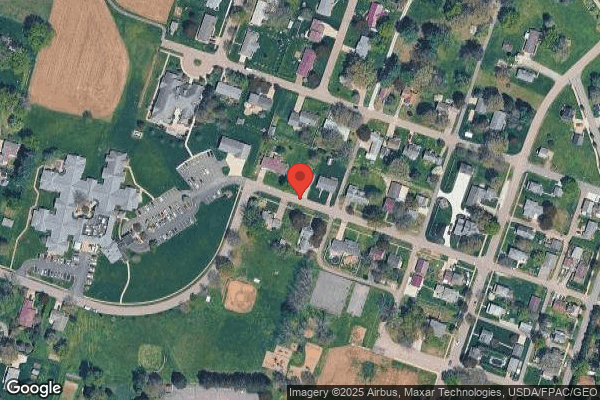
300 YANT STREET, NW, BOLIVAR, OH 44612 (330) 874-9999
For profit - Corporation 115 Beds Independent Data: November 2025
Trust Grade
75/100
#78 of 913 in OH
Last Inspection: May 2025

Inspected within the last 6 months. Data reflects current conditions.

Overview

Hennis Care Centre of Bolivar has a Trust Grade of B, indicating it is a good choice for families seeking care, though there are some areas for improvement. It ranks #78 out of 913 facilities in Ohio, placing it in the top half, and #2 out of 10 in Tuscarawas County, meaning there is only one local option that rates better. The facility is improving, having reduced issues from 9 in 2024 to 4 in 2025. Staffing is a strength, with a rating of 4 out of 5 stars and a turnover rate of 35%, which is lower than the state average of 49%, suggesting staff are stable and familiar with residents. However, there are concerning incidents, such as a resident not receiving timely medical intervention after a significant change in condition, leading to serious health complications. Additionally, there were issues with food storage and kitchen sanitation that could potentially affect all residents. While the facility excels in RN coverage, having more than 87% of Ohio facilities, the specific incidents highlight areas that need attention.

Trust Score
B
75/100
In Ohio
#78/913
Top 8%
Safety Record
Moderate
Needs review
Inspections
Getting Better
9 → 4 violations
Staff Stability
○ Average
35% turnover. Near Ohio's 48% average. Typical for the industry.
Penalties
✓ Good
No fines on record. Clean compliance history, better than most Ohio facilities.
Skilled Nurses
✓ Good
Each resident gets 60 minutes of Registered Nurse (RN) attention daily — more than 97% of Ohio nursing homes. RNs are the most trained staff who catch health problems before they become serious.
Violations
⚠ Watch
21 deficiencies on record. Higher than average. Multiple issues found across inspections.
★★★★★
5.0
Overall Rating
★★★★☆
4.0
Staff Levels
★★★★★
5.0
Care Quality
★★★★☆
4.0
Inspection Score
Stable
2024: 9 issues
2025: 4 issues

The Good

  • 4-Star Staffing Rating · Above-average nurse staffing levels
  • 5-Star Quality Measures · Strong clinical quality outcomes
  • Full Sprinkler Coverage · Fire safety systems throughout facility
  • No fines on record
  • Staff turnover below average (35%)

    13 points below Ohio average of 48%

Facility shows strength in staffing levels, quality measures, fire safety.

The Bad

Staff Turnover: 35%

11pts below Ohio avg (46%)

Typical for the industry

The Ugly 21 deficiencies on record

1 actual harm
May 2025 4 deficiencies
CONCERN (D)

Potential for Harm - no one hurt, but risky conditions existed

ADL Care (Tag F0677)

Could have caused harm · This affected 1 resident

**NOTE- TERMS IN BRACKETS HAVE BEEN EDITED TO PROTECT CONFIDENTIALITY** Based on record review, policy review, observation, interview, and Resident Council Minute review revealed the facility failed t...

Read full inspector narrative →
**NOTE- TERMS IN BRACKETS HAVE BEEN EDITED TO PROTECT CONFIDENTIALITY** Based on record review, policy review, observation, interview, and Resident Council Minute review revealed the facility failed to ensure requests for assistance with activities of daily living were provided timely for two dependent residents. This affected two (Resident #23 and Resident #55) of three residents reviewed for activities of daily living (ADL's). The facility census was 101. Findings include: 1. Medical record review revealed Resident #23 was admitted to the facility on [DATE] with diagnoses including fracture of right femur, chronic obstructive pulmonary disease, diabetes mellitus, hemiplegia and hemiparesis, and nontraumatic intracranial hemorrhage. Review of the quarterly Minimum Data Set (MDS) assessment, dated 02/22/25, revealed Resident #23 had moderately impaired cognition. The MDS further revealed Resident #23 required staff assistance with toileting and personal hygiene. Review of the Care Plan, dated 02/28/23, revealed Resident #23 had an ADL self-care performance deficit and required physical assistance of two staff members for toileting and required the use of a mechanical lift for transfers. Observation on 05/12/25 at 2:28 P.M revealed Resident #23's call light was answered at 2:35 P.M. Certified Nursing Assistant (CNA) #335 was overheard telling the resident that she would have to find someone to help her. Continued observation revealed at 2:42 P.M., CNA #335 and Registered Nurse (RN) #273 provided assistance to Resident #23. The resident had requested assistance with toileting. 2. Medical record review revealed Resident #55 was admitted to the facility on [DATE] with diagnoses including heart failure, chronic kidney disease, anemia, urinary incontinence, and muscle weakness. Review of the quarterly Minimum Data Set (MDS) assessment, dated 02/18/25, revealed Resident #55 had intact cognition. The MDS further revealed Resident #55 required staff assistance for toileting and personal hygiene. Review of the Care Plan, dated 02/21/23, revealed Resident #55 had an ADL self-care performance deficit and required physical assistance of two staff members for personal hygiene and the use of a mechanical lift for transfers. Observation on 05/12/25 at 2:14 P.M revealed Resident #55's call light was answered and Certified Nursing Assistant (CNA) #335 was overheard telling the resident that she would come to help her as soon as the other girl could come help. Interview on 05/12/25 at 2:17 P.M. with CNA #335 confirmed she was waiting for CNA #207 to arrive and help her to transfer the resident. CNA #335 stated that she did not know where CNA #207 was or if she was currently working on the unit. Observation on 05/12/25 at 2:42 P.M., CNA #335 and RN #273 were observed providing physical assistance to Resident #55 with the use of a mechanical lift. Interview on 05/12/25 at 3:04 P.M. with Registered Nurse (RN) #371 confirmed there were currently two CNAs working on the unit until 3:00 P.M. RN #371 confirmed that she was not asked by CNA #335 to assist with care for either Resident #23 or Resident #55. Interview on 05/12/25 at 3:06 P.M. with CNA #207 stated that she and CNA #335 were the only two CNAs working on the unit at the time, as the unit is only staffed with two CNAs between 2:00 P.M. and 3:00 P.M. CNA #207 stated she was unavailable to answer Resident #23 and Resident #55's call lights and assist CNA #335 because she was providing care to another resident on the unit at the time. Interview on 05/12/25 at 3:10 P.M. with Resident #55 stated she had been uncomfortable and waited a long time before she was taken to the bathroom. Interview on 05/14/25 at 9:03 A.M. with the Director of Nursing (DON) revealed there have been identified concerns on the unit regarding call lights not being answered timely; however, she feels there is enough staff. The DON stated she had educated the staff and completed call light audits in an effort to improve this. Review of the Resident Council Minutes, dated 03/27/24, 06/27/24, 12/19/24, and 03/26/25 revealed resident concerns regarding call lights not being answered timely. Review of the facility's policy titled, Answering Call Light, dated 12/28/21, revealed the policy was to respond to the resident's requests and needs. If assistance is needed, summon help by using the call signal. Review of the facility's policy titled, Activities of Daily Living (ADLs), dated 06/24/24, revealed ADLs are personal care activities people do each day to meet their human needs. Examples of ADLs are dressing, eating, toileting, transferring, bathing, shaving, and caring for the hair, mouth, and nails. If a resident cannot fulfill these needs independently, staff will assist.
CONCERN (D)

Potential for Harm - no one hurt, but risky conditions existed

Unnecessary Medications (Tag F0759)

Could have caused harm · This affected 1 resident

**NOTE- TERMS IN BRACKETS HAVE BEEN EDITED TO PROTECT CONFIDENTIALITY** Based on observation, record review, interview and medication guideline review, the facility failed to ensure a medication error...

Read full inspector narrative →
**NOTE- TERMS IN BRACKETS HAVE BEEN EDITED TO PROTECT CONFIDENTIALITY** Based on observation, record review, interview and medication guideline review, the facility failed to ensure a medication error rate of less than five (5) percent (%). Observation of 36 medications administered with three errors revealed a medication error rate of 8.33%. This finding affected two residents (Residents #18 and #74) of four residents observed for medication administration. Findings include: 1. Review of Resident #74's medical record revealed the resident was admitted on [DATE] with diagnoses including altered mental status, chronic obstructive pulmonary disease and depression. Review of Resident 74's admission Minimum Data Set (MDS) 3.0 assessment dated [DATE] revealed the resident exhibited intact cognition. Review of Resident #74's physician orders revealed an order dated 04/19/25 for K-Tab oral tablet (potassium) extended release (ER) 20 meq (milliequivalents) give one tablet in the morning related to congestive heart failure (CHF). Observation on 05/12/25 at 9:07 A.M. with Registered Nurse (RN) #258 of Resident #74's morning medication administration revealed eleven medications were administered including potassium 20 meq ER that was crushed and placed in applesauce. Interview on 05/12/25 at 9:33 A.M. with RN #258 confirmed Resident #74's potassium ER should not have been crushed and placed in applesauce and was required to be consumed whole. Review of the Potassium manufacturer directions (provided by the facility) revealed physicians should consider reminding the resident to take each dose with meals and with a full glass of water or other liquid and to take each dose without crushing, chewing or sucking the tablets. 2. Review of Resident #18's medical record revealed the resident was admitted on [DATE] with diagnoses including acute respiratory failure with hypoxia, adult failure to thrive and muscle weakness. Review of Resident #18's admission MDS 3.0 assessment dated [DATE] revealed the resident exhibited intact cognition. Review of Resident #18's physician orders revealed an order dated 03/20/25 for guaifenesin (Mucinex) ER 600 mg (milligrams) give one tablet every morning and bedtime for congestion; and an order dated 04/13/25 for acetaminophen oral tablet 500 mg give two tablets by mouth three times a day for pain due at 8:00 A.M., 3:00 P.M. and 10:00 P.M. Observation on 05/12/25 at 9:26 A.M. with RN #302 of Resident #18's medication administration revealed 10 medications were administered including guiafenesin 400 mg. Resident #18's acetaminophen was due at 8:00 A.M. and was not administered. Interview on 05/12/25 at 9:36 A.M. with RN #302 confirmed Resident #18 received the wrong dose of guaifenesin and the resident did not receive the acetaminophen pain medication as ordered. Observations of 36 medications with three errors for a medication error rate of 8.33%. Review of the Medication Administration policy revised 02/13/25 revealed medications shall be administered in accordance with established policies.
CONCERN (D)

Potential for Harm - no one hurt, but risky conditions existed

Deficiency F0805 (Tag F0805)

Could have caused harm · This affected 1 resident

Based on medical record review, observation, and interview, the facility failed to ensure residents were served the correct diet and diet texture as ordered. This affected one resident (Resident#7) of...

Read full inspector narrative →
Based on medical record review, observation, and interview, the facility failed to ensure residents were served the correct diet and diet texture as ordered. This affected one resident (Resident#7) of five residents reviewed for therapeutic diets. The facility census was 101. Findings include: Review of Resident #7's medical record revealed an admission date of 12/20/2019 with diagnoses including unspecified dementia without behavioral disturbance, psychotic disturbance, mood disturbance and anxiety, dysphagia following cerebral infarction, type 2 diabetes mellitus and mild protein calorie malnutrition. Review of Resident #7's physician orders dated 07/29/2022 revealed the resident was to receive cut all food into bite sized pieces related to dysphagia following cerebral infarction. Observation on 05/14/2025 at 11:20 A.M. during the lunch meal service consisting of pineapple chicken breast and sweet potatoes, Resident #7's plate was prepared in the kitchen and served by dietary staff #174 to Resident #7 while seated at a dining room table. Resident #7's chicken breast was not cut up into bite size pieces prior to Resident #7 attempting to eat the chicken breast, which resulted in Resident #7 stabbing the chicken breast several times with a fork. Resident #7's meal ticket was observed lying on the table next to Resident #7's plate and was marked for bite sized pieces of meat. Interview on 05/14/2025 at 11:20 A.M. with dietary staff #174 confirmed the food was not cut into bite sized pieces and the diet ticket read bite-sized pieces of meat.
CONCERN (D)

Potential for Harm - no one hurt, but risky conditions existed

Infection Control (Tag F0880)

Could have caused harm · This affected 1 resident

**NOTE- TERMS IN BRACKETS HAVE BEEN EDITED TO PROTECT CONFIDENTIALITY** Based on record review, observation, staff interview and facility policy review, the facility failed to maintain infection contr...

Read full inspector narrative →
**NOTE- TERMS IN BRACKETS HAVE BEEN EDITED TO PROTECT CONFIDENTIALITY** Based on record review, observation, staff interview and facility policy review, the facility failed to maintain infection control procedures during meal service. This affected one resident (Resident #21) of eight residents who required assistance with eating. The facility census was 101. Findings Include: A review of Resident #21's medical record revealed an admission date 03/13/24 with diagnoses including history of stroke, dysphagia, type two diabetes, and chronic obstructive pulmonary disease (COPD). A review of Resident #21's physician's orders revealed an order dated 08/15/24 for LCS (Low Concentrated Sweets) diet Regular texture, Regular/Thin consistency, all liquids with small-bore straw. Cut food into bite-sized pieces. A review of Resident #21's care plan for swallowing difficulty dated 03/15/25 with interventions including alternate small bites and sips at meals and use a teaspoon for eating. A review of Resident #21's significant change Minimum Data Set (MDS) dated [DATE] revealed Resident #21 required staff assistance for meals and eating and the resident had severe cognitive impairment. An observation on 05/12/25 at 11:27 A.M. revealed Resident #21 was sitting at one of the two assistance tables in the rehab dining room awaiting service of the lunch meal. A Certified Nursing Assistant (CNA) #249 was observed handling Resident #20's wound vacuum machine that was alarming. Once CNA #249 finished handling the wound vacuum machine, CNA #249 went over to Resident #21 to assist with his meal set up without washing or sanitizing their hands. CNA #249 picked up Resident #21's fork and began to roll up fettuccini noodles onto the fork for Resident #21. An interview on 05/12/25 at 11:40 A.M. with CNA #249 confirmed CNA #249 did not wash or sanitizer hands their after handling Resident #20's wound vacuum machine and before setting up Resident #21's lunch meal to be eaten. CNA #249 stated hands should be washed and/or sanitized after handling equipment and before handling utensils and/or food items. Review of the facility's policy titled Food Safety and Sanitation dated 01/30/24 revealed employees shall wash their hands after touching face, hair, other people or surfaces or items with potential for contamination.
Apr 2024 1 deficiency 1 Harm
SERIOUS (G) 📢 Someone Reported This

A family member, employee, or ombudsman was alarmed enough to file a formal complaint

Actual Harm - a resident was hurt due to facility failures

Quality of Care (Tag F0684)

A resident was harmed · This affected 1 resident

**NOTE- TERMS IN BRACKETS HAVE BEEN EDITED TO PROTECT CONFIDENTIALITY** Based on record review, hospital record review, policy review and interview the facility failed to adequate monitor and seek tim...

Read full inspector narrative →
**NOTE- TERMS IN BRACKETS HAVE BEEN EDITED TO PROTECT CONFIDENTIALITY** Based on record review, hospital record review, policy review and interview the facility failed to adequate monitor and seek timely medical intervention/hospitalization following a significant change in condition for Resident #31. This affected one resident (#31) of three reviewed for change in condition. Actual Harm occurred on 03/29/24 when Resident #31, who was severely cognitively impaired was transferred to the emergency room where he was intubated and admitted to the intensive care unit for respiratory failure and sepsis. On 03/11/24, Resident #31 was observed unresponsive and having seizure-like activity. He was a full code with no history of seizures. On 03/12/24 the resident's oxygen saturation dropped to 70 percent without oxygen, and he continued to steadily decline until he was eventually sent to the emergency room on [DATE], 19 days after the initial significant change in condition was first noted. Findings included: Review of the medical record revealed Resident #31 was admitted to the facility on [DATE]. Diagnoses included metabolic encephalopathy, severe sepsis with septic shock, extended spectrum beta lactamase resistant (ESBL), acute kidney disease, cerebral infarction, protein-calorie malnutrition, vascular Parkinsonism, aortic aneurysm, heart failure, obstructive sleep apnea, transient ischemic attack, hypokalemia, major depressive disorder, altered mental status, benign prostatic hyperplasia, anxiety disorder, and hypertension. Review of the laboratory test dated 12/07/23 revealed Resident #31 had a white blood cell (WBC) count of 10.3 which was normal (normal range of 4.5-10.8), hemoglobin of 14.0 which was normal (normal range of 14.0-18.0), and hematocrit 42.5 which was normal (normal range of 42.0-54.0). Review of the progress note dated 03/02/24 at 10:49 P.M. revealed Resident #31 was calling out for help. He stated he could not stop shaking and he was so cold. His temperature was 102.2 degrees Fahrenheit (F) and he was having body tremors. His lungs were clear, but his respirations were short and labored. The resident denied burning or pain with urination; however, he had a strong pungent odor of urine that was orange in color. His blood pressure was 120/67 and pulse was 102 beats per minute. He was given Tylenol (analgesic and fever reducer) and cold compresses for his fever. He had two episodes of diarrhea. The on-call physician was called. There was no documented evidence that his power of attorney (POA) was notified. Review of the progress note dated 03/03/34 at 12:22 A.M. revealed there was no return call from the on-call physician, so the paging service called the Nurse Practitioner (NP) directly, and he was updated on the resident's condition with orders to send Resident #31 to the emergency room (ER) for evaluation and treatment. Attempts to call the POA twice went directly to voice mail. Review of the progress note dated 03/03/24 at 7:07 A.M. revealed Resident #31 was admitted to the intensive care unit for urinary tract infection (UTI) and sepsis. Further review of the medical record revealed Resident #31 was hospitalized until 03/08/24 at which time he was re-admitted to the facility with orders for intravenous (IV) antibiotics for a UTI and sepsis. Review of the March 2024 physician's orders revealed Resident #31 had an order for Ertapenem Sodium (antibiotic) one gram IV at bedtime for 14 days related to severe sepsis with septic shock and Doxycycline monohydrate (antibiotic) 100 milligrams (mg) one tablet by mouth two times a day for UTI dated 03/08/24. Review of the physician's orders revealed Resident #31 had a code status of full code (if a person's heart stopped beating and/or they stopped breathing, all resuscitation measures will be provided) dated 03/11/24. Review of the Five-Day Minimum Data Set (MDS) assessment dated [DATE] revealed Resident #31 had severely impaired cognition. He did not have a diagnosis of seizures. Review of the laboratory test dated 03/11/24 revealed Resident #31 had a WBC count of 11.2 which was high, hemoglobin 12.7 which was low, and hematocrit 37.6 which was low. Review of the progress note dated 03/11/24 at 9:07 P.M. revealed the nursing assistant walked by the room of Resident #31, and he was unresponsive and having seizure-like activity (lasting eight minutes). The resident was placed on his side. Vital signs included blood pressure 182/89, pulse 83, oxygen saturation level 94 percent on room air, respirations 18, and temperature 98.2 degrees F. The resident was not transferred to the emergency room at this time. Review of the progress note dated 03/11/24 at 9:15 P.M. revealed Resident #31 was having loud snoring-like breaths and was still unresponsive. NP #201 was contacted due to the resident's status, and she ordered Ativan 2 mg (antianxiety medication) intramuscularly (IM). The resident was not transferred to the emergency room at this time. Review of the skilled nursing note dated 03/11/24 at 9:15 P.M. revealed Resident #31's POA was notified of the seizure-like activity. Review of the progress note dated 03/11/24 at 9:25 P.M. revealed Resident #31 was now alert. He was able to look at staff, but his speech was garbled, and his breathing was labored, so oxygen was applied. He bit his tongue during the event, so there was blood coming out of his mouth. He was also incontinent of stool at this time. Vital signs included blood pressure 136/73, pulse 85, oxygen saturation level 92 percent on two liters of oxygen via nasal cannula, respirations 18, and temperature 98.2 degrees F. The resident was not transferred to the emergency room at this time. Review of the progress note dated 03/11/24 at 10:23 P.M. revealed the NP called for an update on Resident #31. A new order was received for vital signs every four hours for 24 hours then every shift for 72 hours, blood sugars every shift, and complete blood count (CBC) and basic metabolic panel (BMP) in the morning. Further review of the progress notes and skilled nursing notes revealed no documented evidence Resident #31's condition was monitored from 03/11/24 at 10:32 P.M. until 03/12/24 at 11:20 A.M., including the vital signs ordered by the NP to be checked every four hours. Review of the progress note dated 03/12/24 at 11:20 A.M. revealed NP #201 was in to see Resident #31, and a new order was received for a chest x-ray right now due to hypoxia post seizure. The POA was notified. Review of the NP note dated 03/12/24 revealed Resident #31 was reported to have a seizure episode last evening. He was given 2.0 mg of Ativan IM for one dose; he had laboratory tests ordered for the morning. A discussion with the family revealed no history of seizures, but he did have a history of ventriculoperitoneal shunt placement for past hydrocephalus. Resident #31 bit his tongue on the right side. He was found purple in color and nursing believed he may have aspirated. Since his seizure, he had required supplemental oxygen to maintain his oxygen levels. The resident's saturation was dropping to the 70 percents with his oxygen off. The note indicated the resident was back to his baseline mentation, (coherent but hard to understand) after a few hours. His neurological team was notified, and an appointment was scheduled for 03/19/24. Seizure precautions were in place. The note revealed chest x-ray to rule out aspiration and obtain a CBC to monitor WBCs, blood sugars every shift for the next 24 hours, and monitor extremely closely with our team within one to two days. Review of the chest x-ray results dated 03/12/24 revealed Resident #31 had mild congestive heart failure. Review of the laboratory results dated [DATE] revealed Resident #31 had a WBC of 13.5 which was high, hemoglobin 12.9 which was low, and hematocrit 38.9 which was low. Review of the NP note dated 03/13/24 revealed Resident #31 was seen post seizure. He had a follow-up appointment scheduled with neurology. A chest x-ray was obtained to rule out aspiration which was negative from a respiratory standpoint but did show mild congestive heart failure. The NP note revealed the resident's alertness was significantly improved, and he was working with therapy at the time of the examination. He showed good trunk control and denied dizziness or headache. Staff were to continue to monitor him closely. Review of the progress note dated 03/14/24 at 8:57 A.M. revealed Resident #31 was observed pocketing food and medications. Speech therapy was updated. Review of the laboratory test dated 03/15/24 revealed Resident #31 had WBC count of 6.3 which was normal, hemoglobin 11.9 which was low, and hematocrit 35.6 which was low. Review of the progress note dated 03/17/24 at 6:00 A.M. revealed Resident #31 remained lethargic today but was alert. He had audible crackles (abnormal lung sounds) heard when breathing, lungs were diminished in the right lower lobe, oxygen level 89-90 percent on oxygen, temperature was 97.2 degrees F. The note indicated the NP was updated on the resident's respiratory status today. Review of the progress note dated 03/17/24 at 1:29 P.M. revealed the NP was updated on Resident #31. He remained lethargic with audible crackles noted in bilateral lung bases. A new order was received for a follow-up chest x-ray on 03/18/24. The resident and POA were notified. There was no evidence the resident was transferred to the hospital for an evaluation at this time. Review of the skilled nursing note dated 03/17/24 at 10:40 P.M. revealed Resident #31 had a new onset of irregular heart rate and had an oxygen level of 90 percent on oxygen. He had a moist, loose productive cough with a moderate amount of yellow secretions. His right lung was diminished in the lower, middle, and anterior lobes. He had a new onset of incontinence and was wearing a brief. He had previously been continent. There was no documented evidence that the NP or physician were notified or evidence the resident was transferred to the hospital at this time. Review of a neurology note dated 03/19/24 revealed Resident #31 was seen due to new onset of seizure with a history of stroke and normal pressure hydrocephalus (NPH). The note indicated the resident was on the antibiotic, Ertapenem, which could lower seizure threshold. Infectious disease needed to be contacted as soon as possible, advised to stop the antibiotic, and use a different one. The plan would be to start an anti-seizure medication. If there was a second seizure, notify neurology so an anti-seizure medication could be started. They scheduled an electroencephalogram (EEG) on 03/27/24. Review of the progress note dated 03/19/24 at 11:28 A.M. revealed a call was placed to the infectious disease physician to clarify the Ertapenem order. A voice mail was left on the nurse's line. Awaiting a return call. Review of the progress note dated 03/19/24 at 6:30 P.M. revealed the infectious disease physician ordered the IV antibiotic to be stopped with no further antibiotics. The POA and NP were notified. Review of the progress note dated 03/19/24 at 7:00 P.M. revealed upon entering the room of Resident #31 he was noted to have had a large bowel movement, his head was turned to the right side, and he was not responding to verbal stimuli. His mouth was wide open with audible snoring noises. His eyes were open, and he was attempting to respond to the nurse. He was having trouble following simple commands. His pupils were reactive to light. Vital signs included blood pressure 129/85, pulse 81, respirations 18, Temperature 97.3 degrees F, and oxygen saturation level of 94 percent on two liters of oxygen per nasal cannula. The NP was updated with the new orders to update the neurologist. A message was left for the on-call physician. Resident#31 was in bed with no signs or symptoms of distress. He was opening his eyes but unable to appropriately respond verbally. The resident was not transferred to the hospital for an evaluation at this time. Review of the progress note dated 03/19/24 at 7:25 P.M. revealed Resident #31 opened his eyes to verbal stimulation, but he was unable to follow commands. Awaiting a call back from the neurologist. Review of the progress note dated 03/19/24 at 9:03 P.M. revealed the neurologist returned a page at this time and ordered Keppra 500 mg (anticonvulsant) twice daily and to move his follow up appointment (04/30/24). The POA was notified. Review of the skilled progress note dated 03/20/24 at 12:00 A.M. revealed Resident #31 did not obey commands with new onset or worsening weakness. Resident #31 was incoherent, and his speech was unclear. The right anterior lower, posterior lower and posterior middle lung lobes were diminished with a dry nonproductive cough. The resident was not transferred to the hospital for an evaluation at this time. Review of the progress notes dated 03/20/24 at 11:33 A.M. revealed the NP was in to see Resident #31. She ordered a Keppra level in two weeks and to start normal saline (NS) IV at 50 milliliters (ml) an hour. The resident and POA were notified. Review of the laboratory test dated 03/21/24 revealed Resident #31 had a WBC count of 5.1 (which was normal, hemoglobin 11.9 which was low and hematocrit 35.6 which was low. Review of the NP note dated 03/22/24 revealed Resident #31 was being seen due to a recent seizure and abnormal laboratory tests. Physical examination revealed his lungs were clear, fatigue with examination and appeared chronically ill. Resident #31 had two episodes of seizure activity over the past several weeks and was now on Keppra. He has had no further seizure activity since Keppra was started. He had a magnetic resonance imaging (MRI) and EEG scheduled with follow-up appointments with the neurologist. He has had some fatigue since starting the Keppra, and they would continue to monitor him closely. We would start weight checks three times a week for three weeks to ensure stability of weights with the increase in fatigue while he was adjusting to the Keppra, a Keppra level in two weeks after initiation with no further seizure activity; however, as he was high risk at this time, he would be monitored closely. Review of the vital signs flow sheet revealed Resident #31's oxygen saturation was between 92% and 96% on two liters of oxygen per nasal cannula from 03/23/24 through 03/26/24. Review of the weights revealed Resident #31 weighted 259.2 pounds on 03/11/24 and 248.4 on 03/25/24 for a 10.8-pound weight loss in 14 days. Review of the skilled progress note dated 03/27/24 at 11:40 P.M. revealed Resident #31 had a temperature of 100 .9 degrees F, rhonchi (abnormal lung sounds) auscultated in the left posterior upper lobe, right posterior upper lobe, left posterior lower lobe, right posterior middle lobe, right posterior lower lobe, and right anterior lower lobe. He had a moist nonproductive cough. There was no documented evidence that the physician or NP was notified. Review of the progress note dated 03/28/24 at 1:28 P.M. revealed NP #201 was in to see Resident #31, and she ordered Tamiflu 30 mg (antiviral) twice daily for five days and Amoxicillin (antibiotic) 500 mg twice daily for five days for bronchitis. Review of the laboratory test (this was already a scheduled laboratory test) dated 03/28/24 and reported at 4:51 P.M. revealed Resident #31 had a WBC count of 23.0 which was high , hemoglobin 12.2 which was low, and hematocrit 37.9 which was low. Review of the progress note dated 03/28/24 at 6:01 P.M. revealed the NP was called with laboratory results and she ordered NS 0.9 percent IV at 60 ml an hour, chest x-ray in the morning, and one time dose of Rocephin 2.0 grams IM (antibiotic). The resident and POA were notified. The resident was not transferred to the hospital for an evaluation at this time. Review of the chest x-ray dated 03/29/24 revealed Resident #31 had an elevated right hemidiaphragm, perihilar infiltrates, and left basilar atelectasis and pleural effusion. Review of the progress note dated 03/29/24 at 7:50 A.M. revealed Resident #31 was sitting up in the chair with the speech pathologist at bedside. He was pocketing his food. He was downgraded to a pureed diet with nectar thick liquids. His morning medications were crushed in pudding. He needed encouragement to swallow. His temperature was 99.6 F, blood pressure was 102/72, pulse was 89, oxygen saturation level was 97 percent on two liters of oxygen per nasal cannula. The resident was not transferred to the hospital for an evaluation at this time. Review of the progress note dated 03/29/24 at 12:46 P.M. revealed Resident #31 was sweating profusely at this time, Tylenol was previously given for a temperature of 101.5 degrees F, his oxygen saturation levels were between 88 to 90 percent on two liters of oxygen via nasal cannula, and he was mouth breathing. A continuous positive airway pressure machine (CPAP) was applied at this time with a two-liter bleed in. His blood pressure was 98/56, pulse 76, oxygen saturation level 98 percent with CPAP. Review of the progress note dated 03/29/24 at 1:05 P.M. revealed the NP was in to see Resident #31 with new orders to discontinue the Amoxicillin and start Levaquin (antibiotic) daily for seven days, laboratory test now, and DuoNeb aerosols (treat symptoms of wheezing and shortness of breath) four times a day. The resident and POA were notified. The resident was not transferred to the hospital for an evaluation at this time. Review of the progress note dated 03/29/24 at 5:08 P.M. revealed per the laboratory supervisor they could not find a phlebotomist to draw Resident #31's laboratory tests. The NP was notified and ordered the resident to be sent to the ER for evaluation. Review of the progress note dated 03/29/24 at 11:21 P.M. revealed Resident #31 was admitted to the intensive care unit for a urinary tract infection, sepsis, and respiratory failure. Review of the NP note dated 03/29/24 revealed Resident #31 was being evaluated for abnormal lung sounds and abnormal chest x-ray results. The chest x-ray results noted an elevated right hemi diaphragm perihilar infiltrate in the left basilar atelectasis and pleural effusion. New order for Rocephin 1-gram (order was 2 grams) IM times one dose. He was on Amoxicillin 500 mg twice daily for five days for bronchitis and Tamiflu 30 mg twice daily for five days. He was in droplet isolation precautions and two liters of oxygen per nasal cannula which was new for the resident. He had abnormal lab result on 03/28/24 of a WBC count of 23 with a prior of 5.1 last week. He was given IV NS at 60 ml per hour for two liters. The family stated he seemed out of it. He was started on Keppra 500 mg twice daily on 03/19/24 by the neurologist for seizure activity. Review of the Emergency Department (ER) report dated 03/29/24 revealed Resident #31 presented to the ER via emergency medical service (EMS) from the nursing home secondary to lethargy confusion. The resident was recently discharged from the hospital on [DATE] after having ESBL in the urine and bacteremia. He had a history of cerebral vascular accidents with a shunt. Family stated he was usually awake and conversant but that had been altered throughout the day. They stated he had a seizure about a week and half ago that was thought to be secondary to the medication he was receiving for his infection. His chest x-ray showed some early pulmonary edema with infiltrates. His lungs appeared to be wet with some occasional rhonchi, a BiPAP was attempted but did not help so the resident was intubated (and placed on a ventilator) for airway protection and respiratory failure. On 04/05/24 at 3:35 P.M. an interview with Registered Nurse (RN) #200 revealed on 03/11/24, the nursing assistant came and got her and by the time she got back to the resident's room he was breathing really heavy. She stated he had bitten his tongue, so he was bleeding out of his mouth. She stated he was drooling, his eyes were rolled back into his head, and he had very labored breathing. She stated she then called the NP, and the NP gave an order to give him Ativan 2 mg IM. She stated the NP called her back after she gave the Ativan, and she asked the NP if she wanted him sent out and the NP stated since the issue was resolved and the resident was stable he did not need to be sent out. She stated she called the POA and updated her on what had happened and let her know the resident was stable at that time. She stated it was never discussed to send him out to the hospital. On 04/09/24 at 8:40 A.M. an interview with NP #201 revealed she had treated the seizure for Resident #31 in house and it resolved so there was no reason to send him out to the hospital. She stated they do not do active EEGs in the ER, so you would want to treat it in house and not wait for him to go to the ER. She stated that going out to the hospital this last time on 03/29/24 was totally unrelated to the resident's seizure activity. She stated the resident did have a secondary seizure after the first one that the neurologist handled. She stated he then had some respiratory symptoms starting. She indicated she gave him Tamiflu prophylactically and antibiotics. She stated the family was in the building, she spoke to them and asked the ex-wife if she wanted him to go to the hospital, and she said no she was going to keep him at the facility. She stated his WBC went up and she told the family if they did not see a response from the Tamiflu and antibiotic then he had to go to the hospital. She stated the facility called her and stated the lab did not have the staff to come out and do the blood draw, so she sent him to the ER. On 04/09/24 at 3:40 P.M. an interview with Family Member #300, POA for Resident #31, revealed the resident had come back from the hospital in early March 2024 from septic shock. She stated he was on an IV antibiotic. She stated he never really made a recovery from that hospitalization. She stated they called to tell her Resident #31 had an eight-minute seizure. She stated she asked if they were going to send him out to the hospital, but the nurse stated they felt the ER would not do anything they could not do at the nursing home. She stated they told her they gave him Ativan and were going to watch him. She stated she had told them if he had another seizure, she wanted him sent out to the ER, but when he did have another seizure, they did not send him out. She stated he just never got better. She stated he used to be talkative and joked around, but he was just lethargic and never really talked much after the seizure. She stated then on Good Friday (03/29/24) she was at the facility around 12:30 P.M. when the NP came in and told her his laboratory results were not good. She told her she was going to do some STAT (immediate) labs and if they were not any better, she was going to send him out to the ER. She stated by 3:30 P.M. they had not come to do the labs so she asked what was going on, and the nurse stated they had not had anybody pick up the lab work yet to do the labs, but she could call another lab to come do it. She stated at 5:00 P.M. the nurse came in and stated she spoke to a supervisor at the lab, and they could not get anyone to come into the do the lab work the whole weekend, so she let the NP know. She stated at 5:30 P.M. the NP called back and said to send him to the hospital. Review of the facility policy titled, Change in a Resident's Condition and Status, dated 05/15/20 revealed the facility would promptly notify the resident, the attending physician, and the responsible party of any changes in the resident's condition or status. Except for medical emergency the physician and family notification would be made within 24 hours of a change in condition. In the event of a medical emergency or a rapid deterioration in a resident's condition, family and physician notification would be made immediately. Faxes to the physician were not an acceptable means of communication in the event of a rapid change in condition, regardless of the day, time, or shift the change occurred. An acceptable notification time frame during a medical emergency or rapid change of condition can vary. The resident's immediate needs would be met, and the resident would be made as comfortable as possible. A direct call to the attending physician to responsive answering service would be made in the event of an emergency or rapid change in condition. As of the day of the survey the resident remained hospitalized for continued medical care and treatment. This deficiency represents non-compliance investigated under Complaint Number OH00152068.
Jan 2024 8 deficiencies
CONCERN (D)

Potential for Harm - no one hurt, but risky conditions existed

Notification of Changes (Tag F0580)

Could have caused harm · This affected 1 resident

**NOTE- TERMS IN BRACKETS HAVE BEEN EDITED TO PROTECT CONFIDENTIALITY** Based on record review and interview, the facility failed to ensure physician notification was completed related to weight chang...

Read full inspector narrative →
**NOTE- TERMS IN BRACKETS HAVE BEEN EDITED TO PROTECT CONFIDENTIALITY** Based on record review and interview, the facility failed to ensure physician notification was completed related to weight changes. This affected one (Resident #38) of one resident reviewed for weight gain. The facility census was 107. Findings included: Record Review revealed Resident #38 admitted to the facility on [DATE] with diagnoses including cirrhosis of liver, congestive heart failure, hypo-osmolality and hyponatremia, chronic kidney disease, and respiratory failure. Review of the physician orders revealed Resident #38 had an order dated 10/12/23 to call the physician if Resident #38 has a three-pound weight gain or more (overnight); an order started on 10/08/23 for a 2,000 milliliter (ml) fluid restriction, 360 ml with each meal, 300 ml from 7:00 P.M. to 7:00 A.M., 360 ml 7:00 A.M. to 3:00 P.M. and 260 ml from 3:00 P.M. to 7:00 P.M.; an order starting on 11/06/23 for Bumex (diuretic) oral tablet two milligrams one tablet in the evening and one tablet in the morning; and an order started on 11/09/23 for spironolactone (diuretic) oral tablet 25 milligrams in the morning. Review of Resident #38's weights revealed Resident #38 had a 5.4-pound weight gain on 01/10/24 and a 3.1-pound weight gain on 01/18/24. Review of a fax cover sheet dated 01/10/24 to Physician #260's office revealed Resident #38 had a 5.4 pound weight gain from 01/09/24 to 01/10/24. There was no fax received confirmation. Interview on 01/24/24 at 10:03 A.M. with Dietician #257 revealed he saw Resident #38 back in December 2023 and Resident #38 had a huge weight gain. Dietician #257 stated Resident #38's weight fluctuates and on 01/23/24, Resident #38 gained five pounds. Dietician #257 revealed Resident #38 is on daily weights and weight fluctuations are likely due to fluid. Dietician #257 stated Resident #38 takes two milligrams of Bumex (a diuretic) twice daily in addition to spironalactone 25 milligrams. Interview on 01/24/24 at 3:38 P.M. with Nurse #400 from Physician #260's office revealed the facility had not notified the office of any weight gains of three pounds or more as far back as 01/10/24. Nurse stated #400 stated the facility is really bad at communicating with Physician #260's office regarding any changes. Review of a policy titled Physician/Responsible Party Notification dated 08/23/23 revealed nursing services shall notify the resident's physician when deemed necessary or appropriate in the best interest of the resident and notification should be made within 24 hours unless it is an emergency. Additionally, the nurse will document any changes regarding the resident's medical condition or status.
CONCERN (D)

Potential for Harm - no one hurt, but risky conditions existed

Deficiency F0645 (Tag F0645)

Could have caused harm · This affected 1 resident

**NOTE- TERMS IN BRACKETS HAVE BEEN EDITED TO PROTECT CONFIDENTIALITY** Based on record review and interview, the facility failed to ensure Pre-Assessment Screenings (PAS) were accurately completed up...

Read full inspector narrative →
**NOTE- TERMS IN BRACKETS HAVE BEEN EDITED TO PROTECT CONFIDENTIALITY** Based on record review and interview, the facility failed to ensure Pre-Assessment Screenings (PAS) were accurately completed upon admission for Resident #71 and Resident #81. This affected two (Resident #71 and #81) of three residents reviewed for PAS. The facility census was 107. Findings included: 1. Record review revealed Resident #71 admitted to the facility on [DATE] with diagnoses including acute and chronic respiratory failure, chronic obstructive pulmonary disease, type II diabetes, depression (mood disorder), and congestive heart failure. Additional diagnoses were added on 06/12/23 for dementia with behaviors. Review of a PAS completed on 04/03/23 revealed no indication Resident #71 had a diagnosis of a mood disorder and potential need of review for serious mental illness. 2. Record review revealed Resident #81 admitted to the facility on [DATE] with diagnoses including effusion of left knee, dorsalgia, and major depressive disorder (mood disorder). Review of a PAS completed on 06/01/23 revealed no indication Resident #81 had a diagnosis of a mood disorder and potential need of review for serious mental illness. Interview on 01/24/24 at 12:20 P.M. with Social Worker (SW) #213 confirmed Resident #71 and Resident #81's PAS did not indicate the potential need for screening for a serious mental illness based on having a diagnosis of mood disorder. SW #213 stated the hospital completed the PAS and she was unaware they needed to be reviewed for accuracy and updated as needed. Review of a policy dated 04/26/17 titled Pre-admission Screening and Resident Review (PASRR) revealed the PAS process requires all applicants to Medicaid-certified nursing facilities be given a preliminary assessment to determine whether they might have a serious mental illness or developmental disability.
CONCERN (D)

Potential for Harm - no one hurt, but risky conditions existed

Deficiency F0685 (Tag F0685)

Could have caused harm · This affected 1 resident

**NOTE- TERMS IN BRACKETS HAVE BEEN EDITED TO PROTECT CONFIDENTIALITY** Based on record review, observation and interview, the facility failed to ensure glasses were obtained in a timely manner for Re...

Read full inspector narrative →
**NOTE- TERMS IN BRACKETS HAVE BEEN EDITED TO PROTECT CONFIDENTIALITY** Based on record review, observation and interview, the facility failed to ensure glasses were obtained in a timely manner for Resident #81. This affected one (Resident #81) of one residents reviewed for vision services. The facility census was 107. Findings included: Record Review revealed Resident #81 admitted to the facility on [DATE] with diagnoses including effusion of left knee, dorsalgia, and major depressive disorder. Review of a quarterly minimum data set completed on 09/08/23 revealed Resident #81 had adequate vision with corrective lenses and had intact cognition. Review of the care plan initiated on 06/03/23 revealed Resident #81 had impaired visual function related to wearing glasses. Review of the list for an eye doctor visit on 08/31/23 revealed Resident #81 was seen by the eye doctor. Review of vision consult documentation from 08/31/23 revealed Resident #81 was diagnosed with macular degeneration, dry eye syndrome, and astigmatism with a plan to order glasses to wear constantly to improve vision. Review of a care conference note dated 12/05/23 revealed the glasses had been ordered for Resident #81. Review of the list for an eye doctor visit on 01/12/24 revealed Resident #81 was seen by the eye doctor. Review of vision consult documentation from 01/12/24 revealed Resident #81 was diagnosed with macular degeneration, dry eye syndrome, and astigmatism with a plan to order glasses to wear constantly to improve vision. Interview on 01/22/24 at 2:56 P.M. with Resident #81 revealed she requested to see the eye doctor upon admission to the facility but had to wait to see the eye doctor that comes to the facility instead of going to an office visit. Resident #81 confirmed she still did not have the glasses that were ordered for her. Interview on 01/23/24 at 3:19 P.M. with Licensed Practical Nurse (LPN) #222 revealed if someone is in need of seeing the eye doctor, the social worker would be notified. Interview on 01/24/24 at 8:09 A.M. with Registered Nurse (RN) #210 revealed if a resident was having a new onset of vision problems, the social worker would be notified to arrange an appointment for the resident in need. Interview on 01/24/24 at 3:09 P.M. with Social Worker (SW) #213 revealed Resident #81's glasses had been ordered from the eye doctor who provided in-house services for the facility on 08/31/23. Due to the glasses already being ordered, SW #213 stated she did not want to send Resident #81 to another eye doctor. SW #213 stated she was unsure why the glasses took so long to arrive, but the eye doctor brought the glasses to Resident #81 on 01/12/24. SW #213 stated the glasses were not right and needed to be sent back at the time of the appointment so new ones could be ordered. SW #213 confirmed Resident #81 does not have glasses. Review of an email from 12/15/23 at 1:06 P.M. provided by SW #213 revealed SW #213 did reach out to the eye doctor for an update on Resident #81's glasses. Review of a policy titled, Effective Communication dated 02/28/20 revealed for residents who are blind or have vision loss, a referral may be made to an optometrist as needed.
CONCERN (D)

Potential for Harm - no one hurt, but risky conditions existed

Unnecessary Medications (Tag F0759)

Could have caused harm · This affected 1 resident

Based on observation, medical record review, policy review and staff interview the facility failed to ensure residents received medications as ordered by the physician. This resulted in a medication e...

Read full inspector narrative →
Based on observation, medical record review, policy review and staff interview the facility failed to ensure residents received medications as ordered by the physician. This resulted in a medication error rate of 8% with two medication errors out of 25 medications administered. This affected one (Resident #34) of three residents observed for medication administration. The facility census was 107. Findings include: Review of Resident #34's medical record revealed an admission date of 09/23/22 with diagnoses that included diabetes mellitus, congestive heart failure and chronic kidney disease. Further review of Resident #34's medical record including medication administration record (MAR) and physician's orders revealed orders for guaifenesin 600 mg and stress tab with zinc (multivitamin with minerals). Observation of medication administration for Resident #34 on 01/23/24 at 8:10 A.M. with Registered Nurse (RN) #201 revealed administration of guaifenesin (expectorant) 400 milligrams (mg) and zinc (vitamin supplement) 50 mg. Interview with RN #201 on 01/23/24 at 8:40 A.M. verified she administered 400 mg of guaifenesin instead of 600 mg as ordered by the physician and administered zinc 50 mg instead of a stress tab with zinc. Review of the facility policy titled Medication Administration with a revision of 01/21/21 indicated; medications shall be administered in accordance with established policies, verify the order on the residents medication administration record by checking it against the doctors order, check the label on the medication three times before administering it to make sure you'll be giving the prescribed medication and drugs shall be administered in accordance with the written orders of the attending physician.
CONCERN (D)

Potential for Harm - no one hurt, but risky conditions existed

Dental Services (Tag F0791)

Could have caused harm · This affected 1 resident

**NOTE- TERMS IN BRACKETS HAVE BEEN EDITED TO PROTECT CONFIDENTIALITY** Based on record review and interview, the facility failed to arrange dental consults as ordered and complete oral assessments as...

Read full inspector narrative →
**NOTE- TERMS IN BRACKETS HAVE BEEN EDITED TO PROTECT CONFIDENTIALITY** Based on record review and interview, the facility failed to arrange dental consults as ordered and complete oral assessments as part of the resident's comprehensive dental care. This affected one (Resident #81) of one resident reviewed for dental services. The facility census was 107. Findings included: Record review revealed Resident #81 was admitted to the facility on [DATE] with diagnoses including effusion of left knee, dorsalgia, and major depressive disorder. Review of the quarterly minimum data set completed on 12/09/23 revealed Resident #81 had no broken or loosely fitting full or partial dentures or mouth or facial pain, discomfort or difficulty chewing and had intact cognition. Review of care plan initiated on 06/03/23 revealed Resident #81 had potential for infection related to maintaining some or all of natural teeth. Interventions included a monthly oral assessment. Review of the dental consent form dated 06/13/23 revealed Resident #81 had declined dental services. Review of Long Term Care Evaluation dated 10/07/23 revealed Resident #81 wore an upper partial and the oral examination was not completed. Review of Long Term Care Evaluation dated 01/07/24 revealed Resident #81 wore an upper partial and the oral examination was not completed. Review of the dental consent form dated 01/09/24 revealed Resident #81 consented to receiving dental services. Review of the dental consult form dated 01/09/24 revealed Resident #81 had a need to consult with an oral surgeon related to a torus (a bony growth in the roof of the mouth) with a suspicious lesion which would make it impossible to fabricate a denture. The consult stated Resident #81 had slight discomfort and her speech and swallowing were affected. Review of a nursing note completed by [NAME] Clerk #238 on 01/24/24 at 1:25 P.M. revealed a voicemail was left with an oral surgeon regarding a consult. Interview on 01/23/24 at 3:19 P.M. with Licensed Practical Nurse (LPN) #222 verified there is not an assessment for nurses to complete regarding broken teeth, loose dentures, or other oral issues. Interview on 01/24/24 at 8:05 A.M. with Resident #81 revealed the roots to a tooth that had come out still needed to be removed but would not be able to until the bone in the roof of her mouth was taken care of first. Interview on 01/24/24 at 8:09 A.M. with Registered Nurse (RN) #210 revealed oral assessments are completed but they are not documented. Interview on 01/24/24 at 3:02 P.M. with [NAME] Clerk #238 revealed she was notified on 01/24/24 about Resident #81 needing a referral to an oral surgeon and was given the information by RN #227. [NAME] Clerk #238 stated if an order is made for a consult to be scheduled, it should be acted on promptly. Interview on 01/24/24 at 3:09 P.M. with Social Worker (SW) #213 revealed the order for Resident #81 to have a consult with the oral surgeon was given on 01/12/24. Interview on 01/24/24 at 4:58 P.M. with RN #227 revealed she had been trying to contact an oral surgeon regarding Resident #81 starting sometime around when the order was given but did not have documentation regarding her attempts. Interview on 01/24/24 at 5:06 P.M. with Director of Nursing (DON) revealed oral assessments may be completed by the dietician. DON stated the last oral assessment completed by the dietician was on 06/04/23. DON confirmed the Long-Term Care Evaluations did have a section regarding oral assessments, including the identification of lesions. The DON confirmed Resident #81's care plan stated she would receive a monthly oral assessment. Interview on 01/25/24 at 10:19 A.M. with Speech Therapist (ST) #242 revealed she was not made aware by staff the dentist stated Resident #81 was having difficulty with swallowing and speech related to her torus. ST #242 stated she became aware of Resident #81's torus by another therapy staff member and looked at it out of her own curiosity but did not complete an evaluation for swallowing for Resident #81 due to the concern being a structural issue that would not be fixed by therapy. ST #242 stated Resident #81 did not express any concerns about speech or swallowing issues. ST #242 stated a nurse informed her today Resident #81 had began complaining of difficulty swallowing. Review of a policy titled Mouth Care/Oral Hygiene dated 06/17/19 revealed during oral care, observations should be made for any abnormalities and reported to the nurse. Review of a policy titled Dental Services dated 08/22/17 revealed in the event there are circumstances leading to a delay in a prompt dental referral, the facility will provide documentation assuring the residents ability to still eat and drink while awaiting dental services, as well as the circumstances that lead to the delay in the referral. Additionally, emergency dental care will be handled promptly including any problem of the oral cavity that requires immediate attention by a dentist.
CONCERN (D)

Potential for Harm - no one hurt, but risky conditions existed

Antibiotic Stewardship (Tag F0881)

Could have caused harm · This affected 1 resident

**NOTE- TERMS IN BRACKETS HAVE BEEN EDITED TO PROTECT CONFIDENTIALITY** 3. Review of Resident #72's medical record revealed an admission date of 08/19/21 with diagnoses that included Alzheimer's disea...

Read full inspector narrative →
**NOTE- TERMS IN BRACKETS HAVE BEEN EDITED TO PROTECT CONFIDENTIALITY** 3. Review of Resident #72's medical record revealed an admission date of 08/19/21 with diagnoses that included Alzheimer's disease with dementia, diabetes mellitus type II, schizoaffective disorder and delusional disorder. Further review of the medical record identified a medication order on 08/11/23 which indicated cefdinir (antibiotic) 300 milligrams (mg) twice daily for seven days was initiated for dysuria. Further review of Resident #72's medical record revealed on 08/11/23 the resident was evaluated by the nurse practitioner (NP). Review of the NP's evaluation indicated the resident was evaluated due to right flank pain. The evaluation indicated the resident voiced a history of kidney stones. The NP indicated pain likely related to renal calculus (kidney stone) versus pyelonephritis (infection). A urinalysis with culture and sensitivity would be completed and once collected would initiate cefdinir 300 mg twice daily for seven days. Review of the urinalysis with culture and sensitivity revealed the urine sample was obtained on 08/11/23 and results received on 08/14/23. Further review of the urinalysis revealed no evidence of any type of infection with culture and sensitivity not indicated. Review of Resident #72's medication administration record (MAR) revealed cefdinir 300 mg administered beginning on 08/11/23 evening and discontinued on 08/14/23 afternoon. The resident received eight doses of cefdinir as ordered by the NP. Review of the facility antibiotic assessment for the appropriate use and indication of infections revealed the antibiotic did not meet criteria for use. Review of the facility monthly infection control log revealed the antibiotic was started prior to urinalysis results were obtained and antibiotic was discontinued once the results were obtained. A follow up NP evaluation was conducted on 08/15/23. Review of the NP's progress note indicated the urinalysis was negative for infection and cefdinir was discontinued. Interview with Licensed Practical Nurse (LPN) #205 verified Resident #72 was initiated on cefdinir prior to having urinalysis results, received eight doses of cefdinir and did not meet criteria for use of the antibiotic. Review of the facility policy Antibiotic Stewardship dated 01/28/20 indicated the facility has implemented practices to improve antibiotic use, including: completion of a surveillance form which follows McGeer's Criteria (criteria used to determine appropriate use of antibiotics) Based on medical record review, policy review, and interview, the facility failed to ensure ordered antibiotics were reviewed and/or only administered with adequate indications for use. This affected three (Residents #69, #72 and #101) of seven residents reviewed for antibiotic use. The facility census was 107. Findings include: 1. Review of Resident #69's medical record revealed diagnoses including left hip fracture and dementia. Resident #69 had documentation from the hospital dated 12/17/23 indicating she had surgery to repair her left hip. The physician documented Resident #69 would be placed on doxycycline (antibiotic) 100 milligrams (mg) twice a day for ten days given the high risk at a skilled nursing facility. Upon admission to the facility on [DATE], an order was written for doxycycline 100 mg twice a day for nine days. A history and physical completed at the facility 12/21/23 by the physician indicated Resident #69 was on antibiotics for surgical prophylaxis and would continue to be evaluated for her tolerance. A note by the Certified Nurse Practitioner dated 12/19/23 acknowledged Resident #69 was on the antibiotic prophylactically until 12/28/23. Review of the facility's antibiotic stewardship policy dated 01/28/20 revealed use of antibiotics prophylactically were not addressed. During an interview on 01/25/24 at 12:47 P.M., Licensed Practical Nurse (LPN) #205, the Infection Control preventionist, stated she reviewed antibiotic stewardship for antibiotics ordered in the facility. When residents were admitted with antibiotics she just made sure the physician or nurse practitioners addressed the use of the antibiotics but she did not evaluate to determine if the residents met the criteria for infection. LPN #205 verified the facility's antibiotic stewardship policy did not address the use of antibiotics ordered for prophylactic purposes. Registered Nurse (RN) #305, who was present, stated Resident #69's white blood count (WBC - lab indicator of possible infection) was elevated prior to admission. The WBC on 12/16/23 was 12.32 and on 12/17/23 was 12.45. After discussing the need to review antibiotics ordered on admission or after consults to determine if residents met criteria for infection, LPN #205 stated she understood she needed to do so and to follow up if there was no evidence residents met McGeer's criteria for infection. On 01/25/24 at 1:09 P.M., LPN #205 stated both the nurse practitioner and physician had reviewed the use of the antibiotic. However, she did not speak to them about the use of the antibiotic in the absence of an actual infection. 2. Review of Resident #101's medical record revealed diagnoses included right hip fracture and chronic leukemia of B cell type. Notes from a follow up orthopedic doctor dated 12/12/23 indicated Resident #101 had some mild redness surrounding her incision line and slight skin irritation from the bandage adhesive. Staples were removed without complication. Because of the redness surrounding the incision, a recommendation was made for bactrim DS (antibiotic) one tablet every 12 hours for ten days. During an interview on 01/25/24 at 12:47 P.M., LPN #205 verified the antibiotic was ordered and Resident #101 did not meet the criteria for infection. LPN #205 verified she did not address the use of the antibiotic with the prescribing physician.
CONCERN (E)

Potential for Harm - no one hurt, but risky conditions existed

Medical Records (Tag F0842)

Could have caused harm · This affected multiple residents

Based on review of restorative nursing documentation, staff interview, resident interview, and review of facility policy, the facility failed to ensure restorative nursing services were documented acc...

Read full inspector narrative →
Based on review of restorative nursing documentation, staff interview, resident interview, and review of facility policy, the facility failed to ensure restorative nursing services were documented accurately. This affected three residents (#30, #71, and #82) of three residents reviewed and had the potential to affect all 59 residents identified by the facility as receiving restorative nursing services for range of motion and ambulation. The facility census was 107. Findings include: 1. Review of the medical record for Resident #30 revealed an admission date of 07/25/23 with diagnoses including cerebral infarction, hemiplegia and hemiparesis affecting right dominant side, type two diabetes mellitus, rhabdomyolysis, and morbid obesity. Review of the care plan, dated 07/26/23, revealed Resident #30 had limited physical mobility related to weakness, self-care deficit, neurological deficits, cerebral infarction, and rhabdomyolysis. Interventions included restorative active range of motion to bilateral upper and lower extremities for 10 to 15 repetitions two times per day, six to seven days per week, and for at least 15 minutes per day (added 11/03/23). Review of the quarterly Minimum Data Set (MDS) Assessment, dated 10/31/23, revealed Resident #30 had moderate cognitive impairment. The assessment indicated Resident #30 required maximal assistance or total dependence for mobility and did not receive any restorative nursing services or therapy services at the time of the assessment. Review of the nurse aide documentation for restorative nursing services for November 2023 through January 2024 revealed there was no documentation for services provided on 11/12/23, 11/19/23, 11/20/23, and 12/11/23. In addition, restorative services were not applicable for 74 out of 163 documented instances and one refusal was documented. On 01/25/24 at 11:46 A.M., interview with Registered Nurse (RN) #302 stated restorative services were provided by State Tested Nurse Aides (STNAs) and she was aware of STNAs documenting resident refusals as not applicable instead of a refusal. On 01/25/24 at 12:32 P.M., interview with RN #301 verified documentation of restorative services for Resident #30 was not completed as it should have been. Review of facility policy titled Restorative Nursing, dated 07/26/17, revealed nurses and nursing assistants were responsible for restorative nursing services and services would be provided per the plan of care. 2. Review of the medical record for Resident #71 revealed an admission date of 04/03/23 with diagnoses including history of falling, fibromyalgia, muscle weakness, type two diabetes mellitus, and dementia. Review of the care plan, dated 04/04/23, revealed Resident #71 had limited physical mobility related to weakness, fibromyalgia, edema, history of cellulitis, and needing assistance with active range of motion due to tremors, weakness, and debility. Interventions included restorative active range of motion to bilateral lower extremities for 15 to 20 repetitions one to two times per day, six to seven days per week, and for at least 15 minutes per day (added 07/27/23). Review of the nurse aide documentation for restorative nursing services for September 2023 through January 2024 revealed there was no documentation for services provided on 09/28/23, 10/11/23, 10/14/23, 11/03/23, 11/11/23, 11/12/23, 11/14/23, 11/20/23, 12/04/23, 12/05/23, 12/09/23, 12/10/23, 12/11/23, 12/13/23, 12/14/23, 12/23/23, 12/24/23, 12/25/23, 12/26/23, 12/28/23, 12/29/23, 01/09/24, 01/15/24, 01/16/24, 01/20/24, and 01/21/24. In addition, restorative services were not applicable for 40 out of 143 documented instances, Resident #71 was not available for two instances, and five refusals were documented. Review of the quarterly Minimum Data Set (MDS) Assessment, dated 01/09/24, revealed Resident #71 had mild cognitive impairment. Resident #71 was dependent on staff for mobility and received restorative services four out of the previous seven days prior to the assessment. On 01/25/24 at 11:46 A.M., interview with Registered Nurse (RN) #302 stated restorative services were provided by State Tested Nurse Aides (STNAs) and she was aware of STNAs documenting resident refusals as not applicable instead of a refusal. On 01/25/24 at 1:08 P.M., interview with RN #305 verified STNAs would document refusals as not applicable instead of a refusal. RN #305 also confirmed the documentation of restorative services for Resident #71 was incomplete. Review of facility policy titled Restorative Nursing, dated 07/26/17, revealed nurses and nursing assistants were responsible for restorative nursing services and services would be provided per the plan of care. 3. Review of the medical record for Resident #82 revealed an admission date of 08/01/22 with diagnoses including type two diabetes mellitus, morbid obesity, hypotension, anxiety, and depression. Review of the care plan, dated 03/14/23, revealed Resident #82 had limited physical mobility related to weakness, self-care deficit, activity intolerance, and impaired cognition. Interventions included restorative active range of motion to bilateral lower extremities two times per day, six to seven days per week, and for at least 15 minutes per day (added 06/04/23), and restorative ambulation one to two times per day, six to seven times per week, and for at least 15 minutes per day as tolerated (added 06/04/23). Review of the quarterly Minimum Data Set (MDS) Assessment, dated 11/09/23, revealed Resident #82 had moderate cognitive impairment. Resident #82 required partial or moderate assistance for mobility and received restorative services for six out of the previous seven days prior to the assessment. Review of the nurse aide documentation for restorative active range of motion for September 2023 through January 2024 revealed there was no documentation for services provided on 10/02/23, 10/21/23, 10/23/23, 10/24/23, 11/04/23, 11/13/23, 11/17/23, 11/18/23, 11/19/23, 11/22/23, 12/02/23, 12/06/23, 12/09/23, 12/10/23, and 12/11/23. In addition, restorative services were not applicable for 83 out of 211 documented instances, Resident #82 was not available for one instance, and there were eight refusals documented. On 01/25/24 at 11:46 A.M., interview with Registered Nurse (RN) #302 stated restorative services were provided by State Tested Nurse Aides (STNAs) and she was aware of STNAs documenting resident refusals as not applicable instead of a refusal. On 01/25/24 at 12:24 P.M., interview with RN #301 verified documentation of restorative services for Resident #82 was not completed as it should have been. Review of facility policy titled Restorative Nursing, dated 07/26/17, revealed nurses and nursing assistants were responsible for restorative nursing services and services would be provided per the plan of care.
CONCERN (F)

Potential for Harm - no one hurt, but risky conditions existed

Food Safety (Tag F0812)

Could have caused harm · This affected most or all residents

Based on interview, observation, and review of facility policy, the facility failed to ensure that food was stored under sanitary conditions. This had the potential to affect all residents in the faci...

Read full inspector narrative →
Based on interview, observation, and review of facility policy, the facility failed to ensure that food was stored under sanitary conditions. This had the potential to affect all residents in the facility. The facility was 107. Findings include: During the kitchen tour on 01/22/24 at 8:30 A.M. the following items were noted to not be labeled or dated. In the walk-in refrigerator, one pan of spaghetti sauce, one pan of cooked pasta, one container of banana peppers, two containers of cherry tomatoes, one bag of cooked hard-boiled eggs, one container of olives, one container of carrots, one container of olives, one container of bacon bits, one container of cucumbers, one container of shredded lettuce, and several individual sized servings of potato salad in Styrofoam bowls with lids. In addition, there was raw meat juice from ribs dripping over packages of ready to eat deli turkey and two trays of raw chicken that were not completely covered. At the time of observation, an interview with Chef #300 verified the above findings. In the walk-in freezer the following items were unlabeled and undated: one bag of green beans, one bag of corn, one bag of cauliflower, and one bag of diced carrots. At the time of observation, an interview with Chef #300 verified the above findings. In the reach in refrigerator, the following items were not labeled or dated: several pre-scooped fruit cups in Styrofoam covered serving bowls, one container of relish, one partially cut cucumber, and one container of chocolate pudding. At the time of observation, an interview with Chef #300 verified the above findings. In the dry storage area, the following items were not labeled and dated: five bags of pasta, one container of peanut granules, two bowls of pre-poured cereal in Styrofoam bowls with lids, and one bin of popcorn kernels with a broken lid. At the time of observation, an interview with Chef #300 verified the above findings. Review of the facility policy titled Food Safety and Sanitation, dated 01/13/23, indicated stored food would be handled to prevent contamination and growth of pathogenic organisms, opened food packages would be marked to indicate the open date, and all time and temperature control for safety foods, including leftovers, would be labeled, covered, and dated when stored.
Mar 2022 8 deficiencies
CONCERN (D)

Potential for Harm - no one hurt, but risky conditions existed

Deficiency F0578 (Tag F0578)

Could have caused harm · This affected 1 resident

**NOTE- TERMS IN BRACKETS HAVE BEEN EDITED TO PROTECT CONFIDENTIALITY** 3. Review of Resident #40 medical record revealed an admission date of 01/05/22 with diagnoses of acute on chronic diastolic (co...

Read full inspector narrative →
**NOTE- TERMS IN BRACKETS HAVE BEEN EDITED TO PROTECT CONFIDENTIALITY** 3. Review of Resident #40 medical record revealed an admission date of 01/05/22 with diagnoses of acute on chronic diastolic (congestive) heart failure, polyneuropathy, and type two diabetes mellitus. Review of Resident #40 Do Not Resuscitate (DNR) order form revealed the resident and physician signed the order on 01/06/22 for the resident to have a DNR comfort care protocol to be affective immediately. Review of the Rehab hall (the hall where Resident #40 resides) census and code status board revealed the facility had identified the resident as a Do Not Resuscitate- Comfort Care Arrest (DNR-CCA). Interview on 02/28/22 at 11:43 A.M. with Registered Nurse #99 revealed that the facility uses the census and code status board as a quick way to identify someone's code status in an emergency. She confirmed that the facility had incorrectly listed Resident #40 as a DNR-CCA on the code status board and he should be listed as a DNR-CC. Based on record review and staff interview, the facility failed to ensure advance directives were accurately documented on all sources. This affected three residents (Resident #27, #40, and #66) of 24 residents reviewed for advanced directives. Findings include: 1. Record review revealed Resident #66 was admitted to the facility on [DATE] with diagnoses including acute systolic heart failure, atrial fibrillation, acute respiratory, head injury, and dysphagia. Review of Resident #66 signed advanced directive dated 11/10/21 revealed the resident's code status was do not resuscitate comfort care (DNRCC). Review of the facility resident report sheet undated revealed Resident #66's code status was DNRCC-A. Interview on 02/28/22 at 2:28 P.M, with Licensed Practical Nurse (LPN) #16 and LPN#154 revealed the residents code statuses were documented on the report sheet board, and electronic medical records. The LPN's confirmed the report sheet was inaccurate and Resident #66's was a DNRCC not an DNRCC-A and they would correct the report sheet. 2. Record review revealed Resident #27 was admitted the facility on 09/20/21 with diagnoses including intertrochanteric fracture right femur, edema, fluid overload, embolism and thrombosis, acute respiratory failure, and heart disease. Review of Resident #27's signed advance directive dated 09/22/21 revealed the resident's code status was DNRCC-A. Review of the resident report sheet undated revealed Resident #27's code status was DNRCC. Interview on 02/28/22 at 2:28 P.M. with LPN #16 and LPN# 154 revealed the residents code status were documented on the report sheet, board, and electronic medical records. The LPN's confirmed the report sheet was inaccurate and Resident #27 was an DNRCC-A not an DNRCC and they would correct the report sheet.
CONCERN (D)

Potential for Harm - no one hurt, but risky conditions existed

Deficiency F0582 (Tag F0582)

Could have caused harm · This affected 1 resident

Based on review of Skilled Nursing Facility (SNF) beneficiary non-coverage notifications and interview, the facility failed to consistently provide written notification of services that would no longe...

Read full inspector narrative →
Based on review of Skilled Nursing Facility (SNF) beneficiary non-coverage notifications and interview, the facility failed to consistently provide written notification of services that would no longer be covered by Medicare Part A. This affected two residents (Residents #58 and #68) of three residents reviewed for notification of termination of Medicare Part A services. Findings include: 1. Review of a Notice of Medicare Non-Coverage indicated Resident #58's effective date of coverage of skilled services would end 10/28/21. Services which would no longer be covered included Speech Therapy (ST), Occupational Therapy (OT), Physical Therapy (PT) and skilled nursing services. There was no signature on the form but a hand-written note indicated see verbal notice attached. Review of a SNF Advance Beneficiary Notice of Non-Coverage (SNFABN) indicated beginning on 10/29/21, Resident #58 might have to pay out of pocket for his care if he did not have other insurance that might cover those costs. A box was checked indicating the care listed on the notice was not desired. It indicated an acknowledgment Resident #58 was not responsible for paying and could not appeal to see if Medicare would pay. There was no signature but there was a hand-written notation to see the verbal notice attached. An attached form indicated on 10/26/21 at 4:00 P.M., Social Service Designee #74 informed the Responsible Party via phone that skilled services would be ending on 10/28/21 and financial liability would begin on 10/29/21. If not in agreement, an expedited appeal could be submitted by noon on 10/27/21 (phone number provided). If the deadline was missed, contact information was provided to inquire about other appeal rights. The notice was signed by SSD #74 on 10/26/21. On 03/02/22 at 9:25 A.M., SSD #74 stated once she learned a resident was going to be cut from Medicare Part A covered services she notified the resident, or if not able to notify the resident, she notified a family member or responsible party. If the family/responsible party was not available in the facility she called and notified the responsible party verbally so they had time to appeal the decision by noon the next day if they desired. The information from the notices was read to the responsible party over the phone along with the process for appeal and liability. The written notification was left at the nursing station or given directly to family if they were in facility so the notification could be signed. Some families picked the notifications up and signed them and some did not come to the facility to pick them up. SSD #74 stated she did not know the notifications had to be provided in writing. 2. Review of a Notice of Medicare Non-Coverage indicated Resident #68's effective date of coverage of skilled services would end 11/02/21. Services which would no longer be covered included Speech Therapy (ST), Occupational Therapy (OT), Physical Therapy (PT) and skilled nursing services. There was no signature on the form but a hand-written note indicated see verbal notice attached. Review of a SNF Advance Beneficiary Notice of Non-Coverage (SNFABN) indicated beginning on 11/03/21, Resident #68 might have to pay out of pocket for her care if she did not have other insurance that might cover those costs. A box was checked indicating the care listed on the notice was not desired. It indicated an acknowledgment Resident #68 was not responsible for paying and could not appeal to see if Medicare would pay. There was no signature but there was a hand-written notation to see the verbal notice attached. An attached form indicated on 10/29/21 at 1:10 P.M., Social Worker #60 notified the Responsible Party via phone that skilled services would be ending on 11/02/21 and financial liability would begin on 11/03/21. If not in agreement, an expedited appeal could be submitted by noon on 11/01/21 (phone number provided). If the deadline was missed, contact information was provided to inquire about other appeal rights. The notice was signed by Social Worker #60 on 10/29/21. On 03/02/22 at 9:25 A.M., SSD #74 stated once she learned a resident was going to be cut from Medicare Part A covered services she notified the resident, or if not able to notify the resident, she notified a family member or responsible party. If the family/responsible party was not available in the facility she called and notified the responsible party verbally so they had time to appeal the decision by noon the next day if they desired. The information from the notices was read to the responsible party over the phone along with the process for appeal and liability. The written notification was left at the nursing station or given directly to family if they were in facility so the notification could be signed. Some families picked the notifications up and signed them and some did not come to the facility to pick them up. SSD #74 stated she did not know the notifications had to be provided in writing.
CONCERN (D)

Potential for Harm - no one hurt, but risky conditions existed

Pressure Ulcer Prevention (Tag F0686)

Could have caused harm · This affected 1 resident

**NOTE- TERMS IN BRACKETS HAVE BEEN EDITED TO PROTECT CONFIDENTIALITY** Based on record review, observation, review of wound practitioner notes, interviews, and policy review, the facility failed to e...

Read full inspector narrative →
**NOTE- TERMS IN BRACKETS HAVE BEEN EDITED TO PROTECT CONFIDENTIALITY** Based on record review, observation, review of wound practitioner notes, interviews, and policy review, the facility failed to ensure pressure relieving interventions were in place per the plan of care, treatments were administered per orders, and assessments and staging of pressure ulcers were accurate. This affected one resident (Resident #27) of one resident reviewed for pressure ulcers Findings include: Record review revealed Resident #27 was admitted to the facility on [DATE] with diagnoses including displaced intertrochanteric fracture of right and left femur, acute embolism and thrombosis, respiratory and heart failure, hypoxemia, anemia, and protein-calorie malnutrition. A. Review of Resident #27's plan of care for impaired skin integrity as evidence by stage III (full thickness loss extending through the dermis) right heel pressure ulcer dated 01/14/22, revealed the goal was to reduce the resident risk factors for further alterations in the skin integrity and the resident would experience progressive wound healing. The resident interventions included to elevate the heels of bed and offloading boot for right heel. The wound would be cleansed and a foam dressing applied daily and as needed. Review of wound practitioner note dated 01/26/22, revealed the resident had a stage III pressure ulcer to the right heel. The wound measured 5.5 cm by 4.0 cm by 0.1 cm with bloody drainage and 100% granulation. New orders to cleanse and apply a foam dressing daily and as needed. Order offloading boot to right foot. Observation on 02/28/22 at 9:54 A.M., with Licensed Practical Nurse (LPN) #154 revealed the resident was lying in bed. The resident's feet were not elevated, nor was there a boot on the right foot per the plan of care. The dressing was intact to the right heel; however, the dressing was not dated. Findings confirmed with LPN #154 during observation. Interview on 03/02/22 11:17 A.M. with LPN #154 revealed the heel boot order was not entered in the electronic medical record, however she was going to enter the orders so staff can sign off the orders to ensure boots are in-place every shift. B. Review of Resident #27's skin re-admission skin assessment completed on 01/14/22, revealed the resident was re-admitted with a 1.1 centimeter (cm) by 1 cm purple discolored area on the right heel. Review of Resident #27's plan of care for impaired skin integrity as evidence by stage III (full thickness loss extending through the dermis) right heel pressure ulcer dated 01/14/22, revealed the goal was to reduce the resident risk factors for further alterations in the skin integrity and the resident would experience progressive wound healing. The resident interventions included to assess and monitor for healing/deterioration. Review of an untitled sheet with the Residents name and site right heel dated 01/26/22 to 02/28/22 revealed the resident treatment was to cleanse the right heel with normal saline, pat dry, apply foam dressing daily. The box with etiology, description, and measurements was blank except for the weekly measurement. The wound was 2.0 cm by 2.0 cm by 0.0 on 01/26/22 and on 01/28/22 it was 1.6 cm by 1.5 cm by 0.0 cm. There was no evidence of the etiology, description or staging of the wound. Review of Resident #27's wound assessment ulcer information form dated 01/14/22 to 02/24/22 revealed the resident had an unstageable (full thickness tissue loss) pressure ulcer on the right heel. The pressure ulcer measured from 1.1 cm by 1.0 cm by 0.0 to 2.0 cm by 2.0 cm x 0.0 cm. The pressure ulcer had no depth on any of the weekly measurements On 02/02/22 to 02/16/22 the pressure ulcer was noted to have serosanguineous discharge and from 02/02/22 to 02/24/22 the wound bed had 75%-100% granulation and 75%-100% epithelization tissue. Review of Resident #27's quarterly Minimum Data Set (MDS) dated [DATE] revealed the resident had an unstageable pressure ulcer. Review of the wound practitioner notes dated 01/26/22 to 02/23/22 revealed the following: • 01/26/22 the resident had a stage III pressure ulcer to the right heel. The wound measured 5.5 cm by 4.0 cm by 0.1 cm with bloody drainage and 100% granulation. New orders to cleanse and apply a foam dressing daily and as needed. Order offloading boot to right foot. • 02/02/22 the right heel measured 4.0 cm by 2.7 cm by 0.1 cm with serous drainage and 100% granulation. No new orders. • 02/09/22 the right heel measured 3.5 cm by 2.5 cm by 0.1 cm with serous drainage and 100% granulation. No new orders. • 02/16/22 the right heel measured 2.0 cm by 2.4 cm by 0.1 cm with serous drainage and 100% granulation. No new orders. • 02/23/22 the right heel measured 1.6 cm by 2.2 cm by 0.1 cm with serous drainage and 100% granulation. No new orders. Interview on 03/02/22 at 2:32 P.M. with LPN #154 revealed the facilities wound assessments were inaccurate including the depth, size, description of the wound, and the staging of the pressure ulcer on the Resident #27 pressure ulcer. The LPN reported the MDS dated [DATE] was inaccurate as well and the pressure was a stage III at the time of the assessment, not unstageable. C. Review of Resident #27's orders dated 02/2022 revealed to cleanse the right heel with normal saline, pat dry, and apply a foam dressing. Observation of Resident #27 right heel on 03/02/22 at 10:00 A.M., with the facilities wound nurse practitioner (WNP) #4 and facility Registered Nurse (RN)#99 revealed the resident had a Kerlix dressing intact to right heel dated 03/01/22. The WNP cut the kerlix off the right heel and the resident had an abdominal pad with a small amount of seriousangous drainage. There was no evidence of a foam dressing per the resident current orders. The WNP confirmed there was no foam dressing. The resident's wound was a deep tissue injury upon admission measuring 5.5 by 4.0 by 0.1 per the WNP. Last week the pressure ulcer was a stage III measuring 1.6 cm by 2.2 cm by 0.1 cm. Today the wound measured 1.6 cm by 1.5 cm which improved in size, however the issue had deteriorating and the pressure ulcer was now unstageable with 80% slough and 20 % granulation in the wound bed. New orders were received to cleanse with normal saline, apply Santyl (debris agent), and pad and protect. May use current order for 24 hours until Santyl is available. Review of the facility policy titled, Wound Care, dated 11/13/20 and revised June 2006, revealed wounds would be gridded every seven days, unless contraindicated. Wound documentation should include, but not be limited to wound bed description, granulation, type and description of drainage, and odor. Intervention would be put into place for those with actual skin breakdown and those at high risk for breakdown, as appropriate.
CONCERN (D)

Potential for Harm - no one hurt, but risky conditions existed

Deficiency F0805 (Tag F0805)

Could have caused harm · This affected 1 resident

Based on observation, interview, and record review, the facility failed to ensure Resident #11 received foods and liquids at the appropriate texture per dietary orders. This affected one resident (Res...

Read full inspector narrative →
Based on observation, interview, and record review, the facility failed to ensure Resident #11 received foods and liquids at the appropriate texture per dietary orders. This affected one resident (Resident #11) of five residents reviewed. Findings include: Review of the medical record for Resident #11 revealed an admission date of 11/16/18 with diagnoses including dysphagia, mild cognitive impairment, dementia without behavioral disturbance, and altered mental status. Review of the physician's orders for February 2022 revealed orders for a low concentrated sweets and no added salt diet with mechanical soft level eight texture and nectar thick liquids. Review of the speech therapy progress note dated 02/21/22 at 2:22 P.M. revealed Resident #11 was at high risk of aspiration for thin liquids and recommendations included mechanical soft texture and nectar thickened liquids. Review of the nutrition care plan revised on 02/08/22, revealed Resident #11 was at nutritional risk due to decreased variable meal intakes and interventions included mechanical soft level eight texture and nectar thick liquids. Review of the facility's diet definitions revealed a mechanical soft level eight diet included very tender ground meats. On 02/28/22 at 10:27 A.M., interview with Resident #11 revealed the resident had difficulty swallowing and was receiving speech therapy services. On 02/28/22 at 11:10 A.M., observation of the lunch meal revealed Resident #11 had ice in one of his nectar thickened beverages, confirmed by Licensed Practical Nurse (LPN) #35 at the time of observation. On 02/28/22 at 11:37 A.M., interview with Dietary Supervisor #100 revealed the facility does not provide thickened liquid ice cubes. On 03/01/22 at 11:07 A.M., observation of the lunch meal revealed Resident #11 received regular texture meats in the jambalaya entree, confirmed by State Tested Nurse Aide (STNA) #121 at the time of observation. On 03/01/22 at 2:02 P.M., interview with Dietary Supervisor #100 verified residents with mechanical soft diets received regular texture jambalaya with the meats cut up into smaller pieces. He confirmed no ground meat jambalaya was prepared or served.
CONCERN (E)

Potential for Harm - no one hurt, but risky conditions existed

Deficiency F0561 (Tag F0561)

Could have caused harm · This affected multiple residents

**NOTE- TERMS IN BRACKETS HAVE BEEN EDITED TO PROTECT CONFIDENTIALITY** Based on interview, record review, and policy review , the facility failed to offer residents a preference in bathing frequency....

Read full inspector narrative →
**NOTE- TERMS IN BRACKETS HAVE BEEN EDITED TO PROTECT CONFIDENTIALITY** Based on interview, record review, and policy review , the facility failed to offer residents a preference in bathing frequency. This affected four residents (Resident #28, #75, #77, and anonymous) of four residents reviewed for choices. Findings include: 1. Review of Resident #75 medical record revealed the resident was admitted [DATE] with diagnoses including muscle weakness, anemia, chronic pain syndrome, restless leg syndrome, and kidney disease. Review of Resident #75's plan of care, dated 01/28/22, revealed the resident had a self care deficit due to tires easily most days, needs assist with bathing and dressing, decreased strength and endurance, muscle weakness, and osteoarthritis. Intervention included provide assistance while continually monitoring abilities and limitations with regard to bathing, dressing, and grooming daily and as needed. Review of the 02/04/22 admission Minimum Data Set (MDS) assessment revealed the resident was independent for daily decision making, extensive assist of one for personal hygiene, and physical help of one in part for bathing activity. It was very important to choose between a tub bath, shower, bed bath, or sponge bath. Review of Resident #75's 02/04/22 Care Conference record revealed the resident could choose when he/she would like to bathe/shower, including frequency. Review of the 02/14/22 Observation Details revealed Resident #75 preferred a shower in the morning. Review of the resident plan of care summary included the resident preferred to get a shower in the morning. There was no indication of the resident's preferred frequency of bathing documented. Resident #75's medical record revealed she was transferred to the Garden Unit 02/23/22. Interview on 02/28/22 at 09:15 A.M. with Resident #75 revealed she would like two showers a week. No one asked her how many showers she wanted. She said she has asked is told she was on the list. Resident #75 revealed she had not received a shower or bath since transferring to the Garden Unit. Review of the bath/shower logs revealed no showers or baths had been provided to Resident #75 since the resident arrived on the Garden Unit 02/23/22. Interview on 02/28/22 at 09:56 A.M. with Registered Nurse #89 revealed they were giving one shower and one bed bath a week instead of two showers due to losing staff to COVID. Now that they had another aide the residents would get two showers a week. The facility did not ask how many baths/showers a resident would like a week but if requested they would give more. Interview on 03/01/22 at 11:11 A.M. with Activities Assistant #79 revealed she does the preference interviews. She would ask the residents which type of bath they prefer and what time of day. She did not have a prompt to ask what frequency they would like bathed. She just learned today to ask how often. She did not know to ask the residents the frequency they wanted bathed. Interview on 03/03/22 at 10:24 A.M. with Registered Nurse #118 and Licensed Practical Nurse #149 verified Resident #75's Care Conference record question can the resident choose when he/she would like to bathe/shower, including frequency was on the care conference sheet and Resident #75 answered yes, however, no one asked the question. Review of the facility's Bathing Frequency policy, last reviewed 08/20/21, revealed residents are interviewed during the admission process regarding the frequency they like to bathe/shower. The frequency of the bath or shower is reviewed at least quarterly during the care planning conference with the resident. Changes are implemented if indicated by the residents choice. 2. Review of Resident #77 revealed the resident was admitted [DATE] with diagnoses including age related physical debility, chronic kidney disease, venous insufficiency, and morbid obesity. Review of Resident #77's plan of care, dated 08/05/21, revealed a self care deficit plan of care related to tires easily most days, needs assist with bathing and dressing, decreased strength and endurance, hoyer transfer, congested heart failure, morbid obesity, decreased mobility, unsteadiness, on feet and muscle weakness. Intervention included provide assistance while continually monitoring abilities and limitations with regard to bathing, dressing, and grooming and daily and as needed. Review of the 01/31/22 Quarterly MDS assessment revealed the resident was independent for daily decision making, extensive assist one for personal hygiene, and physical help in part of two for bathing. It was very important to choose between a tub bath, shower, bed bath, or sponge bath. Interview on 02/28/22 at 11:17 A.M. with Resident #77 revealed she would like two bed baths and one shower a week. No one had asked her how many times she wanted bathed a week. She currently gets a shower and a bed bath weekly. Interview on 03/01/22 at 10:57 A.M. with State Tested Nurse Aide (STNA) #96 said about six months into the COVID pandemic they started only giving one shower a week due to staff quitting. That was about a year and a half ago. This week they are starting to provide two showers a week. STNA #96 verified Resident #77 has been getting one bed bath and one shower a week, not one shower and two full bed baths as preferred. Interview on 03/01/22 at 11:11 A.M. with Activities Assistant #79 revealed she does the preference interviews. She would ask the residents which type of bath they prefer and what time of day. She did not have a prompt to ask what frequency they would like bathed. She just learned today to ask how often. She did not know to ask the residents the frequency they wanted bathed. 3. Review of Resident #28's medical record revealed diagnoses including depression, malignant neoplasm of the skin, peripheral vascular disease (PVD), chronic pain syndrome, type 2 diabetes mellitus, stage 3 chronic kidney disease, and morbid obesity. Resident #28 care plan revealed she needed assistance with bathing and dressing. Interventions included allowing Resident #28 to make choices related to her bathing schedule. Resident #28's quarterly MDS assessment dated [DATE], indicated Resident #28 was able to make herself understood and was able to understand others. Resident #28 was assessed as cognitively intact, required extensive assistance with transfers and required physical help in part of bathing. Resident #28's care conference sheet dated 02/11/22, indicated Resident #28 wanted two baths a week. Interview on 02/28/22 at 12:33 P.M. with Resident #28 revealed she would like three showers a week but was only receiving one shower. Resident #28 stated she had only been getting showers once a week for about one year. Interview on 03/01/22 at 8:05 A.M. with Licensed Practical Nurse (LPN) #128 revealed shower schedules were being changed in March 2022. Prior shower schedules revealed the anonymous resident received one shower a week and one bed bath a week. When asked if there was a rationale for residents only being able to get one shower, LPN #128 first stated residents were only getting one shower because of COVID to limit exposure by residents crossing the hall. When asked if it was safe for residents to go to the shower one day a week why it would not be safe to go to the shower room other days no explanation was provided. When asked prior to the new schedule being developed if residents were interviewed to determine their preference for showers LPN #128 stated residents were placed on the same shower schedule they were on before COVID or when on other units but staff did not necessarily interview residents to determine current preferences. 4. Interview of a resident who wished to remain anonymous revealed she preferred to have showers twice a week but she was only receiving one a week since she resided on the Gardens unit. Review of the anonymous resident's medical record revealed a Minimum Data Set (MDS) assessment (no date listed to aid in promoting anonymity) which indicated the resident was cognitively intact. Interview on 03/01/22 at 8:05 A.M. with Licensed Practical Nurse (LPN) #128 indicated shower schedules were being changed in March 2022. LPN #128 first stated residents were only getting one shower because of COVID to limit exposure by residents crossing the hall. When asked if it was safe for residents to go to the shower one day a week why it would not be safe to go to the shower room other days no explanation was provided. When asked prior to the new schedule being developed if residents were interviewed to determine their preference for showers LPN #128 stated residents were placed on the same shower schedule they were on before COVID or when on other units but staff did not necessarily interview residents to determine current preferences.
CONCERN (E)

Potential for Harm - no one hurt, but risky conditions existed

Deficiency F0565 (Tag F0565)

Could have caused harm · This affected multiple residents

Based on observation, interview, and record review, the facility failed to ensure all residents were provided the option to attend the Resident Council meetings, nor were resident concerns documented ...

Read full inspector narrative →
Based on observation, interview, and record review, the facility failed to ensure all residents were provided the option to attend the Resident Council meetings, nor were resident concerns documented and no evidence was provided indicating concerns were addressed timely. This had the potential to affect 79 of 85 residents residing in the facility, as Resident #11, #20, #22, #28, #29, and #78 regularly attended resident council. Findings include: Review of Resident Council Meeting minutes for February 2021 through February 2022 revealed no resident concerns were documented in the meeting minutes. There were between four and seven residents in attendance at each meeting and the list of residents had very little variation month to month. Residents #11, #20, #22, #28, #29, and #78 attended regularly. On 03/01/22 at 10:05 A.M. interview with Social Worker #74 confirmed there were several concerns voiced during Resident Council meetings that she did not document in the meeting minutes. She stated resident concerns were verbally reported to the unit managers to address and there was no formal concern log. On 03/02/22 at 1:09 P.M., observation of a resident council meeting revealed Residents #16, #22, and #78 were in attendance. Social Worker #74 began the meeting, provided a summary of infection control updates, informed residents of upcoming ancillary services visits, informed residents of upcoming activities, and concluded the meeting by asking residents if they had any concerns with anything. Social Worker #74 wrote the resident concerns on a piece of notebook paper. On 03/02/22 at 1:43 P.M., interview with Social Worker #74 verified she recorded resident concerns on a piece of notebook paper. She stated she wrote down resident concerns and checked them off after they were addressed, then she would shred the notebook paper once all concerns were resolved. She confirmed again that she did not document resident concerns in the meeting minutes. She stated she did not used to do Resident Council and that was how she was trained to conduct the meetings and record the minutes. Social Worker #74 stated she was given a list of residents and told those were her residents for Resident Council. Those were the residents she invited to the meetings and interviewed when she did room to room visits during COVID-19 outbreaks. On 03/03/22 from 8:14 A.M. to 8:25 A.M., interviews with Residents #41, #72, and #75 revealed they had not been invited to attend Resident Council meetings.
CONCERN (F)

Potential for Harm - no one hurt, but risky conditions existed

Food Safety (Tag F0812)

Could have caused harm · This affected most or all residents

Based on observation, review of an invoice, and interview, the facility failed to ensure the kitchen was maintained in a sanitary manner to prevent contamination of food. This had the potential to aff...

Read full inspector narrative →
Based on observation, review of an invoice, and interview, the facility failed to ensure the kitchen was maintained in a sanitary manner to prevent contamination of food. This had the potential to affect all 85 residents. Findings include: 1. On 02/28/22 at 7:55 A.M., the filter on the back of the sandwich refrigeration cart was covered with dust. The observation was confirmed by Dietary Aide #124 at that time. 2. On 02/28/22 at 7:57 A.M., observations in the kitchen revealed the vents and pipes above the cooking area (stove and griddle) were dusty with a grease buildup. The observation was verified by Dietary Aide #124 at that time. On 03/01/22 at 11:07 A.M., the ansul (fire suppression system) pipes above the cooktop remained dusty and there was a build up of grease on the vents above the cooktop. A thick brown layer of grease was noticed on the side of the griddle by the fryer. All observations were verified with Dietary Supervisor #100 at that time. Dietary Supervisor #100 verified the area needed cleaned. At 11:10 A.M., Dietary Supervisor #100 stated the facility had an outside company that deep cleaned the hood twice a year and kitchen staff cleaned as necessary between those visits on an as necessary basis. Upon request, Dietary Supervisor #100 provided an invoice dated 11/30/21 and indicated it was the most recent visit by the outside company. The invoice indicated the kitchen exhaust and main hood were cleaned.
CONCERN (F)

Potential for Harm - no one hurt, but risky conditions existed

Infection Control (Tag F0880)

Could have caused harm · This affected most or all residents

**NOTE- TERMS IN BRACKETS HAVE BEEN EDITED TO PROTECT CONFIDENTIALITY** 2. Medical record review revealed Resident #133 was admitted on [DATE] with diagnoses including acute kidney failure, dementia, ...

Read full inspector narrative →
**NOTE- TERMS IN BRACKETS HAVE BEEN EDITED TO PROTECT CONFIDENTIALITY** 2. Medical record review revealed Resident #133 was admitted on [DATE] with diagnoses including acute kidney failure, dementia, and heart failure. Review of Resident #133 February 2022 physician orders revealed an order for strict droplet isolation due to the resident not being up to date with COVID-19 vaccination series. Interview 02/28/22 at 10:11 A.M. with RN #89 revealed the facility was in outbreak status. Residents who are not vaccinated or fully vaccinated are placed in quarantine during outbreak status. Observation on 02/28/22 at 10:45 A.M. of Resident #133 revealed no indication the resident was under isolation precautions. Interview on 02/28/22 at 10:45 A.M. with RN #56 revealed Resident #133 was in droplet isolation due to not being vaccinated against COVID-19. She confirmed the resident did not have a sign indicating she was under isolation precautions. Review of the facilities policy titled, Standard and Transmission-Based Precautions (TBPs), dated 05/05/20 and revised 02/24/22, revealed the facility would follow standard and TBP to prevent healthcare -associated infections and transmission of communicable disease to residents, staff, and visitors. For residents with an undiagnosed respiratory infection staff would follow standard contact and droplet precautions. Review of the facility policy titled, Coronavirus: Suspected or Confirmed, revised 02/09/22, revealed residents who are not up to date with all recommended COVID-19 vaccine doses (COVID-19 vaccine series plus booster) should be quarantined during during an outbreak. Based on record reviews, observation, interviews, and policy review, the facility failed to ensure goggles were sanitized upon exiting Resident #37's room, who was under droplet isolation precautions, and failed to ensure proper signage was displayed prior to entering Resident #21 and Resident #133 rooms who were reported to be on isolation precautions. This affected three residents (Resident #21, Resident #37, and Resident #133) with the potential to affect all 85 residents in the facility. Findings include: 1. Medical record review revealed Resident #21's was admitted to the facility on [DATE] with diagnoses including type two diabetes, weakness, adult failure to thrive, hypertension, heart failure, and elevated white count. Review of Resident #21's orders dated 02/03/22 revealed the resident was quarantined for possible COVID-19 exposure. There was no evidence of the type of isolation. Review of Resident #21's COVID-19 vaccine sheet dated 02/07/22 revealed the resident had one dose of the Moderna vaccine on 02/09/22. On 02/28/22 at 9:13 A.M., observation of Resident #21's room revealed no evidence of signage to indicate the resident was under quarantine precautions. Interview on 02/28/22 at 9:13 A.M. and 03/02/22 at 8:26 A.M., with Licensed Practical Nurse (LPN) #154 confirmed the resident's room was not marked with signage to indicate the resident was on isolation or the type of isolation. The LPN reported the resident was on isolation because she was not completely vaccinated. The LPN reported the facility would also change the residents' orders to indicate she was on droplet isolation for non-vaccination. Interview on 02/28/22 at 10:11 A.M. with RN #89 revealed the facility was in outbreak status, (twice a week testing of staff and residents, isolation and quarantine due to COVID positive staff and/or resident). Residents who are not vaccinated or fully vaccinated are placed in quarantine (A quarantine is a restriction on the movement of people, animals and goods which is intended to prevent the spread of disease or pests) during outbreak status. Review of the facilities policy titled, Standard and Transmission-Based Precautions (TBPs), dated 05/05/20 and revised 02/24/22, revealed the facility would follow standard and TBP to prevent healthcare -associated infections and transmission of communicable disease to residents, staff, and visitors. For residents with an undiagnosed respiratory infection staff would follow standard contact and droplet precautions. Review of the facility policy titled, Coronavirus: Suspected or Confirmed, revised 02/09/22, revealed residents who are not up to date with all recommended COVID-19 vaccine doses (COVID-19 vaccine series plus booster) should be quarantined during during an outbreak. 3. Observation of Resident #37's room revealed an isolation cart was outside the door. Signs on the door included to see the nurse before entering, donning and doffing sign, a visitor sign in sheet for resident with suspected or confirmed coronavirus and a contact isolation sign. Interview on 02/28/22 at 10:11 A.M. with RN #89 revealed the facility was in outbreak status. Residents such as Resident #37 who are not vaccinated or fully vaccinated are placed in quarantine during outbreak status. Observation on 02/28/22 at 11:47 A.M. of Resident #37's room revealed staff came to door. Licensed Practical Nurse (LPN) #46 asked State Tested Nurse Aide (STNA) #171 if she had to gown up. STNA #171 said yes. LPN #46 had a N-95 mask on, shield, gown, and gloves. STNA #171 donned the same personal protective equipment and pushed a hoyer lift in the room. To exit the room the hoyer lift was pushed to the door and cleansed the hoyer with several microdot minute wipes. They took off their gloves, gown, and N-95 mask. They changed their N-95. They did not change or clean their shield and goggles. RN #149 gowned, gloved and took in the residents' lunch. The nurse had goggles and a N-95 mask on. After delivering the tray, she removed her gloves, gown, N95 and put on new N-95. She did not clean goggles her goggles. Interview on 02/28/22 at 12:08 P.M. with RN #149 and LPN #46 verified they did not clean their goggles or shield when exiting the quarantine room. When asked they did not know what the policy was related to cleaning their shield and goggles. The door sign said when doffing they were to discard the shield/goggles or place in a receptacle to clean. Review of the facility policy titled, Coronavirus: Suspected or Confirmed, revised 02/09/22, revealed residents who are not up to date with all recommended COVID-19 vaccine doses (COVID-19 vaccine series plus booster) should be quarantined during during an outbreak. Personal protective equipment includes eye protection that covers both the front and sides of the face required if our county has a substantial or high community transmission rating. Remove before leaving the resident's room and clean from inside to outside and allow to dry.
Understanding Severity Codes (click to expand)
Life-Threatening (Immediate Jeopardy)
J - Isolated K - Pattern L - Widespread
Actual Harm
G - Isolated H - Pattern I - Widespread
Potential for Harm
D - Isolated E - Pattern F - Widespread
No Harm (Minor)
A - Isolated B - Pattern C - Widespread

Questions to Ask on Your Visit

  • "Can I speak with families of current residents?"
  • "What's your RN coverage like on weekends and overnight?"

Our Honest Assessment

Strengths
  • • No fines on record. Clean compliance history, better than most Ohio facilities.
  • • 35% turnover. Below Ohio's 48% average. Good staff retention means consistent care.
Concerns
  • • 21 deficiencies on record, including 1 serious (caused harm) violation. Ask about corrective actions taken.
Bottom line: Generally positive indicators. Standard due diligence and a personal visit recommended.

About This Facility

What is Hennis Care Centre Of Bolivar's CMS Rating?

CMS assigns HENNIS CARE CENTRE OF BOLIVAR an overall rating of 5 out of 5 stars, which is considered much above average nationally. Within Ohio, this rating places the facility higher than 99% of the state's 100 nursing homes. This rating reflects solid performance across the metrics CMS uses to evaluate nursing home quality.

How is Hennis Care Centre Of Bolivar Staffed?

CMS rates HENNIS CARE CENTRE OF BOLIVAR's staffing level at 4 out of 5 stars, which is above average compared to other nursing homes. Staff turnover is 35%, compared to the Ohio average of 46%. This relatively stable workforce can support continuity of care.

What Have Inspectors Found at Hennis Care Centre Of Bolivar?

State health inspectors documented 21 deficiencies at HENNIS CARE CENTRE OF BOLIVAR during 2022 to 2025. These included: 1 that caused actual resident harm and 20 with potential for harm. Deficiencies causing actual harm indicate documented cases where residents experienced negative health consequences.

Who Owns and Operates Hennis Care Centre Of Bolivar?

HENNIS CARE CENTRE OF BOLIVAR is owned by a for-profit company. For-profit facilities operate as businesses with obligations to shareholders or private owners. The facility operates independently rather than as part of a larger chain. With 115 certified beds and approximately 101 residents (about 88% occupancy), it is a mid-sized facility located in BOLIVAR, Ohio.

How Does Hennis Care Centre Of Bolivar Compare to Other Ohio Nursing Homes?

Compared to the 100 nursing homes in Ohio, HENNIS CARE CENTRE OF BOLIVAR's overall rating (5 stars) is above the state average of 3.2, staff turnover (35%) is significantly lower than the state average of 46%, and health inspection rating (4 stars) is above the national benchmark.

What Should Families Ask When Visiting Hennis Care Centre Of Bolivar?

Based on this facility's data, families visiting should ask: "Can I visit during a mealtime to observe dining assistance and food quality?" "How do you handle medical emergencies, and what is your hospital transfer rate?" "Can I speak with family members of current residents about their experience?"

Is Hennis Care Centre Of Bolivar Safe?

Based on CMS inspection data, HENNIS CARE CENTRE OF BOLIVAR has a clean safety record: no substantiated abuse findings (meaning no confirmed cases of resident harm), no Immediate Jeopardy citations (the most serious violation level indicating risk of serious injury or death), and is not on the Special Focus Facility watch list (a federal program monitoring the lowest-performing 1% of nursing homes). The facility has a 5-star overall rating and ranks #1 of 100 nursing homes in Ohio. While no facility is perfect, families should still ask about staff-to-resident ratios and recent inspection results during their visit.

Do Nurses at Hennis Care Centre Of Bolivar Stick Around?

HENNIS CARE CENTRE OF BOLIVAR has a staff turnover rate of 35%, which is about average for Ohio nursing homes (state average: 46%). Moderate turnover is common in nursing homes, but families should still ask about staff tenure and how the facility maintains care continuity when employees leave.

Was Hennis Care Centre Of Bolivar Ever Fined?

HENNIS CARE CENTRE OF BOLIVAR has no federal fines on record. CMS issues fines when nursing homes fail to meet care standards or don't correct problems found during inspections. The absence of fines suggests the facility has either maintained compliance or corrected any issues before penalties were assessed. This is a positive indicator, though families should still review recent inspection reports for the full picture.

Is Hennis Care Centre Of Bolivar on Any Federal Watch List?

HENNIS CARE CENTRE OF BOLIVAR is not on any federal watch list. The most significant is the Special Focus Facility (SFF) program, which identifies the bottom 1% of nursing homes nationally based on persistent, serious quality problems. Not being on this list means the facility has avoided the pattern of deficiencies that triggers enhanced federal oversight. This is a positive indicator, though families should still review the facility's inspection history directly.