RIVERSIDE MANOR NRSG & REHAB CTR
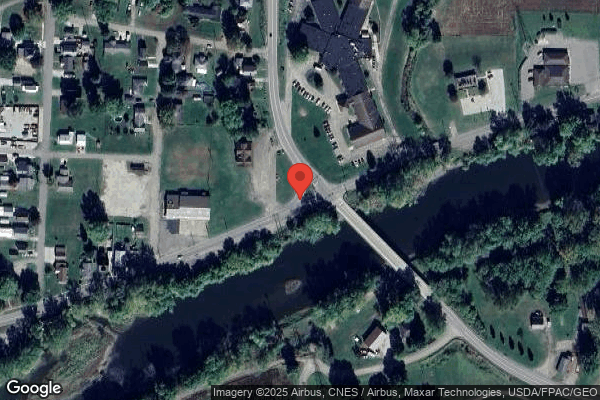
1100 EAST STATE ROAD, NEWCOMERSTOWN, OH 43832 (740) 498-5165
For profit - Corporation 80 Beds Independent Data: November 2025
Trust Grade
73/100
#329 of 913 in OH
Last Inspection: January 2025

Within standard 12-15 month inspection cycle. Federal law requires annual inspections.

Overview

Riverside Manor Nursing and Rehab Center has a Trust Grade of B, which means it is considered a good choice for care, indicating a solid level of quality and service. It ranks #329 out of 913 facilities in Ohio, placing it in the top half, and #6 out of 10 in Tuscarawas County, meaning there are only a few local options that perform better. However, the facility's trend is worsening, with the number of issues doubling from 7 in 2024 to 14 in 2025, suggesting an increase in concerns. While staffing is a strength with a 4/5 star rating and a turnover rate of 29%, which is well below the state average, there are also some weaknesses. For instance, there have been specific incidents where a resident's smoking area was not kept clean, raising safety concerns, and a resident's wandering behavior was not properly monitored, indicating lapses in care.

Trust Score
B
73/100
In Ohio
#329/913
Top 36%
Safety Record
Low Risk
No red flags
Inspections
Getting Worse
7 → 14 violations
Staff Stability
✓ Good
29% annual turnover. Excellent stability, 19 points below Ohio's 48% average. Staff who stay learn residents' needs.
Penalties
✓ Good
No fines on record. Clean compliance history, better than most Ohio facilities.
Skilled Nurses
○ Average
Each resident gets 34 minutes of Registered Nurse (RN) attention daily — about average for Ohio. RNs are the most trained staff who monitor for health changes.
Violations
⚠ Watch
24 deficiencies on record. Higher than average. Multiple issues found across inspections.
★★★★☆
4.0
Overall Rating
★★★★☆
4.0
Staff Levels
★★★★★
5.0
Care Quality
★★★☆☆
3.0
Inspection Score
Stable
2024: 7 issues
2025: 14 issues

The Good

  • 4-Star Staffing Rating · Above-average nurse staffing levels
  • 5-Star Quality Measures · Strong clinical quality outcomes
  • Low Staff Turnover (29%) · Staff stability means consistent care
  • Full Sprinkler Coverage · Fire safety systems throughout facility
  • No fines on record
  • Staff turnover is low (29%)

    19 points below Ohio average of 48%

Facility shows strength in staffing levels, quality measures, staff retention, fire safety.

The Bad

No Significant Concerns Identified

This facility shows no red flags. Among Ohio's 100 nursing homes, only 1% achieve this.

The Ugly 24 deficiencies on record

Jan 2025 14 deficiencies
CONCERN (D)

Potential for Harm - no one hurt, but risky conditions existed

Grievances (Tag F0585)

Could have caused harm · This affected 1 resident

**NOTE- TERMS IN BRACKETS HAVE BEEN EDITED TO PROTECT CONFIDENTIALITY** Based on medical record review, review of employee disciplinary conference report, review of staff schedules, resident interview...

Read full inspector narrative →
**NOTE- TERMS IN BRACKETS HAVE BEEN EDITED TO PROTECT CONFIDENTIALITY** Based on medical record review, review of employee disciplinary conference report, review of staff schedules, resident interview, staff interview, and policy review, the facility failed to ensure resident concerns with personal care were addressed timely. This affected one (Resident #5) of four reviewed for abuse. Findings included: Medical record review revealed Resident #5 was admitted to the facility on [DATE] with diagnoses including schizophrenia, dementia with psychotic disturbance, depression, coronary artery dissection, Alzheimer's, allergic rhinitis, constipation, ulcerative colitis, anxiety, insomnia, chronic kidney disease, heart disease, mood disorder, gout, gastro-esophageal reflux, hyperlipidemia, hypothyroidism, overactive bladder, sleep apnea, Parkinsonism, anemia, and atrial fibrillation. Review of the care plan dated 03/28/24 for Resident #5 revealed the resident had an alteration in bowel function related to needing assistance with mobility with interventions that the resident was dependent upon staff assistance with toileting hygiene. The care plan dated 03/28/24 revealed the resident had an alteration in ability to perform activities of daily living related to generalized weakness with interventions that the resident required independent assistance with personal hygiene. Review of Resident #5's quarterly Minimum Data Set (MDS) assessment dated [DATE] revealed the resident was cognitively intact and the resident required partial to moderate assistance with toileting and bathing, and required set up or clean up assistance for personal hygiene. Review of a behavioral note dated 01/15/25 revealed Resident #5 had been picking on the (unnamed) aide on this night, when it came to the residents personal care. The resident told the aide that she couldn't wipe herself because it hurt so bad. The aide did it for her, but the resident complained by saying it was completed too hard. The note also stated that the resident was being picky and demanding, and told the aide to shave her again, and then complained that aide made her chin bleed. Review of the staffing schedule revealed CNA #102 worked Resident #5's unit on 01/14/25 from 7:00 P.M. until 01/15/25 at 7:00 A.M. Review of the employee disciplinary conference report, dated 01/15/25 and signed by Resident #5, revealed the resident had concerns regarding a midnight shift employee (Certified Nursing Assistant (CNA) #102). The resident had communicated on three occasions that the CNA did not assist her with hygiene care after a bowel movement unless the resident asked her to. The CNA would ask the resident if she wiped herself with a smart tone of voice, per the resident, and the CNA would stand with her hand on her hips while talking. The CNA also asked the resident why she did not wipe herself and the resident said she had good and bad days and when someone talked to her like that it made her feel bad. Interview on 01/27/25 at 10:20 A.M. with Resident #5 revealed CNA #102 sprayed water on her face and was rough with care recently, and she felt like it was abusive. The resident confirmed she had reported the CNA to staff. Interview on 01/29/25 at 9:49 A.M. with Social Service (SS)/Registered Nurse (RN) #104 revealed Resident #5 had requested to speak to her on 01/15/25 regarding CNA #102. RN #104 reported she could not recall the details; however, she completed a form and gave it to the Director of Nursing (DON) to address. Interview on 01/29/25 at 9:55 A.M. with the DON confirmed RN #104 completed an employee disciplinary conference form on 01/15/25; however she went on vacation on 01/16/25 and did not have time to address the resident's concerns at the time. Interview on 01/29/25 at 11:25 A.M. with Social Service (SS)/Registered Nurse (RN) #104 confirmed she had filed the resident complaint on an employee disciplinary conference report per the facility's process. The RN reported that after she completed the employee disciplinary conference report, she gave it to the DON to investigate to determine if abuse occurred. The RN reported she did not have the authority to discipline staff and that was just the name of the form she completed to report complaints to the DON. The RN confirmed the resident had a history of hallucinations in the past, however she took everything reported to her seriously. Interview on 01/29/25 at 3:59 P.M. with the DON revealed she recalled RN #104 calling her via phone and reporting Resident #5's concerns, however she never mentioned abuse. The next day she found the employee's disciplinary conference report on her desk. The DON confirmed she had not spoken to CNA #102 regarding the employee disciplinary conference report yet because she had not seen CNA #102. The DON also stated the resident reported to her that the CNA must of had a bad day. The facility had initiated a Self-Reported Incident (SRI) since the resident had reported abuse to the surveyor. Review of the undated grievance process revealed that the resident, staff, or representative of a resident may file a grievance to assure that the facility management would address their concerns and ensure a prompt resolution.
CONCERN (D)

Potential for Harm - no one hurt, but risky conditions existed

Free from Abuse/Neglect (Tag F0600)

Could have caused harm · This affected 1 resident

**NOTE- TERMS IN BRACKETS HAVE BEEN EDITED TO PROTECT CONFIDENTIALITY** Based on review of the medical record, review of the facility investigation, resident interview, staff interview, and review of ...

Read full inspector narrative →
**NOTE- TERMS IN BRACKETS HAVE BEEN EDITED TO PROTECT CONFIDENTIALITY** Based on review of the medical record, review of the facility investigation, resident interview, staff interview, and review of facility policy and procedure, the facility failed to ensure Resident #6 was not abused by a staff member. This affected one resident (Resident #6) of four residents reviewed for abuse. Findings included: Review of the medical record revealed Resident #6 was admitted to the facility on [DATE]. Diagnoses included hypertensive heart disease, depression, vitamin D deficiency, anxiety disorder, cirrhosis of the liver, malignant neoplasm of the large intestine, diabetes, heart failure, osteoarthritis of the hip, atrial fibrillation, lymphedema, adrenocortical insufficiency, and insufficiency. Review of the quarterly Minimum Data Set assessment dated [DATE] revealed Resident #6 had intact cognition. Review of the progress note dated 09/11/24 at 8:45 P.M. revealed a Certified Nursing Assistant (CNA) #210)) was assisting Resident #6 in the shower when the resident started to get loud with the CNA because the CNA was washing her face with soap. A second nursing assistant (CNA #137) was called into the shower room to assist. Resident #6 then started complaining that she got a neck injury today and medicare paid the facility thousands of dollars just for all of the staff to torture her here. Review of the progress note dated 09/13/24 at 1:13 P.M. revealed Resident #6 asked to speak to the Director of Nursing (DON) about the shower she received two nights ago. She felt the nursing assistant verbally abused her when the resident stated she was going to report her, and the CNA told the resident to go ahead and report her. An investigation was initiated. Review of the facility investigation dated 09/13/24 revealed on 09/12/24 it was reported that a resident was yelling at an aide during her shower because the aides were using soap on her. The resident was yelling that her insurance paid thousands of dollars for her to be at the facility and they were torturing her. The DON and Social Services #190 both spoke to her and she made no allegation of abuse, however on 09/13/24 Resident #6 reported to the Unit Manager/Licensed Practical Nurse (LPN) #194 that she wanted to report an aide because when she was showering her, the aide wiped her face too hard with the wash cloth. The DON asked the Unit Manager to write a statement of what Resident #6 had told her. The DON then interviewed Resident #6 and she stated that the aide was giving her a shower and she rubbed her face too hard. The resident stated she had sensitive skin and did not want her to wash her face. The resident stated she told the aide she was going to report her and the aide told her to go ahead. The resident denied a second aide came into the room. The DON assessed her face while interviewing her and her face was free of any scrapes, scratches, bruising or rashes. The resident had makeup on which she wears daily and would take pride in doing herself. The DON stated to the resident she would speak to CNA #137 and complete staff education that the resident would prefer to wash her face by herself. The resident stated again that her insurance paid a lot of money to be here and she should not have her face rubbed that hard. The DON asked her if she was physically abused and she stated no, but she said she was verbally abused when the aide told her to go ahead and report her. The DON attempted to clarify with her, asking if the aide was inappropriate when she responded to her the way she did or did she abuse her. Resident #6 stated the aide verbally abused her when she told her to go ahead and report her. Resident #6 stated she did not want CNA #137 to take care of her anymore and the DON reassured her she would not be her aide. Social Services #190 was informed to check on the resident on Monday to follow up to make sure she was free of any psychosocial issues from the incident. The DON spoke to four other residents on the hall to see if they had any issues with CNA #137 being verbally or physically abusive and they all stated they had no issues with the aide. The DON contacted the medication aide who was working that night. Medication Aide (MA) #135 stated she went into Resident #6's room and the resident told her the aide washed her face and she did not want it washed. MA #135 said she told Resident #6 there was food on her face and the aide needed to get it off. MA #135 stated there was not any abuse at all and stated that Resident #6 had never liked CNA #137 since day one and she did not know why. The DON spoke to CNA #137 and she stated it was CNA #210 who was showering Resident #6 and Resident #6 was yelling out, so she (CNA #137) entered the room to see what was going on. She stated Resident #6 was not cooperating with her shower and all she wanted to do was get rinsed off, so the aide told Resident #6 she needed to get washed off because she had food hardened on her face. CNA #137 stated she gently washed the residents face and the resident was upset and said she was going to report her, and CNA #137 told her to go ahead. The DON called CNA #210 to get her statement and she stated she was doing the shower and Resident #6 did not want soap and just wanted to get rinsed off. Resident #6 start yelling and CNA #137 came in and spoke to her and Resident #6 agreed to have soap on her. Then CNA #137 washed her face and she was not rough. Resident #6 stated she was going to report CNA #137 and CNA #137 told her to go ahead. CNA #210 stated CNA #137 did tell Resident #6 they could not leave food on her face. Review of the undated, unsigned, text message witness statement from CNA #210 revealed she was giving Resident #6 a shower and the resident just got herself wet with water and said she was done. CNA #210 called CNA #137 in the shower room to ask her if she could use soap and wash her body and Resident #6 allowed her to. CNA #137 then asked to wash her face to get the food off and she let her wash one side of her face. Then Resident #6 began to yell about her makeup, so CNA #137 quickly washed the other side of her face and Resident #6 started screaming at CNA #137. The statement stated nothing was verbally abusive from CNA #137. Review of the undated, printed, text message witness statement signed by CNA #137 revealed CNA #210 was showering Resident #6 and put the call light on to ask for help because Resident #6 would not wash with soap. Resident #6 eventually agreed to wash with soap. The CNA told Resident #6 she had food on her face and they could not leave it. Resident #6 stated she had wipes in her room. CNA #137 stated she told the resident the wipes she saw in her room were not made for her face so why not use just a wash cloth with water, because they could not leave food on her face. Resident #6 became very angry and stated she was going to report her. CNA #137 stated she told Resident #6 to go ahead and report her, but that she could not leave food on her face. Review of the handwritten witness statement from LPN #194 dated 09/13/24 revealed the nurse went into the room of Resident #6 to ask if she was ready for her morning medications. Resident #6 stated that CNA #137 had abused her and explained she washed her face too hard and when she told her to stop, the aide told her no, it needed done. On 01/28/25 at 9:40 A.M. an interview with Resident #6 revealed a few months ago staff came and got her for a shower. She stated she could not believe how CNA #137 had acted. She stated she told both of them (CNA #210 and CNA #137) that she did not want her hair or face washed because she got her hair done at the beauty shop and she liked to wash her face with the makeup wipes in her room. She stated CNA #137 told her she needed to wash her face and get the make up off. Resident #6 told the CNA no, but she did it anyways and she started to scrub her face hard. The resident stated she kept telling the CNA to stop, but she just said she was going to get it off her face. The resident stated she was in shock. She stated she told CNA #137 that she was going to report her and CNA #137 told her go ahead and report her because she did not care. The resident stated she had a dermatologist for her eczema and she had issues with some soaps irritating her skin. She stated CNA #137 was not allowed in her room anymore, but she came in one time since the incident to answer her roommate's call light and the resident stated to her roommate she (CNA #137) better get out of here because she was not allowed in here. On 01/29/25 at 12:27 P.M. an interview with the Director of Nursing revealed she had not completed a formal write up for CNA #137, but like the Self-Reported Incident stated, she spoke to her one-on-one about it and informed her Resident #6 did not want her to care for her anymore. On 01/29/25 at 7:45 P.M. an interview with CNA #137 revealed another aide was completing Resident #6's shower and the resident did not want to use any soap. She stated the other aide called her into the shower room to see if she could convince her to use soap. She stated the resident still had food on her face from dinner time and she offered her a wash cloth to wash her face. She stated Resident #6 started to argue with her, telling her that she was verbally abusing her and she would use the wipes in her room. She stated she told Resident #6 the wipes (baby wipes) in her room were not really made to be used on her face and they could harm her face. She stated Resident #6 stated she was going to report her, and she told her to go ahead. She stated she did not press the issue anymore, and she left the room without washing the residents face. She stated she told the medication aide what had happen and spoke to the Director of Nursing the next day and was told to not go into the residents room to avoid any conflict with Resident #6. On 01/29/25 at 7:51 P.M. an interview with CNA #210 revealed she was giving Resident #6 a shower and she would not let her wash her face so she called CNA #137 in to see if she could talk her into washing her face. She stated the resident became really upset, started yelling at them, and did not want to wash her face. She stated CNA #137 walked out, CNA #210 got her dressed, and took her back to her room. After questioning CNA #210 about her witness statement, CNA #210 changed her story and verified CNA #137 did wash the food off of Resident #6's face and the resident was yelling at her to stop the whole time. She stated CNA #137 never used soap on her face, only a wet wash cloth. She stated they were now not allowed to wash the residents face, and just to offer to wash her face, but she did not allow staff to wash her face. She stated CNA #137 was not allowed to go into the residents room to provide care. Review of the facility policy titled, Policy and Procedure for Prevention of Mistreatment, Neglect and Abuse of Resident and Misappropriation of Resident Property, revealed all residents in the facility would be free from verbal, sexual, physical, and mental abuse, corporal punishment, involuntary seclusion, mistreatment, neglect and misappropriation of property, exploitation and adverse events. The definition of abuse was the willful infliction of injury, unreasonable confinement, intimidation or punishment with resulting physical harm, pain, or mental anguish. Willfully, as used in the definition of abuse, meant the individual must have acted deliberately, not that the individual must have intended to inflict injury or harm.
CONCERN (D)

Potential for Harm - no one hurt, but risky conditions existed

Deficiency F0655 (Tag F0655)

Could have caused harm · This affected 1 resident

Based on review of medical records, resident interview, representative interview, and staff interview, the facility failed to ensure residents and/or resident representatives were provided a written s...

Read full inspector narrative →
Based on review of medical records, resident interview, representative interview, and staff interview, the facility failed to ensure residents and/or resident representatives were provided a written summary of the baseline care plan. This affected two (Residents #61 and #165) of six residents reviewed for baseline care planning. Findings include: 1. Review of Resident #61's medical record revealed an admission date of 11/26/24 with diagnoses including displaced fracture of the base of the neck of the right femur, depression, vitamin D deficiency, hyperlipidemia, hypertension, diabetes mellitus and displaced fracture of the surgical neck of the left humerus. The medical record revealed no indication that Resident #61 or her representative were provided a summary of the baseline care plan. Interview on 01/27/25 at 10:28 A.M., Resident #61's representative revealed he did not recall receiving a summary of the plan of care. Interview on 01/30/25 at 7:17 A.M., the Director of Nursing (DON) verified she was unable to locate evidence that a summary of the baseline care plan was provided to Resident #61 and/or her responsible party. 2. Review of Resident #165's medical record revealed an admission date of 01/01/25. Resident #165's diagnoses included malignant neoplasm of the right ovary, insomnia, sepsis, gastrointestinal hemorrhage, heart failure, type two diabetes mellitus, adult failure to thrive, anemia, protein-calorie malnutrition, vitamin D deficiency, and fistula (an abnormal connection of two body cavities or a body cavity and the skin) of the intestine. There was no indication Resident #165 or her representative were provided a summary of the baseline care plan. Interview on 01/27/25 at 10:28 A.M., Resident #165 revealed she did not recall receiving a summary of the baseline plan of care. Interview on 01/30/25 at 7:17 A.M., the Director of Nursing (DON) verified she was unable to locate evidence that a summary of the baseline care plan was provided to Resident #165 and/or her responsible party.
CONCERN (D)

Potential for Harm - no one hurt, but risky conditions existed

Deficiency F0657 (Tag F0657)

Could have caused harm · This affected 1 resident

**NOTE- TERMS IN BRACKETS HAVE BEEN EDITED TO PROTECT CONFIDENTIALITY** 2. Review of Resident #61's medical record revealed an admission date of 11/27/24 with medical diagnoses including diabetes mell...

Read full inspector narrative →
**NOTE- TERMS IN BRACKETS HAVE BEEN EDITED TO PROTECT CONFIDENTIALITY** 2. Review of Resident #61's medical record revealed an admission date of 11/27/24 with medical diagnoses including diabetes mellitus and urinary tract infection (UTI). Resident #61 admitted with orders for Cefdinir (antibiotic) 300 milligrams (mg) twice a day for UTI for five days. Review of Resident #61's care plan initiated 11/27/24 indicated a potential for alteration in bowel function related to Resident #61 needing assistance with mobility. Interventions indicated Resident #61 needed maximal assistance with toileting hygiene. Staff were instructed to apply protective ointment as ordered, assist to the bathroom upon request, assist on and off the bedpan per request, encourage fluids, and provide incontinence care as needed. Review of an acute care plan initiated 11/27/24 indicated Resident #61 had an alteration of the urinary system. Interventions included administering medications as ordered, encouraging fluids, monitoring and reporting change of condition, monitoring labs as ordered and monitoring for odor, color and painful urination. The goal indicated Resident #61 would have no signs/symptoms of infection. Review of a nursing note dated 12/15/24 at 7:05 P.M. indicated an unnamed Certified Nursing Assistant (CNA) alerted the nurse that Resident #61's urine was dark and Resident #61 complained of her bladder burning. A urinalysis and culture and sensitivity was ordered for 12/16/24. On 12/18/24, the results were sent to the Certified Nurse Practitioner (CNP). A new order was received for Nitrofurantoin (antibiotic) 100 mg every six hours for five days for a UTI. Review of Resident #61's acute care plan dated 12/18/24 revealed another acute care plan for alternation of the urinary system was initiated with the same goals and interventions as the care plan developed on 11/27/24. Review of a nursing note dated 01/16/25 at 5:37 A.M. indicated a new order was received for Resident #61 to have a urinalysis and culture and sensitivity test performed on 01/17/25 due to frequency of urination, burning and pain. Review of Resident #61's acute care plan dated 01/19/25 revealed the same goals and interventions as those initiated on 11/27/24 and 12/18/24. A nursing note dated 01/19/25 at 6:07 P.M. indicated the CNP was notified of the urinalysis and culture and sensitivity results. A new order was received for Cefdinir 300 mg twice a day for ten days for a UTI. Interview on 01/29/25 at 2:43 P.M. with the DON revealed the DON was questioned regarding the lack of care planning for recurrent UTIs. The DON staff did acute care plans which addressed UTIs and antibiotic use. Interview on 01/30/25 at 7:31 A.M. with Registered Nurse (RN) #105 verified Resident #61 had recurrent UTIs and had multiple antibiotics ordered since November 2024. When asked if the interdisciplinary team (IDT) had addressed the recurrent UTIs and investigated the cause and any additional preventative measures as each acute care plan had the exact same interventions, RN #105 stated she would have to check. Follow up interview on 01/30/25 at 9:08 A.M. with RN #105 revealed interventions beyond what was on the acute care plans for UTIs included encouraging Resident #61 to use the call light when her brief was wet and toileting her every two hours. RN #105 verified those interventions had not prevented UTIs. She also stated that staff provided incontinence care. RN #105 stated after discussing the recurrent UTIs, Resident #61 was placed on the nurse practitioner's list to see if she might benefit from use of a cranberry tablet and staff could start using anti-bacterial wash for perineal care due to the propensity for UTIs. Based on observation, staff interview, and medical record review, the facility failed to ensure comprehensive care plans were revised timely. This affected two residents (Residents #10 and #61) of 24 residents reviewed for care plans. The facility census was 62. Findings include: 1. Review of the medical record for Resident #10 revealed an admission date of 10/24/22. Diagnoses included hemiplegia affecting the left side, actinic keratosis, bipolar disorder, chronic obstructive pulmonary disorder, peptic ulcer disease diabetes, anxiety disorder, osteoarthritis, benign prostatic hyperplasia, chronic pain, insomnia, hypertension, atherosclerotic heart disease, major depressive disorder, cerebrovascular disease, and paralytic syndrome. Review of the plan of care dated 10/27/22 revealed Resident #10 was a smoker and required a smoking apron. Review of the Minimum Data Set (MDS) quarterly assessment dated [DATE] revealed Resident #10 had intact cognition and had one side upper extremity impairment. Review of the smoking assessment dated [DATE] revealed Resident #10 did not have any dexterity problems, he could light his own cigarette, he required a smoking apron and supervision. In the comment section of the assessment it stated Resident #10 had been wearing a smoking apron due to a recent report of him dropping a cigarette on himself. Resident #10 denied the occurrence. The assessment noted on the day the resident dropped the cigarette on himself, it was very windy outside and he stated he dropped it due to the wind. Resident #10 had been reassessed for smoking and was monitored for safety and he did demonstrate safe actions when smoking. He could go without an apron with the understanding if he dropped another cigarette he would be required to wear the apron. Observation of the resident smoking area on 01/27/25 at 11:15 A.M. revealed the Resident #10 was outside on the patio with supervision provided by Housekeeper #201. Housekeeper #201 lit Resident #10's cigarette, but did not put a smoking apron on him. Interview on 01/27/25 at 2:00 P.M. with Housekeeper #201 revealed residents only wore a smoking apron if the resident was dropping stuff on themselves. Interview on 01/28/25 at 8:55 A.M. with the Director of Nursing (DON) revealed she did not know why they were charting Resident #10 as needing a smoking apron because on 05/21/24 she reassessed him and felt he was fine without one. A follow up interview on 01/28/25 at 2:30 P.M. with the DON verified the plan of care for Resident #10 was incorrect in indicating the resident needed a smoking apron.
CONCERN (D)

Potential for Harm - no one hurt, but risky conditions existed

ADL Care (Tag F0677)

Could have caused harm · This affected 1 resident

**NOTE- TERMS IN BRACKETS HAVE BEEN EDITED TO PROTECT CONFIDENTIALITY** Based on medical record review, interview, observation, and review of facility policy, the facility failed to ensure Resident #4...

Read full inspector narrative →
**NOTE- TERMS IN BRACKETS HAVE BEEN EDITED TO PROTECT CONFIDENTIALITY** Based on medical record review, interview, observation, and review of facility policy, the facility failed to ensure Resident #49 received assistance with oral care. This affected one (Resident #49) of four residents reviewed for activities of daily living. The facility census was 62. Findings include: Review of Resident #49's medical record revealed an admission date of 12/19/24 with diagnoses including diabetes, severe protein-calorie malnutrition, adult failure to thrive, kidney disease, gastro-esophageal reflux, weakness, and heart disease. Review of Resident #49's Minimum Data Set (MDS) dated [DATE] revealed the resident was dependent on staff for oral care. There was no evidence of refusals or rejection of care. Review of Resident #49's interdisciplinary team (IDT) progress note dated 01/17/25 revealed the resident required set up assistance for oral hygiene. Review of Resident #49's care plan indicated the resident had an alteration in dental status related to own teeth. The resident's plan of care stated to assist the resident twice daily with oral care. Review of Resident #49's task documentation for CNA's dated 12/28/24 to 01/27/25 revealed no documented evidence oral care was completed on 12/28/24, 12/29/24, 12/30/24, 01/03/25, 01/04/25, 01/08/25, 01/11/25, 01/13/25, 01/16/25, 01/21/25, 01/22/25, 01/23/25, 01/24/25, 01/25/25, 01/26/25, and 01/27/25. Observation on 01/27/25 at 10:33 A.M., revealed Resident #49 had build up on her bottom teeth. Observation on 01/28/25 at 10:39 A.M. of Resident #49 with Certified Nursing Aide (CNA) #112 confirmed the resident had build up on her bottom teeth. The CNA reported that the resident had refused oral care earlier that morning. The Occupational Therapist (OT) was present and assisted the resident with oral care. The resident had a battery-operated toothbrush in her bathroom and the toothpaste appeared unused. The resident confirmed she had seven natural teeth on the bottom and no teeth on the top. The CNA reported she did not report refusal of oral care to the nurse. Interview on 01/28/25 at 3:22 P.M., with the Director of Nursing (DON) confirmed there was no documented evidence Resident #49 had received oral care 12/28/24, 12/29/24, 12/30/24, 01/03/25, 01/04/25, 01/08/25, 01/11/25, 01/13/25, 01/16/25, 01/21/25, 01/22/25, 01/23/25, 01/24/25, 01/25/25, 01/26/25, and 01/27/25. The DON reported the facility had removed the task that included oral care on 01/21/25 due to the amount of charting the CNA's had to do, however she was going to add the task back. Review of the undated policy titled Activities of Daily Living (ADL) revealed residents would be provided with care, treatment, and services as appropriate to maintain and improve their ability to carry out activities of daily living (ADL). Residents who are unable to carry out activities of daily living independently would receive the services necessary to maintain good nutrition, grooming and personal and oral hygiene. If a resident with cognitive impairment or dementia resist care, staff would attempt to identify the underlying cause of the problem and not just assume the resident was refusing or declining care. Approaching the resident in a different way or at a different time, or having another staff member speak with the resident may be appropriate.
CONCERN (D)

Potential for Harm - no one hurt, but risky conditions existed

Quality of Care (Tag F0684)

Could have caused harm · This affected 1 resident

**NOTE- TERMS IN BRACKETS HAVE BEEN EDITED TO PROTECT CONFIDENTIALITY** Based on observations, record review, interview, and review of facility policy, the facility failed to ensure residents with non...

Read full inspector narrative →
**NOTE- TERMS IN BRACKETS HAVE BEEN EDITED TO PROTECT CONFIDENTIALITY** Based on observations, record review, interview, and review of facility policy, the facility failed to ensure residents with non-pressure related skin issues were comprehensively assessed and treated in a routine manner. This affected two (Residents #51 and #165) of two residents reviewed for non-pressure related skin impairment. The facility census was 62. Findings include: 1. Review of Resident #165's medical record revealed an admission date of 01/01/25. Medical diagnoses included malignant neoplasm of the right ovary, methicillin resistant staphylococcus aureus (MRSA), adult failure to thrive, diabetes mellitus type two, anemia, and fistula of the intestine. A pre-admission hospital history and physical dated 12/25/24 indicated an abdominal drain in the right lower quadrant of the abdomen had accidentally been pulled out ten days previous. A Computed Tomography (CT) scan showed a complex right cystic lower abdominal intraperitoneal mass likely ovarian origin which appeared to have a fistula tract through the anterior abdominal wall exiting the skin on the right side. Review of Resident #165's admission assessment on 01/01/25 indicated Resident #165 had pus in an area on the right lower quadrant of the abdomen. A nursing note dated 01/01/25 at 6:35 A.M. indicated Resident #165 had a wound to the right lower quadrant with moderate serosanguineous drainage. A nursing note dated 01/01/25 at 3:02 P.M. indicated the wound nurse practitioner consulted regarding the fistula on the right abdomen and a new treatment order was obtained and completed. Review of wound Nurse Practitioner (NP) #300's consultation note dated 01/01/25 indicated Resident #165 had an area on the right upper quadrant of the abdomen and referred to it as a surgical site with full thicken loss measuring 0.6 centimeters (cm) x 0.7 cm x 0.1 cm with mucoid drainage. A treatment was recommended with alginate and to cover with a foam dressing to be changed every day and as necessary. Documentation on a wound/skin healing record revealed on 01/01/25 the area had a moderate amount of purulent and serosanguineous drainage. The skin surround the area was dark red/purple. A second assessment dated [DATE] indicated there was a large amount of serosanguineous drainage with the skin surrounding the area being normal. It was measured as 0.6 cm x 0.7 cm. The assessment indicated the area was a fistula and there was fat tissue in the wound bed. The fistula went to the mass. A subsequent assessment dated [DATE] indicated the area was 0.5 cm x 0.7 cm with copious amounts of purulent and serosanguineous drainage. The surrounding skin was black/brown. The assessment indicated the area was improved. An entry dated 01/15/25 indicated the fistula was not followed by the facility's wound nurse. There was no evidence nurses were completing comprehensive assessments of the open area following 01/08/25. Interview on 01/27/25 at 2:54 P.M. with Resident #165 revealed she previously had a drain in her abdomen which had been pulled out by mistake at another healthcare facility, and it left a hole. Interview on 01/28/25 at 12:40 P.M. with the Director of Nursing (DON) revealed she understood the concerns raised regarding monitoring the open area and evaluation of the current treatment. The DON stated nurses observed the area daily and would know if there was a change in condition or if the treatment did not appear to be effective. Observation on 01/30/25 at 8:50 A.M. revealed Licensed Practical Nurse (LPN) #149 changed Resident #165's abdominal dressing. A small opening to the skin was noted to the right abdomen with serous drainage. The skin was pink to the right side and above the open area. Interview on 01/30/25 at 9:00 A.M. with LPN #149 revealed she worked three to four days a week and the color of the wound was the same. LPN #149 stated generally, when the dressing was changed once a day, there was usually a stronger odor and more drainage than what was observed during the dressing change which had just been completed. LPN #149 stated she believed the reason there was not as much drainage and odors was the night shift had changed the dressing for some reason. LPN #149 stated it was her understanding the nurse practitioner no long followed the wound because it was a non-healing wound. LPN #149 stated the nurses monitored the area with dressing changes and Resident #165 also had outside appointments (unsure if oncology or surgeon) but her appointment the week of 01/20/25 had been rescheduled due to weather. On 01/30/25 at 10:15 A.M., Wound Nurse Practitioner (NP) #300 verified she did not follow Resident #165's abdominal wound because it was a surgical wound. Nurses should be assessing for changes, drainage, and any changes in appearance. Wound NP #300 stated due to Resident #165's ovarian cancer, which had developed into a fistula and would always have a foul odor, drainage, and would not improve. Wound NP #300 stated nurses should be monitoring the area, as the wound may eventually need pouched. Skin surrounding the area should be monitored for breakdown. It should also be monitored to determine if the dressing was able to hold the drainage. The information should be included in the resident's wound documentation. 2. Review of Resident #51's medical record revealed admission date 02/25/22 with diagnoses including but not limited to unspecified dementia, anxiety, high blood pressure, repeated falls, and anemia. Resident #51 was severely cognitively impaired with a Brief Interview of Mental Status (BIMS) score of three out of a possible 15 dated 12/24/24. Resident #51 used a walker and wheelchair for mobility assistance, required assistance for toilet use and personal hygiene care. Review of Resident #51's at risk for injury care plan dated 02/27/22 revealed Resident #51 was at risk for injury related to decreased cognition, decreased mobility, and poor safety awareness. Interventions included for Resident #51 to wear long sleeved shirts to help protect from accidental bruising and skin tears to Resident #51's upper extremities. Review of Resident #51's iron level and complete blood count (CBC) laboratory results dated [DATE] revealed Resident #51's iron level result was at 81 (normal), Hemoglobin level results were low at 12, and Hematocrit level results were low at 36.1 which indicated Resident #51 was considered anemic and had the potential to bruise easily. Review of Resident #51's progress notes dated 01/06/25 at 1:25 P.M. authored by Licensed Practical Nurse (LPN) #101 revealed a bruised area to Resident #51's right elbow was observed with a small open area in the middle of the bruise. The area was cleaned and covered with a foam dressing. Further review of Resident #51's progress notes dated 01/07/25 to 01/28/25 revealed no further entries or documentation related to monitoring of the bruise and open area to Resident #51's right elbow. Review of Resident #51's physician orders dated 01/06/25 to 01/28/25 revealed no treatment order was implemented on 01/06/25 for treatment of the bruise with an open area observed on Resident #51's right elbow. Review of Resident #51's Treatment Administration Record (TAR) dated 01/01/25 to 01/28/25 revealed there were no treatment orders to be completed regarding the bruise and open area located on Resident #51's right elbow which was first observed on 01/06/25. A review of the bruise investigation form dated 01/06/25 at 1:35 P.M. completed by LPN #101 revealed staff observed blood on the floor in Resident #51's room. Resident #51 was in the common area at the time of the discovery. LPN #101 assessed Resident #51 and observed the skin had cracked and there was a small bruise surrounding the cracked skin on Resident #51's right elbow. The area was cleaned, and a foam dressing was placed to the area. Observation on 01/28/25 at 8:15 A.M. revealed Resident #51 was sitting in a wheelchair located in the dining room eating the breakfast meal. Resident #51 was wearing a long-sleeved sweatshirt and sweatpants. Interview on 01/28/25 at 1:00 P.M. with LPN #123 revealed the facility has a standard physician order which is used when there has been skin impairment observed. The facility wound nurse will be notified, as well as the physician and family member. The nurse will assess, treat and implement treatment orders as needed upon the initial observation. Interview on 01/28/25 at 2:21 P.M. with the Director of Nursing (DON) confirmed Resident #51 did not have any treatment order initiated or implemented for the cracked skin with bruise observed on 01/06/25. The DON stated when there's an area identified which requires a treatment order, the assessing nurse should implement a treatment order initially and then continue to monitor and document on the area until it is healed. A review of the facility policy Skin Assessments dated 01/19 revealed a treatment will be initiated as ordered by the either the physician or nurse practitioner to promote healthy skin integrity.
CONCERN (D)

Potential for Harm - no one hurt, but risky conditions existed

Deficiency F0688 (Tag F0688)

Could have caused harm · This affected 1 resident

**NOTE- TERMS IN BRACKETS HAVE BEEN EDITED TO PROTECT CONFIDENTIALITY** Based on medical record review, observation, and interviews, the facility failed to ensure splints/braces were applied per order...

Read full inspector narrative →
**NOTE- TERMS IN BRACKETS HAVE BEEN EDITED TO PROTECT CONFIDENTIALITY** Based on medical record review, observation, and interviews, the facility failed to ensure splints/braces were applied per orders and plan of care. This affected one (Resident #18) of one resident reviewed for positioning/mobility. The facility census was 62. Findings include: Review of Resident #18's medical record review revealed an admission date of 08/02/22 with diagnoses including Parkinsonism, chronic pain, rhabdomyolysis, and limited range of motion. Review of Resident #18's Minimum Data Set (MDS) dated [DATE] revealed the resident had impaired range of motion to bilateral upper extremities. The resident had no rejection/refusal of care. Review of Resident #18's active physician's orders revealed an order dated 02/12/24 to apply wrist braces daily at 8:00 A.M. and remove daily at 8:00 P.M. The order indicated the braces could be removed for meals. The order did not specify which wrist, or both, the brace/braces should be applied to. An additional order dated 05/13/24 stated to place finger splints on left fingers one hour per day for boutonniere deformities with the instructions for application listed as, in the bag with the splints. Review of Resident #18's care plan dated 07/24/22 revealed the resident had an alteration in ability to perform activities of daily living (ADL) related to generalized weakness. Listed interventions included to place finger splints on left fingers one hour per day for boutonniere deformities (instructions in bag with splints), to apply wrist brace daily at 8:00 A.M. and remove at 8:00 P.M. and may remove for meals. Review of Resident #18's Medication Administration Record (MAR) and Treatment Administration Record (TAR) dated January 2025 revealed staff signed off the resident's wrist splint was applied daily, except on 01/26/25, 01/28/25, and 01/29/25 when there was no documented evidence that the wrist splint was applied, and on 01/27/25 when staff documented the resident refused the wrist splint. There was no evidence of the finger splints order being listed on the MAR/TAR to ensure it was applied or refused. Review of Resident #18 task tab for Certified Nursing Assisting (CNA) charting revealed no evidence of wrist or finger splints. Interview and observation on 01/27/25 at 10:14 A.M., of Resident #18 revealed she had pain, especially in her hands and fingers, and was not receiving therapy, restorative, or any type of services to prevent further decline in limited range of motion. The resident had no splints in-place at the time of interview. There were no splints observed in the resident's room. Observation on 01/28/25 at 8:41 A.M., of Resident #18 revealed the resident was in bed, eating breakfast. Resident #18 utilized a cup with a lid and was noted to have limited range of motion in her hands and fingers. Resident #18 was not wearing any splint or brace. Observation of Resident #18 and interview on 01/29/25 at 11:41 A.M., with Licensed Practical Nurse (LPN) #147, CNA #112, and CNA #161 confirmed Resident #18 did not have a wrist splint in place. CNA #161 reported she forgot to put the wrist splint on today because the resident usually refuses to wear it. CNA #161 reported she didn't know the frequency or time the splint was to be worn. CNA #112, CNA #161, and LPN #147 reported that the CNAs were responsible for applying the splints. The splints were not on the task tab for the CNAs to document or see the orders for the splints. LPN #147 reported the finger splints were not on the TAR to sign off when the finger splints were applied, however the splint to the wrist was listed on the TAR. Staff could not locate the wrist or finger splint initially. CNA #161 later found the wrist splint in a chair under a pile of linen; however, the CNA could not locate the finger splints. The wrist splint was marked with an R (right). CNA #161 applied the splint to the resident's right wrist. CNA #112 returned to the resident's room and found the finger splint. CNA #112 reported she would apply the finger splints after lunch. Interview on 01/29/25 at 12:09 A.M., with LPN #106 confirmed the order, TAR, and care plan for Resident #18's wrist splint don't indicate which wrist to apply the splint to and verified the application of the finger splints were not listed on the TAR. The CNAs were responsible for applying the splints; however, the splints were not on the task for the staff to sign off that the splints were applied. Interview on 01/29/25 at 12:32 P.M. and 1:25 P.M. via email with the Director of Nursing (DON) confirmed the range of motion assessment was inaccurate and Resident #18 had limited range of motion in the wrist and fingers. The facility did not have access to therapy notes prior to October 2024 as the facility had switched therapy companies. The DON stated the facility was going to have occupational therapy to evaluate the resident to see what splints were needed or not needed.
CONCERN (D)

Potential for Harm - no one hurt, but risky conditions existed

Accident Prevention (Tag F0689)

Could have caused harm · This affected 1 resident

**NOTE- TERMS IN BRACKETS HAVE BEEN EDITED TO PROTECT CONFIDENTIALITY** Based on observation, interview, medical record review, and review of the facility policy, the facility failed to ensure fall in...

Read full inspector narrative →
**NOTE- TERMS IN BRACKETS HAVE BEEN EDITED TO PROTECT CONFIDENTIALITY** Based on observation, interview, medical record review, and review of the facility policy, the facility failed to ensure fall interventions were in place for a resident at risk for falls. This affected one (Resident #42) of three residents reviewed for accidents. The facility census was 62. Findings include: Review of the medical record revealed an admission date of 12/16/24. Diagnoses included Alzheimer's disease, anxiety disorder, paroxysmal atrial fibrillation, type two diabetes mellitus, hypertension, chronic lung disease and depression. Review of the Minimum Data Set (MDS) 3.0 significant change assessment dated [DATE] revealed Resident #42 had a Brief Interview for Mental Status (BIMS) Score of 5, indicating severely impaired cognition. Resident #42 was assessed to require assistance with activities of daily living (ADLs) including setup for eating and oral care and hands-on assistance with bathing, dressing, and transfers. Resident #42 used a wheelchair for mobility. Further review revealed the resident had fallen prior to the assessment and had experienced two or more falls since the last assessment. Resident #42 was frequently incontinent of bowel and bladder. Review of Resident #42's care plan dated 02/16/24 revealed the resident was care planned as at risk for injury related to decreased safety awareness. Listed interventions included to keep call light in reach, monitor the environment for any potential hazards, and for signage in room as a reminder to ring for help. On 06/21/24, an additional intervention of dycem was to be applied underneath the (incontinence) bed pad. On 07/06/24, an additional intervention to place a sign in the room to remind the resident to use his walker was placed. On 08/17/24, Resident #42's bed was moved to the side of the wall. On 09/30/24, dycem was applied to Resident #42's wheelchair. Review of Resident #42's active physician's orders revealed an order dated 09/30/24 for dycem to the resident's wheelchair as a fall intervention. Observation on 01/30/25 at 8:04 A.M. of Resident #42 revealed the resident was seated in his wheelchair in the hallway. Certified Nursing Assistant (CNA) #193 was attaching leg rests to the resident's wheelchair. There was no dycem observed in the wheelchair. CNA #193 pushed the resident in his wheelchair to the dining room. Observation of the resident's room revealed no signs were posted in the resident's room as indicated in the care plan as fall prevention interventions. The resident's bed was not against the wall, and no dycem was noted to the resident's bed underneath the pad as specified in the resident's care plan. Observation and interview on 01/30/25 at 8:13 A.M. with Registered Nurse (RN) #104 confirmed Resident #42's dycem was not in his wheelchair, on the bed, and there were no signs placed in the room as stated in the resident's care plan. RN #104 stated the resident's care plan needed to be updated to reflect the current fall interventions. Interview on 01/30/25 at 9:10 A.M. with the Director of Nursing (DON) revealed the process for completing fall investigations included the nurse assessment at the time of the fall and initiation of the post fall packet. Every morning, the shift report was reviewed for incidents and interventions. Falls were reviewed with residents, if able, and a root cause analysis was performed. Afterwards, the intervention was added to the resident's plan of care. Care plans were then reviewed and revised monthly or with interdisciplinary team (IDT) meeting to monitor for effectiveness of interventions. Review of the undated policy titled Falls revealed the policy provided guidelines to investigate and document falls in an attempt to reduce and prevent injury from further falls. The procedure indicated after a fall, nursing staff was to initiate an immediate intervention to prevent another incident. The intervention must be appropriate. The interventions must be documented in the nurses' notes and placed on the resident's care plan and CNA worksheets. It stated to monitor the effectiveness of the intervention to prevent further incidents, document effectiveness and/or lack of effectiveness of intervention in the resident's record, notify the supervisor if the intervention was not effective and another intervention would need initiated to prevent resident injury.
CONCERN (D)

Potential for Harm - no one hurt, but risky conditions existed

Deficiency F0761 (Tag F0761)

Could have caused harm · This affected 1 resident

Based on observation, interview, and review of facility policy, the facility failed to ensure multi-dose insulin pens were dated as to when they were first accessed. This affected two residents (Resid...

Read full inspector narrative →
Based on observation, interview, and review of facility policy, the facility failed to ensure multi-dose insulin pens were dated as to when they were first accessed. This affected two residents (Resident #32 and #166) out of 11 residents identified by the facility as receiving insulin injections. The facility census was 62. Findings include: Observation on 01/27/25 at 11:20 A.M. of the rehabilitation hall medication cart with Licensed Practical Nurse (LPN) #158 revealed two multi-dose insulin pens were accessed but were not dated as to when they were first opened and accessed. The two pens were Resident #32's Glargine Solostar (insulin) 100-unit pen and Resident #166's Tresiba (insulin) 200-unit pen. Interview on 01/27/25 at 11:30 A.M. with LPN #158 confirmed the two multi-dose insulin pens were not dated as to when they were first opened and accessed. An interview on 01/30/25 at 10:26 A.M. with the Director of Nursing (DON) revealed all insulin was to be dated when accessed for the first time. Review of the facility policy titled, Multi-dose Pens of Injectable Medications, dated 06/02/15 revealed pens were to be dated when opened and have the initials of the first person to use the pens recorded on the multi-dose pen.
CONCERN (D)

Potential for Harm - no one hurt, but risky conditions existed

Medical Records (Tag F0842)

Could have caused harm · This affected 1 resident

**NOTE- TERMS IN BRACKETS HAVE BEEN EDITED TO PROTECT CONFIDENTIALITY** Based on medical record review, psychiatrist billing list, and interview, the facility failed to ensure residents records were c...

Read full inspector narrative →
**NOTE- TERMS IN BRACKETS HAVE BEEN EDITED TO PROTECT CONFIDENTIALITY** Based on medical record review, psychiatrist billing list, and interview, the facility failed to ensure residents records were complete and included in-house psychiatric progress notes and Nurse Practitioner (NP) notes. This affected two (Resident #5 and #18) of five residents reviewed for unnecessary medications. The facility census was 62. Findings include: 1. Medical record review revealed Resident #5 was admitted to the facility on [DATE] with diagnoses including schizophrenia, dementia with psychotic disturbance, depression, coronary artery dissection, Alzheimer's disease, allergic rhinitis, constipation, ulcerative colitis, anxiety, insomnia, chronic kidney disease, heart disease, mood disorder, gout, gastro-esophageal reflux, hyperlipidemia, hypothyroidism, overactive bladder, sleep apnea, Parkinsonism, anemia, and atrial fibrillation. Review of the psychiatrist billing list dated 01/17/24 to 12/20/24 revealed Resident #5 was seen by the psychiatrist on 09/25/24, 10/23/24, and 11/20/24. Review of Resident #5's medical record revealed no evidence of psychiatrist notes for 09/25/24, 10/23/24, and 11/20/24. Interview on 01/30/25 at 7:48 A.M., with the Director of Nursing (DON) confirmed the resident was seen by psychiatry, however the notes were not in the resident medical record, and she had reached out to the psychiatrist office for progress notes. Interview on 01/30/25 at 11:39 A.M., with Licensed Practical Nurse (LPN) #106 confirmed the Resident #5 was seen by psychiatry on 09/25/24, 10/23/24, 11/20/24, and in January 2025. However, the psychiatrist office only sent over the 09/25/24 visit due to the 10/23/24 and 11/20/24 notes had not been typed and were unavailable. 2. Medical record review revealed Resident #18 was admitted to the facility on [DATE] with diagnoses including Parkinsonism, insomnia, bipolar, anxiety, chronic pain, hypotension, dementia with behavioral disturbance, schizoaffective disorder, anemia, suicidal ideations, hemorrhage, psychotic disorder with hallucination, bipolar, acute kidney failure, low back pain, gastro-esophageal reflux, heart disease, and hyperlipidemia. A. Review of psychiatry billing list dated 01/17/24 to 12/20/24 revealed the resident was seen by psychiatry on 01/17/24, 03/19/24, 05/22/24, 06/21/24, 08/26/24, 10/23/24, and 11/20/24. Review of Resident #18's medical record revealed no evidence of psychiatrist notes for 01/17/24, 03/19/24, 05/22/24, 06/21/24, 08/26/24, 10/23/24, and 11/20/24. Interview on 01/30/25 at 11:39 A.M., with Licensed Practical Nurse (LPN) #106 confirmed Resident #18 was seen by psychiatry on 01/17/24, 03/19/24, 05/22/24, 06/21/24, 08/26/24, 10/23/24, and 11/20/24. However, the progress notes were not provided to the facility. The psychiatry office was contacted and faxed over the progress notes for 01/17/24, 03/19/24, 05/22/24, 06/21/24, and 08/26/24. The progress notes for 10/23/24 and 11/20/24 had not been typed and were unavailable. B. Review of Resident#18's primary provider notes revealed the resident had not been seen by her primary provider since September 2024. Interview on 01/30/25 at 10:11 A.M. with the DON verified the resident's medical record contained no evidence she had been seen by her primary provider since September 2024. The DON stated she had called the provider's office, and the office reported a Nurse Practitioner (NP) had seen the resident on 11/05/24 and the office was going to fax over the progress notes for the resident medical record.
CONCERN (D)

Potential for Harm - no one hurt, but risky conditions existed

Antibiotic Stewardship (Tag F0881)

Could have caused harm · This affected 1 resident

Based on medical record review, policy review, and interview, the facility failed to ensure antibiotics were utilized only when medically necessary. This affected one (Resident #61) of two residents r...

Read full inspector narrative →
Based on medical record review, policy review, and interview, the facility failed to ensure antibiotics were utilized only when medically necessary. This affected one (Resident #61) of two residents reviewed for antibiotic use. The facility census was 62. Findings include: Review of Resident #61's medical record revealed an admission date of 11/26/24 and diagnoses including urinary tract infection, fracture of the surgical neck of the left humerus (long bone in the arm that runs from the shoulder to the elbow), and diabetes mellitus. Resident #61 was sent to the hospital 12/12/24 for an acute fracture of the proximal right femur (thigh bone). Resident #61 returned to the facility 12/14/24 with orders for Doxycycline (antibiotic) 100 milligrams (mg) twice a day for post-operative infection prevention to the right hip for a total of 19 administrations. A nursing progress note dated 12/15/24 at 7:05 P.M. indicated an unnamed Certified Nursing Assistant (CNA) alerted the nurse Resident #61's urine was dark colored. Resident #61 complained of her bladder burning. A nursing progress note dated 12/15/24 at 7:57 P.M. indicated an order was received for a urinalysis and culture and sensitivity the following day. Review of Resident #61's urinary analysis with culture and sensitivity if indicated, the specimen collection and received date was 12/16/24 and the results reported to the facility date of 12/18/24, revealed the urine culture read that 40 to 50,000 colony forming unit per milliliter (CFU/ml) enterococcus faecium and less than 10,000 CFU/ml gram negative rods (GNR) were noted in the urine. It stated no sensitivity would be completed. Review of the Urinary Tract Infection (UTI) without Catheter form revealed hand written writing at the top that stated Resident #61's name, 40 to 50,000 CFU/ml enterococcus faecium, Nitrofurantoin for five days, and 12/18-12/23. The form was used to assist the physician in decision making if the resident had a UTI or not. Under the Laboratory Results section of the form, it asked if the urine sample had at least 100,000 CFU/ml of no more than two species of microorganisms and No=NO UTI was check marked. If yes had been check marked, it stated to evaluate for symptoms of UTI. Under the Signs and Symptoms of UTI section of the form, question number one, it asked if the resident had acute dysuria or acute pain, swelling or tenderness of the testes, epididymis, or prostate and Yes=UTI was check marked. Under the Signs and Symptoms of UTI section of the form, question number two, it asked if the resident had a fever or leukocytosis AND one of the following: acute costovertebral angle pain or tenderness, suprapubic pain, gross hematuria, new or marked increase in incontinence, new or marker increase in urgency, or new or marked increase in frequency. It stated if the answer was yes, to update the doctor and document or no, and no meant no UTI. No was check marked. A nursing progress note dated 12/18/24 at 1:34 P.M. indicated the nurse practitioner reviewed the urine culture and gave orders for Nitrofurantoin (antibiotic) for five days due to a urinary tract infection. On 01/28/25 at 4:09 P.M., Licensed Practical Nurse (LPN) #106 acknowledged when she evaluated Resident #61's December 2024 urinalysis laboratory tests she determined the resident did not meet the criteria for treating the resident's UTI with antibiotic therapy. LPN #106 verified there was no documentation indicating she had contacted the nurse practitioner or doctor about the results and the infection criteria not being met. LPN #106 acknowledged the risk for multi-drug resistant organisms due to frequent antibiotic use as Resident #61 had been admitted to the facility on antibiotics in November 2024, had prophylactic antibiotics ordered after her hip surgery, and received Nitrofurantoin when UTI treatment criteria was not met. On 01/29/25 at 12:07 P.M., LPN #106 verified the facility's antibiotic stewardship policy did not address the use of prophylactic antibiotics. Review of the facility policy Antibiotic Stewardship (signed by a physician on 07/02/18) revealed the infection control nurse would evaluate all new admissions and determine if the resident met the McGeer's criteria for the antibiotic use and if they did not, they would contact the physician and/or Certified Nurse Practitioner (CNP) as soon as possible to see if they wanted the antibiotic continued or discontinued. The facility recognized that even though a resident was not meeting the McGeer's criteria, the physician had the right to order the antibiotic based on other clinical signs and symptoms. The facility would establish protocols utilizing the McGeer's guidelines in order to determine if a resident had an infection or not. The information from those guidelines have been communicated to the facility physicians/CNP to help them in determining if an antibiotic should be used. The policy indicated the facility would monitor all antibiotics used and communicate with the physician if an antibiotic was started prior to any testing results and the results came back all within normal limits to see if the physician wanted the antibiotic to continue or not.
CONCERN (F)

Potential for Harm - no one hurt, but risky conditions existed

Smoking Policies (Tag F0926)

Could have caused harm · This affected most or all residents

Based on observation, interview with staff, and review of the facility policy, the facility failed to maintain a safe and clean environment free from discarded cigarette butts in the resident smoking ...

Read full inspector narrative →
Based on observation, interview with staff, and review of the facility policy, the facility failed to maintain a safe and clean environment free from discarded cigarette butts in the resident smoking area. This had the potential to affect all residents residing in the facility. The facility census was 62. Findings include: Observation on 01/27/25 at 11:15 A.M. the resident smoking area with Housekeeper #201 revealed several cigarette butts on the concrete pad under the awning and in the stones by the building where the residents smoked. There were several leaves laying around the area which could catch on fire. Interview on 01/27/25 at 11:20 A.M. with Housekeeper #201 confirmed the cigarettes were not discarded properly in the fireproof container. Review of the undated policy titled, Smoking/Electronic Cigarettes revealed the purpose was to educate all staff and residents on the policy and procedure in regard to smoking and electronic cigarettes. The policy made no mention of proper discarding of cigarettes. Review of the undated policy Staff Smoking revealed cigarettes were to be discarded in a metal self-closing ash tray. No paper was to be placed inside the ash tray. Maintenance would check ash tray and empty as needed. A fire extinguisher was available and located in the staff smoking area for use if necessary. The policy stated to discard cigarette butts in the ash tray and to not throw cigarette butts on the ground.
MINOR (B)

Minor Issue - procedural, no safety impact

Deficiency F0625 (Tag F0625)

Minor procedural issue · This affected multiple residents

Based on record review and interview, the facility failed to provide a bed hold notice to Resident #61 who was hospitalized . This affected one (Resident #61) of two residents reviewed for hospitaliza...

Read full inspector narrative →
Based on record review and interview, the facility failed to provide a bed hold notice to Resident #61 who was hospitalized . This affected one (Resident #61) of two residents reviewed for hospitalization. Findings include: Review of Resident #61's medical record revealed an admission date of 11/26/24 and diagnoses including vitamin D deficiency, disorders of bone density and structure, diabetes mellitus, and displaced fracture of the surgical neck of the left humerus (long bone in the arm or forelimb that runs from the shoulder to the elbow). A discharge summary note dated 12/16/24 at 11:46 A.M. indicated Resident #61 participated well with therapy on 12/12/24, walking more than she ever did. Later in the day on 12/12/24, Resident #61 complained of groin pain. An x-ray indicated Resident #61 had a right hip fracture. Resident #61 was transferred to the emergency room for admission and surgical repair. Review of the discharge and transfer notice dated 12/12/24 revealed it was signed by Resident #61's spouse on 12/12/24. Further review of the medical record revealed no documentation was able to be located regarding Resident #61 or her responsible party being provided a written bed hold notification. Interview on 01/28/25 at 2:48 P.M., Medical [NAME] Specialist #125 stated bed hold notices were only provided to residents receiving Medicaid.
MINOR (C)

Minor Issue - procedural, no safety impact

Staffing Information (Tag F0732)

Minor procedural issue · This affected most or all residents

Based on observation and interview, the facility failed to ensure nurse staffing information was posted. This had the potential to affect all residents residing in the facility. The facility census wa...

Read full inspector narrative →
Based on observation and interview, the facility failed to ensure nurse staffing information was posted. This had the potential to affect all residents residing in the facility. The facility census was 62. Findings include: On 01/27/25 at 8:59 A.M., observations revealed the only staffing information posted was dated 01/24/25. On 01/27/25 at 8:59 A.M., Business Office Personnel #157 verified the information posted was dated 01/24/25. She was unaware who was responsible for posting the staffing information.
Mar 2024 7 deficiencies
CONCERN (D)

Potential for Harm - no one hurt, but risky conditions existed

Safe Environment (Tag F0584)

Could have caused harm · This affected 1 resident

**NOTE- TERMS IN BRACKETS HAVE BEEN EDITED TO PROTECT CONFIDENTIALITY** 3. Record review revealed Resident #10 was admitted to the facility on [DATE] with diagnoses including joint pain, diabetes mell...

Read full inspector narrative →
**NOTE- TERMS IN BRACKETS HAVE BEEN EDITED TO PROTECT CONFIDENTIALITY** 3. Record review revealed Resident #10 was admitted to the facility on [DATE] with diagnoses including joint pain, diabetes mellitus, and falls. Interview on 03/04/24 at 9:49 A.M., with Resident #10 revealed she had a brand-new nightgown that came up missing that she got for Christmas. She had reported the missing item to the laundry department two or three months ago, however they just said they couldn't find it and no more information was provided. Interview on 03/05/24 at 10:35 A.M., with the Director of Nursing (DON) revealed she was not aware Resident #10 was missing the nightgown. Interview on 03/05/24 at 12:46 P.M., with the Administrator revealed the facility did not have a concern log or policy or procedure. Interview on 03/05/24 at 1:23 P.M., with LSW #503 revealed she was not aware the resident was missing a nightgown until today, after it was reported by the surveyor. The LSW reported she had just called a family member to make sure they did not take the nightgown home; however, they denied taking the nightgown home. The LSW reported there was a Lost Article form that any staff member could complete when a resident reported an item missing, however staff did not complete a form for Resident #10 when she reported the missing item. The LSW reported if missing items were not found it would be up to the Administrator or Director of Nursing (DON) to determine if the item would be replaced or not. Interview on 03/05/24 at 1:53 P.M., with Laundry Staff #601 revealed she was notified after Christmas or the first of the year, that Resident #10's nightgown was missing. Laundry searched in the lost and found, the unmarked items, and the residents' closets and were not able to locate the nightgown. Laundry Staff #601 reported she was not aware of a Lost Article form. Interview on 03/05/24 at 1:56 P.M., with the Housekeeping/Laundry Supervisor (HLS) #500 revealed she was not aware of the Lost Article form. HLS #500 reported she was aware the resident had a missing nightgown sometime after Christmas. HLS #500 confirmed the facility never replaced the missing nightgown. Review of the facilities policy and procedure titled Lost Items undated revealed the purpose was to locate lost articles in a timely manner, determine the cause of the lost article, and correct the problem to prevent re-occurrence. The procedure included the person who finds out that an item was lost would complete the Lost Article form and give it to the charge nurse or department head. The form would be forwarded to the appropriate person and/or organize a search for the missing article. When the search has been completed, the form will be completed and given to the Director of Nursing. The forms would be reviewed during the weekly patient care meetings and in the monthly Quality Assurance meetings and problems or trends would be addressed and corrected. Articles found should be placed in the lost and found box in the activity room if the owner cannot be determined. Based on observations, interviews, and policy review, the facility failed to ensure allegations of missing items were resolved to residents' satisfaction. This affected three (Residents #10, #20, and #36) of 12 residents interviewed regarding personal property. The facility census was 65. Findings include: 1. Review of Resident #20's medical record revealed diagnoses including major depressive disorder, dementia, and anxiety disorder. A quarterly Minimum Data Set (MDS) assessment dated [DATE] indicated Resident #20 was able to make herself understood, was able to understand others, and was cognitively intact. During an interview on 03/04/24 at 9:13 A.M., Resident #20 reported she was missing two pairs of gray jogging pants and a black nightshirt with the saying dogs are my favorite people. Resident #20 stated she received the items for Christmas and her name was marked in the items. Although staff had said they looked for the missing items, they had been gone for a while and she had not heard anything. On 03/04/24 at 4:03 P.M., upon request, the Director of Nursing (DON) provided lost item reports since September 2023. The DON reported when a resident complained of a missing item, a form was filled out and staff searched for it. Information regarding whether the item(s) was located or not was documented on the form and the information was discussed with the Quality Assurance Committee. On 03/04/24 at 4:17 P.M., Resident #20 gave permission for the missing items to be discussed with staff because she wanted the items. On 03/04/24 at 4:23 P.M., Housekeeping/Laundry supervisor #500 stated if a resident reported something was missing, staff searched for it because sometimes clothing fell off hangers or items got placed in the wrong closet. The facility had an unclaimed items rack. Housekeeping/Laundry Supervisor #500 verified she was aware of the missing items stating Resident #20's pants had been located but that she had originally reported the shirt was black and did not indicate it had writing on it. This writer requested to see the pants. After speaking with Resident #20, searching her closet, and searching the unclaimed items rack, Laundry Supervisor #500 verified she was unable to locate the items. A note would be posted on her desk to alert laundry to look for the items. On 03/04/24 at 4:44 P.M., the DON stated she had received no report of Resident #20 missing pants and a shirt. When residents were admitted , an inventory sheet was completed. It was kept in medical records. As more personal items were obtained, the list was supposed to be updated. The inventory list was not immediately available. On 03/5/24 at 7:43 A.M., after being informed one of the pair of Resident #20's pants had been found, Resident #20 was interviewed and stated the gray knit pants she was wearing was not one of the two pairs of gray jogging pants she reported missing. The jogging pants had elastic around the ankles. Review of a progress note dated 03/05/24 at 8:49 A.M. indicated the DON spoke to Resident #20's daughters with one reporting Resident #20 mentioned the clothing was missing near the holidays and she thought she told somebody but was not positive. On 03/05/24 at 1:29 P.M., Licensed Social Worker (LSW) #503 stated when she learned something was missing, she initiated a lost items form and brought the information to the attention of other departments so everybody could be searching. The forms were available for other departments but as far as she knew she was the one who usually completed the missing items report. LSW #503 indicated staff usually reported missing items to her. LSW #503 reported she had not been made aware of Resident #20's missing clothing until 03/05/24. 2. Review of Resident #36's medical record revealed diagnoses including depression and generalized anxiety disorder. A quarterly MDS dated [DATE] indicated Resident #36 was able to make herself understood and was cognitively intact. On 03/04/24 at 9:43 A.M., Resident #36 reported she had a missing lap robe since shortly after Christmas and a couple pair of slacks. On 03/04/24 at 4:03 P.M., when the DON provided information about missing items reported in the prior six months, there was no information regarding reports of missing items for Resident #36. On 03/04/24 at 4:23 P.M., Laundry Supervisor #500 stated she was aware of Resident #36 reporting the missing items and stated the pants were found. Laundry Supervisor #500 stated the lap throw was not located but a visitor (not identified) had indicated they never believed she had it at the facility. Upon request, a search was completed of Resident #36's closet and a pair of beige pants were held up and Laundry Supervisor #500 stated those were the missing pants that had been found. The lap throw was not located. On 03/05/24 at 7:45 A.M., Resident #36 stated the beige pants provided by Laundry Supervisor #500 the afternoon of 03/04/24 were not the ones she had reported missing. The missing slacks were purple and black. On 03/05/24 at 1:29 P.M., LSW #503 stated she had not been informed of reports of missing pants and a missing lap throw for Resident #36 prior to the survey and she was the one who usually completed the missing items report and alerted staff to search for missing items. LSW #503 stated when she spoke with Resident #36's son, he revealed he did not know where the purple and black checkered pants were and he estimated it had been approximately one month since he observed the pants. He didn't know anything about the lap blanket because somebody from church had given it to her. On 03/05/24 at 3:05 P.M., the DON verified she had been unable to locate the personal inventory sheets for Residents #20 and #36.
CONCERN (D)

Potential for Harm - no one hurt, but risky conditions existed

Quality of Care (Tag F0684)

Could have caused harm · This affected 1 resident

**NOTE- TERMS IN BRACKETS HAVE BEEN EDITED TO PROTECT CONFIDENTIALITY** Based on record review, observation, interviews, and policy review the facility failed to ensure skin alterations were identifie...

Read full inspector narrative →
**NOTE- TERMS IN BRACKETS HAVE BEEN EDITED TO PROTECT CONFIDENTIALITY** Based on record review, observation, interviews, and policy review the facility failed to ensure skin alterations were identified and treated timely and failed to ensure hospice records were available to ensure continuity of care. This affected one (Resident #4) of one reviewed for non-pressure skin alterations and one (Resident #29) of one reviewed for hospice services. The facility census was 65. Finding included: 1. Record review revealed Resident #4 was admitted to the facility on [DATE] with diagnoses including type two diabetes with polyneuropathy, congestive heart failure, glaucoma, muscle weakness, difficulty walking, and unsteadiness on feet. Review of Resident #4's medical record dated 02/01/24 to 03/05/24 revealed no evidence of skin alterations or treatments to the resident's left foot or bilateral shins. Review of the facility's wound book revealed no evidence Resident #4 had a skin sheet for skin alterations to the left foot or bilateral shins. Observation and interview on 03/04/24 at 9:00 A.M., with Resident #4 revealed the resident had a pea size scab on the top of the left foot, two scabbed areas on the left shin and one on the right shin. The resident reported the areas on her shins were caused by staff hitting her legs off the bedframe and she was not sure how she got the area on the top of her left foot. Observation and interview on 03/05/24 at 10:35 A.M., with the Director of Nursing (DON) confirmed the resident had skin alterations on her left foot and bilateral shins. Resident #4 reported to the DON the areas on the shins were caused by staff hitting her shins off the bedframe and the resident showed the DON where on the bedframe staff where hitting her shins (when assisting the resident). The DON told the resident the facility could pad the bedframe to prevent staff from potentially hitting her shins off the bedframe. The DON verified there was no documentation regarding the areas and the DON would have the nurse measure and document the areas. Interview on 03/05/24 at 12:07 P.M., with Licensed Practical Nurse (LPN) #602 confirmed there was no documented evidence of the resident's skin alterations as part of the medical record. The LPN reported she had just completed an incident report regarding the areas to the resident's bilateral shins and the top of her left foot, called the doctor and received new treatment orders. The LPN reported when she called the daughter to update her on the new skin areas, the daughter reported she had seen the areas a few days ago and was wondering about them (the areas). The LPN reported she had measured the areas, however had not yet documented regarding the areas. Review of Resident #4's care plan for potential skin breakdown revealed to report skin irritations. Review of the facilities policy titled Skin Assessments dated 01/2019 revealed the nursing assistant would monitor skin with routine care and report any abnormal findings to the nurse. The licensed nurse would assess all residents head to toe every seven days and record the findings on the treatment administration records. If an area was identified the nurse would document the appearance, measurements, and characteristics on the [NAME] form. A treatment would be initiated as ordered by the provider and notify the responsible party, dietary, and the Director of Nursing (DON). 2. Record review revealed Resident #29 was originally admitted to the facility on [DATE] with diagnoses including multiple sclerosis (MS), anxiety, gastrostomy, dysphagia, encephalopathy, facial weakness, obstructive and reflux uropathy, trigeminal neuralgia, anemia, malignant neoplasm of right kidney, prostate, right adrenal gland, history of ischemic attack, severe protein-calorie malnutrition, and acute kidney failure. Review of Resident orders dated 01/29/24 and revised on 02/05/24 revealed the resident was admitted to hospice for sepsis and MS. Review of Resident #29's medical record and all the hospice binders revealed no evidence of any type of hospice notes including plan of care, certification, orders, assessments, or hospice contact information, etc. Review of Resident #29's care plan for end of life due to sepsis and multiple sclerosis included the resident was admitted to hospice care, however, did not indicate which hospice company the resident had hospice services with, and the hospice doctor area was left blank. Interview on 03/06/24 at 12:27 P.M., interview with the DON confirmed the facility had no paperwork from hospice and she would have staff call and get the resident's plan of care, the certification, orders, assessment, and other required documents. Interview on 03/06/24 at 2:14 P.M., with the Administrator, revealed the hospice service was bought out by another company a few months ago. The Administrator reported he had contacted the hospice representative to bring out new binders to include updated phone numbers for the hospice and the resident records. The facility currently has contracts and utilizes two hospice services in the area. Interview on 03/06/24 at 3:30 P.M. with Hospice Registered Nurse (HRN) #603 revealed on 01/01/24 a new company took over hospice and there has been an issue with staff not able to print reports/notes. The corporation was aware of the issue; however, the issue has not been resolved at this time. Further interview revealed HRN #603 had just delivered new binders with the updated contact number for hospice, as well as records for Resident #29.
CONCERN (D)

Potential for Harm - no one hurt, but risky conditions existed

Pressure Ulcer Prevention (Tag F0686)

Could have caused harm · This affected 1 resident

Based on medical record review, observation and staff interview, the facility failed to compressively assess, document wounds upon discovery and to ensure weekly skin assessments were completed as ord...

Read full inspector narrative →
Based on medical record review, observation and staff interview, the facility failed to compressively assess, document wounds upon discovery and to ensure weekly skin assessments were completed as ordered by the physician. This affected one (Resident #33) of two residents reviewed for skin conditions. The facility census was 65. Findings include: Review of Resident #33's medical record revealed an admission date of 05/04/18 with diagnosis that included Alzheimer's disease with dementia, hypertension and osteoporosis. Further review of the medical record including pressure ulcer wound risk assessments completed on 07/18/23 indicated Resident #33 was at very high risk of pressure ulcer wound development. Review of the medical record including wound assessments revealed on 09/22/23 a wound was discovered on the coccyx of Resident #33. Further review of the wound assessments, from onset on 09/22/23 through 02/28/24, revealed no staging of the wound completed. The wound measured 2.2 centimeters (cm) by 1.0 cm and 0.1 cm deep. Review of the nursing notes for Resident #33 revealed no evidence of a nursing progress note related to discovery of the wound to the coccyx of Resident #33. Physician orders revealed weekly skin inspections to be completed. Review of the weekly skin inspections revealed no evidence of weekly skin inspections completed between 09/05/23 and 09/26/23. No weekly skin inspection was completed on 09/12/23 and 09/19/23 prior to wound discovery. A certified wound nurse practitioner consult completed on 09/27/23 identified the wound as a stage two pressure ulcer (partial thickness loss of dermis presenting as a shallow open ulcer with a red-pink wound bed, without slough). No additional certified wound nurse practitioner consults were completed. Observation of Resident #33's coccyx wound with Licensed Practical Nurse (LPN) #510 on 03/06/24 at 10:20 A.M. revealed a wound to the coccyx which the wound based was covered with slough ( and presented as an unstageable pressure ulcer (known but unstageable due to coverage of the wound bed by slough or eschar). Interview with LPN #510 on 03/06/24 at 10:50 A.M. verified Resident #33's weekly wound assessments do not identify the type or stage of the wound, no nursing progress note was completed upon discovery of the wound, no weekly skin inspection was completed on 09/12/23 and 09/19/23 prior to wound discovery. LPN #510 also indicated the wound currently presents as an unstageable pressure ulcer wound to the coccyx.
CONCERN (D)

Potential for Harm - no one hurt, but risky conditions existed

Accident Prevention (Tag F0689)

Could have caused harm · This affected 1 resident

Based on medical record review and staff interview the facility failed to complete elopement risk assessments for a resident displaying exit seeking behaviors. This affected one (Resident #43) of one ...

Read full inspector narrative →
Based on medical record review and staff interview the facility failed to complete elopement risk assessments for a resident displaying exit seeking behaviors. This affected one (Resident #43) of one residents reviewed for elopement risk. The facility census was 65. Findings include: Review of Resident #43's medical record revealed an admission date of 05/31/23 with diagnoses that included Alzheimer's disease with dementia and cerebrovascular accident. Review of the Minimum Data Set (MDS) 3.0 quarterly assessment with a reference date of 12/04/23 revealed Resident #43 had a severely impaired cognition level, utilized a walker for mobility and was supervision assistance only with ambulation. Further review of the medical record including nursing notes revealed wandering and exit seeking behaviors documented as displayed on 02/20/24, 02/19/24 twice, 02/15/24 twice, 02/14/24, 02/09/24, 02/08/24, 02/05/24, 01/11/24, 01/05/24, 12/11/23, 12/11/23 and 10/22/23. Review of the medical record revealed no evidence of any elopement risk assessment completed for the resident or elopement risk care plan in place. A wandering risk assessment completed on 12/04/23 indicated the resident was at risk to wander but did not identify the resident displaying exit seeking behaviors. On 03/05/25 at 2:20 P.M., interview with the Director of Nursing verified the facility did not complete an elopement risk assessment or create a elopement risk care plan for Resident #43 despite displaying exit seeking behaviors.
CONCERN (D)

Potential for Harm - no one hurt, but risky conditions existed

Incontinence Care (Tag F0690)

Could have caused harm · This affected 1 resident

**NOTE- TERMS IN BRACKETS HAVE BEEN EDITED TO PROTECT CONFIDENTIALITY** Based on medical record review, interview, and policy review the facility failed to ensure a resident received appropriate antib...

Read full inspector narrative →
**NOTE- TERMS IN BRACKETS HAVE BEEN EDITED TO PROTECT CONFIDENTIALITY** Based on medical record review, interview, and policy review the facility failed to ensure a resident received appropriate antibiotic treatment and initiate practitioner ordered intervention when the resident continued exhibiting urinary symptoms. The facility also failed to ensure a resident received restorative bladder training when noted to have a moderate restorative potential. This affected one (Resident #4) of one reviewed for urinary tract infection and one (Resident #36) of one reviewed for bowel and bladder incontinence. The census was 65. Findings included: 1. Record review revealed Resident #4 was admitted to the facility on [DATE] with diagnoses including type two diabetes mellitus, stress incontinence, urge incontinence, weakness, and difficulty walking. Review of Resident #4 quarterly MDS dated [DATE] revealed the resident was always incontinent of bladder and bowel and cognition was intact. Review of Resident #4's alteration of urinary system plan of care related to needs assistance with mobility revealed the resident was dependent on assistance with toileting hygiene and monitor and report additional signs and symptoms of infection. Review of Resident #4 progress notes revealed on 02/24/24 at 11:29 A.M. Resident #4 returned to the facility from emergency room (ER). Resident noted to be confused. Per the ER, the resident's urine dip was abnormal which was suggestive of UTI. Resident received one dose of ceftriaxone (antibiotic) injection and was sent back with a prescription for cefdinir (antibiotic). The resident was diagnosed with acute confusion, advance age, and abnormal findings in the urine. The Nurse Practitioner (NP) was notified and advised to take cefdinir per discharge paperwork and hold Percocet (narcotic pain medication) with lethargy. Review of the ER aftercare visit summary dated 02/24/24 revealed the resident's urine dip was abnormal which is suggestive of a UTI (moderate amount of leukosterace). She was given a dose of IV ceftriaxone (Rocephin) and was being prescribed cefdinir (Omnicef). Review of the medication administration record (MAR) for February 2024 revealed cefdinir 300 milligrams (mg) twice a day for 10 days beginning 02/24/24. Review of Resident #4's laboratory results dated [DATE] to 03/06/24 revealed no evidence the facility had obtained a urinalysis or culture. Review of Resident #4's McGeer form (criteria used to determine if antibiotic use is appropriate for a certain/potential infection) dated 02/22/33 (that was the date documented on the form however, the date should have corresponded with the initiation of cefdinir) revealed the resident did not meet criteria for treatment. There was a handwritten note on the bottom that indicated the NP updated on urine results and the resident having no symptoms but would like resident to start antibiotics benefits outweigh the risk. Further review of the progress notes revealed on 02/26/24 the hospital called and reported the urine specimen (from the emergency room visit) was contaminated. Per the NP do not repeat urine, as the resident has already started antibiotics. Further review of the progress notes revealed on 02/27/24 the resident was noted to have increased confusion. Continued review of the progress notes revealed on 02/27/24 at 1:00 P.M., the NP was notified Resident #4's urine culture was contaminated and the resident did not meet criteria for antibiotic treatment. The NP wanted urine results to review and wrote new orders to continue the antibiotic for seven days instead of 10 days. The NP indicated if symptoms return, collect new specimen. The NP stated that benefits of the resident continuing antibiotics outweigh the risk of discontinuing. Continued review of the progress notes revealed on 02/29/24 at 7:40 A.M. the resident had complaints of mild pressure/pain with urination and a mild odor was noted (to the urine). The resident denied flank pain, urgency, and frequency, however, was incontinent of bladder. An additional progress note at 7:13 P.M. revealed the resident continues taking antibiotics for UTI. The resident was incontinent of urine, urine has mild odor noted. The resident denied flank pain, frequency, or urgency. Nursing will continue to monitor. Review of the March 2024 MAR revealed the order for the cefdinir was changed to be discontinued 03/01/24. Further review of the progress notes dated 03/03/24 revealed staff documented the resident continued cefdinir for UTI without adverse effects noted, however according to the Medication Administration Records (MAR) and orders, the cefdinir order was completed on 03/01/24. Interview on 03/06/24 at 10:10 A.M., with Licensed Practical Nurse (LPN) #506 revealed she was new to the infection control preventionist role. The LPN confirmed Resident #4's provider was not notified on 02/24/24, when the resident returned from the ER with an antibiotic order to treat a UTI, that the resident did not meet McGeer Criteria for the treatment of a UTI. The LPN verified the provider was made aware the resident returned from the ER with an antibiotic order. The LPN confirmed on 02/26/24 that the hospital reported the urine culture was not performed due to the urine being contaminated. The LPN then contacted the Nurse Practitioner (NP), and she did not want the urine culture completed since the resident had already started the antibiotic, however the NP did decrease the antibiotic length of treatment from 10 days to seven days. The LPN confirmed the NP did not give a specific rationale as to why she wanted the antibiotic continued, just that the benefits would outweigh the risks. The LPN confirmed staff should have repeated the urinalysis, per the NP order on 02/27/24, when the resident began to complain of symptoms, however there was no evidence the facility had collected a urine specimen. Interview on 03/06/24 at 10:23 A.M. the Director of Nursing (DON) reported she had worked over the weekend and staff reported the resident was confused, however she didn't notice a change in the resident's condition. Interview on 03/06/24 at 10:26 A.M., with Resident #4 revealed she was still having burning upon urination and had an odor to her urine. Review of the facilities policy and procedure titled Antibiotic Stewardship undated revealed the facility willingly participates in antibiotic stewardship to help promote the appropriate use of antibiotics in the least number of occurrences to help eliminate the development of multi drug resistant organism. The infection control nurse will evaluate all new admission and determine if the resident meets criteria for the antibiotic use and if they do not, will contact the MD/and or CNP as soon as possible to see if they want the antibiotic to be continued. 2. Review of Resident #36's medical record revealed diagnoses including rheumatoid arthritis, disorders of the bladder and mixed incontinence. A plan of care initiated 09/27/23 indicated Resident #36 had an alteration in her urinary system related to needed assistance with mobility and overactive bladder. Interventions included completion of a bladder assessment/tracking and assessing for risk factors that might cause a decline in urinary continence. Review of a Bowel and Bladder Data Collection assessment dated [DATE] indicated Resident #36 had three or more medical conditions present which could contribute to incontinence status, required extensive assistance with weight bearing three or more times in seven days, was occasionally incontinent of bladder less than seven episodes/week, always continent of bowel and had contractures. The summary indicated Resident #36 had moderate restorative potential. An admission Minimum Data Set (MDS) assessment dated [DATE] indicated Resident #36 was occasionally incontinent of bladder but was not on a toileting program. A bowel and bladder screener dated 12/26/23 indicated Resident #36 voided appropriately at least daily but not always, was incontinent of stool one to three times a week, required one assist to get to the bathroom or transfer to the toilet, adjust clothing and wipe, was forgetful but followed commands, and was sometimes aware of the need to toilet. A quarterly MDS dated [DATE] indicated Resident #36 had disorganized thinking that fluctuated, was frequently incontinent of urine and occasionally incontinent of bowel. The MDS indicated no trial of a toileting program. On 03/05/24 at 3:05 P.M., the Director of Nursing (DON) stated when residents had bowel and bladder tracking completed it was a part of the assessment to determine if residents were appropriate for a restorative nursing program. The three day bladder tracking for Resident #36 was unable to be located. Short of having that information, Resident #36 should have been evaluated for appropriateness of a restorative toileting program based on the assessment completed 10/03/23.
CONCERN (D)

Potential for Harm - no one hurt, but risky conditions existed

Deficiency F0698 (Tag F0698)

Could have caused harm · This affected 1 resident

Based on medical record review and interview, the facility failed to ensure medications were administered to a resident receiving dialysis services in accordance with physician services. This affected...

Read full inspector narrative →
Based on medical record review and interview, the facility failed to ensure medications were administered to a resident receiving dialysis services in accordance with physician services. This affected one (Resident #47) of one resident reviewed for dialysis. The facility identified one resident receiving dialysis services. The facility census was 65. Findings include: Review of Resident #47's medical record revealed diagnoses including dependence on renal dialysis and stage three chronic kidney disease. A care plan initiated 12/11/23 indicated Resident #47 received dialysis three days a week (Tuesday, Thursday, and Saturday). Review of a physician order revealed an active order dated 12/16/23 with instructions to hold all blood pressure medications before dialysis. Review of the January 2024 to March 2024 Medication Administration Records (MARs) revealed the blood pressure medications (Norvasc and metoprolol succinate extended release) were not held prior to dialysis treatments. On 03/06/24 at 9:57 A.M. the Director of Nursing (DON) verified nurses were administering blood pressure medication prior to dialysis. The DON stated she spoke to the nurse practitioner that morning and received an order to discontinue the order to hold Resident #47's blood pressure medication prior to dialysis. The DON stated she reviewed dialysis notes and saw no documentation of hypotension (low blood pressure) problems but acknowledged she had not spoke to dialysis. On 03/06/24 at 10:23 A.M. Dialysis representative #600 stated according to dialysis records Resident #47 sometimes had issues with his blood pressure and that it fluctuated during treatment. Dialysis representative #600 was unaware the nurse practitioner had discontinued the order to hold Resident #47's blood pressure medication prior to dialysis.
CONCERN (D)

Potential for Harm - no one hurt, but risky conditions existed

Antibiotic Stewardship (Tag F0881)

Could have caused harm · This affected 1 resident

**NOTE- TERMS IN BRACKETS HAVE BEEN EDITED TO PROTECT CONFIDENTIALITY** Based on medical record review, review of the infection control log, interview, and policy review the facility failed to ensure ...

Read full inspector narrative →
**NOTE- TERMS IN BRACKETS HAVE BEEN EDITED TO PROTECT CONFIDENTIALITY** Based on medical record review, review of the infection control log, interview, and policy review the facility failed to ensure residents met criteria for antibiotic treatment. This affected one (Resident #4) of one reviewed for UTI and one (Resident #36) of one reviewed for bowel and bladder incontinence. The facility census was 65. Findings included: 1. Record review revealed Resident #4 was admitted to the facility on [DATE] with diagnoses including type two diabetes mellitus, stress incontinence, urge incontinence, weakness, and difficulty walking. Review of Resident #4 quarterly MDS dated [DATE] revealed the resident was always incontinent of bladder and bowel and cognition was intact. Review of Resident #4's alteration of urinary system plan of care related to needs assistance with mobility revealed the resident was dependent on assistance with toileting hygiene and monitor and report additional signs and symptoms of infection. Review of Resident #4 progress notes revealed on 02/24/24 at 11:29 A.M. Resident #4 returned to the facility from emergency room (ER). Resident noted to be confused. Per the ER, the resident's urine dip was abnormal which was suggestive of UTI. Resident received one dose of ceftriaxone (antibiotic) injection and was sent back with a prescription for cefdinir (antibiotic). The resident was diagnosed with acute confusion, advance age, and abnormal findings in the urine. The Nurse Practitioner (NP) was notified and advised to take cefdinir per discharge paperwork and hold Percocet (narcotic pain medication) with lethargy. Review of the ER aftercare visit summary dated 02/24/24 revealed the resident's urine dip was abnormal which is suggestive of a UTI (moderate amount of leukosterace). She was given a dose of IV ceftriaxone (Rocephin) and was being prescribed cefdinir (Omnicef). Review of the medication administration record (MAR) for February 2024 revealed cefdinir 300 milligrams (mg) twice a day for 10 days beginning 02/24/24. Review of Resident #4's laboratory results dated [DATE] to 03/06/24 revealed no evidence the facility had obtained a urinalysis or culture. Review of Resident #4's McGeer form (criteria used to determine if antibiotic use is appropriate for a certain/potential infection) dated 02/22/33 (that was the date documented on the form however, the date should have corresponded with the initiation of cefdinir) revealed the resident did not meet criteria for treatment. There was a handwritten note on the bottom that indicated the NP updated on urine results and the resident having no symptoms but would like resident to start antibiotics benefits outweigh the risk. Further review of the progress notes revealed on 02/26/24 the hospital called and reported the urine specimen (from the emergency room visit) was contaminated. Per the NP do not repeat urine, as the resident has already started antibiotics. Continued review of the progress notes revealed on 02/27/24 at 1:00 P.M., the NP was notified Resident #4's urine culture was contaminated and the resident did not meet criteria for antibiotic treatment. The NP wanted urine results to review and wrote new orders to continue the antibiotic for seven days instead of 10 days. The NP indicated if symptoms return, collect new specimen. The NP stated that benefits of the resident continuing antibiotics outweigh the risk of discontinuing. Review of the infection control log for the month of February 2024 revealed the resident did not meet criteria for the treatment of a urinary tract infection on 02/24/24 and had mixed flora in the urine culture report. The treatment was cefdinir 300 mg twice a day for 10 days. The resolve date was 03/05/24. The infection control log was not updated to reflect new orders on 02/27/24 to decrease cefdinir from 10 days to seven days and treatment was completed on 03/01/24. Review of the March 2024 MAR revealed the order for the cefdinir was changed to be discontinued 03/01/24. Further review of the progress notes dated 03/03/24 revealed staff documented the resident continued cefdinir for UTI without adverse effects noted, however according to the Medication Administration Records (MAR) and orders, the cefdinir order was completed on 03/01/24. Interview on 03/06/24 at 10:10 A.M., with Licensed Practical Nurse (LPN) #506 revealed she was new to the infection control preventionist role. The LPN confirmed Resident #4's provider was not notified on 02/24/24, when the resident returned from the ER with an antibiotic order to treat a UTI, that the resident did not meet McGeer Criteria for the treatment of a UTI. The LPN verified the provider was made aware the resident returned from the ER with an antibiotic order. The LPN confirmed on 02/26/24 that the hospital reported the urine culture was not performed due to the urine being contaminated. The LPN then contacted the Nurse Practitioner (NP), and she did not want the urine culture completed since the resident had already started the antibiotic, however the NP did decrease the antibiotic length of treatment from 10 days to seven days. The LPN confirmed the NP did not give a specific rationale as to why she wanted the antibiotic continued, just that the benefits would outweigh the risks. Review of the facilities policy and procedure titled Antibiotic Stewardship undated revealed the facility willingly participates in antibiotic stewardship to help promote the appropriate use of antibiotics in the least number of occurrences to help eliminate the development of multi drug resistant organism. The infection control nurse will evaluate all new admission and determine if the resident meets criteria for the antibiotic use and if they do not, will contact the MD/and or CNP as soon as possible to see if they want the antibiotic to be continued. 2. Review of Resident #36's medical record revealed diagnoses including mixed incontinence, depression, disorders of the bladder, and a history of transient ischemic attacks (mini-strokes) and stroke. A nursing note dated 11/09/23 at 6:14 P.M. indicated Resident #36 complained of feeling weak, was confused, and had a strong odor of the urine. A urine dip stick was completed and the Certified Nurse Practitioner (CNP) was notified of the results. An order was received for an antibiotic (keflex) 500 milligrams (mg) three times a day for seven days. Review of the documentation for the urine dip stick on 11/09/23 indicated the urine was positive for a large amount of ketones, had a large amount of blood detected and a moderate amount of leukocytes (white blood cells). Review of a nursing note dated 11/14/23 at 10:45 A.M. indicated the CNP reviewed partial lab results and ordered to continue the keflex. A nursing note dated 11/26/23 at 7:26 P.M. indicated the on call physician was notified of a change of condition including increased confusion, incontinence, functional decline and pain with urination. The on call physician was notified of previous urine results and ordered an antibiotic (Bactrim DS twice a day for 20 doses). The physician stated there was no need for further urinalysis or culture and sensitivity. On 03/05/24 at 10:27 A.M., Licensed Practical Nurse/Infection Preventionist #506 stated when residents received orders for antibiotics, she determines if the residents meet the criteria for an infection based on McGeer's criteria. If the criteria were not met, she contacted the CNP and documents the contact. At 11:40 A.M., LPN #506 verified per the infection control tracking log, the criteria of infection was not met when either antibiotic was ordered and there was no documentation indicating anybody had reached out to the ordering physician or CNP. LPN #506 indicated she would search through her messages to determine if contact was made that way. On 03/05/24 at 12:54 P.M., LPN #506 stated the Bactrim was discontinued on 11/30/23 due to potential side effects. The facility used the hospital for on call services. LPN #506 could not state for certain if the on-call physician was familiar with long term care antibiotic stewardship and stated she should have contacted the CNP when she determined the criteria for a urinary tract infection(UTI) was not met. The incontinence referred to in the note was not new onset incontinence and there was no documentation of increased frequency of urination. At 1:25 P.M., LPN #506 verified criteria for a UTI was not met for either antibiotic used. She could find no documentation to indicate this was reviewed with the CNP/physician when the antibiotics were ordered.
Apr 2023 1 deficiency
CONCERN (D) 📢 Someone Reported This

A family member, employee, or ombudsman was alarmed enough to file a formal complaint

Potential for Harm - no one hurt, but risky conditions existed

Accident Prevention (Tag F0689)

Could have caused harm · This affected 1 resident

Based on interviews, record review, and review of the facility policy on falls, the facility failed to ensure fall prevention interventions were implemented as care planned, and failed to ensure staff...

Read full inspector narrative →
Based on interviews, record review, and review of the facility policy on falls, the facility failed to ensure fall prevention interventions were implemented as care planned, and failed to ensure staff followed their policy and procedure on falls by assessing residents prior to moving them immediately after a fall if they had an injury. This affected one (Resident #37) of three residents reviewed for falls. The facility had a census of 64 residents. Findings include: Review of the medical record for Resident #37 revealed an admission date of 10/09/21 with diagnosis including Alzheimer's Disease and an abnormal posture. Review of the care plan for Resident #37 dated 05/08/18 revealed she had the potential for injury due to a history of falls. The fall prevention intervention dated 01/16/19 was to keep the bed in the proper position next to the wall with wheels locked. Review of the nursing progress note dated 03/22/23 at 6:00 A.M. by Licensed Practical Nurse (LPN) #215 revealed at 5:00 A.M. she was alerted by a state tested nurse aide (STNA) that Resident #37 was on the floor. LPN #215 stated when she entered the room, Resident #37 was lying in bed. She did have red areas across her forehead, right elbow and right wrist. Review of the fall investigation dated 03/22/23 revealed LPN #215 stated at 5:00 A.M. she was alerted by a STNA that Resident #37 was on the floor. LPN #215 stated when she entered the room, Resident #37 was lying in bed. She did have red areas across her forehead, right elbow and right wrist. The statement from STNA #214 on 03/23/23 revealed SR #37 had been checked on and provided care at 3:30 A.M. STNA #214 stated there was a possibility they misjudged the difference between the bed and the wall. STNA #214 stated when she and STNA #213 went to check on the resident at 5:00 A.M., they found her on the floor between the bed and the wall. She stated the bed was in the lowest position. The root cause dated 03/27/23 for the fall on 03/22/23 verified staff did not have bed up against the wall. Interview on 04/14/23 at 7:58 A.M. with the Administrator verified the nursing progress note dated 03/22/23 at 6:00 A.M. stated the STNAs found her on the floor, went to get the nurse and when the nurse entered the room the resident was noted to be in bed. The Administrator stated while performing their investigation, he had attempted to move the bed to see if it was possible Resident #37 was able to move the bed if the wheels were unlocked by twitching and he stated it was very hard to move and there were also cords under the bed which stopped it from moving. He stated he did not believe the bed was moved by Resident #37. He stated it was possible the bed had not been completely pushed against the wall, though was unsure. Interview on 04/14/23 at 7:58 A.M. with Registered Nurse (RN) #206 verified STNA #213 and STNA #214 should not have moved Resident #37 after her fall on 03/22/23 prior to the nurse assessing her. She stated it was their policy and procedure that the nurse should have assessed Resident #37 prior to her being placed back in bed. Interview on 04/14/23 at 8:28 A.M. with LPN #215 verified when she went into the room after Resident #37's fall, STNA #213 and STNA #214 were on each side of the bed with the bed being away from the wall. Resident #37 was already in bed when she entered her room. She verified she had not assessed the resident on the floor, prior to her being placed back in bed. She was unsure how the resident fell on the floor between the wall and the bed. Review of the facility policy titled, Falls, undated, revealed for witnessed or unwitnessed falls with injury, staff were not to move the resident. They were to keep the resident calm and notify the supervisor immediately. The supervisor or team nurse would then assess the resident prior to being moved. This deficiency represents non-compliance investigated under Complaint Number OH00141470.
Jun 2022 2 deficiencies
CONCERN (D)

Potential for Harm - no one hurt, but risky conditions existed

Accident Prevention (Tag F0689)

Could have caused harm · This affected 1 resident

**NOTE- TERMS IN BRACKETS HAVE BEEN EDITED TO PROTECT CONFIDENTIALITY** Based on review of the medical record, observation and staff interview the facility failed to ensure Resident #18 and #27 were p...

Read full inspector narrative →
**NOTE- TERMS IN BRACKETS HAVE BEEN EDITED TO PROTECT CONFIDENTIALITY** Based on review of the medical record, observation and staff interview the facility failed to ensure Resident #18 and #27 were properly supervised in the dining room during meal time. This affected two residents (Resident #18 and #27) of seven observed for dining service. Findings include: Review of the medical record revealed Resident #27 was admitted to the facility on [DATE]. Diagnoses included myocardial infarction, respiratory failure, congestive heart failure, diabetes, urinary tract infection, asthma, COVID-19, hypotensive, chronic obstructive pulmonary disease, cataract, hypoxemia, sleep apnea, dysphagia (difficulty swallowing), dementia, macular degeneration, and anxiety disorder. Review of the Medical Nutrition Re-assessment dated [DATE] revealed Resident #27 ate in the dining room for supervision and assistance. She was on a mechanical soft diet. Review of the quarterly Minimum Data Set 3.0 assessment dated [DATE] revealed Resident #27 had intact cognition and required supervision with eating. Further review revealed she was on a mechanically altered diet. Review of the June 2022 physician orders revealed Resident #27 was ordered a consistent carbohydrate, no added sugar, mechanical soft texture with nectar thick consistency diet and the speech therapist recommended she eat in the dining room for assistance. Review of the Point Click Care task from 06/01/22 to 06/30/22 revealed Resident #27 required extensive assistance with eating for four meals, limited assistance for one meal and supervision for 12 meals. Observation on 06/27/22 at 5:55 P.M. revealed Resident #27 and #18 were in the dining room eating supper with no supervision. Interview on 06/27/22 at 6:01 P.M. with Registered Nurse #317 verified Resident #18 and #27 were in the dining room eating and unattended. 2. Review of the medical record revealed Resident #18 was admitted to the facility on [DATE]. Diagnoses included cerebrovascular disease, aphasia, dysphagia, diabetes, dementia, and benign prostatic hyperplasia. Review of the quarterly Minimum Data Set 3.0 assessment dated [DATE] revealed Resident #18 had intact cognition and required supervision with eating. Review of the Medical Nutritional Re-assessment dated [DATE] revealed Resident #18 needed supervision for meals. Review of the June 2022 physician orders revealed Resident #18 had a diet order for a no added salt diet, regular texture, and thin liquids. Observation on 06/27/22 at 5:55 P.M. revealed Resident #27 and #18 were in the dining room eating dinner with no staff supervision. Interview on 06/27/22 at 6:01 P.M. with Registered Nurse #317 verified Resident #18 and #27 were in the dining room eating and unattended.
CONCERN (E)

Potential for Harm - no one hurt, but risky conditions existed

Assessment Accuracy (Tag F0641)

Could have caused harm · This affected multiple residents

**NOTE- TERMS IN BRACKETS HAVE BEEN EDITED TO PROTECT CONFIDENTIALITY** Based on record review and interview the facility failed to ensure Minimum Data Set (MDS) assessments were accurate. This affect...

Read full inspector narrative →
**NOTE- TERMS IN BRACKETS HAVE BEEN EDITED TO PROTECT CONFIDENTIALITY** Based on record review and interview the facility failed to ensure Minimum Data Set (MDS) assessments were accurate. This affected four residents (#40, #6, #37, and #4) of four reviewed for accuracy of MDS assessments. The facility census was 62. Findings include: 1. Review of the medical record for Resident #40 revealed an admission date of 02/10/22 with diagnoses including dementia with behavioral disturbance, anxiety disorder, and hypertension. Review of the quarterly MDS assessment dated [DATE] revealed the resident had severe cognitive impairment. The assessment indicated a wander/elopement alarm was not used and wandering was not exhibited. Review of the progress notes 05/13/22 at 2:04 P.M., 05/16/22 at 3:58 P.M., 05/17/22 at 3:40 P.M., 05/17/22 at 4:09 P.M., 05/18/22 at 4:13 P.M., and 05/18/22 at 9:42 P.M. revealed the resident exhibited wandering and exit seeking behaviors. Review of the physician's orders for June 2022 identified orders for a Wander Guard device (ordered 02/10/22). On 06/27/22 at 9:35 A.M., observation of Resident #40 revealed she was walking up and down the memory care hallway and attempted to exit the unit. The door alarm sounded and the resident did not open the door. On 06/27/22 at 9:47 A.M., interview with Licensed Practical Nurse (LPN) #359 revealed Resident #40 exhibited wandering and exit seeking behaviors. LPN #359 stated Resident #40 had attempted to exit the unit and the door alarms sounded because she was wearing a Wander Guard. On 06/29/22 at 10:02 A.M., observation of Resident #40 revealed she walked out the doors of the memory care unit and the door alarms sounded. On 06/29/22 at 10:06 A.M., observation of Resident #40 revealed she attempted to open the exterior door of the memory care unit and was unsuccessful. On 06/29/22 at 10:09 A.M., interview with LPN #392 confirmed Resident #40 exhibited wandering and exit seeking behaviors. LPN #392 stated Resident #40 had a Wander Guard and the door alarms would sound if she attempted to exit the unit. On 06/29/22 at 10:22 A.M., observation of Resident #40 revealed she attempted to open the exterior door of the memory care unit and was unsuccessful. On 06/29/22 at 10:27 A.M., interview with Registered Nurse (RN) #313 revealed Resident #40 occasionally exited the memory care unit and the door alarms would sound. On 06/29/22 at 3:41 P.M., interview with RN #354 verified Resident #40 had a Wander Guard and the MDS assessment dated [DATE] indicated she did not use a wander/elopement alarm. RN #354 also verified Resident #40 exhibited wandering behaviors and the MDS assessment dated [DATE] indicated no wandering behaviors had occurred. 2. Review of the medical record for Resident #6 revealed an admission date of 06/09/22 with diagnoses including schizophrenia, anxiety disorder, schizoaffective disorder, Alzheimer's disease, delusional disorders, and major depressive disorder. Review of the physician's orders for June 2022 identified orders for Tramadol HCl 50 milligrams (mg) as needed for pain. Review of the admission MDS assessment dated [DATE] indicated Resident #6 received an opioid for seven days during the seven day lookback period. Review of the medication administration record (MAR) for 06/10/22 through 06/16/22 revealed Resident #6 received Tramadol HCl five out of seven days during the seven day lookback period for the MDS assessment dated [DATE]. On 06/30/22 at 9:29 A.M., interview with Registered Nurse (RN) #387 verified the MDS assessment dated [DATE] indicated Resident #6 had received an opioid for seven days during the seven day lookback period and Resident #6 had only received Tramadol five out of seven days. 3. Review of the medical record for Resident #37 revealed an admission date of 02/24/22 with diagnoses including major depressive disorder, paroxysmal atrial fibrillation, heart failure, and atherosclerotic heart disease of native coronary artery. Review of the physician's orders for May 2022 identified orders for rivaroxaban (anticoagulant) tablet 20 milligram (mg) daily. Review of the quarterly MDS assessment dated [DATE] indicated Resident #37 received an anticoagulant for seven days during the seven day lookback period. Review of the medication administration record (MAR) for 05/07/22 through 05/13/22 revealed Resident #37 received rivaroxaban for six out of seven days during the seven day lookback period for the MDS assessment dated [DATE]. On 06/29/22 at 3:23 P.M., interview with Registered Nurse (RN) #354 verified the MDS assessment dated [DATE] indicated Resident #37 had received an anticoagulant for seven days during the seven day lookback period and had only received rivaroxaban for six out of seven days. 4. Review of the medical record for Resident #4 revealed an admission date of 03/19/22 with diagnoses including dementia with behavioral disturbance, anxiety disorder, and depression. Review of the physician's orders for June 2022 identified orders for a Wander Guard device (ordered 05/09/22). Review of the quarterly MDS assessment dated [DATE] indicated no wander/elopement alarm was used. On 06/30/22 at 9:29 A.M., interview with Registered Nurse (RN) #387 verified Resident #4 had a physician's order for a Wander Guard device and the MDS assessment dated [DATE] indicated no wander/elopement alarm was used. RN #387 stated she did not realize Resident #4 had a Wander guard and that is why it was not indicated on the MDS assessment.
Understanding Severity Codes (click to expand)
Life-Threatening (Immediate Jeopardy)
J - Isolated K - Pattern L - Widespread
Actual Harm
G - Isolated H - Pattern I - Widespread
Potential for Harm
D - Isolated E - Pattern F - Widespread
No Harm (Minor)
A - Isolated B - Pattern C - Widespread

Questions to Ask on Your Visit

  • "Can I speak with families of current residents?"
  • "What's your RN coverage like on weekends and overnight?"

Our Honest Assessment

Strengths
  • • No major safety red flags. No abuse findings, life-threatening violations, or SFF status.
  • • No fines on record. Clean compliance history, better than most Ohio facilities.
  • • 29% annual turnover. Excellent stability, 19 points below Ohio's 48% average. Staff who stay learn residents' needs.
Concerns
  • • 24 deficiencies on record. Higher than average. Multiple issues found across inspections.
Bottom line: Mixed indicators with Trust Score of 73/100. Visit in person and ask pointed questions.

About This Facility

What is Riverside Manor Nrsg & Rehab Ctr's CMS Rating?

CMS assigns RIVERSIDE MANOR NRSG & REHAB CTR an overall rating of 4 out of 5 stars, which is considered above average nationally. Within Ohio, this rating places the facility higher than 99% of the state's 100 nursing homes. This rating reflects solid performance across the metrics CMS uses to evaluate nursing home quality.

How is Riverside Manor Nrsg & Rehab Ctr Staffed?

CMS rates RIVERSIDE MANOR NRSG & REHAB CTR's staffing level at 4 out of 5 stars, which is above average compared to other nursing homes. Staff turnover is 29%, compared to the Ohio average of 46%. This relatively stable workforce can support continuity of care.

What Have Inspectors Found at Riverside Manor Nrsg & Rehab Ctr?

State health inspectors documented 24 deficiencies at RIVERSIDE MANOR NRSG & REHAB CTR during 2022 to 2025. These included: 22 with potential for harm and 2 minor or isolated issues.

Who Owns and Operates Riverside Manor Nrsg & Rehab Ctr?

RIVERSIDE MANOR NRSG & REHAB CTR is owned by a for-profit company. For-profit facilities operate as businesses with obligations to shareholders or private owners. The facility operates independently rather than as part of a larger chain. With 80 certified beds and approximately 68 residents (about 85% occupancy), it is a smaller facility located in NEWCOMERSTOWN, Ohio.

How Does Riverside Manor Nrsg & Rehab Ctr Compare to Other Ohio Nursing Homes?

Compared to the 100 nursing homes in Ohio, RIVERSIDE MANOR NRSG & REHAB CTR's overall rating (4 stars) is above the state average of 3.2, staff turnover (29%) is significantly lower than the state average of 46%, and health inspection rating (3 stars) is at the national benchmark.

What Should Families Ask When Visiting Riverside Manor Nrsg & Rehab Ctr?

Based on this facility's data, families visiting should ask: "Can I visit during a mealtime to observe dining assistance and food quality?" "How do you handle medical emergencies, and what is your hospital transfer rate?" "Can I speak with family members of current residents about their experience?"

Is Riverside Manor Nrsg & Rehab Ctr Safe?

Based on CMS inspection data, RIVERSIDE MANOR NRSG & REHAB CTR has a clean safety record: no substantiated abuse findings (meaning no confirmed cases of resident harm), no Immediate Jeopardy citations (the most serious violation level indicating risk of serious injury or death), and is not on the Special Focus Facility watch list (a federal program monitoring the lowest-performing 1% of nursing homes). The facility has a 4-star overall rating and ranks #1 of 100 nursing homes in Ohio. While no facility is perfect, families should still ask about staff-to-resident ratios and recent inspection results during their visit.

Do Nurses at Riverside Manor Nrsg & Rehab Ctr Stick Around?

Staff at RIVERSIDE MANOR NRSG & REHAB CTR tend to stick around. With a turnover rate of 29%, the facility is 17 percentage points below the Ohio average of 46%. Low turnover is a positive sign. It means caregivers have time to learn each resident's needs, medications, and personal preferences. Consistent staff also notice subtle changes in a resident's condition more quickly.

Was Riverside Manor Nrsg & Rehab Ctr Ever Fined?

RIVERSIDE MANOR NRSG & REHAB CTR has no federal fines on record. CMS issues fines when nursing homes fail to meet care standards or don't correct problems found during inspections. The absence of fines suggests the facility has either maintained compliance or corrected any issues before penalties were assessed. This is a positive indicator, though families should still review recent inspection reports for the full picture.

Is Riverside Manor Nrsg & Rehab Ctr on Any Federal Watch List?

RIVERSIDE MANOR NRSG & REHAB CTR is not on any federal watch list. The most significant is the Special Focus Facility (SFF) program, which identifies the bottom 1% of nursing homes nationally based on persistent, serious quality problems. Not being on this list means the facility has avoided the pattern of deficiencies that triggers enhanced federal oversight. This is a positive indicator, though families should still review the facility's inspection history directly.