
OAKS OF BRECKSVILLE

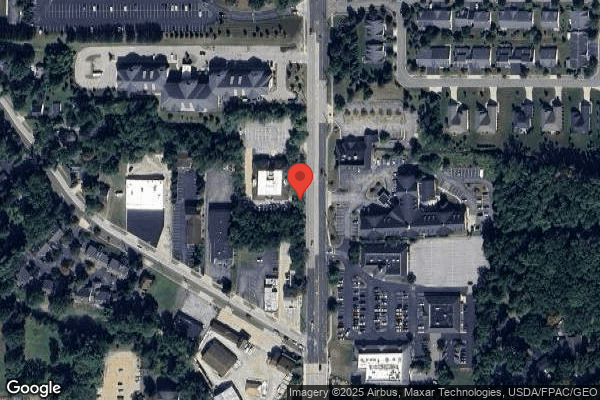
8757 BRECKSVILLE ROAD, BRECKSVILLE, OH 44141 (440) 546-0643
For profit - Limited Liability company 80 Beds SABER HEALTHCARE GROUP Data: November 2025
Trust Grade
68/100
#310 of 913 in OH
Last Inspection: January 2025

Within standard 12-15 month inspection cycle. Federal law requires annual inspections.

Overview

Oaks of Brecksville has a Trust Grade of C+, indicating it is slightly above average, but not without its concerns. In Ohio, it ranks #310 out of 913, placing it in the top half of facilities, and #28 of 92 in Cuyahoga County, meaning there are only a few better local options. Unfortunately, the facility's trend is worsening, as issues increased from 1 in 2024 to 5 in 2025. Staffing is a weakness here, with a rating of 2 out of 5 stars and a 52% turnover rate, which is near the state average, suggesting staff may not stay long enough to build strong relationships with residents. Additionally, the facility has faced some serious incidents, such as failing to provide necessary wound care for a resident, leading to an infection, and a resident being improperly secured during transport, resulting in an injury. While there are strengths like a good quality measures rating of 5 out of 5 stars, the combination of serious incidents and staffing concerns should be carefully considered by families researching this nursing home.

Trust Score
C+
68/100
In Ohio
#310/913
Top 33%
Safety Record
Moderate
Needs review
Inspections
Getting Worse
1 → 5 violations
Staff Stability
⚠ Watch
52% turnover. Above average. Higher turnover means staff may not know residents' routines.
Penalties
⚠ Watch
$8,057 in fines. Higher than 89% of Ohio facilities, suggesting repeated compliance issues.
Skilled Nurses
○ Average
Each resident gets 35 minutes of Registered Nurse (RN) attention daily — about average for Ohio. RNs are the most trained staff who monitor for health changes.
Violations
○ Average
9 deficiencies on record. Average for a facility this size. Mostly minor or procedural issues.
★★★★☆
4.0
Overall Rating
★★☆☆☆
2.0
Staff Levels
★★★★★
5.0
Care Quality
★★★☆☆
3.0
Inspection Score
Stable
2024: 1 issues
2025: 5 issues

The Good

  • 5-Star Quality Measures · Strong clinical quality outcomes
  • Full Sprinkler Coverage · Fire safety systems throughout facility
  • No fines on record

Facility shows strength in quality measures, fire safety.

The Bad

Staff Turnover: 52%

Near Ohio avg (46%)

Higher turnover may affect care consistency

Federal Fines: $8,057

Below median ($33,413)

Minor penalties assessed

Chain: SABER HEALTHCARE GROUP

Part of a multi-facility chain

Ask about local staffing decisions and management

The Ugly 9 deficiencies on record

2 actual harm
Jul 2025 2 deficiencies 1 Harm
SERIOUS (G) 📢 Someone Reported This

A family member, employee, or ombudsman was alarmed enough to file a formal complaint

Actual Harm - a resident was hurt due to facility failures

Quality of Care (Tag F0684)

A resident was harmed · This affected 1 resident

**NOTE- TERMS IN BRACKETS HAVE BEEN EDITED TO PROTECT CONFIDENTIALITY** THE FOLLOWING DEFICIENCY REPRESENTS AN INCIDENT OF PAST NON-COMPLIANCE THAT WAS SUBSEQUENTLY CORRECTED PRIOR TO THIS SURVEY. Bas...

Read full inspector narrative →
**NOTE- TERMS IN BRACKETS HAVE BEEN EDITED TO PROTECT CONFIDENTIALITY** THE FOLLOWING DEFICIENCY REPRESENTS AN INCIDENT OF PAST NON-COMPLIANCE THAT WAS SUBSEQUENTLY CORRECTED PRIOR TO THIS SURVEY. Based on closed medical record review, review of hospital discharge paperwork, facility policy review and interview, the facility failed to ensure wound care orders were transcribed and implemented per physician's orders to promote healing and prevent infection for a surgical wound Resident #81 had upon admission to the facility. Actual Harm occurred on 05/26/25 when staff identified Resident #81 had not been provided wound care treatments to a surgical wound to the resident's back resulting in the infection. Resident #81 had been admitted on [DATE] with a dehisced surgical wound to the lower back and orders for wound care that were not implemented for six days (until 05/26/25). As a result, Resident #81's surgical wound was observed with purulent drainage (thick, malodorous wound drainage that is indicative of infection) and the presence of slough (dead, non-viable tissue, formed when cells in the wound bed die and accumulate, which impedes wound healing) in the wound bed. The resident was placed on an oral antibiotic on this date to treat the infection. On 05/30/25 the resident was assessed to be lethargic and was transferred to the hospital. The resident did not return to the facility. This affected one resident (#81) of three residents reviewed for wound care. The facility census was 75. Findings include: Review of Resident #81's closed medical records revealed an admission date of 05/21/25. Resident #81 had diagnoses including stable burst fracture of the fifth lumbar vertebra and uterine cancer. Resident #81 was transferred to a local hospital on [DATE] and did not return to the facility. Review of Resident #81's hospital discharge paperwork dated 05/21/25 revealed an order to cleanse Resident #81's right lower back surgical wound with vashe (antiseptic wound cleanser), apply aquacel AG advanced (an antimicrobial dressing with silver, commonly used on wounds that are infected or at risk to become infected), and cover with a mepilex (foam border dressing) daily and as needed . The resident was not on any antibiotic therapy upon admission to the facility. Review of an admission report sheet dated 05/21/25 authored by Registered Nurse (RN) #225 revealed Resident #81 had a surgical incision that had dehisced (incision that had opened after surgery). Review of an admission observation entry dated 05/21/25 authored by RN #225 revealed Resident #81 had a lumbar surgical dehisced wound. Review of Resident #81's physician's orders in the electronic medical record revealed an order dated 05/22/25 to keep the resident's lumbar surgical site clean and dry. The order further stated the site may be covered with a dry dressing and to monitor the site for signs and symptoms of infection once daily. Review of the Medication Administration Record (MAR) dated May 2025 revealed Resident #81's order dated 05/22/25 to keep the lumbar surgical site clean and dry was signed off as completed by nursing staff from 05/22/25 to 05/26/25. Review of the care plan dated 05/22/25 revealed Resident #81 was at risk for skin breakdown. Interventions included to report any signs of red or broken areas. An update to the care plan dated 05/27/25 revealed Resident #81 had an infection and was on antibiotic therapy. Interventions included to monitor the resident's skin site for infection. Review of the Minimum Data Set (MDS) assessment dated [DATE] revealed Resident #81 had intact cognition and was dependent on staff for toileting, bathing, and personal hygiene. The assessment revealed Resident #81 was incontinent of bowel and bladder. Review of a progress note dated 05/26/25 timed 4:28 P.M. authored by RN #259 revealed she had entered Resident #81's room and a malodor was detected. RN #259 had assessed Resident #81 and had observed Resident #81's lumbar wound dressing was saturated with a serous (thin, watery wound drainage) and purulent drainage. The progress note further stated RN #259 obtained orders from Resident #81's hospital paperwork, changed Resident #81's dressing, and had placed the wound treatment orders in Resident #81's medical records. RN #259 contacted the nurse practitioner to inform of the malodorous and pale yellow tissue in the wound and had received orders to administer doxycycline (an antibiotic) 100 milligrams (mg) twice a day for seven days . Review of Resident #81's physician's orders in the electronic medical record revealed orders dated 05/26/25 to cleanse the wound to Resident #81's lumbar spine with vashe, apply aquacel AG advanced, and cover with a bordered dressing and for doxycycline 100 mg twice daily for 7 days for a lumbar spine wound. There was no evidence a culture had been ordered prior to initiating antibiotic therapy to determine if the ordered antibiotic was appropriate for Resident #81's infection. Review of a wound observation dated 05/28/25 authored by Licensed Practical Nurse (LPN) #280 revealed to irrigate Resident #81's lumbar wound with normal saline, apply a Dakins solution (an antiseptic used to clean and disinfect wounds and to help prevent and treat topical infections), and cover with a clean dry dressing daily and as needed. Further review of wound observation record revealed the wound measured 14 centimeters (cm) in length and 4.5 cm in width. The wound was open and noted to have sanguineous (bloody) drainage. The surgical wound was noted to have slough covering 90% of the wound bed. Review of a progress note dated 05/30/25 time 3:04 P.M. authored by RN #259 revealed she had entered Resident #81's room to administer afternoon medications and observed Resident #81 lethargic and unable to follow commands or answer questions without being re-directed several times. RN #259 contacted the nurse practitioner who gave orders to transfer Resident #81 to the emergency room for evaluation. The resident did not return to the facility after being transferred to the hospital. Interview on 06/24/25 at 11:45 A.M. with RN #259 revealed when she entered Resident #81's room to provide routine care on 05/26/25 she had observed a foul odor and began attempting to locate the source of the odor. RN #259 stated upon assessment, she observed a dressing to Resident #81's lumbar area that was dated 05/21/25 and was saturated with purulent drainage. RN #259 stated she had attempted to locate physician orders to perform the wound care and stated there were no orders in place at that time. RN #259 stated she located Resident #81's hospital admission paperwork dated 05/21/25 and performed the dressing change according to the hospital orders. RN #259 additionally stated she then placed the wound care orders in Resident #81's electronic medical record. RN #259 further stated Resident #81's lumbar wound appeared to be infected, and she contacted the facility's nurse practitioner who had ordered oral antibiotics. RN #259 stated after 05/26/25, she did not work for a few days and upon her return (on 05/30/25) she had noted Resident #81 appeared lethargic and was not responding to her normally. RN #259 stated she had contacted the nurse practitioner and had received orders to send Resident #81 to the hospital for evaluation. RN #259 stated she had discussed the issue with Resident #81's dressing change orders with Regional Registered Nurse (RRN) #304. Interview on 06/25/25 at 11:50 A.M. with LPN #280 revealed she was the facility's wound nurse. LPN #280 stated she had not been made aware Resident #81 had a wound until 05/28/25, and stated she had assessed and measured the area at that time. LPN #280 noted the presence of significant slough in the wound bed and implemented new treatment orders for Resident #81's lumbar surgical wound. LPN #280 denied being aware of any concerns regarding Resident #81 prior that 05/28/25. Interview on 06/25/25 at 12:35 P.M. with RRN #304 revealed she had reviewed Resident #81's progress note from 05/26/25 authored by RN #259 and stated she began an investigation. RRN #304 confirmed Resident #81's treatment order on her hospital discharge paperwork dated 05/21/25 was not transcribed and implemented until 05/26/25 (five days after admission), despite licensed staff documenting daily the resident's lumbar surgical site was clean and dry . RRN #304 stated she implemented corrective action that included re-education, wound care order and observation audits, and chart reviews for accurate and timely physician orders. Review of the facility policy titled Skin and Wound Care Guidelines revised 10/2015 revealed the admitting nurse would be responsible for obtaining the initial treatment orders. The cardinal rule for an open wound was to keep the exposed tissue moist and the surrounding intact skin dry. The dressing should be maintained as clean, dry and intact to all open wounds. If the dressing was saturated or the dressing is not dry and intact, the policy noted the dressing should be changed. The deficient practice was corrected on 05/28/25 when the facility implemented the following corrective actions: - On 05/26/25, Resident #81's physician was notified of the wound care transcription error and correct wound care orders were obtained and input into the resident's record. - On 05/26/25, the Director of Nursing (DON) performed a head-to-toe assessments on all residents with no negative findings. All areas of skin impairment had an appropriate physician's order for treatment. - On 05/26/25, the DON completed all residents' records for accuracy of transcribed orders for residents who were newly admitted to the facility between 05/21/25 and 05/26/25. There were no additional medication or treatment orders missing or inaccurately transcribed. - Between 05/26/25 and 05/28/25, the DON educated all nurses on accurate transcription of medication and treatment orders. Any new staff would be educated upon hire on the proper order transcription during the orientation process by the DON. - On 05/26/25, the DON or designee began ongoing chart audits of residents' medication and/or treatment orders. The audits consisted of reviewing new orders for accurate transcription five times weekly, for a duration of one month. The results of the audits would be reviewed in the facility's Quality Assurance Performance Improvement (QAPI) meetings. The audits were completed on 06/25/25. - On 05/26/25, the DON or designee began ongoing observational audits of wound care to ensure treatments were completed per physicians' order and utilizing appropriate technique on three residents, five times weekly, for a duration of one month. The results of the audits would be reviewed in the facility's QAPI meetings. The audits were completed on 06/25/25. - On 05/28/25, a QAPI meeting was held to discuss the incident with Resident #81's wound and the subsequent audits, facilitated by the Administrator. In attendance were the Administrator, DON, Medical Director, Social Worker #275, Maintenance Director #274, MDS Nurse #258, and Admissions Director #263. There were no additional concerns identified and no additional recommendations during the QAPI meeting. This deficiency represents non-compliance investigated under Complaint Number OH00166423.
CONCERN (E) 📢 Someone Reported This

A family member, employee, or ombudsman was alarmed enough to file a formal complaint

Potential for Harm - no one hurt, but risky conditions existed

Deficiency F0602 (Tag F0602)

Could have caused harm · This affected multiple residents

**NOTE- TERMS IN BRACKETS HAVE BEEN EDITED TO PROTECT CONFIDENTIALITY** THE FOLLOWING DEFICIENCY REPRESENTS AN INCIDENT OF PAST NON-COMPLIANCE THAT WAS SUBSEQUENTLY CORRECTED PRIOR TO THIS SURVEY. Bas...

Read full inspector narrative →
**NOTE- TERMS IN BRACKETS HAVE BEEN EDITED TO PROTECT CONFIDENTIALITY** THE FOLLOWING DEFICIENCY REPRESENTS AN INCIDENT OF PAST NON-COMPLIANCE THAT WAS SUBSEQUENTLY CORRECTED PRIOR TO THIS SURVEY. Based on interview, review of self-reported incidents (SRI), review of facility incident log, review of a local police report, review of Board of Nursing (BON) records, review of Board of Pharmacy records, and review of facility investigations, the facility failed to ensure residents were free from misappropriation. This affected five residents (#11, #29, #37, #41, and #85) out of five residents reviewed for potential misappropriation. The facility census was 75. Findings include: Review of the facility's incident log for February 2025 revealed there had been possible controlled medication misappropriation for Residents #11, #29, #37, #41, and #85. Review of a police report dated [DATE] timed 11:58 A.M. revealed the facility had notified the police that 13 bottles of morphine solution and one Fentanyl (narcotic pain patch) were reported as missing. Upon police arrival, the former Administrator stated on [DATE] at approximately 12:00 P.M., the former Director of Nursing (DON) was vomiting inside the nursing office, appeared to have been under the influence, and had been taken home by an employee. On [DATE] at approximately 10:30 A.M. the former Administrator had requested the DON come into the facility. Upon the DON's arrival at the facility, she informed the DON there was reasonable suspicion (for substance use) based on her behaviors the prior day, and she would need to submit to a urine drug screen on-site at the facility. The DON complied, and the results of the rapid urine drug screen revealed a positive result was returned for morphine, oxycodone (a narcotic pain medication), and benzodiazepines (a class of anti-anxiety medications). The DON was made aware of the positive result and her employment was suspended at that time. During the suspension the Administrator and Regional Registered Nurse (RRN) #304 conducted an audit of the controlled substance narcotic drawer in the DON's office and discovered empty morphine boxes and narcotic count sheets that were missing the medications themselves. It was determined the [NAME] was the only staff member who had keys to the office where the medications were kept. The police report further stated a follow up call was placed to the police by the Administrator on [DATE] at 9:20 A.M. and the local police had been advised of additional discrepancies that were discovered after the initial report. The report noted the DON was noted to be enrolled at a treatment facility out of state. The police report noted the DON's employment with the facility was terminated on [DATE] with reasons including failed drug screen and theft-misappropriation. The police report referenced files provided by the former Administrator to the local police department via subpoena which revealed missing narcotics from 2023 to 2025, which included in 2023 there were 122 unspecified missing items, in 2024 there were 244 unspecified missing items, and in 2025 there were 55 unspecified missing items. The report further identified that between 2023 and 2025, there were 184 missing doses of oxycodone, 97 missing doses of Tramadol (a narcotic pain medication), and 54 missing doses of morphine. The police report referred to an interview conducted with the former DON on [DATE] which stated a friend had provided her with narcotics, which had then turned into abuse. The DON referenced the availability of narcotics at work and admitted to theft of oxycodone, morphine, and tramadol with the DON having stated she preferred oxycodone. The former DON stated she had obtained the medications from non-active orders from residents and stated she had abused medications at home but denied being impaired at work. The former DON admitted she had falsified destruction records while reporting them to the pharmacy that the destructions had been completed. Review of an email sent from the former DON to the former Administrator dated [DATE] timed 11:57 A.M. revealed on [DATE], the former DON had claimed she was ill; however, it was not related to taking any sort of narcotics. The DON confirmed she had taken narcotics when a resident had been discharged or no longer had an active order and denied taking any medications from active residents. Review of a facility Self-Reported Incident (SRI) dated [DATE] revealed the prior Administrator discovered potential misappropriation by the former Director of Nursing (DON). The SRI noted that on [DATE], a possible instance of drug diversion of Resident #11's morphine sulfate solution (a narcotic pain medication) was identified. The SRI noted the controlled substance record and an empty box of morphine (without the medication itself) was discovered in the former DON's office. Upon further review, the morphine had not been documented as being destroyed per protocol. During the investigation, additional concerns for diversion were identified for four additional residents (#29, #37, #41, and #85), where controlled substance records and controlled substances packaging were located in the former DON's office without the medications themselves. The conclusion of the facility's SRI had a disposition of unsubstantiated due to evidence being inconclusive, but that misappropriation was suspected. Review of a Board of Pharmacy Investigation dated [DATE] revealed the former DON was hired on [DATE]. The investigation stated the former DON had removed discontinued medication cards, deceased residents' medication cards, or discharged residents' medication cards. There was no set schedule as to when the former DON would remove discharged residents' or discontinued medication cards from the medication carts. The investigation noted the DON had signed the shift-to-shift count sheets with another nurse when medication cards were removed from the medication carts, and the pharmacy had requested the drugs to be destroyed within 30 days of removal from the medication carts. The facility was under the impression the pharmacy had been checking the drug destruction logs quarterly to ensure the destruction was completed properly. The investigation revealed a lack of documentation for the drug destruction logs, as the logs were only signed by the former DON and lacked a witness of the medication destruction. At the time of inspection by the Board of Pharmacy, 80 bottles of morphine, 186 medication cards of oxycodone, 21 medication cards of hydrocodone (a narcotic pain medication), 103 cards of Tramadol, and 67 other unspecified controlled substances were suspected to have been diverted due to lack of destruction documentation. Review of the board action by the Ohio Board of Nursing dated [DATE] revealed the former DON's license was suspended as she admitted to diverting and self-administering a lot of controlled substances over approximately the last year while employed as the facility's DON. The board action included the former DON's confirmation that she had falsely notified the pharmacy that medications were destroyed and that she had diverted resident medications for her own personal gain. An interview on [DATE] at 2:12 P.M. with RRN #304 revealed she had been made aware of suspicions of the DON being impaired while working at the facility in February 2025. RRN #304 stated the former Administrator had called her and stated on [DATE], the former DON was observed to have been vomiting in her office, her speech was slurred, and she was unsteady while standing. RRN #304 advised the former Administrator to contact the Human Resources (HR) department for further guidance. RRN #304 stated the DON had returned to the facility the following day ([DATE]), submitted to a urine drug test which came back positive for morphine and other controlled substances. RRN #304 stated the former DON was immediately placed on a suspension and an investigation began. RRN #304 stated the facility had immediately contacted the local police, the nursing board, and the pharmacy board who also began investigations. RRN #304 stated she and the former Administrator observed multiple empty medication cards of tramadol, oxycodone, and empty boxes of morphine. RRN #304 stated during the investigation, the DON may have been taking narcotics since sometime in 2023. RRN #304 stated there had not been any prior suspicions of the DON being under the influence or diverting medications prior to February 2025. RRN #304 stated the facility had not identified or reported any discrepancies related to narcotics. Review of the facility policy titled Disposal of Medications revised [DATE] revealed the facility should destroy controlled substances in the presence of a Registered Nurse and another licensed professional. Controlled medications should be documented on the controlled medication count sheet by the Registered Nurse and witnessed by a licensed professional. The destruction process should include recording the quantity destroyed, date of destruction, and signature of both the Registered Nurse and licensed professional on a medication disposition/destruction form or on the Omniview drug destruction application. The facility should dispose of discontinued medications left in the facility after a resident has been discharged or deceased in a timely manner, no more than 90 days after the date the medication was discontinued. Review of the facility policy titled Ohio Resident Abuse Policy revised [DATE] revealed the facility will not tolerate abuse, neglect, mistreatment, exploitation of residents, and misappropriation of resident property by anyone. The policy defined misappropriation as the deliberate misplacement, exploitation, or wrongful, temporary, or permanent use of a resident's belongings or money without the resident's consent. In the case of staff-to-resident abuse, neglect, involuntary seclusion, or misappropriation of resident property, the facility will follow facility's procedure for disciplining or dismissing an employee depending on the circumstances and results of the investigation. The facility will report the results of the investigation to the appropriate licensing agencies and registries in accordance with the law. The deficient practice was corrected on [DATE] when the facility implemented the following corrective actions: - On [DATE] at 10:45 A.M., the former DON submitted to an on-site urine drug screen. The urine drug screen came back positive for morphine, oxycodone, and benzodiazepines. - On [DATE] at 11:00 A.M., the former DON was suspended pending the outcome of the investigation by RRN #304. - On [DATE], the pharmacy and the local police department were notified by RRN #304. - On [DATE], the facility's Medical Director was notified by the former Administrator. - On [DATE], RRN #304 audited all current narcotic count sheets. The audits consisted of ensuring narcotics were appropriately secured, accounted for, and doses were signed off on the controlled substance records and recorded on the Medication Administration Record (MAR). There were no additional concerns identified. - On [DATE], RRN #304 completed an audit of all four facility medication carts to ensure medications were appropriately secured and accounted for. There were no negative findings. - On [DATE], an ad hoc Quality Assurance Performance Improvement (QAPI) meeting was held with the interdisciplinary team to discuss the drug diversion by the former DON. - On [DATE], RRN #304 completed an audit of prior narcotic destruction logs with identified concerns. The concerns were appropriately communicated to the pharmacy and local law enforcement as part of an ongoing investigation by RRN #304. - On [DATE] and again on [DATE], RRN #304 educated the new DON and Assistant Director of Nursing (ADON) on the facility's disposal and destruction of expired or discontinued controlled medications procedures. - On [DATE], RRN #304 and designees completed interviews with all interviewable residents to ensure residents were receiving their medications, including pain medications, as ordered. There were no negative findings. - On [DATE], RRN #304 completed interviews with all interviewable residents on quality of care and services and abuse, neglect, and misappropriation. There were no identified concerns. - On [DATE], RRN #304 and designees physically assessed all non-interviewable residents. The residents were assessed for verbal and/or nonverbal reports of pain with no negative findings. There were no concerns for abuse, neglect, or misappropriation. - On [DATE], RRN #304 and designees completed staff interviews regarding medication storage and administration processes. There were no concerns identified. - On [DATE], RRN #304 and designee educated all licensed nurses on proper destruction of controlled substances, drug diversion, ensuring narcotic count sheets matched quantity on hand and administration record, shift-to-shift narcotic count procedures, and the facility's policy on abuse, neglect, and misappropriation. Ongoing education would be provided to newly hired nurses by the DON or designee. - On [DATE], RRN #304 educated the facility's consultant pharmacist on auditing facility disposal and destruction of expired or discontinued controlled medications. - Beginning on [DATE], the new DON or designee conducted random audits of narcotic sheets to ensure there were no concerns for drug diversion weekly for four weeks, then monthly for two months. The results of the audits would be reported to the facility's QAPI committee for further review and recommendations. - Beginning on [DATE], the new DON or designee conducted interviews with five residents who received narcotic medications to ensure they received their medications appropriately weekly for four weeks, then monthly for two months. The results of the audits would be reported to the facility's QAPI committee for further review and recommendations. - Beginning on [DATE], the Administrator or designee monitored the narcotic drawer in the new DON office to ensure controlled substance destruction was completed timely weekly for four weeks, then monthly for two months. The results of the audits would be reported to the facility's QAPI committee for further review and recommendations. - On [DATE], the consultant pharmacist was present at the facility and destroyed all controlled substances per protocol. - The former DON was formally terminated from employment on [DATE]. This deficiency represents non-compliance investigated under Master Complaint Number OH00166891.
Jan 2025 3 deficiencies
CONCERN (D)

Potential for Harm - no one hurt, but risky conditions existed

Deficiency F0578 (Tag F0578)

Could have caused harm · This affected 1 resident

**NOTE- TERMS IN BRACKETS HAVE BEEN EDITED TO PROTECT CONFIDENTIALITY** Based on record review, interview and facility policy review, the facility failed to ensure advance directive orders were consis...

Read full inspector narrative →
**NOTE- TERMS IN BRACKETS HAVE BEEN EDITED TO PROTECT CONFIDENTIALITY** Based on record review, interview and facility policy review, the facility failed to ensure advance directive orders were consistent across electronic and paper medical records. This affected two residents (#13 and #225) out of 29 resident records reviewed. Facility census was 74. Findings include: 1. Review of Resident #13's medical record revealed an admission date of 12/04/23 and diagnoses including cardiomyopathy, cerebra infarction due to thrombosis of right posterior cerebral artery, left bundle-branch block, dementia with psychotic disturbance and type two diabetes. Review of Resident #13's quarterly Minimum Data Set (MDS) 3.0 assessment dated [DATE] revealed Resident #13 was cognitively intact, required set-up for eating and oral hygiene and required partial/moderate assistance for showering/bathing. Review of Resident #13's electronic medical record (EMR) revealed in a green-highlight across the top of the screen that Resident #113 had an advance directive of full code. Review of a physician's orders as of 01/21/25 revealed no order could be located for an advance directive. Review of a care plan dated 03/19/24 and revised 12/10/24 revealed Resident #113 had chosen an advance directive of Do Not Resuscitate Comfort Care Arrest (DNRCCA). Review of Resident #113's paper medical record revealed multiple sheets indicating she was to receive full measures and had an advance directive of full code. Interview on 01/21/25 at 4:10 P.M. with the Director of Nursing (DON) verified Resident #13 had an advance directive of full code in her paper chart, did not have an order for any advance directive in her electronic medical record and had a care plan for an advance directive of DNRCCA. The DON indicated an order was to be in place specifying the resident's chosen advance directive and confirmed the paper chart, care plan and EMR did not match as required. 2. Review of Resident #225's medical record revealed an admission date of 01/09/25 and diagnoses including constipation, Parkinson's disease, chronic kidney disease, hypertension, anxiety, unspecified severe protein-calorie malnutrition and low back pain. Review of Resident #225's 5-day MDS 3.0 assessment dated [DATE] revealed Resident #225 had moderate cognitive impairment, was dependent on staff for bathing and toileting and required substantial assistance for upper body dressing and putting on/taking off shoes. Review of Resident #225's EMR revealed in a red-highlight across the top of the screen that Resident #225 had an advance directive of DNRCCA/Do Not Intubate (DNI). Review of a physician's order dated 01/09/25 revealed Resident #225 had an advance directive of DNRCCA/DNI. Review of a care plan dated 01/09/25 revealed Resident #225 had chosen an advance directive of DNRCCA/DNI. Review of Resident #225's paper medical record revealed no evidence of an advance directive could be located. Review of a hospital discharge summary revealed Resident #225 was a DNRCCA/DNI at the hospital but no formal advance directive was noted in the hospital documentation. Interview on 01/21/25 at 4:10 P.M. with the DON verified no written DNR form could be found in Resident #225's chart. The DON indicated the facility process surrounding advance directives included nurses putting the advance directive form in the paper chart, putting an order in in the EMR and then she would get a paper copy of the advance directive form to get signed by the physician. Review of the policy, Advanced Directives Protocol, no date, did not address how advanced directives were to be documented. Review of the facility policy, Advance Care Planning Meeting Protocol, revised 10/01/23 revealed in the event there are legal documents to be obtained, the patient, family and facility staff will coordinate as a team to obtain such documents and place in the clinical record. Results of the advanced care planning will be communicated to the resident's care providers and documented in the medical record.
CONCERN (E)

Potential for Harm - no one hurt, but risky conditions existed

Deficiency F0761 (Tag F0761)

Could have caused harm · This affected multiple residents

**NOTE- TERMS IN BRACKETS HAVE BEEN EDITED TO PROTECT CONFIDENTIALITY** Based on observation, record review, and interview, the facility failed to ensure insulin multi-dose syringe pens were labeled a...

Read full inspector narrative →
**NOTE- TERMS IN BRACKETS HAVE BEEN EDITED TO PROTECT CONFIDENTIALITY** Based on observation, record review, and interview, the facility failed to ensure insulin multi-dose syringe pens were labeled appropriately with resident identifiers and open dates, and failed to ensure medications were properly stored and secured. These findings affected five (Resident #13, #26, #46, #49, and #50) of eight residents reviewed for medication storage and administration. The total census was 74. Findings include: 1. Observation of Registered Nurse (RN) #533 on 01/21/25 at 8:49 A.M. during a medication administration procedure for Resident #13 revealed the resident had a multi-dose injection pen of Soliqua (a combination medication of insulin Glargine and Lixisenatide) in the [NAME] Northwest medication cart with no open date indicated on the pen or container. Observation of the [NAME] Northwest medication cart following the above observation revealed Resident #50's insulin Lispro and insulin Glargine (Lantus) pens had no open date, Resident #49's insulin Glargine pen had no open date, and two pens of insulin Glargine and Lispro had no name and were labeled B.H. One of these pens had no open date, the other had an open date of 12/02/24. Interview with RN #533 on 01/21/25 confirmed the above findings at the time of observation. She said the insulin pens for B.H. belonged to Resident #46 as they matched her initials. Record review of the facility pharmacy storage recommendations for injectable diabetes medications revealed insulin Lispro, Lantus, and Soliqua were to be only stored for 28 days after opening or when kept at room temperature. 2. Review of the medical record for Resident #26 revealed an admissions date of 10/26/22 with diagnoses including diabetes and hypertension. Review of the physician's orders for January 2025 revealed Resident #26 had an order for Levetiracetam 100 milligrams (mg) per milliliter (mL), administer five mL twice a day for seizures dated 01/27/24. There was no indication the resident could keep medication at bedside or self-administer medication. Observation on 01/21/25 at 9:04 A.M. revealed Resident #26 had a medication cup with five mL of clear liquid in it sitting on a stand by her wheelchair. She stated it was medication and the nurse had forgotten to give it to her when he was in the room. Interview on 01/21/25 at 9:06 A.M. with Licensed Practical Nurse (LPN) #529 verified he had left Resident #26's Levetiracetam in a cup on her stand and forgotten to give it to her. He stated she was not able to administer her own medication. Review of the facility policy titled, General Dose Preparation and Medication Administration, dated 01/01/13, revealed facility staff should not leave medications unattended.
CONCERN (E)

Potential for Harm - no one hurt, but risky conditions existed

Infection Control (Tag F0880)

Could have caused harm · This affected multiple residents

**NOTE- TERMS IN BRACKETS HAVE BEEN EDITED TO PROTECT CONFIDENTIALITY** Based on observation, interview, and record review, the facility failed to ensure glucometer devices were sanitized appropriatel...

Read full inspector narrative →
**NOTE- TERMS IN BRACKETS HAVE BEEN EDITED TO PROTECT CONFIDENTIALITY** Based on observation, interview, and record review, the facility failed to ensure glucometer devices were sanitized appropriately between resident use and isolation precautions were maintained appropriately. This affected three residents (Resident #13, #48, and #58) out of seven residents observed for infection control and had the potential to affect all 74 residents residing in the facility. Findings include: 1. Observation of Registered Nurse (RN) #533 on 01/21/25 at 8:49 A.M. during a medication administration procedure for Resident #13 revealed RN #533 used and Assure Prism Multi glucometer to test Resident #13's blood glucose. Following the procedure she wiped the glucometer with alcohol swabs and continued her medication pass. Interview with RN #533 on 01/21/25 at 9:15 A.M. confirmed the above findings. She said she normally disinfected glucometers with bleach or sanitizer wipes but they were currently on-order. Record review of the Assure Prism Multi manufacturer instruction manual revealed the device was to be disinfected after each use by one of a specific list of disinfectants approved for use with the device. This list did not include alcohol swabs. The manual further revealed that blood glucose meters were at high risk of becoming contaminated with bloodborne pathogens such as Hepatitis C and that disinfection of meters between residents could prevent transmission through indirect contact. 2. Review of the medical record for Resident #57 revealed an admission date of 01/24/23 with an admitting diagnosis of intervertebral disc disorders with myelopathy, thoracic region, flaccid neuropathic bladder, heart failure, atrial fibrillation, hypertension, and cystitis with hematuria. Review of the quarterly Minimum Data Set assessment dated [DATE] revealed Resident #57 was cognitively intact. The resident was dependent on assistance from staff for a majority of the activities of daily living. Review of the nursing progress notes dated 01/10/25 and timed 15:59 revealed Resident #57 was having complaints of pain when urinating. The resident's tip of his penis as red and open. The resident was repositioned with an order for urinalysis culture and sensitivity, complete blood count with differential, and basic metabolic panel. Review of Resident #57 current physician orders identified an order dated 01/18/25 for Isolation/ Transmission- Based Precautions Contact Precautions (TBP)/ Isolation related to extended- spectrum beta-lactamase (ESBL) in urine., and an order dated 01/21/25 for Cefepime (antibiotic) 1 gram to be administered via intravenous twice daily for seven days for ESBL in urine. Review of the plan of care dated 01/19/25 revealed Resident #57 had was on intravenous (IV) medications related to ESBL. Interventions included transmission-based precautions as ordered, including enhanced Barrier precautions. Observation on 01/21/25 at 11:40 AM of Licensed Practical Nurse (LPN) #529 entered into resident room with no gown on to assess Resident #57 IV and the pump which was alarming. Interview on 01/21/25 at 11:42 AM with LPN #529 revealed that he disconnected the IV infusion from Resident #57 as it was complete. LPN #529 stated he was leaving the room to obtain a cap to cover the entrance of the IV which was in the left peripheral forearm of the resident. LPN #529 confirmed the TBP signage outside of the door and admitted that he wasn't wearing the proper personal protective equipment (PPE) per the signage. Review of the facility signage provided for residents who were on TBP revealed those entering resident rooms were to put on a gown and gloves before entry into the room and discard prior to room exit. Review of the facility document titled Transmission- Based Precautions and Isolation, last revision dated 04/15/24, revealed contact precautions were intended to prevent transmission of infectious agents which were spread by direct or indirect contact with the resident or resident environment. The document further stated organisms could be spread by contact with the person or contaminated surfaces. 3. Resident #48 was admitted on [DATE] with diagnoses that included unspecified heart failure, contact with and (suspected) exposure to other viral communicable diseases, anemia, hydronephrosis with renal and ureteral calculous obstruction, unspecified atrial fibrillation, obstructive and reflux uropathy, and major depressive disorder. A review of progress notes from the past month showed that the resident began to feel ill on 01/10/25 at 03:35 A.M. with symptoms of her mouth feeling dry, a temperature of 99.1 degrees temporal. Orders were received for blood work and urine culture and sensitivity in the morning if indicated. Later on 01/10/25 at 11:52 A.M. the resident experienced nausea and vomiting. Labs and urinalysis results remained pending at that time, so the resident was administered Ceftriaxone (antibiotic) gram intramuscularly to be repeated daily for five days. Over the next six days antibiotics were adjusted while final results were pending. A progress note on 01/13/25 at 02:25 A.M. revealed the urine culture results demonstrated possible contamination. The nurse practitioner was notified and an order to change the foley catheter in the resident was received and another specimen to be obtained. The specimen was obtained 01/13/25 at 6:44 A.M. which demonstrated on 01/16/25 at 6:39 P.M. on the final urine culture results the positive Escherichia coli and Enterococcus faecalis growth which could be treated with the appropriate antibiotics to which the microbes were sensitive. Review of a urine culture report reported on 01/16/25 showed positive for Escherichia coli with a growth of greater than 100,000 CFU/milliliter and Enterococcus faecalis with a growth of 50-60,000 CFU/milliliter. This result required treatment with an antibiotic. The culture report also indicated the resident be placed in isolation or cohorted with other vancomycin-resistant enterococci carriers. A progress not on 01/18/25 at 6:45 A.M. verified that the resident was in contact isolation precautions. Review of Resident #48's active physician orders revealed the resident to be placed in contact precautions/isolation due to the ESBL in the urine. The resident was also ordered an antibiotic, Zosyn 3.378 grams/50 milliliters intravenously three times a day, along with a second antibiotic of Cipro 250 milligrams orally twice a day. Review of the care plan included areas of indwelling catheter with the goal of appropriate management to prevent infection. On 01/21/25 at 12:01 P.M. the resident was observed to be in contact precautions for Enterococcus faecalis. The room had an isolation cart outside of the room containing isolation supplies. A sign stating that the resident was in contact isolation precautions was also hanging on the wall next to the door of the room. On 01/22/25 at 08:58 A.M. Nursing Student #625 was observed entering the resident's room without donning gloves or gown. While in the room, the student was observed to be delivering the resident's breakfast tray and assisting with opening items on the tray. Nursing Student #625 worked right next to the bed from both sides assisting the resident. When the student left the room, hand sanitizer was applied. The isolation cart was outside of the room containing supplies and the sign from the previous day was still hanging in the same place as the previous day. Upon exit from the room on 01/22/25 at 08:58 A.M. after delivering and assisting with set up of the breakfast tray to the resident, Nursing Student #625 was interviewed. He verified that he entered the resident's room without gowning or gloving. He also verified that a sign for contact isolation precautions was hanging next to the door and that an isolation cart was also present with items inside of the cart. He stated that he was instructed by his instructor to function as a certified nursing assistant (CNA) today. Normally he would be following the nursing and observing procedure. He then stated that he did not need to wear isolation items since he was not performing patient care. He verified that he had been instructed by the facility regarding personal protective equipment and the various types of isolation precautions. Review of the sign placed outside of a room where contact precautions was listed revealed everyone entering the room of a resident in contact precautions should clean their hands before entering and when leaving the resident's room. Care providers and staff were also required to put on gloves and gown before entering and before exiting the room. The sign also identified the use of dedicated or disposable equipment for the resident and that reusable equipment had been cleaned and disinfected before use on another person. Signage indicated that the appropriate type of precautions along with the need to have visitors stop at the Nurses Station before entering was to be placed outside of the room. Transmission-based precautions were to remain in effect during the period of time the risk of transmission of the infectious agent persists. On 01/22/25 at 09:10 A.M. Licensed Practical Nurse #522 was interviewed. She also verified that a contact isolation sign was hanging next to the door and that an isolation cart was also present with items inside of the cart. She stated that she wanted to stop the student from entering the room since he entered without the proper donning of personal protective equipment. She verified that anytime a caregiver, including CNAs, enters a room that has precautions in place, the identified personal protective equipment needs to be applied. On 01/22/25 at 5:58 P.M. an order to discontinue contact isolation and continue enhanced barrier precautions for the foley catheter was obtained which was after the above cited break in contact isolation precautions. Review of the Transmission-Based Precautions and Isolation policy dated 04/15/24 revealed the precautions are used when discharges from the body that cannot be contained because of an increased potential for environmental contamination and risk of transmission of the pathogen. Personal protective equipment that is recommended includes gloves whenever touching the resident's intact skin or surfaces and articles in close proximity to the resident, and gowns whenever anticipating that clothing will have direct contact with the resident or potentially contaminated environmental surface or equipment in close proximity to the resident.
Aug 2024 1 deficiency
CONCERN (D) 📢 Someone Reported This

A family member, employee, or ombudsman was alarmed enough to file a formal complaint

Potential for Harm - no one hurt, but risky conditions existed

Safe Environment (Tag F0921)

Could have caused harm · This affected 1 resident

**NOTE- TERMS IN BRACKETS HAVE BEEN EDITED TO PROTECT CONFIDENTIALITY** 2. Review of Resident #75's medical record revealed the resident was admitted to the facility on [DATE] with diagnoses that incl...

Read full inspector narrative →
**NOTE- TERMS IN BRACKETS HAVE BEEN EDITED TO PROTECT CONFIDENTIALITY** 2. Review of Resident #75's medical record revealed the resident was admitted to the facility on [DATE] with diagnoses that included chronic obstructive pulmonary disease, type two diabetes, and atrial fibrillation. Review of the most recent MDS 3.0 assessment dated [DATE] revealed Resident #75 was cognitively intact and required hands on assistance of one staff person for completing activities of daily living. Review of the care plan dated 07/10/24 revealed Resident #75 was at risk for falls related to a right leg amputation with interventions that included a fall mat to the floor to the side of the bed. 3. Review of Resident #76's medical record revealed the resident was admitted to the facility on [DATE] with diagnoses that included brain aneurysm, dementia, epilepsy, and bipolar disorder. Review of the most recent MDS 3.0 assessment dated [DATE] revealed Resident #76 was moderately cognitively impaired and required hands on assistance for completing her activities of daily living. Review of the care plan dated 03/25/24 revealed Resident #76 was at risk for falls due to impaired cognition and impaired mobility. Review of the care plan interventions revealed a intervention for a mat to floor next to the bed. Observation on 08/26/24 at approximately 11:00 A.M. revealed both Resident #75 and Resident #76's mats used for fall interventions were not clean with various areas of brown and other colored substance on each of the mats. Additionally, Resident #75's mat had significant tears in the exterior. The Administrator verified the conditions of Resident #75 and Resident #76's mats in an interview on 08/26/24 at 11:00 A.M. This deficiency represents non-compliance investigated under Complaint Number OH00156493. Based on observation, medical record review, staff interview, and review of a facility policy, the facility failed to maintain resident care equipment in a clean and sanitary condition. This affected three (#4, #75, and #76) of three residents reviewed for environment. The census was 73. Findings include: 1. Review of the medical record for Resident #4 revealed an admission date of 03/16/24. Diagnoses included heart failure, chronic kidney disease, anxiety disorder, depression, and dysphagia. Review of the Minimum Data Set (MDS) 3.0 assessment dated [DATE] for Resident #4 revealed the resident had an intact cognition. Resident #4 required set and clean up assistance with eating. Resident #4 was dependent for all other activities of daily living. Observation during medication administration on 08/26/24 at 8:00 A.M. revealed Resident #4's power wheelchair was dirty. The right arm rest and controller were leaning over the side of the chair. The arm rest had dried food debris caked (approximately six inches in diameter) on the padding located on the top of the arm rest and on the frame/bracket below the arm rest. There was also dried food debris caked on the right front wheel and frame of the wheelchair. Interview on 08/26/24 at 8:05 A.M., with State Tested Nurse Aide (STNA) #100 verified the observation of Resident #4's power wheelchair and stated Resident #4 had behaviors including throwing food on floor and on the wheelchair. STNA #100 stated staff must clean Resident #4's wheelchair after every meal. STNA #100 also stated staff place a bag over the right arm rest to prevent food from getting on the chair. Review of the facility policy tilted, Cleaning and Disinfecting of Resident Care Equipment, dated 2024, lacked information directing staff on how and why to clean/sanitize resident wheelchairs.
Dec 2023 2 deficiencies
CONCERN (D)

Potential for Harm - no one hurt, but risky conditions existed

Deficiency F0554 (Tag F0554)

Could have caused harm · This affected 1 resident

**NOTE- TERMS IN BRACKETS HAVE BEEN EDITED TO PROTECT CONFIDENTIALITY** Based on observation, staff interview, resident interview, medical record review, and policy review, the facility failed to ensu...

Read full inspector narrative →
**NOTE- TERMS IN BRACKETS HAVE BEEN EDITED TO PROTECT CONFIDENTIALITY** Based on observation, staff interview, resident interview, medical record review, and policy review, the facility failed to ensure a resident was assessed for self-administration of medication and ensure medications were not left unattended at the resident's bedside. This affected one resident (#277) of one observed for unattended medications. The facility census was 72. Findings Include: Review of the medical record for Resident #277 revealed an admission date of 12/07/23 with diagnoses that included dependence on renal dialysis, end stage renal disease, and rheumatoid arthritis. Review of the Minimum Data Set (MDS) assessment dated [DATE] revealed Resident #277 had a Brief Interview for Mental Status (BIMS) score of 15 that indicated she was alert and oriented to person, place, and time. Further review of the MDS assessment revealed Resident #277 required assistance with activities of daily living (ADL). Review of the care plan dated 12/14/23 revealed Resident #277 had an ADL self-care deficit with interventions that included assistance with ADLs as needed. Review of the medical record revealed no assessments for self-administration of medications or no physician orders for medications to be left at the bedside. Observation and interview on 12/19/23 at 9:30 A.M. revealed Resident #277 in bed in her room, with a medication cup that contained two white colored pills, one yellow pill, one maroon/burgundy color pill, and one peach colored pill. The five pills were located on Resident #277's bedside table. Resident #277 revealed she informed Registered Nurse (RN) #567 that she would take them after she finished her breakfast. Observation and interview on 12/19/23 at 9:40 A.M. with RN #567 verified the five pills left at Resident #277's bedside. RN #567 revealed Resident #277's medications were not to be left unattended at her bedside and Resident #277 should have taken them in her presence. Review of the facility document titled General Dose Preparation and Medication Administration revised 01/01/23, revealed staff were to ensure medications were not left unattended and to observe the consumption of the medications.
MINOR (B)

Minor Issue - procedural, no safety impact

Transfer Notice (Tag F0623)

Minor procedural issue · This affected multiple residents

**NOTE- TERMS IN BRACKETS HAVE BEEN EDITED TO PROTECT CONFIDENTIALITY** 3. Review of the medical record for Resident #41 revealed an admission date of 10/29/21. Diagnoses for Resident #41 included but...

Read full inspector narrative →
**NOTE- TERMS IN BRACKETS HAVE BEEN EDITED TO PROTECT CONFIDENTIALITY** 3. Review of the medical record for Resident #41 revealed an admission date of 10/29/21. Diagnoses for Resident #41 included but were not limited to malignant neoplasm of oropharynx, fracture of other specified skull and facial bones, gastro-esophageal reflux disease, severe protein-calorie malnutrition, epilepsy, hypothyroidism, an anxiety disorder. Review of Resident #41's medical record revealed he was transferred to the hospital on [DATE], 01/17/23, 01/31/23, 06/09/23, and 07/04/23. Review of the medical record revealed no evidence the state ombudsman was notified of Resident #41's transfers to the hospital on [DATE], 01/31/23, 06/09/23, and 07/04/23. Review of the ombudsmen notification logs dated January 2023 through November 2023 revealed no documented notifications for Resident #41 for 12/26/22, 01/31/23, 06/09/23, and 07/04/23. Interview on 12/20/23 at 3:05 P.M. with Social Services Designee (SSD) #505 confirmed the above findings. 4. Review of the medical record for Resident #69 revealed an admission date of 09/11/23. Diagnoses included but were not limited to malignant neoplasm of liver and intrahepatic bile duct, malignant neoplasm of rectum, hypothermia, acidosis, acute kidney failure, atrial fibrillation, and depression. Review of Resident #69's medical record revealed he was transferred to the hospital on [DATE]. Review of the medical record revealed no evidence the state ombudsman was notified of Resident #69's transfers to the hospital on [DATE]. Review of the ombudsmen notification logs dated January 2023 through November 2023 revealed no documented notifications for Resident #69 for 10/02/23. Interview on 12/20/23 at 3:05 P.M. with Social Services Designee (SSD) #505 confirmed the above findings. Based on record review and staff interview the facility failed to ensure the state ombudsman was notified of resident transfers to the hospital and of discharges. This affected four residents (#23, #41, #54 and #69) of four residents reviewed for hospitalization. The facility census was 72. Findings Include: 1. Review of Resident #23's medical record identified admission to the facility occurred on 06/28/23, with medical diagnoses that included chronic obstructive pulmonary disease, methicillin resistant staphylococcus aureus infection, and hypertension. The record identified Resident #23 discharged home on [DATE] and subsequently admitted on [DATE], and then had transferred to the hospital on [DATE], 10/28/23 and 11/06/23. Review of the medical record revealed no evidence the state ombudsman was notified of Resident #23's discharge home on [DATE] and transfers to the hospital on [DATE], 10/28/23 and 11/06/23. Review of the ombudsman notification logs dated June, July, August, September, October, and November 2023 revealed no documented notifications for Resident #23 for 10/28/23 and 11/06/23. Interview on 12/20/23 at 3:05 P.M. with Social Services Designee (SSD) #505 confirmed the above findings. 2. Review of Resident #54's medical record identified admission to the facility occurred on 10/22/22, with medical diagnoses that included type 2 diabetes, anxiety and hyperlipidemia. The record identified Resident #54 transferred to the hospital on [DATE] and 10/06/23. Review of the medical record revealed no evidence the state ombudsman was notified of Resident #54's transfers to the hospital on [DATE] and 10/06/23. Review of the ombudsman notification logs dated June, July, August, September, October, and November 2023 revealed no documented notifications for Resident #54 for 09/12/23 and 10/06/23. Interview on 12/20/23 at 3:05 P.M. with Social Services Designee (SSD) #505 confirmed the above findings.
Jul 2023 1 deficiency 1 Harm
SERIOUS (G) 📢 Someone Reported This

A family member, employee, or ombudsman was alarmed enough to file a formal complaint

Actual Harm - a resident was hurt due to facility failures

Accident Prevention (Tag F0689)

A resident was harmed · This affected 1 resident

THE FOLLOWING DEFICIENCY REPRESENTS AN INCIDENT OF PAST NON-COMPLIANCE THAT WAS SUBSEQUENTLY CORRECTED PRIOR TO THIS SURVEY. Based on closed record review and staff interview the facility failed to en...

Read full inspector narrative →
THE FOLLOWING DEFICIENCY REPRESENTS AN INCIDENT OF PAST NON-COMPLIANCE THAT WAS SUBSEQUENTLY CORRECTED PRIOR TO THIS SURVEY. Based on closed record review and staff interview the facility failed to ensure Resident #70 was properly secured in the facility transportation van to prevent a fall with injury during transport. Actual harm occurred on 04/20/23 when Resident #70 sustained a head trauma/forehead laceration that required hospitalization and multiple stitches/sutures, after being thrown forward and coming into contact with a metal object while being transported to dialysis in the facility transport van. This affected one resident (#70) of three residents reviewed for falls and safe transport. The facility census was 69. Findings include: Review of Resident #70's closed medical record revealed an admission date of 04/10/23 with diagnoses including end stage renal disease, essential hypertension, anemia, and dependence on renal dialysis. Review of the care plan initiated on 04/11/23 revealed Resident #70 had a self-care deficit related to end stage renal disease, received dialysis treatments three times a week, was at risk for falls, had renal insufficiency and was on hemodialysis. Interventions included administer medications and/or treatments as ordered, assist with all mobility as needed, ambulate and/or transfer with assist of two with hoyer, monitor, assess, and report to physician. Review of the physician's orders dated 04/11/23 revealed Resident #70 had an order for dialysis on Tuesdays, Thursdays, and Saturdays with a chair time for 11:00 A.M. located at Centers for Dialysis Care Oakwood. Review of the admission Minimum Data Set (MDS) 3.0 assessment, dated 04/17/23 revealed a Brief Interview for Mental Status (BIMS) score of 13 that indicated Resident #70 with alert and oriented with cognition impairment. Review of the MDS assessment revealed Resident #70 required two-person physical extensive assist for activities of daily living (ADLs). Review of the progress note dated 04/20/23 at 12:08 P.M. revealed Resident #70 was being transported to dialysis when she had a fall in the facility van. Resident #70 was observed with bleeding to the face but remained alert during the incident. Review of the note revealed emergency services via 911 was called, arrived, and transported Resident #70 to Metro Health Main Campus Emergency Room. Review of the facility incident file dated 04/20/23 revealed Resident #70 was being transported to dialysis when she had a fall in the facility van. Review of the file revealed Resident #70 remained alert until emergency medical services arrived. Review of the file revealed Resident #70 stated she was feeling tired and leaned forward too much. Review of the file revealed Resident #70 was transported to Metro Health campus emergency room. Further review of the incident file revealed Staff Member (SM) #922 heard Resident #70 call out when he observed her laying face down on the ground. SM #922 revealed as he was slowing down the vehicle, Resident #70 slid out of the wheelchair. Review of the progress note dated 04/21/23 at 7:40 A.M. revealed Resident #70 was admitted to Metro Health hospital for a fall. Review of hospital documentation revealed Resident #70 came to the hospital after a fall and face laceration. The notes reflected the resident had a head trauma. Resident #70 was thrown forward in a braking patient transportation van. The resident had a sutured laceration at mid-forehead to right frontal scalp with no goiter. Hospital records further noted Resident #70 had been sent to Metro Health Hospital just over a week ago. Review of the documentation revealed Resident #70 was being transported to dialysis, was not appropriately strapped in, and suffered a severe injury with a forehead laceration. Resident #70 hurt her forehead with a metal object which then needed multiple stitches. The resident had a large forehead laceration closed with sutures with wound edges well approximated and no signs of infection. An additional hospital note revealed Resident #70 sustained injuries while in transport to dialysis. Resident #70 was in a wheelchair in the transport van, when the van came to a sudden stop, throwing Resident #70 from her wheelchair and causing her to hit her head. Resident #70 had a large laceration to her forehead. Review of the progress note revealed the resident was hospitalized until 05/03/23. Review of the weekly skin evaluation dated 05/04/23 revealed Resident #70 had a suture line, extending from mid forehead to hairline above right eyebrow. Suture line intact and well approximated with no drainage noted. Site without erythema, ecchymosis, induration, or increased warmth to peri wound area. Review of the progress note dated 05/05/23 at 3:56 P.M. revealed Resident #70 sutures were removed from her forehead on this date. Interview on 07/27/23 at 10:19 A.M. with Staff Member (SM) #849 verified Resident #70 had a fall in the transportation vehicle while being transported to dialysis and sustained an injury. Interview on 07/27/23 at 10:40 A.M. with SM #922 revealed he was the facility primary driver and was also a State Tested Nurse Assistant (STNA). SM #922 revealed he drove residents to their appointments and was also considered an escort due to his STNA status. SM #922 revealed on 04/20/23 he was transporting Resident #70 to her dialysis appointment, made a left hand turn off the highway, came to a stop, and heard her yell out. SM #922 revealed he looked behind him and Resident #70 was on her knees and stomach area. SM #922 revealed he pulled over, put on his hazard lights, and called 911. SM #922 revealed emergency responders arrived in less than 10 minutes and transported the resident to the hospital. SM #922 revealed he did not know the logistics of what occurred or if she went over the strap that secured her in place. SM #922 revealed he was not aware of Resident #70 sustained any injuries. Interview on 07/27/23 at 11:06 A.M. with the Administrator revealed SM #922 was transporting Resident #70 to her dialysis appointment and called 911 due to Resident #70 coming out of her wheelchair. The deficient practice was corrected on 05/18/23 when the facility completed the following corrective actions: · SM #922 was immediately suspended pending investigation and the van was taken out of service until inspection was complete. · An Ad Hoc QAPI meeting was held on 4/20/2023. · All residents requiring transport via the facility van for appointments were assessed . The Facility also reviewed the incident/accident log and there were no other issues related to falls when transporting residents in the facility van. · The Facility's compliance manager performed van inspection on 4/20/2023. · The facility re-educated SM #922 on proper securement of wheelchairs and residents in the facility van following the manufacture guidelines. Competency was completed with SM #922 and back-up driver. Drivers completed return demonstration competencies on proper securement of wheelchairs and residents in the facility van and van policy. · Future van drivers of this Facility will be trained in safe operation of the transportation van before being allowed to transport residents. Training will be done by Administrator or the Compliance Manager. · SM #922 completed a Safety Securement checklist with every resident transport and any negative finding was to be immediately communicated to the facility administrator and addressed immediately. · Future van drivers will be required to give the administrator the daily securement checklist at the end of each day. The securement checklist is completed by the van driver before/after each transportation with residents. The checklist was developed by the Manager of OSHA Compliance. · The administrator/designee began completing visual audits of the securement of the resident and the safety securement checklist while residents are in the van and prior to being transported, to be done 3x weekly, audits will continue for up to 4 weeks. Audits will be verified by the facilities compliance manager. All audits will be brought to monthly QAPI. · The administrator/designee will review weekly the Facility vehicle inspection checklist with van driver. Administrator/designee has verified the proper working condition of the securement and the operations of the van. Any negative findings will be corrected immediately, if unable to correct immediately van will be placed out of service until correction is made. This deficiency represents non-compliance investigated under Complaint Number OH00144572.
Understanding Severity Codes (click to expand)
Life-Threatening (Immediate Jeopardy)
J - Isolated K - Pattern L - Widespread
Actual Harm
G - Isolated H - Pattern I - Widespread
Potential for Harm
D - Isolated E - Pattern F - Widespread
No Harm (Minor)
A - Isolated B - Pattern C - Widespread

Questions to Ask on Your Visit

  • "Can I speak with families of current residents?"
  • "What's your RN coverage like on weekends and overnight?"

Our Honest Assessment

Strengths
  • • Licensed and certified facility. Meets minimum state requirements.
Concerns
  • • 9 deficiencies on record, including 2 serious (caused harm) violations. Ask about corrective actions taken.
Bottom line: Mixed indicators with Trust Score of 68/100. Visit in person and ask pointed questions.

About This Facility

What is Oaks Of Brecksville's CMS Rating?

CMS assigns OAKS OF BRECKSVILLE an overall rating of 4 out of 5 stars, which is considered above average nationally. Within Ohio, this rating places the facility higher than 99% of the state's 100 nursing homes. This rating reflects solid performance across the metrics CMS uses to evaluate nursing home quality.

How is Oaks Of Brecksville Staffed?

CMS rates OAKS OF BRECKSVILLE's staffing level at 2 out of 5 stars, which is below average compared to other nursing homes. Staff turnover is 52%, compared to the Ohio average of 46%. RN turnover specifically is 58%, which is notably high. RNs provide skilled clinical oversight, so turnover in this role can affect medical care quality.

What Have Inspectors Found at Oaks Of Brecksville?

State health inspectors documented 9 deficiencies at OAKS OF BRECKSVILLE during 2023 to 2025. These included: 2 that caused actual resident harm, 6 with potential for harm, and 1 minor or isolated issues. Deficiencies causing actual harm indicate documented cases where residents experienced negative health consequences.

Who Owns and Operates Oaks Of Brecksville?

OAKS OF BRECKSVILLE is owned by a for-profit company. For-profit facilities operate as businesses with obligations to shareholders or private owners. The facility is operated by SABER HEALTHCARE GROUP, a chain that manages multiple nursing homes. With 80 certified beds and approximately 69 residents (about 86% occupancy), it is a smaller facility located in BRECKSVILLE, Ohio.

How Does Oaks Of Brecksville Compare to Other Ohio Nursing Homes?

Compared to the 100 nursing homes in Ohio, OAKS OF BRECKSVILLE's overall rating (4 stars) is above the state average of 3.2, staff turnover (52%) is near the state average of 46%, and health inspection rating (3 stars) is at the national benchmark.

What Should Families Ask When Visiting Oaks Of Brecksville?

Based on this facility's data, families visiting should ask: "Can you walk me through typical staffing levels on day, evening, and night shifts?" "Can I visit during a mealtime to observe dining assistance and food quality?" "How do you handle medical emergencies, and what is your hospital transfer rate?" "Can I speak with family members of current residents about their experience?" These questions are particularly relevant given the below-average staffing rating.

Is Oaks Of Brecksville Safe?

Based on CMS inspection data, OAKS OF BRECKSVILLE has a clean safety record: no substantiated abuse findings (meaning no confirmed cases of resident harm), no Immediate Jeopardy citations (the most serious violation level indicating risk of serious injury or death), and is not on the Special Focus Facility watch list (a federal program monitoring the lowest-performing 1% of nursing homes). The facility has a 4-star overall rating and ranks #1 of 100 nursing homes in Ohio. While no facility is perfect, families should still ask about staff-to-resident ratios and recent inspection results during their visit.

Do Nurses at Oaks Of Brecksville Stick Around?

OAKS OF BRECKSVILLE has a staff turnover rate of 52%, which is 6 percentage points above the Ohio average of 46%. Moderate turnover is common in nursing homes, but families should still ask about staff tenure and how the facility maintains care continuity when employees leave.

Was Oaks Of Brecksville Ever Fined?

OAKS OF BRECKSVILLE has been fined $8,057 across 1 penalty action. This is below the Ohio average of $33,159. While any fine indicates a compliance issue, fines under $50,000 are relatively common and typically reflect isolated problems that were subsequently corrected. Families should ask what specific issues led to these fines and confirm they've been resolved.

Is Oaks Of Brecksville on Any Federal Watch List?

OAKS OF BRECKSVILLE is not on any federal watch list. The most significant is the Special Focus Facility (SFF) program, which identifies the bottom 1% of nursing homes nationally based on persistent, serious quality problems. Not being on this list means the facility has avoided the pattern of deficiencies that triggers enhanced federal oversight. This is a positive indicator, though families should still review the facility's inspection history directly.