AVENUE AT BROADVIEW HEIGHTS
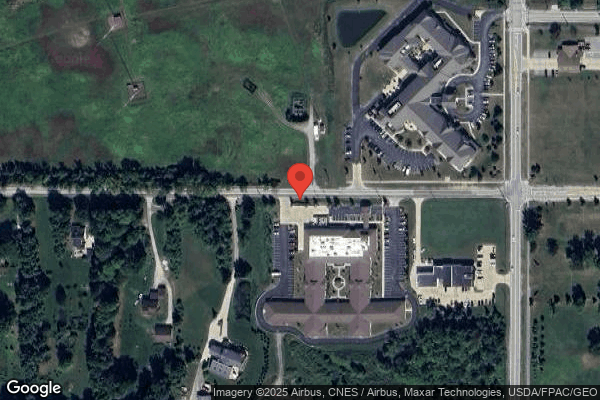
1201 AKINS ROAD, BROADVIEW HEIGHTS, OH 44147 (440) 457-2900
For profit - Corporation 78 Beds PROGRESSIVE QUALITY CARE Data: November 2025
Trust Grade
35/100
#612 of 913 in OH
Last Inspection: November 2024

Within standard 12-15 month inspection cycle. Federal law requires annual inspections.

Overview

Avenue at Broadview Heights has received a Trust Grade of F, indicating significant concerns and placing it in the bottom tier of nursing facilities. It ranks #612 out of 913 facilities in Ohio, meaning it is in the bottom half, and #53 out of 92 in Cuyahoga County, where only a few local options are better. The facility's situation is worsening, with issues increasing from 15 in 2023 to 19 in 2024. Staffing is a concern as well, with a low rating of 2 out of 5 stars and a high turnover rate of 73%, much higher than the state average. While there were no fines reported, a serious incident occurred where a resident developed a stage three pressure ulcer due to inadequate care, and there have been repeated issues with the lack of necessary supplies for resident care, such as towels and washcloths. Overall, families should weigh these significant weaknesses against the facility's good quality measures rating.

Trust Score
F
35/100
In Ohio
#612/913
Bottom 33%
Safety Record
Moderate
Needs review
Inspections
Getting Worse
15 → 19 violations
Staff Stability
⚠ Watch
73% turnover. Very high, 25 points above average. Constant new faces learning your loved one's needs.
Penalties
✓ Good
No fines on record. Clean compliance history, better than most Ohio facilities.
Skilled Nurses
✓ Good
Each resident gets 52 minutes of Registered Nurse (RN) attention daily — more than average for Ohio. RNs are trained to catch health problems early.
Violations
⚠ Watch
42 deficiencies on record. Higher than average. Multiple issues found across inspections.
★★☆☆☆
2.0
Overall Rating
★★☆☆☆
2.0
Staff Levels
★★★★☆
4.0
Care Quality
★★☆☆☆
2.0
Inspection Score
Stable
2023: 15 issues
2024: 19 issues

The Good

  • 4-Star Quality Measures · Strong clinical quality outcomes
  • Full Sprinkler Coverage · Fire safety systems throughout facility
  • No fines on record

Facility shows strength in quality measures, fire safety.

The Bad

2-Star Overall Rating

Below Ohio average (3.2)

Below average - review inspection findings carefully

Staff Turnover: 73%

26pts above Ohio avg (46%)

Frequent staff changes - ask about care continuity

Chain: PROGRESSIVE QUALITY CARE

Part of a multi-facility chain

Ask about local staffing decisions and management

Staff turnover is very high (73%)

25 points above Ohio average of 48%

The Ugly 42 deficiencies on record

1 actual harm
Dec 2024 5 deficiencies
CONCERN (D) 📢 Someone Reported This

A family member, employee, or ombudsman was alarmed enough to file a formal complaint

Potential for Harm - no one hurt, but risky conditions existed

Deficiency F0624 (Tag F0624)

Could have caused harm · This affected 1 resident

Based on interview and closed record review, and hospital paperwork review, the facility failed to ensure they discharged a resident in a safe and orderly manner. This affected one resident (Resident ...

Read full inspector narrative →
Based on interview and closed record review, and hospital paperwork review, the facility failed to ensure they discharged a resident in a safe and orderly manner. This affected one resident (Resident #73) out of five residents reviewed for discharge. The facility census was 72. Findings include: Review of the closed medical record for the former resident (Resident #73) revealed an admission date of 12/03/24 with a hospital stay from 12/03/24 to 12/04/24 and a final discharge date of 12/09/24 where she discharged home with her daughter. Diagnoses included urinary tract infection (UTI), altered mental status, history of pulmonary embolism, anxiety, major depressive disorder, type II diabetes mellitus, atrial fibrillation, congestive heart failure, hypertension, and aortic valve stenosis. Review of Resident #73 hospital paperwork revealed the resident had some cognitive deficit. Review of Resident #73's Care Plan revealed there was not a 48 hour Care Plan initiated for the resident. Review of Resident #73's progress note dated 12/03/24 at 5:09 P.M. created on 12/04/24 at 10:11 A.M. by the Director of Nursing (DON) revealed upon admission the resident was pleasantly confused, being treated for a UTI. After being oriented to room and dining area the resident became very aggressive with staff, hitting multiple staff members, exit seeking, screaming at the staff that she wanted to leave. The note stated the resident was a fall risk and was currently on anticoagulation therapy. The resident was unable to be redirected. A call was placed to Nurse Practitioner (NP) #810 and gave order to send the resident to the emergency room (ER) for a psych eval as the resident is a harm to others and herself. The unit manager to call nonemergent transport and call report to the ER. Further review of Resident #73's progress notes dated 12/03/24 at 5:18 P.M. authored by Registered Nurse (RN) #805 revealed the resident left the facility via facility van and Certified Nursing Assistant (CNA)/ Van Driver #804. The progress note stated the daughter was to meet CNA/Van Driver #804 at the emergency room (ER). Review of assignment sheets from 12/04/24 to 12/09/24 revealed there was a CNA designated to be one on one with Resident #73 every night until she discharged and during the day the resident was kept in common areas in direct supervision of nursing staff at all times and would be taken to a less stimulating environment such as her room, or the activity room when needed and staff would sit with her until behaviors passed. Interview on 12/11/24 at 12:40 P.M. with Resident #73's daughter revealed she was not given any paperwork and did tell the facility staff she would have to stop at home to let the dogs out and to get some clothing for her mother before going to the hospital. Interview on 12/12/24 at 12:24 P.M. with CNA/ Van Driver #804 revealed he overheard RN #805 state Resident #73 needed to go to the ER but could not find a nonemergent transport to take her and would have to wait hours. So, he volunteered to take her. CNA/Van Driver #804 stated the daughter of Resident #73 stated she was going to meet her at the ER but had to stop at home to get clothes first. CNA/Van Driver #804 stated he arrived at the ER and the daughter was not there, so he waited 10 minutes before he took her in. He was met at the door by the security guard, and they asked if he was going to stay, CNA/Van Driver #804 stated he told the security guard No, and the security guard told him it was ok, and he could leave the resident with him and the security guard would check her in. CNA/Van Driver #804 stated he waited an additional 20 minutes out in the van before he left. He stated no paperwork was sent with the resident, the daughter never showed before he left and the only person he spoke to was the security guard. Interview on 12/12/24 at 1:27 P.M. with RN #805 revealed she spoke with Licensed Practical Nurse (LPN) #807 regarding Resident #73 and LPN #807 stated the resident had become very agitated and adamant about leaving she was exit seeking, hitting and yelling at staff. LPN #807 stated the resident stated she felt they were trying to keep her from her family, she was here against her will. RN #805 went to Resident #73's room and asked the staff who were in the room to leave and sat one on one with her, she stated she pulled Resident #73 close to her and the resident slapped her. RN #805 stated she made sure the resident was safe and gave her some space, she reapproached her and tried to reorient the resident unsuccessfully, the daughter showed up and the resident's mood improved and then became much worse. RN #805 went to the DON and spoke to her and during that time Resident #73 called the police a few times. RN #805 stated she was scared the resident would elope, so the DON and the admission Director made a plan with the daughters consent to make plans to discharge the resident to a sister facility with a locked unit. However, Nurse Practitioner and the daughter wanted her sent to the ER for evaluation. RN #805 stated the daughter was in the facility and aware they were sending her to the ER for a psych evaluation. The daughter stated she would met at the ER. RN #805 stated the daughter never stated she had to stop at home for any reason. RN #805 stated she was unsure if she printed the paperwork to send with the resident or not. RN #805 stated she thought LPN #807 printed it. RN 805 stated she called for a nonemergent transport to the ER but would have to wait for hours, CNA/Van Driver #804 overheard this and volunteered to take the resident. Interview on 12/12/24 at 1:55 P.M. with LPN #807 revealed she did not print the discharge paperwork or call nurse to nurse to the ER. They stated RN #805 was handling her discharge. LPN #807 stated she did not hear the daughter say she was going to meet the Resident at the ER or that she had to stop at home. This deficiency represents non-compliance investigated under Complaint Number OH00160463.
CONCERN (D) 📢 Someone Reported This

A family member, employee, or ombudsman was alarmed enough to file a formal complaint

Potential for Harm - no one hurt, but risky conditions existed

Deficiency F0655 (Tag F0655)

Could have caused harm · This affected 1 resident

Based on interview and closed record review, the facility failed to ensure there was a baseline care plan put in place. This affected one resident (Resident #73) out of five residents reviewed for car...

Read full inspector narrative →
Based on interview and closed record review, the facility failed to ensure there was a baseline care plan put in place. This affected one resident (Resident #73) out of five residents reviewed for care plans. The facility census was 72. Findings include: Review of the closed medical record for the former resident (Resident #73) revealed an admission date of 12/03/24 with a hospital stay from 12/03/24 to 12/04/24 and a final discharge date of 12/09/24 where she discharged home with her daughter. Diagnoses included urinary tract infection, altered mental status, history of pulmonary embolism, anxiety, major depressive disorder, type II diabetes mellitus, atrial fibrillation, congestive heart failure, hypertension, and aortic valve stenosis. Review of Resident #73 hospital paperwork revealed the resident had some cognitive deficit. Review of Resident #73's Care Plan revealed there was not a 48 hour Care Plan initiated for the resident. Interview on 12/11/24 at 1:50 P.M. with the Administrator revealed she verified there was no baseline care plan in place for Resident #73. Interview on 12/11/24 at 2:37 P.M. with the Minimum Data Set (MDS) nurse/ Registered Nurse (RN) #811 verified there was not a baseline careplan completed for Resident #73. RN #811 stated the entire list of MDS's, and care plans were behind since some time in November 2024. This deficiency represents non-compliance investigated under Complaint Number OH00160463.
CONCERN (D) 📢 Someone Reported This

A family member, employee, or ombudsman was alarmed enough to file a formal complaint

Potential for Harm - no one hurt, but risky conditions existed

ADL Care (Tag F0677)

Could have caused harm · This affected 1 resident

**NOTE- TERMS IN BRACKETS HAVE BEEN EDITED TO PROTECT CONFIDENTIALITY** Based on observation, interview, record review, review of resident shower sheets, and review of facility policy,the facility fai...

Read full inspector narrative →
**NOTE- TERMS IN BRACKETS HAVE BEEN EDITED TO PROTECT CONFIDENTIALITY** Based on observation, interview, record review, review of resident shower sheets, and review of facility policy,the facility failed to ensure residents received showers per facility schedule and preference. This affected one resident (Resident #25) out of five residents reviewed for showers. The facility census was 72. Findings include: Review of Resident #25's medical record revealed an admission date of 12/05/24. Diagnoses included sacrum fracture with routine healing, spinal stenosis lumbar region, repeated falls, diabetes mellitus type II, hypertension, atrial fibrillation, and chronic kidney disease. Review of Resident #25's Medicare five-day Minimum Data Set (MDS) 3.0 dated 12/12/24 revealed the resident had intact cognition. Resident #25 required partial to moderate assistance by one staff member for transferring, showers, dressing, and toileting. Resident #25 required setup help only for eating. Review of Resident #25's care plan dated 12/10/24 revealed a care plan initiated related to the resident reaching maximum functional mobility. Interventions and goals included transferring, showering, dressing, and toileting with assistance by one staff member providing partial to moderate assistance. Review of the undated facility shower schedule revealed Resident #25 was to receive a shower on Tuesdays and Fridays. Review of facility shower documentation revealed documentation on Monday 12/09/24 Resident #25 received a shower. Interview on 12/12/24 at 11:30 A.M. with Resident #25 revealed she had not had a shower since she was admitted on [DATE]. She stated the last time she had a bed bath was in the hospital and the last time she had a shower was when she was at home. Resident #25 stated she is aware she is supposed to get a shower twice a week on Tuesday and Friday per the facility schedule. Resident #25 stated when asked about the alleged shower she had on 12/09/24 she denied having a shower. Additionally, an interview was conducted with Resident #25 on 12/16/24 at 10:15 A.M. revealed she had not received a shower on Friday 12/13/24 or at any time over the weekend. Resident #25 stated she knows her hair is greasy and she had body odor. Interview on 12/12/24 at 2:00 P.M. with the Director of Nursing (DON) revealed she confirmed there was only one shower sheet filled out for Resident #25 for Monday 12/09/24 which was not her shower day. Observation on 12/12/24 at 11:35 A.M. of Resident #25 revealed she appeared to have greasy hair and there was a smell of body odor coming from the resident when she would move her arms when talking. Observation on 12/16/24 at 10:00 A.M. of Resident #25 revealed she appeared to have greasy, unkept hair. Review of the facility policy titled Bathing-Personal Care, last revised August 2022 revealed The Residents of health care facilities of Progressive Quality Care will receive personal care in the facility according to the Resident's plan of care to promote dignity, cleanliness, and general well-being. Under the procedure bullet point one Shower, Bath or Tub is offered to the resident twice a week and as needed. This deficiency represents non-compliance investigated under Complaint Number OH00159935.
CONCERN (D) 📢 Someone Reported This

A family member, employee, or ombudsman was alarmed enough to file a formal complaint

Potential for Harm - no one hurt, but risky conditions existed

Quality of Care (Tag F0684)

Could have caused harm · This affected 1 resident

Based on observation, interview, record review, and review of manufacturer instructions revealed the facility failed to ensure proper administration of insulin was followed. This affected one resident...

Read full inspector narrative →
Based on observation, interview, record review, and review of manufacturer instructions revealed the facility failed to ensure proper administration of insulin was followed. This affected one resident (Resident #52) out of five residents reviewed for medication administration. The facility census was 72. Findings include: Based on review of the medical record for Resident #52 revealed an admission date of 02/01/23. Diagnoses included cellulitis of left lower limb, Methicillin Resistant Staphylococcus Aureus infection, type II diabetes mellitus insulin dependent, anxiety disorder, heart failure, diabetic retinopathy, and hypertension. Review of Resident #52's quarterly Minimum Data Set (MDS) 3.0 dated 10/12/24 revealed the resident had intact cognition. Resident #52 required set up or clean up assistance with eating, oral hygiene, and upper body dressing. They required partial to moderate assistance with personal hygiene, and substantial to maximal assistance with toileting and showers. Resident #52 was dependent on nursing staff for administration of medication including insulin. Review of Resident #52's physician orders dated December 2024 revealed she was to receive Humalog insulin 100 units/Milliliter (mL) inject 15 units subcutaneously before meals and at bed time for diabetes mellitus and Humalog insulin 100 Units/mL per sliding scale if blood sugar result is 151-200 give two units, 201-250 give four units, 251-300 give six units, 301-350 eight units, 351-400 give 10 units and if over 400 administer 10 units and contact the physician. Sliding scale is to be given in addition to the 15 units. Observation on 12/12/24 at 11:25 A.M. of medication administration by Registered Nurse (RN) #803 for Resident #52 revealed RN #803 performed a blood sugar check with results of 204 milligrams (mg)/ Deciliter (dL) indicating the residents was to receive Humalog insulin 15 units/mL plus four additional units to equal 19 units/mL. During the observation RN #803 did not cleanse the top of the pen with alcohol prior to applying the needle and did not prime the needle with two units of insulin prior to administering the accurate dose per the manufacturers instructions. Interview on 12/12/24 at 11:28 A.M. with RN #803 revealed she verified she did not cleanse the insulin pen with alcohol prior to applying the needle and she verified she did not prime the needle with two units of insulin prior to administering the accurate dose per the manufactures instructions. Review of the manufacturer's instructions for the Humalog insulin pen under the category titled Priming your Pen revealed the pen was to be primed before each injection by turning the dosing knob to select two units, hold the pen with the needle pointing up, tap the cartridge holder gently to collect air bubbles at the top, continue holding the pen with the needle pointing up, push the dose knob in until it stops and 0 is seen in the dose window and count to five slowly, you will see insulin at the tip of the needle. If you do not see insulin at the tip of the needle repeat priming steps no more than for times. This violation was issued relative to incidental findings that were discovered during this complaint investigation completed form 12/11/24 to 12/16/24.
CONCERN (D) 📢 Someone Reported This

A family member, employee, or ombudsman was alarmed enough to file a formal complaint

Potential for Harm - no one hurt, but risky conditions existed

Infection Control (Tag F0880)

Could have caused harm · This affected 1 resident

**NOTE- TERMS IN BRACKETS HAVE BEEN EDITED TO PROTECT CONFIDENTIALITY** Based on observation, interview and record review, the facility failed to ensure staff followed infection control policy and pro...

Read full inspector narrative →
**NOTE- TERMS IN BRACKETS HAVE BEEN EDITED TO PROTECT CONFIDENTIALITY** Based on observation, interview and record review, the facility failed to ensure staff followed infection control policy and procedures related to hand hygiene and proper use of Personal Protective Equipment when administering medications and when administering medications to residents in Enhanced Barrier Precaution isolation rooms. This affected three residents (Residents #4, #25, and #33) out of five residents reviewed for infection control related to hand hygiene and proper Personal Protective Equipment. The facility census was 72. Findings include: 1. Review of Resident #4's medical record revealed and admission date of 09/12/24. Diagnoses included nontraumatic intercerebral hemorrhage, acute respiratory failure, moderate protein-calorie malnutrition with gastrostomy tube placement, cardiac murmur, and personal history or other infectious and parasitic diseases. Review of Resident #4's quarterly Minimum Data Set (MDS) dated [DATE] revealed the resident had impaired cognition and was dependent on staff for all Activities of Daily Living (ADLs). Review of Resident #4's care plan dated 10/17/24 revealed the resident was to be in Enhanced Barrier Precautions (EBP) related to gastrostomy tube, tracheostomy, and history of infectious disease process. Interventions included EBP will be maintained through the review period, perform hand hygiene before and after glove use, remove gowns and gloves promptly after care activities and dispose of in proper receptacle, and train healthcare personnel on the rationale, indications, and proper use of EBP. Observation on 12/12/24 at 8:50 A.M. of Registered Nurse (RN) #801 administering medications to Resident #4 revealed they did not perform hand hygiene prior to applying gloves to administer medications through Resident #4's gastrostomy tube and did not wear proper Personal Protective Equipment (PPE) including a gown while administering medications through the gastrostomy tube. Interview on 12/12/24 at 9:00 A.M. with RN #801 revealed they verified they did not perform hand hygiene prior to applying gloves and did not wear proper PPE while administering medications through Resident #4's gastrostomy tube including a gown due to resident being in EBP. 2. Review of Resident #25's medical record revealed an admission date of 12/05/24. Diagnoses include sacrum fracture with routine healing, spinal stenosis lumbar region, repeated falls, diabetes mellitus type II, hypertension, atrial fibrillation, and chronic kidney disease. Review of Resident #25's Medicare five-day Minimum Data Set (MDS) 3.0 dated 12/12/24 revealed the resident had intact cognition. Resident #25 required partial to moderate assistance by one staff member for transferring, showers, dressing, and toileting. Resident #25 required setup help only for eating. Review of Resident #25's care plan dated 12/10/24 revealed a care plan initiated related to the resident reaching maximum functional mobility. Interventions and goals included transferring, showering, dressing, and toileting with assistance by one staff member providing partial to moderate assistance. 3. Review of Resident #33's medical record revealed an admission date of 07/11/24. Diagnoses included severe protein-calorie malnutrition with gastrostomy tube placement, dysphagia, polyneuropathy, gastric ulcer and spinal stenosis. Review of Resident #33's quarterly MDS dated [DATE] revealed the resident has some cognitive impairment but could make needs known. Resident #33 required partial to moderate assistance by staff for all ADLs including medication administration. Review of Resident #33's care plan revealed the resident required Enhanced Barrier Precautions to reduce transmission of multidrug-resistant organisms (MDROs) related to indwelling devices. interventions included EBP will be maintained through the review period, perform hand hygiene before and after glove use, remove gowns and gloves promptly after care activities and dispose of in proper receptacle, and train healthcare personnel on the rationale, indications, and proper use of EBP. Observation made on 12/12/24 at 9:10 A.M. of Licensed Practical Nurse (LPN) #802 administering medications to Resident #25 and at 1:00 P.M. administering medications to Resident #33 revealed they did not perform hand hygiene prior to pulling Resident #25's medication from the medication cart. Additionally LPN #802 did not perform hand hygiene prior to applying gloves to administer medications through Resident #33's gastrostomy tube and did not apply proper PPE including a gown prior to administering medications through Resident #33 who was in EBP. Interview on 12/12/24 at 1:15 P.M. with LPN #802 revealed they confirmed they did not perform hand hygiene prior to pulling Resident #25's medications and they confirmed they did not perform hand hygiene prior to applying gloves to administer medications through Resident #33's gastrostomy tube and did not apply proper PPE including a gown while in Resident #33's room who was in EBP. Review of the facility policy titled Medication Administration-General Guidelines last revised October 2017 revealed under Preparation bullet point number two Handwashing and Hand Sanitization: The person administering medications adheres to good hand hygiene, which includes washing hands thoroughly before beginning a medication pass, prior to handling any medications, after coming into direct contact with a resident, before and after administration of medications via enteral tubes. This deficiency was issued relative to incidental findings that were discovered during this complaint investigation completed on 12/20/24.
Nov 2024 8 deficiencies
CONCERN (D) 📢 Someone Reported This

A family member, employee, or ombudsman was alarmed enough to file a formal complaint

Potential for Harm - no one hurt, but risky conditions existed

Deficiency F0561 (Tag F0561)

Could have caused harm · This affected 1 resident

**NOTE- TERMS IN BRACKETS HAVE BEEN EDITED TO PROTECT CONFIDENTIALITY** Based on record review, observation and interview, the facility failed to ensure Resident #19's choices were honored with rising...

Read full inspector narrative →
**NOTE- TERMS IN BRACKETS HAVE BEEN EDITED TO PROTECT CONFIDENTIALITY** Based on record review, observation and interview, the facility failed to ensure Resident #19's choices were honored with rising out of bed in the morning. This affected one (Resident #19) out of two residents reviewed for choices concerning care. The facility census was 67. Findings include: Review of the medical record for Resident #19 revealed an admission date of 07/03/24 with diagnoses including cerebral infarction (stroke) and difficulty walking. Review of the care plan dated 07/09/24 for Resident #19 revealed he had self-care performance deficit with activities of daily living related to impaired mobility and muscle weakness. Interventions stated Resident #19 required one staff member to dress and assist with personal hygiene. Review of the quarterly Minimum Data Set (MDS) 3.0 assessment dated [DATE] revealed Resident #19 had intact cognition, staff were able to understand him, he required partial to moderate assistance from staff for toileting, showers and dressing. Resident #19 also needed substantial to maximum assist from staff for transferring in and out of bed. Interview on 10/04/24 at 9:56 A.M. with Resident #19 revealed he was still in bed waiting for staff to assist him with care. He stated it took staff a long time to come assist him with getting out of bed for the day. Resident #19 placed his call light on at 10:02 A.M. while the surveyor was in the room for staff to come assist him out of bed for the day. Observation on 10/04/24 from 10:02 A.M. through 10:09 A.M. revealed Resident #19's call light to be on. Registered Nurse (RN) #384 went to Resident #19's room at 10:09 A.M., spoke to the resident, and then returned to the nursing station. On 11/04/24 at 10:37 A.M. Resident #19 was observed to still be in bed. Interview on 11/04/24 at 10:39 A.M. with RN #384 revealed she went to Resident #19's room and answered the call light at 10:09 A.M. She stated he wished to get out of bed for the day and needed assistance. She stated his aide was busy assisting other residents on the unit and would go when she had time. Interview on 11/04/24 at 10:40 A.M. with Licensed Practical Nurse (LPN) #301 revealed she was the aide taking care of Resident #19. She stated the aide had called off for the day so she was working the floor in her place. She stated she was unaware that Resident #19 had wanted out of bed as he did not have his call light on and she was not updated by another staff member that he had called wanting out of bed. Review of the facility policy titled, Activities of Daily Living, dated March 2023, revealed that the facility would provide necessary care and services based on the resident's assessment and choices. This deficiency represents non-compliance investigated under Complaint Number OH00159219.
CONCERN (D)

Potential for Harm - no one hurt, but risky conditions existed

Deficiency F0658 (Tag F0658)

Could have caused harm · This affected 1 resident

Based on record review, observation and interview, the facility failed to ensure standard nursing practices were followed for safe meidcation administration. This affected two (Residents #8 and #44) o...

Read full inspector narrative →
Based on record review, observation and interview, the facility failed to ensure standard nursing practices were followed for safe meidcation administration. This affected two (Residents #8 and #44) of six residents observed for medication administration. The facility census was 67. Findings include: 1. Review of the medical record for Resident #8 revealed an admission date of 07/13/20 with diagnoses including multiple sclerosis. Review of the Medication Administration Record (MAR) for Resident #8 revealed she received Calcium with Vitamin D 600 milligrams, Cranberry 500 milligrams, Lexapro 10 milligrams (anti-depressant) and Lubiprostone 8 micrograms (medication for constipation) in the morning of 11/06/24. Review of the Medication Administration Audit Report dated 11/06/24 revealed Licensed Practical Nurse (LPN) #383 documented that she had administered Resident #8's calcium, cranberry, Lexapro and Lubiprostone at 7:48 A.M. Observation and interview on 11/06/24 at 8:10 A.M. of the medication administration by LPN #383 to Resident #8 revealed she was not using a computer or paper physician orders to administer Resident #8's medication. LPN #383 stated she looked at the computer before she started her medication administration to the residents on her unit. She stated she looked at all her long-term residents, checked to make sure there were no changes and then signed off the medications. LPN #383 stated she signed off the MAR for Resident #8 prior to administering the medications. At 8:10 A.M., with this surveyor, LPN #383 then administered Resident #8's calcium, cranberry, Lexapro and Lubiprostone. Review of the facility policy titled, Medication Administration, revised August 2014, revealed the MAR was always employed during the medication administration. The nursing staff were to compare the medication against the MAR by reviewing the five rights which were the right resident, right drug, right dose, right route and right time. 2. Review of the medical record for Resident #44 revealed an admission date of 01/25/23 with diagnoses including paraplegia and depression. Review of the Medication Administration Record (MAR) for Resident #44 revealed he received Magnesium Oxide 400 milligrams, a multivitamin, Vitamin D3 25 micrograms and Pregabalin 150 milligrams (medication for pain) in the morning of 11/06/24. Review of the Medication Administration Audit Report dated 11/06/24 revealed Licensed Practical Nurse (LPN) #383 documented that she had administered Resident #44's Magnesium Oxide, multivitamin, Vitamin D3 and Pregabalin at 7:43 A.M. Observation and interview on 11/06/24 at 8:16 A.M. of the medication administration by LPN #383 to Resident #44 revealed she was not using a computer or paper physician orders to administer Resident #44's medication. LPN #383 stated she looked at the computer before she started her medication administration to the residents on her unit. She stated she looked at all her long-term residents, checked to make sure there were no changes and then signed off the medications. LPN #383 stated she signed off the MAR for Resident #44 prior to administering the medications. At 8:16 A.M., with this surveyor, LPN #383 then administered Resident #44's magnesium oxide, multivitamin and Pregabalin. LPN #383 administered the incorrect dose of Resident #44's Vitamin D3, as she administered 10 micrograms instead of 25 micrograms. LPN #383 verified she administered the incorrect dosage. Review of the facility policy titled, Medication Administration, revised August 2014, revealed the MAR was always employed during the medication administration. The nursing staff were to compare the medication against the MAR by reviewing the five rights which were the right resident, right drug, right dose, right route and right time.
CONCERN (D) 📢 Someone Reported This

A family member, employee, or ombudsman was alarmed enough to file a formal complaint

Potential for Harm - no one hurt, but risky conditions existed

ADL Care (Tag F0677)

Could have caused harm · This affected 1 resident

**NOTE- TERMS IN BRACKETS HAVE BEEN EDITED TO PROTECT CONFIDENTIALITY** Based on record review, observation and interview, the facility failed to ensure Resident #169 was assisted with toileting as ne...

Read full inspector narrative →
**NOTE- TERMS IN BRACKETS HAVE BEEN EDITED TO PROTECT CONFIDENTIALITY** Based on record review, observation and interview, the facility failed to ensure Resident #169 was assisted with toileting as needed. This affected one (Resident #169) out of five residents reviewed for activities of daily living. The facility had a census of 67. Findings include: Review of the medical record for Resident #169 revealed an admission date of 10/31/24 with diagnoses including multiple fractures of the pelvis, muscle weakness and difficulty in walking. Review of the nursing progress note dated 10/31/24 revealed Resident #169 was alert and oriented to person, place and time. Review of the nursing skilled assessment dated [DATE] revealed Resident #169 was incontinent of bladder and needed one person to physically assist with toileting. Review of the care plan dated 11/01/24 for Resident #169 revealed she was incontinent of bowel and bladder. Interventions included to check on her and change her on care rounds and as needed. Interview on 11/05/24 at 8:04 A.M. with Resident #169 revealed staff had not assisted her with toileting since the previous day (11/04/24) around lunch. She stated the midnight shift staff had not come in her room until 5:00 A.M. on 11/05/24 and it was only to turn off her lights. She stated she was incontinent of urine and was unable to get up on her own. Interview on 11/05/24 at 8:10 A.M. with Licensed Practical Nurse (LPN) #371 revealed she was aware of the concern that Resident #169 had with staff not going in her room to assist her with incontinence care and toileting. She stated she would update an aide to go assist the resident with care. LPN #371 stated staff were to go to check and change residents every two hours or sooner if needed. Observation on 11/05/24 at 8:15 A.M. revealed an aide went to Resident #169's room for care. Observation and interview on 11/05/24 at 12:05 P.M. with Resident #169 revealed she had gray sweatpants on that was saturated with urine. She stated no one had come to assist her with incontinence care since the aide had come in after 8:00 A.M. She stated her call light was not working properly and she was unable to call for help. This surveyor updated LPN #371 about Resident #169's need for assist and her call light. The call light was observed by LPN #371 and noted to be non-functional. LPN #371 assisted Resident #169 with incontinence care. LPN #371 then provided Resident #169 call bells and updated maintenance on the concern. Review of the facility policy titled, Activities of Daily Living, dated March 2023, revealed that the facility would provide necessary care and services based on the resident's assessment and choices. The facility would provide care and services for activities of daily living including hygiene and toileting. This deficiency represents non-compliance investigation under Complaint Number OH00159653.
CONCERN (D)

Potential for Harm - no one hurt, but risky conditions existed

Incontinence Care (Tag F0690)

Could have caused harm · This affected 1 resident

**NOTE- TERMS IN BRACKETS HAVE BEEN EDITED TO PROTECT CONFIDENTIALITY** Based on record review, observation and interview, the facility failed to ensure an anchoring device for Resident #51's suprapub...

Read full inspector narrative →
**NOTE- TERMS IN BRACKETS HAVE BEEN EDITED TO PROTECT CONFIDENTIALITY** Based on record review, observation and interview, the facility failed to ensure an anchoring device for Resident #51's suprapubic catheter was implemented to prevent accidental pain or injury from excessive tension to the suprapubic catheter. This affected one (Resident #51) of one resident reviewed for catheters. The facility census was 67. Findings include: Review of the medical record revealed an admission date of 04/18/24 with diagnoses including urinary tract infection (10/10/24) and obstructive and reflux uropathy (when the urine cannot flow normally due to a blockage). Review of the quarterly Minimum Data Set (MDS) 3.0 assessment dated [DATE] for Resident #51 had intact cognition and had an indwelling catheter. Observation on 11/05/24 at 2:17 P.M. of Resident #51's suprapubic catheter care by Certified Nursing Assistant (CNA) #307 revealed his catheter had no anchoring device to hold the catheter in place from pulling. Resident #51 stated it caused pain when he repositioned in the bed as it tugged on the catheter line. CNA #307 verified there should have been an anchoring device in place. Interview on 11/05/24 at 2:32 P.M. with Licensed Practical Nurse (LPN) #340 verified Resident #51 should have an anchoring device for his suprapubic catheter.
CONCERN (D)

Potential for Harm - no one hurt, but risky conditions existed

Tube Feeding (Tag F0693)

Could have caused harm · This affected 1 resident

Based on record review, observation and interview, the facility failed to ensure Resident #36's head of the bed was elevated safely per the physician's order, during continuous enteral feedings. This ...

Read full inspector narrative →
Based on record review, observation and interview, the facility failed to ensure Resident #36's head of the bed was elevated safely per the physician's order, during continuous enteral feedings. This affected one (Resident #36) of three residents reviewed for enteral feedings. The facility census was 67. Findings include: Review of the medical record for Resident #36 revealed an admission date of 03/24/24 with diagnoses including chronic respiratory failure, heart failure, dysphagia (difficulty swallowing) and gastrostomy status (enteral feeding tube). Review of the physician's order for Resident #36 revealed she had an order to keep the head of her bed at least 30 degrees while feeding dated 03/25/24. Observation on 11/04/24 at 1:54 P.M. of Resident #36 revealed her head of the bed was almost completely flat while the continuous enteral feed was running at 50 milliliters. Resident #36's bed did not have a degree measure device on the side of the bed to allow staff to know the exact degree of placement of the head of the bed. Interview on 11/04/24 at 2:03 P.M. with Licensed Practical Nurse (LPN) #371 verified Resident #36's enteral feeding was running at 50 milliliters and the head of her bed was almost completely flat. She stated her head of the bed was below 30 degrees. She stated staff would provide care and not elevate Resident #36's head when completed. LPN #371 stated staff would have to guess where 30 degrees was as there was no device on the side of the bed showing the degree measurements.
CONCERN (D)

Potential for Harm - no one hurt, but risky conditions existed

Drug Regimen Review (Tag F0756)

Could have caused harm · This affected 1 resident

Based on record review, interview, and review of the facility policy and procedure, the facility failed to ensure pharmacy recommendations were addressed in a timely manner. This affected one resident...

Read full inspector narrative →
Based on record review, interview, and review of the facility policy and procedure, the facility failed to ensure pharmacy recommendations were addressed in a timely manner. This affected one resident (Resident #22) of five residents (Residents #13, #22, #38, #51, and #62) reviewed for drug regimens. The facility census was 67. Findings include: Review of the medical record for Resident #22 revealed an admission date of 04/12/22. Diagnoses included but were not limited to Alzheimer's dementia, hemiplegia and hemiparesis and bipolar disorder. Review of the 08/24/24 quarterly Minimum Data Set (MDS) 3.0 for Resident #22 revealed a Brief Interview of Mental Status (BIMS) score of 14 which indicated intact cognition. Resident #22 was noted to receive antipsychotics, antidepressants, anticonvulsants and opioid. Last noted General Dose Reduction (GDR) was attempted on 06/22/23. Last GDR contraindicated was on 02/15/24. Review of physician orders for Resident #22 revealed an order for Lamictal 100 milligrams (mg) at bedtime dated 03/13/24. This order was noted to be discontinued on 07/14/24. However, another physician order dated the same date, 07/14/24, was noted for the same dose, Lamictal 100 mg at bedtime. Review of the Medication Administration Record (MAR) for July of 2024 for Resident #22 revealed an order for Lamictal 100 mg at bedtime with a start date of 03/13/24 and a discontinuation date of 07/14/24. A second active order was started on 07/14/24 for Lamictal 100 mg at bedtime. The medication was given as ordered. Review of Consultant Pharmacist's Medication Review Recommendations dated 07/24/24 for Resident #22 revealed a recommendation for a GDR for Lamictal 100 mg daily. Beside the recommendation it stated Response: Positive. Review of the nursing progress note dated 07/24/24 timed at 8:51 P.M. for Resident #22 revealed pharmacy had reviewed Resident #22's medications and regimen and had noted no irregularities and/or observations on a separate report to the Director of nursing and prescriber. Interview on 11/01/7/24 at 11:05 A.M. with the Director of Nursing (DON) confirmed the Consultant Pharmacist's Medication Review Recommendations dated 07/24/24 for Resident #22 had positive indicated in the outcome/response column but was unable to provide evidence the recommended Gradual Dose Reduction was completed as recommended. Review of the November 2017 revised facility policy called; Psychotropic Drug Use revealed the consultant pharmacy will report any irregularities specific to psychotropics and unnecessary medication to the attending physician and the facility's medical director as well as the facility's Director of Nursing (DON) as irregularities are identified. These reports will be acted upon in a timely manner. The attending physician will document in the resident's medical record that the identified irregularity has been reviewed and addressed along with what actions, if any, are taken. If there has been no change made by the attending physician to the drug regimen the attending physician will document his/her rational within the resident's medical record.
CONCERN (D)

Potential for Harm - no one hurt, but risky conditions existed

Medication Errors (Tag F0758)

Could have caused harm · This affected 1 resident

**NOTE- TERMS IN BRACKETS HAVE BEEN EDITED TO PROTECT CONFIDENTIALITY** 3. Review of the medical record for Resident #22 revealed an admission date of 04/12/22. Diagnoses included but were not limited...

Read full inspector narrative →
**NOTE- TERMS IN BRACKETS HAVE BEEN EDITED TO PROTECT CONFIDENTIALITY** 3. Review of the medical record for Resident #22 revealed an admission date of 04/12/22. Diagnoses included but were not limited to Alzheimer's dementia, hemiplegia and hemiparesis, chronic obstructive pulmonary disorder (COPD), anxiety disorder, schizoaffective disorder, suicidal ideations, and bipolar disorder. Review of the current physician orders for Resident #22 revealed an order dated 07/14/24 for Zyprexa 5 milligram (mg) oral tablet given at bedtime for schizoaffective disorder bipolar type. Review of the quarterly Minimum Data Set (MDS) 3.0 dated 08/24/24 for Resident #22 revealed intact cognition. Resident #22 was indicated to be receiving antipsychotic, antidepressant, and opioid. Review of Resident #22's October 2024 Medication Administration Record (MAR) and Treatment Administration Record (TAR) revealed no evidence of resident specific behavior monitoring or medication side effects monitoring were completed. Review of Resident #22's care plan last reviewed on 10/14/24 revealed Resident #22 uses psychotropic medication related to bipolar disorder, dementia with behaviors, schizophrenia and anxiety. Interventions listed were: monitor and document as needed any adverse reactions of psychotropic medication; unsteady gait, tardive dyskinesia, shuffling gait, rigid muscles, shaking, frequent falls, refusal to eat, difficulty swallowing, dry mouth, depression, suicidal ideation, social isolation, blurred vision, diarrhea, fatigue, insomnia, loss of appetite, weight loss, muscled cramps, nausea, vomiting, behavior symptoms not usual to the person. Review of Resident #22's nursing progress notes for the past three months did not reveal any notes related to behavior monitoring. Review of the medical record under the behavior monitoring task and interventions for the past 30 days for Resident #22 revealed no noted behaviors documentation on 10/16/24, 10/19/24, 10/29/24 and 11/03/24. Review of the psychiatrist visit notes dated 08/26/24 for Resident #22 revealed the Abnormal Involuntary Movement Scale (AIMS) was not completed during the visit. Review of Resident #22's assessments from 08/25/22 through 11/06/24 indicated three Abnormal Involuntary Movement Scale (AIMS) testing were completed on 08/25/22, 01/22/24 and 04/16/24 which was indicated as being the most recent test. Interview on 11/06/24 at 3:50 P.M. with the Director of Nursing (DON) stated behaviors are to be monitored under the task section for the Certified Nursing Assistants (CNA's). DON confirmed the last AIMS testing for Resident #22 was completed on 04/16/24 and should have been completed every six months. DON also confirmed behavior monitoring tasks were not being completed consistently for Resident #22 for review. Review of the November 2017 revised facility policy titled; Psychotropic Drug Use revealed qualified staff will monitor the resident for potential undesirable adverse effects that are associated with the use of psychotropic drugs upon initiation of the psychotropic medication and at a minimum every six months utilizing the Abnormal Involuntary Movement Scales as well as monitor for other adverse effect in accordance with CMD and state specific rules and regulation routinely. Under procedure number two, it states the licensed nurse will identify and document the number of behavioral episodes on the Behavior Tracking Form as they occur as well as document the attempted intervention and outcomes of the targeted behaviors such as continuous screaming, yelling pacing etc. Under number four, the licensed nurse and the interdisciplinary team (IDT) will develop a comprehensive care plan addressing the resident's behaviors, medications and established non-pharmacological interventions. Under number 12, the IDT will discuss the need for the on-going use of psychotropic medication on a quarterly basis and determine if the benefit outweighs the risks. Based on record review, interview and review of the facility policy, the facility failed to provide routine monitoring for behaviors and side effects for psychotropic medications. This affected three residents (#22, #38 and #51) of five residents reviewed for unnecessary medications. Facility census was 67. Findings include: 1. Review of Resident #38's medical record revealed an admission date of 03/02/23 and diagnoses including acute and chronic respiratory failure with hypoxia, dependence on respirator [ventilator] status, tracheostomy status, quadriplegia, depression, adjustment disorder with depressed mood, insomnia and anxiety. Review of Resident #38's quarterly minimum data set (MDS) 3.0 assessment dated [DATE] revealed Resident #38 was cognitively intact and received antianxiety and antidepressant medications. Review of Resident #38's physician orders as of 11/06/24 revealed an order dated 03/22/24 for Busprione hydrochloride oral table, 10 milligrams (mg) give two tablets by mouth two times a day related to anxiety disorder; an order dated 05/09/24 for Venlafaxine hydrochloride extended release oral capsule give 75 mg by mouth in the morning related to depression; an order dated 09/23/24 for Venlafaxine hydrochloride extended release oral capsule give 37.5 mg with 75 mg every morning for a total of 112.5 mg daily related to depression; an order dated 10/01/24 for Remeron oral tablet 15 mg give 7.5 mg by mouth at bedtime for depression and appetite stimulant; an order dated 10/01/24 for trazodone hydrochloride oral tablet 100 mg give 125 mg by mouth at bedtime related to insomnia and an order dated 10/24/24 for valium oral tablet 5 mg give one tablet my by mouth at bedtime related to insomnia. No orders were noted directing staff to document behavior or medication side effects. Review of Resident #38's abnormal involuntary movement scale (AIMS) assessments revealed the last assessment was completed on 03/12/24. Review of Resident #38's psychiatry notes dated 12/21/23, 02/15/24, 03/28/24, 05/09/24, 06/06/24, 08/01/24 and 09/26/24 revealed no AIMS assessments were completed during these visits. Review of point-of-care behavior monitoring revealed no behavior or lack of behavior was documented for the past 30 days. Review of Resident #38's care plans revealed a care plan dated 03/14/23 for psychotropic medications related to depression and anxiety. Listed interventions included administer psychotropic medications as ordered by physician, monitor side effects and effectiveness each shift (03/14/23) and monitor/document/report as needed any adverse reactions of psychotropic medications (03/14/23). A second care plan dated 03/14/23 and revised 03/20/23 revealed Resident #38 had depression and anxiety and saw talk therapy and psychiatrist for depression management. Listed interventions included monitor/document/report as needed any signs/symptoms of depression (03/14/23) and administer medications as ordered, monitor/document for side effects and effectiveness (03/14/23). Interview on 11/06/24 at 11:26 A.M. with Licensed Practical Nurse (LPN) #383 revealed this facility did not have to document medication side effects on the Treatment Administration Record (TAR). LPN #383 indicated progress notes would be written for antibiotic side effects but this was not done for psychotropic medications. Interview on 11/06/24 at 3:07 P.M. with the Director of Nursing (DON) verified the facility had not yet addressed monitoring for psychotropic medications and indicated there was not a location in the medical record for nurses to document behaviors and medication monitoring on Resident #38. The DON verified Resident #38's last AIMS was done in March 2024 and was overdue as AIMS assessments were to be completed every six months and were not done on the psychiatry visit notes. The DON confirmed State Tested Nursing Assistants (STNAs) were to document on behaviors or lack thereof each shift and confirmed there was no behavior data documented for the last 30 days on Resident #38. 2. Review of Resident #51's medical record revealed an admission date of 04/18/23 and diagnoses including unspecified protein-calorie malnutrition, depression, anemia, alcohol dependence and muscle weakness. Review of Resident #51's 5-day MDS 3.0 assessment dated [DATE] revealed Resident #51 was cognitively intact and received hypnotic and antidepressant medications. Review of Resident #51's physician orders as of 11/06/24 revealed an order dated 10/08/24 for Mirtazapine oral tablet 15 mg by mouth at bedtime for depression/appetite stimulant, an order dated 10/08/24 for Sertraline hydrochloride oral tablet 50 mg in the morning for depression and an order dated 10/08/24 for Zolpidem tartrate 10 mg at bedtime for insomnia. No orders were noted directing staff to document behavior or medication side effects. Review of Resident #51's AIMS assessments revealed the last assessment was completed on 04/16/24. Review of Resident #51's psychiatry notes dated 11/09/23, 02/29/24, 05/09/24, 07/01/24 and 09/26/24 revealed no AIMS assessments were completed during these visits. Review of point-of-care behavior monitoring revealed no behaviors were documented for three of the past 30 days on 10/11/24, 10/14/24 and 10/31/24. Review of Resident #51's plan of care revealed a care plan dated 05/08/23 for antidepressant medication use due to depression and appetite. Listed interventions included administer antidepressant medications as ordered by physician, monitor/document side effects and effectiveness each shift (05/08/23) and monitor/document/report as needed adverse reactions to antidepressant therapy (05/08/23). Interview on 11/06/24 at 11:26 A.M. with LPN #383 revealed this facility did not have to document medication side effects on the TAR. LPN #383 indicated progress notes would be written for antibiotic side effects but this was not done for psychotropic medications. Interview on 11/06/24 at 3:07 P.M. with the DON verified the facility had not yet addressed monitoring for psychotropic medications and indicated there was not a location in the medical record for nurses to document behaviors and medication monitoring on Resident #51. The DON verified Resident #51's last AIMS was done in April 2024 and was overdue as AIMS assessments were to be completed every six months and were not done on the psychiatry visit notes. The DON confirmed CNA's were to document on behaviors or lack thereof each shift and confirmed there was incomplete behavior data documented for the last 30 days on Resident #51.
CONCERN (D)

Potential for Harm - no one hurt, but risky conditions existed

Deficiency F0761 (Tag F0761)

Could have caused harm · This affected 1 resident

Based on record review, observation and interview, the facility failed to ensure medications were properly stored and secured. This affected one (Resident #40) out of one resident reviewed for imprope...

Read full inspector narrative →
Based on record review, observation and interview, the facility failed to ensure medications were properly stored and secured. This affected one (Resident #40) out of one resident reviewed for improperly stored medications. The facility census was 67. Findings include: Review of the medical record for Resident #40 revealed an admission date of 02/21/24 with diagnoses including depression, anxiety and respiratory failure. Review of the physician's orders revealed Resident #40 had an order for Guaifenesin 600 milligrams two times a days for cough. There was no indication that Resident #40 could self-administer her medication or keep the medication at bedside. Review of the Medication Administration Record (MAR) for November 2024 for Resident #40 revealed Licensed Practical Nurse (LPN) #371 had documented that she had administered Resident #40's Guaifenesin the morning of 11/05/24. Observation and interview on 11/05/24 at 8:27 A.M. revealed Resident #40 had an orange liquid medication in a medication cup on her tray table. She stated it was her cough medication the nurse had left because she was sleeping. Interview on 11/05/24 at 8:54 A.M. with LPN #371 verified Resident #40's Guaifenesin was sitting on her tray table and she had not observed Resident #40 take the medication prior to leaving the room. Review of the facility policy titled, Storage of Medications, revised November 2018, revealed medications were to be stored safely, securely and properly. The supply should only be accessible to licensed nursing personnel.
Oct 2024 1 deficiency
CONCERN (D) 📢 Someone Reported This

A family member, employee, or ombudsman was alarmed enough to file a formal complaint

Potential for Harm - no one hurt, but risky conditions existed

Safe Environment (Tag F0584)

Could have caused harm · This affected 1 resident

**NOTE- TERMS IN BRACKETS HAVE BEEN EDITED TO PROTECT CONFIDENTIALITY** Based on observation, staff and resident interviews, record review, and policy review, the facility failed to ensure Resident #2...

Read full inspector narrative →
**NOTE- TERMS IN BRACKETS HAVE BEEN EDITED TO PROTECT CONFIDENTIALITY** Based on observation, staff and resident interviews, record review, and policy review, the facility failed to ensure Resident #25's bedside commode was emptied in a timely manner. This affected one (Resident #25) of three residents reviewed for physical environment. The facility census was 65. Findings include: Review of the medical record for Resident #25 revealed she was admitted to the facility on [DATE] with diagnoses including heart failure, chronic obstructive pulmonary disease, and chronic kidney disease. Review of the admission Minimum Date Set (MDS) assessment dated [DATE] revealed Resident #25 was alert and oriented to person, place and time and required supervision or touching assistance for toileting. Review of the care plan dated 08/20/24 revealed Resident #25 was at risk for bladder incontinence and had a self-care performance deficit with interventions including provide incontinence care with care rounds every shift and toilet assistance of one staff member. Observation and interview on 09/30/24 at 7:55 A.M. with Resident #25 revealed a bedside commode adjacent to the left side of the bed, positioned against the wall. Observation revealed a yellow liquid substance in the bottom of the bedside commode. Resident #25 revealed she urinated inside the bedside commode and needed it to be emptied. During an interview on 09/30/24 at 8:07 A.M. with Licensed Practical Nurse (LPN) #819 revealed she was made aware of Resident #25 bedside commode needing emptied. Follow-up observation and interview on 10/01/24 at 8:45 A.M. with Resident #25 revealed her bedside commode had not been emptied for two days. Resident #25 revealed staff always forgot to change her bedside commode of urine and feces. Resident #25 revealed she informed the staff that her bedside commode needed emptied. Observation revealed a yellow liquid substance in the bottom of the bedside commode and an odor of urine. Observation and interview on 10/01/24 at 8:47 A.M. with the Assistant Director of Nursing (ADON) #910 revealed a yellow liquid substance in the bedside commode. The ADON was informed by Resident #25 that her bedside commode needed emptied for the last two days and that she had told staff. ADON #910 confirmed and verified Resident #25 bedside commode was filled with urine and needed emptied. Review of the facility document titled Activities of Daily Living (ADLs) dated March 2023, revealed the facility had a policy in place to provide assistance with residents regarding toileting and elimination. This deficiency represents noncompliance as an incidental finding during investigation of Complaint Number OH00157803.
Sept 2024 2 deficiencies 1 Harm
SERIOUS (G) 📢 Someone Reported This

A family member, employee, or ombudsman was alarmed enough to file a formal complaint

Actual Harm - a resident was hurt due to facility failures

Pressure Ulcer Prevention (Tag F0686)

A resident was harmed · This affected 1 resident

**NOTE- TERMS IN BRACKETS HAVE BEEN EDITED TO PROTECT CONFIDENTIALITY** Based on record review, interview, and facility policy review the facility failed to develop and implement a comprehensive and i...

Read full inspector narrative →
**NOTE- TERMS IN BRACKETS HAVE BEEN EDITED TO PROTECT CONFIDENTIALITY** Based on record review, interview, and facility policy review the facility failed to develop and implement a comprehensive and individualized pressure ulcer prevention program to prevent the development of pressure ulcers, to timely identify new pressure ulcers, and to ensure wound care was completed as ordered to ensure Resident #72 skin was maintained and the resident did not develop an in-house stage three pressure ulcer (full thickness tissue loss, subcutaneous fat may be visible but bone, tendon or muscle are not exposed, slough may be present but does not obscure the depth of tissue loss, may include undermining and tunneling) to the left buttock. Actual Harm occurred on [DATE] when Resident #72's, who was dependent for eating, shower/bathing, upper and lower body dressing, and personal hygiene, and was incontinent of bowel and bladder, developed an in-house pressure ulcer identified at a stage three. This finding affected one resident (#72) of three residents reviewed for pressure wounds. The facility census was 69. Findings include: Review of the medical record revealed Resident #72 was admitted to the facility on [DATE] and expired in the facility on [DATE] with diagnoses including metabolic encephalopathy, cerebral infarction, and dysphagia. Review of the nursing admission assessment form dated [DATE] authored by Registered Nurse (RN) Unit Manager (UM) #834 revealed Resident #72 had a skin tear to the left elbow, an abrasion on the right ankle, and an abrasion on the left ankle. Review of the progress note dated [DATE] at 7:47 P.M. authored by RN UM #834 revealed Resident #72 arrived at the facility at 3:40 P.M. via a stretcher. The resident was alert and oriented times one to two with multiple skin tears and bruising noted to the bilateral upper extremities and abrasions noted to the bilateral outer ankles. Bilateral heel protector boots were in place. There was no documented evidence of a pressure ulcer to Resident #72's left buttock. Review of the physician's orders revealed an order dated [DATE] for a pressure reducing cushion to wheelchair, a pressure reducing mattress to the bed, and to float the heels while in bed as tolerated. Review of Resident #72's care plans dated [DATE] revealed the resident was admitted with a stage three pressure ulcer to the sacrum. Interventions dated [DATE] included to administer medications, administer treatments as ordered and monitor for effectiveness, monitor/document/report changes, treat pain as ordered and weekly treatment documentation. (There were no treatment orders until [DATE]). Review of the admission Minimum Data Set (MDS) 3.0 assessment dated [DATE] revealed Resident #72 exhibited a memory impairment, was dependent on eating, oral hygiene, toileting, shower/bathing, upper and lower body dressing, and personal hygiene. Review of Resident #72's Braden Scale for Predicting Pressure Sore Risk form dated [DATE] revealed the resident was high risk for developing pressure ulcer wounds. Review of the initial pressure ulcer wound evaluation form dated [DATE] at 1:31 P.M. completed by Nurse Practitioner (NP) #908 indicated the [AGE] year-old male was a new admission who was incontinent of bowel and bladder. The resident had a left buttock stage three full-thickness pressure ulcer which was present upon admission and measured 4.4 centimeters (cm) length by 6.5 cm width by 0.1 cm depth with 30% granulation and 70% pink with scant bloody exudate. The peri wound was moist and excoriated, and new orders for zinc oxide cream and a clean dry dressing were ordered daily and as needed. Review of the physician's orders revealed an order dated [DATE] for ProHeal 30 milliliters (ml) two times a day for supplement (discontinued [DATE]); and an order dated [DATE] for an air mattress to the bed with bolsters. Review of Resident #72's progress note dated [DATE] at 5:21 P.M. authored by Dietitian #908 revealed she was made aware of a stage three pressure ulcer to the left buttocks. Review of Resident #72's physician's orders revealed an order dated [DATE] (discontinued [DATE]) to cleanse the left buttock with normal saline, pat dry, apply zinc oxide and cover with a foam dressing daily and as needed. Review of the medical record revealed no progress note regarding Resident #72 being sent to the hospital on [DATE]. Review of Resident #72's hospital Encounter Summary Note dated [DATE] from 10:25 A.M. to 2:43 P.M. revealed the [AGE] year-old male with a significant past medical history for a cerebrovascular accident (CVA) with a left hemiplegia/hemiparesis diagnosis was DNRCCA was evaluated at the bedside for anemia. The resident's hemoglobin was 6.7 at the SNF earlier in the day and was sent in for a transfusion. The resident's heart rate was 115 and the oxygen level was 100%. The resident only responded to pain. The daughter requested the resident receive fluids and be discharged back to the SNF. The resident had significantly deteriorated, and she was the POA and wanted the code status changed to DNRCC. Review of the progress note dated [DATE] at 2:00 P.M. authored by RN UM #817 indicated Resident #72's daughter requested to not send the resident to the emergency room (ER) going forward. She wanted to keep the resident comfortable. Review of Resident #72's progress note dated [DATE] at 3:24 P.M. revealed the resident arrived back to the facility via an ambulette. Review of the progress note dated [DATE] at 3:38 A.M. authored by Licensed Practical Nurse (LPN) #851 revealed Resident #72 was in respiratory distress and was put on ten liters oxygen. The physician was notified, and the resident was sent out at 3:25 A.M. to the ER. The daughter was notified. Review of Resident #72's progress note dated [DATE] at 5:36 A.M. revealed authored by LPN #851 revealed the resident returned at 5:00 A.M. and the code status was updated. Review of the progress note dated [DATE] at 8:10 A.M. authored by LPN #816 revealed the nurse called Resident #72's daughter and gave the nurse an update from the hospital documentation (following the resident's return to the facility). The nurse also updated the daughter that the resident's fingers were cyanotic, and the nurse could not get an oxygen level on the resident. The daughter requested the resident remain comfortable. Review of the Pressure Ulcer/Wound Record form dated [DATE] at 8:52 A.M. revealed Resident #72 had a left buttock stage three pressure wound which measured 3.9 cm length by 4.7 cm width by 0.1 cm depth with moderate serosanguinous exudate with a wound bed of 60% granulation and 40% slough. The surrounding skin color and surrounding tissue/wound edges were excoriated, and the wound had deteriorated. A new order was placed to cleanse the wound with normal saline, pat dry, apply silver alginate (antibacterial absorbent wound dressing) and cover with a foam dressing daily and as needed. Review of the physician's orders revealed an order dated [DATE] (discontinued [DATE]) to cleanse Resident #72's left buttock with normal saline, pat dry, apply silver alginate, and cover with a foam dressing daily and as needed. Review of the progress note dated [DATE] at 7:35 A.M. authored by LPN #816 revealed Resident #72 was observed without a pulse which was verified with other staff members. The daughter was updated, and the administrative staff were updated. Interview on [DATE] at 11:51 A.M. with NP #908 stated she first assessed Resident #72's skin and determined the resident had a stage three left buttock pressure wound on [DATE] and placed orders for wound care at that time. NP #908 could not remember if the resident had a dressing on his left buttock when she went into assess the resident's left buttock pressure wound. Interviews on [DATE] at 12:22 P.M. with LPN UM #886 and the Administrator confirmed Resident #72's hospital documentation dated [DATE] did not contain evidence of a pressure wound to Resident #72's left buttock as documented in the [DATE] care plan. She confirmed she had placed pressure ulcer wound assessments in Resident #72's electronic health record (EHR) for the dates of [DATE] and [DATE] which documented the left buttock pressure wound as a stage three but could not remember what the left buttock pressure wound looked like on [DATE]. She stated she must have found out the left buttock pressure wound was a stage three from the report obtained from the hospital during Resident #72's nurse to nurse report as she did not stage pressure wounds, and the wound NP completed staging of resident pressure wounds. Interviews on [DATE] at 1:46 P.M. with RN UM #834 indicated she admitted Resident #72 on [DATE], and he did not have skin impairments to his left buttock. She stated the wound assessment dated [DATE] was placed in the resident's record in error. RN UM #834 confirmed the resident was on a every two hour turn and barrier cream as needed. She verified the first treatment order was implement on [DATE]. An additional interview on [DATE] at 2:40 P.M. with RN UM #834 confirmed Resident #72's left buttock pressure wound assessments dated [DATE] and [DATE] were documented in error and struck out of the resident's medical record. RN UM #834 confirmed the facility first identified Resident #72's left buttock stage three pressure wound on [DATE] when the wound NP assessed the resident. RN UM #834 stated wound NP #908 ordered zinc oxide for the left buttock pressure wound following identification on [DATE], and she did not agree with NP #908's determination that the left buttock pressure wound was identified at a stage three. Review of Resident #72's medication administration records (MARS) and treatment administration records (TARS) revealed documentation from [DATE] to [DATE] to encourage the resident to float heels while in bed as tolerated and encourage the resident to offload pressure while in bed or chair as tolerated every shift. The MARS and TARS indicated the wound care was completed from [DATE] to [DATE] (when the resident expired in the facility). Review of the Pressure Ulcer Prevention and Interventions policy, revised 01/23, revealed the policy was to implement preventative skin measures for all resident's based on the levels and areas of risk to include moisture, nutrition, activity, mobility, mental status, psychosocial status and general physical condition. This deficiency represents non-compliance investigated under Complaint Number OH00157185.
CONCERN (D) 📢 Someone Reported This

A family member, employee, or ombudsman was alarmed enough to file a formal complaint

Potential for Harm - no one hurt, but risky conditions existed

Incontinence Care (Tag F0690)

Could have caused harm · This affected 1 resident

**NOTE- TERMS IN BRACKETS HAVE BEEN EDITED TO PROTECT CONFIDENTIALITY** Based on observation, record review, interview, and facility policy review the facility failed to ensure Resident #38's incontin...

Read full inspector narrative →
**NOTE- TERMS IN BRACKETS HAVE BEEN EDITED TO PROTECT CONFIDENTIALITY** Based on observation, record review, interview, and facility policy review the facility failed to ensure Resident #38's incontinence care was completed timely. This finding affected one resident (#38) of three residents reviewed for incontinence care. The facility census was 69. Findings include: Review of Resident #38's medical record revealed the resident was admitted on [DATE] with diagnoses including multiple sclerosis, varicose veins, and difficulty in walking. Review of Resident #38's Quarterly Minimum Data Set (MDS) 3.0 assessment dated [DATE] revealed the resident exhibited intact cognition, was always incontinent of urine and frequently incontinent of bowel. Review of Resident #38's physician orders revealed an order dated 03/18/24 for a mechanical lift for all transfers every shift. Observation on 09/10/24 at 5:15 A.M. with State Tested Nursing Assistant (STNA) #832 and STNA #849 of Resident #38's transfer from the power wheelchair to the bed using a Hoyer mechanical lift did not reveal concerns. Further observations revealed the pad underneath the resident was soaked with urine and the resident's incontinence brief was soaked with urine. Interview on 09/10/24 at 5:20 A.M. with Resident #38 revealed the resident put her call light on at approximately 3:15 A.M. to be placed in bed for incontinence care, but the staff did not answer her call light. She confirmed her incontinence brief was soaked with urine. Interview on 09/10/24 at 5:29 A.M. with STNA #849 stated Resident #38 was not on his assignment, and he did not answer the call light because he did not see the call light was on. Interview on 09/10/24 at 5:33 A.M. with STNA #832 confirmed Resident #38 was not provided timely incontinence care. Further interview with STNA #832 confirmed her assignment was mixed up and she was not aware she had Resident #38 on her assignment, and she did not provide timely incontinence care. Review of the Incontinence Care policy, dated 12/22, revealed the purpose was to ensure a resident who was incontinent of bowel and/or bladder received appropriate treatment and services to prevent urinary tract infections and to restore continence to the extent possible. This deficiency represents non-compliance investigated under Master Complaint Number OH00157185 and Complaint Number OH00156930.
Aug 2024 1 deficiency
CONCERN (D) 📢 Someone Reported This

A family member, employee, or ombudsman was alarmed enough to file a formal complaint

Potential for Harm - no one hurt, but risky conditions existed

Quality of Care (Tag F0684)

Could have caused harm · This affected 1 resident

**NOTE- TERMS IN BRACKETS HAVE BEEN EDITED TO PROTECT CONFIDENTIALITY** Based on observation, record review, interview, and facility policy review, the facility failed to ensure medications were admin...

Read full inspector narrative →
**NOTE- TERMS IN BRACKETS HAVE BEEN EDITED TO PROTECT CONFIDENTIALITY** Based on observation, record review, interview, and facility policy review, the facility failed to ensure medications were administered in a safe manner. This affected one resident (#58) of five residents reviewed for medication administration. The facility census was 66. Findings include: A review of medical records for Resident #58 revealed an admission date of 07/09/24. Significant diagnoses included, osteomyelitis of vertebra, sacral and sacrococcygeal region, sepsis due to methicillin resistant staphylococcus aureus, diabetes mellitus type two, paraplegia, hypertension, and gastroesophageal reflux disease. Significant orders included oxybutynin five milligrams (medication to treat overactive bladder) by mouth daily, Topamax 25 milligrams (anticonvulsant) daily, zinc sulfate 220 milligrams (supplement) daily, melatonin three milligrams (hormone to aide in sleep) at bedtime, gabapentin 100 milligrams (anticonvulsant and nerve pain medication) two times daily, vitamin C 500 milligrams (supplement) two times daily, acidophilus (supplement) one capsule daily, cholecalciferol 50 micrograms (Vitamin D supplement) daily and cranberry oral capsule 450 milligram (supplement) daily. Review of the admission Minimum Data Set (MDS) assessment dated [DATE] revealed Resident #58 was cognitively intact. Review of the medication administration assessment for self-administration dated 07/14/24 revealed Resident #58 was unsafe to self-administer medications. An observation on 08/08/24 at 10:30 A.M. revealed medications left at the bedside of Resident #58. There was one small white tablet and one small tan tablet in a plastic medication cup on the bedside table of Resident #58. There was a small white tablet in Resident #58's hand and a white capsule on the bed. Resident #58 stated the medications in the cup on the bedside table were from the previous night. Resident #58 picked up the cup of pills and placed them in the garbage can. Resident #58 stated she does not like to take medication until after breakfast and then swallowed the small white tablet in her hand. The Director of Nursing (DON) verified the findings at the time of the observation. The DON stated medications should not be left at the bedside of Resident #58. A review of the policy titled Medication Administration-General Guidelines, dated August 2014, revealed in point #18, the resident is always observed after administration to ensure that the dose was completely ingested. This deficiency represents non-compliance investigated under Complaint Number OH00155697.
Jun 2024 1 deficiency
CONCERN (D) 📢 Someone Reported This

A family member, employee, or ombudsman was alarmed enough to file a formal complaint

Potential for Harm - no one hurt, but risky conditions existed

Quality of Care (Tag F0684)

Could have caused harm · This affected 1 resident

**NOTE- TERMS IN BRACKETS HAVE BEEN EDITED TO PROTECT CONFIDENTIALITY** Based on record review and interviews the facility failed to conduct a thorough investigation and implement interventions to ass...

Read full inspector narrative →
**NOTE- TERMS IN BRACKETS HAVE BEEN EDITED TO PROTECT CONFIDENTIALITY** Based on record review and interviews the facility failed to conduct a thorough investigation and implement interventions to assist in preventing further skin impairment for Resident #63. This affected one (Resident #63) of three residents reviewed for skin conditions. The facility census was 62. Findings include: Review of the medical record for Resident #63 revealed an admission date of 04/17/24 with diagnoses including adult failure to thrive, altered mental status, congestive heart failure, dementia, anxiety and depression. Review of the nursing skin assessment dated [DATE] revealed Resident #63 had a new skin tear to her left medial wrist that measured 2.4 centimeters (cm) by 2.0 cm by 0.1 cm. The physician and family were notified and a new order was received for treatment. There was no documentation as to how Resident #63 obtained the skin tear. Review of the nursing skin assessment dated [DATE] revealed Resident #63 had a new skin tear to her left anterior lower leg that measured 1.5 cm by 0.6 by 0 cm. The physician and family were notified and a new order was received for treatment. There was no documentation as to how Resident #63 obtained the skin tear. Review of the nursing skin assessment dated [DATE] revealed Resident #63 sustained an abrasion on 05/18/24 to the left side of her neck. There were no measurements noted. The daughter was updated as she had brought the area to the nurse's attention. There was no documentation as to how Resident #63 obtained the abrasion. Review of the nursing progress notes dated from 04/23/24 through 05/19/24 for Resident #63 did not reveal how she had received the skin tears to her left medial wrist and left anterior lower leg or the abrasion to the left side of her neck. Review of the care plan dated 04/23/24 for Resident #63, under skin care, did not reveal any new interventions to assist in preventing further skin breakdown related to behaviors. Interviews on 06/24/24 at 1:14 P.M. with Registered Nurse (RN) #200 and RN #201 verified there were no investigations for the incident dates of 04/23/24, 05/07/24 and 05/18/24 for Resident #63. RN #201 stated Resident #63 would become combative with care and would obtain skin tears related to hitting staff and family. RN #200 verified there were no interventions put into place to assist in preventing further skin breakdown due to Resident #63's behaviors. Review of the facility policy provided for skin which was titled, Pressure Ulcer Prevention and Interventions, revised January 2023, revealed preventative measures would be implemented in accordance with the resident's assessed risk level and for development of skin integrity impairment and risk factors that would enhance the resident's ability to develop skin integrity impairment. This deficiency represents non-compliance investigated under Complaint Number OH00154317.
Jan 2024 1 deficiency
CONCERN (D) 📢 Someone Reported This

A family member, employee, or ombudsman was alarmed enough to file a formal complaint

Potential for Harm - no one hurt, but risky conditions existed

Incontinence Care (Tag F0690)

Could have caused harm · This affected 1 resident

**NOTE- TERMS IN BRACKETS HAVE BEEN EDITED TO PROTECT CONFIDENTIALITY** Based on observations, record reviews, and resident, family, and staff interviews, the facility failed to ensure the residents r...

Read full inspector narrative →
**NOTE- TERMS IN BRACKETS HAVE BEEN EDITED TO PROTECT CONFIDENTIALITY** Based on observations, record reviews, and resident, family, and staff interviews, the facility failed to ensure the residents received incontinence care timely. This affected two (Resident #34 and #62) of three residents reviewed for incontinence care. The facility census was 67. Findings include: 1. Review of the medical record for Resident #34 revealed an admission date of 10/25/23. Diagnoses included acute respiratory failure with hypoxia, hemiplegia and hemiparesis, and muscle weakness. Review of the admission Minimum Data Set (MDS) assessment dated [DATE] revealed Resident #34 had memory problems, required one person assistance with toileting, and was incontinent of bowel and bladder. Interview and observation on 01/04/24 at 10:31 A.M. with Resident #34's daughter revealed Resident #34 had not received incontinence care all night and morning. Resident #34's daughter stated Resident #34 was soaked and would need a full linen change with incontinence care. Resident #34's daughter stated the family has a video recorder in Resident #34's room and the family were in all day with Resident #34. Resident #34's daughter stated she had been in Resident #34's room since 9:30 A.M. and no one has come in to provide care. Observation completed at this time revealed Resident #34's gown, blanket, and linens were soaked. Interview on 01/03/24 at 10:49 A.M. with State Tested Nurses Assistant (STNA) #301 stated she came in to work at 7:00 A.M. and had eight residents on her workload. STNA #301 verified she had not been in Resident #34's room yet to provide incontinence care to Resident #34. Interview and observation on 01/03/24 at 11:01 A.M. of incontinence care for Resident #34 revealed Resident #34's gown, blanket and linens were soaked. STNA #302 pulled down the blanket and stated it looked like he had not been changed all night. Resident #34's depends was saturated with urine. 2. Review of the medical record for Resident #62 revealed an admission date of 04/18/23. Review of the quarterly Minimum Data Set (MDS) assessment dated [DATE] revealed Resident #62 had intact cognition and required substantial/maximal assistance from staff with toileting. Review of the toileting task for 01/02/24 and 01/03/24 revealed there was no documentation of Resident #62 receiving incontinence care at night. Interview on 01/03/24 at 11:20 A.M. with State Tested Nursing Assistant (STNA) #302 stated Resident #65 appeared to have not been changed all night. She stated Resident #62 told her he had not been changed all night and was a complete bed change due to his bed being soaked with urine. Interview on 01/03/24 at 2:58 P.M. with Resident #62 stated no staff came into his room last night to provide incontinence care. Resident #62 stated he was soaked with urine and his whole bed had to be changed this morning. Interview on 01/03/24 at 3:31 P.M. with Director of Nursing (DON) revealed incontinence care should be completed every two hours or when needed. The DON verified four hours was too long to wait for incontinence care and definitely not acceptable for residents to go all night without incontinence care. This deficiency represents non-compliance investigated under Complaint Number OH00149420.
Nov 2023 3 deficiencies
CONCERN (D) 📢 Someone Reported This

A family member, employee, or ombudsman was alarmed enough to file a formal complaint

Potential for Harm - no one hurt, but risky conditions existed

ADL Care (Tag F0677)

Could have caused harm · This affected 1 resident

**NOTE- TERMS IN BRACKETS HAVE BEEN EDITED TO PROTECT CONFIDENTIALITY** Based on record review, observation and interview the failed to to provide the required assistance for personal hygiene. This af...

Read full inspector narrative →
**NOTE- TERMS IN BRACKETS HAVE BEEN EDITED TO PROTECT CONFIDENTIALITY** Based on record review, observation and interview the failed to to provide the required assistance for personal hygiene. This affected one of three residents reviewed, Resident #3. The census was 66. Findings include: Review of the medical record for Resident #3 revealed an admission date of 10/11/23. Diagnoses included nondisplaced intertrochanteric fracture of the left femur and secondary malignant neoplasm of the bone. Review of the comprehensive Minimum Data Set (MDS) 3.0 assessment dated [DATE], revealed Resident #3 had impaired cognition and required substantial/maximum assistance for toileting, showering and personal hygiene. Review of the plan of care for Resident #3 dated 10/31/23 revealed a self-care performance deficit related to impaired mobility, impaired cognition, muscle weakness and history of falls. Interventions included staff to shower resident as scheduled and provide one staff assistance for personal hygiene and toileting. Observation and interview on 11/19/23 at 7:54 A.M. revealed Resident #3 had long facial hair. Resident #3 stated he liked to be clean shaven, but staff had not shaved him. Interview on 11/19/23 at 8:21 A.M. with Licensed Practical Nurse (LPN) #106 revealed LPN #106 was unaware of Resident #3's preference related to having facial hair but would have staff shave him today. LPN #106 was not aware if resident preference sheets related to grooming were completed upon admission. Interview on 11/20/23 at 8:33 A.M. with a family member of Resident #3 revealed his father had complained in the past about not being shaved. The family member said Resident #3 liked to be clean shaven. Observation and interview on 11/20/23 at 10:40 A.M. revealed Resident #3's face had not been shaved. Resident #3 stated staff did not shave him yesterday. Interview on 11/20/23 at 10:49 A.M. with the Administrator revealed upon admission, the Activity Director completed resident preference sheets. However, the preference sheets were not available for floor staff. This deficiency represents non-compliance investigated under Complaint Number OH00148175.
CONCERN (D) 📢 Someone Reported This

A family member, employee, or ombudsman was alarmed enough to file a formal complaint

Potential for Harm - no one hurt, but risky conditions existed

Pressure Ulcer Prevention (Tag F0686)

Could have caused harm · This affected 1 resident

**NOTE- TERMS IN BRACKETS HAVE BEEN EDITED TO PROTECT CONFIDENTIALITY** Based on record review, observations and interview the facility failed to ensure an appropriate sized dressing was applied to a ...

Read full inspector narrative →
**NOTE- TERMS IN BRACKETS HAVE BEEN EDITED TO PROTECT CONFIDENTIALITY** Based on record review, observations and interview the facility failed to ensure an appropriate sized dressing was applied to a Stage four pressure ulcer (Full-thickness skin and tissue loss with exposed or directly palpable fascia, muscle, tendon, ligament, cartilage or bone in the ulcer. Slough and/or eschar may be visible on some parts of the wound bed. Rolled edges, undermining and/or tunneling often occur. Depth varies by anatomical location). This affected one of three residents reviewed for wounds, Resident #57. The census was 66. Findings include: Review of the medical record for Resident #57 revealed an admission date of 08/01/23. Diagnoses included osteomyelitis (bone infection) of vertebra, sacral and sacrococcygeal region, traumatic subdural hemorrhage with loss of consciousness, acute respiratory failure with hypoxia, tracheostomy status, bipolar disorder, cerebral infarction, mild protein-calorie malnutrition, and gastrostomy status. Review of the comprehensive Minimum Data Set (MDS) 3.0 assessment dated [DATE], revealed Resident #57 had impaired cognition and was dependent for all activities of daily living. Resident #57 was admitted with a stage four pressure ulcer on the sacrum. Review of Resident #57's pressure ulcer risk assessments dated August through November 2023 revealed the resident was at severe risk for the development of pressure ulcers. Review of the physician order dated 11/16/23 revealed to cleanse sacrum area with Dakin's (bleach solution) 0.25 percent, apply nickel thick layer of Santyl (enzymatic debrider) to wound base, cover with moistened saline gauze, fluff gauze to cavity, cover with sacral border foam every night shift. Observation on 11/19/23 at 9:23 A.M. revealed State Tested Nurse Aide (STNA) #102 and Licensed Practical Nurse (LPN) #106 providing incontinence care and wound care for Resident #57. When STNA #102 and LPN #106 rolled Resident #57 onto her right side, the dressing to the sacrum was observed. The dressing was too small and was not secured exposing part of the wound. Interview at the time of the observation with LPN #106 and STNA #102 confirmed the dressing did not completely cover the wound. LPN #106 completed wound care and applied a larger dressing that fully covered the wound. This deficiency represents non-compliance investigated under Complaint Number OH00147760.
CONCERN (D) 📢 Someone Reported This

A family member, employee, or ombudsman was alarmed enough to file a formal complaint

Potential for Harm - no one hurt, but risky conditions existed

Medical Records (Tag F0842)

Could have caused harm · This affected 1 resident

**NOTE- TERMS IN BRACKETS HAVE BEEN EDITED TO PROTECT CONFIDENTIALITY** Based on record review and interview the facility failed to maintain accurate medical records in regards to wound treatments. Th...

Read full inspector narrative →
**NOTE- TERMS IN BRACKETS HAVE BEEN EDITED TO PROTECT CONFIDENTIALITY** Based on record review and interview the facility failed to maintain accurate medical records in regards to wound treatments. This affected two of three residents reviewed for wound care, Residents #57 and #59. Census was 66. Findings include: 1. Review of the medical record for Resident #57 revealed an admission date of 08/01/23. Diagnoses included osteomyelitis (bone infection) of vertebra, sacral and sacrococcygeal region, traumatic subdural hemorrhage with loss of consciousness, acute respiratory failure with hypoxia, tracheostomy status, bipolar disorder, cerebral infarction, mild protein-calorie malnutrition, and gastrostomy status. Review of the comprehensive Minimum Data Set (MDS) 3.0 assessment dated [DATE], revealed Resident #57 had impaired cognition and was admitted with a stage four pressure ulcer (Full-thickness skin and tissue loss with exposed or directly palpable fascia, muscle, tendon, ligament, cartilage or bone in the ulcer. Slough and/or eschar may be visible on some parts of the wound bed. Rolled edges, undermining and/or tunneling often occur. Depth varies by anatomical location.) on the sacrum. Review of physician order dated 08/14/23 through 08/21/23 revealed to cleanse sacrum with normal saline, pat dry, apply Medihoney, alginate, and cover with absorbent dressing twice a day. Review of the treatment administration record (TAR) revealed no documentation indicating the treatment was completed the morning of 08/17/23, 08/19 /23 and 08/21/23. Review of physician order dated 08/21/23 through 08/31/23 revealed to cleanse sacrum with Dakin's (bleach solution) 0.25 percent, alginate, and cover with absorbent dressing every shift. Review of the TAR revealed no documentation indicating the treatment was completed in the morning on 08/28/23, 08/29/23 and in the evening on 08/29/23. Review of physician order dated 09/13/23 through 11/07/23 revealed to apply menthol-zinc oxide ointment 0.44-20.625 percent to buttock/perineal area topically twice a day for skin integrity. Review of the TAR revealed no documentation indicating the menthol-zinc ointment was applied in the morning on 10/15/23, 10/16/23 and 10/18/23. Review of physician order dated 10/09/23 through 11/07/23 revealed to clean left foot with Betadine, cover with bandage and Kerlix daily. Review of the TAR revealed no documentation indicating the treatment was completed in the morning on 10/16/23, 10/18/23, and 10/20/23. Review of physician order dated 10/13/23 through 10/17/23 revealed to cleanse sacrum with Dakin's 0.25 percent, nickel thick layer of Santyl (enzymatic debrider) to wound base, cover with moistened saline gauze. Fluff gauze to cavity and cover with sacral border foam daily. Review of the TAR revealed no documentation indicating the treatment was completed in the morning on 10/16/23 and 10/17/23. Review of physician order dated 10/14/23 through 10/17/23/23 revealed to clean left heel with normal saline, pad and protect. Review of the TAR revealed no documentation indicating the treatment was completed in the morning on 10/16/23, 10/18/23, and 10/20/23. Interview on 11/20/23 at 2:30 P.M. with the Wound Nurse (WN) verified the lack of documentation regarding completion of wound care. The WN stated they had been providing continuous training on documenting due to ongoing concerns. 2. Review of the medical record for Resident #59 revealed an admission date of 04/18/23. Diagnoses included chronic obstructive pulmonary disease and protein-calorie malnutrition. Review of the comprehensive Minimum Data Set (MDS) 3.0 assessment dated [DATE], revealed Resident #59 had impaired cognition. Resident #59 was admitted with three unstageable (Full-thickness skin and tissue loss in which the extent of tissue damage within the ulcer cannot be confirmed because the wound bed is obscured by slough or eschar) pressure ulcers. Review of physician order dated 08/05/23 revealed to cleanse left heel/left foot plantar with normal saline, pat dry, apply Betadine, an abdominal bandage (ABD) and Kerlix daily. Review of the Treatment Administration Record (TAR) revealed no documentation indicating the treatment was completed in the morning on 10/01/23, 10/03/23, and 10/08/23, 10/11/23, 10/14/23, 10/16/23, 11/04/23, 11/05/23, 11/09/23, 11/13/23, and 11/14/23. Review of physician order dated 10/25/23 revealed to cleanse left buttock with normal saline, pat dry, apply collagen , alginate, cover with absorbent dressing daily. Review of the TAR revealed no documentation indicating the treatment was completed in the morning on 11/04/23, 11/05/23, and 11/08/23. Review of physician order dated 10/03/23 revealed to cleanse left lower posterior thigh with normal saline, pat dry, apply alginate, cover with absorbent dressing daily. Review of the TAR revealed no documentation indicating the treatment was completed in the morning on 10/03/23, 10/08/23, and 10/11/23, 10/14/23, and 10/16/23. Review of physician order dated 10/03/23 revealed to cleanse right heel with normal saline, pat dry, apply Betadine, cover with ABD, and secure with Kerlix daily. Review of the TAR revealed no documentation indicating the treatment was completed in the morning on 10/03/23, 10/08/23, and 10/11/23, 10/14/23, and 10/16/23. Interview on 11/20/23 at 2:30 P.M. with the Wound Nurse (WN) verified the lack of documentation regarding completion of wound care. The WN stated they had been providing continuous training on documenting due to ongoing concerns. This deficiency represents non-compliance investigated under Complaint Number OH00147760.
Sept 2023 1 deficiency
CONCERN (E) 📢 Someone Reported This

A family member, employee, or ombudsman was alarmed enough to file a formal complaint

Potential for Harm - no one hurt, but risky conditions existed

Deficiency F0694 (Tag F0694)

Could have caused harm · This affected multiple residents

**NOTE- TERMS IN BRACKETS HAVE BEEN EDITED TO PROTECT CONFIDENTIALITY** Based on observation, interview and record review the facility failed to ensure physician orders and care plans were in place fo...

Read full inspector narrative →
**NOTE- TERMS IN BRACKETS HAVE BEEN EDITED TO PROTECT CONFIDENTIALITY** Based on observation, interview and record review the facility failed to ensure physician orders and care plans were in place for the care of intravenous (IV) lines to prevent infection/complications. This affected five of five residents identified by the facility as having IV access, Residents #1, #3, #16, #18 and #57. Findings include: Review of Resident #57's medical records revealed an admission date of 10/01/20. Diagnoses included multiple sclerosis (MS), muscle weakness and cognitive deficits. Review of Resident #57's MDS assessment dated [DATE] revealed Resident #57 had impaired cognition, and required total dependence for bed mobility, transfers, toileting and personal hygiene. Observation of Resident #57 on 09/05/23 at 9:15 A.M. with Licensed Practical Nurse (LPN) #220 revealed Resident #57 had an IV to her left arm with a dressing dated 08/23/23. Interview with LPN #220 at time of observation revealed IV dressings were to be changed every seven days. Review of Resident #57's care plan dated 07/03/23 revealed the care plan did not include information regarding the IV line. Review of Resident #57's physician orders for September 2023 revealed they did not include orders related to the IV line. Review of the facility provided list of residents with IV lines revealed the list included Residents #1, #3, #16, #18 and #57. Review of Resident #1's medical records revealed an admission date of 03/05/23. Diagnoses included cerebral palsy, tracheostomy and muscle weakness. Review of the Minimum Data Set (MDS) assessment dated [DATE] revealed Resident #1 was rarely understood and required total assistance with bed mobility, transfer, toileting and personal hygiene. Review of Resident #1's care plan dated 06/20/23 revealed no information related to an IV line. Review of Resident #1's physician orders for September 2023 revealed no orders related to IV line. Review of Resident #3's medical records revealed an admission date of 08/02/23. Diagnoses included respiratory failure, brain compression and dysphasia (difficulty swallowing). Review of Resident #3's MDS assessment dated [DATE] revealed Resident #3 was rarely understood and required total assistance with bed mobility, transfers, toileting and personal hygiene. Review of Resident #3's care plan dated 09/07/23 revealed no information related to an IV line. Review of Resident #3's physician orders for September 2023 revealed no orders related to IV line. Review of Resident #16's medical records revealed an admission date of 04/16/23. Diagnoses included osteomyelitis (bone infection), colostrum difficile (C-Diff) and difficulty walking. Review of MDS assessment dated [DATE] revealed Resident #16 had intact cognition and required extensive assistance with toileting, and limited assistance with bed mobility and personal hygiene. Review of the care plan dated 07/24/23 revealed no information related to IV access. Review of Resident #16's physician orders for September 2023 revealed no orders related to IV line. Review of Resident #18's medical records revealed an admission date of 08/30/23. Diagnoses included vegetative state, respiratory failure and brain injury. Review of the MDS assessment dated [DATE], revealed an incomplete assessment. Review of Resident #18's care plan dated 09/05/23 revealed no information related to IV line. Review of Resident #18's physician orders for September 2023 revealed no orders related to IV line. Interview with the Director of Nursing (DON) on 09/06/23 at 3:02 P.M. confirmed Residents #1, #3, #16, #18 and #57 had IV lines. The DON indicated the care plans of the residents should have been updated to include care of the IV lines.
Jul 2023 1 deficiency
CONCERN (D) 📢 Someone Reported This

A family member, employee, or ombudsman was alarmed enough to file a formal complaint

Potential for Harm - no one hurt, but risky conditions existed

Report Alleged Abuse (Tag F0609)

Could have caused harm · This affected 1 resident

**NOTE- TERMS IN BRACKETS HAVE BEEN EDITED TO PROTECT CONFIDENTIALITY** Based on interview, record review, and policy review, the facility failed to ensure an allegation of abuse was timely reported t...

Read full inspector narrative →
**NOTE- TERMS IN BRACKETS HAVE BEEN EDITED TO PROTECT CONFIDENTIALITY** Based on interview, record review, and policy review, the facility failed to ensure an allegation of abuse was timely reported to the State agency. This affected one resident (Resident #56) of six residents reviewed for abuse. Findings include: Review of Resident #56's medical records revealed an admission date of 01/19/23. Diagnosis included hemiplegia and hemiparesis following cerebral infarction affecting left non-dominant side, cerebral infarction, type 2 diabetes mellitus, cognitive communication deficit, and anxiety disorder. Review of the Minimum Data Set (MDS) assessment dated [DATE] revealed Resident #56 had impaired cognition. Review of the facility Self Reported Incident (SRI) history revealed on 06/26/23 at 2:10 P.M. the facility created a SRI for alleged physical abuse towards Resident #56. The description of the allegation was a nurse was giving meds when the resident threw water on the nurse. It was stated the nurse threw rest of the water on the resident. Review of the facility investigation related to the SRI date 06/26/23 revealed the alleged incident occurred 06/24/23 two days prior to the SRI being submitted. Activity Director #104's statement dated 06/24/23 revealed on 06/24/23 she received a text by Activity Aide #113 early afternoon letting them know that she saw a nurse throw water on Resident #56. Interview on 07/14/23 at 11:03 A.M. with Activity Director (AD) #104 revealed she was notified by Activity Aide #113 on 06/24/23 approximately at 1:00 P. M. to 1:15 P.M. regarding abuse with Resident #56 and Registered Nurse (RN) #175. AD #104 reported she notified Director of Nursing (DON) immediately and wrote her statement on 06/24/23. Interview on 07/14/23 at 11:11 A.M. with DON confirmed she did not report the investigation timely as required. Interview on 07/14/23 at 12:59 P.M. with Administrator revealed DON did not report the investigation timely as required. Administrator reported the Regional Nurse #143 initiated the SRI and he remotely completed with the DON on 6/26/23. Interview on 07/14/23 1:41 P.M. with Regional Nurse #143 revealed DON did not report investigation timely. DON reported the investigation to her on Monday, 06/26/23 and she initiated the Self-Reported Investigation (SRI) and the Administrator completed the SRI. Review of facility policy, Abuse Prohibition, revised October 2022, revealed all alleged violations involving abuse, are to be reported immediately, but not later than two hours after the allegation is made. This deficiency represents non-compliance investigated under Complaint Number OH00144241.
Jun 2023 1 deficiency
CONCERN (D) 📢 Someone Reported This

A family member, employee, or ombudsman was alarmed enough to file a formal complaint

Potential for Harm - no one hurt, but risky conditions existed

Infection Control (Tag F0880)

Could have caused harm · This affected 1 resident

**NOTE- TERMS IN BRACKETS HAVE BEEN EDITED TO PROTECT CONFIDENTIALITY** Based on observation, interview and record review the facility failed to prevent possible cross contamination of infection durin...

Read full inspector narrative →
**NOTE- TERMS IN BRACKETS HAVE BEEN EDITED TO PROTECT CONFIDENTIALITY** Based on observation, interview and record review the facility failed to prevent possible cross contamination of infection during Resident #18's wound treatment and Resident #16's and Resident #3's incontinence care. This affected one out of three residents reviewed for wounds and one out of three residents reviewed for incontinence care. The facility census was 59. Findings include: 1. Review of Resident #18's medical record revealed Resident #18 was admitted on [DATE] with diagnoses including chronic respiratory failure with hypoxia, anoxic brain injury with persistent vegetative state secondary to a opioid drug overdose, tracheostomy, anxiety, gastronomy, seizures, gastroesophageal reflux disease, bipolar II disorder. Resident #18 was admitted to the facility with a neck wound. Resident #18's assessment dated [DATE] revealed the neck wound was described as an abrasion. The neck wound had resolved and preventative skin treatment included to clean the area with normal saline, pat dry, apply silver alginate and cover the area with an abdominal pad. An observation of Registered Nurse (RN) perform Resident #18's wound treatment on 06/15/23 at 10:20 A.M. revealed RN #66 removed the soiled dressing and cleansed the neck wound with normal saline. The neck wound in Resident #18's skin fold was bleeding and there was an open area where the neck ties securing the tracheostomy were located. RN #66 proceeded to remove her gloves and donned a second pair of gloves without washing her hands. RN #66 removed a pair of scissors from her scrub pocket and used the scissors to cut the silver alginate dressing to cover the wound on Resident #18's neck. RN #66 completed the wound treatment and did not clean/disinfect the scissors used during the wound treatment and placed them back in her pocket. RN #66 discarded the soiled wound dressing and other supplies used during the wound treatment in the trash receptacle and did not remove the soiled wound dressing and supplies used during the wound treatment from the room. An interview with RN #66 on 06/15/23 at 10:30 A.M. verified the above findings. 2. A review of Resident #16's and Resident #3's most recent Minimum Data Set (MDS) assessments dated 04/08/23 and 04/16/23 respectively indicated both residents were always incontinent of bowel. Resident #16 had an indwelling supra pubic catheter and Resident #3 was always incontinent of bladder. An observation on 06/22/23 at 10:30 A.M. revealed upon entering Resident #3's room State Tested Nurse Aide (STNA) #60 and STNA #61 were finishing providing incontinence care for Resident #3. STNA #60 and STNA #61 had placed the soiled linens removed the resident's bed and soiled towels and washcloths used during the incontinence care directly on the floor. STNA #60 and STNA #61 then obtained a plastic trash liner and placed the soiled linens, towels and washcloths in the plastic bag and removed the soiled linens from the room. When asked why the soiled linens were placed on the floor, STNA #61 responded There was a lot going on during the incontinence care and the STNAs would notify housekeeping staff of the need the clean the floor. Both STNAs proceeded to Resident #16's room and prepared to provide incontinence care. STNA #60 gathered the bed linens, towels and washcloths for use during the task. STNA #60 donned a pair of gloves and proceeded to clean Resident #16's perineal area. Upon completion of the task STNA #60 removed her gloves and did not wash her hands. STNA #60 proceeded to search in Resident #16's room for a pillowcase opening drawers and then exited the room to obtain a pillowcase and blanket from the clean linen closet located in the hallway outside Resident #16's room. An interview with STNA #60 on 06/22/23 at 10:50 A.M. verified the above findings. Review of the facility policy and procedure titled Handwashing revised on 07/2022 revealed the policy was to maintain the highest standard of hygiene in patient care through handwashing procedures. The evidence based practices were designed to protect healthcare staff and residents by preventing the spread of infections among residents, staff, and visitors, and ensuring staff did not carry infectious pathogens on the hands or via equipment during resident care. The procedure indicated employees should wash hands thoroughly with soap and running water in the following circumstances: -Before and after contact with a resident. -Before performing an aseptic task. -After contact with blood, body fluids, visibly contaminated surfaces or after contact with objects in the resident's room. -Before donning and doffing personal protective equipment (e.g., gloves, gown, facemask). -Before and after meals. -During passing of resident meal trays and between each meal pass. -Arriving on duty and prior to leaving the facility; Gloves worn before and removed after contact with blood or body fluids, mucus membranes, or non-intact skin. -Gloves changed and hand hygiene performed before moving from a contaminated body site to a clean body site during resident care. Review of the facility policy and procedure titled Dressing Change - Clean revised on 10/2017 indicated the following steps of the dressing change: -Apply clean gloves, Loosen and remove soiled dressing. -Pull glove over dressing and discard in plastic or biohazard bag. -Proper hygiene. -Open dry, clean dressing by pulling corners of the exterior wrapping outward, touching only the exterior surface. -Open other products using clean technique. -Pour prescribed cleaning solution over the dry, clean gauze into clean basin section of the tray. -Apply gloves. -Assess wound and surrounding skin for edema, redness, drainage, tissue healing progress and wound staging. -Cleanse the wound. -Use dry gauze to pat dry. -Apply the ordered treatment and dressing and secure with tape. Note: Avoid placing already used items in pockets of uniform - i.e. scissors, etc. Review of the Centers for Disease Control guidelines for linen and laundry management dated 05/04/2023 revealed: Best practices for linen (and laundry) handling: -Always wear reusable rubber gloves before handling soiled linen (e.g., bed sheets, towels, curtains). -Never carry soiled linen against the body. Always place it in the designated container. -Carefully roll up soiled linen to prevent contamination of the air, surfaces, and cleaning staff. -Do not shake linen. -If there is any solid excrement on the linen, such as feces or vomit, scrape it off carefully with a flat, firm object and put it in the commode or designated toilet/latrine before putting linen in the designated container. -Place soiled linen into a clearly labeled, leak-proof container (e.g., bag, bucket) in the patient care area. Do not transport soiled linen by hand outside the specific patient care area from where it was removed. -Reprocess (i.e., clean and disinfect) the designated container for soiled linen after each use. If reusable linen bags are used inside the designated container, do not overfill them, tie them securely, and launder after each use. -Soiled linen bags can be laundered with the soiled linen they contained.
May 2023 1 deficiency
CONCERN (D) 📢 Someone Reported This

A family member, employee, or ombudsman was alarmed enough to file a formal complaint

Potential for Harm - no one hurt, but risky conditions existed

ADL Care (Tag F0677)

Could have caused harm · This affected 1 resident

**NOTE- TERMS IN BRACKETS HAVE BEEN EDITED TO PROTECT CONFIDENTIALITY** Based on observations, review of the medical record and interviews with the staff, the facility failed to ensure timely incontin...

Read full inspector narrative →
**NOTE- TERMS IN BRACKETS HAVE BEEN EDITED TO PROTECT CONFIDENTIALITY** Based on observations, review of the medical record and interviews with the staff, the facility failed to ensure timely incontinence care was provided to Resident #59 who required extensive assistance with toileting. This affected one resident ( Resident#59) of three residents reviewed for incontinence care. The facility census was 61. Finding included: Review of the medical record revealed Resident #59 was admitted on [DATE]. Diagnoses included hemiplegia, cerebral infarction, intracerebral hemorrhage, subarachnoid hemorrhage, dementia, diabetes, major depressive disorder, cognitive communication disorder, low back pain, anxiety disorder, chronic kidney disease, hypertension and solitary pulmonary nodule. Review of the physician's orders revealed Resident #59 had an order dated 02/09/23 to assist with toileting before meals, at bedtime and as needed. Review of the quarterly Minimum Data Set 3.0 Assessment, dated 04/28/23, revealed Resident #59 had severely impaired cognition. She required extensive assistance of two staff members for bed mobility, transfers, toilet use and limited assistance of one for personal hygiene. She was always incontinent of bladder and bowl. Review of the Point Click Care task section revealed no documentation Resident #59 was toileted on 05/20/23. Observation on 05/20/23 at 3:15 P.M. revealed Resident #59 was yelling and there was a strong urine smell coming from her room. She had her blanket and sheet thrown on the floor and they were soaked with urine. There was also a wet, dark yellow urine circle on her bottom sheet and bed pad. Her brief was completely soaked through to her bottom sheet. An interview on 05/20/23 at 3:20 P.M. with Registered Nurse #110 verified Resident #59 was soaked with urine. On 05/20/23 at 3:25 P.M. an interview with STNA #102 revealed she was Resident #59's caregiver and had not been in to provide incontinence care to Resident #59 since the beginning of her shift at 6:00 A.M. Review of the facility policy titled, Incontinence Care, dated 12/22, revealed the policy was to ensure a resident who was incontinent of bowel and/or bladder received appropriate treatment and services to prevent urinary tract infection and to restore continence to the extent possible This deficiency represents non-compliance investigated under Complaint Number OH00142881 and OH00142742.
May 2023 1 deficiency
CONCERN (D) 📢 Someone Reported This

A family member, employee, or ombudsman was alarmed enough to file a formal complaint

Potential for Harm - no one hurt, but risky conditions existed

Deficiency F0760 (Tag F0760)

Could have caused harm · This affected 1 resident

**NOTE- TERMS IN BRACKETS HAVE BEEN EDITED TO PROTECT CONFIDENTIALITY** Based on record review, interview, and facility policy review the facility failed to ensure the accurate order for Vancomycin (a...

Read full inspector narrative →
**NOTE- TERMS IN BRACKETS HAVE BEEN EDITED TO PROTECT CONFIDENTIALITY** Based on record review, interview, and facility policy review the facility failed to ensure the accurate order for Vancomycin (antibiotic) was placed in Resident #68's health record to be administered to the resident for a diagnosis clostridium difficile (C-Diff). The significant medication error affected one resident (#68) of five residents reviewed for medication administration. Findings include: Review of Resident #68's medical record revealed she was admitted on [DATE] and discharged on 04/17/23 with diagnoses including noninfective gastroenteritis and colitis, urinary tract infection, and anemia. Review of Resident #68's Minimum Data Set (MDS) 3.0 assessment dated [DATE] revealed she exhibited intact cognition and required extensive one person assist for toileting. Review of Resident #68's laboratory report dated 04/03/23 revealed she was positive for C-Diff (C-Diff is bacteria that causes diarrhea and colitis) and handwritten on the form was an order for Vancomycin 250 milligrams (mg) by mouth four times a day for fourteen days. Review of Resident #68's progress note dated 04/04/23 at 1:15 P.M. indicated the Certified Nurse Practitioner (CNP) was notified Resident #68 was positive for C-Diff, and a new order for Vancomycin 250 mg four times a day for fourteen days was ordered. Review of Resident #68's medication administration records (MAR) and treatment administration records (TAR) from 04/04/23 to 04/17/23 revealed the order dated 04/05/23 was for Vancomycin oral capsule 250 mg give one capsule by mouth one time a day for C-Diff. The MAR revealed the Vancomycin was completed as ordered. All other medications were administered as ordered. (The vancomycin should have been four times a day). Interview on 05/04/23 at 10:41 A.M. with CNP #280 confirmed Resident #68's Vancomycin antibiotic medication should have been 250 mg every six hours for fourteen days, and he did not know why it was administered daily. Interview on 05/04/23 at 11:00 A.M. with Pharmacist #281 indicated the pharmacy received a prescription from the facility for Vancomycin 250 mg once daily for Resident #68. He indicated it was an electronic prescription. Interview on 05/04/23 at 1:12 P.M. with the Regional Registered Nurse (RN) confirmed Resident #68 was supposed to have received the Vancomycin 250 mg four times a day, and Licensed Practical Nurse (LPN) #236 put the order into the electronic health record inaccurately. Review of the Medication Administration policy, dated 08/14, indicated medications were to be administered in a safe and effective manner. This deficiency represents non-compliance investigated under Master Complaint Number OH00142436.
Mar 2023 7 deficiencies
CONCERN (D) 📢 Someone Reported This

A family member, employee, or ombudsman was alarmed enough to file a formal complaint

Potential for Harm - no one hurt, but risky conditions existed

Deficiency F0552 (Tag F0552)

Could have caused harm · This affected 1 resident

Based on observation and interview the facility failed to ensure staff members were wearing identification badges. This affected Resident #63 and had the potential to affect all 69 residents residing ...

Read full inspector narrative →
Based on observation and interview the facility failed to ensure staff members were wearing identification badges. This affected Resident #63 and had the potential to affect all 69 residents residing in the facility. Findings include: Observation on 03/27/23 at 9:18 A.M. revealed Licensed Practical Nurse (LPN) #237 was not wearing a name badge/identification. Interview with LPN #237 at time of observation revealed she forgot to put her name badge on. Interview on 03/27/23 at 10:36 A.M. with Resident #63 revealed some staff members did not wear name tags or identify themselves. Resident #63 said a staff member turned off his call light without providing the care requested. Resident #63 said he could not identify the staff because the staff was not wearing a name badge/identification. Observation on 03/27/23 at 10:50 A.M. revealed State Tested Nursing Assistant (STNA) #262 was not wearing a name badge. Interview with STNA #262, at time of observation, confirmed STNA #262 was not wearing a name badge/identification, STNA #262 said it was in the car. Observation on 03/27/23 at 10:52 A.M. revealed LPN #231 was not wearing a name badge. Interview with LPN #231, at time of observation, confirmed LPN #231 was not wearing a name badge/identification, it had been misplaced. Interview on 03/28/23 at 10:51 A.M. with the Director of Nursing revealed staff were to wear name badges while in the facility. This deficiency represents non-compliance investigated under Complaint Number OH00141126.
CONCERN (D) 📢 Someone Reported This

A family member, employee, or ombudsman was alarmed enough to file a formal complaint

Potential for Harm - no one hurt, but risky conditions existed

Comprehensive Care Plan (Tag F0656)

Could have caused harm · This affected 1 resident

**NOTE- TERMS IN BRACKETS HAVE BEEN EDITED TO PROTECT CONFIDENTIALITY** Based on interview and record review the facility failed to ensure comprehensive care plans were developed regarding the use of ...

Read full inspector narrative →
**NOTE- TERMS IN BRACKETS HAVE BEEN EDITED TO PROTECT CONFIDENTIALITY** Based on interview and record review the facility failed to ensure comprehensive care plans were developed regarding the use of condom catheters. This affected two residents (#31 and #66) of three residents who utilized condom catheters. The facility census was 69. Findings include: Review of Resident #66's medical records revealed an admission date of 03/01/23. Diagnoses included brain injury, tracheostomy, and muscle weakness. Review of the Minimum Data Set (MDS) assessment dated [DATE] revealed Resident #66 was rarely understood and required total assistance with bed mobility, toileting and personal hygiene. Resident #66 was incontinent of bowel and bladder. Review Resident #66's care plan dated 03/21/23 with revisions made on 03/27/23 revealed Resident #66 used a condom catheter (a urine collection device that fits like a condom over the penis and has a tube that goes to a collection bag). Interventions included to change the condom catheter every night shift and to check skin before and after applying the catheter. Review of Resident #66's physician orders for March 2023 revealed no orders regarding condom catheter care. Observation on 03/27/23 at 10:55 A.M. with State Tested Nurse Aide (STNA) #254 revealed Resident #66 was incontinent of stool and was wearing a condom catheter. Resident #66's groin area had a strong pungent odor and a thick mucus type discharge was observed. STNA #254 stated she was not permitted to remove the condom catheter to clean Resident #66's penis. Resident #66 was non verbal. Observation on 03/27/23 at 11:17 A.M. revealed Licensed Practical Nurse (LPN) #243 removing Resident #66's condom catheter. Further observation revealed the condom catheter had a large amount of thick black mucousy drainage within the condom. LPN #243 confirmed the observation. LPN #243 did not know when the condom catheter had last been removed and pericare provided. Review of Resident #31's medical records revealed an admission date of 03/20/23. Diagnoses included Benign Prostatic Hyperplasia (enlarged prostate) muscle weakness and respiratory failure. Review of the MDS assessment dated [DATE] revealed Resident #31 had intact cognition, required total dependence for bed mobility, toileting and personal hygiene. Resident #31 was incontinent of bowel and bladder. Review of Resident #31's care plan initiated on 03/21/23 with a revision made on 03/27/23 revealed Resident #31 used a condom catheter. Interventions included change daily on night shift. Review of Resident #31's physician orders for March 2023 revealed no orders regarding condom catheter care. Interview on 03/27/23 at 2:54 P.M. with the Director of Nursing confirmed Residents #31 and #66 did not have comprehensive care plans regarding the use of condom catheters. This deficiency represents non-compliance investigated under Complaint Number OH00141126.
CONCERN (D) 📢 Someone Reported This

A family member, employee, or ombudsman was alarmed enough to file a formal complaint

Potential for Harm - no one hurt, but risky conditions existed

ADL Care (Tag F0677)

Could have caused harm · This affected 1 resident

**NOTE- TERMS IN BRACKETS HAVE BEEN EDITED TO PROTECT CONFIDENTIALITY** Based on observation, interview and record review the facility failed to ensure residents dependent for activities of daily livi...

Read full inspector narrative →
**NOTE- TERMS IN BRACKETS HAVE BEEN EDITED TO PROTECT CONFIDENTIALITY** Based on observation, interview and record review the facility failed to ensure residents dependent for activities of daily living received adequate personal hygiene. This affected two residents (#32 and #66) of eight residents observed for personal care services. The facility census was 69. Findings include: 1. Review of Resident #32's medical records revealed an admission date of 03/25/22. Diagnoses included brain injury, bladder dysfunction and respiratory failure. Review of the Minimum Data Set (MDS) assessment dated [DATE] revealed Resident #32 was in a comatose state and was totally dependent for bed mobility, toileting and personal hygiene. Review of Resident #32's care plan dated 02/06/23 revealed Resident #32 had self care deficits related to anoxic brain injury. Interventions included to check on resident frequently. Observation on 03/27/23 at 8:53 A.M. with Licensed Practical Nurse (LPN) #237 revealed Resident #32 appeared disheveled with large chunks of white debris in his beard and greasy matted hair with large amounts of white flakes. Interview with LPN #237, at the time of the observation, confirmed Resident #32's appearance. LPN #237 stated residents had not received showers or bed baths as scheduled due to lack of staff. 2. Review of Resident #66's medical records revealed an admission date of 03/01/23. Diagnoses included brain injury, muscle weakness and tracheostomy. Review of Resident #66's care plan dated 03/02/23 revealed Resident #66 had self care deficits. Interventions included provide incontinence care with rounds. Review of the MDS assessment dated [DATE] revealed Resident #66 was rarely understood and was totally dependent for bed mobility, toileting and personal hygiene. Resident #66 was incontinent of bowel and bladder. Observation on 03/27/23 at 10:55 A.M. with State Tested Nursing Assistant (STNA) #254 revealed Resident #66 was disheveled and there was white debris in his hair. Further observation revealed Resident #66's groin area had a strong pungent odor and a thick mucus type discharge was observed. STNA #254 confirmed Resident #66's appearance. STNA #254 said residents had not received showers and bathing as scheduled. This deficiency represents non-compliance investigated under Complaint Number OH00141126 and OH00141404.
CONCERN (D) 📢 Someone Reported This

A family member, employee, or ombudsman was alarmed enough to file a formal complaint

Potential for Harm - no one hurt, but risky conditions existed

Pressure Ulcer Prevention (Tag F0686)

Could have caused harm · This affected 1 resident

**NOTE- TERMS IN BRACKETS HAVE BEEN EDITED TO PROTECT CONFIDENTIALITY** Based on observation, interview and record review the facility failed to ensure pressure ulcer care was provided per physician o...

Read full inspector narrative →
**NOTE- TERMS IN BRACKETS HAVE BEEN EDITED TO PROTECT CONFIDENTIALITY** Based on observation, interview and record review the facility failed to ensure pressure ulcer care was provided per physician orders. This affected two residents (#4 and #32) of three observed for wound care. The facility census was 69. Findings include: 1. Review of Resident #4's medical records revealed an admission date of 03/04/23. Diagnoses included Moyamoya (disease that reduces blood flow to the brain), tracheostomy and respiratory failure. Review of Resident #4's care plan dated 03/02/23 revealed Resident #4 had an unstageable pressure ulcer to the right lateral arm that was present on admission. Interventions included administer treatments as ordered. Review of the Minimum Data Set (MDS) assessment dated [DATE] revealed Resident #4 had total dependence for bed mobility, toileting and personal hygiene. Resident #4 had an unstageable pressure ulcer present on admission. Review of Resident #4's physician orders for March 2023 revealed an order to cleanse right lateral arm with normal saline, apply Medihoney (wound ointment), pack with Alginate (wound dressing), apply an absorbent dressing and wrap with gauze daily and as needed. Observation on 03/27/23 at 9:55 A.M. with Licensed Practical Nurse (LPN) #237 revealed the wound to Resident #4's right arm was not covered with a dressing. Interview with LPN #237, at the time of the observations confirmed the wound was not covered. LPN #237 stated the wound was supposed to be covered with a dressing. 2. Review of Resident #32's medical records revealed an admission date of 03/25/22. Diagnoses included brain injury, tracheostomy and respiratory failure. Review of the MDS assessment dated [DATE] revaled Resident #32 was in a vegetative state and had total dependence for bed mobility, toileting and personal hygiene. Review of Resident #32's care plan dated 02/07/23 revealed Resident #32 had a stage four pressure ulcer to the left elbow. Interventions included administer treatments as ordered. Review of Resident #32's physician orders for March 2023 revealed to cleanse elbow with normal saline, apply Medihoney, cover with an absorbent pad, and wrap with gauze daily and as needed. Observation on 03/27/23 at 8:53 A.M. with LPN #237 revealed Resident #32 had a gauze dressing to his left elbow that was dated 03/25/23. Interview with LPN #237, at the time of the interview, confirmed the dressing was dated 03/35/23. LPN #237 stated she was not sure of the orders for Resident #32's wound. Interview on 03/27/23 at 12:28 P.M. with LPN #200 revealed she was the wound nurse. LPN #200 stated Resident #32 had a stage four pressure ulcer that was present on admission. LPN #200 further stated Resident #32's dressing was to be changed daily and also as needed. Observation of wound care on 03/27/23 at 1:30 P.M. with LPN #200 confirmed the dressing to Resident #32's left elbow was dated 03/25/23. This deficiency represents non-compliance investigated under Complaint Number OH00141126.
CONCERN (D) 📢 Someone Reported This

A family member, employee, or ombudsman was alarmed enough to file a formal complaint

Potential for Harm - no one hurt, but risky conditions existed

Incontinence Care (Tag F0690)

Could have caused harm · This affected 1 resident

**NOTE- TERMS IN BRACKETS HAVE BEEN EDITED TO PROTECT CONFIDENTIALITY** Based on observation, interview and record review the facility failed to provide timely and appropriate incontinence and urinary...

Read full inspector narrative →
**NOTE- TERMS IN BRACKETS HAVE BEEN EDITED TO PROTECT CONFIDENTIALITY** Based on observation, interview and record review the facility failed to provide timely and appropriate incontinence and urinary catheter care. This affected two residents (#17 and #66) of eight residents observed for personal care services. The facility census was 69. Findings include: 1. Review of Resident #66's medical records revealed an admission date of 03/01/23. Diagnoses included brain injury, muscle weakness and tracheostomy. Review of the plan dated 03/02/23 revealed Resident #66 had self care deficits. Interventions included to provide incontinence care with rounds. Review of Minimum Data Set (MDS) assessment dated [DATE] revealed Resident #66 was rarely understood and had total dependence for bed mobility, toileting and personal hygiene. Resident #66 was incontinent of bowel and bladder. Observation on 03/27/23 at 10:55 A.M. with State Tested Nurse Aide (STNA) #254 revealed Resident #66 was incontinent of stool and had a condom catheter (a urine collection device that fits like a condom over the penis and has a tube that goes to a collection bag). Resident #66's groin area had a strong pungent odor and a thick mucus type discharge was observed. STNA #254 stated she had not provided incontinence care for Resident #66 since the start of her shift which began at 7:00 A.M. STNA #254 was unaware when Resident #66 last received incontinence care. STNA #254 further stated she was not permitted to remove the condom catheter and when completing peri-care washed the areas around the penis but not the penis. Resident #66 was non verbal. Observation on 03/27/23 at 11:17 A.M. revealed Licensed Practical Nurse (LPN) #243 removing Resident #66's condom catheter. Upon removal of the condom catheter a large amount of thick black mucousy drainage was noted within the condom sheath. LPN #243 confirmed the black colored mucousy drainage within the condom sheath. LPN #243 did not know when Resident #66's condom catheter had last been removed and the penis cleaned. 2. Review of Resident #17's medical records revealed an admission date of 07/22/22. Diagnoses included anoxic brain injury (injury to the brain caused by lack of oxygen) and substance abuse. Review of care plan dated 02/02/23 revealed Resident #17 had self care deficits related to vegetative state. Interventions included frequent checks for incontinence. Review of Minimum Data Set (MDS) assessment dated [DATE] revealed Resident #17 required total dependence for bed mobility, toileting and personal hygiene. Resident #17 was incontinent of bowel and bladder. Observation of incontinence care on 03/27/23 at 11:30 A.M. with State Tested Nurse Aide (STNA) #254 for Resident #17 revealed Resident #17 was saturated with urine that had soaked through to her mattress pad. Interview with STNA #254, at the time of the observation, confirmed Resident #17 was saturated with urine and the urine has soaked through to the the mattress. This deficiency represents non-compliance investigated under Complaint Number OH00141126.
CONCERN (E) 📢 Someone Reported This

A family member, employee, or ombudsman was alarmed enough to file a formal complaint

Potential for Harm - no one hurt, but risky conditions existed

Safe Environment (Tag F0584)

Could have caused harm · This affected multiple residents

Based on observation and interview the facility failed to ensure towels and washcloths were available on the nursing units for provision of resident care. This affected Residents #32, #53 and #66 and ...

Read full inspector narrative →
Based on observation and interview the facility failed to ensure towels and washcloths were available on the nursing units for provision of resident care. This affected Residents #32, #53 and #66 and had the potential to affect all 69 residents residing in the facility. Findings include: Observation on 03/27/23 at 8:53 A.M. revealed Licensed Practical Nurse (LPN) #237 attempting to locate towels and washcloths to provide care for Resident #32. LPN #237 stated the facility often did not have washcloths or towels available for resident care. Observation of the clean linen closet with LPN #237 revealed one towel and no washcloths. Interview on 03/27/23 at 9:18 A.M. with LPN #237 revealed Resident #53's family was upset because they observed LPN #237 using a pillowcase to clean Resident #53. LPN #237 stated the unavailability of washcloths and towels was not unusual and happened often. Interview on 03/27/23 at 10:50 A.M. with State Tested Nursing Assistant (STNA) #262 revealed there were occasions when there were not enough supplies to provide resident care. Observation on 03/27/23 at 10:55 A.M. with STNA #254 revealed STNA #254 was unable to locate a washcloth or towel in Resident #66's room. STNA #254 exited Resident #66's room and proceeded to the clean linen closet. Observation of the clean linen closet revealed there were no towels or washcloths. STNA #254 took a sheet from the linen closet and used the sheet to provide incontinence care for Resident #66. This deficiency represents non-compliance investigated under Complaint Number OH00141126.
CONCERN (E) 📢 Someone Reported This

A family member, employee, or ombudsman was alarmed enough to file a formal complaint

Potential for Harm - no one hurt, but risky conditions existed

Deficiency F0725 (Tag F0725)

Could have caused harm · This affected multiple residents

**NOTE- TERMS IN BRACKETS HAVE BEEN EDITED TO PROTECT CONFIDENTIALITY** Based on observation, interview and record review the facility failed to ensure sufficient staff to provide timely resident care...

Read full inspector narrative →
**NOTE- TERMS IN BRACKETS HAVE BEEN EDITED TO PROTECT CONFIDENTIALITY** Based on observation, interview and record review the facility failed to ensure sufficient staff to provide timely resident care. This affected five residents (#4, #17, #32, #37, and #66) of eight residents observed for personal care services. The facility census was 69. Findings include: Review of Resident #17's medical records revealed an admission date of 07/22/22. Diagnoses included anoxic brain injury (injury to the brain caused by lack of oxygen) and substance abuse. Review of the care plan dated 02/02/23 revealed Resident #17 had self care deficits related to vegetative state. Interventions included frequent checks for incontinence. Review of Minimum Data Set (MDS) assessment dated [DATE] revealed Resident #17 was totally dependent for bed mobility, toileting and personal hygiene. Resident #17 was incontinent of bowel and bladder. Review of Resident #32's medical records revealed an admission date of 03/25/22. Diagnoses included brain injury, bladder dysfunction and respiratory failure. Review of the MDS assessment dated [DATE] revealed Resident #32 was totally dependent for bed mobility, toileting and personal hygiene. Resident #32 was incontinent of bowel and bladder. Review of the care plan dated 02/06/23 revealed Resident #32 had self care deficits related to anoxic brain injury. Interventions included frequent checking. Review of Resident #37's medical records revealed an admission date 02/20/23. Diagnoses included Amyotrophic Lateral Sclerosis (ALS), tracheostomy and dysphasia (difficulty swallowing). Review of the MDS assessment dated [DATE] revealed #37 had impaired cognition and was totally dependent for bed mobility, toileting and personal hygiene. Resident #37 was incontinent of bowel and bladder. Review of the care plan dated 03/06/23 revealed Resident #37 had self care deficits. Interventions included Resident #37 required two staff members for care. Review of Resident #66's medical records revealed an admission date of 03/01/23. Diagnoses included brain injury, muscle weakness and tracheostomy. Review of the care plan dated 03/02/23 revealed Resident #66 had self care deficits. Interventions included provide incontinence care with rounds. Review of the MDS assessment dated [DATE] revealed Resident #66 was rarely understood and was totally dependent for bed mobility, toileting and personal hygiene. Resident #66 was incontinent of bowel and bladder. Review of Resident #4's medical records revealed an admission date of 03/04/23. Diagnoses included Moyamoya (disease that reduces blood flow to the brain), tracheostomy and respiratory failure. Review of Resident #4's care plan dated 03/02/23 revealed Resident #4 had an unstageable pressure ulcer to the right lateral arm that was present on admission. Interventions included administer treatments as ordered. Review of the MDS assessment dated [DATE] revealed Resident #4 was totally dependent for bed mobility, toileting and personal hygiene. Observation on 03/27/23 at 8:05 A.M. revealed Resident #37's call light was activated. At 8:13 A.M. an overhead page indicated Resident #37's call light was active. At 8:38 A.M. another overhead page indicated Resident #37's call light was active. At 8:49 A.M. Resident #37's call light was answered. Observation on 03/27/23 at 8:53 A.M. with Licensed Practical Nurse (LPN) #237 revealed Resident #32 was disheveled, had large chunks of white debris in his beard, his hair had a large amount of white flakes throughout, and was greasy and matted. LPN #237 confirmed Resident #32's appearance and stated residents had not received showers or bed baths as scheduled due to lack of staff. Resident #32 was non verbal. Interview on 03/27/23 at 9:18 A.M. with LPN #237 revealed there were two State Tested Nurse Aides (STNAs) aides present in the facility and LPN #237's assignment did not include a STNA. LPN #237 further stated Resident #4's family had expressed concerns to her about Resident #4 not receiving receiving consistent bathing or timely incontinence care. LPN #237 suggested to the family that they place a camera in Resident #4's room. Interview on 03/27/23 at 10:50 A.M. with STNA #262 revealed due to low staffing levels there had been occasions when she was unable to answer call lights timely. Observation on 03/27/23 at 10:55 A.M. with STNA #254 revealed Resident #66 was disheveled, his hair had white debris in it, he was incontinent of stool, had a condom catheter in place, and his groin area had a strong pungent odor and a thick mucus type discharge was observed. STNA #254 stated there were two aides present in the facility and she had not been able to provide incontinence care for her assigned residents; STNA #254 was just beginning her rounds. STNA #254 started her shift at 7:00 A.M. STNA #254 confirmed Resident #66's appearance and said she was aware residents had not received timely incontinence care or showers and bathing as scheduled. Observation of incontinence care on 03/27/23 at 11:30 A.M. with STNA #254 for Resident #17 revealed resident was saturated with urine that had soaked through to her mattress pad. Resident #17 was not interviewable. Interview with STNA #254, at the time of the observation, confirmed Resident #254 was saturated in urine which soaked into the mattress pad. Interview on 03/28/23 at 10:51 A.M. with the Director of Nursing (DON) revealed on 03/27/23 there were only two aides present until approximately 10:30 A.M. -11:00 A.M. The DON stated there two agency aides that the agency had canceled. This deficiency represents non-compliance investigated under Complaint Number OH00141126.
Jun 2022 8 deficiencies
CONCERN (D)

Potential for Harm - no one hurt, but risky conditions existed

Deficiency F0578 (Tag F0578)

Could have caused harm · This affected 1 resident

**NOTE- TERMS IN BRACKETS HAVE BEEN EDITED TO PROTECT CONFIDENTIALITY** Based on record review and interview, the facility failed to ensure residents had accurate advance directive orders and informat...

Read full inspector narrative →
**NOTE- TERMS IN BRACKETS HAVE BEEN EDITED TO PROTECT CONFIDENTIALITY** Based on record review and interview, the facility failed to ensure residents had accurate advance directive orders and information in place throughout the medical record. This affected two residents (#3 and #19) of two residents reviewed for advanced directives. The facility census was 47. Findings include: 1. Review of the medical record for Resident #3 revealed and admission date of [DATE]. Diagnoses included Parkinson's disease, muscle weakness, and dementia without disturbance. Review of the quarterly Minimum Data Set (MDS) assessment dated [DATE] revealed the resident had impaired cognition and required extensive assistance of one staff for bed mobility, walk in room and corridor and extensive assistance of two staff for transfers. Review of the physician's orders for [DATE] revealed Resident #3 had an active order dated [DATE] for cardiopulmonary resuscitation (CPR) full code. Review of the resident's hard medical chart revealed a signed Do Not Resuscitate Comfort Care (DNRCC) code status (meaning only comfort measures would be initiated in the event of a medical emergency). 2. Review of the medical record for Resident #19 revealed an admission dated of [DATE]. Diagnoses included stroke, aphasia (inability to understand or expressive speech) following a stroke, schizophrenia, and major depressive disorder. Review of the physician's orders for [DATE] revealed Resident #19 had an active order dated [DATE] for Do Not Resuscitate Comfort Care (DNRCC) code status (meaning only comfort measures would be initiated in the event of a medical emergency). Review of the resident's hard medical chart revealed a signed Do Not Resuscitate Comfort Care- Arrest (DNRCCA) code status (meaning invasive or extreme life-supporting measures were allowed under any circumstance except for cardiac or respiratory arrest. In the event of cardiac or respiratory arrest only comfort measures would be initiated) dated [DATE]. Interview on [DATE] at 1:08 P.M. with Licensed Practical Nurse (LPN) #221 verified the advance directives for Residents #3 and #19 did not match what was in computer under physician orders and in the hard chart. LPN #221 stated she had advanced directives listed for each resident on her sheet of paper that matched what was in the computer but did not know which was accurate for Resident #3 and Resident #19. Review of the facility policy titled Advanced Directives, revised [DATE] revealed the facility staff will review and revise the advance directive if requested by the resident/responsible party. The physician will write an appropriate order for the resident relating to their advanced directive.
CONCERN (D)

Potential for Harm - no one hurt, but risky conditions existed

Transfer Notice (Tag F0623)

Could have caused harm · This affected 1 resident

**NOTE- TERMS IN BRACKETS HAVE BEEN EDITED TO PROTECT CONFIDENTIALITY** 2. Review of closed medical record for Resident #40 revealed an admission date of 02/16/22 and a discharge date of 04/06/22. Dia...

Read full inspector narrative →
**NOTE- TERMS IN BRACKETS HAVE BEEN EDITED TO PROTECT CONFIDENTIALITY** 2. Review of closed medical record for Resident #40 revealed an admission date of 02/16/22 and a discharge date of 04/06/22. Diagnoses included acute respiratory failure with hypoxia, Duchenne or [NAME] Muscular Dystrophy, dependence on a respirator, tracheostomy, quadriplegia, and type II diabetes mellitus. The quarterly Minimum Data Set (MDS) dated [DATE] revealed the resident was totally dependent for care. Review of the nursing progress notes for Resident #40 revealed Resident #40 was sent out and subsequently admitted to a local hospital on [DATE]. The medical record identified no evidence the resident or resident representative was provided written notification of the resident's transfer. Interview on 06/02/22 at 12:22 P.M. with the Administrator confirmed the facility was unable to provide written evidence of a transfer notice for Resident #40. Review of November 2017 revised facility Admission, Discharge and Transfer policy confirmed the facility will provide written information at the time of the transfer to the resident and their responsible party. Based on medical record review and staff interviews, the facility failed to ensure a resident/or resident representative was provided written notification of a resident transfer to the hospital. The facility also failed to notify the ombudsman of the resident's transfer. This affected two (#30 and #40) of two residents reviewed for hospitalization and had the potential to affect all residents. The facility census was 47. Findings include: 1. Review of the medical record revealed Resident #30 was admitted to the facility on [DATE]. The quarterly Minimum Data Set (MDS) dated [DATE] revealed the resident was cognitively intact. Resident #30 required hospitalization from 02/28/22 through 03/03/22 for acute hypoxic respiratory failure due to chronic obstructive pulmonary disease exacerbation. The record identified no evidence the resident or resident representative was provided written notification of the resident's transfer. The facility also failed to notify the ombudsman of the resident's transfer to the hospital. The medical record did show Resident #30 was re-admitted to the facility following the hospitalization. On 06/02/22 at 12:22 P.M. the administrator verified the facility was unable to locate a transfer notice for the resident.
CONCERN (D)

Potential for Harm - no one hurt, but risky conditions existed

Deficiency F0625 (Tag F0625)

Could have caused harm · This affected 1 resident

**NOTE- TERMS IN BRACKETS HAVE BEEN EDITED TO PROTECT CONFIDENTIALITY** 2. Review of closed medical record for Resident #40 revealed an admission date of 02/16/22 and a discharge date of 04/06/22. Dia...

Read full inspector narrative →
**NOTE- TERMS IN BRACKETS HAVE BEEN EDITED TO PROTECT CONFIDENTIALITY** 2. Review of closed medical record for Resident #40 revealed an admission date of 02/16/22 and a discharge date of 04/06/22. Diagnoses included acute respiratory failure with hypoxia, Duchenne or [NAME] Muscular dystrophy, dependence on a respirator, tracheostomy, quadriplegia, and type II diabetes mellitus. The quarterly Minimum Data Set (MDS) dated [DATE] revealed the resident was totally dependent for care. Review of the nursing progress notes for Resident #40 revealed Resident #40 was sent out and subsequently admitted to a local hospital on [DATE]. Review of both the electronic and paper charts revealed no evidence Resident #40 or her family/representative were given information regarding bed hold days remaining. Interview on 06/02/22 at 12:22 P.M. with the Administrator confirmed the lack of written evidence of bed hold notice given to Resident #40 or his family/representative. Review of November 2017 revised facility Admission, Discharge and Transfer policy confirmed the facility will provide written information at the time of the transfer to the hospital and will maintain the bed hold period under the applicable state plan. Based on record review and staff interview the facility failed to ensure bed hold notices were given to residents and/or their representatives upon transfer to the hospital. This affected two (#30 and #40) of two residents reviewed for hospitalization and had the potential to affect all resident. The facility census was 47. Findings include: 1. Review of the medical record revealed Resident #30 was admitted to the facility on [DATE]. The quarterly Minimum Data Set (MDS) dated [DATE] revealed the resident was cognitively intact. Resident #30 required hospitalization from 02/28/22 through 03/03/22 for acute hypoxic respiratory failure due to chronic obstructive pulmonary disease exacerbation. Review of the medical record revealed no evidence Resident #30 was given a bed hold notice by the facility as required. On 06/02/22 at 12:22 P.M. the administrator verified the facility was unable to locate a bed hold notice for the resident.
CONCERN (D)

Potential for Harm - no one hurt, but risky conditions existed

Deficiency F0657 (Tag F0657)

Could have caused harm · This affected 1 resident

**NOTE- TERMS IN BRACKETS HAVE BEEN EDITED TO PROTECT CONFIDENTIALITY** Based on record review and interview, the facility failed to ensure resident care plans were revised to include all fall interve...

Read full inspector narrative →
**NOTE- TERMS IN BRACKETS HAVE BEEN EDITED TO PROTECT CONFIDENTIALITY** Based on record review and interview, the facility failed to ensure resident care plans were revised to include all fall interventions. This affected one resident (Resident #3) of one resident reviewed for falls. The facility census was 47. Findings include: Review of the medical record for Resident #3 revealed and admission date of 02/16/22. Diagnoses included Parkinson's disease, muscle weakness, and dementia without disturbance. Review of the fall assessment dated [DATE] revealed the Resident #3 was at risk for falls. Reviewed fall investigation dated 03/26/22 at 2:20 A.M. with revealed the resident was found on the floor in room. No injuries noted. Unsure why resident was walking unassisted. All previous interventions were in place. Staff will make every attempt to keep resident safe. Intervention included bed in lowest position and floor mats. Review of the quarterly Minimum Data Set (MDS) assessment dated [DATE] revealed the resident had impaired cognition and required extensive assistance of one staff for bed mobility, walk in room and corridor, required extensive assistance of two staff for transfers, and had two falls or more with one injury. Review of the physician's orders for May 2022 revealed Resident #3 had an active order dated 03/30/22 for bed in lowest position with mat to left side of floor. Review of the plan of care dated 05/19/22 revealed Resident #3 was at risk for falls related to the impaired mobility, muscle weakness, Parkinson's disease, history of repeated falls, and impaired cognition. Resident #3 will attempt to sit at times during transfers and ambulation with staff. Interventions did not include bed in lowest position with mat to left side of floor. Interview on 06/01/22 at 4:24 P.M. with Director of Nursing (DON) and Unit Manager (UM) #202 verified the care plan did not include the fall intervention of low bed with floor mat and stated it should. Review of the facility policy titled Fall Management, revised October 2017 revealed a care plan will be implemented upon admission for residents who are identified as at risk for falls with interventions to attempt to prevent further incident. The care plan will be updated routinely and with significant change in the resident's condition.
CONCERN (D)

Potential for Harm - no one hurt, but risky conditions existed

ADL Care (Tag F0677)

Could have caused harm · This affected 1 resident

**NOTE- TERMS IN BRACKETS HAVE BEEN EDITED TO PROTECT CONFIDENTIALITY** Based on observation, record review, and interview, the facility failed to ensure appropriate nail care was provided for Residen...

Read full inspector narrative →
**NOTE- TERMS IN BRACKETS HAVE BEEN EDITED TO PROTECT CONFIDENTIALITY** Based on observation, record review, and interview, the facility failed to ensure appropriate nail care was provided for Resident #12. This affected one of one residents reviewed for nail care. The total census was 47. Findings include: Record review of Resident #12 revealed he was admitted to the facility on [DATE] and had diagnoses including tracheostomy status, anoxic brain damage, and metabolic encephalopathy. His last minimum data set assessment on 04/01/22 revealed he had total dependence on staff for hygiene. His care plan noted he was in a persistent vegetative state and his nails were to be checked and trimmed on bath days and as needed. No documentation could be found of any podiatry visits, specific documentation of nail care, or any difficulty maintaining his nails. Observation of Resident #12 on 05/21/22 at 9:26 A.M., at 2:46 P.M., and on 06/01/22 at 1:45 P.M. revealed his hands appeared contracted into fists. His fingernails appeared yellowed, irregular, extended roughly 1.5 centimeters past the finger, and the thumbs of the finger appeared to thicken as they went out to end roughly 1 centimeter thick. His toenails appeared irregular, extended roughly 1 centimeter past the toe, and the nails of his large toe appeared roughly 1.5 centimeters thick. Interview with State Tested Nurse Aide (STNA) #234 on 06/01/22 at 10:41 A.M. revealed Resident #12 appeared comatose for her entire time knowing him. The resident could not keep his hands straight for care and she could not manage his nails because of the contraction and because they were too thick. Interview with the Director of Nursing (DON) on 06/01/22 at 1:50 P.M. on 06/01/22 confirmed the above observations.
CONCERN (D)

Potential for Harm - no one hurt, but risky conditions existed

Deficiency F0688 (Tag F0688)

Could have caused harm · This affected 1 resident

**NOTE- TERMS IN BRACKETS HAVE BEEN EDITED TO PROTECT CONFIDENTIALITY** Based on observation, record review, and interview, the facility failed to ensure appropriate and ordered range-of-motion interv...

Read full inspector narrative →
**NOTE- TERMS IN BRACKETS HAVE BEEN EDITED TO PROTECT CONFIDENTIALITY** Based on observation, record review, and interview, the facility failed to ensure appropriate and ordered range-of-motion interventions were provided for Resident #12. This affected one of one residents reviewed for mobility care. The total census was 47. Findings include: Record review of Resident #12 revealed he was admitted to the facility on [DATE] and had diagnoses including tracheostomy status, anoxic brain damage, and metabolic encephalopathy. His last minimum data set assessment on 04/01/22 revealed he had total dependence on staff for hygiene and impairment in bilateral upper extremity range of motion. His care plan noted he was in a persistent vegetative state and made no mention of any need for palm protectors, splints, or any other concerns for range of motion. His therapy screen assessment done 03/30/22 made no mention of any range-of-motion concerns and did not make any recommendation for therapy or any other intervention. He had an order dated 04/26/22 for an abductor pillow to be in place to keep his legs separated. A physician note dated 05/24/22 identified him as having spasms and contractures. Observation of Resident #12 on 05/21/22 at 9:26 A.M., at 2:46 P.M., and on 06/01/22 at 1:45 P.M. revealed his hands appeared contracted into fists, sometimes in a way that pressed his nails into his palms. The surveyor was not able to visualize if he had any injury on his palms. No abductor pillow was noted to be in place during any observation. Interview with Therapy Director #400 on 06/01/22 at 9:51 A.M. revealed Resident #12 was screened by therapy and did not identify any need for a hand splint or other protective device. Interview with State Tested Nurse Aide (STNA) #234 on 06/01/22 at 10:41 A.M. revealed Resident #12 appeared comatose for her entire time knowing him. The resident's hands were contracted and resisted efforts to spread them for care. She used a pillow between his legs to help spread them but did not know of a specific abductor pillow to be in place. Interview with the Director of Nursing (DON) on 06/01/22 at 1:50 P.M. on 06/01/22 confirmed the above observations.
CONCERN (D)

Potential for Harm - no one hurt, but risky conditions existed

Incontinence Care (Tag F0690)

Could have caused harm · This affected 1 resident

**NOTE- TERMS IN BRACKETS HAVE BEEN EDITED TO PROTECT CONFIDENTIALITY** Based on observation, record review, and interview, the facility failed to ensure Foley catheters were maintained in a way to pr...

Read full inspector narrative →
**NOTE- TERMS IN BRACKETS HAVE BEEN EDITED TO PROTECT CONFIDENTIALITY** Based on observation, record review, and interview, the facility failed to ensure Foley catheters were maintained in a way to prevent possible infection and trauma. This affected two of two residents reviewed for catheter care (Resident #12 and #23). The total census was 47. Findings include: 1. Record review of Resident #12 revealed he was admitted to the facility on [DATE] and had diagnoses including tracheostomy status, anoxic brain damage, and metabolic encephalopathy. He had orders for a Foley catheter and appropriate care orders in place. Observation of Resident #12 on 06/01/22 at 9:43 A.M. and 1:45 P.M. revealed his catheter tubing had a dependent loop (a loop that held drained urine, potentially increasing the amount of urine retained in the bladder and risking backflow) and the urine collection bag rested on the floor of the room. Interview with the Director of Nursing (DON) on 06/01/22 at 1:50 P.M. on 06/01/22 confirmed the above observations. 2. Record review of Resident #23 revealed she was admitted to the facility on [DATE] and had diagnoses including ventilator dependence and neuromuscular bladder dysfunction. She had orders for a Foley catheter and appropriate care orders in place. Observation of catheter care for Resident #23 on 06/01/22 at 10:57 A.M. revealed the Foley had no securement device attaching it to the leg (which prevents pulling on the bladder and potential trauma). Interview at this time with State Tested Nursing Aide #234 confirmed the finding and revealed she did not know of where she could find securement devices. Review of the facility's catheter care policy (undated) revealed catheter securement devices were to be applied or reapplied during catheter care. The tubing was to not be looped. There was no noted requirement to suspend the collection bag above the floor.
CONCERN (D)

Potential for Harm - no one hurt, but risky conditions existed

Deficiency F0757 (Tag F0757)

Could have caused harm · This affected 1 resident

**NOTE- TERMS IN BRACKETS HAVE BEEN EDITED TO PROTECT CONFIDENTIALITY** Based on record review and interview, the facility failed to ensure paper lab orders were transcribed into the computer orders a...

Read full inspector narrative →
**NOTE- TERMS IN BRACKETS HAVE BEEN EDITED TO PROTECT CONFIDENTIALITY** Based on record review and interview, the facility failed to ensure paper lab orders were transcribed into the computer orders and acted upon. This affected one of five residents reviewed for unnecessary medications (Resident #23). The total census was 47. Findings include: Record review of Resident #23 revealed she was admitted to the facility on [DATE] and had diagnoses including ventilator dependence, Type 2 Diabetes Mellitus, right-sided heart failure, hyperlipidemia, major depressive disorder, and neuromuscular bladder dysfunction. Her medications included Insulin NPH and Insulin Lispro (for diabetes management), atorvastatin (for managing hyperlipidemia), and Vitamin D3 supplements. She had an active order dated 01/17/22 for CBC (complete blood count) and BMP (basic metabolic panel) blood lab draws to be done weekly. Record review of Resident #23's physical chart revealed a paper order dated 02/22/22 saying to stop weekly labs, a paper order dated 03/12/22 to draw a TSH (thyroid stimulating hormone) lab on the next lab day, and a paper order dated 05/27/22 to draw a lipid panel, vitamin D level, HGBA1C (which measures diabetes control), and TSH blood levels. A physician note dated 05/13/22 revealed the resident had multiple comorbidities requiring monitoring and relevant labs (the same ones identified in the 05/27/22 order) should be drawn. Record review of Resident #23's lab draws and both past and current computer lab orders revealed no evidence the above-noted paper lab orders were enacted. The surveyor could find no evidence weekly labs were discontinued or reinstated after the 02/22/22 order, and no evidence the 03/12/22 TSH lab was drawn or entered into the computer orders. There was no evidence the 05/27/22 lab order was entered into the computer. Lab services drew a BMP and CBC lab from Resident #23 on 05/30/22 without acquiring the other ordered labs. An attempted lab draw on 06/01/22 was marked as refused with no clarification on what labs were attempted. The surveyor confirmed the above findings with the Director of Nursing on 06/01/22 at 1:50 P.M.
Understanding Severity Codes (click to expand)
Life-Threatening (Immediate Jeopardy)
J - Isolated K - Pattern L - Widespread
Actual Harm
G - Isolated H - Pattern I - Widespread
Potential for Harm
D - Isolated E - Pattern F - Widespread
No Harm (Minor)
A - Isolated B - Pattern C - Widespread

Questions to Ask on Your Visit

  • "Why is there high staff turnover? How do you retain staff?"
  • "Can I speak with families of current residents?"
  • "What's your RN coverage like on weekends and overnight?"

Our Honest Assessment

Strengths
  • • No fines on record. Clean compliance history, better than most Ohio facilities.
Concerns
  • • 42 deficiencies on record, including 1 serious (caused harm) violation. Ask about corrective actions taken.
  • • Grade F (35/100). Below average facility with significant concerns.
  • • 73% turnover. Very high, 25 points above average. Constant new faces learning your loved one's needs.
Bottom line: Trust Score of 35/100 indicates significant concerns. Thoroughly evaluate alternatives.

About This Facility

What is Avenue At Broadview Heights's CMS Rating?

CMS assigns AVENUE AT BROADVIEW HEIGHTS an overall rating of 2 out of 5 stars, which is considered below average nationally. Within Ohio, this rating places the facility higher than 0% of the state's 100 nursing homes. A rating at this level reflects concerns identified through health inspections, staffing assessments, or quality measures that families should carefully consider.
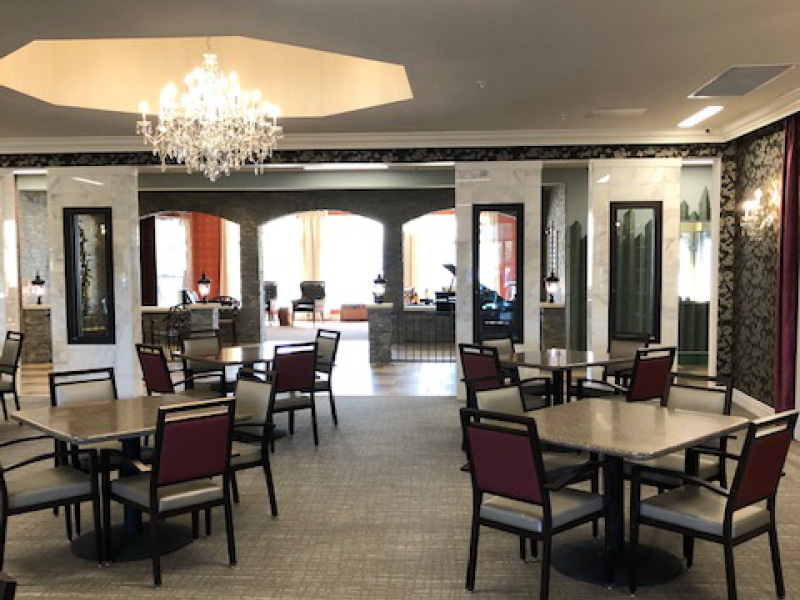
How is Avenue At Broadview Heights Staffed?

CMS rates AVENUE AT BROADVIEW HEIGHTS's staffing level at 2 out of 5 stars, which is below average compared to other nursing homes. Staff turnover is 73%, which is 26 percentage points above the Ohio average of 46%. High turnover can affect care consistency as new staff learn residents' individual needs.

What Have Inspectors Found at Avenue At Broadview Heights?

State health inspectors documented 42 deficiencies at AVENUE AT BROADVIEW HEIGHTS during 2022 to 2024. These included: 1 that caused actual resident harm and 41 with potential for harm. Deficiencies causing actual harm indicate documented cases where residents experienced negative health consequences.
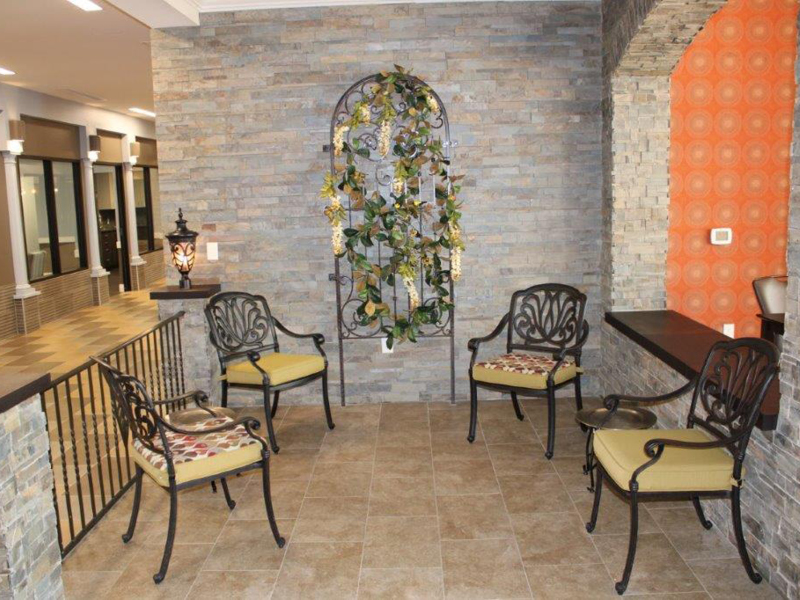
Who Owns and Operates Avenue At Broadview Heights?

AVENUE AT BROADVIEW HEIGHTS is owned by a for-profit company. For-profit facilities operate as businesses with obligations to shareholders or private owners. The facility is operated by PROGRESSIVE QUALITY CARE, a chain that manages multiple nursing homes. With 78 certified beds and approximately 57 residents (about 73% occupancy), it is a smaller facility located in BROADVIEW HEIGHTS, Ohio.

How Does Avenue At Broadview Heights Compare to Other Ohio Nursing Homes?

Compared to the 100 nursing homes in Ohio, AVENUE AT BROADVIEW HEIGHTS's overall rating (2 stars) is below the state average of 3.2, staff turnover (73%) is significantly higher than the state average of 46%, and health inspection rating (2 stars) is below the national benchmark.

What Should Families Ask When Visiting Avenue At Broadview Heights?

Based on this facility's data, families visiting should ask: "How do you ensure continuity of care given staff turnover, and what is your staff retention strategy?" "Can you walk me through typical staffing levels on day, evening, and night shifts?" "Can I visit during a mealtime to observe dining assistance and food quality?" "How do you handle medical emergencies, and what is your hospital transfer rate?" These questions are particularly relevant given the facility's high staff turnover rate and the below-average staffing rating.

Is Avenue At Broadview Heights Safe?

Based on CMS inspection data, AVENUE AT BROADVIEW HEIGHTS has a clean safety record: no substantiated abuse findings (meaning no confirmed cases of resident harm), no Immediate Jeopardy citations (the most serious violation level indicating risk of serious injury or death), and is not on the Special Focus Facility watch list (a federal program monitoring the lowest-performing 1% of nursing homes). The facility has a 2-star overall rating and ranks #100 of 100 nursing homes in Ohio. While no facility is perfect, families should still ask about staff-to-resident ratios and recent inspection results during their visit.

Do Nurses at Avenue At Broadview Heights Stick Around?

Staff turnover at AVENUE AT BROADVIEW HEIGHTS is high. At 73%, the facility is 26 percentage points above the Ohio average of 46%. High turnover means new staff may not know residents' individual needs, medications, or preferences. It can also be disorienting for residents, especially those with dementia who rely on familiar faces. Families should ask: What is causing the turnover? What retention programs are in place? How do you ensure care continuity during staff transitions?

Was Avenue At Broadview Heights Ever Fined?

AVENUE AT BROADVIEW HEIGHTS has no federal fines on record. CMS issues fines when nursing homes fail to meet care standards or don't correct problems found during inspections. The absence of fines suggests the facility has either maintained compliance or corrected any issues before penalties were assessed. This is a positive indicator, though families should still review recent inspection reports for the full picture.

Is Avenue At Broadview Heights on Any Federal Watch List?

AVENUE AT BROADVIEW HEIGHTS is not on any federal watch list. The most significant is the Special Focus Facility (SFF) program, which identifies the bottom 1% of nursing homes nationally based on persistent, serious quality problems. Not being on this list means the facility has avoided the pattern of deficiencies that triggers enhanced federal oversight. This is a positive indicator, though families should still review the facility's inspection history directly.