HEIGHTS REHABILITATION AND HEALTHCARE CENTER, THE
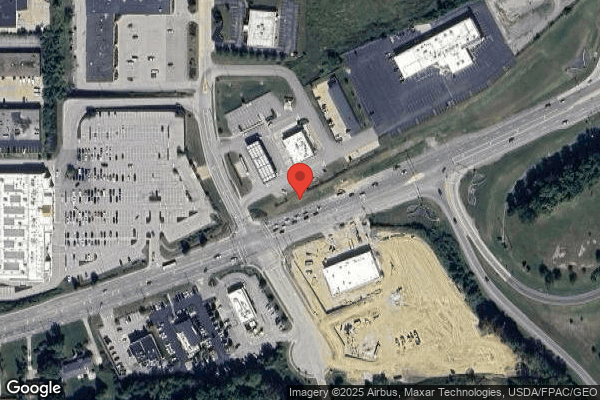
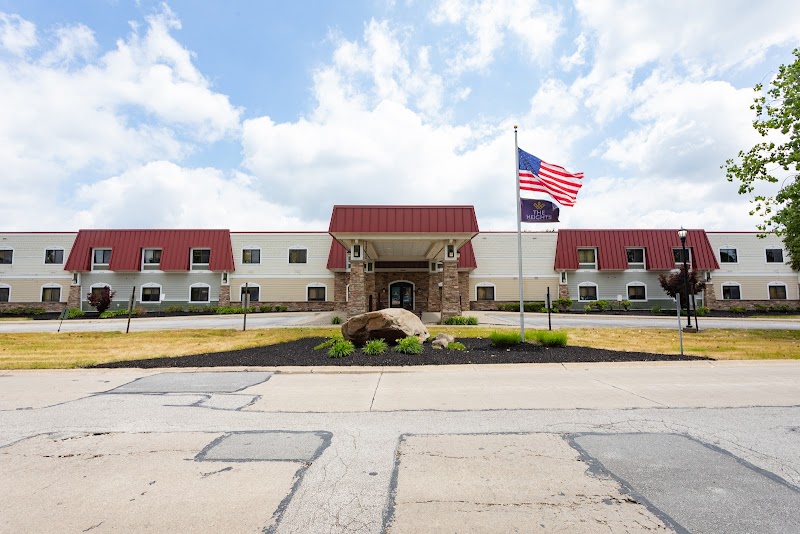
2801 E ROYALTON RD, BROADVIEW HEIGHTS, OH 44147 (440) 526-4770
For profit - Corporation 149 Beds CROWN HEALTHCARE GROUP Data: November 2025 1 Immediate Jeopardy citation
Trust Grade
13/100
#697 of 913 in OH
Last Inspection: September 2023

Over 2 years since last inspection. Current conditions may differ from available data.

Overview

Heights Rehabilitation and Healthcare Center has received a Trust Grade of F, indicating significant concerns regarding its care and operations. Ranking #697 out of 913 facilities in Ohio places it in the bottom half, and #64 of 92 in Cuyahoga County means only a few local options are better. The facility's trend appears stable, with 34 total issues reported consistently over the last two years. Staffing is a notable weakness, with a low rating of 1 out of 5 stars and a turnover rate of 56%, which is higher than the state average. Moreover, the facility has incurred fines totaling $239,224, which is concerning and suggests repeated compliance issues. Specific incidents reported by inspectors include a critical failure to respond promptly to a resident in respiratory distress, which contributed to serious harm. Additionally, a resident with dementia was involved in a physical altercation due to inadequate management of their behavioral symptoms, resulting in injuries for both residents. On a positive note, the facility has good RN coverage, exceeding 76% of Ohio facilities, which is important for catching potential issues that might be missed by other staff. However, families should weigh these strengths against the serious concerns raised in the inspection reports.

Trust Score
F
13/100
In Ohio
#697/913
Bottom 24%
Safety Record
High Risk
Review needed
Inspections
Holding Steady
3 → 3 violations
Staff Stability
⚠ Watch
56% turnover. Above average. Higher turnover means staff may not know residents' routines.
Penalties
✓ Good
$239,224 in fines. Lower than most Ohio facilities. Relatively clean record.
Skilled Nurses
○ Average
Each resident gets 41 minutes of Registered Nurse (RN) attention daily — about average for Ohio. RNs are the most trained staff who monitor for health changes.
Violations
⚠ Watch
34 deficiencies on record. Higher than average. Multiple issues found across inspections.
★★☆☆☆
2.0
Overall Rating
★☆☆☆☆
1.0
Staff Levels
★★★★★
5.0
Care Quality
★★☆☆☆
2.0
Inspection Score
Stable
2024: 3 issues
2025: 3 issues

The Good

  • 5-Star Quality Measures · Strong clinical quality outcomes
  • Full Sprinkler Coverage · Fire safety systems throughout facility
  • No fines on record

Facility shows strength in quality measures, fire safety.

The Bad

2-Star Overall Rating

Below Ohio average (3.2)

Below average - review inspection findings carefully

Staff Turnover: 56%

10pts above Ohio avg (46%)

Frequent staff changes - ask about care continuity

Federal Fines: $239,224

Well above median ($33,413)

Significant penalties indicating serious issues

Chain: CROWN HEALTHCARE GROUP

Part of a multi-facility chain

Ask about local staffing decisions and management

Staff turnover is elevated (56%)

8 points above Ohio average of 48%

The Ugly 34 deficiencies on record

1 life-threatening 1 actual harm
Aug 2025 1 deficiency
CONCERN (D) 📢 Someone Reported This

A family member, employee, or ombudsman was alarmed enough to file a formal complaint

Potential for Harm - no one hurt, but risky conditions existed

Comprehensive Care Plan (Tag F0656)

Could have caused harm · This affected 1 resident

Based on interview and record review, the facility did not ensure an individualized care plan was developed for Resident #1 to address the diagnosis of post-traumatic stress disorder (PTSD) to identif...

Read full inspector narrative →
Based on interview and record review, the facility did not ensure an individualized care plan was developed for Resident #1 to address the diagnosis of post-traumatic stress disorder (PTSD) to identify triggers and interventions to minimize risk of re-traumatization. This affected one resident (#1) of three residents reviewed for care planning. The facility identified one resident (Resident #1) as having PTSD. The facility census was 108. Findings include: Review of the medical record for Resident #1 revealed an admission date of 04/22/25. Diagnoses included generalized anxiety, borderline personality disorder, major depressive disorder, and PTSD. Review of the quarterly Minimum Data Set (MDS) 3.0 assessment, dated 07/29/25, revealed Resident #1 was cognitively intact, exhibited other behavioral symptoms not directed toward others four to six days of the assessment reference period, was independent for transfers and was able to independently maneuver her motorized wheelchair 50 and 150 feet. Walking hadn ' t been attempted during the assessment reference period. Review of PTSD Checklist for DSM-5, dated 04/23/25, revealed Resident #1 was quite a bit bothered when something reminded the resident of the stressful experience, and the resident was moderately bothered when the resident had strong physical reactions when something reminded her of the stressful experience, such as heart pounding, trouble breathing, or sweating. Further record review for this resident revealed no assessment had been completed to identify the cause of PTSD for Resident #1 or the potential triggers which may cause re-traumatization. Review of the plan of care, dated 04/23/25, for Resident #1 revealed the resident had impaired psychiatric/mood status related to depression, anxiety, bipolar, and PTSD. Further review of the care plan revealed the cause of the PTSD or the triggers which may cause re-traumatization hadn ' t been identified on the care plan therefore no interventions were developed to mitigate risk of re-traumatization. An interview with Resident #1 on 08/07/25 at 9:43 A.M. revealed the resident voiced she had PTSD and wanted people to stay out of her personal space. Resident #1 stated when people get to close to her, it triggers her. An interview on 08/12/25 at 12:45 P.M. with Licensed Practical Nurse #405, who had picked up a shift and was working on a unit she normally didn ' t work, revealed she had been unaware if she got too close to Resident #1, the resident would get anxious, until the earlier in the shift when LPN #405 had gotten too close to the resident, the resident told her she was getting too close to her. An interview with the Administrator on 08/12/25 at 1:59 P.M. stated the facility didn ' t have a PTSD policy. An interview on 08/12/25 at 2:55 P.M. with Certified Nursing Assistant #425 revealed she was unaware getting too close to Resident #1 bothered her until Resident #1 told her she didn ' t like people getting too close to her. An interview on 08/12/25 at 3:03 P.M. with Social Services Director (SSD) #360 revealed when a resident was admitted with a diagnosis of PTSD, she would complete the PTSD Checklist for DSM-5. She stated she would talk about triggers for PTSD when she was completing the assessment or during the 72 hour meeting they held with residents. She indicated if a resident with PTSD voiced any triggers, she would relay those triggers to staff through verbal communications. SSD #360 indicated the first thing Resident #1 mentioned about her trigger for her PTSD was people getting too close to her. SSD #360 stated she was unsure when the resident had told her about this trigger for her PTSD. She confirmed the medical record hadn ' t identified the cause of Resident #1 ' s PTSD or the triggers related to her PTSD, and staff should be aware of triggers for a resident's PTSD. SSD #360 verified no care plan had been developed and implemented to address triggers or interventions related to Resident #1's PTSD.
Jun 2025 2 deficiencies
CONCERN (D) 📢 Someone Reported This

A family member, employee, or ombudsman was alarmed enough to file a formal complaint

Potential for Harm - no one hurt, but risky conditions existed

Safe Environment (Tag F0584)

Could have caused harm · This affected 1 resident

**NOTE- TERMS IN BRACKETS HAVE BEEN EDITED TO PROTECT CONFIDENTIALITY** Based on observation, record review and interview, the facility failed to ensure comfortable room temperatures for Resident #20 ...

Read full inspector narrative →
**NOTE- TERMS IN BRACKETS HAVE BEEN EDITED TO PROTECT CONFIDENTIALITY** Based on observation, record review and interview, the facility failed to ensure comfortable room temperatures for Resident #20 and Resident #113. This finding affected two residents (Residents #20 and #113) of 115 residents who reside in the facility. Findings include: 1. Review of Resident #113's medical's medical record revealed the resident was admitted on [DATE] with diagnoses including cerebral infarction, acute respiratory failure with hypoxia, and tracheostomy status. Review of Resident #113's admission Minimum Data Set (MDS) 3.0 assessment dated [DATE] revealed the resident exhibited a memory problem. Review of Resident #113's medical record revealed the resident's temperature on 06/20/25 at 11:36 A.M. was 98.0 degrees Fahrenheit; on 06/21/25 at 9:16 A.M. was 98.4 degrees Fahrenheit; on 06/22/25 at 9:25 A.M. was 98.9 degrees Fahrenheit; on 06/23/25 at 9:10 P.M. was 97.7 degrees Fahrenheit; and on 06/24/25 at 5:14 A.M. was 98.6 degrees Fahrenheit. Review of Resident #113's medical record revealed the resident's oxygen levels via a tracheostomy on 06/21/25 at 9:16 A.M. was at 97%; on 06/22/25 at 8:31 A.M. was at 95%; on 06/23/25 at 1:50 P.M. was 92%; on 06/24/25 at 2:13 A.M. was 93% and on 06/24/25 at 5:14 A.M. was 85%. Review of Resident #113's progress note dated 06/24/25 at 5:52 A.M. revealed the resident was sent to the hospital due to a respiratory rate of greater than 40, labored breathing and a pulse oximetry of 85%. Review of Resident #113's progress note dated 06/24/25 at 12:23 P.M. revealed the resident was admitted to the hospital with bilateral pneumonia. Observation on 06/24/25 at 9:19 A.M. with Maintenance Assistant #814 and Maintenance Director #816 of Resident #113's room revealed the door was closed, the air conditioning unit was turned off with two wet blankets underneath the air conditioning unit and two wet blankets were noted in a corner of the resident's room. A fan was observed in the resident's room. The air conditioning unit was turned back on in the automatic setting at the time of the observation and little air was noted from the unit. Observations revealed the front of the air conditioning unit was removed and lying beside the wall. A second observation on 06/24/25 at 9:37 A.M. with Maintenance Director #816 of Resident #113's room revealed the air conditioning unit was blowing slight air into the resident's room. Interview on 06/24/25 at 9:37 A.M. with Maintenance Director #816 revealed the facility was not aware of Resident #113's air conditioning unit not functioning appropriately. Maintenance Director #816 revealed the air conditioning unit was leaking due to condensation or sweating. Maintenance Director #816 did not know why the front of the air conditioning unit was removed and lying beside the wall. Interview on 06/24/25 at 9:38 A.M. with Registered Nurse (RN) #815 revealed she had worked on 06/23/25 and Resident #113's room was hot. RN #815 confirmed the resident was sweating but she did not know the temperature in the resident's room. RN #815 also confirmed she had previously reported the leaking air conditioner to the maintenance department and the maintenance staff had placed blankets underneath the air conditioning unit. Interview on 06/25/25 at 7:46 A.M. with Licensed Social Worker (LSW) #818 indicated Resident #113's family had come in at some point over the weekend (06/21/25 or 06/22/25) and reported environmental concerns including the hot temperature of the resident's room. Review of the temperature Logbook Documentation forms revealed Resident #113's room temperature was last obtained on 06/20/25 with a result of 72 degrees Farenheit (F). Review of the Resident/Family Concern/Grievance Form dated 06/23/25 revealed Resident #113's family had reported environmental concerns related to the room and the facility provided a fan for the room (and a portable air conditioner on 06/24/25). 2. Review of Resident #20's medical record revealed the resident was initially admitted on [DATE] and readmitted on [DATE] with diagnoses including respiratory failure, tracheostomy status and neuromuscular dysfunction of the bladder. Review of Resident #20's MDS 3.0 assessment dated [DATE] revealed the resident had a memory problem. Interview on 06/24/25 at 11:07 A.M. with Resident #20's daughter revealed the resident's air conditioning unit was not working appropriately and it was hot in the resident's room. Observation on 06/24/25 at 11:15 A.M. with Maintenance Assistant #814 of Resident #20's resident room revealed the ambient temperature using a hydrometer was 81.4 degrees Fahrenheit. Observation of the air conditioning unit with Maintenance Assistant #814 of the air conditioning unit revealed the unit was set to automatic and felt cold when touched but was only slightly blowing cold air into the room. Two fans were noted in the resident's room. Observation and subsequent interview on 06/24/25 at 12:07 P.M. with the Administrator of Resident #20's room revealed the air conditioning unit was set at the automatic setting and was slightly blowing cold air into the resident's room. The Administrator revealed he would talk to the maintenance department about the air conditioning unit. A blanket was noted underneath the air conditioning unit. Review of the Facility Temperature Policy dated 09/2021 revealed the purpose of the policy was to provide a comfortable and safe temperature for the residents in the facility. This deficiency represents non-compliance investigated under Complaint Numbers OH00166906 and OH00164339.
CONCERN (E) 📢 Someone Reported This

A family member, employee, or ombudsman was alarmed enough to file a formal complaint

Potential for Harm - no one hurt, but risky conditions existed

Safe Environment (Tag F0921)

Could have caused harm · This affected multiple residents

**NOTE- TERMS IN BRACKETS HAVE BEEN EDITED TO PROTECT CONFIDENTIALITY** Based on observation, interview, and record review the facility failed to ensure visibly soiled bedding was changed in a timely ...

Read full inspector narrative →
**NOTE- TERMS IN BRACKETS HAVE BEEN EDITED TO PROTECT CONFIDENTIALITY** Based on observation, interview, and record review the facility failed to ensure visibly soiled bedding was changed in a timely manner affecting Resident #76. The facility also failed to ensure the south wing shower room wall was maintained in good repair. This had the potential to affect 35 residents (#5, #9, #21, #24, #27, #30, #31, #37, #38, #41, #44, #48, #49, #52, #56, #65, #66, #68, 69, #71, #72, #74, #82, #84, #92, #95, #97, #99, #100, #101, #102, #104, #108, 109, and #114) of 38 residents that use the south wing shower room. The facility census was 115. Findings include: 1. Review of the medical record for Resident #76 revealed an initial admission date of 12/03/24. Diagnoses included quadriplegia, tracheostomy status, dependence on respirator (ventilator), gastrostomy (feeding tube). Review of the comprehensive minimum data set (MDS) assessment dated [DATE] revealed Resident #76 had intact cognition and was dependent on staff for all activities of daily living (ADLs). Observation on 06/24/25 at 11:32 A.M. of Resident #76's bedding revealed a dried, brownish stain approximately 2 ½ inches on his sheet near where his right wrist was laying but did not observe any open areas. Interview at this time with Resident #76 revealed he wasn't sure what the stain was. Observation on 06/24/25 at 11:38 A.M. with Registered Nurse (RN) #815 of Resident #76's bedding verified the dried brown stain and stated she believed it was blood that came from a small scabbed over area on top of the right arm near the wrist area. RN #815 stated it was warm in the room so it could have dried fast but will make sure when the aides come into his room for care that they change his sheets. Interview on 06/25/25 at 10:47 A.M. with the Director of Nursing (DON) stated she thinks the blood was from the blood draw and provided lab results report for Resident #76. Review of the lab results revealed a collection date of 06/23/25 at 6:35 A.M. DON verified the lab draw was from the day before the observation of the dried, brown stain on 06/24/25. DON stated she was just trying to figure where the blood could have possibly come from. DON stated linens should be changed when visibly soiled. 2. Observation on 06/24/25 at 1:47 P.M. of the south wing shower room with Certified Nursing Assistant (CNA) #808 revealed the lower part of the wall between the shower and the bathroom and under the hand sanitizer was a hole with broken tiles, basketball sized, broken inward. Interview at this time with CNA #808 verified the observation and stated he was not sure how long the wall had been that way and was his first time seeing it. Review of the list provided by the facility indicated 35 residents (#5, #9, #21, #24, #27, #30, #31, #37, #38, #41, #44, #48, #49, #52, #56, #65, #66, #68, 69, #71, #72, #74, #82, #84, #92, #95, #97, #99, #100, #101, #102, #104, #108, 109, and #114) of 38 residents used the south wing shower room. This deficiency represents non-compliance investigated under Complaint Number OH00165647.
Sept 2024 1 deficiency
CONCERN (D) 📢 Someone Reported This

A family member, employee, or ombudsman was alarmed enough to file a formal complaint

Potential for Harm - no one hurt, but risky conditions existed

Quality of Care (Tag F0684)

Could have caused harm · This affected 1 resident

**NOTE- TERMS IN BRACKETS HAVE BEEN EDITED TO PROTECT CONFIDENTIALITY** Based on record review, interview, and facility policy review the facility failed to ensure Resident #200's scattered bruises we...

Read full inspector narrative →
**NOTE- TERMS IN BRACKETS HAVE BEEN EDITED TO PROTECT CONFIDENTIALITY** Based on record review, interview, and facility policy review the facility failed to ensure Resident #200's scattered bruises were comprehensively assessed and monitored to include descriptions, measurements, and progression. This finding affected one resident (#200) of three residents reviewed for falls. The facility census was 116. Findings include: Review of Resident #200's medical record revealed the resident was admitted on [DATE] and discharged against medical advice (AMA) on 08/10/24 with diagnoses including cerebral infarction, muscle weakness, and aphasia. Review of Resident #200's admission Evaluation dated 08/02/24 revealed the resident was alert to person, had aphasia, and was sometimes difficult to communicate his needs. The resident did not have skin impairments. Review of Resident #200's Wound Evaluation form dated 08/03/24 revealed the resident had redness and irritation on his buttocks. No other skin conditions were documented. Review of Resident #200's Fall Occurrence Evaluation form dated 08/04/24 revealed at 1:21 P.M. the resident was found by Licensed Practical Nurse (LPN) Minimum Data Set (MDS) Coordinator #808 lying on his right side with the right shoulder hyperextended. The resident was assessed, and all parties were notified. The resident was discharged to the hospital for an x-ray to rule out injury. Review of Resident #200's 5-Day Minimum Data Set (MDS) 3.0 assessment dated [DATE] revealed Resident #200 exhibited a memory problem and was frequently incontinent of urine and bowel. Review of Resident #200's Skin Inspection form dated 08/09/24 revealed no new skin areas were observed. Review of Resident #200's medication administration records (MAR) and treatment administration records (TAR) from 08/05/24 to 08/12/24 revealed orders dated 08/05/24 to monitor for bruising to the resident's bilateral arms and legs every shift and to monitor for bruising to the right eye every shift. The documentation confirmed the monitoring was completed as ordered; however, there was no description of the bruising. Review of Resident #200's progress note dated 08/10/24 at 5:42 P.M. authored by the Director of Nursing (DON) revealed Resident #200's wife was upset and wanted to take the resident home. She then called the emergency medical squad (EMS) and police department to transport the resident to the emergency room (ER). The resident continued to require maximum assistance of staff. EMS and police in agreement that the resident required 24-hour nursing care at the time. Police and EMS in agreement with the staff that the resident was not capable of making decisions for himself and assisted the facility staff with education related to Against Medical Advice (AMA) discharges. The resident's wife remained difficult and insistent that staff arrange transport home. Multiple attempts were made to redirect the wife by the police and staff. The wife became belligerent and aggressive and continued with disruptive behavior. The police and EMS verified that the resident was safe and well cared for. The police and EMS left the building. The resident's wife was angry at the police department and was sitting in the room contacting another police department. Review of Resident #200's progress note dated 08/10/24 at 7:27 P.M. authored by Licensed Practical Nurse (LPN) #811 indicated Resident #200 was discharged AMA with the wife and daughter present. The policy and procedure of discharging AMA was thoroughly explained to the family and verbally acknowledge with the family's understanding of the policy. Resident #200 was noted with no signs of distress or further concerns present. The family was helped with transporting the resident to the personal vehicle and the physician was notified. Interview on 09/09/24 at 6:39 A.M. with the Director of Nursing (DON) indicated she was aware Resident #200 fell at home prior to admission into the facility and on 08/04/24 while he was admitted as a resident. The DON confirmed the resident sustained bruising to the right side of his face and various bruises on his arms and legs which appeared the day after the fall. Interview on 09/09/24 at 5:48 A.M. with LPN #809 indicated Resident #200 had bruising on his fell, arms, and legs if she was not mistaken from a fall. She denied concerns with dignity and respect or abuse. Interview on 09/09/24 at 7:25 A.M. with Registered Nurse (RN) Assistant Director of Nursing (ADON) #814 indicated from what she remembered, Resident #200 had behaviors and bruising from a fall sustained while a resident. RN ADON #814 indicated the bruising was not evident immediately but appeared the next day, and an order to monitor the bruises was obtained at that time. She confirmed the resident's wife was made aware of the bruising and staff were monitoring the bruising. Interview on 09/09/24 at 12:40 P.M. with RN ADON #814 confirmed Resident #200's bruising was documented on the initial fall report as scattered bruises, but the medical record did not reveal evidence of comprehensive assessments and monitoring of the bruising to include descriptions, measurements, and progression. Telephone interview on 09/09/24 at 1:15 P.M. of Nurse Practitioner (NP) #823 with the Administrator and RN ADON #814 in attendance revealed she did not specifically recall any significant bruising on Resident #200, including the resident's face. Review of the undated Pressure Ulcers/Skin Breakdown Clinical Protocol form revealed the staff would examine the skin of a new admission for ulcerations or alterations. During resident visits, the physician will evaluate and document the progress of wound healing-especially for those with complicated, extensive, or non-healing wounds. This deficiency was an incidental finding discovered during the course of the complaint investigation.
Apr 2024 2 deficiencies
CONCERN (D) 📢 Someone Reported This

A family member, employee, or ombudsman was alarmed enough to file a formal complaint

Potential for Harm - no one hurt, but risky conditions existed

Deficiency F0583 (Tag F0583)

Could have caused harm · This affected 1 resident

**NOTE- TERMS IN BRACKETS HAVE BEEN EDITED TO PROTECT CONFIDENTIALITY** Based on observation, record review, interview, and facility policy review the facility failed to ensure resident records were p...

Read full inspector narrative →
**NOTE- TERMS IN BRACKETS HAVE BEEN EDITED TO PROTECT CONFIDENTIALITY** Based on observation, record review, interview, and facility policy review the facility failed to ensure resident records were protected and only accessed by authorized individuals. This affected one resident (#3) of three residents reviewed for safe record keeping. The facility census was 125. Findings include: Record review of Resident #3 revealed she was admitted to the facility 11/29/23 and had diagnoses including malignant neoplasm of the lung, cognitive communication deficit, and sheltered homelessness. Review of her minimum data set assessment dated [DATE] revealed she had severe cognitive impairment. Her contact list identified POA #601 and #602 as her powers of attorney and Interview with Power of Attorney (POA) #601 on 04/02/24 at 1:43 P.M. revealed she was a POA for Resident #3 and only her and POA #602 were the only non-providers allowed to access Resident #3's medical information. The resident had a sister (Family Member #603) who was not allowed to access the records due to the resident's wishes expressed when she was cognitively intact. The facility was supposed to fax medical information to another facility in preparation for a potential transfer; however, instead they gave the records to Family Member #603 because she said she'd take them to the facility herself. Observation of Resident #3 at the time of the above interview revealed she was not interviewable. Interview with Licensed Social Worker (LSW) #302 on 04/02/24 at 2:32 P.M. revealed she faxed Resident #3's admission information to an outside facility; however, during care conferences got three calls from the receptionist asking for the paperwork and saying the family would take it themselves. She brought Resident #3's information to the front desk and left it for them to pick up. Only later did she learn the requesting family was not authorized to access Resident #3's medical information. Interview with Family Member #603 on 04/02/24 at 3:17 P.M. revealed she asked for a copy of Resident #3's medical information the facility faxed to an outside facility and the facility provided it. She confirmed she was not a guardian or POA for the resident. Interview with the Administrator on 04/03/24 at 11:19 A.M. confirmed that Resident #3's medical information was given to an inappropriate party. Review of the facility's medical information policy dated 09/2021 revealed the facility was to maintain privacy of residents' health information. This deficiency is an incidental finding identified during the complaint investigation.
CONCERN (D) 📢 Someone Reported This

A family member, employee, or ombudsman was alarmed enough to file a formal complaint

Potential for Harm - no one hurt, but risky conditions existed

Investigate Abuse (Tag F0610)

Could have caused harm · This affected 1 resident

**NOTE- TERMS IN BRACKETS HAVE BEEN EDITED TO PROTECT CONFIDENTIALITY** Based on observation, record review, interview, and facility policy review the facility failed to ensure alleged abuse events we...

Read full inspector narrative →
**NOTE- TERMS IN BRACKETS HAVE BEEN EDITED TO PROTECT CONFIDENTIALITY** Based on observation, record review, interview, and facility policy review the facility failed to ensure alleged abuse events were reported and investigated appropriately. This affected one resident (#19) of five residents reviewed for abuse prohibition. The facility census was 125. Findings include: Record review of Resident #19 revealed she was admitted to the facility on [DATE] and had diagnoses including hemiplegia, cognitive communication deficit, and anxiety disorder. She was assessed by her minimum data set assessment on 02/28/24 as having severe cognitive impairment. A progress note dated 02/06/24 entered by Licensed Practical Nurse (LPN) #701 revealed Resident #19 called the police and said staff beat her and treated her harshly. The police left the facility after stating they had no concerns regarding resident safety. There was no documentation of any related skin assessment, notification to management, or investigation into the allegation. Interview with Resident #19 on 04/02/24 at 10:06 A.M. revealed she denied being abused while at the facility. Observation revealed she resided on the facility's secured dementia unit and appeared calm and without clear sign of injury. Interview with LPN #701 on 04/04/24 at 9:13 A.M. revealed that on 02/06/24 the police arrived at the facility and informed her Resident #19 called them and said staff beat and spoke harshly to her. The police said they saw no injury and the claim was unsubstantiated. LPN #701 checked the resident for injury and found none. She believed she notified management but could not recall who she talked to. Review of the Ohio Department of Health Certification and Licensure website revealed no evidence the facility submitted a report or investigation of abuse related to Resident #19 at any point on or after 02/06/24. Interview with the Administrator on 04/04/24 at 9:05 A.M. confirmed the above findings. Review of the facility's abuse prevention policy dated 09/2021 revealed allegations of abuse were to be promptly investigated and reported to relevant government agencies. This deficiency represents noncompliance investigated under Master Complaint Number OH00152273 and Complaint Number OH00151735.
Oct 2023 3 deficiencies 1 IJ
CRITICAL (J) 📢 Someone Reported This

A family member, employee, or ombudsman was alarmed enough to file a formal complaint

Immediate Jeopardy (IJ) - the most serious Medicare violation

Quality of Care (Tag F0684)

Someone could have died · This affected 1 resident

**NOTE- TERMS IN BRACKETS HAVE BEEN EDITED TO PROTECT CONFIDENTIALITY** Based on closed medical record review, review of video/audio camera recordings, review of a fire department cardiopulmonary resu...

Read full inspector narrative →
**NOTE- TERMS IN BRACKETS HAVE BEEN EDITED TO PROTECT CONFIDENTIALITY** Based on closed medical record review, review of video/audio camera recordings, review of a fire department cardiopulmonary resuscitation (CPR) report, review of a facility Self-Reported Incident (SRI), review of the facility policy for call lights, review of the facility policy for resident condition change, review of the redcross.org Adult Cardiopulmonary Resuscitation (CPR) Steps reference, and interviews, the facility failed to timely and appropriately respond to Resident #118's calls for assistance and failed to provide adequate assistance/intervention as the resident was experiencing a change in condition/respiratory distress. This resulted in Immediate Jeopardy and serious life-threatening harm/subsequently death beginning on [DATE] at 6:59 A.M. when staff failed to provide timely and appropriate care after Resident #118 pushed her call light and began yelling out for the nurse. Video/audio recording of the resident on [DATE] between 7:13 A.M. and 10:30 A.M. demonstrated a continued lack of adequate and necessary care by multiple staff. This included at 7:13 A.M. when an unidentified staff member entered Resident #118's room, turned off the call light and turned and exited the room stating to Resident #118, You will be fine (Resident #118's name), as she walked away. As the unidentified staff member was walking away, Resident #118 stated she had to pull for air and the unidentified staff member continued to exit the room without addressing Resident #118's concern. At 7:33 A.M. State Tested Nurse Aide (STNA) #274 entered Resident #118's room, shut off the call light and said he had to get report then he would be back to help her. There was no further video recording until 9:14 A.M. when Resident #118 began pushing her call light again. (Video footage is recorded following the movement detected by the camera). Between 9:14 A.M. and 9:57 A.M. Resident #118 pushed her call light an additional 11 times and yelled out multiple times for help, with no response from staff. At 9:57 A.M. STNA #274 entered Resident #118's room and asked, What is going on? Resident #118 stated she could not breathe and asked for help sitting up. STNA #274 stated the resident could not sit on the edge of the bed as requested and exited the room. At 9:58 A.M. Licensed Practical Nurse (LPN) #221 and STNA #274 entered Resident #118's room, Resident #118 said she was choking. LPN #221 attempted to suction Resident #118's oral secretions but did not complete an assessment, including vital signs of Resident #118. At 10:01 A.M. LPN #221 called emergency medical services (EMS) via 911. At 10:03 A.M. Resident #118 went unresponsive and at 10:06 A.M. chest compressions were initiated while Resident #118 was lying on an inflated low air loss mattress. A backboard was not used. At 10:08 A.M. an automated external defibrillator (AED) (device that analyzes heart rhythm and delivers shock, if needed, to restore normal heath rhythm) was brought into Resident #118's. However, the AED battery was low and there were no pads to connect the device to Resident #118 to enable detection of heart rhythm and deliver a shock if needed. At 10:10 A.M. staff indicated there was no backboard under the resident, a backboard was not provided for increased effectiveness of CPR. At 10:12 A.M. Emergency Medical Services (EMS) personnel took over care of the resident (a backboard was placed under the resident at that time). Resident #118 was unable to be resuscitated and was pronounced deceased at 10:30 A.M. This affected one resident (#118) of two residents reviewed for death. The facility census was 112. On [DATE] at 12:05 P.M. the Administrator and Administrator in Training (AIT) #401 were notified Immediate Jeopardy began on [DATE] when the facility failed to provide adequate, necessary care and treatment and timely intervention to Resident #118, who was a full code status, for an acute change in condition resulting in Resident #118's death. The Immediate Jeopardy was removed on [DATE] when the facility implemented the following corrective actions. • On [DATE] after Resident #118 expired, the identified AED machine was taken out of service and removed from the facility (at 12:00 P.M.) • On [DATE] LPN #221 completed Cardiopulmonary Resuscitation (CPR) training and provided the facility a current CPR certification card. • On [DATE] the Director of Nursing (DON) reviewed all current resident charts to ensure residents experiencing a change in condition were assessed immediately by the licensed nurse, CPR was performed using a back board appropriately if needed, and the call lights were answered timely. • On [DATE] the DON completed training for all facility licensed nurses which included residents with a change in condition were fully assessed and follow up was completed. Additional training was completed for licensed nursing staff to ensure a backboard was used when performing CPR, and that per the facility policy was followed and that the AED was not to be used. Licensed nurses were also educated to check and assure a back board was available for use on the facility crash carts. • On [DATE] the DON completed training for all nursing staff to ensure resident call lights were answered timely and care was provided as necessary. • On [DATE] the facility held mock CPR code drills during the 7:00 A.M. to 3:00 P.M., 3:00 P.M. to 11:00 P.M., and 11:00 P.M. to 7:00 A.M. shifts for licensed nurses to ensure appropriate procedures were followed. • On [DATE] the DON trained Human Resource (HR) #262 to ensure upon hire and monthly thereafter, all licensed nurses had an active CPR card. An audit of licensed nurses was also completed to ensure all CPR cards were current. • The facility implemented a plan for weekly audits to be completed for four weeks by the HR #262 to ensure active CPR cards were in personnel files for all licensed nurses. • The facility implemented a plan for weekly audits for four weeks by the DON or Assistant Director of Nursing (ADON) to monitor all changes in resident condition and to ensure call lights were answered timely, care was provided as necessary, a full assessment was completed by the licensed nurse, an AED machine was not used, and a backboard was used when CPR was performed. All audits will be submitted to the Quality Assurance (QA) committee weekly for trending, tracking and recommendations. • Interviews on [DATE] between 11:30 A.M. and 12:06 P.M. with STNA #204, #233, #271, #232, LPN #235, #311, and #236 confirmed staff were educated by the DON. LPN #311 confirmed she had a mock code completed on [DATE]. Although the Immediate Jeopardy was removed on [DATE], the facility remained out of compliance at Severity Level 2 (no actual harm with potential for more than minimal harm that is not Immediate Jeopardy) as the facility was in the process of implementing their corrective action plan and monitoring to ensure on-going compliance. Findings include: Review of Resident #118's closed medical record revealed an admission date of [DATE] and a discharge date of [DATE]. Resident #118 had diagnoses including dysphagia (difficulty swallowing), muscle weakness, hemiplegia and hemiparesis following cerebral infarction affecting right dominant side, chronic congestive heart failure, hypertension, and obstructive sleep apnea. Record review of the care plan for Resident #118 dated [DATE] revealed the resident's advance directives were for a full code status. Record review revealed the resident also had a care plan for impaired respiratory status related to asthma, sleep apnea, and chronic respiratory failure. Interventions included administering medications as ordered, assist with activities of daily living, encourage rest periods, and elevate the head of the bed. Review of a Minimum Data Set (MDS) 3.0 assessment, dated [DATE] revealed Resident #118 was rarely or never understood, required extensive assistance from two staff for bed mobility, transfers, locomotion, dressing, toilet use, personal hygiene, and total dependence (from staff) for eating. The MDS also reflected the resident had medically complex conditions which included cancer, heart failure, and renal failure. Review of Resident #118's physician orders revealed an order dated [DATE] indicating Resident #118 was to have nothing by mouth (NPO). An order dated [DATE] indicated Resident #118 was a full code. Review of Resident #18's (re-admission) admission Evaluation dated [DATE] timed 12:03 A.M. revealed on [DATE] at 12:00 A.M. Resident #118 was admitted from the hospital, alert and oriented to person and place, on oxygen therapy, and was a full code status. Review of a nurse's note, dated [DATE] timed 12:00 P.M. and completed by LPN #221 revealed during morning medication pass Resident #118 verbalized she felt short of breath and felt that she needed to go to the emergency room. The resident's oxygen saturation level was documented to be 89 % (normal 92-100%), blood pressure (BP) was 144/62 and pulse 62 beats per minute (bpm). The note indicated Resident #118 coded after vital signs with lack of respiration and lack of heartbeat. LPN #221 documented in the note she initiated a Code Blue and EMS was activated. In house staff-initiated CPR, EMS arrived and took over CPR. EMS was in contact with the emergency room physician. Code continued for 20 more minutes. Resident #118 continued to have lack of vitals and was asystole (no heart rhythm) on the heart monitor. The physician discontinued CPR and the resident was pronounced deceased at 10:30 A.M. Family was notified and came in to view the body and staff performed postmortem care. The funeral home was contacted at 11:15 A.M. The note revealed the Nurse Practitioner was also notified. The resident's family provided video/audio footage recording taken from Resident #118's room via a video/audio monitoring camera that was placed in the room that the family had access to and could view dated [DATE] which revealed the following: • At 6:59 A.M., Resident #118 pushed her call light and yelled out Nurse. Resident #118 attempted to clear her throat and again yelled out while continuing to push her call light with no response. • At 7:13 A.M., an unidentified female staff member entered Resident #118's room, walked directly over to the call light switch located on the wall. Resident #118 spoke to the staff member, the staff did not stop walking, shut off the call light switch on the wall, turned, and as she was walking away from Resident #118, she told her she was fine. Resident #118 stated, I have to pull for air. The staff member continued to walk away and exited the room. • At 7:33 A.M., Resident #118 again pushed her call light. STNA #274 entered the room, shut off the call light switch located on the wall and approached Resident #118 asking if she needed something. Resident #118 requested to be pulled up in bed. STNA #274 said he had to get report first then he would come and take care of her, he would be right back. • There was no further video recording until 9:14 A.M. when Resident #118 began pushing her call light again. • At 9:14 A.M., Resident #118 pushed her call light, coughing and clearing her throat. • At 9:16 A.M., Resident #118 pushed her call light with no response from staff. • At 9:28 A.M., Resident #118 pushed her call light with no response from staff. • At 9:31 A.M., Resident #118 pushed her call light with no response from staff. • At 9:43 A.M., Resident #118 pushed her call light with no response from staff. • At 9:47 A.M., Resident #118 pushed her call light with no response from staff. Resident #118 began yelling for help. • At 9:48 A.M., Resident #118 pushed her call light with no response from staff. Resident #118 was attempting to clear her airway. • At 9:49 A.M., Resident #118 pushed her call light with no response from staff. • At 9:52 A.M., Resident #118 pushed her call light with no response from staff. Resident #118 was yelling out, Nurse I am sick Resident #118 picked up her phone and attempted to make a phone call unsuccessfully, calling out, Nurse, help. • At 9:54 A.M., Resident #118 was observed dropping the phone and heard continuing to call nurse, help. • At 9:55 A.M., Resident #118 continued to attempt to use the phone unsuccessfully and continued to yell out repeatedly, Nurse help me, help me, help me while pushing her call light repeatedly without a response. • At 9:57 A.M., STNA #274 entered and asked, What's going on? Resident #118 stated, I can't breathe. Resident #118 requested STNA #274 to help her sit up. STNA #274 stated the resident could not sit up on the side of the bed, she had to stay in bed. Resident #118 requested to go to the hospital. At this point Resident #118 was struggling to breathe while making grunting sounds with each breath. Resident #274 left the room at 9:58:23. Resident #118 was observed to continue struggling and called, Nurse. • At 9:58 A.M., LPN #221 entered the room with STNA #274. Resident #118, while struggling to speak stated again help me, I am choking. LPN #221 asked what's the matter, are you having a hard time. Resident #118 repeated, I am choking. LPN #221 asked STNA #274 is that thing hooked up (referring to the suction machine). LPN #221 put the tip of the tonsil tip suction device in Resident #118's mouth briefly. Resident #118 indicated there was nothing there. LPN #221 asked Resident #118 if she needed some water. LPN #221 moved from the camera view and stated, Let me see if I can get her some water then asked, Is she NPO? STNA #274 confirmed Resident #118 was NPO. • At 10:01 A.M., LPN #221 placed a call on a cell phone while in Resident #118's room to 911 and said Resident #118 was having trouble breathing. A female voice could be heard coming from the video/audio recording camera asking, What's happening? (the voice was confirmed to be Resident #118's daughter). LPN #221 stated Resident #118 was having a hard time, she called 911, the squad was on the way, she could not give her anything to drink because she was NPO, so she was going to have to send her (the resident) out. • At 10:03 A.M , another unidentified staff member entered the resident's room. Resident #118 had hand movements toward her chest but offered no response to staff. • At 10:03 A.M., Human Resource (HR) #262 (manager on duty) was observed to enter the resident's room and applied gloves. Resident #118 was unresponsive. HR #262 completed a sternal rub and was observed to check the resident for a radial pulse. • At 10:04 A.M., LPN #221 placed an automatic wrist blood pressure cuff on Resident #118's left wrist. • At 10:05 A.M., STNA #274 was observed attempting to obtain a response from Resident #118 who was unresponsive. No other staff were observed in the room. • At 10:06 A.M., Resident #118's bed was positioned flat and manual administration of an ambu bag (for ventilation) was initiated per HR #262. • At 10:06:10 A.M., LPN #221 motioned to staff to cover the camera in the resident's room. STNA #204 and #274 were observed to stand in front of the video camera at this time. • At 10:06:30 A.M., chest compressions were initiated. No backboard was placed under Resident #118 who was lying on a low air loss mattress. Two staff members were noted to be covering the camera view with their backsides. A crash cart was partially in view. Counting of compressions could be heard. • At 10:08:52 A.M., LPN #221 brought an AED into the room and placed it at the foot of Resident #118's bed. • At 10:08:56 A.M., audible from the AED could be heard; Battery Low, Check Pads Several staff asked, Where are the pads? The AED repeated, Check Pads as staff looked through the crash cart drawers, pads were not located. Chest compressions continued. The camera view was intermittently blocked. • At 10:10:03 A.M. a male voice was heard asking, Where is the back board? A female voice stated, There should be one on there. Three staff members (STNA #274, LPN #221, and LPN #207) went to the crash cart and confirmed a backboard was not on the crash cart nor in the room. No backboard was brought to the resident's room. • At 10:10:05 A.M., Environmental Services #239 was providing rescue breaths to Resident #118 using an ambu bag while LPN #280 was doing chest compressions. The low air loss mattress was inflated and Resident #118's body was moving up and down on the mattress during compressions. • At 10:11:08 A.M., EMS arrived. • At 10:11:32 A.M., LPN #287 took over chest compressions. Environmental Services #239 continued providing respirations/ventilation with the ambu bag. • At 10:11:56 A.M., EMS staff can be heard saying they responded for shortness of breath. The team was grabbing what they needed (getting supplies needed to care for a resident requiring cardiopulmonary resuscitation) • At 10:12:13 A.M., LPN #221 relieved LPN #287 and continued chest compressions. • At 10:12:50 A.M. EMS took over and continued resuscitation efforts through 10:30:57 A.M. Review of the local Fire Department Treatment/CPR report dated [DATE] on page three revealed Resident #118's date and time of death was [DATE] at 10:31 A.M. pronounced per Physician #501. Interview on [DATE] at 3:23 P.M. with HR #262 revealed he was the Manager on Duty on [DATE]. When he walked in the building at 10:00 A.M. he heard a Code Blue. HR #262 was informed Resident #118 was having trouble breathing and went unresponsive. HR #262 stated he was an emergency medical technician (EMT) prior to his employment with the facility in HR and when he entered Resident #118's room, the resident was having agonal (gasping) breathing. HR #262 stated he did a sternal rub, checked for alertness, used a pen to check capillary refill, then tried to obtain a pulse and could not find one. LPN #280 asked for an AED. LPN #221 retrieved the AED which was kept by the receptionist's office on the wall. LPN #280 opened the AED; it said low power and staff could not find the pads. Once the fire department arrived, they brought a [NAME] (provides mechanical chest compressions) device and a cardiac monitor. HR #262 was unaware of the low air loss mattress (on the resident's bed), and the ability to deflate the mattress. HR #262 confirmed the backboard was not in place while staff did CPR on Resident #118. HR #262 revealed the AED was tossed out the next day, the battery was not good enough. The cost of the battery was almost as much as the AED and the reason why the facility had not replaced the battery. On [DATE] at 4:24 P.M. a telephone interview with STNA #274 revealed Resident #118 frequently pushed her call light on (sometimes about 50 times per eight-hour shift) and the majority of the time it was to request to be suctioned. The STNA revealed the resident often needed suctioned (maybe about 10 times per shift) because she had a lot of mucous. Review of employee files and interview with HR #262 on [DATE] at 4:50 P.M. revealed LPN #221 (the nurse assigned to care for Resident #118 on [DATE]) had a hire date of [DATE]. The CPR card on file for LPN #221 was dated [DATE] (following the incident with Resident #118 on [DATE]). There was no evidence the facility had checked or verified LPN #221's CPR certification status at the time of hire. On [DATE] at 5:17 P.M. telephone interview with LPN #221 revealed (on [DATE]) she was outside of Resident #118's door when Resident #118 said nurse can you help me (unable to recall time) but stated this was the first time that morning Resident #118 had called out. LPN #221 stated she went into the room and asked Resident #118 what she needed. Resident #118 said she needed help, she was having a little trouble, but she did not say what kind of trouble. LPN #221 stated she sat Resident #118 up to get her vital signs. Resident #118 had oxygen on, and LPN #221 obtained her vital signs. LPN #118 stated as soon as she got the vital signs, Resident #118 went unresponsive, and LPN #221 called a Code Blue. LPN #221 said STNA #274 was with her, and CPR was initiated. LPN #221 said all equipment was available on the crash cart and 911 was called by another staff member. The squad showed up and took over. LPN #221 said when she assessed Resident #118 that morning (time not provided) she was fine, there were no concerns or complaints expressed by Resident #118. LPN #221 did not recall if there was a suction machine in Resident #118's room but said she did check Resident #118's mouth and there was nothing in her mouth. LPN #221 said there was no AED in Resident #118's room during CPR. On [DATE] at 5:37 P.M. telephone interview with Resident #118's granddaughter revealed the family had placed a camera in the resident's room (date note provided) after the resident reported concerns with care/abuse. The camera was motion detected, the facility was aware of the camera and Resident #118's children would often speak with staff through the camera while the staff would provide care to Resident #118. The granddaughter stated she watched the video from [DATE] and documented the concerns she had from the video, including the resident asking for help and the staff not assisting her, the resident yelling for help and no one coming to check on her, the resident ringing her call light numerous times- attempting to reach staff as she was having trouble breathing and using her phone in an attempt to get help but being unsuccessful. The granddaughter also expressed concerns with the suction machine not working when her grandmother asked to be suctioned and the AED not in working order when it was brought into Resident #118's room for use. On [DATE] from 6:16 P.M. to 7:00 P.M. the video footage (with sound) was reviewed with the Administrator, Administrator in Training #401 and the Director of Nursing. The video footage reviewed began on [DATE] at 6:17 A.M. and continued through the resident's death. On [DATE] at 2:55 P.M. during a follow-up interview and observation of the video footage from [DATE] with LPN #221 (with the Administrator and Administer in Training (AIT) #401 present), LPN #221 revealed she did suction Resident #118 stating, you can see she grabbed it; she likes doing it herself. LPN #221 said the suction machine was working, Resident #118 said there was nothing there (in her mouth). LPN #221 said if a resident was NPO they could still have sips of water to wet the tongue. When asked when Resident #118's vital signs were taken or if a backboard was used during CPR, LPN #221 stated, Well you got the video, you can see what happened. (verifying LPN #221 did not assess the resident's vitals as documented and a backboard was not used during CPR for Resident #118). Interview on [DATE] at 5:08 P.M. with Medical Director/Primary Care Physician #348 revealed expectations were for staff to answer a resident's call light within 10-15 minutes. If a resident was calling out - staff should respond immediately. When there was a medical concern, the nurse should get vital signs first, assess the resident, then call the physician. If CPR was required and the resident was in bed, a backboard should be used. On [DATE] at 3:39 P.M. a telephone interview with the DON confirmed the facility had a non-functioning AED. It had been decided by the company the AED would not be used and the batteries and pads would not be replaced. However, the AED was never removed from its original location. The DON stated a staff member must have seen the AED and grabbed it mistakenly. The AED had since been removed. On [DATE] at 9:54 A.M. during a telephone interview with the Administrator regarding viewing the video from [DATE] and the unidentified staff member walking into the room, turning off the call light and not addressing Resident #118's needs, he stated he was unable to hear what the unidentified staff member said to the resident after the call light was turned off and the staff member exited the room but he was looking in to it and would report the information in a facility self-reported incident to the State agency. Review of the facility Self-Reported Incident (SRI), tracking number 240091, created on [DATE] with a date of discovery noted to be [DATE] and authored by the Administrator, revealed the facility reported an allegation of neglect involving Resident #118. Information contained in the SRI noted the State agency surveyor showed me several video clips. One of these video clips showed what appeared to be a staff member in blue clothing walking into Resident #118's room at approximately 7:13 A.M. The unidentified staff member exchanged a few words with Resident #118, I could not understand what was said as I only saw the video once, appears to turn off the call light button in the room and exits the room. The staff member never had any physical interaction with Resident #118. However, per the State agency statement received by me on [DATE] at approximately 3:00 P.M., On [DATE] at 7:13 A.M. an unidentified staff member entered Resident #118's room, shut off the resident's call light and turned to leave when Resident #118 was heard telling the staff member she had to pull for air. The staff member said you will be fine and walked away. This was per the State agency statement received on [DATE]. (However, no written statement was provided to the facility or the Administrator regarding this incident by the State agency surveyor). The facility had not submitted a final report of their investigation to the State agency as of [DATE] at 1:15 P.M. Review of information from redcross.org revealed the following CPR Steps/Giving CPR included but were not limited to: Step 4: Kneel beside the person, place the person on their back on a firm, flat surface. Step 7: Use an AED as soon as one is available. Review of the facility's undated Call Light policy and procedure revealed the purpose was to respond to the resident's request and needs. Turn off the signal light. Identify yourself and call the resident by his or her name. Listen to the resident's request. Do what the resident asks of you, if permitted. If uncertain as to whether a request can be fulfilled or if the request cannot be fulfilled, ask the nurse supervisor for assistance. If you have promised the resident you will return with an item or information, do so promptly. Review of the facility undated policy titled, Change in a Resident's Condition or Status revealed the nurse would record in the resident's medical record information relative to changes in the resident's medical/mental condition or status. This deficiency represents non-compliance investigated under Complaint Number OH00147021.
CONCERN (D) 📢 Someone Reported This

A family member, employee, or ombudsman was alarmed enough to file a formal complaint

Potential for Harm - no one hurt, but risky conditions existed

Report Alleged Abuse (Tag F0609)

Could have caused harm · This affected 1 resident

Based on closed medical record review, video/audio footage review, review of a facility self-reported incident, policy review and interview, the facility failed to ensure allegations of neglect were t...

Read full inspector narrative →
Based on closed medical record review, video/audio footage review, review of a facility self-reported incident, policy review and interview, the facility failed to ensure allegations of neglect were timely reported to the State agency. This affected one resident (#118) of two residents reviewed for death. The census was 112. Findings include: Review of Resident #118's closed medical record revealed an admission date of 06/08/23 and a discharge date of 09/17/23. Resident #118 had diagnoses including dysphagia (difficulty swallowing), muscle weakness, hemiplegia and hemiparesis following cerebral infarction affecting right dominant side, chronic congestive heart failure, hypertension, and obstructive sleep apnea. Record review of the care plan for Resident #118 dated 06/08/23 revealed the resident's advance directives were for a full code status. Record review revealed the resident also had a care plan for impaired respiratory status related to asthma, sleep apnea, and chronic respiratory failure. Interventions included administering medications as ordered, assist with activities of daily living, encourage rest periods, and elevate the head of the bed. Review of a Minimum Data Set (MDS) 3.0 assessment, dated 09/11/23 revealed Resident #118 was rarely or never understood, required extensive assistance from two staff for bed mobility, transfers, locomotion, dressing, toilet use, personal hygiene, and total dependence (from staff) for eating. The MDS also reflected the resident had medically complex conditions which included cancer, heart failure, and renal failure. The resident's family provided video/audio footage recording taken from Resident #118's room via a video/audio monitoring camera that was placed in the room that the family had access to and could view dated 09/17/23 which revealed the following: • At 6:59 A.M., Resident #118 pushed her call light and yelled out Nurse. Resident #118 attempted to clear her throat and again yelled out while continuing to push her call light with no response. • At 7:13 A.M., an unidentified female staff member entered Resident #118's room, walked directly over to the call light switch located on the wall. Resident #118 spoke to the staff member, the staff did not stop walking, shut off the call light switch on the wall, turned, and as she was walking away from Resident #118, she told her she was fine. Resident #118 stated, I have to pull for air. The staff member continued to walk away and exited the room. • At 7:33 A.M. State Tested Nurse Aide (STNA) #274 entered Resident #118's room, shut off the call light and said he had to get report then he would be back to help her. There was no further video recording until 9:14 A.M. when Resident #118 began pushing her call light again. (Video footage is recorded following the movement detected by the camera). Between 9:14 A.M. and 9:57 A.M. Resident #118 pushed her call light an additional 11 times and yelled out multiple times for help, with no response from staff. On 10/04/23 at 6:16 P.M. the video/audio footage was reviewed with the Administrator, Administrator In Training (AIT) #401 and the Director of Nursing. Interview with the Administrator, DON and AIT #401 revealed they were unable to identify the staff person in the resident's room on 09/17/23 at 7:13 A.M. On 10/04/23 at 7:12 P.M. interview with the Administrator revealed this was the first time he had reviewed the video/audio footage from 09/17/23. The Administrator verified there was no investigation related to the incident but he was going to look further into the concerns with the staff. On 10/05/23 at 2:55 P.M. the Administrator, AIT #401 and Licensed Practical Nurse #221 reviewed the video footage, including the interaction with the unidentified staff member on 09/17/23 at 7:13 A.M., with the state agency surveyor. On 10/11/23 review of the facility Self-Reported Incidents (SRI) revealed the facility had not reported this incident (of neglect) to the State agency despite observation of the video /audio footage on 10/04/23 and 10/05/23. On 10/12/23 at 9:54 A.M. during a telephone interview with the Administrator regarding viewing the video from 09/17/23 and the unidentified staff member walking into the room, turning off the call light and not addressing Resident #118's needs, he stated he was unable to hear what the unidentified staff member said to the resident after the call light was turned off and the staff member exited the room but he was looking in to it and would report the information in a facility self-reported incident to the State agency. Review of the facility Self-Reported Incident (SRI), tracking number 240091, created on 10/12/23 with a date of discovery noted to be 10/04/23 and authored by the Administrator, revealed the facility reported an allegation of neglect involving Resident #118. Information contained in the SRI noted the State agency surveyor showed me several video clips. One of these video clips showed what appeared to be a staff member in blue clothing walking into Resident #118's room at approximately 7:13 A.M. The unidentified staff member exchanged a few words with Resident #118, I could not understand what was said as I only saw the video once, appears to turn off the call light button in the room and exits the room. The staff member never had any physical interaction with Resident #118. However, per the State agency statement received by me on 10/11/23 at approximately 3:00 P.M., On 09/17/23 at 7:13 A.M. an unidentified staff member entered Resident #118's room, shut off the resident's call light and turned to leave when Resident #118 was heard telling the staff member she had to pull for air. The staff member said you will be fine and walked away. This was per the State agency statement received on 10/11/23. (However, no written statement was provided to the facility or the Administrator regarding this incident by the State agency surveyor). Review of the facility policy titled, Abuse Investigation and Reporting dated September 2021 revealed all reports of resident abuse, neglect, exploitation, misappropriation of resident property, mistreatment and or injuries of unknown source, shall be promptly reported to local, state, and federal agencies and thoroughly investigated by facility management. An alleged violation of abuse, neglect, exploitation, or mistreatment will be reported immediately but no later than two hours if the alleged violation involves abuse or results in serious bodily injury or 24 hours if the alleged violation does not involve abuse and does not result in serious bodily injury. This deficiency is based on an incidental finding discovered during the course of this complaint investigation. This is an example of continued non-compliance from the survey dated 09/27/23.
CONCERN (D) 📢 Someone Reported This

A family member, employee, or ombudsman was alarmed enough to file a formal complaint

Potential for Harm - no one hurt, but risky conditions existed

Medical Records (Tag F0842)

Could have caused harm · This affected 1 resident

**NOTE- TERMS IN BRACKETS HAVE BEEN EDITED TO PROTECT CONFIDENTIALITY** Based on closed medical record review, review of the audio/video footage, interview and policy review, the facility failed to ac...

Read full inspector narrative →
**NOTE- TERMS IN BRACKETS HAVE BEEN EDITED TO PROTECT CONFIDENTIALITY** Based on closed medical record review, review of the audio/video footage, interview and policy review, the facility failed to accurately document Resident #118's condition change and care provided in the resident's medical record. This affected one resident (#118) of two residents reviewed for death. The facility census was 112. Findings include: Review of Resident #118's closed medical record revealed an admission date of [DATE] and a discharge date of [DATE]. Resident #118 had diagnoses including dysphagia (difficulty swallowing), muscle weakness, hemiplegia and hemiparesis following cerebral infarction affecting right dominant side, chronic congestive heart failure, hypertension, and obstructive sleep apnea. Review of Resident #118's physician orders revealed an order dated [DATE] indicating Resident #118 was to have nothing by mouth (NPO). An order dated [DATE] indicated Resident #118 was a full code. Review of a nurse's note, dated [DATE] timed 12:00 P.M. and completed by LPN #221 revealed during morning medication pass Resident #118 verbalized she felt short of breath and felt that she needed to go to the emergency room. The resident's oxygen saturation level was documented to be 89 % (normal 92-100%), blood pressure (BP) was 144/62 and pulse 62 beats per minute (bpm). The note indicated Resident #118 coded after vital signs with lack of respiration and lack of heartbeat. LPN #221 documented in the note she initiated a Code Blue and EMS was activated. In house staff-initiated CPR, EMS arrived and took over CPR. EMS was in contact with the emergency room physician. Code continued for 20 more minutes. Resident #118 continued to have lack of vitals and was asystole (no heart rhythm) on the heart monitor. The physician discontinued CPR and the resident was pronounced deceased at 10:30 A.M. Family was notified and came in to view the body and staff performed postmortem care. The funeral home was contacted at 11:15 A.M. The note revealed the Nurse Practitioner was also notified. The resident's family provided video/audio footage recording taken from Resident #118's room via a video/audio monitoring camera that was placed in the room that the family had access to and could view dated [DATE] which revealed the following: At 6:59 A.M., Resident #118 pushed her call light and yelled out Nurse. Resident #118 attempted to clear her throat and again yelled out while continuing to push her call light with no response. At 7:13 A.M., an unidentified female staff member entered Resident #118's room, walked directly over to the call light switch located on the wall. Resident #118 spoke to the staff member, the staff did not stop walking, shut off the call light switch on the wall, turned, and as she was walking away from Resident #118, she told her she was fine. Resident #118 stated, I have to pull for air. The staff member continued to walk away and exited the room. At 7:33 A.M., Resident #118 again pushed her call light. STNA #274 entered the room, shut off the call light switch located on the wall and approached Resident #118 asking if she needed something. Resident #118 requested to be pulled up in bed. STNA #274 said he had to get report first then he would come and take care of her, he would be right back. There was no further video recording until 9:14 A.M. when Resident #118 began pushing her call light again. At 9:14 A.M., Resident #118 pushed her call light, coughing and clearing her throat. Continued review of the video/audio recording revealed the resident continued to push her call light button between 9:14 A.M. and 9:57 A.M. At 9:57 A.M., STNA #274 entered and asked, What's going on? Resident #118 stated, I can't breathe. Resident #118 requested STNA #274 to help her sit up. STNA #274 stated the resident could not sit up on the side of the bed, she had to stay in bed. Resident #118 requested to go to the hospital. At this point Resident #118 was struggling to breathe while making grunting sounds with each breath. Resident #274 left the room at 9:58:23. Resident #118 was observed to continue struggling and called, Nurse. At 9:58 A.M., LPN #221 entered the room with STNA #274. Resident #118, while struggling to speak stated again help me, I am choking. LPN #221 asked what's the matter, are you having a hard time. Resident #118 repeated, I am choking. LPN #221 asked STNA #274 is that thing hooked up (referring to the suction machine). LPN #221 put the tip of the tonsil tip suction device in Resident #118's mouth briefly. Resident #118 indicated there was nothing there. LPN #221 asked Resident #118 if she needed some water. LPN #221 moved from the camera view and stated, Let me see if I can get her some water then asked, Is she NPO? STNA #274 confirmed Resident #118 was NPO. At 10:01 A.M., LPN #221 placed a call on a cell phone while in Resident #118's room to 911 and said Resident #118 was having trouble breathing. A female voice could be heard coming from the video/audio recording camera asking, What's happening? (the voice was confirmed to be Resident #118's daughter). LPN #221 stated Resident #118 was having a hard time, she called 911, the squad was on the way, she could not give her anything to drink because she was NPO, so she was going to have to send her (the resident) out. At 10:03 A.M., another unidentified staff member entered the resident's room. Resident #118 had hand movements toward her chest but offered no response to staff. At 10:03 A.M., Human Resource (HR) #262 (manager on duty) was observed to enter the resident's room and applied gloves. Resident #118 was unresponsive. HR #262 completed a sternal rub and was observed to check the resident for a radial pulse. At 10:04 A.M., LPN #221 placed an automatic wrist blood pressure cuff on Resident #118's left wrist. At 10:05 A.M., STNA #274 was observed attempting to obtain a response from Resident #118 who was unresponsive. No other staff were observed in the room. At 10:06 A.M., Resident #118's bed was positioned flat and manual administration of an ambu bag (for ventilation) was initiated per HR #262. At 10:06:10 A.M., LPN #221 motioned to staff to cover the camera in the resident's room. STNA #204 and #274 were observed to stand in front of the video camera at this time. At 10:06:30 A.M., chest compressions were initiated. No backboard was placed under Resident #118 who was lying on a low air loss mattress. Two staff members were noted to be covering the camera view with their backsides. A crash cart was partially in view. Counting of compressions could be heard. At 10:08:52 A.M., LPN #221 brought an AED into the room and placed it at the foot of Resident #118's bed. At 10:08:56 A.M., audible from the AED could be heard; Battery Low, Check Pads Several staff asked, Where are the pads? The AED repeated, Check Pads as staff looked through the crash cart drawers, pads were not located. Chest compressions continued. The camera view was intermittently blocked. At 10:10:03 A.M. a male voice was heard asking, Where is the back board? A female voice stated, There should be one on there. Three staff members (STNA #274, LPN #221, and LPN #207) went to the crash cart and confirmed a backboard was not on the crash cart nor in the room. No backboard was brought to the resident's room. At 10:10:05 A.M., Environmental Services #239 was providing rescue breaths to Resident #118 using an ambu bag while LPN #280 was doing chest compressions. The low air loss mattress was inflated and Resident #118's body was moving up and down on the mattress during compressions. At 10:11:08 A.M., EMS arrived. At 10:11:32 A.M., LPN #287 took over chest compressions. Environmental Services #239 continued providing respirations/ventilation with the ambu bag. At 10:11:56 A.M., EMS staff can be heard saying they responded for shortness of breath. The team was grabbing what they needed (getting supplies needed to care for a resident requiring cardiopulmonary resuscitation) At 10:12:13 A.M., LPN #221 relieved LPN #287 and continued chest compressions. At 10:12:50 A.M. EMS took over and continued resuscitation efforts through 10:30:57 A.M. Review of the local Fire Department Treatment/CPR report dated [DATE] on page three revealed Resident #118's date and time of death was [DATE] at 10:31 A.M. pronounced per Physician #501. On [DATE] at 5:17 P.M. telephone interview with LPN #221 revealed (on [DATE]) she was outside of Resident #118's door when Resident #118 said nurse can you help me (unable to recall time) but stated this was the first time that morning Resident #118 had called out. LPN #221 stated she went into the room and asked Resident #118 what she needed. Resident #118 said she needed help, she was having a little trouble, but she did not say what kind of trouble. LPN #221 stated she sat Resident #118 up to get her vital signs. Resident #118 had oxygen on, and LPN #221 obtained her vital signs. LPN #118 stated as soon as she got the vital signs, Resident #118 went unresponsive, and LPN #221 called a Code Blue. LPN #221 said STNA #274 was with her, and CPR was initiated. On [DATE] at 2:55 P.M. during a follow-up interview and observation of the video footage from [DATE] with LPN #221 (with the Administrator and Administer in Training (AIT) #401 present), LPN #221 When asked when Resident #118's vital signs were taken LPN #221 stated, Well you got the video, you can see what happened. (verifying LPN #221 did not assess the resident's vitals as documented and the documentation did not accurately reflect the resident's condition and events occurring on [DATE]). Review of the facility undated policy titled, Change in a Resident's Condition or Status revealed the nurse would record in the resident's medical record information relative to changes in the resident's medical/mental condition or status. This deficiency is an incidental finding discovered during the course of this complaint investigation.
Sept 2023 1 deficiency
CONCERN (D) 📢 Someone Reported This

A family member, employee, or ombudsman was alarmed enough to file a formal complaint

Potential for Harm - no one hurt, but risky conditions existed

Report Alleged Abuse (Tag F0609)

Could have caused harm · This affected 1 resident

**NOTE- TERMS IN BRACKETS HAVE BEEN EDITED TO PROTECT CONFIDENTIALITY** Based on record review, policy review, and staff interview, the facility failed to ensure an allegation of physical abuse was re...

Read full inspector narrative →
**NOTE- TERMS IN BRACKETS HAVE BEEN EDITED TO PROTECT CONFIDENTIALITY** Based on record review, policy review, and staff interview, the facility failed to ensure an allegation of physical abuse was reported to the state agency as required. This affected one resident (#9) of three residents reviewed for abuse, neglect, and misappropriation. The facility census was 113. Findings include: Record review for Resident #9 revealed an admission date of 08/17/22. Diagnoses included personal history of traumatic brain injury, anxiety disorder, dementia unspecified severity with mood disturbance, and muscle weakness. Review of the annual Minimum Data Set (MDS) dated [DATE] for Resident #9 revealed Resident #9 was rarely or never understood. Resident #9 required extensive assistants of one for bed mobility, transfers, dressings, eating, and personal hygiene. Resident #9 used a wheelchair for mobility. Resident #9 had no behavior towards others such as hitting, kicking, pushing, etc., and had no rejection of care. Record review of the care plan for Resident #9 dated 08/14/23 revealed Resident #9 was at risk for visual impairment related to age, cataracts, and dementia. Interventions included to announce yourself when entering the residents room or space and orient the resident to surroundings. Resident #9 also had an activity of daily living (ADL) self care performance deficit. Interventions included to allow the resident time to express feelings of frustration regarding the need for assistants in ADL tasks. Honor resident choice and preference whenever possible. Resident #9 also had potential for pain. Interventions included to monitor for changes in behavior that may be indicators of pain which included increased agitation and or refusals for treatment. Record review revealed no documentation in the nursing progress note for Resident #9 for 09/14/23. Record review of the skin assessment completed 09/20/23 completed by Licensed Practical Nurse (LPN) #260 revealed no new areas. Interview on 09/26/23 at 9:59 A.M. with Licensed Practical Nurse (LPN) #260 revealed she worked on 09/14/23 as the charge nurse for Resident #9. LPN #260 revealed on 09/14/23 (unsure of time) Former Housekeeper #347 went to her and revealed a State Tested Nursing Assistant (STNA) was in Resident #9's room and was removing Resident #9's shirt. When she was removing the shirt, Resident #9 was pulling back. LPN #260 revealed she went to Resident #9's room immediately and asked STNA #333 if she needed help. STNA #333 had Resident #9's shirt in her hand, Resident #9 was sitting in her wheelchair with no shirt on. STNA #333 said it was under control, she was getting ready to take her to the bathroom to clean her, she just finished breakfast and had food on her clothes. The Assistant Director of Nursing (ADON) and the Director of Nursing (DON) asked her about it the same day and also did a head-to-toe assessment on Resident #9. STNA #333 continued to work on the floor, she was never suspended. Interview on 09/26/23 at 10:21 A.M. with STNA #333 revealed residents can be so combative. STNA #333 revealed Resident #9 drools food everywhere. On 09/14/23 at breakfast Resident #9 was in the dining room, she spilled food and liquids on her clothes. STNA #333 revealed she took Resident #9 to her room and requested to allow her to change her shirt and clean her up. STNA #333 revealed as she pulled Resident #9's shirt off, Resident #9 was resisting. Former Housekeeper #347 came in the room, and STNA #333 revealed she took Resident #9's shirt off even though she was resisting. STNA #333 revealed Former Housekeeper #347 asked what are you doing to her, why you doing this, she went to the nurse, STNA #333 had already cleaned her when the nurse came, the nurse came then the DON came and asked me what happened. STNA #333 told her she was taking her shirt off, she was resisting. STNA #333 revealed she was never sent home or removed from the assignment pending investigation. STNA #333 revealed that was the end because Resident #9 had no bruises, so nothing happened. STNA #333 revealed Housekeeping should be mopping the floors, not checking on staff, she was always suspicious she was abusing residents. Interview on 09/26/23 at 10:34 A.M. with ADON LPN #296 revealed there was one incident with a housekeeper and Resident #9. The housekeeper mentioned something with clothing. STNA #333 was assisting the resident with clothing, the housekeeper felt it was rough. ADON LPN #296 revealed she investigated the incident with the DON. The DON interviewed the staff member, we checked skin on all residents, STNA #333 was not suspended. Record review of SRI's revealed no SRI for September 2023 was completed prior to 09/20/23. Interview on 09/26/23 at 11:07 A.M. with Director of Human Resources #262 revealed he remembered Former Housekeeper #347 coming to him on 09/14/23 on or around midday 12:00 P.M. to 1:00 P.M. Former Housekeeper #347 expressed a concern regarding an STNA'S behavior towards a resident, she said she was doing housekeeping when she opened a resident's door, she saw an STNA (STNA #333) grabbing at a wheelchair bound resident, (Resident #9) pulling, the resident and was jerking her back and forth as she was holding the front of her shirt with both hands jerking her. She went on to say how that aid talked to her, the resident, aggressively. Director of Human Resources #262 revealed he had Former Housekeeper #347 narrate a report as he typed it, then immediately called the Administrator and e-mailed him the report, statement, from Former Housekeeper #347. Director of Human Resources #262 began rapidly jerking his shirt with both hands back and forth and revealed that was how Former Housekeeper #347 demonstrated what STNA #333 did to Resident #9. The surveyor reviewed the report, undated or timed with Director of Human Resources #262. The report revealed: Interviewer - Director of Human Resources #262 Interviewee - Former Housekeeper #347 Concern of possible abuse of resident Content interview: While cleaning my assigned hall I was walking into room [ROOM NUMBER], and I seen an aid grabbing the shirt of the resident. She was jerking the shirt back and forth. I asked the aid if she needed help and the aid said no. I left the door slightly opened and told the nurse then went to HR and told him what I seen. Director of Human Resources #262 revealed he let Former Housekeeper #347 go home on [DATE] after the interview, she was rattled, she said she couldn't perform she was so upset, so he let her go home and paid her. Director of Human Resources #262 revealed STNA #333 was never suspended or sent home. Director of Human Resources #262 revealed he punched Former Housekeeper #347's timecard out at 4:30 P.M. so she would get paid. Former Housekeeper #347 since resigned. Review of sent E-mail on Director of Human Resources #262 computer with Director of Human Resources #262 revealed on 09/14/23 at 11:29 A.M. Director of Human Resources #262 sent the completed form/documented interview with Former Housekeeper #347 to Administrator. Director of Human Resources #262 confirmed that was the date and time he sent the completed interview with Former Housekeeper #347 to the Administrator. Interview on 09/26/23 at 11:39 A.M. with DON revealed on 09/14/23 at approximately 3:00 P.M. she was made aware by Administrator Former Housekeeper #347 stated she saw an aid, STNA #333, taking Resident #9's shirt off, and it was too rough or something. The DON revealed she immediately spoke with STNA #333 to hear her side of the story. The DON confirmed STNA #333 was not removed from resident care during the investigation or at any time, she spoke with STNA #333 in the nursing station of the unit then STNA #333 returned to continue resident care. STNA #333 revealed the resident's clothes were dirty and she was attempting to remove her shirt over her head. Resident #9 was resistive to care, the nurse came in to offer help. The DON revealed she and the ADON went in to look at Resident #9's skin the same day after she spoke with STNA #333 and there were no concerns. The DON confirmed she did not document any of the findings or interviews for that day. The DON revealed on 09/14/23 she only spoke with LPN #260 and STNA #333 regarding the allegation, no other residents or staff were interviewed on 09/14/23. Interview on 09/26/23 at 11:58 A.M. with the Administrator revealed on 09/14/23 (unaware of time) he spoke with Former Housekeeper #347 who told him STNA #333 was trying to pull Resident #9's shirt off. The Administrator revealed there was not an allegation, Former Housekeeper #347 never used the word abuse and confirmed a Self Reported Incident was not completed. The Administrator revealed he did not recall when he saw the report from the HR. but that was not what Former Housekeeper #347 said to him. Review of the facility policy titled, Abuse Investigating and Reporting dated September 2021 revealed all reports of resident abuse, neglect, exploitation, misappropriation of resident property, mistreatment and or injuries of unknown source shall be promptly reported to local, state and federal agencies (as defined by current regulations) and thoroughly investigated by facility management. Findings of abuse investigation will also be reported. This deficiency represents non-compliance investigated under Complaint Number OH00146729.
Sept 2023 10 deficiencies
CONCERN (D)

Potential for Harm - no one hurt, but risky conditions existed

Deficiency F0569 (Tag F0569)

Could have caused harm · This affected 1 resident

Based on interview, record review and facility policy review, the facility failed to provide spend-down letters for each month the resident was over the resource limit. This affected three residents (...

Read full inspector narrative →
Based on interview, record review and facility policy review, the facility failed to provide spend-down letters for each month the resident was over the resource limit. This affected three residents (Residents #9, #13 and #93) of five residents reviewed for resident funds. The facility census was 116 residents. Findings include: 1. Review of Resident #9's medical record revealed an admission date of 08/02/22 and diagnoses including end stage renal disease, type two diabetes, chronic obstructive pulmonary disease, depression, anxiety and anemia. Review of nurses' notes from 04/25/23 to 09/12/23 revealed no notes indicating the need to spend-down funds. Review of Resident #9's quarterly resident funds statement revealed balances of $3564.92 on 04/01/23, balances of $5363.79 on 05/01/23, and $7161.82 on 06/01/23. Review of supporting resident funds documentation revealed a spend-down letter was issued on 07/18/23. Interview on 09/13/23 at 11:24 A.M. with Senior Business Office Manager (SBOM) #360 and the Administrator revealed the facility provided quarterly-spend down letters and confirmed no spend-down letters from April 2023 or May 2023 were available for review for Resident #9. 2. Review of Resident #13's medical record revealed an admission date of 06/07/19 and diagnoses including heart failure, depression, paranoid schizophrenia and chronic obstructive pulmonary disease. Review of nurses' notes from 04/25/23 to 09/12/23 revealed no notes indicating the need to spend-down funds. Review of Resident #13's quarterly resident funds statement revealed balances of $5597.04 on 04/01/23, $5670.03 on 05/01/23, and $5711.68 on 06/01/23. Review of supporting resident funds documentation revealed a spend-down letter was issued on 07/18/23. Interview on 09/13/23 at 11:24 A.M. with SBOM #360 and the Administrator revealed the facility provided quarterly-spend down letters and confirmed no spend-down letters from April 2023 or May 2023 were available for review for Resident #13. 3. Review of Resident #93's medical record revealed an admission date of 06/07/19 and diagnoses including heart failure, depression, paranoid schizophrenia and chronic obstructive pulmonary disease. Review of nurses' notes from 04/25/23 to 09/12/23 revealed no notes indicating the need to spend-down funds. Review of Resident #93's quarterly resident funds statement revealed balances of $4956.23 on 05/01/23 and $6756.96 on 06/01/23. Review of supporting resident funds documentation revealed a spend-down letter was issued on 07/18/23. Interview on 09/13/23 at 11:24 A.M. with SBOM #360 and the Administrator revealed the facility provided quarterly-spend down letters and confirmed no spend-down letters from May 2023 were available for review for Resident #93. Review of the facility policy, Crown Healthcare Best Practice Guideline Resident Fund Management Service (RFMS) Concepts, dated 09/20/18 revealed every month the Business Office Manager will run the $200.00 notification summary report in resident funds management system to obtain a list of residents who are more than a specified funds amount. The list will provide which residents to send an overage letter informing the resident, power of attorney and/or guardian notification to spend-down resources based on Medicaid eligibility regulations. The Business Office Manager will send the letter to the designated responsibility party for those residents who are the funds requirement for Medicaid eligibility.
CONCERN (D)

Potential for Harm - no one hurt, but risky conditions existed

Deficiency F0578 (Tag F0578)

Could have caused harm · This affected 1 resident

**NOTE- TERMS IN BRACKETS HAVE BEEN EDITED TO PROTECT CONFIDENTIALITY** Based on interview, record review and facility policy review, the facility failed to ensure advanced directives were consistent ...

Read full inspector narrative →
**NOTE- TERMS IN BRACKETS HAVE BEEN EDITED TO PROTECT CONFIDENTIALITY** Based on interview, record review and facility policy review, the facility failed to ensure advanced directives were consistent across electronic and paper medical records. This affected two residents (Resident #23 and Resident #105) of two residents reviewed for advanced directives. The facility census was 116 residents. Findings include: 1. Review of Resident #23's medical record revealed an admission date of 03/18/22 with diagnoses including senile degeneration of brain, dysphagia, muscle weakness, falls, hypertension and chronic kidney disease stage three. Review of Resident #23's quarterly Minimum Data Set (MDS) 3.0 assessment dated [DATE] revealed Resident #23 had a memory problem and received hospice care. Review of Resident #23's paper chart revealed no advanced directive information was available. Review of Resident #23's electronic medical record (EMR) revealed a code status of Do Not Resuscitate Comfort Care (DNR-CC) on the gray bar below Resident #23's photo. Review of a physician's order dated 03/27/23 revealed Resident #23 had an advanced directive of DNR-CC. Interview on 09/12/23 at 7:48 A.M. with the Director of Nursing (DON) confirmed no advanced directive was found in Resident #23's paper chart and this did not match the code status of DNR-CC listed in the EMR. 2. Review of Resident #105's medical record revealed an admission date of 06/16/23 and diagnoses including senile degeneration of the brain, unspecified protein-calorie malnutrition, type two diabetes, anxiety, dementia without behaviors, urinary retention and major depressive disorder. Review of Resident #105's significant change MDS 3.0 assessment dated [DATE] revealed Resident #105 was cognitively impaired and received hospice services. Review of Resident #105's paper chart revealed his advanced directive was a full code. Review of Resident #105's electronic medical record revealed a code status of DNR-CC on the gray bar below Resident #105's photo. Review of a physician's order dated 06/23/23 revealed Resident #105 had an advanced directive of DNR-CC. Interview on 09/12/23 at 7:48 A.M. with the DON confirmed the full code advanced directive from Resident #105's paper chart did not match the code status of DNR-CC listed in the EMR. Review of the facility policy, Advanced Directives, dated 09/01/21 revealed during the care planning process the facility will identify, clarify and review with the resident or the legal representative whether they desire to make any changes related to the Advanced Directive. The policy did not address to where advanced directives were kept in the electronic and paper medical records.
CONCERN (D)

Potential for Harm - no one hurt, but risky conditions existed

ADL Care (Tag F0677)

Could have caused harm · This affected 1 resident

**NOTE- TERMS IN BRACKETS HAVE BEEN EDITED TO PROTECT CONFIDENTIALITY** Based on observation, interview, and record review the facility failed to provide timely incontinence care to Resident #22. This...

Read full inspector narrative →
**NOTE- TERMS IN BRACKETS HAVE BEEN EDITED TO PROTECT CONFIDENTIALITY** Based on observation, interview, and record review the facility failed to provide timely incontinence care to Resident #22. This affected one resident (Resident #22) of three residents reviewed for incontinence care. The facility census was 116. Findings include: Review of the medical record for Resident #22 revealed an admission date of 12/24/21. Diagnoses included morbid obesity, type two diabetes mellitus, and polyneuropathy. Review of the facility care plan for Resident #22 dated 08/08/23 revealed she had episodes of bowel and bladder incontinence related to depression, diabetes, and obesity. Interventions included to assist her with toileting needs and to provide peri care after each incontinent episode. Review of the quarterly Minimum Data Set (MDS) assessment dated [DATE] for Resident #22 revealed she had intact cognition. Resident #22 required extensive two-person assistance for bed mobility; total dependence of two persons for transfers; extensive assistance of one person for dressing, toilet use, and personal hygiene; and supervision with set up help only for eating. Resident #22 was frequently incontinent of urine and bowel. Interview on 09/11/23 at 9:18 A.M. with Resident #22 revealed she had been waiting since 8:15 A.M. that day to be cleaned up after an incontinent episode. She reported the staff informed her they would be back after linens were delivered to the unit because staff did not have any clean linens on the unit. Observation on 09/11/23 at 9:21 A.M. of the linen cart for the 100 north halls revealed only four large bath towels on it. Interview during the observation with Licensed Practical Nurse (LPN) #393 confirmed the linen cart only had four large bath towels on it. Interview on 09/11/23 at 9:33 A.M. with State Tested Nursing Assistant (STNA) #363 confirmed there were no clean linens on the unit. She reported she did inform Resident #22 she would have to wait until the unit received clean linens to be cleaned up. STNA #363 also reported the facility is often out of clean linens. Observation and interview on 09/11/23 at 9:40 A.M. with the laundry staff and the laundry room revealed four large bins of dirty linens. The clean linen cart only had six towels on it. Laundry Aides #343 and #352 were working on laundry. Interview during the observation with Laundry Aides #343 and #352 confirmed there were four large bins of dirty linen. They also just stocked the second floor of the facility that is why the clean linen cart was empty. They reported they were currently working to get the first floor stocked. Interview on 09/11/23 at 10:28 A.M. with Resident #22 confirmed she had not been cleaned up yet. Observation during the interview revealed Resident #22 was in the exact same position she had been in since the last observation and interview with her. Interview on 09/11/23 at 11:23 A.M. with Resident #22 reported she had just had her call light on, and an aide was going to clean her up. Resident #22 was observed in the same position. Observation on 09/11/23 at 11:45 A.M. revealed incontinence care was finally provided to Resident #22 by STNA #363. STNA #363 reported linens had been delivered to the floor about twenty minutes ago. She confirmed Resident #22 had been waiting because they did not have enough linen to clean Resident #22 up. Observation during the incontinence care revealed Resident #22 had been incontinent of urine. A slight smell of urine was observed in the room. Review of the facility policy titled, Perineal Care, dated 09/01/21 revealed perineal care will be provided as needed to keep the resident, clean, free of infection, and odor free.
CONCERN (D)

Potential for Harm - no one hurt, but risky conditions existed

Incontinence Care (Tag F0690)

Could have caused harm · This affected 1 resident

**NOTE- TERMS IN BRACKETS HAVE BEEN EDITED TO PROTECT CONFIDENTIALITY** Based on observation, interview, and record review, the facility failed to provide catheter care in a manner to prevent infectio...

Read full inspector narrative →
**NOTE- TERMS IN BRACKETS HAVE BEEN EDITED TO PROTECT CONFIDENTIALITY** Based on observation, interview, and record review, the facility failed to provide catheter care in a manner to prevent infection. This affected one (Resident #44) of two residents reviewed for catheters. The facility census was 116. Findings include: Review of the medical record for Resident #44 revealed an admission date of 03/08/23. Diagnoses included non-displaced fracture of the right tibial tuberosity, hemiplegia affecting right dominant side, and neuromuscular dysfunction of the bladder. Review of the physician's order dated 01/05/23 for Resident #44 revealed orders to clean his suprapubic catheter with soap and water, pat dry, and cover with gauze every shift. Review of the quarterly Minimum Data Set (MDS) assessment dated [DATE] for Resident #44 revealed he had intact cognition. Resident #44 required extensive two-person physical assistance for bed mobility and toilet use; total dependence of two-persons for transfers; extensive one-person physical assistance for dressing and personal hygiene; and independent with set up help only for eating. Resident #44 had an indwelling catheter for urine and was frequently incontinent of bowel. Review of facility care plan dated 07/25/23 for Resident #44 revealed he required an indwelling catheter for urine related to neurogenic bladder. Interventions included to provide catheter care every shift and as needed and to irrigate foley catheter as indicated. Interview on 09/12/23 at 8:20 A.M. with Resident #44 revealed they only clean his catheter site every now and then. Observation on 09/13/23 at 4:10 P.M. of catheter care for Resident #44 with Licensed Practical Nurse (LPN) #396 revealed LPN #396 entered Resident #44's room, set up resident privacy, washed her hands, and set up a clean area to hold her supplies. LPN #396 then applied gloves and began cleaning Resident #44's suprapubic catheter site. LPN #396 then dried the area and immediately grabbed the gauze to cover the insertion site, opened the package, and applied the clean dressing to his suprapubic catheter insertion site. LPN #396 then cleaned up her supplies, washed her hands and exited the room. Interview on 09/13/23 at 4:20 P.M. with LPN #396 confirmed she did not remove her gloves, wash her hands, and apply clean gloves before applying the clean gauze dressing over the insertion site. Interview on 09/14/23 at 10:25 A.M. with the Director of Nursing (DON) confirmed she has educated her staff that during any procedure they are to wash their hands and change gloves a minimum of three times during any procedure. She reported she instructs them to wash before, during, and after the procedure is completed. Review of the facility policy titled, Catheter Care, Urinary, dated September 2023, revealed follow aseptic insertion of the urinary catheter, and maintain a closed drainage system.
CONCERN (D)

Potential for Harm - no one hurt, but risky conditions existed

Deficiency F0692 (Tag F0692)

Could have caused harm · This affected 1 resident

**NOTE- TERMS IN BRACKETS HAVE BEEN EDITED TO PROTECT CONFIDENTIALITY** Based on observation, interview, and record review the facility failed to provide nutritional juice supplement to Resident #79 t...

Read full inspector narrative →
**NOTE- TERMS IN BRACKETS HAVE BEEN EDITED TO PROTECT CONFIDENTIALITY** Based on observation, interview, and record review the facility failed to provide nutritional juice supplement to Resident #79 that was ordered due to a significant weight loss. This affected one resident (Resident #79) of eight residents reviewed for nutrition. Findings include: Review of the medical record for Resident #79 revealed an admission date of 08/06/21. Diagnoses included hyperlipidemia, atrial fibrillation, and major depressive disorder. Review of physician's order dated 08/06/21 for Resident #79 revealed an order for a regular diet with regular texture and thin consistency. Resident #79 was also to receive double potions. Review of Resident #79's recorded weights dated 02/07/23 revealed he weighed 165 pounds. Resident #79 weighed 152 pounds on 06/05/23 and 146 pounds on 09/03/23. Review of dietary note dated 07/07/23 for Resident #79 revealed during the annual nutritional assessment he had a history of weight loss and fluctuations. Resident #79 was ordered to receive orange nutritional drink three times a day with meals as a meal supplement. Review of the annual Minimum Data Set (MDS) assessment dated [DATE] revealed Resident #79 had mild cognitive impairment. Resident #79 required extensive one-person physical assistance for bed mobility, transfers, and toileting; supervision with set-up help only for eating and dressing; and limited one-person physical assistance for personal hygiene. Review of the facility care plan for Resident #79 dated 07/30/23 revealed he was at risk for altered nutritional status related to atherosclerosis, weakness, and anxiety. Interventions included to provide nutritional supplements as ordered and provide meals, snacks, and fluids based on resident food preferences. Review of dietary note dated 08/28/23 for Resident #79 revealed he triggered for a significant weight loss over 180 days of 12.5%. Resident #79 had a history of disliking the food. Resident #79's diet had been supplemented with orange nutritional drink three times a day with meals and had a good acceptance per the nursing logs. Observation on 09/14/23 at 12:47 P.M. revealed a lunch tray was delivered to Resident #79's room. Interview and observation of the meal tray for Resident #79 on 09/14/23 at 12:50 P.M. revealed no orange nutritional drink was found on his tray. Interview during the observation with Resident #79 revealed he did not get his drink at breakfast that morning either. Review of the meal ticket on his tray confirmed Resident #79 was to receive an orange nutritional drink on his tray. Interview on 09/14/23 at 12:53 P.M. with Licensed Practical Nurse (LPN) #696 confirmed there was no orange nutritional drink on Resident #79's tray. Interview on 09/14/23 at 1:57 P.M. with the Administrator confirmed there was no orange nutritional drink on Resident #79's tray. He reported Resident #79 was offered an alternative, but he refused. Review of the facility policy titled, Weight Assessment and Intervention, dated September 2021, revealed the multidisciplinary team will strive to prevent, monitor, and intervene for undesirable weight loss for our residents.
CONCERN (E)

Potential for Harm - no one hurt, but risky conditions existed

Accident Prevention (Tag F0689)

Could have caused harm · This affected multiple residents

**NOTE- TERMS IN BRACKETS HAVE BEEN EDITED TO PROTECT CONFIDENTIALITY** Based on observation, interview, record review and facility policy review, the facility failed to ensure consistent safe storage...

Read full inspector narrative →
**NOTE- TERMS IN BRACKETS HAVE BEEN EDITED TO PROTECT CONFIDENTIALITY** Based on observation, interview, record review and facility policy review, the facility failed to ensure consistent safe storage of smoking materials. This affected two residents (Resident #4 and #52) of two residents reviewed for smoking with the potential to affect all 16 Residents who are independent smokers (Residents #4, #12, #31, #35, #52, #82, #89, #90, #96, #99, #104, #112, #116, #118, #141 and #277). The facility census was 116. Findings include: 1. Review of the medical record for Resident #52 revealed an admission date of 01/30/20 and a readmission date of 09/18/23. Diagnoses included hemiplegia and hemiparesis following a cerebral infarction affecting left non-dominant side, interstitial pulmonary disease, and type two diabetes mellitus. Review of the annual Minimum Data Set (MDS) assessment dated [DATE] revealed Resident #52 had intact cognition. Resident #52 required extensive two-person physical assistance for mobility; total dependence of two-persons for transfer, locomotion on and off the unit, and toilet use; extensive one-person assistance for dressing; and limited one-person assistance for eating. Review of the smoking evaluation dated 08/09/23 for Resident #52 revealed she was an unsupervised smoker. Review of the facility care plan for Resident #52 dated 08/09/23 revealed she was a smoker. Interventions included she can smoke independently, and she will be informed of the facility's smoking rules, designated smoking areas, and storage of smoking materials. Interview and observation of Resident #52 on 09/11/23 at 10:35 A.M. revealed her outside smoking with a smoking apron on. She reported staff must bring her out to smoke. Resident #52 had a small purse hanging from her neck. The smoking area included a wall of lockers with locks on them. Interview and observation on 09/13/23 at 10:30 A.M. with Resident #52 revealed she was on the second-floor common area with her purse hanging from her neck. Resident #52 reported she did not currently have any cigarettes because she was out, but she had her lighter in her purse. Resident #52 pulled a lighter out of her purse. Interview on 09/13/23 at 9:13 A.M. with State Tested Nursing Assistant (STNA) #421 reported residents must keep their smoking materials at the front desk and ask the receptionist for them before they go to smoke. Interview on 09/13/23 at 11:00 A.M. with the Administrator revealed all smokers who are independent are educated to keep their smoking materials in a locker outside in the smoking area. He confirmed the staff assign a locker to each resident and they are given a lock and educated to always keep their smoking materials in it. The Administrator confirmed there was not a staff member assigned to ensure independent smokers were using their lockers to keep their smoking materials secured. Interview on 09/13/23 at 2:48 A.M. with Social Worker #448 revealed the facility has no supervised smokers at the time. She reported when smokers are admitted , and they are identified as independent smokers they are educated on using a locker to keep their smoking materials in there. They are then assigned a locker and given a lock. She reported the smoking policy was updated in January 2023, but the new policy did not have a date. Social Worker #448 confirmed the dated policy stated facility staff will distribute smoking materials to each resident. Social Worker #448 also confirmed there was no formal process to supervise smokers using their lockers and not bringing smoking materials to their room. Review of facility smoking policy, revised September 2022 revealed resident smoking materials will be retained and distributed by the facility staff to residents during their designated smoking times and/or when the independent residents choose to smoke. Review of the facility policy on smoking, undated, revealed residents are not permitted to have smoking materials on their person or in their rooms, smoking materials must be stored in an area designated by the facility. 2. Review of Resident #4's medical record revealed an admission date of 02/04/23 and diagnoses including end-stage renal disease, depression, hypertension, sleep apnea, opioid abuse, anemia in chronic kidney disease and unspecified protein-calorie malnutrition. Review of a quarterly minimum data set (MDS) 3.0 assessment dated [DATE] revealed Resident #4 was cognitively intact and did not reject care. Review of a quarterly smoking evaluation dated 08/28/23 revealed Resident #4 was an unsupervised smoker and did not need any adaptive equipment relative to smoking. Interview on 09/11/23 at 4:07 P.M. with Resident #4 revealed he kept his own smoking materials on his person or in his space and could go out to smoke whenever he wanted. Interview on 09/13/23 at 11:03 A.M. with the Administrator revealed residents utilized lockers outside to store their own smoking materials. The Administrator indicated residents were not to have smoking materials on their person. Interviews on 09/13/23 at 2:45 P.M. and 3:00 P.M. with Director of Social Services (DOSS) #448 revealed the facility currently did not have any unsupervised smokers or set smoking times. All residents who smoke would be assigned a locker outside and a lock from maintenance to store their smoking materials. Residents would also sign a smoking consent. DOSS #448 verified the consent served as the most recent policy as of January 2023 and acknowledged the consent was not dated. DOSS #448 also verified residents should not be observed with smoking materials on their person or in their rooms inside the facility. Staff were to remove the materials when observed and remind the resident to put smoking materials back in their lockers before coming back inside the facility. DOSS #448 confirmed there was no documentation to show staff specifically observed the smoking area on a routine basis to ensure smoking materials were being stored appropriately. Interview on 09/13/23 at 4:18 P.M. with State Tested Nursing Assistant (STNA) #363 revealed she did not know where resident smoking materials were kept. Follow-up interview on 09/14/23 at 7:54 A.M. with Resident #4 revealed his smoking materials were in his backpack and observation during the interview revealed Resident #4 had a lighter and three cigarettes in his hand. The Administrator approached Resident #4 during the interview and told Resident #4 he could not keep the lighter and cigarettes on him as he had signed the facility smoking agreement. Resident #4 voiced he did not have a locker outside for his smoking materials to which the Administrator told Resident #4 he did have a locker for use outside. Review of a list of independent smokers identified by the facility revealed Residents #4, #12, #31, #35, #52, #82, #89, #90, #96, #99, #104, #112, #116, #118, #141 and #277 smoked independently. Review of an undated document, The Heights Smoking Policy, revealed all residents who smoke must sign a Smoking Agreement outlining all smoking policies. Residents are not permitted to have smoking materials on their person or stored in their room; smoking materials are to be kept in a designated area chosen by the facility. Resident #4 signed this document but no date was located with his signature. The document lacked information regarding how safe smoking storage would be enforced by staff. Review of a facility smoking policy dated September 2022 revealed for those who are deemed safe to smoke independently per smoking assessment they may smoke at any time resident chooses in the designated smoking areas. Resident smoking materials will be retained and distributed by the facility staff to the residents during the designated smoking times and/or when independent resident chooses to smoke.
CONCERN (E)

Potential for Harm - no one hurt, but risky conditions existed

Deficiency F0805 (Tag F0805)

Could have caused harm · This affected multiple residents

Based on observation and interview, the facility failed to ensure pureed foods were prepared to the appropriate consistency. This affected eight residents (Residents #11, #29, #55, #58, #59, #60, #84 ...

Read full inspector narrative →
Based on observation and interview, the facility failed to ensure pureed foods were prepared to the appropriate consistency. This affected eight residents (Residents #11, #29, #55, #58, #59, #60, #84 and #105) receiving a pureed diet. The facility census was 116 residents. Findings include: Review of the diet spreadsheet for week three, day 17 corresponding to 09/12/23 revealed a meal consisting of pork tips in gravy, steamed rice, broccoli, dinner roll and melon cubes. Beef tips were substituted for the pork tips at the lunch meal. Observation on 09/12/23 starting at 12:00 P.M. with [NAME] #328 revealed a pan of beef tips were ready to be pureed. [NAME] #328 indicated she needed nine portions and used a #8-scoop and placed five scoops into the food processor. The food was blended and tasted by [NAME] #328, Dietary Manager (DM) #325 and the surveyor at 12:05 P.M. and the mixture was not smooth with pieces of meat still palpable on the tongue. [NAME] #328 continued to blend and taste the mixture at 12:15 P.M., 12:22 P.M. and 12:29 P.M., adding five ounces of beef broth to the mixture in total. At 12:35 P.M. tray line was winding down and [NAME] #328 was asked about the status of the beef puree. The beef puree was then tasted by Registered Dietitian (RD) #359, [NAME] #328, DM #325 and the surveyor and strings of beef were still palpable on the tongue; the mixture was not smooth. RD #359, [NAME] #328 and DM #325 verified the puree was not smooth as it should have been at the time of observation and tasting. Interviews on 09/12/23 starting at 11:28 A.M. with [NAME] #328 revealed during meal preparation they let the food processor run for an unspecified amount of time as it was not as strong or fast as a Robot Coupe (commercial food processor) which had been on backorder. [NAME] #328 stated they previously had a Robot Coupe but it broke three months ago. Review of a diet roster dated 09/12/23 revealed eight residents (Residents #11, #29, #55, #58, #59, #60, #84 and #105) received a pureed diet consistency.
CONCERN (E)

Potential for Harm - no one hurt, but risky conditions existed

Safe Environment (Tag F0921)

Could have caused harm · This affected multiple residents

Based on observation, maintenance log review, and staff interview the facility failed to maintain resident rooms in a safe and functional condition. This affected four residents (Resident #11, #23, #4...

Read full inspector narrative →
Based on observation, maintenance log review, and staff interview the facility failed to maintain resident rooms in a safe and functional condition. This affected four residents (Resident #11, #23, #42, #55) of 116 residents observed for environment. Findings include: A tour of the facility was conducted on 09/11/19 from 9:10 A.M. to 4:36 P.M. and the following environmental conditions were identified: 1. The room walls next to Resident #11, #23, and #55 had damage from peeled paint with dry wall showing. 2. The back wall was filled with white spackles on top of colored paint. Resident #42 stated it has been like that for three months. 3. Resident #55 room had a cracked electrical outlet plate with wires exposed on the wall next to resident bed while resident #55 was in bed. Review of the facility maintenance log revealed the above environmental concerns were not in the log. Interview of Licensed Practical Nurse (LPN) #389 on 09/11/23 at 10:24 A.M. confirmed the electric outlet plate was cracked next to resident #55's bed and stated I don't think it is safe, I will have maintenance come. Interview of Director of Maintenance #356 on 09/14/23 at 10:49 A.M. verified the damaged walls with drywall showing. Director of Maintenance #356 stated the walls were painted on a rotating bases.
MINOR (B)

Minor Issue - procedural, no safety impact

Transfer Notice (Tag F0623)

Minor procedural issue · This affected multiple residents

**NOTE- TERMS IN BRACKETS HAVE BEEN EDITED TO PROTECT CONFIDENTIALITY** 3. Review of the medical record for Resident #123 revealed an admission date of 07/10/23. Diagnoses included dementia with behav...

Read full inspector narrative →
**NOTE- TERMS IN BRACKETS HAVE BEEN EDITED TO PROTECT CONFIDENTIALITY** 3. Review of the medical record for Resident #123 revealed an admission date of 07/10/23. Diagnoses included dementia with behavioral disturbance, major depressive disorder, and hypertension. Review of the discharge Minimum Data Set (MDS) assessment dated [DATE] revealed Resident #123 had severe cognitive impairment with a memory problem. Resident #123 required extensive assistance of one staff member for bed mobility, transfers, dressing, toilet use, and personal hygiene; and supervision of one person for eating. Review of the nursing progress note dated 07/23/23 revealed Resident #123 was sent out to the psychiatric department at the hospital due to excessive combative and aggressive behavior. Review of the nursing progress noted dated 08/21/23 revealed Resident #123 arrived back to the facility from the hospital with a diagnosis of delirium and dementia. Interview on 09/14/23 at 11:30 A.M. with the Administrator confirmed there was no evidence of transfer notice sent for Resident #123. Review of facility policy titled transfer or discharge notice, dated September 2021 revealed the facility shall provide a resident and/or representative (sponsor) with a thirty-day written notice of an impending transfer or discharge. Based on medical record review, staff interview, and facility policy review, the facility failed to provide written notice of transfer to the resident and/or representative(s) upon hospital transfer/discharge. This affected three residents (Residents #2, #57 and #123) of four residents reviewed for discharges/transfers with hospitalizations. The facility census was 116. Findings include: 1. Medical record review revealed Resident #57 was admitted to the facility on [DATE] with diagnoses of Schizoaffective disorder, chronic pancreatitis, anxiety disorder, and generalized muscle weakness. Review of the comprehensive assessment dated [DATE] revealed the resident was cognitively intact. Continued review of Resident #57's medical record revealed the resident was discharged to the hospital on [DATE] and was re-admitted to the facility on [DATE], and then discharged back to the hospital on [DATE] and returned on 09/09/23. There was no documentation in the medical record Resident #57 and/or her power of attorney (POA) received a written transfer notice at either hospitalization. Interview on 09/13/23 at 3:41 P.M. with the Director of Social Service #448 confirmed no written transfer notices were given for the hospitalizations. Interview on 09/13/23 at 05:05 P.M. with the Administrator confirmed no written transfer notices were given for the hospitalizations. 2. Medical record review revealed Resident #2 was admitted from the hospital to the facility on [DATE] with diagnoses of end stage renal disease, severe fluid overload, chronic congestive heart failure, and hypotension. Review of the comprehensive assessment dated [DATE] revealed the resident was cognitively intact. Continued review of Resident #2's medical record revealed the resident was discharged to the hospital on [DATE] and was re-admitted to the facility on [DATE]. Resident #2 was discharged back to the hospital on [DATE] and returned on 09/07/23. There was no documentation in the medical record Resident #2 and/or her POA received a written transfer notice at either hospitalization. Interview on 09/13/23 at 3:41 P.M. with the Director of Social Service #448 confirmed no written transfer notices were given for the hospitalizations. Interview on 09/13/23 at 05:05 P.M. with the Administrator confirmed no written transfer notices were given for the hospitalizations. The Facility policy titled Transfer or Discharge Notice, dated September 2021, stated the facility shall provide a resident or the representative with a (thirty 30-day) written notice of an impeding transfer or discharge. The notices will be given as soon as it is practicable, an immediate transfer or discharge that is required by an residents needs.
MINOR (B)

Minor Issue - procedural, no safety impact

Deficiency F0625 (Tag F0625)

Minor procedural issue · This affected multiple residents

**NOTE- TERMS IN BRACKETS HAVE BEEN EDITED TO PROTECT CONFIDENTIALITY** 3. Review of the medical record for Resident #123 revealed an admission date of 07/10/23. Diagnoses included dementia with behav...

Read full inspector narrative →
**NOTE- TERMS IN BRACKETS HAVE BEEN EDITED TO PROTECT CONFIDENTIALITY** 3. Review of the medical record for Resident #123 revealed an admission date of 07/10/23. Diagnoses included dementia with behavioral disturbance, major depressive disorder, and hypertension. Review of the discharge Minimum Data Set (MDS) assessment dated [DATE] revealed Resident #123 had severe cognitive impairment with a memory problem. Resident #123 required extensive assistance of one staff member for bed mobility, transfers, dressing, toilet use, and personal hygiene; and supervision of one person for eating. Review of the nursing progress note dated 07/23/23 revealed Resident #123 was sent out to the psychiatric department at the hospital due to excessive combative and aggressive behavior. Review of the nursing progress noted dated 08/21/23 revealed Resident #123 arrived back to the facility from the hospital with a diagnosis of delirium and dementia. Interview on 09/14/23 at 11:30 A.M. with the Administrator confirmed there was no evidence of bed hold notice was sent for Resident #123. Review of the facility bed hold and return policy, dated September 2021, revealed prior to transfers and therapeutic leaves, residents or resident representatives will be informed of the bed hold and return policy. Based on medical record review, staff interview, and facility policy review, the facility failed to provide written notice of bed hold duration to the resident and/or representative(s) at the time of discharge/transfer to the hospital. This affected three residents (Residents #57, #2 and #123) of four residents reviewed for discharges with hospitalizations. The facility census was 116. Findings include: 1. Medical record review revealed Resident #57 was admitted to the facility on [DATE] with diagnoses of Schizoaffective disorder, chronic pancreatitis, anxiety disorder, and generalized muscle weakness. Review of the comprehensive assessment dated [DATE] revealed the resident was cognitively intact. Continued review of Resident #57's medical record revealed the resident was discharged to the hospital on [DATE] and was re-admitted to the facility on [DATE], and then discharged back to the hospital on [DATE] and returned on 09/09/23. There was no evidence in the medical record Resident #57 and/or her power of attorney (POA) received a bed notice at either hospitalization. Interview on 09/13/23 at 3:41 P.M. with the Director of Social Service #448 confirmed no bed hold notices were given for the hospitalizations. Interview on 09/13/23 at 05:05 P.M. the Administrator confirmed no bed holds notices were given for the hospitalizations. 2. Medical record review revealed Resident #2 was admitted from the hospital to the facility on [DATE] with diagnoses of end stage renal disease, severe fluid overload, chronic congestive heart failure, and hypotension. Review of the comprehensive assessment dated [DATE] revealed the resident was cognitively intact. Continued review of Resident #2's medical record revealed the resident was discharged to the hospital on [DATE] and was re-admitted to the facility on [DATE]. Resident #2 was discharged back to the hospital on [DATE] and returned on 09/07/23. There was no evidence in the medical record Resident #2 and/or her POA received a bed hold policy at either hospitalization discharge. Interview on 09/13/23 at 3:41 P.M. with the Director of Social Service #448 confirmed no bed hold notices were given for the hospitalizations. Interview on 09/13/23 at 05:05 P.M. with the Administrator confirmed no bed holds notices were given for the hospitalizations.
Mar 2023 2 deficiencies 1 Harm
SERIOUS (G) 📢 Someone Reported This

A family member, employee, or ombudsman was alarmed enough to file a formal complaint

Actual Harm - a resident was hurt due to facility failures

Deficiency F0744 (Tag F0744)

A resident was harmed · This affected 1 resident

**NOTE- TERMS IN BRACKETS HAVE BEEN EDITED TO PROTECT CONFIDENTIALITY** Based on observation, interview, and record review the facility failed to address behavioral symptoms for a resident with dement...

Read full inspector narrative →
**NOTE- TERMS IN BRACKETS HAVE BEEN EDITED TO PROTECT CONFIDENTIALITY** Based on observation, interview, and record review the facility failed to address behavioral symptoms for a resident with dementia. This affected one Resident (#59) of three reviewed for behaviors. The facility census was 114. Actual harm occurred when Resident #59 was involved in a physical altercation with Resident #112. Resident #59 sustained a bloody nose with scratches/bruising to the face and Resident #112 sustained a fractured index finger. Findings include: Review of the open medical record for Resident #59 revealed admission to the facility on [DATE] and diagnoses including dementia with behavioral disturbance, alcohol dependence with alcohol induced persisting dementia, neurocognitive disorder with Lewy bodies, mood disorder, depression, psychosis, and anxiety disorder. Review of the Care Plan dated 01/27/23 revealed Resident #59 had impaired cognitive function related to dementia. Interventions included administer medications as ordered, call resident by name, avoid too many choices, encourage family involvement, keep routine consistent, redirect as needed, and evaluate as needed. Review of the Care Plan dated 01/30/23 revealed Resident #59 had behaviors. Interventions included administer medications as ordered, approach calmly, reapproach as needed, redirect, and offer psychological services as needed. Review of Medicare admission Minimum Data Set (MDS) assessment dated [DATE] revealed Resident #59 was rarely or never understood, had severely impaired decision making, and had memory problems. Resident #59 exhibited physical and verbal behaviors. Resident #59 was also noted to wander. The assessment indicated the behaviors put Resident #59 at risk for injury, interfering with care/activities/social interaction, intruding on privacy of others, and disruption of living environment. Review of the current physician's orders for February 2023 revealed Resident #59 was on Trazodone (antidepressant) once daily for insomnia, Depakote (anticonvulsant medication often used to treat mania) three times per day for mood disorder, Haldol (antipsychotic) twice daily for psychosis, and Vistaril (antihistamine medication often used to treat anxiety in adults) as needed for mood disorder and psychosis. Review of medication administration records (MARs) for January 2023 and February 2023 revealed one time administration of Ativan (antianxiety) for aggressive behavior and agitation on 02/12/23, one time administration of intramuscular injection Haldol for aggressive behavior on 01/29/23 and 02/12/23. Vistaril was added on 02/23/23 for increased agitation as needed. Review of General Note dated 01/27/23 at 10:03 P.M. revealed Resident #59 was noted to wander in and out of other resident rooms and occasionally undressing in hallway. Review of Nurses Note dated 01/28/23 at 12:42 P.M. revealed Resident #59 was pacing up and down halls, going in and out of others' rooms, laying in other resident beds, and ripping baseboards from walls. Resident #59 was noted to be agitated, confused, and unable to redirect. Resident #59 was given as needed medication to decrease anxiety. Review of Nurses Note dated 01/29/23 at 10:56 A.M. revealed Resident #59 was seen around 7:45 A.M. with blue/green substance around mouth and on tongue. It was noted the baseboards were pulled off wall, plaster was crumbled on ground, and large hole in wall. Resident #59 was noted to take morning medications and was given as needed medication. Additional behaviors including going in others' rooms, spitting on ground, sticking hands in trash, and taking pants off in hallway. Supervision and as needed medications non effective. Resident #59 noted to be agitated and appeared to have hallucinations. Physician gave order for one time dose of intramuscular Haldol and for psychological services to adjust medications. Call to Resident #59's ex-wife revealed Resident #59 had never displayed any of the above behaviors. Review of Nurses Note dated 01/29/23 at 6:20 P.M. revealed Resident #59 continued to have behavioral episodes including going into others' rooms, climbing out of geri chair (medical recliner), taking off clothing, and attempting to kiss another resident that was in bed. Family requested Resident #59 be sent to hospital for psychological evaluation. The progress note indicated Resident #59 had gotten worse since more medications had been added. Review of a Change in Condition Evaluation dated 01/29/23 revealed Resident #59 was having worsening behaviors despite new medication additions. Resident #59 was noted to receive routine and as needed medications for agitation and anxiety. Resident #59 was noted to go into others rooms, hide in closets and under chairs, peeling off baseboards and causing large holes in walls, wrapping self in privacy curtains, spitting on floor, taking off clothing in hallway, laying in others' beds, and trying to have bowel movement in hallway. Physician and responsible party were notified. Physician gave order to send to hospital for psychological evaluation. Review of admission Note dated 02/09/23 at 4:00 P.M. revealed Resident #59 returned from hospital for exhibited behaviors. Review of Nurses Note dated 02/12/23 at 7:24 P.M. revealed Resident #59 had been arguing with another resident all day. Staff had attempted to keep residents separated however Resident #59 continued to go into the other resident's room. Resident #59 would get into the resident's face and yell at her. At 7:15 P.M. Resident #59 was noted to stand over the other resident in her wheelchair and attempt to hit her in the face. Staff were able to separate the residents before contact was made. Resident #59 then charged at staff attempting to hit them. Staff were able to redirect Resident #59 to room and settle down. Physician was notified and gave order for one time dose of intramuscular Haldol and oral Ativan. Review of General Note dated 02/19/23 at 4:30 P.M. revealed Resident #59 was physically aggressive towards another resident. Resident #59 was striking out towards the other resident and pulled her hair. Residents were separated. Resident #59 was taken to dining room to sit with staff and wait emergency medical services for transport to hospital for evaluation. Review of Nurses Note dated 02/21/23 at 10:01 P.M. revealed Resident #59 was wandering into others' rooms. Resident #59 required constant redirection and one on one supervision. Review of Nurses Note dated 02/22/23 at 4:36 P.M. revealed Resident #59 was involved in physical altercation with roommate resulting in visible injuries to both residents. Resident #59 continued to be agitated and was taken to hospital for psychological evaluation. Review of a Situation, Background, Assessment, and Recommendation (SBAR) - Alleged Abuse Report of Incident dated 02/22/23 revealed Resident #59 had physical altercation with roommate. Resident #59 was noted to be agitated, restless, and pacing/wandering. Review of SBAR- Physical Injury Report of Incident dated 02/22/23 revealed Resident #59 had injury to face including laceration/cut and area of redness. The assessment indicated the event occurred on 02/22/23 at 2:50 P.M. in the resident's room. Resident #59 was displaying restless behaviors resulting in injury during physical altercation with another resident. Physician and responsible party were notified. Physician gave order to send to hospital for psychological evaluation. Review of Self-Report Incident Form dated 02/22/23 revealed Resident #59 and Resident #112 were in a physical altercation. Resident #112 indicated he was startled awake by Resident #59 standing over him and there was an exchange of words. Resident #112 struck Resident #59 knocking him to the floor. Resident #59 sustained a bloody nose with scratches/bruising to face and Resident #112 sustained a broken index finger on right hand. Review of General Note dated 02/22/23 at 11:14 P.M. revealed Resident #59 returned from hospital with superficial scratch on right cheek measuring five centimeters. Resident #59 remained one on one with nursing staff. Review of Physician's Order Note dated 02/23/23 at 12:46 P.M. revealed Resident #59 was evaluated by psychological services nurse practitioner and was given order for Vistaril as needed for agitation. Observation on memory care unit on 02/23/23 at 8:09 A.M. revealed Resident #59 was sitting in chair across from nurse's station. Resident #59 was observed to get up from chair and push on exit door when it did not open, he then walked over to nurse's station door and attempt to go inside. Housekeeper #809 who was cleaning near by re-directed Resident #59 while holding his arm back to chair. Resident #59 again stood from chair and went over to an unmarked door and tried opening door. Housekeeper #809 again redirected him back to chair. There was a bag of trash on floor behind Resident #59's chair. Resident #59 was observed to pull trash bag into lap and start digging through the bag. Housekeeper #809 took bag from Resident #59 and put it on her cart. There was no interaction with Resident #59 by nursing staff on unit and Resident #59 was not provided with any diversional activities to address intrusive behaviors. Interview on 02/23/23 at 2:45 P.M. with the Licensed Nursing Home Administrator (LNHA) confirmed Resident #59 had been involved in multiple incidents with other residents. LNHA indicated only one incident was truly a resident-to-resident abuse situation. Interview on 02/23/23 at 3:26 P.M. with Maintenance Director #803 confirmed Resident #59 had pulled off the baseboard in his room. Maintenance Director #803 indicated there was nothing associated with the baseboards that was blue or green. Maintenance Director #803 indicated the crumbled plaster had been cleaned up however they had not yet replaced the baseboard. Interview on 02/23/23 at 3:55 P.M. with the Director of Nursing (DON) revealed she was not sure of what the green/blue substance was. The DON indicated it was a memory care unit and Resident #59 could have gotten into anything in his or another's room. The DON indicated it was most likely just some candy and Resident #59 was later noted to eat breakfast and was acting fine. Interview on 02/27/23 at 1:18 P.M. with the DON revealed Resident #59 was seen late last week by new psychological services, however she had not received the report yet. Interview on 02/27/23 at 1:43 P.M. with State Tested Nursing Assistant (STNA) #811 revealed she had witnessed the resident-to-resident physical altercation with Resident #59 and Resident #112. STNA #811 indicated a female resident was yelling down the hall to come there. STNA #811 indicated she ran down hall and saw next to the foot of Resident #112's bed was Resident #59 down on his knees. Resident #59 was holding on to the front of Resident #112's legs who was standing over him and Resident #112 was hitting down at Resident #59's face with a closed fist. STNA #811 indicated she grabbed Resident #112 from behind and secured his hands to stop him from hitting. STNA #811 indicated when she tried to back Resident #112 from the room Resident #59 stood up and lunged towards them. STNA #811 indicated at that time Resident #112 pulled hands free and hit Resident #59 again in the face with a closed fist. STNA #811 indicated she was finally able to secure Resident #112 and Resident #59 kept coming towards them. STNA #811 indicated help from other staff arrived at this time and they were able to safely separate the two residents. STNA #811 indicated the nurse assessed both residents and they were kept separate. STNA #811 indicated she had observed Resident #112 sleeping in his room [ROOM NUMBER] minutes prior to the altercation. STNA #811 indicated both residents usually got along with others however Resident #59 did not have the mental capacity to understand inappropriate behaviors. STNA #811 indicated Resident #59 went to the hospital and Resident #112 moved rooms. Observation on 02/27/23 at 2:02 P.M. revealed Resident #59 was sleeping on bed in room with a scratch noted to right cheek. Resident #112 was noted to be sitting a chair across from nurses' station with two others. Resident #112 had right hand wrapped with a bandage. Interview on 02/27/23 at 2:21 P.M. with Licensed Practical Nurse (LPN) #800 revealed she only witnessed the end of the altercation between Resident #59 and Resident #112. LPN #800 indicated as she was coming down hallway she saw STNA #811 and STNA #814 between the two residents and they were backing out of the room. LPN #800 indicated Resident #59 was still lunging at Resident #112. LPN #800 indicated she was able to get the attention of Resident #59 and encouraged him to come to her. LPN #800 indicated he turned back to lunge at Resident #112 and she grabbed him by the waist. LPN #800 indicated she directed Resident #59 by the waist to sit in dining room. LPN #800 indicated both residents had injuries. Resident #59's face was bruising and there was scratches and Resident #112 had swollen knuckle on right hand. LPN #800 indicated Resident #112's knuckle was later found to be fractured by X-ray. LPN #800 indicated Resident #59 was sent to emergency room for psychological evaluation. LPN #800 indicated the two residents were moved to separate rooms. LPN #800 indicated there were activities on the memory unit, however in the afternoons the residents were usually left to socialize in hallways or watch television in the dining room. Interview on 02/27/23 at 3:55 P.M. with Licensed Social Worker (LSW) #801 revealed to manage Resident #59's behaviors they have sent him to hospital and redirected him. LSW #801 indicated Resident #59 could not verbalize wants/needs and provided no meaningful information when interviewed. LSW #801 indicated they planned to start using food, music, and toileting to redirect inappropriate behaviors for Resident #59. LSW #801 confirmed these nonpharmacological techniques were not in place until after the physical resident to resident altercation. Interview on 02/27/23 at 3:58 P.M. with Activities Director #812 revealed Resident #59 would not stay for group activities. Activities Director #812 indicated it was hard to keep the residents who wandered away involved in activities. Activities Director #812 indicated she was not sure the status of Resident #59's dementia, where his mind would go to, or what activities would keep him engaged. Activities Director #812 confirmed one on one activities had started after the physical resident to resident altercation. Review of Resident #59's updated care plan provided by the facility revealed changes to interventions were not made until 02/27/23. New interventions included to redirect ambulation, provide snacks, music, and toileting in response to behaviors. This deficiency represents non-compliance investigated under Complaint Number OH00140595.
CONCERN (E) 📢 Someone Reported This

A family member, employee, or ombudsman was alarmed enough to file a formal complaint

Potential for Harm - no one hurt, but risky conditions existed

Deficiency F0565 (Tag F0565)

Could have caused harm · This affected multiple residents

Based on observation, interview, and record review the facility failed to ensure resident concerns of timely personal laundry services were addressed. This affected 17 Residents (#7, #8, #10, #13, #19...

Read full inspector narrative →
Based on observation, interview, and record review the facility failed to ensure resident concerns of timely personal laundry services were addressed. This affected 17 Residents (#7, #8, #10, #13, #19, #22, #27, #43, #45, #52, #58, #67, #73, #86, #94, #96, and #110) reviewed for laundry concerns. The facility census was 114. Findings include: Review of Resident Council Minutes from 12/20/22 to 02/09/23 revealed concerns with laundry services. Minutes from the council meeting on 12/20/22 revealed laundry was slow to return clothing and half the time clothing was coming up missing after sending them down for cleaning. Minutes from the council meeting on 01/05/23 revealed residents stated when they send their clothing to laundry, they were not getting the clothing back. Minutes from the council meeting on 02/09/23 revealed residents continued to state they were missing clothing and at times there was not enough linen at night. Observation on 02/23/23 at 8:20 A.M. revealed the doors to the laundry room were open and a large rolling cart piled up with personal resident clothing was by the entrance. Interview on 02/23/23 at 1:42 P.M. with State Tested Nursing Assistant (STNA) #805 revealed concerns with getting resident's clothing back from laundry in a timely manner. STNA #805 indicated nothing (personal clothing) was coming back timely. Interview on 02/23/23 at 1:51 P.M. with Licensed Practical Nurse (LPN) #806 revealed most of her residents' families did their laundry. LPN #806 did note the laundry department did their best to return linens timely, however they had been short staffed. Interview on 02/23/23 at 2:07 P.M. with Registered Nurse (RN) #807 revealed concerns with laundry services. RN #807 indicated many of her residents' clothing was lost and did not come back. RN #807 reported it took over a week to get personal clothing back. RN #807 indicated the clothing of residents whose families washed their clothes often were taken down to the laundry department. RN #807 indicated at times the nursing staff had to delay care related to lack of towels/linens. Observation of the laundry department on 02/23/23 at 3:34 P.M. with Maintenance Director #803 revealed two covered hanging racks for personal clothing return located next to the three dryers. The hanging racks were full of clean clothing waiting for return. In front of the hanging racks was a large rolling cart mounded over with unfolded clean personal clothing. This cart appeared to be same cart observed on 02/23/23 at 8:20 A.M. Observation of the table used for folding clean laundry revealed large piles of socks and undergarments. Maintenance Director #803 confirmed large amounts of clean laundry had yet to be returned. Observation of three large rolling carts in front of washing machines revealed one large cart was full to top with personal clothing, one for linens was empty, and third had bagged clothing and linens. Maintenance Director #803 confirmed there was also a large amount of personal clothing had yet to be laundered. Maintenance Director #803 confirmed there had been an issue with returning personal clothing in a timely manner. Interview on 02/23/23 at 4:50 P.M. with Resident #86 indicated she had trouble with getting her clothing back in a timely manner. Interview on 02/23/23 at 4:54 P.M. with Resident #94 indicated she was out of clothing and was in her last clean outfit. Resident #94 reported all her clothing was down in laundry. Resident #94 reported there had been times when she had to wear a gown all day when out of clothing. Resident #94 indicated her sister bought her five outfits for Christmas that had yet to be returned from laundry. Interview on 02/27/23 at 7:40 A.M. with STNA #808 revealed timeliness of laundry services varied and she had received concerns from residents about timeliness. STNA #808 indicated there were times when she had to dress residents in gowns when they ran out of clean clothing. Interview on 02/27/23 at 1:30 P.M. with Housekeeping and Laundry Director #810 via phone revealed in laundry services they prioritized linens and towels/washcloths. Housekeeping and Laundry Director #810 indicated the nursing staff needed those items to complete care needs and after those were clean and delivered, they worked on personal clothing. Housekeeping and Laundry Director #810 confirmed there had been an ongoing issue with timely return of personal clothing for about a month and a half. Interview on 02/27/23 at 3:11 P.M. with Resident #110 revealed he was the resident council president and confirmed there had been concerns brought forward in resident council meetings with laundry services. Resident #110 indicated he was unable to get a shower over the weekend because there was a lack of linens. Resident #110 indicated he was not sure what they were doing with the clothing, but it was not coming back timely. Review of facility policy Dignity undated, revealed residents would be encouraged to dressing in the clothing they prefer. This deficiency represents non-compliance investigated under Complaint Number OH00138839.
Dec 2022 1 deficiency
CONCERN (F) 📢 Someone Reported This

A family member, employee, or ombudsman was alarmed enough to file a formal complaint

Potential for Harm - no one hurt, but risky conditions existed

Infection Control (Tag F0880)

Could have caused harm · This affected most or all residents

Based on interview, record review and review of the Centers for Disease Control and Prevention (CDC) Interim Guidance for Healthcare Workers, the facility failed to follow acceptable infection control...

Read full inspector narrative →
Based on interview, record review and review of the Centers for Disease Control and Prevention (CDC) Interim Guidance for Healthcare Workers, the facility failed to follow acceptable infection control practices, including isolation precautions for healthcare workers, to prevent the potential spread of COVID-19. This had the potential to affect all 114 residents residing in the facility. Findings include: Review of the facility's positive staff log, undated, revealed Registered Nurse (RN) #211, tested positive for COVID-19 on 12/22/22, during routine COVID-19 outbreak testing. Interview on 12/27/22 at 12:38 P.M. with Registered Nurse (RN) #211, revealed she had tested positive for COVID-19 on 12/22/22. She stated she did continue to work because she was asymptomatic. She stated she had vague symptoms the week prior including being tired and groggy. She stated she believed she could continue to work as it had been seven days since her mild symptoms began. She verified she had tested negative on 12/12/22 and 12/15/22 for COVID-19. Interview on 12/27/22 at 2:20 P.M. with the Director of Nursing (DON) verified RN #211 had continued to work on 12/22/22 after a positive COVID-19 test. She stated per the guidelines for CDC, after having mild symptoms with COVID-19, a healthcare worker could return to work at day seven if they are having no symptoms. Review of CDC guidance, Ending Isolation and Precautions for People with COVID-19: Interim Guidance for Healthcare Workers, dated 08/31/22, people who are mildly ill with SARS-COV-2 (COVID-19) infection and not moderately or severely immunocompromised, isolation can be discontinued at least five days after symptom onset. For people who test positive, are asymptomatic (never develop symptoms) and not moderately or severely immunocompromised, isolation can be discontinued at least five days after first positive viral test. Per the guidance, RN #211 was not mildly ill with COVID-19 prior to testing positive on 12/22/22 as she had tested negative on 12/12/22 and 12/15/22. RN #211 stated she was asymptomatic on 12/22/22 which required guidance to be followed for asymptomatic positive cases. This deficiency represents non-compliance investigated under Complaint Number OH00138656.
Nov 2022 1 deficiency
CONCERN (D) 📢 Someone Reported This

A family member, employee, or ombudsman was alarmed enough to file a formal complaint

Potential for Harm - no one hurt, but risky conditions existed

Free from Abuse/Neglect (Tag F0600)

Could have caused harm · This affected 1 resident

**NOTE- TERMS IN BRACKETS HAVE BEEN EDITED TO PROTECT CONFIDENTIALITY** Based on record review, staff interview, self-reported incident (SRI) review, and facility policy review the facility failed to ...

Read full inspector narrative →
**NOTE- TERMS IN BRACKETS HAVE BEEN EDITED TO PROTECT CONFIDENTIALITY** Based on record review, staff interview, self-reported incident (SRI) review, and facility policy review the facility failed to ensure Resident #1 was free from staff to resident physical abuse. This affected one (Resident #1) of three residents reviewed for abuse. The facility census was 92. Findings include: Review of the medical record revealed Resident #1 was admitted to the facility on [DATE] with diagnoses including type two diabetes, dementia and COVID-19. Review of the most recent Minimum Data Set (MDS) 3.0 assessment dated [DATE] revealed Resident #1 was severely cognitively impaired and required extensive assistance of two staff persons for activities of daily living. Review of the SRI tracking #229325 and investigation dated 11/18/22 revealed at approximately 7:45 P.M. on 11/18/22, Licensed Practical Nurse (LPN) #100 was noted to have heard screaming coming from down the hallway. LPN #100 was able to see that State Tested Nursing Assistant (STNA) #101 and Resident #1 were having a disagreement in Resident #1's room as she moved down the corridor. LPN #100 stated STNA #101 and Resident #1 were hitting at each other as you would with a child when LPN #100 physically entered the room. LPN #100 stated she did observe STNA #101 make direct contact with Resident #1's forearm. Resident #1 was also noted to have been told by STNA #101, I've had enough of your behavior. Please leave the room at the end of the incident. STNA #101 was immediately sent home and suspended pending the results of the investigation. Resident #1 was assessed by LPN #100 with no negative findings. Like residents on the same unit of Resident #1's were interviewed with no negative or significant findings along with staff working on 11/18/22. Interview with the Administrator on 11/22/22 at 10:10 A.M. verified the events of SRI #229235. Review of the facility policy titled Abuse Prevention, Intervention, Investigation, & Crime Reporting, dated 10/01/22, revealed Every resident has the right to be free from verbal, sexual, physical and mental abuse; neglect, corporal punishment, and involuntary seclusion. Any form of mistreatment of residents, including, but not limited to, abuse, neglect, exploitation, involuntary seclusion, and/or misappropriation of property is strictly prohibited. This deficiency represents noncompliance investigated under Complaint Number OH00137749.
Jan 2020 8 deficiencies
CONCERN (D)

Potential for Harm - no one hurt, but risky conditions existed

Deficiency F0558 (Tag F0558)

Could have caused harm · This affected 1 resident

**NOTE- TERMS IN BRACKETS HAVE BEEN EDITED TO PROTECT CONFIDENTIALITY** Based on observation, record review, interview and policy review, the facility failed to ensure call lights were within reach an...

Read full inspector narrative →
**NOTE- TERMS IN BRACKETS HAVE BEEN EDITED TO PROTECT CONFIDENTIALITY** Based on observation, record review, interview and policy review, the facility failed to ensure call lights were within reach and accessible for Residents #46 and #51. This affected two Residents (#46 and #51) of 32 residents reviewed for call light placement. The facility census was 104. Findings include: 1. Record review revealed Resident #46 was admitted to the facility on [DATE] with diagnoses including hemiplegia and hemiparesis following cerebral infarction, anxiety disorder and diabetes mellitus. The most recent Minimum Data Set (MDS) 3.0 assessment dated [DATE] revealed Resident #46 was cognitively intact and required extensive assistance of one person for activities of daily living. Review of Resident #46's care plan dated 05/18/19 revealed the call light should be within reach. Observation of Resident #46 on 01/27/20 at 10:01 A.M. revealed Resident #46 was lying in bed with her eyes open. The call light was noted to be on the floor behind the headboard of the bed and out of reach of Resident #46. Interview with Assistant Director of Nursing (ADON) #15 on 01/27/20 at 10:02 A.M. verified the call light was out of reach of Resident #46. 2. Record review revealed Resident #51 was admitted to the facility on [DATE] with diagnoses including chronic obstructive pulmonary disease, diabetes mellitus and cerebral infarction. Review of the most recent MDS 3.0 assessment dated [DATE] revealed Resident #51 was moderately cognitively impaired and required extensive assistance for activities of daily living. Review of Resident #51's care plan dated 11/22/19 revealed that the call light should be within reach. Observation of Resident #51 on 01/27/20 at 9:27 A.M. revealed Resident #51 was lying in bed awake. Resident #51's call light was noted to be dangling below the right side of the bed. Interview with Director of admission #79 on 01/27/20 at 10:05 A.M. verified Resident #51's call light was out of reach. Review of the policy titled, Call light, Use of, dated 02/2015, revealed when providing care to residents be sure to position the call light conveniently for the resident to use.
CONCERN (D)

Potential for Harm - no one hurt, but risky conditions existed

Deficiency F0578 (Tag F0578)

Could have caused harm · This affected 1 resident

**NOTE- TERMS IN BRACKETS HAVE BEEN EDITED TO PROTECT CONFIDENTIALITY** Based on record review and interview, the facility failed to ensure code status matched in both the electronic medical record an...

Read full inspector narrative →
**NOTE- TERMS IN BRACKETS HAVE BEEN EDITED TO PROTECT CONFIDENTIALITY** Based on record review and interview, the facility failed to ensure code status matched in both the electronic medical record and the hard chart. This affect one Resident (#88) of 34 residents reviewed for advance directives. Findings include: Record review of Resident #88 revealed an admission date of [DATE] with diagnoses including chronic respiratory failure, chronic obstructive pulmonary disease and tracheostomy. The quarterly Minimum Data Set (MDS) 3.0 assessment dated [DATE] revealed the resident had an intact cognition. Review of the [DATE] physician's orders for Resident #88 revealed Full Cardiopulmonary Resuscitation (CPR) dated [DATE]. Review of Resident #88's hard chart located at the nursing station revealed under the Advanced Directives tab Do Not Resuscitate Comfort Care (DNRCC) form signed but undated by Resident #88's Power of Attorney (POA) and the Nurse Practitioner (NP). Interview on [DATE] at 5:20 P.M. with Licensed Practical Nurse (LPN) #2 verified the code statuses in the electronic medical record and the hard chart did not match. LPN #2 stated she would get the it clarified.
CONCERN (D)

Potential for Harm - no one hurt, but risky conditions existed

Safe Environment (Tag F0921)

Could have caused harm · This affected 1 resident

Based on observation, interview, record review and policy review, the facility failed to ensure Residents #39 and #94's toilets were cleaned and Resident #88's respiratory suction machine and stand we...

Read full inspector narrative →
Based on observation, interview, record review and policy review, the facility failed to ensure Residents #39 and #94's toilets were cleaned and Resident #88's respiratory suction machine and stand were cleaned. This affected three residents (Residents #39, #94 and #88) but had the potential to affect all 104 residents. Findings include: 1. Observation on 01/27/20 at 9:48 A.M. of Resident #94's bathroom revealed there was dried bowel movement on the toilet seat and bathroom floor. This was verified by Licensed Practical Nurse (LPN) #109 at the time of the observation. 2. Observation on 01/27/20 at 10:09 A.M. of Resident #39's toilet seat revealed it was dirty with brown specks on it. This was verified by LPN #41 at the time of the observation. Interview on 01/30/20 at 10:25 A.M. with Director of Environmental Services #9 revealed rooms are cleaned daily, and she does rounds frequently. Review of the Housekeeping policies, dated 08/2014, revealed that resident rooms should be maintained in a clean, safe and sanitary. 3. Observation on 01/27/20 at 10:12 A.M. of Resident #88's respiratory suction machine and stand revealed it was soiled with various stains and spillage. Interview on 01/27/20 at 10:17 A.M. with State Tested Nurse Aide (STNA) #148 verified the soiled suction machine and stand and stated she didn't know who was supposed to clean it but would find out. Interview on 01/27/20 at 10:29 A.M. with the Director of Nursing (DON) verified the soiled suction machine and stand were supposed to cleaned after changing the canister. Review of the facility policy titled Suction Machine, Care and Use of, dated 2006, always revealed the purpose as to keep the suction machine clean and good working order.
CONCERN (E)

Potential for Harm - no one hurt, but risky conditions existed

Deficiency F0805 (Tag F0805)

Could have caused harm · This affected multiple residents

Based on observation, interview and record review, the facility failed to ensure the pureed chicken was prepared according the recipe. This had the potential to affect seven residents (Residents #3, #...

Read full inspector narrative →
Based on observation, interview and record review, the facility failed to ensure the pureed chicken was prepared according the recipe. This had the potential to affect seven residents (Residents #3, #10, #47, #75, #79, #93 and #305) who received pureed diets. Findings include: Observation on 01/29/20 at 9:32 A.M. of the preparation of the pureed baked rosemary chicken revealed Dietary Staff (DS) #100 added cooked rosemary chicken breast with rosemary seeds on top into the blender. DS #100 then added thickener and chicken broth and then started blender. DS #100 stopped the blender and added more thickener, blended it again, and stopped the blender. DS #100 stated the baked rosemary chicken was done. The pureed rosemary chicken appeared smooth with specks in it. During the taste test a whole rosemary seed was observed. At this time DS #100 verified there were whole rosemary seeds in the pureed meat. Interview on 01/29/20 at approximately 9:40 A.M. with DS #100 revealed she did not have the recipe for the ground baked rosemary chicken. Interview on 01/29/20 at 9:41 A.M. with DS #151 revealed she was from another facility helping out. DS #151 provided the recipe for the baked rosemary chicken, which revealed ground rosemary should be used. DS #151 stated DS #100 should have used the ground rosemary instead of the rosemary seeds, and they would redo the pureed. Review of the recipe for the pureed baked rosemary chicken revealed it should be prepared with ground rosemary.
CONCERN (E)

Potential for Harm - no one hurt, but risky conditions existed

Deficiency F0808 (Tag F0808)

Could have caused harm · This affected multiple residents

Based on observation, interview and record review, the facility failed to ensure accurate portion sizes were served for the mechanical soft chicken. This had the potential to affect 29 residents (Resi...

Read full inspector narrative →
Based on observation, interview and record review, the facility failed to ensure accurate portion sizes were served for the mechanical soft chicken. This had the potential to affect 29 residents (Residents #2, #4, #7, #8, #11, #15, #20, #24, #25, #28, #29, #31, #36, #38, #50, #58, #59, #63, #69, #70, #73, #81, #86, #89, #96, #100, #101, #105 and #156) who received a mechanical soft diet. Findings include: Observation on 01/29/20 at 11:33 A.M. of the tray line meal service revealed Dietary Staff (DS) #100 plate a mechanical soft diet using a black handled scoop for the ground baked rosemary chicken. Interview at this time with DS #100 revealed the black handled scoop used to serve the ground baked rosemary chicken was three ounces. Registered Dietitian (RD) #85 picked up the black handled scoop from the ground chicken and verified it was a three-ounce serving. RD #85 stated it should be four ounce serving scoop. Review of the Diet Spreadsheet revealed the serving for the soft baked rosemary chicken was four ounces.
CONCERN (F)

Potential for Harm - no one hurt, but risky conditions existed

Food Safety (Tag F0812)

Could have caused harm · This affected most or all residents

Based on observation, interview, record review and policy review, the facility failed to maintain a clean and sanitary kitchen and nursing unit refrigerators, as well as ensure hair restraints were wo...

Read full inspector narrative →
Based on observation, interview, record review and policy review, the facility failed to maintain a clean and sanitary kitchen and nursing unit refrigerators, as well as ensure hair restraints were worn in the kitchen. This had the potential to affect all but three residents (Residents #14, #74 and #88) who received nothing by mouth. Findings include: Brief initial tour of the kitchen on 01/27/20 at 8:15 A.M. with Registered Dietitian (RD) #85 revealed staff in the kitchen serving breakfast. A contracted staff was observed without any form of hair restraints repairing the juice machine. The walk-in freezer revealed a box of frozen pie crust that was wide open with the frozen pie crust exposed. In the walk-in cooler there was a stack of cheese wrapped in saran wrap that wasn't labeled or dated. All findings were verified by RD #85. Second tour of the kitchen on 01/28/20 at 8:50 A.M. with Dietary Manager (DM) #147 revealed the bottom portion of the stove had grease stains and various food crumbs. The wall and floor behind and adjacent to the stove had various grime and food stains. The bottom part of the steamer had various food crumbs and grease stains. On the tray line, the lowerator (plate warmer) had various food crumbs, the scoop dish had food crumbs, and a plate had food stains. The dish machine had a moderate amount of lime build-up and stored on top of the dish machine were two dirty, dried sponges and three white brushes, two of which had dirty, dried bristles. DM #147 verified all the above findings. Tour of the nursing unit refrigerators on 01/28/20 at 9:12 A.M. with RD #85 revealed the refrigerator on the North Hall had a small amount of food splatters on the shelf of the inside door, the bottom shelf had a small red dried spill, and the railed shelf had a small amount of various food splatter. The floor by the refrigerator was sticky but had no visible stains or splatters. These findings were verified at 9:20 A.M. by Corporate Nurse #150. Observation on 01/28/20 at 9:28 A.M. with RD #85 of the memory care unit revealed the outside of the refrigerator door had a light brown stain running down behind the handle to the bottom of the refrigerator. The inside of the freezer had a small amount of dried, brownish stain in the corner near the door of the freezer. All findings verified by RD #85 Review of the undated facility policy titled Personnel Sanitation Standards revealed hair must be restrained or covered. Review of the undated facility policy titled Food Safety in Receiving and Storage revealed under General food storage guidelines, food will be stored in its original packaging as long as the packaging is clean, dry, and intact. Food that is repackaged will be placed in a leak proof, pest proof, non-absorbent, sanitary container that will be labeled and dated.
MINOR (B)

Minor Issue - procedural, no safety impact

Transfer Notice (Tag F0623)

Minor procedural issue · This affected multiple residents

**NOTE- TERMS IN BRACKETS HAVE BEEN EDITED TO PROTECT CONFIDENTIALITY** Based on interview and record review, the facility failed to notify and provide written notice to the residents and/ or their re...

Read full inspector narrative →
**NOTE- TERMS IN BRACKETS HAVE BEEN EDITED TO PROTECT CONFIDENTIALITY** Based on interview and record review, the facility failed to notify and provide written notice to the residents and/ or their responsible parties of the residents transfer to the hospital and failed to ensure the ombudsman was aware of the residents transfer out of the facility. This affected three residents (Residents #26, #83 and #107) of three residents reviewed for hospitalization. The facility census was 104. Findings include: 1. Record review revealed Resident #26 was readmitted to the facility on [DATE] with diagnoses including multiple sclerosis, major depressive disorder, chronic pain syndrome and atherosclerotic heart disease. Review of Resident #26's progress notes revealed on 12/15/19 the resident was sent to the hospital via emergency medical services per physician order for abnormal vital signs. Review of the monthly discharge paperwork sent to the ombudsman revealed the list of discharges did not include Resident #26. Interview with Social Worker (SW) #50 on 01/29/20 at 1:16 P.M. verified the ombudsman was not notified of this residents discharge to the hospital. 2. Resident #83 was admitted to the facility on [DATE]. Her admitting diagnoses included mild protein calorie malnutrition, major depressive disorder, anxiety disorder, mild cognitive impairment and history of falling. review of the Minimum Data Set (MDS) 3.0 assessment dated [DATE] revealed the resident had severe cognitive impairment. Review of her functional assessment indicated she required extensive assistance of one person for most activities of daily living including bed mobility, transfers, toilet use and personal hygiene. Her mood interview was not conducted due to resident rarely being understood. At the time of the MDS she had no behavioral symptoms. Review of Resident #83's progress notes dated 10/09/19 at 12:35 P.M. and 01/15/20 at 8:20 P.M. revealed the resident was sent to the hospital via emergency medical services per the physician's order for behavioral symptoms of agitation and psychosis. There was no documented evidence in the medical record the resident and/or the family was given written notice of the resident's transfer. 3. Resident #107 was admitted to this facility on 12/01/19. His admitting diagnoses included chronic obstructive pulmonary disease (COPD), heart failure, muscle weakness and a history of repeated falls. Review of the MDS 3.0 assessment dated [DATE] revealed the resident was cognitively intact. Functionally, he required extensive assistance for bed mobility, transfers and toilet use. Review of Resident #107's nursing progress note from 12/27/19 revealed the resident was sent to the hospital via emergency medical services per the physician's order for status post fall with left hip pain. There was no documented evidence in the medical record the resident and/or the family was given written notice of the facility's bed hold form for the resident. Interview with Business Manager #123, the Director of Nursing and the Administrator on 01/30/20 at 1:30 P.M. revealed the Situation, Background, Assessment, Recommendation (SBAR) 911 Transfer Form is completed by the nursing staff. This form is included with the physician's order and the resident's paperwork and given to the receiving nurse at the hospital. The Administrator verified at this time they did not have documented evidence and/or verification that Resident #83 and Resident #107 and/or the family of these residents were given the paperwork.
MINOR (B)

Minor Issue - procedural, no safety impact

Deficiency F0625 (Tag F0625)

Minor procedural issue · This affected multiple residents

**NOTE- TERMS IN BRACKETS HAVE BEEN EDITED TO PROTECT CONFIDENTIALITY** Based on interview and record review, the facility failed to notify and provide written notice to the residents and/ or their re...

Read full inspector narrative →
**NOTE- TERMS IN BRACKETS HAVE BEEN EDITED TO PROTECT CONFIDENTIALITY** Based on interview and record review, the facility failed to notify and provide written notice to the residents and/ or their responsible parties of the facility's bed-hold policy. This affected three residents (Residents #26, #83 and #107) of three residents reviewed for hospitalization. The facility census was 104. Findings include: 1. Record review revealed Resident #26 was readmitted to the facility on [DATE] with diagnoses not limited to multiple sclerosis, major depressive disorder, chronic pain syndrome and atherosclerotic heart disease. Review of Resident #26's progress notes revealed on 12/15/19 the resident was sent to the hospital via emergency medical services per physician order for abnormal vital signs. There was no documented evidence in the medical record the resident and/ or the responsible party were given written notice of the facility's bed-hold for the resident. 2. Resident #83 was admitted to the facility on [DATE] with diagnoses including mild protein calorie malnutrition, major depressive disorder, anxiety disorder, mild cognitive impairment, and history of falling. Review of the Minimum Data Set (MDS) 3.0 assessment dated [DATE] revealed the resident had severe cognitive impairment. Review of her functional assessment revealed she required extensive assistance of one person for most activities of daily living including bed mobility, transfers, toilet use and personal hygiene. Her mood interview was not conducted due to the resident rarely being understood. At the time of the MDS she had no behavioral symptoms. Review of Resident #83's progress notes dated 10/09/19 at 12:35 P.M. and 01/15/20 at 8:20 P.M. the resident was sent to the hospital via emergency medical services per the physician's order for behavioral symptoms of agitation and psychosis. There was no documentation found in the medical record the resident and/or the family was given written notice of the facility's bed hold form for the resident. 3. Resident #107 was admitted to the facility on [DATE] with diagnoses including chronic obstructive pulmonary disease (COPD), heart failure, muscle weakness and a history of repeated falls. Review of the MDS 3.0 assessment dated [DATE] revealed the resident was cognitively intact. Functionally, he required extensive assistance for bed mobility, transfers and toilet use. Review of Resident #107's nursing progress notes dated 12/27/19 the resident was sent to the hospital via emergency medical services per the physician's order for status post fall with left hip pain. There was no documented evidence in the medical record the resident and/or the responsible party was given written notice of the facility's bed-hold form for the resident. Interview with Business Manager #123, the Director of Nursing and the Administrator on 01/30/20 at 1:30 P.M. revealed the bed-hold notices is a triplicate form and two copies are sent to the Business Manager who then would mail the bed-hold notice to the family or power of attorney. Business Manager #123 stated Resident #83's and Resident #107's bed-hold form was not mailed because they were not on Medicaid. For Resident #26, Business Manager #123 stated she gave a copy to the admission's office who was to give it to the resident. She had no documentation verifying this form was given to the resident.
Nov 2018 2 deficiencies
CONCERN (D)

Potential for Harm - no one hurt, but risky conditions existed

Dental Services (Tag F0791)

Could have caused harm · This affected 1 resident

**NOTE- TERMS IN BRACKETS HAVE BEEN EDITED TO PROTECT CONFIDENTIALITY** Based on observation, record review, and interview the facility failed to provide or obtain routine dental services to meet the ...

Read full inspector narrative →
**NOTE- TERMS IN BRACKETS HAVE BEEN EDITED TO PROTECT CONFIDENTIALITY** Based on observation, record review, and interview the facility failed to provide or obtain routine dental services to meet the needs of the Resident #38. This affected one (Resident #38) of two residents reviewed for dental services. Finding include: Review of Resident #38's medical record revealed admission dated of 06/06/16. Diagnosis included end stage renal (kidney) disease and dependence on renal dialysis. Review of the annually minimum data set (MDS) assessment dated [DATE] revealed Resident #38 was alert and oriented with intact cognition and had no concerns with dentures or teeth. Observation on 11/06/18 at 9:53 A.M. of Resident #38 during interview revealed Resident #38 had one upper tooth and three bottom teeth. Resident #38 stated he had requested dentures and the facility had not done anything yet. Resident #38 stated he goes to dialysis three days a week and that is when the dentist is scheduled at the facility. Interview on 11/06/18 at 1:54 P.M. with Licensed Social Worker (LSW) #300 verified Resident #38 requested dentures on 04/06/17. LSW #300 stated she did not know why the process for Resident #38's dentures had not been started. LSW #300 stated that the dentist comes usually when Resident #38 was at dialysis. LSW #300 verified Resident #38 had not seen the facility dentist since 04/06/17. Review of the dental form for Resident #38 revealed on 04/06/18, dental recommendations said his remaining dentition was hopeless and not functional. It said Resident #38 wanted his teeth extracted and to get dentures. the form said this treatment was appropriate. On 11/27/17, 05/02/18, 07/23/18 and 10/22/18 the dentist was in the facility but did not see Resident #38. Review of facility policy titled, Dental Services, revised 07/24/18, revealed the facility will provide routine and emergency dental services, to meet the needs of each resident.
CONCERN (E)

Potential for Harm - no one hurt, but risky conditions existed

Respiratory Care (Tag F0695)

Could have caused harm · This affected multiple residents

Based on observation, interview and record review, the facility failed to develop and implement specific policies and procedures for maintaining oxygen concentrators. The facility failed to ensure oxy...

Read full inspector narrative →
Based on observation, interview and record review, the facility failed to develop and implement specific policies and procedures for maintaining oxygen concentrators. The facility failed to ensure oxygen filters were in place for Resident #10 and failed to ensure filters were clean for 10 residents (Residents #3, #21, #28, #40, #42, #48, #50, #66, #80 and #92). This affected 11 residents of 19 residents observed with oxygen concentrators. Findings include: During an interview with Resident #28 on 11/05/18 at 11:44 A.M. the resident was observed to be using oxygen from a concentrator set at four liters. The filter (which filters air being pulled into the concentrator for the person to breath) on the oxygen concentrator was observed covered with a layer of thick gray dust. The oxygen concentrator for her roommate, Resident #50, was observed and the filter was observed with a layer of thick gray dust. An environmental tour was conducted on 11/08/18 beginning at 9:36 A.M. with the Administrator, Housekeeping/Laundry Director #301 and Environmental Director #302. They observed and confirmed the air filters on the oxygen concentrators for Residents #3, #21, #28, #40, #42, #48, #50, #66, #80 and #92 had a thick layer of gray dust/debris. They also verified the oxygen concentrator for Resident #10 was missing the inlet air filter. Review of the oxygen concentrator policy revised on 12/08/14 indicated to clean the intake filter, but no frequency was given.
Understanding Severity Codes (click to expand)
Life-Threatening (Immediate Jeopardy)
J - Isolated K - Pattern L - Widespread
Actual Harm
G - Isolated H - Pattern I - Widespread
Potential for Harm
D - Isolated E - Pattern F - Widespread
No Harm (Minor)
A - Isolated B - Pattern C - Widespread

Questions to Ask on Your Visit

  • "What changes have you made since the serious inspection findings?"
  • "Why is there high staff turnover? How do you retain staff?"
  • "Can I speak with families of current residents?"
  • "What's your RN coverage like on weekends and overnight?"

Our Honest Assessment

Strengths
  • • Licensed and certified facility. Meets minimum state requirements.
Concerns
  • • Multiple safety concerns identified: 1 life-threatening violation(s), 1 harm violation(s), $239,224 in fines. Review inspection reports carefully.
  • • 34 deficiencies on record, including 1 critical (life-threatening) violation. These warrant careful review before choosing this facility.
  • • $239,224 in fines. Extremely high, among the most fined facilities in Ohio. Major compliance failures.
  • • Grade F (13/100). Below average facility with significant concerns.
Bottom line: Trust Score of 13/100 indicates significant concerns. Thoroughly evaluate alternatives.

About This Facility

What is Heights Rehabilitation And Healthcare Center, The's CMS Rating?

CMS assigns HEIGHTS REHABILITATION AND HEALTHCARE CENTER, THE an overall rating of 2 out of 5 stars, which is considered below average nationally. Within Ohio, this rating places the facility higher than 0% of the state's 100 nursing homes. A rating at this level reflects concerns identified through health inspections, staffing assessments, or quality measures that families should carefully consider.
How is Heights Rehabilitation And Healthcare Center, The Staffed?

CMS rates HEIGHTS REHABILITATION AND HEALTHCARE CENTER, THE's staffing level at 1 out of 5 stars, which is much below average compared to other nursing homes. Staff turnover is 56%, which is 10 percentage points above the Ohio average of 46%. High turnover can affect care consistency as new staff learn residents' individual needs.

What Have Inspectors Found at Heights Rehabilitation And Healthcare Center, The?

State health inspectors documented 34 deficiencies at HEIGHTS REHABILITATION AND HEALTHCARE CENTER, THE during 2018 to 2025. These included: 1 Immediate Jeopardy (the most serious level, indicating potential for serious harm or death), 1 that caused actual resident harm, 28 with potential for harm, and 4 minor or isolated issues. Immediate Jeopardy findings are rare and represent the most serious regulatory concerns. They require immediate corrective action.
Who Owns and Operates Heights Rehabilitation And Healthcare Center, The?

HEIGHTS REHABILITATION AND HEALTHCARE CENTER, THE is owned by a for-profit company. For-profit facilities operate as businesses with obligations to shareholders or private owners. The facility is operated by CROWN HEALTHCARE GROUP, a chain that manages multiple nursing homes. With 149 certified beds and approximately 109 residents (about 73% occupancy), it is a mid-sized facility located in BROADVIEW HEIGHTS, Ohio.
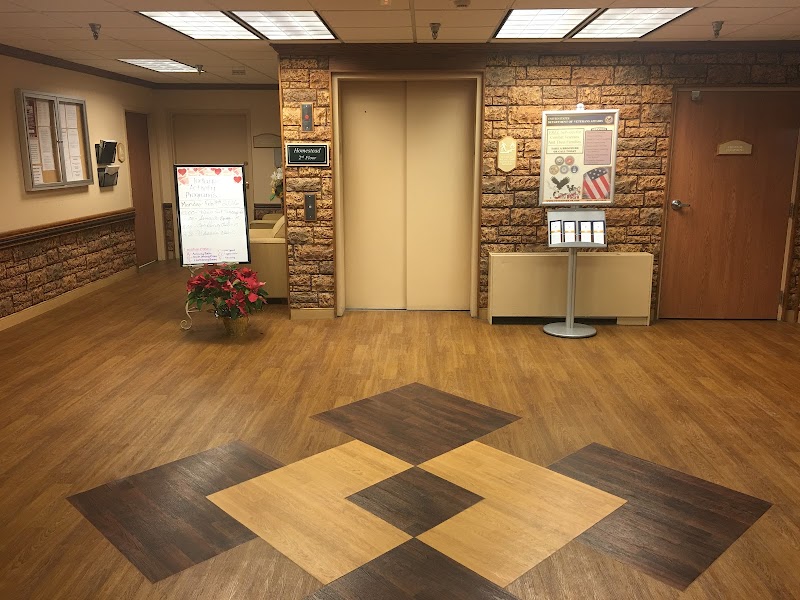
How Does Heights Rehabilitation And Healthcare Center, The Compare to Other Ohio Nursing Homes?

Compared to the 100 nursing homes in Ohio, HEIGHTS REHABILITATION AND HEALTHCARE CENTER, THE's overall rating (2 stars) is below the state average of 3.2, staff turnover (56%) is significantly higher than the state average of 46%, and health inspection rating (2 stars) is below the national benchmark.

What Should Families Ask When Visiting Heights Rehabilitation And Healthcare Center, The?

Based on this facility's data, families visiting should ask: "What changes have been made since the serious inspection findings, and how are you preventing similar issues?" "How do you ensure continuity of care given staff turnover, and what is your staff retention strategy?" "Can you walk me through typical staffing levels on day, evening, and night shifts?" "Can I visit during a mealtime to observe dining assistance and food quality?" These questions are particularly relevant given the facility's Immediate Jeopardy citations, the facility's high staff turnover rate, and the below-average staffing rating.

Is Heights Rehabilitation And Healthcare Center, The Safe?

Based on CMS inspection data, HEIGHTS REHABILITATION AND HEALTHCARE CENTER, THE has documented safety concerns. Inspectors have issued 1 Immediate Jeopardy citation (the most serious violation level indicating risk of serious injury or death). The facility has a 2-star overall rating and ranks #100 of 100 nursing homes in Ohio. Families considering this facility should ask detailed questions about what corrective actions have been taken since these incidents.

Do Nurses at Heights Rehabilitation And Healthcare Center, The Stick Around?

Staff turnover at HEIGHTS REHABILITATION AND HEALTHCARE CENTER, THE is high. At 56%, the facility is 10 percentage points above the Ohio average of 46%. High turnover means new staff may not know residents' individual needs, medications, or preferences. It can also be disorienting for residents, especially those with dementia who rely on familiar faces. Families should ask: What is causing the turnover? What retention programs are in place? How do you ensure care continuity during staff transitions?

Was Heights Rehabilitation And Healthcare Center, The Ever Fined?

HEIGHTS REHABILITATION AND HEALTHCARE CENTER, THE has been fined $239,224 across 3 penalty actions. This is 6.7x the Ohio average of $35,471. Fines at this level are uncommon and typically indicate a pattern of serious deficiencies, repeated violations, or failure to correct problems promptly. CMS reserves penalties of this magnitude for facilities that pose significant, documented risk to resident health or safety. Families should request specific documentation of what issues led to these fines and what systemic changes have been implemented.

Is Heights Rehabilitation And Healthcare Center, The on Any Federal Watch List?

HEIGHTS REHABILITATION AND HEALTHCARE CENTER, THE is not on any federal watch list. The most significant is the Special Focus Facility (SFF) program, which identifies the bottom 1% of nursing homes nationally based on persistent, serious quality problems. Not being on this list means the facility has avoided the pattern of deficiencies that triggers enhanced federal oversight. This is a positive indicator, though families should still review the facility's inspection history directly.