EAST PARK CARE CENTER
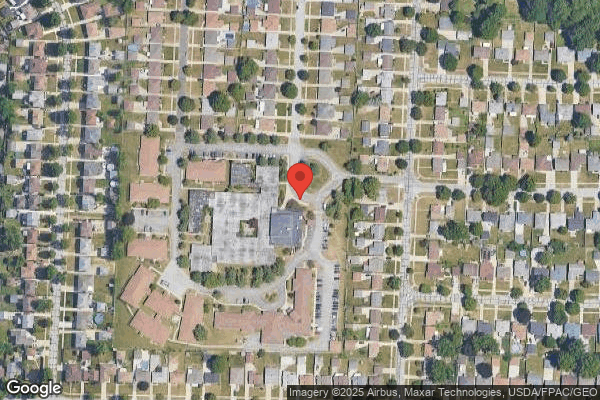
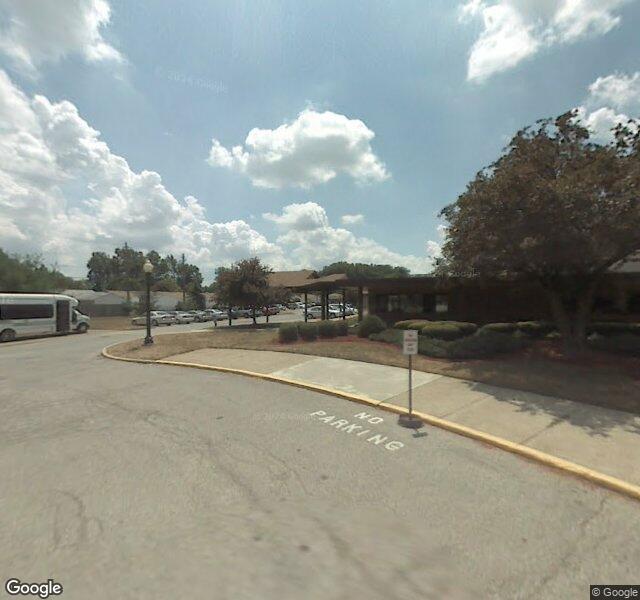
8 EAST PARK CIRCLE, BROOK PARK, OH 44142 (216) 267-7229
For profit - Corporation 57 Beds LIONSTONE CARE Data: November 2025
Trust Grade
20/100
#858 of 913 in OH
Last Inspection: October 2024

Within standard 12-15 month inspection cycle. Federal law requires annual inspections.

Overview

East Park Care Center in Brook Park, Ohio, has a Trust Grade of F, indicating significant concerns and a poor overall performance. With a state rank of #858 out of 913, they are in the bottom half of Ohio facilities, and at #84 of 92 in Cuyahoga County, only a handful of local options rank lower. The facility is worsening, with issues increasing from 6 in 2022 to 25 in 2024, and staffing is a concern with a turnover rate of 65%, significantly higher than the state average. Additionally, the facility has incurred $48,822 in fines, which is troubling and higher than 89% of Ohio facilities, suggesting ongoing compliance issues. Specific incidents include a resident who sustained a fracture but did not receive timely medical treatment, and another resident who developed maggots due to inadequate hygiene care, highlighting serious lapses in resident care. While the quality measures rating is relatively good at 4 out of 5, the overall poor ratings and numerous deficiencies present significant red flags for families considering this nursing home.

Trust Score
F
20/100
In Ohio
#858/913
Bottom 7%
Safety Record
Moderate
Needs review
Inspections
Getting Worse
6 → 25 violations
Staff Stability
⚠ Watch
65% turnover. Above average. Higher turnover means staff may not know residents' routines.
Penalties
✓ Good
$48,822 in fines. Lower than most Ohio facilities. Relatively clean record.
Skilled Nurses
⚠ Watch
Each resident gets only 25 minutes of Registered Nurse (RN) attention daily — below average for Ohio. Fewer RN minutes means fewer trained eyes watching for problems.
Violations
⚠ Watch
36 deficiencies on record. Higher than average. Multiple issues found across inspections.
★☆☆☆☆
1.0
Overall Rating
★☆☆☆☆
1.0
Staff Levels
★★★★☆
4.0
Care Quality
★☆☆☆☆
1.0
Inspection Score
Stable
2022: 6 issues
2024: 25 issues

The Good

  • 4-Star Quality Measures · Strong clinical quality outcomes
  • Full Sprinkler Coverage · Fire safety systems throughout facility
  • No fines on record

Facility shows strength in quality measures, fire safety.

The Bad

1-Star Overall Rating

Below Ohio average (3.2)

Significant quality concerns identified by CMS

Staff Turnover: 65%

19pts above Ohio avg (46%)

Frequent staff changes - ask about care continuity

Federal Fines: $48,822

Above median ($33,413)

Moderate penalties - review what triggered them

Chain: LIONSTONE CARE

Part of a multi-facility chain

Ask about local staffing decisions and management

Staff turnover is elevated (65%)

17 points above Ohio average of 48%

The Ugly 36 deficiencies on record

2 actual harm
Dec 2024 1 deficiency
CONCERN (D) 📢 Someone Reported This

A family member, employee, or ombudsman was alarmed enough to file a formal complaint

Potential for Harm - no one hurt, but risky conditions existed

Report Alleged Abuse (Tag F0609)

Could have caused harm · This affected 1 resident

**NOTE- TERMS IN BRACKETS HAVE BEEN EDITED TO PROTECT CONFIDENTIALITY** Based on medical record review, staff interview, review of a self-reported incident (SRI), and policy review, the facility faile...

Read full inspector narrative →
**NOTE- TERMS IN BRACKETS HAVE BEEN EDITED TO PROTECT CONFIDENTIALITY** Based on medical record review, staff interview, review of a self-reported incident (SRI), and policy review, the facility failed to timely investigate and report allegations of misappropriation to the State Survey Agency. This affected one (#5) of three residents reviewed for misappropriation. The facility census was 47. Findings included: Review of the medical record for Resident #5 revealed an admission date of 08/18/24. Diagnoses included congestive heart failure, alcoholic cirrhosis of liver with ascites, and acute respiratory failure with hypoxia. Review of the Minimum Data Set (MDS) assessment dated [DATE] revealed Resident #5 had intact cognition. Review of an SRI submitted to the State Survey Agency on 12/19/24 at 12:21:15 P.M. revealed an allegation of a staff member taking $40.00 from Resident #5. The SRI revealed Resident #5 alleged he gave Housekeeper #200 $40.00 on 12/10/24 to purchase vape (an electronic device that heats a liquid into an aerosol that is inhaled through a mouthpiece) supplies. Resident #5 reported to Activity Director (AD) #206 on 12/12/24 that Housekeeper #200 took his money and did not return the money or vaping supplies. Further review of the SRI revealed the facility indicated in the report the allegation occurred on 12/12/24 and the date of discovery was 12/16/24. Review of an attached document titled, Self-Reported Incident Initial Form, included with the SRI submitted to the State Survey Agency on 12/19/24, revealed an allegation category of misappropriation of property/exploitation was reported to AD #206 on 12/12/24 at approximately 2:15 P.M. and the Administrator was notified of the allegation on 12/12/24 at approximately 2:30 P.M. Further review of the document revealed a notation that the report was submitted on 12/13/24 at approximately 4:00 P.M. Interview on 12/24/24 at 8:56 A.M. with the Administrator confirmed he did not report Resident #5's allegation of misappropriation to the State Survey Agency within the required timeframe when it was reported to him on 12/12/24. Interview on 12/24/24 at 9:20 A.M. with Regional Director of Clinical Operations (RDCO) #300 confirmed the SRI for Resident #5's allegation of misappropriation was not timely reported to the State Survey Agency as it was not submitted until 12/19/24. Review of facility abuse policy, dated 10/06/22, revealed reporting for misappropriation of resident property will be reported to Ohio Department of Health (ODH) immediately, but in no event later than 24 hours from the time the incident/allegation was made known to the staff member. This deficiency represents non-compliance investigated under Master Complaint Number OH00160955.
Oct 2024 18 deficiencies 1 Harm
SERIOUS (G) 📢 Someone Reported This

A family member, employee, or ombudsman was alarmed enough to file a formal complaint

Actual Harm - a resident was hurt due to facility failures

Quality of Care (Tag F0684)

A resident was harmed · This affected 1 resident

**NOTE- TERMS IN BRACKETS HAVE BEEN EDITED TO PROTECT CONFIDENTIALITY** Based on observation, medical record review, hospital record review, facility policy review and interviews, the facility failed ...

Read full inspector narrative →
**NOTE- TERMS IN BRACKETS HAVE BEEN EDITED TO PROTECT CONFIDENTIALITY** Based on observation, medical record review, hospital record review, facility policy review and interviews, the facility failed to ensure timely evaluation, physician notification and treatment following a fall with fracture for Resident #205. Actual Harm occurred for Resident #205 on 10/21/24 at 7:19 P.M. when the facility received results of a STAT (immediate) x-ray indicating the resident had a left elbow fracture but failed to seek medical intervention or treatment for the resident. The nurse practitioner (NP) was notified of the results on 10/22/24 at 8:42 A.M. at which time an order was obtained to transfer the resident to the hospital. The delay in treatment and lack of timely medical intervention resulted in Resident #205 experiencing increased pain and resulted in a delay in the facility identification of additional injuries (the hospital identified the resident also had a left acetabulum fracture, left iliac fossa (bone that is part of the hip) fracture and left retroperitoneal hemorrhage (bleeding in the space located behind the abdominal cavity). Resident #205 was transferred to a level 2 trauma hospital for further treatment. This affected one resident (#205) of one resident reviewed for change in condition. The facility census was 50. Findings include: Review of Resident #205's medical record revealed an admission date of 10/04/24 with diagnoses including vascular dementia with behavioral disturbance, atrial fibrillation, hypotension, hyperlipidemia, alcohol abuse, anxiety, major depressive disorder and insomnia. Resident #205 was transferred to the hospital on [DATE]. Review of the Minimum Data Set (MDS) assessment dated [DATE] revealed Resident #205 was minimally cognitively impaired, was able to ambulate with a wheeled walker and required minimal (staff) assistance for eating and oral hygiene, partial/moderate (staff) assistance for toileting and dressing and maximal (staff) assistance all other activities of daily living (ADLs.) Review of the care plan dated 10/19/24 revealed Resident #205 was at risk for falls related to impaired balance, hypotension, dementia, impaired judgement, incontinence and use of psychotropic medications. Interventions included to re-educate on the use of the call light for assistance with transfers/ambulation, notify therapy for evaluation if applicable, monitor for latent signs/symptoms of pain/injury, notify family/Power of Attorney (POA) of incidents and interventions and notify the physician of incidents. Review of the nursing progress note dated 10/21/24 at 2:00 P.M. revealed the State Tested Nursing Assistant (STNA) reported Resident #205 was lying on his left side on the floor in his room. The resident stated he was getting clothes out of his closet, lost his balance and fell on his left elbow. Range of motion was within normal limits. Tylenol was given. STAT x-ray of the left elbow was ordered. The note revealed the resident was confused at times and ambulatory without assistance. Following the incident, the resident had a room change to be closer to the nurses' station. Vital signs were taken and were as follows: blood pressure 99/56, pulse 90, respirations 20, temperature 97.8 degrees Fahrenheit (F) and oxygen saturation per pulse oximetry at 97 percent on room air. The note documented NP updated. Review of a physician order dated 10/21/24 revealed an order for a STAT x-ray of the left elbow and acetaminophen 325 milligrams (mg), two tablets by mouth every six hours as needed for pain. Review of Medication Administration Record (MAR) for October 2024 revealed acetaminophen 650 mg was administered to Resident #205 by LPN #333 on 10/21/24 at 4:30 P.M. Review of the nursing progress note dated 10/21/24 at 3:22 P.M. revealed an order for a STAT x-ray of the left elbow was submitted to the radiology provider. Review of the pain assessment records revealed Resident #205 had consistent pain levels of 0 out of 10 (on a scale from 0-10) from admission on [DATE] until the date of injury on 10/21/24. Following the fall, Resident #205's pain levels increased to 5 out of 10. Observation on 10/22/24 at 8:19 A.M., during medication administration with Licensed Practical Nurse (LPN) #333, revealed Resident #205 was lying in bed with his left arm resting on his chest and bent at a 90-degree angle. The resident's left elbow was red and swollen. Concurrent interview with Resident #205 revealed his elbow hurt. Coinciding interview with LPN #333 revealed Resident #205 had a fractured elbow due to a fall the previous day. LPN #333 stated she was waiting for the NP to call back with an order to send the resident to the emergency room (ER) for further evaluation. LPN #333 stated the facility did not like to send residents to the ER unless there was an order from the NP. Review of the nursing progress note dated 10/22/24 at 8:46 A.M. revealed a return call was received from the NP and order given to send the resident to the ER for evaluation and treatment of the left elbow per STAT x-ray results. Review of the hospital ER Physician Report dated 10/22/24 at 11:14 A.M. revealed Resident #205 presented to the ER following a fall. The resident had an x-ray that showed an intra-articular fracture of the left ulna. Resident #205 could not provide the physician with specifics and denied pain but had pain when his left elbow was touched or moved and in the left hip with movement. Additional radiological imaging was completed and confirmed Resident #205 had a left olecranon (bony part of the elbow, allows the elbow to move) fracture. Furthermore, imaging indicated Resident #205 also had a left acetabular (socket part of the hip joint where the thigh bone sits) fracture and acute fracture of the posterior right 11th rib. Pre-operative diagnoses included left olecranon fracture, left acetabulum fracture, left iliac fossa (bone that is part of the hip) fracture and left retroperitoneal hemorrhage (bleeding in the space located behind the abdominal cavity). Resident #205 was transferred to a level 2 trauma hospital for further treatment. Interview on 10/24/24 at 4:50 P.M. with LPN #333 revealed she was notified of Resident #205's fall by Staffing Coordinator (SC) #304 after the resident's roommate heard the resident fall and called out for staff assistance. LPN #333 stated Resident #205 was assessed and complained of elbow pain, but no other pain at that time. LPN #333 stated Resident #205 had full range of motion and once he was back in bed, he was able to demonstrate full body mobility buy doing bicycles with his legs. LPN #333 stated the resident told her he tried to break his fall with his left elbow. LPN #333 stated she notified the NP, and an order was received for a STAT x-ray of the left elbow and acetaminophen for pain, which was administered to the resident. The radiology provider was contacted immediately for the x-ray. LPN #333 denied Resident #205 had any swelling at that time. LPN #333 stated she gave report to Registered Nurse (RN) #310, informing her of Resident #205's fall and pending x-ray results. When she arrived for her shift on 10/22/24 at 7:00 A.M., she found the x-ray results, which were faxed to the facility on [DATE] at 7:19 P.M., laying on the nurses' station desk. LPN #333 stated she immediately checked on Resident #205 and received report from RN #310, who indicated the resident's left elbow was swollen and discolored and had ballooned from the previous afternoon. RN #310 did not indicate whether or not he had contacted anyone regarding the x-ray results. LPN #333 stated she administered Tylenol to the resident, elevated his elbow on a pillow and stated that he needs to go (to the hospital). Review of the timeline provided by the Director of Nursing (DON) revealed the STAT left elbow x-ray was completed 10/21/24 at 6:38 P.M. and the results were faxed to the facility on [DATE] at 7:19 P.M. On 10/22/24 at 7:05 A.M., LPN #333 sent a message and the x-ray results to the NP. After receiving no response, LPN #333 called the NP at 7:44 A.M. (left a message) and again at 8:42 A.M. The NP responded with an order to send Resident #205 to the ER. The timeline provided no indication RN #310 notified the NP on 10/21/24 when the results were received. Interview 10/24/24 at 3:03 P.M. with the DON and Assistant Director of Nursing (ADON) #367 revealed Resident #205 was transferred to the ER via 911 emergency squad after receiving the order from the NP on 10/22/24 at 8:42 A.M. The DON indicated she left a message for RN #310 regarding physician notification when the x-ray results were received on 10/21/24 but she had not received a response. The DON verified the NP should have been notified of the x-ray results indicating a fracture immediately for further orders. Additionally, the DON confirmed Resident #205 was in pain and his injuries went untreated from the time of the fall on 10/21/24 at 2:00 P.M. until he was transferred to the ER at approximately 8:45 A.M. on 10/22/24. This deficiency represents noncompliance investigated under Complaint Number OH00158492.
CONCERN (D)

Potential for Harm - no one hurt, but risky conditions existed

Deficiency F0569 (Tag F0569)

Could have caused harm · This affected 1 resident

**NOTE- TERMS IN BRACKETS HAVE BEEN EDITED TO PROTECT CONFIDENTIALITY** Based on record review and staff interview the facility failed to ensure resident funds were conveyed timely upon a discharge or...

Read full inspector narrative →
**NOTE- TERMS IN BRACKETS HAVE BEEN EDITED TO PROTECT CONFIDENTIALITY** Based on record review and staff interview the facility failed to ensure resident funds were conveyed timely upon a discharge or death. This affected one resident (#102) of one resident reviewed for personal funds conveyance upon death or discharge. The facility census was 50. Findings include: Resident #102 was admitted to the facility on [DATE] with diagnoses including end stage renal disease, heart failure, and anxiety disorder. Review of census records revealed Resident #102 expired at the facility on [DATE]. Review of the account records revealed Resident #102's account was closed on [DATE], and $160.21 was disbursed to Resident #102's estate. Interview with Business Manager (BM) #301 on [DATE] at 4:30 P.M. revealed Resident #102's personal funds were not dispersed with in required time frames (30 days upon on a resident's death or discharge).
CONCERN (D) 📢 Someone Reported This

A family member, employee, or ombudsman was alarmed enough to file a formal complaint

Potential for Harm - no one hurt, but risky conditions existed

Notification of Changes (Tag F0580)

Could have caused harm · This affected 1 resident

**NOTE- TERMS IN BRACKETS HAVE BEEN EDITED TO PROTECT CONFIDENTIALITY** 2. Review of the medical record for Resident #20 revealed an admission date of 02/27/21 with diagnoses including cerebral infrac...

Read full inspector narrative →
**NOTE- TERMS IN BRACKETS HAVE BEEN EDITED TO PROTECT CONFIDENTIALITY** 2. Review of the medical record for Resident #20 revealed an admission date of 02/27/21 with diagnoses including cerebral infraction, a stroke affecting the right dominant side, dementia, aphasia, contracture of the right hand, atrial fibrillation, and legionnaires disease. Review of the comprehensive Minimum Data Set (MDS) 3.0 assessment dated [DATE] revealed Resident #20 had impaired cognition and required substantial to maximum assistance with showers and dressing. Review of the plan of care dated 09/24/24 revealed Resident #20 was recovering from legionnaires disease. Interventions included notifying the guardian and physician. In addition to assessing the resident's respiratory status. Review of the progress note dated 08/23/24 at 4:15 P.M. revealed Resident #20 was sent out to the hospital by emergency medical services (911) per physician order. Note dated 08/31/24 at 6:30 P.M. stated Resident #20 arrived by stretcher to the facility. The resident was alert and oriented and on two liters of oxygen. The resident presented with no distress or pain. There was no documented evidence that Resident #20's guardian was notified he was back from the hospital. Interview on 10/22/24 at 11:56 A.M. with Resident #20's guardian stated he did not know Resident #20 was back from the hospital. Interview on 10/28/24 at 2:33 P.M. with the Administrator verified there was no documented evidence that Resident #20's guardian was notified the resident returned to the facility. Review of the policy titled Change in a Resident's Condition' reviewed on 8/2023, revealed the facility shall notify the resident, his or her Attending Physician and representative (sponsor) of changes in the resident's medical/mental condition. This deficiency represents non-compliance investigated under Complaint Number OH00158492. Based on record review, interview, and facility policy review, the facility failed to timely notify emergency contacts/guardians of a change of condition in a timely manner for Residents #205 and #20. This affected two residents (#205, #20) of two residents reviewed for change of condition. The facility census was 50. Findings include: 1. Review of the medical record for Resident #205 revealed an admission date of 10/04/24 and a discharge date of 10/22/24 with diagnoses of vascular dementia with behavioral disturbance, atrial fibrillation, hypotension, hyperlipidemia, alcohol abuse, anxiety, major depressive disorder, and insomnia. Review of the care plan dated 10/19/24 revealed Resident #205 was at fall risk related to impaired balance, hypotension, dementia, impaired judgement, incontinence, and use of psychotropic medications. Interventions included re-education of use of call light for assistance with transfers/ambulation, notify therapy for evaluation if applicable, monitor for latent signs/symptoms of pain/injury, notify family/power of attorney (POA) of incident and intervention, and notify the physician of incident. Review of a late entry nurse progress note dated 10/18/24 revealed Resident #205's roommate let staff know that the resident was on the floor. Resident #205 did have some confusion when located at his bedside. The resident was evaluated for injuries and vital signs were obtained. Resident #205 was assisted back to bed by the certified nurse aide (CNA). Resident #205 was able to perform range of motion (ROM) and had no complaints of pain or discomfort at this time. No visible injuries were noted. Review of the nurse progress note dated 10/21/24 at 2:00 P.M. revealed the CNA reported Resident #205 lying on his left side on the floor in his room. He stated he was getting clothes out of his closet, lost his balance, and fell on his left elbow. ROM was within normal limits (WNL). Tylenol was administered. An order was obtained for a STAT (immediate) left elbow x-ray. Resident #205 had confusion at times and was ambulatory without assistance. Resident #205 was to have a room change to be closer to the nurse's station. Vital signs 99/56, pulse 90, respirations 20, temperature 97.8 degrees Fahrenheit and oxygen saturation per pulse oximetry at 97 percent on room air. The certified nurse practitioner (CNP) was updated. Review of the nurse progress note for Resident #205 dated 10/21/24 at 3:22 P.M. revealed an order for STAT x-ray of the left elbow was submitted to the radiology provider. Review of the nurse progress note for Resident #205 dated 10/22/24 at 8:46 A.M. revealed the CNP returned the call and said it was okay to send the resident to the emergency room (ER) for treatment and evaluation of the left elbow due to the STAT x-ray results. Review of the hospital ER documentation dated 10/22/24 revealed Resident #205 arrived at the ER at approximately 9:00 A.M. with a left elbow fracture as well as a left pelvic fracture. Review of the nurse progress note dated 10/22/24 at 9:53 A.M. revealed that a call was placed to Resident #205's daughter and a message left on the home phone to return call to facility. Review of the nurse progress note dated 10/22/2024 at 10:02 A.M. revealed Resident #205's daughter returned the call and was updated on the x-ray results of the left elbow fracture from the fall. Interview on 10/23/24 at 12:27 P.M. with Resident #205's daughter confirmed that facility informed her that her father was hospitalized after a fall and fractured elbow. She indicated that the resident was found to also have a fracture of hip while in the ER. Resident #205 was transferred to another hospital due to trauma for surgery. The facility stated that the resident was in good spirits. The daughter stated his mental state was okay and had good days and bad days, but due to his fluctuating mental status the surgeon wanted her okay for surgery. She also stated the resident had a diagnosis of low blood pressure and needed to stay hydrated. Resident #205's daughter said she was notified of the hospitalization the morning of 10/22/24. She was told that he had mobility in the elbow, and it was not swollen or bruised immediately after the fall. She stated she was not notified of the residents' fall at 2:00 P.M. the prior afternoon. The daughter also stated she was not notified of the resident's previous fall on 10/18/24. Interview on 10/24/24 at 3:03 P.M. with the Director of Nursing (DON) and Assistant Director of Nursing (ADON) confirmed that there was no documented evidence to support that Resident #205's emergency contact/daughter, was notified of the residents falls on 10/18/24 and 10/21/24 nor his elbow fracture confirmed by x-ray, until 10:02 A.M. on 10/22/24. Review of the policy titled Change in a Resident's Condition, reviewed on 8/2023, revealed the facility shall notify the resident, his or her Attending Physician and representative (sponsor) of changes in the resident's medical/mental condition.
CONCERN (D)

Potential for Harm - no one hurt, but risky conditions existed

Comprehensive Assessments (Tag F0636)

Could have caused harm · This affected 1 resident

**NOTE- TERMS IN BRACKETS HAVE BEEN EDITED TO PROTECT CONFIDENTIALITY** Based on record review, interview, and facility policy review the facility failed to ensure comprehensive assessments were imple...

Read full inspector narrative →
**NOTE- TERMS IN BRACKETS HAVE BEEN EDITED TO PROTECT CONFIDENTIALITY** Based on record review, interview, and facility policy review the facility failed to ensure comprehensive assessments were implemented and completed for Residents #7 and #204. This affected two residents (#7 and #204) of 17 sample residents reviewed for assessments. The facility census was 50. Findings include: 1. Review of the medical record for Resident #7 revealed an admission date of 09/01/20 with diagnoses including psychotic disorder, delusions, insomnia, and seizures. Review of the comprehensive Minimum Data Set (MDS) assessment dated [DATE] revealed Resident #7 had intact cognition and required partial to moderate assistance with rolling left and right. Review of the plan of care dated 09/24/24 revealed Resident #7 had a mobility deficit related to seizures, chronic obstructive pulmonary disease (COPD), asthma, and spinal stenosis. Interventions for bed mobility included supervision from one staff to turn and reposition in bed and bilateral grab bars to each side of the bed to assist with turning and repositioning. Review of the physician's orders dated October 2024 revealed Resident #7 had an order for bilateral grab bars to the bed to increase independence with bed mobility. Review of the assessments revealed the last bedrail assessment was completed on 09/22/21. There was no documented evidence of a current assessment. Interview on 10/23/24 at 3:09 P.M. with the Director of Nursing (DON) verified there was no current bed rail assessment completed. Review of the facility policy titled Assistive Devices and Equipment, revised July 2017, stated side rails, grab bars, specialized chairs, specialized mattress, specialized room arrangement will be assessed upon initiation, quarterly, and as needed for appropriateness. 2. Review of the medical record for Resident #204 revealed an admission date of 09/30/24 with diagnoses including polyneuropathy, subluxation of C3/C4 cervical vertebrae, mid-cervical region cervical disc disorder with myelopathy, cervical spine fusion, adult failure to thrive, bradycardia, generalized anxiety, history of alcohol abuse, and chronic post-traumatic stress disorder. Review of the comprehensive care plan for Resident #204 initiated on 10/01/24 revealed no care plan was initiated for the resident's risk of pain due to his diagnosis of polyneuropathy and spinal issues. Review of the MDS assessment dated [DATE] revealed Resident #204 was cognitively intact, used a wheelchair for mobility, and required minimal staff assistance for all activities of daily living (ADL). Review of the physician's orders for Resident #204 dated 9/30/24 revealed an order to monitor pain every shift. Review of the physician's orders for Resident #204 dated 09/30/24 revealed orders for acetaminophen 500 milligrams (mg) (pain reliever) give two tablets by mouth every six hours as needed for pain and pregabalin (Lyrica) (medication to treat nerve pain) oral capsule 150 mg one capsule by mouth two times a day for pain for 30 days. Review of the medical record for Resident #204 revealed no pain risk evaluation was conducted upon admission. Review of the medication administration record (MAR) for October 2024 revealed pain levels marked as zero out of ten for each shift from the date of admission to the date of the survey. During interview with Resident #204 on 10/21/24 at 12:10 P.M. revealed the resident complained of constant pain in his hands making it difficult for him to maintain his grip on things. He stated he told the nursing staff on multiple occasions, and they say they will contact the physician. During follow up interview on 10/24/24 at 10:27 A.M. with Resident #204, he indicated continued pain at a seven on a pain scale of zero to ten, ten being the worst. He stated the pain goes up his arms almost to his elbows and although he gets Lyrica, it is not sufficient to help decrease the pain. Resident #204 stated that the nurses say that they will call the physician, but no changes were ever made. Resident #204 stated he contacted the physician at the hospital but was told the nurse at the facility had to contact the physician to advise about medications. Resident #204 stated he continued to report pain to the nurses. Interview on 10/23/24 at 4:41 PM with MDS Coordinator Licensed Practical Nurse (LPN) #336 confirmed that the care plans had not been initiated for Resident #204 due to a prolonged power outage which caused a delay in developing appropriate care plans for residents in the facility. MDS Coordinator LPN #336 indicated care plans were currently in progress for all that had been delayed.
CONCERN (D)

Potential for Harm - no one hurt, but risky conditions existed

MDS Data Transmission (Tag F0640)

Could have caused harm · This affected 1 resident

**NOTE- TERMS IN BRACKETS HAVE BEEN EDITED TO PROTECT CONFIDENTIALITY** Based on record review, staff interview, and facility policy review, the facility failed to complete a required Minimum Data Set...

Read full inspector narrative →
**NOTE- TERMS IN BRACKETS HAVE BEEN EDITED TO PROTECT CONFIDENTIALITY** Based on record review, staff interview, and facility policy review, the facility failed to complete a required Minimum Data Set (MDS) 3.0 assessment upon Resident #30's discharge from the facility. This affected one resident (#30) of two residents reviewed for discharge. The facility census was 50. Findings include: Resident #102 was admitted to the facility on [DATE] with diagnoses including Hepatitis C, cocaine abuse, chest pain, and kidney failure. Review of the census records and nursing progress notes, Resident #102 was discharged from the facility on 07/03/24. Review of the MDS records for Resident #102 revealed an initial MDS assessment was completed on 05/29/24. No other MDS assessments were completed for Resident #102 during his stay at the facility, including a required discharge assessment upon Resident #102 returning home from the facility. MDS Nurse #336 verified Resident #102's required discharge MDS assessment was not completed as required during an interview on 10/23/24 at 8:00 A.M. Review of the facility policy titled MDS Completion and Submission Timeframes, dated 07/01/17, revealed the facility would conduct and submit resident assessments in accordance with current federal and state submission time frames.
CONCERN (D) 📢 Someone Reported This

A family member, employee, or ombudsman was alarmed enough to file a formal complaint

Potential for Harm - no one hurt, but risky conditions existed

ADL Care (Tag F0677)

Could have caused harm · This affected 1 resident

Based on observation, resident interview, medical record review, staff interview and review of facility policy, the facility failed to ensure residents who required staff assistance with baths/showers...

Read full inspector narrative →
Based on observation, resident interview, medical record review, staff interview and review of facility policy, the facility failed to ensure residents who required staff assistance with baths/showers received needed care. This affected two (#22 and #51) of five residents reviewed for activities of daily living (ADLs). The facility census was 50. Findings include: 1. Review of the medical record for Resident #22 revealed an admission date of 04/23/24. Diagnoses included left femur fracture, difficulty in walking, repeated falls, congestive heart failure (CHF) and chronic obstructive pulmonary disease (COPD). Review of the quarterly Minimum Data Set (MDS) assessment, dated 07/11/24, revealed Resident #22 had impaired cognition, had no behaviors and required partial/moderate assistance from staff for showers and bathing. Interview on 10/21/24 at 3:47 P.M. with Resident #22 revealed he has not had a shower or bath in the last two weeks and the water in the bathroom was cold. Concurrent observation revealed a strong odor in the resident's room. Observation on 10/22/24 at 3:44 P.M. of Resident #22 revealed the resident sitting on the side of his bed in the same clothing as the day prior. Interview on 10/24/24 at 8:57 A.M. with Resident #22 revealed staff occasionally offered showers and his scheduled days were on Wednesday and Sunday. Resident #22 stated staff came up with excuses or the aides did not show up. Resident #22 stated there was one aide who provided him a bed bath about one time per week but he would like one to two showers weekly. Review of the weekly shower schedule, updated 10/11/24, revealed Resident #22 scheduled shower days were Sundays and Wednesdays on the 3:00 P.M. to 11:00 P.M. shift. Review of the shower/bath sheets for the past two months revealed three sheets revealed on 08/14/24 and 08/21/24, Resident #22 refused a shower. A third shower sheet indicated the resident received a shower on 08/28/24. There was no shower documentation for September and October 2024. Interview on 10/24/24 at 9:56 A.M. with the Administrator revealed the Director of Nursing (DON) was unable to locate any additional documentation of showers for Resident #22 for the past two months. 2. Review of the medical record for Resident #51 revealed an admission date of 09/24/24. Diagnoses included sepsis, morbid (severe) obesity due to excess calories, cellulitis of abdominal wall and type two diabetes without complications. Review of the admission MDS assessment, dated 10/01/24, revealed Resident #51 had intact cognition and required substantial/maximum assistance from staff for shower/bathing. Review of the plan of care for Resident #51 revealed no care plans related to the resident refusing or resisting showers/baths. Further review of Resident #51's medical record revealed no documented refusals of showers/baths. Interview on 10/21/24 at 3:26 P.M. with Resident #51 revealed she had not had a shower since her admission to the facility but would like one. Concurrent observation of Resident #51 revealed she was dressed in a black, floral dress and had hair on her chin. Resident #51 stated sometimes she would ask the staff to shave her, but no one had offered a shower. Observations on 10/22/24 at 3:40 P.M., 10/23/24 at 8:24 A.M. and on 10/23/24 at 3:27 P.M. of Resident #51 revealed the resident was wearing the same black, floral dress she was wearing on 10/21/24. Review of the weekly shower schedule, updated 10/11/24, revealed Resident #51's scheduled shower days were Mondays and Fridays on the 3:00 P.M. to 11:00 P.M. shift. Interview on 10/24/24 at 9:42 A.M. with the DON revealed she was unable to locate evidence of bath/showers for Resident #51. Observation on 10/24/24 at 10:50 A.M. of Resident #51 revealed she was in a pink and black flower dress. The resident had hair on her chin. Resident #51's room was odorous. Concurrent interview with Licensed Practical Nurse (LPN) #333 verified Resident #51's room was odorous. A telephone interview on 10/24/24 at 5:58 P.M. with Certified Nursing Assistant (CNA) #364 revealed she worked on Monday, 10/21/24, and was assigned to provide care for the resident until 7:00 P.M. CNA #364 stated she was unaware Monday was Resident #51's shower day and verified the resident was not offered or provided a shower. Review of the facility policy titled Activities of Daily Living (ADLs), Supporting, revised March 2018, revealed residents will be provided with care, treatment and services as appropriate to maintain or improve their ability to carry out ADLs. Appropriate care and services will be provided for residents who are unable to carry out ADLs independently, with the consent of the resident and in accordance with the plan of care, including appropriate support and assistance with hygiene (bathing, dressing, grooming, and oral care). This deficiency represents noncompliance investigated under Complaint Number OH00158492.
CONCERN (D)

Potential for Harm - no one hurt, but risky conditions existed

Deficiency F0692 (Tag F0692)

Could have caused harm · This affected 1 resident

Based on medical record review, review of hospital documents, staff documents and review of facility policy, the facility failed to ensure an accurate weight was obtained to monitor nutritional status...

Read full inspector narrative →
Based on medical record review, review of hospital documents, staff documents and review of facility policy, the facility failed to ensure an accurate weight was obtained to monitor nutritional status for a resident at risk for significant weight loss. This affected one (#201) of two residents reviewed for nutrition. The facility census was 50. Findings include: Review of the medical record for Resident #201 revealed an admission date of 10/08/24 with diagnoses including dementia with behavioral disturbance, Meniere's disease, hypertension, osteoarthritis, anemia, rheumatoid arthritis and major depressive disorder, severe, with psychotic features. Review of the care plan dated 10/15/24 revealed Resident #201 had a nutritional problem related to diagnoses, psychotropic medications, weight loss, underweight related to body mass index (BMI) and mechanically altered diet. Interventions included the following: weight per facility protocol; monitor, record and report to the physician signs/symptoms of malnutrition; and monitor, document and report to the physician signs/symptoms of dysphagia. Review of physician's order dated 10/11/24 revealed weekly weights times four weeks upon admission, then monthly. If gain or loss greater than three pounds (lbs.), reweigh and notify the physician. Review of hospital records revealed Resident #201 had a hospital weight of 95.7 lbs. and a BMI of 14.2 and stated the resident was severely underweight for advanced age. Further review of the medical record revealed there was no documented facility admission weight. Review of nutritional assessment note dated 10/15/24 revealed a review of Resident #201's hospital records indicated weight loss prior to admission to the hospital. Resident #201 was at risk for weight loss related to acute infection and recent hospitalization and at risk for malnutrition related to a BMI less than 18.5, mechanically altered diet and chronic disease. The recommendations included: house supplement eight ounces two times daily, obtain admission weight, weigh weekly for four weeks and to monitor weight, meal intakes, skin and labs. Interview on 10/23/24 at 3:37 PM with Nutrition Consultant Diet Tech (NCDT) #381 revealed she liked to see an admission weight due to hospital weights being estimated. NCDT #381 stated due to Resident #201 being severely underweight, any weight loss would be significant so an accurate baseline weight was needed. Review of a weight obtained for Resident #201 on 10/17/24 revealed a weight of 83.6 lbs. Based on the hospital's estimated weight of 95.7 during her hospital admission from 9/26/24 to 10/08/24, Resident #201 experienced a 12.1 lbs. significant weight loss. Interview on 10/24/24 at 3:03 PM with the Director of Nursing (DON) and Assistant Director of Nursing (ADON) #367 verified an admission weight was not obtained for Resident #201 until 10/17/24, which was nine days after admission and two days after the nutritional assessment was completed, resulting in no current weight to compare the resident's nutritional status and needs to. Review of the the facility policy titled Weight Policy & Procedure, dated August 2024, revealed weights will be reviewed routinely by nursing and dietary services to identify those residents who are experiencing weight changes.
CONCERN (D)

Potential for Harm - no one hurt, but risky conditions existed

Deficiency F0697 (Tag F0697)

Could have caused harm · This affected 1 resident

Based on resident and staff interview, medical record review and review of facility policy, the facility failed to accurately document and effectively manage resident's pain. This affected one (#204) ...

Read full inspector narrative →
Based on resident and staff interview, medical record review and review of facility policy, the facility failed to accurately document and effectively manage resident's pain. This affected one (#204) of two residents reviewed for pain management. The facility census was 50. Findings include: Review of the record for Resident #204 revealed an admission date of 09/30/24 with diagnoses including polyneuropathy, subluxation of C3/C4 cervical vertebrae, mid-cervical region cervical disc disorder with myelopathy, cervical spine fusion, adult failure to thrive, bradycardia, generalized anxiety, history of alcohol abuse and chronic post-traumatic stress disorder. Review of the Minimum Data Set (MDS) assessment, dated 10/07/24, revealed Resident #204 was cognitively intact, used a wheelchair for mobility and required minimal staff assistance for all activities of daily living (ADLs.) Review of the comprehensive care plan initiated, 10/01/24, revealed no care plan was initiated for Resident #204's risk for pain due to his diagnosis of polyneuropathy and spinal issues. Review of Resident #204's current physician's orders revealed to monitor for pain every shift. Additionally, Resident #204 had orders for acetaminophen 500 milligrams (mg), two tablets by mouth every six hours as needed for pain and pregabalin (Lyrica) oral capsule 150 mg, one capsule by mouth two times a day for pain for 30 days. Review of Medication Administration Record (MAR) for October 2024 revealed Resident #204's pain levels were marked as 0 out of 10 (on a scale of one to 10) for each shift from the date of admission. Further review of Resident #204's medical record revealed no pain risk assessment was completed upon admission. Interview on 10/21/24 at 12:10 P.M. with Resident #204 revealed he had constant pain in his hands, making it difficult for him to maintain his grip on things. Resident #204 stated he has told the nursing staff on multiple occasions about his pain and they say they will contact the physician. A follow-up interview on 10/24/24 at 10:27 A.M. with Resident #204 revealed he continued to have pain at a 7 out of 10. Resident #204 stated the pain went up his arms, almost to his elbows, and although he gets Lyrica, it is not sufficient to help decrease the pain. Resident #204 stated the nurses say that they will call the physician but no changes are ever made. Resident #204 stated he contacted the physician at the hospital but was told the facility nurse had to contact the physician to advise about medications. Resident #204 stated he continued to report pain to the nurses. Interview on 10/24/24 at 3:30 P.M. with the Director of Nursing (DON) and Assistant Director of Nursing (ADON) #367 confirmed they were unaware of Resident #204's ineffective pain management and would follow up with the physician. A follow-up interview on 10/24/24 at 4:00 PM. with the DON revealed she spoke with the physician and, due to Resident #204's history of alcohol abuse, they were hesitant to administer more pain medication. The DON stated the physician would arrange for a pain management evaluation for Resident #204. Review of the facility policy titled Assessment, Intervention and Management of Pain, dated October 2020, revealed to contact the physician if the current pain management regimen, including nonpharmacological and pharmalogical intervention, is ineffective at managing resident pain at a satisfactory level.
CONCERN (D)

Potential for Harm - no one hurt, but risky conditions existed

Drug Regimen Review (Tag F0756)

Could have caused harm · This affected 1 resident

Based on medical record review, review of pharmacy recommendations, staff interview and review of facility policy, the facility failed to ensure pharmacy recommendations were addressed in a timely man...

Read full inspector narrative →
Based on medical record review, review of pharmacy recommendations, staff interview and review of facility policy, the facility failed to ensure pharmacy recommendations were addressed in a timely manner. This affected one (#14) of five residents reviewed for unnecessary medications. The facility census was 50. Findings include: Review of the medical record for Resident #14 revealed an admission date of 01/03/24. Diagnoses included dementia, schizoaffective disorder, suicidal ideation and major depressive disorder. Review of the October 2024 physician orders revealed active orders for: • Breo Ellipta Inhalation Aerosol Powder Breath Activated 100-25 microgram/actuation (mcg/act) one inhalation, inhale orally one time a day related to chronic obstructive pulmonary disease with a start date of 01/27/24. • Tiotropium Bromide Monohydrate Inhalation Aerosol Solution 2.5 mcg/act, two puff inhale orally one time a day related to chronic obstructive pulmonary disease with a start date of 01/27/24. • Seroquel oral tablet 50 milligrams (mg), give one tablet by mouth every eight hours as needed (PRN) for Schizophrenia with a start date of 08/20/24 with no end date. • Ativan (Lorazepam) oral tablet one mg, give one tablet by mouth every six hours PRN for anxiety with a start date of 03/18/24 with no end date. Review of the recommendations from the pharmacist dated 01/30/24 and 02/29/24 revealed the resident received therapy with an inhaled corticosteroid. To reduce the risk of developing thrush, please advise the resident to rinse their mouth out with water after each dose. Review of the recommendation from the pharmacist dated 03/28/24 revealed the resident had a PRN order for the psychotropic, Lorazepam, one mg every six hours PRN for anxiety. Per the Centers for Medicare and Medicaid Services (CMS), PRN psychotropic medications are limited to 14 days. If used beyond 14 days, the rationale and estimated duration of use must be documented. Further review revealed on 04/29/24, a stop date of 12/29/24 was indicated and signed by the physician. Review of the recommendation from the pharmacist dated 08/28/24 revealed the resident had a PRN order for the antipsychotic, Seroquel, which is limited to 14 day use per CMS regulations. Schizophrenia is not a symptom and is not really an indicator. Please define the guidelines for nursing to give this medication and add a stop date. The disagree box was checked and a handwritten note to cont. scheduled, signed by the physician and dated 09/24/24. Review of the recommendation from the pharmacist dated 08/28/24 revealed the resident had a PRN order for Lorazepam tablet one mg, which had been in place for greater than 14 days without a stop date. CMS requires that PRN orders for psychotropics drugs be limited to 14 days unless the prescriber documents all of the following: the specific condition being treated, the rationale for the extended time period and the specific duration for the PRN order. The disagree box was checked and the recommendation was signed by the physician and dated 09/24/24. Interview on 10/23/24 at 3:03 P.M. with the Director of Nursing (DON) verified the recommendations dated 01/30/24 and 02/29/24 were not addressed until today. While the physician timely addressed the recommendation dated 03/28/24, the order was not updated to reflect an end date. The DON stated the physician did not want to add a stop dated for the PRN Seroquel and Ativan and decided to discontinue both orders today. Review of the facility policy titled Pharmacy Recommendations, revised January 2020, revealed the DON or the Assistant Director of Nursing (ADON) will review the recommendations with the physician and Medical Director as soon as practical but no later than 30 days. The DON will track recommendations and ensure any changes are implemented into the medical record.
CONCERN (D)

Potential for Harm - no one hurt, but risky conditions existed

Medication Errors (Tag F0758)

Could have caused harm · This affected 1 resident

Based on medical record review, staff interview and review of the facility policy, the facility failed to ensure as needed (PRN) psychotropic medication orders had an end date. This affected one (#14)...

Read full inspector narrative →
Based on medical record review, staff interview and review of the facility policy, the facility failed to ensure as needed (PRN) psychotropic medication orders had an end date. This affected one (#14) of five residents reviewed for unnecessary medications. The facility census was 50. Findings include: Review of the medical record for Resident #14 revealed an admission date of 01/03/24. Diagnoses included dementia, schizoaffective disorder, suicidal ideation and major depressive disorder. Review of the October 2024 physician orders revealed active orders for: Seroquel oral tablet 50 milligrams (mg), give one tablet by mouth every eight hours PRN for Schizophrenia with a start date of 08/20/24. The order had no end date. Ativan oral tablet one mg, give one tablet by mouth every six hours PRN for anxiety with a start date of 03/18/24. The order had no end date. Review of the Medication Administration Record (MAR) from April 2024 through October 2024 revealed Resident #14 received the PRN Ativan 27 times in April, six times in May, four times in June and no administration of the medication in August, September or October 2024. Further review revealed Resident #14 received zero doses of the PRN Seroquel, ordered on 08/20/24, in August, September or October 2024. Interview on 10/23/24 at 3:03 P.M. with the Director of Nursing (DON) verified there were no end dates for the PRN Ativan and Seroquel and stated the physician did not want to add one. The DON stated the physician decided to discontinue both orders today. Review of facility policy titled Psychotropic Medication Use, dated August 2021, revealed PRN orders for psychotropic drugs are limited to 14 days. If the attending physician or prescribing practitioner believes that it is appropriate for the PRN order to be extended beyond 14 days, he or she should document their rationale in the resident's medical record and indicate the duration of the PRN order. PRN orders for psychotropic medications will not be renewed beyond 14 days unless the healthcare practitioner has evaluated the resident for the appropriateness of that medication.
CONCERN (D)

Potential for Harm - no one hurt, but risky conditions existed

Deficiency F0760 (Tag F0760)

Could have caused harm · This affected 1 resident

Based on observation, medical record review, staff interview, review of manufacturer's instructions and review of facility policy, the facility failed to ensure residents were free from significant me...

Read full inspector narrative →
Based on observation, medical record review, staff interview, review of manufacturer's instructions and review of facility policy, the facility failed to ensure residents were free from significant medication errors during insulin administration. This affected one (#2) of five residents reviewed for medication administration. The facility census was 50. Findings include: Review of the medical record for Resident #2 revealed an admission date of 03/31/23 with diagnoses including aphasia, type II diabetes, traumatic brain injury, cerebral infraction (stroke) and anxiety. Review of the comprehensive Minimum Data Set (MDS) assessment, dated 08/06/24, revealed the resident had impaired cognition and received insulin by injection. Review of the plan of care dated 10/04/24 revealed Resident #2 had diabetes mellitus. Intervention included to administer medication as ordered by the physician. Review of the physician's orders dated October 2024 revealed the resident had an order for Lispro (fast acting insulin) to be injected subcutaneous (into layer of skin) by pen prior to meals and before bedtime. The resident had a sliding scale for glucose results of 51-200 give four units, 201- 250 give eight units, 301-350 give 16 units and 352-400 give 20 units. Observation on 10/23/24 at 4:59 P.M. revealed Licensed Practical Nurse (LPN) #306 prepared Resident #2's dinner time insulin for a glucose level 163. LPN #306 attached the needle to the insulin pen, dialed up four units and administered the insulin to Resident #2. The pen was not primed prior to injection to ensure no air bubbles and proper functioning. Interview on 10/23/24 at 5:10 P.M. with LPN #306 verified she did not prime the insulin pen prior to injection. LPN #306 was unaware the pen needed to be primed. Review of the insulin manufacture's instructions revealed to prime the pen prior to injection. Priming the pen means removing the air from the needle and cartridge that may collect during normal use and ensures that the pen is working correctly. If you do not prime before each injection, you may get too much or too little insulin. Review of the facility policy titled Insulin administration, revised September 2014, revealed the nursing staff will have access to specific instructions from the manufacturer on all forms of insulin delivery system prior to use.
CONCERN (D)

Potential for Harm - no one hurt, but risky conditions existed

Deficiency F0790 (Tag F0790)

Could have caused harm · This affected 1 resident

Based on observation, interviews, record review and review of the facility policy, the facility failed to ensure Resident #30 received timely and adequate dental services. This affected one resident (...

Read full inspector narrative →
Based on observation, interviews, record review and review of the facility policy, the facility failed to ensure Resident #30 received timely and adequate dental services. This affected one resident (Resident #30) out of three residents reviewed for dental services. The facility census was 51. Findings include: Review of Resident #30's medical record revealed an admission date of 01/19/23 and diagnoses included syncope and collapse, unspecified dementia, unspecified severity, without behavioral disturbance, psychotic disturbance, mood disturbance and anxiety, heart failure, and hemiplegia (paralysis) affecting the left nondominant side. Review of Resident #30's care plan revised 04/22/24 included Resident #30 received hospice care from a local hospice agency. Diagnosis of dementia with prognosis of less than six months. Resident #30 would receive integrated care from the facility and hospice agency that would meet her physical, social, intellectual, emotional and spiritual needs. Interventions included hospice agency and facility staff to maintain open lines of communication to fulfill the plan of care. Review of Resident #30's medical record revealed the resident had a history of a tooth abscess that was treated with a course of antibiotics, completed on 10/10/24. Review of Resident #30's Quarterly Minimum Data Set (MDS) 3.0 assessment 10/17/24 revealed Resident #30 had severe cognitive impairment. Resident #30 was dependent for dressing and required substantial to maximal assistance for toileting and person hygiene, eating and bathing. Resident #30 was dependent for rolling right and left and sit to lying. Resident #30 had upper extremity impairment on one side and lower extremity impairment on both sides. Resident #30 was always incontinent of urine and bowel. Review of Resident #30's care plan dated 10/29/24 through 11/24/24 did not reveal a care plan for Resident #30's history of a tooth infection or follow-up related to the tooth abscess. Review of Resident #30's medical record from 10/29/24 through 11/25/24 included there was no evidence Resident #30 was evaluated by a facility physician, nurse practitioner or a dentist in follow-up to dental care or a tooth abscess. There was no evidence the facility monitored the resident's dental status after being treated for a tooth abscess. Observation on 11/21/24 at 4:12 P.M. of Resident #30 revealed she was lying in bed, eyes closed, the head of the bed was elevated, Resident #30 was holding her left arm and hand close to her chest and a splint could be seen on her left hand. Resident #30's husband and Hospice Aide (HA) #410 were standing by her bed. Interview on 11/21/24 at 4:12 P.M. with FM #408 revealed he was Resident #30's husband and Resident #30 had resided in the facility for about two years. FM #408 revealed Resident #30 received hospice services and one of the biggest problems he had with the facility was Resident #30 had a tooth abscess which started back in 09/2024 and she still had a tooth abscess. HA #410 stated she was not aware of Resident #30's tooth abscess until today, but her understanding was the facility physician should evaluate the tooth abscess and treat it if needed because the hospice physician was more for end of life concerns. FM #408 stated Resident #30's abscess was bleeding really bad about a month ago when her brushed her teeth and he told the nurse about it. FM #408 indicated both the facility and the hospice nurse told him the other one should take care of the tooth abscess, but the hospice nurse finally got a prescription for an antibiotic to treat Resident #30's tooth abscess. FM #408 stated Resident #30's mouth was still sore and Former Social Services Director (FSSD) #411 asked him if he wanted Resident #30 to see a dentist and FM #408 told her yes and signed a paper so the dentist could see Resident #30. FM #408 stated FSSD #411 no longer worked at the facility, Resident #30 had not seen a dentist, the dentist was not coming until the second week of December and he did not understand why Resident #30 had to wait a month and a half to see the dentist. FM #408 indicated the facility had multiple Director of Nursing (DON)'s, there were so many and when he talked to them the DON would say they were going to handle his concerns, but they did not handle the concerns. Review of Resident #30's physician orders dated 11/22/24 revealed observe resident for any signs and symptoms of dental infection, facial swelling, redness, drainage, odor every shift and notify physician of any concerns, every day and evening shift for monitoring Interview on 11/25/24 at 10:43 A.M. with Interim Director of Nursing (IDON) #412 revealed Resident #30 received hospice services and her experience was all concerns went through hospice first. IDON #412 stated HN #409 was Resident #30's hospice nurse and she said concerns not related to end of life should go through the facility first, and anything end of life related should go through hospice. IDON #412 stated she would still tell the nurses to call HN #409 first. IDON #412 indicated Resident #30's abscess was part of the tug of war with hospice, hospice ordered antibiotics and Resident #30 completed the course of antibiotics. IDON #412 revealed HN #409 initially said Resident #30's tooth abscess should be handled by the facility, but hospice ordered antibiotics and when the antibiotics were finished HN #409 stated the facility should handle any further tooth or abscess issues. Interview on 11/25/24 at 10:58 A.M. with Social Services Director (SSD) #389 revealed she started working at the facility on 10/28/24. SSD #389 stated she was not sure if Resident #30 was evaluated by a dentist recently, the facility dental services provider had just changed and the new provider was coming for the first time on 12/03/24. Interview on 11/25/24 at 1:39 P.M. with Hospice Supervisor (HS) #415 revealed Resident #30's hospice primary diagnosis was senile degeneration of the brain and hospice covered anything related to the primary hospice diagnosis including anything with the skin, skin breakdown, dysphagia. HS #415 revealed hospice handled Resident #30's tooth abscess treatment in the past and the resident had something else going on with her dental needs but was not sure of the details. Interview on 11/26/24 at 8:55 A.M. with IDON #412 revealed the Administrator told her the dental provider changed on 10/01/24, but was delayed because the new dental provider was bought by another provider and the dentist was not available to see Resident #30 until 12/03/24. Interview on 11/26/24 at 11:00 A.M. with FM #408 revealed he told FSSD #411, the previous DON, the nurse on the nursing unit, and the Administrator he wanted Resident #30 to see a dentist. FM #408 stated he was very upset because he told anyone he could think of at the facility that Resident #30 needed a dentist and it did not happen and still had not happened. FM #408 stated the facility told him hospice needed to take care of the tooth abscess and hospice told him the facility needed to take care of the tooth abscess, and it just went back and forth between the two. FM #408 stated hospice ordered an antibiotic for the tooth abscess and after the antibiotic was finished nothing else happened, it was just done. FM #408 stated he even asked if he could bring his own dentist, but the Administrator said he could not do that. FM #408 indicated he signed a consent form stating he wanted Resident #30 to see a dentist. FM #408 stated when he provided mouth care Resident #30 turned her head away like her tooth was still hurting. Interview on 11/26/24 at 11:27 A.M. with the Administrator confirmed FM #408 spoke to him and requested a dentist for Resident #30, but the dental provider changed on 10/01/24 and the new provider was purchased by a different provider and it delayed the dentist coming to the facility until 12/03/24. Interview on 11/26/24 at 12:15 P.M. with IDON #412 and RDCO #413 revealed FM #408 did not tell either of them Resident #30 needed a dentist and the facility would have had a dentist come emergently if the infection had not cleared. Interview on 11/26/24 at 12:30 P.M. of SSD #389 revealed she could find no appointments scheduled with the dentist for Resident #30's tooth abscess and she could not find a consent form signed by FM #408. SSD #389 stated FSSD #411 resigned before she started working at the facility and she did not have an orientation from FSSD #411. Review of the policy titled Resident Rights included the rights of resident representatives included if the resident's wishes were not known, the guardian, next of kin, reciprocal beneficiary or health care agent should make decisions in accordance with the resident's best interests and in accordance with accepted medical practices.
CONCERN (D)

Potential for Harm - no one hurt, but risky conditions existed

Administration (Tag F0835)

Could have caused harm · This affected 1 resident

Based on medical record review, review of the hospital discharge documents and staff interview, the facility failed to ensure effective communication between attending physicians and administration to...

Read full inspector narrative →
Based on medical record review, review of the hospital discharge documents and staff interview, the facility failed to ensure effective communication between attending physicians and administration to ensure adequate and appropriate resident care. This affected one (#20) of one resident reviewed for coordination of care. The facility census was 50. Findings include: Review of the medical record for Resident #20 revealed an admission date of 02/27/21 with diagnoses including cerebral infraction (stroke) affecting the right dominant side, dementia, aphasia, contracture of the right hand, atrial fibrillation and Legionnaires disease. Review of the comprehensive Minimum Data Set (MDS) assessment, dated 09/13/24, revealed the resident had impaired cognition and needed substantial to maximum assistance with showers and dressing. Review of the plan of care dated 09/24/24 revealed Resident #20 was recovering from Legionnaires disease. Interventions included to notify the guardian and physician and to assess respiratory status. Review of the progress note dated 08/23/24 revealed Resident #20 was sent out to the hospital per physician order. Review of a progress note dated 08/31/24 revealed Resident #20 arrived by stretcher to the facility. The resident was alert and oriented and on two liters of oxygen. The resident presented with no distress or pain. Review of the hospital documents, printed 08/31/24 at 3:04 P.M., revealed an assessment completed by Physician #382 on 08/30/24 at 8:53 A.M. indicated the resident admitted to the hospital with sepsis, Legionella pneumonia, history of stroke, hypertension and acute renal failure. Further review of Resident #20's medical record revealed Physician #382, who treated the resident in the hospital, was also the resident's attending physician at the facility. Interview on 10/22/24 at 4:30 P.M. with the Administrator revealed Resident #20 was diagnosed with Legionella at the hospital; however, he came back to the facility and the discharge summary did not reveal he had Legionella. The Administrator stated he was notified on 09/11/24 by the local health department of the Legionella diagnosis. Interview on 10/24/24 at 3:00 P.M. with the Director of Nursing (DON) revealed Physician #382 did not relay any information regarding Resident #20's Legionella diagnosis to the facility. Interview on 10/28/24 at 11:55 A.M. with the Medical Director (MD) revealed he was notified of Resident #20's Legionella diagnosis on 09/11/24 by the DON. The MD confirmed Physician #382 was one of two additional physicians working at the facility. The MD stated it was the responsibility of the admitting physician to communicate any crucial information to administration so that the facility could investigate the concern. The MD stated he would have expected Physician #382 to relay the diagnosis of Legionella to the facility. Interview on 10/28/24 at 12:45 P.M. with Registered Nurse (RN) #300 revealed she spoke with Physician #382 on Resident #20's readmission to verify the discharge orders. RN #20 stated Physician #382 did not disclose the resident had Legionella. RN #300 stated she reviewed the hospital discharge summary and did not see the diagnosis of Legionella. Interview on 10/28/24 at 5:02 P.M. with Physician #382 confirmed she treated Resident #20 in the hospital and at the facility. Physician #382 verified she did not speak to the DON or communicate any information on the follow-up visit regarding Resident #20's Legionella diagnosis in the hospital.
CONCERN (E)

Potential for Harm - no one hurt, but risky conditions existed

Grievances (Tag F0585)

Could have caused harm · This affected multiple residents

Based on record review and interview the facility failed to ensure grievances during resident council meetings related to evening snacks not being distributed were responded to timely and appropriatel...

Read full inspector narrative →
Based on record review and interview the facility failed to ensure grievances during resident council meetings related to evening snacks not being distributed were responded to timely and appropriately. This affected eight residents (#10, #11, #21, #22, #32 #37, #44 and #52) who attended the resident council group meeting, and one resident (#36) reviewed for food. The facility census was 50. Findings include: Interview on 10/21/24 at 11:54 A.M. with Resident #36 revealed snacks in the evening were not being passed. Review of the resident council meeting minutes dated 07/22/24, 08/21/24, and 09/18/24 revealed either snacks were not being distributed or brought to all the rooms in the evening. Completion of the resident council group meeting portion of the annual survey on 10/24/24 between 11:00 A.M. and 12:00 P.M. with Residents #10, #11, #21, #22, #32, #37, #44 and #52 revealed significant concerns related to snacks being unavailable before and after resident meals. Multiple residents commented that staff eat the majority and often times eat all of the snacks that are left at the nurse's station. The group also noted that snack availability was an ongoing issue and that any concerns brought up in the resident council meetings were ignored. Interview on 10/28/24 10:34 A.M. with Dietary Manager (DM) #368 verified there were resident complaints about snacks not being distributed in the evening in the last few resident council meetings. DM #368 stated she told the Director of Nursing (DON) and talked with Staff Coordinator (SC) #304 to remind the staff to pass the snacks in the evening. DM #368 stated there were three residents she knew that complained, and she started making their own bags of snacks to keep in their rooms. DM #368 stated last week she started making snack bags for Resident #32 and was about to start one for Resident #22. DM #368 stated she had been making snack bags for Resident #36 for months now. Interview on 10/28/24 at 10:53 A.M. with SC #304 stated she was informed that snacks were not being distributed in the evening and she spoke with the aides and nurses on evenings to ensure snacks were being distributed. SC #304 stated she didn't have anything documented but came in early to talk with them before they left after their shift.
CONCERN (E)

Potential for Harm - no one hurt, but risky conditions existed

Comprehensive Care Plan (Tag F0656)

Could have caused harm · This affected multiple residents

**NOTE- TERMS IN BRACKETS HAVE BEEN EDITED TO PROTECT CONFIDENTIALITY** 4. Review of the medical record for Resident #40 revealed an admission date of 09/27/24. Diagnoses included right femur fracture...

Read full inspector narrative →
**NOTE- TERMS IN BRACKETS HAVE BEEN EDITED TO PROTECT CONFIDENTIALITY** 4. Review of the medical record for Resident #40 revealed an admission date of 09/27/24. Diagnoses included right femur fracture, muscle weakness, and cognitive communication deficit. Review of the smoking and safety assessment dated [DATE] revealed Resident #40 was a smoker and did not require any devices for smoking safety. Review of the admission MDS assessment dated [DATE] revealed Resident #40 had intact cognition and used tobacco. Review of the plan of care for Resident # 40 revealed there was no care plan for smoking. Interview on 10/23/24 at 4:28 P.M. with MDS Coordinator #336 revealed she does most of the care plans and verified there was no smoking care plan created for Resident #40. 5. Review of the medical record for Resident #51 revealed an admission date of 09/24/24. Diagnoses included sepsis, morbid (severe) obesity due to excess calories, cellulitis of abdominal wall and type two diabetes without complications. Review of the admission minimum data set (MDS) assessment dated [DATE] revealed Resident #51 had intact cognition, required substantial/maximum staff assistance for toileting, hygiene and shower/bathing. The MDS indicated Resident #51 had three unhealed stage three pressure ulcers. Review of the progress note dated 10/03/24 at 10:37 A.M. revealed the interdisciplinary team (IDT) discussed skin alteration from 10/02/24, found on wound rounds. Resident #51 was observed with new pressure area to center midline sacro-coccyx during wound rounds. The area was cleansed and treatment order provided by Wound Nurse Practitioner (WNP) #800. Resident #51 was educated on the importance of getting out of bed and hygiene to decrease the risk of skin breakdown. Resident #51 verbalized understanding. Will be followed by wound WNP weekly. Resident #51's care plan was reviewed and interventions in place. A new intervention was added to educate Resident #51 on the importance of getting out of bed and hygiene to decrease the risk of skin breakdown. Review of Resident #51's care plan revealed no care plan goals or interventions related to wounds or skin impairments. Interview on 10/23/24 at 4:28 P.M. with MDS Coordinator #336 stated she does the majority of the care plans. MDS Coordinator #336 verified Resident #51 did not have a care plan related to wounds or skin impairments but she was working on her care plan today. Based on record review, staff interview, and facility policy review, the facility failed to develop and implement resident centered care plans for Residents #4, #19, #20, #40 and #51. This affected five residents (#4, #19, #20, #40 and #51) of seventeen sampled residents. The facility census was 50. Findings include: 1. Resident #4 was admitted to the facility on [DATE] with diagnoses including dementia, syncope and collapse, and seizures. Review of the most recent Minimum Data Set (MDS) 3.0 assessment dated [DATE] revealed Resident #4 was severely cognitively impaired and required extensive assistance of two staff persons for completing her activities of daily living (ADL). Review of the physician's orders for October 2024 revealed an order dated 04/10/23 stating admit resident to (contracted hospice agency) with a diagnosis of dementia. Review of the care plan dated 04/24/24 revealed a care plan was developed for Resident #4's hospice care. Interventions included hospice aide visits, hospice nurse visits, hospice Chaplin visits, and hospice social worker visits. No specific number of visits were noted on each intervention and each intervention was noted to read specify frequency and did not contain any specific visit frequency information. Review of Article V Hospice Plan of Care subsection F of the hospice contract for services, dated 12/09/19, revealed Each Facility providing Hospice care under a written agreement must ensure that each resident's written plan of care includes both the most recent Hospice Plan of Care and a description of the services furnished by the Facility to attain maintain the resident's highest practicable physical, mental and psychosocial well-being as required by 42 C.F.R. 483.25. Interview with the Director of Nursing (DON) on 10/22/24 at 3:00 P.M. verified the facilities care plan did not reflect the frequency of visits and other specific information related to care and services provided by the contracted hospice to Resident #4. Review of the policy entitled Hospice Program, dated 07/01/17, revealed Coordinated care plans for residents receiving hospice services will include the most recent hospice plan of care as well as the care and services provided by our facility (including the responsible provider and discipline assigned to specific tasks) in order to maintain the resident's highest practicable physical, mental and psychosocial well-being. 3. Review of the medical record for Resident #20 revealed an admission date of 02/27/21 with diagnoses including cerebral infarction, a stroke affecting the right dominant side, dementia, aphasia, contracture of the right hand, atrial fibrillation, and legionnaires disease. Review of the comprehensive MDS assessment, dated 09/13/24, revealed Resident #20 had impaired cognition and needed substantial to maximum assistance with showers and dressing. Review of the care plan dated 09/24/24 revealed Resident #20 had a self-care deficit related to hemiplegia, impaired balance, limited range of motion, and stroke. Interventions for showering/bathing included the resident required assistance from one staff member, avoid scrubbing, and pat dry sensitive skin. In addition, check and trim nails and report any changes to the nurse. The documentation did not reveal the resident refused showers. Review of the shower documentation from 09/01/24 through 10/21/24 revealed there was no documented evidence of shower/bed bath for the month of September 2024. The October documentation revealed that Resident refused shower/bed bath on 10/01/24, 10/04/24, 10/08/24, and 10/15/24. Resident #20 received one bed bath on 10/11/24. Observation on 10/21/24 at 11:21 A.M. revealed the Resident #20 looked disheveled and had not been shaven. Further observation on 10/23/24 at 10:00 A.M. revealed he was disheveled and unshaven. Interview on 10/24/24 at 5:33 P.M. with the DON verified the resident refused showers and verified the care plan did not reflect refusals of care. 2. Review of the record for Resident #19 revealed an admission date of 09/09/24 with diagnoses including recurrent E. Coli, striatonigral degeneration, obstructive and reflux uropathy, type two diabetes, chronic obstructive pulmonary disease, hypothyroidism, atherosclerotic heart disease, occlusion and stenosis of carotid artery, aortic ectasia, generalized anxiety disorder, major depressive disorder, and panic disorder. Upon admission, Resident #19 presented with an indwelling urinary catheter related to the diagnoses of obstructive and reflux uropathy, a wound to her right lower extremity, and blanching in the perineal area. Review of the physician's order dated 09/10/24 indicated once daily wound care instructions for the right lower extremity wound and the open area at the intergluteal cleft. Review of the physician's orders dated 09/16/24 indicated Foley (indwelling urinary catheter) to continuous drainage for urinary retention along with orders for Foley care. Review of the comprehensive care plan for Resident #19 initiated on 09/01/24 revealed no care plan was initiated for the resident's indwelling urinary catheter or the existing wounds. Interview on 10/23/24 at 4:41 PM with MDS Coordinator Licensed Practical Nurse (LPN) #336 revealed that care plans for pressure wounds and Foley catheter were delayed due to weather/tornado and power outage in August 2024. The MDS Coordinator LPN #336 verified that the care plans were overdue and were currently in progress and would be placed in the resident's electronic medical record.
CONCERN (F)

Potential for Harm - no one hurt, but risky conditions existed

Food Safety (Tag F0812)

Could have caused harm · This affected most or all residents

Based on observations, staff interview and review of facility policy, the facility failed to maintain a clean and sanitary kitchen and further failed to ensure male staff with beards wore hair restrai...

Read full inspector narrative →
Based on observations, staff interview and review of facility policy, the facility failed to maintain a clean and sanitary kitchen and further failed to ensure male staff with beards wore hair restraints while in the kitchen. This had the potential to affect all 50 residents. Findings include: 1. Observations on 10/21/24 from 8:36 A.M. to 8:56 A.M., during the initial kitchen tour with Dietary Manager (DM) #368, revealed various food splatter and stains on the outside of the steamer table and on the shelf underneath. The preparation (prep) table had three large, open bags of dried pasta stored on the shelf with clean pots and pans. Both shelves of the prep table were dirty with various dried food and debris. The stove and the flat grill were covered in black, dried, burnt-on grease and dust covered grease was observed under the flat grill area. The back wall and floor between the steamer and stove had various dried food splatters and debris, with dried food crumbs and debris on the pipe affixed to this wall. On the floor underneath the dish machine was a dark colored dried substance and a tan colored dried substance. Continued observation revealed a build-up of a tan colored substance on the dish machine. Lastly, the reach-in cooler near the dish machine, which stored milk and juice, had a dried white splatter along the inside walls and the bottom. Concurrent interview with DM #368 verified the findings. 2. Observation on 10/21/24 at 12:57 P.M. of meal service revealed two male dietary staff in the kitchen. Both male dietary staff had uncovered and unrestrained beards during the meal service. Interview on 10/21/24 at 1:10 P.M. with DM #368 verified the two male dietary staff were not wearing hair restraints over their beards. DM #368 stated she meant to have them put them on when they came in for their shift at 11:00 A.M. Review of the facility policy titled Sanitation, revised October 2008, revealed the food service area shall be maintained in a clean and sanitary manner.
CONCERN (F)

Potential for Harm - no one hurt, but risky conditions existed

Safe Environment (Tag F0921)

Could have caused harm · This affected most or all residents

Based on observation, staff interview and resident interview, the facility failed to maintain a clean, sanitary and safe environment. This had the potential to affected all 50 residents residing in th...

Read full inspector narrative →
Based on observation, staff interview and resident interview, the facility failed to maintain a clean, sanitary and safe environment. This had the potential to affected all 50 residents residing in the facility. The facility census 50. Findings include: 1. Observation on 10/22/24 at 3:50 P.M. of the west hall shower room with Certified Nursing Assistant (CNA) #374 revealed a spa tub that appeared to be nonfunctional. The bottom side of the tub had a cover that was pulled off exposing a pipe and wires. Coinciding interview with CNA # 374 verified the finding and stated the chair portion to the tub broke about a month ago and the facility was waiting on a new part. 2. Observation on 10/23/24 between 2:00 P.M. and 2:32 P.M., during an environmental tour with Housekeeping Supervisor (HSKP) #369 and Maintenance Director (MD) #321, revealed the following: - The ceiling fans that were in the dinning area were noted to be unclean and the blades full of dust. - One of the ceiling fans in the dinning room had no chain and was unable to be turned off. - The dinning room tables and chair were significantly dirty with numerous areas of chipped paint and other debris through out the tables and chairs. - The wooden doors to resident rooms and bathrooms throughout the facility had levels of significant chipping, scratching, scuffing and other damage. - The hallways of the facility revealed numerous water stained ceiling tiles. - The cover of the air conditioning unit in Resident #21 and Resident #38's room was completely off and exposed the coils of the unit, which were observed to be covered in a significant thick layer of dust. - The metal baseboard in the room occupied by Resident #20 and Resident #34 was on the floor. - The walls in the room occupied by Resident #10, Resident #22, Resident #41 and Resident #53 and had numerous areas of paint peeling off the wall. - The base of the tube feed poles utilized by Resident #1 and Resident #19 were coated in residual tube feed formula. -The plastic base of the west hall hoyer lift was cracked. The lift was also observed to be extremely dirty and full of visible dirt and debris. The north hall Hoyer lift was also noted to be extremely dirty. - The carpeting in the rooms occupied by Resident #8, Resident #25, Resident #32, Resident #33 and Resident #40 had areas of significant staining. -The rooms occupied by Resident #22, Resident #31, Resident #51 and Resident #53 had numerous water stained ceiling tiles. - The west unit shower room area had a significant area of an unknown red substance along with a mold-like substance around the drain. Interview with HSKP #369 and MD #321, at the time of the environmental tour, verified the above findings. Interviews on 10/24/24 at 11:00 A.M. with Residents #10, #11, #21, #22, #32, #37, #44 and #52, during Resident Council, revealed the residents expressed concerns related to the facility being unclean, dirty and not well maintained. The residents stated the facility had been in this state for a significant period of time.
MINOR (C)

Minor Issue - procedural, no safety impact

Deficiency F0838 (Tag F0838)

Minor procedural issue · This affected most or all residents

**NOTE- TERMS IN BRACKETS HAVE BEEN EDITED TO PROTECT CONFIDENTIALITY** Based on review of the facility assessment and staff interview, the facility failed to ensure the facility assessment contained ...

Read full inspector narrative →
**NOTE- TERMS IN BRACKETS HAVE BEEN EDITED TO PROTECT CONFIDENTIALITY** Based on review of the facility assessment and staff interview, the facility failed to ensure the facility assessment contained all required information. This had the potential to affect all 50 residents residing in the facility. The facility census was 50. Findings include: Review the facility assessment dated [DATE] revealed the assessment did not contain the following required information: - Evidence of direct input into the assessment from direct care staff, including but not limited to, Registered Nurses (RNs), Licensed Practical Nurses (LPNs), Certified Nursing Assistants (CNAs) and other representatives of the direct care staff. - Consideration of specific staffing needs for each shift (day, evening and night) or plans to adjust, as necessary, based on any changes to its resident population. - Consideration of specific staffing needs for each resident unit in the facility and plans to adjust, as necessary, based on changes to its resident population. Interview on 10/21/24 at 2:15 P.M. with the Administrator verified the lack of required information in the facility assessment.
Jul 2024 1 deficiency 1 Harm
SERIOUS (G) 📢 Someone Reported This

A family member, employee, or ombudsman was alarmed enough to file a formal complaint

Actual Harm - a resident was hurt due to facility failures

ADL Care (Tag F0677)

A resident was harmed · This affected 1 resident

**NOTE- TERMS IN BRACKETS HAVE BEEN EDITED TO PROTECT CONFIDENTIALITY** THE FOLLOWING DEFICIENCY REPRESENTS AN INCIDENT OF PAST NON-COMPLIANCE THAT WAS SUBSEQUENTLY CORRECTED PRIOR TO THIS SURVEY. Bas...

Read full inspector narrative →
**NOTE- TERMS IN BRACKETS HAVE BEEN EDITED TO PROTECT CONFIDENTIALITY** THE FOLLOWING DEFICIENCY REPRESENTS AN INCIDENT OF PAST NON-COMPLIANCE THAT WAS SUBSEQUENTLY CORRECTED PRIOR TO THIS SURVEY. Based on record review, facility policy review and interview, the facility failed to ensure Resident #99's received assistance with activities daily living (ADLs) to maintain adequate and necessary personal and oral hygiene. Actual harm occurred on 06/21/24 when Resident #99, who was totally dependent on staff assistance for ADLs, did not receive sufficient hygienic care and developed maggots in her mouth and nose, requiring hospitalization. This affected one resident (#99) of three residents reviewed for ADL care. The facility census was 47. Findings include: Review of Resident #99's closed medical record revealed the resident was admitted on [DATE] and discharged to the hospice house on 06/21/24 with diagnoses including amyotrophic lateral sclerosis (ALS), dysphagia and gastrostomy status. Review of Resident #99's ADL Self-Care Performance Deficit Care Plans with an admission date of 04/20/24 revealed the resident required one staff participation with personal hygiene and oral care. Review of Resident #99's admission Minimum Data Set (MDS) 3.0 assessment dated [DATE] revealed the resident exhibited a memory problem and was dependent (helper completed all effort and resident did none of the effort to complete the activity). Review of Resident #99's hospice Visit Summary forms from 05/03/24 to 06/21/24 revealed the resident received mouth care and a bed bath on 06/14/24 and on 06/21/24 by hospice staff. No visits from hospice services were conducted between 06/15/24 to 06/20/24. Review of Resident #99's ADL Look Back Report form from 06/14/24 to 06/21/24 revealed the resident was provided oral care on 06/15/24 at 3:56 A.M.; on 06/16/24 at 12:51 A.M.; on 06/17/24 at 12:09 A.M.; and on 06/18/24 at 1:06 P.M. The documentation did not reveal evidence the resident was provided any oral care on 06/19/24 or 06/20/24. The documentation also did not reveal evidence the resident was provided oral care for first and second shifts on 06/15/24; first and second shifts on 06/16/24; first and second shifts on 06/17/24; or second or third shifts on 06/18/24. Review of Resident #99's progress note dated 06/21/24 at 11:00 A.M. authored by Licensed Practical Nurse (LPN) #821 revealed a full body assessment was completed by the nurse and two staff members. Tiny white worms were noted on top of the resident's tongue when mouth care was provided. The resident sneezed and more tiny white worms came out of her nostrils. The concern was reported to the administration and the physician. A call was placed to the hospice nurse who was asked to return to the facility to address. Review of Resident #99's progress note dated 06/21/24 at 12:30 P.M. authored by LPN #821 indicated the hospice nurse returned to the facility to assess the resident. Review of Resident #99's progress note dated 06/21/24 at 2:00 P.M. authored by LPN #821 indicated the hospice nurse collected a tiny white worm specimen to send with the resident to the ER. A call was placed to 911 per hospice and the resident's son was notified via the phone by the hospice nurse and updated on the resident's condition. Review of Resident #99's progress note dated 06/21/24 at 5:17 P.M. authored by the Administrator indicated the hospice nurse informed him that she spoke with the resident's family, and they were aware of the reason for hospitalization and in agreement with the plan. The hospice nurse stated they were going to ensure a head CAT scan (CAT or CT which was a computed tomography scan or medical imaging technique that uses X-rays and computers to create detailed cross-sectional images of the inside of the body) and a chest X-ray were completed, and that the family had already asked about an in-patient hospice house. Review of Resident #99's progress note dated 06/21/24 at 11:27 P.M. authored by LPN #822 indicated a call was placed to the ER to obtain an update on the resident. The resident had been transported by a private ambulance to the hospice center. Review of Resident #99's hospital documentation dated 06/21/24 indicated the resident presented from the skilled nursing facility (SNF) for concerns of larvae in the resident's nose. Nursing was completing oral and mouth care and noted larvae in the nose. The resident had ALS and was nonverbal. She had a percutaneous endoscopic gastrostomy tube (PEG tube which was passed into a resident's stomach through the abdominal wall to provide a means of feeding when oral intake was not adequate). The resident was on hospice services, and they provided care as well. The hospice team was worried about the resident's airway and sent the resident in for an airway assessment. A CAT of the facial area was ordered to evaluate the extent of an intraoral involvement or airway involvement. The CAT of the facial without contrast was obtained per the request of hospice services and there was no evidence of an erosive abnormality noted in the facial region. A reassessment of the resident did not reveal evidence of intraoral larvae or maggots. The resident did have a dry tongue and received all nutrition through the PEG tube. The resident was moved to the hospice care center and would be discharged from the ED for hospice ongoing care. The larvae were sent for an analysis but were most likely consistent with a fly. Review of the Timeline of Events (facility investigative report) for Resident #99 dated 06/21/24 indicated at 9:30 A.M. the facility notified hospice of an intolerance to the current tube feeding regimen and the hospice nurse reported that a tiny white worm was found on the resident's chest when providing a bed bath. At 9:50 A.M., the facility nurse and two staff members completed a full body assessment and noted that white worms were on top of the resident's tongue during oral care. The resident sneezed and more came out of the nasal passages. The Administrator, physician and hospice were notified. At 11:30 A.M., the hospice nurse returned to the facility and obtained a specimen to send to the emergency room (ER). The family was notified at this time. At 2:37 P.M., the facility completed oral assessments on all residents to ensure no other residents were affected. No other concerns were identified. Housekeeping did an audit of rooms and the building, and no other flies were noted. Window screens were audited, and six screens were noted to have holes in them. Tape was applied to the holes until repairs could be made. Audits would be completed three times a week for oral care for five residents per the Director of Nursing (DON) and/or designee. The concern would be reviewed in the quality assurance perform improvement (QAPI) meeting. Information obtained from the resident's family as part of the complaint investigation revealed Resident #100 had been admitted to the facility since late April 2022 and had a diagnosis of ALS. The family revealed they had been contacted by a hospice nurse, (this nurse visited the resident weekly) on Friday 06/21/24 indicating she had some bad news. The family revealed what was reported to them left them horrified and speechless. The nurse informed the family that a nurse's aide found fly larvae in the resident's mouth. The family stated literal fly eggs that had hatched into larvae and were now feeding on my poor mother, while she laid in bed not being able to move or help herself. The resident was transferred to the hospital for a CT scan to determine how deep the bug infestation had made it into her sinuses and lungs. The family indicated the next 24 hours were very rough having to endure multiple bug larvae being extracted from her body. Interview on 07/29/24 at 8:15 A.M. with the Administrator indicated he was aware that the hospice nurse had observed a maggot on Resident #99's shirt/gown on 06/21/24. Interview on 07/29/24 at 8:23 A.M. with State Tested Nursing Assistant (STNA) #814 indicated she assisted STNA #817 with Resident #99's ADL care when the hospice nurse had discovered a maggot crawling across the resident's gown. STNA #814 confirmed she had looked in Resident #99's mouth during oral care and had observed five maggots in the resident's mouth. She stated she also did see a maggot drop out of the resident's left nostril during care. She stated the resident always had her mouth open and could not move independently from the neck down. She stated the resident was dependent on all care. Telephone interview on 07/29/24 at 8:48 A.M. with Licensed Social Worker (LSW) for hospice house #816 revealed Resident #99 was admitted to their facility on 06/21/24 and discharged home on [DATE]. She was aware of maggots in the resident's mouth and nose but unable to provide further details. Telephone interview on 07/29/24 at 9:22 A.M. with Hospice Registered Nurse (RN) #846 and Chief Quality Officer for Hospice #815 confirmed on 06/21/24, she had assessed Resident #99 in the morning and provided a bed bath with the hospice nurse. She stated at that time, a small fly larvae was discovered crawling across the resident's chest on top of the gown. Hospice RN #846 stated she did a body assessment and could not determine the cause of the fly larvae so she notified the shift nurse. She stated she was called by the facility later in the day and was informed by the facility that the resident had sneezed and found maggots in her nose. Hospice RN #846 confirmed she went back to the facility and assessed the resident and identified a maggot in her right nostril which she scooped out and placed in a plastic bag to be sent with the resident to the ER. Hospice RN #846 confirmed Resident #99 was discharged to the hospital and then to the hospice house before discharging home. Interview on 07/29/24 at 11:42 A.M. with the DON confirmed Resident #99's oral care should be completed every shift by the nursing staff and the facility had three shifts per day. The DON also confirmed the resident's oral care was not completed as required as evidenced by the documentation in the resident's medical record. A follow up interview on 07/29/24 at 1:40 P.M. with STNA #814 confirmed she had observed three or four flies flying around Resident #99's room on 06/21/24 when the maggots were discovered in the resident's nose and mouth. Review of the facility ADL policy, reviewed 08/2021, revealed residents would be provided with care, treatment and services as appropriate to maintain or improve their ability to carry out ADL care. Appropriate care and services would be provided for residents who were unable to carry out ADLs independently, with the consent of the resident and in accordance with the plan of care, including appropriate support and assistance with hygiene (bathing, dressing, grooming and oral care). The deficient practice was corrected on 06/26/24 when the facility implemented the following corrective actions: • Regional Support RN #551 completed staff inservices for ADLs and Oral Care Recommendations in person on 06/21/24 which included RN #810, LPNs #821, #902, #903, STNAs #805, #820, #825, #901. • Regional Support RN #551 and STNA Scheduler #808 completed additional staff inservices for ADLs and Oral Care Recommendations via the telephone for all other nursing staff from 06/21/24 at 3:55 P.M. to 06/23/24 at 12:40 P.M. which included 3 RNs, 10 LPNs and 19 STNAs. • LPN #821 completed Oral Cavity Assessment Audits of all residents on 06/21/24 with no negative findings. • Director of Housekeeping #552 completed an audit of resident rooms for flies on 06/21/24 with no negative findings. • Director of Housekeeping #552 completed an audit for intact window screens on 06/21/24. The facility identified six resident rooms with holes in the screen including rooms 104, 106,108, 111 and 115. Tape was placed over the holes in the screens. • A QAPI Meeting was held on 06/24/24 at 3:45 P.M. with the Administrator, DON via phone and Medical Director via phone. No other staff had signed the form including the Infection Preventionist, Dietitian/Dietary Representative, Pharmacy Representative, Lab Representative, Life Enrichment Representative, Life Enrichment Representative, Environmental Services, Rehabilitation/Restorative Representative, MDS Representative, Safety Representative, Medical Records Representative and Human Resources. • The DON completed Oral Care Audits beginning 06/26/24 for three times a week for five weeks. • Pest control services were provided for flies in the facility with fly baits on 06/17/24, 06/24/24, 07/15/24 and 07/17/24. The facility maintained the use of a contracted company for pest control. This deficiency represents non-compliance investigated under Complaint Number OH00155328.
Mar 2024 5 deficiencies
CONCERN (D) 📢 Someone Reported This

A family member, employee, or ombudsman was alarmed enough to file a formal complaint

Potential for Harm - no one hurt, but risky conditions existed

Deficiency F0557 (Tag F0557)

Could have caused harm · This affected 1 resident

**NOTE- TERMS IN BRACKETS HAVE BEEN EDITED TO PROTECT CONFIDENTIALITY** Based on observation, closed medical record review, review of pest control invoices and interview, the facility failed to treat ...

Read full inspector narrative →
**NOTE- TERMS IN BRACKETS HAVE BEEN EDITED TO PROTECT CONFIDENTIALITY** Based on observation, closed medical record review, review of pest control invoices and interview, the facility failed to treat Resident #56 and Resident #57's power wheelchairs with respect. This affected two ( #56 and #57) of three residents reviewed for personal property. The census was 55. Findings include: Review of the closed medical record for former Resident #56 revealed an admission date of 01/31/23, discharge date of 12/12/23 with diagnoses of hemiplegia and hemiparesis, muscle weakness, cognitive communication deficit, reduced mobility, and homelessness. Review of the hospital social work assessment and discharge plan dated 01/25/23 revealed Resident #56 and Resident #56's son (Resident #57) were evicted that morning. Resident #56's case manager was told to present to the emergency department to help with placement. When Resident #56 and son arrived, they were found to have bed bugs and cockroaches. They were both decontaminated. Resident #56 had applied to multiple apartments since getting the eviction notice and was on multiple wait list and unable to stay with friends or family as there were not any in the community. Resident #56 was agreeable to respite care at skilled nursing facility. Review of the social history assessment dated [DATE] revealed Resident #56's used Paratransit for transportation, anticipated discharge plan/goals were to give strength/time to find affordable, adequate housing and had an electric wheelchair. Review of the physical therapy evaluation and plan of treatment dated 02/01/23 revealed Resident #56 reported having used a power wheelchair prior to hospitalization. Review of the Minimum Data Set (MDS) 3.0 quarterly assessment dated [DATE] revealed Resident #56 was cognitively intact, needed supervision or touching assistance with transferring from bed-to-chair, and used a wheelchair for mobility. Resident #56 was actively participating in the active discharge plan to return to the community and a referral had been made to the local contact. Review of the closed medical record for former Resident #57 revealed an admission date of 01/31/23, discharge date of 12/29/23 with diagnoses of convulsions, hemiplegia and hemiparesis, cognitive communication deficit, personal history of traumatic brain injury and homelessness. Review of the social history assessment dated [DATE] revealed Resident #57 lived with mother (Resident #56) and they were recently evicted. Resident #57 had an electric wheelchair. Review of the physical therapy evaluation and plan of treatment dated 02/01/23 revealed Resident #57 was using a power wheelchair. Review of the MDS 3.0 quarterly assessment dated [DATE] revealed Resident #57 was cognitively intact and used a wheelchair for mobility. Review of the pest control invoice dated 02/01/23 revealed treated chair from (Residents #56 and #57's room) for bed bugs. Review of the pest control invoice dated 02/03/23 revealed treated chair for bed bugs. Review of the pest control invoice dated 02/06/23 revealed treated (Residents #56 and #57's room) for bed bugs and also treated both electric chairs. Interview on 03/11/24 at 2:05 P.M. with Social Service Designee (SSD) #8 revealed Resident #56 shared a room with her son (Resident #57) and their room kept getting infested with bed bugs so two weeks after arriving at the facility, their power wheelchairs were moved outside. Observation on 03/11/24 at 2:10 P.M. outside and behind the facility by the dumpster and facility garage with SSD #8 revealed two power wheelchairs sitting side by side. The chair backs of both the power wheelchairs were covered with plastic bags however the rest of the power wheelchairs were exposed to the elements including the batteries and toggle controls. There was approximately one inch of snow sitting on both power wheelchairs and the metal frames had portions of rust. Interview, during the observation, with SSD #8 verified the power wheelchairs were uncovered and left outside to the elements and temperature. Interview on 03/11/24 at 2:15 P.M. with the Administrator revealed both Resident #56 and #57's wheelchairs were infested with bed bugs and cockroaches when they arrived at the facility. After numerous pest control treatments, both electric power wheelchairs were pushed out of the building. Observation on 03/11/24 at 3:15 P.M. of the outside and back of the facility by the dumpster and garage with the Administrator revealed of the power wheelchairs covered with snow. Interview, during the observation, with Administrator verified the power wheelchairs were uncovered and exposed to precipitation and temperature. Interview on 03/11/24 at 3:45 P.M. with former Resident #56 revealed she had a stroke and mainly used her power wheelchair for mobility. The power wheelchairs worked when her and her son arrived at the facility. However, the power wheelchairs were placed outside in the snow and rain due to bed bugs. This deficiency represents non-compliance investigated under Complaint Number OH00151533.
CONCERN (D) 📢 Someone Reported This

A family member, employee, or ombudsman was alarmed enough to file a formal complaint

Potential for Harm - no one hurt, but risky conditions existed

Deficiency F0624 (Tag F0624)

Could have caused harm · This affected 1 resident

**NOTE- TERMS IN BRACKETS HAVE BEEN EDITED TO PROTECT CONFIDENTIALITY** Based on closed medical record review, policy review and interview, the facility failed to provide an orderly discharge for form...

Read full inspector narrative →
**NOTE- TERMS IN BRACKETS HAVE BEEN EDITED TO PROTECT CONFIDENTIALITY** Based on closed medical record review, policy review and interview, the facility failed to provide an orderly discharge for former Resident #56. This affected one (Resident #56) of three former residents reviewed for discharging against medical advice (AMA). The census was 55. Finding include: Review of the closed medical record for former Resident #56 revealed an admission date of 01/31/23, discharge date of 12/12/23 with diagnoses of hemiplegia and hemiparesis, muscle weakness, cognitive communication deficit, reduced mobility, and homelessness. Review of the hospital social work assessment and discharge plan dated 01/25/23 revealed Resident #56 and Resident #56's son (Resident #57) were evicted that morning. Resident #56's case manager was told to present to the emergency department to help with placement. Resident #56 had applied to multiple apartments since getting the eviction notice and was on multiple wait lists and unable to stay with friends or family as there were not any in the community. Resident #56 was agreeable to respite care at skilled nursing facility. Review of the social history assessment dated [DATE] revealed Resident #56 used Paratransit for transportation and anticipated discharge plan/goals were to give strength/time to find affordable, adequate housing. Review of the discharge care plan dated 02/11/23 revealed Resident #56 had a return to the community referral and desired to talk to the State designated local contact agency about resources available for returning to the community. Review of the Minimum Data Set (MDS) 3.0 quarterly assessment dated [DATE] revealed Resident #56 was cognitively intact, needed supervision or touching assistance with transferring from bed-to-chair, and used a wheelchair for mobility. Resident #56 was actively participating in the active discharge plan to return to the community and a referral had been made to the local contact. Review of the plan of care note dated 10/05/23 authored by Social Services Designee (SSD) #8 revealed care a conference was held with SSD #8 and representative from Home Choice for both Resident #56 and #57 to discharge plan. They were at the end of the 180-day period for Home Choice and the representative was recommending the case be closed at this time due to Resident #57's lack of cooperation and to failure to communicate with the representative. Residents #56 and #57 could reapply at a later time. Resident #56 had all required information and could choose to leave without Resident #57 if her name came up on the Cuyahoga Metropolitan Housing Authority (CMHA) waiting list. Review of nurse practitioner (NP) progress note dated 11/16/23 revealed Resident #56 was homeless, and her son (Resident #57) was her roommate. Review of the Notice of Discharge and Transfer letter dated 12/06/23 revealed Resident #56 would be discharged and transferred from the facility on 01/04/24 because the resident had failed, after reasonable and appropriate notice, to pay current and past due patient liability for the care provided by the community. It was proposed for Resident #56 to be discharged to an extended stay hotel. The letter was signed by the Administrator; Resident #56 refused to sign the letter. Review of NP #7's progress note dated 12/11/23 revealed Resident #56 was requesting leave of absence (LOA) tomorrow (12/12/23) to go to the store. Resident #56 was wheelchair dependent and had a history of a cerebrovascular accident (CVA) with left sided weakness. The progress noted indicated Resident #56 could only go on LOA if family accompanied secondary to debility. Review of the health status note dated 12/11/23 revealed after Nurse Practitioner (NP) #7 interaction/interview with Resident #56, NP #7 ordered that resident may go on LOA with family member or friend if she wished to go on LOA. This information was provided to resident. Review of the December 2023 physician orders revealed Resident #56 may have LOA only if family accompanying secondary to debility. Review of the plan of care note dated 12/12/23, timed 11:44 A.M. authored by SSD #8 revealed Resident #56 was insistent that she was going to leave to go to a phone store via Paratransit. SSD #8 offered to get her a battery on her behalf for her phone. She declined. She arranged her own transportation through Paratransit. Her Brief Interview for Mental Status (BIMS) was 15 (cognitively intact). She was her own responsible party. The Administrator explained several times to her that the nurse practitioner indicated that if she chose to leave today without assistance that she would be discharged against medical advice (AMA) and unable to return. She was educated that this did not appear to be a safe plan and that she should reconsider leaving at this time. She refused to sign AMA form and left via Paratransit. Review of the health status note dated 12/12/23 timed 12:15 P.M. revealed Resident #56 stated to the nurse that she was going out and she had called Paratransit for transport. This nurse stated to resident that she would need an escort when leaving the facility. Resident refused escort and was directed over to the social services and Administrators office. Resident #56 continued to state that she was leaving the facility and refused to sign the AMA form. Resident #56 left on Paratransit around 11:00 A.M. Review of the Facility Discharge Against Medical Advice letter dated 12/12/23 revealed the Administrator and two witnesses signed the letter; however, Resident #56 refused to sign the letter. Interview on 03/11/24 at 1:10 P.M. with NP #7 revealed NP #7 ordered Resident #56 to have a LOA with family/friend because of NP #7's concern for Resident #56's debility as the resident was in a wheelchair. Interview on 03/11/24 at 2:05 P.M. with SSD #8 revealed Resident #56 wanted to go on a LOA so the nurse practitioner wrote an LOA with a family/friend order yet the resident proceeded to go on the LOA by herself. Resident #56 attempted to return to the facility that same day (12/12/23) however the Administrator spoke to the resident and explained that she had discharged AMA so Resident #56 was taken to a hotel. Interview on 03/11/24 at 2:15 P.M. and 3:30 P.M. with the Administrator revealed Resident #56 had wanted to go the store to purchase a battery for her cell phone so the nurse practitioner wrote an order for a supervised LOA due to concerns that Resident #56 had difficulty getting around in her wheelchair. Resident #56 notified the staff that her ride via Paratransit would be arriving soon however the facility wasn't able to get a staff member to escort her in such short notice. Resident #56 was adamant on going and refused to sign the AMA paperwork. Resident #56 came back to the facility a few hours later around 3:30 P.M. The Administrator had Resident #56 sign in as a visitor to see Resident #57 and educated her that she had been discharged . An hour later, Resident #56 reported she didn't have a ride from the facility and wanted to spend the night at the facility so the Administrator secured her a room at a nearby hotel and dropped her off the hotel that evening. The following day (12/13/23), the facility tried to contact Resident #56 at the hotel for her medication list but the resident had already checked herself out of the hotel. The Administrator verified Resident #56's intent was to go on a LOA to purchase a cell phone battery not to discharge from the facility. Interview on 03/11/24 at 3:45 P.M. with former Resident #56 revealed when she returned from the store on the bus, Resident #56 was greeted by the Administrator and told, you can't stay here, you need someone to come pick you up. Resident #56 stated she didn't have any place to go so the Administrator drove her to a hotel. The only reason the resident went to the hotel was because the Administrator wouldn't allow her to stay at the facility. Resident #56 revealed her and her son (Resident #57) had been living in an extended hotel ever since discharging from the facility. Interview on 03/12/24 at 12:50 P.M. with the Administrator verified Adult Protective Services were not notified of Resident #56's discharge. Review of the facility's undated Leave of Absence policy revealed the facility recognized there would be times a resident wished to leave the facility. Residents who wished to leave the facility for a LOA could do so but were asked to follow the LOA procedures. Upon return to the facility, the nurse would document the date and time of the return, and the general health status of the resident at the time of the return. A resident who did not return within 24 hours of the expected date and time of return and did not communicate with the facility; or who notified the staff they were not returning, would be discharged . The physician would be notified to determine if a discharge order would be given. If the physician refused to give a discharge order the discharge would be considered to be AMA. Residents who left on an LOA and notified staff they were not returning would be encouraged to return to the facility to allow a safe discharge plan to be implemented. Review of the facility's Discharge Against Medical Advice policy dated February 2024 revealed to notify Adult Protection Services, or other entity, as appropriate if self-neglect was suspected. Document accordingly. This deficiency represents non-compliance investigated under Complaint Number OH00151533.
CONCERN (D) 📢 Someone Reported This

A family member, employee, or ombudsman was alarmed enough to file a formal complaint

Potential for Harm - no one hurt, but risky conditions existed

Laboratory Services (Tag F0770)

Could have caused harm · This affected 1 resident

**NOTE- TERMS IN BRACKETS HAVE BEEN EDITED TO PROTECT CONFIDENTIALITY** Based on observation, medical record review, infection control log review and interview, the facility to timely obtain lab servi...

Read full inspector narrative →
**NOTE- TERMS IN BRACKETS HAVE BEEN EDITED TO PROTECT CONFIDENTIALITY** Based on observation, medical record review, infection control log review and interview, the facility to timely obtain lab services for Resident #43. This affected one (Resident #43) of three residents reviewed for infections. The census was 55. Findings include: Review of the medical record for Resident #43 revealed an admission date of 01/30/24 with diagnoses of parkinsonism, history of falling, rhabdomyolysis, metabolic encephalopathy and Clostridium difficile (C.diff) diarrhea. Review of the health status note dated 01/30/24 timed 5:45 P.M. revealed Resident #43 arrived via cot with admission diagnosis of C-difficile (a bacteria that causes diarrhea and colitis). Review of the health status note dated 01/30/24 timed 8:02 P.M. revealed contact precautions in effect for C.diff. Review of the Minimum Data Set (MDS) 3.0 admission assessment dated [DATE] revealed Resident #43 was cognitively intact, needed partial/moderate assistance with toileting and was always incontinent of bowel. Review of the health status note dated 02/09/24 revealed Resident #43 had completed oral Vancomycin (antibiotic) therapy for C.diff. No reported loose stools. Review of the physician progress note dated 02/16/24 revealed diarrhea had improved somewhat. Review of the health status note dated 02/16/24 revealed Resident #43 continued to have loose stools with incontinence. Required assistance with toileting hygiene. Review of the health status note dated 02/17/24 revealed Resident #43 remained on contact precautions related to positive C.diff. Resident reported he was still having loose stools. Review of the physician order dated 02/19/24 revealed send stool for C.diff/do not use urine cup. Review of the health status note dated 02/20/24 revealed stool sample for C.diff collected and sent to lab. Review of the nurse practitioner progress note dated 02/21/24 revealed Resident #43 was seen as follow up for diarrhea and history of C. difficile. Repeat stool sample sent in wrong medium. Order to be placed to send again. The progress note indicated the plan was to resend stool sample. Review of the physician order dated 02/21/24 revealed please resend stool for C.diff - was in the wrong specimen cup. Review of the nursing progress notes from 02/21/24 to 02/26/24 revealed there was no evidence of attempt(s) to obtain stool sample from Resident #43. Review of the nurse practitioner progress note dated 02/26/24 revealed Resident #43 seen as follow up with history of C.diff. Resident with continuous loose stools. Will send repeat stool sample. The progress note indicated the plan was to send repeat sample. Review of the physician order dated 02/26/24 revealed please resend stool for C.diff. Review of the health status note dated 02/26/24 timed 2:05 P.M. revealed the nurse practitioner was in to see Resident #43. See new order to recollect stool specimen to sent to lab to rule out C.diff. The previous specimen was not in correct container and was rejected by the lab. Review of the health status note dated 02/27/24 timed 4:17 A.M. revealed stool specimen for C.diff collected and already sent to lab. Review of the health status note dated 03/01/24 revealed positive C.diff results reported to nurse practitioner. See new orders. Review of the physician order dated 03/01/24 revealed Resident #34 was ordered Vancomycin HCl oral suspension give 125 milligrams by mouth every six hours for positive C.diff for 14 days. Review of the facility's Infection Control Log from March 2024 revealed Resident #43 had continued signs and symptoms of gastrointestinal C.diff. Vancomycin was started on 03/02/24 through 03/15/24. Observation on 03/11/24 at 11:15 A.M. revealed there was a Velcro Stop sign across Resident #43's doorway with a sign to see nurse and a personal protective equipment (PPE) bin outside the doorway. Resident #43 was standing in his room with a walker. Interview on 03/11/24 at 4:15 P.M. with Licensed Practical Nurse (LPN) #1 revealed the wrong container was used when Resident #43's stool was initially collected. LPN #1 verified there was a delay in recollecting the resident's stool sample. LPN #1 stated she was unaware Resident #43 was incontinent of stool, so she kept putting a hat (a specimen collection device) inside his toilet rather than trying to obtain the stool sample from his incontinence brief. Interview on 03/12/24 at 10:25 A.M. with the Director of Nursing (DON) (who was also one of the facility's Infection Control Preventionist) revealed the facility's lab days were Tuesday's and Friday's. The DON verified there was no evidence of nursing attempting to collect Resident #43's stool from 02/21/24 to 02/26/24. The DON verified Resident #43's stool should have been collected and sent to the lab on 02/23/24 (Thursday) which in turn delayed the positive C.diff lab result and delayed the start of antibiotics. This deficiency represents non-compliance investigated under Complaint Number OH00151451.
CONCERN (D) 📢 Someone Reported This

A family member, employee, or ombudsman was alarmed enough to file a formal complaint

Potential for Harm - no one hurt, but risky conditions existed

Deficiency F0925 (Tag F0925)

Could have caused harm · This affected 1 resident

**NOTE- TERMS IN BRACKETS HAVE BEEN EDITED TO PROTECT CONFIDENTIALITY** Based on closed medical record review, Centers for Disease Control (CDC) website review, pest control invoices review, policy re...

Read full inspector narrative →
**NOTE- TERMS IN BRACKETS HAVE BEEN EDITED TO PROTECT CONFIDENTIALITY** Based on closed medical record review, Centers for Disease Control (CDC) website review, pest control invoices review, policy review and interview, the facility failed to eradicate bed bugs in a resident room prior to Resident #60 being admitted to the room. This affected one (Resident #60) of eight residents reviewed for bed bugs. The census was 55. Findings include: Review of the closed medical record for Resident #62 revealed an admission date 01/04/24, discharge date to home of 02/04/24 with diagnoses of fracture of left femur, respiratory syncytial virus pneumonia, alcohol dependence and chronic embolism and thrombosis deep veins of left lower extremity. Resident #62 resided in private room [ROOM NUMBER] during his entire stay. Review of the closed medical record for Resident #60 revealed an admission date of 02/06/24, discharge date to home of 02/21/24 with diagnoses of cerebral infarction, aphasia, and hemiplegia and hemiparesis affecting left dominant side. Review of the Minimum Data Set (MDS) 3.0 admission assessment dated [DATE] revealed Resident #60 was moderately cognitively impaired and required substantial/maximal assistance with rolling left and right in bed. Resident #62 resided in private room [ROOM NUMBER] during her entire stay. Review of the pest control invoice dated 01/27/24 revealed Treated room [ROOM NUMBER] for bed bugs. No new activity found while treating (they found two). Review of the pest control invoice dated 02/09/24 revealed follow up treatment for room [ROOM NUMBER] with one live and one dead found on recliner. Nothing on bed. Interview on 03/12/24 at 10:50 A.M. with the Administrator verified there were active bed bugs in room [ROOM NUMBER] when Resident #62 resided in the room and the pest control company sprayed pesticides in the room then Resident #62 discharged on 02/04/24. The Administrator also verified that Resident #60 admitted to room [ROOM NUMBER] on 02/06/24 before the pest control company returned to inspect and/or retreat the room then when the pest control company returned on 02/09/23, the pest control company found room [ROOM NUMBER] to have continued active bed bugs. Review of the Centers for Disease Control (CDC) Bed Bugs Frequently Asked Questions website (www.CDC.gov) dated 09/16/20 revealed bed bugs were experts at hiding. Their slim flat bodies allowed them to fit into the smallest of spaces and stay there for long periods of time, even without a blood meal. Everyone was at risk for getting bed bugs when visiting an infected area. However, anyone who traveled frequently and shared living and sleeping quarters where other people have previously slept had a high risk of being bitten and spreading a bed bud infestation. The best way to prevent bed bugs was regular inspection for signs of an infestation. Review of the facility's undated General Pest Control policy revealed the community would be inspected/sprayed by a certified pest control provider on a semi-monthly schedule for the purpose of the prevention/elimination of general pests. If a pest problem should develop, the Maintenance Director or designee would contact the approved pest control vendor. The pest control vendor would report any problems or changes to the Maintenance Director. This deficiency represents non-compliance investigated under Complaint Number OH00151533, OH00151451 and OH00150574.
CONCERN (F) 📢 Someone Reported This

A family member, employee, or ombudsman was alarmed enough to file a formal complaint

Potential for Harm - no one hurt, but risky conditions existed

Abuse Prevention Policies (Tag F0607)

Could have caused harm · This affected most or all residents

Based on observation, review of the Self-Reported Incident (SRI) log, personnel record review, court docket review, facility policy review, and interview, the facility failed to implement their abuse ...

Read full inspector narrative →
Based on observation, review of the Self-Reported Incident (SRI) log, personnel record review, court docket review, facility policy review, and interview, the facility failed to implement their abuse policy and procedure regarding reference checks. This had the potential to affect all residents who resided in the facility. The census was 55. Findings include: Review of the personnel record for State Tested Nurse Aide (STNA) #2 revealed a hire date of 09/27/22. Review of the Application for Employment dated 09/26/21 revealed STNA #2 answered no to the question of have you ever plead guilty to or been convicted of a crime other than a driving-related misdemeanor? There were two Verification of Employment forms referencing STNA #2's current and past skilled nursing facility (SNF) employers. The two Verification of Employment forms were incomplete and there was no evidence the forms were sent to the two employers to answer. Review of the State Nurse Aide Registry license verification form revealed STNA #2 was not eligible to work and was not in good standing due to committing abuse, neglect or misappropriation and could not be employed by a long-term facility in any capacity. Review of the Court of Common Pleas for Cuyahoga County court docket revealed STNA #2 pleaded guilty to identity fraud, misuse of credit cards, fraud, aggravated theft and telecommunications fraud on 08/02/16 and pleaded guilty to identify fraud and aggravated theft on 03/02/23. Review of the State Nurse Aide Abuse Listing document revealed STNA #2 was added to registry for findings of abuse, neglect, misappropriation or exploitation on 02/01/24. Review of the facility's SRI Log from September 2022 to March 2024 revealed there were 23 resident misappropriation allegations on the following dates: 10/03/22, 10/16/22, 10/18/22, 10/21/22, 10/25/22, 10/31/22, 11/14/22, 11/24/22, 12/30/22, 01/28/23, 03/09/23, 03/15/23, 03/17/23, 04/04/23, 05/20/23, 05/22/23, 07/02/23, 07/17/23, 08/30/23, 09/10/23, 01/18/24, 01/22/24 and 02/17/24. Observation on 03/11/24 at 9:37 A.M. revealed STNA #2 was working and assisting residents on the North Hall. Interview on 03/11/24 at 9:53 A.M. with STNA #2 revealed she had been employed at the facility since September 2022. Interview on 03/11/24 at 10:30 A.M. with the Administrator revealed when reviewing STNA #2's personnel record on this date, it was found that STNA #2's registry verification form was not in her personnel record and when the STNA registry verification was searched on this date, it was found that STNA #2 was not in good standing with the State. The Administrator asked STNA #2 if she had any inclination of why she was not in good standing with the State, STNA #2 replied that she did not know and she was not notified by the State she was not in good standing. The Administrator revealed STNA #2 was suspended pending investigation. A follow-up interview on 03/11/24 at 11:00 A.M. and on 03/12/24 at 2:25 P.M. with the Administrator verified there was no evidence that reference checks were completed for STNA #2. The Administrator also verified there had been several SRIs of allegations of misappropriation since STNA #2 began employment at the facility. The Administrator verified the facility's abuse policy was not followed in regards to thoroughly screening new staff hired by completing reference checks. Review of the facility's Abuse, Mistreatment, Neglect, Exploitation and Misappropriation of Resident Property dated 10/06/22 revealed it was the facility's policy to undertake background checks of all employees and to retain on file applicable records of current employees regarding such checks. The facility would do the following prior to hire of a new employee: conduct a criminal background check in accordance with Ohio law and the facility's policy, and verify that the applicant had not been found guilty of abuse, neglect, exploitation, misappropriation of property or mistreatment by a court of law or had been convicted of an offense that otherwise prohibited employment .and attempt to obtain information from previous employers or current employers. This deficiency represents non-compliance investigated under Complaint Number OH00151533 and OH00150574.
May 2022 6 deficiencies
CONCERN (D)

Potential for Harm - no one hurt, but risky conditions existed

Incontinence Care (Tag F0690)

Could have caused harm · This affected 1 resident

**NOTE- TERMS IN BRACKETS HAVE BEEN EDITED TO PROTECT CONFIDENTIALITY** Based on observation, interview and record review the facility failed to ensure timely incontinence care for residents. This aff...

Read full inspector narrative →
**NOTE- TERMS IN BRACKETS HAVE BEEN EDITED TO PROTECT CONFIDENTIALITY** Based on observation, interview and record review the facility failed to ensure timely incontinence care for residents. This affected two (Residents #30 and #11) of three residents observed for incontinence care. The facility census was 45. Findings include: 1. Review of Resident #30's medical record revealed an admission date of 08/18/21 with diagnoses that included incontinence and muscle weakness. Review of the Minimum Data Set (MDS) assessment dated [DATE] revealed the resident had impaired cognition, required extensive assistance with bed mobility, transfers, dressing and personal hygiene, and total dependence with toileting. She was incontinent of bowel and bladder. Review of the care plan dated 12/15/21 revealed self care deficits related to decreased mobility and weakness and interventions included provide a sponge bath when a full bath or shower cannot be tolerated. Resident #30 required assistance of one staff member and additional assistance as needed for increased weakness or fatigue. 2. Review of Resident #11's medical record revealed an admission date of 12/25/20 with diagnoses including malnutrition, chronic obstructive pulmonary disease (COPD) dementia, difficulty walking, muscle weakness and incontinence. Review of the MDS dated [DATE] revealed she had intact cognition and required extensive assistance with bed mobility, transfers, and personal hygiene, and total dependence with toileting and bathing. She was incontinent of bowel and bladder. Review of the care plan dated 09/09/21 revealed self care deficits related to limited mobility and muscle weakness and interventions provide a sponge bath when a full bath or shower cannot be tolerated. Resident #11 required extensive assist of one staff with personal hygiene and total assist of 1-2 staff for toileting. She was incontinent of bowel and bladder related to inability to anticipate toileting needs and, needed assist with all care related to impaired mobility. Interventions included to check every two hours and as required for incontinence. Observation of incontinence care on 05/02/22 at 9:11 A.M. for Resident #11 with State Tested Nurse Aide (STNA) #512 revealed the resident was heavily saturated with urine and was wearing two incontinence briefs. STNA #512 stated she was unaware the resident was wearing two briefs and stated she had not provided care for the resident yet. Observation of incontinence care on 05/02/22 at 9:22 A.M. for Resident #30 with STNA #512 revealed the resident was incontinent of a large amount of urine. Resident #30 was observed to have been wearing two incontinence briefs. Interview at the time of the observation with STNA #512 revealed she had not provided care to the resident yet and stated she was unaware the resident had been wearing two incontinence briefs. Interview on 05/03/22 at 3:12 P.M. with the Director of Nursing (DON) revealed she had been made aware Residents #11 and #30 had been wearing two incontinence briefs. the DON stated staff should not be using two briefs on the residents unless it was the resident's preference. This deficiency substantiates Complaint Number OH00132218.
CONCERN (D)

Potential for Harm - no one hurt, but risky conditions existed

Deficiency F0761 (Tag F0761)

Could have caused harm · This affected 1 resident

Based on observation and interview the facility failed to ensure medications were properly stored and discarded when expired. This had the potential to affect all 45 residents currently residing in th...

Read full inspector narrative →
Based on observation and interview the facility failed to ensure medications were properly stored and discarded when expired. This had the potential to affect all 45 residents currently residing in the facility. Findings include: Observation on 05/02/22 at 10:37 A.M. with Licensed Practical Nurse (LPN) #502 revealed the medication cart contained a bottle of Geri-Tussin (liquid cough syrup) that had expired on 11/2021. Interview with LPN #502 at the time of the observation revealed she had not checked expiration dates prior to beginning medication administration. LPN #502 verified the Geri-Tussin should have been discarded as indicated by the expiration date. Observation on 05/02/22 at 11:06 A.M. with LPN #510 revealed various unidentifiable loose pills in different compartments of the medication cart, a bottle of Geri-Tussin with an expiration date of 11/2021, and a bottle of Docusate (liquid stool softener) with an expiration date of 04/2022. Interview with LPN #510 at the time of the observation revealed she had not checked expiration dates prior to beginning medication administration, she had not cleaned out the drawers of the medication cart recently and she was unaware of loose pills in various compartments. LPN #510 verified the expired medications should have been discarded and there should not have been loose unidentified pills in the medication cart.
CONCERN (D)

Potential for Harm - no one hurt, but risky conditions existed

Infection Control (Tag F0880)

Could have caused harm · This affected 1 resident

Based on observation, interview, facility policy review, review of the Centers for Disease Control (CDC) Considerations for Preventing Spread of COVID-19, and review of the CDC COVID Tracker website t...

Read full inspector narrative →
Based on observation, interview, facility policy review, review of the Centers for Disease Control (CDC) Considerations for Preventing Spread of COVID-19, and review of the CDC COVID Tracker website the facility failed to maintain proper infection control procedures to prevent the potential spread of infection including proper COVID screening, use of Personal Protective Equipment (PPE) and hand hygiene practices. This had the potential to affect all 45 residents currently residing in the facility. Findings include: 1. Observation on 05/02/22 at 7:35 A.M. revealed the front reception area did not have have a COVID screening questionnaire, thermometer for obtaining temperatures, or a sign in log. Interview with Licensed Practical Nurse (LPN) #504 revealed nothing was required prior to entry. A second interview with LPN #504 at 7:55 A.M. revealed a COVID questionnaire should be completed prior to entry into the facility. Observation revealed LPN #504 had a questionnaire that consisted of international travel, exposure, symptoms, cough or shortness of breath within the last 14 days and a recent COVID infection within 10 days. LPN #504 also obtained temperatures to record on the questionnaire logs. LPN #504 stated all individuals who entered should answer the questionnaire as well as obtain a temperature prior to entering. Interview on 05/02/22 at 7:57 A.M. with State Tested Nursing Assistants (STNA) #500 and #501 revealed they had not screened themselves prior to entering the facility. Interview at 8:09 A.M. with STNA #503 revealed she had not screened herself in prior to working on the floor, and further stated she had not been made aware she was required to screen prior to beginning her shift. Observation on 05/03/22 at 6:50 A.M. revealed a COVID screening log at the front desk with three unreadable names and no recorded temperatures. Interview with Registered Nurse (RN) #505 at the time of the observation revealed she was the Infection Preventionist (IP) and she was unable to identify the three names on the sign in sheet and stated all individuals were required to obtain their temperatures prior to entrance. 2. Observation on 05/02/22 at 7:57 A.M. revealed STNA #500 was in Resident #37's room providing care and STNA #501 was in Resident #36's room also providing care and neither had a face shield on. Interview with STNA #500 and #501 revealed they had not been made aware the facility had positive COVID cases and neither were aware of what PPE they should be using. Observation at 8:09 A.M. revealed STNA #503 was wearing a surgical mask but was not wearing a face shield. Interview with STNA #503 at the time of the observation revealed she had not been made aware the facility had positive COVID cases and she was not aware of the required PPE. Observation at 2:40 P.M. revealed a medication cart located outside of the COVID unit that had a disposable isolation gown partially in a trash can on the outside of the medication cart and a disposable stethoscope on top of the lid to the trash can. Interview with RN #505 at 2:50 P.M. confirmed the disposable equipment was outside of the COVID unit and RN #505 stated the isolation supplies should have been discarded on the COVID unit prior to exiting. RN #505 stated due to the facility having positive COVID cases a face shield was required to be worn while in the facility. 3. Observation of wound care on 05/03/22 at 7:00 A.M. for Resident #1 with LPN #506 revealed she cleaned the resident's left heel wound with normal saline. She then applied the ordered betadine (antiseptic solution) and a clean dressing to the wound without changing her gloves. Interview with LPN #506 after the completion of the wound care confirmed she should have changed her gloves and performed hand hygiene after cleaning the wound. Review of a facility memo (undated) revealed appropriate PPE must be worn at all times that included an N95 mask and face shield. Review of the CDC guidance updated 09/10/21 titled Interim Infection Prevention and Control Recommendations to Prevent SARS-CoV-2 Spread in Nursing Homes revealed Older adults living in congregate settings are at high risk of being affected by respiratory and other pathogens, such as SARS-CoV-2. A strong infection prevention and control (IPC) program is critical to protect both residents and healthcare personnel (HCP). Even as nursing homes resume normal practices, they must sustain core IPC practices and remain vigilant for SARSCoV- 2 infection among residents and HCP in order to prevent spread and protect residents and HCP from severe infections, hospitalizations, and death. In general, healthcare facilities should continue to follow the IPC recommendations for unvaccinated individuals (e.g.,use of Transmission-Based Precautions for those that have had close contact to someone with SARS-CoV-2 infection) when caring for fully vaccinated individuals with moderate to severe immunocompromise due to a medical condition or receipt of immunosuppressive medications or treatments. Manage Residents with suspected or confirmed SARS-CoV-2 infection HCP caring for residents with suspected or confirmed SARS-CoV-2 infection should use full PPE (gowns, gloves, eye protection, and a NIOSH-approved N95 or equivalent or higher-level respirator). Source control and physical distancing (when physical distancing is feasible and will not interfere with provision of care) are recommended for everyone in a healthcare setting. This is particularly important for individuals, regardless of their vaccination status, who live or work in counties with substantial to high community transmission or who have: o Not been fully vaccinated; or o Suspected or confirmed SARS-CoV-2 infection or other respiratory infection (e.g.,those with runny nose, cough, sneeze); or o Had close contact (patients and visitors) or a higher-risk exposure (HCP) with someone with SARS-CoV-2 infection for 14 days after their exposure, including those residing or working in areas of a healthcare facility experiencing SARS-CoV-2 transmission (i.e., outbreak); or o Moderate to severe immunocompromise; or o Otherwise had source control and physical distancing recommended by public health authorities o should still consider continuing to practice physical distancing and use of source control. Implement Universal Use of Personal Protective Equipment for HCP If SARS-CoV-2 infection is not suspected in a patient presenting for care (based on symptom and exposure history), HCP working in facilities located in counties with substantial or high transmission should also use PPE as described below: NIOSH-approved N95 or equivalent or higher-level respirators should be used for: o All aerosol-generating procedures (refer to Which procedures are considered aerosol generating procedures in healthcare settings) o All surgical procedures that might pose higher risk for transmission if the patient has COVID-19 (e.g., that generate potentially infectious aerosols or involving anatomic regions where viral loads might be higher, such as the nose and throat, oropharynx, respiratory tract) o Facilities could consider use of NIOSH-approved N95 or equivalent or higher-level respirators for HCP working in other situations where multiple risk factors for transmission are present. One example might be if the patient is unvaccinated, unable to use source control, and the area is poorly ventilated. o Eye protection (i.e., goggles or a face shield that covers the front and sides of the face) should be worn during worn during all patient care encounters.
CONCERN (E)

Potential for Harm - no one hurt, but risky conditions existed

Deficiency F0569 (Tag F0569)

Could have caused harm · This affected multiple residents

Based on review of resident fund accounts and spend down letters and interview the facility failed to notify Residents #2, #33 and #41, who received Medicaid benefits, when the amount in the account r...

Read full inspector narrative →
Based on review of resident fund accounts and spend down letters and interview the facility failed to notify Residents #2, #33 and #41, who received Medicaid benefits, when the amount in the account reached $200.00 less than the Supplemental Security Income (SSI) limit of $2,000.00. This affected three of four residents reviewed for management of personal funds accounts. The facility census was 45. Findings include: Review of resident accounts revealed the facility managed personal accounts for Residents #2, #33 and #41, and all three received Medicaid benefits. Review of spend down letters dated 10/28/21 for Residents #2, #33 and #41 revealed they were notified their accounts were close to the $2,000.00 Medicaid eligibility limit and each residents' account exceeded the SSI limit at that time. Resident #2's letter indicated she had $3,210.27, Resident #33's letter indicated she had $3,521.15 and Resident #41's letter indicated he had #9,375.51 in their respective accounts. Their letters indicated if their assets reached or exceeded the $2,000.00 limit they would lose their Medicaid eligibility. Review of the current balances and quarterly statements for 2022 revealed Resident #2 had $3,922.75, Resident #33 had $4,000.96 and Resident #41 had $8,958.21 in their personal funds accounts. On 05/05/22 at 11:30 A.M. Human Resource Director #515 verified Residents #2, #33 and #41's accounts exceeded the SSI resource limit and the facility was working with a lawyer to develop trust accounts. On 05/05/21 at 11:35 A.M. the Administrator verified there were no other notifications sent to Residents #2, #33 or #41 or to their responsible parties of the need to spend down or risk losing Medicaid eligibility.
CONCERN (E)

Potential for Harm - no one hurt, but risky conditions existed

Comprehensive Care Plan (Tag F0656)

Could have caused harm · This affected multiple residents

**NOTE- TERMS IN BRACKETS HAVE BEEN EDITED TO PROTECT CONFIDENTIALITY** Based on record review and interview the facility failed to ensure Resident #23, Resident #29 and Resident #41 were comprehensiv...

Read full inspector narrative →
**NOTE- TERMS IN BRACKETS HAVE BEEN EDITED TO PROTECT CONFIDENTIALITY** Based on record review and interview the facility failed to ensure Resident #23, Resident #29 and Resident #41 were comprehensively assessed and care plans were developed regarding health conditions, psychotropic medication use and activities of daily living. This affected three (Residents #23, #29 and #41) of 19 residents whose care plans were reviewed. The facility census was 44. Findings include: 1. Review of the medical record for Resident #23 revealed an admission date of 03/03/22 with diagnoses including anemia, non-Hodgkin lymphoma hypertension, arthritis and corneal transplant. Review of the comprehensive Minimum Data Set (MDS) assessment dated [DATE] revealed a Brief Interview for Mental Status (BIMS) score of 13 indicating Resident #23 was cognitively intact. She required extensive assistance in the areas of turning and repositioning in bed, moving between surfaces such as from a bed to a chair, dressing, and toilet use and was totally dependent on staff to move about her room and throughout the facility. She was always incontinent of bowel and bladder and experienced occasional pain over five days during the review period. She rated her pain at a four out of ten and had limited activity as a result. She was at risk for pressure ulcers, had one unstageable deep tissue injury (a purple or maroon localized area of discolored intact skin or blood-filled blister due to damage of underlying soft tissue due to pressure and/or shear) and received two days of injections and two days of anticoagulants of the seven days. Resident #23 received speech, physical and occupational therapy. The MDS assessment revealed communication, rehabilitation potential, urinary continence, falls, nutritional status, pressure ulcers and pain as triggered care areas to be addressed in the resident's care plan. Review of Resident #23's care plan dated 03/10/22 revealed the resident had a care plan to address short term rehabilitation, a discharge plan to return to the community, advanced directives, nutrition issues related to a fractured hip, decreased intake at meals, weight loss, eating slowly, dehydration and needs for healing. The care plan did not address all the care areas triggered in the MDS assessment such as communication, rehabilitation potential, urinary incontinence, pressure ulcers, falls or pain. 2. Review of the record for Resident #29 revealed an admission date of 02/21/22 with diagnoses of dysphasia, chronic obstructive pulmonary disease (COPD), fibromyalgia, generalized anxiety disorder, type two diabetes, emphysema, bipolar disorder, major depressive disorder and hyperlipidemia. Review of the MDS for Resident #29 dated 04/19/22 revealed a BIMS score of 15 indicating she was cognitively intact. She required extensive assistance with bed mobility, transfers between surfaces, moving throughout different areas of the facility, dressing, and personal hygiene. She was totally dependent on staff for toilet use, was occasionally incontinent of urine and always incontinent of bowel. She received antipsychotics, antianxiety and antidepressant medications seven of seven days for the review period and received oxygen, speech, occupational and physical therapy. The MDS assessment revealed rehabilitation potential, urinary incontinence, psycho-social well being, mood, activities, falls nutritional status, pressure ulcers and psychotropic drug use as triggered care areas to be addressed in the resident's care plan. Resident #29's care plan dated 02/24/22 revealed it addressed discharge planning, advanced directives, diabetes COPD, meal intake, food allergies, weight loss and dysphasia. The care plan did not address all the care areas triggered in the MDS assessment such as rehabilitation potential, urinary incontinence, psycho-social well being, mood, activities, falls, pressure ulcers and psychotropic drug use. On 05/04/22 at 1:01 P.M. Licensed Practical Nurse (LPN) #504 confirmed the care plans for Resident #23 and #29 did not identify and address all triggered care areas.3. Resident #41 was admitted to the facility on [DATE] with diagnoses including Parkinson's disease, dysphagia, Crohn's disease, Asperger's syndrome, major recurrent depressive disorder, anxiety disorder, heart failure and chronic kidney disease. Review of the annual comprehensive assessment MDS 3.0 dated 03/31/22 indicated he was alert, oriented and independent in daily decision making ability. He displayed no behaviors including rejection of care. Resident #41 required the total dependence on two plus staff for toilet use and personal hygiene. He was always incontinent of bowel and bladder. He had physical impairment of one side of the upper and lower extremities. Review of the care plan lacked a plan for incontinence or refusal of care. Interview and observation of Resident #41 on 05/03/22 at 07:35 A.M. revealed he was not wearing a hand splint because his right palm hurt. He opened his hand as much as he could and it was red inside. He reported the brace for his leg was screwed up and did not fit, so he was not going to wear it either. On 05/03/22 at 02:00 P.M. Resident #41 was observed sitting in his wheelchair in the hallway. It appeared his incontinent brief was bulging due to being severely saturated and his clothing was noticeably wet beside his abdomen and thigh. Incontinence care was observed after the wetness was identified. The resident was found to be wearing four saturated incontinence briefs that had leaked out the sides causing his clothing to be wet. Interview with Director of Therapy #517 on 05/04/22 at 8:02 A.M. revealed Resident #41 had a custom wheelchair with a leg rest and cushion. He would tell staff when did not want to use the leg rest. An orthotic specialist talked with him the other day about wearing the orthotic but he still refused. She reported the hand splint was to be worn as tolerated but the resident would ask for it to be off at times. Interview with the assessment nurse LPN #504 on 05/03/22 at 3:00 P.M. revealed she had recently added to the aide folder that residents were to wear one brief when out of bed and no brief when in bed. She verified Resident #41's care plan did not address urinary incontinence or refusal of care. She was unaware he was using four briefs. She reported she would order size 3 X briefs for the resident. LPN #504 reported on 05/05/22 at 9:00 A.M. the resident preferred to wear four incontinence briefs. Two on him and two folded on top of his peri area. There was no evidence root cause for the use of four briefs was identified.
CONCERN (F)

Potential for Harm - no one hurt, but risky conditions existed

Food Safety (Tag F0812)

Could have caused harm · This affected most or all residents

Based on observation and staff interview, the facility failed to ensure opened food products were dated and labeled. This had the potential to affect 43 of 45 residents receiving food from the kitchen...

Read full inspector narrative →
Based on observation and staff interview, the facility failed to ensure opened food products were dated and labeled. This had the potential to affect 43 of 45 residents receiving food from the kitchen. The facility identified Residents #21 and #30 as not receiving food by mouth. Findings include: A tour of the kitchen was completed on 05/02/22 at 8:30 A.M. through 9:00 A.M. with Dietary Manager (DM) #518. Observation of the food stored in the three door freezer in the room off the dry storage room on 05/02/22 at 8:40 A.M. revealed the following which were confirmed by DM #518: Open and undated bags of frozen hash browns, stuffed cabbage rolls, cookies, chicken tenders and fish. Observation of the two door freezer outside the dry storage room on 05/02/22 at 8:45 A.M. revealed the following which were confirmed by DM #518: An open bag of frozen spinach, not dated. Observation of the dry storage room on 05/02/22 at 8:50 A.M. revealed the following which were confirmed by DM #518: An open bag of spoons which should have been sealed per DM #518 and three open, undated bags of dry cereal. Interview with DM #518 on 05/02/22 at 10:12 A.M. revealed all residents but two (Residents #21 and #30) received food from the kitchen.
May 2019 5 deficiencies
CONCERN (D)

Potential for Harm - no one hurt, but risky conditions existed

Comprehensive Care Plan (Tag F0656)

Could have caused harm · This affected 1 resident

**NOTE- TERMS IN BRACKETS HAVE BEEN EDITED TO PROTECT CONFIDENTIALITY** Based on record review and interview the facility failed to develop and implement a comprehensive and individualized plan of car...

Read full inspector narrative →
**NOTE- TERMS IN BRACKETS HAVE BEEN EDITED TO PROTECT CONFIDENTIALITY** Based on record review and interview the facility failed to develop and implement a comprehensive and individualized plan of care for Resident #147 related to incontinence. This affected one resident (Resident #147) of one resident reviewed for incontinence care. Findings include: Record review of Resident #147 revealed the resident was admitted to the facility on [DATE] and had diagnoses including hemiplegia, major depressive disorder, symbolic dysfunctions, and suspected elder physical abuse. Review of the Minimum Data Set (MDS) 3.0 assessment, dated 05/16/19 revealed the resident was frequently incontinent of urine and always incontinent of bowels. No evidence could be found in the care plan of any acknowledgement the resident was incontinent or plan to provide appropriate care for their incontinence. Interview with State Tested Nursing Assistant (STNA) #701 on 05/29/19 at 10:46 A.M. revealed she was familiar with Resident #147 and confirmed the resident was incontinent. Interview with the Director of Nursing on 05/29/19 at 3:00 P.M. confirmed the above findings.
CONCERN (D)

Potential for Harm - no one hurt, but risky conditions existed

Deficiency F0661 (Tag F0661)

Could have caused harm · This affected 1 resident

**NOTE- TERMS IN BRACKETS HAVE BEEN EDITED TO PROTECT CONFIDENTIALITY** Based on record review and interview the facility failed to develop a comprehensive discharge summary for Resident #48. This aff...

Read full inspector narrative →
**NOTE- TERMS IN BRACKETS HAVE BEEN EDITED TO PROTECT CONFIDENTIALITY** Based on record review and interview the facility failed to develop a comprehensive discharge summary for Resident #48. This affected one resident (Resident #48) of two residents reviewed for transfer/discharge. Findings include: Record review of Resident #48 revealed the resident was admitted to the facility on [DATE] with a diagnosis including a displaced fracture of left femur. The discharge Minimum Data Set (MDS) 3.0 assessment, dated 03/04/2019 revealed the resident was independent for transfers, to walk in the room, locomotion, dressing, eating, toilet use and personal hygiene. Limited assistance was needed for walking any distance. The resident was cognitively intact. The resident was discharged on 03/04/19. Review of the East Park Care Resident Discharge Summary Form revealed it had not been completed. The physician's name and the diagnosis were on the form but no other information. There was no overview of the resident's stay, post -discharge plan of care or discharge instructions. Interview with the director of nursing (DON) on 05/30/19 at 12:41 P.M. revealed those responsible for the discharge summary and any information needed to complete it were no longer employed with the facility. The DON had realized there was an issue with the discharge summaries and was now completing them herself with the required information included. Interview with the Director of Nursing on 05/30/19 at 1:20 P.M. confirmed there was no other information available to review.
CONCERN (D)

Potential for Harm - no one hurt, but risky conditions existed

Medication Errors (Tag F0758)

Could have caused harm · This affected 1 resident

**NOTE- TERMS IN BRACKETS HAVE BEEN EDITED TO PROTECT CONFIDENTIALITY** Based on record review and interview the facility failed to ensure stop dates within 14 days were included in orders for as-need...

Read full inspector narrative →
**NOTE- TERMS IN BRACKETS HAVE BEEN EDITED TO PROTECT CONFIDENTIALITY** Based on record review and interview the facility failed to ensure stop dates within 14 days were included in orders for as-needed (PRN) psychotropic medications for Resident #147 and Resident #33. The facility also failed to ensure duplicate entries were not in place for PRN psychoactive medications in the medication administration record (MAR) for Resident #147. This affected two residents (Resident #33 and #147) of five residents reviewed for unnecessary medication use. Findings include: 1. Record review for Resident #147 revealed the resident was admitted to the facility on [DATE] and had diagnoses including hemiplegia, major depressive disorder, anxiety disorder, symbolic dysfunctions, and suspected elder physical abuse. Record review revealed a physician order for the anti-anxiety medication, Lorazepam (Ativan) 0.5 milligrams (mg) to be given three times per day PRN for anxiety for 30 days. The start and end dates of the order were not identified on the order sheet. No evidence could be found identifying the physician provided a rationale for ordering the medication for longer than 14 days. Review of Resident #147's medication administration record (MAR) revealed an entry for Lorazepam 0.5 mg to be given PRN for anxiety for thirty days, with a start date of 05/10/19. The entry did not identify how often, how many times per day the medication could be administered. The facility documented 12 administrations under this MAR entry. The review also identified a second MAR entry for PRN Lorazepam for the same dose, to be given three times per day for anxiety for 30 days. This entry did not identify when the order was to start or end. The facility documented administration of four doses under this entry. Interview with the Director of Nursing on 05/29/19 at 3:00 P.M. confirmed the above findings. 2. Record review for Resident #33 revealed the resident was admitted to the facility on [DATE] and had diagnoses including major depressive disorder, anxiety disorder, and acute respiratory failure. Review of the physician order revealed an order for the anti-anxiety medication, Alprazolam 1 mg to be given every four hours PRN for anxiety. The order had a start date of 04/02/19. No evidence could be found identifying the physician provided a rationale for ordering the medication for longer than 14 days. Interview with the Director of Nursing on 05/29/19 at 3:00 P.M. confirmed the above findings.
CONCERN (D)

Potential for Harm - no one hurt, but risky conditions existed

Infection Control (Tag F0880)

Could have caused harm · This affected 1 resident

Based on observation, record review and interview the facility failed to maintain adequate infection control practices during meal delivery to prevent the spread of infection. This affected two reside...

Read full inspector narrative →
Based on observation, record review and interview the facility failed to maintain adequate infection control practices during meal delivery to prevent the spread of infection. This affected two residents (Resident #44 and Resident #148) of two residents observed receiving meal trays in their rooms. The facility census was 45. Findings Include: Observation of State tested nursing assistant (STNA) #600 delivering lunch meal trays to resident rooms on 05/28/19 at 12:38 P.M. revealed STNA #600 entered the room of Resident #44, placed the meal tray down and unfolded the paper surrounding a muffin without first washing her hands or using gloves. An interview with STNA #600 was made shortly after leaving the resident's room, STNA #600 verified she did not wash/sanitize her hands or wear gloves as she touched the food. Observation of STNA #601 on 05/30/19 at 12:45 P.M. revealed STNA #601 entered Resident #148's room, unwrapped a straw and holding it by the top, placed it into the resident's cup. STNA #601 did not wash/sanitize hands or wear gloves. An interview with STNA #601 verified his/her hands had not been washed, or gloves worn during this time. During the interviews, both STNA staff indicated hands should be washed/sanitized between resident rooms and gloves should be worn when handling food and/or utensils. Interview with the Director of Nursing (DON) on 05/29/19 at 4:00 P.M. revealed staff were to sanitize hands between each resident room and wear gloves when handling food and utensils. Review of the undated hand washing/hand antisepsis policy revealed staff were to wear gloves when handling any ready to eat foods that would not be cooked before eating such as sandwiches and drinks.
CONCERN (F)

Potential for Harm - no one hurt, but risky conditions existed

Food Safety (Tag F0812)

Could have caused harm · This affected most or all residents

Based on observation, record review and interview the facility failed to ensure only pasteurized eggs were used for residents and failed to ensure all kitchen equipment was clean and stored in a sanit...

Read full inspector narrative →
Based on observation, record review and interview the facility failed to ensure only pasteurized eggs were used for residents and failed to ensure all kitchen equipment was clean and stored in a sanitary manner. This had the potential to affect all 45 residents residing in the facility. Finding include: On 05/28/19 from 9:46 A.M. through 10:07 A.M. an initial tour of the kitchen was conducted with Dietary Supervisor (DS) #703. During the tour the following observations were made: In the refrigerator there was a carton of unpasteurized eggs. The stove knobs had accumulated grease and residue. On the shelf above the stove there was a thin layer of grease and dust. Several large pots were stored on the shelf with the open sides up. Dietary Supervisor #703 verified the above findings at the time of the observations. Review of the undated Dietary department responsibilities handout revealed only pasteurized eggs were to be used.
Understanding Severity Codes (click to expand)
Life-Threatening (Immediate Jeopardy)
J - Isolated K - Pattern L - Widespread
Actual Harm
G - Isolated H - Pattern I - Widespread
Potential for Harm
D - Isolated E - Pattern F - Widespread
No Harm (Minor)
A - Isolated B - Pattern C - Widespread

Questions to Ask on Your Visit

  • "Why is there high staff turnover? How do you retain staff?"
  • "Can I speak with families of current residents?"
  • "What's your RN coverage like on weekends and overnight?"

Our Honest Assessment

Strengths
  • • Licensed and certified facility. Meets minimum state requirements.
Concerns
  • • Multiple safety concerns identified: 2 harm violation(s), $48,822 in fines, Payment denial on record. Review inspection reports carefully.
  • • 36 deficiencies on record, including 2 serious (caused harm) violations. Ask about corrective actions taken.
  • • $48,822 in fines. Higher than 94% of Ohio facilities, suggesting repeated compliance issues.
  • • Grade F (20/100). Below average facility with significant concerns.
Bottom line: Trust Score of 20/100 indicates significant concerns. Thoroughly evaluate alternatives.

About This Facility

What is East Park's CMS Rating?

CMS assigns EAST PARK CARE CENTER an overall rating of 1 out of 5 stars, which is considered much below average nationally. Within Ohio, this rating places the facility higher than 0% of the state's 100 nursing homes. A rating at this level reflects concerns identified through health inspections, staffing assessments, or quality measures that families should carefully consider.

How is East Park Staffed?

CMS rates EAST PARK CARE CENTER's staffing level at 1 out of 5 stars, which is much below average compared to other nursing homes. Staff turnover is 65%, which is 19 percentage points above the Ohio average of 46%. High turnover can affect care consistency as new staff learn residents' individual needs. RN turnover specifically is 62%, which is notably high. RNs provide skilled clinical oversight, so turnover in this role can affect medical care quality.

What Have Inspectors Found at East Park?

State health inspectors documented 36 deficiencies at EAST PARK CARE CENTER during 2019 to 2024. These included: 2 that caused actual resident harm, 33 with potential for harm, and 1 minor or isolated issues. Deficiencies causing actual harm indicate documented cases where residents experienced negative health consequences.

Who Owns and Operates East Park?

EAST PARK CARE CENTER is owned by a for-profit company. For-profit facilities operate as businesses with obligations to shareholders or private owners. The facility is operated by LIONSTONE CARE, a chain that manages multiple nursing homes. With 57 certified beds and approximately 52 residents (about 91% occupancy), it is a smaller facility located in BROOK PARK, Ohio.

How Does East Park Compare to Other Ohio Nursing Homes?

Compared to the 100 nursing homes in Ohio, EAST PARK CARE CENTER's overall rating (1 stars) is below the state average of 3.2, staff turnover (65%) is significantly higher than the state average of 46%, and health inspection rating (1 stars) is much below the national benchmark.

What Should Families Ask When Visiting East Park?

Based on this facility's data, families visiting should ask: "How do you ensure continuity of care given staff turnover, and what is your staff retention strategy?" "Can you walk me through typical staffing levels on day, evening, and night shifts?" "Can I visit during a mealtime to observe dining assistance and food quality?" "How do you handle medical emergencies, and what is your hospital transfer rate?" These questions are particularly relevant given the facility's high staff turnover rate and the below-average staffing rating.

Is East Park Safe?

Based on CMS inspection data, EAST PARK CARE CENTER has a clean safety record: no substantiated abuse findings (meaning no confirmed cases of resident harm), no Immediate Jeopardy citations (the most serious violation level indicating risk of serious injury or death), and is not on the Special Focus Facility watch list (a federal program monitoring the lowest-performing 1% of nursing homes). The facility has a 1-star overall rating and ranks #100 of 100 nursing homes in Ohio. While no facility is perfect, families should still ask about staff-to-resident ratios and recent inspection results during their visit.

Do Nurses at East Park Stick Around?

Staff turnover at EAST PARK CARE CENTER is high. At 65%, the facility is 19 percentage points above the Ohio average of 46%. Registered Nurse turnover is particularly concerning at 62%. RNs handle complex medical decisions and coordinate care — frequent RN changes can directly impact care quality. High turnover means new staff may not know residents' individual needs, medications, or preferences. It can also be disorienting for residents, especially those with dementia who rely on familiar faces. Families should ask: What is causing the turnover? What retention programs are in place? How do you ensure care continuity during staff transitions?

Was East Park Ever Fined?

EAST PARK CARE CENTER has been fined $48,822 across 1 penalty action. The Ohio average is $33,567. While any fine indicates a compliance issue, fines under $50,000 are relatively common and typically reflect isolated problems that were subsequently corrected. Families should ask what specific issues led to these fines and confirm they've been resolved.

Is East Park on Any Federal Watch List?

EAST PARK CARE CENTER is not on any federal watch list. The most significant is the Special Focus Facility (SFF) program, which identifies the bottom 1% of nursing homes nationally based on persistent, serious quality problems. Not being on this list means the facility has avoided the pattern of deficiencies that triggers enhanced federal oversight. This is a positive indicator, though families should still review the facility's inspection history directly.