NORTH PARK CARE CENTER
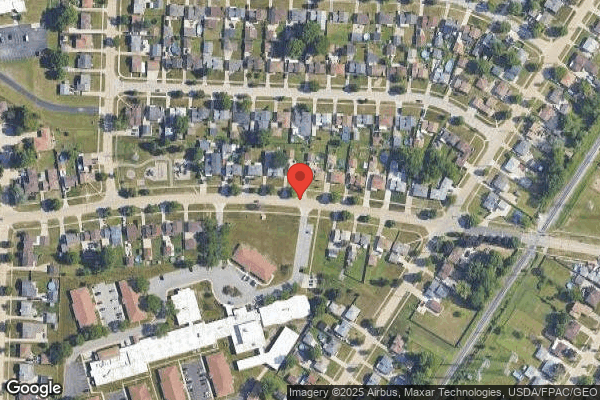
14801 HOLLAND ROAD, BROOK PARK, OH 44142 (216) 803-1995
For profit - Limited Liability company 34 Beds Independent Data: November 2025
Trust Grade
90/100
#121 of 913 in OH
Last Inspection: March 2025

Within standard 12-15 month inspection cycle. Federal law requires annual inspections.

Overview

North Park Care Center in Brook Park, Ohio, has received a Trust Grade of A, indicating it is excellent and highly recommended for families considering care options. It ranks #121 out of 913 facilities in Ohio, placing it in the top half, and #12 out of 92 in Cuyahoga County, meaning only a handful of local options are rated higher. The facility is improving, having decreased its issues from three in 2022 to none in 2025, and it has a strong staffing rating of 4 out of 5 stars, with a turnover rate of 30%, significantly lower than the state average. There are no fines on record, which is a positive sign, but the facility does have average RN coverage, suggesting a need for improvement in nursing staff availability. Specific incidents noted by inspectors include a refrigerator being too warm, which could affect food safety, and a failure to ensure a dignified dining experience for a resident requiring assistance, highlighting areas where care could be enhanced. Overall, while there are some weaknesses, North Park Care Center demonstrates strong overall performance and a commitment to improvement.

Trust Score
A
90/100
In Ohio
#121/913
Top 13%
Safety Record
Low Risk
No red flags
Inspections
Getting Better
3 → 0 violations
Staff Stability
○ Average
30% turnover. Near Ohio's 48% average. Typical for the industry.
Penalties
✓ Good
No fines on record. Clean compliance history, better than most Ohio facilities.
Skilled Nurses
✓ Good
Each resident gets 44 minutes of Registered Nurse (RN) attention daily — more than average for Ohio. RNs are trained to catch health problems early.
Violations
○ Average
6 deficiencies on record. Average for a facility this size. Mostly minor or procedural issues.
★★★★★
5.0
Overall Rating
★★★★☆
4.0
Staff Levels
★★★★☆
4.0
Care Quality
★★★★★
5.0
Inspection Score
Stable
2022: 3 issues
2025: 0 issues

The Good

  • 4-Star Staffing Rating · Above-average nurse staffing levels
  • 4-Star Quality Measures · Strong clinical quality outcomes
  • Full Sprinkler Coverage · Fire safety systems throughout facility
  • No fines on record
  • Staff turnover below average (30%)

    18 points below Ohio average of 48%

Facility shows strength in staffing levels, quality measures, fire safety.

The Bad

Staff Turnover: 30%

16pts below Ohio avg (46%)

Typical for the industry

The Ugly 6 deficiencies on record

Jul 2022 3 deficiencies
CONCERN (D)

Potential for Harm - no one hurt, but risky conditions existed

Resident Rights (Tag F0550)

Could have caused harm · This affected 1 resident

**NOTE- TERMS IN BRACKETS HAVE BEEN EDITED TO PROTECT CONFIDENTIALITY** Based on observation, interview, record review, and policy review the facility failed to ensure staff ensured a dignified dining...

Read full inspector narrative →
**NOTE- TERMS IN BRACKETS HAVE BEEN EDITED TO PROTECT CONFIDENTIALITY** Based on observation, interview, record review, and policy review the facility failed to ensure staff ensured a dignified dining experience for Resident #3 during lunch time dining. This affected one (Resident #3) of three (Resident's #2, #3, and #21) who required feeding assistance. The facility census was 30. Findings include: Review of the medical record revealed Resident #3 was admitted on [DATE] with diagnoses including Parkinson's disease, heart failure, dysphagia a swallowing disorder. The quarterly Minimum Data Set (MDS) 3.0 assessment dated [DATE] revealed Resident #3 had impaired cognition and required extensive assistance of one staff for eating. Review of Resident #3's care plan initiated on 05/17/22 for activities of daily living (ADL) revealed self-care performance deficit related to Parkinson's disease with an intervention including to provide one staff assistance for eating. Dining observation on 07/05/22 at 12:54 P.M. of the lunch meal revealed State Tested Nurse Aide (STNA) #100 was standing next to Resident #3 providing feeding assistance. Interview on 07/05/22 at 1:10 P.M. with STNA #100 confirmed she was standing while feeding Resident #3. STNA #100 stated she would normally sit while feeding a resident. Review of the facility policy titled Assistance with Meals, dated July 2017, revealed residents who cannot feed themselves will be fed with attention to safety, comfort, and dignity, for example: Not standing over residents while assisting them with meals.
CONCERN (F)

Potential for Harm - no one hurt, but risky conditions existed

Food Safety (Tag F0812)

Could have caused harm · This affected most or all residents

Based on observation and staff interview the facility failed to maintain its kitchen area in a manner to prevent food spoilage and prevent food borne illnesses. This had the potential to affect all 30...

Read full inspector narrative →
Based on observation and staff interview the facility failed to maintain its kitchen area in a manner to prevent food spoilage and prevent food borne illnesses. This had the potential to affect all 30 residents who received food from the facility kitchen. The facility census was 30. Findings include: During the initial kitchen tour conducted on 07/05/22 between 8:15 A.M. and 8:33 A.M. the following was observed and verified with [NAME] #997 at the time of the observation: • Three cabbage heads were observed to be significantly brown in color. • Two stalks of celery were noted to be extremely wilted and brown in color. • Significant ice buildup was noted on the facility freezer. • An unlabeled and undated bag of approximately 15 to 20 frozen omelets were noted in the freezer. • The outside rubber seal was noted to be dislodged from the refrigerator door, and the temperature of the refrigerator was noted to be 48 degrees Fahrenheit (F) which was reading outside normal on the refrigerator temperature gauge.
MINOR (C)

Minor Issue - procedural, no safety impact

Staffing Information (Tag F0732)

Minor procedural issue · This affected most or all residents

**NOTE- TERMS IN BRACKETS HAVE BEEN EDITED TO PROTECT CONFIDENTIALITY** Based on observation and interview, the facility failed to post up-to-date staffing information in public areas. This had the po...

Read full inspector narrative →
**NOTE- TERMS IN BRACKETS HAVE BEEN EDITED TO PROTECT CONFIDENTIALITY** Based on observation and interview, the facility failed to post up-to-date staffing information in public areas. This had the potential to affect all 30 residents living at the facility at the time of the survey. Findings include: Observation upon entry into the facility on [DATE] at 8:08 A.M. revealed the direct-care staffing information posted by the facility was dated 06/30/22. Interview on 07/05/22 at 8:30 A.M. with Registered Nurse (RN) #101 verified the findings. Interview on 07/05/22 at 4:30 P.M. with the Receptionist #102 revealed the direct care posting for the weekend is created by the receptionist on duty, and it was the receptionist duty to post staffing information in the morning. Receptionist #102 stated she was on vacation, and the receptionist on duty did not post the staffing information for the holiday weekend. Receptionist #102 stated she updated the staffing information and posted the updated version after she arrive to work.
Jul 2019 3 deficiencies
CONCERN (D)

Potential for Harm - no one hurt, but risky conditions existed

Assessment Accuracy (Tag F0641)

Could have caused harm · This affected 1 resident

**NOTE- TERMS IN BRACKETS HAVE BEEN EDITED TO PROTECT CONFIDENTIALITY** Based on record review and interview, the facility failed to ensure the Minimum Data Set (MDS) assessment was coded accurately. ...

Read full inspector narrative →
**NOTE- TERMS IN BRACKETS HAVE BEEN EDITED TO PROTECT CONFIDENTIALITY** Based on record review and interview, the facility failed to ensure the Minimum Data Set (MDS) assessment was coded accurately. This affected two of 11 sampled residents (Residents #2 and #23). Findings include: 1. Record review revealed Resident #2 was admitted to the facility on [DATE] with diagnoses that included chronic atrial fibrillation, coronary heart disease, heart failure, pneumonia, and Alzheimer's disease. Review of Resident #2's MDS 3.0 assessment dated [DATE] indicated the resident exhibited severe cognitive impairment and received dialysis. Review of Resident #2's medical record, physician orders, medication administration records (MARS) and treatment administration records (TARS) for [DATE] revealed Resident #2 expired while on hospice in the facility. The discharged MDS was not completed for Resident #2. Interview on [DATE] at 11:06 A.M. with Director of Nursing confirmed Resident #2's discharged assessment dated [DATE] was not complete and the resident expired in the facility on hospice. 2. Record review revealed Resident #23 was readmitted to the facility on [DATE] with diagnoses that included end stage renal disease, anxiety disorder, bipolar disorder, and peripheral vascular angioplasty status. Review of Resident #23's MDS 3.0 assessment dated [DATE] indicated the resident exhibited intact cognitive impairment and received an anticoagulant. Review of Resident #23's medical record, physician orders, medication administration records (MARS) for [DATE] revealed Resident #23 received Plavix, an antiplatelet agent, and not an anticoagulant. Interview on [DATE] at 11:06 A.M. with Director of Nursing confirmed Resident #23's MDS 3.0 assessment dated [DATE] was inaccurate and the resident did not receive an anticoagulant.
CONCERN (D)

Potential for Harm - no one hurt, but risky conditions existed

Deficiency F0810 (Tag F0810)

Could have caused harm · This affected 1 resident

**NOTE- TERMS IN BRACKETS HAVE BEEN EDITED TO PROTECT CONFIDENTIALITY** Based on observation, interview and record review, the facility failed to ensure consistent use of adaptive equipment. This affe...

Read full inspector narrative →
**NOTE- TERMS IN BRACKETS HAVE BEEN EDITED TO PROTECT CONFIDENTIALITY** Based on observation, interview and record review, the facility failed to ensure consistent use of adaptive equipment. This affected one resident (Resident #15) of three residents observed for adaptive equipment. The facility census was 30 residents. Findings include: Review of Resident #15's medical record revealed a readmission date of 08/23/18 and diagnoses including heart failure, major depressive disorder, and cerebrovascular disease. Review of the quarterly minimum data set (MDS) 3.0 assessment dated [DATE] revealed Resident #15 was moderately impaired and had no diet restrictions. Review of Resident #15's meal ticket revealed that Resident #15's food should be cut up prior to serving, all beverages in a two handled cup with a lid and a divided dish for meals. Review of a nutritional care plan updated 07/09/19 revealed Resident #15 was to use sipper cup for fluids and a divided plate. Observation of the lunch meal on 07/08/19 at 12:53 P.M. revealed that Resident #15 was being assisted with eating with a glass of juice at her place setting instead of a sipper cup and entrée was not served on a divided plate. This was verified by Licensed Practical Nurse (LPN) #100 at the time of observation. Observation of the breakfast meal on 07/10/19 at 8:03 A.M. revealed that Resident #15 was feeding herself with a two handled cup with no lid and the entrée was not served on a divided plate. This was verified by State Tested Nursing Assistant #102 at the time of the observation. Review of policy entitled, North Park Retirement Community Policy and Procedure- Assistive Devices revealed that assistive devices shall be provided to residents who need them.
CONCERN (D)

Potential for Harm - no one hurt, but risky conditions existed

Infection Control (Tag F0880)

Could have caused harm · This affected 1 resident

**NOTE- TERMS IN BRACKETS HAVE BEEN EDITED TO PROTECT CONFIDENTIALITY** Based on observation, record review, staff interview and review of infection control policies and procedures, the facility faile...

Read full inspector narrative →
**NOTE- TERMS IN BRACKETS HAVE BEEN EDITED TO PROTECT CONFIDENTIALITY** Based on observation, record review, staff interview and review of infection control policies and procedures, the facility failed to ensure proper placement of urine collection bag. This affected one resident (Resident #16) of one resident with a urine collection bag. Findings include: Record review revealed Resident #16 was readmitted to the facility on [DATE] with diagnoses including methicillin resistant staphylococcus aureus, atherosclerotic heart disease and chronic atrial fibrillation. Review of the quarterly minimum data set (MDS) 3.0 assessment dated [DATE] revealed Resident #15 was cognitively intact and required extensive assistance with one person for most Activities of Daily Living. Review of physician orders revealed Resident #16 was ordered a catheter for urine output. Observation of Resident #16 on 07/08/19 at 11:09 A.M. revealed Resident #16's urine collection bag and tubing were on the floor. Interview with State Tested Nurse Aide (STNA) #103 on 07/08/19 at 11:09 A.M. verified the catheter bag and tubing were on the floor and stated that it should not have been on the floor and got a nurse to change it. Review of Catheter policy, not dated, revealed that catheter or tubing should not be left on the floor.
Understanding Severity Codes (click to expand)
Life-Threatening (Immediate Jeopardy)
J - Isolated K - Pattern L - Widespread
Actual Harm
G - Isolated H - Pattern I - Widespread
Potential for Harm
D - Isolated E - Pattern F - Widespread
No Harm (Minor)
A - Isolated B - Pattern C - Widespread

Questions to Ask on Your Visit

  • "Can I speak with families of current residents?"
  • "What's your RN coverage like on weekends and overnight?"

Our Honest Assessment

Strengths
  • • Grade A (90/100). Above average facility, better than most options in Ohio.
  • • No major safety red flags. No abuse findings, life-threatening violations, or SFF status.
  • • No fines on record. Clean compliance history, better than most Ohio facilities.
  • • 30% turnover. Below Ohio's 48% average. Good staff retention means consistent care.
Concerns
  • • No significant concerns identified. This facility shows no red flags across CMS ratings, staff turnover, or federal penalties.
Bottom line: Generally positive indicators. Standard due diligence and a personal visit recommended.

About This Facility

What is North Park's CMS Rating?

CMS assigns NORTH PARK CARE CENTER an overall rating of 5 out of 5 stars, which is considered much above average nationally. Within Ohio, this rating places the facility higher than 99% of the state's 100 nursing homes. This rating reflects solid performance across the metrics CMS uses to evaluate nursing home quality.

How is North Park Staffed?

CMS rates NORTH PARK CARE CENTER's staffing level at 4 out of 5 stars, which is above average compared to other nursing homes. Staff turnover is 30%, compared to the Ohio average of 46%. This relatively stable workforce can support continuity of care.

What Have Inspectors Found at North Park?

State health inspectors documented 6 deficiencies at NORTH PARK CARE CENTER during 2019 to 2022. These included: 5 with potential for harm and 1 minor or isolated issues.

Who Owns and Operates North Park?

NORTH PARK CARE CENTER is owned by a for-profit company. For-profit facilities operate as businesses with obligations to shareholders or private owners. The facility operates independently rather than as part of a larger chain. With 34 certified beds and approximately 31 residents (about 91% occupancy), it is a smaller facility located in BROOK PARK, Ohio.

How Does North Park Compare to Other Ohio Nursing Homes?

Compared to the 100 nursing homes in Ohio, NORTH PARK CARE CENTER's overall rating (5 stars) is above the state average of 3.2, staff turnover (30%) is significantly lower than the state average of 46%, and health inspection rating (5 stars) is much above the national benchmark.

What Should Families Ask When Visiting North Park?

Based on this facility's data, families visiting should ask: "Can I visit during a mealtime to observe dining assistance and food quality?" "How do you handle medical emergencies, and what is your hospital transfer rate?" "Can I speak with family members of current residents about their experience?"

Is North Park Safe?

Based on CMS inspection data, NORTH PARK CARE CENTER has a clean safety record: no substantiated abuse findings (meaning no confirmed cases of resident harm), no Immediate Jeopardy citations (the most serious violation level indicating risk of serious injury or death), and is not on the Special Focus Facility watch list (a federal program monitoring the lowest-performing 1% of nursing homes). The facility has a 5-star overall rating and ranks #1 of 100 nursing homes in Ohio. While no facility is perfect, families should still ask about staff-to-resident ratios and recent inspection results during their visit.

Do Nurses at North Park Stick Around?

NORTH PARK CARE CENTER has a staff turnover rate of 30%, which is about average for Ohio nursing homes (state average: 46%). Moderate turnover is common in nursing homes, but families should still ask about staff tenure and how the facility maintains care continuity when employees leave.

Was North Park Ever Fined?

NORTH PARK CARE CENTER has no federal fines on record. CMS issues fines when nursing homes fail to meet care standards or don't correct problems found during inspections. The absence of fines suggests the facility has either maintained compliance or corrected any issues before penalties were assessed. This is a positive indicator, though families should still review recent inspection reports for the full picture.

Is North Park on Any Federal Watch List?

NORTH PARK CARE CENTER is not on any federal watch list. The most significant is the Special Focus Facility (SFF) program, which identifies the bottom 1% of nursing homes nationally based on persistent, serious quality problems. Not being on this list means the facility has avoided the pattern of deficiencies that triggers enhanced federal oversight. This is a positive indicator, though families should still review the facility's inspection history directly.