ALTERCARE OF BUCYRUS CENTER FO
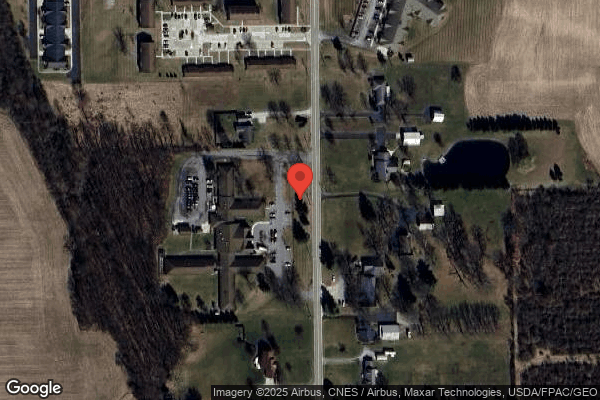
1929 WHETSTONE STREET, BUCYRUS, OH 44820 (419) 562-7644
For profit - Corporation 80 Beds ALTERCARE Data: November 2025
Trust Grade
70/100
#208 of 913 in OH
Last Inspection: July 2025

Inspected within the last 6 months. Data reflects current conditions.

Overview

Altercare of Bucyrus Center has a Trust Grade of B, indicating it is a good choice for families, positioned in the top half of Ohio facilities at #208 out of 913. In Crawford County, it ranks #2 out of 6, with only one local option rated higher. The facility shows an improving trend, reducing issues from 6 in 2024 to 5 in 2025. However, staffing is a concern with a rating of 2 out of 5, indicating below-average staffing levels and a 45% turnover rate, which is slightly better than the state average. While there have been no fines, which is a positive sign, there have been serious incidents, such as a resident being harmed due to a defective lift during a transfer, and concerns about unsafe smoking areas and improper food storage. Overall, while the facility has strengths in its quality measures and lack of fines, families should weigh these against the staffing challenges and specific safety incidents.

Trust Score
B
70/100
In Ohio
#208/913
Top 22%
Safety Record
Moderate
Needs review
Inspections
Getting Better
6 → 5 violations
Staff Stability
○ Average
45% turnover. Near Ohio's 48% average. Typical for the industry.
Penalties
✓ Good
No fines on record. Clean compliance history, better than most Ohio facilities.
Skilled Nurses
⚠ Watch
Each resident gets only 25 minutes of Registered Nurse (RN) attention daily — below average for Ohio. Fewer RN minutes means fewer trained eyes watching for problems.
Violations
⚠ Watch
14 deficiencies on record. Higher than average. Multiple issues found across inspections.
★★★★☆
4.0
Overall Rating
★★☆☆☆
2.0
Staff Levels
★★★★★
5.0
Care Quality
★★★☆☆
3.0
Inspection Score
Stable
2024: 6 issues
2025: 5 issues

The Good

  • 5-Star Quality Measures · Strong clinical quality outcomes
  • Full Sprinkler Coverage · Fire safety systems throughout facility
  • No fines on record
  • Staff turnover below average (45%)

    3 points below Ohio average of 48%

Facility shows strength in quality measures, fire safety.

The Bad

Staff Turnover: 45%

Near Ohio avg (46%)

Typical for the industry

Chain: ALTERCARE

Part of a multi-facility chain

Ask about local staffing decisions and management

The Ugly 14 deficiencies on record

1 actual harm
Jul 2025 4 deficiencies
CONCERN (D)

Potential for Harm - no one hurt, but risky conditions existed

Respiratory Care (Tag F0695)

Could have caused harm · This affected 1 resident

**NOTE- TERMS IN BRACKETS HAVE BEEN EDITED TO PROTECT CONFIDENTIALITY** Based on observation, record review, facility staff interview, and facility policy review, the facility failed to follow physici...

Read full inspector narrative →
**NOTE- TERMS IN BRACKETS HAVE BEEN EDITED TO PROTECT CONFIDENTIALITY** Based on observation, record review, facility staff interview, and facility policy review, the facility failed to follow physician's order for oxygen administration. This affected two residents (#34 and #28) out of nine residents identified to received oxygen at the facility. The facility census was 66.Review of medical record for Resident #34 revealed admission date of 04/03/25. The resident was admitted with diagnoses of Chronic Obstructive Pulmonary Disease (COPD), bipolar disorder and neuromuscular dysfunction of bladder.The Minimum Data Set (MDS) dated [DATE] revealed Resident #34 had a Brief Interview Mental Status (BIMS) score of 13 indicating no impaired cognition. Resident #34 was dependent for meals, dependent with toileting hygiene, bed mobility and transfers.Review of the physician orders dated 05/30/25 revealed continuous oxygen at 1 liter per minute via nasal cannula. Indicated for COPD exacerbation. Keep Resident #34's oxygen saturation level above 90 percent (%) and check twice a day.Observation on 07/29/25 at 11:56 A.M. revealed Resident #34 was wearing nasal cannula with oxygen running at a rate of 0.5 liters of oxygen per minute.Interview with Licensed Practical Nurse (LPN) #512 on 07/29/25 at 12:44 P.M. confirmed Resident #34's oxygen was set at 0.5 liter of oxygen per minute and the physician's order was for one liter of oxygen per minute.2. Review of medical record for Resident #28 revealed an admission date of 12/04/21. The resident was admitted with diagnoses of post polio, Type II Diabetes, rheumatoid arthritis, non-pressure chronic ulcer of unspecified part of right lower leg, wedge compression fracture of first lumbar vertebra, and sequela.The Minimum Data Set (MDS) dated [DATE] revealed Resident #28 had a Brief Interview Mental Status (BIMS) score of 15 indicating no impaired cognition. Resident #28 was set up for meals, dependent with toileting hygiene, bathing, and transfers.Review of the physician orders revealed an order dated 04/16/25 for oxygen at 2 liter per nasal cannula for resident comfort. Check twice a day.Observation on 07/29/25 at 3:37 P.M. revealed Resident #28 was wearing nasal cannula with oxygen running at a rate of one liters of oxygen per minute.Interview with Director of Nursing on 07/29/25 on 12:44 P.M. confirmed Resident #28's oxygen was set at one liter of oxygen per minute and the physician's order was for two liter of oxygen per minute.Review of policy titled Oxygen Administration, dated 05/01/25, revealed: verify there is physician's orders for service.
CONCERN (D)

Potential for Harm - no one hurt, but risky conditions existed

Infection Control (Tag F0880)

Could have caused harm · This affected 1 resident

Based on observation, facility staff interview, and facility policy review, the facility failed to ensure infection control standards were implemented and maintained during medication administration. ...

Read full inspector narrative →
Based on observation, facility staff interview, and facility policy review, the facility failed to ensure infection control standards were implemented and maintained during medication administration. This affected one (Resident #62) of four residents observed for medication administration. The facility census was 66.Observation of medication pass on 07/29/25 at 8:59 A.M. revealed Licensed Practical Nurse (LPN) #512 was observed entering Resident #21 room, placed right hand on resident's shoulder, then returned to the medication cart to pull medication for Resident #62. LPN #512 did not sanitize hands between tasks. Interview with (LPN) #512 at 9:10 A.M. confirmed no hand sanitization was complete in between medication pass between Resident #21 and Resident #62.Review of policy titled Medication Administration-General Guidelines, dated May 2020, revealed hand sanitation is to be completed when returning to medication cart and regular intervals during medication pass such as after each room.
CONCERN (E)

Potential for Harm - no one hurt, but risky conditions existed

Accident Prevention (Tag F0689)

Could have caused harm · This affected multiple residents

**NOTE- TERMS IN BRACKETS HAVE BEEN EDITED TO PROTECT CONFIDENTIALITY** Based on observation, staff interview, review of facility water temperature logs, and review of the facility policy, the facilit...

Read full inspector narrative →
**NOTE- TERMS IN BRACKETS HAVE BEEN EDITED TO PROTECT CONFIDENTIALITY** Based on observation, staff interview, review of facility water temperature logs, and review of the facility policy, the facility failed to maintain safe water temperatures. This had the potential to affect all residents residing on the 300-hall (Resident #6, #8, #9, #19, #21, #22, #26, #30, #34, #35, #50, #55, #56, #58, #60, #62, #65, #67, and #71), all residents residing on the 400-hall (#5, #12, #13, #14, #20, #23, #27, #32, #68, and #69) and residents residing in room [ROOM NUMBER]. The facility census was 66.Review of the facility's hot water temperature logs for 07/02/25 through 07/24/25, revealed on 07/09/25 the hot water temperature in room [ROOM NUMBER] was 127 degrees Fahrenheit, the hot water temperature in room [ROOM NUMBER] was 128 degrees Fahrenheit, and the hot water temperature in room [ROOM NUMBER] was 124 degrees Fahrenheit. On 07/24/25, the hot water temperature in room [ROOM NUMBER] was 123 degrees Fahrenheit, the hot water temperature in room [ROOM NUMBER] was 122 degrees Fahrenheit, the hot water temperature in room [ROOM NUMBER] was 124 degrees Fahrenheit, and the hot water temperature in room [ROOM NUMBER] was 123 degrees Fahrenheit. On 07/28/25, the hot water temperature in room [ROOM NUMBER] was 128 degrees Fahrenheit, the hot water temperature in room [ROOM NUMBER] was 125 degrees Fahrenheit, the hot water temperature in room [ROOM NUMBER] was 130 degrees Fahrenheit, and the hot water temperature in room [ROOM NUMBER] was 128 degrees Fahrenheit. Observations on 07/28/25 from 11:47 A.M. through 12:38 P.M. of the facility's secured memory care unit (400-hall) revealed hot water temperatures were taken for all bathrooms located in all resident rooms. Hot water temperatures in resident bathrooms ranged from 130 degrees Fahrenheit to 132 degrees Fahrenheit.Observations on 07/28/25 from 12:40 P.M. to 12:50 P.M. of rooms located near each end of the 300-hall revealed hot water temperatures in resident bathrooms were 130 degrees Fahrenheit.An interview on 07/28/25 at 1:17 P.M. with Maintenance Director #530 verified hot water temperatures on the 300-hall and 400-hall had been running high for several weeks and were supposed to be below 120 degrees Fahrenheit. Maintenance Director #530 reported the facility had some plumbing work completed on 07/02/25 and the hot water temperatures in resident rooms located on the aforementioned halls began running high following that work. Maintenance Director #530 reported they had contacted the plumbing company who completed the work, but the company had not been able to come back and did not always show up when they said they were going to. Maintenance Director #530 reported they had not contacted a second plumbing company regarding the hot water temperatures that had been running too high and had not implemented any measures to protect residents while water temperatures remained high. Maintenance Director #530 was asked several times and reported there was no way for the facility to physically turn the temperatures down in the facility.On 07/28/25 from 1:27 P.M. through 1:35 P.M., Maintenance Director #530 used the facility's digital thermometer to test the hot water temperature in the bathrooms of room [ROOM NUMBER], #312, and #405, and obtained a reading of 132 degrees Fahrenheit for each room. On 07/28/25 from 1:31 P.M. through 1:50 P.M., Maintenance Director #530 checked the hot water temperature in the bathroom of room [ROOM NUMBER] and #501 and obtained a reading of 130 degrees Fahrenheit for each room.Interviews on 07/28/25 with Maintenance Director #530 at the time of each observation verified the hot water temperatures in each resident bathroom.A follow-up interview on 07/28/25 at 3:03 P.M. revealed Maintenance Director #530 spoke with a regional maintenance worker and was informed and instructed to turn the hot water temperature down on hot water tanks located in the facility. Maintenance Director #530 reported the hot water tanks were previously set to 140 degrees Fahrenheit and were just turned down to 125 degrees Fahrenheit.Observation on 07/28/25 at 3:03 P.M. of two hot water tanks located in the facility revealed each hot water tank had a separate gage with the ability to be adjusted. Both hot water tanks were set to approximately 125 degrees Fahrenheit.Review of the facility policy titled Water Temperature Policy, not dated, revealed staff were to check with their regional support staff on whether temperature locations applied to the specific type of facility, and to ensure patient room temperatures were between 105 and 120 degrees in Ohio.
CONCERN (F)

Potential for Harm - no one hurt, but risky conditions existed

Smoking Policies (Tag F0926)

Could have caused harm · This affected most or all residents

Based on observation, staff interview and facility policy review, the facility failed to provide a safe smoking area for all residents. This affected all residents in the facility. The census was 66.O...

Read full inspector narrative →
Based on observation, staff interview and facility policy review, the facility failed to provide a safe smoking area for all residents. This affected all residents in the facility. The census was 66.Observation on 07/30/25 at 10:55 A.M. revealed smoking shack did not have designed smoking times posted to enable nonsmokers to avoid the area during the posted times. There were also numerous cigarette butts on the ground outside the smoke shack, on the concrete and in the landscaping mulch, and one half smoked cigarette beside the ashtray receptacle in the smoke shack. Interview with Director of Nursing (DON) on 07/30/25 at 11:00 A.M. confirmed no smoking times were posted and numerous cigarette butts were on the ground.Review of the undated policy titled Smoking-Resident policy revealed the designated smoking area will be posted with proper signage designated the area as a smoking area and include the designated smoking times to enable nonsmokers to avoid the are during the posted times.
Apr 2025 1 deficiency 1 Harm
SERIOUS (G) 📢 Someone Reported This

A family member, employee, or ombudsman was alarmed enough to file a formal complaint

Actual Harm - a resident was hurt due to facility failures

Accident Prevention (Tag F0689)

A resident was harmed · This affected 1 resident

**NOTE- TERMS IN BRACKETS HAVE BEEN EDITED TO PROTECT CONFIDENTIALITY** THE FOLLOWING DEFICIENCY REPRESENTS AN INCIDENT OF PAST NON-COMPLIANCE THAT WAS SUBSEQUENTLY CORRECTED PRIOR TO THIS SURVEY. Bas...

Read full inspector narrative →
**NOTE- TERMS IN BRACKETS HAVE BEEN EDITED TO PROTECT CONFIDENTIALITY** THE FOLLOWING DEFICIENCY REPRESENTS AN INCIDENT OF PAST NON-COMPLIANCE THAT WAS SUBSEQUENTLY CORRECTED PRIOR TO THIS SURVEY. Based on medical record review, staff interview, review of the fall investigation and witness statements, review of the hospital records, review of facility lift inspections, review of the manufacturer recommendations for use, and review of facility policy, the facility failed to ensure a resident was safely transferred by a mechanical lift that was not inspected per manufactures instructions or identified as defective by facility staff. This resulted in Actual Harm on 01/31/25 when Resident #70 was transferred from the bed to her recliner with the mechanical (Hoyer) lift when the lifts shoulder bolt fell out and Resident #70 dropped to the floor landing on top of the lift legs, from approximately four feet in the air. Resident #70 complained of pain in the right leg and right knee. Subsequently, Resident #70 was sent to the local hospital where she was diagnosed with a tibia fracture. This affected one (#70) of three residents reviewed for accident hazards. The facility census was 66. Findings include: Review of the medical record for Resident #70 revealed an admission date of 01/28/22. Diagnoses included cerebral palsy, heart failure, hypercapnia, hypoxemia, esophageal stenosis, contracture of muscle in right lower leg, and on 01/31/25 she was diagnosed with a displaced bicondylar fracture of the right tibia. Review of the care plan dated 02/17/22 revealed Resident #70 was at risk for falls and injuries with interventions to utilize a stand-up lift for transfers. Review of the Annual Minimum Data Set (MDS) 3.0 assessment dated [DATE] revealed Resident #70 was cognitively intact and was dependent upon staff for activities of daily living. Resident #70 was also dependent on staff for transfers from bed to chair, tub/shower, and rolling left and right. Review of the progress note dated 01/31/25 at 2:35 P.M., revealed Resident #70 was being lifted by the mechanical (Hoyer) lift when the part that the sling attached to snapped off. Resident #70 fell to the floor on top of the mechanical lift legs. A red area was observed across Resident #70's lower abdomen. Resident #70 complained about her right leg hurting and stated that it hurt a little before the incident. Resident #70 was assisted by five people and placed back into bed. The intervention in place was for a Hoyer lift audit per the Director of Nursing (DON). Review of the fall investigation revealed on 01/31/25 at 2:35 P.M. Resident #70 fell while staff were transferring her via Hoyer lift from her bed to recliner. Two staff members were present, but during the transfer, the hang bar fell off of the Hoyer lift and the resident fell to the floor. An assessment showed a light red area across her lower abdomen and the resident was alert after the fall. Resident #70 was medicated for pain, an X-ray was ordered, and Resident #70 was subsequently sent to the emergency room. The resident's health care provider and resident representative were notified. The immediate safety measure taken was a post fall assessment that revealed the need to audit the Hoyer lifts. Hoyer lift audits were to be added to Resident #70's care plan. Review of the fall investigation timeline revealed on 01/31/25 at 2:35 P.M. two staff members were maneuvering the mechanical (Hoyer) lift, and the hanger bar became detached from the boom which resulted in Resident #70 landing on the floor in front of the recliner. Certified Nursing Assistant (CNA) #44 notified the charge nurse and Medical Director (MD) #222 immediately. The charge nurse and MD #222 responded to Resident #70's room and completed an assessment of the resident. A red area was noted to the resident's abdomen and Resident #70 stated her right knee was hurting a little prior to the incident. MD #222 did not identify any injuries at the time. Resident #70 was assisted into bed by MD #222 and five other staff members with the sling that was still under the resident. The DON removed the Hoyer lift from service. Staff provided care to Resident #70 and Resident #70 requested to be placed in her recliner. She was transferred to the reclining chair via a different and operational Hoyer lift with the assistance of two staff members. On 01/31/25 at 3:16 P.M., Resident #70 was medicated with Tylenol for a complaint of right knee pain. On 01/31/25 at approximately 4:00 P.M. to 4:15 P.M., the DON checked on Resident #70 and asked if she was hurting. Resident #70 patted her right knee and stated it was sore, along with her left side. The DON assessed the resident's left side with no abnormal findings. The DON assessed the resident's right knee, and no bruising, deformities, or swelling was identified. Resident #70 was able to lift her right leg off the chair at that time. On 01/31/25 at 4:30 P.M., the DON verified that all other mechanical lifts were in proper working order. On 01/31/25 at 4:50 P.M., Resident #70 complained of increased right knee pain. Orders were received for X-rays of the right knee, right rib, and thoracic lumbar. The mobile X-ray company was notified of the new X-ray orders. On 01/31/25 at 5:57 P.M. a new order was received to discontinue Tylenol 350 milligrams (mg) daily and initiate Tylenol 1,000 mg three times a day and Oxycodone 5 mg every four hours as needed. On 01/31/25 at 9:17 P.M. Resident #70 was given Tylenol 1,000 mg. On 01/31/25 at 9:18 P.M. Resident #70 was given Oxycodone 5 mg for right knee pain. On 01/31/25 at 10:30 P.M. Resident #70 was sent to the ER due to an increase in knee pain and medications were not effective. On 02/01/25 at 7:09 P.M., Resident #70 returned to the facility. Review of the witness statement of CNA #14 dated 01/31/25 revealed she and CNA #44 were using the weighted Hoyer lift to place Resident #70 back in her recliner. The lift was raised safely enough to clear the bed. The bolt holding the weight box and metal loops snapped off and Resident #70 fell to the floor but did not hit her head. Resident #70 revealed only her left leg/knee was hurting. When Resident #70 fell, CNA #14 was getting into position to pull her back into her recliner. CNA #44 was positioning the lift to approach the recliner, and the Hoyer was in front of the recliner. Review of the witness statement of CNA #44 dated 01/31/25 revealed CNA #44 and another aide [CNA #14] were using the Hoyer to transfer Resident #70 to her chair. In the process, CNA #44 heard a loud noise and Resident #70 fell to the floor and landed on the legs of the Hoyer. Review of the witness statement of Resident #70 transcribed by the DON dated 01/31/25 revealed the lift broke apart and she fell. Resident #70 stated she had soreness to her left side and right leg. Review of the progress note dated 01/31/25 at 4:50 P.M., revealed Resident #70 complained of pain in the right knee becoming more intense. A new order was received for an X-ray of the right knee, right rib, and thoracic lumbar area. Review of the progress note dated 01/31/25 at 5:57 P.M., revealed Resident #70 received a new order for Tylenol 1,000 mg three times a day and Oxycodone 5 mg every four hours as needed. The resident and her emergency contact were notified. Review of the progress note dated 01/31/25 at 11:00 P.M., revealed Resident #70 was sent to the hospital at approximately 10:30 P.M. Resident #70 complained of severe pain to her right knee related to her fall that occurred earlier. An X-ray was ordered, but Resident #70 stated she could not wait any longer for the X-ray. The nurse administered Tylenol and the as-needed Oxycodone 5 mg. The medications were not effective for Resident #70. The resident's physician, power of attorney (POA) and DON were notified. Review of the progress note dated 02/01/25 at 9:34 A.M. revealed the emergency room (ER) called to update the facility on Resident #70's status. Resident #70 was noted in the ER with a fractured tibia. Resident #70 was to see orthopedic services. Review of the hospital notes dated 02/01/25 revealed Resident #70 had a right medial tibial plateau fracture. The notes further revealed the resident received an orthopedic consult on 02/01/25 and they recommended nonoperative treatment due to her non-ambulatory status. Review of the progress note dated 02/01/25 at 7:09 P.M. revealed Resident #70 returned to the facility from the hospital. Resident #70 was to be non-weight bearing and was to wear a brace to the right leg for six weeks. Review of the care plan updated 02/03/25 revealed Resident #70 was at risk for falls and injuries with a new intervention for Hoyer lift audits. Interview on 03/18/25 at 3:15 P.M. with CNA #14 revealed Resident #70 needed to use her bed pan and like normal, she was safely lifted with the Hoyer into her bed, and it was also the Hoyer that weights were taken with. She then was going to be lifted back to her recliner. Resident #70 was pulled up by the lift and the button was pressed to open up the lift's legs. CNA #14 stated the bolt that holds up the straps that they hooked everything to, snapped. She revealed the lift unit had been working all day and first shift did not have issues with the lift. Telephone interview on 03/18/25 at 4:05 P.M. with CNA #44 revealed she did not think the facility kept lift equipment maintained, and she did not see a maintenance man that often. CNA #44 revealed the day the fall occurred, Resident #70 was being transferred to her chair. As CNA #44 was opening the legs to the hoyer she heard a snap and saw Resident #70 fall to the floor. After this occurred, a bunch of people came and transferred her to her bed. Telephone interview on 03/20/25 at 12:51 P.M. with Licensed Practical Nurse (LPN) #199 revealed she was called into Resident #70's room after the fall. Resident #70 was on the floor on top of the Hoyer lift legs and the part that everything hooked up to, broke off of the machine. LPN #199 assessed Resident #70 and asked if she was in pain and Resident #70 said no. LPN #199 immediately went and got MD #222. LPN #199 asked MD #222 to assess Resident #70 before she touched her. MD #222 assessed Resident #70 and stated they could get her up. LPN #199 wanted to send Resident #70 out, but MD #222 said they could get her up. LPN #199 did not know how far the fall from the Hoyer lift was and she would have been more comfortable sending Resident #70 out. Interview on 03/19/25 at 11:28 A.M. with the DON revealed that maintenance looked at the lift units monthly. Since the incident happened, the lifts had been evaluated weekly. She stated floor staff only looked at basics of the lift, like if anything was loose or not working properly. The DON revealed the U-shaped piece with a bolt in it, failed and the shoulder bolt and mounting bracket were bent out. She stated the hanger bar with the weight box fell off too. The DON reiterated that the shoulder bolt and mounting bracket was what failed and the hanger bar was still fine. Interview on 03/19/25 at 5:13 P.M. with the DON revealed a medical company came in every six months and evaluated the mechanical lifts. The DON also revealed maintenance was looking at them weekly for the next four weeks and then they would go back to monthly. The DON revealed she was leading an all staff meeting when the Hoyer fall incident occurred with Resident #70. The DON revealed staff were transferring the resident with the Hoyer lift and as they were opening the legs, the shoulder bolt fell out and Resident #70 fell to the floor in her sling along with the hanger bar, as the hanger bar fell on top of her. An aide came out and got a nurse and MD #222 to assess the resident, and the lift was taken out of commission immediately. The DON revealed she went and checked all the other lifts for loose bolts, bent metal or anything not working properly and there were no issues with the other lifts. The DON revealed staff received training on lifts as part of their orientation and lifts were discussed at almost every staff meeting. She stated for example, the 04/04/24 agenda was related to proper use of mechanical lifts and Hoyer pads, the 05/23/24 agenda was related to proper lift use, the 09/05/24 agenda was related to how Resident Council talked about the use of Hoyer lifts and the guidelines were discussed as well as Hoyer pad issues, the 11/25/24 agenda was related to using a mechanical lift properly, the 12/03/24 agenda was related to proper mechanical lift procedure, and the 01/31/25 agenda was related to a discussion on proper use of a Hoyer lift. Interview on 03/20/25 at 11:06 A.M. with the Administrator revealed monthly inspections on lifts were completed by maintenance coordinators. Observation 03/19/25 at 11:46 A.M. of the Invacare Reliant 600 Hoyer lift that failed, with the Administrator and DON present, revealed the shoulder bolt itself was not cracked or broken, but the mounting bracket was observed severely bent. Review of the manufacturer's Invacare Reliant 600 RPL600-2 user manual revealed regular maintenance of patient lifts and accessories were necessary to assure proper operation. Review of the maintenance safety inspection checklist in the user manual revealed the institution was to conduct monthly inspections/adjustments to the hardware, hanger bar supports, bolted joints, pivot joints, and hardware on the mast, boom, and base as well as checking for bends or deflections. Further review of the manual revealed casters and axle bolts, the hanger and eye of the boom, pivot points and fasteners, lubrication, hanger bar hooks and mounting brackets, and the mast pivot bolt required inspections every six months. The user manual also stated that all parts of the patient lift were made of the best grades of steel, but metal to metal contact would wear after considerable use. Review of the resident lift work history report from January 2024 to March 2025 revealed resident mobile lifts were inspected every month, except for January 2025. The inspection prior to the incident was dated 12/31/24 and it revealed that the mobile lifts were inspected. The documentation did not mention if there were issues or if the lift passed or failed the inspection, just that they were inspected. Review of the contracted medical equipment company lift evaluation on 02/13/25 revealed two lifts passed the evaluations and four lifts failed the calibration and safety tests. The lifts that failed were taken out of commission. The contract company also performed the same evaluation on 05/29/24 where four lifts passed the safety and calibration tests and on 11/13/24 where five lifts passed the evaluation. Review of the Administrator email correspondence sent to the DON, Maintenance Coordinator #80, [NAME] President of Nursing Operations #225, Regional Plant Maintenance Director #226, and Regional Nurse Consultant #227, after a conversation with their contracted lift company, dated 02/26/25 at 3:37 P.M. revealed, Here is what I received from Medical Equipment. While here, he stated it is common for the screws to come loose. The lift is poorly designed, and the screws need tightened all the time. It only takes 5 threads for the screw to come loose. Based on his observation, the screw came loose, and the pressure from the scale, and resident being moved in the Hoyer, the screw gave way, and the bolt fell out causing the resident to fall. Review of the Hoyer Lift policy dated 2024 revealed it was the facility's policy to utilize a Hoyer lift when transferring a resident in accordance with professional standards of nursing practice. As a result of the incident, the facility took the following actions to correct the deficient practice as of 03/14/25: • On 01/31/25, the DON placed the broken lift out of commission. • On 01/31/25, the DON checked all of the other facility lifts for loose bolts, bent metal or anything not working properly. No issues were noted. • On 01/31/25, the DON educated all staff during the all staff meeting on Hoyer lifts and proper use. The education discussed the amount of staff it takes to operate a lift, that the emergency power button is for emergencies, and the new process to wash and clean the slings as well as assessing the lifts for damage prior to use. • On 02/04/25, a new maintenance man [Maintenance Coordinator #80] was hired. • On 02/05/25 the facility rented two lifts. • On 02/06/25, 02/09/25, and 02/10/25, the DON provided all direct care staff education on identifying possible safety hazards with mechanical lifts specifically regarding breaks, casters, the boom, sling clips, bolts, and [NAME] pins. The education also included for staff to look for any potential hazards in the sling such as frayed edges and ripping in the material and being aware of how to respond if any hazard was identified. • On 02/10/25, the Administrator provided education to all leadership regarding how the mechanical lifts would be audited weekly for four weeks and as needed to check for hazards and ensure they were in working order. Once the weekly audits were completed, mechanical lifts would be checked monthly and as needed. Processes were reviewed for auditing lifts, the use of checklists, hazards to look for, and what to do when/if hazards were found. • On 02/10/25, the DON provided education to Maintenance Coordinator #80 regarding how the lift audits would be completed weekly for four weeks, then monthly and as needed. • On 02/13/25, an outside contracted medical equipment company audited the facility's lifts. Five lifts failed the evaluation. The lifts were taken out of commission and removed from use. One of the five lifts was a sit-to-stand machine which the facility stated they did not use. • On 02/13/25, Regional Plant Maintenance Director #226 was educated regarding the requirement for monthly lift inspections. • On 02/26/25, the Quality Assurance Performance Improvement (QAPI) Committee met and discussed safety and monitoring for all lifts and lifts being audited weekly for safety for four weeks and then monthly. The committee also discussed that a new lift was purchased and delivered on this day. • On 02/11/25 and 02/28/25, the facility purchased two new lifts. The lifts were received on 02/26/25 and 03/05/25. • On 03/07/25, the Maintenance Director or designee completed the weekly audits of all mechanical lifts for four weeks and as needed to ensure that all mechanical lifts were in proper working order on 02/13/25, 02/20/25, 02/28/25, and 03/07/25. • On 03/14/25, the DON, or designee(s), completed interview audits with staff on identifying possible safety hazards with a mechanical lift on all shifts three times a week on alternating shifts for four weeks then as needed on 02/17/25, 02/19/25, 02/21/25, 02/24/25, 02/26/25, 02/28/25, 03/03/25, 03/05/25, 03/07/25, 03/10/25, 03/12/25, and 03/14/25. This deficiency represents non-compliance investigated under Master Complaint Number OH00162693 and Complaint Number OH00162620.
Jan 2024 6 deficiencies
CONCERN (D)

Potential for Harm - no one hurt, but risky conditions existed

Deficiency F0567 (Tag F0567)

Could have caused harm · This affected 1 resident

Based on observation, family and staff interview, and record review, the facility failed to ensure funds were accessible seven days a week. This affected one (Resident #14) of five residents reviewed ...

Read full inspector narrative →
Based on observation, family and staff interview, and record review, the facility failed to ensure funds were accessible seven days a week. This affected one (Resident #14) of five residents reviewed for Personal Needs Accounts (PNA). The facility identified 36 residents with PNA. The facility census was 69. Findings include: Review of the medical record for Resident #14 revealed an admission date of 11/11/22. Diagnoses included dementia without behavioral disturbances. Resident #14's granddaughter was listed as the emergency contact, responsible party, resident representative, and primary financial contact for Resident #14. Review of the quarterly Minimum Data Set (MDS) 3.0 assessment, dated 12/01/23, revealed Resident #14 had severely impaired cognition. Review of Resident #14's Personal Needs Account (PNA) revealed Resident #14's granddaughter had signed an authorization on 12/05/22 for the facility to manage funds for Resident #14. Resident #14 had a balance of $149.58 as of 01/16/24. Observation of an undated sign posted on the desk of the business office manager and visible from the main lobby revealed a sign which stated Personal Needs Account (PNA) information and funds are available during office hours Monday to Friday 9:00 A.M. until 3:00 P.M. An interview on 01/22/24 at 9:32 A.M. with the granddaughter of Resident #14 revealed the facility did not provide access to PNA funds on the weekend. The granddaughter of Resident #14 had attempted to retrieve funds on a weekend day in mid-December 2023 to have a birthday party for Resident #14, but the office was closed with no one at the facility being able to access funds. The granddaughter additionally stated she likes to take Resident #14 on outings on weekend days and had been unable to access Resident #14's funds for the outings. An interview on 01/22/24 at 10:16 A.M. with Lead Receptionist #159 revealed she was responsible for the management of PNA funds at the facility. Lead Receptionist #159 verified the signage on the desk was correct, PNA funds were only available Monday through Friday from 9:00 A.M. until 3:00 P.M. Lead Receptionist #159 stated the change was made a few months ago to limit access to PNA funds and verified residents and their families were not all notified of the change.
CONCERN (D) 📢 Someone Reported This

A family member, employee, or ombudsman was alarmed enough to file a formal complaint

Potential for Harm - no one hurt, but risky conditions existed

Report Alleged Abuse (Tag F0609)

Could have caused harm · This affected 1 resident

**NOTE- TERMS IN BRACKETS HAVE BEEN EDITED TO PROTECT CONFIDENTIALITY** Based on medical record review, review of the Ohio board of nursing licensure verification system, review of a personnel file, r...

Read full inspector narrative →
**NOTE- TERMS IN BRACKETS HAVE BEEN EDITED TO PROTECT CONFIDENTIALITY** Based on medical record review, review of the Ohio board of nursing licensure verification system, review of a personnel file, review of the facilities policies, resident and staff interviews, and review of the facility's Self-Reported Incidents (SRI), the facility failed to timely report allegations of misappropriation of resident's narcotic medications. This affected one (Resident #22) of 24 residents reviewed for abuse. The facility census was 69. Findings include: Review of Resident #22's medical record revealed an admission to the facility occurred on 12/04/21. Diagnoses included post polio syndrome, arthritis, high blood pressure, and diabetes mellitus. Review of the quarterly Minimum Data Set (MDS) assessment dated [DATE] revealed Resident #22 was cognitively intact. Interview with Resident #22 on 01/23/24 at 10:29 A.M. confirmed he used to work in the medical field and had a concerning incident with Licensed Practical Nurse (LPN) #140. Resident #22 stated LPN #140 had attempted one evening to give him night time medications that included a Tylenol (treats mild pain, over the counter medication) instead of his ordered and scheduled Vicodin (narcotic pain medication to treat moderate to severe pain), in his cup of pills. Resident #22 stated he believed LPN #140 was trying to steal the Vicodin and put the Tylenol in his medications thinking he would not catch it. Resident #22 stated he took a picture on his cell phone, dated 11/24/23, of the Tylenol and shared this with the Director of Nursing (DON) at that time. Resident #22 stated requested for a written report regarding this incident however none was ever provided to him. Subsequent review of Resident #22's Controlled Drug Receipt, Proof of Use/Disposition Form, dated 11/24/23, revealed LPN #140 did sign out of the controlled records Vicodin 5/325 mg at 9:23 P.M. Interview with the DON on 01/23/24 at 4:17 P.M. confirmed Resident #22 had reported an incident of almost medication error. The DON confirmed Resident #22 had told her LPN #140 had attempted to give him Tylenol in place of Vicodin on 11/24/23 and that he made the nurse get the Vicodin to administer to him. The DON stated she did not think this was an attempt at narcotic drug diversion and therefore did not investigate the incident as such or report this to the Pharmacy Board, Board of Nursing, or to State Survey Agency, Ohio Department of Health. The DON stated LPN #140 was coached on 11/24/23 to ensure she was verifying medications prior to administration. The DON confirmed the facility has not reported any possible narcotic drug diversion to their pharmacy, board of nursing and/or law enforcement. Interview with Registered Nurse (RN) #102 on 01/23/24 at 11:22 A.M. confirmed she has been concerned that LPN #140 seems to sign out many more narcotics than anyone else and was suspicious she was diverting narcotics. RN #102 confirmed she has reported her concerns to management. Interview with Resident #22 and the Administrator on 01/25/23 at 3:18 P.M. confirmed Resident #22 was suspicious that LPN #140 was attempting to divert Vicodin and replace the pill with Tylenol. Review of the facility's SRI from 11/24/23 to 01/22/24 revealed there was no SRI reported involving Resident #22 and/or LPN #140. Review of LPN #140's personal file revealed she was hired at the facility on 05/30/23, with the facility performing a check on her nursing license. LPN #140's licensed did not have any actions at the time of hire. LPN #140 had coaching on 11/24/23 to ensure verification of five rights for medication administration. LPN #140 received a personal action form dated 12/08/23 at which time multiple doses of Oxycodone (Narcotic) had been signed out on controlled log but not signed out on the Medication Administration record (MAR). The form did not list which resident/residents the 12/08/23 coaching had occurred from. Review of the Ohio Board of Nursing current licensure on 01/23/24 revealed LPN #140 had a nursing license. Under board action, it stated pending. Review of the facilities undated abuse policy revealed the facility will not tolerate Mistreatment, Abuse, Neglect of its residents or Misappropriation of resident property by anyone. It is the facility's policy to investigate all allegations, suspicions and incidents of Abuse, Mistreatment, Neglect, Misappropriation of resident property, and injuries sustained by its residents. Facility staff should report all such allegations to the Administrator and the Ohio Department of Health (ODH) in accordance with the procedures in this policy. The policy defined misappropriation of resident property as; the deliberate misplacement, exploitation, or wrongful temporary or permanent use of a resident's belongings or money without the resident's consent. All allegations Abuse, Neglect, Mistreatment, Injuries of Unknown Source, and Misappropriation of Resident Property must be reported immediately to both the Administrator and to the Ohio Department of Health. For the purposes of this policy, immediately means as soon as possible, but ought not to exceed twenty-four (24) hours after the incident or discovery of the injury. Review of the facility's Discrepancies, Loss and or Diversion of Medications policy, dated May 2020, revealed all discrepancies, suspected loss and/or diversion of medications. irrespective of drug type or class. are immediately investigated and reported. Immediately upon the discovery or suspicion of a discrepancy, suspected loss, or diversion, the Administrator. Director of Nursing (DON), and Pharmacy (i.e., Consultant Pharmacist) are notified and an investigation conducted. The DON or designee leads the investigation; The information is not to be discussed with other individuals.
CONCERN (D)

Potential for Harm - no one hurt, but risky conditions existed

ADL Care (Tag F0677)

Could have caused harm · This affected 1 resident

**NOTE- TERMS IN BRACKETS HAVE BEEN EDITED TO PROTECT CONFIDENTIALITY** 2. Review of Resident #52's medical record revealed the resident was admitted to the facility on [DATE]. Diagnoses included deme...

Read full inspector narrative →
**NOTE- TERMS IN BRACKETS HAVE BEEN EDITED TO PROTECT CONFIDENTIALITY** 2. Review of Resident #52's medical record revealed the resident was admitted to the facility on [DATE]. Diagnoses included dementia with mood disturbance, rhabdomyolysis, metabolic encephalopathy, weakness, depression, and osteoarthritis. Review of the quarterly Minimum Data Set (MDS) 3.0 assessment dated [DATE] revealed Resident #52 had short and long term memory problems, had physical, verbal and behaviors directed towards others one to three days of the review period, and the resident had rejection of care six days of the review period. Resident #52 was dependent n staff with showering, dressing, and personal hygiene. Review of Resident #52's shower documentation revealed Resident #52 was given a bed bath or shower on 01/04/24, 01/07/24, 01/10/24, 01/15/24, 01/18/24, and 01/23/24. The forms did not address if Resident #52 was shaven or had refused shaving. Review of the progress notes from 01/01/24 to 01/23/24 revealed there was no documentation of refusal of care by Resident #52. Review of the behavior documentation forms for Resident #52 for January 2024 revealed the resident was documented to refuse shaving on 01/05/24. The documentation indicated the goal was to have resident's daily care needs met within limitations of resistance to care with date of 01/06/24. Interventions attempted were documented as watching television, 15 minute checks, and approach in a calm manner. The interventions were documented as ineffective. There were no other behavior forms completed for Resident #52 from 01/01/24 to 01/23/24. Review of the behavior analysis report completed by the state tested nursing aides (STNAs) in the electronic medical record from 11/18/23 to 01/25/24 revealed the staff documented Resident #52 rejected care on 12/30/23 and 01/25/24. No other refusals of care were documented on the behavior analysis report. Observation of Resident #52 on 01/23/24 at 7:19 A.M. revealed the resident had several long hairs on her chin. Observation of Resident #52 on 01/24/24 at 7:22 A.M. revealed the resident was sitting in the lounge with a lidded cup in her hand watching television. The resident had several long hairs on her chin. Interview with STNAs #123 and #112 on 01/24/24 at 10:00 A.M. (who were observed to be providing incontinent care to Resident #52) revealed Resident #52 did not refuse care or have behaviors for them when they were providing care to her. STNAs #123 and #112 verified they document refusals of care in the electronic medical record, and they let the nurse know if the resident will not allow the staff to complete some part of daily care after re-approaching the resident at another time. Interview with the Director of Nursing (DON) on 01/24/24 at 1:20 P.M. confirmed shaving should be daily with morning care to residents. Interview with Registered Nurse (RN) #152 on 01/24/24 at 1:31 P.M. confirmed Resident #52 had several long hairs on her chain that had not just occurred in the past few days. RN #152 stated Resident #52 can be combative with care at times but not always. Review of the facility's undated policy titled Shaving the Resident revealed it is the facility's policy to promote cleanliness and to provide skin care. The following information should be recorded in the resident's medical record: the date and time that the procedure was performed.; The name and title of the individual{s) who performed the procedure; If and how the resident participated in the procedure or any changes in the resident's ability to participate in the procedure.; and if the resident refused the treatment, the reason{s) why and the intervention taken. The staff were to report to the supervisor if the resident refuses the procedure and report other information in accordance with facility policy and professional standards of practice. Based on observations, medical record review, review of the facility policy, and resident and staff interviews, the facility failed to ensure the residents who were dependent on staff for activities of daily living (ADL) received the assistance with shaving. This affected two (Residents #22 and #52) of three residents reviewed for ADL care. The facility census was 69. Findings include: 1. Review of Resident #22's medical record revealed an admission to the facility occurred on 12/04/21. Diagnoses included post polio syndrome, arthritis, high blood pressure, and diabetes mellitus. Review of Resident #22's plan of care, dated 03/23/22, revealed the staff were to provide assistance with all ADL care and mobility as needed/ anticipate resident needs as able and to assist with and/or shave facial hairs everyday or per resident preference. Review of the quarterly Minimum Data Set (MDS) assessment dated [DATE] revealed Resident #22 was cognitively intact. Resident #22 was dependent on staff for ADLs, including shaving and bathing. Observation and interview with Resident #22 on 01/22/24 at 9:18 A.M. revealed it has been a week since he was shaven and preferred to be clean shaven everyday. Observation of Resident #22 on 01/24/23 at 7:59 A.M. revealed Resident #22 remained unshaven and again stated he preferred to be shaven daily. Resident #22 stated he moved rooms recently and was not getting shaved everyday. Interview with the Director of Nursing (DON) on 01/24/23 at 8:06 A.M. confirmed Resident #22 does need shaven and that it appeared to be several days of facial hair growth. The DON provided documentation on 01/24/24 at 1:20 P.M. stating Resident #22 refused to be shaved and bathed on 01/21/24. There was no other documentation to show Resident #22 refused to be shaven on a daily basis.
CONCERN (D)

Potential for Harm - no one hurt, but risky conditions existed

Respiratory Care (Tag F0695)

Could have caused harm · This affected 1 resident

**NOTE- TERMS IN BRACKETS HAVE BEEN EDITED TO PROTECT CONFIDENTIALITY** Based on observations, medical record review, and staff interviews, the facility failed to ensure a resident received oxygen the...

Read full inspector narrative →
**NOTE- TERMS IN BRACKETS HAVE BEEN EDITED TO PROTECT CONFIDENTIALITY** Based on observations, medical record review, and staff interviews, the facility failed to ensure a resident received oxygen therapy as physician ordered. This affected one (Resident #22) of one resident reviewed for respiratory services. The facility census was 69. Findings include: Review of Resident #22's medical record revealed an admission to the facility occurred on 12/04/21. Diagnoses included with post polio syndrome, high blood pressure, and pneumonia. Review of the quarterly Minimum Data Set (MDS) assessment dated [DATE] revealed Resident #22 was cognitively intact. Review of Resident #22's current physician orders for 01/2024 revealed an order for oxygen to be administered at two liters via nasal cannula, and have humidifier placed on oxygen. Observations of Resident #22 on 01/22/24 at 9:37 A.M. and 12:13 P.M. revealed Resident #22 was receiving oxygen from a concentrator that the tubing was plugged directly into. The observation identified there was no humidification bottle as ordered by the physician. The observation at 12:13 P.M. revealed an Oxygen Supply Person #900 had a cart and was going resident-to-resident changing their oxygen tubing, humidification bottles and breathing equipment. Interview with Oxygen Supply Person #900 stated he was just replacing what was current in each resident's room and had no idea what their physician's orders state. Subsequent observations of Resident #22 on 01/23/24 at 3:06 P.M. and on 01/24/23 at 7:59 A.M. revealed Resident #22 was receiving oxygen from a concentrator that the tubing was plugged directly into. The observation identified there was no humidification bottle as ordered by the physician. Observation and interview with the Director of Nursing (DON) on 01/24/24 at 8:06 A.M. confirmed Resident #22's physician order does state to administer oxygen with humidification. The DON confirmed Resident #22 does not have a humidification bottle on his oxygen concentrator. The DON confirmed the oxygen company changes the tubing and bottles on Monday and confirmed the person doing this does not have any nursing license.
CONCERN (D) 📢 Someone Reported This

A family member, employee, or ombudsman was alarmed enough to file a formal complaint

Potential for Harm - no one hurt, but risky conditions existed

Pharmacy Services (Tag F0755)

Could have caused harm · This affected 1 resident

**NOTE- TERMS IN BRACKETS HAVE BEEN EDITED TO PROTECT CONFIDENTIALITY** Based on staff and resident interview, record review, and policy review, the facility failed to ensure controlled medications we...

Read full inspector narrative →
**NOTE- TERMS IN BRACKETS HAVE BEEN EDITED TO PROTECT CONFIDENTIALITY** Based on staff and resident interview, record review, and policy review, the facility failed to ensure controlled medications were accurately recorded as being received by Residents #30 and #66. This affected two (Resident #30 and #66) of nine residents reviewed for medications. The facility census was 69. Findings include: 1. Review of the medical record for Resident #66 revealed an admission date of 12/16/23 and a discharge date of 01/05/24. Diagnoses included a trochanteric fracture of the left femur (hip fracture), a fracture of the lower end of the left radius (wrist), osteoarthritis, and anxiety. Review of the Minimum Data Set (MDS) 3.0 discharge return anticipated assessment, dated 01/05/24, revealed Resident #66 had intact cognition. Resident #66 experienced pain rating of an eight out of ten on a frequent basis, and the pain frequently made it difficult to sleep at night. Review of Resident #66's physician's orders revealed an order dated 12/27/23 for Hydrocodone-acetaminophen (APAP) 5-325 mg (a schedule II, controlled narcotic medication) give one tablet three times daily routine for five days (12/27/23 to 12/31/23) for pain. Resident #66 had an order dated 01/01/24 for Hydrocodone-APAP 5-325 mg, one tablet twice daily routine for five days (01/01/24 to 01/05/24) for pain. Resident #66 had an order dated 12/16/23 for tramadol 50 mg (a schedule IV, controlled narcotic medication) one tablet every four hours as needed (PRN) for pain. On 12/27/23, Resident #66's tramadol order was changed to Tramadol 50 mg one tablet three times daily PRN for pain. Review of the controlled drug receipt log for Hydrocodone/APAP 5-325 revealed the following doses were documented as removed from the narcotic drawer but there was no documentation on the Medication Administration Record (MAR) indicating the medication was administered to the resident on the following eight dates and times: 12/29/23 at 3:15 A.M.; 12/29/23 at 5:30 P.M.; 12/30/23 at 5:30 A.M.; 12/31/23 at 2:25 A.M.; 12/31/23 at 6:00 P.M.; 01/01/24 at 2:55 A.M.; 01/03/24 at 3:50 A.M.; and on 01/15/24 at 2:00 A.M. • Review of the controlled drug receipt log for Hydrocodone/APAP 5-325 mg for Resident #66 revealed following a dose was signed as removed from the narcotic drawer on 12/28/23 at 5:30 A.M. but the time the medication was documented on the MAR as administered to Resident #66 was between 7:00 A.M. and 11:00 A.M. Review of the controlled drug receipt log for Tramadol 50 mg revealed the following doses were documented as removed from the narcotic drawer but there was no documentation on the Medication Administration Record (MAR) indicating the medication was administered to Resident #66 on the following 23 dates and times: • 12/17/23 at 5:00 P.M. • 12/18/23 at 5:00 P.M. • 12/19/23 at 2:35 A.M. • 12/19/23 at 6:00 P.M. • 12/19/23 at 10:45 P.M. • 12/20/23 at 4:30 P.M. • 12/21/23 at 3:15 A.M. • 12/21/23 at 4:00 P.M. • 12/21/23 at 10:30 P.M. • 12/22/23 at 3:00 A.M. • 12/22/23 at 2:40 P.M. • 12/22/23 at 6:20 P.M. • 12/23/23 at 7:30 A.M. • 12/23/23 at 11:00 P.M. • 12/24/23 at 3:25 A.M. • 12/24/23 at 4:30 P.M. • 12/26/23 at 4:00 P.M. • 12/27/23 at 4:30 P.M. • 12/27/23 at 10:40 P.M. • 01/01/24 at 8:00 A.M. • 01/01/24 at 7:00 P.M. • 01/02/24 at 12 A.M. • 01/03/24 at 11:30 P.M. Additionally, the MAR for Resident #66's Tramadol medication had doses signed as given, but with no corresponding entries on the controlled drug receipt log, on the following six dates and times: 12/23/23 at 4:03 A.M.; 12/28/23 at 6:33 A.M.; 12/28/23 at 5:41 P.M.; 12/29/23 at 4:49 P.M.; 12/30/23 at 5:45 A.M.; and 12/31/23 at 4:32 A.M. Telephone interview on 01/23/24 at 4:49 P.M. with Resident #66 revealed she did experience pain while a resident of the facility, and she recalled the nurses administering her pain medication, though she could not recall which medication she took at which times. An interview on 01/29/24 at 10:45 A.M. with the Director of Nursing (DON) verified the above discrepancies between the controlled drug receipt logs and the medication administration records. The DON confirmed that all PRN doses of the medication signed out from the controlled drug receipt logs should also be recorded on the MAR. The DON verified that after reviewing the medical record for Resident #66, two nurses, Licensed Practical Nurse (LPN) #140 and Registered Nurse (RN) #174, were suspended pending investigation into potential misappropriation of Resident #66's narcotic medications. The DON confirmed the investigation remained ongoing, but stated LPN #140 would not be returning to the facility. 2. Review of Resident #30's record revealed the resident was admitted to the facility on [DATE] and discharged home on [DATE]. Diagnoses included pyelonephritis,, type two diabetes mellitus, and obesity with a body mass index of 50-59. Review of the admission Minimum Data Set (MDS) 3.0 assessment dated [DATE] revealed Resident #30 was alert and oriented and had no behaviors. Resident #30 was coded as not receiving any scheduled or as needed pain medication and no non medication intervention was required for pain intervention the past five days. Resident #30's pain interview revealed the resident denied having any pain or hurting at any time in the past five days. Review of the physician orders dated 12/24/23 revealed Resident #30 had the following medications orders during her stay at the facility: Tylenol (antipyretic/analgesic) 650 milligrams (mg) every four hours as needed for pain and Oxycodone (Opioid) 5.0 mg every four hours as needed. On 01/10/24, an order for Hydrocodone/APAP (Opioid) 5/325 mg half tablet or whole tablet twice daily as needed for pain ordered. Review of the Controlled drug receipt log for Hydrocodone/APAP 5-325 for Resident #30 revealed the 28 doses that were documented as removed from the narcotic drawer were all removed by Licensed Practical Nurse (LPN) #140. Review of the controlled drug receipt log for Hydrocodone/APAP 5-325 mg revealed the following doses were documented as removed from the narcotic drawer but there was no documentation on the Medication Administration Record (MAR) indicating the medication was administered to the resident on the following four dates and times: 01/10/24 at 11:44 P.M.; 01/14/24 at 3:00 P.M.; 01/16/24 at 8:30 P.M.; and 01/18/24 at 2:50 P.M. Review of the controlled drug receipt log for Hydrocodone/APAP 5-325 mg for Resident #30 revealed following doses were signed as removed from the narcotic drawer but the time the medication was documented on the medication administration record as administered to the resident was drastically different on the following four dates and times: • On 01/17/24, medication was documented on the controlled drug receipt as removed from the narcotic drawer at 1:40 A.M. and the MAR documented the medication was provided to the resident at 01/17/24 at 3:21 A.M. • On 01/18/24, medication was documented on the controlled drug receipt log as removed from the narcotic drawer at 9:00 P.M. and the MAR documented the medication was provided to the resident on 01/18/24 at 10:35 P.M. • On 01/19/24, medication was documented on the controlled drug receipt log as removed from the narcotic drawer at 11:15 P.M. and the MAR documented the medication was provided to the resident on 01/19/24 at 10:35 P.M. • On 01/20/24, medication was documented on the controlled drug receipt log as removed from the narcotic drawer at 4:00 A.M. and the MAR documented the medication was provided to the resident on 01/20/24 at 8:05 A.M. Telephone interview with Resident #30 on 01/23/24 at 4:12 P.M. revealed the resident had no concerns with the nurses who provided care to her at the facility. Resident #30 denied having pain at the facility and stated she did not think she had any pain medication at the facility. Resident #30 was asked if she requested any medication for pain while a resident at the facility and she stated, I did not request any pain pills while at the facility. Resident #30 stated the facility provided her a prescription for Vicodin when she discharged home and stated, I am not going to fill it. Interview with the Director of Nursing (DON) on 01/29/24 at 10:22 A.M. confirmed the controlled drug receipt log for Resident #30's Hydrocodone/APAP 5/325 mg and MAR did not match as documented above. The DON confirmed LPN #140 was the only nurse who had removed narcotic medication and documented narcotic medication as administered to Resident #30. Review of the facility's Medication Administration - General Guidelines policy, dated May 2020, revealed medications should be administered within 60 minutes of the scheduled time frame. The individual who administers the medications should record the administration on the MAR immediately after the medication is given. In no case should the individual who administered medications report off-duty without first recording the administration of any medications. Review of the facility's policy titled Discrepancies, loss and or Diversion of Medications, dated May 2020, revealed the policy identified all discrepancies, suspected loss and/or diversion of medications. irrespective of drug type or class. are immediately investigated and reported. Immediately upon the discovery or suspicion of a discrepancy, suspected loss, or diversion, the Administrator, Director of Nursing (DON), and Pharmacy (i.e., Consultant Pharmacist) are notified and an investigation conducted. The DON or designee leads the investigation; The information is not to be discussed with other individuals; During the process, the Consultant Pharmacist will verify suspected loss. This deficiency represents non-compliance investigated under Complaint Number OH00149667.
CONCERN (F)

Potential for Harm - no one hurt, but risky conditions existed

Food Safety (Tag F0812)

Could have caused harm · This affected most or all residents

Based on observation, staff interview, and policy review, the facility failed to store refrigerated food properly. This had the potential to affect all 69 residents in the facility who received food f...

Read full inspector narrative →
Based on observation, staff interview, and policy review, the facility failed to store refrigerated food properly. This had the potential to affect all 69 residents in the facility who received food from the kitchen. Findings include: Observation of the walk-in refrigerator on 01/22/24 at 8:00 A.M. revealed there was a large metal tray labeled meat loaf that was uncooked on the top shelf over the drinks stored in carafes. There was also observed a small metal rectangle pan of brown liquid that was unlabeled and undated, a small metal rectangle pan of what appeared to be cooked meat with grease on top that was not dated or labeled, and a large metal tray of what appeared to be meatloaf that had been served but was not labeled or dated. Interview with Dietary Manager (DM) #177 on 01/22/24 at 8:15 A.M. confirmed there was meatloaf thawing that was on the top shelf and over drinks, DM #177 stated the meatloaf should be on the bottom shelf and not over other food/drink items. DM #177 also verified the three undated unlabeled metal containers not labeled or dated. DM #177 stated these three metal containers were gravy, cooked hamburger, and meatloaf that was previously served. DM #177 verified the the containers were not labeled or dated. Review of the facility's undated policy titled Refrigerated Storage revealed refrigerated food shall be stored in a manner that optimizes food safety and quality. The procedure included the refrigerated items shall bear a label indicating product name and date (month, day and year) product was received, used or first opened. Discard date may be included on labels per facility preference. Meat shall be stored on bottom shelf. Cooked meat shall not be stored along with frozen meat items that are being thawed (e.g., cooked ham in tray with raw ground beef). Cross-contamination of food shall be prevented by: Storing raw meat on shelves below fruits, vegetables or other ready-to-eat food.
May 2021 3 deficiencies
CONCERN (D)

Potential for Harm - no one hurt, but risky conditions existed

Respiratory Care (Tag F0695)

Could have caused harm · This affected 1 resident

**NOTE- TERMS IN BRACKETS HAVE BEEN EDITED TO PROTECT CONFIDENTIALITY** 3. Review of the Resident #61's medical record revealed an admission date of 04/07/21. Diagnoses included type 2 diabetes, chron...

Read full inspector narrative →
**NOTE- TERMS IN BRACKETS HAVE BEEN EDITED TO PROTECT CONFIDENTIALITY** 3. Review of the Resident #61's medical record revealed an admission date of 04/07/21. Diagnoses included type 2 diabetes, chronic obstructive pulmonary disease, obstructive sleep apnea, and osteoarthritis. Review of the quarterly MDS assessment, dated 04/13/21, revealed the resident had impaired cognition. The resident also received oxygen therapy. Review of Resident #61's care plan dated 04/19/21 revealed the resident has potential for alteration in respiratory function related to chronic obstructive pulmonary disease. Administer oxygen as ordered and auscultate lung sounds as needed. Observation on 05/10/21 at 10:24 A.M., of Resident #61's revealed the oxygen tubing and humidifier attached to the oxygen concentrator were not labeled or dated. Interview on 05/11/21 at 3:10 P.M., with LPN #200 verified Resident #61's oxygen tubing and humidification were not labeled nor dated. Interview on 05/11/21 at 3:12 P.M. with Resident #61 reports does not know when the oxygen tubing was last changed. Resident #61 further stated the oxygen tubing is starting to have a weird smell. Interview with Assistant Director of Nursing (ADON) #100 on 05/13/21 at 10:50 A.M. revealed a local company provided the oxygen tubing, humidification and concentrators for the facility residents. The company personnel were to change the tubing and humidification when making their weekly stops and were expected to label and date the equipment. ADON #100 verified the company and facility staff failed to label and date the oxygen tubing and concentrator humidification. Review of facility policy titled Departmental Respiratory Therapy Prevention of Infection, dated 11/19, revealed it is the facility's policy to guide prevention of infection associated with respiratory therapy tasks and equipment among residents and staff. Steps in procedure infection control in consideration related to oxygen therapy change the oxygen cannula and tubing every seven days, or as needed. Based on medical record review, observation, resident and staff interviews and review of the facility policy, the facility failed to ensure oxygen tubing was labeled and dated. This affected three (#34, #41, #61) of three residents reviewed for oxygen therapy. Facility census was 67. Findings included: 1. Review of Resident #34's medical record revealed an admission date of 05/10/18. Diagnoses included pneumonia, emphysema, chronic obstructive pulmonary disease (COPD), asthma, personal history of transient ischemic attack and chronic kidney disease. Review of Resident #34's annual Minimum Data Set (MDS) assessment dated [DATE] revealed the resident had a high cognitive function. The resident also received oxygen therapy. Review of Resident #34's most recent care plan revealed the resident had the potential for alteration in respiratory function related to emphysema, COPD, and hypoxia. Interventions included to administer oxygen as ordered. Review of Resident #34's medical record revealed a physician's order dated 04/15/19 for continuous oxygen at two to three liters per minute. Observation on 05/11/21 at 10:42 A.M. of Resident #34 revealed the oxygen tubing and the humidifier attached to the oxygen concentrator were not dated or labeled. On 05/11/21 at 9:23 A.M. Licensed Practical Nurse (LPN) #250 verified Resident #34's oxygen tubing nor concentrator humidification were labeled nor dated. The nurse also verified that it was facility policy to date the tubing and humidification when replaced. Interview with Assistant Director of Nursing (ADON) #100 on 05/13/21 at 10:50 A.M. revealed a local company provided the oxygen tubing, humidification and concentrators for the facility residents. The company personnel was to change the tubing and humidification when making their weekly stops and were expected to label and date the equipment. ADON #100 verified the company and facility staff failed to label and date the oxygen tubing and concentrator humidification. 2. Review of Resident #41's medical record revealed an admission date of 12/24/20. Diagnoses included COPD, acute respiratory failure with hypoxia, tachycardia and paranoid schizophrenia. Review of Resident #41's quarterly MDS assessment dated [DATE] revealed the resident had a high cognitive function. The residents had shortness of breath on exertion and required oxygen therapy. Review of Resident #41's most recent care plan revealed the resident had a potential for alteration in respiratory function related to COPD, emphysema, respiratory failure and being a smoker. Interventions included to deliver oxygen as ordered. Review of Resident #41's medical record revealed a physician's order dated 02/13/21 for continuous oxygen at one to two liters per nasal cannula and to check placement and record oxygen saturation every shift. Special Instructions: every shift Observation on 05/11/21 at 10:43 A.M. of Resident #41 revealed the oxygen tubing and the humidifier attached to the oxygen concentrator were not dated or labeled. On 05/11/21 at 9:23 A.M. an interview with LPN #250 verified Resident #41's oxygen tubing nor concentrator humidification were labeled nor dated. The nurse also verified that it was facility policy to date the tubing and humidification when replaced.
CONCERN (D)

Potential for Harm - no one hurt, but risky conditions existed

Infection Control (Tag F0880)

Could have caused harm · This affected 1 resident

Based on medical record review, observation, staff interview and policy review, the facility failed to ensure soiled linens were properly placed in a bag or container and transferred to the laundry. T...

Read full inspector narrative →
Based on medical record review, observation, staff interview and policy review, the facility failed to ensure soiled linens were properly placed in a bag or container and transferred to the laundry. This had the potential to affect one (#6) out of 32 residents sampled during the survey. Facility census was 67. Findings include: Review of the medical record for Resident #6 revealed an admission date of 10/09/18. Diagnoses included type two diabetes, chronic obstructive pulmonary disease and, polyneuropathy. Observation on 05/10/21 at 11:24 A.M., of Resident #6's bathroom floor with soiled towels, wash clothes and bed pad laying on the bathroom floor and not placed in a container or plastic bag. The soiled linens on the bathroom floor was verified with the Housekeeping Supervisor #505. Interview on 05/12/21 at 1:48 P.M. with the Assistant Director of Nursing (ADON) #100 revealed are not to be on the floor they are to be placed in a plastic bag and sent to the laundry. Review of the facility policy titled Laundry and Bedding, Soiled, undated, revealed it is the facility's policy that soiled laundry/bedding shall be handled in a manner that prevents gross microbial contamination of the air and persons handling the linen. Soiled laundry and bedding (personal clothing, scrubs sits, gowns, bed sheets, blankets, towels, etc.) contaminated with blood or other potentially infectious materials must be handled as little as possible and with a minimum of agitation. Place contaminated laundry in a bag or container at the location where it is used and do not sort or rinse at the location of use.
CONCERN (E)

Potential for Harm - no one hurt, but risky conditions existed

Accident Prevention (Tag F0689)

Could have caused harm · This affected multiple residents

Based on observations, staff interview, review of the facility water temperature log and policy, the facility failed to maintain safe hot water temperatures between 105 degrees Fahrenheit (F) and 120 ...

Read full inspector narrative →
Based on observations, staff interview, review of the facility water temperature log and policy, the facility failed to maintain safe hot water temperatures between 105 degrees Fahrenheit (F) and 120 degrees F. This had the potential to affect four (#45, #58, #31 and #16) randomly observed residents room with elevated hot water temperature readings. Facility census was 67. Findings include: Observation of water temperatures in a public bathroom on in south side of the facility on 05/11/21 at 9:10 A.M. revealed the water temperature was 125 degrees F`. Temperature checks were completed with the Housekeeping Supervisor #500 with a facility thermometer on 05/12/21 between 9:55 A.M. and 10:23 A.M. Water temperatures proved to be elevated with a water temperature reading of 126.9 degrees F in Resident #45 and #58's room. The water temperature in Resident #31 and #16's room was 125.3 degrees F. These temperatures were taken and verified by Housekeeping Supervisor #500. Interview with Housekeeping Supervisor #500 on 05/13/21 at 8:55 A.M. revealed she took over the position temporary position of Maintenance Director after the permanent director took a leave of absence. Housekeeping Supervisor #500 stated at times the water temperatures in the facility, including resident rooms, were as high as 130 degrees F. Housekeeping Supervisor #500 stated she did attempted to turn the hot water heater down, but the temperatures fluctuated often. Review of the facility water temperature logs dated November 2020 through April 2021 revealed water temperatures were with in safe limits of 105 degrees F and 120 degrees F. Review of the facility policy titled F-323 - Accidents and Supervision - Water Temperatures revealed F323 is typically regulated by the State Department of Health. Each State will have it's own regulation on maximum water temperature allowed, but it typically falls between 105 and 115 degrees Fahrenheit.
Understanding Severity Codes (click to expand)
Life-Threatening (Immediate Jeopardy)
J - Isolated K - Pattern L - Widespread
Actual Harm
G - Isolated H - Pattern I - Widespread
Potential for Harm
D - Isolated E - Pattern F - Widespread
No Harm (Minor)
A - Isolated B - Pattern C - Widespread

Questions to Ask on Your Visit

  • "Can I speak with families of current residents?"
  • "What's your RN coverage like on weekends and overnight?"

Our Honest Assessment

Strengths
  • • No fines on record. Clean compliance history, better than most Ohio facilities.
  • • 45% turnover. Below Ohio's 48% average. Good staff retention means consistent care.
Concerns
  • • 14 deficiencies on record, including 1 serious (caused harm) violation. Ask about corrective actions taken.
Bottom line: Mixed indicators with Trust Score of 70/100. Visit in person and ask pointed questions.

About This Facility

What is Altercare Of Bucyrus Center Fo's CMS Rating?

CMS assigns ALTERCARE OF BUCYRUS CENTER FO an overall rating of 4 out of 5 stars, which is considered above average nationally. Within Ohio, this rating places the facility higher than 99% of the state's 100 nursing homes. This rating reflects solid performance across the metrics CMS uses to evaluate nursing home quality.

How is Altercare Of Bucyrus Center Fo Staffed?

CMS rates ALTERCARE OF BUCYRUS CENTER FO's staffing level at 2 out of 5 stars, which is below average compared to other nursing homes. Staff turnover is 45%, compared to the Ohio average of 46%. This relatively stable workforce can support continuity of care.

What Have Inspectors Found at Altercare Of Bucyrus Center Fo?

State health inspectors documented 14 deficiencies at ALTERCARE OF BUCYRUS CENTER FO during 2021 to 2025. These included: 1 that caused actual resident harm and 13 with potential for harm. Deficiencies causing actual harm indicate documented cases where residents experienced negative health consequences.

Who Owns and Operates Altercare Of Bucyrus Center Fo?

ALTERCARE OF BUCYRUS CENTER FO is owned by a for-profit company. For-profit facilities operate as businesses with obligations to shareholders or private owners. The facility is operated by ALTERCARE, a chain that manages multiple nursing homes. With 80 certified beds and approximately 70 residents (about 88% occupancy), it is a smaller facility located in BUCYRUS, Ohio.

How Does Altercare Of Bucyrus Center Fo Compare to Other Ohio Nursing Homes?

Compared to the 100 nursing homes in Ohio, ALTERCARE OF BUCYRUS CENTER FO's overall rating (4 stars) is above the state average of 3.2, staff turnover (45%) is near the state average of 46%, and health inspection rating (3 stars) is at the national benchmark.

What Should Families Ask When Visiting Altercare Of Bucyrus Center Fo?

Based on this facility's data, families visiting should ask: "Can you walk me through typical staffing levels on day, evening, and night shifts?" "Can I visit during a mealtime to observe dining assistance and food quality?" "How do you handle medical emergencies, and what is your hospital transfer rate?" "Can I speak with family members of current residents about their experience?" These questions are particularly relevant given the below-average staffing rating.

Is Altercare Of Bucyrus Center Fo Safe?

Based on CMS inspection data, ALTERCARE OF BUCYRUS CENTER FO has a clean safety record: no substantiated abuse findings (meaning no confirmed cases of resident harm), no Immediate Jeopardy citations (the most serious violation level indicating risk of serious injury or death), and is not on the Special Focus Facility watch list (a federal program monitoring the lowest-performing 1% of nursing homes). The facility has a 4-star overall rating and ranks #1 of 100 nursing homes in Ohio. While no facility is perfect, families should still ask about staff-to-resident ratios and recent inspection results during their visit.

Do Nurses at Altercare Of Bucyrus Center Fo Stick Around?

ALTERCARE OF BUCYRUS CENTER FO has a staff turnover rate of 45%, which is about average for Ohio nursing homes (state average: 46%). Moderate turnover is common in nursing homes, but families should still ask about staff tenure and how the facility maintains care continuity when employees leave.

Was Altercare Of Bucyrus Center Fo Ever Fined?

ALTERCARE OF BUCYRUS CENTER FO has no federal fines on record. CMS issues fines when nursing homes fail to meet care standards or don't correct problems found during inspections. The absence of fines suggests the facility has either maintained compliance or corrected any issues before penalties were assessed. This is a positive indicator, though families should still review recent inspection reports for the full picture.

Is Altercare Of Bucyrus Center Fo on Any Federal Watch List?

ALTERCARE OF BUCYRUS CENTER FO is not on any federal watch list. The most significant is the Special Focus Facility (SFF) program, which identifies the bottom 1% of nursing homes nationally based on persistent, serious quality problems. Not being on this list means the facility has avoided the pattern of deficiencies that triggers enhanced federal oversight. This is a positive indicator, though families should still review the facility's inspection history directly.