UNGER PARK POST ACUTE
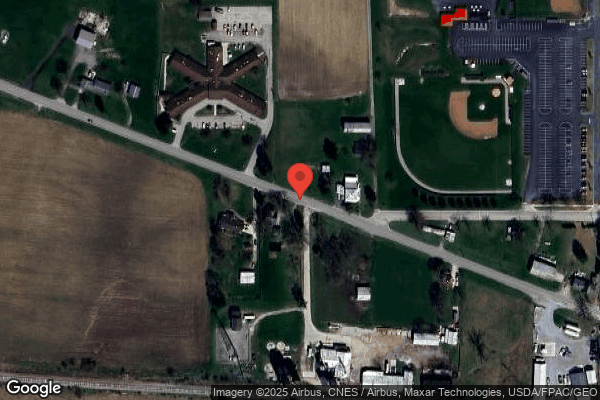
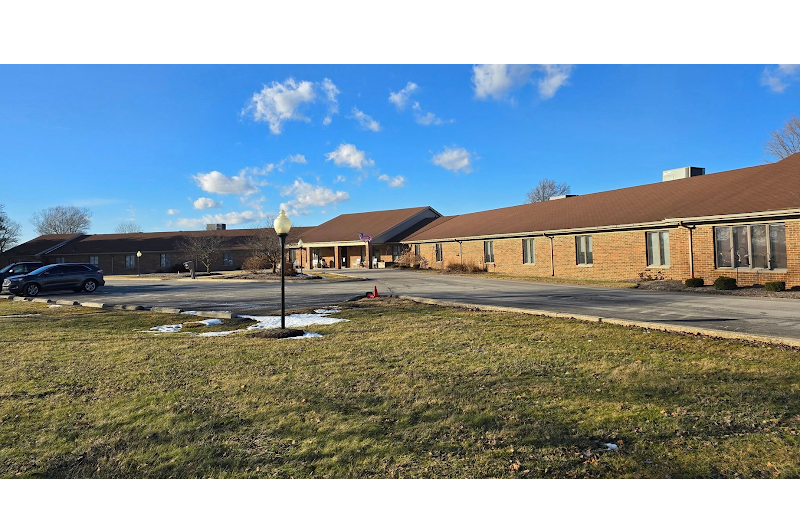
1170 W MANSFIELD STREET, BUCYRUS, OH 44820 (419) 562-9907
For profit - Corporation 86 Beds PACS GROUP Data: November 2025
Trust Grade
50/100
#804 of 913 in OH
Last Inspection: December 2024

Within standard 12-15 month inspection cycle. Federal law requires annual inspections.

Overview

Unger Park Post Acute in Bucyrus, Ohio, has a Trust Grade of C, which means it is average and in the middle of the pack for nursing homes. It ranks #804 out of 913 facilities in Ohio, placing it in the bottom half, and #6 out of 6 in Crawford County, indicating there is only one local option that is better. The facility is showing an improving trend, with the number of issues dropping significantly from 32 in 2024 to just 1 in 2025. Staffing is rated average with a turnover rate of 37%, which is better than the state average, and there are no fines on record, suggesting compliance with regulations. However, there are some concerns: the facility failed to conduct background checks for new hires, which could impact resident safety, and it did not adequately manage urinary tract infections among residents, indicating potential lapses in infection control practices.

Trust Score
C
50/100
In Ohio
#804/913
Bottom 12%
Safety Record
Low Risk
No red flags
Inspections
Getting Better
32 → 1 violations
Staff Stability
○ Average
37% turnover. Near Ohio's 48% average. Typical for the industry.
Penalties
✓ Good
No fines on record. Clean compliance history, better than most Ohio facilities.
Skilled Nurses
✓ Good
Each resident gets 44 minutes of Registered Nurse (RN) attention daily — more than average for Ohio. RNs are trained to catch health problems early.
Violations
⚠ Watch
41 deficiencies on record. Higher than average. Multiple issues found across inspections.
★★☆☆☆
2.0
Overall Rating
★★★☆☆
3.0
Staff Levels
★★★☆☆
3.0
Care Quality
★★☆☆☆
2.0
Inspection Score
Stable
2024: 32 issues
2025: 1 issues

The Good

  • Full Sprinkler Coverage · Fire safety systems throughout facility
  • No fines on record
  • Staff turnover below average (37%)

    11 points below Ohio average of 48%

Facility shows strength in fire safety.

The Bad

2-Star Overall Rating

Below Ohio average (3.2)

Below average - review inspection findings carefully

Staff Turnover: 37%

Near Ohio avg (46%)

Typical for the industry

Chain: PACS GROUP

Part of a multi-facility chain

Ask about local staffing decisions and management

The Ugly 41 deficiencies on record

Jul 2025 1 deficiency
CONCERN (F) 📢 Someone Reported This

A family member, employee, or ombudsman was alarmed enough to file a formal complaint

Potential for Harm - no one hurt, but risky conditions existed

Employment Screening (Tag F0606)

Could have caused harm · This affected most or all residents

Based on staff interview, review of employee files, review of the Bureau of Criminal Investigation (BCI) log and review of the facility policy, the facility failed to ensure employee background checks...

Read full inspector narrative →
Based on staff interview, review of employee files, review of the Bureau of Criminal Investigation (BCI) log and review of the facility policy, the facility failed to ensure employee background checks were completed prior to employment. This had the potential to affect all 56 residents residing in the facility. The facility census was 56.Findings include:Review of Dietary Aide (DA) #238's employee file revealed a start date of 02/16/25. Further review revealed no evidence a BCI check was completed for DA #238.Review of the facility's BCI log revealed DA #238 was not logged as having a background check completed. Interview on 07/15/25 at 1:28 P.M. with Human Resource Director (HRD) #253 verified DA #238 did not have a background check completed. Review of the facility policy titled, Background Screening Investigations, revised March 2019, revealed the facility conducted employment background screening checks, reference checks, and criminal conviction investigation checks on all applicants for positions with direct access to residents. Direct access employee meant any individual who had access to a resident or patient of a long term care facility or provider through employment or through a contract that had duties that involved, or may involve, one-on-one contact with a patient or resident of the facility or provider. The director of personnel, or designee, conducted background checks, reference checks, and criminal conviction checks (including fingerprinting) on all potential direct access employees and contractors. Background and criminal checks were initiated within two days of an offer of employment or contract agreement, and completed prior to employment.
Dec 2024 12 deficiencies
CONCERN (D)

Potential for Harm - no one hurt, but risky conditions existed

Deficiency F0578 (Tag F0578)

Could have caused harm · This affected 1 resident

**NOTE- TERMS IN BRACKETS HAVE BEEN EDITED TO PROTECT CONFIDENTIALITY** Based on record review, staff interview, and policy review, the facility failed to ensure the code status matched the medical re...

Read full inspector narrative →
**NOTE- TERMS IN BRACKETS HAVE BEEN EDITED TO PROTECT CONFIDENTIALITY** Based on record review, staff interview, and policy review, the facility failed to ensure the code status matched the medical record and the physician's order. This affected one (#12) of the 19 residents reviewed for code status. The facility census was 74. Findings include: Review of medical record for Resident #12 revealed an admission date of 11/19/18 with diagnoses including but not limited to chronic obstructive pulmonary disease (COPD), type two diabetes, congestive heart failure, narcolepsy, anxiety, post-traumatic stress disorder, convulsions, depression, bipolar disorder, and paranoid schizophrenia. Review of Advanced Directives in the hard/paper chart for signed and dated 10/23/24 for Resident #12, revealed a code status document of Do Not Resituate Comfort Care Arrest (DNRCCA). Review of Minimum Data Set (MDS) assessment dated [DATE] revealed Resident #12 was cognitively intact. Review of the physician orders in the electronic medical record (EMR) dated 12/16/24 for Resident #12, revealed the resident was ordered to be a full code. Interview on 12/16/24 at 2:09 P.M. with Registered Nurse (RN) #230, verified Resident #12 had a physician order in the EMR for a Full Code and the hard/paper chart contained a DNRCCA documentation. RN #230 stated the resident was a DNRCCA since it was dated 10/23/24 and the order did not get updated in the EMR. Review of policy titled Advance Directive, not dated, revealed the interdisciplinary team will review annually with the resident his or her advance directives to ensure that such directives are still the wishes of the resident. Such reviews will be made during the annual assessment process and recorded in the medical record. The interdisciplinary team will be informed of changes and/or revocations so that appropriate changes can be made in the resident medical record and care plan.
CONCERN (D)

Potential for Harm - no one hurt, but risky conditions existed

Safe Environment (Tag F0584)

Could have caused harm · This affected 1 resident

**NOTE- TERMS IN BRACKETS HAVE BEEN EDITED TO PROTECT CONFIDENTIALITY** Based on observation, resident and staff interviews, record review, and review of the facility policy, the facility failed to en...

Read full inspector narrative →
**NOTE- TERMS IN BRACKETS HAVE BEEN EDITED TO PROTECT CONFIDENTIALITY** Based on observation, resident and staff interviews, record review, and review of the facility policy, the facility failed to ensure residents had a safe, clean, comfortable and homelike environment. This affected one (#37) of two residents reviewed for physical environment. The facility census was 74. Findings include: Review of the medical record revealed Resident #37 was admitted to the facility on [DATE]. Diagnoses included anxiety, heart failure, and weakness. Review of the annual Minimum Data Set (MDS) assessment dated [DATE], identified Resident #37 was cognitively intact. The resident was always continent of bladder and bowel. An interview on 12/16/24 at 2:53 P.M. with Resident #37, revealed the bathroom was not thoroughly cleaned on a regular basis. Observation at the same time with Resident #37, revealed there was dried feces on the lower left side of the toilet. There was also a towel on the floor on the left side of the toilet, and a brown paper towel behind the toilet. A follow-up observation on 12/19/24 at 7:29 A.M. of Resident #37's bathroom with Certified Nursing Assistant (CNA) #438, revealed the dried feces, towel, and paper towel were still in the same location in the bathroom. There was also a small puddle in front of the toilet. An interview with CNA #438 at the same time verified the conditions of the resident's bathroom. CNA #438 stated the residents' bathrooms were supposed to be cleaned daily, so the towel, paper towel, and feces should not have been there.
CONCERN (D)

Potential for Harm - no one hurt, but risky conditions existed

Tube Feeding (Tag F0693)

Could have caused harm · This affected 1 resident

**NOTE- TERMS IN BRACKETS HAVE BEEN EDITED TO PROTECT CONFIDENTIALITY** Based on medical record review, observation, and resident and staff interview, the facility failed to administer tube feedings i...

Read full inspector narrative →
**NOTE- TERMS IN BRACKETS HAVE BEEN EDITED TO PROTECT CONFIDENTIALITY** Based on medical record review, observation, and resident and staff interview, the facility failed to administer tube feedings in accordance with physician orders. This affected one (#130) of the one resident reviewed for administration of tube feedings. The facility census was 74. Findings include: Review of the medical record revealed Resident #130 was admitted to the facility on [DATE]. Diagnoses included cerebral infarction, shock, severe protein-calorie malnutrition, pleural effusion, diverticulitis of intestine, thrombocytopenia, other disorders of electrolyte and fluid imbalance, acute embolism and thrombosis of left femoral vein, cutaneous abscess, altered mental status, obstructive and reflux uropathy. Review of Resident #130's physician orders identified an order dated 12/08/24 for Osmolite 1.2 Cal (nutritional supplement) oral liquid give 80 milliliters (mL) per hour via nasogastric tube (NG) one time per day, turn on at 6:00 P.M. and turn off at 6:00 A.M. The resident also had an order dated 12/09/24 for a regular diet, ground meat and mechanical soft with soft and bite-sized consistency. Review of the plan of care dated 12/08/24, revealed Resident #130 required a tube to assist the resident in maintaining/improving nutritional status related to dysphagia and abnormal laboratory (lab) values. Interventions included tube feeding per dietitian recommendations and physician orders. An observation on 12/16/24 at 10:25 A.M., revealed Resident #130 was resting in bed with the head of the bed elevated. The Osmolite 1.2 Cal was being administered via NG tube at 80 mL per hour. An interview with Resident #130 on 12/16/24 at 10:28 A.M., revealed the resident did not eat breakfast on 12/16/24 because he was not hungry. An interview on 12/17/24 at 12:48 P.M. with Licensed Practical Nurse (LPN) #340, who was assigned to care for Resident #130 during the day shift on 12/16/24, reported connecting Resident #130's tube feed at the beginning of her shift, at approximately 6:00 A.M. on 12/16/24. LPN #340 confirmed Resident #130's tube feed should not have been running on 12/16/24 at 10:25 A.M., as it was scheduled to be disconnected daily at 6:00 A.M. so the resident would have an appetite during mealtimes. An interview on 12/17/24 at 1:00 P.M. with the Director of Nursing (DON), revealed no knowledge of Resident #130's tube feeding being administered during the daytime hours. The DON verified the tube feed was not supposed to be running during the daytime hours. A follow-up interview on 12/18/24 at 11:10 A.M. with the DON, revealed Staffing Coordinator #247, who was also a nurse, had been doing rounds on the morning of 12/16/24 and thought Resident #130's tube feed was supposed to be administered during the day. Staffing Coordinator #247 connected the tube feed at an unknown time on the morning of 12/16/24. Review of December 2024 medication administration record (MAR) for Resident #130, revealed the resident did not receive their tube feeding per physician order on 12/11/24, 12/12/24, and 12/13/24. An interview on 12/18/24 at 2:10 P.M. with the DON verified the MAR did not reflect Resident #130 received their tube feeding per physician order on 12/11/24, 12/12/24 and 12/13/24.
CONCERN (D)

Potential for Harm - no one hurt, but risky conditions existed

Deficiency F0760 (Tag F0760)

Could have caused harm · This affected 1 resident

**NOTE- TERMS IN BRACKETS HAVE BEEN EDITED TO PROTECT CONFIDENTIALITY** Based on record review, and staff interview, the facility failed to provide medications as ordered by the physician which result...

Read full inspector narrative →
**NOTE- TERMS IN BRACKETS HAVE BEEN EDITED TO PROTECT CONFIDENTIALITY** Based on record review, and staff interview, the facility failed to provide medications as ordered by the physician which resulted in significant medication errors. This affected one (#29) of one resident reviewed for insulin. The facility census was 74. Findings include: Review of medical record for Resident #29 revealed an admission date of 10/25/21 with diagnoses including but not limited to disorders of muscle, chronic obstructive pulmonary disease, type two diabetes, panic disorder, major depressive disorder, chronic pain, arthritis, depression, anxiety, and claustrophobia. Review of Minimum Date Set (MDS) assessment dated [DATE], revealed Resident #29 was cognitively intact. Review of the active physician orders for Resident #29, revealed an order for Humulin 70/30 (insulin) KwikPen subcutaneous (SQ) pen injector give 88 units SQ on time a day at 8:00 A.M. If blood sugar (BS) is greater than 150 milligrams per deciliter (mg/dL) then increase the supper dose by two units. If less than 100 mg/dL then decrease the supper dose by two units. Continue to adjust the dose by two units for FSBS less than 150 mg/dL and Inject 58 units SQ once daily at 5:00 P.M. If BS is greater than 150 mg/dL then increase the morning dose by two units. If less than 100 mg/dL then decrease the A.M. dose by two units. Continue to adjust the dose by two units for BS greater than 150 mg/dL. Review of medication administration record (MAR) for December 2024, revealed the nurses signed off each day that they gave Humulin 70/30 88 units in the morning and 58 units in the evening. No indication that the dose was adjusted according to physician's order and the BS obtained. The morning dose should have been adjusted on 12/02/24, 12/03/24, 12/04/24, 12/06/24, 12/11/24, 12/16/24, 12/17/24, and 12/18/24. The evening dose should have been adjusted on 12/03/24, 12/04/24, 12/07/24, 12/09/24, 12/10/24, 12/11/24, 12/15/24, 12/16/24, and 12/17/24. Interview with the DON on 12/19/24 at 8:42 A.M., verified the Humulin 70/30 insulin order was not changed in December after the physician changed the insulin order. The DON stated the order was confusing. The DON verified Resident #29's current order for the Humulin 70/30 insulin was not followed and stated there should be a new order created each time an adjustment was created by the physician. The DON verified the Humulin 70/30 insulin should have been adjusted for the morning dose at 8:00 A.M. on 12/02/24, 12/03/24, 12/04/24, 12/06/24, 12/11/24, 12/16/24, 12/17/24, and 12/18/24. The DON verified the Humulin 70/30 insulin should have been adjusted for the evening dose at 5:00 P.M. on 12/03/24, 12/04/24, 12/07/24, 12/09/24, 12/10/24, 12/11/24, 12/15/24, 12/16/24, and 12/17/24. The DON verified the facility could not prove that the dose was adjusted on those days. Interview with Physician #902 on 12/19/24 at 9:29 A.M., revealed the Humulin 70/30 insulin should have been changed according to the active orders.
CONCERN (E)

Potential for Harm - no one hurt, but risky conditions existed

Deficiency F0553 (Tag F0553)

Could have caused harm · This affected multiple residents

**NOTE- TERMS IN BRACKETS HAVE BEEN EDITED TO PROTECT CONFIDENTIALITY** Based on interviews, record review, policy review, the facility failed to ensure care conferences were completed timely. This af...

Read full inspector narrative →
**NOTE- TERMS IN BRACKETS HAVE BEEN EDITED TO PROTECT CONFIDENTIALITY** Based on interviews, record review, policy review, the facility failed to ensure care conferences were completed timely. This affected six residents (#05, #07, #08, #12, #19, #29, and #45) of the 19 residents reviewed for care conferences. The facility census was 74. Findings include: 1) Review of medical record for Resident #07 revealed an admission date of 05/12/17 with diagnoses including but not limited to hemiplegia/hemiparesis following cerebral vascular accident (CVA/stroke) affecting non-dominant right side, post-traumatic stress disorder (PTSD), bipolar disorder, schizophrenia, anxiety, and altered mental status. Review of Minimum Data Set (MDS) assessment dated [DATE], revealed Resident #07 had moderate cognitive impairment. Review of progress notes including social service notes for Resident #07, revealed no documented evidence care conferences were held in May 2024 or August of 2024. 2) Review of medical record for Resident #08 revealed an admission date of 01/18/15 with diagnoses including but not limited to atrial fibrillation, bipolar, dementia, and hypertension. Review of MDS assessment dated [DATE], revealed Resident #08 was cognitively intact. Review of progress notes including social service notes for Resident #08, revealed no documented evidence a care conference was held in July 2024. 3) Review of medical record for Resident #12 revealed an admission date of 11/19/18 with diagnoses including but not limited to chronic obstructive pulmonary disease (COPD), type two diabetes, congestive heart failure (CHF), anxiety, post-traumatic stress disorder, depression, bipolar disorder, and schizophrenia. Review of MDS assessment dated [DATE], revealed Resident #12 was cognitively intact. Review of progress notes including social service notes for Resident #12, revealed no documented evidence a care conference was held in September 2024. 4) Review of medical record for Resident #19 revealed an admission date of 08/23/23 with diagnoses including but not limited to brief dementia with severe agitation, type two diabetes, hypertension, anxiety, depression, and abnormal posture. Review of MDS assessment dated [DATE], revealed Resident #19 had severe cognitive impairment. Review of progress notes including social service notes for Resident #19, revealed no documented evidence care conferences were held in April 2024 and July 2024. 5) Review of medical record for Resident #29 revealed an admission date of 10/25/21 with diagnoses including but not limited to disorder of muscle, COPD, type two diabetes, panic disorder, major depressive disorder, chronic pain, arthritis, depression, anxiety, and claustrophobia. Review of MDS assessment dated [DATE], revealed Resident #29 was cognitively intact. Review of progress notes including social service notes for Resident #29, revealed no documented evidence a care conference was held in August 2024. 6) Review of medical record for Resident #45 revealed an admission date of 09/22/22 with diagnoses including but not limited to fracture of right femur, major depressive disorder, cognitive communication deficit, anxiety, and chronic pain. Review of MDS assessment dated [DATE], revealed Resident #45 had moderate cognitive impairment. Review of progress notes including social service notes for Resident #45, revealed no documented evidence care conferences were held in April 2024 and July 2024. Interview on 12/16/24 at 2:54 P.M. with Social Worker/Administrative Assistant (SW/AA) #869 verified that care conferences are to be completed upon admission and quarterly. SW/AA #869 verified that Residents (#07, #08, #12, #19, #29, and #45) care conferences were not held quarterly. 7) Review of the medical record revealed Resident #05 was admitted to the facility on [DATE]. Diagnoses included paranoid schizophrenia, anxiety, depression, type II diabetes mellitus, asthma, rheumatoid arthritis, hypertension, and cognitive communication deficit. Review of MDS assessment dated [DATE], revealed Resident #05 was cognitively intact. Review of progress notes including social service notes for Resident #05, revealed no documented evidence a care conference was held or attempted in July 2024. An interview on 12/18/24 at 3:32 P.M. with the Director of Nursing (DON), verified Resident #05 did not have a quarterly care conference in July 2024. Review of the facility policy titled Care Planning - Interdisciplinary Team, not dated, revealed the interdisciplinary team was responsible for the development of resident care plans and residents, families, and/or legal representatives were encouraged to participate in the development of and revisions to the care plan. Care plan meetings would be scheduled at the best time of day for the resident and family if possible. If it was determined the participation of the resident or representative was not practicable, an explanation would be documented in the medical record.
CONCERN (E)

Potential for Harm - no one hurt, but risky conditions existed

Deficiency F0679 (Tag F0679)

Could have caused harm · This affected multiple residents

**NOTE- TERMS IN BRACKETS HAVE BEEN EDITED TO PROTECT CONFIDENTIALITY** Based on observation, record review, staff interview, review of the activity calendar, and policy review the facility failed to ...

Read full inspector narrative →
**NOTE- TERMS IN BRACKETS HAVE BEEN EDITED TO PROTECT CONFIDENTIALITY** Based on observation, record review, staff interview, review of the activity calendar, and policy review the facility failed to ensure activities on memory care unit met the needs and preferences of the residents. This affected all 13 residents (#02, #04, #11, #13, #19, #24, #35, #40, #41, #46, #58, #174, and #175) on the memory care unit. The facility census was 74. Findings include: Review of medical record for Resident #04, revealed an admission date of 01/15/24 with diagnoses including but not limited to Alzheimer's disease with late onset, dementia with other behavioral disturbance, and cognitive communication deficit. Review of care plan dated 10/16/24, revealed Resident #04 had the potential for decreased activity participation, involvement and or social isolation related to illness/disease process, immobility, and impaired decision making. Interventions included assist with arranging community activities and arrange transportation, encourage attendance and participation in activities, if the resident is physically unable to participate or facility cannot provide activities of interest provide alternate methods to keep the resident involved in the activity for example television programs, reading material, conversations, and field trips, offer a variety of activity types and locations to maintain interests, and provide a calendar of scheduled activities, and notify of any changes to the calendar. Review of Minimum Data Set (MDS) assessment dated [DATE], revealed Resident #04 had severe cognitive impairment. Review of medical record for Resident #175, revealed an admission date of 12/12/24 with diagnoses including but not limited to dementia, traumatic subdural hemorrhage without loss of consciousness, seizures, depression, and cannabis use. Review of care plan dated 12/13/24 for Resident #175, revealed impaired cognitive function/impaired thought processes related to resident meets criteria for secure dementia unit. Interventions included engaging the resident in simple, structured activities that avoid overly demanding tasks. Interview on 12/16/24 at 9:29 A.M. with Resident #175, revealed the resident did not think the facility had any activities. Resident #175 stated it gets boring at times in his room. Observation of the memory care unit on 12/16/24 at 10:08 A.M., revealed no activity calendar posted. Observation of the memory care unit on 12/16/24 at 11:40 A.M., revealed six residents in the common area and dining area on the memory care unit. Christmas music was playing on the television. Observation of the memory care unit on 12/16/24 at 2:47 P.M., revealed no activities going on in the memory care unit. Four residents were observed in the television room where a movie was playing; however, no residents were observed watching the movie. No activities calendar posted in the memory care unit and unable to determine if the movie was an activity. Interview on 12/17/24 at 8:25 A.M. with Certified Nursing Assistant (CNA) #493 stated they try to do activities in the memory care unit. CNA #493 stated they barely see the Activity staff. CNA #493 stated they usually have two aides on the memory care unit, and it can get overwhelming when there are behaviors, and attempting to do activities. Observation of memory care unit on 12/17/24 at 3:39 P.M., revealed snacks were supposed to be handled out. Observation revealed no snacks being served while five residents were observed seating in the dining/television room. A movie was started with none of the residents watching the television. Interview on 12/17/24 at 3:41 P.M. with CNA #441, verified there was no activity calendar posted in the memory care unit. CNA #441 stated normally the aides will do activities with the residents on the unit. CNA #441 stated that on second shift they do not do many activities. CNA #441 stated it is rare to see the activities department in the unit. CNA #441 verified it is hard to do activities with only two CNAs on the unit when they have behaviors. Observation of the memory care unit's bulletin board on 12/17/24 at 3:49 A.M. with CNA #441, revealed December 2024 activity calendar. CNA #441 verified the calendar was just posted. Observation of the memory care unit on 12/18/24 at 10:30 A.M., revealed CNA #441 playing connect four with two residents. Three other residents were observed in the television room. One resident was sleeping, one was sitting on the couch drinking water, and the other resident was sitting in a wheelchair holding a baby doll. The television was on with a movie playing. None of the residents were watching the television. Interview on 12/18/24 at 11:26 A.M. with Activity Director (AD) #868, revealed she has been working as AD for two months. AD #868 stated they go to the memory care unit once a day when she and the activity assistant were both working. AD #868 stated they do not work every day. AD #868 stated they take the daily chronicle to the memory care unit. AD #868 stated they post an activity calendar on the bulletin board of the memory care unit to let staff know what activities were scheduled. AD #868 verified she did not receive any special training for memory care unit activities. Review of December 2024 activity calendar in the memory care unit, revealed the following activities for the week of survey were: 12/16/24 at 9:45 A.M. daily chronicle, 11:00 A.M. hot chocolate, 12:30 P.M. lunch, 3:30 P.M. snack, 4:30 P.M. downtime, 5:30 P.M. dinner, and 7:00 P.M. wind down time. 12/17/24 at 9:45 A.M. daily chronicle, 11:00 A.M. refreshments, 12:30 P.M. lunch, 2:30 P.M. coffee hour, 3:30 P.M. snack, 4:30 P.M. down time, 5:30 P.M. dinner, and 7:00 P.M. wind down time. 12/18/24 at 9:45 A.M. daily chronicle, 11:00 A.M. lemonade and chats, 12:30 P.M. lunch, 2:30 P.M. craft, 3:30 P.M. snack, 4:30 P.M. down time, 5:30 P.M. dinner, and 7:00 P.M. wind down time. 12/19/24 at 9:45 A.M. daily chronicle, 11:00 A.M. refreshment, 12:30 P.M. lunch, 2:30 P.M. movie, 3:30 P.M. snack, 4:30 P.M. down time, 5:30 P.M. dinner, and 7:00 P.M. wind down time. Observation of the memory care unit on 12/19/24 at 9:47 A.M., revealed six residents in the dining room getting ready to do a craft. Residents were painting angels made out of clothes pins. Resident #175 was not attending the activity. Interview with Resident #175 stated he did not know there was an activity. Review of policy titled Activity Programs, not dated, revealed the activities program is provided to support the well-being of residents and to encourage both independence and community interaction. The activities program is ongoing and includes facility-organized group activities, independent individual activities and assisted individual activities. Activities are considered any endeavor, other than routine activities of daily living, in which the resident participates, that is intended to enhance his or her sense of well-being and to promote or enhance physical, cognitive or emotional health. Scheduled activities are posted on the resident bulletin board. Activity schedules are also provided individually to residents who cannot access the bulletin board for example bed bound or visually impaired residents.
CONCERN (E)

Potential for Harm - no one hurt, but risky conditions existed

Deficiency F0712 (Tag F0712)

Could have caused harm · This affected multiple residents

**NOTE- TERMS IN BRACKETS HAVE BEEN EDITED TO PROTECT CONFIDENTIALITY** 2) Review of medical record for Resident #04 revealed an admission date of 01/15/24 with diagnoses including but not limited to ...

Read full inspector narrative →
**NOTE- TERMS IN BRACKETS HAVE BEEN EDITED TO PROTECT CONFIDENTIALITY** 2) Review of medical record for Resident #04 revealed an admission date of 01/15/24 with diagnoses including but not limited to Alzheimer's with late onset, unspecified fracture of right femur, dizziness and giddiness, orthostatic hypotension, dementia with other behavioral disturbance, and cognitive communication deficit. Resident #04 had severe cognitive impairment. Review of physician visit notes from March 2024 through December 2024, revealed Resident #04 was seen on 03/20/24, 04/26/24, and 10/19/24. Review of NP notes for September 2024 through December 2024, revealed Resident #04 was seen by the NP on 11/10/24, 10/21/24, 10/15/24, 10/10/24, 10/02/24, 09/26/24, 09/17/24, and 09/05/24. 3) Review of medical record for Resident #12 revealed an admission date of 11/19/18 with diagnoses including but not limited to chronic obstructive pulmonary disease, type two diabetes, congestive heart disease, narcolepsy, anxiety, post-traumatic stress disorder, convulsions, depression, bipolar disorder, and paranoid schizophrenia. Resident #12 was cognitively intact. Review of NP notes from April 2024 through December 2024, revealed Resident #12 was seen on 09/04/24, 07/03/24, 07/01/24, 06/27/24, 05/30/24, 05/29/24, 05/23/24, 05/16/24, 05/14/24, and 04/10/24. Review of physician visit notes from March 2024 through December 2024, revealed Resident #12 was seen by the physician on 09/07/24 and 12/01/24. 4) Review of medical record for Resident #29 revealed an admission date of 10/25/21 with diagnoses including but not limited to disorder of muscle, chronic obstructive pulmonary disease, type two diabetes, panic disorder, major depressive disorder, chronic pain, depression, anxiety, claustrophobia, low back pain, and muscle wasting. Resident #29 was cognitively intact. Review of physician visit notes from March 2024 through December 2024, revealed Resident #29 was seen by the physician on 04/06/24 and 11/16/24. 5) Review of medical record for Resident #45 revealed an admission date of 09/22/22 with diagnoses including but not limited to fracture of right femur, major depressive disorder, cognitive communication deficit, anxiety, and chronic pain. Resident #45 had moderate cognitive impairment. Review of NP notes from March 2024 through December 2024, revealed Resident #45 was seen on 04/02/24. Review of physician visit notes from March 2024 through December 2024, revealed Resident #45 was seen on 06/07/24. Interview with Assistant Director of Nursing (ADON) #891 on 12/19/24 at 3:10 P.M. verified Resident #12 was only seen on 04/06/24, 09/07/24, and 12/01/24 by the physician. ADON #891 verified that Resident #45 was only seen by the physician on 06/07/24. ADON #891 verified Resident #04 was only seen by the physician on 03/20/24 and Resident #29 was seen by the physician on 11/16/24 and 04/06/24. Review of policy titled Physician Visits, not dated, revealed the attending physician must visit his/her patients at least once every 30 days for the first 90 days following the resident's admission, and then every 60 days thereafter. After the first 90 days, if the attending physician determines that a resident need not be seen by him/her every 30 days, an alternate schedule of visits may be established, but not to exceed every 60 days. A physician assistant or nurse practitioner may make alternating visits after the initial 90 days following the admission, unless restricted by law or regulation. Based on medical record review, review of physician and nurse practitioner (NP) progress notes, and staff interview, the facility failed to ensure physician visits were completed as required. This affected five (#60, #04, #12, #29, and #45) of the nine residents reviewed for physician visits. The facility census was 74. Findings include: 1) Review of the medical record revealed Resident #60 was admitted to the facility on [DATE]. Diagnoses included fibromyalgia, hypokalemia, hyperlipidemia, spinal stenosis, anxiety, upper abdominal pain, nausea with vomiting, gastro-esophageal reflux disease, diverticulitis of intestine, osteoporosis, osteoarthritis, chronic pain syndrome, unsteadiness on feet, muscle weakness, pain in right leg, pain in left leg, difficulty walking, and depression. Resident #60 was cognitively intact. Further review of the medical record, revealed Resident #60 was seen by the NP monthly from 02/29/24 through 12/16/24. There was no evidence of a physician visit with Resident #60 from 02/26/24 through 12/16/24. An interview with the Administrator on 12/19/24 at 1:42 P.M., verified the facility had no documented evidence, including progress notes or other documentation, to confirm Resident #60 was seen by a physician from 02/29/24 through 12/16/24.
CONCERN (E)

Potential for Harm - no one hurt, but risky conditions existed

Deficiency F0804 (Tag F0804)

Could have caused harm · This affected multiple residents

Based on observation, resident interviews, staff interviews, and policy review, the facility failed to ensure residents received food that was palatable and appetizing to them and which met their nutr...

Read full inspector narrative →
Based on observation, resident interviews, staff interviews, and policy review, the facility failed to ensure residents received food that was palatable and appetizing to them and which met their nutritional recommendations. This affected four (#57, #05, #62 and #61) residents out of the four residents reviewed for lunch. This had the potential to affect all but one resident (#174) who was identified by the facility as not receiving meals from the kitchen. The census was 74. Findings include: Review of medical record for Resident #57, revealed an admission date of 01/16/24. The resident was diagnosed with type 2 diabetes mellitus, peripheral vascular disease, and unspecified convulsions. Resident #57 was cognitively intact. Review of medical record for Resident #05, revealed an admission date of 09/30/21. The resident was admitted with diagnoses including paranoid schizophrenia, type 2 diabetes mellitus, and morbid obesity. Review of medical record for Resident #62, revealed an admission date of 05/08/24. The resident was admitted with diagnoses including type 2 diabetes mellitus, chronic obstructive pulmonary disease, and dementia. Review of medical record for Resident #61, revealed an admission date of 04/25/24. The resident was admitted with diagnoses including type 2 diabetes mellitus, essential hypertension, and major depressive disorder. Interview on 12/16/24 at 01:17 P.M. with Resident #57, revealed the hot food was cold. Observation on 12/18/24 at 11:31 A.M. of the lunch tray line with Dietary Manager (DM) #333, revealed the chicken breasts were holding at 176 degrees Fahrenheit (F) on the tray line. DM #333 confirmed the temperature. Interview on 12/18/24 at 12:06 P.M. with Resident #05, revealed she could not chew the chicken. Resident #05 stated the chicken was too dry and she wasn't able to eat it with her dentures. Resident #05 also revealed the Brussel sprouts were not good and today was a bad day for food. Interview on 12/18/24 at 12:18 P.M. with Resident #57, revealed the lunch tasted bad but it was warm. Interview with Resident #62 on 12/18/24 at 12:57 P.M., revealed the chicken was dry and the Brussel sprouts were mushy. Observation of a test tray on 12/18/24 at 12:37 P.M. with DM #333, revealed the chicken measured 135 degrees F, the vegetable rice measured 135 degrees F, and Brussel sprouts measured 142 degrees F. The test tray left the kitchen on 12/18/24 at 12:39 P.M. DM #333 stated the food leaving the kitchen should be at 135 degrees F or higher. DM #333 stated she wanted the residents to receive the food at 120 degrees F. Observation of the test tray on 12/18/24 at 12:44 P.M. with DM #333, revealed the chicken measured 120 degrees F, vegetable rice measured 135 degrees F, and the Brussel sprouts measured 135°F. Observation of the chicken with DM #333 revealed the chicken had a dry taste and texture. Interview with DM #333 and District Manager #666 verified the chicken was dry. Interview with Resident #61 on 12/18/24 at 1:00 P.M., revealed the chicken was dry. Resident #61 also revealed the Brussel sprouts had no taste. Observation at the same time revealed Resident #61 still had the chicken breast and Brussel sprouts on his lunch plate. Review of the Food Quality and Palatability policy dated 02/23 stated the food will be prepared by methods that conserve nutritive value, flavor, and appearance. Food will be palatable, attractive, and served at a safe and appetizing temperature.
CONCERN (E)

Potential for Harm - no one hurt, but risky conditions existed

Food Safety (Tag F0812)

Could have caused harm · This affected multiple residents

Based on observation, interviews, and policy review, the facility failed to maintain the kitchen in a clean and sanitary condition. This affected all but one resident (#174) who was identified by the ...

Read full inspector narrative →
Based on observation, interviews, and policy review, the facility failed to maintain the kitchen in a clean and sanitary condition. This affected all but one resident (#174) who was identified by the facility as not receiving meals from the kitchen. The census was 74. Findings Include: Observation of the kitchen on 12/16/24 at 10:59 A.M. with Dietary Manager (DM) #333, revealed the wall across from dishwasher had splattered food debris all over it and parts of the wall were chipping. Interview with DM #333 at the same time, verified the findings. Observation of the kitchen on 12/16/24 at 11:20 A.M. with DM #333, revealed the ventilation hood above the clean pan rack and stove top has paint strips hanging down from it. DM #333 verified the findings and stated someone cleaned too hard and now paint is hanging down. Follow up observation of the kitchen on 12/18/24 at 11:14 A.M. with District Manager #666, revealed the white paint strips were chipping from the ventilation hood above the stove top and clean dish rack. Interview with District Manager #666 at the same time verified the findings. Review of the Environment policy dated 09/2017 stated all food preparation areas, food service areas, and dining areas will be maintained in a clean and sanitary condition. The policy also stated, the Dining Services Director will ensure that the kitchen is maintained in a clean and sanitary manner, including floors, walls, ceilings, lighting, and ventilation. Review of the Food: Preparation policy dated 02/2023 stated dining services staff will be responsible for food preparation procedures that avoid contamination by potentially harmful physical, biological, and chemical contamination.
CONCERN (E)

Potential for Harm - no one hurt, but risky conditions existed

Room Equipment (Tag F0908)

Could have caused harm · This affected multiple residents

Based on observation, staff interviews, record review, and policy review the facility failed to ensure the kitchens walk-in cooler and reach-in cooler were working in a safe operable condition. This h...

Read full inspector narrative →
Based on observation, staff interviews, record review, and policy review the facility failed to ensure the kitchens walk-in cooler and reach-in cooler were working in a safe operable condition. This had the potential to affect all but one resident (#174) who was identified by the facility as not receiving meals from the kitchen. The census was 74. Findings include: Observation of the kitchen on 12/16/24 at 10:04 A.M. with the Dietary Manager (DM) #333, revealed the reach-in cooler had an ambient internal temperature of 44 degrees Fahrenheit (F). Interview with DM #333 at the same time, verified the reach-in cooler was 44 degrees F. Observation of the kitchen on 12/16/24 at 10:09 A.M. with DM #333, revealed the walk-in cooler had an ambient internal temperature of 47 degrees F. Interview with DM #333 at the same time verified the walk-in cooler was 47 degrees F. Observation of the walk-in cooler on 12/16/24 at 10:17 A.M. with DM #333, revealed the following temperatures: a) The cottage cheese was 44 degrees F. b) The cream cheese was 47 degrees F. c) The whole milk was 45 degrees F. d) The pre-sliced cheese in a plastic container was 49 degrees F. e) The packaged pre-sliced cheese was 43 degrees F. f) The sliced ham in a plastic container was 47 degrees F. g) The homemade coleslaw was 47 degrees F. h) The buffet ham log was 48 degrees F. Observation of the kitchen on 12/16/24 at 10:50 A.M. with DM #333, revealed the reach-in cooler had an ambient internal temperature of 44 degrees F . Interview with DM #333 at the same time verified the reach-in cooler was 44 degrees F. Observation of the kitchen on 12/16/24 at 11:33 A.M. with District Manager #666, revealed the reach-in cooler had an ambient internal temperature of 45 degrees F and the walk-in cooler had an ambient internal temperature of 46 degrees F. Interview with District Manager #666 at the same time verified the temperatures. District Manager #666 opened a pint of milk from the walk -in cooler and recorded a temperature of 45 degrees F. Observation on 12/17/24 at 8:47 A.M. with DM #333, revealed the walk-in cooler had an ambient internal temperature of 45 degrees F. Interview with DM #333 at the same time verified the walk-in cooler was 45 degrees F. DM #333 stated the reach-in and walk-in coolers should hold food at 41 degrees F or below. DM #333 stated they would have to dispose of the food. Review of the walk-in cooler temperature logs revealed the temperature of the walk-cooler is checked twice a day in the AM and PM. The log read on 12/01/24 was 44 degrees F in the AM, 12/02/24 was 45 degrees F in the AM, 12/03/24 was 46 degrees F in the AM, 12/04/24 was 45 degrees F in the AM and 42 degrees F in the PM, 12/05/24 was 45 degrees F in the AM, 12/05/24 was 42 degrees F in the PM, 12/06/24 was 46 degrees F in the AM, 12/07/24 was 46 degrees F in the AM, 12/08/24 was 46 degrees F in the AM, 12/09/24 was 46 degrees F in the AM, 12/10/24 was 45 degrees F in the AM, 12/11/24 was 46 degrees F in the AM, 12/12/24 was 46 degrees F in the AM and 42 degrees F in the PM, 12/13/24 was 46 degrees F in the AM and 42 degrees F in the PM, 12/14/24 was 47 degrees F the AM and 42 degrees F in the PM, 12/15/24 was 46 degrees F in the AM and 42 degrees F in the PM, and 12/16/24 was 46 degrees F in the AM. Review of the Equipment policy dated 09/2017 revealed all food service equipment will be clean, sanitary, and in proper working order. The policy also stated, all equipment will be routinely cleaned and maintained in accordance with manufacturer's directions and training materials. Review of the Food Storage - Cold Foods policy dated 02/2023 revealed all perishable foods will be maintained at a temperature of 41 degrees F or below, except during necessary periods of preparation and service.
CONCERN (F)

Potential for Harm - no one hurt, but risky conditions existed

Infection Control (Tag F0880)

Could have caused harm · This affected most or all residents

**NOTE- TERMS IN BRACKETS HAVE BEEN EDITED TO PROTECT CONFIDENTIALITY** Based on medical record reviews, staff interviews, review of the facility's infection control logs, review of facility in-servic...

Read full inspector narrative →
**NOTE- TERMS IN BRACKETS HAVE BEEN EDITED TO PROTECT CONFIDENTIALITY** Based on medical record reviews, staff interviews, review of the facility's infection control logs, review of facility in-services, and review of the facility's policy, the facility failed to prevent and respond to an increased pattern of urinary tract infections (UTIs). This affected two (#16 and #60) of two residents reviewed for UTIs. The facility census was 74. Findings include: Review of the medical record revealed Resident #16 was admitted to the facility on [DATE]. Diagnoses included type II diabetes mellitus, chronic obstructive pulmonary disease, shortness of breath, asthma, dysphagia, need for assistance with personal care, insomnia, hyperlipidemia, adult failure to thrive, osteoarthritis, infestation, low back pain, hypertension, anxiety, and bipolar disorder. Review of the quarterly Minimum Data Set (MDS) assessment dated [DATE], identified Resident #16 was cognitively intact. The resident was frequently incontinent of urine and occasionally incontinent of bowel. Review of the infection control logs dated 07/01/24 through 12/15/24, revealed Resident #16 was identified to have a UTI on 08/01/24, 09/05/24, 09/26/24, and 11/05/24. The urine cultures for the UTIs on 07/30/24, 09/02/24, 09/26/24 identified Escherichia coli (E. coli) in the resident's urine. All UTIs were monitored and treated. Review of the medical record revealed Resident #60 was admitted to the facility on [DATE]. Diagnoses included fibromyalgia, hypokalemia, hyperlipidemia, spinal stenosis, anxiety, upper abdominal pain, nausea with vomiting, gastro-esophageal reflux disease, diverticulitis of intestine, osteoporosis, osteoarthritis, chronic pain syndrome, unsteadiness on feet, muscle weakness, pain in right leg, pain in left leg, difficulty walking, and depression. Review of the quarterly MDS assessment dated [DATE], identified Resident #60 was cognitively intact. The resident was always continent of bladder and bowel. Review of the infection control logs dated 07/01/24 through 12/15/24, revealed Resident #60 was identified to have a UTI on 11/05/24 and 11/27/24. The urine cultures for the UTIs on 11/05/24 and 11/27/24 identified E. coli in the resident's urine. Review of the infection control logs from 07/01/24 through 12/15/24, revealed there were at least 58 residents diagnosed with UTIs which were not present upon admission. Review of the staff in-services dated 07/01/24 through 12/15/24, revealed no in-services pertaining to prevention of UTIs. One in-service regarding handwashing was completed on 10/09/24. An interview on 12/19/24 at 8:33 A.M. with Registered Nurse #229, who was identified as being the facility's infection preventionist, revealed when there was an increase in any type of infection, the facility should implement education by in servicing all applicable staff. RN #229 verified the facility had not recognized an increase in UTIs or E. coli. RN #229 stated the facility conducted the handwashing in-service on 10/09/24 related to another infection control concern and had not provided any other in-services related to an increase in UTIs or E. coli. Review of the facility policy titled Surveillance for Infections, not dated, revealed the Infection Preventionist (IP) would conduct ongoing surveillance for healthcare-associated infections and other epidemiologically significant infections that have substantial impact on potential resident outcome and that may require transmission-based precautions and other preventative interventions.
MINOR (B)

Minor Issue - procedural, no safety impact

Employment Screening (Tag F0606)

Minor procedural issue · This affected multiple residents

Based on employee personnel records, background check log, and staff interviews, the facility failed to ensure reference checks were completed for four new employees. This affected four (Registered Nu...

Read full inspector narrative →
Based on employee personnel records, background check log, and staff interviews, the facility failed to ensure reference checks were completed for four new employees. This affected four (Registered Nurse [RN] #229, Social Worker/Administrative Assistant [SW/AA] #869, Medication Technician [MT] #388, and Certified Nursing Assistant [CNA] #443) of the four personnel files reviewed but had the potential to affect all 74 residents residing in the facility. Findings include: Review of employee file for RN #229, revealed no documented evidence of reference checks being completed. Review of employee file for SW/AA #869, revealed no documented evidence of reference checks being completed. Review of employee file for MT #388, revealed no documented evidence of reference checks being completed. Review of employee file for CNA #443, revealed no documented evidence of reference checks being completed. Interview with Human Resource Director (HRD) #900 on 12/19/24 at 2:17 P.M. verified there were no reference checks for RN #229, SW/AA #869, MT #388, and CNA #443.
Dec 2024 1 deficiency
CONCERN (D) 📢 Someone Reported This

A family member, employee, or ombudsman was alarmed enough to file a formal complaint

Potential for Harm - no one hurt, but risky conditions existed

Free from Abuse/Neglect (Tag F0600)

Could have caused harm · This affected 1 resident

**NOTE- TERMS IN BRACKETS HAVE BEEN EDITED TO PROTECT CONFIDENTIALITY** Based on medical record review, staff interview, review of Self Reported Incidents (SRI), review of facility investigations, rev...

Read full inspector narrative →
**NOTE- TERMS IN BRACKETS HAVE BEEN EDITED TO PROTECT CONFIDENTIALITY** Based on medical record review, staff interview, review of Self Reported Incidents (SRI), review of facility investigations, review of the local police report, and review of policies and procedures, the facility failed to prevent an inappropriate resident to resident altercation that was sexual in nature. This affected one resident (#105) out of three residents reviewed for abuse. Findings Include: Review of the medical record for Resident #105 revealed an admission date of 11/21/24. The resident was discharged on 11/25/24. Diagnoses included hemiplegia and hemiparesis following other cerebrovascular disease affecting the right dominant side, cerebrovascular disease, dysphagia following cerebral infarction, and type two diabetes mellitus with chronic kidney disease. The resident was only admitted for a short term respite stay. Review of the Discharge Return Not Anticipated Minimum Data Set (MDS) assessment, dated 11/25/24, revealed Resident #105 did not have a brief interview for mental status (BIMS), cognitive assessment, or mood assessment completed. The assessment revealed Resident #105 did not present any behaviors. The resident required substantial/maximum assistance or was dependent for bed mobility, transfers, and ambulation. Review of the plan of care for Resident #105 revealed she required the use of psychotropic medications with the potential for adverse reactions related to depression. Interventions included administering medications per physicians orders, monitoring resident mood/behavior, and monitoring, documenting and reporting to the physician side effects and unaltered depression. Review of the medical record for Resident #82 revealed an initial admission date of 07/25/24. The resident was discharged to the hospital on [DATE] and readmitted to the facility on [DATE]. Diagnoses included paranoid schizophrenia, bipolar II disorder, and other symptoms and signs involving the musculoskeletal system. The resident was his own responsible party. Review of the quarterly Minimum Data Set (MDS) assessment, dated 11/01/24, revealed Resident #82 had impaired cognition with a BIMS score of 09 (indicating moderate cognitive impairment) and no behaviors were present. The resident was independent for bed mobility, transfers, and ambulation. Review of the plan of care for Resident #82 revealed he did have a focus of impaired cognitive function/thought processes and socially inappropriate behaviors. Resident #82's care plan did not have any new interventions for sexual behaviors after the incident from 11/23/24. Review of the SRI dated 11/23/24 at 5:11 P.M. revealed a nurse reported to the Director of Nursing (DON) on 11/23/24 that Resident #82 was discovered in Resident #105's room with his hand up her dress on her breast area. The residents were immediately separated and Resident #82 was immediately placed on one on one supervision. Resident #105 had a skin/pain assessment with no areas of concern. Hospice was notified for Resident #105 and they went into the facility and completed their own assessments with no concerns. The police were notified and spoke to Resident #82's family. The police assisted in finding appropriate placement for Resident #82. Resident #105 presented with no changes in behavior or signs of stress. Resident #82 was sent out to a local medical facility and alternative placement was being pursued. All residents were interviewed for instances of sexual abuse, and all denied any issues. All non-alert residents had skin assessments performed with no concerns. Staff were educated on the abuse and neglect policy to ensure compliance and understanding. The facility marked the SRI as physical abuse (instead of sexual abuse) and determined the allegation was unsubstantiated. Review of the facility investigation dated 11/23/24 and timed 5:11 P.M. included a copy of the SRI, one on one documentation with Resident #82, the staff schedule for 11/23/24, staff abuse/neglect in-services, resident interviews, resident skin checks after the incident, the incident report, the police officer application for emergency admission form (also referred to as a pink slip), Resident #82's urinalysis, staff interviews, and staff statements. Review of the staff statement from LPN #63 revealed she noticed Resident #82 pacing hallways around 4:00 P.M. Resident #82 was going in and out of rooms, collecting miscellaneous items, and attempting to lay down in bed with Resident #105, and she had removed and redirected the resident. A little after 4:00 P.M., LPN #63 noticed Resident #82 was laying in bed with Resident #105 with his hand up Resident #105's gown groping her breast. LPN #63 immediately removed his hand from Resident #105. Resident #82 got up and LPN #63 escorted him out of Resident #105's room. Education was given to Resident #82 about appropriate behavior. Resident #82 was placed on one on one supervision at that time. The police department, doctor, DON, ADON #27, and Viaquest were notified. Orders were received to send Resident #82 to the emergency room for evaluation. Since Resident #105 was a hospice resident, they were notified as well. Resident #105's skin was assessed by the facility and hospice assessed Resident #105's skin as well. The statement revealed the residents family requested to press charges. Resident #105 was unable to state where she was, date, year, or situation. Review of the incident report dated 11/23/24 for Resident #105 revealed a nurse entered her room and found a male resident in her bed with his hand under her gown on her breast, the male resident was immediately removed from the room. Resident #105 was unable to provide a statement and she denied any memory of the incident. A head to toe assessment was completed with no injuries noted. Resident #105 remained calm with no distress noted, and denied any pain. Resident #105's family member, hospice, and physician were notified. Review of the incident reported dated 11/23/24 for Resident #82 revealed a nurse entered Resident #105's room and found Resident #82 in bed with a female resident. As the nurse approached the bed and asked Resident #82 what he was doing, she saw his hand under the female's gown on her breast. Resident #82 was unable to give an accurate statement. Resident #82 was rambling, paranoid, and talking about drugs. Resident #82 was cooperative with the nurse and escorted out of the room with no injuries observed. Resident #82 was returned to his room and a Certified Nursing Assistant (CNA) provided one on one supervision. Predisposing physiological factors listed for Resident #82 were that he had confusion, psychiatric diagnoses, and a recent change in cognition. Predisposing situation factors for Resident #82 were listed as a recent room change and unassisted ambulation. A family member and physician were called and notified about the incident. Review of Resident #105 progress note dated 11/23/24 at 4:06 P.M. revealed Resident #105 was observed to have a male resident lying in bed with her with his hand up her gown and on her breasts. Resident #105 was alert and oriented to one person and was nonconsensual to the activity. The male resident's hand was removed from her body and he was escorted out of the room immediately. The police, doctor, DON, Assistant Director of Nursing (ADON) #27, hospice, and family were notified. A skin assessment was initiated and findings were unfounded. Hospice notified the facility that they would be in the facility to assess. Review of Resident #105's progress note dated 11/23/24 at 4:10 P.M. revealed Resident #105 was unable to state place, time, and situation. Resident #105 did not recall the situation with the male resident and she did not appear to be in any distress at the time. Review of Resident #105's progress note dated 11/23/24 at 8:02 P.M. revealed LPN #63 and the hospice nurse completed a thorough skin assessment on the resident while providing personal care. No new skin areas were noted and the resident denied any new pain. Review of the hospice documentation dated 11/23/24 revealed LPN #63 called to report an altercation with a male resident. A head to toe skin assessment was completed with no abnormal findings identified. When the hospice nurse arrived, a police report was made and staff was sitting outside the door. Resident #105 was talkative, and no behaviors were noted. Resident #105 was unable to recall what she had for dinner, she was not in any pain, and stated she had not had any visitors tonight. A full body assessment was completed and there was no noted redness or bruising on her arms or legs. Resident #105 was able to follow commands from the hospice nurse. Resident #105's brief was changed with facility staff nurses present and there was no pain, redness, swelling, discomfort, or vaginal drainage noted. The hospice nurse talked with the residents family, and they noted Resident #105 told them the same thing she told the nurse. Resident #105 had no change in expression and was not showing any signs of being afraid or tearful. Resident #105 displayed no changes in behavior during personal care from the hospice nurse or staff. The family was agreeable to the resident staying and refusing to have the resident moved to another room when offered. Review of Resident #82's progress note dated 11/23/23 at 4:06 P.M. revealed Resident #82 was observed laying in bed with a female resident. Resident #82 was observed having his hand under the female's gown touching her breast. The female was alert and oriented to person. Resident #82 was escorted out of the room and back into his assigned room. Resident #82 was placed on one on one supervision. The doctor, DON, and ADON #27 were notified of the incident. Review of Resident #82's progress note dated 11/23/24 at 4:30 P.M. revealed police were in the facility and spoke to Resident #82. Resident #82 was unable to have an intelligible conversation with the police officer. A pink slip was filled out by the officer for an evaluation. Review of the application for emergency admission, also known as a pink slip, dated 11/23/24 at 4:10 P.M. revealed Resident #82 would benefit from treatment in a hospital for his mental illness and was in need of such treatment as manifested by evidence of behaviors that created a grave and imminent risk to the substantial rights of others or himself. The officer also detailed Resident #82 sexually assaulted another resident, and his mental state had substantially declined. The form was signed by the police officer. Review of the local law enforcement report dated 11/23/24 revealed police arrived on scene at 5:32 P.M. The police officer spoke to Licensed Practical Nurse (LPN) #63 upon arrival, who told the officer that a resident in the nursing home sexually assaulted another resident. LPN #63 said Resident #82 who had mental health issues, went into Resident #105's room and got into bed with her. LPN #63 stated at approximately 4:00 P.M. she walked into the room and caught Resident #82 groping Resident #105's breast under her gown. LPN #63 told the officer Resident #82's mental health has been substantially declining in the past couple of weeks prompting changes to his medication. LPN #63 also told the officer that Resident #105 was not fully alert or aware causing her to not be able to give or revoke consent. The officer interviewed Resident #105 in her room and she was unable to tell him what happened. The officer was able to tell Resident #105 was confused and did not know what was happening. The officer asked Resident #105 if she remembered a man coming into her room or getting in bed with her and touching her in appropriately and the resident answered no to both of the questions. The officer then interviewed Resident #82 in his room. The officer asked Resident #82 if he went into another resident's room and got in bed with them and Resident #82 replied no. The officer noted he was unable have a intelligible conversation with Resident #82 due to his mental state. LPN #63 reiterated to the officer that Resident #82's mental state had been rapidly declining and advised that his status is not how he was a few weeks or months ago. The officer documented, due to Resident #82's rapid decline in his mental state and the risk to other residents, the officer decided to pink slip him. An ambulance service came to transport Resident #82 to the emergency room. Resident #82 did not comply so two officers physically put Resident #82 on a gurney. The officer spoke to Resident #105's family member and advised him of the situation. The residents family wanted to press charges on Resident #105's behalf. The officer stated he would be sending the report to the prosecutor for charges. The officer noted that Resident #105 did not have a power of attorney. Review of Resident #82's progress note dated 11/23/24 at 8:20 P.M. revealed Resident #82 was notified of an order to go to the emergency room (ER) for an evaluation. Resident #82 became resistive to the transfer and two officers had to transfer the resident from the bed to a cot. The ER was called, and a report was given. Review of Resident #82's progress note dated 11/23/24 at 10:33 P.M. revealed Resident #82 was accepted into a behavioral facility. Review of Resident #82's progress note dated 12/06/24 at 3:46 P.M. revealed Resident #82 was readmitted into the facility and reoriented to his room. Telephone Interview on 12/10/24 at 12:20 P.M. with LPN #63 revealed she witnessed resident to resident sexual abuse with Resident #82 and Resident #105. LPN #63 revealed she knew for a little while Resident #82's behaviors were peaking. She stated that the day the abuse occurred, she noticed him wandering in and out of people's rooms and he was babbling and more delusional. LPN #63 stated she kept a close eye on him that day, redirecting him, giving him snacks, and providing education. LPN #63 revealed it occurred near the time she was checking blood sugars, she went into Resident #105's room and Resident #82 was touching Resident #105 inappropriately, his hand was underneath Resident #105's gown and was touching her breast. She pulled Resident #82's hand away from Resident #105 and escorted Resident #82 out of the room and provided one on one at that time for him. LPN #63 revealed she had a staff member sit outside Resident #82's room and was doing 15 minute checks to keep him in that area. LPN #63 stated she called the medical doctor, DON, Viaquest, hospice, and the residents' Power of Attorney (POA). LPN #63 revealed she talked to a police officer and completed a report with him. They were able to get Resident #82 sent to the ER. LPN #63 revealed the situation was sexual abuse because Resident #105 could not consent to it. Interview on 12/10/2024 at 2:50 P.M. with ADON #27 revealed the MDS nurse was still working on the care plan and that's why there were no new interventions listed for Resident #82 after the incident. Interview on 12/10/24 at 4:00 P.M. with the DON revealed interventions for Resident #82 to return to the facility included continued behavior monitoring, a private room, and the behavioral health facility he discharged from completed a medication stabilization. Telephone interview on 12/11/2024 at 1:39 P.M. with LPN #63 revealed Resident #105 had no reaction when she found Resident #82's hand on her breast. She also stated Resident #105's brief was intact after the incident. Interview on 12/11/2024 at 2:32 P.M. with ADON #27 revealed they did not believe the incident was not a significant change for Resident #82. Interview on 12/11/2024 at 3:08 P.M. with the DON confirmed the incident required a care plan update, and they would be revising Resident #82's care plan. Interview on 12/09/24 at 1:31 P.M. with Resident #82 revealed he didn't think staff provided supervision, care, and services to prevent resident abuse. Resident #82 also stated that he had not had issues with abuse. Review of facility policy titled Abuse, Neglect, Exploitation & Misappropriation of Resident Property, dated 06/08/22, revealed the policy stated residents had the right to be free from abuse, neglect, exploitation, and misappropriation of resident property. The policy also revealed the facility's procedures included completing ongoing assessments and care planning for appropriate interventions and monitoring of residents with behaviors, including, but not limited to sexually aggressive behaviors (e.g., inappropriate touching or grabbing, saying sexual things, etc.). This deficiency represents non-compliance investigated under Complaint Numbers OH00160335 and OH00160308.
Jul 2024 1 deficiency
CONCERN (D) 📢 Someone Reported This

A family member, employee, or ombudsman was alarmed enough to file a formal complaint

Potential for Harm - no one hurt, but risky conditions existed

Accident Prevention (Tag F0689)

Could have caused harm · This affected 1 resident

**NOTE- TERMS IN BRACKETS HAVE BEEN EDITED TO PROTECT CONFIDENTIALITY** Based on observation, record review, staff interview, and facility policy review the facility failed to ensure medications were ...

Read full inspector narrative →
**NOTE- TERMS IN BRACKETS HAVE BEEN EDITED TO PROTECT CONFIDENTIALITY** Based on observation, record review, staff interview, and facility policy review the facility failed to ensure medications were fully ingested and not left at the bedside. This affected one resident (#21) and had the potential to affect eight residents (#65, #20, #45, #6, #31, #68, #57, and #60) the facility identified as independently mobile and cognitively impaired residing on the memory care unit. The facility census was 68. Findings include: Review of the medical record for Resident #21 revealed an admission date of 01/15/24 with diagnoses of Alzheimer and dementia with behavior disturbance. Review of the quarterly Minimum Data Set (MDS) dated [DATE] for Resident #21 revealed she is cognitively impaired. Review of the care plan revised 07/24 for Resident #21 revealed she had impaired cognitive function and impaired thought process related to dementia. Review of the current physician orders for 07/24 for Resident #21 revealed for the morning medications she was to receive Actos (thiazolidinediones)15 milligram (mg), Vitamin B-complex (vitamin), magnesium oxide (supplement) 400 mg, Trajenta (DPP-4 inhibitor) five mg, Vitamin D-3 (vitamin) 25 microgram (mcg), Coreg (beta blocker) 6.25 mg, Depakote (antiseizure) tablet 125 mg, Colace (stool softener) 100 mg, Ferrous Sulfate (supplement) 325 mg, Memantine (NMDA receptor antagonist) 10 mg, Oyster Shell Calcium (mineral) 500 mg, and Quetiapine Fumarate (antipsychotic)150 mg. Observation on 07/24/24 at 11:25 A.M. revealed a plastic medication cup with Resident #21's name written on the plastic medication cup, with four partially dissolved pills on the overbed table for Resident #21. Interview on 07/24/24 at 11:30 A.M. with State Tested Nursing Assistant (STNA) #313 verified four partially dissolved pills in a plastic medication cup on the overbed table for Resident #21. STNA #313 further stated this is not uncommon. Interview on 07/24/24 at 11:36 A.M. with Licensed Practical Nurse (LPN) #338 stated there were not any medications left at the bedside this morning when she administered Resident #21 her medication. Follow-up interview on 07/25/24 at 10:39 A.M. with LPN #338 verified the medications at the bedside for Resident #21 were from her administration that morning as the handwriting on the plastic medication cup was her handwriting. LPN #338 stated she asked Resident #21 if she took them and the resident nodded yes indicating she took the pills. Review of the facility policy titled, Medication Administration General Guidelines revised 12/19 revealed the resident is always observed after administration to ensure that the dose was completely ingested.
Feb 2024 18 deficiencies
CONCERN (D)

Potential for Harm - no one hurt, but risky conditions existed

Deficiency F0553 (Tag F0553)

Could have caused harm · This affected 1 resident

**NOTE- TERMS IN BRACKETS HAVE BEEN EDITED TO PROTECT CONFIDENTIALITY** Based on record review, policy review, resident interview, and staff interview, facility failed to ensure resident and/or a repr...

Read full inspector narrative →
**NOTE- TERMS IN BRACKETS HAVE BEEN EDITED TO PROTECT CONFIDENTIALITY** Based on record review, policy review, resident interview, and staff interview, facility failed to ensure resident and/or a representative and members of the interdisciplinary team were included in the quarterly care conferences. This affected one (#13) of two residents reviewed for care conferences. Facility census was 65. Findings include: Review of the medical record for the Resident #13 revealed an admission date of 11/19/18. Diagnoses included chronic obstructive pulmonary disease, diabetes type two, heart failure, anxiety, bipolar disorder, and paranoid schizophrenia. Review of the Minimum Data Set (MDS) assessment dated [DATE] revealed Resident #13 was cognitively intact. Review of the interdisciplinary care conference notes dated 03/21/23 revealed no indication of resident POA being included in the meeting or discussion. Review of the interdisciplinary care conference dated 06/28/23, 09/28/23, and 12/28/23, revealed no evidence that any member of the interdisciplinary team participated in the quarterly care conference besides the Social Services Designee. Interview on 02/13/24 at 11:24 A.M., with Resident #13 revealed she thought facility only completed care conferences every six months and revealed her family/resident representative kept up and attended meeting if invited. Interview on 02/14/24 at 9:36 A.M., with Social Services Designee #253 confirmed the previous form by Promedica did not specify if resident representative attended the meetings and also confirmed the new Legacy forms did not include any documentation on which members of the interdisciplinary team attended. Review of the policy titled, Care Planning Interdisciplinary Team, dated 11/30/23 revealed the facility's interdisciplinary team was responsible to create a plan of care for each resident and include attending Physician, Registered Nurse, Dietary Manager, Dietician, Social Services Designee, Activity Director, therapy team, Director of Nursing, and others appropriate to participate. The policy also revealed the care meetings should be scheduled at the best time of day for residents and families.
CONCERN (D)

Potential for Harm - no one hurt, but risky conditions existed

Deficiency F0558 (Tag F0558)

Could have caused harm · This affected 1 resident

**NOTE- TERMS IN BRACKETS HAVE BEEN EDITED TO PROTECT CONFIDENTIALITY** 2. Review of medical record for Resident #12 revealed an admission date of 11/15/23, with diagnoses including: vascular dementia...

Read full inspector narrative →
**NOTE- TERMS IN BRACKETS HAVE BEEN EDITED TO PROTECT CONFIDENTIALITY** 2. Review of medical record for Resident #12 revealed an admission date of 11/15/23, with diagnoses including: vascular dementia, traumatic subarachnoid hemorrhage without loss of consciousness, major depressive disorder, and generalized anxiety disorder. Review of minimum data set (MDS) dated [DATE] revealed a brief interview of mental status (BIMS) score of zero which indicated severe cognitive impairment. Resident #12 required partial to moderate assistance with activities of daily living. Observation on 02/12/24 at 8:58 P.M., revealed Resident #12 laying in bed with call light hanging on the privacy curtain out of reach. Interview on 02/12/24 at 8:58 P.M., with State Tested Nursing Assistant (STNA) #200 verified the call light hanging on privacy curtain and not in reach of the resident. STNA #200 placed the call light in reach. 3. Review of the medical record for Resident #6 revealed an admission date of 01/15/24. Diagnoses included Alzheimer's, diabetes, dementia, chronic pain, and cognitive deficit. Review of admission assessment dated [DATE] marked resident yes for smoking. Review of the plan of care dated 01/22/24 revealed resident had no care plan for being a resident that smoked. Review of the Minimum Data Set (MDS) assessment dated [DATE] revealed Resident #6 was cognitively impaired with a BIMS of 4 and required supervision or touching assist for ambulation. Review progress notes since admission revealed no mention of issues with resident smoking, staff having issues with resident when smoking or any conversations with resident representative related to resident smoking or concerns related to resident smoking. Interview on 02/13/24 at 9:45 A.M., with Resident #6 revealed she was a smoker. Interview on 02/13/24 at 10:14 A.M., with Licensed Practical Nurse (LPN) #245 stated residents in the memory care unit do not go out to smoke. LPN #245 stated if was her understanding they were not allowed to smoke and also stated Resident #6 had been a smoker prior to her admission. Interview on 02/13/24 at 3:32 P.M., with State Tested Nurse Aide (STNA) #267 revealed residents in memory care do not leave the unit to smoke. Interview on 02/13/24 at 4:01 P.M., with LPN #268 revealed no residents were able to smoke in memory care and reviewed Resident #6's orders and confirmed she was never ordered smoking cessation items. Interview on 02/13/24 at 4:39 P.M., with Director of Nursing (DON) revealed Resident #6 was a heavy smoker upon admission and facility had issues with redirection of resident so they spoke with her family/resident representative and he requested she not be allowed to smoke. DON confirmed she was unaware of any issue, concerns, or conversations being documented but would check for information. Interviews on 02/13/24 from 5:00 to 5:30 P.M., with DON confirmed no information was found including safe smoking assessment, care plan for smoking, smoking cessation, and discussions and documentation of safety concerns leading to resident loosing her right to smoke. Review of the policy titled, Resident Smoking, dated 06/08/22, revealed the facility the facility would preserve the resident right to safely smoke unless not medically advisable and documented in the medical record by the attending physician. Residents should be assessed upon admission and quarterly for their ability to safely smoke. A residents particular preferences, problems, concerns, or behaviors pertaining to smoking shall be addressed in the interdisciplinary plan of care. Based on observation, record review, resident interview, and staff interview, the facility failed to ensure call lights were within reach and accessible for two (#12 and #34) residents. In addition, the facility failed to ensure a resident (#6) was provided the opportunity to smoke or the necessary interventions to cease smoking. This affected three (#6, #12 and #34) of 65 residents reviewed for accomodation of needs. The facility census was 65. Findings include: 1. Review of Resident #34's medical record revealed an admission date of 12/12/18, with diagnoses including to diabetes mellitus, dementia, and trigeminal neuralgia. Review of the most recent Minimum Data Set (MDS) assessment dated [DATE] revealed Resident #34 was severely cognitively impaired and required extensive assistance for activities of daily living. Review of the care plan dated 10/19/23 revealed that Resident #34 was at risk for falls with the intervention of call light within reach when in room. Observation on 02/12/24 at 7:22 P.M., of Resident #34 revealed the resident was lying in bed with her eyes open. The call light was noted to be lying on the nightstand approximately eight inches from the bed and out of reach of Resident #34. Interview on 02/12/24 at 7:22 P.M., with Social Service Designee (SSD) #253 verified the call light was out of reach.
CONCERN (D) 📢 Someone Reported This

A family member, employee, or ombudsman was alarmed enough to file a formal complaint

Potential for Harm - no one hurt, but risky conditions existed

Deficiency F0563 (Tag F0563)

Could have caused harm · This affected 1 resident

**NOTE- TERMS IN BRACKETS HAVE BEEN EDITED TO PROTECT CONFIDENTIALITY** Based on medical record reviews, review of a facility self reported incident (SRI), resident and staff interviews, the facility ...

Read full inspector narrative →
**NOTE- TERMS IN BRACKETS HAVE BEEN EDITED TO PROTECT CONFIDENTIALITY** Based on medical record reviews, review of a facility self reported incident (SRI), resident and staff interviews, the facility failed to promote and facilitate a resident to have visitors of their choosing and where they want to meet. This affected one (#8) of 18 sampled for residents rights. The facility census was 65. Findings include: Review of Resident #8's medical record revealed an admission date of 08/24/21, with medical diagnoses including: stroke, schizophrenia, major depression and anemia. Review of the most recent annual assessment dated [DATE], revealed the resident was moderately cognitively impaired. Review of Resident #8's plan of care identified she will visit with her sons in a common area. The record and plan of care identified no reason to require Resident #8 to visit family in a common area. Review of Resident #8's nurse notes dated 02/08/24 at 7:13 P.M., documented two of her children had come to visit. The notes documented Resident #8 did not want to get out of bed as she just got back into bed. The notes documented the children were informed they could not visit and became upset. Review of a facility self reported incident (SRI) dated 09/26/23 identified a staff person witnessed Resident #8's family member moving her in bed. The staff person reported they observed a family member push up on the underside of her breast. Resident #8 denies any inappropriate touching and states that they just helping her move in the bed. The facility completed an investigation and identified the allegation was unsubstantiated. Interview on 02/13/24 at 4:24 P.M., with Resident #8 stated she prefers to visit family when they visit where ever she is located. Resident #8 stated there are times she does not want to get out of bed and it would be nice if her family could visit in her room. Resident #8 stated she has no idea why they are not allowed to do that. Interview on 02/13/24 at 2:17 P.M., with Licensed Practical Nurse (LPN) #251 confirmed Resident #8's sons are only permitted to visit her in a common area and no family is allowed alone with her in her room. LPN #251 confirmed she is not sure of the reason for this and it has upset the family in the past. The interview confirmed there are many days Resident #8 does not want to get out of bed. Interview on 02/14/24 at 10:44 A.M., with the facility Director of Nursing (DON) confirmed Resident #8 does not have a legal guardian and is able to make her needs/wishes known. The interview confirmed there is a current plan of care (POC) that identified the resident agreed to visit her family only in a common area. The interview identified she could not locate any evidence of why this was started and or being continued. This deficiency represents the noncompliance investigated under Compliant Number OH00150625.
CONCERN (D)

Potential for Harm - no one hurt, but risky conditions existed

Deficiency F0578 (Tag F0578)

Could have caused harm · This affected 1 resident

Based on record review, policy review and staff interview, the facility failed to ensure residents had an accurate code status documented in the medical record. This affected one (#5) of two reviewed ...

Read full inspector narrative →
Based on record review, policy review and staff interview, the facility failed to ensure residents had an accurate code status documented in the medical record. This affected one (#5) of two reviewed for advanced directives. Facility census was 65. Findings include: Review of the medical record for the Resident #5 revealed an admission date of 10/23/18. Diagnoses included diabetes type two, chronic obstructive pulmonary disease, legal blindness, and muscle weakness. Review of a paper/ hard chart revealed physician order dated 10/24/18 revealed an order for full code. Review of the paper (hard copy) medical record revealed a code status of full code with a bright colored paper Review of the electronic medical record revealed a code status of DNRCC-A (do not resuscitate comfort care arrest) Interview on 02/13/24 at 10:30 A.M., with Licensed Practical Nurse (LPN) #269 and Director of Nursing (DON) confirmed code status did not match between the electronic and paper medical record. They revealed the paper chart had full code orders and colored directive and the electronic record had a code status of DNRCC-A. Review of the policy titled, Do Not Resuscitate Order, dated 11/30/23 revealed the facility's interdisciplinary care planning team shall review advanced directives with the resident and family during quarterly care planning. Facility shall review DNRCC and DNRCC-A form would be completed upon admission and quarterly.
CONCERN (D) 📢 Someone Reported This

A family member, employee, or ombudsman was alarmed enough to file a formal complaint

Potential for Harm - no one hurt, but risky conditions existed

Assessment Accuracy (Tag F0641)

Could have caused harm · This affected 1 resident

**NOTE- TERMS IN BRACKETS HAVE BEEN EDITED TO PROTECT CONFIDENTIALITY** Based on medical record review, review of the Resident Assessment Instrument (RAI) manual and staff interview, the facility fail...

Read full inspector narrative →
**NOTE- TERMS IN BRACKETS HAVE BEEN EDITED TO PROTECT CONFIDENTIALITY** Based on medical record review, review of the Resident Assessment Instrument (RAI) manual and staff interview, the facility failed to ensure the Minimum Data Sets (MDS) and fall risk assessments were completed accurately. This affected three (#8, #29, #68) of 18 sampled residents assessments reviewed. The facility census was 65. Findings include: 1. Review of Resident #29's medical record revealed an admission date of 10/06/22. Review of the annual MDS dated [DATE] under section K; identified Resident #29 had significant weight loss of 5% or more in the last month or loss of 10% in the last 6 months. Review of Resident #29's weights in the previous 6 months revealed on 05/01/23 her weight was 216 and on 10/01/23 a weight of 229 pounds. This was a 5.68% weight gain over that time period. 2. Review of Resident #68's medical record revealed admission date of 12/13/23. The admission MDS dated [DATE] identified under section K significant weight loss. Resident #68's weight records identified an admission weight of 246 pounds. The record identified the next weight was listed on 12/18/23 at 227 pounds. The record identified a weight dated 12/28/23 of 249 pounds. Review of the initial nutritional assessment dated [DATE] identified Resident #68 is a new admission with a weight os 246 pounds. The assessment identified the weight on 12/18/23 was 227 pounds and revealed a possible discrepancy in weight. The records identified no clarification weight was completed until 12/28/23 which confirmed no significant weight loss. Interview on 02/13/24 at 8:02 A.M., with the MDS Registered Nurse (RN ) #247 revealed Resident #29 and Resident #68's MDS assessments for significant weight loss were not accurate. The interview confirmed Resident #29 and #68 did not have significant weight loss. 3. Review of Resident #8's medical record revealed an admission date of 08/24/21, with medical diagnosis including stroke, schizophrenia and major depression. Review of Resident #8's MDS dated [DATE] and 01/20/24, under section B identified vision with no corrective lenses. The record identified no plans of care related to Resident #8's vision. Review of a vision consult note dated 07/18/23 identified Resident #8 was noted with Bifocal glasses. Interview on 02/14/24 at 10:24 A.M., with STNA #216 confirmed Resident #8 received glasses's on 11/22/22 and had a vision exam with those glasses on 07/18/23. The interview confirmed she was not aware of Resident #8's missing glasses. STNA #216 confirmed she is responsible for setting up appointments for residents. Review of Resident #8's quarterly fall risk assessment dated [DATE] was completed. The assessment identified under the question did the resident fall in the past 90 days. The assessment identified no falls in the past 90 days. Review of Resident #8's nursing notes dated 08/25/23 revealed Resident #8 was found on the floor on her knees and did not know how she rolled out of bed. Interview on 02/14/24 at 2:15 P.M., with with LPN #229 verified the fall quarterly assessment dated [DATE], is not accurate to identified the fall that occurred on 08/25/23. Interview on 02/14/23 at 10:59 A.M., with MDS/RN #247 verified she was no aware Resident #8 had glasses and she never had them on when she was interviewed. Review of the Resident Assessment Instrument (RAI) (MDS) manual identified the instructions for section B-1200 Corrective Lenses revealed the steps for assessments included; Check the medical record for evidence that the resident used corrective lenses when ability to see was recorded.
CONCERN (D)

Potential for Harm - no one hurt, but risky conditions existed

PASARR Coordination (Tag F0644)

Could have caused harm · This affected 1 resident

**NOTE- TERMS IN BRACKETS HAVE BEEN EDITED TO PROTECT CONFIDENTIALITY** Based on record review and staff interview, facility failed to ensure pre-admission screening and resident review (PASARR) were ...

Read full inspector narrative →
**NOTE- TERMS IN BRACKETS HAVE BEEN EDITED TO PROTECT CONFIDENTIALITY** Based on record review and staff interview, facility failed to ensure pre-admission screening and resident review (PASARR) were completed accurately and corrected as needed. This affected two (#7 and #13) of two residents reviewed for PASARR. Facility census was 65. Findings include 1. Review of the medical record for the Resident #7 revealed an admission date of 09/30/21. Diagnoses included paranoid schizophrenia, diabetes, depression, and anxiety. Review of the Minimum Data Set (MDS) assessment dated [DATE] revealed Resident #7 was cognitively intact with a BIMS of 15 and required assistance for ambulation and activities of daily living. Review of the PASARR dated 11/07/21 revealed only mood disorder was documented. 2. Review of the medical record for the Resident #13 revealed an admission date of 11/19/18. Diagnoses included chronic obstructive pulmonary disease, diabetes type two, heart failure, anxiety, bipolar disorder, and paranoid schizophrenia. Review of the Minimum Data Set (MDS) assessment dated [DATE] revealed Resident #13 was cognitively intact with a BIMS of 15. Review of the PASARR dated 11/19/18 revealed only schizophrenia and panic/anxiety was documented. Interview on 02/14/24 at 9:36 A.M. with Social Services Designee #253 confirmed facility had a procedure where a corporate staffer sends her a list of PASARR's that need updated or completed and confirmed Resident #7 and #13 were not listed for updated PASARR's. She revealed Resident #7 had an incorrect last name and not all of her diagnoses were listed (missing paranoid schizophrenia and anxiety) and Resident #13's diagnoses was missing the bipolar diagnosis.
CONCERN (D)

Potential for Harm - no one hurt, but risky conditions existed

Deficiency F0657 (Tag F0657)

Could have caused harm · This affected 1 resident

**NOTE- TERMS IN BRACKETS HAVE BEEN EDITED TO PROTECT CONFIDENTIALITY** Based on record review and staff interview, the facility failed to update care plans regarding elopement and advanced directives...

Read full inspector narrative →
**NOTE- TERMS IN BRACKETS HAVE BEEN EDITED TO PROTECT CONFIDENTIALITY** Based on record review and staff interview, the facility failed to update care plans regarding elopement and advanced directives. This affected one (#25) of 18 sampled residents care plans reviewed. The facility census was 65. Findings include: Review of medical record for Resident #25 revealed an admission date of 12/13/23, with diagnoses including dementia with agitation, Alzheimer's disease, epileptic seizures, altered mental status, and major depressive disorder. Review of Minimum Data Set (MDS) assessment dated [DATE] revealed a brief interview of mental status (BIMS) score of zero which indicated severely cognitively impaired. No behaviors noted during the look back period. Review of Care Plan dated 02/02/24 revealed resident/family had chosen advanced directive of Full Code. Review of care plan revealed Resident #25 wanders aimlessly/elopement risk related to impaired safety awareness, dementia. Interventions include wander guard to right ankle, check placement per protocol. Review of physician orders for Resident #25 revealed code status of Do Not Resuscitate Comfort Care (DNRCC). No order noted for wander guard. Wander guard noted to be discontinued on 01/04/24. Observation on 02/14/24 at 10:36 A.M., of Resident #25 revealed no wander guard to right ankle or left ankle. Interview on 02/14/24 at 9:51 A.M., with Director of Nursing (DON) verified the facility completed an audit on 02/13/24 of care plans and updated them as needed. DON verified that code status care plan was initiated as DNRCC on 02/13/24 and was Full Code prior to that. Interview on 02/14/24 at 11:25 A.M., with DON verified that no active order noted in Point Click Care (PCC) for wander guard. DON verified wander guard was discontinued. DON verified the wander guard was still in the intervention section of the care plan.
CONCERN (D)

Potential for Harm - no one hurt, but risky conditions existed

Deficiency F0685 (Tag F0685)

Could have caused harm · This affected 1 resident

**NOTE- TERMS IN BRACKETS HAVE BEEN EDITED TO PROTECT CONFIDENTIALITY** Based on observations, medical record reviews, resident and staff interviews, the facility failed to ensure a resident was provi...

Read full inspector narrative →
**NOTE- TERMS IN BRACKETS HAVE BEEN EDITED TO PROTECT CONFIDENTIALITY** Based on observations, medical record reviews, resident and staff interviews, the facility failed to ensure a resident was provided the necessary glasses to maintain vision. In addition, ensure a system was in place for staff to identify which resident requires assistive devices. This affected one (#8) of 18 sampled residents. The facility census was 65. Findings include: Review of Resident #8's medical record revealed an admission date of 08/24/21, with medical diagnoses including: stroke, schizophrenia and major depression. Review of Resident #8's Minimal Data Set (MDS) assessment dated [DATE] and 01/20/24, under section B identified vision with no corrective lenses. The record identified no plans of care related to Resident #8's vision/glasses. Interview and observation on 02/12/24 at 7:41 A.M., revealed Resident #8 stated she has glasses but does not know where they are. Resident #8's room was observed with an empty glass case. Review of a vision consult note dated 07/18/23, identified Resident #8 was noted with Bifocal glasses. Interview on 02/13/24 at 2:13 P.M., with State Tested Nursing Assistant (STNA) #235 when asked how she identified if residents have glasses, dentures and or hearing aides; STNA #235 confirmed she is not sure how to locate any of that information. Interview on 02/13/24 at 1:45 P.M., with STNA #222 when asked how the staff are aware of residents that have glasses, dentures and or hearing aides; STNA #222 identified she is not really sure. Interview on 02/13/24 at 2:17 P.M., with Licensed Practical Nurse (LPN) #251 when asked if Resident #8 had glasses; LPN #251 confirmed she is not sure if the resident has glasses or not. Interview on 02/14/24 at 10:24 A.M., with STNA #216 confirmed Resident #8 received glasses's on 11/22/22 and had a vision exam with those glasses on 07/18/23. The interview confirmed she was not aware of Resident #8's missing glasses. STNA #216 confirmed she is responsible for setting up appointments for residents. Interview and observation on 02/13/24 at 2:58 P.M., with the Director of Nursing (DON) when asked where nursing assistants can locate information if residents need glasses, dentures and or hearing aides. The DON identified there are [NAME] books with that information located in each units shower room. Observation of the shower room for unit C confirmed the book could not be located and was not provided during the survey. Interview on 02/14/23 at 10:59 A.M., with MDS/Registered Nurse (RN) #247 confirmed she was not aware Resident #8 had glasses and she never had them on when she was interviewed.
CONCERN (D) 📢 Someone Reported This

A family member, employee, or ombudsman was alarmed enough to file a formal complaint

Potential for Harm - no one hurt, but risky conditions existed

Accident Prevention (Tag F0689)

Could have caused harm · This affected 1 resident

**NOTE- TERMS IN BRACKETS HAVE BEEN EDITED TO PROTECT CONFIDENTIALITY** 2. Review of medical record for Resident #15 revealed an admission date of [DATE], with diagnoses including dementia, obesity, s...

Read full inspector narrative →
**NOTE- TERMS IN BRACKETS HAVE BEEN EDITED TO PROTECT CONFIDENTIALITY** 2. Review of medical record for Resident #15 revealed an admission date of [DATE], with diagnoses including dementia, obesity, stenosis of coronary artery stent, depression, altered mental status, repeated falls, and adult failure to thrive. Review of Minimum Data Set (MDS) assessment dated [DATE] revealed the resident was assessed as having severe cognitive impairment, no behaviors were noted during look back period, and required partial to moderate assistance for activities of daily living. Review of monthly physician orders for February 2024 revealed an order for non skid floor mat next to the right side of bed while in bed. Review of care plan revealed fall interventions included call light accessible when in room, non slip footwear, pillows at edge of bed to help define edges and assist with positioning as tolerated, and protective floor mat next to bed. Observation on [DATE] at 9:40 A.M., revealed the resident lying in bed with no floor mat observed beside the bed. The floor mat observed leaning against the wall in Resident #15's room. Interview on [DATE] at 9:46 A.M., with Licensed Practical Nurse (LPN) #229 verified floor mat was not beside the bed as ordered. LPN #229 verified floor mat should be beside the bed anytime the resident is in bed. LPN #229 then placed the floor mat beside the bed. Review of policy titled, Falls-Clinical Protocol dated [DATE], revealed staff and physician will identify pertinent interventions to try to prevent subsequent falls and to address the risks of serious consequences of falling. This deficiency represents the noncompliance investigated under Compliant Number OH00150625. Based on observations, record reviews, policy reviews, and staff interviews, the facility failed to ensure a resident was accurately assessed after an elopement attempted, ensure staff was informed to monitor resident after an elopement attempt, and a resident's fall interventions were implemented. This affected two (#15 and #46) of two residents reviewed for accidents and hazards. Facility census was 65. Findings include 1. Review of the medical record for the Resident #46 revealed an admission date of [DATE]. Diagnoses included: chronic obstructive pulmonary disease, diabetes, respiratory failure, and muscle weakness and cognitive communication deficit. Review of admission elopement assessment dated [DATE] revealed resident had no cognitive impairment or poor decision making skills, no diagnosis of dementia, did not ambulate independently, resident without desire to go home, no history of elopement or exit seeking behavior, resident did not wander aimlessly, and resident was not wandering or exit seeking to find family. No new assessment was completed after elopement attempt on [DATE]. Review of the plan of care dated [DATE] revealed no care plan for wandering. A care plan was initiated on [DATE] to distract resident from wandering and document any wandering behaviors. Review of the Minimum Data Set (MDS) assessment dated [DATE] revealed Resident #46 was cognitively impaired and was independent with supervision for mobility. Review of physician orders reviewed from [DATE] to [DATE] found no evidence of interventions related to elopement. Review progress notes dated [DATE], revealed the resident tried to elope out the front door. This nurse went to get her and when asking her where she was trying to go she stated to find my parents. This nurse tried to reorient her to where she was and day and time. Staff then contacted resident's family who reported resident had increased confusion and they felt her dementia was getting worse and wanted to see about resident moving to the memory care unit. Further review of the medical record revealed no evidence of additional notes or documentation related to a change in resident status and how staff were to monitor after an elopement attempt. Review of undated physician note undated (facility DON reported it was from visit on [DATE]) revealed nursing stated she had been exit seeking. Observations on [DATE] from 10:00 A.M. to 4:30 P.M., revealed several observations of Resident #46 sitting in her wheelchair in the lobby and near the nurses station. She was seen several times asking staff to find her parents and asked staff to call her parents (both parents are deceased ). Staff were not contacting her parents and informed the resident they would try later. Resident was able to self-propel in her wheelchair using her feet independently. Interview and observation on [DATE] at 4:01 P.M., with LPN #268 revealed being unaware of Resident #46 having attempted to elope. LPN #268 revealed being unaware of any new interventions or monitoring that was being completed. LPN #268 asked the three additional staff (nurses and aides) at the nurses station if they had heard of an elopement attempt and any new interventions or monitoring and all three stated no. LPN #268 confirmed no information had been provided related to monitoring of Resident #46 for elopement. Interview on [DATE] at 4:39 P.M., with Director of Nursing (DON) revealed a progress note stated Resident #46 had an elopement attempt and revealed the facility had updated elopement assessment. DON stated the elopement assessment was still accurate as Resident did not elope. Assessment was reviewed and DON would not confirm the following questions were not still accurate including: no cognitive impairment or poor decision-making skills, did not ambulate independently, resident without desire to go home, no history of elopement or exit seeking behavior, and resident was not wandering or exit seeking to find family. DON revealed the facility had looked at moving her to dementia unit at family request, but due to facility not having a diagnosis of dementia, they could not transfer her. She revealed they were waiting on family to bring in a note stating she had dementia. The DON stated the facility physician could put in a diagnosis of dementia, if they wanted to but was unsure what the plan was. DON stated a care plan was put in place on [DATE] to monitor and had no response when asked why staff interviewed and additional staff at the nursing station had no knowledge of any incident or that resident should be monitored for exit seeking and wandering. The facility was unable to provide any additional evidence of staff knowledge or monitoring after an elopement attempt Review of the policy titled, Code [NAME] - Elopement and Wandering Prevention, dated [DATE], revealed the facility prevention from wandering and elopement, was all residents upon admission would have an elopement risk assessment completed and the assessment would be updated quarterly and PRN (as needed) by the interdisciplinary care team and if indicated interventions would be put in place.
CONCERN (D)

Potential for Harm - no one hurt, but risky conditions existed

Deficiency F0692 (Tag F0692)

Could have caused harm · This affected 1 resident

**NOTE- TERMS IN BRACKETS HAVE BEEN EDITED TO PROTECT CONFIDENTIALITY** Based on observations, medical record reviews, dietary meal cards review, and staff interviews, the facility failed to ensure a ...

Read full inspector narrative →
**NOTE- TERMS IN BRACKETS HAVE BEEN EDITED TO PROTECT CONFIDENTIALITY** Based on observations, medical record reviews, dietary meal cards review, and staff interviews, the facility failed to ensure a physician ordered fluids restriction was being provided as ordered. This affected one (#40) of one resident identified with fluid restriction. The facility census was 65. Findings include: Review of Resident #40's medical record revealed admission date on 12/21/23, with medical diagnoses including pneumonia, end stage renal disease, fractured 5th lumbar vertebra, major depression and hyperkalemia. Review of physician orders dated 12/27/23, identified a fluid restriction for the resident that included: fluid restriction of 1500 ml (milliliter) daily divided 540 ml for nursing and 960 ml for dietary and no water pitcher at the bedside. Review of Resident #40's nutritional assessment dated [DATE] revealed the resident was a new resident at the facility. The assessment identified Resident #40 was on a 1500 ml fluid restriction and is able to feed himself. The notes identified Dietician #264 spoke with Resident #40's dialysis center and confirmed the need for the fluid restriction of 1500 ml. The notes identified she put in the physician order, updated task and tray card. Observation on 02/13/23 at 7:44 A.M., of the breakfast meal for Resident #40 revealed staff were observed to provide a 8 ounce carton of milk, a 6 ounce cup of apple juice and 6 ounces cup of coffee for a total of 600 ml on the meal tray. Resident #40's over the bed table was also observed with 12 ounce (360 ml) Styrofoam cup of water with a straw. Review of the meal ticket located on the meal tray was completed. The meal ticket did not identify Resident #40 had a fluid restriction. Observation on 02/14/24 at 7:19 A.M., of Resident #40 revealed a full 12 ounce (360 ml) Styrofoam cup of water with a straw. On 02/14/24 at 7:31 A.M., Resident #40 was provided his breakfast tray which included a carton of milk that is listed for 8 ounces, 6 ounces of apple juice and 6 ounces of coffee. Interview on 02/14/24 at 8:01 A.M., with Kitchen Staff Member #244 and Dietary Manager #203, revealed the staff were asked if they currently had any residents on a fluid restriction and they both identified NO. Kitchen staff member #244 was the person who was tasked with placing fluids on the meal trays. Dietary Manager #203 was asked how the staff would be aware if a person should be on a fluid restriction and she grabbed a meal ticket and identified it would be listed on the top of the ticket. Interview with the facility Director of Nursing (DON) and Dietary manager #203 was completed on 02/14/24 at 8:14 A.M. The interview confirmed Resident #40's fluid restriction is not accurately listed on the meal ticket and the kitchen staff are no sending the accurate fluids.
CONCERN (D)

Potential for Harm - no one hurt, but risky conditions existed

Medical Records (Tag F0842)

Could have caused harm · This affected 1 resident

**NOTE- TERMS IN BRACKETS HAVE BEEN EDITED TO PROTECT CONFIDENTIALITY** Based on medical record review, policy review, fire department run sheet review, resident and staff interviews, the facility fai...

Read full inspector narrative →
**NOTE- TERMS IN BRACKETS HAVE BEEN EDITED TO PROTECT CONFIDENTIALITY** Based on medical record review, policy review, fire department run sheet review, resident and staff interviews, the facility failed to document accurate pertinent changes that occurred in Resident #69 condition. This affected one (#69) of 18 sampled residents. The facility census is 65. Findings include: Review of Resident #69's medical record revealed an admission date of [DATE], with a diagnoses of cellulitis of left limb, unspecified convulsions, conversion disorder with seizures or convulsions, and is a full code. Review of the most recent admission assessment dated [DATE] revealed Resident #69 was cognitively intact and requires a staff assist of one person for activities of daily living. Review of progress note dated [DATE] (no time) revealed Resident #69 was found in the restroom sitting on the toilet fully clothed. Resident #69 began jerking, yet his arms and legs were limp. Vital signs were taken. Resident #69 went limp in Licensed Practical Nurse (LPN) #266's arms, and Resident #69's head fell forward. Resident #69 is a full code, and he was lowered to the floor, LPN #266 pushed on Resident #69's chest for a sternal rub. Resident #69 opened his eyes and took a breath, then leaned on his left side and began jerking again. LPN #266 reassured Resident #69, that Emergency Medical Service (EMS) was on the way. EMS arrived, loaded Resident #69 onto a cot and transported him to the Emergency Room. Interview on [DATE] at 11:27 A.M., with Resident #69 stated the nurse had given him his medications and had asked him if he was alright. Resident #69 stated he was crabby towards her, next thing he thought was that he was in his bed. Resident #69 stated his roommate had turned on his light and found Resident #69 in the bathroom; slumped over on the toilet fully dressed, and got the aide. The aide had gotten the nurse, who at that time, Resident #69 was unsure who the nurse was, and he heard something regarding the nurse doing chest compressions and he now has five cracked ribs. Interview on [DATE] at 8:44 A.M., with Clinical Quality Assessment Nurse (QA Nurse) #263 revealed Resident #69 was sent to the hospital on [DATE] due to chest pain and was admitted to the hospital with five fractured ribs. QA Nurse #263 further stated she was unsure how Resident #69 had five fractured ribs and said maybe the hospital or Emergency Medical Technician (EMT)'s performed Cardio Pulmonary Resuscitation (CPR) on Resident #69. Interview on [DATE] at 8:47 A.M., with DON #258 revealed Resident #69 was sent to the hospital on [DATE] as he was having a seizure and became unresponsive and was a full code. DON #258 further stated Resident #69 only received a sternal rub from LPN #266 but did not receive any chest compressions. Review of Progress Note dated [DATE], revealed the hospital called the facility and spoke to LPN #266 advising her that Resident #69 was going to be admitted due to having five fractured ribs from CPR being performed. Review of Discharge summary dated [DATE], stated Resident #69 presented to the Emergency Department after being found unresponsive. Staff reported he started shaking and slumped forward. He did not hit his head. Staff were unable to find a pulse and began CPR. Patient did respond after a few minutes of CPR. Review of Bucyrus Fire Department Narrative dated [DATE] states nurse stated she had just given him his medication shortly before this occurred. Nurse found that he had not hit his head nor had any recent falls. The nurse stated she started compressions after he went limp. Interview on [DATE] at 2:10 P.M., with DON #258 stated, from what was charted in the the EMT Narrative dated [DATE], along with the hospital Discharge summary dated [DATE]. DON #258 confirmed there was a discrepancy in the progress note dated [DATE]. Review of policy titled Change in a Resident's Condition dated [DATE], revealed the nurse supervisor/charge nurse will record in the resident's medical record information relative to changes in the resident's medical/mental condition or status.
CONCERN (E) 📢 Someone Reported This

A family member, employee, or ombudsman was alarmed enough to file a formal complaint

Potential for Harm - no one hurt, but risky conditions existed

Deficiency F0679 (Tag F0679)

Could have caused harm · This affected multiple residents

**NOTE- TERMS IN BRACKETS HAVE BEEN EDITED TO PROTECT CONFIDENTIALITY** 3. Review of medical record for Resident #21 revealed admission date of 09/05/23, with diagnoses including Alzheimer's disease, ...

Read full inspector narrative →
**NOTE- TERMS IN BRACKETS HAVE BEEN EDITED TO PROTECT CONFIDENTIALITY** 3. Review of medical record for Resident #21 revealed admission date of 09/05/23, with diagnoses including Alzheimer's disease, dementia with agitation, depression, and insomnia. The resident resided on the memory care unit. Review of Minimum Data Set (MDS) dated [DATE] revealed the resident was assessed as having severe cognitive impairment, no behaviors noted during the look back period and required setup or clean-up assistance for activities of daily living. Review of care plan dated 12/11/23 for Resident #21 revealed potential for decreased activity participation, involvement and/or social isolation related to impaired decision making. Interventions included but not limited to provide a calendar of scheduled activities, provide assistance/escort activity functions, provide one on one bedside/in-room visits and activities if unable to attend out of room, invite to activities of interest, invite to attend scheduled activities, explain to importance of social interaction, leisure activity time, and encourage attendance and participation in activities. Review of memory care activity calendar revealed for 02/13/24 revealed 9:30 A.M. music, 10:00 A.M. snack, 11:00 A.M. music, 12:00 P.M. lunch, 1:00 P.M. photo fun, 2:00 P.M. snack, and 3:00 P.M. Becky's music. Review of main facility activity calendar for 02/13/24 revealed the only activity that matched the memory care activity calendar was the 3:00 P.M. Becky's music. Further review revealed the calendars did not match for the rest of the month as well. Observation on 02/13/24 at 9:25 A.M., revealed television playing in the common area with two residents watching and one laying on the couch asleep. No one on one activities being completed. A State Tested Nursing Assistant (STNA) observed at the table in the unit. Observation on 02/13/24 at 9:36 A.M., revealed no music playing in memory care unit. Television observed to be on in common area. No activity staff observed in the unit asking if residents want to attend activities. No one on one visits observed. Observation on 02/13/24 at 10:08 A.M., revealed no residents in the common area for snacks. A STNA sitting at a table with a resident. Other residents observed in their rooms. Same three residents observed in the common area with the television on. One of the residents sleeping on the couch and another sleeping on and off in recliner. No activities staff noted on unit at this time. Observation on 02/13/24 at 2:33 P.M., revealed residents up in common/dining area in memory care unit. Residents getting coffee/juice in dining area. No activities staff on the unit asking if residents want to attend activity. No one on one activities observed being completed. Observation 02/13/24 at 3:00 P.M., revealed no resident observed going to an activity until this time with Resident #21 going to music activity in main dining area with her husband. No activities staff observed going into unit to ask residents if they wanted to attend activities offered prior to 3:00 P.M. No activities observed being completed with residents throughout the day by staff on the unit besides television. No one on one activities observed being completed on the unit today. Observation on 02/13/24 at 3:14 P.M., revealed residents up in dining/common area. No music activity being held at this time per the schedule. STNA sitting at the table with residents and not engaging residents in activity of any sort. One resident walking around in hallway with walker. Observation on 02/13/24 at 4:43 P.M., revealed residents up in common area/dining area in unit conversing amongst themselves. Television program playing which was Toy Story. Observation on 02/14/24 at 8:57 A.M., revealed five residents up in common/dining area. Two residents sitting in recliners sleeping in TV area with TV game show on. Observation on 02/14/24 at 9:36 A.M., revealed four residents in the common/dining area including Resident #21. No residents observed playing ring toss nor is the ring toss game out at this time. One resident observed sleeping in a recliner. Interview on 02/13/24 at 9:24 A.M., with Resident #21 reported they do not do activities such as bingo, cards, or coloring. Interview on 02/13/24 at 10:11 A.M., with STNA #228 verified no music was completed at 9:30 A.M. or snack given at 10:00 A.M. on the memory care unit per the calendar schedule. STNA #228 reported that the activity staff come down to complete what is on the calendar. Interview on 02/13/24 at 3:00 P.M., with STNA #228 and STNA #246 reported that the activity calendar posted on the memory care unit was the main calendar for the facility. Both reported that Resident #21 attended the music activity with her husband. Both verified that no music was playing in the unit per the calendar. Interview on 02/14/24 at 9:41 A.M., with Resident #21 verified she did not play ring toss this morning. Resident #21 denied any staff asking if she wanted to play. Review of the calendar for the memory care unit and the calendar for the rest of the facility revealed the calendars do not match in activities except for the Becky's music at 3:00 P.M. on 02/13/24. All other activities are different and at different times. Calendar activities should be completed in the unit with the residents. The 02/14/24 activities should include 9:30 A.M. ring toss; 10 A.M., snack, 11 A.M. music, 12 P.M. lunch, 1 P.M. finger painting, 2 P.M. snack, 3 P.M. reminiscing, 4 P.M. bingo, and 5 P.M., evening wind down. This deficiency represents the noncompliance investigated under Compliant Number OH00150625. Based on observations, medical record review, activity calendar review, census review, resident interviews, and staff interviews, the facility failed to ensure residents were offer or assisted in attending activities. This affected three Residents (#6 and #21) from the memory care unit and Resident #8 from a non-memory care unit, but also had the potential to effect all 13 Residents in the memory care unit (#4, #6, #12, #15, #21, #22, #25, #26, #37, #50, #63, #272, and #273). Facility census was 65. Findings include: 1. Review of the medical record for Resident #6 revealed an admission date of 01/15/24. Diagnoses included Alzheimer's, diabetes, dementia, chronic pain, and cognitive deficit. Review of Resident #6's recreation admission assessment dated [DATE] revealed the resident is interested in listening to music, being around animals, keeping up with the news, doing group activities. Resident family reported activities were very important for resident. Review of the plan of care dated 01/22/24 revealed the resident was at risk for decreased activity participation with interventions to assist in arranging activities, assure activities the resident attends were compatible with physical and mental capabilities, encourage attendance and participation and invite to activities of interest. Review progress notes dated 01/22/24 revealed the resident was alert and oriented and POA was contacted for information about the resident. The note stated activities staff would provide independent leisure activity supplies, room visits and activity staff would transfer resident to and from activities. Review of the Minimum Data Set (MDS) assessment dated [DATE] revealed Resident #6 was cognitively impaired and required supervision or touching assist for ambulation. Review of progress note dated 02/14/24 revealed the resident participated in snack and music. No other documentation in notes related to participation in activities. Review of the activity attendance dated 01/18/24 to 02/15/24, revealed the resident was at a music activity on 02/13/24 in the afternoon. Resident was also documented to have attended a social event and special program on 02/13/24 in the afternoon. Observation on 02/13/24 at 9:25 A.M., of the memory care unit revealed the television was playing in the common area with two residents watching, and one laying on the couch asleep. The remaining residents were in their rooms. Resident #6 was not observed participating in any activities. Record review and observation on 02/13/24 at 9:36 A.M., of the activity calendar revealed for this date (02/13/24) activities included 9:30 A.M. music instrumental; 10:00 A.M. snack; 11:00 A.M. music; 12:00 P.M. lunch; 1:00 P.M. photo fun; 2:00 P.M. snack; and 3:00 P.M. Becky's music. Observation at this time, (9:36 A.M.) revealed no music was playing and no residents were doing anything music related. The television was playing in the common area. Observation and interview on 02/13/24 from 10:08 A.M. to 10:11 A.M., revealed no residents were in the common area for snacks at this time. State Tested Nursing Aide (STNA) #267 was sitting at table with one resident. STNA #267 stated they try to get resident to color do crafts or puzzles and verified no music activity was being done this date at 9:30 A.M. and no snack at 10:00 A.M. Observation and interview on 02/13/24 at 3:20 P.M., revealed Resident #6 was in the memory care unit. There was no group music activity (Becky's music) occurring in the memory care unit. STNA #267 confirmed Resident #6 was not at the group activity in the main dining room. Review of the facility census record revealed 13 (#4, #6, #12, #15, #21, #22, #25, #26, #37, #50, #63, #272, and #273) residents resided on the memory care unit. Interview on 02/15/24 at 11:25 A.M., with Activity Director (AD) #213 revealed activities should be documented for attendance. Interview on 02/15/24 at 1:28 P.M., with Activity Director (AD) #213 confirmed Resident #6 did not attend the music activity 02/13/24 afternoon and confirmed this was marked in error. AD #213 revealed the activity assistance had left the facility and she was responsible to supervise residents while at the activity. AD #213 revealed she was unable to supervise residents in the common area and unless resident families brought them to the activity, residents on memory care would not be invited or able to attend group activities in the dinning room. 2. Review of Resident #8's medical record revealed an admission date of 08/24/21, with diagnoses of stroke, schizophrenia, major depression and anemia. Review of Resident #8's activities plan of care identified she enjoys cards, games (rummy and Bingo) art/crafts, coloring, computer/tablet games, cooking, country music, religious involvement, travel, outings, movies, parties and socials events. The plan identified she needs assistance to and from activities. Observations on 02/12/24 at 7:41 P.M. and 02/13/23 at 11:25 A.M., revealed Resident #8 was awake and staring at the television in the room. Resident #8's room was observed to have no independent items in the room to do activities. The room had no games, coloring books and or radio to enjoy her identified preferred activities. Review of the facility's activity calendar dated 02/13/24 identified at 2:00 P.M., for a Mardi gras party. Observation on 02/13/24 at 2:05 P.M., revealed Resident #8 was in bed. Resident #8 was asked if she would like to attend the party and she responded what party and yes I would certainly like to get up and go to the party. Interview on 02/13/24 at 2:08 P.M., with Stated Tested Nursing Assistant (STNA) #235 revealed Resident #8 had expressed she would like to attend the activity. STNA #235 proceeded to get Resident #8 out of bed and took her to the party. Observation on 02/13/24 at 2:20 P.M., identified Resident #8 was in the activity and was interacting with multiple other residents, laughing and smiling.
CONCERN (E)

Potential for Harm - no one hurt, but risky conditions existed

Deficiency F0805 (Tag F0805)

Could have caused harm · This affected multiple residents

Based on observation, staff interview, and policy review, the facility failed to serve pureed foods at a smooth consistency for safe swallowing. This potentially affected nine residents, eight who wer...

Read full inspector narrative →
Based on observation, staff interview, and policy review, the facility failed to serve pureed foods at a smooth consistency for safe swallowing. This potentially affected nine residents, eight who were prescribed puree diets (#8, #12, #28, #40, #44, #58, #65 and #224) and one resident (#59) who was prescribed meat must be pureed. The census was 65. Findings include: Interview on 02/13/24 at 11:09 A.M., with Dietary Manager (DM) #203 revealed the kitchen used premade molds for most food items but on 12/14/24 they will puree a cold ham sandwich for the lunch meal. Observation of puree preparation on 12/14/24 at 10:50 A.M., revealed [NAME] #209 pureed ham salad for lunch. Taste test revealed that the pureed ham had small pieces of ham in it. DM #203 tasted the pureed ham salad and told [NAME] #209 to puree the meat more. [NAME] #209 pureed the ham salad more and pieces of the rind that were found. Pureed ham was at proper consistency prior to service at 11:15 A.M. Review of the policy titled Diet and Nutrition Care Manual- Dysphagia Puree (Level 1) Diet, dated 2015, revealed all pureed foods should be mix a smooth consistency.
CONCERN (E)

Potential for Harm - no one hurt, but risky conditions existed

Deficiency F0883 (Tag F0883)

Could have caused harm · This affected multiple residents

**NOTE- TERMS IN BRACKETS HAVE BEEN EDITED TO PROTECT CONFIDENTIALITY** Based on medical record review, Centers for Disease Control Prevention (CDC) guideline review, policy review and staff interview...

Read full inspector narrative →
**NOTE- TERMS IN BRACKETS HAVE BEEN EDITED TO PROTECT CONFIDENTIALITY** Based on medical record review, Centers for Disease Control Prevention (CDC) guideline review, policy review and staff interview, the facility failed to ensure residents were offered vaccinations and provided education on vaccinations. This affected two (#8 and #15) for influenza (flu) vaccines and one (#13) for pneumococcal (pneumonia) vaccines of five residents reviewed for vaccines. Findings census was 65. Findings include 1. Review of the medical record for Resident #8 revealed an admission date of 08/24/21. Diagnoses included stroke, hepatic failure, diabetes, schizophrenia, depressions and anemia. Review of the vaccination records revealed no evidence of the flu vaccinations being offered, refused or accepted for the 2023 flu season. Chart review also revealed no evidence that education was provided in relation to risks and benefits of receiving the flu vaccine. 2. Review of the medical record for Resident #15 revealed an admission date of 09/12/23. Diagnoses included dementia, obesity, stenosis of coronary artery, altered mental status and failure to thrive. Review of the vaccination records revealed no evidence of the flu vaccinations being offered, refused or accepted. Chart review also revealed no evidence that education was provided in relation to risks and benefits of receiving the flu vaccine. 3. Review of the medical record for the Resident #13 revealed an admission date of 11/19/18. Diagnoses included chronic obstructive pulmonary disease, diabetes type two, heart failure, anxiety, bipolar disorder, and paranoid schizophrenia. Review of the vaccination records revealed Resident #13 received the following pneumonia vaccines: Pneumovax 01/10/17 and Prevnar 13 dated 05/01/21. Facility had no evidence of the pneumonia vaccinations being offered, refused or accepted since 2021. Chart review also revealed no evidence that education was provided in relation to risks and benefits of receiving the pneumonia vaccine. Review of CDC Pneumococcal Vaccine Recommendations dated 09/12/23 revealed Resident #13 should receive one dose of PCV20 at least one year after PCV13 or should receive PPSV23 at least one year after PCV13 and then review again after Resident #13 turned age [AGE]. Interview on 02/14/24 at 2:39 P.M., with Director of Nursing revealed dates should be documented and education boxes can be checked when staff enter the vaccination information. After review of several vaccines revealed some dates were not being shown to show evidence of vaccines being offered, declined, or accepted and also DON confirmed no evidence of education was completed. DON revealed facility documents immunizations under the immunizations tab and reported this information would not be in any other documentation source such as a progress note. Interview on 02/14/24 at 2:50 P.M., with Clinical Corporate RN #263 confirmed facility did not have a way to show education had been provided related to vaccinations. Interview on 02/14/24 at 3:11 P.M., with Medical Records (MR) #216 revealed they had a few consent signed for flu vaccinations. Upon review they were all signed by the previous Assistant Director of Nursing (ADON) on behalf of the resident as verbal authorizations and none of the forms stated if resident or resident representative had been consented. MR #216 was unable to explain why the ADON would sign a consent for an alert and oriented residents and also confirmed the paperwork did not show evidence it had been discussed or provided to any residents as a staff member signed and dated them all herself without any resident acknowledgement. None of the selected sample residents were included in the consents provided. Review of the policy titled, Influenza Vaccination of Residents, dated 06/08/22, revealed the facility shall offer immunizations against influenza. Residents shall be encouraged to have the vaccine and resident or resident representative would be educated about the risk and benefit of the influenza on an annual basis. Review of the policy titled, Pneumococcal Vaccination of Residents, dated 06/08/22, revealed the facility would ask upon admission for any history of pneumococcal vaccinations and their age at the time of the vaccination. If their was no evidence, the vaccination would be offered at time of admission. For immune compromised residents age [AGE] or younger at the time of the vaccination and more than five years have passed, a booster would be offered. Candidates for the vaccine include age [AGE] or older, serious long term health conditions, resistance to infection lowered due to diagnoses and if Alaskan Native or certain American populations. The policy also states recommendations were available from the CDC on specific situations where vaccination was indicated outside the previously mentioned indications, as well as directions on additional boosters and may be recommended for certain at risk groups. Resident and representatives should be educated on the benefits and risk of pneumococcal vaccines and see the CDC guidelines (attached); (with no attachment provided).
CONCERN (F)

Potential for Harm - no one hurt, but risky conditions existed

Food Safety (Tag F0812)

Could have caused harm · This affected most or all residents

Based on observations, staff interview, record review, policy review, and staff interview, the facility failed to ensure dishes and utensils were sanitized properly. This had the potential to affect 6...

Read full inspector narrative →
Based on observations, staff interview, record review, policy review, and staff interview, the facility failed to ensure dishes and utensils were sanitized properly. This had the potential to affect 64 residents that received meals from the facility. One resident (#1) of 65 residents received nothing by mouth. The census was 65. Findings include: Observation on 02/14/24 at 10:30 A.M., of the high temperature dish machine with Dietary Manager (DM) #203 revealed the dish machine registered 158 degrees Fahrenheit (F) for the wash cycle and 178 degrees F for the final rinse. Interviews with Dietary Aide (DA) #244, at the time of the observation, stated she had never seen the final rinse dish machine temperature at 180 degrees F. The temperatures were verified by DM #203 at the time of observation. Observation on 02/14/24 at 3:55 P.M., dish machine was at proper temperature for the final rinse. Review of the dish machine log for February 2024 revealed that the final rinse temperature for the dish machine was not at the required 180 degrees F for 02/12/24 and 02/13/24. Review of the facility infection control logs revealed no food borne illness have been identified. Review of the policy titled, Policy and Procedure Manual-Resource: Sanitation of Dishes/Dish Machine, dated 2023, revealed the final rinse or sanitization should be 180 degrees F.
CONCERN (F)

Potential for Harm - no one hurt, but risky conditions existed

Deficiency F0887 (Tag F0887)

Could have caused harm · This affected most or all residents

Based on record review and staff interview, the facility failed to ensure residents were offered the COVID-19 vaccination/booster and provided education on vaccinations. This affected three (#8, #15, ...

Read full inspector narrative →
Based on record review and staff interview, the facility failed to ensure residents were offered the COVID-19 vaccination/booster and provided education on vaccinations. This affected three (#8, #15, and #69) of five reviewed for vaccination. Additionally, the facility failed to have a policy and procedure related to residents receiving the COVID-19 Vaccination, which affected all facility residents. Findings census was 65. Findings include 1. Review of the medical record for Resident #8 revealed an admission date of 08/24/21. Diagnoses included stroke, hepatic failure, diabetes, schizophrenia, depressions and anemia. Review of the vaccination records revealed Resident #15 was given the COVID-19 vaccination (2 dose) dated 12/09/21 and 01/07/22. Chart review revealed no evidence of the COVID-19 vaccination booster was offered and no evidence education was provided in relation to risks and benefits of receiving the COVID vaccine booster. 2. Review of the medical record for Resident #15 revealed an admission date of 09/12/23. Diagnoses included dementia, obesity, stenosis of coronary artery, altered mental status and failure to thrive. Review of the vaccination records revealed Resident #15 was given the COVID-19 vaccination (2 dose) dated 05/28/21. Chart review revealed no evidence of the COVID-19 vaccination booster was offered since admission and no evidence of education was provided in relation to risks and benefits of receiving the COVID vaccine. 3. Review of the medical record for Resident #69 revealed an admission date of 01/16/24. Diagnoses included cellulitis of left lower limb, unspecified convulsions and need for assistance with personal care. Review of the vaccination records revealed no evidence of the COVID-19 vaccinations being offered, refused or accepted. Chart review also revealed no evidence that education was provided in relation to risks and benefits of receiving the COVID vaccine. Interview on 02/14/24 at 2:39 P.M., with Director of Nursing revealed dates should be documented and education boxes can be checked when staff enter the vaccination information. After review of several vaccines revealed some dates were not being shown to show evidence of vaccines being offered, declined, or accepted and also DON confirmed no evidence of education was completed. DON revealed facility documents immunizations under the immunizations tab and reported this information would not be in any other documentation source such as a progress note. Interview on 02/14/24 at 2:50 P.M., with Clinical Corporate Registered Nurse (RN) #263 confirmed facility did not have a way to show education had been provided related to vaccinations. Interview on 02/14/24 at 4:20 P.M., with Clinical Corporate RN #263 reported facility had no policy and procedure in relation to administering COVID-19 vaccinations to residents. She revealed facility uses the Quick guide and follows CDC guidelines. The quick guide had no information on resident vaccination but was a guide for staff on other aspects of COVID-19 including testing and what to do for positive or suspected positive cases.
MINOR (C)

Minor Issue - procedural, no safety impact

Investigate Abuse (Tag F0610)

Minor procedural issue · This affected most or all residents

**NOTE- TERMS IN BRACKETS HAVE BEEN EDITED TO PROTECT CONFIDENTIALITY** Based on record review, policy review, self reported incident review, and staff interview, the facility failed to ensure a compl...

Read full inspector narrative →
**NOTE- TERMS IN BRACKETS HAVE BEEN EDITED TO PROTECT CONFIDENTIALITY** Based on record review, policy review, self reported incident review, and staff interview, the facility failed to ensure a complete and thorough investigation was completed into an allegation of physical abuse alleged. In addition the facility failed ot provide protection for residents agianst the alleged abuser. This had the potential to affect all 65 residents in the facility. The facility census was 65. Findings include: Review of Resident #176's medical record revealed an admission date of 11/09/23 and a discharge date of 12/12/23. Diagnoses included myoneural disorder, major depressive disorder, and dysphagia. Review of the comprehensive Minimum Data Set (MDS) assessment dated [DATE] revealed Resident #176 was severely cognitively impaired and was dependent on activities of daily living (ADL). Review of facility self-reported incident (SRI) tracking number 241433 filed on 11/22/23 revealed Resident #176 alleged that a male staff member pushed his face into a pillow. Resident #176 reported the allegation to his family, then the family reported it to the facility. In a follow up interview later in the day, Resident #176 gave a different story and denied the incident. The facility unsubstantiated the allegation of abuse. Review of the facility investigation revealed as a result of the investigation we (the facility) interviewed the residents on the unit. They all felt safe, that their needs were being met, and they did not have any concerns regarding the staff. There was no documentation noted to indicate the date or who interviewed the residents. Further review of the investigation revealed the male staff member was not suspended during the investigation. Interview on 02/15/24 at 2:18 P.M., with The Administrator and Director of Nursing (DON) revealed the male State Tested Nursing Assistant (STNA) was not suspended during the investigation because the family did not believe the incident to be true. Administrator stated that the family did not want a police report and that Resident #176 talked about a menstrual cycle that day. Administrator stated they did an SRI because of due diligence and didn't feel the male STNA should have been suspended because their investigation showed that he didn't do anything wrong. DON stated she is the person that interviewed the residents on the day of the incident even though there was no date, time or signature on the documentation presented. Review of the policy titled, Abuse, Neglect, Exploitation, and Misappropriation of Resident Property dated 11/30/23, revealed when a staff member is accused of abuse, neglect, exploitation, or misappropriation of resident property, the facility should immediately remove staff member from facility and schedule pending the outcome of the investigation. Evidence of the investigation should be documented.
MINOR (C)

Minor Issue - procedural, no safety impact

Staffing Information (Tag F0732)

Minor procedural issue · This affected most or all residents

Based on observations and staff interviews, the facility failed to ensure the correct posted staffing was completed daily. This had the potential to affect all 65 residents. The facility census was 65...

Read full inspector narrative →
Based on observations and staff interviews, the facility failed to ensure the correct posted staffing was completed daily. This had the potential to affect all 65 residents. The facility census was 65. Findings include: Observation of the facility occurred on 02/12/24 at 6:08 P.M., upon entering to start the annual inspection, the posted staffing was observed to be in a plastic frame sitting on the nursing station. The posted staffing was dated 01/31/24. Interview on 02/13/24 at 10:32 A.M., with the Administrator confirmed the posted staffing was dated 01/31/24 on 02/12/24. The interview identified the Central Supply/ Scheduler #201 is responsible for posted daily staffing. Interview on 02/13/24 at 10:35 A.M., with Central Supply/ Scheduler #201 identified she completes the forms for the posted staffing and leaves them in a folder for the night shift nurses to post. The interview confirmed she was not checking if night shift was posting the staffing and confirmed apparently they are not. The interview confirmed the facility is utilizing agency staffing for nursing quite a bit on night shift.
Oct 2021 8 deficiencies
CONCERN (D)

Potential for Harm - no one hurt, but risky conditions existed

Deficiency F0553 (Tag F0553)

Could have caused harm · This affected 1 resident

**NOTE- TERMS IN BRACKETS HAVE BEEN EDITED TO PROTECT CONFIDENTIALITY** Based on medical record review, resident and staff interview, and review of the facility's policy, the facility failed to ensure...

Read full inspector narrative →
**NOTE- TERMS IN BRACKETS HAVE BEEN EDITED TO PROTECT CONFIDENTIALITY** Based on medical record review, resident and staff interview, and review of the facility's policy, the facility failed to ensure residents and representatives were provided the opportunity to participate in care planning meetings. This affected three (#17, #31, and #48) of three residents reviewed for care conferences. The facility census was 61. Findings include: 1. Review of Resident #31's medical record revealed an admission date of 02/07/17. Diagnoses included chronic obstructive pulmonary disease (COPD), dementia without behavioral disturbance, and nonexudative age related macular degeneration. Review of the quarterly Minimum Data Set (MDS) assessment, dated 08/23/21, revealed Resident #31 was severely cognitively impaired, was independent with activities of daily living (ADL), and had wandering behavior. Review of the care plan revision dates revealed Resident #31's care plan was reviewed on 10/07/20, 01/18/21, 02/26/21, 03/10/21, 06/03/21, and 09/13/21. Review of a care plan progress note, dated 10/01/19, revealed Resident #31's guardian was present for the interdisciplinary care conference meeting. Additional review of Resident #31's medical record from 10/01/19 through 10/12/21, revealed it was silent for Resident #31 and/or the resident's guardian participation in care conference meetings. Interview on 10/14/21 at 9:01 A.M. with the Administrator verified the last interdisciplinary care conference meeting held that included Resident #31 and his guardian was on 10/01/19. The Administrator stated she met with the resident and his guardian in the resident's room a couple of months ago but Resident #31 and his guardian did not participate in the interdisciplinary care conference meetings. The Administrator stated she was aware the facility had challenges with care conference meetings and she was working on the challenges. 2. Review of Resident #17's medical record revealed an admission date of 04/30/21. Diagnoses included essential (primary) hypertension, heart failure, unspecified atrial fibrillation, Type II Diabetes Mellitus without complications, sequelae of cerebral infarction, depressive episodes, chronic pain syndrome, hypokalemia, hypokalemia, muscle wasting and atrophy, epilepsy unspecified, adult failure to thrive, and cognitive communication deficit. Review of the Minimum Data Set (MDS) assessment, dated 08/02/21, revealed Resident #17 was cognitively intact. Review of Resident #17's medical record revealed the record was silent for documentation that care plan conferences had occurred. Additional review of Resident #17's medical record revealed a late progress note was entered on 10/13/21 at 3:52 P.M. for the date of 09/23/21 at 1:00 P.M. and it revealed a care conference had occurred. Interview on 10/12/21 at 12:54 P.M. with Resident #17 revealed no knowledge of care plan conferences being held. Interview on 10/13/21 at 4:31 P.M. with the Administrator verified the facility had no documentation that care conferences were held for Resident #17. 3. Medical record review for Resident #48 revealed the resident was admitted to the facility on [DATE]. Diagnoses included osteopathy after poliomyelitis, schizoaffective disorder, bipolar type, anxiety, depressive disorder, chronic obstructive pulmonary disease, and hypertension. Review of the quarterly Minimum Data Set (MDS) assessment, dated 09/20/21, revealed the resident had intact cognition. Review of the social service notes revealed the resident's last documented interdisciplinary care plan conference occurred on 07/18/19. Interview on 10/12/21 at 9:28 A.M. with Resident #48 revealed she had not had a care plan meeting since the facility's new ownership. The resident was unable to state the date. Interview on 10/13/21 at 11:49 A.M. with the Administrator revealed there were challenges with planning conferences and not all were completed. Subsequent interview on 10/13/21 at 4:32 P.M., the Administrator verified the last documented interdisciplinary care plan with Resident #48 occurred on 07/18/19. Review of the facility's policy titled Social Service Guidelines, dated 08/2021, revealed care conferences were scheduled within seven days of the close of the MDS assessment. The policy revealed the interdisciplinary care conference was the culmination of the care planning process and was held in conjunction with the Minimum Data Set (MDS) activity. The interdisciplinary team included representatives from nursing, dietary, social services, activities, and rehabilitation team, if involved in the resident's care. The purpose of the care conference is for the interdisciplinary team to review their current findings and their focus moving forward. Additionally, social services staff oversee the coordination of the care conference and typically facilitated the care conference meeting and documentation for the care conference was completed in the Electronic Medical Record (EMR) using a care plan progress note.
CONCERN (D)

Potential for Harm - no one hurt, but risky conditions existed

Deficiency F0679 (Tag F0679)

Could have caused harm · This affected 1 resident

Based on observation, resident, family and staff interview, review of the facility's policy, review of the Centers for Medicare and Medicaid Services (CMS) QSO-20-39-NH, and review of the Centers for ...

Read full inspector narrative →
Based on observation, resident, family and staff interview, review of the facility's policy, review of the Centers for Medicare and Medicaid Services (CMS) QSO-20-39-NH, and review of the Centers for Disease Control and Prevention (CDC) guidance, the facility failed to have communal group activities available for residents. This affected two (Residents #10 and #27) of two residents reviewed for activities. The facility census was 61. Findings include: 1. Review of Resident #27's medical record reviewed an re-admission date of 05/21/21. Diagnoses included dementia without behavioral disturbance, difficulty in walking not elsewhere classified, vascular dementia with behavioral disturbance, macular degeneration, Type II Diabetes Mellitus without complications, and chronic obstructive pulmonary disease (COPD). Review of the admission Minimum Data Set (MDS) assessment, dated 05/19/21, revealed it was somewhat important for Resident #27 to do things with groups of people and somewhat important to participate in favorite activities. The quarterly MDS assessment, dated 08/16/21, revealed Resident #27 was severely cognitively impaired and required extensive assistance with activities of daily living (ADLs). Review of the plan of care, dated 05/19/21, revealed Resident #27 enjoyed activities such as animals/pets, arts and crafts, games (BINGO), music, parties and socials. Interventions included to encourage participation in group activities of interest. Observations from 10/12/21 at 9:51 A.M. through 10/14/21 at 9:04 A.M. of Resident #27 revealed the resident was sitting in her recliner, not engaged in activities. The television was on and tuned in to crime shows during each of the observations. Resident #27 was observed to be staring at her hands, staring at the wall, and sleeping in her recliner. Interview on 10/12/21 at 1:37 P.M. with a family member revealed there were not many activities available for Resident #27. The family member stated when she visited, the television usually had murder mystery shows on, which she stated Resident #27 would not have had an interest in. Interview on 10/13/21 at 1:44 P.M. with Stated Tested Nurse Aide (STNA) #330 revealed Resident #27 required extensive assistance with care. STNA #330 stated when group activities were available, Resident #27 would go so that she could get out of her room and be around other people. STNA #330 stated Resident #27 loved music and enjoyed going to music related group activities. STNA #27 stated activities would sometimes take a tablet into Resident #27's room to play music for her but it was not frequently done. STNA #330 stated Resident #27's roommate liked to watch crime television shows, which was why they were always on the television. 2. Review of Resident #10's medical record revealed an admission date of 04/16/21. Diagnoses included Parkinson's disease, dementia without behavioral disturbance, schizophrenia, Type II Diabetes Mellitus with hyperglycemia, bipolar disorder, and atherosclerotic heart disease of native coronary artery without angina pectoris. Review of the annual MDS assessment, dated 04/09/21 revealed Resident #10 was cognitively intact and it was somewhat important for her to do things with groups of people and to do her favorite activities. Resident #10 was independent with ADLs. Review of the plan of care, revised on 04/13/18, revealed Resident #10 enjoyed activities such as bingo, parties, ladies group, and music therapy. Interventions included to encourage participation in group activities of interest. Observation on 10/12/21 at 9:47 A.M. of Resident #10 revealed the resident was sitting alone in her room with the television on. Interview with Resident #10 at the time of the observation revealed prior to COVID-19, the facility had a number of group activities available. Resident #10 stated all she did now was sit in her room and be bored. Subsequent observations on 10/12/21 at 12:15 P.M. through 10/14/21 at 9:45 A.M. revealed Resident #10 was sitting in her room with the television on. Resident #10 was not observed to be participating in any activities during the three days. Interview on 10/13/21 at 1:52 P.M. with STNA #330 revealed Resident #10 enjoyed going to group activities. STNA #330 stated activities was trying but everything was shut down again because of a positive COVID-19 case. STNA #330 stated it was better for the residents when things group activities were available. Interview on 10/13/21 at 10:01 A.M. with Activities Assistant (AA) #359 revealed all activities were being done in resident rooms because of COVID-19. AA #359 stated she went room to room and asked residents if they wanted to participate in activities, such as coloring sheets and painting pumpkins. AA #359 verified there were no communal group activities occurring in the facility. AA #359 stated when group actives were available, staff would sit with residents who required more assistance so that they would be able to participate. AA #359 stated activities staff would try to sit in the room with residents to assist them with individual activities, such as coloring. If activities did have a hall activity, such as hallway bingo, staff were unable to assist residents who needed it since they were all in their rooms. Interview on 10/14/21 at 9:51 A.M. with the Administrator verified the facility was not offering communal group activities. The Administrator verified communal group activities had not been done since 09/20/21, following a staff member testing positive for COVID-19, but the activities department did have group activities available, such as hallway bingo. The Administrator stated the facility was still in outbreak testing, which was going to be concluded this week and the staff who had previously tested positive for COVID-19 had worked in all areas of the facility. The Administrator stated she was protecting the residents from COVID-19 and following company policy. Review of the facility's policy titled The Role of Activity and Recreation Services, dated July 2019, revealed the multi-faceted activity and recreation program creates a therapeutic environment that promotes cognitive, physical, social and sensory stimulation. Additionally, the center maintains and, or improves, a patient's physical, mental, and psychosocial well-being and independence and the center creates opportunities for each patient to have a meaningful life by supporting patients domains of wellness (security, autonomy, growth, connectedness, identity, joy and meaning). Review of the facility's policy titled Communal Dining and Activities, dated 04/30/21, revealed the purpose was to provide a safe dining and activity experience while increasing socialization and quality of life. Additional review revealed dining may be curtailed if an outbreak occurs. Review of the CMS QSO-20-39-NH, revised 04/27/21 and located at https://www.cms.gov/files/document/qso-20-39-nh-revised.pdf, revealed while adhering to the core principles of COVID-19 infection prevention, communal activities may occur. Book clubs, crafts, movies, exercise, and bingo are all activities that can be facilitated with alterations to adhere to the guidelines for preventing transmission. The CDC has provided additional guidance on activities based on resident vaccination status. For example, residents who are fully vaccinated may participate in activities without face coverings or social distancing if all participating residents are fully vaccinated; if unvaccinated residents are present during communal activities, then all residents should use face coverings and unvaccinated residents should physically distance from others. Review of the CDC guidance titled Interim Infection Prevention and Control Recommendations to Prevent SARS-CoV-2 Spread in Nursing Homes, revised 09/10/21 and located at https://www.cdc.gov/coronavirus/2019-ncov/hcp/long-term-care.html#:~:text=Interim%20Infection%20Prevention%20and%20Control%20Recommendations%20to%20Prevent,in%20an%20area%20of%20substantial%20or%20high%20transmission, revealed fully vaccinated residents and residents with SARS-CoV-2 infection in the last 90 days who had close contact with someone with SARS-CoV-2 infection do not need to be quarantined or restricted to their room unless they develop symptoms of COVID-19, are diagnosed with SARS-CoV-2 infection, or the facility is directed to do so by the jurisdiction's public health authority.
CONCERN (D)

Potential for Harm - no one hurt, but risky conditions existed

Pressure Ulcer Prevention (Tag F0686)

Could have caused harm · This affected 1 resident

Based on medical record review, observations, and staff interview, the facility to ensure an air mattress was functioning for a resident who was a high risk for pressure ulcers. This affected one (#18...

Read full inspector narrative →
Based on medical record review, observations, and staff interview, the facility to ensure an air mattress was functioning for a resident who was a high risk for pressure ulcers. This affected one (#18) of one resident reviewed for pressure ulcers. The facility identified 45 residents receiving preventative skin care. The facility census was 61. Findings include: Review of the medical record for Resident #18 revealed an admission date of 10/07/19. Diagnoses included muscle wasting and atrophy, Type II Diabetes Mellitus (DM), hypertension, and muscular dystrophy. Review of the annual Minimum Date Set (MDS) assessment, dated 07/23/21, revealed the resident required extensive assistance of two staff for bed mobility. The resident was at risk for pressure ulcers, had no unhealed pressure, and had a pressure reducing device for the bed. Review of the most recent care plan revealed the resident was at risk for alteration in skin integrity related to impaired mobility, reconditioning, and DM. Interventions include for a pressure redistributing device on bed and encourage to reposition as needed. Review of the the Braden scale for predicting pressure ulcers, dated 10/03/21, revealed the resident was a high risk for developing a pressure ulcer. Observations on 10/12/21 at 12:23 P.M. and on 10/14/21 at 9:09 A.M., revealed Resident #18 was lying in bed with the air mattress in place but the air mattress was turned off and was not inflated. Interview on 10/14/21 at 9:10 A.M. with the Director of Nursing (DON) reported Resident #18 had the air mattress in place due to a high risk for pressure ulcer. The DON stated the resident does not have a history of a pressure ulcer. The DON verified the air mattress device was unplugged from the wall.
CONCERN (D)

Potential for Harm - no one hurt, but risky conditions existed

Respiratory Care (Tag F0695)

Could have caused harm · This affected 1 resident

Based on medical record review, observation, staff interview, and review of the facility's policy, the facility failed to label oxygen tubing and place oxygen usage signage at a resident's room. This ...

Read full inspector narrative →
Based on medical record review, observation, staff interview, and review of the facility's policy, the facility failed to label oxygen tubing and place oxygen usage signage at a resident's room. This affected one (#253) of one resident reviewed for oxygen use. The facility identified 10 residents receiving oxygen at the facility. The facility census was 61. Findings include: Review of Resident #253's medical record revealed an admission date of 10/11/21. Diagnoses included bacterial pneumonia, sepsis, metabolic encephalopathy, and muscle wasting and atrophy. Review of the plan of care, initiated 10/11/21, revealed Resident #253 had altered respiratory status/difficulty breathing related to history of pneumonia, chronic obstructive pulmonary disease (COPD), asthma, and chronic respiratory failure. Interventions included to administer oxygen as ordered. Review of the physician order, dated 10/11/21, revealed Resident #253 was ordered oxygen at two liters per minute via nasal cannula as needed to keep saturations above 92%. Observation on 10/12/21 at 12:24 P.M. of Resident #253 revealed the resident was on oxygen. The oxygen concentrator was set at two liters. There was no date observed on the oxygen tubing and no oxygen in use signage was posted at the resident's door. Subsequent observation on 10/13/21 at 11:18 A.M. of Resident #253 revealed the resident continued on oxygen with no oxygen in use sign posted at the door and oxygen tubing not dated. Interview on 10/13/21 at 11:22 A.M. with Stated Tested Nurse Aide (STNA) #330 verified an oxygen in use sign should be placed at a resident's room door who received oxygen. The STNA verified there was no signage posted at Resident #253's door. STNA #330 stated Resident #253 was a newer admission and she would take care of getting a sign for his room. In addition, STNA #330 verified Resident #253's oxygen tubing was not dated. Interview on 10/13/21 at 12:01 P.M. with Unit Manager (UM) #358 revealed oxygen tubing was changed weekly and was typically done by central supply staff. UM #358 stated a sign should be placed at a resident's room door to alert others of oxygen in use and tubing should be labeled with the date the tubing was changed. UM #358 stated there were generally no physician orders for the changing of tubing. Interview on 10/13/21 at 3:11 P.M. with Licensed Practical Nurse (LPN) #347 revealed she was helping in central supply as the staff in that position was no longer with the facility. LPN #347 stated central supply staff were responsible for changing oxygen tubing each week. LPN #347 stated there was no designated schedule and the central supply staff developed their own schedule for changing tubing. LPN #347 verified oxygen tubing should be labeled with the date it was changed and oxygen in use signage should be posted at the resident's room. Review of the facility's policy titled Oxygen Administration, updated July 2017, revealed the purpose was to describe method for delivering oxygen in order to improve tissue oxygenation, reduce risk for hypoxia, decrease work of breathing and reduce shortness of breath with activity. The procedure included place no smoking oxygen in use sign on doorway and change all tubing and masks as per state protocol and label with date and initials.
CONCERN (D)

Potential for Harm - no one hurt, but risky conditions existed

Deficiency F0806 (Tag F0806)

Could have caused harm · This affected 1 resident

**NOTE- TERMS IN BRACKETS HAVE BEEN EDITED TO PROTECT CONFIDENTIALITY** Based on observations, medical record review, resident and staff interviews, and review of the facility's guidelines, the facili...

Read full inspector narrative →
**NOTE- TERMS IN BRACKETS HAVE BEEN EDITED TO PROTECT CONFIDENTIALITY** Based on observations, medical record review, resident and staff interviews, and review of the facility's guidelines, the facility failed to ensure resident meal preferences were considered and offered. This affected one (#202) of two residents reviewed for choices. The facility census was 61. Findings include: Review of the medical record review revealed Resident #202 initial admission date was 09/09/21 with readmission on [DATE]. Diagnoses included essential (primary) hypertension, chronic kidney disease stage two, atrial fibrillation, anemia and Diabetes Mellitus. Review of the most recent Minimum Data Set (MDS) assessment, dated 10/09/21, revealed the resident was cognitively intact. Review of Resident #202's care plan, updated 09/27/21, revealed a focus area of nutritional status with an intervention to honor resident food preferences. Interview on 10/12/21 at 12:19 P.M. with Resident #202 revealed he was not able to choose his own meals or was not offered substitutes. Resident #202 reported he only receives the basic meal because he was at the hospital when the meal tickets with substitute options were provided. Interview on 10/13/21 at 11:02 A.M. with Resident Council Members including Resident #7, #20, #34, #35, #41, and #48 revealed menu meal tickets were received in a bundle seven to fourteen days in advance but as much as four weeks in advance. Interview on 10/13/21 at 12:41 P.M. with Resident #202 revealed he had a burger and French fries for lunch. If he could have chosen something else, he would have. Observation at the same time revealed a blank lunch meal ticket on the meal tray. Interview on 10/13/21 at 12:48 P.M. with State Tested Nursing Assistant (STNA) #313 revealed Resident #202 has a non-select meal ticket meaning he receives the general menu item for the meals. Interview on 10/13/21 at 1:18 P.M. with Dietary #337 revealed resident's were provided meal tickets to order their meal preferences a week in advance. Dietary #337 verified Resident #202 has received a non-selective meal or the general menu item since he returned from the hospital on [DATE]. It was reported only the dietary manager and dietician can print the meal tickets. Dietary #337 stated the dietary manager was not at the facility that week. However, the dietician could print the resident a meal ticket to order an alternative option but she will not be at the facility until 10/15/21. Observation on 10/14/21 at 9:21 A.M. of Resident #202's breakfast meal tray revealed a non-selective or blank breakfast meal ticket. Interview on 10/14/21 at 9:21 A.M. with STNA #334 verified Resident #202 received the non-selective or general breakfast. Review of the Notice to Residents, no date, revealed each day the daily caregiver on the hall will bring a menu that offers a main entrée and an alternate listed. The resident chooses what they want within the guidelines of their dietary needs. If the two entrees offered do not appeal to the resident, alternates including hamburger, cheeseburger, ham and cheese, grilled cheese, hot dog, peanut butter and jelly, bologna sandwich, fried egg sandwich, cottage cheese and fruit place, chef salad, and soup options are offered. A hand written note on the document stated just because someone is new, do not refuse to give them what they want.
CONCERN (E)

Potential for Harm - no one hurt, but risky conditions existed

Safe Environment (Tag F0584)

Could have caused harm · This affected multiple residents

Based on record review, observation, staff interview, review of the facility's policy, review of the Centers for Medicare and Medicaid Services (CMS) QSO-20-39-NH, and review of the Centers for Diseas...

Read full inspector narrative →
Based on record review, observation, staff interview, review of the facility's policy, review of the Centers for Medicare and Medicaid Services (CMS) QSO-20-39-NH, and review of the Centers for Disease Control and Prevention (CDC) guidance, the facility failed to have the dining room open and available for residents to participate in communal dining. This had the potential to affect all residents, except for Residents #17, #19, #35, #37, #38, #39, #40, #44, #46, #49, and #153 identified by the facility as being unvaccinated, Resident #22 identified by the facility as having nothing by mouth, and Residents #6, #46, #202, #253, and #255 identified by the facility as new admissions. The facility census was 61. Findings include: Interview on 10/12/21 at 8:55 A.M. with [NAME] #337 revealed the dining room was closed and all meals were served in resident rooms. [NAME] #337 stated the dining room had been closed for a few weeks because the facility had positive COVID-19 residents and staff in the facility. Observation on 10/12/21 at 11:30 A.M. revealed the dining room was not open for resident use during lunch service. Continued observations from 11:45 A.M. to 12:30 P.M. revealed residents were served the lunch meal in their rooms. Observations from 10/13/21 at 8:00 A.M. through 10/14/21 at 12:30 P.M. revealed all resident meals were served in their rooms. Residents were not observed to participate in dining service in the dining room. Interview on 10/13/21 at 1:44 P.M. with State Tested Nurse Aide (STNA) #330 verified the dining room had been closed for a few weeks and residents had to eat in their rooms. STNA #330 stated the dining room was closed due to COVID-19. STNA #330 stated it was difficult for residents because they enjoyed going to the dining room and many had better meal intakes when they ate in the dining room. Interview on 10/14/21 at 9:51 A.M. with the Administrator verified the dining room was closed and not available to residents for dining service. The Administrator verified the dining room had been closed to residents since 09/20/21 following a staff member testing positive for COVID-19. The Administrator stated the facility was still in outbreak testing, which was going to be concluded this week and the staff who had previously tested positive for COVID-19 had worked in all areas of the facility. The Administrator stated she was protecting the residents from COVID-19 and following company policy. Review of the facility's records revealed Residents #17, #19, #35, #37, #38, #39, #40, #44, #46, #49, and #153 were identified by the facility as being unvaccinated, Resident #22 identified by the facility as having nothing by mouth, and Residents #6, #46, #202, #253, and #255 identified by the facility as new admissions Review of the facility's policy titled Communal Dining and Activities, dated 04/30/21, revealed the purpose was to provide a safe dining and activity experience while increasing socialization and quality of life. Additional review revealed dining may be curtailed if an outbreak occurred. Review of the CMS QSO-20-39-NH, revised 04/27/21 and located at https://www.cms.gov/files/document/qso-20-39-nh-revised.pdf, revealed while adhering to the core principles of COVID-19 infection prevention, communal dining may occur. The CDC has provided additional guidance on dining based on resident vaccination status. For example, residents who are fully vaccinated may dine and participate in activities without face coverings or social distancing if all participating residents are fully vaccinated; if unvaccinated residents are present during communal dining, then all residents should use face coverings when not eating and unvaccinated residents should physically distance from others. Review of the CDC guidance titled Interim Infection Prevention and Control Recommendations to Prevent SARS-CoV-2 Spread in Nursing Homes, revised 09/10/21 and located at https://www.cdc.gov/coronavirus/2019-ncov/hcp/long-term-care.html#:~:text=Interim%20Infection%20Prevention%20and%20Control%20Recommendations%20to%20Prevent,in%20an%20area%20of%20substantial%20or%20high%20transmission, revealed fully vaccinated residents and residents with SARS-CoV-2 (COVID-19) infection in the last 90 days who had close contact with someone with SARS-CoV-2 infection do not need to be quarantined or restricted to their room unless they develop symptoms of COVID-19, are diagnosed with SARS-CoV-2 infection, or the facility is directed to do so by the jurisdiction's public health authority.
CONCERN (E)

Potential for Harm - no one hurt, but risky conditions existed

Deficiency F0761 (Tag F0761)

Could have caused harm · This affected multiple residents

Based on observation, record review, resident and staff interview, and review of the facility's policy, the facility failed to ensure resident medications were not left unattended in a resident room. ...

Read full inspector narrative →
Based on observation, record review, resident and staff interview, and review of the facility's policy, the facility failed to ensure resident medications were not left unattended in a resident room. This affected one (#17) of one resident reviewed for self-administration of medication, with the potential to affect six additional residents (#2, #7, #23, #31, #39, and #207) who were identified by the facility as being cognitively impaired, and independently mobile. The facility census was 61. Findings include: Review of Resident #17's medical record revealed an admission date of 04/30/21. Diagnoses included cerebral infarction, chronic pain syndrome, muscle wasting and atrophy, epilepsy, adult failure to thrive, and cognitive communication deficit. Review of the most recent Minimum Data Set (MDS) assessment, dated 08/02/21, revealed Resident #17 was cognitively intact. Additional review of Resident #17's medical record revealed there was no self-medication assessment, a physician order for self-administration of medications, and there was no plan of care interventions for self-medication administration. Observation on 10/12/21 at 9:53 A.M. of Resident #17's room revealed a medication cup on the resident's tray table with pills in the cup. Interview with Resident #17 at the time of the observation revealed the pills were prescription medications that were left on his tray table and he had not taken them yet. Interview on 10/12/21 at 9:58 A.M. with the Administrator verified the medication pills were left on Resident #17's bedside table in a cup. The Administrator verified no residents were approved to self-administer medication. Review of the facility's list of residents who were cognitively impaired and independently mobile revealed Resident #2, #7, #23, #31, #39, and #207 were cognitively impaired and independently mobile. Review of the facility's policy titled Medication Administration: Self-Administration of Medications, dated November 2017, revealed when determining if self-administration is clinically appropriate for a resident, the interdisciplinary team determines if it is appropriate and is subject to periodic assessment.
CONCERN (E)

Potential for Harm - no one hurt, but risky conditions existed

Safe Environment (Tag F0921)

Could have caused harm · This affected multiple residents

Based on observation, resident and staff interviews, and review of the facility's policy, the facility failed to ensure resident's equipment and environment was maintained in a safe and sanitary manne...

Read full inspector narrative →
Based on observation, resident and staff interviews, and review of the facility's policy, the facility failed to ensure resident's equipment and environment was maintained in a safe and sanitary manner. This affected four residents (#12, #37, #50, and #208) of 26 residents reviewed for physical environment. The facility census was 61. Findings include: 1. Interview on 10/12/21 at 11:34 A.M. with Resident #37 revealed the resident's bed remote cord was worn and cracked. Resident #37 revealed it was a concern to her and she had previously told unidentified staff. Observation on 10/12/21 at 11:35 A.M. revealed Resident #37's bed remote cord cracked and worn without exposed wires. Interview on 10/14/21 at 9:02 A.M. with the Director of Maintenance #326 revealed on 10/13/21 he had replaced the television in Resident #37's room and it was the first he was aware of the worn and cracked bed remote. Director of Maintenance #326 revealed he has a new remote and he plans on replacing it with. 2. Observation on 10/12/21 at 12:35 P.M. of Resident #208's room revealed directly above the residents head on the ceiling there was a crack about 18 inches to two feet long with a round circle approximately two feet wide. Interview on 10/14/21 at 8:55 A.M. with the Director of Maintenance #326 revealed he was not aware of the damaged ceiling. Director of Maintenance #326 reported it appeared to be old water damage and not currently damp. 3. Observation on 10/12/21 at 9:50 A.M. of Resident #12 and Resident #50's shared bathroom revealed a bed sheet folded laying on the floor beside toilet to catch water dripping from a hand held sprayer. Interview and observation on 10/14/21 at 9:05 A.M. with the Director of Maintenance #326 and the Administrator verified the bed sheet was laying on the floor beside the toilet in Resident #12 and #50's shared bathroom. The Director of Maintenance said he was not aware of the dripping faucet.
Understanding Severity Codes (click to expand)
Life-Threatening (Immediate Jeopardy)
J - Isolated K - Pattern L - Widespread
Actual Harm
G - Isolated H - Pattern I - Widespread
Potential for Harm
D - Isolated E - Pattern F - Widespread
No Harm (Minor)
A - Isolated B - Pattern C - Widespread

Questions to Ask on Your Visit

  • "Can I speak with families of current residents?"
  • "What's your RN coverage like on weekends and overnight?"

Our Honest Assessment

Strengths
  • • No major safety red flags. No abuse findings, life-threatening violations, or SFF status.
  • • No fines on record. Clean compliance history, better than most Ohio facilities.
  • • 37% turnover. Below Ohio's 48% average. Good staff retention means consistent care.
Concerns
  • • 41 deficiencies on record. Higher than average. Multiple issues found across inspections.
  • • Grade C (50/100). Below average facility with significant concerns.
Bottom line: Mixed indicators with Trust Score of 50/100. Visit in person and ask pointed questions.

About This Facility

What is Unger Park Post Acute's CMS Rating?

CMS assigns UNGER PARK POST ACUTE an overall rating of 2 out of 5 stars, which is considered below average nationally. Within Ohio, this rating places the facility higher than 0% of the state's 100 nursing homes. A rating at this level reflects concerns identified through health inspections, staffing assessments, or quality measures that families should carefully consider.
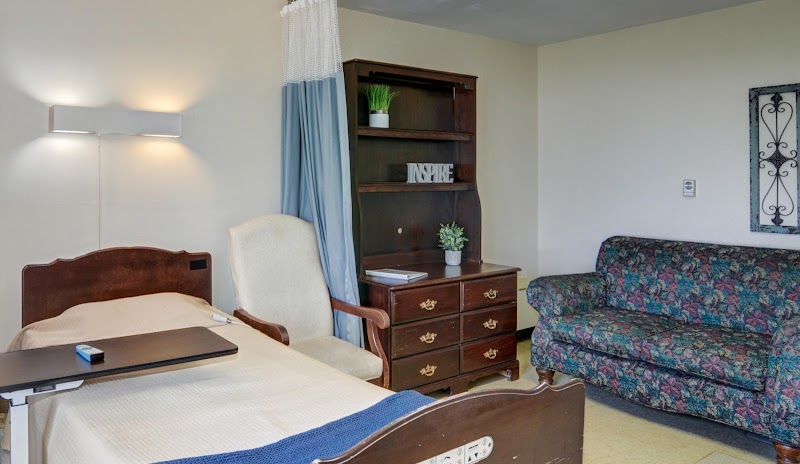
How is Unger Park Post Acute Staffed?

CMS rates UNGER PARK POST ACUTE's staffing level at 3 out of 5 stars, which is average compared to other nursing homes. Staff turnover is 37%, compared to the Ohio average of 46%. This relatively stable workforce can support continuity of care.

What Have Inspectors Found at Unger Park Post Acute?

State health inspectors documented 41 deficiencies at UNGER PARK POST ACUTE during 2021 to 2025. These included: 38 with potential for harm and 3 minor or isolated issues.
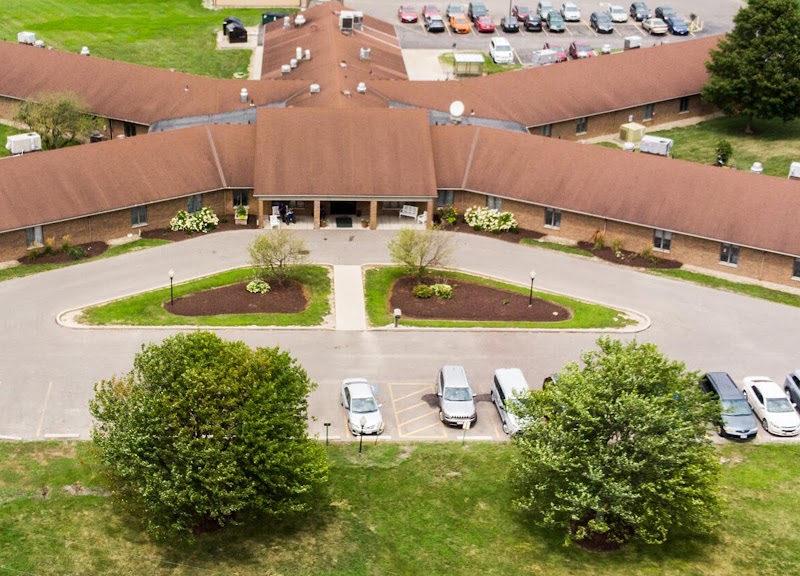
Who Owns and Operates Unger Park Post Acute?

UNGER PARK POST ACUTE is owned by a for-profit company. For-profit facilities operate as businesses with obligations to shareholders or private owners. The facility is operated by PACS GROUP, a chain that manages multiple nursing homes. With 86 certified beds and approximately 51 residents (about 59% occupancy), it is a smaller facility located in BUCYRUS, Ohio.
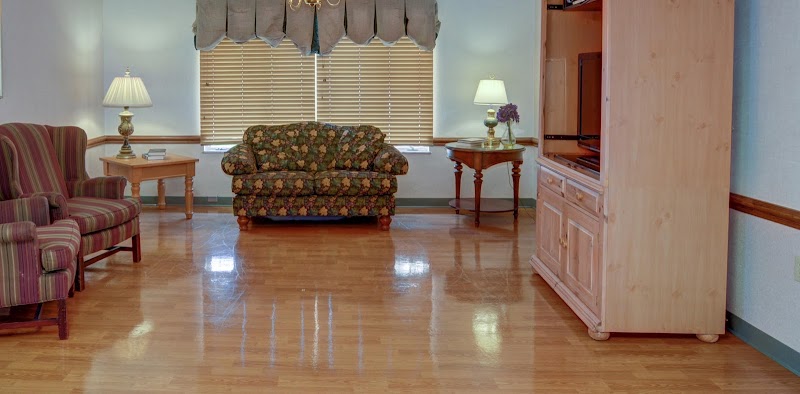
How Does Unger Park Post Acute Compare to Other Ohio Nursing Homes?

Compared to the 100 nursing homes in Ohio, UNGER PARK POST ACUTE's overall rating (2 stars) is below the state average of 3.2, staff turnover (37%) is near the state average of 46%, and health inspection rating (2 stars) is below the national benchmark.

What Should Families Ask When Visiting Unger Park Post Acute?

Based on this facility's data, families visiting should ask: "Can I visit during a mealtime to observe dining assistance and food quality?" "How do you handle medical emergencies, and what is your hospital transfer rate?" "Can I speak with family members of current residents about their experience?"

Is Unger Park Post Acute Safe?

Based on CMS inspection data, UNGER PARK POST ACUTE has a clean safety record: no substantiated abuse findings (meaning no confirmed cases of resident harm), no Immediate Jeopardy citations (the most serious violation level indicating risk of serious injury or death), and is not on the Special Focus Facility watch list (a federal program monitoring the lowest-performing 1% of nursing homes). The facility has a 2-star overall rating and ranks #100 of 100 nursing homes in Ohio. While no facility is perfect, families should still ask about staff-to-resident ratios and recent inspection results during their visit.

Do Nurses at Unger Park Post Acute Stick Around?

UNGER PARK POST ACUTE has a staff turnover rate of 37%, which is about average for Ohio nursing homes (state average: 46%). Moderate turnover is common in nursing homes, but families should still ask about staff tenure and how the facility maintains care continuity when employees leave.

Was Unger Park Post Acute Ever Fined?

UNGER PARK POST ACUTE has no federal fines on record. CMS issues fines when nursing homes fail to meet care standards or don't correct problems found during inspections. The absence of fines suggests the facility has either maintained compliance or corrected any issues before penalties were assessed. This is a positive indicator, though families should still review recent inspection reports for the full picture.

Is Unger Park Post Acute on Any Federal Watch List?

UNGER PARK POST ACUTE is not on any federal watch list. The most significant is the Special Focus Facility (SFF) program, which identifies the bottom 1% of nursing homes nationally based on persistent, serious quality problems. Not being on this list means the facility has avoided the pattern of deficiencies that triggers enhanced federal oversight. This is a positive indicator, though families should still review the facility's inspection history directly.