ASTORIA PLACE OF CAMBRIDGE
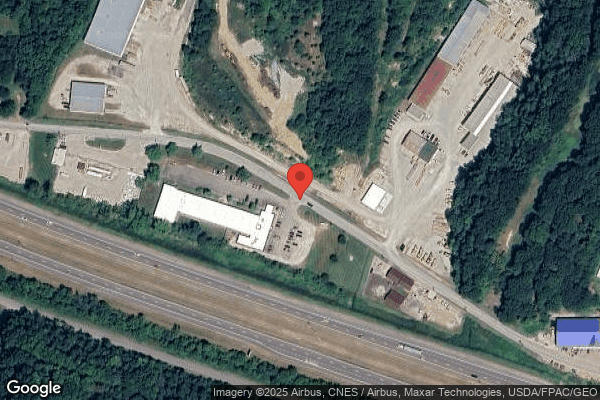
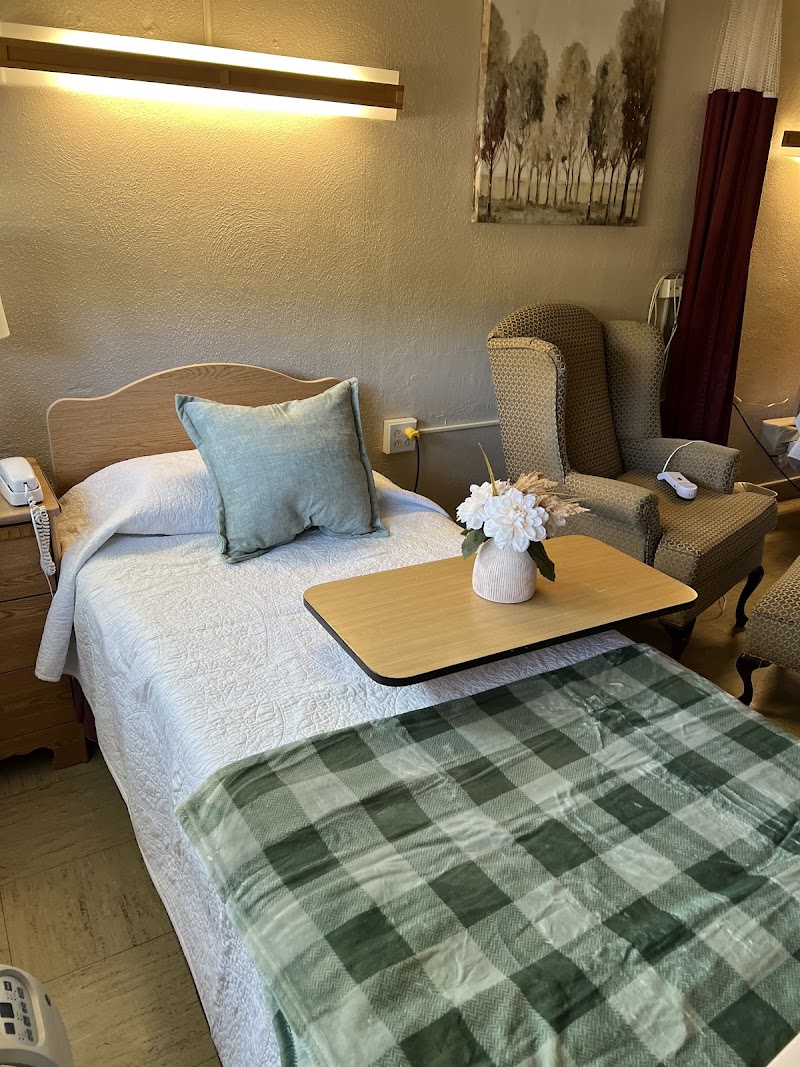
8420 GEORGETOWN ROAD, CAMBRIDGE, OH 43725 (740) 439-4401
For profit - Limited Liability company 78 Beds Independent Data: November 2025 2 Immediate Jeopardy citations
Trust Grade
1/100
#830 of 913 in OH
Last Inspection: August 2024

Within standard 12-15 month inspection cycle. Federal law requires annual inspections.

Overview

Astoria Place of Cambridge receives a Trust Grade of F, indicating significant concerns about the quality of care provided. They rank #830 out of 913 nursing homes in Ohio, placing them in the bottom half of facilities statewide and #3 out of 3 in Guernsey County, meaning only one local option is better. The facility is worsening, with issues increasing from 5 in 2023 to 11 in 2024. Staffing is a strength, earning a rating of 4 out of 5, and with a turnover rate of 0%, staff stability is excellent. However, they face concerning financial issues, with fines totaling $194,587, higher than 98% of Ohio facilities, and critical incidents have been reported, such as failing to ensure timely payment of bills and inadequate staffing in the kitchen, which could disrupt meal service for residents.

Trust Score
F
1/100
In Ohio
#830/913
Bottom 10%
Safety Record
High Risk
Review needed
Inspections
Getting Worse
5 → 11 violations
Staff Stability
○ Average
Turnover data not reported for this facility.
Penalties
⚠ Watch
$194,587 in fines. Higher than 79% of Ohio facilities, suggesting repeated compliance issues.
Skilled Nurses
✓ Good
Each resident gets 104 minutes of Registered Nurse (RN) attention daily — more than 97% of Ohio nursing homes. RNs are the most trained staff who catch health problems before they become serious.
Violations
⚠ Watch
37 deficiencies on record. Higher than average. Multiple issues found across inspections.
★☆☆☆☆
1.0
Overall Rating
★★★★☆
4.0
Staff Levels
★★★☆☆
3.0
Care Quality
★☆☆☆☆
1.0
Inspection Score
Stable
2023: 5 issues
2024: 11 issues

The Good

  • 4-Star Staffing Rating · Above-average nurse staffing levels
  • Full Sprinkler Coverage · Fire safety systems throughout facility
  • No fines on record

Facility shows strength in staffing levels, fire safety.

The Bad

1-Star Overall Rating

Below Ohio average (3.2)

Significant quality concerns identified by CMS

Federal Fines: $194,587

Well above median ($33,413)

Significant penalties indicating serious issues

The Ugly 37 deficiencies on record

2 life-threatening
Aug 2024 3 deficiencies
CONCERN (D)

Potential for Harm - no one hurt, but risky conditions existed

PASARR Coordination (Tag F0644)

Could have caused harm · This affected 1 resident

Based on medical record review and staff interview, the facility failed to ensure resident Preadmission Screening and Resident Review was resubmitted following a new mental health diagnosis added for ...

Read full inspector narrative →
Based on medical record review and staff interview, the facility failed to ensure resident Preadmission Screening and Resident Review was resubmitted following a new mental health diagnosis added for a resident. This affected one resident (#2) of one resident reviewed for Preadmission Screening and Resident Review. The facility census was 31. Findings include: Review of Resident #2's medical record revealed an admission date of 04/30/18 with diagnoses that included dementia, cerebrovascular accident and bipolar disorder. A Preadmission Screening and Resident Review (PASARR) was completed on 04/30/18. Further review of the medical diagnoses for Resident #2 revealed a new diagnosis of anxiety added on 08/06/21. No evidence of a resubmission of PASARR for a new mental health diagnosis was found. On 08/07/24 at 10:50 A.M., interview with Licensed Practical Nurse (LPN) #11 revealed she would contact the local area agency on aging to determine if a PASARR is required to be resubmitted for a new diagnosis of anxiety for Resident #2. On 08/07/24 at 11:10 A.M., follow up interview with LPN #11 verified a new PASARR should have been resubmitted for Resident #2 for the new diagnosis of anxiety.
CONCERN (D)

Potential for Harm - no one hurt, but risky conditions existed

Deficiency F0676 (Tag F0676)

Could have caused harm · This affected 1 resident

**NOTE- TERMS IN BRACKETS HAVE BEEN EDITED TO PROTECT CONFIDENTIALITY** Based on record review, observation, and interviews the facility failed to ensure therapy recommendation were implemented. This ...

Read full inspector narrative →
**NOTE- TERMS IN BRACKETS HAVE BEEN EDITED TO PROTECT CONFIDENTIALITY** Based on record review, observation, and interviews the facility failed to ensure therapy recommendation were implemented. This affected one resident (#5) of one resident reviewed for restorative services. Findings included: Record review revealed Resident #5 was admitted to the facility on [DATE] with diagnoses including heart failure, diabetes, hip pain, heart disease, and chronic pain. Further review of Resident #5's paper medical record revealed there were Physical Therapy (PT) notes dated 09/26/23 to 11/20/23 that indicated the resident received therapy services. The PT discharge note dated 11/20/23 recommended the resident have a walker with a basket/bag and ambulation program established. The resident was currently able to walk to the dining room, balance was steady, and tier was functional with a Restorative Nursing Program. The resident will be able to walk in the corridor with two assists of two and balance will be steady, by performing the following restorative nursing intervention. Allow resident to take her time, use gait belt, use walker, and provide assistance of two, follow with wheelchair for safety. Resident #5's prognosis would be good with consistent staff follow-through. Review of Resident #5's quarterly Minimum Data Set (MDS) dated [DATE] revealed the resident's cognition was intact and she used a walker and wheelchair for ambulation. The MDS indicated the resident was not receiving restorative or therapy services. Review of Resident #5's care conference note dated 12/28/23 revealed the resident was not receiving any therapy services. Review of Resident #5's altercation in mobility plan of care initiated 04/15/22 revealed the resident uses wheelchair and staff steady to transfer. On 08/06/24 the facility provided the surveyor a list of residents receiving restorative therapy that revealed no evidence Resident #5 was receiving a restorative program. Observation on 08/06/24 at 7:35 A.M., 08/07/24 at 8:45 A.M., and 08/08/24 at 8:47 A.M., revealed the resident was observed ambulating via wheelchair. There was no evidence the resident had a wheeled walker. Observation of Resident #5's room on 08/08/24 at 8:47 A.M., with Licensed Practical Nurse (LPN) #15 confirmed the resident did not have a wheeled walker and ambulated in the facility via a customized wheelchair. Interview on 08/05/24 at 10:07 A.M., with Resident #5 revealed she needed therapy again because she was unable to walk and was not in a restorative program or therapy. Interview on 08/05/24 at 2:04 P.M. with the Therapy Director (TD) #100 confirmed on 11/20/23 the PT recommended Resident #5 have a wheeled walker and a restorative ambulation program. Interview on 08/07/24 at 2:09 P.M., with Registered Nurse (RN) #8, State Tested Nurse's Aide (STNA) #21 and STNA #36 revealed there were unaware Resident #5 could ambulate with a walker and the resident currently uses a lift and a specialized wheelchair for transfers and ambulation. Interview on 08/08/24 at 7:13 A.M., with RN #1 confirmed she was the head of the restorative program, and she was not able to find evidence therapy had referred Resident #5 to a restorative program or recommended a walker except for the discharge note. RN #1 reported in the past therapy would write the recommendation and a paper form and given them to her to initiate. The RN confirmed the resident did not receive a walker or an ambulation program per PT recommendation on 11/20/23. Interview on 08/08/25 at 8:50 A.M., with Resident #5 confirmed she never received a walker. The resident reported while she was in therapy she was able to walk short distances with a walker and therapy staff would walk behind with a wheelchair, but after she was discharged from PT no one worked with her and now she can't walk at all. Residents #5 reported she would like to walk again, and therapy spoke to her yesterday and might start working with her again. Interview on 08/08/24 at 9:00 A.M., with Occupational Therapist (OT) #101 confirmed PT evaluated Resident #5 yesterday (08/07/24) and was going to pick her up for services and she was going to screen her today for OT services.
CONCERN (D)

Potential for Harm - no one hurt, but risky conditions existed

Deficiency F0925 (Tag F0925)

Could have caused harm · This affected 1 resident

Based on observation and interview the facility failed to ensure the facility was free of pest. This affected two residents (#7 and #9) of 16 residents observed. Findings included: Observation on 08/...

Read full inspector narrative →
Based on observation and interview the facility failed to ensure the facility was free of pest. This affected two residents (#7 and #9) of 16 residents observed. Findings included: Observation on 08/05/24 at 10:56 A.M. of Resident #9's room revealed there were three flies flying around the resident. The resident reported flies have been an issue for five years. The resident had a flyswatter lying on his bed. Observation on 08/05/24 at 11:08 A.M. of Resident #7's room revealed there was one fly sticky strip hanging behind a closet. There were two flies flying around the resident's face. The resident reported flies have been an issue and staff gave him a flyswatter to use and they just took down the fly strips because state was in the building, but they must have missed one. Observation on 08/06/24 at 1:12 P.M., of Resident #7 and #9's room with Licensed Practical Nurse (LPN) #15 confirmed there was flies and gnats flying on and around the residents. Observation on 08/06/24 at 2:00 P.M., of Resident #7's wound care with LPN #17 and #18 revealed flies and gnats were flying around and on the resident during wound care. Confirmed findings with the LPN's during the observation. Observation on 08/07/24 at 9:03 A.M., of Resident #7 and #9's room revealed there were two flies on Resident #9 and three flies and a gnat on Resident #7. Interview on 08/07/24 at 9:39 A.M., with the Director of Nursing (DON) revealed the facility was aware of the fly issue in Resident #7 and #9's room and the exterminator reported there was nothing he could due to treat the rooms and recommended staff use bleach in the rooms. The DON reported the facility may need to use the bleach more frequently.
Mar 2024 1 deficiency
CONCERN (F) 📢 Someone Reported This

A family member, employee, or ombudsman was alarmed enough to file a formal complaint

Potential for Harm - no one hurt, but risky conditions existed

Deficiency F0802 (Tag F0802)

Could have caused harm · This affected most or all residents

Based on observation, dietary staffing and schedule review and staff interview, the facility failed to employ and maintain sufficient staffing in the kitchen to ensure resident meal service was provid...

Read full inspector narrative →
Based on observation, dietary staffing and schedule review and staff interview, the facility failed to employ and maintain sufficient staffing in the kitchen to ensure resident meal service was provided as planned and without potential interruption. This had the potential to affect all 29 residents residing in the facility. Findings include: Review of the facility meal schedule revealed breakfast service was scheduled for 7:30 A.M. and 8:10 A.M. and lunch service was scheduled for 11:10 A.M. and 12:10 P.M. The second time noted was to finish the delivery of resident hall trays (for those residents who ate in their rooms) Upon entrance to the kitchen, on 03/15/24 at 8:30 A.M. Dietary [NAME] #49, State Tested Nursing Assistant (STNA), STNA #50 and STNA #45 were observed in the kitchen preparing the residents morning meal. The meal service was noted to be finishing at the time of the observation. Interview with [NAME] #49 on 03/15/24 at 9:21 A.M. revealed the dietary aide scheduled to work in the kitchen on this date had walked out after getting her paycheck this morning and did not work the rest of her scheduled shift. Interview with STNA #50 on 03/15/24 at 9:22 A.M. revealed she was working on this date and had a resident care assignment, providing direct resident care but when she found out the kitchen was short staffed, she volunteered to go to help in the kitchen because she had prior work experience in the kitchen. Additional observation of the kitchen on 03/15/24 at 9:20 A.M. revealed Dietary [NAME] #49, STNA #50 and Dietary Manager (DM) #47 observed in the kitchen. STNA #45 went home after breakfast was served. On 03/15/24 at 9:20 A.M. interview with DM #47 revealed she was the DM from the corporation's sister facility and she was assisting today and completing the food order for next weeks delivery. The DM revealed she had come to the building on this date to make sure food was ordered for next week as the food order was due on Friday (03/15/24). Observation of the lunch meal on 03/15/24 at 11:45 A.M. revealed the first cart was 35 minutes late. Interview with kitchen staff at that time revealed the meal was running behind as it was only Dietary [NAME] #49's third day of work and STNA #50 was just filling in in the kitchen. On 03/15/24 at 12:30 P.M. telephone interview with the previous facility dietary manager (DM) revealed she had recently (on 03/14/24) resigned her position in the facility. The DM stated she quit because she had worked 45-60 days straight, (payroll) checks were no good and the company was going under. The DM voiced concerns she was losing employees in the dietary department (had recently had her cook walk out) and there were open shifts. She stated she physically was not able to cover (the open shifts) which was leaving residents at risk. The DM revealed the rest of her staff that were still currently working were ready to leave. The DM indicated based on the issues that were occurring she was not sure if meals would be prepared or prepared on time. Review of an All Staff listing with title document, provided by the facility on 03/15/24 revealed the staff listing included four total dietary employees. This list did not match the dietary staffing schedule which included seven staff names. The previous DM's name was not included on either the All Staff listing or the dietary staffing schedule. Review of the dietary staffing schedule, dated 03/15/24 through 03/24/24 revealed the schedule for these dates included multiple scheduled shift times with no employee assigned to work during the time period. For example, the schedule for 03/15/24 noted a dietary aide scheduled to start at 5:30 A.M. This dietary aide was the aide who walked out on this date after receiving her paycheck and did not work the shift. The schedule reflected three dietary staff shifts scheduled to start at 6:30 A.M. However, two of the shifts appeared to be associated with vacant positions (as there was no staff name associated with them) and only one of the shifts had a name, Dietary [NAME] #49. The schedule reflected two dietary employee shifts to begin at 12:30 P.M. However, only one of the two shifts included a staff name. The second 12:30 P.M. shift appeared to be for a vacant position. Interview with the Director of Nursing (DON) on 03/15/24 at 1:15 P.M. verified the dietary aide who was scheduled to work this morning with Dietary [NAME] #49, received her paycheck and walked out at that time, leaving only the dietary cook to work in the kitchen. Due to the lack of dietary staff at that time, two STNAs, one who was working the floor and one who came in to pick up her paycheck went to the kitchen to assist with morning meal service. This deficiency represents non-compliance investigated under Complaint Number OH00152028.
Mar 2024 3 deficiencies 1 IJ (1 facility-wide)
CRITICAL (L) 📢 Someone Reported This

A family member, employee, or ombudsman was alarmed enough to file a formal complaint

Immediate Jeopardy (IJ) - the most serious Medicare violation

Free from Abuse/Neglect (Tag F0600)

Someone could have died · This affected most or all residents

⚠️ Facility-wide issue

**NOTE- TERMS IN BRACKETS HAVE BEEN EDITED TO PROTECT CONFIDENTIALITY** Based on record review, including review of the facility payroll records, review of facility billing/financial information, revi...

Read full inspector narrative →
**NOTE- TERMS IN BRACKETS HAVE BEEN EDITED TO PROTECT CONFIDENTIALITY** Based on record review, including review of the facility payroll records, review of facility billing/financial information, review of email communication, review of the employee handbook, review of the facility Abuse/Neglect policy and procedure and interviews, the facility neglected to meet financial obligations for the delivery of care and maintenance and to operate in a manner to ensure all bills were being paid timely to prevent potential interruption in services and to meet the total care needs of all residents admitted to and/or retained in the facility. The facility also failed to have an effective system in place to ensure staff were compensated via payroll benefits based on their hired agreement and payroll schedule. This resulted in Immediate Jeopardy beginning on 02/16/24 when the lack of financial solvency placed all facility residents at risk for serious harm, injury, hospitalization, displacement due to potential interruption in staffing and/or outside service providers. This had the potential to affect all 32 residents residing in the facility. On 03/05/24 at 5:24 P.M., the Administrator and Director of Nursing (DON) were notified Immediate Jeopardy began on 02/16/24 when the onsite investigation determined the facility neglected to meet all financial obligations for the delivery of care and maintenance of the facility by not paying staff in a timely manner and having outstanding balances with vendors and providers. This included, but was not limited to, insufficient funds to meet staff payroll on 02/16/24 and 03/01/24, delinquent balances owed to nutrition services which resulted in dietitian services being terminated from 03/01/24 through 03/04/24, delinquent property taxes, therapy services, medical director services, refuse/recycling, and pest control services. The Immediate Jeopardy remains ongoing, as the facility failed to implement corrective measures to remove the Immediate Jeopardy situation. Findings include: Review of the facility survey history revealed on 12/04/23 a complaint survey was completed which resulted in concerns related to financial solvency. An issue identified at that time was related to employee payroll. On 11/16/23 at 8:32 A.M., an interview with the Director of Nursing (DON) revealed some of the employee checks had been returned for insufficient funds but corporate (management located in Florida) had wired money to the employees the same day. Further interview revealed corporate also covered any fees that occurred at the employees' banks. At the time of the survey, the Administrator did not provide any additional information as to why payroll was not met for these employees on this date. This payroll issue was in addition to the identification of other vendors/suppliers with past due balances, non-payment and shut off notices being issued to the facility. Following the 12/04/23 survey, the facility provided evidence of payments being made to various different supplies/vendors removing the likelihood of situations of neglect and the resolution of shut off notices for the facility. However, during a complaint survey completed on 01/31/24, the facility failed to ensure their governing body was effective in establishing and implementing policies regarding the management and operation of the facility and their Quality Assurance and Performance Improvement Program had continued evaluations to ensure ongoing compliance with all financial obligations for the delivery of care including therapy services, payment of the electricity bill and staff payroll. Interview with the Administrator on 03/04/24 at 8:39 A.M. revealed employees were being paid every other week and were receiving paper checks on payday. However, as of this date there were employee's checks that were being returned for insufficient funds (from the most recent pay date of 03/01/24). The Administrator revealed Epic Healthcare Solutions (the corporate management company) would then wire the funds to the affected employee's bank account after being notified the employee's check was not clearing at the bank. Interview during the survey with an anonymous staff member revealed she was very concerned with her payroll checks bouncing and being returned for sufficient funds. She stated she had both 02/16/24 and 03/01/24 paydays affected by this and would more than likely be terminating her employment and looking for another job. Interview on 03/04/24 at 9:00 A.M. with Registered Nurse (RN) #205 revealed her payroll check on 02/16/24 was returned due to insufficient funds. She stated she updated the DON on 02/19/24 who then updated corporate. RN #205 stated she received a wire transfer for her payroll check but not until 02/20/24. Interview on 03/04/24 at 9:21 A.M. with the Business Office Manager (BOM) #207 verified there were payroll checks that did not clear employee banks on 02/16/24 due to insufficient funds. She provided a list that revealed 41 out of 62 staff members did not get paid on the 02/16/24 payday as their checks bounced. BOM #207 revealed staff had been made aware by their bank their payroll checks were returned for insufficient funds for the 02/16/24 payday. The staff had reported this to the DON who then updated BOM #207. She stated she sent a list to the corporate management company who then wired the money directly into the employees' personal accounts. She stated employees who experienced wire fees or bounced check fees from the 02/16/24 pay issue, were also to be reimbursed these fees on the 03/01/24 payday. During the interview, BOM #207 also shared most of the facility bills were being sent directly from the vendors to the facility corporate office. Any bills or invoices received at the facility were scanned and emailed directly to Stampli (the company that processed and paid invoices). Review of the 02/16/24 list of employees who had their payroll checks returned for insufficient funds included the current Administrator, BOM #207, Maintenance #340, RN #205, RN #302, RN #303, RN #304, RN #339, Licensed Practical Nurse (LPN) #306, LPN #308, LPN #309, LPN #310, LPN #311, LPN #349, State Tested Nurse Aide (STNA) #203, STNA #313, STNA #314, STNA #315, STNA #316, STNA #317, STNA #318, STNA #320, STNA #321, STNA #324, STNA #325, STNA #326, STNA #327, Dietary #328, Dietary #330, Dietary #331, Dietary #332, Dietary #333, Dietary #335, Dietary #336, Housekeeping (HK) #341, HK #342, HK #343, HK #345, HK #346, HK #348 and Hospitality Aide #347. Interview on 03/04/24 at 9:57 A.M. with the Chief Financial Officer (CFO) #600 revealed his corporation had more issues with banking since the previous two surveys on 12/04/23 and 01/31/24. He stated this was an error with their Positive Pay system (an automated cash-management service used by financial institutions where checks issued by companies are matched with those presented for payment). CFO #600 stated they placed the check numbers into the system and uploaded it from their human resource file to the bank and those were then paid by the bank. He stated they covered the wire fees and bounced check fees as soon as the employee updated them on the amounts. Additional interview on 03/05/24 at 10:36 A.M. With CFO #600 verified he had been updated that payroll checks were returned as having insufficient funds for the payroll date of 03/01/24. He stated he was unsure of what had occurred. He stated payroll accounts were separate then those accounts used to pay facility vendors and suppliers. He also stated they had separate accounts at the same bank (Bank of Oklahoma Financial) for all the facilities owned by the corporation. He was unable to answer the question as to why payment plans that either himself, Chief Executive Officer (CEO) #601 or Director of Finance #603 initiated, were not followed through with and why payments were missed. Interview on 03/04/24 at 11:29 A.M. with the Ombudsman revealed a resident had stated to her during a visit that she was worried the facility would be closing and she would have to find another place to live. The resident stated to the Ombudsman that she had overhead staff talking about not being paid correctly and their payroll checks being returned for insufficient funds. The Ombudsman stated she had updated Administrator #351 (the previous facility Administrator) about the concern. Interview on 03/04/24 at 12:15 P.M. with an anonymous staff member revealed she was concerned every payday about her payroll checks not clearing her bank. Review of emails from the DON dated 03/05/24 at 11:31 A.M. through 03/11/24 at 9:33 A.M. revealed 45 out of 62 staff members received returned paychecks due to insufficient funds (from the 03/01/24 pay day). These staff included the Administrator, Previous Administrator #351, BOM #207, Social Services Designee (SSD) #337, RN #204, RN #205, RN #300, RN #301, RN #303, RN #304, RN #339, Maintenance #340, LPN #307, LPN #308, LPN #309, LPN #310, LPN #311, LPN #349, STNA #203, STNA #206, STNA #312, STNA #313, STNA #314, STNA #315, STNA #316, STNA #317, STNA #318, STNA #319, STNA #320, STNA #321, STNA #322, STNA #323, STNA #324, STNA #325, STNA #326, STNA #327, Dietary Director #208, Dietary #328, Dietary #333, Dietary #336, HK #341, HK #342, HK #343, HK #348 and Hospitality Aide #347. An interview on 03/07/24 at 8:40 A.M. with Activities Director #352 revealed she had been taking her check to a local grocery store to cash as she had been afraid to take it to her bank and be returned for insufficient funds. She stated she had been taking her payroll checks to the grocery store, cashing them (for which the grocery store charged a fee based on the amount of the check) and then would take the cash and deposit it into her bank account. She stated she was aware there were employee checks that had been cashed at the grocery store that had not cleared the grocery store's bank and been returned to them for insufficient funds. An attempt to reach the grocery store manager/owner on 03/07/24 at 10:56 A.M. was unsuccessful. A message was left for the owner/manager to return the call to the surveyor, but no return call was provided. On 03/07/24 at 11:21 A.M. a phone interview with CFO #600, Chief Executive Officer (CEO) #601 and Chief Nursing Officer (CNO) #602 was held. Chief Financial Officer #600 continued to report payroll was not met due to the identified positive payroll issue with the bank. Documentation of the bank's error with the positive payroll file submission was requested. As of 03/11/24 at 11:00 A.M. no documentation had been provided. On 03/11/24 at 9:05 A.M. an interview with the DON verified the last wire transfer to staff to pay from the 02/16/24 pay day was not made until 02/29/24 (almost two weeks after the pay date). The DON stated the (unidentified) staff member notified her on 02/28/24 that their check bounced, and the corporation then wired the funds directly to the staff member's account. In addition to the facility's failure to ensure payroll obligations were met and continued to be met to ensure the ongoing effective day to day operation of the facility the following vendors/suppliers were reviewed as part of the State agency investigation with concerns identified: a. The facility utilized a contracted service for the services of a dietitian. Review of the invoice from Nutritech Consulting Services dated 02/01/24 revealed the facility owed $1,645.00 and the due date was 02/10/24. This had been received by the facility and scanned to the corporate office on 02/02/24. Interview on 03/04/24 at 12:39 P.M. with Dietitian #135 revealed she was the owner of the nutrition services company that provided services to the facility. She stated due to previous concerns of not receiving payment, she required the facility to pre-pay for her services. Dietitian #135 stated she had terminated services on 03/01/24 as the facility was 23 days behind on their pre-pay plan. She stated CFO #600 called on 03/04/24 and paid the February 2024 balance of $1,645.00 so services would resume. The facility had until 03/10/24 to pre-pay for the March 2024 services. A follow-up interview on 03/11/24 with Dietitian #135 revealed if the facility did not make additional payment in full on this date, she would have to terminate services. b. Review of the invoice from [NAME] Recycling dated 02/13/24 revealed a total balance due of $1,531.10. This showed services due for 02/01/24 for $765.55 and 01/01/24 for $765.55. This had been received by the facility and scanned to the corporate office on 02/20/24. An interview on 03/04/24 at 11:05 A.M. with the recycling company's Accounts Receivable Clerk (AR) #213 revealed the facility was behind 60 days on their billing. c. Review of the invoice from Buckeye Pest Management dated 02/20/24 revealed a total balance due of $723.95. This showed services due for 10/05/23, 11/06/23, 12/07/23, 01/04/24 and 02/01/24. The statement was received and scanned to the corporate office on 02/28/24. Interview on 03/04/24 at 10:50 A.M. with the pest management's Accounts Receivable Clerk (AR) #133 revealed she had been in contact with the facility related to their balance of $723.95. She stated they had not received any payments from the facility since prior to October 2023. d. Interview on 03/05/24 at 11:45 A.M. with Medical Director (MD) #351 revealed he was unaware of how much the facility owed him for medical director fees. During the interview, he contacted his office and spoke to one of the staff and discovered the facility owed MD #351 for September 2023, November 2023, December 2023, January 2024 and February 2024. This totaled $15,000.00. It was noted the corporation had made payment arrangements and had kept those arrangements until January 2024. There was no payment received in the month of February 2024. e. Review of the invoice from Broad River Therapy dated 03/06/24 revealed a total balance due of $103,531.89. This was due for services from 11/02/23 to 12/02/23 for $27,251.19; 12/01/23 to 12/31/23 for $28,291.58; 01/02/24 to 02/01/24 for $22,527.73; and 02/02/24 to 03/03/24 for $25,461.39. Interview on 03/04/24 at 11:57 A.M. with Therapy Office Manager #128 revealed the facility had not paid for services since September 2023. However, she stated CFO #600 stated the corporation would be sending checks the week of 03/04/24. f. Interview on 03/05/24 at 10:16 A.M. with Clerk #350 at the [NAME] Country Treasurer's Office revealed the facility had set-up a payment plan for the balance due which included a delinquent balance, late fees and interest. She stated the facility owed a total of $101,283.27 for property taxes and had made a payment arrangement to pay $5,000 a month and made a payment on 01/12/24. However, Clerk #350 stated the facility (corporation) had failed to make a payment in February 2024. On 03/10/24 the Ombudsman conducted an onsite visit at the facility. The Ombudsman reported staff were worried about getting paid on Friday (03/15/24). This date is the next scheduled date for staff to be paid in the facility. Review of the Nursing Facility admission Agreement, undated, provided to all residents, revealed the facility was responsible for basic services including room and board, routine nursing care and supplies for residents and such other personal services as may be necessary for the resident's health, well-being and grooming. The facility would also provide meals, linens, housekeeping, social services and activities and other regular services required by law. Review of the Employee Handbook, dated 2020, revealed employees would receive their pay reimbursement for hours worked either through Pay Card or Direct Deposition. During orientation, the human resources representative will assist with signing up for either direct deposit or a Pay Card. Review of the facility policy titled, Abuse Prevention, Identification and Reporting, revised 08/15/22, revealed the facility defined resident abuse to include neglect which was the failure of the facility, its employees or service providers, to provide goods and services to a resident which were necessary to avoid physical harm, pain, mental anguish, or emotional distress. Review of the Facility assessment dated [DATE] revealed the facility provided all care and services as required including, but not limited to: Assistance with activities of daily living, personal care services, medication administration, pain management, infection prevention and control, nutritional services, skin care, fall and injury prevention, pharmacy, and therapy services. Additionally, the facility provided medical director, attending physicians, physician assistants, nurse practitioners, dentist, podiatrist, ophthalmologist, psychiatrist services and pharmacist. This deficiency represents non-compliance investigated under Master Complaint Number OH00151629, Complaint Number OH00151626 and Complaint Number OH00151535.
CONCERN (F) 📢 Someone Reported This

A family member, employee, or ombudsman was alarmed enough to file a formal complaint

Potential for Harm - no one hurt, but risky conditions existed

Deficiency F0837 (Tag F0837)

Could have caused harm · This affected most or all residents

**NOTE- TERMS IN BRACKETS HAVE BEEN EDITED TO PROTECT CONFIDENTIALITY** Based on record review, facility policy review, facility assessment review, and interviews, the facility failed to ensure an eff...

Read full inspector narrative →
**NOTE- TERMS IN BRACKETS HAVE BEEN EDITED TO PROTECT CONFIDENTIALITY** Based on record review, facility policy review, facility assessment review, and interviews, the facility failed to ensure an effective governing body, legally responsible to establish and implement policies regarding the management and operation of the facility, including but not limited to compliance with all financial obligations for the delivery of care. This had the potential to affect all 32 residents in the facility. Findings include: Review of the facility survey history revealed on 12/04/23 a complaint survey was completed which resulted in concerns related to financial solvency. An issue identified at that time was related to employee payroll. On 11/16/23 at 8:32 A.M., an interview with the Director of Nursing (DON) revealed some of the employee checks had been returned for insufficient funds but corporate (management located in Florida) had wired money to the employees the same day. Further interview revealed corporate also covered any fees that occurred at the employees' banks. At the time of the survey, the Administrator did not provide any additional information as to why payroll was not met for these employees on this date. This payroll issue was in addition to the identification of other vendors/suppliers with past due balances, non-payment and shut off notices being issued to the facility. Following the 12/04/23 survey, the facility provided evidence of payments being made to various different supplies/vendors removing the likelihood of situations of neglect and the resolution of shut off notices for the facility. However, during a complaint survey completed on 01/31/24, the facility failed to ensure their governing body was effective in establishing and implementing policies regarding the management and operation of the facility and their Quality Assurance and Performance Improvement Program had continued evaluations to ensure ongoing compliance with all financial obligations for the delivery of care including therapy services, payment of the electricity bill and staff payroll. a. Interview with the Administrator on 03/04/24 at 8:39 A.M. revealed employees were being paid every other week and were receiving paper checks on payday. However, as of this date there were employee's checks that were being returned for insufficient funds (from the most recent pay date of 03/01/24). The Administrator revealed Epic Healthcare Solutions (the corporate management company) would then wire the funds to the affected employee's bank account after being notified the employee's check was not clearing at the bank. Interview during the survey with an anonymous staff member revealed she was very concerned with her payroll checks bouncing and being returned for sufficient funds. She stated she had both 02/16/24 and 03/01/24 paydays affected by this and would more than likely be terminating her employment and looking for another job. Interview on 03/04/24 at 9:00 A.M. with Registered Nurse (RN) #205 revealed her payroll check on 02/16/24 was returned due to insufficient funds. She stated she updated the DON on 02/19/24 who then updated corporate. RN #205 stated she received a wire transfer for her payroll check but not until 02/20/24. Interview on 03/04/24 at 9:21 A.M. with the Business Office Manager (BOM) #207 verified there were payroll checks that did not clear employee banks on 02/16/24 due to insufficient funds. She provided a list that revealed 41 out of 62 staff members did not get paid on the 02/16/24 payday as their checks bounced. BOM #207 revealed staff had been made aware by their bank their payroll checks were returned for insufficient funds for the 02/16/24 payday. The staff had reported this to the DON who then updated BOM #207. She stated she sent a list to the corporate management company who then wired the money directly into the employees' personal accounts. She stated employees who experienced wire fees or bounced check fees from the 02/16/24 pay issue, were also to be reimbursed these fees on the 03/01/24 payday. During the interview, BOM #207 also shared most of the facility bills were being sent directly from the vendors to the facility corporate office. Any bills or invoices received at the facility were scanned and emailed directly to Stampli (the company that processed and paid invoices). Review of the 02/16/24 list of employees who had their payroll checks returned for insufficient funds included the current Administrator, BOM #207, Maintenance #340, RN #205, RN #302, RN #303, RN #304, RN #339, Licensed Practical Nurse (LPN) #306, LPN #308, LPN #309, LPN #310, LPN #311, LPN #349, State Tested Nurse Aide (STNA) #203, STNA #313, STNA #314, STNA #315, STNA #316, STNA #317, STNA #318, STNA #320, STNA #321, STNA #324, STNA #325, STNA #326, STNA #327, Dietary #328, Dietary #330, Dietary #331, Dietary #332, Dietary #333, Dietary #335, Dietary #336, Housekeeping (HK) #341, HK #342, HK #343, HK #345, HK #346, HK #348 and Hospitality Aide #347. Interview on 03/04/24 at 12:15 P.M. with an anonymous staff member revealed she was concerned every payday about her payroll checks not clearing her bank. Review of emails from the DON dated 03/05/24 at 11:31 A.M. through 03/11/24 at 9:33 A.M. revealed 45 out of 62 staff members received returned paychecks due to insufficient funds (from the 03/01/24 pay day). These staff included the Administrator, Previous Administrator #351, BOM #207, Social Services Designee (SSD) #337, RN #204, RN #205, RN #300, RN #301, RN #303, RN #304, RN #339, Maintenance #340, LPN #307, LPN #308, LPN #309, LPN #310, LPN #311, LPN #349, STNA #203, STNA #206, STNA #312, STNA #313, STNA #314, STNA #315, STNA #316, STNA #317, STNA #318, STNA #319, STNA #320, STNA #321, STNA #322, STNA #323, STNA #324, STNA #325, STNA #326, STNA #327, Dietary Director #208, Dietary #328, Dietary #333, Dietary #336, HK #341, HK #342, HK #343, HK #348 and Hospitality Aide #347. An interview on 03/07/24 at 8:40 A.M. with Activities Director #352 revealed she had been taking her check to a local grocery store to cash as she had been afraid to take it to her bank and be returned for insufficient funds. She stated she had been taking her payroll checks to the grocery store, cashing them (for which the grocery store charged a fee based on the amount of the check) and then would take the cash and deposit it into her bank account. She stated she was aware there were employee checks that had been cashed at the grocery store that had not cleared the grocery store's bank and been returned to them for insufficient funds. An attempt to reach the grocery store manager/owner on 03/07/24 at 10:56 A.M. was unsuccessful. A message was left for the owner/manager to return the call to the surveyor, but no return call was provided. On 03/07/24 at 11:21 A.M. a phone interview with CFO #600, Chief Executive Officer (CEO) #601 and Chief Nursing Officer (CNO) #602 was held. Chief Financial Officer #600 continued to report payroll was not met due to the identified positive payroll issue with the bank. Documentation of the bank's error with the positive payroll file submission was requested. As of 03/11/24 at 11:00 A.M. no documentation had been provided. On 03/11/24 at 9:05 A.M. an interview with the DON verified the last wire transfer to staff to pay from the 02/16/24 pay day was not made until 02/29/24 (almost two weeks after the pay date). The DON stated the (unidentified) staff member notified her on 02/28/24 that their check bounced, and the corporation then wired the funds directly to the staff member's account. b. In addition to the facility's failure to ensure payroll obligations were met and continued to be met to ensure the ongoing effective day to day operation of the facility the following vendors/suppliers were reviewed as part of the State agency investigation with concerns identified: The facility utilized a contracted service for the services of a dietitian. Review of the invoice from Nutritech Consulting Services dated 02/01/24 revealed the facility owed $1,645.00 and the due date was 02/10/24. This had been received by the facility and scanned to the corporate office on 02/02/24. Interview on 03/04/24 at 12:39 P.M. with Dietitian #135 revealed she was the owner of the nutrition services company that provided services to the facility. She stated due to previous concerns of not receiving payment, she required the facility to pre-pay for her services. Dietitian #135 stated she had terminated services on 03/01/24 as the facility was 23 days behind on their pre-pay plan. She stated CFO #600 called on 03/04/24 and paid the February 2024 balance of $1,645.00 so services would resume. The facility had until 03/10/24 to pre-pay for the March 2024 services. A follow-up interview on 03/11/24 with Dietitian #135 revealed if the facility did not make additional payment in full on this date, she would have to terminate services. Review of the invoice from [NAME] Recycling dated 02/13/24 revealed a total balance due of $1,531.10. This showed services due for 02/01/24 for $765.55 and 01/01/24 for $765.55. This had been received by the facility and scanned to the corporate office on 02/20/24. An interview on 03/04/24 at 11:05 A.M. with the recycling company's Accounts Receivable Clerk (AR) #213 revealed the facility was behind 60 days on their billing. Review of the invoice from Buckeye Pest Management dated 02/20/24 revealed a total balance due of $723.95. This showed services due for 10/05/23, 11/06/23, 12/07/23, 01/04/24 and 02/01/24. The statement was received and scanned to the corporate office on 02/28/24. Interview on 03/04/24 at 10:50 A.M. with the pest management's Accounts Receivable Clerk (AR) #133 revealed she had been in contact with the facility related to their balance of $723.95. She stated they had not received any payments from the facility since prior to October 2023. Interview on 03/05/24 at 11:45 A.M. with Medical Director (MD) #351 revealed he was unaware of how much the facility owed him for medical director fees. During the interview, he contacted his office and spoke to one of the staff and discovered the facility owed MD #351 for September 2023, November 2023, December 2023, January 2024 and February 2024. This totaled $15,000.00. It was noted the corporation had made payment arrangements and had kept those arrangements until January 2024. There was no payment received in the month of February 2024. Review of the invoice from Broad River Therapy dated 03/06/24 revealed a total balance due of $103,531.89. This was due for services from 11/02/23 to 12/02/23 for $27,251.19; 12/01/23 to 12/31/23 for $28,291.58; 01/02/24 to 02/01/24 for $22,527.73; and 02/02/24 to 03/03/24 for $25,461.39. Interview on 03/04/24 at 11:57 A.M. with Therapy Office Manager #128 revealed the facility had not paid for services since September 2023. However, she stated CFO #600 stated the corporation would be sending checks the week of 03/04/24. Interview on 03/05/24 at 10:16 A.M. with Clerk #350 at the [NAME] Country Treasurer's Office revealed the facility had set-up a payment plan for the balance due which included a delinquent balance, late fees and interest. She stated the facility owed a total of $101,283.27 for property taxes and had made a payment arrangement to pay $5,000 a month and made a payment on 01/12/24. However, Clerk #350 stated the facility (corporation) had failed to make a payment in February 2024. On 03/10/24 the Ombudsman conducted an onsite visit at the facility. The Ombudsman reported staff were worried about getting paid on Friday (03/15/24). This date is the next scheduled date for staff to be paid in the facility. Review of the facility's undated Governing Body policy revealed the Governing Body had a fiduciary duty, duty of care, and duty of loyalty to act in the best interests of the Facility. The governing body should be comprised of the operator (s), c-suite level executives, and other individuals who were legally responsible for the establishment and implementation of policies regarding management and operations of the facility. The Governing Body member responsibilities included to be active, engaged, and involved in the affairs of the facility and to have direct access to the administrator and to the compliance and ethics officer by scheduling executive board sessions with the compliance and ethics officer that allows for a free flow of information without potential for conflict. The governing body consisted of Chief Financial Officer #600, Chief Executive, Officer #601, and Chief Nursing Officer/Compliance Officer #602. Review of the administrator job description revealed they would operate the facility in accordance with the established policies and procedures of the facility. The job description indicated the administrator would supervise the recruitment, employment and discharge of staff. And work closely with the DON to assure there were adequate numbers of staff to meet the needs of each resident and to comply with the state of Ohio licensure law. The administrator would act as a liaison with the facility owners and the medical, nursing, and other supervisory staff through regular meetings. Review of the facility assessment dated [DATE] revealed the facility provided all care and services as required in the requirements of participation including, but not limited to assistance with activities of daily living, personal care services, medication administration, pain management, infection prevention and control, nutritional services, skin care, fall and injury prevention, pharmacy, and therapy services. Additionally, the facility provided medical director, attending physicians, physician assistants, nurse practitioners, dentist, podiatrist, ophthalmologist, and psychiatrist services, and pharmacist. This deficiency represents non-compliance investigated under Master Complaint Number OH00151629, Complaint Number OH00151626, and Complaint Number OH00151535. This deficiency is also an example of continued non-compliance from the survey dated 01/31/24.
CONCERN (F) 📢 Someone Reported This

A family member, employee, or ombudsman was alarmed enough to file a formal complaint

Potential for Harm - no one hurt, but risky conditions existed

Deficiency F0865 (Tag F0865)

Could have caused harm · This affected most or all residents

**NOTE- TERMS IN BRACKETS HAVE BEEN EDITED TO PROTECT CONFIDENTIALITY** Based on record review, staff interview and policy review, the facility failed to ensure continuous evaluations were in place to...

Read full inspector narrative →
**NOTE- TERMS IN BRACKETS HAVE BEEN EDITED TO PROTECT CONFIDENTIALITY** Based on record review, staff interview and policy review, the facility failed to ensure continuous evaluations were in place to verify financial obligations were met as planned to prevent a potential disruption in resident care and services through the Quality Assurance Performance Improvement (QAPI) program committee. This had the potential to affect all facility residents. The facility census was 32. Findings include: Review of the facility survey history revealed on 12/04/23 a complaint survey was completed which resulted in concerns related to financial solvency. An issue identified at that time was related to employee payroll. On 11/16/23 at 8:32 A.M., an interview with the Director of Nursing (DON) revealed some of the employee checks had been returned for insufficient funds but corporate (management located in Florida) had wired money to the employees the same day. Further interview revealed corporate also covered any fees that occurred at the employees' banks. At the time of the survey, the Administrator did not provide any additional information as to why payroll was not met for these employees on this date. This payroll issue was in addition to the identification of other vendors/suppliers with past due balances, non-payment and shut off notices being issued to the facility. Following the 12/04/23 survey, the facility provided evidence of payments being made to various different supplies/vendors removing the likelihood of situations of neglect and the resolution of shut off notices for the facility. However, during a complaint survey completed on 01/31/24, the facility failed to ensure their governing body was effective in establishing and implementing policies regarding the management and operation of the facility and their Quality Assurance and Performance Improvement Program had continued evaluations to ensure ongoing compliance with all financial obligations for the delivery of care including therapy services, payment of the electricity bill and staff payroll. However, during the onsite investigation, continued concerns were identified related to financial solvency which included concerns that staff pay roll was not met on the planned pay dates of 02/16/24 and 03/01/24. a. Interview with the Administrator on 03/04/24 at 8:39 A.M. revealed employees were being paid every other week and were receiving paper checks on payday. However, as of this date there were employee's checks that were being returned for insufficient funds (from the most recent pay date of 03/01/24). Interview on 03/04/24 at 9:21 A.M. with the Business Office Manager (BOM) #207 verified there were payroll checks that did not clear employee banks on 02/16/24 due to insufficient funds. She provided a list that revealed 41 out of 62 staff members did not get paid on the 02/16/24 payday as their checks bounced. BOM #207 revealed staff had been made aware by their bank their payroll checks were returned for insufficient funds for the 02/16/24 payday. The staff had reported this to the DON who then updated BOM #207. She stated she sent a list to the corporate management company who then wired the money directly into the employees' personal accounts. During the interview, BOM #207 also shared most of the facility bills were being sent directly from the vendors to the facility corporate office. Any bills or invoices received at the facility were scanned and emailed directly to Stampli (the company that processed and paid invoices). Interview on 03/04/24 at 9:57 A.M. with the Chief Financial Officer (CFO) #600 revealed his corporation had more issues with banking since the previous two surveys on 12/04/23 and 01/31/24. He stated this was an error with their Positive Pay system (an automated cash-management service used by financial institutions where checks issued by companies are matched with those presented for payment). CFO #600 stated they placed the check numbers into the system and uploaded it from their human resource file to the bank and those were then paid by the bank. He stated they covered the wire fees and bounced check fees as soon as the employee updated them on the amounts. Additional interview on 03/05/24 at 10:36 A.M. With CFO #600 verified he had been updated that payroll checks were returned as having insufficient funds for the payroll date of 03/01/24. He stated he was unsure of what had occurred. He stated payroll accounts were separate then those accounts used to pay facility vendors and suppliers. He also stated they had separate accounts at the same bank (Bank of Oklahoma Financial) for all the facilities owned by the corporation. He was unable to answer the question as to why payment plans that either himself, Chief Executive Officer (CEO) #601 or Director of Finance #603 initiated, were not followed through with and why payments were missed. On 03/07/24 at 11:21 A.M. a phone interview with CFO #600, Chief Executive Officer (CEO) #601 and Chief Nursing Officer (CNO) #602 was held. Chief Financial Officer #600 continued to report payroll was not met due to the identified positive payroll issue with the bank. Documentation of the bank's error with the positive payroll file submission was requested. As of 03/11/24 at 11:00 A.M. no documentation had been provided. b. In addition to the facility's failure to ensure payroll obligations were met and continued to be met to ensure the ongoing effective day to day operation of the facility the following vendors/suppliers were reviewed as part of the State agency investigation with concerns identified: The facility utilized a contracted service for the services of a dietitian. Review of the invoice from Nutritech Consulting Services dated 02/01/24 revealed the facility owed $1,645.00 and the due date was 02/10/24. This had been received by the facility and scanned to the corporate office on 02/02/24. Interview on 03/04/24 at 12:39 P.M. with Dietitian #135 revealed she was the owner of the nutrition services company that provided services to the facility. She stated due to previous concerns of not receiving payment, she required the facility to pre-pay for her services. Dietitian #135 stated she had terminated services on 03/01/24 as the facility was 23 days behind on their pre-pay plan. She stated CFO #600 called on 03/04/24 and paid the February 2024 balance of $1,645.00 so services would resume. The facility had until 03/10/24 to pre-pay for the March 2024 services. A follow-up interview on 03/11/24 with Dietitian #135 revealed if the facility did not make additional payment in full on this date, she would have to terminate services. Review of the invoice from [NAME] Recycling dated 02/13/24 revealed a total balance due of $1,531.10. This showed services due for 02/01/24 for $765.55 and 01/01/24 for $765.55. This had been received by the facility and scanned to the corporate office on 02/20/24. An interview on 03/04/24 at 11:05 A.M. with the recycling company's Accounts Receivable Clerk (AR) #213 revealed the facility was behind 60 days on their billing. Review of the invoice from Buckeye Pest Management dated 02/20/24 revealed a total balance due of $723.95. This showed services due for 10/05/23, 11/06/23, 12/07/23, 01/04/24 and 02/01/24. The statement was received and scanned to the corporate office on 02/28/24. Interview on 03/04/24 at 10:50 A.M. with the pest management's Accounts Receivable Clerk (AR) #133 revealed she had been in contact with the facility related to their balance of $723.95. She stated they had not received any payments from the facility since prior to October 2023. Interview on 03/05/24 at 11:45 A.M. with Medical Director (MD) #351 revealed he was unaware of how much the facility owed him for medical director fees. During the interview, he contacted his office and spoke to one of the staff and discovered the facility owed MD #351 for September 2023, November 2023, December 2023, January 2024 and February 2024. This totaled $15,000.00. It was noted the corporation had made payment arrangements and had kept those arrangements until January 2024. There was no payment received in the month of February 2024. Review of the invoice from Broad River Therapy dated 03/06/24 revealed a total balance due of $103,531.89. This was due for services from 11/02/23 to 12/02/23 for $27,251.19; 12/01/23 to 12/31/23 for $28,291.58; 01/02/24 to 02/01/24 for $22,527.73; and 02/02/24 to 03/03/24 for $25,461.39. Interview on 03/04/24 at 11:57 A.M. with Therapy Office Manager #128 revealed the facility had not paid for services since September 2023. However, she stated CFO #600 stated the corporation would be sending checks the week of 03/04/24. Interview on 03/05/24 at 10:16 A.M. with Clerk #350 at the [NAME] Country Treasurer's Office revealed the facility had set-up a payment plan for the balance due which included a delinquent balance, late fees and interest. She stated the facility owed a total of $101,283.27 for property taxes and had made a payment arrangement to pay $5,000 a month and made a payment on 01/12/24. However, Clerk #350 stated the facility (corporation) had failed to make a payment in February 2024. Review of the facility policy dared February 2020 titled, Quality Assurance and Performance Improvement (QAPI) Program revealed the facility shall develop, implement, and maintain an ongoing, facility-wide, data-driven QAPI program that is focused on indicators of the outcomes of care and quality of life for our residents. The QAPI plan describes the process for identifying and correcting quality deficiencies. Key components of this process include tracking and measuring performance; establishing goals and thresholds for performance measurement; identifying and prioritizing quality deficiencies; systematically analyzing underlying causes of systemic quality deficiencies; developing and implementing corrective action or performance improvement activities; and monitoring or evaluating the effectiveness of corrective action/performance improvement activities and revising as needed. This deficiency represents non-compliance investigated under Master Complaint Number OH00151629, Complaint Number OH00151626, and Complaint Number OH00151535. This deficiency is also an example of continued non-compliance from the survey dated 01/31/24.
Jan 2024 4 deficiencies
CONCERN (D) 📢 Someone Reported This

A family member, employee, or ombudsman was alarmed enough to file a formal complaint

Potential for Harm - no one hurt, but risky conditions existed

Deficiency F0568 (Tag F0568)

Could have caused harm · This affected 1 resident

**NOTE- TERMS IN BRACKETS HAVE BEEN EDITED TO PROTECT CONFIDENTIALITY** Based on record review, review of billing statements, and interviews, the facility failed to respond to Resident #29 guardian's ...

Read full inspector narrative →
**NOTE- TERMS IN BRACKETS HAVE BEEN EDITED TO PROTECT CONFIDENTIALITY** Based on record review, review of billing statements, and interviews, the facility failed to respond to Resident #29 guardian's request for financial information in a timely manner and to maintain accurate financial records This affected one (Resident #29) out of three reviewed for request of records. Facility census was 30. Findings include: Review of the medical record revealed Resident #29 was admitted on [DATE] with diagnoses that included heart disease, cognitive communication deficit, dysphagia, and history of mental and behavioral disorders. Resident #29 had a court appointed guardian of person and estate (Guardian #400) dated 08/23/23. The medical record revealed since 04/02/22, Resident #29's payer source was Medicaid. Review of statements with account #137716 dated 10/01/23, 12/01/23, and 01/01/24 revealed a balance of $194.50 was owed. Interview on 01/29/24 at 9:35 A.M. Guardian #400 verified they had become Resident #29's guardian in August 2023 and had tried to get correct billing information from the facility. Guardian #400 revealed they had talked with the Senior [NAME] Manager (SBM) #599 at the corporate office and was told there had been an error on Resident #29's billing. Guardian #400 was not told what the error was and how much Resident #29's monthly liability cost. Guardian #400 stated they had called the facility and requested to speak to the administrator but never received a call back until a message was left about a complaint being filed with the state agency. Interview on n 01/29/24 at 9:58 A.M. Business Office Manager (BOM) #93 verified the statements for 10/01/23, 12/01/23, and 01/01/24 did not reveal why Resident #29 owed $194.50. BOM #93 verified they did not know what the balance was for. Interview on 01/29/24 at 2:05 P.M. SBM #599 verified Resident #29 had been billed multiple times for an outstanding balance of $194.50 and the statements did not reveal what the $194.50 was for. SBM #599 stated the charges were a Medicare Part B coinsurance. SBM #599 verified the Medicare Part B coinsurance was a billing error and Resident #29 did not owe the $194.50. SBM #599 stated the balance of $194.50 had been removed from Resident #29 account and Resident #29 did not owe anything. Interview on 01/29/24 at 4:24 P.M. the Administrator verified Guardian #400 reported they had been trying to reach the administrator. Administrator stated Guardian #400 had requested to speak to someone at corporate and had been provided their phone number. An interview via a three-way call on 01/30/24 at 11:07 A.M. was conducted with Guardian #400 and SBM #599. Guardian #400 and SBM #599 agreed Resident #29's brother had been the previous guardian and was Resident #29's representative payee. SBM #599 revealed since they were not the representative payee, they billed Medicaid and accepted the amount Medicaid paid as payment in full. Guardian #400 stated they received a new bill on 01/29/24 for $12,118.26 for services from 07/01/23 through 02/01/24. SBM #599 verified this was a billing error and Resident #29 did not owe any money. Guardian #400 asked SBM #599 to send a detailed bill via email to the facility. Guardian #400 asked that the detailed bill be printed out and left at the front desk for Guardian #400 to pick up. SBM #599 agreed to send the bill but stated the $12,118.26 balance would show as owed until the billing could be corrected. This deficiency represents non-compliance investigated under Complaint Number OH00150502.
CONCERN (D) 📢 Someone Reported This

A family member, employee, or ombudsman was alarmed enough to file a formal complaint

Potential for Harm - no one hurt, but risky conditions existed

Deficiency F0602 (Tag F0602)

Could have caused harm · This affected 1 resident

**NOTE- TERMS IN BRACKETS HAVE BEEN EDITED TO PROTECT CONFIDENTIALITY** Based on record review, financial statements, interviews, and policy review the facility failed to ensure an overpayment of $4,2...

Read full inspector narrative →
**NOTE- TERMS IN BRACKETS HAVE BEEN EDITED TO PROTECT CONFIDENTIALITY** Based on record review, financial statements, interviews, and policy review the facility failed to ensure an overpayment of $4,200.00 from June of 2022 was refunded to a resident and/or family. This affected one (Resident #31) out of three residents reviewed for proper billing and accounting of resident accounts. The facility census was 30. Findings include: Review of the medical record revealed former Resident #31 was admitted on [DATE] and expired at the facility on [DATE] with diagnoses that included Alzheimer's disease, atrial fibrillation, and glaucoma. Power-of-attorney (POA) papers dated [DATE] revealed Resident #31's daughter was appointed POA in all business, financial, legal, and all other matters. Review of the medical record revealed Resident #31 was private pay from [DATE] until [DATE]. Resident #31's payor source was Medicare A from [DATE] through [DATE]. On [DATE], Resident #31's payor source was hospice-private. Review of the quarterly Minimum Data Set (MDS) dated [DATE] revealed Resident #31 had moderately impaired cognition. Review of a financial statement dated [DATE] for the resident's account revealed Resident #31 had a $4,200.00 credit. Interview on [DATE] at 7:48 A.M. with Business Office Manager (BOM) #93 verified the facility was not aware a refund was owed to Resident #31's POA. BOM #93 provided a copy of check #1051 dated [DATE] in the amount of $4,200.00 made payable to Resident #31's POA. Interview on [DATE] at 10:33 A.M. with Chief Financial Officer (CFO) #600 verified the refund to Resident #31's POA was a surprise. CFO #600 verified $4,200.00 had been owed to Resident #31's POA since [DATE]. CFO #600 stated a new system for identifying refunds would be investigated. On [DATE] at 10:55 A.M. interview with POA of Resident #31 revealed they had been asking for a refund of $4200.00 for almost two years and had given up thinking it would be refunded. POA of Resident #31 verified they had called the facility asking about the refund as it was her father's money and it was expected to be returned especially when he passed away A female would tell the POA the money would be refunded and a check would be mailed. POA of Resident #31 stated that was what they were told every time they called the facility. Review of the facility Abuse Prevention, Identification, Investigation and Reporting Policy dated [DATE] and revised [DATE] revealed all residents have the rights to be free from abuse, neglect, misappropriation of resident property, exploitation, corporal punishment, involuntary seclusion ad any physical or chemical restraint not required to treat the residents medical symptoms. Misappropriation of Resident property is means the deliberate misplacement, exploitation, or wrongful permanent use of a resident's belongings or money without the resident's consent. This deficiency represents non-compliance investigated under Complaint Number OH00149856.
CONCERN (F) 📢 Someone Reported This

A family member, employee, or ombudsman was alarmed enough to file a formal complaint

Potential for Harm - no one hurt, but risky conditions existed

Deficiency F0837 (Tag F0837)

Could have caused harm · This affected most or all residents

**NOTE- TERMS IN BRACKETS HAVE BEEN EDITED TO PROTECT CONFIDENTIALITY** Based on record review, facility policy review, facility assessment review, and interviews, the facility failed to ensure an eff...

Read full inspector narrative →
**NOTE- TERMS IN BRACKETS HAVE BEEN EDITED TO PROTECT CONFIDENTIALITY** Based on record review, facility policy review, facility assessment review, and interviews, the facility failed to ensure an effective governing body, legally responsible to establish and implement policies regarding the management and operation of the facility, including but not limited to compliance with all financial obligations for the delivery of care. This had the potential to affect all 30 residents in the facility. Findings include: Review of the facility survey history revealed on 12/04/23 a complaint survey was completed which resulted in concerns related to financial solvency. An issue identified at that time was related to employee payroll. On 11/16/23 at 8:32 A.M., an interview with the Director of Nursing (DON) revealed some of the employee checks had been returned for insufficient funds but corporate (management located in Florida) had wired money to the employees the same day. Further interview revealed corporate also covered any fees that occurred at the employees' banks. At the time of the survey, the Administrator did not provide any additional information as to why payroll was not met for these employees on this date. This payroll issue was in addition to the identification of other vendors/suppliers with past due balances, non-payment and shut off notices being issued to the facility. Following the 12/04/23 survey, the facility provided evidence of payments being made to various different supplies/vendors removing the likelihood of situations of neglect and the resolution of shut off notices for the facility. However, at the time of this complaint survey, the facility failed to ensure their governing body was effective in establishing and implementing policies regarding the management and operation of the facility, which included ongoing compliance with all financial obligations for the delivery of care as detailed below: a. Interview on 01/29/24 at 8:39 A.M. with the Director of Nursing (DON) verified there were some employee payroll checks that did not clear on 01/19/24. The DON stated corporate had wired money to cover the checks that did not clear. The facility provided a list of 14 employees that had paychecks returned from payroll on 01/19/24. Interview on 01/29/24 at 10:31 A.M. Administrator revealed himself, the Assistant Administrator, STNA #54, STNA #55, LPN #59, RN #62, STNA #63, STNA #66, STNA #69, STNA #72, STNA #75, LPN #89, Social Service #90, and Hairdresser #110 all had payroll checks returned due to an error with processing of the checks. Corporate either wired money to employees in the amount of their pay or had the bank rerun the checks through. Interview on 01/29/24 at 8:49 A.M. with State Tested Nursing Assistant (STNA) #54 verified their payroll check did not clear. Interview on 01/29/24 at 8:50 A.M. with STNA #55 verified their payroll check did not clear. Interview on 01/29/24 at 8:54 A.M. with Licensed Practical Nurse (LPN) #59 verified payroll check did not clear. Interview on 01/29/24 at 10:26 A.M. with STNA #63 verified their payroll check did not clear. STNA #54, STNA #55, LPN #59, and STNA #63 verified corporate did provide the money through wire transfer or having the checks rerun. If the money was wired to an employee's account, the employee would be reimbursed on the payroll check for 02/02/24. Interview on 01/30/24 at 10:33 A.M. with Corporate Financial Officer (CFO) #600 revealed there had been a positive pay upload error. CFO #600 explained each check was matched for payment to be made. If the check number or amount was incorrect or not listed, then the check would be returned. CFO #600 stated this was done to decrease the risk of check fraud. CFO #600 stated once the error was discovered the file was corrected and the check numbers were added so the checks could be rerun by the banks. If the employee did not want the check rerun, the money was wired to their bank. CFO #600 stated they had already identified the error that occurred when some of the check numbers were left off the file and would be working on a process to ensure that did not happen again. b. On 01/29/24 at 4:06 P.M., with the Administrator present, a telephone interview with the electric company (AEP) Representative #100 revealed the facility had a balance of $13,010.70 due on 02/06/24 with a past due balance of $661.83, due immediately. She stated the past due balance was from 12/11/23. The electric company had received multiple payments on 01/24/24 but the past due amount remained. Lastly, AEP Representative #100 confirmed there were no pending shut off notices for the facility. On 01/29/24 at 4:10 P.M.interview with the Administrator verified he was unaware of the outstanding balance owed to the electric company despite the weekly calls regarding bill payment. c. On 01/31/24 at 11:02 A.M. interview with Broad River Therapy [NAME] President (VP) #200 revealed the corporation had not paid the balance for October, November or December therapy services at this time. She was unsure of the amount owed offhand but there were concerns arranging payment with the facility. Review of the facility's undated Governing Body policy revealed the Governing Body had a fiduciary duty, duty of care, and duty of loyalty to act in the best interests of the Facility. The governing body should be comprised of the operator (s), c-suite level executives, and other individuals who were legally responsible for the establishment and implementation of policies regarding management and operations of the facility. The Governing Body member responsibilities included to be active, engaged, and involved in the affairs of the facility and to have direct access to the administrator and to the compliance and ethics officer by scheduling executive board sessions with the compliance and ethics officer that allows for a free flow of information without potential for conflict. The governing body consisted of Chief Financial Officer #600, Chief Executive, Officer #601, and Chief Nursing Officer/Compliance Officer #602. Review of the administrator job description revealed they would operate the facility in accordance with the established policies and procedures of the facility. The job description indicated the administrator would supervise the recruitment, employment and discharge of staff. And work closely with the DON to assure there were adequate numbers of staff to meet the needs of each resident and to comply with the state of Ohio licensure law. The administrator would act as a liaison with the facility owners and the medical, nursing, and other supervisory staff through regular meetings. Review of the facility assessment dated [DATE] revealed the facility provided all care and services as required in the requirements of participation including, but not limited to assistance with activities of daily living, personal care services, medication administration, pain management, infection prevention and control, nutritional services, skin care, fall and injury prevention, pharmacy, and therapy services. Additionally, the facility provided medical director, attending physicians, physician assistants, nurse practitioners, dentist, podiatrist, ophthalmologist, and psychiatrist services, and pharmacist. This deficiency represents non-compliance investigated under Complaint Number OH00150407.
CONCERN (F) 📢 Someone Reported This

A family member, employee, or ombudsman was alarmed enough to file a formal complaint

Potential for Harm - no one hurt, but risky conditions existed

Deficiency F0865 (Tag F0865)

Could have caused harm · This affected most or all residents

Based on record review, staff interview and policy review, the facility failed to ensure continuous evaluations were in place to verify financial obligations were met as planned to prevent a potential...

Read full inspector narrative →
Based on record review, staff interview and policy review, the facility failed to ensure continuous evaluations were in place to verify financial obligations were met as planned to prevent a potential disruption in resident care and services through the Quality Assurance Performance Improvement (QAPI) program committee. This had the potential to affect all facility residents.The facility census was 30. Findings include: Review of the provided QAPI started 10/01/23 revealed the identified problem of vendors not being paid promptly. The root cause revealed invoices were not being entered electronically when received. Review of invoices and calls with administrator and business office manager were to be completed weekly. The QAPI did not identify any type of monitoring or ensuring staff were paid on the agreed payroll date. Review of the plan of correction dated 12/27/23 revealed action plan for ensuring staff received payroll on the agreed payroll date. a. During the onsite investigation, the facility provided a list of 14 employees who had paychecks returned from payroll on 01/19/24. Interview on 01/29/24 at 10:31 A.M. Administrator revealed himself, the Assistant Administrator, State Tested Nursing Assistant (STNA) #54, STNA #55, Licensed Practical Nurse (LPN) #59, Registered Nurse (RN) #62, STNA #63, STNA #66, STNA #69, STNA #72, STNA #75, LPN #89, Social Service #90, and Hairdresser #110 all had payroll checks returned due to an error with processing of the checks. Administrator verified 21 employees also had checks returned on 10/13/23 due to insufficient funds. Administrator verified payroll was not listed as one of the concerns listed as discussed at the weekly or monthly QA meetings. Interview on 01/30/24 at 10:33 A.M. Corporate Financial Officer (CFO) #600 revealed there had been a positive pay upload error that caused 14 employee checks to be returned. CFO #600 stated once the error was identified, it was corrected. CFO #600 stated corporate was looking at ways to ensure the upload error did not occur again. CFO #600 verified payroll was not listed as one of the concerns listed on the weekly QA calls. b. On 01/29/24 at 4:06 P.M., with the Administrator present, a telephone interview with the electric company (AEP) Representative #100 revealed the facility had a balance of $13,010.70 due on 02/06/24 with a past due balance of $661.83, due immediately. She stated the past due balance was from 12/11/23. The electric company had received multiple payments on 01/24/24 but the past due amount remained. Lastly, AEP Representative #100 confirmed there were no pending shut off notices for the facility. On 01/29/24 at 4:10 P.M.interview with the Administrator verified he was unaware of the outstanding balance owed to the electric company despite the weekly calls regarding bill payment. c. On 01/31/24 at 11:02 A.M. interview with Broad River Therapy [NAME] President (VP) #200 revealed the corporation had not paid the balance for October, November or December therapy services at this time. She was unsure of the amount owed offhand but there were concerns arranging payment with the facility. Review of the facility policy dared February 2020 titled, Quality Assurance and Performance Improvement (QAPI) Program revealed the facility shall develop, implement, and maintain an ongoing, facility-wide, data-driven QAPI program that is focused on indicators of the outcomes of care and quality of life for our residents. The QAPI plan describes the process for identifying and correcting quality deficiencies. Key components of this process include tracking and measuring performance; establishing goals and thresholds for performance measurement; identifying and prioritizing quality deficiencies; systematically analyzing underlying causes of systemic quality deficiencies; developing and implementing corrective action or performance improvement activities; and monitoring or evaluating the effectiveness of corrective action/performance improvement activities and revising as needed. This deficiency represents non-compliance investigated under Complaint Number OH00150407.
Dec 2023 4 deficiencies 1 IJ (1 facility-wide)
CRITICAL (L) 📢 Someone Reported This

A family member, employee, or ombudsman was alarmed enough to file a formal complaint

Immediate Jeopardy (IJ) - the most serious Medicare violation

Free from Abuse/Neglect (Tag F0600)

Someone could have died · This affected most or all residents

⚠️ Facility-wide issue

**NOTE- TERMS IN BRACKETS HAVE BEEN EDITED TO PROTECT CONFIDENTIALITY** Based on observation, record review including review of facility payroll records, review of facility billing/financial informati...

Read full inspector narrative →
**NOTE- TERMS IN BRACKETS HAVE BEEN EDITED TO PROTECT CONFIDENTIALITY** Based on observation, record review including review of facility payroll records, review of facility billing/financial information, review of the [NAME] County Auditor website, review of the facility assessment, review of the employee handbook, review of the facility admission agreement, review of the facility Abuse/Neglect policy and procedure and interviews, the facility neglected to meet financial obligations for the delivery of care and maintenance and to operate in a manner to ensure all bills were being paid timely to prevent potential interruption in services and to meet the total care needs of all residents admitted to and/or retained in the facility and failed to have adequate and effective systems in place to ensure staff were compensated via payroll benefits based on their hired agreement and payroll schedule. This resulted in Immediate Jeopardy beginning on 10/13/23 when the identified lack of financial solvency placed all facility residents at risk for serious harm, injury, hospitalization, displacement due to potential interruption in staffing regarding non-payment of payroll benefits and continued 10/16/23 due to non-payment of essential bills. This had the potential to affect all 31 residents residing in the facility. On 11/20/23 at 5:08 P.M., the Director of Nursing (DON) and the Assistant Administrator were notified Immediate Jeopardy began on 10/13/23 when an onsite investigation determined the facility neglected to meet all financial obligations for the delivery of care and maintenance of the facility by not paying vendors and staff in a timely manner. This included insufficient funds to meet staff payroll on 10/13/23, delinquent balances owed to the facility food vendor resulting in delayed food delivery and the facility utilizing emergency food supplies, a city water disconnect notice due to non-payment and/or returned checks due to insufficient funds, outstanding balances with the electric company with potential shut off notices if payments were not received, delinquent property taxes since 02/21, non-payment for therapy services resulting in a change of therapy providers and a hold placed on the oxygen and respiratory supply account by the vendor due to non-payment of the outstanding balance causing potential interruption of services and the inability to meet the total care needs of the residents admitted to and/or retained in the facility. The Immediate Jeopardy was removed on 11/28/23 when the facility implemented the following corrective actions: • On 11/20/23 at 6:00 P.M. the Assistant Administrator and the DON verified the residents had the needed supplies (food, oxygen, medication, medical supplies) to meet the needs of the residents and there were no negative outcomes resulting from negative practice. • Beginning on 11/20/23 and concluding on 11/21/23, the Administrator and/or designee re-educated, through in-person and phone communication, all facility staff on the abuse policy. This education included the requirement to meet financial obligations for the delivery of care and maintenance and to operate in a manner to ensure all bills were being paid in a timely manner to prevent potential interruption in services and to meet the total care needs of all the residents admitted to and/or retained in the facility. • Beginning on 11/20/23 and concluding on 11/21/23 the DON and Assistant Director of Nursing (ADON) completed education with all clinical staff (nine Registered Nurses (RN), nine Licensed Practical Nurses (LPN), 17 State Tested Nursing Assistants (STNA) & four Hospitality Aides) on communicating if there are any supply, vendor and/or food supply concerns to immediately notify the DON and the Administrator. • On 11/21/23, the DON, ADON and RN Supervisor #47 completed a review of all 31 residents to verify that there were no resident condition changes related to the facility's lack of payment to vendors. • Beginning on 11/21/23, the Administrator and/or designee monitors and ensures essential resident care services are provided by daily communication in the stand-up meeting with the facility leadership team by asking if there are any essential vendor concerns. • Beginning on 11/21/23, the Administrator and or designee communicates needs to the management company (Compliance Officer #602, Chief Executive Officer (CEO) #601, and/or Chief Financial Officer (CFO) #600) as they arise via email communication. • The Business Office Manager (BOM) was re-educated by the Administrator on 11/21/23 regarding the Stampli process. BOM and/or designee scan bills into Stampli, the online portal for the Management Company's approval and payment. • On 11/21/23, Corporate Compliance Officer #602 re-educated the Administrator, the Assistant Administrator and the DON on the abuse policy. This education included the requirement to meet Financial obligations for the delivery of care and maintenance and to operate in a manner to ensure all bills were being paid in a timely manner to prevent potential interruption in services and to meet the total care needs of all the residents admitted to and/or retained in the facility. • On 11/27/2023, the Administrator verified with the Management Company (CEO, CFO, Corporate Compliance Officer) that the following vendors bills were made current; AEP (Electric), [NAME] (Trash), [NAME] Gas (Natural Gas), Respiratory Care Partners (Oxygen), and City of Cambridge (Water/Sewer). The Administrator also verified with the Management Company (CEO, CFO, Corporate Compliance Officer) that the following vendors were placed on a payment plan: [NAME] County Treasurer (Property Taxes), MedOne (Medical Director), Medline (Medical Supplies), and Broad River (Therapy). • The facility provided a payment plan dated 11/27/23 for delinquent taxes with a balance of $79,428.51. The contract started on 11/27/23 with a down payment of $10,000 (no date) and a payment of $5,000 on 12/22/23. A payment of $4,964.28 would be made the twenty-second of each month through 02/22/25 and a final payment of $4,964.31 would be made on 04/22/25. • Beginning on 11/28/23, the DON or designee will interview five clinical employees weekly for four weeks and randomly thereafter to verify that staff have adequate supplies, food and staffing to meet the needs of the residents. • On 11/28/23 Administrator provided a copy of check #1008 dated 11/28/23 to RCP in the amount of $1,897.19. • On 11/28/23 the Administrator provided a copy of check #1005 dated 11/15/23 for $765.55 was submitted to [NAME] Refuse for payment in full. • On 11/28/23 the Administrator provided a copy of check #1006 dated 11/17/23 to the City of Cambridge for $11,786.96, for the water bill to be paid in full. • Interviews on 11/29/23 at 9:03 A.M. with BOM #46, at 10:05 A.M. with DD #48, at 10:24 A.M. with LPN #5, at 10:34 A.M. with STNA #30, at 10:40 A.M. with Housekeeper #58, at 10:42 A.M. with LPN #10, and 10:45 A.M. with Laundry/Housekeeping Supervisor #55 revealed they had received education on abuse and reporting any calls regarding outstanding bills, and any concerns with supplies not being delivered. • Beginning on 11/29/23, weekly conference calls will be held on Wednesdays at 11:00 A.M. with the Administrator and/or designee with management company (Corporate Compliance Officer, CEO, or CFO) to communicate any concerns with essential resident care services weekly for 12 weeks. • Beginning on 11/29/23, the Administrator and/or designee and CFO #600 of the management company and/or designee, will complete weekly audits for four weeks and then randomly thereafter of financial obligations to essential resident care services (food, pharmacy, oxygen, medical supplies, therapy, staff) by ensuring that invoices are being paid and that no disconnect/cut off/end of service notifications were delivered within the week. • Beginning on 11/29/23 Social Services #45 and/or designee will interview four residents weekly for four weeks and then randomly thereafter to ensure their needs are being met. • Beginning on 11/29/23 Social Services #45 and or designee will interview four residents weekly for four weeks and then randomly thereafter to ensure their needs are being met. • Beginning on 12/19/23 (the next scheduled meeting date) results of all audits and interventions will be brought to the Quality Assurance Performance Improvement (QAPI) meeting monthly for three months and as needed for review and recommendations. Although the Immediate Jeopardy was removed on 11/28/23, the facility remained out of compliance at a Severity Level 2 (no actual harm with potential for more than minimal harm that is not Immediate Jeopardy) as the facility was still in the process of implementing their corrective action and monitoring to ensure compliance. Findings Include: On 11/16/23 at 8:32 A.M., an interview with the Director of Nursing (DON) revealed some of the employee checks had been returned for insufficient funds but corporate (management located in Florida) had wired money to the employees the same day. Further interview revealed corporate also covered any fees that occurred at the employees' banks. Interview on 11/16/23 at 8:36 A.M. with State Tested Nursing Assistant (STNA) #32 revealed they had a paycheck from 10/13/23 returned due to insufficient funds. At 8:38 A.M. interview with Housekeeper #56 revealed they had a paycheck from 10/13/23 returned due to insufficient funds. At 8:40 A.M. interview with Housekeeper #58 revealed they had a paycheck from 10/13/23 returned due to insufficient funds. STNA #32, Housekeeper #56 and Housekeeper #58 stated corporate wired money to their accounts the same day the checks were returned and covered any penalties/fees that occurred due to the facility's insufficient funds to make payroll. Interview on 11/16/23 at 8:53 A.M. with Dietary Director (DD) #48 revealed some of the emergency supply of food had to be used due to food not being delivered by the food vendor ([NAME]) on 10/16/23. DD #48 stated a delivery truck arrived on 10/16/23 but did not unload any food (due to non-payment of the food bill) and left the facility. Review of the menus and substitutions revealed on 10/16/23 the dinner meal did not have cabbage available due to no truck delivery. On 10/17/23 and 10/18/23 the lunch and dinner meals were substituted with other food items due to no truck delivery on 10/16/23. DD #48 revealed a food delivery was made on 10/18/23 and 10/23/23 with the 10/23/23 delivery duplicating the items from the 10/18/23 order. Review of an invoice dated 10/18/23 and invoice dated 10/23/23 verified the duplicate orders. Review of meal substitutions revealed substitutions were made for dinner on 10/27/23, lunch and dinner on 10/28/23, and lunch and dinner on 10/29/23. DD #48 clarified the menu was followed from 10/19/23 until 10/27/23 but since there was a duplicate delivery on 10/23/23, substitutions were made on 10/27/23, 10/28/23, and 10/29/23 so residents were not served the same meals two weeks in a row. Some of the emergency food supply was used to prevent duplicate meals and some of the food on hand was used to make different meals. The facility started using [NAME] Food Service on 10/27/23 and stopped using [NAME]'s services for food delivery. Review of the invoice dated 10/31/23 revealed [NAME] Food Service delivered food on 10/31/23. Interview on 11/16/23 at 12:37 P.M. interview with Business Office Manager (BOM) #46 revealed most bills were sent directly from vendors to Epic Healthcare Solutions. All bills and invoices received at the facility were scanned and emailed directly to Stampli (company that processes and pays invoices) every Wednesday. If there were any disconnect notices or notice that services would be stopped, those bills would be emailed to the Administrator, Epic Healthcare Solutions, and Stampli immediately. On 11/16/23 at 12:42 P.M. an interview with the Administrator regarding the facility finances and billing/payment process revealed BOM #46 would forward invoices and bills received at the facility to Stampli via email. The facility did not pay any of the vendors directly for services rendered at the facility, the payments were being made by an accounts payable department based in Florida. The Administrator stated there had been a few disconnect notices, but no utilities had ever been disconnected. An additional interview on 11/16/23 at 2:28 P.M. with the Administrator revealed any disconnect notices were forwarded to Epic Healthcare Solutions. The Administrator stated he received an email (sender not identified by the Administrator) dated 09/08/23 that Arbor Rehabilitation and Healthcare Services (the previous therapy provider) would be ending their services. Another therapy department (Broad River Rehabilitation) would start providing services. The Administrator stated there was no disruption in therapy services for the residents. The Administrator also shared BOM #46 sent payroll information to corporate on a Monday and paper checks were sent overnight to the facility for payday (every other Friday). The Administrator stated paper checks had been used for several months but he was unsure why this was changed from direct deposit. Further interview revealed the Administrator called corporate on 10/13/23 when his check and 20 additional employees were returned on 10/13/23 due to insufficient funds. The Administrator identified himself; RN #6, RN #66, and RN #509; Maintenance Director #20, Hospitality Aide (HA) #24, #56, #57, #58 and #59; STNA #36, STNA #41, Social Services Designee #45, BOM #46, Dietary Staff (DS) #49, #52; Marketing #61, Beautician #62, the Assistant Administrator, Activity Aide #64 and #65 that had payroll checks returned due to insufficient funds. Corporate had wired money to employees in the amount of their pay and any fees that had occurred when they were notified a check was returned for insufficient funds. The 21 staff (the Administrator, RN #6, RN #66, and RN #509; Maintenance Director #20, Hospitality Aide (HA) #24, #56, #57, #58 and #59; STNA #36, STNA #41, Social Services Designee #45, BOM #46, Dietary Staff (DS) #49, #52; Marketing #61, Beautician #62, the Assistant Administrator, Activity Aide #64 and #65) identified were verified with facility payroll records to have payroll checks dispersed and dated 10/13/23. On 11/20/23 at 9:12 A.M. Dietician #508 revealed food suppliers had been changed in October of 2023 from [NAME] to [NAME]. Dietician #508 stated she was unaware some of the emergency supply of food had been used but was aware there were several substitutions made in October and it was protocol to make substitutions if a food item was not available. Further interview verified DD #48 followed the procedure of making substitutions and identifying the reason why it was necessary. An additional interview on 11/27/23 at 11:28 A.M. with Dietician #508 revealed she was aware substitutions had been made due to delivery truck not delivering food on the correct day and then sending the same food items two weeks in a row. Dietician #508 stated she approved of the substitutions that were made. On 11/20/23 at 9:39 A.M. an additional interview with DD #48 revealed she contacted [NAME] on 10/16/23 when the food delivery was not made. An employee of [NAME] stated orders could not be placed until a payment had been made to [NAME] food distribution. The emergency food supply had to be used during this time. On 11/20/23 at 10:59 A.M. interview with RN #509 revealed she had worked at the facility for 12 years but had recently quit due to insufficient funds on 10/13/23 and then her bank held her next pay dated 10/27/23 until 11/07/23 since the facility had a previous issue with insufficient funds. The RN stated she resigned due to instability of the paycheck system and needing to be paid on time. RN #509 stated there had been times the trash dumpster was overflowing at the facility because the bill had not been paid and food was not delivered due to nonpayment to the supplier. Lastly, the facility had purchased t-shirts for the staff for nurse's week and the vendor was calling the facility asking for payment. On 11/20/23 at 11:07 A.M. RN #6 verified they had a paycheck return for insufficient funds. RN #6 stated a food delivery truck had arrived at the facility but left without unloading any food due to nonpayment. The trash dumpster had overflowed because the refuse company was owed money. A lot of vendors call the facility all hours of the day and night asking for payment. The staff would tell the vendors to call back when someone was in the office. Sometimes the staff left a note at the front desk about a vendor calling and wanting payment. On 11/20/23 at 1:31 P.M. CFO #600 revealed Epic Healthcare Solutions was in the process of transferring financial accounts to a different bank (from Regency Bank to the Bank of Oklahoma). There had been an issue with funds being moved from one account to another account. This had caused problems with payroll being covered. A conscious decision as an organization was made to use paper checks to help with timing and cash flow and there had been a change in banks due to Regency Bank not moving money from one account to another quick enough to meet the facility's financial needs. CFO #600 stated communication and payments were handled at the corporate office so the facility staff could focus on the residents. CFO #600 stated no services had been disconnected and stated he would have to check to see if any disconnection notices had been received. CFO #600 stated they would investigate trash service not being provided in September. When asked about the disconnect notice from the City of Cambridge, CFO #600 revealed the corporation made sure everyone got paid and residents and staff had everything they needed. CFO #600 verified there had been multiple checks that were returned for insufficient funds to the City of Cambridge and banks were being changed due to returned checks. CFO #600 stated they had made an agreement last week with the [NAME] County Auditor's Office for the delinquent property taxes and had made a payment for the first two months of a 12-month agreement. CFO #600 verified money was still owed to the two previous food vendors. A payment had been made to Avalon (a previous food vendor) not too long ago and there was communication daily with [NAME] (a previous food vendor). When asked why bills were not being paid on time, CFO #600 stated there was communication with vendors to make sure they received payments. CFO #600 stated most of the payment agreements were verbal and there were no written agreements. CFO #600 stated the therapy providers changed due to corporate wanted to try a different provider and he was unable to recall how much was owed to Arbor Rehabilitation. CFO #600 verified corporate did not always pay for services quickly but made sure the facility had the essential supplies. Payments were based off cash flow and corporate worked with vendors daily, but the CFO could not provide a reason the bills were not paid on time when he was asked. Interview on 11/24/23 at 10:04 A.M. interview with the Administrator revealed any final notices and/or disconnect notices were also sent to Epic Healthcare Solutions. The Administrator stated the only disconnect notice he could recall was from the city for water and sewage and he was aware food was not delivered one time but was not aware it was due to nonpayment. Dietary Director #48 was given money from petty cash to purchase anything that was needed for the residents. Additionally, the Administrator verified the facility did not receive a bill for the medical director and was not aware the medical director was not being paid. On 11/24/23 at 10:41 A.M. an interview with BOM #46 revealed any calls received at the facility about bills being owed were emailed to accounts payable at Epic Healthcare Solutions. BOM #46 stated the email to accounts payable included multiple people and not one specific person (the multiple people were not identified by the BOM). The following vendor/suppliers were reviewed as part of the State agency investigation: a. Review of bill from the City of Cambridge Utilities Department dated 11/02/23 revealed $11,786.96 was owed and this was a final shut off notice. If payment was not received by 11/15/23, service will be turned off on 11/16/23 without further notice. On 11/16/23 at 2:22 P.M. interview with City of Cambridge Office Manager #500 revealed the facility was sent a final shut-off notice dated 11/02/23 due to nonpayment for water and sewage in the amount of $11,786.96. If payment was not received by 11/15/23, service would be turned off without further notice on 11/16/23 and a delinquency charge would be made. City of Cambridge Office Manager #500 shared a check from Epic Healthcare Solutions had been received on 11/14/23 but Epic Healthcare Solutions had checks returned for insufficient funds in July, twice in August, and in September. An additional interview on 11/28/23 at 8:49 A.M. with City of Cambridge Office Manager #500 revealed the previous check received on 11/14/23 had been returned for insufficient funds after speaking with surveyor on 11/16/23. The City of Cambridge Office Manager #500 stated another check was received and deposited and had not been returned at the time of the interview. b. On 11/16/23 at 4:33 P.M. interview with Sales/Service #501 for [NAME] Innovative Management Partners verified Epic Healthcare Solutions owed $132,100.42. Sales/Service #500 stated there was a tentative schedule for weekly payments, but the vendor did not share what the agreed upon amount was with the facility. If Epic Healthcare Solutions was unable to adhere to the schedule, then there would be a meeting to brainstorm about payments. Review of statement from [NAME] Innovative Management Partners dated 11/18/23 revealed invoice amounts from 06/15/23 through 10/28/23 a total balance of $132,100.42 was owed. c. Review of statement from Avalon Foodservice dated 10/31/23 revealed there were outstanding charges from 12/06/22 through 10/31/23 totaling $31,106.05. On 11/20/23 at 8:31 A.M. an interview with Credit Manager #505 at Avalon Foodservice revealed the facility elected to stop services on 01/24/23. The facility still had an outstanding balance of $29,106.05 owed to Avalon Foodservice. d. Review of monthly statements from American Electric Power (AEP) revealed a payment in the amount of $8890.42 was made on 07/03/23. The check was returned on 07/07/23. A statement dated 07/13/23 revealed there was a balance of $12,614.68 including a previous balance of $8890.42. A payment of $8950.20 was made on 07/20/23 and was returned on 07/28/23. The monthly bill dated 08/11/23 revealed an outstanding balance of $16,645.91. A payment of $12672.88 was made on 08/28/23 and returned on 09/05/23. The monthly bill dated 09/12/23 revealed an outstanding balance of $20,908.49. The monthly bill dated 10/11/23 revealed a balance of $7,858.82. The monthly bill dated 11/09/23 revealed a balance of $13,260.14 with an outstanding balance of $7,907.19 and a current balance of $5,352.95. On 11/20/23 at 10:07 A.M. an interview with a representative of AEP revealed there was an outstanding balance of $5,401.32. If payment was not received by 12/14/23 the facility would be at risk for disconnection of service e. On 11/20/23 at 10:46 A.M. Chief Executive Officer (CEO) #503 for Arbor Rehabilitation and Healthcare Inc. revealed therapy services were ended due to a lack of payment. The representative supplied documentation dated 11/15/23 showing an outstanding balance of $247,604.28. CEO #503 stated Epic would not commit to a payment plan as it was too binding, and they wanted flexibility, so he was not receiving money monthly and had not received payment for a while. CEO #503 verified he speaks with the company frequently, but they are not easy to work with since they won't set a payment amount and don't send routine payments, He also stated he had to take out a line of credit due to the facility's failure to make payments on their owed debt. f. On 11/20/23 at 11:14 A.M. Representative #504 at Broad River Rehab revealed services were started on 09/18/23. The first invoice #106862 was sent on 10/03/23 for $8,897.76 and was due on 11/02/23. g. On 11/20/23 at 11:22 A.M. a representative at [NAME] Refuse company revealed the facility currently had service of trash pickup six days a week. There was an outstanding bill for $760.55 and the present bill was $766.55. Review of an invoice dated 08/01/23 revealed a balance due of $1,538.05 including a past due amount of $772.50. An invoice dated 09/01/23 revealed a balance due of $2,303.60 including a past due amount of $1,538.05. An invoice dated 11/01/23 revealed a current balance due of $760.55 and no past due amounts. h. On 11/20/23 at 12:15 P.M., an interview with Medical Director #506 revealed he was not aware of vendors not being paid. Medical Director #506 stated he had not been paid since June 2023 and payments prior to that had been sporadic. Medical Director #506 was aware there had been a change in therapy services but did not know it was due to the previous company not being paid. There was no bill or statement provided for review. i. Review of the property taxes owed at https://auditor.guernseycounty.gov revealed unpaid taxes with a total of $432.44 with $260.42 delinquent for parcel number 04-0000094.000. There were also unpaid taxes with a total of $79,428.51 with $47,626.26 delinquent for parcel number 04-0000038.000. On 11/20/23 at 12:49 P.M. interview with Representative #507 of [NAME] County Treasurers Office #507 verified the facility owed a total of property taxes in the amount of $79,860.95. The last tax payment was received on 02/18/21. j. On 11/20/23 at 4:41 P.M., an interview with Accounts Receivable Specialist #510 at Respiratory Care Partners (RCP) revealed there was an outstanding balance of $1,897.19. A hold had been put on delivery of services until a payment was received. An additional interview on 11/27/23 at 11:05 A.M. with Accounts Receivable Specialist #510 revealed a payment had been promised and the owner of RCP had lifted the hold on deliveries. However, no confirmation of the promised payment amount or payment arrangements had been shared. k. Attempts were made to contact Medline, the facility's medical supply company regarding payments and outstanding balances. Medline did not return calls and the facility did not provide billing statements from the medical supply company as requested. Review of the Nursing Facility admission Agreement provided to all residents revealed the facility would provide routine nursing care and supplies, meals, housekeeping, social services, activities, and medical supplies. Review of the Facility assessment dated [DATE] revealed the facility's residents were at a clinically complex and special high categories who oftentimes have one or more chronic or comorbid conditions including their acuity. Residents of the facility were at risk for falls, pressure ulcers, infections, incontinence, increased disability, weight loss, depression, and other potential areas of decline. Review of Employee Handbook revealed employees would receive their pay reimbursement for hours worked either through Pay Card or Direct Deposit. During orientation, the human resources representative will assist with signing up for either direct deposit or a Pay Card. Review of the facility's policy titled, Abuse Prevention, Identification, Investigation and Reporting Policy revised 08/15/22 revealed, Neglect was the failure of the facility, its employees or service providers to provide goods and services to a resident that were necessary to avoid physical harm, pain, mental anguish, or emotional distress. This deficiency represents non-compliance investigated under Complaint Number OH00148291.
CONCERN (D) 📢 Someone Reported This

A family member, employee, or ombudsman was alarmed enough to file a formal complaint

Potential for Harm - no one hurt, but risky conditions existed

Deficiency F0569 (Tag F0569)

Could have caused harm · This affected 1 resident

**NOTE- TERMS IN BRACKETS HAVE BEEN EDITED TO PROTECT CONFIDENTIALITY** Based on record review, review of resident fund information, and interviews the facility failed to notify Resident #19 and/or th...

Read full inspector narrative →
**NOTE- TERMS IN BRACKETS HAVE BEEN EDITED TO PROTECT CONFIDENTIALITY** Based on record review, review of resident fund information, and interviews the facility failed to notify Resident #19 and/or the resident's responsible party when the account balance was two hundred dollars less than the maximum resource limit. The facility also failed to convey personal funds after Resident #33 and #34 no longer resided at the facility. This affected three (Resident #19, #33, and #34) residents of 13 residents reviewed for resident fund accounts. The census was 31. Findings include: 1. Review of Resident #19's medical record revealed an admission date of [DATE] with diagnoses that included cerebral ischemia, dementia, anxiety, bipolar disorder, and type 2 diabetes mellitus. The quarterly Minimum Data Set (MDS) dated [DATE] revealed Resident #19 was cognitively impaired. Review of the resident fund account revealed Resident #19's payer source was Medicaid. Resident #19's balance since [DATE] had been more than $4,197.94 which exceeded the maximum resource limit of $2,500. Interview on [DATE] at 12:37 P.M. with Business Office Manager (BOM) #46 revealed they were working with Resident #19's responsible party to decrease the amount of money in Resident #19's account. BOM #46 verified Resident #19 had Medicaid and was over the resource limit but BOM #46 was unable to provide documentation of Resident #19 or responsible party being notified of Resident #19 being over the resource limit. Interview on [DATE] at 1:06 P.M. with the responsible party for Resident #19 revealed they were unaware Resident #19 had that much money in their account. The responsible party stated Resident #19 needed a larger wheelchair, a new television, and new clothes and the money from his account could be used to make those needed purchases. An additional interview at 4:15 P.M. with BOM #46 revealed she had been taking care of resident funds accounts since July or August of 2023. Review of Management of Personal Funds signed by Resident #19's responsible party and dated [DATE] (while a resident in the attached assisted living facility) revealed Medicaid residents were notified by the Business Office Manager when the resident's account was within $200 of the resource limit. 2. Review of closed medical record for Resident #33 revealed an admission date of [DATE] and a discharge to home on [DATE]. Diagnoses included lymphedema, type 2 diabetes mellitus, and chronic obstructive pulmonary disease. Review of the quarterly MDS dated [DATE] revealed Resident #33 was cognitively intact. A nursing note dated [DATE] at 9:50 A.M. revealed Resident #33 was discharged home. Review of current trust accounts dated [DATE] revealed Resident #33 had $120.00 in a resident fund account. Interview on [DATE] at 9:03 A.M. with BOM #46 verified Resident #33 was discharged on [DATE] and still had $120.00 in a resident funds account that should have already been provided to the resident. 3. Review of the medical record for Resident #34 revealed an admission date of [DATE] and the resident expired on [DATE]. Diagnoses included dementia, anxiety, and COVID-19. A nursing note dated [DATE] at 5:18 P.M. revealed the hospital called and stated Resident #34 expired on [DATE] at 3:38 P.M. Review of current trust accounts dated [DATE] revealed Resident #34 had $4,405.26 in a resident fund account. Interview on [DATE] at 9:03 A.M. BOM #46 verified Resident #34 had expired on [DATE] and still had $4,405.26 in a resident funds account. This deficiency represents non-compliance investigated under Complaint Number OH00148291
CONCERN (F) 📢 Someone Reported This

A family member, employee, or ombudsman was alarmed enough to file a formal complaint

Potential for Harm - no one hurt, but risky conditions existed

Deficiency F0837 (Tag F0837)

Could have caused harm · This affected most or all residents

**NOTE- TERMS IN BRACKETS HAVE BEEN EDITED TO PROTECT CONFIDENTIALITY** Based on record review, facility policy review and interview, the facility failed to establish an effective governing body, lega...

Read full inspector narrative →
**NOTE- TERMS IN BRACKETS HAVE BEEN EDITED TO PROTECT CONFIDENTIALITY** Based on record review, facility policy review and interview, the facility failed to establish an effective governing body, legally responsible to establish and implement policies regarding the management and operation of the facility, including but not limited to compliance with all financial obligations for the delivery of care and maintenance. This had the potential to affect all 31 residents in the facility. Findings include: Review of the facility's undated Governing Body policy revealed the Governing Body had a fiduciary duty, duty of care, and duty of loyalty to act in the best interests of the Facility. The governing body should be comprised of the operator (s), c-suite level executives, and other individuals who were legally responsible for the establishment and implementation of policies regarding management and operations of the facility. The Governing Body member responsibilities included to be active, engaged, and involved in the affairs of the facility and to have direct access to the administrator and to the compliance and ethics officer by scheduling executive board sessions with the compliance and ethics officer that allows for a free flow of information without potential for conflict. Review of the administrator job description revealed he worked with the office manager to disburse money, record transactions, and obtain receipts for any monetary transactions. The job description indicated the administrator was ultimately responsible for petty cash and all accounts receivable; and, establishing contracts with consultants and review and evaluate the consultant reports and recommendations. Review of the facility assessment dated [DATE] revealed the facility provided all care and services as required in the requirements of participation including, but not limited to: assistance with activities of daily living, personal care services, medication administration, pain management, infection prevention and control, nutritional services, skin care, fall and injury prevention, pharmacy, and therapy services. Additionally, the facility provided medical director, attending physicians, physician assistants, nurse practitioners, dentist, podiatrist, ophthalmologist, and psychiatrist services, and pharmacist. The governing body consisted of Chief Financial Officer #600, Chief Executive Officer #601, and Chief Nursing Officer/Compliance Officer #602. Interview on 11/20/23 at 1:31 P.M. Chief Financial Officer (CFO) #600 revealed most of the facility bills were handled at the corporate office so the facility staff could focus on residents. CFO #600 stated the corporate office was located in Florida. CFO #600 indicated there was close contact with vendors vial email or telephone. When asked if there had been any disconnection notices in the last six months, CFO #600 stated no services had been disconnected but they would have to check to see if there were any disconnection notices. When asked about a disconnect notice from the city water and sewage, and four checks being returned due to insufficient funds, CFO #600 stated everyone gets paid and the residents and staff got everything they needed. CFO #600 stated an agreement with the auditors office was made the previous week and payments for two months had been made. CFO #600 stated payments and communication were being completed with the previous food vendors. When asked why bills were behind and payments were not made on time, CFO #600 stated there was communication with vendors to make sure payments were received and essential supplies were provided to the facility. CFO #600 stated most of the payments plans were verbal agreements and payments were based on the cash flow. Between 11/16/23 and 11/28/23 additional information was requested from the facility to include a more detailed description of current balances, outstanding balances, dates last payments were made and information from the actual vendor/supplier/utility to review. The following information was provided: a. Review of statement from Avalon Food service dated 10/31/23 revealed there were outstanding charges from 12/06/22 through 10/31/23 totaling $31,106.05. On 11/20/23 at 8:31 A.M. an interview with Credit Manager #505 at Avalon Food service revealed the facility elected to stop services on 01/24/23. The facility still had an outstanding balance of $29,106.05 owed to Avalon Food service. b. Review of monthly statements from American Electric Power (AEP) revealed a payment in the amount of $8890.42 was made on 07/03/23. The check was returned on 07/07/23. A statement dated 07/13/23 revealed there was a balance of $12,614.68 including a previous balance of $8890.42. A payment of $8950.20 was made on 07/20/23 and was returned on 07/28/23. The monthly bill dated 08/11/23 revealed an outstanding balance of $16,645.91. A payment of $12672.88 was made on 08/28/23 and returned on 09/05/23. The monthly bill dated 09/12/23 revealed an outstanding balance of $20,908.49. The monthly bill dated 10/11/23 revealed a balance of $7,858.82. The monthly bill dated 11/09/23 revealed a balance of $13,260.14 with an outstanding balance of $7,907.19 and a current balance of $5,352.95. On 11/20/23 at 10:07 A.M. an interview with a representative of AEP revealed there was an outstanding balance of $5,401.32. If payment was not received by 12/14/23 the facility would be at risk for disconnection of service c. On 11/20/23 at 11:22 A.M. a representative at [NAME] Refuse company revealed the facility currently had service of trash pickup six days a week. There was an outstanding bill for $760.55 and the present bill was $766.55. Review of an invoice dated 08/01/23 revealed a balance due of $1,538.05 including a past due amount of $772.50. An invoice dated 09/01/23 revealed a balance due of $2,303.60 including a past due amount of $1,538.05. An invoice dated 11/01/23 revealed a current balance due of $760.55 and no past due amounts. d. The facility provided a list of 21 employees that had paychecks dated 10/13/23 returned due to insufficient funds. Interview on 11/16/23 at 2:28 P.M. with the Administrator revealed the Administrator identified himself; RN #6, RN #66, and RN #509; Maintenance Director #20, Hospitality Aide (HA) #24, #56, #57, #58 and #59; STNA #36, STNA #41, Social Services Designee #45, BOM #46, Dietary Staff (DS) #49, #52; Marketing #61, Beautician #62, the Assistant Administrator, Activity Aide #64 and #65 that had payroll checks returned due to insufficient funds. Corporate had wired money to employees in the amount of their pay and any fees that had occurred when they were notified a check was returned for insufficient funds. e. Review of bill from the City of Cambridge Utilities Department dated 11/02/23 revealed $11,786.96 was owed and this was a final shut off notice. If payment was not received by 11/15/23, service would be turned off on 11/16/23 without further notice. On 11/16/23 at 2:22 P.M. interview with City of Cambridge Office Manager #500 revealed the facility was sent a final shut-off notice dated 11/02/23 due to nonpayment for water and sewage in the amount of $11,786.96. If payment was not received by 11/15/23, service would be turned off without further notice on 11/16/23 and a delinquency charge would be made. City of Cambridge Office Manager #500 shared a check from Epic Healthcare Solutions had been received on 11/14/23 but Epic Healthcare Solutions had checks returned for insufficient funds in July, twice in August, and in September. An additional interview on 11/28/23 at 8:49 A.M. with City of Cambridge Office Manager #500 revealed the previous check received on 11/14/23 had been returned for insufficient funds after speaking with surveyor on 11/16/23. The City of Cambridge Office Manager #500 stated another check was received and deposited and had not been returned at the time of the interview. f. On 11/16/23 at 4:33 P.M. interview with Sales/Service #501 for [NAME] Innovative Management Partners verified they were owed $132,100.42. Sales/Service #500 stated there was a tentative schedule for weekly payments. Review of a statement dated 11/18/23 revealed invoices from 06/15/23 through 10/28/23 totaled$132,100.42. g. On 11/20/23 at 10:46 A.M. Chief Executive Officer (CEO) #503 for Arbor Rehabilitation and Healthcare Inc. revealed therapy services were ended due to lack of payment. The representative supplied an excel spreadsheet dated 11/15/23 showing an outstanding balance of $247,604.28. CEO #503 stated the facility would not commit to a payment plan because it was too binding, and they wanted flexibility. CEO #503 stated monthly payments were not being made and a payment had not been made for awhile. h. On 11/20/23 at 12:15 P.M., an interview with Medical Director #506 revealed they were not aware of vendors not being paid. Medical Director #506 stated they had not been paid since June 2023 and payments prior to that had been sporadic. Medical Director #506 was aware there had been a change in therapy services but did not know it was due to the previous company not being paid. Review of email to administrator dated 11/06/23 revealed an electronic funds transfer of $5,000.00 was made to the company the Medical Director #506 was employed at. i. Review of the property taxes at https://auditor.guernseycounty.gov revealed unpaid taxes with a total of $432.44 with a $260.42 delinquent amount for parcel number 04-0000094.000. There were also unpaid taxes with a total of $79,428.51 with a $47,626.26 delinquent amount for parcel number 04-0000038.000. On 11/20/23 at 12:49 P.M. interview with Representative #507 of [NAME] County Treasurers Office #507 verified Astoria of Cambridge owed a total of property taxes in the amount of $79,860.95. The last tax payment was received on 02/18/21. j. On 11/20/23 at 4:41 P.M., an interview with Accounts Receivable Specialist #510 at Respiratory Care Partners (RCP) revealed there was an outstanding balance of $1,897.19. A hold had been put on delivery of services until a payment was received. An additional interview on 11/27/23 at 11:05 A.M. with Accounts Receivable Specialist #510 revealed a payment had been promised and the owner of RCP had lifted the hold on deliveries. Interview on 11/28/23 at 11:41 A.M. Accounts Receivable Specialist #510 verified they had not received a check at this time. On 11/28/23 Administrator provided a copy of check #1008 dated 11/28/23 to RCP in the amount of $1,897.19. This deficiency represents non-compliance investigated under Complaint Number OH00148291
CONCERN (F) 📢 Someone Reported This

A family member, employee, or ombudsman was alarmed enough to file a formal complaint

Potential for Harm - no one hurt, but risky conditions existed

Room Equipment (Tag F0908)

Could have caused harm · This affected most or all residents

**NOTE- TERMS IN BRACKETS HAVE BEEN EDITED TO PROTECT CONFIDENTIALITY** Based on observation, record review and interview, the facility failed to ensure functioning equipment was maintained in the kit...

Read full inspector narrative →
**NOTE- TERMS IN BRACKETS HAVE BEEN EDITED TO PROTECT CONFIDENTIALITY** Based on observation, record review and interview, the facility failed to ensure functioning equipment was maintained in the kitchen. This had the potential to affect all 31 residents. The census was 31. Findings include: A tour of the kitchen on 11/16/23 at 8:53 A.M. revealed the walk-in cooler was being used for storage. A freestanding commercial refrigerator was observed to be unplugged and not being used. Dietary Director (DD) #48 verified the walk-in cooler and the freestanding commercial refrigerator were not working. DD #48 stated the walk-in cooler had not worked since sometime in June and the freestanding commercial refrigerator stopped working 11/05/23. DD #48 stated residential refrigerators being used to replace the commercial refrigerators. The facility provided two estimates for the walk-in cooler. The first estimate was dated 07/19/23 for $18,125 with full payment required prior to installation. The second estimate was dated 07/27/23 for $10,568 with 50-percent prior to ordering and the balance upon completion. Interview on 11/20/23 at 2:42 P.M. Regulatory Environmental Health Specialists (REHS) #511 for [NAME] County Health Department revealed they had just completed an inspection of the kitchen and noted the facility walk-in cooler and commercial freestanding refrigerator were no longer working. REHS #511 stated per the county health department regulations, residential equipment was not permitted to be used after 2021. The residential refrigerators may not have the proper circulation to keep food at the proper temperatures and were not designed for commercial use. Interview on 12/20/23 at 2:49 P.M. with an anonymous Dietary Staff revealed prep for meals had to be done daily before meals and it was difficult to keep enough refrigerated items on hand for seven days due to lack of storage without the walk-in cooler. Interview on 11/27/23 at 9:26 A.M. with the Administrator revealed he emailed corporate weekly asking about the plans for the walk-in cooler, but had not receive a definite answer about replacing or repairing the walk-in cooler. This deficiency represents non-compliance investigated under Complaint Number OH00148291
Aug 2023 1 deficiency
CONCERN (F) 📢 Someone Reported This

A family member, employee, or ombudsman was alarmed enough to file a formal complaint

Potential for Harm - no one hurt, but risky conditions existed

Food Safety (Tag F0812)

Could have caused harm · This affected most or all residents

Based on observation and interview, the facility failed to ensure the kitchen grill hood, stove, and floor were clean and free of grease build up. This had the potential to affect all 24 residents. Fa...

Read full inspector narrative →
Based on observation and interview, the facility failed to ensure the kitchen grill hood, stove, and floor were clean and free of grease build up. This had the potential to affect all 24 residents. Facility census was 24. Finding include: Observation on 08/02/23 at 8:48 AM revealed the kitchen hood exhaust system was dirty with what appeared to be grease on the hood and running down the wall. Grease buildup was noted from the top of the stove, down the side of the stove, and on the floor next to the stove. At the time of the observation, interview with Dietary Manager #105 verified the kitchen hood needed cleaned and there was a grease buildup that had run down the side of the stove and was on the floor. This deficiency represents non-compliance investigated under Complaint Number OH00144874.
Jul 2022 5 deficiencies
CONCERN (D)

Potential for Harm - no one hurt, but risky conditions existed

Deficiency F0567 (Tag F0567)

Could have caused harm · This affected 1 resident

**NOTE- TERMS IN BRACKETS HAVE BEEN EDITED TO PROTECT CONFIDENTIALITY** Based on record review and interview the facility failed to ensure Resident #8 and Resident #15's personal funds were deposited ...

Read full inspector narrative →
**NOTE- TERMS IN BRACKETS HAVE BEEN EDITED TO PROTECT CONFIDENTIALITY** Based on record review and interview the facility failed to ensure Resident #8 and Resident #15's personal funds were deposited in an interest bearing account. This affected two residents (#8 and #15) of two residents reviewed for personal funds. Findings include: 1. Record review revealed Resident #8 was admitted to the facility on [DATE] with diagnoses including Parkinson's disease, cerebral infarction, retention of urine, major depressive disorder, diabetes, cardiac arrhythmia, hypertension, dementia, anxiety disorder and benign prostatic hyperplasia. Review of the quarterly Minimum Data Set (MDS) 3.0 assessment, dated 06/28/22 revealed Resident #8 had moderately impaired cognition. Review of the personal fund account documentation for Resident #8 revealed the resident's personal funds account balance was $100.00, had not been deposited in an interest bearing account and had not accrued any interested from 04/12/22 to 07/13/22. On 07/13/22 at 3:10 P.M. interview Business Office Manger #19 revealed there was an oversight and the personal funds for Resident #8 had not been collecting interest since the account had been opened on 04/12/22. 2. Record review revealed Resident #15 was admitted to the facility on [DATE] with diagnoses including paralytic, diabetes, atherosclerotic heart disease, COVID-19, hypertension, glaucoma, anemia, heart failure, peripheral vascular disease and polyneuropathy. Review of the quarterly MDS 3.0 assessment, dated 05/24/22 revealed Resident #15 had intact cognition. Review of the personal fund account documentation for Resident #15 revealed the resident's personal funds account balance was $645.13, had not been deposited in a interest bearing account and had not accrued interested from 06/24/21 to 07/13/22. On 07/13/22 at 3:10 P.M. interview with Business Office Manger #19 revealed there was an oversight and the personal funds for Resident #15 had not been collecting interest for the last year.
CONCERN (D)

Potential for Harm - no one hurt, but risky conditions existed

Notification of Changes (Tag F0580)

Could have caused harm · This affected 1 resident

**NOTE- TERMS IN BRACKETS HAVE BEEN EDITED TO PROTECT CONFIDENTIALITY** Based on record review, facility policy and procedure review and interview the facility failed to ensure communication/notificat...

Read full inspector narrative →
**NOTE- TERMS IN BRACKETS HAVE BEEN EDITED TO PROTECT CONFIDENTIALITY** Based on record review, facility policy and procedure review and interview the facility failed to ensure communication/notification to Hospice as ordered when Resident #3's blood glucose level was elevated (above 401). This affected one resident (#3) of five residents reviewed for unnecessary medication use. Findings include: Record review revealed Resident #3 was admitted to the facility on [DATE] with diagnoses including diabetes mellitus (DM) and chronic kidney disease, stage 5. Record review revealed the resident received Hospice services. Review of Resident #3's Hospice plan of care, dated 01/03/22 revealed to notify Hospice nurse of changes. The care plan revealed staff would communicate with Hospice to keep up to date on (resident's) condition. A Hospice certification, dated 06/18/22 revealed the resident was ordered Novolog insulin via a sliding scale. The orders indicated if the resident's blood glucose/sugar was 401 or higher to administer eight units of insulin and call Hospice. Review of Resident #3's medication administration record (MAR), dated 06/01/2022 to 07/14/2022 revealed the resident's blood glucose was greater than 401 on 06/29/22 (407), 07/03/22 (404), and 07/08/22 (417). Review of the MAR revealed no evidence Hospice was notified of the elevated blood sugar levels on these dates. In addition, review of Resident #3's corresponding progress notes revealed no evidence Hospice was notified of Resident #3's blood glucose levels greater than 401 on 06/29/22, 07/03/22 and 07/08/22. On 07/13/22 at 8:00 A.M. interview with Registered Nurse (RN) #75 revealed there was no documented evidence Hospice was notified Resident #3's blood glucose levels were greater than 401 on 06/29/22 (407), 07/03/22 (404) and 07/08/22 (417). Review of the facility policy titled Notifying Clinicians, dated 11/18/17 revealed the resident's physician and family member would be notified within 24 hours of occurrence or sooner based on the presence/extent of injury.
CONCERN (D)

Potential for Harm - no one hurt, but risky conditions existed

Medication Errors (Tag F0758)

Could have caused harm · This affected 1 resident

**NOTE- TERMS IN BRACKETS HAVE BEEN EDITED TO PROTECT CONFIDENTIALITY** Based on record review and interview the facility failed to ensure the justified use of a psychoactive medication for Resident #...

Read full inspector narrative →
**NOTE- TERMS IN BRACKETS HAVE BEEN EDITED TO PROTECT CONFIDENTIALITY** Based on record review and interview the facility failed to ensure the justified use of a psychoactive medication for Resident #3. This affected one resident (#3) of five residents reviewed for unnecessary medication use. Findings include: Record review revealed Resident #3 was admitted to the facility on [DATE] with diagnoses including major depressive disorder and Alzheimer's disease. Review of a pharmacy recommendation, dated 01/03/22 revealed Resident #3 was receiving the anti-psychotic medication, Quetiapine (Seroquel) for agitation but lacked an allowable diagnosis to support its' use. The recommendation included a list of appropriate diagnoses/conditions listed including refractory major depression. The recommendation noted the facility nurse practitioner chose a diagnosis of refractory major depression on the form. However, there was no evidence of refractory major depression (treatment-resistant depression that doesn't respond to an adequate course of least two antidepressants) listed as a diagnosis for the resident in the electronic medical record under the residents' diagnoses tab. Review of Resident #3's anti-psychotic medication plan of care, dated 02/19/22 revealed to assess daily for behaviors manifested and notify the physician if medication could be reduced to the lowest possible therapeutic dose. There was no evidence of the diagnosis for use of the medication. Review of Resident #3's behavior monitoring documentation, dated 05/2022, 06/2022, and 07/2022 revealed the resident's monitored behavior was agitation. The facility documented the resident had seven days of agitation behavior during the three month time span. Record review revealed the resident received Hospice services. A Hospice certification, dated 06/18/22 revealed no evidence the resident had a diagnosis of refractory major depression or diagnosis for the use of Quetiapine. The documentation revealed the resident received Quetiapine (Seroquel) 25 milligrams (mg) twice daily for agitation. Review of Resident #3's physician orders and Medication Administration Record (MAR) for 07/2022 revealed the resident was ordered Quetiapine (Seroquel) 25 mg twice daily for refractory major depression and Sertraline (Zoloft) 50 mg once a day for depression. On 07/13/22 at 8:00 A.M. interview with Registered Nurse (RN) #75 revealed the facility was not able to find supporting evidence Resident #3 had a diagnosis of refractory major depression. The facility reported the nurse practitioner had just chosen that diagnosis from the pharmacy recommendation in January 2022, as agitation was not an appropriate diagnosis for the use of Quetiapine. The RN confirmed the diagnoses was not listed on the resident's diagnoses list or on the Hospice diagnoses list. The facility was unable to provide justified evidence for the use of Quetiapine for Resident #3.
CONCERN (E)

Potential for Harm - no one hurt, but risky conditions existed

Deficiency F0582 (Tag F0582)

Could have caused harm · This affected multiple residents

Based on record review and interview the facility failed to ensure information contained on Notice of Medicare Provider Non-Coverage forms issued to Resident #15, #19, #26 and #330 was accurate. This ...

Read full inspector narrative →
Based on record review and interview the facility failed to ensure information contained on Notice of Medicare Provider Non-Coverage forms issued to Resident #15, #19, #26 and #330 was accurate. This affected four residents (#15, #19, #26 and #330) of four residents reviewed for liability/beneficiary notices. Findings include: 1. Review of the Notice of Medicare Provider Non-Coverage form, revealed Resident #15 was receiving skilled services which were scheduled to end on 02/17/22. The information on the form included the incorrect name and phone number for the Quality Improvement Organization. The form had information for KePro, not the current QIO (Livanta). On 07/12/22 at 12:28 P.M. interview with Social Service Designee #25 verified the Notice of Medicare Provider Non-Coverage form had the incorrect information indicating KePro was the QIO not Livanta for Resident #15. 2. Review of the Notice of Medicare Provider Non-Coverage form, revealed Resident #19 was receiving skilled services which were scheduled to end on 06/15/22. The information on the form included the incorrect name and phone number for the Quality Improvement Organization. The form had the information for KePro, not the current QIO (Livanta). On 07/12/22 at 12:28 P.M. interview with Social Service Designee #25 verified the Notice of Medicare Provider Non-Coverage form had the incorrect information indicating KePro was the QIO not Livanta for Resident #19. 3. Review of the Notice of Medicare Provider Non-Coverage form, revealed Resident #26 was receiving skilled services which were scheduled to end on 03/03/22. The information on the form included the incorrect name and phone number for the Quality Improvement Organization. The form had the information for KePro, not the current QIO (Livanta). On 07/12/22 at 12:28 P.M. interview with Social Service Designee #25 verified the Notice of Medicare Provider Non-Coverage form had the incorrect information indicating KePro was the QIO not Livanta for Resident #26. 4. Review of the Notice of Medicare Provider Non-Coverage form, revealed Resident #330 was receiving skilled services which were scheduled to end on 03/11/22. The information on the form included the incorrect name and phone number for the Quality Improvement Organization. The form had the information for KePro not the current QIO (Livanta). On 07/12/22 at 12:28 P.M. interview with Social Service Designee #330 verified the Notice of Medicare Provider Non-Coverage form had the incorrect information indicating KePro was the QIO not Livanta for Resident #330.
CONCERN (F)

Potential for Harm - no one hurt, but risky conditions existed

Menu Adequacy (Tag F0803)

Could have caused harm · This affected most or all residents

Based on observation, record review, facility policy and procedure review and interview the facility failed to ensure meals were prepared and served as per the planned menu. This affected all 26 resid...

Read full inspector narrative →
Based on observation, record review, facility policy and procedure review and interview the facility failed to ensure meals were prepared and served as per the planned menu. This affected all 26 residents residing in the facility. Findings include: Review of the meal spreadsheet, dated Spring/Summer 2022 revealed the dinner menu for Monday included pureed soft, cooked vegetables for resident's receiving pureed diets, soft, cooked vegetables for the resident's receiving mechanical soft diets, and lettuce and tomato salad for the resident's receiving regular diets. The spreadsheet revealed the alternative main dish was creamy chicken spaghetti. Review of the meal tickets, dated 07/11/22 revealed no evidence of a pureed or mechanical soft vegetable or lettuce and tomato salad for regular diets, or the alternative main dish of creamy chicken spaghetti. On 07/11/22 at 4:31 P.M. observation of dinner meal revealed no evidence of a pureed or soft vegetable, lettuce and tomato salad, or creamy chicken spaghetti was prepared and available. At the time of the observation, interview with Dietary Manger (DM) #24 revealed the vegetable and lettuce and tomato salad was too much food to go along with the enchilada and red bean rice being served. DM #24 revealed neither the vegetable or the lettuce and tomato salad were prepared for the meal. DM #24 revealed no creamy chicken spaghetti was prepared as there were no pre-orders for it. When asked if DM #24 talked with the dietician regarding the changes, the DM reported he tried to call her, but she was on vacation. During the interview, DM #24 also verified in review of the meal tickets, the choice of vegetable, lettuce and tomato salad, or creamy chicken spaghetti were not included as selections for the meal. The facility identified all 26 residents received a meal tray from the kitchen. Review of resident council and food committee minutes, dated 06/29/21 to 06/28/22 revealed residents voiced they would like more (food) choices. Review of facility policy titled Food and Nutrition Service, dated 10/2017 revealed each resident was provided with a nourishing, palatable, well-balanced diet that meets his or her daily nutritional and special dietary needs, taking into consideration the preference of each resident.
Oct 2019 16 deficiencies
CONCERN (D)

Potential for Harm - no one hurt, but risky conditions existed

Deficiency F0558 (Tag F0558)

Could have caused harm · This affected 1 resident

**NOTE- TERMS IN BRACKETS HAVE BEEN EDITED TO PROTECT CONFIDENTIALITY** Based on observation, record review and interview the facility failed to provide reasonable accommodations during meals and acti...

Read full inspector narrative →
**NOTE- TERMS IN BRACKETS HAVE BEEN EDITED TO PROTECT CONFIDENTIALITY** Based on observation, record review and interview the facility failed to provide reasonable accommodations during meals and activities. This affected one resident (#24) of two residents reviewed for positioning. Findings include: Medical record review revealed Resident #24 was admitted to the facility on [DATE] with diagnoses including Alzheimer's disease, restlessness and agitation. Review of the Interdisciplinary Resident Screen dated 03/04/19 and 05/27/19 revealed no changes since last therapy intervention and no therapy screen was indicated. Review of the quarterly Minimum Data Set (MDS) 3.0 assessment dated [DATE] revealed the resident was severely impaired for daily decision-making, did not ambulate and moved around the facility in a wheelchair. The resident was 64 inches tall. Review of the care plan: Alteration in mobility related to weakness and cognition revised 10/07/19 revealed the resident required extensive assist of one staff to transfer. On 10/07/19 at 11:59 A.M. Resident #24 was observed in the activity/dining room eating lunch. The table height was observed to be at the resident's shoulder. The resident was unable to reach items on the table due to the table height while seated in her wheelchair. On 10/08/19 at 9:55 A.M. Resident #24 was observed sitting in a low wheelchair in the main dining room at a dining room table. The dining room table was positioned at the resident's shoulders. On 10/09/19 at 8:05 A.M., Resident #24 was observed sitting in a low wheelchair in the main dining room eating breakfast. The dining room table height was positioned at the resident's shoulders and she was unable to reach her juice due to the table height. At the time of the observation, interview with State tested nurse aide (STNA) #65 verified the resident used a low wheelchair due to her height, the table was positioned at the resident's shoulders, and she did not know if the there was a table to accommodate the wheelchair height. On 10/09/19 at 8:15 A.M., interview with the Director of Nursing (DON) verified Resident #24 was at a table that was not at an appropriate height to be able to reach all items on the table. The DON stated the resident did not like to be transferred to a different chair but verified she did not think about getting a lower table to ensure appropriate table height during meals. The DON also verified she did not realize how high the dining room table was for Resident #24 until now and verified the facility did not have a table that had an adjustable height to meet the resident's needs. On 10/09/19 at 10:15 A.M., Resident #24 was observed in the assisted dining room attending a word search activity. The resident was unable to see the word search on the table because the table was too high so she had placed the paper on her lap.
CONCERN (D)

Potential for Harm - no one hurt, but risky conditions existed

Notification of Changes (Tag F0580)

Could have caused harm · This affected 1 resident

**NOTE- TERMS IN BRACKETS HAVE BEEN EDITED TO PROTECT CONFIDENTIALITY** Based on record review and interview the facility failed to ensure Resident #20's physician was notified timely of a change in c...

Read full inspector narrative →
**NOTE- TERMS IN BRACKETS HAVE BEEN EDITED TO PROTECT CONFIDENTIALITY** Based on record review and interview the facility failed to ensure Resident #20's physician was notified timely of a change in condition when the resident experienced loose stools indicative of a clostridium difficle (C-Diff) infection. This affected one resident (#20) of two residents reviewed for hospitalization Findings include: Review of Resident #20's medical record revealed an admission date of 08/29/19 with diagnoses including muscle weakness, pulmonary embolism (blood clot in the lung), severe protein calorie malnutrition and difficulty walking. Review of the admission physician's orders dated 08/29/19 revealed an order for the antibiotic, Augmentin 875-125 mg one tablet twice a day for infection. The medication was ordered for five days. Review of the bowel records revealed the resident experienced loose bowels/diarrhea from 09/15/19 until she was hospitalized on [DATE]. Review of the progress notes from 09/15/19 to 09/26/19 revealed no notification to the resident's physician regarding loose stools and the recent use of oral antibiotics. Further review of the progress notes revealed on 09/26/19 at 7:50 A.M. the resident was in the assisted dining room when the resident slumped forward and became unresponsive to verbal and tactile stimuli. The resident was taken back to her room and assisted to bed. The resident aroused to her name but her pulse was 90, bounding and irregular. The resident's blood pressure was 130/60 and pulse oximetry was 83% (normal 92-100% without supplemental oxygen). Oxygen was placed on the resident and the physician was notified with new orders to send the resident to the hospital for evaluation. Review of the hospital history and physical dated 09/26/19 revealed the resident was admitted to the hospital with clostridium difficle (C-Diff), leukocytosis (high white blood cell count) and syncope (loss of consciousness due to a drop in blood pressure). The resident was discharged from the hospital on [DATE] with orders for treatment of C-diff including Vancomycin and isolation. On 10/10/19 at 3:00 P.M. interview with the Director of Nursing (DON) verified the resident had loose stools/diarrhea for 11 days resulting in a hospitalization with confirmation of C-Diff. Further interview with the DON revealed the resident was admitted to the facility on [DATE] with a diagnosis of sepsis with treatment of Augmentin, placing the resident at risk for C-Diff due to antibiotic use. The DON verified the staff did not notify the physician of the resident's continued diarrhea and, had the staff notified the physician, the resident could have been treated for C-Diff in the facility and not sent out to the hospital. The DON verified the physician should have been notified if the resident's diarrhea had not resolved within three days.
CONCERN (D)

Potential for Harm - no one hurt, but risky conditions existed

Deficiency F0582 (Tag F0582)

Could have caused harm · This affected 1 resident

Based on record review and interview the facility failed to issue proper and complete liability notices once Medicare Part A services ended for residents who remained in the facility. This affected tw...

Read full inspector narrative →
Based on record review and interview the facility failed to issue proper and complete liability notices once Medicare Part A services ended for residents who remained in the facility. This affected two residents (#287 and #288) of three residents reviewed for liability notices. Findings include: 1. Review of Resident #287's medical record revealed an admission date of 04/11/19 with diagnoses including muscle weakness, Alzheimer's Disease, weakness left humerus fracture and pressure ulcer of the sacrum. Review of the Notice of Medicare Non-coverage (NOMNC) form revealed the resident's skilled rehabilitation and skilled nursing services would end on 05/23/19 because the resident met maximum potential. Review of the Skilled Nursing Facility Advanced Beneficiary Notice of Non-coverage (SNFABN) form revealed beginning 05/24/19, the resident may have to pay out of pocket for care listed if the care did not meet medicare non-coverage requirements. The SNFABN listed the care the resident was no longer receiving but did not indicate the reason Medicare may not pay or the estimated cost of the care if the resident had to pay out of pocket. The resident did choose not to receive the care. On 10/09/19 at 3:30 P.M. interview with Office Manager (OM) #54 verified the SNFABN did not state why Medicare may not pay for services and did not inform the resident of the cost if services were paid out of pocket. The OM verified the form was incomplete. 2. Review of Resident #288's medical record revealed an admission date of 04/23/19 with diagnoses including right leg below the knee amputation, anemia, diabetes and neuropathy. Review of the NOMNC form revealed the resident's skilled rehabilitation and skilled nursing services would end on 06/07/19 because the resident reached maximum potential. Review of the SNFABN form revealed beginning on 06/08/19 the resident may have to pay out of pocket for care listed if the care did not meet Medicare non-coverage requirements. The SNFABN listed the care the resident was no longer receiving but did not indicate the reason Medicare may not pay or the estimated cost of the care if the resident had to pay out of pocket. The resident chose not to receive the care. On 10/09/19 at 3:30 P.M. interview with OM #54 verified the SNFABN was incomplete and did not indicate why Medicare may not pay for services and did not indicate the cost of the services if they were paid out of pocket.
CONCERN (D)

Potential for Harm - no one hurt, but risky conditions existed

Deficiency F0583 (Tag F0583)

Could have caused harm · This affected 1 resident

**NOTE- TERMS IN BRACKETS HAVE BEEN EDITED TO PROTECT CONFIDENTIALITY** Based on observation, medical record review, policy review and interview the facility failed to maintain resident confidentialit...

Read full inspector narrative →
**NOTE- TERMS IN BRACKETS HAVE BEEN EDITED TO PROTECT CONFIDENTIALITY** Based on observation, medical record review, policy review and interview the facility failed to maintain resident confidentiality during medication administration. This affected one resident (#23) of five residents observed during medication administration. Findings include: Medical record review revealed Resident #23 was admitted to the facility on [DATE] with diagnoses including diabetes mellitus, hypertension and anxiety disorder. On 10/09/19 at 3:51 P.M., observation revealed Registered Nurse (RN) #9 positioned the medication cart in the hallway next to Resident #23's doorway. RN #9 dispensed the resident's scheduled medication. Observation revealed the electronic medication administration record (eMAR) that was attached to the cart revealed personal information including the resident's medications, date of birth and diagnoses. RN #9 left the eMAR open, entered the resident's room, administered the medication and then walked into Resident #23's bathroom to throw the medication cup into the trash. The medication cart was not within view and the resident's personal information was displayed on the eMAR. On 10/09/19 at 3:53 P.M., RN #9 returned to the medication cart, prepared ordered insulin for the resident, left the eMAR open, entered Resident #23's room to administer insulin and confidentiality of Resident #23's personal information was not maintained. On 10/09/19 at 4:02 P.M., interview with RN #9 verified she did not ensure confidentiality of resident information during medication administration. Review of the policy: HIPAA (Health Insurance Portability and Accountability Act) Training Program revised April 2007 revealed all employees were to ensure confidentiality of resident protected health information and facility information.
CONCERN (D)

Potential for Harm - no one hurt, but risky conditions existed

Safe Environment (Tag F0584)

Could have caused harm · This affected 1 resident

Based on observation and interview the facility failed to provide a safe, clean, comfortable and homelike environment for all residents. This affected three residents (#3, #5 and #21) of 31 residents ...

Read full inspector narrative →
Based on observation and interview the facility failed to provide a safe, clean, comfortable and homelike environment for all residents. This affected three residents (#3, #5 and #21) of 31 residents whose rooms were observed. Findings included: 1. Observation on 10/07/19 from 2:07 P.M. to 2:54 P.M., revealed Resident #3's bathroom had a row of missing tile on the shower/bathtub, no soap dispenser, no trash can, unfinished dry wall near the sink, and the mirror had several black discolored areas on the mirror. In addition, observations made during this time period revealed Resident #21's room had approximately a three foot by three-foot area behind his bed where the drywall was gouged. Observation and interview on 10/09/19 at 7:23 A.M, with the Director of Nursing (DON) verified the above findings. The soap dispenser in Resident #3's room had been replaced. 2. On 10/08/19 at 2:38 P.M., observation revealed two tiles under Resident #5's bed were broken and a large oval area exposing under flooring could be seen. Observation of the bathroom revealed multiple linear cuts in the linoleum by the doorway. On 10/08/19 at 2:43 P.M., interview with the Director of Nursing verified the flooring under the bed and in the bathroom were not in good repair and the facility was unaware of the flooring concerns.
CONCERN (D)

Potential for Harm - no one hurt, but risky conditions existed

Assessment Accuracy (Tag F0641)

Could have caused harm · This affected 1 resident

**NOTE- TERMS IN BRACKETS HAVE BEEN EDITED TO PROTECT CONFIDENTIALITY** Based on medical record review and interview the facility failed to ensure comprehensive Minimum Data Set (MDS) 3.0 assessments ...

Read full inspector narrative →
**NOTE- TERMS IN BRACKETS HAVE BEEN EDITED TO PROTECT CONFIDENTIALITY** Based on medical record review and interview the facility failed to ensure comprehensive Minimum Data Set (MDS) 3.0 assessments were accurate. This affected one resident (#5) of two residents reviewed for non-pressure skin conditions. Findings include: Medical record review revealed Resident #5 was admitted to the facility on [DATE] with diagnoses including chronic venous insufficiency and alcoholic neuropathy. Review of the care plan: Peripheral Vascular and Arterial disease revised 06/28/19 revealed Resident #5 had an open wound on the left second toe. Review of the quarterly Minimum Data Set 3.0 (MDS) 3.0 assessments dated 06/30/19 and 09/20/19 revealed the resident had an arterial or vascular ulcer with no application of dressing to feet with or without topical medications. Review of the Physician Progress Notes dated 08/01/19 revealed gentamicin cream was to be applied to a toe ulcer due to not being healed; therefore, no stop date was to be given. Treatment was to be continued until discontinued by the wound center. Review of the Surgical Wound Care: Patient Visit Record dated 09/28/19 revealed Resident #5's left second toe wound had an onset of 06/25/19. On 09/28/19 the wound was assessed with a full thickness unstageable ulceration of the left second dorsal toe measuring 0.2 centimeters (cm) in length by 0.8 (cm) in width with 100% dry brown, eschar. On 10/09/19 at 3:14 P.M., interview with Registered Nurse #42 verified the MDS assessments dated 06/30/19 and 09/20/19 were inaccurate related to the dressing and ointment to resident's feet.
CONCERN (D)

Potential for Harm - no one hurt, but risky conditions existed

PASARR Coordination (Tag F0644)

Could have caused harm · This affected 1 resident

Based on record review and interview the facility failed to ensure Resident #8, who had indicators of serious mental illness had a pre-admission screening and resident review (PASARR) completed to det...

Read full inspector narrative →
Based on record review and interview the facility failed to ensure Resident #8, who had indicators of serious mental illness had a pre-admission screening and resident review (PASARR) completed to determine whether the resident qualified for Level II services. This affected one resident (#8) of two residents reviewed for PASARR. Findings include: Review of Resident #8's medical record revealed an admission date of 09/18/19 with diagnoses including congestive heart failure, depression, anxiety and psychosis. Review of the physician's orders revealed the resident had psychoactive medication orders including Perphenazine (antipsychotic medication) two milligrams (mg) twice a day for mood disorder, Zoloft (antidepressant medication) 100 mg daily and Trazadone (antidepressant medication) 50 mg daily for depression Review of the PASARR completed on 09/18/19 revealed the resident did not have indications of serious mental illness. However, it should have captured the resident's diagnoses of psychosis. On 10/08/19 at 3:13 P.M. interview with Social Services Designee (SSD) #10 verified Resident #8 had a serious mental health disorder and there was no evidence a PASARR had been completed to reflect this mental health disorder in order to determine whether the resident qualified for Level II services through mental health. SSD #10 revealed the resident had been admitted to the facility with an order for antipsychotic medications without supporting diagnosis. Staff contacted the physician and received a diagnosis of psychosis but did not notify the SSD of the condition change so a request for the appropriate PASARR screening could be completed.
CONCERN (D)

Potential for Harm - no one hurt, but risky conditions existed

Deficiency F0646 (Tag F0646)

Could have caused harm · This affected 1 resident

Based on record review and interview the facility failed to ensure Resident #26, who had indicators of serious mental illness had a pre-admission screening and resident review (PASARR) completed to de...

Read full inspector narrative →
Based on record review and interview the facility failed to ensure Resident #26, who had indicators of serious mental illness had a pre-admission screening and resident review (PASARR) completed to determine whether the resident qualified for Level II services. This affected one resident (#26) of three residents reviewed for PASARR. Findings include: Record review revealed Resident #26 had an admission date of 11/04/13. The resident had a diagnosis including anxiety. Record review revealed a PASARR was completed for Resident #26 on 11/04/13. On 07/04/14 a diagnosis of major depressive disorder was added and on 10/07/14 a psychosis diagnosis was added. Review of Resident #26's PASARR form, dated 11/04/13 indicated the resident had no serious mental illness and no indications of serious mental illness. Review of Resident #26's current physician's orders, dated 10/2019 revealed an order for the antidepressant medication Trazodone 100 milligrams (mg) three times daily for depression and the antipsychotic medication, Zyprexa 10 mg at bedtime for a diagnosis of psychosis. Review of Resident #26's behavior monitoring dated 07/2019 to 09/2019 revealed the resident had exhibited behaviors including yelling out/cursing, repetitive verbalization, and attempted to slap and scratch staff. Interview on 10/09/19 at 3:39 P.M., with Social Services Designee (SSD) #10 verified Resident #26 had a serious mental health disorder and there was no evidence a PASARR had been completed to reflect her mental health disorders in order to determine whether the resident qualified for Level II services through the State mental health authority. SSD #10 verified the most current PASARR completed for the resident was dated 11/04/13 did not indicate the resident had indications of serious mental illness. The SSD confirmed the resident should have had a new PASARR completed as the resident had indicators of serious mental illness.
CONCERN (D)

Potential for Harm - no one hurt, but risky conditions existed

Quality of Care (Tag F0684)

Could have caused harm · This affected 1 resident

**NOTE- TERMS IN BRACKETS HAVE BEEN EDITED TO PROTECT CONFIDENTIALITY** Based on observation, record review and interview the facility failed to ensure adequate and necessary services were provided fo...

Read full inspector narrative →
**NOTE- TERMS IN BRACKETS HAVE BEEN EDITED TO PROTECT CONFIDENTIALITY** Based on observation, record review and interview the facility failed to ensure adequate and necessary services were provided for Resident #20 to prevent a hospitalization and failed to ensure dressing changes for Resident #5 were completed as ordered by the physician. This affected one resident (#20) of two residents reviewed for hospitalization and one resident (#5) of two residents reviewed for non-pressure skin conditions. Findings include: 1. Review of Resident #20's medical record revealed an admission date of 08/29/19 with diagnoses including muscle weakness, pulmonary embolism (blood clot in the lung), severe protein calorie malnutrition and difficulty walking. Review of the admission physician's orders dated 08/29/19 revealed an order for the antibiotic, Augmentin 875-125 mg one tablet twice a day for infection. The medication was ordered for five days. Review of the bowel records revealed the resident experienced loose bowels/diarrhea from 09/15/19 until she was hospitalized on [DATE]. Review of the progress notes from 09/15/19 to 09/26/19 revealed no notification to the resident's physician regarding loose stools and the recent use of oral antibiotics. Further review of the progress notes revealed on 09/26/19 at 7:50 A.M. the resident was in the assisted dining room when the resident slumped forward and became unresponsive to verbal and tactile stimuli. The resident was taken back to her room and assisted to bed. The resident aroused to her name but her pulse was 90, bounding and irregular. The resident's blood pressure was 130/60 and pulse oximetry was 83% (normal 92-100% without supplemental oxygen). Oxygen was placed on the resident and the physician was notified with new orders to send the resident to the hospital for evaluation. Review of the hospital history and physical dated 09/26/19 revealed the resident was admitted to the hospital with clostridium difficle (C-Diff), leukocytosis (high white blood cell count) and syncope (loss of consciousness due to a drop in blood pressure). The resident was discharged from the hospital on [DATE] with orders for treatment of C-diff including vancomycin and isolation. Review of the physician orders dated 09/29/19 revealed the resident was in contact isolation for C-Diff and had orders for Vancomycin (antibiotic) 250 milligrams (mg) by mouth four times a day for the C-Diff until 10/12/19. Review of the 5-day Minimum Data Set (MDS) dated [DATE] revealed the resident had severe cognitive impairment and required extensive assistance of two staff members with bed mobility and transfers. The resident also required extensive assistance of one staff member with dressing, toilet use and personal hygiene. The resident was always incontinent of bowel and bladder and was on contact isolation. On 10/10/19 at 3:00 P.M. interview with the Director of Nursing (DON) verified the resident had loose stools/diarrhea for 11 days resulting in a hospitalization with confirmation of C-Diff. Further interview with the DON revealed the resident was admitted to the facility on [DATE] with a diagnosis of sepsis with treatment of Augmentin, placing the resident at risk for C-Diff due to antibiotic use. The DON verified the staff did not notify the physician of the resident's continued diarrhea and, had the staff notified the physician, the resident could have been treated for C-Diff in the facility and not sent out to the hospital. The DON verified the physician should have been notified if the resident's diarrhea had not resolved within three days. 2. Medical record review revealed Resident #5 was admitted on [DATE] with diagnoses including chronic venous insufficiency and alcoholic neuropathy. Review of the care plan: Peripheral Vascular disease (PVD) and Arterial disease revised 06/28/19 revealed Resident #5 had an open wound on the left second toe. Interventions included to keep heels off the bed and to monitor/document/report any signs or symptoms of skin problems related to PVD. Review of the quarterly Minimum Data Set 3.0 assessments dated 06/30/19 and 09/20/19 revealed the resident was moderately impaired for daily decision-making, required extensive assistance with activities of daily living and had an arterial/vascular ulcer. Review of the Physician Progress Notes dated 08/01/19 revealed an order for Gentamicin cream to be applied to a toe ulcer due to not being healed; therefore, no stop date was given. Treatment was to be continued until discontinued by the wound center. Review of the Surgical Wound Care: Patient Visit Record dated 09/28/19 revealed a full thickness unstageable ulceration of the left second dorsal toe measuring 0.2 centimeters (cm) in length by 0.8 (cm) in width with 100% dry brown, eschar. Review of the Weekly Skin Condition assessment dated [DATE] revealed a second toe wound. There was no evidence the resident had a wound on the fourth toe. Review of the Physician Orders dated October 2019 revealed to apply Gentamicin Sulfate Cream 0.1% (antibiotic cream) topically to the left second toe daily for wound infection and cover with a loose dressing. Review of the record revealed no treatment order for the left fourth toe until 10/09/19. On 10/07/19 at 10:14 A.M., observation revealed Resident #5 was laying in bed with his upper body partially covered with a sheet and bilateral feet uncovered. The resident's left second toe had a circular wound covered with necrotic (dead) tissue and the fourth toe had a circular wound consisting of granulation and necrotic tissue with an odor. The resident's skin on bilateral feet were excessively dry creating long shavings of dry flaking skin and his heels were pressed against the mattress. Two flies were observed flying around the resident that would intermittently land on the resident's toes until the resident moved his feet. On 10/08/19 at 2:38 P.M., observation revealed Resident #5 laying in bed with flies around his feet. On 10/08/19 at 2:43 P.M., interview with the Director of Nursing (DON) verified the left second and fourth toe wounds were not covered, the resident's feet had excessively dry flaking skin and flies were observed in the resident's room. On 10/09/19 at 3:02 P.M., Resident #5 was observed laying in bed covered with a sheet. Flies were observed on the sheet at the resident's feet. On 10/09/19 at 3:12 P.M., interview with Licensed Practical Nurse #61 verified the resident's skin interventions were not implemented, she was not aware of the left fourth toe wound until 10/08/19 and no treatment was ordered until 10/09/19.
CONCERN (D)

Potential for Harm - no one hurt, but risky conditions existed

Deficiency F0692 (Tag F0692)

Could have caused harm · This affected 1 resident

**NOTE- TERMS IN BRACKETS HAVE BEEN EDITED TO PROTECT CONFIDENTIALITY** Based on observation, record review and interview the facility failed to ensure Resident #20 received nutritional supplements an...

Read full inspector narrative →
**NOTE- TERMS IN BRACKETS HAVE BEEN EDITED TO PROTECT CONFIDENTIALITY** Based on observation, record review and interview the facility failed to ensure Resident #20 received nutritional supplements and dietary recommendations and failed to ensure Resident #11, who was to receive thickened liquids received fluids per estimated fluid needs. This affected two residents (#11 and #20) of four residents reviewed for nutrition. Findings include: 1. Review of Resident #20's medical record revealed an admission date of 08/29/19 with diagnoses including muscle weakness, pulmonary embolism, severe protein calorie malnutrition and dysphagia. Further review of the medical record revealed the resident was hospitalized from [DATE] to 09/28/19 with clostridium difficile (C-Diff), leukocytosis and syncope. Review of the altered nutrition related to severe protein calorie malnutrition and diuretic therapy plan of care, initiated 09/03/19 and revised 10/07/19 revealed interventions including 2,000 ml fluid restriction, the nurse will administer oral nutritional supplements as ordered and staff will provide diet and fluids as ordered. Review of the physician orders dated 09/28/19 revealed a 2,000 milliliter fluid restriction; no added salt, pureed diet with nectar thickened liquids, intake and output for four weeks. Review of the five-day Minimum Data Set (MDS) 3.0 assessment, dated 09/30/19 revealed the resident had severe cognitive impairment and required supervision and set-up with eating. The resident experienced a significant weight loss and was not on a physician prescribed weight loss regimen. Review of the resident's weights revealed the following: On 09/03/19 - 163 pounds 09/11/19 166 - pounds 09/17/19 165 - pounds 09/28/19 144 - pounds Review of the nutrition progress note dated 10/01/19 at 3:58 P.M. revealed the resident experienced a 10.4% weight loss in the last 30 days. The resident's meal intakes were fair to poor and contact isolation was in place due to C-Diff. Prior to the resident's hospitalization on 09/26/19, the resident was identified as having swallowing problems and was receiving services from speech therapy. A magic cup at lunch was ordered prior to the resident's hospitalization. Meal intakes were currently 50% or less and a 2000 ml fluid restriction was on place. The resident may benefit from discontinuing the fluid restriction due to poor fluid intakes. The dietician recommended to discontinue the fluid restriction and offer a magic cup (nutritional supplement) at lunch and dinner to provide an additional 600 calories and 18 grams of protein per day. Review of the resident's tray ticket for 10/10/19 revealed a magic cup daily at lunch and a 2,000 ml fluid restriction daily. On 10/09/19 at 4:50 P.M. State Tested Nursing Assistant (STNA) #49 was observed seated next to Resident #20, wearing personal protective equipment, and assisting the resident with her meal. On the resident's meal tray was pureed cream of chicken over biscuits, carrots, peaches, 240 ml of grape juice and 240 ml of water. The STNA verified no magic cup was on the tray at the time of the observation. On 10/10/19 at 9:18 A.M. interview with Dietary Manager #21 verified the resident was to receive a magic cup at lunch and continued on the 2,000 ml fluid restriction. On 10/10/19 at 11:37 A.M. Resident #20 was observed sitting up in her recliner chair. STNA #28 was observed seated next to the resident, assisting her with the lunch meal of pureed chicken, carrots, spiced peaches, mashed potatoes, roll, tea and water. At the time of the observation, the STNA verified the resident did not have a magic cup and continued on a fluid restriction. On 10/10/19 at 2:20 P.M. interview with the Director of Nursing (DON) revealed dietician recommendations were emailed to the DON and addressed. The DON verified the dietician recommended to discontinue the resident's fluid restriction due to poor fluid intake and add a magic cup at lunch and dinner. The DON verified the interventions were not implemented. 2. Review of Resident #11's medical record revealed an admission date of 03/27/15 with diagnoses including dysphagia, cerebral ischemic attack, stage 3 chronic kidney disease and diabetes. Review of the altered nutrition and/or hydration due to diuretic use plan of care initiated 09/18/17 and revised 09/23/19 revealed interventions including no water pitcher in the resident's room due to thickened liquids, fluids were to be brought in due to nectar thickened liquids, staff would monitor meal and fluid intake and staff would provide meal and fluids per orders. Review of the physician orders revealed a pureed diet with nectar thickened liquids and boost pudding (supplement) two times a day for inadequate meal intakes and weight loss. Review of the quarterly MDS 3.0 assessment, dated 09/20/19 revealed the resident was cognitively intact and required extensive assistance of two staff with bed mobility, transfers and toilet use. The resident also required extensive assistance of one staff member with dressing and personal hygiene. Lastly, the resident required supervision of one staff member with eating. Review of the nutrition assessment dated [DATE] revealed the resident was re-admitted to the facility on [DATE] after a hospital stay for heart failure, chronic kidney disease, heart disease and dysphagia. The resident required extensive to full assistance from staff with meals and fluid intake was 120-240 ml every meal. The resident takes the medication, Lasix (diuretic) due to congestive heart failure. Estimated fluid needs of 1687 to 2025 ml per day. Review of the resident's fluid intakes from 09/11/19 to 10/08/19 revealed the resident's daily fluid intakes ranged from 360 ml to 1,540 ml. The resident never met the minimum assessed daily fluid need of 1,687 ml. Seven of the 28 days the resident drank 1,200 ml or more. On 10/07/19 at 3:27 P.M. the resident was observed lying in bed with the head of her bed elevated. The resident stated she wasn't getting enough fluids to drink. The resident had a cup of thickened water on her overbed table. On 10/08/19 at 9:30 A.M. the resident was observed lying in bed with the head of her bed elevated. The resident had a wash cloth to her forehead and an emesis basin at her bedside. Interview with the resident at the time of her observation revealed she was not feeling well this morning and was nauseated. On 10/10/19 at 8:50 A.M. the resident was observed lying in bed. No cup of thickened water was observed at the resident's bedside. The resident's mucus membranes were moist and no visible signs of dehydration were noted. On 10/10/19 at 2:16 P.M. the resident was observed lying in bed, no thickened liquids at her bedside. An interview with Hospitality Aide #13 revealed the resident often drank well for breakfast but lunch would depend on her mood. The aide indicated residents with thickened liquids don't have liquids in their room but were offered fluids during ice pass and liquids are on their meal trays. Review of the Hydration of Residents Policy revised 12/01/08 revealed the purpose was to ensure all residents received sufficient amounts based on the individuals needs to prevent dehydration. All residents not routinely drinking 1200 ml of fluid in 24 hours would have an appropriate intervention initiated. The unit manager or designee would review meal percentages weekly and place the appropriate residents on intake and output. The information would be reported to the DON or the assistant DON (ADON). The unit manager would review intakes and outputs daily and report back to the DON or ADON. Any resident not routinely drinking 1200 ml of fluid in 24 hours will be placed on appropriate interventions and the physician will be notified. On 10/10/19 at 2:47 P.M. interview with the DON verified the resident was not drinking her estimated fluid needs determined by the dietician. Further interview revealed the resident was not to have fluids at her bedside due to thickened liquids and would not be able to give herself a drink due to her physical status. The DON revealed fluids were to be offered on meal trays and during ice pass at 7:00 A.M., 3:00 P.M. and 9:00 P.M. Lastly, the DON stated the physician should have been notified of the resident's low fluid intakes and an intervention should have been implemented in an attempt to increase the resident's fluids.
CONCERN (D)

Potential for Harm - no one hurt, but risky conditions existed

Deficiency F0698 (Tag F0698)

Could have caused harm · This affected 1 resident

**NOTE- TERMS IN BRACKETS HAVE BEEN EDITED TO PROTECT CONFIDENTIALITY** Based on record review and interview the facility failed to ensure the implementation of ongoing coordination of care for Reside...

Read full inspector narrative →
**NOTE- TERMS IN BRACKETS HAVE BEEN EDITED TO PROTECT CONFIDENTIALITY** Based on record review and interview the facility failed to ensure the implementation of ongoing coordination of care for Resident #27 related to her nutritional and hemodialysis needs. The facility failed to maintain evidence of ongoing communication with the hemodialysis center and collaboration between the facility and dialysis center dietitian to meet the needs of Resident #27. This affected one resident (#27) of one resident reviewed for hemodialysis. Findings include: Record review revealed Resident #27 was admitted to the facility on [DATE] with diagnoses including chronic kidney disease, end stage renal disease, hypotension, type two diabetes, and anemia. The resident was ordered dialysis three times weekly on admission. Review of Resident #27's dialysis plan of care revealed the resident received dialysis for end stage renal disease. An intervention included that staff would maintain communication with dialysis center. Review of Resident #27's altered nutrition and/or hydration plan of care revealed the plan was updated on 09/09/19 with no diet restrictions per dialysis and staff would provide diet and fluids as ordered. Review of Resident #27's facility dietary note dated 08/26/19 revealed the resident was admitted to the facility on a regular diet. She attended dialysis three times weekly related to end stage renal disease. Per dialysis center the resident to remain on regular diet. Due to varying meal intakes recommended additional 30 milliliters (ml) of protein twice daily. Review of Resident #27's facility dietary note dated 09/09/19 revealed the dietician had visited with the resident in her room to review diet, supplements use and weight status. Her diet was regular, and her meal intakes varied from 26-100 percent. The resident refused most of the liquid protein 30 milliliters (ml) twice daily, however liked eggs/cheese. Education was provided to increase protein needs due to low albumin 3.1 on 08/19/19 and presence of wounds. Resident agreed to try mighty shake daily for wound healing and discontinued the liquid protein. Review of Resident #27's facility dietary note dated 09/23/19 indicated the resident had significant weight loss over the last 30 days. Her regular meal intakes were good and she accepted mighty shake well. She attended dialysis three times a week. The resident's weight decline was likely related to fluid shifts with dialysis and edema. No recommendations currently. Would follow as needed. Review of Resident #27's dialysis communication book revealed no evidence of dietary recommendations. On 10/08/19 a request was made for dietary notes from dialysis center. The dialysis center faxed a dietary progress from the dialysis center dietician dated 09/17/19 that indicated the resident's albumin was lower 3.2 (goal greater than 4.0) on 09/02/19. The goal to increase albumin level was to encourage the resident to ask for extra protein at meals. Review of Resident #27's orders dated 10/2019 revealed mighty shakes daily for supplement, regular diet, and dialysis three times weekly. There was no evidence to encourage resident to ask for extra protein at meals. Review of Resident #27's medication administration records (MAR) dated 09/2019 and 10/2019 revealed no evidence of the amount of intake of the might shake. Interview on 10/08/19 at 9:05 A.M. and 10/09/19 at 10:12 A.M., with Resident #27 revealed she was ordered a regular diet and she indicated she thought she was on fluid restrictions; however, she could not recall the amount of the fluid restriction. She was not aware she was to ask for extra protein with meals. She recalled speaking to the dietician regarding supplements. She verified she only drinks about half of the mighty shake at lunch. Interview on 10/09/19 at 9:57 A.M. and 10:53 A.M., with the dialysis centers Registered Dietician (RD) #85 revealed she had not spoken to the facility dietician until this past Friday (10/04/19). They discussed offering the resident alterative meals, encourage eating, and documenting percentages of intakes. She confirmed on 09/17/19 she had recommended to the resident to increase her protein at meals, however she did not write an order. The resident's current albumin level was low at 2.9 (goal greater than 4.0). The resident refused supplements at the dialysis center, however the resident had reported she tried to drink at least half of the might shake at lunch at the facility. The resident was not on fluid restriction because she could self-monitor. The RD verified the facility dietician had not attempted to contact her prior to her calling the facility on 10/04/19. Interview on 10/09/19 at 10:05 A.M., with Dietary Manager (DM) #21 verified she had spoken to the dialysis dietician on Friday, however all she wanted was the dieticians phone number and asked if the resident was taking her supplement. She asked if she could help and RD #85 reported no, she would talk with the dietician. Interview on 10/09/19 at 11:27 A.M., with RD #90 (the facility RD) verified she had not spoken to RD #85 until 10/04/19. She confirmed she had not documented their conversation in the medical record, and she did not have access to her notes, however she recalled talking to RD #85 regarding a possible fluid restriction and educating the resident on the different sizes of ice cubes between the facility and the dialysis centers ice. They also discussed changing her diet pending laboratory results. RD #85 had reported the resident had low blood pressures during her dialysis treatments. Interview on 10/10/19 at 12:41 P.M., with Physician #100 revealed the facility had faxed over the dialysis center progress note from 09/17/19 on 10/08/19 that indicated to encourage the resident to ask for extra protein. The physician reported the dialysis order would supersede his orders that's why he indicated no new order. Interview on 10/10/10 at 2:34 P.M., with Registered Nurse (RN) #18 confirmed there was no evidence of the percentage of Resident #27's might shakes consumption. She reported they were having communication issues with the dialysis center and the dialysis center refused to send the treatments sheets. RN #18 verified RD #90 had not documented her conversation with RD #85 on 10/04/19 until yesterday. The facility was not aware the resident had low blood pressures during treatments due to it was not communicated to the facility.
CONCERN (D)

Potential for Harm - no one hurt, but risky conditions existed

Infection Control (Tag F0880)

Could have caused harm · This affected 1 resident

Based on observation, medical record review, policy review and interview the facility failed to ensure glucometer strips were disposed of properly after use. This affected one resident (#23) of one re...

Read full inspector narrative →
Based on observation, medical record review, policy review and interview the facility failed to ensure glucometer strips were disposed of properly after use. This affected one resident (#23) of one resident observed for glucose monitoring. Findings include: On 10/09/19 at 3:51 P.M., Registered Nurse (RN) #9 was observed completing blood glucose monitoring for Resident #23. The RN obtained glucose monitoring supplies from the medication cart including glucometer strips. RN #9 entered Resident #23's room, applied gloves, used a lancet to obtain a drop of blood from the resident's finger and applied the blood to the glucometer strip. RN #9 then removed her gloves and ejected the glucometer strip contaminated with blood into the regular trash can. On 10/09/19 at 4:02 P.M., interview with RN #9 verified she did not properly dispose of the used glucometer strip. Review of the Hazardous Waste Disposal policy revised January 2012 revealed all infectious and regulated waste shall be handled and disposed of in a safe and appropriate manner. Review of the Infection Control Blood Glucose Monitoring dated 03/04/14 revealed used fingerstick devices and lancets were to be disposed of in a sharps container.
CONCERN (F)

Potential for Harm - no one hurt, but risky conditions existed

Pharmacy Services (Tag F0755)

Could have caused harm · This affected most or all residents

Based on observation, record review and interview the facility failed to implement effective pharmaceutical procedures to ensure the proper accounting of narcotic (controlled substance) medications. T...

Read full inspector narrative →
Based on observation, record review and interview the facility failed to implement effective pharmaceutical procedures to ensure the proper accounting of narcotic (controlled substance) medications. This had the potential to affect all 31 residents residing in the facility. Findings include: Observation of unit two medication room on 10/10/19 at 11:35 with Registered Nurse (RN) #18, RN #19, and the Director of Nursing (DON) revealed there were two one milliliter (ml) vials of Lorazepam 2 milligram (mg) and one 30 ml vial of Lorazepam 2 mg/ml stored in unfixed plastic box (the size of plastic pencil box) in an unlocked dormitory size refrigerator. RN #19 reported she was unaware the Lorazepam vials were even in the plastic box and indicated there were no reconciliation sheets for the Lorazepam. Further observation revealed there was a contingency medication cart noted in the medication room that had two locked drawers containing 325 controlled substance. The staff reported they did not know how to reconcile the narcotics in the medication cart because there were separate individual boxes with green tabs on each box. Staff verified they were not reconciling the green tabs on the box. RN #19 reported they did not have a list of what narcotics were in each box or the quantity each box contained. She had requested the pharmacy to fax a copy of the narcotics to the facility. Interview on 10/10/19 at 11:35 A.M., with Pharmacist #80 revealed staff were able to reconcile the narcotics in the contingency medication cart by calling the pharmacy and requesting a code. She reported two nurses must sign the narcotics out of the contingency cart, however it could be possible for two nurses to misappropriate narcotics and it would not be noticed until the monthly pharmacy review or the next time the same narcotic had to be removed. The Pharmacist reported she would arrange to have staff have access to reconciling the narcotics every shift. Review of the narcotic report sheet dated 10/10/19 revealed there were 325 narcotics in the contingency medication cart. Review of the controlled substance policy, dated 04/2019 revealed controlled substances were to be stored in the medication room in a locked container, separated from container for any non-controlled medication. Controlled substances were reconciled upon receipts, administration, disposition, and at the end of each shift. Controlled substances always remained locked.
CONCERN (F)

Potential for Harm - no one hurt, but risky conditions existed

Deficiency F0761 (Tag F0761)

Could have caused harm · This affected most or all residents

**NOTE- TERMS IN BRACKETS HAVE BEEN EDITED TO PROTECT CONFIDENTIALITY** Based on observation, record review and interview the facility failed to ensure all medications, including narcotics were stored...

Read full inspector narrative →
**NOTE- TERMS IN BRACKETS HAVE BEEN EDITED TO PROTECT CONFIDENTIALITY** Based on observation, record review and interview the facility failed to ensure all medications, including narcotics were stored properly. This affected one resident (#23) and had the potential to affect all 31 residents residing in the facility. Findings include: 1. Observation of unit two medication room on 10/10/19 at 11:35 with Registered Nurse (RN) #18, RN #19, and the Director of Nursing (DON) revealed there were two one milliliter (ml) vials of Lorazepam 2 milligram (mg) and one 30 ml vial of Lorazepam 2 mg/ml stored in unfixed plastic box (the size of plastic pencil box) in an unlocked dormitory size refrigerator. There were 12 suppositories, eight insulin vial/pens, and one Cathflo Activase (treatment for stroke) also observed in the plastic box. RN #19 reported she was unaware the Lorazepam vials were even in the plastic box. The staff confirmed the dorm size refrigerator was not locked and could be easily carried out of the medication room. Review of the controlled substance policy, dated 04/2019 revealed controlled substances were to be stored in the medication room in a locked container, separated from container for any non-controlled medication. Controlled substances always remained locked. 2. Medical record review revealed Resident #23 was admitted to the facility on [DATE] with diagnoses including diabetes mellitus, hypertension and anxiety disorder. On 10/09/19 at 3:48 P.M., a medication cart was observed at the skilled nurse station positioned against the wall next to the hallway unlocked. Registered Nurse (RN) #9 was observed sitting around the corner at the desk talking on the phone. The medication cart was not within view of the nurse or other staff. On 10/09/19 at 3:50 P.M., RN #9 approached the medication cart and verified the cart was unlocked and she could not see the medication cart when she was on the phone. On 10/09/19 at 3:51 P.M., RN #9 moved the medication cart to the hallway outside Resident #23's room. RN #9 dispensed scheduled medications for Resident #23, left the medication cart unlocked, and entered the doorway of Resident #23's room. RN #9 administered the medication and then walked into the resident's bathroom to throw the medication cup into the trash. The medication cart was not locked or within view of the nurse and no other staff were observed in the hallway. On 10/09/19 at 4:02 P.M., interview with RN #9 verified she did not ensure medications were secured during the medication administration for Resident #23.
CONCERN (F)

Potential for Harm - no one hurt, but risky conditions existed

Antibiotic Stewardship (Tag F0881)

Could have caused harm · This affected most or all residents

**NOTE- TERMS IN BRACKETS HAVE BEEN EDITED TO PROTECT CONFIDENTIALITY** Based on record review, review of the antibiotic stewardship log, policy review and interview the facility failed to implement a...

Read full inspector narrative →
**NOTE- TERMS IN BRACKETS HAVE BEEN EDITED TO PROTECT CONFIDENTIALITY** Based on record review, review of the antibiotic stewardship log, policy review and interview the facility failed to implement a comprehensive antibiotic stewardship program to monitor and prevent unnecessary/inappropriate use of antibiotics. This affected two residents (#237 and #20) and had the potential to affect all 31 residents residing at the facility. Findings include: 1. Review of the antibiotic stewardship log dated 05/2019 to 09/2019 revealed: In 05/2019 there were 19 noted infections treated with antibiotics and only one met the criteria for treatment. There was no evidence the other 18 infections met the criteria for treatment. In 06/2019 there were 21 noted infections treated with antibiotics and there was no evidence the 21 infections met the criteria. There was only one criteria form completed that indicated that indicated the resident did not meet criteria for treatment. In 07/2019 there were 21 noted infections treated with antibiotics. There were only three criteria forms completed of the 21 infections and only one of the three met criteria for treatment In 08/2019 there were 23 noted infections that were treated with antibiotics. There was no evidence the residents met the criteria for treatment. In 09/2019 there were 14 noted infections that were treated with antibiotics. There was only one criteria form completed which indicated the resident did not met criteria for treatment. Interview on 10/01/19 at 2:51 P.M., with the Director of Nursing (DON) confirmed the facility was utilizing the McGeer criteria to address appropriate antibiotic use. She verified the McGeer criteria was not completed on every resident to ensure treatment was appropriate. The facility was only completing forms for a couple of the infections including UTI's and respiratory infections that were acquired at the facility only. Review of the amitotic stewardship policy dated 12/2016 revealed when a resident was admitted from an emergency department, acute care facility, or other care facility, the admitting nurse would review discharge and transfer paperwork for current antibiotic/anti-infective orders. When a culture and sensitivity was ordered, lab results and current clinical situation would be communicated to the prescriber as soon as available to determine if antibiotics therapy should be started. 2. Record review revealed Resident #237 was admitted to the facility on [DATE] with diagnoses including chronic kidney disease and type two diabetes. Review of Resident #237's laboratory results dated [DATE] and faxed to the facility on [DATE] revealed the resident's urine culture indicated the organism was yeast. Further review revealed a hand-written note that indicated the resident was started on Rocephin one gram intramuscular (IM) daily for a urinary tract infection (UTI) in the emergency room with a stop date of 08/05/19. The resident was also ordered Levaquin 500 milligrams (mg) daily from 07/31/19 to 08/08/19 for pneumonia. Review of Resident #237's medication administration records (MAR) dated 07/01/19 and 08/2019 revealed the resident received Rocephin one-gram daily form 07/31/19 to 08/05/19 for a UTI. Review of 07/2019 antibiotic stewardship log revealed Resident #237 was ordered Rocephin from 07/31/19 to 08/05/19 for UTI. The resident's McGeer criteria form indicated she met criteria because she had a specimen with at least 100,000 of any organisms. Interview on 10/10/19 at 2:51 P.M., with the Director of Nursing (DON) confirmed the resident did not meet the criteria for UTI treatment because the organism was yeast. 3. Review of Resident #20's medical record revealed an admission date of 08/29/19 with diagnoses including muscle weakness, pulmonary embolism (blood clot in the lung), severe protein calorie malnutrition and difficulty walking. Review of the admission physician orders dated 08/29/19 revealed an order for Augmentin (antibiotic) 875-125 mg one tablet twice a day for infection. The medication was ordered for five days. Review of the August and September 2019 medication administration record revealed the resident received Augmentin as ordered. Review of the August Infection Control Log revealed the resident was admitted to the facility on [DATE] with sepsis. The resident's source of the infection was blood but no culture was completed. Further review of the antibiotic stewardship documentation revealed no evidence the use of Augmentin met criteria per the facility antibiotic stewardship program. Review of the hospital documentation revealed no laboratory studies to justify the use of Augmentin for sepsis. On 10/10/19 at 3:00 P.M. interview with the Director of Nursing (DON) verified the resident was admitted to the facility on [DATE] with Augmentin for sepsis. However, the facility had no documented evidence the Augmentin met criteria per the antibiotic stewardship program or by blood culture results. The DON verified the facility was not tracking antibiotic use for resident's admitted to the facility from hospitals and antibiotics were continued without evidence the antibiotics met criteria for use.
CONCERN (F)

Potential for Harm - no one hurt, but risky conditions existed

Deficiency F0925 (Tag F0925)

Could have caused harm · This affected most or all residents

**NOTE- TERMS IN BRACKETS HAVE BEEN EDITED TO PROTECT CONFIDENTIALITY** 2. On 10/09/19 at 5:15 P.M. observation of the supper meal for Resident #33 revealed the resident repeatedly was swatting a fly ...

Read full inspector narrative →
**NOTE- TERMS IN BRACKETS HAVE BEEN EDITED TO PROTECT CONFIDENTIALITY** 2. On 10/09/19 at 5:15 P.M. observation of the supper meal for Resident #33 revealed the resident repeatedly was swatting a fly away from her uncovered meal tray. Interview with the resident during the observation revealed she often had flies in her room and it was a nuisance for her especially during meal time. Review of the pest control logs for August and September 2019 revealed visits for routine pest control. No documentation for fly treatment was provided. On 10/10/19 at 4:00 P.M. interview with the Director of Nursing revealed the facility had no evidence of targeted pest treatment related to flies over the last few months. Based on observation, record review and interview the facility failed to implement an effective pest control program to eliminate the presence of flies. This affected two residents (#5 and #33) and had the potential to affect all 31 residents residing in the facility. Findings include: 1. Medical record review revealed Resident #5 was admitted on [DATE] with diagnoses including chronic venous insufficiency and alcoholic neuropathy. Review of the Surgical Wound Care: Patient Visit Record dated 09/28/19 revealed a full thickness unstageable ulceration of the left second dorsal toe measuring 0.2 centimeters (cm) in length by 0.8 (cm) in width with 100% dry brown, eschar. On 10/07/19 at 10:14 A.M., observation revealed Resident #5 was laying in bed with his upper body partially covered with a sheet and bilateral feet uncovered. The resident's left second toe had a circular wound covered with necrotic (dead) tissue and the fourth toe had a circular wound consisting of granulation and necrotic tissue with an odor. The resident's skin on bilateral feet were excessively dry creating long shavings of dry flaking skin and his heels were pressed against the mattress. Two flies were observed flying around the resident that would intermittently land on the resident's toes until the resident moved his feet. On 10/08/19 at 2:38 P.M., observation revealed Resident #5 laying in bed with flies around his feet. On 10/08/19 at 2:43 P.M., interview with the Director of Nursing (DON) verified the left second and fourth toe wounds were not covered, the resident's feet had excessively dry flaking skin and flies were observed in the resident's room. On 10/09/19 at 3:02 P.M., Resident #5 was observed laying in bed covered with a sheet. Flies were observed on the sheet at the resident's feet.
Understanding Severity Codes (click to expand)
Life-Threatening (Immediate Jeopardy)
J - Isolated K - Pattern L - Widespread
Actual Harm
G - Isolated H - Pattern I - Widespread
Potential for Harm
D - Isolated E - Pattern F - Widespread
No Harm (Minor)
A - Isolated B - Pattern C - Widespread

Questions to Ask on Your Visit

  • "What changes have you made since the serious inspection findings?"
  • "Can I speak with families of current residents?"
  • "What's your RN coverage like on weekends and overnight?"

Our Honest Assessment

Strengths
  • • Licensed and certified facility. Meets minimum state requirements.
Concerns
  • • Multiple safety concerns identified: 2 life-threatening violation(s), $194,587 in fines, Payment denial on record. Review inspection reports carefully.
  • • 37 deficiencies on record, including 2 critical (life-threatening) violations. These warrant careful review before choosing this facility.
  • • $194,587 in fines. Extremely high, among the most fined facilities in Ohio. Major compliance failures.
  • • Grade F (1/100). Below average facility with significant concerns.
Bottom line: Trust Score of 1/100 indicates significant concerns. Thoroughly evaluate alternatives.

About This Facility

What is Astoria Place Of Cambridge's CMS Rating?

CMS assigns ASTORIA PLACE OF CAMBRIDGE an overall rating of 1 out of 5 stars, which is considered much below average nationally. Within Ohio, this rating places the facility higher than 0% of the state's 100 nursing homes. A rating at this level reflects concerns identified through health inspections, staffing assessments, or quality measures that families should carefully consider.

How is Astoria Place Of Cambridge Staffed?

CMS rates ASTORIA PLACE OF CAMBRIDGE's staffing level at 4 out of 5 stars, which is above average compared to other nursing homes.

What Have Inspectors Found at Astoria Place Of Cambridge?

State health inspectors documented 37 deficiencies at ASTORIA PLACE OF CAMBRIDGE during 2019 to 2024. These included: 2 Immediate Jeopardy (the most serious level, indicating potential for serious harm or death) and 35 with potential for harm. Immediate Jeopardy findings are rare and represent the most serious regulatory concerns. They require immediate corrective action.

Who Owns and Operates Astoria Place Of Cambridge?

ASTORIA PLACE OF CAMBRIDGE is owned by a for-profit company. For-profit facilities operate as businesses with obligations to shareholders or private owners. The facility operates independently rather than as part of a larger chain. With 78 certified beds and approximately 29 residents (about 37% occupancy), it is a smaller facility located in CAMBRIDGE, Ohio.

How Does Astoria Place Of Cambridge Compare to Other Ohio Nursing Homes?

Compared to the 100 nursing homes in Ohio, ASTORIA PLACE OF CAMBRIDGE's overall rating (1 stars) is below the state average of 3.2 and health inspection rating (1 stars) is much below the national benchmark.

What Should Families Ask When Visiting Astoria Place Of Cambridge?

Based on this facility's data, families visiting should ask: "What changes have been made since the serious inspection findings, and how are you preventing similar issues?" "Can I visit during a mealtime to observe dining assistance and food quality?" "How do you handle medical emergencies, and what is your hospital transfer rate?" "Can I speak with family members of current residents about their experience?" These questions are particularly relevant given the facility's Immediate Jeopardy citations.

Is Astoria Place Of Cambridge Safe?

Based on CMS inspection data, ASTORIA PLACE OF CAMBRIDGE has documented safety concerns. Inspectors have issued 2 Immediate Jeopardy citations (the most serious violation level indicating risk of serious injury or death). The facility has a 1-star overall rating and ranks #100 of 100 nursing homes in Ohio. Families considering this facility should ask detailed questions about what corrective actions have been taken since these incidents.

Do Nurses at Astoria Place Of Cambridge Stick Around?

ASTORIA PLACE OF CAMBRIDGE has not reported staff turnover data to CMS. Staff turnover matters because consistent caregivers learn residents' individual needs, medications, and preferences. When staff frequently change, this institutional knowledge is lost. Families should ask the facility directly about their staff retention rates and average employee tenure.

Was Astoria Place Of Cambridge Ever Fined?

ASTORIA PLACE OF CAMBRIDGE has been fined $194,587 across 2 penalty actions. This is 5.6x the Ohio average of $35,025. Fines at this level are uncommon and typically indicate a pattern of serious deficiencies, repeated violations, or failure to correct problems promptly. CMS reserves penalties of this magnitude for facilities that pose significant, documented risk to resident health or safety. Families should request specific documentation of what issues led to these fines and what systemic changes have been implemented.

Is Astoria Place Of Cambridge on Any Federal Watch List?

ASTORIA PLACE OF CAMBRIDGE is not on any federal watch list. The most significant is the Special Focus Facility (SFF) program, which identifies the bottom 1% of nursing homes nationally based on persistent, serious quality problems. Not being on this list means the facility has avoided the pattern of deficiencies that triggers enhanced federal oversight. This is a positive indicator, though families should still review the facility's inspection history directly.