CHAPEL HILL COMMUNITY
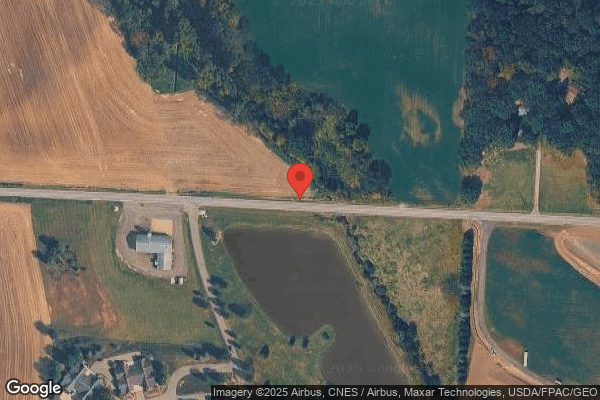
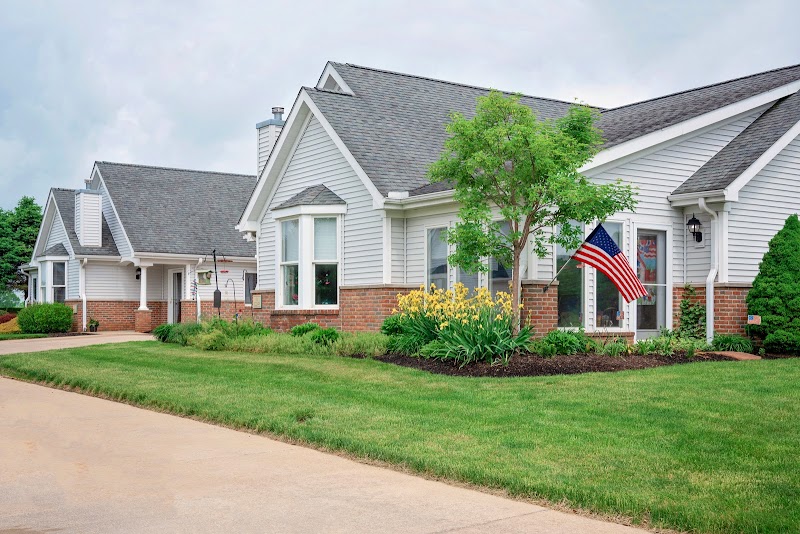
12200 STRAUSSER ST NW, CANAL FULTON, OH 44614 (330) 854-4177
Non profit - Corporation 90 Beds UNITED CHURCH HOMES Data: November 2025
Trust Grade
60/100
#437 of 913 in OH
Last Inspection: April 2025

Within standard 12-15 month inspection cycle. Federal law requires annual inspections.

Overview

Chapel Hill Community in Canal Fulton, Ohio has a Trust Grade of C+, indicating it is slightly above average but not exceptional. It ranks #437 out of 913 facilities in Ohio, placing it in the top half, and #17 out of 33 in Stark County, meaning only a few local options are better. However, the facility is facing a worsening trend, with issues increasing from 1 in 2024 to 4 in 2025. Staffing is a positive aspect, with a 3/5 star rating and a turnover rate of 37%, which is lower than the state average of 49%, suggesting that staff members tend to stay longer and are familiar with the residents. On the downside, there have been significant concerns regarding food safety and hygiene, with findings indicating that food was not served at proper temperatures and was not stored under sanitary conditions. For instance, the kitchen was noted to have food with mold and unclean areas, and staff failed to wash their hands when serving meals. While there have been no fines recorded, the overall number of issues reported raises concerns about the facility's compliance with health standards.

Trust Score
C+
60/100
In Ohio
#437/913
Top 47%
Safety Record
Low Risk
No red flags
Inspections
Getting Worse
1 → 4 violations
Staff Stability
○ Average
37% turnover. Near Ohio's 48% average. Typical for the industry.
Penalties
✓ Good
No fines on record. Clean compliance history, better than most Ohio facilities.
Skilled Nurses
⚠ Watch
Each resident gets only 28 minutes of Registered Nurse (RN) attention daily — below average for Ohio. Fewer RN minutes means fewer trained eyes watching for problems.
Violations
⚠ Watch
35 deficiencies on record. Higher than average. Multiple issues found across inspections.
★★★☆☆
3.0
Overall Rating
★★★☆☆
3.0
Staff Levels
★★★☆☆
3.0
Care Quality
★★★☆☆
3.0
Inspection Score
Stable
2024: 1 issues
2025: 4 issues

The Good

  • Full Sprinkler Coverage · Fire safety systems throughout facility
  • No fines on record
  • Staff turnover below average (37%)

    11 points below Ohio average of 48%

Facility shows strength in fire safety.

The Bad

3-Star Overall Rating

Near Ohio average (3.2)

Meets federal standards, typical of most facilities

Staff Turnover: 37%

Near Ohio avg (46%)

Typical for the industry

Chain: UNITED CHURCH HOMES

Part of a multi-facility chain

Ask about local staffing decisions and management

The Ugly 35 deficiencies on record

Apr 2025 4 deficiencies
CONCERN (D) 📢 Someone Reported This

A family member, employee, or ombudsman was alarmed enough to file a formal complaint

Potential for Harm - no one hurt, but risky conditions existed

Quality of Care (Tag F0684)

Could have caused harm · This affected 1 resident

Based on record review and interview, the facility failed to ensure Resident #9 was assessed following a reported incident in which the resident acquired bruising on her forehead. This finding affecte...

Read full inspector narrative →
Based on record review and interview, the facility failed to ensure Resident #9 was assessed following a reported incident in which the resident acquired bruising on her forehead. This finding affected one (Resident #9) of three residents reviewed for quality of care. Findings include: Review of Resident #9's progress note dated 04/10/25 at 3:00 P.M. revealed the resident stated yesterday morning while she was sitting on the commode, she leaned forward and bumped her forehead on the handrail which caused a small faint bruise. She stated she did not tell staff this occurred yesterday. Resident #9 denied complaints of pain/dizziness/or blurred vision. The daughter was present at the time of the conversation and the physician was notified. Review of Resident #9's progress note dated 04/11/25 at 9:23 A.M. revealed the interdisciplinary team (IDT) reviewed the incident of 04/10/25. The resident stated that yesterday morning while sitting on the commode, she leaned forward and bumped her forehead on the hand rail which caused a small faint bruise to the middle of the forehead. She denied complaints of pain/discomfort/dizziness. The power-of-attorney (POA) and physician were notified. Review of Resident #9's medical record did not reveal evidence the resident's skin was assessed following the incident in which the resident acquired a bruise on her forehead. Interview on 04/24/25 at 9:41 A.M. with the Director of Nursing (DON) revealed Registered Nurse (RN) #222 talked to resident who stated she bumped head on grab bar in bathroom. DON confirmed RN #22 did not complete a full assessment of Resident #9's skin on 04/10/25 following the reported incident in which the resident acquired a bruise to the resident's forehead. Review of the Accident/Incident policy and procedure revised 01/10/14 revealed the nurse would document the incident in the narrative nurse notes section of the resident's medical record and include the first aide, vital signs, and results of the physical assessment (i.e. bruises, scratches, edema, bleeding, redness, pain etc.). This deficiency represent non-compliance investigated under Complaint Number OH00165090.
CONCERN (D)

Potential for Harm - no one hurt, but risky conditions existed

Deficiency F0698 (Tag F0698)

Could have caused harm · This affected 1 resident

Based on record review, policy review, and interview, the facility failed to ensure there was consistent communication between the facility and the dialysis center regarding Resident #48's health info...

Read full inspector narrative →
Based on record review, policy review, and interview, the facility failed to ensure there was consistent communication between the facility and the dialysis center regarding Resident #48's health information and hemodialysis treatments. This affected one resident (Resident #48) out of one resident reviewed for dialysis. The facility census was 75. Findings include: Review of the medical record for Resident #48 revealed an admission date of 07/14/23 with diagnosis including but not limited to paraplegia, end stage renal disease, acute kidney failure, and type 1 diabetes mellitus with hypoglycemia. Review of the physician's orders for April 2025 revealed orders for hemodialysis two times a week on Monday and Friday at the outside dialysis facility, send dialysis book with resident, obtain vital signs/assessment and post dialysis vital signs/assessment upon return, check vital sign pre and post dialysis (also check dialysis site) two times a day every Monday and Friday. Review of the dialysis communication binder for Resident #48 revealed only five (5) hemodialysis communication forms for January 2025 to April 2025, some were not completed accurately or at all. The first pre-dialysis communication form in the binder had no name or date, but had vital signs filled in the form. There was no signature of nurse who completed the pre-dialysis form. The post-dialysis form was completed by the dialysis unit with nurse signature and date of 01/10/25. There were no other forms located in the dialysis binder for Resident #48 for February 2025. The next communication form in the binder was dated 03/12/25 which included Resident #48's name date, and vital signs. There was no nurse signature of completion. The post-dialysis form was completed by the dialysis unit. The next communication form in the binder was dated 03/19/25 which included Resident #48's name and date. Nothing was completed on the pre-dialysis form and the post dialysis form was left blank. The next communication form in the binder was dated 03/26/25 which included Resident #48's name and date. Nothing was completed on the pre-dialysis form but it included the nurses' signature and date. The post dialysis form was left blank. The next communication form in the binder was dated 04/11/25 with the completed pre-dialysis information by the facility and post dialysis information by outside facility. Interview on 04/22/25 at 3:16 P.M. with Director of Nursing (DON) confirmed the dialysis communication forms were not being completed accurately or at all. DON confirmed the facility did not have all the dialysis communication forms for Resident #48 for all dialysis days. DON reported he just started the dialysis communication binder this year due to issues prior to getting notes for the dialysis facility. DON confirmed no other dialysis forms other than what is in the dialysis binder, to include only five (5) forms. DON reported there were no other dialysis communication forms available. Interview on 04/23/25 at 8:12 A.M. with Dialysis Registered Nurse (RN) 300 confirmed the outside dialysis facility didn't always receive the communication binder with forms completed. Review of facility policy, Outpatient Dialysis Services/Peritoneal Dialysis, revised 03/2022, revealed the facility provides in-house peritoneal dialysis and facilitates outpatient dialysis services to assure uninterrupted provision of care across the continuum.
CONCERN (D)

Potential for Harm - no one hurt, but risky conditions existed

Medication Errors (Tag F0758)

Could have caused harm · This affected 1 resident

**NOTE- TERMS IN BRACKETS HAVE BEEN EDITED TO PROTECT CONFIDENTIALITY** Based on record review and interview, the facility failed to ensure non-pharmacological interventions were attempted prior to ad...

Read full inspector narrative →
**NOTE- TERMS IN BRACKETS HAVE BEEN EDITED TO PROTECT CONFIDENTIALITY** Based on record review and interview, the facility failed to ensure non-pharmacological interventions were attempted prior to administering Resident #13's as needed anti-anxiety medication. This finding affected one (Resident #13) of five residents reviewed for unnecessary medications. Findings include: Review of Resident #13's medical record revealed the resident was admitted on [DATE] with diagnoses including vascular dementia, cognitive communication deficit and anxiety disorder. Review of Resident #13's Minimum Data Set (MDS) 3.0 assessment dated [DATE] revealed the resident exhibited severe cognitive impairment. Review of Resident #13's care plans did not reveal interventions including attempting non-pharmacological interventions prior to administering the resident's anti-anxiety medication. Review of Resident #13's physician orders revealed an order dated 03/07/25 to document nonpharmaceutical and pharmaceutical interventions in the nurses notes along with the effectiveness every shift for behavior monitoring; an order dated 03/21/25 (discontinued 04/21/25) for Lorazepam (anti-anxiety) 0.5 mg (milligrams) administer one tablet by mouth every eight hours as needed for anxiety/agitation; and an order dated 04/21/25 for Lorazepam 0.5 mg give one tablet by mouth every eight hours as needed for anxiety/agitation for six months. Review of Resident #13's medication administration records (MARS) from 04/01/25 to 04/22/25 revealed the Lorazepam anti-anxiety medication was administered on 04/01/25 at 2:08 P.M.; 04/03/25 at 9:24 P.M.; 04/04/25 at 8:44 P.M.; 04/05/25 at 12:15 P.M.; 04/06/25 at 12:01 P.M.; 04/06/25 at 8:52 P.M.; 04/09/25 at 9:35 A.M.; 04/11/24 at 10:57 A.M.; 04/12/25 at 9:57 P.M.; 04/13/25 at 10:10 P.M.; 04/16/25 at 8:44 A.M.; 04/18/25 at 6:36 P.M.; 04/20/25 at 11:21 A.M.; and 04/20/25 at 9:06 P.M. Review of Resident #13's progress notes from 04/01/25 to 04/22/25 revealed no evidence non-pharmacological interventions were attempted prior to administering the as needed anti-anxiety medication. Interview on 04/22/25 at 1:44 P.M. with the Director of Nursing (DON) confirmed Resident #13's medical record did not have evidence non-pharmacological interventions were attempted prior to administering as needed anti-anxiety medications. Interview on 04/23/25 at 8:38 A.M. with Registered Nurse (RN) MDS #188 confirmed Resident #13's care plans were not complete and accurate and did not include an intervention for staff to attempt non-pharmacological interventions prior to administering the resident's anti-anxiety medication. Review of the Antipsychotic/Psychotropic Drugs policy revised 01/31/23 revealed antipsychotic and psychotropic drug therapy shall be used only when it was necessary to treat a specific condition. Gradual dose reductions and behavioral interventions, unless contraindicated, would be used to reduce or discontinue the use of antipsychotic and psychotropic drugs.
CONCERN (D)

Potential for Harm - no one hurt, but risky conditions existed

Infection Control (Tag F0880)

Could have caused harm · This affected 1 resident

**NOTE- TERMS IN BRACKETS HAVE BEEN EDITED TO PROTECT CONFIDENTIALITY** Based on record review, observation, staff interview and facility policy review the facility failed to implement enhanced barrie...

Read full inspector narrative →
**NOTE- TERMS IN BRACKETS HAVE BEEN EDITED TO PROTECT CONFIDENTIALITY** Based on record review, observation, staff interview and facility policy review the facility failed to implement enhanced barrier precautions during Resident #38's wound care. This deficient practice affected one resident (Resident #38) out of three residents reviewed for transmission based precautions. The facility census was 75. Findings Include: Review of Resident #38's medical record revealed admission date 03/11/25 with diagnoses including but not limited to fracture of right shoulder, dislocation of right shoulder, dementia, and depression. Review of Resident #38's admission Minimum Data Set (MDS) dated [DATE] revealed Resident #38 required assistance from staff to complete activities of daily living (ADL) tasks and required a sling to be worn on the right arm/shoulder related to a fractured right shoulder. Resident #38 had impaired cognition with a Brief Interview Mental Status (BIMS) score of five out of a possible 15. Review of Resident #38's physician orders dated 04/01/25 to 04/23/25 revealed an order dated 04/08/25 to cleanse spine with normal saline and pat dry. Apply Medihoney and cover with clean dry dressing. Change daily and as needed (PRN) if soiled, an order dated 04/08/25 to follow [NAME] Wound Care, and an order dated 04/21/25 for Resident #38 to be on enhanced barrier precautions (EBP) every shift for wound. Review of Resident #38's Treatment Administration Record (TAR) dated 04/08/25 to 04/22/25 revealed the order dated 04/08/25 to cleanse spine with normal saline and pat dry. Apply Medihoney and cover with clean dry dressing. Change daily and as needed (PRN) if soiled, was marked as completed daily. Review of Resident #38's at risk for skin alteration care plan dated 04/14/25 revealed Resident #38 had a pressure area Stage III to mid back with interventions including pressure reducing mattress and treatment as ordered, and enhanced barrier precautions (EBP) care plan related to chronic wounds (pressure ulcers) dated 04/22/25 with interventions including high contact resident care activities requiring EBP: performing wound care. Review of Resident #38's full skin assessment dated [DATE] revealed the initial wound assessment for pressure area to mid back measuring 5.8 centimeters (cm) by 1.0 cm by 0.1 cm with light drainage noted. Observation on 04/22/25 at 1:58 P.M. revealed Licensed Practical Nurse (LPN) #145 and LPN #190 completing wound dressing change for Resident #38. LPN #145 and LPN #190 entered Resident #38's room, washed their hands and donned gloves. Both LPN #145 and LPN #190 did not follow EBP protocol and don Personal Protective Equipment (PPE) prior to entering Resident #38's room. Further observation of Resident #38's room revealed there was no PPE cart available, there was no notification sign to reflect Resident #38 having EBPs, and there were no soiled linen bins for the used PPE to be placed after use. An interview on 04/22/25 at 2:15 P.M. with LPN #145 confirmed Resident #38 was ordered to have EBPs in place due to the wound located on the back and there was not a notification sign on the door, there was no PPE available outside the door for staff use, and there were no soiled linen bins in the room for soiled linen to be placed. Review of the facility's policy titled Isolation Precautions dated 03/2025 revealed Enhanced Barrier Protection (EBP) are used in conjunction with standard precautions and expand the use of personal protective equipment (PPE) to donning gown and gloves during high contact care activities. EBPs are indicated for residents with wounds, infection and/or indwelling medical devices.
May 2024 1 deficiency
CONCERN (D) 📢 Someone Reported This

A family member, employee, or ombudsman was alarmed enough to file a formal complaint

Potential for Harm - no one hurt, but risky conditions existed

Deficiency F0602 (Tag F0602)

Could have caused harm · This affected 1 resident

**NOTE- TERMS IN BRACKETS HAVE BEEN EDITED TO PROTECT CONFIDENTIALITY** THE FOLLOWING DEFICIENCY REPRESENTS AN INCIDENT OF PAST NONCOMPLIANCE THAT WAS SUBSEQUENTLY CORRECTED PRIOR TO THIS SURVEY. Base...

Read full inspector narrative →
**NOTE- TERMS IN BRACKETS HAVE BEEN EDITED TO PROTECT CONFIDENTIALITY** THE FOLLOWING DEFICIENCY REPRESENTS AN INCIDENT OF PAST NONCOMPLIANCE THAT WAS SUBSEQUENTLY CORRECTED PRIOR TO THIS SURVEY. Based on a facility self-reported incident (SRI) review, medical record review, policy review and staff interview the facility failed to ensure resident narcotic medication was not misappropriated by a staff member. This affected two (Resident #23 and #73) of two residents reviewed for misappropriation of resident property. The facility census was 72. Findings include: Review of Resident #73's closed medical record revealed an admission date of 09/26/23 with diagnoses that included spinal stenosis, dorsalgia, chronic obstructive pulmonary disease and congestive heart failure. The resident was prescribed the use of oxycodone 5 mg every eight hours as needed for pain relief. Review of Resident #23's medical record revealed an admission date of 09/11/20 with diagnoses that included end stage renal disease with hemodialysis and congestive heart failure. The resident was prescribed the use of primidone 50 mg three times daily for tremors. Review of the facility SRI #245842 revealed on 03/31/24 Registered Nurse (RN) #119 removed Resident #73's oxycodone (narcotic opioid analgesic) medication blister card from the medication cart after the resident had discharged home. Upon inspection of the medication blister card, she observed possible tampering of the medication card and medication. The facility administrator was notified immediately, who notified the facility pharmacist. The medication blister card was locked in the RN #119's secured lock box in her office for pharmacist review. On 04/01/24 the pharmacist verified that six oxycodone five milligram (mg) pills for Resident #73 were replaced with primidone (for control of tremors) 50 mg pills from Resident #23. Local police, the State Survey Agency, Pharmacy Board and Board of Nursing were notified at this time. Facility investigation identified Licensed Practical Nurse (LPN) #121 as staff member responsible for diversion of the narcotic medications (the LPN had been documenting an increase in resident narcotic use). LPN #121 was terminated. Review of RN #119 witness statement dated 03/31/24 verified discovery of diversion of six oxycodone 5 mg tablets for Resident #73 with six primidone 50 mg tablets from Resident #23. Review of the pharmacist statement dated 04/01/24 verified diversion of six oxycodone 5 mg tablets for Resident #73 with six primidone 50 mg tablets from Resident #23. On 05/21/24 at 2:25 P.M. interview with the Director of Nursing verified six oxycodone 5 mg tablets for Resident #73 were misappropriated by LPN #121 and replaced with six primidone 50 mg tablets from Resident #23 as indicated in the SRI. On 05/21/24 at 2:50 P.M. interview with RN #119 verified she identified a tampered medication blister card for Resident #73's oxycodone and reported the concern to the administrator immediately. Review of the facility policy titled Abuse, Mistreatment, Neglect, Exploitation and Misappropriation of Resident Property with a revision date of 10/20/22 indicated residents have the right to be free from abuse, neglect, exploitation and misappropriation of resident property. As a result of the incident, the facility took the following actions to correct the deficient practice on 04/01/24: • On 03/31/24 when the discrepancy of the narcotic medication card was identified, the incident was reviewed, the residents were interviewed to make sure their pain was managed by the DON and ADON. LPN #121 was removed from the schedule and subsequently terminated. LPN #121 was determined, through facility investigation, to have misappropriated the residents' medications. • Nursing staff were re-educated by the Director of Nursing (DON) and Assistant Director of Nursing (ADON) on 03/31/24 on the following procedures: narcotic counting, pain assessment and pain interventions. • Facility wide audit of narcotic books and narcotic counting by DON and ADON on 03/31/24. • Facility wide education for resident abuse including misappropriation of resident property by Administrator on 03/31/24. • The pharmacist observed the medication blister card and determined six oxycodone were removed and replaced with six primidone on 04/01/24. • The Board of Pharmacy was notified, the Board of Nursing was notified, the State Survey Agency was notified, a police report was made, nurses on that medication cart were sent to be drug tested on [DATE]. • Starting on 03/31/24 monitoring and audits of all narcotic books will be conducted at a minimum of three to five times per week and a minimum of three to five staff members will be interviewed and observed on narcotic counting, pain interventions and pain assessment procedures and interventions for pain management by the DON and ADON. Results will be reviewed at Quality Assurance and Performance Improvement meetings for further intervention.
Jun 2023 5 deficiencies
CONCERN (D) 📢 Someone Reported This

A family member, employee, or ombudsman was alarmed enough to file a formal complaint

Potential for Harm - no one hurt, but risky conditions existed

Deficiency F0801 (Tag F0801)

Could have caused harm · This affected 1 resident

Based on review of the facility job description, personnel record review, and staff interview, the facility failed to ensure a qualified person was designated to serve as the director of food and nutr...

Read full inspector narrative →
Based on review of the facility job description, personnel record review, and staff interview, the facility failed to ensure a qualified person was designated to serve as the director of food and nutrition services. This had the potential to affect all 68 residents residing in the facility. Findings Include: Review of the undated facility job description for Director of Dining Services revealed the Director of Dining Services was responsible for controlling and supervision the dining services to ensure the provision of quality of food service and nutritional care. Essential functions included ensuring cleanliness and sanitary work habits of dietary personnel, inspecting the entire department regularly to ensure safe, sanitary, and orderly conditions were maintained, and maintaining required records and reports. Requirements included: a bachelor's degree was preferred, two to three years of supervisory experience in hospital or long term care facility department was desirable, and applicant must have either a degree in dietetics or related area from a university/college approved by Commission on Dietetic Registration preferred, Dietetic Technician Registered certification desirable, possess a certified dietary manager certification, or has a similar national certification for food service management and safety from a national certifying body, and must obtain and maintain mandatory state/federal requirements and certifications for practice. Review of the personal file for Director of Dietary (DD) #701 revealed the DD #701 was not a certified dietary manager or certified food service manager. DD #701 did not hold an associate's or higher degree in food service management or in hospitality. DD #701 did not have two or more years of experience in the position of director of food and nutrition services in a nursing facility setting. DD #701 had completed a course of study in food safety on 02/28/14, however, the certification expired on 02/28/19. DD #701 was noted to have over 20 years of experience as a cook in a nursing home or independent living kitchens. Review of the list of staff for the facility revealed the facility employed a part time registered dietician who worked at the facility two days a week. Interview on 03/16/23 at 10:30 A.M. with the Administrator verified the lack of necessary qualifications for DD #701 to serve as the Director of Dining Services, and the RD only worked at the facility two days a week This deficiency resulted from incidental findings during the investigation of Complaint Number OH00143294.
CONCERN (D) 📢 Someone Reported This

A family member, employee, or ombudsman was alarmed enough to file a formal complaint

Potential for Harm - no one hurt, but risky conditions existed

Deficiency F0810 (Tag F0810)

Could have caused harm · This affected 1 resident

Based on record review, observation and interview, the facility failed to ensure adaptive eating equipment was provided at meals for Resident #21 and Resident #33. This affected two residents (#21 and...

Read full inspector narrative →
Based on record review, observation and interview, the facility failed to ensure adaptive eating equipment was provided at meals for Resident #21 and Resident #33. This affected two residents (#21 and #33) of six residents reviewed for dining services. The facility census was 68. Findings include: 1.Review of medical record for Resident #21 revealed an admission date of 07/06/22. Diagnoses included abnormal posture, anxiety disorder, bipolar disorder, cognitive communication deficit, dysphagia, unspecified dementia major depressive disorder, and Parkinson's disease. Review of the 04/05/23 annual Minimum Data Set (MDS) 3.0 assessment revealed Resident #21 had severe cognitive deficit, required supervision with one-person physical assist for eating, had no swallowing concerns, and was on a mechanically altered diet. Review of Resident #21's physician order dated 07/12/22 revealed an order for regular diet, mechanical soft texture, no bread or rice, pureed meat with divided plate and weighed silverware. Review of 07/07/22 care plan revealed Resident #21 had an activity of daily living deficit related to progressive diagnoses with an intervention of staff supervision with meals. Review of 07/11/22 care plan revealed Resident #21 had an increased risk of alteration in nutrition related to Parkinson's disease, needed a mechanically altered diet due to dysphagia, and sometimes refused adaptive utensils and requested regular utensils. Interventions included adaptive equipment per occupational therapy and may offer regular utensils upon resident request. Review of occupational therapy note dated 10/30/22 revealed resident #21 displayed 75 percent spillage while using regular utensils and improved ability and coordination while using adaptive utensils. Review of occupational therapy note dated 11/07/22 revealed resident #21 did not have correct adaptive equipment during breakfast and the occupational therapy assistant educated staff for the need for the adaptive equipment. Kitchen staff stated, I couldn't find it. Review of occupational therapy note dated 11/10/22 revealed resident #21 did not have proper adaptive equipment and displayed increased spillage and difficulty bringing spoon to mouth with regular utensils. Observation on 06/05/23 from 11:59 A.M. to 1:20 P.M. revealed Resident #21 was sitting at a table in the unit dining room. Resident #21 had a divided plate and regular silverware. While self feeding, Resident #21's hands shook and had difficulty getting the puree spaghetti on the regular spoon and then getting the spoon with the puree spaghetti into Resident #21's mouth. Interview at the time of observation revealed Licensed Practical Nurse #315 confirmed Resident #21 had not received weighted silverware as ordered for lunch. Observation on 06/06/23 from 8:56 A.M. to 9:30 A.M. revealed Resident #21 was sitting at a table in the unit dining room and had a divided plate with eggs and oatmeal and regular silverware. The table area around the divided plate was observed to have spilled oatmeal and egg and particles of egg were observed on Resident #21's left hand. State Tested Nursing Assistant (STNA) #648 confirmed there were no adaptive utensils and stated she was not sure if Resident #21 was to receive adaptive equipment. STNA #648 added there was no adaptive silverware available today. 2. Review of Resident #33 medical record revealed an admission date of 03/24/23. Diagnoses included encephalopathy, sever protein calorie malnutrition, dysphagia, dementia, cognitive communication deficit, Alzheimer's disease, anxiety disorder, and depression. Review of physician orders revealed Resident #33 had an order dated 04/25/23 for regular diet, pureed texture, and thin liquids. Review of 05/09/23 quarterly Minimum Data Set (MDS) revealed Resident #33 had severe cognitive impairment, required total dependence of one person assist for eating, had no swallowing concerns or significant weight changes and was on a mechanically altered diet. Review of dietary note dated 05/15/23 revealed the family of Resident #33 had requested a small rubber spoon be used to feed her mother and no knife be offered at meals, and the facility would honor the request. Review of 03/28/23 care plan revealed Resident #33 had an activity of daily living deficit related to muscle weakness and age-related debility. Interventions included staff would provide total assistance with eating. Review of 03/30/23 care plan revealed Resident #33 was at increased risk for alteration in nutrition related to diagnoses of dementia, severe protein calorie malnutrition, and dysphagia, on a mechanical altered diet, and required increased nutrition for wound healing. Interventions included provide and serve diet as ordered, and facility would provide small rubber spoon with meals and no knife per daughter request. Review of dinner dietary tray card, dated 06/03/23, revealed Resident #33 was on a blended diet and was not to receive a knife and wanted a small rubber spoon. Interview on 06/05/23 at 3:21 P.M. with Dietitian #428 revealed Resident #33 was to receive small spoons at meals at the request of family and when the adaptive equipment was a family request, it was put on the tray card and in the care plan but was not put in as an order. Observations conducted on 06/05/23 from 4:40 P.M. to 5:40 P.M. revealed Resident #33 was sitting at a table in the unit dining room. Sitting in front of Resident #33 was a napkin with a regular fork, knife and regular spoon on top of it. STNA #616 took a large spoonful of mashed potatoes and tried to feed Resident #33 and Resident #33 would not open mouth wide enough for the spoonful of mashed potatoes. STNA #33 then took half of the mashed potatoes off of the spoon and was then able to get the mashed potatoes into Resident #33's mouth. Interview at the time of observation with STNA #616 revealed she did not think Resident #33 received any adaptive equipment since Resident #33 had been receiving regular silverware. Licensed Practical Nurse #329 was observed to take over feeding Resident #33 and used a fork to feed Resident #33. Observed in the utensils tray sitting on a cart in the unit dining room was two small pink spoons. Review of the undated facility policy Adaptive (Assistive) Eating Devices revealed the facility would provide special eating equipment and utensils as appropriate. This deficiency represents non-compliance investigated under Complaint Number OH00143294.
CONCERN (E) 📢 Someone Reported This

A family member, employee, or ombudsman was alarmed enough to file a formal complaint

Potential for Harm - no one hurt, but risky conditions existed

Resident Rights (Tag F0550)

Could have caused harm · This affected multiple residents

**NOTE- TERMS IN BRACKETS HAVE BEEN EDITED TO PROTECT CONFIDENTIALITY** Based on record review, observation and interview, the facility failed to ensure Residents # 6, #35, #42, and #45 were fed in a ...

Read full inspector narrative →
**NOTE- TERMS IN BRACKETS HAVE BEEN EDITED TO PROTECT CONFIDENTIALITY** Based on record review, observation and interview, the facility failed to ensure Residents # 6, #35, #42, and #45 were fed in a respectful and dignified manner. This affected four (#6, #35, #42, and #45) out of six residents reviewed for dining services. The facility census was 68. 1. Record review for Resident # 6 revealed an admission date of 07/01/22. Diagnoses included dementia, muscle weakness, need for assistance with personal care, cognitive communication deficit, anxiety disorder, schizophrenia, and age-related physical debility. Review of physician orders for Resident #6 revealed an order dated 03/09/23 for a no added salt, regular texture, regular/thin liquids diet. Review of 06/09/23 annual Minimum Data Set (MDS) 3.0 assessment revealed Resident #6 was severely impaired cognitively and required extensive assist of one for eating. Observation on 06/05/23 at 12:57 P.M. of the memory care unit dining room revealed Licensed Practical Nurse (LPN) #315 was feeding Resident #6 standing up with an empty chair observed next to Resident #6. Interview on 06/05/23 at 1:14 P.M. with LPN #315 confirmed she stood to feed Resident #6 and stated sometimes she stood and other times she sat to feed residents. 2.Review of medical record for Resident #35 revealed an admission date of 02/14/20. Diagnoses included Alzheimer's disease, dementia, dysphagia (difficulty swallowing), severe protein calorie malnutrition, other lack of coordination, glaucoma (group of eye diseases that cause vision loss), and macular degeneration (eye disorders that cause blurred or reduced central vision). Review of the 03/19/23 quarterly MDS 3.0 assessment revealed Resident #35 had severe cognition impairment and required extensive assist of one person for eating. Review of physician orders for Resident #35 revealed an order dated 04/06/22 for a regular, mechanical soft, regular/thin consistency diet. Review of 06/29/21 care plan revealed Resident #35 had an activity of daily living (ADL) self-care performance deficit related to impaired mobility and cognitive impairment. Interventions included staff were to encourage Resident #35 to participate to the fullest possibility with each interaction. Observation on 06/05/23 at 4:40 P.M. revealed State Tested Nursing Assistant (STNA) # 639 was standing up and feeding Resident #35 in the unit dining room. Interview on 06/05/23 at 5:00 P.M. with STNA #639 confirmed she fed Resident #35 while standing up and stated normally Resident #35 only needed some assistance with a couple bites but today needed more assistance. 3. Review of medical record for Resident #42 revealed an admission date of 06/29/22. Diagnoses included dementia, psychosis (mental disorder characterized by a disconnection from reality), weakness, age related physical debility, abnormal weight loss, and glaucoma (group of eye diseases that cause vision loss). Review of 04/17/23 annual MDS 3.0 assessment revealed Resident #42 had severe cognition deficit and required supervision with set up for eating. Review of physician orders for Resident #42 revealed an order dated 06/29/22 for a regular diet, regular texture, and regular/thin consistency diet. Review of care plan dated 06/29/22 revealed Resident #42 had a self-care performance deficit related to debility. Interventions included encourage participation to the fullest extent possible with each interaction. Observation of the memory care unit dining room on 06/05/23 at 1:04 P.M. revealed STNA #618 was feeding Resident #42 while standing up. Interview on 06/05/23 at 1:18 P.M. revealed STNA #618 confirmed she had stood while feeding Resident #42 and stated it all depended on if there was an empty chair if she stood or sat to feed residents. 4. Review of medical record for Resident #45 revealed an admission date 07/16/22. Medical diagnoses included: heart failure, muscle weakness, unspecified dementia, cognitive communication deficit, dysphagia, altered mental status, and other lack of coordination. Review of Resident #45's physician order dated 09/08/22 revealed an order dated 09/08/22 for a regular diet, mechanical soft texture, 1800 milliliter fluid restriction. Review of quarterly MDS 3.0 assessment dated [DATE] revealed Resident #45 was severely impaired cognitively and required extensive assist of one for eating. Observation on 06/05/23 at 12:21 P.M. revealed STNA #648 was observed feeding Resident #45 in the unit dining room standing up while a stool on wheels was beside her. Interview on 06/05/23 at 12:33 P.M. with STNA #648 confirmed she had stood while feeding Resident #45 and stated at her prior place of employment she was not allowed to sit but instead had to crouch. Interview with the Director of Nursing on 06/05/23 at 5:45 P.M. confirmed staff should be sitting while feeding residents and he was going to in-service staff and order more stools. Review of facility policy Residents Rights, revised 10/14/19, revealed residents had the right to be treated with respect and dignity. This deficiency represents non-compliance investigated under Complaint Number OH00143294.
CONCERN (F) 📢 Someone Reported This

A family member, employee, or ombudsman was alarmed enough to file a formal complaint

Potential for Harm - no one hurt, but risky conditions existed

Deficiency F0804 (Tag F0804)

Could have caused harm · This affected most or all residents

Based on observations, interviews, facility food temperature logs review, and facility policy, the facility failed to ensure food items were served at palatable temperature which had the potential to ...

Read full inspector narrative →
Based on observations, interviews, facility food temperature logs review, and facility policy, the facility failed to ensure food items were served at palatable temperature which had the potential to affect all 67 residents who received food from the kitchen. The facility identified Resident #67 as receiving nothing by mouth. The facility census was 68. Findings include: Interview on 06/05/23 at 10:34 A.M. revealed Resident #61 felt the food was cold sometimes. Observation was conducted on 06/05/23 from 5:00 P.M. to 5:40 P.M. of dietary staff plating the lunch meal from a steam table in the second-floor unit dining room. As the tray line neared an end, the surveyor requested a test tray be prepared and placed on the second-floor room tray food cart. Observation was made as the test tray was prepared, placed on the cart at 5:31 P.M., transported, and arrived at 5:32 P.M. to second floor room location where those room trays were going to be passed. The test tray remained on the cart in view of the surveyor, until all other trays were distributed to residents. The test tray was removed from the cart at 5:36 P.M. by Dietary Director (DD) #701 who confirmed with a facility thermometer the turkey was 120 degrees Fahrenheit (F), mashed potatoes were 120 degrees F, the beets were 119 degrees F, the milk was 46.9 degrees F, and the coffee was 153 degrees F. Immediately following confirmation of the test tray temperatures, the surveyor taste-tested the turkey, mashed potatoes, and beets. All items were found to have appropriate texture and flavor but were not at a palatable temperature since all items did not taste hot and were barely warm. At the time of observation, DD #701 confirmed the food items could be warmer, the facility used to have plate warmers in the past, and she had never done a test tray to ensure food was being served at an appropriate temperature. Interview on 06/06/23 at 9:36 A.M. with Social Services #704 revealed the food could be better and the biggest complaint from residents was the food was cold. Interview on 06/06/23 at 10:05 A.M. with Licensed Practical Nurse #315 revealed the food was cold especially at dinner and some items, like fish, don't appear to be cooked thoroughly. Interview on 06/06/23 at 1:40 P.M. revealed Residents #57 and #58 felt the food was cold when they received their room trays. Interview on 06/06/23 at 2:45 P.M. revealed STNA #647 had heard lots of food complaints from residents, which were mostly directed at the dinner meal with items being cold and not being cooked correctly. Review of the facility concern log from 03/20/23 to 05/31/23 revealed on 04/12/33 Residents #57 and #58 felt food was often served cold in their rooms and were told to go to the unit dining room for warmer food. Review of May 2023 food temperature logs in the main kitchen revealed dinner food temperatures had only been recorded nine out of 31 dinners served to the residents. Review of May 2023 food temperature logs in the ground floor servery revealed dinner food temperatures had only been recorded seven out of 31 days. Review of May 2023 food temperature logs in the second floor servery revealed dinner food temperatures had only been recorded 11 out of 31 days. Interview on 06/06/23 at 11:31 A.M. with the Director of Dietary #701 confirmed the food temperature logs for meal items served out of the main kitchen and in the servery on the ground floor and second floor had many days where the dinner meal items were not recorded. Since the meal item temperatures had not been recorded for those meals, she could not ensure those items were properly cooked. Director of Dietary #701 stated it was her job to ensure temperatures of meal items were being recorded but she had fallen behind on checking them. Review of facility policy Food and Drink, revised 12/17/18, revealed food and drink would be palatable, attractive, and at a safe and appetizing temperature. The temperatures of the food items would be taken and properly recorded for each meal. Hot food items would be greater than 135 degrees Fahrenheit (F) when leaving the hot holding serving system. Cold food temperatures would leave the serving area at or below 41 degrees F. This deficiency represents non-compliance investigated under Complaint Number OH00143294.
CONCERN (F) 📢 Someone Reported This

A family member, employee, or ombudsman was alarmed enough to file a formal complaint

Potential for Harm - no one hurt, but risky conditions existed

Food Safety (Tag F0812)

Could have caused harm · This affected most or all residents

Based on observation, record review and interview, the facility did not ensure food was stored, prepared and served under sanitary conditions. This had the potential to affect 67 residents who receive...

Read full inspector narrative →
Based on observation, record review and interview, the facility did not ensure food was stored, prepared and served under sanitary conditions. This had the potential to affect 67 residents who received food from the kitchen. The facility identified one resident (#67) as receiving nothing by mouth. The facility census was 68. Findings include: 1. Observation of the facility kitchen on 06/05/23 from 2:25 P.M. to 3:20 P.M. with the Director of Dietary (DD) #701 revealed the following concerns verified at the time of observation by DD# 701: The microwave in the kitchen area had an accumulation of spattered debris on the walls, inside of the door, and the inside top of unit; In the walk-in cooler, there was one five-pound container of sour cream with an open date of 5/18/23 and best if used by date of 5/29/23. One 30-pound bucket of sliced strawberries in syrup which was one fourth full, had a layer of white mold growing in it; In the dry storage area, the three, plastic bulk containers of oats, flour, and sugar had an accumulation of debris on the lids and bases of the units; In the room containing the dishwasher, both the floor and the top of the dishwasher had an accumulation of dirt and debris; The bottom shelf of the steam table closest to the wall had an accumulation of red rust-colored dry particles next to the meal sheet pans which were being stored on that shelf; The four black serving carts revealed an accumulation of dirt and debris on the shelves and base of the units; The floor of the kitchen had an accumulation of dirt and debris around most of the perimeter of the floor. Review of the undated facility policy Food Storage revealed food would be stored in an area that was clean. Review of undated facility policy 'Food Safety and Sanitation revealed the dry storage areas would be clean, leftovers would be used within three days, perishable foods with expiration dates would be used or discarded prior to the use by date on the package, when a food package was opened the food item would be marked to indicate the open date, which would be used to determine when to discard the food. 2. Observation was conducted on 06/05/23 from 2:25 P.M. to 3:20 P.M. with Dietary Employee (DE) #418 as DE #418 demonstrated cleaning of the food processor parts that would be used in making pureed food items for the residents on pureed diets. DE #418 dipped the parts directly into the sanitizing solution in the sanitizing compartment of the three compartment sink skipping over the wash and rinse steps in that process. DE #418 did not test the level of sanitizer before dipping the parts into it nor was there a log of sanitizing solution levels in the three compartment sink area. Interview on 06/06/23 at 11:31 A.M. with DD #701 confirmed there was no log of recorded sanitizer solution levels since she didn't know she had to keep one and without the log DD #701 said she could not ensure proper sanitizing levels were being met. Review of manufacturer instructions for Array Concentrated Ultimate Quaternary Sanitizer revealed to be effectively sanitized, items had to be immersed for at least 60 seconds in a sanitizing solution of the product, which measured with 200 parts per million with test papers. 3. Observation on 06/05/23 from 4:40 P.M. to 5:40 P.M. of the dinner service in the second floor servery with DD #701 revealed while taking the food temperatures of the items in the steam table, DE #419 had taken the cover off of the thermometer and placed the thermometer probe in the turkey, then in the beets, then in the mashed potatoes and then in the gravy. After taking the temperature of the gravy, DE #419 was observed taking an alcohol swab and wiping the gravy residue off the thermometer probe. DE #419 then took the temperature of the ground turkey and then the grilled cheese. DE #419 was observed wiping the thermometer probe with an alcohol swab prior to putting the thermometer away. Interview at the time of observation with DE #419 revealed he only wiped the thermometer probe with an alcohol swab prior to putting it away unless he needed to clean some residue off the probe. Interview with DD #701 during the observation revealed the thermometer probe should have been wiped with an alcohol between different items to prevent cross contamination. According to Servsafe Manager. 7th ed., National Restaurant Association Education Foundation, 2018, thermometers must be sanitized before and after using to prevent cross contamination (page 4.9). This deficiency was a result of incidental findings investigated under Complaint Number OH00143294.
Nov 2022 13 deficiencies
CONCERN (D)

Potential for Harm - no one hurt, but risky conditions existed

Resident Rights (Tag F0550)

Could have caused harm · This affected 1 resident

**NOTE- TERMS IN BRACKETS HAVE BEEN EDITED TO PROTECT CONFIDENTIALITY** Based on observation, record review and interview the facility failed to ensure Resident #171's urinary catheter drainage bag wa...

Read full inspector narrative →
**NOTE- TERMS IN BRACKETS HAVE BEEN EDITED TO PROTECT CONFIDENTIALITY** Based on observation, record review and interview the facility failed to ensure Resident #171's urinary catheter drainage bag was properly covered to promote the dignity of the resident. This affected one resident (#171) of three residents reviewed for dignity. Findings include: Review of the medical record revealed Resident #171 was admitted to the facility on [DATE] with diagnoses including trigeminal neuralgia, COVID-19, Alzheimer's disease, benign prostatic hyperplasia, cognitive communication deficit, need for assistance with personal care, sepsis, urinary tract infection, delusional, major depressive disorder, dementia, hypertension, bladder neck obstruction, acute kidney failure and adult failure to thrive. Review of the October 2022 physician's orders revealed Resident #171 had an order for a urinary (Foley) catheter size 16 French with a 10 milliliter balloon. Review of the admission Minimum Data Set (MDS) 3.0 assessment, dated 10/16/22 revealed Resident #171 had severely impaired cognition. The assessment revealed the resident required extensive assistance from two staff for toilet use, one staff assist for personal hygiene and he had an indwelling (urinary) catheter. On 10/31/22 at 9:47 A.M. and 11:35 A.M. Resident #171 was observed in bed with the urinary catheter drainage bag was not covered and visible from the doorway of the room. On 10/31/22 at 3:05 P.M. State Tested Nursing Assistant (STNA) #78 was observed pushing Resident #171 down the hallway. At the time of the observation, the resident's urinary catheter urine collection bag was visible with no covering in place to promote the resident's dignity. There was urine visible in the collection bag. An interview with STNA #78 verified his urinary drainage bag was not covered. The STNA indicated she would stop at central supply and get one for him. On 11/03/22 at 9:50 A.M. Resident #171 was observed in bed with the urinary collection bag uncovered and visible. An interview at this time with Licensed Practical Nurse #57 verified the urinary drainage bag for Resident #171 was not covered and should have been. On 11/07/22 at 10:45 A.M. interview with the Director of Nurisng verified catheter bags were to be covered.
CONCERN (D)

Potential for Harm - no one hurt, but risky conditions existed

Deficiency F0558 (Tag F0558)

Could have caused harm · This affected 1 resident

**NOTE- TERMS IN BRACKETS HAVE BEEN EDITED TO PROTECT CONFIDENTIALITY** Based on observation, record review and interview the facility failed to ensure Resident #24 was positioned properly in bed and ...

Read full inspector narrative →
**NOTE- TERMS IN BRACKETS HAVE BEEN EDITED TO PROTECT CONFIDENTIALITY** Based on observation, record review and interview the facility failed to ensure Resident #24 was positioned properly in bed and had her meal tray placed within reach to allow the resident to eat in a timely manner following meal tray delivery. This affected one resident (#24) of seven residents reviewed for nutrition. Findings include: Review of medical record revealed Resident #24 was admitted on [DATE] with diagnoses including pneumonia, dyspnea, dysphagia, emphysema and severe protein-calorie malnutrition. Review of the admission Minimum Data Set (MDS) 3.0 assessment, dated 08/17/22 revealed Resident #24 required limited assistance fro two staff for bed mobility, limited assistance from one for transfers, and (staff) supervision for eating. The assessment revealed Resident #24 had moderately impaired cognition. On 11/02/22 at 11:56 A.M. observation revealed Resident #24 was lying in bed with the head of the bed up. The resident's lunch tray was observed sitting on the over bed table. The over bed table was on the right side of the resident's bed, about an arm length away. At the time of the observation, Resident #24 stated she needed pulled up in bed and could not reach the food on her tray. On 11/02/22 at 12:00 P.M. interview with State Tested Nursing Assistant (STNA) #95 revealed dietary staff passed the resident meal trays. STNA #95 verified Resident #24 needed repositioned/pulled up in bed and the over bed table placed in front of the resident so the resident could eat lunch. STNA #95 verified there were no plate warmers to help keep the food warm until the nursing staff were able to make sure residents were positioned properly and able to reach their food. A delay in ensuring the resident's positioning needs were met had the potential in the resident's food becoming cold before they ate it. On 11/02/22 at 12:10 P.M. interview with Dietary Aide #99 verified dietary staff took meal trays into residents rooms and placed them on the over bed tables. Dietary Aide #99 revealed dietary staff were not permitted to reposition/pull any residents up in bed. Nursing staff were responsible for uncovering the resident's food and making sure residents were in the correct position and able to reach their food.
CONCERN (D)

Potential for Harm - no one hurt, but risky conditions existed

Deficiency F0583 (Tag F0583)

Could have caused harm · This affected 1 resident

**NOTE- TERMS IN BRACKETS HAVE BEEN EDITED TO PROTECT CONFIDENTIALITY** Based on observation, record review, facility policy and procedure review and interview the facility failed to ensure Resident #...

Read full inspector narrative →
**NOTE- TERMS IN BRACKETS HAVE BEEN EDITED TO PROTECT CONFIDENTIALITY** Based on observation, record review, facility policy and procedure review and interview the facility failed to ensure Resident #171 was provided privacy during personal (catheter) care. This affected one resident (#171) of one resident reviewed for privacy. Findings include: Review of the medical record revealed Resident #171 was admitted to the facility on [DATE] with diagnoses including trigeminal neuralgia, COVID-19, Alzheimer's disease, benign prostatic hyperplasia, cognitive communication deficit, need for assistance with personal care, sepsis, urinary tract infection, delusional, major depressive disorder, dementia, hypertension, bladder neck obstruction, acute kidney failure and adult failure to thrive. Review of the October 2022 physician's orders revealed Resident #171 had an order for a urinary (Foley) catheter. Review of the admission Minimum Data Set (MDS) 3.0 assessment, dated 10/16/22 revealed Resident #171 had severely impaired cognition. The assessment revealed the resident required extensive assistance from two staff for toilet use, one staff assist for personal hygiene and he had an indwelling catheter. On 11/02/22 at 3:15 P.M. State Tested Nursing Assistant (STNA) #39 was observed to provide catheter care to Resident #171. During the observation, the STNA failed to close the curtains to the outside windows for privacy. On 11/02/22 at 3:22 P.M. interview with STNA #39 verified she had not closed the curtains to the room for privacy during catheter care. On 11/07/22 at 10:45 A.M. interview with the Director of Nursing (DON) verified the curtains to the resident's room should have been closed during care. Review of the facility policy titled,Resident Rights, dated 01/20/19 revealed the facility would take measures to ensure each resident had the right to personal privacy. Personal privacy included accommodation, medical treatment, written and telephone communication, personal care, visits and meeting with family and resident groups but did not include the right to a private room.
CONCERN (D)

Potential for Harm - no one hurt, but risky conditions existed

Deficiency F0645 (Tag F0645)

Could have caused harm · This affected 1 resident

**NOTE- TERMS IN BRACKETS HAVE BEEN EDITED TO PROTECT CONFIDENTIALITY** 2. Review of Resident #10's medical record revealed an admission date of 03/05/19 with diagnoses including Parkinson's disease, ...

Read full inspector narrative →
**NOTE- TERMS IN BRACKETS HAVE BEEN EDITED TO PROTECT CONFIDENTIALITY** 2. Review of Resident #10's medical record revealed an admission date of 03/05/19 with diagnoses including Parkinson's disease, progressive supranuclear ophthalmoplegia, palliative care, dementia in other diseases pseudobulbar affect, anxiety disorder, major depressive disorder, psychotic disorder with hallucination due to known physiological condition (dated 08/13/20), dysarthria and anarthria, cognitive communication deficit, and chronic pain syndrome. Review of the medical record for Resident #10 revealed no evidence a Pre-admission Screening and Resident Review (PASARR) was completed following the addition of the 08/13/20 diagnosis of psychotic disorder with hallucination due to a known physiological condition. Review of the 08/06/22 quarterly Minimum Data Set (MDS) 3.0 revealed the resident was noted to be moderately cognitively impaired. The assessment revealed the resident required extensive assistance from two staff for bed mobility, extensive assist from one staff for transfers, dressing, toileting, personal hygiene and bathing. Resident #10 was noted to be occasionally incontinent of bladder. On 11/02/22 at 12:31 P.M. interview with Director of Nursing (DON) #62 confirmed a PASARR was not previously completed for Resident #10 following the mental health diagnosis. The facility initiated a new PASARR on 11/02/22. Based on record review and interview the facility failed to ensure Resident #10 and Resident #41 had an accurate Pre-admission Screening and Resident Review (PASARR) completed. This affected two residents (#10 and #41) of three reviewed for PASARR. Findings include: 1. Review of the medical record revealed Resident #41 was admitted on [DATE] with diagnoses including dementia, cognitive communication deficit, altered mental status, major depressive disorder, anxiety, schizoaffective disorder, and schizophrenia. Review of the PASARR identification screen, dated 07/14/22 revealed Resident #41 did not have a diagnosis of dementia or any indications of serious mental illness which included schizophrenia, mood disorders, delusional disorders, severe anxiety disorder, or other mental disorders that may lead to a chronic disability. The PASARR indicated within the last six months the resident had not been prescribed any psychotropic medications which included antidepressants, antianxiety, antipsychotics, or mood stabilizers. Review of significant change Minimum Data Set (MDS) 3.0 assessment, dated 10/01/22 revealed Resident #41 had severely impaired cognition. Record review revealed Resident #41 received Cymbalta (antidepressant) 60 milligrams (mg) daily, Trazodone (antidepressant) 100 mg daily, and Valproic Acid (anticonvulsant/bipolar disorder) 500 mg four times a day. On 11/02/22 at 1:41 P.M. interview with the Administrator verified Resident #41's PASARR was not completed correctly. The Administrator verified Resident #41 had diagnoses of dementia, cognitive communication deficit, altered mental status, major depressive disorder, anxiety, schizoaffective disorder, and schizophrenia upon admission which should have been noted on the PASARR.
CONCERN (D)

Potential for Harm - no one hurt, but risky conditions existed

ADL Care (Tag F0677)

Could have caused harm · This affected 1 resident

Based on observation, record review and interview the facility failed to ensure Resident #10, who required staff assistance for activities of daily living, received adequate and proper assistance with...

Read full inspector narrative →
Based on observation, record review and interview the facility failed to ensure Resident #10, who required staff assistance for activities of daily living, received adequate and proper assistance with meals. This affected one resident (#10) of 22 sampled residents. Findings include: Review of Resident #10's medical record revealed an admission date of 03/05/19 with diagnoses including Parkinson's disease, progressive supranuclear ophthalmoplegia, palliative care, dementia in other diseases, pseudobulbar affect, anxiety disorder, major depressive disorder, psychotic disorder with hallucination due to known physiological condition, dysarthria and anarthria, cognitive communication deficit, and chronic pain syndrome. Review of the 08/06/22 quarterly Minimum Data Set (MDS) 3.0 assessment revealed Resident #10 was moderately cognitively impaired. The assessment revealed the resident required extensive assistance from two staff for bed mobility and extensive assistance from one staff for transfers, dressing, eating, toileting, personal hygiene, and bathing. Review of the 09/06/22 speech therapy notes for Resident #10 revealed modified barium swallow results indicated significant aspiration on all oral intakes including thin liquids, nectar thick liquids, honey thick liquids and puree solids. Precautions listed were aspiration, purred foods and thin liquids with no straw. Review of physician's orders for Resident #10 revealed an order, dated 09/06/22 for a regular pureed texture diet with thin liquids and no straws. On 11/02/22 at 8:32 A.M. observation of the second-floor dining room revealed Resident #10 being assisted with breakfast by State Tested Nursing Assistant (STNA) # 74. The resident was observed to have glasses of liquids with straws in them. Interview at the time of the observation with STNA # 74 confirmed she had been using a straw in Resident #10's beverages. STNA #74 stated she was told by other staff to use straws for drinks for the resident because it was easier. On 11/02/22 at 10:17 A.M. interview with Director of Nursing (DON) #62 confirmed Resident #10's diet order included a regular diet with pureed texture and thin liquids with no straws.
CONCERN (D)

Potential for Harm - no one hurt, but risky conditions existed

Incontinence Care (Tag F0690)

Could have caused harm · This affected 1 resident

Based on observation, record review and interview the facility failed to ensure Resident #19, who required staff assistance for activities of daily living (ADL) care received adequate urinary/urostomy...

Read full inspector narrative →
Based on observation, record review and interview the facility failed to ensure Resident #19, who required staff assistance for activities of daily living (ADL) care received adequate urinary/urostomy catheter care to prevent urine odors and to promptly identify symptoms of a urinary tract infection. This affected one resident (#19) of three residents reviewed for dignity. Findings include: Review of Resident #19's medical record revealed an admission date of 08/24/21 with diagnoses including atherosclerotic heart disease of native coronary artery without angina pectoris, acute kidney failure, dysphagia, oropharyngeal phase, dementia, and a history of urinary tract infections and bladder cancer. Review of the 08/15/22 annual Minimum Data Set (MDS) 3.0 assessment for Resident #19 revealed a Brief Interview of Mental Status (BIMS) score of 10 (out of 15) which indicated moderate cognitive impairment. The assessment revealed the resident required extensive assistance from one staff for dressing and personal hygiene, extensive assistance from two staff for transfers and toileting and was totally dependent upon staff for bathing. Resident #19 was noted to be occasionally incontinent of bowel. Review of care plan for Resident #19 revealed the resident had a urostomy catheter for malignant neoplasm of bladder and history of urinary tract infections (UTIs) which was initiated on 09/06/21. Interventions included monitoring and recording signs and symptoms of UTI which included burning, blood-tinged urine, cloudiness, no output, and foul-smelling urine. On 11/01/22 at 2:06 P.M. and 3:54 P.M., 11/02/22 at 7:45 A.M., 8:27 A.M., 12:13 P.M. and 3:50 P.M. and 11/03/22 at 9:56 A.M. and 12:15 P.M. observation revealed Resident #19 was in his room with a strong urine smell both in the room as well as outside his room in the hallway. On 11/03/22 at 10:08 A.M. interview with State Tested Nursing Assistant (STNA) #74 confirmed a strong urine smell in the hallway outside of Resident #19's room. On 11/03/22 at 10:11 A.M. interview with STNA #105 revealed she frequently smelled a strong urine smell coming from Resident #19's room. On 11/07/22 at 11:12 A.M. interview with Director of Nursing (DON) #62 revealed if a resident's room had a strong smell, staff would try to do catheter care more frequently and would add cranberry juice or cranberry pills to the resident's regimen. DON #62 revealed Resident #19 had a urostomy, had two UTIs within a two-month period, and was not on cranberry tablets or receiving cranberry juice. DON #62 revealed the resident had been observed taking the connector from the catheter bag and twisting it and try to empty it. Resident #19 had previously been provided education related to changing or emptying his catheter bag. DON #62 stated housekeeping does clean the resident's room but was not aware of them going in more frequently related to the urine odor. DON #62 confirmed there was no type of air freshener in or outside the resident's room. On 11/07/22 at 12:10 P.M. interview with DON #62 revealed signs of symptoms of urinary tract infections should be charted in the nursing progress notes. DON #62 confirmed the facility was unable to provide documentation of progress notes recording urine odor for Resident #19.
CONCERN (D) 📢 Someone Reported This

A family member, employee, or ombudsman was alarmed enough to file a formal complaint

Potential for Harm - no one hurt, but risky conditions existed

Deficiency F0692 (Tag F0692)

Could have caused harm · This affected 1 resident

**NOTE- TERMS IN BRACKETS HAVE BEEN EDITED TO PROTECT CONFIDENTIALITY** Based on observation, record review and interview the facility failed to ensure Resident #57 was provided a physician ordered we...

Read full inspector narrative →
**NOTE- TERMS IN BRACKETS HAVE BEEN EDITED TO PROTECT CONFIDENTIALITY** Based on observation, record review and interview the facility failed to ensure Resident #57 was provided a physician ordered weight loss supplement, failed to ensure the resident was provided the appropriate serving size of meat during the lunch meal on 10/31/22 and failed to ensure the resident was provided adequate and timely assistance with eating. This affected one resident (#57) of eight residents reviewed for food and nutrition. Findings include: Review of the medical record revealed Resident #57 was admitted to the facility on [DATE] with diagnoses including dementia, anxiety, muscle weakness, need for personal assistance, cognitive communication deficit, COVID-19, psychotic disorder, hypertension, insomnia, and depression. Review of the weight record for Resident #57 revealed an admission weight of 175 pounds on 06/10/11 and then a weight of 186 pounds on 06/11/22 and 06/12/22 and a current weight (10/27/22 note) of 160.4 for a 13.98 percent decrease. Review of the plan of care, dated 06/13/22 revealed Resident #57 was at increased risk for alterations in nutrition related to the diagnoses of dementia and body mass index indicates obesity, needs assistance with meals. Interventions included administer medication as ordered, food snack at 10:00 A.M. and bedtime, monitor/document/report to physician for signs and symptoms of dysphagia, monitor/document/report to physician for signs and symptoms of malnutrition, muscle wasting and significant weigh loss, weekly weights, laboratory tests, provide diet as ordered, dietitian to evaluate and make diet changes recommendation, and Boost Breeze two times daily with lunch and dinner. Review of the quarterly Minimum Data Set (MDS) 3.0 assessment, dated 10/02/22 revealed Resident #57 had moderately impaired cognition and required limited (staff) assistance with eating. The MDS reflected the resident had a significant weight loss. Review of the October 2022 physician's orders revealed Resident #57 had an order for Boost Breeze supplement twice daily at lunch and dinner (initiated 09/26/22). Review of the dietary note, dated 10/27/22 revealed Resident #57 weighed 160.4 pounds and triggered for a significant weight loss for three months. The assessment noted the resident was eating 25 to 100 percent of all meals which was slowing improving. Maintenance interventions included Boost Breeze (supplement) two times a day at lunch and dinner, food snacks at 10:00 A.M. and at bedtime. The note indicated will continue the current plan and monitor for significant changes. On 10/31/22 at 11:45 A.M. observation in the Lakeside dining room revealed Dietary Aide #37 was serving pork loin to the residents which did not appear to be an appropriate portion size. Interview at 11:58 A.M. Dietary Aide #37 revealed she did not know what the appropriate serving size for the meat was supposed to be. Two meal carts had left the Lakeside serving area to be delivered to the units for residents, including Resident #57. On 10/31/22 at 12:05 P.M. review/observation of the portion size of the pork loin with Dietary Manager #20 revealed it was to weigh three or more ounces. Dietary Manager #20 went to the Lakeside/Willow dining room and weighed the pork loin, and it only weighed 1.8 ounces. He verified at this time Dietary Aide #37 had not served the residents in the Lakeside and [NAME] units the correct amount of pork loin. Dietary Manager #20 instructed the Dietary Aide to serve the remaining residents one and half pieces of meat. Resident #57 had not been provided one and half pieces of meat. Review of the menu for 10/31/22 revealed residents were to receive herb pork loin, red skinned mashed potatoes, corn and apple dump cake. Review of the facility spreadsheet for 10/31/22 revealed a serving size for the pork loin was three ounces. On 11/02/22 at 11:38 A.M. Resident #57 was observed to receive her meal. The resident received Shepard's pie (stew, mashed potatoes and a biscuit), cake, iced tea, and a fruit drink. She did not receive the Boost Breeze supplement. Continued observations on 11/02/22 from 11:38 A.M. to 12:31 P.M. revealed no staff member assisted Resident #57 to eat. The resident was assessed to require staff (limited) assistance. At 12:31 P.M. Resident #25 went into the room of Resident #57 and asked her to come out into the hallway and sit with him. State Tested Nursing Assistant (STNA) #78 stopped him and told him she would bring the resident out for him. She brought Resident #57 out into the lounge area without attempting to assist her to eat (the resident had not consumed the whole meal) or offer the resident anything else to eat. She verified she had not helped the resident eat or ask her if she wanted anything else to eat. She also verified at that time, Resident #57 had not receive a Boost Breeze on her meal tray. On 11/02/22 at 12:33 P.M. interview with Licensed Practical Nurse #110 revealed she had not attempted to assist Resident #57 to eat during the lunch meal. On 11/02/22 at 12:35 P.M. interview with STNA #54 revealed she had not attempted to assist Resident #57 to eat during the lunch meal. On 11/03/22 at 11:15 A.M. interview with Dietitian #67 revealed it was very important for the staff to follow the spreadsheet for the amount of protein because she calculated the daily protein intake for weight loss interventions. She stated Resident #57 had a boost supplement ordered and staff needed to make sure the resident was receiving it as she also based her interventions off the amount of Boost the resident's drank. Review of the undated facility policy titled, Feeding, revealed confusion, arm or hand immobility, injury, weakness or restriction on activities or positions may prevent a resident from feeding themselves. Feeding a resident then becomes a key nursing responsibility. Injured or debilitated residents may experience depression and subsequently anorexia. Meeting such residents' nutritional needs required determining food preferences, conduct feeding in a friendly, unhurried manner, encourage self-feeding to promote independence and dignity. This deficiency represents non-compliance investigated under Complaint Number OH00137226.
CONCERN (D) 📢 Someone Reported This

A family member, employee, or ombudsman was alarmed enough to file a formal complaint

Potential for Harm - no one hurt, but risky conditions existed

Dental Services (Tag F0791)

Could have caused harm · This affected 1 resident

**NOTE- TERMS IN BRACKETS HAVE BEEN EDITED TO PROTECT CONFIDENTIALITY** Based on observation, record review and interview the facility failed to provide emergency dental services when Resident #51 had...

Read full inspector narrative →
**NOTE- TERMS IN BRACKETS HAVE BEEN EDITED TO PROTECT CONFIDENTIALITY** Based on observation, record review and interview the facility failed to provide emergency dental services when Resident #51 had a broken tooth. This affected one resident (#51) of one reviewed for dental services. Findings include: Review of medical record revealed Resident #51 was admitted on [DATE] and readmitted on [DATE] with diagnoses including respiratory failure, syncope and collapse, retinal detachment, major depressive disorder, and anxiety disorder. Review of dental care services provided revealed Resident #51 had radiographic images on 12/09/21. An appointment note, dated 06/16/22 at 11:05 A.M. revealed Resident #51 had an appointment with an oral surgeon on 06/28/22. Review of the annual Minimum Data Set (MDS) 3.0 assessment, dated 06/06/22 revealed Resident #51 had no chipped or cracked teeth. The quarterly MDS 3.0 assessment, dated 10/04/22 revealed Resident #51 was cognitively intact. Review of a nursing progress note, dated 10/16/22 at 5:00 P.M. revealed Resident #51 requested soft foods. The resident stated she had an x-ray and it broke off part of a bottom tooth and it was difficult to chew due to her teeth not aligning correctly. Soft foods were provided as requested. A nursing progress note, dated 10/17/22 at 1:34 A.M. revealed Resident #51 had been offered potato chips or a cookie for snack at bedtime. Resident #51 stated she could not eat the chips because they were too hard. The resident stated she had been having trouble with her tooth since she went to see the dentist and they broke her tooth. A physician order, dated 10/17/22 at 5:48 P.M. revealed Resident #51 was ordered a mechanical soft diet. Review of the care plan, dated 10/20/22 revealed Resident #51 was at increased risk for alteration in nutrition related to mechanically altered diet due to difficulty chewing due to broken tooth. Interventions included diet as ordered and registered dietician to evaluate and make diet change recommendations as needed. Review of care plan, dated 10/23/21 revealed Resident #51 had oral/dental health problems or the potential for oral/dental health problems related to upper dentures not fitting and lower partial being broken. Interventions included to coordinate arrangements for dental care as needed, monitor/document/report to medical doctor signs and symptoms of oral/dental problems that need attention such as pain and teeth missing, loose, broken, eroded, or decayed. On 10/31/22 at 10:23 A.M. interview with Resident #51 revealed the dentist had broken a tooth so she now received mechanical soft food. The resident also stated she needed new dentures but could not get bottom teeth pulled due to heart issues. An observation revealed Resident #51 had a few bottom teeth. On 11/07/22 at 11:23 A.M. interview with the Director of Nursing (DON) verified there was documentation Resident #51 had a broken tooth. The DON stated the resident had seen an oral surgeon on 10/26/22 but there were no notes from the visit available. The DON was unsure why Resident #51 did not get new dentures and was not aware the resident had difficulty chewing or pain from broken tooth. This deficiency represents non-compliance investigated under Complaint Number OH00137226.
CONCERN (D) 📢 Someone Reported This

A family member, employee, or ombudsman was alarmed enough to file a formal complaint

Potential for Harm - no one hurt, but risky conditions existed

Deficiency F0806 (Tag F0806)

Could have caused harm · This affected 1 resident

**NOTE- TERMS IN BRACKETS HAVE BEEN EDITED TO PROTECT CONFIDENTIALITY** Based on observation, record review, facility policy and procedure review and interview the facility failed to ensure Resident #...

Read full inspector narrative →
**NOTE- TERMS IN BRACKETS HAVE BEEN EDITED TO PROTECT CONFIDENTIALITY** Based on observation, record review, facility policy and procedure review and interview the facility failed to ensure Resident #56 received food items in bite sized pieces as ordered and beverages/drinks per his preference. This affected one resident (#54) of six residents reviewed for nutrition. Finding include: Review of the medical record revealed Resident #56 was admitted to the facility on [DATE] with diagnoses including dementia, suicidal ideations, major depressive disorder, generalized anxiety disorder, hemiplegia, psychosis, need for assistance with personal care, cognitive communication deficit, dysphagia, adjustment disorder, repeated falls, prostate cancer and heart failure. Review of the modification to the quarterly Minimum Data Set (MDS) 3.0 assessment, dated 08/22/22 revealed Resident #56 had severely impaired cognition. The assessment revealed the resident required (staff) supervision for eating and received a mechanically altered diet. Review of the October 2022 physician's orders revealed Resident #56 had an order for a regular mechanically soft diet with soft and bite sized pieces of food. On 11/02/22 at 8:55 A.M. observation of the breakfast meal revealed Resident #56 was sitting upright in bed with his breakfast in front of him. The resident had been served a bowl of oatmeal, Boost supplement, an orange fruit drink and a full-sized breakfast sandwich with ground ham, scrambled eggs and cheese. Review of the meal ticket, dated 11/02/22 revealed Resident #56's preferences were coffee with cream and splenda and a cranberry juice. The ticket also reflected the resident was to have soft food in bite sized pieces. On 11/02/22 at 9:10 A.M. interview with State Tested Nursing Assistant #9 verified Resident #56 did not receive coffee or cranberry juice and his food was not cut up in bite size pieces. Review of the facility policy titled, Food and Drink, dated 12/11/19 revealed the facility would provide each resident with a nourishing, palatable, well-balanced diet that met his/her daily nutritional and special dietary needs and drinks, including water and other liquids to maintain resident hydration, taking into consideration the preferences of each resident. This deficiency represents non-compliance investigated under Complaint Number OH00137226.
CONCERN (E)

Potential for Harm - no one hurt, but risky conditions existed

Deficiency F0679 (Tag F0679)

Could have caused harm · This affected multiple residents

**NOTE- TERMS IN BRACKETS HAVE BEEN EDITED TO PROTECT CONFIDENTIALITY** Based on observation, record review, facility policy and procedure review and interview the facility failed to develop and imple...

Read full inspector narrative →
**NOTE- TERMS IN BRACKETS HAVE BEEN EDITED TO PROTECT CONFIDENTIALITY** Based on observation, record review, facility policy and procedure review and interview the facility failed to develop and implement a comprehensive and individualized activity program to meet the total care needs of all residents. This affected five residents (#28, #51, #56, #57 and #171) of nine residents reviewed for activities. Findings include: 1. Review of the medical record revealed Resident #28 was admitted to the facility on [DATE] with diagnoses including Alzheimer's disease, dementia, atherosclerotic heart disease, chronic lymphocytic leukemia, hypertension, need for assistance with personal care, psychosis, chronic kidney disease, diverticulosis, major depressive disorder, and anxiety disorder. Review of the activity assessment, dated 05/09/22 revealed Resident #28 enjoyed exercise, music, talking, and social gatherings. The resident had been admitted to the facility for long-term care placement. The assessment noted the resident enjoyed conversations with others and her sister-in-law often took her out of the facility. Review of the plan of care revealed Resident #28 did not have an activities plan of care. Review of the quarterly Minimum Data Set (MDS) 3.0 assessment, dated 08/29/22 revealed Resident #28 had severely impaired cognition. The assessment revealed the resident required extensive assistance from staff for bed mobility, dressing, eating, toilet use and personal hygiene. Review of the August 2022 activity attendance records revealed Resident #28 had attended two activities, on 08/01/22 at 2:59 P.M. and 08/24/22 at 2:59 P.M. with no refusals documented for the whole month. Review of the September 2022 activity attendance records revealed Resident #28 had attended six activities, on 09/13/22 at 2:59 P.M., 09/14/22 at 2:59 P.M., on 09/15/22 at 2:59 P.M., on 09/18/22 at 2:59 P.M. and 09/28/22 at 2:59 P.M. with one refusal documented for the whole month. Review of the October 2022 activity attendance record revealed Resident #28 had not attended any activities with no refusals documented for the whole month. On 11/01/22 at 2:25 P.M., 11/02/22 at 9:40 A.M., 11:45 A.M., 12:12 P.M., and 3:26 P.M. and 11/03/22 at 9:40 A.M. and 1:44 P.M. revealed Resident #28 was observed in her room with no music playing, no television on and no activities being attempted with her. On 11/01/22 at 2:45 P.M. interview with Activity Director (AD) #124 revealed there were three activity personnel. They worked 8:00 A.M. to 4:00 P.M. or 9:00 A.M. to 5:00 P.M. She stated they rotated every week who conducted activities in the Memory Care Unit. She stated there were no times on the memory care activity calendars for activities because they were self-guided activities or the nursing staff provided the activities. She stated she just took coloring pages down to the unit for the residents to do. She placed them in the common area. She verified there was no Halloween craft on 10/31/22 because they had a Halloween party on the Long-Term Care (non memory care) side. She also verified there was no Let's Move on 11/01/22 in the morning because there was only one activity staff working and he had to be on the nursing home (non secured side) for exercise. On 11/02/22 at 11:00 A.M. interview with State Tested Nursing Assistant (STNA) #54 revealed nursing assistant staff did not have time to do activities for residents on the memory care unit. She indicated they just give the resident(s) coloring paged to color and turn music on. On 11/02/22 at 11:05 A.M. interview with STNA #78 revealed the nursing assistant try to do activities with the resident(s) when they had time but it was really hard when there was only one nursing assistant; it was hard to do. On 11/02/22 at 2:10 P.M. interview with Social Service Designee (SSD) #24 verified Resident #28 did not have a activities plan of care completed. She stated she and AD #124 had just gone through and completed activity care plans because they were not up to date. On 11/02/22 at 3:00 P.M. interview with AD #124 revealed when they record attendance they write on a blank piece of paper and then transfer it onto the resident's attendance log in the electronic medical record in point click care. She verified there was only a few activities documented for Resident #28 from August 2022 and September 2022 and none during October 2022. On 11/07/22 at 10:00 A.M. interview with the Administrator revealed activity staff were asking residents to attend activities, however they were not capturing who they asked and who refused. He stated the activity staff had been in-serviced on documentation. Review of the facility policy titled, Activity/Community Life Programs, dated 12/18/18 revealed an ongoing program of activities was designed to meet the needs of each resident. The resident had a right to participate and attend activities. Activity programs consisted of individual, small/large group and indoor and outdoor activities and outing which are designed to meet the needs and interests of each resident. 2. Review of the medical record revealed Resident #56 was admitted t o the facility on 11/30/21 with diagnoses including dementia, suicidal ideations, major depressive disorder, generalized anxiety disorder, hemiplegia, psychosis, need for assistance with personal care, cognitive communication deficit, dysphagia, adjustment disorder, repeated falls, prostate cancer and heart failure. Review of the plan of care, dated 04/22/19 revealed Resident #56 had little or no activity involvement related to his preference not to participate. Interventions included the resident was on Hospice care and all staff were to assist with channel preferences while in the room, offer to call his family on hi tablet, assistance to do activities, invite family members to activities, and remind him he may leave an activity at any time. Review of the Activity Assessment, dated 05/25/22 revealed Resident #56 enjoyed music, trivia, puzzles, religious events, television and movies. Review of the modification to the quarterly MDS 3.0 assessment, dated 08/22/22 revealed Resident #56 had severely impaired cognition. Review of the August 2022 activity attendance record revealed Resident #56 had attended no activities with no refusals documented for the whole month. Review of the September 2022 activity attendance record revealed Resident #56 had attended one activity on 09/18/22 at 2:59 P.M. with no refusals documented for the whole month. Review of the October 2022 activity attendance record revealed Resident #56 had attended no activities with no refusals documented for the whole month. On 11/01/22 at 2:23 P.M. and 4:23 P.M., 11/02/22 at 9:30 A.M., 11:02 A.M., 1:30 P.M. and 3:33 P.M. and 11/03/22 at 9:45 A.M. Resident #56 was observed in his room in bed with no music playing, no television on and no activities being attempted with him. On 11/01/22 at 2:45 P.M. interview with Activity Director (AD) #124 revealed there were three activity personnel. They worked 8:00 A.M. to 4:00 P.M. or 9:00 A.M. to 5:00 P.M. She stated they rotated every week who conducted activities in the Memory Care Unit. She stated there were no times on the memory care activity calendars for activities because they were self-guided activities or the nursing staff provided the activities. She stated she just took coloring pages down to the unit for the residents to do. She placed them in the common area. She verified there was no Halloween craft on 10/31/22 because they had a Halloween party on the Long-Term Care (non memory care) side. She also verified there was no Let's Move on 11/01/22 in the morning because there was only one activity staff working and he had to be on the nursing home (non secured side) for exercise. On 11/02/22 at 11:00 A.M. interview with State Tested Nursing Assistant (STNA) #54 revealed nursing assistant staff did not have time to do activities for residents on the memory care unit. She indicated they just give the resident(s) coloring paged to color and turn music on. On 11/02/22 at 11:05 A.M. interview with STNA #78 revealed the nursing assistant try to do activities with the resident(s) when they had time but it was really hard when there was only one nursing assistant; it was hard to do. On 11/02/22 at 3:00 P.M. interview with AD #124 revealed when they record attendance they write on a blank piece of paper and then transfer it onto the resident's attendance log in the electronic medical record in point click care. She verified there was only a few activities documented for Resident #56 as noted above. On 11/07/22 at 10:00 A.M. interview with the Administrator revealed activity staff were asking residents to attend activities, however they were not capturing who they asked and who refused. He stated the activity staff had been in-serviced on documentation. Review of the facility policy titled, Activity/Community Life Programs, dated 12/18/18 revealed an ongoing program of activities was designed to meet the needs of each resident. The resident had a right to participate and attend activities. Activity programs consisted of individual, small/large group and indoor and outdoor activities and outing which are designed to meet the needs and interests of each resident. 3. Review of the medical record revealed Resident #57 was admitted to the facility on [DATE] with diagnoses including dementia, anxiety, muscle weakness, need for personal assistance, cognitive communication deficit, COVID-19, psychotic disorder, hypertension, insomnia,and depression. Review of the plan of care revealed Resident #57 did not have an activity plan of care. Review of the Activity Assessment, dated 06/14/22 revealed Resident #57 enjoyed reading, gardening/plants, music, cards, religious events, conversing, crafts, television and movies. Review of the August 2022 activity attendance records revealed Resident #57 had attended two activities, on 08/07/22 at 2:59 P.M. and on 08/25/22 at 2:59 P.M. with no refusals documented. Review of the September 2022 activity attendance record revealed Resident #57 had attended three activities, on 09/12/22 at 2:59 P.M., 09/13/22 at 2:59 P.M. and on 09/19/22 at 2:59 P.M. with one refusal for the whole month. Review of the October 2022 activity attendance record revealed Resident #57 had attended one activity, on 09/14/22 at 2:59 P. M with four refusals documented for the whole month. Review of the quarterly MDS 3.0 assessment, dated 10/02/22 revealed Resident #57 had moderately impaired cognition. On 11/01/22 at 4:21 P.M., 11/02/22 at 9:20 A.M., 12:10 P.M., and 11/03/22 at 9:35 A.M. and 1:33 P.M. Resident #57 was observed sitting in her room with no music playing, no television on and no activities being provided for her. On 11/01/22 at 2:45 P.M. interview with Activity Director (AD) #124 revealed there were three activity personnel. They worked 8:00 A.M. to 4:00 P.M. or 9:00 A.M. to 5:00 P.M. She stated they rotated every week who conducted activities in the Memory Care Unit. She stated there were no times on the memory care activity calendars for activities because they were self-guided activities or the nursing staff provided the activities. She stated she just took coloring pages down to the unit for the residents to do. She placed them in the common area. She verified there was no Halloween craft on 10/31/22 because they had a Halloween party on the Long-Term Care (non memory care) side. She also verified there was no Let's Move on 11/01/22 in the morning because there was only one activity staff working and he had to be on the nursing home (non secured side) for exercise. On 11/02/22 at 11:00 A.M. interview with State Tested Nursing Assistant (STNA) #54 revealed nursing assistant staff did not have time to do activities for residents on the memory care unit. She indicated they just give the resident(s) coloring paged to color and turn music on. On 11/02/22 at 11:05 A.M. interview with STNA #78 revealed the nursing assistant try to do activities with the resident(s) when they had time but it was really hard when there was only one nursing assistant; it was hard to do. On 11/02/22 at 2:10 P.M. interview with Social Service Designee (SSD) #24 verified Resident #57 did not have a activities plan of care completed. She stated she and AD #124 had just gone through and completed activity care plans because they were not up to date. On 11/02/22 at 3:00 P.M. interview with AD #124 revealed when they record attendance they write on a blank piece of paper and then transfer it onto the resident's attendance log in the electronic medical record in point click care. She verified there was only a few activities documented for Resident #57 as noted above. On 11/07/22 at 10:00 A.M. interview with the Administrator revealed activity staff were asking residents to attend activities, however they were not capturing who they asked and who refused. He stated the activity staff had been in-serviced on documentation. Review of the facility policy titled, Activity/Community Life Programs, dated 12/18/18 revealed an ongoing program of activities was designed to meet the needs of each resident. The resident had a right to participate and attend activities. Activity programs consisted of individual, small/large group and indoor and outdoor activities and outing which are designed to meet the needs and interests of each resident. 4. Review of the medical record revealed Resident #171 was admitted to the facility on [DATE] with diagnoses including trigeminal neuralgia, COVID-19, Alzheimer's disease, benign prostatic hyperplasia, cognitive communication deficit, need for assistance with personal care, sepsis, urinary tract infection, delusional, major depressive disorder, dementia, hypertension, bladder neck obstruction, acute kidney failure and adult failure to thrive. Review of the Activity Assessment, dated 10/16/22 revealed Resident #171 enjoyed reading, sports, exercise, music, special events, cards, conversing, outdoors, social gatherings, television and movies. Review of the admission MDS 3.0 assessment, dated 10/16/22 revealed Resident #171 had severely impaired cognition. Review of the plan of care revealed Resident #171 did not have a activities plan of care. Review of the October 2022 activity attendance records revealed Resident #171 attended one activity, on 10/16/22 at 2:59 P.M. with no refusals documented for the whole month. On 11/01/22 at 4:22 P.M., 11/02/22 at 9:35 A.M., 11:20 A.M., 3:15 P.M. and 11/03/22 at 9:50 A.M. Resident #171 was observed in his room with no music playing, no television on and no activities being attempted with him. On 11/01/22 at 2:45 P.M. interview with Activity Director (AD) #124 revealed there were three activity personnel. They worked 8:00 A.M. to 4:00 P.M. or 9:00 A.M. to 5:00 P.M. She stated they rotated every week who conducted activities in the Memory Care Unit. She stated there were no times on the memory care activity calendars for activities because they were self-guided activities or the nursing staff provided the activities. She stated she just took coloring pages down to the unit for the residents to do. She placed them in the common area. She verified there was no Halloween craft on 10/31/22 because they had a Halloween party on the Long-Term Care (non memory care) side. She also verified there was no Let's Move on 11/01/22 in the morning because there was only one activity staff working and he had to be on the nursing home (non secured side) for exercise. On 11/02/22 at 11:00 A.M. interview with State Tested Nursing Assistant (STNA) #54 revealed nursing assistant staff did not have time to do activities for residents on the memory care unit. She indicated they just give the resident(s) coloring paged to color and turn music on. On 11/02/22 at 11:05 A.M. interview with STNA #78 revealed the nursing assistant try to do activities with the resident(s) when they had time but it was really hard when there was only one nursing assistant; it was hard to do. On 11/02/22 at 2:10 P.M. interview with Social Service Designee (SSD) #24 verified Resident #171 did not have a activities plan of care completed. She stated she and AD #124 had just gone through and completed activity care plans because they were not up to date. On 11/02/22 at 3:00 P.M. interview with AD #124 revealed when they record attendance they write on a blank piece of paper and then transfer it onto the resident's attendance log in the electronic medical record in point click care. She verified there was only one activity noted for Resident #171 during October 2022. On 11/07/22 at 10:00 A.M. interview with the Administrator revealed activity staff were asking residents to attend activities, however they were not capturing who they asked and who refused. He stated the activity staff had been in-serviced on documentation. Review of the facility policy titled, Activity/Community Life Programs, dated 12/18/18 revealed an ongoing program of activities was designed to meet the needs of each resident. The resident had a right to participate and attend activities. Activity programs consisted of individual, small/large group and indoor and outdoor activities and outing which are designed to meet the needs and interests of each resident. 5. Review of medical record revealed Resident #51 was admitted to the facility on [DATE] and readmitted on [DATE] with diagnoses including respiratory failure, syncope and collapse, retinal detachment, major depressive disorder, and anxiety disorder. Review of activity participation documentation from August 2022 revealed Resident #51 attended seven group activities with 12 days of no documentation of the resident participating or refusing activities. The activity participation documentation from September 2022 revealed the resident did not attend any group activities with 25 days of no documentation of the resident participating in or refusing activities. The activity participation documentation from October 2022 revealed Resident #51 attended one group activity, and had 19 days with no documentation of the resident participating in or refusing activities. Review of the quarterly MDS 3.0 assessment, dated 10/04/22 revealed Resident #51 was cognitively intact and had moderately impaired vision. The assessment revealed the resident required (staff) supervision for bed mobility and transfers and extensive assistance from one staff for locomotion off the unit. On 10/31/22 at 10:13 A.M. interview with Resident #51 revealed her husband was no longer able to push her wheelchair to activities. The resident stated she was unable to attend any activities unless someone took her in her wheelchair. A care plan, initiated on 11/02/22 revealed Resident #51 was dependent on staff for activities, cognitive stimulation, and social interaction due to being blind. Interventions included the need for assistance to attend out-of-room activities as desired and staff to assist with activities of choice. On 11/02/22 at 2:59 P.M. interview with the Life Enrichment Director revealed Resident #51 sometimes attended happy hour and live music. The Life Enrichment Director revealed activity aides were to go to the resident's room and ask if the resident would like to attend an activity. If the resident did not want to attend an activity, the activity staff were to document the resident refused. The Life Enrichment Director verified Resident #51 was unable to attend activities without assistance. On 11/07/22 at 9:58 A.M. interview with the Administrator revealed activity staff had been educated on documenting if a resident did not want to attend an activity. The Administrator felt the documentation provided might not have reflected if Resident #51 was offered and refused to attend activities or if the resident was not offered assistance to activities.
CONCERN (E)

Potential for Harm - no one hurt, but risky conditions existed

Deficiency F0725 (Tag F0725)

Could have caused harm · This affected multiple residents

Based on observation and staff interview the facility failed to maintain sufficient levels of staffing to ensure adequate supervision was provided to residents during meal service on the memory care u...

Read full inspector narrative →
Based on observation and staff interview the facility failed to maintain sufficient levels of staffing to ensure adequate supervision was provided to residents during meal service on the memory care unit. This affected nine residents (#1, #2, #6, #28, #33, #56, #64, #171 and #172) of 16 residents on the Memory Care Unit (Willow). Findings include: On 11/02/22 at 8:40 A.M. observation of the breakfast meal revealed there was one nurse, two State Tested Nursing Assistants and one Hospice aide in the Lakeside dining room assisting residents to eat On 11/01/22 from 8:50 to 9:05 A.M. there were no staff observed on the [NAME] (secured memory care) unit to provide supervision for Resident #1, #2, #6, #28, #33, #56, #64, #171 and #172 who were observed with their breakfast trays in front of them. On 11/01/22 at 9:10 A.M. interview with State Tested Nursing Assistant (STNA) #9 verified there were no staff on the [NAME] unit while the residents had their food. She indicated the staff had been pulled to help assist with feeding residents in the Lakeside dining room. On 11/07/22 at 10:45 A.M. interview with the Director of Nursing verified there should be a staff member on the [NAME] (secured care) unit at all times.
CONCERN (E) 📢 Someone Reported This

A family member, employee, or ombudsman was alarmed enough to file a formal complaint

Potential for Harm - no one hurt, but risky conditions existed

Menu Adequacy (Tag F0803)

Could have caused harm · This affected multiple residents

Based on observation, review of the facility menu, review of the facility spreadsheet, review of facility policy and procedure and staff interview the facility failed to ensure all residents on the La...

Read full inspector narrative →
Based on observation, review of the facility menu, review of the facility spreadsheet, review of facility policy and procedure and staff interview the facility failed to ensure all residents on the Lakeside unit and [NAME] unit were served the correct/proper serving size of meat during the lunch meal on 10/31/22. This affected 11 residents (#1, #6, #25, #32, #33, #42, #45, #49, #57, #61 and #171) of the 28 residents on the Lakeside and [NAME] units. The facility census was 72. Findings include: Review of the menu for 10/31/22 revealed residents were to receive herb pork loin, red skinned mashed potatoes, corn and apple dump cake. Review of the facility spreadsheet for 10/31/22 revealed the serving size for the pork loin was three ounces. On 10/31/22 at 11:45 A.M. observation in the Lakeside dining room revealed Dietary Aide #37 was serving pork loin to the residents which did not appear to be an appropriate portion size. On 10/31/22 at 11:58 A.M. interview with Dietary Aide #37 revealed she did not know what the appropriate serving size for the meat was supposed to be. Two meal carts had left the Lakeside serving area to be delivered to the units for residents, including Resident #1, #6, #25, #32, #33, #42, #45, #49, #57, #61 and #171. On 10/31/22 at 12:05 P.M. review/observation of the pork loin with Dietary Manager #20 revealed it should be three ounces or more. A pork loin from the main dining room on the first floor was weighed and noted to be 3.4 ounces. Dietary Manager #20 then went to the Lakeside/Willow dining room and weighed the pork loin which was only 1.8 ounces. Dietary Manager #20 verified Dietary Aide #37 was not serving the residents on the Lakeside and [NAME] units the correct amount/portion of pork loin. Dietary Manager #20 instructed the dietary aide to serve the remaining residents one and half pieces of meat. On 11/03/22 at 11:15 A.M. interview with Dietitian #67 revealed it was very important for the staff to follow the spreadsheet for the amount of protein because she calculated the daily protein intake for residents as part of weight loss interventions. Review of the facility policy titled, Food and Drink, dated 12/11/19 revealed the facility would provide each resident with a nourishing, palatable, well-balanced diet that met his/her daily nutritional and special dietary needs and drinks, including water and other liquids to maintain resident hydration, taking into consideration the preferences of each resident. This deficiency represents non-compliance investigated under Complaint Number OH00137226.
CONCERN (F) 📢 Someone Reported This

A family member, employee, or ombudsman was alarmed enough to file a formal complaint

Potential for Harm - no one hurt, but risky conditions existed

Food Safety (Tag F0812)

Could have caused harm · This affected most or all residents

Based on observation, facility policy and procedure review and interview the facility failed to ensure staff washed their hands during the passing of the meal trays, failed to ensure the cleanliness o...

Read full inspector narrative →
Based on observation, facility policy and procedure review and interview the facility failed to ensure staff washed their hands during the passing of the meal trays, failed to ensure the cleanliness of kitchen areas and timely and proper disposal of outdated/expired foods and failed to ensure dish machine temperatures were monitored to prevent contamination and/or food borne illness. This had the potential to affect 71 of 71 residents who received meal trays from the kitchen. The facility census was 72. Findings include: 1. On 10/31/22 at 8:32 A.M. observation during the initial kitchen tour revealed the following: a. The walk-in refrigerator had an unidentified spill which was white in color was noted under the right-side shelving unit that extended half of the length of the refrigerator and had also leaked into the refrigerator walkway. A saturated white towel was on the floor of the walkway. Observation while inside the walk-in freezer revealed two packages of undated frozen cinnamon rolls noted by themselves on the shelf. Observation of the reach in refrigerator revealed a plastic container with cut pears with a packaged use by date of 10/22/22, an open five-pound container of cottage cheese dated with a use by date of 10/17/22, and an open 64-ounce container of deli style tuna salad with a use by date of 10/20/22. All items were confirmed at the time of the observation by Dietary #80. b. On 10/31/22 at 8:45 A.M. observation in the dish room revealed the gages for the dish machine were not working. Interview at the time of the observation with Dietary #37 revealed a service company had been out 10/24/22 to service the dish machine and replaced the booster. The dish machine booster read 184 degrees Fahrenheit. Dietary #37 confirmed the dish machine gages were not functioning and were on order for replacement. On 10/31/22 at 9:54 A.M. interview with [NAME] #31 revealed the dish machine booster was set to 185 degrees Fahrenheit and temperatures had not been recorded on a log sheet since the replacement of the booster on 10/24/22. c. On 10/31/22 at 11:25 A.M. observation in the kitchen revealed ten packages of 12 count hot dog buns were observed with a use by date of 10/17/22, two 12 count packages of hot dog buns were observed with the use by date of 10/10/22, and one package of 12 count hot dog buns was observed with a use by date of 10/13/22. Interview at the time of the observation with Dietary Manager #20 confirmed the expired items as well as confirmation he was unable to provide a temperature log for the dish machine since the repairs were done on 10/24/22. Review of undated facility policy titled Labeling and Dating revealed all foods that had been opened must have the date of opening, the produce name if need be and a use by date. All foods that had been opened must have the date of opening. Most perishable foods were labeled for seven days. Review of 2005 facility policy titled Food Storage revealed all refrigerator units were always kept clean and in good working condition. Food should be covered, labeled and dated. Review of 06/2011 facility policy titled Dish Machine Temperature Log revealed the dishwashing staff would monitor and record dish machine temperatures to assure proper sanitizing of dishes. Staff would be trained to record dish machine temperatures for the wash and rinse cycles at each meal. 2. On 10/31/22 at 12:16 P.M. observation of the lunch meal on the Memory Care unit revealed State Tested Nursing Assistant (STNA) #78 wore gloves while she was passing out meal trays without changing her gloves or washing her hands in between residents. During the observation, STNA #78 went into Resident #1's touched her blanket and table and then went into Resident #60's room with her meal tray and placed it on her tray table wearing the same gloves. The STNA Then went into Resident #6's room and placed the meal on the resident's bedside table, opened her silverware, cut up her pork, picked up her fork and gave the resident a bite of food. The STNA exited the room and then wearing the same gloves, took a meal tray into Resident #18's room, moved the resident's bedside table over to the bed and opened the utensils, set up the tray (opened apple sauce) and gave the resident a bite of applesauce all without changing her gloves or washing her hands. On 10/31/22 at 12:25 P.M. interview with STNA #78 verified she had not changed her gloves or washed her hands as she was passing out the meal trays as noted above. The STNA indicated she was concerned about the food getting cold so she did not stop to wash her hands or change her gloves. On 11/07/22 at 10:45 A.M. interview with the Director of Nursing revealed staff should not be wearing gloves to pass the meal trays unless they were cutting up a resident's food. He stated the staff needed to perform hand hygiene (hand washing) between residents. This deficiency represents non-compliance investigated under Complaint Number OH00137226.
Dec 2019 12 deficiencies
CONCERN (D)

Potential for Harm - no one hurt, but risky conditions existed

Deficiency F0561 (Tag F0561)

Could have caused harm · This affected 1 resident

**NOTE- TERMS IN BRACKETS HAVE BEEN EDITED TO PROTECT CONFIDENTIALITY** Based on record review and interview the facility failed to ensure Resident #55 received his preferred number of showers per wee...

Read full inspector narrative →
**NOTE- TERMS IN BRACKETS HAVE BEEN EDITED TO PROTECT CONFIDENTIALITY** Based on record review and interview the facility failed to ensure Resident #55 received his preferred number of showers per week. This affected one resident (#55) of one resident reviewed for choices. Findings include: Review of the medical record for Resident #55 revealed the resident was admitted to the facility on [DATE] with diagnoses of fracture of the right tibial, obesity, muscle weakness, pulmonary embolism, ileus, megacolon, anxiety, insomnia, depression, and psychosis. Review of the admission Minimum Data Set (MDS) 3.0 assessment, dated 11/05/19 revealed Resident #55 had intact cognition and bathing had not occurred. An interview on 12/09/19 at 10:29 A.M. with Resident #55 indicated he was not given a choice on when or how many times a week to receive a shower. The resident indicated he was only receiving one shower a week and he would like more. Interview on 12/12/19 at 9:42 A.M. with State Tested Nursing Assistant #542 revealed Resident #55 was scheduled to have a shower on Tuesday and Friday evenings. She indicated they were required to fill out a bath sheet and give it to the nurse with each shower. Interview on 12/12/19 at 10:05 A.M. with Registered Nurse (RN) #547 revealed he could only find three shower sheets for Resident #55. He indicated the staff were to fill out a shower sheet every time the resident received a tub bath or shower. RN #547 verified Resident #55 had not had his scheduled showers. Review of the shower sheets for Resident #55 revealed he received showers on 12/03/19 and 12/10/19. Review of the facility policy titled Bath and Shower Frequency, dated 11/17 revealed the goal of the community was to allow our residents the option to take a both or shower as often as they liked.
CONCERN (D)

Potential for Harm - no one hurt, but risky conditions existed

Deficiency F0578 (Tag F0578)

Could have caused harm · This affected 1 resident

**NOTE- TERMS IN BRACKETS HAVE BEEN EDITED TO PROTECT CONFIDENTIALITY** Based on record review and interview the facility failed to ensure advanced directives were in place for Resident #62, Resident ...

Read full inspector narrative →
**NOTE- TERMS IN BRACKETS HAVE BEEN EDITED TO PROTECT CONFIDENTIALITY** Based on record review and interview the facility failed to ensure advanced directives were in place for Resident #62, Resident #64 and Resident #233. This affected three residents (#622, #64 and #233) of three residents reviewed for advanced directives. Findings include: 1. Resident #233 was admitted to the facility on [DATE] with diagnoses including osteoarthritis, muscle weakness, and hypertension. Review of Resident #233's electronic medical record and paper medical record did not reveal any advance directives. On 12/10/19 at 5:00 P.M., Registered Nurse (RN) #547 verified Resident #233 did not have any advanced directives in place. Interview with RN #547 on 12/10/19 at 2:35 P.M. revealed advance directive/code status should be obtained upon admission and entered in the physician's orders and placed in the front of the paper medical record. RN #547 also revealed until a resident's code status was determined, the code status defaults to a full code. Review of the facility policy titled, Advance Care Planning Policy: Advance Directives and Refusal of Care, reviewed 2015, revealed on admission the facility would determine whether the resident has executed advanced directives, and if not, whether the resident would like to execute advanced directives. The policy also stated the facility would determine whether the resident's physician had issued a Do Not Resuscitate (DNR) order in another setting and whether the resident would like the DNR order issued while in the facility. 2. Review of Resident #62's medical record revealed an admission date of 11/02/19 with diagnoses that included congestive heart failure, atrial fibrillation and diabetes mellitus. Review of Resident #62's paper chart found no evidence of any advance directives (code status) in place. Further review of the electronic health record revealed Resident #62's code status was blank. Physician's orders were reviewed and found no evidence of any code status. Interview with Registered Nurse (RN) #547 on 12/10/19 at 2:35 P.M. verified no advance directives in the paper chart or the electronic health record for Resident #62. The RN revealed the resident's code status should be entered in the physician's orders, then it self populated the code status in the electronic health record. 3. Review of Resident #64's medical record revealed an admission date of 11/02/19 with diagnoses that included colon cancer, atrial fibrillation and diabetes mellitus. Review of Resident #64's paper chart found no evidence of any advance directives (code status) in place. Further review of the electronic health record revealed Resident #64's code status was blank. Physician's orders were reviewed and found no evidence of any code status. Interview with Registered Nurse (RN) #547 on 12/10/19 at 2:35 P.M. verified no advance directives in the paper chart or the electronic health record for Resident #64. The RN revealed the residents code status should be entered in the physician's orders, then it self populated the code status in the electronic health record. Review of the facility policy titled Advance Care Planning Policy: Advance Directives and Refusal of Care, reviewed 2015, indicated on admission, the facility would determine whether the resident has executed advance directives [e.g. a Living Will, or DPAHC (Durable Power of Attorney for Healthcare Decisions)], and if not, whether the resident would like to execute advance directive. The facility would also determine whether the resident's physician issued a Do Not Resuscitate (DNR) order in another setting (e.g., hospital, home) and whether the resident would like a DNR order issued while in the facility.
CONCERN (D)

Potential for Harm - no one hurt, but risky conditions existed

Notification of Changes (Tag F0580)

Could have caused harm · This affected 1 resident

**NOTE- TERMS IN BRACKETS HAVE BEEN EDITED TO PROTECT CONFIDENTIALITY** Based on record review and interview the facility failed to ensure Resident #22's responsible party was contacted timely to disc...

Read full inspector narrative →
**NOTE- TERMS IN BRACKETS HAVE BEEN EDITED TO PROTECT CONFIDENTIALITY** Based on record review and interview the facility failed to ensure Resident #22's responsible party was contacted timely to discuss dental options and services available for the resident. This affected one resident (#22) of 24 residents reviewed for notification. Findings include: Record review revealed Resident #22 was admitted to the facility on [DATE] with diagnoses of Alzheimer's disease, type two diabetes mellitus and major depression. Review of the Minimum Data Set (MDS) 3.0 assessment dated [DATE] revealed Resident #22 had severely impaired cognition scoring a three on the Brief Interview for Mental Status (BIMS) The MDS assessment also revealed Resident #22 had no broken or loose fitting teeth. Resident #22's medical record revealed an initial dental visit on 10/08/19 which Resident #22 refused to attend and a second dental visit on 11/12/19 which revealed a dental treatment plan to fill tooth #3 and a clasp was removed from tooth #15 with possible further extraction of tooth #15. However, review of Resident #22's nursing progress notes revealed no entries regarding dental visits from 10/08/19 through 11/12/19 On 12/09/19 at 11:08 A.M. a telephone interview with Resident #22's son revealed he believed Resident #22 had a broken tooth, Resident #22's son also revealed he was unaware of any dental options available at facility. On 12/11/19 at 1:49 P.M. interview with the Director Of Nursing (DON) verified there was no documentation in Resident #22's chart from 10/08/19 through 11/12/19 regarding the dental visits on 10/08/19 and 11/12/19. The DON also verified the resident's family should have been notified and the documentation should have been done in nursing progress notes. Review of the facility policy titled, Notification and Reporting of Changes in Health Status, Illness, Injury and Death of a Resident, dated 08/12/19, revealed the resident's sponsor or authorized representative was notified when there was a need to alter treatment significantly such as a need to discontinue a existing form of treatment due to adverse consequences, or to commence a new form of treatment.
CONCERN (D)

Potential for Harm - no one hurt, but risky conditions existed

Deficiency F0582 (Tag F0582)

Could have caused harm · This affected 1 resident

Based on record review and interview the facility failed to issue a Skilled Nursing Facility Advanced Beneficiary Notice form (SNFABN) to Resident #44 as required. This affected one resident (#44) of ...

Read full inspector narrative →
Based on record review and interview the facility failed to issue a Skilled Nursing Facility Advanced Beneficiary Notice form (SNFABN) to Resident #44 as required. This affected one resident (#44) of three residents reviewed for beneficiary notices. Findings include: Resident #44 was admitted to the facility for skilled nursing services under Medicare part A on 10/12/19. Secondary to Resident #44's medical decline and the decision to be placed onto Hospice services, the facility issued a Notice of Medicare Non-Coverage (NOMNC) with a date of 12/02/19, which was signed by Resident #44's authorized representative on 11/29/19. Review of the facility completed SNF Beneficiary Protection Notification Review form for Resident #44 revealed the facility did not provide a SNFABN for because Resident #44 transitioned onto Hospice services. Staff interview on 12/12/19 at 9:52 A.M. with Registered Nurse (RN) #557 revealed the SNFABN form was not given because the facility did not believe the form had to be given since the family had chosen Hospice services. Review of the facility provided forms they utilize for instructions on when to issue NOMNC's and SNFABN's and how to fill them out revealed the following: Medicare required SNFs to issue the SNFABN to original Medicare beneficiaries prior to providing care Medicare usually covered, but may not pay for in this instance because the care was not medically reasonable and necessary or considered custodial.
CONCERN (D)

Potential for Harm - no one hurt, but risky conditions existed

Abuse Prevention Policies (Tag F0607)

Could have caused harm · This affected 1 resident

**NOTE- TERMS IN BRACKETS HAVE BEEN EDITED TO PROTECT CONFIDENTIALITY** Based on record review and interview the facility failed to effectively implement their abuse policy and procedure to ensure inj...

Read full inspector narrative →
**NOTE- TERMS IN BRACKETS HAVE BEEN EDITED TO PROTECT CONFIDENTIALITY** Based on record review and interview the facility failed to effectively implement their abuse policy and procedure to ensure injuries of unknown origin involving Resident #19 were thoroughly investigated and reported to the State agency. This affected one resident (#19) of one resident reviewed for accidents and injuries of unknown origin. Findings include: Review of Resident #19's medical record revealed an admission date of 09/19/19 with diagnoses that included falls with pelvic fracture, dementia and osteoporosis. Further review of the progress notes revealed on 11/12/19 Resident #19 was attending a scheduled appointment with an orthopedic surgeon for follow up care related to multiple pelvic fractures that occurred prior to admission to the facility. At this appointment, the resident indicated she had pain to her left hip. An x-ray was completed at this time and found evidence of a left femoral neck fracture. Resident #19 was admitted to the hospital and received surgical repair. Review of the medical record prior to 11/12/19 revealed falls in the facility on 9/27/19, 10/13/19, 10/19/19 (twice) and 10/22/19. Review of the fall notes and fall investigations found no evidence of any injuries sustained from these falls. X-rays were completed of the left hip on 10/23/19 and left knee on 10/26/19 with no evidence of any fractures at this time. There was no evidence of any accidents, injury or complaints of pain prior to the orthopedic surgeon appointment on 11/12/19. Resident #19 was re-admitted to the facility on [DATE]. The resident was evaluated by her physician who determined the fracture was pathological in cause due to osteoporosis. Further review of the medical record found no evidence of any facility investigation into the possible cause of the fracture. Review of the facility policy titled Abuse, Mistreatment, Neglect, Exploitation, Injuries of Unknown Source and Misappropriation of Resident Property with a revision date of 12/15/17 revealed the definition of Injury of Unknown Source - the injury was not observed by any person, or the source of the injury could not be explained by the resident and the injury is suspicious because of the extent of the injury, the location of the injury, the number of injuries observed at one particular point in time, or the incidence of injuries over time. All incidents and allegations of abuse, neglect, exploitation, mistreatment and misappropriation of resident property and injuries of unknown source must be reported immediately to the administrator or designee. When possible the State Department of Health (SDH) will be notified by using the online Electronic Information and Dissemination Collection (EIDC) system. The Community will submit an line Self Reported Incident (SRI) form in accordance with the SDH's then-current instructions. Documentation - Evidence of the investigation should be documented. Final Reports - As with the initial report, when possible, the SDH will be notified by using the online EIDC system. The Community will submit an online SRI form in accordance with the SDH's then current instructions. On 12/11/19 at 2:10 P.M., interview with the Director of Nursing (DON) verified Resident #19's fracture was found during orthopedic appointment on 11/12/19 and had surgical repair at the hospital. She denied any fall or injuries prior to appointment prior to 11/12/19. The DON revealed the facility was made aware of fracture, she met with Registered Nurse (RN) #547 and physician and determined it was a pathological fracture. The DON further verified there was no documentation in the resident's medical record of any investigation completed into the injury and the facility did not complete a self reported incident to the State agency for the injury of unknown origin.
CONCERN (D)

Potential for Harm - no one hurt, but risky conditions existed

Report Alleged Abuse (Tag F0609)

Could have caused harm · This affected 1 resident

**NOTE- TERMS IN BRACKETS HAVE BEEN EDITED TO PROTECT CONFIDENTIALITY** Based on record review and interview the facility failed to ensure injuries of unknown origin involving Resident #19 were report...

Read full inspector narrative →
**NOTE- TERMS IN BRACKETS HAVE BEEN EDITED TO PROTECT CONFIDENTIALITY** Based on record review and interview the facility failed to ensure injuries of unknown origin involving Resident #19 were reported to the State agency as required. This affected one resident (#19) of one resident reviewed for accidents and injuries of unknown origin. Findings include: Review of Resident #19's medical record revealed an admission date of 09/19/19 with diagnoses that included falls with pelvic fracture, dementia and osteoporosis. Further review of the progress notes revealed on 11/12/19 Resident #19 was attending a scheduled appointment with an orthopedic surgeon for follow up care related to multiple pelvic fractures that occurred prior to admission to the facility. At this appointment, the resident indicated she had pain to her left hip. An x-ray was completed at this time and found evidence of a left femoral neck fracture. Resident #19 was admitted to the hospital and received surgical repair. Review of the medical record prior to 11/12/19 revealed falls in the facility on 9/27/19, 10/13/19, 10/19/19 (twice) and 10/22/19. Review of the fall notes and fall investigations found no evidence of any injuries sustained from these falls. X-rays were completed of the left hip on 10/23/19 and left knee on 10/26/19 with no evidence of any fractures at this time. There was no evidence of any accidents, injury or complaints of pain prior to the orthopedic surgeon appointment on 11/12/19. Resident #19 was re-admitted to the facility on [DATE]. The resident was evaluated by her physician who determined the fracture was pathological in cause due to osteoporosis. Further review of the medical record found no evidence of any facility investigation into the possible cause of the fracture. Review of the facility policy titled Abuse, Mistreatment, Neglect, Exploitation, Injuries of Unknown Source and Misappropriation of Resident Property with a revision date of 12/15/17 revealed the definition of Injury of Unknown Source - the injury was not observed by any person, or the source of the injury could not be explained by the resident and the injury is suspicious because of the extent of the injury, the location of the injury, the number of injuries observed at one particular point in time, or the incidence of injuries over time. All incidents and allegations of abuse, neglect, exploitation, mistreatment and misappropriation of resident property and injuries of unknown source must be reported immediately to the administrator or designee. When possible the State Department of Health (SDH) will be notified by using the online Electronic Information and Dissemination Collection (EIDC) system. The Community will submit an line Self Reported Incident (SRI) form in accordance with the SDH's then-current instructions. Documentation - Evidence of the investigation should be documented. Final Reports - As with the initial report, when possible, the SDH will be notified by using the online EIDC system. The Community will submit an online SRI form in accordance with the SDH's then current instructions. On 12/11/19 at 2:10 P.M., interview with the Director of Nursing (DON) verified Resident #19's fracture was found during orthopedic appointment on 11/12/19 and had surgical repair at the hospital. She denied any fall or injuries prior to appointment prior to 11/12/19. The DON revealed the facility was made aware of fracture, she met with Registered Nurse (RN) #547 and physician and determined it was a pathological fracture. The DON further verified there was no documentation in the resident's medical record of any investigation completed into the injury and the facility did not complete a self reported incident to the State agency for the injury of unknown origin.
CONCERN (D)

Potential for Harm - no one hurt, but risky conditions existed

Assessment Accuracy (Tag F0641)

Could have caused harm · This affected 1 resident

**NOTE- TERMS IN BRACKETS HAVE BEEN EDITED TO PROTECT CONFIDENTIALITY** Based on record review and staff interview the facility failed to accurately code the comprehensive Minimum Data Set (MDS) 3.0 a...

Read full inspector narrative →
**NOTE- TERMS IN BRACKETS HAVE BEEN EDITED TO PROTECT CONFIDENTIALITY** Based on record review and staff interview the facility failed to accurately code the comprehensive Minimum Data Set (MDS) 3.0 assessment related to antibiotic use for Resident #1 and pressure ulcers for Resident #32. This affected two residents (#1 and #32) of 22 residents whose MDS 3.0 assessments were reviewed. Findings include: 1. Review of the medical record revealed Resident #1 was admitted to the facility on [DATE] with the diagnoses of acute osteomyelitis, pneumonitis due to the inhalation of food and vomit, diabetes, diabetic neuropathy, acute respiratory failure, epilepsy, sepsis, cerebral infarction, mild cognitive impairment, malignant neoplasm of thyroid gland, delirium, apnea, and convulsions. Review of the five day Minimum Data (MDS) Set 3.0 assessment dated [DATE] revealed Resident #1 had intact cognition and had not received an antibiotic medication. Review of the physician's orders for December 2019 revealed Resident #1 had an order dated 11/27/19 for intravenous medication Piperacillin-tazobactam (antibiotic) 3.375 grams every eight hours until 12/29/19 for sepsis. Interview on 12/11/19 at 04:09 P.M. with Registered Nurse (RN) #557 revealed the five-day MDS dated [DATE] was not coded correctly to identify antibiotic use for Resident #1 and a modification would be done. 2. Review of Resident #32's medical record revealed an admission date of 12/14/16 with diagnoses that included Stage III (full thickness skin loss, subcutaneous fat may visible but bone, tendon or muscle is not exposed) sacral pressure ulcer and morbid obesity. Review of weekly pressure ulcer assessments revealed a Stage III pressure ulcer to the sacrum on 10/15/19 to 12/11/19. Review of the Minimum Data Set (MDS) 3.0 resident assessments revealed a significant change assessment with a reference date of 11/26/19. The MDS assessment indicated Resident #32 currently had an unhealed pressure ulcer. However, the assessment did not identify Resident #32 had a Stage III pressure ulcer. Interview with Registered Nurse (RN) #557 on 12/11/19 at 4:00 P.M. verified Resident #32's significant change MDS with a reference date of 11/26/19 did not identify the resident's Stage III pressure ulcer.
CONCERN (D)

Potential for Harm - no one hurt, but risky conditions existed

Quality of Care (Tag F0684)

Could have caused harm · This affected 1 resident

Based on record review and staff interview the facility failed to ensure weights were obtained and as needed diuretic medications were administered as ordered by the physician to ensure the appropriat...

Read full inspector narrative →
Based on record review and staff interview the facility failed to ensure weights were obtained and as needed diuretic medications were administered as ordered by the physician to ensure the appropriate treatment for Resident #36 who had a diagnosis of congestive heart failure. This affected one resident (#36) of five residents reviewed for unnecessary medication use. Findings include: Review of Resident #36's medical record revealed an admission date of 02/02/16 with a diagnosis that included congestive heart failure. Review of the current physician's orders revealed daily weights were to be obtained and Zaroxolyn (diuretic medication) 2.5 milligrams (mg) was to be administered once every day as needed (PRN) for a three pound weight gain. Review of the daily weight records revealed no daily weights obtained on 12/08/19, 12/07/19, 11/29/19, 11/24/19, 10/18/19, 10/12/19, 10/05/19, 09/30/19, 09/25/19, 09/20/19 or 09/12/19. Further review of the daily weights found a three pound weight gain on 12/5/19 (3.1 pounds), 11/27/19 (3.4 pounds), 11/20/19 (4.3 pounds), 11/14/19 (6.0 pounds), 11/9/19 (3.3 pounds), 11/05/19 (3.6 pounds), 11/01/19 (3.6 pounds), 10/23/19 (9.5 pounds), 10/14/19 (4.5 pounds), 10/11/19 (6.7 pounds), 10/09/19 (8.7 pounds), 09/23/19 (3.8 pounds), 09/19/19 (5.3 pounds) and 09/11/19 (17.3 pounds). Review of the Medical Administration Record (MAR) for the months of September to December 2019 revealed the PRN Zaroxolyn was administered twice on 11/25/19 and 10/09/19. Review of the facility policy titled Weight with revision date of 11/14 revealed all residents would be weighed within 24 hours of admission/readmission unless not indicated or refused. Weight would be obtained daily for three days and then weekly times four weeks and then monthly thereafter or at the direction of the Dietitian/Physician. Interview with the Director of Nursing and Registered Nurse (RN) #567 on 12/11/19 at 2:20 P.M. verified daily weights were not obtained as ordered and PRN Zaroxolyn orders were not followed as indicated by the physician when the resident had a gain of three or more pounds as noted above.
CONCERN (D)

Potential for Harm - no one hurt, but risky conditions existed

Deficiency F0692 (Tag F0692)

Could have caused harm · This affected 1 resident

**NOTE- TERMS IN BRACKETS HAVE BEEN EDITED TO PROTECT CONFIDENTIALITY** Based on observation, record review and interview the facility failed to ensure Resident #1 received thickened liquids as ordere...

Read full inspector narrative →
**NOTE- TERMS IN BRACKETS HAVE BEEN EDITED TO PROTECT CONFIDENTIALITY** Based on observation, record review and interview the facility failed to ensure Resident #1 received thickened liquids as ordered and Resident #6, #20, #42 and #46 received nutritional supplements as ordered to promote optimal nutrition. This affected five residents (#1, #6, #20, #42 and #46) of seven residents reviewed for nutrition and hydration. Findings include: 1. Review of the medical record revealed Resident #1 was admitted to the facility on [DATE] with the diagnoses of acute osteomyelitis, pneumonitis due to the inhalation of food and vomit, diabetes, diabetic neuropathy, acute respiratory failure, epilepsy, sepsis, cerebral infarction, mild cognitive impairment, malignant neoplasm of thyroid gland, delirium, apnea, and convulsions. Review of the five day Minimum Data (MDS) Set 3.0 assessment dated [DATE] revealed Resident #1 had intact cognition, required supervision with eating, was on a therapeutic diet and held food and liquids in his mouth and cheeked after meals. Review of the physician's order dated 12/04/19 revealed Resident #1 had an order for honey consistency liquids. Review of the dietary note dated 12/05/19 at 10:54 A.M. revealed Resident #1 was upgraded to a regular diet with a mechanically soft texture and honey consistency liquids. Observation on 12/09/19 at 12:22 P.M. revealed Resident #1 had received an eight ounce glass of regular thin iced tea. The resident had drank half the glass of iced tea. Review of the lunch diet card dated 12/09/19 revealed Resident #1 was to receive honey think liquids. An interview on 12/09/19 at 12:24 P.M. State Tested Nursing Assistant #533 indicated the resident was to get honey think liquids. She verified at this time Resident #1 had not received honey thick liquids. 2. Review of the medical record revealed Resident #6 was admitted to the facility on [DATE] with the diagnoses of Parkinson's disease, hemoptysis, malignant neoplasm of the lungs, cognitive communication deficit, over-active bladder, insomnia, anxiety disorder, dysphagia, diabetes and major depression. Review of the quarterly MDS assessment dated [DATE] revealed Resident #6 had intact cognition, required supervision with eating and received Hospice services. Review of the December 2019 physician's orders revealed Resident #6 had an order dated 04/27/18 to receive a food snack twice a day to prevent weight loss and a order dated 10/30/19 for nutritional juice once a day for weight maintenance. Review of the A.M. supplement sheet dated 12/11/19 revealed Resident #6 was to receive a Magic cup (frozen supplement). Review of the December 2019 Medication Administration Record (MAR) revealed Resident #6 consumed zero percent of her food snack. Observation on 12/11/19 at 1:30 P.M. revealed supplements for the 10:00 A.M. supplement administration on the back hall of the second floor for four residents (Resident #6, #20, #42 and #46) were still sitting on nurse's station. The magic cup was melted and the two nutritional juices and boost glucose control were warm to touch. An interview at this time with STNA #512 revealed she did not know why the morning supplements had not been passed out to the residents. She verified they were warm and had not been administered to Resident #6 #20, #42 and #46. An interview on 12/11/19 at 1:44 P.M. with Dietary Aide #604 revealed the tray of morning supplements were brought up to the unit at 10:00 A.M. He had brought up to the unit the 2:00 P.M. tray of supplements and took the tray of warm supplements back to the kitchen. 3. Review of the medical record revealed Resident #20 was admitted to the facility on [DATE] with the diagnoses of sarcoidosis, muscle weakness, generalized osteoarthritis, gastroesophageal reflux disease, heart failure, vascular dementia, opioid dependence, malignant neoplasm of breast, chronic kidney disease, atherosclerotic heart disease, major depression, generalized anxiety disorder, dementia, acute gastritis, dysphagia, and cognitive communication deficit. Review of the significant change MDS 3.0 assessment dated [DATE] revealed Resident #20 had moderately impaired cognition, required extensive assistance with eating and received Hospice services. Review of the December 2019 physician's orders revealed Resident #20 had an order dated 12/10/19 for a Magic cup two times a day and an order dated 10/02/19 for nutritional juice three times a day. Review of the A.M. supplement sheet dated 12/11/19 revealed Resident #20 was to receive a nutritional juice. Review of the December 2019 MAR revealed Resident #20 consumed 180 milliliters (mls) of her nutritional drink. Observation on 12/11/19 at 1:30 P.M. revealed supplements for the 10:00 A.M. supplement administration on the back hall of the second floor for four residents (Resident #6, #20, #42 and #46) were still sitting on nurse's station. The magic cup was melted and the two nutritional juices and boost glucose control were warm to touch. An interview at this time with STNA #512 revealed she did not know why the morning supplements had not been passed out to the residents. She verified they were warm and had not been administered to Resident #6 #20, #42 and #46. An interview on 12/11/19 at 1:44 P.M. with Dietary Aide #604 revealed the tray of morning supplements were brought up to the unit at 10:00 A.M. He had brought up to the unit the 2:00 P.M. tray of supplements and took the tray of warm supplements back to the kitchen. 4. Review of the medical record revealed Resident #42 was admitted to the facility on [DATE] with the diagnoses of Alzheimer's disease, aphasia, anorexia, dysphagia, anxiety disorder, diabetes, and dementia. Review of the significant change MDS 3.0 assessment dated [DATE] revealed Resident #42 had impaired cognition, required extensive assistance with eating and received Hospice services. Review of the December 2019 physician's orders revealed Resident #42 had an order dated 05/15/19 for 80 milliliters of 2 Cal HN (liquid supplement) and an order dated 11/08/19 for Boost Glucose Control ( liquid supplement). Review of the A.M. supplement sheet dated 12/11/19 revealed Resident #42 was to receive a Boost Glucose Control. Review of the December 2019 MAR revealed Resident #42 consumed zero milliliters (mls) of her Boost Glucose Control. Observation on 12/11/19 at 1:30 P.M. revealed supplements for the 10:00 A.M. supplement administration on the back hall of the second floor for four residents (Resident #6, #20, #42 and #46) were still sitting on nurse's station. The magic cup was melted and the two nutritional juices and boost glucose control were warm to touch. An interview at this time with STNA #512 revealed she did not know why the morning supplements had not been passed out to the residents. She verified they were warm and had not been administered to Resident #6 #20, #42 and #46. An interview on 12/11/19 at 1:44 P.M. with Dietary Aide #604 revealed the tray of morning supplements were brought up to the unit at 10:00 A.M. He had brought up to the unit the 2:00 P.M. tray of supplements and took the tray of warm supplements back to the kitchen. 5. Review of the medical record revealed Resident #46 was admitted to the facility on [DATE] with the diagnoses of Alzheimer's disease, heart failure, moderate protein calorie malnutrition, vascular dementia without behavioral disturbance, major depressive disorder, chronic kidney disease with heart failure, aphasia and dementia without behavioral disturbance. Review of the significant change MDS 3.0 assessment dated [DATE] revealed Resident #46 had severely impaired cognition, require extensive assistance with eating and was received Hospice services. Review of the December physician's orders revealed Resident #46 had an order for nutritional juice three times a day for weight management dated 09/10/19. Review of the A.M. supplement sheet dated 12/11/19 revealed Resident #46 was to receive a nutritional juice. Review of the December 2019 MAR revealed Resident #46 consumed 120 mls of his nutritional juice. Observation on 12/11/19 at 1:30 P.M. revealed supplements for the 10:00 A.M. supplement administration on the back hall of the second floor for four residents (Resident #6, #20, #42 and #46) were still sitting on nurse's station. The magic cup was melted and the two nutritional juices and boost glucose control were warm to touch. An interview at this time with STNA #512 revealed she did not know why the morning supplements had not been passed out to the residents. She verified they were warm and had not been administered to Resident #6 #20, #42 and #46. An interview on 12/11/19 at 1:44 P.M. with Dietary Aide #604 revealed the tray of morning supplements were brought up to the unit at 10:00 A.M. He had brought up to the unit the 2:00 P.M. tray of supplements and took the tray of warm supplements back to the kitchen. Review of the undated facility policy, titled Supplements/Nourishments, revealed nourishments would be available to the residents who required additional supplementation due to physical conditions such as consumption of a small amount of food at meals, need to gain weight , receiving nutrient depleting medications or modified diet guidelines. Nourishments would be prepared by the Dining Services Department and delivered to the nurses' stations. Each nourishment would be labeled with resident's name, room number, product, date and time the nourishment was to be given. Upon receipt of the nourishments, nursing personnel was responsible for delivering the nourishments to specified residents and assisting the residents as necessary.
CONCERN (D)

Potential for Harm - no one hurt, but risky conditions existed

Medication Errors (Tag F0758)

Could have caused harm · This affected 1 resident

Based on record review and staff interview the facility failed to ensure Resident #36, who received as needed anxiolytic medications had proper physician documentation for an indication for use. This ...

Read full inspector narrative →
Based on record review and staff interview the facility failed to ensure Resident #36, who received as needed anxiolytic medications had proper physician documentation for an indication for use. This affected one resident (#36) of five residents reviewed for unnecessary medication use. Findings include: Review of Resident #36's medical record revealed an admission date of 02/02/16 with diagnoses that included anxiety, schizoaffective disorder and borderline personality. Further review of the physician's orders revealed long term use of Ativan (anxiolytic medication) one milligram (mg) every eight hours as needed (PRN) for 120 days. The PRN Ativan was reordered on 08/06/19 and 12/10/19. Further review of the medical record found no evidence of any progress notes from Resident #36's physician, nurse practitioner or psychiatrist documenting the rationale for using the PRN Ativan longer than a 14 day period. Interview with the Director of Nursing and Registered Nurse (RN) #567 on 12/11/19 at 2:20 P.M. verified there was no documentation for rationale or indication of extended PRN Ativan usage for Resident #36.
CONCERN (D)

Potential for Harm - no one hurt, but risky conditions existed

Deficiency F0825 (Tag F0825)

Could have caused harm · This affected 1 resident

**NOTE- TERMS IN BRACKETS HAVE BEEN EDITED TO PROTECT CONFIDENTIALITY** Based on record review and interview the facility failed to ensure Resident #54 received therapy services as ordered after a hos...

Read full inspector narrative →
**NOTE- TERMS IN BRACKETS HAVE BEEN EDITED TO PROTECT CONFIDENTIALITY** Based on record review and interview the facility failed to ensure Resident #54 received therapy services as ordered after a hospitalization. This affected one resident (#54) of 18 residents reviewed for orders during the annual survey. Findings include: Resident #54 was initially admitted to the facility on [DATE] with diagnoses including cerebral infarction, hemiplegia and hemiparesis affecting right dominant side, and dysphagia. Resident #54's admission Minimum Data Set (MDS) 3.0 assessment dated [DATE] revealed Resident #54 had moderately impaired cognition scoring a 12 on the Brief Interview for Mental Status (BIMS) and required total dependence from two people for transfers. Resident #54's medical record revealed a hospital admission on [DATE] with a readmission to the facility on [DATE]. Further review of Resident #54's hospital transfer orders dated 11/19/19 revealed orders for Physical Therapy, Occupational Therapy, and Speech Therapy. Review of Resident #54's medical record revealed no documentation or orders from any of the three therapies after the readmission to the facility. Phone interview on 12/09/19 at 2:55 P.M. with Resident #54's representative revealed Resident #54 had not received any therapies since readmission to the facility and when the facility was questioned, the representative was informed therapy orders did not come from the hospital. Staff interview with Registered Nurse (RN) #547 on 12/10/19 verified Resident #54 did not receive any therapies, including therapy evaluations after his return from the hospital. RN #547 also stated the normal procedure for when a resident was either admitted or readmitted to the facility was to have one nurse enter the hospital or referring facility orders into the computer and another nurse then check the orders to ensure nothing was missed.
CONCERN (F)

Potential for Harm - no one hurt, but risky conditions existed

Deficiency F0761 (Tag F0761)

Could have caused harm · This affected most or all residents

**NOTE- TERMS IN BRACKETS HAVE BEEN EDITED TO PROTECT CONFIDENTIALITY** Based on observation, record review and staff interview the facility failed to properly store medication in the [NAME] unit medi...

Read full inspector narrative →
**NOTE- TERMS IN BRACKETS HAVE BEEN EDITED TO PROTECT CONFIDENTIALITY** Based on observation, record review and staff interview the facility failed to properly store medication in the [NAME] unit medication cart, [NAME] unit medication cart, and [NAME] unit medication cart. This affected nine residents (#26, #35,#43, #46, #56 #61 #62, #74, #83) and had the potential to affect all residents residing in the facility. The facility census was 87. Findings Include: 1. Observation on 12/12/19 at 10:50 A.M. of the [NAME] unit medication cart with Licensed Practical Nurse (LPN) #544 revealed a bottle of artificial tears eye drops not dated when opened for Resident #26, a bottle of artificial tears eye drops not dated when opened for Resident #74, a vial of Humalog insulin not dated when opened for Resident #62, and a vial of Lantus insulin not dated when opened for Resident #35. Interview on 12/12/19 at 10:55 A.M. LPN #544 verified a bottle artificial tears eye drops not dated when opened for Resident #26, a bottle of artificial tears eye drops not dated when opened for Resident #74, a vial of Humalog insulin not dated when opened for Resident #62, and a vial of Lantus insulin not dated when opened for Resident #35. 2. Observation on 12/12/19 at 10:57 A.M. of the [NAME] medication cart with LPN #610 revealed a bottle of Timolol maleate 0.25 percent (%) eye drops not dated when opened for Resident #61, an bottle of Travatan Z 0.004% eye drops not dated when opened for Resident #61, a bottle of Travoprost 0.004% eye drops not dated when opened for Resident #46, and a bottle for Latanoprost 0.005% eye drops not dated when opened for Resident #43. Interview on 12/12/19 at 11:00 P.M. LPN #610 verified a bottle of Timolol maleate 0.25% eye drops not dated when opened for Resident #61, an bottle of Travatan Z 0.004% eye drops not dated when opened for Resident #61, a bottle of Travoprost 0.004% eye drops not dated when opened for Resident #46, and a bottle for Latanoprost 0.005% eye drops not dated when opened for Resident #43. 3. Observation on 12//12/19 at 11:20 A.M. of the [NAME] medication cart with LPN #595 revealed a bottle of prednisone acetate eye drops for Resident #56 not dated when opened, a bottle for artificial tears eye drops not dated when opened for Resident #56, and a vial of Humalog insulin not dated when opened for Resident #83. Interview on 12/12/19 at 11:25 A.M. LPN #595 verified a bottle of prednisone acetate eye drops for Resident #56 not dated when opened, a bottle for artificial tears eye drops not dated when opened for Resident #56, and a vial of Humalog insulin not dated when opened for Resident #83. Review of the facility policy titled General Dose Preparation and Medication Administration, dated 01/01/13 revealed the facility staff should enter the date opened on the label of medications with shortened expiration dates examples; insulin, irrigation solutions, etc.
Understanding Severity Codes (click to expand)
Life-Threatening (Immediate Jeopardy)
J - Isolated K - Pattern L - Widespread
Actual Harm
G - Isolated H - Pattern I - Widespread
Potential for Harm
D - Isolated E - Pattern F - Widespread
No Harm (Minor)
A - Isolated B - Pattern C - Widespread

Questions to Ask on Your Visit

  • "Can I speak with families of current residents?"
  • "What's your RN coverage like on weekends and overnight?"

Our Honest Assessment

Strengths
  • • No major safety red flags. No abuse findings, life-threatening violations, or SFF status.
  • • No fines on record. Clean compliance history, better than most Ohio facilities.
  • • 37% turnover. Below Ohio's 48% average. Good staff retention means consistent care.
Concerns
  • • 35 deficiencies on record. Higher than average. Multiple issues found across inspections.
Bottom line: Mixed indicators with Trust Score of 60/100. Visit in person and ask pointed questions.

About This Facility

What is Chapel Hill Community's CMS Rating?

CMS assigns CHAPEL HILL COMMUNITY an overall rating of 3 out of 5 stars, which is considered average nationally. Within Ohio, this rating places the facility higher than 0% of the state's 100 nursing homes. This mid-range rating indicates the facility meets federal standards but may have areas for improvement.
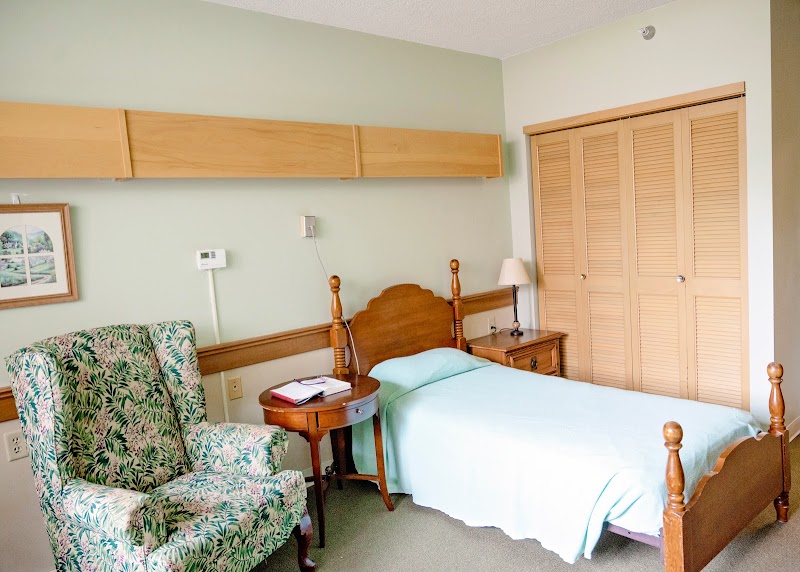
How is Chapel Hill Community Staffed?

CMS rates CHAPEL HILL COMMUNITY's staffing level at 3 out of 5 stars, which is average compared to other nursing homes. Staff turnover is 37%, compared to the Ohio average of 46%. This relatively stable workforce can support continuity of care.

What Have Inspectors Found at Chapel Hill Community?

State health inspectors documented 35 deficiencies at CHAPEL HILL COMMUNITY during 2019 to 2025. These included: 35 with potential for harm.
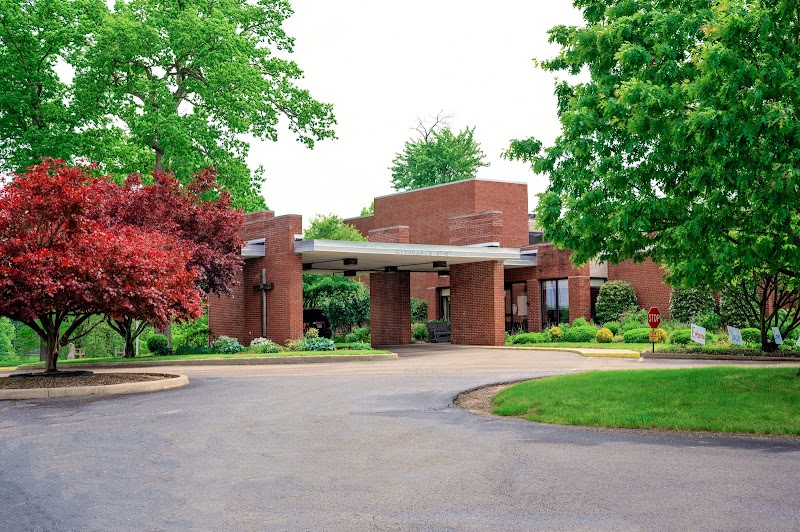
Who Owns and Operates Chapel Hill Community?

CHAPEL HILL COMMUNITY is owned by a non-profit organization. Non-profit facilities reinvest revenue into operations rather than distributing to shareholders. The facility is operated by UNITED CHURCH HOMES, a chain that manages multiple nursing homes. With 90 certified beds and approximately 73 residents (about 81% occupancy), it is a smaller facility located in CANAL FULTON, Ohio.
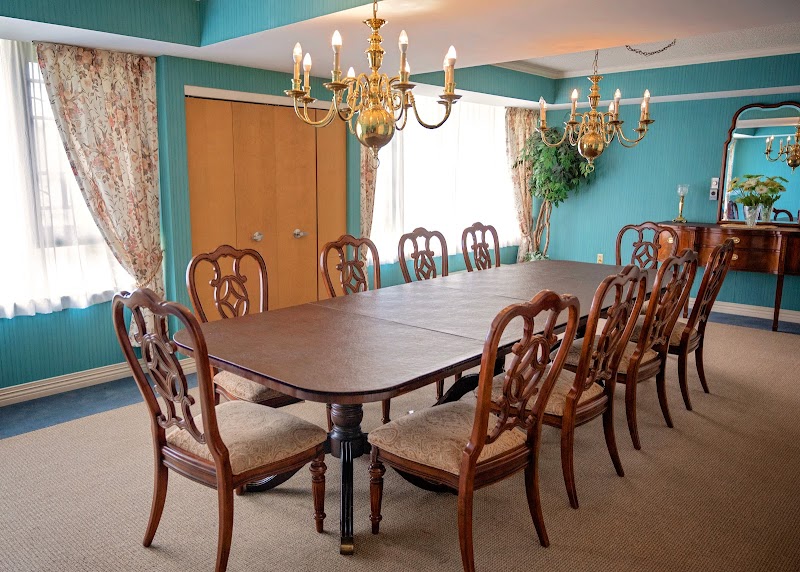
How Does Chapel Hill Community Compare to Other Ohio Nursing Homes?

Compared to the 100 nursing homes in Ohio, CHAPEL HILL COMMUNITY's overall rating (3 stars) is below the state average of 3.2, staff turnover (37%) is near the state average of 46%, and health inspection rating (3 stars) is at the national benchmark.

What Should Families Ask When Visiting Chapel Hill Community?

Based on this facility's data, families visiting should ask: "Can I visit during a mealtime to observe dining assistance and food quality?" "How do you handle medical emergencies, and what is your hospital transfer rate?" "Can I speak with family members of current residents about their experience?"

Is Chapel Hill Community Safe?

Based on CMS inspection data, CHAPEL HILL COMMUNITY has a clean safety record: no substantiated abuse findings (meaning no confirmed cases of resident harm), no Immediate Jeopardy citations (the most serious violation level indicating risk of serious injury or death), and is not on the Special Focus Facility watch list (a federal program monitoring the lowest-performing 1% of nursing homes). The facility has a 3-star overall rating and ranks #100 of 100 nursing homes in Ohio. While no facility is perfect, families should still ask about staff-to-resident ratios and recent inspection results during their visit.

Do Nurses at Chapel Hill Community Stick Around?

CHAPEL HILL COMMUNITY has a staff turnover rate of 37%, which is about average for Ohio nursing homes (state average: 46%). Moderate turnover is common in nursing homes, but families should still ask about staff tenure and how the facility maintains care continuity when employees leave.

Was Chapel Hill Community Ever Fined?

CHAPEL HILL COMMUNITY has no federal fines on record. CMS issues fines when nursing homes fail to meet care standards or don't correct problems found during inspections. The absence of fines suggests the facility has either maintained compliance or corrected any issues before penalties were assessed. This is a positive indicator, though families should still review recent inspection reports for the full picture.

Is Chapel Hill Community on Any Federal Watch List?

CHAPEL HILL COMMUNITY is not on any federal watch list. The most significant is the Special Focus Facility (SFF) program, which identifies the bottom 1% of nursing homes nationally based on persistent, serious quality problems. Not being on this list means the facility has avoided the pattern of deficiencies that triggers enhanced federal oversight. This is a positive indicator, though families should still review the facility's inspection history directly.