The Pavilion at Canal Fulton for Nursing and Rehab
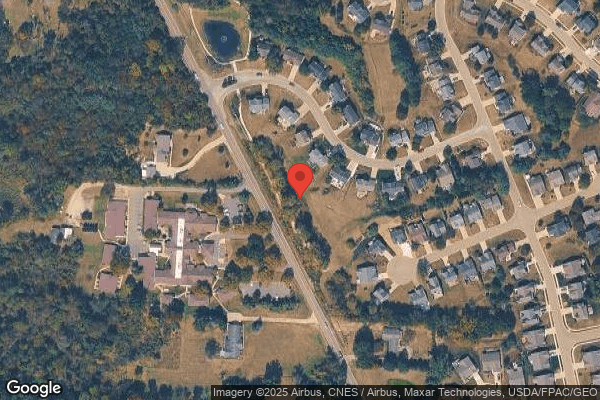
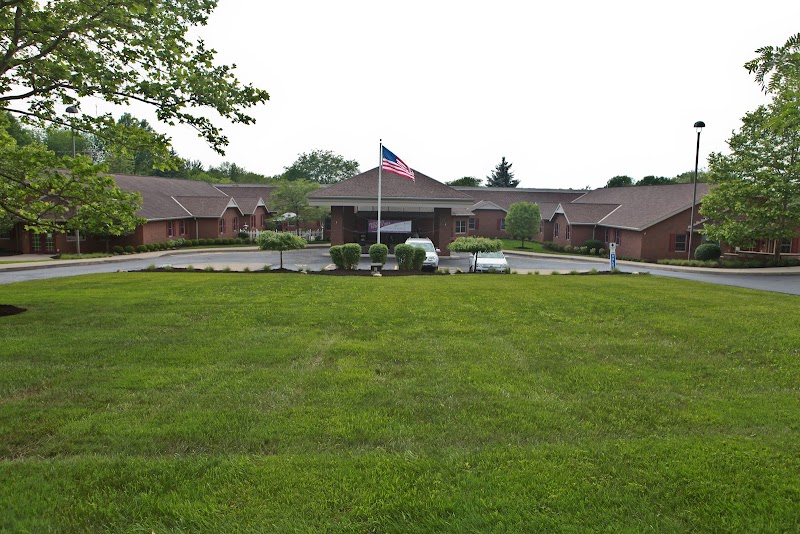
7055 HIGH MILL AVENUE NW, CANAL FULTON, OH 44614 (330) 854-4545
For profit - Corporation 60 Beds Independent Data: November 2025
Trust Grade
60/100
#565 of 913 in OH
Last Inspection: June 2025

Inspected within the last 6 months. Data reflects current conditions.

Overview

The Pavilion at Canal Fulton for Nursing and Rehab has a Trust Grade of C+, indicating it is slightly above average but not without concerns. It ranks #565 out of 913 facilities in Ohio, placing it in the bottom half, and #21 out of 33 in Stark County, meaning only a few local options are better. The facility's trend is worsening, with issues increasing from 1 in 2024 to 9 in 2025, highlighting the need for improvement. Staffing is a significant weakness, rated at 1 out of 5 stars with a turnover rate of 56%, which is average for Ohio but indicates instability. On a positive note, there have been no fines, which suggests compliance with regulations, and RN coverage is average, meaning residents receive appropriate medical oversight. However, several specific incidents raise red flags: the Quality Assurance committee failed to meet regularly, potentially impacting all residents, and there were concerns regarding infection control that could have affected multiple individuals. Additionally, residents have reported dissatisfaction with the food quality, noting it was often cold and unappetizing. Families considering this facility should weigh these strengths and weaknesses carefully.

Trust Score
C+
60/100
In Ohio
#565/913
Bottom 39%
Safety Record
Low Risk
No red flags
Inspections
Getting Worse
1 → 9 violations
Staff Stability
⚠ Watch
56% turnover. Above average. Higher turnover means staff may not know residents' routines.
Penalties
✓ Good
No fines on record. Clean compliance history, better than most Ohio facilities.
Skilled Nurses
⚠ Watch
Each resident gets only 26 minutes of Registered Nurse (RN) attention daily — below average for Ohio. Fewer RN minutes means fewer trained eyes watching for problems.
Violations
⚠ Watch
17 deficiencies on record. Higher than average. Multiple issues found across inspections.
★★★☆☆
3.0
Overall Rating
★☆☆☆☆
1.0
Staff Levels
★★★★★
5.0
Care Quality
★★★☆☆
3.0
Inspection Score
Stable
2024: 1 issues
2025: 9 issues

The Good

  • 5-Star Quality Measures · Strong clinical quality outcomes
  • Full Sprinkler Coverage · Fire safety systems throughout facility
  • No fines on record

Facility shows strength in quality measures, fire safety.

The Bad

3-Star Overall Rating

Near Ohio average (3.2)

Meets federal standards, typical of most facilities

Staff Turnover: 56%

10pts above Ohio avg (46%)

Frequent staff changes - ask about care continuity

Staff turnover is elevated (56%)

8 points above Ohio average of 48%

The Ugly 17 deficiencies on record

Jun 2025 9 deficiencies
CONCERN (D)

Potential for Harm - no one hurt, but risky conditions existed

Deficiency F0558 (Tag F0558)

Could have caused harm · This affected 1 resident

**NOTE- TERMS IN BRACKETS HAVE BEEN EDITED TO PROTECT CONFIDENTIALITY** Based on observation, interview, record review, and policy review the facility failed to ensure call lights were within resident...

Read full inspector narrative →
**NOTE- TERMS IN BRACKETS HAVE BEEN EDITED TO PROTECT CONFIDENTIALITY** Based on observation, interview, record review, and policy review the facility failed to ensure call lights were within resident reach. This affected two (#7 and #23) of two residents reviewed for call lights. The facility census was 44. Findings include: 1. Review of the medical record for Resident #7 revealed an admission date of 05/06/14. Diagnoses included multiple sclerosis, atrial fibrillation, and Alzheimer's Disease. Review of the annual Minimum Data Set (MDS) assessment dated [DATE] revealed Resident #7 had severe cognitive impairment. required extensive to dependence for all activities of daily living, and was always incontinent of urine and bowel. Review of the care plan dated 03/18/25 revealed Resident #7 had self-care deficits for activities of daily living related to her diagnoses. Interventions included to provide bed mobility of two persons and encourage Resident #7 to use call light when assistance was needed. Observation on 06/16/25 at 9:59 A.M. revealed Resident #7 lying in bed hollering for help. Resident #7 was screaming I need someone to help me. Resident #7's call light button was hanging on the wall by the curtain approximately ten feet from her. Interview on 06/16/25 at 10:01 A.M. with Certified Nursing Assistant (CNA) #237 confirmed Resident #7's call button was not in reach. Review of the facility policy titled call system, residents, revised September 2022, revealed each resident was provided with a means to call staff directly for assistance from his/her bed and from toileting/bathing facilities. 2. Review of the medical record for Resident #23 revealed an admission date of 04/22/24. Diagnoses included chronic obstructive pulmonary disease, Parkinson's disease, and vascular dementia. Review of the annual Minimum Data Set (MDS) assessment dated [DATE] revealed Resident #23 had severe cognitive impairment and required extensive to dependence for all activities of daily living. Review of the care plan dated 04/17/25 revealed Resident #23 had a self-care deficit for activities of daily living related to his diagnoses. Interventions included to provide bed mobility of two persons and encourage Resident #23 to use a call light when assistance was needed. Observation on 06/16/25 at 9:56 A.M. revealed Resident #23 sitting in a wheelchair in his room. Resident #23 was approximately five feet from his bed where his call light was positioned. Interview during the observation with the Director of Nursing (DON) confirmed that Resident #23's call light button was out of his reach. Review of the facility policy titled call system, residents, revised September 2022, revealed each resident was provided with a means to call staff directly for assistance from his/her bed and from toileting/bathing facilities.
CONCERN (D)

Potential for Harm - no one hurt, but risky conditions existed

Deficiency F0578 (Tag F0578)

Could have caused harm · This affected 1 resident

Based on record review and interview the facility failed to ensure advanced directives had the appropriate signatures. This affected one resident (#8) of 17 residents (#15, #9, #46, #37, #28, #5, #40,...

Read full inspector narrative →
Based on record review and interview the facility failed to ensure advanced directives had the appropriate signatures. This affected one resident (#8) of 17 residents (#15, #9, #46, #37, #28, #5, #40, #11, #16, #4, #1, #42, #22, #7, #12, #8, and #3) whose advanced directives were reviewed. The facility census was 44. Findings include: Review of the medical record for Resident #8 revealed an admission date of 05/16/25. Diagnoses included urinary tract infection, dementia, and prostate cancer. Review of Resident #8's physician orders for June 2025 revealed an active order for Do Not Resuscitate Comfort Care- Arrest (DNRCC-A) dated 05/16/25. Review of Resident #8's DNRCC-A form dated 05/16/25 revealed on the line for required signature of physician, APRN [advance practiced registered nurse], or PA [physician assistant] were the signatures of Assistant Director of Nursing (ADON) #102 and Licensed Practical Nurse (LPN) #134. Written on the line required for APRN or PA: name of the supervising physician (PA) or collaborating physician (APRN) for this patient and the physician's HNPI [national provider identifier], DEA [drug enforcement administration], or state medical license number was per Physician #300. Interview on 06/16/25 at 4:17 P.M. with the Administrator verified the physician, PA, or APRN did not sign Resident #8's DNRCC-A form. The Administrator stated the two nurses (ADON #102 and LPN #134) signed the form with the physician's verbal consent.
CONCERN (D)

Potential for Harm - no one hurt, but risky conditions existed

Deficiency F0582 (Tag F0582)

Could have caused harm · This affected 1 resident

**NOTE- TERMS IN BRACKETS HAVE BEEN EDITED TO PROTECT CONFIDENTIALITY** Based on review of Notice of Medicare Non-Coverage letters and staff interview, the facility failed to inform residents of the n...

Read full inspector narrative →
**NOTE- TERMS IN BRACKETS HAVE BEEN EDITED TO PROTECT CONFIDENTIALITY** Based on review of Notice of Medicare Non-Coverage letters and staff interview, the facility failed to inform residents of the name and phone number of the Quality Improvement Organization (QIO). This affected one resident of one resident reviewed for liability notices (Resident #2). The census was 44. Findings include: Review of Resident #2's medical record revealed the resident was re-admitted to the facility on [DATE]. Review of a Notice of Medicare Non-Coverage letter, signed by the resident/resident representative on 12/18/24, revealed services ended on 12/20/24. The letter did not provide the necessary QIO information to request a timely appeal regarding the ending of skilled services and therapies. Interview on 06/16/25 at 3:30 P.M. with Social Service Coordinator #113 confirmed the Notice of Medicare Non-Coverage letter to Resident #2 did not provide the information needed for the appeal process. Interview on 06/16/25 at 3:37 P.M. with the Director of Nursing verified the Notice of Medicare Non-Coverage provided to Resident #8 did not have the name or telephone number to appeal the discharge date .
CONCERN (D)

Potential for Harm - no one hurt, but risky conditions existed

Deficiency F0637 (Tag F0637)

Could have caused harm · This affected 1 resident

**NOTE- TERMS IN BRACKETS HAVE BEEN EDITED TO PROTECT CONFIDENTIALITY** Based on record review and interview, the facility failed to complete Significant Change in Minimum Data Set (MDS) status assess...

Read full inspector narrative →
**NOTE- TERMS IN BRACKETS HAVE BEEN EDITED TO PROTECT CONFIDENTIALITY** Based on record review and interview, the facility failed to complete Significant Change in Minimum Data Set (MDS) status assessments within 14 days after hospice admission date. This affected three residents (#16, #17 and #42) of nine reviewed for hospice services. Facility census was 44. Findings include: 1. Medical record review revealed Resident #16 was admitted on [DATE] and started hospice services on 01/09/25. Diagnoses included chronic obstructive pulmonary disease (COPD), Alzheimer's disease, chronic respiratory failure, major depressive disorder, dementia, anxiety, malnutrition, and peripheral vascular disease (PVD). Review of Resident #16's assessments revealed there was no Significant Change assessment completed within 14 days of Resident #16's hospice admission. 2. Medical record review revealed Resident #17 was admitted on [DATE] and started hospice services on 05/11/25. Diagnoses included diabetes, dementia, anxiety, major depressive disorder, gastro esophageal reflux disease (GERD), atrial fibrillation, Alzheimer's disease, sepsis, and peripheral vascular disease (PVD). Review of Resident #17's assessments revealed there was no Significant Change assessment completed within 14 days of Resident #17 hospice admission. 3. Medical record review revealed Resident #42 was admitted on [DATE] and started hospice services on 03/11/25. Diagnoses included neurocognitive disorder with Lewy bodies, depression, chronic obstructive pulmonary disease (COPD), and diabetes. Review of Resident #42's assessment revealed there was no Significant Change assessment completed within 14 days of Resident #42's hospice admission. Interview on 06/17/25 at 9:35 A.M. with MDS Nurse #105 confirmed Residents #16, #17, and #42 did not have the required Significant Change assessment completed.
CONCERN (D)

Potential for Harm - no one hurt, but risky conditions existed

Comprehensive Care Plan (Tag F0656)

Could have caused harm · This affected 1 resident

**NOTE- TERMS IN BRACKETS HAVE BEEN EDITED TO PROTECT CONFIDENTIALITY** Based on record review and interview, the facility failed to develop a care plan for smoking for Resident #28. This affected one...

Read full inspector narrative →
**NOTE- TERMS IN BRACKETS HAVE BEEN EDITED TO PROTECT CONFIDENTIALITY** Based on record review and interview, the facility failed to develop a care plan for smoking for Resident #28. This affected one resident (#28) of one resident reviewed for smoking. The facility census was 44. Findings include: Review of the medical record for Resident #28 revealed an admission date of 03/13/25. Diagnoses included chronic diastolic (congestive) heart failure, chronic obstructive pulmonary disease, and nicotine dependence. Review of the smoking assessment dated [DATE] revealed Resident #28 smoked and required supervision. Review of the smoking assessment dated [DATE] revealed Resident #28 did not require supervision or any adaptive equipment for smoking. Review of Resident #28's plan of care revealed the care plan did not address smoking. Interview on 06/17/25 at 10:54 A.M. with Resident #28 revealed she smoked at the facility and had been a smoker for 50 years. Interview on 06/17/25 at 12:57 P.M. with MDS Nurse #105 revealed she was not aware Resident #28 was a smoker when she completed the MDS assessment dated [DATE] and verified a care plan for smoking was not developed. Review of the facility policy Smoking Policy-Residents, revised July 2017 revealed any smoking related privileges, restrictions, and concerns (for example, need for close monitoring) would be noted on the care plan, and all personnel caring for the resident would be alerted to the issues.
CONCERN (D)

Potential for Harm - no one hurt, but risky conditions existed

Drug Regimen Review (Tag F0756)

Could have caused harm · This affected 1 resident

**NOTE- TERMS IN BRACKETS HAVE BEEN EDITED TO PROTECT CONFIDENTIALITY** Based on record review and interview, the facility failed to ensure pharmacy recommendations were addressed in a timely manner. ...

Read full inspector narrative →
**NOTE- TERMS IN BRACKETS HAVE BEEN EDITED TO PROTECT CONFIDENTIALITY** Based on record review and interview, the facility failed to ensure pharmacy recommendations were addressed in a timely manner. This affected one resident (#40) of five residents (#5, #40, #11, #3, and #12) reviewed for unnecessary medications. The facility census was 44. Findings include: Review of the medical record for Resident #40 revealed an admission date of 09/25/23. Diagnoses included dementia, depression, Alzheimer's disease, and hallucinations. Review of the quarterly Minimum Data Set (MDS) assessment dated [DATE] revealed Resident #40 had impaired cognition. Review of the pharmacy recommendation dated 03/13/25 revealed Resident #40 had a medication order for fluticasone nasal spray two spray each nostril (EN) everyday (QD) which started 11/28/23. The recommendation indicated in an effort to ensure the lowest most effective does was administered please consider discontinuing fluticasone nasal spray or change the fluticasone nasal spray to one spray EN QD as needed (prn) for rhinitis. A handwritten check was marked next to change fluticasone nasal spray to one spray EN QD prn rhinitis and was signed by the physician and dated 03/25/25. Review of the physician orders for June 2025 revealed active orders for Flonase (fluticasone propionate) Allergy Relief Nasal Suspension 50 micrograms/activation two spray in both nostrils in the morning for sinuses with a start date of 11/28/23. Interview on 06/17/25 at 5:06 P.M. with Corporate Regional Nurse #231 verified that although the pharmacy recommendation regarding fluticasone nasal spray was approved by the physician on 03/25/25 the recommendation was not implemented.
CONCERN (E)

Potential for Harm - no one hurt, but risky conditions existed

Assessment Accuracy (Tag F0641)

Could have caused harm · This affected multiple residents

**NOTE- TERMS IN BRACKETS HAVE BEEN EDITED TO PROTECT CONFIDENTIALITY** Based on record review and interview, the facility failed to ensure resident assessments were accurate related to hospice servic...

Read full inspector narrative →
**NOTE- TERMS IN BRACKETS HAVE BEEN EDITED TO PROTECT CONFIDENTIALITY** Based on record review and interview, the facility failed to ensure resident assessments were accurate related to hospice services and use of tobacco. This affected seven residents (Residents #3, #12, #16, #17, #28, #42, and #43) of sixteen residents reviewed for Minimum Date Set (MDS) assessment accuracy. Facility census was 44. Findings include: 1. Medical record review revealed Resident #3 was admitted to the facility on [DATE] and started on hospice services on 03/12/25. Diagnoses included dementia, gastro esophageal reflux disease (GERD), insomnia, anxiety, chronic pain, and Alzheimer's disease. Review of the MDS assessment dated [DATE] revealed the assessment did not indicate the provision of Hospice Services. 2. Medical record review revealed Resident #12 was admitted to the facility on [DATE] and started on hospice services on 02/04/25. Diagnoses included dementia, schizoaffective disorder, anxiety, GERD, diabetes, major depressive disorder, and tachycardia. Review of the MDS assessment dated [DATE] revealed the assessment did not indicate the provision of Hospice Services. 3. Medical record review revealed Resident #16 was admitted on [DATE] and started hospice services on 01/09/25. Diagnoses included chronic obstructive pulmonary disease (COPD), Alzheimer's disease, chronic respiratory failure, major depressive disorder, dementia, anxiety, malnutrition, and peripheral vascular disease (PVD). Review of the MDS assessment dated [DATE] revealed the assessment did not indicate the provision of Hospice Services. 4. Medical record review revealed Resident #17 was admitted on [DATE] and started hospice services on 05/11/25. Diagnoses included diabetes, dementia, anxiety, major depressive disorder, GERD, atrial fibrillation, Alzheimer's disease, sepsis, and PVD. Review of the MDS assessment dated [DATE] revealed the assessment did not indicate the provision of Hospice Services. 5. Medical record review revealed Resident #42 was admitted on [DATE] and started hospice services on 03/11/25. Diagnoses included neurocognitive disorder with Lewy bodies, depression, COPD, and diabetes. Review of the MDS assessment dated [DATE] revealed the assessment did not indicate the provision of Hospice Services. 6. Medical record review revealed Resident #43 was admitted on [DATE] and started hospice services on 02/06/25. Diagnoses included Alzheimer's disease, depression, anxiety, atrial fibrillation, heart disease, dementia, and scoliosis. Review of the MDS assessment dated [DATE] revealed the assessment did not indicate the provision of Hospice Services. Interview on 06/18/25 at 2:00 P.M. with MDS Nurse #105 confirmed Residents #3, #12, #16, #17, #42, and #43's MDS assessments did not include the provision of Hospice Services. 7. Review of the medical record for Resident #28 revealed an admission date of 03/13/25. Diagnoses included chronic diastolic (congestive) heart failure, chronic obstructive pulmonary disease, and nicotine dependence. Review of the smoking assessment dated [DATE] revealed Resident #28 smoked and required supervision. Review of the admission Minimum Data Set (MDS) assessment dated [DATE] revealed Resident #28 had intact cognition and did not use tobacco. Interview on 06/17/25 at 10:54 A.M. with Resident #28 revealed she smoked at the facility and had been a smoker for 50 years. Interview on 06/17/25 at 12:57 P.M. with MDS Nurse #105 revealed she was not aware Resident #28 was a smoker when she completed the MDS assessment dated [DATE] and verified the MDS for tobacco use was marked incorrectly.
CONCERN (F)

Potential for Harm - no one hurt, but risky conditions existed

Deficiency F0868 (Tag F0868)

Could have caused harm · This affected most or all residents

Based on review of facility documentation and interview, the Quality Assurance and Performance Improvement (QAPI) committee failed to meet at least quarterly. This had the potential to affect all 44 r...

Read full inspector narrative →
Based on review of facility documentation and interview, the Quality Assurance and Performance Improvement (QAPI) committee failed to meet at least quarterly. This had the potential to affect all 44 residents residing in the facility. Findings include: Review of the facility QAPI committee sign in sheets provided by the facility revealed a single sign-in sheet for May 2025. Interview on 06/17/25 at 4:18 P.M. with the Administrator verified the QAPI committee sign-in sheet dated May 2025 was the only sign in sheet available. No additional information was provided to support additional QAPI meetings were held.
CONCERN (F)

Potential for Harm - no one hurt, but risky conditions existed

Infection Control (Tag F0880)

Could have caused harm · This affected most or all residents

**NOTE- TERMS IN BRACKETS HAVE BEEN EDITED TO PROTECT CONFIDENTIALITY** Based on observation, interview, record review, policy review, and CMS memorandum QSO-24-08-NH review, the facility failed to pr...

Read full inspector narrative →
**NOTE- TERMS IN BRACKETS HAVE BEEN EDITED TO PROTECT CONFIDENTIALITY** Based on observation, interview, record review, policy review, and CMS memorandum QSO-24-08-NH review, the facility failed to provide care to Residents #7, #29, and #46 in a manner to prevent the potential spread of infection. This affected Residents #7, #29 and #46 and had the potential to affect all residents residing in the facility. The facility census was 44. Findings include: 1. Review of the medical record for Resident #7 revealed an admission date of 05/06/14. Diagnoses included multiple sclerosis, atrial fibrillation, and Alzheimer's disease. Review of the annual Minimum Data Set (MDS) assessment dated [DATE] revealed Resident #7 had severe cognitive impairment, required extensive to total dependence for all activities of daily living, and was always incontinent of urine and bowel. Review of the care plan for Resident #7 dated 03/18/25 revealed the resident had pressure ulcers related to impaired mobility. Interventions included to administer treatments as ordered and monitor for effectiveness, and to monitor/document/report any changes in skin status appearance, color, wound healing, signs and symptoms of infection, wound size, and stage. Review of the physician's order dated 05/18/25 revealed an order to clean Resident #7's sacrum with normal saline solution, pat dry, apply calcium alginate (antimicrobial dressing), and cover with a boarded gauze daily and as needed. Further review of physician orders revealed there was not an order enhanced barrier precautions (EBP). Observation of wound care for Resident #7 on 06/17/25 at 2:00 P.M. with Licensed Practical Nurse (LPN) #118 and the Director of Nursing (DON) revealed the DON entered Resident #7's room and applied gloves but did not wash her hands. The DON and LPN #118 began to pull down Resident #7's pants after explaining the procedure to the resident. Resident #7 became irate and began screaming she did not want the surveyor in the room and she wanted them to stop. The surveyor exited the room and LPN #118 and the DON finished care for Resident #7. Interview on 06/17/25 at 2:45 P.M. with the DON confirmed that she did not wash her hands before applying gloves and providing care to Resident #7. The DON also confirmed that Resident #7 had wounds and should be in enhanced barrier precautions due to her compromised status. Review of the facility policy enhanced barrier precautions, revised March 2024, revealed enhanced barrier precautions were indicated for residents with wounds and/or indwelling medical devices regardless of colonization. Review of QSO-24008 NH with a posted date of 03/20/24 revealed EBP recommendations included use of EBP for residents with chronic wounds or indwelling medical devices during high-contact resident care activities regardless of their multidrug-resistant organism status. 2. Review of the medical record for Resident #29 revealed an admission date of 12/23/21. Diagnoses included unspecified dementia, major depressive disorder, and hypothyroidism. Review of the quarterly Minimum Data Set (MDS) assessment dated [DATE] revealed Resident #29 required extensive assistance to dependence for all activities of daily living. Review of the care plan dated 06/16/25 revealed Resident #29 was at risk for infection. Interventions included to monitor for signs and symptoms of infection and to administer medications as ordered. Review of the medical record for Resident #46 revealed an admission date of 01/27/25. Diagnoses included Alzheimer's disease, atrial fibrillation, and hypertension. Review of the quarterly MDS assessment dated [DATE] revealed Resident #46 had moderate cognitive impairment and required set-up to moderate assistance for all activities of daily living. Review of the care plan dated 06/16/25 revealed Resident #46 was at risk for infection. Interventions included to monitor for signs and symptoms of infection and to administer medications as ordered. Observation of medication administration on 06/18/25 at 8:50 A.M. with Licensed Practical Nurse (LPN) #134 revealed LPN #134 preparing medications for Resident #29 and then entering Resident #29's room to administer the medications. After administering the medications to Resident #29, LPN #134 exited the room returned to the medication cart and began preparing medications for Resident #46. LPN #134 then entered Resident #46's room and administered Resident #46's medications. LPN #134 then exited the room of Resident #46 and returned to the medication cart. No hand hygiene was performed. Interview on 06/18/25 at 9:12 A.M. with LPN #134 confirmed she did not wash her hands or use hand sanitizer after administering medications to Resident #29 and before administering medications to Resident #46. Review of the facility policy, hand hygiene, revised October 2023, revealed hand hygiene was indicated immediately before touching a resident.
Jul 2024 1 deficiency
CONCERN (D) 📢 Someone Reported This

A family member, employee, or ombudsman was alarmed enough to file a formal complaint

Potential for Harm - no one hurt, but risky conditions existed

Deficiency F0602 (Tag F0602)

Could have caused harm · This affected 1 resident

THE FOLLOWING DEFICIENCY REPRESENTS AN INCIDENT OF PAST NONCOMPLIANCE THAT WAS SUBSEQUENTLY CORRECTED PRIOR TO THIS SURVEY. Based on facility self-reported incident review, medical record review, staf...

Read full inspector narrative →
THE FOLLOWING DEFICIENCY REPRESENTS AN INCIDENT OF PAST NONCOMPLIANCE THAT WAS SUBSEQUENTLY CORRECTED PRIOR TO THIS SURVEY. Based on facility self-reported incident review, medical record review, staff interview, policy review and facility investigation, the facility failed to ensure staff did not misappropriate resident narcotic medication. This affected one (Resident #44) of one residents reviewed for misappropriation of property. The facility census was 46 residents. Findings include: Review of the facility Self-Reported Incident (SRI) #245379 dated 03/18/24 revealed Resident #44's Percocet (a pain medication) tablets were reported missing. Further review of the SRI revealed Percocet tablets were reported missing when staff notified the pharmacy of the need for a refill and the pharmacy indicated there should be a two-week supply left. SRI investigation completed on 03/25/24 revealed the facility was unable to verify or determine if misappropriation of medication occurred. Review of the medical record for Resident #44 revealed an admission date of 09/25/23 with diagnoses including Alzheimer's disease with dementia and radiculopathy of the lumbar region. Review of the physician's orders for Resident #44 revealed an order dated 12/11/23 for Percocet one tablet every six hours for pain. Review of the Medication Administration Record (MAR) for Resident #44 dated March 2024 revealed Percocet was signed off as given to the resident every six hours. Interview on 07/31/24 at 11:00 A.M. with the Administrator, the Director of Nursing (DON), Assistant Director of Nursing (ADON) #79, Regional Nurse (RN) #81 and [NAME] President of Clinical (VP) #85 confirmed Licensed Practical Nurse (LPN) #88 had misappropriated Percocet from Resident #44. Further interview confirmed on 02/24/24 the pharmacy delivered 60 Percocet tablets for Resident #44 in two separate blistered medication packs. Staff indicated review of the controlled medication shift change log revealed on 03/11/24 LPN #88 removed and signed out two narcotic medications blister packs but did not complete the back of the form and indicate which narcotic medications blister packs were removed. Staff added that LPN #88 destroyed the sign out sheet therefore making the counts correct by eliminating the sign out sheets and recording the blister pack medication cards as removed. Staff indicated they had no proof medication was stolen due to the sign out sheets being destroyed, medication packs signed out LPN #88, but the pharmacy indicated they should have a two-week supply remaining based on amount sent and date medication delivered. Review of the controlled medication shift change log for the South unit revealed on 03/11/24 at 7:00 A.M. LPN #88 removed two medication count sheets and medication cards. Registered Nurse (RN) #91 co-signed as verifying and observing with LPN #88 as destroying/returning medication back to the pharmacy. The back side of the controlled medication shift change log did not indicate which medication cards and count sheets were removed as required. Review of the facility policy titled Medication Disposals and Returns dated 05/16/23 revealed staff should complete the controlled medication shift change log to indicate the disposition of any remaining doses. Two individuals (or as required by state regulations) should witness and document the destruction in the format required per applicable state regulations. Interview on 08/01/24 at 12:21 P.M. with the DON confirmed RN #91 signed the controlled medication shift change log for the South unit on 03/11/24 as the observer. Interview on 08/01/24 at 12:26 P.M. with RN #91 confirmed verified she had signed the controlled medication shift change log with LPN #88 as the verification and observer but did she did not observe LPN #88 discard the medications and return them to the pharmacy as per facility policy. Further review of the SRI including Abuse Neglect Misappropriation (ANM) investigation notes and reports revealed that LPN #44 was found with an outstanding warrant for stealing narcotics. Police questioned LPN #44 who then admitted to stealing 48 tablets of Percocet from Resident #44. Review of the facility policy titled Abuse, Neglect, Exploitation and Misappropriation Prevention Program with a revision date of April 2021 indicated residents had the right to be free from abuse, neglect, misappropriation of resident property and exploitation. The deficient practice was corrected on 03/19/24 when the facility implemented the following corrective actions: -On 03/18/24 the Administrator initiated an SRI. -On 03/18/24 the DON interviewed Resident #44 and completed a pain assessment. -On 03/18/24 the DON and the ADON accounted for all narcotics in facility. -On 03/18/24 the DON and the ADON obtained statements from all nursing staff. -On 03/18/24 the DON and the ADON educated the staff on the misappropriation policy -On 03/19/24 the Administrator and the DON notified the local police. -On 03/19/24 the DON and the ADON interviewed and completed pain assessments on all other residents who used narcotic medications. -On 03/19/24 the DON and ADON tested all nursing staff for drugs. LPN #88 tested positive for methadone and suboxone on 03/19/24. -On 03/19/24 the DON notified the Ohio Board of Nursing and the Ohio Board of Pharmacy of the incident. -On 03/19/24 the Human Resources Director reviewed background checks and board of nursing checks for nursing staff. -On 03/19/24 the facility held an emergency Quality Assurance Performance Improvement (QAPI) committee meeting with the Medical Director, the Administrator, the DON, the ADON, and all department heads. -On 03/25/24 the DON and the ADON initiated a narcotic audit which they completed twice weekly for 4 weeks until 04/22/24. -On 04/22/24 the QAPI committee reviewed the weekly narcotic audits.
Dec 2022 3 deficiencies
CONCERN (D)

Potential for Harm - no one hurt, but risky conditions existed

Deficiency F0569 (Tag F0569)

Could have caused harm · This affected 1 resident

Based on interview and record review, the facility failed to ensure Resident #204's personal funds were forwarded to the resident's estate within 30 days. This affected one resident (Resident #204) of...

Read full inspector narrative →
Based on interview and record review, the facility failed to ensure Resident #204's personal funds were forwarded to the resident's estate within 30 days. This affected one resident (Resident #204) of one resident reviewed for personal funds after death. Findings include: Review of the medical record for Resident #204 revealed an admission date of 04/17/22 with a diagnosis of Alzheimer's disease. She passed away on 04/17/22. Review of Resident #204's personal funds statement dated 12/05/22 revealed on 04/18/22 she had a balance of $12.25. The facility closed her account on 04/18/22. A check was made out to Resident #204 in the amount of $12.25 and was dated for 06/06/22 and cleared the facility's bank on 07/11/22. Interview on 12/06/22 at 12:20 P.M. with the Business Office Manager (BOM) #504 verified Resident #204 passed away on 04/17/22 and personal funds were not dispersed to the resident's estate until 06/06/22. She verified this was over 30 days.
CONCERN (D)

Potential for Harm - no one hurt, but risky conditions existed

Deficiency F0638 (Tag F0638)

Could have caused harm · This affected 1 resident

Based on interview and record review, the facility failed to ensure resident assessments were completed timely. This affected three (Residents #26, #34 and #49) of three residents reviewed for residen...

Read full inspector narrative →
Based on interview and record review, the facility failed to ensure resident assessments were completed timely. This affected three (Residents #26, #34 and #49) of three residents reviewed for resident assessments. The facility had a census of 51 residents. Findings include: 1. Review of the medical record for Resident #26 revealed an admission date of 04/25/21 with diagnoses including hypertension and depression. Review of the Minimum Data Set (MDS) assessments for Resident #26 revealed she had quarterly assessments on 07/25/22 and 11/18/22. Interview on 12/05/22 at 1:52 P.M. with Registered Nurse (RN) #500, verified the MDS dates were not done timely and should have been completed at least every three months. 2. Review of the medical record for Resident #34 revealed an admission date of 03/15/22 with diagnoses including diabetes mellitus and hypertension. Review of the Minimum Data Set (MDS) assessments for Resident #34 revealed he had a quarterly assessment completed on 07/19/22. The next assessment was in progress and dated 11/23/22. Interview on 12/05/22 at 1:52 P.M. with Registered Nurse (RN) #500, verified the MDS dates were not done timely and should have been completed at least every three months. 3. Review of the medical record for Resident #49 revealed an admission date of 03/10/22 with diagnoses including Alzheimer's disease, diabetes mellitus and congestive heart disease. Review of the Minimum Data Set (MDS) assessments for Resident #49 revealed he had a quarterly assessment on 07/07/22. The next scheduled quarterly assessment was in progress and dated 12/08/22. Interview on 12/05/22 at 1:52 P.M. with Registered Nurse (RN) #500, verified the MDS dates were not done timely and should have been completed at least every three months.
CONCERN (F)

Potential for Harm - no one hurt, but risky conditions existed

Deficiency F0804 (Tag F0804)

Could have caused harm · This affected most or all residents

Based on observation, interview, and review of meeting minutes, the facility failed to serve palatable food at an appetizing temperature. This affected all 51 residents in the facility. Findings inclu...

Read full inspector narrative →
Based on observation, interview, and review of meeting minutes, the facility failed to serve palatable food at an appetizing temperature. This affected all 51 residents in the facility. Findings include: During the initial screening, Resident's #5 and #16 on 12/04/22 beginning at 11:12 A.M. reported the food was often cold and of poor quality. Observation of the dinner meal on the South unit on 12/04/22 at 5:00 P.M. revealed multiple residents complained the meal did not look appetizing, the meat was of poor poor quality. The menu indicated the meal was a hot hamburger sandwich with brown gravy, mashed potatoes and carrots. The thin dotted hamburger patty was on top of a piece of bread and covered in brown gravy. Three residents requested the substitution after receiving their meal. The posted substitution was a fish sandwich. An aide called the kitchen requesting fish sandwiches. The aide then informed the residents the kitchen did not have the fish sandwiches and offered them a choice of chicken nuggets or grilled cheese. Several asked for the chicken nuggets. Then the residents were informed the kitchen did not have chicken nuggets. The residents verbalized they were upset with this and indicated this occurred with some frequency. On 12/06/22 at 11:35 A.M. the food temperatures of items in the steam table were above the required temperatures. The pork with peaches were 194 degrees Fahrenheit (F), mechanical soft pork 198 F, pureed pork 202 F, baked beans 201 F, vegetables 174 F, pureed vegetables 196 F and hamburger patties 165 F. A test tray was requested for the South unit. Foods were plated and covered with a thermal dome but not on a thermal bottom. Interview with State Tested Nurse Aides (STNA) #506 and #507 and Licensed Practical Nurse (LPN) #505 all reported residents complained daily of the quality of the food, not receiving the food on the menu because it was not available, not following the menu, not providing the residents coffee at each meal. The biggest concern in the facility was the food service. This information was shared with the Administrator on 12/04/22 at 5:37 P.M. The food cart arrived with the test tray on 12/06/22 at 11:49 A.M. This cart was for residents who ate independently however it contained two food trays for residents who required to be fed. All trays were served and assistance provided by 12:09 P.M. when the test tray was conducted. The test tray was conducted with Registered Dietitian (RD) #501 on 12/06/22 at 12:09 P.M. RD #501 took the temperature of the pork and said it was over 140 F and pulled out the thermometer quickly. The thermometer was observed to read 110 F. She was requested to place the thermometer back into the pork. The temperature measured 105 F. The pork was tasted and it was barely luke warm but had good flavor. The vegetables were 97.2 F and were cold and not appetizing. RD #501 was asked about not using the thermal bases observed in the kitchen. She reported there were not enough for each resident. Interview with the Administrator on 12/06/22 at 4:30 P.M. verified there were not enough thermal bases for the plates and that would help to keep the food warm. Review of the concern log and resident council minutes revealed on 04/21/22 residents voiced they strongly disliked the food supplier and requested a change in supplier, 06/16/22 would like fresh fruit more often, 07/21/22 noticing coffee grounds in the coffee, 08/22/22 requesting the return of the food committee and 09/15/22 reported the meals were cold. Review of the food meeting minutes dated 09/15/22 at 1:30 P.M. residents want to see a slight change in the alternative menu, discussed with dietary manager, alternative menu: Monday-Pizza Tuesday-Hamburger/cheeseburger Wednesday-Bologna sandwich (fried or regular) Thursday-Chef salad Friday-Baked potato (cheese, sour cream, broccoli, bacon) Saturday-Egg salad Sunday-Fish sandwich Review of the food meeting minutes dated 10/20/22 at 1:30 P.M. indicated the staff in the kitchen were continuing to do the best job with making the good as good as possible for the residents. The alternative menu switched back to chicken nuggets on Wednesdays as not many residents have been ordering bologna sandwiches. Review of the food meeting minutes dated 11/22/22 at 1:30 P.M. revealed the facility was working on hiring a new dietary manager, discussed choice meal, the residents would have surprise sack bags for holidays like Christmas and thanksgiving, and wanted more homemade dessert.
Dec 2019 4 deficiencies
CONCERN (D)

Potential for Harm - no one hurt, but risky conditions existed

Accident Prevention (Tag F0689)

Could have caused harm · This affected 1 resident

**NOTE- TERMS IN BRACKETS HAVE BEEN EDITED TO PROTECT CONFIDENTIALITY** Based on interview and record review the facility failed to ensure a thorough fall investigation for Resident #44. This affected...

Read full inspector narrative →
**NOTE- TERMS IN BRACKETS HAVE BEEN EDITED TO PROTECT CONFIDENTIALITY** Based on interview and record review the facility failed to ensure a thorough fall investigation for Resident #44. This affected one (Resident #44) of four (Residents #24, #42, #43 and #44) reviewed for accidents. The facility census was 63. Findings include: Resident #44 was admitted to the facility on [DATE] with diagnoses of end stage renal disease, hypoglycemia, pseudobulbar, anxiety, delirium, depression, auditory hallucinations, altered mental status and muscle weakness. Review of the comprehensive assessment for a significant change dated 11/14/19 revealed the resident required extensive assistance with bed mobility and transfers. The resident was unsteady moving from seated to standing position, moving on and off the toilet, and surface-to surface transfers. Review of the resident record revealed the resident sustained a fall on 07/08/19 during the supper meal in the dining room. Review of the incident report dated 07/09/19 indicated the resident fell trying to carry two meal trays. The resident was sent to the hospital via 911 for hip pain. The discharge diagnoses from the hospital was right shoulder contusion and right hip contusion. There were no new orders written for the injuries. There was no time the incident occurred, whether the witness attempted to stop the resident from carrying the trays, and what staff were in the dining room at the time of the fall. The investigation was incomplete. Interview on 12/18/19 at 9:18 A.M. with the Director of Nursing (DON) and Registered Nurse (RN) #815 revealed they had problems with agency staff and that may have been an agency nurse. They verified the investigation was incomplete.
CONCERN (D)

Potential for Harm - no one hurt, but risky conditions existed

Unnecessary Medications (Tag F0759)

Could have caused harm · This affected 1 resident

**NOTE- TERMS IN BRACKETS HAVE BEEN EDITED TO PROTECT CONFIDENTIALITY** Based on observation, record review and interview, the facility failed to ensure a medication error rate of less than 5% (percen...

Read full inspector narrative →
**NOTE- TERMS IN BRACKETS HAVE BEEN EDITED TO PROTECT CONFIDENTIALITY** Based on observation, record review and interview, the facility failed to ensure a medication error rate of less than 5% (percent). This finding affected one (Resident #35) of four residents observed for medication administration. A total of twenty-seven medications were observed with six errors for a medication error rate of 22.2%. Findings include: Review of Resident #35's medical record revealed the resident was re-admitted to the facility on [DATE] with diagnoses including dysphagia, chronic respiratory failure and type two diabetes. Review of Resident #35's Minimum Data Set (MDS) 3.0 assessment dated [DATE] revealed the resident exhibited intact cognition. Review of Resident #35's physician orders revealed an order dated 11/27/19 for a lidocaine patch 5% apply to right should topically in the morning for pain, an order dated 11/27/19 for a multivitamin give one tablet by mouth in the morning for vitamin deficiency, an order dated 11/27/19 for a Spiriva aerosol inhaler two puffs inhale orally in the morning for respiratory, an order dated 12/04/19 for Budesonide suspension two ml (milliliters) inhale orally two times a day for chronic obstructive pulmonary disease/asthma, an order dated 11/27/19 for vitamin d give 1000 units by mouth two times a day for deficiency and an order dated 11/27/19 for Humalog (fast acting insulin) inject six units subcutaneously with meals for diabetes. Observation on 12/15/19 at 8:20 A.M. with Registered Nurse (RN) #801 revealed the nurse administered seven medications in applesauce and the fast acting insulin to Resident #35. The nurse did not prime the insulin injector Kwikpen prior to dialing up the six units and administering the insulin as required. Interview on 12/15/19 at 1:11 P.M. with RN #801 confirmed she did not prime the Kwikpen prior to dialing up the six units and administering the insulin to the resident. RN #801 also confirmed she did not administer the lidocaine patch, multivitamin, Spiriva inhaler, Budesonide suspension and vitamin D as ordered by the physician. A total of twenty-seven medications were administered with six errors for a medication error rate of 22.2%.
CONCERN (E)

Potential for Harm - no one hurt, but risky conditions existed

Infection Control (Tag F0880)

Could have caused harm · This affected multiple residents

**NOTE- TERMS IN BRACKETS HAVE BEEN EDITED TO PROTECT CONFIDENTIALITY** Based on observation, record review and interview, the facility failed to ensure the appropriate orders were obtained and infect...

Read full inspector narrative →
**NOTE- TERMS IN BRACKETS HAVE BEEN EDITED TO PROTECT CONFIDENTIALITY** Based on observation, record review and interview, the facility failed to ensure the appropriate orders were obtained and infection control measures were maintained while providing Resident #162's wound care, cleaning Resident #41's resident room and obtaining physician orders for isolation precautions for Residents #41 and #162. This finding affected one (Resident #162) of three residents reviewed for pressure ulcers and one resident room (Resident #41) with the potential of affecting all twenty-five residents residing in the general population (excluding the memory care unit) and two (Residents #41 and #162) of two residents reviewed for isolation precautions. The census at the time of the survey was 63. Findings include: 1. Review of Resident #162's medical record revealed the resident was admitted to the facility on [DATE] with diagnoses including sepsis, spina bifida and pressure ulcer of the right buttock. Review of Resident #162's physician order dated 12/13/19 indicated to cleanse the open area to the right buttock with normal saline, pat dry and cover with a comfort foam every other day and as needed. Review of Resident #162's physician order dated 12/13/19 indicated to cleanse the open area to the left buttock with normal saline, pat dry, apply Aquacel dressing (absorbent dressing for drainage) then cover with a comfort foam dressing every other day and as needed. Observation on 12/17/19 at 6:05 A.M. with Registered Nurse (RN) #817 revealed the nurse wiped the table, placed a barrier on the table, put on gloves, removed the resident's old dressing on her left buttock, cleansed the left buttock with normal saline, placed the Aquacel dressing and a foam dressing on the resident. RN #817 then removed her gloves and washed her hands before completing care on the right buttock. The resident was on isolation precautions for gram positive cocci and gram negative rods in the residents wounds in her left buttock and extended spectrum beta-lactamase (ESBL) in the urine. Interview on 12/17/19 at 6:40 A.M. with RN #817 confirmed she did not use the appropriate infection control technique by removing her gloves after removing Resident #162's soiled dressing on the left buttock and prior to cleaning the left buttock with normal saline. The resident did not have a physician order for contact isolation precautions. 2. Review of Resident #41's medical record revealed the resident was admitted to the facility on [DATE] with diagnoses including type two diabetes, major depressive disorder and acquired absence of left leg above the knee. Review of Resident #41's MDS 3.0 assessment dated [DATE] confirmed the resident exhibited intact cognition. Observation on 12/16/19 at 3:33 P.M. revealed State Tested Nursing Assistant (STNA) #812 was cleaning the resident's room with gloves and no yellow isolation gown on. STNA #812 confirmed she did not need to wear an isolation gown to complete her cleaning of the resident's room including making the resident's bed and cleaning the resident's overbed table. Interview on 12/17/19 at 2:31 P.M. with RN #815 confirmed Resident #41 was admitted with Klebsiella pneumonia (infectious bacteria) in his urine and the resident was in contact precautions which included donning an isolation gown and gloves when entering the resident's room. RN #815 indicated the facility did not need a physician order to place residents on infection control precautions including contact precautions. Review of the Isolation Based Precautions policy revised 01/12 indicated transmission-based precautions shall only be used when transmission cannot be reasonably prevented by less restrictive measures. The personal protective equipment included to wear a gown upon entering the contact precautions room. Upon admission, Resident #41 was identified as having Vancomycin resistant Enterococci (VRE) of the urine. This required isolation precautions including wearing a gown and gloves when performing care along with restrictions when entering the public areas. Review of the medical record and physician orders was void of a physician order indicating the resident was placed on isolation precautions. An interview was completed on 12/17/19 at 12:40 P.M. with Licensed Practical Nurse (LPN) #818 and during the interview it was stated any resident who was on isolation precautions would have a physician order obtained. In an interview on 12/17/19 at 1:00 P.M. with the Director of Nursing it was stated any resident coming from the hospital would have a physician's order attached for isolation precautions. In an interview with the DON on 12/17/19 at 1:50 P.M. it was stated he did not have an order for the isolation interventions put in place for Resident #41.
CONCERN (F)

Potential for Harm - no one hurt, but risky conditions existed

Deficiency F0727 (Tag F0727)

Could have caused harm · This affected most or all residents

Based on staffing schedule review and interview, the facility did not ensure a registered nurse (RN) was employed for eight consecutive hours in a day. This had the potential to affect all 63 resident...

Read full inspector narrative →
Based on staffing schedule review and interview, the facility did not ensure a registered nurse (RN) was employed for eight consecutive hours in a day. This had the potential to affect all 63 residents in the facility at the time of the survey. Findings include. Review of the staffing schedule for 11/22/19 through 11/24/19 revealed the facility had failed to employee a RN for eight consecutive hours on 11/22/19, 11/23/19 and 11/24/19. Review of the staffing schedule for 12/06/19 through 12/08/19 revealed the facility failed to employee a RN for eight consecutive hours on 12/07/19 and 12/08/19. Review of the staffing schedule for 12/15/19 through 12/17/19 revealed the facility failed to employee a RN for eight consecutive hours on 12/16/19 and 12/18/19. Interview with the Director of Nursing verified the facility had not employed a RN on the days identified.
Understanding Severity Codes (click to expand)
Life-Threatening (Immediate Jeopardy)
J - Isolated K - Pattern L - Widespread
Actual Harm
G - Isolated H - Pattern I - Widespread
Potential for Harm
D - Isolated E - Pattern F - Widespread
No Harm (Minor)
A - Isolated B - Pattern C - Widespread

Questions to Ask on Your Visit

  • "Why is there high staff turnover? How do you retain staff?"
  • "Can I speak with families of current residents?"
  • "What's your RN coverage like on weekends and overnight?"

Our Honest Assessment

Strengths
  • • No major safety red flags. No abuse findings, life-threatening violations, or SFF status.
  • • No fines on record. Clean compliance history, better than most Ohio facilities.
Concerns
  • • 17 deficiencies on record. Higher than average. Multiple issues found across inspections.
  • • 56% turnover. Above average. Higher turnover means staff may not know residents' routines.
Bottom line: Mixed indicators with Trust Score of 60/100. Visit in person and ask pointed questions.

About This Facility

What is The Pavilion At Canal Fulton For Nursing And Rehab's CMS Rating?

CMS assigns The Pavilion at Canal Fulton for Nursing and Rehab an overall rating of 3 out of 5 stars, which is considered average nationally. Within Ohio, this rating places the facility higher than 0% of the state's 100 nursing homes. This mid-range rating indicates the facility meets federal standards but may have areas for improvement.

How is The Pavilion At Canal Fulton For Nursing And Rehab Staffed?

CMS rates The Pavilion at Canal Fulton for Nursing and Rehab's staffing level at 1 out of 5 stars, which is much below average compared to other nursing homes. Staff turnover is 56%, which is 10 percentage points above the Ohio average of 46%. High turnover can affect care consistency as new staff learn residents' individual needs. RN turnover specifically is 71%, which is notably high. RNs provide skilled clinical oversight, so turnover in this role can affect medical care quality.

What Have Inspectors Found at The Pavilion At Canal Fulton For Nursing And Rehab?

State health inspectors documented 17 deficiencies at The Pavilion at Canal Fulton for Nursing and Rehab during 2019 to 2025. These included: 17 with potential for harm.

Who Owns and Operates The Pavilion At Canal Fulton For Nursing And Rehab?

The Pavilion at Canal Fulton for Nursing and Rehab is owned by a for-profit company. For-profit facilities operate as businesses with obligations to shareholders or private owners. The facility operates independently rather than as part of a larger chain. With 60 certified beds and approximately 47 residents (about 78% occupancy), it is a smaller facility located in CANAL FULTON, Ohio.

How Does The Pavilion At Canal Fulton For Nursing And Rehab Compare to Other Ohio Nursing Homes?

Compared to the 100 nursing homes in Ohio, The Pavilion at Canal Fulton for Nursing and Rehab's overall rating (3 stars) is below the state average of 3.2, staff turnover (56%) is significantly higher than the state average of 46%, and health inspection rating (3 stars) is at the national benchmark.

What Should Families Ask When Visiting The Pavilion At Canal Fulton For Nursing And Rehab?

Based on this facility's data, families visiting should ask: "How do you ensure continuity of care given staff turnover, and what is your staff retention strategy?" "Can you walk me through typical staffing levels on day, evening, and night shifts?" "Can I visit during a mealtime to observe dining assistance and food quality?" "How do you handle medical emergencies, and what is your hospital transfer rate?" These questions are particularly relevant given the facility's high staff turnover rate and the below-average staffing rating.

Is The Pavilion At Canal Fulton For Nursing And Rehab Safe?

Based on CMS inspection data, The Pavilion at Canal Fulton for Nursing and Rehab has a clean safety record: no substantiated abuse findings (meaning no confirmed cases of resident harm), no Immediate Jeopardy citations (the most serious violation level indicating risk of serious injury or death), and is not on the Special Focus Facility watch list (a federal program monitoring the lowest-performing 1% of nursing homes). The facility has a 3-star overall rating and ranks #100 of 100 nursing homes in Ohio. While no facility is perfect, families should still ask about staff-to-resident ratios and recent inspection results during their visit.

Do Nurses at The Pavilion At Canal Fulton For Nursing And Rehab Stick Around?

Staff turnover at The Pavilion at Canal Fulton for Nursing and Rehab is high. At 56%, the facility is 10 percentage points above the Ohio average of 46%. Registered Nurse turnover is particularly concerning at 71%. RNs handle complex medical decisions and coordinate care — frequent RN changes can directly impact care quality. High turnover means new staff may not know residents' individual needs, medications, or preferences. It can also be disorienting for residents, especially those with dementia who rely on familiar faces. Families should ask: What is causing the turnover? What retention programs are in place? How do you ensure care continuity during staff transitions?

Was The Pavilion At Canal Fulton For Nursing And Rehab Ever Fined?

The Pavilion at Canal Fulton for Nursing and Rehab has no federal fines on record. CMS issues fines when nursing homes fail to meet care standards or don't correct problems found during inspections. The absence of fines suggests the facility has either maintained compliance or corrected any issues before penalties were assessed. This is a positive indicator, though families should still review recent inspection reports for the full picture.

Is The Pavilion At Canal Fulton For Nursing And Rehab on Any Federal Watch List?

The Pavilion at Canal Fulton for Nursing and Rehab is not on any federal watch list. The most significant is the Special Focus Facility (SFF) program, which identifies the bottom 1% of nursing homes nationally based on persistent, serious quality problems. Not being on this list means the facility has avoided the pattern of deficiencies that triggers enhanced federal oversight. This is a positive indicator, though families should still review the facility's inspection history directly.