ALTERCARE OF CANAL WINCHESTER POST-ACUTE RC
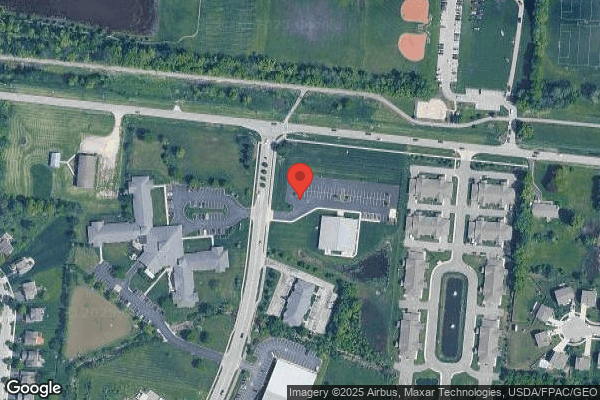
6725 THRUSH DRIVE, CANAL WINCHESTER, OH 43110 (614) 834-2500
For profit - Corporation 72 Beds ALTERCARE Data: November 2025
Trust Grade
30/100
#389 of 913 in OH
Last Inspection: September 2024

Within standard 12-15 month inspection cycle. Federal law requires annual inspections.

Overview

Altercare of Canal Winchester Post-Acute RC has received a Trust Grade of F, indicating poor performance with significant concerns regarding care quality. In Ohio, the facility ranks #389 out of 913, placing it in the top half of nursing homes, and #12 out of 56 in Franklin County, meaning there are only 11 facilities in the county that are rated higher. Unfortunately, the facility is worsening, as the number of issues reported has increased from 7 in 2022 to 17 in 2024. Staffing is a concern due to a high turnover rate of 63%, which is above the state average, but the facility does have good RN coverage, being above 92% of state facilities, which helps ensure better care. However, they have incurred $66,791 in fines, which is higher than 90% of similar facilities, indicating ongoing compliance problems. Specific incidents include a resident developing a serious pressure ulcer due to inadequate care, another resident experiencing severe pain because their prescribed medication was not administered for over 26 hours, and a resident suffering a bowel obstruction due to a lack of necessary treatments for constipation. Overall, while there are some strengths in RN coverage, the facility has serious weaknesses that families should carefully consider.

Trust Score
F
30/100
In Ohio
#389/913
Top 42%
Safety Record
High Risk
Review needed
Inspections
Getting Worse
7 → 17 violations
Staff Stability
⚠ Watch
63% turnover. Above average. Higher turnover means staff may not know residents' routines.
Penalties
⚠ Watch
$66,791 in fines. Higher than 87% of Ohio facilities, suggesting repeated compliance issues.
Skilled Nurses
✓ Good
Each resident gets 57 minutes of Registered Nurse (RN) attention daily — more than average for Ohio. RNs are trained to catch health problems early.
Violations
⚠ Watch
32 deficiencies on record. Higher than average. Multiple issues found across inspections.
★★★☆☆
3.0
Overall Rating
★★★☆☆
3.0
Staff Levels
★★★★★
5.0
Care Quality
★★☆☆☆
2.0
Inspection Score
Stable
2022: 7 issues
2024: 17 issues

The Good

  • 5-Star Quality Measures · Strong clinical quality outcomes
  • Full Sprinkler Coverage · Fire safety systems throughout facility
  • No fines on record

Facility shows strength in quality measures, fire safety.

The Bad

3-Star Overall Rating

Near Ohio average (3.2)

Meets federal standards, typical of most facilities

Staff Turnover: 63%

17pts above Ohio avg (46%)

Frequent staff changes - ask about care continuity

Federal Fines: $66,791

Above median ($33,413)

Moderate penalties - review what triggered them

Chain: ALTERCARE

Part of a multi-facility chain

Ask about local staffing decisions and management

Staff turnover is elevated (63%)

15 points above Ohio average of 48%

The Ugly 32 deficiencies on record

3 actual harm
Sept 2024 9 deficiencies 1 Harm
SERIOUS (G)

Actual Harm - a resident was hurt due to facility failures

Pressure Ulcer Prevention (Tag F0686)

A resident was harmed · This affected 1 resident

**NOTE- TERMS IN BRACKETS HAVE BEEN EDITED TO PROTECT CONFIDENTIALITY** Based on observation, record review, staff interview and review of the facility policy, the facility failed to develop and imple...

Read full inspector narrative →
**NOTE- TERMS IN BRACKETS HAVE BEEN EDITED TO PROTECT CONFIDENTIALITY** Based on observation, record review, staff interview and review of the facility policy, the facility failed to develop and implement a comprehensive and individualized pressure ulcer prevent program to ensure residents were thoroughly assessed, interventions were initiated timely and in place as planned and/or staff timely identified the development new pressure ulcers. This affected two residents (#216 and #213) of six residents reviewed for pressure ulcers. The facility census was 61. Actual Harm occurred on 08/04/24 when Resident #216, who was at risk for pressure ulcer development and dependent on staff for activities of daily living, was assessed to develop an unstageable (full-thickness skin and tissue loss in which the extent of tissue damage within the ulcer cannot be confirmed because the wound bed is obscured by slough or eschar) pressure ulcer to the sacrum. On 08/13/24 the wound physician assessed the pressure ulcer to be a Stage IV (full-thickness skin and tissue loss with exposed or directly palpable fascia, muscle, tendon, ligament, cartilage or bone in the ulcer). The resident was admitted to the facility on [DATE] with intact skin. The facility failed to ensure adequate interventions were in place to prevent the develop of this unstageable pressure ulcer and to timely identify the ulcer before it was found unstageable. Findings include: 1. Review of the medical record for Resident #216 revealed an admission date of 07/31/24 with diagnoses including arthritis, urinary tract infection, acute kidney failure, muscle weakness, spinal stenosis, and body mass index (BMI) of 42. Review of local hospital documentation from the resident's hospitalization from 07/22/24 to 07/31/24 revealed no documentation supporting Resident #216 had any type of skin impairment/sacral pressure ulcer prior to discharge from the hospital/prior to admission to the facility. Review of an admitting nurse progress note dated 07/31/24 revealed a skin assessment was completed with no noted concerns for skin impairments. Review of nursing admission assessment completed 07/31/24 revealed the assessment contained a Braden skin assessment that indicated the resident scored a 16 placing her at mild risk for skin breakdown based on the following scoring criteria: the resident was slightly limited in mobility, skin was occasionally moist, the resident was chair fast, the resident had adequate nutrition, and the resident was at mid friction/shear risk. These factors left the resident at mild risk for skin impairment and injuries. Additionally, the resident was receiving steroid medication therapy, which recognized the resident as a high risk for skin breakdown. The admission assessment documented the resident had no skin alterations. Review of a baseline care plan revealed a wound goal was not applicable with no wound prevention and/or treatment approaches added for the resident at the time of admission or based on her assessed risk for skin breakdown. Review of a skilled nursing note dated 08/02/24 revealed Resident #216's skin was intact, warm, and dry. Review of wound grid documentation dated 08/04/24 revealed Resident #216 had an in-house acquired unstageable (full-thickness skin and tissue loss in which the extent of tissue damage within the ulcer cannot be confirmed because the wound bed is obscured by slough or eschar) pressure injury (to the sacrum) measuring 24 centimeters (cm) in length by 15 cm in width by an undetermined depth. The wound description indicated a wound bed with 70% slough present, moderate serous exudate present, with deep tissue injury noted to the surrounding sacrum wound bed. Review of the physician's orders revealed a new order dated 08/04/24 to cleanse sacrum with normal saline, pat dry, apply calcium alginate, and then place dry dressing. Review of Minimum Data Set (MDS) 3.0 assessment dated [DATE] revealed the resident was cognitively intact. The assessment revealed the resident was dependent (on staff) for toileting, hygiene and bed mobility. The assessment also revealed the resident was at risk for developing pressure ulcers/injuries and exhibited no behaviors or rejection of care. Review of the wound physician notes dated 08/13/24 revealed Resident #216 developed a Stage IV (full-thickness skin and tissue loss with exposed or directly palpable fascia, muscle, tendon, ligament, cartilage or bone in the ulcer) pressure ulcer, first found by facility staff on 08/04/24. Resident #216 was evaluated by the wound physician on 08/13/24. During the assessment, the wound was classified as a Stage IV pressure ulcer located on the sacrum, measuring eight cm in length by eight cm width with five cm depth, resulting in a total surface area of 64 cm. A procedure was completed where the doctor surgically excised 12.8 cm of devitalized tissue, and necrotic periosteum and bone were removed at a depth of five cm. The nonviable tissue in the wound bed decreased from 30 percent to 10 percent. There was a treatment ordered to apply calcium alginate and Santyl, and apply a gauze island with a border once daily for 30 days. Review of a physician's progress note dated 08/16/24 revealed new diagnosis of pressure injury of sacral region of back: noted on 08/06/24. During an interview on 09/25/24 at 8:01 A.M. with Resident #216, the resident verified staff identified she had a wound to her sacrum after she admitted to the facility. Interview on 09/25/24 at 11:24 A.M. with Registered Nurse (RN) #304 revealed she completed the admitting skin assessment on Resident #216 on 07/31/24, however she stated she did not thoroughly assess the resident's buttocks area due to a concern for an invasion of privacy. RN #304 revealed the facility policy required a second nurse from management to complete a second skin assessment 24 hours after admission. Interview on 09/25/24 at 11:26 A.M. with the Director of Nursing (DON) verified the facility assessed Resident #216's sacral wound as being in-house acquired because it was identified five days after admission. During the interview, the DON confirmed the lack of interventions to prevent pressure ulcer development at the time of admission. Interview on 09/26/24 at 11:36 A.M. with the DON, Regional Nurse Consultant #300, and Assistant Director of Nursing #238 confirmed if a resident was identified at risk when completing a Braden assessment, interventions should be implemented, such as an air mattress, offloading supports, and frequent turns to prevent acquiring a wound. They confirmed Resident #216 was admitted to the facility on [DATE] with a nursing assessment documenting the absence of pressure areas. Staff confirmed Resident #216 was assessed to have an unstageable pressure ulcer on 08/04/24. During the interview, the DON confirmed facility staff also failed to complete a second skin check per skin policy and implement dressings and interventions timely. Interview on 09/26/24 at 11:39 A.M. with Wound Physician (WP) #307 confirmed facility staff first identified a pressure ulcer on Resident #216's sacrum approximately five days after admission. Attempts to observe the resident's skin/wound care were made during the onsite survey; however, staff, who were aware of the surveyor's request to observe the area/wound care completed wound care without allowing the surveyor to observe. Review of the facility undated policy titled Pressure Injuries: Assessment, Prevention and Treatment revealed it was the facility policy to identify residents at risk for developing pressure injuries, implement interventions to prevent the development of pressure injuries and provide care for existing pressure injuries. Review of the facility undated policy titled admission Skin Assessment Protocol revealed the Assistant Director of Nursing would complete a second skin assessment the following business day (after admission) and document any new findings in the clinical record. 2. Review of the medical record for Resident #213 revealed an admission date of 09/09/24 with diagnoses including osteoporosis, left femur nailing, muscle weakness, need for assistance with personal care, fracture of upper end of left humerus and history of falls. Review of the Braden skin assessment dated [DATE] revealed Resident #213 was at moderate risk for skin breakdown, necessitating close monitoring and intervention. Review of a functional limitation of the range of motion assessment completed on 09/09/24 revealed Resident #213 had limitation on one leg, with partial loss of voluntary movement. The summary identified significant challenges in ability to complete activities of daily living. Review of admission Minimum Data Set (MDS) 3.0 assessment dated [DATE] revealed Resident #213 had severe cognitive impairment, required substantial (staff) assist with bed mobility and was at risk for pressure ulcer development. Review of the care plan dated 09/25/24 revealed Resident #213 was at risk of skin breakdown related to impaired mobility, cognitive challenges, and poor nutritional intake. Care approaches included applying skin prep to bilateral heels as ordered to prevent skin injury and encouraging/assisting the resident to float her heels as tolerated, alongside implementing bilateral offloading boots. Review of physician's orders dated 09/18/24 revealed an order for off-loading boots to both heels while in bed to promote healthy skin integrity due to the resident's limited mobility. During an interview on 09/23/24 at 10:31 A.M. with Resident #213 and the resident's family concerns were voiced related to facility staff not placing support boots under the resident's feet while she was in bed. Observation at the time of the interview revealed the resident was in bed without any type of off-loading boots in place. Observations on 09/24/24 at 3:15 P.M., 4:26 P.M., and 5:20 P.M. revealed the resident was in bed and did not have off-loading boots in place at the time of these observations. Interview on 09/24/24 at 5:22 P.M. with Licensed Practical Nurse (LPN) #306 confirmed Resident #213 required off-loading pressure boots while in bed and acknowledged they were not being utilized at that moment. LPN #306 emphasized the need for the boots due to the resident's high risk of skin issues and impaired mobility. Review of the facility undated policy titled Pressure Injuries: Assessment, Prevention and Treatment revealed it was the facility policy to implement interventions to prevent the development of pressure injures which included floating heels or keeping heels off the bed.
CONCERN (D)

Potential for Harm - no one hurt, but risky conditions existed

Deficiency F0558 (Tag F0558)

Could have caused harm · This affected 1 resident

**NOTE- TERMS IN BRACKETS HAVE BEEN EDITED TO PROTECT CONFIDENTIALITY** Based on observation, interview, medical record review, and review of facility policy, the facility failed to ensure Resident #3...

Read full inspector narrative →
**NOTE- TERMS IN BRACKETS HAVE BEEN EDITED TO PROTECT CONFIDENTIALITY** Based on observation, interview, medical record review, and review of facility policy, the facility failed to ensure Resident #30's needs were addressed in a timely manner when she waited for 29 minutes for her call light to be answered. This affected one resident (#30) of one resident reviewed for call lights. The facility census was 61. Findings include: Review of Resident #30's medical record revealed an admission date of 09/06/22 with diagnoses including acute embolism and thrombosis of unspecified deep veins of right lower extremity, adult failure to thrive, type two diabetes mellitus, hypertension, chronic pain syndrome, and muscle weakness. Review of Resident #30's comprehensive Minimum Data Set (MDS) 3.0 assessment dated [DATE] revealed intact cognition. She required substantial or maximal assistance to roll left and right in bed. Interview on 09/25/24 at 10:43 A.M. Resident #30 revealed she was uncomfortable in her current position and wanted someone to pull her up. The call light was triggered at that time. Observation on 09/25/24 at 11:12 A.M. revealed Resident #30's call light was still on. At that time State Tested Nursing Assistant (STNA) #277 entered Resident #30's room and asked her what she wanted. Resident #30 repeated she was uncomfortable and wanted assistance adjusting in the bed. Interview on 09/25/24 at 11:12 A.M. with STNA #277 verified she answered the call light. She reported all the other aides were busy assisting other residents. Review of facility policy titled 'Call light- Answering' undated, revealed call lights were to be answered within three to five minutes.
CONCERN (D)

Potential for Harm - no one hurt, but risky conditions existed

Deficiency F0583 (Tag F0583)

Could have caused harm · This affected 1 resident

Based on observation, interview, and record review, the facility failed to ensure the security and confidentiality of medical records during routine medication administration, leaving information visi...

Read full inspector narrative →
Based on observation, interview, and record review, the facility failed to ensure the security and confidentiality of medical records during routine medication administration, leaving information visible to the public. This affected two (Resident #104 and #105) out of three residents observed during medication administration. The facility census was 61. Findings include: 1. Review of the medical record for Resident #105 revealed an admission date of 09/14/24 with diagnoses not limited to metabolic encephalopathy, vascular dementia, hypertension, pneumonia and gastro-esophageal disease. Review of Minimum Data Set (MDS) 3.0 assessment completed 09/21/24 revealed Resident #105 was moderately cognitively impaired. Observation of medication administration on 09/24/24 at 7:37 A.M. with Registered Nurse (RN) Supervisor #207 began by reviewing the medication administration record (MAR) for medications to be administered to Resident #105. Resident # 105 required a blood pressure reading prior to administration of her medications which required RN supervisor #207 to obtain a blood pressure measurement before preparing the medications. RN supervisor #207 was observed to grabbed the blood pressure cuff off the medication cart and walked away, leaving Resident's #105 MAR open. Information available to any passerby included medication details, scheduled timing, resident date of birth , and room number. Upon return the MAR was active on the computer screen and two housekeepers were found in the hallway cleaning nearby. The director of nursing was walking the halls, and an aide was providing care to various residents throughout the hall. The RN needed to return to the resident at a later time to obtain a retake of the blood pressure before administering the morning medications. 2. Review of the medical record for Resident #104 revealed an admission date of 09/10/24 with diagnoses not limited to osteoarthritis, cognitive communication deficit, need for assistance with personal care, bradycardia and acute kidney failure. Review of Minimum Data Set (MDS) 3.0 assessment completed 09/17/24 revealed the resident was moderately cognitively impaired. Observation of medication administration on 09/24/24 at 7:37 A.M. with Registered Nurse (RN) Supervisor #207 began by reviewing the medication administration record (MAR) for medications to be given to Resident #104. Resident # 104 required a blood pressure reading prior to administration of her medications which required RN supervisor #207 to obtain a blood pressure measurement before preparing the medications. RN supervisor #207 was observed to grab the blood pressure cuff off the med cart and walked away, leaving resident #104 MAR open. Information available to any passerby included medication details, timings, date of birth , and room number. Upon return, it was found the MAR application had since been closed by another staff member during blood pressure monitoring. RN supervisor #207 began preparing medication; once completed, the cart was locked and left it without closing the MAR. Upon return, the MAR was still opened on the computer screen. Interview on 09/24/24 at 8:32 A.M. with RN supervisor #207 confirmed both (resident #104 and #105) medical records were visible to the public while away from the laptop. This surveyor informed the RN that the medical record was closed by another staff member while we were in another resident's room. Interview on 09/24/24 at 10:22 A.M. with Assistant Director of Nursing #200 confirmed that leaving the medication cart, residents' medical records should not be visible or accessible to the public. Review of the confidentiality of information policy, undated, revealed that it is the facility's policy to treat all resident information confidentially and that access to resident medical records will be limited to the staff and consultants providing services to the residents. Review of confidentiality and trade secrets dated 01/2018 revealed that employees must at all times protect the confidentiality and privacy of the residents. Employees should not discuss or disclose to individuals outside of the company personal information regarding residents, their names, conditions, or medical care.
CONCERN (D)

Potential for Harm - no one hurt, but risky conditions existed

Deficiency F0676 (Tag F0676)

Could have caused harm · This affected 1 resident

Based on observation, interview and record review the facility failed to provide set up meal assistance to a resident with limited range of motion. This affected one (Resident #213) of three residents...

Read full inspector narrative →
Based on observation, interview and record review the facility failed to provide set up meal assistance to a resident with limited range of motion. This affected one (Resident #213) of three residents who require set up assistance with meals. The facility census was 61. Findings include: Review of the medical record for Resident #213 revealed an admission date of 09/09/24 with diagnoses not limited to osteoporosis, left femur nailing, muscle weakness, need for assistance with personal care, fracture of upper end of left humerus and history of falls. Review of admission Minimum Data Set (MDS) 3.0 assessment completed 09/16/24 revealed Resident #213 had a severe cognitive impairment, required set up assistance with eating and oral hygiene. Review of admission assessment completed 09/09/24 revealed upon admission, Resident #213 presented with left upper extremity edema and expressed a daily pain level of 3 due to fractures in the left femur and humerus. Nutritional assessment indicated Resident #213's nutritional status was probably inadequate, as she rarely consumed a complete meal and generally only ate about half of meals. Mobility assessment showed the resident was very limited; she could make occasional slight adjustments in body or extremity position but was unable to make frequent or significant changes independently. Review of the care plan dated 09/25/24 revealed Resident #213 was at risk for altered nutrition related to an unspecified fracture in the neck of the left femur. The goal was for the resident to receive adequate nutrition to meet her estimated dietary needs. Review of physician order dated 09/19/24 revealed Resident #213 required assistance with meal setup and cleanup. Review of occupational therapy (OT) progress report dated 09/10/24 revealed Resident #213 requires a referral due to identified decreased strength in both upper extremities, limited functional mobility, and a need for minimal to moderate assistance with tasks. The initial OT assessment indicated the resident required help with personal care and either supervision or hands-on assistance while eating. Justification for continued skilled services included limitations in range of motion. Review of range of motion assessment completed 09/09/24 revealed Resident #213 had identified limitations that interfered with her activities of daily living (ADLs), necessitating assistance with these tasks. Review of physician notes dated 09/14/24 revealed Resident #213 had a closed fracture of the left humerus and was receiving nonoperative management, including a sling, pain control, and physical therapy. Review of progress note dated 09/09/24 revealed Resident #213 was non-weight bearing on her left upper extremity. Observation on 09/25/24 at 8:46 A.M. with Resident #213 revealed she received pancakes, a sausage patty, and Cheerios for breakfast. The resident was seen eating the sausage patty with her bare hands because her meal was not set up properly, and the food had not been cut. She noted difficulty removing the lid from the Cheerios container due to limited movement in her arms and requested staff assistance with cutting food and removing lids. Interview on 09/25/24 at 8:43 A.M. with State Tested Nursing Assistant #305 revealed she denied any residents in her assignment, including Resident #213 requiring assistance with meals. Interview on 09/25/24 at 8:46 A.M. with Regional Nurse Consultant #300 confirmed if the resident has orders for setup or cleanup assist with eating, staff should provide assistance at every meal.
CONCERN (D)

Potential for Harm - no one hurt, but risky conditions existed

Accident Prevention (Tag F0689)

Could have caused harm · This affected 1 resident

**NOTE- TERMS IN BRACKETS HAVE BEEN EDITED TO PROTECT CONFIDENTIALITY** 3. Review of the medical record for Resident #205 revealed an admission date of 09/19/24 with diagnoses not limited to dementia,...

Read full inspector narrative →
**NOTE- TERMS IN BRACKETS HAVE BEEN EDITED TO PROTECT CONFIDENTIALITY** 3. Review of the medical record for Resident #205 revealed an admission date of 09/19/24 with diagnoses not limited to dementia, abnormalities of gait and mobility, difficulty in walking, need for assistance with personal care and repeated falls. Review of the incident report dated 09/25/24 revealed that Resident #205 had a fall with no injury on 09/21/24. After the fall, the physician and family were notified. Interventions implemented included non-skid strips in front of the bath. Review of progress notes dated 09/21/24 at 7:30 A.M. revealed the nurse was notified that the resident was on the floor by the bed. The nurse assessed Resident #205 and found no concerns of injury. Review of clinical admission documentation dated 09/19/24 revealed that Resident #205 was oriented to self, had three or more falls in the past three months, was regularly continent, had no visual impairment, and had balance problems with decreased muscular coordination. The baseline care plan indicated that the resident was at high risk of falls, with approaches to orient to the room and call light system and implement fall prevention measures as indicated. Review of the care plan dated 09/25/24 revealed that Resident #205 is at risk for falls/injury related to impulsive behavior, confusion, poor vision, a history of falls, and incontinence of bowel and urine. Approaches included therapy services to work with the resident, educating the resident about limitations and safety concerns, encouraging the use of the call light, wearing glasses, and implementing frequent checks. Review of physician orders dated 09/25/24 revealed non-skid strips were placed on the left side of the bed due to poor safety awareness. Interview on 09/26/24 at 10:21 A.M. with the Director of Nursing (DON) confirmed that the fall report was not completed timely for the incident on 09/21/24. The DON also confirmed that interventions implemented to prevent additional falls were not carried out in a timely manner. Based on observation, interview, medical record review, and facility policy review, the facility failed to ensure fall interventions were in place for Resident #2 and #19 and failed to ensure complete and timely investigations were completed for Resident #2 and #205. This affected three residents (#2, #19, and #205) of five residents reviewed for falls. The facility census was 61. Findings include: 1. Review of Resident #2's medical record revealed an admission date of 08/20/24 with diagnoses including senile degeneration of brain, unspecified fracture of left talus, dislocation of internal left hip prosthesis, unspecified dementia, depression, anxiety disorder, chronic kidney disease, and overactive bladder. Review of Resident #2's comprehensive Minimum Data Set (MDS) 3.0 assessment dated [DATE] revealed intact cognition. She had one fall with no injury since admission and one fall with a non-major injury. Review of Resident #2's fall investigation (event) dated 08/23/24 revealed at 7:13 P.M. she had a fall in her room that was unwitnessed. The immediate intervention was to put the bed in the lowest position and check on her every two hours. The interdisciplinary team (IDT) agreed a low bed was an appropriate safety intervention. Review of Resident #2's neurological assessments dated 08/23/24 revealed her vital signs were not assessed on six occasions, and respiratory status was not assessed on one additional occasion. Review of Resident #2's progress note dated 08/24/24 revealed on 08/23/24 at 7:00 P.M. the resident was found on the floor in her room. She was assessed with no concerns and notifications were completed. Neurological checks were initiated. Review of Resident #2's progress note dated 08/24/24 revealed she was observed lying on the floor under the bed. The resident stated she was reaching to grab something and slid off the bed. She complained of left side pain but had no additional injuries. Hospice was notified and ordered a floor mat for the resident. Review of Resident #2's fall investigation dated 08/24/24 revealed at 5:15 P.M. the resident had a fall in her room while reaching. The provider was notified and gave an order for a fall mat. Review of Resident #2's neurological assessments dated 08/24/24 revealed vital signs were not assessed for the first eight checks. No assessment was completed at 8:45 P.M. and 9:45 P.M. as scheduled. Additionally, the last five scheduled assessments were not completed. Review of Resident #2's plan of care dated 08/25/24 revealed the resident was at risk for falls and injury related to confusion or altered mental status, poor vision, history of falls, incontinence, and medication use. Interventions included evaluating safety devices, observing residents in room for safety needs, encouraging them to wear glasses, educating about limitations and safety concerns, and encouraging them to use call light, and added 09/23/24 a mat to the right side of the bed and low bed due to poor safety awareness. Review of Resident #2's progress note dated 09/05/24 revealed the resident was heard yelling and was found sitting on the floor beside the bed with her back against the bed and holding onto the side rail. She appeared to have pulled herself to the side of the bed and slipped off of the air mattress. Hospice was notified and ordered an air mattress with bolsters. Review of Resident #2's fall investigation dated 09/05/24 revealed it was not completed or closed until 09/23/24. The resident was found on the floor in her room with previous interventions in place. The new intervention was an air mattress with bolsters. Review of Resident #2's physician order dated 09/23/24 revealed an order for low bed due to poor safety awareness. Review of Resident #2's physician order dated 09/23/24 revealed an order for mat to right side of bed. Observation on 09/23/24 at 10:00 A.M., 11:39 A.M. and 1:40 P.M., revealed Resident #2 in bed, her bed was high and no floor mat was in place. Observation on 09/24/24 at 8:37 A.M., 10:03 A.M., 10:41 A.M., 11:12 A.M., and 1:30 P.M. revealed Resident #2 in bed, no fall mat was in place. Interview on 09/24/24 at 1:33 P.M. with Assistant Director of Nursing (ADON) #236 verified a fall mat was not in place, despite one being present in her room. She additionally verified the order had been put in place the previous day so the staff may not have been aware they needed to use it. Interview on 09/25/24 at 2:27 P.M. with the Director of Nursing (DON) verified neurological assessments were not completed for Resident #2. She additionally verified the 09/05/24 fall investigation had not been completed timely. The DON additionally verified she had added the orders and care plan for fall interventions on 09/23/24. Review of the policy 'Fall Investigation' dated 06/03/19, revealed it was the facility's policy to provide guidelines for assessing a resident after a fall and to assist staff in identifying causes of the fall. After a fall an assessment was to be completed for the medical record and a fall event would be completed for the fall. 2. Review of Resident #38's medical record revealed an admission date of 04/20/21 with diagnoses including hypertension, muscle weakness, vascular dementia, chronic diastolic heart failure, dysphagia, bipolar disorder, and cognitive communication deficit. Review of Resident #38's quarterly Minimum Data Set (MDS) 3.0 assessment dated [DATE] revealed he had a severe cognitive impairment. He had no falls since readmission or previous assessment. Review of Resident #38's physician order dated 01/10/22 revealed his bed was to be in the lowest position. Review of Resident #38's plan of care dated 09/10/24 revealed the resident was at risk for falls and injury related to confusion, poor vision, history of falls, incontinence, antihypertensive, and gait stability. Interventions included encouraging the resident to be in the dining room for all meals, encouraging to rest after meals, dycem to his wheelchair, bed in lowest position, nonskid footwear, and evaluating safety devices. Observation on 09/25/24 at 10:00 A.M., 10:40 A.M., 10:45 A.M., 11:11 A.M., and 11:16 A.M. revealed Resident #38 in bed, his bed was not in the lowest position. Interview on 09/25/24 at 11:16 A.M. with Agency State Tested Nursing Assistant (STNA) #301 verified Resident #38's bed was not in the lowest position. Review of the policy 'Fall Investigation' dated 06/03/19, revealed it was the facility's policy to provide guidelines for assessing a resident after a fall and to assist staff in identifying causes of the fall. After a fall an assessment was to be completed for the medical record and a fall event would be completed for the fall.
CONCERN (D)

Potential for Harm - no one hurt, but risky conditions existed

Deficiency F0692 (Tag F0692)

Could have caused harm · This affected 1 resident

**NOTE- TERMS IN BRACKETS HAVE BEEN EDITED TO PROTECT CONFIDENTIALITY** Based on observation, interview, record review, and review of facility policy, the facility failed to ensure Resident #38 had re...

Read full inspector narrative →
**NOTE- TERMS IN BRACKETS HAVE BEEN EDITED TO PROTECT CONFIDENTIALITY** Based on observation, interview, record review, and review of facility policy, the facility failed to ensure Resident #38 had reasonable access to fluids. They additionally failed to ensure Resident #19 was weighed monthly and failed to ensure Resident #2's significant weight change was addressed and that her nutrition status was accurately assessed. This affected three residents (#2, #19, and #38) of six residents reviewed for nutrition and hydration. The facility census was 61. Findings include: 1. Review of Resident #38's medical record revealed an admission date of 04/20/21 with diagnoses including hypertension, muscle weakness, vascular dementia, chronic diastolic heart failure, dysphagia, bipolar disorder, and cognitive communication deficit. Review of Resident #38's quarterly Minimum Data Set (MDS) 3.0 assessment dated [DATE] revealed he had a severe cognitive impairment. He required set up or clean up assistance with eating. Review of Resident #38's plan of care on 09/23/24 revealed it did not address hydration. Review of Resident #38's fluid intake from 08/26/24 to 09/24/24 revealed on 08/26/24 he received 500 milliliters (ml), on 08/27/24 he received 480 ml, on 08/28/24 he received 790 ml, on 08/29/24 he received 1200 ml, on 08/30/24 he received 620 ml, on 08/31/24 he received 240 ml, on 09/01/24 he received 790 ml, on 09/02/24 he received 980 ml, on 09/03/24 he received 850 ml, on 09/04/24 he received 480 ml, there was no fluid intake documented on 09/05/24, on 09/06/24 he received 1080 ml, on 09/07/24 he received 840 ml, on 09/08/24 he received 1190 ml, on 09/09/24 he received 950 ml, on 09/10/24 he received 850 ml, on 09/11/24 he received 550 ml, on 09/12/24 he received 480 ml, on 09/13/24 he received 1100 ml, there was no fluid intake documented on 09/14/24, on 09/15/24 he received 550 ml, on 09/16/24 he received 800 ml, on 09/17/24 he received 920 ml, on 09/18/24 he received 240 ml, on 09/19/24 he received 890 ml, on 09/20/24 he received 2,280 ml, on 09/21/24 he received 720 ml, on 09/22/24 he received 240 ml, on 09/23/24 he received 600 ml, and on 09/24/24 he received 890 ml. Observation of Resident #38 on 09/23/24 at 11:07 A.M. and 11:37 A.M. revealed him sitting in the activities room without fluids. At 1:42 P.M. and 4:03 P.M. Resident #38 was observed in the dining room without fluids. Observation of Resident #38 on 09/24/24 at 10:00 A.M., 10:31 A.M., 11:15 A.M., 1:25 P.M., and 1:57 P.M. revealed he was in the dining room without fluids. Observation of Resident #38 on 09/25/24 at 10:00 A.M., 10:40 A.M., 10:45 A.M., and 11:11 A.M., revealed Resident #38 in bed without fluids. Observation of Resident #38 at 11:40 A.M., 1:26 P.M., 2:03 P.M., 3:42 P.M., and 4:01 P.M. revealed he was in the dining room without fluids. Interview on 09/25/24 at 4:01 P.M. with Certified Medication Aide (CMA) #221 verified Resident #38 did not have fluids at the table. She reported fluids were passed a few times a day. Interview on 09/25/24 at 4:30 P.M. with MDS Coordinator #247 verified there was no hydration care plan in place. She reported she would not put one in place unless the resident was on a diuretic or had problems with hydration. Interview on 09/26/24 at 10:19 A.M. with Director of Nursing (DON) revealed fluids were to be passed once a shift and as needed. 2. Review of Resident #2's medical record revealed an admission date of 08/20/24 with diagnoses including senile degeneration of brain, unspecified fracture of left talus, dislocation of internal left hip prosthesis, unspecified dementia, depression, anxiety disorder, chronic kidney disease, and overactive bladder. Review of Resident #2's comprehensive Minimum Data Set (MDS) 3.0 assessment dated [DATE] revealed intact cognition. She was 60 inches tall and weighed 115 pounds. She was on a mechanically altered diet and had problems with coughing or choking during meals or when swallowing medications and had complaints of difficulty or pain with swallowing. Review of Resident #2's progress note dated 08/20/24 revealed she admitted to the facility on hospice. Review of Resident #2's weights revealed on 08/20/24 she weighed 115.0 pounds. Review of Resident#2's wound grid dated 08/20/24 revealed she had a stage three pressure ulcer to the sacrum measuring 6.0 centimeters (cm) by 3.0 cm by 0.1 cm. Review of Resident #2's physician order dated 08/21/24 to 08/22/24 revealed a diet order for mechanical soft, no added salt, with a thin liquid consistency. Review of Resident #2's physician order dated 08/22/24 to 08/23/24 revealed a diet order for puree, no added salt, with a thin liquid consistency. Review of Resident #2's physician order dated 08/23/24 to 08/25/24 revealed a diet order for puree, no added salt, and thin liquid consistency, with two handled cup for drinks. Review of Resident #2's physician order dated 08/25/24 to 09/10/24 revealed a diet order for puree, no added salt, nectar thick liquid consistency and a two handled cup for drinks. Review of Resident #2's weights revealed on 08/26/24 she weighed 107.8 pounds. This was a severe 6.2% weight loss in six days. Review of Resident #2's progress notes from 08/26/24 to 09/25/24 revealed no evidence the physician or dietitian was notified of the residents severe weight loss. Review of Resident#2's wound grid dated 08/27/24 revealed she had a stage three pressure ulcer to the sacrum measuring 6.0 cm by 3.0 cm by 0.1 cm. Review of Resident #2's meal intake records from 08/21/24 to 08/29/24 revealed on 08/21/24 she consumed 51 percent (%) to 75% of her breakfast and lunch and consumed none of her dinner. On 08/22/24 she ate 51% to 75% of her breakfast and dinner and 76% to 100% of her lunch. There was no meal intake documentation for 08/23/24 and 08/24/24. On 08/25/24 the only meal documented was 51% to 75% and on 08/26/24 she consumed 76% to 100% of breakfast, 51% to 75% of lunch, and 1% to 25% of dinner. On 08/27/24 she consumed 26% to 50% of breakfast, 1% to 25% of lunch, and there was no documentation for dinner. On 08/28/24 she consumed 1% to 25% of her breakfast and lunch and 51% to 75% of her dinner. On 08/29/24 she consumed none of her breakfast and 1% to 25% of her lunch and dinner. Review of Resident #2's nutrition assessment dated [DATE] revealed the resident was on a mechanically soft diet with nectar thick liquids. She had no chewing or swallowing problems. Her intake at meals was 76 % to 100%. It was noted that Resident #2 had a pressure ulcer and she was 60 inches tall and weighed 115 pounds. Her estimated needs were 1306 to 1560 calories a day, 0.8 grams per kilogram (kg) of protein per day, and 25 milliliters per kilogram of fluid per day. Review of Resident #2's physician order dated 09/05/24 revealed an order for no weights for comfort. Review of Resident #2's physician order dated 09/10/24 revealed an order for mechanical soft, no added salt, thin liquids, and a two handled cup for all liquids. Review of Resident #2's physician's orders from 08/23/24 to 09/25/24 revealed no order for a supplement. Review of Resident #2's plan of care revised 09/23/24 revealed the resident was at risk for altered nutrition related to puree diet, dementia, impaired cognition, hospice care, and poor appetite with noted weight loss. Interventions included offering menu alternatives and providing diet as ordered. Review of Resident #2's wound grid revised 09/24/24 revealed she had a stage three pressure ulcer to the sacrum measuring 0.3 cm by 0.5 cm by 0.1 cm. Interview on 09/26/24 at 11:55 A.M. and 2:14 P.M. with Registered Dietitian (RD) #302 revealed she was newer to long term care and up until the middle of August 2024 someone else had been taking care of significant weight changes. She used the electronic medical record to print a weight variance report to find weight changes. She reported she had printed this report last on 08/26/24 and had missed Resident #2's significant weight change. She reported it was facility policy to address weight loss within a week. RD #302 verified that she could address weight changes with hospice residents. She reported she usually implemented four ounces of the house supplement a couple times a day for weight loss. RD #302 additionally verified Resident #2's diet order was incorrectly documented, and her meal intakes were not accurately reflected in the 08/29/24 assessment. RD #302 verified Resident #2 had a pressure ulcer that increased her protein needs, which was noted at the time of the 08/29/24 assessment. She reported that 0.8 g/kg was the estimated protein needs for all residents because they were not likely to meet their protein needs anyway. However, she verified this was insufficient for pressure ulcers. RD #302 verified she had not made any recommendations for Resident #2 despite her increased needs due to her pressure ulcer. Interview on 09/26/24 at 1:12 P.M. with the DON reported the nurse who obtained Resident #2's 09/26/24 weight was not aware it had been a significant weight change. She reported the admission weight had not been in the vitals at that time, so it had not triggered for a significant weight loss. The DON verified the physician and dietitian were not notified of her weight loss. Review of the policy 'Weight/Reweigh policy' undated, revealed the monthly weight was to be obtained by the nursing staff for all residents by the seventh day of the month. Reweighing of a resident was to be completed when there was a five pound weight change for a resident who weighed under 100 pounds. The family, resident, and physician were to be notified of any significant weight variance by the nursing staff and the notification was to be documented in the medical record. 3. Review of Resident #19's medical record revealed an admission date of 09/22/15 with diagnoses including hemiplegia and hemiparesis following cerebral infarction affecting right dominant side, muscle weakness, cognitive communication deficit, aphasia, schizoaffective disorder, unspecified dementia, major depression, hypertension, and obsessive compulsive behavior (psychotic disorder with obsessive). Review of Resident #19's quarterly Minimum Data Set (MDS) 3.0 assessment dated [DATE] revealed he had severely impaired cognition. He'd had no falls since previous assessment. He weighed 157 pounds and had no significant weight changes. Review of Resident #19's plan of care dated 07/22/24 revealed he was at risk for altered nutrition related to his diagnoses and diuretic use that may lead to a weight fluctuation. On 06/13/24 he triggered for significant weight loss; however, this was determined to be inaccurate based on his usual weights, he had a history of refusing weights. Interventions included maximizing self-feeding using adaptive as ordered, meal alternatives as needed, supplements as ordered, and diet as ordered. Review of Resident #19's weights revealed 03/05/24 he weighed 176 pounds, on 04/01/24 he weighed 157.2 pounds, and on 06/05/24 he weighed 157.2 pounds. There were no further weights listed from 03/01/24 to 09/25/24. Review of the progress notes for May 2024, July 2024, August 2024, and from 09/01/24 to 09/25/24 revealed no documentation that Resident #19 had refused to have his weight obtained. Additionally, there was no evidence the physician was notified that Resident #19 refused a weight. Interview on 09/26/24 at 1:12 P.M. with the Director of Nursing (DON) revealed she had spoken to a nurse that usually worked with Resident #19 and they reported he sometimes refused all kinds of care including weights. The nurse had told the DON she had not documented these instances. The DON verified there was no evidence Resident #19 was refusing the weights or that the physician was notified. Review of the policy 'Weight/Reweigh policy' undated, revealed the monthly weight was to be obtained by the nursing staff for all residents by the seventh day of the month.
CONCERN (D)

Potential for Harm - no one hurt, but risky conditions existed

Medication Errors (Tag F0758)

Could have caused harm · This affected 1 resident

**NOTE- TERMS IN BRACKETS HAVE BEEN EDITED TO PROTECT CONFIDENTIALITY** Based on interview and medical record review the facility failed to ensure nonpharmacological interventions were attempted and d...

Read full inspector narrative →
**NOTE- TERMS IN BRACKETS HAVE BEEN EDITED TO PROTECT CONFIDENTIALITY** Based on interview and medical record review the facility failed to ensure nonpharmacological interventions were attempted and documented prior to administering 'as needed' anxiety medication. This affected one resident (#2) of five residents reviewed for unnecessary medications. The facility census was 61. Findings include: Review of Resident #2's medical record revealed an admission date of 08/20/24 with diagnoses including senile degeneration of brain, unspecified fracture of left talus (08/23/24), dislocation of internal left hip prosthesis, unspecified dementia, hypertension, depression, anxiety disorder, chronic kidney disease. chronic pain, and overactive bladder. Review of Resident #2's comprehensive Minimum Data Set (MDS) 3.0 assessment dated [DATE] revealed intact cognition. Review of Resident #2's plan of care dated 09/06/24 revealed the resident received psychotropic medications including an antidepressant and antianxiety medication. Interventions included physician and pharmacist to review medication and dosage, work with the physician if any possibility of reduction exists according to their assessment, and observing for side effects. Review of Resident #2's physician order dated 08/22/24 revealed an order for Lorazepam (antianxiety) 0.5 milligrams (mg) four times a day as needed. Review of Resident #2's Medication Administration Record (MAR) from 08/25/24 to 09/24/24 revealed Lorazepam 0.5 milligrams (mg) 'as needed' was administered once on 08/25/24 and 08/26/24, twice on 08/27/24, once on 08/28/24, 08/29/24, 08/31/24, 09/01/24, and 09/02/24, twice on 09/03/24 and 09/04/24, once on 09/07/24, 09/12/24, 09/15/24, 09/16/24, and 09/17/24, twice on 09/18/24, once on 09/21/24, and twice on 09/22/24. Review of the administration documentation revealed nonpharmacological interventions were only documented on 08/25/24. Interview on 09/25/24 at 2:27 P.M. with the Director of Nursing (DON) verified nonpharmacological interventions were not documented and should have been.
CONCERN (D)

Potential for Harm - no one hurt, but risky conditions existed

Deficiency F0825 (Tag F0825)

Could have caused harm · This affected 1 resident

**NOTE- TERMS IN BRACKETS HAVE BEEN EDITED TO PROTECT CONFIDENTIALITY** Based on record review, facility staff interview and policy review the facility failed to ensure one (Resident #42) timely recei...

Read full inspector narrative →
**NOTE- TERMS IN BRACKETS HAVE BEEN EDITED TO PROTECT CONFIDENTIALITY** Based on record review, facility staff interview and policy review the facility failed to ensure one (Resident #42) timely received speech therapy services regarding a change in nutritional condition/status. This affected one of five residents reviewed for nutrition. The facility census was 61. Findings Include: Review of Resident # 42's medical record revealed an admission date of 02/26/24. Further review revealed diagnoses of chronic obstructive pulmonary disease, unspecified, Hemiplegia and hemiparesis following cerebral infarction affecting right dominant side, Dysphagia, oropharyngeal phase, diabetes and encounter for attention to gastrostomy tube. Review of the Minimum Data Set, dated [DATE] revealed Resident #42 had a feeding tube and was receiving a mechanically altered diet. Review of Resident #42's physician's orders revealed an order dated 06/07/24 that read moist mechanical soft (no breads) with nectar thick liquids. Review of Resident #42's nursing progress notes dated 07/23/24 revealed the resident was noted to have difficulty swallowing the mechanical soft diet and was downgraded to a pureed diet until a recommendation was provided by the speech language pathologist (SLP). Review of Resident #42's physician's orders revealed an order dated 07/23/24 read regular pureed with nectar thick liquids. Review of Resident #42's medical records from 07/23/24 to 09/26/24 revealed evidence that SLP #303 was notified of Resident #42's swallowing issue. Further review of Resident #42's medical record revealed no evaluation, or treatment was completed by SLP #303 from 07/23/24 to 09/26/24. Interview with SLP #303 on 09/26/24 at 11:00 A.M. revealed she was not aware Resident #42 had experienced swallowing issues and had a change made in the consistency of his diet on 07/23/24 until the week of 09/23/24. SLP #303 stated that she would have seen the resident at the time of the swallowing issue and diet change if she had been aware. Interview with the Director of Nursing (DON) on 09/26/24 at 12:14 P.M. revealed the process for diet changes related to swallowing issues, was for the nurse to put in the order for the diet change and then the DON would print the order and give it to therapy in the next facility morning meeting. She further stated she did not know how the order from 07/23/24 was missed.
CONCERN (E)

Potential for Harm - no one hurt, but risky conditions existed

Infection Control (Tag F0880)

Could have caused harm · This affected multiple residents

**NOTE- TERMS IN BRACKETS HAVE BEEN EDITED TO PROTECT CONFIDENTIALITY** Based on observation, record review, facility staff interview and policy review the facility failed to ensure appropriate hand h...

Read full inspector narrative →
**NOTE- TERMS IN BRACKETS HAVE BEEN EDITED TO PROTECT CONFIDENTIALITY** Based on observation, record review, facility staff interview and policy review the facility failed to ensure appropriate hand hygiene was conducted during medication administration for Resident #105 of three reviewed (#28 and #104), and the facility failed to ensure enhanced barrier precautions were in placed and followed for three (Resident #2, #19 and #104) of three reviewed for EBP. The facility census was 61. Findings include: 1. Review of the medical record for Resident #105 revealed an admission date of 09/14/24 with diagnoses not limited to metabolic encephalopathy, vascular dementia, hypertension, pneumonia and gastro-esophageal disease. Review of Minimum Data Set (MDS) 3.0 assessment completed 09/21/24 revealed Resident #105 was moderately cognitively impaired. Observation of medication administration on 09/24/24 at 7:37 A.M. with Registered Nurse (RN) Supervisor #207 revealed after administering Resident #105's medication, hand hygiene was not performed. RN Supervisor #207 arrived at the nurse's cart, unlocked it, and began reviewing the Medication Administration Record (MAR) for Resident #105. Once completed, this RN removed the prepackaged medication pouch, along with medication cards and a shared facility bottle of vitamins from the cart. The medications prepared were Amlodipine (used to treat high blood pressure), Calcium Citrate (supplement), Cholecalciferol (vitamin),Clopidogrel (prevents blood clots), Docusate Sodium (stool softener), Ezetimibe (lowers cholesterol), Magnesium Oxide (supplement), Memantine (used to treat dementia), Pantoprazole (used to treat acid reflux), and Metoprolol (used to treat high blood pressure). When all medications were gathered into the cup, the nurse poured the resident a glass of water and locked the cart. The nurse entered the room without performing hand hygiene and assisted Resident #104 with taking the medications. Once they were taken, RN Supervisor #207 exited the room without performing hand hygiene. Interview on 09/24/24 at 8:32 A.M. with RN Supervisor #207 confirmed hand hygiene was not conducted upon entry to Resident #105's room or upon exit. Interview on 09/24/24 at 10:22 A.M. with the Assistant Director of Nursing #200 confirmed hand hygiene should be conducted before preparing residents' medications and after exiting residents' rooms. Review of Resident #105's service plan dated 09/14/24 revealed staff should encourage/assist resident with proper hand hygiene and staff to maintain infection precautions per order. Review of hand washing/hand hygiene policy undated revealed hand hygiene should be conducted before direct contact with residents, before preparing or handling medications, after contact with residents intact skin and after contact win inanimate objects. 2. Review of the medical record for Resident #104 revealed an admission date of 09/10/24 with diagnoses not limited to osteoarthritis, cognitive communication deficit, need for assistance with personal care, bradycardia and acute kidney failure. Review of Minimum Data Set (MDS) 3.0 assessment completed 09/17/24 revealed he was moderately cognitively impaired. Observation of medication administration on 09/24/24 at 7:47 A.M. with Registered Nurse (RN) Supervisor #207 revealed a large bottle of hand sanitizer was present on the nurse's cart. The nurse reviewed the medication administration records for medications to be given to Resident #104. Informed a blood pressure measurement would need to be obtained prior to preparing the medication, RN Supervisor #207 grabbed the blood pressure cuff off the med cart and entered Resident #104's room. Posted on the room door was an enhanced barrier precautions sign, indicating staff are required to perform hand hygiene before entering and upon exiting the room. RN Supervisor #207 introduced herself and informed the resident a blood pressure measurement would need to be obtained. The nurse placed the blood pressure cuff with contaminated hands and without gloves. Upon exiting the room, hand hygiene was not conducted, and the nurse began preparing medications. When the medication preparation was completed, RN Supervisor #207 locked the cart and entered the room without performing hand hygiene. Upon entry, a family member was asking about the precautions listed on the door. RN Supervisor #207 informed the family there was no awareness of any restrictions and would speak with the Director of Nursing about the isolation. Upon exit, hand hygiene was not conducted. Interview on 09/24/24 at 8:28 A.M. with RN Supervisor #207 and the Director of Nursing (DON) revealed for residents on enhanced barrier precautions, staff are required to perform hand hygiene prior to entrance and after exiting the room. The DON informed the RN the precautions are implemented for residents with wounds or drains. Interview on 09/24/24 at 8:32 A.M. with RN Supervisor #207 confirmed hand hygiene was not conducted upon entry to Resident #104's room or upon exit. Review of Resident #104 physician orders dated 09/24/24 revealed the resident was on enhanced barrier precautions. Review of Resident #104 care plan dated 09/24/24 revealed the resident requires enhanced barrier precautions related to chronic wound. Approaches of post signage to alert caregivers of the need for enhanced barrier precautions, staff to perform frequent hand hygiene before and after patient contact/care, utilize the use of gowns and gloves during high contact resident care activities when in room. Review of enhanced barrier precautions policy dated 04/01/24 revealed hand hygiene is to be preformed frequently and prior to exiting the room. 3. Review of Resident #2's medical record revealed an admission date of 08/20/24 with diagnoses including senile degeneration of brain, unspecified fracture of left talus, dislocation of internal left hip prosthesis, unspecified dementia, depression, anxiety disorder, chronic kidney disease, and overactive bladder. Review of Resident #2's comprehensive Minimum Data Set (MDS) 3.0 assessment dated [DATE] revealed she had intact cognition. She was 60 inches tall and weighed 115 pounds. Review of Resident #2's wound grid dated 08/20/24 revealed she had a stage three pressure ulcer to the sacrum measuring 6.0 centimeters (cm) by 3.0 cm by 0.1 cm. Review of Resident #2's wound grid revised 09/24/24 revealed she had a stage three pressure ulcer to the sacrum measuring 0.3 cm by 0.5 cm by 0.1 cm. Review of Resident #2's medical record on 09/25/24 revealed there were no orders or plan of care for enhanced barrier precautions (EBP). Observation of Resident #2 on 09/23/24 at 10:00 A.M., 11:39 A.M., and 1:40 P.M. revealed EBP were not in place. There was no sign or personal protective equipment in or around Resident #2's room. Observation of Resident #2 on 09/24/24 at 8:37 A.M., 10:03 A.M., 11:12 A.M. and 1:30 P.M. revealed EBP were not in place. There was no sign or personal protective equipment in or around Resident #2's room. Observation of Resident #2 on 09/26/24 at 8:59 A.M. and 10:19 A.M. revealed EBP were not in place. There was no sign or personal protective equipment in or around Resident #2's room. Interview on 09/26/24 at 10:19 A.M. with the Director of Nursing (DON) verified EBP were not in place and should be due to her pressure ulcer. 4. Review of Resident #19's medical record revealed an admission date of 09/22/15 with diagnoses including hemiplegia and hemiparesis following cerebral infarction affecting right dominant side, muscle weakness, cognitive communication deficit, aphasia, schizoaffective disorder, unspecified dementia, major depression, hypertension, and obsessive-compulsive behavior (psychotic disorder with obsessive). Review of Resident #19's quarterly Minimum Data Set (MDS) 3.0 assessment dated [DATE] revealed he had severely impaired cognition. He was on an antipsychotic and antidepressant. He had no pressure ulcers. Review of Resident #19's wound note dated 09/17/24 revealed the resident had a stage three pressure ulcer to the sacrum that had been present for more than 10 days. It measured 0.6 centimeters (cm) by 0.8 cm by 0.2 cm. Observation on 09/23/24 at 9:40 A.M. and on 09/24/24 at 8:43 A.M. revealed no EBP were in place. There was no sign or personal protective equipment in or around Resident #19's room. Review of #19's plan of care dated 09/24/24 revealed he required enhanced barrier precautions related to a chronic wound. Interventions included observing the resident for signs of infection, educating the resident on EBP precautions, EBP supplies to be placed in their room, posting signage to alert caregivers, and utilizing the use of PPE, gowns and gloves during high contact resident care activities when in room. Review of Resident #19's physician order dated 09/24/24 revealed an order for EBP. Observation on 09/25/24 at 10:00 A.M. revealed EBP sign was posted in Resident #19's room. Interview on 09/26/24 at 10:19 A.M. with the Director of Nursing (DON) verified Resident #19 had not had EBP in place prior to 09/24/24. Review of the policy titled Enhanced Barrier Precautions Policy dated dated 04/01/24 revealed: The Facility will utilize Enhanced Barrier Precautions (EBP) as part of their infection prevention and control program to help prevent the development and transmission of communicable disease and infections. Enhanced Barrier Precautions (EBP): refer to an infection control intervention designed to reduce transmission of multidrug-resistant organisms that employs targeted gown and glove use during high contact resident care activities. EBP are used in co junction with standard precautions and expand the use of PPE to donning of gown and gloves during high-contact resident care activities that provide opportunities for transfer of Multi Drug Resistant Organisms (MDRO) to staff hands and clothing. EBP are indicated for residents with any of the following: Infection or colonization when Contact Precautions do not otherwise apply; or Chronic Wounds and/or indwelling medical devices even if the resident is not known to be infected or colonized. For the purpose of this policy, chronic wounds do not include shorter-lasting wounds, such as skin breaks or skin tears covered with an adhesive bandage or similar dressing. Examples of chronic wounds include pressure ulcers, diabetic foot ulcers, unhealed surgical wounds, and venous stasis ulcers
Jul 2024 2 deficiencies
CONCERN (D) 📢 Someone Reported This

A family member, employee, or ombudsman was alarmed enough to file a formal complaint

Potential for Harm - no one hurt, but risky conditions existed

Deficiency F0602 (Tag F0602)

Could have caused harm · This affected 1 resident

**NOTE- TERMS IN BRACKETS HAVE BEEN EDITED TO PROTECT CONFIDENTIALITY** THE FOLLOWING DEFICIENCY REPRESENTS AN INCIDENT OF PAST NON-COMPLIANCE THAT WAS SUBSEQUENTLY CORRECTED PRIOR TO THIS SURVEY. Bas...

Read full inspector narrative →
**NOTE- TERMS IN BRACKETS HAVE BEEN EDITED TO PROTECT CONFIDENTIALITY** THE FOLLOWING DEFICIENCY REPRESENTS AN INCIDENT OF PAST NON-COMPLIANCE THAT WAS SUBSEQUENTLY CORRECTED PRIOR TO THIS SURVEY. Based on record review, review of facility Self-Reported incident (SRI), review of facility investigation, resident and staff interview and policy review the facility failed to prevent the misappropriation of Resident #21's prescribed narcotics. This affected one resident (#21) of three residents reviewed for misappropriation. The facility census was 62. Findings include: Review of the medical record for Resident #21 revealed an admission date of 04/30/21 with diagnoses including myasthenia gravis without exacerbation, anxiety disorder, chronic pain syndrome, peripheral vascular disease, and cognitive communication deficit. Review of Resident #21's quarterly Minimum Data Set (MDS) 3.0 assessment dated [DATE] revealed the resident was cognitively intact, was on a scheduled pain medication regime, and reported no pain during the previous five days. Review of Resident #21's plan of care dated 05/07/24 revealed he had an alteration in comfort or pain related to diagnoses of myasthenia gravis and osteoarthritis. Interventions included reminding the resident to report pain early, observe for episodes of breakthrough pain and medicate as ordered, offer nonpharmacological interventions, administer pain meds as ordered, and coordinate with therapy as needed. Review of Resident #21's physician order dated 12/30/22 revealed an order for Hydrocodone-Acetaminophen (opioid-analgesic) 5-325 milligrams (mg) for pain every six hours. Review of Resident #21's Medication Administration Record (MAR) for May 2024, June 2024, and 07/01/24 to 07/09/24 revealed all doses were documented as provided to the resident and there were no concerns related to missing medications. Review of the packing slip dated 05/25/24 revealed four cards with 30 pills each for a total of 120 pills of Hydrocodone-Acetaminophen 5-325 mg were delivered to the facility for Resident #21. Review of the shift to shift controlled medication inventory log from 05/25/24 to 05/27/24 revealed Resident #21 received four cards of 30 count of Norco (another name for Hydrocodone-acetaminophen) on 05/25/24 during the 7:00PM.-7:00 A.M. shift. Review of the controlled medication inventory log further revealed from 05/25/24 to 05/27/24 the two columns titled total number of cards and total number of narcotic sign off sheets present, had entries that appeared to have been written over, altering the count and making the original entry illegible. There was no documentation (signature or initials of staff) included indicating why the numbers in these two columns had been altered or indicating who altered the numbers. Review of the medication inventory log form revealed adjusted/written over counts were documented as follows: 05/25/24 the day shift to night shift narcotic count time documented 41 medication cards present and 41 medications sign out sheets present on the controlled medication inventory log. The log had illegible numbers under the documented number. 05/26/24 the count for both the day and night shift narcotic count documented 44 medication cards present and 44 medication sign out sheets present on the controlled medication inventory log. The log had illegible numbers under the documented number. 05/27/24 the count for the night shift 05/26/24 to the 05/27/24 day shift narcotic count documented 44 medication cards present and 44 medication sign out sheets present on the controlled medication inventory log. The log had illegible numbers under the documented number. The controlled medication inventory log had no further discrepancies. Agency employee, Registered Nurse (RN) #122's signature was signed on the medication inventory log as the night shift nurse reporting for duty for the 7:00 P.M. shift on 05/25/24, 05/26/24 and 05/28/24 and had signed the controlled medication inventory log on the correlating times to those medication counts. Review of the pharmacy audit dated 06/24/24 revealed Pharmacist #133 completed an audit to ensure all controlled medications were accounted for. Pharmacist #133 identified poor documentation on the 100 and 200 halls and identified one whole card of Hydrocodone Acetaminophen (undocumented dose, amount, and resident) was missing. Review of the witness statement by the Director of Nursing (DON) dated 06/25/24 revealed on that day she reached out to the staffing agency to discuss the concern of RN #122 taking narcotics from the facility. The agency reported they would reach out to the nurse and ask her to come into the office for a drug test. The agency additionally reported they had not had any previous complaints about the nurse. The DON reached out again on 06/28/24 and the agency reported they were still not able to reach RN #122. Review of the SRI initiated 06/26/24 and completed 07/02/24 revealed Resident #21 was the victim and RN #122 was the suspected perpetrator. Narcotics were determined to be unaccounted for and there was insufficient information to determine who or what happened. RN #122 did not respond to attempts for contact. Resident #21 was notified of the missing medication and reported he was unaware of the incident and had not missed any dosages of medications. Review of the police report dated 06/24/24 revealed officers were dispatched to the facility for theft of a narcotic. Review of the witness statement by Licensed Practical Nurse (LPN) #124 dated 06/28/24 revealed she relieved RN #122 on 05/25/24 and 05/26/24. During the report RN #122 told her that she went to nursing homes that were run down and did not care what you did. RN #122 told her she liked working at those facilities because she was able to do what she wanted. LPN #124 indicated that she did not notice any discrepancies in the narcotic count book, and no counts had been written over. She reported not only had the card of Hydrocodone gone missing but there had been no count sheet for the missing fourth card of pills. Interview on 07/10/24 at 11:42 A.M. with Regional Nurse Manager #135, DON, and Administrator revealed on 06/19/24 staff had called the pharmacy to obtain a refill for Resident #21's Hydrocodone Acetaminophen, at that time they were notified it was too early and they would need to get a new script. They tried to obtain a new script but on 06/21/24 they reported they had not received the script and Resident #21 should have had 30 more pills in the building. They reported from 06/21/24 to 06/23/24 they tried to locate the medication in the facility. On 06/24/24 the pharmacist did an audit and verified the medications were missing. The Administrator, Regional Nurse Manager, and police were notified on 06/24/24. Regional Nurse Manager #135 reported the investigation started on 06/25/24. Based on when the medications were delivered and the narcotic sheet documentation the facility determined RN #122 was responsible for the missing medications. Regional Nurse Manager #135 reported they believed they had sufficient evidence that RN #122 took the medications to report the RN to the nursing board. Review of the policy Abuse, Mistreatment, Neglect, Injuries of Unknown Source, and Misappropriation policy undated, revealed misappropriation was the deliberate misplacement, exploitation, or wrongful temporary or permanent use of a resident's belongings or money without the resident's consent. The deficient practice was corrected on 06/27/24 when the facility implemented the following corrective actions • On 06/27/24 the staffing agency was informed of the incident and told not to send back RN #122. • On 06/27/24 education was provided to nursing staff by the Director of Nursing (DON) regarding shift-to-shift controlled medication count. Including the count was to be done any time a nurse was leaving a shift, a count was not to be altered or written over, how to properly document errors, ensuring no nurse leaves the facility if a discrepancy is noted, and notifying the DON of any unresolved discrepancies. Additionally, education was provided on the abuse policy. • On 07/01/24 the DON/designee initiated monitoring to ensure narcotic count sheets matched the number of cards in the medications cart and for discrepancies in the count/sheets The monitoring will continue three times a week for four weeks, and was being completed as scheduled by the facility. • There was no current non-compliance identified at the time of the complaint investigation completed on 07/10/23. Review of SRI's and concern logs revealed no missing medication and review of narcotic count sheets revealed no discrepancies. This deficiency represents non-compliance investigated under Complaint Number OH00155403.
CONCERN (D) 📢 Someone Reported This

A family member, employee, or ombudsman was alarmed enough to file a formal complaint

Potential for Harm - no one hurt, but risky conditions existed

Investigate Abuse (Tag F0610)

Could have caused harm · This affected 1 resident

**NOTE- TERMS IN BRACKETS HAVE BEEN EDITED TO PROTECT CONFIDENTIALITY** Based on record review, review of facility Self-Reported incident (SRI), review of facility investigation, resident and staff in...

Read full inspector narrative →
**NOTE- TERMS IN BRACKETS HAVE BEEN EDITED TO PROTECT CONFIDENTIALITY** Based on record review, review of facility Self-Reported incident (SRI), review of facility investigation, resident and staff interview, and policy review the facility failed to timely investigate an allegation of misappropriation. This affected one resident (#21) of three reviewed for misappropriation. The facility census was 62. Findings include: Review of the medical record for Resident #21 revealed an admission date of 04/30/21 with diagnoses including myasthenia gravis without exacerbation, anxiety disorder, chronic pain syndrome, peripheral vascular disease, and cognitive communication deficit. Review of Resident #21's quarterly Minimum Data Set (MDS) 3.0 assessment dated [DATE] revealed the resident was cognitively intact, was on a scheduled pain regimen and reported no pain during the previous five days. Review of Resident #21's plan of care dated 05/07/24 revealed he had an alteration in comfort or pain related to diagnoses of myasthenia gravis and osteoarthritis. Interventions included reminding the resident to report pain early, observe for episodes of breakthrough pain and medicate as ordered, offer nonpharmacological interventions, administer pain meds as ordered, and coordinate with therapy as needed. Review of Resident #21's physician order dated 12/30/22 revealed an order for Hydrocodone-Acetaminophen (opioid/analgesic) 5-325 milligrams (mg) for pain every six hours. Review of Resident #21's Medication Administration Record (MAR) for May, June, 07/01/24 to 07/09/24 revealed all doses of Hydrocodone Acetaminophen 5-325 mg were documented as provided to resident #21 and there were no concerns related to missing medications. Review of the packing slip dated 05/25/24 revealed four cards with 30 pills each for a total of 120 pills of Hydrocodone Acetaminophen 5-325 mg were delivered to the facility for Resident #21. Review of the shift to shift controlled medication inventory log from 05/25/24 to 05/27/24 revealed Resident #21 received four cards of 30 count of Norco (another name for Hydrocodone-acetaminophen) on 05/25/24 during the 7:00PM.-7:00 A.M. shift. Review of the controlled medication inventory log further revealed from 05/25/24 to 05/27/24 the two columns titled total number of cards and total number of narcotic sign off sheets present, had entries that appeared to have been written over, altering the count and making the original entry illegible. There was no documentation (signature or initials of staff) included indicating why the numbers in these two columns had been altered or indicating who altered the numbers. Review of the medication inventory log form revealed adjusted/written over counts were documented as follows: 05/25/24 the day shift to night shift narcotic count time documented 41 medication cards present and 41 medications sign out sheets present on the controlled medication inventory log. The log had illegible numbers under the documented number. 05/26/24 the count for both the day and night shift narcotic count documented 44 medication cards present and 44 medication sign out sheets present on the controlled medication inventory log. The log had illegible numbers under the documented number. 05/27/24 the count for the night shift 05/26/24 to the 05/27/24 day shift narcotic count documented 44 medication cards present and 44 medication sign out sheets present on the controlled medication inventory log. The log had illegible numbers under the documented number. The controlled medication inventory log had no further discrepancies. Agency employee, Registered Nurse (RN) #122's signature was signed on the medication inventory log as the night shift nurse reporting for duty for the 7:00 P.M. shift on 05/25/24, 05/26/24 and 05/28/24 and had signed the controlled medication inventory log on the correlating times to those medication counts. Review of the pharmacy audit dated 06/24/24 revealed Pharmacist #133 completed an audit to ensure all controlled medications were accounted for. Pharmacist #133 identified poor documentation on the 100 and 200 halls and identified one whole card of Hydrocodone Acetaminophen (undocumented dose, amount, and resident) was missing. Review of the witness statement by the Director of Nursing (DON) dated 06/25/24 revealed that on that day she reached out to the staffing agency to discuss the concern of RN #122 taking narcotics from the facility. The agency reported they would reach out to the nurse and ask her to come into the office for a drug test. The agency additionally reported they had not had any previous complaints about the nurse. The DON reached out again on 06/28/24 and the agency reported they were still not able to reach her. Review of the SRI initiated 06/26/24 and completed 07/02/24 revealed Resident #21 was the victim and RN #122 was the suspected perpetrator. Narcotics were determined to be unaccounted for and there was insufficient information to determine who or what happened. RN #122 did not respond to attempts for contact. Resident #21 was notified of the missing medication and reported he was unaware of the incident and had not missed any dosages of medications. Review of the police report dated 06/24/24 revealed officers were dispatched to the facility for theft of a narcotic. Review of the witness statement by Licensed Practical Nurse (LPN) #124 dated 06/28/24 revealed she relieved RN #122 on 05/25/24 and 05/26/24. During the report RN #122 told her that she went to nursing homes that were run down and did not care what you did. RN #122 told her she liked working at those facilities because they did not care, and she was able to do what she wanted. LPN #124 reported RN #122 seemed slightly lethargic but associated it with her working the night shift. LPN #124 indicated that she did not notice any discrepancies in the narcotic book, and no counts had been written over. Interview on 07/10/24 at 11:42 A.M. with Regional Nurse Manager #135, DON, and Administrator revealed on 06/19/24 staff had called the pharmacy to obtain a refill for Resident #21's Hydrocodone Acetaminophen 5-325 mg, at that time they were notified it was too early and they would need to get a new prescription. They tried to obtain a new prescription but on 06/21/24 they reported they had not received the prescription and Resident #21 should have had 30 more pills in the building. They reported from 06/21/24 to 06/23/24 they tried to locate the medication in the facility. On 06/24/24 the pharmacist did an audit and verified the 30 pills of Hydrocodone Acetaminophen were missing. The Administrator, Regional Nurse Manager, and police were notified on 06/24/24. Regional Nurse Manager #135 reported the investigation started on 06/25/24. Based on when the medications and narcotic count sheets were delivered the facility determined RN #122 was responsible for the missing medications. Regional Nurse Manager #135 reported this would be reported to the nursing board. Interview on 02/20/24 at 1:36 P.M. and 2:20 P.M. with the Administrator revealed LPN # 124 was drug tested on [DATE]. The Administrator verified there was a delay in initiating an investigation. Review of the policy 'Abuse, Mistreatment, Neglect, Injuries of Unknown Source, and Misappropriation policy' undated, revealed misappropriation was the deliberate misplacement, exploitation, or wrongful temporary or permanent use of a resident's belongings or money without the resident's consent. The policy revealed allegations of misappropriation must be reported immediately to the Administrator but no later than 24 hours after the discovery of the incident. Once the Administrator is notified the investigation should be completed within five working days after the incident. This deficiency represents non-compliance investigated under Complaint Number OH00155403.
Mar 2024 4 deficiencies 1 Harm
SERIOUS (G) 📢 Someone Reported This

A family member, employee, or ombudsman was alarmed enough to file a formal complaint

Actual Harm - a resident was hurt due to facility failures

Deficiency F0697 (Tag F0697)

A resident was harmed · This affected 1 resident

Based on medical record review, staff interview, and resident interview, the facility failed to implement an effective and individualized pain management program for Resident #50 per physician's order...

Read full inspector narrative →
Based on medical record review, staff interview, and resident interview, the facility failed to implement an effective and individualized pain management program for Resident #50 per physician's orders. This affected resident (#50) of three sampled residents. The facility census was 60. Actual harm occurred on 02/25/24 when Resident #50 experienced significant physical pain when her ordered narcotic pain medication was not administered for over 26 hours. The resident indicated during this time period, the pain which she reported was to her feet was rated a nine on a scale of one to 10 (with 10 being the most severe pain) limiting her ability to get out of bed and eat and causing her to cry. Findings include: Review of the medical record for Resident #50 revealed an admission date of 08/29/23 and diagnoses including chronic pain, paresthesia (a tingling or prickly pins and needles sensation), and fibromyalgia. Review of the plan of care dated 11/03/23 revealed has pain related to paresthesia of fingers/toes related to fibromyalgia. The goal included resident would verbalize they are comfortable everyday. Interventions included administer pain medications as ordered and observe for effectiveness, remind resident that reporting pain early may improve effectiveness of pain medication (level 4 or less on pain scale or before pain becomes moderate), observe for episodes of breakthrough pain and medicate as ordered, and contact physician as needed. Record review revealed a physician's order dated 11/10/23 for Oxycodone (a narcotic pain medication) 5 milligrams every eight hours (scheduled at 6:00 A.M., 2:00 P.M., and 10:00 P.M.). Review of a physician's progress note dated 01/11/24 revealed the resident requested to be seen for pain management and paresthesia. The note stated chronic pain stable and no indication to increase Oxycodone. History of opioid abuse. Resident reports ongoing bilateral foot pain that is not improving with any medication. Describes as burning with lightening bolts type pain. Review of a Minimum Data Set assessment for Resident #50 completed 01/27/24 revealed a brief interview for mental status score of 15, indicating intact cognition. Interview with Resident #50 on 03/04/24 at 11:05 A.M. revealed the weekend before last, the facility ran out of her Oxycodone pain medication. She stated she did not get the medication for 26 hours. She stated that not receiving the medication caused her to have severe pain which she described as a 9 out of 10, with ten being the worst pain and causing her to cry. On 03/06/24 at 12:05 P.M. Resident #50 stated the pain she experienced was in her feet. She stated when her pain medication was not available, she just stayed in bed and the pain got worse as the day went on. She stated it affected her appetite and she was only able to eat some of her food. Review of the medication administration record for February 2024 revealed Oxycodone 5 milligrams was scheduled to be given every eight hours at 6:00 A.M., 2:00 P.M., and 10:00 P.M. for chronic pain. Record review revealed a dose was given at 10:00 P.M. on 02/24/24 by Registered Nurse (RN) #70. Review of the Controlled Drug Receipt/use disposition form revealed when RN #70 gave the dose of Oxycodone on 02/24/24 10:00 P.M. (signed out at 9:30 P.M.) it was the last pill available (30 pills had been received on 02/14/24). Review of the medication administration record revealed on 02/25/24 at 6:00 A.M. RN #70 documented that the Oxycodone was not given at that time. On 02/25/24 at 2:00 P.M. Licensed Practical Nurse (LPN) #89 documented the Oxycodone was given. However, interview with LPN #89 on 03/06/24 at 11:20 A.M. revealed, even though she documented it was given (on 02/25/24 at 2:00 P.M.), she did not administer the Oxycodone to Resident #50 at that time because it was not available to give. She stated the facility had ran out of Oxycodone for Resident #50 and she was unable to get a dose out of the emergency supply because the pharmacy was unable to give authorization to do so due to a glitch in their system. She stated Resident #50 did experience pain in her feet and back during this time that she described as a level of 2. Review of the treatment administration record revealed an order to assess pain every shift on a scale of 0-10. On 02/25/24 LPN #89 documented that Resident #50 had 0 pain from 7:30 A.M. to 7:30 P.M. Interview with LPN #89 on 03/06/24 at 11:20 A.M. confirmed that this was not an accurate documentation since Resident #50 did have pain on that shift when her pain medication was not available all day. LPN #89 further stated she did not notify the physician when Resident #50's pain medication was not available. Review of the medication administration record revealed on 02/25/24 at 10:00 P.M. RN #70 documented that the Oxycodone was not given at that time. A note at 9:17 P.M. by RN #70 stated the medication was pending delivery and the pharmacy computer was not able to give authorization. Review of a nursing progress note on 02/26/24 at 12:30 A.M. revealed the pharmacy delivered the Oxycodone and it was given late at that time (for the 10:00 P.M. dose on 02/25/24). Review of the Controlled Drug Receipt/Disposition Form revealed a quantity of 30 Oxycodone pills were received on 02/26/24 with the first dose signed out on 02/26/24 at 12:15 A.M. by RN #80. Review of the treatment administration record for 02/25/24 for 7:30 P.M. to 7:30 A.M. revealed RN #80 also documented that Resident #50 had no pain during the shift. Interview with RN #80 on 03/06/24 at 12:30 P.M. confirmed she gave the last dose of Oxycodone that was available to Resident #50 on 02/24/24 for the 10:00 P.M. dose. She stated a refill sticker should be faxed to the pharmacy a couple of days before a medication runs out so the pharmacy has time to refill and deliver it before the resident runs out. She stated she did not remember if the sticker had been removed when she gave the last dose or if she removed the sticker and faxed it to the pharmacy when the last dose was administered. She stated she called the pharmacy to authorize getting a dose out of the emergency supply for the dose at 6:00 A.M. on 02/25/24 but the pharmacy was unable to authorize this due to a glitch in their system. She stated the Oxycodone was not delivered from the pharmacy until 02/26/24. She stated she then gave the 02/25/24 10:00 P.M. dose late at 12:15 A.M. on 02/26/24. She confirmed that, although she documented that Resident #50 had no pain during the shift, the resident had chronic pain so she was having pain. She stated she did not know what level of pain the resident had. Interview with the Director of Nursing on 03/06/24 at 11:40 A.M. confirmed Resident #50 did not receive her scheduled pain medication (Oxycodone) from 10:00 P.M. on 02/24/24 to 12:15 A.M. on 02/26/24 (over 26 hours). She stated she did not know why the facility ran out. She stated the nurse was to reorder the medication soon enough that the pharmacy has time to deliver it. This deficiency represents non-compliance investigated under Complaint Number OH00151307.
CONCERN (D) 📢 Someone Reported This

A family member, employee, or ombudsman was alarmed enough to file a formal complaint

Potential for Harm - no one hurt, but risky conditions existed

Quality of Care (Tag F0684)

Could have caused harm · This affected 1 resident

**NOTE- TERMS IN BRACKETS HAVE BEEN EDITED TO PROTECT CONFIDENTIALITY** Based on medical record review and staff interview, the facility failed to ensure a resident received timely and physician order...

Read full inspector narrative →
**NOTE- TERMS IN BRACKETS HAVE BEEN EDITED TO PROTECT CONFIDENTIALITY** Based on medical record review and staff interview, the facility failed to ensure a resident received timely and physician ordered treatment after a change in condition. This affected one of three sampled residents ( #63). The facility census was 60. Findings include: Review of the closed medical record for Resident #63 revealed an admission date of 02/15/24 and diagnoses including chronic obstructive pulmonary disorder, hypertension, and syncope. The resident was admitted from the hospital after a stay from 02/11/24 to 02/15/24 following a syncopal episode. Upon discharge from the hospital, medication orders included an albuterol inhaler two puffs every four hours as needed for wheezing (used to treat or prevent bronchospasms in individual's with lung diseases). A nursing progress note on 02/19/24 at 2:16 P.M. revealed the physician was in to see Resident #63. Review of a history and physical completed by the physician on 02/19/24 revealed the resident had been seen at the hospital from [DATE] to 02/15/24 for a syncopal episode presumed to be vasovagal. Reports feeling better in general, able to stand with a walker. The note stated she had an occasional cough. An exam documented her lungs were clear to auscultation bilaterally. Alert and oriented x 3. Review of nurses progress notes on 02/19/24 at 7:15 P.M. by Licensed Practical Nurse (LPN) #71 revealed Resident #63 was noted to have a temperature of 99.3, oxygen saturation level of 82 (a normal level is 95% or higher) and heart rate of 115. The resident was noted to have a cough with wheezing present bilaterally. The resident was swabbed for COVID with negative results. The note stated Med One (physician service) on call notified. Physician's orders were received for Tylenol 650 milligrams every four hours as needed for fever, two liters of oxygen per nasal cannula, a chest x-ray, Mucinex Extended Release 600 milligrams twice daily for five days (relieves chest congestion and thins and loosens mucus for 12 hours), Albuterol nebulizer treatments every six hours as needed (an inhaled medication mist to treat lung conditions) for shortness of breath/wheezing, and laboratory testing on 02/20/24 to include complete blood count and comprehensive metabolic profile. The note stated the oxygen was administered and the oxygen saturation level increased to 93 percent with a heart rate of 104. The Tylenol was administered (documented on medication administration record as given at 6:21 P.M.), Review of the medication administration record revealed the Mucinex was not given. Record review revealed the medication was set up to be given twice daily. Once between 7:30 P.M. and 11:30 P.M. and once between 7:30 A.M. and 11:30 A.M. However, the medication was set up to start on 02/20/24 instead of 02/19/24. Therefore, the resident did not receive a dose on 02/19/24 between 7:30 P.M. and 11:30 P.M. Review of the medication administration record revealed the Albuterol nebulizer treatment was not given after ordered on 02/19/24 for the change in condition. In addition, the Albuterol inhaler was also not used. Review of nurses progress notes on 02/20/24 at 2:10 A.M. (approximately 7 hours later) by RN #70 revealed Resident #63 was complaining of increased shortness of breath. Resident color pallor (pale appearance), skin moist, respirations shallow, lungs clear to auscultation in the anterior but the posterior lung fields are wheezing and soft crackles. Pulse oximetry is 74 on two liters of oxygen. (no other vital signs documented). Med One (physician service) contacted and advised of assessment findings and resident complaint. Emergency services called for transport to hospital. The resident was transferred to the hospital and did not return to the facility. Record review revealed between 6:00 P.M. on 02/19/24 and 2:10 A.M. on 02/20/24 there was no evidence Resident #63 received the Mucinex as ordered or the Albuterol nebulizer treatment as ordered. In addition, the chest x-ray had not been completed prior to transfer to the hospital. Review of nurses progress notes revealed on 02/20/24 at 8:52 A.M. (after resident transferred to hospital) it was noted on 02/19/24 (no time) a Tylenol follow up temperature was 99.5. Interview with LPN #71 on 03/06/24 at 12:20 P.M. confirmed she did not administer the Mucinex as ordered on 02/19/24. She stated the order was put in to start the next day and should have started that evening. She confirmed an Albuterol nebulizer treatment was not completed as ordered. She stated it was not available in the facility. She confirmed the resident had an order for an albuterol inhaler but she did not administer that as the resident's heart rate was elevated (heart rate noted to be elevated at the time the physician ordered the Albuterol nebulizer treatment). She stated the x-ray was ordered but did not occur before the resident was transferred to the hospital. She stated the change in condition occurred towards the end of her shift (she worked 7:00 A.M. to 7:30 P.M.). She stated the resident was feeling better after the Tylenol and oxygen were administered. Interview with RN #70 on 03/06/24 at 12:30 P.M. revealed she was working the night shift from 7:00 P.M. to 7:00 A.M. when Resident #63 had a change in condition at 2:10 A.M. She confirmed she did not administer the Albuterol nebulizer treatment or Albuterol inhaler. She stated that she increased the resident's oxygen to four liters and her oxygen saturation level went up to 88-90, (however, she confirmed she did not document this in the nurses notes). Interview with the Director of Nursing on 03/06/24 at 1:20 P.M. confirmed the Mucinex is available in the facility and should have been started on 02/19/24. She stated Albuterol nebulizer treatments are normally available in the facility but she did not know if there was one available on the evening it was ordered for Resident #63. This deficiency represents non-compliance investigated under Complaint Number OH00151307.
CONCERN (D) 📢 Someone Reported This

A family member, employee, or ombudsman was alarmed enough to file a formal complaint

Potential for Harm - no one hurt, but risky conditions existed

Medical Records (Tag F0842)

Could have caused harm · This affected 1 resident

Based on medical record review, resident interview, and staff interview, the facility failed to ensure medical records were complete and accurately documented. This affected two of three sampled resid...

Read full inspector narrative →
Based on medical record review, resident interview, and staff interview, the facility failed to ensure medical records were complete and accurately documented. This affected two of three sampled residents (#50, #63). The facility census was 60. Findings include: 1. Review of the medical record for Resident #50 revealed an admission date of 08/29/23 and diagnoses including chronic pain, paresthesia (a tingling or prickly pins and needles sensation), and fibromyalgia. Record review revealed a physician's order 11/10/23 for Oxycodone (a narcotic pain medication) 5 milligrams every eight hours (scheduled at 6:00 A.M., 2:00 P.M., and 10:00 P.M.). Review of a Minimum Data Set assessment completed 01/27/24 revealed a brief interview for mental status score of 15, indicating intact cognition. Interview with Resident #50 on 03/04/24 at 11:05 A.M. revealed the weekend before last, the facility ran out of her Oxycodone pain medication. She stated she did not get the medication for 26 hours. She stated that not receiving the medication caused her to have severe pain which she described as a 9 out of 10, with ten being the worst pain and causing her to cry. On 03/06/24 at 12:05 P.M. Resident #50 stated the pain she experienced was in her feet. She stated when her pain medication was not available, she just stayed in bed and the pain got worse at the day went on. She stated it affected her appetite and she was only able to eat some of her food. On 02/25/24 at 2:00 P.M. Licensed Practical Nurse (LPN) #89 documented the Oxycodone was given. However, interview with LPN #89 on 03/06/24 at 11:20 A.M. revealed, even though she documented it was given, she did not administer the Oxycodone to Resident #50 at that time because it was not available to give. She stated the facility had ran out of Oxycodone for Resident #50 and she was unable to get a dose out of the emergency supply because the pharmacy was unable to give authorization to do so due to a glitch in their system. She confirmed she should not have documented that it was given when it was not. She stated Resident #50 did experience pain in her feet and back during this time that she described as a level of 2. Review of the treatment administration record revealed an order to assess pain every shift on a scale of 0-10. On 02/25/24 LPN #89 documented that Resident #50 had 0 pain from 7:30 A.M. to 7:30 P.M. Interview with LPN #89 on 03/06/24 at 11:20 A.M. confirmed that this was not an accurate documentation since Resident #50 did have pain on that shift when her pain medication was not available all day. Review of the treatment administration record for 02/25/24 for 7:30 P.M. to 7:30 A.M. revealed RN #80 also documented that Resident #50 had no pain during the shift. Interview with RN #80 on 03/06/24 at 12:30 P.M. confirmed that, although she documented that Resident #50 had no pain during the shift, the resident has chronic pain so she was having pain. She stated she did not know what level of pain the resident had. 2. Review of the closed medical record for Resident #63 revealed an admission date of 02/15/24 and diagnoses including chronic obstructive pulmonary disorder, hypertension, and syncope. The resident was admitted from the hospital after a stay from 02/11/24 to 02/15/24 following a syncopal episode. Review of nurses progress notes on 02/19/24 at 7:15 P.M. by Licensed Practical Nurse (LPN) #71 revealed Resident #63 was noted to have a temperature of 99.3, oxygen saturation level of 82 (a normal level is 95% or higher) and heart rate of 115. The resident was noted to have a cough with wheezing present bilaterally. The resident was swabbed for COVID with negative results. The note stated Med One (physician service) on call notified. Physician's orders were received for Tylenol 650 milligrams every four hours as needed for fever, two liters of oxygen per nasal cannula, a chest x-ray, Mucinex Extended Release 600 milligrams twice daily for five days (relieves chest congestion and thins and loosens mucus for 12 hours), Albuterol nebulizer treatments every six hours as needed (an inhaled medication mist to treat lung conditions) for shortness of breath/wheezing, and laboratory testing on 02/20/24 to include complete blood count and comprehensive metabolic profile. The note stated the oxygen was administered and the oxygen saturation level increased to 93 percent with a heart rate of 104. The Tylenol was administered. Review of nurses progress notes on 02/20/24 at 2:10 A.M. (approximately 7 hours later) by RN #70 revealed Resident #63 was complaining of increased shortness of breath. Resident color pallor (pale appearance), skin moist, respirations shallow, lungs clear to auscultation in the anterior but the posterior lung fields are wheezing and soft crackles. Pulse oximetry is 74 on two liters of oxygen. (no other vital signs documented). Med One (physician service) contacted and advised of assessment findings and resident complaint. Emergency services called for transport to hospital. The resident was transferred to the hospital and did not return to the facility. No other treatment was documented. Review of nurses progress notes dated 02/20/24 at 8:52 A.M. (after resident transferred to hospital) it was noted on 02/19/24 (no time) a Tylenol follow up temperature was 99.5. Interview with RN #70 on 03/06/24 at 12:30 P.M. revealed she was working the night shift from 7:00 P.M. to 7:00 A.M. when Resident #63 had a change in condition at 2:10 A.M. She stated that she increased the resident's oxygen to four liters and her oxygen saturation level went up to 88-90, (however, she confirmed she did not document this in the nurses notes). This deficiency is based on incidental findings discovered during the course of this complaint investigation.
CONCERN (D) 📢 Someone Reported This

A family member, employee, or ombudsman was alarmed enough to file a formal complaint

Potential for Harm - no one hurt, but risky conditions existed

Safe Environment (Tag F0921)

Could have caused harm · This affected 1 resident

**NOTE- TERMS IN BRACKETS HAVE BEEN EDITED TO PROTECT CONFIDENTIALITY** Based on observations and staff interview, the facility failed to maintain a sanitary environment for resident showers. This aff...

Read full inspector narrative →
**NOTE- TERMS IN BRACKETS HAVE BEEN EDITED TO PROTECT CONFIDENTIALITY** Based on observations and staff interview, the facility failed to maintain a sanitary environment for resident showers. This affected one resident (#64). The facility census was 60. Findings include: Observations of the shower in Resident room [ROOM NUMBER] on 03/04/24 at 1:40 P.M. revealed there were four areas of dried brown material on the floor of the shower that appeared to be bowel movement. Interview with the Director of Nursing on 03/04/24 at 1:40 P.M. confirmed the dried brown material on the floor of the shower in Resident room [ROOM NUMBER]. She stated that there was currently not a resident residing in the this room. She stated the resident who had resided in the room had went to the hospital the previous day (Resident #64). She stated Resident #64 had not used the shower and did not use a bedside commode/bedpan. She stated that if a resident used a bedside commode/bedpan, it should be emptied in the toilet, not the shower. She stated the dried brown material should not be there. This deficiency represents non-compliance investigated under Complaint Number OH00151307.
Jan 2024 2 deficiencies 1 Harm
SERIOUS (G) 📢 Someone Reported This

A family member, employee, or ombudsman was alarmed enough to file a formal complaint

Actual Harm - a resident was hurt due to facility failures

Quality of Care (Tag F0684)

A resident was harmed · This affected 1 resident

**NOTE- TERMS IN BRACKETS HAVE BEEN EDITED TO PROTECT CONFIDENTIALITY** Based on record review and interview, the facility failed to administer as needed stool softeners to prevent a bowel obstruction...

Read full inspector narrative →
**NOTE- TERMS IN BRACKETS HAVE BEEN EDITED TO PROTECT CONFIDENTIALITY** Based on record review and interview, the facility failed to administer as needed stool softeners to prevent a bowel obstruction. This affected one resident (#13) of three residents reviewed for constipation. The facility census was 66. Actual harm occurred on 12/28/23 to Resident #13, who had a diagnosis of constipation, when facility staff failed to assess and monitor the resident and failed to provide ordered medical treatment when the resident did not have a bowel movement for six days resulting in the resident experiencing a bowel obstruction requiring hospitalization and treatment. Findings included: Record review revealed Resident #13 was admitted to the facility on [DATE] with diagnoses including multiple sclerosis, hypertension, type II diabetes, chronic obstructive pulmonary disease, hyperlipidemia, and constipation. Additional diagnoses were added on 01/01/24 including encephalopathy and abdominal distention. Review of a quarterly Minimum Data Set (MDS) assessment completed on 10/03/23 revealed Resident #13 had intact cognition, no behaviors, was always incontinent of bowel, and was dependent on staff for toileting assistance. Review of Resident #13's care plan revealed Resident #13 was incontinent of bowel and at risk for altered dignity, skin breakdown, diarrhea, and constipation with a goal of having a soft bowel movement at least every three days without any complications including constipation. Interventions included administer medications per physician orders, assess quarterly and as needed for changes in elimination pattern, observe and record bowel movements daily for amount and consistency, and observe and report any diarrhea, constipation, change in bowel movement, and abdominal distention or discomfort. Review of physician's orders revealed orders from 01/01/24 for Dulcolax suppository once a day, Milk of Magnesia (MOM) 400 milligrams (mg) per five milliliters (ml) give 15 ml at bedtime, Miralax 17 grams twice a day, and Sennosides-Docusate Sodium 8.6-50 mg one tablet twice a day. Review of a medication administration record (MAR) from December 2023 revealed Resident #13 had an order started on 11/21/23 for Miralax 17 grams twice a day which one dose was not administered on 12/01/23, 12/07/23, and 12/09/23 due to condition. There was no evidence or explanation of what due to condition meant. Resident #13 had an order for Senna 8.6 mg twice a day ordered on 11/21/23 which one dose was not administered on 12/01/23, 12/07/23, 12/09/23 or 12/10/23 due to condition. There was no evidence or explanation of what due to condition meant. Resident #13 also had an as needed order for Dulcolax suppository 10 mg once a day ordered on 11/21/23 which was not administered in December 2023, Lactulose solution 20 ml twice a day as needed ordered on 11/21/23 which was not administered in December 2023, and Sennosides-Docusate Sodium 8.6-50 mg once a day as needed ordered on 11/22/23 which was not administered in December 2023. Review of Bowel Movement Reports for December 2023 revealed Resident #13 did not have a bowel movement on 12/17/23, 12/19/23, 12/20/23, 12/23/23, 12/24/23, 12/25/23 or 12/26/23. Resident #13 had a small bowel movement on 12/16/23, a medium bowel movement on 12/18/23, a small bowel movement on 12/21/23, a large bowel movement on 12/22/23, and a large bowel movement on 12/27/23. Review of Bowel Control Reports from December 2023 revealed Resident #13 was incontinent. Review of a nursing note dated 12/23/23 at 10:29 A.M. by LPN #102 revealed a skin check was completed and no new skin areas or issues were noted for Resident #13. There was no documented evidence the condition of the resident's shingles was assessed. Review of a nursing note dated 12/28/23 at 10 A.M. by LPN #102 revealed Resident #13 had decreased strength in her right arm, a fixed stare, unable to follow directions, and responded to questions with mumbled and nonsensical speech. A new order was received to send Resident #13 to the emergency department. Review of a hospital note from 12/28/23 revealed Resident #13 presented to the emergency department for altered mental status. Resident #13 was admitted to the hospital with a diagnosis of encephalopathy and abdominal distention. A CT scan of Resident #13's abdomen and pelvis revealed Resident #13 had severe diffuse dilation of the colon and a large amount of stool associated with a chronic obstruction. The resident was admitted to the hospital for treatment. Review of a hospital discharge from 01/01/24 revealed it was undetermined if the encephalopathy was caused by herpes simplex virus or severe constipation. Due to the treatment of constipation, a lumbar puncture would expose the resident to iatrogenic infection. After discussion with the interdisciplinary team a 14 day course of Acyclovir, an anti-viral, was prescribed for treatment as well as Senna S twice daily and Milk of Magnesia. Review of a history and physical completed on 01/03/24 by Physician #300 revealed Resident #13 was treated for constipation with bowel regimen during admission to the hospital from [DATE] through 01/01/24. Results of an abdomen radiograph completed on 12/30/23 was reviewed and showed large stool burden predominantly within the distal large bowel, redemonstration of gaseous distention of large bowel, and development of dilated gas-filled small bowel loops which were likely secondary to upstream dilation from the large bowel findings. All findings were likely due to severe constipation of colonic ileus. Interview on 01/16/24 at 1:09 P.M. with Resident #13 revealed before she went to the hospital, Resident #13 went two weeks without having a bowel movement. Resident #13 reported she would let the aides know she had not had a bowel movement when they would come to change her, but no one ever gave her additional medications to help. Resident #13 stated she was still struggling with constipation, but the facility had started to administer stool softeners which has helped. Resident #13 revealed she was now having a bowel movement daily. Interview on 01/16/24 at 3:00 P.M. with the Director of Nursing (DON) revealed there was not a protocol that was followed for constipation specifically. The facility attempts to give the resident prune juice first, then moves on to contacting the physician for orders. The DON reported the resident was flagged after three days of having no bowel movement then administered softeners if it was not their normal bowel pattern. The DON reported water was passed at a minimum of once per shift and staff encourage fluids intakes and offer flavor packets if needed. The DON confirmed Resident #13 had several days without a bowel movement, but she did have one on 12/18/23, 12/21/23 and 12/27/23. The DON confirmed constipation was not addressed between 12/21/23 and 12/27/23 which was longer than normal. The DON confirmed as needed stool softeners were not given and she was unsure of what not administered due to condition meant for Miralax and Senna. The DON confirmed there were no nursing notes explaining what due to condition meant. The DON stated she was unaware of Resident #13 having an impaction because the hospital and Resident #13's brother did not ever call to let them know. The DON stated she was unaware of the treatment Resident #13 received at the hospital. Review of an undated Bowel (Lower Gastrointestinal Tract) Disorders Protocol revealed assessment and recognition of bowel disorders should be assessed by change in mental status or level in consciousness, presence of fecal impaction, signs of dehydration, abdominal assessment, digital rectal exam, all current medications, active diagnoses, and labs. This deficiency represents non-compliance investigated under Complaint Number OH00149782.
CONCERN (D) 📢 Someone Reported This

A family member, employee, or ombudsman was alarmed enough to file a formal complaint

Potential for Harm - no one hurt, but risky conditions existed

Notification of Changes (Tag F0580)

Could have caused harm · This affected 1 resident

**NOTE- TERMS IN BRACKETS HAVE BEEN EDITED TO PROTECT CONFIDENTIALITY** Based on medical record review and staff interview the facility failed to notify a resident's physician of weight gain as ordere...

Read full inspector narrative →
**NOTE- TERMS IN BRACKETS HAVE BEEN EDITED TO PROTECT CONFIDENTIALITY** Based on medical record review and staff interview the facility failed to notify a resident's physician of weight gain as ordered. This affected one resident (#13) of three residents reviewed for change in condition. Findings Include: Record review revealed Resident #13 was admitted to the facility on [DATE] with diagnoses including multiple sclerosis, hypertension, type II diabetes, chronic obstructive pulmonary disease, hyperlipidemia, and constipation. Additional diagnoses were added on 01/01/24 including encephalopathy and abdominal distention. Review of a quarterly minimum data set (MDS) assessment completed on 10/03/23 revealed Resident #13 had intact cognition, no behaviors, was always incontinent of bowel, and was dependent on staff for toileting assistance. In addition, Resident #13 had an order started on 05/01/22 to record daily weight and if there was a two-pound weight gain in one day or five-pound weight gain in one week notify the physician. Resident #13 gained four pounds on 12/04/23, gained two pounds on 12/05/23, gained nine pounds on 12/15/23, gained six pounds on 12/18/23, was not weighed on 12/19/23, gained four pounds on 12/23/23, and gained five pounds on 12/24/23. There was no documented evidence Resident #13's physician was notified of the resident's weight gain (2 pound gain in one day or five pound gain in one week). Interview on 01/16/24 at 3:00 P.M. with the Director of Nursing (DON) confirmed weight changes were not reported to the physician as ordered. This deficiency represents non-compliance investigated under Complaint Number OH00149782.
Nov 2022 1 deficiency
CONCERN (D) 📢 Someone Reported This

A family member, employee, or ombudsman was alarmed enough to file a formal complaint

Potential for Harm - no one hurt, but risky conditions existed

Pharmacy Services (Tag F0755)

Could have caused harm · This affected 1 resident

Based on closed record review and interview the facility failed to provide pharmaceutical services to meet the total care needs of Resident #61 and failed to ensure medication was only administered as...

Read full inspector narrative →
Based on closed record review and interview the facility failed to provide pharmaceutical services to meet the total care needs of Resident #61 and failed to ensure medication was only administered as per order. This affected one resident (#61) of three residents reviewed for pain management. Findings include: Review of Resident #61's closed medical record revealed an admission date of 09/01/22 with diagnoses including shoulder arthroscopy, paraplegia from a motor vehicle accident, bipolar type schizoaffective disorder, renal failure and severe protein calorie malnutrition. Review of the physician's orders revealed the resident had an order for the medication, Trazadone 100 milligrams (mg) to be administered daily between 5:30 P.M. and 6:30 P.M. Review of the admission Minimum Data Set (MDS) 3.0 assessment, dated 09/15/22 revealed the resident was cognitively intact and did not exhibit behaviors during the assessment period. The assessment revealed the resident required extensive assistance of two staff for activities of daily living, had a suprapubic (urinary) catheter and was always incontinent of bowel. Review of the medication administration record revealed on 09/16/22 the resident's Trazadone was documented as being administered as ordered on the record. Review of a progress note, dated 09/17/22 at 12:54 A.M. and authored by Registered Nurse #500, revealed the resident indicated her Trazadone was thrown away with the supper trays and stated she would like another one. The note indicated the nurse was unable to verify this happened. Pharmacy was contacted and indicated a repeat Trazadone was well under the 400 milligrams daily dose limit. The resident was given Trazadone 100 mg orally at that time. Record review revealed there was no evidence the resident's physician or the nurse who documented administering the dose on 09/16/22 between 5:30 P.M. and 6:30 P.M. were contacted after the resident reported she did not receive the medication on that date. The resident was administered a dose of Trazadone 100 mg on 12/17/22 at 12:54 A.M. without an order or investigation being completed. On 11/22/22 at 3:11 P.M. interview with the Director of Nursing verified RN #500 administered a dose of Trazadone without a physician order. The DON verified a dose had been documented as being administered and there was no evidence the resident was not observed to take her medications on 09/16/22. However, RN #500 should have investigated the resident's concern more thoroughly and her expectation would have been for the physician to have been notified for direction regarding the resident's medication. This deficiency is an incidental finding to Master Complaint Number OH00137322.
May 2022 6 deficiencies
CONCERN (D)

Potential for Harm - no one hurt, but risky conditions existed

Deficiency F0558 (Tag F0558)

Could have caused harm · This affected 1 resident

**NOTE- TERMS IN BRACKETS HAVE BEEN EDITED TO PROTECT CONFIDENTIALITY** Based on observation, interview, and record review the facility failed to ensure Resident #51's call light was within his reach....

Read full inspector narrative →
**NOTE- TERMS IN BRACKETS HAVE BEEN EDITED TO PROTECT CONFIDENTIALITY** Based on observation, interview, and record review the facility failed to ensure Resident #51's call light was within his reach. This affected one resident (Resident #51) of one resident reviewed for accommodation of needs. Findings include: Review of the medical record for Resident #51 revealed he admitted on [DATE] with diagnoses including atherosclerotic heart disease, type two diabetes mellitus, hyperlipidemia, bipolar disorder, depression, acute embolism and thrombosis of iliac vein, spinal stenosis, aphasia, and intervertebral disc degeneration. Review of the comprehensive Minimum Data Set (MDS) 3.0 assessment dated [DATE] revealed Resident #51 had intact cognition. He required the extensive assistance of two staff for bed mobility and the assistance of two staff for transfers. Review of the plan of care dated 05/04/22 related to activity of daily living functioning revealed Resident #51 needed therapy services related to a decline in prior function of activities of daily living, diagnoses, difficulty walking, and impaired wheelchair mobility or seating. Interventions included mechanical lift for transfers, therapy as ordered, observing and reporting any declines in mobility, and reorienting to surroundings as needed. Observation on 05/23/22 at 9:08 A.M., 10:10 A.M., and 11:45 A.M. revealed Resident #51 was sitting in his wheelchair next to the middle of his bed. His call light was observed on the floor by the head of the bed. Interview on 05/23/22 at 11:45 A.M. with Resident #51 revealed he was uncomfortable and wanted repositioned but could not reach the call light. Interview on 05/23/22 at 11:50 A.M. with State Tested Nursing Aide (STNA) #155 confirmed the call light was out of reach. She handed the call light to Resident #51 however; it was stretched to full length and was not able to be placed by him. She revealed it had no clip and she would have to obtain one. Review of the policy titled Call light- Answer dated 06/28/10, revealed when the resident was in bed or confined to a chair staff should be sure the call light is within easy reach of the resident.
CONCERN (D)

Potential for Harm - no one hurt, but risky conditions existed

Pressure Ulcer Prevention (Tag F0686)

Could have caused harm · This affected 1 resident

**NOTE- TERMS IN BRACKETS HAVE BEEN EDITED TO PROTECT CONFIDENTIALITY** Based on staff interview, observations, medical record review, and facility policy review, the facility failed to identify and t...

Read full inspector narrative →
**NOTE- TERMS IN BRACKETS HAVE BEEN EDITED TO PROTECT CONFIDENTIALITY** Based on staff interview, observations, medical record review, and facility policy review, the facility failed to identify and treat Resident #4's stage III pressure ulcer. This affected one resident (Resident #4) of two residents reviewed for pressure ulcers. Findings include: Review of the medical record for Resident #4 revealed the resident was admitted on [DATE] with diagnoses including type two diabetes mellitus without complications, peripheral vascular disease (PVD), reduced mobility, cognitive communication deficit, generalized muscle weakness, need for assistance with personal care, weakness, history of positive for COVID-19 on 01/10/22, chronic atrial fibrillation, iron deficiency anemia, and pneumonia. Review of the comprehensive Minimum Data Set (MDS) assessment, dated 02/14/22, revealed the resident had (intact/ impaired) cognition with a Brief Interview of Mental Status (BIMS) score of 15 out of 15 (no impairment) and no documented behaviors. The resident required extensive assistance of one to two or more staff members for all activities of daily living (ADL's) except eating which she was independent after being set up. Further review of the MDS revealed the resident was at risk for pressure ulcers but did not have a pressure ulcer. Review of the plan of care dated 02/17/22 revealed the resident was at risk for skin breakdown related to impaired mobility, PVD, diabetes, urinary incontinence, bowel incontinence, renal disease, poor nutritional intake, friction, poor sensory, anemia, shearing, and history of impaired skin integrity. Interventions included ted hose to bilateral lower extremities as ordered, check placement, and skin integrity every shift, elbow protectors to bilateral elbows to promote healthy skin integrity, prafo boots to bilaterally heels while in bed to promote health skin integrity due to poor mobility, apply skin prep to bilateral heels as ordered for prevention of skin injury, encourage/assist the resident to float the heels as tolerated, and observe/report any noncompliance with preventative skin care and notify physician as needed. Review of Resident #4's May 2022 physician orders revealed active orders for skin prep to bilateral heels, every shift for preventative measures, bilateral ted hose to legs every day with special instructions for skin integrity and placement checks every shift, and prafo boots (pressure relieving boots) to bilateral heels while in bed to promote healthy skin integrity due to poor mobility with special instructions to check placement and skin integrity every shift. Review of the progress notes from 02/07/22 through 05/23/22 at 7:56 A.M. revealed no progress notes regarding the resident's refusal of skin prep or prafo boots. Observation on 05/23/22 at 12:18 PM of Resident #4 revealed she had an undated, meplix (bordered foam dressing), on her right heel, that was falling off. The resident stated the wound had not been changed recently and was painful. This observation was confirmed on 05/23/22 at 12:19 P.M. by LPN #103 who confirmed the area appeared to be an open, pressure ulcer, on the resident's heel, where her heel was resting on the bed. She also confirmed the dressing was undated and she was unsure when it was applied or changed. Review of Resident #4's medical record revealed no evidence the facility identified the resident had a pressure ulcer or an order for a wound dressing prior to the above observation. Review of the Wound Grid Documentation dated 05/23/22 at 3:22 P.M. by the Director of Nursing (DON) revealed the resident had an in-house, stage III (Full-thickness skin loss in which adipose (fat) is visible in the ulcer and granulation tissue and epibole (rolled wound edges) were often present. Slough and/or eschar may be visible. The depth of tissue damage varied by anatomical location; areas of significant adiposity can develop deep wounds. Undermining and tunneling may occur. Fascia, muscle, tendon, ligament, cartilage and/or bone were not exposed. The resident had a pressure ulcer to her right heel. The wound bed was described as pink with scant exudate, ten percent (%) slough (yellow, stringy, tissue), without eschar or odor. Interview on 05/24/22 at 11:53 A.M. with the Administrator confirmed Resident #4 was found to have a stage III on her right heel that was not identified prior to surveyor intervention. Interview on 05/26/22 at 8:44 A.M. by LPN #147 revealed the facility was short staffed, she had difficulties getting her required job duties completed and state tested nursing assistants (STNA's) had difficulty turning/repositioning residents timely. Interview on 05/26/22 at 8:47 A.M. with STNA #152 and STNA #155 revealed the facility was short staffed and they found it difficult to get their job duties done. They revealed residents are not turned or repositioned as a result. Review of the facility policy titled, Pressure Injuries: Assessment, Prevention, & Treatment, undated, revealed it was the facility's policy to identify residents at risk for developing pressure injuries, implement interventions to prevent the development of pressure injuries and provide care for existing pressure injuries. Further review of the policy revealed the skin would be assessed routinely for the presence of developing pressure injuries and provide care for existing pressure injuries.
CONCERN (D)

Potential for Harm - no one hurt, but risky conditions existed

Respiratory Care (Tag F0695)

Could have caused harm · This affected 1 resident

Based on staff interview, observations, medical record review, facility policy review, the facility failed to ensure Resident #4 and #46 oxygen (O2) equipment was stored properly and Resident #4's oxy...

Read full inspector narrative →
Based on staff interview, observations, medical record review, facility policy review, the facility failed to ensure Resident #4 and #46 oxygen (O2) equipment was stored properly and Resident #4's oxygen orders were documented accurately. This affected two Residents (#4 and #46) of three residents reviewed for respiratory care. Findings include: 1. Review of the medical record for Resident #46 revealed an admission date of 02/19/22 with diagnoses including chronic obstructive pulmonary disease (COPD) with (acute) exacerbation, chronic combined systolic (congestive) and diastolic (congestive) heart failure, acute respiratory failure with hypoxia, obstructive sleep apnea (OSA), other nonspecific abnormal finding of lung field, and asthma. Review of the quarterly Minimum Data Set (MDS) assessment, dated 04/28/22, revealed Resident #46 had impaired cognition with a Brief Interview of Mental Status (BIMS) score of eight out of 15 (moderate impairment). The resident required limited to extensive assistance of one to two or more staff members for all activities of daily living (ADL's). Further review of the MDS revealed the resident used a non-invasive mechanical ventilator (BiPAP/CPAP) and oxygen therapy. Review of the plan of care dated 04/28/22 revealed the resident had the potential for alteration in respiratory function related to COPD, asthma, and the use of supplemental oxygen. Interventions included administration of respiratory treatments as ordered and administration of medications as ordered. Further review of the care plan revealed the resident had the potential for fluid imbalance/complications related to edema, diuretic use, and renal disease. Interventions included medications per physician orders, observe, and report any shortness of breath. Review of Resident #46's physician orders for May 2022 identified an order for continuous oxygen (O2) at two liters (L) per nasal cannula with special instructions to check placement and O2 saturation (O2 sat) every shift (7:30 A.M. to 7:30 P.M. and 7:30 P.M. to 7:30 A.M.). Observation on 05/23/22 at 9:49 A.M. with Licensed Practical Nurse (LPN) #147 and State Tested Nursing Assistant (STNA) #124, revealed the resident was on 1.5 L of O2 via an undated nasal cannula tubing. STNA #124 confirmed the observation. Additional observations on 05/23/22 at 12:32 P.M. revealed the resident remained on 1.5 L of O2 via undated nasal cannula. 2. Review of the medical record for Resident #4 revealed an admission date of 02/07/22 with diagnoses including cognitive communication deficit, generalized muscle weakness, need for assistance with personal care, history of positive for COVID-19 on 01/10/22, chronic atrial fibrillation, iron deficiency anemia, and pneumonia. Review of the comprehensive Minimum Data Set (MDS) assessment, dated 02/14/22, revealed the resident had intact cognition with a Brief Interview of Mental Status (BIMS) score of 15 out of 15 (no impairment) and no documented behaviors. The resident required extensive assistance of one to two or more staff members for all activities of daily living (ADL's) except eating which she was independent after being set up. Further review of the MDS revealed the resident did not receive Oxygen (O2) therapy. Review of Resident #4's physician orders for May 2022 revealed an order dated 05/22/22 for continuous oxygen at two to three Liters (L) per nasal cannula with special instructions to check placement and record oxygen saturation (O2 sat) every shift (twice per day). Review of Resident #4's progress note dated 05/22/22 at 5:53 P.M. by LPN #147 revealed the resident complained of feeling short of breath (SOB), had diminished lung sounds bilaterally, with O2 sat of 87% on room air (RA). The provider was notified and new orders for an immediate (stat) chest x ray, as needed (PRN) respiratory nebulizers, one time dose of Torsesmide (diuretic) due to edema in the residents bilaterally lower extremities (BLE), and oxygen per nasal cannula two to four liters to maintain sats above 90%. Review of Resident #4's Electronic Treatment Administration Record (ETAR) for 05/22/22 revealed the order for continuous oxygen at two to four L was transcribed incorrectly. The order read O2 and two to three L per nasal cannula with special instructions to check placement and record oxygen saturation (O2 sat) every shift (twice per day). Review of the plan of care dated 05/23/22 revealed the resident had the potential for alteration in respiratory function related to shortness of breath (SOB). Interventions included administration of respiratory treatments as ordered and administer oxygen as ordered. Observation on 05/23/22 at 9:14 A.M. revealed Resident #4's O2 in place at four Liters (L) via undated nasal cannula tubing. Further review of the nebulizer tubing, laying on nightstand, revealed the mask and tubing were undated. The observation was confirmed on 05/23/22 at 12:19 P.M. by LPN #103 who revealed O2 was to be administered per physician orders, via dated tubing, and respiratory tubing was to be stored in a bag when not in use. Review of the facility policy titled, O2 Administration undated, revealed when not in use the oxygen cannula/mask and tubing was to be stored in a plastic bag. Further review of the facility policy revealed the physician's orders were to be followed for oxygen administration.
CONCERN (D)

Potential for Harm - no one hurt, but risky conditions existed

Deficiency F0745 (Tag F0745)

Could have caused harm · This affected 1 resident

**NOTE- TERMS IN BRACKETS HAVE BEEN EDITED TO PROTECT CONFIDENTIALITY** Based on observations, medical record review, and resident and staff interviews, the facility failed to provide Resident #8 soci...

Read full inspector narrative →
**NOTE- TERMS IN BRACKETS HAVE BEEN EDITED TO PROTECT CONFIDENTIALITY** Based on observations, medical record review, and resident and staff interviews, the facility failed to provide Resident #8 social services to obtain sufficient clothing. This affected one resident (Resident #8) of one resident reviewed for social services. Findings include: Resident #8's was admitted on [DATE] with medical diagnosis including anxiety, depression, cognition, pain, wheezing, UTI, glaucoma, restless leg syndrome and depression. Resident #8's medical record revealed she did not have family and she had a lawyer for power of attorney. The record identified Resident #8 resided in an apartment prior to falling, going to the hospital and then being admitted at the facility. Review of Resident #8's Minimum Data Set (MDS) admission assessment dated [DATE], revealed she was cognitively intact, with periods of confusion. The MDS indicated it was very important for Resident #8 to take care of belongings. Observation of Resident #8 on 05/23/22 at 12:21 P.M. revealed the resident had a pair of jeans and shirt sitting on her bed, while sitting in a chair with her pajamas on. Resident #8 was asking for undergarments so she could get dressed for the day. Observation of Resident #8's closet and drawers identified no undergarments and only two outfits located in her closet. Observation of Resident #8 on 05/24/22 at 10:38 A.M. revealed she had pajamas on, that had christmas decorations. Interview with Resident #8 at this time revealed she was in need of her clothing from her apartment so she can get dressed. Resident #8 identified she can dress herself as she stood up and went to her closet to show one outfit was in the closet. Resident #8 revealed she had been at the facility for a long time and needed her clothing. Review of the medical record revealed no evidence of any attempts from the facility to contact her lawyer, her power of attorney, to obtain her personal items. The record additionally identified no evidence of meetings to identify her discharge plan. Interview with Director of Nursing (DON) on 05/25/22 at 9:14 A.M. revealed she was acting as the facility social services person at this time as the facility did not have one. DON confirmed Resident #8 does not have enough clothes here and they contacted someone on this date. DON revealed the facility determined Resident #8 resided in independent living apartment prior to admission. DON confirmed the facility needed to make arrangements to get Resident #8 some clothing.
CONCERN (E)

Potential for Harm - no one hurt, but risky conditions existed

ADL Care (Tag F0677)

Could have caused harm · This affected multiple residents

**NOTE- TERMS IN BRACKETS HAVE BEEN EDITED TO PROTECT CONFIDENTIALITY** Based on staff interview, resident interview, observations, medical record review, and facility policy review, the facility fail...

Read full inspector narrative →
**NOTE- TERMS IN BRACKETS HAVE BEEN EDITED TO PROTECT CONFIDENTIALITY** Based on staff interview, resident interview, observations, medical record review, and facility policy review, the facility failed to perform oral hygiene for Resident #4 and #9, shaving assistance for Resident #9, showers, and nail care for Resident #317 and #322. This affected four residents (Resident #4, #9, #317, and #322) of seven residents reviewed for activities of daily living (ADL's). Findings include: 1. Review of the medical record for Resident #4 revealed an admission date of 02/07/22 wit diagnoses including type 2 diabetes mellitus without complications, peripheral vascular disease (PVD), reduced mobility, cognitive communication deficit, generalized muscle weakness, need for assistance with personal care, weakness, history of positive for COVID-19 on 01/10/22, chronic atrial fibrillation, iron deficiency anemia, and pneumonia. Review of Resident #4's physician orders revealed an order dated 02/10/22 for limited assistance of one staff member for oral hygiene. Review of the comprehensive Minimum Data Set (MDS) assessment, dated 02/14/22, revealed the resident had intact cognition with a Brief Interview of Mental Status (BIMS) score of 15 out of 15 (no impairment) and no documented behaviors. The resident required extensive assistance of one to two or more staff members for all Activities of daily Living (ADL's) except eating which she was independent after being set up. Review of the care plan started on 02/17/22 revealed the resident needed therapy services due to a decline in prior function of ADL's/mobility due to the resident history of COVID-19, anemia, weakness, dysphasia, impaired ability to perform ADL/s, difficulty walking, and impaired wheelchair mobility/seating. Interventions included allowing as much independence with ADL's as possible while still maintaining safety, providing encouragement as needed to participate with ADL's daily, offering praise for resident efforts, and providing assistance as needed with ADL's. Observation and interview on 05/23/22 at 12:29 P.M. with Resident #4 revealed her teeth were not brushed daily. Her teeth was observed to have plaque and residue coating them. Interview on 05/23/22 at 12:40 P.M. with State Tested Nursing Assistant (STNA) #124 revealed residents teeth were brushed daily, at a minimum, and at the residents preferred time. Interview on 05/26/22 at 8:44 A.M. with Licensed Practical Nurse (LPN) #147 revealed the facility was short staffed, she had difficulty getting her job duties completed prior to the end of her shift, and she confirmed the STNA's reported having difficulty getting ADL care completed on their shift. Interview on 05/26/22 at 8:47 A.M. with STNA #152 and STNA #155 confirmed the facility was short staffed, they found it difficult to get job duties done, and resident ADL care lacked as as result of short staffing. Interview on 05/26/22 at 8:54 A.M. with Resident #4 revealed her teeth were last brushed the day before yesterday (05/24/22). She stated when she was set up with the needed items to brush her teeth she could do it herself. Interview on 05/26/22 at 11:09 A.M. with Resident #4 revealed her teeth still had not been brushed. Her teeth appeared coated with plaque and her lips had pink/red residue on them. 2. Review of the medical record for Resident #9 revealed an admission date of 09/22/2015 and diagnoses including but not limited to vascular dementia, communication deficit, psychological disorders including schizoaffective disorder (D/O), obsessive-compulsive D/O, depression, psychosis, mood affective D/O, CVA with hemiplegia and aphasia, and hypertension. Review of the quarterly Minimum Data Set (MDS) assessment, dated 02/18/22, revealed the resident had intact cognition with a Brief Interview of Mental Status (BIMS) score of 14 out of 15 indicating no cognitive impairment). The resident required limited to extensive assistance of one to two staff members for all Activities of daily Living (ADL's) except eating which he required set up only. Review of the plan of care dated 03/07/22 revealed the resident displayed rejection of care by refusing meals at times, refusing oral supplements, refusing to use wheelchair cushion, refusing outings, refusing ace wraps, refusing right hand splint, refusing weights and being combative at times. There was no mentioning of refusing oral care or shaving. Further review of the care plan revealed the resident had an impaired ability to perform or participate in daily ADL care related to his diagnosis of vascular dementia, communication deficit, psychological disorders including schizoaffective disorder (D/O), obsessive-compulsive D/O, depression, psychosis, mood affective D/O, CVA with hemiplegia and aphasia, and HTN. Interventions included assistance with all ADL care and mobility as needed, anticipate resident needs as able, encourage the resident to participate with care as tolerated, assist with A.M. and P.M. care, encourage resident to participate with hygiene as tolerated, assist with and/or shave facial hairs every day and as needed (prn) or per resident preference. Review of Resident #9's medical record revealed no evidence oral care or personal hygiene was documented. Observation and interview on 05/23/22 at 9:30 A.M. with Resident #9 revealed staff was not brushing his natural teeth and he could not recall the last time his teeth were brushed. He also stated he was not being assisted with shaving, he liked to be clean shaven, but had facial hair. The residents teeth were observed to be coated with a yellowish white substance. Interview on 05/23/22 at 12:40 P.M. with STNA #124 revealed residents teeth were brushed daily, at a minimum, and at the residents preferred time. Interview on 05/26/22 at 8:44 A.M. with LPN #147 revealed the facility was short staffed, she had difficulty getting her job duties completed prior to the end of her shift, and she confirmed the STNA's reported having difficulty getting ADL care completed on their shift. Interview on 05/26/22 at 8:47 A.M. with STNA #152 and STNA #155 confirmed the facility was short staffed, they found it difficult to get job duties done, and resident ADL care lacked as as result of short staffing. Interview and observation 05/26/22 at 8:56 A.M. with Resident #9 revealed he had not been shaven, had his teeth brushed, or been offered either service all week. He confirmed he would like his teeth brushed and his face shaven. His facial hair was still visible and he teeth remained coated with a yellowish white film like substance. Interview on 05/26/22 09:05 A.M. with STNA #187 revealed she got Resident #9 up, dressed, applied deodorant, and will provide the remainder of his morning care after breakfast. Interview on 05/26/22 at 10:51 A.M. with STNA #125 revealed Resident #9 has his teeth brushed after lunch, she sets him up at the sink, with the most recent time being 05/25/22. STNA #125 revealed the resident receives showers on second shift. She confirmed the resident had facial hair. Interview on 05/26/22 at 10:58 A.M. with STNA #187 revealed Resident #9 was set up and brushed his teeth. Interview on 05/26/22 at 10:59 A.M. with Resident #9 confirmed his teeth were brushed 05/26/22 but had not been brushed all week prior. Review of the facility policy titled, Mouth Care, undated, revealed mouth care was completed to keep the resident's lips and oral tissues moist, to cleanse and freshen the resident's mouth, and to prevent infections of the mouth. Further review of the policy revealed the date and time mouth care was provided, the name and title of the individual providing the mouth care, assessment of the resident's mouth, if the resident refused the treatment, the reason why and the intervention taken was to be documented in the resident's medical record. Review of the facility policy titled, Shaving the Resident, undated, revealed the date and time shaving assistance was provided, the name and title of the individual providing the care, assessment of the resident's mouth, if the resident refused the treatment, the reason why and the intervention taken was to be documented in the resident's medical record. 3. Resident #317 was admitted on Monday 05/16/22 with medical diagnosis including stroke, hemiplegia, diabetes, and muscle weakness. Resident #317's nursing assessment dated [DATE] revealed Resident #317 was alert and oriented and able to make her needs known. The assessment identified Resident #317 was dependent on staff for bathing. Review of the facility shower schedule for the 300 hallway revealed the schedule was set by room number. Resident #317's shower days were listed for Wednesdays and Sundays. Observation of Resident #317 on 05/23/22 at 2:25 P.M. revealed Resident #317's fingernails were very long and had black substance under them. Resident #317 was asked about bathing and identified today was the first shower she has had since admission to the facility (6 days ago). Resident #317 confirmed no one has offered to cut her nails or ask if she liked them long. Resident #317 confirmed she does not like the nail long and is unable to cut them herself. Interview with Registered Nurse (RN) #189 on 05/24/22 at 10:51 A.M. confirmed Resident #317's fingernails were long, dirty and she had not been notified of the resident's nail condition. RN #189 confirmed STNA's are not permitted to cut Resident #317's fingernails because she is a diabetic. RN #189 identified she would clean and cut Resident #317's fingernails. 4. Resident #322 was admitted on [DATE] with medical diagnosis including cerebral palsy, pneumonia, high blood pressure, morbid obesity, depression and asthma. Review of Resident #322's admission assessment dated [DATE] revealed Resident #322 was alert and oriented and totally dependent on staff for bathing. Review of the shower schedule revealed Resident #322's showers were listed for Mondays and Thursdays on the 3:00 P.M. to 11:00 P.M. shift. Interview with Resident #322 on 05/23/22 at 11:26 A.M. revealed she has had only one shower since she arrived at the facility. Resident #322 lifted up her hair and showed it was greasy and needed washed. Resident #322 identified she asked the staff everyday for a shower and hair wash and was told if they have time. Resident #322 revealed they do not have enough nursing assistants to complete the bathing. Review of the Shower Sheets written by staff when a shower was completed with the facility Director of Nursing (DON) on 05/25/22 at 9:42 A.M. revealed Resident #322 was listed for a bed bath on 05/13/22, 05/16/22, 05/19/22, and 05/23/22. DON confirmed the resident had not been provided a shower or had her hair washed since admission on [DATE]. Interviews were completed with three facility staff members, who wished to remain anonymous on 05/26/22. The staff revealed they have been frequently short of staff and showers are not completed.
CONCERN (E)

Potential for Harm - no one hurt, but risky conditions existed

Deficiency F0725 (Tag F0725)

Could have caused harm · This affected multiple residents

**NOTE- TERMS IN BRACKETS HAVE BEEN EDITED TO PROTECT CONFIDENTIALITY** Based on staff interview, resident interview, medical record review, and facility policy review, the facility failed to sufficie...

Read full inspector narrative →
**NOTE- TERMS IN BRACKETS HAVE BEEN EDITED TO PROTECT CONFIDENTIALITY** Based on staff interview, resident interview, medical record review, and facility policy review, the facility failed to sufficiently staff the facility to provide activities of daily living assistant for Resident #4, #9, #317, and #322. This affected four residents (Resident #4, Resident #9, Resident #317, and Resident #322) of eight residents reviewed for sufficient staffing. Findings include: 1. Review of the medical record for Resident #4 revealed an admission date of 02/07/22 wit diagnoses including type 2 diabetes mellitus without complications, peripheral vascular disease (PVD), reduced mobility, cognitive communication deficit, generalized muscle weakness, need for assistance with personal care, weakness, history of positive for COVID-19 on 01/10/22, chronic atrial fibrillation, iron deficiency anemia, and pneumonia. Review of Resident #4's physician orders revealed an order dated 02/10/22 for limited assistance of one staff member for oral hygiene. Review of the comprehensive Minimum Data Set (MDS) assessment, dated 02/14/22, revealed the resident had intact cognition with a Brief Interview of Mental Status (BIMS) score of 15 out of 15 (no impairment) and no documented behaviors. The resident required extensive assistance of one to two or more staff members for all activities of daily living (ADL's) except eating which she was independent after being set up. Review of the care plan started on 02/17/22 revealed the resident needed therapy services due to a decline in prior function of ADL's/mobility due to the resident history of COVID-19, anemia, weakness, dysphasia, impaired ability to perform ADL/s, difficulty walking, and impaired wheelchair mobility/seating. Interventions included allowing as much independence with ADL's as possible while still maintaining safety, providing encouragement as needed to participate with ADL's daily, offering praise for resident efforts, and providing assistance as needed with ADL's. Observation and interview on 05/23/22 at 12:29 P.M. with Resident #4 revealed her teeth were not brushed daily. Her teeth was observed to have plaque and residue coating them. Interview on 05/23/22 at 12:40 P.M. with State Tested Nursing Assistant (STNA) #124 revealed residents teeth were brushed daily, at a minimum, and at the residents preferred time. Interview on 05/26/22 at 8:44 A.M. with Licensed Practical Nurse (LPN) #147 revealed the facility was short staffed, she had difficulty getting her job duties completed prior to the end of her shift, and she confirmed the STNA's reported having difficulty getting ADL care completed on their shift. Interview on 05/26/22 at 8:47 A.M. with STNA #152 and STNA #155 confirmed the facility was short staffed, they found it difficult to get job duties done, and resident ADL care lacked as as result of short staffing. Interview on 05/26/22 at 8:54 A.M. with Resident #4 revealed her teeth were last brushed the day before yesterday (05/24/22). She stated when she was set up with the needed items to brush her teeth she could do it herself. Interview on 05/26/22 at 11:09 A.M. with Resident #4 revealed her teeth still had not been brushed. Her teeth appeared coated with plaque and her lips had pink/red residue on them. 2. Review of the medical record for Resident #9 revealed an admission date of 09/22/2015 and diagnoses including but not limited to vascular dementia, communication deficit, psychological disorders including schizoaffective disorder (D/O), obsessive-compulsive D/O, depression, psychosis, mood affective D/O, CVA with hemiplegia and aphasia, and hypertension. Review of the quarterly Minimum Data Set (MDS) assessment, dated 02/18/22, revealed the resident had intact cognition with a Brief Interview of Mental Status (BIMS) score of 14 out of 15 indicating no cognitive impairment). The resident required limited to extensive assistance of one to two staff members for all Activities of daily Living (ADL's) except eating which he required set up only. Review of the plan of care dated 03/07/22 revealed the resident displayed rejection of care by refusing meals at times, refusing oral supplements, refusing to use wheelchair cushion, refusing outings, refusing ace wraps, refusing right hand splint, refusing weights and being combative at times. There was no mentioning of refusing oral care or shaving. Further review of the care plan revealed the resident had an impaired ability to perform or participate in daily ADL care related to his diagnosis of vascular dementia, communication deficit, psychological disorders including schizoaffective disorder (D/O), obsessive-compulsive D/O, depression, psychosis, mood affective D/O, CVA with hemiplegia and aphasia, and HTN. Interventions included assistance with all ADL care and mobility as needed, anticipate resident needs as able, encourage the resident to participate with care as tolerated, assist with A.M. and P.M. care, encourage resident to participate with hygiene as tolerated, assist with and/or shave facial hairs every day and as needed (prn) or per resident preference. Review of Resident #9's medical record revealed no evidence oral care or personal hygiene was documented. Observation and interview on 05/23/22 at 9:30 A.M. with Resident #9 revealed staff was not brushing his natural teeth and he could not recall the last time his teeth were brushed. He also stated he was not being assisted with shaving, he liked to be clean shaven, but had facial hair. The residents teeth were observed to be coated with a yellowish white substance. Interview on 05/23/22 at 12:40 P.M. with STNA #124 revealed residents teeth were brushed daily, at a minimum, and at the residents preferred time. Interview on 05/26/22 at 8:44 A.M. with LPN #147 revealed the facility was short staffed, she had difficulty getting her job duties completed prior to the end of her shift, and she confirmed the STNA's reported having difficulty getting ADL care completed on their shift. Interview on 05/26/22 at 8:47 A.M. with STNA #152 and STNA #155 confirmed the facility was short staffed, they found it difficult to get job duties done, and resident ADL care lacked as as result of short staffing. Interview and observation 05/26/22 at 8:56 A.M. with Resident #9 revealed he had not been shaven, had his teeth brushed, or been offered either service all week. He confirmed he would like his teeth brushed and his face shaven. His facial hair was still visible and he teeth remained coated with a yellowish white film like substance. Interview on 05/26/22 09:05 A.M. with STNA #187 revealed she got Resident #9 up, dressed, applied deodorant, and will provide the remainder of his morning care after breakfast. Interview on 05/26/22 at 10:51 A.M. with STNA #125 revealed Resident #9 has his teeth brushed after lunch, she sets him up at the sink, with the most recent time being 05/25/22. STNA #125 revealed the resident receives showers on second shift. She confirmed the resident had facial hair. Interview on 05/26/22 at 10:58 A.M. with STNA #187 revealed Resident #9 was set up and brushed his teeth. Interview on 05/26/22 at 10:59 A.M. with Resident #9 confirmed his teeth were brushed 05/26/22 but had not been brushed all week prior. Review of the facility policy titled, Mouth Care, undated, revealed mouth care was completed to keep the resident's lips and oral tissues moist, to cleanse and freshen the resident's mouth, and to prevent infections of the mouth. Further review of the policy revealed the date and time mouth care was provided, the name and title of the individual providing the mouth care, assessment of the resident's mouth, if the resident refused the treatment, the reason why and the intervention taken was to be documented in the resident's medical record. Review of the facility policy titled, Shaving the Resident, undated, revealed the date and time shaving assistance was provided, the name and title of the individual providing the care, assessment of the resident's mouth, if the resident refused the treatment, the reason why and the intervention taken was to be documented in the resident's medical record. 3. Resident #317 was admitted on Monday 05/16/22 with medical diagnosis including stroke, hemiplegia, diabetes, and muscle weakness. Resident #317's nursing assessment dated [DATE] revealed Resident #317 was alert and oriented and able to make her needs known. The assessment identified Resident #317 was dependent on staff for bathing. Review of the facility shower schedule for the 300 hallway revealed the schedule was set by room number. Resident #317's shower days were listed for Wednesdays and Sundays. Observation of Resident #317 on 05/23/22 at 2:25 P.M. revealed Resident #317's fingernails were very long and had black substance under them. Resident #317 was asked about bathing and identified today was the first shower she has had since admission to the facility (6 days ago). Resident #317 confirmed no one has offered to cut her nails or ask if she liked them long. Resident #317 confirmed she does not like the nail long and is unable to cut them herself. Interview with Registered Nurse (RN) #189 on 05/24/22 at 10:51 A.M. confirmed Resident #317's fingernails were long, dirty and she had not been notified of the resident's nail condition. RN #189 confirmed STNA's are not permitted to cut Resident #317's fingernails because she is a diabetic. RN #189 identified she would clean and cut Resident #317's fingernails. 4. Resident #322 was admitted on [DATE] with medical diagnosis including cerebral palsy, pneumonia, high blood pressure, morbid obesity, depression and asthma. Review of Resident #322's admission assessment dated [DATE] revealed Resident #322 was alert and oriented and totally dependent on staff for bathing. Review of the shower schedule revealed Resident #322's showers were listed for Mondays and Thursdays on the 3:00 P.M. to 11:00 P.M. shift. Interview with Resident #322 on 05/23/22 at 11:26 A.M. revealed she has had only one shower since she arrived at the facility. Resident #322 lifted up her hair and showed it was greasy and needed washed. Resident #322 identified she asked the staff everyday for a shower and hair wash and was told if they have time. Resident #322 revealed they do not have enough nursing assistants to complete the bathing. Review of the Shower Sheets written by staff when a shower was completed with the facility Director of Nursing (DON) on 05/25/22 at 9:42 A.M. revealed Resident #322 was listed for a bed bath on 05/13/22, 05/16/22, 05/19/22, and 05/23/22. DON confirmed the resident had not been provided a shower or had her hair washed since admission on [DATE]. Interviews were completed with three facility staff members, who wished to remain anonymous on 05/26/22. The staff revealed they have been frequently short of staff and showers are not completed. Review of the facility policy titled, Staffing Plan, undated, revealed facility staffing was based on resident population and acuity.
Oct 2019 8 deficiencies
CONCERN (D)

Potential for Harm - no one hurt, but risky conditions existed

Notification of Changes (Tag F0580)

Could have caused harm · This affected 1 resident

**NOTE- TERMS IN BRACKETS HAVE BEEN EDITED TO PROTECT CONFIDENTIALITY** Based on observation, interview and record review, the facility failed to ensure the resident's guardian was notified when a x-r...

Read full inspector narrative →
**NOTE- TERMS IN BRACKETS HAVE BEEN EDITED TO PROTECT CONFIDENTIALITY** Based on observation, interview and record review, the facility failed to ensure the resident's guardian was notified when a x-ray was ordered due to pain. This affected one resident (Resident #13) of one resident reviewed for change of condition. The facility census was 68. Findings Include: Resident # 13 was admitted to the facility on [DATE] with diagnoses including atrial fibrillation, dysphagia, osteoporosis with pathological fracture left humerus, lump in breast, dementia, depression, anxiety, history of cerebrovascular disease. Resident #13 daughter was identified as her responsible party. The quarterly Minimum Data Set completed on 07/22/19 indicated severe cognitive delay and Resident #13 required extensive assistance with activities of daily living. Review of the nursing progress note dated 09/11/19 at 2:15 P.M. indicated Resident #13 was not feeling well with rhonchi noted in bilateral lower lobes and mild aches and pain to which Tylenol was effective. The Nurse Practitioner (NP) was notified and ordered a chest x-ray and laboratory tests. The resident and responsible party were notified. On 09/12/19 at 12:14 P.M., the nursing progress notes indicated a bruise was noted to resident left upper extremity and resident exhibited non verbal signs of pain. The NP was notified and ordered a x-ray to the left upper extremity. A nursing progress note on 09/12/19 at 6:30 P.M. indicated the x-ray results were back and identified a fracture of the left humerus. The NP was made aware and a new order was given to immobilize the left arm and increase Tylenol to 1000 milligrams(mg) four times daily and to follow up with an orthopedic physician as resident is not a candidate for surgery due to age and diagnosis. A progress note on 09/14/19 at 1:33 P.M. indicated Resident #13 daughter was informed about resident's chest x-ray results and a new order for Lasix (a diuretic), and results of x-ray of left arm and new order for sling to immobilize the extremity. The nursing note indicated Resident #13 daughter was upset for not informed about this matter sooner. The nursing note indicated the nurse apologized for all. On 10/16/19 at 5:46 P.M. during an interview with Licensed Practical Nurse (LPN) #518, she reported the family or guardian should be notified of any change in a residents condition, fall, skin tear, orders for laboratory work or x-rays, and medication changes. LPN #518 stated she was aware of an incident when Resident #13 family was not notified in a timely manner of changes in her condition and the family was upset. LPN #518 stated all notification would be documented in the progress notes. Review of the facility policy Change in the Residents Condition of Status, dated 11/2016 indicated the nurse would immediately notify the physician and the resident's authorized representative when there is a change in the resident's condition.
CONCERN (D)

Potential for Harm - no one hurt, but risky conditions existed

Safe Environment (Tag F0584)

Could have caused harm · This affected 1 resident

**NOTE- TERMS IN BRACKETS HAVE BEEN EDITED TO PROTECT CONFIDENTIALITY** Based on interview and record review, the facility failed to ensure a safe environment was maintained for all residents. This af...

Read full inspector narrative →
**NOTE- TERMS IN BRACKETS HAVE BEEN EDITED TO PROTECT CONFIDENTIALITY** Based on interview and record review, the facility failed to ensure a safe environment was maintained for all residents. This affected one resident (Resident #58) when the facility failed to follow recommendations after the resident received a chemotherapeutic medication. The facility census was 68. Findings Include: Resident # 58 was admitted to the facility on [DATE] with diagnoses including multiple myeloma not having achieved remission, pain in right hip, pathological fracture pelvis, wedge compression fracture of fourth lumbar vertebra, hypertension, diabetes mellitus,Type II, obesity and depression. Review of the admission Minimum Data Set (MDS) completed on 08/09/19 indicated Resident #58 had no cognitive delay. The MDS indicated Resident #58 required extensive assistance with bed mobility, transfer, toileting and personal hygiene of two plus assistance. The MDS identified Resident #58 received chemotherapy while a resident at the facility. A review of Resident #58 medical record revealed she was seen by a palliative care cancer specialist on 08/26/19 and returned to the facility. Resident #58 medical record included an after visit summary dated 08/26/19 which indicated she had received Velcade, an anti-cancer medication used to treat relapsed multiple myeloma and mantle cell lymphoma. The after visit summary included 'How to Care for Yourself at Home after your Chemotherapy/Immunotherapy Treatment' which included: 1. For 48 hours after infusion in complete, close the lid on the toilet and flush twice, wash your hands with soap and water after each time you use the toilet. 2. Precautions should be used anytime you come in contact with body waste which included touching toilets, bedside commodes, vomit pans, urinals, ostomy bags, incontinence pads, adult diapers which include wear disposal gloves when handling any body waste, empty containers of body waste into the toilet close to the water to avoid splashing, put the lid down and flush the toilet two times. Clean body waste containers after each use with soap and water, rinse well. 3. Gloves should be worn to handle soiled laundry and placed in plastic bag. Laundry should be washed separately, using normal detergent and on the hot water cycle. The Plan of Care (POC) for Resident #58 dated 08/14/19 indicated potential for complications related to chemotherapy. The POC did not identify the precautions required in the after visit summary. Review of the nursing progress notes did not identify Resident #58 was seen by the palliative care cancer specialist nor identify the precautions required after receiving Velcade. On 10/16/19 at 3:35 P.M. during an interview with Registered Nurse (RN) #325 reported she was not aware of any precautions regarding Resident #58 after receiving any chemotherapy medication. On 10/16/19 at 3:42 P.M. the Director of Nurses (DON) and Regional Nurse, RN #370 reported she was not aware of Resident #58 receiving any type of chemotherapy medication by infusion since a resident at the facility. The DON and RN #370 stated the information provided on 08/26/19 from the palliative care visit was in reference to future infusions, which did not occur. The DON reported Resident #58 was started on oral chemotherapy medication while at the facility. On 10/17/19 at 8:52 A.M. during a phone interview with the infusion center, they confirmed Resident #58 was seen on 08/26/19 for an infusion of Velcade and was discharged with the after visit summary which include discharge instructions. State Tested Nurse Aide (STNA) #501 reported on 10/17/19 at 10:00 A.M. she routinely worked with Resident #58 and was not aware of any type of precautions in place since resident was admitted to the facility. On 10/17/19 at 2:51 P.M. during tour of laundry area with Housekeeper #521 she reported all laundry was removed from bags and placed together when sorting. Housekeeper #521 reported only laundry placed in isolation bags remained in the bag when placed in the washing machine and was washed separate from regular laundry on the isolation setting for detergent and water temperature. On 10/17/19 at 4:16 P.M. RN #370 confirmed the facility had contacted the palliative care center and Resident #58 did receive an infusion of Velcade on 08/26/19. RN #370 and the DON confirmed no precautions were followed after Resident #58 received the chemotherapeutic medication and Resident #58 had been placed on any type of secretion precautions. Review of the Occupational Health and Safety Administration, Controlling Occupational Exposure to Hazardous Drugs identified Human Effects of 1) cytogenetic effects (chromosomal damage), 2) reproductive effects, 3) cancer, and 4) other effects such as nausea and vomiting, skin rashes and hair loss. Antineoplastic medications are known to be toxic to the skin and mucous membranes.
CONCERN (D)

Potential for Harm - no one hurt, but risky conditions existed

Deficiency F0625 (Tag F0625)

Could have caused harm · This affected 1 resident

**NOTE- TERMS IN BRACKETS HAVE BEEN EDITED TO PROTECT CONFIDENTIALITY** Based on medical record review, staff interview, and facility policy review, the facility failed to provide written notification...

Read full inspector narrative →
**NOTE- TERMS IN BRACKETS HAVE BEEN EDITED TO PROTECT CONFIDENTIALITY** Based on medical record review, staff interview, and facility policy review, the facility failed to provide written notification at the time of transfers. This affected three (Resident #36, Resident #38, and Resident #218) of five residents reviewed for hospitalizations. The census was 68. Findings Include: 1. Resident #36 was admitted to the facility on [DATE]. Her diagnoses were encounter for surgical aftercare following surgery on the skin and subcutaneous tissue, Charcot's joint (left ankle/foot), type II diabetes, hyperlipidemia, muscle weakness, short Achilles tendon, difficulty walking, hypertension, anemia, osteoarthritis, migraines, cellulitis of left and right lower limb, pyogenic arthritis, phlebitis and thrombophlebitis, and calculus of gallbladder. Her Brief Interview for Mental Status (BIMS) score was 15, which indicated she was cognitively intact. The assessment was completed on 09/23/19. Review of Resident #36 medical records revealed she was admitted to the hospital on [DATE] for appropriate medical issues that could not be addressed in the facility. In review of her medical records, there was no documentation to support the resident and/or representative received written notification about the bed hold procedures at the time of discharge. 2. Resident #38 was admitted to the facility on [DATE]. Her diagnoses were aftercare of joint replacement surgery, dislocation of right hip, muscle weakness, anemia, hyperlipidemia, chronic obstructive pulmonary disease, hypertensive chronic kidney disease, hypocalcemia, chronic kidney disease (stage III), weakness, hypoxemia, hypokalemia, atherosclerotic heart disease, delirium, abnormalities of gait and mobility, difficulty walking, osteoarthritis, dementia, aortocoronary bypass graft, major depressive disorder, primary generalized osteoarthritis, dorsalgia, psoriasis, sensorineural hearing loss, wheezing, insomnia, and cerebral infarction. Her BIMS score was 13, which indicated she was cognitively intact. The assessment was completed on 09/30/19. Review of Resident #38 medical records revealed she was admitted to the hospital on [DATE] for appropriate medical issues that could not be addressed in the facility. In review of her medical records, there was no documentation to support the resident and/or representative received written notification about the bed hold procedures at the time of discharge. 3. Resident #218 was admitted to the facility on [DATE]. His diagnoses were aftercare following joint replacement surgery, fracture of unspecified part of neck of right femur, acute respiratory failure, type II diabetes, muscle weakness, heart failure, need for assistance with personal care, dysphagia, chronic obstructive pulmonary disease, atherosclerotic heart disease, acute pulmonary edema, peripheral vascular disease, osteoarthritis, thrombocytopenia, history of falling, hypoglycemia, hyperlipidemia, hypertension. carotid artery syndrome, obstructive sleep apnea, major depressive disorder, mood disorder, anorexia, insomnia, hearing loss, anemia, and atrial fibrillation. His BIMS score was 13, which indicated she was cognitively intact. The assessment was completed on 09/13/19. Review of Resident #218 medical records revealed he was admitted to the hospital on [DATE] and 10/15/19 for appropriate medical issues that could not be addressed in the facility. In review of his medical records, there was no documentation to support the resident and/or representative received written notification about the bed hold procedures at the time of both discharges. Interview with Administrator on 10/16/19 at 4:45 P.M. and 5:23 P.M. revealed they could not find evidence that the bed hold notification had been given to each resident at the time of their discharges. She confirmed they will start do this with all residents, including those that do not have Medicaid insurance/services. Review of the facility, Bed Hold Days policy (dated October 2018) revealed, The facility will provide to the resident and the resident representative at the time of transfer of a resident for hospitalization or therapeutic leave, a written notice which specifies the duration of the bed-hold policy. All residents who are transferred to an acute care hospital or take a therapeutic leave will receive a written notice of the bed hold policy.
CONCERN (D)

Potential for Harm - no one hurt, but risky conditions existed

ADL Care (Tag F0677)

Could have caused harm · This affected 1 resident

**NOTE- TERMS IN BRACKETS HAVE BEEN EDITED TO PROTECT CONFIDENTIALITY** 3. Resident # 272 admitted to the facility on [DATE] with diagnoses including status post back surgery, spinal stenosis, hyperte...

Read full inspector narrative →
**NOTE- TERMS IN BRACKETS HAVE BEEN EDITED TO PROTECT CONFIDENTIALITY** 3. Resident # 272 admitted to the facility on [DATE] with diagnoses including status post back surgery, spinal stenosis, hypertension, scoliosis, and history of hip and knee replacement. The initial care plan for Resident #272 identified she would receive assistance with all activities of daily living. Review of the shower sheet schedule for the 200 Hall indicated Resident #272 was to receive a shower on Tuesday and Friday during the 7-3 shift. Review of the bathing/skin tool for Resident #272 indicated she was bathed on 10/11/19 (Friday), four days after admission. There was not indication Resident #272 was offered a shower/bath on Tuesday, 10/08/19. During an interview on 10/15/19 at 10:32 A.M. Resident #272 family member reported the resident was not offered a shower for several days after admission, even though she and Resident #272 had asked for a shower. Licensed Practical Nurse (LPN) #355 reported on 10/17/19 at 2:57 P.M. residents were to be bathed per the schedule for the hall. LPN #355 stated staff were to inform the nurse if they were unable to complete the scheduled bathing schedule, or if a resident refused. LPN #355 reported staff did not always sign the bathing/skin tool records During an interview on 10/17/19 at 3:14 P.M. with State Tested Nurse Aide (STNA) #503 she stated the facility tried to make sure showers were given per schedule, however if a resident was new and required extra assistance, they may not be able to get their shower when scheduled. STNA #503 stated she would tell the oncoming staff of any missed showers, and they would attempt to complete them on their shift. STNA #503 stated all showers or bed baths were to be documented on the shower/skin tool when administered. STNA #503 stated she did not always report not being able to complete showers to the nurse, and was unaware if this was required. Based on observation and staff and resident interview, the facility failed to provide activities of daily living for residents unable to carry out these activities. This affected three of seven residents reviewed for activities of daily living. (Residents #2, #16 and #272). The facility census was 68. Findings include: 1. Review of the medical record for Resident #2 revealed the resident was admitted on [DATE] with diagnoses to include diabetes mellitus type 2 and dementia. Review of the care plan dated 04/30/18 and shower book revealed the resident was to get a shower twice a week on Wednesday and Saturday. She was noted to need extensive assist of 1 for nail care and bathing. The shower records indicated the resident did not receive a shower or bath on 10/12/19. On 10/16/19 the record indicated the resident had a bed bath and not a shower and the nails were documented as being cleaned. Observation and resident interview on 10/15/19 at 10:51 A.M. revealed the resident had dirty hair, appearing greasy and dirty nails. Observation on 10/17/19 at 7:37 A.M. resident nails were long and dirty, Licensed Practical Nurse (LPN) #534 confirmed the dirty nails and stated she would get them cleaned today. Observation on 10/17/19 at 8:59 A.M. revealed the resident had greasy hair and dirty nails. Interview with the Director of Nursing on 10/16/19 at 4:42 P.M. confirmed the aides were documenting providing nail care when the resident's nails were found to be long and dirty. 2. Review of the medical record for Resident #16 revealed an admission date of 3/23/18 with diagnoses to include Clostridium Difficile. Review of the care plan revealed the staff were to provide nail care and shampoo hair with showers per weekly schedule. Groom hair daily and encourage resident to participate as able. Provide/assist with morning and evening care, encourage resident to participate with hygiene as tolerated. Review of the shower book revealed Resident #16 was provided bed baths instead of showers in the month of 09/19 and 10/19. Fingernails were documented as being trimmed and cleaned on all but one time on 09/17/19. Observation on 10/15/19 at 11:53 A.M. residents nails were noted to be unclean and dirty. Interview with the Director of Nursing on 10/16/19 at 4:42 P.M. stated she looked at the residents nails and they are long and not clean. She stated even though the nurse aide documented they had performed nail care, they probably just cleaned them in the shower. The residents record revealed the resident is given a bed bath, not showers.
CONCERN (D)

Potential for Harm - no one hurt, but risky conditions existed

Accident Prevention (Tag F0689)

Could have caused harm · This affected 1 resident

**NOTE- TERMS IN BRACKETS HAVE BEEN EDITED TO PROTECT CONFIDENTIALITY** 2. Resident #63 was admitted to the facility on [DATE]. His diagnoses were spinal stenosis (cervical region), cervical disc diso...

Read full inspector narrative →
**NOTE- TERMS IN BRACKETS HAVE BEEN EDITED TO PROTECT CONFIDENTIALITY** 2. Resident #63 was admitted to the facility on [DATE]. His diagnoses were spinal stenosis (cervical region), cervical disc disorder with myelopathy, hyperlipidemia, chronic respiratory failure, type II diabetes, hypertension, muscle weakness, chronic kidney disease (stage III), difficulty walking, chronic obstructive pulmonary disease, difficulty in walking, anemia, need for assistance with personal care, chronic neck and back pain, hypo-osmolality and hyponatremia, retention of urine, repeated falls, hypokalemia, major depressive disorder, restless leg syndrome, idiopathic peripheral autonomic neuropathy, insomnia, and constipation. His Brief Interview for Mental Status (BIMS) score was 13, which indicated he was cognitvely intact. The assessment was completed on 10/04/19. Review of Resident #63 medical records revealed he was admitted to the facility after having neck surgery and had a neck brace to wear at all times. In review of his electronic progress notes and incident report (dated 09/20/19), he was found on the floor after an unwitnessed fall; he was attempting to ambulate without assistance. After completing a thorough assessment after the fall, it was determined the resident had some skin tears and a laceration to the bridge of his nose. He did not have non-skid footwear on and there were no other fall interventions put in place. When reviewing his fall assessment and baseline care plan that was done immediately upon admission (no date listed on the document), it revealed that he was deemed not to be a fall risk. The fall assessment/baseline care plan did not document that he had an orthopedic functional limitation and did not capture that he was on an anti-depressant at the time of the assessment. Finally, according to the hospital therapy records prior to the admission to the facility, it confirmed that the resident was a fall and injury risk due to his neck surgery. This was the reason why the facility did not have any fall interventions in place at the time of Resident #63 fall, when there should have been due to his admitting diagnoses and limitations. Interview with Director of Nursing (DON) on 10/17/19 at 2:23 P.M., 2:47 P.M., and 3:17 P.M., confirmed Resident #63 fell on [DATE] and there were no fall interventions in place due to being assessed as a non-fall risk. She confirmed she would have assessed Resident #63 as a fall risk upon admission due to his admitting diagnoses and functional limitations. Based on observation, interview, and record review the facility failed to ensure residents were provided care to ensure safety. This affected two residents, one resident (Resident #58) who was not transferred per policy with a mechanical device, and one resident (Resident #63) who did not have fall precautions in place out of three residents reviewed for accidents. The facility census was 68. Findings Include: 1. Resident # 58 was admitted to the facility on [DATE] with diagnoses including multiple myeloma not having achieved remission, pain in right hip, pathological fracture pelvis, wedge compression fracture of fourth lumbar vertebra, hypertension, diabetes mellitus,Type II, obesity and depression. Review of the admission Minimum Data Set (MDS) completed on 08/09/19 indicated Resident #58 had no cognitive delay. The MDS indicated Resident #58 required extensive assistance with bed mobility, transfer, toileting and personal hygiene of two plus assistance. The MDS identified Resident #58 received chemotherapy while a resident at the facility. Review of the Plan of Care dated 08/14/19 for Resident #58 identified she required two person assistance with all activities of daily living. The physician orders revealed on 09/20/19 the physician ordered to monitor the raised area on top of head daily until resolved, cleanse skin tear on R lower leg with normal saline, pat dry and cover with clean dry dressing daily and as needed. A review of the nursing progress notes on 09/20/2019 at 2:44 P.M. indicated the nurse was notified by a State Tested Nurse Aide (STNA) that while she was transferring resident with a Hoyer lift, the lift tipped and hit the resident on the head and scratched her leg. The nursing progress note indicated that upon entering the room, Resident #58 was noted to be sitting in a wheelchair. A skin tear was noted to the right lower leg and the leg was bleeding. The area was cleansed with normal saline and a clean dry dressing was applied. Resident #58 reported the Hoyer lift hit her on the head and a know was noted. The nursing progress note indicated a large raised area was noted on the left side of the residents head under her hair. No discoloration was noted. The physician and responsible party were notified. A interdisciplinary team (IDT) progress note dated 09/24/19 at 9:00 A.M. indicated the IDT met to review the incident on 09/20/19. The progress note indicated Resident #58 was being transferred by a STNA by a mechanical lift from the bed to wheelchair. Upon transfer, the STNA stated Resident #58 started to suddenly lower. The STNA stated she initially thought that the mechanical lift was tipping over so she braced the mechanical lift, The STNA stated this occurred while the patient was in the wheelchair but indicated that there was still tension on the straps of the mechanical lift. The STNA ensured the patient's safety and the nurse was immediately notified. The nurse entered the patients room and assessed from head to toe, identifying a skin tear to the right lower leg and patient presented with hematoma to the top of her head. Resident #58 denied any pain, no change in range of motion and no loss of consciousness were identified. Neurological checks were initiated and remained within normal limits. The skin tear to the right lower extremity was cleansed with wound cleanser, applied treatment applied per physician order. The hematoma would be continually monitored until resolved. Maintenance was notified and requested to evaluate the lift before it was used by any other patients. Upon further discussion with the STNA and Resident #58, it was determined that likely cause of the mechanical lift dropping as it did was because upon transferring the patient into the wheelchair, the patients leg had came in contact with the emergency drop button, causing the skin tear on the right leg and also causing the lift to drop. The top of the mechanical lift arm came in contact with the top of the patients head causing the hematoma. Maintenance indicated that upon inspection, the lift was functioning in correct order. The STNA involved in the transfer was educated to be aware of the emergency drop lever to ensure that patient does not come in contact with the lever to prevent further occurrences. The patient, responsible party and MD aware of all information and agree with the plan of care. On 10/16/19 at 3:35 P.M. Registered Nurse (RN) #325 stated she was informed Resident #58 had hit her head and received a skin tear to her leg while being transferred with a Hoyer lift. RN #325 reported the area to the leg had healed, and no concerns were identified with the hematoma to the head. RN #325 reported the hematoma had basically resolved at this time. The Director of Nurses (DON) reported on 10/16/19 at 3:42 P.M. Resident #58 had hit her head on a Hoyer lift during transfer. The DON confirmed the documentation indicated one staff was present during the transfer of Resident #58 with the Hoyer lift. The DON reported the resident did not fall during the incident and had no further concerns. STNA #501 reported on 10/17/19 at 10:00 A.M. Resident #58 required a Hoyer lift with all transfers. STNA #501 reported she could only speak for herself, however she would never transfer a resident without two people present to assist when using a Hoyer lift. On 10/17/19 at 10:12 A.M., STNA #321 stated two people were always to be present any time a Hoyer lift or sit to stand was used when transferring a resident. Physical Therapy Assistant (PTA) #371 and Certified Occupational Therapy Assistant (COTA) #372 stated on 10/17/19 at 11:17 A.M. any time any type of mechanical devise including a Hoyer lift was used to transfer a resident, two people were to be present to assist with the transfer. They stated the therapy department routinely provided training for staff in use of a Hoyer lift. Review of facility policy 'Hoyer Lift Guidelines,' no date, indicated to always have two staff members present when using the Hoyer lift. The user manual for Reliant 450 Hoyer lift indicated the company recommended two assistants be used for all lifting preparation, transferring from and transferring procedures.
CONCERN (D)

Potential for Harm - no one hurt, but risky conditions existed

Infection Control (Tag F0880)

Could have caused harm · This affected 1 resident

**NOTE- TERMS IN BRACKETS HAVE BEEN EDITED TO PROTECT CONFIDENTIALITY** Based on observation, medical record review, staff interview, and policy review, the facility failed to follow appropriate antib...

Read full inspector narrative →
**NOTE- TERMS IN BRACKETS HAVE BEEN EDITED TO PROTECT CONFIDENTIALITY** Based on observation, medical record review, staff interview, and policy review, the facility failed to follow appropriate antibiotic stewardship guidelines regarding prescribing an antibiotic. This affected one (Resident #228) of five residents reviewed for infections. Also, the facility failed to monitor symptoms of infections for a resident on isolation precautions. This affected one (Resident #16) of two residents reviewed for isolation precautions. The census was 68. Findings Include: 1. Resident #228 was admitted to the facility on [DATE]. Her diagnoses were aftercare following joint replacement surgery, other fracture of vertebra, sepsis (unspecified organism), spinal stenosis, hypertension, need for assistance with personal care, type II diabetes, other abnormalities with gait and mobility, radiculopathy of lumbar and thoracic region, muscle weakness, acute kidney failure, right foot drop, overactive bladder, major depressive disorder, and obstructive and reflux uropathy. Her Brief Interview for Mental Status (BIMS) score was 13, which indicated she was cognitively intact. The assessment was completed on 09/30/19. Review of Resident #228 medical records revealed an electronic progress note (dated 10/15/19) that stated, wound to buttocks noted to have foul odor and brown/green colored drainage in wound vac. Certified Nurse Practitioner (CNP) notified and new orders received for Bactrim. In review of the rest of Resident #228 medical records, there was no documentation to support a culture had been completed to determine the specific infection and there was no documentation on the physician order dictating what the specific infection was. Interview with Director of Nursing on 10/17/19 at 3:32 P.M. and 3:51 P.M. confirmed the facility did not do a culture prior to the order of Bactrim for Resident #228 wound infection. She stated they did not get the culture because the CNP that ordered the antibiotic did not order the culture; that is standard practice for this facility (to not order a culture for a wound infection). Interview with CNP #601 on 10/17/19 at 3:40 P.M. stated standard practice for this facility regarding a wound infection is to start on anti-biotic without a culture. They don't order a culture for a wound infection because she stated too many of them have inaccurate results. She stated those that take the culture in long term care facilities for wound infections do not do it correctly and/or can not get deep enough in the wound to ensure that only the infected skin cells/wound cells are used for the culture. She stated, it would be a waste of time and money to do that (get a culture). Review of the facility Antibiotic Stewardship Program policy (undated) revealed, the facility will take steps to implement an antimicrobial stewardship program to promote the appropriate use of antimicrobials and minimize the risk of antibiotic overuse and resistance. Also, the policy stated, treatment with antimicrobials is only appropriate when the practitioner determines the most likely cause of the patient's symptoms is a bacterial infection. 2. Review of the medical record for Resident #16 revealed an admission date of 03/23/18 and diagnoses to include clostridium difficile (C-diff). Review of the care plan on 05/21/2019 revealed the resident had infection of C-diff with a goal that included to have the infection resolved without complications. Interventions included to administer medications as ordered, observe and report any adverse side effects. Obtain and report diagnostic testing and laboratory results per order, obtain vital signs as ordered, staff to maintain contact precautions. The care plan did not include for staff to monitor bowel movements for diarrhea. Review of the physician's orders included Vancomycin ordered on 09/03/19, 125 milligram by mouth every other day with no stop date. Review of the nurse practitioner notes revealed on 09/03/19 the resident was seen, Vancomycin was changed to every other day with goal to discontinue the medication. (no date mentioned) Review of the bowel movement (BM) records revealed only the size of the BM was documented and whether the resident was continent or incontinent. The records did not indicate if the resident had diarrhea or formed stools. Review of the nurses progress notes revealed no evidence the staff were monitoring whether the resident was having loose or formed stools. The records reviewed revealed from 08/01/19 through 10/17/19 the staff had not documented the resident had any diarrhea throughout the time period. Interview on 10/15/19 at 12:05 P.M. with Resident #16 stated he has been in isolation for C-diff but the staff told him about a month ago he no longer has the C-diff but he was still in isolation and didn't know what was going on. Interview with the corporate nurse #601 on 10/17/19 at 9:51 A.M. stated the resident continues to have multiple episodes of stools per day and continues to have episode of incontinence. She admits there was no documentation of actual diarrhea and stated the nurse practitioner gets her information from talking with the staff. She stated the staff have no way to document formed stools versus diarrhea but admits the progress notes could contain this information but doesn't. She stated the Center for Disease Control (CDC) guidelines says if he continues to have greater than 3 stools a day to isolate the patient or if they have a history and he is having incontinent episodes. She confirmed there is no documentation as to whether the stools are loose or formed as they don't document this. She also confirmed the resident having formed stools is important to know to determine if the condition had improved. Review of a Clostridium difficile frequently asked questions from the CDC reveals isolation precautions should be continued until diarrhea ceases.
CONCERN (D)

Potential for Harm - no one hurt, but risky conditions existed

Antibiotic Stewardship (Tag F0881)

Could have caused harm · This affected 1 resident

Based on observation, medical record review, and staff interview, the facility failed to follow appropriate antibiotic stewardship guidelines regarding monitoring symptoms of infections for continued ...

Read full inspector narrative →
Based on observation, medical record review, and staff interview, the facility failed to follow appropriate antibiotic stewardship guidelines regarding monitoring symptoms of infections for continued antibiotic use. This affected one (Resident #16) of two residents reviewed for isolation precautions. The census was 68. Findings Include: Review of the medical record for Resident #16 revealed an admission date of 03/23/18 and diagnoses to include clostridium difficile (C-diff). Review of the care plan on 05/21/2019 revealed the resident had infection of C-diff with a goal that included to have the infection resolved without complications. Interventions included to administer medications as ordered, observe and report any adverse side effects. Obtain and report diagnostic testing and laboratory results per order, obtain vital signs as ordered, staff to maintain contact precautions. The care plan did not include for staff to monitor bowel movements for diarrhea. Review of the physician's orders included Vancomycin ordered on 09/03/19, 125 milligram by mouth every other day with no stop date. Review of the nurse practitioner notes revealed on 09/03/19 the resident was seen, Vancomycin was changed to every other day with goal to discontinue the medication. (no date mentioned) Review of the bowel movement (BM) records revealed only the size of the BM was documented and whether the resident was continent or incontinent. The records did not indicate if the resident had diarrhea or formed stools. Review of the nurses progress notes revealed no evidence the staff were monitoring whether the resident was having loose or formed stools. The records reviewed revealed from 08/01/19 through 10/17/19 the staff had not documented the resident had any diarrhea throughout the time period. Interview on 10/15/19 at 12:05 P.M. with Resident #16 stated he has been in isolation for C-diff but the staff told him about a month ago he no longer has the C-diff but he was still in isolation and didn't know what was going on. Interview with the corporate nurse #601 on 10/17/19 at 9:51 A.M. stated the resident continues to have multiple episodes of stools per day and continues to have episode of incontinence. She admits there was no documentation of actual diarrhea and stated the nurse practitioner gets her information from talking with the staff. She stated the staff have no way to document formed stools versus diarrhea but admits the progress notes could contain this information but doesn't. She stated the Center for Disease Control (CDC) guidelines says if he continues to have greater than 3 stools a day to isolate the patient or if they have a history and he is having incontinent episodes. She confirmed there is no documentation as to whether the stools are loose or formed as they don't document this. She also confirmed the resident having formed stools is important to know to determine if the condition had improved. Review of a Clostridium difficile frequently asked questions from the CDC reveals isolation precautions should be continued until diarrhea ceases.
CONCERN (E)

Potential for Harm - no one hurt, but risky conditions existed

Safe Environment (Tag F0921)

Could have caused harm · This affected multiple residents

Based on observations and staff interview, the facility failed to provide a sanitary and comfortable environment for six, Residents #2, 8, 13, 16, 25 and 270, of 24 residents reviewed for environment....

Read full inspector narrative →
Based on observations and staff interview, the facility failed to provide a sanitary and comfortable environment for six, Residents #2, 8, 13, 16, 25 and 270, of 24 residents reviewed for environment. The facility census was 68. Findings include: 1. On 10/15/19 at 9:52 A.M. observation of Resident #13's bathroom revealed the walls were marred, the floor around the commode had rust stains and the privacy curtains were stained with brown areas noted toward the bottom of the curtain. 2. On 10/15/19 at 10:25 A.M. observation of Resident #25's floor around commode were rust stained. On 10/15/19 at 10:29 A.M. the call light was not in reach while resident sat in recliner chair. 3. On 10/15/19 at 10:39 A.M. observation of Resident #2's bathroom was dirty, toilet looked like it had dirt in it, toilet seat was dirty with brown particles present, rust colored stain and dirt was noted around the toilet. 4. On 10/15/19 at 11:51 A.M. observation of Resident #16's folding bathroom rails were dusty and rusty type substance was noted, the over the bed table was sticky with liquid. A document in a plastic sleeve was stuck to the table. 5. On 10/15/19 at 3:40 P.M. observation of Resident #270's walls were marred and in need of repair. 6. On 10/16/19 at 8:49 A.M. observation of Resident #8's floor had multiple areas of debris noted, scuffed with black marks on the floor, bathroom wall was marred - wall adjacent to door, plaster was partially repaired with spackling but was not sanded or painted. 7. On 10/16/19 at 8:42 A.M. observation of Resident #8 light cord at bedside was too long. Interview on 10/16/19 at 8:47 A.M. with the Director of Nursing confirmed the light cord at bedside was 'too long' and stated it would be a safety risk and confirmed the call light in bathroom did not have a cord and was not functioning. Walking rounds with the Administrator on 10/17/19 at 4:00 P.M. confirmed the above findings except for Resident #16. She stated the rust stains around the multiple toilets had tried to be clean in the past and was unsuccessful. She stated nothing had been done since that attempt. She stated she didn't know what caused it but thought it was a certain flooring in the bathrooms, but the rust stain was also found on a floor tile that was not the same flooring. She stated the floors probably needed replaced. 8. On 10/17/19 from 4:20 P.M. to 4:30 P.M. observation of Resident #16's handrails by the commode revealed a rust colored texture/discoloration on the rails. When touching the rail, an orange/brown color came off onto the surveyor's glove. This was confirmed by Maintenance Director #600. Also, the bedside table was dirty with dried food/liquid on the table as well as a plastic sleeve that contained important phone numbers. This was also confirmed by the Maintenance Director #600.
Understanding Severity Codes (click to expand)
Life-Threatening (Immediate Jeopardy)
J - Isolated K - Pattern L - Widespread
Actual Harm
G - Isolated H - Pattern I - Widespread
Potential for Harm
D - Isolated E - Pattern F - Widespread
No Harm (Minor)
A - Isolated B - Pattern C - Widespread

Questions to Ask on Your Visit

  • "Why is there high staff turnover? How do you retain staff?"
  • "Can I speak with families of current residents?"
  • "What's your RN coverage like on weekends and overnight?"

Our Honest Assessment

Strengths
  • • Licensed and certified facility. Meets minimum state requirements.
Concerns
  • • Multiple safety concerns identified: 3 harm violation(s), $66,791 in fines, Payment denial on record. Review inspection reports carefully.
  • • 32 deficiencies on record, including 3 serious (caused harm) violations. Ask about corrective actions taken.
  • • $66,791 in fines. Extremely high, among the most fined facilities in Ohio. Major compliance failures.
  • • Grade F (30/100). Below average facility with significant concerns.
Bottom line: Trust Score of 30/100 indicates significant concerns. Thoroughly evaluate alternatives.

About This Facility

What is Altercare Of Canal Winchester Post-Acute Rc's CMS Rating?

CMS assigns ALTERCARE OF CANAL WINCHESTER POST-ACUTE RC an overall rating of 3 out of 5 stars, which is considered average nationally. Within Ohio, this rating places the facility higher than 0% of the state's 100 nursing homes. This mid-range rating indicates the facility meets federal standards but may have areas for improvement.

How is Altercare Of Canal Winchester Post-Acute Rc Staffed?

CMS rates ALTERCARE OF CANAL WINCHESTER POST-ACUTE RC's staffing level at 3 out of 5 stars, which is average compared to other nursing homes. Staff turnover is 63%, which is 17 percentage points above the Ohio average of 46%. High turnover can affect care consistency as new staff learn residents' individual needs.

What Have Inspectors Found at Altercare Of Canal Winchester Post-Acute Rc?

State health inspectors documented 32 deficiencies at ALTERCARE OF CANAL WINCHESTER POST-ACUTE RC during 2019 to 2024. These included: 3 that caused actual resident harm and 29 with potential for harm. Deficiencies causing actual harm indicate documented cases where residents experienced negative health consequences.

Who Owns and Operates Altercare Of Canal Winchester Post-Acute Rc?

ALTERCARE OF CANAL WINCHESTER POST-ACUTE RC is owned by a for-profit company. For-profit facilities operate as businesses with obligations to shareholders or private owners. The facility is operated by ALTERCARE, a chain that manages multiple nursing homes. With 72 certified beds and approximately 65 residents (about 90% occupancy), it is a smaller facility located in CANAL WINCHESTER, Ohio.

How Does Altercare Of Canal Winchester Post-Acute Rc Compare to Other Ohio Nursing Homes?

Compared to the 100 nursing homes in Ohio, ALTERCARE OF CANAL WINCHESTER POST-ACUTE RC's overall rating (3 stars) is below the state average of 3.2, staff turnover (63%) is significantly higher than the state average of 46%, and health inspection rating (2 stars) is below the national benchmark.

What Should Families Ask When Visiting Altercare Of Canal Winchester Post-Acute Rc?

Based on this facility's data, families visiting should ask: "How do you ensure continuity of care given staff turnover, and what is your staff retention strategy?" "Can I visit during a mealtime to observe dining assistance and food quality?" "How do you handle medical emergencies, and what is your hospital transfer rate?" "Can I speak with family members of current residents about their experience?" These questions are particularly relevant given the facility's high staff turnover rate.

Is Altercare Of Canal Winchester Post-Acute Rc Safe?

Based on CMS inspection data, ALTERCARE OF CANAL WINCHESTER POST-ACUTE RC has a clean safety record: no substantiated abuse findings (meaning no confirmed cases of resident harm), no Immediate Jeopardy citations (the most serious violation level indicating risk of serious injury or death), and is not on the Special Focus Facility watch list (a federal program monitoring the lowest-performing 1% of nursing homes). The facility has a 3-star overall rating and ranks #100 of 100 nursing homes in Ohio. While no facility is perfect, families should still ask about staff-to-resident ratios and recent inspection results during their visit.

Do Nurses at Altercare Of Canal Winchester Post-Acute Rc Stick Around?

Staff turnover at ALTERCARE OF CANAL WINCHESTER POST-ACUTE RC is high. At 63%, the facility is 17 percentage points above the Ohio average of 46%. High turnover means new staff may not know residents' individual needs, medications, or preferences. It can also be disorienting for residents, especially those with dementia who rely on familiar faces. Families should ask: What is causing the turnover? What retention programs are in place? How do you ensure care continuity during staff transitions?

Was Altercare Of Canal Winchester Post-Acute Rc Ever Fined?

ALTERCARE OF CANAL WINCHESTER POST-ACUTE RC has been fined $66,791 across 2 penalty actions. This is above the Ohio average of $33,747. Fines in this range indicate compliance issues significant enough for CMS to impose meaningful financial consequences. Common causes include delayed correction of deficiencies, repeat violations, or care failures affecting resident safety. Families should ask facility leadership what changes have been made since these penalties.

Is Altercare Of Canal Winchester Post-Acute Rc on Any Federal Watch List?

ALTERCARE OF CANAL WINCHESTER POST-ACUTE RC is not on any federal watch list. The most significant is the Special Focus Facility (SFF) program, which identifies the bottom 1% of nursing homes nationally based on persistent, serious quality problems. Not being on this list means the facility has avoided the pattern of deficiencies that triggers enhanced federal oversight. This is a positive indicator, though families should still review the facility's inspection history directly.