CANAL WINCHESTER CARE CENTER
6800 GENDER ROAD, CANAL WINCHESTER, OH 43110 (614) 834-6800
For profit - Limited Liability company 87 Beds OPTALIS HEALTH & REHABILITATION Data: November 2025
Trust Grade
45/100
#429 of 913 in OH
Last Inspection: April 2024

Within standard 12-15 month inspection cycle. Federal law requires annual inspections.

Overview

Canal Winchester Care Center has a Trust Grade of D, which means it is below average and raises some concerns about the quality of care provided. It ranks #429 out of 913 facilities in Ohio, placing it in the top half of all state nursing homes, and #4 out of 9 in Fairfield County, indicating that only three local options are rated higher. The facility is showing improvement, decreasing from 21 issues in 2024 to 7 in 2025, but it still has a troubling history with serious incidents. Staffing ratings are at 2 out of 5 stars, with a turnover rate of 58%, which is average for Ohio, suggesting some staff stability, but not exceptional. While there have been no fines recorded, which is a positive sign, there have been serious incidents, including a resident falling out of bed due to inadequate safety measures and another who developed a severe pressure ulcer because the facility failed to implement proper care protocols. Additionally, food service has been problematic, with residents reporting meals served cold, affecting their dining experience. Overall, while there are some positive aspects, families should be aware of both the strengths and significant weaknesses at this facility.

Trust Score
D
45/100
In Ohio
#429/913
Top 46%
Safety Record
Moderate
Needs review
Inspections
Getting Better
21 → 7 violations
Staff Stability
⚠ Watch
58% turnover. Above average. Higher turnover means staff may not know residents' routines.
Penalties
✓ Good
No fines on record. Clean compliance history, better than most Ohio facilities.
Skilled Nurses
○ Average
Each resident gets 33 minutes of Registered Nurse (RN) attention daily — about average for Ohio. RNs are the most trained staff who monitor for health changes.
Violations
⚠ Watch
49 deficiencies on record. Higher than average. Multiple issues found across inspections.
★★★☆☆
3.0
Overall Rating
★★☆☆☆
2.0
Staff Levels
★★★★★
5.0
Care Quality
★★☆☆☆
2.0
Inspection Score
Stable
2024: 21 issues
2025: 7 issues

The Good

  • 5-Star Quality Measures · Strong clinical quality outcomes
  • No fines on record

Facility shows strength in quality measures.

The Bad

3-Star Overall Rating

Near Ohio average (3.2)

Meets federal standards, typical of most facilities

Staff Turnover: 58%

12pts above Ohio avg (46%)

Frequent staff changes - ask about care continuity

Chain: OPTALIS HEALTH & REHABILITATION

Part of a multi-facility chain

Ask about local staffing decisions and management

Staff turnover is elevated (58%)

10 points above Ohio average of 48%

The Ugly 49 deficiencies on record

2 actual harm
Jun 2025 3 deficiencies 1 Harm
SERIOUS (G) 📢 Someone Reported This

A family member, employee, or ombudsman was alarmed enough to file a formal complaint

Actual Harm - a resident was hurt due to facility failures

Accident Prevention (Tag F0689)

A resident was harmed · This affected 1 resident

**NOTE- TERMS IN BRACKETS HAVE BEEN EDITED TO PROTECT CONFIDENTIALITY** THE FOLLOWING DEFICIENCY REPRESENTS AN INCIDENT OF PAST NONCOMPLIANCE THAT WAS SUBSEQUENTLY CORRECTED PRIOR TO THIS SURVEY. Bas...

Read full inspector narrative →
**NOTE- TERMS IN BRACKETS HAVE BEEN EDITED TO PROTECT CONFIDENTIALITY** THE FOLLOWING DEFICIENCY REPRESENTS AN INCIDENT OF PAST NONCOMPLIANCE THAT WAS SUBSEQUENTLY CORRECTED PRIOR TO THIS SURVEY. Based on observation, record review, review of hospital records, facility policy review and interview, the facility failed to ensure fall risk/safety interventions were in place to prevent falls for one resident (#103) with known history of falls from bed. Actual harm occurred on 04/20/25 when Resident #103 who had a severe cognitive impairment and required extensive assistance from two staff for bed mobility sustained a fall out of bed resulting in hospitalization and surgical repair for a nondisplaced intertrochanteric fracture with of left femur when Certified Nursing Assistant (CNA) #800 left the room with the resident's bed in high position and the fall mat leaned against the wall to retrieve personal care supplies in the facility supply room. This affected one resident (#103) of three residents reviewed for falls. The facility census was 108. Findings Include: Review of the medical record for Resident #103 revealed an initial admission date of 08/15/22 with the latest readmission of 04/26/25 with diagnoses including nondisplaced intertrochanteric fracture of left femur, anemia, mood disorder, contracture of muscle multiple sites, attention-deficit hyperactivity disorder, overactive bladder, cerebrovascular accident (CVA) with left sided hemiplegia, anxiety disorder, insomnia, depression, adult failure to thrive, osteoarthritis, constipation, personal history of traumatic brain injury and hypertension. Review of the plan of care dated 12/07/22 revealed Resident #103 was at risk for falls and had potential for injury related to confusion, deconditioning, gait/balance problems, incontinence, unaware of safety needs, CVA with left sided hemiplegia, cerebral aneurysm, depression, anxiety, overactive bladder, adult failure to thrive, muscle weakness as well as effects of medications as ordered. Interventions included anticipate needs every shift, assure resident placed in middle of bed at all times, bed against the wall, bed to be in low position when in bed, Dycem to seat of Broda chair, educate the resident/family/caregivers about safety reminders and what to do if a fall occurs, encourage resident to participate in activities that will promote exercise, physical activity for strengthening and improved mobility, fall evaluation per facility protocol, labs as ordered, monitor for changes in gait and/or ambulation, assist with ambulation as needed, monitor for any medication side effects and recent change in medication, abnormal labs, signs/symptoms infection and pain as an increased risk for falls, report abnormal findings to physician, neuro-checks as ordered, nonskid socks when wearing shoes while out of bed, notify family, physician and Director of Nursing (DON) of any fall type incident as soon as possible, therapy to evaluate and treat as ordered or as needed, remind resident to request assistance for transfers if resident is alert and able to comprehend instructions, resident needs activities that minimize the potential for falls while providing diversion and distraction, review information on past falls and attempt to determine cause of falls, record possible root causes, alter remove any potential causes if possible, educate resident/family/caregivers/interdisciplinary team (IDT) as to causes and vision consult as needed. Review of the resident's quarterly Minimum Data Set (MDS) assessment dated [DATE] revealed the resident had a moderate cognitive deficit. The assessment indicated the resident was dependent on staff for bed mobility. Review of the fall investigation dated 03/20/25 revealed the resident had a fall from her bed and was found to have no injuries. Review of the resident's fall risk evaluation dated 03/28/25 revealed the resident was at risk for falls. Review of the progress note dated 04/20/25 at 5:22 P.M., authored by Licensed Practical Nurse (LPN) #407 revealed Resident #103 was found on the floor by her bed lying on her left side. The note indicated the resident had been put back to bed after lunch. The entry documented the bedside mat was not in place at the time of the fall. The resident complained of pain to her left hip at a pain level of three out of 10 with 10 being the worst pain possible. The resident was given as needed pain medication. Certified Nurse Practitioner (CNP) #801 was notified and a new order was obtained for a left hip x-ray. The resident's husband was made aware of the incident and the staff were educated to make sure all fall precautions were always in place. Review of the fall investigation dated 04/20/25 revealed the resident had a fall from her bed when the staff member removed the mat, placed the mat against the wall and left the room to get disposable wipes from the supply room. Review of the Director of Nursing (DON) comment revealed the resident's fall interventions were not in place. Education was completed with staff, like residents identified and assessed for falls and falls were being audited. Review of left hip, unilateral with pelvis x-ray results dated 04/20/25 revealed a comminuted intertrochanteric fracture was identified on the left. Mild inferior lateral displacement of the distal fracture fragment was noted. The fracture does not involve the articular surface. Moderate to severe degenerative changes were noted. The surrounding soft tissues were normal. Orthopedic hardware was noted on the right. Conclusions: Intertrochanteric fracture, as detailed above, age undetermined. Review of the progress note dated 04/21/25 at 9:20 A.M., authored by LPN #530 revealed CNP #801 was notified of the x-ray results, and a new order was obtained to transfer the resident to the emergency room (ER). Review of Resident #103's quarterly Minimum Data Set (MDS) assessment dated [DATE] revealed the resident's cognition was not assessed. The assessment indicated the resident was dependent on staff for bed mobility. Review of a hospital Discharge summary dated [DATE] revealed Resident #103 arrived to the emergency department (ED) with the chief complaint of left hip pain following a fall at the skilled nursing facility (SNF). Following imaging the resident was found to have a closed displaced supracondylar fracture of distal end of left femur with intracondylar extension and a closed wedge compression fracture of the thoracic four (T4) vertebra. The hospital course included a [NAME] resection arthroplasty (used to resect the femoral head, to relieve pain and the source of infection.) of the left hip. On 04/25/25 the resident's plan of care was updated to include floor bed next to bed when resident in bed. Review of the progress note dated 04/26/25 at 8:17 P.M., authored by LPN #472 revealed the resident was re-admitted to the facility with a surgical incision to the left hip and a bruise on the front of the left thigh. The entry documented the resident had screamed out in pain when the nurse and aide tried to change her incontinence brief. The on-call physician was notified and a new order for pain medication was obtained. The entry documented the resident's bed was in the lowest position. Review of the physician progress note dated 05/02/25 revealed the resident was being seen for fall with hip fracture and weakness. The resident was hospitalized from [DATE] to 04/26/25 after a fall and found to have a left intertrochanteric and subtrochanteric hip fracture. The hospital course included a repair of the left hip on 04/24/25. The resident was also found to have a wedge compression fracture of the thoracic T4 with no surgical intervention. On 06/09/25 at 10:11 A.M., an interview with LPN #530 revealed she was notified of the residents' fall the day the fall occurred. The LPN revealed she was informed the resident rolled out of bed when CNA #800 failed to ensure the bed was in the lowest position and the fall mat was in place. On 06/09/25 at 10:32 A.M., observation of Resident #103 revealed the resident was lying in bed on her left side in fetal position. The resident had non-skid socks in place. The resident's bed was observed to be in the lowest position and the bed mattress was next to the bed. On 06/09/25 at 12:38 P.M., an interview with LPN #407 revealed he was the nurse on duty when Resident #103 rolled out of bed. The LPN revealed CNA #800 laid the resident down after lunch and was providing incontinence care. The LPN revealed the CNA left the room to retrieve disposable wipes from the supply room and the bed was not in the low position and the floor mat was leaned against the wall. The LPN revealed the resident rolled out of her bed while the CNA left the room and verified the resident's fall interventions were not in place at the time of the incident. The LPN revealed he notified management immediately and educated the staff on making sure fall interventions were in place at all times. Review of the facility policy titled, Fall Management Guidelines, implemented 12/13/23 revealed a fall is defines as unintentionally coming to resident on the ground, floor or other level with or without injury to the resident, but not as a result of an overwhelming external force. The facility staff with the input of the attending physician, will implement a resident centered comprehensive care plan that addresses the fall management program, the goal for fall management, individualized interventions to address the resident's modifiable fall risk factors, interventions to try to minimize the consequences of risk factors that are not modifiable and the plan for reduction of risk and or risk for injury. The deficient practice was corrected on 05/04/25 when the facility implemented the following corrective actions: • On 04/20/25 at approximately 3:30 P.M. Resident #103 sustained a fall incident. An immediate resident assessment was completed by LPN #407. The resident was medicated for complaints of left hip pain with as needed analgesic. The resident's physician and power of attorney (POA) were notified of the incident and a new order for an x-ray of the resident's left hip was obtained. LPN #407 educated Certified Nursing Assistant (CNA) #800 on ensuring fall precautions were in place. • On 04/21/25, the left hip x-ray results were received and communicated to the resident's physician and POA. The DON began the fall investigation and met with the resident. The resident was transferred to the local emergency room (ER) for further evaluation. The DON interviewed LPN #407 related to the fall incident. • On 04/22/25, the DON interviewed CNA #800 and education was provided to CNA #800 on ensuring fall interventions were in place. • From 04/23/25 through 04/28/25, fall risk residents were identified and audits completed for fall evaluations by Unit Manager #456 and #530. Resident Kardex's were modified as needed. The DON educated nursing staff on having fall interventions in place. The facility began audits on fall interventions in place and was ongoing. • On 04/28/25, Quality Assurance Performance and Improvement (QAPI) was signed by the Medical Director and all Department Heads. Fall intervention audits were to be completed on the following schedule: four times a week for four weeks, then three times a week for three weeks, two times a week for two weeks, one time a week for two weeks, and once a week ongoing. • Review of the facility timeline of corrective action and interview with Administrator revealed the facility identified corrective actions were completed as of 05/04/25. • On 06/09/25, interviews conducted from 10:11 A.M. to 2:40 P.M. with the DON, Registered Nurse (RN) #514, LPN #407, #443, #530 and CNA #487 and #552 revealed they had all received education by management staff on or around 04/23/25 through 04/28/25 regarding ensuring resident fall interventions were in place at all times. This deficiency represents non-compliance investigated under Complaint Number OH00166328.
CONCERN (D) 📢 Someone Reported This

A family member, employee, or ombudsman was alarmed enough to file a formal complaint

Potential for Harm - no one hurt, but risky conditions existed

Quality of Care (Tag F0684)

Could have caused harm · This affected 1 resident

**NOTE- TERMS IN BRACKETS HAVE BEEN EDITED TO PROTECT CONFIDENTIALITY** Based on observation, record review and interview, the facility failed to provide timely care for surgical incision staple remov...

Read full inspector narrative →
**NOTE- TERMS IN BRACKETS HAVE BEEN EDITED TO PROTECT CONFIDENTIALITY** Based on observation, record review and interview, the facility failed to provide timely care for surgical incision staple removal for Resident #103 and Resident #109. The facility also failed to obtain physician ordered daily weights for Resident #83. This affected two residents (#103 and #109) of three residents reviewed for wound/incisional care and one resident (#83) of three residents reviewed for implementation of physician orders. The facility census was 108. Findings include: 1. Review of the medical record for Resident #103 revealed an admission date of 08/15/22 with diagnoses including fractured femur, sick sinus syndrome, attention deficit hyperactivity disorder (ADHD), mood disorder, cerebral infarction with associated hemiplegia and hemiparesis, anxiety disorder, depression, dependence on wheelchair, presence of pace maker, presence of artificial hip joint (left), and presence of cerebrospinal fluid (CSF) draining device. Review of progress notes for Resident #103 revealed Resident #103 had surgery on 04/22/25 and a post-operative (op) follow-up appointment on 05/13/25. Review of the most recent significant change Minimum Data Set (MDS) 3.0 assessment dated [DATE] revealed a Brief Interview for Mental Status (BIMS) of five out of a possible 15 indicating cognitive impairment. The resident had no functional limitation in range of motion of the upper extremities but had impairment on one side of the lower extremities. The resident was assessed to have no difficulties chewing or swallowing. Resident #103 was at risk for pressure ulcers but had none. Resident #103 had a surgical incision. Resident #103 had a pressure reducing device on her bed and received surgical wound care. Review of the progress note dated 05/13/25 at 11:46 A.M. revealed the trauma clinic called to cancel post op appointment for today, refused to see the resident, remove staples or look at X-Ray and suggested following up with the orthopedist, Certified Nurse Practitioner was made aware. Review of progress note dated 05/28/25 at 9:54 A.M. revealed Licensed Practical Nurse (LPN) # 530 call the surgeons office and obtained an order to remove the staples. 22 staples were then removed with no complications. There was no documentation in the medical record between 05/13/25 and 05/28/25 that there were any appointments made, or any plans discussed to remove the staples. Observation on 05/27/25 at 12:30 P.M. revealed Resident #103 sitting in her wheelchair in the common area with her spouse. Resident #103 was rubbing/scratching left hip area. Interview on 05/27/25 at 12:30 P.M. with the spouse of Resident #103 revealed Resident #103 still had the staples in her incision from surgery in April and it appears they itch at times but Resident #103 does not appear to be in pain. Resident #103's spouse has been asking if someone in the facility can remove them but they have not been removed yet. Interview on 05/29/25 at 8:55 A.M. with LPN #530 confirmed Resident #103 had a follow-up appointment to remove staples on 05/13/25 that was canceled by the trauma clinic and facility was told to scheduled follow-up with the surgeon. Staples were not removed until 05/28/25 and they were removed in the facility. LPN stated there were appointments scheduled and the husband, who is the POA, canceled because he wanted follow-up done in the facility. Going out to appointments increases Resident #103's confusion. Interview on 05/29/25 at 12:00 P.M. with the spouse of Resident #103 confirmed Resident #103 was in the van on her way to the follow-up appointment to remove her staples on 05/13/25 when the office called and canceled the appointment. The spouse stated Resident #103 becomes more confused when she leaves the facility so he asked if someone could remove her staples at the facility. The spouse has told the facility he would prefer as much of her care as possible be done in the facility to decrease the number of times Resident #103 needs to be taken outside the facility. The staples were finally removed at the facility on 05/28/25. The spouse had no knowledge of any other follow-up appointments being scheduled. 2. Review of the closed medical record for Resident #109 revealed an admission date of 02/23/25 with a discharge date of 03/12/25. Resident #109 had diagnoses including diverticulitis, influenza, acute respiratory failure, rheumatoid arthritis, anxiety disorder, disorder of psychological development, osteoporosis, pain, presence of urogenital implants, and colostomy. Review of the hospital Clinical Summary Clinical Discharge Instructions dated 02/22/25 revealed the resident had a perforated diverticulum, leukocytosis, anemia due to blood loss, urinary retention, Influenza, acute respiratory failure with hypoxia, Hypertensive urgency and severe malnutrition. Wound Care Follow-up was to be set up with the wound care clinic. Review of the most recent MDS 3.0 assessment dated [DATE] revealed a BIMS score of 12 out of 15 indicating mild cognitive impairment. The resident was assessed to require assistance of a walker for mobility with no impairment of joint mobility in upper or lower extremities. Resident #109 had an indwelling catheter or nephrostomy tube and an ostomy. No difficulty chewing but some complaints of pain when swallowing and resident was noted to recently have significant weight loss. Resident #109 was at risk for pressure ulcers but has none. Resident received antiplatelet medications with indication present. Review of the nurse practitioner progress note dated 02/27/25 revealed at the hospital the resident underwent an urgent sigmoid colectomy with colostomy and a Hartman's pouch. The resident was at the facility to receive skilled services with an abdominal surgical wound incision. Review of admission skin assessment indicated Resident #109 had an ostomy and a surgical incision. Review of Skin assessment dated [DATE] at 10:39 A.M. revealed left lower abdomen incision present for one month with 23 staples in place. Incision approximated (present on admission) 9.1 cm by 0.5 cm. No depth to surgical incision to abdomen with intact staples, current treatment to continue as ordered. Surrounding tissue without redness, warmth or swelling. Educated on importance of keeping dressing clean dry and intact. Notified NP and family. Review of physicians' orders for Resident #109 during the stay at the facility indicated there was no order written to remove staples. Review of the medical record for Resident #109 indicated the staples were intact and the surgical wound was healing. The wound/skin assessment pictures of the incision with staples were included in the assessment documentation. The medical record contained no documentation regarding any discussion about when the staples should be removed during the resident's entire stay at the facility. A telephone interview on 05/30/25 at 9:23 A.M. with Registered Nurse/Wound Clinic Nurse #620 confirmed Resident #109 was a patient but all information needs to be released through the medical records department. (05/30/25 at 9:30 A.M. Medical records secretary stated those records have not come to the medical records department yet). 3. Review of the medical record for Resident #83 revealed an admission date of 03/11/25 with diagnoses including myocardial infarction, acute respiratory failure, metabolic encephalopathy, sepsis due to Escherichia (E.) Coli, acute kidney failure, pain, long term use of aspirin and insulin, and dysphagia. Review of the most recent quarterly MDS 3.0 assessment dated [DATE] revealed a BIMS score of 15 indicating the resident was cognitively intact. The resident was assessed to require a walker for mobility assistance (limited ROM in upper extremities, lower extremities no impairment). Resident has no difficulties chewing or swallowing and was on a mechanically altered diet and therapeutic diet. Resident #83 had one stage four pressure ulcer which was present on admission or re-entry. Resident #83 had a diabetic foot ulcer and a surgical wound. Resident #83 has a pressure reducing device on her bed and was receiving pressure ulcer and surgical wound care. Resident #83 received seven days of insulin during the look back period. Resident #23 received diuretic, opioid, antiplatelet and hypoglycemic medications. Review of physician's orders for Resident #83 revealed on 05/21/25 new orders were added to decrease Spironolactone 25 milligram oral tablets from one tablet every morning to one half tablet every morning for high blood pressure and Torsemide 20 milligrams oral tablet every morning for edema related to congestive heart failure. Review of the cardiology office visit after visit summary dated 05/21/25 at 2:01 P.M. revealed the medications changes to the amount of Spironolactone and Torsemide as listed above as well as an order to weight Resident #83 daily. Observation on 05/27/25 at 12:00 P.M. revealed Resident #83 had some mild swelling in her ankles. Resident #83 was in the process of getting into bed. Interview on 05/27/25 at 12:00 P.M. with Resident #83 revealed Resident #83 had a cardiology appointment last week (05/21/25) and the facility made the ordered medication changes but there was also an order for daily weights. Resident #83 has not been weighted daily. Resident #83 confirmed there was some mild swelling in her ankles but stated that it happens sometimes after she has been up walking around and it goes away when she elevates her feet. Interview on 05/27/25 at 12:30 P.M. with licensed practical nurse (LPN) #497 revealed it is the floor nurse's responsibility to place new orders in the system when a resident returns from the hospital or a doctor's appointment. The floor nurse is also responsible for notifying the resident or the resident's family and the facility physician when there are new orders from and after visit summary. Interview on 05/28/25 at 11:58 A.M. with LPN #530 confirmed when a resident received an after-visit summary with new orders the floor nurse enters the orders into the computer. Then the unit managers double check the orders for accuracy. Interview on 05/28/25 at 4:35 P.M. with cardiology office nurse #640 via telephone confirmed the nurse practitioner placed an order for daily weights. The order is on the office visit note sent to the facility. Interview on 05/29/25 at 9:03 A.M. with LPN #530 confirmed Resident #83 had an after visit summary order from 05/21/25 for daily weight after medication changes. LPN #530 confirmed Resident #83 has no order for daily weights currently and has not been weighed since 05/09/25. This deficiency represents non-compliance investigated under Complaint Number OH00165568.
CONCERN (D) 📢 Someone Reported This

A family member, employee, or ombudsman was alarmed enough to file a formal complaint

Potential for Harm - no one hurt, but risky conditions existed

Pressure Ulcer Prevention (Tag F0686)

Could have caused harm · This affected 1 resident

Based on observation, medical record review, skin assessments and interviews, the facility failed to ensure skin breakdown prevention interventions were in place. This affected one resident (#103) of ...

Read full inspector narrative →
Based on observation, medical record review, skin assessments and interviews, the facility failed to ensure skin breakdown prevention interventions were in place. This affected one resident (#103) of one resident reviewed for pressure ulcers. The facility census was 108. Findings Include: Review of the medical record for Resident #103 revealed an initial admission date of 08/15/22 with the latest readmission of 04/26/25 with the diagnoses including but not limited to nondisplaced intertrochanteric fracture of left femur, sick sinus syndrome, anemia, mood disorder, contracture of muscle, multiple sites, attention-deficit hyperactivity disorder, overactive bladder, cerebrovascular accident with left sided hemiplegia, anxiety disorder, insomnia, depression, adult failure to thrive, osteoarthritis, constipation, personal history of traumatic brain injury and hypertension. Review of the plan of care dated 12/07/22 revealed the resident was at risk for pressure ulcer formation related to generalized debility and weakness as evidenced by decreased mobility in bed and wheelchair, required staff assistance with incontinence care and turning and repositioning. Interventions included consult wound care team as needed, encourage or assist resident to turn and reposition frequently as resident tolerates as needed, encourage resident to float heels and/or wear heel boots, monitor skin daily during care for redness, excoriation, or breakdown, pressure reduction mattress on bed, preventive skin care post incontinence care daily as needed and provide surface support and pressure redistribution, position changes, and off-loading daily. Review of the resident's Braden scale dated 04/26/25 revealed a score of 12 indicating the resident was at risk for skin breakdown. Review of the plan of care dated 05/09/25 revealed the resident had actual pressure injury formation related to resident had pressure injury with risk for delayed wound healing secondary to progressing comorbidities, debility and generalized weakness with decreased physical mobility and bowel/bladder incontinence daily and pressure injury to right ankle. Interventions included encourage and assist as needed to turn and reposition per policy; use assistive devices as needed, encourage resident to float heels and/or wear heel boots and frequent turning and repositioning, monitor wound for any significant changes (decline or improvement), alert physician of any changes. Review of the weekly skin and wound evaluation dated 05/07/25 revealed a stage II (partial thickness with exposed dermis) pressure ulcer was identified to the resident's right medial melleolus. The wound measured 1.0 centimeters (cm) by 0.6 cm by 0.1 cm described as 100% granulation tissue and hand no drainage. Weekly wound assessments were completed on 05/13/25, 05/20/25, 05/27/25 and 06/03/25 which included measurements of the ulcer each week and status of the ulcer (i.e. improving). Review of the resident's monthly physician orders for June 2025 identified orders dated 05/01/15 encourage resident to float heels, 06/01/25 cleanse wound to right medial malleolus with normal saline, pat dry, apply medi honey, cover with ABD pad and wrap with Kerlix dressing every shift for wound care. On 06/09/25 at 10:32 A.M., observation of Resident #103 revealed she was lying in bed on her left side in fetal position. A dressing was observed to her right ankle/foot. The right foot/ankle had no off-loading observed, including heels being floated and/or heel boots in place. On 06/09/25 at 12:47 P.M., an interview with Resident #103's family member revealed the resident had boots for her ankles/feet, but the aides won't put them on. The family member opened the resident's closet, moved a the resident's personal belongings until he was able to locate the resident's green heel boots. The family member stated, If they were putting them on her I wouldn't have to dig them out of the closet. On 06/09/25 at 12:52 P.M., an interview with Licensed Practical Nurse (LPN) #407 verified the resident had no off-loading to the pressure ulcer to her right ankle. This deficiency represents non-compliance investigated under Complaint Number OH00165568 and Complaint Number OH00164728.
Apr 2025 2 deficiencies
CONCERN (D) 📢 Someone Reported This

A family member, employee, or ombudsman was alarmed enough to file a formal complaint

Potential for Harm - no one hurt, but risky conditions existed

Notification of Changes (Tag F0580)

Could have caused harm · This affected 1 resident

**NOTE- TERMS IN BRACKETS HAVE BEEN EDITED TO PROTECT CONFIDENTIALITY** Based on interview and record review the facility failed to ensure timely notification to the resident and medical practitioner ...

Read full inspector narrative →
**NOTE- TERMS IN BRACKETS HAVE BEEN EDITED TO PROTECT CONFIDENTIALITY** Based on interview and record review the facility failed to ensure timely notification to the resident and medical practitioner regarding a change in the resident's condition and need to alter the resident's treatmet plan. This affected one resident (#98) of nine residents reviewed for notification. The facility census was 104. Findings include: Review of Resident #98's medical record revealed an admission date of 12/10/19, a re-entry date of 01/28/25 with diagnoses including cerebral infarction, neuropathy, anxiety and major depression. Review of Resident #98's admission Minimum Data Set (MDS) assessment dated [DATE] revealed a brief interview for mental status score of 15/15 indicating the resident had intact cognition. Review of Resident #98's progress note dated 03/27/25 at 2:43 P.M. revealed the resident was having lower back pain and facility staff notified the nurse practitioner and obtained orders to get an x-ray and to give Tylenol 500 milligrams two tablets three times daily as needed for pain. Review of the lumbosacral spine x-ray completed on 03/27/25 and reported on 03/27/25 at 7:19 P.M. revealed L 2 and L 3 compression deformities were noted of an undetermined age. An interview on 03/31/25 at 12:17 P.M. with Resident #98 confirmed the resident received an x-ray on 03/27/25 but the resident had not yet heard what the results of the x-ray were. Further review of Resident #98's progress notes revealed a note written on 03/31/25 by the nurse practitioner that indicated new orders were written for lab work and Prednisone 20 milligrams daily for three days to help with pain control. No further progress notes were noted at the time of the review. Review of Resident #98's progress notes revealed she was not notified of the x-ray results from 03/27/25 and the new orders from 03/31/25 until 04/01/25 at 2:00 P.M. The progress note was entered as a late entry on 04/02/25 at 10:30 A.M. In an interview on 04/02/25 at 3:00 P.M. Unit Manager Licensed Practical Nurse (LPN) #563 confirmed Resident #98 was not notified of the x-ray results from 03/27/25 and the new orders from 03/31/25 until 04/01/25 and this information was not documented until 04/02/25 as a late entry. LPN #563 further confirmed there was no documentation of the nurse practitioner being made aware of the x-ray results until 03/31/24 when the nurse practitioner documented her progress note. LPN #563 was unable to provide a reason for the delay in notification to the resident or the nurse practitioner. This deficiency represents non-compliance investigated under Complaint Number OH00163802.
CONCERN (D) 📢 Someone Reported This

A family member, employee, or ombudsman was alarmed enough to file a formal complaint

Potential for Harm - no one hurt, but risky conditions existed

Comprehensive Care Plan (Tag F0656)

Could have caused harm · This affected 1 resident

Based on interview and medical record review the facility failed to develop a comprehensive resident centered pressure ulcer prevention care plan for one resident (#107) of five reviewed for preventio...

Read full inspector narrative →
Based on interview and medical record review the facility failed to develop a comprehensive resident centered pressure ulcer prevention care plan for one resident (#107) of five reviewed for prevention of alterations in skin integrity. The facility census was 104. Findings include: Review of Resident #107's medical record revealed an admission date of 02/23/25, a discharge date of 03/12/25 and diagnoses including diverticulitis of the intestine with perforation and abscess, influenza, colostomy status, bladder disorder, rheumatoid arthritis, anxiety, unspecified disorder of psychological development and unspecified intellectual disabilities. Review of Resident #107's admission minimum data set (MDS) revealed a brief interview for mental status score of 12 indicating the resident was moderately cognitively impaired. Further review of Resident #107's MDS revealed the resident to be at risk for pressure ulcers, to be receiving a surgical wound care and to be using a pressure reducing mattress. Review of Resident #107's care plan revealed no care plan in place to prevent the development of pressure ulcers. In an interview on 04/02/25 at 12:11 P.M. MDS Coordinator Registered Nurse #533 verified the MDS indicated Resident #107 was at risk for pressure ulcers and that a care plan was not in place to prevent pressure ulcers for Resident #107. In an interview on 04/02/25 at 2:55 P.M. Certified Nursing Assistant #624 revealed she was not aware of Resident #107 having any skin impairments other that her surgical incision. This deficiency is an incidental finding discovered during the complaint investigation.
Feb 2025 2 deficiencies
CONCERN (D) 📢 Someone Reported This

A family member, employee, or ombudsman was alarmed enough to file a formal complaint

Potential for Harm - no one hurt, but risky conditions existed

Resident Rights (Tag F0550)

Could have caused harm · This affected 1 resident

**NOTE- TERMS IN BRACKETS HAVE BEEN EDITED TO PROTECT CONFIDENTIALITY** Based on medical record review, review of the facility self-reported incident (SRI), and staff interview, the facility failed to...

Read full inspector narrative →
**NOTE- TERMS IN BRACKETS HAVE BEEN EDITED TO PROTECT CONFIDENTIALITY** Based on medical record review, review of the facility self-reported incident (SRI), and staff interview, the facility failed to ensure all residents were treated with dignity and respect. This affected one (Resident #71) of two residents reviewed for dignity. The facility census was 102. Findings Include: Resident #71 was admitted to the facility on [DATE] with diagnoses including chronic respiratory failure, acute cystitis, hypothyroidism, type II diabetes, vitamin D deficiency, hyperlipidemia, anxiety disorder, atrial fibrillation, lymphedema, chronic obstructive pulmonary disease (COPD), insomnia, chronic kidney disease, myopia, mood disorder, hypertension, depression, bipolar disorder, morbid obesity, and dependent on supplemental oxygen. Review of her Minimum Data Set (MDS) 3.0 assessment, dated 01/13/25, revealed she was cognitively intact. Review of SRI tracking number 256314, dated 01/21/25, revealed Resident #71 reported that Certified Nursing Aide (CNA) #110 made an inappropriate comment to her while she was assisting with her personal care. Resident #71 reported that when CNA #110 and another aide were transferring her, she became short of breath. Resident #71 reported that CNA #110 stated, if I was you, I wouldn't want to breathe either. Resident #71 reported that she felt upset and discouraged. The facility completed an investigation. During the interview with CNA #110, CNA #110 confirmed that she likes to joke around with the residents, and she did not remember making that comment to Resident #71. Interview with CNA #111 stated she was working with Resident #71 and CNA #110 on the day of the incident. She reported that they had to remove Resident #71's oxygen to safely transfer her in the mechanical lift. During that time, Resident #71 became visibly short of breath, but nothing that caused a significant health decline. She reported that CNA #110 made the comment, if you can't hold on that long then maybe you need to go to your happy place. The facility concluded their investigation, and their findings supported the allegation. CNA #110 was terminated from her employment at the facility. Interview with the Administrator on 02/20/25 at 4:35 P.M. confirmed they completed the investigation, and they terminated CNA #110 for making the inappropriate comment to Resident #71. This deficiency is based on incidental findings discovered during the course of this complaint investigation.
CONCERN (E) 📢 Someone Reported This

A family member, employee, or ombudsman was alarmed enough to file a formal complaint

Potential for Harm - no one hurt, but risky conditions existed

Infection Control (Tag F0880)

Could have caused harm · This affected multiple residents

**NOTE- TERMS IN BRACKETS HAVE BEEN EDITED TO PROTECT CONFIDENTIALITY** Based on observations, medical record review, staff interview, and facility policy review, the facility failed to follow proper ...

Read full inspector narrative →
**NOTE- TERMS IN BRACKETS HAVE BEEN EDITED TO PROTECT CONFIDENTIALITY** Based on observations, medical record review, staff interview, and facility policy review, the facility failed to follow proper infection control and isolation precaution procedures. This affected four (Residents #18, #77, #80, and #81) of four residents reviewed for infection control procedures. The facility census was 102. Findings Include: Observations on 02/20/25 from 10:30 to 10:40 A.M. revealed Resident #77 and Resident #80 had personal protective equipment (PPE) carts in front of each of their rooms. But there were no signs outside of their doors indicating if they were actually on isolation precautions or what type of isolation precautions they were on. Interview with Licensed Practical Nurse (LPN) #103 on 02/20/25 at 10:35 A.M. confirmed Residents #77 and #80 were on contact/droplet isolation precautions for being diagnosed with influenza. The nurse confirmed there should have been signs outside the door, indicating the type of isolation precautions the residents were on as a safety mechanism for staff and visitors prior to entering their rooms. Observations on 02/20/25 from 10:30 A.M. to 11:00 A.M. revealed Residents #77, #80, #81, #36, #18, and #72 all had PPE carts in front of their room doors. Residents #81, #36, #18, and #72 had signs outside of their door that they were on droplet/contact isolation precautions. But, for all six resident rooms observed, they did not have any eye protection in their PPE carts for staff to use when they went into the rooms. Interview with LPN #103 and LPN #104 on 02/20/25 at 10:35 A.M. and 10:38 A.M. confirmed there was no eye protection in the PPE carts for Residents #77, #80, #81, and #72. They both confirmed they should be in the PPE carts for any resident that was on droplet isolation precautions, which all four residents were on droplet isolation precautions for influenza. Observation on 02/20/25 at 12:20 P.M., Certified Nursing Aide (CNA) #101 walked into Resident #18 room, who was on droplet/contact isolation precautions. She walked into Resident #18 room with her lunch tray, only wearing a mask; no other PPE. Interview with CNA #101 on 02/20/25 at 12:21 P.M. confirmed she walked into Resident #18 room with only a mask on. She confirmed Resident #18 was on droplet/contact isolation precautions and she should have worn a gown, gloves, and eye/face protection in addition to her mask when walking into her room. Resident #18 was admitted to the facility on [DATE]. Her diagnoses were unspecified fracture of lower end of left femur, congestive heart failure, type II diabetes, hyperlipidemia, hypothyroidism, obstructive sleep apnea, depression, and hypertension. Review of her Minimum Data Set (MDS) 3.0 assessment, dated 02/16/25, revealed she was cognitively intact. Review of Resident #18's physician orders, dated 02/18/25, revealed she was placed on contact/droplet isolation precautions for a positive influenza A test. Review of Resident #18's influenza care plan, dated 02/20/25, revealed an intervention was in place that stated the resident was in contact/droplet isolation in single occupant room; all services to be provided in room. Observe all staff precautions related to PPE. Resident #77 was admitted to the facility on [DATE]. Her diagnoses were acute respiratory failure, atrial fibrillation, anemia, influenza due to other identified influenza virus, asthma, hyperlipidemia, atherosclerotic heart disease, hypertension, and dependence on supplemental oxygen. Review of her MDS 3.0 assessment revealed it had not been completed. Review of Resident #77's physician orders, dated 02/18/25, revealed she was placed on contact/droplet isolation precautions for a positive influenza A test upon admission. Review of Resident #77's influenza care plan, dated 02/20/25, revealed an intervention was in place that stated the resident was in contact/droplet isolation in single occupant room; all services to be provided in room. Observe all staff precautions related to PPE. Resident #80 was admitted to the facility on [DATE]. Her diagnoses were acute influenza due to other identified influenza virus, congestive heart failure, chronic respiratory failure, Parkinson's disease, chronic obstructive pulmonary disease (COPD), and presence of other specified functional implants. Review of her MDS 3.0 assessment revealed it had not been completed. Review of Resident #80's physician orders, dated 02/18/25, revealed she was placed on contact/droplet isolation precautions for a positive influenza A test upon admission. Review of Resident #80's influenza care plan, dated 02/20/25, revealed an intervention was in place that stated the resident was in contact/droplet isolation in single occupant room; all services to be provided in room. Observe all staff precautions related to PPE. Resident #81 was admitted to the facility on [DATE]. His diagnoses were pneumonia, influenza due to other identified influenza virus, sepsis, type II diabetes, chronic kidney disease, shock, acute kidney failure, anemia, vitamin D deficiency, congestive heart failure, hereditary and idiopathic neuropathy, COPD, obstructive sleep apnea, Escherichia coli, pruritus, atrial fibrillation, edema, hyperglycemia, pain, obesity, hypertension, and benign prostatic hyperplasia. Review of his MDS 3.0 assessment, dated 02/07/25, revealed he was cognitively intact. Review of Resident #81's physician orders, dated 02/18/25, revealed he was placed on contact/droplet isolation precautions for a positive influenza A test upon admission. Review of Resident #81's influenza care plan, dated 02/20/25, revealed an intervention was in place that stated the resident was in contact/droplet isolation in single occupant room; all services to be provided in room. Observe all staff precautions related to PPE. Review of the facility Influenza Management policy, dated 01/03/24, revealed upon identification of a potential outbreak, conduct an outbreak investigation. The objectives of the outbreak investigation are to describe the situation (what is happening), determine the etiology (where did the infection start), what is the agent, where is the source, and what is the method of spread (for influenza it spread through respiratory droplet transmission). Practices to implement when clusters are identified but awaiting confirmation include implement preliminary precautions: contact and droplet precautions are implemented during care of residents with symptoms or suspected influenza, in addition to standard precautions used with all residents regardless of symptoms. Review of the facility Infection Control-Standard and Transmission Based Precautions policy, dated 03/04/24, revealed a nurse may initiate transmission based precautions when there's reason to believe that a resident mat suffer from an infection or communicable disease. When precautionary measures are initiated, the nurse should notify the resident's attending physician, resident/legal representative, infection preventionist, and director of nursing. An isolation cart should be placed outside the resident's room to store personal protective equipment (PPE) needed for staff and visitor use. For contact precautions include hand hygiene, PPE (gloves and gown), resident care equipment dedicated to that resident, cleaning/disinfecting rooms with a focus on areas that are touched, limiting resident transport and movement outside the room to medically necessary purposes, and provide a private room with a dedicated bathroom or cohort residents who have the same infection from the same microorganism. For droplet precautions, it includes hand hygiene, gloves, glows, mask, eye protection, and the same other procedures as contact precautions. This deficiency represents non-compliance investigated under Complaint Number OH00162734.
Oct 2024 10 deficiencies 1 Harm
SERIOUS (G) 📢 Someone Reported This

A family member, employee, or ombudsman was alarmed enough to file a formal complaint

Actual Harm - a resident was hurt due to facility failures

Pressure Ulcer Prevention (Tag F0686)

A resident was harmed · This affected 1 resident

**NOTE- TERMS IN BRACKETS HAVE BEEN EDITED TO PROTECT CONFIDENTIALITY** Based on observation, medical record review, staff interview, hospice staff interview, review of hospice visits notes and review...

Read full inspector narrative →
**NOTE- TERMS IN BRACKETS HAVE BEEN EDITED TO PROTECT CONFIDENTIALITY** Based on observation, medical record review, staff interview, hospice staff interview, review of hospice visits notes and review of facility policy, the facility failed to develop and implement a comprehensive and individualized pressure ulcer prevention program to timely identify, assess and implement treatment for Resident #51 related to a pressure ulcer to the left lateral foot. Actual harm occurred on 08/09/24 when Resident #51, who was cognitively impaired and dependent on staff for activity of daily living care was first identified by the facility to have an unstageable (full-thickness skin and tissue loss in which the extent of tissue damage within the ulcer cannot be confirmed because the wound bed is obscured by slough or eschar) pressure ulcer to the left lateral foot. Prior to 08/09/24 hospice staff had identified this pressure ulcer, however the facility failed to identify the unstageable pressure ulcer prior to 08/09/24, failed to ensure on-going assessments and monitoring of the ulcer were completed and failed to ensure the ulcer was properly treated to prevent deterioration. This affected one resident (#51) of three residents reviewed for skin breakdown. The facility census was 72. Findings Include: Review of the medical record for Resident #51 revealed an initial admission date of 03/12/20 with current diagnoses including cerebrovascular accident with left sided hemiplegia, severe protein calorie malnutrition, pressure ulcer left ankle (added on 08/03/24), Parkinson's disease, major depressive disorder, neuropathy, anxiety disorder, gastro-esophageal reflux disease, atrial fibrillation, overactive bladder, aphonia, dry eye syndrome, hyperlipidemia, constipation, pain, bladder-neck obstruction, chronic sinusitis, ataxic gait, asthma, benign prostatic hyperplasia with lower urinary tract symptoms, insomnia, repeated falls, osteoarthritis and dysphagia. Review of the resident's physician orders identified an order dated 03/15/23 for a skin evaluation to be completed weekly. Check skin for open areas, bruises, abrasions, DTI, and incisions. Review of the medical record revealed the resident was admitted to hospice services on 06/01/23 for the terminal diagnosis of Parkinson's disease with a life expectancy of six months or less if the disease runs its normal course. Review of the care plan dated 04/06/23 revealed the resident was at risk for pressure injury formation related to generalized debility and weakness as evidenced by decreased mobility in bed and wheelchair, incontinence of bowel and bladder, the resident needing assistance with incontinence care, turning/repositioning and the presence of a pressure injury to the sacrum. Interventions included treatment per physician orders, barrier cream to buttocks after every incontinent episode, bilateral mobility bars to aide with turning and mobility in bed, Braden scale to be completed per facility policy, consult wound team as needed, encourage and assist as needed to turn/reposition per policy, use assistive devices as needed, encourage intake of 75 to 100% of diet and fluids daily. Dietician to assess dietary needs quarterly and with significant changes, encourage resident to float heels and/or wear heel boots, labs as ordered, report abnormal results to physician, low air loss mattress on bed, monitor skin daily during care for redness, excoriation or breakdown, pressure reduction cushion to broad chair, preventative skin care post incontinence care daily, as needed and skin evaluation weekly and on 08/13/24 the facility implemented the use of a moon boot to the left foot at all times, remove for skin integrity checks every shift. Review of the resident's Braden scale dated 02/05/24 revealed a score of 11 indicating the resident was at high risk for skin breakdown. Review of the resident's quarterly Minimum Data Set (MDS) assessment dated [DATE] revealed the resident had a severe cognitive impairment. The assessment indicated the resident was at risk for skin breakdown and had one unstageable pressure ulcer not present on admission. The facility implemented pressure reducing device to bed/chair, pressure ulcer/injury care, application of nonsurgical dressings other than to feet and application of ointments/medications other than to feet. Record review revealed this pressure ulcer was to the resident's sacrum. A second State optional MDS assessment also dated 11/16/23 revealed the resident had a severe cognitive deficit and resident required extensive assistance from two staff for bed mobility, transfers and toileting. Review of a hospice wound note revealed on 02/06/24 the Hospice Registered Nurse (HRN) #295 identified Resident #51 had an unstageable deep tissue injury (DTI) (DTI is defined as a purple or maroon area of discolored intact skin due to damage of underlying soft tissue. The area may be preceded by tissue that is painful, firm, mushy, boggy, warmer or cooler as compared to adjacent tissue) to the left lateral foot measuring 2.5 centimeters (cm) by 2.5 cm by 0.5 cm. There were no additional notes from hospice on this date related to the why the ulcer developed. Review of the resident's medical record revealed no documented evidence the facility had identified or addressed the unstageable DTI development, implemented any interventions to prevent the worsening of the DTI or updated the resident's plan of care to reflect the development of the DTI. Review of a hospice wound note revealed on 02/12/24 the unstageable DTI to the left lateral foot measured 1.0 cm by 0.5 cm. The wound was described as square with less than 25% white necrotic tissue and 75 to 100% granulation tissue. Review of the resident's physician orders revealed no treatment was implemented for the DTI pressure ulcer/injury until 02/12/24 (six days after hospice staff first identified the ulcer) when an order was obtained to cleanse with soap and water or wound cleanser, pat dry and apply Allevyn dressing every shift for wound care. The order indicated the facility floor nurse was to complete wound care as needed if the dressing became heavily soiled. The order was discontinued on 02/14/24. On 02/16/24 a new order was noted to cleanse the left lateral foot with soap and water or wound cleanser, pat dry, apply Allevyn dressing every Monday and Friday for wound care. The order indicated hospice would provide all supplies and wound care and the facility floor nurse may complete (dressing change) as needed if heavily soiled. Review of the hospice wound note revealed on 02/19/24 the DTI to the left lateral foot measured 1.0 cm by 1.0 cm and described as round with 100% epithelialization. Review of the hospice wound note revealed on 02/26/24 the DTI to the left lateral foot measured 1.5 cm by 2.0 cm and remained round with 100% epithelialization. Review of the hospice wound note revealed on 03/04/24 the DTI to the left lateral foot measured 1.0 cm by 1.0 cm and remained round with 100% epithelialization. Review of the hospice wound note revealed the next comprehensive assessment of the DTI to the left lateral foot was completed on 03/22/24 and the ulcer measured 1.0 cm by 0.5 cm and was described as 75 to less than 100% necrotic tissue with distinct edges. Review of the hospice wound record report revealed the next comprehensive assessment was completed on 04/22/24 (a month later). The DTI to the left lateral foot measured 0.5 cm by 0.5 cm. The wound was described as round. The hospice nurse implemented a treatment to cleanse the wound to the left lateral foot with soap and water or normal saline (NS), pat dry and apply a small Allevyn to pad and protect every Monday and Friday per the hospice nurse. Review of physician's orders dated 04/23/24 revealed an order for Enhanced Barrier Precautions every shift related to the resident's pressure ulcer. Review of the hospice wound record report revealed the next assessment for the DTI to the left lateral foot was completed on 05/31/24 (over 30 days later) and the ulcer measured 0.5 cm by 0.5 cm and was described as being round. The same treatment continued, including the facility were to change the dressing as needed for dislodgement or soiled. Review of the resident's physician orders revealed the treatment order that was implemented on 02/16/24 to resident's left lateral foot was discontinued on 06/05/24. Review of the corresponding June 2024 Treatment Medication Record (TAR) also revealed the facility discontinued the treatment to the left lateral foot on 06/05/24. Record review revealed no facility assessments or progress notes from 02/2024 through 06/05/24 related to the resident's left lateral foot pressure ulcer. Review of a hospice wound record report revealed an assessment for the DTI to the left lateral foot was completed on 06/14/24 and the ulcer now measured 1.4 cm by 1.5 cm. The wound was described as round with 75 to 100% yellow slough. Despite the presence of yellow slough tissue, it appeared the treatment order that had been discontinued on 06/05/24 continued to be provided at this time. Review of the hospice wound record report revealed the next assessment for the DTI to the left lateral foot was completed on 06/21/24 and the ulcer measured 0.5 cm by 1.5 cm. The wound was described with 26 to 50% white necrotic tissue. No changes were made to the resident's treatment. Review of physician's orders revealed an order dated 07/25/24 for house liquid protein 30 milliliters (ml) three times a day for wound healing. There was no additional information as to why this nutritional supplement was not added until 07/25/24 when the pressure ulcer was first identified in February 2024. Review of the hospice wound record report revealed the next assessment for the DTI to the left lateral foot was completed on 08/02/24 (over 30 days from the previous assessment completed on 06/21/24). The ulcer was assessed to measure 2.0 cm by 1.5 cm by 0.5 cm. The wound was described as round with 50 to 75% white necrotic tissue with purulent drainage. Review of the hospice wound record report revealed the next assessment of the DTI to the left lateral foot was completed on 08/05/24 with the ulcer measuring 1.0 cm by 0.5 cm by 0.2 cm with 75 to 100% yellow necrotic tissue. Record review revealed no facility assessments or progress notes from 06/06/24 through 08/05/24 related to the resident's left lateral foot pressure ulcer. A facility incident report dated 08/09/24 at 11:47 A.M. revealed Resident #51 was found to have a new pressure ulcer to the left lateral foot during a skin assessment. The facility implemented a treatment to cleanse with NS, apply calcium alginate and cover with boarder dressing. Record review revealed the facility also implemented protective boots at this time. Review of the progress note dated 08/09/24 at 11:55 A.M. revealed during skin assessment a new area was found, the Nurse Practitioner (NP), hospice and family were notified of the new area. The resident was referred to for wound care and a new order to cleanse with normal saline, apply calcium alginate and cover with foam border dressing was implemented. Although this area was consistent with the ulcer being treated by hospice, since February 2024, the first identification of the ulcer by the facility did not occur until 08/09/24 when the facility assessed the resident to have an unstageable pressure ulcer to the left lateral ankle. Review of the medical record revealed no documented evidence the facility comprehensively assessed the unstageable pressure ulcer to the resident's left lateral foot including measurements, description of the wound and exudate when found on 08/09/24 Review of a hospice wound record report revealed the next assessment of the DTI to the left lateral foot was completed on 08/12/24 measuring 1.0 cm by 2.0 cm with 75 to 100% yellow necrotic tissue, although the facility was classifying the DTI as an unstageable pressure ulcer on 08/09/24. Record review revealed the facility first weekly skin and wound evaluation was completed on 08/13/24 (four days after facility staff noted the ulcer) and revealed the resident had an unstageable pressure ulcer to the left lateral foot measuring 1.6 cm by 1.3 cm. The wound was described as having 100% slough with a moderate amount of serous exudate. The edges were described as non-attached. The facility documented the new area was found when doing skin assessment. The facility continued the 08/09/24 treatment to cleanse with normal saline (NS), apply calcium alginate and foam border dressing daily for wound care. Review of a physician order dated 08/13/24 revealed an order for a moon boot to the left foot at all times, remove for skin integrity check every shift. Review of the resident's quarterly Minimum Data Set (MDS) assessment dated [DATE] revealed the resident had severe cognitive impairment. Review of the mood and behavior revealed the resident displayed physical behaviors directed towards others, however the resident did not reject care. The assessment indicated the resident was always incontinent of both bowel and bladder. The assessment indicated the resident was at risk for skin breakdown and had Stage IV (full thickness tissue loss with exposed bone, tendon or muscle. Slough or eschar may be present on some parts of the wound bed. Often includes undermining and tunneling) pressure ulcer that was not present on admission (ulcer to the coccyx) and one unstageable pressure ulcer that was not present on admission (to the left lateral foot). The assessment indicated the resident also had an infection to the foot and skin tears. The facility implemented pressure reducing device to bed/chair, nutrition or hydration intervention to manage skin problems, pressure ulcer/injury care, application of nonsurgical dressings other than to feet, application of ointments/medications other than to feet and application of dressings to feet. Record review revealed beginning on 08/14/24 facility staff completed wound assessments which included the following: A facility weekly skin and wound evaluation dated 08/14/24 revealed the unstageable pressure ulcer to the left lateral foot measured 1.5 cm by 1.2 cm by 0.2 cm. The wound was described as 100% slough with a moderate amount of serous exudate. The edges were attached and appeared as flush with wound bed or a sloping edge. The wound was new, and the wound physician made the initial visit and implemented the treatment to cleanse with normal saline (NS), pat dry, apply calcium alginate and foam border dressing. A facility weekly skin and wound evaluation dated 08/21/24 revealed the unstageable pressure ulcer to the left lateral foot was classified as Stage IV pressure ulcer measuring 1.3 cm by 0.7 cm by 0.2 cm. The wound was described as having 40% slough and 50% granulation tissue with a moderate amount of serous exudate. The assessment had no documentation of the edges. The facility determined the wound had improved. The facility documented a Curette was used to surgically excise devitalized tissue including slough, biofilm and nonviable muscle level tissues were removed at a depth of 0.2 cm and healthy bleeding tissue was observed. As a result of this procedure, the nonviable tissue in the wound bed decreased from 40 percent to zero percent. Hemostasis was achieved and clean dressing was applied. The wound consisted of 40% slough, 50% granulation tissue and 10% other viable tissues. A facility weekly skin and wound evaluation dated 08/28/24 revealed the unstageable pressure ulcer to the left lateral foot was classified as Stage IV pressure ulcer measuring 1.5 cm by 1.2 cm by 0.3 cm. The wound was described as 30% slough and 60% granulation tissue with a moderate amount of serous exudate. The edges were described as non-attached. The facility determined the wound had improved. A facility weekly skin and wound evaluation dated 09/04/24 revealed the unstageable pressure ulcer to the left lateral foot was classified as Stage IV pressure ulcer measuring 1.5 cm by 1.2 cm by 0.3 cm. The wound was described as 30% slough and 60% granulation tissue with a moderate amount of serous exudate. The edges were described as non-attached. The facility determined the wound was stable. Review of a physician order dated 09/05/24 revealed an order for Resident #51 to be seen by wound consultant. A facility weekly skin and wound evaluation dated 09/11/24 revealed the unstageable pressure ulcer to the left lateral foot was classified as Stage IV pressure ulcer measuring 1.4 cm by 1.0 cm by 0.2 cm. The wound was described as 30% slough and 60% granulation tissue with a moderate amount of serous exudate. The edges were described as non-attached. The facility determined the wound had improved. A facility weekly skin and wound evaluation dated 09/18/24 revealed the unstageable pressure ulcer to the left lateral foot was classified as Stage IV pressure ulcer measuring 2.6 cm by 1.8 cm. The wound was described as 80% slough and 20% granulation tissue with a moderate amount of serous exudate. The edges were described as non-attached. The facility determined the wound was stable. A facility weekly skin and wound evaluation dated 09/24/24 revealed the unstageable pressure ulcer to the left lateral foot was classified as stage IV pressure ulcer measuring 2.4 cm by 2.2 cm by 0.4. The wound was described as 50% slough and 50% granulation tissue with a heavy amount of serous exudate. The edges were described as curled under. The facility determined the wound was stable, however the facility changed the treatment to cleanse with NS, apply Medi-honey then calcium alginate and cover with foam border dressing daily. Review of physician's orders for September 2024 revealed an order dated 09/24/24 to cleanse left lateral foot wound with normal saline (NS), apply Medi-honey then calcium alginate and foam boarder dressing every night shift, cleanse wound to sacrum with NS, moisten gauze with NS then pack gently into wound and cover with foam dressing. A facility weekly skin and wound evaluation dated 10/01/24 revealed the unstageable pressure ulcer to the left lateral foot was classified as Stage IV pressure ulcer measuring 1.6 cm by 1.6 cm by 0.2. The wound was described as 20% slough and 80% granulation tissue with a light amount of serous exudate. The edges were described as non-attached. The facility determined the wound had improved. On 10/01/24 at 2:20 P.M., Licensed Practical Nurse (LPN) #209 and LPN #241 were observed to provide the physician ordered treatment to Resident #51's pressure ulcer. LPN #209 measured the wound at 1.6 cm by 1.6 cm by 0.2 cm. The wound bed was reddish with white rolled edges. LPN #241 applied Medi-honey to the wound bed, applied calcium alginate and covered with a foam border dressing. On 10/02/24 at 8:17 A.M., interview with Hospice Case Manager (HCM) #294 revealed the resident had multiple pressure ulcers, however the DTI on the left lateral foot was first identified as a DTI in February 2024 and Hospice Registered Nurse (HRN) #295 found the wound. During the interview, HCM #294 revealed it was difficult to communicate with the facility Unit Managers (UM) as well as the Director of Nursing (DON) due to facility having a lot of turnover (in staffing). On 10/02/24 at 9:14 A.M., interview with HRN #295 revealed she found the resident had a left lateral foot pressure ulcer/wound in February 2024. She said it was a deep tissue injury (DTI) and they were using a pad to protect the area due to the resident's contractures. She said then it just got worse. She said she gave the facility orders for the wound of pad and protect. She said the left lateral foot wound was almost healed and then opened again. She said when she was there on 09/30/24 during her routine visit his foot was soaked with drainage and she changed the dressing. She said the facility doesn't always date or initial the dressing, so she did not know how long this dressing was actually on the wound. She said the use of a moon boot as a preventative measure was not implemented until August 2024. She said the wound was just a red spot and then in August 2024 it deteriorated and opened. On 10/03/24 at 10:30 A.M. interview with the Director of Nursing (DON) verified the facility had no documented evidence that facility staff identified the development of the resident's pressure ulcer, assessed or monitored Resident #51's DTI/unstageable pressure ulcer with the onset of 02/06/24 until 08/13/24. Per record review, facility staff first documented the presence of the pressure ulcer on 08/09/24. On 10/03/24 at 2:10 P.M., interview with LPN #209 and #241 revealed a treatment to the DTI was initiated on 02/07/24 to pad and protect twice weekly until 02/12/24 when the treatment was changed to pad and protect daily. The treatment was discontinued on 02/14/24 and the wound did not have treatment until 02/16/24 when the pad and protect twice weekly on Monday and Friday was implemented. The treatment was discontinued on 04/12/24 when the facility implemented the same pad and protect treatment twice weekly on Monday and Friday. The facility then documented the ulcer was healed on 06/05/24 (which was not accurate). LPN #209 and #241 verified they were unaware of hospice continuing the assessment and treatment of the wound following this date. LPN #209 revealed on 08/09/24 facility staff identified the resident had an unstageable pressure ulcer to the left lateral foot in the same area as the DTI. LPN #209 verified the facility had no comprehensive assessments of the DTI prior to the 08/13/24 assessment. Review of the facility policy titled, Skin and Wound Guidelines, last revised on 03/20/24 revealed skin alterations and pressure injuries were evaluated and documented by the licensed nurse. Weekly evaluations of the skin alteration in the resident's medical record by the wound team or licensed nurse per state and federal regulations. This deficiency represents non-compliance investigated under Complaint Number OH00158032 and Complaint Number OH00157831.
CONCERN (D) 📢 Someone Reported This

A family member, employee, or ombudsman was alarmed enough to file a formal complaint

Potential for Harm - no one hurt, but risky conditions existed

Deficiency F0558 (Tag F0558)

Could have caused harm · This affected 1 resident

**NOTE- TERMS IN BRACKETS HAVE BEEN EDITED TO PROTECT CONFIDENTIALITY** Based on observation, medical record review and interviews, the facility failed to ensure Resident #31's call light was answered...

Read full inspector narrative →
**NOTE- TERMS IN BRACKETS HAVE BEEN EDITED TO PROTECT CONFIDENTIALITY** Based on observation, medical record review and interviews, the facility failed to ensure Resident #31's call light was answered in a timely manner. This affected one resident (#31) of seven sampled residents. The facility census was 72. Findings Include: Review of the medical record for Resident #31 revealed an initial admission date of [DATE] with the diagnoses including but not limited to chronic obstructive pulmonary disease (COPD), anxiety disorder, major depressive disorder, herpes viral infection urogenital system, restless leg syndrome, vitamin D deficiency, neuropathy, hypothyroidism, peripheral vascular disease, acute and chronic respiratory failure with hypoxia, chronic peripheral venous insufficiency, spondylolisthesis of cervical region, osteoarthritis, scoliosis, generalized muscle weakness, edema, gastro-esophageal reflux disease, dependence on supplemental oxygen, hypertension, seasonal allergic rhinitis, pruritus, and nicotine dependence. Review of the resident's comprehensive Minimum Data Set (MDS) assessment dated [DATE] revealed the resident had a moderate cognitive deficit. Review of the mood and behavior revealed the resident displayed no behaviors. The resident required substantial/maximal assistance with toileting, bathing, dressing, bed mobility, partial/moderate assistance with personal hygiene and dependent for transfers. The assessment indicated the resident was occasionally incontinent of bladder and always continent of bowel. On [DATE] at 9:35 A.M., observation of Resident #31's call light revealed the light was activated upon entry to the 500 unit. Stated Tested Nursing Assistant (STNA) #101 exited another resident's room at 9:36 A.M. and made no effort to answer Resident #31's activated call light and left the 500 unit. Licensed Practical Nurse (LPN) #155 exited another resident's room at 9:38 A.M. and went to the 400/500 units nurses station were various staff were observed talking making no attempt to answer the call light. LPN #155 was notified of the need of assistance in the resident's room by her family member due to having a scheduled appointment. LPN #155 revealed the assigned STNA was with another resident. The LPN was informed the STNA finished with another resident at 9:36 A.M. and left the unit. The LPN revealed when two residents have appointments one had to be second. Again the LPN was informed the STNA finished with the other resident and left the unit at 9:36 A.M. and the resident's family member was attempting to get the resident ready for the scheduled appointment and requested assistance. The LPN stated, well and walked away and made no attempt to answer the activated call light. On [DATE] at 9:46 A.M. interview with LPN #209 revealed she would answer Resident #31's call light that had been activated for more than 10 minutes with staff making no attempt to answer the call light. LPN #209 revealed she would educate staff on answering call lights timely. On [DATE] at 1:10 P.M., interview with the resident's family member revealed she activated the resident's call light at 9:25 A.M. when she attempted to apply the resident's incontinence brief but had difficulty. She revealed the resident had a scheduled appointment and staff had not readied her for the appointment. This deficiency represents non-compliance investigated under Complaint Number OH00158259.
CONCERN (D) 📢 Someone Reported This

A family member, employee, or ombudsman was alarmed enough to file a formal complaint

Potential for Harm - no one hurt, but risky conditions existed

Report Alleged Abuse (Tag F0609)

Could have caused harm · This affected 1 resident

**NOTE- TERMS IN BRACKETS HAVE BEEN EDITED TO PROTECT CONFIDENTIALITY** Based on medical record review, observations of photographs, interviews and facility policy review, the facility failed to repor...

Read full inspector narrative →
**NOTE- TERMS IN BRACKETS HAVE BEEN EDITED TO PROTECT CONFIDENTIALITY** Based on medical record review, observations of photographs, interviews and facility policy review, the facility failed to report an injury of unknown origin for one resident (#51) with facial bruising who was dependent on staff to the required state agency. This affected one (Resident #51) of one resident reviewed for injury of unknown origin. The facility census was 72. Findings Include: Review of the medical record for Resident #51 revealed an initial admission date of 03/12/20 with the diagnoses including but not limited to cerebrovascular accident with left sided hemiplegia, severe protein calorie malnutrition, stage IV pressure ulcer left ankle, Parkinson's disease, major depressive disorder, neuropathy, anxiety disorder, gastro-esophageal reflux disease, atrial fibrillation, overactive bladder, aphonia, dry eye syndrome, hyperlipidemia, constipation, pain, bladder-neck obstruction, chronic sinusitis, ataxic gait, asthma, benign prostatic hyperplasia with lower urinary tract symptoms, insomnia, repeated falls, osteoarthritis and dysphagia. Review of the plan of care dated 07/25/23 revealed the resident had a potential for skin tear and 09/14/24 monitor bilateral bruising to mouth. Interventions included monitor bruising to mouth daily until healed. Review of the resident's state optional Minimum Data Set (MDS) assessment dated [DATE] revealed the resident had a severe cognitive impairment. The resident required extensive assistance of one for eating. Review of the staff statement by Licensed Practical Nurse (LPN) #241 revealed she was walking on the 200 unit and noticed Resident #51 had discoloration to his jaw. The LPN documented a head to toe assessment was completed with no pain or discomfort observed. Review of the staff statement by State Tested Nursing Assistant (STNA) #237 dated 09/13/24 revealed she was asked by another unknown STNA to assist with transferring the resident into his Broda chair for breakfast. The STNA verified she had observed the bruising to the resident's jaw. Review of the staff statement by STNA #190 dated 09/13/24 revealed she had noticed the mark on the resident's face during the breakfast meal but had not reported the mark to anyone because it did not look like a bruise or anything hurtful. Review of the staff statement by Registered Nurse (RN) #201 revealed she had not noticed any bruising however LPN #241 alerted her of the bruising and to complete and incident report. Review of the progress note dated 09/14/24 at 2:53 P.M. revealed LPN #241 was passing by while the resident was sitting in a recliner in the 200 unit living room. LPN #241 noticed the resident had bruising to each side of the resident's lower jaw. An assessment was completed and the bruise to the right lower jaw measured 4.0 cm by 3.0 cm and the bruise on the left side of the jaw measured 3.0 cm by 2.0 cm. The entry documented the bruise to the right side of the jaw was darker than the bruise to the left side of the jaw, however no description of the bruises was documented in the entry. Review of the facility's investigation revealed skin sweeps for those residents residing on the 200 unit were not conducted until 09/16/24. Review of the facility investigation revealed skin sweeps for those like residents were not completed until 09/17/24. Review of the progress note dated 09/17/24 at 11:00 A.M. revealed the Director of Nursing (DON) met with the resident's wife and hospice nurse to follow up on the resident's recent bruising and other concerns. The resident's bruising was discussed including the facility's investigation which the facility determined the approximate time to be around lunch on 09/13/24. The facility determined the probable cause was someone was holding the resident's mouth to encourage eating as the resident had a history of pocketing food and being difficult to feed. The facility had planned to re-educate staff, the wife and friends who feed the resident. Review of the resident's physician orders for September 2024 identified an order dated 09/17/24 monitor bruising to bilateral mouth daily until healed. On 10/02/24 at 12:24 P.M., interview with Resident #51's family member revealed she visited her husband every other day and on 09/14/24 when she arrived to visit her husband the bruising to both sides of her jaw were bruised. She revealed she photographed the bruising. Observation of two photographs in the resident's family member's personal phone revealed two dark purple bruises on each side of the resident's chin. On 10/03/24 at 11:30 A.M., interview with the Director of Nursing (DON) verified the facility had not notified the required state agency of the injury of unknown origin. Review of the facility policy titled, Abuse, last updated on 05/24/23 revealed residents have the right to be free from neglect, exploitation, mistreatment and misappropriation of resident property. The facility will ensure that all allegations involving abuse, neglect, exploitation, mistreatment, injuries of unknown source, misappropriation of resident property and crimes are reported immediately to the Administrator and reported to the state survey agency immediately but not later than tow hours after the allegation is made of the allegation involves abuse or results in serious bodily injury and to other officials. This deficiency represents non-compliance investigated under Complaint Number OH00157930.
CONCERN (D) 📢 Someone Reported This

A family member, employee, or ombudsman was alarmed enough to file a formal complaint

Potential for Harm - no one hurt, but risky conditions existed

Investigate Abuse (Tag F0610)

Could have caused harm · This affected 1 resident

**NOTE- TERMS IN BRACKETS HAVE BEEN EDITED TO PROTECT CONFIDENTIALITY** Based on medical record review, observations of photographs, interviews and facility policy review, the facility failed to timel...

Read full inspector narrative →
**NOTE- TERMS IN BRACKETS HAVE BEEN EDITED TO PROTECT CONFIDENTIALITY** Based on medical record review, observations of photographs, interviews and facility policy review, the facility failed to timely investigate an injury of unknown origin for one resident (#51) with facial bruising who was dependent on staff. This affected one (Resident #51) of one resident reviewed for injury of unknown origin. The facility census was 72. Findings Include: Review of the medical record for Resident #51 revealed an initial admission date of 03/12/20 with the diagnoses including but not limited to cerebrovascular accident with left sided hemiplegia, severe protein calorie malnutrition, stage IV pressure ulcer left ankle, Parkinson's disease, major depressive disorder, neuropathy, anxiety disorder, gastro-esophageal reflux disease, atrial fibrillation, overactive bladder, aphonia, dry eye syndrome, hyperlipidemia, constipation, pain, bladder-neck obstruction, chronic sinusitis, ataxic gait, asthma, benign prostatic hyperplasia with lower urinary tract symptoms, insomnia, repeated falls, osteoarthritis and dysphagia. Review of the plan of care dated 07/25/23 revealed the resident had a potential for skin tear and 09/14/24 monitor bilateral bruising to mouth. Interventions included monitor bruising to mouth daily until healed. Review of the resident's state optional Minimum Data Set (MDS) assessment dated [DATE] revealed the resident had a severe cognitive impairment. The resident required extensive assistance of one for eating. Review of the staff statement by Licensed Practical Nurse (LPN) #241 revealed she was walking on the 200 unit and noticed Resident #51 had discoloration to his jaw. The LPN documented a head to toe assessment was completed with no pain or discomfort observed. Review of the staff statement by State Tested Nursing Assistant (STNA) #237 dated 09/13/24 revealed she was asked by another unknown STNA to assist with transferring the resident into his Broda chair for breakfast. The STNA verified she had observed the bruising to the resident's jaw. Review of the staff statement by STNA #190 dated 09/13/24 revealed she had noticed the mark on the resident's face during the breakfast meal but had not reported the mark to anyone because it did not look like a bruise or anything hurtful. Review of the staff statement by Registered Nurse (RN) #201 revealed she had not noticed any bruising however LPN #241 alerted her of the bruising and to complete and incident report. Review of the progress note dated 09/14/24 at 2:53 P.M. revealed LPN #241 was passing by while the resident was sitting in a recliner in the 200 unit living room. LPN #241 noticed the resident had bruising to each side of the resident's lower jaw. An assessment was completed and the bruise to the right lower jaw measured 4.0 cm by 3.0 cm and the bruise on the left side of the jaw measured 3.0 cm by 2.0 cm. The entry documented the bruise to the right side of the jaw was darker than the bruise to the left side of the jaw, however no description of the bruises was documented in the entry. Review of the facility's investigation revealed skin sweeps for those residents residing on the 200 unit were not conducted until 09/16/24. Review of the facility investigation revealed skin sweeps for those like residents were not completed until 09/17/24. Review of the progress note dated 09/17/24 at 11:00 A.M. revealed the Director of Nursing (DON) met with the resident's wife and hospice nurse to follow up on the resident's recent bruising and other concerns. The resident's bruising was discussed including the facility's investigation which the facility determined the approximate time to be around lunch on 09/13/24. The facility determined the probable cause was someone was holding the resident's mouth to encourage eating as the resident had a history of pocketing food and being difficult to feed. The facility had planned to re-educate staff, the wife and friends who feed the resident. Review of the resident's physician orders for September 2024 identified an order dated 09/17/24 monitor bruising to bilateral mouth daily until healed. On 10/02/24 at 12:24 P.M., interview with Resident #51's family member revealed she visited her husband every other day and on 09/14/24 when she arrived to visit her husband the bruising to both sides of her jaw were bruised. She revealed she photographed the bruising. Observation of two photographs in the resident's family member's personal phone revealed two dark purple bruises on each side of the resident's chin. On 10/03/24 at 11:30 A.M., interview with the Director of Nursing (DON) revealed an investigation of the facial bruising to Resident #51's jaw when management was made aware on 09/16/24. The DON verified the investigation was not timely. Review of the facility policy titled, Abuse, last updated on 05/24/23 revealed residents have the right to be free from neglect, exploitation, mistreatment and misappropriation of resident property. The key to investigating abuse allegation is an environment that facilitates the reporting of such allegations. Once reported the center conducts a timely, thorough and objective investigation of any allegation of abuse. This deficiency represents non-compliance investigated under Complaint Number OH00157930.
CONCERN (D) 📢 Someone Reported This

A family member, employee, or ombudsman was alarmed enough to file a formal complaint

Potential for Harm - no one hurt, but risky conditions existed

Accident Prevention (Tag F0689)

Could have caused harm · This affected 1 resident

**NOTE- TERMS IN BRACKETS HAVE BEEN EDITED TO PROTECT CONFIDENTIALITY** Based on observation, medical record review and staff interview, the facility failed to ensure fall interventions were in place ...

Read full inspector narrative →
**NOTE- TERMS IN BRACKETS HAVE BEEN EDITED TO PROTECT CONFIDENTIALITY** Based on observation, medical record review and staff interview, the facility failed to ensure fall interventions were in place for one resident (#43) with a known fall history. This affected one (Resident #43) of three residents reviewed for falls. The facility census was 72. Findings Include: Review of the medical record for Resident #43 revealed an initial admission date of 05/06/19 with the diagnoses including aphasia, history of falls, chronic kidney disease, dysphagia, constipation, dry eye syndrome, pain, atrial fibrillation, hyperlipidemia, non-traumatic intracerebral hemorrhage, dementia, major depressive disorder, hypertension, aphasia, generalized muscle weakness, gastro-esophageal reflux disease, gastrointestinal hemorrhage, retention of urine and age related nuclear cataract. Review of the plan of care dated 08/23/22 revealed the resident was at risk for falls and had potential for injury related to deconditioning, incontinence, unaware of safety needs, vision/hearing problems, history of cerebrovascular accident, aphasia, cardiac medication use, history of falls, muscle weakness, pain, urinary incontinence, hard of hearing, depression, atrial fibrillation, as well as effects of other medications per order. Interventions included anticipate needs every shift, bed in lowest position when occupied, bed to be in low position when in bed, educate the resident/family/caregivers about safety reminders and what to do if fall occurs, encourage resident to be out of bed for meals, encourage resident to participate in activities that will promote exercise, physical activity for strengthening and improved mobility, fall evaluation per facility protocol, fall mat to floor on side of bed, labs per ordered, monitor for any changes in gait and/or ambulation, assist with ambulation as needed, monitor for any medication side effects and recent change in medication, abnormal labs, signs/symptoms of infection and pain as an increased risk for falls, report abnormal findings to primary care physician, neuro-checks as ordered, non-skid strips to floor in front of bathroom sink, non-skid footwear to be worn when out of bed, non-skid strips on floor to right side of bed and fall mat to be placed on top of these, notify family, physician and DON of any all type incident as soon as possible, therapy as ordered, resident needs activities that minimize the potential for falls while providing diversion and distraction and two handled cup for meals. Review of the resident's quarterly Minimum Data Set (MDS) assessment dated [DATE] revealed the resident had a severe cognitive deficit. Review of the mood and behavior revealed the resident displayed no behaviors, including rejection of care. The assessment indicated the resident had not had any falls since the prior assessment was completed. Review of the resident's fall risk evaluation dated 07/03/24 revealed the resident was at risk for falls. On 09/30/24 at 10:41 A.M., observation of Resident #43 revealed the resident's call light was laying on her night stand out of reach. On 09/30/24 at 10:45 A.M., interview with Licensed Practical Nurse (LPN) #198 verified the resident's call light was out of reach. This deficiency represents non-compliance investigated under Complaint Number OH00158032, Complaint Number OH00157831 and Complaint Number OH00157826.
CONCERN (D) 📢 Someone Reported This

A family member, employee, or ombudsman was alarmed enough to file a formal complaint

Potential for Harm - no one hurt, but risky conditions existed

Respiratory Care (Tag F0695)

Could have caused harm · This affected 1 resident

**NOTE- TERMS IN BRACKETS HAVE BEEN EDITED TO PROTECT CONFIDENTIALITY** Based on observation, medical record review and staff interview, the facility failed to ensure Resident #31's oxygen nasal cannu...

Read full inspector narrative →
**NOTE- TERMS IN BRACKETS HAVE BEEN EDITED TO PROTECT CONFIDENTIALITY** Based on observation, medical record review and staff interview, the facility failed to ensure Resident #31's oxygen nasal cannula was stored in a sanitary manner. This affected one resident (#31) of seven sampled residents. The facility census was 72. Findings Include: Review of the medical record for Resident #31 revealed an initial admission date of 08/27/14 with the diagnoses including but not limited to chronic obstructive pulmonary disease (COPD), anxiety disorder, major depressive disorder, herpes viral infection urogenital system, restless leg syndrome, vitamin D deficiency, neuropathy, hypothyroidism, peripheral vascular disease, acute and chronic respiratory failure with hypoxia, chronic peripheral venous insufficiency, spondylolisthesis of cervical region, osteoarthritis, scoliosis, generalized muscle weakness, edema, gastro-esophageal reflux disease, dependence on supplemental oxygen, hypertension, seasonal allergic rhinitis, pruritus, and nicotine dependence. Review of the plan of care dated 09/16/24 revealed the resident had oxygen therapy related to COPD and respiratory failure with hypoxia. Interventions included encourage or assist with ambulation as indicated, give medications as physician ordered, monitor for signs/symptoms of respiratory distress and report to physician as needed, provide oxygen at six liters per nasal cannula and provide reassurance and allay anxiety. Review of the resident's comprehensive Minimum Data Set (MDS) assessment dated [DATE] revealed the resident had a moderate cognitive deficit. The assessment indicated the resident received oxygen. Review of the resident's physician's orders for September 2024 identified orders dated 08/28/24 change oxygen tubing, nasal cannula, oxygen masks, filters and humidification bottle every week and as needed, continuous oxygen at six liters per nasal cannula, may titrate oxygen to maintain oxygen saturation above 90% every shift, check placement and positioning of over the ear nasal cannula every shift and monitor skin on ears for signs/symptoms of breakdown. On 09/30/24 at 10:19 A.M., observation of the resident's emergency oxygen tank in the resident's room revealed the nasal cannula was wrapped around the oxygen holder and not in a protective bag. Further observation revealed a nebulizer machine sitting on the counter with the medication delivery system laying on the counter outside of a plastic bag. On 10/01/24 at 9:35 A.M., observation of the resident's emergency oxygen tank in the resident's room revealed the nasal cannula was wrapped around the oxygen holder and not in a protective bag. Further observation revealed a nebulizer machine sitting on the counter with the medication delivery system laying on the counter outside of a plastic bag. On 10/02/24 at 9:46 A.M., interview with Licensed Practical Nurse (LPN) #209 verified the oxygen nasal cannula and nebulizer delivery system was not stored appropriately. This deficiency was issued relative to incidental findings that were discovered during this complaint investigation completed on 10/10/24.
CONCERN (D) 📢 Someone Reported This

A family member, employee, or ombudsman was alarmed enough to file a formal complaint

Potential for Harm - no one hurt, but risky conditions existed

Pharmacy Services (Tag F0755)

Could have caused harm · This affected 1 resident

**NOTE- TERMS IN BRACKETS HAVE BEEN EDITED TO PROTECT CONFIDENTIALITY** Based on medical record review and staff interview, the facility failed to ensure timely availability of medication for administ...

Read full inspector narrative →
**NOTE- TERMS IN BRACKETS HAVE BEEN EDITED TO PROTECT CONFIDENTIALITY** Based on medical record review and staff interview, the facility failed to ensure timely availability of medication for administration for one resident (#31). This affected one (Resident #31) of three resident received for new medication. The facility census was 72. Findings Include: Review of the medical record for Resident #31 revealed an initial admission date of 08/27/14 with the diagnoses including but not limited to chronic obstructive pulmonary disease (COPD), anxiety disorder, major depressive disorder, herpes viral infection urogenital system, restless leg syndrome, vitamin D deficiency, neuropathy, hypothyroidism, peripheral vascular disease, acute and chronic respiratory failure with hypoxia, chronic peripheral venous insufficiency, spondylolisthesis of cervical region, osteoarthritis, scoliosis, generalized muscle weakness, edema, gastro-esophageal reflux disease, dependence on supplemental oxygen, hypertension, seasonal allergic rhinitis, pruritus, and nicotine dependence. Review of the resident's comprehensive Minimum Data Set (MDS) assessment dated [DATE] revealed the resident had a moderate cognitive deficit. Review of the resident's physician's orders for September 2024 identified an order dated 09/21/24 Cepacol sore throat mouth/throat lozenge with the special instructions to give one by mouth ever two hours as needed for sore throat. Review of the resident's September 2024 Medication Administration Record (MAR) revealed the Cepacol sore throat lozenge ordered on 09/21/24 was given until 09/23/24 at 6:04 A.M. Review of the pharmacy delivery invoice dated 09/23/24 revealed the Cepacol sore throat lozenges were not delivered until 09/23/24. On 10/03/24 at 2:10 P.M., interview with Licensed Practical Nurse (LPN) #241 verified the Cepacol throat lozenge was not initiated in a timely manner. This deficiency represents non-compliance investigated under Complaint Number OH00158259.
CONCERN (D) 📢 Someone Reported This

A family member, employee, or ombudsman was alarmed enough to file a formal complaint

Potential for Harm - no one hurt, but risky conditions existed

Laboratory Services (Tag F0770)

Could have caused harm · This affected 1 resident

**NOTE- TERMS IN BRACKETS HAVE BEEN EDITED TO PROTECT CONFIDENTIALITY** Based on record review and interviews, the facility failed to timely obtain a physician ordered laboratory test for one resident...

Read full inspector narrative →
**NOTE- TERMS IN BRACKETS HAVE BEEN EDITED TO PROTECT CONFIDENTIALITY** Based on record review and interviews, the facility failed to timely obtain a physician ordered laboratory test for one resident (#31). This affected one (Resident #31) of three reviewed for a change in condition. The facility census was 72. Findings Include: Review of the medical record for Resident #31 revealed an initial admission date of 08/27/14 with the diagnoses including but not limited to chronic obstructive pulmonary disease (COPD), anxiety disorder, major depressive disorder, herpes viral infection urogenital system, restless leg syndrome, vitamin D deficiency, neuropathy, hypothyroidism, peripheral vascular disease, acute and chronic respiratory failure with hypoxia, chronic peripheral venous insufficiency, spondylolisthesis of cervical region, osteoarthritis, scoliosis, generalized muscle weakness, edema, gastro-esophageal reflux disease, dependence on supplemental oxygen, hypertension, seasonal allergic rhinitis, pruritus, and nicotine dependence. Review of the resident's comprehensive Minimum Data Set (MDS) assessment dated [DATE] revealed the resident had a moderate cognitive deficit. Review of the plan of care dated 09/05/24 revealed the resident had an alteration in elimination related to cognitive impairment, debility and generalized weakness. Interventions included assist with toileting and hygiene needs as needed, Braden scale upon admission, quarterly and as needed, incontinence care per facility policy, monitor urine for color, amount, consistency and order per physician's orders, record bowel movement and report any abnormalities, report changes in bowel movement frequently, consistency, and control to physician and scheduled toileting for bladder continence upon rising, before and after meals, at bedtime and three times during the night and as needed. Review of the resident's physician's orders for September 2024 identified an order dated 09/27/24 urinalysis and culture and sensitivity (UA/C&S). Review of the resident's progress note dated 09/30/24 at 5:38 P.M. revealed the resident's daughter was made aware the UA/C&S could not be obtained until 09/30/34 due to no laboratory services on the weekends. Review of the resident's progress note dated 10/01/24 at 5:10 P.M. revealed the urine for the UA/C&S was no longer needed as the resident was placed on an antibiotic for a urinary tract infection (UTI) on 09/30/24 during an emergency room (ER) visit. On 10/03/24 at 2:10 P.M., interview with Licensed Piratical Nurse (LPN) #209 verified the resident's urine for the physician ordered UA/C&S was not collected in a timely manner. This deficiency represents noncompliance investigated under Complaint Number OH00158032.
CONCERN (D) 📢 Someone Reported This

A family member, employee, or ombudsman was alarmed enough to file a formal complaint

Potential for Harm - no one hurt, but risky conditions existed

Room Equipment (Tag F0908)

Could have caused harm · This affected 1 resident

**NOTE- TERMS IN BRACKETS HAVE BEEN EDITED TO PROTECT CONFIDENTIALITY** Based on medical record review, interviews and review of photographs, the facility failed to maintain resident equipment in good...

Read full inspector narrative →
**NOTE- TERMS IN BRACKETS HAVE BEEN EDITED TO PROTECT CONFIDENTIALITY** Based on medical record review, interviews and review of photographs, the facility failed to maintain resident equipment in good repair or a clean and sanitary manner. This affected one resident (#31) of three sampled residents. The facility census was 72. Findings Include: Review of the medical record for Resident #31 revealed an initial admission date of 08/27/14 with the diagnoses including but not limited to chronic obstructive pulmonary disease (COPD), anxiety disorder, major depressive disorder, herpes viral infection urogenital system, restless leg syndrome, vitamin D deficiency, neuropathy, hypothyroidism, peripheral vascular disease, acute and chronic respiratory failure with hypoxia, chronic peripheral venous insufficiency, spondylolisthesis of cervical region, osteoarthritis, scoliosis, generalized muscle weakness, edema, gastro-esophageal reflux disease, dependence on supplemental oxygen, hypertension, seasonal allergic rhinitis, pruritus, and nicotine dependence. Review of the resident's comprehensive Minimum Data Set (MDS) assessment dated [DATE] revealed the resident had a moderate cognitive deficit. On 09/30/24 at 10:00 A.M., interview with Resident #31 revealed her family member found her bed made with soiled linen that had dried brown and when the family member removed the soiled linen a rip in her mattress was found. The family member removed the protective covering and found the foam mattress was yellow with dried urine and feces. Resident #31 revealed the foam mattress had a strong odor of urine. On 10/01/24 at 1:10 P.M., interview with the resident's family member revealed she was assisting the resident back in bed and when she pulled the covers back the cloth incontinence pad was brown and had a strong odor of urine. She said she removed the soiled linen and was cleansing the mattress with disinfectant wipes when the odor of urine grew stronger and a rip in the mattress was observed. She revealed she unzipped the mattress protective cover and found the white foam mattress was stained yellow and brown. She revealed the yellow and brown stains were from urine and feces from former residents and her mother was sleeping on the mattress. Observations of photographs on the family member's phone at the time of the interview revealed a white foam mattress with a large yellow and brown stain. On 10/01/24 at 4:30 P.M., interview with the Administrator verified the mattress was not maintained in good repair or a clean and sanitary manner. This deficiency represents non-compliance investigated under Complaint Number OH00158259.
CONCERN (D) 📢 Someone Reported This

A family member, employee, or ombudsman was alarmed enough to file a formal complaint

Potential for Harm - no one hurt, but risky conditions existed

Safe Environment (Tag F0921)

Could have caused harm · This affected 1 resident

**NOTE- TERMS IN BRACKETS HAVE BEEN EDITED TO PROTECT CONFIDENTIALITY** Based on observation and interview, the facility failed to maintain a clean and sanitary environment. This affected one unit (50...

Read full inspector narrative →
**NOTE- TERMS IN BRACKETS HAVE BEEN EDITED TO PROTECT CONFIDENTIALITY** Based on observation and interview, the facility failed to maintain a clean and sanitary environment. This affected one unit (500 unit) of four units. The facility census was 72. Findings Include: On 09/30/24 at 10:00 A.M., observation of Resident #31's carpeting revealed the carpet was stained with black and white spots. Interview with Resident #31 revealed the stains were present on the carpet when she was admitted and had offered to pay to have the carpeting shampooed. On 09/30/24 at 10:20 A.M., observation of room [ROOM NUMBER] (unoccupied) revealed the carpeting was stained black in multiple areas. On 09/30/24 at 10:21 A.M., observation of resident room [ROOM NUMBER] revealed the carpeting was stained black in multiple areas. On 10/03/24 at 10:30 A.M., interview with Licensed Practical Nurse (LPN) #155 verified the stained carpeting in rooms 506, 511,and Resident #31's room. This deficiency represents non-compliance investigated under Complaint Number OH00158259, Complaint Number OH00158032 and Complaint Number OH00157831.
Aug 2024 2 deficiencies
CONCERN (D) 📢 Someone Reported This

A family member, employee, or ombudsman was alarmed enough to file a formal complaint

Potential for Harm - no one hurt, but risky conditions existed

Quality of Care (Tag F0684)

Could have caused harm · This affected 1 resident

Based on medical record review, review of hospital records, resident representative interview, staff interview, and review of facility policy, the facility failed to ensure appropriate care and servic...

Read full inspector narrative →
Based on medical record review, review of hospital records, resident representative interview, staff interview, and review of facility policy, the facility failed to ensure appropriate care and services were provided to residents following accidents with injury. This affected one (Resident #99) of three residents reviewed for accidents. The facility census was 79 residents. Findings include: Review of the medical record for Resident #99 revealed an admission date of 07/02/24 with diagnoses including diffuse large B-Cell lymphoma, muscle weakness, viral hepatitis B, and atrial fibrillation. Review of the admission Minimum Data Set (MDS) assessment for Resident #99 dated 07/06/24 revealed the resident had mildly impaired cognition and required partial/moderate assistance with turning from side to side. Review of the nurse progress note for Resident #99 dated 08/03/24 revealed the resident was being changed and assisted with bed mobility and hit her head on the side rail. There was no swelling or redness was noted. The facility did not notify the physician of the incident, nor did they initiate neurological checks or follow up assessments. On 08/04/24 Resident #99 was transferred to the hospital because the resident's representative was concerned the resident was not acting like herself. Resident #99 was admitted to the hospital with a diagnosis of sepsis. Review of the hospital computed tomography (CT) results for Resident #99 dated 08/04/24 revealed the resident had a mid-left parietal scalp hematoma without skull fracture present. Telephone interview on 08/20/24 at 9:25 A.M. with Resident #99's representative confirmed facility staff reported the resident's head hit the bed frame while care was being provided by staff. Resident #99's representative confirmed staff did not initiate neurological check following the incident, the physician was not notified of the incident, and no follow up care was provided to the resident after the incident initially occurred. Interview on 08 /20/24 at 12:00 P.M. with Licensed Practical Nurse (LPN) #215 confirmed Resident #99 hit her head on the bed frame while staff were providing care. LPN #215 confirmed the facility staff did not complete an incident report, did not initiate neurological checks, did not notify the physician of the incident, and did not conduct follow-up assessments of the resident following the incident. Review of the facility policy titled Accident and Incident Policy revised 08/18/23 revealed the facility would report, investigate, and review any accident or incidents that might involve or allegedly involve a resident. The accident/incident report would contain the date and time the accident or incident took place, the nature of the injury, the circumstance surrounding the accident or incident, where the accident or incident took place, the names of witnesses and their accounts of the accident or incident, the residents account of the incident, the time the residents attending physician was notified, the date/time the residents family/representative was notified, the disposition of the resident, any interventions or corrective action taken, follow-up information, other pertinent data as necessary or required, and the signature and title of the person completing the report. In the event of head trauma, the nurse would initiate neurological checks as per protocol and would document on the neurological flow sheet. Abnormal findings would be reported to the practitioner. This deficiency represents noncompliance identified during the investigation of Complaint Number OH00156601.
CONCERN (E) 📢 Someone Reported This

A family member, employee, or ombudsman was alarmed enough to file a formal complaint

Potential for Harm - no one hurt, but risky conditions existed

Infection Control (Tag F0880)

Could have caused harm · This affected multiple residents

**NOTE- TERMS IN BRACKETS HAVE BEEN EDITED TO PROTECT CONFIDENTIALITY** Based on medical record review, observation, staff interview, and review of facility policy, the facility failed to ensure staff...

Read full inspector narrative →
**NOTE- TERMS IN BRACKETS HAVE BEEN EDITED TO PROTECT CONFIDENTIALITY** Based on medical record review, observation, staff interview, and review of facility policy, the facility failed to ensure staff used appropriate hand hygiene and personal protective equipment (PPE) to prevent the spread of Coronavirus (COVID-19). This had the potential to affect 16 residents (#5, #7, #10, #23, #25, #26, #32, #36, #37, #41, #46, #50, #59, #60, #62 and #77) who resided in the hall where staff delivered meal trays without implementation of appropriate COVID-19 protocols. The facility identified two residents (#3 and #52) as having active COVID-19 infection. The facility census was 79 residents. Findings include: Review of the medical record for Resident #52 revealed an admission date of 03/27/24 with diagnoses including severe persistent asthma, shortness of breath, and COVID-19. Review of the nurse progress note for Resident #52 dated 08/12/24 revealed the resident tested positive for infection with COVID-19 after exposure from an infected family member was reported. The facility implemented contact and droplet precautions. Review of the physician's orders for Resident #52 revealed an order dated 08/13/24 for contact/droplet precautions for COVID-19. Review of the medical record for Resident #3 revealed the resident was admitted to the facility on [DATE] and had diagnoses including hypertension, hyperlipidemia, and COVID-19. Review of the nurse progress note for Resident #3 dated 08/14/24 revealed the resident tested positive for COVID-19 on 08/14/24 after exhibiting symptoms consistent with COVID-19 infection. The facility implemented contact and droplet precautions. Review of the physician's orders for Resident #3 revealed an order dated 08/14/24 for contact/droplet precautions for COVID-19. Observation on 08/19/24 at 12:40 P.M. revealed State Tested Nursing Assistant (STNA) #103 was delivering the lunch meal trays to residents in their rooms. STNA #103 Resident #52's room carrying the lunch meal tray while wearing a surgical mask and no additional PPE. STNA #103 set up the resident's meal tray and exited the room without changing masks or performing hand hygiene. STNA #103 then entered the room of Residents #26 and #23 to deliver the lunch meal trays. STNA #103 exited the room without changing masks or performing hand hygiene. STNA #103 then entered the room of Resident #3 wearing the same surgical mask and no additional PPE. STNA #103 set up the resident's meal tray and exited the room without changing masks or performing hand hygiene. STNA #103 then entered the room of Resident #5 and Resident #46 to deliver the lunch meal trays. Interview on 08/19/24 at 12:50 P.M. with STNA #103 on 08/19/24 confirmed they wore only a surgical mask with no additional PPE while in the rooms of Resident #3 and Resident #52 and did not change the mask prior to entering other residents' rooms. Interview on 08/19/24 at 12:55 P.M. with Licensed Practical Nurse (LPN) #210 confirmed Resident #52 and Resident #3 had active COVID-19 infections and were in contact and droplet isolation. LPN #210 confirmed all staff should don an N-95 respirator mask, a gown, gloves, and a face shield when entering the room of a resident with COVID-19 infection and should perform hand hygiene upon exiting a resident's room. Review of the facility policy titled COVID-19 revised 10/26/23 revealed staff should don N-95 masks, eye protection, gown, and gloves when providing care for residents in transmission-based precautions for confirmed or suspected COVID-19 infection. This deficiency represents noncompliance investigated under Complaint OH00156711 and Complaint Number OH00156601 and Complaint Number OH00156578.
Apr 2024 9 deficiencies
CONCERN (D) 📢 Someone Reported This

A family member, employee, or ombudsman was alarmed enough to file a formal complaint

Potential for Harm - no one hurt, but risky conditions existed

Notification of Changes (Tag F0580)

Could have caused harm · This affected 1 resident

Based on medical record review, interview, and facility policy review, the facility failed to ensure the primary care physician (PCP) was notified of elevated blood glucose levels outside of the physi...

Read full inspector narrative →
Based on medical record review, interview, and facility policy review, the facility failed to ensure the primary care physician (PCP) was notified of elevated blood glucose levels outside of the physician ordered parameters. This affected one resident (#16) of five residents reviewed for unnecessary medications. The facility census was 80. Findings include: Review of the medical record for Resident #16 revealed an initial admission date of 04/05/22 with the latest readmission of 04/05/24 with diagnoses including osteomyelitis, dysphagia, chronic obstructive pulmonary disease, diabetes mellitus, asthma, maple syrup urine disease, dissociative identity disorder, chronic kidney disease, hyperlipidemia, and hypertension. Review of the plan of care dated 08/23/22 revealed Resident #16 was at risk for hypo/hyperglycemia episodes. Interventions included accu-checks as ordered, administer medications as ordered, lab results as ordered with reported to PCP, monitor for signs/symptoms of hyperglycemia and hypoglycemia, monitor for signs/symptoms of infection, and notify physician of abnormal blood glucose monitoring results per order. Review of Resident #16's monthly physician orders for April 2024 identified an order dated 04/05/24 to obtain blood glucose before meals and at bedtime for blood glucose monitoring and blood glucose levels less than 60 or greater than 200, notify the resident's physician. Review of the resident's April 2024 MAR revealed on 04/05/24 at 9:00 P.M., the resident's blood glucose level was 218, on 04/07/24 at 9:00 P.M., the resident's blood glucose level was 225, on 04/10/24 at 9:00 P.M., the resident's blood glucose level was 237, on 04/11/24 at 9:00 P.M., the resident blood glucose level was 248, on 04/12/24 at 7:00 A.M., the resident's blood glucose level was 208 and on 04/13/24 at 9:00 P.M., the resident's blood glucose level was 215. Review of the resident's medical record revealed no documented evidence that the resident's physician was notified of blood glucose levels above 200 in the month of April 2024. On 04/17/24 at 2:33 P.M., interview with Licensed Practical Nurse (LPN) #297 verified the resident's physician was not notified of the blood glucose levels above the physician ordered parameter of 200. Review of the facility policy titled, Change in Condition Notification, dated 08/09/23, revealed it was the policy of the facility to notify the resident, his or her attending physician/practitioner and the resident's designated representative of changes in the resident's medical/mental condition and/or status. This deficiency represents non-compliance investigated under Complaint Number OH00152459.
CONCERN (D)

Potential for Harm - no one hurt, but risky conditions existed

ADL Care (Tag F0677)

Could have caused harm · This affected 1 resident

**NOTE- TERMS IN BRACKETS HAVE BEEN EDITED TO PROTECT CONFIDENTIALITY** Based on medical record review, observation, interviews and facility policy review, the facility failed to ensure nail care was ...

Read full inspector narrative →
**NOTE- TERMS IN BRACKETS HAVE BEEN EDITED TO PROTECT CONFIDENTIALITY** Based on medical record review, observation, interviews and facility policy review, the facility failed to ensure nail care was provided for Resident #22 who was dependent on staff. This affected one resident (#22) of three residents reviewed for activities of daily living (ADL). The facility census was 80. Findings include: Review of the medical record for Resident #22 revealed an initial admission date of 10/26/23 with diagnoses including cerebral infarction, chronic kidney disease, chronic obstructive pulmonary failure, anemia, diabetes mellitus, hyperlipidemia, hypertension, depression, insomnia, allergic rhinitis, constipation, pain, and dysphagia. Review of the plan of care dated 01/26/24 revealed Resident #22 had a self-care performance deficit related to ADL, abilities will fluctuate between therapy staff and nursing staff, confusion, fatigue, impaired balance, limited mobility, limited range of motion, and stroke. Interventions included ADL level varies with task and time of day, may provide more assistance at times to maintain safety as needed, bilateral floor mats while resident is in bed, discuss with resident/family/power of attorney (POA) any care concerns related to loss of independence, decline in function, assist with eating, toileting, personal hygiene, bathing, bed mobility, and wheelchair mobility every shift and as needed, one person assist with bathing, avoid scrubbing and pat dry sensitive skin, check nail length and trim and clean on bath day and as necessary, provide sponge bath when a full bath or shower cannot be tolerated, one person assist with personal hygiene, bed mobility, dressing, toileting, encourage the resident to participate to the fullest extent possible with each interaction, and transfer with mechanical lift and two assists. Review of the resident's quarterly Minimum Data Set (MDS) assessment dated [DATE] revealed Resident #22 had a moderate cognitive deficit. On 04/15/24 at 10:33 A.M., observation of Resident #22 revealed her fingernails were long, jagged, and dirty with a brown substance under the nails. On 04/17/24 at 9:18 A.M., observation of Resident #22 revealed her fingernails remained long, jagged, and dirty with a brown substance under the nails. On 04/17/24 at 9:23 A.M. interview with Registered Nurse (RN) #269 verified Resident #22's fingernails were long, jagged, and dirty with a brown substance under the nails. Resident #22 revealed she would like to have her nails cleaned as she was not able to get the brown substance from under her fingernails. Review of the facility policy titled, Nail Care, dated 04/16/13, revealed it was the facility's policy to clean the nail bed, to keep nails trimmed and to prevent infections. It was the responsibility of the RN, Licensed Practical Nurse (LPN) and/or State Tested Nursing Assistant (STNA)to provide appropriate nail care as needed.
CONCERN (D)

Potential for Harm - no one hurt, but risky conditions existed

Quality of Care (Tag F0684)

Could have caused harm · This affected 1 resident

**NOTE- TERMS IN BRACKETS HAVE BEEN EDITED TO PROTECT CONFIDENTIALITY** Based on observation, interview, record review, and facility policy review, the facility failed to identify an injury to Residen...

Read full inspector narrative →
**NOTE- TERMS IN BRACKETS HAVE BEEN EDITED TO PROTECT CONFIDENTIALITY** Based on observation, interview, record review, and facility policy review, the facility failed to identify an injury to Resident #35's left great toe and toenail. This deficient practice affected one resident (#35) out of two residents reviewed for general skin conditions. The facility census was 80. Findings include: An observation on 04/15/24 at 12:38 P.M. revealed Resident #35's left great left toe covered with a gauze bandage and secured with a piece of tape. There were no initials, date, or time written on the bandage. An observation on 04/16/24 at 2:26 P.M. revealed Licensed Practical Nurse Unit Manager (LPN UM) #205 removing the gauze bandage from Resident #35's left great toe. There was dark red drainage noted to the gauze bandage. Resident #35's left great toenail was observed to be thick and long curving towards the inside of the foot. There was dried dark red drainage observed on the outside edges of the toenail. The toenail was intact with no evidence of being trimmed or filed recently. Review of Resident #35's medical record revealed Resident #35 was admitted to the facility on [DATE] with diagnoses including Lewy Bodies disorder, Alzheimer's disease, high blood pressure, and chronic obstructive pulmonary disease (COPD). Resident #35 had impaired cognition and was dependent on staff for care. Review of Resident #35's signed physician orders for the month of April 2024 revealed Resident #35 was admitted to hospice services for neurocognitive disorder with Lewy Bodies disease on 08/31/23. There were no orders for a treatment to Resident #35's left great toenail. Review of Resident #35's weekly skin assessment dated [DATE] at 5:00 P.M. revealed no new skin areas were observed. Review of Resident #35's progress notes dated 04/01/24 to 04/15/24 revealed there were no entries or documentation of Resident #35's left great toe skin injury requiring treatment of a bandage. Review of a podiatry visit progress note dated 04/04/24 revealed Resident #35 refused podiatry services on 04/04/24. Interview on 04/15/24 at 12:35 P.M. with Resident #35's spouse revealed there was a bandage on Resident #35's left great toe, and there had been no explanation from the facility staff as to why the bandage was in place on Resident #35's left great toe. Interview on 04/16/24 at 2:26 P.M. with LPN UM #205 revealed Resident #35 had refused podiatry services on 04/04/24. LPN UM #205 confirmed Resident #35's bandaged left great toe and the lack of treatment orders and progress notes related to bandaged left great toe. Interview on 04/17/24 at 9:04 A.M. with the Director of Nursing (DON) revealed the investigation into Resident #35's bandaged left great toe results were at sometime within the last several days Resident #35 had gotten the toe caught in the bed covers causing the toenail to bleed. As of 04/16/24 the was a treatment order for Resident #35's left great toe to be cleansed with normal saline, swab with betadine, and leave open to the air until resolved. Review of the facility's policy titled Skin and Wound Guidelines, revised 03/20/24, revealed skin alterations and pressure injuries are evaluated and documented by the licensed nurse.
CONCERN (D)

Potential for Harm - no one hurt, but risky conditions existed

Pressure Ulcer Prevention (Tag F0686)

Could have caused harm · This affected 1 resident

**NOTE- TERMS IN BRACKETS HAVE BEEN EDITED TO PROTECT CONFIDENTIALITY** Based on medical record review, observation, interview and facility policy review, the facility failed to ensure pressure reduci...

Read full inspector narrative →
**NOTE- TERMS IN BRACKETS HAVE BEEN EDITED TO PROTECT CONFIDENTIALITY** Based on medical record review, observation, interview and facility policy review, the facility failed to ensure pressure reducing devices were in place for Resident #17. This affected one resident (#17) of three residents reviewed for pressure ulcers. The facility census was 80. Findings include: Review of the medical record for Resident #17 revealed an initial admission date of 11/01/23 with the latest readmission of 01/28/24 with diagnoses including but not limited to osteomyelitis left ankle and foot, asthma, dementia, diabetes mellitus, chronic kidney disease, atrial flutter, anxiety disorder, spinal stenosis, convulsions, hypertension, dry eye syndrome, and gout. Review of the plan of care dated 11/24/23 revealed Resident #17 had actual impairment to skin related to fragile skin, incontinence, dementia, diabetes mellitus, chronic kidney disease, weakness, aging process, decreased mobility, decreased safety awareness, need for assistance, and right lateral malleolus was surgical, but documentation previously put as a pressure ulcer. X-ray was done and verified osteomyelitis, surgery completed to treat osteomyelitis and was previously on intravenous (IV) antibiotics. Interventions included treatment as ordered, avoid scratching and keep hands and body parts from excessive moisture, keep fingernails short, complete Braden scale for predicting pressure ulcer per facility policy, educate resident/family/caregivers of causative factors and measures to prevent skin injury, encourage good nutrition and hydration in order to promote healthier skin, float heels from bed to reduce pressure , follow facility protocols for treatment of injury, identify/document potential causative factors and eliminate/resolve where possible, keep skin clean and dry, use lotion on dry skin, turn/reposition regularly to relieve pressure points and use caution during transfer and bed mobility to prevent striking arms, legs, and hands against any sharp or hard surface. Review of Resident #17's five-day Minimum Data Set (MDS) assessment dated [DATE] revealed the resident had a moderate cognitive deficit. The assessment indicated the resident was at risk for skin breakdown and had an unhealed pressure ulcer present on admission. The resident also had an unstageable pressure ulcer (full thickness tissue loss in which the base of the ulcer is covered by slough (yellow, tan, gray, green or brown) and/or eschar (tan, brown or black) in the wound bed) present on admission. The assessment indicated the resident had an infection to his foot. The facility implemented the interventions pressure reducing device to bed, application of nonsurgical dressings, applications of ointments/medications other than to feet, and application of dressings to feet. Review of the weekly skin and wound evaluation dated 03/20/24 revealed Resident #17 had a surgical wound to the left achilles that was present on admission. The wound measured 1.9 centimeters (cm) by 0.9 cm and described as being 50% granulation tissue and 50% slough. The wound was noted to have a moderate amount of serous draining. The facility documented the surgical incision had no depth but did have a cliff appearance to the wound edges. The resident was unable to follow-up with the podiatrist due to having clostridium difficile (c-diff), a bacterium that causes diarrhea and inflammation of the colon. The resident's appointment was rescheduled. Review of the weekly skin and wound evaluation dated 03/27/24 revealed Resident #17 had a surgical wound to the left achilles that was present on admission. The wound measured 3.5 cm by 1.0 cm and described as being 50% granulation tissue and 50% slough. The wound was noted to have a moderate amount of serosanguinous drainage. The facility determined the wound was stable and had no change in plan of treatment. Review of the weekly skin and wound evaluation dated 04/03/24 revealed Resident #17 had a surgical wound to the left achilles that was present on admission. The wound measured 3.0 cm by 0.7 cm and described as being 50% granulation tissue and 50% slough. The wound was noted to have a moderate amount of serosanguinous drainage. The facility determined the wound had improved and had no change in plan of treatment. Review of the weekly skin and wound evaluation dated 04/10/24 revealed Resident #17 had a surgical wound to the left achilles that was present on admission. The wound measured 2.8 cm by 0.8 cm and described as being 50% granulation tissue and 50% slough. The wound was noted to have a moderate amount of serosanguinous drainage. The facility determined the wound had improved and had no change in plan of treatment. Review of Resident #17's monthly physician orders for April 2024 identified orders dated 01/31/24 house liquid protein 30 milliliters (ml) by mouth twice daily for wound healing, 03/06/24 cleanse the wound to the left achilles with normal saline (NS), pat dry, apply Medihoney, cover with calcium alginate, cover with abdominal (ABD) pad and wrap with Kerlix gauze. Wrap foot with ace wrap from toes to ankle until resolved. On 04/16/24 at 8:22 A.M., observation of Resident #17 revealed the heel protector care planned to be in place at all times was laying in the resident's wheelchair. Further observation revealed Resident #17 had no pressure reducing device to his left heel. On 04/16/24 at 12:46 P.M., observation of Resident #17 revealed the heel protector care planned to be in place at all times was still laying in the resident's wheelchair. Further observation revealed Resident #17 had no pressure reducing device to his left heel. On 04/16/24 at 1:00 P.M., interview with State Tested Nursing Assistant (STNA) #323 verified Resident #17 had not had the care planned heel protector in place, and the resident's left achilles was laying directly on the bed. On 04/17/24 at 12:00 P.M., observation of Licensed Practical Nurse (LPN) #297 and LPN #239 provide the physician ordered treatment to the surgical incision to the left achilles revealed the bedside table was cleansed, a barrier was placed on the table and the required supplies were set-up. The staff washed their hands and donned disposable gloves. LPN #297 removed the ace wrap and the soiled dressing while LPN #239 supported the resident's left leg/heel off the bed. LPN #297 washed her hands and donned a pair of gloves. She then measured the wound at 1.4 centimeter (cm) by 0.3 cm. The depth of the wound was undetermined due to slough being present in the wound. LPN #297 washed her hands and donned a pair of gloves. She then cleansed the wound using normal saline and four by four gauze cleansing the wound in a circular motion. LPN #297 then washed her hands and donned a pair of gloves. The LPN then applied Medihoney to the wound using a sterile Q-tip. She then placed a piece of calcium alginate on the wound bed and covered the wound with an ABD pad. The LPN then wrapped the wound with Kerlix gauze and secured it with tape. She then applied the ace wrap from the toes to the ankle. Review of the facility policy titled, Skin and Wound Guidelines, dated last revised 03/20/24, revealed the individualized comprehensive care plan addresses the resident's problem, the goal for prevention and/or treatment and individualized interventions to address the resident's specific risk factors and the plan for reduction of risk.
CONCERN (D) 📢 Someone Reported This

A family member, employee, or ombudsman was alarmed enough to file a formal complaint

Potential for Harm - no one hurt, but risky conditions existed

Accident Prevention (Tag F0689)

Could have caused harm · This affected 1 resident

**NOTE- TERMS IN BRACKETS HAVE BEEN EDITED TO PROTECT CONFIDENTIALITY** 2. Review of the medical record revealed Resident #68 was admitted to the facility on [DATE] with diagnoses including history of...

Read full inspector narrative →
**NOTE- TERMS IN BRACKETS HAVE BEEN EDITED TO PROTECT CONFIDENTIALITY** 2. Review of the medical record revealed Resident #68 was admitted to the facility on [DATE] with diagnoses including history of breast cancer, dementia, chronic obstructive pulmonary disease (COPD), and history of falls. Resident #68 had moderately impaired cognition and was independent for most care and activities of daily living (ADL) tasks. Review of Resident #68's fall care plan initiated 05/24/23 revealed fall interventions implemented including Dycem to the wheelchair seat for safety dated 03/11/24, non-skid footwear to be worn when out of bed dated 05/24/23, non-skid strips placed at the side of the bed on the floor to help prevent feet from slipping when trying to stand dated 01/15/24, and the resident was non-compliant with asking for assistance for transfers dated 01/30/24. Review of Resident #68's Fall Risk and Injury Prevention assessment dated [DATE] revealed Resident #68 scored at 9 reflecting a moderate risk for falls. Review of Resident #68's medical record care profile revealed fall interventions list including Dycem to wheelchair seat for safety dated 03/11/24. An observation on 04/17/24 at 11:55 A.M. revealed Resident #68's wheelchair seat had a waffle air cushion lying on top of the foam pressure reducing cushion. Underneath the foam pressure reducing cushion were two packs of playing cards, several pieces of paper, and a magazine lying on the wheelchair vinyl seat. There were no pieces of Dycem on the vinyl seat or on the two cushions located on top of the vinyl seat. Interview on 04/17/24 at 1:28 P.M. with the Director of Nursing (DON) confirmed the absence of Dycem in the seat of Resident #68's wheelchair. The DON stated, The Dycem should be on top of the foam pressure reducing cushion instead of the air-filled waffle cushion. Review of the facility's policy titled, Fall Management Guidelines, dated 12/13/23, revealed the purpose of this policy is to provide guidelines to assist with fall risk identification and fall management of residents in the facility. This deficiency represents non-compliance investigated under Complaint Number OH00152459. Based on medical record review, observation, interviews and facility policy review, the facility failed to ensure Residents #16 and #68 individualized fall preventative interventions were in place. This affected two residents (#16 and #68) of five residents reviewed for accidents. The facility census was 80. Findings include: 1. Review of the medical record for Resident #16 revealed an initial admission date of 04/05/22 with the latest readmission of 04/05/24 with diagnoses including osteomyelitis, dysphagia, chronic obstructive pulmonary disease, diabetes mellitus, asthma, maple syrup urine disease, dissociative identity disorder, chronic kidney disease, hyperlipidemia, and hypertension. Review of the plan of care dated 08/23/22 revealed Resident #16 was at risk for falls and potential for injury related to confusion, conditioning, incontinence, poor communication/comprehension, cognitive impairment, diabetes mellitus, asthma, maple syrup urine disease, weakness, aging process, assistance devices and effects of medication per order. Interventions included anticipate needs every shift, bed against wall, bed to be in low position when in bed, Dycem (non-slip material) in Broda chair for safety, educate resident/family/caregivers about safety reminders and what to do if a fall occurs, encourage resident to participate in activities that will promote exercise, physical activity for strengthening and improved mobility. evaluate, fall mat to floor, labs as ordered, and non-skid footwear to be worn when out of bed. Review of Resident #16's fall risk and injury prevention dated 01/10/24 revealed the resident was at risk for falls. Review of the plan of care dated 04/16/24 revealed Resident #16 was at risk for falls. Interventions included bed in low position when resident is in bed, call light within reach, and low bed. Review of Resident #16's monthly physician orders identified no orders related to fall interventions. On 04/15/24 at 10:50 A.M., observation of Resident #16 revealed the care planned individualized fall intervention of fall mat to floor was folded up and leaning against dresser across the room. State Tested Nursing Assistant (STNA) #323 verified the care planned individualized fall intervention of fall mat to floor was not in place. Review of the facility policy titled, Fall Management Guidelines, dated 12/13/23, revealed a resident centered comprehensive care plan that addresses the fall management program, the goal for fall management, individualized interventions to address the resident's modifiable fall risk factors, interventions to try to minimize the consequences of risk factors that are not modifiable and the plan for reduction of risk and or risk for injury related to falls.
CONCERN (D)

Potential for Harm - no one hurt, but risky conditions existed

Respiratory Care (Tag F0695)

Could have caused harm · This affected 1 resident

**NOTE- TERMS IN BRACKETS HAVE BEEN EDITED TO PROTECT CONFIDENTIALITY** Based on observation, interview, record review and facility policy review, the facility failed to have a physician's order for t...

Read full inspector narrative →
**NOTE- TERMS IN BRACKETS HAVE BEEN EDITED TO PROTECT CONFIDENTIALITY** Based on observation, interview, record review and facility policy review, the facility failed to have a physician's order for the use of oxygen for Resident #35. This deficient practice affected one resident (#35) out of two residents reviewed for respiratory care. The facility census was 80. Findings include: An observation on 04/16/24 at 12:43 P.M. revealed Resident #35 receiving oxygen via nasal cannula with tubing attached to an oxygen concentrator located at the bedside. The oxygen concentrator was set at four liters, and the oxygen tubing leading to Resident #35 was dated 04/14/24. Review of Resident #35's medical record revealed Resident #35 was admitted to the facility on [DATE] with diagnoses including Lewy Bodies disorder, Alzheimer's disease, high blood pressure, and chronic obstructive pulmonary disease (COPD). Resident #35 had impaired cognition and was dependent on staff for care. Review of Resident #35's signed physician orders for the month of April 2024 revealed Resident #35 was admitted to hospice services for neurocognitive disorder with Lewy Bodies disease on 08/31/23. There were no orders for the use of oxygen for Resident #35. Review of Resident #35's Quarterly [NAME] Data Set (MDS) assessment dated [DATE] revealed in Section O Special Treatments and Procedures revealed oxygen use was not marked for Resident #35. Review of Resident #35's progress notes dated 04/01/24 to 04/16/24 revealed no documentation of Resident #35's use of oxygen. Review of Resident #35's care plan for the diagnosis of COPD dated 07/19/23 revealed no interventions documented for the use of oxygen. Interview on 04/16/24 at 2:26 P.M. with Licensed Practical Nurse Unit Manager (LPN UM) #205 confirmed Resident #35 was receiving oxygen via nasal cannula with the oxygen concentrator setting at four liters, and there were no physician orders for the use of oxygen for Resident #35. Review of the facility's policy titled Administration of Oxygen Policy, dated 09/25/13, revealed it is the center's policy to manage patient/residents utilizing oxygen per physician orders and clinical best practices.
CONCERN (D)

Potential for Harm - no one hurt, but risky conditions existed

Unnecessary Medications (Tag F0759)

Could have caused harm · This affected 1 resident

**NOTE- TERMS IN BRACKETS HAVE BEEN EDITED TO PROTECT CONFIDENTIALITY** Based on medical record review, observation, interview and facility policy review, the facility failed to ensure a medication er...

Read full inspector narrative →
**NOTE- TERMS IN BRACKETS HAVE BEEN EDITED TO PROTECT CONFIDENTIALITY** Based on medical record review, observation, interview and facility policy review, the facility failed to ensure a medication error rate of less than five percent. Twenty-nine opportunities for error were observed with three medication errors made resulting in a 10.34 percent error rate. This affected two residents (#17 and #19) of three residents observed during medication administration. The facility census was 80. Findings include: 1. Review of the medical record for Resident #19 revealed an initial admission date of 05/16/18 with the latest readmission of 02/02/24 with diagnoses including but not limited to cerebrovascular accident with right sided hemiplegia, dysarthria and anarthria, dysphagia, atrial fibrillation, hypertension, chronic kidney disease, hyperlipidemia, anxiety disorder, major depressive disorder, dementia, hydrocephalus, gastro-esophageal reflux disease, epilepsy, congestive heart failure, and hypokalemia. Review of the plan of care dated 10/12/22 revealed Resident #19 had gastroesophageal reflux disease (GERD) related to hyperacidity. Interventions included give medications as ordered, monitor for side effects/effectiveness, monitor/document/report as needed signs/symptoms of GERD and obtain and monitor lab/diagnostic work as ordered, report results to physician and follow up as indicated. Review of Resident #19's quarterly Minimum Data Set (MDS) assessment dated [DATE] revealed the resident had a moderate cognitive deficit. Review of the monthly physician orders for April 2024 identified orders dated 02/02/24 Klor-Con M20 (potassium supplement) 20 milliequivalent's (mEq) by mouth twice daily and Famotidine (acid reducer) 20 milligrams (mg) by mouth daily. Observation on 04/16/24 at 8:27 A.M. of Licensed Practical Nurse (LPN) #281 prepare and administer Resident #19's morning medication revealed the LPN prepared and administered two Potassium Chloride 20 mEq totaling 40 mEq of Potassium Chloride by mouth. Further observation revealed the LPN prepared one Famotidine 10 mg and administered the medication when the physician orders read Famotidine 20 mg by mouth daily. Interview on 04/16/24 at 8:34 A.M. with LPN #291 verified she administered 10 mg of Famotidine instead of the physician ordered 20 mg of Famotidine. Interview on 04/16/24 at 9:33 A.M. with LPN #291 verified she administered 40 mEq of Potassium Chloride to Resident #19 instead of the physician ordered 20 mEq of Potassium Chloride. 2. Review of the medical record for Resident #17 revealed an initial admission date of 11/01/23 with the latest readmission of 01/28/24 with the diagnoses including but not limited to osteomyelitis left ankle and foot, asthma, dementia, diabetes mellitus, chronic kidney disease, atrial flutter, anxiety disorder, spinal stenosis, convulsions, hypertension, dry eye syndrome, and gout. Review of Resident #17's five-day MDS assessment dated [DATE] revealed the resident had a moderate cognitive deficit. Review of Resident #17's monthly physician orders for April 2024 identified orders dated 01/28/24 Cyclosporine Ophthalmic Emulsion 0.05 % with special instructions to instill one drop in right eye every 12 hours for eye dryness. Observation on 04/16/24 at 8:45 A.M. of LPN #291 administer Resident #17 his Cyclosporine Ophthalmic Emulsion 0.05 % revealed the LPN donned a pair of gloves when at the medication cart, picked up all medication entered the resident's room with a cup of medication, the individual use of eye drops and a cup of MIralax powder. The LPN placed the Miralax in a Styrofoam cup of ice water and administered the resident's medication all at once using the ice water with Miralax to swallow the medication. The LPN using the same gloves pulled the resident's left lower eye lid down and placed one drop into the eye. The LPN then moved to right eye and using the same gloves pulled the right lower eye lid down and placed one drop into the right eye. Interview on 04/16/24 at 8:46 A.M. with LPN #291 verified the Cyclosporine Ophthalamic Emulsion 0.05% eye drop was placed into the left eye with no physician's order. Review of the facility policy titled, Medication Administration, dated 08/07/23, revealed the purpose of the policy was to safely and accurately prepare and administer medication according to physician order, professional standards of practice and resident needs. Medications are administered in accordance with the following rights of medication administration, right resident, right medication, right dose, right route, right time and frequency, right documentation, right of the resident to refuse and right clinical indication. Review of the facility policy titled, Eye Drop or Ointment Administration, dated 09/14/23, revealed the licensed nurse should verify the physician order, gather and prepare necessary equipment, perform hand hygiene and don clean gloves, steady the hand by holding the medication as needed on the resident's forehead, with the other hand, pull down the lower eyelid to form a pouch of the conjunctiva sac instructing resident to look up, squeeze the prescribed number of drops into the conjunctiva sac avoiding the placement of the drop directly on the eyeball.
CONCERN (F) 📢 Someone Reported This

A family member, employee, or ombudsman was alarmed enough to file a formal complaint

Potential for Harm - no one hurt, but risky conditions existed

Deficiency F0804 (Tag F0804)

Could have caused harm · This affected most or all residents

Based on record review, interview, observation and policy review, the facility failed to ensure food was served at a palatable and warm temperature. The deficient practice affected four residents (#9,...

Read full inspector narrative →
Based on record review, interview, observation and policy review, the facility failed to ensure food was served at a palatable and warm temperature. The deficient practice affected four residents (#9, #10, #29, and #49) and had the potential to affect all residents who received meals from the kitchen except two residents (#32 and #34) who were identified by the facility as receiving nothing by mouth (NPO). The facility census was 80. Findings include: 1. Review of medical record for Resident #9 revealed admission date of 10/21/22 with diagnoses including diverticulosis of large intestine, dysphagia, and irritable bowel syndrome. Interview with Resident #9 on 04/15/24 at 3:13 P.M. revealed the food was served cold, and they have trouble with keeping temperature. 2. Review of medical record for Resident #10 revealed admission date of 04/19/23 with diagnoses including congestive heart failure, type II diabetes, and morbid obesity. Interview with Resident #10 on 04/15/24 at 11:17 A.M. revealed the food was cold and lukewarm. 3. Review of medical record for Resident #29 revealed admission date of 08/28/18 with diagnoses including type II diabetes, acute kidney failure, and morbid obesity. Interview with Resident #29 on 04/16/24 at 9:30 A.M. revealed the food was bad, sometimes undercooked, and sometimes overcooked. It was received cold. 4. Review of medical record for Resident #49 revealed an admission date of 08/26/22 with diagnoses including legal blindness, cerebral infarction, and heart failure. Interview with Resident #49 on 04/15/24 at 4:32 P.M. revealed the food was terrible. It was too cold and too salty to eat. Observation of the tray line on 04/17/24 at 12:06 P.M. with Dietary Manager #299 revealed the lunch menu consisted of carrots, mashed potatoes, a fish sandwich, and French fries. A test tray was requested, and Dietary Manager #299 took starting temperatures of the food being placed on the test tray. Dietary Manager #299 confirmed the carrots were 124 degrees Fahrenheit (F), mashed potatoes were 121 degrees F, the fish sandwich was 124 degrees F, and the French fries were 172 degrees F on the test tray. The tray was then placed on the meal cart for the 200 Hall. The test tray left the kitchen on 04/17/24 at 12:11 P.M. Interview on 04/17/24 at 12:11 P.M. with Dietary Manager #299 revealed she wants food coming out of hot holding at 140 degrees F or above. Dietary Manager #299 also revealed they have not had issues with their food warmer, and she had not done test trays since she has been at the facility, but she planned on doing them. Observation on 04/17/24 at 12:13 P.M. of the meal cart with the test tray arrived on the 200 Hall. The test tray was served on 04/17/24 at 12:29 P.M. after all other 200 Hall food trays were served. Observation of the test tray opened on 04/17/24 at 12:29 P.M. by Dietary Manager #299. Dietary Manager #299 checked the food on the tray and confirmed the food temperatures. The carrots were 113 degrees F, the mashed potatoes were 111 degrees F, and the French Fries were 118 degrees F. The food was tasted, and it was all lukewarm. Review of the Food Temperature Monitoring and Recording Policy, dated 01/01/12, stated time/temperature controlled for food safety (TCS food) shall be maintained at one hundred thirty-five degrees (135° F) or above OR at forty-one degrees (41° F) or less, except during preparation, cooking, or cooling. The policy also states All TCS hot food items must be served at a temperature of at least 135°F or above. This deficiency represents non-compliance investigated under Master Complaint Number OH00152577.
CONCERN (F)

Potential for Harm - no one hurt, but risky conditions existed

Food Safety (Tag F0812)

Could have caused harm · This affected most or all residents

Based on observation, interview, and record review the facility failed to ensure food was properly date labeled, clean dishware was clean, and food was held at proper hot holding temperatures. The def...

Read full inspector narrative →
Based on observation, interview, and record review the facility failed to ensure food was properly date labeled, clean dishware was clean, and food was held at proper hot holding temperatures. The deficient practice had the potential to affect all residents who received meals from the kitchen except two residents (#32 and #34) who were identified by the facility as receiving nothing by mouth (NPO). The facility census was 80. Findings include: 1. Observation on 04/15/24 at 11:28 A.M. with Dietary Manager #299 revealed three large plastic containers containing iced tea, lemonade, and punch were dated 04/15/24 to 04/25/24. A tub of chocolate pudding was also observed dated 4/13/24 to 5/13/24. Dietary Manager #299 changed the dates on the beverages to 4/15/24 to 4/20/24. Dietary Manager #299 was also observed changing the date on the pudding to an end date of 04/19/24. Interview on 04/15/24 at 11:28 A.M. with Dietary Manager #299 revealed time controlled for safety (TCS) foods are dated for five days at this facility. When questioned on what tells us about how long beverages should be dated for Dietary Manager #299 did not answer and changed dates on the containers. Observation on 04/15/24 at 11:55 A.M. with Corporate Nutrition Services Coordinator #356 of a container of hard-boiled eggs dated 4/8/24 to 4/14/24 in the make table. A container of wedge tomatoes dated 4/8/24-4/9/24 were observed in the make table as well. Interview on 04/15/24 at 11:57 A.M. with Corporate Nutrition Services Coordinator #356 confirmed the dates on both containers and threw the food items in the trash can. Interview on 04/15/24 12:08 PM with Corporate Nutrition Services Coordinator #356 and Dietary Manager #299 revealed they make iced tea with three bags of brew tea. Corporate Nutrition Services Coordinator #356 revealed they store made beverages no more than three days. Review of the Labeling and Dating Food Policy, dated 01/01/12, stated the following items must be dated with a seven-day use by date when stored in a refrigerated unit below 41 degrees Fahrenheit (F) unless otherwise specified by the manufacturer. The day the original container is opened or the day the food is properly cooked or cooled is counted as day one, plus six days. The food item will be discarded on or before the last date or day by which the food must be consumed. 2. Observation on 04/15/24 at 11:45 A.M. with Dietary Manager #299 revealed clear plastic food storage containers air drying on the air-dry rack were soiled with sticky residue and food debris still on the containers. Interview on 04/15/24 at 11:47 A.M. with Dietary Manager #299 confirmed the food particles and the residue came from their date label stickers. Observation on 04/15/24 at 11:47 A.M. of Dietary Manager #299 removing 14 clear plastic food storage containers off the clean air-drying rack and placing them back in the dishwasher station. Review of the General Cleaning and Sanitation of the Kitchen Policy, dated 11/17/22, stated it is the center's policy that the food and nutrition services staff will maintain the sanitation of the kitchen through compliance with a written, comprehensive cleaning schedule. The policy also stated employees will be trained on how to perform cleaning and sanitation tasks. 3. Observation of the tray line was made on 04/17/24 at 12:06 P.M. with Dietary Manager #299. The lunch menu consisted of carrots, mashed potatoes, a fish sandwich, and French fries. A test tray was requested, and Dietary Manager #299 took starting temperatures of the food being placed on the test tray. Dietary Manager #299 confirmed the carrots were 124 degrees F, mashed potatoes were 121 degrees F, the fish sandwich was 124 degrees F, and the French fries were 172 degrees F coming out of hot holding. Interview on 04/17/24 at 12:11 P.M. with Dietary Manager #299 revealed she wants food coming out of hot holding at 140 degrees F or above. Dietary Manager #299 also revealed they have not had issues with their food warmer. Interview on 04/17/24 at 1:16 P.M. with Corporate Nutrition Services Coordinator #356 revealed they want to hold hot foods at 140 degrees F or above. Review of the Food Temperature Monitoring and Recording Policy, dated 01/01/12, stated time/temperature controlled for food safety (TCS food) shall be maintained at one hundred thirty-five degrees (135° F) or above OR at forty-one degrees (41° F) or less, except during preparation, cooking, or cooling. The policy also states all TCS hot food items must be served at a temperature of at least 135°F or above.
Jun 2023 10 deficiencies
CONCERN (D)

Potential for Harm - no one hurt, but risky conditions existed

Deficiency F0679 (Tag F0679)

Could have caused harm · This affected 1 resident

**NOTE- TERMS IN BRACKETS HAVE BEEN EDITED TO PROTECT CONFIDENTIALITY** Based on observation, interview, review of medical records, activities calendar, and policies, the facility failed to thoroughly...

Read full inspector narrative →
**NOTE- TERMS IN BRACKETS HAVE BEEN EDITED TO PROTECT CONFIDENTIALITY** Based on observation, interview, review of medical records, activities calendar, and policies, the facility failed to thoroughly assess and care plan activities and failed to ensure activities were available to two cognitively impaired residents (#61 and #68) on the weekends. This affected two residents (#61 and #68) of two residents reviewed for activities. The facility census was 79. Findings include: 1. Review of the medical record for Resident #61 revealed an admission date of 03/03/22 with diagnoses including chronic obstructive pulmonary disease, pressure-induced deep tissue damage, chronic kidney disease stage three, anxiety disorder, encephalopathy, dementia, and depression. Review of the quarterly Minimum Data Set (MDS) 3.0 assessment dated [DATE] revealed Resident #61 had severely impaired cognition. Review of the plan of care dated 03/02/23 revealed Resident #61 showed no interest in group activity secondary to general weakness and terminal diagnosis. Interventions included providing reading, listening, and writing materials as needed or desired. Review of the plan of care dated 08/16/22 revealed Resident #61 had a psychosocial well-being problem related to anxiety, inability to problem solve, lack of acceptance to current condition, lack of motivation, and social isolation. Interventions included communal dining for psychosocial wellbeing and improved appetite, consult with pastoral care, social services, and psych services, encourage resident participation, and increasing communication between resident, family and caregivers about care and living environment. Review of the activity's documentation for 05/28/23 to 06/27/23 revealed no physical, social, special, or spiritual activities. Intellectual activities included current events news or newspapers on all days except weekends (06/03/23, 06/04/23, 06/10/23, 06/11/23, 06/17/23, and 06/18/23). Review of independent activities revealed watching television was listed as Resident #61's activity on all days except weekends (06/03/23, 06/04/23, 06/10/23, 06/11/23, 06/17/23, and 06/18/23). Additional activities included phone calls on 05/31/23, 06/12/23, and 06/16/23 and family visits on 06/14/23, 06/15/23, 06/16/23, and 06/23/23. No one on one activities were documented. Review of the activity quarterly progress note dated 09/27/22 revealed Resident #61 stayed in her room in her bed. Hospice and family visited, and the newspaper was delivered to her every morning. Review of the activity quarterly progress note dated 11/15/22 revealed Resident #61 received hospice and family visits. She preferred to stay in her bed. She enjoyed the newspaper and morning visits. Review of the activity annual progress note dated 02/20/23 revealed Resident #61 stayed in her room and bed. She enjoyed the newspaper and watched television. Hospice came in for visits, and her family called on the phone and visited occasionally. Review of the activity quarterly progress note dated 05/08/23 revealed Resident #61 preferred to stay in bed. Hospice visited and the newspaper was provided every morning. Review of the activity quarterly progress note dated 05/16/23 revealed Resident #61 preferred to stay in her bed. Staff assisted her at meals. She received family calls, hospice visits, and the newspaper every morning. Interview on 06/27/23 at 3:40 P.M. with Activities Director #196 revealed the facilities one on one visits only included interacting with residents in the morning when they passed the newspaper. Activity Director #196 verified the only activity assessments completed were the progress notes. Activities Director #196 reported Resident #61's activities included watching television and family calls. Interview on 06/28/23 at 9:29 A.M. with Activities Staff #188 revealed she spoke to the residents in the morning when passing the newspaper for one-on-one activities. She reported she and Activities Director #196 were the only activities staff, and they were not present on weekends unless there was a special event. She reported activities on the weekend included independent activities, church, and family visits. Activities Staff #188 reported she was unsure what was done for activities on the weekend for cognitively impaired residents who were unable to do independent activities. She reported they would watch television and hopefully have a family visit. Review of the activities calendar for June 2023 revealed all weekend days were marked with independent activities. Residents were informed to check out the 300 unit for puzzle table and books. There were no additional activities listed for Saturdays and only church related activities on Sunday. Review of the 'Activity Assessment' policy, dated 06/18/13, revealed the activities assessment was to be completed within five days of admission. The assessment was to include the residents' lifelong interests, spirituality, life goals, goals, strengths, need, and activity pursuit patterns and preferences. The assessment was to be used to develop individual activities care plan that would allow the resident to participate in activities of their choice and interest. The assessment and care plan were to identify if residents were capable of pursuing activities without intervention from the facility. The completed activity assessment was to be a part of the resident's medical record. Review of the 'Activity Participation Record' dated 01/01/12, revealed activity participation and the level of activity participation was to be recorded. The policy defined full participation as the resident giving verbal or physical input into the activity 80% to 100% of the time. Partial participation was defined as physical or verbal input in a portion of the activity 40% to 80% of the time and minimal participation was less than 40% participation. An additional description was the resident observed the activity but was not actively engaged. The activity participation record was to use this key to define the level of participation as defined in the policy. Review of the policy titled 'Activity one to one Activity Program' dated 01/01/12, revealed the facility was to schedule and conduct individualized one-to-one programs for residents who are unable or choose not to participate in group activities. The need for a one-to-one program should have been in the resident's comprehensive care plan. A measurable goal should be identified as well as specific approaches which included schedules of times and types of activities to offer. 2. Review of the medical record revealed an admission date of 11/19/22 with diagnoses including chronic obstructive pulmonary disease, fracture of part of neck of left femur traumatic subdural hemorrhage, hyperlipidemia, sciatica, dysphagia, cognitive communication deficit, and depression. Review of the comprehensive MDS 3.0 assessment dated [DATE] revealed Resident #68 had severely impaired cognition. Review of the plan of care dated 11/21/22 revealed Resident #68 had little to no interest in group activities. Interventions included providing the activity calendar and reviewing schedule and respecting resident rights to refuse activities. Review of the activity's documentation for 05/29/23 to 06/27/23 revealed no physical, social, or special, activities. Intellectual activities included current events news or newspapers on all days except weekends (06/03/23, 06/04/23, 06/10/23, 06/11/23, 06/17/23, and 06/18/23). Review of independent activities revealed watching television was listed as Resident #61's activity on all days except weekends (06/03/23, 06/04/23, 06/10/23, 06/11/23, 06/17/23, and 06/18/23). Additional independent activities included individual reading on 05/29/23 and 06/15/23, family visits on 06/09/23, and mail delivery on 06/15/23 and 06/26/23. Review of the spiritual activities revealed Resident #68 was listed as having gone to church on 06/25/23 and was indicated as having participated in the activity. No one on one activities were documented. Review of a document provided by Activities Director #196 revealed one on one activities were documented by Activities Staff #188. On 05/15/23 socialization occurred, on 05/19/23 socialization was documented; however, it was indicated the resident was sleeping, and on 05/23/23 socialization occurred. On 05/29/23 socialization was documented the description indicated she gave the resident water, and on 06/06/23 socialization was documented; however, it was indicated the resident was sleeping. On 06/09/23 socialization occurred her son was discussed, on 06/12/23 socialization occurred the weather was discussed, and on 06/16/23 socialization occurred the note indicated she gave Resident #68 a drink. On 06/19/23 socialization occurred, Activities Staff #188 told Resident #68 to have a good day and on 06/23/23 socialization occurred while Resident #68 was having her breakfast. On 06/25/23 socialization was documented; however, it was indicated the resident had been listening to church. On 06/26/23 socialization was documented the family had visited and Activities Staff #188 spoke to them. Review of the activity assessment progress note dated 11/21/22 revealed Resident #68 was teary, and her son was called to do the assessment. The resident had taken care of her disabled daughter and terminally ill sister until they passed. Resident #68 had two children and seven grandchildren. Review of the quarterly activity progress note dated 02/22/23 revealed Resident #68 comes out of her room but stays on her unit. She preferred independent activities including watching television and reading the newspaper, additionally, her family visited. Review of the quarterly activity progress note dated 04/24/23 revealed Resident #68 preferred to eat meals in her room. She would come out and wheel around her unit's lounge area. Resident #68 preferred to watch television in her room and her family visited at times. The note indicated she would continue to be encouraged to come to groups. Observation of on 06/25/23 at 10:30 A.M. of Resident #68 revealed she was at a nurse's station to the right of the lounge holding church services. Staff asked Resident #68 if she wanted to go to the church services and she declined. Interview on 06/27/23 at 3:40 P.M. with Activities Director #196 revealed the facilities one on one visits only included interacting with residents in the morning when they passed the newspaper. Resident #68's refusal to go to church was discussed and Activities Director #196 indicated it would still be documented as an activity because she could hear it. She indicated that activity participation was documented when someone was present for the activity regardless of actual participation. Activity Director #196 verified the only activity assessments completed were the progress notes. Interview on 06/28/23 at 9:29 A.M. with Activities Staff #188 revealed she spoke to the residents in the morning when passing the newspaper for one-on-one activities. She reported her and Activities Director #196 were the only activities staff, and they were not present on weekends unless there was a special event. She reported activities on the weekend included independent activities, church, and family visits. Activities Staff #188 reported she was unsure what was done for activities on the weekend for cognitively impaired residents who were unable to do independent activities. She reported they would watch television and hopefully have a family visit. Review of the activities calendar for June 2023 revealed all weekend days were marked with independent activities. Residents were informed to check out the 300 unit for puzzle table and books. There were no additional activities listed for Saturdays and only church related activities on Sunday. Review of the 'Activity Assessment' policy dated 06/18/13, revealed the activities assessment was to be completed within five days of admission. The assessment was to include the residents' lifelong interests, spirituality, life goals, goals, strengths, need, and activity pursuit patterns and preferences. The assessment was to be used to develop individual activities care plan that would allow the resident to participate in activities of their choice and interest. The assessment and care plan were to identify if residents were capable of pursuing activities without intervention from the facility. The completed activity assessment was to be a part of the resident's medical record. Review of the 'Activity Participation Record' dated 01/01/12, revealed activity participation and the level of activity participation was to be recorded. The policy defined full participation as the resident giving verbal or physical input into the activity 80% to 100% of the time. Partial participation was defined as physical or verbal input in a portion of the activity 40% to 80% of the time and minimal participation was less than 40% participation. An additional description was the resident observed the activity but was not actively engaged. The activity participation record was to use this key to define the level of participation as defined in the policy. Review of the policy titled 'Activity one to one Activity Program' dated 01/01/12, revealed the facility was to schedule and conduct individualized one-to-one programs for residents who are unable or choose not to participate in group activities. The need for a one-to-one program should have been in the resident's comprehensive care plan. A measurable goal should be identified as well as specific approaches which included schedules of times and types of activities to offer.
CONCERN (D)

Potential for Harm - no one hurt, but risky conditions existed

Quality of Care (Tag F0684)

Could have caused harm · This affected 1 resident

**NOTE- TERMS IN BRACKETS HAVE BEEN EDITED TO PROTECT CONFIDENTIALITY** Based on medical record review and staff interview, the facility failed the follow physician orders as written. This affected on...

Read full inspector narrative →
**NOTE- TERMS IN BRACKETS HAVE BEEN EDITED TO PROTECT CONFIDENTIALITY** Based on medical record review and staff interview, the facility failed the follow physician orders as written. This affected one resident (#12) of 17 resident physician orders reviewed. The facility census was 79. Findings include: Review of the medical record revealed Resident #12 was admitted to the facility on [DATE] with diagnoses including chronic obstructive pulmonary disease, morbid obesity, hyperlipidemia, gout, congestive heart failure, muscle weakness, sleep apnea, adjustment disorder, major depressive disorder, chronic kidney disease (stage III), anemia, hypertension, atrial fibrillation, transient cerebral ischemic attack, restless leg syndrome, sciatica, pain, and unsteadiness on feet. Review of Resident #12's Minimum Data Set (MDS) assessment dated [DATE] revealed she was cognitively intact. Review of Resident #12's current physician orders revealed the facility was to check her weight every Monday and Thursday and notify the physician if there was a greater than three-pound change. This order was enacted on 09/15/22. Review of Resident #12 weights, dated 01/01/23 to 06/12/23, revealed a total of 18 different weight entries in which her weight change was greater than three pounds. The weights and dates taken were as follows: • 01/12/23 (244.7 pounds) to 01/17/23 (250.2 pounds) • 01/19/23 (251.2 pounds) to 01/26/23 (245.2 pounds), there was no documented weight for Monday, 01/16/23. • 02/06/23 (245.2 pounds) to 02/09/23 (224.8 pounds) • 02/09/23 (224.8 pounds) to 02/13/23 (245 pounds) • 03/13/23 (243.8 pounds) to 03/16/23 (238 pounds) • 03/16/23 (238 pounds) to 03/20/23 (241.8 pounds) • 03/30/23 (238.7 pounds) to 04/03/23 (242 pounds) • 04/03/23 (242 pounds) to 04/10/23 (248.6 pounds), there was no documented weight for Thursday, 04/06/23. • 04/20/23 (252.6 pounds), to 04/24/23 (248.2 pounds) • 05/09/23 (256 pounds) to 05/11/23 (246 pounds) • 05/18/23 (246 pounds) to 05/22/23 (255.4 pounds) • 05/25/23 (258 pounds) to 05/28/23 (254 pounds) • 06/05/12 (254 pounds) to 06/12/23 (259 pounds), there was no documented weight for Thursday, 06/08/23. Review of Resident #12 progress notes, dated 01/01/23 to 06/26/23, revealed no documentation to support the physician was notified with the weight change as ordered. Interview with Registered Dietitian #301 and Dietitian #305 on 06/28/23 at 8:50 A.M. revealed the weight checks for Resident #12 were to be done as a physical/medical health standpoint, not a dietary standpoint. Interview with Regional Director of Nursing (RDON) #310 and Director of Nursing (DON) on 06/28/23 at 12:31 P.M. confirmed there was no documentation to support the physician was notified of Resident #12 weight changes as ordered.
CONCERN (D)

Potential for Harm - no one hurt, but risky conditions existed

Pressure Ulcer Prevention (Tag F0686)

Could have caused harm · This affected 1 resident

**NOTE- TERMS IN BRACKETS HAVE BEEN EDITED TO PROTECT CONFIDENTIALITY** 2. Record review revealed Resident #73 admitted to the facility on [DATE] with diagnoses including osteomyelitis, severe protein...

Read full inspector narrative →
**NOTE- TERMS IN BRACKETS HAVE BEEN EDITED TO PROTECT CONFIDENTIALITY** 2. Record review revealed Resident #73 admitted to the facility on [DATE] with diagnoses including osteomyelitis, severe protein-calorie malnutrition, constipation, psoriasis, pressure ulcer of sacral region stage two (partial thickness loss of dermis presenting as a shallow open ulcer with a red pink wound bed, without slough, may also present as an intact or open/ruptured serum filled blister), discitis of lumbar region, retention of urine, anorexia, benign prostatic hyperplasia without lower urinary tract symptoms, insomnia, pain of bilateral hips, personal history of diseases of the skin and subcutaneous tissue, personal history of urinary tract infections, and presence of urogenital implants. Review of the physician's orders revealed an order dated 05/15/23 to cleanse the sacral region and apply Triad cream. An order for a Low Air Loss mattress was initiated on 05/16/23. Review of a document named Illustration of Documentation and Measurements of Skin Areas depicts a wound to Resident #73's sacrum measuring 6.4 centimeters (cm) long, 4.8 cm wide, and 0.3 cm deep. Review of an assessment titled Skin and Wound Evaluation completed on 05/17/23 revealed Resident #73 had an unstageable pressure ulcer (full thickness tissue loss in which the base of the ulcer is covered by slough (yellow, tan, gray, green or brown) and/or eschar (tan, brown or black) in the wound bed) to the sacrum measuring 3.5 cm in length by 1.8 cm in width and no depth. Review of a Weekly Wound Summary log revealed Resident #73's wound to sacrum was assessed on 05/17/23 and measured 3.5 cm by 1.8 cm with no depth and is unstageable, and a wound to Resident #73's left gluteus is a moisture associated skin damage (MASD) that measures 3.0 cm by 3.0 cm with no depth. Review of a log from a digital wound measuring device dated 05/17/23 revealed an unstageable pressure ulcer measuring 3.47 cm by 1.84 cm with no depth. Review of a Skin and Wound Evaluation from 05/23/23 revealed an unstageable pressure area to Resident #73's sacrum measuring 3.5 cm by 2.4 cm with no depth. The digital wound measuring device measured the wound as 3.12 cm by 2.18 cm with no depth on 05/23/23, as well as a stage two pressure ulcer to the left gluteus measuring 2.25 cm by 1.91 cm. The Weekly Wound Summary revealed the unstageable area to Resident #73's sacrum measured at 3.5 cm by 2.4 cm, and the left gluteal area had been changed to a stage two pressure ulcer measuring 2.2 cm by 1.9 cm. A wound care note was entered by Certified Nurse Practitioner (CNP) #322 that stated Resident #73 had a stage two pressure area to the left gluteus as well as a stage two pressure ulcer to the sacrum. An interview on 06/28/23 at 12:15 P.M. with the Director of Nursing (DON) stated the digital wound monitoring device is utilized weekly by CNP #322 or a nurse manager. The DON confirmed the wound care note entered by CNP #322 was different from the digital wound measuring device. Review of records from 05/30/23 revealed a Skin and Wound Evaluation was completed for a stage two pressure ulcer to the left gluteus which had resolved. An additional Skin and Wound Evaluation was completed for an unstageable pressure area to the sacrum measuring 3.1 cm by 2.2 cm. The Weekly Wound Summary revealed the stage two to Resident #73's left gluteus had healed, and the unstageable pressure area to the sacrum measured 3.1 cm by 2.5 cm. The digital wound measuring device revealed the stage two pressure area to the left gluteus was resolved and measured 0.29 cm by 0.23 cm, and the unstageable area to the sacrum measured 3.12 cm by 2.18 cm. Review of the digital wound device reading from 06/06/23 revealed Resident #73's unstageable pressure ulcer measured at 2.55 cm by 2.23 cm. A Skin Sheet completed on 06/07/23 read the unstageable area to the sacrum measured 2.55 cm by 1.8 cm, and a Weekly Wound Summary from 06/06/23 read the unstageable area measured 2.2 cm by 1.8 cm. An interview on 06/27/23 at 3:15 P.M. with the DON confirmed each assessment has different measurements from each other due to multiple nurses conducting assessments of the same wound and getting different measurements. The DON stated the assessments located in Point Click Care were incorrect, but the Weekly Wound Summaries were correct. Review of the MDS with an assessment reference date of 05/22/23 revealed Resident #73 had an unstageable pressure ulcer with no other pressure ulcers indicated. Review of Resident #73's order summary since admission revealed Resident #73 did not have a wound care order in place for his unstageable pressure ulcer to the coccyx (sacrum) on 05/19/23. Review of the TAR revealed Resident #73 did not receive any type of treatment to the pressure area on the coccyx on 05/19/23. Review of orders revealed Resident #73 was ordered a treatment to his coccyx to cleanse with normal saline and apply Triad (zinc oxide based hydrophilic paste) every shift starting on 05/23/23. Review of the TAR revealed Resident #73 did not receive the afternoon shift treatment on the afternoon shifts on 05/26/23 and 05/27/23, as well as 06/02/23 and 06/03/23. Review of nursing notes for 05/26/23 and 05/27/23, as well a 06/02/23 and 06/03/23 revealed no mention of Resident #73 receiving treatment to his coccyx on the afternoon shift. An interview on 06/28/23 at 1:02 P.M. with RDON #310 confirmed there was not a treatment order for Resident #17's coccyx wound on 05/19/23 and the treatments from 05/26/23 and 05/27/23, as well as 06/02/23 and 06/03/23 were not completed per the TAR and nursing notes. Based on medical record review and interview the facility failed to ensure accurate documentation and proper treatment for Resident #73's pressure ulcer and failed to ensure Resident #61's treatments for her pressure ulcer were completed and documented in the medical record. This affected two residents (#61 and #73) of four reviewed for pressure ulcers. The facility census was 79. Findings include: 1. Review of the medical record for Resident #61 revealed an admission date of 03/03/22 with diagnoses including chronic obstructive pulmonary disease, pressure-induced deep tissue damage, chronic kidney disease stage three, anxiety disorder, encephalopathy, dementia, and depression. Review of the quarterly Minimum Data Set (MDS) 3.0 assessment dated [DATE] revealed Resident #61 had severely impaired cognition. She had two unstageable deep tissue injuries (a purple or maroon localized area of discolored intact skin or blood-filled blister due to damage of underlying soft tissue due to pressure and/or shear). Review of the plan of care dated 03/10/23 revealed Resident #61 had actual pressure injury with risk for delayed wound healing related to comorbidities, debility, generalized weakness, decreased physical mobility, and bowel and bladder incontinence daily. The resident had a left great toe pressure injury. Interventions included encouraging and assisting to turn and reposition per policy, encouraging to float heels, low air loss mattress, weekly skin evaluation, and wound care as ordered. Review of the physician order dated 03/02/23 to 05/02/23 revealed an order for Skin Prep (forms a protective barrier) to the left hallux toe until resolved every shift. Review of the physician order dated 05/02/23 revealed an order to apply Betadine (antiseptic) to left hallux toe and leave open to air every shift. Review of Resident #61's Treatment Administration Record (TAR) for March 2023 revealed treatment to her left hallux toe was not completed on the second shift on 03/03/23, 03/04/23, 03/10/23, 03/11/23, 03/17/23, 03/18/23, 03/24/23, 03/25/23, and 03/31/23. Review of Resident #61's TAR for April 2023 revealed treatment to her left hallux toe was not completed during first shift on 04/09/23 and during the second shift on 04/01/23, 04/07/23, 04/08/23, 04/14/23, 04/15/23, 04/21/23, 04/22/23, 04/28/23, and 04/29/23. Review of Resident #61's TAR for May 2023 revealed treatment to her left hallux toe was not completed during first shift on 05/05/23, and during second shift on 05/13/23, 05/26/23, and 05/27/23. Review of Resident #61's TAR for June 2023 revealed treatment for her left hallux toe was not completed on second shift on 06/02/23, 06/03/23, 06/09/23, 06/10/23, 06/11/23, 06/16/23, 06/17/23, and 06/19/23. Interview on 06/28/23 at 8:48 A.M. with Regional Director of Nursing (DON) #310 verified Resident #61's treatments were not documented as having been completed according to the orders. Regional DON #310 reported she was unsure if they were being done and not being documented or if the treatments were just not being completed.
CONCERN (D)

Potential for Harm - no one hurt, but risky conditions existed

Deficiency F0692 (Tag F0692)

Could have caused harm · This affected 1 resident

**NOTE- TERMS IN BRACKETS HAVE BEEN EDITED TO PROTECT CONFIDENTIALITY** Based on medical record review, staff interview, and facility policy review, the facility failed to complete weight/nutritional ...

Read full inspector narrative →
**NOTE- TERMS IN BRACKETS HAVE BEEN EDITED TO PROTECT CONFIDENTIALITY** Based on medical record review, staff interview, and facility policy review, the facility failed to complete weight/nutritional monitoring as needed. This affected two residents (#16 and #55) of seven residents reviewed for nutrition. The facility census was 79. Findings include: 1. Resident #16 was admitted to the facility on [DATE]. Her admitting diagnoses were non-traumatic intracerebral hemorrhage in hemisphere, chronic obstructive pulmonary disease, hemiplegia and hemiparesis, mood disorder, peripheral vascular disease, hypertension, seborrheic dermatitis, insomnia, and dysphagia. Review of her Minimum Data Set (MDS) assessment, dated 05/16/23, revealed she had a significant cognitive impairment. Review of Resident #16 weights, dated 11/01/23 to 06/10/23, revealed the following significant weight changes: 11/01/22 (127.6 pounds) to 12/19/22 (139.4 pounds), which was a 9.2 percent increase. 12/19/22 (139.4 pounds) to 01/17/23 (132.5 pounds), which was a 5 percent decrease. 01/17/23 (132.5 pounds) to 02/13/23 (141.4 pounds), which was a 6.7 percent increase. 04/11/23 (141.8 pounds) to 05/12/23 (127.6 pounds), which was a 10 percent decrease. Review of Resident #16 progress notes and weight/nutritional records, dated 01/01/23 to 06/26/23, revealed no documentation to support the physician was notified of the significant weight changes, and there was no documentation to support re-weights were taken to confirm the changes. Review of Resident #16 current nutritional care plan confirmed an intervention was for the facility to monitor and record resident weights per policy. 2. Resident #55 was admitted to the facility on [DATE]. Her diagnoses were unspecified convulsions, non-pressure chronic ulcer of low leg, pressure ulcer of right heel (stage IV), dependence on wheelchair, acute respiratory failure with hypoxia, acute pulmonary edema, acute pulmonary edema, atrial fibrillation, cardiomyopathy, nonrheumatic mitral valve insufficiency, anemia, type II diabetes, hyperlipidemia, major depressive disorder, pleural effusion, epistaxis, dysphagia, hypertension, atherosclerotic heart disease, and muscle weakness. Review of her MDS assessment, dated 04/11/23, revealed she was not able to answer the questions adequately, which indicated she had a significant cognitive impairment. Review of Resident #55 weights, dated 11/01/23 to 06/10/23, revealed the following significant weight changes: 11/01/22 (145 pounds) to 01/05/23 (192.2 pounds), which was a 32.6 percent increase. Review of Resident #55 progress notes and weight/nutritional records, dated 11/01/23 to 06/26/23, revealed there was no documentation to support a weight was taken in December 2022 to determine if there was a significant change increase at that point, and there was no documented re-weight taken in January 2023 to confirm the significant weight increase. Nutritional Note, dated 01/10/23, revealed the dietitian requested a re-weight to be taken to confirm the significant weight increase, but there was no evidence this recommendation was completed. Review of Resident #55 current nutritional care plan confirmed an intervention was for the facility to monitor and record resident weights per policy. Interview with Registered Dietitian #301 and Dietitian #305 on 06/28/23 at 8:50 A.M. stated they expected re-weights to be taken within the following week when the significant change has been discovered. They both confirmed the re-weights and weight monitor as needed/requested were not completed as they should have been. Review of facility Weight Management Protocols, dated 04/16/21, revealed monthly weights will be obtained on all residents at approximately the same time period each month. Weights will be recorded on weight sheets, verified by the licensed nurse, and then entered into the electronic medical records. If a resident weight is significantly above or below the previous weight taken, a re-weigh will be completed. Review of facility Weight Change Identification and Tracking policy, dated 04/16/21, revealed the facility is to verify weights for accuracy and enter into the electronic medical record. Request re-weigh if the current weight was five pounds more or less than the previous weight.
CONCERN (D)

Potential for Harm - no one hurt, but risky conditions existed

Deficiency F0757 (Tag F0757)

Could have caused harm · This affected 1 resident

**NOTE- TERMS IN BRACKETS HAVE BEEN EDITED TO PROTECT CONFIDENTIALITY** 2. Record review revealed Resident #10 admitted to the facility on [DATE] with diagnoses including complete traumatic amputation...

Read full inspector narrative →
**NOTE- TERMS IN BRACKETS HAVE BEEN EDITED TO PROTECT CONFIDENTIALITY** 2. Record review revealed Resident #10 admitted to the facility on [DATE] with diagnoses including complete traumatic amputation of right lower leg, cellulitis of left lower limb, pressure ulcer of right buttock stage II, arthritis due to other bacteria, chronic pain syndrome, acute respiratory failure with hypoxia, unspecified mood disorder, chronic atrial fibrillation, type II diabetes with diabetic neuropathy and hyperglycemia, chronic obstructive pulmonary disease, unspecified asthma, sleep apnea, chronic diastolic congestive heart failure, shortness of breath, wheezing, and dependence of supplemental oxygen. Review of the nursing notes revealed Resident #10 was provided with four liters of oxygen via nasal canula on 04/18/23. Review of physician orders for 04/18/23 revealed there were no orders in place for Resident #10 to receive oxygen. Interview with the DON on 06/28/23 at 2:36 P.M. confirmed there were no physician orders in place on 04/18/23 when Resident #10 received four liters of oxygen via nasal canula. Review of the policy titled Administration of Oxygen Policy, dated 08/02/10, revealed step number one of administration of oxygen is to obtain an order from the physician. Based on medical record review, staff interview, and facility policy review, the facility failed to provide adequate parameters for physician orders. This affected two residents (#17 and #10) of five residents reviewed for unnecessary medications. The facility census was 79. Findings include: 1. Resident #17 was admitted to the facility on [DATE]. Her diagnoses were chronic kidney stage IV, type II diabetes, epilepsy, end stage renal disease, nephrotic syndrome, hemiplegia and hemiparesis, anemia, hyperlipidemia, depression, cognitive communication deficit, gout, anemia, insomnia, osteoarthritis, pain, and long-term use of insulin. Review of his Minimum Data Set (MDS) assessment, dated 06/13/23, revealed she was cognitively intact. Review of Resident #17's physician orders revealed an order for Oxycodone HCl 5 milligrams (mg) to be given once every six hours as needed for pain. Also, she had an order for Acetaminophen 325 mg, two tabs every six hours as needed for pain. Neither as needed pain medication had parameters as to when to administer either. Interview with Licensed Practical Nurse (LPN) #170 on 06/28/23 at 10:00 A.M. revealed when a resident had two as needed pain medications, she would decide which medication to give based on the pain level. Interview with LPN #103 on 06/28/23 at 10:07 A.M. revealed she would discuss the pain level with the resident, prior to administering any as needed pain medications. She would provide the as needed pain medication that the resident desired (if they are cognitively intact), or provide the as needed pain medication according to her nursing judgment if they were not cognitively intact. She confirmed there were no parameters with Resident #17's as needed pain medications. Interview with the Director of Nursing (DON) on 06/28/23 at 10:16 A.M. confirmed Resident #17's as needed pain medications had no parameters as to when to give each.
CONCERN (D)

Potential for Harm - no one hurt, but risky conditions existed

Deficiency F0805 (Tag F0805)

Could have caused harm · This affected 1 resident

**NOTE- TERMS IN BRACKETS HAVE BEEN EDITED TO PROTECT CONFIDENTIALITY** Based on observation, interview, and medical record review the facility failed to ensure Resident #68 was provided with a mechan...

Read full inspector narrative →
**NOTE- TERMS IN BRACKETS HAVE BEEN EDITED TO PROTECT CONFIDENTIALITY** Based on observation, interview, and medical record review the facility failed to ensure Resident #68 was provided with a mechanical soft diet as ordered. This affected one resident (#68) of 17 on a mechanically altered diet. The facility census was 79. Findings include: Review of the medical record for Resident #68 revealed an admission date of 11/19/22 with diagnoses including chronic obstructive pulmonary disease, hyperlipidemia, sciatica, dysphagia, cognitive communication deficit, and depression. Review of the comprehensive Minimum Data Set (MDS) 3.0 assessment dated [DATE] revealed Resident #68 had severely impaired cognition. She was on a mechanically altered diet. Review of the physician order dated 05/12/23 revealed Resident #68 had an order for a mechanical soft textured diet. Observation on 06/25/23 between 12:27 P.M. and 12:41 P.M. revealed Resident #68 was served a meal by State Tested Nursing Aide (STNA) #140. Resident #68 was served a whole piece of Salisbury steak, mashed potatoes, green beans, and chocolate cake. Interview on 06/25/23 between 12:27 P.M. and 12:41 P.M. with STNA #140 verified Resident #68 was served a whole piece of Salisbury Steak. Review of the menu for 06/25/23 revealed residents on a mechanical soft diet were to receive mechanical soft Salisbury steak. Interview on 06/27/23 at 4:50 P.M. with Regional Dietitian #301 revealed residents on a mechanical soft diet were to receive ground Salisbury steak.
CONCERN (D)

Potential for Harm - no one hurt, but risky conditions existed

Infection Control (Tag F0880)

Could have caused harm · This affected 1 resident

**NOTE- TERMS IN BRACKETS HAVE BEEN EDITED TO PROTECT CONFIDENTIALITY** Based on observation, interview, and record review the facility failed to prevent a catheter bag from lying on the floor causing...

Read full inspector narrative →
**NOTE- TERMS IN BRACKETS HAVE BEEN EDITED TO PROTECT CONFIDENTIALITY** Based on observation, interview, and record review the facility failed to prevent a catheter bag from lying on the floor causing potential infection control issues. This affected one resident (#73) of two residents reviewed for urinary catheters. The facility census was 79. Findings included: Record review revealed Resident #73 admitted to the facility on [DATE] with diagnoses including osteomyelitis, severe protein-calorie malnutrition, constipation, psoriasis, pressure ulcer of sacral region stage II, discitis of lumbar region, retention of urine, anorexia, benign prostatic hyperplasia without lower urinary tract symptoms, insomnia, pain of bilateral hips, personal history of diseases of the skin and subcutaneous tissue, personal history of urinary tract infections, and presence of urogenital implants. Review of Resident #73's care plan dated 05/22/23 revealed Resident #73's catheter bag should be anchored to prevent tugging or tension on the catheter. On 06/26/23 at 9:50 A.M. an observation was made of Resident #73 resting with the bed in the lowest position and a catheter bag lying on the floor to the right side of the bed without a dignity cover. An interview with Regional Director of Nursing (RDON) #310 on 06/26/23 at 9:52 A.M. confirmed Resident #73's catheter bag was lying on the floor without a dignity cover. On 06/27/23 at 4:23 P.M. Resident #73 was observed visiting family in his room sitting in a recliner with his catheter bag lying on the floor to the right of the recliner while Licensed Practical Nurse (LPN) #208 was in the room changing Resident #73's mattress. An interview on 06/27/23 at 4:28 P.M. with LPN #208 confirmed Resident #73's catheter bag was lying on the floor. Review of the policy titled Foley Catheter: General Practices, dated 07/29/10, revealed staff should follow appropriate infection control guidance for foley placement/equipment.
CONCERN (E)

Potential for Harm - no one hurt, but risky conditions existed

Resident Rights (Tag F0550)

Could have caused harm · This affected multiple residents

**NOTE- TERMS IN BRACKETS HAVE BEEN EDITED TO PROTECT CONFIDENTIALITY** Based on observations, record review, resident interview, staff interview, and facility document review, the facility failed to ...

Read full inspector narrative →
**NOTE- TERMS IN BRACKETS HAVE BEEN EDITED TO PROTECT CONFIDENTIALITY** Based on observations, record review, resident interview, staff interview, and facility document review, the facility failed to provide drinks and meals to residents in a timely/respectful manner. This affected 10 residents (#8, #13, #14, #15, #16, #35, #37, #39, #48, and #67) of 18 residents in the 300 hallway who receive meals by mouth. The facility census was 79. Findings include: Observations on 06/25/23 from 12:10 P.M. to 12:42 P.M. revealed ten residents (#8, #13, #14, #15, #16, #35, #37, #39, #48, and #67) sitting in the 300-hallway dining room with no drinks available or offered to them. At 12:37 P.M., the food cart for the room trays arrived for the 300 hallway rooms, not the dining room. All 10 residents watched meals and drinks be passed to the residents in the rooms. At 12:42 P.M., a cup of water was offered to Residents #14 and #48 after they requested it; no drinks were offered to the other eight residents. It wasn't until 12:46 P.M. that all other residents were asked if they wanted something to drink. All ten residents were able to drink independently and safely. At 1:12 P.M., the food cart was delivered to the 300-dining room, and food was given to each resident. Observation on 06/25/23 at 1:20 P.M. revealed Resident #48 sent her food back, stated it was not what she wanted, sent the food back and started to roll her wheelchair away from the table due to frustration. Resident #8 was admitted to the facility on [DATE] with diagnoses including dehiscence of amputation stump, peripheral vascular disease, congestive heart failure, type II diabetes, morbid obesity, lupus, atherosclerotic heart disease, aortic stenosis, anemia, atherosclerosis of aorta, and osteoarthritis. Review of her Minimum Data Set (MDS) assessment, dated 05/03/23, revealed she had a mild cognitive impairment. Review of Resident #8's MDS assessment, section G (dated 05/03/23), revealed she needed extensive, one-person physical assistance for transfers, and limited, one-person physical assistance for locomotion on and off unit. Resident #13 was admitted to the facility on [DATE] with diagnoses including chronic obstructive pulmonary disease, dysphagia, mild cognitive impairment, type II diabetes, dissociative identity disorder, acute kidney failure, chronic kidney disease, old myocardial infarction, hypertension, altered mental status, cognitive communication status, and encephalopathy. Review of his MDS assessment, dated 04/03/23, revealed he had a significant cognitive impairment. Review of Resident #13's MDS assessment, section G (dated 04/03/23), revealed he needed extensive, two-person physical assistance for transfers, and total, one-person physical assistance for locomotion on and off unit. Resident #14 was admitted to the facility on [DATE] with diagnoses including multiple sclerosis, encephalopathy, anemia, neuromuscular dysfunction of bladder, muscle weakness, major depressive disorder, sleep apnea, hyperlipidemia, hypertension, macular degeneration, hypokalemia, insomnia, pain, osteoporosis, dysphagia, and acquired absence of right breast and nipple. Review of MDS assessment, dated 05/24/23, revealed she had a mild cognitive impairment. Review of Resident #14's MDS assessment, section G (dated 05/24/23), revealed she needed limited, one-person physical assistance for transfers, and limited, one-person physical assistance for locomotion on and off unit. Resident #15 was admitted to the facility on [DATE] with diagnoses including hemiplegia and hemiparesis, dysarthria, muscle weakness, dysphagia, hypertensive chronic kidney disease, atrial fibrillation, atherosclerotic heart disease, thrombocytopenia, anxiety disorder, angina pectoris, major depressive disorder, polyneuropathy, heart failure, and dementia. Review of his MDS assessment, dated 04/17/23, revealed he had a mild cognitive impairment. Review of Resident #15's MDS assessment, section G (dated 04/19/23), revealed he needed extensive, two-person physical assistance for transfers, and extensive, one person physical assistance for locomotion on and off unit. Resident #16 was admitted to the facility on [DATE] with diagnoses including non-traumatic intracerebral hemorrhage in hemisphere, chronic obstructive pulmonary disease, hemiplegia and hemiparesis, mood disorder, peripheral vascular disease, hypertension, seborrheic dermatitis, insomnia, and dysphagia. Review of her MDS assessment, dated 05/16/23, revealed she had a severe cognitive impairment. Review of Resident #16's MDS assessment, section G (dated 05/16/23), revealed she needed extensive, two-person physical assistance for transfers, and extensive, one-person physical assistance for locomotion on/off unit. Resident #35 was admitted to the facility on [DATE] with diagnoses including acute respiratory failure, Alzheimer's disease, encephalopathy, malignant neoplasm of prostate, atherosclerotic heart disease, dementia, dysphagia, osteoarthritis, hyperlipidemia, epilepsy, nausea, depression, and altered mental status. Review of his MDS assessment, dated 04/19/23, revealed he had a significant cognitive impairment. Review of Resident #35's MDS assessment, section G (dated 04/19/23), revealed he needed extensive, two-person physical assistance for transfers, and extensive, one-person physical assistance for locomotion on and off unit. Resident #37 was admitted to the facility on [DATE] with diagnoses including Parkinson's disease, need for assistance with personal care, dysphagia, dementia, atherosclerosis, type II diabetes, old myocardial infarction, hypertension, insomnia, pain, thoracogenic scoliosis, muscle weakness, cognitive communication deficit, hyperlipidemia, and history of falling. Review of her MDS assessment, dated 04/03/23, revealed she had a significant cognitive impairment. Review of Resident #37's MDS assessment, section G (dated 04/03/23), revealed she needed extensive, two-person physical assistance for transfers, and extensive, one-person physical assistance for locomotion on and off unit. Resident #39 was admitted to the facility on [DATE] with diagnoses including atrial fibrillation, congestive heart failure, morbid obesity, type II diabetes, chronic kidney disease (stage III), hyperlipidemia, major depressive disorder, vitamin D deficiency, idiopathic peripheral autonomic neuropathy, pain, dysphagia, and history of falling. Review of her MDS assessment, dated 05/10/23, revealed she had a mild cognitive impairment. Review of Resident #39's MDS assessment, section G (dated 05/10/23), revealed she needed total, two-person physical assistance for transfers, and total, one-person physical assistance for locomotion on and off unit. Resident #48 was admitted to the facility on [DATE] with diagnoses including type II diabetes, dehydration, hypomagnesemia, type II diabetes, chronic kidney disease (stage III), hypothyroidism, hyperlipidemia, atherosclerotic heart disease, dementia, anxiety disorder, hypertension, palliative care, and need for assistance with personal care. Review of her MDS assessment, dated 06/09/13, revealed she was cognitively intact. Review of Resident #48's MDS assessment, section G (dated 06/09/23), revealed she needed limited, one-person physical assistance for transfer, locomotion on unit, and locomotion off unit. Resident #67 was admitted to the facility on [DATE] with diagnoses including hemiplegia and hemiparesis, weakness, acute kidney failure, chronic obstructive pulmonary disease, type II diabetes, atherosclerotic heart disease, atrial fibrillation, hypertension, cognitive communication deficit, hyperlipidemia, adult failure to thrive, chronic kidney disease (stage III), depressive, and dependence on supplemental oxygen. Review of MDS assessment, dated 05/26/23, revealed he had a significant cognitive impairment. Review of Resident #67's MDS assessment, section G (dated 05/26/23), revealed he needed total, two-person physical assistance for transfers, and extensive, two-person physical assistance for locomotion on and off unit. Interview with Residents #14, #16, and #48 on 06/25/23 at 12:20 P.M. and 1:13 P.M. revealed they were disappointed with the timeliness of getting their lunch that day. They confirmed at 12:20 P.M. it would have been nice to get a drink while they were waiting for their food. Also, they stated the facility was taking their good old time with their meal that day. Resident #48 confirmed the facility was not providing the meal when she wanted it, and she (along with the other two residents interviewed) were frustrated they had to wait so long to get drinks and get their lunch while the meals were served to the residents in their rooms. Interview with State Tested Nursing Aide (STNA) #142 on 06/25/23 at 12:54 P.M. confirmed that eight of the ten residents in the 300-dining room were not able move their wheelchair by themselves, so the staff needed to take them to the dining room at 12:10 P.M. for lunch. She also confirmed that lunch is taking longer than normal. Review of facility mealtimes revealed the lunch meal times for the 300-hallway dining room was supposed to be delivered between 12:35 P.M. to 12:40 P.M.
CONCERN (E)

Potential for Harm - no one hurt, but risky conditions existed

Deficiency F0809 (Tag F0809)

Could have caused harm · This affected multiple residents

2. Observation of the lunch meal on 06/25/23 revealed it arrived to the 100-hall at 12:08 P.M. and the last tray was served to the 100-hall at 12:41 P.M. The arrival of the trays was verified by STNA ...

Read full inspector narrative →
2. Observation of the lunch meal on 06/25/23 revealed it arrived to the 100-hall at 12:08 P.M. and the last tray was served to the 100-hall at 12:41 P.M. The arrival of the trays was verified by STNA #232, and the last tray was verified by STNA #140. Observation on 06/25/23 at 11:55 A.M. revealed Resident #68 was calling out asking where her food was. Review of the meal service and cart times revealed lunch was to arrive to the 100-hall by 11:40 A.M. to 11:45 A.M. Based on observations, facility document review, resident interview, and staff interview, the facility failed to provide meals in a timely manner. This affected 32 residents (#3, #4, #5, #8, #11, #13, #14, #15, #16, #24, #30, #35, #37, #39, #43, #44, #48, #52, #58, #60, #61, #63, #64, #68, #67, #77, #181, #182, #183, #184, #185, and #186) of 32 residents who receive meals from the 100 and 300 hallways in the facility. The census was 79. Findings include: 1. Observations on 06/25/23 from 12:10 P.M. to 12:37 P.M. revealed multiple residents in the 300-dining room and in their rooms of the 300-hallway, waiting for lunch. Meals were delivered to the 300-hallway rooms, starting at 12:37 P.M. and ending at 12:42 P.M. Observations on 06/25/23 from 12:10 P.M. to 1:12 P.M. revealed ten residents in the 300-hallway dining room, waiting for lunch to be served. Lunch was served at 1:12 P.M. Review of facility mealtimes revealed the lunch mealtimes for the 100-hallway hall trays were supposed to be delivered between 11:40 A.M. to 11:45 A.M. Also, the 300-hallway hall trays were supposed to be delivered between 12:14 P.M. and 12:20 P.M. Finally, 300-hall dining room was supposed to be delivered between 12:35 P.M. to 12:40 P.M. Interview with Residents #14, #16, and #48 on 06/25/23 at 12:20 P.M. and 1:13 P.M. revealed they were disappointed with the timeliness of getting their lunch that day. They confirmed at 12:20 P.M. it would have been nice to get a drink while they were waiting for their food. Also, they stated the facility was taking their good old time with their meal that day. Resident #48 confirmed the facility was not providing the meal when she wanted it, and she (along with the other two residents interviewed) were frustrated they had to wait so long to get drinks and get their lunch while the meals were served to the residents in their rooms. Interview with State Tested Nursing Aide (STNA) #142 on 06/25/23 at 12:54 P.M. confirmed that eight of the ten residents in the 300-dining room were not able move their wheelchair by themselves, so the staff needed to take them to the dining room at 12:10 P.M. for lunch. She also confirmed that lunch is taking longer than normal.
CONCERN (E)

Potential for Harm - no one hurt, but risky conditions existed

Food Safety (Tag F0812)

Could have caused harm · This affected multiple residents

Based on observation, interview, and review of facility policy revealed the facility failed to ensure the kitchen was maintained in a sanitary manner, food was labeled and dated, and residents were no...

Read full inspector narrative →
Based on observation, interview, and review of facility policy revealed the facility failed to ensure the kitchen was maintained in a sanitary manner, food was labeled and dated, and residents were not served expired food. This affected Resident #27 and had the potential to affect 77 of the 79 residents residing in the facility. The facility identified two residents (#15 and #34) who ate nothing by mouth. The facility census was 79. Findings include: 1. Observation on 06/25/23 at 9:00 A.M. revealed the following verified concerns: a. Observation of the refrigerator revealed a container of sausage patties with a use by date of 06/23/23, a container of brown gravy with a use by date of 06/24/23, and sloppy joes with a use by date of 06/21/23. This was verified by Dining Services Manager #120 at that time. b. Observation of the dry storage room revealed a large container of thickener dated 04/05/22 and a container of rice with no date on it. Observation of the floor in the room revealed multiple unidentifiable spills were observed across the floor and were noted to be thicker closer to and under the storage shelves. Additionally, food and wrappers were scattered across the floor and in the corners, this included plastic spoons and crackers. This was verified by Dining Services Manager #120 at that time. c. Observation of the salad bar revealed ham, turkey, cheese, onion, tomato, two kinds of lettuce, cucumber, and hard-boiled eggs opened in individual containers that were not labeled or dated. This was verified by [NAME] #182 who reported they were good for three days. Observation on 06/26/23 at 9:00 A.M. and on 06/27/23 at 10:30 A.M. revealed the floor throughout the kitchen had multiple food spills and stains. These spills had a thicker buildup around and under tables and equipment, and around the fryer and grill revealed brown greasy areas on the floor. Additionally, there was food and food wrappers on the floor including salt and pepper packets, lids, and packaged bread under a table. Additionally, observation of the grill top revealed a thick buildup of grease along the side and front. Observation of the fryer revealed a thick buildup of grease on the front. Observation of the oven top revealed a buildup of food stains and food debris between the oven top and the table it was on. Finally, observation of the wall behind the fryer, oven, and grill, revealed thick grease splatters. Interview on 06/27/23 at 10 :30 A.M. with Regional Dietitian #301 verified the observations. Review of the policy titled 'General Cleaning and Sanitation of the Kitchen' dated 11/17/22 revealed the food and nutrition services staff was to maintain the sanitation of the kitchen through compliance with a written, comprehensive cleaning schedule. Review of the policy titled 'Labeling and Dating Food' dated 08/31/10 revealed food was to be properly labeled and dated to identify when food is to be consumed, used by, or discarded. 2. Interview on 06/25/23 at 3:59 P.M. with Resident #27 revealed Resident #27 saved his milk from the breakfast tray to show someone that the expiration date on the milk carton was 06/16/23. The carton had not been opened. 06/25/23 at 4:04 P.M. confirmed with Licensed Practical Nurse (LPN) #242 the resident showed us an individual serving size container of milk dated 06/16/23 stating it was from his breakfast tray today.
Apr 2023 4 deficiencies
CONCERN (D) 📢 Someone Reported This

A family member, employee, or ombudsman was alarmed enough to file a formal complaint

Potential for Harm - no one hurt, but risky conditions existed

Assessment Accuracy (Tag F0641)

Could have caused harm · This affected 1 resident

**NOTE- TERMS IN BRACKETS HAVE BEEN EDITED TO PROTECT CONFIDENTIALITY** Based on medical record review and staff interview, the facility failed to ensure the accuracy of assessments in the areas of sk...

Read full inspector narrative →
**NOTE- TERMS IN BRACKETS HAVE BEEN EDITED TO PROTECT CONFIDENTIALITY** Based on medical record review and staff interview, the facility failed to ensure the accuracy of assessments in the areas of skin wounds and bladder incontinence. This affected two of five sampled residents (#87 and #18). The facility census was 84. Findings include: 1. Review of the closed medical record for Resident #87 revealed an admission date of 01/28/23. The resident was out to the hospital on [DATE] and returned to the facility 02/08/23. The resident discharged home on [DATE]. The resident had diagnoses including Bipolar disorder, dementia, rheumatoid arthritis, hypertension, and hypothyroidism. Review of a Minimum Data Set assessment 02/01/23 revealed the resident had a brief interview for mental status score of 13, indicating intact cognition. It indicated the resident required extensive assistance with bed mobility, was frequently incontinent of bladder, and was totally dependent upon staff for toileting. No pressure ulcers were identified. Weekly skin assessments on 01/28/23, 02/06/23, 02/15/23, and 02/22/23 indicated no skin wounds. Review of a shower sheet on 03/02/23 revealed no new skin issues. Review of a discharge summary and instructions form on 03/03/23 revealed no skin integrity concerns identified. However, review of a total body skin evaluation on 03/03/23 revealed yes was marked under does the resident have any wounds. There was no further description of the type of wounds. Interview with Licensed Practical Nurse/Unit Manager #104 on 04/27/23 at 8:00 A.M. revealed she completed the discharge summary and instructions form on 03/03/23 and the total body skin evaluation on 03/03/23 for Resident #87. She stated the resident did not have any skin issues and the wound on the total body skin evaluation 03/03/23 was marked in error. She confirmed the total body skin evaluation on 03/03/23 was inaccurate. In addition, a urinary incontinence assessment completed on 02/08/23 for Resident #87 had not applicable marked for time frame of urinary incontinence (eg: chronic or acute). It further stated the resident had no mobility issues to interfere with ability to reach toilet in time and indicated the resident had a physical restraint. It indicated the resident was a candidate for bladder retraining. Interview with Licensed Practical Nurse/Unit Manager #102 on 04/27/23 at 8:30 A.M. confirmed the urinary incontinence assessment was not accurate. She confirmed the urinary incontinence was acute (recent onset) but she marked not applicable because she did not understand the question on the assessment. She further confirmed the resident did have mobility issues and was dependent upon staff. She stated the resident did not have a physical restraint but that she had not understood the question on the assessment. 2. Review of the medical record for Resident #18 revealed an admission date of 04/13/22 and diagnoses including emphysema, alcohol abuse, and adult failure to thrive. A Minimum Data Set assessment on 02/18/23 indicated a brief interview for mental status score (BIMS) of 14, intact cognition. It indicated the resident required extensive assistance from two staff with transfers and toileting, and was totally dependent upon two staff for locomotion. It stated he was always incontinent of bladder. Review of a urinary incontinence assessment completed on 04/17/23 revealed the time frame of urinary incontinence onset was marked as not applicable (instead of marking either chronic or acute). It further stated the resident did not have any memory recall issues, did not exhibit any signs of confusion which may contribute to incontinence, and that mobility did not interfere with ability to reach toilet in time or to self toilet. The type of incontinence exhibited by the resident was left blank (eg: stress, urge, mixed, overflow, functional, or transient). The assessment stated the resident was a candidate for bladder retraining. However, review of a nurses progress note on 04/18/23 at 11:06 A.M. revealed the resident was noted to have a decline in bowel and bladder function and would be placed on a containment plan (check and change before and after meals and at bedtime). The resident had previously been on a scheduled toileting plan. Interview with the Director of Nursing on 04/27/23 at 10:15 A.M. confirmed the urinary incontinence assessment on 04/17/23 indicated the resident did not have any memory deficits. She stated a new BIMS had been completed on 04/14/23 (prior to the assessment) which indicated the resident had declined in cognition to a score of 11 (moderately impaired cognition) and was no longer appropriate for bladder training, even though the assessment on 04/17/23 indicated he was. This deficiency represents non-compliance investigated under Complaint Number OH00141335.
CONCERN (D) 📢 Someone Reported This

A family member, employee, or ombudsman was alarmed enough to file a formal complaint

Potential for Harm - no one hurt, but risky conditions existed

Quality of Care (Tag F0684)

Could have caused harm · This affected 1 resident

**NOTE- TERMS IN BRACKETS HAVE BEEN EDITED TO PROTECT CONFIDENTIALITY** Based on medical record review, policy review, and staff interview, the facility failed to ensure one resident received treatmen...

Read full inspector narrative →
**NOTE- TERMS IN BRACKETS HAVE BEEN EDITED TO PROTECT CONFIDENTIALITY** Based on medical record review, policy review, and staff interview, the facility failed to ensure one resident received treatment as indicated by the physician (Resident #87) and failed to ensure skin alterations were monitored and measured per policy (Resident #79). This affected two of five sampled residents (Residents #87 and #79). The facility census was 84. Findings include: 1. Review of the closed medical record for Resident #87 revealed an admission date of 01/28/23. The resident was out to the hospital on [DATE] and returned to the facility 02/08/23. The resident discharged home on [DATE]. The resident had diagnoses including Bipolar disorder, dementia, rheumatoid arthritis, hypertension, and hypothyroidism. Review of a hospital after visit summary dated 01/28/23 revealed the resident had a physician's order for [NAME] thyroid 120 milligrams by mouth daily. (Allergies on the hospital records listed Penicillins only). Review of the medication administration record for January 2023 revealed a physician's order for [NAME] thyroid 120 milligrams (mg)daily for hypothyroidism. ([NAME] thyroid is a thyroid hormone made from animal thyroid glands to replace or provide more thyroid hormone where as Levothyroxine is a synthetic, manmade source of thyroid hormone replacement). Resident #87 received the [NAME] thyroid 120 mg daily through 02/07/23. The resident went out to the hospital for chest congestion 02/07/23 and returned 02/08/23 with an order for an antibiotic. The resident did not receive any thyroid supplement at the facility on 02/08/23. Review of the medication administration record for February 2023 revealed Resident #87 had a physician's order for [NAME] thyroid 120 mg dated 02/09/23. The resident received the [NAME] thyroid 120 mg on 02/09/23 and 02/10/23 and then it was discontinued. The resident also had a physician's order for Levothyroxine 125 micrograms (mcg) daily for hypothyroidism beginning 02/09/23. The resident received both the [NAME] thyroid 120 mg and the Levothyroxine 125 mcg on 02/09/23 and 02/10/23. Beginning 02/11/23, the resident received Levothyroxine 125 mcg only, daily until discharge on [DATE]. There was no documentation in the medical record to indicate why the medication was changed from [NAME] thyroid to Levothyroxine or why the resident received both types of medication on 02/09/23 and 02/10/23. Review of physician progress notes on 02/10/23 by Nurse Practitioner #101 revealed Resident #87 was seen for a follow up after an emergency department visit for chest congestion. The note stated the resident had a Thyroid Stimulating Hormone test on 01/23/23 with a result of 2.265 (normal levels range from 0.5 to 5.0). The note stated the resident had hypothyroidism and to continue [NAME] thyroid. Physician progress notes on 02/22/23 and 03/01/23 by Nurse Practitioner #101 stated to continue [NAME] thyroid. (Resident received Levothyroxine from 02/09/23 through 03/03/23, not [NAME] thyroid). Interview with the Director of Nursing on 04/27/23 at 7:30 A.M. revealed she did not know why Resident #87's thyroid medication was changed from [NAME] thyroid to Levothyroxine on 02/09/23. She confirmed the resident received both [NAME] thyroid and Levothyroxine on 02/09/23 and 02/10/23. Interview with Licensed Practical Nurse/Unit Manager #102 on 04/27/23 at 8:30 A.M. revealed Nurse Practitioner #101 puts her own orders into the electronic medical record which must then be verified by a facility nurse. She stated Nurse Practitioner #101 saw Resident #87 on 02/08/23 (confirmed no progress note) and put in the orders to change the thyroid medication. She stated she did not know why the medication was changed from [NAME] thyroid to Levothyroxine. She stated the nurses should have questioned why the resident was ordered two types of thyroid supplement on 02/09/23 and 02/10/23 before administering both doses and there was no evidence of any clarification. She confirmed Nurse Practitioner #101's progress notes on 02/10/23, 02/22/23, and 03/01/23 stated to continue [NAME] thyroid, even though the resident was not receiving [NAME] thyroid. An attempt was made to contact Nurse Practitioner #102 on 04/27/23 at 8:48 A.M. and a message was left. Nurse Practitioner #102 did not return the call. 2. Review of the medical record for Resident #79 revealed an admission date of 04/15/23. The resident had a diagnosis of status post knee replacement. An admission assessment on 04/15/23 stated the resident had discoloration to bilateral buttocks. There was no further description (no color or size listed). A pressure ulcer risk assessment on 04/15/23 stated the resident was at risk for the development of a pressure ulcer. A physician's order was obtained on 04/15/23 for (Triad) a zinc-oxide based paste used to help heal wounds to be applied to bilateral buttocks after each incontinent episode. Review of a wound care note by Nurse Practitioner #103 on 04/17/23 revealed Resident #79 was seen for evaluation of a wound. It stated new area to sacrum listed as moisture associated damage (MAD). No measurements were included. Periwound noted to be excoriated, fragile, and intact. The note said to apply barrier cream daily. Review of a skin/wound note on 04/17/23 at 4:04 P.M. by Registered Nurse (RN) #100 revealed Resident #79 had moisture associated skin damage on the sacrum. No measurements were included and description of the tissue of the wound was blank. It stated wound edges fragile/intact/excoriated. A Minimum Data Set assessment had not yet been completed but a brief interview for mental status score of 15 (intact cognition) was listed on 04/20/23. Review of a wound care note by Nurse Practitioner #103 on 04/24/23 revealed Resident #79 had two open areas on the right buttock described as moisture associated damage. However, there was only one measurement listed: 3 centimeters (cm) long by 3 cm wide by 0.1 cm deep. Wound bed pink. Periwound excoriated, fragile, intact. A skin/wound note on 04/24/23 at 4:53 P.M. by RN #100 revealed the resident had moisture associated skin damage on the sacrum. Size documented as 3.0 cm long by 3.0 cm wide by 0.1 cm deep. Tissue type pink. Wound edges fragile/intact/excoriated. Review of a weekly wound summary ending 04/24/23 revealed Resident #79 had two areas opened and measured together. Interview with Resident #79 on 04/26/23 at 11:05 A.M. confirmed he had redness to his bottom when he was admitted . He stated he had sat too much at home prior to having his knee replacement. He stated the facility was using Triad paste on his bottom. He stated he had just got back from walking with therapy and is able to take himself to the bathroom now. Interview with RN #100 on 04/27/23 at 11:00 A.M. revealed Nurse Practitioner #103 measured the two open areas on Resident #79's buttock as one area instead of measuring each open area. She stated that is not the facility protocol but that is how Nurse Practitioner #103 measures more than one wound that is close together. She stated the facility normally measures each open area separately but confirmed there was only one measurement for two open areas. Review of the facility policy dated 09/26/13, revised 11/28/22, and titled Skin Care Program revealed it was the center's policy to manage resident skin issues to avoid development unless they are unavoidable due to the resident's condition. Residents who are admitted to the center with skin issues will receive the necessary care and treatments to promote healing and prevent infection or new skin issues from developing unless they are clinically unavoidable. The policy stated upon admission, the resident will have their skin assessed from head to toe by a nurse. Each area will be documented by the nurse on the illustrations of documentation and measurements of skin area form. Weekly, a nurse needs to measure each skin issue and enter into electronic medical record. This deficiency represents non-compliance investigated under Complaint Number OH00141335.
CONCERN (D) 📢 Someone Reported This

A family member, employee, or ombudsman was alarmed enough to file a formal complaint

Potential for Harm - no one hurt, but risky conditions existed

Pressure Ulcer Prevention (Tag F0686)

Could have caused harm · This affected 1 resident

Based on medical record review, observations, policy review, and staff interview, the facility failed to ensure a resident received planned care to prevent pressure ulcers. This affected one of three ...

Read full inspector narrative →
Based on medical record review, observations, policy review, and staff interview, the facility failed to ensure a resident received planned care to prevent pressure ulcers. This affected one of three residents reviewed for alterations in skin (Resident #55). The facility census was 84. Findings include: Review of facility documentation revealed the facility identified eight residents as having pressure ulcers with three of those developing in house (including Resident #55). Review of the medical record for Resident #55 revealed an admission date of 03/29/23. The resident was out to the hospital 04/08/23 and returned to the facility 04/12/23. She had diagnoses including diabetes, and chronic kidney disease. A Minimum Data Set assessment completed 04/03/23 revealed a brief interview for mental status was unable to be completed due to confusion. The resident required extensive assistance from two staff with bed mobility, transfers, and toileting. The resident was frequently incontinent of bladder. Pressure ulcer risk assessments completed on 03/29/23 and 04/18/23 indicated the resident was at moderate risk for the development of a pressure ulcer. Review of Nurse's progress notes on 04/18/23 at 1:55 P.M. revealed Resident #55 had a new area of shearing/abrasion on the left buttock measuring 0.5 centimeters (cm) wide by 0.5 cm long by 0.1 cm deep. The tissue type was described as pink with surrounding skin pink. The physician was notified and a new treatment was started on 04/18/23 to cleanse the left buttock and apply (Triad) a zinc-oxide based paste used to help heal wounds. On 04/24/23 the left buttock open area measured 0.2 cm wide by 0.1 cm long by 0.1 cm deep. Review of the plan of care initiated 04/04/23 revealed the resident had actual impairment to skin integrity related to fragile skin (skin tear to left arm). The goal was to maintain or develop clean and intact skin by 06/30/23. Interventions included pressure injury to left buttock treatment as ordered (added 04/19/23) and pressure reduction cushion to wheelchair (added 04/19/23). Observations on 04/26/23 at 10:55 A.M. revealed Resident #55 to be sitting in a wheelchair in her room. The resident did not have a pressure reduction cushion to the wheelchair. (The wheelchair did not have any type of padding to the seat). Observations on 04/26/23 at 1:45 P.M. revealed Resident #55 to be sitting in a wheelchair in her room. The resident did not have a pressure reduction cushion to the wheelchair. (The wheelchair did not have any type of padding to the seat). Observation of the resident's skin did not reveal any open areas on the buttocks. Interview with Registered Nurse #100 on 04/26/23 at 1:45 P.M. confirmed Resident #55 did not have a pressure reduction cushion to the wheelchair as indicated on the plan of care. Review of the facility policy dated 09/26/13, revised 11/28/22, and titled Skin Care Program revealed it was the center's policy to manage resident skin issues to avoid development unless they are unavoidable due to the resident's condition. Residents who are admitted to the center with skin issues will receive the necessary care and treatments to promote healing and prevent infection or new skin issues from developing unless they are clinically unavoidable. It is the responsibility of the center's nursing staff to follow the plan of care and prevent and or promote healing of skin issues unless they are clinically unavoidable. This deficiency represents non-compliance investigated under Complaint Number OH00141335.
CONCERN (E) 📢 Someone Reported This

A family member, employee, or ombudsman was alarmed enough to file a formal complaint

Potential for Harm - no one hurt, but risky conditions existed

Incontinence Care (Tag F0690)

Could have caused harm · This affected multiple residents

**NOTE- TERMS IN BRACKETS HAVE BEEN EDITED TO PROTECT CONFIDENTIALITY** Based on medical record review and staff interview, the facility failed to ensure residents who were incontinent of urine were p...

Read full inspector narrative →
**NOTE- TERMS IN BRACKETS HAVE BEEN EDITED TO PROTECT CONFIDENTIALITY** Based on medical record review and staff interview, the facility failed to ensure residents who were incontinent of urine were provided with the appropriate treatment and services to restore continence to the extent possible. This affected three of four residents reviewed for urinary incontinence (Residents #87, #49, and #55). The facility census was 84. Findings include: 1. Review of the closed medical record for Resident #87 revealed an admission date of 01/28/23. The resident was out to the hospital on [DATE] and returned to the facility 02/08/23. The resident discharged home on [DATE]. The resident had diagnoses including Bipolar disorder, dementia, rheumatoid arthritis, hypertension, and hypothyroidism. Review of a Minimum Data Set assessment 02/01/23 revealed the resident had a brief interview for mental status score of 13, indicating intact cognition. It indicated the resident required extensive assistance with bed mobility, was frequently incontinent of bladder, and was totally dependent upon staff for toileting. A urinary incontinence assessment completed on 02/08/23 for Resident #87 had not applicable marked for time frame of urinary incontinence (eg: chronic or acute). It did not include the resident's urinary status prior to admission. The assessment indicated the incontinence was transient (temporary or occasional that may be related to various causes). The assessment indicated the resident was a candidate for bladder retraining. However, there was no evidence in the medical record that voiding patterns were evaluated or that a bladder retraining program or scheduled voiding program was implemented. There were no notes or summarization of the assessment to indicate how the determination for bladder retraining was made. Review of bladder elimination records revealed from 02/16/23 to 03/03/23, Resident #87 had four episodes of continence and 96 episodes of incontinence of bladder. Review of the plan of care revealed an alteration in elimination related to episodes of incontinence. The interventions included incontinence care per facility policy and assist with toileting and hygiene needs as needed. Interview with Licensed Practical Nurse/Unit Manager #102 on 04/27/23 at 8:30 A.M. revealed she completed the urinary incontinence assessment. She stated the resident's urinary incontinence was new upon admission. She stated that she marked not applicable for the time of incontinence because she did not understand the question. She confirmed she determined the resident was a candidate for bladder retraining but no interventions were put into place to attempt to restore normal bladder function. 2. Review of the medical record for Resident #55 revealed an admission date of 03/29/23. She had diagnoses including diabetes, and chronic kidney disease. A Minimum Data Set assessment completed 04/03/23 revealed a brief interview for mental status was unable to be completed due to confusion. The resident required extensive assistance from two staff with bed mobility, transfers, and toileting. The resident was frequently incontinent of bladder. Review of urinary incontinence assessment completed on 04/13/23 revealed the time frame of incontinence was marked as not applicable (chronic or acute). The assessment did not indicate any barriers with cognition, mobility, or communication of need to void. The type of incontinence was left blank on the assessment. The assessment indicated the resident was a candidate for bladder retraining. However, there was no evidence in the medical record that voiding patterns were evaluated or that a bladder retraining program or scheduled voiding program was implemented. There were no notes or summarization of the assessment to indicate how the determination for bladder retraining was made. Review of the plan of care revealed an alteration in elimination related to episodes of incontinence. The interventions included incontinence care per facility policy and assist with toileting and hygiene needs as needed. Interview with Licensed Practical Nurse/Unit Manager #104 on 04/27/23 at 1:00 P.M. revealed she completed the incontinence assessment and felt the resident was a candidate for bladder retraining. She further confirmed there was no evidence of any interventions implemented to restore normal bladder function. 3. Review of the medical record for Resident #49 revealed an admission date of 08/26/22 and diagnoses including cerebral infarction with hemiplegia, diabetes, and morbid obesity. A Minimum Data Set assessment completed on 02/20/23 indicated a brief interview for mental status score of 15, indicating intact cognition. It indicated the resident required extensive assistance from one staff with bed mobility and toileting and was totally dependent upon staff for transfers and locomotion. The resident was always incontinent of bladder. A nursing progress note on 04/20/23 at 8:37 A.M. stated the resident was noted to be incontinent of bowel and bladder for most of voids noted. Will continue containment plan at this time to promote skin integrity and comfort. (Containment plan noted to be check and change resident upon rising, after meals, at bedtime, and two times during the night. However, a urinary incontinence assessment completed 04/21/23 stated the resident had functional incontinence and was a candidate for bladder retraining. There was no evidence in the medical record that voiding patterns were evaluated or that a bladder retraining program or scheduled voiding program was implemented. There were no notes or summarization of the assessment to indicate how the determination for bladder retraining was made. Review of the plan of care dated 08/29/22 revealed resident is incontinent of bowel and bladder related to recent cerebral vascular accident with left sided hemiparesis, muscle weakness, depression, diabetic retinopathy. The goal was to keep the resident clean, dry, and odor free. Interventions included assist with toileting and hygiene needs as needed, incontinence care per facility protocol, and containment plan: will be checked and changed upon rising, after meals, at bedtimes, and two times during the night. Interview with Licensed Practical Nurse/Unit Manager #102 on 04/27/23 at 8:30 A.M. revealed she completed the urinary incontinence assessment. She confirmed she determined the resident was a candidate for bladder retraining but no interventions were put into place to attempt to restore normal bladder function. Interview with the Director of Nursing on 04/27/23 at 12:30 P.M. revealed the facility did not have a policy on bladder retraining. This deficiency represents non-compliance investigated under Complaint Number OH00141335.
Dec 2022 1 deficiency
CONCERN (D) 📢 Someone Reported This

A family member, employee, or ombudsman was alarmed enough to file a formal complaint

Potential for Harm - no one hurt, but risky conditions existed

Deficiency F0692 (Tag F0692)

Could have caused harm · This affected 1 resident

**NOTE- TERMS IN BRACKETS HAVE BEEN EDITED TO PROTECT CONFIDENTIALITY** Based on medical record review, staff interview, and facility policy review, the facility failed to ensure nutritional orders we...

Read full inspector narrative →
**NOTE- TERMS IN BRACKETS HAVE BEEN EDITED TO PROTECT CONFIDENTIALITY** Based on medical record review, staff interview, and facility policy review, the facility failed to ensure nutritional orders were followed and nutritional intakes were monitored. This affected one (Resident #84) of three residents reviewed for nutritional status. The census was 83. Findings Include: Record review revealed Resident #84 was admitted to the facility on [DATE]. Her diagnoses were congestive heart failure, hypertension, morbid obesity, shortness of breath, dependence on supplemental oxygen, muscle weakness, chronic kidney disease, and unspecified fracture of femur. Review of her Minimum Data Set (MDS) assessment, dated 09/05/22, revealed she was cognitively intact. Review of Resident #84's medical and nutritional records revealed a physician order for daily weights, dated 09/02/22. Review of her weights revealed no weights obtained during her stay in the facility from 08/31/22 to 09/05/22. Review of her meal intake documentation revealed five meals being missed/not documented. Review of her care plan revealed the facility was to monitor and document all meal intakes, monitor and record weights per policy, and offer food substitutes for foods not consumed. Interview with State Tested Nurse Aide (STNA) #101 and Licensed Practical Nurse (LPN) #102 on 12/01/22 at 11:15 A.M. and 11:47 A.M. confirmed they are to take resident weights as they are ordered. If there is a scale or machine to take a resident's weight that is not working, they are to find another one or let a nurse/manager know it is not working. Meal intakes are to be recorded in the resident medical records as well. Interview with the Director of Nursing (DON) on 12/01/22 at 4:30 P.M. confirmed they were still researching their medical and nutritional records to find weights and meal intake records for Resident #84. Written communication (via email) with the DON on 12/01/22 at 5:01 P.M. confirmed they could not find any more nutritional documents for Resident #84. Review of facility Weight Management Protocols, dated 04/16/21, revealed nursing staff/designee are responsible for obtaining weights according to acceptable standards of practice and recording them in the medical record. An admission weight will be obtained on all residents and entered into the electronic medical records. Admissions for skilled nursing care will be weighed weekly for four weeks and then changed over to monthly weights unless otherwise indicated by physician, nursing, or clinical nutritional staff. This deficiency represents non-compliance investigated under Complaint Number OH00137502.
May 2021 6 deficiencies
CONCERN (D)

Potential for Harm - no one hurt, but risky conditions existed

Deficiency F0625 (Tag F0625)

Could have caused harm · This affected 1 resident

**NOTE- TERMS IN BRACKETS HAVE BEEN EDITED TO PROTECT CONFIDENTIALITY** Based on medical record review, staff interview, and policy review, the facility failed to ensure bed hold notifications were gi...

Read full inspector narrative →
**NOTE- TERMS IN BRACKETS HAVE BEEN EDITED TO PROTECT CONFIDENTIALITY** Based on medical record review, staff interview, and policy review, the facility failed to ensure bed hold notifications were given to all residents who were discharged to the hospital. This affected two (Resident #17 and Resident #53) of two resident hospitalizations reviewed. The census was 58. Findings Include: 1. Resident #17 was admitted to the facility on [DATE]. His diagnoses were osteomyelitis, type II diabetes, venous insufficiency, morbid obesity, chronic kidney disease, anemia, hyperlipidemia, disorders of multiple cranial nerves, hypertension, and acquired absence left and right leg below the knee. His Brief Interview for Mental Status (BIMS) score was not calculated due to inability to answer the questions. This indicated he was not cognitively intact. The assessment was completed on 03/20/21. Review of Resident #17 medical records revealed he was discharged from the facility to the hospital on [DATE]. There was no documentation within his medical charts that showed he/his representative received information regarding holding his bed within the facility, including the decision yes or no to hold the bed, and what the daily rate was to hold the bed. The facility provided a form letter that had Resident #17 name on the top, but there was no indication on that letter or the electronic medical records that it was was explained or a written copy was given to him or his representative. The facility provided a copy of a certified letter (postage) to the resident's representative, but there was no date listed on the certified mail form. 2. Resident #53 was admitted to the facility on [DATE]. Her diagnoses were acute respiratory failure, heart failure, cerebral infarction, hemiplegia, peripheral vascular disease, type II diabetes, atherosclerotic heart disease, venous insufficiency, major depressive disorder, rheumatoid arthritis, anemia, edema, hypoglycemia, morbid obesity, epilepsy, pervasive development disorder, hypertension, and dependence on supplemental oxygen. Her BIMS score was 12, which indicated she was cognitively intact. The assessment was completed on 02/22/21. Review of Resident #53 medical records revealed he was discharged from the facility to the hospital on [DATE]. There was no documentation within her medical charts that showed she/her representative received information regarding holding his bed within the facility, including the decision yes or no to hold the bed, and what the daily rate was to hold the bed. The facility provided a form letter that had Resident #53 name on the top, but there was no indication on that letter or the electronic medical records that it was was explained or a written copy was given to her or her representative. The facility provided a copy of a certified letter (postage) to the resident's representative, but there was no date listed on the certified mail form. Interview with Facility Manager #500 on 05/13/21 at 3:14 P.M. revealed she will call the resident/representative when the resident is going to the hospital, and gather information on whether they want to hold the bed. She will give them the Medicaid/Medicare/private pay daily rate information to hold the bed and gather whether they want to hold the bed verbally. She confirmed she does not document this any where and does not document if/when she provides a written copy to the resident/representative. She stated if the hospitalization happens on the weekend, she will call on the following Monday. Review of facility Bed Hold Agreement policy (dated March 2021) revealed upon discharge, the facility will attempt to review the notice of bed hold with the resident and/or his/her legal representative within 24 hours and/or next business day to re-confirm/affirm the bed hold decisions made upon admission. The facility will also attempt to provide/send written notice within 24 hours and/or the next business day via certified mail and/or email the decision made pertaining the bed hold agreement as outlined in the notice of bed hold.
CONCERN (D)

Potential for Harm - no one hurt, but risky conditions existed

Quality of Care (Tag F0684)

Could have caused harm · This affected 1 resident

**NOTE- TERMS IN BRACKETS HAVE BEEN EDITED TO PROTECT CONFIDENTIALITY** Based on observation, staff interview, resident medical record review, and facility call light policy, the facility failed to en...

Read full inspector narrative →
**NOTE- TERMS IN BRACKETS HAVE BEEN EDITED TO PROTECT CONFIDENTIALITY** Based on observation, staff interview, resident medical record review, and facility call light policy, the facility failed to ensure residents call lights were within reach to alert staff when assistance was needed. This affected two residents (Resident #15, and #20) of the 58 residents observed for call lights within reach. The facility census was 58. Findings include: 1. Review of Resident #15's medical record revealed an admission date of 03/23/18. Diagnosis included muscle weakness, dementia with behavioral disturbances, and cerebral vascular disease affecting the left dominant side. Review of Resident #15's quarterly Minimum Data Set (MDS) 3.0 assessment, dated 03/19/21 revealed a Brief Interview for Mental Status (BIMS) score of 03, indicating severely impaired cognition for daily decision making abilities. Resident #15 was noted to required total assistance from two staff members for bed mobility, transfers, toilet use, personal hygiene, and bathing, and required extensive assistance from one staff member for dressing and eating. Resident #15 was noted to be incontinent of bowel and bladder. Review of Resident #15's plane of care dated 03/17/19, revealed the resident had cognition and communication impairment as evidenced by the diagnosis of dementia and impaired decision making ability. The resident usually understands and was able to make self understood. Observation on 05/10/21 at 12:40 P.M. revealed Resident #15 laying in bed, resting quietly with her eyes open. Resident #15's call light was noted to be a flat touch pad. The call light was noted to be placed on the residents bedside table which was located next to the left side of the residents bed. Interview on 05/10/21 at 12:45 P.M. with State Tested Nurse Aide (STNA) #2 confirmed the call light was on Resident #15's bed side table and was out of the residents reach. STNA #2 claimed Resident #15 was not able to activate her call light to alert staff of needs. STNA #2 also confirmed Resident #15 did not have the use of her left side and was not able to reach for the call light to alert staff of needs or assistance. Observation on 05/12/21 at 1:30 P.M. revealed Resident #15 laying on her left side in bed, yelling out for help. Upon entering Resident #15's room, the resident stated she had been yelling for help forever and no one comes. Resident #15 stated she wanted real food and she has been wet forever. Resident #15's call light was noted to be laying across the bedside dresser. STNA #3 was observed sitting at the nurses station located a few doors down the hall from Resident #15's room. Interview on 05/12/21 at 1:32 P.M. with STNA #3 stated she had been at this facility for the last few days and was told it was normal for this resident to yell out like this. STNA #3 claimed she had just assisted Resident #15 with her lunch and provided incontinence care right after. STNA #3 confirmed Resident #15's call light was laying on the bedside dresser and was out of the residents reach. Interview on 05/13/21 at 4:00 P.M. with the Director of Nursing (DON) confirmed that all residents regardless if they can use or activate a call light or not, should have their call light within reach at all times to alert staff of needs for assistance with care. 2. Review of Resident #20's medical record revealed an admission date of 05/12/21. Diagnosis included vision loss, muscle weakness, and cerebral infarction. Review of Resident #20's quarterly MDS 3.0 assessment dated [DATE], revealed a BIMS score of 03 indicating a severely impaired cognition for daily decision making ability. Resident #20 required extensive assistance from two staff members for bed mobility, dressing, toilet use, and personal hygiene and total assistance from two staff members for transfers. Resident #20 was noted to be frequently incontinent of urine and always incontinent of bowel. Review of Resident #20's plan of care dated 02/24/21 revealed the resident had a alteration in mental functioning as seen by the diagnosis of dementia. Interventions included assisting with needs and care. Review of Resident #20's plan of care dated 02/24/21 revealed the resident was at risk for falls related to a history of falls, and need for assistance with activities of daily living. Interventions included to anticipate the residents needs and keep the call light in reach. Review of Resident #20's plan of care dated 02/24/21 revealed the resident was at risk for falls or injury related to decreased cognition. Interventions included for staff to assist as needed with mobility and transfers. Observation on 05/10/21 at 11:20 A.M. revealed Resident #20 laying supine in bed, resting quietly with her eyes opened. Resident #20's call light was noted to be laying over the back of the headboard located at the top of Resident #20's bed. Interview on 05/10/21 at 11:22 A.M. with STNA #2 revealed Resident #20 was not able to use the call light to alert staff on needed. STNA#2 also confirmed the call light was located at the top of Resident #20's bed and the resident was not able to reach it. Interview on 05/13/21 at 4:00 P.M. with the Director of Nursing (DON) confirmed that all residents regardless if they can use or activate a call light or not, should have their call light within reach at all times to alert staff of needs for assistance with care. Review of the facility's policy titled, Call Light Answering, revised on 03/16/15, revealed When the resident/patient is in bed or confined to a chair, be sure the call light in within easy reach of the resident/patient. Also noted was, Some resident/patients may not be able to use their call light. If the resident/patient is cognitively impaired, staff will check on the resident/patient frequently or as needed.
CONCERN (D)

Potential for Harm - no one hurt, but risky conditions existed

Accident Prevention (Tag F0689)

Could have caused harm · This affected 1 resident

**NOTE- TERMS IN BRACKETS HAVE BEEN EDITED TO PROTECT CONFIDENTIALITY** Based on observations, medical record review, staff interview, and policy review, the facility failed to ensure all fall interve...

Read full inspector narrative →
**NOTE- TERMS IN BRACKETS HAVE BEEN EDITED TO PROTECT CONFIDENTIALITY** Based on observations, medical record review, staff interview, and policy review, the facility failed to ensure all fall interventions were in place at the time of a fall and afterward. This affected one (Resident #19) of two resident falls reviewed. The census was 58. Findings Include: Observations on 05/12/21 from 2:15 P.M. to 2:35 P.M. and 05/13/21 from 9:30 A.M. to 10:00 A.M. revealed Resident #19 in her room, sitting in her wheelchair. There were non-skid strips on her floor, near her bed, but there was no fall/safety mat near her bed during these observation periods. Resident #19 was admitted to the facility on [DATE]. Her diagnoses were acute respiratory failure, type II diabetes, hyperlipidemia, major depressive disorder, hypothyroidism, anxiety disorder, anemia, hypoglycemia, edema, osteoporosis, osteoarthritis, hypertension, shortness of breath, muscle weakness, and dependence on supplemental oxygen. Her Brief Interview for Mental Status (BIMS) score was 14, which indicated she was cognitively intact. The assessment was completed on 04/01/21. Review of Resident #19 medical records revealed her current care plan related to Unsteady gait, hospitalization, history of falls, and weakness had the goal of, Resident will be free of falls or injury related to falls. Interventions for this specified care plan included, bed against the wall (added 04/05/21), fall mat beside bed (added 04/05/21), low bed (added 04/05/21), anti-roll backs to wheelchair (added 04/19/21), and non-skid strips on floor next to bed (added 04/28/21). There was nothing listed within her medical records that rescinded or removed any of the above fall/safety interventions. On 04/28/21 at 10:00 A.M., Resident #19 was found on the floor by the nurse practitioner and Physical Therapist (PT) #501 in her bedroom. She was near her bed. She told the staff that she was attempting to transfer from her bed, to her wheelchair and she slid off the bed. No injuries were noted. The accident/incident report (dated 04/28/21) documented that all interventions were in place at the time of the fall, but it did not specifically state which interventions. Interview with Licensed Practical Nurse (LPN) #502 on 05/12/21 at 2:28 P.M. revealed she went into the Resident #19 room after she was back into her wheelchair. The nurse practitioner and PT #501 were already in Resident #19 room and had assessed her for injury (which there were none). She confirmed there was no mat in place beside her bed. She stated that intervention is only for the resident when she is in bed, but also confirmed that it is not specified about the mat only being in place while she was in bed. When asked if she was in bed at the time of the fall, she confirmed that is what Resident #19 told her, and confirmed that would be a time that the mat should have been in place. Interview with PT #501 on 05/12/21 at 3:01 P.M. revealed she was walking by Resident #19 room, saw her wheelchair was empty and thought that she may need help (couldn't see resident from hallway). She knew Resident #19 had a history of falls, which is why they were working with her to build strength already. She walked in and found Resident #19 sitting on floor, next to her bed. Resident #19 was talking, stated she slid from her bed when trying to get into her wheelchair. The nurse practitioner was called (since they were already in the building) and fully assessed Resident #19 for injury; none were found. PT #501 stated she did not remember anything being on the floor beside her bed (non-skid strips or mat); stated nothing stood out for me to remember. Review of facility Accident, Incident Prevention, and Fall Risk policy (dated 07/31/14) revealed patients/residents as a fall risk will have proactive interventions implemented upon admission. Interventions will be reviewed and updated as needed per the individual needs of the patients/residents. A plan of care will be developed upon admission and updated as indicated.
CONCERN (D)

Potential for Harm - no one hurt, but risky conditions existed

Deficiency F0697 (Tag F0697)

Could have caused harm · This affected 1 resident

**NOTE- TERMS IN BRACKETS HAVE BEEN EDITED TO PROTECT CONFIDENTIALITY** Based on observation, resident and staff interview, medical record review, and facility pain management policy review, the faci...

Read full inspector narrative →
**NOTE- TERMS IN BRACKETS HAVE BEEN EDITED TO PROTECT CONFIDENTIALITY** Based on observation, resident and staff interview, medical record review, and facility pain management policy review, the facility failed to follow up on the effectiveness of a medication provided as needed for pain management. This affected one (Resident #161) of the one resident reviewed for pain management. The facility census was 58. Findings include: Review of Resident #161's medical record revealed an admission date of 05/06/21. Diagnosis included pedestrian injured in traffic involving other motor vehicle, fracture to the right clavicle, multiple fractures to the right rib, and fractures of the fifth finger on the right hand and injuries to the abdomen. Review of Resident #161's comprehensive Minimum Data Set (MDS) 3.0 assessment dated [DATE] revealed the assessment was incomplete. Information completed in this assessment revealed the resident required extensive assistance from two staff members for bed mobility, and extensive assistance from on staff member for toilet use and personal hygiene. Resident #161 was noted to always be continent of bowel and bladder. Review of Resident #161's physician orders for May 2021 revealed the following medication orders: - Gabapentin 300 milligram (mg) tablet, one tablet, three times a day for nerve pain - Acetaminophen 325 mg tablet, give two tablets as needed for pain four times a day. - Oxycodone hydrochloride (hcl) 5 mg, give every 6 hours as needed for pain Review of Resident #161's medication administration record (MAR) for May 2021 revealed: - Oxycodone hcl 5 mg was administered on: 05/10/21 at 10:49 A.M. with no follow up for effectiveness, on 05/10/21 at 6:27 P.M. with no follow up for effectiveness, on 05/11/21 at 6:50 A.M. with no follow up for effectiveness, on 05/11/21 at 9:53 P.M. with no follow up for effectiveness and on 05/12/21 at 8:25 A.M. with no follow up for effectiveness. Prior to each administration of the Oxycodone hcl 5 mg, a numerical pain assess was completed with the resident verbalizing her pain being between a 8-9 out of 10, on the numerical pain scale, 1 being the least amount of pain being experienced and 10 being extreme pain experienced. - Acetaminophen 325 mg, two tablets for pain was administered on 05/10/21 at 1:28 P.M. with no follow up for medication effectiveness, on 05/11/21 at 2:51 P.M. with no follow up for effectiveness, and on 05/12/21 at 7:14 A.M. with no follow up for effectiveness. Prior to administration of this as needed medication, the residents pain was assessed with numerical results between a 8-9 out of 10. Review of Resident #161's baseline plan of care dated 05/07/21 revealed the resident at risk for increased pain related to a motor vehicle accident, therapies, and surgery. Interventions included one on one care, repositioning, distraction, and medication. Review of Resident #161's Pain Interview dated, 05/11/21 revealed the resident was experiencing pain or was hurting with in the last 5 days. Review of Resident #161's progress notes for May 2021, revealed multiple entries indicating non-pharmacological pain interventions were attempted with no effect. No follow up was noted to the effectiveness of the as needed pain medication that was provided when these non-phonological interventions were ineffective. Observation on 05/11/21 at 12:54 P.M. of Resident #161, revealed the resident laying supine in bed, resting with her eyes opened. Resident #161 was noted to be grimacing and moaning softly. Interview on 05/11/21 at 12:56 P.M. with Resident #161 revealed complaints of pain due to her accident. Resident #161 revealed she was getting pain medication but she was still having a lot of pain. Interview on 05/13/21 at 3:45 P.M. with the Director of Nursing (DON) confirmed follow up on the effectiveness of Resident #161's pain medication was not being completed as preferred and recommended by the facility. The DON claimed the medical director was in the facility that day and had made changes to Resident #161's pain medication. Review of the facility policy titled, Pain Management Program revised on 11/12/14, revealed The staff will recognize, evaluate and manage [NAME] in patients and residents who are being treated for pain or have the potential to have pain symptoms. It is the entire Centers responsibility to assist with pain relief.
CONCERN (D)

Potential for Harm - no one hurt, but risky conditions existed

Deficiency F0757 (Tag F0757)

Could have caused harm · This affected 1 resident

**NOTE- TERMS IN BRACKETS HAVE BEEN EDITED TO PROTECT CONFIDENTIALITY** Based on medical record review, staff interview, and review of facility antibiotic policy, the facility failed to ensure reside...

Read full inspector narrative →
**NOTE- TERMS IN BRACKETS HAVE BEEN EDITED TO PROTECT CONFIDENTIALITY** Based on medical record review, staff interview, and review of facility antibiotic policy, the facility failed to ensure residents were free from unnecessary medication. This affected one (Resident #39) of the six residents reviewed for unnecessary medication. The facility census was 58. Findings include: Review of the medical record for Resident #39 revealed an admission date of 10/23/18. Diagnosis included Alzheimer's disease, history of urinary tract infection, and dementia with behavioral disturbances. Review of Resident #39's physician orders for May 2021 revealed, Macrobid (an antibiotic) 100 milligrams (mg), give one tablet twice a day for a urinary tract infection (UTI). This medication was ordered on 03/11/21. No stop date was noted for this medication. Review of Resident #39's medication administration record for March 2021, April 2021, and May 2021, revealed the resident had been and was still receiving the medication Macrobid 100 mg for the treatment of a UTI. Review of Resident #39's quarterly Minimum Data Set (MDS) 3.0 assessment dated [DATE], revealed a brief interview for mental status (BIMS) score of 04 indicating a severely impaired cognition for daily decision making ability. Resident #39 required extensive assistance from one staff member for bed mobility, transfers, dressing, and toilet use. Resident #39 was noted to be frequently incontinent of bowel and bladder. Review of Resident #39's plan of care revealed no care plan implements in regards to the use of a antibiotic or for the treatment of a urinary tract infection. Interview on 05/13/21 at 4:00 P.M. with the Director of Nursing (DON) confirmed Resident #39 was continuing to take the antibiotic, Macrobid 100 mg, which was started on 03/11/21 to current date. The DON stated that she spoke with the physician who ordered the medication. The physician was informed the medication was supposed to be ordered for only 5 days to treat a UTI. When the medication was transcribed into the residents record a medication error had occurred due to the medication not having a stop date. Review of the facility's policy titled, Antibiotic Stewardship, revised on 12/29/20 revealed, It is the Center's policy to maintain an antibiotic stewardship program (ASP) with the mission of promoting the appropriate use of the antibiotics to treat infections and reduce possible adverse events associated with antibiotic use.
CONCERN (D)

Potential for Harm - no one hurt, but risky conditions existed

Antibiotic Stewardship (Tag F0881)

Could have caused harm · This affected 1 resident

**NOTE- TERMS IN BRACKETS HAVE BEEN EDITED TO PROTECT CONFIDENTIALITY** Based on medical record review, staff interview, and review of facility antibiotic policy, the facility failed to implement the...

Read full inspector narrative →
**NOTE- TERMS IN BRACKETS HAVE BEEN EDITED TO PROTECT CONFIDENTIALITY** Based on medical record review, staff interview, and review of facility antibiotic policy, the facility failed to implement their antibiotic stewardship program. This affected one (Resident #39) of the one resident reviewed for antibiotic use. The facility census was 58. Findings include: Review of the medical record for Resident #39 revealed an admission date of 10/23/18. Diagnosis included Alzheimer's disease, history of urinary tract infection, and dementia with behavioral disturbances. Review of Resident #39's physician orders for May 2021 revealed, Macrobid (an antibiotic) 100 milligrams (mg), give one tablet twice a day for a urinary tract infection (UTI). This medication was ordered on 03/11/21. No stop date was noted for this medication. Review of Resident #39's medication administration record for March 2021, April 2021, and May 2021, revealed the resident had been and is still currently receiving the medication Macrobid 100 mg for the treatment of a UTI. Review of Resident #39's quarterly Minimum Data Set (MDS) 3.0 assessment dated [DATE], revealed a brief interview for mental status (BIMS) score of 04 indicating a severely impaired cognition for daily decision making ability. Resident #39 required extensive assistance from one staff member for bed mobility, transfers, dressing, and toilet use. Resident #39 was noted to be frequently incontinent of bowel and bladder. Review of Resident #39's plan of care revealed no care plan implements in regards to the use of a antibiotic or for the treatment of a urinary tract infection. Interview on 05/13/21 at 4:00 P.M. with the Director of Nursing (DON) confirmed Resident #39 was continuing to take the antibiotic, Macrobid 100 mg, which was started on 03/11/21 to current date. The DON stated that she spoke with the physician who ordered the medication. The physician was informed the medication was supposed to be ordered for only 5 days to treat a UTI. When the medication was transcribed into the residents record a medication error had occurred due to the medication not having a stop date. Review of the facility's policy titled, Antibiotic Stewardship, revised on 12/29/20 revealed, It is the Center's policy to maintain an antibiotic stewardship program (ASP) with the mission of promoting the appropriate use of the antibiotics to treat infections and reduce possible adverse events associated with antibiotic use.
Understanding Severity Codes (click to expand)
Life-Threatening (Immediate Jeopardy)
J - Isolated K - Pattern L - Widespread
Actual Harm
G - Isolated H - Pattern I - Widespread
Potential for Harm
D - Isolated E - Pattern F - Widespread
No Harm (Minor)
A - Isolated B - Pattern C - Widespread

Questions to Ask on Your Visit

  • "Why is there high staff turnover? How do you retain staff?"
  • "Can I speak with families of current residents?"
  • "What's your RN coverage like on weekends and overnight?"

Our Honest Assessment

Strengths
  • • No fines on record. Clean compliance history, better than most Ohio facilities.
Concerns
  • • 49 deficiencies on record, including 2 serious (caused harm) violations. Ask about corrective actions taken.
  • • Grade D (45/100). Below average facility with significant concerns.
  • • 58% turnover. Above average. Higher turnover means staff may not know residents' routines.
Bottom line: Trust Score of 45/100 indicates significant concerns. Thoroughly evaluate alternatives.

About This Facility

What is Canal Winchester's CMS Rating?

CMS assigns CANAL WINCHESTER CARE CENTER an overall rating of 3 out of 5 stars, which is considered average nationally. Within Ohio, this rating places the facility higher than 0% of the state's 100 nursing homes. This mid-range rating indicates the facility meets federal standards but may have areas for improvement.

How is Canal Winchester Staffed?

CMS rates CANAL WINCHESTER CARE CENTER's staffing level at 2 out of 5 stars, which is below average compared to other nursing homes. Staff turnover is 58%, which is 12 percentage points above the Ohio average of 46%. High turnover can affect care consistency as new staff learn residents' individual needs. RN turnover specifically is 71%, which is notably high. RNs provide skilled clinical oversight, so turnover in this role can affect medical care quality.

What Have Inspectors Found at Canal Winchester?

State health inspectors documented 49 deficiencies at CANAL WINCHESTER CARE CENTER during 2021 to 2025. These included: 2 that caused actual resident harm and 47 with potential for harm. Deficiencies causing actual harm indicate documented cases where residents experienced negative health consequences.
Who Owns and Operates Canal Winchester?

CANAL WINCHESTER CARE CENTER is owned by a for-profit company. For-profit facilities operate as businesses with obligations to shareholders or private owners. The facility is operated by OPTALIS HEALTH & REHABILITATION, a chain that manages multiple nursing homes. With 87 certified beds and approximately 107 residents (about 123% occupancy), it is a smaller facility located in CANAL WINCHESTER, Ohio.
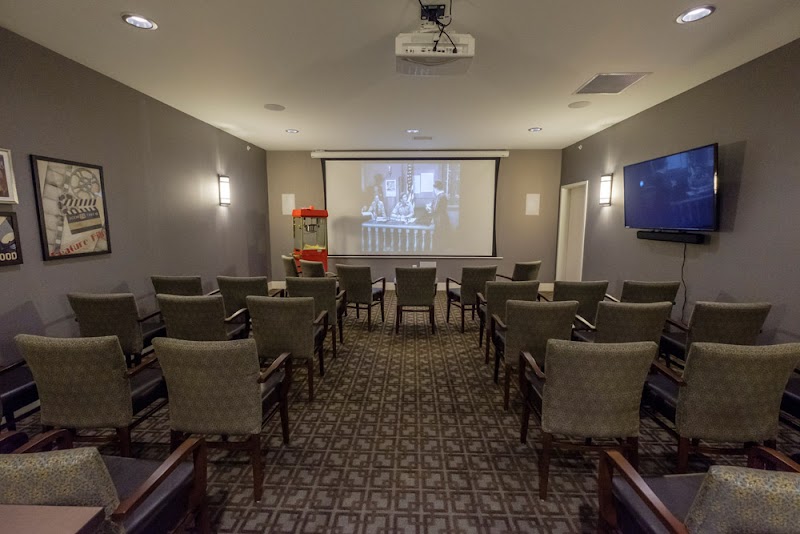
How Does Canal Winchester Compare to Other Ohio Nursing Homes?

Compared to the 100 nursing homes in Ohio, CANAL WINCHESTER CARE CENTER's overall rating (3 stars) is below the state average of 3.2, staff turnover (58%) is significantly higher than the state average of 46%, and health inspection rating (2 stars) is below the national benchmark.

What Should Families Ask When Visiting Canal Winchester?

Based on this facility's data, families visiting should ask: "How do you ensure continuity of care given staff turnover, and what is your staff retention strategy?" "Can you walk me through typical staffing levels on day, evening, and night shifts?" "Can I visit during a mealtime to observe dining assistance and food quality?" "How do you handle medical emergencies, and what is your hospital transfer rate?" These questions are particularly relevant given the facility's high staff turnover rate and the below-average staffing rating.

Is Canal Winchester Safe?

Based on CMS inspection data, CANAL WINCHESTER CARE CENTER has a clean safety record: no substantiated abuse findings (meaning no confirmed cases of resident harm), no Immediate Jeopardy citations (the most serious violation level indicating risk of serious injury or death), and is not on the Special Focus Facility watch list (a federal program monitoring the lowest-performing 1% of nursing homes). The facility has a 3-star overall rating and ranks #100 of 100 nursing homes in Ohio. While no facility is perfect, families should still ask about staff-to-resident ratios and recent inspection results during their visit.

Do Nurses at Canal Winchester Stick Around?

Staff turnover at CANAL WINCHESTER CARE CENTER is high. At 58%, the facility is 12 percentage points above the Ohio average of 46%. Registered Nurse turnover is particularly concerning at 71%. RNs handle complex medical decisions and coordinate care — frequent RN changes can directly impact care quality. High turnover means new staff may not know residents' individual needs, medications, or preferences. It can also be disorienting for residents, especially those with dementia who rely on familiar faces. Families should ask: What is causing the turnover? What retention programs are in place? How do you ensure care continuity during staff transitions?

Was Canal Winchester Ever Fined?

CANAL WINCHESTER CARE CENTER has no federal fines on record. CMS issues fines when nursing homes fail to meet care standards or don't correct problems found during inspections. The absence of fines suggests the facility has either maintained compliance or corrected any issues before penalties were assessed. This is a positive indicator, though families should still review recent inspection reports for the full picture.

Is Canal Winchester on Any Federal Watch List?

CANAL WINCHESTER CARE CENTER is not on any federal watch list. The most significant is the Special Focus Facility (SFF) program, which identifies the bottom 1% of nursing homes nationally based on persistent, serious quality problems. Not being on this list means the facility has avoided the pattern of deficiencies that triggers enhanced federal oversight. This is a positive indicator, though families should still review the facility's inspection history directly.