ALTERCARE OF NOBLES POND, INC
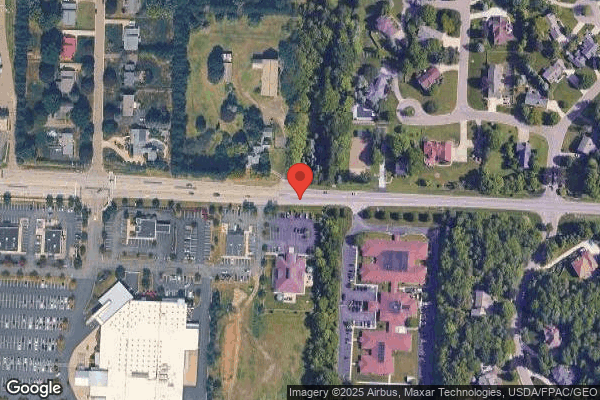

7006 FULTON DRIVE, NW, CANTON, OH 44718 (330) 834-4800
For profit - Corporation 71 Beds ALTERCARE Data: November 2025
Trust Grade
60/100
#210 of 913 in OH
Last Inspection: June 2025

Inspected within the last 6 months. Data reflects current conditions.

Overview

Altercare of Nobles Pond in Canton, Ohio, has a Trust Grade of C+, indicating it is slightly above average but not without concerns. It ranks #210 out of 913 facilities in Ohio, placing it in the top half, and #9 out of 33 in Stark County, meaning only a handful of local options are better. Unfortunately, the facility is on a worsening trend, with issues increasing from 7 in 2024 to 9 in 2025. While the overall staffing rating is concerning at 2 out of 5 stars, indicating below-average staffing levels, the facility has not accrued any fines, which is a positive sign. However, specific incidents, such as improper food storage and cooking conditions, raise alarms about food safety, which could affect residents' health. Overall, the nursing home shows both strengths and weaknesses, requiring careful consideration by families.

Trust Score
C+
60/100
In Ohio
#210/913
Top 23%
Safety Record
Low Risk
No red flags
Inspections
Getting Worse
7 → 9 violations
Staff Stability
⚠ Watch
72% turnover. Very high, 24 points above average. Constant new faces learning your loved one's needs.
Penalties
✓ Good
No fines on record. Clean compliance history, better than most Ohio facilities.
Skilled Nurses
✓ Good
Each resident gets 45 minutes of Registered Nurse (RN) attention daily — more than average for Ohio. RNs are trained to catch health problems early.
Violations
⚠ Watch
24 deficiencies on record. Higher than average. Multiple issues found across inspections.
★★★★☆
4.0
Overall Rating
★★☆☆☆
2.0
Staff Levels
★★★★★
5.0
Care Quality
★★★☆☆
3.0
Inspection Score
Stable
2024: 7 issues
2025: 9 issues

The Good

  • 5-Star Quality Measures · Strong clinical quality outcomes
  • Full Sprinkler Coverage · Fire safety systems throughout facility
  • No fines on record

Facility shows strength in quality measures, fire safety.

The Bad

Staff Turnover: 72%

26pts above Ohio avg (46%)

Frequent staff changes - ask about care continuity

Chain: ALTERCARE

Part of a multi-facility chain

Ask about local staffing decisions and management

Staff turnover is very high (72%)

24 points above Ohio average of 48%

The Ugly 24 deficiencies on record

Jun 2025 9 deficiencies
CONCERN (D)

Potential for Harm - no one hurt, but risky conditions existed

Deficiency F0558 (Tag F0558)

Could have caused harm · This affected 1 resident

**NOTE- TERMS IN BRACKETS HAVE BEEN EDITED TO PROTECT CONFIDENTIALITY** Based on observation, record review and interview, the facility failed to ensure call lights were in working order. This affecte...

Read full inspector narrative →
**NOTE- TERMS IN BRACKETS HAVE BEEN EDITED TO PROTECT CONFIDENTIALITY** Based on observation, record review and interview, the facility failed to ensure call lights were in working order. This affected one resident (#36) of one resident reviewed for call light placement. Findings Include: Review of Resident #36's medical record revealed the resident was admitted on [DATE] with diagnoses including pancytopenia, diabetes mellitus, and atherosclerotic heart disease. Review of Resident #36's admission Minimum Data Set 3.0 assessment dated [DATE] revealed the resident exhibited intact cognition. Review of a plan of care dated 04/21/25 revealed Resident #36 was at risk for falls. Interventions included to encourage Resident #36 to use call light for transfer/ambulation assistance. Observation and interview on 06/10/25 at 12:57 P.M. revealed Resident #36 needed assistance. Resident #36 stated that he had been using the call light, and it was not working. He stated that he wanted to be positioned for when lunch arrived. An attempt to activate the call light at time of observation/interview revealed the call light did not activate the electronic message board. Observation and interview on 06/10/25 at 1:02 P.M. with the Administrator revealed that the call light cord was pulled out of the wall and that is why it did not activate. Review of the policy dated 05/01/25 titled, Call Light-Answering, revealed call lights would be responded to timely to meet the resident's needs.
CONCERN (D)

Potential for Harm - no one hurt, but risky conditions existed

Deficiency F0688 (Tag F0688)

Could have caused harm · This affected 1 resident

**NOTE- TERMS IN BRACKETS HAVE BEEN EDITED TO PROTECT CONFIDENTIALITY** Based on observation, record review and interview, the facility failed to ensure Resident #21's left palm protector was implemen...

Read full inspector narrative →
**NOTE- TERMS IN BRACKETS HAVE BEEN EDITED TO PROTECT CONFIDENTIALITY** Based on observation, record review and interview, the facility failed to ensure Resident #21's left palm protector was implemented as ordered to prevent skin breakdown and prevent deformity. This affected one (Resident #21) of one resident reviewed for position and mobility. Findings Include: Review of Resident #21's medical record revealed the resident was admitted on [DATE] with diagnoses including hemiplegia and hemiparesis following a cerebral infarction affecting the left non-dominant side, muscle weakness and vascular dementia. Review of Resident #21's physician orders revealed an order dated 01/23/25 for a left palm protector to be placed on in the morning and removed at bedtime and to check skin integrity twice daily. Review of Resident #21's Quarterly Minimum Data Set 3.0 assessment dated [DATE] revealed the resident exhibited moderate cognitive impairment. Review of Resident #21's care plans revealed an intervention dated 04/15/25 for a palm protector to the left hand. Review of Review of Resident #21's medication administration records and treatment administration records from 06/01/25 to 06/11/25 revealed documentation the palm protector was applied as ordered. Observation on 06/09/25 at 9:54 A.M. revealed Resident #21 had a contracted left hand with no palm protector in place. Interview with Resident #21 at the time of the observation confirmed the resident was supposed to wear a left hand splint during the day. Interview on 06/09/25 at 1:03 P.M. with Certified Nursing Assistant (CNA) #849 confirmed Resident #21's left hand palm protector was not in place as ordered by the physician. CNA #849 placed the palm protector to the left hand at this time. Observation on 06/11/25 at 6:15 A.M. revealed Resident #21's palm protector was on the resident's left hand and the resident was in bed sleeping. Interview on 06/11/25 at 6:31 A.M. with CNA #824 revealed she had helped provide care to Resident #21 around 5:00 A.M. and the palm protector was in place at that time. Interview on 06/11/25 at 6:33 A.M. with CNA #830 revealed she worked 10:30 P.M. to 6:30 A.M. and Resident #21's was wearing the left hand palm protector when she came in the facility. CNA #830 indicated she was not aware the palm protector was to be removed at bedtime. Interview on 06/12/25 at 1:11 P.M. with Regional Registered Nurse #927 revealed the facility did not have a policy regarding use of palm protectors.
CONCERN (D)

Potential for Harm - no one hurt, but risky conditions existed

Tube Feeding (Tag F0693)

Could have caused harm · This affected 1 resident

Based on record review, observation, interview, and review of facility policy, the facility failed to provide enteral feeding as ordered for Resident #127. This affected one (#127) of one resident who...

Read full inspector narrative →
Based on record review, observation, interview, and review of facility policy, the facility failed to provide enteral feeding as ordered for Resident #127. This affected one (#127) of one resident who received enteral feedings. The facility census was 69. Findings Include: Review of the medical record for Resident #127 revealed an admission date of 05/24/25 with diagnoses including dysphagia oropharyngeal phase, aphasia, and gastrostomy status. Review of the admission Minimum Data Set assessment, dated 05/31/25, revealed Resident #127 was cognitively intact, dependent on staff for activities of daily living, and received 51 percent or more of calories and 501 milliliter (ml) or more of fluids from tube feeding daily. Review of the physician's orders for June 2025 for Resident #127 identified an order dated 05/27/25 for continuous enteral feeding formula Isosource 1.5 at 55 ml per hour. There were no physician's orders for enteral feeding formula substitutions. Review of the medication administration record for 06/08/25 revealed continuous enteral feeding formula Isosource 1.5 at 55 ml per hour was signed as administered on 06/08/25 at 10:42 P.M. On 06/09/25 at 11:55 A.M., an observation of Resident #127 revealed the resident was sitting in bed with the head of bed elevated and Vital 1.5 enteral formula at 55 ml per hour infusing. On 06/09/25 at 12:40 P.M., an observation and interview with Registered Nurse (RN) #926 confirmed Vital 1.5 enteral formula was hooked up and running through Resident #127's feeding tube. RN #926 verified Resident #127 was ordered Isosource 1.5 enteral formula. On 06/09/25 at 1:02 P.M., an observation of the supply room revealed there were several cases of Isosource 1.5 formula available for use, which was verified by Regional RN #915 at the time of observation. On 06/09/25 at 1:17 P.M., an interview with Registered Dietitian (RD) #921 revealed nobody had called her regarding substituting Vital 1.5 in place of Isosource 1.5 for Resident #127. RD #921 said there should have been physician input regarding the enteral formula substitution. On 06/10/25 at 1:39 P.M., an interview with Medical Records Coordinator #881 revealed the current supply of enteral formula was ordered on 05/28/25 and delivered by the end of the month (May 2025). There were no other orders placed for enteral feeding formulas since then. Medical Records Coordinator #881 stated the Isosource 1.5 enteral formula was available for use and she was unsure why the Vital 1.5 enteral formula was administered instead for Resident #127. Review of the facility's policy titled Enteral Feeding - Continuous Pump, dated 05/01/25, revealed the facility would provide enteral nutrition and hydration in accordance with professional standards of practice, including administering the prescribed enteral feeding to residents.
CONCERN (D)

Potential for Harm - no one hurt, but risky conditions existed

Deficiency F0760 (Tag F0760)

Could have caused harm · This affected 1 resident

**NOTE- TERMS IN BRACKETS HAVE BEEN EDITED TO PROTECT CONFIDENTIALITY** Based on observation, record review and interview, the facility failed to ensure Resident #34's carbohydrates were monitored dur...

Read full inspector narrative →
**NOTE- TERMS IN BRACKETS HAVE BEEN EDITED TO PROTECT CONFIDENTIALITY** Based on observation, record review and interview, the facility failed to ensure Resident #34's carbohydrates were monitored during meals, assisted with adding the carbohydrate count to the insulin pump, the resident's care plans were updated to reflect accurate interventions for caring for the resident's insulin pump, the resident's physician orders accurately reflected the amount of as needed insulin to be administered to the resident and the staff were knowledgeable in operating the resident's insulin pump. This resulted in significant insulin medication errors affecting one (Resident #34) of two residents reviewed for insulin administration. The facility census was 69. Findings Include: Review of Resident #34's medical record revealed the resident was admitted on [DATE] with diagnoses including unspecified nondisplaced fracture of the surgical neck of the right humerus, type one diabetes mellitus and spastic quadriplegic cerebral palsy. Review of Resident #34's admission Minimum Data Set 3.0 assessment dated [DATE] revealed the resident exhibited intact cognition. Further review revealed Resident #34 was dependent upon staff for performance of all activities of daily living including eating, toileting, bathing, and hygiene. Review of Resident #34's care plans revealed an intervention dated 04/29/25 to approach insulin pump as per the physician's orders. There were no intervention regarding assisting Resident #34 with the carbohydrate count necessary to calculate insulin bolus via the insulin pump. Review of Resident #34's physician orders revealed an order dated 04/17/25 for a low concentrated sweets diet, regular texture with regular thin liquid consistency; an order dated 04/26/25 to assist the resident with entering carbohydrate counts into the resident's insulin pump to deliver a bolus of insulin after each meal, referring to carbohydrate sheets at the bedside bulletin board with meals due at 8:00 A.M., 12:00 P.M. and 5:00 P.M.; an order dated 05/01/25 for U-100 insulin fast acting insulin, 100 units/milliliter (ml), up to 90 units per day subcutaneous via an insulin pump due from 6:30 A.M. to 10:30 A.M.; and an order dated 05/21/25 to check the resident's blood sugars before meals and at bedtime and notify the physician if the blood sugar was less than 60 or greater than 400. Review of Resident #34's progress note authored by Licensed Practical Nurse (LPN) #813 dated 04/18/25 timed 1:31 P.M. revealed the resident's insulin pump was not working correctly and the alarm for a high blood sugar had been going off. The insulin pump showed a fasting blood sugar of over 400 with a fingerstick confirming a fasting blood sugar of 552. Ten units of Humalog insulin was administered subcutaneously. Review of Resident #34's progress note dated 04/19/25 timed 1:16 A.M. authored by LPN #923 indicated at approximately 12:40 A.M., the resident's insulin pump displayed a reading above 400. A finger stick was performed, and the blood sugar was 493. A note on the report sheet indicated the insulin pump was not functioning and that the son was bringing a replacement part. A review of the resident's chart showed a similar incident documented on 04/18/25 at approximately 1:30 P.M. The physician was called and awaiting on a physician to return the call. Review of Resident #34's progress note dated 04/25/25 timed 9:00 P.M. authored by Registered Nurse (RN) #801 revealed the resident's insulin pump had been beeping on and off for the floor staff. The floor staff were unsure how to operate the insulin pump or what orders to use for caring for the insulin pump. The endocrinologist was contacted multiple times throughout the day requesting specific orders for administering bolus insulin as well as educational materials related to refilling the pump and changing the monitor. Review of Resident #34's progress note dated 05/14/24 at 5:22 A.M. authored by RN #924 revealed the blood sugar reading at 5:00 A.M. was 470. The resident stated he had been running high. The certified nurse practitioner (CNP) advised the resident to administer 8 units via the insulin pump and a new order to check the resident's blood sugars before meals and at bedtime. Review of Resident #34's medication administration records (MARS) and treatment administration records (TARS) from 05/01/25 to 05/31/25 revealed no evidence of entering a carbohydrate count into the resident's insulin pump to deliver a bolus of insulin after each meal on 06/01/25 at 8:00 A.M., 05/02/25 at 8:00 A.M., 05/03/25 at 8:00 A.M., 05/04/25 at 8:00 A.M., 05/04/25 at 12:00 P.M., 05/06/25 at 8:00 A.M., 05/07/25 at 8:00 A.M., 05/08/25 at 12:00 P.M., 05/09/25 at 8:00 A.M., 05/09/25 at 12:00 P.M., 05/10/25 at 8:00 A.M., 05/11/25 at 8:00 A.M., 05/11/25 at 12:00 P.M., 05/11/25 at 5:00 P.M., 05/13/25 at 12:00 P.M., 05/13/25 at 5:00 P.M., 05/14/25 at 8:00 A.M., 05/14/25 at 12:00 P.M., 05/17/25 at 8:00 A.M., 05/17/25 at 12:00 P.M., 05/19/25 at 8:00 A.M., 05/20/25 at 5:00 P.M., 05/21/25 at 8:00 A.M., 05/22/25 at 8:00 A.M., 05/27/25 at 8:00 A.M., 05/22/25 at 12:00 P.M., and 05/30/25 at 8:00 A.M. Review of Resident #34's MARS and TARS from 06/01/25 to 06/11/25 revealed no evidence the staff assisted the resident with carbohydrate count into the resident's insulin pump to deliver a bolus of insulin after each meal on 06/02/25 at 8:00 A.M., 06/02/25 at 12:00 P.M., 06/03/25 at 8:00 A.M., 06/06/25 at 8:00 A.M., 06/06/25 at 12:00 P.M., 06/09/25 at 8:00 A.M., 06/09/25 at 12:00 P.M., 06/09/25 at 5:00 P.M. Review of Resident #34's MARS and TARS dated 05/14/25 revealed to administer a one-time dose of 80 units of insulin for a blood sugar reading of 470. The MARS and TARS did not reveal evidence the nurse administered the insulin. An observation on 06/09/25 at 12:00 P.M. of Resident #34 while in his room revealed Resident #34 was alert, appropriately groomed and able to converse without limitations. An interview on 06/09/25 at 12:01 P.M. with Resident #34 indicated the resident had been waiting since 8:30 A.M. for the nurse on shift to tell the resident how many carbohydrate the resident had for breakfast for the insulin bolus and a blood sugar of 207. Resident #34 requested assistance to remove his glucose monitor from his pocket so that he could check his blood sugar. He shared that he was unable to do so because he had limited ability to move his right arm due to right shoulder and upper arm fracture. He further shared that he did not have the ability to grasp things with his left hand due to cerebral palsy. An interview on 06/09/25 at 12:47 P.M. with RN #926 confirmed that she did not assist Resident #34 with a carbohydrate count for his insulin bolus due at 8:00 A.M. and 12:00 P.M. RN #926 shared that they did not know that they were supposed to provide Resident #34 with a carbohydrate count and thought that the insulin pump delivered insulin automatically. Further, RN #926 shared they were not familiar with insulin pumps in general. RN #926 verified the physician's order to assist Resident #34 to calculate carbohydrate counts at each meal to be programmed into the insulin pump for an insulin bolus was on Resident's #34 medication administration record. RN #926 stated that she would notify the doctor. An interview On 06/10/25 at 7:54 A.M. with Resident #34 revealed that he had a list of carbohydrate counts for common foods at his bedside. Resident #34 shared that he did not add up the total carbohydrates based on the provided information and that nurses were supposed to do this for him. Resident #34 stated that occasionally the nurses did not assist him with the carbohydrate counts and that he was unable to independently calculate carbohydrate counts and program them into his insulin pump. Further, he shared that while at home he ate the same foods most of the time and he knew the carbohydrate counts without calculation, also he had food package instructions to help him figure out serving sizes, and full use of his dominant side prior to falling at home. Resident #34 stated that he had no way of knowing what the serving sizes were at the facility. Resident #34 was alert and laying in bed during this interview. Resident #34 denied ever experiencing discomfort related to elevated or low glucose levels. An interview on 06/10/25 at 7:46 A.M. with Regional RN #915 revealed that the nurse was to supply Resident #34 with the carbohydrate count for each meal, using the chart at his bedside. Resident #34 then injected the correct dose of insulin via his insulin pump. An interview on 06/10/25 at 4:54 P.M. with Regional RN #915 verified that carbohydrate counts were not documented for multiple days/shifts and that she could not verify that the insulin bolus were given. An interview on 06/11/25 at 9:20 A.M. with LPN #813 revealed that Resident #34 usually walked the staff through the process with his insulin pump and that he knew everything about his insulin pump. LPN #813 indicated that she routinely went online with her phone and looked up carbohydrate counts based on serving sizes Resident #34 gave her. LPN #813 was not sure how Resident #34 determined serving sizes. LPN #813 shared that they were not provided with education on the insulin pump for Resident #34 and they were not sure what brand or type of insulin pump he used. An interview on 06/11/25 at 9:34 A.M. with Regional RN #915 verified that the medical record for Resident #34 contained no orders to monitor glucose prior to 05/14/25. An interview on 06/11/25 at 9:39 A.M. with Assistant Director of Nursing (ADON) #802 revealed that the glucose levels for Resident #34 were tracked on his insulin pump. ADON #802 verified that the expectation for residents with continuous glucose monitoring was to obtain blood glucose levels and to record them at regular intervals. The facility was unable to provide glucose monitoring data prior to 05/14/25 for Resident #34. ADON #802 furthered shared that no education was provided to the staff for Resident #34's insulin pump and that it was not a routine practice to provide staff education for residents admitted with devices unfamiliar to staff. An interview on 06/11/25 at 2:30 P.M. with RN #924 revealed that they made a transcription error when receiving orders for an elevated glucose level for Resident #34. RN #924 shared that they did not administer 80 units of insulin to Resident #34 and they did not know much about Resident #34 or his insulin pump other than his blood sugar was high and they called the Nurse Practitioner (NP) on call. The NP ordered 8 units of insulin and that was what RN #924 gave Resident #34. An interview on 06/11/25 at 2:45 P.M. with the Director of Nursing (DON) verified that Resident #34's care plan did not reflect current orders specifically carbohydrate counting. An interview on 06/11/25 at 2:58 P.M. with Regional RN #927 revealed that when care plans were done, they were general and not specific. If they were too specific to the orders, then they would have to update them every time an order was changed. An interview on 06/11/25 at 3:30 PM with the DON revealed that Resident #34 had not been assessed for self-administration of medication and it was not expected that the residents would self-administer medications. The DON verified that the facility did not have any documentation of staff education for the use, care, and maintenance of Resident #34 insulin pump or for carbohydrate counting.
CONCERN (D)

Potential for Harm - no one hurt, but risky conditions existed

Medical Records (Tag F0842)

Could have caused harm · This affected 1 resident

**NOTE- TERMS IN BRACKETS HAVE BEEN EDITED TO PROTECT CONFIDENTIALITY** Based on record review and interview, the facility failed to accurately document the details of a fall and fall investigation. T...

Read full inspector narrative →
**NOTE- TERMS IN BRACKETS HAVE BEEN EDITED TO PROTECT CONFIDENTIALITY** Based on record review and interview, the facility failed to accurately document the details of a fall and fall investigation. This affected one resident (#10) out of two residents reviewed for falls. The facility census was 69. Findings Include: Review of the medical record for Resident #10 revealed an admission date of 03/17/25 and readmission date of 05/13/25 with diagnoses including bilateral osteoarthritis of the knee, atrial fibrillation, difficulty in walking, type two diabetes mellitus, chronic obstructive pulmonary disease, bipolar disorder, hypertension, acute and chronic respiratory failure with hypoxia, and weakness. Review of the admission assessment dated [DATE] revealed Resident #10 was at low risk for falls with a score of 4.0 (the assessment indicated high risk was a score of 10.0 or higher). Review of the fall investigation report dated 05/20/25 timed 6:00 A.M. indicated Resident #10 had a fall with injury. The question asking Was the patient injured? was answered Other: -states none. The question asking Further assessment/findings related to injury: was answered Resident self-reported fall but said she did not hurt self and had no issues. The assessment indicated the nurse practitioner (NP) was notified on 05/21/25 at 1:00 P.M. and the resident representative was notified on 05/21/25 at 2:15 P.M. Resident #10 reported a pain level of zero. The assessment indicated the resident reported pain the following day, an x-ray was ordered and the results were negative. The investigation report was closed on 05/22/25 at 3:05 P.M. Review of the fall investigation report dated 05/22/25 timed 3:10 P.M., with a note indicating it was for the self reported fall on 05/20/25, indicated Resident #10 had a fall with injury. The question asking Was the patient injured? was answered Other: - none reported. The question asking Further assessment/findings related to injury: was answered Resident reported fall but unsure of when it happened. States no injury. The assessment indicated the nurse practitioner and resident representative were notified on 05/20/25 at 6:00 A.M. (which was inconsistent with the dates/times of notification listed on the other assessment for this same fall). Resident #10 reported a pain level of zero. The assessment indicated an x-ray was ordered the day after the fall. The investigation report was closed on 06/10/25 at 2:36 P.M. Review of the progress note dated 05/22/25 timed 12:05 P.M., written by NP #914, indicated Resident #10 reported a recent fall in the restroom with head involvement and the resident was unsure of what day it occurred, reporting it was possibly on 05/17/25 (which was inconsistent with the date reported on the two fall investigation reports). There was a small abrasion on the back of the head (which was inconsistent with the findings reported in the two fall investigation reports), Resident #10 denied any headache, Resident #10 complained of right thigh pain, and x-rays were negative. Review of the care plan, dated 06/04/25, revealed Resident #10 was at risk for falls or injury related to bowel incontinence, bladder incontinence, anti-depressant, anti-hypertensive, anti-convulsant, anti-psychotic, diabetic oral hypoglycemic, diuretic, and impaired gait stability. Interventions included occupational therapy as per plan, physical therapy as per plan, educate resident about limitations and safety concerns, encourage resident to use call light for assistance, encourage resident to wear glasses, evaluate resident safety with devices, identify non-compliance with safety issues and report to the physician as needed, observe resident for safety needs, redirect for safety as needed, pharmacy and physician to review medications with resident visits, report any possible medication side effects, and observe for mental and physical side effects with device use. On 06/10/25 at 9:15 A.M., an interview with Resident #10 stated she had one fall since arriving to the facility. Resident #10 said she fell while self-transferring, hit her head, and hurt her arm. On 06/10/25 at 3:06 P.M., an interview with Regional Registered Nurse (RN) #915 verified there were two incident reports for the same incident for Resident #10, both with an incident type of fall with injury, and on both incident reports, the question asking what injury the resident had was answered as none. On 06/10/25 at 4:07 P.M., an interview with the Director of Nursing (DON) confirmed Resident #10's fall was classified as a fall with injury even though the incident reports indicated there was no injury and no pain. The DON said there were two incident reports because the first one was accidentally closed out before it was completed and confirmed the information in the two assessments did not match.
CONCERN (D)

Potential for Harm - no one hurt, but risky conditions existed

Deficiency F0919 (Tag F0919)

Could have caused harm · This affected 1 resident

**NOTE- TERMS IN BRACKETS HAVE BEEN EDITED TO PROTECT CONFIDENTIALITY** Based on observation, record review and interview, the facility failed to ensure call lights were in working order. This affecte...

Read full inspector narrative →
**NOTE- TERMS IN BRACKETS HAVE BEEN EDITED TO PROTECT CONFIDENTIALITY** Based on observation, record review and interview, the facility failed to ensure call lights were in working order. This affected one resident (#36) of one resident reviewed for call light placement. Findings Include: Review of Resident #36's medical record revealed the resident was admitted on [DATE] with diagnoses including pancytopenia, diabetes mellitus, and atherosclerotic heart disease.Review of Resident #36's admission Minimum Data Set 3.0 assessment dated [DATE] revealed the resident exhibited intact cognition.Review of a plan of care dated 04/21/25 revealed Resident #36 was at risk for falls. Interventions included to encourage Resident #36 to use call light for transfer/ambulation assistance.Observation and interview on 06/10/25 at 12:57 P.M. revealed Resident #36 needed assistance. Resident #36 stated that he had been using the call light, and it was not working. He stated that he wanted to be positioned for when lunch arrived. An attempt to activate the call light at time of observation/interview revealed the call light did not activate the electronic message board. Observation and interview on 06/10/25 at 1:02 P.M. with the Administrator revealed that the call light cord was pulled out of the wall and that is why it did not activate.Review of the policy dated 05/01/25 titled, Call Light-Answering, revealed call lights would be responded to timely to meet the resident's needs.
CONCERN (E)

Potential for Harm - no one hurt, but risky conditions existed

Deficiency F0806 (Tag F0806)

Could have caused harm · This affected multiple residents

**NOTE- TERMS IN BRACKETS HAVE BEEN EDITED TO PROTECT CONFIDENTIALITY** 4. Review of Resident #31's medical record revealed the resident was admitted on [DATE] with diagnoses including chronic obstruc...

Read full inspector narrative →
**NOTE- TERMS IN BRACKETS HAVE BEEN EDITED TO PROTECT CONFIDENTIALITY** 4. Review of Resident #31's medical record revealed the resident was admitted on [DATE] with diagnoses including chronic obstructive pulmonary disease, adult failure to thrive and unspecified dementia with hospice services. Review of Resident #31's physician orders revealed an order dated 05/16/25 for a regular diet, thin liquid consistency with a four ounce fortified nutritional treat daily at lunch. Review of Resident #31's Significant Change in Status MDS 3.0 assessment dated [DATE] revealed the resident exhibited moderate cognitive impairment. Review of Resident #31's care plans revealed an intervention dated 06/10/25 to provide the diet per the physician's order. Review of Resident #31's lunch meal ticket dated 06/10/25 revealed a regular diet regular texture with a thin liquid consistency with milk, coffee, one fortified ice cream, Salisbury steak, mashed potatoes with brown gravy, peas and apple crisp. Observation on 06/10/25 at 11:34 A.M. revealed Resident #31 was sitting on side of bed waiting on the lunch meal. Observation on 06/10/25 at 12:10 P.M. revealed Resident #31's meal tray was delivered to the resident. A four ounce fortified nutritional treat was not on the meal tray as ordered by the physician. Interview on 06/10/25 at 12:20 P.M. with CNA #810 confirmed Resident #31's lunch meal tray did not include the fortified ice cream as indicated on the resident's meal ticket. 5. Review of Resident #32's medical record revealed the resident was admitted on [DATE] with diagnoses including systemic lupus, weakness and need for assistance with personal care. Review of Resident #32's physician orders revealed an order dated 04/18/25 for a regular diet, regular thin liquid consistency with no bananas or seafood per an allergy and provide four ounces of fortified nutritional treat daily at lunch. Review of Resident #32's Quarterly MDS 3.0 assessment dated [DATE] revealed the resident exhibited intact cognition and lost weight of more than five percent in the last month or 10 percent in the last six months. Review of Resident #32's lunch meal ticket revealed a regular diet, regular thin liquids consistency with allergies to bananas and shellfish. The meal ticket indicated to add one fortified ice cream, Salisbury steak, mashed potatoes with brown gravy, peas, apple crisp and milk/beverage. Interview on 06/10/25 at 11:51 A.M. with Resident #32 revealed the resident was aware of a recent weight loss and was happy with the weight loss. Observation on 06/10/25 at 12:20 P.M. of Resident #32's meal tray revealed the tray did not have four ounces of fortified nutritional treat on the tray as ordered by the physician. Interview on 06/10/25 at 12:25 P.M. with Regional Licensed Social Worker #922 confirmed Resident #32's lunch tray did not include a fortified nutritional treat. Based on observation, interview, and record review, the facility failed to provide residents with their preferences during meals. This affected five ( #28, #30, #31, #32, and #40 ) of six residents reviewed for food and drink. The facility census was 69. Findings Include: 1. Review of Resident #28 medical record revealed the resident was admitted on [DATE] with diagnoses including anorexia, adult failure to thrive and anxiety disorder. Review of Resident #28's care plans revealed an intervention dated 11/25/24 to provide the diet per the physician's order and honor preferences. Review of Resident #28's quarterly Minimum Data Set (MDS) 3.0 assessment dated [DATE] revealed Resident #28 exhibited moderate cognitive impairment. Review of Resident #28's physician orders for June 2025 revealed an order for a regular diet, thin liquid consistency. Observation on 06/09/25 at 1:36 P.M. revealed Resident #28's lunch ticket indicated the resident chose apple juice but received cranberry juice. This was verified by Certified Nursing Assistant (CNA) #832 at time of observation. Interview and observation on 06/11/25 at 8:50 A.M. revealed Resident #28 taking a drink and then indicating the beverage tasted horrible and she was supposed to get apple juice. Activities Coordinator #881 verified that the drink was not the color of apple juice, and the meal ticket indicated Resident #28 was to receive apple juice. Interview on 06/11/25 at 8:53 A.M. with Dietary Aide (DA) #896 verified Resident #28 did not receive apple juice, she received lemonade. 2. Review of Resident #30's medical record revealed the resident was admitted on [DATE] with diagnoses including chronic respiratory failure with hypoxia, sepsis, muscle wasting and atrophy. Review of Resident #30's care plans revealed an intervention dated 12/28/20 to provide the diet per the physician's order and honor preferences. Review of Resident #30's physician orders for June 2025 revealed an order for a regular diet, thin liquid consistency. Observation of Resident #30's breakfast meal and meal ticket on 06/09/25 at 9:47 A.M. revealed Resident #30 selected cheddar egg bake, coffee cake, hash brown patty, and cranberry juice. Resident #30 did not receive the hash brown patty and received orange juice instead of cranberry juice on her breakfast tray. CNA #832 verified the ticket and stated that the kitchen ran out of hash browns. 3. Review of Resident #40's medical record revealed the resident was admitted on [DATE] with diagnoses including chronic obstructive pulmonary disease, fracture of right femur and hypo-osmolality and hyponatremia. Review of Resident #40's care plans revealed an intervention dated 08/23/22 to provide the diet per the physician's order and honor preferences. Review of Resident #40's quarterly MDS 3.0 assessment dated [DATE] revealed Resident #40 exhibited moderate cognitive impairment. Review of Resident #40's physician orders for June 2025 revealed an order for a regular diet, thin liquid consistency. Observation of Resident #40's meal ticket on 06/09/25 at 9:35 A.M. revealed Resident #40 selected cheddar egg bake and a hash brown patty for breakfast but was not served the hash brown patty on his breakfast tray. CNA #832 verified the meal ticket and stated the kitchen ran out of hash browns.
CONCERN (F)

Potential for Harm - no one hurt, but risky conditions existed

Deficiency F0804 (Tag F0804)

Could have caused harm · This affected most or all residents

Deficiency Text Not Available

Read full inspector narrative →
Deficiency Text Not Available
CONCERN (F)

Potential for Harm - no one hurt, but risky conditions existed

Food Safety (Tag F0812)

Could have caused harm · This affected most or all residents

Based on observations, interview, and policy and procedure review the facility failed to ensure food was stored in a manner to protect from contamination/spoilage, the oven was maintained in a clean/s...

Read full inspector narrative →
Based on observations, interview, and policy and procedure review the facility failed to ensure food was stored in a manner to protect from contamination/spoilage, the oven was maintained in a clean/sanitary manner, and food was prepared/served in accordance with standards for food service safety. This had the potential to affect 68 out of 69 residents receiving food from the kitchen. Resident #127 was identified as not receiving anything by mouth and received no food from the kitchen. The facility census was 69. Findings Include: Observation during tour of the kitchen on 06/09/25 at 8:10 A.M. with the Dietary Manager revealed in the dry goods storage room there was an open bag of cake mix and an open bag of instant mashed potatoes with no label or date as to when opened. Inside the walk-in freezer there were frozen french toast sticks in a zip lock bag and an opened bag of biscuits with no labels or dates. In the preparation area, the oven had food residue and food splatter on it. Observation on 06/10/25 from 11:30 to 12:53 P.M. during lunch meal service tray line revealed that at 11:59 A.M., Dietary Aide #889 took a deli sandwich out of a sandwich bag with her bare hands and placed it on a plate for a resident. Review of the facility policy dated 08/12/20 titled, Dating Foods, revealed open food items in the cooler/refrigerator, freezer, storeroom was to be labeled with the opened date, expiration date, and food item name. Review of the facility policy dated 02/2014 titled, Glove Usage revealed no barehand food contact was allowed. Gloves must be worn when handling food whether it was ready to eat or going to be cooked as part of the process. Review of the facility policy dated January 2020 with a revision date March 2022 titled, Operation and Cleaning Procedures, revealed that all areas of the kitchen were to cleaned daily to insure proper sanitation in the operation.
Jun 2024 1 deficiency
CONCERN (E) 📢 Someone Reported This

A family member, employee, or ombudsman was alarmed enough to file a formal complaint

Potential for Harm - no one hurt, but risky conditions existed

Deficiency F0602 (Tag F0602)

Could have caused harm · This affected multiple residents

**NOTE- TERMS IN BRACKETS HAVE BEEN EDITED TO PROTECT CONFIDENTIALITY** THE FOLLOWING DEFICIENCY REPRESENTS AN INCIDENT OF PAST NON-COMPLIANCE THAT WAS SUBSEQUENTLY CORRECTED PRIOR TO THIS SURVEY. Bas...

Read full inspector narrative →
**NOTE- TERMS IN BRACKETS HAVE BEEN EDITED TO PROTECT CONFIDENTIALITY** THE FOLLOWING DEFICIENCY REPRESENTS AN INCIDENT OF PAST NON-COMPLIANCE THAT WAS SUBSEQUENTLY CORRECTED PRIOR TO THIS SURVEY. Based on interview, record review, self-reported incident (SRI) review, and facility policy review the facility failed to protect Residents #70, #22, #21, #64, #71 from misappropriation of narcotic medication. This affected five residents (#70, #22, #21, #64, #71) of the 29 residents who received narcotic medication. The facility census was 82. Findings include: 1. Review of the medical record for Resident #70 revealed an admission date of 04/09/24 and was discharged from the facility on 04/13/24. Medical diagnoses included fracture of the neck of the left femur, aftercare following joint replacement, cardiomyopathy, atrial fibrillation, congestive heart failure, and severe protein calorie malnutrition. Review of Resident #70's physician orders dated 04/09/24 revealed an order to administer Oxycodone Hydrochloride (HCL) 5 milligrams (mg) (opioid pain medication) for severe pain every six hours as needed. Review of the Minimum Data Set (MDS) 3.0 assessment dated [DATE] revealed Resident #70 required moderate assistance for bathing, lower body dressing, bed to chair transfers, and walking ten feet. Supervision was needed to roll left and right in bed, sit on side of bed, lie back in bed. Review of the medication administration record (MAR) revealed Resident #70 had received Oxycodone HCL two times for the five days the resident was in the facility. Review of pain assessment revealed Resident #70 had pain at a level of seven and ten on a scale from zero to ten, ten being the worst, on 04/10/24. Review of SRI tracking number 246513 dated 04/18/24 revealed Resident #70's sister called the facility after discharge home regarding the oxycodone medication that was missing. On 04/17/24 the facility searched all the medication carts, medication rooms, nurse stations and nurse's offices showing no medication was found. All nurses were sent for a drug screen. On 04/18/24 the facility reported the incident to the Board of Pharmacy. On 04/18/24 the shred box was opened and searched for the missing narcotic card, and none was found, and all nurses drug testing came back negative. No discrepancies with drug counts were noted per nursing statements. The facility initiated a new shift change controlled medication count sheet accountability log on 04/18/24 with numbered pages to ensure no pages could be removed without noticing. Audits were done weekly. Education was provided titled Shift Change Controlled Medication Count Sheet Accountability Log. A witness statement dated 04/17/24 authored by Licensed Practical Nurse (LPN) #396 revealed they worked on 04/15/24 from 6:00 A.M. to 6:30 P.M. in the 500/600 hall. There were 16 controlled medication cards at the beginning of the shift, and she removed two empty cards during her shift. She did put 15 cards in at the start of her shift. She did not fill in the narcotic log at the beginning of the shift. She completed the log at the end of her shift. LPN #396 verified they did not look at the number above and did not notice the count was off. LPN #396 verified she changed the count to reflect 13 that the other nurse stated she had. LPN #396 verified they did not initial that on the sheet. LPN #396 verified she and the other nurse did not go back and review the count to ensure that it was correct. LPN #396 stated they marked the 13 and did not investigate further. LPN #396 did not remember what cards she removed during the shift. LPN #396 stated she started with 16 cards and only removed two cards; the count should have been 14. 2. Review of medical record for Resident #22 revealed an admission date of 02/28/20. Medical diagnoses included peripheral vascular disease, disruption of wound, severe protein calorie malnutrition, absence of left above the knee, and major depression. Review of Resident #22's physician order dated 05/28/24 revealed an order for Percocet Oxycodone HCL one tablet every six hours and Tramadol 50 mg (opioid pain medication) twice a day for chronic pain ordered 05/28/24. There was a physician order to assess pain twice a day. Review of the MDS 3.0 assessment dated [DATE] revealed Resident #22's cognition was moderately impaired. Resident #22 needed two-person assistance for transfers from bed to chair, one person assistance for bed mobility, assistance for toilet hygiene. Review of pain assessment revealed Resident #22 had pain frequently. Review of SRI tracking number #246516 dated 04/18/24 revealed when the nurse went to reorder narcotic medication for Resident #22, the pharmacy stated it was too early to reorder, and insurance would not pay. The facility offered to pay for the medication. On 04/18/24, the pharmacy provided the facility with a copy of the packing slip for Resident #22, and it was signed by a nurse who no longer worked in the facility. The medication reconciliation report showed the narcotic medication was destroyed on 04/04/24. On 04/18/24, the facility contacted the pharmacy, and the pharmacy contacted the pharmacy board regarding the incident. The facility educated nursing staff regarding shift change medication count and accountability dated 04/18/24, 04/19/24, 04/20/24 and 04/21/24. Review of the nursing progress note dated 04/17/24 revealed Percocet tablet for Resident #22 was lost and theft was reported to pharmacy. The pharmacy did not have a suspect. Review of nursing witness statement by Registered Nurse RN #397 revealed on 04/18/24 the pharmacy provided the facility a copy of the packing slip proof of delivery for Resident #22 on the date of 03/25/24. On the slip dated 03/25/25, Resident #22 received three cards of 30 Percocet 5/325 mg tablets and one card of 26 Percocet 5/325 mg tablets that was signed by Nurse #398. The facility was unable to verify if Nurse #398 received all the medications due to the medication being missing. The pharmacy shift changes accounting record for the timeframe revealed staff members no longer worked at the facility. 3. Review of the medical record for Resident # 21 revealed an admission date of 04/22/24. Diagnoses included spinal stenosis, difficulty walking, muscle weakness, morbid obesity, bronchitis, and osteoarthritis. Review of the physician order dated 04/25/24 revealed an order to administer Oxycodone HCL 5/325 mg every six hours for severe pain. Review of the MDS 3.0 assessment dated [DATE] revealed Resident #21 was cognitively intact. Resident #21 was dependent on staff to sit on the side of the bed, lie back in bed and roll from left to right in bed. Maximum assistance was needed for residents to stand from the bed, and from bed to chair transfers. Moderate assistance was needed to walk ten feet. Review of the MAR dated 05/01/24 to 05/14/24 revealed Resident # 21 received pain medication ten times. Review of pain assessment revealed Resident #21 had pain frequently from 05/01/24 to 05/14/24. Review of SRI tracking number 247556 dated 05/15/24 revealed LPN #309 verified she forgot to click off narcotic medication was given in the MAR. LPN #309 also verified she did not sign out the narcotic medication at the end of the shift. LPN #309 received a write up on 05/13/24 for policy violation related to medication administration and necessary documentation of resident status. 4. Review of medical record for Resident # 64 revealed an admission date of 04/04/24. Medical diagnoses included dementia, weakness, anemia, depression, failure to thrive, dorsalgia, and opioid dependence. Review of Resident #64's physician order dated 04/24/24 revealed an order to administer Oxycodone 5 mg two tablets every four hours as needed for pain. Review of the MDS 3.0 assessment dated [DATE] revealed Resident #64 was cognitively intact and required extensive assistance from staff for bed mobility and transfers. Resident #64 was dependent on staff for showers. Review of the MAR dated 04/30/24 to 05/14/24 revealed Resident #64 received Oxycodone 18 times, and Resident #64 had pain frequently. Review of the Controlled Drug receipt Disposition form dated 04/30/24 to 05/14/24 revealed Resident #64 received oxycodone 35 times with some administrations not matching the MAR during the time frame. Review of SRI tracking number 247559 dated 05/15/24 revealed an incidental finding during medication audits. The facility found narcotic sheets were signed out for Resident #64 but not signed off in the MAR. Resident #64 did not have a change in condition or pain any more than usual. Staff education was provided to nursing staff. 5. Review of medical record for Resident #71 revealed an admission date of 05/07/24 and a discharge date of 05/24/24. Medical diagnoses included fracture of right humerus, fall, difficulty walking, osteoarthritis, and Charcot's foot. Review of Resident #71's physician order dated 05/13/24 revealed an order to administer Oxycodone HCL 5 mg every six hours as needed for pain. Review of the admission MDS 3.0 assessment dated [DATE] revealed Resident #71's cognition was intact. Resident #71 was independent for self-care and needed maximum assistance for bathing. Supervision was needed to roll from left to right in bed and to sit on the side of the bed. Review of the MAR dated 05/13/24 to 05/25/25 revealed Resident #71 received oxycodone pain medication daily and had pain frequently. Review of SRI tracking number 247561 revealed on 05/10/24 the facility noticed LPN #309 wasted two narcotic medication that she said fell on the floor. LPN #309 stated RN #306 witnessed the waste. LPN # 309 also signed out narcotic medication on the disposition sheets but not the MAR. RN #306 denied witnessing LPN #309 waste narcotic medication on 05/10/24. Review of the witness statement dated 05/14/24 authored by LPN #309 revealed LPN #309 stated RN #306 wasted the pain medication for her. Review of LPN #309's personnel file revealed the Administrator filed a complaint with the Ohio Board of Nursing due to suspected drug diversion between the dates of 04/06/24 and 05/13/24. LPN #306 was terminated as of 05/13/24. Interview on 06/18/24 at 2:23 P.M. with RN #306 revealed he was being trained by LPN #309 on 05/10/24. RN #306 denied it was his signature on the narcotic sheet and stated LPN #306 signed his name that the medication was wasted. RN #306 verified the facility had educated staff in narcotic counting and wasting narcotics. Interview on 06/18/24 at 1:18 P.M. with the Director of Nursing (DON) revealed LPN #309 stated RN #306 was a witness to medication wasting. The previous DON did audits on all residents for pain and chart audits. It was stated at no time did a resident have a change in condition. New policies and procedures have been put in place with narcotic counting and receiving or narcotics from pharmacy. The facility has safeguarded the lock boxes and verified nursing staff was educated that two nurses were needed at all times to witness if narcotics are wasted. Interview on 06/18/24 at 2:07 P.M. revealed the Administrator called the police on 05/23/24 after additional SRI cases were opened up with incidental findings. The police were still investigating, and the Ohio Nursing Board had been called to report LPN #309. The Nursing Board was still investigating. Quality Assurance Improvement Projects have been implemented, education was provided, and updated policies and procedures were implemented. Observation on 06/17/24 at 3:16 P.M. Narcotic count between the DON and LPN #313 revealed the 100/200 hall Narcotic count was a total of 28 medications, and the DON verified 28 medication packets were in the drawer. Morphine, Tramadol, Gabapentin, and Oxycodone were counted and verified by the LPN and DON. The DON repeated the pill count back after the LPN stated the pill count in the narcotic book. Review of the facility policy titled Abuse, Mistreatment, Neglect, Misappropriation of Resident Property and Exploitation, dated 2016, revealed the facility would not tolerate abuse, neglect, misappropriation of resident property or exploitation of its residents. Misappropriation of resident property was the deliberate misplacement, exploitation or wrongful temporary or permanent use of a resident's belongings or money without the resident consent. Review of the undated facility policy titled Medication Error Policy and Procedure revealed the facility strived to ensure medication were administered to each resident without complications. Medication error was defined as a medication error that was preventable and may cause or lead to inappropriate medication use or resident harm. The deficient practice was corrected on 05/23/24 when the facility implemented the following corrective actions: • On 05/13/24 LPN #309 was suspended. • On 05/14/24 a statement was obtained from LPN #309, and she consented to a drug screen. • On 05/14/24 the DON completed narcotic accountability records on all medication carts. • On 05/15/24 the Consulting Pharmacist was notified of the pending investigation. • On 05/16/24 LPN #309 drug screen tested negative for oxycodone. • On 05/17/24 the facility completed an Ad Hoc QAPI meeting. The Medical Director was in attendance. • On 05/17/24 Resident #22 was interviewed related to pain by the facility with no negative findings. • On 05/17/24 Resident #70 was interviewed related to pain by the nurse practitioner with no negative findings. • On 05/17/24 Resident #21 was interviewed related to pain by the facility with no negative findings. • On 05/17/24 Resident #64 was interviewed related to pain with no negative findings. • On 05/17/24 Resident #71 was interviewed related to pain with no negative findings. • None of the affected residents (# 22, #70, #21, #64 and # 71) needed an order for a urine drug screen because no resident had complained of pain during the interviews conducted on 05/17/24. • On 05/17/24 Resident #22 was made aware of the investigation and did not want her responsible party notified. • On 05/17/24 Resident # 70 was made aware of the investigation and responsible party was notified. • On 05/17/24 Resident # 21 was made aware of the investigation and responsible party was notified. • On 05/17/24 Resident # 64 was notified of the investigation and responsible party was notified. • On 05/17/24 Resident # 71 was notified of the investigation and responsible party was notified. • From 05/15/24 to 05/22/24 all residents with narcotic pain medication were interviewed related to pain management and receipt of medication with no negative findings. • From 05/15/24 to 05/22/24 all current residents had pain assessments completed by licensed nurses with no negative findings. • From 05/16/24 to 05/22/24 the Administrator and DON educated all the staff on Abuse, Neglect and Misappropriation policy and reporting, staff not on duty were educated by phone, those that were unable to be reached were educated prior to the next shift. All newly hired staff will be educated on said process during orientation. • From 05/16/24 to 05/22/24 the DON/Designee educated all licensed nurses on Drug Diversion, Narcotic reconciliation process, Pain management, Narcotic destruction and Medication Administration. Staff not on duty was educated by phone and staff not able to be reached was educated prior to oncoming shift. All hired licensed nursed will be educated on said process during orientation. • Beginning 05/22/24, the DON/Designee will audit Narcotic Count on medication carts twice per week for four weeks then ongoing monthly to ensure narcotic accountability is properly completed. • Beginning 05/22/24 the DON/Designee will audit narcotic accountability records twice a week for four weeks then monthly times two months to ensure any as needed controlled medication administered are documented properly and the resident validated receipt of said medication. • Beginning 05/22/24 the DON/Designee will audit MARs twice a week for four weeks then monthly for two months to ensure medication was administered per order. • Beginning 05/22/24 the DON/ will audit nurse if able to verbalize proper procedure to narcotic destruction twice a week for four weeks, then monthly for two months to ensure proper procedure for narcotic destruction. • The results of the audits will be forwarded to the facility QAPI committee for further review and recommendations. • On 05/23/24 the local police were notified and requested to be contacted when the investigation was complete. • On 05/23/24 the Ohio Board of Nursing was emailed, faxed and called informing of the suspension of LPN #309. • On 06/03/24 LPN #309 was terminated. This deficiency represents non-compliance under Self-Reported Incident Control Number OH00154329.
Jan 2024 6 deficiencies
CONCERN (D) 📢 Someone Reported This

A family member, employee, or ombudsman was alarmed enough to file a formal complaint

Potential for Harm - no one hurt, but risky conditions existed

Resident Rights (Tag F0550)

Could have caused harm · This affected 1 resident

**NOTE- TERMS IN BRACKETS HAVE BEEN EDITED TO PROTECT CONFIDENTIALITY** Based on observation and staff interview the facility failed to ensure urinary drainage bags for Residents #27, #40, and #62 wer...

Read full inspector narrative →
**NOTE- TERMS IN BRACKETS HAVE BEEN EDITED TO PROTECT CONFIDENTIALITY** Based on observation and staff interview the facility failed to ensure urinary drainage bags for Residents #27, #40, and #62 were covered to maintain dignity. This affected three residents (#27, #40, and #62) of nine residents reviewed for dignity and respect. Findings include: 1. Review of the medical record revealed Resident #27 was admitted to the facility on [DATE]. Diagnoses included cellulitis, sepsis, fluid overload, hypertension, acute respiratory failure, bacteremia, traumatic ischemia of the muscles, falls, and adult failure to thrive. Review of the admission Minimum Data Set (MDS) assessment dated [DATE] revealed Resident #27 had intact cognition and had an indwelling urinary catheter. An observation on 01/25/24 at 9:40 A.M. revealed the urinary drainage bag of Resident #27 was uncovered, and the urine in the bag was visible from the hallway. The drainage bag was secured to the bed frame. On 01/25/2 at 9:46 A.M. an interview with Nurse #100 verified the urinary drainage bag of Resident #27 should be covered so the urine was not visible. 2. Review of the medical record revealed Resident #40 was admitted to the facility on [DATE]. Diagnoses included metabolic encephalopathy, acute kidney disease, obstructive and reflux uropathy, repeated falls, acute respiratory failure, atrial fibrillation, pneumonia, congestive heart failure, disorder of bilirubin metabolism, retention of urine, and elevated prostate specific antigen. There were no MDS assessments submitted at this time. An observation on 01/25/24 at 9:42 A.M. revealed the urinary drainage bag of Resident #40 was uncovered, and the urine in the bag was visible from the hallway. The drainage bag was secured to the bed frame. On 01/25/2 at 9:45 A.M. an interview with Nurse #105 verified the urinary drainage bag of Resident #40 should be covered so the urine was not visible. 3. Review of the medical record revealed Resident # 62 was admitted to the facility on [DATE]. Diagnoses of metabolic encephalopathy, anemia, cataract, hypertension, congestive heart failure, atrial fibrillation, chronic obstructive pulmonary disease, acute respiratory failure, depression, urinary tract infection, retention of urine, and pulmonary embolism. Review of the admission MDS assessment dated [DATE] revealed Resident #62 had moderately impaired cognition and had an indwelling urinary catheter. An observation on 01/25/24 at 9:44 A.M. revealed the urinary drainage bag of Resident #62 was uncovered, and the urine in the bag was visible from the hallway. The drainage bag was secured to the bed frame. On 01/25/2 at 9:45 A.M. an interview with Nurse #105 verified the urinary drainage bag of Resident #62 should be covered so the urine was not visible. This deficiency represents non-compliance investigated under Complaint Number OH00150009.
CONCERN (D) 📢 Someone Reported This

A family member, employee, or ombudsman was alarmed enough to file a formal complaint

Potential for Harm - no one hurt, but risky conditions existed

Safe Environment (Tag F0584)

Could have caused harm · This affected 1 resident

**NOTE- TERMS IN BRACKETS HAVE BEEN EDITED TO PROTECT CONFIDENTIALITY** Based on observation and staff interview the facility failed to maintain a clean sanitary environment for Resident #26. This aff...

Read full inspector narrative →
**NOTE- TERMS IN BRACKETS HAVE BEEN EDITED TO PROTECT CONFIDENTIALITY** Based on observation and staff interview the facility failed to maintain a clean sanitary environment for Resident #26. This affected one resident (#26) of three residents reviewed for facility sanitation. Findings include: Review of the medical record revealed Resident #26 was admitted to the facility on [DATE]. Diagnoses included displaced bimalleolar fracture of the right lower leg, falls, muscle weakness, abnormalities of gait, acute respiratory failure, COVID-19, thyrotoxicosis, acute pain due to trauma, hypertension, atherosclerotic heart disease, and osteoporosis. Review of the admission Minimum Data Set (MDS) assessment dated [DATE] revealed Resident #26 had intact cognition. She was dependent on staff for sitting up on the side of the bed and standing. She had not transferred at the time of the assessment. She was frequently incontinent of bladder and bowel. On 01/25/24 at 1:50 P.M. an interview with Resident #26 revealed when she was readmitted to the facility, she was placed in the room she was in now. She stated the grab bars on the bed were covered in something sticky and her daughter had to clean it off. She stated her toilet seat had feces on it. She stated she used the bedpan and had not used the toilet since she had been here. An observation at this time of the toilet seat revealed a tan substance smeared on the toilet seat, and there was also a bedpan sitting on the toilet seat with dried feces on it. On 01/25/24 at 2:20 P.M. an interview with Nurse #100 verified the toilet seat and bed pan in the bathroom of Resident #26 had feces on them. This deficiency represents non-compliance investigated under Complaint Number OH00149758.
CONCERN (D) 📢 Someone Reported This

A family member, employee, or ombudsman was alarmed enough to file a formal complaint

Potential for Harm - no one hurt, but risky conditions existed

ADL Care (Tag F0677)

Could have caused harm · This affected 1 resident

**NOTE- TERMS IN BRACKETS HAVE BEEN EDITED TO PROTECT CONFIDENTIALITY** Based on review of the medical record and interview with the staff the facility failed to ensure showers were given to dependent...

Read full inspector narrative →
**NOTE- TERMS IN BRACKETS HAVE BEEN EDITED TO PROTECT CONFIDENTIALITY** Based on review of the medical record and interview with the staff the facility failed to ensure showers were given to dependent Resident #26. This affected one resident (#26) of three residents reviewed for showers. Findings include: Review of the medical record revealed Resident #26 was admitted to the facility on [DATE]. Diagnoses included displaced bimalleolar fracture of the right lower leg, falls, muscle weakness, abnormalities of gait, acute respiratory failure, COVID-19, thyrotoxicosis, acute pain due to trauma, hypertension, atherosclerotic heart disease, and osteoporosis. Review of the admission Minimum Data Set (MDS) assessment dated [DATE] revealed Resident #26 had intact cognition. She was dependent on staff for sitting up on the side of the bed and standing and required substantial/maximal assist with bathing/showering. She was frequently incontinent of bladder and bowel. Review of the shower documentation revealed there was no documentation Resident #26 had a bath or shower from 12/27/23 through 01/09/24. On 01/25/24 at 3:30 P.M. an interview with Family Member #300 revealed her mother had not had a bath or shower the first two weeks she was at the facility. She stated she had to complain to someone about it before she received a shower. On 01/31/24 at 10:30 A.M. an interview with the Administrator revealed he could not find any shower sheets or documented evidence of showers from 12/27/23 to 01/09/24 for Resident #26. This deficiency represents non-compliance investigated under Complaint Number OH00149758.
CONCERN (D) 📢 Someone Reported This

A family member, employee, or ombudsman was alarmed enough to file a formal complaint

Potential for Harm - no one hurt, but risky conditions existed

Incontinence Care (Tag F0690)

Could have caused harm · This affected 1 resident

**NOTE- TERMS IN BRACKETS HAVE BEEN EDITED TO PROTECT CONFIDENTIALITY** Based on observation, review of the medical record and interview with staff the facility failed to timely treat a urinary tract ...

Read full inspector narrative →
**NOTE- TERMS IN BRACKETS HAVE BEEN EDITED TO PROTECT CONFIDENTIALITY** Based on observation, review of the medical record and interview with staff the facility failed to timely treat a urinary tract infection for Resident #26 and failed to have a physician's order for indwelling urinary catheters for Residents #27 and #40. This affected one resident (#26) of three residents reviewed for medications and two residents (#27 and #40) of nine residents reviewed for physician's orders. Findings include: 1. Review of the medical record revealed Resident #26 was admitted to the facility on [DATE]. Diagnoses included displaced bimalleolar fracture of the right lower leg, falls, muscle weakness, abnormalities of gait, acute respiratory failure, COVID-19, thyrotoxicosis, acute pain due to trauma, hypertension, atherosclerotic heart disease, and osteoporosis. Review of the physician's orders revealed Resident #26 had an order for a bladder scan twice daily and to straight catheterize her if the bladder had more than 500 milliliters of urine dated 12/29/23. Review of the admission Minimum Data Set (MDS) assessment dated [DATE] revealed Resident #26 had intact cognition. She was dependent on staff for sitting up on the side of the bed and standing. She had not transferred at the time of the assessment. She was frequently incontinent of bladder and bowel. Review of the physician's progress note dated 01/08/24 revealed Resident #26 was complaining of brown foul-smelling urine, frequency, and dysuria since 01/06/24. The physician ordered Pyridium (a pain medication used to relieve urinary urgency, pain, and discomfort caused by urinary tract infection) 200 milligrams (mg) three times daily for two days and obtained a urine specimen. Review of the physician's orders revealed an order dated 01/08/24 for a urine culture and urinalysis and an order for Pyridium 200 milligrams three times a day. Review of the laboratory results for Resident #26 dated 01/10/24 revealed a urine specimen was obtained on 01/09/24 and sent to the laboratory. The results were a mixed microbiota. This could be due to the urine being contaminated. Review of the physician's orders revealed Resident #26 had an order for cefdinir (antibiotic) 300 mg twice daily for urinary tract infection dated 01/11/24. Review of the January 2024 Medication Administration Record (MAR) revealed Resident #26 was not administered her ordered cefdinir 300 mg twice daily on 01/11/24 or her morning dose on 01/12/24 and her Pyridium 200 milligrams was not started until the morning of 01/09/24. Review of the list of medications from the facility stock revealed cefdinir 300 mg was available to be pulled and administered to Resident #26. Review of the progress notes from 01/01/24 to 01/11/24 revealed no documentation Resident #26 was having any complaints of frequency, burning, or bloody urine. On 01/25/24 at 1:50 P.M. an interview with Resident #26 revealed she never received her antibiotic for her urinary tract infection before she had to go to the hospital on [DATE] for ankle surgery. On 01/25/24 at 3:30 P.M. an interview with Family Member #300 revealed her mother had started to complain to the staff she was having trouble urinating on Saturday (01/06/24). She stated she went to the facility on Monday (01/08/24) and asked why nothing had been done yet. They had the Nurse Practitioner see her and she ordered a urine culture be done. She stated they finally got the culture on 01/09/24. She stated she does not think they would have done anything if she had not said anything. She stated her mother had blood in her urine. On 01/29/24 at 3:25 P.M. an interview with the Director of Nursing (DON) revealed it was an agency nurse who was working on 01/11/24 and she did not pull the antibiotic from stock. She stated she would have to educate the agency nurses on pulling the needed medications from stock. She stated the bladder scan order was because the resident had complained of urinary frequency. She stated the staff attempted to get a urine specimen, but the resident had a bowel movement in the bed pan also so they could not use the specimen. On 01/30/24 at 2:32 P.M. an interview with the Administrator verified the order for Pyridium was received on 01/08/24; however, it was not in the starter kit so it had to be delivered by pharmacy, and the tote did not come until 1:30 A.M. to 2:00 A.M. so they started it the following day. 2. Review of the medical record revealed Resident #27 was admitted to the facility on [DATE]. Diagnosis included cellulitis, sepsis, fluid overload, hypertension, acute respiratory failure, bacteremia, traumatic ischemia of the muscles, falls, and adult failure to thrive. Review of the clinical admission assessment dated [DATE] revealed Resident #27 had an indwelling urinary catheter. Review of the admission MDS assessment dated [DATE] revealed Resident#27 had intact cognition, and she had an indwelling urinary catheter. Review of the January 2024 physician's orders revealed Resident #27 did not have an order for an indwelling urinary catheter. Observation on 01/25/24 at 9:40 A.M. revealed Resident #27 had an indwelling urinary catheter. On 01/29/24 at 4:15 P.M. an interview with Regional Nurse Consultant #211 verified there was no order for an indwelling urinary catheter for Resident #27. 3. Review of the medical record revealed Resident #40 was admitted to the facility on [DATE]. Diagnoses included metabolic encephalopathy, acute kidney disease, obstructive and reflux uropathy, repeated falls, acute respiratory failure, atrial fibrillation, pneumonia, congestive heart failure, disorder of bilirubin metabolism, retention of urine, and elevated prostate specific antigen. There were no MDS assessments submitted at this time. Review of the clinical admission assessment dated [DATE] revealed Resident #40 had an indwelling urinary catheter. Review of the January 2024 physician's orders revealed Resident #40 did not have an order for an indwelling urinary catheter. Observation on 01/25/24 at 9:42 A.M. revealed Resident #40 had an indwelling urinary catheter. On 01/29/24 at 4:15 P.M. an interview with Regional Nurse Consultant #211 verified there was no order for an indwelling urinary catheter for Resident #40. This deficiency is an incidental finding discovered during the complaint investigation.
CONCERN (E) 📢 Someone Reported This

A family member, employee, or ombudsman was alarmed enough to file a formal complaint

Potential for Harm - no one hurt, but risky conditions existed

Quality of Care (Tag F0684)

Could have caused harm · This affected multiple residents

**NOTE- TERMS IN BRACKETS HAVE BEEN EDITED TO PROTECT CONFIDENTIALITY** Based on review of the medical record, review of the facility stock medications, and interview with the staff the facility faile...

Read full inspector narrative →
**NOTE- TERMS IN BRACKETS HAVE BEEN EDITED TO PROTECT CONFIDENTIALITY** Based on review of the medical record, review of the facility stock medications, and interview with the staff the facility failed to ensure medications were obtained timely and initiated as ordered for Residents #26, #65, and #57. This affected three residents (#26, #57, and #65) of nine residents reviewed for medication administration. Findings include: 1. Review of the medical record revealed Resident #65 was admitted to the facility on [DATE]. Diagnoses included post hemorrhagic anemia, gastrointestinal hemorrhage, thrombocytopenia, vitamin D deficiency, diabetes, anxiety disorder, atherosclerotic heart disease, hypertension, nonalcoholic steatohepatitis (NASH), gout, low back pain, urinary tract infection, acute kidney disease, and osteoarthritis. She discharged home on [DATE]. Review of the admission Minimum Data Set (MDS) assessment dated [DATE] revealed Resident #65 had intact cognition. Review of the December 2023 Medication Administration Record (MAR) revealed Resident #65 did not receive her morning doses of amlodipine (blood pressure) five milligrams (mg) once daily, amoxicillin (antibiotic) 500 mg once daily, ascorbic acid (vitamin) 1000 mg once daily, cefdinir(antibiotic) 300 mg twice daily, cholecalciferol (vitamin) 5000 units once daily, furosemide (diuretic) 40 mg once daily, pantoprazole (acid reflux) 40 mg twice daily, ferrous sulfate (vitamin) 325 mg on Sunday and Wednesday, multivitamin once daily, carbidopa-levodopa (anti-Parkinson's) 25-250 mg three times daily, erythromycin (antibiotic) eye drops five mg per gram four times daily, and fluoxetine (antidepressant) 40 mg once daily on 12/24/23 due to the medications were unavailable. Review of the list of medications from the facility stock revealed amlodipine five mg once daily, amoxicillin 500 mg once daily ascorbic acid 1000 mg once daily, cefdinir 300 mg twice daily, cholecalciferol 5000 units once daily, furosemide 40 mg once daily, pantoprazole 40 mg twice daily, ferrous sulfate (vitamin) 325 mg on Sunday and Wednesday, and multivitamin once daily were available to be pulled from stock and administered to Resident #65 on 12/24/23. On 01/29/24 at 3:25 P.M. an interview with the Director of Nursing (DON) revealed it was an agency nurse who was working on 12/24/23 and she did not pull the medications from stock. She stated she would have to educate the agency nurses on pulling the needed medications from stock. 2. Review of the medical record revealed Resident #26 was admitted to the facility on [DATE]. Diagnoses included displaced bimalleolar fracture of the right lower leg, falls, muscle weakness, abnormalities of gait, acute respiratory failure, COVID-19, thyrotoxicosis, acute pain due to trauma, hypertension, atherosclerotic heart disease, and osteoporosis. Review of the admission MDS assessment dated [DATE] revealed Resident #26 had intact cognition. She was dependent on staff for sitting up on the side of the bed and standing. She had not transferred at the time of the assessment. She was frequently incontinent of bladder and bowel. Review of the physician's orders revealed Resident #26 had an order for cefdinir (antibiotic) 300 mg twice daily for urinary tract infection. Review of the January 2024 MAR revealed Resident #26 was not administered her ordered cefdinir 300 mg twice daily on 01/11/24 or her morning dose on 01/12/24. Review of the list of medications from the facility stock revealed cefdinir 300 mg was available to be pulled and administered to Resident #26. On 01/25/24 at 1:50 P.M. an interview with Resident #26 revealed she never received her antibiotic for her urinary tract infection before she had to go to the hospital on [DATE] for ankle surgery. On 01/29/24 at 3:25 P.M. an interview with the DON revealed it was an agency nurse who was working on 01/11/24 and she did not pull the medications from stock. She stated she would have to educate the agency nurses on pulling the needed medications from stock. 3. Review of the medical record revealed Resident #57 was admitted to the facility on [DATE]. Diagnoses included congestive heart failure, spinal stenosis, gastroparesis, hypertension, atrial fibrillation, diabetes, hypothyroidism, major depressive disorder, chronic apian, insomnia, fistula of intestines, Barrette's esophagus, diverticulitis, dementia, COVID-19, chronic obstruction pulmonary disease, and extended spectrum beta lactamase. Review of the Annual MDS assessment dated [DATE] revealed Resident #57 had intact cognition. Review of the January 2024 physician's orders revealed Resident #57 had an order for Exelon patches 9.5 milligrams once daily dated 02/23/21. Review of the January Medication Administration Record Revealed Resident#57 was not administered her Exelon patches (treatment of dementia) on 01/12/24 through 01/16/24. On 01/25/24 at 11:30 A.M. an interview with Resident #57 revealed her Exelon patches were missing for three days. She stated several nurses stated they would try to find them, but they never did. She stated she finally emailed the Administrator, and he got them reordered for her and they came in that day. On 01/31/24 at 10:41 A.M. an interview with the DON verified Resident #57 had not received her Exelon patches from 01/12/24 through 01/16/24 due to them not being reordered by the agency nurses working. This deficiency represents non-compliance investigated under Complaint Numbers OH00149758, OH00150009, and OH00150260.
CONCERN (E) 📢 Someone Reported This

A family member, employee, or ombudsman was alarmed enough to file a formal complaint

Potential for Harm - no one hurt, but risky conditions existed

Respiratory Care (Tag F0695)

Could have caused harm · This affected multiple residents

**NOTE- TERMS IN BRACKETS HAVE BEEN EDITED TO PROTECT CONFIDENTIALITY** Based on observations, medical record review, and staff interviews the facility failed to ensure aerosol masks and oxygen tubing...

Read full inspector narrative →
**NOTE- TERMS IN BRACKETS HAVE BEEN EDITED TO PROTECT CONFIDENTIALITY** Based on observations, medical record review, and staff interviews the facility failed to ensure aerosol masks and oxygen tubing were dated as to when they were last changed for Residents #27, #12, #42, #49 and #37, failed to place aerosol mask/mouthpieces in a protective barrier bag for Residents #27, #49 and #37, and failed to ensure the aerosol mask was cleaned for Resident #37. This affected five residents (#27, #12, #42, #49 and #37) of 19 residents with oxygen or aerosol treatments. Findings include: 1. Review of the medical record revealed Resident #27 was admitted to the facility on [DATE]. Diagnoses included cellulitis, sepsis, fluid overload, hypertension, acute respiratory failure, bacteremia, traumatic ischemia of the muscles, falls, and adult failure to thrive. Review of the admission Minimum Data Set (MDS) assessment dated [DATE] revealed Resident #27 had intact cognition. An observation on 01/25/24 at 9:40 A.M. revealed the oxygen tubing and aerosol mask for Resident #27 were not dated as to when they were changed last, and the aerosol mask was lying directly on her bedside stand not stored in a protective barrier. An interview with Resident #27 at this time revealed her aerosol mask had not been changed for a while until last week when the nursing assistant came around and changed them for her. She stated it was really dirty prior to that. On 01/25/24 at 9:46 A.M. an interview with Nurse #100 verified the oxygen tubing and aerosol mask were not dated as to when they were changed last, and the aerosol mask was lying directly on her bedside stand not stored in a protective barrier for Resident #27. She stated they had a company come out to the facility and change them weekly. On 01/25/24 at 10:14 A.M. an interview with Oxygen Company Representative #200 revealed he came into the facility once a week. He stated he has a list of residents with oxygen on his tablet from the week prior, but he does go room to room checking for oxygen. He stated he does not go into rooms when the doors are closed or if he knows someone was receiving hospice. He stated he only changed out oxygen tubing not aerosol tubing, masks, and mouthpieces. Review of the facility policy titled Respiratory Treatment Oxygen dated 05/19/21 revealed the policy was to provide supplementary oxygen to the respiratory system through oxygen therapy while maintaining appropriate infection control measure to reduce the risk of transmission of infectious agent. Date all equipment being used, when not in use store in a dated plastic bag and change equipment every seven days. 2. Review of the medical record revealed Resident #12 was admitted to the facility on [DATE]. Diagnoses included congestive heart failure, acute gastroenteropathy due to Norwalk agent, acute respiratory failure, anxiety disorder, depression, atrial fibrillation, overactive bladder, and spinal stenosis. Review of the admission MDS assessment dated [DATE] revealed Resident #12 intact cognition and had oxygen therapy. An observation on 01/25/24 at 9:55 A.M. revealed the aerosol mouthpiece and oxygen tubing for Resident #12 was not dated as to when it was changed last. On 01/25/24 at 9:58 A.M. an interview with Nurse #101 verified the oxygen tubing and aerosol mouthpiece for Resident #12 were not dated as to when they were changed last. On 01/25/24 at 10:14 A.M. an interview with Oxygen Company Representative #200 revealed he came into the facility once a week. He stated he has a list of residents with oxygen on his tablet from the week prior, but he does go room to room checking for oxygen. He stated he does not go into rooms when the doors are closed or if he knows someone was receiving hospice. He stated he only changed out oxygen tubing not aerosol tubing, masks, and mouthpieces. Review of the facility policy titled Respiratory Treatment Oxygen dated 05/19/21 revealed the policy was to provide supplementary oxygen to the respiratory system through oxygen therapy while maintaining appropriate infection control measure to reduce the risk of transmission of infectious agent. Date all equipment being used, when not in use store in a dated plastic bag and change equipment every seven days. 3. Review of the medical record revealed Resident #4 was admitted to the facility on [DATE]. Diagnoses included anxiety disorder, chronic obstructive pulmonary disease, chronic respiratory disease, fibromyalgia, adult failure to thrive, COVID-19, dependent on supplemental oxygen, lung cancer, depression, headache syndrome, insomnia, atrial flutter and lymphedema. There was no MDS information submitted at this time. An observation on 01/25/24 at 9:57 A.M. revealed the oxygen tubing for Resident #42 was not dated as to when it was changed last. On 01/25/24 at 9:58 A.M. an interview with Nurse #101 verified the oxygen tubing for Resident #42 was not dated as to when it was changed last. On 01/25/24 at 10:14 A.M. an interview with Oxygen Company Representative #200 revealed he came into the facility once a week. He stated he has a list of residents with oxygen on his tablet from the week prior, but he does go room to room checking for oxygen. He stated he does not go into rooms when the doors are closed or if he knows someone was receiving hospice. He stated he only changed out oxygen tubing not aerosol tubing, masks, and mouthpieces. Review of the facility policy titled, Respiratory Treatment Oxygen, dated 05/19/21 revealed the policy was to provide supplementary oxygen to the respiratory system through oxygen therapy while maintaining appropriate infection control measure to reduce the risk of transmission of infectious agent. Date all equipment being used, when not in use store in a dated plastic bag and change equipment every seven days. 4. Review of the medical record reviewed Resident #49 was admitted to the facility on [DATE]. Diagnoses included Alzheimer's disease, dysphagia, chronic pain, anxiety disorder, dementia, COVID-19, major depressive disorder, and chronic kidney disease. Review of the quarterly MDS assessment dated [DATE] revealed Resident #49 had moderately impaired cognition. An observation on 01/29/24 at 8:15 A.M. revealed the aerosol mouthpiece for Resident #49 was lying directly on her bedside table without being placed in a protective barrier, and there was no date as to when it was last changed. On 01/30/24 at 8:20 A.M. an interview with Nurse #102 verified the aerosol mouthpiece for Resident #49 was lying directly on her bedside table without being placed in a protective barrier, and there was no date as to when it was last changed. On 01/25/24 at 10:14 A.M. an interview with Oxygen Company Representative #200 revealed he came into the facility once a week. He stated he has a list of residents with oxygen on his tablet from the week prior, but he does go room to room checking for oxygen. He stated he does not go into rooms when the doors are closed or if he knows someone was receiving hospice. He stated he only changed out oxygen tubing not aerosol tubing, masks, and mouthpieces. Review of the facility policy titled, Respiratory Treatment Oxygen, dated 05/19/21 revealed the policy was to provide supplementary oxygen to the respiratory system through oxygen therapy while maintaining appropriate infection control measure to reduce the risk of transmission of infectious agent. Date all equipment being used, when not in use store in a dated plastic bag and change equipment every seven days. 5. Review of the medical record revealed Resident #37 was admitted to the facility on [DATE]. Diagnoses included cerebral infarction, falls, dysphagia, diabetes anxiety disorder, seizures, benign prostatic hyperplasia, chronic obstructive pulmonary disease, hyperuricemia, acute respiratory failure, hemiplegia to the left side, and chronic kidney disease. Review of the quarterly MDS assessment dated [DATE] revealed Resident #37 had intact cognition. An observation on 01/29/24 at 1:45 P.M. revealed the aerosol mask for Resident #37 was lying directly on his window ledge not in a protective barrier. The aerosol mask was visibly dirty with a white powder buildup. There was no date on the aerosol mask as to when it was last changed. An interview at this time with Nurse #103 verified the aerosol mask for Resident #37 was lying directly on the window ledge not in a protective barrier, was not dated as to when it was last changed, and was visibly dirty. On 01/25/24 at 10:14 A.M. an interview with Oxygen Company Representative #200 revealed he came into the facility once a week. He stated he has a list of residents with oxygen on his tablet from the week prior, but he does go room to room checking for oxygen. He stated he does not go into rooms when the doors are closed or if he knows someone was receiving hospice. He stated he only changed out oxygen tubing not aerosol tubing, masks, and mouthpieces. Review of the facility policy titled, Respiratory Treatment Oxygen, dated 05/19/21 revealed the policy was to provide supplementary oxygen to the respiratory system through oxygen therapy while maintaining appropriate infection control measure to reduce the risk of transmission of infectious agent. Date all equipment being used, when not in use store in a dated plastic bag and change equipment every seven days. This deficiency represents non-compliance investigated under Master Complaint Number OH00150361.
Oct 2023 6 deficiencies
CONCERN (D) 📢 Someone Reported This

A family member, employee, or ombudsman was alarmed enough to file a formal complaint

Potential for Harm - no one hurt, but risky conditions existed

Notification of Changes (Tag F0580)

Could have caused harm · This affected 1 resident

**NOTE- TERMS IN BRACKETS HAVE BEEN EDITED TO PROTECT CONFIDENTIALITY** Based on record review and interview, the facility failed to timely notify Resident #56's representative of a fall with injury. ...

Read full inspector narrative →
**NOTE- TERMS IN BRACKETS HAVE BEEN EDITED TO PROTECT CONFIDENTIALITY** Based on record review and interview, the facility failed to timely notify Resident #56's representative of a fall with injury. This affected one (#56) of seven residents reviewed for accidents. The census was 59. Findings include: Review of the closed medical record for Resident #56 revealed an admission date of [DATE] with diagnoses including inclusion body myositis, acute respiratory failure with hypercapnia, anemia, depression, hypertension, pneumonia, constipation, vitamin D deficiency, age related physical debility, anxiety disorder, gastrostomy status, altered mental status, and diabetes mellitus. The resident expired on [DATE]. There was no comprehensive Minimum Data Set (MDS) Assessment because Resident #56 was only in the facility for six days prior to his expiration. Review of the assessment titled Clinical admission Documentation 0419, dated [DATE], revealed Resident #56 was not at high risk for falls. The assessment also indicated there was no baseline care plan for falls. Review of the nurse note dated [DATE] at 9:56 P.M. revealed Resident #56 was found lying on the floor next to his bed, unresponsive to his name, absent of breath sounds, and absent of vital signs. Resident #56's death was verified by two nurses. On [DATE] at 6:24 P.M., the nurses note dated [DATE] at 9:56 P.M. was edited by Registered Nurse (RN) #600 to include that Resident #56 had trauma to the occipital region of his head with a moderate amount of blood present and bruising present to the left upper extremity. Prior to this edit, there was no mention in the medical record of any injury related to his fall or death. Review of the nurse note dated [DATE] at 10:11 P.M. revealed RN #600 notified the Director of Nursing (DON) that Resident #56 was deceased . Review of the nurse note dated [DATE] at 11:03 P.M. revealed RN #600 notified the hospice agency that Resident #56 was deceased . Review of a text message from RN #600, dated [DATE] at 6:03 A.M., revealed she informed the DON and Regional RN #603 that there was trauma and blood from the back of Resident #56's head identified at the time of moving his body into the bed. Review of the medical record identified no documentation of a notification of the fall with injury to Resident #56's representative. Review of the coroner's office investigation, dated [DATE] at 9:50 A.M., revealed the coroner's office staff arrived at the facility on [DATE] at 10:25 A.M. On [DATE] at 1:36 P.M., interview with the DON and Administrator verified they did not notify Resident #56's family of the fall with injury until [DATE] after the coroner's staff left and they could not specify where the notification was documented. This deficiency represents non-compliance investigated under Complaint Number OH00147023.
CONCERN (D)

Potential for Harm - no one hurt, but risky conditions existed

Deficiency F0655 (Tag F0655)

Could have caused harm · This affected 1 resident

**NOTE- TERMS IN BRACKETS HAVE BEEN EDITED TO PROTECT CONFIDENTIALITY** Based on record review and interview the facility failed to ensure baseline care plans were completed for two (Residents #162 an...

Read full inspector narrative →
**NOTE- TERMS IN BRACKETS HAVE BEEN EDITED TO PROTECT CONFIDENTIALITY** Based on record review and interview the facility failed to ensure baseline care plans were completed for two (Residents #162 and #265) of 25 residents whose records were reviewed during the annual survey. The facility census was 59. Findings include: 1. Review of the medical record for Resident #162 revealed an original date of admission of 09/09/23 and a readmission date of 09/30/23. Diagnoses included infection following a procedure, other surgical site, subsequent encounter, altered mental status, unspecified, need for assistance with personal care, enterostomy malfunction, bacteremia, parastomal hernia, anal fistula, unspecified intestinal obstruction, retention of urine, personal history of other malignant neoplasm of rectum, rectosigmoid junction, and anus, encounter for surgical aftercare following surgery on the digestive system, unspecified cystostomy status, sepsis, unspecified organism, urinary tract infection, site not specified, and malignant neoplasm of lateral wall of bladder. Review of Clinical Documentation of admission Assessments dated 09/09/23 and 09/30/23 revealed both assessments were incomplete, had status listed as in progress, and had no accompanying baseline care plan for either admission. On 10/04/23 at 12:15 P.M., interview with Minimum Data Set (MDS) Registered Nurse (RN) #579 verified there was no baseline care plan completed for Resident #162 for the admission on [DATE] or the readmission on [DATE]. 2. Review of the medical record for Resident #265 revealed an admission date of 09/23/23 with diagnoses including unspecified intracranial injury with loss of consciousness of unspecified duration, generalized muscle weakness (generalized), need for assistance with personal care, abnormalities of gait and mobility, unspecified dementia, unspecified severity, without behavioral disturbance, psychotic disturbance, mood disturbance, and anxiety, alcohol dependence, nicotine dependence, schizophrenia, anxiety disorder, seizures, idiopathic peripheral autonomic neuropathy, unspecified primary angle-closure glaucoma, major depressive disorder, vertigo, and history of falling. Review of Resident #265's medical record revealed no evidence of a baseline care plan. On 10/05/23 at 10:22 A.M., interview with Regional RN #603 confirmed Resident #265 did not have a baseline care plan.
CONCERN (D) 📢 Someone Reported This

A family member, employee, or ombudsman was alarmed enough to file a formal complaint

Potential for Harm - no one hurt, but risky conditions existed

Accident Prevention (Tag F0689)

Could have caused harm · This affected 1 resident

**NOTE- TERMS IN BRACKETS HAVE BEEN EDITED TO PROTECT CONFIDENTIALITY** 2. Review of the medical record for Resident #28 revealed an admission date of [DATE] with diagnoses including orthopedic afterc...

Read full inspector narrative →
**NOTE- TERMS IN BRACKETS HAVE BEEN EDITED TO PROTECT CONFIDENTIALITY** 2. Review of the medical record for Resident #28 revealed an admission date of [DATE] with diagnoses including orthopedic aftercare following surgical amputation, acquired absence of left leg above the knee, generalized muscle weakness, atherosclerotic heart disease, abnormalities of gait and mobility, generalized anxiety disorder, end stage renal disease (ESRD), difficulty in walking, peripheral vascular disease (PVD), dependence on renal dialysis, depression, Type 2 diabetes mellitus (DM2) with diabetic neuropathy, obesity, and need for assistance with personal care. Review of the quarterly Minimum Data Set (MDS) 3.0 assessment dated [DATE] revealed Resident #28 had intact cognition and required extensive assistance and two staff for transfers. Review of the care plan dated [DATE] revealed Resident #28 had an impaired ability to perform or participate in activities of daily living (ADL) care secondary to diagnoses including DM2 with neuropathy, ESRD, fibromyalgia, CHF, COPD, respiratory distress syndrome, PVD, and depression. Interventions included assistance with all ADL care and mobility as needed. Review of the physician orders revealed an order dated [DATE] for a mechanical lift with a two person assist for all chair and bed transfers. Interview on [DATE] at 09:34 A.M. with Resident #34 revealed two staff members typically transfer her with the Hoyer lift (manual hydraulic lift). Resident #34 also confirmed there are times when only one staff member moves her with the Hoyer lift when no other staff are available and out of necessity. Observation on [DATE] from 01:10 P.M. to 01:12 P.M. identified STNA #513 backing out of a resident room with a Hoyer lift. Further observation revealed resident #28 in a sling suspended from a Hoyer lift just inside the doorway of her room. There was no bed or chair beneath the resident. STNA #513 abruptly stopped moving the Hoyer lift upon looking down the hallway. There were no other staff in the resident's room or in the hall at the time of the observation. After confirming the surveyor could not assist with the transfer, STNA #513 turned and started walking away with Resident #28 in the Hoyer unattended, raised in the air, and with no bed or chair beneath the resident. After approximately five to eight steps, STNA # 513 stopped and turned back toward the resident's room and contemplated out loud whether she should put the resident back down before searching for another staff member to provide assistance. STNA #513 then guided the Hoyer lift further into the room and lowed Resident #513 into her wheelchair. Interview on [DATE] at 01:10 P.M. with STNA #513 confirmed she was the only staff member transferring Resident #28 in the Hoyer lift when she stated, where is my helper and proceeded to ask if the surveyor was allowed to spot her during the resident's transfer. Interview on [DATE] at 01:12 P.M. with Resident #28 revealed there was another staff member present when the transfer process first started and confirmed only STNA #513 was present when she was being moved in the lift. Interview on [DATE] at 02:18 P.M. with STNA #513 confirmed STNA #570 was initially with her during the Hoyer transfer on [DATE] at 1:10 P.M. but left after lifting Resident #28 up in air because another resident in the 600 hall was yelling for assistance. STNA #513 confirmed she knew STNA #570 was leaving during the transfer. STNA #513 confirmed Resident #28 was being transferred from her chair to her bed but then added she was just backing out of room to reposition the Hoyer so she could place Resident #28 in her wheelchair to wait for assistance putting Resident #28 in bed. Interview on [DATE] at 08:25 AM with STNA #570 confirmed she was initially present for the Hoyer transfer of Resident #28 on the afternoon of 10//02/23 when she heard a resident yelling for help in the 600 hallway and left to check on that resident. STNA #570 confirmed Resident #28 was still in her chair when she left the resident's room. STNA #570 further clarified that Resident #28 was in the sling, the sling was hooked to the Hoyer, and Resident #28's arms were crossed over her chest in preparation for the lift, but her butt was still in the chair when she left the resident's room and the lift had not begun. Review of the facility's undated policy titled Hoyer Lift Guidelines revealed two staff members were always required when using the Hoyer lift. This deficiency represents non-compliance investigated under Complaint Number OH00147023. Based on interview, record review, review of the facility investigation, review of the coroner's investigation, and review of facility policy, the facility failed to timely assess for injury of Resident #56 after he was found deceased on the floor, failed to timely notify the coroner of a potential head injury for Resident #56 which resulted in a delay of post-mortem evaluation, and failed to ensure a thorough investigation was completed for Resident #56's fall and death. This affected one (#56) of three residents reviewed for falls and one (#56) of three residents reviewed for death. In addition, the facility failed to ensure transfers were performed according to physician orders, which affected one (#28) of seven residents reviewed for accidents. The census was 59. Findings include: 1. Review of the closed medical record for Resident #56 revealed an admission date of [DATE] with diagnoses including inclusion body myositis, acute respiratory failure with hypercapnia, anemia, depression, hypertension, pneumonia, constipation, vitamin D deficiency, age related physical debility, anxiety disorder, gastrostomy status, altered mental status, and diabetes mellitus. The resident expired on [DATE]. Review of the assessment titled Clinical admission Documentation 0419, dated [DATE], revealed Resident #56 was not at high risk for falls. The assessment also indicated there was no baseline care plan for falls. Review of the nurse note dated [DATE] at 9:56 P.M. revealed Resident #56 was found lying on the floor next to his bed, unresponsive to his name, absent of breath sounds, and absent of vital signs. Resident #56's death was verified by two nurses. On [DATE] at 6:24 P.M., the nurses note dated [DATE] at 9:56 P.M. was edited by Registered Nurse (RN) #600 to include that Resident #56 had trauma to the occipital region of his head with a moderate amount of blood present and bruising present to the left upper extremity. Prior to this edit, there was no mention in the medical record of any injury related to his fall or death. Review of the nurse note dated [DATE] at 10:11 P.M. revealed RN #600 notified the Director of Nursing (DON) that Resident #56 was deceased . Review of the nurse note dated [DATE] at 10:50 P.M. revealed the coroner's office and Medical Director #605 had released the body, Resident #56's body could be placed back in bed, and post mortem care could be provided. Review of the nurse note dated [DATE] at 11:03 P.M. revealed RN #600 notified the hospice agency that Resident #56 was deceased . Review of the nurse note dated [DATE] at 11:49 P.M. revealed Resident #56's body was carefully placed back in bed via a mechanical hoyer lift and post mortem care was performed. The note did not include any injuries or blood identified at the time of moving Resident #56's body. Review of a text message from RN #600, dated [DATE] at 6:03 A.M., revealed she informed the DON and Regional RN #603 that there was trauma and blood from the back of Resident #56's head identified at the time of moving his body into the bed. Review of the facility's incident investigation, dated [DATE], revealed on [DATE] at approximately 10:00 P.M., RN #600 was notified by an aide that Resident #56 was on the floor next to the bed. At that time, Resident #56's continuous bi-pap mask was not on him, it was laying across the bed. RN #600 evaluated Resident #56 and found him unresponsive to his name, absent of breath sounds, and absent of vital signs. Hospice, the Director of Nursing (DON), and Regional RN #603 were notified of Resident #56's death. At the time of the death notification, no injuries were reported. The Coroner indicated this incident would not be a coroner's case and the body was picked up by the funeral home in the early hours on [DATE]. On [DATE] at approximately 6:30 A.M., RN #600 sent a text message to the DON and Regional RN #603 stating she forgot to tell them Resident #56 had a potential laceration to the head and blood was noted when they lifted him back into bed via hoyer lift. On [DATE] at approximately 10:20 A.M., the hospice agency contacted the Administrator and DON regarding concerns of Resident #56's alleged head injury and notified the facility that the hospice agency had contacted the coroner's office with their concerns. On [DATE] at approximately 10:25 A.M., a forensic investigator from the coroner's office arrived to the facility and informed the Administrator and DON that the coroner's office was never notified of a potential head injury for Resident #56. The summary of events included: the nurse aide notified RN #600 of Resident #56's fall out of bed on [DATE], RN #600 notified the DON and hospice nurse on [DATE], the DON notified Regional Nurse #603 of the fall on [DATE], Regional Nurse #603 notified the coroner's office of the fall and death on [DATE], the coroner did not take on Resident #56 as a case and cleared the body to be released to the funeral home on [DATE], the hospice nurse contacted the funeral home to arrange pickup on [DATE] at approximately 11:51 P.M., the hospice nurse notified Resident #56's family of his passing on [DATE], the coroner's forensic investigator arrived at the facility on [DATE], the Administrator and DON notified the family of the fall with potential head injury on [DATE], witness statements were gathered on [DATE], verbal permission was given to release medical records to the coroner's office on [DATE], and the requested medical records were provided to the coroner's office on [DATE]. The family reported no concerns about the fall or the potential head injury. The investigation documentation also included the face sheet, do not resuscitate (DNR) order, physician's notes, vital signs history, progress notes, hospice agency information, hospice aide and nurse notes, and witness statements from State Tested Nurse Aide (STNA) #610 and Non-STNA #537. There was no witness statement for RN #600 or Licensed Practical Nurse (LPN) #607, who verified Resident #56 was deceased on [DATE]. Review of the coroner's office investigation, dated [DATE] at 9:50 A.M., revealed the facility had notified the coroner's office of Resident #56's death on [DATE] at 10:28 P.M. The coroner's office received a call on [DATE] at 9:50 A.M. from the hospice agency notifying them that there was blood on the floor, blood on the pillow, and a gash on the back of Resident #56's head. When asked why they did not report the injury at the time it was discovered, the hospice agency informed the coroner's office that the facility told them the coroner's office had already been notified and released the body. The funeral home performed embalming and noted a good size hole to the left side of the occiput parallel to the shoulders at the level of the top of the ear to the posterior aspect and it was leaking embalming fluid. The coroner's office staff arrived at the facility on [DATE] at 10:25 A.M. The coroner's office staff reported to the facility the issue with not having the discovery of a wound to the head relayed properly. Upon inspection of Resident #56's room, the head of the bed was away from the wall, there was a blanket with some visible blood in a linear mark about eight inches in length, some drops and smears of a reddish substance on the floor, and the bed in the lowest position measured 21 inches from the floor. The coroner's office staff arrived at the funeral home on [DATE] at 1:42 P.M. and took pictures of Resident #56's body. The wound to the back of the head had swelling around it about the size of a silver dollar in diameter and extending outward from the skull approximately one inch. The cause of death was an accident with probable closed head injury, fall from bed, and combined muscular dystrophy with hypercapneic respiratory audosis. On [DATE] at 11:53 A.M., interview with the Administrator confirmed Resident #56 was found on the floor and the nurse reported there were no injuries at the time of discovery. She stated the coroner's office and Medical Director #605 were notified and they released the body. She said the hospice nurse arrived around 11:50 P.M. and noted some blood on the pillow under his head. The Administrator stated that the following morning, [DATE], she received a call from the hospice agency around 10:00 A.M. with concerns regarding Resident #56's injury, reporting the hospice nurse did not assess Resident #56 for injury and only noticed blood on the pillow. On [DATE] at 12:27 P.M., interview with the DON stated she received a phone call from RN #600 regarding Resident #56 being found deceased on the floor. She stated both the coroner's office and Medical Director #605 had released the body because RN #600 had reported there were no injuries. She said RN #600 sent a text message to the DON on [DATE] around 6:00 A.M. to report there was blood and a head injury when they moved his body into bed. On [DATE] at 12:44 P.M., interview with RN #600 stated she notified the DON and of the fall and death. She stated that she did not touch the body further or assess for injury at that time because she was waiting for approval from the physician. RN #600 said the body was released by the coroner's office and the physician about an hour after he was discovered, so staff put him back in bed. She stated when staff moved Resident #56's body, she noticed blood on the floor under his head and observed a crack leaking blood on the back of his head. RN #600 said she waited until around 6:00 A.M. the following morning ([DATE]) to notify the DON about the injury because she had 25 other residents and other responsibilities to attend to. On [DATE] at 12:58 P.M., interview with Coroner's Staff #601 stated their office was initially notified of Resident #56's death on [DATE] at 10:28 P.M. by Regional RN #603. She said she was informed Resident #56 had rolled out of bed, his oxygen mask had come off, the bed was in the lowest position, and there was no injury. Coroner's Staff #601 informed Regional RN #603 that if there was no injury, there was no need for a coroner's investigation. Coroner's Staff #601 stated their office received a call on [DATE] around 10:00 A.M. from the hospice agency notifying them that Resident #56 had a head injury and there was blood on his bed. She stated she went to the facility and observed Resident #56's room, the bed was 20 inches from the floor, there were rails near the head of the bed, the bed was away from the wall, there were small drops of a red-brown substance on the floor, and there was a dark linear line of a substance that appeared to be blood on a blanket. She went to the funeral home to take pictures of the decedent, noting a linear wound to the back of the head with associated hematoma (bruising) that was leaking embalming fluid. She stated an investigation was opened and the cause of death was an accident with a probable closed head injury. On [DATE] at 1:20 P.M., interview with Hospice RN #602 stated when the hospice nurse arrived at the facility, she observed blood on Resident #56's pillow. That was when the facility notified hospice of the fall and stated the body had already been released. She stated there was blood on the pillow and on the back of Resident #56's head, and she confirmed the hospice nurse did not assess the wound or take measurements. On [DATE] at 2:26 P.M., interview with Coroner #604 stated there was no relay from the facility regarding Resident #56's injury from falling out of bed and it was a struggle to get the medical records from the facility. He stated there was a laceration to the back of the scalp. He stated if they had been made aware of the injury, they would have brought Resident #56 in for an in-depth evaluation to see if it contributed to his death. He said he could not determine if the actual fall caused Resident #56's death or laying on the ground for an extended period of time. On [DATE] at 2:57 P.M., interview with Medical Director #605 stated he could not remember the specific details about Resident #56 and could not remember if the facility informed him of the injury after the fall. On [DATE] at 9:26 A.M., interview with LPN #607 stated she was working on another unit when Resident #56 fell. She said an aide told her the other nurse needed help because a resident had died and was on the floor. She said no staff moved the body at the time of discovery because they were waiting to see if he was a coroner's case. She said once he was cleared, the staff moved him back onto his bed. LPN #607 stated there was blood on the floor and on the back of his head due to trauma to the back of his head. She said she was not aware of RN #600 assessing Resident #56's injury to determine the extent. She also could not remember giving a statement at the time of the incident but stated the DON had called her on [DATE] to obtain her statement. On [DATE] at 9:39 A.M., interview with Funeral Home Director #608 stated he picked up Resident #56 at the facility, took him to the funeral home, began unwrapping his body and observed padding to the back of his head. He stated when he removed the padding, he observed a quarter sized hole on his head with a two inch hematoma surrounding it. He said he proceeded with embalming Resident #56. Funeral Home Director #608 stated the coroner's office called him on [DATE] to begin an investigation. On [DATE] at 10:07 A.M., interview with the DON stated all witness statements obtained were included in the file provided, verifying that there were no statements included from the nurses on duty at the time of the incident. Review of facility policy titled Falls - Clinical Protocol, not dated, revealed the facility would determine a resident's fall risk during the initial assessment. Staff would document falls that occurred while the individual was in the facility including when and where it happened, any observations of the event, determining the cause of the fall, and whether it was witnessed or unwitnessed. Review of facility policy titled Death of a Resident, not dated, revealed that appropriate documentation would be made in the clinical record concerning the death of a resident, to include: o Date and time of death o The name and title of the individual pronouncing the resident's death o Physician would document cause of death in the progress notes within 24 hours o Notification to the family by the nurse supervisor o Notification to the mortician by the nurse supervisor o The name of the mortician and the person removing the deceased resident o A signed release of the body
CONCERN (D)

Potential for Harm - no one hurt, but risky conditions existed

Deficiency F0698 (Tag F0698)

Could have caused harm · This affected 1 resident

**NOTE- TERMS IN BRACKETS HAVE BEEN EDITED TO PROTECT CONFIDENTIALITY** 2. Review of Resident #28's medical record revealed the resident was admitted on [DATE] with diagnoses including end stage renal...

Read full inspector narrative →
**NOTE- TERMS IN BRACKETS HAVE BEEN EDITED TO PROTECT CONFIDENTIALITY** 2. Review of Resident #28's medical record revealed the resident was admitted on [DATE] with diagnoses including end stage renal disease, type two diabetes, chronic respiratory failure, and dependence on renal dialysis. Review of Resident #28's physician orders revealed an order dated for dialysis on Monday, Wednesday, and Friday with pick up time of 4:30 A.M. and chair time of 5:00 A.M. Review of Resident #28's Minimum Data Set (MDS) 3.0 assessment dated [DATE] revealed the resident exhibited intact cognition. Review of Resident #28 Care Plan dated 12/26/22 revealed Resident #28 received Resident receives hemodialysis related end stage renal disease. Interventions included Resident #28 to go to Dialysis Center three days per week, on the following days: Monday, Wednesday, and Friday; encourage dialysis, . Facility to communicate any resident concerns to Dialysis Center; obtain vital signs as ordered; inform dialysis of any abnormal labs. Review of Resident #28's medical record from 09/01/23 to 10/04/23 did not reveal evidence the resident was assessed on 09/01/23 after dialysis which included a blood pressure, on 09/08/23 after dialysis, on 09/11/23 before dialysis which included a blood pressure, on 09/15/23 after dialysis which included a blood pressure, on 09/27/23 before dialysis which included a blood pressure, on 10/02/23 after dialysis which included a blood pressure, on 10/02/23 before dialysis which included a blood pressure, on 10/03/23 before dialysis which included a blood pressure, on 10/04/23 before dialysis which included a blood pressure. Interview on 10/05/23 at 11:05 A.M. with Regional RN #603 confirmed Resident #28's pre and post dialysis assessments were not completed consistently prior to and following Resident #28's dialysis services for end stage renal disease. Review of the undated Dialysis Care Planning Policy revealed the facility shall initiate and maintain a professional relationship with the dialysis center for any resident admitted requiring renal dialysis. Prior to any transfer out of the facility, the nurse would complete the illustrated skin sheet. Upon return to the facility from dialysis, the nurse would perform a complete body check, observe the dialysis site for complication and report the concerns to the dialysis center immediately. Based on record review and interview, the facility failed to ensure pre and post dialysis assessments were completed per the facility policy. This finding affected two (Residents #5 and #28) of two residents investigated for dialysis services. Findings include: 1. Review of Resident #5's medical record revealed the resident was admitted on [DATE] with diagnoses including end stage renal disease, mixed hyperlipidemia and diabetes. Review of Resident #5's physician orders revealed an order dated 07/20/23 for dialysis on Tuesday, Thursday and Saturday with pick up time of 10:45 A.M. and chair time of 11:00 A.M. Review of Resident #5's Minimum Data Set (MDS) 3.0 assessment dated [DATE] revealed the resident exhibited intact cognition. Review of Resident #5's medical record from 09/01/23 to 10/04/23 did not reveal evidence the resident was assessed on 09/05/23 before or after dialysis, on 09/07/23 after dialysis, on 09/09/23 before or after dialysis, on 09/12/23 before or after dialysis which included a blood pressure, on 09/14/23 before or after dialysis which included a blood pressure, on 09/16/23 after dialysis which included a blood pressure, on 09/19/23 before or after dialysis which included a blood pressure, on 09/21/23 after dialysis which included a blood pressure, on 09/26/23 after dialysis which included a blood pressure and on 09/30/23 before or after dialysis which included a blood pressure. Interview on 10/04/23 at 10:30 A.M. with Regional Registered Nurse (RN) #603 indicated the nursing staff were required to complete pre dialysis assessments including the time of exit from the facility as well as vital signs and post dialysis assessments including the return date and time, mental status and vital signs. The staff nurse was also required to assess the resident's dialysis site for any complications including bleeding. Regional RN #603 confirmed Resident #5's pre and post dialysis assessments were not completed consistently prior to and following Resident #5's dialysis services for end stage renal disease.
CONCERN (D) 📢 Someone Reported This

A family member, employee, or ombudsman was alarmed enough to file a formal complaint

Potential for Harm - no one hurt, but risky conditions existed

Deficiency F0726 (Tag F0726)

Could have caused harm · This affected 1 resident

**NOTE- TERMS IN BRACKETS HAVE BEEN EDITED TO PROTECT CONFIDENTIALITY** Based on record review and interview, the facility failed to ensure staff followed appropriate procedures following the fall and...

Read full inspector narrative →
**NOTE- TERMS IN BRACKETS HAVE BEEN EDITED TO PROTECT CONFIDENTIALITY** Based on record review and interview, the facility failed to ensure staff followed appropriate procedures following the fall and subsequent death of Resident #56. This affected one (#56) of three residents reviewed for death. The census was 59. Findings include: Review of the closed medical record for Resident #56 revealed an admission date of [DATE] with diagnoses including inclusion body myositis, acute respiratory failure with hypercapnia, anemia, depression, hypertension, pneumonia, constipation, vitamin D deficiency, age related physical debility, anxiety disorder, gastrostomy status, altered mental status, and diabetes mellitus. The resident expired on [DATE]. There was no comprehensive Minimum Data Set (MDS) Assessment because Resident #56 was only in the facility for six days prior to his expiration. Review of the assessment titled Clinical admission Documentation 0419, dated [DATE], revealed Resident #56 was not at high risk for falls. The assessment also indicated there was no baseline care plan for falls. Review of the nurse note dated [DATE] at 9:56 P.M. revealed Resident #56 was found lying on the floor next to his bed, unresponsive to his name, absent of breath sounds, and absent of vital signs. Resident #56's death was verified by two nurses. On [DATE] at 6:24 P.M., the nurses note dated [DATE] at 9:56 P.M. was edited by Registered Nurse (RN) #600 to include that Resident #56 had trauma to the occipital region of his head with a moderate amount of blood present and bruising present to the left upper extremity. Prior to this edit, there was no mention in the medical record of any injury related to his fall or death. Review of the nurse note dated [DATE] at 10:11 P.M. revealed RN #600 notified the Director of Nursing (DON) that Resident #56 was deceased . Review of the nurse note dated [DATE] at 10:50 P.M. revealed the coroner's office and Medical Director #605 had released the body, Resident #56's body could be placed back in bed, and post mortem care could be provided. Review of the nurse note dated [DATE] at 11:03 P.M. revealed RN #600 notified the hospice agency that Resident #56 was deceased . Review of the nurse note dated [DATE] at 11:49 P.M. revealed Resident #56's body was carefully placed back in bed via a mechanical hoyer lift and post mortem care was performed. The note did not include any injuries or blood identified at the time of moving Resident #56's body. Review of a text message from RN #600, dated [DATE] at 6:03 A.M., revealed she informed the DON and Regional RN #603 that there was trauma and blood from the back of Resident #56's head identified at the time of moving his body into the bed. Review of the facility's incident investigation, dated [DATE], revealed on [DATE] at approximately 10:00 P.M., RN #600 was notified by an aide that Resident #56 was on the floor next to the bed. At that time, Resident #56's continuous bi-pap mask was not on him, it was laying across the bed. RN #600 evaluated Resident #56 and found him unresponsive to his name, absent of breath sounds, and absent of vital signs. Hospice, the Director of Nursing (DON), and Regional RN #603 were notified of Resident #56's death. At the time of the death notification, no injuries were reported. The Coroner indicated this incident would not be a coroner's case and the body was picked up by the funeral home in the early hours on [DATE]. On [DATE] at approximately 6:30 A.M., RN #600 sent a text message to the DON and Regional RN #603 stating she forgot to tell them Resident #56 had a potential laceration to the head and blood was noted when they lifted him back into bed via hoyer lift. On [DATE] at 12:27 P.M., interview with the DON stated she received a phone call from RN #600 regarding Resident #56 being found deceased on the floor. She stated both the coroner's office and Medical Director #605 had released the body because RN #600 had reported there were no injuries. The DON verified RN #600 sent a text message to the DON on [DATE] around 6:00 A.M., approximately eight hours after his body was discovered on the floor, to report there was blood and a head injury when they moved his body into bed. On [DATE] at 12:44 P.M., interview with RN #600 verified she waited until around 6:00 A.M. the following morning ([DATE]) to notify the DON about the injury because she had 25 other residents and other responsibilities to attend to. On [DATE] at 9:26 A.M., interview with LPN #607 stated she was not aware of RN #600 assessing Resident #56's injury to determine the extent. This deficiency represents non-compliance investigated under Complaint Number OH00147023.
CONCERN (D)

Potential for Harm - no one hurt, but risky conditions existed

Infection Control (Tag F0880)

Could have caused harm · This affected 1 resident

**NOTE- TERMS IN BRACKETS HAVE BEEN EDITED TO PROTECT CONFIDENTIALITY** 3. Review of the medical record for Resident #261 revealed an admission date of 09/22/23 with diagnoses including cerebral infar...

Read full inspector narrative →
**NOTE- TERMS IN BRACKETS HAVE BEEN EDITED TO PROTECT CONFIDENTIALITY** 3. Review of the medical record for Resident #261 revealed an admission date of 09/22/23 with diagnoses including cerebral infarction, muscle weakness (generalized), abnormalities of gait and mobility, aphasia, thrombocytosis, anxiety disorder, chronic systolic (congestive) heart failure, hemiplegia and hemiparesis following unspecified cerebrovascular disease affecting right dominant side, dissection of carotid artery, dysphagia, encounter for attention to gastrostomy, encounter for surgical aftercare following surgery on the nervous system, and tracheostomy status. Review of the care plan dated revealed Resident #261 had a potential for complications related to the tracheostomy. Interventions included to observe and record color, amount, and consistency of sputum, keep room cool and free of irritants, assure Shiley Flex trach size 6CN75H trach tube and inner cannula Shiley size 6IC75 is in place, assure that trach ties are secure, and provide tracheostomy care every day. Review of the physician orders revealed tracheostomy orders dated 09/23/23, including trach type: Shiley Flex, trach size: 6CN75H, inner cannula Shiley 6IC75; change trach ties once daily, as needed, and after showers; remove Passy Muir Valve at 8:00 P.M. and place back on at 8:00 A.M.; change disposable inner cannula once a day; change suction machine tubing every week; change Trach collar weekly and as needed. Observation on 10/04/23 at 03:08 PM of Registered Nurse (RN) #563 performing tracheostomy care for Resident #261 revealed she donned a surgical face mask, a gown, and gloves to begin the procedure but did not put on goggles or a face shield. Equipment gathered included a sterile trach care kit and a non-sterile bottle containing sterile water. Once the sterile field was in place, RN #563 removed the soiled non-sterile gloves, applied sterile gloves, and poured a sterile packet of hydrogen peroxide into one compartment of the trach care tray. RN #563 then picked up the non-sterile bottle containing sterile water with her right sterile-gloved hand, opened the cap with her left sterile-gloved hand, and poured the solution into the designated compartments of the sterile trach care tray. RN #563 proceeded to clean around the tracheostomy stoma with gauze soaked in the sterile peroxide mixture, followed by gauze soaked in sterile water to rinse the area around the tracheostomy tube. The gloves used to handle the non-sterile bottle containing sterile water were not changed prior to performing trach care with the sterile solution. Interview on 10/04/23 at 03:32 P.M. with Regional RN Consultant #603 confirmed the outside of the bottle containing sterile water was not sterile and RN #563 broke sterile procedure when she picked up the bottle and poured the solution into the trach care tray using sterile gloves and did not change gloves before proceeding with tracheostomy care. Review of the undated Tracheostomy Care policy revealed staff were supposed to put on gown, mask, goggles, face shield, and non-sterile gloves prior to preparing the tracheostomy care kit. The policy also revealed a solution of half normal saline, and half peroxide should be used to cleanse the trach and the solution should be prepared prior to donning sterile gloves and cleansing the trach stoma. Based on observation, record review and interview, the facility failed to ensure the multi-use glucometer testing (BGT) machine was disinfected and sanitized after use per the facility policy and manufacturer's directions to prevent the risk of cross-contamination of blood-borne pathogens, failed to ensure respiratory equipment was stored effectively to prevent the potential for cross contamination of airborne pathogens and failed to ensure appropriate infection control was maintained during Resident #261's tracheostomy care This finding affected one resident (Resident #161) of two residents reviewed for blood glucose monitoring, one resident (Residents #13) of four residents investigated for respiratory care and one resident (Resident #261) of one resident investigated for tracheostomy care. Findings include: 1. Review of Resident #161's medical record revealed the resident was admitted on [DATE] with diagnoses including type two diabetes, anxiety disorder and essential hypertension. Review of Resident #161's MDS 3.0 assessment dated [DATE] revealed the resident exhibited intact cognition. Review of Resident #161's physician orders revealed an order dated 09/13/23 to administer Lispro sliding scale insulin if the blood sugar was 151 to 200 administer two units, 201 to 250 administer four units, 251 to 300 administer six units, 301 to 350 administer eight units, 351 to 400 administer 10 units, 401 to 450 administer 15 units before meals and at bedtime due at 7:00 A.M., 11:00 A.M., 4:00 P.M. and 8:00 P.M. Do not give over 60 units per day; and an order dated 09/13/23 for contact precautions per facility policy three times a day for methicillin-resistant staphylococcus aureus (MRSA which was a bacterial infection) and Carbapenem-Resistant Enterobacteriaceae (CRE which was antibiotic resistant bacterial infection). Review of Resident #161's physician orders revealed an order dated 09/13/23 indicated the resident was in contact precautions per the facility policy. Observation on 10/02/23 at 9:20 A.M. revealed Licensed Practical Nurse (LPN) #606 walked to the medication administration cart, picked up a FreeStyle Libre BGT system (a blood glucose monitor that doesn't require blood samples or finger sticks. The readings are based on a sensor on your arm continuously for up to 14 days at a time), walked to Resident #161's room, donned an isolation gown and gloves and went into Resident #161's room with the BGT machine. Observation on 10/02/23 at 9:35 A.M. with LPN #606 revealed the nurse removed her protective isolation gown and mask before leaving Resident #161's resident room, donned a new mask and walked to the medication cart. She then placed the BGT machine on the top of the medication cart and cleaned the BGT machine with an alcohol wipe. Interview on 10/02/23 at 9:42 A.M. with LPN #606 confirmed she did not have the appropriate BGT sanitizer wipes to clean and disinfect her BGT machine to prevent potential cross contamination of blood borne pathogens in her medication administration cart. LPN #606 stated she used an alcohol wipe because the alcohol wipe was what was available on her medication cart. Interview on 10/05/23 at 10:47 A.M. with RN Regional #603 indicated the facility used Super Sani-Cloth Germicidal Disposable Wipes to sanitize and disinfect the BGT machine. Review of the Disinfection of Equipment, Patient Care Areas and Common Areas policy updated 04/20 revealed an approved disinfectant based on the manufacturer guidelines would be utilized to disinfect equipment, patient care areas and common areas to prevent the transmission of spores, bacteria and virus. Reusable equipment would be disinfected after every patient use and stored in a clean area. Review of the Assure Prism Multi BGT Monitoring System manufacturer directions indicated the approved disinfection wipes for the BGT machine including Clorox Germicidal Wipes, Dispatch Hospital Cleaner Disinfectant Towels with Bleach, Super Sani-Cloth Germicidal Disposable Wipes and CaviWipes. 2. Review of Resident #13's medical record revealed the resident was admitted on [DATE] with diagnoses including acute and chronic respiratory failure with hypoxia, chronic obstructive pulmonary disease and emphysema. Review of Resident #13's MDS 3.0 assessment dated [DATE] revealed the resident exhibited moderate cognitive impairment. Review of Resident #13's physician orders revealed an order dated 06/01/23 for Ipratropium/Albuterol solution for nebulization 0.5 mg (milligrams)-3 mg/3 ml administer 2.5 mg inhalation every six hours at 11:00 P.M., 05:00 A.M., 11:00 A.M. and 5:00 P.M. Review of Resident #13's medication administration records (MARS) from 10/01/23 to 10/05/23 revealed the resident was administered the nebulization treatments as ordered. Observation on 10/02/23 at 2:29 P.M. revealed Resident #13's respiratory treatment mask and tubing were lying on top of the resident's nightstand beside the respiratory treatment machine and was not placed in a protective bag to prevent possible cross-contamination and spread of airborne pathogens. An additional observation on 10/04/23 at 09:40 A.M. with Assistant Director of Nursing (ADON) #528 revealed Resident #13's respiratory treatment mask and tubing were lying on the top of the respiratory treatment machine and was not placed in a bag to prevent potential cross contamination. Review of the undated Nebulizer Hand Held Treatment policy indicated to store the hand held nebulizer setup in a resident labeled plastic bag between treatments.
Aug 2023 1 deficiency
CONCERN (D) 📢 Someone Reported This

A family member, employee, or ombudsman was alarmed enough to file a formal complaint

Potential for Harm - no one hurt, but risky conditions existed

Quality of Care (Tag F0684)

Could have caused harm · This affected 1 resident

Based on record review, interview, and policy review, the facility failed to ensure medications were administered as ordered. This affected one resident (#69) of seven residents reviewed for medicatio...

Read full inspector narrative →
Based on record review, interview, and policy review, the facility failed to ensure medications were administered as ordered. This affected one resident (#69) of seven residents reviewed for medications being administered timely. The facility census was 67. Findings include: Review of the medical record for Resident #69 revealed an admission date of 06/13/23 with diagnoses including diabetes mellitus, chronic kidney disease, depression, anxiety, and hypertension. Review of the physician's orders for Resident #69 revealed she had orders dated 06/13/23 for Amlodipine 5 milligrams (mg) once daily between 6:30 A.M. to 10:30 A.M. for hypertension, Duloxetine 60 mg twice daily between 6:30 A.M. to 10:30 A.M. and between 6:30 P.M. to 10:30 P.M. for depression, Pantoprazole 50 mg twice daily between 6:30 A.M. to 10:30 A.M. and between 6:30 P.M. to 10:30 P.M. for acid reflux, Pravastatin 50 mg twice daily between 6:30 A.M. to 10:30 A.M. and between 6:30 P.M. to 10:30 P.M. for high cholesterol, and Toprol XL 25 mg twice daily between 6:30 A.M. to 10:30 A.M. and between 6:30 P.M. to 10:30 P.M for hypertension. Resident #69 had an order dated 06/14/23 for Meropenem 1 gram intravenous three times a day every eight hours for six weeks to be given at between 5:00 A.M. to 6:30 A.M., 1:30 P.M. to 2:30 P.M., and from 9:30 P.M. to 10:30 P.M. for an infection. She also had an order for Basaglar KwikPen Insulin dated 06/19/23 for 27 units between 4:30 P.M. to 5:30 P.M. for elevated blood sugar. Review of the Medication Administration Record (MAR) for July 2023 for Resident #69 revealed on 07/03/23 nursing staff administered the Duloxetine, Pantoprazole, Pravastatin, and Toprol approximately two hours late. On 07/10/23, the Amlodipine, Duloxetine, and Meropenem were administered approximately one hour late. On 07/26/23, the Basaglar KwikPen Insulin was administered four hours late. On 07/30/23, the Meropenem was administered three and a half hours late. Interview on 08/15/23 at 8:48 A.M. with the Director of Nursing (DON) verified the nursing staff had not administered the medications listed above as the physician had ordered. Review of the facility policy titled, Medication Administration-General Guidelines, dated May 2020, revealed medications were to be administered in accordance with orders of the prescriber. This deficiency represents non-compliance investigated under Complaint Number OH00145076.
Feb 2023 1 deficiency
CONCERN (D) 📢 Someone Reported This

A family member, employee, or ombudsman was alarmed enough to file a formal complaint

Potential for Harm - no one hurt, but risky conditions existed

ADL Care (Tag F0677)

Could have caused harm · This affected 1 resident

Based on record review, observation and interview, the facility did not ensure care and services were provided in a timely manner to Resident #44. This affected one resident (Resident #44) of five res...

Read full inspector narrative →
Based on record review, observation and interview, the facility did not ensure care and services were provided in a timely manner to Resident #44. This affected one resident (Resident #44) of five residents reviewed for care and services. The facility census was 67. Findings include: Review of Resident #44's medical record revealed an admission date of 01/28/23 with admission diagnoses including right femur fracture, muscle weakness, cerebrovascular accident and need for assistance with personal care. Review of the admission Minimum Data Set (MDS) 3.0 assessment with a reference date of 02/04/23 indicated Resident #44 had intact cognition and required extensive assistance with personal care. Observation on 02/06/23 from 9:40 A.M. to 10:06 A.M. of the facility call lights revealed at 9:40 A.M. Resident #44 initiated her call light. Continued observation of Resident #44's room revealed State Tested Nurse Aide (STNA) #122 was assisting other residents and a resident visitor on this unit. Additional observations revealed Certified Occupational Therapy Assistant/Licensed (COTA/L) at 10:03 A.M. check on Resident #44, she was back out of the room after approximately 10 seconds. The call light for Resident #44 remained on. At 10:06 A.M. STNA #122 entered Resident #44's room and turned off the call light, 26 minutes after the call light was initiated. Interview with COTA/L #117 on 02/06/23 at 10:05 A.M. revealed she advised Resident #44 to turn on her call light at approximately 9:40 A.M. in order to have staff get her ready for a therapy appointment. She indicated she saw the light was still on at 10:03 A.M., she checked on the resident and advised her she would find staff to provide assistance. COTA/L verified the call light had been on for over 23 minutes when she checked on her. Interview with STNA #122 on 02/06/23 at 10:12 A.M. verified Resident #44's call light was not answered timely. She indicated call lights were expected to be answered in less than five minutes and Resident #44's light was not answered from 9:40 A.M. until 10:06 A.M STNA #122 indicated she was a float aide for the day and was covering for the STNA scheduled to be working Resident #44's hallway today because she was on a break. Interview with Resident #44 on 02/06/23 at 12:55 P.M. verified waiting almost a half hour this morning after using her call light to receive assistance from staff. This deficiency represents non-compliance investigated under Complaint Number OH00139539.
Understanding Severity Codes (click to expand)
Life-Threatening (Immediate Jeopardy)
J - Isolated K - Pattern L - Widespread
Actual Harm
G - Isolated H - Pattern I - Widespread
Potential for Harm
D - Isolated E - Pattern F - Widespread
No Harm (Minor)
A - Isolated B - Pattern C - Widespread

Questions to Ask on Your Visit

  • "Why is there high staff turnover? How do you retain staff?"
  • "Can I speak with families of current residents?"
  • "What's your RN coverage like on weekends and overnight?"

Our Honest Assessment

Strengths
  • • No major safety red flags. No abuse findings, life-threatening violations, or SFF status.
  • • No fines on record. Clean compliance history, better than most Ohio facilities.
Concerns
  • • 24 deficiencies on record. Higher than average. Multiple issues found across inspections.
  • • 72% turnover. Very high, 24 points above average. Constant new faces learning your loved one's needs.
Bottom line: Mixed indicators with Trust Score of 60/100. Visit in person and ask pointed questions.

About This Facility

What is Altercare Of Nobles Pond, Inc's CMS Rating?

CMS assigns ALTERCARE OF NOBLES POND, INC an overall rating of 4 out of 5 stars, which is considered above average nationally. Within Ohio, this rating places the facility higher than 99% of the state's 100 nursing homes. This rating reflects solid performance across the metrics CMS uses to evaluate nursing home quality.
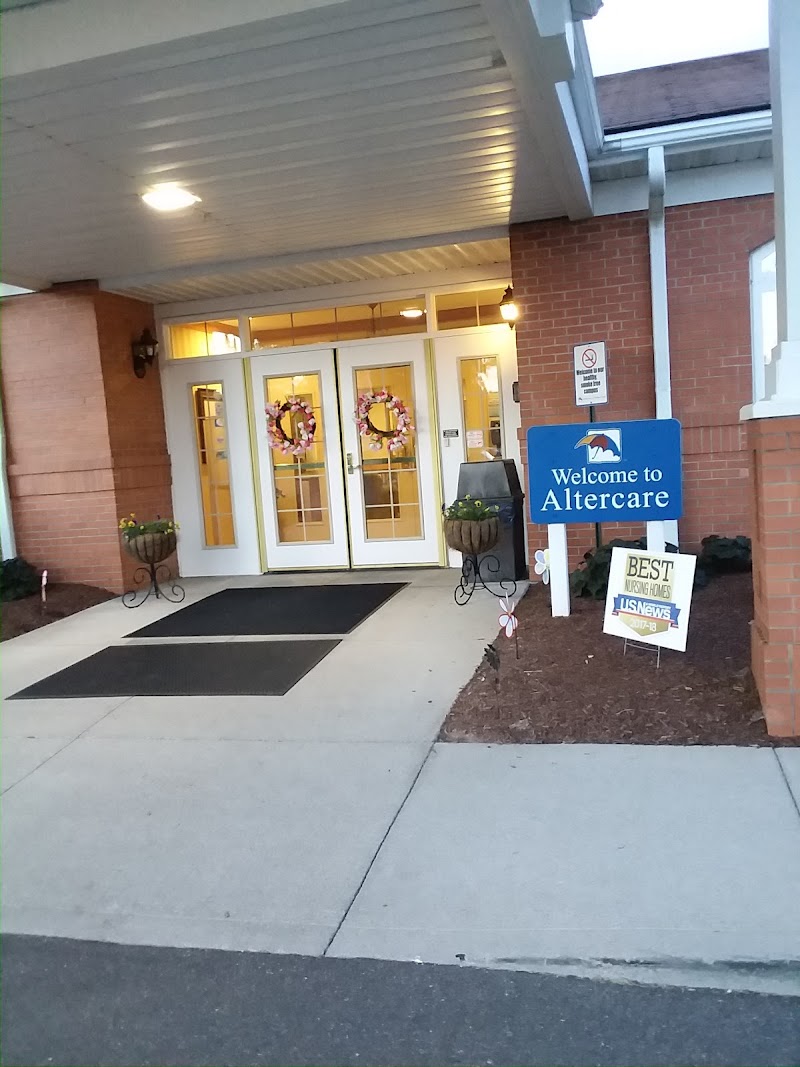
How is Altercare Of Nobles Pond, Inc Staffed?

CMS rates ALTERCARE OF NOBLES POND, INC's staffing level at 2 out of 5 stars, which is below average compared to other nursing homes. Staff turnover is 72%, which is 26 percentage points above the Ohio average of 46%. High turnover can affect care consistency as new staff learn residents' individual needs. RN turnover specifically is 67%, which is notably high. RNs provide skilled clinical oversight, so turnover in this role can affect medical care quality.

What Have Inspectors Found at Altercare Of Nobles Pond, Inc?

State health inspectors documented 24 deficiencies at ALTERCARE OF NOBLES POND, INC during 2023 to 2025. These included: 24 with potential for harm.
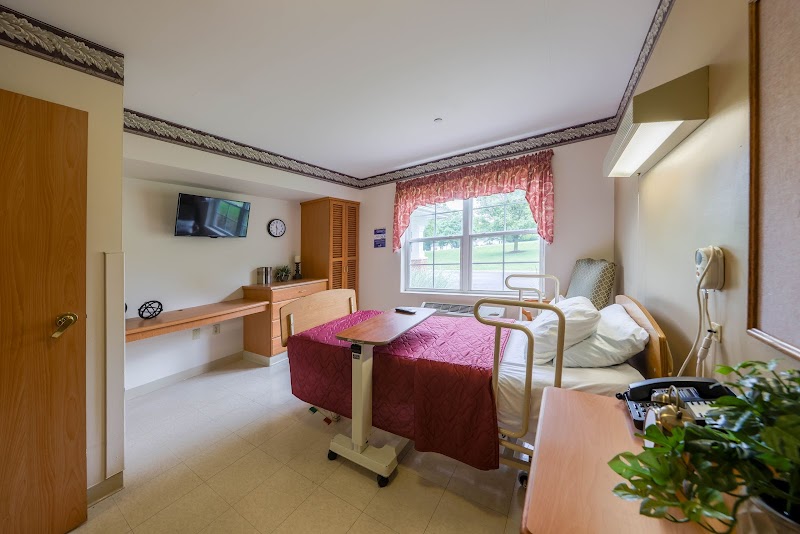
Who Owns and Operates Altercare Of Nobles Pond, Inc?

ALTERCARE OF NOBLES POND, INC is owned by a for-profit company. For-profit facilities operate as businesses with obligations to shareholders or private owners. The facility is operated by ALTERCARE, a chain that manages multiple nursing homes. With 71 certified beds and approximately 62 residents (about 87% occupancy), it is a smaller facility located in CANTON, Ohio.
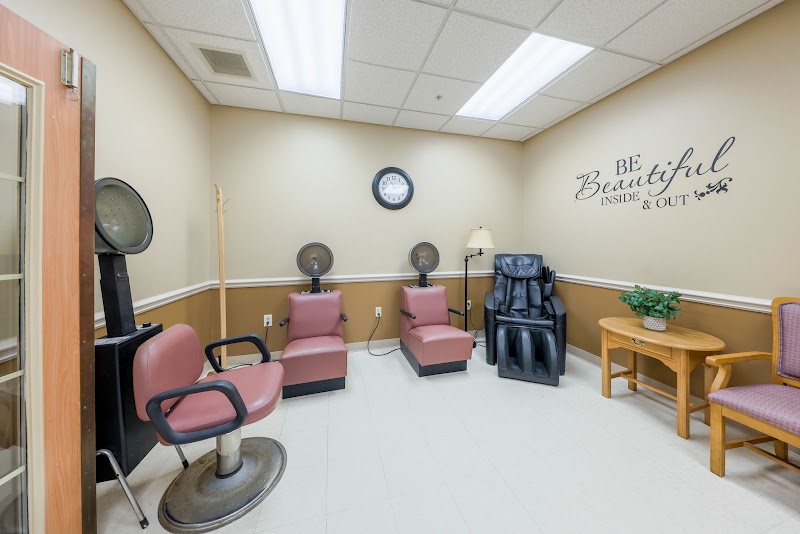
How Does Altercare Of Nobles Pond, Inc Compare to Other Ohio Nursing Homes?

Compared to the 100 nursing homes in Ohio, ALTERCARE OF NOBLES POND, INC's overall rating (4 stars) is above the state average of 3.2, staff turnover (72%) is significantly higher than the state average of 46%, and health inspection rating (3 stars) is at the national benchmark.

What Should Families Ask When Visiting Altercare Of Nobles Pond, Inc?

Based on this facility's data, families visiting should ask: "How do you ensure continuity of care given staff turnover, and what is your staff retention strategy?" "Can you walk me through typical staffing levels on day, evening, and night shifts?" "Can I visit during a mealtime to observe dining assistance and food quality?" "How do you handle medical emergencies, and what is your hospital transfer rate?" These questions are particularly relevant given the facility's high staff turnover rate and the below-average staffing rating.

Is Altercare Of Nobles Pond, Inc Safe?

Based on CMS inspection data, ALTERCARE OF NOBLES POND, INC has a clean safety record: no substantiated abuse findings (meaning no confirmed cases of resident harm), no Immediate Jeopardy citations (the most serious violation level indicating risk of serious injury or death), and is not on the Special Focus Facility watch list (a federal program monitoring the lowest-performing 1% of nursing homes). The facility has a 4-star overall rating and ranks #1 of 100 nursing homes in Ohio. While no facility is perfect, families should still ask about staff-to-resident ratios and recent inspection results during their visit.

Do Nurses at Altercare Of Nobles Pond, Inc Stick Around?

Staff turnover at ALTERCARE OF NOBLES POND, INC is high. At 72%, the facility is 26 percentage points above the Ohio average of 46%. Registered Nurse turnover is particularly concerning at 67%. RNs handle complex medical decisions and coordinate care — frequent RN changes can directly impact care quality. High turnover means new staff may not know residents' individual needs, medications, or preferences. It can also be disorienting for residents, especially those with dementia who rely on familiar faces. Families should ask: What is causing the turnover? What retention programs are in place? How do you ensure care continuity during staff transitions?

Was Altercare Of Nobles Pond, Inc Ever Fined?

ALTERCARE OF NOBLES POND, INC has no federal fines on record. CMS issues fines when nursing homes fail to meet care standards or don't correct problems found during inspections. The absence of fines suggests the facility has either maintained compliance or corrected any issues before penalties were assessed. This is a positive indicator, though families should still review recent inspection reports for the full picture.

Is Altercare Of Nobles Pond, Inc on Any Federal Watch List?

ALTERCARE OF NOBLES POND, INC is not on any federal watch list. The most significant is the Special Focus Facility (SFF) program, which identifies the bottom 1% of nursing homes nationally based on persistent, serious quality problems. Not being on this list means the facility has avoided the pattern of deficiencies that triggers enhanced federal oversight. This is a positive indicator, though families should still review the facility's inspection history directly.