ASTORIA SKILLED NURSING AND REHABILITATION
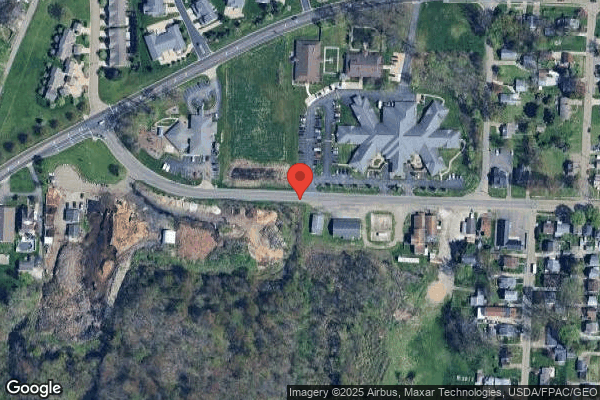
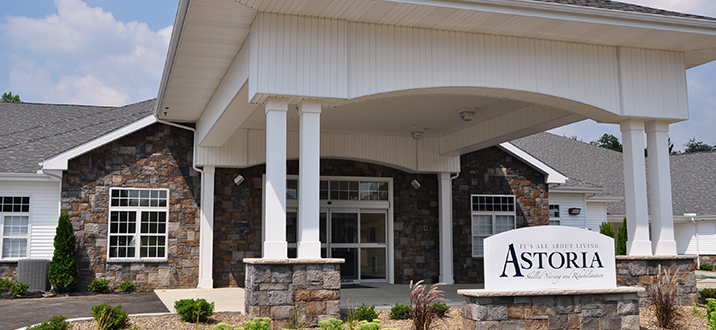
3537 12TH STREET, NW, CANTON, OH 44708 (330) 455-5500
For profit - Corporation 83 Beds MICHAEL SLYK Data: November 2025 2 Immediate Jeopardy citations
Trust Grade
1/100
#604 of 913 in OH
Last Inspection: March 2024

Within standard 12-15 month inspection cycle. Federal law requires annual inspections.

Overview

Astoria Skilled Nursing and Rehabilitation has received a Trust Grade of F, indicating significant concerns about the care provided, which is considered poor. They rank #604 out of 913 facilities in Ohio, placing them in the bottom half, and #23 out of 33 in Stark County, meaning there are better options nearby. While the facility is improving, having reduced issues from 17 to 12 over the past year, it still faces serious challenges, including an alarming 61% staff turnover rate, which is higher than the state average. The facility also has a concerning $88,061 in fines, indicating compliance problems, but they do provide more RN coverage than 88% of Ohio facilities, which is a positive aspect. Specific incidents of concern include a failure to protect residents from sexual abuse and a critical lapse in care that led to a resident being found unresponsive, highlighting serious safety issues that families should consider.

Trust Score
F
1/100
In Ohio
#604/913
Bottom 34%
Safety Record
High Risk
Review needed
Inspections
Getting Better
17 → 12 violations
Staff Stability
⚠ Watch
61% turnover. Above average. Higher turnover means staff may not know residents' routines.
Penalties
⚠ Watch
$88,061 in fines. Higher than 89% of Ohio facilities, suggesting repeated compliance issues.
Skilled Nurses
✓ Good
Each resident gets 49 minutes of Registered Nurse (RN) attention daily — more than average for Ohio. RNs are trained to catch health problems early.
Violations
⚠ Watch
56 deficiencies on record. Higher than average. Multiple issues found across inspections.
★★☆☆☆
2.0
Overall Rating
★☆☆☆☆
1.0
Staff Levels
★★★★★
5.0
Care Quality
★☆☆☆☆
1.0
Inspection Score
Stable
2024: 17 issues
2025: 12 issues

The Good

  • 5-Star Quality Measures · Strong clinical quality outcomes
  • Full Sprinkler Coverage · Fire safety systems throughout facility
  • No fines on record

Facility shows strength in quality measures, fire safety.

The Bad

2-Star Overall Rating

Below Ohio average (3.2)

Below average - review inspection findings carefully

Staff Turnover: 61%

15pts above Ohio avg (46%)

Frequent staff changes - ask about care continuity

Federal Fines: $88,061

Well above median ($33,413)

Moderate penalties - review what triggered them

Chain: MICHAEL SLYK

Part of a multi-facility chain

Ask about local staffing decisions and management

Staff turnover is elevated (61%)

13 points above Ohio average of 48%

The Ugly 56 deficiencies on record

2 life-threatening 2 actual harm
Jul 2025 1 deficiency
CONCERN (D) 📢 Someone Reported This

A family member, employee, or ombudsman was alarmed enough to file a formal complaint

Potential for Harm - no one hurt, but risky conditions existed

Quality of Care (Tag F0684)

Could have caused harm · This affected 1 resident

Based on medical record review, policy review, and interview, the facility failed to ensure dressing changes for a resident's peripherally inserted central catheter (PICC) line was changed on a routin...

Read full inspector narrative →
Based on medical record review, policy review, and interview, the facility failed to ensure dressing changes for a resident's peripherally inserted central catheter (PICC) line was changed on a routine ongoing basis. This affected one (Resident #6) of two residents reviewed for care of a PICC line.Findings include:Based on medical record review, policy review, and interview, the facility failed to ensure dressing changes for a resident's peripherally inserted central catheter (PICC) line was changed on a routine ongoing basis. This affected one (Resident #6) of two residents reviewed for care of a PICC line.Findings include:Review of Resident #6 ' s medical record revealed diagnoses including methicillin resistant staphylococcus aureus infection (bacteria that is resistant to many antibiotics), bacteremia (bacteria in the blood), and infection following a procedure/deep incisional surgical site. Upon admission, Resident #6 had an order for cefazolin sodium (antibiotic) two grams intravenously three times a day. An admission note dated 07/09/25 indicated Resident #6 had a double lumen (has two separate tubings and two caps) peripherally inserted central catheter (PICC) line (a long, thin tube inserted through a vein in the arm and passed through to the larger veins near the heart). No orders could be located regarding the care of the PICC line upon admission. A nursing note dated 07/25/25 at 1:10 A.M. revealed Resident #6 ' s PICC line was clogged. On 07/25/25, an order was written for PICC line replacement. On 07/28/25 orders were written for PICC line dressing change every week and as necessary and monitor the PICC line site to the right upper extremity every shift for signs/symptoms of complication.On 07/29/25 at 8:34 A.M., Resident #6 was interviewed regarding the frequency of PICC line dressing changes and responded it was done when the PICC line was changed on 07/25/25. On 07/30/25 at 9:39 A.M., Registered Nurse (RN) #100 verified she was unable to locate any documentation of a PICC dressing change until the PICC line was changed on 07/25/25.On 07/30/25 at 11:53 A.M., Resident #6 stated the PICC line dressing had been changed no more than twice since his admission. The dressing on at that time was dated 07/28/25.Review of the facility ' s Central Venous Catheter Dressing Changes policy (revised April 2016) revealed the purpose of the procedure was to prevent catheter-related infections that were associated with contaminated, loosened, soiled or wet dressings. Dressings must stay clean, dry and intact. Change transparent semi-permeable membrane dressings at least every five to seven days and as necessary.This deficiency represents non-compliance investigated under Master Complaint Number OH002573464 and Complaint Number OH002565024.
Jun 2025 8 deficiencies 1 Harm
SERIOUS (G) 📢 Someone Reported This

A family member, employee, or ombudsman was alarmed enough to file a formal complaint

Actual Harm - a resident was hurt due to facility failures

Respiratory Care (Tag F0695)

A resident was harmed · This affected 1 resident

**NOTE- TERMS IN BRACKETS HAVE BEEN EDITED TO PROTECT CONFIDENTIALITY** Based on closed record review, review of hospital records, facility policy and procedure review and interview, the facility fail...

Read full inspector narrative →
**NOTE- TERMS IN BRACKETS HAVE BEEN EDITED TO PROTECT CONFIDENTIALITY** Based on closed record review, review of hospital records, facility policy and procedure review and interview, the facility failed to timely identify a change in Resident #60's respiratory condition to ensure the resident was provided timely and adequate care. This affected one resident (#60) of three residents reviewed for death. Actual harm occurred beginning on [DATE] when the facility failed to adequately and timely treat respiratory complications exhibited by Resident #60, who was a Full Code (advance directives), non-verbal and had a tracheostomy, which included labored breathing, the resident testing positive for Coronavirus (COVID-19) and being treated with an antibiotic for pneumonia. Licensed Practical Nurse (LPN) #500, who had not provided care to Resident #60 prior to [DATE], failed to notify Physician #511 regarding Resident #60's labored breathing as well as the resident having no secretions when suctioned. Resident #60 was found on [DATE] at 5:10 A.M. by LPN #500 with no vital signs, cardiopulmonary resuscitation (CPR) was initiated, and Resident #60 was transferred to the hospital. Findings included: Review of the closed medical record revealed Resident #60 was admitted to the facility on [DATE] with diagnoses including respiratory failure, pneumonia, encephalopathy, protein-calorie malnutrition, thyrotoxicosis, asthma, epilepsy, pacemaker status, transient ischemic attacks, tracheostomy, anxiety disorder, depression, acute kidney failure, adult failure to thrive, and diabetes. Resident #60 passed away at the hospital on [DATE]. Review of a handwritten baseline plan of care dated [DATE] revealed Resident #60 had behaviors related to touching and manipulating her tracheostomy. Interventions included one on one and conversations to calm and reassure. Review of a handwritten baseline plan of care dated [DATE] revealed Resident #60 had behaviors related to touching and manipulating her tracheostomy. Interventions included using towels or fidget balls for diversional activity, educating the need to not handle her tracheostomy, and medication review related to anxiety. Review of the progress note dated [DATE] at 12:30 P.M. revealed Resident #60 was suctioned via inline suction, oxygen continued at four liters (L) and her oxygen saturation (SpO2) was 95 percent (%)(normal range being 95% to 100%, though some people with chronic respiratory issues may have a normal range around 90%). Resident #60's daughter was at the facility earlier and Resident #60 was suctioned, pulled up in bed, in an upright position, oxygen was at four liters, and a nebulizer treatment was given. SpO2 was maintained at 90% to 94%. Resident #60 was alert, and her skin was warm and dry to touch. Resident #60's daughter requested if anything changed to give her a call. At 12:30 A.M. Resident #60's daughter was notified Resident #60 was suctioned and her SpO2 was 95%. Review of the nursing progress note dated [DATE] at 1:48 A.M. revealed at 12:30 A.M., Resident #60 was suctioned and her oxygen continued to be at four liters with a SpO2 level of 95%. At 1:15 A.M. the nurse was called to the resident's room by the nursing assistant, stating the resident did not look right. Once at the bedside the resident's eyes were rolled back in her head, she was able to move her arms and her SpO2 was 70% on four liters of oxygen, she was warm to touch and continued to be non-responsive. The resident's SpO2 was dropping to 60% on oxygen via her tracheostomy. Attempts to suction her obtained no secretions. Resident #60 continued to have shallow breath and her SpO2 was continuing to drop. The nurse called for assistance from the registered nurse on the other floor, a non-rebreather venti-mask was obtained and connected to the oxygen. The resident's SpO2 was not improving. Resident #60's respirations stopped, and (chest) compressions were started. Resident #60 was not breathing. The Artificial Manual Breathing Unit (Ambu)-bag was connected to her oxygen (tracheostomy) and rescue breaths were continued until Emergency Medical Services (EMS) arrived. Rescue measures continued and a heart rate of 95 beats per minute (bpm)(normal ranges from 60 to 100 bpm) showed on the monitor. The resident was taken to the hospital and the daughter was called. Review of a progress note dated [DATE] at 3:24 A.M. revealed Resident #60 was at the hospital and placed on a Bipap (machine that supports breathing) and a further update could be obtained at a later time. A progress noted dated [DATE] at 3:32 A.M. revealed the hospital stated Resident #60 was on a ventilator and admitted for further observation. Review of the hospital notes from [DATE] revealed Resident #60 was admitted to the hospital for acute on chronic respiratory failure with hypoxia. It noted the resident was found to be unresponsive by nursing home staff and CPR was initiated. Upon arrival at the hospital the resident had a decent amount of secretions from her tracheostomy and some dried secretions, and there was concern for a possible mucus plug. The resident was placed on a ventilator. The notes included the resident was cachectic (an appearance of extreme loss of muscle and fat mass, often associated with chronic illness) and ill appearing. The notes indicate a high troponin level (indicating damage to the heart muscle) and a high white blood cell count (indicating an infection). The hospital nurse practitioner noted diagnostic impressions as acute on chronic hypoxemic respiratory failure status post chronic tracheostomy, severe sepsis, suspected aspiration pneumonia, and a non-ST-elevation myocardial infarction (NSTEMI)(a type of heart attack where a part of the heart isn't getting enough oxygen). Cardiology was consulted and blood cultures were obtained. There were no additional medical notes related to additional radiologic studies, laboratory services, specific diagnoses, discharge orders, or physician/nurse's notes available to review from the resident's hospital stay. Review of a plan of care dated [DATE] revealed Resident #60 was a full code. Interventions included CPR to be initiated in the event of cardiac arrest and to notify the physician of a change in condition. Review of a progress note dated [DATE] timed 3:04 P.M. revealed Resident #60 was re-admitted to facility. There were no additional notes or records related to updates to the resident's status, discharge plans or discharge orders. Review of Resident #60's physician's orders, dated [DATE] and discontinued on [DATE], revealed the resident was placed on a ventilator at assisted control with settings for Tidal volume (amount of air delivered for each breath) at 18 for 350 milliliters and the Positive End-Expiatory Pressure (the pressure remaining in the residents airways at the end of exhalation) at positive 5.0. The orders also included an order for oxygen to maintain SpO2 greater than 92% and an order to suction via tracheostomy as needed for pulmonary hygiene from [DATE] to [DATE]. Review of the Respiratory Therapist (RT) note dated [DATE] at 11:42 P.M. revealed the nurse called the RT at home via Facetime (a video phone call). The nurse was not able to get the low Tidal volume alarm on the ventilator to stop. The RT suggested several options and nothing worked. The RT instructed the nurse to put the resident back on oxygen, and she was on her way into the facility. Upon arrival, the RT noticed the resident needed suctioned which she had watched the nurse do while they were previously Facetiming. Resident #60's secretions were very thick and copious. The RT called for help and called for the code cart. The RT began bagging 15 liters of oxygen to assist the resident. No chest compressions were necessary, only assistance with breathing. Resident #60's SpO2 remained 58% to 65% until the paramedics arrived. Review of hospital discharge paperwork for Resident #60 revealed she was admitted to the hospital on [DATE] and was discharged back to the facility on [DATE]. The hospital discharge information noted the resident was still a full code, her transfer of care prognosis was poor, and they submitted education material related to community-acquired pneumonia (including instructions to contact the healthcare provider for worsening shortness of breath) with new orders for the antibiotic, Doxycycline 100 milligrams twice daily (with no specified length of time), and no new orders for oxygen therapy. There were no medical notes related to radiologic studies, laboratory services, specific diagnoses, or physician/nurses notes available to review from the resident's hospital stay. Review of the RT progress note dated [DATE] at 12:36 A.M. revealed Resident #60 arrived at the facility at approximately 9:45 P.M. [indicating the night before, on [DATE]]. The resident's SpO2 was 92% to 93% on five liters of oxygen (via tracheostomy). The resident was not ventilator dependent upon her re-admission on [DATE]. The note included the resident was suctioned four times with a small amount of thick white secretions obtained. The RT suggested the nurse's suction the resident about every two to three hours to keep the resident's airway clear. The RT checked the resident's inner cannula for patency, placed it back in and changed the gauze under the tracheostomy. Review of the progress note dated [DATE] at 5:43 P.M. revealed the physician was in for a visit and ordered the antibiotic Doxycycline 100 milligrams twice daily for 10 days for pneumonia, clarifying the length of time the resident was to be on the antibiotic. The resident's responsible party (RP) was notified. Review of the RT progress note dated [DATE] at 10:28 P.M. revealed Resident #60 was on three liters of oxygen with a SpO2 of 98%. The RT decreased her to two liters of oxygen and her SpO2 was 97%. She was suctioned three times with a moderate amount of thick white secretions obtained without incident. She was given two scheduled breathing treatments which she tolerated well. Tracheostomy care was completed, and the inner cannula was examined for patency and put back in place. Review of the RT progress note dated [DATE] at 10:04 P.M. revealed Resident #60 remained on two liters of oxygen with a SpO2 of 97%. She received two scheduled breathing treatments, and she tolerated them well. She was suctioned four times with moderate amounts of very thick white secretions obtained without incident. Tracheostomy care was completed, and the inner cannula was examined for patency and put back in place. Review of the Five-Day Medicare Minimum Data Set assessment dated [DATE] revealed Resident #60 had severely impaired cognition and was dependent on staff for all activities of daily living (ADL). The MDS included Resident #60 was on continuous oxygen therapy, required intermittent suctioning, had a tracheostomy and was admitted with an invasive mechanical ventilator. Review of Resident #60's [DATE] physicians orders revealed the resident was a full code (indicating CPR was to be performed if someone's heart stopped beating or their breathing stopped), tracheostomy to be changed every three months, tracheostomy care twice daily, vital signs twice daily, change tracheostomy dressing every night shift and as needed, droplet isolation precautions due to COVID-19, monitor for signs and symptoms of aspiration pneumonia and notify the physician or nurse practitioner of any abnormal findings. Medication orders included Budesonide suspension 0.5 milligrams per two milliliters inhalation every 12 hours for shortness of breath, Doxycycline 100 milligram tablets twice daily via percutaneous endoscopic gastrostomy (PEG) tube for 10 days, and Ipratropium-albuterol solution 0.5 milligrams per three milliliter inhalation four times daily for pneumonia. Resident #60 did not have an order for mechanical ventilation in [DATE], contrary to the MDS assessment on [DATE]. Review of Resident #60's [DATE] Medication Administration Record (MAR) and TAR revealed her vital signs for day shift on [DATE] included blood pressure 141/64 millimeters of mercury(mmHg)(normal range being around 120/80), pulse 86 beats per minute (bpm)(normal range being around 60 to 100 bpm), temperature 98.1 degrees Fahrenheit (F)(normal range being from 97.8 degrees F to 99.1 degrees F), respirations were 18 breaths per minute (normal range being around 12 to 20), and a SpO2 98%. During the night shift vital sign documentation included blood pressure 108/58, pulse 86 bpm, temperature 98.8 degrees F, respirations 21 breaths per minute, and SpO2 at 98%. Review of the nursing progress note dated [DATE] at 7:34 P.M. revealed Resident #60 was currently on Doxycycline for pneumonia. She had increased yellowish secretions noted during suctioning and coughing. She had no signs of respiratory distress or discomfort. The resident's lung sounds were noted to have rhonchi (lung sounds characterized as a low-pitched continuous sound that resembles snoring or gurgling) when auscultated. The head of the resident's bed was elevated to a 60-degree angle for lung expansion. Her temperature was 97.3 degrees F. Review of the late entry progress notes dated [DATE] at 7:50 P.M., created on [DATE] at 2:06 P.M. by Regional Nurse #600, revealed the physician was in the facility earlier in the day and was aware of Resident #60's continued yellow secretions, and no new orders were noted. However, there was no physician progress note from this date. Review of the SpO2 documentation in the resident's medical record revealed on [DATE] the SpO2 for Resident #60 was 79% at 7:59 A.M. on room air. Oxygen was administered at three liters and her oxygen level came up to 90%. Review of the late entry progress note dated [DATE] at 7:54 A.M., created on [DATE] at 7:55 A.M. by Unit Manager #513, revealed Resident #60 was tested for COVID-19 and was positive. The note included the physician and the resident's responsible party were notified. There were no other nursing progress notes entered on [DATE] related to the resident's condition/status. Review of the plan of care dated [DATE] revealed Resident #60 was at risk for complications related to COVID-19. Interventions included notifying the physician of a worsening condition and to complete a respiratory assessment per facility protocol. Review of the plan of care dated [DATE] revealed Resident #60 was at risk for respiratory complications related to tracheostomy status and was at risk for dislodgement due to her removing her tracheostomy (nursing progress notes included incidents of resident removal on [DATE], [DATE] and [DATE]). Interventions included administering humidified oxygen as prescribed, assessing respiratory rate, depth and quality every shift, assessing tracheostomy incision for redness, warmth, tenderness and exudate, ensuring tracheostomy ties were secured, and suction as necessary. Record review revealed there was no documented evidence of a respiratory/tracheostomy care plan prior to [DATE]. Review of the nursing progress note (authored by LPN #500) dated [DATE] at 7:11 A.M. revealed Resident #60 was having labored breathing when LPN #500 arrived for her shift [the LPN worked on [DATE] at 7:00 P.M. through [DATE] at 7:00 A.M.]. In shift report, the off going nurse stated Resident #60 was positive for COVID-19. LPN #500 noted at 7:00 P.M. [on [DATE]] she administered night medications and checked the resident's SpO2 which was 92%. Resident #60 was suctioned and very little mucous came out. At around 11:00 P.M. [on [DATE]] while the nursing assistants were doing rounds the nurse checked on Resident #60 and she was still having labored breathing and at that time she called the RT [RT #700] to check and see what the resident's baseline (condition) was. The RT informed her that this was the resident's normal. She suctioned her and the resident's SpO2 was 98%. The nursing assistants did rounds at 1:30 A.M. [on [DATE]] with no change in the resident status. Resident #60 was suctioned at 3:30 A.M. with a small amount of mucous obtained. The note included the nurse visually laid eyes on the resident around 4:45 A.M. At approximately 5:10 A.M. the nurse headed down the hall and noticed Resident #60 did not seem to be breathing. She checked for a pulse, called for help, had the aide get a second nurse, and the crash cart. The second nurse called the EMS, a board was placed under the resident, a third nurse began CPR, and the writer/nurse gave breaths through an Ambu-bag. The second nurse took over for this nurse and she went to the nurse's station to print out her face sheet and medication list. EMS arrived and took over performing CPR. The daughter was notified immediately, and the physician was called to inform her of the situation, but she did not answer. It was noted also that at some point between 11:00 P.M. and midnight, the resident's daughter had called the facility for an update and the nurse informed her of what the RT told her about the resident being at her baseline. Review of the nursing progress note dated [DATE] at 5:31 A.M. revealed Resident #60 was transported to the hospital via EMS with CPR in progress to the hospital. Review of the nursing progress note dated [DATE] at 7:57 A.M. revealed the facility received a call from the hospital indicating Resident #60 had passed away. Review of Resident #60's nurse's notes and RT notes from [DATE] through [DATE] revealed no documented evidence that the resident had previously had labored breathing or that it was normal for the resident. On [DATE] at 11:35 A.M. an interview with Regional Registered Nurse #522 revealed Physician #511 was not actually in the building as charted on [DATE] at 7:50 P.M. However, Resident #60 was being treated for pneumonia and yellow secretions at that time. Regional Registered Nurse #522 stated she was not with the company in [DATE]; Additionally, the nurse who wrote the late entry note (Regional Nurse #600) no longer worked for the company. On [DATE] at 11:50 A.M. an interview with Physician #511 revealed Resident #60 was aphasic (unable to speak) after a stroke, she had a tracheostomy and had several re-hospitalizations due to respiratory failure and sepsis. She stated she had spoken to the family several times about updating the resident's code status from full code to do-not-resuscitate (DNR), but they would not change it. She verified she was never called on the night Resident #60 expired. She stated with this resident; she would have had her transferred to the hospital if she was having labored breathing. She stated the only thing she could think of as to why they did not call her or send her out was because there had been times when she was having trouble breathing and she had a mucous plug. She stated the nurses were usually able to suction it out and the resident would be fine afterwards. She stated that she could not speak for the nurse on duty regarding why the nurse did not call her. On [DATE] at 3:56 P.M. an interview with LPN #500 revealed she had not worked at the facility in a while, and this day [[DATE] into [DATE]] was her first time working with Resident #60. She stated she received report from the previous nurse, but she was unsure of the nurse's name. She stated the only thing the previous nurse told her was that Resident #60 had COVID-19, she was pretty much okay, and she was in isolation. She stated she received a call from the resident's daughter around 11:00 P.M. calling to check up on her mom. She stated when she went in to give Resident #60 her medication, she was having trouble breathing so she asked the nursing assistant if it was normal and the nursing assistant stated sometimes the resident had trouble breathing. She stated she called the RT [RT #700] on Facetime and turned the camera around to ask her if her breathing was normal and she also asked the RT if the resident was on hospice. The LPN revealed the resident did not talk, but was awake. She stated the RT told her the resident was like that [indicating her breathing was normal], and the RT never told her Resident #60 might have a mucous plug. She stated she attempted to suction her three times and did not get hardly any mucous out. She stated if she would have known about the mucus plug, she would have done something, but stated she was not told this until after the resident had passed away. She stated other staff told her that she needed to put saline in the resident's tracheostomy to loosen up secretions. She stated Resident #60 was completely dry when she suctioned her. LPN #500 stated she had never had to put saline down a tracheostomy before so she would have had to have someone show her how to do that. She stated she did not go get the other nurse for assistance with the resident until she found the resident not breathing. She stated she called a code [indicating an emergency code for staff to respond as a resident needed immediate medical attention, usually due to cardiac or respiratory arrest], and the other two nurses came over and started CPR. The squad got to the facility fast and took over CPR. She stated she called the daughter and the physician to notify them of what had happened. She stated the doctor did not seem surprised. She stated she never thought to call the doctor earlier in the night because the RT told her this was normal for the resident. On [DATE] at 5:10 P.M. an interview with RT #700 revealed she had been the RT for the facility since 2000. She stated the nurses would Facetime her after hours (when she wasn't working onsite) if they needed to. She was knowledgeable about Resident #60 and stated Resident #60 would get a mucous plug quite often and they would have to suction her very vigorously to get the mucous plug out. She stated when she had a mucus plug, her oxygen saturations would drop, but she would be fine after they removed the mucous plug. She stated it was a little hard to tell with the resident if she had mucous because staff could not always tell when the resident needed suctioned. She stated with most people you could automatically tell if they needed suctioned, but not with Resident #60, so she always told the nurses to make sure they went in and suctioned her even if she did not look like she needed suctioned. She stated the night Resident #60 passed away, LPN #500 called her and asked her if Resident #60 always looked like she was distressed and RT #700 told her yes, she always looked a little bit distressed. She stated her oxygen saturation was up and down, but stated she did not believe the resident's oxygen saturations would be up in the 92% and 98% range if she had a mucous plug. She stated LPN #500 called her around 11:30 P.M. and at that time she did not believe Resident #60 needed to be transferred to the hospital. She stated she had been off that day, so she didn't treat Resident #60 that day. She stated her schedule was to work four days per week from 3:00 P.M. through 11:00 P.M. and that she was the only RT on staff for the facility so she was on-call at all other times. On [DATE] at 10:40 A.M. an interview with Vital Statistics Staff #400 revealed Resident #60's death certificate indicated she expired from respiratory failure. On [DATE] at 11:30 A.M. an interview with Regional Registered Nurse #522 revealed when Resident #60 went out to the hospital on [DATE], they had weaned her off the ventilator and she came back to the facility on oxygen only with humidification. On [DATE] at 2:25 P.M. an interview with Regional Registered Nurse #522 confirmed Resident #60 did not have an actual physician order for oxygen or humidified oxygen when she came back from the hospital on [DATE]. She further confirmed there should have been an order for oxygen with parameters for its use for Resident #60. On [DATE] at 4:10 P.M. a follow-up interview with RT #700 revealed the last day she actually worked with, and assessed Resident #60, was on [DATE]. The RT revealed she could not state what was wrong with Resident #60 on [DATE] or [DATE] as she had not personally assessed the resident on these dates. On [DATE] at 10:01 A.M. an email communication from Regional Registered Nurse #522 revealed that one on one was provided as needed for Resident #60. If the behavior of touching/manipulating her tracheostomy was observed, she would be one on one until determined it was no longer necessary by the team, however, the behavior was not an ongoing issue but was left on the care plan as a precaution. On [DATE] at 1:50 P.M. an interview with RT #700 revealed she did not remember if Resident #60 had oxygen on when she Facetimed the nurse (on [DATE]). She stated Resident #60 did not always need oxygen because it was not an issue of saturation for her and she would not necessarily need the oxygen with labored breathing, because she felt it could be more of a hindrance due to her grabbing at things all the time. On [DATE] at 11:15 A.M. an interview with Family Member #817 revealed she called the nursing home for an update every couple hours for Resident #60. She stated on [DATE] the last time she had called the nursing home to check on her mother was around 2:30 A.M. She stated it was LPN #500's first night working with her mother and the nurse told her she had called the RT to get Resident #60's baseline. She stated LPN #500 never told her that her mother was having trouble breathing or had labored breathing. She stated the only time her mother had trouble breathing was when she got junky and needed to be suctioned, then she would be fine. She stated her mother was fidgety and would grab at her tracheostomy and feeding tube, but she had brought in fidget toys for her to play with and they did help with her grabbing at stuff. On [DATE] at 11:40 A.M. an interview with LPN #500 revealed Resident #60 was not messing with her tracheostomy the night of [DATE] into [DATE]. She stated the resident had oxygen on, but she could not remember at what flow rate. Review of the facility policy titled, Change in Residents Condition or Status, dated [DATE] revealed the facility would promptly notify the resident, his or her attending physician, and the RP of changes in the resident's medical or mental condition and/or status. The nurse would notify the resident's physician or physician on -call when there had been an incident involving the resident, significant change in the resident physical or mental condition, and the need to transfer the resident to the hospital. This deficiency represents non-compliance investigated under Master Complaint Number OH00165463.
CONCERN (D) 📢 Someone Reported This

A family member, employee, or ombudsman was alarmed enough to file a formal complaint

Potential for Harm - no one hurt, but risky conditions existed

Notification of Changes (Tag F0580)

Could have caused harm · This affected 1 resident

**NOTE- TERMS IN BRACKETS HAVE BEEN EDITED TO PROTECT CONFIDENTIALITY** Based on review of the closed medical record, interviews, and review of facility policies and procedures, the facility failed to...

Read full inspector narrative →
**NOTE- TERMS IN BRACKETS HAVE BEEN EDITED TO PROTECT CONFIDENTIALITY** Based on review of the closed medical record, interviews, and review of facility policies and procedures, the facility failed to ensure the physician was notified of a change in condition for Resident #60. This affected one resident (Resident #60) of three reviewed for change in condition. Findings included: Review of the closed medical record revealed Resident #60 was admitted to the facility on [DATE] with diagnoses including respiratory failure, pneumonia, encephalopathy, protein-calorie malnutrition, thyrotoxicosis, asthma, epilepsy, pacemaker status, transient ischemic attacks, tracheostomy, anxiety disorder, depression, acute kidney failure, adult failure to thrive, and diabetes. Resident #60 passed away at the hospital on [DATE]. Review of a plan of care dated [DATE] revealed Resident #60 was a full code. Interventions included (Cardiopulmonary Resuscitation) CPR to be initiated in the event of cardiac arrest and to notify the physician of a change in condition. Review of hospital discharge paperwork for Resident #60 revealed she was admitted to the hospital on [DATE] and was discharged back to the facility on [DATE]. The hospital discharge information noted the resident was still a full code, her transfer of care prognosis was poor, and they submitted education material related to community-acquired pneumonia (including instructions to contact the healthcare provider for worsening shortness of breath) with new orders for the antibiotic, Doxycycline 100 milligrams twice daily (with no specified length of time), and no new orders for oxygen therapy. There were no medical notes related to radiologic studies, laboratory services, specific diagnoses, or physician/nurses notes available to review from the resident's hospital stay. Review of the Respiratory Therapy (RT) progress note dated [DATE] at 12:36 A.M. revealed Resident #60 arrived at the facility at approximately 9:45 P.M. [indicating the night before, on [DATE]]. The resident's saturation of peripheral oxygen (SpO2) was 92 percent (%) to 93% on five liters of oxygen (via tracheostomy). The note included the resident was suctioned four times with a small amount of thick white secretions obtained. The RT suggested the nurse's suction the resident about every two to three hours to keep the resident's airway clear. The RT checked the resident's inner cannula for patency, placed it back in and changed the gauze under the tracheostomy. Review of the progress note dated [DATE] at 5:43 P.M. revealed the physician was in for a visit and ordered the antibiotic Doxycycline 100 milligrams twice daily for 10 days for pneumonia, clarifying the length of time the resident was to be on the antibiotic. The resident's responsible party (RP) was notified. Review of the Five-Day Medicare Minimum Data Set (MDS) assessment dated [DATE] revealed Resident #60 had severely impaired cognition and was dependent on staff for all activities of daily living (ADL). The MDS included Resident #60 was on continuous oxygen therapy, required intermittent suctioning, had a tracheostomy and was admitted with an invasive mechanical ventilator. Review of Resident #60's [DATE] physicians orders revealed the resident was a full code (indicating CPR was to be performed if someone's heart stopped beating or their breathing stopped), tracheostomy to be changed every three months, tracheostomy care twice daily, vital signs twice daily, change tracheostomy dressing every night shift and as needed, droplet isolation precautions due to COVID-19, monitor for signs and symptoms of aspiration pneumonia and notify the physician or nurse practitioner of any abnormal findings. Medication orders included Budesonide suspension 0.5 milligrams per two milliliters inhalation every 12 hours for shortness of breath, Doxycycline 100 milligram tablets twice daily via percutaneous endoscopic gastrostomy (PEG) tube for 10 days, and Ipratropium-albuterol solution 0.5 milligrams per three milliliter inhalation four times daily for pneumonia. Resident #60 did not have an order for mechanical ventilation in [DATE], contrary to the MDS assessment on [DATE]. Review of Resident #60's [DATE] Medication Administration Record (MAR) and TAR revealed her vital signs for day shift on [DATE] included blood pressure 141/64 millimeters of mercury(mmHg)(normal range being around 120/80), pulse 86 beats per minute (bpm)(normal range being around 60 to 100 bpm), temperature 98.1 degrees Fahrenheit (F)(normal range being from 97.8 degrees F to 99.1 degrees F), respirations were 18 breaths per minute (normal range being around 12 to 20), and a SpO2 98%. During the night shift vital sign documentation included blood pressure 108/58, pulse 86 bpm, temperature 98.8 degrees F, respirations 21 breaths per minute, and SpO2 at 98%. Review of the nursing progress note dated [DATE] at 7:34 P.M. revealed Resident #60 was currently on Doxycycline for pneumonia. She had increased yellowish secretions noted during suctioning and coughing. She had no signs of respiratory distress or discomfort. The resident's lung sounds were noted to have rhonchi (lung sounds characterized as a low-pitched continuous sound that resembles snoring or gurgling) when auscultated. The head of the resident's bed was elevated to a 60-degree angle for lung expansion. Her temperature was 97.3 degrees F. Review of the late entry progress notes dated [DATE] at 7:50 P.M., created on [DATE] at 2:06 P.M. by Regional Nurse #600, revealed the physician was in the facility earlier in the day and was aware of Resident #60's continued yellow secretions, and no new orders were noted. However, there was no physician progress note from this date. Review of the SpO2 documentation in the resident's medical record revealed on [DATE] the SpO2 for Resident #60 was 79% at 7:59 A.M. on room air. Oxygen was administered at three liters and her oxygen level came up to 90%. Review of the late entry progress note dated [DATE] at 7:54 A.M., created on [DATE] at 7:55 A.M. by Unit Manager #513, revealed Resident #60 was tested for COVID-19 and was positive. The note included the physician and the resident's responsible party were notified. There were no other nursing progress notes entered on [DATE] related to the resident's condition/status. Review of the plan of care dated [DATE] revealed Resident #60 was at risk for complications related to COVID-19. Interventions included notifying the physician of a worsening condition and to complete a respiratory assessment per facility protocol. Review of the plan of care dated [DATE] revealed Resident #60 was at risk for respiratory complications related to tracheostomy status and was at risk for dislodgement due to her removing her tracheostomy (nursing progress notes included incidents of resident removal on [DATE], [DATE] and [DATE]). Interventions included administering humidified oxygen as prescribed, assessing respiratory rate, depth and quality every shift, assessing tracheostomy incision for redness, warmth, tenderness and exudate, ensuring tracheostomy ties were secured, and suction as necessary. Record review revealed there was no documented evidence of a respiratory/tracheostomy care plan prior to [DATE]. Review of the nursing progress note (authored by LPN #500) dated [DATE] at 7:11 A.M. revealed Resident #60 was having labored breathing when LPN #500 arrived for her shift [the LPN worked on [DATE] at 7:00 P.M. through [DATE] at 7:00 A.M.]. In shift report, the off going nurse stated Resident #60 was positive for COVID-19. LPN #500 noted at 7:00 P.M. [on [DATE]] she administered night medications and checked the resident's SpO2 which was 92%. Resident #60 was suctioned and very little mucous came out. At around 11:00 P.M. [on [DATE]] while the nursing assistants were doing rounds the nurse checked on Resident #60 and she was still having labored breathing and at that time she called the RT [RT #700] to check and see what the resident's baseline (condition) was. The RT informed her that this was the resident's normal. She suctioned her and the resident's SpO2 was 98%. The nursing assistants did rounds at 1:30 A.M. [on [DATE]] with no change in the resident status. Resident #60 was suctioned at 3:30 A.M. with a small amount of mucous obtained. The note included the nurse visually laid eyes on the resident around 4:45 A.M. At approximately 5:10 A.M. the nurse headed down the hall and noticed Resident #60 did not seem to be breathing. She checked for a pulse, called for help, had the aide get a second nurse, and the crash cart. The second nurse called the EMS, a board was placed under the resident, a third nurse began CPR, and the writer/nurse gave breaths through an Ambu-bag. The second nurse took over for this nurse and she went to the nurse's station to print out her face sheet and medication list. EMS arrived and took over performing CPR. The daughter was notified immediately, and the physician was called to inform her of the situation, but she did not answer. It was noted also that at some point between 11:00 P.M. and midnight, the resident's daughter had called the facility for an update and the nurse informed her of what the RT told her about the resident being at her baseline. Review of the nursing progress note dated [DATE] at 5:31 A.M. revealed Resident #60 was transported to the hospital via EMS with CPR in progress to the hospital. Review of the nursing progress note dated [DATE] at 7:57 A.M. revealed the facility received a call from the hospital indicating Resident #60 had passed away. Review of Resident #60's nurse's notes and RT notes from [DATE] through [DATE] revealed no documented evidence that the resident had previously had labored breathing or that it was normal for the resident. On [DATE] at 11:35 A.M. an interview with Regional Registered Nurse #522 revealed Physician #511 was not actually in the building as charted on [DATE] at 7:50 P.M. However, Resident #60 was being treated for pneumonia and yellow secretions at that time. Regional Registered Nurse #522 stated she was not with the company in [DATE]; Additionally, the nurse who wrote the late entry note (Regional Nurse #600) no longer worked for the company. On [DATE] at 11:50 A.M. an interview with Physician #511 revealed Resident #60 was aphasic (unable to speak) after a stroke, she had a tracheostomy and had several re-hospitalizations due to respiratory failure and sepsis. She stated she had spoken to the family several times about updating the resident's code status from full code to do-not-resuscitate (DNR), but they would not change it. She verified she was never called on the night Resident #60 expired. She stated with this resident; she would have had her transferred to the hospital if she was having labored breathing. She stated the only thing she could think of as to why they did not call her or send her out was because there had been times when she was having trouble breathing and she had a mucous plug. She stated the nurses were usually able to suction it out and the resident would be fine afterwards. She stated that she could not speak for the nurse on duty regarding why the nurse did not call her. On [DATE] at 3:56 P.M. an interview with LPN #500 revealed she had not worked at the facility in a while, and this day [[DATE] into [DATE]] was her first time working with Resident #60. She stated she received report from the previous nurse, but she was unsure of the nurse's name. She stated the only thing the previous nurse told her was that Resident #60 had COVID-19, she was pretty much okay, and she was in isolation. She stated she received a call from the resident's daughter around 11:00 P.M. calling to check up on her mom. She stated when she went in to give Resident #60 her medication, she was having trouble breathing so she asked the nursing assistant if it was normal and the nursing assistant stated sometimes the resident had trouble breathing. She stated she called the RT [RT #700] on Facetime and turned the camera around to ask her if her breathing was normal and she also asked the RT if the resident was on hospice. The LPN revealed the resident did not talk, but was awake. She stated the RT told her the resident was like that [indicating her breathing was normal], and the RT never told her Resident #60 might have a mucous plug. She stated she attempted to suction her three times and did not get hardly any mucous out. She stated if she would have known about the mucus plug, she would have done something, but stated she was not told this until after the resident had passed away. She stated other staff told her that she needed to put saline in the resident's tracheostomy to loosen up secretions. She stated Resident #60 was completely dry when she suctioned her. LPN #500 stated she had never had to put saline down a tracheostomy before so she would have had to have someone show her how to do that. She stated she did not go get the other nurse for assistance with the resident until she found the resident not breathing. She stated she called a code [indicating an emergency code for staff to respond as a resident needed immediate medical attention, usually due to cardiac or respiratory arrest], and the other two nurses came over and started CPR. The squad got to the facility fast and took over CPR. She stated she called the daughter and the physician to notify them of what had happened. She stated the doctor did not seem surprised. She stated she never thought to call the doctor earlier in the night because the RT told her this was normal for the resident. On [DATE] at 5:10 P.M. an interview with RT #700 revealed she had been the RT for the facility since 2000. She stated the nurses would Facetime her after hours (when she wasn't working onsite) if they needed to. She was knowledgeable about Resident #60 and stated Resident #60 would get a mucous plug quite often and they would have to suction her very vigorously to get the mucous plug out. She stated when she had a mucus plug, her oxygen saturations would drop, but she would be fine after they removed the mucous plug. She stated it was a little hard to tell with the resident if she had mucous because staff could not always tell when the resident needed suctioned. She stated with most people you could automatically tell if they needed suctioned, but not with Resident #60, so she always told the nurses to make sure they went in and suctioned her even if she did not look like she needed suctioned. She stated the night Resident #60 passed away, LPN #500 called her and asked her if Resident #60 always looked like she was distressed and RT #700 told her yes, she always looked a little bit distressed. She stated her oxygen saturation was up and down, but stated she did not believe the resident's oxygen saturations would be up in the 92% and 98% range if she had a mucous plug. She stated LPN #500 called her around 11:30 P.M. and at that time she did not believe Resident #60 needed to be transferred to the hospital. She stated she had been off that day, so she didn't treat Resident #60 that day. She stated her schedule was to work four days per week from 3:00 P.M. through 11:00 P.M. and that she was the only RT on staff for the facility so she was on-call at all other times. On [DATE] at 10:40 A.M. an interview with Vital Statistics Staff #400 revealed Resident #60's death certificate indicated she expired from respiratory failure. On [DATE] at 11:15 A.M. an interview with Family Member #817 revealed she called the nursing home for an update every couple hours for Resident #60. She stated on [DATE] the last time she had called the nursing home to check on her mother was around 2:30 A.M. She stated it was LPN #500's first night working with her mother and the nurse told her she had called the RT to get Resident #60's baseline. She stated LPN #500 never told her that her mother was having trouble breathing or had labored breathing. She stated the only time her mother had trouble breathing was when she got junky and needed to be suctioned, then she would be fine. She stated her mother was fidgety and would grab at her tracheostomy and feeding tube, but she had brought in fidget toys for her to play with and they did help with her grabbing at stuff. Review of the facility policy titled, Change in Residents Condition or Status, dated [DATE] revealed the facility would promptly notify the resident, his or her attending physician, and the RP of changes in the resident's medical or mental condition and/or status. The nurse would notify the resident's physician or physician on-call when there had been an incident involving the resident, significant change in the resident physical or mental condition, and the need to transfer the resident to the hospital. This deficiency represents non-compliance investigated under Complaint Number OH00165463.
CONCERN (D) 📢 Someone Reported This

A family member, employee, or ombudsman was alarmed enough to file a formal complaint

Potential for Harm - no one hurt, but risky conditions existed

Safe Environment (Tag F0584)

Could have caused harm · This affected 1 resident

**NOTE- TERMS IN BRACKETS HAVE BEEN EDITED TO PROTECT CONFIDENTIALITY** Based on observation and interview with residents and staff, the facility failed to ensure the linens were free from stains. Thi...

Read full inspector narrative →
**NOTE- TERMS IN BRACKETS HAVE BEEN EDITED TO PROTECT CONFIDENTIALITY** Based on observation and interview with residents and staff, the facility failed to ensure the linens were free from stains. This affected one resident (Resident #39) and had the potential to affect all the residents in the facility who utilized the facility linens. The facility census was 60. Findings included: Review of the medical record revealed Resident #39 was admitted to the facility on [DATE]. Diagnoses included chronic respiratory failure, diabetes, obstructive sleep apnea, schizoaffective disorder, personality disorder, lymphedema, paranoid personality, kidney disease, congestive heart failure, edema, hypertension, depression, and chronic obstructive pulmonary disease. Review of the quarterly Minimum Data Set assessment dated [DATE] revealed Resident #39 had moderately impaired cognition and had no behaviors. On 05/20/25 at 3:00 P.M. an interview with Resident #39 revealed the washcloths and towels in the facility were stained and dingy. He stated they were not white at all and they want you to wash your face with them. Observation of linen closets on 05/21/25 at 3:00 P.M. with Certified Nursing Assistant (CNA) #316 revealed the wash clothes, hand towels and bath towels were light brown in color with several larger brown stains on them. She stated they are all like that. She stated they did not have incontinence wipes anymore, so they had to use wash cloths and towels to clean up bowel movements (BM). She stated the stains did not come out of them in the wash. On 05/22/25 at 8:45 A.M. an interview with Laundry Manager #710 revealed all the wash cloths and towels in both linen closets (a total of 15 bath towels, two hand towels and eight wash cloths) were light brown in color, some with larger stains, and some of the wash cloths and towels were worn and thin. She stated this was all she had, and she had been washing the same ones for a while. She stated they ordered more a few weeks ago, but they had not been delivered. She stated the nursing assistants would clean up resident's BM with the washcloths and just throw them away. She stated they stopped purchasing incontinence wipes and they had been having problems with running out of wash cloths and towels ever since. She stated they had been looking dingy because the same ones are getting used over and over.
CONCERN (D) 📢 Someone Reported This

A family member, employee, or ombudsman was alarmed enough to file a formal complaint

Potential for Harm - no one hurt, but risky conditions existed

Quality of Care (Tag F0684)

Could have caused harm · This affected 1 resident

**NOTE- TERMS IN BRACKETS HAVE BEEN EDITED TO PROTECT CONFIDENTIALITY** Based on review of the medical record and interview with staff the facility failed to ensure transportation was set up for a pos...

Read full inspector narrative →
**NOTE- TERMS IN BRACKETS HAVE BEEN EDITED TO PROTECT CONFIDENTIALITY** Based on review of the medical record and interview with staff the facility failed to ensure transportation was set up for a postoperative appointment for Resident #52. This affected one resident (#52) of three reviewed for appointments. Findings included: Review of the medical record revealed Resident #52 was admitted to the facility on [DATE]. Diagnoses included cervical disc disorder, spinal stenosis, diabetes, hypertension, chronic obstructive pulmonary disease, obstructive sleep apnea, osteoarthritis of the hip, injury to the cauda equina, benign prostatic hyperplasia, sleep apnea, depression, asthma, anxiety disorder, alcohol abuse, gout, fracture of the cervical vertebrae, fusion of the spine and fluid overload. Review of the hospital discharge paperwork provided to the facility dated 03/28/25 revealed Resident #52 had a post operative appointment with the surgeon on 04/07/25 at 9:30 A.M. Review of the physician's order dated 03/28/25 revealed Resident #52 had a post operative appointment with the surgeon on 04/07/25 at 9:30 A.M. The order did not specify anything related to obtaining an X-ray prior to the appointment. Review of the admission Minimum Data Set assessment dated [DATE] revealed Resident #52 had moderately impaired cognition. He was frequently incontinent of bladder and always continent of bowel. Review of the physician's order dated 03/28/25 revealed Resident #52 had a new post operative appointment with the surgeon on 04/15/25 at 11:15 A.M. The order stated that transportation wound need set up prior to the appointment and the resident was to go first to radiology at the main hospital, and to the medical office building immediately after. On 05/21/25 at 11:50 A.M. an interview with Neurosurgery Medical Assistant #100 revealed the office was having issues with the lack of communication with the facility regarding the follow-up care for Resident #52. She stated the resident never showed up for his follow up appointment on 04/07/25 so it had to be rescheduled for 04/15/25. She stated he was 30 minutes late for his appointment on 04/15/25 and they never took him to have his X-rays completed prior to his appointment, like the order stated to do. She stated they went ahead and saw him and then sent him down after his appointment to have the X-rays completed. On 05/21/25 at 4:01 P.M. an interview with Regional Registered Nurse #522 revealed she was not sure what happened on the 04/07/25 appointment for Resident #52, but she believed it was due to transportation not being available. She stated the appointment was rescheduled for 04/15/25 and his son took him to that appointment. She stated she did not know anything about an X-ray prior to the appointment or if it was completed. On 05/21/25 at 4:25 P.M. an interview with Resident #52 revealed he never went to his appointment with the surgeon on 04/07/25 because the facility never set up the transportation. He stated he had rescheduled the appointment for 04/15/25. He stated his family did not take him to that appointment, he went there with a transport company and his family met him there. He stated the transport driver gave him a business card to call him when he was done with his appointment, but he did not want to wait for them, so his family brought him back to the facility. He stated he was never told he had to go to radiology prior to his appointment, but he did go afterwards. On 05/22/25 at 11:50 A.M. an interview with Regional Registered Nurse #522 confirmed Resident #52 had missed his appointment because transportation had not been set up. This deficiency represents non-compliance investigated under Complaint Number OH00164926 and OH00163019.
CONCERN (D) 📢 Someone Reported This

A family member, employee, or ombudsman was alarmed enough to file a formal complaint

Potential for Harm - no one hurt, but risky conditions existed

Pressure Ulcer Prevention (Tag F0686)

Could have caused harm · This affected 1 resident

**NOTE- TERMS IN BRACKETS HAVE BEEN EDITED TO PROTECT CONFIDENTIALITY** Based on review of the medical record, interview, and review of facility policy, the facility failed to implement individualized...

Read full inspector narrative →
**NOTE- TERMS IN BRACKETS HAVE BEEN EDITED TO PROTECT CONFIDENTIALITY** Based on review of the medical record, interview, and review of facility policy, the facility failed to implement individualized and effective pressure ulcer interventions timely. This affected one resident (Resident #42) out of three reviewed for pressure ulcers. Findings included: Review of the medical record revealed Resident #42 was admitted to the facility on [DATE]. Diagnoses included hemiplegia of the left side after cerebrovascular disease, contractures of the left arm, major depressive disorder, bipolar disorder, hypertension, pressure ulcers to the left and right heel, hypertensive retinopathy, insomnia, age related cataract, drusen of the left eye, and xerosis cutis. Review of the admission Braden Scale (pressure ulcer risk assessment) dated 04/11/25 revealed Resident #42 was at a high risk for the development of pressure injuries. Review of the admission assessment dated [DATE] revealed Resident #42 had an unstageable (full thickness tissue loss where the base of the ulcer was obscured by slough (a yellowish, tan or green, moist, loose and stringy tissue that was present in the wound bed) and/or eschar (dead tissue)) pressure ulcer to the right heel which measured 4.5 centimeters (cm) by 4.3 cm by undetermined depth and a Stage III pressure ulcer to the left heel which measured 7.0 cm by 11.4 cm by an unable to determine (UTD) depth. Review of the admission Skin Grid dated 04/11/25 revealed Resident #42 was admitted to the facility with an unstageable right heel pressure ulcer which measured 6.0 cm by 6.0 cm with 80 percent necrotic tissue and 20 percent slough tissue. There was heavy serous drainage. It also noted that Resident #42 was also admitted with a Stage III left heel pressure ulcer which measured 8.0 cm by 16 cm with heavy serous drainage. Review of the Plan of Care dated 04/15/25 revealed Resident #42 was at risk for skin breakdown related to bowel and bladder incontinence, decreased bed mobility, and previous pressure ulcer. Interventions included treatments and preventative skin care as ordered, pressure relieving device or mattress to the bed to promote comfort and prevent skin breakdown, supplements as ordered, apply house moisture barrier as needed, assist with cleaning the perineal area, assistance with transfers and bed mobility, avoid friction and shearing, encourage and assist with turning and repositioning with routine rounds, encourage the resident to lay down after meals, encourage the resident to not stay up in the chair too long and change positions frequently, encourage to float heels, and a pressure relieving cushion to the chair. Further review of the Plan of Care dated 04/15/25, and revised on 05/20/25, revealed Resident #42 had an actual skin integrity alteration/pressure areas to the right heel, left heel, right axillary and left great toe. Interventions included assessing pain, encourage and assist with turning and repositioning, resident to be followed by the in-facility wound team, initiate wound treatments, keeping skin clean and dry, notify the physician as needed of worsening wound conditions, pressure reliving device to the chair, supplements as ordered, and treatments as ordered. Review of the admission Minimum Data Set assessment dated [DATE] revealed Resident #42 had intact cognition, was dependent for all activities of daily living, was always incontinent of bladder, was frequently incontinent of bowel, received a scheduled pain medication and as needed pain medication, and a non-medication intervention for pain management. Resident #42 was admitted with three Stage III pressure ulcers. Review of the Wound Nurse Practitioner (WNP) note dated 04/16/25 revealed it was the initial consultation for wound care services for Resident #42. The right heel was an unstageable pressure ulcer which was present on admission. The right heel measured 3.9 cm by 2.9 cm by UTD depth with 60 percent (%) granulation (new tissue) and 40% slough and moderate serosanguinous drainage. The left heel was an unstageable pressure ulcer which was present on admission. The left heel measured 6.7 cm by 10.8 cm by UTD depth with 40% granulation, 10% slough, 40% eschar and 10% epithelial tissue, and moderate serosanguinous drainage. Debridement was postponed due to the residents high discomfort or pain concerns. The plan of care was off loading heels, proper nutrition, protein supplements to promote wound healing, and a pressure reduction mattress per facility protocol. Review of the WNP note dated 04/23/25 revealed the right heel of Resident #42 was an unstageable pressure ulcer which was present on admission. The right heel measured 4.5 cm by 4.3 cm by UTD depth with 70% granulation and 30% slough and moderate serosanguinous drainage. The wound was documented as unchanged. The left heel was an unstageable pressure ulcer which was present on admission. The left heel measured 7.0 cm by 11.4 cm by UTD depth with 30% granulation, 10% slough, 40% eschar and 20% epithelial tissue and moderate serosanguinous drainage. The wound was documented as unchanged. The resident refused debridement. The plan of care was off loading heels, proper nutrition, protein supplements to promote wound healing, noting the importance of good hygiene, and a pressure reduction mattress per facility protocol. It noted that the wounds became larger. Review of the WNP note dated 04/30/25 revealed the right heel of Resident #42 was an unstageable pressure ulcer which was present on admission. The right heel measured 3.9 cm by 3.9 cm by UTD depth with 80% granulation and 20% slough and moderate serosanguinous drainage. The wound bed was filling in granulation tissue and decreased in overall size. The wound was debrided and was improving. The left heel was an unstageable pressure ulcer which was present on admission. The left heel measured 5.9 cm by 9.4 cm by UTD depth with 30% granulation, 50% eschar and 20% epithelial tissue and moderate serosanguinous drainage. The wound was improved and decreased in size. The plan of care was off loading heels, proper nutrition, protein supplements to promote wound healing, nothing the importance of good hygiene, and a pressure reduction mattress per facility protocol. Review of the WNP note dated 05/07/25 revealed the right heel of Resident #42 was changed to a Stage III pressure ulcer. The right heel measured 3.9 cm by 3.4 cm by 0.4 cm with 90% granulation and 10% slough and moderate serosanguinous drainage. The wound bed was filling in with granulated tissue and showed positive progression. The left heel was an unstageable pressure ulcer. The left heel measured 5.9 cm by 9.9 cm by UTD depth with 30% granulation, 60% eschar and 10% epithelial tissue and moderate serosanguinous drainage. The wound was unchanged. The medial wound bed was covered with a moist eschar. The resident refused debridement. The plan of care was off loading heels, proper nutrition, protein supplements to promote wound healing, nothing the importance of good hygiene, and a pressure reduction mattress per facility protocol. Review of the WNP note dated 05/14/25 revealed the right heel of Resident #42 was a Stage III pressure ulcer. The right heel measured 3.6 cm by 3.4 cm by 0.4 cm with 90% granulation and 10% slough and moderate serosanguinous drainage. The wound bed was filling in with granulated tissue and showed positive progression. The left heel was an unstageable pressure ulcer. The left heel measured 5.4 cm by 11.3 cm by UTD depth with 30% granulation, 50% eschar, 10% slough and 10% epithelial tissue and moderate serosanguinous drainage. The wound remained necrotic and required debridement. The resident agreed to the debridement. The plan of care was off loading heels, proper nutrition, protein supplements to promote wound healing, nothing the importance of good hygiene, and a pressure reduction mattress per facility protocol. Review of the May 2025 physician's orders revealed Resident #42 had orders to cleanse the right heel with normal saline (NS), apply Medi-Honey ointment, calcium alginate, abdominal (ABD) pad and wrap with Kerlix daily and as needed (dated 04/30/25), and cleanse the left heel with NS, cover the wound with Dakins moisten gauze, apply an ABD pad, and wrap with Kerlix daily and as needed (dated 04/12/25), and 60 milliliters of house liquid protein twice daily for 45 days (dated 04/16/25). He did not have any other pressure relieving intervention orders in place. Review of an email from the medical supply company dated 05/20/25 revealed the facility received a low air low mattress and pump for Resident #42 on 04/19/25. On 05/20/25 at 11:15 A.M. an interview with Resident #42 revealed he had told the facility the first day he was at the facility he needed an air mattress, but they never got him one. He stated the facility got him the air mattress after his girlfriend called the Ohio Department of Health. He stated he brought the Profo boots he had on from the previous facility he came from. He stated he believed his heels were getting better, but they still hurt. He stated the facility staff did not turn him or move his feet unless he called to ask them to move them. Observation at this time revealed he had a low air loss mattress on his bed, his Profo boots were on the stand beside his bed and his heels were directly on the bed. His dressings were dated 05/20/25. On 05/20/25 at 11:20 A.M. an interview with Certified Nursing Assistant #800 verified Resident #42 did not have the Profo boots on his feet. On 05/20/25 at 2:00 P.M. an interview with Resident #7, who is the girlfriend of Resident #42, revealed the facility got Resident #42 the air mattress two days after she told them she called the State agency. She stated they finally got him new boots after she complained they smelled awful from all the draining from his heels. On 05/20/25 at 3:11 P.M. an interview with Regional Registered Nurse #522 revealed she did not know they needed to have a physician's order for an air mattress. She stated she did not know when Resident #42 received an air mattress, but she would find out. On 05/21/25 at 11:35 A.M. an interview with Regional Nurse #522 revealed she had received an email from the medical supply company confirming the date Resident #42 received his air mattress, which was on 04/19/25. She verified it was eight days after he was admitted to the facility. She stated he had a pressure-relieving mattress on his bed, and she did not know when he had asked for the air mattress. Review of the facility policy titled, Pressure Ulcers/Skin Breakdown-Clinical Protocol, dated April 2018 revealed the nursing staff or practitioner would assess and document an individual's significant risk factors for developing a pressure ulcer. This deficiency represents non-compliance investigated under Complaint Number OH00165337.
CONCERN (D) 📢 Someone Reported This

A family member, employee, or ombudsman was alarmed enough to file a formal complaint

Potential for Harm - no one hurt, but risky conditions existed

Deficiency F0790 (Tag F0790)

Could have caused harm · This affected 1 resident

**NOTE- TERMS IN BRACKETS HAVE BEEN EDITED TO PROTECT CONFIDENTIALITY** Based on review of the medical record and interview with staff the facility failed to set up a dental appointment as ordered for...

Read full inspector narrative →
**NOTE- TERMS IN BRACKETS HAVE BEEN EDITED TO PROTECT CONFIDENTIALITY** Based on review of the medical record and interview with staff the facility failed to set up a dental appointment as ordered for Resident #39. This affected one resident (#39) of three reviewed for appointments. Findings included: Review of the medical record revealed Resident #39 was admitted to the facility on [DATE]. Diagnoses included chronic respiratory failure, diabetes, obstructive sleep apnea, schizoaffective disorder, personality disorder, lymphedema, paranoid personality, kidney disease, congestive heart failure, edema, hypertension, depression, and chronic obstructive pulmonary disease. Review of the Quarterly Minimum Data Set assessment dated [DATE] revealed Resident #39 had moderately impaired cognition and had no behaviors. Review of the nursing progress note dated 03/27/25 at 11:30 A.M. revealed Resident #39 notified the nurse his tooth fell out. Resident #39 did not complain of any pain associated with the area, however he was concerned because there was no blood. The physician was notified, and a new order was given for Clindamycin 300 milligrams (mg) every six hours for one week, to monitor his temperature, and to schedule a dentist appointment as soon as possible. There was no documented evidence that Resident #39's dentist appointment was scheduled/completed. Review of Resident #39's physician orders dated 03/27/25 revealed orders for Clindamycin 300 mg four times per day for one week for prophylaxis and an order to schedule a dental appointment as soon as possible. Review of Resident #39's care plan dated 03/31/25 revealed the resident was at risk for chewing problems, swallowing difficulties or dental problems related to poor dentition, missing or broken teeth, poor dental hygiene, history of oral infections, and the resident had a history of self tooth removal. Interventions included administer medications as ordered, dentist referral as needed, and follow up dentistry as scheduled and as needed with coordinating pain management. Review of the nursing progress note dated 04/27/25 at 12:46 P.M. revealed Resident #39 called nine-one-one (911) for toothache pain and feeling dizzy. His blood pressure was 130/88 millimeters of mercury (mmHg)(normal rate around 120/80 mmHg). The note stated this was the first time the resident complained to the nurse about being dizzy or having a toothache. Resident #39 left with the paramedics. Review of the nursing progress note dated 04/27/25 at 5:49 P.M. revealed Resident #39 returned to the facility and went immediately into the kitchen for something to eat. He received new orders for Clindamycin 150 mg three tablets three times daily for dental caries and a periapical abscess. Review of Resident #39's physician orders dated 04/27/25 revealed orders for Clindamycin 150 mg with instructions to give three capsules three times per day for five days for infected dental caries. Review of the nursing progress note dated 04/28/25 at 1:29 P.M. revealed a dental appointment was scheduled for Resident #39 on 06/10/25 at 10:15 A.M. and transportation was set up. Review of the nursing progress note dated 05/08/25 at 12:00 P.M. revealed the facility received an order from the physician to refer Resident #39 to a dentist. The physician was informed he had an appointment already on 06/10/25. The physician started him on Clindamycin 450 milligrams three times daily for one week due to a left lower molar tooth infection. Review of Resident #39's physician orders dated 05/08/25 revealed orders for Clindamycin 450 mg three times per day for one week for a tooth abscess. On 05/21/25 at 4:01 P.M. an interview with Regional Registered Nurse #522 revealed Resident #39 had a dental appointment scheduled for 06/10/25. However, she verified it was not set up until after he had gone out to the hospital on [DATE] for dental pain, though the original order to see the dentist was in March 2025. This deficiency represents non-compliance investigated under Complaint Number OH00164926 and OH00163019.
CONCERN (D) 📢 Someone Reported This

A family member, employee, or ombudsman was alarmed enough to file a formal complaint

Potential for Harm - no one hurt, but risky conditions existed

Infection Control (Tag F0880)

Could have caused harm · This affected 1 resident

**NOTE- TERMS IN BRACKETS HAVE BEEN EDITED TO PROTECT CONFIDENTIALITY** Based on review of the medical record, observation, interview with staff, and review of facility policy, the facility failed to ...

Read full inspector narrative →
**NOTE- TERMS IN BRACKETS HAVE BEEN EDITED TO PROTECT CONFIDENTIALITY** Based on review of the medical record, observation, interview with staff, and review of facility policy, the facility failed to maintain appropriate infection control measures during incontinence care for Resident #41. This affected one resident (Resident #41) of three reviewed for incontinence care. Findings included: Review of the medical record revealed Resident #41 was admitted to the facility on [DATE]. Diagnoses included malignant neoplasm of the colon, duodenal ulcer, dementia, retention of urine, depression, chronic pain syndrome, gastritis, and moderate protein-calorie malnutrition. Observation of incontinence care on 05/27/25 at 9:45 A.M. revealed Certified Nursing Assistant (CNA) #219 provided incontinence care to Resident #41. CNA #219 brought into the room, two washcloths and a bath towel to provide care to Resident #41. CNA #219 washed the perineal and rectal area of Resident #41 and got feces on the washcloth. CNA #219 continued to wash the perineal area with the same washcloth, but used a different part of the washcloth even though you could visibly see the washcloth was soiled with feces. CNA #219 laid the feces-soiled wash cloth on the clean towel. She then rinsed the perineal area of Resident #41 and dried her with the towel she had the feces-soiled/contaminated wash cloth on. She rolled Resident #41 over on her left side and started to wipe her from her perineal area to her rectum with the feces-soiled washcloth. CNA #219 realized Resident #41 had feces on her rectum and grabbed some tissues from the resident's bedside stand and cleaned up the feces. She then proceeded to utilize the feces-soiled washcloth and wipe the resident two times from her perineal area to her rectum. The surveyor then intervened and asked her to stop and obtain a clean washcloth to wash the resident with. On 05/27/25 at 10:00 A.M. an interview with CNA #219 verified she had used a feces-soiled washcloth to wash the perineal area of Resident #41 during incontinence care. Review of the facility policy titled, Perineal Care, dated April 2018 revealed the purpose of the procedure was to provide cleanliness and comfort to the resident, to prevent infection and skin irritation and to observe the resident's skin condition. This deficiency represents non-compliance investigated under Complaint Number OH00164926 and Complaint Number OH00163019.
CONCERN (E) 📢 Someone Reported This

A family member, employee, or ombudsman was alarmed enough to file a formal complaint

Potential for Harm - no one hurt, but risky conditions existed

Food Safety (Tag F0812)

Could have caused harm · This affected multiple residents

Based on observations and interview with staff, the facility failed to maintain a clean sanitary kitchen area. This affected all residents in the facility except for the three residents (#5, #6, and #...

Read full inspector narrative →
Based on observations and interview with staff, the facility failed to maintain a clean sanitary kitchen area. This affected all residents in the facility except for the three residents (#5, #6, and #58) who did not receive food from the kitchen. The facility census was 60. Findings included: Interview and observations of the kitchen with Dietary Manager #301 on 05/20/25 at 8:20 A.M. revealed the following sanitary concerns: a. Three trash cans which were dirty with a dark substance spilled down the sides of them. b. The bottom shelf of the steel table along the back wall was dirty with an orange substance soiled all over it. [NAME] #310, who was also present at the time of the observation, stated it was like that when she came in that day. c. The flour container had a measure cup in the flour. d. There were two black three-tiered carts what were visibly dirty with a buildup of several different spilled substances on them. e. The refrigerator had two packages of American cheese wrapped in aluminum foil with no date as to when it was opened and no expiration date. The cheese was observed to be hard/discolored on the edges. Additionally, a package of deli ham slices were opened with no date as to when it was opened. All of the above issues were verified with Dietary Manger #301 during the tour of the kitchen. Review of the facility policy titled, Sanitization, dated October 2008 revealed the foods service area would be maintained in a clean and sanitary manner. This deficiency represents non-compliance investigated under Complaint Number OH00164252 and Complaint Number OH00163019.
Feb 2025 3 deficiencies
CONCERN (D) 📢 Someone Reported This

A family member, employee, or ombudsman was alarmed enough to file a formal complaint

Potential for Harm - no one hurt, but risky conditions existed

Respiratory Care (Tag F0695)

Could have caused harm · This affected 1 resident

**NOTE- TERMS IN BRACKETS HAVE BEEN EDITED TO PROTECT CONFIDENTIALITY** Based on observation, record review, interview, and manufacturer guidance review the facility failed to ensure distilled water ...

Read full inspector narrative →
**NOTE- TERMS IN BRACKETS HAVE BEEN EDITED TO PROTECT CONFIDENTIALITY** Based on observation, record review, interview, and manufacturer guidance review the facility failed to ensure distilled water was replaced as required to prevent infection associated with respiratory therapy tasks and equipment. This affected one out of one resident reviewed for the use of bilevel positive airway pressure (BiPAP) (A mechanical breathing device with a mask that is used to treat sleep apnea and other health conditions that affect breathing.). The facility census was 63. Findings include: Medical record review revealed Resident #40 was admitted on [DATE] with diagnoses including chronic obstructive pulmonary disease with chronic respiratory failure, morbid obesity with alveolar hypoventilation, diabetes mellitus, obstructive sleep apnea, schizoeffective disorder, paranoid personality disorder, lymphedema, high cholesterol, anemia, chronic kidney disease, heart failure, high blood pressure, gastroesophageal reflux disease, and depression, Review of Resident #40's physician order dated 01/29/25 revealed an order to administer BIPAP 24/8 centimeters (cm) water pressure (machine delivers pressure with exhalation cm water pressure /inhalation cm water pressure) with a backup respiratory rate of 16 breaths per minute and three liters of oxygen every night shift for obstructive sleep apnea. A physician order dated 02/03/25 indicated to change the oxygen/aerosol tubing (when in use) every night shift every Monday. An interview with Resident #40 on 02/11/25 at 10:45 A.M. revealed he had complained to the Respiratory Therapist (RT) (RT #67) and direct care staff (unnamed) regarding the taste of the distilled water that was used when he was using his BiPAP equipment. Resident #40 stated the water tasted bad and was making him feel sick with nausea and affected his ability to breathe. Resident #40 stated RT #67 and the staff refused to replace the distilled water every day as he had requested. An observation of Resident #40's room on 02/11/25 at 11:00 A.M. revealed a plastic gallon jug of distilled water located beside the bed on the floor. The gallon jug of distilled water was dated as opened on 02/10/25. An interview with RT #67 on 02/12/25 at 11:39 A.M. revealed she had set-up Resident #40's BiPAP machine and supplied the distilled water for Resident #40 to use with his BiPAP machine. RT #67 stated Resident #40 had complained about the taste of the distilled water and wanted the water changed every day. RT #67 felt it was wasteful and the distilled water jug was changed once a week on Mondays. RT #67 was unaware of the facility policy regarding the use of distilled water for respiratory equipment in the facility. RT #67 stated she felt the distilled water should be changed when the gallon jug was empty or once a week. RT #67 had informed the Administrator and Director of Nursing (DON) of Resident #40's request to have the distilled water changed every day and they informed her once a week was sufficient to replace the gallon of distilled water after it was opened. RT #67 stated she had to store the gallon jugs of the distilled water in her locked office to prevent the staff from changing the distilled water every day. An interview with the Administrator on 02/13/25 at 12:00 P.M. revealed RT #67 had informed him of Resident #40's wish to have his distilled water changed daily and he told RT #67 to change the distilled water according to Resident #40's wishes. An interview with the DON on 02/13/25 at 12:05 P.M. revealed she had a discussion with RT #67 regarding Resident #40's complaints that the distilled water was making him sick and he thought the facility was poisoning him. The DON stated the distilled water was supposed to be changed every 24 hours and she had instructed RT #67 to change Resident #40's distilled water every day. Review of the facility policy titled Departmental (Respiratory Therapy) - Prevention of Infection revised October 2021 indicated the purpose of the procedure was to guide prevention of infection associated with respiratory therapy tasks and equipment, including ventilators, among residents and staff. General guidelines included: 1. Distilled water used in respiratory therapy must be dated and initialed when opened, and discarded after twenty-four (24) hours if not using prefilled reservoirs/humidifier bottles. 2. Transport respiratory therapy equipment to designated soiled utility area for decontamination. A review of the manufacturer's guidance indicated to change the distilled water when the distilled water had an unusual or unpleasant taste. The distilled water could taste musty, or it could have a faint taste of the container it was stored in (such as a plastic or metallic taste). This suggested that the water had been contaminated by the container materials. This deficiency represents non-compliance investigated under Complaint Number OH00162097.
CONCERN (D) 📢 Someone Reported This

A family member, employee, or ombudsman was alarmed enough to file a formal complaint

Potential for Harm - no one hurt, but risky conditions existed

Unnecessary Medications (Tag F0759)

Could have caused harm · This affected 1 resident

**NOTE- TERMS IN BRACKETS HAVE BEEN EDITED TO PROTECT CONFIDENTIALITY** Based on observation, record review, interview, and policy review the facility failed to ensure a medication error rate of less ...

Read full inspector narrative →
**NOTE- TERMS IN BRACKETS HAVE BEEN EDITED TO PROTECT CONFIDENTIALITY** Based on observation, record review, interview, and policy review the facility failed to ensure a medication error rate of less than five percent. Two errors were made within 25 opportunities for error resulting in a medication error rate of eight percent. This affected two (Residents #3 and #50) of three residents observed during medication administration. Facility census was 63. Findings include: 1. Medical record review revealed Resident #50 was re-admitted on [DATE] with diagnoses including colitis with irritable bowel syndrome, methicillin susceptible staphylococcus aureus infection, fractured left ischium, quadriplegia, cervical disc myelopathy (Severe compression of the spinal cord.), gastroesophageal reflux disease, ovarian cysts, sacral pressure ulcer, sepsis, and rhabdomyolysis ( Disorder of skeletal muscle breakdown [necrosis] caused by muscle injury or myocyte membrane damage that leads to the release of myocyte contents into the bloodstream.) Resident #50's physician orders dated 02/01/25 to 02/28/25 indicated to administer the following medications scheduled in the morning: - polyethylene glycol 17 grams dissolved in 240 milliliters of water orally - Gabapentin 600 milligrams (mg) orally - potassium chloride 20 milliequivalents (mEq) orally - Flonase 50 micrograms (mcg) one spray in each nostril An observation of Licensed Practical Nurse (LPN) #66 administer the above listed medication to Resident #50 on 02/11/25 at 7:00 A.M. revealed a failure to measure the polyethylene glycol medication accurately. LPN #66 obtained a bottle of polyethylene glycol powder and measured the polyethylene glycol powder in the cap from the bottle of polyethylene glycol powder. LPN #66 filled the cap with polyethylene glycol powder below the white line on the cap. LPN #66 then emptied the cap of powder in a cup. LPN #66 was asked to read the directions on the polyethylene glycol powder bottle which indicated to fill the cap to the white line on the cap to administer 17 grams of the polyethylene glycol. An interview with LPN #66 on 02/11/25 at 7:10 A.M. verified she had not measured the Ethylene Glycol medication accurately to administer 17 grams of the medication as ordered by the physician. 2. Medical record review revealed Resident #3 was admitted on [DATE] with diagnoses including hypertensive heart disease with heart failure, high cholesterol, anxiety , hypothyroidism, depression, gout and diabetes mellitus. Resident #3's physician orders dated 02/01/25 to 02/28/25 indicated to administer the following medications in the morning: - Acetaminophen 500 mg orally - Gabapentin 600 mg orally - Diphenhydramine 25 mg orally - Allopurinol 300 mg orally - Allopurinol 100 mg orally - Aripiprazole 10 mg orally - Aspirin 81 mg chewable orally - Buspirone Hydrochloride 10 mg orally - Duloxetine 60 mg orally - Levothyroxine 100 mcg orally - Magnesium Oxide 400 mg orally - Montelukast 10 mg orally - Pantoprazole Delayed Release 40 mg orally - Potassium chloride 20 mEq orally - Ropinirole 0.25 mg orally - Torsemide 20 mg administer four tablets orally - Lispro Insulin 100 units/ml administer 4 units subcutaneous - Azelastine Hydrochloride 137 mcg/spray one spray in each nostril An observation on 02/11/25 at 7:22 A.M. of Registered Nurse (RN) #65 administer the above listed medications to Resident #3 revealed she failed to administer the Azelastine Hydrochloride nasal spray at the time of the observation. On 02/11/25 at 10:42 A.M. RN #65 verified she had forgot to administer Resident #3 the Azelastine Hydrochloride nasal spray. Review of the facility policy titled Administering Medications revised April 2019 revealed medications would be administered in a safe and timely manner, and as prescribed. The policy interpretation and implementation included: - Only persons licensed or permitted by the state to prepare, administer and document the administration of medications could do so. - The Director of Nursing Services supervised and directed all personnel who administered medications and/or had related functions. - Staffing schedules were to be arranged to ensure that medications were administered without unnecessary interruptions. - Medications were to be administered in accordance with prescriber orders, including any required time frame. - Medications errors were to be documented, reported, and reviewed by the QAPI committee to inform process changes and or the need for additional staff training. - Medications were to be administered within one (1) hour of their prescribed time, unless otherwise specified (for example, before and after meal orders). - The individual administering the medication would verify the right resident, right medication, right dosage, right time and right method (route) of administration before giving the medication. This deficiency represents non-compliance investigated under Complaint Number OH00162097 and Complaint Number OH00161623.
CONCERN (D) 📢 Someone Reported This

A family member, employee, or ombudsman was alarmed enough to file a formal complaint

Potential for Harm - no one hurt, but risky conditions existed

Infection Control (Tag F0880)

Could have caused harm · This affected 1 resident

**NOTE- TERMS IN BRACKETS HAVE BEEN EDITED TO PROTECT CONFIDENTIALITY** Based on observation, interview, policy review and Center for Disease Control guidance for hand hygiene, the facility failed to ...

Read full inspector narrative →
**NOTE- TERMS IN BRACKETS HAVE BEEN EDITED TO PROTECT CONFIDENTIALITY** Based on observation, interview, policy review and Center for Disease Control guidance for hand hygiene, the facility failed to ensure staff performed hand hygiene to prevent cross contamination of germs during Resident #3's and Resident #31's medication administration and failed to ensure staff disinfected the glucometer prior to obtaining Resident #3's and Resident #31's blood sugar. This affected two out of three residents observed for medication administration. The facility census was 63. Findings include: Medical record review revealed Resident #3 was admitted on [DATE] with diagnoses including hypertensive heart disease with heart failure, high cholesterol, anxiety , hypothyroidism, depression, gout and diabetes mellitus. Medical record review revealed Resident #31 was admitted on [DATE] with diagnoses including progressive neurological conditions, anemia, coronary artery disease, high blood pressure, and kidney disease. An observation on 02/11/25 at 7:22 A.M. of Registered Nurse (RN) #65 administer medications to Resident #3 revealed a failure to perform hand hygiene to prevent cross contamination of germs. RN #65 opened the medication cart and tucked her hair behind her ear. RN #65 proceeded to dispense Resident #3's medications into a medication cup. RN #65 then donned a pair of disposable gloves and removed a glucometer from her pocket and proceeded to obtain Resident #3's blood sugar level. RN #65 did not disinfect/sanitize the glucometer prior to obtaining Resident #3's blood sugar. RN #65 then removed her disposable gloves and exited Resident #3's room without performing hand hygiene. RN #65 obtained Resident #3's Lispro insulin pen from the medication cart and applied the insulin needle to the pen and walked back to Resident #3's room. RN #65 did not perform hand hygiene and donned a pair of disposable gloves and administered the Lispro insulin to Resident #3. RN #65 then placed the glucometer in her pocket and did not disinfect/sanitize the glucometer. RN #65 removed her gloves and did not perform hand hygiene and exited Resident #3's room. RN #65 proceeded to enter Resident # 31's room and did not perform hand hygiene and donned a pair of disposable gloves. RN #65 proceeded to remove the glucometer from her pocket and obtained Resident #31's blood sugar level. RN #65 did not disinfect/sanitize the glucometer prior to or after obtaining Resident #31's blood sugar. An interview with RN #65 on 02/11/25 at 7:55 A.M. verified she failed to perform hand hygiene before and after removing her gloves during Resident #3's medication administration and verified she had not disinfected the glucometer prior to obtaining Resident #3's and Resident #31's blood sugar level. Review of the facility policy titled Administering Medications revised April 2019 revealed medications were to be administered in a safe and timely manner, and as prescribed. The policy interpretation and implementation included for staff to follow established facility infection control procedures ( e.g., handwashing, antiseptic technique, gloves, isolation precautions, etc.) for the administration of medications, as applicable. Review of the facility policy titled Blood Sampling- Capillary (Finger Sticks) revised September 2014 indicated the purpose of the procedure was to guide the safe handling of capillary-blood sampling devices to prevent transmission of bloodbome diseases to residents and employees. General guidelines included always ensure that blood glucose meters intended for reuse were cleaned and disinfected between uses. The lancets and platforms must always be changed after use on each resident. Handle the lancet as a used needle. Review of the Centers for Disease Control guidance for hand hygiene in healthcare settings dated 01/30/20 indicated the Healthcare Infection Control Advisory Committee (HICPAC) included healthcare personnel should use an alcohol-based hand rub or wash with soap and water for the following indications: - Immediately before touching a patient/resident. - Before performing an aspetic task. - Before moving from work on a soiled body site to a clean body site on the same patient/resident. - After touching a patient/resident or the patient's/resident's immediate environment. - After contact with blood, body fluids, or contaminated surfaces. - Immediately upon removal of gloves.
Dec 2024 1 deficiency
CONCERN (D) 📢 Someone Reported This

A family member, employee, or ombudsman was alarmed enough to file a formal complaint

Potential for Harm - no one hurt, but risky conditions existed

Pharmacy Services (Tag F0755)

Could have caused harm · This affected 1 resident

**NOTE- TERMS IN BRACKETS HAVE BEEN EDITED TO PROTECT CONFIDENTIALITY** Based on record review and interview, the facility failed to ensure Resident #54's medications were administered as ordered. Thi...

Read full inspector narrative →
**NOTE- TERMS IN BRACKETS HAVE BEEN EDITED TO PROTECT CONFIDENTIALITY** Based on record review and interview, the facility failed to ensure Resident #54's medications were administered as ordered. This affected one (Resident #54) of four residents reviewed for medications. The facility census was 57. Findings include: Review of Resident #54's medical record revealed the resident was readmitted on [DATE] with diagnoses including pneumonia, depression and acute respiratory failure with hypoxia. Review of Resident #54's Quarterly Minimum Data Set (MDS) 3.0 assessment dated [DATE] revealed the resident exhibited intact cognition. Review of Resident #54's physician orders revealed an order dated 11/27/24 for hydrocodone/Tylenol (Percocet) 5-325 milligrams (mg) give one tablet by mouth every six hours as needed for up to five days (discontinued 10/01/24). Review of Resident #54's Controlled Drug Record form revealed the resident was ordered Percocet narcotic pain medication every six hours up to five days with a total Percocet on the narcotic card of 19. One entry was documented by Registered Nurse (RN) #369 on the form dated 12/08/24 at 11:45 P.M. which indicated one tablet of the 19 available Percocet narcotic pain medications was administered. Review of Resident #54's Medication Administration Records (MARS) from 11/01/24 to 12/09/24 did not reveal evidence the Percocet was administered on 12/08/24 at 11:45 P.M. Interview on 12/09/24. with RN #369 confirmed she accidentally administered a Percocet narcotic pain medication on 12/08/24 at 11:45 P.M. to Resident #54 and the medication was discontinued on 12/01/24. She stated she did not look in the computer first and looked in the narcotic drawer first and noticed the Percocet, so she administered the Percocet. She stated when she went to sign off the medication in the resident's medical record, she then realized the medication was discontinued. Review of the Administering Medications policy revised 04/19 revealed medications were administered in a safe and timely manner, and as prescribed. This deficiency represents non-compliance investigated under Complaint Number OH00159819.
Jun 2024 8 deficiencies 2 IJ
CRITICAL (J) 📢 Someone Reported This

A family member, employee, or ombudsman was alarmed enough to file a formal complaint

Immediate Jeopardy (IJ) - the most serious Medicare violation

Free from Abuse/Neglect (Tag F0600)

Someone could have died · This affected 1 resident

**NOTE- TERMS IN BRACKETS HAVE BEEN EDITED TO PROTECT CONFIDENTIALITY** Based on medical record review, interviews with staff and family, review of facility investigative information and review of the...

Read full inspector narrative →
**NOTE- TERMS IN BRACKETS HAVE BEEN EDITED TO PROTECT CONFIDENTIALITY** Based on medical record review, interviews with staff and family, review of facility investigative information and review of the facility policies titled Abuse, Neglect, Exploitation or Misappropriation-Reporting and Investigating, and Abuse, Neglect, Exploitation and Misappropriation Prevention Program the facility failed to ensure all residents were free from incidents of resident-to-resident sexual abuse. This resulted in Immediate Jeopardy and the potential for actual physical and psychosocial harm beginning on 03/26/24 at approximately 3:00 P.M. when Resident #61 (a female resident), who was severely cognitively impaired was found naked in the facility spa room with Resident #4 (a male resident), who was dressed. On 03/26/24 at approximately 8:00 P.M. State Tested Nursing Assistant (STNA) #505 again found Resident #61 in the spa room with Resident #4. Resident #4 was observed with his pants down holding on to Resident #61's hip from behind as the resident was bent over. Resident #4 was observed making a pumping motion with an erect penis indicative of sexual activity. There was no evidence Resident #61 had consented or was able to consent to the sexual interaction with Resident #4. The facility failed to implement effective and individualized interventions to prevent these incidents of sexual abuse from occurring, to protect Resident #61 and other residents from Resident #4 and to address the safety and/or supervisory needs of the residents. On 04/09/24 Resident #51 was observed being sexually abused by Resident #4, when Resident #4 was observed grabbing the resident's breast without her consent. This affected two residents (#61 and #51) of five residents reviewed for abuse. The facility census was 60. On 05/23/24 at 1:10 P.M., the Administrator and Regional Director of Operations (RDO) #510 were notified Immediate Jeopardy began on 03/26/24 at approximately 3:00 P.M. when the facility failed to prevent and identify an incident of potential sexual abuse involving Resident #61. No interventions were implemented by the facility following this incident. On 03/26/24 STNA #505 observed Resident #61 being sexually assaulted/abused by Resident #4. The facility failed to ensure adequate and effective interventions were in place to prevent this incident or to ensure additional incidents of sexual abuse did not occur. On 04/09/24 Resident #51 was identified to be sexually abused by Resident #4 in a common area in the facility. Resident #4's care plan had not been updated to include his sexual behaviors until 04/10/24 and an intervention to redirect (the resident) with an activity was not initiated until 04/16/24. The Immediate Jeopardy was removed on 05/23/24 when the facility implemented the following corrective actions. • On 03/26/24 at 8:00 P.M. Resident #4 and Resident #61 were immediately separated. Resident #4 and Resident #61 were placed on 1:1 supervision. • On 04/09/24 at 2:48 P.M. Resident #4 and Resident #51 were immediately separated, and Resident #4 was placed back on 1:1 supervision with staff. • On 05/23/24 from 8:00 A.M. to 8:30 A.M. Regional Quality Assurance Registered Nurse (RQARN) #800 reviewed the progress notes of Resident #4 since his admission to the facility to ensure there were no other documented occurrences of like behaviors. • On 05/23/24 from 9:45 A.M. to 11:00 A.M. Facility Assistant Administrator (FAA) #801 completed interviews with 28 of 28 alert and oriented residents with Brief Interview of Mental Status (BIMS) scores of 12 and higher. All 28 residents denied any like concerns and denied abuse and mistreatment by staff and/or other residents. • On 05/23/24 from 9:50 A.M. to 2:30 P.M. Unit Manager Licensed Practical Nurses (UMLPN) #802 and #803 performed skin sweeps on 33 of 33 residents with BIMS scores less than 12. No new or unidentified skin impairments, psychosocial distress or signs of abuse or mistreatment were noted for these 33 residents. • On 05/23/24 from 11:00 A.M. to 11:30 A.M. Regional Director of Operations (RDO) #501 educated 18 of 18 administrative staff including the Administrator, FAA #801, the Director of Nursing (DON), Assistant Director of Nursing (ADON) #403, UMLPN #802, UMLPN #803, Food Service Director (FSD) #400, Director of Rehabilitation (DOR) #804, Administrative Assistant (AA) #805, Medical Records Clerk (MRC) #806, Maintenance Director (MD) #807 , Activities Director (AD) #808, Social Services Designee (SSD) #809, Business Office Manager (BOM) #810, Admissions Director #811, Housekeeping Supervisor (HS) #812, Administrative Assistant #814 and Scheduler #815 on the facility Abuse, Neglect, Exploitation or Misappropriation-Reporting and Investigating policy, the Abuse, Neglect, Exploitation and Misappropriation Prevention Program Policy and re-educated on 1:1 supervision requirements including but not limited to remaining with the resident at all times during the assignment. 18 of 18 staff confirmed understanding of the provided education. • On 05/23/24 from 11:30 A.M. to 7:49 P.M. the Administrator, FAA #801, the DON, ADON #403, UMLPN #802 and #803, FSD #400, DOR #804, AA #805, MRC #806, MD #807, AD #808, SSD #809, BOM #810 Admissions Director #811, HS #812, AA #814 and Scheduler #815 re-educated 98 of 99 facility staff on the facility Abuse, Neglect, Exploitation or Misappropriation -Reporting and Investigating policy, the Abuse, Neglect, Exploitation and Misappropriation Prevention Program policy and re-educated on 1:1 supervision requirements including but not limited to remaining with the resident at all times during the assignment. 98 of 99 staff confirmed understanding of the provided education. One staff member could not be reached by call, text or at her home on this date. The facility implemented a plan for this employee to receive education on the facility Abuse, Neglect, Exploitation or Misappropriation -Reporting and Investigating policy, the Abuse, Neglect, Exploitation and Misappropriation Prevention Program Policy and re-education on 1:1 supervision requirement including but not limited to always remaining with the resident during the assignment prior to her next shift worked. During this time frame 98 of 99 staff were also interviewed and all reported they were not aware of any other instances of abuse, neglect, or mistreatment of any resident. The one staff member who could not be reached at this time would be interviewed to ensure she was not aware of any other instances of abuse, neglect, or mistreatment of any resident. • On 05/23/24 at 1:14 P.M. RDO #510 visually confirmed Resident #4 to be on 1:1 supervision. Resident #4 would remain on 1:1 with staff indefinitely and would continue to be seen by psych services for behavior and medication management until such time the resident had a change of location to another facility or a change in physical capability/abilities. • On 05/23/24 from 1:25 P.M. to 1:50 P.M. RDO #510 educated the Administrator, Assistant Administrator #801, the DON, the ADON, and UMLPNs #802 and #803 on federal regulation F609: Reporting of Alleged Violations and F610: Response to Alleged Violations. Additionally, education was provided regarding ensuring proper interventions were in place, including timely psychiatric services, as appropriate, with notable changes in behavior. All confirmed their understanding of the federal regulation requirements. • On 05/23/24 at 1:59 P.M. the care plan of Resident #4 that was originally initiated on 02/01/2023 by LPN #816 was updated to include the 1:1 supervision. • On 05/23/24 at 2:25 P.M. RDO #510 notified the Medical Director via phone of the Immediate Jeopardy and abatement plan. • On 05/23/24 at 2:44 P.M. SSD #809 performed a psychosocial assessment on Resident #51 who showed no signs of psychosocial distress at this time. Resident #51 would continue to be followed by the facility's counseling services provider. • On 05/23/24 from 2:50 P.M. to 3:50 P.M. RQARN #800 reviewed progress notes for the last 90 days for all current facility residents for any related sexually inappropriate behaviors and the review showed no variances. • On 05/23/24 at 5:15 P.M. Stated Tested Nursing Assistant (STNA) #817, who was assigned to Resident #4's 1:1 supervision on 05/21/24, was terminated from employment at the facility by the Administrator due to her stating she chose to walk away to complete another task instead of maintaining the 1:1 supervision with Resident #4. • On 05/23/24 at 7:49 P.M. an Ad Hoc Quality Assurance Performance Improvement (QAPI) meeting was held to review the facility Immediate Jeopardy and removal plan. Attendees included RDO #510, the Medical Director, FAA #801, the DON, the ADON, UMLPNs #802 and #803, DOR #804, MD #807, BOM #810, Admissions Director #811, MRC #806, FSD #400, AD #808, SSD #809, HS #812, AA #814, and Administrative Assistant #805. The removal plan was approved by the committee and ongoing compliance would be monitored as follows: • The DON or designee would verify 1:1 was in place (for Resident #4) and the staff person assigned to the 1:1 had full understanding of the requirement for providing 1:1, including but not limited to remaining with the resident at all times, each shift seven days a week for a period of one week and each shift five times a week for a period of three weeks thereafter. All variances would be corrected upon discovery and additional education and follow-up will be provided as deemed necessary. • The DON or designee would interview eight staff members five times weekly for a period of four weeks to ensure understanding of the 1:1 education provided and confirm their understanding that 1:1 entails always remaining with the resident during the assignment. All variances would be corrected upon discovery and additional education and follow-up will be provided as deemed necessary. • The DON or designee would review progress notes of current residents five times a week for a period of four weeks to ensure any notable changes in sexual behavior had an appropriate and timely intervention, including but not limited to psychiatric services, as appropriate, as well as to ensure care plans are updated appropriately to reflect changes as needed related to the noted behavior changes and interventions. All variances would be corrected upon discovery and additional education/follow-up would be provided as deemed necessary. • The Administrator or designee would interview 10 residents weekly, for a period of four weeks regarding abuse and mistreatment to ensure residents remain free of abuse and/or mistreatment and feel comfortable reporting any concerns. Any variances would be corrected immediately upon discovery and additional follow-up and education would be provided as deemed necessary. • The DON or designee would assess 10 non-interviewable residents weekly for a period of four weeks to ensure residents remain free of signs of unknown skin impairment and abuse and/or mistreatment. Any variances would be corrected immediately upon discovery and additional follow-up and education will be provided as deemed necessary. • RDO #510 or designee would review all allegations of abuse three times a week, for a period of four weeks to ensure timely follow-up, completion of full investigation, documentation of allegation, reporting, and appropriate intervention implementation with review of resident progress notes, any self-reported incidents, and review of resident concern forms. All variances would be corrected immediately upon discovery and additional follow-up and education will be provided as deemed necessary. • The Administrator would audit 100% of new hires five times a week for four weeks for education on the facility Abuse, Neglect, Exploitation or Misappropriation-Reporting and Investigating Policy, the Abuse, Neglect, Exploitation and Misappropriation Prevention Program Policy, as well as re-education on 1:1 supervision requirement including but not limited to remaining with the resident at all times during the assignment prior to her next shift worked. All variances would be corrected immediately upon discovery and additional follow-up and education will be provided as deemed necessary. • RDO #510 would review all audits weekly for a period of four weeks to ensure completion and compliance. All variances would be corrected immediately upon discovery and additional follow-up and education would be provided as deemed necessary. Results would be reported to the facility QAPI committee and additional ongoing compliance would be maintained through the facility quality assurance program, review of progress notes in the clinical operations meeting, and random audits as directed by the facility. Additional follow-up/education would be provided as directed by the committee. Although the Immediate Jeopardy was removed, the facility remains out of compliance at Severity Level 2 (no actual harm with potential for more than minimal harm that is not Immediate Jeopardy) as the facility was still in the process of implementing their corrective action and monitoring to ensure on-going compliance. Findings Include: 1. Review of Resident #61's closed medical record revealed the resident was admitted to the facility on [DATE] with diagnoses including anemia, history of falling, hypertension, hearing loss, dysthymic disorder, protein-calorie malnutrition, dementia, Alzheimer's disease, depression, and anxiety. The resident was discharged to another facility on 04/05/24 at the request of her family. Review of the admission Minimum Data Set (MDS) 3.0 assessment dated [DATE] revealed Resident #61 had severely impaired cognition. Review of the plan of care dated 03/05/24 revealed Resident #61 had alterations in mood and behaviors related to anxiety, depression and wandering. She had no documentation of sexually inappropriate behaviors or of behaviors that included disrobing. Review of the progress note dated 03/26/24 at 9:10 P.M and authored by the DON revealed Resident #61 was in the bathroom with another resident (#61), both residents were noted with their pants down. They were immediately separated and placed on one-on-one (1:1) supervision with staff. The note indicated Resident #61 was assessed with no signs of physical interaction, no new or unknown skin issues and no psychosocial distress. The note also indicated the responsible party was notified and was okay with and understands but prefers residents remain separated. Resident remains 1:1 with staff. The physician was notified. Review of Resident #61's medical record revealed there was no documentation related to an incident occurring between Resident #61 and Resident #4 earlier on this same date. Record review revealed Resident #61 was discharged from the facility on 04/05/24 per family request. Review of the medical record for Resident #4 revealed the resident was admitted to the facility on [DATE] with diagnoses including dementia with behavioral disturbances, psychotic disturbances and mood disturbances, Parkinson's disease, mild protein calorie malnutrition, hypertension, osteoarthritis, generalized anxiety disorder, essential tremor, depression, altered mental status, hearing loss, and cognitive communication deficit. Review of the progress note dated 03/26/24 at 9:10 P.M. and authored by the DON revealed Resident #4 was in the bathroom with another resident (#61), both residents were noted with their pants down. They were immediately separated and placed on one-on-one (1:1) supervision with staff. Resident #4 was assessed with no signs of physical interaction, no new or unknown skin issues and no psychosocial distress. The note indicated the responsible party was notified and was okay with and understands but prefers residents remain separated. Resident remains 1:1 with staff. The physician was notified. Review of Resident #4's medical record revealed there was no documentation related to an incident occurring between Resident #61 and Resident #4 earlier on this same date. Review of the progress note dated 03/28/24 at 5:09 P.M. revealed Resident #4 was no longer 1:1 with staff. Review of the quarterly MDS 3.0 assessment dated [DATE] revealed Resident #4 had severely impaired cognition and physical behaviors directed towards others for at least one to three days in the seven-day review period. Review of the psychiatric note dated 04/09/24 revealed Resident #4 was being seen by the request of the facility for an initial psychiatric assessment related to the chief complaint of hypersexual behaviors related to dementia and generalized anxiety disorder. Staff reported he had grabbed a resident's breast today and was also found in the bathroom with his pants down with another resident. Throughout the assessment the resident had limited verbal engagement and would respond yeah to all questions. The note revealed staff placed him on 1:1 to protect other residents. Mental health nursing for ongoing symptom monitoring and management of anxiety and dementia was recommended. Review of the physician orders for March 2024 and April 2024 revealed Resident #4 had an order for Cimetidine 200 milligrams once daily for inappropriate sexual behavior dated 04/10/24. There were no orders for 1:1 supervision. Review of the plan of care, date revised 04/16/24, revealed Resident #4 had mood problems related to generalized anxiety disorder, inappropriate sexual behaviors (added 04/10/24), and depression. Interventions included administering medications as ordered, behavioral health consults as needed, monitor and record mood, report any change to the physician, and redirection offer activity and provide privacy (added 04/16/24). Review of a facility investigation dated 03/26/24 (no time noted) revealed Residents #4 and #61 were noted to be in the East Side Spa Room at the same time. Resident #4 had a Brief Interview for Mental Status (BIMS) score of one (severe cognitive impairment) out of 15 and Resident #61 was unable to complete the BIMS assessment (due to cognitive impairment). Both residents resided on the East side of the building and were known to use the spa room restroom regularly on their own. Resident #61 was noted to have her pants down attempting to use the commode and Resident #4 was zipping his pants up. The facility written investigation included there was no skin-to-skin contact witnessed and neither resident appeared to be in distress. Resident #4 was assisted from the spa room and Resident #61 assisted with toileting and assisted from the spa room. One-on-one supervision was initiated to prevent reoccurrence of wandering in at the same time. Review of a signed witness statement from the DON dated 03/26/24 at 8:49 P.M. revealed RN #411 had notified her that there was an incident with Resident #4 and #61. She stated both residents were in the spa room and staff observed Resident #4 standing behind Resident #61 as she was pulling her pants up. Both the residents were re-directed out of the spa room, and they were immediately separated. Resident #4 was placed on 1:1 to prevent unintended wandering. Review of a statement from the DON dated 03/26/24 at 9:15 P.M. revealed the DON and Administrator spoke to STNA #505 and she re-iterated the pants of Resident #61 were down by her thighs, and she was in the spa room and Resident #4 was also present. Both residents were using the spa room for toileting. However, there was no written statement from STNA #505 who witnessed the incident in the facility investigation provided to the surveyor for review. Observation on 05/21/24 at 9:38 A.M. revealed Resident #4 was in bed sleeping and he did not have a staff member providing 1:1 supervision at this time. On 05/21/24 at 11:00 A.M. an interview with Licensed Practical Nurse (LPN) #472 revealed on 03/26/24 she had still been at the facility working over. She stated she was getting ready to leave around 8:00 P.M. when the nurse on duty stated Resident #4 had Resident #61 in the spa room and they both had their pants own and Resident #4 had his penis out. On 05/21/24 at 12:35 P.M. an interview with Family Member #700 (family of Resident #61) revealed she and her brother had been visiting the facility on 03/26/24 around 3:00 P.M. for a care plan meeting for the resident. She stated when they got there, they could not find Resident #61 anywhere and after about 15 minutes of searching, staff found her mother in the spa room with Resident #4. She stated she had not gone into the spa room however the Director (later identified as Director of Marketing #710) had gone in. She stated Director of Marketing #710 told her that her mother was completely naked in the spa room with Resident #4. She stated her clothes were in the spa room and she was told Resident #4 was attempting to help her mother. She stated later that evening around 10:00 P.M. she received a call stating they had found her mother and Resident #4 in the spa room again except this time Resident #4 had his pants down, his penis out and he was touching her mother inappropriately. She stated the facility decided to place both residents with an aide 24 hours a day until they could get her mother moved to another facility. She stated Resident #4 would seek her mother out and stared at her every time they were there. She stated it was creepy. On 05/21/24 at 1:20 P.M. an interview with STNA #503 revealed Resident #4 usually had an aide with him to provide 1:1 supervision, but he did not have anyone with him today. Observation on 05/21/24 at 1:25 P.M. revealed Resident #4 was sitting in the dining room. He did not have staff sitting with him 1:1; however, staff were walking around the dining room and nurse's station. On 05/21/24 at 4:45 P.M. an interview with the Administrator revealed the facility had not completed a Self-Reported Incident (SRI) related to the incidents between Resident #61 and Resident #4 (on 03/26/24) because the facility did not believe it was abuse, but rather just Resident #4 and Resident #61 trying to use the bathroom at the same time. The Administrator verified he had not completed any type of facility self-reported incident for any incidents involving Resident #4. On 05/22/24 at 9:45 A.M. an interview was attempted with Resident #4; however, he was not able to answer questions appropriately. The resident just kept saying yes and smiling. On 05/22/24 at 12:10 P.M. an interview with the DON revealed they had placed both Resident #4 and #61 on 1:1 supervision after the second time they were found wandering in the spa room together (on 03/26/24) and then Resident #61 was moved to another facility with a locked unit on 04/05/24. On 05/22/24 at 2:50 P.M. an interview with STNA #501 revealed he had just come on duty at 7:00 P.M. on 03/26/24. He stated he did not witness Resident #4 touch Resident #61 in the spa room; however, about 15 to 20 minutes after the incident had happened, he had to redirect Resident #4 from trying to take Resident #61 back into the spa room again. He stated the nurse was on the phone with the DON at the time Resident #4 tried to take Resident #61 back into the spa room. He stated he had not seen Resident #4 act like this before and had never seen him have sexual behaviors prior to that day. On 05/22/24 at 3:54 P.M. an interview with the Administrator revealed on 03/26/24 around 3:00 P.M. when Resident #61's family was in the building, they were looking for the resident and Director of Marketing #710 (who was no longer employed) found her in the spa room. The Administrator said he was told by Director of Marketing #710 Resident #61was getting up off the toilet with her pants down and Resident #4 was just standing in there. He stated Resident #4 did not have his pants down and he was not touching her. The Administrator indicated there was not an investigation completed related to this incident. On 05/22/24 at 4:33 P.M. an interview Director of Marketing #710 revealed she had only worked at the facility for about four months. She stated on 03/26/24 Resident #61's family was at the facility for a care conference, and they were trying to find Resident #61 but were unable to. She stated they started looking for her. She stated she found Resident #61 in the spa room sitting on the toilet completely naked. She said Resident #4 had his hand on her arm attempting to get her to stand up. She stated she immediately asked Resident #4 to come out of the spa room with her, she went out, and told the nursing staff to go in the spa room and help Resident #61 get dressed. On 05/23/24 at 5:15 A.M. an interview with STNA #508 revealed Resident #4 was to have 1:1 supervision; however, they do not always have an extra aide working to sit with him. She stated staff would sit outside his room until it was time to do rounds or until someone needed help with something then they would leave his room to help and then they would go back to his room again. She stated this scenario happened three to four times a week. On 05/22/24 at 5:25 A.M. an interview with RN #411 revealed on 03/26/24 around 8:00 P.M. STNA #505 came to her, and stated Resident #4 was in the spa room with Resident #61 doing inappropriate things with her. She stated by the time she got into the spa room Resident #4 had his pants up and he was attempting to pull Resident #61's pants up. She stated Resident #4 seemed really embarrassed, he was fumbling around and quickly trying to pull Resident #61's pants up. She stated Resident #61 was clueless as to what was going on. On 05/22/24 at 5:51 P.M. an interview with STNA #505 revealed she had been working on 03/26/24. She stated around 8:00 P.M. she had gone into the spa room to get the Hoyer lift and when she walked in, she saw Resident #4 had Resident #61 bent over with both his hands on her hips making a pumping movement with his hips and both of the resident's pants were down. She stated she yelled at him that he could not be doing that to her, and she scared him, he jumped back, and let go of Resident #61. She stated Resident #4's penis was out and erect. She stated she ran out of the spa room to get Registered Nurse #411, who was at the nurse's station, about 15 feet away from the spa room. When they got back into the spa room Resident #4 had his pants pulled up and he was trying to help Resident #61 get her pants back up. She stated she wrote out a witness statement about what happened and made three copies of the statement. She stated she placed one copy under the doors of the office of Human Resources, provided a copy to the DON and also a copy to the Administrator. However, STNA #505 stated all of the copies of her written statements were now missing. She stated she purposefully made three copies because the last time she had filled out a report concerning an unrelated incident, that report also ended up being missing. She stated the administrative staff never asked her to complete another written witness statement. On 05/23/24 at 12:19 P.M. an interview with Psychiatric Nurse Practitioner #600 revealed the psychiatric service she worked for was called by the facility to do a telehealth visit for Resident #4 on 04/09/24 due to increase in inappropriate sexual behaviors. She stated she was told he grabbed the breast of a female resident and had previously been found with another resident, both having their pants down. On 05/28/24 at 2:40 P.M. an interview with the DON verified Resident #4 was taken off 1:1 supervision on 03/28/24 and then placed back on 1:1 supervision following an incident with Resident #51 on 04/09/24. On 05/29/24 at 8:50 A.M. an interview with the DON and Administrator revealed they denied having a written statement from STNA #505. Review of the facility policy titled Abuse, Neglect, Exploitation and Misappropriation Prevention Program, dated 04/2021, revealed residents have the right to be free from abuse. This included but was not limited to freedom from corporal punishment, involuntary seclusion, verbal, mental, sexual or physical abuse. The policy did not include a definition of sexual abuse nor any information on what constituted consent to sexual activity. Review of the facility policy titled, Abuse, Neglect, Exploitation or Misappropriation-Reporting and Investigating, dated 09/22 revealed all reports of resident abuse, neglect, exploitation, or theft/misappropriation of resident property were reported to the local, state, and federal agencies and thoroughly investigated by facility management. The policy did not include a definition of sexual abuse nor any information on what constituted consent to sexual activity. 2. Review of Resident #51's medical record revealed the resident was admitted to the facility on [DATE] with diagnoses including traumatic brain injury, traumatic hemorrhage of the right cerebrum, insomnia, transient cerebral ischemic attack, schizoaffective disorder, epilepsy, chronic kidney disease, aphasia, panic disorder, anxiety disorder, polyneuropathy, left hemiplegia, dysphagia, ileus, fibromyalgia, and placement of cardiac defibrillator. Review of the quarterly MDS 3.0 assessment dated [DATE] revealed Resident #51 had moderately impaired cognition. Review of the plan of care initiated 07/14/22 with a revision date of 02/16/24 revealed Resident #51 had alterations in mood and behavior related to anxiety, depression, insomnia, panic disorder, and schizoaffective disorder. She would at times manipulate staff. She had hallucinations and delusions at times. There was no indication she had any sexual behavior. Review of the progress notes from 04/01/24 through 04/10/24 revealed no documentation of any type of sexual abuse occurring. There was no note related to the resident being sexually abused by Resident #4 on 04/09/24, when Resident #4 grabbed the breast of Resident #51. Review of an undated witness statement authored by the Administrator revealed while doing daily rounds on the East side of the building he came up the 400 hall and Resident #4 and #51 were both in the TV lounge watching TV and they were seated on opposite sides of the room. He entered the spa room to check it and heard Resident #51 yell. He immediately came out of the spa room and saw Resident #4 walking away from Resident #51. He asked Resident #51 what was wrong, and she stated Resident #4 had tried to kiss and touch her. The Administrator asked her if he actually kissed or touched her, and she stated no. The statement noted out of an abundance of caution Resident #4 was placed on 1:1 with a referral made to the psychiatric group to address his behaviors. On 05/21/24 at 3:40 P.M. an interview with Resident #51 revealed (on 04/09/24) Resident #4 had grabbed her breast and tried to kiss her. Resident #51 stated she told him to get away from her. She
CRITICAL (J) 📢 Someone Reported This

A family member, employee, or ombudsman was alarmed enough to file a formal complaint

Immediate Jeopardy (IJ) - the most serious Medicare violation

Quality of Care (Tag F0684)

Someone could have died · This affected 1 resident

**NOTE- TERMS IN BRACKETS HAVE BEEN EDITED TO PROTECT CONFIDENTIALITY** Based on closed medical record review, interviews with staff and family, review of a local Fire Department Patient Care Record, ...

Read full inspector narrative →
**NOTE- TERMS IN BRACKETS HAVE BEEN EDITED TO PROTECT CONFIDENTIALITY** Based on closed medical record review, interviews with staff and family, review of a local Fire Department Patient Care Record, review of hospital records, review of facility investigation information, and review of facility policy and procedures, the facility failed to ensure all residents received adequate and timely care and treatment to meet their total care needs. This resulted in Immediate Jeopardy and subsequent actual harm/death beginning at 05/27/24 at approximately 4:30 A.M. when Resident #42, who was dependent on staff for transfers, incontinence care, management of insulin dependent diabetes and who was physically impaired due to Huntington's disease (an incurable neurological disorder that damages brain cells impacting movement, behavior and cognition) and a fall risk related to unstable medical condition, seizures, debility, weakness and tardive dyskinesia (a condition affecting the nervous system causing repetitive, involuntary movements) was found unresponsive in his room, absent of pulse, slumped over in his chair with blood on his face, clothing and on the floor. The resident had last been seen by staff (Licensed Practical Nurse (LPN) #433) on 05/26/24 at approximately 10:00 P.M. sitting in his wheelchair in his room. LPN #433 checked the resident's blood glucose level at that time which was 400 milligrams per deciliter (mg/dl) (elevated/hyperglycemic) and administered 40 units of scheduled Glargine insulin at that time. There was no evidence the nurse went back to reassess the resident's blood glucose level or monitor the resident after giving the routine insulin. Resident #42 remained in his wheelchair in his room throughout the night and was not checked again all night until State Tested Nursing Assistant #501 went into the resident's room at 4:30 A.M. and found the resident unresponsive. The resident required cardiopulmonary resuscitation and when the local fire department arrived to take over the code/care, Resident #42's blood glucose was 509 mg/dl. The resident was transported to the emergency room where his blood sugar was noted to be 607 mg/dl. The resident was admitted to the intensive care unit and subsequently passed away on 05/28/24. This affected one resident (#42) of six residents reviewed for change of condition. The facility census was 60. On 06/04/24 at 3:45 P.M. the Administrator, [NAME] President of Operations #81 and Regional Director of Operations #510 were notified Immediate Jeopardy occurred on 05/27/24 at 4:30 A.M. when Resident #42 was found unresponsive in his room. Prior to this time, the resident had not been checked or provided care by staff since 05/26/24 at 10:00 P.M. when LPN #433 checked the resident's blood sugar and administered routine insulin. Resident #42 was not checked or provided care by staff for approximately six and a half hours overnight until 4:30 A.M. despite having hyperglycemia (high blood sugar) of 400 identified by the facility nurse at 10:00 P.M., despite being at risk for falls and care planned to be in out in a common area when in his wheelchair and despite being care planned for every two-hour check/change for incontinence care. The resident was found unresponsive, required cardiopulmonary resuscitation (CPR) and was sent to the hospital where he subsequently passed away on 05/28/24. The Immediate Jeopardy was removed on 06/04/24 when the facility implemented the following corrective actions. • On 06/04/24 from 5:30 P.M. to 7:24 P.M. Regional Quality Assurance Registered Nurse (RQARN) #800 audited 12/12 residents with physician orders for blood sugar checks to ensure residents with physician orders for blood sugar checks had parameters that included when to notify the physician. Variances were corrected on discovery. • On 06/04/24 from 5:40 P.M. to 8:05 P.M. Assistant Director of Nursing (ADON) #403 audited 12/12 residents with physician orders for blood sugar checks for the last 24 hours to ensure the physician's order was followed, notifications were complete as needed, and appropriate follow up was completed as needed with appropriate interventions as necessary. No variances identified. • On 06/04/24 from 4:00 P.M. to 4:30 P.M. Regional Director of Operations (RDO) #510 educated the Administrator, Facility Assistant Administrator (FAA) #801, the Director of Nursing (DON), Assistant Director of Nursing (ADON) #403, Unit Manager Licensed Practical Nurse (UMLPN) #802, UMLPN #803, Food Service Director (FSD) #400, Director of Rehab (DOR) #804, Administrative Assistant (AA) #805, Medical Records Clerk (MRC) #806, Maintenance Director (MD) #807, Activities Director (AD) #808, Social Services Designee (SSD) #809, Business Office Manager (BOM) #810, Admissions Director #811, Administrative Assistant (AA) #814 and Scheduler #815 on following individualized care plans related to incontinence checks and resident monitoring. 17/17 staff educated confirm understanding. • On 06/04/24 from 4:30 P.M. to 5:00 P.M. RQARN #800 educated the DON, ADON #403, UMLPN #802 and #803 on the facility policy Nursing Care of the Resident with Diabetes Mellitus including obtaining follow up blood sugar checks if indicated. 4/4 staff educated confirm understanding. • On 06/04/24 at 5:26 P.M. the facility Medical Director was notified of the Immediate Jeopardy related to quality of care and treatment. • On 06/04/24 from 5:30 P.M. to 8:24 P.M. Facility Administrator, FAA #801, the DON, ADON #403, UNLPN #802 and #803, FSD #400, DOR #804, AA #805, MRC #806, MD #807, AD #808, SSD #809, BOM #810, AD #811, Housekeeping Supervisor (HK) #817, AA #814 and Scheduler #815 educated all nursing staff on following individualized care plans related to incontinence checks and resident monitoring. 92/92 of staff educated confirm understanding. • On 06/04/24 from 5:30 P.M. to 8:12 P.M. RQARN #800, the DON, ADON #403 and UMLPNs #802 and 803 educated all licensed nursing staff on the facility policy Nursing Care of the Resident with Diabetes Mellitus including obtaining follow up blood sugar checks as appropriate. 15/15 of staff educated confirm understanding. • On 06/04/24 from 5:30 P.M. to 6:45 P.M. Clinical Resource Specialist LPN #816 audited all current resident care plans to ensure resident care plans for fall interventions reflect resident preferences and that refusals to follow care planned intervention to be in common areas when up in wheelchair are addressed in the care plan. Audit revealed 0/64 resident care plans reviewed had fall interventions for placement in common area when up in wheelchair. No variances identified. • On 06/4/24 from 6:45 P.M. to 8:15 P.M. Clinical Resource Specialist LPN #816, audited all current resident care plans to ensure residents with an incontinence care plan to check every two hours include resident preferences and refusals to follow care planned checks. Audit revealed 0/64 care plans reviewed had like intervention to check every two hours. No variances identified. • On 06/04/24 at 6:30 P.M. RDO #510 added facility education for Following individualized Care Plans related to incontinence checks and resident monitoring and the facility policy Nursing Care of the Resident with Diabetes Mellitus to facility General Orientation manual. • On 06/04/24 5:30 P.M. to 7:30 P.M. Clinical Operations Specialist RN #992 completed an audit of 90 days of progress notes for active residents with physician's orders for blood sugar checks to ensure any patterns of hyperglycemia or hypoglycemia were addressed appropriately with appropriate follow up and/or physician notification. No variances noted. • On 06/04/24 at 8:25 P.M. Ad hoc Quality Assurance Performance Improvement (QAPI) meeting held to discuss the plan of action. Attendees included: RDO #510, the facility Administrator, the Medical Director, FAA #801, the DON, ADON #403, UMLPNs #802 and #803, DOR #804, MD #807, BOM #810, AD #811, MRC #806, FSD #400, AD #808, SSD #809, and AAs #805 and #814. • The facility implemented a plan for the Regional Quality Assurance RN/Designee to review all residents with physician's orders for blood sugar checks five times a week, for a period of four weeks to ensure physician order was followed, notifications complete as needed, and follow up completed as needed with appropriate interventions as necessary. • The facility implemented a plan for the DON/designee to interview eight staff members five times weekly for a period of four weeks to ensure understanding of following individualized care plans related to incontinence checks and resident monitoring. • The facility implemented a plan for the DON/Designee to review progress notes of current residents with physician orders for blood sugar checks five times a week for a period of four weeks to ensure any patterns of hyperglycemia or hypoglycemia are addressed as appropriate with appropriate intervention and/or physician notification as appropriate. • The facility implemented a plan for the DON or Designee to audit 100% of new hires five times a week for four weeks to ensure new hire staff receive education on facility policy for Following Care Plans related to incontinence checks and resident monitoring and the facility policy Nursing Care of the Resident with Diabetes Mellitus including obtaining follow up blood sugar checks as appropriate. • The facility implemented a plan for the DON or designee to audit all residents with physician orders for blood sugar checks five times a week for four weeks to ensure all blood sugar check orders include parameters that include when to notify the physician. • The facility implemented a plan for the DON or designee to audit all residents with fall care plans five times a week for four weeks to ensure interventions are in place as appropriate, reflect resident preference and refusals, and are being followed by interdisciplinary care team with communication on care card as appropriate. • The facility implemented a plan for the DON or designee to audit all residents with incontinence care plans five times a week for four weeks to ensure check and changes follow standard of care, reflect resident preference and refusals, and are being followed by interdisciplinary care team with communication on care card as appropriate. • The facility implemented a plan for RDO #510 to review all audits weekly for a period of four weeks to ensure completion and compliance. The QA Committee will monitor the results of all audits and monitoring and follow-up as needed. Although the Immediate Jeopardy was removed on 06/04/24, the facility remains out of compliance at Severity Level 2 (no actual harm with potential for more than minimal harm that is not Immediate Jeopardy) as the facility was still in the process of implementing their corrective action and monitoring to ensure on-going compliance Findings included: Review of the closed medical record for Resident #42 revealed the resident was admitted to the facility on [DATE] with diagnoses including respiratory failure, dysphagia, gastrostomy, peptic ulcer disease, Huntington's disease, diabetes, epilepsy, benign prostatic hyperplasia, dyskinesia, hypothyroidism, malignant neoplasm of the thyroid, hypertension, metabolic encephalopathy, severe protein calorie malnutrition, kidney failure, and cystitis with hematuria. Resident #42 was discharged to the hospital on [DATE] and subsequently passed away on 05/28/24. Review of the plan of care dated 12/14/23 and revised on 01/18/24 revealed Resident #42 was at risk for falls and potential injury related to unstable medical conditions, debilitation, weakness, seizures, Vitamin D deficiency, tardive dyskinesia and he attempted to be independent beyond ability. Interventions included placing Resident #42 in the common area when the resident was up in his wheelchair. Review of the plan of care dated 12/14/23 and revised on 02/07/24 revealed Resident #42 was incontinent of bowel which made him at risk for urinary tract infections and skin breakdown. Interventions included changing resident every two hours and as needed. Review of the plan of care dated 12/14/23 and revised on 02/08/24 revealed Resident #42 was at risk for hypo/hyperglycemic episodes related diabetes, requiring insulin. Interventions included to be alert to medication which cause a change in blood sugars, diet as orders, insulin as orders, monitor blood sugars as ordered, monitor for signs and symptoms of hyperglycemia: flushed, dry skin, nausea and vomiting, abdominal pain, decreased blood pressure, acetone breath and increased respirations, and sliding scale as ordered. Review of the quarterly Minimum Data Set (MDS) 3.0 assessment dated [DATE] revealed Resident #42 had moderately impaired cognition. The assessment revealed the resident required moderate assistance for rolling in bed, sit to stand transfers and chair to bed transfers. Review of the physician medication orders revealed an order for Glargine insulin, dated 03/21/24 to administer 40 units twice daily. The medication was scheduled to be administered at 9:00 A.M. and 9:00 P.M. Review of the physician orders revealed an order for Lispro insulin, dated 03/22/24. The order revealed the medication was to be administered per sliding scale before meals: if blood sugar 180 to 200 give two units, if 201 to 250 give three units, if 251 to 300 give four units, if 301 to 350 give five units, if 351 to 400 give six units, if 401 to 450 give seven units and if above 450 call the physician. The hours of administration were listed as rise, lunch and after. Review of a telephone order dated 04/25/24 revealed Resident #42 had an order to discontinue Trulicity (a medication used to treat type 2 diabetes) and check blood sugars with meals and at bedtime. The order did not include any changes to the resident's Lispro or Glargine insulin orders. Review of the facility Transfer and Lift Data Form dated 05/16/24 revealed Resident #42 required assistance with transfers. The form identified the resident required at least one staff assist to transfer. Review of the facility document Resident Temporary Leave of Absence for Resident #42 revealed the resident's wife signed the resident out of the facility on 05/25/24. Review of the facility document Resident Temporary Leave of Absence for Resident #42 revealed the resident's wife brought the resident back on 05/26/24 at 4:00 P.M. Review of the May 2024 medication administration record (MAR) revealed on 05/26/24 staff documented a 1 (one) meaning the resident was away from home with medications and there was no blood glucose level recorded for the dinner meal even though the resident had returned to the facility at 4:00 P.M. on 05/26/24. Review of the nursing progress notes revealed an entry on 05/26/24 at 4:09 P.M. Resident returned from LOA with wife. In addition, review of the MAR for the 05/26/24 9:00 P.M. administration time revealed LPN #433 documented on the MAR that Resident #42 had a blood sugar of 400 mg/dl and was given 40 units of insulin Glargine. Record review revealed there was no follow up documentation regarding the blood sugar of 400 mg/dl in the resident's medical record after this entry. Review of facility documentation provided by RDO #510 and titled Insulin Glargine Subcutaneous Solution Pen-Injector 100 units per milliliter (u/ml) (Insulin Glargine) dated 05/27/24 revealed on 05/26/24 at 10:22 P.M. 40 units of Insulin Glargine was administered in Resident #42's right upper quadrant of the abdomen by LPN #433. The next narrative nursing progress note, dated 05/27/24 at 7:09 A.M. and authored by LPN #433 revealed at 4:35 A.M. the nursing assistant notified the nurse Resident #42 was unresponsive in his room. The nurse checked his code status and went into his room, as she was going to the room, she had the nursing assistant (STNA #506) go get the other nurses, crash cart and had the other nursing assistant, who was in the room with the resident when she entered, call 911. Upon entering, the nurse observed Resident #42 slumped over in his chair in front of his dresser and noted dark fluid coming from his nose, mouth and on the floor in front of him. The nurse called his name and gave him a sternal rub before checking for pulse. When the nurse did not feel a pulse and he did not respond, the nursing assistant (STNA #501) helped her get Resident #42 on the floor and on the back board before calling 911 while she started CPR. She switched back and forth with the other nurse (LPN #472) doing cardiopulmonary resuscitation (CPR) for 10 minutes until Emergency Medical Service (EMS) arrived at 4:42 A.M. and took over CPR. At 5:05 A.M. EMS stated they had obtained a pulse and left facility at 5:10 A.M. transporting Resident #42 to the hospital. The note indicated at approximately 10:00 P.M. on 05/26/24 this nurse gave Resident #42 his medications and he was alert, oriented and responsive. He took his medications and the nurse indicated she told the resident the nursing assistant would be in soon to lay him down. She notified STNA #542, the STNA on duty, that Resident #42 still needed to be laid down before she left shift at 11:00 P.M. STNA #501 had come to work early to help STNA #542 put the remaining residents in bed. STNA #542 failed to report to STNA #501 Resident #42 was still up in his chair. Review of the local Fire Department Patient Care Record, dated 05/27/24, revealed the fire department was dispatched to the facility for an unresponsive male. They arrived on scene at 4:46 A.M. and when the crew entered the room, the resident was laying supine on the floor of his room with the lights out. There was coffee ground emesis all over the floor and the staff were doing chest compressions. The resident was pulled out into the hallway by the fire department staff and compressions continued. They departed the facility at 5:12 A.M. The fire department record noted Resident #42 was last known/seen at 9:00 P.M. on 05/26/24 by facility staff. Per EMS, Resident #42's blood sugar was 509 mg/dl at 5:03 A.M. Review of the hospital emergency room report dated 05/27/24 revealed emergency medical services (EMS) were called to the facility for an unresponsive resident. They reported the nursing staff stated Resident #42 was last seen at 9:00 P.M. and then when they went to check on him in the morning, he was found unresponsive. EMS stated when they got to the facility CPR had already been initiated and Resident #42 was on the ground. Resident #42 had a return of spontaneous circulation and was transported to the emergency room. Resident #42 was unresponsive, his pupils were four millimeters and fixed, breath sounds were present, he had an indentation in his chest from the [NAME] (chest compression machine) and he was tachycardic (rapid heart rate). The resident's blood glucose was 607 mg/dl with normal being 70 to 100 mg/dl. The resident was admitted to the intensive care unit. Review of the staff assignment sheet dated 05/26/24 revealed STNA #542 and #505 were scheduled on the [NAME] unit from 3:00 P.M. to 11:00 P.M. and STNA #578 and #575 were scheduled on the East wing from 3:00 P.M. to 11:00 P.M. with STNA # 501 coming in at 9:00 P.M. to float both the [NAME] and East units. However, STNA #575 had reported off. Resident #42 resided on the [NAME] unit. The normal staff assignment was two aides on each unit with an aide floating between both sides. Review of the staff time punches from 05/26/24 revealed STNA #501 worked 9:15 P.M. to 8:15 A.M., STNA #575 had not worked (called off), STNA #542 worked 2:45 P.M. to 11:30 P.M., STNA #578 had not worked, and STNA #505 worked 4:25 P.M. to 7:00 A.M. Review of a facility investigation revealed the facility had witness statements that were typed and not handwritten by the following staff who signed the witness statements: The witness statement signed by STNA #506 dated 05/27/24 revealed on 05/27/24 at around 4:32 A.M., STNA #506 was walking down the 100 hallway, and he noticed Resident #42's door was open. He looked into the room and observed Resident #42 leaning over in the wheelchair. He went to get LPN #433 and STNA #501. LPN #433 instructed him to go get Registered Nurse (RN) #411. He went to get her then waited at the front of the building for the EMS. The witness statement signed by STNA #501 dated 05/27/24 revealed on 05/27/24 at 4:33 A.M., STNA #501 was notified by STNA #506 that Resident #42's door was open and the resident was unresponsive in the wheelchair. He went into the room and observed the resident sitting in his wheelchair by his dresser. He had dark brown emesis on his mouth and on the floor. STNA #501 instructed STNA #506 to go get LPN #433. LPN #433 checked the resident's code status and stated the resident was a full code. She arrived at the room and they placed the resident on the floor. LPN #433 instructed STNA #501 to call 911. EMS arrived and they placed the resident in the hallway and continued CPR. STNA #501 spoke to RN #413 on the telephone. The witness statement dated 05/27/24 and signed by LPN #433 revealed on 05/27/24 at 4:35 A.M. LPN #433 was notified by STNA #506 that when he was walking by Resident #42's room he was unresponsive sitting in the wheelchair. She checked his code status in the computer and verified in his chart that he was a full code. She then went to his room and observed resident slumped over in his by his dresser with dark brown coffee ground emesis on his nose, mouth and front of shirt and on the ground. She performed sternal rub and the resident did not respond. She felt for pulse and no pulse was noted. STNA #501 assisted her in placing resident on the floor. She initiated CPR and instructed STNA #506 to go get RN #411 from the other unit. As she was performing CPR, she instructed STNA #501 to call 911. RN #411 took over CPR and the both rotated chest compressions and breaths with ambu bag until EMS arrived. EMS arrived at 4:46 A.M. and took over CPR. EMS performed CPR with chest compressions and then moved the resident to the hallway and hooked the resident up to the [NAME] Chest compression system. EMS placed an AED on the resident and resident did not have a heart rhythm, EMS shocked the resident. After the resident was shocked, he got a heart rhythm. EMS stopped compressions and were bagging (ventilation) the resident while placing him on the stretcher. EMS transported the resident to the hospital at 5:10 A.M. As the resident was leaving the facility, EMS stated he had a pulse and a heart rhythm. LPN #433 called the physician at 5:35 A.M. and left her a voice mail. She then called the resident's wife at 5:38 A.M. and notified her of the incident and that EMS transported resident to the hospital. Additional investigative information (dated 05/27/24), contained on different papers also typed and signed by staff were provided as noted below: a. STNA #501 had clocked in around 9:15 P.M. on 05/26/24 and was assisting on the East unit then around 10:30 to 10:40 P.M., he went to [NAME] unit to help Hoyer (mechanical lift) and clean up two residents. Around 11:10 P.M., STNA #542 told STNA #501 she had stayed over to clean up a resident on 200 Hall. Around 1:30 A.M. STNA #501 was doing rounds and noted Resident #42's bedroom door to be closed as normal. Around 3:40 A.M., a resident in the 100 Hall had put his call light on and when STNA #501 was walking back down hall, he noted (Resident #42's) bedroom door was still closed. Around 4:30 A.M. STNA #501 was at the nurse's station when STNA #506, yelled for him to come to Resident #42's room because the resident was up in his chair. b. STNA #506 came into work on 05/26/24 at around 10:45 P.M. and STNA #542 told him she had stayed longer to help and that a resident on the 100 Hall still needed to be Hoyered into bed. At around 3:30 A.M., two residents had turned on their call lights on the 100 Hall so he responded to both. When he was coming back down the hall, he noted Resident #42's door was closed as usual then a little after 4:00 A.M STNA #501 remarked that Resident #42 must be sleeping good because he had not turned his call light on, which was not abnormal after returning from LOA visits. He stated when disturbed overnight in the past by STNAs the resident would become aggressive and combative and per resident demands, they were not to go into his room without permission and he would ring when he was wet. Both the STNAs prepared to do their final rounds and check and changes. At around 4:30 A.M. STNA #506 was going down the 100 Hall after caring for a resident when he noted Resident #42's bedroom door and bathroom door were both open, which was abnormal. From hallway, STNA #506 could see Resident #42 slouched over in his wheelchair and immediately yelled for other STNA #501, to come to room and then he ran to get his nurse. c. STNA #542 stated Resident #42 had returned to his room shortly after 7:00 P.M. and she went into his room to toilet and change him and at that time she had offered to lay him down in bed. Resident #42 refused stating no, you have things to do, I'll stay up a while. She explained to him she had time to lay him down if he wanted and he stated no, I'll sit up a while; I'm fine. At around 10:30 P.M. she went to check on the resident again and he was clean and dry, sitting in wheelchair, watching television. She again offered to lay him down and he said, I'm alright. Get everyone else to bed I'll wait. She told him if he waited then midnights would have to put him to bed. He said that was fine as long as that one girl doesn't do it.'' At around that time STNA #501 came over to the [NAME] unit to help STNA #542 finish up for the night; they had to lay down two residents who required the Hoyer and provided care to these residents. At that time, STNA #542 went over the [NAME] side resident's needs, explaining that on the 300 Hall one resident was still up, on the 200 Hall two residents still needed changed, and on the 100 Hall, one resident's catheter needed emptied and one resident needed laid down. STNA #501 stated he would change the one resident on 200 hall while STNA #542 changed the other. Shortly after 11:00 P.M. STNA #542 went to the two STNAs at the nurse's station and updated them on one resident who returned from the hospital now needed a two assist, told them Resident #42 still needed laid down, and told them the resident she changed was having a bowel movement and would need cleaned up when she was finished. STNA #542 clocked out around 11:30 P.M. d. LPN #433 was assigned to Resident #42 the night of 5/26/24, at around 10:00 P.M. she gave him his nighttime medications and told STNA #542 Resident #42 had received his medication and she need to have STNA #501 assist her in laying him down prior to leaving. LPN #433 had finished her medication pass in that hall at approximately 10:20 P.M. before going to her next hall. She finished her med pass around 11:30 P.M. and came to the nurse's station where STNA #542 was speaking to the other two STNAs but had not informed them of Resident #42's refusal to lay down. Shortly after 4:30 A.M. LPN #433 was at the computer working through her morning medication pass when STNA #506 came and told her about Resident #42's condition. She was on his computer chart and saw he was a full code which she verified in the resident's paper chart and ran to the room. STNA #501 was already in resident's room. On 05/29/24 at 11:00 A.M. an interview with STNA #542 revealed she had worked 3:00 P.M. to 11:00 P.M. on 05/26/24. She stated Resident #42 was out with his wife until around supper time. She stated she was the only aide working on the [NAME] unit. She stated the last time she checked on Resident #42 was between 9:00 P.M. and 10:00 P.M. She stated he was fine. She stated he was a really sweet guy, and he knew she was working by herself so he told her he would wait until she got time to put him to bed. She stated he normally went to bed between 7:00 P.M. and 9:00 P.M. She stated STNA #501 came over to the [NAME] unit at around 10:30 P.M. to help her put another resident to bed. She stated she told STNA #501 and #506 that Resident #42, Resident #7 and Resident #43 were still up and she had not changed Resident #16 or Resident #32 yet. She confirmed the other staff knew Resident #42 was still up in his wheelchair. Further interview on 05/29/24 at 11:00 A.M. with STNA #542 revealed she had not been working on the [NAME] unit, as the staff assignment dated 05/26/24 indicated, she had been working on the East unit and STNA #505 had worked on the [NAME] unit. She stated she was the only staff member on the East unit from 7:00 P.M. to 10:30 P.M. At 9:15 P.M. STNA #501 was to assist her, however he did not come over to the East unit until around 10:30 P.M. On 05/29/24 at 5:10 P.M. an interview with STNA #506 revealed he came in on 05/26/24 at 10:45 P.M., got report from STNA #542 who stated she only had Resident #48 left to do. So, he went to clock in and her and STNA #501 went to put Resident #48 in bed. He stated he did not know Resident #42 was still up until he went past his room at around 4:30 A.M. doing last rounds. He stated the resident's door had been closed all night until they did last rounds and it was open which was weird. He stated he does not take care of Resident #42 because the resident's wife does not allow him in his room. He stated he could honestly say he never checked on him all night. He stated he could not speak for anyone else. He stated STNA #575 had called off, and he saw STNA #501, STNA# 542 and STNA #578 were working that night when he came in. He stated he never saw STNA #505 but he never went over to her side. On 05/30/24 at 10:45 A.M. an interview with Family Member #622 revealed she had taken Resident #42 out overnight on 05/25/24 and brought him back to the facility at 4:00 P.M. on 05/26/24. She stated the resident was fine the whole time he was out with her. She stated he usually liked to get ready for bed around 6:30-7:00 P.M. because it was easier for him to use his urinal with a gown on so he does not have to call the aides to help him. She stated he gets his Keppra (medication) at 9:00 P.M. and it completely wipes him out so he needs to be in bed when he gets it. She stated she spoke to LPN #433 about what had happened. She stated LPN #433 told her she gave him the resident his Keppra and insulin around 10:00 P.M. that night then Resident #42 had asked her to be put to bed. She stated LPN #433 told her no one put him to bed or checked on him until 4:30 A.M. She stated the resident was to be checked on every two hours and they did not do it. She stated they left him up all night and nobody checked on him. She stated the Director of Nursing was saying the resident refused to go to bed and she charted he had refused. She stated how would she know she was not even there. She stated Resident #42 never refused to go to bed plus he told LPN #433 he had wanted to go to bed at 10:00 P.M. The family member then started crying and apologized for crying indicating this was all still so
CONCERN (D) 📢 Someone Reported This

A family member, employee, or ombudsman was alarmed enough to file a formal complaint

Potential for Harm - no one hurt, but risky conditions existed

Abuse Prevention Policies (Tag F0607)

Could have caused harm · This affected 1 resident

**NOTE- TERMS IN BRACKETS HAVE BEEN EDITED TO PROTECT CONFIDENTIALITY** Based on review of the medical record, review of the facility's investigation, interviews with staff and family, and review of f...

Read full inspector narrative →
**NOTE- TERMS IN BRACKETS HAVE BEEN EDITED TO PROTECT CONFIDENTIALITY** Based on review of the medical record, review of the facility's investigation, interviews with staff and family, and review of facility policy, the facility failed implement their abuse policy to thoroughly investigate and report all allegations of resident-to-resident abuse. This affected two residents (#51, and #61) of five reviewed for abuse. The facility census was 60. Findings Include: 1. Review of Resident #61's closed medical record revealed the resident was admitted to the facility on [DATE] with diagnoses including anemia, history of falling, hypertension, hearing loss, dysthymic disorder, protein-calorie malnutrition, dementia, Alzheimer's disease, depression, and anxiety. The resident was discharged to another facility on 04/05/24 at the request of her family. Review of the admission Minimum Data Set (MDS) 3.0 assessment dated [DATE] revealed Resident #61 had severely impaired cognition. Review of the plan of care dated 03/05/24 revealed Resident #61 had alterations in mood and behaviors related to anxiety, depression and wandering. She had no documentation of sexually inappropriate behaviors or of behaviors that included disrobing. Review of the progress note dated 03/26/24 at 9:10 P.M. and authored by the DON revealed Resident #61 was in the bathroom with another resident (#61), both residents were noted with their pants down. They were immediately separated and placed on one-on-one (1:1) supervision with staff. The note indicated Resident #61 was assessed with no signs of physical interaction, no new or unknown skin issues and no psychosocial distress. The note also indicated the responsible party was notified and was okay with and understands but prefers residents remain separated. Resident remains 1:1 with staff. The physician was notified. Review of Resident #61's medical record revealed there was no documentation related to an incident occurring between Resident #61 and Resident #4 earlier on this same date. Record review revealed Resident #61 was discharged from the facility on 04/05/24 per family request. Review of the medical record for Resident #4 revealed the resident was admitted to the facility on [DATE] with diagnoses including dementia with behavioral disturbances, psychotic disturbances and mood disturbances, Parkinson's disease, mild protein calorie malnutrition, hypertension, osteoarthritis, generalized anxiety disorder, essential tremor, depression, altered mental status, hearing loss, and cognitive communication deficit. Review of the progress note dated 03/26/24 at 9:10 P.M. and authored by the DON revealed Resident #4 was in the bathroom with another resident (#61), both residents were noted with their pants down. They were immediately separated and placed on one-on-one (1:1) supervision with staff. Resident #4 was assessed with no signs of physical interaction, no new or unknown skin issues and no psychosocial distress. The note indicated the responsible party was notified and was okay with and understands but prefers residents remain separated. Resident remains 1:1 with staff. The physician was notified. Review of Resident #4's medical record revealed there was no documentation related to an incident occurring between Resident #61 and Resident #4 earlier on this same date. Review of the progress note dated 03/28/24 at 5:09 P.M. revealed Resident #4 was no longer 1:1 with staff. Review of the quarterly MDS 3.0 assessment dated [DATE] revealed Resident #4 had severely impaired cognition and physical behaviors directed towards others for at least one to three days in the seven-day review period. Review of the psychiatric note dated 04/09/24 revealed Resident #4 was being seen by the request of the facility for an initial psychiatric assessment related to the chief complaint of hypersexual behaviors related to dementia and generalized anxiety disorder. Staff reported he had grabbed a resident's breast today and was also found in the bathroom with his pants down with another resident. Throughout the assessment the resident had limited verbal engagement and would respond yeah to all questions. The note revealed staff placed him on 1:1 to protect other residents. Mental health nursing for ongoing symptom monitoring and management of anxiety and dementia was recommended. Review of the physician orders for March 2024 and April 2024 revealed Resident #4 had an order for Cimetidine 200 milligrams once daily for inappropriate sexual behavior dated 04/10/24. There were no orders for 1:1 supervision. Review of the plan of care, date revised 04/16/24, revealed Resident #4 had mood problems related to generalized anxiety disorder, inappropriate sexual behaviors (added 04/10/24), and depression. Interventions included administering medications as ordered, behavioral health consults as needed, monitor and record mood, report any change to the physician, and redirection offer activity and provide privacy (added 04/16/24). Review of a facility investigation dated 03/26/24 (no time noted) revealed Residents #4 and #61 were noted to be in the East Side Spa Room at the same time. Resident #4 had a Brief Interview for Mental Status (BIMS) score of one (severe cognitive impairment) out of 15 and Resident #61 was unable to complete the BIMS assessment (due to cognitive impairment). Both residents resided on the East side of the building and were known to use the spa room restroom regularly on their own. Resident #61 was noted to have her pants down attempting to use the commode and Resident #4 was zipping his pants up. The facility written investigation included there was no skin-to-skin contact witnessed and neither resident appeared to be in distress. Resident #4 was assisted from the spa room and Resident #61 assisted with toileting and assisted from the spa room. One-on-one supervision was initiated to prevent reoccurrence of wandering in at the same time. Review of a signed witness statement from the DON dated 03/26/24 at 8:49 P.M. revealed RN #411 had notified her that there was an incident with Resident #4 and #61. She stated both residents were in the spa room and staff observed Resident #4 standing behind Resident #61 as she was pulling her pants up. Both the residents were re-directed out of the spa room, and they were immediately separated. Resident #4 was placed on 1:1 to prevent unintended wandering. Review of a statement from the DON dated 03/26/24 at 9:15 P.M. revealed the DON and Administrator spoke to STNA #505 and she re-iterated the pants of Resident #61 were down by her thighs, and she was in the spa room and Resident #4 was also present. Both residents were using the spa room for toileting. However, there was no written statement from STNA #505 who witnessed the incident in the facility investigation provided to the surveyor for review. Observation on 05/21/24 at 9:38 A.M. revealed Resident #4 was in bed sleeping and he did not have a staff member providing 1:1 supervision at this time. On 05/21/24 at 11:00 A.M. an interview with Licensed Practical Nurse (LPN) #472 revealed on 03/26/24 she had still been at the facility working over. She stated she was getting ready to leave around 8:00 P.M. when the nurse on duty stated Resident #4 had Resident #61 in the spa room and they both had their pants own and Resident #4 had his penis out. On 05/21/24 at 12:35 P.M. an interview with Family Member #700 (family of Resident #61) revealed she and her brother had been visiting the facility on 03/26/24 around 3:00 P.M. for a care plan meeting for the resident. She stated when they got there, they could not find Resident #61 anywhere and after about 15 minutes of searching, staff found her mother in the spa room with Resident #4. She stated she had not gone into the spa room however the Director (later identified as Director of Marketing #710) had gone in. She stated Director of Marketing #710 told her that her mother was completely naked in the spa room with Resident #4. She stated her clothes were in the spa room and she was told Resident #4 was attempting to help her mother. She stated later that evening around 10:00 P.M. she received a call stating they had found her mother and Resident #4 in the spa room again except this time Resident #4 had his pants down, his penis out and he was touching her mother inappropriately. She stated the facility decided to place both residents with an aide 24 hours a day until they could get her mother moved to another facility. She stated Resident #4 would seek her mother out and stared at her every time they were there. She stated it was creepy. On 05/21/24 at 1:20 P.M. an interview with STNA #503 revealed Resident #4 usually had an aide with him to provide 1:1 supervision, but he did not have anyone with him today. Observation on 05/21/24 at 1:25 P.M. revealed Resident #4 was sitting in the dining room. He did not have staff sitting with him 1:1; however, staff were walking around the dining room and nurse's station. On 05/21/24 at 4:45 P.M. an interview with the Administrator revealed the facility had not completed a Self-Reported Incident (SRI) related to the incidents between Resident #61 and Resident #4 (on 03/26/24) because the facility did not believe it was abuse, but rather just Resident #4 and Resident #61 trying to use the bathroom at the same time. The Administrator verified he had not completed any type of facility self-reported incident for any incidents involving Resident #4. On 05/22/24 at 9:45 A.M. an interview was attempted with Resident #4; however, he was not able to answer questions appropriately. The resident just kept saying yes and smiling. On 05/22/24 at 12:10 P.M. an interview with the DON revealed they had placed both Resident #4 and #61 on 1:1 supervision after the second time they were found wandering in the spa room together (on 03/26/24) and then Resident #61 was moved to another facility with a locked unit on 04/05/24. On 05/22/24 at 2:50 P.M. an interview with STNA #501 revealed he had just come on duty at 7:00 P.M. on 03/26/24. He stated he did not witness Resident #4 touch Resident #61 in the spa room; however, about 15 to 20 minutes after the incident had happened, he had to redirect Resident #4 from trying to take Resident #61 back into the spa room again. He stated the nurse was on the phone with the DON at the time Resident #4 tried to take Resident #61 back into the spa room. He stated he had not seen Resident #4 act like this before and had never seen him have sexual behaviors prior to that day. On 05/22/24 at 3:54 P.M. an interview with the Administrator revealed on 03/26/24 around 3:00 P.M. when Resident #61's family was in the building, they were looking for the resident and Director of Marketing #710 (who was no longer employed) found her in the spa room. The Administrator said he was told by Director of Marketing #710 Resident #61 was getting up off the toilet with her pants down and Resident #4 was just standing in there. He stated Resident #4 did not have his pants down and he was not touching her. The Administrator indicated there was not an investigation completed related to this incident. On 05/22/24 at 4:33 P.M. an interview Director of Marketing #710 revealed she had only worked at the facility for about four months. She stated on 03/26/24 Resident #61's family was at the facility for a care conference, and they were trying to find Resident #61 but were unable to. She stated they started looking for her. She stated she found Resident #61 in the spa room sitting on the toilet completely naked. She said Resident #4 had his hand on her arm attempting to get her to stand up. She stated she immediately asked Resident #4 to come out of the spa room with her, she went out, and told the nursing staff to go in the spa room and help Resident #61 get dressed. On 05/23/24 at 5:15 A.M. an interview with STNA #508 revealed Resident #4 was to have 1:1 supervision; however, they do not always have an extra aide working to sit with him. She stated staff would sit outside his room until it was time to do rounds or until someone needed help with something then they would leave his room to help and then they would go back to his room again. She stated this scenario happened three to four times a week. On 05/22/24 at 5:25 A.M. an interview with RN #411 revealed on 03/26/24 around 8:00 P.M. STNA #505 came to her, and stated Resident #4 was in the spa room with Resident #61 doing inappropriate things with her. She stated by the time she got into the spa room Resident #4 had his pants up and he was attempting to pull Resident #61's pants up. She stated Resident #4 seemed really embarrassed, he was fumbling around and quickly trying to pull Resident #61's pants up. She stated Resident #61 was clueless as to what was going on. On 05/22/24 at 5:51 P.M. an interview with STNA #505 revealed she had been working on 03/26/24. She stated around 8:00 P.M. she had gone into the spa room to get the Hoyer lift and when she walked in, she saw Resident #4 had Resident #61 bent over with both his hands on her hips making a pumping movement with his hips and both of the resident's pants were down. She stated she yelled at him that he could not be doing that to her, and she scared him, he jumped back, and let go of Resident #61. She stated Resident #4's penis was out and erect. She stated she ran out of the spa room to get Registered Nurse #411, who was at the nurse's station, about 15 feet away from the spa room. When they got back into the spa room Resident #4 had his pants pulled up and he was trying to help Resident #61 get her pants back up. She stated she wrote out a witness statement about what happened and made three copies of the statement. She stated she placed one copy under the doors of the office of Human Resources, provided a copy to the DON and also a copy to the Administrator. However, STNA #505 stated all of the copies of her written statements were now missing. She stated she purposefully made three copies because the last time she had filled out a report concerning an unrelated incident, that report also ended up being missing. She stated the administrative staff never asked her to complete another written witness statement. On 05/23/24 at 12:19 P.M. an interview with Psychiatric Nurse Practitioner #600 revealed the psychiatric service she worked for was called by the facility to do a telehealth visit for Resident #4 on 04/09/24 due to increase in inappropriate sexual behaviors. She stated she was told he grabbed the breast of a female resident and had previously been found with another resident, both having their pants down. On 05/28/24 at 2:40 P.M. an interview with the DON verified Resident #4 was taken off 1:1 supervision on 03/28/24 and then placed back on 1:1 supervision following an incident with Resident #51 on 04/09/24. On 05/29/24 at 8:50 A.M. an interview with the DON and Administrator revealed they denied having a written statement from STNA #505. Review of the facility policy titled, Abuse, Neglect, Exploitation or Misappropriation-Reporting and Investigating, dated 09/2022 revealed all reports of resident abuse, neglect, exploitation, or theft/misappropriation of resident property were reported to the local, state, and federal agencies and thoroughly investigated by facility management. The policy did not include a definition of sexual abuse nor any information on what constituted consent to sexual activity. 2. Review of Resident #51's medical record revealed the resident was admitted to the facility on [DATE] with diagnoses including traumatic brain injury, traumatic hemorrhage of the right cerebrum, insomnia, transient cerebral ischemic attack, schizoaffective disorder, epilepsy, chronic kidney disease, aphasia, panic disorder, anxiety disorder, polyneuropathy, left hemiplegia, dysphagia, ileus, fibromyalgia, and placement of cardiac defibrillator. Review of the quarterly MDS 3.0 assessment dated [DATE] revealed Resident #51 had moderately impaired cognition. Review of the plan of care initiated 07/14/22 with a revision date of 02/16/24 revealed Resident #51 had alterations in mood and behavior related to anxiety, depression, insomnia, panic disorder, and schizoaffective disorder. She would at times manipulate staff. She had hallucinations and delusions at times. There was no indication she had any sexual behavior. Review of the progress notes from 04/01/24 through 04/10/24 revealed no documentation of any type of sexual abuse occurring. There was no note related to the resident being sexually abused by Resident #4 on 04/09/24, when Resident #4 grabbed the breast of Resident #51. Review of an undated witness statement authored by the Administrator revealed while doing daily rounds on the East side of the building he came up the 400 hall and Resident #4 and #51 were both in the TV lounge watching TV and they were seated on opposite sides of the room. He entered the spa room to check it and heard Resident #51 yell. He immediately came out of the spa room and saw Resident #4 walking away from Resident #51. He asked Resident #51 what was wrong, and she stated Resident #4 had tried to kiss and touch her. The Administrator asked her if he actually kissed or touched her, and she stated no. The statement noted out of an abundance of caution Resident #4 was placed on 1:1 with a referral made to the psychiatric group to address his behaviors. The facility wsa unable to provide any further investigation into the incident. On 05/21/24 at 3:40 P.M. an interview with Resident #51 revealed (on 04/09/24) Resident #4 had grabbed her breast and tried to kiss her. Resident #51 stated she told him to get away from her. She stated that was not the first time he had tried anything. She stated he was always coming up to her and she would just tell him to get away from her. She stated she thought he had a crush on her. She stated the staff were right there when it happened and saw him do it, so she did not have to report it to anyone. On 05/22/24 at 12:10 P.M. an interview with DON revealed they had placed Resident #4 on 1:1 supervision after the second time (on 03/26/24) he was found wandering in the spa room with Resident #61. She stated she was not aware of an incident with Resident #51, and stated she would have to look into why the psychiatric note said she was called into visit (Resident #4) due to hypersexual activity and it was reported he was touching another resident's breast and was caught with his pants down with another (resident). On 05/22/24 at 2:15 P.M. an interview with STNA #500 revealed she had witnessed the incident between Resident #4 and #51 (on 04/09/24). She stated Resident #51 was in her wheelchair sitting in the TV lounge when Resident #4 walked up to her and bent down towards Resident #51. She stated Resident #4 was hard of hearing so she though he was bending down to hear something Resident #51 was saying but then Resident #51 yelled out to stop and when she looked over Resident #4 had Resident #51's whole breast in his hand, he had picked her breast up and let it drop back down. She stated she went over and immediately removed Resident #4 from the TV room. She stated the Administrator was out on the unit doing rounds, so she went to tell him what had happened. She stated Resident #4 was placed on 1:1 supervision after that incident. On 05/22/24 at 3:54 P.M. an interview with the Administrator revealed on 04/09/24 he was out on the units' doing rounds when he heard Resident #51 yell and when he came out of the spa room both Resident #4 and #51 were in the TV lounge. He stated he asked Resident #51 what had happened, she stated Resident #4 had tried to kiss her. He stated Resident #51 never stated to him Resident #4 had touched her breast. He stated the staff were sitting at the nurse's station so he didn't know how they could have seen him touch her breast. The Administrator indicated he did not believe there were any witnesses to the incident. The Administrator also denied conducting a thorough investigation of the incident. On 05/23/24 at 12:19 P.M. an interview with Psychiatric Nurse Practitioner #600 revealed the psychiatric service she worked for was called by the facility to do a telehealth visit for Resident #4 on 04/09/24 due to an increase in inappropriate sexual behavior. She stated she was told he grabbed the breast of a female resident and had previously been found with another resident, both having their pants down. On 05/29/24 at 8:50 A.M. an interview with the DON and Administrator revealed they made an error on the date of the incident between Resident #4 and Resident #51, and they believed it occurred on 04/02/24 and not 04/09/24. However, they did not provide any written documentation to support the incident had occurred on 04/02/24 instead of 04/09/24. Review of the facility policy titled, Abuse, Neglect, Exploitation or Misappropriation-Reporting and Investigating, dated 09/22 revealed all reports of resident abuse, neglect, exploitation, or theft/misappropriation of resident property were reported to the local, state, and federal agencies and thoroughly investigated by facility management. The policy did not include a definition of sexual abuse nor any information on what constituted consent to sexual activity. This deficiency represents non-compliance identified during the investigation of Master Complaint Number OH00154325 and Complaint Number OH00153999.
CONCERN (D) 📢 Someone Reported This

A family member, employee, or ombudsman was alarmed enough to file a formal complaint

Potential for Harm - no one hurt, but risky conditions existed

Report Alleged Abuse (Tag F0609)

Could have caused harm · This affected 1 resident

**NOTE- TERMS IN BRACKETS HAVE BEEN EDITED TO PROTECT CONFIDENTIALITY** Based on record review, interview, and review of the facility policy, the facility failed to ensure an allegation of sexual abus...

Read full inspector narrative →
**NOTE- TERMS IN BRACKETS HAVE BEEN EDITED TO PROTECT CONFIDENTIALITY** Based on record review, interview, and review of the facility policy, the facility failed to ensure an allegation of sexual abuse was reported to the State Agency. This affected two resident (Resident #51, and #61) of five reviewed for abuse. The facility census was 60. Findings included: 1. Review of Resident #61's closed medical record revealed the resident was admitted to the facility on [DATE] with diagnoses including anemia, history of falling, hypertension, hearing loss, dysthymic disorder, protein-calorie malnutrition, dementia, Alzheimer's disease, depression, and anxiety. The resident was discharged to another facility on 04/05/24 at the request of her family. Review of the progress note dated 03/26/24 at 9:10 P.M. and authored by the DON revealed Resident #61 was in the bathroom with another resident (#61), both residents were noted with their pants down. They were immediately separated and placed on one-on-one (1:1) supervision with staff. The note indicated Resident #61 was assessed with no signs of physical interaction, no new or unknown skin issues and no psychosocial distress. The note also indicated the responsible party was notified and was okay with and understands but prefers residents remain separated. Resident remains 1:1 with staff. The physician was notified. Review of Resident #61's medical record revealed there was no documentation related to an incident occurring between Resident #61 and Resident #4 earlier on this same date. Record review revealed Resident #61 was discharged from the facility on 04/05/24 per family request. Review of the medical record for Resident #4 revealed the resident was admitted to the facility on [DATE] with diagnoses including dementia with behavioral disturbances, psychotic disturbances and mood disturbances, Parkinson's disease, mild protein calorie malnutrition, hypertension, osteoarthritis, generalized anxiety disorder, essential tremor, depression, altered mental status, hearing loss, and cognitive communication deficit. Review of the progress note dated 03/26/24 at 9:10 P.M. and authored by the DON revealed Resident #4 was in the bathroom with another resident (#61), both residents were noted with their pants down. They were immediately separated and placed on one-on-one (1:1) supervision with staff. Resident #4 was assessed with no signs of physical interaction, no new or unknown skin issues and no psychosocial distress. The note indicated the responsible party was notified and was okay with and understands but prefers residents remain separated. Resident remains 1:1 with staff. The physician was notified. Review of Resident #4's medical record revealed there was no documentation related to an incident occurring between Resident #61 and Resident #4 earlier on this same date. Review of the psychiatric note dated 04/09/24 revealed Resident #4 was being seen by the request of the facility for an initial psychiatric assessment related to the chief complaint of hypersexual behaviors related to dementia and generalized anxiety disorder. Staff reported he had grabbed a resident's breast today and was also found in the bathroom with his pants down with another resident. Throughout the assessment the resident had limited verbal engagement and would respond yeah to all questions. The note revealed staff placed him on 1:1 to protect other residents. Mental health nursing for ongoing symptom monitoring and management of anxiety and dementia was recommended. Review of the physician orders for March 2024 and April 2024 revealed Resident #4 had an order for Cimetidine 200 milligrams once daily for inappropriate sexual behavior dated 04/10/24. There were no orders for 1:1 supervision. Review of the plan of care, date revised 04/16/24, revealed Resident #4 had mood problems related to generalized anxiety disorder, inappropriate sexual behaviors (added 04/10/24), and depression. Interventions included administering medications as ordered, behavioral health consults as needed, monitor and record mood, report any change to the physician, and redirection offer activity and provide privacy (added 04/16/24). Review of a facility investigation dated 03/26/24 (no time noted) revealed Residents #4 and #61 were noted to be in the East Side Spa Room at the same time. Resident #4 had a Brief Interview for Mental Status (BIMS) score of one (severe cognitive impairment) out of 15 and Resident #61 was unable to complete the BIMS assessment (due to cognitive impairment). Both residents resided on the East side of the building and were known to use the spa room restroom regularly on their own. Resident #61 was noted to have her pants down attempting to use the commode and Resident #4 was zipping his pants up. The facility written investigation included there was no skin-to-skin contact witnessed and neither resident appeared to be in distress. Resident #4 was assisted from the spa room and Resident #61 assisted with toileting and assisted from the spa room. One-on-one supervision was initiated to prevent reoccurrence of wandering in at the same time. Review of a signed witness statement from the DON dated 03/26/24 at 8:49 P.M. revealed RN #411 had notified her that there was an incident with Resident #4 and #61. She stated both residents were in the spa room and staff observed Resident #4 standing behind Resident #61 as she was pulling her pants up. Both the residents were re-directed out of the spa room, and they were immediately separated. Resident #4 was placed on 1:1 to prevent unintended wandering. Review of a statement from the DON dated 03/26/24 at 9:15 P.M. revealed the DON and Administrator spoke to STNA #505 and she re-iterated the pants of Resident #61 were down by her thighs, and she was in the spa room and Resident #4 was also present. Both residents were using the spa room for toileting. However, there was no written statement from STNA #505 who witnessed the incident in the facility investigation provided to the surveyor for review. Review of the facility history of Self-Reported Incidents revealed an allegation of sexual abuse between Resident #4 and Resident #6 was not reported to the State Agency. Observation on 05/21/24 at 9:38 A.M. revealed Resident #4 was in bed sleeping and he did not have a staff member providing 1:1 supervision at this time. On 05/21/24 at 11:00 A.M. an interview with Licensed Practical Nurse (LPN) #472 revealed on 03/26/24 she had still been at the facility working over. She stated she was getting ready to leave around 8:00 P.M. when the nurse on duty stated Resident #4 had Resident #61 in the spa room and they both had their pants own and Resident #4 had his penis out. On 05/21/24 at 12:35 P.M. an interview with Family Member #700 (family of Resident #61) revealed she and her brother had been visiting the facility on 03/26/24 around 3:00 P.M. for a care plan meeting for the resident. She stated when they got there, they could not find Resident #61 anywhere and after about 15 minutes of searching, staff found her mother in the spa room with Resident #4. She stated she had not gone into the spa room however the Director (later identified as Director of Marketing #710) had gone in. She stated Director of Marketing #710 told her that her mother was completely naked in the spa room with Resident #4. She stated her clothes were in the spa room and she was told Resident #4 was attempting to help her mother. She stated later that evening around 10:00 P.M. she received a call stating they had found her mother and Resident #4 in the spa room again except this time Resident #4 had his pants down, his penis out and he was touching her mother inappropriately. She stated the facility decided to place both residents with an aide 24 hours a day until they could get her mother moved to another facility. She stated Resident #4 would seek her mother out and stared at her every time they were there. She stated it was creepy. On 05/21/24 at 4:45 P.M. an interview with the Administrator revealed the facility had not completed a Self-Reported Incident (SRI) related to the incidents between Resident #61 and Resident #4 (on 03/26/24) because the facility did not believe it was abuse, but rather just Resident #4 and Resident #61 trying to use the bathroom at the same time. The Administrator verified he had not completed any type of facility SRI for any incidents involving Resident #4. On 05/22/24 at 2:50 P.M. an interview with STNA #501 revealed he had just come on duty at 7:00 P.M. on 03/26/24. He stated he did not witness Resident #4 touch Resident #61 in the spa room; however, about 15 to 20 minutes after the incident had happened, he had to redirect Resident #4 from trying to take Resident #61 back into the spa room again. He stated the nurse was on the phone with the DON at the time Resident #4 tried to take Resident #61 back into the spa room. He stated he had not seen Resident #4 act like this before and had never seen him have sexual behaviors prior to that day. On 05/22/24 at 3:54 P.M. an interview with the Administrator revealed on 03/26/24 around 3:00 P.M. when Resident #61's family was in the building, they were looking for the resident and Director of Marketing #710 (who was no longer employed) found her in the spa room. The Administrator said he was told by Director of Marketing #710 Resident #61 was getting up off the toilet with her pants down and Resident #4 was just standing in there. He stated Resident #4 did not have his pants down and he was not touching her. The Administrator indicated there was not an investigation completed related to this incident. On 05/22/24 at 4:33 P.M. an interview Director of Marketing #710 revealed she had only worked at the facility for about four months. She stated on 03/26/24 Resident #61's family was at the facility for a care conference, and they were trying to find Resident #61 but were unable to. She stated they started looking for her. She stated she found Resident #61 in the spa room sitting on the toilet completely naked. She said Resident #4 had his hand on her arm attempting to get her to stand up. She stated she immediately asked Resident #4 to come out of the spa room with her, she went out, and told the nursing staff to go in the spa room and help Resident #61 get dressed. On 05/23/24 at 5:15 A.M. an interview with STNA #508 revealed Resident #4 was to have 1:1 supervision; however, they do not always have an extra aide working to sit with him. She stated staff would sit outside his room until it was time to do rounds or until someone needed help with something then they would leave his room to help and then they would go back to his room again. She stated this scenario happened three to four times a week. On 05/22/24 at 5:25 A.M. an interview with RN #411 revealed on 03/26/24 around 8:00 P.M. STNA #505 came to her, and stated Resident #4 was in the spa room with Resident #61 doing inappropriate things with her. She stated by the time she got into the spa room Resident #4 had his pants up and he was attempting to pull Resident #61's pants up. She stated Resident #4 seemed really embarrassed, he was fumbling around and quickly trying to pull Resident #61's pants up. She stated Resident #61 was clueless as to what was going on. On 05/22/24 at 5:51 P.M. an interview with STNA #505 revealed she had been working on 03/26/24. She stated around 8:00 P.M. she had gone into the spa room to get the Hoyer lift and when she walked in, she saw Resident #4 had Resident #61 bent over with both his hands on her hips making a pumping movement with his hips and both of the resident's pants were down. She stated she yelled at him that he could not be doing that to her, and she scared him, he jumped back, and let go of Resident #61. She stated Resident #4's penis was out and erect. She stated she ran out of the spa room to get Registered Nurse #411, who was at the nurse's station, about 15 feet away from the spa room. When they got back into the spa room Resident #4 had his pants pulled up and he was trying to help Resident #61 get her pants back up. She stated she wrote out a witness statement about what happened and made three copies of the statement. She stated she placed one copy under the doors of the office of Human Resources, provided a copy to the DON and also a copy to the Administrator. However, STNA #505 stated all of the copies of her written statements were now missing. She stated she purposefully made three copies because the last time she had filled out a report concerning an unrelated incident, that report also ended up being missing. She stated the administrative staff never asked her to complete another written witness statement. On 05/23/24 at 12:19 P.M. an interview with Psychiatric Nurse Practitioner #600 revealed the psychiatric service she worked for was called by the facility to do a Telehealth visit for Resident #4 on 04/09/24 due to increase in inappropriate sexual behaviors. She stated she was told he grabbed the breast of a female resident and had previously been found with another resident, both having their pants down. On 05/28/24 at 2:40 P.M. an interview with the DON verified Resident #4 was taken off 1:1 supervision on 03/28/24 and then placed back on 1:1 supervision following an incident with Resident #51 on 04/09/24. Review of the facility policy titled Abuse, Neglect, Exploitation and Misappropriation Prevention Program, dated 04/2021, revealed residents have the right to be free from abuse. This included but was not limited to freedom from corporal punishment, involuntary seclusion, verbal, mental, sexual or physical abuse. The policy did not include a definition of sexual abuse nor any information on what constituted consent to sexual activity. Review of the facility policy titled, Abuse, Neglect, Exploitation or Misappropriation-Reporting and Investigating, dated 09/22 revealed all reports of resident abuse, neglect, exploitation, or theft/misappropriation of resident property were reported to the local, state, and federal agencies and thoroughly investigated by facility management. The policy did not include a definition of sexual abuse nor any information on what constituted consent to sexual activity. 2. Review of Resident #51's medical record revealed the resident was admitted to the facility on [DATE] with diagnoses including traumatic brain injury, traumatic hemorrhage of the right cerebrum, insomnia, transient cerebral ischemic attack, schizoaffective disorder, epilepsy, chronic kidney disease, aphasia, panic disorder, anxiety disorder, polyneuropathy, left hemiplegia, dysphagia, ileus, fibromyalgia, and placement of cardiac defibrillator. Review of the quarterly MDS 3.0 assessment dated [DATE] revealed Resident #51 had moderately impaired cognition. Review of the plan of care initiated 07/14/22 with a revision date of 02/16/24 revealed Resident #51 had alterations in mood and behavior related to anxiety, depression, insomnia, panic disorder, and schizoaffective disorder. She would at times manipulate staff. She had hallucinations and delusions at times. There was no indication she had any sexual behavior. Review of the progress notes from 04/01/24 through 04/10/24 revealed no documentation of any type of sexual abuse occurring. There was no note related to the resident being sexually abused by Resident #4 on 04/09/24, when Resident #4 grabbed the breast of Resident #51. Review of an undated witness statement authored by the Administrator revealed while doing daily rounds on the East side of the building he came up the 400 hall and Resident #4 and #51 were both in the TV lounge watching TV and they were seated on opposite sides of the room. He entered the spa room to check it and heard Resident #51 yell. He immediately came out of the spa room and saw Resident #4 walking away from Resident #51. He asked Resident #51 what was wrong, and she stated Resident #4 had tried to kiss and touch her. The Administrator asked her if he actually kissed or touched her, and she stated no. The statement noted out of an abundance of caution Resident #4 was placed on 1:1 with a referral made to the psychiatric group to address his behaviors. On 05/21/24 at 3:40 P.M. an interview with Resident #51 revealed (on 04/09/24) Resident #4 had grabbed her breast and tried to kiss her. Resident #51 stated she told him to get away from her. She stated that was not the first time he had tried anything. She stated he was always coming up to her and she would just tell him to get away from her. She stated she thought he had a crush on her. She stated the staff were right there when it happened and saw him do it, so she did not have to report it to anyone. On 05/22/24 at 12:10 P.M. an interview with DON revealed they had placed Resident #4 on 1:1 supervision after the second time (on 03/26/24) he was found wandering in the spa room with Resident #61. She stated she was not aware of an incident with Resident #51, and stated she would have to look into why the psychiatric note said she was called into visit (Resident #4) due to hypersexual activity and it was reported he was touching another resident's breast and was caught with his pants down with another (resident). On 05/22/24 at 2:15 P.M. an interview with STNA #500 revealed she had witnessed the incident between Resident #4 and #51 (on 04/09/24). She stated Resident #51 was in her wheelchair sitting in the TV lounge when Resident #4 walked up to her and bent down towards Resident #51. She stated Resident #4 was hard of hearing so she though he was bending down to hear something Resident #51 was saying but then Resident #51 yelled out to stop and when she looked over Resident #4 had Resident #51's whole breast in his hand, he had picked her breast up and let it drop back down. She stated she went over and immediately removed Resident #4 from the TV room. She stated the Administrator was out on the unit doing rounds, so she went to tell him what had happened. She stated Resident #4 was placed on 1:1 supervision after that incident. On 05/22/24 at 3:54 P.M. an interview with the Administrator revealed on 04/09/24 he was out on the units' doing rounds when he heard Resident #51 yell and when he came out of the spa room both Resident #4 and #51 were in the TV lounge. He stated he asked Resident #51 what had happened, she stated Resident #4 had tried to kiss her. He stated Resident #51 never stated to him Resident #4 had touched her breast. He stated the staff were sitting at the nurse's station so he didn't know how they could have seen him touch her breast. The Administrator indicated he did not believe there were any witnesses to the incident and confirmed not reporting the incident to the State agency. On 05/23/24 at 12:19 P.M. an interview with Psychiatric Nurse Practitioner #600 revealed the psychiatric service she worked for was called by the facility to do a Telehealth visit for Resident #4 on 04/09/24 due to an increase in inappropriate sexual behavior. She stated she was told he grabbed the breast of a female resident and had previously been found with another resident, both having their pants down. On 05/29/24 at 8:50 A.M. an interview with the DON and Administrator revealed they made an error on the date of the incident between Resident #4 and Resident #51, and they believed it occurred on 04/02/24 and not 04/09/24. However, they did not provide any written documentation to support the incident had occurred on 04/02/24 instead of 04/09/24. Review of the facility policy titled, Abuse, Neglect, Exploitation or Misappropriation-Reporting and Investigating, dated 09/2022 revealed all reports of resident abuse, neglect, exploitation, or theft/misappropriation of resident property were reported to the local, state, and federal agencies and thoroughly investigated by facility management. The policy did not include a definition of sexual abuse nor any information on what constituted consent to sexual activity. Review of the facility policy titled Abuse, Neglect, Exploitation and Misappropriation Prevention Program, dated 04/2021, revealed residents have the right to be free from abuse. This includes but is not limited to freedom from corporal punishment, involuntary seclusion, verbal, mental, sexual or physical abuse. The policy did not include a definition of sexual abuse nor any information on what constituted consent to sexual activity. This deficiency represents non-compliance identified during the investigation Master Complaint Number OH00154325 and Complaint Number OH00153999.
CONCERN (D) 📢 Someone Reported This

A family member, employee, or ombudsman was alarmed enough to file a formal complaint

Potential for Harm - no one hurt, but risky conditions existed

Investigate Abuse (Tag F0610)

Could have caused harm · This affected 1 resident

**NOTE- TERMS IN BRACKETS HAVE BEEN EDITED TO PROTECT CONFIDENTIALITY** Based on review of the medical record, review of the facility's investigation, interviews with staff and family, and review of f...

Read full inspector narrative →
**NOTE- TERMS IN BRACKETS HAVE BEEN EDITED TO PROTECT CONFIDENTIALITY** Based on review of the medical record, review of the facility's investigation, interviews with staff and family, and review of facility policy, the facility failed to thoroughly investigate all allegations of resident-to-resident sexual abuse. This affected two residents (#51, and #61) of five reviewed for abuse. The facility census was 60. Findings Include: 1. Review of Resident #61's closed medical record revealed the resident was admitted to the facility on [DATE] with diagnoses including anemia, history of falling, hypertension, hearing loss, dysthymic disorder, protein-calorie malnutrition, dementia, Alzheimer's disease, depression, and anxiety. The resident was discharged to another facility on 04/05/24 at the request of her family. Review of the admission Minimum Data Set (MDS) 3.0 assessment dated [DATE] revealed Resident #61 had severely impaired cognition. Review of the plan of care dated 03/05/24 revealed Resident #61 had alterations in mood and behaviors related to anxiety, depression and wandering. She had no documentation of sexually inappropriate behaviors or of behaviors that included disrobing. Review of the progress note dated 03/26/24 at 9:10 P.M. and authored by the DON revealed Resident #61 was in the bathroom with another resident (#61), both residents were noted with their pants down. They were immediately separated and placed on one-on-one (1:1) supervision with staff. The note indicated Resident #61 was assessed with no signs of physical interaction, no new or unknown skin issues and no psychosocial distress. The note also indicated the responsible party was notified and was okay with and understands but prefers residents remain separated. Resident remains 1:1 with staff. The physician was notified. Review of Resident #61's medical record revealed there was no documentation related to an incident occurring between Resident #61 and Resident #4 earlier on this same date. Record review revealed Resident #61 was discharged from the facility on 04/05/24 per family request. Review of the medical record for Resident #4 revealed the resident was admitted to the facility on [DATE] with diagnoses including dementia with behavioral disturbances, psychotic disturbances and mood disturbances, Parkinson's disease, mild protein calorie malnutrition, hypertension, osteoarthritis, generalized anxiety disorder, essential tremor, depression, altered mental status, hearing loss, and cognitive communication deficit. Review of the progress note dated 03/26/24 at 9:10 P.M. and authored by the DON revealed Resident #4 was in the bathroom with another resident (#61), both residents were noted with their pants down. They were immediately separated and placed on one-on-one (1:1) supervision with staff. Resident #4 was assessed with no signs of physical interaction, no new or unknown skin issues and no psychosocial distress. The note indicated the responsible party was notified and was okay with and understands but prefers residents remain separated. Resident remains 1:1 with staff. The physician was notified. Review of Resident #4's medical record revealed there was no documentation related to an incident occurring between Resident #61 and Resident #4 earlier on this same date. Review of the progress note dated 03/28/24 at 5:09 P.M. revealed Resident #4 was no longer 1:1 with staff. Review of the quarterly MDS 3.0 assessment dated [DATE] revealed Resident #4 had severely impaired cognition and physical behaviors directed towards others for at least one to three days in the seven-day review period. Review of the psychiatric note dated 04/09/24 revealed Resident #4 was being seen by the request of the facility for an initial psychiatric assessment related to the chief complaint of hypersexual behaviors related to dementia and generalized anxiety disorder. Staff reported he had grabbed a resident's breast today and was also found in the bathroom with his pants down with another resident. Throughout the assessment the resident had limited verbal engagement and would respond yeah to all questions. The note revealed staff placed him on 1:1 to protect other residents. Mental health nursing for ongoing symptom monitoring and management of anxiety and dementia was recommended. Review of the physician orders for March 2024 and April 2024 revealed Resident #4 had an order for Cimetidine 200 milligrams once daily for inappropriate sexual behavior dated 04/10/24. There were no orders for 1:1 supervision. Review of the plan of care, date revised 04/16/24, revealed Resident #4 had mood problems related to generalized anxiety disorder, inappropriate sexual behaviors (added 04/10/24), and depression. Interventions included administering medications as ordered, behavioral health consults as needed, monitor and record mood, report any change to the physician, and redirection offer activity and provide privacy (added 04/16/24). Review of a facility investigation dated 03/26/24 (no time noted) revealed Residents #4 and #61 were noted to be in the East Side Spa Room at the same time. Resident #4 had a Brief Interview for Mental Status (BIMS) score of one (severe cognitive impairment) out of 15 and Resident #61 was unable to complete the BIMS assessment (due to cognitive impairment). Both residents resided on the East side of the building and were known to use the spa room restroom regularly on their own. Resident #61 was noted to have her pants down attempting to use the commode and Resident #4 was zipping his pants up. The facility written investigation included there was no skin-to-skin contact witnessed and neither resident appeared to be in distress. Resident #4 was assisted from the spa room and Resident #61 assisted with toileting and assisted from the spa room. One-on-one supervision was initiated to prevent reoccurrence of wandering in at the same time. Review of a signed witness statement from the DON dated 03/26/24 at 8:49 P.M. revealed RN #411 had notified her that there was an incident with Resident #4 and #61. She stated both residents were in the spa room and staff observed Resident #4 standing behind Resident #61 as she was pulling her pants up. Both the residents were re-directed out of the spa room, and they were immediately separated. Resident #4 was placed on 1:1 to prevent unintended wandering. Review of a statement from the DON dated 03/26/24 at 9:15 P.M. revealed the DON and Administrator spoke to STNA #505 and she re-iterated the pants of Resident #61 were down by her thighs, and she was in the spa room and Resident #4 was also present. Both residents were using the spa room for toileting. However, there was no written statement from STNA #505 who witnessed the incident in the facility investigation provided to the surveyor for review. Observation on 05/21/24 at 9:38 A.M. revealed Resident #4 was in bed sleeping and he did not have a staff member providing 1:1 supervision at this time. On 05/21/24 at 11:00 A.M. an interview with Licensed Practical Nurse (LPN) #472 revealed on 03/26/24 she had still been at the facility working over. She stated she was getting ready to leave around 8:00 P.M. when the nurse on duty stated Resident #4 had Resident #61 in the spa room and they both had their pants own and Resident #4 had his penis out. On 05/21/24 at 12:35 P.M. an interview with Family Member #700 (family of Resident #61) revealed she and her brother had been visiting the facility on 03/26/24 around 3:00 P.M. for a care plan meeting for the resident. She stated when they got there, they could not find Resident #61 anywhere and after about 15 minutes of searching, staff found her mother in the spa room with Resident #4. She stated she had not gone into the spa room however the Director (later identified as Director of Marketing #710) had gone in. She stated Director of Marketing #710 told her that her mother was completely naked in the spa room with Resident #4. She stated her clothes were in the spa room and she was told Resident #4 was attempting to help her mother. She stated later that evening around 10:00 P.M. she received a call stating they had found her mother and Resident #4 in the spa room again except this time Resident #4 had his pants down, his penis out and he was touching her mother inappropriately. She stated the facility decided to place both residents with an aide 24 hours a day until they could get her mother moved to another facility. She stated Resident #4 would seek her mother out and stared at her every time they were there. She stated it was creepy. On 05/21/24 at 1:20 P.M. an interview with STNA #503 revealed Resident #4 usually had an aide with him to provide 1:1 supervision, but he did not have anyone with him today. Observation on 05/21/24 at 1:25 P.M. revealed Resident #4 was sitting in the dining room. He did not have staff sitting with him 1:1; however, staff were walking around the dining room and nurse's station. On 05/21/24 at 4:45 P.M. an interview with the Administrator revealed the facility had not completed a Self-Reported Incident (SRI) related to the incidents between Resident #61 and Resident #4 (on 03/26/24) because the facility did not believe it was abuse, but rather just Resident #4 and Resident #61 trying to use the bathroom at the same time. The Administrator verified he had not completed any type of facility self-reported incident for any incidents involving Resident #4. On 05/22/24 at 9:45 A.M. an interview was attempted with Resident #4; however, he was not able to answer questions appropriately. The resident just kept saying yes and smiling. On 05/22/24 at 12:10 P.M. an interview with the DON revealed they had placed both Resident #4 and #61 on 1:1 supervision after the second time they were found wandering in the spa room together (on 03/26/24) and then Resident #61 was moved to another facility with a locked unit on 04/05/24. On 05/22/24 at 2:50 P.M. an interview with STNA #501 revealed he had just come on duty at 7:00 P.M. on 03/26/24. He stated he did not witness Resident #4 touch Resident #61 in the spa room; however, about 15 to 20 minutes after the incident had happened, he had to redirect Resident #4 from trying to take Resident #61 back into the spa room again. He stated the nurse was on the phone with the DON at the time Resident #4 tried to take Resident #61 back into the spa room. He stated he had not seen Resident #4 act like this before and had never seen him have sexual behaviors prior to that day. On 05/22/24 at 3:54 P.M. an interview with the Administrator revealed on 03/26/24 around 3:00 P.M. when Resident #61's family was in the building, they were looking for the resident and Director of Marketing #710 (who was no longer employed) found her in the spa room. The Administrator said he was told by Director of Marketing #710 Resident #61 was getting up off the toilet with her pants down and Resident #4 was just standing in there. He stated Resident #4 did not have his pants down and he was not touching her. The Administrator indicated there was not an investigation completed related to this incident. On 05/22/24 at 4:33 P.M. an interview Director of Marketing #710 revealed she had only worked at the facility for about four months. She stated on 03/26/24 Resident #61's family was at the facility for a care conference, and they were trying to find Resident #61 but were unable to. She stated they started looking for her. She stated she found Resident #61 in the spa room sitting on the toilet completely naked. She said Resident #4 had his hand on her arm attempting to get her to stand up. She stated she immediately asked Resident #4 to come out of the spa room with her, she went out, and told the nursing staff to go in the spa room and help Resident #61 get dressed. On 05/23/24 at 5:15 A.M. an interview with STNA #508 revealed Resident #4 was to have 1:1 supervision; however, they do not always have an extra aide working to sit with him. She stated staff would sit outside his room until it was time to do rounds or until someone needed help with something then they would leave his room to help and then they would go back to his room again. She stated this scenario happened three to four times a week. On 05/22/24 at 5:25 A.M. an interview with RN #411 revealed on 03/26/24 around 8:00 P.M. STNA #505 came to her, and stated Resident #4 was in the spa room with Resident #61 doing inappropriate things with her. She stated by the time she got into the spa room Resident #4 had his pants up and he was attempting to pull Resident #61's pants up. She stated Resident #4 seemed really embarrassed, he was fumbling around and quickly trying to pull Resident #61's pants up. She stated Resident #61 was clueless as to what was going on. On 05/22/24 at 5:51 P.M. an interview with STNA #505 revealed she had been working on 03/26/24. She stated around 8:00 P.M. she had gone into the spa room to get the Hoyer lift and when she walked in, she saw Resident #4 had Resident #61 bent over with both his hands on her hips making a pumping movement with his hips and both of the resident's pants were down. She stated she yelled at him that he could not be doing that to her, and she scared him, he jumped back, and let go of Resident #61. She stated Resident #4's penis was out and erect. She stated she ran out of the spa room to get Registered Nurse #411, who was at the nurse's station, about 15 feet away from the spa room. When they got back into the spa room Resident #4 had his pants pulled up and he was trying to help Resident #61 get her pants back up. She stated she wrote out a witness statement about what happened and made three copies of the statement. She stated she placed one copy under the doors of the office of Human Resources, provided a copy to the DON and also a copy to the Administrator. However, STNA #505 stated all of the copies of her written statements were now missing. She stated she purposefully made three copies because the last time she had filled out a report concerning an unrelated incident, that report also ended up being missing. She stated the administrative staff never asked her to complete another written witness statement. On 05/23/24 at 12:19 P.M. an interview with Psychiatric Nurse Practitioner #600 revealed the psychiatric service she worked for was called by the facility to do a Telehealth visit for Resident #4 on 04/09/24 due to increase in inappropriate sexual behaviors. She stated she was told he grabbed the breast of a female resident and had previously been found with another resident, both having their pants down. On 05/28/24 at 2:40 P.M. an interview with the DON verified Resident #4 was taken off 1:1 supervision on 03/28/24 and then placed back on 1:1 supervision following an incident with Resident #51 on 04/09/24. On 05/29/24 at 8:50 A.M. an interview with the DON and Administrator revealed they denied having a written statement from STNA #505. Review of the facility policy titled, Abuse, Neglect, Exploitation or Misappropriation-Reporting and Investigating, dated 09/2022 revealed all reports of resident abuse, neglect, exploitation, or theft/misappropriation of resident property were reported to the local, state, and federal agencies and thoroughly investigated by facility management. The policy did not include a definition of sexual abuse nor any information on what constituted consent to sexual activity. 2. Review of Resident #51's medical record revealed the resident was admitted to the facility on [DATE] with diagnoses including traumatic brain injury, traumatic hemorrhage of the right cerebrum, insomnia, transient cerebral ischemic attack, schizoaffective disorder, epilepsy, chronic kidney disease, aphasia, panic disorder, anxiety disorder, polyneuropathy, left hemiplegia, dysphagia, ileus, fibromyalgia, and placement of cardiac defibrillator. Review of the quarterly MDS 3.0 assessment dated [DATE] revealed Resident #51 had moderately impaired cognition. Review of the plan of care initiated 07/14/22 with a revision date of 02/16/24 revealed Resident #51 had alterations in mood and behavior related to anxiety, depression, insomnia, panic disorder, and schizoaffective disorder. She would at times manipulate staff. She had hallucinations and delusions at times. There was no indication she had any sexual behavior. Review of the progress notes from 04/01/24 through 04/10/24 revealed no documentation of any type of sexual abuse occurring. There was no note related to the resident being sexually abused by Resident #4 on 04/09/24, when Resident #4 grabbed the breast of Resident #51. Review of an undated witness statement authored by the Administrator revealed while doing daily rounds on the East side of the building he came up the 400 hall and Resident #4 and #51 were both in the TV lounge watching TV and they were seated on opposite sides of the room. He entered the spa room to check it and heard Resident #51 yell. He immediately came out of the spa room and saw Resident #4 walking away from Resident #51. He asked Resident #51 what was wrong, and she stated Resident #4 had tried to kiss and touch her. The Administrator asked her if he actually kissed or touched her, and she stated no. The statement noted out of an abundance of caution Resident #4 was placed on 1:1 with a referral made to the psychiatric group to address his behaviors. The facility was unable to provide any further investigation into the incident. On 05/21/24 at 3:40 P.M. an interview with Resident #51 revealed (on 04/09/24) Resident #4 had grabbed her breast and tried to kiss her. Resident #51 stated she told him to get away from her. She stated that was not the first time he had tried anything. She stated he was always coming up to her and she would just tell him to get away from her. She stated she thought he had a crush on her. She stated the staff were right there when it happened and saw him do it, so she did not have to report it to anyone. On 05/22/24 at 12:10 P.M. an interview with DON revealed they had placed Resident #4 on 1:1 supervision after the second time (on 03/26/24) he was found wandering in the spa room with Resident #61. She stated she was not aware of an incident with Resident #51, and stated she would have to look into why the psychiatric note said she was called into visit (Resident #4) due to hypersexual activity and it was reported he was touching another resident's breast and was caught with his pants down with another (resident). On 05/22/24 at 2:15 P.M. an interview with STNA #500 revealed she had witnessed the incident between Resident #4 and #51 (on 04/09/24). She stated Resident #51 was in her wheelchair sitting in the TV lounge when Resident #4 walked up to her and bent down towards Resident #51. She stated Resident #4 was hard of hearing so she though he was bending down to hear something Resident #51 was saying but then Resident #51 yelled out to stop and when she looked over Resident #4 had Resident #51's whole breast in his hand, he had picked her breast up and let it drop back down. She stated she went over and immediately removed Resident #4 from the TV room. She stated the Administrator was out on the unit doing rounds, so she went to tell him what had happened. She stated Resident #4 was placed on 1:1 supervision after that incident. On 05/22/24 at 3:54 P.M. an interview with the Administrator revealed on 04/09/24 he was out on the units' doing rounds when he heard Resident #51 yell and when he came out of the spa room both Resident #4 and #51 were in the TV lounge. He stated he asked Resident #51 what had happened, she stated Resident #4 had tried to kiss her. He stated Resident #51 never stated to him Resident #4 had touched her breast. He stated the staff were sitting at the nurse's station so he didn't know how they could have seen him touch her breast. The Administrator indicated he did not believe there were any witnesses to the incident. The Administrator also denied conducting a thorough investigation of the incident. On 05/23/24 at 12:19 P.M. an interview with Psychiatric Nurse Practitioner #600 revealed the psychiatric service she worked for was called by the facility to do a Telehealth visit for Resident #4 on 04/09/24 due to an increase in inappropriate sexual behavior. She stated she was told he grabbed the breast of a female resident and had previously been found with another resident, both having their pants down. On 05/29/24 at 8:50 A.M. an interview with the DON and Administrator revealed they made an error on the date of the incident between Resident #4 and Resident #51, and they believed it occurred on 04/02/24 and not 04/09/24. However, they did not provide any written documentation to support the incident had occurred on 04/02/24 instead of 04/09/24. Review of the facility policy titled, Abuse, Neglect, Exploitation or Misappropriation-Reporting and Investigating, dated 09/2022 revealed all reports of resident abuse, neglect, exploitation, or theft/misappropriation of resident property were reported to the local, state, and federal agencies and thoroughly investigated by facility management. The policy did not include a definition of sexual abuse nor any information on what constituted consent to sexual activity. Review of the facility policy titled Abuse, Neglect, Exploitation and Misappropriation Prevention Program, dated 04/2021, revealed residents have the right to be free from abuse. This includes but is not limited to freedom from corporal punishment, involuntary seclusion, verbal, mental, sexual or physical abuse. The policy did not include a definition of sexual abuse nor any information on what constituted consent to sexual activity. This deficiency represents non-compliance identified during the investigation of Master Complaint Number OH00154325 and Complaint Number OH00153999.
CONCERN (D) 📢 Someone Reported This

A family member, employee, or ombudsman was alarmed enough to file a formal complaint

Potential for Harm - no one hurt, but risky conditions existed

Deficiency F0624 (Tag F0624)

Could have caused harm · This affected 1 resident

**NOTE- TERMS IN BRACKETS HAVE BEEN EDITED TO PROTECT CONFIDENTIALITY** Based on review of the medical record and staff interviews, the facility failed to ensure Resident #63 had an adequate supply of...

Read full inspector narrative →
**NOTE- TERMS IN BRACKETS HAVE BEEN EDITED TO PROTECT CONFIDENTIALITY** Based on review of the medical record and staff interviews, the facility failed to ensure Resident #63 had an adequate supply of narcotic medications to ensure a safe discharge until her post-discharge physician appointment. This affected one resident (Resident #63) of three residents reviewed for safe discharge. Findings included: Review of the medical record revealed Resident #63 was admitted to the facility on [DATE] with diagnoses including attention deficit hyperactivity disorder, generalized anxiety disorder, arthritis, history of transient ischemic attack, major depressive disorder, intervertebral disc degeneration, fibromyalgia, hypertension, restless leg syndrome, malignant neoplasm of ovary, insomnia, and migraines. She was discharged to home on [DATE]. Review of the admission Minimum Data Set assessment dated [DATE] revealed Resident #63 had moderately impaired cognition. Review of the April 2024 Physician's orders revealed Resident #63 had narcotic order for Adderall 10 milligrams every morning for Attention-Deficit/Hyperactivity Disorder and Hydrocodone-acetaminophen 5/325 milligrams one tablet every six hours for pain as needed and one tablet every 24 hours as needed for pain. Review of the Social Service note dated 04/01/24 at 4:00 P.M. revealed Resident #63 did not have a primary care physician in the community. A clinic was discussed with the resident and she gave her approval to set up and post discharge appointment with the clinic. Resident #63 also stated who her pharmacy of choice was for her medication to be called in. Review of the Social Service Note dated 04/03/24 at 1:54 P.M. revealed Resident #63 was scheduled to be discharged on 04/02/24 at 2:00 P.M. Home health care (HHC) was discussed with the resident and she decided to all HHC services and no durable medical equipment was needed. Her primary care physician post discharge appointment was set up with a clinic on 04/08/24 at 11:00 A.M. Review of the progress note dated 04/04/24 at 3:28 P.M. revealed the discharge packet was reviewed with Resident #63 and her fiancé. The resident had no concerns regarding the discharge instructions. She was aware of home health care and post discharge appointment with her primary care physician. Review of the Discharge summary dated [DATE] signed by Resident #63 revealed her medications were reviewed by Registered Nurse #410 and the prescriptions were called into the pharmacy. There was no documentation it was discussed if she had medications at home to last until the post discharge clinician appointment on 04/08/24. On 05/22/24 at 11:00 A.M. an interview with Social Services #500 revealed at discharge she would print a list of the resident's medication out and attached it to the discharge instructions. She stated she does not go over the medications with the resident however the nurse would do that at discharge and the nurse would call the medications into the resident's pharmacy of choice. She stated the nurse goes over the medications and activities of daily living and does the skin assessment and she did the rest of the discharge form. She stated the facility does not send medication home with any of the skilled Medicare residents but they do call in a 10-day to two-week supply to the pharmacy of choice. She stated that was their policy. She stated residents are not offered to take any medication home with them. She stated they only send medication home with Medicaid residents. She stated the resident was not asked if they wanted to take them home per the facility policy. On 06/03/24 at 11:30 A.M. an interview with the Director of Nursing revealed all resident who were being discharged to home had their medication called into their pharmacy of choice. She stated no medication went home with the resident unless the physician orders the medication to be sent home with them. On 06/03/24 at 12:17 P.M. an interview with Registered Nurse #412 revealed she had called in the medication to Resident #63's pharmacy however the boyfriend of the resident was upset because the physician would not write a prescription for her narcotics. She stated she even called the physician to ask him if she could send the medication they had at the facility home with them and the physician stated absolutely not. On 06/03/24 at 1:15 P.M. an interview with Social Service Director #500 revealed she does not remember if anyone asked Resident #63 if she had narcotics at home to last until her appointment on 04/08/24. She stated that was usually a question that was asked however she could not remember. She stated Resident #63 had issues with being able to keep a PCP due to her boyfriend canceling or not taking her to appointments so they physician would not keep her as a patient which was why she did not have a PCP at the tie of discharge. Review of the facility policy titled, Discharge Medications, dated 12/2016 revealed a physician must be contacted for an order to discharge a resident with mediation before they will be dispensed. The charge nurse shall verify that the medications are labeled consistent with current physician orders including instructions for use. Controlled substances shall not be released upon discharge of the resident unless permitted by current state law governing the release of controlled substances and as authorized in writing by the resident's attending physician. The nurse will reconcile pre-discharge medications with the resident's post-discharge medications. The medication reconciliation will be documented. The nurse shall review medication instructions with the resident, family member or representative before the resident leaves the facility. This deficiency represents non-compliance investigated under Complaint Number OH00153699.
CONCERN (F) 📢 Someone Reported This

A family member, employee, or ombudsman was alarmed enough to file a formal complaint

Potential for Harm - no one hurt, but risky conditions existed

Deficiency F0725 (Tag F0725)

Could have caused harm · This affected most or all residents

**NOTE- TERMS IN BRACKETS HAVE BEEN EDITED TO PROTECT CONFIDENTIALITY** Based on observation, record review and interview the facility failed to maintain sufficient levels of staff to meet the total c...

Read full inspector narrative →
**NOTE- TERMS IN BRACKETS HAVE BEEN EDITED TO PROTECT CONFIDENTIALITY** Based on observation, record review and interview the facility failed to maintain sufficient levels of staff to meet the total care needs of all residents. This affected one resident ( Resident #42) of three reviewed for staffing however it had the potential to affect all 60 residents residing in the facility. Findings included: Review of the closed medical record for Resident #42 revealed the resident was admitted to the facility on [DATE] with diagnoses including respiratory failure, dysphagia, gastrostomy, peptic ulcer disease, Huntington's disease, diabetes, epilepsy, benign prostatic hyperplasia, dyskinesia, hypothyroidism, malignant neoplasm of the thyroid, hypertension, metabolic encephalopathy, severe protein calorie malnutrition, kidney failure, and cystitis with hematuria. Resident #42 was discharged to the hospital on [DATE] and subsequently passed away on [DATE]. Review of the plan of care dated [DATE] and revised on [DATE] revealed Resident #42 was at risk for falls and potential injury related to unstable medical conditions, debilitation, weakness, seizures, Vitamin D deficiency, tardive dyskinesia and he attempted to be independent beyond ability. Interventions included placing Resident #42 in the common area when the resident was up in his wheelchair. Review of the plan of care dated [DATE] and revised on [DATE] revealed Resident #42 was incontinent of bowel which made him at risk for urinary tract infections and skin breakdown. Interventions included changing resident every two hours and as needed. Review of the plan of care dated [DATE] and revised on [DATE] revealed Resident #42 was at risk for hypo/hyperglycemic episodes related diabetes, requiring insulin. Interventions included to be alert to medication which cause a change in blood sugars, diet as orders, insulin as orders, monitor blood sugars as ordered, monitor for signs and symptoms of hyperglycemia: flushed, dry skin, nausea and vomiting, abdominal pain, decreased blood pressure, acetone breath and increased respirations, and sliding scale as ordered. Review of the quarterly Minimum Data Set (MDS) 3.0 assessment dated [DATE] revealed Resident #42 had moderately impaired cognition. The assessment revealed the resident required moderate assistance for rolling in bed, sit to stand transfers and chair to bed transfers. Review of the facility Transfer and Lift Data Form dated [DATE] revealed Resident #42 required assistance with transfers. The form identified the resident required at least one staff assist to transfer. On [DATE] at 9:35 A.M. an interview with State Tested Nursing Assistant #523 stated staffing was terrible. She stated she had to work the whole East unit by herself yesterday ([DATE]). She stated there was supposed to be two aides on each unit and an aide floating between them but the other aide on her unit called off. She stated the Unit Manager was supposed to come out and help her but she never did. She stated finally the new scheduler came out to help her answer call lights. On [DATE] at 5:51 P.M. an interview with STNA # 505 revealed she worked by herself all the time from 7:00 P.M. to 3:00 A.M. Review of the progress note dated [DATE] at 7:09 A.M. and authored by LPN #433 revealed at 4:35 A.M. the nursing assistant notified the nurse Resident #42 was unresponsive in his room. The nurse checked his code status and went into his room, as she was going to the room, she had the nursing assistant (STNA #506) go get the other nurses, crash cart and had the other nursing assistant, who was in the room with the resident when she entered, call 911. Upon entering, the nurse observed Resident #42 slumped over in his chair in front of his dresser and noted dark fluid coming from his nose, mouth and on the floor in front of him. The nurse called his name and gave him a sternal rub before checking for pulse. When the nurse did not feel a pulse and he did not respond, the nursing assistant (STNA #501) helped her get Resident #42 on the floor and on the back board before calling 911 while she started CPR. She switched back and forth with the other nurse (LPN #472) doing cardiopulmonary resuscitation (CPR) for 10 minutes until Emergency Medical Service (EMS) arrived at 4:42 A.M. and took over CPR. At 5:05 A.M. EMS stated they had obtained a pulse and left facility at 5:10 A.M. transporting Resident #42 to the hospital. The note indicated at approximately 10:00 P.M. on [DATE] this nurse gave Resident #42 his medications and he was alert, oriented and responsive. He took his medications and the nurse indicated she told the resident the nursing assistant would be in soon to lay him down. She notified STNA #542, the STNA on duty, that Resident #42 still needed to be laid down before she left shift at 11:00 P.M. STNA #501 had come to work early to help STNA #542 put the remaining residents in bed. STNA #542 failed to report to STNA #501 Resident #42 was still up in his chair. Review of the staff assignment sheet dated [DATE] revealed STNA #542 and #505 were scheduled on the [NAME] unit from 3:00 P.M. to 11:00 P.M. and STNA #578 and #575 were scheduled on the East wing from 3:00 P.M. to 11:00 P.M. with STNA # 501 coming in at 9:00 P.M. to float both the [NAME] and East units. However, STNA #575 had reported off. Resident #42 resided on the [NAME] unit. The normal staff assignment was two aides on each unit with an aide floating between both sides. Review of the staff time punches from [DATE] revealed STNA #501 worked 9:15 P.M. to 8:15 A.M., STNA #575 had not worked (called off), STNA #542 worked 2:45 P.M. to 11:30 P.M., STNA #578 had not worked, and STNA #505 worked 4:25 P.M. to 7:00 A.M. On [DATE] at 11:00 A.M. an interview with STNA #542 revealed she had worked 3:00 P.M. to 11:00 P.M. on [DATE]. She stated Resident #42 was out with his wife until around supper time. She stated she was the only aide working on the [NAME] unit. She stated the last time she checked on Resident #42 was between 9:00 P.M. and 10:00 P.M. She stated he was fine. She stated he was a really sweet guy, and he knew she was working by herself so he told her he would wait until she got time to put him to bed. She stated he normally went to bed between 7:00 P.M. and 9:00 P.M. She stated STNA #501 came over to the [NAME] unit at around 10:30 P.M. to help her put another resident to bed. She stated she told STNA #501 and #506 that Resident #42, Resident #7 and Resident #43 were still up and she had not changed Resident #16 or Resident #32 yet. She confirmed the other staff knew Resident #42 was still up in his wheelchair. Further interview on [DATE] at 11:00 A.M. with STNA #542 revealed she had not been working on the [NAME] unit, as the staff assignment dated [DATE] indicated, she had been working on the East unit and STNA #505 had worked on the [NAME] unit. She stated she was the only staff member on the East unit from 7:00 P.M. to 10:30 P.M. At 9:15 P.M. STNA #501 was to assist her, however he did not come over to the East unit until around 10:30 P.M. On [DATE] at 3:30 P.M. an interview with LPN#419 revealed on [DATE] from 3:00 P.M. to 11:100 P.M. the staff present was her, Agency LPN #579 who was doing one on one with Resident #4 until 6;00 P.M. STNA # 505 and STNA #578 were on the East unit and STNA #542 was on the [NAME] Unit and STNA #575 had called off that night. This deficiency represents non-compliance identified during the investigation of Complaint Number OH00154262 and OH00153699.
CONCERN (F) 📢 Someone Reported This

A family member, employee, or ombudsman was alarmed enough to file a formal complaint

Potential for Harm - no one hurt, but risky conditions existed

Food Safety (Tag F0812)

Could have caused harm · This affected most or all residents

Based on observations, interview and record review, the facility failed to ensure the kitchen was clean and sanitary. This had the potential to affect 58 residents that received meals from the facilit...

Read full inspector narrative →
Based on observations, interview and record review, the facility failed to ensure the kitchen was clean and sanitary. This had the potential to affect 58 residents that received meals from the facility. Two residents (Resident #3 and #5) were identified as receiving nothing by mouth. The facility census was 60. Findings include: Observation of the kitchen on 05/21/24 at 2:15 P.M. with Dietary Manger (DM) #400 revealed underneath the sink the extra dish racks were stored on top of four old milk crates. When Dietary aide #402 pulled the dish racks and milk crates out many gnats flew out from under the sink. There were approximately five feet of missing tile along the baseboard for water damage, the drywall was crumbling, and water damaged with a large hole in the wall. The gnats were coming from the hole in the wall. An interview at this time with the Dietary Manger #400 confirmed there was a hole in a wall and there were many gnats. He was not sure how long the wall had been like that since he had just started a couple months ago. DM #400 verified finds at time of observation. Interview on 05/21/24 at 2:10 P.M. an interview with Dietary Aide #402 confirmed the wall had been like that for a while and sometimes water would leak into the private dining room on the other side of the wall. A revisit to the kitchen on 06/03/24 from 7:45 A.M. through 8:05 A.M. with Dietary Manager (DM) # 400 revealed the tile was replaced but the wall behind the tile had food splatter on it. The pipe that was directly above the tile had chunks of food on it and there were several gnats flying around the dish machine. The walk-in refrigerator revealed that three shelves in the walk-in refrigerator had mold on the shelves. The floor in the walk-in refrigerator had food residue, pieces of paper and a broken egg on the floor. In the dry storage area, a box of thickener was not wrapped, labeled or dated properly. The walk-in freezer had water sitting outside of it on the floor. DM # 400 stated that it started leaking last week and the walk-in freezer and refrigerator are a year old, and the company has been out to look at it. DM #400 verified finds at time of observation. Review of a facility list of resident diets revealed Resident #3 and Resident #5 did not receive food by mouth. Review of the facility policy dated 10/2008 titled, Sanitation revealed that all kitchen areas and dining areas shall be kept clean, free from litter and rubbish and protected from pests, flies and other insects. Review of the facility policy titled, Pest Control, dated 05/2008 revealed the facility would maintain an effective pet control program and maintain an ongoing pest control program to ensure that the building was kept free of insects and rodents. This deficiency represents non-compliance identified during the investigation of Complaint Number OH00154262, OH00153699 and OH00152023.
Mar 2024 7 deficiencies
CONCERN (D)

Potential for Harm - no one hurt, but risky conditions existed

Resident Rights (Tag F0550)

Could have caused harm · This affected 1 resident

Based on observation and interview, the facility to provide a dignified dining experience for residents. This affected three residents (#8, #19, and #38) observed during meals in the dining room. The ...

Read full inspector narrative →
Based on observation and interview, the facility to provide a dignified dining experience for residents. This affected three residents (#8, #19, and #38) observed during meals in the dining room. The facility census was 61. Findings include: On 03/04/24 at 1:00 P.M., observation of the dining room revealed Resident #19 was seated at a table with three other residents and Resident #19 was the only one without food at her table. Resident #19 asked staff repeatedly where her food was and stated she was hungry. Resident #8 was seated at a table with two other residents and Resident #8 was the only one without food at her table. Resident #8 repeatedly told staff she was hungry. Resident #38 was seated at a table with two other residents and Resident #38 was the only one without food at her table. On 03/04/24 at 1:00 P.M., interview with State Tested Nurse Aide (STNA) #867 verified Residents #8, #19, and #38 were the only residents at their tables without food. STNA #867 stated facility staff distributed the trays as they were delivered to the units and it was not unusual some residents had to wait for food while other residents at their table were eating.
CONCERN (D)

Potential for Harm - no one hurt, but risky conditions existed

Transfer Notice (Tag F0623)

Could have caused harm · This affected 1 resident

**NOTE- TERMS IN BRACKETS HAVE BEEN EDITED TO PROTECT CONFIDENTIALITY** Based on interview and record review the facility failed to provide timely notification to the state ombudsman of 30 day dischar...

Read full inspector narrative →
**NOTE- TERMS IN BRACKETS HAVE BEEN EDITED TO PROTECT CONFIDENTIALITY** Based on interview and record review the facility failed to provide timely notification to the state ombudsman of 30 day discharges for Resident #33 and Resident #41. This affected two residents of four reviewed for discharge notices. The facility census was 61. Findings include: 1. Review of Resident #33's medical records revealed the Resident was admitted on [DATE] with diagnoses including diabetes mellitus, fracture of the vertebrae (spine), lack of coordination, chronic obstructive pulmonary disease, and moderate cognitive impairment. Review of the Resident #33's Notice of 30-day Discharge for non-payment dated 02/09/24 indicated the Ohio Department of Health and Ombudsman were notified via postal mail. The proposed discharge date was 03/10/24. An interview on 03/06/23 at 2:42 P.M. with Business Office Manager #807 revealed the Notice of 30-day Discharge for Resident #33 was mailed via postal carrier on 02/09/24, however verified there was no evidence the notice was mailed on that date. An interview with Ombudsman #918 on 03/06/24 at 3:27 P.M. indicated receipt of Resident #33's Notice of 30-day Discharge for non- payment on 03/04/24. 2. Review of the medical record for Resident #41 revealed an admission date of 06/29/23 with diagnoses including chronic pulmonary obstructive disease, diabetes mellitus, and hypertension. Review of the 30-day discharge notice, dated 02/09/24, revealed Resident #41 was issued the discharge notice due to non-payment. Review of the progress note, dated 02/16/24 timed 3:00 P.M., revealed Resident #41 was issued a 30-day discharge notice due to non-payment. The note did not include information regarding notification to the Ombudsman. On 03/05/24 at 2:35 P.M., interview with Social Services Designee (SSD) #882 revealed the administrator or Business Office Manager (BOM) #807 completed the 30-day discharge notifications. On 03/06/24 at 2:42 P.M., interview with BOM #807 revealed she mailed the 30-day discharge notifications to the Ombudsman's office on 02/09/24. On 03/06/24 at 3:27 P.M., interview with Ombudsman #918 revealed she did not receive notification of the 30-day discharge notice issued in February 2024 for Resident #41. Ombudsman #918 stated the facility frequently failed to notify her of discharges in a timely manner. On 03/06/24 at 3:40 P.M., interview with BOM #807 verified she had no evidence of sending Resident #41's discharge notice to the Ombudsman's office. Review of facility policy titled Transfer or Discharge Notice, dated December 2016, revealed a copy of the discharge notice would be sent to the Ombudsman.
CONCERN (D) 📢 Someone Reported This

A family member, employee, or ombudsman was alarmed enough to file a formal complaint

Potential for Harm - no one hurt, but risky conditions existed

Accident Prevention (Tag F0689)

Could have caused harm · This affected 1 resident

**NOTE- TERMS IN BRACKETS HAVE BEEN EDITED TO PROTECT CONFIDENTIALITY** Based on record review and interview, the facility failed to ensure Resident #56 was provided adequate supervision to prevent an...

Read full inspector narrative →
**NOTE- TERMS IN BRACKETS HAVE BEEN EDITED TO PROTECT CONFIDENTIALITY** Based on record review and interview, the facility failed to ensure Resident #56 was provided adequate supervision to prevent an attempted elopement, and failed to investigate a fall and re-assess the resident to determine if current fall interventions remained appropriate to prevent future falls. This affected one (Resident #56) of five residents reviewed for accidents and hazards. Findings include: 1. Review of Resident #56's medical record revealed the resident was admitted on [DATE] with diagnoses including major depressive disorder, aphasia, hemiplegia and hemiparesis following a cerebral infarction affecting the right dominant side. Review of Resident #56's Wandering Risk assessment dated [DATE] revealed the resident was low risk for wandering. Review of Resident #56's Elopement Risk Assessment form dated 01/26/24 revealed the resident was a low risk for elopement. Review of Resident #56's admission Minimum Data Set (MDS) 3.0 assessment dated [DATE] revealed the resident exhibited moderate cognitive impairment. Review of a progress note dated 02/03/24 timed 8:30 P.M. authored by Registered Nurse (RN) #828 revealed RN #828 assessed Resident #56 due to a change in behavior. Resident #56 was observed pulling his brief out of his pants and trying to wrap the brief around the arm rest of his wheelchair. Resident #56 was also observed yelling in the hallway three feet from his room. RN #828 called the physician to report Resident #56 had deviated from his baseline behavior. The physician gave orders for bloodwork. The note further indicated at 7:20 P.M., RN #828 went to check on Resident #56 and the resident's room was dark and his wheelchair was on the left side of the bed near the window. A search was immediately conducted inside and outside the facility. Each unit was alerted to the missing resident. The administrator was called for guidance. The administrator provided instruction to call the family and find out if the resident went on a leave of absence (LOA). The family denied taking the resident on a LOA. The administrator arrived and searched outside. After an unknown time, the resident was found. He was dressed in pants, long-sleeved shirt, orange baseball cap and winter jacket. He was very agitated and a WanderGuard (a bracelet that triggers alarms and can lock monitored doors) was initiated and the resident's room was changed. Resident #56 was alert to self only. The physician was alerted to the incident and Resident #56 was sent to the emergency room (ER) for evaluation . Review of Resident #56's progress note dated 02/04/24 timed 5:20 A.M. authored by Assistant Director of Nursing (ADON) #808 revealed Resident #56 returned from the hospital and all assessments, labs and diagnostic results were negative and all medications were unchanged. Review of Resident #56's Wandering Risk assessment dated [DATE] revealed the resident was a moderate risk for wandering. Review of Resident #56's Elopement Risk assessment dated [DATE] revealed the resident was placed on one to one supervision for safety, a WanderGuard was placed, the resident's room was changed, and the resident had family support. Interview on 03/04/24 at 4:56 P.M. with the administrator revealed he came to the facility within five minutes of being called by the staff. Resident #56 was outside by the assisted living (AL) located on the same property when found by State Tested Nursing Assistant (STNA) #863. The administrator indicated staff brought Resident #56 back into the facility and assessed him. Resident #56 was on the property in back of the skilled nursing facility, by the AL. The administrator indicated he spent approximately forty-five minutes communicating with Resident #56 and found out the niece was in the building earlier in the day which aggravated Resident #56 and caused him to become upset and want to go home. The administrator stated Resident #56 was not in a wheelchair when the staff found him. Resident #56 walked out of the building although he was normally wheelchair bound due to right sided weakness. The staff had never observed Resident #56 walking independently prior to the incident. Telephone interview on 03/04/24 at 5:09 P.M. with RN #828 revealed she was approached by STNA #849 who asked her to assess Resident #56. Resident #56 was sitting outside of his room door pulling his brief out of his pants and attempting to wrap it around the arm of his wheelchair. RN #828 stated Resident #56 appeared off his baseline and she called the physician. Physician #916 ordered bloodwork and a urinalysis. Upon checking in on Resident #56, approximately 30 minutes later, his room was dark, the lights were off, and his wheelchair was next to the window. RN #828 started looking for Resident #56 in the hallways and had an STNA look outside. RN #828 got the other staff involved, everyone was searching, and the administrator was called. The STNA (STNA #856) came back inside the building and reported she could not find Resident #56. Another STNA, STNA #863 eventually found Resident #56 outside on the property. RN #828 was not sure how Resident #56 got out of the building. RN #828 indicated the entire incident took place between 7:00 P.M. and 8:00 P.M.; she was aware Resident #56 was missing at approximately 7:20 P.M. When Resident #56 was located, brought back inside the facility, and returned to his room at approximately 8:00 P.M. she completed an assessment. Interview on 03/04/24 at 5:34 P.M. with STNA #856 revealed she was Resident #56's caregiver on 02/03/24. STNA #856 indicated she asked Resident #56 if he wanted something to drink, went to obtain the drink and came back to deliver the drink to find the resident was missing. STNA #856 stated she alerted the nurse immediately. She stated the staff looked in every closet and every room. She looked in the front part of the building and then her co-worker, STNA #863, found Resident #56 on the curb in front of the assisted living facility located on the same property. STNA #856 stated there was not a sidewalk and he apparently was tired from the walk and sat down on the curb. STNA #856 was not sure how long he was gone but she did observe him in his room maybe ten to fifteen minutes prior. STNA #856 said STNA #863 used her personal car to look for Resident #56 and observed the resident sitting on the curb. STNA #863 parked her car at the adjacent daycare and walked over to Resident #56 so she would not startle him. STNA #863 convinced Resident #56 to return to her car and drove him back to the facility. A follow up interview on 03/05/24 at 8:43 A.M. with the administrator revealed he thought Resident #56 may have left the building by the ambulance sliding door entrance off of the 300 hall because that door was never locked and the resident's room was located on the 300 hall near the sliding doors. Observation with the administrator of the path Resident #56 would have most likely traveled revealed upon exiting the ambulance sliding doors and turning to the right there was a driveway near the assisted living center. Resident #56 had been found at the end of that driveway sitting on the curb. The distance from the sliding glass ambulance door to the curb was approximately 422 feet. Interview on 03/06/24 at 9:13 A.M. with Therapy Director #888 indicated Resident #56 had the ability to walk with assistance. He was able to walk 20 feet and was fatigued easily. Therapy Director #888 indicated Resident #56 was impulsive and unsteady on his feet. Review of the Wandering and Elopement policy revised March 2019 revealed the facility would identify residents who were at risk of unsafe wandering and strive to prevent harm while maintaining the least restrictive environment for residents. 2. Review of Resident #56's medical record revealed the resident was admitted on [DATE] and discharged on 02/25/24 with diagnoses including essential hypertension, hyperlipidemia and polyarthritis. Review of Resident #56's Fall Risk Assessment form dated 01/26/24 revealed the resident was a moderate risk for falls. Review of Resident #56's Falls Care Plan revealed interventions which included a parameter mattress, commode/urinal at bedside, commonly used articles within reach, maintain a clear pathway, bed stabilizers, lock bed, provide rest periods and rehab referral. Review of Resident #56's Minimum Data Set (MDS) 3.0 assessment dated [DATE] revealed the resident exhibited moderate cognitive impairment. Review of Resident #56's progress note dated 02/17/24 timed 11:46 A.M. revealed the nurse was called to the resident's room by the state tested nurse aide (STNA). The resident was in the bathroom and had been incontinent of stool and urine and was on the floor. Resident #56 was sitting with his back against the wall and had an open area to the right head with moderate bleeding and a laceration to the right elbow. The area to the right head was cleansed and dressed. The physician, assistant director of nursing and power-of-attorney were notified. Review of hospital documentation dated 02/17/24 revealed Resident #56 presented with an unwitnessed fall in his bathroom with head trauma. Resident #56 was admitted for observation with physical therapy and occupational therapy to see if his falls and abnormal neurologic exam could be limiting capabilities to coordinate and ambulate safely as well as performing activities of daily living (ADLs). The documentation indicated Resident #56 had a history of recent cerebrovascular accident (stroke) and right sided deficits. Review of Resident #56's progress note dated 02/20/24 timed 8:30 P.M. indicated the resident returned from the acute hospital via a stretcher. Review of Resident #56's progress note dated 02/20/24 timed 9:00 P.M. indicated the resident returned to the facility after a fall which resulted in a head laceration to the right upper scalp. Staples and glue were noted to the laceration. The incision was clean and dry with no drainage, redness, pain or swelling noted. His aphasia appeared to be far more scrabbled and word salad at best. Right sided weakness continued per the resident's baseline. Review of Resident #56's Fall Risk Assessment form dated 02/20/24 revealed the resident was a high risk for falls. Review of Resident #56's progress note dated 02/21/24 timed 8:27 P.M. (late entry) authored by Registered Nurse (RN) #828 revealed Resident #56 was observed in the restroom and conveyed by pointing and garbled noises that he wanted to use the toilet. The resident was assisted to transfer from wheelchair to the toilet. Resident #56 tried to self-transfer and pulled aggressively while lunging towards the toilet. Resident #56 was upset and assertively put his head on the wall four times. Bruising was noted and the stitches on his head remained intact. Interview on 03/06/24 at 9:13 A.M. with Therapy Director #888 indicated Resident #56 had the ability to walk with assistance. He was able to walk 20 feet and was fatigued easily. Therapy Director #888 indicated Resident #56 was impulsive and unsteady on his feet. Interview on 03/06/24 at 4:13 P.M. with STNA #856 revealed on 02/21/24, Resident #56 was found in the bathroom on the floor. He was sitting Indian style on the floor in the bathroom between the wheelchair and the toilet. STNA #856 leaned down to assist the resident up and he jumped up with her assistance and got in the wheelchair. He then immediately jumped out of the wheelchair and got on the toilet which caused him to bump his head against the wall with no injuries. STNA #856 said she reported she found the resident on the floor to RN #828 who then assessed the resident. Interview on 03/06/24 at 5:08 P.M. with RN #828 indicated she documented exactly what she observed on 02/21/24 and she was not aware Resident #56 was found on the floor at the time she completed the assessment. RN #828 said a fall investigation was not completed for Resident #56's fall as she was unaware the resident was found on the bathroom floor. Interview on 03/11/24 at 10:59 A.M. with the Director of Nursing (DON) indicated she had spoken to RN #828 who denied she was informed Resident #856 sustained a fall on 02/21/24. Review of the Fall policy revised March 2018 indicated staff would identify interventions related to the resident's specific risks and causes to try to prevent the resident from falling and to try to minimize complications from falling. This deficiency represents non-compliance investigated under Complaint Numbers OH00151670 and OH00151384.
CONCERN (E)

Potential for Harm - no one hurt, but risky conditions existed

Deficiency F0582 (Tag F0582)

Could have caused harm · This affected multiple residents

**NOTE- TERMS IN BRACKETS HAVE BEEN EDITED TO PROTECT CONFIDENTIALITY** Based on review of Notice of Medicare Non-Coverage letters and staff interview, the facility failed to inform the residents of t...

Read full inspector narrative →
**NOTE- TERMS IN BRACKETS HAVE BEEN EDITED TO PROTECT CONFIDENTIALITY** Based on review of Notice of Medicare Non-Coverage letters and staff interview, the facility failed to inform the residents of the appeal agency and their phone number. This affected five (Resident #22, Resident #28, Resident #29, Resident #49, and Resident #62) of five residents reviewed for liability notices. The census was 61. Findings include: 1. Review of Resident #22's medical record revealed they were admitted to the facility on [DATE]. Review of a Notice of Medicare Non-Coverage letter revealed services were ended on 11/10/23. The letter did not contain the name and phone number of the agency to send an appeal. 2. Review of Resident #28's medical record revealed they were admitted to the facility on [DATE]. Review of a Notice of Medicare Non-Coverage letter revealed services were ended on 02/21/24. The letter did not contain the name and phone number of the agency to send an appeal. 3. Review of Resident #29's medical record revealed they were admitted to the facility on [DATE]. Review of a Notice of Medicare Non-Coverage letter revealed services were ended on 02/27/23. The letter did not contain the name and phone number of the agency to send an appeal. 4. Review of Resident #49's medical record revealed they were admitted to the facility on [DATE]. Review of a Notice of Medicare Non-Coverage letter revealed services were ended on 02/11/24. The letter did not contain the name and phone number of the agency to send an appeal. 5. Review of Resident #62's medical record revealed they were admitted to the facility on [DATE]. Review of a Notice of Medicare Non-Coverage letter revealed services were ended on 01/09/24. The letter did not contain the name and phone number of the agency to send an appeal. Interview on 03/05/24 at 12:45 P.M. with Social Service Director #882 verified the letters to the residents did not name the appeal agency's name or phone number.
CONCERN (E) 📢 Someone Reported This

A family member, employee, or ombudsman was alarmed enough to file a formal complaint

Potential for Harm - no one hurt, but risky conditions existed

Deficiency F0801 (Tag F0801)

Could have caused harm · This affected multiple residents

Based on record review and interview, the facility failed to ensure there was a full-time dietary manager to oversee daily kitchen operations. This had the potential to affect all 58 residents (except...

Read full inspector narrative →
Based on record review and interview, the facility failed to ensure there was a full-time dietary manager to oversee daily kitchen operations. This had the potential to affect all 58 residents (except Residents #9, #54 and #212) who received food from the kitchen. The facility census was 61. Findings include: Review of the dietary staff schedules and punch detail for February 2024 through March 2024 revealed [NAME] #811 worked part-time, less than 35 hours per week. On 03/04/24 at 7:30 A.M., interview with [NAME] #810 revealed there was no dietary manager and that [NAME] #811 was overseeing kitchen operations. On 03/05/24 at 3:04 P.M., interview with Registered Dietitian (RD) #819 revealed she was part time at the facility and was only in the building for eight to ten hours per week, spending most of her time on clinical work. On 03/05/24 at 3:33 P.M., interview with Regional Quality Assurance Nurse #920 revealed [NAME] #811 was a Certified Dietary Manager and that [NAME] #811 had no interest in being a manager. On 03/06/24 at 2:57 P.M., interview with Regional Director of Operations #917 revealed the former dietary manager's last day was on 02/21/24. On 03/06/24 at 5:00 P.M., interview with Regional Director of Operations #917 verified the dietary staff schedules and confirmed that [NAME] #811 only worked part-time in the kitchen. Review of a list provided by the facility revealed Residents #9, #54 and #212 did not receive food prepared in the kitchen. This deficiency represents non-compliance investigated under Complaint Number OH00151691.
CONCERN (E) 📢 Someone Reported This

A family member, employee, or ombudsman was alarmed enough to file a formal complaint

Potential for Harm - no one hurt, but risky conditions existed

Deficiency F0802 (Tag F0802)

Could have caused harm · This affected multiple residents

Based on observation, interview, and review of the dietary schedules, the facility failed to ensure there was sufficient competent staff to work in the kitchen. This had the potential to affect all 58...

Read full inspector narrative →
Based on observation, interview, and review of the dietary schedules, the facility failed to ensure there was sufficient competent staff to work in the kitchen. This had the potential to affect all 58 residents (except Residents #9, #54, and #212) who received food from the kitchen. The facility census was 61. Findings include: Review of the dietary staff punch detail revealed there was no morning dietary aide and no evening cook on 02/22/24; no dietary aide all day and no evening cook on 02/23/24; no morning dietary aide on 02/24/24; no morning dietary aide and no evening cook on 02/26/24; no morning dietary aide on 02/27/24; no morning dietary aide on 02/28/24; no evening cook on 03/01/24; no morning dietary aide on 03/02/24, and no morning dietary aide on 03/04/24. On 03/04/24 at 7:30 A.M., interview with [NAME] #810 revealed there was not enough dietary staff and staff from other departments had to help in the kitchen. On 03/05/24 at 10:48 A.M., observation of the resident activity occurring in the dining room revealed Activities Director #802 ended the activity early to assist in the kitchen. On 03/06/24 at 9:25 A.M., interview with Bus Driver #915 revealed he was working in the kitchen due to a shortage of dietary staff. On 03/06/24 at 9:49 A.M., interview with Activities Director #802 verified she ended the activity on 03/05/24 to help with lunch. Activities Director #802 stated she had helped in the kitchen a couple times over the past couple weeks due to not having enough staff in the kitchen. On 03/06/24 at 5:00 P.M., interview with Regional Director of Operations #917 verified the dietary schedules and punch detail. She stated that shifts without dietary staff were covered by administrative staff. Regional Director of Operations #917 stated on the shifts without a cook, Business Office Manager (BOM) #807 and Social Services Designee (SSD) #882 cooked the meals for the residents. In regard to training, Regional Director of Operations #917 stated BOM #807 and SSD #882 had received their annual trainings on facility policies. On 03/07/24 at 12:20 P.M., interview with BOM #807 revealed her kitchen training consisted of shadowing [NAME] #810 a couple times while he showed BOM #807 how to prepare the foods for specialized diets and mechanical alterations. On 03/07/24 at 12:24 P.M., observation of the kitchen revealed the following staff were working in the kitchen for lunch tray line: BOM #807, [NAME] #810, Personal Care Assistant (PCA) #879, and Respiratory Therapist (RT) #886. Interview at the time of observation with PCA #879 and RT #886 revealed they helped in the kitchen as dietary aides whenever needed. The facility was unable to provide evidence that all non-dietary staff working in the kitchen had received training in food safety and food preparation for specialized diets or mechanical alterations. Review of a list provided by the facility revealed Residents #9, #54 and #212 did not receive food prepared in the kitchen. This deficiency represents non-compliance investigated under Complaint Number OH00151691.
CONCERN (E)

Potential for Harm - no one hurt, but risky conditions existed

Food Safety (Tag F0812)

Could have caused harm · This affected multiple residents

Based on record review, observation, interview, and review of facility policy, the facility failed to store foods in a manner to prevent contamination, monitor sanitizer solution concentration, monito...

Read full inspector narrative →
Based on record review, observation, interview, and review of facility policy, the facility failed to store foods in a manner to prevent contamination, monitor sanitizer solution concentration, monitor dishwasher temperatures, and ensure staff working in the kitchen had their hair secured and covered. This had the potential to affect all 58 residents (except Residents #9, #54, and #212) who received food from the kitchen. The facility census was 61. Findings include: On 03/04/24 at 7:30 A.M., tour of the kitchen revealed there were 10 boxes of food stored on the floor in the walk in freezer, which was verified by [NAME] #810 at the time of observation. In the walk-in refrigerator, there was one bag of shredded cheese that was open to air and not sealed, one bag of shredded carrots that was open to air and not sealed, and one container of pasta salad that was open to air and not sealed, all of which were verified by [NAME] #810 at the time of observation. During the tour, Business Office Manager (BOM) #807 entered the kitchen with her hair unsecured. BOM #807 proceeded to walk through the kitchen, stopped by the food preparation table in the middle of the kitchen and combed her fingers through her hair, after which she secured part of her hair with a hair tie and then twisted her hair into a bun and secured it. After securing her hair in the food preparation area, BOM #807 then obtained a hair net and put it over her hair. BOM #807 verified this at the time of observation. On 03/06/24 at 9:30 A.M., observation of the kitchen revealed four boxes of food stored on the floor in the walk-in freezer, which was verified by [NAME] #811 at the time of observation. There were two prepared food items in the walk-in refrigerator with preparation dates of 03/07/24 and [NAME] #811 verified that the preparation date was marked incorrectly on those two items. On 03/07/24 at 1:05 P.M., observation of the logs posted in the kitchen titled Sanitizing Sink and Bucket Log and Dishwashing/Warewashing Machine Temperature Log for February 2024 revealed several blanks on the logs. There were no logs posted for March 2024. Review of the sanitizing sink and bucket log revealed there was no documentation of the sanitizing solution on 02/03/24 at dinner, 02/05/24 at breakfast and lunch, 02/07/24 at breakfast, 02/08/24 at dinner, 02/09/24 at dinner, 02/12/24 at dinner, 02/13/24 at dinner, 02/14/24 at lunch and dinner, 02/16/24 at lunch, 02/18/24 at dinner, 02/19/24 at breakfast and lunch, 02/22/24 at all three meals, 02/23/24 at lunch and dinner, 02/24/24 at lunch and dinner, 02/25/24 at lunch, 02/26/24 at dinner, 02/27/24 at dinner, 02/28/24 at breakfast and lunch, and 02/29/24 at lunch. Review of the dishwasher temperature log revealed there was no temperature recorded on 02/03/24, 02/06/24, 02/09/24, 02/10/24, 02/11/24, 02/12/24, 02/13/24, 02/14/24, 02/15/24, 02/16/24, 02/17/24, 02/19/24, 02/20/24, 02/22/24, 02/23/24, 02/24/24, 02/25/24, 02/26/24, 02/27/24, and 02/28/24. In addition, the temperature for 02/21/24 was logged after the temperature for 02/29/24 on the log. On 03/07/24 at 1:50 P.M., interview with the administrator verified the missing documentation on the sanitizing and dishwashing logs from the kitchen and that the dishwasher temperature log had dates out of order. He also verified there were no sanitizer or dishwasher temperature logs for March 2024. Review of facility policy titled Food Preparation and Service, dated April 2019, revealed food and nutrition services employees would prepare and serve food in a manner that complied with safe food handling practices and food and nutrition services staff would wear hair restraints. Review of facility policy titled Food Receiving and Storage, dated October 2017, revealed foods would be stored in a manner that complied. Review of a list provided by the facility revealed Residents #9, #54 and #212 did not receive food prepared in the kitchen.
Jan 2024 1 deficiency
CONCERN (D) 📢 Someone Reported This

A family member, employee, or ombudsman was alarmed enough to file a formal complaint

Potential for Harm - no one hurt, but risky conditions existed

ADL Care (Tag F0677)

Could have caused harm · This affected 1 resident

**NOTE- TERMS IN BRACKETS HAVE BEEN EDITED TO PROTECT CONFIDENTIALITY** Based on observation, review of the medical record and interview with the staff and resident, the facility failed to ensure Resi...

Read full inspector narrative →
**NOTE- TERMS IN BRACKETS HAVE BEEN EDITED TO PROTECT CONFIDENTIALITY** Based on observation, review of the medical record and interview with the staff and resident, the facility failed to ensure Resident #5 had his fingernails trimmed and Resident #8 was shaved. This affected two residents ( Resident #5 and #8) of 12 residents who required assistance by staff for activities of daily living (ADLS). The facility census was 61. Finding included: 1. Review of the medical record revealed Resident #5 was admitted to the facility on [DATE]. Diagnoses included protein-calorie malnutrition, cerebral infarction, dysphagia, transient ischemic attack, ataxia, arthritis, epilepsy, spastic paraplegia, Huntington's disease, need for assistance with personal care, major depressive disorder, and aphasic. Review of the plan of care dated 08/10/22 with a revision date of 12/18/23 revealed Resident #5 had a self-care deficit, and ADL decline may be expected related to his disease process. Resident #8 required extensive to total assistance for most ADLs and he required staff assist for feeding. Review of the quarterly Minimum Data Set (MDS) 3.0 assessment dated [DATE] revealed resident #5 had moderately impaired cognition. He required substantial assistance with personal hygiene. Review of the progress notes from 12/24/23 to 01/24/24 revealed no documentation Resident #5 refused to have his fingernails trimmed. Review of the facility shower schedule revealed Resident #5 was to receive a shower on Monday and Thursdays on midnight shift. Observation on 01/23/24 at 9:30 A.M. revealed the fingernails of Resident #5 were long and jagged. On 01/23/24 at 9:40 A.M. an interview with Licensed Practical Nurse (LPN) #100 revealed nails were trimmed as needed. On 01/23/24 at 10:10 A.M. an interview with State Tested Nursing Assistant (STNA) #101 revealed nails were trimmed with showers. Observation on 01/24/23 at 8:50 A.M. revealed the fingernails of Resident #5 were long and jagged. This was verified at this time by STNA #101. Resident #5 stated at this time they were too long and he would like them trimmed. 2. Review of the medical record revealed Resident #8 was admitted to the facility on [DATE]. Diagnoses included hypertension, diabetes, osteoarthritis, hypothyroidism, transient ischemic attack, myocardial, cerebral infarction, and frontotemporal neurocognitive disorder. Review of the plan of care dated 02/19/23 with a revision date of 09/18/23 revealed Resident #8 had an ADL self-care performance deficit. Resident #8 required extensive assistance of one staff member for personal hygiene and oral care. Review of the quarterly MDS 3.0 assessment dated [DATE] revealed Resident #8 had intact cognition. He required substantial assistance with personal hygiene. Review of the progress notes from 11/01/23 to 01/23/24 revealed no documentation of Resident #8 refusing to be shaved. Observation on 01/23/24 at 9:35 A.M. revealed Resident #8 was unshaven. His beard was scruffy and uneven. An interview at this time with Resident #8 revealed he would like to be shaven but the staff does not do it for him. On 01/23/24 at 9:37 A.M. an interview with Registered Nurse #102 verified Resident #8 needed to be shaved. This deficiency represents non-compliance investigated under Complaint Number OH00149493.
Nov 2023 1 deficiency
CONCERN (D) 📢 Someone Reported This

A family member, employee, or ombudsman was alarmed enough to file a formal complaint

Potential for Harm - no one hurt, but risky conditions existed

Accident Prevention (Tag F0689)

Could have caused harm · This affected 1 resident

**NOTE- TERMS IN BRACKETS HAVE BEEN EDITED TO PROTECT CONFIDENTIALITY** Based on observation, record review, facility policy review and interview the facility failed to ensure fall interventions were ...

Read full inspector narrative →
**NOTE- TERMS IN BRACKETS HAVE BEEN EDITED TO PROTECT CONFIDENTIALITY** Based on observation, record review, facility policy review and interview the facility failed to ensure fall interventions were in place for Resident #40 as ordered/care planned. This affected one resident (#40) of three residents reviewed for fall interventions. Findings include: Review of the medical record revealed Resident #40 was admitted to the facility on [DATE] with diagnoses including cerebral infarction, dysphagia, congestive heart failure, diabetes, anemia, shortness of breath, atrial fibrillation, dementia, and hypertension. Review of the physician's orders revealed Resident #40 had ordered (dated 11/28/22) for a Dycem to the recliner chair for safety (every day) and an order (dated 12/29/22) for a Dycem to be placed under the fitted sheet (every day). Review of the plan of care with a revision date of 09/28/23 revealed Resident #40 was at risk for falls and potential injury related to debilitation, weakness, dementia, impaired balance, and unsteady gait. Interventions included having her bed against the wall, Dycem to be placed under the fitted sheet and Dycem to the recliner when she was up. Review of the annual Minimum Data Set (MDS) 3.0 assessment dated [DATE] revealed Resident #40 had severely impaired cognition. The assessment revealed the resident was frequently incontinent of bladder and occasionally incontinent of bowel. The assessment also noted the resident had sustained one fall with injury. Observation with State Tested Nursing Assistant (STNA) #400 on 11/01/23 at 11:20 A.M. revealed Resident #40 did not have the Dycem in the recliner she was sitting in, and there was no Dycem under the fitted sheet on the resident's bed and her bed was not up against the wall. An interview with STNA #400 at the time of the observation, verified Resident #40 did not have the Dycem in her recliner or on her bed and her bed was not against the wall. On 11/01/23 at 11:30 A.M. an interview with the Director of Nursing revealed the facility had completed an audit of all fall interventions and decided the bed of Resident #40 did not need to be up against the wall. She DON verified the resident's plan of care had not been updated to reflect this change or her safety/fall risk needs. Review of the facility policy titled, Falls and Fall Risk, Managing, dated 03/2018 revealed based on previous observations and current data, the staff would identify interventions related to the resident's specific risks and causes to try to prevent the resident from falling and to try to minimize complications from falling. This deficiency represents non-compliance investigated under Complaint Number OH00147080.
Oct 2023 1 deficiency
CONCERN (D) 📢 Someone Reported This

A family member, employee, or ombudsman was alarmed enough to file a formal complaint

Potential for Harm - no one hurt, but risky conditions existed

Deficiency F0558 (Tag F0558)

Could have caused harm · This affected 1 resident

**NOTE- TERMS IN BRACKETS HAVE BEEN EDITED TO PROTECT CONFIDENTIALITY** Based on observation, record review and interview the facility failed to ensure call lights were within reach and accessible for...

Read full inspector narrative →
**NOTE- TERMS IN BRACKETS HAVE BEEN EDITED TO PROTECT CONFIDENTIALITY** Based on observation, record review and interview the facility failed to ensure call lights were within reach and accessible for Resident #20 and Resident #53. This affected two residents (#20 and #53) observed during random observations. The facility census was 66. Findings include: 1. Record review revealed Resident #20 was admitted on [DATE] with diagnoses that included but were not limited to pain in right lower leg, need for assistance with personal care, anxiety disorder and spinal stenosis. Review of care plans dated 06/23/23 revealed Resident #20 was at risk for falls related to diagnoses. Interventions included but were not limited to call light within reach. Review of the Minimum Data Set (MDS) 3.0 assessment dated [DATE] revealed Resident #20 was moderately cognitively impaired and required extensive assistance of two staff for mobility, transfer, and toilet use. Observation on 10/02/23 at 9:41 A.M. revealed Resident #20 was lying in bed. Resident #20's call light was on the floor underneath the bed. out of reach of Resident #20. Interview on 10/02/23 at 9:42 A.M. with Registered Nurse (RN) #100 verified Resident #20's call light was out of reach and Resident #20 would be able to use the call light if it was within reach. 2. Record review revealed Resident #53 was admitted on [DATE] with diagnoses that included but were not limited to paroxysmal atrial fibrillation, chronic kidney disease, and heart disease. Review of care plans dated 04/17/23 revealed Resident #53 was at risk for falls related to diagnoses. Interventions included but were not limited to call light within reach. Review of the Minimum Data Set (MDS) 3.0 assessment dated [DATE] revealed Resident #53 was moderately cognitively impaired and required extensive assistance of one staff for mobility, transfer, and toilet use. Observation on 10/02/23 at 9:26 A.M. revealed Resident #53 was lying in bed. Resident #53's call light was on the floor. Interview on 10/02/23 at 9:28 A.M. with Certified Occupational Therapy Assistant #101 verified Resident #53's call light was out of reach and Resident #53 would be able to use the call light if it was within reach. Review of the facility policy dated September 2022 titled, Call System, Resident revealed each resident was provided with a means to call staff directly for assistance from his/her bed.
May 2023 6 deficiencies
CONCERN (D) 📢 Someone Reported This

A family member, employee, or ombudsman was alarmed enough to file a formal complaint

Potential for Harm - no one hurt, but risky conditions existed

Quality of Care (Tag F0684)

Could have caused harm · This affected 1 resident

**NOTE- TERMS IN BRACKETS HAVE BEEN EDITED TO PROTECT CONFIDENTIALITY** Based on interview, record review, and review of the facility policy, the facility failed to treat one resident, Resident #174, ...

Read full inspector narrative →
**NOTE- TERMS IN BRACKETS HAVE BEEN EDITED TO PROTECT CONFIDENTIALITY** Based on interview, record review, and review of the facility policy, the facility failed to treat one resident, Resident #174, with respect and dignity during a scheduled activity. This affected two residents, Resident #174 and Resident #164, of three residents reviewed for dignity. The facility census was 68. Findings include: Review of the medical record for Resident #174 revealed an admission date of 02/16/23 and a discharge date of 03/20/23. Diagnoses included osteoarthritis, chronic obstructive pulmonary disease (COPD), congestive heart failure (CHF), hypertension, and depression. Review of the admission Minimum Data Set (MDS) 3.0 assessment for Resident #174, dated 02/22/23, revealed Resident #174 was cognitively intact. Resident #174 required assistants with activities of daily living. Resident #174 had no behaviors exhibited. Review of the plan of care for Resident #174 dated 02/22/23 revealed Resident #174 had alteration in mood and behavior related to anxiety. Interventions included to acknowledge Resident #174's moods in 1:1 interaction, discuss feelings of anger and options of appropriate channeling of these feelings with Resident #174, and encourage Resident #174 to attend group activities. Interview on 05/03/23 at 11:05 A.M. with Activity Director Assistant #335 revealed Activity Assistant #336 also assisted with resident activities. Activity Director Assistant #335 revealed on 03/17/23, near the end of her day, there were seven to eight residents in the activity room. Residents were having cookies. Activity Director Assistant #335 came in during an activity. Resident #174 also joined. There was a verbal altercation between Activity Director Assistant #335 and Resident #174 over a napkin. Resident #174 revealed she did not get a napkin for her cookie. Activity Director Assistant #335 said she would get it in a moment. It became a verbal altercation between Activity Assistant #336 and Resident #174. It was an assertive altercation, not merited but emotional, between both parties but could have been diffused. Activity Assistant #336 told Resident #174 in a loud tone that she would not have spoken to her like that if she was older and accused her of causing trouble for her because she was young. Activity Director Assistant #335 revealed Activity Assistant #336 ' s tone was not appropriate and all the residents and herself witnessed the altercation. Activity Director Assistant #335 revealed Activity Assistant #336 was firm and disrespectful to Resident #174 on that day during the altercation. Activity Director Assistant #335 revealed she told Activity Assistant #336 to back down during the altercation, but she (Activity Assistant #336) also did not respect her but did quiet down. Activity Director Assistant #335 revealed Resident #174 left the activity before the activity was over revealing she felt uncomfortable. Activity Director Assistant #335 revealed it was the end of her shift, things were calm, the activity continued with the remaining residents and Activity Assistant #335, and she left for the day. Activity Director Assistant #335 confirmed she did not call any management regarding the altercation because it quieted down, but she did sent a text to the Activity Director #337 to let her know there was an altercation but it was resolved. Interview on 05/03/23 at 11:26 A.M. with Activity Director #337 revealed she was given bits and pieces of what happened on 03/17/23 between Activity Assistant #336 and Resident #174 but no one talked to her about it. Activity Director #337 revealed Respiratory Therapist (RT) #338 heard what happened during activity. Activity Director #337 confirmed she received a text from Activity Director Assistant #335 on 03/17/23 at 3:03 P.M. stating there was a little drama between (Activity Assistant #336 and Resident #174) but she thought it would be ok. Activity Director #337 confirmed she never asked about the text she received. Interview on 05/03/23 at 12:31 P.M. with Respiratory Therapist (RT) #338 revealed she did hear the altercation from outside the activity room between Activity Assistant #336 and Resident #174 on 03/17/23. RT #338 revealed at first, she did not pay attention but then Activity Assistant #336 got loud. RT #338 revealed Activity Assistant #336 and Resident #174 was arguing about no napkin. Activity Assistant #336 was saying why you are treating me like this when you don ' t treat other people like this. RT #338 revealed it was kind of like how she talked to her own kids, so she didn ' t ' t find it disrespectful. 2. Record review for Resident #164 revealed an admission date of 01/09/23. Diagnosis included muscle weakness. Record review of the quarterly MDS dated [DATE] revealed Resident #164 was cognitively intact. Interview on 05/03/23 at 11:49 A.M. with Resident #164 confirmed she was in the activity program on 03/17/23 when there was an altercation between Activity Assistant #336 and Resident #174. Resident #164 revealed Resident #174 came into the activity after it had already started. Activity Assistant #336 asked her if she wanted a cookie, and she said yes. Activity Assistant #336 went and got the cookie and Resident #174 said you get me a cookie and no napkin. Resident #164 stated, it blew up from there . Resident #164 revealed Activity Assistant #336 said to Resident #174, if you talk to me with respect I will talk to you with respect, if you talk to me that way, I will talk to you that way. Resident #164 revealed it was an argument, a disagreement that was blown out of proportion and it made her, (Resident #164) feel uncomfortable. Resident #164 revealed if Activity Assistant #336 would have talked to her that way and in that tone, she would have felt bad, but she wouldn't ' t talk to her that way either. Interview on 05/03/23 at 1:32 P.M. with Administrator confirmed he completed the SRI when he was notified on 04/18/23 by Resident #174. The Administrator confirmed he spoke with residents and staff and no abuse occurred, no one witnessed any of the allegations of abuse. Administrator confirmed there were witnesses. Record review of the text from Activity Director Assistant #335 to Activities Director #337 at 3:03 P.M. revealed A little drama with Resident #174 and Activity Assistant #336) but I think it will be ok . Verified with Activities Director #337 the text occurred on 03/17/23 at 3:03 P.M. Interview on 05/03/23 at 1:42 P.M. with Activity Assistant #336 revealed on 03/17/23 she just got to work, starting an activity passing out cookies that Activity Director Assistant #335 already started. Activity Assistant #336 revealed Resident #174 walked in and wanted a cookie. Activity Assistant #336 revealed she went and got the cookie and Resident #174 asked where ' s her napkin. Activity Assistant #336 revealed she stated to her, oh I am sorry and went to the office, got a napkin, and handed it to her. Resident #174 said to her she did not appreciate her attitude and she again apologized stating sorry Mrs. (Resident #174) she did not have an attitude, then left and went into the activity office. Activity Assistant #336 revealed five minutes later she walked out of the office and Resident #174 was leaving. Activity Assistant #336 revealed she told Resident #174 she did not have to leave and asked her if she wanted a cookie. Resident #174 said no and left the activity. Activity Assistant #336 revealed she went to Resident #174 ' s room the next day to give her coffee or [NAME], knocked on door, she said get the hell out of her room and closed the door. Activity Assistant #336 revealed that was the last time she spoke to Resident #174. Activity Assistant #336 revealed maybe it was wrong for trying to reassure her I was not upset but that was what she was always taught to do. Record review of the facility policy titled, Quality of Life - Dignity dated August 2009, revealed residents will be treated with dignity and respect at all times. Staff shall speak respectfully to residents at all times. This deficiency represents non-compliance investigated under Complaint Number OH00142097.
CONCERN (D) 📢 Someone Reported This

A family member, employee, or ombudsman was alarmed enough to file a formal complaint

Potential for Harm - no one hurt, but risky conditions existed

Pressure Ulcer Prevention (Tag F0686)

Could have caused harm · This affected 1 resident

**NOTE- TERMS IN BRACKETS HAVE BEEN EDITED TO PROTECT CONFIDENTIALITY** Based on observation, interview, and record review, the facility failed to complete wound care per the physician orders for one ...

Read full inspector narrative →
**NOTE- TERMS IN BRACKETS HAVE BEEN EDITED TO PROTECT CONFIDENTIALITY** Based on observation, interview, and record review, the facility failed to complete wound care per the physician orders for one resident, Resident #153, of three residents reviewed for wound care. The facility census was 68. Findings include: Review of the medical record for Resident #153 revealed an admission date of 01/25/23. Diagnoses included multiple sclerosis, contracture of muscle multiple sites, pressure ulcer of sacral region, and osteomyelitis. Record review of the quarterly Minimum Data Set, dated [DATE] revealed Resident #153 was cognitively intact. Resident #153 was at risk for pressure ulcers and had one stage two pressure ulcer that was not present on admission, one stage three pressure ulcer that was present on admission, and an unstageable pressure ulcer that was present on admission. Record review of the care plan dated 02/17/23 revealed Resident #153 potential/actual impairment to skin integrity related to an existing stage four pressure ulcer to the coccyx. Interventions included administering treatments as ordered. Record review of the skin grid dated 01/25/23 for Resident #153 completed by Registered Nurse (RN) #342 revealed the stage four pressure ulcer to the coccyx measured 5.1 centimeters (cm) in length by 3.1 cm in width by 0.4 cm in depth. Record review revealed no other wounds present. Record review of the physician orders for May 2023 for Resident #153 revealed a wound care order dated 04/26/23 revealing was wound on buttocks with normal saline and cover with dry clean dressing every day . Record review revealed there were no further active wound care orders. Observation on 05/09/23 at 11:07 A.M. with Licensed Practical Nurse (LPN) Unit Manager #339 and LPN Unit Manager #340 complete wound care to Resident #153's coccyx and right buttocks (two wound in close proximity) revealed LPN Unit Manager #340 cleaned the open areas (completing one wound at a time) with normal saline using a dry four by four dressing. LPN Unit Manager #340 then moistened a calcium alginate with normal saline then applied the moistened calcium alginate to each wound bed. LPN Unit Manager #340 then covered each wound with calcium adhesive dressing. LPN Unit Manager #339 and LPN Unit Manager #340 revealed the floor nurses were to complete wound care on all days except when the wound care physician visited, each Thursday, and at that time LPN Unit Manager #339 and LPN Unit Manager #340 would complete the wound care (one day a week) as they did rounds with the wound care physician on that day. Interview on 05/11/23 at 11:35 A.M. with LPN Unit Manager #339, LPN Unit Manager #340, and DON confirmed the physician orders for Resident #153 did not match the wound care that was complete during the wound observation on 05/09/23 at 11:07 A.M. LPN Unit Manager #340 revealed he was following the wound care recommendations from Wound Care Physician #341, not the physician orders in Resident #153's medical record. LPN Unit Manager #340 revealed on 05/03/23, Wound Care Physician #341 visited and provided new wound care recommendations to be completed daily for Resident #153. LPN Unit Manager #340 revealed the recommendations from Wound Care Physician #341 was not placed in the physician orders for Resident #153 and was kept in a file in his office. LPN Unit Manager #340 confirmed the floor nurses completed wound care daily and would not have known about the recommendations, they would have followed the physician orders in the medical records for Resident #153. LPN Unit Manager #340 confirmed he completed two separate wound dressings for Resident #153, the order in the orders section was for one wound. DON revealed upon admission Resident #153 had one large wound. The wound had been progressively healing and separated to two wounds. Record review of the file of Wound Care Physician #341 ' s wound assessment and recommendations dated 05/03/23 at 7:00 A.M. for Resident 153 (with LPN Unit Manager #339, LPN Unit Manager #340, and DON) revealed to pack the wounds with alginate, cover with a foam (absorbent) dressing, change daily and as needed. LPN #340 confirmed during the dressing change on 05/09/23 at 11:07 A.M., he moistened the calcium alginate with normal saline prior to applying it to both wounds. LPN Unit Manager #340 confirmed that was not a part of the physician orders from the wound care physician or in the medical records to be completed. Review of the facility policy titled, Pressure Ulcer/Skin Breakdown - Clinical Protocol dated April 2018 revealed the physician will order pertinent wound treatments, including pressure reduction surfaces, wound cleansing and debridement approaches, dressing (occlusive, absorbent) and application of topical agents. This deficiency represents non-compliance investigated under Complaint Number OH00142617.
CONCERN (D) 📢 Someone Reported This

A family member, employee, or ombudsman was alarmed enough to file a formal complaint

Potential for Harm - no one hurt, but risky conditions existed

Accident Prevention (Tag F0689)

Could have caused harm · This affected 1 resident

**NOTE- TERMS IN BRACKETS HAVE BEEN EDITED TO PROTECT CONFIDENTIALITY** Based on interview and record review, the facility failed to assure one resident, Resident #172, who was high risk for elopement...

Read full inspector narrative →
**NOTE- TERMS IN BRACKETS HAVE BEEN EDITED TO PROTECT CONFIDENTIALITY** Based on interview and record review, the facility failed to assure one resident, Resident #172, who was high risk for elopement, did not leave the facility unattended. This affected one resident, Resident #172, of three residents, who were high risk for elopement, reviewer. The facility census was 68. Findings include: Record review for Resident #172 revealed an admission date of 01/05/23 and a discharge date of 03/07/23. Diagnosis included neuro-cognitive disorder with Lewy Bodies, abdominal aortic aneurysm, schizoaffective disorder, repeated falls, wedge compression fracture of second lumbar vertebrae, tremor, unspecified dementia, muscle weakness, unsteady on feet, dysphagia following unspecified cerebral vascular disease, and aphasia. Record review of the admission Minimum Data Set (MDS) dated [DATE] revealed Resident #172 was severely cognitively impaired. Resident #172 used a wheelchair or cane for mobility. The MDS revealed a wander/elopement alarm was used daily. Record review of the care plan dated 01/09/23 revealed Resident #172 was at high risk for elopement. Interventions included to check device for proper functioning per facility protocol. Develop an activity program to divert attention and meet individual needs. Record review of the Elopement Risk assessment dated [DATE] completed by Licensed Practical Nurse (LPN) #315 revealed Resident #172 was physically capable of leaving the facility, was confused to time and place, wandered and roamed in places, and had a history of elopement. Record review of the physician orders 01/06/23 for Resident #172 revealed Wander guard to alert staff if resident attempts to leave facility. Check placement every shift. Check function daily. On 01/17/23 the order was added for wander guard to the left wrist, revised on 01/18/23 to add check placement and function every shift. On 02/10/23 the wander guard was to the ankle, check placement and function every shift. On 02/13/23 at 10:00 A.M. Wander guard to right wrist to alert staff if resident attempts to leave facility. Check placement and function. On 02/13/23 at 6:00 P.M. Wander guard safety pinned to back of shirt, out of residents reach, to alert staff if resident attempts to leave facility. Check placement & function. On 03/02/23 Wander guard safety pinned to back of shirt, out of residents reach, to alert staff if resident attempts to leave facility. Check placement and function. Record review of the progress note late entry dated 02/12/23 at 7:00 P.M. completed by LPN #320 revealed Resident #172 removed the wander guard in preparation to go dinner with his family. Resident #172 went outside to meet his family, who then took the resident to dinner at this time. Resident #172 returned without incident. Resident reminded wander guard is not to be removed and facility staff will assist him out of the door to meet with his family. Record review of the Abatement Plan dated 02/12/23 provided by Administrator revealed on 02/12/23 at 4:52 P.M. Administrator was notified that Resident #172 was noted by the family, son and daughter, outside the facility on the premises. The family, son and daughter, notified the facility nurse that they were taking Resident #172 out to dinner as previously planned. On 02/12/23 from 5:00 P.M. to 7:00 P.M. Resident #172 returned to the facility with the daughter after dinner. Resident #172 revealed he removed his wander guard. Observations on 05/01/23 from 8:30 A.M. through 6:00 P.M. and 05/03/23 from 10:00 A.M. through 7:00 P.M. revealed the front entrance doors, sliding doors, to the facility automatically opened when approached. Random observations revealed for short periods of time there were no staff available at the front entrance when the doors were unlocked. Interview on 05/09/23 at 3:15 P.M. with Administrator revealed the facility front doors were unlocked between 6:00 A.M. and 8:00 P.M. daily. Families, residents and visitors could go in and out with no alarm sounding except if a resident had a wander guard. Administrator confirmed Resident #172 left the faciity on [DATE] unassisted. This deficiency represents non-compliance investigated under Complaint Number OH00142238 and #OH00142596.
CONCERN (D) 📢 Someone Reported This

A family member, employee, or ombudsman was alarmed enough to file a formal complaint

Potential for Harm - no one hurt, but risky conditions existed

Deficiency F0760 (Tag F0760)

Could have caused harm · This affected 1 resident

Based on interview, record review, and review of the facility policy, the facility failed to administer the medication flecainide acetate oral tablet 50 milligrams (mg) by mouth two times a day (used ...

Read full inspector narrative →
Based on interview, record review, and review of the facility policy, the facility failed to administer the medication flecainide acetate oral tablet 50 milligrams (mg) by mouth two times a day (used to control tachycardia which is an abnormally rapid heart rate), to one resident, Resident #174 timely. This affected one resident, Resident #174 of three residents reviewed. The facility census was 68. Findings include: Review of the medical record for Resident #174 revealed an admission date of 02/16/23 and a discharge date of 03/20/23. Diagnoses included osteoarthritis, chronic obstructive pulmonary disease (COPD), congestive heart failure (CHF), type two diabetes mellitus, and hypertension. Review of the admission Minimum Data Set (MDS) 3.0 assessment for Resident #174, dated 02/22/23, revealed Resident #174 was cognitively intact. Resident #174 received injections, antidepressants, anticoagulants, antibiotics, diuretics, and opioids. Resident #174 required assistants with activities of daily living. Review of physician orders for Resident #174 revealed flecainide acetate oral tablet 50 milligrams (mg) by mouth two times a day for tachycardia was ordered on 02/16/23. Review of the plan of care for Resident #174 dated 02/22/23 revealed Resident #174 was at risk for decline in activity of daily living (ADL) function and at risk for falls related to (included) diagnosis of atrial fibrillation. Review of the Medication Administration Records (MAR) for Resident #174 for February 2023 revealed flecainide acetate oral tablet 50 milligrams (mg) by mouth two times a day for tachycardia scheduled rise and evening was not administered on 02/16/23 evening, 02/18/23 evening, 02/19/23 rise or evening, 02/20/23 rise or evening, and 02/21/23 rise. Documentation revealed on 02/17/23 rise and evening and 02/18 rise were documented on the MAR as administered. Review of the Emergency Medication Supply List revealed flecainide acetate oral tablet 50 mg was not available, or supplied by pharmacy in the starter kit for administration. Review of the order note for Resident #174 created by pharmacy dated 02/16/23 at 7:48 P.M. revealed the order you have entered Flecainide Acetate oral tablet 50 mg give 1 tablet by mouth two times a day for Tachycardia has triggered the following drug protocol alerts/warning(s): Drug to Drug Interaction. The system has identified a possible drug interaction with the following orders: duloxetine HCl oral capsule delayed release sprinkle 60 mg give 1 capsule by mouth one time a day for mood stabilizer. Record review of the skilled nurses note completed by Licensed Practical Nurse (LPN) #321 dated 02/17/23 revealed Resident #174 ' s pulse was 70 beats per minute and regular. Record review of the electronic medication administration record (E-MAR) administration note dated 02/18/23 at 9:24 P.M. completed by LPN #321 revealed flecainide acetate oral tablet 50 mg by mouth two times a day for tachycardia - waiting for pharmacy delivery. Record review of the Electronic Medication Administration Record (E-MAR) administration note dated 02/19/23 at 10:13 P.M. completed by Licensed Practical Nurse (LPN) #321 revealed flecainide acetate oral tablet 50 mg by mouth two times a day for tachycardia waiting for pharmacy delivery. Record review of the E-MAR administration note dated 02/20/23 at 4:41 P.M. completed by Registered Nurse (RN) #303 revealed flecainide acetate oral tablet 50 mg give 1 tablet by mouth two times a day for tachycardia was not available. Pharmacy called. Medication will be sent tonight. Record review of the skilled nurses note completed by Registered Nurse (RN) #303 dated 02/20/23 at 7:33 P.M. revealed Resident #174 ' s pulse was 94 beats per minute and regular. Record review of the E-MAR administration note dated 02/20/23 at 10:29 P.M. completed by LPN #321 for Resident #174 revealed flecainide acetate oral tablet 50 mg by mouth two times a day for tachycardia waiting for delivery. Record review of the E-MAR administration note dated 02/21/23 at 12:52 P.M. completed by LPN #331 for Resident #174 revealed flecainide acetate oral tablet 50 mg by mouth two times a day for tachycardia was on order. Record review of the skilled nurses note completed by LPN #332 dated 02/21/23 at 10:21 A.M. revealed Resident #174 ' s pulse was 84 beats per minute and regular. Interview on 05/10/23 at 12:30 P.M. with the Director of Nursing (DON), confirmed the pharmacy sent required information regarding flecainide acetate oral tablet 50 mg on 02/16/23 for Resident #174. The information was to provide potential interactions to the physician and nursing staff. The pharmacy would not send the medication until the interactions were reviewed by the physician and approved to send the medication. DON revealed the nursing staff should have followed through with the physician to assure the medication was either discontinued or approved to send for administration. DON confirmed the nursing staff did not follow through timely. DON revealed the flecainide acetate oral tablet 50 mg started on 02/21/23 evening dose. DON revealed the medication would not have been administered on 02/17/23 rise or evening and 02/18 rise due to it was not available in the starter kit and the pharmacy had not delivered the medication yet at that time. DON confirmed Resident #174 did not receive the ordered flecainide acetate oral tablet 50 mg from 02/16/23 evening through 02/21/23 rise due to the pharmacy was not provided the required information to deliver the medication timely. Review of a policy titled, Administering Medications, dated April 2019, revealed medication shall be administered in accordance with prescriber orders, including any required time frame. This deficiency represents non-compliance investigated under Complaint Number OH00142097.
CONCERN (E) 📢 Someone Reported This

A family member, employee, or ombudsman was alarmed enough to file a formal complaint

Potential for Harm - no one hurt, but risky conditions existed

Deficiency F0804 (Tag F0804)

Could have caused harm · This affected multiple residents

Based on observation, interview, record review, and taste of a test tray, the facility failed to ensure food temperatures were at a palatability level to serve to residents. This had the potential to ...

Read full inspector narrative →
Based on observation, interview, record review, and taste of a test tray, the facility failed to ensure food temperatures were at a palatability level to serve to residents. This had the potential to affect 63 of the residents who received a meal of the 68 residents residing in the facility. The facility census was 68 Findings include: Observation of the food service tray line on 05/09/23 at 5:20 P.M. revealed [NAME] #334 had the meal set up on the steam table. Observation of the food temperatures completed by [NAME] #334 revealed the chicken tenders were 173 degrees Fahrenheit (F), the vegetable Malibu was 190 degrees F, the tater tots were 149 degrees F, the mechanical texture chicken tenders were 162 degrees F, the pureed chicken was 144.1 degrees F, the pureed vegetables were 135 degrees F, and the pureed tater tots were 64 degrees F. [NAME] #334 confirmed the pureed tater tots were 64 degrees F and revealed that was ok to serve. Observation and interview on 05/09/23 at 5:32 P.M. with Dietary Manager (DM) #310 confirmed the temperature of the pureed tater tots were 64 degrees and confirmed [NAME] #334 documented the temperature of the pureed tater tots on the food temp log at 64 degrees. Review of a sample tray with DM #310 on 05/09/22 at 6:22 P.M. after all room trays were served, revealed the chicken tenders were 111 degrees F, the tater tots were 96.4 degrees F, and the cantaloupe was 57 degrees F. The taste of the tater tots were barely warm, and tasted undesirable. The chicken tenders tasted dry and not very warm and were undesirable. DM #134 revealed the tater tots were not warm enough for her. Interview on 05/09/23 between 6:29 P.M. and 6:45 P.M. with Residents #125, #152, #112, #124, #163, #162, and #115 revealed their food served, tater tots and chicken tenders were not warm enough. Each of the residents revealed their food was frequently served at a temperature that they felt was not warm enough. This deficiency represents non-compliance investigated under Complaint Number OH00142097 and OH00142596.
CONCERN (E) 📢 Someone Reported This

A family member, employee, or ombudsman was alarmed enough to file a formal complaint

Potential for Harm - no one hurt, but risky conditions existed

Food Safety (Tag F0812)

Could have caused harm · This affected multiple residents

Based on observation and interview, and review of the facility policy, the facility failed to maintain a sanitary kitchen. This had the potential to affect 64 residents who received meals from the kit...

Read full inspector narrative →
Based on observation and interview, and review of the facility policy, the facility failed to maintain a sanitary kitchen. This had the potential to affect 64 residents who received meals from the kitchen. The facility census was 68. Findings include: Observation and interview on 05/01/23 at 8:45 A.M. with Dietary Manager (DM) #310 revealed there was a large plastic barrier separating the freezer area from the tray line and cooking area. DM #310 revealed there was going to be some construction going on behind the plastic barrier, but the construction had not started yet. Observation of the refrigerator located in the kitchen located where residents food was cooked and prepped was the refrigerator used to store cold food items. The outside of the refrigerator had dried food/fluids spillage along with heavy dusting. The inside of the refrigerator had three thick packs of sliced meat. The meat had no label or date. DM #310 revealed the meat was turkey for sandwiches and confirmed there was no label on the meat or an expiration date. The refrigerator also stored two packs of wrapped eggs, 10 to 12 eggs in each pack, stored in plastic bags, unlabeled, undated. DM #310 revealed those were boiled eggs stored in plastic bags and both packs were unlabeled and undated. There was also a stack of cheese wrapped in cellophane, unlabeled and undated along with multiple small containers of salad which were all unlabeled and undated. DM #310 confirmed all items were unlabeled and undated. Near the tray line was a shelving unit with four shelves. The shelves had several spices, sugars, and containers of cereal stored on them. The four shelves the items were sitting on were each covered with a sticky/oily substance, liquid spills, food crumbs and dust. DM #310 confirmed the storage shelves the items were sitting on was used for resident meals. The shelves were each covered with a sticky/oily substance, liquid spills, food crumbs and dust. The gas stove had six burners. Each burner, including the bottom of the stove, had a very thick build up that was black and charred. The buildup was thick, charred and had multiple cracks covering each burner and the bottom of the stove. DM #310 confirmed the buildup covering each burner and the bottom of the stove. Near the serving line was a unit (plate warmer) that had two circular holes. On one side (in the circular hole) multiple plates were stored, and on the other side (circular hole) multiple pellets were stored. Inside the areas, and on top of the unit where the plates and pellets were stored was a sticky substance layered and covered with dust and a multiple variety of crumbs. DM #310 confirmed those were the plates and pellets to be used for the next meal. DM #310 confirmed the top and the inside of the plate warmer was covered in a sticky substance layered and covered with dust and a multiple variety of crumbs. Observation of the shelf under the tray line had multiple cooking pans. The entire shelf where the pans were stored had a thick sticky/oily substance layered and covered with dust and a multiple variety of crumbs. DM #310 confirmed the pans were used for cooking resident meals. DM #310 confirmed the entire shelf was covered with a sticky/oily substance, dust and a multiple variety of crumbs. The floor near and under the dishwasher had multiple dried spills, dust that was thick and black covering the floor under the dishwasher with multiple crumbs. DM #310 confirmed the area around and under the dishwasher. Near the exit of the kitchen was a cart with a variety of snacks on the top shelf. DM #310 revealed the two shelved cream-colored cart was used for resident snacks. DM #310 confirmed the cart had a large buildup of dust, dried spills (multiple colors), crumbs, and grime that was partially blackened on each shelf. The legs of the unit had multiple dried spills, dust, and grime. Observation of the outside cooler with Dietary Manager DM #310 revealed a large container with several large pieces of ham covered with saran wrap. The container had no label and was undated. DM #310 confirmed the container was unlabeled and undated. Observation on 05/03/23 at 530 P.M. of the kitchen tray line revealed [NAME] #311 was dishing each plate of food. There were seven open three shelf carts positioned next to the dishwasher, side by side. On each cart was six to seven preset meal trays. Each of the preset trays included drinks, fruit, silverware, napkins, and the resident meal ticket. Observation revealed Dietary Aid #312 spaying off dirty dishes and the dishwasher counter soiled with old food, with a hand sprayer located where the preset meal carts were located. The spray of soiled water from the dirty dishes and counter was splashing onto the carts and on top the preset trays leaving visible water marks on the pre set trays. Dietary #312 confirmed the visible splashes from her spaying the soiled dishes and counter on the residents food and drinks. DM #310 also verified the wet splashes on the trays preset for residents meals. Observation of [NAME] #311 placing the food on plates revealed she grabbed a plate cover that had been stacked on top one another and placed upside down on the table. As [NAME] #311 turned the covers over to place them over the prepared plate, water would drip from the inside of the cover, onto the prepared plate of food. [NAME] #311 would then set the covered plate of food onto the preset trays to be delivered to residents. [NAME] #311 verified water dripped from the plate covers when turned over, and onto the plates of food. [NAME] #311 revealed they don ' t dry the plate covers after taking them out of the dishwasher and they are still wet. The plate covers are then stacked while still wet for the next meal. Interview on 05/08/23 at 1:29 P.M. with Administrator revealed housekeepers cleaned each residents rooms and common areas daily. Dietary staff were responsible for cleaning the kitchen. Review of the facility policy titled, Preventing Forborne Illness revised July 2014 included the facility recognizes that the critical factors implicated in forborne illnesses included contaminated equipment and unsafe food sources. Review of the facility policy titled, Food Receiving and Storage revised October 2017 included Food Services, or other designated staff, will maintain clean food storage areas at all times. Dry food that are stored in bins will be removed from the original packaging, labeled and dated. All foods stored in the refrigerator or freezer will be covered, labeled and dated. This deficiency represents non-compliance investigated under Complaint Number OH00142283, and OH00142596.
Feb 2023 4 deficiencies 1 Harm
SERIOUS (G) 📢 Someone Reported This

A family member, employee, or ombudsman was alarmed enough to file a formal complaint

Actual Harm - a resident was hurt due to facility failures

Quality of Care (Tag F0684)

A resident was harmed · This affected 1 resident

**NOTE- TERMS IN BRACKETS HAVE BEEN EDITED TO PROTECT CONFIDENTIALITY** Based on record review and interview, the facility failed to ensure Resident #81 was assessed timely following a change in condi...

Read full inspector narrative →
**NOTE- TERMS IN BRACKETS HAVE BEEN EDITED TO PROTECT CONFIDENTIALITY** Based on record review and interview, the facility failed to ensure Resident #81 was assessed timely following a change in condition. Actual harm occurred when Resident #81 was not assessed and treated timely follwoing a change in condition after experiencing left sided weakness, a reduced ability to hold her head up and drooling to the left side of her mouth until approximately seven hours after the concerns were reported. Resident #81 was hospitalized and admitted with a diagnosis of ischemic stroke. This finding affected one resident (Resident #81) of three residents reviewed for quality of care. Findings include: Review of Resident #81's medical record revealed she was admitted on [DATE] with diagnoses including chronic atrial fibrillation, essential hypertension and need for assistance with personal care. Review of Resident #81's quarterly Minimum Data Set (MDS) 3.0 assessment dated [DATE] revealed she exhibited moderate cognitive impairment and required supervision setup help only for bed mobility, transfers, walk in room, toilet use, personal hygiene and bathing. Review of Resident #81's Physical Therapy (PT) Treatment Encounter Note dated 10/08/22 at 11:58 A.M. revealed a fall was reported on 10/08/22 in the morning per nursing. It was discussed with nursing changes in Resident #81's status, coordination and strength. She needed more assistance for mobility and a wheelchair was provided for the ability of the State Tested Nursing Assistants (STNAs) to get the resident to and from the bathroom and bed as needed. She had left sided weakness, decreased coordination in the upper extremities and lower extremities and a reduced ability to hold her head up. Drooling was noted to the left side of the her mouth. She did not acknowledge a change other than feeling weak in her legs and a decline in function overall was noted. Review of Resident #81's medical record revealed no evidence the physician was notified or the resident was properly assessed following physical therapy's report of a change in condition. Review of Resident #81's progress note dated 10/08/22 at 7:20 P.M. indicated the resident was observed on the floor in her room this morning and no injury was noted. The physician, administration and niece were aware. Resident #81 denied hitting her head. The medical record contained no evidence of the fall prior to this time, or details of the assessment to conclude no injury. The facility was unable to provide a fall investigation related to this fall. Review of Resident #81's Fall Investigation report dated 10/08/22 at 7:25 P.M. revealed at approximately 7:00 P.M. she was observed lying on her left side on the floor between her restroom and bedroom. Her speech was not clear, her left arm was weak and her hand grasps were unequal. She had a left side facial droop and no injuries were noted. She was sent to the hospital. Review of Resident #81's progress note dated 10/08/22 at 7:39 P.M. revealed at approximately 7:00 P.M. she was observed lying on her left side on the floor between the restroom and bedroom. She was confused and her speech was not clear. Her left arm and hand grasps were unequal. She moved all extremities well except for the left arm and a left sided facial droop. She was sent to the hospital for an evaluation and treatment. Review of Resident #81's progress note dated 10/09/22 at 2:25 P.M. revealed she was admitted on [DATE] at 2:24 A.M. for an acute ischemic stroke. Interview on 02/02/23 at 8:11 A.M. with Licensed Practical Nurse (LPN) #820 indicated she got to work at 6:00 P.M. on 10/08/22 when Resident #81 fell. She indicated she fell at some point in the early afternoon and again during shift change. She stated she was told by Physical Therapy Assistant (PTA) Rehab Director #824 that the resident had a change in condition from a fall earlier in the day and she told LPN #910 the resident had left sided weakness and drooling. Interview on 02/02/23 at 8:42 A.M. with PTA Rehab Director #824 confirmed she reported Resident #81's change in condition to LPN #910 early in the afternoon which included decreased overall function, decreased speed and movement, extremity grasp weakness and was required to be placed in a wheelchair when she was normally ambulatory. She also indicated there overall a weakness and she was flexed over and drooling out of the left side of her mouth. Telephone interview on 02/02/23 at 9:00 A.M. of LPN #910 with the Director of Nursing (DON) in attendance indicated Resident #81 had a fall on her shift but she could not state the exact time or date of the fall. She stated she filled out an incident report and notified the family and physician but she was unaware of who she talked to. She stated it was too long ago and she could not remember the details. A second interview on 02/02/23 at 9:10 A.M. of LPN #820 with the DON in attendance confirmed she received in report on 10/08/22 at approximately 6:00 P.M. that Resident #81 had sustained a fall earlier in the day. She stated before her shift report was finished, the STNA came and told her that Resident #81 had sustained another fall. She stated she went in and assessed Resident #81 who had an obvious change in condition including left sided weakness with a left sided facial droop. She stated she immediately sent her out to the hospital. Interview on 02/02/23 at 10:17 A.M. with Acting Administrator #999 revealed she interviewed LPN #910 who admitted to Resident #81 sustaining a fall on 10/08/22 in the morning at some point and she did not fill out a fall investigation. She did document the fall prior to her end of shift in the resident's progress notes. The documentation did not include what interventions were in place to prevent the fall and/or new interventions to prevent further falls. Administrator #999 confirmed LPN #910 did not document in Resident #81's medical record the assessment when it was reported to her of a change in condition and any follow-up that was completed. She stated she felt it was more of a documentation issue rather than a care concern. Review of the Change in Condition policy revised 05/2017 revealed the facility shall promptly notify the resident, his or her attending physician and representative (sponsor) of changes in the resident's medical condition and/or status. This deficiency represents noncompliance investigated under Complaint Number OH00137041.
CONCERN (D) 📢 Someone Reported This

A family member, employee, or ombudsman was alarmed enough to file a formal complaint

Potential for Harm - no one hurt, but risky conditions existed

Notification of Changes (Tag F0580)

Could have caused harm · This affected 1 resident

**NOTE- TERMS IN BRACKETS HAVE BEEN EDITED TO PROTECT CONFIDENTIALITY** Based on record review and interview, the facility failed to ensure Resident #81's emergency contact was notified following a fa...

Read full inspector narrative →
**NOTE- TERMS IN BRACKETS HAVE BEEN EDITED TO PROTECT CONFIDENTIALITY** Based on record review and interview, the facility failed to ensure Resident #81's emergency contact was notified following a fall. This finding affected one (Resident #81) of three residents reviewed for falls. Findings include: Review of Resident #81's medical record revealed she was admitted on [DATE] with diagnoses including chronic atrial fibrillation (irregular heartbeat), essential hypertension and need for assistance with personal care. Review of Resident #81's quarterly Minimum Data Set (MDS) 3.0 assessment dated [DATE] revealed she exhibited moderate cognitive impairment. Review of Resident #81's record revealed her niece was the responsible party and power-of-attorney (POA) for care. Review of Resident #81's unwitnessed fall investigation form dated 10/07/22 at 8:20 A.M. revealed she was observed sitting on the floor on the left side of the bed and indicated her feet slipped. No injuries were noted. The Certified Nurse Practitioner (CNP) and Director of Nursing (DON) were notified and the resident was her own responsible party. Review of Resident #81's progress note dated 10/07/22 at 12:23 P.M. authored by Licensed Practical Nurse (LPN) #820 indicated she was observed sitting on the floor on the left side of the bed and she stated she slipped when trying to get up for breakfast. No injuries were noted and a new intervention for a therapy evaluation was initiated. The CNP was updated, the DON was updated and the resident was her own responsible party. Interview on 02/02/23 at 12:03 P.M. with Acting Administrator #999 confirmed the facility had no evidence Resident #81's POA for care was notified following a fall dated 10/07/22 at 8:20 A.M. This deficiency represents noncompliance investigated under Complaint Number OH00137041.
CONCERN (D) 📢 Someone Reported This

A family member, employee, or ombudsman was alarmed enough to file a formal complaint

Potential for Harm - no one hurt, but risky conditions existed

Deficiency F0624 (Tag F0624)

Could have caused harm · This affected 1 resident

**NOTE- TERMS IN BRACKETS HAVE BEEN EDITED TO PROTECT CONFIDENTIALITY** Based on record review and interview, the facility failed to ensure Resident #79's skilled care was setup following discharge fr...

Read full inspector narrative →
**NOTE- TERMS IN BRACKETS HAVE BEEN EDITED TO PROTECT CONFIDENTIALITY** Based on record review and interview, the facility failed to ensure Resident #79's skilled care was setup following discharge from the facility. This finding affected one (Resident #79) of four residents reviewed for discharge. Findings include: Review of Resident #79's closed medical record revealed she was admitted on [DATE] and discharged on 12/31/22 with diagnoses including essential hypertension, hyperlipidemia, and diabetes. Review of Resident #79's admission Minimum Data Set (MDS) 3.0 assessment dated [DATE] revealed she exhibited moderate cognitive impairment. Review of Resident #79's progress note dated 12/29/22 at 3:42 P.M. indicated a notice of medical non-coverage (NOMNC) was issued with a last covered date (LCD) of 12/31/22. The appeal process was reviewed along with the deadline. She would not appeal and planned to return home. Resident #79 would be discharged on 01/01/23 and with home health care (HHC) services. Her brother would pick her up. Review of Resident #79's Physical Therapy (PT) Discharge Summary form dated 12/30/22 stated the discharge recommendations were home health services. Review of the Occupational Therapy (OT) Discharge Summary form dated 12/30/22 stated the discharge recommendations were activities of daily living (ADL) assist and would recommend HHC at discharge. Review of Resident #79's progress note dated 12/30/22 at 11:59 A.M. revealed HHC services were setup for the resident. Interview on 02/01/23 at 2:07 P.M. with Social Services Designee (SSD) #802 indicated all home going care was setup for Resident #79 including PT and OT. Telephone interview on 02/01/23 at 2:09 P.M. of Homecare Agency #908 with SSD #802 in attendance indicated their registered nurse (RN) assessed Resident #79 on 01/02/23 and the home care aide started on 01/04/23. She stated they did not provide skilled care including therapy services so they would not have setup therapy services. An additional interview on 02/01/23 at 2:11 P.M. with SSD #802 indicated she was unaware the homecare agency did not provide skilled care including PT and Resident #79 was required to receive PT. Interview on 02/01/23 at 2:59 P.M. with Physical Therapy Assistant (PTA) Rehab Director #823 revealed the therapy department recommended Resident #79 receive home PT services. She stated occupational therapy only recommended a home health aide (HHA). Interview on 02/02/23 at 12:03 P.M. with Acting Administrator #999 stated the facility made a referral to the home care agency requested by the family and placed the orders for the nurse, HHA and therapy services per the physician order. She stated the home health agency did not notify the facility they did not provide skilled therapy services. Review of the facility Discharge policy revised 12/16 indicated residents would be prepared in advance for discharge. This deficiency represents noncompliance investigated under Master Complaint Number OH00139332.
CONCERN (D) 📢 Someone Reported This

A family member, employee, or ombudsman was alarmed enough to file a formal complaint

Potential for Harm - no one hurt, but risky conditions existed

Accident Prevention (Tag F0689)

Could have caused harm · This affected 1 resident

**NOTE- TERMS IN BRACKETS HAVE BEEN EDITED TO PROTECT CONFIDENTIALITY** Based on record review and interview, the facility failed to ensure a thorough assessment and fall investigation was completed f...

Read full inspector narrative →
**NOTE- TERMS IN BRACKETS HAVE BEEN EDITED TO PROTECT CONFIDENTIALITY** Based on record review and interview, the facility failed to ensure a thorough assessment and fall investigation was completed following Resident #81's fall to monitor her current fall interventions for effectiveness and modify care interventions as necessary. This finding affected one (Resident #81) of three residents reviewed for falls. Findings include: Review of Resident #81's medical record revealed she was admitted on [DATE] with diagnoses including chronic atrial fibrillation, essential hypertension and need for assistance with personal care. Review of Resident #81's quarterly Minimum Data Set (MDS) 3.0 assessment dated [DATE] revealed she exhibited moderate cognitive impairment and required supervision setup help only for bed mobility, transfers, walk in room, toilet use, personal hygiene and bathing. Review of Resident #81's progress note dated 10/08/22 at 7:20 P.M. indicated the resident was observed on the floor in her room this morning. No injury was noted. The niece, physician, and administration were aware. She denied hitting her head. The medical record contained no evidence of the fall prior to this time, or details of the assessment to conclude no injury. The facility was unable to provide a fall investigation related to this fall. Interview on 02/02/23 at 8:11 A.M. with Licensed Practical Nurse (LPN) #820 indicated she got to work at 6:00 P.M. on 10/08/22 when Resident #81 fell. She indicated she fell at some point in the early afternoon and again during shift change. Telephone interview on 02/02/23 at 9:00 A.M. of LPN #910 with the Director of Nursing (DON) in attendance indicated Resident #81 had a fall on her shift but she could not state the exact time or date of the fall. She stated she filled out an incident report and notified the family and physician but she was unaware of who she talked to. She stated it was too long ago and she could not remember the details. Interview on 02/02/23 at 10:17 A.M. with Acting Administrator #999 indicated she interviewed LPN #910 who admitted to Resident #81 sustaining a fall on 10/08/22 in the morning at some point and she did not fill out a fall investigation. She did document the fall prior to her end of shift in the resident's progress notes. The documentation did not include what interventions were in place to prevent the fall and/or new interventions to prevent further falls Review of the Managing Falls and Fall Risk policy revised 03/18 indicated based on previous evaluations and current data, the staff would identify interventions related to the resident's specific risks and causes to try to prevent the resident from falling and to try to minimize complications from falling. This deficiency represents noncompliance investigated under Complaint Numbers OH00139283, OH00138951, and OH00137041.
Mar 2022 5 deficiencies
CONCERN (D)

Potential for Harm - no one hurt, but risky conditions existed

Deficiency F0582 (Tag F0582)

Could have caused harm · This affected 1 resident

Based on record review and interview, the facility failed to ensure residents or resident representatives received a written copy of the Notice of Medicare Non-Coverage (NOMNC) and Skilled Nursing Fac...

Read full inspector narrative →
Based on record review and interview, the facility failed to ensure residents or resident representatives received a written copy of the Notice of Medicare Non-Coverage (NOMNC) and Skilled Nursing Facility Advance Beneficiary Notice of Non-Coverage (SNF ABN). This affected two (Residents #22 and #38) of four residents reviewed for beneficiary protection notification. The facility census was 70. Findings include: 1. Review of the Notice of Medicare Non-Coverage (NOMNC) for Resident #22 dated 02/23/22 revealed the resident's skilled services would end on 02/25/22. There was no signature by the resident or resident representative indicating they received and understood the notice. Review of the Skilled Nursing Facility Advance Beneficiary Notice of Non-Coverage (SNF ABN) for Resident #22 dated 02/23/22 revealed the resident would be responsible for paying for skilled nursing services, physical therapy, and occupational therapy. There was no signature by the resident or resident representative indicating they received and understood the notice. On 03/16/22 at 9:31 A.M., interview with the Acting Administrator confirmed the notices did not have signatures by the resident or resident representative indicating they received the notices. The Acting Administrator stated the resident representatives had been notified by phone and copies of the forms were mailed to them, but the facility had no evidence the documents were sent and received. 2. Review of the Notice of Medicare Non-Coverage (NOMNC) for Resident #38 dated 12/01/21 revealed the resident's skilled services would end on 12/03/21. There was no signature by the resident or resident representative indicating they received and understood the notice. Review of the Skilled Nursing Facility Advance Beneficiary Notice of Non-Coverage (SNF ABN) for Resident #38 dated 12/01/21 revealed the resident would be responsible for paying for room and board, medications, labs, equipment, physical therapy, occupational therapy, and speech therapy. There was no signature by the resident or resident representative indicating they received and understood the notice. On 03/16/22 at 9:31 A.M., interview with the Acting Administrator confirmed the notices did not have signatures by the resident or resident representative indicating they received the notices. The Acting Administrator stated the resident representatives had been notified by phone and copies of the forms were mailed to them, but the facility had no evidence the documents were sent and received.
CONCERN (D)

Potential for Harm - no one hurt, but risky conditions existed

ADL Care (Tag F0677)

Could have caused harm · This affected 1 resident

**NOTE- TERMS IN BRACKETS HAVE BEEN EDITED TO PROTECT CONFIDENTIALITY** 2. Review of the medical record for Resident #46 revealed an admission date of 09/02/18. Diagnoses included anxiety, heart failu...

Read full inspector narrative →
**NOTE- TERMS IN BRACKETS HAVE BEEN EDITED TO PROTECT CONFIDENTIALITY** 2. Review of the medical record for Resident #46 revealed an admission date of 09/02/18. Diagnoses included anxiety, heart failure, assistance with personal care, hemiplegia and hemiparesis following cerebral infarction affecting left non-dominant side. Review of the quarterly Minimum Data Set (MDS) assessment, dated 02/04/22, revealed the resident had impaired cognition. The resident required extensive assistance of one staff for personal hygiene. Review of the plan of care dated 09/24/21 revealed the resident was at risk for decline in activities of daily living (ADL) related to cerebrovascular disease (CVA). Interventions included staff to anticipate needs and assist as needed and preventative skin care as needed and monitor for any skin breakdown. Observation on 03/15/22 at 2:55 P.M. of Resident #46's left hand contracture with State Tested Nurse Aide (STNA) #580 revealed STNA #580 was able to open Resident #46's contracted hand halfway revealing a strong fungal smell. STNA #580 took a wet towel and wiped yellow plaque from the palm of the left hand. Interview at this time with STNA #580 verified Resident #46's hand needed cleaned and had a strong fungal smell. 03/15/22 at 3:15 P.M. with RN #578 verified there was no documentation of Resident #46 hand being washed daily and that it should not have a strong fungal odor when opening her hand. Review of the facility policy, Activities of Daily Living (ADL's), Supporting, dated March 2018 revealed appropriate care and services will be provided for residents who are unable to carry out ADL's independently, with the consent of the resident and in accordance with the clan of care. Based on observation and staff interview the facility failed to trim and clean the fingernails for Resident #49 and failed to provide routine hand hygiene for Resident #46, both who required staff assistance for activities of daily living. This affected two residents (Resident #46 and #49) of three reviewed for activities of daily living. Findings include: 1. Review of the medical record revealed Resident #49 was admitted on [DATE]. Diagnoses included hypoxemia, dementia without behaviors, personal history of COVID-19, hypertension, atherosclerotic heart disease, hypothyroism, hemiplegia and hemiparesis affecting left side, major depression, and anorexia. Review of the plan of care dated 07/12/21 revealed Resident #40 had hemiparesis related to a stroke. She needed assistance with activities of daily living due to her limitations. Review of the quarterly Minimum Data Set 3.0 assessment dated [DATE] revealed Resident #49 had severely impaired cognition and required extensive assistance with activities of daily living. Observations on 03/14/22 at 11:40 A.M., on 03/15/22 at 8:00 A.M., 11:20 A.M., and 1:35 P.M., revealed Resident #49 had long, dirty fingernails on both her hands. The left hand of Resident #49 was contracted and her fingernails were long and touching the palm of her hand. Interview on 03/15/22 at 2:40 P.M. Scheduler #546 indicated nails were usually trimmed on shower days and as needed. Interview on 03/15/22 at 2:55 P.M. the acting Administration verified the fingernails of Resident #49 were long and dirty but not exceptionally long. She also indicated were not digging into her left hand.
CONCERN (D)

Potential for Harm - no one hurt, but risky conditions existed

Accident Prevention (Tag F0689)

Could have caused harm · This affected 1 resident

**NOTE- TERMS IN BRACKETS HAVE BEEN EDITED TO PROTECT CONFIDENTIALITY** Based on observation, interview, record and policy review, the facility failed to implement supervision and smoking intervention...

Read full inspector narrative →
**NOTE- TERMS IN BRACKETS HAVE BEEN EDITED TO PROTECT CONFIDENTIALITY** Based on observation, interview, record and policy review, the facility failed to implement supervision and smoking interventions for Resident #12 to smoke safely. This affected one of five residents identified as smokers in the facility (#6, #32, #47 and #56). The facility census was 70. Findings include: Review of the medical record revealed Resident #12 was admitted to the facility on [DATE] with diagnoses including rhabdomyolysis, incomplete quadriplegia and a history of falls. Review of the comprehensive assessment (MDS 3.0) dated 12/25/21 indicated she was alert, oriented and independent in daily decision-making ability. Review of the smoking assessment dated [DATE] indicated she smoked two to five cigarettes per day, liked to smoke in the evenings, able to light her own cigarette, required no adaptive equipment and the facility did not need to store her lighter and cigarettes. Review of the care plan dated 02/14/22 indicated Resident #12 was at risk for injury due to smoking. The interventions indicated to maintain a safe environment during smoking, would comply with the smoking policy, educate on the benefits of quitting and the risks associated with smoking and smoking items to be kept at the nurse's station. Review of the nursing progress note authored by the director of nursing dated 02/14/22 at 4:36 P.M. indicated Resident #12 was educated regarding the smoking policy and where she could smoke outside. It was noted the resident verbalized understanding. Interview with Resident #12 on 03/15/22 at 11:30 A.M. reported she was a smoker and there were no specific smoking hours she could just come and go as she liked. She reported she kept her own cigarettes and lighter and did not have to go through the nurse to smoke. A handwritten sign was observed posted on Resident #12's door noting to please be advised that Resident #12 was not to smoke in her room, please see front desk for her personal smoking items. Further interview with Resident #12 regarding the sign indicated the sign was old. Resident #12 reported she was caught smoking in her room and was not aware that she was not supposed to smoke in her room. She reported she had not smoked in her room since that time. Interview with the acting administrator and Registered Nurse #575 on 03/16/22 at 9:35 A.M. verified a resident who smoked was to have smoking materials secured by the unit nurse. They were informed Resident #12 had her own cigarettes and lighter and was found to have smoked in her room on 02/14/22. Both were unaware. On 03/16/22 at 9:40 A.M. RN #575 approached Resident #12 in her room. She inquired if Resident #12 had smoking materials in her possession. Resident #12 admitted she had the in her top drawer. RN #575 informed her all smoking materials needed to be kept at the nurses station. Resident #12 reported she was not aware the nurses needed to keep her smoking items. The sign remained on her door. Review of the smoking policy revised July 2017 indicated upon admission residents are informed of the smoking policy, designated areas. any smoking related privileges requiring monitoring shall have the noted on the care plan. Residents who have independent smoking privileges are permitted to keep cigarettes, e cigarettes, pipes, tobacco and other smoking articles in their possession when smoking. When not smoking these materials must be handed in to the charge nurse who will keep the materials secured.
CONCERN (E)

Potential for Harm - no one hurt, but risky conditions existed

Deficiency F0761 (Tag F0761)

Could have caused harm · This affected multiple residents

Based on observation, staff interview and facility policy the facility failed to ensure medication delivered from the pharmacy were locked in a secure location. This affected three residents (Resident...

Read full inspector narrative →
Based on observation, staff interview and facility policy the facility failed to ensure medication delivered from the pharmacy were locked in a secure location. This affected three residents (Resident #52, #319, and #468) who were cognitively impaired and independently mobile in the facility. The facility census was 70. Findings include: Observation on 03/16/22 at 9:20 A.M. revealed the door to the [NAME] unit communication center was open and inside on the counter was an open gray tote with medication which was delivered from the pharmacy. There were no staff members present. Interview on 03/16/22 at 9:25 A.M. Registered Nurse #565 verified the medications were not secured in a locked room. She stated she did not even know they were there because the midnight shift usually puts them away. Review of the medication in the delivery tote were as followed; four patches of scopolamine one milligrams (mg), 16 tablets of pantoprazole 40 mg, eight tablets of amitriptyline 50 mg, 24 tablets of cyclobenzaprine 10 mg, 24 tablets of gabapentin 400 mg, 24 tablets of gabapentin 600 mg, 16 tablets of venlafaxine 37.5 mg, eight tablets of amiodarone 200 mg, eight tablets of furosemide 40 mg, 16 tablets of pantoprazole 40 mg, 15 tablets of potassium chloride 20 milliequivalent (meq), eight tablets of simvastatin 40 mg, four tablets of metoprolol succinate 25 mg, six tablets of phenazopyridine 100 mg, 16 tablets of metoprolol tartrate 25 mg, three tablets of pantoprazole 40 mg, eight tablets of atrovastin 10 mg, 60 tablets of lamotrigine 100 mg, eight tablets of furosemide 40 mg, eight tablets doxazosin 2 mg, 16 tablets of buspirone 10 mg, and eight tablets of amlodipine 5 mg, 25 vials of promethazine 25 mg, two tablets of furosemide 20 mg, two tablets potassium chloride 20 meq, one vial of promethazine 25 mg, two tablets of metoprolol succinate 25 mg, two tablets of pantoprazole 40 mg, and two tablets of amiodarone 200 mg. Review of the medication storage policy titled, Storage of Medication, dated 04/19 revealed the facility stored all drugs and biological's in a safe, secure, and orderly manner. All compartments including but not limited to drawers, cabinets, rooms, refrigerators, carts and boxes containing drugs and biological were locked when not in use.
CONCERN (E)

Potential for Harm - no one hurt, but risky conditions existed

Infection Control (Tag F0880)

Could have caused harm · This affected multiple residents

**NOTE- TERMS IN BRACKETS HAVE BEEN EDITED TO PROTECT CONFIDENTIALITY** Based on observation, staff interview and record review, the facility failed to ensure transmission-based precautions were imple...

Read full inspector narrative →
**NOTE- TERMS IN BRACKETS HAVE BEEN EDITED TO PROTECT CONFIDENTIALITY** Based on observation, staff interview and record review, the facility failed to ensure transmission-based precautions were implemented for four of seven residents (Resident #471, #472, #473 and #475) in the facility that were presumed Covid-19 positive and infection control signs were not posted outside of all isolation rooms. The facility had no positive Covid-19 residents. The census was 70. Finding Include: 1. Review of the medical record for Resident #471 revealed an admission date on 03/11/22. Review of the orders revealed droplet isolation orders per admission protocol for 10 days. Observation on 03/14/2022 at 8:06 A.M. of License Practical Nurse (LPN) #512 revealed LPN #512 entered Resident #471 to deliver breakfast tray, Resident #471 was on droplet precautions for new admission. LPN #512 was only wearing a surgical mask and goggles and not wearing appropriate personal protective equipment (PPE). There were no isolation signs outside of Resident #471's room. 2. Review of the medical record for Resident #472 revealed an admission date on 03/10/22. Review of the orders revealed droplet isolation orders per admission protocol for 10 days. Observation on 03/014/22 at 8:09 A.M. of LPN #512 entering Resident #472's room, which was on droplet isolation, without appropriate PPE. There were no isolation signs outside of Resident #472's room. 3. Review of the medical record for Resident #473 revealed an admission date on 03/10/22. Review of the orders revealed droplet isolation orders per admission protocol for 10 days. Observation on 03/014/22 at 8:12 A.M. of LPN #512 entering Resident #473's room, which was on droplet isolation, without appropriate PPE. 4. Review of the medical record for Resident #475 revealed an admission date on 03/11/22. Review of the orders revealed droplet isolation orders per admission protocol for 10 days. Observation on 03/14/22 at 8:15 A.M. of LPN #512 entering Resident #475's room, which was on droplet isolation, without appropriate PPE. Interview on 03/14/22 at 8:20 A.M. with LPN #512 and Director of Nursing (DON) verified LPN #512 was not wearing the appropriate PPE when entering resident's rooms that were on droplet isolation. The DON verified there was no sign outside of Resident #471 and Resident #472's rooms for droplet precautions. 5. Observation on 03/14/22 at 2:13 P.M. of State Tested Nurse Aides (STNA) #579 revealed STNA #579 was observed coming out of room [ROOM NUMBER] who was on droplet isolation without gown or gloves. STNA #579 then entered room [ROOM NUMBER] who was on droplet isolation, without donning appropriate PPE. Interview with LPN # 512 on 03/14/22 at 2:13 P.M. verified the aide should have worn full PPE when entering rooms identified in droplet isolation.
Mar 2019 10 deficiencies
CONCERN (D)

Potential for Harm - no one hurt, but risky conditions existed

Deficiency F0582 (Tag F0582)

Could have caused harm · This affected 1 resident

**NOTE- TERMS IN BRACKETS HAVE BEEN EDITED TO PROTECT CONFIDENTIALITY** Based on record review and interview the facility failed to issue Resident #64 and Resident #62 the proper notification of liabi...

Read full inspector narrative →
**NOTE- TERMS IN BRACKETS HAVE BEEN EDITED TO PROTECT CONFIDENTIALITY** Based on record review and interview the facility failed to issue Resident #64 and Resident #62 the proper notification of liability when skilled nursing services ended. This affected two residents (Resident #62 and Resident #64) of three residents reviewed for beneficiary protection notification. Findings include: 1. Resident #64 was admitted on [DATE] and received a Notice of Medicare Non-Coverage (NOMNC) on 12/05/18 that skilled services would end on 12/07/18. Resident #64 remained in the facility. Review of the Skilled Nursing Facility (SNF) Beneficiary Protection Notification Review revealed the facility/provider initiated the discharge from Medicare Part A Services when benefit days were not exhausted and Resident #64 did not receive a Skilled Nursing Advanced Beneficiary Notice (SNABN). Interview on 03/20/19 at 1:34 P.M. with Social Services Designee (SSD) #100 revealed the facility does not issue residents an SNABN when Medicare Park A serviced ended if the resident remained in the facility under Medicaid benefits. SSD #100 revealed residents would only receive an SNABN if they stayed under skilled services and filed an appeal. SSD #100 confirmed Resident #64 did not receive SNABN liability notification. 2. Resident #62 was admitted on [DATE] and received a NOMNC on 12/26/18 that skilled services would end on 12/28/18. Resident #62 remained in the facility. Review of the SNF Beneficiary Protection Notification Review revealed the facility/provider initiated the discharge from Medicare Part A Services when benefit days were not exhausted and Resident #62 did not receive a SNABN. Interview on 03/20/19 at 1:34 P.M. with SSD #100 confirmed Resident #62 did not receive a SNABN.
CONCERN (D)

Potential for Harm - no one hurt, but risky conditions existed

ADL Care (Tag F0677)

Could have caused harm · This affected 1 resident

**NOTE- TERMS IN BRACKETS HAVE BEEN EDITED TO PROTECT CONFIDENTIALITY** Based on observation, record review and interview the facility failed to ensure Resident #66, who required staff assistance for ...

Read full inspector narrative →
**NOTE- TERMS IN BRACKETS HAVE BEEN EDITED TO PROTECT CONFIDENTIALITY** Based on observation, record review and interview the facility failed to ensure Resident #66, who required staff assistance for activities of daily living received timely and adequate nail care. This affected one resident (Resident #66) of three residents reviewed for activities of daily living. Findings include: Resident #66 was admitted on [DATE] with diagnoses including cerebral infarction, need for assistance with personal care, hemiplegia affected right dominant side, and osteoarthritis. Resident #66's quarterly Minimum Data Set (MDS) 3.0 assessment, dated 02/22/19 revealed the resident's cognition was severely impaired and the resident required supervision with personal hygiene. Resident #66's comprehensive care plan, revised 03/19/19 revealed the resident was at risk for decline activities of daily living function due to cognitive deficits. Resident #66 was admitted with long fingernails that were and are difficult to cut and he sees the podiatrist for cutting his fingernails. Interventions on the care plan included referring the resident to the podiatrist quarterly. Review of Resident #66's podiatry progress note dated 11/03/18 revealed Resident #66 was seen for nail care and would be seen upon follow up as requested. Resident #66's podiatry progress note dated 01/12/19 revealed the resident did not receive fingernail care. Observation on 03/18/19 at 12:54 P.M. and on 03/19/19 at 12:28 P.M. revealed Resident #66's nails were long, thick, and had dirty under [NAME] of the nails. Interview on 03/18/19 at 4:26 P.M. with Administrator confirmed Resident #66's nails were long and dirty.
CONCERN (D)

Potential for Harm - no one hurt, but risky conditions existed

Tube Feeding (Tag F0693)

Could have caused harm · This affected 1 resident

**NOTE- TERMS IN BRACKETS HAVE BEEN EDITED TO PROTECT CONFIDENTIALITY** Based on observation, record review and interview the facility failed to ensure Resident #25 received the correct amount of flui...

Read full inspector narrative →
**NOTE- TERMS IN BRACKETS HAVE BEEN EDITED TO PROTECT CONFIDENTIALITY** Based on observation, record review and interview the facility failed to ensure Resident #25 received the correct amount of fluids via a percutaneous gastronomy tube for nutrition/hydration according to physician orders. This affected one resident (Resident #25) of seven residents identified to receive nutrition/hydration via gastrostomy tube. Findings include: Review of the medical record revealed Resident #25 was admitted to the facility on [DATE] with a primary diagnosis for admission of hemiplegia and hemiparesis (paralysis) following cerebral infarction (stroke) affecting the non-dominate left side. Additional diagnoses included respiratory failure, pulmonary embolism, anemia, gastrointestinal bleeding, type two diabetes mellitus, hypertension, dysphagia and slurred speech. Record review revealed Resident #25 had a percutaneous gastronomy (PEG) tube place in the abdomen for total nutritional needs following a stroke which left Resident #25 with the inability to take food or drink by mouth. Review of the physician's orders revealed an order, dated 05/31/2018 for the resident to be have nothing by mouth/ nothing per oral (NPO) status. On 07/28/18 an order was initiated for enteral feeding (liquid supplemental nutrition via PEG) every day and night shift with Jevity 1.2 to run via pump at 45 milliliters (ml)/hour (hr) for 24 hours with 42 ml/hr water flush simultaneously. Observation on 03/19/19 at 2:15 P.M. revealed Resident #25 was sitting upright in her wheelchair and the enteral tube feeding was infusing via an electronic pump into the PEG tube. The pump had electronic, red numbers on the face plate to indicate the infusion rate and the infusion rate of the Jevity 1.2 enteral feed was at 45 ml per hour. No numbers flashed for the current rate of water which was to infuse with the enteral feed at 42 ml per hour and provided the hydration for Resident #25. On 03/19/19 at 2:19 P.M. Licensed Practical Nurse (LPN) #451 came into the room and was asked to verify the rate of the water infusion. LPN #451 pulled the rate of infusion up on the pump and displayed in red 90 ml per hr. LPN #451 verified the infusion rate of the water was set at 90 ml per hour and was incorrect. LPN #451 left the room to verify to physician orders. After verification with the orders located in the medical record of Resident #25, LPN #451 verified the rate of infusion at 90 ml was incorrect and she would immediately change the infusion rate to the correct rate of 42 ml per hr. The above findings were verified with corporate Registered Nurse (RN) #452 on 03/19/19 at 4:20 P.M. and with the Administrator at 4:30 P.M.
CONCERN (D)

Potential for Harm - no one hurt, but risky conditions existed

Respiratory Care (Tag F0695)

Could have caused harm · This affected 1 resident

**NOTE- TERMS IN BRACKETS HAVE BEEN EDITED TO PROTECT CONFIDENTIALITY** Based on observation, record review and interview the facility failed to ensure Resident #5 received routine tracheostomy care. ...

Read full inspector narrative →
**NOTE- TERMS IN BRACKETS HAVE BEEN EDITED TO PROTECT CONFIDENTIALITY** Based on observation, record review and interview the facility failed to ensure Resident #5 received routine tracheostomy care. This affected one resident (Resident #5) of two residents reviewed for respiratory care. Findings include: Review of Resident #5's medical record revealed the resident was admitted to the facility on [DATE] and expired at the facility on [DATE] with diagnoses including respiratory failure, cardiac arrest, dependent on respirator ventilator status, edema, neuromuscular dysfunction of bladder, and ventricular tachycardia. Resident #5's admission Minimum Data Set (MDS) 3.0 assessment dated [DATE] revealed her cognition was intact and she received tracheostomy care. Resident #5's comprehensive care plan for ventilator dependence due to respiratory failure, revised [DATE], revealed the resident should receive routine tracheostomy change by respiratory care. No other information regarding tracheostomy care was included on the care plan. Review of Resident #5's physician orders from [DATE] through [DATE] revealed there was no evidence on how to or when to care for the resident's tracheostomy. Review of Resident #5's medical record, including Medication Administration Record, Treatment Administration Record, and progress notes from [DATE] through [DATE] revealed no evidence Resident #5's tracheostomy was cared for on [DATE], [DATE], [DATE], [DATE], [DATE], [DATE], [DATE], [DATE], [DATE] or [DATE]. Observation on [DATE] at 10:19 A.M. revealed Resident #5 had a tracheostomy. Interview on [DATE] at 9:04 A.M. with Resident #5's guardian revealed he was concerned about the resident's respiratory care after the respiratory therapist at the facility was terminated. Resident #5's guardian revealed it seemed like the facility did not check on the resident as often as she needed it because she would need suctioned often when he came in. Resident #5's guardian also indicated Resident #5's tracheostomy site was gunky when he came in after a weekend. Interview on [DATE] at 10:22 A.M. with Administrator revealed the respiratory therapists last day worked at the facility was [DATE], and the facility was using an on call respiratory care company for services. Interview on [DATE] at 1:19 P.M. with Director of Nursing confirmed there were no physician orders for Resident #5's tracheostomy care and the facility had no additional evidence of the resident's tracheostomy care being provided on the dates noted above.
CONCERN (D)

Potential for Harm - no one hurt, but risky conditions existed

Deficiency F0761 (Tag F0761)

Could have caused harm · This affected 1 resident

**NOTE- TERMS IN BRACKETS HAVE BEEN EDITED TO PROTECT CONFIDENTIALITY** Based on observation, record review and interview the facility failed to ensure Resident #44's medications were securely stored....

Read full inspector narrative →
**NOTE- TERMS IN BRACKETS HAVE BEEN EDITED TO PROTECT CONFIDENTIALITY** Based on observation, record review and interview the facility failed to ensure Resident #44's medications were securely stored. This affected one resident (Resident #44) of 69 residents reviewed for accident hazards. Findings include: Record review revealed Resident #44 was admitted to the facility on [DATE] with diagnoses including gangrene, peripheral vascular disease, atrial fibrillation, hypertension, and major depressive disorder. Resident #44's 60-day Minimum Data Set (MDS) 3.0 assessment dated [DATE] revealed his cognition was moderately impaired. Observation on 03/18/19 at 10:58 A.M. with Licensed Practical Nurse (LPN) #101 revealed Resident #44 was lying in bed in his room and there was a cup of unidentified medications at his bedside table. LPN #101 removed the cup of medication from the resident's room. Interview with LPN #101 at this time revealed she administered his morning medications in the dining room. LPN #101 revealed there were eight medications in the cup, and after reviewing Resident #44's physician orders, she revealed the medications must have been the residents evening medication, because he was ordered eight medications in the evening. Interview on 03/21/19 at 8:05 A.M. with Director of Nursing confirmed the nurse that administered Resident #44's medications the night of 03/17/19 did not watch Resident #44 take his medication which resulted in the medications being left unsecured in the resident's room.
CONCERN (D)

Potential for Harm - no one hurt, but risky conditions existed

Laboratory Services (Tag F0770)

Could have caused harm · This affected 1 resident

**NOTE- TERMS IN BRACKETS HAVE BEEN EDITED TO PROTECT CONFIDENTIALITY** 3. Record review revealed Resident #5 was admitted to the facility on [DATE] and expired at the facility on [DATE] with diagnose...

Read full inspector narrative →
**NOTE- TERMS IN BRACKETS HAVE BEEN EDITED TO PROTECT CONFIDENTIALITY** 3. Record review revealed Resident #5 was admitted to the facility on [DATE] and expired at the facility on [DATE] with diagnoses including respiratory failure, cardiac arrest, dependent on respirator ventilator status, edema, neuromuscular dysfunction of bladder, and ventricular tachycardia. Resident #5's physician's orders revealed on [DATE] she was ordered a laboratory test for a procalcitonin level to be completed on [DATE]. Review of Resident #5's laboratory results revealed no evidence Resident #5 received a laboratory test for a procalcitonin level on [DATE]. Interview on [DATE] at 8:59 A.M. with Director of Nursing confirmed the procalcitonin level laboratory test ordered for [DATE] was not completed as ordered. Based on record review and interview the facility failed to ensure laboratory blood work was completed as ordered for Resident #5, Resident #9 and Resident #27. This affected three residents (Resident #5, #9 and #27) of nine residents reviewed for unnecessary medication use. Findings include: 1. Review of Resident #9's medical record revealed the resident was admitted to the facility on [DATE]. The primary diagnosis for admission was malaise and fatigue. Additional diagnoses included osteoporosis, cardiac pacemaker, high cholesterol, high blood pressure, depression and acid reflux. Review of the physician orders, dated [DATE] revealed an active order for complete blood count (CBC), comprehensive metabolic panel (CMP) and a lipid panel to have been obtained every six months starting on [DATE]. Review of the hard charting and electronic medical record for Resident #9 was void of any evidence of the completed laboratory work as per the physician's orders. The facility had evidence of the most recent CBC and CMP having been completed on [DATE] and no abnormal values were identified. Interview with the Director of Nursing (DON) on [DATE] at 2:30 P.M. revealed the DON stated the facility had changed systems used for medical record documentation in [DATE]. During the changeover and assistance from the corporate staff, the DON felt the laboratory work was not obtained due to error when entering orders at the time of the change over. The DON was not able to provide evidence of the ordered laboratory work and stated she felt the labs had not been obtained. 2. Record review revealed Resident #27 was initially admitted to the facility on [DATE] with diagnoses including stroke with residual paralysis, Type 2 diabetes mellitus, hepatitis C, hypertension, dysphagia or trouble swallowing and insomnia. Resident #27 was not able to be interviewed due to the recent effects of a stroke and was reliant upon the staff for all his care. Review of the medical nutrition therapy note dated [DATE], revealed Resident #27 had a low prealbumin (lab frequently used to assess nutritional requirement in the diet) value at 12 milligrams/deciliter (mg/dl) (normal result range 16 to 45 mg/dl) and requested a nutritional supplement be provided twice a day and requested repeat prealbumin in a week to assess success. The laboratory results were void of any indication the prealbumin blood specimen had been obtained per the request of the dietician one week following the [DATE] collection. The medical record did evidence a prealbumin on file and dated [DATE] with results of 11 mg/dl and this result remained in the low range. On [DATE] at 09:20 A.M. the DON was notified of missing laboratory work and evidence of physician notification related to the abnormal laboratory values when the results were returned. No subsequent evidence was provided either in the nursing notes or the lab documents to evidence compliance with proper physician notification for abnormal laboratory values.
CONCERN (D)

Potential for Harm - no one hurt, but risky conditions existed

Deficiency F0773 (Tag F0773)

Could have caused harm · This affected 1 resident

**NOTE- TERMS IN BRACKETS HAVE BEEN EDITED TO PROTECT CONFIDENTIALITY** 2. Record review revealed Resident #5 was admitted on [DATE] and expired at the facility on [DATE] with diagnoses including resp...

Read full inspector narrative →
**NOTE- TERMS IN BRACKETS HAVE BEEN EDITED TO PROTECT CONFIDENTIALITY** 2. Record review revealed Resident #5 was admitted on [DATE] and expired at the facility on [DATE] with diagnoses including respiratory failure, cardiac arrest, dependent on respirator ventilator status, edema, neuromuscular dysfunction of bladder, and ventricular tachycardia. Resident #5's admission Minimum Data Set (MDS) 3.0 assessment dated [DATE] revealed her cognition was intact. Resident #5's physician orders revealed on [DATE] a urinalysis and culture and sensitively report was ordered after the resident had an elevated temperature. Review of Resident #5's laboratory results revealed on [DATE], the final report of a urine culture and sensitivity showed the resident had escherichia coli growth in her urine which were indicative of a urinary tract infection. Review of Resident #5's physician orders revealed on [DATE] she was ordered the antibiotic, Keflex for a urinary tract infection, five days after the final results were reported. Interview on [DATE] 9:04 A.M. with Resident #5's guardian revealed concerns related to the lack of timely follow up related to the resident's urinary tract infection. Interview on [DATE] at 8:59 A.M. with Director of Nursing (DON) revealed nursing staff were expected to report abnormal laboratory results to the physician when they get the report. The DON revealed she was unsure if nursing saw the culture report or not, or even if they knew Resident #5 had a pending laboratory test. The DON confirmed Resident #5 was started on an antibiotic five days after the laboratory results were received by the facility. Based on record review and interview the facility failed to ensure laboratory results were reported to the physician timely for Resident #27 and Resident #5. This affected two residents (Resident #27 and #5) of nine residents whose laboratory results were reviewed. Findings include: 1. Record review revealed Resident #27 was initially admitted to the facility on [DATE] with diagnoses including stroke with residual paralysis, Type 2 diabetes mellitus, hepatitis C, hypertension, dysphagia or trouble swallowing and insomnia. Resident #27 was not able to be interviewed due to the recent effects of a stroke and was reliant upon the staff for all care. Review of the medical nutrition therapy note, dated [DATE] revealed Resident #27 had a low prealbumin (lab frequently used to assess nutritional requirement in the diet) value at 12 milligrams/deciliter (mg/dl) (normal result range 16 to 45 mg/dl) and requested a nutritional supplement be provided twice a day and requested repeat prealbumin in a week to assess success. The laboratory results were void of any indication the prealbumin blood specimen had been obtained per the request of the dietician one week following the [DATE] collection. The medical record did evidence a prealbumin on file and dated [DATE] and returned at 11 mg/dl and this result remained in the low range. The laboratory result document was void of any indication the physician was notified of the results of the laboratory work. No evidence was found in the nursing notes to evidence the physician was notified of the results of the laboratory work. laboratory results dated [DATE] had the results of a total iron, folic acid, vitamin B12 and prealbumin (remained at 11 mg/dl). The total iron, folic acid and vitamin B 12 were within normal limits. No evidence was found on the document or in the nursing notes to indicate the physician was notified of the abnormal prealbumin level. On [DATE] at 09:20 A.M. the director of nursing (DON) was notified of the concern that the physician was not notified of the abnormal laboratory values when the results were returned. No subsequent evidence was provided either in the nursing notes or the lab documents to evidence compliance with proper physician notification for abnormal laboratory values.
CONCERN (D)

Potential for Harm - no one hurt, but risky conditions existed

Medical Records (Tag F0842)

Could have caused harm · This affected 1 resident

**NOTE- TERMS IN BRACKETS HAVE BEEN EDITED TO PROTECT CONFIDENTIALITY** Based on observation, record review and interview the facility failed to ensure Resident #44's Medication Administration Record ...

Read full inspector narrative →
**NOTE- TERMS IN BRACKETS HAVE BEEN EDITED TO PROTECT CONFIDENTIALITY** Based on observation, record review and interview the facility failed to ensure Resident #44's Medication Administration Record (MAR) was accurate. This affected one resident (Resident #44) of 18 residents reviewed for complete and accurate medical records. Findings include: Record review revealed Resident #44 was admitted to the faciliy on 10/22/18 with diagnoses including gangrene, peripheral vascular disease, atrial fibrillation, hypertension, and major depressive disorder. Resident #44's 60-day Minimum Data Set (MDS) 3.0 assessment dated [DATE] revealed his cognition was moderately impaired. Review of Resident #44's March 2019 MAR revealed his medications were documented as administered on the evening of 03/17/19. Observation on 03/18/19 at 10:58 A.M. with Licensed Practical Nurse (LPN) #101 revealed Resident #44 was lying in bed in his room and there was a cup of unidentified medications at his bedside table. LPN #101 removed the cup of medication from the resident's room. Interview with LPN #101 at this time revealed she administered his morning medications in the dining room. LPN #101 revealed there were eight medications in the cup, and after reviewing Resident #44's physician orders, she revealed the medications must have been the residents evening medication from 03/17/19, because he was ordered eight medications in the evening. Interview on 03/21/19 at 8:05 A.M. with Director of Nursing (DON) confirmed the nurse that administered Resident #44's medications the night of 03/17/19 did not watch Resident #44 take his medication. The DON confirmed Resident #44's MAR was not accurate since the nurse documented the residents medications were administered the evening of 03/17/19 when in fact they were not.
CONCERN (E)

Potential for Harm - no one hurt, but risky conditions existed

Food Safety (Tag F0812)

Could have caused harm · This affected multiple residents

Based on observation, record review and interview the facility failed to ensure nutritional supplements were dated upon opening to ensure they were used timely and failed to provide appropriate temper...

Read full inspector narrative →
Based on observation, record review and interview the facility failed to ensure nutritional supplements were dated upon opening to ensure they were used timely and failed to provide appropriate temperature controls for packed lunches for Resident #56. This had the potential to affect ten residents (Resident #42, Resident #19, Resident #8, Resident #223, Resident #14, Resident #48, Resident #54, Resident #65, Resident #44, and Resident #9) of ten residents that were ordered a Med Pass 2.0 nutritional supplement and one resident (Resident #56) of one resident who received a packed lunch for dialysis. The facility census was 69. Findings include: 1. Observation on 03/21/19 at 10:10 A.M. of the two snack refrigerators, with Licensed Practical Nurse (LPN) #451 present, revealed there were six opened and undated 32 ounce Med Pass 2.0 nutritional supplement cartons. Interview with LPN #451 confirmed they were opened and undated. LPN #451 was unsure the facility policy on dating opened nutritional supplements. Review of the Med Pass 2.0 nutritional supplement manufacture guideline revealed the supplement should be used within four days of being opened. Review of a list of residents who were ordered Med Pass 2.0 nutritional supplements revealed Resident #42, Resident #19, Resident #8, Resident #223, Resident #14, Resident #48, Resident #54, Resident #65, Resident #44, and Resident #9 received the supplement. 2. Record review revealed Resident #56 was admitted to the facility 02/14/19 with diagnoses that included renal failure and dependence on hemodialysis. Review of current physician orders included an order dated 02/15/19 for dialysis 10:30 A.M. every Monday, Wednesday and Friday. Observations conducted on 03/20/19 at 9:58 A.M. revealed Resident #56 was seated in his wheelchair dressed in day clothes and wearing a winter coat and hat. Interview with the resident at the time of the observation revealed the resident was going out to dialysis. Further interview revealed Resident #56 stated the facility provided a bagged lunch because he would be gone for a few hours. Resident #56 removed a clear plastic food storage bag from his black zippered tote bag to show a wrapped sandwich, graham crackers and a small can of soda. Resident #56 stated he wasn't sure what the sandwich was that day but usually the kitchen sent a turkey sandwich. Resident #56 confirmed no insulated lunch bag or ice pack was ever provided to keep the sandwich chilled. Resident #56 stated he was not permitted to eat during his dialysis treatment and ate his lunch after his treatments at approximately 3:00 P.M. An interview was conducted on 03/20/19 at 12:15 P.M. in the kitchen with [NAME] #81 and Dietary Manager # 82. During the interview, [NAME] #81 confirmed the cook prepared a bagged lunch that morning for Resident #56 to take out to dialysis. [NAME] #81 stated the lunch included a chicken salad sandwich, graham crackers and ginger ale placed in a clear plastic bag but usually the items would be a brown paper bag. [NAME] #81 confirmed the facility did not provide an insulated lunch bag and there was no ice pack included with his lunches provided three times a week. An interview was conducted on 03/20/19 at 1:09 P.M. with the facility Administrator. The Administrator stated there was no facility policy on food storage during travel. During a follow up interview conducted 03/20/19 at 3:50 P.M. Dietary Manager #81 stated chicken salad contained chicken and mayonnaise and was served chilled to facility residents. Dietary Manager #81 stated she did not know what time Resident #56 ate his packed lunch and stated the chicken salad would usually not be out of the refrigerator for more than 30 minutes for residents that ate in the facility in order to maintain a safe and palatable temperature for the food. Dietary Manager #81 confirmed the resident's sandwich would not be chilled appropriately after a few hours in a plastic bag but the facility did not have insulated lunch bags or ice packs to send with him.
CONCERN (E)

Potential for Harm - no one hurt, but risky conditions existed

Infection Control (Tag F0880)

Could have caused harm · This affected multiple residents

**NOTE- TERMS IN BRACKETS HAVE BEEN EDITED TO PROTECT CONFIDENTIALITY** Based on observation, record review and interview the facility failed to ensure infection control practices were maintained rela...

Read full inspector narrative →
**NOTE- TERMS IN BRACKETS HAVE BEEN EDITED TO PROTECT CONFIDENTIALITY** Based on observation, record review and interview the facility failed to ensure infection control practices were maintained related to the disposal of an insulin syringe for Resident #27. This affected one resident (Resident #27) and had the potential to affect 16 residents (Resident #1, #2, #3, #4, #11, #23, #25, #27, #30, #34, #35, #42, #51, #55, #61 and #119) identified as receiving insulin injections. The facility census was 69. Findings include: Record review for Resident #27 revealed an initial admission into the facility on [DATE] with diagnoses including stroke with residual paralysis, type 2 diabetes mellitus, hepatitis C, hypertension, dysphagia or trouble swallowing and insomnia. Resident #27 was not able to be interviewed due to the recent effects of a stroke and was reliant upon the staff for all of his care. The physician had orders written to obtain a glucose level or blood sugar four times a day, before each meal and at the hour of sleep. The nursing staff would administer insulin according to the results of the blood sugar obtained. Record review for Resident #27 revealed a blood sugar level on 03/18/19 at 12:11 P.M. at 301.0 mg/dl. This required eight units of insulin and review of the medication administration record revealed eight units were administered to cover the 301 milligrams/deciliter (mg/dl) blood sugar. On 03/18/19 at 2:40 P.M. an observation was made of Resident #27 while he was in his bed. A bed side tray table was observed located to the left side of the resident. The bedside tray table was observed with a used, one cubic centimeter (cc) insulin syringe. The syringe was void of any remaining insulin medication and with the safety cap raised to prevent unwanted needle sticks. Licensed Practical Nurse (LPN) #451 came to the doorway and stopped before entering as the resident was in isolation precautions. When asked about the used syringe located on the bedside tray table beside the resident, LPN #451 verified the observation and stated the syringe should have been discarded in a sharps container. A sharps container was located and the syringe was properly discarded after verification of the concern. On 03/19/19 at 08:20 A.M. an interview with LPN #450 revealed medications and used syringes should not be left at the resident's bed side. Medications would be watched to verify consumption and syringes disposed of properly to ensure safety. On 03/20/19 at 10:00 A.M. an interview with LPN #460 revealed medications should not be left at the bed side and used syringes should be disposed of as this was not a safe nursing practice. Review of the document titled Insulin Administration, last revised 09/2014 revealed the guidelines for the safe administration of insulin indicated under bullet point #20 to dispose of the needle in a designated container. The facility identified 16 residents, Resident #1, #2, #3, #4, #11, #23, #25, #27, #30, #34, #35, #42, #51, #55, #61 and #119 who received insulin injections.
Understanding Severity Codes (click to expand)
Life-Threatening (Immediate Jeopardy)
J - Isolated K - Pattern L - Widespread
Actual Harm
G - Isolated H - Pattern I - Widespread
Potential for Harm
D - Isolated E - Pattern F - Widespread
No Harm (Minor)
A - Isolated B - Pattern C - Widespread

Questions to Ask on Your Visit

  • "What changes have you made since the serious inspection findings?"
  • "Why is there high staff turnover? How do you retain staff?"
  • "Can I speak with families of current residents?"
  • "What's your RN coverage like on weekends and overnight?"

Our Honest Assessment

Strengths
  • • Licensed and certified facility. Meets minimum state requirements.
Concerns
  • • Multiple safety concerns identified: 2 life-threatening violation(s), 2 harm violation(s), $88,061 in fines. Review inspection reports carefully.
  • • 56 deficiencies on record, including 2 critical (life-threatening) violations. These warrant careful review before choosing this facility.
  • • $88,061 in fines. Extremely high, among the most fined facilities in Ohio. Major compliance failures.
  • • Grade F (1/100). Below average facility with significant concerns.
Bottom line: Trust Score of 1/100 indicates significant concerns. Thoroughly evaluate alternatives.

About This Facility

What is Astoria Skilled Nursing And Rehabilitation's CMS Rating?

CMS assigns ASTORIA SKILLED NURSING AND REHABILITATION an overall rating of 2 out of 5 stars, which is considered below average nationally. Within Ohio, this rating places the facility higher than 0% of the state's 100 nursing homes. A rating at this level reflects concerns identified through health inspections, staffing assessments, or quality measures that families should carefully consider.

How is Astoria Skilled Nursing And Rehabilitation Staffed?

CMS rates ASTORIA SKILLED NURSING AND REHABILITATION's staffing level at 1 out of 5 stars, which is much below average compared to other nursing homes. Staff turnover is 61%, which is 15 percentage points above the Ohio average of 46%. High turnover can affect care consistency as new staff learn residents' individual needs. RN turnover specifically is 71%, which is notably high. RNs provide skilled clinical oversight, so turnover in this role can affect medical care quality.

What Have Inspectors Found at Astoria Skilled Nursing And Rehabilitation?

State health inspectors documented 56 deficiencies at ASTORIA SKILLED NURSING AND REHABILITATION during 2019 to 2025. These included: 2 Immediate Jeopardy (the most serious level, indicating potential for serious harm or death), 2 that caused actual resident harm, and 52 with potential for harm. Immediate Jeopardy findings are rare and represent the most serious regulatory concerns. They require immediate corrective action.
Who Owns and Operates Astoria Skilled Nursing And Rehabilitation?

ASTORIA SKILLED NURSING AND REHABILITATION is owned by a for-profit company. For-profit facilities operate as businesses with obligations to shareholders or private owners. The facility is operated by MICHAEL SLYK, a chain that manages multiple nursing homes. With 83 certified beds and approximately 62 residents (about 75% occupancy), it is a smaller facility located in CANTON, Ohio.
How Does Astoria Skilled Nursing And Rehabilitation Compare to Other Ohio Nursing Homes?

Compared to the 100 nursing homes in Ohio, ASTORIA SKILLED NURSING AND REHABILITATION's overall rating (2 stars) is below the state average of 3.2, staff turnover (61%) is significantly higher than the state average of 46%, and health inspection rating (1 stars) is much below the national benchmark.

What Should Families Ask When Visiting Astoria Skilled Nursing And Rehabilitation?

Based on this facility's data, families visiting should ask: "What changes have been made since the serious inspection findings, and how are you preventing similar issues?" "How do you ensure continuity of care given staff turnover, and what is your staff retention strategy?" "Can you walk me through typical staffing levels on day, evening, and night shifts?" "Can I visit during a mealtime to observe dining assistance and food quality?" These questions are particularly relevant given the facility's Immediate Jeopardy citations, the facility's high staff turnover rate, and the below-average staffing rating.

Is Astoria Skilled Nursing And Rehabilitation Safe?

Based on CMS inspection data, ASTORIA SKILLED NURSING AND REHABILITATION has documented safety concerns. Inspectors have issued 2 Immediate Jeopardy citations (the most serious violation level indicating risk of serious injury or death). The facility has a 2-star overall rating and ranks #100 of 100 nursing homes in Ohio. Families considering this facility should ask detailed questions about what corrective actions have been taken since these incidents.

Do Nurses at Astoria Skilled Nursing And Rehabilitation Stick Around?

Staff turnover at ASTORIA SKILLED NURSING AND REHABILITATION is high. At 61%, the facility is 15 percentage points above the Ohio average of 46%. Registered Nurse turnover is particularly concerning at 71%. RNs handle complex medical decisions and coordinate care — frequent RN changes can directly impact care quality. High turnover means new staff may not know residents' individual needs, medications, or preferences. It can also be disorienting for residents, especially those with dementia who rely on familiar faces. Families should ask: What is causing the turnover? What retention programs are in place? How do you ensure care continuity during staff transitions?

Was Astoria Skilled Nursing And Rehabilitation Ever Fined?

ASTORIA SKILLED NURSING AND REHABILITATION has been fined $88,061 across 1 penalty action. This is above the Ohio average of $33,959. Fines in this range indicate compliance issues significant enough for CMS to impose meaningful financial consequences. Common causes include delayed correction of deficiencies, repeat violations, or care failures affecting resident safety. Families should ask facility leadership what changes have been made since these penalties.

Is Astoria Skilled Nursing And Rehabilitation on Any Federal Watch List?

ASTORIA SKILLED NURSING AND REHABILITATION is not on any federal watch list. The most significant is the Special Focus Facility (SFF) program, which identifies the bottom 1% of nursing homes nationally based on persistent, serious quality problems. Not being on this list means the facility has avoided the pattern of deficiencies that triggers enhanced federal oversight. This is a positive indicator, though families should still review the facility's inspection history directly.