GARDENS OF BELDEN VILLAGE
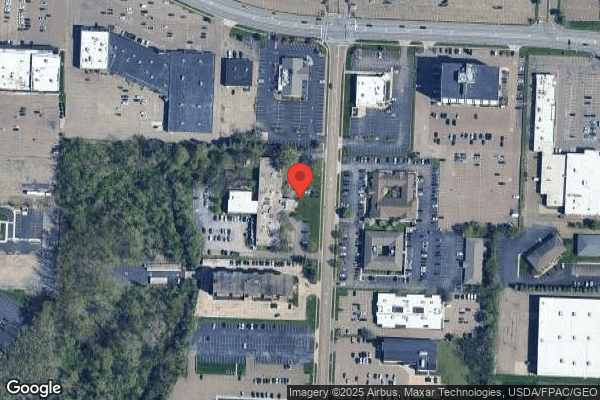
5005 HIGBEE AVENUE NW, CANTON, OH 44718 (330) 492-7835
For profit - Limited Liability company 99 Beds EPHRAM LAHASKY Data: November 2025
Trust Grade
65/100
#262 of 913 in OH
Last Inspection: November 2024

Within standard 12-15 month inspection cycle. Federal law requires annual inspections.

Overview

Gardens of Belden Village in Canton, Ohio has a Trust Grade of C+, indicating that it is slightly above average but not exceptional. It ranks #262 out of 913 facilities in Ohio, placing it in the top half, and #10 out of 33 in Stark County, meaning only nine local options are better. The facility is improving, having reduced its issues from 8 in 2024 to just 1 in 2025. Staffing is a concern with a rating of 2 out of 5 stars and a turnover rate of 47%, which is slightly better than the state average. There have been no fines reported, which is a positive sign, and they have average RN coverage, meaning registered nurses are present, but not in abundance. However, there are specific incidents that raise concerns. One serious issue involved a resident who was not assisted properly during transfers, which may have put them at risk for injury. There were also several cleanliness issues in the kitchen, such as expired and unlabeled food items, which could affect the safety and quality of meals for residents. While the facility has strengths in some areas, such as quality measures, families should be aware of these weaknesses when considering this home.

Trust Score
C+
65/100
In Ohio
#262/913
Top 28%
Safety Record
Moderate
Needs review
Inspections
Getting Better
8 → 1 violations
Staff Stability
⚠ Watch
47% turnover. Above average. Higher turnover means staff may not know residents' routines.
Penalties
✓ Good
No fines on record. Clean compliance history, better than most Ohio facilities.
Skilled Nurses
⚠ Watch
Each resident gets only 25 minutes of Registered Nurse (RN) attention daily — below average for Ohio. Fewer RN minutes means fewer trained eyes watching for problems.
Violations
⚠ Watch
33 deficiencies on record. Higher than average. Multiple issues found across inspections.
★★★★☆
4.0
Overall Rating
★★☆☆☆
2.0
Staff Levels
★★★★★
5.0
Care Quality
★★★☆☆
3.0
Inspection Score
Stable
2024: 8 issues
2025: 1 issues

The Good

  • 5-Star Quality Measures · Strong clinical quality outcomes
  • Full Sprinkler Coverage · Fire safety systems throughout facility
  • No fines on record

Facility shows strength in quality measures, fire safety.

The Bad

Staff Turnover: 47%

Near Ohio avg (46%)

Higher turnover may affect care consistency

Chain: EPHRAM LAHASKY

Part of a multi-facility chain

Ask about local staffing decisions and management

The Ugly 33 deficiencies on record

1 actual harm
Jan 2025 1 deficiency
CONCERN (D) 📢 Someone Reported This

A family member, employee, or ombudsman was alarmed enough to file a formal complaint

Potential for Harm - no one hurt, but risky conditions existed

Quality of Care (Tag F0684)

Could have caused harm · This affected 1 resident

**NOTE- TERMS IN BRACKETS HAVE BEEN EDITED TO PROTECT CONFIDENTIALITY** Based on resident interview, staff interview, family interview, record review, and policy review, the facility failed to provide...

Read full inspector narrative →
**NOTE- TERMS IN BRACKETS HAVE BEEN EDITED TO PROTECT CONFIDENTIALITY** Based on resident interview, staff interview, family interview, record review, and policy review, the facility failed to provide timely care and services to Resident #34 when she experienced a change of condition in the facility. This affected one resident (#34) out of three residents reviewed for change of condition. The facility census was 90. Findings include: Review of the medical record for Resident #34 revealed an admission date of 12/09/24. Diagnoses included unspecified fracture of the left and right calcaneus (heel), multiple fractures of the ribs on the right side, anxiety disorder, and depression. The record indicated she was in a motor vehicle accident prior to her admission to the facility. Review of Resident #34's admission Minimum Data Set, dated [DATE] revealed the resident was cognitively intact, utilized a wheelchair, and was dependent for toilet use and bathing and needed partial to moderate assistance for personal hygiene. Review of Resident #32's Physical Therapy (PT) Treatment Encounter notes dated 12/19/24 revealed Resident #34 stated she wasn't feeling well on this day and didn't want to get up, but agreed to bed activity. Review of the PT encounter note dated 12/20/24 revealed the patient's treatment was limited on this day due to severe anxiety and possible Norovirus with nausea and diarrhea. Review of the PT encounter note dated 12/22/24 revealed the patient stated she was feeling a little better with her stomach bug. Review of the Occupational Therapy (OT) treatment encounter note dated 12/20/24 revealed the patient had limited ability to participate as she reported nausea and a headache. The patient's symptoms were reported to the nurse. Review of the PT encounter note dated 12/21/24 revealed the patient reported that she had an upset stomach/virus that had been in the building, with fatigue and verbalized weakness on this date. Review of Resident #34's plan of care documentation revealed the resident did not have any documented meal intakes for 12/22/24. Review of Resident #34's nursing progress notes from 12/19/24 through 12/23/24 revealed no evidence of a change of condition, nausea, vomiting, diarrhea, or physician notification related to the Norovirus. Review of Resident #34's December 2024 physician orders revealed no medication orders for nausea, vomiting, diarrhea, or treatment for symptoms related to the Norovirus. Interview on 01/15/25 at 9:21 A.M., Resident #34 revealed she became very ill with a stomach virus around Christmas. She reported she was throwing up violently and had extreme nausea and diarrhea. She reported she asked nursing for something to help with the vomiting and was told they did not have a physician's order to give her anything. She reported she remembered crying out and asking for help due to being extremely ill and having pain while vomiting related to her fractured ribs. Interview on 01/15/25 at 11:57 A.M., Therapy Director #100 reported he recalled Resident #34 having the Norovirus around Christmas time, limiting their therapy. He stated he could remember responding to her when he heard her scream out from her room, she complained of having stomach pain when he responded. He stated the nurse was aware. Interview on 01/15/25 at 1:57 P.M. Registered Nurse (RN) #101 reported she was working in Resident #34's area on 12/21/24 and 12/22/24, but she could not remember if she was one of the residents who had symptoms of the Norovirus, or if she requested nausea medications. She reported when someone became symptomatic, it was the facility policy to complete a change of condition assessment, notify the physician, and obtain orders to evaluate symptoms. Interview on 01/15/25 at 2:05 P.M. Certified Nursing Assistant (CNA) #102 reported she was usually scheduled to work the hallway of Resident #34. She reported around Christmas 2024, the resident became very ill with a stomach virus. She reported she recalled the resident having nausea, vomiting, and bad diarrhea. She stated she was sick for several days and her nurse, Registered Nurse (RN) #101 was aware. Interview on 01/15/25 at 2:42 P.M. CNA #103 revealed she recalled Resident #34 getting sick with a stomach virus around Christmas 2024. She reported she was ill for several days with nausea, vomiting, and diarrhea. Interview on 01/15/25 at 3:55 P.M. with Regional Director of Nursing #104 revealed the facility had an outbreak of the Norovirus that started on 12/18/24. He reported that nursing staff were instructed to complete a change of condition assessment, notify the physician, and obtain medication orders to alleviate symptoms. He confirmed the facility did not follow their procedure related to a change in condition for Resident #34, including notifying the physician and obtaining medication to help relieve symptoms. Phone interview on 01/15/25 at 6:20 P.M., Family Member #105 stated a few days before Christmas 2024, Resident #34 became ill with a stomach virus. She was in a lot of stomach pain and was vomiting. She stated she attempted to contact the nurses, but was not able to get through. She revealed she was able to speak with the Administrator and reported her concerns to him and asked if the resident could please have some nausea medication. Phone interview on 01/16/25 at 10:41 A.M. with the facility Administrator revealed he did get call in December 2024 from Family Member #105. He reported she was concerned that Resident #34 was ill and requesting nausea medication. He continued that he reported the concern to the nurse managers in their morning meeting. Review of the facility policy, Change in a Resident's Condition or Status last revised December 2016 revealed the facility shall promptly notify the resident, his or her attending physician, and representative of changes in the residents medical/mental condition and/or status. The Nurse would notify the residents attending physician or physician on-call when there had been a significant change in the resident's physical/emotional/mental condition or a need to alter the resident's medical treatment significantly. A significant change of condition is a major decline or improvement in the resident status that impacted more than one area of the resident's health status. This deficiency represents non-compliance investigated under Complaint Number OH00160682.
Nov 2024 5 deficiencies 1 Harm
SERIOUS (G) 📢 Someone Reported This

A family member, employee, or ombudsman was alarmed enough to file a formal complaint

Actual Harm - a resident was hurt due to facility failures

Accident Prevention (Tag F0689)

A resident was harmed · This affected 1 resident

**NOTE- TERMS IN BRACKETS HAVE BEEN EDITED TO PROTECT CONFIDENTIALITY** 2. Review of the medical record for Resident #48 revealed an admission date of 12/14/23. Diagnoses included but were not limited...

Read full inspector narrative →
**NOTE- TERMS IN BRACKETS HAVE BEEN EDITED TO PROTECT CONFIDENTIALITY** 2. Review of the medical record for Resident #48 revealed an admission date of 12/14/23. Diagnoses included but were not limited to unspecified fracture of shaft of left fibula (06/12/24), congestive heart failure, type II diabetes mellitus, morbid obesity, hemiplegia and hemiparesis and bipolar disorder. Review of the care plan for Resident #48 dated 03/19/24 revealed self-care deficit related to decreased functional mobility. Interventions were one to two staff assist as required for bed mobility, toileting and transfers. Review of the Minimum Data Set (MDS) 3.0 assessment dated [DATE] for Resident #48 revealed she was cognitively intact, incontinent of bowel and bladder, and was dependent on staff for activities of daily living. Review of the nursing progress note dated 06/08/24 authored by Licensed Practical Nurse (LPN) #812 timed at 12:54 P.M. revealed Resident #48 was assisted from the floor to the bed with person assist using a mechanical lift. Resident #48 stated she wanted to go to the hospital due to the knot on her left upper forehead. Review of nursing progress revealed clarification dated 06/08/24 timed 3:47 P.M. indicating Resident #48 rolled out of bed during patient care while bed was in low position. Review of the nursing progress note dated 06/09/24 timed at 4:52 A.M. authored by LPN #934 revealed Resident #48 was admitted to the hospital related to increased blood pressure and possible fracture to left ankle. Review of the fall incident report for fall dated 06/08/24 revealed LPN #812 was providing patient care for Resident #48. Resident #48 was using her grab bar (multi-function side rail) to roll over and the grab bar became detached, and Resident #48 fell out of bed onto the floor. Vitals and neurological checks were completed, and Resident #48 was sent to the emergency room for evaluation. Review of the witness statement from LPN #812 dated 06/08/24 revealed at approximately 11:00 A.M. on 06/08/24 she was providing incontinence care for Resident #48 and Resident #48 used her safety grab bar to roll over onto her left side which became detached, and Resident #48 fell face forward onto the floor in a prone position. Review of the witness statement from CNA #841 revealed she was not present when the fall occurred but assisted LPN #812 with the mechanical lift to transfer Resident #48 from the floor to her bed. Review of the witness statement dated 06/08/24 from CNA #841 revealed she did not observe Resident #48's fall but did respond to LPN #812's call for help and assisted her with the mechanical lift to get Resident #48 off the floor back into bed. Review of the hospital admission note for Resident #48 dated 06/09/24 revealed she sustained a left ankle fracture after falling out of bed at the nursing facility. Review of the x-ray report dated 06/10/24 for Resident #48 revealed limited exam due to decreased bone mineralization, patient positioning and superimposed artifact. There was questioned cortical irregularity at the lateral margin of the fibula with suspected lucency in the distal tibia, suspicious for nondisplaced fracture. Irregularity at the medial malleolus could be chronic. Degenerative changes were present. Soft tissue edema overlied the dorsum of the forefoot and anterior ankle. Interview on 10/30/24 at 8:33 A.M. with Regional Director of Clinical Services #930 confirmed Resident #48 rolled out of bed onto the floor during patient care because her grab bar (multi-function side rail) became loose when she was rolling onto her side, and Resident #48 fell face forward onto the floor. Regional Director of Clinical Service #930 revealed Resident #48 required one person assist as she was able to use the grab bar to roll and turn herself. A telephone interview on 10/31/24 at 9:48 A.M. with LPN #812 revealed she was providing incontinence care to Resident #48, who was a one person assist, and when Resident #48 rolled she put all of her weight on the grab bar which pushed it outwards, and the grab bar became detached causing Resident #48 to roll out of the bed onto the floor face first. LPN #812 assessed Resident #48 and then obtained assistance from CNA #841 and using the mechanical lift transferred Resident #48 off the floor back into her bed. Resident #48 was sent to the emergency room. Interview on 10/31/24 at 10:24 A.M. with the Administrator revealed the facility completed an annual check of the facility equipment, including side rails and staff were encouraged to report any observed concerns related to facility equipment to the maintenance department. Interview on 10/31/24 at 11:14 A.M. with Resident #48 revealed LPN #812 was providing incontinence care for her, Resident #48 stated she used the grab bar on her bed to assist her to roll over and when she bore her weight on it, the grab bar broke off and she fell out of bed onto the floor face first. LPN #812 assessed her, and another nurse assisted her with the mechanical lift back into bed and then she was sent to the hospital for treatment. Review of manufacturer's information for the expandable deck bariatric low bed with multi-function side rails, which was the type bed Resident #48 was on at the time of the fall, revealed the bed weight capacity was 600 pounds and was able to meet most patient needs with multi-function side rails that swung up and locked for patient assistance. Review of the April 2010 revised facility policy called; Work Order, Maintenance provided no specific information regarding the frequency which the facility was to complete maintenance checks to ensure bed rails were functioning properly and attached per manufacturer requirements. This deficiency represents non-compliance investigated under Complaint Number OH00158638. Based on observation, record review, facility policy review and interview, the facility failed to ensure effective measures/systems were in place to prevent resident falls with injury. The facility failed to ensure Resident #38 was transferred appropriately using a gait belt and failed to ensure Resident #48's bed U-bar side rail was maintained in good repair. This affected two residents (#38 and #48) of four residents reviewed for accidents and hazards. Actual harm occurred on 09/25/24 at 9:40 A.M. to Resident #38, when Certified Nursing Assistant (CNA) #831 attempted to transfer Resident #38 from a bedside commode to the wheelchair without using a gait belt as care planned. Resident #38 and STNA #831 fell to the floor. Resident #38 sustained a fractured hip which required surgical repair and had chronic pain post surgical repair. Actual harm occurred on 06/08/24 at 3:47 P.M. when during resident care, Resident #48 grabbed the multi-function side rail (U-bar) attached to her bed to pull herself over, the side rail gave way and Resident #48 rolled off the side bed landing on the floor face down sustaining a fracture to the left fibula fracture. Findings include: 1. Review of Resident #38's medical record revealed the resident was admitted on [DATE] with diagnoses including a displaced intertrochanteric fracture of the left femur, vascular dementia and diabetes. Review of Resident #38's care plans revealed an intervention dated 05/03/24 indicating staff education to use gait for transfers while toileting resident. Review of Resident #38's Minimum Data Set 3.0 comprehensive assessment dated [DATE] revealed the resident exhibited intact cognition. Review of Resident #38's progress note dated 09/25/24 timed 9:40 A.M. authored by Licensed Practical Nurse (LPN) #906 revealed LPN #906 was alerted to Resident #38's room by CNA #831 who stated she had to lower the resident to the floor because she was not able to get the resident's wheelchair behind him fast enough and the resident was unable to keep himself up. The resident stated he could not hold himself up anymore. Resident #38 was lowered to the floor by CNA #831 and a pillow was placed behind the resident's head. The floor was dry with no clutter and the resident was wearing tennis shoes that were tied and fit properly. Resident #38 complained of pain in the left leg and was transferred to the emergency room for evaluation. Review of the Fall Scene Investigation Report dated 09/25/24 revealed the gait assist at the time of the fall areas were left blank. There was no information the care planned gait belt was in place at the time of the fall. The form indicated the resident lost his balance and could not stay up. The investigation indicated the resident would be changed to a two-staff assist (following the incident). Review of the undated fall witness statement authored by CNA #831 revealed she transferred Resident #38 back to his chair (from the bedside commode) when they began to fall to the ground in slow motion. No cracking sounds or popping sounds were heard, he did not fall hard, and the floor was not wet. Resident #38 partially fell on CNA #831 while switching back from the resident's commode to the electric scooter approximately ten seconds after standing from the commode. Review of Resident #38's hospital documentation dated 09/25/24 revealed Resident #38 sustained a closed intertrochanteric fracture of left hip and had surgery for a intramedullary nail to the left intertrochanteric hip fracture. Review of Resident #38's hospital Discharge Summary form dated 09/27/24 revealed Resident #38 had a closed intertrochanteric fracture of the left hip, a closed displaced intertrochanteric fracture of the left femur and operations during the hospitalization included a intramedullary nail to the left intertrochanteric hip fracture. Review of Resident #38's progress note dated 09/27/24 at 2:55 P.M. authored by Registered Nurse (RN) #882 revealed the resident was readmitted to the facility with dressings to the hip which were intact. Review of the physician progress note dated 10/21/24 revealed the visit was a follow up for chronic pain of the left femur fracture and to continue medications, plan of care, physical therapy, occupational therapy and to monitor laboratory results. Interview on 10/30/24 at 9:12 A.M. with LPN #906 revealed she was called to Resident #38's room when CNA #831 lowered Resident #38 to the floor. LPN #906 revealed Resident #38 required assistance to transfer with one to two persons at the time of the incident. Observations on 10/30/24 at 10:15 A.M. revealed two CNAs coming out of Resident #38's room. The resident was in a wheelchair with a Hoyer (mechanical lift) pad underneath him. Interview on 10/30/24 at 10:18 A.M. with Resident #38 revealed the resident had recollection of the incident when CNA #831 transferred him from the bedside commode to a wheelchair and he was dropped to the floor. Resident #38 denied CNA #831 had used a gait belt during the transfer. Interview on 10/30/24 at 10:38 A.M. with Regional Director of Clinical Services #930 confirmed Resident #38's care plan indicated staff were required to transfer the resident using a gait belt and the fall investigation did not have evidence a gait belt was used. Telephone interview on 10/30/24 at 12:56 P.M. with CNA #831 revealed Resident #38 fell backwards when she was trying to get him off of the bedside commode to the wheelchair. CNA #831 said she did not use a gait belt when transferring the resident. She stated the facility did not have gait belts for staff use. Review of the Safe Lifting and Movement of Residents policy revised July 2027 revealed safe lifting and movement of residents was part of an overall facility employee health and safety program, which involved employees identifying problem areas and implementing workplace safety and injury-prevention strategies; providing training on safety, ergonomics and proper use of equipment; and continually evaluating the effectiveness of workplace safety and injury-prevention strategies.
CONCERN (D) 📢 Someone Reported This

A family member, employee, or ombudsman was alarmed enough to file a formal complaint

Potential for Harm - no one hurt, but risky conditions existed

Safe Environment (Tag F0584)

Could have caused harm · This affected 1 resident

**NOTE- TERMS IN BRACKETS HAVE BEEN EDITED TO PROTECT CONFIDENTIALITY** Based on observation, interview, facility repair invoice and facility policy, the facility failed to ensure repairs were complet...

Read full inspector narrative →
**NOTE- TERMS IN BRACKETS HAVE BEEN EDITED TO PROTECT CONFIDENTIALITY** Based on observation, interview, facility repair invoice and facility policy, the facility failed to ensure repairs were completed timely following identified concerns. This affected three residents ( #48, #59 and #69) of seven ( #7, #16, #48, #59, #69, #84 and #137) reviewed for environmental concerns requiring repairs. The facility census was 87. Findings include: 1. Observations on 10/28/24 at 9:46 A.M. with [NAME] President (VP) of Plant Operations #933 and Maintenance Director (MD) #864 revealed Resident #59's room had six ceiling tiles in the first row running perpendicular to the entrance door with dried water stains, three tiles above the dresser were water stained, a hole was cut in the back wall of the bathroom drywall which revealed an exposed pipe. Rust stains were observed on the floor behind and around the toilet. The linoleum flooring was noted to be curled up from the back wall where rust-colored stains were observed. The ceiling tile above the toilet was broken into two pieces Further observations on 10/28/24 at 9:50 A.M. with VP of Plant Operations #933 and MD #864 revealed Resident #48's room had one missing ceiling tile in the row next to the window and four ceiling tiles in the same row with obvious dried water stains. Interviews on 10/28/24 at 10:00 A.M. with VP of Plant Operations #933 and MD #864 confirmed the above findings. Interview on 10/29/24 at 10:43 A.M. with MD #864 revealed the original water leak stemmed from rooms [ROOM NUMBERS] related to water pooling around the base of the toilet which caused leaks in multiple rooms on the first floor due to water traveling. MD #864 attempted to replace the toilet flange but this did not work and caused damage to Resident #59's room. MD #864 stated when he removed the ceiling tiles in Resident #59's bathroom, it required a third-party contractor. MD #864 confirmed the repairs were completed by the contractor on 10/08/24 and the replacement tiles were received on 10/16/24 but the ceiling tiles had not been replaced in the resident rooms prior to the observation. Interview on 10/30/24 at 7:53 A.M. with VP of Plant Operations #933 confirmed the toilet had not leaked since repairs were completed on 10/08/24 so the toilet was not replaced. VP of Plant Operations #933 also confirmed following the contractor repairs, the facility had not completed the tile replacements or gotten quotes for the floor replacement for Resident #59's room. Interview on 10/31/24 at 10:24 A.M. with the Administrator confirmed he was aware of the leak in the ceiling and had a plumber come out for repairs which required additional parts to be ordered. The Administrator confirmed the work had been completed since 10/09/24 but the ceiling tiles or floor had not been replaced. Interview on 10/31/24 at 11:14 A.M. with Resident #48 (who exhibited intact cognition) revealed the tile in her room had fallen related to wetness and she wanted the ceiling tiles repaired. Interview was not able to be conducted with Resident #59 due to severe cognitive impairment. Review of the facility contractor invoice dated 10/24/24 revealed a contractor came out for service on 09/25/24 and ordered material. On 10/09/24 repairs were completed for the pipe and fitting to the vent and drainage system to the second-floor toilet and it was believed the toilet was cracked. Facility maintenance was to install a new toilet to see if it corrected the issue. Review of the April 2010 facility policy Work Order, Maintenance revealed maintenance orders were to be completed in order to establish a priority of maintenance service. No specifics were listed as to time frame for repairs to be completed. 2. Interview on 10/29/24 at 10:31 A.M. with Resident #69 and her daughters revealed the sink in the bathroom had been plugged and at times the sink was full of dirty water. Maintenance was notified of the backed up sink and nothing was being done about it. Observation of Resident #69's bathroom sink on 10/29/24 at 10:35 A.M. revealed the sink was half full of standing dirty water. Interview on 10/29/24 at 11:00 A.M. with Regional Director of Clinical Service #930 verified the sink was plugged and that the resident and family were not happy the room. The deficiency represents non-compliance investigated under Complaint Number OH00158304.
CONCERN (D)

Potential for Harm - no one hurt, but risky conditions existed

Deficiency F0698 (Tag F0698)

Could have caused harm · This affected 1 resident

Based on interview, record review, and facility policy review the facility failed to ensure monitoring prior to and following dialysis treatments for Resident #13. This affected one resident (#13) of ...

Read full inspector narrative →
Based on interview, record review, and facility policy review the facility failed to ensure monitoring prior to and following dialysis treatments for Resident #13. This affected one resident (#13) of one reviewed for dialysis. The facility census was 87. Findings include: Review of the medical record for Resident #13 revealed an admission date of 06/10/23. Diagnoses included end stage renal disease, dependence on renal dialysis, chronic obstructive pulmonary disease, type II diabetes mellitus, acute and chronic respiratory failure with hypoxia, and heart failure. Review of the physician's orders for Resident #13 revealed an order dated 06/19/24 for dialysis treatment at an off site dialysis center which began at 6:30 A.M. on Monday, Wednesday, and Friday. Resident #13 also had a physician order dated 12/05/23 for Resident #13's dialysis site be checked for signs and symptoms of infection every shift. Review of the pre and post dialysis assessments for Resident #13 in the electronic medical record revealed a no pre dialysis evaluations were completed from January 2024 through October 2024 and no post dialysis evaluations from December 2023 through October 2024. Upon request, no further evidence was provided pre-dialysis and post dialysis assessments were completed during this time. Review of the vitals documentation for Resident #13 from June to October 2024 revealed blood pressure, pulse, blood oxygen, and temperature monitoring only occurred after dialysis treatment. Review of nursing progress notes from July to 10/22/24 did not reveal any additional documentation on Resident #13's status prior to or post dialysis treatments. Review of the Medication Administration Record (MAR) and Treatment Administration Record (TAR) for October 2024 for Resident #13 did not reveal any documentation the bruit or thrill of Resident #13's dialysis shunt was assessed. Review of the care plan for Resident #13 revised 10/23/24 revealed Resident #13 received dialysis. Interventions included checking the arteriovenous fistula every shift for thrill/bruit for signs and symptoms of infection or bleeding, monitoring and documenting signs or symptoms of renal insufficiency, and coordinating care with dialysis. Interview on 10/31/24 at 12:00 P.M. with Registered nurse (RN) #885 revealed pre and post dialysis vitals were checked at the dialysis center. Upon her return, Resident #13 provided the nurse with a paper from dialysis that documented her vitals. RN #885 reported she reviewed the vitals and entered them into the electronic medical record and then discarded the paper. Review of the undated facility policy called; Hemodialysis Access Care revised September 2010 revealed care immediately following dialysis included palpating the site to feel the thrill or use a stethoscope to hear the whoosh or bruit of blood flow through the access. The policy did not include a pre-dialysis evaluation be completed. The Policy also indicated that the general medical nurse should document the location of the catheter, condition of dressing, if dialysis was done during shift, any part of report from dialysis nurse post-dialysis given, and observations post-dialysis.
CONCERN (E) 📢 Someone Reported This

A family member, employee, or ombudsman was alarmed enough to file a formal complaint

Potential for Harm - no one hurt, but risky conditions existed

Infection Control (Tag F0880)

Could have caused harm · This affected multiple residents

**NOTE- TERMS IN BRACKETS HAVE BEEN EDITED TO PROTECT CONFIDENTIALITY** 2. Review of Resident #82's medical record revealed the resident was admitted on [DATE] with diagnoses including COVID-19, osteo...

Read full inspector narrative →
**NOTE- TERMS IN BRACKETS HAVE BEEN EDITED TO PROTECT CONFIDENTIALITY** 2. Review of Resident #82's medical record revealed the resident was admitted on [DATE] with diagnoses including COVID-19, osteomyelitis of right ankle and foot and type two diabetes. Review of Resident #82's physician orders revealed an order dated 10/25/24 for droplet isolation for COVID-19 for ten days (to be discontinued 11/04/24). Observation on 10/30/24 at 12:25 P.M. revealed Register Nurse (RN) #906 donning personal protective equipment (PPE) prior to going into Resident #82's room. RN #82 donned a gown, gloves and N-95 mask prior to entering Resident #82's room. RN #82 did not apply eye protection until after entering the resident's room and being asked if eye protection was required. RN #906 stated I thought my glasses were good enough, I have goggles if I need to wear them. Upon completing her tasks and exiting Resident #82's room, RN #906 removed her gown and gloves used hand sanitizer and proceeded down the hall to the vending machine. RN #906 spoke to multiple residents and staff, and upon returning to Resident #82's room to give him the pop she purchased at the vending machine she confirmed she had not doffed the N95 or eye protection after being in Resident #82's room. Review of the facility Coronavirus (COVID-19) Policy and Procedure dated 09/23/24 revealed staff were to don personal protective equipment (PPE) for Droplet precautions inlcuding N95 mask, face shield or goggles, gown and gloves prior to entering COVID positive resident rooms per the Centers for Disease Control (CDC) donning process and when exiting the room, staff were to follow the CDC guidance for doffing PPE. This deficiency represents non-compliance investigated under Complaint Number OH00157894. Based on observation, record review and interview, the facility failed to ensure the appropriate use of personal protective equipment. This had the potential to affect 47 residents who resided on the second floor including Residents #1, #4, #6, #9, #11, #12, #13, #16, #19, #20, #22, #24, #27, #28, #29, #30, #34, #36, #38, #39, #40, #41, #42, #44, #51, #52, #55, #56, #57, #58, #61, #65, #70, #71, #74, #75, #76, #77, #78, #79, #80, #81, #84, #137, #187, #189 and #190. The facility census was 87. Findings include: 1. Review of Resident #18's medical record revealed the resident was admitted on [DATE] with diagnoses including COVID-19, chronic diastolic congestive heart failure and major depressive disorder. Review of Resident #18's physician orders revealed an order dated 10/28/24 for droplet isolation for COVID-19 for ten days (to be discontinued 11/07/24). Observation on 10/28/24 at 10:25 A.M. revealed Housekeeping #842 coming out of Resident #18's room. Housekeeping #842 had on a blue surgical gown, gloves and a blue surgical mask at the time of the observation. Signage on the resident's door indicated the resident was COVID-19 positive. Interview on 10/28/24 at 10:30 A.M. with Housekeeping #842 confirmed she did not use the N95 respiratory mask and eye protection when cleaning Resident #18's room and she confirmed the resident's door had signage that he was COVID-19 positive. Housekeeping #842 confirmed she cleaned resident rooms and common areas on the second floor. Review of the facility Coronavirus (COVID-19) Policy and Procedure dated 09/23/24 revealed staff were to don personal protective equipment (PPE) for Droplet precautions inlcuding N95 mask, face shield or goggles, gown and gloves prior to entering COVID positive resident rooms per the Centers for Disease Control (CDC) donning process and when exiting the room, staff were to follow the CDC guidance for doffing PPE.
CONCERN (F) 📢 Someone Reported This

A family member, employee, or ombudsman was alarmed enough to file a formal complaint

Potential for Harm - no one hurt, but risky conditions existed

Food Safety (Tag F0812)

Could have caused harm · This affected most or all residents

Based on observation, interview and record review the facility failed to ensure the kitchen was maintained in a sanitary manner, foods were dated, labeled, and discarded when expired, and ensure the w...

Read full inspector narrative →
Based on observation, interview and record review the facility failed to ensure the kitchen was maintained in a sanitary manner, foods were dated, labeled, and discarded when expired, and ensure the ware washing was completed appropriately to ensure sanitation. This affected all 87 residents receiving meals from the kitchen. The facility indicated there were no residents who received nothing by mouth. The facility census was 87. Findings include: Observation on 10/28/24 at 9:30 A.M. during the initial kitchen tour with Regional Culinary Director #932 revealed the following concerns. - The front of reach in refrigerator had visible caked on soiling on the front of the refrigerator and the handle. - An undated, open package of shredded cheddar cheese was found in the reach in refrigerator. - An unlabeled, undated roast beef sandwich was found in the reach in refrigerator - The reach in refrigerator was soiled with multiple spills and had various food particles spread across the bottom of it. - The steam table was visibly soiled in the front with dried spilled food items. - The three compartment sink was not functional with a plugged drain. - The high temperature dish machine met the initial wash temperature of 153 degrees Fahrenheit (F), but the wash cycle did not get above 156 F to meet the required 180 F. Interview on 10/28/24 at 9:48 A.M. with Regional Culinary Director #932 confirmed the above findings and stated she was informed this morning the three-compartment sink was not working and confirmed the observation of the dish machine not getting up to the appropriate temperature. Regional Culinary Director #932 was not aware of the three-compartment sink was plugged until this morning. Interview on 10/28/24 at 9:55 A.M. with [NAME] #869 revealed when they realized the dish machine was not working on the morning of 10/26/24, they washed and rinsed the dishes in the two-compartment sink but did not sanitize them. [NAME] #869 stated they notified the Administrator the dish machine and the three compartment sink was not working. Interview on 10/28/24 at 10:19 A.M. with Maintenance Director #864 revealed the three-compartment sink was not working when he started over five weeks ago. Maintenance Director #864 stated a repairman was out last week and stated he had previously been out to diagnose the issue and stated he was unable to fix it. Maintenance Director #864 stated he found out about the dish machine about 10:00 A.M. this morning and had called the company to have a repairman out today. Interview on 10/28/24 at 10:22 A.M. with Regional Culinary Director #932 revealed upon finding out the dishwasher was not functioning properly as well as the three compartment sink drain being plugged, the facility obtained Styrofoam containers and plastic silverware to serve the residents until the dish machine was fixed. Interview on 10/29/24 at 8:52 A.M. with Dietary Aide (DA) #900 stated in regard to three compartment, it had not been functioning for the past two to three weeks and was told by the maintenance director not to use it. During that period all of the dish items were being run through the dish machine. On 10/25/24 there was an issue with the dish machine not getting up to temperature and the maintenance director was notified and fixed the issue the same afternoon. On the morning of 10/26/24 around 8:30 A.M. DA #900 and DA #850 realized the dish machine was again not getting up to correct temperature. They shut the machine off, and they got out three large containers; one was dish soap and water; one was with an unmeasured amount of bleach in the water and the third was just hot water for rinse. After they washed the first cart which held 14 resident trays, they replaced each of the hot water and detergents in the three large containers before starting each consecutive cart until all six carts were washed. DA #900 confirmed he had not tested the chemical level of the bleach to ensure the sanitation level. Interview on 10/29/24 at 9:03 A.M. with Regional Culinary Director #932 confirmed with the dish machine not working and the three compartment sink being plugged, employees should have tested the dish water to ensure the proper sanitation level was achieved. Observation of the unit refrigerators for resident use on 10/31/24 at 9:05 A.M. with Regional Culinary Director #932 revealed the following concerns in the second floor 200 hall refrigerator. - Two containers of ½ cup undated unlabeled coleslaw - One package of 12 ounce sausage with no visible expiration date but had a distinct spoiled odor and was visibly discolored. - Four containers of ½ cup med pass apple sauce that were dated 10/10/24. - 28-ounce open, undated container of five layer dip with an expiration date of 10/28/24. Interview on 10/31/24 at 9:10 A.M. with Regional Culinary Director #932 confirmed the above observations of resident floor refrigerators. Review of the October 2008 revised facility policy called; Sanitization revealed manual washing and sanitizing would employ a three-step process for washing, rinsing, and sanitizing. a. Scrape food particles and wash using hot water and detergent, b. rinse with hot water to remove soap residue and c. sanitize with hot water or chemical sanitizing solution. Chemical sanitizing solutions could consist of: 1. Chlorine 50 parts per million (ppm) for 10 seconds. 2. Iodine 12.5 ppm for 30 seconds or 3. Quaternary ammonium compound 150-200 ppm for time designated by the manufacture. Review of the undated facility policy; Food Brought in By Visitors revealed all perishable food in resident's rooms were to be in tightly closed containers, labeled and dated well. No specific dating timeframes were listing on the policy.
Aug 2024 1 deficiency
CONCERN (D) 📢 Someone Reported This

A family member, employee, or ombudsman was alarmed enough to file a formal complaint

Potential for Harm - no one hurt, but risky conditions existed

Incontinence Care (Tag F0690)

Could have caused harm · This affected 1 resident

Based on observation, interview, record review and facility policy review, the facility failed to ensure perineal care was performed appropriately after an episode of urinary and bowel incontinence. T...

Read full inspector narrative →
Based on observation, interview, record review and facility policy review, the facility failed to ensure perineal care was performed appropriately after an episode of urinary and bowel incontinence. This affected one (Resident #81) of one resident observed for incontinence care. The facility census was 81. Findings include: Review of the medical record for Resident #81 revealed an admission date of 05/22/20 with diagnoses including Alzheimer's disease, depression and anxiety. Review of the care plan dated 05/23/20 revealed Resident #81 had incontinence of bowel and bladder. Interventions included to check for incontinence and clean and dry skin if wet or soiled. Observation on 08/28/24 at 10:53 A.M. of incontinence care to Resident #81 by Licensed Practical Nurse (LPN) #200 and LPN #201 revealed Resident #81's brief was wet with urine and bowel. LPN #200 and LPN #201 unfastened Resident #81's brief and then rolled her on her right side. LPN #200 cleaned her rectum area and buttocks of bowel, rinsed and then dried her off. LPN #200 and LPN #201 then rolled Resident #81 on her back and began to pull up the brief and fasten both sides. This surveyor asked why perineal care was not performed to the front of the resident and LPN #200 stated she had reached from the back of resident between her legs and wiped all the way to the front of resident's perineal area. She verified she had not cleaned Resident #81 appropriately for perineal care. Review of the facility policy titled, Perineal Care, dated October 2010, revealed for a female resident, staff wound wet a washcloth, apply soap, wash perineal area by wiping from front to back, separate the labia and wash area downward from front to back, continue to wash the perineum moving from inside outward and include thighs, alternate from side to side, use downward strokes, and then rinse and dry the resident in the same fashion. Staff should then assist the resident to turn on their side and clean the rectal area. This deficiency represents non-compliance investigated under Complaint Number OH00155992.
Mar 2024 1 deficiency
CONCERN (D) 📢 Someone Reported This

A family member, employee, or ombudsman was alarmed enough to file a formal complaint

Potential for Harm - no one hurt, but risky conditions existed

Deficiency F0745 (Tag F0745)

Could have caused harm · This affected 1 resident

**NOTE- TERMS IN BRACKETS HAVE BEEN EDITED TO PROTECT CONFIDENTIALITY** Based on closed medical record review, electronic communication document review, staff interview, and non-facility staff intervi...

Read full inspector narrative →
**NOTE- TERMS IN BRACKETS HAVE BEEN EDITED TO PROTECT CONFIDENTIALITY** Based on closed medical record review, electronic communication document review, staff interview, and non-facility staff interview, the facility failed to ensure all discharge records were completed timely so residents who were discharged could fully use their insurance benefits. This affected one resident (#81) of three resident records reviewed. The facility census was 79. Findings Include: Review of the closed medical record revealed Resident #81 was admitted to the facility on [DATE] with diagnoses including atherosclerotic heart disease, low back pain, chronic viral hepatitis, paranoid schizophrenia, anxiety disorder, other recurrent depressive disorder, neuromuscular dysfunction of bladder, neurogenic bowel, muscle weakness, adult failure to thrive, chronic pain syndrome, and other psychoactive substance abuse. Review of the Minimum Data Set (MDS) assessment, dated 09/11/23, revealed Resident #81 was cognitively intact. Review of Resident #81's medical records found that he was discharged from the facility to his home on [DATE]. Review of Resident #81's 9401 State Department of Medicaid Insurance Form, dated 01/30/24, revealed the facility completed the Medicaid form to indicated he had been discharged from the facility to home/community. Review of facility email document review, dated 02/02/24, revealed Ombudsman Specialist #300 send an email to Administrator on 02/02/24, indicating they had received communication from Resident #81's insurance agent that he was still listed as being a resident of a long-term care facility. Review of facility email document review, dated 02/02/24, revealed Administrator forwarded the above email to their Corporate Business Office Staff #301. Corporate Business Office Staff #301 communicated back that Resident #81 was officially discharged from their system on 01/30/24 when the 9401 Insurance Form was completed, and it was approved for discharge by the state department of Medicaid on 02/01/24. Interview with Regional Director #302 on 03/22/24 at 12:30 P.M. revealed she received an email in February 2024 that they had not completed the 9401 form for Resident #81 at the time he was discharged . She stated she arrived at the facility in late January or early February and started to audit discharge records to ensure all necessary forms had been completed. She ensured Resident #81's 9401 form was completed, which was done prior to Ombudsman Specialist #300 emailing in to ask about it. She confirmed Resident #81 had called Receptionist #101 around the same time they received the email and asked why he wasn't able to use his Medicaid insurance. That is what started the audit process, which they completed quickly. Interview with Receptionist #101 on 03/22/24 at 12:37 P.M. revealed to her knowledge, Resident #81 had called into the facility in February 2024 to asked about his insurance due to his inability to obtain food stamps. She told Resident #81 that this situation would be handled immediately. Interview with Ombudsman Specialist #300 on 03/26/24 at 12:45 P.M. confirmed she received a phone call from Resident #81's insurance company to ask what they could do about the facility not officially discharging him from the facility so he could use his insurance for community services. She confirmed she contacted the facility to ask about this and was told that it was addressed. Interview with Corporate Business Office Staff #301 on 03/22/24 at 1:04 P.M. confirmed they completed the 9401 insurance form on 01/30/24 and it was approved by Medicaid on 02/01/24, so after 02/01/24, he should have been able to use his Medicaid insurance. She stated she was not sure why it took so long to get this form completed and processed. Interview with Insurance Manager #304 on 03/22/24 at 1:34 P.M. revealed she had received information from Insurance Case Manager #305 that Resident #81 was still listed as residing in a long-term care facility as of January 2024, so he could not get home health services, food stamps, or other community services due to his insurance being documented as long-term care. She stated that she and Insurance Case Manager #305 contacted the facility multiple times to get this resolved, but it was not resolved until the beginning of February. Review of Insurance Case Manager #305 documented timeline of attempted communication with the facility about Resident #81's 9401 insurance form revealed she contacted and left messages for the facility Admissions Director on 01/09/24, 01/11/24, and 01/18/24. Also, she attempted to contact and left messages for Director of Nursing (DON) on 01/19/24 and 01/24/24. She received confirmation from the state department of Medicaid on 02/02/24 that his case was closed with the facility, meaning he was officially discharged . This deficiency represents non-compliance investigated under Complaint Number OH00150885.
Feb 2024 1 deficiency
CONCERN (D) 📢 Someone Reported This

A family member, employee, or ombudsman was alarmed enough to file a formal complaint

Potential for Harm - no one hurt, but risky conditions existed

Deficiency F0552 (Tag F0552)

Could have caused harm · This affected 1 resident

Based on medical record review, observation, resident interview, and staff interview, the facility failed to inform residents of new orders and treatment plans. This affected one (Resident #36) of thr...

Read full inspector narrative →
Based on medical record review, observation, resident interview, and staff interview, the facility failed to inform residents of new orders and treatment plans. This affected one (Resident #36) of three residents reviewed for change in condition. The facility census was 76. Finding include: Review of the medical record for Resident #36 revealed an admission date of 01/23/24 with diagnoses including pleural effusion, cirrhosis of the liver, hepatitis C, hypertension, esophageal varices, diabetes, obstructive pulmonary disease, traumatic stress disorder, schizophrenia, and ascites (a condition in which fluid collects in spaces within your abdomen). Review of the progress note for Resident #36 dated 01/25/24 timed at 11:40 P.M. revealed the resident requested to go to the hospital to have immediate paracentesis (a procedure performed in patients with ascites, during which a needle is inserted into the abdomen to drain excess fluid), because she had increased abdominal pain, and she felt her liver was leaky. The nurse assessed the resident and noted the resident's abdomen was slightly distended. The nurse told Resident #36 she would notify the resident's physician the next day and they would make the decision regarding paracentesis. Review of the physician's order for Resident #36 dated 01/26/24 revealed the physician gave an order for the following lab tests to be completed: complete blood count (CBC), basic metabolic panel (BMP) and hemoglobin A1C. Review of the progress notes for Resident #36 dated 01/26/24 to 01/29/24 revealed the notes did not include documentation of notification to the resident that her provider had been contacted regarding her concerns and/or that laboratory tests had been ordered for her. Review of the progress note for Resident #36 dated 01/30/24 timed at 9:16 A.M. revealed the laboratory tests for Resident #36 were not drawn as ordered and had to be rescheduled. There was no documentation in the note that Resident #36 was notified the lab had to be rescheduled. Observation on 1/31/24 at 4:55 P.M. revealed Resident #36 told the nurse she was upset because she felt like she was filling up with fluid and drowning due to her abdominal ascites. Interview on 02/01/24 at 1:45 P.M. with Resident #36 confirmed staff did not provide information to her about her care for her abdominal ascites. Resident #36 confirmed staff did not tell her NP #235 was notified of her concerns and that the NP had ordered laboratory testing to be completed on 01/29/24. Resident #36 further confirmed the staff did not tell her that the lab work had to be rescheduled for the next lab day. Interview on 02/01/24 at 2:27 P.M. with Nurse Practitioner (NP) #235 confirmed the facility called her the morning of 01/26/24 to report Resident #36 was having abdominal pain and was requesting to have a paracentesis done. NP #235 confirmed she told the facility nurse that she was not going to order a paracentesis because she had not seen the resident yet, and she ordered some lab work to be completed on the next scheduled lab day. NP #235 confirmed she examined Resident #36 on 01/29/24 and the resident did not say anything regarding wanting a paracentesis. NP #235 further confirmed Resident #36 did have abdominal ascites, but it was not a large enough amount to schedule an emergency paracentesis. Interview on 02/01/24 at 3:55 P.M. with Registered Nurse (RN) #200 confirmed she notified NP #235 on 01/26/24 that Resident #36 was complaining of abdominal ascites and wanted to be scheduled for a paracentesis. RN #200 confirmed NP #235 gave an order for laboratory testing for the next scheduled lab day which was 01/29/24. RN #200 confirmed she did not notify Resident #36 about her call with NP #235 and/or the order for laboratory testing to be done 01/29/24. RN #200 confirmed the lab was not able to draw the labs on 01/29/24 and the labs had to be rescheduled. RN #200 confirmed Resident #36 was not notified of her labs being rescheduled for later in the week. Interview on 02/01/24 at 4:40 P.M. the Director of Nursing (DON) confirmed there was no documentation in Resident #36's record that the resident was kept informed regarding her plan of treatment for her abdominal ascites.
Sept 2023 3 deficiencies
CONCERN (D) 📢 Someone Reported This

A family member, employee, or ombudsman was alarmed enough to file a formal complaint

Potential for Harm - no one hurt, but risky conditions existed

Deficiency F0602 (Tag F0602)

Could have caused harm · This affected 1 resident

**NOTE- TERMS IN BRACKETS HAVE BEEN EDITED TO PROTECT CONFIDENTIALITY** Based on review of the medical record , review of the Self-Reported Incident (SRI), interview with staff and review of the facil...

Read full inspector narrative →
**NOTE- TERMS IN BRACKETS HAVE BEEN EDITED TO PROTECT CONFIDENTIALITY** Based on review of the medical record , review of the Self-Reported Incident (SRI), interview with staff and review of the facility policy the facility failed to prevent misappropriation of resident narcotics. This affected one resident (R#9) of three residents reviewed for narcotic medication use. The facility census was 75. Findings include: Review of the medical record revealed Resident #9 was admitted to the facility on [DATE]. Diagnoses included alcohol abuse with withdrawal complications, diabetes, acute kidney failure, rhabdomyolysis, gout, anxiety disorder, depressive disorder, insomnia, and abnormality of plasma proteins. Review of the physician's orders revealed Resident #9 had orders for Percocet 5/325 milligrams (mg) every four hours as needed for pain dated 07/04/23. Review of the Quarterly Minimum Data Set (MDS) 3.0 assessment dated [DATE] revealed Resident #9 had intact cognition and experienced pain frequently. The numeric pain rating was an eight on a zero to 10 pain scale with 10 being the worst pain. The resident's pain affected his sleep. Review of the Procare Shift Change report revealed two cards of 30 Percocet 5/325 mg were delivered from pharmacy on 08/17/23 to Resident #9 with the narcotic reference numbers of 1705995. Review of the controlled Medication packing slip from the pharmacy revealed on 08/17/23 Resident #9 received two cards of 30 Percocet with the narcotic reference numbers of 1705995/001 and 1705995/002. Review of the Self-Reported Incident (SRI) dated 8/30/23 at 3:15 A.M. revealed the oncoming afternoon nurse notified the Director of Nursing (DON) the narcotic count was off at shift change during narcotic reconciliation. The DON immediately counted narcotics and medication and medication cart #2 had one card of oxycodone with 18 tablets missing and one controlled drug receipt/record disposition form missing. The outgoing Agency Licensed Practical Nurse (LPN) # 200 admitted to crossing out one card and one sheet on the controlled drug receipt to make the count correct. A statement was collected from LPN #200 and her toxicology screen was negative. She was not 100 percent certain how many cards and sheets were present when she started her shift. The off going Agency LPN #210 did not provide a statement until 24 hours later and she refused to submit to drug test. Both nurses were removed from the schedule permanently. Law enforcement were notified immediately and were onsite for the case. (case #23-46096). All necessary notifications were made, pain assessment completed on all residents on the second floor and all competent residents were interviewed concerning whether or not they receive their as needed and scheduled medications as ordered. During a complete audit of shift-to-shift count report, it was discovered on 8/19/23 the Agency LPN #210 signed in two Percocet cards for Resident #9 but only signed in one card on the front side of the shift-to-shift report sheet. When interviewed she stated she could not remember that far back and ended the interview suddenly. Both nurses would be reported to the Ohio Board Nursing. The allegation was substantiated. Review of the Controlled Medication Shift Change Log for Medication Cart #2 for August 2023 revealed on 08/30/23 LPN #200 crossed out numbers on the counts sheet and wrote over numbers on the shift-to-shift count sheet. Review of the facility incident report dated 08/30/23 at 3:00 P.M. revealed during the shift-to-shift narcotic count the nurse notified management there was a narcotic discrepancy. The DON and Assistant ADON completed an audit comparing controlled drug receipt record disposition form against the shift-to-shift log and discovered Resident #9 had one card of medication and one sheet missing. Review of the signed witness statement from LPN #200 dated 08/30/23 revealed on 08/30/23 when she counted with the nurse, she told her how many cards she had and she confirmed it stating she added two cards. The count was off by one card and one sheet when she counted with the nurse at 3:00 P.M. She stated she removed one card and subtracted it from the count sheet. She stated according to the count sheet at the end of her shift there should have been 15 cards and 15 sheets. On 09/10/23 at 12:40 P.M. an interview with the DON and assistant director of nursing (ADON) verified on 08/30/23 the nurses upstairs called her and stated there was a narcotic discrepancy. She stated Registered Nurse (RN)# 307 noticed the count sheet was not correct and Agency LPN #200 changed the count sheet right in front of her so she called for her to come up and look at it. Agency LPN #200 stayed over until the police arrived to give a statement. She stated Agency LPN #200 agreed to a drug test which was negative. She stated Agency LPN #200 verified she had not counted appropriately during the morning change over and just trusted Agency LPN #210 was telling her the correct number of narcotic cards and sheets. The DON stated Agency LPN #210 did not call her back for 24 hours and when she did call back she just laughed about it, said oh well and hung up. She stated she just said to her everything was correct when she left. The DON verified they never found the missing narcotic. Review of the facility policy Resident Abuse with a revision date of 02/01/17 revealed the following: Misappropriation of resident property is the deliberate misplacement, exploitation or wrongful, temporary, or permanent use of a resident's belongings or money without the resident's consent. Misappropriation of Personal Property - theft of a resident's medication. Acts of abuse directed against residents are absolutely prohibited. Such acts are cause for disciplinary action, including dismissal and possible criminal prosecution. This deficiency represents non-compliance investigated under Complaint Number OH00145888 and OH00146060.
CONCERN (D) 📢 Someone Reported This

A family member, employee, or ombudsman was alarmed enough to file a formal complaint

Potential for Harm - no one hurt, but risky conditions existed

Quality of Care (Tag F0684)

Could have caused harm · This affected 1 resident

**NOTE- TERMS IN BRACKETS HAVE BEEN EDITED TO PROTECT CONFIDENTIALITY** Based on review of the medical record and interview with staff the facility failed to provide timely diagnostic testing and trea...

Read full inspector narrative →
**NOTE- TERMS IN BRACKETS HAVE BEEN EDITED TO PROTECT CONFIDENTIALITY** Based on review of the medical record and interview with staff the facility failed to provide timely diagnostic testing and treatment of a resident with an urinary tract infection. This affected one resident (#56) of three reviewed for infection control. The facility census was 75. Findings included: Review of the medical record revealed Resident #56 was admitted to the facility on [DATE]. Diagnoses included mental disorder, anxiety disorder, developmental disorders, and hypertension. Review of the quarterly Minimum Data Set 3.0 assessment dated [DATE] revealed Resident #56 had moderately impaired cognition. Review of the nursing note dated 07/28/23 at 11:56 A.M. revealed Resident #56 was complaining of burning during urination. A urinalysis (UA) and Culture Sensitivity (C&S) was ordered by the physician. There were no other notes regarding the UA/C&S until 08/04/23 at 8:26 A.M. revealing a UA and C&S was to be recollected. Review of the physician's orders revealed Resident #56 had an order for a urinalysis and urine cultural dated 08/06/23. Review of the nursing note dated 08/07/23 at 2:23 P.M. revealed the urine was collected. At 2:45 P.M. Resident #56 complained of burning with urination. UA and C&S if indicated to be collected on this date. Review of the laboratory results reported 08/12/23 at 5:39 P.M. revealed Resident #56 had two organisms present, Escherichia coli 60,000 to 70,000 units and Enterococcus Faecalis 40,000 to 50,000 units. Both organisms were sensitive to ampicillin. Review of the physician's orders revealed Resident #56 had an order for ampicillin 500 milligrams four times daily for seven days dated 08/15/23. Review of the nursing note dated 08/15/23 at 4:39 P.M. revealed Resident #56 received a new order for ampicillin 500 milligrams four times a day for a urinary tract infection. On 09/10/23 at 3:15 P.M. an interview with Registered Nurse (RN) #300 revealed there was an order for a UA and a C&S on 07/28/23, however there were no results for that order. RN #300 stated she knew it was obtained but was never sent to the laboratory. She stated the specimen sat in the refrigerator because the laboratory never picked it up and it had to be thrown out. RN #300 stated they received an order to obtain another one on 08/04/23 and they did not get the specimen until 08/07/23. She stated they did not get the results back until 08/12/23 and she does not know if anyone called the laboratory to find out what the results were. She stated the results came back on 08/12/23 but the physician did not give an order until the 08/15/23. She verified there was no documentation indication the specimen was thrown out or as to the physician was not notified for three days for an order. This deficiency represents non-compliance investigated under Complaint Number OH00145888.
CONCERN (D) 📢 Someone Reported This

A family member, employee, or ombudsman was alarmed enough to file a formal complaint

Potential for Harm - no one hurt, but risky conditions existed

Deficiency F0760 (Tag F0760)

Could have caused harm · This affected 1 resident

**NOTE- TERMS IN BRACKETS HAVE BEEN EDITED TO PROTECT CONFIDENTIALITY** Based on review of the medical record and staff interview the facility failed to ensure a resident was free of a significant med...

Read full inspector narrative →
**NOTE- TERMS IN BRACKETS HAVE BEEN EDITED TO PROTECT CONFIDENTIALITY** Based on review of the medical record and staff interview the facility failed to ensure a resident was free of a significant medication error. This affected one resident (#20) of three reviewed for medication administration. Findings included: Review of the medical record revealed Resident #20 was admitted to the facility on [DATE]. Diagnoses included psychosis, dementia, schizoaffective disorder, convulsions, insomnia, bipolar disorder, depressive disorders, anxiety disorder, mood affective disorder, vitamin D deficiency, diabetes, adult failure to thrive, restlessness, auditory hallucinations, hypertension, and symbolic dysfunction. Review of the June 2023 physician orders revealed Resident #20 did not have an order for insulin. Review of the medication error incident form dated 06/23/23 at 2:00 P.M. revealed Resident #20 received 24 units of Humalog insulin and 10 units of Novolog insulin at 9:30 A.M., which was given in error. The Director of Nursing and physician were notified and a new order was received from the physician to check the resident's blood sugars twice daily for seven days. Review of the quarterly Minimum Data Set assessment dated [DATE] revealed Resident #20 had severely impaired cognition and did not receive insulin. Review of the June 2023 medication administration record revealed Resident #20 had an order dated 06/23/23 for blood sugar checks twice daily for seven days . Her blood sugars ranged from 96 the lowest and 159 the highest reading. Review of the signed employee disciplinary action for Licensed Practical Nurse (LPN) #315 dated 06/23/23 revealed the nurse on Bridges came over to help her medication pass on Evermore. She had already had insulin drawn up and ready for a resident when the other nurse asked her if this was the correct resident and she stated yes however, she gave the insulin to the incorrect resident. Review of the signed employee disciplinary action for LPN #320 dated 06/23/23 revealed she assisted LPN #315 on Evermore. She asked if her if she would give insulin to a resident and pointed to the resident, she was to give the insulin to. She gave the insulin and the resident was coming out of the dining room when LPN #315 asked if this was the resident, she gave the insulin to and she stated it was the wrong resident. The physician was in the building and checked the resident and the daughter was in the facility and was notified. On 09/10/23 at 4:13 P.M. an interview with Registered Nurse #330 verified Resident #20 was given insulin without an order. She stated one nurse drew up the insulin and the other nurse came over to help her pass medication and she pointed out the resident to receive the insulin but the nurse who came over to help her gave it to the wrong resident. This deficiency represents non-compliance investigated under Complaint Number OH00145888 and OH00146060.
Jul 2023 1 deficiency
CONCERN (D) 📢 Someone Reported This

A family member, employee, or ombudsman was alarmed enough to file a formal complaint

Potential for Harm - no one hurt, but risky conditions existed

Deficiency F0602 (Tag F0602)

Could have caused harm · This affected 1 resident

**NOTE- TERMS IN BRACKETS HAVE BEEN EDITED TO PROTECT CONFIDENTIALITY** Based on Self-Reported Incident review, medical record review, resident interview, staff interview and policy review the facilit...

Read full inspector narrative →
**NOTE- TERMS IN BRACKETS HAVE BEEN EDITED TO PROTECT CONFIDENTIALITY** Based on Self-Reported Incident review, medical record review, resident interview, staff interview and policy review the facility failed to prevent misappropriation of resident narcotics. This affected one resident (Resident #20) of four residents reviewed for narcotic medication use. The facility census was 73. Findings include: Review of Resident #20's medical record revealed an admission date of 10/13/22 with diagnoses that included chronic pain syndrome, right above the knee amputation and low back pain. Review of the Quarterly Minimum Data Set (MDS) 3.0 assessment dated [DATE] revealed the resident had intact cognition and experienced pain frequently. The numeric pain rating was 8 on a 0-10 pain scale with 10 being the worst pain. The resident's pain affected his sleep and limited day-to-day activities. Review of the physician orders revealed Oxycodone five milligram (mg) tablet give one 5 mg tablet every six hours as needed for pain, Robaxin 750 mg one tablet four times a day for muscle spasms/pain, and methanol patches topically twice a day for low back pain. Review of Self-Reported Incident Number 237096 dated 07/14/23 revealed it was discovered during change of shift (during narcotic reconciliation) on 07/14/23 at 3:31 P.M. that 11 Oxycodone tablets belonging to Resident #20 were missing from the outside pharmacy container and replaced with loratadine (allergy medication) tablets. This was immediately reported to nursing management who then began the investigation. The police department was called and (the incident) reported. The pharmacy, regional nursing, the administrator, resident and physician were notified. All nurses were instructed to report (to the facility) within several hours for a toxicology (drug) screening. The facility's conclusion/findings revealed the missing medication was not recovered, 11 pills will be replaced by the facility. The outside pharmacy has agreed to package in a unit dose system moving forward. Education was provided to nursing staff and audits were initiated. Review of the Pharmacy Controlled Substance Record for Resident #20's Oxycodone revealed on 07/07/23 the facility was provided with 120 tablets of Oxycodone 5 mg. On 07/14/23, when the misappropriation of the medication was reported, the record indicated 95 Oxycodone tablets remained. Interview with the Director of Nursing and Assistant Director of Nursing on 07/19/23 at 6:40 A.M. verified on 07/14/23 11 of Resident #20's Oxycodone tablets were noted to be replaced with loratadine tablets. This was found during shift change narcotic reconciliation on 07/14/23. They further indicated due to a national shortage of Oxycodone tablets, the facility had to use an alternate pharmacy provider who packaged the tablets in a bottle rather than the traditional blister pack card. (contains one capsule/tablet in each pocket or cavity, sealed to protect the medication from obvious tampering and is used to easily identify the number of capsules/tablets available). The bottle of Oxycodone was in use for seven days prior to someone identifying a difference among the tablets in the bottle. Additionally, they received a note from staff on 07/17/23 that Licensed Practical Nurse (LPN) #250 was working while impaired and using drugs. The LPN was called in and asked to submit an additional urine specimen (for drug screening) but the LPN refused and resigned at that time. LPN #250 had a previous drug screening completed on 07/14/23 with negative results. Further interview revealed the facility was unable to determine who misappropriated the medications and when the tablets were misappropriated due to the use of a pill bottle rather than a blister pack/unit dose system. However, the facility substantiated the allegation of narcotic misappropriation verified by evidence. Interview with Resident #20 on 07/19/23 at 8:30 A.M. revealed staff informed him his Oxycodone pills were replaced with loratadine pills. The resident was unsure if he always received the correct medication as ordered for pain. Interview with Licensed Practical Nurse (LPN) #206 on 07/19/23 at 9:38 A.M. revealed on 07/14/23, when she was counting narcotics during shift change (with another nurse) she noticed two different pills in Resident #20's bottle of Oxycodone 5 mg. When she noticed the difference she asked the on-coming nurse to look up the pill numbers on the computer to verify if they were the same medication. She indicated the pill finder search revealed 11 of the pills were loratadine 10 mg tablets rather than the labeled Oxycodone 5 mg. She immediately informed the DON and ADON. Review of the facility policy Resident Abuse with a revision date of 02/01/17 revealed the following; Misappropriation of resident property is the deliberate misplacement, exploitation or wrongful, temporary or permanent use of a resident's belongings or money without the resident's consent. Misappropriation of Personal Property - theft of a resident's medication. Acts of abuse directed against residents are absolutely prohibited. Such acts are cause for disciplinary action, including dismissal and possible criminal prosecution. This deficiency represent non-compliance investigated under Complaint Number OH00144540.
Jul 2023 1 deficiency
CONCERN (D) 📢 Someone Reported This

A family member, employee, or ombudsman was alarmed enough to file a formal complaint

Potential for Harm - no one hurt, but risky conditions existed

Accident Prevention (Tag F0689)

Could have caused harm · This affected 1 resident

**NOTE- TERMS IN BRACKETS HAVE BEEN EDITED TO PROTECT CONFIDENTIALITY** Based on record review, observation and interview, the facility failed to provide adequate staff supervision to know the whereab...

Read full inspector narrative →
**NOTE- TERMS IN BRACKETS HAVE BEEN EDITED TO PROTECT CONFIDENTIALITY** Based on record review, observation and interview, the facility failed to provide adequate staff supervision to know the whereabouts, ensure the safety and assess the needs of Resident #10. This affected one resident (Resident #10) of three residents reviewed for incidents/accidents. The facility census was 77. Findings included: Review of the medical record for Resident #10 revealed an admission date of 03/23/22. Diagnoses included chronic subdural hemorrhage, anemia, diabetes, myocardial infarction, anxiety disorder, fatty liver, major depressive disorder, personality disorder, cirrhosis of the liver, lactose intolerance, chronic pain syndrome, ascites, irritable bowel syndrome, suicidal behavior, cannabis abuse, and dementia. Further review revealed she was her own responsible party. Review of the progress note dated 07/14/22 at 3:22 P.M. revealed the Nurse Practitioner was notified Resident #10 was wanting to go to the bank in her wheelchair without supervision. She was educated and redirected for safety concerns. A new order was received for a wander guard. It was placed on left ankle. Review of the progress note dated 08/07/22 at 3:49 P.M. revealed Resident #10 had cut her wander guard off and stated she would cut it off again if it was put back on her. There had been no attempts of seeking exit so her wander guard was discontinued. Review of the policy signed by Resident #10 dated 01/02/23 revealed it was the facility policy to allow residents to leave the facility for non-medical visits, thereby known as therapeutic leave, in accordance with Federal and State guidelines and applicable Medicare, Medicaid and private insurance guidelines. The staff was to initiate a Discharge Against Medical Advice if the resident failed to return by midnight on the date of expected return, which constitutes a voluntary discharge from the facility against medical advice if a bed hold arrangement was not made. Review of the elopement risk assessment dated [DATE] revealed Resident #10 was at low risk for elopement. Review of the comprehensive Minimum Data Set (MDS) assessment dated [DATE] revealed Resident #10 had intact cognition. The assessment identified the resident to have no behaviors of wandering. The resident required supervision for ambulation. Review of the Fall assessment dated [DATE] revealed Resident #10 was a high risk of falls. Review of the Social Service note dated 06/25/23 at 2:42 P.M. revealed Resident #10 exhibits behaviors, stating untruths to get her own way. She tends to exhibit confusion with medication regiment and would not listen to education or redirection. The resident could be verbally and physically aggressive with staff and had a history of both with other residents. The resident tends to exhibit delusional behavior regarding staff. Resident can be confrontational towards others and would then state she was a victim. The resident scored an 11 out of 15 on her Brief Interview for Mental Status. She had diagnoses of anxiety, dementia, depressive disorder, and personality disorder. Review of the Brief Interview for Memory Status (BIMS) score dated 06/25/23 revealed Resident #10 had scored an 11 for moderately impaired cognition. Review of the plan of care revealed no documentation of Resident #10 having an elopement or wandering plan of care. Review of physician orders for June 2023 identified no orders for devices to prevent elopement. Further review of the orders revealed Resident #10 had an active order indicating she may go Leave of Absence (LOA) overnight with her daughter, may take medications however no narcotics were to go with her dated 08/22/22. Resident #10 had an order for a wander guard on 07/14/22 and it was discontinued on 08/07/23. Review of the June 2023 Medication Administration record revealed Resident #10 had an order to obtain a blood sugar before meals and at bedtime. She was to receive sliding scale Humalog insulin based on those blood sugar readings. She did not receive a blood sugar reading or insulin on 06/27/23 at 4:00 P.M. and 9:00 P.M. Review of the right shoulder x-ray dated 06/27/23 at 5:11 P.M. revealed Resident #10 had a mildly comminuted fracture in the distal third of the right clavicle. Review of the progress note dated 06/28/23 at 7:23 A.M. revealed Resident #10 had left the building without telling anyone or signing out in the LOA book. She had gone to Starbucks and then from there she was sent to [NAME] Emergency Department. LOA policy was reviewed and the staff needed to be notified every time she was leaving the building. Resident acknowledges teaching. Review of Google Maps revealed the corner of [NAME] road and [NAME] Village road was approximately 0.4 miles from the facility. On 06/29/23 at 12:15 P.M. an interview with Resident #10 revealed she had left the building on Tuesday 06/27/23 because she had to go to the bank. She stated she had been asking for over a month for someone to take her to the bank and they have refused. She stated she left through the front door around 3:30 P.M. She stated she was walking two blocks over to First Commonwealth bank on [NAME] Avenue. She stated but she tripped and fell on the corner of [NAME] and [NAME] Village Avenue. She stated about 10 people stopped and called 911. She stated she did not sign herself out and she did not have a telephone with her. On 06/29/23 at 1:44 P.M. an interview with Licensed Practical Nurse #202 revealed on 06/27/23 she had just come on shift at 3:00 P.M. and was getting report and counting narcotics when Resident #10 came up the hallway in her wheelchair but she then went back to her room. She stated a few minutes later Resident #10 came down the hallway walking with her walker. She stated she did not think anything of it because Resident #10 would sometime go into the dining room or go outside and sit on the patio. She stated at around 4:30 P.M. she went to get Resident #10's blood sugar level but could not find her. She stated she never went to find her to do her blood sugar at that time. She stated she did not know why but she just did not go find her to get her blood sugar but looking back now she should have. She stated at around 8:30 P.M. she was going to get Resident #10's bedtime blood sugars and she noticed Resident #10 was not in her room and her purse was gone. She stated he notified the other nurse working and they began looking for her. She stated Social Worker #207 was still working so she helped look for the resident too. She stated they searched inside and outside of the building. She stated Social Worker #207 called the police around 10:30 P.M. and as she was on the phone with the police, the hospital called and stated Resident #10 had fallen in front of Starbucks and was taken to the hospital by squad. On 06/29/23 at 2:55 P.M. an interview with Social Worker #207 revealed she had been getting ready to leave around 10:00 P.M. and the nurse working came and told her Resident #10 could not be located. She stated she called the Director of Nursing (DON) to see what she was to do in case she did not come back until after midnight because everyone needed to be in the building at midnight. She stated she was just concerned because if Resident #10 was out over the midnight hour that affected the bed hold and payment. She stated the DON instructed her to search the building and do a head count. She stated she started to panic when they could not find her so she called the police and while she was on the phone with the police the hospital called to state Resident #10 was in the emergency room (ER) because she had fallen in front of Starbucks and was sent to the ER. On 06/29/23 at 3:40 P.M. with the DON revealed the nurses working the floor contacted her around 10:00 P.M. on 06/27/23 to report Resident #10 was missing. She stated as she was on the phone with the nurse the facility's Social worker called her. She stated it all happened really fast. She stated she told them to do a head count and search for her. They could not find her so the Social Worker was going to report it to the police but as she was on the phone with the police the hospital called to state they had her in the ER. She stated she called the ER and spoke to someone, she did not get her name, to ask if they could keep her at the hospital and find alternate placement for her because they had issued her several 30-day notice for her behaviors and non-payment. However, the person she spoke to stated they did not do that and they were sending her back to the facility. She stated they did not treat her leaving as an elopement because she comes and goes all the time. She stated however they did in-service the whole staff on elopement because of the nurse not searching for her at 4:30 P.M. when she seen she was not in the building. She verified the nurse should have been more thorough in looking for her. On 06/29/23 at 5:10 P.M. an interview with Human Resource Director (HRD) #208 stated she had seen Resident #10 going out the front door with her walker, two bags and a purse. She stated she asked her where she was going and she told her to the bank and to get some hair products. She stated she asked her if she had signed out and she had stated no. She stated she went up to the unit to look in the sign out book to see if Resident #10 had signed out and she had not so she signed her out. Observation of the sign out sheet at this time with HRD #208 revealed HRD #208 had written 02/27/23 at 3:45 P.M. resident refused to sign out instead of the correct date of 06/27/23. She verified she put the wrong date down. She stated she had not told anyone she had left because she was late for an appointment and needed to leave. On 07/06/23 at 10:30 A.M. an interview with Physician #210 revealed he was aware she had left the facility and he believed she had the LOA prior to leaving the facility. He stated but he did not have any of her information in front of him and was only going by memory. He stated she was an extremely difficult resident. He stated he thought she used a walker for ambulation but most of the time she did not use anything for ambulation and he was not sure of her mobility status off the top of his head. He stated in regard to her leaving the facility by herself she tested out high enough on her BIMS score to make her own decision but that does not mean she made appropriate decisions but she had her rights. He stated he wished she would not leave the facility but she was permitted to leave. Review of the facility policy titled, Routine Resident Checks, dated 07/13 revealed the staff should make routine resident checks to help maintain resident safety and well-being. To ensure the safety and well-being of the residents, the nursing staff should make a routine check on each resident at least once per each eight-hour shift. Routine resident checks involve entering the resident's room, identifying the resident elsewhere on the unit to determine if the resident needs were being met, identify a change in the resident's condition, identify whether the resident has a concern, and see of the resident was sleeping or needed toileting assistance. This deficiency represents non-compliance investigated under Complaint Number OH00144115.
May 2023 2 deficiencies
CONCERN (D) 📢 Someone Reported This

A family member, employee, or ombudsman was alarmed enough to file a formal complaint

Potential for Harm - no one hurt, but risky conditions existed

Pressure Ulcer Prevention (Tag F0686)

Could have caused harm · This affected 1 resident

**NOTE- TERMS IN BRACKETS HAVE BEEN EDITED TO PROTECT CONFIDENTIALITY** Based on review of the medical record, observation and interviews with the staff, the facility failed to provide wound care trea...

Read full inspector narrative →
**NOTE- TERMS IN BRACKETS HAVE BEEN EDITED TO PROTECT CONFIDENTIALITY** Based on review of the medical record, observation and interviews with the staff, the facility failed to provide wound care treatment and services consistent with professional standards of practice to promote healing and prevent infection for Resident #25. This affected one resident (Resident #25) of three residents reviewed for wound care. The facility census was 79. Findings included: Review of the medical record for Resident # 25 revealed an admission date of 06/27/22 Diagnoses included Guillain-Barre syndrome, major depressive disorder, anxiety disorder, borderline personality disorder, bipolar disorder, restless leg syndrome, dry eyes, edema, bariatric surgery, and suicidal ideations. Review of the quarterly Minimum Data Set 3.0 assessment dated [DATE] revealed Resident #25 had intact cognition and required extensive assistance of two staff for bed mobility, dressing, personal hygiene, and toilet use and total assistance of two staff members for transfers. Review of the physician orders revealed Resident #25 had an order dated 04/24/23 to cleanse the left leg fold with normal saline, pat dry, apply wound gel and change daily and as needed. Observation was conducted on 05/09/23 at 1:45 P.M. with Licensed Practical Nurse (LPN) #503 and LPN #501 who were preparing to provide wound care to Resident #25. LPN # 503 washed her hands and donned gloves in the resident's room while LPN # 501 had donned gloves in the hallway without washing her hands. LPN #501 placed the clean dressing supplies directly on the resident's bed without a protective barrier. Observation of the left leg fold area revealed there was no dressing in place on the resident's wound which was verified by LPN #501 and LPN #503 at the time of the observation. LPN #501 handed LPN #503 a four-by-four gauze dressing after she opened the package. LPN #503 applied normal saline to the gauze and proceeded to clean the wound with normal saline gauze then discarded the soiled dressing in the trash can. LPN #503 never changed her gloves or washed her hands after she cleaned the wound and then she placed her soiled, gloved little finger of her right hand into the medicine cup with the wound healing gel in it and proceeded to place her little finger with the medication on it directly on the left leg wound of Resident#25 and covered it with a clean dressing. On 05/09/23 at 1:55 P.M. an interview with LPN #501 verified she had placed the clean dressing supplies directly on the bed of Resident #25 without placing a barrier down first. On 05/09/23 at 1:56 P.M. an interview with LPN #503 verified she had not washed her hands or donned clean gloves prior to applying a new clean dressing to the left leg wound of Resident #25. Review of the facility policy titled, Wound Care, dated 10/10 revealed the purpose of the procedure was to provide guidelines for the care of wounds to promote healing. This deficiency represents non-compliance investigated under Complaint Number OH00142316.
CONCERN (D) 📢 Someone Reported This

A family member, employee, or ombudsman was alarmed enough to file a formal complaint

Potential for Harm - no one hurt, but risky conditions existed

Deficiency F0687 (Tag F0687)

Could have caused harm · This affected 1 resident

**NOTE- TERMS IN BRACKETS HAVE BEEN EDITED TO PROTECT CONFIDENTIALITY** Based on review of the medical record, review of the podiatrist office visit list, policy review, observation and interview with...

Read full inspector narrative →
**NOTE- TERMS IN BRACKETS HAVE BEEN EDITED TO PROTECT CONFIDENTIALITY** Based on review of the medical record, review of the podiatrist office visit list, policy review, observation and interview with staff the facility failed to provide timely and adequate foot care and podiatry services to treat a foot wound for Resident #40. This affected one resident ( Resident #40) of three residents reviewed for wound care. The facility census was 79. Findings included: Review of the medical record revealed Resident #40 had an admission date of 12/01/22. Diagnoses included chronic respiratory failure, congestive heart failure, diabetes, chronic obstructive pulmonary disease, hypothyroidism, cardiomegaly, hypertension, and presence of a aortocoronary bypass graft. Review of the quarterly Minimum Data set 3.0 assessment dated [DATE] revealed Resident #40 had intact cognition. Review of the weekly skin assessment dated [DATE] revealed Resident #40 had an area to her left toe where the toenail was broken and the toe was black and swollen. Review of the progress note dated 04/25/23 at 11:08 P.M. revealed the left foot of Resident #40 had a sore toe with a broken toenail and was black and swollen. Review of the April and May 2023 Treatment Administration Records revealed no evidence or documentation an order was received for a treatment or a treatment was done to the left foot of Resident #40. Review of the list of residents to be seen by the podiatrist on 05/08/23 revealed Resident #40 was not on the list. On 05/09/23 at 8:27 A.M. an interview with Resident #40 revealed she had a sore toe on her left foot and had asked to see the foot doctor when he was at the facility on 05/08/23 and was told no. She stated the staff had not been doing a treatment to her toe and she was a diabetic. She stated her roommate even went down to ask if she could be seen and they told her no she was not on the list to see the podiatrist. She also stated her toenails needed trimmed. On 05/09/23 at 3:10 P.M. an interview with Registered Nurse #517 revealed Resident #40 was not on the list of residents who would see the podiatrist on 05/08/23. She stated the nurse would let the social worker know if a resident needed on the list for the podiatrist. Observation on 05/09/23 at 3:15 P.M. with Registered Nurse #517 revealed Resident #40 had a circular black area to the top of her second toe on her left foot about the size of a pea. There was black crusty drainage on top of her toe and her toenails were very long to her bilateral feet. Registered Nurse #517 verified at this time Resident #40 had a black area to the second toe on her left foot and there was no treatment in place. Review of the facility policy titled, Wound Care, dated 10/10 revealed the purpose of the policy and procedure was to provide guidelines for the care of wounds to promote healing. This deficiency represents non-compliance investigated under Complaint Number OH00142316.
Apr 2023 1 deficiency
CONCERN (D) 📢 Someone Reported This

A family member, employee, or ombudsman was alarmed enough to file a formal complaint

Potential for Harm - no one hurt, but risky conditions existed

Deficiency F0760 (Tag F0760)

Could have caused harm · This affected 1 resident

**NOTE- TERMS IN BRACKETS HAVE BEEN EDITED TO PROTECT CONFIDENTIALITY** Based on closed record review, review of hospital records, review of Medscape medication information, and interview the facility...

Read full inspector narrative →
**NOTE- TERMS IN BRACKETS HAVE BEEN EDITED TO PROTECT CONFIDENTIALITY** Based on closed record review, review of hospital records, review of Medscape medication information, and interview the facility failed to ensure Resident #83 was free from a significant medication error when admission orders for the hypotensive medication, Midodrine were not clarified, and the medication was administered outside acceptable/ordered parameters increasing the resident's risk of hypertension. This affected one resident (#83) of three residents reviewed for medications. The facility census was 82. Findings include: Review of Resident #83's closed medical record revealed an admission date of 04/22/22 with diagnoses that included hypotension (low blood pressure), congestive heart failure and diabetes mellitus. Further review of the medical record revealed on 12/28/22 Resident #83 was readmitted to the facility after a hospital stay related to hypotension and hysterectomy. Review of hospital discharge instructions dated 12/28/22 revealed a new medication order for Midodrine (medication to increase blood pressure) five milligrams (mg) three times daily as needed (PRN). Parameters for administration of the Midodrine revealed to use as needed for systolic blood pressure (SBP) (the top number in a blood pressure reading and is indicative of the pressure when the heart contracts), can be given upon rising in the morning, mid-day or the evening. Do not give later than 6:00 P.M. or within four hours of bedtime; SBP less than (<) 90 millimeters of mercury (mm Hg). The order was not clear as to whether to administer or not administer the Midodrine when the SBP was less than (<) 90. Review of the nursing progress notes, dated 12/28/22, revealed no evidence staff attempted to clarify the Midodrine orders with the physician or nurse practitioner for parameters of administration on admission. Review of the resident's medication orders, transcribed to the medication administration record revealed an order, dated 12/28/22, for Midodrine five mg three times daily (for routine administration and not as needed) for treatment of hypertension (not hypotension). The order reflected parameters indicating the medication could be given upon rising in the morning, mid-day or the evening. Do not give later than 6:00 P.M., within four hours of bedtime or if SBP less than (<) 90. Review of the Medication Administration Record (MAR) for December 2022 and January 2023 revealed Midodrine was administered routinely three times a day including when the resident's SBP was greater than (>) 90 on: 12/29/22 morning- BP 136/82; 12/29/22 afternoon - BP 155/56; 12/29/22 P.M. - BP 146/64, 12/30/22 P.M. - BP 120/84, 12/31/22 A.M. - BP 110/63, 12/31/22 afternoon - BP 105/67, 12/31/22 P.M. - BP 105/67, 01/01/23 A.M. - BP 111/73, 01/01/23 afternoon - BP 111/73, 01/01/23 P.M. - BP 102/61, 01/02/23 A.M. - BP 121/56, 01/02/23 afternoon - BP 131/42 and 01/03/23 A.M. - BP 144/79. Record review revealed on 01/03/23 Resident #83's nurse practitioner (NP) clarified the Midodrine order and changed the indication for use to hypotension and provided new administration parameters which stated to hold the medication if the resident's SBP was greater than (>) 110 mm Hg. Review of the MAR from 01/03/23 through 01/15/23 revealed staff continued to administer the Midodrine outside of the ordered parameters on the following dates and times (when the medication should have been held): 01/03/23 P.M.- BP 116/70, 01/04/23 A.M. - BP 114/71, 01/04/23 afternoon - BP 149/80, 01/04/23 P.M. - BP 132/76, 01/06/23 A.M. - BP 130/70, 01/06/23 afternoon - BP 118/64, 01/06/23 P.M. - BP 118/64, 01/07/23 A.M. - BP 126/86, 01/07/23 afternoon - BP 126/86, 01/07/23 P.M. - BP 126/86, 01/09/23 A.M. - BP 112/68, 01/09/23 afternoon - BP 112/68, 01/09/23 P.M. - BP 112/68, 01/10/23 A.M. - BP 114/66, 01/10/23 afternoon - BP 114/72, 01/10/23 P.M. - BP 116/70, 01/11/23 A.M. - BP 112/64, 01/11/23 afternoon - BP 112/64, 01/11/23 P.M. - BP 124/78, 01/12/23 afternoon - BP 112/60, 01/14/23 afternoon - BP 136/82, 01/14/23 P.M. - BP 132/78, 01/15/23 A.M. - BP 127/79 and 01/15/23 afternoon - BP 123/75. In addition, staff held the medication when it should have been administered according to the SBP parameters on 01/05/23 in the A.M. when her BP was 107/54 and on 01/05/23 in the afternoon when her BP was 78/53. Review of the nursing notes revealed on 01/15/23 at 4:30 P.M. Resident #83 reported to staff she was not feeling right. Her BP was checked and found to be 70/47. The physician was informed and sent the resident out for evaluation. From 01/15/23 to 01/18/23 Resident #83 was hospitalized for hypotension. Review of the hospital discharge instructions dated 01/18/23 revealed a continued medication order for the use of Midodrine five mg three times daily as needed. Parameters for administration of the Midodrine indicated use as needed for SBP, can be given upon rising in the morning, mid-day or the evening. Do not give later than 6:00 P.M. or within four hours of bedtime; SBP less than (<) 90 (does not indicate whether to hold or administer the medication for the identified SBP) Review of the readmission medication orders on 01/18/23 for Resident #83, and transcribed to the January 2023 MAR, revealed Midodrine use for hypotension and orders indicated five mg three times daily (not as needed) with parameters indicating the medication can be given upon rising in the morning, mid-day or the evening. Do not give later than 6:00 P.M. or within four hours of bedtime or if SBP greater than (>)90. Review of the MAR for January 2023 revealed staff administered Midodrine in error due to not following appropriate administration parameters of holding the medication when SBP was greater than (>) 90 on: 01/19/23 A.M. - BP 145/87, 01/19/23 afternoon - BP 134/87, 01/19/23 P.M. - BP 134/87, 01/20/23 A.M. - BP 122/66, 01/20/23 afternoon - BP 110/64, 01/20/23 P.M. - BP 112/86, 01/21/23 A.M. - BP 122/65, 01/21/23 P.M. - BP 142/86, 01/22/23 P.M. - BP 114/63, 01/23/23 A.M. - BP 120/68 and 01/23/23 afternoon - BP 120/68. Review of Resident #83's monthly pharmacy review records revealed on 01/20/23 the pharmacist reviewed Resident #83's medical record, made no recommendations and did not address the Midodrine order and use. On 01/24/23 the unit manager entered an order for the Midodrine to hold the medication if the SBP was less than (<) 90. The order was clarified to match the hospital discharge instructions which indicated administration parameters of SBP less than (<) 90. However the hospital orders did not instruct the nurse to hold or administer the medication when the SBP was less than (<) 90. Review of the MAR for January and February 2023 revealed staff administered Midodrine when the resident's SBP was greater than (>) 90 on: 01/24/23 P.M. - BP 148/84, 01/25/23 afternoon - BP 124/76, 01/26/23 afternoon - BP 132/68, 01/26/23 P.M. - BP 132/68, 01/27/23, A.M. - BP 132/68, 01/27/23 afternoon - BP 132/68, 01/27/23 P.M. - BP 130/66, 01/29/23 A.M. - BP 99/60, 01/29/23 afternoon - BP 131/90, 01/29/23 P.M. - BP 144/84, 01/30/23 A.M. - BP 130/64, 02/02/23 A.M. - BP 122/68, 02/02/23 afternoon - BP 122/68, 02/02/23 P.M. - BP 124/72, 02/07/23 P.M. - BP 140/66, 02/08/23 afternoon - BP 140/66, 02/09/23 afternoon - BP 144/88, 02/09/23 P.M. - BP 144/88, 02/11/23 A.M. - BP 139/101, 02/11/23 afternoon - BP 142/94, 02/11/23 P.M. - BP 142/96, 02/13/23 A.M. - BP 147/85, 02/13/23 afternoon - BP 148/84 and 02/14/23 A.M. - BP 160/94. Review of nursing notes revealed on 02/16/23 at 12:41 P.M. revealed Resident #83 transferred to a different nursing facility. Review of information related to Midodrine on the Medscape app revealed the medication indication for use was hypotension. The information indicated the medication may cause marked elevation of supine blood pressure (lying down). On 04/18/23 at 11:20 A.M. interview with the Director of Nursing (DON) verified upon the resident's readmission to the facility on [DATE] and 01/18/23, the staff did not obtain proper clarification of the order for Midodrine regarding when to administer or not administer (hold) the medication according to the resident's SBP (the hospital discharge instructions were unclear regarding the parameters for administration). The staff also documented the incorrect indication for use as hypertension (elevated blood pressure) and not hypotension as directed on the hospital discharge orders and drug reference indication for use. Further interview verified the dates listed above for December 2022 and January 2023, staff administered the medication in error. The DON stated the resident's nurse practitioner (NP) identified the transcription error on 01/03/23 and provided a new order which clarified the parameters for administration but staff continued to administer the medication in error. The DON also affirmed the unit manager attempted to clarify the resident's order on 01/24/23, once again indicating the medication was not to be administered if the resident's SBP was less than 90 (however, this reading would be indicative of hypotension). The DON verified the resident's medication that was ordered for the treatment of hypotension was administered incorrectly from 12/28/22 through her discharge 02/16/23. On 04/19/23 at 3:40 P.M. interview with the DON verified the pharmacist reviewed Resident #83's medical record during the monthly pharmacy review on 01/20/23 and did not identify the medication error related to the administration of the residents Midodrine. No recommendations were made at the time of the review. This deficiency represents non-compliance investigated under Complaint Number OH00141872.
Mar 2023 3 deficiencies
CONCERN (D) 📢 Someone Reported This

A family member, employee, or ombudsman was alarmed enough to file a formal complaint

Potential for Harm - no one hurt, but risky conditions existed

Deficiency F0602 (Tag F0602)

Could have caused harm · This affected 1 resident

**NOTE- TERMS IN BRACKETS HAVE BEEN EDITED TO PROTECT CONFIDENTIALITY** Based on medical record review, policy review, review of schedules, review of a facility reported incident and the facility inve...

Read full inspector narrative →
**NOTE- TERMS IN BRACKETS HAVE BEEN EDITED TO PROTECT CONFIDENTIALITY** Based on medical record review, policy review, review of schedules, review of a facility reported incident and the facility investigation, the facility failed to ensure all alleged perpetrators in an allegation of misappropriation of resident property were excluded from working pending the completion of a thorough investigation. This affected one resident (#5) of nine residents reviewed regarding missing personal property. The census was 82. Findings include: Review of Resident #5's medical record revealed diagnoses including anxiety disorder and adjustment disorder. A quarterly Minimum Data Set (MDS) assessment dated [DATE] indicated Resident #5 was able to make herself understood, was able to understand others, and was cognitively intact. Review of Facility Reported Incident (FRI), tracking number 232646 and the facility's investigation revealed on 03/02/23 at 7:00 P.M., the facility became aware of Resident #5 alleging State Tested Nursing Assistant (STNA) #100 took her air pods off the bed side table in her room. It indicated the alleged incident occurred approximately one week prior to the report. The Director of Nursing (DON), Assistant Director of Nursing (ADON), and the Administrator were notified. The Police Department was notified on 03/02/23 at 7:30 P.M. (report #23-14618). STNA #100 did not offer any information until Resident #5 tracked the air pods with her phone. Upon doing so the earbuds were discovered being worn by STNA #100. When STNA #100 was questioned she removed the earbuds and handed them to Resident #5, stating she picked them up from Resident #5's bedside table. There were no witnesses to the alleged incident. A witness statement by Licensed Practical Nurse (LPN) #110 dated 03/02/23 indicated she was sitting at the nurse's station charting at approximately 7:45 P.M. when Resident #5 went to the nursing station and confronted STNA #100 about having her air pods. Resident #5 stated she had a tracker for her air pods on an app. STNA #100 started saying she must have left her air pods in Resident #5's room and picked up the wrong pair. LPN #110 indicated she got LPN #105 involved. LPN #105 told Resident #5 the two of them would look for STNA #100's air pods. STNA #100 then started cursing and said she was leaving and not dealing with it. STNA #100 was asked to stay and wait and she refused and walked out of the facility. She did return the air pods to Resident #5 once she was confronted. A statement to the police department from Resident #5 indicated she had noticed her air pods missing over a week prior to the incident and kept pinging them but due to her physical condition she could not go find them. When she pinged them on 03/02/23 the app indicated they were at an eatery nearby so she went outside and waited for whomever had them. Agency STNA #100 had food from the same eatery when she arrived at the facility. STNA #100 paid Resident #5 the 10.00 she owed the resident. Resident #5 indicated she saw her air pods in STNA #100's ear. Resident #5 indicated she told STNA #100 she pinged the air pods and they were in her ear, asking if she could please have them. Resident #5 indicated on the police department statement after thinking about it she pretty much remembered STNA #100 and another aide took the air pods. The other aide was identified as STNA #120. On 03/23/23 at 3:12 P.M., the Administrator was unable to state any follow up regarding allegations that STNA #120 was potentially involved in misappropriation of the air pods based on Resident #5's statement in the police report. The Administrator indicated she would have to speak with the DON who was responsible for the investigation. On 03/23/23 at 3:21 P.M., LPN #130 stated she was working when Resident #5 alleged STNA #100 had her air pods. After STNA #100 was confronted she left the facility voluntarily. Resident #5 never mentioned that she thought anybody else was involved. The DON, who was present, stated she never saw the report indicating STNA #120's possible involvement although it was in the FRI investigation folder. The DON stated STNA #120 was another agency aide. On 03/23/23 at 2:21 P.M., Resident #5 reiterated information from the FRI regarding her missing air pods and how she located them/was able to identify who took them. Resident #5 reiterated the statement from her report which indicated she believed STNA #120 was a second perpetrator but that he continued to work at the facility. Review of schedules from 03/03/23 to 03/23/23 revealed STNA #120 was scheduled but called off on night shift on 03/03/23, worked from 7:00 P.M. to 7:00 A.M. on 03/06/23, 03/16/23 and 03/17/23. STNA #120 worked midnight shift on 03/07/23, 03/08/23, 03/11/23, 03/12/23, and 03/22/23. STNA #120 was scheduled to work from 7:00 P.M. to 7:00 A.M. on 03/23/23. On 03/07/23 at 11:00 A.M., a statement from STNA #120 was provided indicating he had no knowledge of Resident #5's air pods being stolen or he would have reported it. On 03/07/23 at 11:07 A.M., the DON stated she called and spoke with STNA #120 on 03/23/23 after being interviewed regarding what/if any action was taken to determine if STNA #120 was involved in taking the air pods. The DON stated STNA #120 was scheduled to work the evening of 03/23/23. After speaking with him she requested he write a statement and he left it under her door. The DON verified there had been no additional investigation related to his potential involvement. Review of the facility's Resident Abuse/Misappropriation policy, revised 02/01/17, indicated employees of the company were charged with a continuing obligation to treat residents so they were free from abuse, neglect, mistreatment, and/or misappropriation of property. No employee may at any time commit an act of physical, psychological, or emotional abuse, neglect, mistreatment, and/or misappropriation of property against any resident. Misappropriation was defined as the deliberate misplacement, exploitation, or wrongful, temporary or permanent use of a resident's belongings or money without the resident's consent. Once an allegation was reported the abuse coordinator was responsible for ensuring the reported was completed timely, including notification of Law Enforcement if a reasonable suspicion of a crime had occurred. All reported events would be investigated by the Director of Clinical Services. The Abuse Coordinator would endeavor to protect the rights of resident and employees. The Administration recognized that preliminary reports of abuse could sometimes be clouded by biases and other factors that were relevant and need to be explored during a full investigation in order to obtain a clear picture of what actually happened. Thus, while Administration reserved the right to suspend a suspect pending an investigation, such suspension was not to be deemed as an assessment of guilt. The Abuse Coordinator or his/her designee was to investigate all reports or allegations of abuse. Immediately upon an allegation of abuse or neglect, the suspect(s) should be segregated from residents pending the investigation of the allegation. The Abuse Coordinator and/or Director of Clinical Services was to take statements from the victim, the suspect(s) and all possible witnesses including all other employees in the vicinity. Any suspect(s) who was an employee, once he/she had been identified, would be suspended pending the investigation. This deficiency represents non-compliance investigated under Complaint Number OH00141028.
CONCERN (D) 📢 Someone Reported This

A family member, employee, or ombudsman was alarmed enough to file a formal complaint

Potential for Harm - no one hurt, but risky conditions existed

Investigate Abuse (Tag F0610)

Could have caused harm · This affected 1 resident

**NOTE- TERMS IN BRACKETS HAVE BEEN EDITED TO PROTECT CONFIDENTIALITY** Based on medical record review, policy review, review of schedules, review of a facility reported incident and the facility inve...

Read full inspector narrative →
**NOTE- TERMS IN BRACKETS HAVE BEEN EDITED TO PROTECT CONFIDENTIALITY** Based on medical record review, policy review, review of schedules, review of a facility reported incident and the facility investigation, the facility failed to ensure an allegation of misappropriation of resident property was thoroughly investigated. This affected one resident (#5) of nine residents reviewed regarding missing personal property. The census was 82. Findings include: Review of Resident #5's medical record revealed diagnoses including anxiety disorder and adjustment disorder. A quarterly Minimum Data Set (MDS) assessment dated [DATE] indicated Resident #5 was able to make herself understood, was able to understand others, and was cognitively intact. Review of Facility Reported Incident (FRI) #232646 and the facility's investigation revealed on 03/02/23 at 7:00 P.M., the facility became aware of Resident #5 alleging State Tested Nursing Assistant (STNA) #100 took her air pods off the bed side table in her room. It indicated the alleged incident occurred approximately one week prior to the report. The Director of Nursing (DON), Assistant Director of Nursing (ADON), and the Administrator were notified. The Police Department was notified on 03/02/23 at 7:30 P.M. (report #23-14618). STNA #100 did not offer any information until Resident #5 tracked the air pods with her phone. Upon doing so the earbuds were discovered being worn by STNA #100. When STNA #100 was questioned she removed the earbuds and handed them to Resident #5, stating she picked them up from Resident #5's bedside table. There were no witnesses to the alleged incident. A witness statement by Licensed Practical Nurse (LPN) #110 dated 03/02/23 indicated she was sitting at the nurse's station charting at approximately 7:45 P.M. when Resident #5 went to the nursing station and confronted STNA #100 about having her air pods. Resident #5 stated she had a tracker for her air pods on an app. STNA #100 started saying she must have left her air pods in Resident #5's room and picked up the wrong pair. LPN #110 indicated she got LPN #105 involved. LPN #105 told Resident #5 the two of them would look for STNA #100's air pods. STNA #100 then started cursing and said she was leaving and not dealing with it. STNA #100 was asked to stay and wait and she refused and walked out of the facility. She did return the air pods to Resident #5 once she was confronted. A statement to the police department from Resident #5 indicated she had noticed her air pods missing over a week prior to the incident and kept pinging them but due to her physical condition she could not go find them. When she pinged them on 03/02/23 the app indicated they were at an eatery nearby so she went outside and waited for whomever had them. Agency STNA #100 had food from the same eatery when she arrived at the facility. STNA #100 paid Resident #5 the 10.00 she owed the resident. Resident #5 indicated she saw her air pods in STNA #100's ear. Resident #5 indicated she told STNA #100 she pinged the air pods and they were in her ear, asking if she could please have them. Resident #5 indicated on the police department statement after thinking about it she pretty much remembered STNA #100 and another aide took the air pods. The other aide was identified as STNA #120. On 03/23/23 at 3:12 P.M., the Administrator was unable to state any follow up regarding allegations that STNA #120 was potentially involved in misappropriation of the air pods based on Resident #5's statement in the police report. The Administrator indicated she would have to speak with the DON who was responsible for the investigation. On 03/23/23 at 3:21 P.M., LPN #130 stated she was working when Resident #5 alleged STNA #100 had her air pods. After STNA #100 was confronted she left the facility voluntarily. Resident #5 never mentioned that she thought anybody else was involved. The DON, who was present, stated she never saw the report indicating STNA #120's possible involvement although it was in the FRI investigation folder. The DON stated STNA #120 was another agency aide. On 03/23/23 at 2:21 P.M., Resident #5 reiterated information from the FRI regarding her missing air pods and how she located them/was able to identify who took them. Resident #5 reiterated the statement from her report which indicated she believed STNA #120 was a second perpetrator but that he continued to work at the facility. Review of schedules from 03/03/23 to 03/23/23 revealed STNA #120 was scheduled but called off on night shift on 03/03/23, worked from 7:00 P.M. on 03/06/23 to 7:00 A.M. on 03/07/23, and worked midnight shift on 03/07/23, 03/08/23, 03/11/23, 03/12/23, and 03/22/23. STNA #120 was scheduled to work from 7:00 P.M. to 7:00 A.M. on 03/23/23. On 03/07/23 at 11:00 A.M., a statement from STNA #120 was provided indicating he had no knowledge of Resident #5's air pods being stolen or he would have reported it. On 03/07/23 at 11:07 A.M., the DON stated she called and spoke with STNA #120 on 03/23/23 after being interviewed regarding what/if any action was taken to determine if STNA #120 was involved in taking the air pods. The DON stated STNA #120 was scheduled to work the evening of 03/23/23. After speaking with him she requested he write a statement and he left it under her door. The DON verified there had been no additional investigation related to his potential involvement. Review of the facility's Resident Abuse/Misappropriation policy, revised 02/01/17, indicated employees of the company were charged with a continuing obligation to treat residents so they were free from abuse, neglect, mistreatment, and/or misappropriation of property. No employee may at any time commit an act of physical, psychological, or emotional abuse, neglect, mistreatment, and/or misappropriation of property against any resident. Misappropriation was defined as the deliberate misplacement, exploitation, or wrongful, temporary or permanent use of a resident's belongings or money without the resident's consent. Once an allegation was reported the abuse coordinator was responsible for ensuring the reported was completed timely, including notification of Law Enforcement if a reasonable suspicion of a crime had occurred. All reported events would be investigated by the Director of Clinical Services. The Abuse Coordinator would endeavor to protect the rights of resident and employees. The Administration recognized that preliminary reports of abuse could sometimes be clouded by biases and other factors that were relevant and need to be explored during a full investigation in order to obtain a clear picture of what actually happened. Thus, while Administration reserved the right to suspend a suspect pending an investigation, such suspension was not to be deemed as an assessment of guilt. The Abuse Coordinator or his/her designee was to investigate all reports or allegations of abuse. Immediately upon an allegation of abuse or neglect, the suspect(s) should be segregated from residents pending the investigation of the allegation. The Abuse Coordinator and/or Director of Clinical Services was to take statements from the victim, the suspect(s) and all possible witnesses including all other employees in the vicinity. Any suspect(s) who was an employee, once he/she had been identified, would be suspended pending the investigation. This deficiency represents non-compliance investigated under Complaint Number OH00141028.
CONCERN (D) 📢 Someone Reported This

A family member, employee, or ombudsman was alarmed enough to file a formal complaint

Potential for Harm - no one hurt, but risky conditions existed

Medical Records (Tag F0842)

Could have caused harm · This affected 1 resident

**NOTE- TERMS IN BRACKETS HAVE BEEN EDITED TO PROTECT CONFIDENTIALITY** Based on medical record review, review of controlled drug disposition forms, policy review, and interview, the facility failed t...

Read full inspector narrative →
**NOTE- TERMS IN BRACKETS HAVE BEEN EDITED TO PROTECT CONFIDENTIALITY** Based on medical record review, review of controlled drug disposition forms, policy review, and interview, the facility failed to ensure accurate documentation of medication administration. This affected one resident (#10) of three residents reviewed for records of medication administration. The census was 82. Findings include: Review of Resident #10's open medical record revealed diagnoses including chronic pain syndrome and anxiety disorder. A quarterly Minimum Data Set (MDS) assessment dated [DATE] indicated Resident #10 was cognitively intact. Resident #10 had orders for Ultram 50 milligrams (mg) every four hours as necessary for moderate and severe pain and Xanax 0.25 mg every eight hours as necessary for anxiety until 04/04/23. Comparison of February 2023 Medication Administration Records (MAR) revealed Xanax was administered on 02/24/23 at 8:45 A.M. The Controlled Drug disposition form indicated a dose was removed at 8:45 A.M. and 4:30 P.M. The Controlled Drug disposition form indicated a Xanax was removed on 02/26/23 at 9:33 A.M. and 8:30 P.M. The MAR did not reflect the administration of the dose withdrawn at 9:33 A.M. Comparison of March 2023 Medication Administration Records (MAR) and Controlled Drug Receipt Record/Disposition Forms revealed the Controlled Drug disposition form indicated a Xanax was removed on 03/03/23 at 8:30 A.M. and 9:00 P.M. The MAR was silent to the administration of a Xanax at 8:30 A.M. The Controlled Drug disposition form indicated a Xanax was removed on 03/04/23 at an undetermined time as it appeared to say 11 P.M. but with a two written over the last 1 as if it was 12 P.M. and again at 3:00 P.M. Neither of the entries revealed the Xanax was wasted. The MAR revealed a dose was administered at 1:55 P.M. The Controlled Drug disposition form indicated one dose of Xanax was removed on 03/05/23 and 03/06/23. The MAR did not reflect administration of the Xanax on 03/05/23 or 03/06/23. One Controlled drug disposition form indicated a Xanax was removed on 03/09/23 at 9:41 A.M. and a second controlled drug disposition form indicated a Xanax was removed on 03/09/23 at 7:00 A.M. The MAR revealed a Xanax was administered on 03/09/23 at 9:41 A.M. and 7:31 P.M. The Controlled drug disposition form indicated a Xanax was removed on 03/11/23 at 9:00 A.M. and 7 (did not indicate A.M. or P.M.). The MAR indicated one dose of Xanax was administered on 03/11/23 at 6:50 P.M. Interview of Resident #10 on 03/23/23 at 11:26 A.M. revealed concerns nurses were mixing her medications up. She was supposed to get tramadol. When she asked for a tramadol the nurse insisted she already had it and gave her another Xanax. The discrepancies between the removal of Xanax from the medication supply and the medication administration records was verified with Unit Manager #150 on 03/27/23 at 2:50 P.M. Unit Manager #150 stated nurses were not signing administration of the Xanax on the MARs which could increase the likelihood of a medication error. Unit Manager #150 was unable to provide an explanation regarding the doses of Xanax which were withdrawn from the supply in less than eight hours from the previous dose as the reconciliation forms did not indicate the wasting of any of the doses. Review of the facility's Medication Administration Schedule policy, revised November 2020 revealed the exact time of medication administration was to be documented in the MAR. If medication was administered early, late, or was omitted, the reason was also documented. This deficiency represents non-compliance investigated under Complaint Number OH00141381.
Jan 2023 1 deficiency
CONCERN (D) 📢 Someone Reported This

A family member, employee, or ombudsman was alarmed enough to file a formal complaint

Potential for Harm - no one hurt, but risky conditions existed

Unnecessary Medications (Tag F0759)

Could have caused harm · This affected 1 resident

**NOTE- TERMS IN BRACKETS HAVE BEEN EDITED TO PROTECT CONFIDENTIALITY** Based on observation, medical record review, staff interview, resident interview, and facility policy and procedure, the facilit...

Read full inspector narrative →
**NOTE- TERMS IN BRACKETS HAVE BEEN EDITED TO PROTECT CONFIDENTIALITY** Based on observation, medical record review, staff interview, resident interview, and facility policy and procedure, the facility failed to ensure a medication error rate below 5 percent (%). Out of 27 opportunities, four medication errors were observed to equal a medication error rate of 14.8 %. This affected two residents (Resident #3 and #4) out of four residents observed for medication administration. Findings Include: 1. Review of the medical record for Resident #3 revealed an admission date of 07/23/21 and the diagnoses of hemiplegia, need for assistance with personal care, and muscle wasting atrophy. Review of the admission Minimum Data Set (MDS) assessment dated [DATE] revealed Resident #3 had a Brief Interview of Mental Status (BIMS) of 15 indicating intact cognition and she required limited assistance of one staff with bed mobility and transfers. It also stated the resident was at risk for pressure but had no wounds. Review of the care plan dated 12/13/22 revealed Resident #3 had a pressure wound to her right dorsal foot related to weakness, reduced mobility and peripheral vascular disease with interventions to administer medications as ordered. Review of physician orders for January 2023 revealed Resident #3 had orders dated 12/19/22 for Vitamin C with instructions to give one tablet daily to promote wound healing and Zinc daily to promote wound healing. Neither medication had a dosage and had been signed off as administered since 12/20/22. Observation on 01/06/23 at 8:26 A.M. revealed Licensed Practical Nurse (LPN) #202 administered Resident #3's medications, but she did not administer her Zinc or Vitamin C. Interview on 01/06/23 at 8:26 A.M. with LPN #202 revealed she was not going to administer Resident #3's Zinc or Vitamin C, she confirmed both medications did not have a dosage amount on the order. She stated she was going to contact the physician for a dosage on the orders. 2. Review of the medical record for Resident #4 revealed an admission date of 12/20/22 and the diagnoses of diabetes type two. Review of the admission MDS assessment dated [DATE] revealed Resident #4 had a Brief Interview of Mental Status (BIMS) of 15 indicating intact cognition and he required supervision with eating. Review of physician orders for January 2023 revealed Resident #4 had orders for Humalog insulin with instructions to give 5 units before meals and Humalog insulin with instructions to administer insulin per sliding scale before meals (at 7:30 A.M.) and if blood sugar was between 151 and 200, to give two units of insulin. Review of the care plan dated 01/02/23 revealed Resident #4 had a history of diabetes type two with instructions to give medications as orders, accu-checks as ordered, and monitor blood sugars to cover abnormal levels per sliding scale per physician orders. Observation on 01/06/23 at 8:47 A.M. with LPN #202 revealed Resident #4's blood glucose was 166. Observation on 01/06/23 at 8:53 A.M. revealed LPN #202 administered 7 units of Humalog Insulin to Resident #4. Interview on 01/06/23 at 8:53 A.M. with Resident #4 and LPN #202 present revealed Resident #4 stated he had already had his breakfast, he stated he had orange juice, bacon, eggs, toast and cream of wheat. Interview on 01/06/23 at 8:55 A.M. with LPN #202 confirmed she had given the medication late, after the resident had already eaten breakfast. Review of the facility policy and procedure titled, Adverse Consequences and Medication Errors, dated April 2014, revealed a medication error is defined as the preparation or administration of drugs or biological's which is not in accordance with physician orders, manufacture specifications, or accepted professional standards. It stated an example of medication errors included the medication being administered at the wrong time and the wrong dose. This deficiency represents non-compliance investigated under Complaint Number OH00138664.
Nov 2022 2 deficiencies
CONCERN (D) 📢 Someone Reported This

A family member, employee, or ombudsman was alarmed enough to file a formal complaint

Potential for Harm - no one hurt, but risky conditions existed

Free from Abuse/Neglect (Tag F0600)

Could have caused harm · This affected 1 resident

Based on record review, review of a self-reported incident (SRI) and investigation, policy review, and staff interview, the facility failed to ensure residents were free from abuse. This affected two ...

Read full inspector narrative →
Based on record review, review of a self-reported incident (SRI) and investigation, policy review, and staff interview, the facility failed to ensure residents were free from abuse. This affected two residents (Residents #12 and #68) of four residents reviewed for abuse. Findings Include: Review of the medical record for Resident #12 revealed an admission date of 07/01/22. Diagnoses included diffuse traumatic brain injury, hemiplegia and hemiparesis following cerebral infarction, chronic obstructive pulmonary disease, post-traumatic seizures, and muscle weakness. Review of Resident #12's quarterly Minimum Data Set (MDS) assessment, dated 10/04/22, revealed the resident had intact cognition. There were no behaviors or rejection of care. The resident required extensive assistance of one staff for bed mobility, transfers, dressing, and toileting. Review of the medical record for Resident #68 revealed an admission date of 03/23/22. Diagnoses included alcohol abuse, cannabis abuse, anxiety disorder, major depressive disorder, cerebral infarction, and muscle weakness. Review of Resident #68's quarterly Minimum Data Set (MDS) assessment, dated 10/24/22, revealed the resident had intact cognition. There was no psychosis, behaviors, or rejection of care. The resident required set-up and supervision for bed mobility, transfers, dressing, and toileting. Review of the nursing progress note, dated 11/02/22 at 1:23 A.M., revealed Resident #12 came to the first floor nursing station and reported that roommate roughed me up because he thinks I took it. The resident's right eye was swollen and red. The charge nurse was immediately notified. Review of the nursing progress note, dated 11/02/22 at 1:23 A.M., revealed the nursing staff from the lower level stated that Resident #68 hit Resident #12 and there was swelling and bruising under Resident #12's eye. When asked what happened, Resident #12 stated he was punched three to five times all around the right side of his head. The resident was examined and there was no bleeding, an ice pack and Tylenol 650 milligrams (mg) was given. When Resident #68 exited the elevator, he was asked what happened outside and denied hitting Resident #12. He then proceeded to tell the nurse that Resident #12 had stolen property out of his room. Resident #68 was moved to another room for the night for the safety of all concerned. Review of the SRI #228753, dated 11/02/22, revealed on 11/02/22 at 1:30 A.M. there was a resident to resident altercation when a male resident hit another male resident in the face during a verbal altercation concerning missing property. The residents were roommates. The police were notified of the incident and spoke with the victim, who declined to press charges and declined any legal action towards alleged perpetrator. The allegation was substantiated following the facility investigation. Review of the facility investigation, dated 11/02/22, revealed Resident #12 was hit in the face by Resident #68 and sustained a red, swollen eye following an alleged altercation of Resident #68 alleging Resident #12 stole money from his room. The physician was notified. The residents were immediately separated and Resident #68 was relocated to another room. Witness statements were obtained from staff and other residents, resident interviews and physical assessments were completed as part of the investigation. The allegation was substantiated. Interview on 11/22/22 at 1:20 PM, the Administrator stated Resident #12 and Resident #68 were separated that night and interviews and skin sweeps of other residents were conducted. The physician was notified. Resident #12 did not express concerns of fear or feeling unsafe. Social Services followed up with the resident and the resident declined mental health services. The staff was in-serviced on abuse policy and procedure. The Administrator stated that there have not been further altercations involving either resident. Interview on 11/23/22 at 10:15 A.M., Resident #12 stated Resident #68 hit him in the face during the altercation and accused him of stealing money, which the resident denied doing. Resident #12 stated there have not been any further altercations with the other resident. Interview on 11/23/22 at 10:28 A.M., Resident #68 stated he does not remember hitting Resident #12. Review of facility policy titled, Abuse and Neglect, Clinical Protocol, dated October 2001, revealed the facility identified abuse as the willful infliction of injury, unreasonable confinement, intimidation, or punishment with resulting physical harm, pain, or mental anguish Willful as used in the definition of abuse means the individual must have acted deliberately, not that the individual must have intended to inflict injury or harm. This deficiency represents non-compliance investigated under Self-Reported Incident, Control Number OH00137402.
CONCERN (D) 📢 Someone Reported This

A family member, employee, or ombudsman was alarmed enough to file a formal complaint

Potential for Harm - no one hurt, but risky conditions existed

Pressure Ulcer Prevention (Tag F0686)

Could have caused harm · This affected 1 resident

Based on observation, interview, and record review the facility failed to provide pressure ulcer treatment as ordered by the physician. This affected one (Resident #37) of three residents reviewed for...

Read full inspector narrative →
Based on observation, interview, and record review the facility failed to provide pressure ulcer treatment as ordered by the physician. This affected one (Resident #37) of three residents reviewed for wounds. The facility identified five residents with pressure wounds. Findings include: Review of Resident #37's medical record revealed an admission date of 05/22/20. Diagnoses included Alzheimer's disease, dementia, fracture of the left wrist and hand, anemia, muscle weakness, and history of falls. Review of the quarterly Minimum Data Set (MDS) 3.0 assessment, dated 11/02/22, revealed a Brief Interview for Mental Status (BIMS) score of 03, which indicated severely impaired cognition. The MDS further revealed Resident #37 required extensive, two-person assistance with dressing, toileting, bed mobility, and transfers. The resident was incontinent of bowel and bladder. Review of the Care Plan, initiated on 05/25/22, revealed the resident had pressure ulcer development with interventions including to administer treatments as ordered. Review of Resident #37's Braden Skin Assessment, dated 11/02/22, revealed the score of 13, which indicated the resident was at a moderate risk for the development of a pressure ulcer. Review of the Physician Order, dated 11/16/22, revealed the order to cleanse the right heel with normal saline, pat dry, and apply Xeroform to wound bed and cover with ABD/Kerlix daily and as needed. Resident #37 had a Stage 3 pressure ulcer (defined as full-thickness loss of skin, in which subcutaneous fat may be visible in the ulcer and granulation tissue and epibole (rolled wound edges) are often present). Observation on 11/22/22 at 1:33 P.M. with the Assistant Director of Nursing (ADON) #3 and Registered Nurse (RN) #2, of Resident #37's pressure ulcer located on the right heel, revealed the old dressing was dated 11/20/22. Review of Resident #37's Treatment Administration Record (TAR) did not provide documentation of the right heel pressure ulcer treatment having been completed on 11/21/22, as ordered by the physician. Review of Resident #37's Nursing Progress Notes, dated 11/21/22 through 11/22/22, revealed no documentation regarding the right heel pressure ulcer dressing being completed. During interview on 11/22/22 at 1:38 P.M., the ADON #3 confirmed the dressing should be changed daily and the old dressing was dated 11/20/22 which indicated the dressing change had not been completed on 11/21/22 as ordered by the physician. This deficiency is cited as an incidental finding to Complaint Number OH00137457.
Jul 2022 5 deficiencies
CONCERN (D)

Potential for Harm - no one hurt, but risky conditions existed

Resident Rights (Tag F0550)

Could have caused harm · This affected 1 resident

**NOTE- TERMS IN BRACKETS HAVE BEEN EDITED TO PROTECT CONFIDENTIALITY** Based upon interview and record review, the facility staff failed to treat all Residents with dignity and respect at all times. ...

Read full inspector narrative →
**NOTE- TERMS IN BRACKETS HAVE BEEN EDITED TO PROTECT CONFIDENTIALITY** Based upon interview and record review, the facility staff failed to treat all Residents with dignity and respect at all times. This affected two Residents (#53 and #71) of 30 residents interviewed for dignity and respect. The facility census was 71. Findings included: 1. Record review was conducted on Resident #53 who was admitted on [DATE] with diagnoses including acute kidney failure, type two diabetes, hemiplegia and hemiparesis following a cerebral infarction, recurrent depressive disorder and respiratory failure with hypoxia. The Minimum Data Set (MDS) assessment dated [DATE] revealed the resident was moderately cognitively impaired with rejection of care, required extensive assistance of one for ADLs, had a urinary catheter and was frequently incontinent of bowels and received antidepressants. Review of the care plan of 07/07/22 revealed care areas included activity of daily living (ADL) self-care deficits, diarrhea, behaviors including hoarding and walking around naked with goals and interventions appropriate to meet the needs of the resident. Review of a facility Self-Reported Incident (SRI) for Resident #53 dated 07/10/22 revealed while facility staff were walking through the hallway, they overheard yelling and inappropriate language. STNA #590 was found to be yelling at Resident #53 in an undignified and disrespectful manner. The nurse on duty escorted STNA #590 out of the facility, made sure the resident was safe and notified the supervisor. STNA #590 was then fired due to her behaviors towards Resident #53. Interview on 07/18/22 at 11: 49 A.M. and 07/20/22 at 2:15 P.M. with Resident #53 revealed staff did not always treat him with respect and dignity. He reported there was a recent incident with a staff person ( STNA #590) which was addressed appropriately by management. He denied being abused by any staff. Interview on 07/19/22 at 11:45 A.M. with the Administrator revealed STNA #590 in question for the altercation with Resident #53 revealed STNA #590 was terminated due to her actions. 2. Record review was conducted for Resident #71 who was admitted to the facility on [DATE] with diagnosis including type two diabetes mellitus, sleep apnea, anxiety and mood disorder. Review of the Minimum Data Set (MDS) assessment dated [DATE] revealed the resident had intact cognition, needed two person assistance for bed mobility, transfers, dressing and showers. Interview was conducted on 07/20/22 at 11:16 A.M. with Resident #71 who revealed she felt not all staff treated her with respect and dignity. She provided no additional information about her feelings. Review of the facility policy titled Dignity dated February 2021, revealed the facility staff should treat all residents with dignity and respect. Review of the facility policy titled Resident Rights dated December 2016, revealed the residents had a right to be treated with dignity and respect. This deficiency substantiates Complaint Number OH00133928.
CONCERN (D)

Potential for Harm - no one hurt, but risky conditions existed

Deficiency F0569 (Tag F0569)

Could have caused harm · This affected 1 resident

**NOTE- TERMS IN BRACKETS HAVE BEEN EDITED TO PROTECT CONFIDENTIALITY** Based on interview and record review, the facility failed to ensure resident funds were disbursed within 30 days of discharge fo...

Read full inspector narrative →
**NOTE- TERMS IN BRACKETS HAVE BEEN EDITED TO PROTECT CONFIDENTIALITY** Based on interview and record review, the facility failed to ensure resident funds were disbursed within 30 days of discharge for Resident #124. This affected one of one residents reviewed for closed resident fund accounts. The facility census was 71. Findings included: Resident #124 was admitted [DATE], with diagnoses including heart failure, pulmonary edema,and dementia. Annual Minimum Data Set (MDS) assessment dated [DATE] revealed the resident was cognitively intact. Resident #124 was discharged on 03/22/22. The facility provided documentation Resident #124's account was closed on 04/26/22 which included a check dated 04/26/22 and the Pay to the order of line blank. Interview on 07/21/22 at 2:45 P.M. with the Administrator verified the Pay to the order of line should have been filled in with Resident #124's name or the name of their representative and the funds should have been dispersed within 30 days of the resident's discharge
CONCERN (D)

Potential for Harm - no one hurt, but risky conditions existed

ADL Care (Tag F0677)

Could have caused harm · This affected 1 resident

**NOTE- TERMS IN BRACKETS HAVE BEEN EDITED TO PROTECT CONFIDENTIALITY** Based on observation, interview and record review, the facility did not ensure Residents #17 and #54 received showers/baths as s...

Read full inspector narrative →
**NOTE- TERMS IN BRACKETS HAVE BEEN EDITED TO PROTECT CONFIDENTIALITY** Based on observation, interview and record review, the facility did not ensure Residents #17 and #54 received showers/baths as scheduled. This affected two (#17 and #54) of three residents reviewed for bathing. The census was 71. Findings included: 1. Resident #17 was admitted on [DATE] with diagnoses including chronic respiratory failure, quadriplegia, anxiety disorder, major depressive disorder, acquired absence of left hip joint and both legs above the knee, colonostomy, suprapubic catheter and chronic osteomyelitis. Quarterly MDS (Minimum Data Set) assessment dated [DATE] revealed the resident was cognitively intact, verbal behaviors towards others including rejection of care, and required extensive assist of two for activities of daily living (ADL) with no bathing activity during the seven day look back period. Review of the care plan dated 05/06/22 revealed care areas included refusal/noncompliance of care with interventions including anticipating and meeting the resident's needs, discussing risks benefits and consequences. Incidents of noncompliance were to be noted in the medical record. Observation and interview on 07/18/22 at 3:55 P.M. with Resident #17 revealed he did not get showered when he was scheduled. He reported he did refuse showers at times when he was not feeling well but was not given another opportunity to shower when he felt better. He was scheduled for showers on Mondays and Thursdays. The resident was observed with dirty hair and nails and blackish dirt in his outer ears. Review of shower sheets, and ADL care tracking from 06/01/22 to 07/19/22, for Resident #17, revealed bed baths were received on 07/11/22, 07/18/22, and the resident refused showers on 06/02/22, 06/23/22, 06/27/22 and 07/04/22. There was no documentation for scheduled shower days of 06/13/22, 06/16/22, 06/20/22, 07/07/22 and 07/14/22. Interview on 07/19/22 at 10:18 A M. with State Tested Nursing Assistant (STNA) #150 revealed that STNAs approached residents who refused a shower two or three times and if the resident still refused, informed the nurse and completed a shower sheet indicating the resident refused. Interview on 07/19/22 at 10:45 AM with Licensed Practical Nurse (LPN) #355 revealed nurses entered a progress note when an STNA refused a shower. She verified there was no further documentation for showers or refusals for Resident #17, indicating the resident did not receive his showers as scheduled. 2. Resident #54 was admitted on [DATE] with diagnoses including history of a stroke, type two diabetes, anxiety, major depressive disorder irritable bowel syndrome and a history of suicide behavior. Quarterly MDS 3.0 of 07/01/22 revealed the resident was cognitively intact and required supervision with setup for ADLs. The care plan dated 06/30/22 revealed care areas for assistance with ADLs, mood problem related to depression and behaviors including placing her self on the floor for attention. Interview on 07/19/22 at 9:15 A.M. with Resident #54 reported she did not receive her shower the day before. She reported it had happened a number of times. Interview on 07/19/22 at 9:45 A.M. with LPN #355 verified Resident #54 did not receive a shower on 07/18/22. The LPN ensured Resident #54 would get a shower on 07/19/22 after the interview. Review of shower log from 06/01/22 to 07/19/22 revealed Resident #54 received showers on 06/10/22, 06/13/22 , 06/20/22, 07/11/22, 07/19/22. There was no documentation for any refusals or the resident not being available. Interview on 07/19/22 at 10:18 A M. with STNA #150 revealed that STNAs approached residents who refused a shower two or three times and if the resident still refused, informed the nurse and completed a shower sheet indicating the resident refused. Interview on 07/19/22 at 10:45 AM with LPN #355 revealed nurses entered a progress note when an STNA refused a shower. She verified there was no further documentation for showers or refusals for Resident #54 indicating the resident did not receive her showers as scheduled. -
CONCERN (D)

Potential for Harm - no one hurt, but risky conditions existed

Accident Prevention (Tag F0689)

Could have caused harm · This affected 1 resident

**NOTE- TERMS IN BRACKETS HAVE BEEN EDITED TO PROTECT CONFIDENTIALITY** Based on observation, interview and record review, the facility failed to ensure Residents # 11, #66, and #123 were appropriatel...

Read full inspector narrative →
**NOTE- TERMS IN BRACKETS HAVE BEEN EDITED TO PROTECT CONFIDENTIALITY** Based on observation, interview and record review, the facility failed to ensure Residents # 11, #66, and #123 were appropriately supervised while smoking cigarettes and in accordance with the smoking policy. This affected three residents of 18 residents the facility identified as smokers. The facility census was 71. Findings include: 1. Resident #66 was admitted on [DATE] with diagnoses including alcohol abuse, history of stroke, tobacco use and cannabis use. Review of the Quarterly Minimum Data Set (MDS) assessment dated [DATE] revealed the resident was cognitively intact and needed limited assistance of one staff for activities of daily living (ADL)s. Care plan of 07/07/22 included a care area for smoking with interventions including smoking safely in designated areas, at designated smoking times with staff supervision in accordance with the facility smoking policy. Smoking Assessment of 06/28/22 revealed Resident #66 was safe to smoke with supervision. Observation and interview on 07/18/22 at 1:27 P.M. with Resident #66 revealed he was by himself in the code accessed designated smoking area and he was actively smoking a cigarette. He removed a pack of cigarettes and a lighter from his pocket. There were no staff present during the observation until the surveyor alerted Registered Nurse (RN) #325 of the situation with Resident #66 being in the smoking area by himself and smoking. RN #325 then went up to Resident #325 and took the pack of cigarettes and lighter off of him. Interview on 07/18/22 at 1:30 P.M. with RN # 325, verified Resident #66 should not have been holding his own cigarettes and a lighter and should not have been smoking by himself. RN #325 verified residents were to smoke only with staff, at designated smoking times. 2. Resident #123 was admitted on [DATE] with diagnoses including traumatic brain injury with loss of consciousness greater than 24 hours, hemiplegia and hemiparesis following cerebral infarction, chronic obstructive pulmonary disease (COPD), post traumatic seizures, cerebral infarction, major depressive disorder and age related cataract. Review of the admission Minimum Data Summary (MDS) dated [DATE] revealed the resident was cognitively impaired and required extensive assist of two staff for ADLs. Review of the care plan dated 07/18/22 included care areas for a self -care deficit, seizure disorder, COPD, asthma, wearing glasses due to cataracts, and smoking. Interventions for smoking included smoking safely in designated areas, at designated smoking times with staff supervision in accordance with the facility smoking policy. Review of the Smoking assessment dated [DATE] revealed Resident #123 was safe to smoke with supervision. Observation and interview on 07/18/22 at 10:35 A.M. with Resident #123 revealed he was in the code accessed smoking area by himself with an unlit cigarette in his mouth. He reported he held his own cigarettes and usually had a lighter but did not have one currently. Interview on 07/18/22 at 10:39 A.M. with Registered Nurse (RN) # 395 verified Resident #123 should not have been in the smoking area by himself, only with staff, at designated smoking times. Interview on 07/20/22 at 10:40 A.M. with Licensed Practical Nurse (LPN) Supervisor #100 revealed all residents were to be supervised for smoking due to the potential safety risk. LPN #100 stated anything could happen if they were not being supervised. 3. Resident #11 was admitted on [DATE] with diagnoses including alcohol abuse, diabetes with ketoacidosis without coma, COPD, type two diabetes and seizures. Review of the Quarterly MDS 3.0 dated 04/21/22 revealed the resident was cognitively intact, and required limited assistance of one for ADLs. Review of care plan dated 07/14/22 revealed care areas included seizures and risk of injury from smoking with interventions for smoking included smoking safely in designated areas, at designated smoking times with staff supervision in accordance with the facility smoking policy. Review of a progress note of 06/02/22 revealed Resident #11 had history of seizure-like activity on one occasion while outside smoking in the supervised area. Smoking assessment of 04/20/22 revealed Resident #11 was safe to smoke with supervision. Interview on 07/20/22 with Resident #11 revealed the resident was defiant regarding the smoking policy and only smoking while supervised. He stated he would smoke when he wanted and at times without staff supervision. He explained he walked to buy cigarettes and lighters in the nearby stores, if the staff took his cigarettes and lighters from him. Interview on 07/20/22 at 11:42 A.M. with LPN #355 verified Resident #11 should not have cigarettes and a lighter in his possession, was noncompliant with the smoking policy and had cigarettes and a lighter taken from him a number of times. Review of the 12/01/18 Smoking Policy and Procedure revealed residents were only allowed to smoke in designated areas at designated times with staff supervision. All smoking materials were kept in a secured area and distributed to residents at designated smoking times.
MINOR (C)

Minor Issue - procedural, no safety impact

Deficiency F0868 (Tag F0868)

Minor procedural issue · This affected most or all residents

Based on record review and staff interview, the facility failed to ensure the medical director was an active participant of the Quality Assurance (QA) Committee. This had the potential to affect all r...

Read full inspector narrative →
Based on record review and staff interview, the facility failed to ensure the medical director was an active participant of the Quality Assurance (QA) Committee. This had the potential to affect all residents. The facility census was 71. Findings include: Review of the facilities sign-in sheet for the QA meeting minutes for the meetings held on January 29, 2021 to February 28, 2022 revealed no evidence the Medical Director attended the meetings. Interview with the Administrator on 07/21/22 at 4:28 P.M. verified the Medical Director had not attended the QA meetings as required.
Jun 2019 5 deficiencies
CONCERN (D)

Potential for Harm - no one hurt, but risky conditions existed

Deficiency F0692 (Tag F0692)

Could have caused harm · This affected 1 resident

**NOTE- TERMS IN BRACKETS HAVE BEEN EDITED TO PROTECT CONFIDENTIALITY** Based on record review, observation and interview, the facility failed to consistently assess Resident #20's nutritional status ...

Read full inspector narrative →
**NOTE- TERMS IN BRACKETS HAVE BEEN EDITED TO PROTECT CONFIDENTIALITY** Based on record review, observation and interview, the facility failed to consistently assess Resident #20's nutritional status and implement or modify interventions as appropriate. This affected one of one resident reviewed for nutrition and weight loss. The census was 75. Findings include: Review of the medical record of Resident #20 revealed he was admitted on [DATE] with diagnoses of atrial fibrillation, dysphagia (difficulty swallowing), vitamin d deficiency, sepsis, urinary tract infections, muscle weakness, psychotic disorder, paranoid schizophrenia, dementia, Alzheimer's disease, hemorrhoids and altered mental status. Review of his weights in the past six months revealed he had an 11.60% weight loss (12/11/18 - 181 pounds, 01/15/19 - 171 pounds, 02/19/19 - 163 pounds, 03/11/19 - 162 pounds, 04/29/19 - 160 pounds, 05/14/19 - 164 pounds and 06/14/19 - 160 pounds). Review of the resident's care plan dated 02/12/19 revealed he was at risk for altered nutritional status as evidenced by his weight loss. Review of the Minimum Data Set (MDS) assessments dated 02/11/19, 04/29/19 and 06/09/19 revealed the resident had a weight loss but was not on a prescribed weight loss program. The only nutritional assessment for Resident #20 in the past year was dated 04/29/19 which revealed his weight had been recently stable, he was eating variably at meals (most often 25 - 50%) and he had feeding supervision. Observations of Resident #20 during breakfast and lunch on 06/17/19, 06/18/19 and 06/20/19 revealed he fed himself with his left hand which continuously was shaking. He took very small bites which were intermittent and slow to the mouth. This was verified by Registered Nurse (RN) #108. He consumed equal to or under 25% of his meal on each of these days. An interview on 06/18/19 at 1:03 P.M. with Registered Dietitian (RD) #181 revealed he was a contracted dietitian and had just taken over at the facility in April of 2019. As best he could recall, he had recommended added calories for Resident #20 via a Boost supplement at every meal. He was unsure if an order had been given for the Boost. He did not have any notes from the previous dietitian regarding the weight loss which occurred before he came to the facility. An interview on 06/18/19 at 4:26 P.M. with Diet Technician (DT) #182 revealed he and RD #181 just took over this facility on 04/29/19. His notes revealed Resident #20 was receiving Prosource ( protein supplement) for his wounds and DT #182 recommended Medpass (nutritional supplement) for the resident but never heard anything after that. He was unsure what if any interventions were in place prior to his starting at the facility. There were no previous orders or assessments. Review of physician orders, including discontinued orders since admission revealed there was an order written on 06/19/19 for Boost supplement every day and at every meal. An interview on 06/19/19 at 3:10 P.M. with acting Dietary Manager #180 revealed there was no information on the resident's meal ticket regarding additional calories or supplements. An interview on 06/19/19 at 4:09 P.M. with the Director of Nursing revealed they could not locate any nutrition assessments for Resident #20 previous to April 2019 and during the period of his weight loss. She stated he had been receiving Boost; however, they could not locate the assessments nor the orders. Review of the Weight Change Protocol Policy and Procedure dated 12/01/18 revealed weights should be reviewed routinely by nursing and dietary to identify those residents who were experiencing weight changes. Appropriate measures would be taken to ensure a resident maintained acceptable parameters of nutritional status. A significant weight loss would be identified as 5% in thirty days, 7.5 % in ninety days and 10% in 180 days. The physician should be notified of a weight loss and interventions introduced. The dietitian should assess residents with significant weight loss and make appropriate recommendations and document.
CONCERN (E)

Potential for Harm - no one hurt, but risky conditions existed

Accident Prevention (Tag F0689)

Could have caused harm · This affected multiple residents

Based on observation and interview, the facility failed to provide a safe smoking environment for Residents #7, #8, #10, #14, #22, #23, #25, #31, #32, #33, #48, #51, #55, #56, #58, #60, #66, and #174....

Read full inspector narrative →
Based on observation and interview, the facility failed to provide a safe smoking environment for Residents #7, #8, #10, #14, #22, #23, #25, #31, #32, #33, #48, #51, #55, #56, #58, #60, #66, and #174. This affected 18 of 18 residents who smoked out of 75 residents. Facility census was 75. Findings include: Observations on 06/17/19 at 11:10 A.M. and 06/18/19 at 12:29 P.M. revealed residents were smoking and letting ashes from cigarettes fall to the ground. Interview on 06/17/19 at 11:10 A.M. with Housekeeper #157 revealed she was supervising the residents smoking. Housekeeper #157 verified there was not a fire blanket in the smoking area. Observation on 06/18/19 at 1:25 P.M. revealed 18 cigarette butts in the mulch where the residents smoked. There were an additional 16 butts observed on the cement where the residents smoked. Interview on 06/18/19 at 1:57 P.M. with Maintenance Director #155 verified a fire blanket was not available and there were no ashtrays in the resident smoking area. Maintenance Director #155 also verified there were cigarette butts in the mulch and on the cement in the resident smoking area.
CONCERN (F)

Potential for Harm - no one hurt, but risky conditions existed

Menu Adequacy (Tag F0803)

Could have caused harm · This affected most or all residents

Based on observation, review of diet spreadsheet, and interview the facility failed to provide residents with the correct portions of meat and vegetables. This affected 74 residents. Resident #6 did n...

Read full inspector narrative →
Based on observation, review of diet spreadsheet, and interview the facility failed to provide residents with the correct portions of meat and vegetables. This affected 74 residents. Resident #6 did not receive meals from the kitchen. Facility census was 75. Findings include: An observation was made on 06/18/19 at 11:56 A.M. of [NAME] #163 plating food for residents. [NAME] #163 verified she was using a three ounce scoop for the turkey, a three ounce scoop for the peas and carrots, a half cup scoop for the pureed turkey, and a half cup scoop for the pureed peas and carrots. Review of the diet spreadsheet provided by the facility, revealed residents on a regular diet were to be served six ounces of turkey and four ounces of peas and carrots. The residents on a puree diet were to be served a #6 (2/3 cup) heaping scoop of turkey and a #12 (1/3 cup) scoop of peas and carrots. Interview on 06/20/19 at 11:43 A.M. with Dietary Manager #180 verified [NAME] #163 had not served the correct amounts of turkey and peas and carrots on 06/18/19.
CONCERN (F)

Potential for Harm - no one hurt, but risky conditions existed

Food Safety (Tag F0812)

Could have caused harm · This affected most or all residents

Based on observation and interview the facility failed to ensure dented cans were not used. The facility also failed to ensure the kitchen walls and ceiling were clean and in good repair to protect ag...

Read full inspector narrative →
Based on observation and interview the facility failed to ensure dented cans were not used. The facility also failed to ensure the kitchen walls and ceiling were clean and in good repair to protect against the potential contamination of food. This had the potential to affect 74 residents in the facility. Resident #6 did not receive meals from the kitchen. Facility census was 75. Findings include: An observation on 06/17/19 at 6:20 A.M. revealed a dented can of tomato sauce on the rack for use in the dry goods storage room; a brown dried substance on the wall and on the outlets behind the blenders used to puree food; the ceiling above a food preparation table had a large brown stain with sagging paper, and the metal brackets for the suspended ceiling above the steam table and clean plate storage were rusted and had small particles of rust and loose paint. Interview on 06/18/19 at 9:35 A.M. with Dietary Manager #180 verified the dented can of tomato sauce should be discarded. Interview on 06/19/19 at 1:49 P.M. with Dietary Manager #180 verified the wall behind the puree machines had brown substance, the ceiling above the preparation table had water damage with a brown stain and sagging paper, and the metal brackets for the suspended ceiling above steam table and clean plates had rust and loose paint. Dietary Manager #180 stated the water damage and rusted ceiling brackets had been reported to maintenance. Dietary Manager #180 stated she was not aware of a cleaning schedule to clean the walls.
MINOR (C)

Minor Issue - procedural, no safety impact

Safe Environment (Tag F0921)

Minor procedural issue · This affected most or all residents

Based on observation and interview, the facility failed to ensure the doors to Residents #8, #22, #28, #33, #41, #42, #49, #50, #55, #57, and #70's rooms were not damaged and chipped. This affected el...

Read full inspector narrative →
Based on observation and interview, the facility failed to ensure the doors to Residents #8, #22, #28, #33, #41, #42, #49, #50, #55, #57, and #70's rooms were not damaged and chipped. This affected eleven of 75 residents. Facility census was 75. Findings include: An observation during tour of the facility on 06/17/19 at 7:12 A.M. revealed the doors to Resident #8, #22, #28, #33, #41, #42, #49, #50, #55, #57, and #70's rooms were chipped. There were large pieces of the rigid sheet protection missing and broken on the doors. The door to Resident #49's room was coming apart at the bottom. Interview on 06/19/19 at 2:36 P.M. with Maintenance Director #155 verified there was a lot of damage to resident doors. Maintenance Director #155 stated he had started working at the facility four months ago and had not had time to repair the doors.
Understanding Severity Codes (click to expand)
Life-Threatening (Immediate Jeopardy)
J - Isolated K - Pattern L - Widespread
Actual Harm
G - Isolated H - Pattern I - Widespread
Potential for Harm
D - Isolated E - Pattern F - Widespread
No Harm (Minor)
A - Isolated B - Pattern C - Widespread

Questions to Ask on Your Visit

  • "Can I speak with families of current residents?"
  • "What's your RN coverage like on weekends and overnight?"

Our Honest Assessment

Strengths
  • • No fines on record. Clean compliance history, better than most Ohio facilities.
Concerns
  • • 33 deficiencies on record, including 1 serious (caused harm) violation. Ask about corrective actions taken.
Bottom line: Mixed indicators with Trust Score of 65/100. Visit in person and ask pointed questions.

About This Facility

What is Gardens Of Belden Village's CMS Rating?

CMS assigns GARDENS OF BELDEN VILLAGE an overall rating of 4 out of 5 stars, which is considered above average nationally. Within Ohio, this rating places the facility higher than 99% of the state's 100 nursing homes. This rating reflects solid performance across the metrics CMS uses to evaluate nursing home quality.
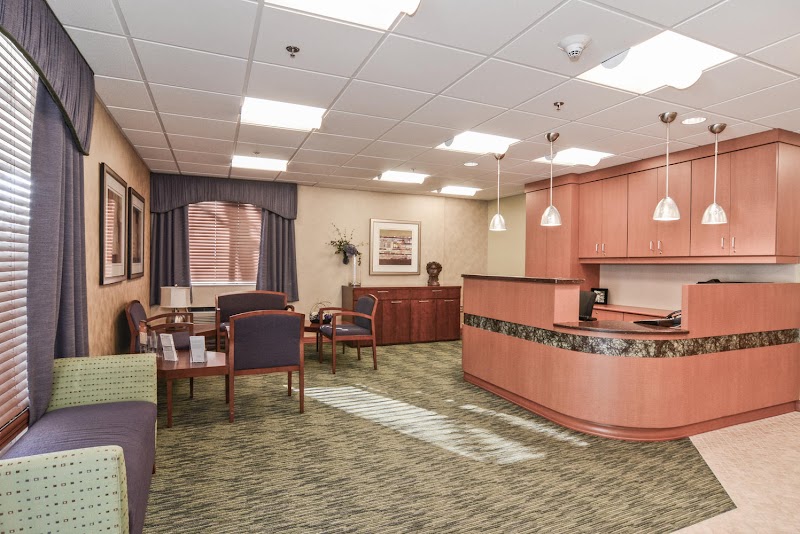
How is Gardens Of Belden Village Staffed?

CMS rates GARDENS OF BELDEN VILLAGE's staffing level at 2 out of 5 stars, which is below average compared to other nursing homes. Staff turnover is 47%, compared to the Ohio average of 46%.

What Have Inspectors Found at Gardens Of Belden Village?

State health inspectors documented 33 deficiencies at GARDENS OF BELDEN VILLAGE during 2019 to 2025. These included: 1 that caused actual resident harm, 30 with potential for harm, and 2 minor or isolated issues. Deficiencies causing actual harm indicate documented cases where residents experienced negative health consequences.
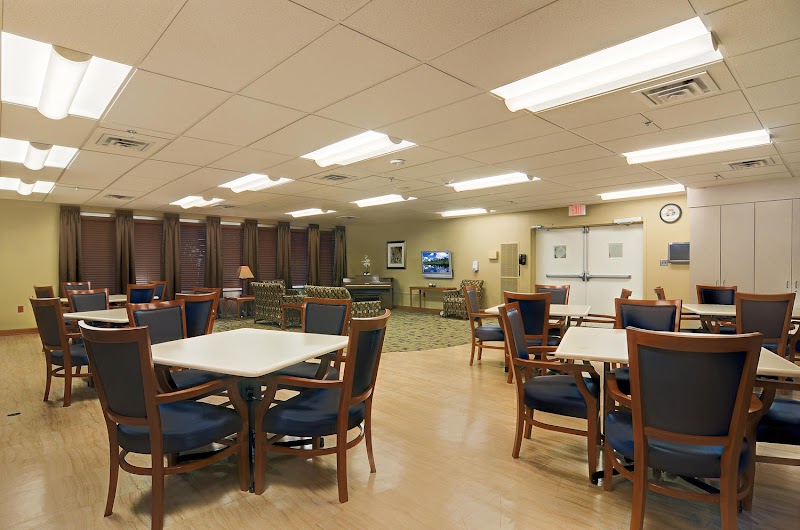
Who Owns and Operates Gardens Of Belden Village?

GARDENS OF BELDEN VILLAGE is owned by a for-profit company. For-profit facilities operate as businesses with obligations to shareholders or private owners. The facility is operated by EPHRAM LAHASKY, a chain that manages multiple nursing homes. With 99 certified beds and approximately 84 residents (about 85% occupancy), it is a smaller facility located in CANTON, Ohio.
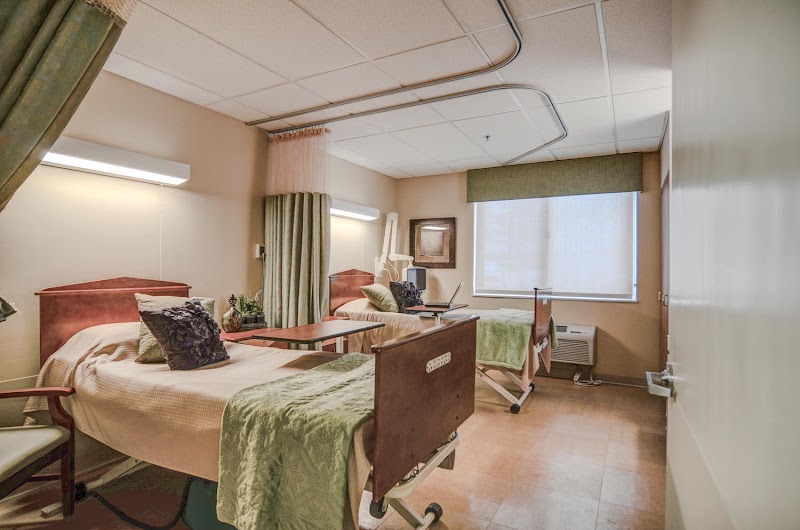
How Does Gardens Of Belden Village Compare to Other Ohio Nursing Homes?

Compared to the 100 nursing homes in Ohio, GARDENS OF BELDEN VILLAGE's overall rating (4 stars) is above the state average of 3.2, staff turnover (47%) is near the state average of 46%, and health inspection rating (3 stars) is at the national benchmark.

What Should Families Ask When Visiting Gardens Of Belden Village?

Based on this facility's data, families visiting should ask: "Can you walk me through typical staffing levels on day, evening, and night shifts?" "Can I visit during a mealtime to observe dining assistance and food quality?" "How do you handle medical emergencies, and what is your hospital transfer rate?" "Can I speak with family members of current residents about their experience?" These questions are particularly relevant given the below-average staffing rating.

Is Gardens Of Belden Village Safe?

Based on CMS inspection data, GARDENS OF BELDEN VILLAGE has a clean safety record: no substantiated abuse findings (meaning no confirmed cases of resident harm), no Immediate Jeopardy citations (the most serious violation level indicating risk of serious injury or death), and is not on the Special Focus Facility watch list (a federal program monitoring the lowest-performing 1% of nursing homes). The facility has a 4-star overall rating and ranks #1 of 100 nursing homes in Ohio. While no facility is perfect, families should still ask about staff-to-resident ratios and recent inspection results during their visit.

Do Nurses at Gardens Of Belden Village Stick Around?

GARDENS OF BELDEN VILLAGE has a staff turnover rate of 47%, which is about average for Ohio nursing homes (state average: 46%). Moderate turnover is common in nursing homes, but families should still ask about staff tenure and how the facility maintains care continuity when employees leave.

Was Gardens Of Belden Village Ever Fined?

GARDENS OF BELDEN VILLAGE has no federal fines on record. CMS issues fines when nursing homes fail to meet care standards or don't correct problems found during inspections. The absence of fines suggests the facility has either maintained compliance or corrected any issues before penalties were assessed. This is a positive indicator, though families should still review recent inspection reports for the full picture.

Is Gardens Of Belden Village on Any Federal Watch List?

GARDENS OF BELDEN VILLAGE is not on any federal watch list. The most significant is the Special Focus Facility (SFF) program, which identifies the bottom 1% of nursing homes nationally based on persistent, serious quality problems. Not being on this list means the facility has avoided the pattern of deficiencies that triggers enhanced federal oversight. This is a positive indicator, though families should still review the facility's inspection history directly.