GLENWOOD CARE AND REHABILITATION
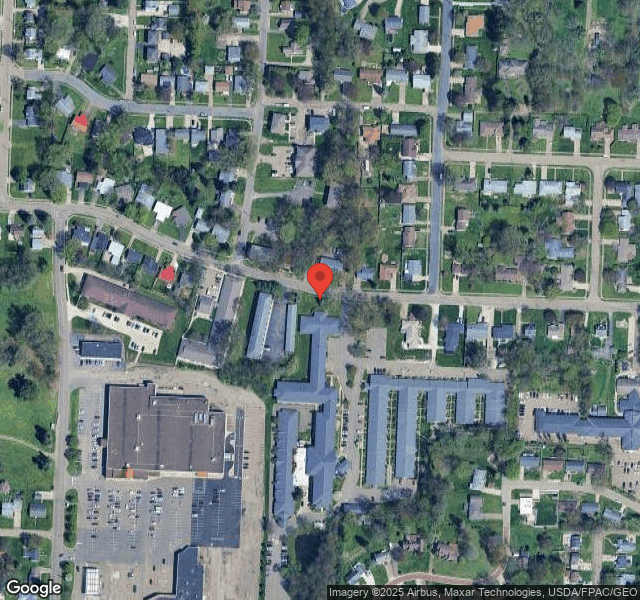
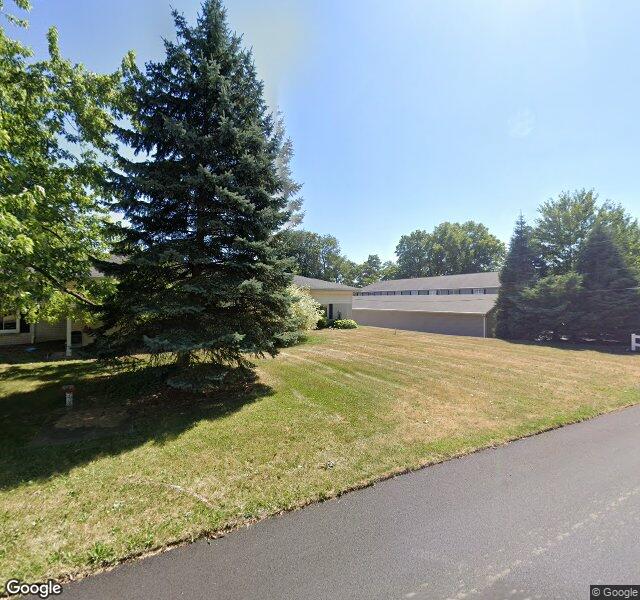
836 WEST 34TH STREET NW, CANTON, OH 44709 (330) 492-7131
For profit - Corporation 99 Beds Independent Data: November 2025
Trust Grade
68/100
#265 of 913 in OH
Last Inspection: November 2022

Over 2 years since last inspection. Current conditions may differ from available data.

Overview

Glenwood Care and Rehabilitation in Canton, Ohio, has a Trust Grade of C+, which means it is slightly above average. It ranks #265 out of 913 facilities in Ohio, placing it in the top half, and #11 out of 33 in Stark County, indicating that there are only a few local options that perform better. The facility's trend is stable, with only one issue reported in both 2024 and 2025. Staffing is a strength with a turnover rate of 28%, significantly lower than the state average of 49%, though the staffing rating itself is average at 3 out of 5 stars. There have been a few concerning incidents: one resident developed a serious pressure ulcer due to inadequate prevention measures, and the kitchen was found to be unsanitary, with dust covering ventilation systems during food preparation. However, the facility has not incurred any fines, which is a positive sign, and it provides average RN coverage, ensuring some level of oversight in resident care. While there are strengths, such as stable staffing and no fines, the serious incidents raise important questions for families considering this home.

Trust Score
C+
68/100
In Ohio
#265/913
Top 29%
Safety Record
Moderate
Needs review
Inspections
Holding Steady
1 → 1 violations
Staff Stability
✓ Good
28% annual turnover. Excellent stability, 20 points below Ohio's 48% average. Staff who stay learn residents' needs.
Penalties
✓ Good
No fines on record. Clean compliance history, better than most Ohio facilities.
Skilled Nurses
⚠ Watch
Each resident gets only 27 minutes of Registered Nurse (RN) attention daily — below average for Ohio. Fewer RN minutes means fewer trained eyes watching for problems.
Violations
⚠ Watch
21 deficiencies on record. Higher than average. Multiple issues found across inspections.
★★★★☆
4.0
Overall Rating
★★★☆☆
3.0
Staff Levels
★★★☆☆
3.0
Care Quality
★★★★☆
4.0
Inspection Score
Stable
2024: 1 issues
2025: 1 issues

The Good

  • Low Staff Turnover (28%) · Staff stability means consistent care
  • Full Sprinkler Coverage · Fire safety systems throughout facility
  • No fines on record
  • Staff turnover is low (28%)

    20 points below Ohio average of 48%

Facility shows strength in staff retention, fire safety.

The Bad

No Significant Concerns Identified

This facility shows no red flags. Among Ohio's 100 nursing homes, only 1% achieve this.

The Ugly 21 deficiencies on record

1 actual harm
Jun 2025 1 deficiency
CONCERN (D) 📢 Someone Reported This

A family member, employee, or ombudsman was alarmed enough to file a formal complaint

Potential for Harm - no one hurt, but risky conditions existed

Infection Control (Tag F0880)

Could have caused harm · This affected 1 resident

**NOTE- TERMS IN BRACKETS HAVE BEEN EDITED TO PROTECT CONFIDENTIALITY** Based on observation, interview, record review, and facility policy review, the facility failed to maintain infection control pr...

Read full inspector narrative →
**NOTE- TERMS IN BRACKETS HAVE BEEN EDITED TO PROTECT CONFIDENTIALITY** Based on observation, interview, record review, and facility policy review, the facility failed to maintain infection control procedures while administering medications. This affected two residents (#26 and #53) of four residents observed for medication administration. Findings include: 1. Review of Resident #53's medical records revealed an admission date of 07/17/24 with diagnosis of cerebral infarction and chronic pain syndrome. Review of quarterly Minimum Data Set (MDS) dated [DATE] revealed resident had intact cognition. Observation on 06/25/25 at 9:39 A.M. of Licensed Practical Nurse (LPN) #286 revealed she did not perform hand hygiene before preparing nine medications for Resident #53. LPN #286 placed all medications in the medicine cup and at 9:44 A.M. applied gloves without performing hand hygiene. LPN #286 then entered the resident room and removed the Lidocaine patch from Resident #53's left shoulder area and applied a new Lidocaine patch. LPN #286 at 9:47 A.M. removed her gloves and did not perform hand hygiene. LPN #286 at 9:48 A.M. checked the computer on the medication cart and typed on the key board. LPN #286 at 9:50 A.M. opened the medication cart with her keys and pulled out the Tylenol container and placed two Tylenol in a medicine cup for Resident #53 without performing hand hygiene. LPN #286 at 9:51 A.M. administered two Tylenol to Resident #53 without performing hand hygiene. LPN #286 returned to her cart without performing hand hygiene. Interview on 06/15/25 at 9:51 A.M. with LPN #286 verified she did not perform hand hygiene before or after interaction with resident during medication administration with Resident #286 and verified she did not perform hand hygiene before and after glove usage. Interview on 06/25/25 at 1:55 P.M. with Director of Nursing (DON) confirmed hand hygiene was to be performed before and after each resident during medications administrations, and before donning gloves and after doffing gloves. 2. Review of Resident #26's medical records revealed an admission date of 06/02/25 with diagnosis of metabolic encephalopathy. Review of quarterly Minimum Data Set (MDS) dated [DATE] revealed Resident #26 had intact cognition. Observation of medication administration on 06/25/25 at 12:20 P.M. with LPN #280 revealed he washed his hands before administering medications to Resident #26. LPN #280 put two medications in the medicine cup and administered to Resident #26. Upon exiting Resident #26's room LPN #286 did not perform hand hygiene after medication administration was completed. Interview on 06/25/25 at 1:53 P.M. with LPN #280 verified he did not perform hand hygiene after administering Resident #26's medication. LPN #280 reported he got busy and forgot and knows he is supposed to. Interview on 06/25/25 at 1:55 P.M. with Director of Nursing (DON) confirmed hand hygiene is to be performed before and after each resident during medications administrations, and before donning gloves and after doffing gloves. Review of the facility policy, Handwashing/Hand Hygiene, dated 2001, revealed the facility considers hand hygiene the primary means to prevent the spread of healthcare-associated infections. Further states, indications for hand hygiene included immediately before touching a resident; after touching a resident; after touching a resident's environment; immediately after glove removal and perform hand hygiene before applying non-sterile gloves. Gloves do not replace hand washing/hand hygiene. Review of the facility policy, Personal Protective Equipment - Gloves, dated 2001, revealed gloves must be worn when handling blood, body fluids, secretions, excretions, mucous membranes and/or non intact skin. Further states to wash your hands after removing gloves or use hand sanitizer.
Jan 2024 1 deficiency 1 Harm
SERIOUS (G) 📢 Someone Reported This

A family member, employee, or ombudsman was alarmed enough to file a formal complaint

Actual Harm - a resident was hurt due to facility failures

Pressure Ulcer Prevention (Tag F0686)

A resident was harmed · This affected 1 resident

**NOTE- TERMS IN BRACKETS HAVE BEEN EDITED TO PROTECT CONFIDENTIALITY** Based on record review, observation, resident and staff interview, review of the facility policy, and review of the guidelines f...

Read full inspector narrative →
**NOTE- TERMS IN BRACKETS HAVE BEEN EDITED TO PROTECT CONFIDENTIALITY** Based on record review, observation, resident and staff interview, review of the facility policy, and review of the guidelines from the National Pressure Ulcer Advisory Panel (NPUAP), the facility failed to implement a comprehensive and individualized pressure ulcer prevention program for Resident #25 to prevent the development of an unstageable (full-thickness skin and tissue loss in which the extent of tissue damage within the ulcer cannot be confirmed because the wound bed is obscured by slough or eschar) pressure ulcer. The facility also failed to accurately assess the wound as a facility acquired pressure ulcer. Actual Harm occurred on 11/27/23 when Resident #25, who was at risk for pressure ulcers and required staff assistance for bed mobility and incontinence care was found to have an unstageable pressure ulcer to the sacrum without evidence of adequate interventions to prevent the development or timely identify the pressure ulcer prior to it being unstageable. This affected one resident (#25) of three residents reviewed for pressure ulcers. The facility census was 75. Findings include: Review of the medical record revealed Resident #25 was admitted on [DATE] with diagnoses including a fracture to the left femur, type II diabetes mellitus, spinal stenosis, and intellectual disabilities. Review of the hospital paperwork dated 11/22/23 revealed Resident #25 did not have skin breakdown upon discharge from the hospital. Review of the plan of care dated 11/22/23 revealed Resident #25 was at risk for impaired skin integrity related to the resident being confined to bed or chair most of the time, diabetes, impaired cognition, incontinence of bowel and bladder, pain, and required staff to assist with repositioning. Interventions included assisting Resident #25 with turning and repositioning as needed and completing a skin inspection every seven to ten days and as needed. On 11/29/23, a new intervention of an air mattress was added to the plan of care. Review of the admission note dated 11/22/23 at 4:45 P.M. revealed Resident #25 required two-persons assist for transfers and one-person assist for bed mobility. No skin impairments were observed. The Braden Scale used to determine the risk level for the development of pressure ulcers revealed Resident #25 was able to respond meaningfully to pressure-related discomfort, was rarely moist, was chairfast, had very limited ability to change and control body position, had adequate food intake, had no apparent problem with friction or shearing as evidenced by Resident #25 being able to move in bed/chair independently and had sufficient muscle strength to lift up completely during movement and maintained good position in bed/chair at all times. A Braden Scale assessment, revealed Resident #25 was at low risk for the development of pressure ulcers. Review of the bath sheet dated 11/24/23 revealed Resident #25 was given a bed bath and no skin concerns were noted. Review of an admission functional abilities and goals note, dated 11/27/23 revealed Resident #25 required substantial/maximal assistance for toileting hygiene, from lying to sitting on side of bed, and from sitting to standing. Resident #25 was dependent for chair/bed-to-chair and toilet transfer. Review of the nursing note dated 11/27/23 at 5:29 P.M. revealed a State Tested Nursing Assistant (STNA) notified the nurse that Resident #25 had a discolored and scabby area to the buttocks. The area was pink with dark discoloration and was dry. A Braden Scale assessment, dated 11/27/23 at 5:31 P.M. revealed Resident #25 was able to respond meaningfully to pressure-related discomfort, was occasionally moist, was chairfast, had very limited ability to change and control body position, had adequate food intake, and had a potential problem with friction or shearing as evidenced by Resident #25 moved feebly or required minimum assistance with skin probably sliding at some extent against the sheets/chair/devices. Resident #25 was at low risk for the development of a pressure ulcer. Review of the facility's wound evaluation dated 11/27/23 at 6:00 P.M. revealed Resident #25 had an unstageable pressure ulcer to sacrum that measured 8.2 centimeter (cm) long and 11.4 cm wide. The depth was not able to be determined due to slough (yellow/white necrotic tissue) and eschar (necrotic tissue) tissue being present. The wound was documented as a new wound and community acquired (present on admission). A new treatment was ordered. Review of the Medicare five-day Minimum Data Set (MDS) assessment dated [DATE] revealed Resident #25 was cognitively intact. Resident #25 was frequently incontinent of bowel and bladder and had one unstageable pressure ulcer present upon admission. Resident #25 required substantial/maximal assistance for toileting hygiene, lying to sitting, and sitting to standing. Resident #25 was dependent for toilet transfer. Review of the wound physician note dated 11/29/23 at 11:43 A.M. revealed Resident #25 was recently admitted from the hospital for therapy. Resident #25 had an unstageable pressure ulcer to left upper buttock which was present upon admission. The wound measured 3.7 cm long and 2.7 cm wide. The depth was undetermined due to the wound base having 40 percent slough tissue. The wound was debrided (damaged tissue removed) to reduce bacterial load and promote healing. A treatment of Triad (zinc oxide-based hydrophilic paste that adheres to moist wound beds and protects periwound skin) paste to be applied thickly was noted. Interview on 01/17/24 at 7:25 A.M. with Assistant Director of Nursing (ADON) #135 revealed the ADON was the facility wound nurse. ADON #135 verified the area to Resident #25's left buttock was considered present on admission because the wound developed within seven days of the resident's admission. ADON #135 verified the wound to Resident #25's left buttock/sacrum area was discovered five days after Resident #25 had been admitted . An additional interview on 01/17/24 at 10:29 A.M. with ADON #135 revealed Resident #25 had multiple comorbidities which made Resident #25 at risk for pressure ulcers. The ADON stated a skin check was completed upon admission and then weekly. ADON #135 verified the pressure ulcer was not present on admission and should have been documented as facility acquired pressure ulcer. Interview on 01/17/24 at 11:06 A.M. with Resident #25 revealed when the resident was first admitted , she laid on her back in bed most of the time due to pain from staples in her left leg. Resident #25 stated she was incontinent of urine frequently, but staff would only provide incontinence care every two hours. Observation on 01/17/24 at 11:47 A.M. of dressing change for Resident #25 revealed a pink blanchable area to Resident #25's left inner buttock. Wound Nurse Practitioner #500 indicated the pressure ulcer area had healed but preventative treatment would continue. Interview on 01/19/24 at 8:08 A.M. with Therapy Manager #200 revealed at the time of admission (on 11/22/23) Resident #25 required maximum (staff) assist for all activities of daily living except for eating. Review of the facility's policy titled Pressure Ulcers/Skin Breakdown-Clinical Protocol, revised April 2018, revealed the staff and practitioner would examine the skin of newly admitted residents for evidence of existing pressure ulcers or other skin conditions. The nursing staff and practitioner would assess and document an individual's significant risk factors for developing pressure ulcers: for example, immobility, recent weight loss, and a history of pressure ulcer(s). Review of the NPUAP guidelines dated 2014 pages 70-71 at (https://npiap.com/general/custom.asp page=2014 Guidelines) revealed facilities should educate health professionals on how to undertake a comprehensive skin assessment that includes the techniques for identifying blanching response, localized heat, edema, and induration. Further review of the guidelines revealed ongoing assessment of the skin was necessary in order to detect early signs of pressure damage. Visual assessment for erythema (redness of the skin) was the first component of every skin inspection. Skin redness and tissue edema resulting from capillary occlusion was a response to pressure, especially over bony prominence. Staff should conduct a head-to-toe assessment with particular focus on skin overlying bony prominence's including the sacrum, ischial tuberosity, greater trochanters and heels and each time the patient was repositioned was an opportunity to conduct a brief skin assessment. This deficiency represents non-compliance investigated under Complaint Number OH00149774.
Nov 2022 3 deficiencies
CONCERN (D)

Potential for Harm - no one hurt, but risky conditions existed

Deficiency F0558 (Tag F0558)

Could have caused harm · This affected 1 resident

Based on observation, interview, record review, and review of facility policy, the facility failed to ensure Resident #37's wheelchair was in good repair. This affected one resident (Resident #37) out...

Read full inspector narrative →
Based on observation, interview, record review, and review of facility policy, the facility failed to ensure Resident #37's wheelchair was in good repair. This affected one resident (Resident #37) out of three residents reviewed for wheelchairs in good repair. Findings include: Review of Resident #37's medical record revealed an admission date of 04/25/16 and diagnoses included schizoaffective disorder, bipolar type, obesity, and chronic pain syndrome. Review of Resident #37's Quarterly Minimum Data Set (MDS) 3.0 assessment revealed Resident #37 was cognitively intact and required supervision of staff with set up help only for bed mobility, transfers, and toilet use. Resident #37 used a wheelchair. Review of Resident #37's care plan revised, 06/07/21, included Resident #37 was at risk for impaired skin integrity related to confined to a chair all or most of the time, depression, edema, impaired cognition, incontinent of bladder, pain, venous ulcers, and morbid obesity. Resident #37 refused to sleep in bed at times, slept in his wheelchair. Observation on 11/14/22 at 12:09 P.M. with Resident #37 of his wheelchair revealed the left arm of the wheelchair had loose padding and sharp metal pieces under the loose padding. Resident #37 stated he could not get anyone to fix his wheelchair, it was dangerous because he grabbed the left arm for transfer and he could be cut badly by the sharp metal pieces. Resident #37 indicated the wheelchair had been broken about a month and he told therapy about it. Resident #37 stated he did not remember who he told in the therapy department about the broken arm of his wheelchair. Observation on 11/15/22 at 1:03 P.M. of Resident #37's wheelchair revealed the left arm of the wheelchair had loose padding and exposed sharp metal pieces under the loose padding. Interview on 11/15/22 at 2:10 P.M. with Physical Therapist (PT) #574 revealed she did not know which wheelchair Resident #37 was using right now. PT #574 stated a new wheelchair was ordered and in the facility for Resident #37's mobility and positioning, and he had an older wheelchair also. PT #574 stated she did not know the arm of Resident #37's wheelchair was broken and she would look into which wheelchair it was. Interview on 11/15/22 at 2:36 P.M. with PT #574 revealed Resident #37 was using the old wheelchair because the new wheelchair would not fit in the bathroom, and it was being modified so Resident #37 could use it in the bathroom. PT #574 confirmed the old wheelchair left arm padding was loose with exposed sharp metal pieces under the loose padding. PT #574 stated she replaced the arm and padding of the old wheelchair. Interview on 11/16/22 at 10:14 A.M. of Occupational Therapist (OT) #575 revealed he tried to monitor residents wheelchairs and equipment and when equipment was noted to be in disrepair he would make sure it was fixed. OT #575 stated he did not know Resident #37's wheelchair had loose padding on the left arm with exposed sharp metal pieces and he did not remember Resident #37 telling him it was in need of repair.
CONCERN (D)

Potential for Harm - no one hurt, but risky conditions existed

Respiratory Care (Tag F0695)

Could have caused harm · This affected 1 resident

Based on observation, interview, record review, and facility policy the facility failed to ensure Resident's #31 and #232 had physician orders for oxygen administration. This affected two resident's (...

Read full inspector narrative →
Based on observation, interview, record review, and facility policy the facility failed to ensure Resident's #31 and #232 had physician orders for oxygen administration. This affected two resident's (Resident's #31 and #232) out of three residents reviewed for oxygen orders. Findings include: 1. Review of Resident #232's medical record revealed an admission date of 11/11/22 and diagnoses included chronic respiratory failure with hypoxia, centrilobular emphysema, and chronic obstructive pulmonary disease with acute exacerbation. Review of Resident #232's admission Evaluation dated 11/11/22, revealed Resident #232 was lethargic and oriented to person and place. Further review of the admission Evaluation revealed Resident #232 had shortness of breath and used oxygen at four liters via nasal cannula. Review of Resident #232's progress notes dated 11/11/22 at 7:30 P.M. revealed the resident arrived to the facility at 7:30 P.M. and was on oxygen therapy at four liters per minute via nasal cannula. Review of Resident #232's medical record revealed oxygen saturations were documented on 11/11/22 at 7:30 P.M. of 90 percent oxygen saturation on oxygen via nasal cannula, on 11/12/22 at 10:48 P.M. oxygen saturation was documented at 93 percent oxygen saturation on oxygen via nasal cannula. Review of Resident #232's physician orders from 11/11/22 through 11/14/22 did not reveal orders for oxygen administration or orders for care and set up of oxygen tubing. Review of Resident #232's Medication Administration Record (MAR) and Treatment Administration Record (TAR) from 11/11/22 through 11/14/22 did not reveal documentation oxygen was administered at four liters per minute via nasal cannula. Review of Resident #232's care plan dated, 11/12/22, included Resident #232 had impaired respiratory status. Resident #232 would be free of complications related to chronic obstructive pulmonary disease, emphysema through next review. Resident #232 would be free of signs and symptoms of hypoxia through next review. Resident #232 would have adequate oxygenation as evidenced by no shortness of breath through next review. Interventions included to administer medications as ordered, monitor for effectiveness and report adverse side effects to physician; monitor for signs and symptoms of respiratory distress and report to physician (increased respirations, low oxygen saturations); provide oxygen as needed when residented exhibits signs and symptoms of difficulty breathing. Observation on 11/14/22 at 4:16 P.M. of Resident #232 revealed she was sitting in a chair in her room, was wearing a nasal cannula, and oxygen was being administered at four liters per minute via nasal cannula. Interview on 11/14/22 at 4:16 P.M. with Licensed Practical Nurse (LPN) #573 confirmed Resident #232 did not have physician orders for oxygen administration. LPN #573 stated Resident #232 was admitted Friday 11/11/22, the hospital told the facility Resident #232 required oxygen to be administered at four liters per minute via nasal cannula. LPN #573 indicated Resident #232's admitting nurse must have forgotten to put the oxygen order in the electronic record. LPN #573 stated she would contact Resident #232's physician to obtain oxygen orders. Review of the facility policy titled, Oxygen Administration, revised, 10/2010, included the purpose of this procedure was to provide guidelines for safe oxygen administration. Verify there was a physician's order for this procedure. Review the physician's orders or facility protocol for oxygen administration. Review the resident's care plan to assess for any special needs of the resident. 2. Review of Resident #31's medical record revealed an admission date of 08/31/12, a re-entry date of 10/06/15, and diagnoses included chronic obstructive pulmonary disease, pneumonia and schizoaffective disorder, bipolar type. Review of Resident #31's care plan, revised 08/01/22, revealed Resident #31 had an impaired respiratory status related to chronic obstructive pulmonary disease (COPD), emphysema, current smoker. Interventions included oxygen as ordered by physician; provide oxygen as needed when resident exhibits signs/symptoms of difficulty breathing (short of breath, cyanosis, low oxygen saturations). Review of Resident #31's Quarterly Minimum Data Set (MDS) 3.0 assessment, dated, 09/02/22 revealed Resident #31 was cognitively intact. Further review of the MDS assessment did not reveal Resident #31 was administered oxygen. Review of Resident #31's physician orders from 09/02/22 through 11/15/22 did not reveal orders for oxygen administration. Review of Resident #31's medical record on 11/07/22 at 10:41 P.M. revealed documentation of an oxygen saturation of 94 percent on oxygen via nasal cannula. Observation on 11/15/22 at 1:27 P.M. of Resident #31 revealed resident was lying in bed sleeping, and an oxygen nasal cannula tubing was laying on the floor next to his bed. Resident #31's oxygen condenser was set at three liters per minute via nasal cannula and oxygen was being administered into the air. Interview on 11/15/22 at 1:33 P.M. of LPN #523 confirmed Resident #31's oxygen tubing was laying on the floor and the oxygen condenser was set at three liters per minute via nasal cannula and was administering oxygen into the air. LPN #523 stated he thought Resident #31's oxygen order was two liters per minute via nasal cannula and would check his physician orders. LPN #523 checked Resident #31's physician orders, stated Resident #31 did not have physician orders for oxygen administration, and he would call Resident #31's physician to obtain orders for oxygen administration. LPN #523 indicated Resident #31 was not always compliant with care and would throw his oxygen tubing on the floor routinely. Review of the facility policy titled, Oxygen Administration, revised, 10/2010, included the purpose of this procedure was to provide guidelines for safe oxygen administration. Verify there was a physician's order for this procedure. Review the physician's orders or facility protocol for oxygen administration. Review the resident's care plan to assess for any special needs of the resident.
CONCERN (D)

Potential for Harm - no one hurt, but risky conditions existed

Deficiency F0849 (Tag F0849)

Could have caused harm · This affected 1 resident

Based on medical record review, staff interview, and review of facility Hospice Visit Notes, the facility failed to ensure Hospice services were thoroughly documented to maintain sufficient communicat...

Read full inspector narrative →
Based on medical record review, staff interview, and review of facility Hospice Visit Notes, the facility failed to ensure Hospice services were thoroughly documented to maintain sufficient communication between the facility and Hospice to meet the needs of Resident #45. This affected one Resident (#45) of two reviewed for Hospice services. Findings include: Review of the medical record for Resident #45 revealed an admission date of 08/29/18. Resident #45's diagnoses included Alzheimer's disease, drug induced secondary Parkinsonism, paraplegia, acute respiratory failure, diabetes, chronic congestive heart failure, unspecified protein-calorie malnutrition, dementia with behavioral disturbances, major depressive disorder, metabolic encephalopathy, schizoaffective disorder, hallucination, chronic pain, fibromyalgia, and anxiety. Review of Resident #45's physician orders revealed she was admitted to Hospice on 07/15/22 for a diagnosis of Alzheimer's disease. Review of Hospice Aide Visit Notes revealed no notes were completed for Resident #45. Review of Hospice Interdisciplinary Team Visit Note, used by registered nurses, social workers and chaplains, were dated and signed but contained no information about what the Hospice staff had done for Resident #45. Review on 11/15/22 at 1:35 P.M. with LPN #545 of Resident #45's electronic medical record revealed no hospice notes had been entered or uploaded to her chart. Interview on 11/15/22 at 1:35 P.M. with Licensed Practical Nurse (LPN) #545 in review of the notes in the Hospice paper chart binder revealed LPN #545 could not tell what care had been given by the hospice staff. Interview on 11/16/22 at 5:10 P.M., Director of Nursing (DON) #530 verified Resident #45's medical record and Hospice binder did not contain any documented communication between Hospice and facility staff. Review of contract between the facility and Hospice, dated on 10/19/17 by all parties, stated communication would be maintained between both parties.
Jan 2020 7 deficiencies
CONCERN (D)

Potential for Harm - no one hurt, but risky conditions existed

Deficiency F0582 (Tag F0582)

Could have caused harm · This affected 1 resident

Based on record review and interview, the facility failed to ensure a Skilled Nursing Facility Advanced Beneficiary Notice Form (SNF ABN), Form CMS-10055, was provided to Resident #77. This affected o...

Read full inspector narrative →
Based on record review and interview, the facility failed to ensure a Skilled Nursing Facility Advanced Beneficiary Notice Form (SNF ABN), Form CMS-10055, was provided to Resident #77. This affected one of one resident reviewed for liability notices. The facility census was 75. Findings include: Resident #77 was readmitted to the facility under skilled traditional Medicare part A services on 09/12/19. The facility issued a Notice of Medicare Non-Coverage form (NOMNC) for a last skilled Medicare day of 10/15/19 to Resident #77 on 10/11/19. Review of the facility provided forms revealed a SNF ABN form was not provided at the time the NOMNC was issued. The facility completed SNF Beneficiary Protection Notification Review form stated a SNF ABN form was not issued secondary to Resident #77 being a long-term resident and having Medicaid coverage. Staff interview with Licensed Social Worker (LSW) #500 on 01/13/20 at 2:38 P.M. revealed a SNF ABN form was not given to Resident #77 secondary to LSW #500's belief a SNF ABN form was not required if a resident also had Medicaid coverage. LSW #500 also stated SNF ABN forms were not given to any residents with Medicaid secondary coverage, not just Resident #77. LSW #500 also stated she was not aware of any other residents in the facility who had received traditional Medicare part A skilled services and were issued a last covered day by the facility with remaining days in the past six months.
CONCERN (D)

Potential for Harm - no one hurt, but risky conditions existed

Transfer Notice (Tag F0623)

Could have caused harm · This affected 1 resident

**NOTE- TERMS IN BRACKETS HAVE BEEN EDITED TO PROTECT CONFIDENTIALITY** Based on record review and interview the facility failed to ensure written notification of transfer to the hospital was provided...

Read full inspector narrative →
**NOTE- TERMS IN BRACKETS HAVE BEEN EDITED TO PROTECT CONFIDENTIALITY** Based on record review and interview the facility failed to ensure written notification of transfer to the hospital was provided to Resident #68 and Resident #76. This affected two of two residents reviewed for transfers and had the potential to affect all 75 residents currently residing in the facility. Findings include: 1. Resident #68's medical record revealed an admission date of 04/10/19 with diagnoses including cardiomyopathy, end stage renal disease, chronic congestive heart failure, and chronic obstructive pulmonary disease. Nurses notes revealed on 08/21/19 at 11:06 A.M. Resident #68 sent was to a hospital for treatment of chronic renal failure and was admitted . Resident #68 was hospitalized from [DATE] through 08/22/19 and was then re-admitted to the facility. The medical record lacked evidence of written notification of the transfer provided to Resident #68 or their representative. 2. Resident #76's medical record revealed an admission date of 09/05/19 with diagnoses including atrial fibrillation, end stage renal disease, respiratory failure, and cirrhosis of the liver. Nurses notes revealed on 12/05/19 at 2:45 P.M. Resident #76 was sent was to a hospital for evaluation and treatment related to critical laboratory levels including a prothrombin time (PT) level greater than 120, and Internationalized Normalized Ratio (INR) level greater than 12 (indicators of the blood clotting time and risk factor for bleeding). Both lab results were in the critical ranges. Resident #76 was sent to the hospital via ambulance and did not return to the facility. The medical record lacked evidence of written notification of the transfer provided to Resident #76 or their representative. Interview with Social Worker #500 on 01/15/20 at 4:33 P.M. confirmed this concern, she reported was not aware of the regulation and indicated the facility currently had no established procedures to ensure written notification was being completed for hospital transfers.
CONCERN (D)

Potential for Harm - no one hurt, but risky conditions existed

Deficiency F0645 (Tag F0645)

Could have caused harm · This affected 1 resident

**NOTE- TERMS IN BRACKETS HAVE BEEN EDITED TO PROTECT CONFIDENTIALITY** Based on record review and interview, the facility failed to accurately complete and submit a Preadmission Screening and Residen...

Read full inspector narrative →
**NOTE- TERMS IN BRACKETS HAVE BEEN EDITED TO PROTECT CONFIDENTIALITY** Based on record review and interview, the facility failed to accurately complete and submit a Preadmission Screening and Resident Review (PASARR) for Resident #48. This affected one of one resident reviewed for PASARR assessments. Findings include: Resident #48 was admitted to the facility on [DATE] with diagnoses including chronic kidney disease, type two diabetes, and cognitive communication deficit. Review of Resident #48's hospital paperwork revealed a Hospital Exemption form, JFS 07000, dated 11/18/19, which stated the anticipated length of Resident #48's skilled nursing facility stay was anticipated as less than 30 days. The Hospital Exemption form stated Resident #48 had a diagnosis of mental retardation and did not evidence of a severe mental illness. Review of the PASARR assessment completed 12/12/19 by Licensed Social Worker (LSW) #500 revealed Resident #48 had a diagnosis of developmental disability. The diagnosis manifested before the age of 22, and did not result in functional limitations prior to the age of 22. The PASARR assessment was blank regarding whether or not Resident #48 received services from the local county Board of Developmental Disabilities, however, was marked yes indicating Resident #48 had indications of developmental disabilities or a related condition. Phone interview with Resident #48's family on 01/15/20 at 9:30 A.M. revealed Resident #48 did not have a diagnosis of developmental delay and did not receive services from the local county Board of Developmental Disabilities. Resident #48's family stated Resident #48 did not start having any cognitive difficulties until approximately six years ago at the age of 62. Interview with LSW #500 on 01/15/20 at 11:00 A.M. revealed she was not aware Resident #48 did not receive services from the local county Board of Developmental Disabilities and was also not aware Resident #48 did not have a diagnosis of development delay. LSW #500 verified she did not speak with the resident's family to confirm a diagnosis of developmental delay as indicated in the hospital paperwork, the PASARR assessment she completed was inaccurate and she did not submit the PASARR.
CONCERN (D)

Potential for Harm - no one hurt, but risky conditions existed

Deficiency F0760 (Tag F0760)

Could have caused harm · This affected 1 resident

**NOTE- TERMS IN BRACKETS HAVE BEEN EDITED TO PROTECT CONFIDENTIALITY** Based on record review, interview and review of facility policy the facility failed to ensure Resident #48 was not given an anti...

Read full inspector narrative →
**NOTE- TERMS IN BRACKETS HAVE BEEN EDITED TO PROTECT CONFIDENTIALITY** Based on record review, interview and review of facility policy the facility failed to ensure Resident #48 was not given an antibiotic (Tetracycline) which she was allergic to. This affected one resident (Resident #48) of six residents reviewed for unnecessary medications. The facility census was 75. Findings include: Resident #48 was admitted to the facility on [DATE] with diagnoses including chronic kidney disease, urinary tract infection, urine retention, type two diabetes, and depression. Review of the resident's electronic record revealed the resident profile listed Tetracycline (an antibiotic) as an allergy. Review of the Minimum Data Set (MDS) 3.0 revealed Resident #48 had a Brief Interview for Mental Status (BIMS) score of nine which indicated mild cognitive impairment, and required extensive assistance with care. Review of the progress notes dated 12/26/19 revealed Resident #48 had a change in condition at 12:58 A.M. Resident #48 was short of breath, using accessory muscles for breathing, and her oxygen saturation was 89 percent (below normal range of 90 - 100 percent). Oxygen was administered at three liters per minute via nasal cannula and her saturation rose to 95 to 98 percent. Resident #48 was sent to the emergency room at the local hospital and was admitted with a diagnosis of acute respiratory distress secondary to chronic obstructive pulmonary disease. Review of Resident #48's hospital progress notes dated 12/26/19 revealed Resident #48 was diagnosed with a deep vein thrombosis (DVT)/pulmonary embolus (PE) and an IVC (inferior vena cava) filter was placed in the right femoral artery. Additional review of the notes revealed Resident #48 had accidentally been given a dose of Tetracycline ordered for another resident (Resident #176) residing in the facility. Review of a Medication Incident Report Form revealed on 12/25/19 at 8:30 P.M. Nurse #501 administered Tetracycline 500 mg by mouth to Resident #48. The error occurred because Nurse #501 was distracted due to a missing resident. On 12/25/19 at 9:30 P.M. Physician #502 was notified of the medication error and ordered Benadryl 25 mg to be given to Resident #48 by mouth Interview on 01/15/20 at 8:48 A.M. with Registered Nurse (RN) #501 revealed it was very busy on the evening of 12/25/19. She was the only nurse working. RN #501 was distracted because a resident was missing, and all staff were looking the missing resident. RN #501 stated she popped a pill out of it's wrapper, put it in a cup and administered it to Resident #48. After the missing resident was found sleeping in a resident room, RN #501 realized she had given Tetracycline to Resident #48 and it should have been given to Resident #176. This was approximately 30 minutes after she administered the medication. RN #501 stated she immediately called Physician #502 and received an order for Benadryl (an antihistamine) 25 milligrams (mg) by mouth. RN #501 stated she administered the Benadryl to Resident #48. RN #501 continued, at 1:00 A.M. Resident #48 became short of breath and was sent to the emergency room at a local hospital. The physician from the hospital called her to find out what happened and told her the labored breathing was probably not due to the medication error. The hospital physician told RN #501 Resident #48 had acute respiratory failure and was diagnosed with a DVT/PE which most likely caused her symptoms. Phone interview on 01/15/20 at 9:30 A.M. with Family Member (FM) #504 revealed the facility called her on 12/25/19 to inform her a medication (Tetracycline) was administered to Resident #48 and she was allergic to it. FM #504 was also informed Resident #48 was sent to the emergency room on [DATE] due to labored breathing. On 01/15/20 at 9:45 A.M. the Director Of Nursing (DON) verified she had been notified of the medication error on 12/25/19 when Resident #48 was sent to the hospital. Review of facility policy titled, Administering Medications, revised December 2012, stated if medication has been identified as having potential adverse consequences for the resident, the person preparing or administering the medication shall contact the resident's Medical Director to discuss the concerns. The policy further stated allergies to medications must be checked/verified for each resident prior to administering medications.
CONCERN (D)

Potential for Harm - no one hurt, but risky conditions existed

Medical Records (Tag F0842)

Could have caused harm · This affected 1 resident

**NOTE- TERMS IN BRACKETS HAVE BEEN EDITED TO PROTECT CONFIDENTIALITY** Based on record review, interview and review of facility policy the facility failed to ensure complete and accurate documentatio...

Read full inspector narrative →
**NOTE- TERMS IN BRACKETS HAVE BEEN EDITED TO PROTECT CONFIDENTIALITY** Based on record review, interview and review of facility policy the facility failed to ensure complete and accurate documentation of a physician's order and administered medications Resident #48. This affected one resident (Resident #48) of six residents reviewed for unnecessary medications. The facility census was 75. Findings include: Resident #48 was admitted to the facility on [DATE] with diagnoses including chronic kidney disease, urinary tract infection, urine retention, type two diabetes, and depression. Review of the Minimum Data Set (MDS) 3.0 revealed Resident #48 had a Brief Interview for Mental Status (BIMS) score of nine which indicated mild cognitive impairment, the resident required extensive assistance with care, and had an indwelling urinary catheter. Review of the progress notes dated 12/26/19 revealed Resident #48 had a change in condition at 12:58 A.M. Resident #48 was short of breath, using accessory muscles for breathing, and her oxygen saturation was 89 percent (below normal range of 90 - 100 percent). Oxygen was administered at three liters per minute via nasal cannula and her oxygen saturation rose to 95 to 98 percent. Resident #48 was sent to the emergency room at the local hospital and was admitted with a diagnosis of acute respiratory distress secondary to chronic obstructive pulmonary disease and subacute kidney injury. Review of Resident #48's hospital progress notes dated 12/26/19 revealed Resident #48 was diagnosed with a deep vein thrombosis (DVT)/pulmonary embolus (PE) and an IVC (inferior vena cava) filter was placed in the right femoral artery. Additional review of the notes revealed Resident #48 had accidentally been given a dose of Tetracycline ordered for another resident (Resident #176) residing in the facility. Interview on 01/15/20 at 8:48 A.M. with Registered Nurse (RN) #501 revealed it was very busy on the evening of 12/25/19. She was the only nurse working and could not remember if one or two State Tested Nursing Assistants (STNA) were working with her. RN #501 was distracted because a resident was missing, and all staff were looking the missing resident. RN #501 stated she popped a pill out of it's wrapper, put it in a cup and administered it to Resident #48. After the missing resident was found sleeping in a resident room, RN #501 realized she had given Tetracycline (an antibiotic) to Resident #48 and it should have been given to Resident #176. This was approximately 30 minutes after she administered the medication. RN #501 stated she immediately called Physician #502 and received an order for Benadryl (an antihistamine) 25 milligrams (mg) by mouth. RN #501 stated she administered the Benadryl to Resident #48. RN #501 stated she charted the Benadryl on the Medication Administration Record (MAR). RN #501 continued, at 1:00 A.M. Resident #48 became short of breath and was sent to the emergency room at a local hospital. The physician from the hospital called her to find out what happened and told her the labored breathing was probably not due to the medication error. The hospital physician told RN #501 Resident #48 had acute respiratory failure and was diagnosed with a DVT/PE which most likely caused her symptoms. Phone interview with Consulting Pharmacist (CP) #503 revealed she had not received a medication error report. Phone interview on 01/15/20 at 9:30 A.M. with Family Member (FM) #504 revealed the facility called her on 12/25/19 to inform her a medication was administered to Resident #48 and she was allergic to it. FM #504 was also informed Resident #48 was sent to the emergency room on [DATE] due to labored breathing. Interview on 1/15/20 at 9:45 A.M. with the Director Of Nursing (DON) revealed she had not sent a medication error report to CP #503. She wanted to talk to her in person next time she came to the facility. The DON further stated she had been notified of the medication error on 12/25/19 and when Resident #48 was sent to the hospital. Review of Medication Incident Report Form revealed on 12/25/19 at 8:30 P.M. Nurse #501 administered Tetracycline 500 mg by mouth to Resident #48. Error occurred because Nurse #501 was distracted due to a missing resident. On 12/25/19 at 9:30 P.M. Physician #502 was notified of the medication error and ordered Benadryl 25 mg to be given to Resident #48 by mouth Review of Resident #48's progress notes dated 12/25/19 and 12/26/19 did not reveal documentation of the medication error or the administration of Benadryl. Review of Resident #48's MAR did not reveal Tetracycline or Benadryl administration on 12/25/19. Review of the electronic record did not reveal physician orders for administration of Benadryl.
CONCERN (D)

Potential for Harm - no one hurt, but risky conditions existed

Infection Control (Tag F0880)

Could have caused harm · This affected 1 resident

Based on observation, staff interview and policy review the facility failed to ensure proper technique for infection control during tracheostomy care. This affected one (Resident #45) of one resident ...

Read full inspector narrative →
Based on observation, staff interview and policy review the facility failed to ensure proper technique for infection control during tracheostomy care. This affected one (Resident #45) of one resident with a tracheostomy who was reviewed for tracheostomy care. Findings include: Observation on 01/15/20 at 3:09 P.M. of tracheostomy (an surgically created opening in the front of the neck for the purpose of facilitating breathing) care for Resident #45 revealed Licensed Practical Nurse (LPN) #507 failed to maintain proper aseptic (sterile) technique during care. LPN #507 applied her sterile glove and proceeded to remove Resident #45's dirty inner cannula from the tracheostomy. LPN #507 then applied clean (non-sterile) gloves and continued tracheostomy care using sterile gauze to clean the tracheostomy. LPN #507 then removed the sterile inner cannula from the package, with the same dirty gloves, and inserted it into the tracheostomy opening. Interview on 01/15/20 at 3:45 P.M. with LPN #507 verified that she handled the new/sterile inner cannula with dirty gloves. LPN #507 verified that tracheostomy care required aseptic technique and she should have used sterile gloves when touching the sterile inner cannula. Review of the facility policy Tracheostomy Care, dated August 2013 revealed aseptic technique must be used during tracheostomy tube changes, either reusable or disposable.
CONCERN (F)

Potential for Harm - no one hurt, but risky conditions existed

Food Safety (Tag F0812)

Could have caused harm · This affected most or all residents

Based on observation, interview and review of the facility cleaning schedule for the kitchen the facility failed to ensure meals were prepared under sanitary conditions. This had the potential to affe...

Read full inspector narrative →
Based on observation, interview and review of the facility cleaning schedule for the kitchen the facility failed to ensure meals were prepared under sanitary conditions. This had the potential to affect 74 of 75 residents currently residing in the facility who received meals prepared in the kitchen, with the exception of Resident #49, who did not take food by mouth. Findings include: Observations conducted on 01/13/20 from 10:28 A.M. to 11:52 P.M. of the general kitchen environment revealed the fire suppression hood and metal vents were covered with a moderate to thick amount of black dust. Food preparation, including including mushroom soup, Brussel sprouts, and hot dogs occurred directly under the dust covered hood and metal vents during the observation period. An interview was conducted on 01/15/20 at 12:53 P.M. with the Director Manager (DM #505) who verified the above findings. DM #505 explained that he was not sure about the last time the hood and vents were cleaned but would clean them that day. Review of the daily complete kitchen cleaning assignments for all positions in the kitchen revealed the cleaning schedule did not include the cleaning of the fire suppression hood and vents. Interview on 01/17/20 at 2:20 P.M. with DM #505 confirmed the complete cleaning schedule was the current and only one and it did not include cleaning of the fire suppression hood and vents.
Dec 2018 9 deficiencies
CONCERN (D)

Potential for Harm - no one hurt, but risky conditions existed

Notification of Changes (Tag F0580)

Could have caused harm · This affected 1 resident

**NOTE- TERMS IN BRACKETS HAVE BEEN EDITED TO PROTECT CONFIDENTIALITY** Based on interview and record review the facility failed to ensure Resident #85's elevated blood glucose levels were reported to...

Read full inspector narrative →
**NOTE- TERMS IN BRACKETS HAVE BEEN EDITED TO PROTECT CONFIDENTIALITY** Based on interview and record review the facility failed to ensure Resident #85's elevated blood glucose levels were reported to the physician as ordered. This affected one of six residents reviewed for unnecessary medications. The facility census was 84. Findings include: Resident #85 was admitted to the facility on [DATE] with diagnoses which include diabetes mellitus and bilateral above knee amputation. Review of the physicians order dated 11/09/18 indicated sliding scale Humalog insulin with parameters including if blood glucose (BG) over 400 to notify the physician. Review of the November 2018 medication administrator record (MAR) revealed the resident had BG levels over 400 on 11/14/18, 11/17/18, 11/18/18, 11/23/18, 11/24/18, 11/26/18, and 11/28/18. Further review of the December 2018 MAR revealed the resident had BG levels over 400 on 12/02/18, 12/03/18, and 12/04/18. On 12/04/18 at 5:48 P.M., interview with the Director of Nursing revealed there was no documented evidence the physician was notified despite the order stating to notify the physician when the BG was over 400.
CONCERN (D)

Potential for Harm - no one hurt, but risky conditions existed

ADL Care (Tag F0677)

Could have caused harm · This affected 1 resident

**NOTE- TERMS IN BRACKETS HAVE BEEN EDITED TO PROTECT CONFIDENTIALITY** Based on observation, interview and record review, the facility failed to ensure Resident #34 was provided the necessary assista...

Read full inspector narrative →
**NOTE- TERMS IN BRACKETS HAVE BEEN EDITED TO PROTECT CONFIDENTIALITY** Based on observation, interview and record review, the facility failed to ensure Resident #34 was provided the necessary assistance to maintain good personal hygiene. This affected one of four residents reviewed for activities of daily living (#7, #10 and #62) of 23 residents in the facility that were totally dependent in personal hygiene. Findings include: Review of the medical record revealed Resident #34 was admitted to the facility on [DATE] with diagnoses including spastic diplegic cerebral palsy, gastrointestinal hemorrhage, heart failure, peripheral vascular disease, chronic viral hepatitis C, lack of coordination, abnormal posture, neuromuscular dysfunction of the bladder, paraplegia, diabetes, chronic obstructive pulmonary disease, and major recurrent depressive disorder. Review of the comprehensive Minimum Data Set (MDS) 3.0 assessment, dated 11/21/18, indicated she was alert, oriented and independent in daily decision making. She displayed no behavioral symptoms, required the assistance of two plus persons for transfers, required the extensive assistance of one staff for personal hygiene and the total dependence on one staff for bathing. She was noted to have an impairment of one side of her upper extremity and both sides of her lower extremities. Review of the plan of care initiated on 09/13/17 related to activities of daily living self care performance deficit revealed interventions were to include providing her with a sponge bath when a full bath or shower could not be tolerated. She was totally dependent on staff for bathing as necessary. She required the use of a mechanical aid for transfers. Review of the plan of care initiated on 09/12/17 related to resistance to care at times and refused showers and treatments. The interventions were to include allowing her to make her own decisions about treatment regime to provide sense of control, educate on the possible outcome of not complying with treatment or care, negotiate a time for activities of daily living so she may participated in the decision making process and return at the agreed upon time. Review of the bath and shower schedules revealed Resident #34 was to have a shower on Tuesdays and Fridays on the day shift. Review of the bath sheets revealed the resident received a bath on November 9, 11, 20, 27 and 30, 2018 and a bed bath on November 13, 16 and 23, 2018. Resident #34 was observed on 12/03/18 at 10:46 A.M. to have greasy and separated hair that was flat to her head. She was observed on 12/05/18 at 10:35 A.M. with the grease was now further down the hairs shaft. She said she just returned from the hospital. Interview with Resident #34 on 12/03/18 at 10:46 A.M. said she gets a bed bath and hasn't had a shower in a while. She could not remember the last time her hair was washed. She was due to go to the hospital on [DATE] for a surgical procedure. Interview with Licensed Practical Nurse (LPN) #23 on 12/05/18 at 10:40 A.M. confirmed Resident #34 returned from the hospital and verified Resident #34's hair was greasy and flat to her head. Interview with the Director of Nursing and Corporate Nurse on 12/05/18 at 10:50 A.M. verified Resident #34 should have received her baths as scheduled and should not have been sent to the hospital in that condition. Review of the Shower/Tub Bath procedure, revised October 2010, indicated the purpose of the procedure was to promote cleanliness, provide comfort to the resident and to observe the condition of the resident's skin.
CONCERN (D)

Potential for Harm - no one hurt, but risky conditions existed

Deficiency F0688 (Tag F0688)

Could have caused harm · This affected 1 resident

Based on observation, medical record review, family interview and staff interview the facility failed to ensure residents identified with joint contractures were provided restorative nursing services ...

Read full inspector narrative →
Based on observation, medical record review, family interview and staff interview the facility failed to ensure residents identified with joint contractures were provided restorative nursing services for joint range of motion and protective devices were in place to prevent skin breakdown. This affected two (Resident #5 and #46) of three residents reviewed for range of motion. The facility identified 15 residents with joint contractures. The facility census was 84. Findings include: 1. Observation of Resident #5 on 12/03/18 at 1:48 P.M. identified a contracture to the left hand with no evidence of a splint in place. Continued observations on 12/04/18 at 1:20 P.M. also revealed a left hand contracture with no splint in place. Review of Resident #5's medical record revealed an admission date of 07/16/12 with diagnosis of left hand contracture. Further review of the medical record found no evidence of physician orders regarding splinting or range of motion program to the left hand contracture. Review of Resident #5's plan of care indicated a contracture to the left hand with no evidence of splint or range of motion services indicated as an intervention. Review of Resident #5's quarterly Minimum Data Set (MDS) 3.0 assessment, with a reference date of 11/16/18, identified Resident #5 had a severely impaired cognition level and had functional limitation in one upper extremity. Review of occupation therapy notes from 11/28/18 revealed a contracture to the left elbow and left hand. Additionally, the note indicated the left arm was in full flexion (bent). An occupational therapy note from 08/08/18 identified Resident #5's left upper extremity range of motion as impaired and severe contractures. An occupational therapy discharge summary completed on 08/27/18 indicated recommendations for Resident #5 to receive restorative nursing services for active range of motion due to the contracture of the left upper extremity. Interview with State Tested Nurse Aide (STNA) #10 on 12/04/18 at 2:25 P.M. identified Resident #5 was not currently receiving any type of restorative nursing services including splinting or range of motion program. Review of STNA resident charting records revealed no evidence of any restorative nursing services including splinting or range of motion programs completed for Resident #5. Interview with the Director of Nursing on 12/04/18 at 3:45 P.M. revealed the restorative aide position was recently eliminated and the STNA's providing care were expected to complete the restorative services as indicated. Interview with the Director of Nursing on 12/05/18 at 10:45 A.M. verifies no documentation of restorative services provided for Resident #5. 2. Interview with Resident #46's Power of Attorney on 12/04/18 at 10:26 A.M. revealed the resident was not receiving any type of restorative nursing services for joint contractures. Observation of Resident #46 on 12/04/18 at 1:55 P.M. revealed a contracted right hand with no splint in place, the rest of Resident #46's extremities were covered by a blanket. Review of Resident #46's medical record revealed an admission date of 10/05/18 with diagnoses that included traumatic brain injury, quadriplegia and contractures of multiple sites. Review of occupational therapy notes indicated on 10/18/18 the occupational therapist was consulted regarding splinting for the resident including bilateral upper extremity hand splints and right elbow splint. On 10/20/18 a palm guard was applied to the right hand and a hand roll applied to the left hand. On 10/26/18 an assessment for anti-contracture splinting was completed. An occupational therapy discharge summary on 10/29/18 indicated the recommendation of a bilateral wrist/finger extension splint, splinting to counteract bilateral ankle inversion and bilateral elbow extension splint. Review of the physician's orders revealed no evidence of any type of splinting device or range of motion services in place. Review of Resident #46's plan of care found no evidence of a care plan regarding contractures. Interview with STNA #13 on 12/05/18 at 9:55 A.M. revealed no splints or range of motion services in place for Resident #46. Interview with Therapy Director / Certified Occupation Therapy Assistant (COTA) #11 on 12/05/18 revealed Resident #46 was currently not on the therapy caseload. Resident #46 was on therapy prior to being readmitted to the hospital and was not placed on the caseload when he was readmitted to the facility. She further added Resident #46 had full contractures to the bilateral hands/wrist, elbows and ankles. Splints for Resident #46 were currently on order and awaiting approval. Additional interview with COTA #11 on 12/05/18 at 2:40 P.M. verified Resident #46 had the use of a palm guard and hand roll for the bilateral hand contractures and are no longer in use. Interview with the Director of Nursing on 12/05/18 at 2:50 P.M. verified Resident #46 has no range of motion program or splinting services in place to prevent skin breakdown from contractures.
CONCERN (D)

Potential for Harm - no one hurt, but risky conditions existed

Deficiency F0692 (Tag F0692)

Could have caused harm · This affected 1 resident

**NOTE- TERMS IN BRACKETS HAVE BEEN EDITED TO PROTECT CONFIDENTIALITY** Based on observation, interview and record review the facility failed to ensure Resident #20 had a comprehensive plan in place t...

Read full inspector narrative →
**NOTE- TERMS IN BRACKETS HAVE BEEN EDITED TO PROTECT CONFIDENTIALITY** Based on observation, interview and record review the facility failed to ensure Resident #20 had a comprehensive plan in place to address her signs and symptoms related to her gastroparesis and kidney failure. This affected one (Resident #20) of six residents reviewed for nutrition. The facility census was 84. Findings include: Review of the National Kidney Foundation website revealed residents with kidney disease who are pre-dialysis should consume less protein. Protein leads to overworked kidneys which can cause more damage. Therefore, eating less protein helps to preserve kidney function and prevent additional stress on the kidneys. Review of the International Foundation for Functional gastrointestinal Disorders guidelines the gastroparesis diet should include small frequent meals (four to six a day), low fat, no fiber, easily chewed foods and sitting upright for one to two hours after eating. Resident #20 was admitted to the facility on [DATE] with diagnoses which included gastroparesis and kidney failure not receiving dialysis. The resident was on a regular diet. Review of the Clinical Nurse Practitioner (CNP) #42 note, dated 07/16/18, revealed the resident had nausea and vomiting related to gastroparesis. Review of the CNP #42 note dated 07/23/18 revealed the resident had nausea and vomiting related to gastroparesis. Her diet needed to be changed to include avoiding tomato products due to her gastroparesis. The plan was to change diet to mechanical soft, low fat, no fried foods. This was discussed with the dietitian. Review of the CNP #42 note dated 08/30/18 revealed concerns with the gastroparesis and chronic kidney disease. Review of the quarterly Minimum Data Set (MDS) 3.0 assessment, dated 09/17/18, revealed the resident was cognitively intact. Review of the hospital transfer form revealed the resident was admitted to the hospital from [DATE] until 10/14/18 related to kidney failure. Review of the physicians orders dated 11/08/18 revealed to obtain daily weights, change diet to mechanical soft renal and add Nepro, a nutritional supplement with protein twice a day. Review of the weight record revealed there was no evidence of daily weights. Review of the residents meal tickets revealed no raw fruits or vegetables, liberal renal diet. Review of the November and December 2018 medication administrator record (MAR) revealed the resident mostly did not consume any of the Nepro supplement and rarely took 25 to 50 percent. Review of the dietary progress note dated 11/8/18 revealed the resident had gastroparesis with recent kidney failure. The blood urea nitrogen (BUN) was elevated at 58 (normal was between 8 and 24) and the creatinine was significantly elevated at 4.7 (normal was between 0.6 and 1.0). These values measure how well the kidney are functioning .The resident's meal intake were between 25 and 75 percent. Further review of the note revealed there was no assessment, no evidence of education and no evidence the diet was adjusted for the current signs and symptoms related to the gastroparesis. Additional protein was provided when the residents diet should have been adjusted to decrease the protein intake to preserve kidney function. The plan was for daily weights, change the diet to renal and add Nepro, a protein nutritional supplement twice a day. Review of the dietary progress note dated 12/04/18 revealed there was no evidence the consumption of the supplement was evaluated, the diet was address, in meal intake was address, the gastroparesis or the kidney function was addressed or education was provided to the resident. On 12/04/18 at 8:10 A.M., the resident was observed in bed with breakfast in front of her and a basin. She did not eat any of her breakfast because she was nauseated. On 12/04/18 at 3:55 P.M., the resident was observed laying in bed requesting juice from staff because of an upset stomach. On 12/04/18 at 4:50 P.M., interview with [NAME] #44 revealed the resident was on a renal diet and the only different from a regular diet was no tomato or potato products. The resident received the same amount of protein. On 12/04/18 at 5:10 P.M., the residents tray was observed with country fried steak with gravy and rice with gravy. On 12/05/18 at 8:00 A.M., the resident was observed sitting on the edge of the bed eating breakfast. She ate all of eggs and juice but nothing else. On 12/05/18 at 8:01 A.M., interview with resident revealed she did not eat much because her stomach was upset. She stated the only thing she was told to watch eating was sauces and bread. She denied receiving a nutritional supplement. On 12/06/18 at 2:00 P.M., interview with Registered Nurse (RN) #43 the resident had ongoing complications with gastroparesis and verified there was no evidence the resident was educated or the facility provided a diet to assist with alleviation of the signs and symptoms. She verified the resident had been hospitalized for both exacerbation of gastroparesis and kidney failure and there was not evidence the diet was addressed to better meet the needs of the resident. She verified the residents meal intakes fluctuated but she had a high percentage of intake of 50 percent or less. She verified the resident was not consuming the Nepro supplement or her protein intake was monitored. On 12/05/18 at 2:30 P.M., interview with the Registered Dietitian (RD) #45 revealed she was new to the facility and had not yet seen the resident. Review of the above concerns were were noted. On 12/06/18 at 12:30 P.M., observation of the lunch revealed she ate the chicken and half the peas and half of a roll. On 12/06/18 at 4:12 P.M., interview with RN #43 verified daily weights were not completed as ordered and the facility was not aware of the order for the daily weights.
CONCERN (D)

Potential for Harm - no one hurt, but risky conditions existed

Respiratory Care (Tag F0695)

Could have caused harm · This affected 1 resident

Based on observation, medical record review, family interview and staff interview, the facility failed to ensure oxygen humidification bottles remained filled to the appropriate functioning level. Thi...

Read full inspector narrative →
Based on observation, medical record review, family interview and staff interview, the facility failed to ensure oxygen humidification bottles remained filled to the appropriate functioning level. This affected one (Resident #46) of one residents reviewed for oxygen use. The facility identified eight residents on supplemental oxygen. The facility census was 84. Findings include: Interview with Resident #46's Power of Attorney (POA) on 12/04/18 at 10:26 A.M. revealed the resident's humidification bottle was frequently empty and she had to refill it. Humidification bottle was empty and POA filled at this time. Observation on 12/05/18 at 8:50 A.M. revealed Resident #46's humidification bottle was nearly empty, below the refill line and was not able to provide adequate humidification at this time. An additional observation on 12/05/18 at 11:10 A.M. revealed the humidification bottle remained nearly empty and was not providing adequate humidification. Review of Resident #46's medical record revealed an admission date of 10/05/18 with diagnoses that included traumatic brain injury, acute/chronic respiratory failure and tracheostomy. Review of the physician's orders indicated the use of supplemental oxygen at 28 liters per minute via tracheostomy mask. The plan of care for Resident #46 identified a tracheostomy related to respiratory failure and an intervention indicated to provide humidified oxygen as ordered. On 12/05/18 at 11:20 A.M., Licensed Practical Nurse (LPN) #12 verified the empty humidification bottle and refilled the bottle at this time.
CONCERN (D)

Potential for Harm - no one hurt, but risky conditions existed

Pharmacy Services (Tag F0755)

Could have caused harm · This affected 1 resident

**NOTE- TERMS IN BRACKETS HAVE BEEN EDITED TO PROTECT CONFIDENTIALITY** Based on record review and staff interviews, the facility failed to discontinue or reorder psychotropic medications for Resident...

Read full inspector narrative →
**NOTE- TERMS IN BRACKETS HAVE BEEN EDITED TO PROTECT CONFIDENTIALITY** Based on record review and staff interviews, the facility failed to discontinue or reorder psychotropic medications for Resident #286. This affected one (Resident #286) out of five residents reviewed for unnecessary medications. Facility census was 84. Findings include: Review of medical record revealed Resident #286 was admitted on [DATE] with diagnoses that included altered mental status, dementia, anxiety, depression, and agitation. admission physician orders revealed orders for Lorazepam (anti-anxiety) 0.5 milligram (mg) twice a day as needed for seven days and Risperidone (anti-psychotic) 0.25 mg twice a day as needed for seven days for agitation. Review of the Medication Administration Record (MAR) for November 2018 revealed Lorazepam and Risperidone transcribed as ordered. Review of the MAR for December 2018 revealed Risperidone was listed without a stop date and Lorazepam was not on the MAR. Interview on 12/05/18 at 10:13 A.M. Licensed Practical Nurse (LPN) #35 verified Lorazepam and Risperidone had not been discontinued or reordered on 12/03/18. LPN #35 also verified Lorazepam was not listed on the December 2018 MAR. Interview on 12/05/18 at 2:36 P.M. Director of Nursing verified a stop date had not been put in place for the Lorazepam and Risperidone that were ordered for seven days as needed.
CONCERN (D)

Potential for Harm - no one hurt, but risky conditions existed

Dental Services (Tag F0791)

Could have caused harm · This affected 1 resident

**NOTE- TERMS IN BRACKETS HAVE BEEN EDITED TO PROTECT CONFIDENTIALITY** Based on observation, record review, resident interview, and staff interview, the facility failed to ensure Resident #54 receive...

Read full inspector narrative →
**NOTE- TERMS IN BRACKETS HAVE BEEN EDITED TO PROTECT CONFIDENTIALITY** Based on observation, record review, resident interview, and staff interview, the facility failed to ensure Resident #54 received dental care. This affected one resident (Resident #54) out of four residents reviewed for dental care. Facility census was 84. Findings include: Review of medical record revealed Resident #54 was admitted on [DATE] with a diagnosis that included vascular dementia. The Significant Change Minimum Data Set (MDS) 3.0 assessment revealed Resident #54 had impaired cognition. The plan of care dated 10/26/17 revealed Resident #54 had upper and lower partials. A plan of care for self-care also revealed the residents partials were to be rinsed twice a day and soaked at bedtime. The quarterly Oral/Dental Data Collection dated 10/05/18 revealed Resident #54 had one to three decayed or broken teeth. The quarterly Oral Dental Data Collection dated 10/24/18 revealed the resident had four or more decayed, broken teeth roots, very worn down teeth, or less than four teeth with no dentures. Interview on 12/04/18 at 1:03 P.M. State Tested Nursing Assistant #32 stated Resident #54 provided her own mouth care and was not sure if the resident had partials or not. Licensed Practical Nursing #33 stated she was not sure if the resident had partials but required assistance and prompting with oral care. Observation and interview on 12/04/18 at 2:52 P.M. with Resident #54 revealed multiple broken and dark colored teeth. Resident #54 stated she had an upper partial but it was broke. Interview on 12/05/18 at 1:56 P.M. Medical Record #34 verified there was no evidence Resident #54 had seen a dentist. Interview on 12/06/18 at 9:02 A.M. Director of Nursing verified there was no evidence Resident #54 had seen a dentist regarding decayed or broken teeth, or for replacement of partial.
CONCERN (E)

Potential for Harm - no one hurt, but risky conditions existed

Accident Prevention (Tag F0689)

Could have caused harm · This affected multiple residents

**NOTE- TERMS IN BRACKETS HAVE BEEN EDITED TO PROTECT CONFIDENTIALITY** 3. Observation on 12/04/18 at 8:45 A.M. revealed Resident #2, #13, #22, #23, #69, #71, #81, and #85 were smoking in the assigned...

Read full inspector narrative →
**NOTE- TERMS IN BRACKETS HAVE BEEN EDITED TO PROTECT CONFIDENTIALITY** 3. Observation on 12/04/18 at 8:45 A.M. revealed Resident #2, #13, #22, #23, #69, #71, #81, and #85 were smoking in the assigned smoking area. STNA #31 left the smoking area to reenter the facility via another door to allow a resident back into the facility. Seven residents were still in the smoking area with lit cigarettes. Interview on 12/04/18 at 8:52 A.M. Director of Nursing (DON) verified there were three plastic post style ash trays and one metal ash tray on a picnic table. DON verified all eight residents smoking did not have easy assess to the an ashtray. DON verified there were multiple pieces of paper trash and cigarette butts lying on the ground. Interview on 12/05/18 at 11:39 A.M. with Maintenance Director verified there was not a metal container with a self-closing cover in the designated smoking area and there was trash on the ground around the smoking area. Maintenance Director stated the trash was cleaned up every week but continued to blow into the smoking area from a shopping center close by. Maintenance Director also verified the code to the door from the smoking area into the facility, did not work. The staff had to leave the smoking area and enter the building through a door away from the smoking area. Review of the policy for Resident Smoking, dated July 2017, revealed metal containers, with self-closing cover devices, would be available in the designated smoking areas. 2. Resident #66 was admitted to the facility on [DATE] with diagnoses which included multiple sclerosis and required the use of a mechanical lift for all transfers. Review of the quarterly Minimum Data Set (MDS) 3.0 assessment, dated 11/08/17, revealed the resident was totally dependent on two or more staff for all transfers. On 12/04/18 at 2:05 P.M., Resident #66 was observed being lifted out of the wheelchair with the use of the Reliant (brand) mechanical lift with no staff near the resident. Further observation revealed State Tested Nursing Assistant (STNA) #40 was operating the mechanical lift and STNA #41 was standing next to STNA #40. The resident was lifted out of the wheelchair, the lift was moved back away from the wheelchair, then the legs of the lift were closed and the lift was pushed 10 feet towards the bed when the resident was lowered into the bed. On 12/04/18 at 3:45 P.M., interview with STNA #40 revealed STNA #41 was standing beside her and not near the resident because at times with the larger residents the lift is wobbly and both STNA's stand near the base of the lift in case they need to grab the mast to prevent it from tipping. She verified she closed the legs of the lift because sometimes the wheels don't want to move when the legs are open and it's harder to push. On 12/06/18 at 8:00 A.M., the above observation was verified with the Director of Nursing and the process was not completed according to the manufacturer's guidelines and facility policy. Review of the facility policy for using a mechanical lifting machine, revised July 2017, included to lift the resident two inches from the surface to check the stability of the attachments, the fit of the sling and the weight distribution and gently support the resident as he or she is moved, but do NOT support any weight. There was no direction for positioning of the legs of the lift during the transfer. Further review of the manufacturers guidelines for the reliant mobile patient lift, not dated, indicated the legs of the lift must be in the maximum open position and the shifter handle locked in place for optimum stability and safety. Based on observation, interview, record and policy review, and review of manufacture's recommendations for the mechanical lift, the facility failed to ensure Resident #34 received adequate supervision and assistance during a transfer and failed to ensure Resident #66 was transferred with the mechanical lift according to the manufacture's recommendations. This affected two (Resident #34 and #66) of seven residents reviewed for accidents. The facility also failed to ensure safe smoking for eight (Residents #2, #13, #22, #23, #69, #71, #81, and #85) of 13 smokers residing in the facility. The facility census was 84. Findings include: 1. Review of the medical record revealed Resident #34 was admitted to the facility on [DATE] with diagnoses including spastic diplegic cerebral palsy, gastrointestinal hemorrhage, heart failure, peripheral vascular disease, chronic viral hepatitis C, lack of coordination, abnormal posture, neuromuscular dysfunction of the bladder, paraplegia, diabetes, chronic obstructive pulmonary disease and major recurrent depressive disorder. Review of the comprehensive Minimum Data Set (MDS) 3.0 assessment, dated 11/21/18, indicated she was alert, oriented and independent in daily decision making. She displayed no behavioral symptoms, required the assistance of two plus persons for transfers, required the extensive assistance of one staff for personal hygiene and the total dependence on one staff for bathing. She was noted to have an impairment of one side of her upper extremity and both sides of her lower extremities. She had no falls. Review of the plan of care initiated on 09/13/17 related to activities of daily living self care performance deficit revealed interventions indicated she required the use of a mechanical aid for transfers. On 09/30/18 at 10:00 A.M. Licensed Practical Nurse (LPN) #23 was called to Resident #34's room. The resident was observed laying on her back on the floor. The State Tested Nurse Aide (STNA) #24 and the resident said while transferring using the mechanical lift (Hoyer) the resident fell from the Hoyer pad. The resident sustained a hematoma to the back of her head but denied pain. She was sent to the hospital for an evaluation. Review of the Hoyer lift technique in-service dated 09/30/18 indicated all Hoyer lift transfers were to be performed with two people. If you can not find help the resident was not to be transferred with one person under any circumstances. If you can not find another STNA, nurses were here to help. If you are caught transferring a resident by yourself you would receive discipline up to termination. Interview with the Director of Nursing on 12/04/18 at 2:35 P.M. said one STNA transferred the resident alone using a Hoyer lift. She said the STNA thought a strap might not have been secured. She said she did not sustain injuries. Review of the Accident/Incident Report, dated 09/30/18, as read by the Director of Nursing present, indicated LPN #23 was called to room and observed Resident #34 on the floor next to the Hoyer lift. She noted the STNA said the resident fell from the Hoyer and had been transferred by herself. The STNA notes she took full responsibility for what happened and always had someone spot her. She checked to make sure it was up right and colors matched but did not put one of the straps back far enough resulting in her fall. Review of the using a Mechanical Lift Guidelines and Procedures, revised July 2017, indicated at least two nursing assistants were needed to safely move a resident with a mechanical lift.
CONCERN (E)

Potential for Harm - no one hurt, but risky conditions existed

Safe Environment (Tag F0921)

Could have caused harm · This affected multiple residents

Based on observation, resident interview, and staff interviews the facility failed to provide a safe and home like environment. This affected Resident #17 and #39 on the 100 hall, with the potential t...

Read full inspector narrative →
Based on observation, resident interview, and staff interviews the facility failed to provide a safe and home like environment. This affected Resident #17 and #39 on the 100 hall, with the potential to affect all 33 residents on the 100 hall; and Resident #5 and #43 on the 200 hall. Facility census was 84. Findings include: Observation on 12/03/18 at 1:18 P.M. revealed the shower on the 100 hall had two shower stalls. The shower stall to the right had rust color on the drop-ceiling tiles and the metal supports. The light in the shower ceiling had a rust color and the back and left of the shower stall had rust color from top to bottom. The drop ceiling was bowing down on the left side of the shower stall. A black substance was noted on the floor next to the walls of the shower stall. The shower and shower chair were wet. Observation and interview on 12/03/18 at 1:24 P.M. revealed Resident #17's ceiling tiles were discolored and did not fit correctly. The wallpaper border above the light in Resident #17's room was peeling away. Resident #17 stated he was worried bugs or things could come down through the ceiling were the ceiling tiles did not fit properly. Resident #17 also stated the shower room was next to his room and there was water damage to the ceiling and the shower stall was unsafe. Interview on 12/03/18 at 4:26 P.M. Maintenance Director verified there had been a water leak in the ceiling. Maintenance Director stated there was not a set date when the shower room would be fixed. Observation on 12/04/18 from 8:06 A.M. to 8:08 A.M. revealed a hole behind the door in Resident #43's room and a rusted cabinet above Resident #5's sink. Interview on 12/04/18 at 10:12 A.M. State Tested Nursing Assistant (STNA) #32 stated she had showered residents on 12/03/18 and either shower stall could be used. STNA #32 was unable to say how long the shower stalls had rust colored walls and ceiling, a black substance on the floor, and the ceiling bowing. STNA #32 stated most of the residents on the 100 hall were showered in the shower room. Interview and observation of shower stall on 12/04/18 at 10:20 A.M. with Housekeeping Supervisor #36 revealed she was not aware of the condition of the shower stall in the 100 hall shower room. Housekeeping Supervisor #36 kept saying my goodness. Interview on 12/04/18 at 10:25 A.M. with Housekeeper #37 revealed she had tried to removed the rust colored stain on the shower walls and the black substance on the floor. Housekeeper #37 stated the black substance on the floor was not removed with bleach. Housekeeper #37 stated the shower stall had looked that way for four to six months. On 12/04/18 at 10:27 A.M. observation and interview with Housekeeping Supervisor #36 revealed the rust color had been cleaned off the walls. Housekeeping Supervisor #36 stated bleach did not remove the black areas and she believed it was caulking that needed replaced. Housekeeping Supervisor #36 verified she could hear water dripping and it sounded like it was in the ceiling where the ceiling was rust colored and bowing. Interview on 12/06/18 at 11:12 A.M. Maintenance Director verified there were multiple areas in Resident #39's room that were patched but not painted. Maintenance Director stated Resident #39 ran into the walls frequently and it was hard to keep the walls patched and painted. Interview on 12/06/18 at 11:13 A.M. Maintenance Director verified Resident #17's room was damaged by the water leak resulting in stained ceiling tiles and wallpaper border coming loose. Maintenance Director also stated a company had been consulted about repairing the shower room but the facility and the company did not do business together any longer. Maintenance Director stated there had been signs up not to use the shower on the right for several months. Interview on 12/06/18 at 11:16 A.M. Maintenance Director verified there was a hole in the wall behind the door in Resident #43's room. Maintenance Director stated no one had notified him the wall needed fixed. Interview on 12/06/18 at 11:20 A.M. Maintenance Director verified the bottom portion of the metal cabinet above Resident #5's sink was rusted. Maintenance Director stated no one had notified him of the rust and he would replace the cabinet. Interview on 12/06/18 at 11:22 A.M. Maintenance Director stated the staff entered work orders in the computer and the work orders would show up on his phone. Maintenance Director stated he was aware of the shower room but did not have work orders for the other areas of concern.
Understanding Severity Codes (click to expand)
Life-Threatening (Immediate Jeopardy)
J - Isolated K - Pattern L - Widespread
Actual Harm
G - Isolated H - Pattern I - Widespread
Potential for Harm
D - Isolated E - Pattern F - Widespread
No Harm (Minor)
A - Isolated B - Pattern C - Widespread

Questions to Ask on Your Visit

  • "Can I speak with families of current residents?"
  • "What's your RN coverage like on weekends and overnight?"

Our Honest Assessment

Strengths
  • • No fines on record. Clean compliance history, better than most Ohio facilities.
  • • 28% annual turnover. Excellent stability, 20 points below Ohio's 48% average. Staff who stay learn residents' needs.
Concerns
  • • 21 deficiencies on record, including 1 serious (caused harm) violation. Ask about corrective actions taken.
Bottom line: Mixed indicators with Trust Score of 68/100. Visit in person and ask pointed questions.

About This Facility

What is Glenwood Care And Rehabilitation's CMS Rating?

CMS assigns GLENWOOD CARE AND REHABILITATION an overall rating of 4 out of 5 stars, which is considered above average nationally. Within Ohio, this rating places the facility higher than 99% of the state's 100 nursing homes. This rating reflects solid performance across the metrics CMS uses to evaluate nursing home quality.

How is Glenwood Care And Rehabilitation Staffed?

CMS rates GLENWOOD CARE AND REHABILITATION's staffing level at 3 out of 5 stars, which is average compared to other nursing homes. Staff turnover is 28%, compared to the Ohio average of 46%. This relatively stable workforce can support continuity of care.

What Have Inspectors Found at Glenwood Care And Rehabilitation?

State health inspectors documented 21 deficiencies at GLENWOOD CARE AND REHABILITATION during 2018 to 2025. These included: 1 that caused actual resident harm and 20 with potential for harm. Deficiencies causing actual harm indicate documented cases where residents experienced negative health consequences.

Who Owns and Operates Glenwood Care And Rehabilitation?

GLENWOOD CARE AND REHABILITATION is owned by a for-profit company. For-profit facilities operate as businesses with obligations to shareholders or private owners. The facility operates independently rather than as part of a larger chain. With 99 certified beds and approximately 67 residents (about 68% occupancy), it is a smaller facility located in CANTON, Ohio.

How Does Glenwood Care And Rehabilitation Compare to Other Ohio Nursing Homes?

Compared to the 100 nursing homes in Ohio, GLENWOOD CARE AND REHABILITATION's overall rating (4 stars) is above the state average of 3.2, staff turnover (28%) is significantly lower than the state average of 46%, and health inspection rating (4 stars) is above the national benchmark.

What Should Families Ask When Visiting Glenwood Care And Rehabilitation?

Based on this facility's data, families visiting should ask: "Can I visit during a mealtime to observe dining assistance and food quality?" "How do you handle medical emergencies, and what is your hospital transfer rate?" "Can I speak with family members of current residents about their experience?"

Is Glenwood Care And Rehabilitation Safe?

Based on CMS inspection data, GLENWOOD CARE AND REHABILITATION has a clean safety record: no substantiated abuse findings (meaning no confirmed cases of resident harm), no Immediate Jeopardy citations (the most serious violation level indicating risk of serious injury or death), and is not on the Special Focus Facility watch list (a federal program monitoring the lowest-performing 1% of nursing homes). The facility has a 4-star overall rating and ranks #1 of 100 nursing homes in Ohio. While no facility is perfect, families should still ask about staff-to-resident ratios and recent inspection results during their visit.

Do Nurses at Glenwood Care And Rehabilitation Stick Around?

Staff at GLENWOOD CARE AND REHABILITATION tend to stick around. With a turnover rate of 28%, the facility is 18 percentage points below the Ohio average of 46%. Low turnover is a positive sign. It means caregivers have time to learn each resident's needs, medications, and personal preferences. Consistent staff also notice subtle changes in a resident's condition more quickly.

Was Glenwood Care And Rehabilitation Ever Fined?

GLENWOOD CARE AND REHABILITATION has no federal fines on record. CMS issues fines when nursing homes fail to meet care standards or don't correct problems found during inspections. The absence of fines suggests the facility has either maintained compliance or corrected any issues before penalties were assessed. This is a positive indicator, though families should still review recent inspection reports for the full picture.

Is Glenwood Care And Rehabilitation on Any Federal Watch List?

GLENWOOD CARE AND REHABILITATION is not on any federal watch list. The most significant is the Special Focus Facility (SFF) program, which identifies the bottom 1% of nursing homes nationally based on persistent, serious quality problems. Not being on this list means the facility has avoided the pattern of deficiencies that triggers enhanced federal oversight. This is a positive indicator, though families should still review the facility's inspection history directly.