HALL OF FAME REHABILITATION AND NURSING CENTER
2714 13TH STREET NW, CANTON, OH 44708 (330) 456-2842
For profit - Limited Liability company 69 Beds DIVINE HEALTHCARE MANAGEMENT Data: November 2025
Trust Grade
40/100
#693 of 913 in OH
Last Inspection: August 2024

Within standard 12-15 month inspection cycle. Federal law requires annual inspections.

Overview

Families researching Hall of Fame Rehabilitation and Nursing Center should note that it has a Trust Grade of D, which indicates below-average performance and some concerning issues. It ranks #693 out of 913 facilities in Ohio, placing it in the bottom half, and #25 out of 33 in Stark County, suggesting limited options for better care nearby. The facility is improving, with a reduction in issues from 11 in 2024 to just 1 in 2025. However, staffing is a weakness, rated at 1 out of 5 stars with a high turnover of 61%, compared to the state average of 49%, meaning staff may not be consistent in providing care. While there are no fines recorded, which is a positive sign, specific incidents such as a resident developing a serious pressure ulcer due to inadequate care and a nurse improperly handling medication raise concerns about the quality of care.

Trust Score
D
40/100
In Ohio
#693/913
Bottom 25%
Safety Record
Moderate
Needs review
Inspections
Getting Better
11 → 1 violations
Staff Stability
⚠ Watch
61% turnover. Above average. Higher turnover means staff may not know residents' routines.
Penalties
✓ Good
No fines on record. Clean compliance history, better than most Ohio facilities.
Skilled Nurses
○ Average
Each resident gets 32 minutes of Registered Nurse (RN) attention daily — about average for Ohio. RNs are the most trained staff who monitor for health changes.
Violations
⚠ Watch
28 deficiencies on record. Higher than average. Multiple issues found across inspections.
★★☆☆☆
2.0
Overall Rating
★☆☆☆☆
1.0
Staff Levels
★★★★★
5.0
Care Quality
★★☆☆☆
2.0
Inspection Score
Stable
2024: 11 issues
2025: 1 issues

The Good

  • 5-Star Quality Measures · Strong clinical quality outcomes
  • Full Sprinkler Coverage · Fire safety systems throughout facility
  • No fines on record

Facility shows strength in quality measures, fire safety.

The Bad

2-Star Overall Rating

Below Ohio average (3.2)

Below average - review inspection findings carefully

Staff Turnover: 61%

15pts above Ohio avg (46%)

Frequent staff changes - ask about care continuity

Chain: DIVINE HEALTHCARE MANAGEMENT

Part of a multi-facility chain

Ask about local staffing decisions and management

Staff turnover is elevated (61%)

13 points above Ohio average of 48%

The Ugly 28 deficiencies on record

1 actual harm
Jan 2025 1 deficiency
CONCERN (D) 📢 Someone Reported This

A family member, employee, or ombudsman was alarmed enough to file a formal complaint

Potential for Harm - no one hurt, but risky conditions existed

Respiratory Care (Tag F0695)

Could have caused harm · This affected 1 resident

**NOTE- TERMS IN BRACKETS HAVE BEEN EDITED TO PROTECT CONFIDENTIALITY** Based on observation, medical record review, policy review and staff interview the facility failed to ensure supplemental oxygen...

Read full inspector narrative →
**NOTE- TERMS IN BRACKETS HAVE BEEN EDITED TO PROTECT CONFIDENTIALITY** Based on observation, medical record review, policy review and staff interview the facility failed to ensure supplemental oxygen delivery devices were changed weekly and stored properly. This affected three residents (Residents #12, #24 and #28) of three residents reviewed for supplemental oxygen use. The facility identified 10 residents currently utilizing supplemental oxygen (Residents #4, #11, #12, #14, #22, #24, #28, #30, #34 and #37). Findings include: 1. Review of Resident #12's medical record revealed an admission date of [DATE] with diagnoses that included pneumonia, congestive heart failure and hypertension. Physician's orders on [DATE] indicated the use of supplemental oxygen at two liters per minute (lpm) per nasal canula by oxygen concentrator. Additional orders indicated to change nasal canula every night shift on Sunday. An additional order on [DATE] identified the use of DuoNeb (aerosolized medication for shortness of breath) 0.5-2.5 milligrams (mg) per milliliter (ml) via nebulizer every six hours as needed for shortness of breath from [DATE] for five days until [DATE]. Review of the Treatment Administration Record (TAR) revealed the oxygen tubing and nasal canula documented as changed on [DATE] and [DATE]. Observation on [DATE] at 10:05 A.M. revealed Resident #12 sitting in a wheelchair in her room. An oxygen concentrator was observed with the oxygen tubing and nasal canula draped on the oxygen concentrator without being stored in a protective plastic storage bag. Additional observation revealed a medication nebulizer lying on the night stand without being in a protective plastic storage bag. The nasal canula, oxygen tubing, and nebulizer and tubing was dated [DATE]. 2. Review of Resident #24's medical record revealed an admission date of [DATE] with diagnoses that included chronic obstructive pulmonary disease, diabetes mellitus and vascular dementia. Physician's orders on [DATE] indicated the use of supplement oxygen at two lpm per nasal canula as needed for shortness of breath. An additional order on [DATE] indicated the use of DuoNeb 0.5-2.5 mg/ml via nebulizer every six hours as needed. Observation on [DATE] at 10:10 A.M. revealed Resident #24 was out of her room. An oxygen concentrator with oxygen tubing and nasal canula was observed. The nasal canula was draped on top of the concentrator without being in a protective plastic storage bag. A medication nebulizer was observed sitting on the night stand without being in a protective plastic storage bag. 3. Review of Resident #28's medical record revealed an admission date of [DATE] with diagnoses that included chronic obstructive pulmonary disease, congestive heart failure and dependence on supplemental oxygen. Physician's orders on [DATE] indicated the use of DuoNeb 0.5-2.5 mg/ml via nebulizer every two hours as needed for shortness of breath. Observation on [DATE] at 10:00 A.M. revealed Resident #28 sitting in bed and utilizing supplement oxygen via a nasal canula. A medication nebulizer was observed sitting on the night stand without being in a protective plastic storage bag. On [DATE] at 10:35 A.M. interview with the Director of Nursing and Assistant Director of Nursing revealed nursing staff change oxygen tubing and nebulizer equipment weekly on Sunday nights and oxygen delivery equipment is to be stored in plastic protective bags when not in use. They verified Resident's #12, #24 and #28's nasal canula and nebulizer were not stored correctly. They further verified Resident #28's nasal canula was not changed since [DATE] and nebulizer orders expired on [DATE]. Review of the undated facility policy titled Oxygen Administration indicated to change oxygen tubing and mask/canula weekly and as needed if it becomes soiled or contaminated and to keep delivery devices covered in a plastic bag when not in use. This deficiency represents non-compliance investigated under Complaint Number OH00161386.
Aug 2024 7 deficiencies
CONCERN (D)

Potential for Harm - no one hurt, but risky conditions existed

Deficiency F0578 (Tag F0578)

Could have caused harm · This affected 1 resident

Based on medical record review, staff interview and policy review the facility failed to ensure advanced directives were present in the electronic chart. This affected one (Resident #37) of 16 (Reside...

Read full inspector narrative →
Based on medical record review, staff interview and policy review the facility failed to ensure advanced directives were present in the electronic chart. This affected one (Resident #37) of 16 (Residents #3, #4, #5, #10, #15, #19, #20, #23, #25, #26, #30, #35, #37, #38, #191, and #192) reviewed for advanced directives. The facility census was 38. Findings include: Review of the medical record for Resident #37 revealed an admission date of 06/20/24. Diagnoses included but were not limited to type II diabetes with ketoacidosis, dementia, cardiomyopathy, congestive heart failure, and Alzheimer's dementia. Review of the physician's orders located in the electronic medical record for Resident #37 revealed no evidence of an order for advance directives. Review of the admission packet which included the baseline care plan dated 6/20/24 for Resident #37 revealed the code status was Do Not Resuscitate Comfort Care Arrest (DNR CCA). Interview on 08/13/24 at 8:50 A.M. with the Director of Nursing (DON) confirmed the DNR CCA was signed and in a pile of unfiled papers and was not in the medical record as required. Review of the 2024 facility policy Residents' Rights Regarding Treatment and Advance Directives revealed it was the policy of the facility to support and facilitate a resident's right to request, refuse and/or discontinue medical or surgical treatment and to formulate and advance directive. Upon admission, the resident would have an advance directive and copies would be made and placed in the chart as well as communicated to the staff.
CONCERN (D)

Potential for Harm - no one hurt, but risky conditions existed

Deficiency F0740 (Tag F0740)

Could have caused harm · This affected 1 resident

**NOTE- TERMS IN BRACKETS HAVE BEEN EDITED TO PROTECT CONFIDENTIALITY** Based on record review, interviews and facility policy review, the facility failed to ensure a comprehensive care plan was creat...

Read full inspector narrative →
**NOTE- TERMS IN BRACKETS HAVE BEEN EDITED TO PROTECT CONFIDENTIALITY** Based on record review, interviews and facility policy review, the facility failed to ensure a comprehensive care plan was created related to behavioral health needs. This affected one (Resident #192) of nineteen residents reviewed for care plans. The facility census was 38. Findings include: Review of the medical record for Resident #192 revealed an admission date of 07/31/24. Diagnoses included but were not limited to rhabdomyolysis (a breakdown of muscle tissue that releases a damaging protein into the blood) acute kidney failure, anxiety disorder, other psychoactive substance abuse and bipolar disorder. Review of the Minimum Data Set (MDS) 3.0 assessment dated [DATE] for Resident #192 revealed he was cognitively intact, was noted to be feeling down, depressed, little interest in doing things, trouble falling asleep, tired, and had little energy seven to eleven days of the last fourteen days during the assessment period. Resident #192's Patient Health Questionnaire (PHQ-9) score of 10 indicated moderate depression. Review of the baseline care plan dated 07/31/24 for Resident #192 revealed under Psychosocial Wellbeing-Care there were no identified problems. Interventions were to monitor medication: side effect and effectiveness, provide comfort and safe environment and assess and monitor for cause/notify physician of changes. Review of the care plan dated 07/31/24 for Resident #192 revealed no evidence of a psychosocial care plan was developed or interventions related to his diagnosis of schizophrenia and bipolar disorder. Review of the Psychiatric Nurse Practitioner's (Psychiatric NP #566) progress note dated 08/08/24 for Resident #192 revealed diagnoses including schizoaffective disorder bipolar type, anxiety, depression and insomnia. Resident #192's past medical history revealed he was diagnosed at the age of 18 with schizophrenia and bipolar disorder. Resident #192 stated he had current stressors including being at the facility and his health. Psychiatric NP #566 indicated Resident #192 had a history of panic attacks, anxiety, delusions, substance abuse, and had attempted suicide twice via overdose. Psychiatric NP #566 also indicated staff were to monitor for side effects of medication, monitor for mood/behavioral changes and encourage him to participate in group and activities. Interview on 8/15/24 at 10:29 A.M. with Registered Nurse (RN) #543 confirmed a psychosocial care plan had not been developed for Resident #192. Interview on 08/15/24 at 10:41 A.M. with the Assistant Director of Nursing (ADON) confirmed there was not a care plan to address Resident #192's psychosocial needs. Review of the 2024 facility policy Behavioral Health Services revealed the facility utilized the comprehensive assessment process for identifying and assessing a resident's mental and psychosocial status and providing person-centered care. The assessment and care plan would include goals that were person-centered care. The assessment and care plan would include goals that were person-centered and individualized to reflect and maximize the resident's dignity, autonomy, privacy, socialization, independence, choice, and safety. Staff would: assess and develop a person-centered care plan for concerns identified in the resident's assessment. Review of the 2023 facility policy Comprehensive Care Plans revealed the comprehensive care plan would be developed within seven days after the completion of the comprehensive MDS assessment. The comprehensive care plan would describe the services that were to be furnished to attain or maintain the resident's highest practicable physical, mental and psychosocial well-being.
CONCERN (D)

Potential for Harm - no one hurt, but risky conditions existed

Medication Errors (Tag F0758)

Could have caused harm · This affected 1 resident

**NOTE- TERMS IN BRACKETS HAVE BEEN EDITED TO PROTECT CONFIDENTIALITY** Based on record review, interview and review of the facility policy, the facility failed to adequately monitor residents on anti...

Read full inspector narrative →
**NOTE- TERMS IN BRACKETS HAVE BEEN EDITED TO PROTECT CONFIDENTIALITY** Based on record review, interview and review of the facility policy, the facility failed to adequately monitor residents on anti-anxiety medications. This affected one resident (#10) of five residents reviewed for unnecessary medications. The facility census was 38. Findings include: Review of Resident #10's medical record revealed an admission date of 04/28/23 and diagnoses including anxiety, schizoaffective disorder bipolar type, depression, falls, hypertension and suicidal ideations. Review of Resident #10's quarterly Minimum Data Set (MDS) 3.0 assessment dated [DATE] revealed Resident #10 was cognitively intact and received anti-psychotic, anti-depressant and anti-anxiety medications as well as a diuretic. Review of Resident #10's physician's orders as of 08/15/24 revealed an order dated 11/09/23 for Ativan (anti-anxiety medication) oral tablet 0.5 milligrams (mg) give by mouth twice a day for anxiety. No orders were in place to monitor side effects relative to Resident #10's anti-anxiety medication. An interview on 08/15/24 at 1:00 P.M. with Licensed Practical Nurse (LPN)/Assistant Director of Nursing (ADON) #524 and the Director of Nursing (DON) revealed Certified Nurse Practitioner (CNP) #566 monitored resident medications and side effects and confirmed there was nothing in place for facility nursing staff to monitor for potential side effects related to Resident #10's anti-anxiety medications. Interview on 08/15/24 at 1:12 P.M. with Chief Operating Officer (COO)/Registered Nurse (RN) #577 verified the lack of anti-anxiety medication monitoring in place for Resident #10. Review of the policy, Use of Psychotropic Medication, undated, revealed the effects of the psychotropic medications on a resident's physical, mental and psychosocial well-being would be evaluated on an ongoing basis, such as: upon physician evaluation (routine and as needed), during the pharmacist's monthly medication review, during the MDS review (quarterly, annually and significant change) and in accordance with nurse assessments and medication monitoring parameters consistent with clinical standards of practice, manufacturer's specifications and the resident's comprehensive plan of care.
CONCERN (D)

Potential for Harm - no one hurt, but risky conditions existed

Food Safety (Tag F0812)

Could have caused harm · This affected 1 resident

Based on observation, interview and policy review, the facility failed to ensure proper sanitation for resident refrigerators for two residents (Residents #9 and #17) of eight (Residents #9, #14, #15,...

Read full inspector narrative →
Based on observation, interview and policy review, the facility failed to ensure proper sanitation for resident refrigerators for two residents (Residents #9 and #17) of eight (Residents #9, #14, #15, #16, #17, #28, #34 and #36) reviewed for in room refrigerators. The facility census was 38. Findings include: Review of the medical record for Resident #9 revealed an admission date of 05/11/18. Diagnoses included but were not limited to chronic congestive heart failure, encephalopathy, chronic obstructive pulmonary disorder, type II diabetes mellitus with neuropathy, and dementia with behaviors. Review of the 07/01/24 Minimum Data Set (MDS) 3.0 assessment revealed Resident #9 had severe cognitive impairment. Review of the medical record for Resident #17 revealed an admission date of 01/10/18. Diagnoses included but were not limited to chronic and mild intellectual disabilities. Review of the 05/29/24 MDS 3.0 assessment revealed Resident #17 had severe cognitive impairment. Observations or resident room refrigerators on 08/14/24 at 3:19 P.M. with Registered Dietitian (RD) #564 revealed the following concerns: -Resident #9's refrigerator had two hamburgers on a Styrofoam plate which were not labeled or undated. -Resident #17's refrigerator had a 15 ounce (oz) container of Lays smooth ranch dip in which the expiration date was unable to be determined but had been opened and had a visible black thick layer of mold on top of dip, a 23 oz glass container of Lays French onion dip with an expiration of 04/30/24, a 15 oz glass container of Lays smooth ranch dip with an expiration date of 09/15/23, and a 15 oz jar of Lays smooth ranch dip with an expiration date of 12/18/23. RD #564 confirmed the above findings at the time of the observation and stated they have previously had concerns related to resident refrigerators not being monitored and she developed a list of resident refrigerators and monitored them monthly but was unable to provide evidence of the last review of the resident refrigerators. Interview on 08/15/24 at 9:27 A.M. with Housekeeper #505 and Housekeeper #518 revealed when they cleaned resident rooms, they did not clean the inside of the refrigerators, just the top and sides and they thought the aides were responsible for monitoring the resident refrigerators. Interview on 08/15/24 at 9:33 A.M. with State Tested Nurse Aide (STNA) #549 revealed STNAs did not monitor resident refrigerators and she thought the housekeepers cleaned them. Review of the 2024 facility policy Use of Storage of Food Brought in by Family or Visitors revealed the facility staff would assist residents in accessing and consuming food that was brought in by resident and family or visitors if the resident was not able to do so on their own.
CONCERN (D)

Potential for Harm - no one hurt, but risky conditions existed

Medical Records (Tag F0842)

Could have caused harm · This affected 1 resident

**NOTE- TERMS IN BRACKETS HAVE BEEN EDITED TO PROTECT CONFIDENTIALITY** Based on record review, interview and review of the facility policy, the facility failed to maintain a complete and accurate rec...

Read full inspector narrative →
**NOTE- TERMS IN BRACKETS HAVE BEEN EDITED TO PROTECT CONFIDENTIALITY** Based on record review, interview and review of the facility policy, the facility failed to maintain a complete and accurate record. This affected one resident (#10) of 19 resident records reviewed. The facility census was 38. Findings include: Review of Resident #10's medical record revealed an admission date of 04/28/23 and diagnoses including anxiety, schizoaffective disorder bipolar type, depression, falls, hypertension and suicidal ideations. Review of Resident #10's quarterly Minimum Data Set (MDS) 3.0 assessment dated [DATE] revealed Resident #10 was cognitively intact and received routine antipsychotic medications. Review of a pharmacy recommendation dated 12/01/23 revealed Resident #10 received Abilify (antipsychotic) which could cause involuntary movements but an Abnormal Involuntary Movement Scale (AIMS) or other appropriate assessment was not documented in the medical record within the previous six months. Review of a pharmacy recommendation dated 06/03/24 revealed Resident #10 received Geodon (antipsychotic) which could cause involuntary movements but an AIMS or other appropriate assessment was not documented in the medical record within the previous six months. Review of a pharmacy recommendation dated 07/01/24 revealed Resident #10 received Geodon which could cause involuntary movements but an AIMS or other appropriate assessment was not documented in the medical record within the previous six months. Review of Resident #10's electronic medical record revealed the last AIMS assessment completed was on 04/28/23. During an interview on 08/15/24 at 12:21 P.M. Licensed Practical Nurse (LPN)/Assistant Director of Nursing (ADON) #524 was asked to provide any additional AIMS assessments for Resident #10. During a follow-up interview on 08/15/24 at 1:00 P.M. with LPN/ADON #524 and the Director of Nursing (DON) no additional AIMS assessments for Resident #10 were provided. Interview on 08/15/24 at 1:49 P.M. with Chief Operating Officer (COO)/Registered Nurse (RN) #577 revealed she had obtained AIMS assessments from Certified Nurse Practitioner (CNP) #566 but confirmed these were not from or part of the facility's medical records. Review of provided documentation indicated Resident #10 had AIMS assessments completed on 03/21/24 and 07/11/24 by CNP #566 outside of the facility medical record. Follow-up interview on 08/15/24 at 2:17 P.M. with LPN/ADON #524 verified CNP #566 had documented Resident #10's AIMS outside of the facility's medical record and confirmed Resident #10's medical record was not complete and accurate as such. Review of the undated facility policy, Documentation in Medical Record, revealed licensed staff and interdisciplinary team members were to document all assessments, observations and services provided in the resident's medical record. Documentation was to be completed at the time of service but no later than the shift in which the assessment, care or service occurred. Documentation was to be accurate, relevant and complete.
CONCERN (E)

Potential for Harm - no one hurt, but risky conditions existed

Accident Prevention (Tag F0689)

Could have caused harm · This affected multiple residents

**NOTE- TERMS IN BRACKETS HAVE BEEN EDITED TO PROTECT CONFIDENTIALITY** Based on record review, observation and interview, the facility failed to ensure smoking assessments were completed. This affect...

Read full inspector narrative →
**NOTE- TERMS IN BRACKETS HAVE BEEN EDITED TO PROTECT CONFIDENTIALITY** Based on record review, observation and interview, the facility failed to ensure smoking assessments were completed. This affected four (Residents #15, #35, #38 and #192) of 12 residents who smoked at the facility. The facility census was 38. Findings include: 1. Review of the medical record for Resident #15 revealed an admission date of 07/31/21 with diagnoses including vascular dementia, history of traumatic brain injury and nicotine dependence. Review of Resident #15's assessments revealed his last smoking safety screen was completed on 05/23/23. At that time, Resident #15 was safe to smoke with supervision. Review of Resident #15's quarterly Minimum Data Set (MDS) 3.0 assessment dated [DATE] revealed he was moderately cognitively impaired. Observation on 08/12/24 at 10:00 A.M. revealed Resident #15 smoking in the designated smoking area with staff. Interview on 08/14/24 at 12:15 P.M. with Licensed Practical Nurse (LPN) #523 verified a smoking assessment had not been completed quarterly and was last completed on 05/23/23. LPN #523 stated smoking assessments should be completed with the MDS assessment every quarter. Review of the facility policy titled, Resident Smoking, dated 08/01/20, revealed a smoking evaluation would be completed on each resident who chose to smoke and would be re-evaluated quarterly and with a change of condition. 2. Review of the medical record for Resident #35 revealed an admission date of 02/18/22 with diagnoses including muscle weakness, abnormalities of gait and mobility, need for assistance with personal care and repeated falls. Review of Resident #35's assessments revealed his last smoking safety screen was completed on 05/24/23. At that time, Resident #35 was safe to smoke with supervision. Observation on 08/12/24 at 10:00 A.M. revealed Resident #35 smoking in the designated smoking area with staff. Interview on 08/14/24 at 12:15 P.M. with Licensed Practical Nurse (LPN) #523 verified a smoking assessment had not been completed quarterly and was last completed on 05/24/23. LPN #533 stated the smoking assessment should be completed with the MDS assessment every quarter. Review of the facility policy titled, Resident Smoking, dated 08/01/20, revealed a smoking evaluation would be completed on each resident who chose to smoke and would be re-evaluated quarterly and with a change of condition. 3. Review of the medical record for Resident #38 revealed an admission date of 06/23/24 with diagnoses including chronic kidney disease, muscle weakness, abnormalities of gait and mobility and need for assistance with personal care. Review of Resident #38's assessments revealed she did not have a smoking assessment since she was admitted . Observation on 08/12/24 at 10:00 A.M. revealed Resident #38 smoking in the designated smoking area with staff. Interview on 08/14/24 at 12:15 P.M. with Licensed Practical Nurse (LPN) #523 verified a smoking assessment had not been completed since Resident #38 was admitted . Review of the facility policy titled, Resident Smoking, dated 08/01/20, revealed a smoking evaluation would be completed on each resident who chose to smoke and would be re-evaluated quarterly and with a change of condition. 4. Review of the medical record for Resident #192 revealed an admission date of 07/31/24 with diagnoses including psychoactive substance abuse, bipolar disorder and anxiety. Review of Resident #192's assessments revealed he did not have a smoking assessment since he was admitted . Observation on 08/12/24 at 10:00 A.M. revealed Resident #192 smoking in the designated smoking area with staff. Interview on 08/14/24 at 12:15 P.M. with Licensed Practical Nurse (LPN) #523 verified a smoking assessment had not been completed since Resident #192 was admitted . Review of the facility policy titled, Resident Smoking, dated 08/01/20, revealed a smoking evaluation would be completed on each resident who chose to smoke and would be re-evaluated quarterly and with a change of condition.
CONCERN (F)

Potential for Harm - no one hurt, but risky conditions existed

Infection Control (Tag F0880)

Could have caused harm · This affected most or all residents

2. Review of medical record for Resident #31 revealed an admission date of 08/04/21 with diagnoses including Alzheimer's disease, diabetes mellitus and chronic kidney disease. Observation on 08/13/24 ...

Read full inspector narrative →
2. Review of medical record for Resident #31 revealed an admission date of 08/04/21 with diagnoses including Alzheimer's disease, diabetes mellitus and chronic kidney disease. Observation on 08/13/24 at 8:10 A.M. of the medication administration to Resident #31 with Licensed Practical Nurse (LPN) #522 revealed she pushed the medication out of the card and the pill fell into the narcotic drawer. LPN #522 then picked the pill up with her bare hand and placed it into the medication cup. LPN #522 then continued to get other medications from the medication cart for Resident #31. Interview with LPN #522 at the time of the observation verified she had touched the pill with her bare hand. Review of the facility policy titled, Medication Administration, undated, revealed when medication was removed from the source (medication card or bottle), staff should not touch medication with their bare hands. Based on observation, interview, record review, review of the facility policy and review of Centers for Disease Control (CDC) guidance, the facility failed to develop and implement a water management program to prevent the potential growth of legionella as required. Additionally, the facility failed to maintain infection control during medication administration for one resident (Resident #31) out of two residents observed for medication administration. The facility census was 38. Findings include: 1. Review of available facility documentation relative to legionella revealed the CDC toolkit titled, Developing a Water Management Program to Reduce Legionella Growth and Spread in Buildings, dated 06/05/17. The documentation included a section, Identifying Buildings at Increased Risk, which instructed staff to survey the building or property to determine if they needed a water management program to reduce the risk of Legionella growth and spread and this section was blank and not filled out. There was no attached water management diagram and no water management plan written for the facility identifying components of the facility's water system, addressing testing the water for legionella or listing routine measures the facility would take to monitor the water system. Review of additional documentation relative to legionella provided included the undated facility policy, Water Management Program, the facility policy, Reduce Legionella Risk in Healthcare Facility Water Systems to Prevent Cases and Outbreaks of Legionnaire's Disease dated June 2017, the undated facility policy, Legionella Surveillance, and a Centers for Medicare and Medicaid Services (CMS) Survey & Certification Group memo dated 06/02/17 titled, Requirement to Reduce Legionella Risk in Healthcare Facility Water Systems to Prevent Cases and Outbreaks of Legionnaires' Disease (LD). There was no attached water management diagram and no water management plan written for the facility identifying components of the facility's water system, addressing testing the water for legionella or listing routine measures the facility would take to monitor the water system. Interview on 08/15/24 at 11:54 A.M. with Licensed Practical Nurse (LPN)/Assistant Director of Nursing (ADON)/Infection Preventionist (IP) #524 revealed she called the old maintenance staff who stated they tested for Legionella in February 2024 and no concerns were found. LPN/ADON/IP #524 stated the facility did water flushes weekly on the new unit that was unoccupied at this time. During an interview on 08/15/24 at 12:21 P.M. LPN/ADON/IP #524 and the Director of Nursing (DON) were made aware the provided information relative to legionella included three policies, a CMS memo and a blank copy of the Developing a Water Management Program to Reduce Legionella Growth and Spread in Buildings, toolkit written by the CDC and the provided information lacked a water management plan and information specific to the facility relative to monitoring the water supply to prevent the growth of legionella to which LPN/ADON/IP #524 and the DON did not disagree. Interview on 08/15/24 at 1:12 P.M. with Chief Operating Officer (COO)/Registered Nurse (RN) #577 verified the facility did not have a legionella water management plan available for review. Review of the facility policy, Water Management Program, undated, revealed the facility would establish water management plans for reducing the risk of legionellosis and other opportunistic pathogens in the facility's water systems based on nationally accepted standards. A water management team had been established to develop and implement the facility's water management program including the facility leadership, the Infection Preventionist, maintenance employees, safety officers, risk and quality management staff and Director of Nursing .the Maintenance Director maintained documentation that described the facility's water system. A copy was kept in the water management program binder. A risk assessment would be conducted by the water management team annually to identify where Legionella could grow and spread in the facility's water systems. This risk assessment would consider the following elements: precise plumbing, clinical equipment and at-risk populations. The entire facility's population was at risk. High risk areas would be identified through the risk assessment process. Supporting documentation of any areas or resident population that exhibited greater risk than the general population would be kept in the water management program binder. Data to be used for completing the risk assessment could include but was not limited to: water system schematic/description; legionella environmental assessment; resident infection control surveillance data, environmental culture results; rounding observation data; water temperature logs; water quality reports from drinking water provider and community infection control surveillance data. Based on the risk assessment, control points would be identified and the list of the identified points would be kept in the water management program binder. Control measures would be applied to address potential hazards at each control point. Testing protocols and control limits would be established for each control measure. The water management team would regularly verify that the water management program was being implemented as designed. The facility would conduct an annual review of the water management program as part of the annual review of the infection prevention and control program and as needed. Documentation of all the activities related to the water management program would be maintained with the water management program and would be maintained with the water management program binder for a minimum of three years. Review of the CDC webpage updated 03/15/24 revealed guidance under the title of, Overview of Water Management Programs, and revealed water management programs identified hazardous conditions and outlined steps to minimize the health impact of waterborne pathogens. Developing and maintaining a water management program was a multi-step process that required continuous review. Further review of the webpage under the subsection titled, Steps, revealed the step of a legionella water management program which included: establish a water management program team, describe the building water systems, identify areas where legionella could grow and spread, decide where control measures should be applied and how to monitor them, establish interventions when control limits were not met, make sure the program was running as designed and was effective, and document and communicate all the activities.
Feb 2024 4 deficiencies
CONCERN (D) 📢 Someone Reported This

A family member, employee, or ombudsman was alarmed enough to file a formal complaint

Potential for Harm - no one hurt, but risky conditions existed

Resident Rights (Tag F0550)

Could have caused harm · This affected 1 resident

**NOTE- TERMS IN BRACKETS HAVE BEEN EDITED TO PROTECT CONFIDENTIALITY** Based on record review, interview, and review of the facility policy, the facility failed to Resident #10 was treated in a digni...

Read full inspector narrative →
**NOTE- TERMS IN BRACKETS HAVE BEEN EDITED TO PROTECT CONFIDENTIALITY** Based on record review, interview, and review of the facility policy, the facility failed to Resident #10 was treated in a dignified manner. This affected one resident (#10) of three residents reviewed for dignity. The facility identified 12 residents (#3, #4, #8, #10, #11, #13, #15, #16, #25, #30, #34, and #39) as smokers. The facility census was 40. Findings Include: Record review revealed Resident #10 was admitted to the facility on [DATE] with diagnoses including diabetes mellitus, chronic obstructive pulmonary disease, and tobacco use. Review of Resident #10's care plan dated 12/08/22 with a revision date of 12/14/22 revealed Resident #10 is a smoker. Interventions included but were not limited to instructing the resident about the facility policy on smoking, location, times, safety concerns. Review of the Minimum Data Set (MDS) 3.0 assessment dated [DATE] revealed Resident #10 was cognitively intact and was independent for activities of daily living (ADL). Review of Resident #10's progress notes from 11/28/23 through 12/10/23 revealed no concerns related to behaviors regarding the smoking policy. Review of the nurses note dated 12/11/23 at 1:45 P.M. revealed maintenance was in Resident #10's room to repair toilet and found a Ziploc baggie with white powder behind the toilet which was immediately removed from the room, and the local police department (PD) was notified. PD arrived on site and confiscated the white powder for further testing and questioned the resident. Resident #10 denied that he knew anything about the substance that was found. The Nurse Practitioner (NP) was notified, and new orders received to obtain a urine drug screen at this time. All parties were notified. Review of the nurses' note dated 12/11/23 at 2:00 P.M. revealed urine obtained for drug screen and tested. Urine tested positive for tetrahydrocannabinol (THC), oxycodone (OXY), and cocaine. The NP was notified of the results, and new orders were received to discontinue OXY and the order for Resident #10 to go on leave of absence by himself. Resident #10 was aware of the above orders and all questions were answered. Review of the social services note dated 12/11/23 at 4:28 P.M. revealed Social Service Designee (SSD) #226 and Director of Nursing (DON) spoke to Resident #10 about resident's smoking privileges have been revoked due to failure to comply with smoking policy. The resident voiced understanding. Review of Resident #10's care plan dated 01/26/23 with a revision date of 01/02/24 revealed Resident #10 He has a medical marijuana card and is permitted to smoke per facility policy. Interventions included but were not limited to going outside to sign himself out and go out to smoke. Review of Resident #10's care plan dated 06/08/23 with a revision date on 12/22/23 and 02/06/24 revealed that Resident #10 had a behavior problem related to giving his marijuana cigarettes to other residents, failure to comply with the facility smoking policy, and Resident #10 was observed possessing illicit substances on premises. Interview on 02/23/24 at 1:34 P.M. with SSD #226 revealed that a bag of a powdery substance was found taped to the back of Resident #10's toilet. She stated that the facility did tell him that his smoking privileges were revoked because he violated the facility's smoking policy and smoking is a privilege not a right. SSD #226 did verify that his chart did not have anything documented about him violating the smoking policy. It did have that the baggy was found, police were called, and the doctor ordered a drug test, and it came back positive for cocaine. Review of the smoking policy dated 08/01/20 with a revision dated 03/25/22 revealed that Resident #10 signed the policy on 12/07/22 which stated that smoke breaks may possibly be canceled due to inclement weather or emergency. The policy does not state that smoking would be canceled for behaviors. This deficiency represents non-compliance investigated under Complaint Number OH00150156.
CONCERN (E) 📢 Someone Reported This

A family member, employee, or ombudsman was alarmed enough to file a formal complaint

Potential for Harm - no one hurt, but risky conditions existed

Safe Environment (Tag F0921)

Could have caused harm · This affected multiple residents

**NOTE- TERMS IN BRACKETS HAVE BEEN EDITED TO PROTECT CONFIDENTIALITY** Based on observation, review of cleaning schedules, and interview the facility failed to ensure a clean and sanitary environment...

Read full inspector narrative →
**NOTE- TERMS IN BRACKETS HAVE BEEN EDITED TO PROTECT CONFIDENTIALITY** Based on observation, review of cleaning schedules, and interview the facility failed to ensure a clean and sanitary environment for Residents #1, #3, #7, #9, #10, and #16. This affected six residents (#1, #3, #7, #9, #10, #16) and the potential to affect all 40 residents residing in the facility. Finding Include: An observation on 02/23/24 at 9:58 A.M. revealed Resident #7's wheelchair was soiled. The wheelchair had dried food spills, dust and crumbs on the seat cushion, footrests, on wheels and the arm rests. Interview with Activity Director #241 confirmed the soiled wheelchair at the time of the observation. An environmental tour on 02/23/24 from 11:04 A.M. through 11:15 A.M. with the Director of Nursing (DON) revealed the following: • Resident #10's room had a urine odor, there was a bath sheet along the wall behind the toilet, and the bathroom floor was sticky. • Resident #9's privacy curtain was stained and there was mold in the bathroom. • Resident #16's privacy curtain was stained, the toilet had a red stain on it, and there was a hole in the bathroom's door. • Resident #1's toilet had a hole around the back of the toilet, mold on the bathroom floor, and the privacy curtain was dirty. • Resident #3's toilet was coming off the wall, and the privacy curtain was stained. There were empty rooms with the following concerns confirmed by the DON at the time of the observations: • room [ROOM NUMBER]'s bathroom had broken ceiling tiles lying all around the bathroom, on the toilet, on the sink, on the paper towel dispenser, and the bathroom vent was hanging down from the ceiling. There was an odor of mold and mildew. • room [ROOM NUMBER]'s bathroom had water on the floor, and ceiling tiles were missing. • room [ROOM NUMBER]'s bathroom toilet was coming off the wall, and the hole in the wall was exposed. Review of the undated facility's cleaning area assignment sheets revealed that clean privacy curtains would be replaced when dirty, rooms including bathrooms will be cleaned. This deficiency represents non-compliance investigated under Master Complaint Number OH00151225 and Complaint Number OH00150156.
CONCERN (F) 📢 Someone Reported This

A family member, employee, or ombudsman was alarmed enough to file a formal complaint

Potential for Harm - no one hurt, but risky conditions existed

Food Safety (Tag F0812)

Could have caused harm · This affected most or all residents

Based on observations, interview, and facility policy review, the facility failed to ensure the kitchen was clean and sanitary. This had the potential to affect all 40 residents that received meals fr...

Read full inspector narrative →
Based on observations, interview, and facility policy review, the facility failed to ensure the kitchen was clean and sanitary. This had the potential to affect all 40 residents that received meals from the facility. No residents were identified as receiving nothing by mouth. The facility census was 40. Findings Include: Tour of the dietary department with [NAME] #239 on 02/23/24 from 7:15 A.M. through 7:25 A.M. revealed that Dietary Aide #262 was not wearing a hair restraint while in the kitchen. There was a large hole in the wall under the prep sink. [NAME] #239 stated that the leak was just fixed yesterday, but they did not patch the hole. Under the dish machine, there were missing tiles along the wall, mold along the baseboard, and garbage debris on the floor. The walk-in freezer located in the hallway had black mold on the curtain strips and along the floor and wall in the corner of the freezer. This was verified by [NAME] #239 at the time of the observation. Interview on 02/23/24 at 10:40 A.M. with Dietary Manager #228 verified the kitchen findings from earlier in the day and stated that he was just hired a week ago. Review of the undated facility policy titled, Sanitation Inspection revealed all food service areas shall be kept clean free from litter, rubbish, and protected from rodents. Food service staff shall inspect refrigerators, freezers, and storage areas daily. This deficiency represents non-compliance investigated under Master Complaint Number OH00151225 and Complaint Number OH00150156.
CONCERN (F) 📢 Someone Reported This

A family member, employee, or ombudsman was alarmed enough to file a formal complaint

Potential for Harm - no one hurt, but risky conditions existed

Room Equipment (Tag F0908)

Could have caused harm · This affected most or all residents

**NOTE- TERMS IN BRACKETS HAVE BEEN EDITED TO PROTECT CONFIDENTIALITY** Based on observation, interview, and record review, the facility failed to ensure essential equipment was working in a safe oper...

Read full inspector narrative →
**NOTE- TERMS IN BRACKETS HAVE BEEN EDITED TO PROTECT CONFIDENTIALITY** Based on observation, interview, and record review, the facility failed to ensure essential equipment was working in a safe operating condition. This had the potential to affect all 40 residents residing in the facility. Findings Include: On 02/23/2024 during the facility tour between 8:00 A.M. to 10:45 A.M with Maintenance Director (MD) #209 revealed the following: • The toilet in room [ROOM NUMBER] had a leak that followed pipes and channels down causing leaks on the first floor and basement. Maintenance Director #208 stated the leak was repaired on 02/22/24. • In the basement there was a clean linen room that had a current domestic water leak with five ceiling tiles missing. • The supply closet next to the basement linen room had visible signs of domestic water leaks. • There were visible signs of domestic water line leaks to include stained tiles and two ceiling tiles missing in the hallway near dialysis storage. • There were visible signs of domestic water leaks to include multiple water-stained tiles and three missing tiles in dialysis storage. • The staff lounge was missing tiles due to domestic water line leak. • The central supply room had seven ceiling tiles missing due to domestic water leaks. • The medical records room had two ceiling tiles missing and multiple stained tiles due to domestic water line leaks. • The ancillary room had a domestic water line leaking with two tiles missing. • The basement mechanical room had both domestic water back flow preventors leaking causing flooding of the entire floor. • Visible signs of domestic water line leaks and repairs near the first-floor elevator where the ceiling tile was missing. Interview on 02/23/24 at 8:48 A.M. with MD #209 revealed there were leaks everywhere. MD #209 stated that quotes were obtained to fix the leaks in January 2024 but did not start any work until yesterday (02/22/24). MD #209 produced quotes dated 01/12/24, 01/24/24, and 02/16/24 for various plumbing issues that needed to be fixed throughout the building. Phone interview on 02/23/24 at 11:18 A.M. with Office Administrator (OA) #272 for the plumbing company revealed that the facility put the first deposit for work to be done on 02/19/24 and a second deposit was made on 02/22/24. OA #272 stated that there were quotes out before they made a deposit to start work. A deposit was required before any work has started, and the rest of the payment is due when the job is complete. This deficiency is an incidental finding discovered during the complaint investigation.
Aug 2023 1 deficiency
CONCERN (D) 📢 Someone Reported This

A family member, employee, or ombudsman was alarmed enough to file a formal complaint

Potential for Harm - no one hurt, but risky conditions existed

Incontinence Care (Tag F0690)

Could have caused harm · This affected 1 resident

**NOTE- TERMS IN BRACKETS HAVE BEEN EDITED TO PROTECT CONFIDENTIALITY** Based on record review and interview, the facility failed to ensure Resident #34's urine specimens were sent to the laboratory a...

Read full inspector narrative →
**NOTE- TERMS IN BRACKETS HAVE BEEN EDITED TO PROTECT CONFIDENTIALITY** Based on record review and interview, the facility failed to ensure Resident #34's urine specimens were sent to the laboratory and the results of the laboratory testing were acted upon to timely treat Resident #34's urinary tract infection. This finding affected one (Resident #34) of three residents reviewed for urinary tract infections (UTIs). Findings include: Review of Resident #34's medical record revealed the resident was admitted on [DATE] with diagnoses including hemiplegia, cerebral infarction and muscle weakness. Review of Resident #34's Minimum Data Set (MDS) 3.0 assessment dated [DATE] revealed she exhibited moderate cognitive impairment. Review of Resident #34's progress note dated 07/13/23 at 4:42 P.M. authored by Licensed Practical Nurse (LPN) #808 indicated the resident reported issues with urinary frequency and denied pain. A urine was sent for a urinalysis (UA) lab test to rule out a UTI. Review of Resident #34's laboratory form dated 07/13/23 at 4:56 P.M. indicated the sample was canceled on 07/14/23 at 7:03 P.M. because the specimen collection date was greater than the acceptable specimen stability. Review of Resident #34's progress note dated 07/16/23 at 6:49 P.M. authored by Registered Nurse (RN) Director of Nursing (DON) indicated the facility was still waiting on the UA lab test results. Review of Resident #34's note dated 07/17/23 at 6:29 P.M. authored by RN DON indicated the facility was still waiting on the UA lab test results. Review of Resident #34's progress note dated 07/21/23 at 6:05 P.M. authored by RN DON indicated the facility was still waiting on the UA lab test results. Review of Resident #34's progress note dated 07/26/23 at 5:19 P.M. authored by LPN #808 indicated the nurse called the laboratory about the UA lab test results and the lab stated the specimen sample was contaminated. A stat order for another urine specimen for a UA lab test was obtained. Review of Resident #34's laboratory profile form dated 07/27/23 at 1:40 A.M. revealed an order for an urine albumin/creatinine ratio. Review of Resident #34's point click care (PCC) computer documentation revealed the urine albumin/creatinine ration was collected on 07/27/23 at 1:40 A.M. and completed on 07/27/23 at 9:57 A.M. Review of Resident #34's progress note dated 07/27/23 at 10:57 A.M. authored by LPN #808 indicated the lab test results were sent to the physician and no new orders were obtained. Resident #34's urine lab test result dated 07/27/23 revealed the wrong lab test completed for the resident as it should have been for a UA plus culture and sensitivity (C&S). Review of Resident #34's physician orders revealed an order dated 07/29/23 to obtain a UA due to complaints of dysuria. The treatment administration records (TARS) revealed the order was documented as completed on 07/29/23 and 07/30/23. Review of Resident #34's progress note dated 07/29/23 at 11:45 A.M. authored by RN DON indicated the laboratory company was called to pick up a urine specimen due to complaints of dysuria. Review of Resident #34's progress note dated 07/29/23 at 3:18 P.M. authored by RN DON indicated the UA lab test results were received which was positive for leukocytes with moderate bacteria. The facility was waiting on the C&S lab test to determine the appropriate antibiotic to use for the UTI. Review of Resident #34's progress note dated 07/30/23 at 2:39 P.M. authored by RN DON indicated bactrim antibiotic ordered for seven days. Review of Resident #34's progress note dated 07/31/23 at 11:50 P.M. authored by RN #809 indicated she was called to the resident's room, and she appeared confused and not quite herself. Her blood pressure was 140/85 with a heart rate of 70 and respirations of 18 and a pulse oximetry of 95% (percent) on room air. Review of Resident #34's change in condition progress note dated 08/01/23 at 5:50 A.M. indicated the resident had altered mental status and uncontrolled pain. Review of Resident #34's progress note dated 08/01/23 at 2:00 P.M. indicated the hospital reported the resident was admitted for blurry vision, altered mental status and UTI. Review of Resident #34's hospital paperwork dated 08/01/23 indicated the resident was treated for a UTI; however, she was found to be more confused and disoriented over the midnight with a headache and blurry vision in both eyes. She was admitted for a possible cerebrovascular accident (CVA or stroke). Interview on 08/11/23 at 7:36 A.M. with RN DON indicated she sent Resident #34's urine specimen for a UA plus C&S lab test on 07/29/23 and she started the resident on antibiotics on 07/30/23. Interview on 08/11/23 at 7:40 A.M. with LPN Assistant Director of Nursing (ADON) confirmed the facility had been having difficulty obtaining lab results from their current laboratory and was in the process of having a meeting with them. Interview on 08/11/23 at 9:10 A.M. with Lab #810 indicated the facility sent an outdated urine specimen for Resident #34 and they were unable to use the urine for a UA plus C&S lab test on 07/13/23. She stated the order had to be canceled and the facility had to resend another urine. She stated new orders for a UA plus C&S lab tests were placed on 07/19/23 and 07/20/23. Lab #810 indicated on 07/26/23 an order was placed for a urine creatinine ratio lab test. She indicated they did not receive any additional urine specimens after 07/13/23 for a UA plus C&S lab test but the laboratory did receive a urine specimen for a creatinine test on 07/26/23 which was resulted on 07/27/23. Interview on 08/11/23 at 9:35 A.M. with LPN #808 indicted he sent a urine specimen to the laboratory for Resident #34 on 07/13/23 and was unaware it was canceled. He said he had ordered an UA with C&S lab test on 07/26/23 and it was completed by the lab on 07/27/23 as an albumin/creatinine ratio lab test in error. LPN #808 stated he knew he put the lab test in as a UA plus C&S. An additional interview on 08/11/23 at 9:43 A.M. with RN DON confirmed Resident #34's UA plus C&S lab test was ordered and sent to the lab on 07/13/23 and the facility was unaware the test was canceled on 07/14/23. She confirmed Resident #34's UA plus C&S lab test results were not obtained until another urine specimen was sent to the lab on 07/29/23 and the result of the lab test was obtained by the facility on 07/29/23 which delayed the resident's care for complaints of pain and dysuria. This deficiency represents non-compliance investigated under Complaint Number OH00145202.
Jul 2023 1 deficiency
CONCERN (F) 📢 Someone Reported This

A family member, employee, or ombudsman was alarmed enough to file a formal complaint

Potential for Harm - no one hurt, but risky conditions existed

Deficiency F0804 (Tag F0804)

Could have caused harm · This affected most or all residents

Based on observation and interview, the facility failed to serve food at a palatable temperature. This finding had the potential to affect 44 residents who receive meals from the kitchen. The facility...

Read full inspector narrative →
Based on observation and interview, the facility failed to serve food at a palatable temperature. This finding had the potential to affect 44 residents who receive meals from the kitchen. The facility census was 44. Findings include: On 07/21/23 at 7:22 A.M., a test tray was placed on the food serving cart and the cart left the kitchen to the first floor unit. Milk and orange juice were on top of the food serving cart with a large blue ice pack placed on top of the milk and juice. Observation on 07/21/23 at 7:24 A.M. revealed the food serving cart arrived on the first floor and observation at 7:26 A.M. revealed staff began passing out the breakfast meal trays to residents in their rooms. The large blue ice pack was removed from the milk and juice and placed underneath of the plastic tub holding the milk and juice. Observations revealed all meal trays were delivered by 7:29 A.M. A test tray was conducted on 07/21/23 at 7:34 A.M. with Registered Nurse (RN) Director of Nursing (DON) which consisted of eggs, toast, orange juice and milk. The orange juice had a holding temperature of 60 degrees Fahrenheit and the milk had a holding temperature of 62 degrees Fahrenheit. Interview on 07/21/23 at 7:36 A.M. with the RN DON confirmed the orange juice and milk were not palatable and did not meet the required temperature. Interview on 07/21/23 at 11:30 A.M. with Licensed Practical Nurse (LPN) Assistant Director of Nursing (ADON) #802 confirmed all 44 residents receive meals from the kitchen. This deficiency represents non-compliance investigated under Complaint Number OH00144296.
May 2023 10 deficiencies 1 Harm
SERIOUS (G)

Actual Harm - a resident was hurt due to facility failures

Pressure Ulcer Prevention (Tag F0686)

A resident was harmed · This affected 1 resident

**NOTE- TERMS IN BRACKETS HAVE BEEN EDITED TO PROTECT CONFIDENTIALITY** Based on observation, record review and interview, the facility failed to ensure care planned interventions were in place to pre...

Read full inspector narrative →
**NOTE- TERMS IN BRACKETS HAVE BEEN EDITED TO PROTECT CONFIDENTIALITY** Based on observation, record review and interview, the facility failed to ensure care planned interventions were in place to prevent Resident #30 from developing a pressure ulcer, and failed to ensure the pressure ulcer was comprehensively assessed, properly treated, and interventions were initiated to promote healing. Actual harm occurred on 09/15/22 when Resident #30 who was cognitively impaired, at risk for pressure ulcer development, and required extensive assistance of staff for bed mobility, was found to have a pressure ulcer to the left heel that was first assessed to be a Stage III (full thickness skin break into subcutaneous tissue but does not go into the muscle and bone) ulcer which deteriorated to an unstageable (full-thickness skin and tissue loss in which the extent of tissue damage within the ulcer cannot be confirmed because the wound bed is obscured by slough or eschar) without proper assessment, treatment, and interventions implemented. This affected one resident (Resident #30) of two residents reviewed for pressure ulcers. Findings included: Resident #30 was admitted to the facility on [DATE] with diagnoses including Alzheimer's disease, diabetes, chronic obstructive pulmonary disease, diabetes neuropathy, peripheral vascular disease, chronic kidney disease, hyperlipidemia, anemia, anxiety disorder, epilepsy, bipolar disorder, major depressive disorder, schizoaffective disorder, insomnia, dementia, cataracts, hypertensive retinopathy, and intellectual disabilities. Review of the plan of care initiated on 07/30/20 revealed Resident #30 was at risk for impaired skin integrity/pressure injury related to having a communication deficit, impaired mobility, muscle weakness, amputated right great toe, peripheral vascular disease, poor safety awareness, and required staff interventions with bed mobility and transfers. Interventions included to conduct weekly head to toe assessments, document and report abnormal findings, encourage to float heels while in bed, follow facility policies for the prevention and treatment of impaired skin, observe finger and toenails to see of they need trimmed, observe for sliding down in chair and reposition, observe skin with care and showers, pressure reduction cushion to wheelchair, pressure reduction mattress to the bed, and provide incontinence care with each incontinent episode. The plan of care had a revision date of 11/01/22, but new interventions were not added on this date. Review of the Braden Scale dated 07/02/22 revealed Resident #30 was at risk for developing pressure ulcers. Review of the significant change Minimum Data Set (MDS) 3.0 assessment dated [DATE] revealed Resident#30 required extensive assistance of two staff for bed mobility. The assessment did not reflect the presence of any type of pressure ulcers. Review of Resident #30's medical record from 07/30/20 through 09/15/22 revealed no documented evidence the resident's heels were floated (as noted as a care plan intervention). Review of Resident #30's therapy note dated 09/15/22 at 1:14 P.M. revealed during dressing the therapist was putting on Resident #30's left sock and noticed a change in the skin condition to his left heel. Review of the nurse's note dated 09/15/22 at 4:40 P.M. revealed per therapy Resident #30 had a half dollar size pressure area to the left heel. The nurse practitioner was notified and gave orders to consult Pinnacle Wound Care and a foam dressing to the site. Review of the physician's orders for Resident #30 revealed an order, dated 09/15/22 to consult Pinnacle Wound Care for a pressure area to the left heel and apply foam dressing to the area until seen. The medical record lacked evidence the left heel was comprehensively assessed to include measurements, description, and staging of the wound at that time. Review of the Weekly Wound Evaluation dated 09/21/22 revealed Resident #30 had an in house Stage III pressure ulcer to his left heel. The wound measured 2.8 centimeters (cm) in length by 3.3 cm in width by 0.1 cm by 0.1 cm in depth. The wound was 25 percent dark purple and 75 percent granulation (healthy tissue). Review of the Wound Care note dated 09/21/22 revealed Resident #30 had a Stage III pressure ulcer to his left heel. The wound measured 2.8 centimeters (cm) in length by 3.3 cm in width by 0.1 cm by 0.1 cm in depth. The wound was 25 percent dark purple and 75 percent granulation. No current treatment was in place. New orders to cleanse the left heel ulcer with normal saline, apply adaptic, cover with a abdominal dressing and wrap with Kerlix daily. Review of the September 2022 Treatment Administration Record (TAR) revealed no documentation of a treatment being completed to the left heel of Resident #30 until 09/22/22. Review of the physician's orders for Resident #30 revealed an order dated 09/22/22 to cleanse the left heel ulcer with normal saline, apply adaptic, cover with a abdominal dressing and wrap with Kerlix daily. Review of Resident #30's medical record from 09/15/22 through 09/28/22 revealed no evidence additional pressure ulcer interventions to assist the pressure ulcer in healing and from deteriorating were implemented, including floating the resident's heels. Review of the Weekly Wound Evacuation dated 09/28/22 revealed Resident #30 had an in house unstageable pressure ulcer (the base of the wound cannot be visualized as to what type of anatomical tissue was involved) to his left heel. The wound measured 3.2 cm in length by 3.2 cm in width by 0.1 cm deep with a moderate amount of serosanguinous drainage. The wound was 50 percent slough (dead tissue) and 50 percent granulation. The wound was worsening. New treatment order implemented for silver alginate, abdominal dressing and wrap with Kerlix. In addition, new orders were obtained for a low air loss mattress, protein supplements twice daily and Prafo (pressure relieving) boot when up in the wheelchair. Review of the Wound Care note dated 09/28/22 revealed Resident #30 had a pressure ulcer to his left heel that was a Stage III but now was unstageable. The wound measured 3.2 cm in length by 3.2 cm in width by 0.1 cm deep with a moderate amount of serosanguinous drainage. The wound was 50 percent slough and 50 percent granulation. The wound was worsening. Review of the physician's orders for Resident #30 revealed an order, dated 09/29/22 for a low air loss mattress and Prafo boots while up in the wheelchair. Review of the plan of care initiated on 11/24/22 revealed Resident #30 had a Stage IV (full-thickness skin and tissue loss with exposed or directly palpable fascia, muscle, tendon, ligament, cartilage or bone in the ulcer) pressure ulcer to the left heel. Interventions included to administer medication as ordered, administer treatments as ordered, assess/record/monitor wound healing. measure the length, width, and depth where possible, assess and document status of the wound perimeter, wound bed and healing, report and improvements and declines to the physician's, and avoid positioning the resident left heel on the bed and float heels as needed. Review of the quarterly Minimum Data Set 3.0 assessment dated [DATE] revealed Resident #30 had moderately impaired cognition. He required extensive assistance of two staff members for bed mobility and had an in house Stage III pressure wound. Review of the physician's orders for Resident #30 revealed an order, dated 04/12/23 to encourage resident to use a foot boot to left lower extremity while up as tolerated to protect the left heel. Observation on 04/25/23 at 10:10 A.M. of Licensed Practical Nurse (LPN) #841 providing wound care to Resident #30 revealed the resident's left heel wound was nickel-size with a dark pink non-blanchable wound bed with dried peeling skin surrounding the wound. There was no drainage or odor noted to the wound. Observation on 04/25/23 at 3:10 P.M. revealed Resident #30 was up in the wheelchair in the hallway by nurse's station. The resident did not have his foot boot on his left foot as ordered. On 04/25/23 at 3:12 P.M. interview with LPN #841 revealed she did not see an order for Resident #30's foot boot. The LPN then checked the orders and verified there was an order for the resident to have his foot boot while up in the chair. Observation on 04/26/23 at 1:25 P.M. revealed Resident #30 was sitting in the hallway. The resident did not have his foot boot on his left foot. An interview at this time with Registered Nurse (RN) #836 verified the resident did not have his foot boot on his left foot. On 04/26/23 at 10:56 A.M. interview with RN #836 revealed she had just starting doing wound care in January 2023 and prior to that wound care was done by Pinnacle Wound Care, however this provider no longer came to the facility. She stated when a wound was found, the floor nurses were able to assess and grid the wound. She stated she would then look at the wound as soon as she was able, usually the next day she worked. RN #835 verified there was no pressure ulcer injury assessment, measurement, staging or treatment in place for Resident #30 from 09/15/22 to 09/21/22 and no pressure ulcer injury interventions in place from 09/15/22 to 09/28/22. She verified the wound had been assessed to deteriorate following the initial development. On 04/26/23 at 2:55 P.M. interview with RN #836 verified there was no documentation of staff floating Resident #30's heels prior to the left heel pressure ulcer developing or after the injury was identified from 09/15/22 to 09/28/22. On 04/26/23 at 3:00 P.M. interview with LPN #840 revealed Pinnacle Wound did not want the facility to stage any wounds and she verified it had taken staff from Pinnacle Wound Care seven days to come into the facility to assess Resident #30's left heel wound, as they only came to the facility on Wednesdays. She verified Resident #30's left heel was not thoroughly assessed until 09/21/22 and confirmed pressure ulcer interventions were not put in place until 09/28/22. LPN #840 stated they implement pressure ulcer interventions when they stage the wound and they did not know the stage of the wound until Pinnacle Wound care assessed the wound. She verified Resident #30's wound had deteriorated after it developed.
CONCERN (D)

Potential for Harm - no one hurt, but risky conditions existed

Safe Environment (Tag F0584)

Could have caused harm · This affected 1 resident

3. Observations on 04/24/23 at 9:10 A.M. revealed the room of Resident #40 had a large hole in his wall by the head of his bed and the electrical outlet was hanging partial out of the wall. On 04/24/...

Read full inspector narrative →
3. Observations on 04/24/23 at 9:10 A.M. revealed the room of Resident #40 had a large hole in his wall by the head of his bed and the electrical outlet was hanging partial out of the wall. On 04/24/23 at 10:50 A.M. an interview with Registered Nurse #836 verified there was a hole in the wall in the room of Resident #40. On 04/24/23 at 12:21 P.M. an interview with Maintenance Director #818 stated the wall in the room of Resident #40 has had a hole in the wall for a couple months because he was waiting on approval from the corporation to order the dry wall. He stated he got the dry wall two weeks ago but had not fixed it yet. Review of the undated facility policy titled, Resident Environmental Quality:, revealed it was the policy of the facility to be designed constructed, equipped, and maintained to provide a safe functional, sanitary and comfortable environmental for residents, staff and the public. Based on observation and interview, the facility failed to ensure a safe, comfortable, homelike environment. This finding affected three (Residents #27, #33 and #40) of 47 residents residing in the facility observed for environment. Findings include: 1. Observation on 04/24/23 at 11:58 A.M. with Maintenance Director #818 revealed Resident #33's bathroom door had a large hole in it; the upper right side of the wall had wires hanging out of the wall where the light fixture was removed; the floor appeared scuffed and blackened; and the bathroom wall had several holes below the mirror and above the sink. Interview on 04/24/23 at 12:00 P.M. with Maintenance Director #818 confirmed Resident #33's room was not maintained in good repair and in a clean and sanitary manner. 2. Observation on 04/24/23 at 12:02 P.M. with Maintenance Director #818 revealed Resident #27's phone jack plate was out of the wall and hanging down near the floor causing a hole in the wall and wires to be exposed. A phone cord was observed to be plugged into the phone jack plate which was hanging from the wall and the other end was plugged into a phone on the resident's overbed table. Interview on 04/24/23 at 12:04 P.M. with Maintenance Director #818 confirmed Resident #27's resident room was not maintained in good repair. He stated he was unaware the phone jack plate was hanging out of the wall and the open wires were exposed.
CONCERN (D)

Potential for Harm - no one hurt, but risky conditions existed

Deficiency F0604 (Tag F0604)

Could have caused harm · This affected 1 resident

**NOTE- TERMS IN BRACKETS HAVE BEEN EDITED TO PROTECT CONFIDENTIALITY** Based on observation, review of the medical record and interview with staff, the facility failed to ensure Resident #31 was prop...

Read full inspector narrative →
**NOTE- TERMS IN BRACKETS HAVE BEEN EDITED TO PROTECT CONFIDENTIALITY** Based on observation, review of the medical record and interview with staff, the facility failed to ensure Resident #31 was properly assessed to ensure the resident was free from physical restraint. This affected one resident (Resident #31) of one reviewed for physical restraints. Findings include: Review of the medical record revealed Resident #31 was admitted to the facility on [DATE]. Diagnoses included Alzheimer's disease, anorexia, fatigue, dementia, repeated falls, hypertension and COVID-19. Review of the plan of care dated 07/09/19 revealed Resident #31 was at risk for fall related injury and falls related to weakness, dementia, history of falls, impaired mobility, chooses not to use a walker, incontinence of bowel and bladder, impaired range of motion to the right shoulder. Interventions included to be up in the Broda chair with self releasing seatbelt when not in wheelchair and self release seatbelt in applied in the wheelchair. Review of the Annual Minimum Data Set assessment dated [DATE] revealed Resident #31 had severely impaired cognition. She required extensive assistance of one staff member for bed mobility, dressing, toilet use and personal hygiene. Review of the physical device and restraint assessment dated [DATE] revealed Resident #31 had a lap belt that served as a reminder to call for assistance before standing up. The assessment did not identify the device as a restraint because the resident was able to remove the device, therefore did not identify the medical/environmental conditions prompting the use of restraint, alternatives attempted, considerations for the use of a restraint, recommendations for the use of the restraint, determination, and consent to use the restraint. Review of the Fall risk assessment dated [DATE] revealed Resident #31 was a risk for falling. Review of the physician's orders revealed Resident #31 had an order for a self releasing seatbelt (SRSB) to the wheelchair and Broda chair dated 04/06/23. Observations on 04/24/23 at 9:13 A.M. and 10:25 A.M. revealed Resident #31 was up in the Broda chair with a SRSB. Further observation with Registered Nurse (RN) #826 on 04/24/23 at 10:25 A.M. revealed Resident #31 was able to release the Velcro part of the seatbelt; however she was unable to remove it from the loop to completely remove it. An interview at this time RN #826 verified Resident #31 had not completely removed the SRSB herself and she was unable to understand how to release the belt completely.
CONCERN (D)

Potential for Harm - no one hurt, but risky conditions existed

ADL Care (Tag F0677)

Could have caused harm · This affected 1 resident

**NOTE- TERMS IN BRACKETS HAVE BEEN EDITED TO PROTECT CONFIDENTIALITY** Based on observation, medical record review, shower sheet review, and interview, the facility failed to ensure Resident #36 who ...

Read full inspector narrative →
**NOTE- TERMS IN BRACKETS HAVE BEEN EDITED TO PROTECT CONFIDENTIALITY** Based on observation, medical record review, shower sheet review, and interview, the facility failed to ensure Resident #36 who was dependent on staff assistance for activities of daily living (ADL) was shaved per his preference. This affected one resident (Resident #36) of two resident reviewed for (ADL). Findings included: Review of the medical record revealed Resident #36 was admitted to the facility on [DATE]. Diagnoses included Guillain-Barre syndrome, neuromuscular dysfunction of the bladder, cerebral infarction, vitamin B12 deficiency, anemia, seizures, mild cognitive impairment, hypertension, and weakness. Review of the quarterly Minimum Data set assessment dated [DATE] revealed Resident #36 had moderately impaired cognition. He required extensive assistance of one staff member for bed mobility, transfers, dressing, eating, toilet use, and personal hygiene. Review of the progress notes from 02/24/23 through 04/25/23 revealed no documentation Resident #36 refused to be shaved. Review of the shower schedule revealed Resident #36 received his showers on Tuesdays and Fridays. Review of the Bathing Task section in Point Click Care revealed Resident #36 had a shower on 04/14/23, 04/21/23 and 04/25/23. Review of the shower sheets from 04/04/23 to 04/25/23 revealed no documentation of Resident #36 being shaved. On 04/26/23 at 11:05 A.M. an interview with Resident #36 revealed he had not been shaved in over a week. He stated he did not like to have a beard. On 04/26/23 at 1:20 P.M. an interview with State Tested Nursing Assistant #846 revealed the male residents were to be shaved on their shower days. She stated the residents received two showers a week. She stated they would document if they trimmed their nails or shaved them on the shower sheets. She sated Resident #36 had never refused to be shaved for her. At 1:22 P. M. she verified Resident #36 needed shaved. She asked him if he wanted shaved and he said yes. Review of the undated facility policy titled, Grooming a Resident's Facial Hair, revealed it was the practice of the facility to assist residents with grooming facial hair to help maintain proper hygiene as per current standards of practice.
CONCERN (D)

Potential for Harm - no one hurt, but risky conditions existed

Deficiency F0761 (Tag F0761)

Could have caused harm · This affected 1 resident

Based on observation, staff interview, and policy review, the facility did not ensure medications were properly stored in the second-floor medication cart. This affected six residents (Resident #5, #1...

Read full inspector narrative →
Based on observation, staff interview, and policy review, the facility did not ensure medications were properly stored in the second-floor medication cart. This affected six residents (Resident #5, #13, #16, #43, #44 and #100) and had the potential to affect the other 15 residents (Resident #2, #15, #25, #28, #30, #40, #46, #101, #102, #104, #105, #106, #107, #108 and #152) whose medications were stored in the second-floor medication cart. The facility census was 48. Findings included: Observation of the medication administration on 06/05/23 at 9:15 A.M. with Registered Nurse (RN) # 200 revealed in the top drawer of the second-floor medication cart there were six, individual plastic medication cups each containing loose pills and did not have appropriate instructions nor labels for each medication because the pills had been removed from the original packaging. Each plastic medication cup was marked with the first names of six residents who RN #200 identified as Residents #5, #13, #16, #43, #44 and #100. Resident #43's cup had eight pills, Resident #44's cup had seven pills, Resident #100's cup had 14 pills, Resident #5's cup had 17 pills, Resident #16's cup had seven pills and Resident #13's cup had four pills. On 06/05/23 at 9:15 A.M. an interview with RN #200 verified she had prepared the medications for Resident #5, #13, #16, #43, #44 and #100 in advance of the medication administration time and stored them in individual pill cups in the top drawer of the medication cart. Review of the facility policy titled Medication Storage, dated 2023, stated it was the policy of the facility to store medications sufficiently to ensure proper sanitation, temperature, light, moisture control, segregation, and security.
CONCERN (D)

Potential for Harm - no one hurt, but risky conditions existed

Deficiency F0810 (Tag F0810)

Could have caused harm · This affected 1 resident

**NOTE- TERMS IN BRACKETS HAVE BEEN EDITED TO PROTECT CONFIDENTIALITY** Based on observation, review of the medical record and interview, the facility failed to ensure the Resident #40 had physician o...

Read full inspector narrative →
**NOTE- TERMS IN BRACKETS HAVE BEEN EDITED TO PROTECT CONFIDENTIALITY** Based on observation, review of the medical record and interview, the facility failed to ensure the Resident #40 had physician ordered adaptive devices to assist with meals. This affected one resident (Resident #40) of three reviewed for nutrition. Finding include: Review of the medical record revealed Resident #40 was admitted to the facility on [DATE]. Diagnoses include cerebral infarction, hemiplegia of the left side, acute respiratory failure, intracerebral hemorrhage, schizoaffective disorder, cannabis use, cocaine abuse, viral hepatitis C, viral hepatitis B, malignant neoplasm prostate, major depressive disorder, hypertensive urgency, anxiety disorder, hypertension, and COVID-19. Review of the quarterly Minimum Data Set assessment dated [DATE] revealed Resident #40 had moderately impaired cognition and required extensive assistance for activity of daily living. Review of the physician orders revealed Resident #40 had an order for a regular diet, double entrees, sectioned plate and handled cup dated 03/12/23. Observation on 04/26/23 at 9:00 A.M. revealed Resident #40 was in bed with his breakfast tray in front of him on the over the bed table, his meal ticket indicated he was to have a handled cup; however he had one large Styrofoam cup and one regular eight ounces glass on his tray. On 4/26/23 at 9:03 A.M. an interview with Licensed Practical Nurse #841 verified Resident #40 did not receive a handled cup with his meal.
CONCERN (D)

Potential for Harm - no one hurt, but risky conditions existed

Food Safety (Tag F0812)

Could have caused harm · This affected 1 resident

**NOTE- TERMS IN BRACKETS HAVE BEEN EDITED TO PROTECT CONFIDENTIALITY** Based on observation, interview, and record review, the facility failed to maintain the ice machine in the kitchen and the refri...

Read full inspector narrative →
**NOTE- TERMS IN BRACKETS HAVE BEEN EDITED TO PROTECT CONFIDENTIALITY** Based on observation, interview, and record review, the facility failed to maintain the ice machine in the kitchen and the refrigerator on the second floor were in a clean and sanitary condition. This had the potential to affect all 47 residents currently residing in the building. Findings include: 1. An observation on 04/26/23 at 11:25 A.M. with Dietary Manager #812 revealed mildew and a red substance inside the ice machine. Dietary Manager #812 confirmed the mildew and a red substance inside the ice machine. He stated he would clean it before the end of shift. Another observation on 04/26/23 at 2:40 P.M. with Dietary Aide (DA) #811 revealed the inside of the ice machine still had mildew and a red substance. DA #811 cleaned it with a clean washcloth. Interview on 04/26/23 at 2:40 P.M. with DA #811 revealed the inside of the ice machine still had mildew and a red substance. Review of facility policy titled Ice Machine, dated 04/2010, indicated ice machines shall be free of rust and mildew at all times. 2. On 04/24/23 at 10:35 A.M. an interview with Resident #37 revealed he was told he had to remove all the food out of the facility refrigerator and use the resident refrigerator on the second floor a crossed from room [ROOM NUMBER]. He stated it was dirty, smelled and had bowls of food in it with mold in them, a piece of sausage just laid inside it and it had bugs in it. Observation on 04/24/23 at 10:45 A.M. of the second floor refrigerator revealed it had a strong smell of rotten food. There were two Styrofoam to go boxes not dated, a container of macaroni salad with no date that had mold on it, three bowls of unidentifiable substance with no dated that had mold on them, a piece of breakfast sausage was just lying on the top shelf, and a plate with an unidentifiable substance on it, and the bottom of the refrigerator had numerous little black bugs. Interview on 04/24/23 at 10:50 A.M. with Registered Nurse #836 verified the refrigerator on the second floor a crossed from room [ROOM NUMBER] smelled, was dirty inside and had small black bugs in it Observation on 04/25/23 at 4:05 P.M. revealed the refrigerator on the second floor a crossed from room [ROOM NUMBER] still had not been cleaned out. An interview at this time State Tested Nursing Assistant #846 verified the refrigerator had not been cleaned out yet.
CONCERN (E)

Potential for Harm - no one hurt, but risky conditions existed

Accident Prevention (Tag F0689)

Could have caused harm · This affected multiple residents

**NOTE- TERMS IN BRACKETS HAVE BEEN EDITED TO PROTECT CONFIDENTIALITY** Based on observation, interview, and record review, the facility failed to ensure safe discarding of cigarettes, and failed to e...

Read full inspector narrative →
**NOTE- TERMS IN BRACKETS HAVE BEEN EDITED TO PROTECT CONFIDENTIALITY** Based on observation, interview, and record review, the facility failed to ensure safe discarding of cigarettes, and failed to ensure Resident #40 had his physician ordered soft helmet while up in the wheelchair. This finding had the potential to affect seventeen residents (Residents #5, #6, #11, #12, #13, #15, #16, #17, #19, #21, #26, #27, #28, #34, #45, #46 and #47) the facility identified as smokers, and one resident ( Resident #40) of four reviewed for accidents. Findings include: 1. Observation on 04/24/23 at 4:05 P.M. with Activity Director #802 revealed the smoking patio had greater than thirty cigarette butts on the cement portion of the patio and cigarette butts lying in the rocks surrounding the cement patio. A fire proof receptacle was located on the patio and two fire proof ash trays were located on the tables on the patio. Interview on 04/24/23 at 4:10 P.M. with Activity Director #802 confirmed the patio had a large amount of cigarette butts lying on the grounds. She stated the facility was educating the residents to use the fire proof receptacles to extinguish their smoking material. The facility identified Residents #5, #6, #11, #12, #13, #15, #16, #17, #19, #21, #26, #27, #28, #34, #45, #46 and #47 as smokers. Review of the facility smoking policy updated 03/25/22 indicated ashtrays made of non-combustible materials and safe design, and metal containers with self-closing covers into which the ashtrays can be emptied, shall be provided in all designated smoking areas. 2. Review of the medical record revealed Resident #40 was admitted to the facility on [DATE]. Diagnoses include cerebral infarction, hemiplegia of the left side, acute respiratory failure, intracerebral hemorrhage, schizoaffective disorder, cannabis use, cocaine abuse, viral hepatitis C, viral hepatitis B, malignant neoplasm prostate, major depressive disorder, hypertensive urgency, anxiety disorder, hypertension, and COVID-19. Review of the quarterly Minimum Data Set assessment dated [DATE] revealed Resident # 0 had moderately impaired cognition and required extensive assistance for activity of daily living. Review of the April 2023 physician's orders dated 03/07/23 revealed Resident #40 had an order for a soft-shell helmet on at all times when out of bed. Observation on 04/25/23 at 11:40 A.M., 3:07 P.M. and 4:00 P.M. revealed Resident #40 was up in the wheelchair without his soft helmet on his head. On 04/25/23 at 4:00 P.M. an interview with Licensed Practical Nurse # 841 verified Resident #40 did not have his soft helmet on and he should have it on while he was up in the wheelchair. On 04/27/23 at 9:30 A.M. an interview with Registered Nurse #836 revealed Resident #40 had to wear a soft helmet for head protection due to a brain injury.
CONCERN (E)

Potential for Harm - no one hurt, but risky conditions existed

Unnecessary Medications (Tag F0759)

Could have caused harm · This affected multiple residents

**NOTE- TERMS IN BRACKETS HAVE BEEN EDITED TO PROTECT CONFIDENTIALITY** Based on observation, record review and interview, the facility failed to ensure a medication error rate of less than 5% (percen...

Read full inspector narrative →
**NOTE- TERMS IN BRACKETS HAVE BEEN EDITED TO PROTECT CONFIDENTIALITY** Based on observation, record review and interview, the facility failed to ensure a medication error rate of less than 5% (percent). A total of 28 medications were administered with four errors for a medication error rate of 14.29%. The finding affected four (Residents #11, #25, #43, and #47) of four residents observed for medication administration. Findings include: 1. Review of Resident #47's medical record revealed she was admitted on [DATE] with type two diabetes, muscle weakness and depression. Review of Resident #47's physician orders revealed an order dated 02/23/23 for Lispro (fast acting insulin) inject 18 units subcutaneously (SQ) before meals for diabetes. Observation on 04/24/23 at 4:44 P.M. with Registered Nurse (RN) #826 of Resident #47's morning medication administration revealed she checked the resident's blood sugar using a glucometer blood sugar machine with a result of 144. She then administered the Lispro fast acting insulin to the resident. Further observation revealed the resident was in bed and her meal tray was against the wall with 70% of the meal consumed. An interview with the resident at the time of the observation revealed she had consumed all of the meal that she wanted. Interview on 04/24/23 at 4:50 P.M. with RN #826 confirmed Resident #47's insulin should have been administered prior to the meal but she was completing other tasks related to her job and was unable to administer the insulin in a timely manner. 2. Review of Resident #25's medical record revealed she was admitted on [DATE] with diagnoses including fibromyalgia, repeated falls and major depressive disorder. Review of Resident #25's physician orders revealed an order dated 07/14/22 for vitamin D3 give 125 micrograms (mcg) by mouth one time a day for vitamin D deficiency. Observation on 04/25/23 at 7:42 A.M. with Licensed Practical Nurse (LPN) #841 revealed she administered nine medications including vitamin D3 25 mcg. Interview on 04/25/23 at 8:34 A.M. with LPN #841 confirmed she administered vitamin D3 25 mcg and the order was for vitamin D3 125 mcg. She indicated she administered the wrong dose in error. 3. Review of Resident #11's medical record revealed he was admitted on [DATE] with diagnoses including cerebral infarction, heart failure and essential hypertension. Review of Resident #11's physician orders revealed an order dated 04/05/22 to administer Atenolol 25 milligrams (mg) one tablet one time a day for hypertension and hold if the systolic blood pressure was less than 100 or the heart rate was less than 60. Observation on 04/26/23 at 7:21 A.M. with LPN #843 revealed he administered eight medications to Resident #11 including the Atenolol blood pressure medication. He was not observed to take the resident's blood pressure or pulse prior to administering the medications including the Atenolol blood pressure medication. Interview on 04/26/23 at 7:26 A.M. with LPN #843 confirmed he did not obtain Resident #11's blood pressure or pulse prior to administering the Atenolol blood pressure medication as indicated in the physician's order. 4. Review of Resident #43's medical record revealed he was admitted on [DATE] with diagnoses including bipolar disorder, essential hypertension and muscle weakness. Review of Resident #43's physician orders revealed an order dated 04/16/23 for Magnesium oral tablet give 400 mg by mouth three times a day for a supplement. Observation on 04/26/23 at 7:29 A.M. with LPN #843 of Resident #43's medication administration revealed nine medications were administered including Magnesium 84 mg and the dose should have been 400 mg. Interview on 04/26/23 at 7:33 A.M. with LPN #843 confirmed Resident #43 was administered the wrong dose of magnesium. A total of 28 medications were administered with four errors for a medication error rate of 14.29%. Review of the Medication Administration policy revised 11/17 indicated medications were administered by licensed nurses, or other staff who were legally authorized to do so in the state, as ordered by the physician and in accordance with professional standards of practice, in a manner to prevent contamination or infection.
CONCERN (F)

Potential for Harm - no one hurt, but risky conditions existed

Garbage Disposal (Tag F0814)

Could have caused harm · This affected most or all residents

Based on observation, interview, and record review, the facility failed to ensure trash was properly contained on the facility grounds. This had the potential to affect all 47 residents currently resi...

Read full inspector narrative →
Based on observation, interview, and record review, the facility failed to ensure trash was properly contained on the facility grounds. This had the potential to affect all 47 residents currently residing in the building. Findings include: An observation with the Administrator on 04/26/23 at 9:23 A.M. of the grounds around the parking lot and fence line revealed styrofoam cups, used surgical masks, water bottles, empty beer cases, and stray socks. The Administrator explained there were tarps down along the fence line to smother the weeds so they can lay mulch down, but he did confirm there was a lot of refuse along the fence. An interview on 04/26/23 at 9:23 A.M. with the Administrator verified the facility did not contain their garbage around the facility grounds. Review of the facility policy titled Disposal of Garbage and Refuse, undated, indicated areas surrounding dumpsters shall be kept clean so that accumulation of debris and insect/rodent attractions are minimized.
May 2021 4 deficiencies
CONCERN (D)

Potential for Harm - no one hurt, but risky conditions existed

Quality of Care (Tag F0684)

Could have caused harm · This affected 1 resident

**NOTE- TERMS IN BRACKETS HAVE BEEN EDITED TO PROTECT CONFIDENTIALITY** Based on observation, record review and interview, the facility failed to ensure Resident #8's wound care to the left foot was a...

Read full inspector narrative →
**NOTE- TERMS IN BRACKETS HAVE BEEN EDITED TO PROTECT CONFIDENTIALITY** Based on observation, record review and interview, the facility failed to ensure Resident #8's wound care to the left foot was administered as ordered and failed to assess and obtain treatment orders for a wound on Resident #19's left outer/lateral nose. This affected two of four residents reviewed for non- pressure skin conditions. Findings include: 1. Review of Resident #8's medical record revealed the resident was admitted to the facility on [DATE] with diagnoses including dementia, schizoaffective disorder and bipolar disorder. Review of Resident #8's Minimum Data Set (MDS) 3.0 assessment dated [DATE] revealed the resident exhibited moderate cognitive impairment. Review of Resident #8's physician orders revealed an order dated 05/08/21 to cleanse the left foot with normal saline, apply silvasorb gel (antimicrobial gel) or equivalent, wrap with an abdominal dressing and kerlix daily and as needed. The resident was hospitalized on [DATE] with cellulitis and fractures of two toes on the left foot. Review of Resident #8's medication administration records (MARS) and treatment administration records (TARS) from 05/08/21 to 05/11/21 revealed the wound care for the left foot was not completed as ordered on 05/08/21, 05/09/21 and 05/10/21. Review of Resident #8's progress notes from 05/08/21 to 05/11/21 did not reveal evidence wound care was completed as ordered 05/08/21, 05/09/21 and 05/10/21. The physician assessed the resident on 05/11/21 and sent the resident to the hospital. Interview on 05/12/21 at 9:13 A.M. with Regional Nurse #801 confirmed Resident #8's MARS and TARS from 05/08/21 to 05/11/21 did not reflect the resident's wound care was completed as ordered. 2. Review of Resident #19's medical record revealed the resident was admitted to the facility on [DATE] with diagnoses including kyphosis of the cervical region, major depressive disorder and other chronic pain. Review of Resident #19's Minimum Data Set (MDS) 3.0 assessment dated [DATE] revealed the resident was alert, oriented and had intact memory. Observation on 05/10/21 at 10:38 A.M. revealed Resident #19 had a Band-Aid across the bridge of her nose. Observation on 05/11/21 at 2:30 P.M. revealed Resident #19 was in bed and the Band-Aid was missing from her nose. There was a dime sized reddened area on her left lateral nose which had a little active bleeding. Resident #19 was dabbing the area with a tissue. Review of Resident #19's current physician orders did not reveal any orders for wound care to the resident's left lateral nose. Review of Resident #19's progress notes from 05/01/21 to 05/12/21 did not reveal any documentation of the resident's left lateral nose wound. Interview on 05/12/21 at 9:43 A.M. with the Director of Nursing (DON) confirmed the resident's medical record did not contain evidence of wound care or assessments of Resident #19's right lateral nose wound care. The DON indicated the resident picked at her nose.
CONCERN (D)

Potential for Harm - no one hurt, but risky conditions existed

Incontinence Care (Tag F0690)

Could have caused harm · This affected 1 resident

**NOTE- TERMS IN BRACKETS HAVE BEEN EDITED TO PROTECT CONFIDENTIALITY** Based on record review and interview, the facility failed to ensure Resident #32's indwelling urinary catheter was maintained pe...

Read full inspector narrative →
**NOTE- TERMS IN BRACKETS HAVE BEEN EDITED TO PROTECT CONFIDENTIALITY** Based on record review and interview, the facility failed to ensure Resident #32's indwelling urinary catheter was maintained per best practice guidelines. This affected one of one resident reviewed for urinary catheters. Findings include: Review of Resident #32's medical record revealed the resident was admitted on [DATE], discharged to the hospital on [DATE] and readmitted to the facility on [DATE] with diagnoses including neuromuscular dysfunction of bladder, difficulty in walking and morbid obesity. Review of Resident #32's Minimum Data Set (MDS) 3.0 assessment dated [DATE] indicated the resident exhibited intact cognition and had an indwelling urinary catheter. Review of Resident #32's current physician orders revealed an order dated 04/06/21 to change the sixteen french Foley (urinary) catheter for dysfunction and an order to irrigate the catheter if it became occluded with 60 milliliters of normal saline as needed. Review of Indwelling Catheter Care (https://medlineplus.gov/ency/patientinstructions/000140.htm) best practice guidelines updated 05/04/21 revealed catheter care should be completed twice a day to keep the catheter clean and free of germs that can cause an infection. Review of Resident #32's progress notes from 04/01/21 to 05/12/21 and the resident's physician orders did not reveal evidence catheter care was completed per best practice guidelines. Interview on 05/12/21 at 11:33 A.M. with the Director of Nursing (DON) confirmed Resident #32's medical record did not have evidence the resident's indwelling Foley urinary catheter was cleaned and maintained per best practice guidelines.
CONCERN (D)

Potential for Harm - no one hurt, but risky conditions existed

Medical Records (Tag F0842)

Could have caused harm · This affected 1 resident

**NOTE- TERMS IN BRACKETS HAVE BEEN EDITED TO PROTECT CONFIDENTIALITY** Based on record review and interview, the facility failed to ensure Resident #8's medical record completely and accurately refle...

Read full inspector narrative →
**NOTE- TERMS IN BRACKETS HAVE BEEN EDITED TO PROTECT CONFIDENTIALITY** Based on record review and interview, the facility failed to ensure Resident #8's medical record completely and accurately reflected the resident's falls and Resident #29's medical record accurately reflected the resident's pressure wounds. This finding affected two of 17 resident records reviewed for accurate medical records. Findings include: 1. Review of Resident #8's medical record revealed the resident was admitted to the facility on [DATE] with diagnoses including dementia, bipolar disorder and schizoaffective disorder. Review of Resident #8's Minimum Data Set (MDS) 3.0 assessment dated [DATE] indicated the resident exhibited moderate cognitive impairment. Review of Resident #8's progress notes from 05/01/21 to 05/12/21 did not reveal documentation of the sustained on 05/01/21 and 05/05/21. Review of Resident #8's facility Incident Summary form dated 05/01/21 indicated the resident slipped trying to turn off the roommate's light and the resident had no socks on. Review of Resident #8's facility Incident Summary form dated 05/05/21 indicated the resident fell going to the bathroom and did not have non-skid socks on. Interview on 05/12/21 at 7:53 A.M. with the Director of Nursing (DON) confirmed Resident #8's medical record did not contain details of the resident's falls on 05/01/21 or 05/05/21 which included the immediate interventions implemented at the time of the falls. 2. Medical record review for Resident #29 revealed the latest re-entry admission on [DATE]. Diagnoses included end stage renal (kidney) disease with dialysis, quadriplegia, stage four pressure ulcer of the sacral region, Alzheimer's disease, diabetes mellitus, diabetic neuropathy, seizures, anemia, and muscle weakness. The comprehensive MDS assessment dated [DATE] revealed a brief interview for mental status (BIMS) score of 11. Scores of eight to 12 indicated moderate cognitive impairment. This MDS indicated Resident #29 required total assistance of two staff members for repositioning and transfers. Resident #29 was on a mechanical soft diet with regular consistency fluids. Dietary consults and nutritional supplements for wound healing were provided and Resident #29 had a steady weight of 136-139 pounds during the six-month review. Resident #29's diagnosis of a stage four pressure ulcer of the sacral region was dated 04/19/17. Resident #29's medical record reflected on 01/01/21 a wound vacuum, wound treatment device with suction, was ordered and placed on the sacral pressure ulcer to help heal the ulcer. Review of the treatment administration record (TAR) for the period of 01/01/21 through 03/31/21 revealed a physician order initiated on 01/01/21 to cleanse the sacrum pressure ulcer with normal saline, pat dry, apply skin prep to the peri-wound, then apply wound-pump with black foam and apply at 125 millimeters of mercury (mm/Hg) every Monday, Wednesday and Friday and as needed. The TAR failed to evidence the dressing change was completed on the scheduled dates of 01/08/21, 01/22/21, 02/05/21, and 02/10/21. The wound vacuum was then discontinued on 02/13/21. Review of Resident #29's TAR for the period 01/01/21 through 03/31/21 revealed a physician order dated 01/30/21 to cleanse the sacral wound with normal saline, apply silver alginate, cover with a foam dressing once a day. The TAR failed to evidence this treatment was completed on 02/13/21 through 02/20/21, 02/22/21, 02/26/21 and 03/11/21. The order was discontinued on 03/20/21 and rewritten for a different time administration and continued through the discontinued date of 04/30/21. Interview completed on 05/12/21 at 2:30 P.M. with the DON who verified the documentation had not evidenced the wound care was provided as required. The DON said she was very familiar with Resident #29 and had spoken with the resident and completed dressing changes may times during the four-year stay. The DON stated the dressing changes had been provided as required but staff failed to document the changes as required. The wound had improved and if the dressing changes had not been completed, Resident #1 would have notified the DON. It was stated the order to cleanse the sacral wound written on 01/30/21 was originally ordered for use if the supplies for the wound vacuum had not arrived to maintain adequate supply due to the COVID-19 pandemic and shipping backlogs. On 02/13/21 when the wound vacuum orders had been discontinued and the order to cleanse the sacral wound with normal saline, apply silver alginate and cover with a foam dressing, one time a day for sacral wound remained in effect with the transfer of the care orders. The DON stated the original order should have been written as an as needed order until 02/13/21 when it became a scheduled daily dressing change. In addition, the wound care documentation had not been completed correctly and the facility was in the process of hiring a wound care nurse at the time of the survey. These findings were verified on 05/13/21 at 12:45 P.M. with the Administrator, DON, and Regional Nurse #801. Review of the document Dressings, Dry/Clean last revised 09/2013 revealed it with the policy of the facility for staff to record the date and time of the dressing change.
CONCERN (E)

Potential for Harm - no one hurt, but risky conditions existed

Deficiency F0761 (Tag F0761)

Could have caused harm · This affected multiple residents

Based on manufacturer recommendations, observations and interviews the facility failed to ensure all insulin containers were properly dated, and used and disposed of according to manufacture guideline...

Read full inspector narrative →
Based on manufacturer recommendations, observations and interviews the facility failed to ensure all insulin containers were properly dated, and used and disposed of according to manufacture guidelines. This affected four of five residents (Resident #5, #6, #26 and #27) whose insulin products were stored in two of three medication carts. Findings Include: An observation on 05/11/21 at 3:48 P.M. of the second floor medication cart was conducted with Licensed Practical Nurse (LPN) #813. Resident #6's Lantus Flexpen (insulin pen) was labeled with an open date of 04/04/21 and Resident #6's Humalog insulin vial was labeled with an open date of 04/01/21. LPN #813 verified insulin is to be discarded after 28 days from the date opened. Observation on 05/11/21 at 3:58 P.M. of first floor cart, medication cart two, with LPN #862 revealed Resident #26's opened Novalog (insulin) flexpen had a pharmacy ship date of 03/29/21 and was not dated when it had been opened and there was an open Basaglar (insulin) Flexpen shipped from pharmacy on 01/11/21 and was not dated when opened. Resident #27's open Lantus (insulin) Flexpen shipped on 03/23/21, and was labeled with an open date of 04/01/21. Resident #5's open Novalog (insulin) flexpen was dated with an open date of 02/27/21 and the Levemir (insulin) flexpen was labeled with an open date of 04/02/21. Interview at that time with LPN #862 verified these insulin products were to be dated when opened and discarded after 28 days from the date opened. Interview on 05/12/21 at 10:25 A.M. with Director of Nursing (DON) verified insulin products were to be dated when opened and discarded after 28 days once opened. Review of the manufacturer recommendations for Humalog, Novolag, Basaglar and Lantus insulin solutions revealed flexpens/vials in use more than 28 days should be discarded due to deterioration.
Understanding Severity Codes (click to expand)
Life-Threatening (Immediate Jeopardy)
J - Isolated K - Pattern L - Widespread
Actual Harm
G - Isolated H - Pattern I - Widespread
Potential for Harm
D - Isolated E - Pattern F - Widespread
No Harm (Minor)
A - Isolated B - Pattern C - Widespread

Questions to Ask on Your Visit

  • "Why is there high staff turnover? How do you retain staff?"
  • "Can I speak with families of current residents?"
  • "What's your RN coverage like on weekends and overnight?"

Our Honest Assessment

Strengths
  • • No fines on record. Clean compliance history, better than most Ohio facilities.
Concerns
  • • 28 deficiencies on record, including 1 serious (caused harm) violation. Ask about corrective actions taken.
  • • Grade D (40/100). Below average facility with significant concerns.
  • • 61% turnover. Above average. Higher turnover means staff may not know residents' routines.
Bottom line: Trust Score of 40/100 indicates significant concerns. Thoroughly evaluate alternatives.

About This Facility

What is Hall Of Fame Rehabilitation And Nursing Center's CMS Rating?

CMS assigns HALL OF FAME REHABILITATION AND NURSING CENTER an overall rating of 2 out of 5 stars, which is considered below average nationally. Within Ohio, this rating places the facility higher than 0% of the state's 100 nursing homes. A rating at this level reflects concerns identified through health inspections, staffing assessments, or quality measures that families should carefully consider.
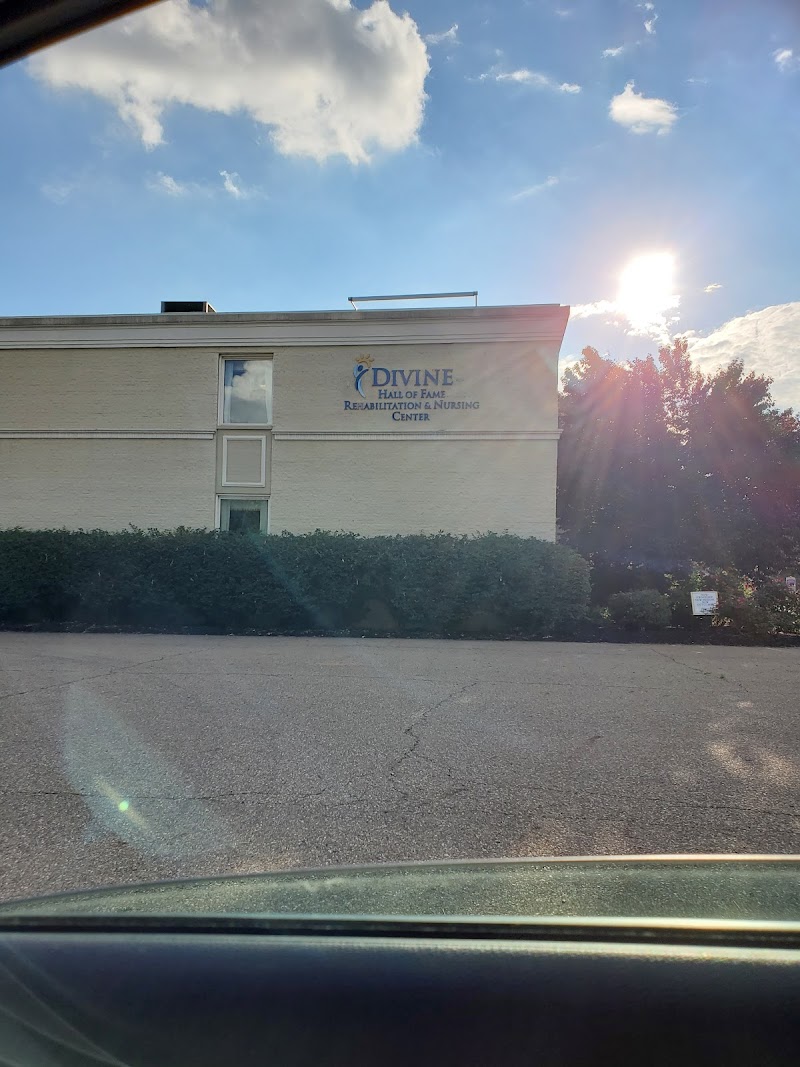
How is Hall Of Fame Rehabilitation And Nursing Center Staffed?

CMS rates HALL OF FAME REHABILITATION AND NURSING CENTER's staffing level at 1 out of 5 stars, which is much below average compared to other nursing homes. Staff turnover is 61%, which is 15 percentage points above the Ohio average of 46%. High turnover can affect care consistency as new staff learn residents' individual needs.

What Have Inspectors Found at Hall Of Fame Rehabilitation And Nursing Center?

State health inspectors documented 28 deficiencies at HALL OF FAME REHABILITATION AND NURSING CENTER during 2021 to 2025. These included: 1 that caused actual resident harm and 27 with potential for harm. Deficiencies causing actual harm indicate documented cases where residents experienced negative health consequences.
Who Owns and Operates Hall Of Fame Rehabilitation And Nursing Center?

HALL OF FAME REHABILITATION AND NURSING CENTER is owned by a for-profit company. For-profit facilities operate as businesses with obligations to shareholders or private owners. The facility is operated by DIVINE HEALTHCARE MANAGEMENT, a chain that manages multiple nursing homes. With 69 certified beds and approximately 41 residents (about 59% occupancy), it is a smaller facility located in CANTON, Ohio.
How Does Hall Of Fame Rehabilitation And Nursing Center Compare to Other Ohio Nursing Homes?

Compared to the 100 nursing homes in Ohio, HALL OF FAME REHABILITATION AND NURSING CENTER's overall rating (2 stars) is below the state average of 3.2, staff turnover (61%) is significantly higher than the state average of 46%, and health inspection rating (2 stars) is below the national benchmark.

What Should Families Ask When Visiting Hall Of Fame Rehabilitation And Nursing Center?

Based on this facility's data, families visiting should ask: "How do you ensure continuity of care given staff turnover, and what is your staff retention strategy?" "Can you walk me through typical staffing levels on day, evening, and night shifts?" "Can I visit during a mealtime to observe dining assistance and food quality?" "How do you handle medical emergencies, and what is your hospital transfer rate?" These questions are particularly relevant given the facility's high staff turnover rate and the below-average staffing rating.

Is Hall Of Fame Rehabilitation And Nursing Center Safe?

Based on CMS inspection data, HALL OF FAME REHABILITATION AND NURSING CENTER has a clean safety record: no substantiated abuse findings (meaning no confirmed cases of resident harm), no Immediate Jeopardy citations (the most serious violation level indicating risk of serious injury or death), and is not on the Special Focus Facility watch list (a federal program monitoring the lowest-performing 1% of nursing homes). The facility has a 2-star overall rating and ranks #100 of 100 nursing homes in Ohio. While no facility is perfect, families should still ask about staff-to-resident ratios and recent inspection results during their visit.

Do Nurses at Hall Of Fame Rehabilitation And Nursing Center Stick Around?

Staff turnover at HALL OF FAME REHABILITATION AND NURSING CENTER is high. At 61%, the facility is 15 percentage points above the Ohio average of 46%. High turnover means new staff may not know residents' individual needs, medications, or preferences. It can also be disorienting for residents, especially those with dementia who rely on familiar faces. Families should ask: What is causing the turnover? What retention programs are in place? How do you ensure care continuity during staff transitions?

Was Hall Of Fame Rehabilitation And Nursing Center Ever Fined?

HALL OF FAME REHABILITATION AND NURSING CENTER has no federal fines on record. CMS issues fines when nursing homes fail to meet care standards or don't correct problems found during inspections. The absence of fines suggests the facility has either maintained compliance or corrected any issues before penalties were assessed. This is a positive indicator, though families should still review recent inspection reports for the full picture.

Is Hall Of Fame Rehabilitation And Nursing Center on Any Federal Watch List?

HALL OF FAME REHABILITATION AND NURSING CENTER is not on any federal watch list. The most significant is the Special Focus Facility (SFF) program, which identifies the bottom 1% of nursing homes nationally based on persistent, serious quality problems. Not being on this list means the facility has avoided the pattern of deficiencies that triggers enhanced federal oversight. This is a positive indicator, though families should still review the facility's inspection history directly.