THE PINES HEALTHCARE CENTER
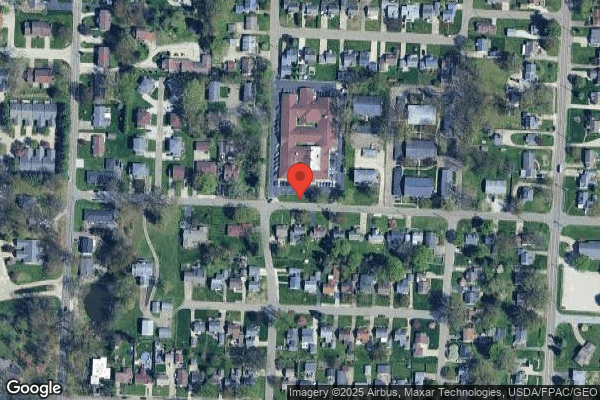

3015 17TH STREET NW, CANTON, OH 44708 (330) 454-6508
For profit - Corporation 80 Beds COMMUNICARE HEALTH Data: November 2025
Trust Grade
78/100
#176 of 913 in OH
Last Inspection: May 2025

Inspected within the last 6 months. Data reflects current conditions.

Overview

The Pines Healthcare Center has received a Trust Grade of B, indicating it's a good choice among nursing homes, though not without its flaws. It ranks #176 out of 913 facilities in Ohio, placing it in the top half, and #7 out of 33 in Stark County, meaning there are only six local options that are better. The facility is improving, with the number of serious issues decreasing from three to two over the last year. Staffing is rated at 2 out of 5 stars, which is below average, but it has a turnover rate of 41%, better than the state average of 49%. However, it has concerning fines of $24,430, higher than 78% of Ohio facilities, suggesting repeated compliance issues. There are strengths and weaknesses to consider. On the positive side, the facility provides better RN coverage than 78% of other facilities in Ohio, which helps ensure quality care. Nevertheless, there have been specific incidents of concern, such as a serious issue where a resident was injured during a transfer due to improper use of a mechanical lift. Additionally, there were problems with timely meal service and food temperature, potentially affecting all residents during meal times. Overall, families should weigh these factors carefully when considering The Pines Healthcare Center for their loved ones.

Trust Score
B
78/100
In Ohio
#176/913
Top 19%
Safety Record
Moderate
Needs review
Inspections
Getting Better
3 → 2 violations
Staff Stability
○ Average
41% turnover. Near Ohio's 48% average. Typical for the industry.
Penalties
✓ Good
$24,430 in fines. Lower than most Ohio facilities. Relatively clean record.
Skilled Nurses
✓ Good
Each resident gets 42 minutes of Registered Nurse (RN) attention daily — more than average for Ohio. RNs are trained to catch health problems early.
Violations
⚠ Watch
20 deficiencies on record. Higher than average. Multiple issues found across inspections.
★★★★★
5.0
Overall Rating
★★☆☆☆
2.0
Staff Levels
★★★★★
5.0
Care Quality
★★★★☆
4.0
Inspection Score
Stable
2024: 3 issues
2025: 2 issues

The Good

  • 5-Star Quality Measures · Strong clinical quality outcomes
  • Full Sprinkler Coverage · Fire safety systems throughout facility
  • No fines on record
  • Staff turnover below average (41%)

    7 points below Ohio average of 48%

Facility shows strength in quality measures, fire safety.

The Bad

Staff Turnover: 41%

Near Ohio avg (46%)

Typical for the industry

Federal Fines: $24,430

Below median ($33,413)

Minor penalties assessed

Chain: COMMUNICARE HEALTH

Part of a multi-facility chain

Ask about local staffing decisions and management

The Ugly 20 deficiencies on record

1 actual harm
May 2025 2 deficiencies
CONCERN (D)

Potential for Harm - no one hurt, but risky conditions existed

Quality of Care (Tag F0684)

Could have caused harm · This affected 1 resident

**NOTE- TERMS IN BRACKETS HAVE BEEN EDITED TO PROTECT CONFIDENTIALITY** Based on record review, observation, interview and policy review, the facility failed to ensure the treatment was completed as o...

Read full inspector narrative →
**NOTE- TERMS IN BRACKETS HAVE BEEN EDITED TO PROTECT CONFIDENTIALITY** Based on record review, observation, interview and policy review, the facility failed to ensure the treatment was completed as ordered for Resident #47's right lateral nose skin cancer. This finding affected one (Resident #47) of four residents reviewed for general skin conditions. The facility census was 72. Findings include: Review of the medical record revealed Resident #47 was initially admitted on [DATE] and readmitted on [DATE] with diagnoses including malignant melanoma of the nose, cognitive communication deficit and weakness. Review of Resident #47's Minimum Data Set (MDS) 3.0 assessment dated [DATE] revealed the resident exhibited intact cognition. Review of Resident #47's Wound Assessment Report form authored by Wound Nurse Practitioner (NP) #584 dated 04/25/25 revealed the resident had a right nostril melanoma wound identified on 04/02/25 which measured 2.0 centimeters (cm) length by 2.30 cm width by 0.10 cm depth. The treatment included cleansing the wound daily with normal saline and leave open to air (OTA). Review of Resident #47's Wound Assessment Report form authored by Wound NP #584 dated 05/05/25 revealed the resident had a right nostril melanoma wound which measured 2.0 cm length by 2.30 cm width by 0.10 cm depth. The treatment indicated cleansing the wound with normal saline daily and OTA. Review of Resident #47's Wound Assessment Report form authored by Wound NP #584 dated 05/19/25 revealed the resident had a right nostril melanoma which measured 2.0 cm length by 2.30 cm width by 0.10 cm depth. The treatment indicated cleansing the wound with normal saline daily and leave OTA. Review of Resident #47's medication administration records (MARS) and treatment administration records (TARS) from 04/25/25 to 05/20/25 did not reveal evidence the resident's right nostril was cleansed daily with normal saline as ordered by Wound NP #584. Interview on 05/20/25 at 7:46 A.M. with Registered Nurse (RN) Wound Nurse #562 confirmed Resident #47's medical record did not have evidence the resident's right nostril was cleansed daily with normal saline and left OTA. Review of the undated Skin Care and Wound Management Overview policy revealed the facility staff strived to prevent resident skin impairment and to promote the healing of existing wounds.
CONCERN (D)

Potential for Harm - no one hurt, but risky conditions existed

Unnecessary Medications (Tag F0759)

Could have caused harm · This affected 1 resident

**NOTE- TERMS IN BRACKETS HAVE BEEN EDITED TO PROTECT CONFIDENTIALITY** Based on record review, observation, interview and policy review, the facility failed to ensure a medication error rate of 5% or...

Read full inspector narrative →
**NOTE- TERMS IN BRACKETS HAVE BEEN EDITED TO PROTECT CONFIDENTIALITY** Based on record review, observation, interview and policy review, the facility failed to ensure a medication error rate of 5% or less. This finding affected one (Residents #8) of two residents observed for medication administration. A total of 30 medications were administered with two errors for a medication error rate of 6.67%. Findings include: Review of Resident #8's medical record revealed the resident was admitted on [DATE] with diagnoses including type two diabetes, weakness and anemia. Review of Resident #8's Quarterly Minimum Data Set (MDS) 3.0 assessment dated [DATE] revealed the resident exhibited severe cognitive impairment. Review of Resident #8's physician orders revealed an order dated 05/20/24 for Omega-3 fish oil administer 1000 milligrams (mg) by mouth two times a day for a supplement; and an order dated 12/12/24 for Humalog KwikPen (insulin) inject six units subcutaneously (sq) with meals for diabetes. Observation on 05/18/25 at 8:11 A.M. with Registered Nurse (RN) #565 of Resident #8's morning medication administration revealed four medications were administered with two errors. RN #565 did not prime the resident's Humalog KwikPen prior to administering the resident's Humalog insulin and the resident's fish oil was administered at 500 mg instead of 1000 mg as ordered. Interview on 05/18/25 at 9:45 A.M. with RN #565 confirmed the nurse did not prime Resident #8's Humalog KwikPen prior to administering the resident's insulin and administered 500 mg of the fish oil instead of 1000 mg as ordered. Review of the Instructions for Use of the Humalog Kwikpen, revised 03/31/20, revealed to prime the pen by turning the dose knob to select two units; hold the pen with the needle point up and tap the cartridge holder gently to collect air bubbles at the top; continue holding the pen with the needle point up and push the dose knob in until it stops and the 0 was seen in the dose window. Insulin should be observed at the tip of the needle. Select the dose and administer the insulin. Review of the Liberalized Medication Administration policy indicated it was the policy of the facility to administer medications to residents in a safe manner but in a way that correlates with their daily activities and natural schedules.
Jun 2024 3 deficiencies
CONCERN (D) 📢 Someone Reported This

A family member, employee, or ombudsman was alarmed enough to file a formal complaint

Potential for Harm - no one hurt, but risky conditions existed

Report Alleged Abuse (Tag F0609)

Could have caused harm · This affected 1 resident

**NOTE- TERMS IN BRACKETS HAVE BEEN EDITED TO PROTECT CONFIDENTIALITY** Based on medical record review, facility investigation review, self-reported incident review, facility policy review, and interv...

Read full inspector narrative →
**NOTE- TERMS IN BRACKETS HAVE BEEN EDITED TO PROTECT CONFIDENTIALITY** Based on medical record review, facility investigation review, self-reported incident review, facility policy review, and interviews, the facility failed to timely report an allegation of sexual abuse. This affected three (Resident #7, #10, and 14) of four residents reviewed for abuse. The facility census was 77. Findings include: Medical record revealed Resident #7 was admitted to the facility on [DATE] with diagnoses including hemiparesis and hemiplegia following cerebral infarction, schizophrenia, history of substance abuse, muscle weakness, dysphagia, and chronic obstructive pulmonary disease. Further review of the medical record revealed the resident was severely cognitively impaired. Medical record revealed Resident #10 was admitted to the facility on [DATE] with diagnoses including hemiplegia and hemiparesis following cerebral infarction, chronic kidney disease, bipolar disorder, panic disorder, and history of cocaine abuse, and chronic obstructive pulmonary disease. Further review of the medical record revealed the resident was moderately cognitively impaired. Medical record revealed Resident #14 was admitted to the facility on [DATE] with diagnoses including chronic heart failure, acute pancreatitis, depression, anxiety disorder, personal history of trauma, other stimulant abuse, and muscle weakness. Further review of the medical record revealed the resident was cognitively intact. Review of Self-Reported Incident (SRI) #248991, dated 06/24/24, revealed on 06/23/24 Licensed Practical Nurse (LPN) #58 reported to the Director of Nursing (DON) that she had been told by a resident, who heard from another resident, that there was fornication on the smokers' patio with a couple of residents. The residents alleged to be involved were Resident (#7, #10, and #14). The allegation was immediately reported to the Administrator and an investigation was immediately initiated. Following the allegation, the smoking patio was supervised by staff during smoking breaks for all residents. The three residents in question were interviewed with no concerns, and there were no witnesses who confirmed that fornication had occurred on the patio. Interview on 06/27/24 at 1:00 P.M. with the Administrator confirmed the sexual abuse allegation indicated in SRI #248991 was not reported to the State Agency within two hours as required. Review of the facility's policy titled, Ohio Abuse, Neglect, and Misappropriation, dated 10/27/21, revealed all alleged violations involving abuse, neglect, exploitation or mistreatment, including injuries of unknown source and misappropriation of property, are reported immediately, but no later than two hours after the allegation is made, if the events that cause the allegation involve abuse or result in serious bodily injury. This deficiency represents non-compliance investigated under Complaint Number OH00155131.
CONCERN (D) 📢 Someone Reported This

A family member, employee, or ombudsman was alarmed enough to file a formal complaint

Potential for Harm - no one hurt, but risky conditions existed

Accident Prevention (Tag F0689)

Could have caused harm · This affected 1 resident

**NOTE- TERMS IN BRACKETS HAVE BEEN EDITED TO PROTECT CONFIDENTIALITY** Based on medical record review, self-reported incident review, facility policy review, and interviews, the facility failed to co...

Read full inspector narrative →
**NOTE- TERMS IN BRACKETS HAVE BEEN EDITED TO PROTECT CONFIDENTIALITY** Based on medical record review, self-reported incident review, facility policy review, and interviews, the facility failed to complete an accurate smoking risk assessment for two residents (#7 and #12) and failed to ensure smoking supervision for Resident #7, who was severely cognitively impaired. This affected two (Resident #7 and #12) of four residents reviewed for accidents. The facility census was 77. Findings include: 1. Medical record review revealed Resident #7 was admitted to the facility on [DATE] with diagnoses including hemiparesis and hemiplegia following cerebral infarction, schizophrenia, history of substance abuse, muscle weakness, dysphagia (difficulty swallowing), and chronic obstructive pulmonary disease. Review of the quarterly Minimum Data Set (MDS) 3.0 assessment, dated 04/30/24, revealed the resident was severely cognitively impaired. Review of a physician progress note, dated 06/18/24, revealed Resident #7 had the diagnoses of hemiplegia, hemiparesis, dysphagia, and contractures of the right hand/finger. Review of Resident #7's Smoking Assessment v 4, dated 05/24/24, indicated the resident was an independent smoker. The assessment incorrectly indicated that the resident did not have dexterity problems, did not have swallowing difficulties, and that the plan of care reflected the use of nicotine in any form. Review of Self-Reported Incident (SRI) #248991, dated 06/24/24, revealed on 06/23/24 Resident #7 was unsupervised during a smoke break when an allegation of potential sexual abuse occurred. Interview on 06/26/24 at 12:55 P.M. with the Director of Nursing (DON) confirmed Resident #7's smoking assessment dated [DATE] was incorrect and she would re-assess the resident. The DON further confirmed Resident #7's care plan did not indicate the use of nicotine or that the resident was a smoker and that it should have been revised to reflect she used nicotine. Following Resident #7's smoking re-assessment completed by the DON during the complaint investigation revealed the resident had a dexterity problem, swallowing difficulties, and required smoking supervision. Interview on 06/26/24 at 4:15 P.M. with the Administrator confirmed Resident #7 had been unsupervised during her smoking breaks, but going forward she will be supervised during her smoking breaks. 2. Medical record revealed Resident #12 was admitted to the facility on [DATE] with diagnoses including infarction, dementia, diabetes mellitus, psychotic disturbance, mood disturbance, anxiety, and chronic obstructive pulmonary disease. Review of the Minimum Data Set (MDS) 3.0 assessment, dated 03/29/24, revealed the resident was moderately cognitively impaired and had a diagnosis of dementia. Review of Resident #12's Smoking Assessment v 4, dated 06/20/24, incorrectly revealed the resident did not have a diagnosis of dementia. Interview on 06/26/24 at 4:20 P.M. with the Administrator confirmed Resident #12's smoking assessment incorrectly indicated the resident did not have a diagnosis of dementia. Review of the facility's policy titled, Resident Smoking Guidelines, undated, revealed it is the policy of the facility to promote resident centered care by providing a safe smoking area for residents that request to smoke and are capable of safe smoking behaviors either independently or with supervision. Assessment, observation, and designation of independent or supervised smoker will be made by the interdisciplinary team (IDT) for each resident who requests to smoke in the facility. The smoking assessment includes the assessment of the level of dexterity to manage smoking and smoking materials.
CONCERN (D) 📢 Someone Reported This

A family member, employee, or ombudsman was alarmed enough to file a formal complaint

Potential for Harm - no one hurt, but risky conditions existed

Medical Records (Tag F0842)

Could have caused harm · This affected 1 resident

**NOTE- TERMS IN BRACKETS HAVE BEEN EDITED TO PROTECT CONFIDENTIALITY** Based on medical record review, self-reported incident (SRI) review, facility investigation review, facility policy review, and ...

Read full inspector narrative →
**NOTE- TERMS IN BRACKETS HAVE BEEN EDITED TO PROTECT CONFIDENTIALITY** Based on medical record review, self-reported incident (SRI) review, facility investigation review, facility policy review, and interview, the facility failed to maintain complete medical records. This affected three (Resident #7, #10, and #14) of four residents reviewed for abuse. The facility census was 77. Findings include: Medical record review revealed Resident #7 was admitted to the facility on [DATE] with diagnoses including hemiparesis and hemiplegia following cerebral infarction, schizophrenia, history of substance abuse, muscle weakness, dysphagia, and chronic obstructive pulmonary disease. Further review revealed the resident was severely cognitively impaired. Medical record review revealed Resident #10 was admitted to the facility on [DATE] with diagnoses including hemiplegia and hemiparesis following cerebral infarction, chronic kidney disease, bipolar disorder, panic disorder, and history of cocaine abuse, and chronic obstructive pulmonary disease. Further review revealed the resident was moderately cognitively impaired. Medical record review revealed Resident #14 was admitted to the facility on [DATE] with diagnoses including chronic heart failure, acute pancreatitis, depression, anxiety disorder, personal history of trauma, other stimulant abuse, and muscle weakness. Further review revealed the resident was cognitively intact. Review of Self-Reported Incident (SRI) #248991, dated 06/24/24, revealed on 06/23/24 Licensed Practical Nurse (LPN) #58 reported to the Director of Nursing (DON) that she had been told by a resident, who heard from another resident, that there was fornication on the smoker's patio with a couple of residents. The residents alleged to be involved were Resident (#7, #10, and #14). The allegation was immediately reported to the Administrator and an investigation was immediately initiated. Following the allegation, the smoking patio was supervised by staff during smoking breaks for all residents. The three residents in question were interviewed with no concerns, and there were no witnesses who confirmed that fornication had occurred on the patio. Review of Resident (#7, #10, and #14's) medical records revealed no documentation of the alleged incident of sexual abuse as indicated in SRI #248991. Interview on 06/24/24 at 3:16 P.M. with the Administrator confirmed Resident #7, #10, and #14's medical records did not contain documentation of the incident indicated in SRI #248991. The Administrator further confirmed the incident should have been documented in Resident #7, #10, and #14's medical records. Review of the facility's policy titled, Ohio Abuse, Neglect, and Misappropriation, dated 10/27/21, revealed investigation of incidents: documentation of the facts and findings will be completed in each resident medical record and the physician of each resident will be notified. This deficiency represents non-compliance investigated under Complaint Number OH00155131.
Oct 2023 1 deficiency
CONCERN (D) 📢 Someone Reported This

A family member, employee, or ombudsman was alarmed enough to file a formal complaint

Potential for Harm - no one hurt, but risky conditions existed

Unnecessary Medications (Tag F0759)

Could have caused harm · This affected 1 resident

Based on observation, review of physician orders, review of medication information from Medscape and interview, the facility failed to ensure medications were administered in accordance with physician...

Read full inspector narrative →
Based on observation, review of physician orders, review of medication information from Medscape and interview, the facility failed to ensure medications were administered in accordance with physician orders and manufacturer information. Four medication errors were identified out of 38 opportunities resulting in a 10.5% medication error rate. This affected three (Residents #11, #14, and #28) of three residents observed for medication administration. Findings include: 1. On 10/02/23 at 8:46 A.M., Licensed Practical Nurse (LPN) #100 was observed administering medication to Resident #14. Among the medications administered was hydralazine (a vasodilator) 25 milligrams (mg). Review of Resident #14's physician order sheet revealed an order dated 03/22/23 for hydralazine 25 mg with instructions to administer three tablets every eight hours for hypertension. On 10/02/23 at 10:17 A.M., LPN #100 verified she only gave one of the hydralazine but should have administered three. 2. On 10/02/23 at 9:03 A.M., Registered Nurse (RN) #101 was observed administering medication to Resident #28. Among the medications administered were enteric coated aspirin 81 mg and isosorbide mononitrate (anti-anginal) extended release (ER) 60 mg. The medications were crushed prior to administration. Review of Resident #28's physician order sheet revealed an order dated 12/18/22 that medications could be crushed unless contraindicated. On 12/18/22 an order was written for enteric coated aspirin 81 mg in the morning. On 12/18/22 an order was written for isosorbide mononitrate ER 60 mg in the morning. Review of medication information from Medscape revealed enteric coated aspirin should not be crushed because it could release all of the drug at once increasing the risk of side effects. Medscape revealed the extended release isosorbide mononitrate must not be crushed. On 10/02/23 at 9:08 A.M., RN #101 verified the enteric coated aspirin was crushed, stating Resident #28 did not like the taste of chewable aspirin. At 10:14 A.M., RN #101 verified she also crushed the enteric coated isosorbide mononitrate. 3. On 10/02/23 at 9:26 A.M., LPN #102 was observed administering medication to Resident #11. Among the medications administered was tetrahydrozoline HC 0.05% eye drops with one drop applied in both eyes. Review of Resident #11's physician order sheet revealed an order dated 02/17/23 for polyvinyl alcohol ophthalmic solution 1.4%: instill one drop in both eyes three times a day. There was no order for tetrahydrozoline eye drops. On 10/02/23 at 10:25 A.M., LPN #102 verified she had administered tetrahydrozoline eye drops and was uncertain if they were interchangeable with polyvinyl alcohol eye drops. On 10/02/23 at 10:56 A.M., Pharmacist #103 verified the tetrahydrozoline and polyvinyl eye drops were not interchangeable. This deficiency represents non-compliance investigated under Complaint Number OH00146516 and is an example of continued non-compliance from the survey dated 09/14/23.
Sept 2023 6 deficiencies
CONCERN (D)

Potential for Harm - no one hurt, but risky conditions existed

Deficiency F0657 (Tag F0657)

Could have caused harm · This affected 1 resident

Based on record review and interview, the facility failed to ensure Resident #2's care plan meetings were completed at least quarterly. This finding affected one (Resident #2) of four residents invest...

Read full inspector narrative →
Based on record review and interview, the facility failed to ensure Resident #2's care plan meetings were completed at least quarterly. This finding affected one (Resident #2) of four residents investigated for care planning. Findings include: Review of Resident #2's medical record revealed an initial admission date of 11/10/22 with a readmission date of 07/27/23. Diagnoses include acute respiratory failure with hypoxia, hypertensive heart disease and history of falling. Review of Resident #2's Minimum Data Set (MDS) 3.0 comprehensive assessment revealed the resident exhibited severe cognitive impairment. Review of Resident #2's Care Conference Review form dated 11/15/22 revealed staff conducted a care conference. Review of Resident #2's progress note dated 05/11/23 at 3:25 P.M. indicated the daughter was called to discuss the resident's code status and hospice services. Review of Resident #2's medical record did not reveal other documentation on care planning. Interview on 09/13/23 at 9:40 A.M. with the Director of Nursing (DON) confirmed care conferences were not completed quarterly to ensure the timeliness of each resident's person-centered, comprehensive care plan, and to ensure the comprehensive care plan was reviewed and revised by an interdisciplinary team composed of individuals who had knowledge of the resident and her needs, and that each resident and resident representative was involved in developing the care plan and making decisions about the care received. Review of the undated Plan of Care policy indicated it was the policy of the facility to provide resident care that meets the psychosocial, physical and emotional needs and concerns of the residents. The purpose of the policy is to provide guidance to the facility to support the inclusion of the resident or resident representative in all aspects of person-centered care planning and that this planning includes the provision of services to enable the resident to live with dignity and support the goals, choice and presence.
CONCERN (D)

Potential for Harm - no one hurt, but risky conditions existed

Unnecessary Medications (Tag F0759)

Could have caused harm · This affected 1 resident

**NOTE- TERMS IN BRACKETS HAVE BEEN EDITED TO PROTECT CONFIDENTIALITY** Based on observation, record review and interview, the facility failed to ensure a medication error rate of less than 5%. A tota...

Read full inspector narrative →
**NOTE- TERMS IN BRACKETS HAVE BEEN EDITED TO PROTECT CONFIDENTIALITY** Based on observation, record review and interview, the facility failed to ensure a medication error rate of less than 5%. A total of 26 medications were administered with five medication errors for a medication error rate of 19.23%. This finding affected three residents (Residents #32, #53 and #66) of six residents observed for medication administration. Findings include: 1. Review of Resident #32's medical record revealed the resident was admitted on [DATE] with diagnoses including heart failure, fibromyalgia and diabetes. Review of Resident #32's physician orders revealed an order dated 06/18/20 for Cymbalta give 60 mg (milligrams) by mouth in the morning for major depression and give 60 mg by mouth at bedtime for depression; an order dated 11/11/22 for Lasix 20 mg (diuretic) give one tablet by mouth in the morning for edema; and an order dated 01/05/23 for artificial tears instill one drop in both eyes every morning and at bedtime for dry eyes. Observation on 09/11/23 at 9:57 A.M. with Licensed Practical Nurse (LPN) #801 of Resident #32's medication administration revealed twelve medications were administered. LPN #801 did not administer Resident #32's Cymbalta, Lasix and artificial tears as ordered; however, she documented on the MAR that she had administered the medications. Interview on 09/11/23 at 12:13 P.M. with LPN #801 confirmed she did not administer Resident #32's Cymbalta, Lasix and artificial tears for a total of three medication errors. 2. Review of Resident #53's medical record revealed the resident was admitted on [DATE] with diagnoses including hypertensive heart disease, heart failure and diabetes. Review of Resident #53's physician orders revealed an order dated 08/10/23 for NovoLog fast acting insulin inject 8 units subcutaneously before meals for diabetes. Observation on 09/11/23 at 1:52 P.M. with LPN #803 revealed she administered two medications to Resident #53 including NovoLog insulin via a FlexPen. LPN #803 administered 8 units of NovoLog insulin via a FlexPen and did not prime the pen with two units of insulin prior to dialing up 8 units of insulin and administering the insulin to the resident. Interview on 09/11/23 at 2:22 P.M. with LPN #803 confirmed she did not prime Resident #53's NovoLog FlexPen as required prior to dialing up 8 units of the insulin and administering the insulin to the resident for a total of one medication error. Review of the undated NovoLog Insulin Using Your FlexPen prescriber instructions indicated to wash and dry your hands, remove the pen cap, gently roll the pen ten times between the hands, wipe the rubber end of the pen with an alcohol swab, remove the seal from the new pen needle and screw it onto the end of the pen, remove the outer needle cap and set aside, remove the inner needle cap and throw away, turn the knob on the pen to a dose of 2 units, hold the pen with the needle straight up, tap the side of the pen to get rid of any air bubbles, push the injection button until you see zero in the dose window, turn the knob on the end of the pen to the desired dose, use an alcohol swab to clean the skin, insert the needle straight into the skin so that it reaches the fatty lay, use your thumb to slowly press the button on the end of the pen all the way in and hold it for 10 seconds to allow time for the insulin to get into the body. 3. Review of Resident #66's medical record revealed the resident was admitted to the facility on [DATE] with diagnoses including hypothyroidism, anxiety disorder and epileptic syndromes with complex partial seizures. Review of Resident #66's physician orders revealed an order dated 08/22/23 for Zonisamide oral capsule 100 mg give three capsules by mouth every morning and at bedtime for convulsion. Observation on 09/11/23 at 10:16 A.M. with LPN #802 of Resident #66's medication administration revealed eleven medications were administered. LPN #802 did not administer Resident #66's Zonisamide anticonvulsant as ordered. Interview on 09/11/23 at 12:00 P.M. with LPN #802 confirmed she did not administer Resident #66's Zonisamide anticonvulsant as ordered for a total of one medication error. A total of 26 medications were administered with five medication errors for a medication error rate of 19.23 percent. Review of the undated Medication Administration policy revealed the facility would properly assess residents and plan their care to meet these needs. Medications which were ordered by the physician for a specific time will be given as such. Utilization of the liberalized medication administration structure does not imply that any time frame parameter was acceptable for providing medications. Specific medications may still require strict parameters determined by the physician.
CONCERN (D) 📢 Someone Reported This

A family member, employee, or ombudsman was alarmed enough to file a formal complaint

Potential for Harm - no one hurt, but risky conditions existed

Deficiency F0800 (Tag F0800)

Could have caused harm · This affected 1 resident

**NOTE- TERMS IN BRACKETS HAVE BEEN EDITED TO PROTECT CONFIDENTIALITY** Based on observation, record review and interview, the facility failed to ensure Resident #39 received the appropriate food item...

Read full inspector narrative →
**NOTE- TERMS IN BRACKETS HAVE BEEN EDITED TO PROTECT CONFIDENTIALITY** Based on observation, record review and interview, the facility failed to ensure Resident #39 received the appropriate food items to meet dietary needs identified on meal tickets. This finding affected one (Resident #39) of two residents reviewed for nutrition. The facility census was 71. Findings include: Review of Resident #39's medical record revealed the resident was readmitted to the facility on [DATE] with diagnoses including hemiplegia, unspecified dementia and epilepsy. Review of Resident #39's Minimum Data Set (MDS) 3.0 comprehensive assessment dated [DATE] revealed the resident exhibited moderate cognitive impairment. Review of Resident #39's nutritional care plan revealed an intervention dated 05/12/23 to provide meals per the dietary order. Review of Resident #39's physician orders revealed an order dated 07/06/23 for a regular diet, pureed texture and regular consistency. Review of Resident #39's dietary meal ticket dated 09/11/23 for the breakfast meal indicated the resident was to receive pureed bananas foster french toast, pureed breakfast ham with brown gravy, pureed fortified hot cereal of choice, assorted yogurt cup, 2% (percent) milk, hot coffee and orange juice. Observation on 09/11/23 at 9:20 A.M. with Licensed Practical Nurse (LPN) #802 of Resident #39's breakfast meal tray revealed the resident was served pureed bananas foster french toast, pureed breakfast ham, 2% milk, coffee and orange juice. Interview on 09/11/23 at 9:24 A.M. with LPN #802 confirmed Resident #39 was not served the pureed fortified hot cereal of choice and assorted yogurt cup as ordered on her dietary meal ticket. Review of Resident #39's dietary meal ticket dated 09/12/23 for the breakfast meal indicated the resident was to receive pureed baked cheese omelet, pureed sausage patty, pureed oatmeal, pureed English muffin, yogurt cup, 2% milk, hot coffee and orange juice. Observation on 09/12/23 at 8:16 A.M. with State Tested Nursing Assistant (STNA) #804 revealed Resident #39's breakfast tray was delivered which included a pureed cheese omelet, pureed sausage patty with brown gravy, pureed English muffin, 2% milk, hot coffee and orange juice. No yogurt cup or pureed oatmeal cereal were on the tray and STNA #804 indicated she would get the yogurt cup for the resident. Interview on 09/12/23 at 8:43 A.M. with the Administrator confirmed Resident #39's pureed oatmeal and yogurt cup were not on the breakfast tray served to the resident. Review of Meal Distribution policy revised 09/2017 indicated meals were transported to the dining locations in a manner that ensured proper temperature, maintenance, protects against contamination and were delivered in a timely manner and all meals would be assembled in accordance with the individualized diet order, plan of care, and preferences. This deficiency represents non-compliance investigated under Master Complaint Number OH00146369.
CONCERN (F) 📢 Someone Reported This

A family member, employee, or ombudsman was alarmed enough to file a formal complaint

Potential for Harm - no one hurt, but risky conditions existed

Deficiency F0802 (Tag F0802)

Could have caused harm · This affected most or all residents

Based on observation and interview, the facility failed to have sufficient dietary staff to serve meals timely. This had the potential to affect 70 of 70 resident who received meals from the kitchen, ...

Read full inspector narrative →
Based on observation and interview, the facility failed to have sufficient dietary staff to serve meals timely. This had the potential to affect 70 of 70 resident who received meals from the kitchen, as Resident #60 received no food by mouth. The facility census was 71. Findings include: Review of the facility dining times revealed the lunch meal was to start serving at 11:30 A.M. Interview on 09/11/23 at 8:30 A.M. with Registered Dietician (RD) #900 revealed three dietary staff called off work today including the cook. She stated the Food Service Director (FSD) #867 was acting as the cook. Interview on 09/11/23 at 8:47 A.M. with Social Service Designee (SSD) #805 revealed she was assisting with meal service due to three call-offs. She stated other staff have assisted with dietary in the past due to call-offs or insufficient staffing. Interviews on 09/11/23 from 9:00 A.M. through 11:30 A.M. during the screening process for the annual survey with multiple residents (# 9, #13, #16, #17, #19, #, 26, #36, #38, #45, #58, #64, #171 and #175) revealed multiple concerns with dietary including staffing, temperatures and timeliness of meals. Interview on 09/11/23 at 9:43 A.M. with FSD #867 revealed she was new to the facility, approximately ten days. She stated she had three call-offs and was acting as the cook. She stated she had a meeting with her team the prior week about her expectations as she stated she had a lot of issues in the kitchen and would most likely be terminating everyone and starting with new staff. Observation on 09/11/23 from 11:30 A.M. to 2:37 P.M. revealed the lunch meal was not served until 2:17 P.M. Observation n 09/11/23 at 1:49 P.M. of the dining room revealed Resident #51 was sitting at a table in the dining room. Interview at the time of observation with Resident #51 stated he had been sitting in the dining room since 11:30 A.M. waiting for lunch and he had not yet received lunch. Observation on 09/11/23 at 2:01 P.M. revealed Resident #16 was coming back from her room after making sandwiches for her and her tablemates (#17 and #19) as they were still waiting for lunch. Interview on 09/11/23 at 2:04 P.M. with Licensed Practical Nurse (LPN) #870 verified lunch had not been served yet. She stated the hall trays were usually delivered between 12:00 P.M. and 1:00 P.M. and they were running very late this day. A subsequent interview on 09/11/23 at 3:13 P.M. and on 09/14/23 at P.M. with FSD #867 revealed lunch was late on 09/11/23 due to her being on her own to prepare the meal. Review of a list of resident diets revealed Resident #60 received no food by mouth. Review of the facility policy titled Department Staffing, last revised 09/2017, revealed the dining services department would employ sufficient staff to carry out the functions of food and nutrition services that is safe and effective. This deficiency represents non-compliance investigated under Complaint Number OH00146369.
CONCERN (F) 📢 Someone Reported This

A family member, employee, or ombudsman was alarmed enough to file a formal complaint

Potential for Harm - no one hurt, but risky conditions existed

Deficiency F0804 (Tag F0804)

Could have caused harm · This affected most or all residents

Based on record review, observation and interviews the facility failed to ensure food was served at a palatable temperatures. This had the potential to affect 70 of 70 resident who received food from ...

Read full inspector narrative →
Based on record review, observation and interviews the facility failed to ensure food was served at a palatable temperatures. This had the potential to affect 70 of 70 resident who received food from the kitchen, as Resident #60 received no food by mouth. The facility census was 71. Findings include: Interviews on 09/11/23 from 9:00 A.M through 11:30 A.M. during the screening process for the annual survey with multiple residents (# 9, #13, #16, #17, #19, #, 26, #36, #38, #45, #58, #64, #171 and #175) revealed concerns with dietary including palatability of meals. Observation and interview on 09/12/23 at 11:35 A.M. revealed the hot food on the steam table had temperatures over 165 degrees. A test tray left the steam table at 12:15 P.M. The test tray was served last at 12:34 P.M. The culinary director from sister facility (CD) #910 proceeded to take the temperatures of the meal. The chicken thigh was 123 degrees, the mashed potatoes were 130 degrees and the peas were 127 degrees. CD #910 revealed the food should be over 135 degrees. Review of a list of resident diets revealed Resident #60 received no food by mouth. Review of the facility policy titled Food Preparation, last revised 09/2017 revealed all foods will be held at appropriate temperatures, greater than 135 degrees for hot food holding. This deficiency represents non-compliance investigated under Complaint Numbers OH00146369.
CONCERN (F) 📢 Someone Reported This

A family member, employee, or ombudsman was alarmed enough to file a formal complaint

Potential for Harm - no one hurt, but risky conditions existed

Deficiency F0809 (Tag F0809)

Could have caused harm · This affected most or all residents

**NOTE- TERMS IN BRACKETS HAVE BEEN EDITED TO PROTECT CONFIDENTIALITY** Based on observation and interview, the facility failed to serve meals in a timely manner. This had the potential to affect 70 o...

Read full inspector narrative →
**NOTE- TERMS IN BRACKETS HAVE BEEN EDITED TO PROTECT CONFIDENTIALITY** Based on observation and interview, the facility failed to serve meals in a timely manner. This had the potential to affect 70 of 70 residents who received food from the kitchen. Resident #60 received no food by mouth. The facility census was 71. Findings include: 1. Review of the facility dining times revealed the lunch meal was to start serving at 11:30 A.M. Interview on 09/11/23 at 8:30 A.M. with Registered Dietician (RD) #900 revealed three dietary staff called off work today including the cook. She stated the Food Service Director (FSD) #867 was acting as the cook. Interview on 09/11/23 at 8:47 A.M. with Social Service Designee (SSD) #805 revealed she was assisting with meal service due to three call-offs. She stated other staff have assisted with dietary in the past due to call-offs or insufficient staffing. Interviews on 09/11/23 from 9:00 A.M. through 11:30 A.M. during the screening process for the annual survey with multiple residents (# 9, #13, #16, #17, #19, #, 26, #36, #38, #45, #58, #64, #171 and #175) revealed multiple concerns with dietary including staffing, temperatures and timeliness of meals. Interview on 09/11/23 at 9:43 A.M. with FSD #867 revealed she was new to the facility, approximately ten days. She stated she had three call-offs and was acting as the cook. She stated she had a meeting with her team the prior week about her expectations as she stated she had a lot of issues in the kitchen and would most likely be terminating everyone and starting with new staff. Observation on 09/11/23 from 11:30 A.M. to 2:37 P.M. revealed the lunch meal was not served until 2:17 P.M. Observation n 09/11/23 at 1:49 P.M. of the dining room revealed Resident #51 was sitting at a table in the dining room. Interview at the time of observation with Resident #51 stated he had been sitting in the dining room since 11:30 A.M. waiting for lunch and he had not yet received lunch. Observation on 09/11/23 at 2:01 P.M. revealed Resident #16 was coming back from her room after making sandwiches for her and her tablemates (#17 and #19) as they were still waiting for lunch. Interview on 09/11/23 at 2:04 P.M. with Licensed Practical Nurse (LPN) #870 verified lunch had not been served yet. She stated the hall trays were usually delivered between 12:00 P.M. and 1:00 P.M. and they were running very late this day. A subsequent interview on 09/11/23 at 3:13 P.M. and on 09/14/23 at P.M. with FSD #867 revealed lunch was late on 09/11/23 due to her being on her own to prepare the meal. Review of a list of resident diets revealed Resident #60 received no food by mouth. Review of the facility policy titled Frequency of Meals, last revised 09/2017, revealed at least three meals would be provided at regular times comparable to normal mealtimes in the community. 2. Review of Resident #58's medical record revealed the resident was admitted on [DATE] with diagnoses including type two diabetes with diabetic neuropathy, chronic pain syndrome and essential hypertension. Review of Resident #58's Minimum Data Set (MDS) 3.0 assessment dated [DATE] revealed the resident exhibited moderate cognitive impairment. Review of Resident #58's physician orders revealed an order dated 08/22/23 for Humalog FlexPen (fast-acting insulin) inject 15 units subcutaneously before meals for diabetes mellitus. Observation on 09/11/23 at 1:52 P.M. revealed Licensed Practical Nurse (LPN) #803 obtained Resident #58's blood sugar with a result of 78. An additional observation on 09/11/23 at 1:55 P.M. revealed Resident #58 refused her Humalog insulin because the meal tray was late and her blood sugar was running low. Interview on 09/11/23 at 2:00 P.M. with LPN #803 confirmed Resident #58 refused her Humalog insulin because her meal tray was late and her blood sugar was low. Review of the facility dining times revealed the lunch meal was to start serving at 11:30 A.M. This deficiency represents non-compliance investigated under Complaint Numbers OH00146369 and OH00145609.
Jun 2023 1 deficiency 1 Harm
SERIOUS (G) 📢 Someone Reported This

A family member, employee, or ombudsman was alarmed enough to file a formal complaint

Actual Harm - a resident was hurt due to facility failures

Accident Prevention (Tag F0689)

A resident was harmed · This affected 1 resident

**NOTE- TERMS IN BRACKETS HAVE BEEN EDITED TO PROTECT CONFIDENTIALITY** THIS IS AN INCIDENCE OF PAST NON-COMPLIANCE THAT WAS SUBSEQUENTLY CORRECTED PRIOR TO THIS SURVEY. Based on medical record review...

Read full inspector narrative →
**NOTE- TERMS IN BRACKETS HAVE BEEN EDITED TO PROTECT CONFIDENTIALITY** THIS IS AN INCIDENCE OF PAST NON-COMPLIANCE THAT WAS SUBSEQUENTLY CORRECTED PRIOR TO THIS SURVEY. Based on medical record review, review of hospital discharge records, fall investigation and root cause analysis review, resident and staff interviews, facility policy review, and manufacturer's guideline review, the facility failed to provide Resident #50 with a safe transfer using a mechanical lift. Actual harm occurred to Resident #50 when the resident received assistance from two staff members, who failed to use the proper weight capacity lift and used the mechanical lift incorrectly by not widening the base of the lift prior to use, resulting in an avoidable fall with injury including a fractured left distal radius. This affected one resident (Resident #50) of three residents reviewed for falls. The facility census was 65. Findings include: Review of Resident #50's medical record revealed an admission date of 06/23/21 with diagnoses that included congestive heart failure, severe morbid obesity, chronic obstructive pulmonary disease, and diabetes mellitus. Review of the fall risk assessment dated [DATE] indicated Resident #50 was at a high risk for falls. Review of the quarterly Minimum Data Set (MDS) 3.0 assessment dated [DATE] revealed Resident #50 had an intact cognition level and required total dependence of two staff persons for transfers using a mechanical lift. Review of Resident #50's care plan dated 06/24/21 revealed she was at risk for falls due to decreased mobility and was to utilize a mechanical lift. Review of the physician's orders for Resident #50, dated 12/01/22, the resident was to be transferred using the mechanical lift with the assistance of two staff members. Review of the weights for Resident #50 revealed on 05/05/23 the resident had a weight of 438.8 pounds. Review of Resident #50's nursing notes revealed on 05/10/23 a late entry progress note stated during a transfer utilizing a mechanical lift with two staff members the lift tipped over causing Resident #50 to fall to the floor and the lift landed on the resident. At this time, Resident #50 was assessed by the nurse. Resident #50 complained of pain to her left wrist. Resident #50 was sent to the emergency room for evaluation. Upon returning to the facility Resident #50 was found to have a fracture to the left distal radius with a new splint applied for immobilization. Review of the hospital discharge records 05/10/23 including orthopedic evaluation revealed a new left distal radius fracture after falling from a mechanical lift. A new splint for immobilization was applied. Hospital records indicated Resident #50 had a current weight of 452.3 pounds. Review of the facility fall investigation completed on 05/10/23 revealed Resident #50 was being transferred by a mechanical lift and two State Tested Nurse Aide (STNA) #133 and STNA #141. The lift tipped over causing Resident #50 to fall and the lift fell on the resident. Resident #50 was assessed, the physician notified and the resident was sent to the hospital. Review of the facility Root Cause Analysis of the fall incident dated 05/10/23 revealed staff members failed to use the correct size mechanical lift and also failed to widen the base of the lift which caused the lift to tip over during transfer of the resident. Interview with Resident #50 on 06/13/23 at 11:05 A.M. revealed last month during a mechanical lift transfer from bed to wheelchair with two staff members, the lift tipped over due to staff not widening the base of the lift and using the wrong size lift. Resident #50 indicated the lift tipped over causing her to fall to the ground and then the lift fell on top of her. She was sent to the hospital and found to have a fracture to the left wrist. Interview with STNA #133 on 06/14/23 at 2:00 P.M. revealed she was assisting another STNA in transferring Resident #50 using a mechanical lift and the base legs where not widened prior to lifting and moving the resident. Interview with the Administrator and Director of Nursing (DON) on 06/13/23 at 12:25 P.M. revealed Resident #50 suffered a fall during a mechanical lift transfer with two STNAs due to staff members using the wrong size mechanical lift and not widening the base of the mechanical lift. The fall resulted in a fracture to the resident's left distal radius. They indicated the 450-pound lift was utilized when the resident was determined to be 452 pounds at the hospital. They indicated staff should have used the 600-pound lift. Review of the undated facility policy titled Mechanical Lifts and Transfers indicated staff are to use the appropriate size lift and when transporting a resident from one location to another using a lift, the legs of the lift must remain in the maximum open position for optimum stability and safety while the lift is moving. Review of the undated mechanical lift manufacturer's guidelines indicated the following: Lifting the Patient - When using an adjustable base lift, the legs must be in the maximum opened/locked position before lifting the patient. The deficient practice was corrected on 05/10/23, when the Administrator and DON provided staff education of mechanical lift procedures to 54 staff members and the facility implemented the following corrective measures: • On 05/10/23, Resident #50 was sent to the local emergency department for evaluation and treatment. • On 05/10/23 a Root Cause Analysis was completed by the Administrator which determined staff failed to follow mechanical lift policy and procedure by using the incorrect size mechanical lift and not widening the base of the lift. • On 05/10/23 all medical staff including 38 STNA and 16 licensed nurses were educated on the mechanical lift policy and procedure. • On 05/10/23 all medical staff that were in the facility completed an in-person competency check with the DON. • On 05/10/23 medical staff not available in the facility completed an online mechanical lift training and policy review. • On 05/10/23 medical staff not available in the facility completed a verbal competency check with the DON. • On 05/10/23 maintenance staff completed an inspection of all mechanical lifts. • On 05/10/23 medical staff were educated to only use the 600 pound lift for Resident #50. • On 05/10/23 Resident #50's care plan was updated to indicate using only the 600 pound lift. • On 05/10/23 weekly audits were initiated for 30 days to include monitoring of staff members following the mechanical lift policy and procedures. No evidence of any incorrect mechanical lift use was observed during audits completed on 05/11/23, 05/19/23, 05/24/23, 06/02/23, 06/07/23 and 06/13/23. • There were no unsafe resident transfers from 05/10/23 to 06/14/23 (the time of the onsite complaint investigation). This deficiency represents non-compliance investigated under Complaint Number OH00143330 and OH00143300.
Mar 2023 1 deficiency
CONCERN (D) 📢 Someone Reported This

A family member, employee, or ombudsman was alarmed enough to file a formal complaint

Potential for Harm - no one hurt, but risky conditions existed

Infection Control (Tag F0880)

Could have caused harm · This affected 1 resident

Based on record review,observation, and interview the facility failed to demonstrate proper hand hygiene before donning gloves when giving intravenous (IV) catheter flushes for Resident #28. This affe...

Read full inspector narrative →
Based on record review,observation, and interview the facility failed to demonstrate proper hand hygiene before donning gloves when giving intravenous (IV) catheter flushes for Resident #28. This affected one of one resident in the facility with IV access (Resident #28). The total census was 68. Findings include: Record review of Resident #28 revealed she was admitted to the facility 03/07/23 with IV access for antibiotic administration. Her diagnoses included left femur fracture, infection due to internal fixation device, and MRSA (methicillin resistant staphylococcus aureus, a form of infection). She had contact isolation orders in place for her MRSA. Observation of an IV flush procedure for Resident #28 by Registered Nurse (RN) #203 on 03/09/23 at 8:20 A.M. revealed RN #203 did not wash or sanitize her hands anytime between donning her gown to enter the room, donning her gloves in the bathroom, or administering the flush. She did wash her hands before exiting the room after removing her protective equipment. Interview with RN #203 on 03/09/23 at 8:34 A.M. confirmed she did not wash her hands before donning gloves and administering the flush. Record review of the venous catheter flush policy dated 02/2019 revealed staff were to wash hands before applying gloves when providing an intravenous flush. This deficiency represents noncompliance investigated under OH00140455.
Feb 2020 6 deficiencies
CONCERN (D)

Potential for Harm - no one hurt, but risky conditions existed

Transfer Notice (Tag F0623)

Could have caused harm · This affected 1 resident

**NOTE- TERMS IN BRACKETS HAVE BEEN EDITED TO PROTECT CONFIDENTIALITY** Based on record review and interview, the facility failed to provide written notice of transfer/discharge. This affected one (Re...

Read full inspector narrative →
**NOTE- TERMS IN BRACKETS HAVE BEEN EDITED TO PROTECT CONFIDENTIALITY** Based on record review and interview, the facility failed to provide written notice of transfer/discharge. This affected one (Resident #71) of three residents reviewed for hospitalization. The facility census was 71. Findings include: Review of Resident #71's closed medical record revealed an admission date of 01/15/20 and diagnoses including gangrene, hypertensive heart disease,chronic kidney disease, cellulitis of right lower limb, heart failure, foot drop, cardiac pacemaker, type-two diabetes and partial traumatic amputation of right foot. Review of a discharge, return not anticipated minimum data set assessment dated [DATE] revealed Resident #71 required extensive assistance with transfers and bed mobility. Review of Resident #71's care plans revealed he had a second toe amputation with a wound vacuum to the right foot. Review of a Discharge summary dated [DATE] indicated Resident #71 was to be transported to a Veteran's Affairs (VA) facility for further treatment. The paper and electronic medical records did not contain evidence of written notification of transfer. Review of a nurses' note dated 01/15/20 at 10:56 A.M. revealed Resident #71 requested to go home with home health care and discontinue skilled services at the facility. Review of a nurses' note dated 01/15/20 at 12:21 P.M. revealed Resident #71 returned from a wound appointment and the physician had recommended the resident be seen at the VA facility for further treatment. A nurse to nurse report was conducted to obtain a verbal order to transport Resident #71 to the VA facility. Review of a nurses' note dated 01/15/20 at 1:40 P.M. indicated transportation took Resident #71 to the hospital for a foot evaluation per the physician's telephone order. Review of a transfer/discharge tracking for January 2020 revealed Resident #71 was discharged on 01/15/20 to the hospital. The ombudsman was notified of the transfer. Interview conducted with the Director of Nursing (DON) on 02/10/20 at 4:55 P.M. revealed Resident #71 was originally going to go home on [DATE] but then his discharge plans changed and he went to the hospital where he was a direct admission. Interview conducted with the Administrator on 02/11/20 at 8:43 A.M. and 11:42 A.M. revealed Resident #71 went to the hospital on [DATE] and no written notification of transfer was available for review. Review of the facility policy, Transfer and Discharge Policy reviewed 05/28/19 revealed no guidance regarding providing written notification of transfer to residents.
CONCERN (D)

Potential for Harm - no one hurt, but risky conditions existed

Deficiency F0657 (Tag F0657)

Could have caused harm · This affected 1 resident

**NOTE- TERMS IN BRACKETS HAVE BEEN EDITED TO PROTECT CONFIDENTIALITY** 3. Review of Resident #50's medical record revealed the resident was admitted on [DATE] with diagnoses including cerebral infarc...

Read full inspector narrative →
**NOTE- TERMS IN BRACKETS HAVE BEEN EDITED TO PROTECT CONFIDENTIALITY** 3. Review of Resident #50's medical record revealed the resident was admitted on [DATE] with diagnoses including cerebral infarction, hemiplegia and hemiparesis, chronic kidney disease, type two diabetes mellitus, and aphasia. Review of the admission Minimum Data Set (MDS) assessment dated [DATE] revealed the resident was not cognitively intact for making decisions, extensive two person assist with bed mobility, transfers, toileting, and dressing. Resident #50's spouse was responsible party/representative. There was no documentation related to care conference meetings including Resident #50 and/or his authorized representative since the resident's initial admission on [DATE]. Further review of the medical record revealed the facility performed MDS quarterly assessments on 11/05/20 and 01/28/20. The medical record contained no evidence the resident or spouse were invited to or declined participation in the review of the care plan after the scheduled assessments. Interview on 02/11/20 at 3:22 P.M. with the MDS Coordinator verified no care conferences were completed since Resident #50's initial admission and indicated one should be offered after admission and quarterly. Based on medical record review and interview, the facility failed to ensure care was planned with the input of the resident and responsible party. This affected three residents (#50, #39, and #122) of four reviewed for care planning. The facility census was 71. Findings include: 1. Medical record review revealed Resident #39 was admitted on [DATE] with diagnoses including intellectual disabilities, cognitive communication deficit, cerebral palsy, cerebral infarction (stroke), Alzheimer's dementia, diabetes mellitus, convulsions and depression. An interview with Resident #39's guardian on 02/09/20 at 11:14 A.M. indicated she had contacted the facility by phone to speak to someone about Resident #39's care needs. Resident #39's guardian wanted a list of Resident #39's medications and assistance with making funeral arrangements to be prepared in the event Resident #39's health deteriorated. Resident #39's guardian had left several messages with the facility and had not received a return phone call. Resident #39's guardian indicated she was not contacted by the facility to attend a plan of care conference. A review of resident #39's clinical record indicated the facility had not scheduled a plan of care conference for Resident #39 since 07/26/19. An interview with the Minimum Data Set (MDS) Registered Nurse (RN) on 02/11/20 at 3:22 P.M. verified the facility had not conducted a plan of care conference as required after her quarterly MDS assessment was completed. The MDS RN verified the above findings at the time of the interview. 2. Resident #122 was admitted on [DATE] with diagnoses including respiratory, heart, digestive and liver disease, depression, dementia, anxiety and mild cognitive impairment. An interview with Resident #122's guardian on 02/09/20 at 11:22 A.M. indicated she had contacted the facility by phone to discuss Resident #122's care needs and other issues. Resident #122's guardian indicated she had not received a return phone call and was not asked to attend a plan of care meeting to discuss his care needs. A review of Resident #122's clinical record dated 01/2019 to 02/2020 indicated the facility had not conducted a plan of care conference for Resident #122. An interview with the MDS RN on 02/11/20 at 3:30 P.M. indicated Resident #122 had no evidence in the clinical record a plan of care meeting had been conducted quarterly in the past 12 months.
CONCERN (D)

Potential for Harm - no one hurt, but risky conditions existed

Deficiency F0688 (Tag F0688)

Could have caused harm · This affected 1 resident

**NOTE- TERMS IN BRACKETS HAVE BEEN EDITED TO PROTECT CONFIDENTIALITY** Based on observation, record review and interview the facility failed to provide the restorative program for Resident #30's left...

Read full inspector narrative →
**NOTE- TERMS IN BRACKETS HAVE BEEN EDITED TO PROTECT CONFIDENTIALITY** Based on observation, record review and interview the facility failed to provide the restorative program for Resident #30's left hand splint. This affected one out of one resident reviewed for the restorative splint program. Findings include: Medical record review revealed Resident #30 was admitted on [DATE] with diagnoses including hemiplegia, hemiparesis following a cerebral infarction (stroke), cognitive communication deficit, dysphagia, urethral stricture, anemia and inguinal hernia. Review of physician orders revealed an order dated 08/14/19 for a restorative program. The restorative program indicated to apply a left hand splint in the morning, remove in the evening and remove the splint during hygiene care once a shift. Resident #30's plan of care initiated on 10/11/18 indicated Resident #30 required a restorative nursing program related to risk for contractures. The restorative program indicated a left hand splint be donned in the morning, off at night and remove the hand splint for hygiene care once a shift. On 02/10/20 at 4:18 P.M. an observation and interview with Resident #30 indicated the staff rarely assisted him to don his left hand splint. Resident #30 usually asked the staff to assist him with the application of his splint. Resident #30 indicated the splint had not been applied for several days and he had not asked anyone to assist him today. Resident #30 was not wearing his splint at the time of the interview. On 02/10/20 at 4:20 P.M. an interview with State Tested Nursing Assistant (STNA) #55 indicated she was assigned to care for Resident #30 and was unaware of his restorative program to wear a splint on his left hand. STNA #55 indicated she could ask the nurse or the therapy staff about the restorative program. STNA #55 was unaware the restorative program was documented on the STNA [NAME] (A medical information system used by nursing staff as a way to communicate important information on their residents. It is a quick summary of individual resident needs that is updated at every shift change.) in the electronic system the STNAs used to document their care of the residents. STNA #55 verified the splint was not applied to Resident #30's left hand at the time of the interview. An interview with Director of Nursing (DON) on 02/11/20 at 4:55 P.M. verified the above findings.
CONCERN (D)

Potential for Harm - no one hurt, but risky conditions existed

Accident Prevention (Tag F0689)

Could have caused harm · This affected 1 resident

**NOTE- TERMS IN BRACKETS HAVE BEEN EDITED TO PROTECT CONFIDENTIALITY** Based on observation, record review and interview, the facility failed to ensure fall interventions were communicated to staff a...

Read full inspector narrative →
**NOTE- TERMS IN BRACKETS HAVE BEEN EDITED TO PROTECT CONFIDENTIALITY** Based on observation, record review and interview, the facility failed to ensure fall interventions were communicated to staff and failed to ensure falls were thoroughly investigated to determine the root cause. This affected one resident (Resident #41) of six residents reviewed for falls. The facility census was 71. Findings include: 1. Review of Resident #41's medical record revealed an admission date of 05/12/19 and diagnoses including osteoporosis, heart disease, anemia, dysphagia, moderate protein-calorie malnutrition, dementia with behavioral disturbance, restlessness and agitation and major depressive disorder. Review of a minimum data set (MDS) assessment dated [DATE] revealed Resident #41 was cognitively impaired with a brief interview for mental status (BIMS) score of three, required the extensive assistance of one staff for toileting, extensive assistance of two staff for bed mobility and extensive assistance of one staff for transfers. Resident #41 sustained two or more falls since the previous MDS assessment. Resident #41 was not steady and could only stabilize with staff assistance. a. Review of a care plan for Resident #41 related to falls initiated 05/13/19 and revised 01/31/20 revealed Resident #41 was impulsive, would at times transfer self without assistance and without walker. On 10/29/19 Resident #41 sustained a fracture to her right hip. Listed goals included Resident #41 transferring with staff daily without injury and to be free of falls. Listed interventions included: bed in lowest position while occupied, bilateral bed canes (06/13/19); before exiting room ask if she would like lights on or off (01/06/20); encourage to wait for staff assistance/use four wheel walker (08/20/19); ensure call light in reach (05/13/19); ensure proper footwear if ambulating (07/19/19); walker within reach (10/29/19); perimeter mattress (12/10/19); personal items within reach (07/19/19); sign in bathroom to ask for assistance (01/24/20); remove leg rests for all transfers (06/13/19); transfer one assist four wheeled walker (08/20/19) and up in common areas while awake (07/19/19). Review of the [NAME] (care card) for Resident #41 current as of 02/11/20 and printed by the facility revealed safety measures in place including encourage to wait for staff assistance and use four wheel-walker; before exiting room, ask if she would like lights on or off; bed in lowest position while occupied, bilateral bed canes; ensure call light is within reach and encourage resident to use it for assistance as needed; provide prompt response to all requests for assistance; ensure resident is wearing appropriate footwear when ambulating or mobilizing in wheelchair; perimeter mattress; provide a safe environment with even floors free from spills and clutter, adequate glare-free light, personal items within reach and a working and reachable call light. An interview on 02/11/20 at 10:12 A.M. with State Tested Nursing Assistant (STNA) #1 revealed Resident #41 liked to sit across from the nurses' station and listen to the radio. STNA #1 stated staff could not leave Resident #41 alone or she would try to get up. An interview on 02/11/20 at 10:26 A.M. with Licensed Practical Nurse (LPN) #3 revealed staff kept Resident #41 out in the common area so they could keep an eye on her as she was a fall risk. LPN #3 showed the surveyor Resident #41's current [NAME] which showed a fall intervention as perimeter mattress. The intervention regarding keeping Resident #41 up in common areas while awake was not observed on the electronic [NAME]. An interview on 02/11/20 at 11:56 A.M. with LPN #31 revealed staff kept Resident #41 out in the common area for closer observation. LPN #31 stated for most of Resident #41's stay, she was not allowed to be in her room alone due to fall risk. An interview on 02/11/20 at 2:20 P.M. with LPN #36 revealed Resident #41 could be alone in her room only if she was in bed due to fall risk. LPN #36 was not sure if this was an intervention in place due to Resident #41's falls. An interview on 02/12/20 at 12:42 P.M. with the Director of Nursing (DON) revealed the fall intervention to keep Resident #41 up in the common area while awake was on the care plan since 07/19/19 but was not on the [NAME] for other staff to see. The DON verified this intervention was still in place and should have been on Resident #41's [NAME]. b. Review of data for Resident #41's falls on 07/18/19, 10/25/19, 12/06/19 and 01/03/20 revealed a fall risk observation tool assessment was completed after the resident fell and assessed information including the resident's mental status, mobility, gait, ability to transfer, balance, medications, continence, blood pressure, fall history, external applications, vision, hearing, predisposing conditions and potential fall interventions for the resident. A fall occurrence report dated 01/21/20 at 1:12 P.M. revealed STNA #21 went into the bathroom and found Resident #41 on the floor. The fall was reported by STNA #21 on 01/21/20 at 1:12 P.M. A statement by LPN #3 dated 01/21/20 at 12:15 P.M. revealed Resident #41 was put in the bathroom to have a bowel movement, was told to not get up and pull the string and Resident #41 got up without assistance and fell on her buttocks. The call light was not used. The report did not discern how long Resident #41 was alone in the bathroom for or what time she was placed in the bathroom. Review of Resident #41's medical record revealed no additional fall assessments for the fall dated 01/21/20. Review of Resident #41's nurses notes revealed a late entry note written 01/24/20 at 10:49 A.M. effective for 01/21/20 at 1:12 P.M. The nurse was called to Resident #41's room and observed Resident #41 sitting on the floor in front of the toilet in the bathroom. Resident #41 stated she was done, lost her balance and fell. Vitals were obtained, appropriate notifications were made and a new intervention was put into place of a sign on the wall in the bathroom to use the call light for assistance. An interview was conducted on 02/12/20 at 12:42 P.M. with the DON. When asked about Resident #41's fall on 01/21/20, the DON stated she expected staff to stay with residents for toileting unless the resident asked staff to step out of the bathroom. The DON verified the fall occurrence report did not include information regarding what time Resident #41 was placed in the bathroom, if the resident had asked staff to step out of the bathroom and how long Resident #41 was in the bathroom before she fell. An interview was conducted on 02/12/20 at 12:57 P.M. with STNA #21. STNA #21 stated LPN #3 had taken Resident #41 to the bathroom at some point, told her to pull her call light when she was done and to not get up. STNA #21 stated she was in room [ROOM NUMBER] providing care and had come out of the room when Resident #41's roommate told her the resident was on the floor. STNA #21 stated she never left Resident #41 in the bathroom unattended and the resident had never asked staff to step out during toileting in the past. An interview was conducted on 02/12/20 at 1:07 P.M. with LPN #3. LPN #3 stated staff could leave Resident #41 in the bathroom for a few minutes. LPN #3 explained Resident #41 was often in the bathroom for a long time. LPN #3 stated after a resident fell, the nurse would obtain vitals, assess for pain and range of motion and complete a fall assessment. The surveyor showed LPN #3 no other fall assessments were available regarding the fall on 01/21/20. A follow-up interview with the DON on 02/12/20 at 1:34 P.M. revealed no other fall assessment was completed as an assessment was done on Resident #41 for her fall on 01/03/20 and would not have needed to do another one. Review of the facility policy on falls, revised 02/10/19 revealed if a fall occurred, the resident would be assessed and based on findings from the assessment including fall risk, new interventions would be put into place.
CONCERN (D)

Potential for Harm - no one hurt, but risky conditions existed

Incontinence Care (Tag F0690)

Could have caused harm · This affected 1 resident

**NOTE- TERMS IN BRACKETS HAVE BEEN EDITED TO PROTECT CONFIDENTIALITY** Based on record review and interview the facility failed to ensure a toileting program was initiated for Resident #45. This affe...

Read full inspector narrative →
**NOTE- TERMS IN BRACKETS HAVE BEEN EDITED TO PROTECT CONFIDENTIALITY** Based on record review and interview the facility failed to ensure a toileting program was initiated for Resident #45. This affected one out of two resident reviewed for bladder incontinence. Findings include: Medical record review revealed Resident #45 was admitted on [DATE] with diagnoses including Alzheimer's dementia, dementia with behavioral disturbance, wandering, heart arrhythmia and cognitive communication deficit. A review of Resident #45's Minimum Data Set (MDS) assessment dated [DATE] indicated Resident #45 needed extensive assistance of one staff member for her toileting needs. A review of Resident #45's urinary incontinence assessment dated [DATE] indicated Resident #45 was a candidate for a toileting program. A review of Resident #45's plan of care initiated on 01/29/19 indicated Resident #45 had bladder incontinence and required staff assistance with all toileting needs. Interventions on the plan of care included to establish a voiding pattern, ensure an unobstructed path to the bathroom and monitor for signs and symptoms of a urinary tract infection. A review of the state tested nursing assistant (STNA) documentation dated 01/29/19 to 02/11/20 indicated no toileting program was initiated. The documentation indicated Resident #45 was continent most of the time with incontinent episodes daily. There was no documentation a bladder incontinence tracking log had been completed to assess for patterns of incontinence. An interview with STNA #27 indicated she had cared for Resident #45 frequently. STNA #27 indicated Resident #45 was not on a scheduled toileting program. Resident #27 needed verbal cues and was independent with toilet use. STNA #27 indicated when she happened to walk past Resident #45's room she would ask her if she needed to use the toilet but not according to a particular schedule. An interview with the Director of Nursing (DON) on 02/11/20 at 4:55 P.M. verified the above findings.
CONCERN (F)

Potential for Harm - no one hurt, but risky conditions existed

Infection Control (Tag F0880)

Could have caused harm · This affected most or all residents

**NOTE- TERMS IN BRACKETS HAVE BEEN EDITED TO PROTECT CONFIDENTIALITY** Based on record review, policy review and interview, the facility failed to implement their tuberculosis (TB) policy and procedu...

Read full inspector narrative →
**NOTE- TERMS IN BRACKETS HAVE BEEN EDITED TO PROTECT CONFIDENTIALITY** Based on record review, policy review and interview, the facility failed to implement their tuberculosis (TB) policy and procedure. This had the potential to affect all residents. Facility census was 71. Findings include: Review of the facility's TB risk assessment dated [DATE] revealed the facility was low risk. Review of the facility's TB policy and procedure, dated 03/01/16, revealed the facility did not knowingly hire employees with active TB. The facility followed the CDC recommendations using the health-care settings for risk assessment, management and prevention. The procedure indicated to perform a two-step tuberculosis skin test (TST) upon hire for new employees; document results in employee health record; a negative result would be documented in employee record, and proceed with hire process. In addition, the policy indicated to perform the individual TB screen annually on employees to assess for active signs and symptoms of TB; document signs and symptoms on the form; for any questions answered, YES a follow up visit to healthcare provider was required, and documentation would be readily accessible for state or other healthcare reporting groups. Review of four state tested nurse aide (STNA) personnel files and health records on 02/12/20 at 1:30 P.M. revealed STNA #35 did not receive the second step of the two-step TST upon hire and STNA #4 did not have an annual TB screening completed. Interview with the human resource manager on 02/12/20 at 1:55 P.M. confirmed STNA #35 did not have the second step of the two-step TST upon hire and STNA #4 did not have an annual TB screening completed.
Understanding Severity Codes (click to expand)
Life-Threatening (Immediate Jeopardy)
J - Isolated K - Pattern L - Widespread
Actual Harm
G - Isolated H - Pattern I - Widespread
Potential for Harm
D - Isolated E - Pattern F - Widespread
No Harm (Minor)
A - Isolated B - Pattern C - Widespread

Questions to Ask on Your Visit

  • "Can I speak with families of current residents?"
  • "What's your RN coverage like on weekends and overnight?"

Our Honest Assessment

Strengths
  • • 41% turnover. Below Ohio's 48% average. Good staff retention means consistent care.
Concerns
  • • 20 deficiencies on record, including 1 serious (caused harm) violation. Ask about corrective actions taken.
  • • $24,430 in fines. Higher than 94% of Ohio facilities, suggesting repeated compliance issues.
Bottom line: Generally positive indicators. Standard due diligence and a personal visit recommended.

About This Facility

What is The Pines Healthcare Center's CMS Rating?

CMS assigns THE PINES HEALTHCARE CENTER an overall rating of 5 out of 5 stars, which is considered much above average nationally. Within Ohio, this rating places the facility higher than 99% of the state's 100 nursing homes. This rating reflects solid performance across the metrics CMS uses to evaluate nursing home quality.
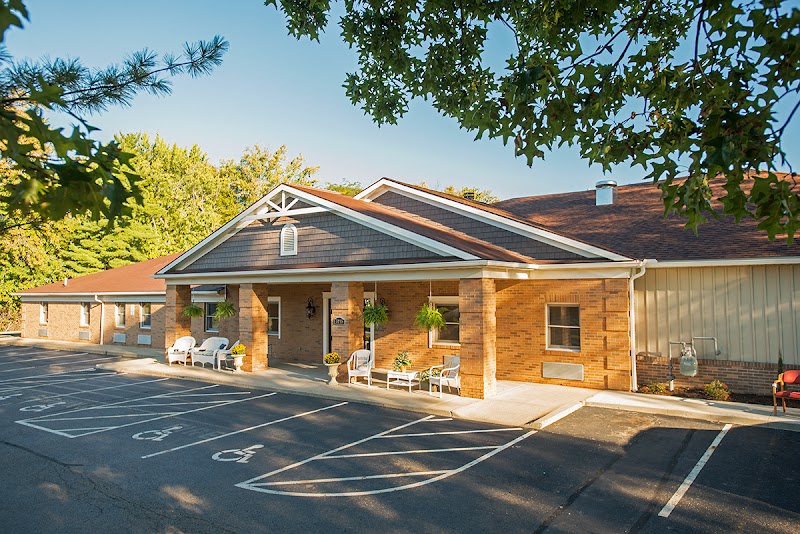
How is The Pines Healthcare Center Staffed?

CMS rates THE PINES HEALTHCARE CENTER's staffing level at 2 out of 5 stars, which is below average compared to other nursing homes. Staff turnover is 41%, compared to the Ohio average of 46%. This relatively stable workforce can support continuity of care.

What Have Inspectors Found at The Pines Healthcare Center?

State health inspectors documented 20 deficiencies at THE PINES HEALTHCARE CENTER during 2020 to 2025. These included: 1 that caused actual resident harm and 19 with potential for harm. Deficiencies causing actual harm indicate documented cases where residents experienced negative health consequences.
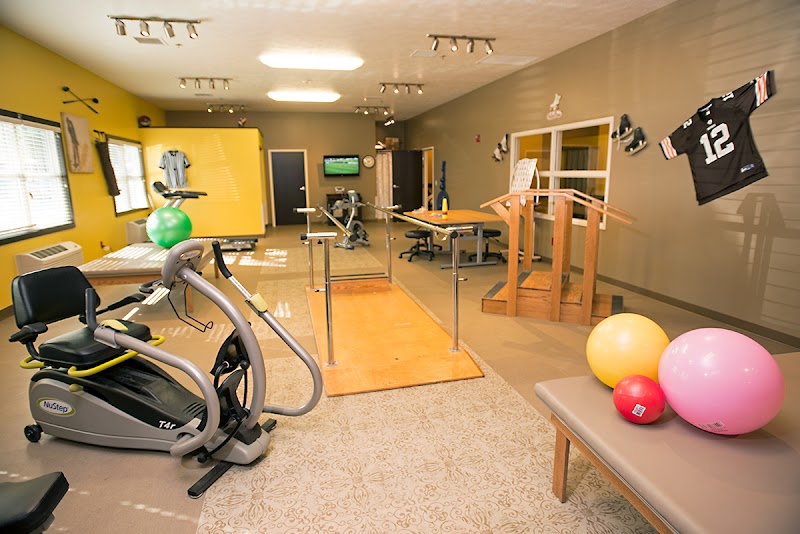
Who Owns and Operates The Pines Healthcare Center?

THE PINES HEALTHCARE CENTER is owned by a for-profit company. For-profit facilities operate as businesses with obligations to shareholders or private owners. The facility is operated by COMMUNICARE HEALTH, a chain that manages multiple nursing homes. With 80 certified beds and approximately 71 residents (about 89% occupancy), it is a smaller facility located in CANTON, Ohio.

How Does The Pines Healthcare Center Compare to Other Ohio Nursing Homes?

Compared to the 100 nursing homes in Ohio, THE PINES HEALTHCARE CENTER's overall rating (5 stars) is above the state average of 3.2, staff turnover (41%) is near the state average of 46%, and health inspection rating (4 stars) is above the national benchmark.

What Should Families Ask When Visiting The Pines Healthcare Center?

Based on this facility's data, families visiting should ask: "Can you walk me through typical staffing levels on day, evening, and night shifts?" "Can I visit during a mealtime to observe dining assistance and food quality?" "How do you handle medical emergencies, and what is your hospital transfer rate?" "Can I speak with family members of current residents about their experience?" These questions are particularly relevant given the below-average staffing rating.

Is The Pines Healthcare Center Safe?

Based on CMS inspection data, THE PINES HEALTHCARE CENTER has a clean safety record: no substantiated abuse findings (meaning no confirmed cases of resident harm), no Immediate Jeopardy citations (the most serious violation level indicating risk of serious injury or death), and is not on the Special Focus Facility watch list (a federal program monitoring the lowest-performing 1% of nursing homes). The facility has a 5-star overall rating and ranks #1 of 100 nursing homes in Ohio. While no facility is perfect, families should still ask about staff-to-resident ratios and recent inspection results during their visit.

Do Nurses at The Pines Healthcare Center Stick Around?

THE PINES HEALTHCARE CENTER has a staff turnover rate of 41%, which is about average for Ohio nursing homes (state average: 46%). Moderate turnover is common in nursing homes, but families should still ask about staff tenure and how the facility maintains care continuity when employees leave.

Was The Pines Healthcare Center Ever Fined?

THE PINES HEALTHCARE CENTER has been fined $24,430 across 2 penalty actions. This is below the Ohio average of $33,323. While any fine indicates a compliance issue, fines under $50,000 are relatively common and typically reflect isolated problems that were subsequently corrected. Families should ask what specific issues led to these fines and confirm they've been resolved.

Is The Pines Healthcare Center on Any Federal Watch List?

THE PINES HEALTHCARE CENTER is not on any federal watch list. The most significant is the Special Focus Facility (SFF) program, which identifies the bottom 1% of nursing homes nationally based on persistent, serious quality problems. Not being on this list means the facility has avoided the pattern of deficiencies that triggers enhanced federal oversight. This is a positive indicator, though families should still review the facility's inspection history directly.