CARROLL HEALTHCARE CENTER INC

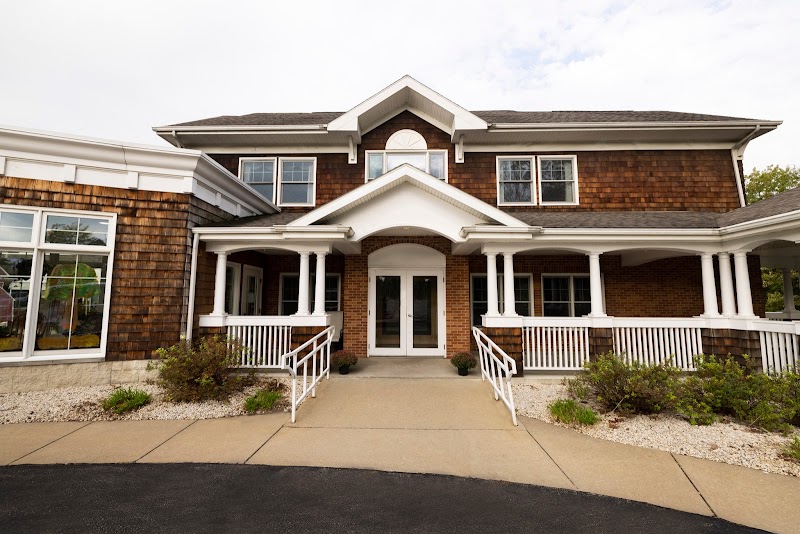
648 LONGHORN STREET, CARROLLTON, OH 44615 (330) 627-5501
For profit - Corporation 52 Beds Independent Data: November 2025
Trust Grade
78/100
#237 of 913 in OH
Last Inspection: May 2025

Inspected within the last 6 months. Data reflects current conditions.

Overview

Carroll Healthcare Center Inc has a Trust Grade of B, indicating it is a good choice for families seeking care, though not without its issues. It ranks #237 out of 913 facilities in Ohio, placing it in the top half of nursing homes in the state, and #2 out of 3 in Carroll County, meaning there is only one local facility rated higher. Unfortunately, the facility is currently worsening, with the number of reported issues increasing from 2 in 2024 to 7 in 2025. Staffing is a strength, with a 4/5 star rating and a turnover rate of just 29%, significantly lower than the state average. On the positive side, there have been no fines, and the facility boasts better RN coverage than 96% of facilities in Ohio, which helps ensure better care. However, specific incidents raise concerns, such as a serious issue where a resident did not receive necessary wound care after surgery, leading to complications. Additionally, there were cleanliness issues in the kitchen and problems with the secure maintenance of resident possessions, indicating areas that need improvement.

Trust Score
B
78/100
In Ohio
#237/913
Top 25%
Safety Record
Moderate
Needs review
Inspections
Getting Worse
2 → 7 violations
Staff Stability
✓ Good
29% annual turnover. Excellent stability, 19 points below Ohio's 48% average. Staff who stay learn residents' needs.
Penalties
✓ Good
No fines on record. Clean compliance history, better than most Ohio facilities.
Skilled Nurses
✓ Good
Each resident gets 65 minutes of Registered Nurse (RN) attention daily — more than 97% of Ohio nursing homes. RNs are the most trained staff who catch health problems before they become serious.
Violations
⚠ Watch
12 deficiencies on record. Higher than average. Multiple issues found across inspections.
★★★★☆
4.0
Overall Rating
★★★★☆
4.0
Staff Levels
★★★☆☆
3.0
Care Quality
★★★★☆
4.0
Inspection Score
Stable
2024: 2 issues
2025: 7 issues

The Good

  • 4-Star Staffing Rating · Above-average nurse staffing levels
  • Low Staff Turnover (29%) · Staff stability means consistent care
  • Full Sprinkler Coverage · Fire safety systems throughout facility
  • No fines on record
  • Staff turnover is low (29%)

    19 points below Ohio average of 48%

Facility shows strength in staffing levels, staff retention, fire safety.

The Bad

No Significant Concerns Identified

This facility shows no red flags. Among Ohio's 100 nursing homes, only 1% achieve this.

The Ugly 12 deficiencies on record

1 actual harm
Sept 2025 2 deficiencies
CONCERN (D) 📢 Someone Reported This

A family member, employee, or ombudsman was alarmed enough to file a formal complaint

Potential for Harm - no one hurt, but risky conditions existed

Deficiency F0557 (Tag F0557)

Could have caused harm · This affected 1 resident

**NOTE- TERMS IN BRACKETS HAVE BEEN EDITED TO PROTECT CONFIDENTIALITY** Based on record review, interview, and review of the facility Quality Assurance plan, the facility failed to ensure resident pos...

Read full inspector narrative →
**NOTE- TERMS IN BRACKETS HAVE BEEN EDITED TO PROTECT CONFIDENTIALITY** Based on record review, interview, and review of the facility Quality Assurance plan, the facility failed to ensure resident possessions were maintained securely and treated with respect. This affected three residents (#41, #42 and #43) of three closed resident records reviewed.Findings Include:Review of the complaint log revealed the facility lockbox was misplaced affecting Resident's #41 and #42. The result stated it was believed facility lock box was thrown away when the office was cleaned. The resident's families were notified. The Police were notified. The residents' families did not state they felt anything was stolen.The facility was asked for an investigation into the missing lockbox. The paperwork provided included a progress note from Resident #41's record. Review of the progress note indicated the resident expired on [DATE] at 8:45 AM. Eyeglasses, wristwatch and a signet ring were sent with the remains at 1:30 PM. On [DATE] at 4:01 P.M. social service spoke with the resident's granddaughter and resident's son-in-law who came to collect personal belongings. On [DATE] at 11:35 A.M. there was a progress note by Registered Nurse (RN) #51. The progress note revealed:This nurse helped clean out the office when a new social service designee started towards the end of May. There was a medium size lockbox in the cabinet. I set it on top of paperwork to be stored in medical records. This week staff went to look for the lock box and it had been misplaced. I did look with the administrator for the missing lockbox and it has not been found as of now. Resident had a wallet placed in the lock box in March because he was leaving it throughout the facility. We did tell the granddaughter last evening that the lock box has been misplaced and she understood. Today the son-in-law stopped wanting the wallet and the administrator expressed to him that we are doing everything we can to find the lockbox. Son-in-law did express there was nothing significant in the wallet maybe a Social Security card but he did not know what was in there. Will continue to look for lock box.Review of the facility investigation revealed Resident #42‘s progress notes were included which indicated on [DATE] at 3:20 P.M. the administrator called son to inform him that the facility lockbox that contained the resident's checkbook had been misplaced when the social service designated office was cleaned out for a new social service designee to come in. Resident's son stated he would call the bank and cancel all checks for the time being until a new checkbook could be ordered. Resident's son informed that facility will reimburse for new checkbook. The investigation included a Police report that was obtained on [DATE] that revealed Resident #41's family notified the police of the missing lock box on [DATE]. The facility did not notify the police of the missing lock box. The police report dated [DATE] at 10:15 A.M. included the Administrator believed the lockbox was accidentally thrown out. The police informed the Administrator the family would like the wallet back because of sentimental value.Review of the investigation revealed Housekeeping Staff #53 had an undated written statement in the paperwork provided. The statement included she threw away office garbage, whatever management asked her to. She did not recall throwing away a lock box or brown box. She took labeled boxes for medical records to the basement. She threw away a wooden desk and old vases. She had spent the last one to two weeks looking for the lock box/brown box.Review of facility documentation revealed there was a Quality Assurance and Performance Improvement (QAPI) plan dated [DATE] that included the previous social service designee did not inform new social service designee there was a lockbox with items in it. The new social service designee did not know there was a lockbox in the office with items inside to keep track of it. Social Service office cleaned out by corporate office. No list/log kept of what was in the lock box. Box had not been used/needed in five months. The action plan was the new lock box was to be bolted down. Computerized log kept of when items go in/out, whose items go in/out, whose items are in there, date of when items go in/out, and who is putting in/taking out the items. Two keys given to social services designee and Administrator. Monthly audits of lockbox to ensure items on log are in lockbox. The QAPI plan did not include a new policy for the handling of resident items to be placed in the facility lockbox. There were no in-services to educate staff on the new process. The QAPI plan did not include verifying what is contained in a wallet or purse with the resident and witness before locking in the lock box. Further, there were no guidelines on completing a thorough investigation. Interview with [DATE] at 3:22 P.M. with RN #51 revealed she started in April (2025) cleaning out a social service office for a new hire. Social Service #52 was going to split her time between two buildings and was leaving the office she used to the new Social Service designee. There was a lot of old paperwork in the office. Registered Nurse #51 was going through the cabinets, drawers, room and removing things. She finished cleaning on the last Tuesday in May ([DATE]). She had housekeeping come and remove the trash and take boxes to medical records. Administration #53 indicated she is the one that put the wallet in the lockbox. She said she did not look in the wallet to see what was in there. She revealed there was a checkbook in the lock box and papers under the check book. She did not know what the papers were. Social Service #52 revealed the papers were legal paperwork that belonged to Resident #43 who passed away and her family did not come to pick them up.Interview on [DATE] at 4:42 P.M. with Housekeeping #53 revealed she wrote the statement that day. She revealed she took a clear tall kitchen trash can size bag out. She said she could see through it and did not notice a metal box. She also took the bathroom trash out, and a wooden desk. She said she was handed two vases that she saved in a closet in case a resident would need them. She took about 10 boxes with lids to medical records. Interview on [DATE] at 5:12 P.M. with RN #51 revealed the last day she was cleaning the office she found the lock box in the back of a cabinet. She asked other staff that were in the office what the box was and they said it was a lock box for resident items. She placed the lockbox in a box of medical records that was filled almost to the top on one side. She doesn't recall taking the lockbox out of the medical record box. She doesn't recall moving it or putting a lid on the medical record box that contained the metal box. She verified she looked through the boxes in medical records. On [DATE] at 5:12 P.M. during interview, the Administrator verified there were no witness statements obtained from other staff that were in the office when the lock box was found or from housekeeping until the facility was asked for an investigation. The police were not called by the facility but by a family. The facility did not obtain the police report until asked for the investigation. The Administrator verified there were no statements from all staff that were in the office. The Administrator verified there was no evidence of the lock box being thrown away. The Administrator verified the facility lost items belonging to three residents that were to be safeguarded by the facility in a lock box.This deficiency represents non-compliance investigated under Master Complaint Number 2594375.
CONCERN (D) 📢 Someone Reported This

A family member, employee, or ombudsman was alarmed enough to file a formal complaint

Potential for Harm - no one hurt, but risky conditions existed

Infection Control (Tag F0880)

Could have caused harm · This affected 1 resident

Based on observation, interview and policy review, the facility failed to ensure infection control protocols were maintained when performing incontinence care. This affected one resident (#28) of one ...

Read full inspector narrative →
Based on observation, interview and policy review, the facility failed to ensure infection control protocols were maintained when performing incontinence care. This affected one resident (#28) of one resident observed for incontinence care The facility identified nine always incontinent residents.Findings Include:Observation on 09/10/25 at 11:02 A.M. of incontinence care for Resident #28 with Certified Nurse Aide (CNA) #50 revealed the CNA washed her hands, and put a barrier on the overbed table. The CNA placed a basin of warm water on the table with towels, washcloths, shampoo and body wash, barrier cream and plastic trash bags. The CNA provided privacy with the use of a bath blanket to cover the resident's pelvic area. The CNA released the incontinence brief, soaked a washcloth with water and applied a body wash. The CNA cleansed the resident from front to back appropriately, changing areas on the washcloth with each wipe and repeated the process with rinse water. The CNA dried the resident with a towel and the resident rolled to her right side and the process was repeated using the professionally accepted standard technique. Once completed, the CNA applied barrier cream, rolled the resident on to her back and fastened her clean incontinence brief. The CNA then pulled the resident's covers up to her chest, handed her the television remote control and used the bed control to lower the bed to the lowest level and elevate the bed all before removing the gloves which she had provided incontinence care with to the resident.Review of the undated facility policy for Incontinence/Perennial care included to rinse the area with warm water, pat dry, apply a small amount of lotion or prescribed ointment. Remove gloves and wash hands then return resident to clean, comfortable position. Clean the resident unit, provide clean linen as needed and return items to the appropriate place. At 11:18 AM interview with CNA #50 verified she did not remove her gloves after providing incontinence care before touching the resident's bed covers television remote control, and bed control. This deficiency represents an incidental finding of non-compliance investigated under Complaint Number 2564038.
May 2025 4 deficiencies
CONCERN (D)

Potential for Harm - no one hurt, but risky conditions existed

Quality of Care (Tag F0684)

Could have caused harm · This affected 1 resident

**NOTE- TERMS IN BRACKETS HAVE BEEN EDITED TO PROTECT CONFIDENTIALITY** Based on record review, interview, and policy review, the facility failed to ensure a resident received a clear, liquid diet, as...

Read full inspector narrative →
**NOTE- TERMS IN BRACKETS HAVE BEEN EDITED TO PROTECT CONFIDENTIALITY** Based on record review, interview, and policy review, the facility failed to ensure a resident received a clear, liquid diet, as ordered by the physician, prior to a scheduled colonoscopy (a medical procedure used to examine the rectum and colon for abnormalities). This affected one resident (#44) of two residents reviewed for discharge. The facility census was 40. Findings include: Review of the closed medical record revealed Resident #44 was admitted to the facility on [DATE] with diagnoses including malignant neoplasm of sigmoid colon, dementia, weakness, and diabetes mellitus. The resident was discharged on 03/24/25 after leaving the facility against medical advice (AMA). Review of the admission Minimum Data Set (MDS) 3.0 assessment, dated 02/18/24, revealed Resident #44 had moderately impaired cognition. The resident required set-up staff assistance for eating. Review of a physician order, dated 03/11/25, revealed the order for a clear liquid diet only on 03/24/25 for colonoscopy scheduled on 03/25/25. Review of nursing progress note, dated 03/24/25 at 9:30 A.M., revealed a message was left for the physician regarding Resident #44 to be on a clear liquid diet on this date, however, resident had three bites of a breakfast sandwich at 7:30 A.M., 24 hours prior to colonoscopy. Asking if colonoscopy should be rescheduled or if this will be okay due to it being 24 hours prior to colonoscopy. Awaiting a return call. Review of nursing progress note, dated 03/24/25 at 10:09 A.M., revealed Resident #44's daughter stated she had spoken with the surgeon, and he said the colonoscopy could not be done due to the resident eating bites of a sandwich. This nurse notified the nurse practitioner that the resident's daughter was taking her home against medical advice (AMA). The resident and daughter refused to sign any discharge paperwork. Interview on 05/06/25 at 11:56 A.M. with the Director of Nursing (DON) revealed an activities aide gave Resident #44 a sandwich in the dining room after she requested food. The DON stated the activities aide should have made sure the resident was allowed food prior to giving her any. The DON stated following the incident, the dietary staff were educated on the policy and procedures that are needed when there is a dietary order in place for clear liquids. If a staff member asks for a resident to have food or drink, they should immediately call a member of the administrative nursing staff to ensure that an order is still in place or has it changed. Review of the facility's policy titled, Clear Liquid and Full Liquid Diet Supplies, undated, revealed individuals will be provided with a liquid diet when needed. A physician order is required.
CONCERN (D)

Potential for Harm - no one hurt, but risky conditions existed

Deficiency F0692 (Tag F0692)

Could have caused harm · This affected 1 resident

**NOTE- TERMS IN BRACKETS HAVE BEEN EDITED TO PROTECT CONFIDENTIALITY** Based on review of the medical record and interview with staff the facility failed to ensure new nutritional interventions were ...

Read full inspector narrative →
**NOTE- TERMS IN BRACKETS HAVE BEEN EDITED TO PROTECT CONFIDENTIALITY** Based on review of the medical record and interview with staff the facility failed to ensure new nutritional interventions were attempted for a resident with altered nutrition. This affected one resident (#5) of two reviewed for nutrition. Findings included: Review of the medical record revealed Resident #5 was admitted to the facility on [DATE]. Diagnoses included major depressive disorder, dementia, Alzheimer's disease, pre-glaucoma, macular degeneration, cystic mastopathy of the breast, hyperlipidemia, and intermittent explosive disorder. Review of the plan of care dated 07/04/24 revealed Resident #5 had a potential risk for altered nutrition related to declining meals, makes meal selections meal to meal, snack requests and purchases with poor dietary lifestyle, counsel possibly related to irreversible cognitive deficit that denies educational reward or benefits given her inability to comprehend, process and retain information, history of food group refusals and can be easily agitated with attempts to discuss weight and nutrition, history of dementia, Alzheimer's disease, diabetes, anemias, declines to be weighed at times, declines medications, declines meals and menu service yet will submit order on her terms and get food from out of the facility deliveries and snack shop. Her usual body weight was 143 to 152 pounds. She fluctuates loss with rebounding gains which have kept her stable despite intakes recorded a choice of dietary lifestyle. Interventions included diet, education, gentle reminders, denture adhesive strips for her lower dentures, encourage adequate oral intake, educate and encourage need for nutritional supplement, encourage oral intake at meals, cater to known preferences at meals and snacks to promote consumption at the resident's level of ability and choice, food and fluid preferences updated and on tray card as needed, honor food preferences and dietary lifestyles of her choosing, medical nutritional therapy orders, monitor acceptance of diet order, monitor weight loss and gain every month, notify the physician of changes as needed, observe and document daily meal intakes, and offer substitutions. Review of the Nutritional Note dated 01/09/25 revealed Resident #5 did show a loss trend which was unplanned but was not a significant change. Resident #5 had a bout of illness with suboptimal intakes but was rebounding. Review of the February 2025 Meal Intake documentation revealed Resident #5 ate 76 to 100 percent of all meals with two refusals. Review of the March 2025 Meal Intake documentation revealed Resident #5 ate 76 to 100 percent of all meals with two refusals. Review of the April 2025 Meal Intakes documentation revealed Resident #5 ate 76 to 100 percent of all meals with five refusals. Review of the nutritional assessment dated [DATE] revealed the current body weight for Resident #5 was 132 pounds for a loss of three percent in three months and seven percent in six months. Summary included the dietitian would monitor as needed her nutrient intake, skin condition and laboratory results. Her oral intake was 88 percent. Review of the Quarterly Minimum Data Set, dated [DATE] revealed Resident #5 had intact cognition with behaviors. Resident #5 was independent with eating and weighed 132 pounds with no loss or gain of weight. Review of the Nutritional Note dated 04/17/25 at 2:28 P.M. revealed Resident #5 was on a regular diet with an oral intake of 88 percent, current body weight was 132 with her ideal body weight being 110, and body mass index was 22.6. She was down a negative 7.04 percent in six months. Review of the weights in the medical record revealed Resident #5 weighed 142.2 pounds on 11/02/24, 140 pounds on 12/04/24, 135.8 pounds on 01/01/25, 132.2 pounds on 02/02/25, 132.4 pounds on 03/02/25, 132.4 pounds on 04/02/25 and 129.6 pounds on 05/05/25 for a weight loss of negative 8.9 percent in six months with no new nutritional intervention in place. Review of the May 2025 physicians' orders revealed Resident #5 had a regular diet and the staff were to encourage fluids dated 04/25/25. However, she had no new nutritional interventions in place. On 05/07/25 at 2:10 P.M. an interview with Dietitian #215 revealed she came to the facility every Thursday. She stated she received resident weights from the electronic record. She stated the computer will trigger a warning if someone was a weight loss of more than three percent. She stated the weight for Resident #5 cycles up and down. She stated she did not have any clinical reason to have concerns with the resident's weight loss. She verified Resident #5 had lost weight from 140.0 on 12/04/24 to 132.2 on 02/02/25 with no new nutritional interventions put into place. She stated Resident #5 had a history of her weight going up and down so she did not feel there was a need for an intervention. She stated Resident #5's weight was stable from 02/02/25 through 04/02/25. She stated Resident #5 refused meals and snacks however she verified she documented the resident ate 88 percent of her meals which was good. She stated she received food from outside the facility, and she would buy snacks from the activity department. She stated she had spoken to the dietary staff, and they attempt to cater to the resident's wants and what she wants to eat. She stated she has been following Resident #5 for years and she was unique case, and she may have gotten lackadaisical with her documentation. She verified that 129 pounds was the lowest weight Resident #5 had been, but she was also up walking around more.
CONCERN (D)

Potential for Harm - no one hurt, but risky conditions existed

Infection Control (Tag F0880)

Could have caused harm · This affected 1 resident

Based on observations, medical record review, policy review and staff interview the facility failed to ensure infection control protocols were implemented when a urinary drainage collection device was...

Read full inspector narrative →
Based on observations, medical record review, policy review and staff interview the facility failed to ensure infection control protocols were implemented when a urinary drainage collection device was kept off the floor. This affected one resident (#98) of one residents reviewed for indwelling urinary catheter use. Findings include: Observations on 05/05/25 at 11:50 A.M. revealed Resident #98 sitting in a wheelchair in his room, a urinary collection bag was observed attached underneath the wheelchair and was touching the floor. Additional observation on 05/06/25 at 8:21 A.M. and again at 10:19 A.M. again revealed the resident sitting in a wheelchair with the urinary collection bag under the wheelchair and touching the floor. Review of Resident #98's medical record revealed an admission date of 05/04/25 with diagnoses that included urinary retention, flaccid neuropathic bladder, obstructive and reflux uropathy and benign prostate hypertrophy. Review of physician's orders revealed on 05/05/25 revealed the use of a indwelling urinary catheter to continuous gravity due to urinary obstruction. Review of the facility policy Catheter Care, Urinary revised September 2014 indicated to keep catheter tubing and drainage bag off the floor. On 05/06/25 at 10:28 A.M. interview with Certified Nurse Aide (CNA) #211 verified the urinary collection bag was touching the floor and should be kept off of the floor.
CONCERN (D)

Potential for Harm - no one hurt, but risky conditions existed

Antibiotic Stewardship (Tag F0881)

Could have caused harm · This affected 1 resident

Based on medical record review, hospital record review, policy review and staff interview the facility failed to ensure appropriate indications for use of an antibiotic for Resident #101. This affecte...

Read full inspector narrative →
Based on medical record review, hospital record review, policy review and staff interview the facility failed to ensure appropriate indications for use of an antibiotic for Resident #101. This affected one resident (#101) of six residents reviewed for antibiotic use. Findings include: Review of Resident #101's medical record revealed an admission date of 04/27/25 with diagnoses that included fall with left tibia fracture, diabetes mellitus, congestive heart failure and atrial fibrillation. Further review of the medical record including an admission minimum data set (MDS) 3.0 assessment with a reference date of 05/03/25 revealed the resident had an independent and intact cognition level. Additional review of the medical record including physician's orders revealed on 04/29/25 cefdinir (antibiotic) 300 milligrams (mg) twice daily was initiated due to leukocytosis (elevated white blood cell level). Additionally, on 05/01/25 the resident was prescribed cipro 250 mg twice daily for a urinary tract infection. The cefdinir was discontinued when started on cipro. Review of the Certified Nurse Practitioner (CNP) #266 evaluation on 04/29/25 revealed an evaluation for an elevated white blood cell level of 14.1 k/uL (kilo per microliter) from admission bloodwork. No evidence of any signs or symptoms of infection were reported by Resident #101. CNP #266 initiated the use of cefdinir 300 mg twice daily and ordered a urinalysis with culture and sensitivity to be obtained. Review of the hospital admission information for Resident #101 revealed white blood cell levels of 13.4 k/uL on 04/26/25 and 14.9 k/uL on 04/25/25. Review of the urinalysis with culture and sensitivity results obtained on 05/01/25 revealed a positive urine culture of Enterobacter cloacae complex >100,000 colony-forming units per milliliter (cfu/ml). Review of the infection screening evaluation completed on 04/30/25 revealed no evidence of any signs or symptoms of fever, pain, confusion or other symptoms of active infection. The infection screening evaluation did not indicate if met or did not meet criteria for use of an antibiotic. There was no evidence of an infection screening evaluation completed for the use of cipro on 05/02/25. On 05/07/25 at 2:30 P.M. interview with the Director of Nursing and Registered Nurse (RN) #224 verified Resident #101 did not meet criteria for use of antibiotics prescribed on 04/29/25 and 05/01/25. Review of the facility policy Antibiotic Stewardship - Orders for Antibiotics revised December 2016 indicated antibiotics will be prescribed and administered to residents under the guidance of the facility's Antibiotic Stewardship Program and in conjunction with the facility's general policy for Medication Utilization and Prescribing. Appropriate indications for use of antibiotics include: criteria met for clinical definition of active infection or suspected sepsis; and pathogen susceptibility, based on culture and sensitivity, to antimicrobial.
Jan 2025 1 deficiency 1 Harm
SERIOUS (G) 📢 Someone Reported This

A family member, employee, or ombudsman was alarmed enough to file a formal complaint

Actual Harm - a resident was hurt due to facility failures

Quality of Care (Tag F0684)

A resident was harmed · This affected 1 resident

**NOTE- TERMS IN BRACKETS HAVE BEEN EDITED TO PROTECT CONFIDENTIALITY** Based on observation, record review, review of physician office visit notes and hospital records and interview, the facility fai...

Read full inspector narrative →
**NOTE- TERMS IN BRACKETS HAVE BEEN EDITED TO PROTECT CONFIDENTIALITY** Based on observation, record review, review of physician office visit notes and hospital records and interview, the facility failed to ensure Resident #24, who had an unstable burst fracture of the first lumbar vertebrae with spinal fusion on 10/18/24 and was admitted to the facility for post-operative care and therapy was provided timely, adequate and necessary wound care monitoring and treatment and antibiotic treatment as ordered by the resident's surgeon/physician for management of a surgical wound, to promote optimal healing and to prevent complications post-operatively. Actual harm occurred on 11/17/24 when Resident #24 was discharged home without evidence the surgical wound to his back was stable and without sign of infection and that wound care had been provided as ordered. On 11/18/24 the resident was seen by Surgeon #300 for an outpatient post operative wound care appointment. At the time of this visit, Surgeon #300 identified the wound had developed extensive dehiscence (splitting or bursting open of a wound) and superficial infection. The resident was immediately transferred and admitted to the hospital from the surgeon's office and had surgery (incision and drainage procedure) to the infected post-operative wound on 11/19/24. This affected one resident (#24) of three residents reviewed. Findings include: Review of the closed medical record for Resident #24 revealed the resident was admitted to the facility on [DATE] with diagnoses including unstable burst fracture of the first lumber vertebrae with spinal fusion, history of falls, diabetes, cerebral infarction, hypertension, and chronic kidney disease. The resident was discharged from the facility to his home on [DATE]. Review of the admission assessment dated [DATE] revealed Resident #24 was admitted with an upper mid vertebrae surgical incision. An admission Skin assessment dated [DATE] revealed Resident #24 had a spinal incision measuring 17.6 centimeters (cm) in length by 1.0 cm in width with no evidence of infection. The wound had sanguineous/bloody drainage, and the edges were attached. Review of the admission physician's orders revealed Resident #24 had an order (dated 10/24/24) to cleanse the surgical incision to the back with normal saline, apply a clean, dry dressing twice daily and as needed for soiling. Review of surgical visit documentation for Resident #24, dated 10/29/24 (a scheduled follow-up appointment), revealed a handwritten note on the paper indicating an antibiotic (Keflex) had been prescribed by the doctor for wound care/management. Resident #24 had a follow up appointment scheduled 11/07/24. Review of the physician's order dated 10/30/24 revealed an order for Keflex 500 milligrams (mg) twice daily for surgical incision for 10 days. Review of the October and November 2024 Medication Administration Record (MAR) revealed Keflex 500 mg twice daily for 10 days was started at bedtime on 10/30/24 for Resident #24 and was completed on 11/09/24. Review of the admission Minimum Data Set assessment dated [DATE] revealed Resident #24 had intact cognition and had a surgical wound. He had lower extremity impairment on one side, and he was dependent on staff for bed mobility, personal hygiene, dressing, bathing, and toileting. The resident was receiving antibiotic therapy. Review of the Skin assessment dated [DATE] revealed Resident #24 had a spinal incision measuring 15.1 cm in length by 0.9 cm in width with no evidence of infection. The wound had a moderate amount of sanguineous/bloody drainage, the edges were attached, and there was no swelling. The wound nurse would follow weekly until healed. Resident# #24 had a follow up appointment with Surgeon #300 (10/29/24) and was ordered Keflex 500 mg twice daily through 11/09/24 with a follow-up appointment scheduled for 11/07/24. Review of an Infection Screening form dated 10/30/24 revealed Resident #24 had new skin wound characteristics, increased swelling, pus, serous drainage and he met Loeb's and McGeer's Criteria (criteria used to determine if antibiotic treatment is appropriate for the infection indicated) for treatment of the surgical wound. This assessment was completed by Registered Nurse (RN) #360 Review of a progress note dated 10/31/24 at 10:33 A.M. revealed Resident #24 was on Keflex 500 mg twice daily for 10 days for surgical site infection. Review of a progress note dated 11/04/24 at 10:57 A. M. revealed the Nurse Practitioner was in to visit Resident #24 and had no new orders. Review of the Skin assessment dated [DATE] revealed Resident #24 had a spinal incision measuring 16.5 cm in length by 0.8 cm in width with no evidence of infection. The wound had a light amount of sanguineous/bloody drainage, and the edges were attached. Observation of a facility photograph of Resident #24's wound dated 11/06/24 revealed a wound with approximated edges except for one area, approximately ¼ of the way down on the incision that was not closed, and the area was approximately one inch in length. Review of a surgical visit note from Surgeon #300's office dated 11/07/24 revealed the resident was to receive Keflex 500 mg twice a day for 10 days and the medication would be sent via mail. The resident had a follow-up appointment scheduled for 11/18/24. Further review of the medical record revealed no evidence the surgeon was contacted for clarification regarding the Keflex order documented on the surgical visit note provided to the facility following the appointment on 11/07/24. There was no follow-up regarding if this Keflex was in addition to the current round he was receiving, why the antibiotic was ordered or why the prescription would be arriving via mail. Review of the plan of care dated 11/07/24 revealed Resident #24 had an unstable burst fracture of the first lumbar. Interventions included treatment to back incision as per order, observe dressing as indicated, observe and document observation of surgical site with dressing changes, monitor for signs and symptoms of infection; redness, drainage, warm to touch, increased pain at site and fever. Review of the physician's order dated 11/13/24 revealed Resident #24 had an order for Keflex 500 mg twice daily for prophylaxis and possible incision infection. Further review of the medical record revealed no documentation as to why the Keflex was implemented on 11/13/24. Review of the November 2024 Medication Administration Record revealed Resident #24 was administered Keflex 500 mg from 11/13/24 to 11/17/24 (discharge) twice daily for prophylaxis and possible infection. Review of the skin assessment dated [DATE] revealed the back incision for Resident #24 measured 14.4 cm in length by 0.7 cm in width by undetermined depth. The assessment included there was no evidence of infection and light sanguineous/bloody drainage with no odor was noted. Observation of a facility wound photograph taken 11/13/24 revealed the surgical area had scattered opens area in the wound with yellow, crust-like areas noted. Review of Physician #355's Discharge Note dated 11/14/24 revealed the resident was admitted to the facility on [DATE] from the hospital. Skilled diagnosis was lumbar fracture status post spinal fusion. Surgical incision to back, dressing in place and treatment orders. The note revealed the resident continued on antibiotics per orthopedics. Reports good pain control. Insurance has issued last covered day of 11/16/24 and the resident will be discharged home on [DATE]. Oriented times three (person, place and time) and insight appropriate. The resident would be discharging home this weekend and would be following up with his spine surgeon as well. Review of the Treatment Administration Record (TAR) revealed on the morning of 11/15/24, Licensed Practical Nurse (LPN) #367 documented Resident #24 refused his dressing change. Staff had signed off the TAR indicating wound care completed as ordered on the evening of 11/15/24 and morning and evening of 11/16/24. Resident #24 discharged home on the morning of 11/17/24 prior to wound care being completed. Review of the medical record on 11/17/24 at 11:00 A.M. revealed Resident #24 was given discharge instructions and orders. The resident was made aware of follow-up appointments. The resident's wife signed the discharge papers and gathered the resident's personal belonging and medications. Review of information provided by Surgeon #300's office as part of the State agency investigation revealed Resident #24 had presented to the surgeon's office on 11/18/24 for a post operative appointment following a thoracic fusion on 10/18/24. On 11/07/24 the resident had been seen in the office and Surgeon #300 had ordered Keflex due to the incisional area appearing to be starting an infection. However, the office was never updated with the appropriate pharmacy and the medication prescription was sent to the wrong pharmacy and the resident was unable to start the medication. The facility never prescribed the medication and never contacted the office. On 11/18/24 when the resident's dressing was removed from Resident #24's (incision) the dressing was soiled with green purulent fluid with an odor. The dressing that was removed was dated 11/15/24 with the initials for LPN #367. The wound was dehisced and infected. Resident #24 was a direct admit to the hospital with an additional procedure scheduled for the next day. Review of the hospital progress note from Surgeon #300 dated 11/18/24 at 12:58 P.M. revealed Resident #24 was in his office for a follow up appointment. The resident was having moderate pain at the incision site. Management options and their respective risks and benefits were discussed with Resident #24. The hospital note revealed the resident never received his second round of antibiotics (as ordered) and the information was never communicated with his office. Resident #24 now had extensive dehiscence and a superficial infection. Resident #24 would be admitted and scheduled for surgical incision and drainage (I&D) the next day. Review of the hospital surgery note dated 11/19/24 revealed the resident's old incision was opened and immediately purulent discharge was observed in the subcutaneous area. Specimens were obtained for culture. The entire incision was exposed and washed with saline to remove any debris and old sutures. One gram of powdered Vancomycin (antibiotic) was used, and a drain was placed in the wound. Review of the wound culture dated 11/22/24 revealed the wound of Resident #24 had a candida tropicalis (yeast infection) and polymorphonuclear leukocytes (white blood cells). On 12/26/24 at 12:45 P.M. an interview with the Director of Nursing (DON) revealed Resident #24 went to the surgeon on 10/29/24 and received an order for Keflex 500 mg twice daily which was administered from 10/30/24 through 11/09/24. She stated when he went to the surgeon on 11/07/24, the surgeon ordered Keflex 500 mg twice daily for 10 days again but stated the resident was already on the antibiotic. The DON revealed on 11/13/24 Resident #24's significant other brought in a bottle of Keflex stating the surgeon called it in to the pharmacy on 11/07/24 so the DON revealed the facility started the antibiotic again on 11/13/24. The DON stated she did not know if anyone from the facility had reached out to the surgeon on 11/07/24 to let him know the resident was already on the antibiotic or to clarify the order from the visit on 11/07/24. A subsequent interview on 12/26/24 at 1:57 P.M. confirmed there was no documentation or evidence in the medical record Surgeon #300 was contacted to clarify the Keflex order from 11/07/24. On 12/26/24 at 2:25 P.M. an interview with Licensed Practical Nurse (LPN) #302 revealed she was the nurse who went over the discharge instruction with Resident #24 and his significant other on 11/17/24. The LPN revealed she did not know Resident #24 was going home that day until his significant other came to the facility and stated she was taking him home. The LPN revealed she had to hurry up, get all his stuff together, and fill out the discharge paperwork. She stated she went over everything with them both and went over his wound treatments. She stated she did not look at his wound or show them how to clean the wound at the time of discharge. She also stated she did not send any supplies home with them for wound care. On 12/26/24 at 4:26 P.M. an interview with Family Member #400 revealed the facility had sent paperwork with her for Resident #24 for both his follow-up appointments. She stated she brought paperwork back and gave it to the facility both times. Family Member #400 revealed when they went to surgeon's office on 11/18/24 the dressing to Resident #24's back was dated 11/15/24 with the initials for LPN #367. The resident had four steri-strips on his wound that were not there before, and she did not know when they were applied. She stated the nurse from the surgeon's office took a picture and the surgeon was upset the facility had not called him about how bad his wound looked. On 12/26/24 at 4:30 P.M. an interview with Resident #24 revealed concerns that facility staff did not change his dressing every day like they were supposed to, but he stated he could not remember what specific days the dressing had not been changed during his stay in the facility. On 12/30/24 11:14 A.M. RN #360 revealed she never observed Resident #24's surgical wound during the resident's stay in the facility and used hospital documentation to assess if the resident met criteria for antibiotic treatment. She stated she did not review the facility's skin assessment because it had not been completed for 11/13/24. On 01/02/25 at 9:50 A.M. telephone interview with the DON revealed that Surgeon #300's office did call the facility on 11/18/24 but the DON was not working, and Medical Records staff took the call. Medical Records staff then reported to the DON the surgeon's office was concerned because Resident #24's dressing had not been changed and the wound was dehisced. The DON stated she had not called the surgeon's office back, and they called her again on 11/19/24 or 11/20/24, she was unable to remember which date, and the surgeon's office reported the same concerns to her. The DON stated staff had updated the resident's primary care provider (PCP) on the resident's wound (however, this was not documented in the medical record). During the interview, the DON verified the facility was responsible to reach out to the prescriber if there was any confusion with an order. The DON stated the nursing staff were to monitor the condition of wounds and any increase in drainage, they would let the wound nurse know and the wound nurse would follow weekly. Lastly, the DON verified LPN #302 did not provide the resident and family education regarding wound care prior to discharge. Attempts to interview/contact RN #310 and LPN #311 during the complaint investigation were unsuccessful as neither nurse was available or returned phone calls to the surveyor. Review of the facility policy titled Dressings, Dry/Clean with a revision date of 03/26/21 indicated to verify that there was a physician's order for this procedure and to apply the ordered dressing and secure with tape or bordered dressing per order. Label with date and initial to the top of dressing. This deficiency represents non-compliance investigated under Complaint Number OH00160077 and Complaint Number OH00160049.
Jul 2024 2 deficiencies
CONCERN (D) 📢 Someone Reported This

A family member, employee, or ombudsman was alarmed enough to file a formal complaint

Potential for Harm - no one hurt, but risky conditions existed

Notification of Changes (Tag F0580)

Could have caused harm · This affected 1 resident

**NOTE- TERMS IN BRACKETS HAVE BEEN EDITED TO PROTECT CONFIDENTIALITY** Based on medical record review and interview, the facility failed to ensure timely notification of a physician regarding a resid...

Read full inspector narrative →
**NOTE- TERMS IN BRACKETS HAVE BEEN EDITED TO PROTECT CONFIDENTIALITY** Based on medical record review and interview, the facility failed to ensure timely notification of a physician regarding a resident's change in condition. This affected one resident (#42) of three residents reviewed for change in condition. Findings include: Review of Resident #42's closed medical record revealed diagnoses including right hip fracture, type two diabetes mellitus, protein calorie malnutrition, anxiety disorder, adjustment disorder, and hypertension. Resident #42 was hospitalized from [DATE] to [DATE] after sustaining a fall and broken hip. A nursing note dated [DATE] at 5:30 A.M. indicated Resident #42's respiratory rate was 48 at 2:00 A.M. Blood pressure recording was 115/56, heart rate was 82 and oxygen saturation level was 92%. The On Call service was notified but no return phone call was received. At 3:30 A.M., Resident #42's respiratory rate was 44 and her oxygen saturation was 91%. The On Call service was contacted again but never returned a call. A nursing note dated [DATE] at 8:04 A.M. indicated Resident #42 expired at 6:26 A.M. A nursing note dated [DATE] at 8:57 A.M. indicated at 2:00 A.M. a state tested nursing assistant reported Resident #42 was breathing really fast. Vital signs were obtained. Another nurse also checked Resident #42. Oxygen was increased from two liters to 3.5 liters. The note indicated the family did not want Resident #42 sent out to the hospital. At 2:15 A.M. the head of the bed was elevated higher. Resident #42's respiratory rate was 44 and her oxygen saturation was 92%. At 2:30 A.M., Resident #42 was repositioned. Respiratory rate and oxygen saturation remained the same. At 2:45 A.M., Resident #42's respiratory rate was 44 but her oxygen saturation was 93%. At 3:00 A.M., the respiratory rate was 44, oxygen saturation was 91% and resident #42 was repositioned and a cool cloth was applied to the forehead. At 3:15 A.M., Resident #42's respiratory rate was 42 and oxygen saturation was 92%. At 3:30 A.M., the respiratory rate remained 42 and the On call services was notified again. At 4:00 A.M., Resident #42's respiratory rate was 44 and oxygen saturation was 91%. At 5:00 A.M., Resident #42 was repositioned. Respiratory rate remained 42 and oxygen saturation was 91%. At 6:20 A.M., Resident #42 was absent of vital signs with a second nurse verifying. Time of death was listed as 6:26 A.M. The family and physician were notified. On [DATE] at 12:17 P.M., during interview the Director of Nursing (DON) verified on [DATE] the nurses were unable to get the On Call physician service to respond to their phone calls related to Resident #42's change in condition. The DON stated the nurse could have phoned her and she could have attempted to contact the physician. However, nurses did not notify her of the failure of the On Call services physician to return calls. The DON indicated when she spoke to the physician he let the On Call services company know it was not acceptable for nurses phone calls not to be responded to. The DON reiterated the family did not want Resident #42 sent to the hospital. Review of the facility's Change in a Resident's Condition or Status policy (revised [DATE]) revealed the nurse would notify the resident's attending physician or physician on call when there had been a significant change in a resident's physical condition and there was a need to alter the resident's medical treatment significantly. Review of the facility's Emergency and/or Alternative Physician Care policy (revised [DATE]) revealed should an emergency arise and the resident's attending physician was not available, the emergency on-call must be contacted. Back up coverage may be provided by another licensed physician or physician group or an appropriately licensed and supervised mid-level practitioner, consistent with state regulations. Staff were to use appropriate procedures to contact physicians, depending on arrangements and the urgency of a situation. If a physician and his/her back up coverage did not respond in a timely or appropriate manner to facility notification of medical issues, the nursing staff were to contact the medical director for assistance. This deficiency represents non-compliance investigated under Complaint Number OH00155390.
CONCERN (D) 📢 Someone Reported This

A family member, employee, or ombudsman was alarmed enough to file a formal complaint

Potential for Harm - no one hurt, but risky conditions existed

Deficiency F0602 (Tag F0602)

Could have caused harm · This affected 1 resident

**NOTE- TERMS IN BRACKETS HAVE BEEN EDITED TO PROTECT CONFIDENTIALITY** THE FOLLOWING DEFICIENCY REPRESENTS AN INCIDENT OF PAST NONCOMPLIANCE THAT WAS SUBSEQUENTLY CORRECTED PRIOR TO THIS SURVEY. Base...

Read full inspector narrative →
**NOTE- TERMS IN BRACKETS HAVE BEEN EDITED TO PROTECT CONFIDENTIALITY** THE FOLLOWING DEFICIENCY REPRESENTS AN INCIDENT OF PAST NONCOMPLIANCE THAT WAS SUBSEQUENTLY CORRECTED PRIOR TO THIS SURVEY. Based on medical record review, review of facility-reported incident (FRI) including investigation, observations, staff and resident interviews and review of policies, the facility failed to ensure a resident's narcotic pain medication was not misappropriated. This affected one resident (#4) of one resident reviewed related to a FRI. Findings include: Review of Resident #4's medical record revealed diagnoses included diabetes mellitus and chronic pain syndrome. An order with a start date of 12/25/23 was written for percocet (narcotic pain medication) 10/325 milligrams (mg) every six hours as needed for pain. The January 2024 Medication Administration Record (MAR) revealed Resident #4 was interviewed regarding pain every shift. The January 2024 MAR indicated the percocet was administered 14 times between 01/01/24 and 01/25/24. The morning of 01/26/24 a pain severity level of four on a scale of 0-10 was recorded. The MAR indicated percocet 10/325 milligrams was administered on 01/26/24 at 7:23 A.M. Review of facility FRI #243501 dated 01/26/24 revealed an allegation of misappropriation of Resident #4's narcotics by Licensed Practical Nurse (LPN) #150. The allegation was made by the Director of Nursing (DON) and Unit Manager #120. The report indicated there was a possible documentation discrepancy that was inconsistent with standard nursing practice. Review of witness statements obtained during the facility's investigation revealed Registered Nurse (RN #115) wrote he worked 01/24/24 from 6:00 A.M. to 6:00 P.M. When RN #115 administered percocet to Resident #4 at 6:45 A.M. there were more tablets remaining and the card was placed back into the medication cart. A witness statement with an illegible signature indicated the nurse worked the night of 01/25/24 and she noticed a change in the narcotic count from the day before but she did not take any cards/sheets out of the cart or the narcotic count book. When she flipped the sheet over there were several lines where LPN #150 had signed in and out several narcotic sheets. Some of the entries had the signature of another nurse who verified the information but one entry for Resident #4's percocet had a scribbly initial that was illegible. The statement indicated the nurse did not think much of it because of the second signature. The nurse indicated she did not witness removal of an narcotic sheets with LPN #150. RN #110 indicated she reported to work on 01/26/24 and did narcotic count with LPN #150 who then returned to south wing. RN #110 indicates she was questioned about the narcotic count sheet as it was missing but she reported it had been in the book when she and LPN #150 reconciled narcotics (The sheet in which the number of cards were verified.) During an interview on 07/29/24 at 12:57 P.M., the DON stated on 01/26/24 it was reported to her that a narcotic count sheet was turned in for Resident #4 indicating the card had been used but there still should have been some percocet on the card. A search for the card revealed the card was gone. The narcotic count sheet was also missing. Both RN #110 and LPN #150 stated they had reconciled the narcotics and signed the sheet. During the course of the investigation it was found that LPN #150 was signing out narcotics but not documenting administration of the narcotics on the MAR on a consistent basis. The facility's cameras were reviewed. Images were not the clearest but they looked to see who might have approached the medication cart and removed the narcotic count sheet. The only one who was identified at the cart after the count was completed was LPN #150. At 1:49 P.M., the DON clarified when RN #110 counted narcotics with LPN #150 there was no percocet card in the drawer for Resident #4 and it had been signed off as removed by LPN #150 so she did not identify any discrepancies. Review of the facility's Abuse, Mistreatment, Neglect, Exploitation and Misappropriation of Resident Property policy (copyright 2016) indicated misappropriation of resident property was identified as the deliberate misplacement, exploitation, or wrongful temporary or permanent use of a resident's belongings without the resident's consent. Review of the facility's Controlled Substances policy revealed only authorized licensed nursing and/or pharmacy personnel should have access to Schedule II controlled drugs maintained on premises. Review of the facility's Controlled Substance Records for the Medication Cart (dated 01/15/24) indicated immediate reporting of any unresolved discrepancy was to be made to the DON or designee and pharmacy. As a result of the incident, the facility took the following actions to correct the deficient practice by 04/27/24: 1. Immediately following the report of the missing narcotics, the DON verified the discrepancy between the narcotic count sheet and lack of percocet available. The discrepancy was reported to the Administrator. 2. On 01/26/24 at approximately 9:00 A.M., the DON initiated a review of all narcotics for availability/correct count. 3. On 01/26/24 at approximately 9:20 A.M., it was noticed there was a shift change narcotic count sheet missing from the mid-morning nurse change over on south wing between RN #110 and LPN #150. 4. On 01/26/24 around 9:45 A.M., the DON interviewed Resident #4 to check her pain level and determine if any pain medication was needed. Resident #4 denied pain. 5. On 01/26/24 at approximately 10:00 A.M., RN #110 was interviewed regarding the missing shift change sheet. RN #110 reported she signed the shift change sheet on south wing with LPN #150 at approximately 8:50 A.M. 6. On 01/26/24 at approximately 10:03 A.M., the DON attempted to contact LPN #150 for interview. A return call was received and LPN #150 was interviewed at approximately 10:55 A.M. LPN #150 stated she signed the narcotic shift change with RN #110 before leaving. 7. On 01/26/24 at approximately 11:15 A.M., the DON and Administrator watched camera footage showing after RN #110 and LPN #150 signed off on the narcotic count sheet on south wing at approximately 8:52 A.M., LPN #150 returned tot he south wing med cart at 9:01 A.M. for a brief period and left the facility at approximately 9:02 A.M. It was seen on the camera footage that LPN #150 appeared to be folding a piece of paper as she was exiting the building. RN #110 did not appear to return back to the south wing med cart after the shift count. Between 9:02 A.M. and 9:18 A.M. when the missing narcotic count sheet was noticed, no other staff members had gone over to the south wing med cart. 8. On 01/26/24 at approximately 3:00 P.M., the DON notified Resident #4's daughter-in-law to notify of possible discrepancy and get permission to test for percocet in Resident #4's system. 9. On 01/26/24 at approximately 3:55 P.M., RN #110 submitted to a reasonable suspicion drug test. The test showed negative results. 10. On 01/26/24 at approximately 4:00 P.M., the Corporate [NAME] President (VP) of Operations and the Corporate Clinical Director informed the pharmacy of possible discrepancy. 11. On 01/26/24 at approximately 4:33 P.M., LPN #150 submitted to a drug test. The results were negative. LPN #150 was suspended until the conclusion of the investigation. 12. On 01/26/24 at approximately 5:30 P.M., new narcotic count sheets were initiated on the floor and staff were educated on the Controlled Substance policy via [NAME] Learning. 13. On 01/30/24, an audit was run for all residents on percocet. Three residents (Residents #4, #11 and #12) were identified. Resident #4 had one narcotic count sheet from 12/19/23 unaccounted for. A second sheet delivered on 12/21/23 for 30 tablets was turned in with five unaccounted pills. A third sheet was started on 01/25/24 at 2:00 P.M. by LPN #150. Resident #12's percocet counts were all accounted for with no issues identified. Resident #11 had four narcotic count sheets unaccounted for. 14. On 01/30/24, an audit form for narcotic count sheets was initiated to be completed by the DON or designee. 15. On 01/30/24 at approximately 1:00 P.M., LPN #150 was called in for a second interview. 16. On 01/30/24 at approximately 2:15 P.M., LPN #150 arrived for a second interview with the Administrator, DON, Corporate VP of operations and Corporate Clinical Director. 17. On 01/31/24 at approximately 10:45 A.M., the Administrator notified local police department of the drug discrepancy. The police office stated they would send an officer to the facility to start a report. 18. On 01/31/24 at approximately 11:15 A.M., the DON called and spoke to Resident #11's husband and let him know there was missing documentation sheets for narcotics. The husband was told errors did exist and an investigation was completed. Resident #11's husband was informed the MAR indicated all scheduled doses of the percocet were administered. 19. On 01/31/24 at approximately 1:40 P.M., a police officer arrived and dropped off statement sheets and asked the facility to gather all documentation the facility could provide pertaining to the incident so he could piece together his timeline and report. 20. On 01/31/24 at approximately 1:53 P.M., the Administrator filed a complaint through the board of nursing regarding LPN #150. 21. On 02/01/24 at approximately 9:20 A.M., LPN #150 was terminated due to nursing practices identified during the investigation. 22. On 02/01/24 at approximately 11:24 A.M., the Administrator contacted the police department to inform him the requested information was ready for retrieval. An officer arrived at approximately 2:12 P.M. and information was provided. 23. On 02/01/24, results from Resident #4's drug test revealed percocet was found in Resident #4's system. 24. Review of Quality Assurance (QA) topic sheets revealed narcotics and the plan of correction was reviewed monthly from February through May 2024. 25. Review of audit sheets revealed the narcotic audits were begun 01/28/24 three times a week to check that all narcotics were accounted for and documentation on the MARs and narcotic count sheets matched. The audits continued three times a week through the end of March 2024. On 03/31/24 the audits were decreased to weekly and continued through 04/27/24. No further discrepancies were identified. During the survey on 07/29/24 between 7:45 A.M. and 4:55 P.M., all narcotics were reconciled with no discrepancies identified. No residents were overheard complaining of or exhibiting signs of pain. Resident interviews with Residents #4, #22, #31, #32, #36, #37 and #41 revealed no concerns related to pain or availability of medication. This deficiency represents incidental findings of non-compliance investigated under Complaint Number OH00155390.
May 2023 2 deficiencies
CONCERN (D)

Potential for Harm - no one hurt, but risky conditions existed

Deficiency F0558 (Tag F0558)

Could have caused harm · This affected 1 resident

**NOTE- TERMS IN BRACKETS HAVE BEEN EDITED TO PROTECT CONFIDENTIALITY** Based on observations, staff and resident interviews, medical record review, and facility policy review, the facility failed to ...

Read full inspector narrative →
**NOTE- TERMS IN BRACKETS HAVE BEEN EDITED TO PROTECT CONFIDENTIALITY** Based on observations, staff and resident interviews, medical record review, and facility policy review, the facility failed to ensure Resident #18, who was highly visibly impaired and dependent on staff, was able to locate call light, and Resident #142's call light was within reach. This affected two residents (#18 and #142) of 16 residents screened for call lights. The facility census was 40. Findings include: 1. Review of medical record for Resident #18 revealed an admission date of 12/29/22 and pertinent diagnoses included cerebral infarction (stroke) due to thrombosis (blood clot) of right posterior cerebral (brain) artery, major depressive disorder, restless and agitation, and repeated falls. Review of care plan dated 12/29/22 revealed Resident #18 required limited to extensive assistance, had a potential risk for falls related to poor safety awareness and repeated falls, was blind related to cataracts. Interventions included explaining use of call light and assess ability to use as needed. Review of optometrist exam on 02/27/23 revealed Resident #18 was evaluated for decreased vision in the left and right eye, had decreased vision which affected both near and far vision, and the condition was constant and significant. The exam revealed Resident #18 had changed in retinal vascular appearance and had developed visibly significant age-related cataracts. Review of quarterly Minimum Data Set (MDS) assessment, dated 04/06/23, revealed Resident #18 had highly impaired vision and was dependent on staff for all activities of daily living. Observation and interview on 05/03/23 at 7:50 A.M. revealed Resident #18 sitting in wheelchair with the bed to his right. [NAME] call light cord was observed wrapped around the white positioning bar on the bed. When asked where his call light was, Resident #18 stated I don't know. When asked to show where the call light was located, Resident #18 took his right hand and touched around the top part of bed where the pillow was located and stated, I don't know. Observation and interview on 05/03/23 at 8:18 A.M. revealed State Tested Nursing Assistant (STNA) #146 told Resident #18 his call light was located to his right. The call light was observed wrapped around the positioning bar at the top of bed to the right of Resident #18. At the time of observation, along with STNA #146, Resident #18 was asked by the surveyor to locate the call light. Resident #18 touched the pillow and stated it was right there on the pillow. STNA #146 confirmed at the time of observation, Resident #18 could not locate the call light which was wrapped around the positioning bar. Interview on 05/03/23 at 8:26 A.M. with the Director of Nursing (DON) revealed for those with impaired vision, the facility had used colored tape on the call light to help residents better locate the call light. Observation and interview on 05/03/23 at 11:20 A.M. revealed Resident #18 sitting in a wheelchair, and the bed was to his right. The white call light cord was observed laying on top of a red Ohio State blanket in the middle of his bed. When asked where the call light was, Resident #18 stated I don't know. 2. Review of the medical record revealed Resident #142 was admitted to the facility on [DATE]. Diagnoses included intracerebral hemorrhage, hemiplegia, peripheral vascular disease, and chronic pain syndrome. Review of the Five-day Medicare Minimum Data Set assessment dated [DATE] revealed Resident #142 had severely impaired cognition. She required extensive assistance of two staff members for bed mobility, dressing, toilet use and personal hygiene. Observation on 05/01/23 at 9:33 A.M. revealed Resident #142 was in bed and her touch pad call light was hanging up clipped to the call light outlet on the wall. An interview at 9:35 A.M. with Licensed Practical Nurse #178 verified Resident #142's call light was hanging up on the wall outlet and she was unable to reach it while laying in her bed. Review of the undated facility policy titled, Call Light, Use of, revealed the purpose was to respond promptly to resident's call for assistance and to ensure call system was in proper working order. When providing care to a resident, be sure to position the call light conveniently for the resident to use. Tell the resident where the call light was and show them how to use the call light. Be sure all call lights were placed within the reach of each resident.
CONCERN (F)

Potential for Harm - no one hurt, but risky conditions existed

Food Safety (Tag F0812)

Could have caused harm · This affected most or all residents

Based on observation, interviews and facility policy review, the facility failed to ensure the kitchen was clean and sanitary and items were dated. This had the potential to affect all residents excep...

Read full inspector narrative →
Based on observation, interviews and facility policy review, the facility failed to ensure the kitchen was clean and sanitary and items were dated. This had the potential to affect all residents except Resident #33, who was identified as receiving nothing by mouth. The facility census was 40. Findings include: Observation on 05/01/23 from 8:12 A.M. to 8:30 A.M. with Dietary Manager #144 of the kitchen and outside area where the walk-in cooler and freezer were located revealed the following concerns: • In the three door reach-in in freezer was observed one gallon storage bag of six breadsticks undated, one half of an opened and resealed factory bag of peas and carrots undated, one half of an opened and resealed factory bag of spinach undated, four individual servings of sauerkraut wrapped in plastic wrap not labeled or dated, one gallon storage (one half full) of mushrooms undated, and one half of a box of hamburger patties open to air. • Observation of the walk-in freezer located on the outside of the building revealed an accumulation of black dust blowing from the condenser fans. • Observation of the walk-in cooler revealed an offensive odor coming from the unit. The floor of the unit had numerous black corrosion spots. Observed under the shelves of the thawing meat was a pool of black liquid. Sitting on the shelves near the back wall was observed to be one gray standard utility tub which contained one bag of sausage links, one bag of pork chops, and one bag of ground sausage which was undated when pulled; one brown standard utility tub which contained 14 individually sealed Swiss steaks which was not dated when pulled; and one black standard utility tub which contained three bags of chicken which was not dated when pulled. • Observed on the shelf on the right-hand side of the walk in cooler was one three fourth, opened and resealed with plastic, log of sliced Swiss cheese undated. • Observation of the reach in ice cream freezer located in the kitchen area revealed no thermometer. • Observation of the microwave revealed a buildup of multicolored splatter marks on the top inside of unit. • Observation of the stand mixer revealed there were white food splatters observed on the metal bowl guard and an accumulation of white and brown food splatters on the base of the unit. At the time of observation, Dietary Manager #144 confirmed the findings. Review of facility policy Food Receiving and Storage, revised July 2014, revealed food service department would always maintain clean food storage areas; all foods stored in the refrigerator or freezer would be covered, labeled and dated; and uncooked and raw animal products and fish would be stored in drip proof containers. Review of facility policy Sanitation, revised October 2008, revealed all kitchens, kitchen areas and dining areas would be kept clean, all equipment would be kept clean.
Jun 2021 1 deficiency
CONCERN (D)

Potential for Harm - no one hurt, but risky conditions existed

Deficiency F0697 (Tag F0697)

Could have caused harm · This affected 1 resident

**NOTE- TERMS IN BRACKETS HAVE BEEN EDITED TO PROTECT CONFIDENTIALITY** Based on medical record review, staff interview, resident interview and review of facility policy the facility failed to ensure ...

Read full inspector narrative →
**NOTE- TERMS IN BRACKETS HAVE BEEN EDITED TO PROTECT CONFIDENTIALITY** Based on medical record review, staff interview, resident interview and review of facility policy the facility failed to ensure a physician ordered appointment for an orthopedic consult for Resident #20 was scheduled timely to address her chronic pain and failed to assess the effectiveness of her pain medications. This affected one resident (Resident #20) of 12 residents reviewed for pain management. The facility census was 41. Findings include: Review of the medical record revealed Resident #20 was admitted to the facility on [DATE] with diagnoses of osteoarthritis of the right shoulder, chronic pain, osteoporosis, pain in the joints of the left hand, trigger finger left index finger, and pain in the right and left knee. Review of the quarterly Minimum Data Set 3.0 (MDS) assessment dated [DATE] revealed Resident #20 had intact cognition, required supervision for all activities of daily living (ADLs), had diagnoses of osteoarthritis, right shoulder pain, chronic pain, and osteoporosis. She received scheduled pain medications, had pain present, the pain was almost constant and the resident rated the pain at a level of six (on a scale from one to 10 with 10 being the worst pain), and received opioids for seven days. Review of the June 2021 physicians orders revealed Resident #20 had orders for, hydrocodone-acetaminophen (narcotic pain medication) 10/325 milligrams (mg) four times daily for chronic pain dated 02/21/20, Aspercreme (analgesic cream) with lidocaine four percent to the left hip every morning for pain dated 07/23/20, Aspercreme with Lidocaine patch four percent topically to the lower back every morning for pain dated 07/24/20, and acetaminophen 500 mg two tablets twice daily for osteoarthritis, (named facility) Orthopedic consult for bilateral knee pain dated 02/25/21, and Aspercreme with lidocaine four percent to the right hip topically every six hours as needed for pain dated 05/22/21. Review of the June 2021 vital signs, pain levels record revealed Resident #20's pain level was consistently rated at a level of six to eight. Review of the May 2021 vital signs, pain levels record revealed Resident #20's pain level was consistently rated at a level of five to eight. Review of the April 2021 vital signs, pain levels record revealed Resident #20's pain level was rated anywhere from a level three to a level 10. Review of the May and June 2021 Medications Administration Records revealed Resident #20 was administered hydrocodone 10/325 mg four times daily and acetaminophen 500 mg twice daily with the pain level before administration documented however, there was no documentation of how effective the medication was for relief of pain. Review of the physician's progress notes dated 02/25/21 revealed Resident #20 had left hip, back and bilateral knee pain secondary to osteoarthritis, x-rays of the left hip, lumbar spine and bilateral knees showed no acute findings but the resident continues to utilize hydrocodone 10/325 mg four times daily and acetaminophen 500 mg two tablet twice daily and the nursing staff reports these are effective. The plan was to get an orthopedic consult. Review of the plan of care dated 02/26/21 revealed Resident #20 was at risk for pain related to chronic kidney disease, chronic pain, osteoporosis, and osteoarthritis in bilateral knees. Interventions included notify the physician promptly if interventions were ineffective for pain relief, pain assessment quarterly and as needed, monitor for side effects pf pain medications, call light within reach and answer timely, assist and reposition as needed for comfort, medications as ordered, encourage activity attendance to keep busy, and arrange skilled therapy as indicated with physician's order. Review of the nurse practitioner progress notes dated 03/01/21 revealed the visit was due to family concerns of back pain and requesting a consultation with a specific physician at (a named hospital) Pain Management. Review of the facility LTC charting dated 03/18/21, 03/19/21, and 03/23/21 revealed Resident #20 had pain, almost constantly, it did not affect her sleep, did not affect her day-to day activities and she had a pain level of eight. The resident indicated the non-pharmacological interventions effective in alleviating pain were one on one, repositioning and Lidocaine patch and crème to back and left hip. Review of the facility LTC charting dated 03/20/21, revealed Resident #20 had pain, almost constantly, it did not affect her sleep, did not affect her day-to day activities and she had a pain level of five. The resident indicated the non-pharmacological interventions effective in alleviating pain were one on one, repositioning and Lidocaine patch and crème to back and left hip. Review of the facility LTC charting dated 03/21/21 and 03/22/21 revealed Resident #20 had pain, almost constantly, it did not affect her sleep, did not affect her day-to-day activities and she had a pain level of four. The resident indicated the non-pharmacological interventions effective in alleviating pain were one on one, repositioning and Lidocaine patch and crème to back and left hip. Review of the facility LTC charting dated 03/24/21, 04/03/21, and 04/04/21 revealed Resident #20 had pain, almost constantly, it did not affect her sleep, did not affect her day-to day activities and she had a pain level of six. The resident indicated the non-pharmacological interventions effective in alleviating pain were one on one, repositioning and Lidocaine patch and crème to back and left hip. Review of the facility LTC charting dated 04/01/21, 04/02/21, 04/05/21, and 04/07/21 revealed Resident #20 had pain, almost constantly, it did not affect her sleep, did not affect her day-to day activities and she had a pain level of seven. The resident indicated the non-pharmacological interventions effective in alleviating pain were one on one, repositioning and Lidocaine patch and crème to back and left hip. Review of the 04/06/21 pain assessment revealed the resident was in constant pain, the pain did not affect her functioning and she rated her pain level at a six. Interview on 06/07/21 at 2:05 P.M. revealed Resident #20 indicated she was in constant pain in her back, hips, and legs. She indicated she had an appointment with the orthopedic doctor but someone came in her room and took the paper down with the appointment on it that was hanging up in her room and never put a new one up so she had no idea what was going on. She indicated her pain would ease up some when she first took her pain medication, or the nurse applied the cream, but it was not long before the pain was back. She indicated she was never without pain and she wanted something done about it. She indicated it did not affect her daily activities, but it was painful to walk sometimes because her hips hurt so bad. Interview on 06/07/21 at 2:20 P.M. with Licensed Practical Nurse (LPN) #16, who was responsible to set up resident appointments and transportation, indicated she had an appointment set for Resident #20 on 07/22/21 for (named facility) Orthopedics but nothing set up for 05/06/21. Interview on 06/07/21 at 2:38 P.M. revealed Registered Nurse (RN) #15 indicated she documented the resident's pain assessment on paper. She stated she would ask the residents the questions and that was how she determined how to code the MDS. She indicated she kept all the paper assessments in a separate file in her office. Interview on 06/07/21 at 3:20 P.M. revealed the Administrator indicated the facility was attempting to accommodate the readmission of another resident who required dialysis and need the transport van for her dialysis appointments. He indicated they had canceled and rescheduled some other residents' appointments and Resident #20 had been one of the residents who had been rescheduled. He indicated he had called the daughter of Resident #20 to ask her to transport the resident to the 05/06/21 appointment however, she was unable to do so. He indicated they had to reschedule Resident #20's orthopedic consultation appointment from 05/06/21 to 07/22/21. He verified her appointment had been ordered on 02/25/21 and was not able to be scheduled until 05/06/21, and then they canceled and rescheduled the appointment for 07/22/21 causing the resident to wait almost five months to see the orthopedic physician. He stated at the time they rescheduled the appointment he was unaware it had taken two months to get her the first appointment with the orthopedic physician. Interview on 06/07/21 at 4:18 P.M. revealed the Administrator indicated at the time Resident #20's appointment was rescheduled they were unable to use another transport company because the transport company was not testing their drivers for COVID, they refused to allow the facility to test their drivers, and per Centers for Medicare and Medicaid Services (CMS) guidance the facility was responsible for the well-being of all their residents. He indicated he did not feel it was safe for the resident to be transported by anyone but the facility van. He verified the resident had been vaccinated for COVID-19 in January 2021. Interview on 06/07/21 at 5:00 P.M. revealed the Administrator indicated the resident's primary care physician was starting to do pain management in the facility by administrating injections however, Resident #20 had not received any injection yet. Interview on 06/08/21 9:42 A.M. revealed RN #15 verified there was no evidence of documentation of the effectiveness of pain medication for Resident #20, only her pain lever prior to administration. Review of the facility policy, Pain Assessment and Management, dated 03/15 revealed the purpose was to help staff identify pain in the resident and to develop interventions that were consistent with the resident's goals and needs and that address the underlying causes of pain. If pain had not been adequately controlled, the multidisciplinary team, including the physician should reconsider approaches and make adjustments as indicated. Document the resident's reported level of pain with adequate detail, enough information to gauge the status of pain and the effectiveness of the interventions for pain as necessary and in accordance with the pain management program.
Understanding Severity Codes (click to expand)
Life-Threatening (Immediate Jeopardy)
J - Isolated K - Pattern L - Widespread
Actual Harm
G - Isolated H - Pattern I - Widespread
Potential for Harm
D - Isolated E - Pattern F - Widespread
No Harm (Minor)
A - Isolated B - Pattern C - Widespread

Questions to Ask on Your Visit

  • "Can I speak with families of current residents?"
  • "What's your RN coverage like on weekends and overnight?"

Our Honest Assessment

Strengths
  • • No fines on record. Clean compliance history, better than most Ohio facilities.
  • • 29% annual turnover. Excellent stability, 19 points below Ohio's 48% average. Staff who stay learn residents' needs.
Concerns
  • • 12 deficiencies on record, including 1 serious (caused harm) violation. Ask about corrective actions taken.
Bottom line: Generally positive indicators. Standard due diligence and a personal visit recommended.

About This Facility

What is Carroll Healthcare Center Inc's CMS Rating?

CMS assigns CARROLL HEALTHCARE CENTER INC an overall rating of 4 out of 5 stars, which is considered above average nationally. Within Ohio, this rating places the facility higher than 99% of the state's 100 nursing homes. This rating reflects solid performance across the metrics CMS uses to evaluate nursing home quality.

How is Carroll Healthcare Center Inc Staffed?

CMS rates CARROLL HEALTHCARE CENTER INC's staffing level at 4 out of 5 stars, which is above average compared to other nursing homes. Staff turnover is 29%, compared to the Ohio average of 46%. This relatively stable workforce can support continuity of care.

What Have Inspectors Found at Carroll Healthcare Center Inc?

State health inspectors documented 12 deficiencies at CARROLL HEALTHCARE CENTER INC during 2021 to 2025. These included: 1 that caused actual resident harm and 11 with potential for harm. Deficiencies causing actual harm indicate documented cases where residents experienced negative health consequences.
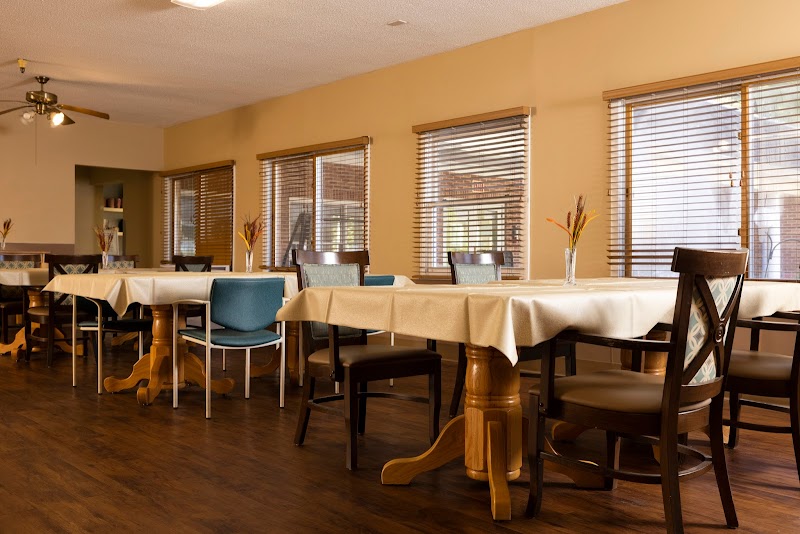
Who Owns and Operates Carroll Healthcare Center Inc?

CARROLL HEALTHCARE CENTER INC is owned by a for-profit company. For-profit facilities operate as businesses with obligations to shareholders or private owners. The facility operates independently rather than as part of a larger chain. With 52 certified beds and approximately 44 residents (about 85% occupancy), it is a smaller facility located in CARROLLTON, Ohio.
How Does Carroll Healthcare Center Inc Compare to Other Ohio Nursing Homes?

Compared to the 100 nursing homes in Ohio, CARROLL HEALTHCARE CENTER INC's overall rating (4 stars) is above the state average of 3.2, staff turnover (29%) is significantly lower than the state average of 46%, and health inspection rating (4 stars) is above the national benchmark.

What Should Families Ask When Visiting Carroll Healthcare Center Inc?

Based on this facility's data, families visiting should ask: "Can I visit during a mealtime to observe dining assistance and food quality?" "How do you handle medical emergencies, and what is your hospital transfer rate?" "Can I speak with family members of current residents about their experience?"

Is Carroll Healthcare Center Inc Safe?

Based on CMS inspection data, CARROLL HEALTHCARE CENTER INC has a clean safety record: no substantiated abuse findings (meaning no confirmed cases of resident harm), no Immediate Jeopardy citations (the most serious violation level indicating risk of serious injury or death), and is not on the Special Focus Facility watch list (a federal program monitoring the lowest-performing 1% of nursing homes). The facility has a 4-star overall rating and ranks #1 of 100 nursing homes in Ohio. While no facility is perfect, families should still ask about staff-to-resident ratios and recent inspection results during their visit.

Do Nurses at Carroll Healthcare Center Inc Stick Around?

Staff at CARROLL HEALTHCARE CENTER INC tend to stick around. With a turnover rate of 29%, the facility is 17 percentage points below the Ohio average of 46%. Low turnover is a positive sign. It means caregivers have time to learn each resident's needs, medications, and personal preferences. Consistent staff also notice subtle changes in a resident's condition more quickly. Registered Nurse turnover is also low at 12%, meaning experienced RNs are available to handle complex medical needs.

Was Carroll Healthcare Center Inc Ever Fined?

CARROLL HEALTHCARE CENTER INC has no federal fines on record. CMS issues fines when nursing homes fail to meet care standards or don't correct problems found during inspections. The absence of fines suggests the facility has either maintained compliance or corrected any issues before penalties were assessed. This is a positive indicator, though families should still review recent inspection reports for the full picture.

Is Carroll Healthcare Center Inc on Any Federal Watch List?

CARROLL HEALTHCARE CENTER INC is not on any federal watch list. The most significant is the Special Focus Facility (SFF) program, which identifies the bottom 1% of nursing homes nationally based on persistent, serious quality problems. Not being on this list means the facility has avoided the pattern of deficiencies that triggers enhanced federal oversight. This is a positive indicator, though families should still review the facility's inspection history directly.