AUSTIN TRACE HEALTH AND REHABILITATION
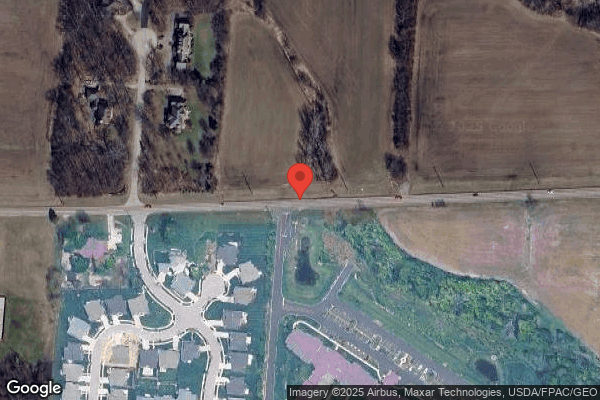
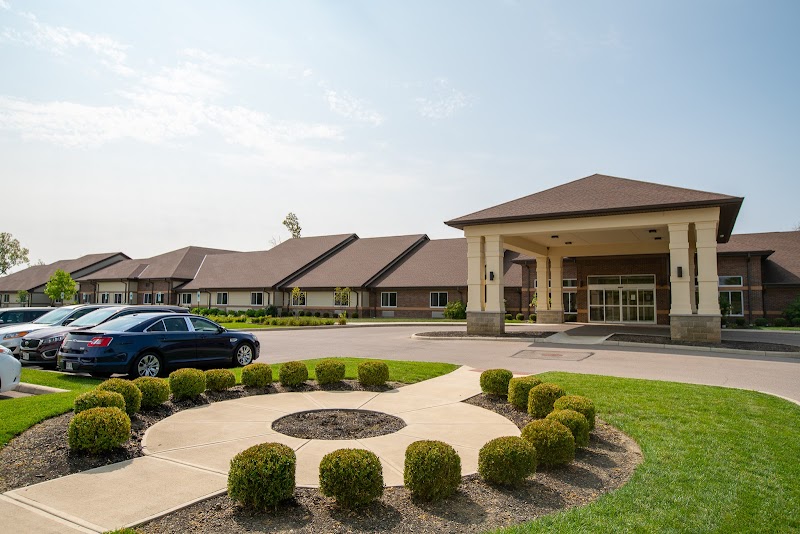
250 WEST SOCIAL ROW ROAD, CENTERVILLE, OH 45458 (937) 886-8800
For profit - Corporation 119 Beds FOUNDATIONS HEALTH SOLUTIONS Data: November 2025
Trust Grade
60/100
#404 of 913 in OH
Last Inspection: October 2024

Within standard 12-15 month inspection cycle. Federal law requires annual inspections.

Overview

Austin Trace Health and Rehabilitation has received a Trust Grade of C+, indicating it is slightly above average but not without its concerns. It ranks #404 out of 913 nursing homes in Ohio, placing it in the top half of facilities statewide, and #12 out of 40 in Montgomery County, meaning only eleven local options are better. However, the facility is trending worse, with issues increasing from 1 in 2023 to 6 in 2024. Staffing is a significant concern here, with a low rating of 1 out of 5 stars and a troubling turnover rate of 62%, which is higher than the Ohio average of 49%. On a positive note, there have been no fines reported, which is a good sign, and the health inspection rating is at 4 out of 5 stars, suggesting some aspects of care are being handled well. However, there are specific issues that families should be aware of, including the lack of a call light system in common area bathrooms, which means residents could struggle to get help when needed. Additionally, there were concerns about improperly dated and unlabeled food items in the kitchen, which could affect all residents. Overall, while there are some strengths, potential residents and families should weigh these against the facility's weaknesses.

Trust Score
C+
60/100
In Ohio
#404/913
Top 44%
Safety Record
Low Risk
No red flags
Inspections
Getting Worse
1 → 6 violations
Staff Stability
⚠ Watch
62% turnover. Above average. Higher turnover means staff may not know residents' routines.
Penalties
✓ Good
No fines on record. Clean compliance history, better than most Ohio facilities.
Skilled Nurses
⚠ Watch
Each resident gets only 28 minutes of Registered Nurse (RN) attention daily — below average for Ohio. Fewer RN minutes means fewer trained eyes watching for problems.
Violations
⚠ Watch
14 deficiencies on record. Higher than average. Multiple issues found across inspections.
★★★☆☆
3.0
Overall Rating
★☆☆☆☆
1.0
Staff Levels
★★★★☆
4.0
Care Quality
★★★★☆
4.0
Inspection Score
Stable
2023: 1 issues
2024: 6 issues

The Good

  • 4-Star Quality Measures · Strong clinical quality outcomes
  • Full Sprinkler Coverage · Fire safety systems throughout facility
  • No fines on record

Facility shows strength in quality measures, fire safety.

The Bad

3-Star Overall Rating

Near Ohio average (3.2)

Meets federal standards, typical of most facilities

Staff Turnover: 62%

16pts above Ohio avg (46%)

Frequent staff changes - ask about care continuity

Chain: FOUNDATIONS HEALTH SOLUTIONS

Part of a multi-facility chain

Ask about local staffing decisions and management

Staff turnover is elevated (62%)

14 points above Ohio average of 48%

The Ugly 14 deficiencies on record

Oct 2024 4 deficiencies
CONCERN (D)

Potential for Harm - no one hurt, but risky conditions existed

Deficiency F0604 (Tag F0604)

Could have caused harm · This affected 1 resident

Based on medical record review, observations, staff interviews and policy review, the facility failed to ensure a resident was assessed for the use of a physical restraint. This affected one (21) of t...

Read full inspector narrative →
Based on medical record review, observations, staff interviews and policy review, the facility failed to ensure a resident was assessed for the use of a physical restraint. This affected one (21) of the four residents reviewed for falls. The facility census was 114. Findings include: Review of the medical record for Resident #21 revealed an admission date of 04/13/21, with medical diagnoses of peripheral neuropathy, diabetes mellitus, vascular dementia, anxiety, and hypertension. Review of Resident #21's quarterly Minimum Data Set (MDS) assessment, dated 08/29/24, revealed Resident #21 had moderately impaired cognition and required supervision with bathing and transfers, partial/moderate assistance with toileting hygiene, and independent with eating and bed mobility. The MDS indicated Resident #21 had two or more falls with no injuries noted. The MDS also indicated Resident #21 had a bed and chair alarm used daily and another alarm used daily. Review of the medical record for Resident #21 revealed physician order dated 05/23/24 for pressure sensitive alarm (PSA) to chair, an order dated 06/11/24 for alarms to bed, and an order dated 07/24/24 for a pull tab alarm in place at all times. Review of Resident #21's fall care plan dated 04/25/21, stated Resident #21 was at risk for falls and had history of falls. The care plan indicated Resident #21's fall interventions included a chair alarm to wheelchair, a bed alarm, and tab pull alarm in place at all times to chair. Review of the medical record for Resident #21 revealed no documentation to support the facility completed restraint assessments for the use of the alarms to bed and chair. Observation on 10/02/24 at 9:05 A.M., revealed Resident #21 lying in bed with PSA to bed and wheelchair and pull-tab alarm to chair. Resident #21 was observed to have non-skid strips in front of bed, call light within reach, and a low bed with non-skid socks in place were in place. Interview on 10/03/21 at 8:21 A.M., with Corporate Nurse #160 confirmed the facility had not completed restraint use assessments for Resident #21 prior to the use of alarms to bed and chair. Corporate Nurse #160 stated the facility did not consider PSA and pull-tab alarms as physical restraints. Corporate Nurse #160 confirmed Resident #21 had PSA to bed and chair and pull-tab alarm to chair in place. Review of the policy titled, Restraint, dated 06/20/15, stated the facility creates and maintains an environment that fosters minimal use of restraints. The purpose of selective restraint use is to enhance the quality of resident life of resident by assuring safety while promoting an optimal level of function. Stated physical restraints are defined as any manual method or physical or mechanical device, material or equipment attached or adjacent to the resident's body that the individual cannot remove easily which restricts freedom of movement or normal access to one's body. The policy stated the need of each resident for restraint use would be assessed upon admission and as needed, a physician's order would be obtained, informed consent for the physical restraint would be obtained from the resident or legal representative. The policy stated a restraint assessment shall be used for the initial and ongoing assessments.
CONCERN (D)

Potential for Harm - no one hurt, but risky conditions existed

Accident Prevention (Tag F0689)

Could have caused harm · This affected 1 resident

Based on medical record review, observation, staff interview, and policy review, the facility failed to ensure fall interventions were in place as per comprehensive care plan. This affected one (#77) ...

Read full inspector narrative →
Based on medical record review, observation, staff interview, and policy review, the facility failed to ensure fall interventions were in place as per comprehensive care plan. This affected one (#77) of four residents reviewed for falls. The facility census was 114. Findings include: Review of the medical record for Resident #77 revealed an admission date of 07/27/22, with medical diagnoses of polyneuropathy, arthritis, Alzheimer's disease, hypertension, atrial fibrillation, and chronic kidney disease. Review of Resident #77's annual Minimum Data Set (MDS) assessment, dated 06/27/24, indicated Resident #77 had moderate cognitive impairment and required supervision with toilet hygiene, bed mobility, and transfers. The MDS indicated Resident #77 required partial/moderate assistance with bathing and was independent with eating. The MDS indicated Resident #77 had a history of falls. Review of Resident #77's fall care plan, dated 08/04/22, stated Resident #77 was at risk for falls and had a history of falls with fracture. The fall care plan which indicated Resident #77 had the following fall interventions in place: call light within reach, non-skid strips in front of toilet, visual reminders on walls to remind resident to call for help, visual reminders to bathroom door, and non-skid socks. Observation on 10/02/24 at 8:52 A.M., of Resident #77's room revealed the room did not have non-skid strips to bathroom floor in front of the toilet. The observation also revealed Resident #77's room did not have any visual reminders posted in the room or bathroom. Interview on 10/02/24 at 8:55 A.M., with State Tested Nursing Assistant (STNA) #20 confirmed Resident #77's room did not have non-skid strips in front of the toilet or visual reminders posted in the room or bathroom. Review of the policy titled, Fall Management, dated 10/17/16, stated a plan would be identified and implemented as necessary to protect the resident and/or other from recurrence. The policy stated the care plan is developed as necessary to reflect the resident's safety status, needs, and interventions.
CONCERN (D)

Potential for Harm - no one hurt, but risky conditions existed

Tube Feeding (Tag F0693)

Could have caused harm · This affected 1 resident

Based on medical record review, observation, staff and resident interviews, and review of hospital documentation, and policy review, the facility failed to ensure a percutaneous endoscopic gastrostomy...

Read full inspector narrative →
Based on medical record review, observation, staff and resident interviews, and review of hospital documentation, and policy review, the facility failed to ensure a percutaneous endoscopic gastrostomy tube (PEG) was intact and functioning properly. This affected one (#103) of five residents reviewed for nutrition. The facility census was 114. Findings include: Review of the medical record for Resident #103 revealed an admission date of 10/27/23, with medical diagnoses of amyotrophic lateral sclerosis (ALS), tracheostomy, dependence on ventilator, gastrostomy, atrial fibrillation, and chronic obstructive pulmonary disease. Review of Resident #103's quarterly Minimum Data Set (MDS) assessment, dated 08/02/24, indicated Resident #103 was cognitively intact and required substantial/maximum staff assistance with toilet hygiene, bathing, and bed mobility. The MDS revealed Resident #103 was not transferred out of bed and had a PEG tube for enteral feedings. Review of Resident #103's physician order dated 09/23/24, revealed to flush the PEG tube with 250 milliliters (ml) with water three times per day and an order dated 10/01/24, to send resident non-emergent transport to hospital with PEG tube replacement. Observation with interview, on 10/01/24 at 9:00 A.M., revealed Registered Nurse (RN) #104 prepare Resident #103's PEG tube for medication administration. The observation revealed medical tape to be wrapped around the top portion of Resident #103's PEG tube. The observation revealed the medical tape to be slightly soiled with light brown substance around the edges. Interview on 10/01/24 at 9:02 A.M., with Resident #103 stated the tape was placed on her PEG tube because the PEG tube had a break or hole in the tubing. Resident #103 stated the PEG tube was leaking so staff taped the broken area. Resident #103 stated she was not sure how long the tape had been on her PEG tube but had been there for awhile and that facility staff were aware that there was a hole in the PEG tubing. Resident #103 stated staff would pinch off the tubing when administering flushes and medications and not use the clamp provided on the PEG tube which caused the break in the tube. Interview on 10/01/24 at 9:06 A.M., with RN #104 confirmed Resident #103's PEG tube had medical tape wrapped around the tube and the tape had been there for several days but not sure how long. RN #104 stated she was not aware of any concerns with the PEG tube leaking or having a hole in the tubing. Interview on 10/02/24 at 9:09 A.M., with RN #84 confirmed she had taken care of Resident #103 several days prior to interview and confirmed Resident #103 had medical tape wrapped around her PEG tube. RN #84 stated she thought Resident #103 returned from the hospital with the PEG tube wrapped with medical tape but was not sure. RN #84 stated she did not notice the PEG tube leaking. Review of Resident #103's nurse note dated 10/01/24 at 9:57 A.M., stated the nurse was made aware by the nurse on the floor that the resident's PEG tube was noted to be leaking. The note stated Resident #103 was noted with PEG tube and unable to be replaced in house. Further review of the nurses note stated Resident #103 was sent to the hospital for PEG tube placement and daughter was made aware. Further review, of the nurse's notes revealed a note dated 10/02/24 at 1:57 A.M., which stated Resident #103 returned to the facility with new PEG tube placed in abdomen with redness and scant drainage noted. Review of the hospital emergency room (ER) note, dated 10/01/24, stated Resident #103 was seen in the ER for PEG tube malfunction. The note stated Resident #103's PEG tube was noted to have a crack toward the end of the tube and tape was wrapped around the tube. The ER stated Resident #103's PEG was replaced. Review of the policy titled, Enteral Tube Feeding, dated 06/11/24, stated it was the practice of this facility was to provide enteral nutrition as prescribed and in accordance with current clinical standards of practice. The policy stated to monitor resident for complication including, but not limited to, nausea, vomiting, diarrhea, abdominal cramping, inadequate nutrition or aspiration and to notify healthcare provider.
CONCERN (D)

Potential for Harm - no one hurt, but risky conditions existed

Deficiency F0761 (Tag F0761)

Could have caused harm · This affected 1 resident

Based on medical record review, observation, staff and resident interviews, and policy review, the facility failed to ensure medications were consumed at the time of administration and not left unsecu...

Read full inspector narrative →
Based on medical record review, observation, staff and resident interviews, and policy review, the facility failed to ensure medications were consumed at the time of administration and not left unsecured at the bedside. This affected one (#103) of three residents reviewed for medication administration. The facility census was 114. Findings include: Review of the medical record for Resident #103 revealed an admission date of 10/27/23, with medical diagnoses of amyotrophic lateral sclerosis (ALS), tracheostomy, dependence on ventilator, gastrostomy, atrial fibrillation, and chronic obstructive pulmonary disease. Review of Resident #103's quarterly Minimum Data Set (MDS) assessment, dated 08/02/24, indicated Resident #103 was cognitively intact and required substantial/maximum staff assistance with toilet hygiene, bathing, and bed mobility. The MDS revealed Resident #103 was not transferred out of bed and had a percutaneous endoscopic gastrostomy tube (PEG tube) for enteral feedings. Review of the medical record for Resident #103 revealed no documentation to support a physician order that medications could be left at Resident #103's bedside. Observation with interview on 10/01/24 at 9:06 A.M., of Registered Nurse (RN) #104 administer medications to Resident #103 revealed three medication cups with four white medication tablets inside sitting on Resident #103's bedside table. RN #104 stated she did not know what the medications were sitting in the medications cups and that she was not sure how long the medications were left at her bedside. Observation revealed RN #104 remove the medication cups with the four white medications tablets and discard in the biohazard bin. Interview on 10/01/24 at 9:08 A.M., with Resident #103 confirmed the three medication cups with four white medication tablets had been sitting on her bedside table and she did not know what the medications were in the medication cups. Resident #103 stated the medications had been sitting on the bedside table for a few days. Review of the policy titled, Medication Administration, effective 06/21/17, stated the facility staff are to administer medication and remain with the resident while the medication is swallowed and to never leave a medication in the resident's room without orders to do so.
Feb 2024 2 deficiencies
CONCERN (D) 📢 Someone Reported This

A family member, employee, or ombudsman was alarmed enough to file a formal complaint

Potential for Harm - no one hurt, but risky conditions existed

ADL Care (Tag F0677)

Could have caused harm · This affected 1 resident

**NOTE- TERMS IN BRACKETS HAVE BEEN EDITED TO PROTECT CONFIDENTIALITY** Based on observation, staff interviews, and medical record review, the facility failed to provide assistance for eating to a dep...

Read full inspector narrative →
**NOTE- TERMS IN BRACKETS HAVE BEEN EDITED TO PROTECT CONFIDENTIALITY** Based on observation, staff interviews, and medical record review, the facility failed to provide assistance for eating to a dependent resident. This affected one (#74) out of three residents reviewed for activities of daily living (ADL's). The facility census was 108. Findings included: Review of the medical record for Resident #74 revealed an admission date of 04/30/21 with medical diagnoses of dementia, DM, chronic obstructive pulmonary disease (COPD), hypertension (HTN), and atherosclerotic heart disease (ASHD). Review of the medical record for Resident #74 revealed a quarterly Minimum Data Set (MDS), dated [DATE], which indicated Resident #74 had impaired cognition and was rarely/never understood. The MDS indicated Resident #74 was dependent for eating, bathing, toileting, and transfers. Observation on 02/22/24 at 11:16 A.M. revealed Resident #74 sleeping in bed with her breakfast tray sitting on the bedside table. The observation revealed the lids to the drinks had not been removed, the lid to meal had not been opened, and there was not any silverware on the tray. The observation revealed the meal had not been eaten by the resident. Interview on 02/22/24 at 11:18 A.M. with Licensed Practical Nurse (LPN) #302 confirmed Resident #74 required staff assistance for eating and that the breakfast tray had not been set-up and staff did not feed Resident #74 breakfast. Interview on 02/22/24 at 1:50 P.M. with State Tested Nursing Assistant (STNA) #300 confirmed she was the STNA taking care of Resident #74 and that she was not aware Resident #74 required assistance with her meals. STNA #300 confirmed she did not feed Resident #74 her breakfast. This deficiency is based on incidental findings discovered during the course of this complaint investigation.
CONCERN (D) 📢 Someone Reported This

A family member, employee, or ombudsman was alarmed enough to file a formal complaint

Potential for Harm - no one hurt, but risky conditions existed

Infection Control (Tag F0880)

Could have caused harm · This affected 1 resident

**NOTE- TERMS IN BRACKETS HAVE BEEN EDITED TO PROTECT CONFIDENTIALITY** Based on observations, staff interviews, medical record reviews, and policy reviews, the facility failed to implement their infe...

Read full inspector narrative →
**NOTE- TERMS IN BRACKETS HAVE BEEN EDITED TO PROTECT CONFIDENTIALITY** Based on observations, staff interviews, medical record reviews, and policy reviews, the facility failed to implement their infection control policies when they allowed a resident positive with Coronavirus Disease 2019 (COVID-19) to share a room with a non-COVID-19 positive resident. This affected one (#59) out of five residents reviewed for infection control procedures related to COVID-19. Additionally, the facility failed to follow infection control guidelines when performing incontinence care. This affected one (#1) out of the three resident reviewed for incontinence care. Facility census was 108. Findings included: 1. Review of the medical record for Resident #60 revealed an admission date of 09/05/19 with medical diagnoses of asthma, hypertension (HTN), cystic disease of the liver, rheumatoid arthritis, and hyperlipidemia. Review of the medical record for Resident #60 revealed an annual Minimum Data Set (MDS), dated [DATE], which indicated Resident #60 had moderate cognitive impairment and was dependent upon staff for eating, toileting, bathing, bed mobility, and transfers. Review of the medical record for Resident #60 revealed a physician order dated 02/21/24 for contact and droplet precautions for COVID-19. Review of the medical record revealed Resident #60 shared a room with Resident #59. Observation on 02/22/23 at 11:07 A.M. of Resident #60 revealed a personal protective equipment (PPE) cart and droplet isolation sign located outside of Resident #60's room. Resident #60 was observed lying in bed sleeping. Observation of Resident #60's room revealed the bed was located on the right side of the room and there was a wall that went from ceiling to floor and was half the length of the room as a divide between Resident #60's side of the room and roommates' side of the room. Resident #60's roommate, Resident #59, was observed wheeling herself around the room, to the bathroom and to the door of the room to the hallway. The door to the room was observed to be open at all times during the investigation. Resident #60 was unable to answer questions due to impaired cognition. Review of the medical record for Resident #59 revealed an admission date of 01/11/22 with medical diagnoses of chronic obstructive pulmonary disease (COPD), heart failure, schizoaffective disorder, Alzheimer's disease, and anxiety. Review of the medial record for Resident #59 revealed a significant change MDS, dated [DATE], which indicated Resident #59 had short- and long-term memory loss and was independent with eating and bed mobility, required supervision for toilet hygiene and transfers, and was dependent for bathing. Review of the medical record for Resident #59 revealed Resident #59 was up to date on influenza and pneumococcal vaccinations but had refused a COVID-19 booster vaccination. Review of the medical record for Resident #59 revealed she shared a room with Resident #60. Review of the medical record did not contain documentation to support Resident #59 was COVID-19 positive or that Resident #59's representative was notified Resident #59 was sharing a room with a resident who was COVID-19 positive. Observation on 02/22/23 at 11:07 A.M. of Resident #59 shared a room with Resident #60. The observation revealed Resident #59 was in her wheelchair wheeling herself to the door to the room. Resident #59 was not able to answer questions due to impaired cognition. Interview on 02/22/24 at 2:05 P.M. with Administrator confirmed the facility had private rooms available to move residents who were COVID-19 positive into so they did not have to share rooms with a resident who was not COVID-19 positive. Administrator confirmed Resident #60 tested positive for COVID-19 and shared a room with Resident #59 who was not COVID-19 positive. Administrator confirmed Resident #60 and Resident #59's room had a wall that was in the middle of the room to divide the space but confirmed Resident #59 had the ability to wheel herself over to Resident #60's side of the room and be exposed to COVID-19. Review of facility policy titled COVID-19, dated 05/11/23, stated residents with symptoms of COVID-19 should not be cohorted with residents with confirmed COVID-19 unless they are confirmed to have COVID-19 through testing. 2. Review of the medical record for Resident #1 revealed an admission date of 09/12/22 with medical diagnoses of respiratory failure, anxiety, diabetes mellitus, HTN, paraplegia, and atrial fibrillation. Review of the medical record for Resident #1 revealed a quarterly MDS, dated [DATE], which indicated Resident #1 was cognitively intact and was dependent for toilet hygiene, bathing, bed mobility, and transfers. The MDS indicated Resident #1 was always incontinent of bladder and had a colostomy. Review of the medical record for Resident #1 revealed a physician order dated 09/14/23 to apply versetime to right gluteus and sacrum every shift and with incontinence cares and an order dated 02/22/24 for contact precautions for carbapenem-resistant enterobacterales (CRE) in the urine. Observation on 02/22/4 at 10:43 A.M. of State Tested Nursing Assistant (STNA) #237 providing incontinence care for Resident #1. The observation revealed STNA #237 cleansed Resident #1 with cleansing wipes, removed the soiled depends and pad from underneath Resident #1 and discarded the items in the trash. STNA #237 was observed applying protective skin barrier cream to Resident #1 and then applied clean depends. STNA #237 was observed to reposition Resident #1 in bed and then removed her gloves and washed her hands. During the observation, STNA #327 did not change her gloves or perform hand hygiene after they became soiled. Interview on 02/22/24 at 10:55 A.M. with STNA #237 confirmed she did not change her gloves or perform hand hygiene after she cleansed Resident #1's peri area and removed the soiled items or prior to applying the protective skin barrier or applying clean depends. Review of the facility policy titled, Infection Control, dated 11/28/17 stated all staff are to perform hand hygiene between resident contact, after handling contaminated objects, after PPE removal and before and after performing resident care procedures. This deficiency represents non-compliance investigated under Complaint Number OH00151260.
Nov 2023 1 deficiency
CONCERN (E) 📢 Someone Reported This

A family member, employee, or ombudsman was alarmed enough to file a formal complaint

Potential for Harm - no one hurt, but risky conditions existed

Food Safety (Tag F0812)

Could have caused harm · This affected multiple residents

**NOTE- TERMS IN BRACKETS HAVE BEEN EDITED TO PROTECT CONFIDENTIALITY** Based on record review, staff interview, and policy review, the facility failed to ensure refrigerator temperature logs in resid...

Read full inspector narrative →
**NOTE- TERMS IN BRACKETS HAVE BEEN EDITED TO PROTECT CONFIDENTIALITY** Based on record review, staff interview, and policy review, the facility failed to ensure refrigerator temperature logs in resident's rooms were accurately completed accurately. This affected five (#14, #15, #16, #17, and #18) out of five residents reviewed for having refrigerators in their rooms. The facility census was 97. Findings include: 1) Review of the medical record for Resident #14 revealed he was admitted to the facility on [DATE]. Diagnoses included respiratory failure unspecified with hypercapnia, chronic kidney disease stage three, anemia, major depressive disorder, hyperlipidemia, type two diabetes mellitus with diabetic neuropathic arthropathy, and chronic obstructive pulmonary disease. Review of the quarterly Minimum Data Set (MDS) 3.0 assessment dated [DATE] for Resident #14 revealed the resident had moderately impaired cognition evidenced by a Brief Interview for Mental Status (BIMS) score of 11. This resident was assessed to require extensive assistance with bed mobility, dressing, toilet use, and personal hygiene, supervision for eating, and was totally dependent on staff for transfer. Review of the refrigerator temperature logs from 09/01/23 through 09/30/23 for the refrigerator in Resident #14's room revealed Former Housekeeping Aide (FHA) #200's initials were listed and crossed out by Housekeeping Supervisor (HS) #140's initials on 09/12/23, 09/13/23, and 09/20/23. 2) Review of the medical record for Resident #15 revealed she was admitted to the facility on [DATE]. Diagnoses included acute respiratory failure with hypoxia, anemia, congestive heart failure, dementia, and chronic obstructive pulmonary disease. Review of the quarterly MDS 3.0 assessment dated [DATE] for Resident #15, revealed the resident had intact cognition evidenced by a BIMS score of 15. This resident was assessed to require extensive assistance for bed mobility, dressing, toilet use, and personal hygiene, and was totally dependent on staff for eating and transfer. Review of the refrigerator temperature logs from 09/01/23 through 09/30/23 for the refrigerator in Resident #15's room revealed FHA #200's initials were listed and crossed out by HS #140's initials on 09/12/23, 09/13/23, and 09/20/23. 3) Review of the medical record for Resident #16 revealed he was admitted to the facility on [DATE]. Diagnoses included acute and chronic respiratory failure with hypoxia, quadriplegia, and type two diabetes mellitus without complications. Review of the quarterly MDS 3.0 assessment, dated 09/22/23 for Resident #16 revealed this resident had severely impaired cognition evidenced by a BIMS score of 03. This resident was assessed to require extensive assistance for bed mobility, and was totally dependent on staff for transfer, dressing, eating, toilet use, and personal hygiene. Review of the refrigerator temperature logs from 09/01/23 through 09/30/23 for the refrigerator in Resident #16's room revealed FHA #200's initials were listed and crossed out by HS #140's initials on 09/05/23, 09/06/23, 09/17/23, 09/18/23, and 09/20/23. 4) Review of the medical record for Resident #17 revealed she was admitted to the facility on [DATE]. Diagnoses included acute respiratory failure with hypoxia, paranoid schizophrenia, generalized anxiety disorder, type two diabetes mellitus without complications, anemia, and congestive heart failure. Review of the quarterly MDS 3.0 assessment, dated 09/08/23 for Resident #17 revealed this resident had severely impaired cognition evidenced by a BIMS score of 99. This resident was assessed to require extensive assistance for bed mobility and transfer, and was totally dependent on staff for personal hygiene, toilet use, eating, and dressing. Review of the refrigerator temperature logs from 09/01/23 through 09/30/23 for the refrigerator in Resident #17's room revealed FHA #200's initials were listed and crossed out by HS #140's initials on 09/08/23, 09/12/23, 09/13/23, 09/19/23, and 09/20/23. 5) Review of the medical record for Resident #18 revealed she was admitted to the facility on [DATE]. Diagnoses included acute and chronic respiratory failure with hypoxia, aphasia, schizoaffective disorder, hyperlipidemia, congestive heart failure, and type two diabetes mellitus with other skin ulcers. Review of the quarterly MDS 3.0 assessment, dated 09/21/23, revealed this resident had severely impaired cognition evidenced by a BIMS score of 99. This resident was assessed to require extensive assistance for bed mobility, and was totally dependent on staff for personal hygiene, toilet use, dressing, and eating. Review of the refrigerator temperature logs from 09/01/23 through 09/30/23 for the refrigerator in Resident #18's room revealed FHA #200's initials were listed and crossed out by HS #140's initials on 09/12/23, 09/13/23, 09/19/23, and 09/20/23. Review of the refrigerator temperature logs from 09/01/23 to 09/30/23 revealed FHA #200's initials were listed and crossed out by HS #140's initials for the refrigerator located in the physical therapy room on 09/19/23. Interview on 11/17/23 at 1:22 P.M. with HS #140 revealed FHA #200 informed her that FHA's initials were on the refrigerator logs for days that she had not worked. HS #140 stated FHA #200 was upset, which prompted HS #140 to write her own initials on top of FHA #200's initials. HS #140 confirmed she had not checked the refrigerator temperatures herself and just initialed that she had done so. HS #140 reported she had educated her staff and conducted audits three times a week since the end of September 2023 to ensure housekeeping staff were recording daily refrigerator temperatures. HS #140 stated she had no documentation regarding the staff education she provided to housekeeping employees. Interview on 11/17/23 at 3:53 P.M. with the Administrator confirmed FHA #200 had not worked on 09/19/23. Review of the undated facility policy titled Guidelines Regarding Refrigerators in Resident Rooms revealed a designated staff member would monitor the temperature of the refrigerator using the refrigerator log. This deficiency represents non-compliance investigated under Complaint Number OH00147173.
Dec 2022 3 deficiencies
CONCERN (D)

Potential for Harm - no one hurt, but risky conditions existed

Comprehensive Care Plan (Tag F0656)

Could have caused harm · This affected 1 resident

**NOTE- TERMS IN BRACKETS HAVE BEEN EDITED TO PROTECT CONFIDENTIALITY** 3. Review of the medical record for Resident #4 revealed the resident was admitted to the facility on [DATE]. Diagnoses included...

Read full inspector narrative →
**NOTE- TERMS IN BRACKETS HAVE BEEN EDITED TO PROTECT CONFIDENTIALITY** 3. Review of the medical record for Resident #4 revealed the resident was admitted to the facility on [DATE]. Diagnoses included chronic obstructive pulmonary disease, anxiety disorder, and major depressive disorder. Review of the Minimum Data Set (MDS) assessment dated [DATE] revealed Resident #4 had impaired cognition. Review of the care plan dated 01/24/22 revealed Resident #4's code status was a Full code. This was not consistent with Resident #4's physician order or the signed advance directives. Review of the physician orders dated 12/02/22 revealed Resident #4 had physician orders for the code status to be Do Not Resuscitate Comfort Care Arrest (DNRCCA). Review of the DNR Order Form revealed Resident #4's code status was DNRCCA and it was signed on 12/02/22. Interview on 12/06/22 at 8:37 A.M. with the Administrator verified Resident #4 had physician orders for DNRCCA written on 12/02/22 and the care plan was not accurate to reflect the change in code status to DNRCCA. Review of the facility policy titled Advance Care Planning, dated 05/05/14, revealed residents are given the opportunity to discuss their goals for care, including their preference for advanced care planning. Based on observation, record review, review of the facility policy, and staff interview, the facility failed to ensure the resident's care plan was accurate to reflect the use of oxygen and advance directives. This affected three residents (#4, #31, and #50) of twenty-four residents reviewed during the annual recertification. The facility census was 77. Findings include: 1. Review of Resident #50's medical record revealed an admission date of 09/24/21. Diagnoses included dementia, hemiplegia, and schizoaffective disorder. Review of the Minimum Data Set (MDS) assessment dated [DATE] revealed Resident #50 had impaired cognition. Review of the plan of care dated 09/27/21 revealed Resident #50 was at risk for impaired respiratory infection related to potential COVID-19. Further review of the resident's plan of care revealed no goals or interventions related to oxygen administration and Resident #50 frequently removed her oxygen. Review of Resident #50's physician order dated 11/20/22 revealed oxygen was to be administered at two liters per minute per nasal cannula continuously. Observation on 12/06/22 at 2:30 P.M. with Licensed Practical Nurse (LPN) #70 in Resident #50's room revealed the resident's oxygen concentrator was on two liters per minute. The resident's oxygen tubing was on the floor tangled in the bed frame. LPN #70 attempted to replace the resident's oxygen, as the resident was pushing the oxygen away. The LPN #70 educated the resident on the importance of the oxygen. Interview on 12/06/22 at 2:40 P.M. with LPN #70 revealed Resident #50 frequently would remove her oxygen. Interview on 12/07/22 at 2:40 P.M. with the Director of Nursing (DON) confirmed Resident #50's plan of care made no mention of oxygen administration. 2. Review of Resident #31's medical record revealed an admission date of 07/18/22. Diagnoses included diabetes mellitus, multiple sclerosis, and major depressive disorder. Review of the Minimum Data Set (MDS) assessment dated [DATE] revealed Resident #31 had intact cognition. Review of the plan of care dated 09/17/22 revealed Resident #31 Advanced Care planning was reviewed and the code status was Full Code. This was not consistent with Resident #31's physician order or the signed advance directives. Review of Resident #31's Ohio Comfort Care Do Not Resuscitate Order form dated 10/06/22 revealed the resident's code status was Do Not Resuscitate Comfort Care (DNRCC). Review of Resident #31's profile page in the electronic charting revealed the resident's code status was DNRCC. Review of the physician order dated 10/11/22 revealed an order Resident #31's code status to be DNRCC. Interview on 12/05/22 at 5:22 P.M. with the Director of Nursing (DON) confirmed Resident #31's care plan was not accurate and did not reflect the correct advance directives for Resident #31. The DON confirmed it was the facility's expectation to update the care plan when the order was received.
CONCERN (D)

Potential for Harm - no one hurt, but risky conditions existed

Respiratory Care (Tag F0695)

Could have caused harm · This affected 1 resident

**NOTE- TERMS IN BRACKETS HAVE BEEN EDITED TO PROTECT CONFIDENTIALITY** 2. Review of the medical record for Resident #40 revealed an admission date of 01/17/22. Diagnoses included chronic obstructive ...

Read full inspector narrative →
**NOTE- TERMS IN BRACKETS HAVE BEEN EDITED TO PROTECT CONFIDENTIALITY** 2. Review of the medical record for Resident #40 revealed an admission date of 01/17/22. Diagnoses included chronic obstructive pulmonary disease (COPD). Review of the MDS 3.0 assessment dated [DATE] revealed the resident had intact cognition. Review of the care plan dated 01/18/22 revealed Resident #40 required oxygen related to end stage COPD and respiratory failure. Interventions included to administer oxygen as ordered, monitor lung sounds/oxygen saturation levels as ordered, and observe/report signs of dyspnea. Review of the physician orders dated 03/12/22 revealed an order for oxygen administration per face mask - triturate to keep saturation levels above 90% and an order dated 06/12/22 to change oxygen tubing/cannula/mask weekly every Sunday night shift. Observation and interview on 12/04/22 at 2:25 P.M. with Licensed Practical Nurse (LPN) #64 verified the date on Resident #40's oxygen mask was 11/21/22. LPN #64 verified there was a physician order to change the oxygen mask weekly. 3. Review of the medical record for Resident #55 revealed an admission date of 01/04/22. Diagnoses included COPD. Review of the MDS 3.0 assessment dated [DATE] revealed Resident #55 had impaired cognition and was on oxygen therapy. Review of the care plan dated 01/17/22 revealed Resident #55 required oxygen therapy related to respiratory failure and COPD. Interventions included to administer oxygen as ordered, monitor lung sounds/oxygen saturation levels as ordered, and observe/reports signs of dyspnea. Review of the physician orders dated 01/10/22 revealed an order for oxygen administration at two liters per minute per nasal cannula continuous and on 09/11/22, an order to change the oxygen tubing/cannula/mask weekly every Sunday on night shift. Observation and interview on 12/04/22 at 12:02 P.M. with State Tested Nursing Aide (STNA) #32 revealed Resident #55 was lying in her bed an oxygen was being administered at two liter per minute per nasal cannula. The nasal cannula was labeled with the date of 09/12/22 and there were initials on it. STNA #32 verified Resident #55's nasal cannula was labeled with tape and dated 09/12/22. Interview on 12/06/22 at 3:51 P.M. with LPN #16 stated oxygen tubing was changed once weekly on night shift and was labeled either directly on tubing or with a label taped on. Review of the facility's policy titled Respiratory Policy/Procedure Manual, dated 08/25/12, revealed to label nasal cannula and humidifier with date. Based on observation, review of the facility policy, record review, and staff interview, the facility failed to ensure nasal cannula oxygen tubing was dated and changed per the physician's order. This affected three (Residents #40, #50, and #55) of six residents observed with oxygen. The facility census was 77. Findings included: 1. Review of Resident #50's medical record revealed an admission date of 09/24/21. Diagnoses included dementia, anxiety, and seizure disorder. Review of the Minimum Data Set (MDS) assessment dated [DATE] revealed Resident #50 had impaired cognition. Review of the plan of care dated 09/27/21 revealed Resident #50 was at risk for impaired respiratory infection related to potential COVID-19. The care plan did not have any goals or interventions related to oxygen administration. Review of Resident #50's physician order dated 11/20/22 revealed oxygen to be administered at two liters per minute per nasal cannula continuously. The physician order dated 10/30/22 revealed to change the oxygen cannula tubing weekly. Interview and observation on 12/05/22 at 2:40 P.M. with Licensed Practical Nurse (LPN) #70 confirmed the date on the resident's oxygen tubing was labeled in green marker with a date of 11/21/22. LPN #70 confirmed the oxygen tubing was to be replaced weekly. LPN #70 confirmed the oxygen tubing had not been changed as per the physician's order.
CONCERN (E)

Potential for Harm - no one hurt, but risky conditions existed

Food Safety (Tag F0812)

Could have caused harm · This affected multiple residents

Based on observation, staff interview, and record review, the facility failed to properly store food and failed to properly test the sanitizer buckets. This had the potential to affect all residents w...

Read full inspector narrative →
Based on observation, staff interview, and record review, the facility failed to properly store food and failed to properly test the sanitizer buckets. This had the potential to affect all residents who received meals from the kitchen. The facility identified eight residents who did not receive meals from the kitchen (Residents #13, #46, #59, #60, #66, #70, #77, and #80). The facility census was 77. Findings include: Observation on 12/05/22 at 9:01 A.M. of the facility kitchen revealed two scoops were observed in the flour bin. Observation of the walk-in cooler revealed a partially opened bag of ham cubes that was not dated and was spilling ham cubes to the tray on the shelf below. In the walk-in cooler, there was a partially unwrapped and undated sleeve of American cheese. Interview on 12/05/22 at 9:13 A.M. with Dietary Staff (DS) #44 confirmed the observation of the flour, ham cubes, and cheese. DS #44 confirmed the scoops were not to remain in the flour. DS #44 confirmed the ham and cheese were not dated and not properly wrapped. Observation and interview on 12/06/22 at 10:29 A.M. with Dietary Manager (DM) #500 revealed DM #500 was not able to locate test strips to test the sanitizer buckets. DM #500 confirmed the facility did not have the ability to test the sanitary buckets. Review of the facility's list of residents and diets revealed Residents #13, #46, #59, #60, #66, #70, #77, and #80 were nothing by mouth and did not receive food from the kitchen.
Oct 2019 4 deficiencies
CONCERN (D)

Potential for Harm - no one hurt, but risky conditions existed

Tube Feeding (Tag F0693)

Could have caused harm · This affected 1 resident

Based on observation, record review, staff interview, and review of facility policy, the facility failed to date and label an enteral tube feeding tubing bag and infusion tubing for one (#25) of one r...

Read full inspector narrative →
Based on observation, record review, staff interview, and review of facility policy, the facility failed to date and label an enteral tube feeding tubing bag and infusion tubing for one (#25) of one resident reviewed for tube feeding. The facility had two residents with tube feedings. The facility census was 28. Findings include: Review of Resident #25's medical record revealed an initial admission date of 02/25/19 and a re-admission date of 07/26/19. Diagnoses included hydrocephalus, personal history of sudden cardiac arrest, personal history of anaphylaxis, contracture of muscles, anoxic brain injury, muscle spasms, gastrostomy and tracheostomy. Review of Resident #25's physician order dated 06/11/19 revealed an order for continuous enteral feeding of Nestle Complete at the rate of 105 milliliters(ml) per hour. Review of the quarterly Minimum Data Set (MDS) assessment, dated 09/09/19, revealed Resident #25 was in a persistent vegetable state with no discernible consciousness. The MDS further revealed that Resident #25 had a feeding tube and required 51% or more of total calories provided by tube feed. Review of Resident #25's care plan dated 09/09/19 revealed the resident required tube feeding related to anoxic brain damage, personal history of anaphylaxis, comatose status and takes nothing by mouth. Interventions included dependent with tube feeding and water flushes. Observation of Resident #25 on 10/08/19 at 8:40 A.M. revealed a bag of Nestle Complete with a small amount of formula remaining in the bag. The bag had no date or time of when the formula was opened. The tube feeding was running through an external pump at the 105 ml/hr and the tubing to and from the pump was not dated for the time put into use. Interview with Registered Nurse (RN) # 122 on 10/08/19 at 8:57 A.M. confirmed Resident #25's tube feeding bag and tubing was not dated, but it should always be dated. RN #122 stated Resident #25 was on continuous tube feed and the tubing and bag were to be changed one time a shift. Review of the facility policy titled Enteral Feedings, dated December 2011, revealed that staff should document on the formula label with the initials, date and time the formula was hung/administered, and initial that the label was checked against the order.
CONCERN (D)

Potential for Harm - no one hurt, but risky conditions existed

Respiratory Care (Tag F0695)

Could have caused harm · This affected 1 resident

**NOTE- TERMS IN BRACKETS HAVE BEEN EDITED TO PROTECT CONFIDENTIALITY** Based on observation, record review, staff interview, and review of facility policy, the facility failed to date and label a tra...

Read full inspector narrative →
**NOTE- TERMS IN BRACKETS HAVE BEEN EDITED TO PROTECT CONFIDENTIALITY** Based on observation, record review, staff interview, and review of facility policy, the facility failed to date and label a tracheostomy suctioning canister and tubing for one (#28) of one residents reviewed for tracheostomy care. The facility identified only on resident with a tracheostomy. The facility census was 28. Findings include Review of Resident #25's medical record revealed an initial admission date of 02/25/19 and a re-admission date of 07/26/19. Diagnoses included hydrocephalus, personal history of sudden cardiac arrest, personal history of anaphylaxis, contracture of muscles, anoxic brain injury, muscle spasms, gastrostomy and tracheostomy. Review of Resident #25's physician order dated 03/06/19 revealed an order for tracheostomy (trach) care each shift and an order for suctioning as needed for secretions. Review of the quarterly Minimum Data Set (MDS) dated [DATE] revealed Resident #25 was in a persistent vegetable state with no discernible consciousness. The MDS revealed Resident #25 had trach hand required trach care, suctioning, and respiratory therapy seven days a week for at least 15 minutes a day. Review of Resident #25's care plan dated 09/09/19 revealed the resident had a tracheostomy related to anoxic brain damage, personal history of anaphylaxis, and comatose status. Interventions included to perform trach care each shift and trach suctioning as needed. Observation of Resident #25 on 10/08/19 at 8:48 A.M. revealed an undated suctioning canister with 100 cubic centimeters (cc) of clear liquid in the canister. Tubing to the canister from the suctioning machine and tubing to the [NAME] (device used for trach suctioning) was also undated. Interview with Registered Nurse (RN) #122 on 10/08/19 at 8:57 A.M. confirmed Resident #25's suction canister and tubing to and from the canister were not dated. RN #122 stated they should be dated. RN #122 further stated that Resident #25 was having an increase in secretions and required more frequent suctioning. Review of the facility policy titled Departmental Respiratory Therapy-Prevention of Infection, dated November 2011, revealed procedures to prevent infection associated with respiratory therapy tasks and equipment with measures such as dating and initialing distilled water, using antiseptic hand washing, changing oxygen cannula and tubing every seven days.
CONCERN (F)

Potential for Harm - no one hurt, but risky conditions existed

Food Safety (Tag F0812)

Could have caused harm · This affected most or all residents

Based on observation, staff interview and review of facility policies, the facility failed to properly date and label open food items in the kitchen and to wear hair net when preparing and handling fo...

Read full inspector narrative →
Based on observation, staff interview and review of facility policies, the facility failed to properly date and label open food items in the kitchen and to wear hair net when preparing and handling food. This had the ability to affect all 27 residents who received food from the kitchen. Resident #25 received no food by mouth. The facility census was 28. Findings include: 1. Observation of the kitchen on 10/07/19 at 8:42 A.M. revealed a zip lock baggie of rolls, three loaves of bread and a package of honey rolls in the bread storage area were undated and unlabeled. Observation of refrigerator revealed a package of yellow cheese slices that were open to air, a package white cheese slices in plastic wrap, a previously opened bag of shredded lettuce, and three meat patties in a metal pan covered with plastic wrap which were undated and unlabeled. Observation of the freezer revealed a package of broccoli that was open to air, an open package of waffles, and a bag of diced chicken which were all undated and unlabeled. Observation of the dry food storage revealed an open package of spaghetti noodles and an open package of potato chips were unlabeled and undated. Interview with [NAME] #152 on 10/07/19 at 8:55 A.M. confirmed the above items were unlabeled and undated and should be dated upon opening. Review of the facility policy titled Food Receiving and Storage, dated October 2017, revealed dry foods stored in bins will be removed from original package, labeled, and dated (use by date) and all foods stored in the refrigerator and freezer will be covered, labeled, and dated (use by date). 2. Observation on 10/07/19 at 9:00 A.M. revealed Dietary Aid #160 was preparing beverages and placing them on a large tray and was not wearing a hair net. Interview on 10/07/19 at 9:00 A.M., Dietary Aid #160 verified she was preparing beverages and did not have a hair net on. Dietary Aid #160 confirmed they are required to wear a hair net when preparing food. Review of the facility policy titled Food Preparation and Service, dated October 2017, revealed food and nutrition staff shall wear hair restraints (hair net, hat, or beard restraint) so that hair does not contact food.
CONCERN (F)

Potential for Harm - no one hurt, but risky conditions existed

Deficiency F0919 (Tag F0919)

Could have caused harm · This affected most or all residents

Based on observation and interview, the facility failed to have call light activation system in common area bathrooms. This had the potential to affect all 28 residents residing in the facility. Find...

Read full inspector narrative →
Based on observation and interview, the facility failed to have call light activation system in common area bathrooms. This had the potential to affect all 28 residents residing in the facility. Findings include: Tour of the facility's common area bathrooms on 10/09/19 from 12:25 P.M. through 12:37 P.M. revealed there was not any call light activation system in the men and women bathrooms located in the administrative hallway, the bathroom located in the therapy room bedroom, the men and women bathrooms located in the front entrance, the bathroom located in the common area of the 100/200/300 hallway, and the bathroom located in the common area of the 400/500/600 hallway. Interview with the Administrator and the Director of Nursing (DON) on 10/09/19 at 12:38 P.M. revealed residents of the facility had access to these bathrooms. They verified these bathrooms did not have any call light activation systems present. Both the Administrator and the DON confirmed residents would not have a way to summon staff assistance in one of these bathrooms.
Understanding Severity Codes (click to expand)
Life-Threatening (Immediate Jeopardy)
J - Isolated K - Pattern L - Widespread
Actual Harm
G - Isolated H - Pattern I - Widespread
Potential for Harm
D - Isolated E - Pattern F - Widespread
No Harm (Minor)
A - Isolated B - Pattern C - Widespread

Questions to Ask on Your Visit

  • "Why is there high staff turnover? How do you retain staff?"
  • "Can I speak with families of current residents?"
  • "What's your RN coverage like on weekends and overnight?"

Our Honest Assessment

Strengths
  • • No major safety red flags. No abuse findings, life-threatening violations, or SFF status.
  • • No fines on record. Clean compliance history, better than most Ohio facilities.
Concerns
  • • 14 deficiencies on record. Higher than average. Multiple issues found across inspections.
  • • 62% turnover. Above average. Higher turnover means staff may not know residents' routines.
Bottom line: Mixed indicators with Trust Score of 60/100. Visit in person and ask pointed questions.

About This Facility

What is Austin Trace's CMS Rating?

CMS assigns AUSTIN TRACE HEALTH AND REHABILITATION an overall rating of 3 out of 5 stars, which is considered average nationally. Within Ohio, this rating places the facility higher than 0% of the state's 100 nursing homes. This mid-range rating indicates the facility meets federal standards but may have areas for improvement.

How is Austin Trace Staffed?

CMS rates AUSTIN TRACE HEALTH AND REHABILITATION's staffing level at 1 out of 5 stars, which is much below average compared to other nursing homes. Staff turnover is 62%, which is 16 percentage points above the Ohio average of 46%. High turnover can affect care consistency as new staff learn residents' individual needs. RN turnover specifically is 60%, which is notably high. RNs provide skilled clinical oversight, so turnover in this role can affect medical care quality.

What Have Inspectors Found at Austin Trace?

State health inspectors documented 14 deficiencies at AUSTIN TRACE HEALTH AND REHABILITATION during 2019 to 2024. These included: 14 with potential for harm.
Who Owns and Operates Austin Trace?

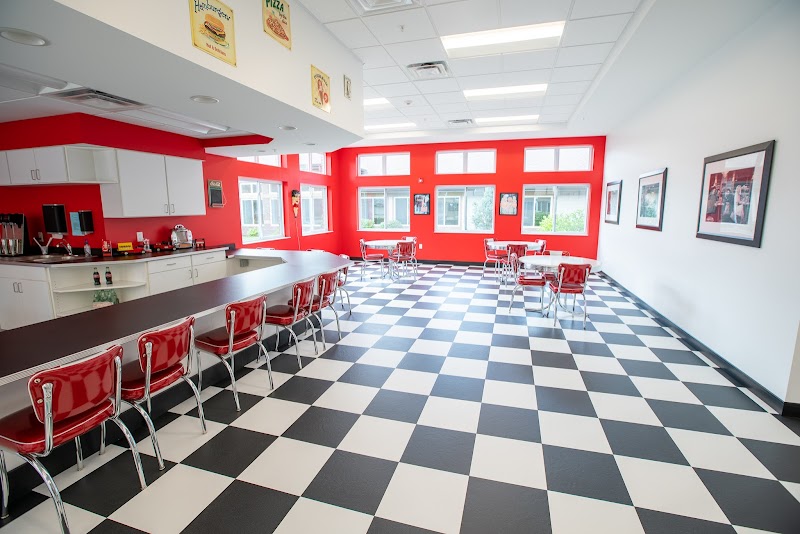
AUSTIN TRACE HEALTH AND REHABILITATION is owned by a for-profit company. For-profit facilities operate as businesses with obligations to shareholders or private owners. The facility is operated by FOUNDATIONS HEALTH SOLUTIONS, a chain that manages multiple nursing homes. With 119 certified beds and approximately 111 residents (about 93% occupancy), it is a mid-sized facility located in CENTERVILLE, Ohio.
How Does Austin Trace Compare to Other Ohio Nursing Homes?

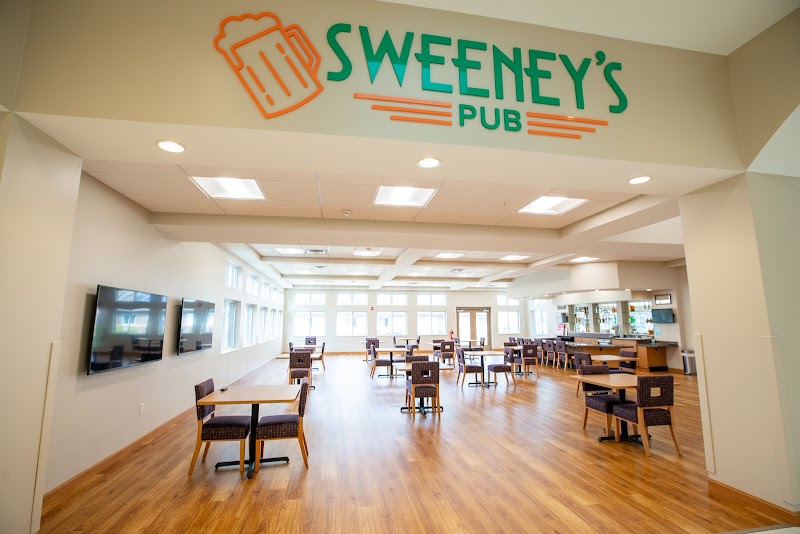
Compared to the 100 nursing homes in Ohio, AUSTIN TRACE HEALTH AND REHABILITATION's overall rating (3 stars) is below the state average of 3.2, staff turnover (62%) is significantly higher than the state average of 46%, and health inspection rating (4 stars) is above the national benchmark.

What Should Families Ask When Visiting Austin Trace?

Based on this facility's data, families visiting should ask: "How do you ensure continuity of care given staff turnover, and what is your staff retention strategy?" "Can you walk me through typical staffing levels on day, evening, and night shifts?" "Can I visit during a mealtime to observe dining assistance and food quality?" "How do you handle medical emergencies, and what is your hospital transfer rate?" These questions are particularly relevant given the facility's high staff turnover rate and the below-average staffing rating.

Is Austin Trace Safe?

Based on CMS inspection data, AUSTIN TRACE HEALTH AND REHABILITATION has a clean safety record: no substantiated abuse findings (meaning no confirmed cases of resident harm), no Immediate Jeopardy citations (the most serious violation level indicating risk of serious injury or death), and is not on the Special Focus Facility watch list (a federal program monitoring the lowest-performing 1% of nursing homes). The facility has a 3-star overall rating and ranks #100 of 100 nursing homes in Ohio. While no facility is perfect, families should still ask about staff-to-resident ratios and recent inspection results during their visit.

Do Nurses at Austin Trace Stick Around?

Staff turnover at AUSTIN TRACE HEALTH AND REHABILITATION is high. At 62%, the facility is 16 percentage points above the Ohio average of 46%. Registered Nurse turnover is particularly concerning at 60%. RNs handle complex medical decisions and coordinate care — frequent RN changes can directly impact care quality. High turnover means new staff may not know residents' individual needs, medications, or preferences. It can also be disorienting for residents, especially those with dementia who rely on familiar faces. Families should ask: What is causing the turnover? What retention programs are in place? How do you ensure care continuity during staff transitions?

Was Austin Trace Ever Fined?

AUSTIN TRACE HEALTH AND REHABILITATION has no federal fines on record. CMS issues fines when nursing homes fail to meet care standards or don't correct problems found during inspections. The absence of fines suggests the facility has either maintained compliance or corrected any issues before penalties were assessed. This is a positive indicator, though families should still review recent inspection reports for the full picture.

Is Austin Trace on Any Federal Watch List?

AUSTIN TRACE HEALTH AND REHABILITATION is not on any federal watch list. The most significant is the Special Focus Facility (SFF) program, which identifies the bottom 1% of nursing homes nationally based on persistent, serious quality problems. Not being on this list means the facility has avoided the pattern of deficiencies that triggers enhanced federal oversight. This is a positive indicator, though families should still review the facility's inspection history directly.