CENTERVILLE POST ACUTE
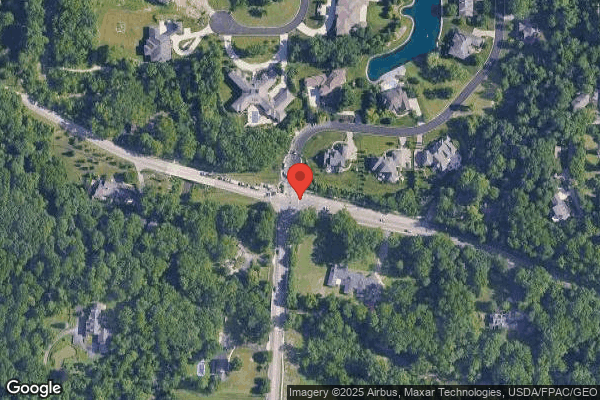
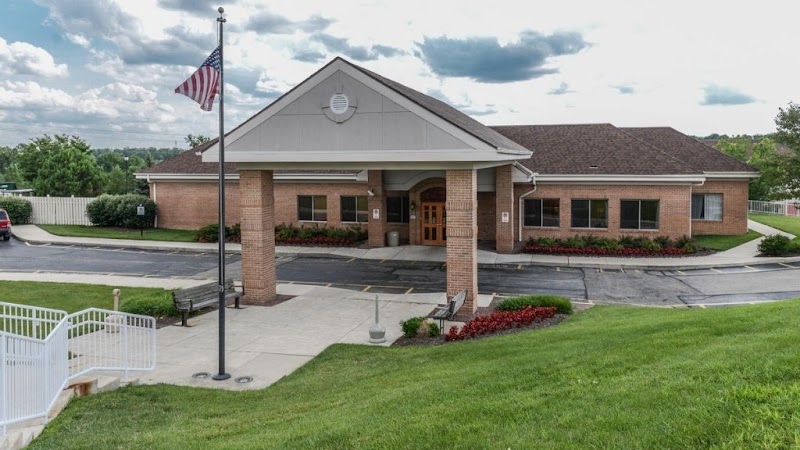
1001 ALEX BELL ROAD, CENTERVILLE, OH 45459 (937) 436-9700
For profit - Corporation 129 Beds PACS GROUP Data: November 2025
Trust Grade
58/100
#436 of 913 in OH
Last Inspection: March 2025

Within standard 12-15 month inspection cycle. Federal law requires annual inspections.

Overview

Centerville Post Acute has received a Trust Grade of C, which means it is average and sits in the middle of the pack among nursing homes. It ranks #436 out of 913 facilities in Ohio, placing it in the top half, and #13 out of 40 in Montgomery County, indicating that only 12 local options are better. Currently, the facility is experiencing a worsening trend, with issues increasing from 1 in 2024 to 7 in 2025. Staffing is a concern here, with a rating of 1 out of 5 stars and a turnover rate of 65%, significantly higher than the state average of 49%. While the facility has an average fine amount of $3,489, it suffers from less RN coverage than 78% of Ohio facilities, which is concerning because more RN coverage typically helps catch issues that CNAs might miss. Specific incidents include staff failing to wear Personal Protective Equipment properly, which could affect all residents, and a resident being transported in a wheelchair without dignity, indicating a lack of attention to personal care. Although there are strengths in health inspections and quality measures, these weaknesses highlight the need for improvement in staffing and resident care at this facility.

Trust Score
C
58/100
In Ohio
#436/913
Top 47%
Safety Record
Low Risk
No red flags
Inspections
Getting Worse
1 → 7 violations
Staff Stability
⚠ Watch
65% turnover. Above average. Higher turnover means staff may not know residents' routines.
Penalties
○ Average
$3,489 in fines. Higher than 65% of Ohio facilities. Some compliance issues.
Skilled Nurses
⚠ Watch
Each resident gets only 23 minutes of Registered Nurse (RN) attention daily — below average for Ohio. Fewer RN minutes means fewer trained eyes watching for problems.
Violations
⚠ Watch
20 deficiencies on record. Higher than average. Multiple issues found across inspections.
★★★☆☆
3.0
Overall Rating
★☆☆☆☆
1.0
Staff Levels
★★★★☆
4.0
Care Quality
★★★★☆
4.0
Inspection Score
Stable
2024: 1 issues
2025: 7 issues

The Good

  • 4-Star Quality Measures · Strong clinical quality outcomes
  • Full Sprinkler Coverage · Fire safety systems throughout facility
  • No fines on record

Facility shows strength in quality measures, fire safety.

The Bad

3-Star Overall Rating

Near Ohio average (3.2)

Meets federal standards, typical of most facilities

Staff Turnover: 65%

18pts above Ohio avg (46%)

Frequent staff changes - ask about care continuity

Federal Fines: $3,489

Below median ($33,413)

Minor penalties assessed

Chain: PACS GROUP

Part of a multi-facility chain

Ask about local staffing decisions and management

Staff turnover is elevated (65%)

17 points above Ohio average of 48%

The Ugly 20 deficiencies on record

Mar 2025 7 deficiencies
CONCERN (D)

Potential for Harm - no one hurt, but risky conditions existed

Resident Rights (Tag F0550)

Could have caused harm · This affected 1 resident

**NOTE- TERMS IN BRACKETS HAVE BEEN EDITED TO PROTECT CONFIDENTIALITY** Based on observation, staff interview, record review, and policy review, the facility failed to ensure a resident was being tran...

Read full inspector narrative →
**NOTE- TERMS IN BRACKETS HAVE BEEN EDITED TO PROTECT CONFIDENTIALITY** Based on observation, staff interview, record review, and policy review, the facility failed to ensure a resident was being transported in a wheelchair in a dignified manner. This affected one (#34) of four residents sampled for dignity. The facility census was 96. Findings include: Review of the medical record revealed Resident #34 was admitted to the facility on [DATE]. Diagnoses included chronic obstructive pulmonary disease, type II diabetes, stage II chronic kidney failure, unspecified bipolar disorder, and paranoid schizophrenia. Review of the most recent Minimum Data Set (MDS) assessment dated [DATE] revealed Resident #34 had moderately impaired cognition, had no behaviors, did not wander , and did not reject care. Review of care plan dated 12/10/23 revealed Resident #34 had an Activities of Daily Living (ADL) Self-care/mobility/functional ability/performance deficit. Interventions included limited to extensive assistance with bathing, and additional staff assistance with ADL's as needed to ensure needs were met. Observation on 03/24/25 at 2:14 P.M., revealed Certified Nurse's Assistant (CNA) #8 pulled Resident #34 backwards in a shower chair in the hallway from the resident's room to the shower room. Interview on 03/24/25 at 2:14 P.M., with CNA #8 verified she pulled Resident #34 backwards in shower chair and stated she was unaware it was a dignity issue. Review of policy titled Dignity dated February 2021, revealed demeaning practices and standards of care that compromised dignity were prohibited.
CONCERN (D)

Potential for Harm - no one hurt, but risky conditions existed

Deficiency F0657 (Tag F0657)

Could have caused harm · This affected 1 resident

**NOTE- TERMS IN BRACKETS HAVE BEEN EDITED TO PROTECT CONFIDENTIALITY** 3. Review for Resident #73's medical record revealed an admission date of 10/20/23. Diagnoses included aphasia, diabetes, anxiet...

Read full inspector narrative →
**NOTE- TERMS IN BRACKETS HAVE BEEN EDITED TO PROTECT CONFIDENTIALITY** 3. Review for Resident #73's medical record revealed an admission date of 10/20/23. Diagnoses included aphasia, diabetes, anxiety and stroke. Review of the quarterly Minimum Data Set (MDS) 3.0 assessment dated [DATE] revealed the resident was severely cognitively impaired. The resident required extensive assistance for dressing, toileting, and personal hygiene. Review of the care conference notes revealed care conferences were held 03/14/24, 05/23/24 and 08/06/24 with family in attendance. No further care conferences were noted. Interview on 03/26/25 at 4:48 P.M., with the Director of Nursing (DON) revealed Resident #73 did not have any more care conferences. Review of the policy titled, Resident Participation - Assessment/Care Plans, dated 02/2021, revealed the facility staff held quarterly care planning meetings at times when residents were functioning at their best and family members/representatives could attend. Based on record review, staff interviews; resident interviews, and policy review, the facility failed to ensure quarterly care conferences were conducted with residents and resident representatives. This affected three (#16, #41, and #73) of three residents sampled for care planning. The facility census was 96. Findings include: 1. Review of the medical record revealed Resident # 41 was admitted to the facility on [DATE]. Diagnoses included hemiplegia and hemiparesis following cerebral infarction affecting left non-dominant side, major depressive disorder, morbid obesity, unspecified gout, and chronic pain syndrome. Review of the most recent Minimum Data Set (MDS) assessment dated [DATE] revealed Resident #41 was cognitively intact, had no behaviors, did not wander, and did not reject care. Review of care conference note dated 03/07/23 revealed Resident #41 and his father (via telephone) had a care conference with the social worker, dietary, and activity staff in attendance. Interview on 03/24/25 at 2:02 P.M., with Resident #41 stated he had not had a care conference in at least six months. Interview on 03/26/25 at 4:48 P.M., with the Director of Nursing (DON) verified Resident #41 has not had a care conferences since 03/07/24. 2. Review of the medical record revealed Resident #16 was admitted to the facility on [DATE]. Diagnoses included type II diabetes, obesity, and end stage renal disease with dependence on dialysis. Review of the most recent Minimum Data Set (MDS) assessment dated [DATE] revealed Resident #16 was cognitively intact, did not wander, and did not reject care. Interview on 03/24/25 at 11:48 A.M., with Resident #16 stated it had been at least four to five months since his last care conference. Review of Care Conference Note dated 10/23/24 revealed Resident #16 met with Social Worker #180 and discussed care plans, dietary orders, and concerns with care. Interview on 03/26/25 at 4:48 P.M., with the DON verified Resident #16 has not had a care conferences since 10/23/24.
CONCERN (D) 📢 Someone Reported This

A family member, employee, or ombudsman was alarmed enough to file a formal complaint

Potential for Harm - no one hurt, but risky conditions existed

Quality of Care (Tag F0684)

Could have caused harm · This affected 1 resident

Based on medical record review, observation, staff interview, and family interview, the facility failed to ensure gastrostomy tube dressings were changed as ordered. This affected one (#301) residents...

Read full inspector narrative →
Based on medical record review, observation, staff interview, and family interview, the facility failed to ensure gastrostomy tube dressings were changed as ordered. This affected one (#301) residents of four residents reviewed for wound care. The facility census was 96. Findings include: Review of the medical record for Resident #301 revealed an admission date of 03/11/25, with medical diagnoses of aftercare following surgery for neoplasm, squamous cell cancer of skin on face, encounter for attention to gastrostomy, malignant neoplasm of mouth, dysphagia, and anemia. Review of the medical record for Resident #301 revealed an admission evaluation, dated 03/11/25, which indicated Resident #301 was cognitively intact and admitted with cancer biopsy site to right jaw, and a gastrostomy tube (g-tube). Review a physician order dated 03/12/25 revealed to cleanse g-tube site with normal saline and cover with a t-drain dressing daily. Review of the March 2025 Treatment Administration Record (TAR) which had documentation to support Resident #301's g-tube care was completed 03/12/25 to 03/25/25. Interview with observation on 03/24/25 at 2:23 P.M., with Resident #301's family stated staff were not changing Resident #301's g-tube dressing as ordered. Observation revealed Resident #301's family pulled up Resident #301's t-shirt and revealed a dressing to Resident #301's g-tube site dated 03/21/25. Interview on 03/24/25 at 2:26 P.M., with Licensed Practical Nurse (LPN) #206 confirmed the g-tube dressing for Resident #301 was dated 03/21/25 and that the dressing had not been changed daily as ordered. This deficiency represents non-compliance investigated under Complaint Number OH00162757.
CONCERN (D) 📢 Someone Reported This

A family member, employee, or ombudsman was alarmed enough to file a formal complaint

Potential for Harm - no one hurt, but risky conditions existed

Pressure Ulcer Prevention (Tag F0686)

Could have caused harm · This affected 1 resident

**NOTE- TERMS IN BRACKETS HAVE BEEN EDITED TO PROTECT CONFIDENTIALITY** Based on medical record review, observation, staff interview, resident interview, and review of policies, the facility failed to...

Read full inspector narrative →
**NOTE- TERMS IN BRACKETS HAVE BEEN EDITED TO PROTECT CONFIDENTIALITY** Based on medical record review, observation, staff interview, resident interview, and review of policies, the facility failed to accurately assess a wound and timely initiate a treatment for new skin area. This affected one (#41) residents of four residents reviewed for wound care. The facility census was 96. Findings include: Review of the medical record revealed Resident # 41 was admitted to the facility on [DATE]. Diagnoses included hemiplegia and hemiparesis following cerebral infarction affecting left non-dominant side, major depressive disorder, morbid obesity, unspecified gout, and chronic pain syndrome. Review of the most recent Minimum Data Set (MDS) assessment dated [DATE] revealed Resident # 41 was cognitively intact, had no behaviors, did not wander, and did not reject care. Review of care plan dated 06/17/24 revealed Resident # 41 had potential for alteration in skin integrity related to incontinence. Interventions included diet as ordered, lotion for dry skin, Braden scale quarterly and as needed, avoid elevating head of bed greater than 30 degrees when in bed, keep lines dry and wrinkle free, monitor skin folds for signs of irritation, pressure redistributing devices as indicated, offload heels as tolerated, monitor nutritional status, turn and reposition as needed, and position with pillows as needed for support. Review of progress note dated 03/23/25 at 11:50 A.M. revealed Resident #41 asked Licensed Practical Nurse (LPN) #21 to check his upper thigh under his buttocks and noted a wound which measure 0.1 cm x 0.1 cm. The nurse cleansed the area with soap and water, applied cream, and applied a 3 x 3 gauze pad. Review of Wound assessment dated [DATE] revealed Resident #41 had a new abrasion in-house acquired, no location documented, which measured 0.4 cm x 1 cm x 0.6 cm with 100% granulation. Review of the medical record revealed Resident #41 had an order dated 03/25/25 to start 03/27/25 for wound care to the left gluteal fold: clean and cover with bordered foam three times a week and as needed every day shift every Tuesday, Thursday, and Saturday. Interview on 03/24/25 at 2:07 P.M., with Resident #41 stated he had an open area on back of his left thigh that had been there one week. He was not sure when or how he got it. Resident #41 stated it felt like something was pinching his thigh. Interview on 03/26/25 at 7:04 A.M., with LPN #21 stated she was giving medications and Resident #41 stated he felt something back there. The nurse rolled him over and saw a reddened area on the left thigh that looked like shearing, like a rug burn, where the skin was starting to break. The nurse stated when a new area was found, the nurse measured it and put a note in risk management for the wound team to check it out. LPN #21 stated she notified the wound manager and left a note in the book for the nurse practitioner. The LPN #21 stated she did not call the on-call practitioner to get a new order for wound care because she had looked at it, and the wound was not bleeding or deep. Interview on 03/26/25 at 7:55 A.M., with the DON stated when a nurse finds a new area, it goes into risk management, call the provider, get a new order, place new order in, and the wound nurse would see on next wound round day. Interview on 03/26/25 at 11:05 A.M., with Resident # 41 stated after the nurse put a dressing on it Sunday night, no one came and looked at the wound or changed the dressing placed on 03/23/25, until Tuesday morning, 03/25/25, when the wound team came in. Resident #41 stated he was unaware of any dressing currently in place. Observation on 03/26/25 at 1:03 P.M., revealed LPN #26 performed incontinence care. Resident #41 had an open area to left buttock/anterior thigh with no dressing in place approximately the size of a nickel. The skin surrounding the wound was covered with white paste. LPN #26 cleansed the peri-area with wipes, applied zinc paste to the skin surrounding the wound, placed a clean brief, positioned the resident in bed with pillows for comfort, doffed her gloves, and sanitized her hands before leaving room. During a concurrent interview, LPN #26 stated she normally did not have this hall. LPN #26 stated she was unaware Resident #41 had an open area or had a wound treatment in place. Interview on 03/26/25 at 2:44 P.M., with Registered Nurse (RN) #173 stated Resident # 41 was seen on weekly wound rounds for vascular ulcers on his lower extremities. There was a new wound on his buttocks. RN #173 verified the team became aware of the wound on Monday 03/24/25, but did not see it until wound rounds on Tuesday, 03/25/25. The RN stated for any new wound, nurses were expected to fill out a risk management and call the on-call to notify and receive new orders. RN #173 verified staff identified Resident #41 had a wound on 03/23/25 and the wound did not have an active treatment order placed until 03/25/25. Review of policy titled, Pressure Injury Risk Assessment, dated March 2020, revealed if a new skin alteration was noted, staff documented characteristics of the wound, provider notification, new orders for wound care, revision(s) to the care plan, and family notification. Review of the policy titled, Pressure Ulcers/Skin Breakdown- Clinical Protocol, stated the physician will authorize pertinent orders related to wound treatments, including wound cleansing and debridement approaches, dressing, (occlusive, absorptive, etc.) and application of topical agents if indicated for type of skin alteration. This deficiency represents non-compliance investigated under Complaint Number OH00163742 and OH00162757.
CONCERN (D)

Potential for Harm - no one hurt, but risky conditions existed

Accident Prevention (Tag F0689)

Could have caused harm · This affected 1 resident

**NOTE- TERMS IN BRACKETS HAVE BEEN EDITED TO PROTECT CONFIDENTIALITY** Based on medical record review, staff interviews, and policy review, the facility failed to investigate a resident elopement. Th...

Read full inspector narrative →
**NOTE- TERMS IN BRACKETS HAVE BEEN EDITED TO PROTECT CONFIDENTIALITY** Based on medical record review, staff interviews, and policy review, the facility failed to investigate a resident elopement. This affected one (#22) of one resident reviewed for elopement. The facility census was 96. Findings included: Review of the medical record for Resident #22 revealed an admission date of 10/27/25 with medical diagnoses of major Depression, diabetes mellitus, congestive heart failure, history of suicidal ideations, and hypertension. Review of the medical record for Resident #22 revealed a Minimum Data Set (MDS) assessment, dated 01/27/25, which indicated Resident #22 had severely impaired cognition and required set-up assistance with eating, toileting, bathing, bed mobility and transfers. The MDS did not indicate Resident #22 had behaviors. Review of the medical record for Resident #22 revealed a physician order dated 02/18/25 for wanderguard to check placement to left ankle and function every shift. Review of the medical record for Resident #22 revealed an elopement care plan dated 01/10/25 which stated Resident #22 was at risk for elopement/exit seeking/wandering related to altered cognitive status, exit seeking behaviors, expresses feeling unhappy with placement, and unsafe wandering. An intervention was to check wanderguard placement every four hours. Review of the medical record for Resident #22 revealed an elopement assessment dated [DATE] which indicated Resident #22 was at risk for elopement. Review of the medical record for Resident #22 revealed documentation on 01/10/25 Resident #22 was hospitalized at a psychiatric hospital for suicidal ideation, on 02/07/25, Resident #22 was hospitalized due to increased aggressive behaviors, exit seeking and cutting off his wanderguard, and on 02/19/25, Resident #22 was hospitalized for verbalizing suicidal ideations. Review of the medical record revealed a nurses note dated 03/02/25 at 11:33 A.M., stated Resident #22 voiced he was wanted to leave the facility and threatened to go play in traffic. The note stated the police were notified and deemed not suicidal by the police. The note continued to state Resident #22 later went on leave of absence (LOA) with his sister and upon return Resident #22 would continue one-on-one supervision. Review of the nurses note, dated 03/02/25 at 7:33 P.M. stated Resident #22 returned from LOA with sister at 6:00 P.M. The note stated Resident #22 attempted to get out of the facility and was redirected several times. The note stated the nurse went to assist another resident and upon return to the nurse's station noted Resident #22 was not sitting there any longer. The note stated the aide that was sitting with Resident #22 had gone to assist another resident also. The note indicated the nurse went to look for Resident #22 he was found being brought back into the facility through the front door by the night shift nurse and another aide. Interview on 03/26/25 at 9:15 A.M., with Registered Nurse (RN) #51 confirmed she was the nurse who took care of Resident #22 on day shift 03/02/25. RN #51 stated the aide on the unit went to assist another resident and left Resident #22 alone at the nurse's station. RN #51 stated when she returned to the nurse's station Resident #22 was no longer sitting there. RN #51 stated she went to look for Resident #51 and found the night shift nurse and aide bringing Resident #22 in the building through the front door. RN #51 stated Resident #22 was found in the front parking lot and had not gotten off the facility property. RN #51 stated she could not confirmed if Resident #22 had a wanderguard in place or if the door alarm was sounding. Interview on 03/26/25 at 1:59 P.M., with Administrator, Director of Nursing (DON), and Regional Director of Clinical Operations (RDCO) #241 confirmed the facility had not completed an investigation into how Resident #22 got out of the building, if Resident #22 had his wanderguard in place, or if the front door alarm was sounding upon Resident #22's exit from the facility. Administrator confirmed Resident #22 is at risk for elopement and has been on one-on-one supervision 24 hours per day since 03/04/25. Review of the policy titled, Elopement, revised December 2007, stated staff shall investigate and report all cases of missing residents. The policy stated staff shall promptly report any resident who tries to leave the premises or is suspected of being missing to the Charge Nurse or DON. The policy stated when a departing individual returns to the facility, DON or Charge Nurse shall: examine the resident for injuries, notify the attending physician, notify the resident's legal representative of the incident, complete and file Report of Incident/Accident and document the event in the resident's medical record.
CONCERN (D)

Potential for Harm - no one hurt, but risky conditions existed

Deficiency F0805 (Tag F0805)

Could have caused harm · This affected 1 resident

Based on observation, staff and resident interviews, and policy review, the facility failed to provide mechanically alter diet as ordered. This affected one (23) of the two residents reviewed for food...

Read full inspector narrative →
Based on observation, staff and resident interviews, and policy review, the facility failed to provide mechanically alter diet as ordered. This affected one (23) of the two residents reviewed for food texture. The facility identified seven residents on a pureed diet. The facility census was 96. Findings include: Review of the medical record for Resident #23 revealed an admission date of 04/23/23 with medical diagnoses of hypertensive heart disease with heart failure, chronic kidney disease, congestive heart failure, diabetes mellitus, and dysphagia. Review of the medical record for Resident #23 revealed a quarterly Minimum Data Set (MDS) assessment, dated 02/07/25, which indicated Resident #23 was cognitively intact and was independent with transfers, toileting, and set-up assist with eating. The MDS indicated Resident #23 received a mechanically altered diet. Review of the medical record for Resident #23 revealed a physician order dated 03/24/25 for carbohydrate control, no added salt, pureed texture diet with thin liquids. Observation and interview with Resident #23 on 03/24/25 at 11:50 A.M., stated he does not receive meals as ordered at times and it is difficult to swallow some items. The observation of Resident #23's lunch tray revealed mashed potatoes, pureed vegetable, and pork loin. The observation of the lunch tray revealed individual shreds of pork loin were visible and the pork was easily flaked apart. Interview on 03/24/25 at 11:56 A.M., with Licensed Practical Nurse (LPN) #35 confirmed Resident #23's pork loin appeared minced and was not a pureed consistency. LPN #35 confirmed the mashed potatoes and vegetables on Resident #23 had a texture consistent with a pureed diet. Interview on 03/27/25 at 9:34 A.M., with Dietary Technician (DT) #191 stated she was notified on 03/24/25 that Resident #23 did not want his lunch tray. DT #191 stated she went to Resident #23's room and confirmed the pork loin that was provided on his lunch tray was not a pureed texture and she went to the kitchen and brought him a bowl of pureed pork loin. Review of the undated policy titled, Therapeutic Diets and Mechanically Altered Diets, stated puree foods are blenderized to a pudding-like texture that clings together and does not require chewing.
CONCERN (E)

Potential for Harm - no one hurt, but risky conditions existed

PASARR Coordination (Tag F0644)

Could have caused harm · This affected multiple residents

**NOTE- TERMS IN BRACKETS HAVE BEEN EDITED TO PROTECT CONFIDENTIALITY** 3. Review of the medical record for Resident #19 revealed she was admitted [DATE] with diagnoses to include type 2 diabetes, vas...

Read full inspector narrative →
**NOTE- TERMS IN BRACKETS HAVE BEEN EDITED TO PROTECT CONFIDENTIALITY** 3. Review of the medical record for Resident #19 revealed she was admitted [DATE] with diagnoses to include type 2 diabetes, vascular dementia, chronic obstructive pulmonary disease, hyperlipidemia, hypertension, hypothyroidism, gastro-esophageal reflux disease, dysphagia, delusional disorder and schizoaffective disorder. Review of her Minimum Data Set (MDS) annual assessment dated [DATE] revealed her Brief Interview of Mental Status (BIMS) score was 10 indicating she was moderately cognitively impaired. She required set-up for eating and moderate assistance for her activities of daily living (ADLs). Review of her Pre-admission Screening and Resident Review (PASARR) dated 07/21/18 revealed a diagnosis of mood disorder. Review of her current diagnosis list revealed a diagnosis of delusional disorder dated 07/15/22. Interview on 03/26/25 at 10:00 A.M., with the Business Office Manager (BOM) #138 verified the diagnosis of delusional disorder was not documented on the PASARR for Resident #19 and an updated PASARR should have been completed to include the delusional diagnosis. BOM #138 stated she was not a clinical staff person so did not attend the clinical meetings and new diagnosis were not relayed to her. 4. Review of the medical record for Resident #63 revealed she was admitted [DATE] with diagnoses to include chronic obstructive pulmonary disease, encephalopathy, mood disorder, schizoaffective disorder, anxiety disorder, morbid obesity, hypertension, carpal tunnel syndrome, gastro-esophageal reflux disease, peripheral vascular disease, and bariatric surgery status. Review of her Minimum Data Set (MDS) quarterly dated 01/24/25 revealed her Brief Interview of Mental Status (BIMS) score was 15 indicating she was cognitively intact. She required set-up with eating and supervision with activities of daily living (ADLs). Review of her Pre-admission Screening and Resident Review (PASARR) dated 10/31/23 revealed she took anti-psychotic and anti-depressant medication. Review of her current physician list revealed an anti-anxiety medication Buspar 5 milligrams (06/03/24) and a mood stabilizer Depakote 125 milligrams twice daily (05/12/24) which were not documented on her PASARR. Interview on 03/26/25 at 10:00 A.M., with the Business Office Manager (BOM #138) verified the anti-anxiety and mood stabilizing medication was not reflected on her PASARR and should have been added. BOM #138 stated she was not a clinical staff person so did not attend the clinical meetings, and new medications were not relayed to her. Review of the undated policy titled, PASARR (Pre-admission Screening and Resident Review) revealed the policy was to ensure each resident was screened for a mental disorder or intellectual disability prior to admission and that residents identified with those diagnoses are evaluated and received care and services in the most integrated setting appropriate to their needs. If a resident's condition changed significantly after admission and there was reason to believe the resident may now have newly developed symptoms of a mental disorder or intellectual disability, the facility must reassess and if appropriate, re-submit the screening and coordinate with the state-designated authority to ensure a Level II PASARR is completed in a timely manner. Based on medical record review, staff interview, and policy review, the facility failed to assess residents with new diagnoses and medications to treat serious mental illness for eligibility for Level II pre-admission screening and resident review (PASARR) services. The affected four (#19, #34, #55, And #63) of five residents sampled for PASARR. The facility census was 96. Findings include: 1. Review of the medical record revealed Resident #34 was admitted to the facility on [DATE]. Diagnoses included chronic obstructive pulmonary disease, type II diabetes, stage II chronic kidney failure, unspecified bipolar disorder, and paranoid schizophrenia. Review of the most recent Minimum Data Set (MDS) assessment dated [DATE] revealed Resident # 34 had moderately impaired cognition, had no behaviors, did not wander , and did not reject care. Review of care plan dated 12/10/2023 revealed Resident # 34 had an Activity of Daily Living (ADL) Self-care/mobility/ functional ability/performance deficit. Interventions included limited to extensive assistance with bathing, and additional staff assistance with ADL's as needed to ensure needs were met. Review of PASARR dated 01/09/23 revealed Resident #34 was assessed and had anxiety and depression and had no antipsychotic. antidepressant, anti-anxiety, or mood stimulator medications ordered. Review of the medical record revealed Resident #34 was diagnosed with paranoid schizophrenia and borderline personality disorder on 01/06/23 and unspecified bipolar disorder on 11/28/22. Review of the medical record revealed Resident #34 had active orders for psychotropic medications including Divalproex Sodium Oral Capsule Delayed Release Sprinkle 125 MG (Divalproex Sodium) Give 1 capsule by mouth two times a day for depression; buspirone HCl Oral Tablet 10 milligrams (mg), Give 1 tablet by mouth one time a day for anxiety; buspirone HCl Oral Tablet 15 mg, Give 1 tablet by mouth one time a day for anxiety; Quetiapine Fumarate Oral Tablet 100 mg, Give 1 tablet by mouth one time a day for depression and Give 2 tablet by mouth at bedtime for depression: and Sertraline HCl Oral Tablet 100 mg (Sertraline HCl) Give 1 tablet by mouth one time a day for anxiety. Interview on 03/26/25 at 10:18 A.M., Business Office Manager (BOM) #138 verified she had not completed a significant change PASARR after Resident #34 had new diagnoses and medications were initiated to treat serious mental illness. BOM #138 stated she was not clinical and did not attend clinical staff meetings where this information was shared. 2. Review of the medical record revealed Resident #55 was admitted to the facility on [DATE]. Diagnoses included hemiplegia and hemiparesis following cerebral infarction affecting left non-dominant side, unspecified chronic kidney disease, unspecified anxiety disorder, unspecified convulsions, and delusional disorders. Review of the most recent Minimum Data Set (MDS) assessment dated revealed Resident #55 had moderately impaired cognition, had occasional verbal behaviors, did not wander, and did not reject care. Review of PASARR Screening dated 01/22/21 revealed Resident #55 had no diagnoses or active medications orders which indicated Serious Mental Illness (SMI). Review of the medical record revealed Resident #55 was diagnosed with delusional disorders on 03/08/21, Major depressive disorder, single episode, severe with psychotic features on 11/12/24, and unspecified anxiety disorder on 02/23/21. Review of the drug summary revealed Resident #55 had active orders for psychotropic medications including: Ativan 0.5 mg by mouth twice daily (03/08/2025), Buspirone 10 mg one tablet once daily and two tablets once daily (10/30/24), Duloxetine 60 mg by mouth once daily (05/13/24), and Duloxetine 20 mg by mouth once daily (10/30/24). Interview on 03/26/25 at 9:56 A.M., with BOM #138 stated if nursing told her there had been a change in diagnosis or new medications she would do a new PASARR, but she was not clinical and would not otherwise know to do one. BOM #138 verified Resident # 55 had no new PASARR completed since admission.
Oct 2024 1 deficiency
CONCERN (D) 📢 Someone Reported This

A family member, employee, or ombudsman was alarmed enough to file a formal complaint

Potential for Harm - no one hurt, but risky conditions existed

Free from Abuse/Neglect (Tag F0600)

Could have caused harm · This affected 1 resident

**NOTE- TERMS IN BRACKETS HAVE BEEN EDITED TO PROTECT CONFIDENTIALITY** THE FOLLOWING DEFICIENCY REPRESENTS AN INCIDENT OF PAST NON-COMPLIANCE THAT WAS SUBSEQUENTLY CORRECTED PRIOR TO THIS SURVEY. Bas...

Read full inspector narrative →
**NOTE- TERMS IN BRACKETS HAVE BEEN EDITED TO PROTECT CONFIDENTIALITY** THE FOLLOWING DEFICIENCY REPRESENTS AN INCIDENT OF PAST NON-COMPLIANCE THAT WAS SUBSEQUENTLY CORRECTED PRIOR TO THIS SURVEY. Based on medical record reviews, review of Self-Reported Incident (SRI), staff and guardian interviews and review of facility policy, the facility failed to ensure resident was free from abuse. This affected one (#102) out of the three residents reviewed for abuse. The facility census was 110. Findings include: Review of the medical record for Resident #102 revealed an admission date of 08/10/24 with medical diagnoses of chronic respiratory failure, [NAME]-[NAME] Syndrome (multisystem disorder characterized by developmental delay and impaired cognition), hypothyroidism, obesity, and mild intellectual disabilities. Review of the medical record for Resident #102 revealed an admission Minimum Data Set (MDS) assessment, dated 08/14/24, which indicated Resident #102 had severe cognitive impairment and was dependent upon staff for toileting, bathing, bed mobility, and transfers. The MDS indicated Resident #102 did not ambulate. Review of the medical record for Resident #102 revealed a Social Service note, dated 09/12/24 at 2:57 P.M., which stated the Social Work staff called Resident #102's guardian and informed him about inappropriate behavior happening to Resident #102. The note stated the facility was handling the behavior by increasing staff monitoring and the guardian was happy with the outcome and appreciated the notice. Further review of the medical record for Resident #102 revealed a nurse's note, dated 09/14/24 at 2:56 P.M., which stated per the Administrator's request a complete head to toe assessment was completed for Resident #102 which showed no evidence of bruising or trauma noted externally. Review of the medical record for Resident #115 revealed an admission date of 06/01/24 with medical diagnoses of diabetes mellitus, atrial fibrillation, peripheral vascular disease, and depression. Review of the medical record for Resident #115 revealed a discharge date of 10/09/24. Review of the medical record for Resident #115 revealed a Social Service note, dated 09/11/24 at 2:04 P.M. which stated Social Work staff received report from staff that Resident #115 was being verbally inappropriate. The note stated Social Work staff spoke with Resident #115 and Resident #115 agreed to he would try to refrain from unacceptable behaviors directed towards staff and residents. The note stated Resident #115 had been counseled many times by different facility staff regarding his behaviors. Review of the medical record for Resident #115 revealed a Social Service note, dated 09/14/24 at 5:13 P.M., which stated Resident #115 had been sent out for a psychiatric evaluation for risk of harm to self and others per the Administrator's request. Review of the facility SRI, dated 09/14/23, revealed an investigation was completed for allegation of sexual abuse against Resident #102 by Resident #115. Resident #102 alleged that Resident #115 touched her inappropriately. The investigation included staff and resident interviews, staff education on abuse, resident physical assessments, and notification to Resident #102's guardian, the police, and physician. Interview on 10/10/24 at 9:54 A.M. with Resident #102's guardian stated he was notified on 09/14/24 by the Administrator that Resident #102 had been inappropriately touched by Resident #115. Resident #102's guardian stated he was informed that Resident #115 had been touching Resident #102 with his fingers, maybe even penetrating Resident #102 and was kissing her. Resident #102's guardian stated Resident #102 informed him that Resident #115 touched her, and she did not like it. Resident #102's guardian stated the police were notified and the incident was being investigated but he was informed by the police that charges would probably not be filed due to lack of evidence. Resident #102's guardian stated he did not believe Resident #102 would be able to understand the meaning of consent or even sexual intercourse. Resident #102's guardian stated Resident #102 was not sent out to the hospital for a physical examine per his request because he did not want to put Resident #102 through the experience since there was not any evidence of sexual intercourse. Interview on 10/10/24 at 10:16 A.M. with Administrator stated she was informed by the facility staff on the morning of 09/14/24 that Resident #102 had reported to staff that Resident #115 kissed her and that they were in a relationship which included sexually inappropriate touching and kissing. Administrator stated she immediately started an investigation and notified the police department. Administrator stated she interviewed Resident #115 who admitted to kissing Resident #102, putting his penis on her mouth and touching her inappropriately. Administrator stated she interviewed Resident #102 who stated Resident #115 put his penis in her mouth and touched her private area. Administrator stated Resident #102 denied having sexual intercourse with Resident #115. Administrator stated Resident #102 and Resident #115's stories had inconsistencies regarding the number of times they were together or what actually occurred between them. Administrator stated no staff reported ever seeing Resident #102 or Resident #115 together in a private area but only in therapy gym. Administrator stated a few days prior to the incident on 09/14/24, the staff were made aware that Resident #102 had a crush on Resident #115 who she met in therapy. Administrator stated Social Work staff notified Resident #102's guardian of Resident #102's infatuation with Resident #115 and he asked that the two residents' only see each other in public common areas. Administrator stated Resident #115 had no history of sexual abuse but would make lewd comments to staff. Administrator stated staff never observed Resident #115 in Resident #102's room. Administrator stated Resident #115 was put on one-on-one supervision on 09/14/24 until he discharged on 10/09/24 and had no further contact with Resident #102. Interview on 10/10/24 at 11:16 A.M. with Social Service designee (SS) #208 and Social Service Director (SSD) #209 revealed SS #208 stated Resident #102's guardian was notified that Resident #102 and Resident #115 were in a relationship on 09/12/24 and that Resident #102's guardian did not approve of the relationship but stated they could be together in public viewing areas. SSD #209 stated the facility was not aware of any inappropriate contact between the two residents at that time but wanted to make Resident #102's guardian aware of the relationship. SS #208 stated the facility intervention to ensuring Resident #102 and Resident #115 were not together in a private area was to increase staff rounds on Resident #102's hall since she required staff assistance for transfers and wheelchair mobility. SS #208 stated Resident #102 has not had any behaviors, crying, or withdrawal because of the interaction between her and Resident #115. Review of the facility policy titled, Abuse, reviewed 11/20/23, stated all residents have the right to be free from abuse, neglect, exploitation, and misappropriation of resident property. The policy stated abuse included verbal, sexual, physical, and mental abuse. The deficient practice was corrected on 09/15/24, when the facility implemented the following corrective actions: • On 09/14/24, Resident #115 was put on one-on-one supervisor. • On 09/14/24, Administrator initiated SRI and investigation which included interviews with residents and staff. • On 09/14/24, Administrator notified the local police department, Resident #102' guardian, and Medical Director. • On 09/14/24, Regional Clinical Service Manager provided education to Administrator and Director of Nursing (DON) regarding abuse. • On 09/14/24, facility nurse completed head to toe assessment for Resident #102 and had no negative findings. • On 09/14/24, DON/Social Service completed interviews with all residents and no concerns were voiced about abuse except for Resident #102. • On 09/14/24, Administrator, DON, and unit managers educated all staff on abuse. Education was completed by 09/15/24. • On 09/14/24, Resident #115 was sent to the hospital for a psychiatric evaluation and returned to the facility 09/15/24. • On 09/14/24, Quality Improvement Performance Assurance (QAPI) meeting conducted with Medical Director, DON, and Administrator. • On 09/14/24, Unit Managers to audit three residents weekly for four weeks. No additional abuse concerns were identified. • On 09/14/24, DON to interview three staff members weekly for four weeks on the facility abuse policy. No additional abuse concerns were identified. • On 09/15/24, DON and floor staff completed head to toe assessments on all residents. No additional abuse concerns were identified. This deficiency represents non-compliance investigated under Complaint Number OH00158222.
Dec 2023 3 deficiencies
CONCERN (D) 📢 Someone Reported This

A family member, employee, or ombudsman was alarmed enough to file a formal complaint

Potential for Harm - no one hurt, but risky conditions existed

ADL Care (Tag F0677)

Could have caused harm · This affected 1 resident

**NOTE- TERMS IN BRACKETS HAVE BEEN EDITED TO PROTECT CONFIDENTIALITY** Based on record review and staff and resident interviews, the facility failed to provide assistance with activities of daily liv...

Read full inspector narrative →
**NOTE- TERMS IN BRACKETS HAVE BEEN EDITED TO PROTECT CONFIDENTIALITY** Based on record review and staff and resident interviews, the facility failed to provide assistance with activities of daily living by not offering a resident showers. This affected one (#10) of three residents reviewed for personal hygiene. The facility census was 96. Findings include: Review of medical record for Resident #10 revealed admission date of 05/25/23. Diagnoses included heart attack, stage four kidney disease, congestive heart failure, peptic ulcer and anxiety. The resident remains at the facility. Review of Resident #10's quarterly Minimum Data Set (MDS) dated [DATE] revealed he required extensive two person assistance for bed mobility, transfers, toileting and supervision for eating. Resident #10's Brief Interview Mental Status (BIMS) was not assessed. Review of Resident #10's care plan for Activities of Daily Living Deficit initiated 05/25/23 documented intervention to provide extensive assistance with bathing. Further review of Resident #10's electronic medical records revealed no documentation of showers/bed baths being offered/ provided. Interview on 12/11/23 at 1:20 P.M. with Resident #10 revealed he did refuse showers, but not bed baths. Resident #10 stated the staff did not offer them (bed baths) to him and added he would like one. Interview on 12/12/23 with the Administrator revealed staff had attempted to give Resident #10 a shower, however he refused due to anxiety of having water pouring on his head due to past occurrences in the military. The Administrator acknowledged water would not cascade over Resident #10's head during a bed bath. The Administrator verified there was no documentation bed baths/showers had been offered or refused. This deficiency represents non-compliance investigated under Complaint Number OH00148920.
CONCERN (D) 📢 Someone Reported This

A family member, employee, or ombudsman was alarmed enough to file a formal complaint

Potential for Harm - no one hurt, but risky conditions existed

Quality of Care (Tag F0684)

Could have caused harm · This affected 1 resident

**NOTE- TERMS IN BRACKETS HAVE BEEN EDITED TO PROTECT CONFIDENTIALITY** Based on record review, observations and staff and resident interviews, the facility failed to accurately assess, monitor and/or...

Read full inspector narrative →
**NOTE- TERMS IN BRACKETS HAVE BEEN EDITED TO PROTECT CONFIDENTIALITY** Based on record review, observations and staff and resident interviews, the facility failed to accurately assess, monitor and/or document resident with bruising. This affected two ( #10 and #11) of three residents reviewed for skin breakdown. The facility census was 96. Findings include: 1. Review of medical record for Resident #10 revealed admission date of 05/25/23. Diagnoses included heart attack, stage four kidney disease, congestive heart failure, peptic ulcer and anxiety. The resident remains at the facility. Review of Resident #10's quarterly Minimum Data Set (MDS) dated [DATE] revealed he required extensive two person assistance for bed mobility, transfers, toileting and supervision for eating. Resident #10's Brief Interview Mental Status (BIMS) was not assessed. Observation and interview on 12/12/23 at 1:20 P.M. of Resident #10 revealed multiple, scattered bruising on both of the resident's arms. Resident #10 stated the bruises were due to his blood thinners and old, thin skin. Review of Resident #10's progress note dated 12/06/23 revealed both arms were assessed to have healing bruises which were attributed to compression sleeves. Resident #10 was documented to have no concerns. Review of 12/03/23 and 12/10/23 skin assessment revealed no documentation or assessment of bruising. 2. Review of medical record for Resident #11 revealed admission date of 10/16/23. Diagnoses included hemiplegia non-dominant following stroke, asthma, malignant breast cancer with bone metastasis and dementia. The resident remains at the facility. Review of Resident #11's admission Minimum Data Set (MDS) dated [DATE] revealed a BIMS score of 12 indicating impaired cognition. She required supervision for bed mobility, moderate assistance for transfers, and eating. Review of Resident #11's progress notes and skin assessments from 11/28/23 to 12/07/23 revealed no documentation of bruising. Observation on 12/11/23 at 10:24 A.M. of Resident #11 revealed a healing circular bruise to the upper, proximal aspect of her right arm. Further observations revealed three small, healing bruises were noted to Resident #11's left forearm. Interview on 12/12/23 at 2:52 P.M. with Unit Manager (UM) #32 verified he observed bruising of both arms of Resident #10, and there was no documentation or assessment of bruising on the 12/03/23 or 12/10/23 skin assessment. UM #32 acknowledged there was no accurate description or measurement of the bruises for Resident #10. UM #32 also verified he observed bruising of Resident #11, and there was no documentation or assessment of bruising on the 11/28/23 to 12/07/23 skin assessment. UM #32 acknowledged there was no accurate description or measurement of the bruises for Resident #11. UM #32 shared the facility had a policy for skin care management but did not have a policy for skin assessments or wound management. This deficiency is based on incidental findings discovered during the course of this complaint investigation.
CONCERN (D) 📢 Someone Reported This

A family member, employee, or ombudsman was alarmed enough to file a formal complaint

Potential for Harm - no one hurt, but risky conditions existed

Accident Prevention (Tag F0689)

Could have caused harm · This affected 1 resident

**NOTE- TERMS IN BRACKETS HAVE BEEN EDITED TO PROTECT CONFIDENTIALITY** Based on record review, observations, staff interviews and review of facility policy, the facility failed to ensure fall interve...

Read full inspector narrative →
**NOTE- TERMS IN BRACKETS HAVE BEEN EDITED TO PROTECT CONFIDENTIALITY** Based on record review, observations, staff interviews and review of facility policy, the facility failed to ensure fall interventions were implemented per the residents care plan. This affected two (#10 and #12) of three residents reviewed for falls. The facility census was 96. Findings include: 1. Review of medical record for Resident #10 revealed admission date of 05/25/23. Diagnoses included heart attack, stage four kidney disease, congestive heart failure, peptic ulcer and anxiety. The resident remains at the facility. Review of Resident #10's quarterly Minimum Data Set (MDS) dated [DATE] revealed he required extensive two person assistance for bed mobility, transfers, toileting and supervision for eating. Resident #10's Brief Interview Mental Status (BIMS) was not assessed. Review of Resident #10's care plan revealed the resident was at risk for falls. There was an intervention initiated 08/23/23 for a low bed. Review of Resident #10's progress notes dated 08/28/23 revealed the resident was found on the floor, laying on his right side after sliding from the bed. Review of Resident #10's fall investigation dated 08/28/23 fall revealed an intervention for low bed was initiated. Observation on 12/11/23 at 11:50 A.M. revealed Resident #10's bed was not in the lowest position. This was verified at 11:54 A.M. by State Tested Nursing Assistant (STNA) #35. 2. Review of medical record for Resident #12 revealed admission date of 08/08/23. Diagnoses included hemiplegia following stroke, heart failure, depression, and anemia. The resident was remains in the facility. Review of Resident #12's quarterly MDS dated [DATE] revealed a BIMS score of 12 indicating impaired cognition. He required set up for eating, maximum assistance for toileting, bed mobility and no documentation of transfers. Review of Resident #12's care plan revealed the resident was a fall risk due to history of falls with an intervention initiated on 09/25/23 to have the bed in lowest position while in bed. Observation on 12/11/23 at 8:42 A.M. revealed Resident #12 appeared to be sleeping and laying on his back. Further observations of Resident #12 revealed the bed was not in the lowest position. This was verified with Registered Nurse (RN) #27 at 8:45 A.M. Review of the facility fall policy last reviewed 06/08/22 documented Staff would identify pertinent interventions to try and prevent subsequent falls. This deficiency represents non-compliance investigated under Complaint Number OH000148920.
Jan 2023 1 deficiency
CONCERN (D) 📢 Someone Reported This

A family member, employee, or ombudsman was alarmed enough to file a formal complaint

Potential for Harm - no one hurt, but risky conditions existed

Infection Control (Tag F0880)

Could have caused harm · This affected 1 resident

**NOTE- TERMS IN BRACKETS HAVE BEEN EDITED TO PROTECT CONFIDENTIALITY** Based on medical record review, observations, staff interviews and policy review, the facility failed to ensure resident's medic...

Read full inspector narrative →
**NOTE- TERMS IN BRACKETS HAVE BEEN EDITED TO PROTECT CONFIDENTIALITY** Based on medical record review, observations, staff interviews and policy review, the facility failed to ensure resident's medications were handled in a sanitary manner to decrease the potential for infection. This affected two residents (#95 and #22) of the four residents observed for medication administration. Facility census was 108. Findings include: 1. Review of the medical record for Resident #95 revealed an admission date of 1/18/22 with diagnoses included, but not limited to, absence of right leg above the knee ([NAME]), rheumatoid arthritis, asthma, chronic obstructive pulmonary disease (COPD), type two diabetes, and gastroesophageal reflux disease (GERD). Review of the quarterly Minimum Data Set (MDS) assessment dated [DATE] for Resident #95 revealed an intact cognition. Resident #95 required supervision for bed mobility, transfers, eating and toileting. Review of the January 2023 active physicians orders for Resident #95, revealed orders for Aspirin (Antipyretic/pain) low dose tablet delayed release 81 milligrams (mg) by mouth daily, Loratadine (allergies) oral tablet 10 mg one tablet by mouth daily, Losartan Potassium (high blood pressure) tablet 25 mg one tablet daily, Vitamin D 3 (supplement) oral tablet 125 micrograms (mcg) by mouth daily, Isosorbide (Nitrate for heart) 30 mg one tablet daily, Clopidogrel (anti-coagulant) 75 mg one tablet by mouth daily, and Morphine Sulfate (narcotic pain) extended released (ER) tablets give three tablet by mouth two times a day. Observation on 01/24/23 at 8:47 A.M. revealed Licensed Practical Nurse (LPN) #92 prepared medications for Resident #95. Prior to the preparation, LPN #92 had not preformed any hand hygiene or cleaned the medication cart surface before removing the chewable Aspirin, Loratadine, Losartan, Vitamin D 3, Isosorbide, Clopidogrel, and Morphine Sulfate from the medication cart. LPN #92 handled the medication cart keys, medication cart drawers, touched the medication cart, the computer keyboard and touched the medication boxes for each medication. While emptying the Morphine tablet from the narcotic card, the pill landed on the medication cart. LPN #92 picked up the Morphine tablet from the medication cart with her bare hands/fingers and dropped it into the medication cup along with the other medications. Interview on 01/24/23 at 8:59 A.M. with LPN #92, surveyor questioned if the facility policy allowed medications to be administered after they were handled with bare hands/fingers and when the medications had fallen onto the contaminated top surface of the medication cart. LPN #92 stated the medication carts were cleaned by the third shift nurses and no one ever told her she was not allowed to handle medications with my bare hands. Observation on 01/24/23 at 9:07 A.M. with LPN #92 administered the prepared medication to Resident #95. Interview on 01/24/23 at 9:13 A.M. with LPN #92, verified she picked up the Morphine pill after it fell onto the contaminated medication cart surface using her bare hands/fingers and placed it into the medication cup along with the other medications for Resident #95. LPN #92 verified she did not complete any hand hygiene prior to the preparation of medications for Resident #92. Interview on 01/24/23 at 2:09 P.M. with Director of Nursing (DON) verified medication should not be handled with bare hands and then administered to a resident. 2. Medical record review for Resident #22, revealed an admission date of 04/27/22 with diagnoses that included, but not limited to, heart failure, hypertension, anxiety disorder, schizoaffective disorder, and GERD. Review of the comprehensive MDS assessment for Resident #22, revealed an intact cognition. Resident #22 required extensive assist with activities of daily living. Review of the January 2023 active physician orders for Resident #22, revealed Aspirin 81 mg chewable tablet by mouth daily, Docusate Sodium (stool softener) capsule 100 mg by mouth daily, Januvia (diabetes) tablet 100 mg one tablet by mouth daily, Metoprolol Tartrate (blood pressure) tablet 25 mg give one half tablet by mouth daily, Omeprazole (acid reflux) capsule delayed release 20 mg tablet by mouth daily, Calcium Carbonate tablet (anti-acid) chewable 500 mg one tablet by mouth daily, Duloxetine (pain/depression) capsule 60 mg one tablet two times a day, Geodon (antipsychotic) capsule 80 mg tablet by mouth two times a day, and Risperidone (atypical antipsychotic) one mg tablet by mouth two times a day. Observation on 01/24/23 at 9:20 A.M. of LPN #92 placed a medication cup directly on top of the medication cart surface without a barrier between the two surfaces and prepared the following medications for Resident #22: Aspirin, Docusate Sodium capsule, Januvia, Metoprolol Tartrate, Omeprazole capsule, Duloxetine Capsule, Geodon capsule, and Risperidone tablet by placing the medications in the medication cup. LPN #92 then placed a second medication cup on top of the cart and prepared a Calcium Carbonate chewable by placing the tablet into the cup. LPN #92 then picked up the first medication cup with the prepared medications and placed it on top of the medication cup containing the calcium carbonate chewable tablet. The bottom of the first medication cup was sitting on the calcium carbonate chewable tablet without any type of barrier. Interview on 01/24/23 at 9:25 A.M. with LPN #92 confirmed this was an acceptable form of administration storage and administered medications to Resident #22. Interview on 01/24/23 at 2:09 P.M with the DON verified the medications cups should not have been stacked on top of each other allowing the bottom of the cup to contaminate the medication in the other cup. DON also indicated the medications should not have been administered to the residents. Review of the facility skill and techniques evaluation titled Medication Management, dated 04/2022 revealed the facility did not implement the policy as written. Policy indicated removal of medication from containers without contamination.
Jun 2022 3 deficiencies
CONCERN (D)

Potential for Harm - no one hurt, but risky conditions existed

Deficiency F0558 (Tag F0558)

Could have caused harm · This affected 1 resident

**NOTE- TERMS IN BRACKETS HAVE BEEN EDITED TO PROTECT CONFIDENTIALITY** 3. Review of the medical record revealed Resident #47 was admitted to the facility on [DATE]. Diagnoses included acute and chron...

Read full inspector narrative →
**NOTE- TERMS IN BRACKETS HAVE BEEN EDITED TO PROTECT CONFIDENTIALITY** 3. Review of the medical record revealed Resident #47 was admitted to the facility on [DATE]. Diagnoses included acute and chronic respiratory failure with hypoxia, unspecified depression, left hand contracture, functional quadriplegia, tracheostomy, unspecified heart failure, type II diabetes, category blindness to left eye, and unspecified convulsions. Review of the most recent annual MDS assessment dated [DATE] revealed Resident #47 had severely impaired cognition, had no behaviors, did not wander, and did not reject care. Observation on 06/14/22 at 12:30 P.M. revealed Resident #47's call light was not within reach or near him. Resident #47's call light was on the floor and partly under the bedside table. During an interview on 06/14/22 at 12:30 P.M., Registered Nurse (RN) #40 verified Resident#47's call light was on the floor. Review of facility policy titled Call Light Policy, updated 10/2020 revealed to always position call light correctly for use and within reach. A clip may be used to secure the light. Based on medical record review, observation, staff and resident interview and policy review, the facility failed to ensure residents had access to call lights. This affected three residents (#71, #31, and #47) out of 24 residents sampled for call lights. The facility census was 88. Findings include: 1. Review of the medical record revealed Resident #71 admitted to the facility on [DATE]. Diagnoses included unspecified hypotension, unspecified anxiety disorder, partial intestinal obstruction, unspecified schizophrenia, multiple sclerosis, unspecified dementia without behavioral disturbance, and unspecified recurrent major depressive disorder. Review of the Minimum Data Set (MDS) assessment dated [DATE] revealed Resident #71 was cognitively intact, had no behaviors, did not wander, and did not reject care. Resident #71 required two-person physical assistance and required extensive assistance with bed mobility, dressing, toilet use, and personal hygiene; total assistance with transfers; and supervision with eating. Observation on 06/14/2022 at 7:30 A.M. revealed Resident #71's call light was laying across the top of the nightstand and out of the reach of the resident. During an interview on 06/14/2022 at 7:30 A.M., Resident #71 said he was not sure where his call light was and was unable to locate it. During an interview on 06/14/2022 at 7:35 A.M., State Tested Nurse Assistant (STNA) #10 verified Resident #71's call light was laying across the nightstand out of the resident's reach. 2. Review of the medical record revealed Resident #31 was admitted to the facility on [DATE]. Diagnoses included displacement of gastrointestinal prosthetic devices/implants/grafts, nontraumatic intracerebral hemorrhage, acute respiratory failure with hypoxia, hyperlipidemia, hemiplegia and hemipresis affecting the right side. Review of the MDS five day assessment dated [DATE]. Resident #31 had a Brief Interview for Mental Status (BIMS) score of eight indicating he had moderate cognitive impairment. He needed extensive assistance of two staff for bed mobility, transfer, toilet use, and personal hygiene. He did not walk. He required extensive assist of one staff for eating. He was totally dependent on one staff for bathing. He had functional limitation in range of motion on one side in the upper and lower extremity. Observation on 06/14/22 at 8:59 A.M. Resident #31 was lying in bed. His call light was on the floor out of reach. On 06/14/22 at 10:49 A.M., Nurse Aid in Training #33 verified the call light was out of reach and on the floor.
CONCERN (D)

Potential for Harm - no one hurt, but risky conditions existed

Respiratory Care (Tag F0695)

Could have caused harm · This affected 1 resident

**NOTE- TERMS IN BRACKETS HAVE BEEN EDITED TO PROTECT CONFIDENTIALITY** Based on medical record review, observation, staff interview, and policy review, the facility failed to ensure physician orders ...

Read full inspector narrative →
**NOTE- TERMS IN BRACKETS HAVE BEEN EDITED TO PROTECT CONFIDENTIALITY** Based on medical record review, observation, staff interview, and policy review, the facility failed to ensure physician orders for oxygen therapy were implemented. This affected one resident (#30) of three residents reviewed for oxygen. In addition, the facility failed to obtain physician orders for oxygen use. This affected one resident (#73) of three residents reviewed for oxygen. The facility census was 88. Findings Included: 1. Review of the medical record revealed Resident #30 was admitted to the facility on [DATE]. Diagnosis included pulmonary hypertension, Covid-19 on 06/07/22, major depressive disorder, dementia, mild cognitively impaired, and cardiomyopathy. Review of the minimum data set (MDS) quarterly assessment dated [DATE] revealed the Brief Interview of Mental Status was not completed. Resident #30 was alert and not able to answer questions in the interview. The resident required extensive two-person physical assistance for bed mobility, and transfers. The resident required total dependence of one-person physical assistance for dressing, and bathing. Resident #30 required extensive one-person physical assistance for personal hygiene, and toilet use. Review of the plan of care dated 05/03/22 revealed Resident #30 was at risk for congestive heart failure for fluid volume overload. Interventions included check breath sounds and monitor for labored breathing, monitor lab work, give oxygen therapy as ordered, vitals as needed, and weight monitoring. Review of the physician order dated 08/06/2021 revealed Resident #30 had an order for oxygen at two liters per minute (L/m) via a nasal cannula to keep the oxygen saturation level above 92 percent every day and night shift for hypoxia. Observation and interview on 06/15/22 at 4:50 P.M. with Licensed Practical Nurse (LPN) #114 verified Resident #30's oxygen concentrator was set on 1.5 L/m. LPN #114 said she was not sure how many liters the physician ordered for oxygen use. 2. Review of the medical record revealed Resident #73 was admitted to the facility on [DATE]. Diagnoses included chronic obstructive pulmonary disease, heart failure, cerebral palsy, and hypertension. Review of the MDS quarterly assessment dated on 05/11/22 revealed Resident #73 had a Brief Interview of Mental Status (BIMS) score of an 11 indicating she was mildly cognitively impaired. Resident #73 required extensive two-person assistance for bed mobility, toilet use, and dressing. Resident #73 required total dependence two-person physical assist for all transfers. Review of the plan of care dated 06/15/22 revealed Resident #73 was at risk for altered cardiovascular status related to congestive heart failure and atrial fibrillation. Interventions included assess for shortness of breath, encourage low fat and low salt intake, monitor and report to physician changes in lung sounds on auscultation, and monitor and report to physician chest pain or pressure. Resident was also at risk for altered respiratory status and difficulty in breathing related to recovering from Covid and congestive heart failure. Interventions included administer medications and inhalers as ordered, provide oxygen at four liters via nasal cannula to maintain oxygen saturation above 90 percent. Review of the physician orders revealed Resident #73 had no order for oxygen use. Observation on 06/13/22 at 3:05 P.M. revealed Resident #73 was on 3.5 liters of oxygen via nasal cannula delivered by an oxygen concentrator. During an interview on 06/13/22 at 3:13 P.M., the Director of Nursing (DON) verified Resident #73 had no physician order for oxygen use. During an observation and interview on 03/13/22 at 3:20 P.M. the DON verified Resident #73 was receiving 3.5 liters of oxygen via nasal cannula delivered by a concentrator in the resident's room. Review of policy titled Oxygen Administration last updated 07/2017 revealed oxygen was administered by a licensed nurse according to physician order.
CONCERN (F)

Potential for Harm - no one hurt, but risky conditions existed

Infection Control (Tag F0880)

Could have caused harm · This affected most or all residents

**NOTE- TERMS IN BRACKETS HAVE BEEN EDITED TO PROTECT CONFIDENTIALITY** Based on observation, staff and resident interview, and policy review, the facility failed to ensure staff wore Personal Protect...

Read full inspector narrative →
**NOTE- TERMS IN BRACKETS HAVE BEEN EDITED TO PROTECT CONFIDENTIALITY** Based on observation, staff and resident interview, and policy review, the facility failed to ensure staff wore Personal Protective Equipment (PPE) appropriately. This had the potential to affect all 88 residents who reside in the facility. The facility census was 88. Findings Included: 1. Observation on 06/13/22 at 12:24 P.M. with Registered Nurse (RN) #31 who worked on the skilled hall, came out of Resident #326 room wearing a yellow procedure gown, and gloves. RN #31 had an N95 mask and a face shield on. RN #31 walked from room [ROOM NUMBER] to room [ROOM NUMBER] to retrieve a straw for Resident #326. RN #31 walked back to Resident #326's room after retrieving a straw from medication cart located in the hall. At no time was RN #31 observed removing her yellow protective gown or gloves. There was no observed hand hygiene completed after leaving he residents room or returning to the room of Resident #326. Interview on 06/13/22 at 12:27 P.M., RN #31 verified she came out of Resident #326's room with a yellow procedure gown and gloves on. RN #31 said she had not touched anything in Resident #326's room; and was why she had not doffed her Personal Protective Equipment (PPE). Interview on 06/13/22 at 12:35 P.M., with Infection Preventionist Registered Nurse #58 said the staff would need to doff their PPE before leaving a room, if a resident requested an item to take back into their room. The Infection Preventionist Registered Nurse #58 stated the staff should have doffed the PPE, completed hand hygiene, then retrieved the item the resident requested. The staff should not walk in the hall with potentially contaminated PPE, after being in a quarantined or Covid positive resident's room. Review of the facility policy titled Personal Protective Equipment Usage Guide, dated 06/09/2022 revealed that the donning and doffing of gowns are removed at the exit of the patient care area; gown to be deposed of or placed in a leak-proof laundry bag at the exit area for re-processing and washing (reusable). 2. Observation on 06/13/22 at 12:45 P.M. with Maintenance Director #109 who was wearing his surgical mask hanging from one ear, and his mouth and nose was exposed on the Medbridge unit, in a resident care area standing near room [ROOM NUMBER]. Observation on 06/13/22 at 12:50 P.M. the Health and Safety Consultant Surveyor toured the facility with Maintenance Director #109 who had not worn his mask. The Maintenance Director was observed not wearing his mask correctly or not wearing it at all while in a resident hallway number two. Maintenance Director #109 was not wearing his mask while testing the fire alarm at 3:14 P.M. while he was at the nurse's station on the 2nd floor. Observation on 06/13/22 at 3:40 P.M. Maintenance Director #109 walked down to the Heritage nursing station with his mask hanging from his left ear and not covering his nose and mouth. Interview on 06/16/22 at 4:28 P.M., the Maintenance Director #109 said he had not worn his surgical mask correctly when it was hanging on his ear while in the patient care area. Review of the facility policy titled Personal Protective Equipment Usage Guide, dated 06/09/2022 revealed face masks that are specified in the usage guide lists procedure mask, N-95 respirator, face shield, goggles, safety glasses with protectant to guard eyes, gown (disposable or cloth), and surgical gloves. As of 03/26/20, all Senior Care service lines (SNF, AL, Home Health, Hospice, Palliative Care) are under universal masking criteria. Community-based staff entering a Senior Care center are also required to follow universal masking criteria as well as escalate Personal Protective Equipment use based on the following employee guidance. Donning and doffing at skilled nursing facility and assisted living: the masks are donned at the beginning of shift and only removed during scheduled breaks out of the patient care areas. Masks are removed outside of the patient care area. They are discarded when visibly soiled and in no case should they be worn beyond the end of the individual's shift. 3. Observation on 06/14/22 at 9:14 A.M. RN #56 took her black cloth mask off at the resident's room and placed a N95 mask on her face to enter a Covid quarantine room. Interview on 06/14/22 at 9:15 A.M., RN #56 said she was wearing a cloth mask, but not into Covid positive or Covid quarantine resident's room. RN #56 said she would take off the black cloth mask, change into a N95 and the rest of the PPE at each resident's door. RN #56 said she just left her cloth black mask on her nurse's cart next to the resident's room door. Observation on 06/14/22 at 9:36 A.M. Resident #332 activated the call light and asked for anxiety medication. RN #56 answered the call light at 9:38 A.M. wearing a black cloth face mask. RN #56 deactivated the call light and exited the room. At 9:40 A.M. RN #56 returned to the room wearing a black cloth mask and administered medication to Resident #332 and spoke to the resident less than two feet away. Interview on 06/15/22 at 2:38 P.M., the Administrator said employees were to wear a surgical mask or higher, and not a cloth mask. Interview on 06/15/22 at 3:50 P.M., Resident #332 said RN #56 wore a cloth mask her entire shift while working at the facility. Review of the facility policy titled Personal Protective Equipment Usage Guide, dated 06/09/2022 revealed in no where stated in the guide that a cloth mask was allowed to be worn as an employee. Masks that are specified in the usage guide lists procedure mask, N-95 respirator, face shield, goggles, safety glasses with protectant to guard eyes, gown (disposable or cloth), and surgical gloves. 4. Observation on 06/15/22 at 3:50 P.M. with State Tested Nursing Assistant (STNA) #120 standing near the nurse's station talking to Certified Nurse Aide (CNA) #33 who was sitting at the nurse's station charting on the computer. STNA #120 and CNA #33 wore face shields on but their surgical masks were at their chin resting, with their mouth and nose exposed to the air. Resident #57 was sitting less than four feet in a chair next to the next to the nurses' station with another unknown resident sitting on the other side. Resident #57 was not wearing a face mask nor the other unknown resident. Both STNA #120 and CNA #33 were observed not wearing their surgical mask correctly for over five minutes. Interview on 06/15/22 at 4:25 P.M., the STNA #120 said her and the other aide CNA #33 were wearing their surgical mask at their chin. STNA #120 said she knew two residents were sitting next to the nurse's station. STNA #120 verified there was two residents in the area, and said she was hot and needed air. Review of the facility policy titled Personal Protective Equipment Usage Guide, dated 06/09/2022 revealed face masks that are specified in the usage guide lists procedure mask, N-95 respirator, face shield, goggles, safety glasses with protectant to guard eyes, gown (disposable or cloth), and surgical gloves. As of 03/26/20, all Senior Care service lines (SNF, AL, Home Health, Hospice, Palliative Care) are under universal masking criteria. Community-based staff entering a Senior Care center are also required to follow universal masking criteria as well as escalate Personal Protective Equipment use based on the following employee guidance. Donning and doffing at skilled nursing facility and assisted living: the masks are donned at the beginning of shift and only removed during scheduled breaks out of the patient care areas. Masks are removed outside of the patient care area. They are discarded when visibly soiled and in no case should they be worn beyond the end of the individual's shift. 5. Observation on 06/15/22 at 4:55 P.M. CNA #90 came out of room [ROOM NUMBER], where a newly admitted resident resided, with only a face shield and a surgical mask on. On the resident's door was signs posted for Covid-19 Quarantine. Interview on 06/15/22 at 4:59 P.M., the CNA #90 said she came out of the room [ROOM NUMBER] who was quarantined for Covid-19. CNA #90 said she was not aware she had to wear an N95 mask into a quarantine room, because she was fully vaccinated. CNA #90 was not aware their was two Covid positive cases on the unit. Interview on 06/15/22 at 5:00 P.M., the Licensed Practical Nurse (LPN) #114 verified CNA #90 only had a surgical mask on, when exiting the room. LPN #115 said the aide should have worn an N95 mask because she was in a Covid-19 quarantine room. Review of the facility policy titled Personal Protective Equipment Usage Guide, dated 06/09/2022 revealed when to use N-95 respirators are to be used when providing care or services within six feet of patient with suspected or confirmed Covid-19, during aerosol-generating procedures, or during nasopharyngeal specimen collection. When donning and doffing of N-95 mask, the respirators are to be seal tested every time the respirator was donned. They are discarded when visibly soiled and changed in between patients.
Jun 2019 5 deficiencies
CONCERN (D)

Potential for Harm - no one hurt, but risky conditions existed

Deficiency F0582 (Tag F0582)

Could have caused harm · This affected 1 resident

Based on record review and staff interviews, the facility failed to provide the required Skilled Nursing Facility Advanced Beneficiary Notices of Non-Coverage (SNFABN). This affected two (Resident #23...

Read full inspector narrative →
Based on record review and staff interviews, the facility failed to provide the required Skilled Nursing Facility Advanced Beneficiary Notices of Non-Coverage (SNFABN). This affected two (Resident #230 and #231) of three residents review for Beneficiary Notices. The facility census was 88. Findings include: Review the facility completed list Beneficiary Notices-Residents discharged in the Last Six Months revealed Residents #230 and #231 were discharged from Medicare Part A services, will skilled days remaining, and remained in the facility after discharge. Review of the facility completed form SNF Beneficiary Protection Notification Reviews revealed the facility initiated the discharge from Medicare Part A services when benefit days were not exhausted for Resident #230 on 04/09/19 and Resident #231 on 04/05/19. There was no evidence the SNFABN forms were provided to either resident. Interview conducted on 06/20/19 at 8:43 A.M. with Social Services (LSW) #94 stated the only form he was trained to provide when residents were discharged from skilled services were the Notice of Medicare Non-Coverage (NOMNC). Interview conducted on 06/20/19 at 9:21 A.M. the facility Administrator stated she was aware the SNFABN forms were required. However, they were not completed and it was an oversight on the facilities part.
CONCERN (D)

Potential for Harm - no one hurt, but risky conditions existed

Deficiency F0655 (Tag F0655)

Could have caused harm · This affected 1 resident

**NOTE- TERMS IN BRACKETS HAVE BEEN EDITED TO PROTECT CONFIDENTIALITY** Based on medical record review, staff interview, and review of facility policy, the facility failed to initiate a baseline and/o...

Read full inspector narrative →
**NOTE- TERMS IN BRACKETS HAVE BEEN EDITED TO PROTECT CONFIDENTIALITY** Based on medical record review, staff interview, and review of facility policy, the facility failed to initiate a baseline and/or comprehensive care plan related to a seizure risk. This affected one (Resident #72) of five residents reviewed for unnecessary medications during the investigation stage of the annual survey. The facility census was 88. Findings include: Review of the medical record revealed Resident #72 was admitted to the facility on [DATE] with diagnoses including Herpes Viral Encephalitis (virus causing swelling in the brain) and dementia without behaviors. Review of the resident's physician orders revealed the resident was prescribed medications including Vimpat 150 milligrams (mg.) twice daily for seizures, Phenytoin Sodium Extended Capsule 100 mg. twice daily for seizures, and Keppra Tablet 1000 mg. twice daily for seizures. Review of the resident's care plans revealed they were silent that any care plans were initiated related to the resident's risk for seizure activity. Interview on 06/20/19 at 7:20 A.M. with the Director of Nursing (DON) verified the medical record was silent for a care plan related to the resident's risk for seizures. The DON stated he would review with the appropriate staff and ensure a care plan was put into place. Review of the facility policy Interdisciplinary Care Planning, dated 11/2016, revealed the resident care plans are a communication tool that guide members of the facility interdisciplinary team on how to meet each individual residents needs. Care plans should include managing a residents risk factors and planning for care to meet their needs.
CONCERN (D)

Potential for Harm - no one hurt, but risky conditions existed

Quality of Care (Tag F0684)

Could have caused harm · This affected 1 resident

**NOTE- TERMS IN BRACKETS HAVE BEEN EDITED TO PROTECT CONFIDENTIALITY** Based on observation, record review, staff interview, and review of facility policy, the facility failed to provide proper posit...

Read full inspector narrative →
**NOTE- TERMS IN BRACKETS HAVE BEEN EDITED TO PROTECT CONFIDENTIALITY** Based on observation, record review, staff interview, and review of facility policy, the facility failed to provide proper positioning for a resident requiring total assistance. The affected one (Resident #25) of two residents reviewed for positioning, during the annual survey. The facility census was 88. Findings include: Review of the medical record revealed Resident #25 was admitted to the facility on [DATE] with diagnoses including Alzheimer's Disease, major depressive disorder, unspecified psychosis, insomnia and polyosteoarthritis. Review of the quarterly Minimum Data Set (MDS) assessment, dated 04/15/19, revealed Resident #25 was severely cognitively impaired with no noted behaviors. The resident required extensive two-person assistance with mobility and transfers. Observations conducted on 06/17/19 at 11:35 A.M., 06/18/19 at 9:44 A.M., 06/18/19 at 5:43 P.M., 06/19/19 at 12:39 P.M. and 06/20/19 at 8:18 A.M. revealed Resident #25 was observed in a custom broda chair (special wheelchair). During every observation, Resident #25 was observed with no leg rest noted on chair, and legs were observed dangling from chair and unable to rest on the ground. Interview conducted on 06/19/19 at 2:08 P.M. with State Tested Nursing Assistant (STNA) #60 stated Resident #25 was unable to self propel in the wheelchair, and it has no foot rest. STNA #60 stated it really defeats the purpose of the broda chair since the resident was always sitting with her legs out and unable to touch the floor. Interview conducted on 06/19/19 at 2:40 P.M. with Licensed Practical Nurse (LPN) #43 stated Resident #25 was in the broda chair and was not able to put feet flat on the ground or push herself. LPN #43 verified there was no leg rest on the wheelchair for the resident to be able to rest her legs. LPN #43 stated he was unsure of how long the resident had been in the chair, but it had been a long time. Interview conducted on 06/20/19 at 9:21 A.M. with the Administrator, Nursing Supervisor (NS) #57, and Therapy Manager (TM) #98. NS #57 stated Resident #25 was last able to move herself in the wheelchair about a year ago, and she was unsure why there was never foot rest put on the wheelchair. The Administrator stated hospice was in the facility every day, and she was not sure why no one ever assessed or noticed her legs dangling in the chair. TM #98 stated residents were only assessed for positioning when a request was put in, and to her knowledge no request was ever sent in regarding Resident #25's positioning in the broda chair. Review of the facility policy Transfer:bed-Chair/Wheelchair, dated 01/2011, revealed when residents are assisted to the wheelchair, the resident should be aligned with proper positioning.
CONCERN (D)

Potential for Harm - no one hurt, but risky conditions existed

Pharmacy Services (Tag F0755)

Could have caused harm · This affected 1 resident

**NOTE- TERMS IN BRACKETS HAVE BEEN EDITED TO PROTECT CONFIDENTIALITY** Based on medical record review, staff and family interviews, and review of facility policy, the facility failed to obtain and pr...

Read full inspector narrative →
**NOTE- TERMS IN BRACKETS HAVE BEEN EDITED TO PROTECT CONFIDENTIALITY** Based on medical record review, staff and family interviews, and review of facility policy, the facility failed to obtain and provide medication timely. This affected one (Resident #72) of five residents reviewed for unnecessary medication during the annual survey. The facility census was 88. Findings including: Review of the medical record revealed Resident #72 was admitted to the facility on [DATE] with diagnoses including Herpes Viral Encephalitis (virus causing swelling in the brain), difficulty waking, urinary tract infection, hypertension, and dementia without behaviors. Review of the admission Minimum Data Set (MDS) assessment, dated 06/06/19, revealed Resident #72 was severely cognitively impaired with disorganized thinking behavior continuously present. Review of the physician orders revealed the resident was prescribed medications on admission including Vimpat 150 milligrams (mg.) twice daily for seizures, Phenytoin Sodium Extended Capsule 100 mg. twice daily for seizures, and Keppra Tablet 1000 mg. twice daily for seizures, Quetiapine 25 mg. twice a day for behaviors, Aspirin 81 mg. daily, Magnesium Oxide 400 mg. daily, Oyster Shell Calcium + D3 1000-800 mg. daily, Pantoprazole Sodium 40 mg. daily for reflux, and Donepezil HCL five mg. twice daily for dementia. Daily medication were scheduled at 9:00 A.M. and twice daily medication were scheduled at 9:00 A.M. and 9:00 P.M. Interview conducted on 06/18/19 at 5:45 P.M. with Resident #72's daughter stated when the resident was admitted to the facility there was some confusion with his medication. The resident was admitted to the facility on [DATE] between 3:00 A.M. and 4:00 A.M. The resident did not receive any of his medication at 9:00 A.M. and was without his seizure medication for at least the first day. Interview conducted on 06/19/19 at 2:23 P.M. with Licensed Practical Nurse (LPN) #43 stated if residents were admitted to the facility with seizure medication, you would pull the medication out of the pixel machine, which has majority of medications. If the medication was not in the pixel machine, the nurse should have it drop shipped from the pharmacy as soon as possible. Interview conducted on 06/20/19 at 7:20 A.M. with the Director of Nursing (DON) revealed Resident #72's medication were reviewed and verified the resident did not receive any of his 9:00 A.M. medication on 05/30/19 and also missed his 9:00 P.M. dose of his Keppra and Vimpat, on 05/31/19 missed both doses of the Vimpat. The DON stated he was not aware the resident went that long without the seizure medication. He would expect staff to pull the medication from the pixel and also get the order if there was not one for ordered medications. The DON verified the medication was available in the pixel machine, and stated if it wasn't in the pixel, the pharmacy could have provided to the facility within four hours, if the staff requested them to drop it. Review of the facility policy Requirement and Guidelines for Clinical Record Content, dated 2017, revealed when residents are admitted , the facility receives physician orders for the immediate care of the resident that include at a minimum orders for diet, medication and routine care.
CONCERN (D)

Potential for Harm - no one hurt, but risky conditions existed

Drug Regimen Review (Tag F0756)

Could have caused harm · This affected 1 resident

Based on record review and staff interview, the facility failed to timely act upon recommendations made by the facility pharmacist. This affected one (Resident #54) of five residents reviewed for unne...

Read full inspector narrative →
Based on record review and staff interview, the facility failed to timely act upon recommendations made by the facility pharmacist. This affected one (Resident #54) of five residents reviewed for unnecessary medication during the annual survey. The facility census was 88. Findings include: Review of the medical record revealed Resident #54 was admitted to the facility 06/16/13 with diagnoses including unspecified dementia with behavioral disturbance, Alzheimer's disease and anxiety disorder. Review of the annual Minimum Data Set (MDS) assessment, dated 05/29/19, revealed Resident #54 was severely cognitively impaired with no noted behaviors. The resident received antipsychotic and antianxiety seven of the seven days during the look back period. Review of the Medication Regimen Review (MRR), dated 02/14/19, revealed the facility pharmacist recommended Resident #54's medication Risperdal (antipsychotic) 0.25 milligram (mg.) tablet to be gradually reduced from twice a day to daily. Further review of the MRR revealed the physician did not review the recommendation until 06/06/19. Review of the MRR, dated 03/21/19, revealed the facility pharmacist recommended for Resident #54's medication Melatonin three mg. (for insomnia) to be discontinued to ensure the medication was still needed. Further review of the MRR revealed the physician did not review the recommendation until 05/15/19, and the physician accepted for the medication to be discontinued. Review of the resident's physician orders revealed that although the physician accepted for the Melatonin to be discontinued on 05/15/19, the order was not transcribed into the system and/or discontinued until 05/24/19, and the resident continued to receive the medication an additional nine days. Interview conducted on 06/20/19 at 12:01 P.M. with the Director of Nursing (DON) stated some MRR's were addressed by the facility physician and some were reviewed by the psychiatrist. The DON stated he can not explain what caused the gap in delay from the recommendation being made, and the recommendation being addressed by the appropriate physician. Interview conducted on 06/20/19 at 3:46 P.M. with the facility Physician (DR) #299 verified the MRR's for Resident #54 were not reviewed timely and verified he would expect them to be addressed well before a couple months. DR #299 stated he didn't know what happened, and where the recommendations got lost along the way.
Understanding Severity Codes (click to expand)
Life-Threatening (Immediate Jeopardy)
J - Isolated K - Pattern L - Widespread
Actual Harm
G - Isolated H - Pattern I - Widespread
Potential for Harm
D - Isolated E - Pattern F - Widespread
No Harm (Minor)
A - Isolated B - Pattern C - Widespread

Questions to Ask on Your Visit

  • "Why is there high staff turnover? How do you retain staff?"
  • "Can I speak with families of current residents?"
  • "What's your RN coverage like on weekends and overnight?"

Our Honest Assessment

Strengths
  • • No major safety red flags. No abuse findings, life-threatening violations, or SFF status.
  • • $3,489 in fines. Lower than most Ohio facilities. Relatively clean record.
Concerns
  • • 20 deficiencies on record. Higher than average. Multiple issues found across inspections.
  • • Grade C (58/100). Below average facility with significant concerns.
  • • 65% turnover. Above average. Higher turnover means staff may not know residents' routines.
Bottom line: Mixed indicators with Trust Score of 58/100. Visit in person and ask pointed questions.

About This Facility

What is Centerville Post Acute's CMS Rating?

CMS assigns CENTERVILLE POST ACUTE an overall rating of 3 out of 5 stars, which is considered average nationally. Within Ohio, this rating places the facility higher than 0% of the state's 100 nursing homes. This mid-range rating indicates the facility meets federal standards but may have areas for improvement.
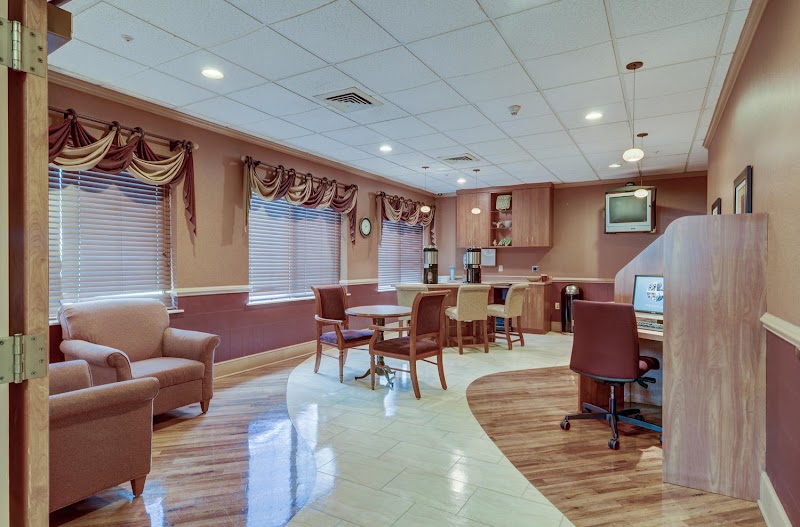
How is Centerville Post Acute Staffed?

CMS rates CENTERVILLE POST ACUTE's staffing level at 1 out of 5 stars, which is much below average compared to other nursing homes. Staff turnover is 65%, which is 18 percentage points above the Ohio average of 46%. High turnover can affect care consistency as new staff learn residents' individual needs.

What Have Inspectors Found at Centerville Post Acute?

State health inspectors documented 20 deficiencies at CENTERVILLE POST ACUTE during 2019 to 2025. These included: 20 with potential for harm.
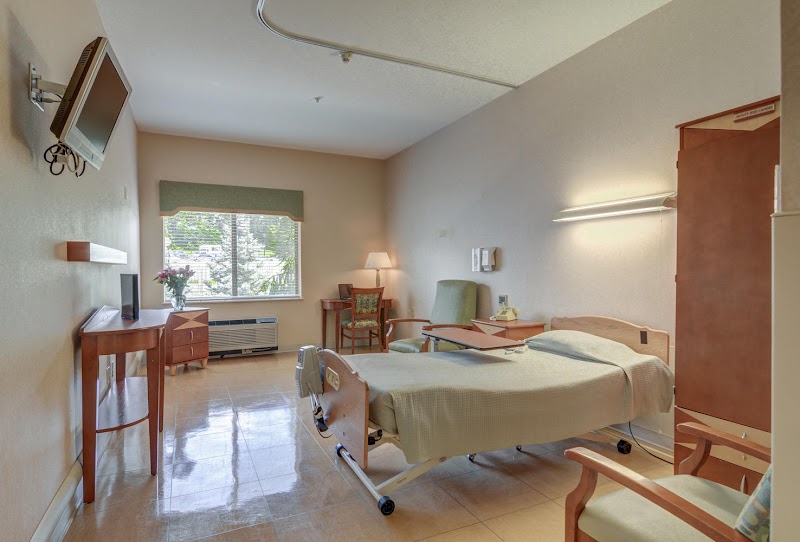
Who Owns and Operates Centerville Post Acute?

CENTERVILLE POST ACUTE is owned by a for-profit company. For-profit facilities operate as businesses with obligations to shareholders or private owners. The facility is operated by PACS GROUP, a chain that manages multiple nursing homes. With 129 certified beds and approximately 94 residents (about 73% occupancy), it is a mid-sized facility located in CENTERVILLE, Ohio.
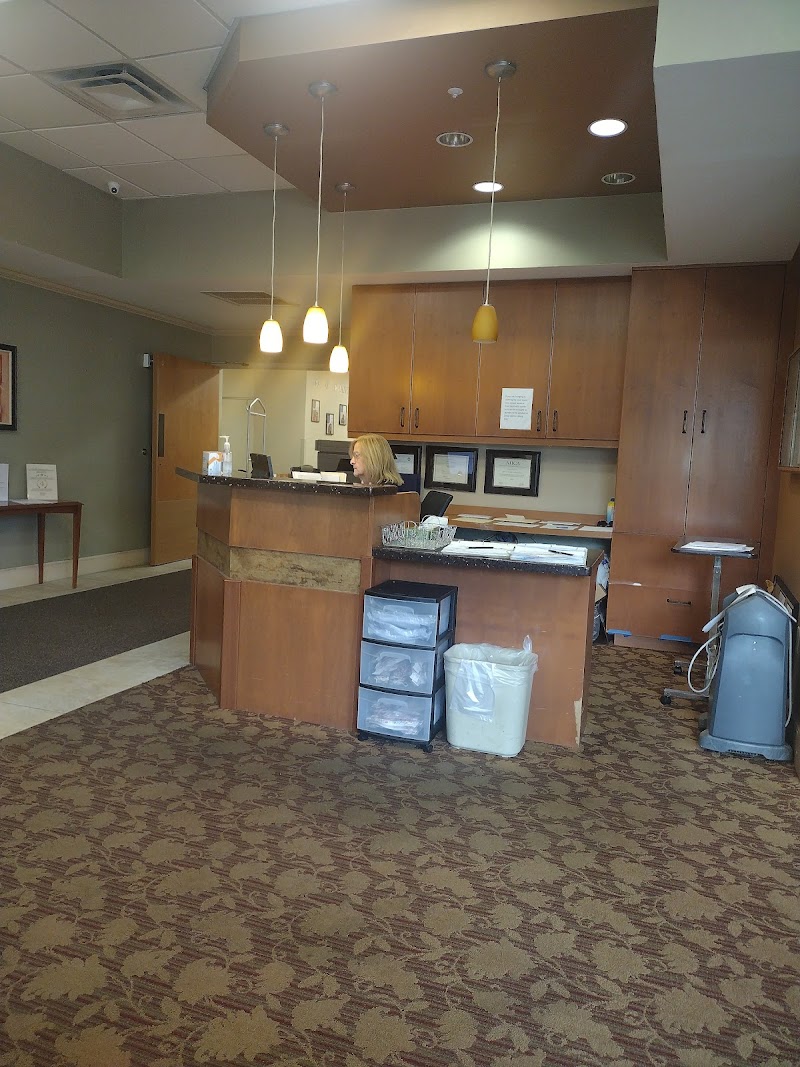
How Does Centerville Post Acute Compare to Other Ohio Nursing Homes?

Compared to the 100 nursing homes in Ohio, CENTERVILLE POST ACUTE's overall rating (3 stars) is below the state average of 3.2, staff turnover (65%) is significantly higher than the state average of 46%, and health inspection rating (4 stars) is above the national benchmark.

What Should Families Ask When Visiting Centerville Post Acute?

Based on this facility's data, families visiting should ask: "How do you ensure continuity of care given staff turnover, and what is your staff retention strategy?" "Can you walk me through typical staffing levels on day, evening, and night shifts?" "Can I visit during a mealtime to observe dining assistance and food quality?" "How do you handle medical emergencies, and what is your hospital transfer rate?" These questions are particularly relevant given the facility's high staff turnover rate and the below-average staffing rating.

Is Centerville Post Acute Safe?

Based on CMS inspection data, CENTERVILLE POST ACUTE has a clean safety record: no substantiated abuse findings (meaning no confirmed cases of resident harm), no Immediate Jeopardy citations (the most serious violation level indicating risk of serious injury or death), and is not on the Special Focus Facility watch list (a federal program monitoring the lowest-performing 1% of nursing homes). The facility has a 3-star overall rating and ranks #100 of 100 nursing homes in Ohio. While no facility is perfect, families should still ask about staff-to-resident ratios and recent inspection results during their visit.

Do Nurses at Centerville Post Acute Stick Around?

Staff turnover at CENTERVILLE POST ACUTE is high. At 65%, the facility is 18 percentage points above the Ohio average of 46%. High turnover means new staff may not know residents' individual needs, medications, or preferences. It can also be disorienting for residents, especially those with dementia who rely on familiar faces. Families should ask: What is causing the turnover? What retention programs are in place? How do you ensure care continuity during staff transitions?

Was Centerville Post Acute Ever Fined?

CENTERVILLE POST ACUTE has been fined $3,489 across 1 penalty action. This is below the Ohio average of $33,114. While any fine indicates a compliance issue, fines under $50,000 are relatively common and typically reflect isolated problems that were subsequently corrected. Families should ask what specific issues led to these fines and confirm they've been resolved.

Is Centerville Post Acute on Any Federal Watch List?

CENTERVILLE POST ACUTE is not on any federal watch list. The most significant is the Special Focus Facility (SFF) program, which identifies the bottom 1% of nursing homes nationally based on persistent, serious quality problems. Not being on this list means the facility has avoided the pattern of deficiencies that triggers enhanced federal oversight. This is a positive indicator, though families should still review the facility's inspection history directly.