
ST LEONARD HCC

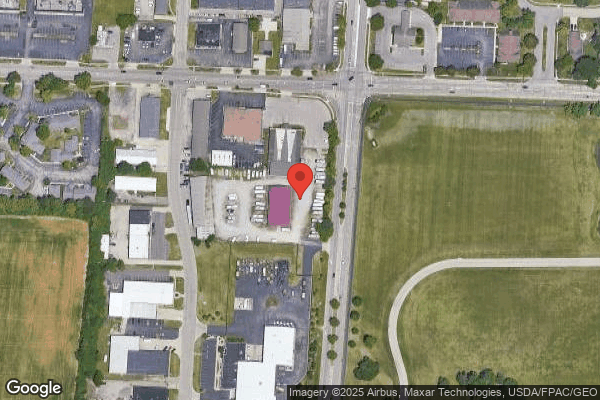
8100 CLYO ROAD, CENTERVILLE, OH 45458 (937) 436-6340
For profit - Corporation 150 Beds COMMONSPIRIT HEALTH Data: November 2025
Trust Grade
35/100
#550 of 913 in OH
Last Inspection: July 2024

Within standard 12-15 month inspection cycle. Federal law requires annual inspections.

Overview

St. Leonard Health Care Center has received a Trust Grade of F, indicating significant concerns about the facility's quality of care. It ranks #550 out of 913 nursing homes in Ohio, placing it in the bottom half of facilities statewide, and #23 out of 40 in Montgomery County, meaning only a few local options are worse. Although the facility's trend is improving, with a decrease in reported issues from 13 in 2024 to 4 in 2025, the high number of fines totaling $89,700 raises red flags, as this is higher than 84% of other facilities in Ohio. Staffing is relatively stable with a 49% turnover rate, which aligns with the state average, and they provide more RN coverage than 86% of Ohio facilities, ensuring better oversight for residents. However, there have been serious incidents where residents did not receive timely treatment for pressure ulcers, resulting in deterioration of their conditions, highlighting both serious weaknesses in care quality despite some strengths in staffing and RN availability.

Trust Score
F
35/100
In Ohio
#550/913
Bottom 40%
Safety Record
High Risk
Review needed
Inspections
Getting Better
13 → 4 violations
Staff Stability
⚠ Watch
49% turnover. Above average. Higher turnover means staff may not know residents' routines.
Penalties
✓ Good
$89,700 in fines. Lower than most Ohio facilities. Relatively clean record.
Skilled Nurses
✓ Good
Each resident gets 54 minutes of Registered Nurse (RN) attention daily — more than average for Ohio. RNs are trained to catch health problems early.
Violations
⚠ Watch
43 deficiencies on record. Higher than average. Multiple issues found across inspections.
★★★☆☆
3.0
Overall Rating
★★★☆☆
3.0
Staff Levels
★★★★★
5.0
Care Quality
★★☆☆☆
2.0
Inspection Score
Stable
2024: 13 issues
2025: 4 issues

The Good

  • 5-Star Quality Measures · Strong clinical quality outcomes
  • Full Sprinkler Coverage · Fire safety systems throughout facility
  • No fines on record

Facility shows strength in quality measures, fire safety.

The Bad

3-Star Overall Rating

Near Ohio average (3.2)

Meets federal standards, typical of most facilities

Staff Turnover: 49%

Near Ohio avg (46%)

Higher turnover may affect care consistency

Federal Fines: $89,700

Well above median ($33,413)

Moderate penalties - review what triggered them

Chain: COMMONSPIRIT HEALTH

Part of a multi-facility chain

Ask about local staffing decisions and management

The Ugly 43 deficiencies on record

3 actual harm
Sept 2025 1 deficiency
CONCERN (D) 📢 Someone Reported This

A family member, employee, or ombudsman was alarmed enough to file a formal complaint

Potential for Harm - no one hurt, but risky conditions existed

Accident Prevention (Tag F0689)

Could have caused harm · This affected 1 resident

**NOTE- TERMS IN BRACKETS HAVE BEEN EDITED TO PROTECT CONFIDENTIALITY** Based on medical record review, review of a facility (self-reported incident), observations, staff interview and facility policy...

Read full inspector narrative →
**NOTE- TERMS IN BRACKETS HAVE BEEN EDITED TO PROTECT CONFIDENTIALITY** Based on medical record review, review of a facility (self-reported incident), observations, staff interview and facility policy review, the facility failed to provide adequate interventions and/or supervision to ensure a resident who was assessed as being at risk for elopements did not elope from the facility. This affected one (#205) out of three residents reviewed for elopement risk. The facility census was 116. Findings include: Review of Resident #205's medical record revealed the resident was admitted to the facility on [DATE]. Diagnoses include Alzheimer's disease, dementia and traumatic brain injury. Review of the Minimum Data Set (MDS) 3.0 assessment dated [DATE] revealed Resident #205 was severely cognitively impaired, required moderate assistance with dressing, toileting and bathing. Review of Resident #205's care plan dated 06/29/25 revealed the resident was at risk for falls, self-care performance deficit and elopement. Interventions included Resident #205 to be one on one with someone. Review of Resident #205's nursing progress notes dated 06/26/25 identified as a late entry, revealed the resident was placed on a one-on-one on 06/25/25 due to wandering. A wander guard was in place. An aide left Resident #205 to answer a call light and resident left front door with emergency medical services (EMS). Review of a facility SRI dated 06/26/25 revealed for neglect revealed Resident #205 was found outside the facility on the facility grounds by an independent living resident. On 06/25/25 at approximately 7:15 P.M. Resident #205 was assumed to be missing. A headcount was done immediately which confirmed that Resident #205 was not in the facility. Staff initiated a search of the premises. The nurse on duty concluded that Resident #205 was following someone out the main entrance, the Wanderguard system did not sound an alarm. The resident was last seen at 7:00 P.M. in the common area on by Certified Nursing Assistant (CNA) #12. CNA #12 went into another resident's room to provide resident care and when she came back to the common area at 7:15 P.M., Resident #205 was no longer there. Security was notified. At 7:25 P.M., an anonymous caller reported to security that Resident #205 was seen standing in the backyard of one of the Independent Living Cottages. Security personnel was immediately dispatched and successfully returned the resident to the facility. The nurse on duty completed a head-to-toe assessment; the resident was free of injury. The facility conducted an investigation and determined the allegation to be substantiated. Observation on 09/17/25 at 1:41 P.M. revealed when the code to exit door is placed in or when button to unlock front door by receptionist desk, this stops the wander guards from alarming for 60 seconds. Interview on 09/17/25 at 10:48 A.M. with Administrator verified Resident #205 eloped the facility on 06/26/25 approximately 7:15 P.M. Resident #205 was a one on one with Certified Nursing Assistant (CNA) #400. CNA #400 left Resident #205 and answered another resident's light. When CNA #400 returned, Resident #205 was no longer in the common area and a search was started The Administrator stated the facility determined the ambulance was transferring another resident out of facility at the time of Resident #205's elopement. The Administrator stated an anonymous caller on 06/26/25 at 7:24 P.M. reported Resident #205 was found in independent living yard. The Administrator confirmed Resident #205 was assessed and was not injured. Interview on 09/17/25 at 10:48 A.M. with Director of Nursing (DON) verified the facilities security system is currently being changed from x-mark to secure care. New wiring is currently being placed in the facility. The DON stated a secure care will not allow a wandergaurd to pass doorways at anytime without alarming. The DON confirmed with the current system, if a staff or visitor presses the button at the receptionist desk this silences the alarm. Review of facility policy, Elopement and Wandering Residents, dated 05/22/25 revealed residents who exhibit wandering behavior and/or are at risk for elopement receive adequate supervision to prevent accidents, and receive care in accordance with their person-centered plan of care addressing the unique factors contributing to wandering or elopement risk. This deficiency represents non-compliance investigated under Complaint Number 1323869 (OH00167528).
May 2025 3 deficiencies
CONCERN (D) 📢 Someone Reported This

A family member, employee, or ombudsman was alarmed enough to file a formal complaint

Potential for Harm - no one hurt, but risky conditions existed

Unnecessary Medications (Tag F0759)

Could have caused harm · This affected 1 resident

**NOTE- TERMS IN BRACKETS HAVE BEEN EDITED TO PROTECT CONFIDENTIALITY** Based on observation, medical record review, staff interview, and policy review, the facility failed to administer medications a...

Read full inspector narrative →
**NOTE- TERMS IN BRACKETS HAVE BEEN EDITED TO PROTECT CONFIDENTIALITY** Based on observation, medical record review, staff interview, and policy review, the facility failed to administer medications as ordered to be free from errors not five (5) percent (%) or greater. There were two medication errors observed out of 27 opportunities for a medication error rate of 7.41%, This affected two (#66 and #71) of two residents observed during medication administration. The facility census was 110. Findings Included: 1. Review of Resident #71's medical record revealed the resident was admitted on [DATE]. Diagnoses included chronic obstructive pulmonary disease and osteoporosis. Review of the Minimum Data Set (MDS) assessment dated [DATE] revealed Resident #71 was cognitively intact. Review of a physician order dated 04/25/25 revealed Resident #71 was ordered supplemental calcium 600 milligrams (mg) to be given once daily. Observation on 05/28/25 at 6:40 A.M. with Licensed Practical Nurse (LPN) #270 revealed the nurse was administering medication to Resident #71. At the time of the observation, calcium 600 mg was not available in the medication cart. Interview on 05/28/25 at 7:00 A.M. with LPN #270 verified she did not have calcium 600 mg available for Resident #71 and stated it was a special order and needed to be ordered. Interview on 05/28/25 at 7:39 A.M. with the Director of Nursing (DON) confirmed calcium 600 mg was not available in the facility. The DON stated the facility only had calcium 600 mg with vitamin D3 available. 2. Review of Resident #66's medical record revealed an admission date of 10/01/23. Diagnoses included Parkinson's disease and chronic obstructive disease. Review of the MDS assessment dated [DATE] revealed Resident #66 had intact cognition. Review of a physician order dated 10/11/24 revealed Resident #66 had an order for budesonide-formoterol fumarate inhalation aerosol 160-4.5 micrograms per actuation (mcg/act) with instructions to give two puffs inhaled orally two times a day related to chronic obstructive pulmonary disease. Observation on 05/28/25 at 7:50 A.M. with LPN #398 revealed the nurse was preparing medications for Resident #66 and did not have budesonide-formoterol fumarate available in the medication cart to administer to Resident #66. Interview on 05/28/25 at 8:02 A.M. with LPN #398 verified Resident #66 did not have budesonide-formoterol fumarate inhalation aerosol 160-4.5 mcg/act available in the medication cart to administer to the resident. Interview on 05/28/25 at 8:10 A.M. with the DON stated the facility had a medication dispensing machine that only carried narcotic medications and the facility did not carry aerosols in stock. The DON stated all aerosol medications needed to be specially ordered. Review of the facility medication administration policy, dated 12/20/24, revealed the medications are administered by licensed nurses, or other staff who are legally authorized to do so in this state, as ordered by the physician and in accordance with professional standards of practice. This deficiency represents non-compliance investigated under Complaint Number OH00164611.
CONCERN (D) 📢 Someone Reported This

A family member, employee, or ombudsman was alarmed enough to file a formal complaint

Potential for Harm - no one hurt, but risky conditions existed

Deficiency F0760 (Tag F0760)

Could have caused harm · This affected 1 resident

**NOTE- TERMS IN BRACKETS HAVE BEEN EDITED TO PROTECT CONFIDENTIALITY** Based on medical record review, staff interview, review of electronic mail (email) documents, and facility policy review, the fa...

Read full inspector narrative →
**NOTE- TERMS IN BRACKETS HAVE BEEN EDITED TO PROTECT CONFIDENTIALITY** Based on medical record review, staff interview, review of electronic mail (email) documents, and facility policy review, the facility failed to ensure residents were free from significant medication errors. This affected two (#112 and #113) of four residents reviewed for medications. The facility census was 110. Findings Included: 1. Review of Resident #112's medical record revealed an admission date of 04/16/25. Diagnoses included depression, hyperkalemia, fluid overload, thrombocytopenia, peripheral vascular disease, protein-calorie malnutrition, chronic obstructive pulmonary disease, acute diastolic heart failure, and congestive heart failure. The resident was discharged on 04/24/25. Review of Resident #112's physician orders revealed an order dated 04/20/25 for the diuretic furosemide 20 milligrams (mg) with instructions to take two tablets by mouth once a day for hypertension. This order was discontinued on 04/24/25. Review of Resident #112's physician orders revealed an order dated 04/21/25 for furosemide 60 mg once a day for edema and was discontinued on discontinue on 04/24/25. Review of Resident #112's medication administration record (MAR) for April 2025 revealed Resident #112 was administered furosemide 20 mg two tablets on 04/22/25 and 04/23/25 and also received furosemide 60 mg on 04/22/25 and 04/23/25. Interview on 05/28/25 at 3:00 P.M. with Director of Nursing Assisted Living ([NAME]) #693 stated the previous DON at the facility was who handled all investigations but [NAME] #693 had been working with her. [NAME] #693 verified Resident #112's order for furosemide 20 mg two tablets daily was not discontinued before starting the new order of furosemide 60 mg and the medications should not have been given together. 2. Review of Resident #113's medical record revealed the resident was admitted on [DATE]. Diagnoses included type two diabetes, autistic disorder, symbolic dysfunctions, and paranoid schizophrenia. Resident #113 was alert with periods of confusion. The resident was discharged on 05/12/25. Review of Resident #113's physician orders revealed an order dated 04/30/25 for the medication to treat high blood pressure and fluid retention hydrochlorothiazide 50 mg by mouth three times a day. The order was discontinued on 05/05/25. Review of Resident #113's physician orders revealed an order dated 05/05/25 for the blood pressure medication hydralazine 50 mg by mouth three times a day. Review of Resident #113's nursing progress note dated 05/05/25, written by Licensed Practical Nurse (LPN) #301, revealed Medical Director (MD) #350 ordered to discontinue hydrochlorothiazide 50 mg due to a decrease in weight and start hydralazine 50 mg three times a day. Review of Resident #113's MAR for May 2025 revealed Resident #113 received hydrochlorothiazide 50 mg on 05/01/25, 05/02/25, 05/03/25, and 05/04/25 three times a day at 9:00 A.M., 2:00 P.M., and 9:00 P.M. Further review of the May 2025 MAR revealed Resident #113's hydralazine 50 mg was started on 05/05/25 at 12:00 P.M. and hydrochlorothiazide was discontinued. Review of an email dated 05/28/25 at 12:43 P.M. by [NAME] #693 revealed confirmation Resident #113's provider originally ordered hydralazine 50 mg three times a day to be administered, but an order initiated by a nurse for the resident to receive hydrochlorothiazide 50 mg three times a day instead. The prescribing provider and the resident's family were promptly notified and no adverse effects were observed. Resident #113 remained stable with vital signs within normal range. Interview on 05/28/25 at 3:00 P.M. with [NAME] #693 stated a nurse put in the incorrect medication (hydrochlorothiazide 50 mg) in Resident #113's physician orders on 04/30/25 and the order was supposed to be for hydralazine 50 mg. [NAME] #693 confirmed this was a medication error because the wrong medication was initiated and administered to Resident #113. [NAME] #693 stated the nurse that placed the incorrect medication in Resident #113's record as an order was provided education. Interview on 05/28/25 at 5:00 P.M. with the Director of Nursing (DON) stated she expected her nurses to make sure they check the five rights of medication administration to prevent medication errors and provides education right away on any medication errors at the facility. Review of the facility medication administration policy, dated 12/20/24, revealed medications are administered by licensed nurses, or other staff who are legally authorized to do so in this state, as ordered by the physician and in accordance with professional standards of practice. This deficiency represents non-compliance investigated under Complaint Number OH00164611.
CONCERN (D) 📢 Someone Reported This

A family member, employee, or ombudsman was alarmed enough to file a formal complaint

Potential for Harm - no one hurt, but risky conditions existed

Deficiency F0773 (Tag F0773)

Could have caused harm · This affected 1 resident

**NOTE- TERMS IN BRACKETS HAVE BEEN EDITED TO PROTECT CONFIDENTIALITY** Based on medical record review, review of laboratory results, review of a facsimile (fax) document, staff interview, and review ...

Read full inspector narrative →
**NOTE- TERMS IN BRACKETS HAVE BEEN EDITED TO PROTECT CONFIDENTIALITY** Based on medical record review, review of laboratory results, review of a facsimile (fax) document, staff interview, and review of a facility policy, the facility failed to notify the physician of critical laboratory values in a timely manner. This affected one (#112) of three residents reviewed for laboratory services. The facility census was 110. Findings Included: Review of Resident #112's medical record revealed the resident was admitted to the facility on [DATE]. Diagnoses included depression, hyperkalemia, fluid overload, thrombocytopenia, peripheral vascular disease, protein-calorie malnutrition, chronic obstructive pulmonary disease, acute diastolic heart failure, and congestive heart failure. The resident was discharged on 04/24/25. Review of a Minimum Data Set (MDS) assessment dated [DATE] revealed Resident #112 had intact cognition, required setup for meals, and required substantial maximal assistance for bathing, personal hygiene, dressing the lower body, and placing shoes on and off the feet. Review of a physician order dated 04/03/25 revealed Resident #112 had an order for laboratory values to be completed including a complete blood count (CBC) and basic metabolic panel (BMP) one time only related to hyperkalemia. Review of a plan of care dated 04/08/25 revealed Resident #112 had impaired cardiac output related to acute diastolic congestive heart failure, hypertension, heart disease, and coronary angioplasty status. Interventions included to monitor for shortness of breath, sudden weight gain, take medications as ordered, and laboratory work will be drawn as ordered and the physician notified of abnormal laboratory values. Review of laboratory results dated [DATE] revealed Resident #112 had CBC and BMP laboratory values that revealed a sodium level of 132 milliequivalents per liter (mEq/L) (normal range was 136 to 145 mEq/L), chloride was 82 mEq/L (normal range was 98 to 110 mEq/L), carbon dioxide was 37 micromoles per mole (µ[NAME]/[NAME]) (normal range was 21 to 33 µ[NAME]/[NAME]), blood urea nitrogen (BUN) was 31 milligrams per deciliter (mg/dL) (normal range was 6-25), platelets were 137 microliters (mcL) (normal range was 150 to 450 mcL), monocytes were 13.7 percent (%) (normal range was 2.0 to 12.0%), and potassium was 4.9 mEq/L (normal range was 3.5 to 5.3 mEq/L). Review of a physician order dated 04/18/25 revealed Resident #112 had an order for Digoxin 125 microgram (mcg) one time a day for systolic heart failure and was discontinued on 04/24/25. Review of a physician order dated 04/21/25 revealed Resident #112 had an order for BMP, CBC, and Digoxin level laboratory values with orders to obtain laboratory levels one time only for abnormal laboratory values for two days. Review of the laboratory results dated [DATE] revealed Resident #112 had a BMP, CBC, and a Digoxin level with a collection time of 1:21 P.M. and was reported at 7:04 P.M. The report was provided to the facility at 7:04 P.M. of the following critical laboratory values: Digoxin level of 3.50 nanograms per milliliter (ng/mL) (normal level was 0.8 to 2.0 ng/mL), BUN of 107 mg/dL, chloride of 82 mEq/L, and potassium was 7.0 mEq/L. Review of the laboratory document titled, Fax Report History, for Resident #112 revealed dates and times of laboratory result for BMP, CBC, and Digoxin level reporting. On 04/23/25, there were failed fax transmissions at the times of 3:37 P.M., 4:04 P.M., and 7:02 P.M. On 04/24/25, failed fax transmission times of 1:02 A.M. and at 2:23 A.M. were noted. The facility ultimately received the fax transmission on 04/24/25 at 5:43 A.M. Interview on 05/28/25 at 3:15 P.M. with Medical Director (MD) #350 stated the laboratory company never reported the laboratory values for Resident #112 to the facility by fax and he did not receive notification of the critical laboratory values obtained on 04/23/25 from the laboratory company. Interview on 05/29/25 at 7:05 P.M. with Licensed Practical Nurse (LPN) #263 stated she never received the laboratory values by fax or telephone of Resident #112's critical laboratory values until the laboratory called her on 04/24/25 at 5:43 A.M. LPN #263 verified she never told the on-call physician about Resident #112's critical laboratory values until the resident was not longer in the facility. LPN #263 stated she would have called the on-call physician if the critical laboratory values were reported to the facility. Review of the facility policy titled, Physician, Physician Assistant, Nurse Practitioner, or Clinical Specialist Lab Notification, dated 02/2023, revealed it was the policy of the facility to timely notify the physician, physician assistant, nurse practitioner, or clinical nurse specialists of lab results. This deficiency represents an incidental finding investigated under Master Complaint OH00165855.
Oct 2024 1 deficiency
CONCERN (D) 📢 Someone Reported This

A family member, employee, or ombudsman was alarmed enough to file a formal complaint

Potential for Harm - no one hurt, but risky conditions existed

Deficiency F0552 (Tag F0552)

Could have caused harm · This affected 1 resident

**NOTE- TERMS IN BRACKETS HAVE BEEN EDITED TO PROTECT CONFIDENTIALITY** Based on record review and staff interviews, the facility failed to notify family/Power of Attorney (POA) of an appointment sche...

Read full inspector narrative →
**NOTE- TERMS IN BRACKETS HAVE BEEN EDITED TO PROTECT CONFIDENTIALITY** Based on record review and staff interviews, the facility failed to notify family/Power of Attorney (POA) of an appointment scheduled for the resident and the facility sent the resident, who has Alzheimer's disease, to the appointment alone. This affected one (Resident #110) of three residents reviewed for appointments. The facility census was 123. Findings include: Record review revealed Resident #110 was admitted to the facility on [DATE]. Diagnoses included vascular dementia with psychotic disturbance and Alzheimer's disease with early onset. Review of the Medicare five-day Minimum Data Set (MDS) assessment dated [DATE] revealed Resident #110 had severe cognition impairment. Resident #110 required supervision assistance from with ambulation. Resident #110 required substantial assistance from staff with toileting and transfers. Review of the hospital's Discharge Instructions dated 07/22/24 revealed an order stating: Follow-up with spine surgery in the clinic. Call to make an appointment. Resident #110 needs to follow with Neurosurgery, Spine Surgery for spine surgery follow up with Physician #500 and contact information including physical address and telephone number. Review of the physician orders and progress notes revealed there was no order or documentation for an appointment on 08/23/24. Review of the Order Listing Report - Appointments, dated 08/22/24 through 10/31/24 revealed no appointments for Resident #110. Review of the Facility Appointment Calendar dated 08/23/24 revealed an appointment at 11:45 A.M. with Physician #500, with a pick-up time of 10:45 A.M. Interview on 10/22/24 at 12:52 A.M. with Administrative Assistant (AA) #330 stated when there was a new admission with an appointment already scheduled, the nurses will put an order in the system, complete a transportation paper and tell the nurse manager. The paper comes to AA #330 to schedule transportation. If the resident has a certain insurance or Medicare, then that will depend on what type of transportation they take. The facility has their own transportation vans and drivers so 90% of the appointments were scheduled to go through the facilities transportation. If the resident uses the facilities transportation, the form was forwarded to the transportation manager to schedule transport. If the appointment conflicts with another transport, they will call and get the appointment rescheduled for when transportation is available. AA #330 confirmed she did not call the family or POA for Resident #110 to inform her of the appointment and transportation on 08/23/24. Interview on 10/22/24 at 3:08 P.M. with Transportation Staff #560 revealed scheduling puts order into system for appointment and transportation pick up and appointment time. An appointment schedule was also placed at the nurse's station at the end of each day. Transportation Staff #560 confirmed she did not call the family or POA for Resident #110 to inform her of the appointment and transportation on 08/23/24. Transportation Staff #560 confirmed Resident #110 was taken to her appointment on 08/23/24 and left in the waiting area alone. Transportation Staff #560 confirmed Resident #110 does have dementia and should not have been left alone, but Resident #110 was not marked as needing an escort to the appointment. Interview on 10/22/24 at 3:38 P.M. with the Director of Nursing (DON) confirmed Resident #110 admitted on [DATE] with an order on her discharge paperwork to schedule an appointment with Physician #500 as soon as possible. The DON confirmed the facility made the appointment and should have notified the POA/family. The DON stated there was no policy for scheduling of appointments or notification of appointments. This deficiency represents non-compliance investigated under Complaint Number OH00157702.
Jul 2024 9 deficiencies 1 Harm
SERIOUS (G)

Actual Harm - a resident was hurt due to facility failures

Pressure Ulcer Prevention (Tag F0686)

A resident was harmed · This affected 1 resident

**NOTE- TERMS IN BRACKETS HAVE BEEN EDITED TO PROTECT CONFIDENTIALITY** Based on record review, observations, interviews, review of the information from the National Pressure Ulcer Advisory Panel (NPU...

Read full inspector narrative →
**NOTE- TERMS IN BRACKETS HAVE BEEN EDITED TO PROTECT CONFIDENTIALITY** Based on record review, observations, interviews, review of the information from the National Pressure Ulcer Advisory Panel (NPUAP), and policy review, the facility failed to ensure timely treatments and interventions were done for a resident's pressure ulcer. This resulted in actual harm when Resident #95's pressure ulcer to his left heel deteriorated in condition and developed osteomyelitis from the delay in treatment. This affected one (Resident #95) of two residents reviewed for pressure wounds. The facility census was 112. Findings include: Review of the medical record for Resident #95 revealed an admission date of 08/31/23. Diagnoses included acute kidney failure, peripheral vascular disease, and pressure ulcer of sacral region, unspecified stage. Review of the quarterly Minimum Data Set (MDS) assessment dated [DATE] revealed Resident #95 had moderate cognitive impairment. Resident #95 was dependent on staff for toileting, bathing and transfers and required substantial assistance from staff for bed mobility. Resident #95 did not have any rejection of care during the look-back period of the assessment. Review of the plan of care created on 05/21/24 revealed Resident #95 had a pressure ulcer to the left heel related to recent medical diagnoses and noncompliance with off-loading area. Intervention included wearing off-loading boots as tolerated. Review of the Skin Observation Tool assessment dated [DATE] revealed Resident #95 had a wound to the left heel, and it was a deep tissue injury (DTI) (purple or maroon area of discolored intact skin due to damage of underlying soft tissue). There were no measurements present. Review of the Treatment Administration Record (TAR) for May 2024 revealed on 05/17/24, skin preparation to the left heel was applied once daily through 05/21/24. Review of the [NAME] Wound Evaluation and Management Summary dated 05/21/24 revealed Resident #95 had a pressure area to the left heel, and it was an unstageable (slough and/or eschar: known but not stageable due to coverage of wound bed by slough and/or eschar) due to necrosis measuring 3.0 centimeter (cm) in length by 3.0 cm in width by 0.1 cm in depth. Physician #213 ordered treatment changed to Alginate calcium w/silver apply once daily, foam silicone bordered dressing and apply once daily for 30 days. The recommendation was to float heels in bed and wear pressure off-loading boots. Review of the TAR revealed there was no treatment applied to the wound on 05/22/24 and the new treatment was not implemented until two days later on 05/23/24. This treatment remained in place until 06/19/24 and there was one missed treatment to the left heel on 06/03/24. Review of the physician order dated 06/14/24 revealed an order for two-view x-ray of the left heel due to an odor on the left heel. Review of the progress note dated 06/14/24 at 11:49 A.M. revealed Resident #95 had a positive x-ray confirming the resident had osteomyelitis in the left heel. Review of the radiology results report dated 06/14/24 revealed the conclusion of the x-ray was suspect posterior calcaneal osteomyelitis. Review of the [NAME] Wound Evaluation and Management Summary dated 06/18/24 revealed a pressure area to left heel was presenting at a stage IV measuring 4.0 cm in length by 4.0 cm wide by 0.2 cm in depth. Physician #213 ordered treatment changed to cleanse with normal saline, dampen gauze with 0.25% Dakin's solution, then pack wound with Dakin's dampened gauze. Cover with abdominal pad and wrap with kerlix every day. Further review of the TAR and physician orders revealed the treatment was not changed until two days later on 06/20/24. On 06/28/24, there was an order for Doxycycline Monohydrate (antibiotic) 100 milligrams (mg) capsule, administer one capsule by mouth two times a day for osteomyelitis until 07/28/24. This order was 14 days after the initial diagnosis of osteomyelitis on 06/14/24. Review of the TAR for July 2024 revealed there were two missed treatments to the left heel on 07/05/24 and 07/07/24. The treatment to the left heel was to cleanse with normal saline, dampen gauze with 0.25% Dakin's solution, then pack wound with Dakin's dampened gauze. Cover with abdominal pad and wrap with kerlix every day was not documented as being done. Review of the Skin Observation Tool assessment dated [DATE] revealed the wound to left heel presented as a stage IV pressure wound full thickness wound and measured 3.5 cm in depth by 3.0 cm length by 0.2 cm in depth. The surface area was 10.50 cm. Observation and interview on 07/15/24 at 10:27 A.M. revealed Resident #95 was lying in bed with bilateral heels laying directly on his mattress and the heels were not floating off the mattress and he was not wearing any pressure off-loading boots. There was a low air loss mattress in place. The left heel wound had gauze wrap present. Observations on 07/15/24 at 1:39 P.M. and 3:17 P.M. and on 07/16/24 at 9:00 A.M., 12:22 P.M., and 3:46 P.M. revealed Resident #95 continued to lay in bed with bilateral heels laying on the mattress and the heels were not floating off the mattress and he was not wearing any pressure off-loading boots. Interview on 07/17/24 at 3:14 P.M. with Assistant Director of Nursing (ADON) #22 confirmed there was not a physician order to float bilateral heels in bed or for pressure off-loading boots as noted on the [NAME] Wound Evaluation and Management Summary dated 05/21/24. ADON #22 confirmed there was no documentation that Resident #95's heels have been floated or that pressure off-loading boots had been implemented. ADON #22 confirmed Resident #95's treatment of osteomyelitis which was diagnosed on [DATE] was not implemented until 06/28/24. ADON #22 stated the facility was behind on reviewing the wounds' recommendations and transcribing accordingly. Telephone interview on 07/17/24 at 3:39 P.M. with Physician #213 confirmed Resident #95 has a stage IV pressure area to the left heel. Physician #213 confirmed Resident #95 had arterial doppler in November 2023 and the vascular studies were normal. Physician #213 stated she was surprised Resident #95 ended up with a stage IV wound and osteomyelitis in the left heel. Physician #213 confirmed Resident #95 was to wear pressure off-loading boots. Review of the Wound Treatment Management policy dated 11/23/22 revealed it is the policy of the facility to promote wound healing for various types of wounds, and to provide evidence-based treatments in accordance with current standards of practice and physician orders. Review of the information from the NPUAP revealed a deep tissue pressure injury is intact or non-intact skin with localized area of persistent non-blanchable deep red, maroon, purple discoloration or epidermal separation revealing a dark wound bed or blood-filled blister. Pain and temperature change often precede skin color changes. Discoloration may appear differently in darkly pigmented skin. This injury results from intense and/or prolonged pressure and shear forces at the bone-muscle interface. The wound may evolve rapidly to reveal the actual extent of tissue injury or may resolve without tissue loss. If necrotic tissue, subcutaneous tissue, granulation tissue, fascia, muscle or other underlying structures are visible, this indicates a full thickness pressure injury (Unstageable, Stage Three or Stage Four). Do not use deep tissue pressure injury to describe vascular, traumatic, neuropathic, or dermatologic conditions. Further review of the NPUAP revealed staff should assess pressure points, such as the sacrum, coccyx, buttocks, heels, ischium, trochanters, elbows and beneath medical devices, implement interventions to ensure that the heels are free from the bed and use heel offloading devices or polyurethane foam dressings on individuals at high-risk for heel ulcers.
CONCERN (D)

Potential for Harm - no one hurt, but risky conditions existed

Comprehensive Care Plan (Tag F0656)

Could have caused harm · This affected 1 resident

**NOTE- TERMS IN BRACKETS HAVE BEEN EDITED TO PROTECT CONFIDENTIALITY** 2. Review of the medical record for Resident #95 revealed an admission date of 08/31/23. Diagnosis included benign prostatic hyp...

Read full inspector narrative →
**NOTE- TERMS IN BRACKETS HAVE BEEN EDITED TO PROTECT CONFIDENTIALITY** 2. Review of the medical record for Resident #95 revealed an admission date of 08/31/23. Diagnosis included benign prostatic hyperplasia with lower urinary tract symptoms. Review of the physician orders for Resident #95's indwelling urinary catheter revealed an order dated 01/21/24 for a privacy bag at all times every shift for dignity, irrigate with 60 cubic centimeters (cc) of normal saline (NS) for leaking or non-functioning every 12 hours as needed, may change as needed when unable to irrigate every 12 hours as needed for dysuria, change collection bag with sediment or as needed every shift. An order dated 03/01/24 to change the urine collection bag every two months on day shift An order dated 03/14/24 may use leg bag when out of bed as tolerated every shift. An order dated 05/01/24 for a catheter strap to leg as tolerated every shift. Review of Resident #95's care plan revealed no documentation on the resident's indwelling urinary catheter. Interview on 07/17/24 at 3:14 P.M. with Assistant Director of Nursing (ADON) #1 confirmed Resident #95 had a indwelling urinary catheter and verified Resident #95's plan of care did not include the care and services of the indwelling urinary catheter. Review of the facility policy titled Comprehensive Care Plan dated 10/24/22 revealed the facility would develop a comprehensive and person-centered care plan for each resident that included measurable objectives and time frames. Based on record review, policy review, and staff interview the facility failed to ensure the comprehensive care plan included a vision and hearing plan for Resident #107 and a indwelling urinary catheter for Resident #95. This affected two (Resident #95 and #107) of six residents reviewed for care plans. The facility census was 112. Findings include: 1. Review of medical record for Resident #107 revealed admission date of 04/03/24. Diagnoses included macular degeneration of the right eye and hearing loss, unspecified ear. Review of the quarterly Minimum Data Set (MDS) assessment dated [DATE] revealed Resident #107 had impaired cognition. His vision was documented as impaired, and his hearing was documented as adequate. Review of Resident #107's care plan revealed there was no documentation of a hearing or vision concern. Interview on 07/15/24 at 11:44 A.M. with Resident #107 revealed he did have an issue with his hearing, and he was blind in his right eye. Interview on 07/18/24 at 2:08 P.M. with MDS Nurse #214 verified there was no care plan in place for Resident #107's hearing and vision concern.
CONCERN (D)

Potential for Harm - no one hurt, but risky conditions existed

Deficiency F0657 (Tag F0657)

Could have caused harm · This affected 1 resident

**NOTE- TERMS IN BRACKETS HAVE BEEN EDITED TO PROTECT CONFIDENTIALITY** Based on record review, staff interview, and policy review, the facility failed to ensure fall interventions were timely added t...

Read full inspector narrative →
**NOTE- TERMS IN BRACKETS HAVE BEEN EDITED TO PROTECT CONFIDENTIALITY** Based on record review, staff interview, and policy review, the facility failed to ensure fall interventions were timely added to the care plan. This affected one (#66) of five residents reviewed for falls. The facility census was 112. Findings include: Review of the medical record for Resident #66 revealed an admission date of 01/06/24. Diagnoses included dementia, congestive heart failure, anxiety disease, chronic kidney disease, delusional disorders, and osteoarthritis. Review of the quarterly Minimum Data Set (MDS) assessment dated [DATE] revealed Resident #66 had severely impaired cognition. Review of the interdisciplinary team (IDT) note dated 07/10/24 revealed Resident #66 had a fall on 06/17/24 in her room and was found in front of her wheelchair. The new intervention was to place Dycem in the wheelchair. The IDT note dated 07/11/24 revealed Resident #66 had a fall on 06/21/24 in her room and was found near her bed. The new intervention was a fall mat to the side of the bed. Review of the plan of care revised on 07/15/24 revealed Resident #66 was at risk for falls and injury related to confusion, incontinence, psychoactive drug use, anxiety, insomnia, impaired mobility, gout, peripheral vascular disease, and neuropathy. Interventions included fall mat to side of bed while in bed, which was initiated on 06/21/24 and added to the care plan on 07/16/24, low bed, place Dycem to wheelchair, which was initiated on 06/17/24 and added to the care plan on 07/10/24, ensure appropriate footwear when out of bed, and make sure floor/path is clutter free and properly lighted. Interview on 07/18/24 at 1:34 P.M. with the Director of Nursing (DON) confirmed the new fall interventions for Resident #66 were not added to Resident #66's care plan timely. Review of the facility policy titled Fall Prevention Program, revised 07/17/24, revealed the facility would review the resident's care plan and update as indicated.
CONCERN (D)

Potential for Harm - no one hurt, but risky conditions existed

Quality of Care (Tag F0684)

Could have caused harm · This affected 1 resident

**NOTE- TERMS IN BRACKETS HAVE BEEN EDITED TO PROTECT CONFIDENTIALITY** 2. Review of the medical record for Resident #108 revealed an admission date of 04/12/24 with diagnoses of hypertensive heart di...

Read full inspector narrative →
**NOTE- TERMS IN BRACKETS HAVE BEEN EDITED TO PROTECT CONFIDENTIALITY** 2. Review of the medical record for Resident #108 revealed an admission date of 04/12/24 with diagnoses of hypertensive heart disease without heart failure. Review of the quarterly Minimum Data Set (MDS) assessment dated [DATE] revealed Resident #108 had severe cognitive impairment. Review of [NAME] Wound Initial Wound Evaluation and Management summary dated 07/16/24 revealed Resident #108 had a wound of the left, lower, lateral shin due to infection and a wound of the right, upper, medial calf due to infection. The resident developed cellulitis, has chronic issues with lower extremity (LE) edema, and developed multiple blisters. The dressing treatment plan was to apply Alginate calcium with silver apply once daily for 30 days and apply gauze roll (kerlix) 4.5 inch, apply once daily for 30 days. Review of Resident #108's physician orders for July 2024 revealed there were no treatment orders initiated to apply calcium alginate with silver, apply once daily for 30 days and to apply kerlix daily for 30 days. Interview on 07/18/24 at 10:00 A.M. with Assistant Director of Nursing (ADON) #1 confirmed the wound rounds completed on 07/16/24 had physician orders to change the treatments to resident's right lower extremity and left lower extremity and confirmed the physician orders were not initiated for Resident #108. Based on observation, staff interview, record review, and facility policy review, the facility failed to ensure the physician treatment orders were followed and implemented timely for the residents. This affected two (Residents #60 and #108) of two residents reviewed for un-pressure related skin conditions. The facility census was 112. Findings include: 1. Review of the medical record for Resident #60 revealed admission date of 06/12/24. Diagnoses included encounter for orthopedic aftercare, infection and inflammatory reaction due to internal joint prosthesis and vascular dementia. Review of the annual Minimum Data Set (MDS) assessment dated [DATE] revealed Resident #60 had significantly impaired cognition. Review of the care plan revealed Resident #60 had skin breakdown due to right hip surgical incision. Interventions included to administer treatments as ordered and for enhanced barrier precautions. Review of the physician orders dated 06/18/24 revealed an order to cleanse the right hip surgical site with normal saline, pat dry and apply dry dressing daily and as needed. Observation and interview on 07/18/24 at 11:52 A.M. with Licensed Practical Nurse (LPN) #107 and Infection Control Preventionist #3 revealed they were going to complete a wound treatment for Resident #60. Upon exposing the right hip of Resident #60, the dry dressing was dated 07/15/24. LPN #107 verified this date was three days old and LPN #107 verified the physician order was to change the dressing daily.
CONCERN (D)

Potential for Harm - no one hurt, but risky conditions existed

Respiratory Care (Tag F0695)

Could have caused harm · This affected 1 resident

**NOTE- TERMS IN BRACKETS HAVE BEEN EDITED TO PROTECT CONFIDENTIALITY** Based on record review, observations, staff interview, and policy review, the facility failed to ensure physician orders for oxy...

Read full inspector narrative →
**NOTE- TERMS IN BRACKETS HAVE BEEN EDITED TO PROTECT CONFIDENTIALITY** Based on record review, observations, staff interview, and policy review, the facility failed to ensure physician orders for oxygen administration were followed. This affected one (Resident #7) of one resident reviewed for respiratory care. The facility census was 112. Findings include: Review of the medical record of Resident #7 revealed an admission date of 09/15/15. Diagnoses included acute and chronic respiratory failure with hypoxia and chronic obstructive pulmonary disease (COPD). Review of the quarterly Minimum Data Set (MDS) assessment dated [DATE] revealed Resident #7 was cognitively intact, was dependent on staff assistance for activities of daily living, and utilized oxygen therapy. Review of the care plan revealed Resident #7 has oxygen therapy related to COPD, chronic respiratory failure with hypoxia, obstructive sleep apnea, congestive heart failure, and morbid obesity. Intervention included providing oxygen as ordered. Review of Resident #7's physician order dated 07/18/23 revealed an order to administer oxygen at two to three liters per minute per nasal cannula to keep saturations greater than 90% every shift for shortness of breath (SOB) related to COPD. Observation on 07/15/24 at 2:11 P.M. revealed Resident #7's oxygen level was set on 3.5 to four liters. Subsequent observation on 07/16/24 at 3:14 P.M. revealed Resident #7's oxygen level set to four liters. Interview on 07/16/24 at 3:15 P.M. with Assistant Director of Nursing (ADON) #1 confirmed Resident #7's oxygen was set at four liters per minute via nasal cannula and should not be set that high. ADON #1 confirmed Resident #7's oxygen should be set at two to three liters per minute per nasal cannula. Review of the Oxygen Administration policy dated 10/2010 revealed the purpose is to provide safe oxygen administration and verify that there is a physician's order for the procedure.
CONCERN (D)

Potential for Harm - no one hurt, but risky conditions existed

Dental Services (Tag F0791)

Could have caused harm · This affected 1 resident

**NOTE- TERMS IN BRACKETS HAVE BEEN EDITED TO PROTECT CONFIDENTIALITY** Based on record review, resident and staff interviews, and policy review, the facility failed to schedule dental services for te...

Read full inspector narrative →
**NOTE- TERMS IN BRACKETS HAVE BEEN EDITED TO PROTECT CONFIDENTIALITY** Based on record review, resident and staff interviews, and policy review, the facility failed to schedule dental services for teeth extractions per physician orders for a resident. This affected one (Resident# 54) of one resident reviewed for dental services. The facility census was 112. Findings include: Review of the medical record for Resident #54 revealed an admission date of 09/17/17 with diagnoses of major depressive disorder and anxiety disorder. Review of the quarterly Minimum Data Set (MDS) assessment dated [DATE] revealed Resident #54 was cognitively intact and required substantial assistance with oral hygiene. Resident #7 did not have broken or loosely fitting full or partial dentures and did not have mouth or facial pain, discomfort or difficulty with chewing. Review of the physician orders dated 12/14/23 revealed an order for Resident #54 to have order to extract broken teeth and root tips. The resident was planned for upper complete denture and lower partial. Resident #54 would like to keep tooth #17 and #22 to #27 for partial support. Please see scheduler to set up appointment. There was an additional order dated 02/21/24 to please contact Cleveland Dental Institute and schedule appointment for Resident #54 to extract broken teeth and root tips and the resident would like to keep tooth #17 and #22 to #27. The physician cleared Resident #54 to have local anesthesia and discontinue when done. Review of the care plan dated 04/08/24 revealed Resident #54 was at risk for oral/dental health problems to rule out partial dentures. Interventions included to coordinate arrangements for dental care, transportation as needed/as ordered and monitor for signs and symptoms of oral/dental problems needing attention: pain (gums, toothache, palate), abscess, debris in mouth, lips cracked or bleeding, teeth missing, loose, broken, eroded, decayed, tongue (black, coated, inflamed, white, smooth), ulcers in mouth, and lesions. Interview on 07/15/24 at 9:50 A.M. with Resident #54 revealed she had broken teeth that needs removed and had a consultation done 02/02/24. Resident #54 stated there had been no follow up since February 2024 and reported she has pain with movement and touching of the areas. Interview on 07/17/24 at 10:40 A.M. with Administrative Assistant/Scheduler (AA/S) #20 confirmed she schedules appointments for the residents. AA/S #20 stated she was not aware an appointment needed scheduled to have Resident #54's teeth extracted. AA/S #20 stated no one gave her the paperwork to schedule the appointment and verified Resident #54 has not been scheduled or sent out to have teeth extracted. Review of the Dental Services policy, undated, revealed routine and emergency dental services are available to meet the resident's oral health services in accordance with the resident's assessment and care plan.
CONCERN (D)

Potential for Harm - no one hurt, but risky conditions existed

Infection Control (Tag F0880)

Could have caused harm · This affected 1 resident

**NOTE- TERMS IN BRACKETS HAVE BEEN EDITED TO PROTECT CONFIDENTIALITY** 2. Review of the medical record for Resident #26 revealed an admission date of 11/27/22 with diagnoses of hemiplegia and hemipar...

Read full inspector narrative →
**NOTE- TERMS IN BRACKETS HAVE BEEN EDITED TO PROTECT CONFIDENTIALITY** 2. Review of the medical record for Resident #26 revealed an admission date of 11/27/22 with diagnoses of hemiplegia and hemiparesis following cerebral infarction affecting left non-dominant side. Review of the physician orders revealed an order for Artificial Tears one drop in each eye daily. Observation on 07/17/24 at 8:46 A.M. revealed Licensed Practical Nurse (LPN) #110 administered Resident #26's Artificial Tears one drop in each eye without wearing gloves. Interview on 07/17/24 at 8:54 A.M. with LPN #110 confirmed she did not use gloves to administer Resident #26's Artificial Tears one drop in each eye. Based on medical record review, observation, staff interview, and policy review, the facility failed to ensure proper enhanced barrier precautions (EBP) were followed for Resident #60 and the facility failed to ensure gloves were worn when administering eye drops for Resident #26. The facility census was 112. Findings include: 1. Review of the medical record for Resident #60 revealed admission date of 06/12/24. Diagnoses included encounter for orthopedic aftercare and infection and inflammatory reaction due to internal joint prosthesis. Review of the annual Minimum Data Set (MDS) assessment dated [DATE] revealed Resident #60 had significantly impaired cognition. Review of the care plan dated 06/27/24 revealed Resident #60 had skin breakdown due to right hip surgical incision. Interventions included to administer treatments as ordered and EBP. Observation on 07/18/24 at 11:51 A.M. revealed there was a sign taped on the door of Resident #60's room which documented EBP were required. This included the need for gloves and gowns for high resident contact. Just inside the room to the right of the doorway was a plastic cabinet with three drawers which contained gloves and disposable yellow gowns. Observation and interview on 07/18/24 at 11:52 A.M. with Licensed Practical Nurse (LPN) #107 and Infection Control Preventionist (ICP) #3 revealed they entered Resident #60's room to complete wound treatment. LPN #107 washed her hands and donned gloves. LPN #107 did not don a gown. LPN #107 proceeded to assist Resident #60 to pull down her pants, unfasten her incontinent product and expose her dressing. After removing the dressing using proper procedure, she provided wound treatment and redressed the wound. During an interview directly following the wound treatment, LPN #107 acknowledged Resident #60 required EBP but denied knowledge of the need for any other Personal Protective Equipment (PPE) except her gloves. Interview on 07/18/24 at 12:23 P.M. with ICP #3 revealed a gown was required during the wound treatment for Resident #60 and verified LPN #107 did not wear a gown to perform wound treatment on Resident #60. Review of the undated facility policy titled Enhanced Barrier Precautions documented it was the policy of the facility to implement EBP for the prevention of transmission of multidrug-resistant organisms. Staff were expected to comply with all designated precautions.
CONCERN (D)

Potential for Harm - no one hurt, but risky conditions existed

Deficiency F0883 (Tag F0883)

Could have caused harm · This affected 1 resident

**NOTE- TERMS IN BRACKETS HAVE BEEN EDITED TO PROTECT CONFIDENTIALITY** Based on record review, staff interview, and policy review, the facility failed to ensure influenza and pneumococcal immunizatio...

Read full inspector narrative →
**NOTE- TERMS IN BRACKETS HAVE BEEN EDITED TO PROTECT CONFIDENTIALITY** Based on record review, staff interview, and policy review, the facility failed to ensure influenza and pneumococcal immunizations were offered to residents. This affected four (#19, #51, #66, and #74) out of five residents reviewed for immunizations. The facility census was 112. Findings include: 1. Review of the medical record for Resident #19 revealed an admission date of 04/27/24. Diagnoses included other sequela of cerebral infarction and type two diabetes mellitus. Review of the admission Minimum Data Set (MDS) assessment dated [DATE] revealed Resident #19 had severely impaired cognition. Further review of the medical record revealed no evidence that the facility offered the pneumococcal immunization or provided education to the resident or resident representative. Interview on 07/18/24 at 1:30 P.M. with the Director of Nursing verified the lack of immunization documentation for Resident #19. 2. Review of the medical record for Resident #51 revealed an admission date of 09/15/21. Diagnoses included hemiplegia and hemiparesis following cerebral infarction affecting left non-dominant side, and type two diabetes mellitus. Review of the quarterly Minimum Data Set (MDS) assessment dated [DATE] revealed Resident #51 had intact cognition. Further review of the medical record revealed no evidence that the facility offered the pneumococcal immunization or provided education to the resident or resident representative. Interview on 07/18/24 at 1:30 P.M. with the Director of Nursing verified the lack of immunization documentation for Resident #51. 3. Review of the medical record for Resident #66 revealed an admission date of 01/06/24. Diagnoses included dementia, congestive heart failure, and atrial fibrillation. Review of the quarterly Minimum Data Set (MDS) assessment dated [DATE] revealed Resident #66 had severely impaired cognition. Further review of the medical record revealed no evidence that the facility offered the influenza or pneumococcal immunization or provided education to the resident or resident representative. Interview on 07/18/24 at 1:30 P.M. with the Director of Nursing verified the lack of immunization documentation for Resident #66. 4. Review of the medical record for Resident #74 revealed an admission date of 03/27/24. Diagnoses included congestive heart failure, asthma, and major depressive disorder. Review of the quarterly Minimum Data Set (MDS) assessment dated [DATE] revealed Resident #74 had intact cognition. Further review of the medical record revealed no evidence that the facility offered the influenza or pneumococcal immunization or provided education to the resident or resident representative. Interview on 07/18/24 at 1:30 P.M. with the Director of Nursing verified the lack of immunization documentation for Resident #74. Review of the facility policy titled Influenza Exposure Control, dated 03/01/23, revealed the current season's influenza vaccine would be offered to residents. Review of the facility policy titled Pneumococcal Vaccine, dated 03/02/23, revealed each resident would be offered a pneumococcal immunization unless it is medically contraindicated, or the resident has already been immunized.
CONCERN (D)

Potential for Harm - no one hurt, but risky conditions existed

Deficiency F0887 (Tag F0887)

Could have caused harm · This affected 1 resident

**NOTE- TERMS IN BRACKETS HAVE BEEN EDITED TO PROTECT CONFIDENTIALITY** Based on record review, staff interview, and policy review, the facility failed to ensure COVID-19 immunizations were offered to...

Read full inspector narrative →
**NOTE- TERMS IN BRACKETS HAVE BEEN EDITED TO PROTECT CONFIDENTIALITY** Based on record review, staff interview, and policy review, the facility failed to ensure COVID-19 immunizations were offered to residents. This affected three (#19, #66, and #74) out of five residents reviewed for immunizations. The facility census was 112. Findings include: 1. Review of the medical record for Resident #19 revealed an admission date of 04/27/24. Diagnoses included type two diabetes mellitus and hypertensive heart disease with heart failure. Review of the admission Minimum Data Set (MDS) assessment dated [DATE] revealed Resident #19 had severely impaired cognition. Further review of the medical record revealed no evidence that the facility offered the COVID-19 vaccine or provided education to the resident or resident representative. Interview on 07/18/24 at 1:30 P.M. with the Director of Nursing verified the lack of immunization documentation for Resident #19. 2. Review of the medical record for Resident #66 revealed an admission date of 01/06/24. Diagnoses included dementia, congestive heart failure, atrial fibrillation, and pulmonary hypertension. Review of the quarterly Minimum Data Set (MDS) assessment dated [DATE] revealed Resident #66 had severely impaired cognition. Further review of the medical record revealed no evidence that the facility offered the COVID-19 vaccine or provided education to the resident or resident representative. Interview on 07/18/24 at 1:30 P.M. with the Director of Nursing verified the lack of immunization documentation for Resident #66. 3. Review of the medical record for Resident #74 revealed an admission date of 03/27/24. Diagnoses included congestive heart failure and asthma. Review of the quarterly Minimum Data Set (MDS) assessment dated [DATE] revealed Resident #74 had intact cognition. Further review of the medical record revealed no evidence that the facility offered the COVID-19 vaccine or provided education to the resident or resident representative. Interview on 07/18/24 at 1:30 P.M. with the Director of Nursing verified the lack of immunization documentation for Resident #74. Review of the facility policy titled COVID-19 Vaccination, revised 05/09/23, revealed COVID-19 vaccinations would be offered to residents when available unless medically contraindicated, the resident has already been immunized, or refuses the vaccine.
Mar 2024 3 deficiencies
CONCERN (D) 📢 Someone Reported This

A family member, employee, or ombudsman was alarmed enough to file a formal complaint

Potential for Harm - no one hurt, but risky conditions existed

Free from Abuse/Neglect (Tag F0600)

Could have caused harm · This affected 1 resident

**NOTE- TERMS IN BRACKETS HAVE BEEN EDITED TO PROTECT CONFIDENTIALITY** Based on interview, record review, and policy review, the facility failed to act in a timely manner to protect residents from ab...

Read full inspector narrative →
**NOTE- TERMS IN BRACKETS HAVE BEEN EDITED TO PROTECT CONFIDENTIALITY** Based on interview, record review, and policy review, the facility failed to act in a timely manner to protect residents from abuse. This affected one (Resident #10) of five residents reviewed for abuse. The facility census was 102. Findings include: Review of the medical record for Resident #10 revealed an admission date of 01/31/24. Diagnoses included atherosclerotic heart disease, dysphagia, and the need for assistance with personal care. Review of the most recent Minimum Data Set (MDS) 3.0 assessment dated [DATE] revealed the resident had severely impaired cognition, had no behaviors, did not reject care, and did not wander. Review of the progress note dated 02/24/24 at 6:23 P.M. revealed staff heard screaming from the hallway. Upon entering Resident #10's room, Licensed Practical Nurse (LPN) #122 and State Tested Nurse Aide (STNA) #103 observed the resident's daughter forcing food into Resident #10's mouth. The daughter stated she was wiping blood from the resident's mouth. The nurse assessed, but could not locate a source of bleeding. The daughter was observed to be stuffing goldfish crackers into the resident's mouth and trying to give soda to help the resident swallow. The soda was spilling down the resident's chest. Further review of the medical record revealed no documentation of an incident between Resident #10 and the resident's daughter on 03/01/24. During an interview on 03/18/24 at 2:50 P.M., STNA #131 stated she had not been present when the incident on 02/24/24 occurred, however, on 03/01/2025 around 5:30 P.M., she witnessed Resident #10's daughter trying to force noodles into the back of the resident's mouth with a butter knife. STNA #131 stated she reported the observation to the nurse. STNA #131 and the nurse returned to the resident 's room and overheard Resident #10's daughter screaming at the resident and crying hysterically. STNA #10 verified staff did not intervene or ask the resident's daughter to leave for either incident. During an interview on 03/19/24 at 4:51 P.M., LPN #106 verified on 02/24/24, an aide saw and reported Resident #10's daughter was forcibly shoving food into the resident's mouth and the facility took no action at the time to remove the family member from the resident's room. LPN #106 stated a second incident happened three weeks ago, on 03/01/24 at dinnertime when Resident #10's daughter had a butter knife and was trying to push noodles down Resident #10's throat. LPN #106 went to the room with STNA #131 and heard Resident #10's daughter scream at the resident, Why don't you just die? repeatedly. LPN #106 stated she made a voice recording of this incident and and played it for supervisor, Unit Manager (UM) #25. LPN #106 stated she entered the room and asked if everything was ok. LPN #106 stated she confronted the family member about her behavior, told the family member the behavior was unacceptable, but left the room with the family member still seated at the resident's bedside. During an interview on 03/19/24 at 8:56 A.M., UM #25 stated on 03/01/24 she was working an assignment on the evening shift. STNA #131 reported shortly after dinner she witnessed Resident #10's daughter trying to force the resident to eat and put a butter knife in the patient's mouth. About 20 minutes later, LPN #106 reported something about the knife and being held to Resident #10's throat. UM #25 stated she was busy passing medications and did not go to check on the patient or intervene in any way except to text the Director of Nursing (DON), who had already left for the evening. The DON texted back she was already aware and had contacted the Executive Director (ED). UM #25 stated she did not call campus security to have the family member removed because she did not think it rose to that level. UM #25 stated at the time it was reported to her, the incident was over, and she was not concerned about the resident's safety at that time. The aide reported the incident on her way to take trash out after dinner was already over. UM #25 stated she walked by the resident's room and peaked in around 6:00 P.M. and Resident #10 was in her room alone. It would have been handled differently had it been reported staff was treating a patient that way. UM #25 stated she did not feel the need to intervene because the staff made conflicting statements about what had happened and UM #25 was too busy to go because she was involved with a fall at the time. UM #25 stated she was never questioned by management about the incident and verified she did not document the incident. During interviews on 03/19/24 at 9:48 A.M., the Administrator and DON each stated they were unaware of any incident of alleged abuse with Resident #10 on 03/01/24. The Administrator stated he had completed an investigation and filed a Self-Reported Incident (SRI) involving Resident #10 and her daughter for alleged physical abuse on 03/08/24. The DON stated she did not believe Resident#10's daughter intended any harm to Resident #10 and stated staff were blowing things out of proportion because they did not like how the daughter interacted with the resident. The DON and Administrator agreed that if a staff member had overheard anyone making a statement, Why don't you just die? to a resident, that would have been considered verbal abuse. During an interview on 03/19/24 at 1:57 P.M., LPN #106 verified there was no progress note in Resident #10's medical record regarding the incident on 03/01/24. Review of policy titled, Abuse, Neglect, And Exploitation, dated 10/24/22 revealed staff were educated to identify possible indicators of abuse including staff reports of abuse, physical injury to a resident from an unknown source, verbal abuse of a resident overheard, and physical abuse of a resident observed. The facility made efforts to ensure all residents were protected from abuse by responding immediately to protect the alleged victim from additional abuse. This deficiency represents non-compliance investigated under Complaint Number OH00152007.
CONCERN (D) 📢 Someone Reported This

A family member, employee, or ombudsman was alarmed enough to file a formal complaint

Potential for Harm - no one hurt, but risky conditions existed

Report Alleged Abuse (Tag F0609)

Could have caused harm · This affected 1 resident

**NOTE- TERMS IN BRACKETS HAVE BEEN EDITED TO PROTECT CONFIDENTIALITY** Based on review of the medical record, staff interviews, and policy review, the facility staff failed to report allegations of a...

Read full inspector narrative →
**NOTE- TERMS IN BRACKETS HAVE BEEN EDITED TO PROTECT CONFIDENTIALITY** Based on review of the medical record, staff interviews, and policy review, the facility staff failed to report allegations of abuse in a timely manner. This affected one (Resident #10) of five residents reviewed for abuse. The facility census was 102. Findings include: Review of the medical record for Resident #10 revealed an admission date of 01/31/24. Diagnoses included atherosclerotic heart disease, dysphagia, and the need for assistance with personal care. Review of the most recent Minimum Data Set (MDS) 3.0 assessment dated [DATE] revealed the resident had severely impaired cognition, had no behaviors, did not reject care, and did not wander. Review of the progress note dated 02/24/24 at 6:23 P.M. revealed staff heard screaming from the hallway. Upon entering Resident #10's room, Licensed Practical Nurse (LPN) #122 and State Tested Nurse Aide (STNA) #103 observed the resident's daughter forcing food into Resident #10's mouth. The daughter stated she was wiping blood from the resident's mouth. The nurse assessed, but could not locate a source of bleeding. The daughter was observed to be stuffing goldfish crackers into the resident's mouth and trying to give soda to help the resident swallow. The soda was spilling down the resident's chest. Further review of the medical record revealed no documentation of an incident between Resident #10 and the resident's daughter on 03/01/24. During an interview on 03/18/24 at 2:50 P.M., STNA #131 stated she had not been present when the incident on 02/24/24 occurred, however, on 03/01/2025 around 5:30 P.M., she witnessed Resident #10's daughter trying to force noodles into the back of the resident's mouth with a butter knife. STNA #131 stated she reported the observation to the nurse. STNA #131 and the nurse returned to the resident 's room and overheard Resident #10's daughter screaming at the resident and crying hysterically. STNA #10 verified staff did not intervene or ask the resident's daughter to leave for either incident. During an interview on 03/19/24 at 4:51 P.M., LPN #106 verified on 02/24/24, an aide saw and reported Resident #10's daughter was forcibly shoving food into the resident's mouth and the facility took no action at the time to remove the family member from the resident's room. LPN #106 stated a second incident happened three weeks ago, on 03/01/24 at dinnertime when Resident #10's daughter had a butter knife and was trying to push noodles down Resident #10's throat. LPN #106 went to the room with STNA #131 and heard Resident #10's daughter scream at the resident, Why don't you just die? repeatedly. LPN #106 stated she made a voice recording of this incident and and played it for supervisor, Unit Manager (UM) #25. LPN #106 stated she entered the room and asked if everything was ok. LPN #106 stated she confronted the family member about her behavior, told the family member the behavior was unacceptable, but left the room with the family member still seated at the resident's bedside. During an interview on 03/19/24 at 8:56 A.M., UM #25 stated on 03/01/24 she was working an assignment on the evening shift. STNA #131 reported shortly after dinner she witnessed Resident #10's daughter trying to force the resident to eat and put a butter knife in the patient's mouth. About 20 minutes later, LPN #106 reported something about the knife and being held to Resident #10's throat. UM #25 stated she was busy passing medications and did not go to check on the patient or intervene in any way except to text the Director of Nursing (DON), who had already left for the evening. The DON texted back she was already aware and had contacted the Executive Director (ED). UM #25 stated she did not call campus security to have the family member removed because she did not think it rose to that level. UM #25 stated at the time it was reported to her, the incident was over, and she was not concerned about the resident's safety at that time. The aide reported the incident on her way to take trash out after dinner was already over. UM #25 stated she walked by the resident's room and peaked in around 6:00 P.M. and Resident #10 was in her room alone. It would have been handled differently had it been reported staff was treating a patient that way. UM #25 stated she did not feel the need to intervene because the staff made conflicting statements about what had happened and UM #25 was too busy to go because she was involved with a fall at the time. UM #25 stated she was never questioned by management about the incident and verified she did not document the incident. During interviews on 03/19/24 at 9:48 A.M., the Administrator and DON each stated they were unaware of any incident of alleged abuse with Resident #10 on 03/01/24. The DON stated she did not receive any written witness statements from staff regarding an incident of alleged abuse on 03/01/24. During an interview on 03/19/24 at 1:51 P.M., the Executive Director stated he was not notified and was unaware of an incident of alleged abuse which occurred on 03/01/24 involving Resident #10 and her daughter. During an interview on 03/19/24 at 1:57 P.M. LPN #106 stated UM #25 told her, STNA #131, and LPN #140 to write statements before leaving and place them under the door to the DON's office. LPN #106 stated she documented the incident in a progress note in Resident #10's medical record. LPN #106 verified there was no progress note in Resident #10's medical record regarding the incident on 03/01/24. Review of Self-Reported Incidents (SRI) revealed no SRI completed for incidents between Resident #10 and the resident's daughter on 02/24/24 and 03/01/24. Review of policy titled, Abuse, Neglect, And Exploitation, dated 10/24/2022 revealed all allegations involving abuse were reported to the administrator within two hours after the allegation was made. This deficiency represents non-compliance investigated under Complaint Number OH00152007.
CONCERN (D) 📢 Someone Reported This

A family member, employee, or ombudsman was alarmed enough to file a formal complaint

Potential for Harm - no one hurt, but risky conditions existed

Investigate Abuse (Tag F0610)

Could have caused harm · This affected 1 resident

**NOTE- TERMS IN BRACKETS HAVE BEEN EDITED TO PROTECT CONFIDENTIALITY** Based on medical record review, staff interviews, and policy review, the facility failed to investigate allegations of abuse. Th...

Read full inspector narrative →
**NOTE- TERMS IN BRACKETS HAVE BEEN EDITED TO PROTECT CONFIDENTIALITY** Based on medical record review, staff interviews, and policy review, the facility failed to investigate allegations of abuse. This affected one (Resident #10) of five residents reviewed for abuse. The facility census was 102. Findings include: Review of the medical record for Resident #10 revealed an admission date of 01/31/24. Diagnoses included atherosclerotic heart disease, dysphagia, and the need for assistance with personal care. Review of the most recent Minimum Data Set (MDS) 3.0 assessment dated [DATE] revealed the resident had severely impaired cognition, had no behaviors, did not reject care, and did not wander. Review of the progress note dated 02/24/24 at 6:23 P.M. revealed staff heard screaming from the hallway. Upon entering Resident #10's room, Licensed Practical Nurse (LPN) #122 and State Tested Nurse Aide (STNA) #103 observed the resident's daughter forcing food into Resident #10's mouth. The daughter stated she was wiping blood from the resident's mouth. The nurse assessed, but could not locate a source of bleeding. The daughter was observed to be stuffing goldfish crackers into the resident's mouth and trying to give soda to help the resident swallow. The soda was spilling down the resident's chest. Further review of the medical record revealed no documentation of an incident between Resident #10 and the resident's daughter on 03/01/24. During an interview on 03/18/24 at 2:50 P.M., STNA #131 stated she had not been present when the incident on 02/24/24 occurred, however, on 03/01/2025 around 5:30 P.M., she witnessed Resident #10's daughter trying to force noodles into the back of the resident's mouth with a butter knife. STNA #131 stated she reported the observation to the nurse. STNA #131 and the nurse returned to the resident 's room and overheard Resident #10's daughter screaming at the resident and crying hysterically. STNA #10 verified staff did not intervene or ask the resident's daughter to leave for either incident. During an interview on 03/19/24 at 4:51 P.M., LPN #106 verified on 02/24/24, an aide saw and reported Resident #10's daughter was forcibly shoving food into the resident's mouth and the facility took no action at the time to remove the family member from the resident's room. LPN #106 stated a second incident happened three weeks ago, on 03/01/24 at dinnertime when Resident #10's daughter had a butter knife and was trying to push noodles down Resident #10's throat. LPN #106 went to the room with STNA #131 and heard Resident #10's daughter scream at the resident, Why don't you just die? repeatedly. LPN #106 stated she made a voice recording of this incident and and played it for supervisor, Unit Manager (UM) #25. LPN #106 stated she entered the room and asked if everything was ok. LPN #106 stated she confronted the family member about her behavior, told the family member the behavior was unacceptable, but left the room with the family member still seated at the resident's bedside. During an interview on 03/19/24 at 8:56 A.M., UM #25 stated on 03/01/24 she was working an assignment on the evening shift. STNA #131 reported shortly after dinner she witnessed Resident #10's daughter trying to force the resident to eat and put a butter knife in the patient's mouth. About 20 minutes later, LPN #106 reported something about the knife and being held to Resident #10's throat. UM #25 stated she was busy passing medications and did not go to check on the patient or intervene in any way except to text the Director of Nursing (DON), who had already left for the evening. The DON texted back she was already aware and had contacted the Executive Director (ED). UM #25 stated she did not call campus security to have the family member removed because she did not think it rose to that level. UM #25 stated at the time it was reported to her, the incident was over, and she was not concerned about the resident's safety at that time. The aide reported the incident on her way to take trash out after dinner was already over. UM #25 stated she walked by the resident's room and peaked in around 6:00 P.M. and Resident #10 was in her room alone. It would have been handled differently had it been reported staff was treating a patient that way. UM #25 stated she did not feel the need to intervene because the staff made conflicting statements about what had happened and UM #25 was too busy to go because she was involved with a fall at the time. UM #25 stated she was never questioned by management about the incident and verified she did not document the incident. During interviews on 03/19/24 at 9:48 A.M., the Administrator and DON each stated they were unaware of any incident of alleged abuse with Resident #10 on 03/01/24. The DON stated she did not receive any written witness statements from staff regarding an incident of alleged abuse on 03/01/24. During an interview on 03/19/24 at 1:51 P.M., the Executive Director stated he was not notified and was unaware of an incident of alleged abuse which occurred on 03/01/24 involving Resident #10 and her daughter. During an interview on 03/19/24 at 1:57 P.M. LPN #106 stated UM #25 told her, STNA #131, and LPN #140 to write statements before leaving and place them under the door to the DON's office. LPN #106 stated she documented the incident in a progress note in Resident #10's medical record. LPN #106 verified there was no progress note in Resident #10's medical record regarding the incident on 03/01/24. During interviews on 03/20/24 at 10:10 A.M., the Administrator and DON stated they could not investigate allegations of abuse if staff did not report allegations of abuse to them. When asked, the DON confirmed nursing management were responsible to review progress notes routinely. The DON confirmed the nursing progress note on 02/24/24, which documented Resident #10 was heard screaming, staff witnessed food being forced into Resident #10's mouth, and there was bleeding from an injury of unknown source, contained indications of potential physical abuse that was never investigated. Review of Self-Reported Incidents (SRI) revealed no SRI completed for an incident between Resident #10 and the resident's daughter on 02/24/24 and 03/01/24 indicating no investigations were completed. Review of the policy titled, Abuse, Neglect, And Exploitation, dated 10/24/22 revealed staff were educated to identify different types of abuse and possible indictors of abuse included the physical injury of a resident from an unknown source, verbal abuse of a resident overhead, and physical abuse of a resident observed. All allegations involving abuse were immediately investigated to determine if abuse had occurred, to what extent abuse had occurred, and why abuse had occurred. This deficiency represents non-compliance investigated under Complaint Number OH00152007.
Oct 2023 2 deficiencies 1 Harm
SERIOUS (G) 📢 Someone Reported This

A family member, employee, or ombudsman was alarmed enough to file a formal complaint

Actual Harm - a resident was hurt due to facility failures

Pressure Ulcer Prevention (Tag F0686)

A resident was harmed · This affected 1 resident

**NOTE- TERMS IN BRACKETS HAVE BEEN EDITED TO PROTECT CONFIDENTIALITY** Based on medical record review, observations, staff interviews and review of facility policy, the facility failed to ensure inte...

Read full inspector narrative →
**NOTE- TERMS IN BRACKETS HAVE BEEN EDITED TO PROTECT CONFIDENTIALITY** Based on medical record review, observations, staff interviews and review of facility policy, the facility failed to ensure interventions and treatment orders were in place for a resident admitted to the facility with a stage three pressure ulcer to the coccyx. This resulted in the Actual Harm when Resident #10's stage three pressure ulcer, present upon admission, did not receive timely treatment and there was deterioration of the pressure ulcer to a stage four (full thickness tissue loss with exposed bone, tendon or muscle) pressure ulcer. Additionally, the facility also failed to ensure skin assessments were completed as ordered for Resident #14 who was at risk for pressure ulcer development and who developed an unavoidable pressure ulcer, this placed the resident at potential risk for more than minimal harm for Resident #14. This affected two (#10 and #14) of four residents reviewed for skin breakdown. The facility census was 113. Findings included: 1. Review of medical record for Resident #10 revealed an admission date of 09/28/23. Diagnoses include right tibia fracture, diabetes mellitus type two, colostomy, reflux, depression, anxiety and alcohol induced pancreatitis. Review of Resident #10's care plan revealed the resident had a pressure ulcer to the sacrum. The care plan was initiated on 09/28/23 with interventions which included to assess/monitor/record wound healing frequency; measure length, width and depth when possible; assess the wound perimeter, wound bed and healing process; report improvements and declines to the physician; and encourage frequent repositioning and encouragement to turn side to side in bed when tolerated. Review of the admission Minimum Data Set (MDS) assessment dated [DATE] revealed Resident #10's Brief Interview for Mental Status (BIMS) score was 15 out 15 indicating intact cognition. Resident #10 was independent with eating, dependent for toileting, and transfers were not attempted. Resident #10 had an indwelling catheter and ostomy present. Resident #10 had a stage three pressure ulcer present upon admission. Review of the admission assessment/orders for Resident #10 revealed the resident had a documented stage three (full thickness tissue loss, subcutaneous fat may be visible, but bone, tendon or muscle are not exposed) pressure ulcer. On 09/27/23, the area measured 4.0 centimeters (cm) by (x) 3.5 cm x 0.5 cm. Wound surface area was 14 cm. The admission wound care order was to apply Vashe (wound cleanser) moistened gauze and border foam dressing to change daily and as needed. Review of Resident #10's physician orders revealed there were no admission orders entered for the treatment of a stage three pressure ulcer. Review of the admission skin assessment dated [DATE] revealed an open wound was documented to the coccyx. There was no identification, or measurements of the wound. Review of the progress notes for Resident #10 revealed no documentation the physician was contacted for treatment orders for an open wound to the coccyx. Review of Resident #10's September 2023 Treatment Administration Record (TAR) revealed there was no documentation or treatment for coccyx wound care. Review of Resident #10's skin assessment dated [DATE] revealed documentation of a coccyx wound was described as an unstageable pressure wound. Peri wound noted with intact edges, moderate serosanguinous drainage noted with foul smelling odor, wound bed red and moist. The physician was notified, and a new treatment order was obtained. Review of Resident #10's physician orders dated 10/02/23 revealed an order to cleans the coccyx with wound cleanser, pack with calcium alginate (wound), then cover with xeroform then apply foam dressing twice daily and as needed. Review of Resident #10's October 2023 TAR revealed there was no documentation for coccyx wound care until 10/02/23 on the night shift. Review of Resident #10's wound physician notes dated 10/03/23 documented coccyx wound to be a stage four (full thickness tissue loss with exposed bone, tendon or muscle) pressure ulcer. Measurements were 5.0 cm x 4 cm x 0.5 cm. Wound surface area was 20.0 cm. with 30 percent (%) slough (nonviable tissue). Observation of Resident #10's coccyx dressing change with Licensed Practical Nurse (LPN) #42 on 10/11/23 at 12:33 P.M. revealed wound care was completed as ordered and per standards of care. Resident #10's old dressing was removed from the coccyx which revealed drainage was minimal with no signs of infection, no odor present. Resident #10's coccyx wound base appeared beefy red, and wound perimeters were intact without concern for infection. Resident #10 denied pain when asked. The area was described as a healing stage four pressure ulcer. Interview on 10/16/23 at 1:44 P.M. with the Director of Nursing (DON) revealed Resident #10's admitting nurse was a Licensed Practical Nurse (LPN) who cannot stage a wound. The DON acknowledged Assistant Director of Nursing (ADON) #09 and weekend nurse managers were each Registered Nurses. The DON verified measurements were not taken of the coccyx wound upon admission and the wound treatment admission orders were not initiated as ordered and caused a delay in the treatment of a stage three pressure injury. The DON confirmed Resident #10's coccyx pressure ulcer deteriorated from a stage three to a stage four. 2. Review of medical record for Resident #14 revealed an admission date of 08/04/23 and admitted to hospice on 09/01/23. Diagnoses include vertebrogenic low back pain, second lumbar and sacrum fracture, anxiety, delusions, anemia and scoliosis. Resident #14 was receiving hospice services. Review of the significant change MDS assessment dated [DATE] revealed Resident #14 had a BIMS score of five out of 15 which indicated significant cognitive impairment. Resident #14 required extensive two-person assistance for bed mobility, transfers, toileting and one person assistance for eating. Resident #14 had no pressure ulcers documented. Review of Resident #14's skin assessment dated [DATE] revealed the resident's skin was intact. There was no further skin assessment until 09/12/23. Review of Resident #14's September 2023 TAR revealed an order to complete a head-to-toe assessment and note any current and new area under skin observation assessment. The start date was 08/05/23; however, there was no documentation of completion of a skin assessment until 09/20/23. Review of Resident #14's Wound Physician note dated 09/12/23 revealed documentation of a pressure ulcer to the coccyx. The area measured 1.7 cm x 1.9 x 0.1 cm. Treatment was collagen sheet daily cover with gauze island with foam border. Review of the September 2023 TAR revealed an order to wash coccyx area and pat dry, cover with collagen and cover with gauze island with border dressing daily with a start date of 09/17/23. Review of Resident #14's Wound Physician note dated 09/19/23 revealed documentation of a pressure ulcer to the coccyx. The area measured 2.0 cm x 1.5 x 0.1 cm. Improved as evidenced by a 7.1 % decrease in surface size. No change in treatment. Interview on 10/16/23 at 1:44 P.M. with the DON verified skin assessments had not been done weekly or as ordered for Resident #14. The DON confirmed Resident #14 was at risk for pressure ulcer development and weekly skin assessments should have been done/documented for the resident. The DON shared a new position for a treatment nurse had recently been filled and an admission nurse position had recently been approved and was hopeful this would allow the floor nurses to have more time to ensure assessments were provided as ordered. Review of the facility policy titled Pressure Ulcer/Skin Breakdown last revised 04/2018 revealed the nurse shall describe and document a full assessment of pressure sore including location, stage, length, width, depth and presence of exudate of necrotic tissue. This deficiency represents non-compliance investigated under Complaint Number OH00147182.
CONCERN (D) 📢 Someone Reported This

A family member, employee, or ombudsman was alarmed enough to file a formal complaint

Potential for Harm - no one hurt, but risky conditions existed

Quality of Care (Tag F0684)

Could have caused harm · This affected 1 resident

**NOTE- TERMS IN BRACKETS HAVE BEEN EDITED TO PROTECT CONFIDENTIALITY** Based on record review and staff interview, the facility failed to ensure a residents colostomy care was completed as ordered. T...

Read full inspector narrative →
**NOTE- TERMS IN BRACKETS HAVE BEEN EDITED TO PROTECT CONFIDENTIALITY** Based on record review and staff interview, the facility failed to ensure a residents colostomy care was completed as ordered. This affected one (#10) of three residents reviewed. The facility census was 113. Findings include: Review of medical record for Resident #10 revealed admission date of 09/28/23. Diagnoses include right tibia fracture, diabetes mellitus type two, colostomy, reflux, depression, anxiety and alcohol induced pancreatitis. Review of the admission Minimum Data Set (MDS) assessment dated [DATE] revealed Resident #10 had a a Brief Interview Mental Status (BIMS) score of 15 out of 15 indicating intact cognition. Resident #10 was independent for eating, dependent for toileting, transfers were not attempted. Documentation revealed Resident #10 had an indwelling catheter and ostomy present. Record review of the physician orders revealed orders to apply skin barrier to surrounding skin as a protectant with no start date. A second order to gently clean the stoma with soap and water and to change pouching system every three to seven days and as needed also with no start date. Review of the October 2023 Treatment Administration Record (TAR) revealed there was an X in each daily box for the order to apply skin barrier to surrounding skin as a protectant and order to gently clean the stoma with soap and water and to change pouching system every three to seven days and as needed. Further record review for Resident #10 revealed there was no documentation regarding colostomy care. Interview on 10/16/23 at 1:44 P.M. with the Director of Nursing (DON) revealed she was unable to explain why there was an X marked daily on Resident #10's TAR, but it appeared to be a technical error. The DON added Resident #10 had excessive output in the colostomy and noted the facility had to order extra supplies to ensure supplies were available. The DON believed the orders had been followed but verified she was unable to provide the documentation. This deficiency represents non-compliance investigated under Complaint Number OH00147182.
Jul 2023 1 deficiency
CONCERN (D) 📢 Someone Reported This

A family member, employee, or ombudsman was alarmed enough to file a formal complaint

Potential for Harm - no one hurt, but risky conditions existed

Pharmacy Services (Tag F0755)

Could have caused harm · This affected 1 resident

**NOTE- TERMS IN BRACKETS HAVE BEEN EDITED TO PROTECT CONFIDENTIALITY** Based on medical record review, staff interview and policy review, the facility failed to ensure residents medications were admi...

Read full inspector narrative →
**NOTE- TERMS IN BRACKETS HAVE BEEN EDITED TO PROTECT CONFIDENTIALITY** Based on medical record review, staff interview and policy review, the facility failed to ensure residents medications were administered as ordered. This affected one (#96) out of four residents reviewed for medication administration. The facility census was 95. Findings include: Medical record review for Resident #96 revealed an admission date of 06/27/23 and a discharge home on [DATE]. Diagnoses include congestive obstructive pulmonary disease, tobacco abuse, alcohol use, hyperlipidemia and malnutrition. Review of the plan of care dated 06/29/23 for Resident #96 revealed the document was in progress. Review of the hospital discharge orders dated 06/26/23 for Resident #96 revealed an order for Plavix 75 milligrams (mg) one tablet by mouth daily starting on 06/29/23. Review of the physician orders dated 06/27/23 for Resident #96 revealed an order for Plavix 75 mg give one tablet daily with a start day of 06/27/23. Review of the medication administration record (MAR) for June 2023 for Resident #96 revealed Plavix was administered on 06/27/23 and 06/28/23. Interview on 07/07/23 at 9:19 A.M. with the Director of Nursing (DON) verified the documentation indicated Resident #96's Plavix was administered in error and should have been held on 06/27/23 and 06/28/23. Review of the facility policy titled Adverse Consequences and Medication Errors, dated 04/2014 revealed medication error is defined as the preparation or administration of drugs which is not in accordance with the physician orders. This deficiency represents non-compliance investigated under Complaint Number OH00144215.
May 2023 1 deficiency
CONCERN (D) 📢 Someone Reported This

A family member, employee, or ombudsman was alarmed enough to file a formal complaint

Potential for Harm - no one hurt, but risky conditions existed

Deficiency F0761 (Tag F0761)

Could have caused harm · This affected 1 resident

**NOTE- TERMS IN BRACKETS HAVE BEEN EDITED TO PROTECT CONFIDENTIALITY** Based on record review, observation, resident and staff interviews, and policy review, the facility failed to ensure a resident ...

Read full inspector narrative →
**NOTE- TERMS IN BRACKETS HAVE BEEN EDITED TO PROTECT CONFIDENTIALITY** Based on record review, observation, resident and staff interviews, and policy review, the facility failed to ensure a resident consumed his medications at the time of administration resulting in unattended medications at a resident's bedside. This affected one (#172) resident out of four residents reviewed for medication administration. Facility census was 94. Findings include: Review of the medical record for Resident #172 revealed an admission date of 04/13/23 with medical diagnoses of disorder of the brain, peripheral vascular disease, diabetes mellitus, and benign prostate hypertrophy. Review of the medical record for Resident #172 revealed an admission Minimum Data Set (MDS), dated [DATE], which indicated Resident #172 was cognitively intact and required extensive assistance with bed mobility, transfers, toileting, and dressing. Review of the medical record for Resident #172 revealed no documentation to support a medication self-administration assessment was completed. Review of the medical record for Resident #172's physician orders revealed no order for medication self-administration. Observation with interview on 05/01/23 at 9:27 A.M. of Resident #172 revealed Resident #172 sitting in his recliner with bedside table in front of the recliner. A medication pill cup with four medications was observed sitting on Resident #172's bedside table. Resident #172 stated the nurse left the pills on his bedside table while she went to get more water for him. Resident #172 stated the nurse had left to get water a while ago but must have gotten busy with other residents and forgot to bring him water. Interview on 05/01/23 at 9:35 A.M. with Licensed Practical Nurse (LPN) #130 confirmed Resident #172 had a medication pill cup with four medications sitting on his bedside table and that she had left the medications in Resident #172's room while she went to get a large cup of water for Resident #172. LPN #130 confirmed she was passing medications to other residents on the unit at the time of the interview and had forgotten to get the water for Resident #172 to take his medications. Review of the policy titled, Administering Oral Medications, revised October 2010, stated the staff member was to remain with the resident until all medications have been taken. This deficiency represents non-compliance investigated under Complaint Number OH00142054.
Feb 2023 3 deficiencies
CONCERN (D) 📢 Someone Reported This

A family member, employee, or ombudsman was alarmed enough to file a formal complaint

Potential for Harm - no one hurt, but risky conditions existed

Accident Prevention (Tag F0689)

Could have caused harm · This affected 1 resident

**NOTE- TERMS IN BRACKETS HAVE BEEN EDITED TO PROTECT CONFIDENTIALITY** Based on medical record review, staff interviews, observations, and policy review, the facility failed to ensure fall prevention...

Read full inspector narrative →
**NOTE- TERMS IN BRACKETS HAVE BEEN EDITED TO PROTECT CONFIDENTIALITY** Based on medical record review, staff interviews, observations, and policy review, the facility failed to ensure fall prevention devices/interventions were in place per the plan of care. This affected two (#69 and #70) of three residents reviewed for falls. The facility census was 90. Findings include: 1. Medical record review for Resident #69 revealed and admission on [DATE] with diagnoses including but not limited to fracture of right femur, Alzheimer's disease, and history of falling. Review of Resident #69's quarterly Minimum Data Set (MDS) dated [DATE] revealed the resident had impaired cognition. Resident #69 required extensive assist for bed mobility, transfers, and toileting. Eating was independent. Resident #69 was coded as having a fall since the last assessment with minor injury. Review of the plan of care for Resident #69 dated 08/20/22 and revised on 12/18/22 revealed the resident is at risk for falls due to weakness, confusion, history of falls and medication. Interventions include dycem to wheelchair, encourage proper footwear as tolerated, be sure my call light in in reach and encourage/remind me to use it before attempting to transfer unassisted, encourage resident to lay down in the evening, ensure that my room/floor is clutter free and keep my frequently used items within reach. Keep my assistive device near me to prevent me from falling. Observation on 02/01/23 at 5:33 P.M. of Resident #69 sitting in her wheelchair. Licensed Practical Nurse (LPN) #115 assisted Resident #69 to a standing position and verified there was not dycem present on the wheelchair seat. Interview on 02/01/23 at 5:33 P.M. with Assistant Director of Nursing (ADON) #9 verified dycem was not present on Resident #69's wheelchair seat and should have been according to the plan of care. 2. Medical record review for Resident #70 revealed an admission date on 07/05/22 with diagnoses including but not limited to fracture of right femur, history of falling, Alzheimer's disease, dementia, spinal stenosis, and neuromuscular dysfunction of bladder. Review of Resident #70's quarterly MDS dated [DATE] revealed the resident had impaired cognition. Resident #70 required extensive assist for bed mobility, transfers, and toileting from one staff and was supervised with eating. Resident #70 has had two or more falls since the last assessment without major injuries. Review of the undated plan of care for Resident #70 revealed resident is at risk for injury related to falls history of falls increased weakness, medication, incontinence, lack of safety awareness and comorbidities. Interventions include staff monitoring as needed dycem to chair, encourage me to lay down, nonskid sock on at all times, staff will offer to toilet me prior to meals, therapy screen, physical therapy evaluation and treat as needed, be sure my call light is within reach when in room and encourage resident to use it before attempting to get out of bed and ensure that the resident is wearing appropriate footwear. Observation on 02/01/23 at 5:55 P.M. revealed Resident #70 was sitting in her room in her wheelchair without a call light within reach. LPN #115 assisted Resident #70 to a forward sitting position and verified there was not dycem present on the wheelchair seat. Further observation revealed call light was on the floor behind the bed out of reach of the resident and no dycem to wheelchair seat per plan of care. Interview on 02/01/23 at 5:55 P.M. with Director of Nursing (DON) verified the call light was not within reach for Resident #70 and the wheelchair seat did not have dycem present per the plan of care. Review of the policy titled Falls and Fall Risks, Managing, dated 3/2018 revealed the staff will implement a resident centered fall prevention plan to reduce the specific risk factor of falls for each resident. This deficiency represents non-compliance investigated under Complaint Number OH00138586.
CONCERN (D) 📢 Someone Reported This

A family member, employee, or ombudsman was alarmed enough to file a formal complaint

Potential for Harm - no one hurt, but risky conditions existed

Pharmacy Services (Tag F0755)

Could have caused harm · This affected 1 resident

**NOTE- TERMS IN BRACKETS HAVE BEEN EDITED TO PROTECT CONFIDENTIALITY** Based on medical record review, staff interview and policy review, the facility failed to ensure pain medications were administe...

Read full inspector narrative →
**NOTE- TERMS IN BRACKETS HAVE BEEN EDITED TO PROTECT CONFIDENTIALITY** Based on medical record review, staff interview and policy review, the facility failed to ensure pain medications were administered as ordered. This affected one (#92) of three residents reviewed for the administration of pain medications. The facility census was 90. Findings include: Medical record review for Resident #92 revealed an admission on [DATE] and a discharge on [DATE] with diagnoses including but not limited to chronic obstructive pulmonary disease, anemia, coronary artery disease, heart failure, hypertension, orthostatic hypotension, viral hepatitis, diabetes, hemiplegia, anxiety, depression, post-traumatic stress disorder, and asthma. Review of the quarterly Minimum Data Set (MDS) assessment for Resident #92 dated 11/04/22 revealed the resident had intact cognition. Resident #92 required supervision for bed mobility, transfers, eating and toileting. Resident #92 received a scheduled pain medication and reported pain daily during the assessment period. Review of the plan of care dated 12/01/22 for Resident #92 revealed the resident had the potential for or was experiencing pain due to chronic low back and fractures of the thoracic spine. Interventions include notifying the physician if my pain cannot be controlled, provide analgesic medication as ordered, and provide non medication interventions for pain like hot packs, cold packs and ultrasound soothing touch. Review of the physician orders for Resident #92 dated 11/12/22 for oxycodone five milligrams (gm) give two tablets two times a day and an order dated 07/15/22 for oxycodone five mg one tablet every hour as needed (PRN) for pain. Review of the narcotic count sheet for Resident #92 dated 11/30/22 through 12/15/22 revealed four incidents when Resident #92 did not receive the medication oxycodone five mg as ordered. On 12/01/22 at 8:00 A.M., Resident #92 received only one oxycodone five mg tablet instead of two; on 12/01/22 at 6:00 P.M. Resident #92 received only one oxycodone five mg tablet instead of two; on 12/05/22 at 9:30 P.M. Resident #92 received one oxycodone tablet instead of two; and on 12/07/22 Resident #92 at 8:00 A.M. received one oxycodone tablet instead of two as ordered. Interview on 02/02/23 at 3:52 P.M. with the Director of Nursing (DON) verified Resident #92 did not receive his oxycodone pain medication as ordered on 12/01/22 at 8:00 A.M.; on 12/01/22 at 6:00 P.M.; on 12/05/22 at 9:30 P.M.; and on 12/07/22 at 8:00 A.M. Review of the facility policy titled Pain Assessment and Management, dated 03/2020 revealed the facility will implement pain management strategies state implementation of the medication regimen as ordered. This deficiency represents non-compliance investigated under Complaint Number OH00138586.
CONCERN (D) 📢 Someone Reported This

A family member, employee, or ombudsman was alarmed enough to file a formal complaint

Potential for Harm - no one hurt, but risky conditions existed

Medical Records (Tag F0842)

Could have caused harm · This affected 1 resident

**NOTE- TERMS IN BRACKETS HAVE BEEN EDITED TO PROTECT CONFIDENTIALITY** Based on medical record review and staff interview, the facility failed to ensure a residents medical record was complete and co...

Read full inspector narrative →
**NOTE- TERMS IN BRACKETS HAVE BEEN EDITED TO PROTECT CONFIDENTIALITY** Based on medical record review and staff interview, the facility failed to ensure a residents medical record was complete and contained documentation regarding a residents change of condition that resulted in a transfer to the hospital. This affected one (#92) of three residents reviewed for change in condition. The facility census was 90. Findings include: Medical record review for Resident #92 revealed an admission on [DATE] and a discharge on [DATE] with diagnoses including but not limited to chronic obstructive pulmonary disease, anemia, coronary artery disease, heart failure, hypertension, orthostatic hypotension, viral hepatitis, diabetes, hemiplegia, anxiety, depression, post-traumatic stress disorder, and asthma. Review of the quarterly Minimum Data Set (MDS) assessment for Resident #92 dated 11/04/22 revealed the resident had intact cognition. Resident #92 required supervision for bed mobility, transfers, eating and toileting. Resident #92 received a scheduled pain medication and reported pain daily during the assessment period. Review of the plan of care dated 12/01/22 for Resident #92 revealed the resident had the potential for or was experiencing pain due to chronic low back and fractures of the thoracic spine. Interventions include notifying the physician if my pain cannot be controlled, provide analgesic medication as ordered, and provide non medication interventions for pain like hot packs, cold packs and ultrasound soothing touch. Review of the progress notes for Resident #92 dated 12/10/22 through 12/11/22 revealed the notes contained no documentation related to neurological status, level of consciousness, cognitive or emotional status, onset duration or severity of change in condition necessitating a transfer to the hospital for evaluation. Review of the electronic health record for Resident #92 revealed an interact assessment was completed on 12/11/22. The assessment revealed Resident #92 was sent out for altered mental status and suspected street drug use. Review of the progress notes for Resident #92 dated 12/12/22 revealed messages we left for the resident representative to update on condition changes and positive results of drug screening. Review of the physician progress notes dated 12/12/22 for Resident #92 revealed resident was sent to the emergency per his request. Partial blood work report revealed resident tested positive for tetrahydrocannabinol (marijuana) in the urine. Review of the hospital discharge note dated 12/12/22 for Resident #92 revealed the resident was sent to the hospital for suspected drug use by the facility physician. Laboratory testing revealed the resident tested positive for tetrahydrocannabinol (marijuana) in the urine. Interview on 02/02/23 at 10:14 P.M. with Licensed Practical Nurse (LPN) #9 stated she was alerted by State Tested Nursing Assistant (STNA) #30 that Resident #92 smelled like marijuana and had a altered mental status on 12/12/22 at approximately 8:00 P.M. LPN #9 stated she notified the Director of Nursing (DON) at the time, who then notified the Administrator who then notified the Executive Director. LPN #9 verified she did not chart anything in Resident #92's progress notes regarding the incident. LPN #9 stated she did speak to upper management and thought the DON would chart for the incident. LPN #9 verified the DON did not chart anything in Resident #92's medical record regarding the incident. The DON was the staff member who made the calls to the physician and took the orders to transfers Resident #92 out ot the emergency for drug screening. LPN #9 called the police to ensure there was not any problems and refused to press charges when they questioned her. LPN #9 stated she was not here when Resident #92 returned and did not know what the outcome was. Interview on 02/02/23 at 3:52 P.M. with the Director of Nursing (DON) verified the facility staff did not document in the medical record the observations regarding health care status for Resident #92 for transfer to the hospital on [DATE] at 9:00 A.M. The DON further verified there was not an investigation that she was aware of in the incident/accident software. This deficiency is based on incidental findings discovered during the course of this complaint investigation.
Jun 2021 9 deficiencies
CONCERN (D)

Potential for Harm - no one hurt, but risky conditions existed

Transfer Notice (Tag F0623)

Could have caused harm · This affected 1 resident

**NOTE- TERMS IN BRACKETS HAVE BEEN EDITED TO PROTECT CONFIDENTIALITY** Based on medical record review, observations, staff interviews and policy review, the facility failed to ensure residents receiv...

Read full inspector narrative →
**NOTE- TERMS IN BRACKETS HAVE BEEN EDITED TO PROTECT CONFIDENTIALITY** Based on medical record review, observations, staff interviews and policy review, the facility failed to ensure residents received written documentation explaining the reason for transfers to hospital at the time of transfer. This affected two residents (#112 and #119) of two residents reviewed for hospital transfer requirements. The facility census was 123. Findings included: 1. Medical record review for Resident #112 revealed an admission on [DATE] with a discharge on [DATE] and a readmission on [DATE]. Diagnoses that include high blood pressure, stroke, hemiplegia and hemiparesis, epilepsy, kidney failure, vascular dementia, major depressive disorder, osteoarthritis, anxiety, obesity, and history of falls. Review of quarterly Minimum Data Set (MDS) assessment dated [DATE] revealed resident was assessed as rarely or never understood. Verbal behaviors were coded one to three days for verbal behaviors directed at others and behaviors not directed at others. Resident #112 requires extensive assist for bed mobility with one staff member, transfers, and toileting with two staff members and limited assist for eating with one staff member. Review of physician orders for Resident #112 for the month of May 2021 revealed an order dated 04/29/21 to send resident to emergency room for evaluation. Review of progress notes for Resident #112 dated 05/01/21 at 5:58 P.M., revealed resident was noted with altered mental status, physician was notified and an order to sent resident to the emergency room was obtained. Power of attorney was notified. Observation on 06/01/21 3:44 P.M., of resident revealed a well-groomed appropriately dressed resident resting in bed in her room. Call light was within reach. Interview with Licensed Practical Nurse #56 on 06/01/21 at 2:48 P.M., stated when a resident is transferred to the hospital, they sent a face sheet, a medication list, a code status, and a bed hold policy. If the resident is confused, they do not give them a notification of why they are being transferred in writing. Interview with Licensed Practical Nurse #25 on 06/01/21 3:04 P.M., verified she did not send a bed hold policy with the resident or a written document as to why the resident was being sent to the hospital on [DATE]. Further stated resident is confused and would not understand document. 2. Review of the closed medical record for Resident #119 revealed she was admitted on [DATE] and discharged on 05/02/21. Diagnoses included: muscle weakness, unsteadiness on feet, history of falling, osteoarthritis, pulmonary fibrosis, disorientation, anxiety, anemia, cataract extraction status right eye, acquired absence of both cervix and uterus, and hypertension. Review of the nursing note dated 05/03/21 at 1:58 P.M., revealed the resident was transferred to the emergency department of the hospital. Further review of the record revealed there were no notices of transfer in the resident's charts and the resident was responsible for herself. Interview on 06/02/21 at 11:53 A.M., revealed the Director of Nursing (DON) confirmed the resident did not received written notification of the discharge. Review of facility policy titled Bed Holds and Returns, dated 03/2017, revealed the facility failed to implement the policy as written. Number three stated prior to a transfer written information will be given to the resident and the resident representative that explains in detail the rights and limitations of the resident.
CONCERN (D)

Potential for Harm - no one hurt, but risky conditions existed

Deficiency F0625 (Tag F0625)

Could have caused harm · This affected 1 resident

**NOTE- TERMS IN BRACKETS HAVE BEEN EDITED TO PROTECT CONFIDENTIALITY** Based on record review, staff interview and review of policy, the facility failed to provide written notification to the residen...

Read full inspector narrative →
**NOTE- TERMS IN BRACKETS HAVE BEEN EDITED TO PROTECT CONFIDENTIALITY** Based on record review, staff interview and review of policy, the facility failed to provide written notification to the resident or resident's representative of their bed hold policy. This affected one (#119) of four reviewed for bed holds. The census was 123. Findings include: Review of the closed record review for Resident #119 revealed she was admitted on [DATE] and discharged on 05/02/21. Diagnoses included muscle weakness, unsteadiness on feet, history of falling, osteoarthritis, pulmonary fibrosis, disorientation, anxiety, anemia, cataract extraction status right eye, acquired absence of both cervix and uterus, and hypertension. Review of the nursing note, dated 05/01/21 at 9:30 P.M., revealed the resident was transferred to the emergency department of the hospital. Further review of the record revealed there were no notices of the bed hold policy in the resident's charts and the resident was responsible for herself. Interview on 06/02/21 at 11:53 A.M., revealed the Director of Nursing (DON) confirmed the resident did not receive the bed hold policy. Review of policy titled, Bed-Holds and Returns revised March 2017 revealed prior to transfers and therapeutic leaves, residents or resident representatives will be informed in writing of the bed-hold and return policy.
CONCERN (D)

Potential for Harm - no one hurt, but risky conditions existed

Assessment Accuracy (Tag F0641)

Could have caused harm · This affected 1 resident

**NOTE- TERMS IN BRACKETS HAVE BEEN EDITED TO PROTECT CONFIDENTIALITY** 2. Medical record review for Resident #16 revealed an admission date on 06/12/15, with diagnoses including unspecified intellect...

Read full inspector narrative →
**NOTE- TERMS IN BRACKETS HAVE BEEN EDITED TO PROTECT CONFIDENTIALITY** 2. Medical record review for Resident #16 revealed an admission date on 06/12/15, with diagnoses including unspecified intellectual disabilities, cerebral palsy, high blood pressure, anxiety, hypotension, dental caries, hypothyroidism, major depressive disorder, hearing loss, repeated falls, long term drug therapy seizure disorder and personal history of infectious parasitic disease. Review of the annual Minimum Data Set (MDS) dated [DATE] for Resident #16 revealed resident was admitted from an acute hospital without intellectual disabilities. Resident was coded as rarely or never understood. Resident #16 requires supervision for bed mobility, transfers, and toileting. Eating was coded as extensive assist. Review of plan of care for Resident #16 dated 12/28/16 revealed resident was unable to care for himself independently. Requires 24 hour supervision and will remain a long term care resident due to diagnoses of depression anxiety and mental retardation and developmental disabilities. Resident is at risk for altered mood and well-being due to medical diagnosis of depression, anxiety and developmental delays. Resident can become anxious and restless at times. May refuse care and have attention seeking behaviors such as putting himself on the floor, banging head, slamming doors, messing with gastronomy-tube and faking seizures. Interventions include accommodate my preferences in regard to tube feeding, encourage me to interact with others, redirect my behavior as it occurs and refer for services for the psychologist or psychiatrist as needed. Review of the PASARR (a tool used to help ensure individuals are not inappropriately placed in a nursing home for long term care) for Resident #16 dated 03/22/12 revealed resident had indications of mental retardation and developmental disability. Interview with Licensed Practical Nurse (LPN) #122 on 05/27/21 at 10:43 A.M., verified MDS section 1500 was wrong. Further confirmed the resident has a diagnosis of intellectual disability. Review of the Centers of Medicare and Medicaid (CMS) Resident Assessment Instrument (RAI) Manual Version 3.0 (instructions for the completion of the Minimum Data Set) page A-22 revealed Section A of the MDS should be completed if a Level II PASRR determines a resident has mental disability. Review of the annual Minimum Data Set (MDS) dated [DATE] for Resident #16 with a modification completed on 06/01/21 revealed resident is currently considered by the state level II PASRR to have a serious mental illness and or intellectually disability. Based on medical record review, observations, staff interviews, review of the Pre-admission Screening and Resident Review (PASRR) and review of the Centers of Medicare and Medicaid (CMS) Resident Assessment Instrument (RAI) Manual, the facility failed to ensure the Minimum Data Set assessments were accurate. This affected two (#48 and #16) of 24 residents assessments reviewed for accuracy. The facility census was 123. Findings include: 1. Review of Resident #48's medical record revealed an admission date on 02/17/21 and readmitted on [DATE], with diagnoses including hemaplegia, hemaparesis, cerebral infarction affecting the right side, weakness, dysphagia, mixed receptive expressive language disorder, aphasia, facial weakness, umbilical hernia, ventral hernia, hypertensive heart disease, falls, history of urinary tract infections, atherosclerotic heart disease, chronic bronchitis, hypothyroidism, rheumatoid arthritis, atrial septal defect, cardiac murmur, depressive disorder, osteoporosis, knee joint replacement, atrial septal defect, heart valve replacement, gastro-esophageal reflux disease and hyperglycemia. Review of the Modification of Medicare - 5 Day Minimum Data Set (MDS) assessment dated [DATE] revealed Resident #48 was assessed as moderately impaired cognitive level and always incontinent of bladder. The MDS assessment was silent for the use of an indwelling Foley catheter. Review of the deleted and completed electronic physician orders and the telephone orders were silent for an indwelling Foley catheter prior to a telephone order dated 04/14/21 to insert a Foley catheter one time only with no diagnoses listed. Observations on 05/26/21 at 11:00 A.M., revealed Resident #48 lying in bed with the television on, the Foley catheter bag was attached to side of bed draining cloudy urine. Interview on 06/01/21 at 9:12 A.M. with Certified Nurse Aide # 58 revealed the resident had the indwelling Foley catheter when she returned from the hospital on [DATE]. Interview on 06/02/21 at 8:37 A.M., with the Director of Nursing confirmed the MDS assessment was silent for the use of an indwelling Foley catheter.
CONCERN (D)

Potential for Harm - no one hurt, but risky conditions existed

Deficiency F0655 (Tag F0655)

Could have caused harm · This affected 1 resident

**NOTE- TERMS IN BRACKETS HAVE BEEN EDITED TO PROTECT CONFIDENTIALITY** Based on record review and staff interview, the facility failed to implement a baseline care plan within 48 hours of admission. ...

Read full inspector narrative →
**NOTE- TERMS IN BRACKETS HAVE BEEN EDITED TO PROTECT CONFIDENTIALITY** Based on record review and staff interview, the facility failed to implement a baseline care plan within 48 hours of admission. This affected two (#33, and #119) of four residents reviewed for new admission. The census was 123. Findings include: 1. Review of the medical record revealed Resident #33 was admitted on [DATE], with diagnoses including dizziness and giddiness, age-related osteoporosis without current pathological fracture, Alzheimer's Disease and muscle weakness. Further review revealed Resident #33 did not have a baseline care plan implemented. 2. Review closed record review for Resident #119 was admitted on [DATE], with diagnoses including muscle weakness, unsteadiness on feet, history of falling, osteoarthritis, pulmonary fibrosis, disorientation, anxiety, anemia, cataract extraction status right eye, acquired absence of both cervix and uterus, and hypertension. Further review revealed Resident #119 did not have a baseline care plan implemented. Interview with the Director of Nursing on 06/02/21 at 12:15 P.M., confirmed baseline care plans was not implemented within 48 hours of admission for the residents.
CONCERN (D)

Potential for Harm - no one hurt, but risky conditions existed

Comprehensive Care Plan (Tag F0656)

Could have caused harm · This affected 1 resident

**NOTE- TERMS IN BRACKETS HAVE BEEN EDITED TO PROTECT CONFIDENTIALITY** Based on medical record review, resident and staff interviews, the facility failed to initiate comprehensive care plans for resi...

Read full inspector narrative →
**NOTE- TERMS IN BRACKETS HAVE BEEN EDITED TO PROTECT CONFIDENTIALITY** Based on medical record review, resident and staff interviews, the facility failed to initiate comprehensive care plans for residents. This affected two (#48 and #66) of 24 sampled residents. The facility census was 123. Findings included: 1. Review of Resident #48's medical record revealed an admission date on 02/17/21 and readmitted on [DATE], with diagnoses including hemaplegia, hemaparesis, cerebral infarction affecting the right side, weakness, dysphagia, mixed receptive expressive language disorder, aphasia, facial weakness, umbilical hernia, ventral hernia, hypertensive heart disease, falls, history of urinary tract infections, atherosclerotic heart disease, chronic bronchitis, hypothyroidism, rheumatoid arthritis, atrial septal defect, cardiac murmur, depressive disorder, osteoporosis, knee joint replacement, atrial septal defect, heart valve replacement, gastro-esophageal reflux disease and hyperglycemia. Review of the 5-day Minimum Date Set (MDS) assessment dated [DATE] revealed no diagnoses for and no use of an indwelling Foley catheter. Review of active plans of care for Resident #48 revealed an urinary/bowel incontinence care plan, dated 03/16/21, due to cerebral vascular accident and right sided weakness, impaired mobility, and inability to communicate needs. The care plans were silent for the use of an indwelling Foley catheter. Review of the deleted and completed electronic physician orders and the telephone orders were silent for an indwelling Foley catheter prior to a telephone order dated 04/14/21 to insert a Foley catheter one time only with no diagnoses listed. Review of the nursing progress notes dated 04/14/2021 at 12:19 P.M., revealed the Registered Nurse (RN) removed the current Foley catheter and sediment was present. The RN then inserted a 16 french (FR) 10 milliliter (ML) Foley catheter and it drained clear yellow urine. Observations on 05/26/21 at 11:00 A.M., revealed Resident #48 lying in bed with the television on, the Foley catheter bag was attached to side of bed draining cloudy urine. Observations on 06/01/21 at 9:12 A.M., of catheter care for Resident #48 completed by Certified Nurse Aide (CNA) #58 revealed no issues with the completion of catheter care. Interview on 06/01/21 at 9:12 A.M., with Certified Nurse Aide #58 revealed the resident had the indwelling Foley catheter when she returned from the hospital on [DATE]. Interview on 06/02/21 at 8:37 A.M., with the Director of Nursing confirmed there was no plan of care a Foley catheter and that a catheter care order was put in on 06/01/21. 2. Review of Resident #66's medical record revealed an admission date of 03/31/21 and a re-admission date of 04/27/21, with diagnoses including malignant neoplasm of the prostate with malignant neoplasm of the bone, difficulty walking, pathological fractures of the right humrerous and left femur, weakness, bacterial pneumonia, pain, type two diabetes, obesity, anemia, disorders of the adrenal gland, acute kidney failure, hyperlipidemia, and a history of polymyelitis. Review of the Medicare -5 Day Minimum Data Set (MDS) assessment dated [DATE] revealed Resident #66 was assessment as cognitive intact with no cognitive issues and no mood or behavior issues. Resident #66 was assessed for minimal one person assist for bed mobility, transfers, ambulation, toileting and maximum one person assist for bathing. Resident #66 was always continent of bladder and bowel. Resident #66 used a walker or wheel chair for mobility. Review of Resident #66's plans of care revealed all the care plans were canceled prior the resident's return from the hospital on [DATE] and reinitiated on 06/02/21, during the survey. Interview on 05/25/21 at 12:12 P.M., with Resident #66, stated I have never attended care conference here. Since my leg and arm got broke I have not walked since. The nurse aides help me with bathing. Interview on 06/02/21 at 8:21 A.M., with the Director of Nursing confirmed the care plans were all canceled when Resident #66 returned from the hospital and not reactivated until 06/02/21 when brought to the attention of the facility.
CONCERN (D)

Potential for Harm - no one hurt, but risky conditions existed

Deficiency F0657 (Tag F0657)

Could have caused harm · This affected 1 resident

**NOTE- TERMS IN BRACKETS HAVE BEEN EDITED TO PROTECT CONFIDENTIALITY** 2. Review of Resident #75's medical record revealed an admission on [DATE], with diagnoses including: hip fracture, pain in hip,...

Read full inspector narrative →
**NOTE- TERMS IN BRACKETS HAVE BEEN EDITED TO PROTECT CONFIDENTIALITY** 2. Review of Resident #75's medical record revealed an admission on [DATE], with diagnoses including: hip fracture, pain in hip, fatigue, acute kidney failure, diabetes, chronic respiratory failure, congestive obstructive pulmonary disease, asthma, vascular dementia, convulsions, heart failure, chronic atrial fibrillation, heart disease, psychosis, restlessness and agitation, osteoarthritis, anemia, transient ischemic attack and stroke, obesity, retention of urine. Review of quarterly Minimum Data Set (MDS) assessment for Resident #75 dated 04/10/21, revealed an impaired cognition. Resident requires extensive assist from two staff members for bed mobility, transfers, and toileting. No behaviors were coded. Resident is supervised for eating. Resident is coded as always incontinent of bladder and frequently incontinent of bowel. Resident has had two falls with no injuries since the last assessment. Resident receives injections, antipsychotics, antidepressants, anticoagulants and opiods during with assessment period. Resident currently receiving hospice benefits. Review of plan of care for Resident #75 dated 05/12/19, with revisions on 04/15/20 and 06/04/20, revealed resident is at risk for falls due to confusion, weakness, unsteady gait and balance, needing assistance with transfers, pain, poor safety awareness, medications, comorbidities. I have history of sleeping on the side of the bed. Interventions include assist grab bar to be for transfers and bed mobility, call light with in reach, bolster to bed, dycem to wheelchair, bed in low position, mat to floor, medication evaluation Review of progress notes for Resident #75 from 05/20/20 to 06/03/21, was silent for any meeting with the resident or resident representative. Review of the facility's MDS care conference calendar revealed Resident #75 was scheduled to receive a letter from the facility requesting a meeting on 01/04/21 and again on 04/10/21. Observation of the resident on 05/27/21 at 4:26 P.M., revealed interventions in place per the plan of care. Resident #75 is sitting in her room in her wheelchair well-groomed and appropriately dressed. Interview with Resident #75's family member on 05/27/21 at 3:15 P.M., stated he has not had a meeting with multiple disciplinaries from the facility regarding Resident #75 plan of care. Interview with the DON on 06/02/21 at 6:01 P.M., stated the Administrative Assistant #79 for the Administrator mails out a letter to the family or the resident representative asking them to call the facility. An appointment for a care conference would be scheduled after a MDS has been completed. The DON, further stated there is not any follow up call to the letter and no notes are entered into the the system regarding the mailing of the letter. The facility does not have a day dedicated to the care plan meeting as the facility tries to accommodate the family's schedule. The social service staff members are supposed to enter a progress notes in the electronic health record. Interview on 06/03/21 at 10:50 A.M., with Social Service Designee (SSD) #85 verified the progress notes were silent for any care conference for Resident #75 since her admission on [DATE]. SSD #85, further stated no communication regarding the invitation to the care conference or the decline of the invitation was documented in the progress notes. 3. Review of Resident #55's medical record revealed an admission date of 10/02/17, with diagnoses including chronic kidney disease, hypertension, history of falls, acute kidney failure, post-traumatic stress disorder, psychosis, asthma, bipolar disorder, major depression, schizoaffective disorder, irritable bowel syndrome, repeated falls, weakness, constipation, old heart attack, and transient ischemic attack (stroke like attack). Review of quarterly MDS dated [DATE] for Resident #55 revealed impaired cognition. Resident #55 required extensive assist for bed mobility, transfers, and toileting. Resident is supervision for eating. Review of the facility's care plan conference calendar revealed the Resident #55 was scheduled for a meeting on 03/17/21 and again on 04/04/21. Review of the electronic health record MDS section for Resident #55 revealed a Significant change assessment was completed on 12/04/20, a quarterly MDS assessment was completed on 01/11/21 and a quarterly assessment was completed on 04/04/21. Review of progress notes for Resident #55 dated 11/30/20 through 06/01/21, are silent for care conference meetings with resident or interdisciplinary team members. Interview with Resident #55 on 05/27/21 stated she has not received an invitation to attend a care conference for a long time. Interview with Social Services Designee (SSD) #85 on 06/01/21 at 1:55 P.M., stated if the family does not respond to the letter sent to them, the facility just has a meeting. SSD #85, further stated she does not document in the progress notes if the family does not respond to an invitation. Additionally, stating after reviewing the progress notes for Resident #55, there was not a note regarding care conferences for the last MDS review on 04/04/21. SSD #85 is unable to recall if the resident was invited or not. Interview with the DON on 06/01/21 at 2:30 P.M., stated she would look for documentation for conferences but stated the social worker should be entering the care conferences into the residents' progress notes. Review of the undated policy titled, Care Planning- Interdisciplinary Team stated the resident and residents' family are encouraged to participate in the development of and revisions to the resident's plan of care. Based on record reviews, staff, resident family member and resident interviews, and policy review, the facility failed to include residents in initial and quarterly care conferences when planning the residents care. This affected three (#55, #66, and #75) of five sampled residents for care planning. The facility census was 123. Findings included: 1. Review of Resident #66's medical record revealed an admission date of 03/31/21 and a re-admission date of 04/27/21, with diagnoses including malignant neoplasm of the prostate with malignant neoplasm of the bone, difficulty walking, pathological fractures of the right humrerous and left femur, weakness, bacterial pneumonia, pain, type two diabetes, obesity, anemia, disorders of the adrenal gland, acute kidney failure, hyperlipidemia, and a history of polymyelitis. Review of the Medicare -5 Day Minimum Data Set (MDS) assessment dated [DATE] revealed Resident #66 was assessment as cognitive intact with no cognitive issues and no mood or behavior issues. Resident #66 was assessed for minimal one person assist for bed mobility, transfers, ambulation, toileting and maximum one person assist for bathing. Resident #66 was always continent of bladder and bowel. Resident #66 used a walker or wheel chair for mobility. Review of Resident #66's plans of care revealed all the care plans were canceled prior the resident's return from the hospital on [DATE] and reinitiated on 06/02/21, during the survey. Interview on 05/25/21 at 12:12 P.M., with Resident #66, stated I have never attended care conference here. Since my leg and arm got broke I have not walked since. The nurse aides help me with bathing. Interview on 06/02/21 at 8:21 A.M., with the Director of Nursing confirmed the record was silent for any care conference documented for Resident #66.
CONCERN (D)

Potential for Harm - no one hurt, but risky conditions existed

Incontinence Care (Tag F0690)

Could have caused harm · This affected 1 resident

**NOTE- TERMS IN BRACKETS HAVE BEEN EDITED TO PROTECT CONFIDENTIALITY** Based on record review, observation and staff interviews, the facility failed to obtain a physician order for the use of an indw...

Read full inspector narrative →
**NOTE- TERMS IN BRACKETS HAVE BEEN EDITED TO PROTECT CONFIDENTIALITY** Based on record review, observation and staff interviews, the facility failed to obtain a physician order for the use of an indwelling Foley catheter and a supporting diagnosis. This affected one (#48) of 24 sampled residents. The facility identified seven residents with indwelling Foley catheters. The facility census was 123. Findings included: Review of Resident #48's medical record revealed an admission date on 02/17/21 and readmitted on [DATE], with diagnoses including hemaplegia, hemaparesis, cerebral infarction affecting the right side, weakness, dysphagia, mixed receptive expressive language disorder, aphasia, facial weakness, umbilical hernia, ventral hernia, hypertensive heart disease, falls, history of urinary tract infections, atherosclerotic heart disease, chronic bronchitis, hypothyroidism, rheumatoid arthritis, atrial septal defect, cardiac murmur, depressive disorder, osteoporosis, knee joint replacement, atrial septal defect, heart valve replacement, gastro-esophageal reflux disease and hyperglycemia. Review of the 5-day Minimum Date Set (MDS) assessment dated [DATE] revealed no diagnoses for and no use of an indwelling Foley catheter. Review of the deleted and completed electronic physician orders and the telephone orders were silent for an indwelling Foley catheter prior to a telephone order dated 04/14/21 to insert a Foley catheter one time only with no diagnoses listed. Review of the nursing progress notes dated 04/14/2021 at 12:19 P.M., revealed the Registered Nurse (RN) removed the current Foley catheter and sediment was present. The RN then inserted a 16 french (FR) 10 milliliter (ML) Foley catheter and it drained clear yellow urine. Observations on 05/26/21 at 11:00 A.M., revealed Resident #48 lying in bed with the television on, the Foley catheter bag was attached to side of bed draining cloudy urine. Observations on 06/01/21 at 9:12 A.M., of catheter care for Resident #48 completed by Certified Nurse Aide (CNA) #58 revealed no issues with the completion of catheter care. Interview on 06/01/21 at 9:12 A.M., with Certified Nurse Aide # 58 revealed the resident had the indwelling Foley catheter when she returned from the hospital on [DATE]. Interview on 06/02/21 at 8:37 A.M., with the Director of Nursing (DON) confirmed there was no order for a Foley catheter until 04/14/21 and that a catheter care order was put in on 06/01/21. The DON verified there was not a diagnosis to support the use of the catheter.
CONCERN (D)

Potential for Harm - no one hurt, but risky conditions existed

Deficiency F0757 (Tag F0757)

Could have caused harm · This affected 1 resident

**NOTE- TERMS IN BRACKETS HAVE BEEN EDITED TO PROTECT CONFIDENTIALITY** Based on medical record review, observations, staff interviews and policy review, the facility failed to ensure residents receiv...

Read full inspector narrative →
**NOTE- TERMS IN BRACKETS HAVE BEEN EDITED TO PROTECT CONFIDENTIALITY** Based on medical record review, observations, staff interviews and policy review, the facility failed to ensure residents receiving psychoactive medications were being adequately monitored for adverse side effects. This affected two (#16 and #75) of five reviewed for psychoactive medication usage. The facility census was 123. Findings Include: 1. Medical record review for Resident #16 revealed an admission date on 06/12/15 with diagnoses including unspecified intellectual disabilities, cerebral palsy, high blood pressure, anxiety, hypotension, dental caries, hypothyroidism, major depressive disorder, hearing loss, repeated falls, long term drug therapy and personal history of infectious and parasitic disease. Review of the annual Minimum Data Set (MDS) assessment dated [DATE] for Resident #16 revealed resident was coded as rarely or never understood. No behaviors were assessed during the look back period. Resident #16 requires supervision for bed mobility, transfers, and toileting. Eating was coded as extensive assist. Resident #16 received antipsychotic and antidepressant medication during the look back period. Review of the physician orders for Resident #16 revealed an order, an order dated 03/11/21 for Sertraline hydrochloride (HCl) Concentrate 20 milligram (mg) per milliliter (ml) give 2.5 ml via Gastrostomy Tube (g-tube) one time a day related to major depressive disorder, an order for Abilify tablet 2 mg give 2 mg via G-Tube one time a day for schizoaffective disorder and depression dated 03/10/21, an order dated 09/10/20 for Lorazepam Intensol Concentrate 2 mg/ml give 0.5 mg via G-Tube every 8 hours as needed for seizures and an order dated 05/24/21 to monitor/record/report to Medical Doctor (MD) as needed side effects and adverse reactions of psychoactive medications: unsteady gait, tardive dyskinesia, extrapyramidal symptoms (EPS) such as shuffling gait, rigid muscles, shaking, frequent falls, refusal to eat, difficulty swallowing, dry mouth, depression, suicidal ideations, social isolation, blurred vision, diarrhea, fatigue, insomnia, loss of appetite, weight loss, muscle cramps nausea, vomiting, and behavior symptoms not usual to the person. Review of plan of care for Resident #16 dated 03/18/20 revealed resident uses antianxiety medications related to seizures. Interventions include follow up with neurologist as ordered, follow seizure precautions per policy, medications as ordered and monitor for effectiveness and adverse side effects of medication and alert physician. Review of Resident #16's plan of care for psychotropic medication related to depression and schizoaffective disorder dated 02/24/21. Interventions include Aims test every six months, educate resident about the risk and benefits of medication, GDR will be done per protocol and pharmacy recommendations. Psychoactive drug assessments will be done quarterly and prn. Monitor me for side effects including lethargy and falls and notify md as needed. Observation of Resident #16 on 05/27/21 at 10:37 A.M., revealed resident propelling his wheelchair in hallway. Resident was using grip hand exercise equipment in his right hand without difficulty, no concerns were identified. Interview with Licensed Practical Nurse (LPN) #56 on 06/02/21 at 10:45 A.M., stated there was not any paper documents that nurses were utilizing to monitor resident for adverse side effects of psychoactive medication. Further stated if any side effects are noted they will notify the physician and chart in the progress notes. Interview with Unit Manager #99 on 06/03/21 at 10:00 A.M., verified the facility added the monitoring orders to the Medication Administration Record on 05/24/21, when it was noticed during an audit. Further verified no additional documentation was available for review. Interview on 06/02/21 at 2:31 P.M., with the Director of Nursing (DON) verified the facility did not have any daily documentation for monitoring potential adverse effects in place until 05/24/21. Further stated during an audit it was noted the Medication admission Record (MAR) was silent for an order to observe and document daily for any signs and symptoms of adverse side effect every shift and was added at that time. 2. Medical record review for Resident #75 revealed an admission on [DATE] with hip fracture, pain in hip, fatigue, acute kidney failure, diabetes, anxiety disorder, chronic respiratory failure, congestive obstructive pulmonary disease, asthma, vascular dementia, convulsions, heart failure, chronic atrial fibrillation, heart disease, psychosis, restlessness and agitation, osteoarthritis, anemia, transient ischemic attack and stroke, obesity, retention of urine, psychosis, and major depressive disorder. Review of quarterly Minimum Data Set (MDS) for Resident #75 dated 04/10/21 revealed an impaired cognition. Resident requires extensive assist from two staff members for bed mobility, transfers, and toileting. Resident is supervised for eating. Resident was assessed as having no behaviors during the assessment period. Resident received antipsychotics and antidepressants daily during the look back period. Review of plan of care dated 05/19/21 for Resident #75 revealed resident is at risk for side effects due to the use of antidepressants, antipsychotics, and anxiolytics. Interventions include behaviors and adverse effects are monitored and recorded, medical doctor (MD) will be made of adverse effects, monitor for side effects including lethargy and falls and notify MD if noted and monitor/record/report to MD as needed side effects and adverse reactions of psychoactive medications: unsteady gait, tardive dyskinesia, extrapyramidal symptoms (EPS) such as shuffling gait, rigid muscles, shaking, frequent falls, refusal to eat, difficulty swallowing, dry mouth, depression, suicidal ideations, social isolation, blurred vision, diarrhea, fatigue, insomnia, loss of appetite, weight loss, muscle cramps nausea, vomiting, and behavior symptoms not usual to the person. Review of physician orders for Resident #75 revealed and order dated 02/18/2021 for Cymbalta Capsule Delayed Release Particles 30 milligrams (mg) give 1 capsule by mouth one time a day for major depressive disorder, Abilify Tablet 5 mg give 1 tablet by mouth one time a day related for anxiety disorder dated 04/08/21, and an order dated 05/24/21 to monitor/record/report to MD as needed side effects and adverse reactions of psychoactive medications: unsteady gait, tardive dyskinesia, EPS (shuffling gait, rigid muscles, shaking), frequent falls, refusal to eat, difficulty swallowing, dry mouth, depression, suicidal ideations, social isolation, blurred vision, diarrhea, fatigue, insomnia, loss of appetite, weight loss, muscle cramps nausea, vomiting, behavior symptoms not usual to the person. Observation on 05/24/21 at 1:30 P.M., of Resident #75 revealed a well-groomed alert female resident sitting in her wheelchair in her room. No concerns identified. Interview with Licensed Practical Nurse (LPN) #56 on 06/02/21 at 10:45 A.M., stated there was not any paper documents that nurses were utilizing to monitor resident for adverse side effects of psychoactive medication. Further stated if any side effects are noted they will notify the physician and chart in the progress notes. Interview with Unit Manager #99 on 06/03/21 at 10:00 A.M., verified the facility added the monitoring orders to the Medication Administration Record (MAR) on 05/24/21, when it was noticed during an audit. Further verified no additional documentation was available for review. Interview on 06/02/21 at 2:31 P.M. with the Director of Nursing (DON) verified the facility did not have any daily documentation for monitoring potential adverse effects in place until 05/24/21. Further stated during an audit it was noted the Medication admission Record (MAR) was silent for an order to observe and document daily for any signs and symptoms of adverse side effect every shift and was added at that time. Review of facility policy titled Antipsychotic Medication Use, dated 12/2016, revealed the facility did not implemented the policy as written. Number 17 states the nursing staff will monitor for adverse side effects and adverse consequences of taking psychoactive medications. The following items will be monitored constipation, blurred vision, dry mouth, urinary retention, sedation, orthostatic hypotension, arrhythmias, increase in total cholesterol, unstable blood sugars, stroke, tardive dyskinesia (abnormal muscle movements), and ESP.
MINOR (C)

Minor Issue - procedural, no safety impact

Deficiency F0576 (Tag F0576)

Minor procedural issue · This affected most or all residents

Based on resident and staff interviews and review of the local post office business hours, the facility failed to ensure residents would receive mail on Saturdays, that was delivered to the facility b...

Read full inspector narrative →
Based on resident and staff interviews and review of the local post office business hours, the facility failed to ensure residents would receive mail on Saturdays, that was delivered to the facility by the post office. This affected 10 (#317, #28, #53, #15, #35, #77, #55, #3, #39 #57) of 10 residents interviewed during resident council meeting and had the potential to affect all 123 residents in the facility. Facility census was 123. Findings include: Interview, during resident council meeting, on 05/27/21 at 3:00 P.M., revealed Residents (#317, #28, #53, #15, #35, #77, #55, #3, #39 #57) stated that no mail is delivered on Saturdays due to staff that retrieved the mail from the main building is not here on Saturdays. Interview with the Activity Director #10 on 06/01/21 at 12:04 P.M., stated her staff will deliver the mail on Saturdays, if it is brought down from the main building. The staff member responsible for that is not here on Saturday's, so it is usually not delivered until Monday. Interview with Maintenance Staff #501 on 06/03/21 at 10:45 A.M., stated he does deliver the mail to the skilled nursing facility Monday thru Friday. He verified he does not work on Saturdays. Interview with Director of Nursing (DON) on 06/03/21 at 1:30 P.M., stated the facility does not have a policy for mail service. The DON confirmed all 125 residents residing in the facility could potentially receive mail. Review of the local post office business hours revealed on Saturdays the post office is opened from 8:30 A.M. through noon.
Jan 2019 10 deficiencies 1 Harm
SERIOUS (G)

Actual Harm - a resident was hurt due to facility failures

Deficiency F0697 (Tag F0697)

A resident was harmed · This affected 1 resident

**NOTE- TERMS IN BRACKETS HAVE BEEN EDITED TO PROTECT CONFIDENTIALITY** Based on medical record review, observation, resident and staff interviews, and review of facility pain policy, the facility fai...

Read full inspector narrative →
**NOTE- TERMS IN BRACKETS HAVE BEEN EDITED TO PROTECT CONFIDENTIALITY** Based on medical record review, observation, resident and staff interviews, and review of facility pain policy, the facility failed to ensure a resident with an unstageable pressure ulcer received pain medication prior to or during a treatment. This resulted in actual harm to Resident #89 who complained of pain during a pressure ulcer treatment. This affected one Resident (#89) of two reviewed for pain. The census was 145. Findings include: Medical record review revealed Resident #89 was admitted on [DATE]. Medical diagnoses included coronary artery disease, history of falls, and renal insufficiency. Review of admission Minimum Data Set (MDS) dated [DATE] revealed Resident #89 was cognitively intact. Review of the care plan dated 01/15/19 revealed the resident was at risk for developing pain. Interventions included to monitor non-verbal gestures and or facial expressions related to pain. Further review of the care plan for unstageable pressure ulcer to left proximal buttock revealed to manage the pain associated with the wound. Review of the Medication Administration Record (MAR) from 01/15/19 through 01/30/19 revealed there wasn't any pain medications ordered routine or as needed. Review of wound notes dated 01/29/19 revealed the resident had an unstageable pressure ulcer to the left proximal buttock that measured 2.9 centimeters (cm) by 1.4 cm by 0.1 cm. The wound was described as having a small amount of yellow, clear exudate. There was no odor noted, 10% granulation, area was red and moist, and had 90% yellow necrotic fibrin or slough. Further review of the wound notes revealed the treatment for the wound was to apply Santyl and to apply a foam dressing every day. Observation of wound care on 01/30/19 at 11:35 A.M. with Licensed Practical Nurse (LPN) #321 and State Tested Nursing Assistant (STNA) #379 revealed the resident had stool when the staff turned him. STNA #379 used a bath blanket to wipe the stool off of the resident, and he moaned in pain when she touched the pressure ulcer. The old dressing was no longer covering the pressure ulcer leaving the area exposed. STNA #379 commented she was sorry and she knew the area hurt. As LPN #321 began the treatment to the resident's left buttock, he moaned. He was observed with facial grimacing, and he flinched when LPN #321 touched his buttocks. LPN #321 continued the treatment. Resident #89 commented, goodness gracious. LPN #321 did not stop the treatment nor offer to medicate the resident. Interview with LPN #321 on 01/30/19 at 11:50 A.M. revealed she had asked Resident #89 if he needed any pain medication 30 minutes before beginning the treatment but the resident refused. She stated the resident knew the treatment was [NAME] to be painful, but he refused to be medicated. A subsequent interview with LPN #321 at 12:24 P.M., verified there was no current order for pain medication routine or as needed. Interview with Resident #89 on 01/31/19 at 8:19 A.M. stated the dressing changes were painful. He denied the staff had ever asked him if they could medicate him for pain. He further stated he wished they would. A subsequent interview with the resident at 10:05 A.M., revealed he didn't understand the pain scale, but stated the treatment hurt pretty bad. When asked if the pain was mild, moderate or severe, he said severe. Review of policy entitled Pain Assessment and Management Policy and Procedure dated May 2018 revealed to assess each resident's individual pain through direct observation and use of the nursing assessment process withe the goal to identify pain and develop a management protocol in order to maximize each residents capabilities and quality of life. If resident is unable to express feelings of pain the pain identification shall be based on behavioral factors such as: presence of crying, facial expressions, and body posture.
CONCERN (D)

Potential for Harm - no one hurt, but risky conditions existed

Comprehensive Assessments (Tag F0636)

Could have caused harm · This affected 1 resident

**NOTE- TERMS IN BRACKETS HAVE BEEN EDITED TO PROTECT CONFIDENTIALITY** Based on record review, staff interview, review of the Resident Assessment Instrument (RAI) and review of facility policy the fa...

Read full inspector narrative →
**NOTE- TERMS IN BRACKETS HAVE BEEN EDITED TO PROTECT CONFIDENTIALITY** Based on record review, staff interview, review of the Resident Assessment Instrument (RAI) and review of facility policy the facility failed to encode the Minimum Data Set (MDS) within the correct time frames. This affected four Residents (#27, #98, #107 and #345) of six reviewed for correct completion timing. The facility census was 145. Findings include: 1. Medical record review revealed Resident #27 was admitted on [DATE]. Diagnosis included infection of right arm, need for assistance with personal care, heart failure, lung cancer, enlarged lymph nodes, diabetes, kidney disease, rheumatoid arthritis, pain syndrome. depression, cancer of the breast, and history of falls. Review of the admission Minimum Data Set (MDS) dated [DATE] revealed the resident did not have any cognitive impairment. Resident #27 required limited assist with bed mobility, transfers, bathing and personal hygiene. She required supervision with eating. Review of Section K of the MDS, revealed the signed completion date was 01/30/19 at 5:25 P.M., three days late, as required by the RAI [NAME]. Review of the Care Area Assessment (CAA) for nutrition for Resident #27 revealed a signed completion date of 01/30/19 revealing it was completed three days later than the time frame required in the RAI manual. Interview with Registered Dietician #121 on 01/30/19 at 12:42 P.M., revealed Section K was completed late and not within the required time frame required by the RAI manual. Interview with the MDS Coordinator #40 on 01/31/19 at 1:30 P.M. verified Section K and the CAA was completed and signed late. 2. Medical record revealed Resident #98 was admitted on [DATE]. Diagnosis included fracture of left hip, difficulty walking, pain in left hip, infection of left hip, osteoporosis, anxiety, and depression. Review of the admission MDS dated [DATE] revealed the resident had intact cognition. Resident #98 required limited assist with bed mobility, transfers, dressing, bathing and personal hygiene. She required supervision with eating. Review of Section K of the MDS revealed the signed completion date was 01/29/19 at 12:13 P.M., one day late, as required by the RAI. Review of the nutrition CAA for Resident #98 revealed a signed completion date of 01/29/19 revealing it was completed one day late. Interview with Registered Dietician #121 on 01/30/19 at 12:42 P.M., revealed Section K was completed late and not within the required time frame required by the RAI manual. Interview with MDS Coordinator #407 on 01/31/19 at 2:30 P.M. verified Section K and the nutritional CAA was completed and signed late. 3. Medical record review revealed Resident #107 was admitted on [DATE]. Diagnosis included stroke, difficulty walking, blood clots, high blood pressure, swelling, diabetes, narrowing of the spinal canal, pain in the back, muscle weakness, gangrene (death of tissue) of toe. Review of the admission MDS dated [DATE] revealed the resident had impaired cognition. Resident #107 required extensive assist with bed mobility, transfers, dressing, bathing and personal hygiene. She required supervision with eating. Review of Section K of the MDS revealed the signed completion date was 01/09/19 at 2:26 P.M., one day late, as required by the RAI. In addition Section F revealed a signed completion date of 01/09/19 at 2:39 P.M., one day late. Sections C, D, E and Q were also signed on 01/09/19 at 3:35 P.M., one day later than required by the RAI manual. Review of the CAA for nutrition, psychosocial, mood and activities for Resident #107 revealed a signed completion date of 01/09/19 revealing it was completed one day late. Interview with the Registered Dietician #121 on 01/30/19 at 12:42 P.M., revealed Section K was completed late and not within the required time frame required by the RAI manual. Interview with Licensed Social Worker #387 on 01/30/19 at 1:45 P.M., revealed that Sections C, D, E, and Q were completed late and not within the required time frame of the RAI manual. Interview with the MDS Coordinator #407 on 01/31/19 at 2:30 P.M. verified Section C, D, E, F Q, K and the CAA was completed and signed late, according to the requirements of the RAI manual. 4. Medical record review revealed Resident #345 was admitted on [DATE]. Diagnosis included five fractures in the spine, difficulty walking, muscle weakness, high blood pressure, malnutrition, depression, obesity, anxiety disorder, and iron deficiency. Review of the admission MDS dated [DATE] revealed the resident's cognition had not been assessed during the look back period. Resident #345 required extensive assist with bed mobility, transfers, dressing, bathing and personal hygiene. She required supervision with eating. Review of Section K of the MDS revealed the signed completion date was 01/29/19 at 11:33 A.M., six days late, as required by the RAI manual. Sections C, D, E and Q were signed 01/28/19 at 2:38 P.M., five days later than required by the RAI manual. Review of the CAA for nutrition revealed a signed completion date of 01/29/19 revealing it was completed six days later than the time frame required in the RAI manual. Review of the Center of Medicare Services (CMS) final validation report dated 01/30/18 revealed the care plan was completed, signed and locked in the electronic health record late for Resident #345. Interview with Registered Dietician #121 on 01/30/19 at 12:42 P.M., revealed Section K was completed late and not within the required time frame required by the RAI manual. Interview with Licensed Social Worker #387 on 01/30/19 at 1:45 P.M., revealed Section C, D, E, and Q was completed late and not within the required time frame of the RAI manual. Interview with the MDS Coordinator #407 on 01/31/19 at 2:30 P.M. verified Section C, D, E, and Q was signed five days late by social services. Section K and the CAA for nutrition was completed and signed six days late by the dietician when applying the time line requirements of the RAI manual completion dates. Review of the Long Term Care RAI 3.0 version 1.16 dated October 2018 chapter 2, page 2-16 indicated the admission assessment must be completed on the 14th calendar date after admission (admission date plus 13 days). Review of facility policy RAI Policy and Procedure dated 01/04/18 revealed under procedure one, the MDS will be completed for each facility resident per type and schedule as described in the RAI Version 3.0, chapter two.
CONCERN (D)

Potential for Harm - no one hurt, but risky conditions existed

Comprehensive Care Plan (Tag F0656)

Could have caused harm · This affected 1 resident

**NOTE- TERMS IN BRACKETS HAVE BEEN EDITED TO PROTECT CONFIDENTIALITY** Based on medical record review, observations, resident and staff interview the facility failed to complete and implement person-...

Read full inspector narrative →
**NOTE- TERMS IN BRACKETS HAVE BEEN EDITED TO PROTECT CONFIDENTIALITY** Based on medical record review, observations, resident and staff interview the facility failed to complete and implement person-centered comprehensive plans of care. This affected four Residents (#27, #52, #98, and #345) of six reviewed for patient centered care plans. The facility was 145. Findings include: 1. Medical record review revealed Resident #27 was originally admitted on [DATE] and readmitted on [DATE]. Diagnosis included cellulitis of right arm, difficulty in walking, need for assist with personal care, hypertensive heart disease, kidney disease, rheumatoid arthritis, fibromyalgia, depression, hypothyroid disorder, overactive bladder, constipation, history of breast cancer, and diabetes. Review of the admission Minimum Data Set (MDS) assessment dated of 01/21/19, revealed Resident #27 was not cognitively impaired. Review of Section F (interview for activity preferences) revealed Resident #27 indicated it was very important that she have music to listen to, participate in religious services and to do her favorite activities while in the facility. Review of facility activity assessment for Resident #27, dated 10/29/18 (previous stay assessment) revealed the resident enjoyed being around animals, watching television. listening to music and reading. The record was silent for an activity assessment completed during the current stay. Review of the plan of care with an initiation date of 01/18/19 revealed dietary did not develop a plan of care. Further review of the medical revealed no documentation regarding activity participation. Interview of Resident #27 on 01/28/19 at 4:57 P.M., revealed the facility did not have activities. She stated the activities were held downstairs in the assisted living and staff had not asked her if she wanted to go to any of them. Observation on 01/29/19 at 10:00 A.M. of an activity calendar for the month of January 2019 revealed a scheduled activity on 01/29/19 at 10:15 A.M. Observation on 01/29/19 at 10:15 A.M., revealed no programs being conducted on the Rehabilitation unit. Resident #27 was lying in her bed, in her room. Observation on 01/30/19 at 12:00 P.M. of the activity calendar for the month of January 2019 revealed a scheduled event on 01/30/19 at 2:00 P.M. in the dining area. Interview with Registered Dietician #121 on 01/30/19 at 12:42 P.M., revealed that a dietary assessment and care plan had not been completed. Observation of the Rehabilitation unit dining area on 01/30/19 at 2:00 P.M. revealed no programs were being conducted. Resident #27 was observed at this time lying in her bed, in her room. 2. Medical record review revealed Resident #98 was originally admitted on [DATE] and discharged home on [DATE]. The resident was readmitted on [DATE]. Diagnosis included left hip replacement, pain in hip, muscle weakness, difficulty in walking, need for assist with personal care, infection of hip replacement, high blood pressure, heart disease, and depression. Review of the admission MDS assessment dated [DATE] revealed the resident was cognitively intact, required limited assist with bed mobility, transfers, ambulation, dressing, and toileting. She required supervision with meal consumption. Review of Section F (interview for activity preferences) revealed Resident #98 indicated it was very important that she have books, newspapers and magazines to read, to keep up with the news, to do things with groups of people, and to do her favorite activities while in the facility. Review of Section K revealed Resident #98 was receiving a therapeutic diet. Review of plan of care for Resident #98 with an initiation date of 12/23/18 revealed a focus area that resident may need in room activity materials. Interventions were to honor her choices, provide puzzle books and uninterrupted family visits. The plan of care was silent to the preferences of the resident. Review of facility activity assessment, dated 12/24/18, revealed the resident enjoyed being around animals, watching television. listening to music and reading. The record was silent for an activity assessment completed for the current stay. Review of progress notes for Resident #98 were silent for any documentation regarding a dietary assessment from 01/15/19 through 01/28/19. Observation of activity calendar in Resident #98's room on 01/29/19 at 10:00 A.M., revealed a scheduled event for Wii bowling scheduled at 10:30 and pet therapy at 2:00 P.M. Observation on 01/29/19 at 10:30 A.M., revealed no programs being conducted on the Rehabilitation unit. Resident #98 was sitting in her chair in her room. Observation of the activity calendar in Resident #98's room on 01/30/19 at 10:15 A.M., revealed a scheduled event at 10:30 A.M. and 2:00 P.M. Observation of the Rehabilitation unit on 01/30/19 at 10:30 A.M. and 2:00 P.M. revealed no activity programs being conducted. Interview with the Registered Dietician #121 on 01/30/19 at 12:42 P.M., revealed that a dietary assessment and care plan had not been updated since the resident's readmission. 3. Medical record review revealed Resident #345 was admitted on [DATE]. Diagnosis included five fractures in the spine, difficulty walking, high blood pressure, malnutrition, depression, anxiety, obesity, and vitamin D deficiency. Review of the admission MDS dated [DATE] revealed the resident was not assessed for cognitive status, required extensive assist with bed mobility, transfers, ambulation, dressing, and toileting. She required supervision with meal consumption. Review of Section F (interview for activity preferences) revealed Resident #345 indicated it was very important that she have books, newspapers and magazines to read, listen to music, to keep up with the news, to do things with groups of people, and to do her favorite activities while in the facility. Section K (nutrition) revealed the resident was receiving a therapeutic diet. Review of facility activity assessment for Resident #345, dated 01/11/19 reveal that the resident was interested in playing bridge while residing here. Review of plan of care with an initiation date of 01/11/19 revealed a focus area that resident may need in room activity materials. Interventions were to honor choices, provide a deck of cards and have uninterrupted reading time. Care plan did not contain person centered preferences identified in the comprehensive (MDS) assessment. Further review of the dietary care plan revealed it was not updated per the comprehensive assessment. Observation of the activity calendar in Resident #345's room on 01/28/19 at 9:30 A.M. room titled January 2019 Assisted Living Suites Program of Events revealed scheduled event on 01/29/19 at 10:30 A.M. Interview with Resident #345 on 01/28/19 at 11:28 A.M. revealed staff had not asked her to attend any of the activities that were on the activity calendar. Further added the staff had not offered her any activities, books or music to listen while she was in her room. Observation on 01/29/19 at 10:30 A.M., revealed no programs being conducted on the Rehabilitation unit. Resident #345 was sitting in her chair in her room. Review of the activity calendar for the month of January 2019 revealed a scheduled event on 01/30/19 at 10:30 A.M. and 2:00 P.M. Observation of the Rehabilitation unit on 01/30/19 at 10:30 A.M. and 2:00 P.M. revealed no programs being conducted. Interview with Registered Dietician #121 on 01/30/19 at 12:42 P.M., revealed a dietary assessment had not been completed and the plan of care was not updated with comprehensive assessment data. Interview with Activity Coordinator #287 on 01/31/19 at 10:49 A.M. revealed she completed the activity assessment and advises the resident of activity supplies on the unit. She puts an activity calendar in all the resident's rooms. Activity Coordinator #287 verified she did not come to the Rehabilitation Unit to invite the residents to an activity when activity occurs, and she does not arrange for transportation to the activity when they are conducted on another floor. Activity Coordinator #287 verified the facility does not document activity participation of the residents that resided on the Rehabilitation Unit. Interview with Wellness Director #12 on 01/31/19 at 11:25 A.M. revealed she would assist residents to obtain the supplies they needed for in room activity based on personal references. Further verified not documented activity participation for the residents. Interview with State Tested Nursing Assistant (STNA) #412 on 01/31/19 at 11:15 A.M., revealed that activity staff did not ask the residents if they wanted to go to activities. Staff on the Rehabilitation Unit will ask the residents if they want to attend an activity, but most of the time they are too busy. STNA #412 indicated she was not aware of the last time an activity was scheduled on the Rehabilitation Unit. Staff do not document resident participation for activities. 4. Review of Resident #52's medical record revealed an admission date of 04/04/18. Diagnoses included Alzheimer disease, cerebral vascular disease, and chronic kidney disease. Review of the most recent quarterly comprehensive assessment (MDS) dated [DATE] revealed the resident had severe cognitive deficits, and required extensive assistance of two with all activities of daily living. Review of the resident's behavioral plan of care updated 11/20/18 revealed broad interventions such as educating the family, assist the family, and provide one to one (1:1) interventions. Interventions specific to the residents preferences or interventions to address her personal psychosocial needs were not listed. Observations of Resident #58 on 01/28/19 at 1:07 P.M. and at 4:20 P.M., on 01/29/19 at 1:00 P.M., and on 01/31/19 at 12:00 P.M. revealed Resident #58 was frequently calling out. No interventions were initiated except occasionally a staff member would go into the room to see if the resident was okay As staff left the room, the resident would again yell out. Interview with Licensed Practical Nurse (LPN) #108 on 01/28/19 at 2:00 P.M. revealed the resident often yells out and the staff check on her, but as soon as they leave her room she cries out again. Interview with the Director of Nursing on 01/31/19 at 1:45 P.M. verified the residents plan of care was not specific to the resident's needs.
CONCERN (D)

Potential for Harm - no one hurt, but risky conditions existed

Deficiency F0679 (Tag F0679)

Could have caused harm · This affected 1 resident

**NOTE- TERMS IN BRACKETS HAVE BEEN EDITED TO PROTECT CONFIDENTIALITY** Based on medical record review, observation and staff interview the facility failed to ensure activities were provided according...

Read full inspector narrative →
**NOTE- TERMS IN BRACKETS HAVE BEEN EDITED TO PROTECT CONFIDENTIALITY** Based on medical record review, observation and staff interview the facility failed to ensure activities were provided according to resident interest for three (#27, #98 and #345) of four residents reviewed for activities. The facility census was 145. Findings include: 1. Medical record review revealed Resident #27 was originally admitted on [DATE] and readmitted on [DATE]. Diagnosis included cellulitis of right arm, difficulty in walking, need for assist with personal care, hypertensive heart disease, kidney disease, rheumatoid arthritis, fibromyalgia, depression, hypothyroid disorder, overactive bladder, constipation, history of breast cancer, and diabetes. Review of the admission Minimum Data Set (MDS) assessment dated of 01/21/19, revealed Resident #27 was not cognitively impaired. Review of Section F (interview for activity preferences) revealed Resident #27 indicated it was very important that she have music to listen to, participate in religious service and to do her favorite activities while in the facility. Review of facility activity assessment for Resident #27, dated 10/29/18 (previous stay assessment) revealed the resident enjoyed being around animals, watching television. listening to music and reading. The record was silent for an activity assessment completed during the current stay. Further review of the medical revealed no documentation regarding activity participation. Interview of Resident #27 on 01/28/19 at 4:57 P.M., revealed the facility did not have activities. She stated the activities were held downstairs in the assisted living and staff had not asked her if she wanted to go to any of them. Observation on 01/29/19 at 10:00 A.M. of an activity calendar for the month of January 2019 revealed a scheduled activity on 01/29/19 at 10:15 A.M. Observation on 01/29/19 at 10:15 A.M., revealed no programs being conducted on the Rehabilitation unit. Resident #27 was lying in her bed, in her room. Observation on 01/30/19 at 12:00 P.M. of the activity calendar for the month of January 2019 revealed a scheduled event on 01/30/19 at 2:00 P.M. in the dining area. Observation of the Rehabilitation unit dining area on 01/30/19 at 2:00 P.M. revealed no programs were being conducted. Resident #27 was observed at this time lying in her bed, in her room. 2. Medical record review revealed Resident #98 was originally admitted on [DATE] and discharged home on [DATE]. The resident was readmitted on [DATE]. Diagnosis included left hip replacement, pain in hip, muscle weakness, difficulty in walking, need for assist with personal care, infection of hip replacement, high blood pressure, heart disease, and depression. Review of the admission MDS assessment dated [DATE] revealed the resident was cognitively intact, required limited assist with bed mobility, transfers, ambulation, dressing, and toileting. She required supervision with meal consumption. Review of Section F (interview for activity preferences) revealed Resident #98 indicated it was very important that she have books, newspapers and magazines to read, to keep up with the news, to do things with groups of people, and to do her favorite activities while in the facility. Review of plan of care for Resident #98 with an initiation date of 12/23/18 revealed a focus area that resident may need in room activity materials. Interventions were to honor her choices, provide puzzle books and uninterrupted family visits. The plan of care was silent to the preferences of the resident. Review of facility activity assessment, dated 12/24/18, revealed the resident enjoyed being around animals, watching television. listening to music and reading. The record was silent for an activity assessment completed for the current stay. Review of progress notes for Resident #98 were silent for any documentation regarding a dietary assessment from 01/15/19 through 01/28/19. Observation of activity calendar in Resident #98's room on 01/29/19 at 10:00 A.M., revealed a scheduled event for Wii bowling scheduled at 10:30 and pet therapy at 2:00 P.M. Observation on 01/29/19 at 10:30 A.M., revealed no programs being conducted on the Rehabilitation unit. Resident #98 was sitting in her chair in her room. Observation of the activity calendar in Resident #98's room on 01/30/19 at 10:15 A.M., revealed a scheduled event at 10:30 A.M. and 2:00 P.M. Observation of the Rehabilitation unit on 01/30/19 at 10:30 A.M. and 2:00 P.M. revealed no activity programs being conducted. 3. Medical record review revealed Resident #345 was admitted on [DATE]. Diagnosis included five fractures in the spine, difficulty walking, high blood pressure, malnutrition, depression, anxiety, obesity, and vitamin D deficiency. Review of the admission MDS dated [DATE] revealed the resident was not assessed for cognitive status, required extensive assist with bed mobility, transfers, ambulation, dressing, and toileting. She required supervision with meal consumption. Review of Section F (interview for activity preferences) revealed Resident #345 indicated it was very important that she have books, newspapers and magazines to read, listen to music, to keep up with the news, to do things with groups of people, and to do her favorite activities while in the facility. Review of facility activity assessment for Resident #345, dated 01/11/19 reveal that the resident was interested in playing bridge while residing here. Review of plan of care with an initiation date of 01/11/19 revealed a focus area that resident may need in room activity materials. Interventions were to honor choices, provide a deck of cards and have uninterrupted reading time. Care plan did not contain person centered preferences identified in the comprehensive (MDS) assessment. Observation of the activity calendar in Resident #345's room on 01/28/19 at 9:30 A.M. room titled January 2019 Assisted Living Suites Program of Events revealed scheduled event on 01/29/19 at 10:30 A.M. Interview with Resident #345 on 01/28/19 at 11:28 A.M. revealed staff had not asked her to attend any of the activities that were on the activity calendar. Further added the staff had not offered her any activities, books or music to listen while she was in her room. Observation on 01/29/19 at 10:30 A.M., revealed no programs being conducted on the Rehabilitation unit. Resident #345 was sitting in her chair in her room. Review of the activity calendar for the month of January 2019 revealed a scheduled event on 01/30/19 at 10:30 A.M. and 2:00 P.M. Observation of the Rehabilitation unit on 01/30/19 at 10:30 A.M. and 2:00 P.M. revealed no programs being conducted. Interview with Activity Coordinator #287 on 01/31/19 at 10:49 A.M. revealed she completed the activity assessment and advises the resident of activity supplies on the unit. She puts an activity calendar in all the resident's rooms. Activity Coordinator #287 verified she did not come to the Rehabilitation Unit to invite the residents to an activity when activity occurs, and she does not arrange for transportation to the activity when they are conducted on another floor. Activity Coordinator #287 verified the facility does not document activity participation of the residents that resided on the Rehabilitation Unit. Interview with Wellness Director #12 on 01/31/19 at 11:25 A.M. revealed she would assist residents to obtain the supplies they needed for in room activity based on personal references. Further verified not documented activity participation for the residents. Interview with State Tested Nursing Assistant (STNA) #412 on 01/31/19 at 11:15 A.M., revealed that activity staff did not ask the residents if they wanted to go to activities. Staff on the Rehabilitation Unit will ask the residents if they want to attend an activity, but most of the time they are too busy. STNA #412 indicated she was not aware of the last time an activity was scheduled on the Rehabilitation Unit. Staff do not document resident participation for activities.
CONCERN (D)

Potential for Harm - no one hurt, but risky conditions existed

Quality of Care (Tag F0684)

Could have caused harm · This affected 1 resident

**NOTE- TERMS IN BRACKETS HAVE BEEN EDITED TO PROTECT CONFIDENTIALITY** Based on medical record review and resident's family and staff interview, the facility failed to ensure a physician order to doc...

Read full inspector narrative →
**NOTE- TERMS IN BRACKETS HAVE BEEN EDITED TO PROTECT CONFIDENTIALITY** Based on medical record review and resident's family and staff interview, the facility failed to ensure a physician order to document urinary output from an indwelling catheter was followed. This affected one Resident (#35) of two reviewed for urinary catheter. The census was 145. Findings include: Medical record review revealed Resident #35 was admitted on [DATE]. Medical diagnoses included heart failure and Alzheimer's disease. Review of the quarterly Minimum Data Set (MDS) dated [DATE] revealed Resident #35 was severely cognitively impaired. Functional status was extensive assistance for bed mobility, transfers, toilet use and eating. She was coded for an indwelling catheter. Review of physician order dated 11/01/18 revealed to measure urine output every shift. Review of care plan for Resident #35 revealed the resident had an indwelling Foley catheter related to comfort care and the intervention was to record Foley output every shift. Review of the Treatment Administration Record (TAR) from 11/01/18 through 11/30/18 revealed there were 60 opportunities to record output for Resident #35's catheter bag and there were 16 missed. Further review of the TAR from 12/01/18 through 12/31/18 revealed there were 62 opportunities to record output for the catheter bag and 12 were missed. Interview with a family member of Resident #71, on 01/28/19 at 12:30 P.M. revealed the reason Resident #35 had a urinary catheter placed was because the staff were not recording the output. Interview with the Director of Nursing (DON) on 01/31/19 at 2:30 P.M. verified the urinary output was not recorded and should have been per physician order.
CONCERN (D)

Potential for Harm - no one hurt, but risky conditions existed

Accident Prevention (Tag F0689)

Could have caused harm · This affected 1 resident

**NOTE- TERMS IN BRACKETS HAVE BEEN EDITED TO PROTECT CONFIDENTIALITY** Based on medical record review, observation, staff interviews and facility policy review, the facility failed to ensure fall int...

Read full inspector narrative →
**NOTE- TERMS IN BRACKETS HAVE BEEN EDITED TO PROTECT CONFIDENTIALITY** Based on medical record review, observation, staff interviews and facility policy review, the facility failed to ensure fall interventions were in place for residents who sustained falls with injuries. This affected two Residents (#17 and #71) of six reviewed for accidents. The census was 145. Findings include: 1. Medical record review revealed Resident #17 was admitted on [DATE]. Medical diagnoses included diabetes, cerebral palsy, and aphasia. Review of the quarterly Minimum Data Set (MDS) dated [DATE] revealed Resident #17 was cognitively intact. Functional status was extensive assistance for bed mobility, transfers, toileting and supervision for eating. Review of care plan dated 07/14/17 revealed Resident #17's was at risk for falls. Interventions were to place a fall mat to bedside and have call light within reach. Review of progress notes dated on 12/29/18 revealed the resident had a fall and sustained a questionable fracture to the right medial malleolus and was sent out to the hospital. Observation of Resident #17 on 01/29/19 at 4:00 P.M. revealed the call light was wrapped around her feet and there was not a fall mat to the side of the bed. Interview with Licensed Practical Nurse (LPN) #81 on 01/29/19 at 4:12 P.M. verified the call light was wrapped around Resident #17's feet and the fall mat was not to the side of the bed. 2. Medical record review revealed Resident #71 was admitted on [DATE]. Medical diagnoses included dislocation of internal left hip prosthesis, and pain in the left hip. Review of the quarterly MDS dated [DATE] revealed Resident #71 was cognitively impaired. He was coded for an extensive assistance for bed mobility, transfers, and for toilet use. He was also coded for impairment on one side for lower extremity. Review of care plan dated 07/12/18 revealed Resident #71 was at risk for falls due to history of falls and fracture to the left hip with dislocation and then repair. The interventions were to be sure to wear non skid footwear, fall mat at the bedside, scoop mattress, and low bed when in bed. Review of progress note dated 11/12/18 revealed the resident had a fall and was sent to the hospital for a dislocation of the left hip. The resident had a previous fracture to the left hip, prior to admission. Observation of Resident #71 on 01/29/19 at 2:40 P.M. revealed he was lying in bed asleep. He didn't have non skid socks on, there wasn't a scoop mattress on the bed, the bed was not in the lowest position, and there wasn't a fall mat at the bedside. Interview with Registered Nurse (RN) #215 on 01/29/19 at 2:50 P.M. verified the bed was not in the lowest position, the socks were not non-skid, the mat was not on the floor by the bed, and the resident didn't have a scoop mattress on his bed.
CONCERN (D)

Potential for Harm - no one hurt, but risky conditions existed

Deficiency F0757 (Tag F0757)

Could have caused harm · This affected 1 resident

**NOTE- TERMS IN BRACKETS HAVE BEEN EDITED TO PROTECT CONFIDENTIALITY** Based on medical record review, staff interview and policy review the facility failed to ensure non-pharmacological intervention...

Read full inspector narrative →
**NOTE- TERMS IN BRACKETS HAVE BEEN EDITED TO PROTECT CONFIDENTIALITY** Based on medical record review, staff interview and policy review the facility failed to ensure non-pharmacological interventions were attempted before an as needed pain medication was administered. This affected one Resident (#71) of five reviewed for unnecessary medications. The census was 145. Findings included: Medical record review revealed Resident #71 was admitted on [DATE]. Medical diagnoses included dislocation of internal left hip prosthesis, and pain in left hip. Review of quarterly Minimum Data Set (MDS) dated [DATE] revealed Resident #71 was cognitively impaired. He was coded for an extensive assistance for bed mobility, transfers, and for toilet use. He was also coded for impairment on one side for lower extremity. Review of care plan for Resident #71 revealed he was at risk for experiencing pain in the left hip. The interventions were to provide non medication interventions for pain like hot packs, cold packs, soothing touch, rest periods and re-positioning. Review of physician orders (PO) dated 09/24/18 revealed Tramadol 50 milligram (mg) give one tablet every six hours for pain. Review of PO dated 11/25/18 revealed Percocet 5-325 mg give one tablet every 8 eight hours for pain. Review of the Medication Administration Record (MAR) from 12/01/18 through 12/31/18 revealed Percocet 5-325 mg was given on 12/05/18 and 12/28/18. Further review of the MAR for the same timeframe revealed Tramadol 50 mg was given on 12/06/18, 12/10/18 and 12/15/18. The MAR was absent for any non-pharmacological interventions. Review of the MAR from 01/01/19 through 01/29/19 revealed Tramadol 50 mg was given on 01/07/19, 01/08/19, 01/12/19, 01/13/19, 01/14/19, 01/16/19, 01/27/19 and 01/29/19. The MAR was absent for any non-pharmacological interventions. Review of progress notes for the above mentioned days revealed they were absent for non-pharmacological interventions. Interview with the Director of Nursing (DON) on 01/31/19 at 11:55 A.M. verified the non-pharmacological interventions were not attempted before pain medication was given to the resident. Review of policy entitled Pain Assessment and Management Policy and Procedure dated May 2018 revealed non-pharmalogical interventions were relaxation techniques, imagery, distraction, music, and physical interventions.
CONCERN (D)

Potential for Harm - no one hurt, but risky conditions existed

Medical Records (Tag F0842)

Could have caused harm · This affected 1 resident

**NOTE- TERMS IN BRACKETS HAVE BEEN EDITED TO PROTECT CONFIDENTIALITY** Based on medical record review and staff interview, the facility failed to ensure to document an assessment for pain and a treat...

Read full inspector narrative →
**NOTE- TERMS IN BRACKETS HAVE BEEN EDITED TO PROTECT CONFIDENTIALITY** Based on medical record review and staff interview, the facility failed to ensure to document an assessment for pain and a treatment for a pressure ulcer. This affected one Resident (#89) of two reviewed for pain. The census was 145. Findings include: Medical record review revealed Resident #89 was admitted on [DATE]. Medical diagnoses included coronary artery disease, history of falls, and renal insufficiency. Review of the admission Minimum Data Set (MDS) dated [DATE] revealed Resident #89 was cognitively intact. Functional status was an extensive assistance for bed mobility, transfer, toileting and supervision for eating. Observation of wound care on 01/30/19 at 11:35 P.M. was completed by Licensed Practical Nurse (LPN) #321. Interview with LPN #321 on 01/30/19 at 11:50 A.M. revealed she asked Resident #89 if he needed any pain medication 30 minutes before the treatment and she said he refused. Review of the pain assessment on the Treatment Administration Record (TAR), wound care in the progress notes and assessments on 01/30/19 revealed there wasn't anything documented by LPN #321 for pain or wound care. Interview with the Director of Nursing on 01/31/19 at 2:40 P.M. verified LPN #321 did not write a note for pain or for wound care that she provided on 01/30/19 at 11:35 A.M.
CONCERN (F)

Potential for Harm - no one hurt, but risky conditions existed

Deficiency F0804 (Tag F0804)

Could have caused harm · This affected most or all residents

Based on observation and sampling of a food test tray, review of resident council minutes and staff and resident interviews the facility failed to ensure the food was palatable and was served at the c...

Read full inspector narrative →
Based on observation and sampling of a food test tray, review of resident council minutes and staff and resident interviews the facility failed to ensure the food was palatable and was served at the correct temperature. This affected 143 residents out of 145. The facility identified two Residents (#34 and #128) who ate nothing by mouth. The census was 145. Findings include: Observation of a lunch test tray on 01/30/19 at 12:32 P.M. revealed a grilled ham and cheese, a mix of zucchini and squash, beef and noodle soup, orange juice and 2% milk were being served. The temperatures taken by Dietary Supervisor (DS) #397, with his thermometer, the revealed orange juice was 57 degrees, the 2% milk was 48 degrees. When DS #397 took the temperature of the grilled cheese he lifted the sandwich with his left ungloved hand. Sampling of the above test tray on 01/30/19 at 12:34 P.M. revealed the orange juice and milk were warm. The grilled ham and cheese was limp and soggy. Interview with DS #397 on 01/30/19 at 12:40 P.M. agreed the grilled ham and cheese was limp and soggy. He also agreed the milk and orange juice was too warm. He stated all the food was prepared in another building. He stated the grilled ham and cheese came to him from the other building stacked on top of each other in pans. He said the milk and orange juice had been on ice, but didn't know for how long. When asked why he lifted the sandwich with his ungloved hand he said he didn't think anyone was going to eat the lunch test tray. When asked if he would like to taste the grilled ham and cheese sandwich he said he was a vegetarian. During a Resident Council meeting held on 01/31/19 at 10:30 A.M. revealed Resident's #18, #20, #60, #79, #117 and #132 had food complaints. They stated the food was not the correct temperature when served, the food was not fresh and generally did not taste good. The residents stated DS #397 came to some of the prior meetings and they were told their concerns would be looked into but they had not seen any noticeable changes. Review of Resident Council minutes dated 10/17/18 revealed the residents had complaints about the food not being hot and the response from Dietary Supervisor (DS) #397 who attended the council, said to ask someone to heat up the meal if it was cold.
CONCERN (F)

Potential for Harm - no one hurt, but risky conditions existed

Food Safety (Tag F0812)

Could have caused harm · This affected most or all residents

Based on observation, staff interview and policy review, the facility failed to ensure items in the kitchen had expiration dates on them, failed to date items that were opened, failed to discard items...

Read full inspector narrative →
Based on observation, staff interview and policy review, the facility failed to ensure items in the kitchen had expiration dates on them, failed to date items that were opened, failed to discard items that were opened and out of date, failed to change gloves in between handling food and dirty surfaces and failed to wash hands between change of gloves. This had the potential to affect 143 resident of a census of 145. The facility identified two Resident's (#34 and #128) who could have nothing by mouth. Findings include: 1. An observation of the servery kitchen conducted in the facility on 01/28/19 at 9:18 A.M. revealed the following items did not have an expiration date on them: two cases of sugar free syrup 1.1 ounce one case of regular syrup 2.1 ounce one case of peanut butter two cases of assorted jelly one case of sugar free jelly half a case of ketchup 1.0 ounce packets one case of ranch packets 1.1 ounce one case of tarter sauce 1 ounce packets one case mayonnaise 1 ounce packets one case of seafood sauce 2.1 ounce packets one half case parmesan cheese 1.5 ounce packets one case of Italian dressing 1.0 ounce packets one case barbeque sauce 1.0 ounce packets one case of relish 1.0 ounce packets one case of sweet and sour sauce 2.1 ounce packets Interview with Dietary Supervisor (DS) #397 on 01/28/19 at 9:20 A.M. verified there wasn't expiration dates for the above mentioned items, because he had taken all the condiments out of the original boxes and placed into easier reach containers. 2. A tour of the main kitchen on 01/28/19 at 9:34 A.M. revealed in the storage room there was a two- pound open bag of pecan pieces not dated, a five pound bag of black-eyed peas opened and not dated, and a half of a extra large rice krispy treat that was dated 01/07/19. Interview with Executive Chef (EC) #152 on 01/28/19 at 9:43 A.M. verified the above items were opened and not dated. He stated the extra large rice Krispy treat should have been discarded on 01/07/19. 3. Observation of the breakfast food line on 01/30/19 from 8:15 A.M. to 8:30 A.M. revealed DS #397 was doing the service. He had gloves on both hands while doing the service and was using his gloved hands to place quiche and toast on plates, and touching the meal tickets on the trays as they went thorough the line. He turned to the back shelf and reached for lids, touching the bottom of the lids, in a dirty white container. Surveyor intervention occurred and DS #397 changed his gloves without washing his hands. Interview with the DS #397 on 01/30/19 at 9:00 A.M. verified he wasn't changing his gloves after touching contaminated surfaces. He also agreed he should have washed his hands in between glove change. Review of policy entitled Labeling and Dating of Food dated 01/04/13 revealed it was the policy of the facility that food be labeled and dated when stored in the facility to ensure first in and first out is being observed and food is maintained safely and quality is preserved. The date that is placed on the food item when it is opened is placed on the food item and discarded in three days. Review of policy entitled Gloves for Foodservice dated 09/12/18 revealed it was the policy of the food service department that the staff wear gloves to provide barrier between hands and food that they come in contact with. Gloves should never be used in place of washing hands. The policy further revealed gloves should be changed as soon as they become soiled or torn.
Understanding Severity Codes (click to expand)
Life-Threatening (Immediate Jeopardy)
J - Isolated K - Pattern L - Widespread
Actual Harm
G - Isolated H - Pattern I - Widespread
Potential for Harm
D - Isolated E - Pattern F - Widespread
No Harm (Minor)
A - Isolated B - Pattern C - Widespread

Questions to Ask on Your Visit

  • "Can I speak with families of current residents?"
  • "What's your RN coverage like on weekends and overnight?"

Our Honest Assessment

Strengths
  • • Licensed and certified facility. Meets minimum state requirements.
Concerns
  • • Multiple safety concerns identified: 3 harm violation(s), $89,700 in fines, Payment denial on record. Review inspection reports carefully.
  • • 43 deficiencies on record, including 3 serious (caused harm) violations. Ask about corrective actions taken.
  • • $89,700 in fines. Extremely high, among the most fined facilities in Ohio. Major compliance failures.
  • • Grade F (35/100). Below average facility with significant concerns.
Bottom line: Trust Score of 35/100 indicates significant concerns. Thoroughly evaluate alternatives.

About This Facility

What is St Leonard Hcc's CMS Rating?

CMS assigns ST LEONARD HCC an overall rating of 3 out of 5 stars, which is considered average nationally. Within Ohio, this rating places the facility higher than 0% of the state's 100 nursing homes. This mid-range rating indicates the facility meets federal standards but may have areas for improvement.

How is St Leonard Hcc Staffed?

CMS rates ST LEONARD HCC's staffing level at 3 out of 5 stars, which is average compared to other nursing homes. Staff turnover is 49%, compared to the Ohio average of 46%. RN turnover specifically is 58%, which is notably high. RNs provide skilled clinical oversight, so turnover in this role can affect medical care quality.

What Have Inspectors Found at St Leonard Hcc?

State health inspectors documented 43 deficiencies at ST LEONARD HCC during 2019 to 2025. These included: 3 that caused actual resident harm, 39 with potential for harm, and 1 minor or isolated issues. Deficiencies causing actual harm indicate documented cases where residents experienced negative health consequences.

Who Owns and Operates St Leonard Hcc?

ST LEONARD HCC is owned by a for-profit company. For-profit facilities operate as businesses with obligations to shareholders or private owners. The facility is operated by COMMONSPIRIT HEALTH, a chain that manages multiple nursing homes. With 150 certified beds and approximately 118 residents (about 79% occupancy), it is a mid-sized facility located in CENTERVILLE, Ohio.

How Does St Leonard Hcc Compare to Other Ohio Nursing Homes?

Compared to the 100 nursing homes in Ohio, ST LEONARD HCC's overall rating (3 stars) is below the state average of 3.2, staff turnover (49%) is near the state average of 46%, and health inspection rating (2 stars) is below the national benchmark.

What Should Families Ask When Visiting St Leonard Hcc?

Based on this facility's data, families visiting should ask: "Can I visit during a mealtime to observe dining assistance and food quality?" "How do you handle medical emergencies, and what is your hospital transfer rate?" "Can I speak with family members of current residents about their experience?"

Is St Leonard Hcc Safe?

Based on CMS inspection data, ST LEONARD HCC has a clean safety record: no substantiated abuse findings (meaning no confirmed cases of resident harm), no Immediate Jeopardy citations (the most serious violation level indicating risk of serious injury or death), and is not on the Special Focus Facility watch list (a federal program monitoring the lowest-performing 1% of nursing homes). The facility has a 3-star overall rating and ranks #100 of 100 nursing homes in Ohio. While no facility is perfect, families should still ask about staff-to-resident ratios and recent inspection results during their visit.

Do Nurses at St Leonard Hcc Stick Around?

ST LEONARD HCC has a staff turnover rate of 49%, which is about average for Ohio nursing homes (state average: 46%). Moderate turnover is common in nursing homes, but families should still ask about staff tenure and how the facility maintains care continuity when employees leave.

Was St Leonard Hcc Ever Fined?

ST LEONARD HCC has been fined $89,700 across 2 penalty actions. This is above the Ohio average of $33,976. Fines in this range indicate compliance issues significant enough for CMS to impose meaningful financial consequences. Common causes include delayed correction of deficiencies, repeat violations, or care failures affecting resident safety. Families should ask facility leadership what changes have been made since these penalties.

Is St Leonard Hcc on Any Federal Watch List?

ST LEONARD HCC is not on any federal watch list. The most significant is the Special Focus Facility (SFF) program, which identifies the bottom 1% of nursing homes nationally based on persistent, serious quality problems. Not being on this list means the facility has avoided the pattern of deficiencies that triggers enhanced federal oversight. This is a positive indicator, though families should still review the facility's inspection history directly.