THE LAURELS OF CHAGRIN FALLS
150 CLEVELAND STREET, CHAGRIN FALLS, OH 44022 (440) 247-4200
For profit - Limited Liability company 82 Beds CIENA HEALTHCARE/LAUREL HEALTH CARE Data: November 2025
Trust Grade
35/100
#557 of 913 in OH
Last Inspection: February 2025

Within standard 12-15 month inspection cycle. Federal law requires annual inspections.

Overview

The Laurels of Chagrin Falls has a Trust Grade of F, indicating significant concerns about the quality of care provided at this facility. Ranking #557 out of 913 nursing homes in Ohio places it in the bottom half, and #51 out of 92 in Cuyahoga County shows that there are only a few local options rated better. Unfortunately, the facility is worsening, with issues increasing from 1 in 2024 to 6 in 2025. Staffing is rated average, with a 3/5 star rating and a turnover rate of 45%, which is slightly better than the state average. However, the facility has concerning fines totaling $93,486, indicating compliance issues more serious than 92% of Ohio facilities. While the facility does have good RN coverage, surpassing 97% of state facilities, there have been serious incidents reported. For example, one resident was discharged without proper planning for ongoing care involving essential nutrition, leading to a medical emergency shortly after leaving. Additionally, another resident did not receive timely antibiotics for a suspected bone infection, resulting in hospitalization due to complications. Overall, families should weigh the facility's strengths in RN coverage against these significant weaknesses in care and compliance.

Trust Score
F
35/100
In Ohio
#557/913
Bottom 39%
Safety Record
High Risk
Review needed
Inspections
Getting Worse
1 → 6 violations
Staff Stability
⚠ Watch
45% turnover. Above average. Higher turnover means staff may not know residents' routines.
Penalties
⚠ Watch
$93,486 in fines. Higher than 79% of Ohio facilities, suggesting repeated compliance issues.
Skilled Nurses
✓ Good
Each resident gets 54 minutes of Registered Nurse (RN) attention daily — more than average for Ohio. RNs are trained to catch health problems early.
Violations
⚠ Watch
29 deficiencies on record. Higher than average. Multiple issues found across inspections.
★★★☆☆
3.0
Overall Rating
★★★☆☆
3.0
Staff Levels
★★★★☆
4.0
Care Quality
★★★☆☆
3.0
Inspection Score
Stable
2024: 1 issues
2025: 6 issues

The Good

  • 4-Star Quality Measures · Strong clinical quality outcomes
  • Full Sprinkler Coverage · Fire safety systems throughout facility
  • No fines on record

Facility shows strength in quality measures, fire safety.

The Bad

3-Star Overall Rating

Near Ohio average (3.2)

Meets federal standards, typical of most facilities

Staff Turnover: 45%

Near Ohio avg (46%)

Higher turnover may affect care consistency

Federal Fines: $93,486

Well above median ($33,413)

Moderate penalties - review what triggered them

Chain: CIENA HEALTHCARE/LAUREL HEALTH CARE

Part of a multi-facility chain

Ask about local staffing decisions and management

The Ugly 29 deficiencies on record

3 actual harm
Jun 2025 1 deficiency
CONCERN (D) 📢 Someone Reported This

A family member, employee, or ombudsman was alarmed enough to file a formal complaint

Potential for Harm - no one hurt, but risky conditions existed

ADL Care (Tag F0677)

Could have caused harm · This affected 1 resident

**NOTE- TERMS IN BRACKETS HAVE BEEN EDITED TO PROTECT CONFIDENTIALITY** Based on medical record review, resident interview, and staff interview, the facility failed to ensure sufficient bathing was pr...

Read full inspector narrative →
**NOTE- TERMS IN BRACKETS HAVE BEEN EDITED TO PROTECT CONFIDENTIALITY** Based on medical record review, resident interview, and staff interview, the facility failed to ensure sufficient bathing was provided to all dependent residents. This affected two (Residents #1 and #20) of three residents reviewed for activities of daily living (ADL). The census was 45. Findings Include: 1. Resident #1 was admitted to the facility on [DATE]. His diagnoses were infection and inflammatory reaction due to indwelling urethral catheter, sepsis due to MRSA, COPD, muscle wasting and atrophy, dysphagia, type II diabetes, urinary tract infection, obstructive and reflux uropathy, unspecified severe protein calorie malnutrition, congestive heart failure, pleural effusion, hypertensive heart and chronic kidney disease, acute kidney failure, atrial fibrillation, anemia, aortic stenosis, and hyperlipidemia. Review of his Minimum Data Set (MDS) assessment, dated 04/17/25, revealed he had mild cognitive impairment and was dependent on staff for bathing/showering. Review of Resident #1 current shower schedule revealed he was scheduled to have a bath/shower on Mondays and Thursdays in the evening. Review of Resident #1 shower logs/documentation, dated 04/10/25 to 06/20/25, revealed the following dates did not have documentation as shower/baths being offered to Resident #1: 04/28/25, 05/01/25, 05/05/25, 05/08/25, and 05/15/25. Interview with Director of Nursing (DON) and Administrator on 06/20/25 at 3:30 P.M. confirmed there is no documentation for Resident #1 being offered a bath/shower on the above listed days. They confirmed the resident needs at least some physical assistance and/or reminders to take a bath/shower from staff. 2. Resident #20 was admitted to the facility on [DATE]. His diagnoses were cognitive social or emotional deficit following other cerebrovascular disease, alcoholic cirrhosis of liver, dementia, patient's non-compliance with other medical treatment, adult failure to thrive, unspecified severe protein calorie malnutrition, edema, cellulitis of left axilla and right upper limb, anxiety disorder, asthma, hoarding disorder, delusional disorder, dietary folate deficiency anemia, restlessness and agitation, and alcohol abuse. Review of his MDS assessment, dated 04/10/25, revealed he was cognitively intact. Review of Resident #20 MDS assessment, section GG, dated 04/10/25, revealed he refused to take a bath/shower during that time to determine his ability level. Review of Resident #20 current shower schedule revealed he was scheduled to have a bath/shower on Tuesdays and Fridays in the evening. The facility provided a list identifying Resident #20 needing physical assistance with bathing/showering. Review of Resident #20 shower logs/documentation, dated 04/10/25 to 06/20/25, revealed the following dates did not have documentation as shower/baths being offered to Resident #1: 03/27/25, 04/14/25, 04/21/25, 04/28/25, 05/09/25, 05/16./25, 05/30/25, and 06/06/25. Interview with Resident #20 on 06/20/25 at 2:30 P.M. confirmed he is not offered a bath/shower when he needs or wants it. He confirmed he will refuse at times, and there are times he does want to wash himself in the sink, but he stated he is not always offered a bath/shower when he desires it. Interview with DON and Administrator on 06/20/25 at 3:30 P.M. confirmed there is no documentation for Resident #20 being offered a bath/shower on the above listed days. They confirmed the resident needs at least some physical assistance and/or reminders to take a bath/shower from staff. Both confirmed Resident #20 will refuse care, including bath/showers quite often, but they confirmed there should be documentation for each scheduled bath/shower; whether it was completed or refused. This deficiency represented non-compliance investigated under Complaint Number OH00165113.
Feb 2025 5 deficiencies
CONCERN (D)

Potential for Harm - no one hurt, but risky conditions existed

Deficiency F0657 (Tag F0657)

Could have caused harm · This affected 1 resident

**NOTE- TERMS IN BRACKETS HAVE BEEN EDITED TO PROTECT CONFIDENTIALITY** Based on record review and interview the facility failed to ensure care conferences were completed quarterly for Residents #13 a...

Read full inspector narrative →
**NOTE- TERMS IN BRACKETS HAVE BEEN EDITED TO PROTECT CONFIDENTIALITY** Based on record review and interview the facility failed to ensure care conferences were completed quarterly for Residents #13 and #14. This affected two of three residents whose records were reviewed for care conferences. The facility census was 42. Findings include: 1. Record review revealed Resident #14 was admitted [DATE] with diagnoses of chronic obstructive pulmonary disease, malignant neoplasm of prostate, paranoid schizophrenia, and unspecified dementia. Review of the Quarterly Minimum Data Set (MDS) assessment dated [DATE] revealed Resident #14 scored 9 out of 15 on the Brief Interview for Mental Status (BIMS) which indicated a moderate cognitive impairment. Review of the functional abilities section of the MDS assessment revealed no impairment however Resident #14 utilized a wheelchair for locomotion. Review of the completed care conference documentation revealed Resident #14 had care conferences 03/26/24 and 08/26/24. There was no evidence found in the medical record that indicated a care conference were completed quarterly in 2024. Review of the progress notes from March 2024 to February 2025 provided no information as to why the care conferences were not held. Interview on 02/06/25 at 11:55 A.M. with Social Service Designee (SSD) #866 confirmed Resident #14's last care conference was completed 08/26/24. 2. Record review revealed Resident #13 was admitted [DATE] with diagnoses of unspecified dementia, senile degeneration of the brain, chronic diastolic congestive failure, and unspecified protein-calorie malnutrition. Review of the Quarterly MDS assessment dated [DATE] revealed Resident #13 had a BIMS score of 3 out of 15 which indicated severe cognitive impairment. Review of functional abilities revealed Resident #13 required maximal assistance with toileting, dressing, showers, and moderate assistance with transfers. Review of the completed care conferences documentation revealed Resident #13 had care conferences 03/25/24, 05/24/24, 08/19/24 and 01/16/25. No evidence was found in the record that indicated a care conference was completed as required in November 2024. Review of the November 2024 progress notes provided no information as to why the care conference was not held. Interview on 02/06/25 at 11:39 A.M. with SSD #866 revealed the missed November care conference was discovered after an audit was performed which prompted SSD #866 to schedule and complete a care conference 01/16/25. Review of the Care Planning Conference Policy revised 06/24/21 revealed Interdisciplinary Care Conferences will be held for the following reasons: Admission, Annually, Quarterly, Significant change, discharge as needed, and as needed.
CONCERN (D)

Potential for Harm - no one hurt, but risky conditions existed

Pressure Ulcer Prevention (Tag F0686)

Could have caused harm · This affected 1 resident

**NOTE- TERMS IN BRACKETS HAVE BEEN EDITED TO PROTECT CONFIDENTIALITY** Based on observation, record review and interview, the facility failed to ensure Resident #11's pressure ulcer wound care was co...

Read full inspector narrative →
**NOTE- TERMS IN BRACKETS HAVE BEEN EDITED TO PROTECT CONFIDENTIALITY** Based on observation, record review and interview, the facility failed to ensure Resident #11's pressure ulcer wound care was completed as ordered. This affected one (Resident #11) of one resident reviewed for pressure ulcer wounds. Findings include: Review of Resident #11's medical record revealed the resident was admitted [DATE] with diagnoses including senile degeneration of the brain, essential hypertension and major depressive disorder. Review of Resident #11's care plans revealed an intervention dated 10/29/24 for treatments to skin impairments as ordered. Review of Resident #11's admission Minimum Data Set (MDS) 3.0 assessment dated [DATE] revealed the resident exhibited moderate cognitive impairment. Review of Resident #11's physician orders revealed an order dated 01/10/25 to cleanse the left heel wound with normal saline, pat dry, apply betadine to the wound and cover with an abdominal (ABD) pad and Kerlix every night shift for wound care. Review of Resident #11's physician orders revealed an order dated 01/23/25 to cleanse the right lateral ankle and right lateral foot wound with normal saline, pat dry, apply betadine and cover with an ABD pad and Kerlix every night shift and as needed. Review of Resident #11's Skin and Wound Evaluation form dated 01/30/25 revealed the resident had an Unstageable left heel pressure wound (full- thickness tissue loss where the depth cannot be assessed due to the presence of necrotic tissue such as hard black or brown eschar tissue) which measured 2.3 centimeters (cm) length by 2.1 cm depth. Review of Resident #11's Skin and Wound Evaluation form dated 01/30/25 revealed the resident had a right ankle deep tissue injury (DTI) or pressure induced damage to underlying tissue pressure wound which measured 1.5 cm length by 1.3 cm width. The pressure wound bed had eschar (tan, brown or black dead tissue that sheds or falls off from the skin). Review of Resident #11's Skin and Wound Evaluation form dated 01/30/25 revealed the resident had a Stage three (full thickness skin loss) right middle heel pressure ulcer which measured 3.7 cm length by 4.1 cm depth. Review of Resident #11's physician orders revealed an order dated 01/30/25 to cleanse the right heel wound with normal saline, pat dry, apply betadine moistened 2 x 2 gauze and cover with an ABD and Kerlix every nightshift for wound care. Review of Resident #11's Skin and Wound Evaluation form dated 01/30/25 revealed the resident had a right lateral forefoot DTI pressure wound which measured 1.0 cm length by 1.6 cm width. Observation on 02/05/25 at 3:16 P.M. to 3:32 P.M. with Registered Nurse (RN) Wound Nurse #816 of Resident #11's pressure ulcer wound care revealed RN Wound Nurse #816 setup her field with the wound care dressings on the resident's overbed table, washed her hands and put on gloves, used scissors to cut through the previous dressings to the left foot and then the right foot, used normal saline to remove the previous dressing to the left foot which was partially stuck to the heel and then used normal saline to remove the dressing to the right foot and right lateral ankle which was partially stuck to the heel, removed her gloves and washed her hands, put on new gloves, placed a 2 x 2 dressing with iodine to the left heel, covered with an ABD pad and wrapped with Kerlix, placed a 2 x 2 dressing with iodine on the right heel, right lateral foot and ankle wounds, covered with an ABD pad and wrapped with Kerlix. The nurse placed tape on the Kerlix to both the right and left feet with the date and time written on the tape, placed the dressing packages in the trash, removed her gloves and washed her hands. Regional RN #872 assisted RN Wound Nurse #816 with Resident #11's pressure ulcer wound care. Interview on 02/05/25 at 3:51 P.M. with Regional RN #872 confirmed RN Wound Nurse #816 did not clean Resident #11's bilateral heels with normal saline and pat dry prior to placing the 2 x 2 dressings with iodine on the resident's bilateral heels as ordered. Review of the Clean Dressing Change policy dated 09/18/23 revealed to check the physician order for the correct treatment, establish a clean field, perform hand hygiene, remove the old dressing and discard, remove gloves, perform hand hygiene, apply clean gloves, cleanse the wound site gently with the solution ordered, apply any medication as ordered, dress the wound site, discard soiled materials, remove gloves and wash the hands.
CONCERN (D)

Potential for Harm - no one hurt, but risky conditions existed

Deficiency F0692 (Tag F0692)

Could have caused harm · This affected 1 resident

**NOTE- TERMS IN BRACKETS HAVE BEEN EDITED TO PROTECT CONFIDENTIALITY** Based on observation, record review and interview, the facility failed to ensure Resident #3's nutritional supplement was implem...

Read full inspector narrative →
**NOTE- TERMS IN BRACKETS HAVE BEEN EDITED TO PROTECT CONFIDENTIALITY** Based on observation, record review and interview, the facility failed to ensure Resident #3's nutritional supplement was implemented as planned. This affected one (Resident #3) of two residents reviewed for nutrition. Findings include: Review of Resident #3's medical record revealed the resident was admitted on [DATE] with diagnoses including Alzheimer's disease, hypertensive heart disease with heart failure and mild cognitive impairment. Review of Resident #3's physician orders revealed an order dated 10/03/24 for a regular diet, regular texture, thin consistency. Review of Resident #3's Quarterly Minimum Data Set (MDS) 3.0 assessment dated [DATE] revealed the resident exhibited cognitive impairment. Review of Resident #3's dietary progress note dated 12/31/24 at 11:48 A.M. revealed the resident was slightly underweight and the regular diet remained tolerated. The resident had between meal supplements in place for nutrition support and snacks were noted in the resident's room. Review of Resident #3's lunch meal ticket dated 02/05/25 revealed the resident's standing orders were ice cream and four fluid ounces of water. Observation on 02/05/25 at 12:45 P.M. revealed Resident #3 was provided turkey, stuffing, green bean casserole, pumpkin pie, a roll and grape juice. Resident #3 was not provided the ice cream as ordered for the resident's weight loss. Interview on 02/05/25 at 12:55 P.M. with Nutrition Associate #870 indicated she was unsure why Resident #3 did not have the ice cream on his tray when it was on the meal ticket. Review of the menus and spreadsheets revealed the lunch meal consisted of three ounces of roasted savory turkey, four ounces of savory stuffing, four ounces of green bean casserole, one dinner roll and a slice of pumpkin pie. Review of the Nutritional Supplementation policy revised 10/05/24 revealed it was the policy of the facility to provide nutritional supplements when clinically necessary to maintain weight, health and hydration of residents. Supplements would be considered a last resort measure after substitutes, food alternatives, and liberalizing the diet had been attempted.
CONCERN (D)

Potential for Harm - no one hurt, but risky conditions existed

Deficiency F0761 (Tag F0761)

Could have caused harm · This affected 1 resident

**NOTE- TERMS IN BRACKETS HAVE BEEN EDITED TO PROTECT CONFIDENTIALITY** Based on observation and interview, the facility failed to ensure Resident #36's expired insulin was discarded as appropriate. T...

Read full inspector narrative →
**NOTE- TERMS IN BRACKETS HAVE BEEN EDITED TO PROTECT CONFIDENTIALITY** Based on observation and interview, the facility failed to ensure Resident #36's expired insulin was discarded as appropriate. This affected one (Resident #36) of five residents observed for medication administration. Findings include: Observation on [DATE] at 12:15 P.M. with Licensed Practical Nurse (LPN) #822 revealed LPN #822 completed blood glucose testing for Resident #36 with a result of 175. LPN #822 then administered three units of Humalog fast acting insulin into the resident's right arm using a Humalog Kwikpen. The date first used written on the Kwikpen in marker was [DATE]. Interview on [DATE] at 12:20 P.M. with LPN #822 confirmed Resident #36's Humalog Kwikpen was expired and should have been discarded after 28 days after first being used. The Humalog Kwikpen expired [DATE]. Review of the Insulin Lispro (Humalog) KwikPen Instructions for Use form revised [DATE] revealed an in-use pen should be stored at room temperature up to 86 degrees Fahrenheit and away from heat and light. The pen should be thrown away after 28 days, even if the pen still had insulin left in the pen.
CONCERN (D)

Potential for Harm - no one hurt, but risky conditions existed

Infection Control (Tag F0880)

Could have caused harm · This affected 1 resident

**NOTE- TERMS IN BRACKETS HAVE BEEN EDITED TO PROTECT CONFIDENTIALITY** Based on observation, record review and interview, the facility failed to ensure the blood glucose testing (BGT) machine/glucome...

Read full inspector narrative →
**NOTE- TERMS IN BRACKETS HAVE BEEN EDITED TO PROTECT CONFIDENTIALITY** Based on observation, record review and interview, the facility failed to ensure the blood glucose testing (BGT) machine/glucometer was appropriately cleaned and disinfected to prevent the potential cross-contamination of blood borne pathogens affecting one resident (Resident #36) with the potential to affect an additional resident (Resident #24) whose medications were stored in the Nurse Station 2 medication administration cart. The facility also failed to ensure appropriate hand hygiene, appropriate glove use, and appropriate cleaning technique were implemented during Resident #29's catheter care affecting one resident (Resident #29) of two residents reviewed for catheter care. Findings include: 1. Review of Resident #24's medical record revealed the resident was admitted on [DATE] with diagnoses including hemiplegia, type two diabetes and chronic obstructive pulmonary disease. Review of Resident #24's physician orders revealed an order dated 10/30/24 for sliding scale insulin; inject Humalog as per sliding scale with meals for diabetes if the blood glucose test was 151 to 200 administer two units; 201 to 250 administer four units; 251 to 300 administer six units; 301 to 350 administer eight units; 351 to 400 administer 10 units and notify the provider if the blood sugar was above 400. Review of Resident #36's medical record revealed the resident was admitted on [DATE] with diagnoses including unspecified dementia, altered mental status, Parkinson's disease and type two diabetes. Review of Resident #36's physician orders revealed an order dated 04/09/24 to administer three units of Humalog fast acting insulin before meals for diabetes. Observation on 02/03/25 at 11:51 A.M. with revealed Licensed Practical Nurse (LPN) #822 obtained a BGT for Resident #24 with a result of 112 and no insulin was administered. The nurse was observed cleaning the glucometer after the BGT with a 70 percent alcohol prep pad. Observation on 02/03/25 at 12:15 P.M. revealed LPN #822 obtained Resident #36's BGT with a result of 175. She then administered three units of Humalog fast acting insulin. LPN #822 was observed cleaning the glucometer with a 70 percent alcohol prep pad. Interview on 02/03/25 at 12:20 P.M. with LPN #822 revealed she did not clean the glucometer with a bleach wipe to prevent the potential of cross-contamination of blood borne pathogens because no bleach wipes were available on her medication administration cart. Interview on 02/06/25 at 10:45 A.M. with Registered Nurse #817 confirmed two residents receive BGT's using a glucometer on the Nurse Station 2 medication cart including Residents #24 and #36. Review of the facility Disinfection of Noncritical Patient Care Equipment policy last reviewed 11/18/24 revealed to clean and disinfect the patient care equipment with an EPA (Environmental Protection Agency) approved and facility approved disinfectant following the label's safety precautions and directions for use. Review of the Food and Drug Administration (FDA) guidance on Blood Glucose Meters or BGT machines revealed the disinfection solvent chosen should be effective against HIV, Hepatitis C, and Hepatitis B virus. Outbreak episodes have been largely due to transmission of Hepatitis B and C viruses. However, of the two, Hepatitis B virus was the most difficult to kill. Please note that 70 percent ethanol solutions were not effective against viral bloodborne pathogens and the use of 10 percent bleach solutions may lead to physical degradation of the device. Review of the undated Evencare G2 glucometer manufacturer directions revealed the meter and lancing device were validated to withstand a cleaning and disinfection cycle of ten times per day for an average period of three years. Bleach disinfectants were validated for disinfecting the meter and lancing device including Dispatch Hospital Cleaner with Bleach, Medline Micro-Kill Disinfecting Wipes; Clorox Healthcare Bleach Germicidal and Medline Micro-Kill Bleach Germicidal Bleach Wipes. 2. Review of the medical record for Resident #29 revealed an admission date of 02/02/22 with diagnoses including unspecified dementia, paranoid schizophrenia, hyperlipidemia, benign neoplasm of the colon, constipation, bilateral age-related nuclear cataracts, transient cerebral ischemic attack, benign prostatic hyperplasia (BPH), and obstructive and reflux uropathy. Review of the quarterly Minimum Data Set (MDS) 3.0 assessment completed on 12/27/24 revealed Resident #29 had intact cognition and required moderate assistance with toileting hygiene. Further review of the MDS revealed Resident #29 had an indwelling catheter and was frequently incontinent of bowel. Review of the care plan dated 06/03/22 (last reviewed 10/15/24) revealed Resident #29 was at risk for urinary tract infection and catheter-related trauma related to the presence of an indwelling catheter for urinary retention, BPH, and obstructive uropathy. Intervention included observation, documentation and reporting of catheter related discomfort, monitoring and reporting signs and symptoms of infection, and providing catheter care per policy. Review of the physician orders revealed an order dated 12/12/24 for Resident #29 to have catheter care every shift. Observation on 02/05/25 from 3:10 P.M. to 3:15 P.M. revealed Resident #29 received catheter and perineal care from Certified Nurse Aide (CNA) #828, assisted by CNA #831. The Director of Nursing (DON) was also present for the observation and verbally instructed the CNAs Remember to change your gloves prior to them beginning the procedure. Further observation revealed that soap was added to the wash basin and the same basin was used for both washing and rinsing the catheter and perineal area. During the observation, CNA #828 wore the same gloves throughout the entire procedure, including washing and rinsing (with soapy water) the catheter , which had a small clump of a dried, sticky substance on it, and providing perineal area, pulling up Resident #29's dry brief and pants, straightening his bedding, and adjusting the bed height. Interview on 02/05/25 at 3:18 P.M. with CNA #828 confirmed she used the soapy water to rinse the catheter and perineal area but should have used clean water. Further interview with CNA #828 confirmed she did not change her gloves between washing the catheter and perineal area and then completing the rest of the clean procedure with soiled gloves. During the interview, CNA #828 revealed she was unaware gloves should be changed between moving from a soiled task to a clean task and stated, I never knew that. Review of the Centers for Disease Control (CDC) and Prevention website guidance titled Clinical Safety: Hand Hygiene for Healthcare Workers revealed gloves should be changed if gloves became soiled with body fluids, after a task, and when moving from work on a soiled body site to a clean site, even when on the same person.
Aug 2024 1 deficiency
CONCERN (D) 📢 Someone Reported This

A family member, employee, or ombudsman was alarmed enough to file a formal complaint

Potential for Harm - no one hurt, but risky conditions existed

Menu Adequacy (Tag F0803)

Could have caused harm · This affected 1 resident

Based on observation, interview and menu spreadsheet review, the facility failed to follow the menu as written. This affected two residents (#16 and #34) of two residents receiving a puree diet. Facil...

Read full inspector narrative →
Based on observation, interview and menu spreadsheet review, the facility failed to follow the menu as written. This affected two residents (#16 and #34) of two residents receiving a puree diet. Facility census was 36. Findings include: Review of the menu spreadsheet for week two, Thursday corresponding to 08/29/24 revealed portions of the menu were to be served as followed for those receiving pureed meals: five ounces pureed sloppy joes, four ounces pureed tater tots, four ounces pureed lima beans, six ounces pureed soup of the day and two ounces pureed cookie (no nuts). Review of the facility resident diet list revealed Resident #16 and #34 received pureed diets. Observation of lunch tray service on 08/29/24 at 12:24 P.M. revealed the trays for the two residents on a pureed diet (Resident #16 and Resident #34) were at the end of the tray line. Certified Dietary Manager (CDM) #52 was plating meals during service and brought two divided plates over to the serving area. A blue #16-scoop (two ounces) was placed into the pan with the pureed sloppy joe meat, a blue #16-scoop was placed into the pan of pureed butter beans and a spatula was noted in the pan of pureed tater tots and a square container of room temperature pureed bread was noted to the left of the serving area. Resident #34's plate included one #16-scoop of pureed beans, a #16-scoop of pureed sloppy joe meat on top of a square (not used with a measuring device thus an unknown amount) of pureed bread with another square of pureed bread on top, and a dollop of pureed tater tots applied to the plate with the spatula (not used with a measuring device thus an unknown amount). Resident #16's plate consisted of one #16-scoop of pureed beans, two #16-scoops of pureed sloppy joe meat on top of two squares (not used with a measuring device thus an unknown amount) of pureed bread with another square of pureed bread on top of each sandwich, and a dollop of pureed tater tots applied to the plate with the spatula (not used with a measuring device thus an unknown amount) as she was ordered double portions. Interview on 08/29/24 at 12:34 P.M. with CDM #52 verified the observed pureed beans and pureed tater tots were under served and did not meet the four ounce serving sizes as written on the diet spreadsheet. CDM #52 stated she did not have the spreadsheet available when she was preparing the purees for the lunch meal. Follow up interview on 08/29/24 at 1:14 P.M. with CDM #52 and the Administrator present revealed CDM #52 did not usually serve at trayline and was unable to provide oversight during trayline as a staff member had called off that date. This deficiency represents non-compliance investigated under Complaint Number OH00155938.
Jun 2023 2 deficiencies
CONCERN (D) 📢 Someone Reported This

A family member, employee, or ombudsman was alarmed enough to file a formal complaint

Potential for Harm - no one hurt, but risky conditions existed

ADL Care (Tag F0677)

Could have caused harm · This affected 1 resident

**NOTE- TERMS IN BRACKETS HAVE BEEN EDITED TO PROTECT CONFIDENTIALITY** Based on observation, interview and record review, the facility failed to provide routine scheduled showers for three residents ...

Read full inspector narrative →
**NOTE- TERMS IN BRACKETS HAVE BEEN EDITED TO PROTECT CONFIDENTIALITY** Based on observation, interview and record review, the facility failed to provide routine scheduled showers for three residents reviewed, Resident #38, #44, and #6, of four residents reviewed for showers. The facility census was 45. Findings include: 1.Record review for Resident #38 revealed an admission date of 05/17/18. Diagnosis included paranoid schizophrenia, unsteady on feet, bipolar disorder, dementia, anxiety disorder, muscle weakness, and paranoid personality disorder. Record review of the quarterly Minimum Data Set (MDS) dated [DATE] revealed Resident #38 was severely cognitively impaired. Resident #38 required extensive assistants with personal hygiene. Record review of the care plan dated 05/10/19 revealed Resident #38 required extensive assistants with showering. Record review of the shower schedule revealed Resident #38 was to receive showers on Tuesdays and Fridays. Record review of Point of Care (POC) documentation for April, May, and June 2023 revealed Resident #38 received a shower/bath on 04/06/23, 04/13/23, 04/20, 04/24/23, 04/27/23, 05/04/23, 05/08/23, 05/11/23, 05/15/23, 06/01/23 and 06/12/23. Record review of POC revealed no further documentation of Resident #38 receiving a shower or bath. Observation on 06/15/23 at 12:37 P.M. revealed Resident #38 ambulating up the hall independently. Resident #38 's hair was dishuffled and oily. State Tested Nursing Assistant (STNA) #108 verified SR's hair was dischuffled and oily. Interview on 06/15/23 at 4:51 P.M. with DON revealed the facility did not do any paper documentation to confirm when showers for residents were completed. All showers were documented in POC by the STNA ' s on the days the showers were due. Shower documentation would include confirmation the shower was given or if the resident refused the shower. DON confirmed each resident was to receive a minimum of two showers a week. DON confirmed the documentation of showers provided to Resident #38 revealed Resident #38 did not receive two showers a week. DON revealed she was unsure if residents received their showers. 2. Record review for Resident #44 revealed an admission date of 04/12/22. Diagnosis included chronic obstructive pulmonary disease, muscle weakness, and type two diabetes mellitus. Record review of the quarterly MDS dated [DATE] revealed Resident #44 was cognitively intact, Resident #44 required assistants with activities of daily living. Record review of the care plan for revealed Resident #44 had an activity of daily living self-care performance deficit. Interventions included Resident #44 required extensive staff assistants of one with bathing. Record review of the shower schedule revealed Resident #44 was to receive baths/showers on Mondays and Thursdays. Interview on 06/15/23 at 10:00 A.M. with Resident #44 revealed her concern that she did not receive her showers or baths two times a week. Resident #44 revealed she never refused the showers or baths; staff did not have time to give them. Resident #44 had oily hair. Record review of POC documentation for April, May, and June 2023 revealed Resident #44 received a shower/bath on 04/03/23, 04/17/23, 05/04/23, and 05/15/23. Record review of POC revealed no further documentation of Resident #44 receiving a shower or bath. Interview on 06/15/23 at 4:51 P.M. with DON confirmed the documentation of showers for Resident #44 revealed Resident #44 had no further documentation to confirm Resident #44 received or refused the scheduled showers. Record review of the Grievance log dated 05/16/23 revealed Resident #44 ' s grievance statement included, I am not getting my showers. I am on Monday and Thursday mornings. No one is offering them. Even when I ask, I get ignored. Actions taken included staff training on 05/16/23. 3. Record review for Resident #6 revealed and admission date of 03/23/23. Diagnosis included impaired mobility and muscle weakness. Record review of the quarterly MDS dated [DATE] for Resident #6 revealed Resident #6 had severe cognitive impairment. Resident #6 required total dependence with bathing. Record review of the care plan dated 6/5/23 for Resident #6 revealed Resident #6 had an activity of daily living self-care performance deficit. Interventions included Resident #6 required assistants with personal hygiene. Record review of the shower schedule for Resident #6 revealed Resident #6 was to receive showers on Mondays and Thursdays. Record review of POC documentation for April, May, and June 2023 revealed Resident #6 received a shower/bath on 04/06/23, 04/13/23, 04/20/23, 04/24/23, 04/27/23, 05/01/23, 05/04/23, 05/11/23, 06/12/23, and 06/15/23. Record review of POC revealed no further documentation of Resident #6 receiving a shower or bath. Interview and observation on 06/15/23 at 12:56 P.M. with Resident #6 had thick, unkept whiskers and oily hair. Resident #6 revealed he wanted showered and shaved and when he asked staff, they would tell him they would get to him when they can. Resident #6 revealed he has not had a shower in a long time. State Tested Nursing Assistant (STNA) #108 confirmed Resident #6 had thick, unkept whiskers and oily hair. STNA #108 revealed she was unsure when Resident #6 ' s showers were due. Interview on 06/15/23 at 3:31 P.M. with Administrator revealed there were also clusters of complaints of residents not receiving their showers. Education was provided. Interview on 06/15/23 at 4:51 P.M. with DON confirmed the documentation of showers in POC for Resident #6 revealed Resident #6 had no further documentation to confirm Resident #6 received or refused the scheduled showers. Review of Resident Council meeting minutes dated 04/18/23 revealed resident showers were not consistent. Additional review of Resident Council minutes dated 05/09/23 again revealed residents showers were not consistent. The following deficiency is based on incidental findings discovered during the course of the complaint investigation.
CONCERN (D) 📢 Someone Reported This

A family member, employee, or ombudsman was alarmed enough to file a formal complaint

Potential for Harm - no one hurt, but risky conditions existed

Quality of Care (Tag F0684)

Could have caused harm · This affected 1 resident

**NOTE- TERMS IN BRACKETS HAVE BEEN EDITED TO PROTECT CONFIDENTIALITY** Based on observation, interview and record review, the facility failed to assess one resident, Resident #44's blood sugar prior ...

Read full inspector narrative →
**NOTE- TERMS IN BRACKETS HAVE BEEN EDITED TO PROTECT CONFIDENTIALITY** Based on observation, interview and record review, the facility failed to assess one resident, Resident #44's blood sugar prior to the breakfast meal. This affected one resident, Resident #44 of two residents reviewed for assessment of blood sugars. The facility census was 45. Findings include: Record review for Resident #44 revealed an admission date of 04/12/22. Diagnosis included type two diabetes mellitus. Record review of the quarterly MDS dated [DATE] revealed Resident #44 was cognitively intact and received injections. Record review of the physician orders for Resident #44 for June 2023 revealed Resident #44 was to receive insulin lispro 100 units per milliliter (ml) inject 10 units subcutaneously before meals for glucose control. Medication was scheduled to be administered at 8:30 A.M. Additional orders included insulin lispro 100 units per ml inject as per sliding scale. The sliding scale included if the blood sugar was 301 to 350, give eight units subcutaneously before meals. Observation on 06/15/23 at 10:06 A.M. revealed Registered Nurse (RN) #109 assessed Resident #44's blood sugar via a glucometer. Resident #44's blood sugar was 341. RN #109 confirmed Resident #44 had eaten breakfast at approximately 8:30 A.M. Observation revealed RN #109 administered 18 units of lispro insulin 100 units per ml to Resident #44. RN #109 confirmed the lispro insulin total included 10 units for the A.M. dose with an additional eight units per the sliding scale to equal a total of 18 units. RN #109 confirmed she assessed the blood sugar after the meal (greater than an hour) and administered the sliding scale insulin according to the blood sugar results that were assessed after the meal. RN #109 revealed she got behind on her medications due to needing to send a resident to the hospital. RN #109 confirmed there were management nurses available to assist if needed but she did not ask. RN #109 confirmed the blood sugar assessment and insulin administration should have been completed before Resident #44 had her breakfast. Interview on 06/15/23 at 10:10 A.M. with Resident #44 revealed she ate a peanut butter and jelly sandwich with juice and coffee and cream for breakfast earlier. Resident #44 revealed sometimes the nurses check her blood sugar before breakfast and sometimes after. Interview on 06/15/23 at 4:51 P.M. with the Director of Nursing (DON) revealed if a nurse was unable to assess the blood sugar before the meal and a resident was receiving a sliding scale insulin, then the nurse should call the physician to determine how much insulin should be given for that dose due to the blood sugar being assessed after the meal and not prior. The following deficiency is based on incidental findings discovered during the course of the complaint investigation.
Feb 2023 2 deficiencies 1 Harm
SERIOUS (G) 📢 Someone Reported This

A family member, employee, or ombudsman was alarmed enough to file a formal complaint

Actual Harm - a resident was hurt due to facility failures

Deficiency F0660 (Tag F0660)

A resident was harmed · This affected 1 resident

**NOTE- TERMS IN BRACKETS HAVE BEEN EDITED TO PROTECT CONFIDENTIALITY** Based on closed record review, hospital record review, Total Parenteral Nutrition (TPN) Team documentation and interview, the fa...

Read full inspector narrative →
**NOTE- TERMS IN BRACKETS HAVE BEEN EDITED TO PROTECT CONFIDENTIALITY** Based on closed record review, hospital record review, Total Parenteral Nutrition (TPN) Team documentation and interview, the facility failed to develop and implement an effective discharge plan for Resident #30 to ensure total parental nutrition (TPN), a specialized formula given through the vein which provides most of the nutrients the body needs was ordered/provided and a home health infusion nurse was arranged for home care following the resident's discharge home from the facility on 01/19/23. Actual Harm occurred on 01/22/23 when Resident #30 presented to the emergency room with signs of hypovolemic shock (volume depletion) after the facility failed to arrange for home going TPN including the coordination of pharmacy services and a home health infusion nurse at the time of discharge from the facility. Upon discharge, the facility provided enough TPN to administer through 01/21/23 in the A.M. Resident #30 was hospitalized from [DATE] through 02/01/23. This affected one (Resident #30) of three residents reviewed for discharge/transfer. The facility census was 29. Findings include: Review of the closed medical record for Resident #30 revealed an admission date of 12/23/22 post hospitalization for malnutrition. Diagnoses included severe protein malnutrition, disorder of protein plasma metabolism, nutritional anemia, Crohn's disease (chronic inflammatory bowel disease), gastroesophageal reflux disease without esophagitis, generalized anxiety, major depressive disorder, ileostomy (small intestine is diverted through an opening in the abdomen) and fistula of the intestines. The resident was admitted with TPN orders and treatment. The current TPN order details dated 12/24/22 revealed TPN was to be on (infuse) for 12 hours and be off 12 hours. On Monday, Wednesday and Friday Resident #30 received lipid TPN (provides essential fatty acids) at the same rate. Review of the admission Minimum Data Set (MDS) 3.0 assessment for Resident #30, dated 12/30/22, revealed intact cognition. Resident #30 required extensive assist of two for bed mobility, transfer, and extensive assist of one for walking in room. Resident #30 weighed 117 pounds with an unknown weight loss or gain. Resident #30 received parental intravenous (IV) therapy with 51 percent or more of daily calories being received through IV. Review of a service note dated 01/12/23 timed 4:26 P.M. revealed Resident #30 plans regarding home health care were to include transportation and home delivery of TPN and other supplies necessary for returning home safely. Date proposed by Resident #30 was 01/18/23. The note indicated the discharge plan of care evaluation was initiated. Review of a nurse note dated 01/17/23 and timed 1:58 P.M. revealed TPN and ostomy self-care at home was reviewed. Resident #30 verbalized step by step the process of each without any errors in steps. Resident #30 verbalized that she would be returning home with home health services. The note indicated pharmacy was called for written TPN orders and extra TPN. Pharmacy representative stated there would be extra TPN in the tote delivered that night. The note indicated no other concerns at that time. Review of notes provided by the nutritional support team of Cleveland Clinic revealed on 01/17/23 at 3:03 PM., Dietitian #43 was notified by Registered Nurse (RN) #44 the patient (Resident #30) completed teaching and signed a patient agreement. Patient wanted to discharge 01/18/23 from the skilled facility. The noted indicated no information received regarding plans for home infusion pharmacy and home care and no records received from facility. Call made to the facility where patient resided and spoke with case manager (Social Services [SS] #42). The notes further indicated SS #42 had never completed a TPN discharge and was unsure of process. Patient had not been set up with a home infusion pharmacy, but SS #42 was working on setting up home care. Discussed patient first needed to be accepted by a home infusion pharmacy, benefits run, and out-of-pocket cost determined. Examples of home infusion pharmacies in town with contact information were provided. The notes indicated once the patient had been accepted by home infusion pharmacy they should be updated. A request for clinical notes, most recent TPN formula and most recent labs be sent to the clinic to review. Once those were reviewed and patient accepted by a home health care agency and home infusion pharmacy, the nutritional support team would send an order to start home parental nutrition at discharge. Recommendation indicated awaiting documentation from skilled facility including clinic notes labs and TPN formula. Awaiting confirmation, patient accepted by home infusion pharmacy and home care nursing. Review of a 01/17/23 fax sent at 5:53 P.M. to Doctor #41, at the All TPN Team, reflected a 12/22/22 Parenteral Nutrition Progress Note from the Nutritional Support Team included Resident #30 planned to discharge 12/23/22 to a skilled facility. After discharge from skilled facility Doctor #41 would take over TPN management at the home. Review of a note from the Digestive clinic authored by Dietitian #40 dated 01/18/23 and timed 10:22 A.M. revealed receipt of skilled facility information including labs, notes from inpatient stay, and partial formula. Return call to skilled facility to obtain the remaining vital information prior to resuming parenteral nutrition orders. A detailed message was left with SS #42 requesting full TPN formula that included volume and hours to be infused as well as which pharmacy and health home care would be servicing, to be faxed as soon as possible. Awaiting remaining information prior to sending orders. Review of a nurse note dated 01/18/23 timed 12:46 P.M. revealed the author spoke with the provider regarding upcoming discharge orders. Provider approved the release of all pain medications to Resident #30 from the facility at the time of discharge. The prescription for pain medications would need to be acquired from the provider of the resident's choice upon discharge. Education was provided to the resident. Resident verbalized understanding. Review of a fax dated 01/18/23 timed 6:23 P.M. to the All TPN Team revealed the fax included the current TPN formula and titration rate. Review of a note from the Home Nutritional Support Service dated 01/19/23 timed 10:05 A.M. revealed the TPN formula received via email continuing same volume as inpatient. Updated to database for reference. The noted indicated still no update from skilled facility on accepting home health care and infusion pharmacy despite home nutritional support request times three. Call to social worker at skilled facility sent to voicemail. Again, left detailed voice message, requesting a call back to confirm pharmacy, home health care and date of discharge. Recommendation indicated awaiting information to send parental nutrition and standing orders. Review of nurse note dated 01/19/23 timed 12:23 P.M. revealed Resident #30 was scheduled for discharge today. TPN would remain running for the scheduled time until completion and/or discharge time; which ever came first. The note indicated would be discharging with TPN and TPN supplies. Resident was tolerating TPN well. Review of a nurse note dated 01/19/23 timed 3:40 P.M. revealed Resident #30 was discharged at 2:00 P.M. Resident #30 took TPN, pump, and medications including narcotics. Medication education was provided and resident confirmed she understood what medications were for and how to properly administer them. Resident #30 left with her sister and no assistive device was used. Review of the Post Discharge Plan of Care/Recapitulation of Stay Plan and Summary initiated 01/17/23 revealed no home health at this time. Doctor aware and agreed for safe discharge to home as resident was with TPN, wound and ostomy care prior to this stay and felt she was safe without home health. Resident #30 supplied with information for ordering future TPN and ostomy/wound supplies from ostomy specialist appointment. The note included Resident #30 reported she would independently order her supplies. All on hand supplies for ostomy, wounds and TPN would be sent home with Resident #30. Other services post discharge to be determined with primary care provider. Pharmacy preference Cleveland Clinic. Resident would complete TPN infusions as ordered following correct steps. Resident would maintain at an acceptable level of pain. Resident #30 would maintain ostomy/fistula care without adverse effects. Nutritional needs included regular diet, regular texture and thin consistency and needed parenteral/IV feeding. TPN orders printed and given to Resident #30 at discharge. TPN formulary orders faxed to the Cleveland Clinic pharmacy. Review of a note authored by Dietitian #40 dated 01/20/23 timed 1:05 P.M. revealed no return call from skilled facility. Called again to confirm date of discharge, pharmacy, and home health care. Social worker not in today. Administrator stated Resident #30 already discharged . Transferred call to Director of Nursing. No answer. Left detailed message requesting update and plan of care from discharge as soon as possible as their team had not yet sent orders. Review of a note authored by Dietician #41 dated 01/20/23 timed 4:32 P.M. revealed patient return call. Resident #30 said she left the skilled nursing facility yesterday, 01/19/22. Skilled facility sent her with two TPN bags for the weekend as well as flushes. Resident #30 said she did not have a pharmacy or home health care set up and would need TPN after the weekend. Recommendation indicated would need to follow up Monday if skilled facility returned call with information, otherwise would likely need to send patient to emergency room to have TPN arrangements set up. Review of a nurse note dated 01/21/23 at 4:38 P.M. revealed the nurse called the facility pharmacy regarding Resident #30's TPN. The nurse was informed the pharmacy filled Resident #30's order on the 17th and next refill would have been the 20th but Resident #30 was already discharged by that date. Review of a nurse note dated 01/22/23 at 8:33 A.M. revealed on 01/17/23 the pharmacy sent a total of three bags of TPN: one bag of non-lipid TPN that was to be infused Thursday (01/19/23) and two bags of Lipid containing TPN for Wednesday (01/18/23) and Friday (01/20/23). According to the nurse's note related to the pharmacy call, Resident #30 had enough TPN to last through Friday (01/20/23). If she infused the TPN at night she would have finished what she took home with her Saturday morning (01/21/23) which would be consistent with Resident #30 calling the facility Saturday asking if there were more bags of TPN there for her. Review of note authored by Dietician #45 dated 01/23/23 timed 9:23 A.M. revealed Resident #30 was admitted to the hospital from the emergency room yesterday (01/22/23). Recommendation indicated awaiting hospital discharge and home health care agencies to be arranged for a safe discharge. Review of the hospital Discharge summary dated [DATE] revealed Resident #30 presented to the emergency room with signs of hypovolemic shock. Resident #30 presented with dizziness hypertension, tachycardia, acute kidney injury. History was most consistent with hypokalemia (low potassium) from not getting TPN and fluids following discharge from skilled facility. Resident #30 also had shortness of breath for several months which could be the result of weakness and deconditioning tear. Also has a history of Crohn's disease and TPN dependent, having multiple abdominal surgeries, multiple fistulas, and chronic abdominal pain. Elevated, alkaline phosphates, and liver function test, acute kidney injury pre-renal poor intake and hypotension, hyponatremia, hypovolemia due to poor oral intake and absence of TPN the last few days. The resident was also assessed to have a deep vein thrombosis (DVT) in upper extremity. Interview 02/17/23 at 10:24 A.M. with All TPN Team Dietician #40 from the Cleveland Digestive Clinic revealed Resident #30 was discharged from the skilled facility without a plan and was re-hospitalized three days after she was discharged with lightheadedness, generalized weakness, hypovolemic shock, and tachycardia. Dietician #40 included the clinic repeatedly reached out to the facility, left voicemails and verbal directions of the clinic needing current TPN orders, laboratory test and what home health agency and pharmacy Resident #30 was going to use. Dietician #40 revealed she called SS #42 leaving a voicemail without a return call. The initial fax she received from the skilled facility had partial information. The second fax contained the TPN order. However, the clinic was not informed of what pharmacy to send the TPN to and what home health agency Resident #30 would be using for an infusion nurse. Dietician #41 included Resident #30 had been on TPN for two years but was new to the Digestive Clinic as of December of 2022 due to moving to Ohio. Interview 02/17/23 at 1:49 P.M. with SS #42 revealed this was her first social services position and she was new to the job. SS #42 had never set up home health and stated she called every facility in the rolodex. It did not occur to SS #42 to call the Digestive clinic to inquire about providers with an infusion nurse. Follow up interview 02/17/23 at 2:38 P.M. with SS #42 revealed Resident #30 had a goal to go home before her birthday. The facility staff did not feel she was ready to go home. SS #42 attempted to find home health for Resident #30 but was unable to find a home health nurse for TPN and she told Resident #30 this. The Cleveland Clinic SS #42 and she had several discussions. On 01/18/23 SS #42 spoke to Dietician #40 from the TPN team at the Cleveland Clinic about setting up the pharmacy for the resident's TPN. They decided on a provider. Dietician #40 asked for TPN formulary, recent labs, and clinical notes. SS #42 faxed the TPN formula, labs, and progress notes. SS #42 did not hear back from them that night and was off sick the next two days. SS #42 sent a fax earlier and Dietician #40 called indicating it was not complete and SS #42 sent a second fax on 01/18/23 at 6:18 P.M. When SS #42 returned to work on Monday (01/23/23) she had a message from someone else from the TPN team indicating they thought Resident #30 was discharged and they needed to know what pharmacy she chose. SS #42 called them Monday (01/23/23) and left multiple messages. Someone called back and said Resident #30 had gone back to the Cleveland Clinic (hospital). SS #42 explained to them she thought they were connected to the pharmacy and that they would call and make the needed arrangements with the pharmacy. SS #42 said she was not told she needed to find a home infusion nurse; Resident #30 told SS #42 she had a home infusion nurse. When SS #42 told Resident #30 she could not find a home infusion nurse she was very upset and wanted to go home. SS #42 did not speak to a doctor regarding the TPN and discharge. SS #42 did not call the TPN team to tell them she could not find a home health infusionist or a pharmacy to provide the TPN. Interview 02/17/23 at 5:20 P.M. with the administrator revealed he did not know if he received a call regarding Resident #30. Interview 02/17/23 at 5:26 P.M. with the Director of Nursing (DON) revealed she did not have a message on her phone from the Digestive Clinic. The DON said the day Resident #30 went home her TPN was started at the facility at 9:00 A.M. and ran until she left at 2:00 P.M. The DON indicated Resident #30 infused the TPN 12 hours at night when home. Resident #30 called the facility on 01/21/23 asking if there were any more bags of TPN at the facility for her. The DON referred to the 01/22/23 nurse note timed 8:33 A.M. indicating on 01/17/23 the pharmacy sent a total of three bags of TPN. One bag of non-lipid TPN that was to be infused that Thursday (01/19/23) and two bags of Lipid containing TPN for that Wednesday (01/18/23) and Friday (01/20/23). The DON verified Resident #30 was readmitted to the hospital when she did not have any TPN to infuse at home. This deficiency represents non-compliance investigated under Complaint Number OH00139912.
CONCERN (D) 📢 Someone Reported This

A family member, employee, or ombudsman was alarmed enough to file a formal complaint

Potential for Harm - no one hurt, but risky conditions existed

Deficiency F0661 (Tag F0661)

Could have caused harm · This affected 1 resident

Based on record review, policy review and staff interview, the facility failed to develop a comprehensive discharge summary. This affected one (Resident #31) of three residents reviewed for a safe dis...

Read full inspector narrative →
Based on record review, policy review and staff interview, the facility failed to develop a comprehensive discharge summary. This affected one (Resident #31) of three residents reviewed for a safe discharge. The census was 29. Findings include: Review of Resident #31's record revealed a 08/23/22 admission. Diagnoses included acute respiratory failure with hypoxia, hypertension, type two diabetes, malignant neoplasm of prostrate, malignant neoplasm of intra abdominal lymph nodes, severe protein malnutrition, neuromuscular dysfunction of bladder, age related osteoporosis, hemiplegia and hemiparesis following cerebral infarction, acute kidney failure, and vitamin D deficiency. Review of the Quarterly Minimum Data Set 3.0 assessment for Resident #31, dated 01/03/23, revealed Resident #31 had intact cognition. Resident #31 required extensive assist of two for bed mobility and transfer and did not walk. Resident #31 required extensive assistance of one for dressing and eating, extensive assistance of two for toilet use and personal hygiene and was totally dependent of two for bathing. Resident #31 was always incontinent of bowel and bladder. Resident #31 received physical therapy. Review of the nurse notes dated 01/10/23 Revealed Resident #31 was discharged to another long term care facility utilizing the receiving facility's transportation. All possessions were taken with him at discharge. A face sheet and medication list were sent to the receiving facility. Further review of the medical record revealed no evidence of a Post Discharge Plan of Care/Recapitulation of Stay Plan and Summary. Interview 02/17/23 at 5:58 P.M. the Director of Nursing (DON) verified a comprehensive discharge recapitulation was not completed. Review of the facility's Transfer and Discharge policy revised 09/09/23 included the when the facility anticipated discharge, a resident must have a discharge summary that included, but not limited to a recapitulation of the resident stay that included but was not limited to diagnosis, course of illness, treatment or therapy, and pertinent lab, radiology, and consultation results. A final summary of the resident status at the time of the discharge was to be available for release to authorized persons and agencies with consent of the resident or resident representative. This deficiency represents non-compliance investigated under Complaint Number OH00139912.
Dec 2022 13 deficiencies 2 Harm
SERIOUS (G)

Actual Harm - a resident was hurt due to facility failures

Quality of Care (Tag F0684)

A resident was harmed · This affected 1 resident

**NOTE- TERMS IN BRACKETS HAVE BEEN EDITED TO PROTECT CONFIDENTIALITY** Based on observation, record review and interview the facility failed to ensure residents received adequate, necessary and timel...

Read full inspector narrative →
**NOTE- TERMS IN BRACKETS HAVE BEEN EDITED TO PROTECT CONFIDENTIALITY** Based on observation, record review and interview the facility failed to ensure residents received adequate, necessary and timely care and treatment to meet their total care needs. The facility failed to ensure antibiotics and x-rays were completed as ordered for Resident #16, failed to ensure monthly weights were completed for Resident #1, and failed to ensure physician orders were in place for blood glucose monitoring of Resident #84. Actual Harm occurred on 12/08/22 when Resident #16, who was cognitively impaired and required staff assistance for activities of daily living was admitted to the hospital with a diagnosis of sepsis (blood infection) related to a wound to the left heel. Physician's orders for the antibiotic, Doxycycline and imaging to rule out osteomyelitis were not completed as ordered contributing to the hospitalization. This affected one resident (#16) of one resident reviewed for wounds and two residents (#1 and #84) of 14 sampled residents. The facility identified one resident as having wounds, Resident #16. The facility census was 34. Findings include: 1. Review of Resident #16's medical records revealed an admission date of 09/16/22 with diagnoses including non pressure chronic ulcer of right foot, peripheral vascular disease (PVD) and diabetes. Record review revealed Resident #16 was admitted with two unstageable pressure ulcers (areas were not identified). Review of the Minimum Data Set (MDS) 3.0 assessment, dated 10/25/22 revealed Resident #16 had impaired cognition, required extensive assistance with bed mobility, transfers, toileting and personal hygiene, and was incontinent of bowel and bladder. Review of the care plan dated 10/25/22 revealed Resident #16 was at risk for skin impairment related to decreased mobility and muscle weakness. Interventions included weekly head to toe skin assessments and observe wound dressing frequently to ensure intact. Review of physician's orders from 09/19/22 through 10/17/22 revealed Resident #16 was ordered the antibiotic, Doxycycline 100 milligrams (mg) twice a day for 28 days for wound infection. Review of Resident #16's physician orders for November 2022 revealed an order to cleanse left heel with normal saline, pack with Dakins (antiseptic) soaked gauze, cover with absorbent dressing and wrap with Kerlix daily and as needed, and paint right heel with Betadine (antiseptic) and apply absorbent dressing every Monday, Wednesday and Friday. Review of a skin and wound assessment for Resident #16 dated 11/18/22 revealed the wound nurse practitioner suspected osteomyelitis (bone infection) and a new order to consult with the house physician to obtain imaging was given. Review of the wound care progress note/wound evaluation for Resident #16 dated 11/18/22 revealed an order for calcium alginate with silver (antimicrobial wound dressing to prevent infection) to the right heel, cover with an absorbent dressing and gauze daily and as needed. The left heel wound was ordered to be packed with Dakins soaked gauze, cover with an absorbent dressing and wrap with gauze daily and as needed. Review of Resident #16's progress note dated 11/18/22 authored by the Assistant Director of Nursing (ADON) revealed the wound nurse practitioner suspected osteomyelitis and to consult with house physician to obtain imaging. Review of the wound care progress note/wound evaluation authored by the wound nurse practitioner, for Resident #16, dated 11/23/22 revealed to continue with calcium alginate to right heel, cover with absorbent dressing and gauze daily and as needed. Left heel wound was to be packed with Dakins soaked gauze twice daily. The evaluation indicated the wound had an odor and thick drainage. Doxycycline (an antibiotic) 100 mg was recommended. The note indicated to notify the house physician of recommendations for antibiotic therapy. Review of the physician's orders revealed no order for Doxycycline on 11/23/22. Review of the wound care progress note/wound evaluation for Resident #16, dated 11/30/22 revealed to discontinue the calcium alginate to right heel and begin packing the wound with Dakins soaked gauze twice daily. Wound was noted to be odorous. Left heel wound continued to be packed with Dakins soaked gauze twice daily. The note stated to extend the Doxycycline 100 mg for an additional 10 days, and might require diagnostic imaging at the discretion of the house physician due to the high risk of osteomyelitis. The note indicated nursing to notify the house physician. Review of physician's orders revealed no orders for imaging on 11/30/22. However, review of Resident #16's progress note, dated 11/30/22 revealed an order was placed with an x-ray company and a confirmation number and contact person at the x-ray company were listed. Further review of Resident #16's physician orders revealed an order for Doxycycline 100 mg on 12/01/22 through 12/10/22 twice a day for infection. Interview on 12/05/22 at 2:45 P.M. with the Director of Nursing (DON) revealed Resident #16's orders did not contain an order for an imaging. The DON stated she would need to check the resident's chart to see if an x-ray had been performed. Review of Resident #16's physician's orders revealed following the interview with the DON, on 12/06/22 an order was obtained for an x-ray of bilateral feet. Review of Resident #16's progress note, dated 12/06/22 revealed the facility contacted the x-ray company and was informed the company did not have an x-ray tech available and would send one on 12/07/22. Interview on 12/06/22 at 9:33 A.M. with Licensed Practical Nurse (LPN) #446 revealed she was asked by the DON to place orders for an x-ray for Resident #16. LPN #446 stated she worked for an agency and was not aware of the situation regarding Resident #16's wounds/x-rays. Interview on 12/06/22 at 9:38 A.M. with the DON revealed the DON was unable to locate an order for the x-ray and the DON asked LPN #446 to place orders for the x-ray to be completed. The DON further stated there was no physician order in place for the antibiotic until she entered the order on 12/01/22. Interview on 12/06/22 at 12:08 P.M. with the Assistant Director of Nursing (ADON) revealed the ADON received verbal orders for Resident #16 on 11/18/22 to obtain imaging and consult with the house physician. The ADON was unable to state why the orders were not completed or in the computer system. Observation of wound care on 12/07/22 at 10:55 A.M. for Resident #16 with the DON and LPN #433 revealed wounds to the resident's bilateral heels had a strong odor and thick yellowish drainage coming from the wounds. Interview on 12/07/22 at 11:22 A.M. with the DON revealed she received the wound progress notes and evaluations weekly and stated she must have missed the recommended orders for the x-ray and the antibiotics. The DON confirmed the recommended antibiotics were ordered on 12/01/22 and the x-ray would be completed on 12/07/22. Review of the progress note, dated 12/07/22 revealed the x-ray results showed Resident #16 had osteomyelitis of the left heel. The note indicated the nurse practitioner was notified and Resident #16 was to be transported to the hospital. Review of the progress note dated 12/08/22 revealed Resident #16 was admitted to the hospital with sepsis (blood infection). 2. Review of the medical record for Resident #1 revealed an admission date of 03/05/19 with diagnoses including Alzheimer's disease, dementia, acute kidney failure and moderate protein-calorie malnutrition. Review of the MDS quarterly assessment dated [DATE] revealed Resident #1 had severe cognitive impairment and required supervision with set up for eating and limited assistance of one staff for walking in his room and on the unit. Further review of Resident #1's medical record revealed the last recorded weight was on 09/23/22 and no weight refusals were documented in the nursing progress notes or under the monthly weight task listed in the task bar. Review of Resident #1's current physician orders for December 2022 did not reveal an order for monthly weights. Review of the nutrition assessment completed by Registered Dietitian (RD) #444 on 12/05/22 revealed no new weights since 09/23/22 to review and weights were usually stable. Interview on 12/12/22 at 9:30 A.M. with Registered Dietitian (RD) #444 revealed residents should be weighed monthly and if a resident refused to be weighed it should be documented in the medical record. Interview on 12/12/22 at 10:15 A.M. with the Director of Nursing (DON) and Assistant Director of Nursing (ADON) confirmed Resident #1 had not been weighed between 09/23/22 and 12/06/22. Review of the 07/14/21 revised facility policy titled, Weight Management revealed weekly weights would be completed by the 10 th of each month and documented in the medical record. The Dietary Manager and/or Registered Dietitian would communicate weight changes to the interdisciplinary team, attending physician and resident responsible party and be documented in the medical record. 3. Record review of Resident #84 revealed he was admitted to the facility 11/19/22 and had diagnoses including cognitive communication deficit, hyperkalemia, and type 2 diabetes. Review of Resident #84's hospital discharge instructions dated 11/18/22 revealed Resident #84 was to receive blood glucose checks with meals and at bedtime. Review of Resident #84's physician orders revealed no current or previous orders for blood sugar monitoring. Review of the resident's vital signs records revealed no documented blood sugar checks for the resident. Review of Resident #84's progress notes and physician assessments revealed no explanation as to why the hospital instructions were not carried out. Interview with the Director of Nursing on 12/07/22 at 4:16 P.M. confirmed the above findings and lack of blood glucose monitoring for Resident #84 who had a diagnoses of type 2 diabetes.
SERIOUS (G)

Actual Harm - a resident was hurt due to facility failures

Deficiency F0760 (Tag F0760)

A resident was harmed · This affected 1 resident

Based on observation, record review and interview the facility failed to ensure antibiotics were ordered and administered to Resident #16 in a timely manner to treat suspected osteomyelitis (bone infe...

Read full inspector narrative →
Based on observation, record review and interview the facility failed to ensure antibiotics were ordered and administered to Resident #16 in a timely manner to treat suspected osteomyelitis (bone infection). Actual Harm occurred on 12/08/22 when Resident #16 was admitted to the hospital with a diagnosis of sepsis (blood infection) related to a wound to the left heel. Physician order for the antibiotic, doxycycline was not obtained as recommended to treat suspected osteomyelitis contributing to the hospitalization. This affected one resident (#16) of one resident reviewed for wounds. The facility identified one resident as having wounds, Resident #16. The facility census was 34. Findings include: 1. Review of Resident #16's medical records revealed an admission date of 09/16/22 with diagnoses including non pressure chronic ulcer of right foot, peripheral vascular disease (PVD) and diabetes. Resident #16 was admitted with two unstageable pressure ulcers (areas were not identified). Review of the Minimum Data Set (MDS) 3.0 assessment, dated 10/25/22 revealed Resident #16 had impaired cognition, required extensive assistance with bed mobility, transfers, toileting and personal hygiene, and was incontinent of bowel and bladder. Review of physician's orders from 09/19/22 through 10/17/22 revealed Resident #16 was ordered the antibiotic, doxycycline 100 milligrams (mg) twice a day for 28 days for wound infection. Review of Resident #16's physician orders for November 2022 revealed an order to cleanse left heel with normal saline, pack with Dakins (antiseptic) soaked gauze, cover with absorbent dressing and wrap with Kerlix daily and as needed, and paint right heel with Betadine (antiseptic) and apply absorbent dressing every Monday, Wednesday and Friday. Review of a skin and wound assessment for Resident #16 dated 11/18/22 revealed the wound nurse practitioner suspected osteomyelitis and a new order to consult with the house physician to obtain imaging was given. Review of the wound care progress note/wound evaluation for Resident #16 dated 11/18/22 revealed an order for calcium alginate with silver (antimicrobial wound dressing to prevent infection) to the right heel, cover with an absorbent dressing and gauze daily and as needed. The left heel wound was ordered to be packed with Dakins soaked gauze, cover with an absorbent dressing and wrap with gauze daily and as needed. Review of Resident #16's progress note dated 11/18/22 authored by the Assistant Director of Nursing (ADON) revealed the wound nurse practitioner suspected osteomyelitis and to consult with house physician to obtain imaging. Review of the wound care progress note/wound evaluation authored by the wound nurse practitioner, for Resident #16, dated 11/23/22 revealed to continue with calcium alginate to right heel, cover with absorbent dressing and gauze daily and as needed. Left heel wound was to be packed with Dakins soaked gauze twice daily. The evaluation indicated the wound had an odor and thick drainage. Doxycycline 100 mg was recommended. The note indicated to notify the house physician of recommendations for antibiotic therapy. Review of the physician's orders revealed no order for doxycycline on 11/23/22. Review of the wound care progress note/wound evaluation for Resident #16, dated 11/30/22 revealed to discontinue the calcium alginate to right heel and begin packing the wound with Dakins soaked gauze twice daily. Wound was noted to be odorous. Left heel wound continued to be packed with Dakins soaked gauze twice daily. The note stated to extend the doxycycline 100 mg for an additional 10 days, and might require diagnostic imaging at the discretion of the house physician due to the high risk of osteomyelitis. The note indicated nursing to notify the house physician. Further review of Resident #16's physician orders revealed an order for Doxycycline 100 mg on 12/01/22 through 12/10/22 twice a day for infection. Interview on 12/06/22 at 9:38 A.M. with the Director of Nursing (DON) revealed although a recommendation for doxycycline was made on 11/23/22 there was no physician order in place for the antibiotic until she entered the order on 12/01/22. Observation of wound care on 12/07/22 at 10:55 A.M. for Resident #16 with the DON and LPN #433 revealed wounds to the resident's bilateral heels had a strong odor and thick yellowish drainage coming from the wounds. Interview on 12/07/22 at 11:22 A.M. with the DON revealed she received the wound progress notes and evaluations weekly and stated she must have missed the recommended order for antibiotics. The DON confirmed the antibiotics recommended on 11/23/22 were ordered on 12/01/22. Review of the progress note, dated 12/07/22 revealed x-ray results showed Resident #16 had osteomyelitis of the left heel. The note indicated the nurse practitioner was notified and Resident #16 was to be transported to the hospital. Review of the progress note dated 12/08/22 revealed Resident #16 was admitted to the hospital with sepsis (blood infection).
CONCERN (D)

Potential for Harm - no one hurt, but risky conditions existed

Deficiency F0655 (Tag F0655)

Could have caused harm · This affected 1 resident

Based on interview and record review the facility failed to ensure Resident #184's baseline care plan addressed the resident's chronic pain. This affected one resident (#184) of three residents review...

Read full inspector narrative →
Based on interview and record review the facility failed to ensure Resident #184's baseline care plan addressed the resident's chronic pain. This affected one resident (#184) of three residents reviewed for baseline care plans. The facility census was 32. Findings include: Review of Resident #184's medical records revealed an admission date of 12/02/22, with no listed diagnosis. Review of current physician orders for December 2022 revealed #184 was ordered Percocet (narcotic pain medication) 10-325 milligrams (mg) every eight hours for chronic pain. Review of Resident #184's baseline care plan dated 12/02/22 revealed the care plan did not address Resident #184's chronic pain. Interview on 12/04/22 at 2:20 P.M. with Resident #184's husband revealed Resident #184 was taking narcotic pain medication prior to her admission for chronic pain in her arm and shoulder and was unable to state the exact dosage, however he stated it was a lot. Observation on 12/05/22 at 8:48 A.M. revealed Resident #184 was lying in bed and was yelling out for a nurse. Upon entering Resident #184's room, Resident #184 stated she was having pain in her shoulder. Registered Nurse (RN) #441 was informed at 8:50 A.M. Review of the Medication Administration Record on 12/05/22 revealed no documentation that pain medication had been administered to Resident #184. Interview on 12/05/22 at 12:34 P.M. with RN #441 revealed she had administered pain medication to Resident #184, however she had been unable to sign off the medication in the computer system. RN #441 indicated she had signed out the medication in the narcotic book at 9:54 A.M. RN #441 stated Resident #184 had reported a pain level of eight out of 10 at that time (0= no pain and 10=worst pain imaginable). Interview on 12/12/22 at 10:10 A.M. with Director of Nursing (DON) confirmed Resident #184's baseline care plan did not address Resident #184's chronic pain. Review of facility policy titled Care Planning revised 06/24/21 revealed a baseline care plan would be developed within 48 hours and was to include interventions to provide effective person-centered care.
CONCERN (D)

Potential for Harm - no one hurt, but risky conditions existed

Comprehensive Care Plan (Tag F0656)

Could have caused harm · This affected 1 resident

**NOTE- TERMS IN BRACKETS HAVE BEEN EDITED TO PROTECT CONFIDENTIALITY** 2. Review of the medical record for Resident #1 revealed an admission date of 03/05/19. Diagnoses included Alzheimer's disease, ...

Read full inspector narrative →
**NOTE- TERMS IN BRACKETS HAVE BEEN EDITED TO PROTECT CONFIDENTIALITY** 2. Review of the medical record for Resident #1 revealed an admission date of 03/05/19. Diagnoses included Alzheimer's disease, dementia, schizophrenia, schizoaffective disorder depressive type, acute kidney failure, moderate protein-calorie malnutrition, major depressive disorder, anxiety disorder, psychotic disorder with delusion, epilepsy, and neuroleptic induced parkinsonism. Review of the MDS assessment dated [DATE] revealed Resident #1 had severe cognitive impairment and required supervision with set up for eating and limited assistance of one staff for walking in his room and on the unit. Review of the care plan dated 11/01/22 for Resident #1 revealed the care plan did include a plan for meeting Resident #1's nutritional needs. Interview on 12/12/22 at 9:30 A.M. with Registered Dietitian (RD) #444 revealed she was unaware Resident #1 did not have a care plan to address nutritional needs. Interview on 12/12/22 at 10:15 A.M. with the Director of Nursing (DON) confirmed Resident #1 did not have a nutrition care plan. Review of the facility policy titled Care Planning revised 06/24/21, revealed every resident would have a person-centered Plan of Care developed and implemented that was consistent with the resident's comprehensive assessment. The care plan should be specific, and unique to each resident. Based on interview and record review the facility failed to ensure care plans accurately reflected the needs and care to be provided. This affected two residents (#8 and #1) of five reviewed for care planning. The facility census was 34. Findings include: 1. Review of Resident #8's medical records revealed an admission date of 12/04/21. Diagnoses included muscle spasms and diabetes. Review of Minimum Data Set (MDS) assessment dated [DATE] revealed Resident #8 had intact cognition, required extensive assistance with bed mobility, toileting and personal hygiene and total assistance with transfers. Review of Resident #8's care plan dated 10/27/22 revealed no care plan in place for the use of a hand splint. Review of the current physician orders for December 2022 revealed no orders related to the use of hand splint. Observation on 12/04/22 at 11:18 A.M. revealed Resident #8 had a splint to his left hand and the left hand appeared to be contracted. Interview with Resident #8 at time of observation revealed he wore the splint most of the time and staff did not always take it off prior to bed. Observation on 12/05/22 at 6:55 A.M. revealed Resident #8's hand splint was on his bedside table. Interview on 12/05/22 at 6:58 A.M. with State Tested Nursing Assistant (STNA) #428 revealed she assisted Resident #8 was removing his splint in the evening and if the resident was awake she would assist him with applying the splint. Observation on 12/05/22 at 8:42 A.M. with Registered Nurse (RN) #407 revealed Resident #8 had a hand splint for his left hand contracture. RN #407 stated the splint was supposed to be on during the day and off at night. At time of interview the hand splint was observed to be on the resident's bedside table. Interview on 12/12/22 at 10:10 A.M. with the Director of Nursing (DON) confirmed Resident #8's care plan did not include the use of a hand splint.
CONCERN (D)

Potential for Harm - no one hurt, but risky conditions existed

Deficiency F0688 (Tag F0688)

Could have caused harm · This affected 1 resident

**NOTE- TERMS IN BRACKETS HAVE BEEN EDITED TO PROTECT CONFIDENTIALITY** Based on observation, record review and interview the facility failed to ensure to care planning and a physician's order were in...

Read full inspector narrative →
**NOTE- TERMS IN BRACKETS HAVE BEEN EDITED TO PROTECT CONFIDENTIALITY** Based on observation, record review and interview the facility failed to ensure to care planning and a physician's order were in place for use of a hand splint for Resident #8. This affected one of 14 sampled residents. Facility census was 34. Findings include: Review of Resident #8's medical revealed an admission date of 12/04/21 with a diagnosis including muscle spasms. Review of the Minimum Data Set (MDS) assessment dated [DATE] revealed Resident #8 had intact cognition, and required extensive assistance with bed mobility, transfers, toileting and personal hygiene. Observation on 12/04/22 at 11:18 A.M. revealed Resident #8 had a splint to his left hand and the hand appeared to be contracted. Interview with Resident #8 at time of observation revealed he wore the splint most of the time and stated the staff did not always take it off prior to bed. Observation on 12/05/22 at 6:55 A.M. revealed Resident #8's hand splint was on the resident's bedside table. Interview on 12/05/22 at 6:58 A.M. with State Tested Nursing Assistant (STNA) #428 revealed she assisted Resident #8 in removing his splint in the evening and if the resident was awake she would assist him with applying the splint. Observation and interview on 12/05/22 at 8:42 A.M. with Registered Nurse (RN) #407 revealed Resident #8 had a hand splint for his left hand contracture. RN #407 stated the brace was supposed to be on during the day and off at night. At time of interview the hand splint was observed on the resident's bedside table. Review of current physician orders for December 2022 revealed no orders for Resident #8 to wear a hand splint. Interview on 12/12/22 at 10:10 A.M. with the Director of Nursing confirmed Resident #8's care plan did not include the use of a hand splint.
CONCERN (D)

Potential for Harm - no one hurt, but risky conditions existed

Medication Errors (Tag F0758)

Could have caused harm · This affected 1 resident

**NOTE- TERMS IN BRACKETS HAVE BEEN EDITED TO PROTECT CONFIDENTIALITY** Based on interview and record review, the facility failed to ensure gradual dose reductions (GDRs) were attempted or considered ...

Read full inspector narrative →
**NOTE- TERMS IN BRACKETS HAVE BEEN EDITED TO PROTECT CONFIDENTIALITY** Based on interview and record review, the facility failed to ensure gradual dose reductions (GDRs) were attempted or considered for psychotropic medications. This affected one of five (Resident #12) residents reviewed for unnecessary medications. The total census was 34. Findings include: Record review of Resident #12 revealed she was admitted [DATE] and had diagnoses including dementia with behavioral disturbances and major depressive disorder. Her medications included 2 milligrams of Aripiprazole (an antipsychotic) daily, ordered 09/02/21. Record review of a pharmacy consultation report dated 07/22/22 noted she had received 2 milligrams Aripiprazole daily since her admission and recommended a dose reduction be attempted. The report had no signature indicating it was read by or communicated to the physician. Review of her other records revealed no evidence any dose reduction was assessed or attempted within the past year. Interview with the Director of Nursing on 12/06/22 at 10:36 A.M. confirmed the above findings.
CONCERN (D)

Potential for Harm - no one hurt, but risky conditions existed

Laboratory Services (Tag F0770)

Could have caused harm · This affected 1 resident

**NOTE- TERMS IN BRACKETS HAVE BEEN EDITED TO PROTECT CONFIDENTIALITY** Based on interview and record review, the facility failed to draw blood labs according to orders. This affected two of five resi...

Read full inspector narrative →
**NOTE- TERMS IN BRACKETS HAVE BEEN EDITED TO PROTECT CONFIDENTIALITY** Based on interview and record review, the facility failed to draw blood labs according to orders. This affected two of five residents (Resident #12 and #4) reviewed for unnecessary medications. The total census was 34. Findings include: 1. Record review of Resident #4 revealed she was admitted [DATE] and had diagnoses including paranoid schizophrenia, iron deficiency anemia, type 2 diabetes, hyperlipidemia, vitamin B-12 deficiency, and vitamin D deficiency. Her medications included Vitamin B-12, Vitamin D, and iron supplements, Atorvastatin (an anti-hyperlipidemia medication), and insulin injections. She had active orders for a yearly lipid panel (blood draw) dated 07/24/19, a HgB A1c (diabetic lab), CBC (complete blood count), and LFT (liver function test) blood draw every six months dated 06/14/21, and a CBC, CMP (complete metabolic panel), HgB A1C, lipid panel, Vitamin B-12, and Vitamin D lab draw ordered 08/04/22. Record review of Resident #4's laboratory documentation for the past year revealed blood draw refusals on 07/08/22, 02/18/22, and 12/14/21. A renal panel and CBC were drawn on 03/10/22 and 12/15/21. A hepatic panel with a HgB A1C and CBC were drawn 12/21/21. No other lab draws or attempts were noted. Interview with the Director of Nursing on 12/06/22 at 10:36 A.M. confirmed the above findings. 2. Record review of Resident #12 revealed she was admitted [DATE] and had diagnoses including dementia, acute embolism, failure to thrive, and hyperlipidemia. Her medications included Atorvastatin. She had an active order dated 03/17/22 for a CBC, RFP (renal function panel), and magnesium lab draw to be done weekly. A pharmacy consultation report dated 03/08/22 noted she received Atorvastatin and recommended a lipid panel be drawn on the next convenient lab day and yearly thereafter. The report was signed as accepted on 06/08/22 and a paper order for it was written and signed. Record review of Resident #12's laboratory documentation for the past year revealed multiple timeframes where she did not receive the ordered weekly lab draws, including the weeks of 08/28/22, 10/09/22, 10/30/22, 11/06/22, and 11/13/22. There was no evidence the ordered lipid panel was drawn even though seven blood labs were done since the date of the order. Interview with the Director of Nursing on 12/06/22 at 10:36 A.M. confirmed the above findings.
CONCERN (D)

Potential for Harm - no one hurt, but risky conditions existed

Medical Records (Tag F0842)

Could have caused harm · This affected 1 resident

Based on interview and record review, the facility failed to ensure baths or showers were documented appropriately. This affected one of four residents reviewed for choices and activities of daily liv...

Read full inspector narrative →
Based on interview and record review, the facility failed to ensure baths or showers were documented appropriately. This affected one of four residents reviewed for choices and activities of daily living (Resident #84). The total census was 34. Findings include: Interview with a family member of Resident #84 on 12/04/22 at 12:10 P.M. revealed they felt the resident was not bathed regularly. Observation of Resident #84 at this time revealed he was not interviewable; Resident #84 did not appear unkempt or unclean, and no odor was noted. Record review of Resident #84 revealed he was admitted to the facility 11/19/22 and had diagnoses including cognitive communication deficit, hyperkalemia and type 2 diabetes. Review of Resident #84's nurse aide tasks log revealed the resident was supposed to have a bath or shower every Wednesday and Saturday. Review the bathing sign-off section revealed no documentation Resident #84 received any bathing while at the facility. Interview with the Director of Nursing on 12/07/22 at 4:16 P.M. confirmed the above findings
CONCERN (E) 📢 Someone Reported This

A family member, employee, or ombudsman was alarmed enough to file a formal complaint

Potential for Harm - no one hurt, but risky conditions existed

Deficiency F0679 (Tag F0679)

Could have caused harm · This affected multiple residents

Based on observation, interview, and record review, the facility failed to ensure residents received scheduled and appropriate activities on the weekend. This affected Residents #7, #21, #22 and #84 a...

Read full inspector narrative →
Based on observation, interview, and record review, the facility failed to ensure residents received scheduled and appropriate activities on the weekend. This affected Residents #7, #21, #22 and #84 and had the potential to affect all 34 residents in the facility. Findings include: Record review of the facility activity calendar revealed on Sunday 12/04/22 the following activities were scheduled: Trivia and coffee at 1:00 P.M., floats and tunes at 2:00 P.M., and word puzzles at 3:00 P.M. This exact schedule was also in place for Sunday 12/11/22 and Sunday 12/18/22. Interview with Resident #22 on 12/04/22 at 9:22 A.M. revealed the facility occasionally had activities on Saturday, otherwise there were no activities over the weekend. Observation of the facility common and activity rooms on 12/04/22 at 1:27 P.M. revealed no evidence of any organized activities in progress. Two large whiteboards in common rooms had the day's activity schedule prominently posted. Interview with State-Tested Nursing Aide #443 on 12/04/22 at 1:37 P.M. revealed she knew of no activity workers currently in the building. Group activities were usually done in the dining room. Observation of the facility common and activity rooms on 12/04/22 at 2:16 P.M. revealed six residents were in common rooms with the television on. Activity Worker #435 was rounding with an ice cream cart offering ice cream to residents at their tables and in rooms. An unidentified resident asked her if there would be activities today and she said there would be word puzzles. Observation of the facility common and activity rooms on 12/04/22 at 3:07 P.M. revealed four residents were in the dining room with the television on. Activity Worker #435 was alone in the activity room on the computer. At 3:13 P.M., Activity Worker #435 left the office with several sheets of paper and stopped in five resident rooms offering to give them a word puzzle. She walked past the four residents in the dining room without speaking to them. Interview with Activity Worker #435 on 12/04/22 at 3:20 P.M. revealed the word puzzle was for residents to work on independently. She said no resident wanted to gather for trivia or for floats and tunes, so she delivered ice cream instead. She sometimes made one-to-one visits but had not visited all dependent residents today including Resident #21 and #84. When making rounds for visits or to deliver independent activities, she said she was supposed to skip rooms when the door was closed. She worked approximately four hours every weekend day and would leave today at 3:30 P.M. Interview with Resident #7 on 12/05/22 at 9:11 A.M. revealed no one invited him to any activities Sunday, and he did not know of or attend any. Interview with the wife of Resident #21 on 12/05/22 at 2:15 P.M. revealed she did not see any activities in the facility on weekends. She said staff sometimes left the resident sitting by himself while they took others to activities. Interview with Resident #22 on 12/06/22 at 11:25 A.M. revealed no one invited him to any activities Sunday, and he did not know of or attend any. Review of the activity logs for Resident #84, and #21 revealed no activity was documented for Resident #84 on the weekends of 11/19/22, 11/26/22, or 12/03/22. One-to-one visits were documented as done for Resident #21 on 12/04/22 at 1:40 P.M. The surveyor reviewed the above findings with Activity Director #426 on 12/07/22 at 2:27 P.M., including that one-to-one activities were documented as done for Resident #21 even though interview verified Activity Worker #435 did not do any activities for Resident #21 that day. Activity Director #426 said Activity Worker #435 documented it as done because she saw another staff member talking to the resident. Activity Director #426 said one activity assistant worked on the weekends from approximately 1:00 P.M. until dinnertime. This deficiency represents non-compliance investigated under Complaint Number OH00136408.
CONCERN (E)

Potential for Harm - no one hurt, but risky conditions existed

Drug Regimen Review (Tag F0756)

Could have caused harm · This affected multiple residents

**NOTE- TERMS IN BRACKETS HAVE BEEN EDITED TO PROTECT CONFIDENTIALITY** 2. Review of the medical record for Resident #1 revealed an admission date of 03/05/19. Diagnoses included Alzheimer's disease, ...

Read full inspector narrative →
**NOTE- TERMS IN BRACKETS HAVE BEEN EDITED TO PROTECT CONFIDENTIALITY** 2. Review of the medical record for Resident #1 revealed an admission date of 03/05/19. Diagnoses included Alzheimer's disease, dementia, schizophrenia, schizoaffective disorder depressive type, acute kidney failure, moderate protein-calorie malnutrition, major depressive disorder, anxiety disorder, psychotic disorder with delusion, epilepsy, and neuroleptic induced parkinsonism. Review of the MDS quarterly assessment dated [DATE] revealed Resident #1 had severe cognitive impairment. Review of pharmacy recommendations for Resident #1 revealed on 04/14/22 as well as 05/09/22 pharmacy recommendations were not signed by the physician, there were no pharmacy reviews presented for 08/22/22 and 09/22/22 and the facility was unable to provide the pharmacy recommendations report for 11/16/22. Interview on 12/12/22 at 7:58 A.M. with the Director of Nursing (DON) confirmed recommendations were not signed for April and May 2022, pharmacy recommendations came to the DON, and she was unable to state what the process was since she had only been at the facility for one month. 3. Review of medical record for Resident #7 revealed an admission date of 07/23/22. Diagnoses included chronic kidney disease, moderate protein-calorie malnutrition, major depressive disorder, and history of traumatic brain injury. Review of the MDS quarterly assessment dated [DATE] revealed Resident #7 was cognitively intact. Review of physician orders for Resident #1 revealed a 07/24/22 order for Depakote 500 milligrams (mg), one time a day at bedtime for seizures. An order dated 08/24/22 indicated to obtain a renal/Depakote labs. Review of the pharmacy review for Resident #7 revealed on 07/26/22 pharmacy recommendations included valproic acid level to be drawn the next lab day and every six months following. The pharmacy review was not acknowledged or signed by the physician. On 08/17/22 pharmacy recommendations for pantoprazole (heartburn medication) were not acknowledged or signed by the physician, on 09/21/22 the pharmacy recommendations for pantoprazole were repeated again, not acknowledged or signed by the physician. On 10/14/22 the pharmacy recommendations for a fasting lipid panel with a complete blood count with a repeat of every 12 months was not acknowledged or signed by the physician. Review of lab results for Resident #7 revealed on 08/25/22 Resident #7 refused the lab draw and the order was discontinued. On 08/28/22 a complete blood count (CBC) was completed but the renal/Depakote was not obtained at that time. Interview on 12/12/22 at 7:58 A.M. with the DON confirmed July 2022 pharmacy recommendations for Resident #7 were not signed by a nurse or physician and the order for Depakote blood draw was not completed and the order was discontinued. The DON also confirmed the recommendations by pharmacy for pantoprazole in August and again in September 2022 were not signed by a nurse or physician and the recommendations were not followed. The recommendations in October 2022 for a lipid panel with weekly CBC were also not signed or followed. 4. Review of Resident #15's medical records revealed an admission date of 04/15/22. Diagnosis included depression, bipolar and dementia. Review of the care plan dated 08/15/22 revealed Resident #15 had fluctuations in mood related to bipolar and depression. Interventions included observe for effectiveness of medications and report abnormalities to physician. Review of the MDS assessment dated [DATE] revealed Resident #15 had intact cognition. Review of current physician orders for December 2022 revealed Resident #15 was ordered Vanlafaxine 150 mg once daily for depression. Review of pharmacy recommendation dated 10/14/22 revealed a recommendation was made to reduce the Vanlafaxine from 150 mg to 112.5 mg due to medication could be associated with high blood pressure. Pharmacy recommendations did not contain a physician's signature or indication the recommendation was to be accepted or declined. Interview on 12/12/22 at 7:58 A.M. with the DON confirmed the pharmacy recommendations for Resident #15 had not been acknowledge by the physician, and she confirmed the current orders were still in place for Vanlafaxine at 150 mg. Interview on 12/12/22 at 11:50 A.M. with the DON revealed she had contacted the Nurse Practitioner (NP) on 12/12/22 and stated the NP had not agreed with the pharmacy recommendation to decrease the dosage. The DON confirmed the NP had not been aware of the pharmacy recommendations made on 10/14/22. Based on interview and record review, the facility failed to ensure resident physicians signed and acted on pharmacy recommendations. This affected four of five (Residents, #1, #7, #12 and #15) residents reviewed for unnecessary medications. The total census was 34. Findings include: 1. Record review of Resident #12 revealed she was admitted [DATE] and had diagnoses including hyperlipidemia, dementia with behavior disturbances, and major depressive disorder. Her medications included Atorvastatin (an anti-hyperlipidemia medication) and 2 milligrams of Aripiprazole (an antipsychotic) daily. Review of resident #12's pharmacy record reviews revealed a consultation report dated 03/08/22 which recommended a lipid panel be drawn on the next convenient lab day and yearly thereafter. The report was signed as accepted on 06/08/22, however her records revealed no evidence the lab was drawn although she had seven blood draws since the time of the order. Another consultation report dated 07/22/22 noted she had received 2 milligrams Aripiprazole daily since her admission and recommended a dose reduction be attempted. The report had no signature indicating it was read by or communicated to the physician. Interview with the Director of Nursing on 12/06/22 at 10:36 A.M. confirmed the above findings.
CONCERN (E)

Potential for Harm - no one hurt, but risky conditions existed

Unnecessary Medications (Tag F0759)

Could have caused harm · This affected multiple residents

**NOTE- TERMS IN BRACKETS HAVE BEEN EDITED TO PROTECT CONFIDENTIALITY** Based on observation, record review and interview the facility failed to maintain a medication error rate of less than five perc...

Read full inspector narrative →
**NOTE- TERMS IN BRACKETS HAVE BEEN EDITED TO PROTECT CONFIDENTIALITY** Based on observation, record review and interview the facility failed to maintain a medication error rate of less than five percent. The medication error rate was 10.71 percent. Three errors occurred in 28 opportunities for error. This affected two residents (#22 and #36) of five residents observed for medication administration. Findings include: 1. Review of the medical record for Resident #22 revealed an admission date of 12/04/21 with diagnoses including type II diabetes, hypertension, and kidney transplant. Review of the care plan dated 10/27/22 revealed Resident #22 was at risk for fluctuation of blood sugar levels related to type II diabetes and end stage renal disease. Interventions included to administer medications as ordered and to observe for signs and symptoms of hypoglycemia (low blood sugar) and hyperglycemia (high blood sugar). Review of the comprehensive Minimum Data Set (MDS) 3.0 assessment dated [DATE] revealed Resident #22 had intact cognition and received insulin by injection. Review of the physician's orders dated January 2022 revealed Resident #22 had an order for Novolog flex pen (short acting insulin) to be injected subcutaneous by pen prior to meals. Observation of medication administration on 01/05/23 at 12:15 P.M. revealed Registered Nurse (RN) #100 preparing the Novolog pen by removing the cap, twisting the needle onto the pen, and dialing the pen to administer 14 units of insulin. RN #100 applied gloves, wiped Resident #22's abdomen with alcohol and administered the insulin. RN #100 did not prime the insulin pen prior to dialing the 14 units. 2. Review of the medical record for Resident #36 revealed an admission date of 04/12/22 with diagnoses including type II diabetes, hypertension a high blood pressure, hemiplegia one sided weakness. Review of the comprehensive MDS 3.0 assessment dated [DATE] revealed Resident #36 had intact cognition and received insulin by injection. Review of the care plan dated 10/04/22 revealed Resident #36 was at risk for fluctuation of blood sugar levels related to type II diabetes. Interventions included to administer medications as ordered and to observe for signs and symptoms of hypoglycemia and hyperglycemia. Review of the physician's orders dated January 2022 revealed Resident #36 had an order for Novolog flex pen (short acting insulin) 10 units to be injected subcutaneous by pen prior to meals. In addition Resident #36 had an order for insulin based on the following sliding scale. For blood blood sugar of 0-150 give no insulin, 151-200 give two units, 201- 250 give four units, 301-350 give eight units and 352-400 give 10 units. Observation of medication administration on 01/05/22 at 12:30 P.M. revealed RN #100 checking Resident #36's blood sugar. Resident #36's blood sugar was 130. RN #100 prepared a Novolog pen to administer ten units by removing the cap for the insulin, twisting the needle onto the pen and dialing ten units of insulin. RN #100 applied gloves, wiped Resident #37's abdomen with alcohol and administered the insulin. RN #100 did not prime the insulin pen prior to dialing in the 10 units. Interview on 01/05/22 at with RN #100 at 1:05 P.M. verified that she did not prime Resident #22's or Resident #36's insulin pens. RN #100 stated she did not know the insulin pens required priming prior to every injection and she primed the pens that morning. Review of the manufacturer's instructions for Novolog pen revealed to prime the pen before each injection. Priming the pen removed air from the needle and cartridge that may have collected during normal use and ensured the pen was working properly. Priming the pen ensured proper dosing. Review of the facility policy titled Medication Administration, dated 09/09/22 revealed the nurse was responsible to read and follow precautionary instructions on the prescription labels. 3. Review of the medical record for Resident #22 revealed an admission date of 12/04/21 with diagnoses including type II diabetes, hypertension, and kidney transplant. Review of the comprehensive MDS 3.0 assessment dated [DATE] revealed Resident #22 had intact cognition and received insulin by injection. Review of the physician's orders dated January 2022 revealed Resident #22 had an order for metoprolol succinate 50 milligram (mg) extended release tablet. Observation of medication administration on 01/09/23 at 8:10 A.M. revealed RN #100 preparing Resident #22's morning medications including metoprolol succinate. RN #100 crushed the medication tablets including the metoprolol succinate 50 mg extended release tablet and mixed all the crushed tablets with applesauce. RN#100 administered the medications to Resident #22. Interview with RN #100 immediately after the observation revealed she was unaware that metoprolol succinate was an extended-release tablet that should not be crushed. Review of the manufacturer prescribing information revealed metoprolol succinate extended-release tablets were scored and could be divided; however, the whole or half tablet should be swallowed whole and not chewed or crushed. Review of the facility policy titled Medication Administration, dated 09/09/22 revealed to follow safe preparation practices and check the do not crush list before crushing medications. If, necessary, contact the ordering physician for a change to a different route of administration when the medication cannot be crushed.
CONCERN (F)

Potential for Harm - no one hurt, but risky conditions existed

Food Safety (Tag F0812)

Could have caused harm · This affected most or all residents

Based on observation, interview, and facility policy review, the facility failed to maintain a clean, sanitary kitchen area, ensure foods were stored in a clean and sanitary manner to prevent contamin...

Read full inspector narrative →
Based on observation, interview, and facility policy review, the facility failed to maintain a clean, sanitary kitchen area, ensure foods were stored in a clean and sanitary manner to prevent contamination and food borne illness, and ensure expired products were discarded. This affected all 34 residents residing at the facility receiving meals. Findings included: 1. Observation on 12/04/22 at 8:10 A.M. during tour of the kitchen with Dietary Manager #410 revealed heavily soiled floors throughout the kitchen. The cold air return vent on the opposite wall of the dish machine revealed a heavily soiled vent on the wall with thickened black dust on the grates with peeling paint. Mold that was black in color was visible on the ceiling above the dish machine, and the exhaust pipe from the dish machine to the outside wall had mold and peeling paint over the area where clean dishes were discharged from the dish machine. A light switch with metal tubing covering the electrical wires going from the wall switch towards the ceiling had peeling paint above the clean dish lane where clean trays of dishes were located. Observation of the reach in refrigerators on 12/04/22 at 8:17 AM with Dietary Manager #410 revealed an eight pound container of macaroni salad opened on 11/12/22 with a use by date of 11/16/22, an eight pound container of potato salad with a opened date of 11/26/22 and a use by date of 11/29/22, a two pound package of honey ham slices with an opened date of 11/25/22 and a use by date of 12/01/22, a five pound package of shredded mozzarella cheese with an opened date of 11/05/22 and a use by date of 11/30/22, a two pound package of roast beef slices with an opened date of 11/24/22 and use by date of 12/03/22, a five pound bag of shredded cheddar cheese with an open date of 11/21/22 and a use by date of 11/28/22, a two pound package of sliced Swiss cheese with an opened date of 11/09/22 and a use by date of 11/16/22, a five pound open container of cottage cheese with an opened date of 11/01/22 and a use by date of 11/14/22, an open undated package of pound cake with no date of opening or use by date listed. Observation in the dry storage area revealed an opened five-pound package of cornmeal mix with an opened date of 10/18/22 and a use by date of 11/18/22, a 12 pack of hamburger buns with a date of 11/01/22 stamped on them. Dietary Manager #410 stated the hamburger buns came frozen and were thawed recently but was unsure of exact date and confirmed there was not a use by date listed on the package. Dietary Manager #410 confirmed all the above items listed. Dietary Manager #410 stated the floors were cleaned as often as they were able to with the current staffing, and stated she was unsure the last date the floor was swept or mopped. On 12/04/22 at 9:35 A.M. Dietary Manager #410 provided a copy of a paper hanging in the kitchen that stated, Clean, Clean and Clean! Please and thank you! and confirmed she did not have any written proof of cleaning schedules having been completed since she started in June 2022. Review of the undated Dietary Aide A.M. Duties per shift form hanging in the kitchen provided by Dietary Manager #410 revealed each shift refrigerators and freezers were to be wiped down for cleanliness, expired or outdated items were to be thrown out and the entire kitchen was to be swept and mopped. Review of facility form titled Use by Date Storage Chart dated March 2018 revealed leftover foods were to be discarded after three days including the preparation day. Deli meats were to be disposed of after being opened for seven days. Interview on 12/05/22 at 3:25 P.M. with the Administrator revealed he was aware of the peeling paint in the kitchen. The Administrator stated he had gotten a quote from a painting company a couple of months ago, had submitted the quote to the corporate office for approval and had not received any further correspondence from the corporate office. Review of the kitchen repair quote submitted by the Administrator revealed a quote for repairs was completed on 08/26/22. Review of corporate correspondence related to the kitchen repairs quote revealed request for repairs were submitted by the Administrator to corporate on 08/30/22. Scheduling of repairs was authorized by corporate on 12/05/22 after the interview with the Administrator regarding the kitchen concerns. 2. Observation on 12/05/22 at 8:21 A.M. during medication administration with Licensed Practical Nurse (LPN) #445 for Resident #21 revealed LPN #445 pouring a cup of thickened cranberry juice that was on top of her medication cart. Observation revealed the cranberry juice had an opened date of 11/18/22. The label on the back of the juice bottle indicated to discard the product after 10 days of opening. Interview with LPN #445 at the time of the observation verified the findings.
MINOR (C)

Minor Issue - procedural, no safety impact

Deficiency F0761 (Tag F0761)

Minor procedural issue · This affected most or all residents

Based on observation, interview and record review the facility failed to ensure medications were properly stored. This had the potential to affect all 34 residents residing in the facility. Findings i...

Read full inspector narrative →
Based on observation, interview and record review the facility failed to ensure medications were properly stored. This had the potential to affect all 34 residents residing in the facility. Findings include: 1. Observation of a medication cart on 12/05/22 at 10:37 A.M. with Licensed Practical Nurse (LPN) #445 revealed the medication cart contained numerous loose unidentifiable pills in various compartments of the medication cart. LPN #445 stated she was agency staff and this was her first day at the facility and she did not check the cart for loose pills. 2. Observation of a medication cart on 12/05/22 at 10:40 A.M. with Registered Nurse (RN) #441 revealed numerous loose pills in several areas of the cart as well as three medication cards that contained medications behind a drawer on the bottom of the cart that had made it difficult to completely close the bottom drawer. RN #441 stated she worked for agency and it was her first day at the facility and she was unaware of the loose pills and medication cards that were making it difficult to close the bottom drawer. Interview on 12/05/22 at 10:48 A.M. with Director of Nursing (DON)confirmed the observations, and she stated medication carts should be checked regularly to ensure no loose medications were in the medication carts. Review of facility policy titled Storage and Expiration of Medications, Biological's revised 07/21/22 revealed facility personnel should inspect nursing nursing storage area on a regular basis.
Jan 2020 5 deficiencies
CONCERN (D)

Potential for Harm - no one hurt, but risky conditions existed

Deficiency F0679 (Tag F0679)

Could have caused harm · This affected 1 resident

Based on observation, interview, and record review the facility failed to provide adequate activities for Resident #14. This affected one resident (#14) of one reviewed for activities. Findings inclu...

Read full inspector narrative →
Based on observation, interview, and record review the facility failed to provide adequate activities for Resident #14. This affected one resident (#14) of one reviewed for activities. Findings include: Review of Resident #14's medical record revealed an initial admission date of 08/03/11. Diagnoses included vascular dementia without behavioral disturbance, hemiplegia and hemiparesis (weakness/paralysis on one side of the body) following a stroke affecting the left non-dominant side, and contractures (limited range of motion due to shortened/hardening of tendons) of joints of the right shoulder, elbow, and wrist. The annual Minimum Data Set (MDS) 3.0 assessment revealed Resident #14 had impaired cognition, required extensive assistance of two staff for bed mobility and toilet use, and was totally dependent on two staff for transfers. Review of the care plan initiated on 08/21/19 revealed Resident #14 had a potential for impaired social interaction or social isolation related to impaired cognition due to vascular dementia. Interventions included staff to provide Resident #14 one on one bedside/in-room visits and additional activities if unable to attend out of room events. Observations on 01/02/20 at 5:20 P.M. and on 0/1/03/20 at 9:05 A.M and 12:34 P.M. revealed Resident #14 in bed, sleeping with the television turned on. Review of the activity logs for October 2019 revealed one on one visits and sensory stimulation were documented as provided on 10/11/19 and 10/19/19. It indicated Resident #47 participated in Busy Hands daily except on 10/08/19, 10/13/19, and on 10/18/19. There was no documentation he attended any parties or special events. Review of the October 2019 activity progress notes revealed on 10/05/19 at 1:11 P.M. and on 10/25/19 at 3:25 P.M. Resident #14 received one on one visits. Review of the November 2019 activity log revealed one on one visits were provided on 11/16/19 and 11/21/19. He participated in Busy Hands daily except on 11/18/19. Resident #14 attended a party or special event on 11/11/19. Review of the December 2019 activity log revealed one on one visits and sensory stimulation were provided on 12/23/19, 12/26/19, and 12/28/19. He participated in Busy Hands daily except on 12/02/19 and 12/25/19. Resident #14 attended three parties or special events on 12/12/19, 12/17/19, and 12/23/19. Review of the December 2019 activities progress notes revealed Resident #14 had an additional one on one visit on 12/14/19 at 3:44 P.M. Interview on 01/03/20 at 4:45 P.M. with Activities Director (AD) #337 revealed Resident #14 was pretty much non-responsive but used to get up in wheelchair until he didn't tolerate being up. AD #337 stated Resident #14 would moan and groan while up so then he required one on one visits three times weekly. AD #337 confirmed Resident #337 wasn't receiving these one on one activity visits three times a week. AD #337 stated that the documentation indicating Resident #14 participated in Busy Hands was not correct. AD #337 stated Busy Hands involved things like folding cloth items and doing things with their hands, which was not appropriate or possible for Resident #14 due to his contractures. AD #337 stated when she asked her staff what they were doing for Resident #14 in relation to the Busy Hands they weren't able to provide a clear reason why they documented Busy Hands as an activity or what they did with Resident #14. Review of the facility policy titled, Individual Programming, revised 10/11/11, revealed recreation services will provide one on one individual programming at least three times weekly to all guests who are unable to attend group activities. The purpose was to ensure all guests who are unable to participate in group programs have consistent, goal-oriented and therapeutic, individualized recreation.
CONCERN (D)

Potential for Harm - no one hurt, but risky conditions existed

Accident Prevention (Tag F0689)

Could have caused harm · This affected 1 resident

**NOTE- TERMS IN BRACKETS HAVE BEEN EDITED TO PROTECT CONFIDENTIALITY** Based on observation, record review and interview the facility failed to ensure fall prevention interventions were consistently ...

Read full inspector narrative →
**NOTE- TERMS IN BRACKETS HAVE BEEN EDITED TO PROTECT CONFIDENTIALITY** Based on observation, record review and interview the facility failed to ensure fall prevention interventions were consistently implemented as planned for Residents #19 and #47 and the facility failed to ensure smoking assessments, including level of staff supervision were completed for Resident #18. This affected two of four residents reviewed for falls and one of one resident reviewed for smoking. The facility census was 41. Findings include: 1. Medical record review for Resident #19 revealed an admit date of 11/09/18 with diagnoses that included history of falling, Alzheimer's disease, diabetes and heart disease. The quarterly Minimum Data Set (MDS) 3.0 assessment dated [DATE] revealed Resident #19 had impaired cognition and required extensive assistance from staff for mobility and transfers. Resident #19 had a history of falls and was frequently incontinent of bowel and bladder. Resident #19's care plan initiated on 05/31/19 indicated he/she was at risk for falls due to impaired cognition and muscle weakness. Interventions included to have one side of the bed against wall with a matt to floor while the resident was in bed and to have bolsters applied to the bed. The January 2020 physicians' order revealed two fall prevention orders. Resident #19 was to have bolster wedges, used for positioning, applied to the sides of the bed. The second order was a matt to the floor when resident is in bed. Observation on 01/04/20 at 9:03 A.M. revealed Resident #19 was alone in the room lying in bed and the floor matt was standing up against the wall. At 9:05 A.M. State Tested Nursing Assistant (STNA) #304 walked into the room and placed the matt on the floor next to the bed. The STNA then stated Resident #19 just finished breakfast and verified the matt should be on floor next to the bed and walked out of the room. Observation and interview on 01/04/20 11:03 A.M. with the Assistant Director of Nursing (ADON) revealed Resident #19 was lying in bed without the bolster wedges applied to the bed. The ADON verified the observation and stated Resident #19 should have bolsters wedges applied to the bed. Review of the facility policy titled, Fall Management, revised 10/2019 revealed the facility will identify hazards and guest/resident risk factors and implement interventions to minimize falls and risk of injury related to falls. 2. Record review of Resident #47 revealed an admission date of 12/07/19. Diagnoses included displaced fracture of left arm, osteoarthritis, and history of falling. The admission Minimum Data Set (MDS) 3.0 assessment dated [DATE] revealed Resident #47 had intact cognition, required supervision of one staff for bed mobility, transfers, and toilet use, and had a fall with a fracture in the six months prior. Review of the January 2020 physician orders revealed an active order dated 12/29/19 for a floor matt to the floor by the bed due to falls. Review of the care plan initiated on 12/07/19 revealed Resident #47 was at risk for fall related injury and falls related to muscle weakness, deconditioning, gait and balance problems, decreased use of left arm, history of falls, and bladder incontinence. Interventions revised on 12/29/19 include a floor mat to be placed on the open side of bed. Review of the nursing note dated 12/29/19 at 5:30 A.M. revealed Resident #47 was found on the floor in sitting position next to bed. Resident #47 reported she fell out of bed and reported slight pain on the right side of neck and left shoulder. Resident #47 had a fracture of the left arm prior to admission to facility. Resident #47 moved her right upper arm without deficits and the left upper arm was already immobilized in sling due to the previous fracture. Resident #47's vital signs were assessed, gait belt applied, and she was lifted into bed with two staff. Resident #47 reported both knees hurt, but no open areas or bruising was observed to the knees. Resident #47 was able to stand with minimal assist once helped off floor. The on call physician was notified. Resident #47 was alert and oriented. Review of the Interdisciplinary Team (IDT) meeting note dated 12/30/19 at 12:08 P.M. revealed facility staff discussed the fall on 12/27/19 when Resident #47 was observed sitting on floor next to bed. The fall interventions were for staff to encourage Resident #47 to wear proper footwear, have the call light within reach, and provide activities to minimize falls. The new fall intervention was for a floor mat to the floor on the open side of her bed. Interview on 01/02/20 at 11:12 A.M. with Resident #47 revealed she fell out of the bed one night and wasn't sure what happened. Resident #47 stated she did not have an injury form this fall. At this time, the floor matt was observed leaning against the dresser and was not on the floor next to her bed. Observation on 01/02/20 at 11:15 A.M. with Licensed Practical Nurse (LPN) #336 verified the floor matt was not on floor near Resident #47's bed. LPN #336 verified Resident #47 had a physician order for a floor matt to the floor next to her bed since 12/29/19. Observations on 01/02/20 at 5:23 P.M., 01/03/20 at 2:40 P.M., and 01/04/20 at 7:37 A.M. revealed Resident #47 in bed and the floor matt was observed in the room but not next to the bed. Observation on 01/04/20 at 7:42 A.M. with STNA #305 confirmed the floor matt was not in place and began to place the floor mat on the floor next to Resident #47's bed. STNA #305 verified Resident #47 had one fall where she slid out of bed. Review of the facility policy titled, Fall Management, revised 10/2019 revealed the facility will identify hazards and guest/resident risk factors and implement interventions to minimize falls and risk of injury related to falls. 3. Review of the medical record revealed Resident #18 was admitted to the facility on [DATE] with diagnosis including hemiplegia (paralysis on one side of the body) and hemiparesis (weakness on one side if the body) following cerebral infarction (stroke), anxiety disorder and nicotine dependence. The quarterly minimum data set (MDS) assessment dated [DATE] revealed Resident #18 required limited assistance for transfers, walking, locomotion and dressing. The brief interview mental status (BIMS) score of 15 indicated he/she had no cognitive deficits. A care plan relative to smoking, dated 05/19/19 and last reviewed 09/20/19, revealed Resident #18 had been assessed as being safe to smoke independently. Due to diminished reflexes the resident agreed to continue with the use of a smoking apron. The past two Smoking Evaluations, done 08/29/19 and 12/19/19, were incomplete. The evaluations were left blank regarding whether Resident #18 was a supervised or unsupervised smoker and if they were a safe smoker or an unsafe smoker. Interview on 01/04/20 at 8:47 A.M. with Assistant Director of Nursing #302 verified Resident #18's Smoking Evaluations, 08/29/19 and 12/19/19, were not complete and did not determine the level of supervision needed for smoking.
CONCERN (E)

Potential for Harm - no one hurt, but risky conditions existed

Menu Adequacy (Tag F0803)

Could have caused harm · This affected multiple residents

Based on observation, interview, and record review the facility failed to serve the correct portion sizes to meet the needs of residents receiving pureed diets. This affected four (Residents #2, #25, ...

Read full inspector narrative →
Based on observation, interview, and record review the facility failed to serve the correct portion sizes to meet the needs of residents receiving pureed diets. This affected four (Residents #2, #25, #27, and #36) of four residents who received pureed diets. Findings include: Review of the menu for the dinner meal on 01/03/20 revealed beef vegetable stew, biscuit, and tossed salad with dressing was being served. Review of the diet spreadsheet for 01/03/20 revealed the pureed diet was to receive two #10 scoops for the beef vegetable stew (which would equal 6 ounces) and one #10 scoop of pureed vegetable of the day (which would equal 3 ounces). Interview on 01/03/20 at 4:36 P.M. with Dietary Staff (DS) #338 after observing tray line food temperatures revealed she had already plated and placed the pureed food in the cooler since there were only four residents that received pureed diet at dinner. DS #338 stated she would reheat them and take a temperature when they were ready to be served. DS #338 stated she used the gray handled scoop for the pureed beef stew and the green handled scoop for the pureed vegetable which was the zucchini. At this time, review of the diet spreadsheet with DS #338 confirmed she had used the incorrect portion sizes for the pureed meals. DS #330 stated she only provided one scoop servings for beef stew using the grey handled scoop. Review of the Portion Control Chart located in the kitchen revealed the green handled scoop was the #12 scoop and provided a 2 2/3 ounce serving. The gray handled scoop was the #8 scoop and provided a 4 ounce serving. The off white or cream-colored handle scoop was the #10 scoop and provided a 3 ounce serving. DS #338 provided pureed residents with only three ounces of vegetable beef stew and 2 2/3 ounces of the vegetable, which was less than directed on the diet spreadsheet. Observation on 01/03/20 at 4:39 P.M. DS #338 pulled the four pre-plated pureed meals from the reach-in cooler. Observation of the four pre-plated pureed revealed pureed beef stew, pureed zucchini, and mashed potatoes. At this time DS #338 stated she was going to redo the pureed meals.
CONCERN (F)

Potential for Harm - no one hurt, but risky conditions existed

Food Safety (Tag F0812)

Could have caused harm · This affected most or all residents

Based on observation, interview, and record review the facility failed to properly store, prepare and maintain food in a clean and sanitary manner in the main kitchen and one nursing unit refrigerator...

Read full inspector narrative →
Based on observation, interview, and record review the facility failed to properly store, prepare and maintain food in a clean and sanitary manner in the main kitchen and one nursing unit refrigerator. This had the potential to affect all residents except three residents (Residents #14, #16, and #30) who received nothing by mouth. The facility census was 41. Findings include: 1. Tour of the main kitchen on 01/02/20 from 8:38 A.M. to 9:07 A.M. with Dietary Staff (DS) #339 revealed the electric stove had dried grease stains on the surface, backsplash, and down the front of the stove. The fryer located between the stove and the steamer, had various grease stains and food debris. The table that held the fryer sat on a moderate amount of grease spillage and food debris. The side of the steamer next to the fryer had various grease splatter that appeared from the fryer. The steam table shelf underneath had various dried spills and what appeared to be dried grease stains along the front of the steam table underneath the lip of the steam table top surface. The floor next to the stove had a whitish dried spill with various debris. Under the three compartment sink there was an electric panel box with the lid off sitting on the floor with various food and debris surrounding it. The wall behind the dirty side of the dish machine moderated amount of brownish stains and a blackish stain that appeared to be mold. The utensil holder by the tray line belt had a moderate amount of dried brownish stains. All findings were verified by DS #339 during the observation/tour of the kitchen. 2. Observation on 01/02/20 at 10:02 A.M. of the nursing one unit refrigerator with DS #339 revealed a foul odor when the refrigerator was opened. There was a gray plastic bag with plate of food that was not dated or labeled. There was also a small container of food covered with foil that was not labeled or dated. The refrigerator had various food splatters. The above findings were verified by DS #339. Interview on 01/02/20 at approximately 10:05 A.M. with Licensed Practical Nurse (LPN) #340 revealed the nursing one unit refrigerator was used for all residents. Review of the facility policy titled Operation and Cleaning Procedures dated April 2010 revealed the policy was to promote safety and infection control, all employees shall follow standard operations and cleaning procedure.
CONCERN (F)

Potential for Harm - no one hurt, but risky conditions existed

Infection Control (Tag F0880)

Could have caused harm · This affected most or all residents

Based on interview and record review the facility failed to complete a risk assessment or implement infection control measures for Legionella. This had the potential to affect all 41 residents in the ...

Read full inspector narrative →
Based on interview and record review the facility failed to complete a risk assessment or implement infection control measures for Legionella. This had the potential to affect all 41 residents in the facility. Findings include: Review of the facility's Legionellosis/Legionnaires Disease/Legionella and Other Water-Borne Pathogens Prevention Policy, dated 09/17, revealed the facility had a generic policy for Legionella. The facility had not completed a Legionella or water-borne pathogens risk assessment and they had no monitoring or control measures in place for Legionella prevention. Interview with the Administrator on 01/04/20 at 2:50 P.M. verified a Legionella risk assessment had not been completed and they had no monitoring or control measures in place for Legionella prevention.
Understanding Severity Codes (click to expand)
Life-Threatening (Immediate Jeopardy)
J - Isolated K - Pattern L - Widespread
Actual Harm
G - Isolated H - Pattern I - Widespread
Potential for Harm
D - Isolated E - Pattern F - Widespread
No Harm (Minor)
A - Isolated B - Pattern C - Widespread

Questions to Ask on Your Visit

  • "Can I speak with families of current residents?"
  • "What's your RN coverage like on weekends and overnight?"

Our Honest Assessment

Strengths
  • • Licensed and certified facility. Meets minimum state requirements.
Concerns
  • • Multiple safety concerns identified: 3 harm violation(s), $93,486 in fines, Payment denial on record. Review inspection reports carefully.
  • • 29 deficiencies on record, including 3 serious (caused harm) violations. Ask about corrective actions taken.
  • • $93,486 in fines. Extremely high, among the most fined facilities in Ohio. Major compliance failures.
  • • Grade F (35/100). Below average facility with significant concerns.
Bottom line: Trust Score of 35/100 indicates significant concerns. Thoroughly evaluate alternatives.

About This Facility

What is The Laurels Of Chagrin Falls's CMS Rating?

CMS assigns THE LAURELS OF CHAGRIN FALLS an overall rating of 3 out of 5 stars, which is considered average nationally. Within Ohio, this rating places the facility higher than 0% of the state's 100 nursing homes. This mid-range rating indicates the facility meets federal standards but may have areas for improvement.
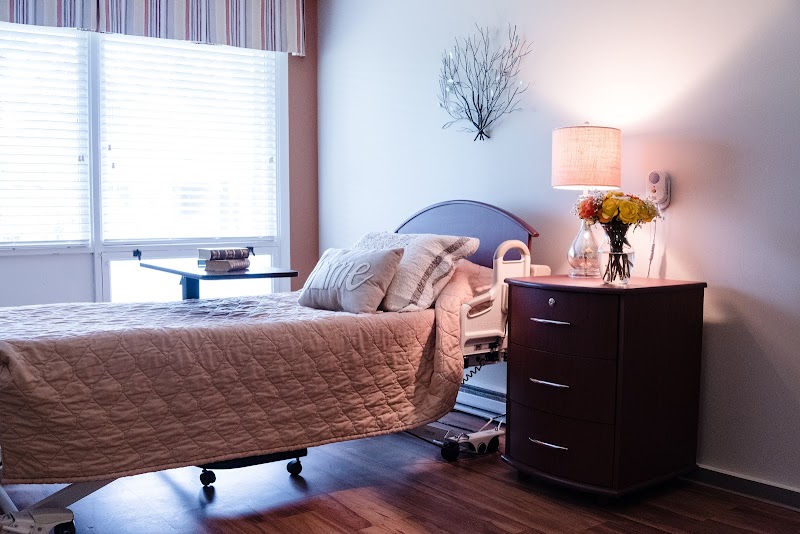
How is The Laurels Of Chagrin Falls Staffed?

CMS rates THE LAURELS OF CHAGRIN FALLS's staffing level at 3 out of 5 stars, which is average compared to other nursing homes. Staff turnover is 45%, compared to the Ohio average of 46%. This relatively stable workforce can support continuity of care.

What Have Inspectors Found at The Laurels Of Chagrin Falls?

State health inspectors documented 29 deficiencies at THE LAURELS OF CHAGRIN FALLS during 2020 to 2025. These included: 3 that caused actual resident harm, 25 with potential for harm, and 1 minor or isolated issues. Deficiencies causing actual harm indicate documented cases where residents experienced negative health consequences.
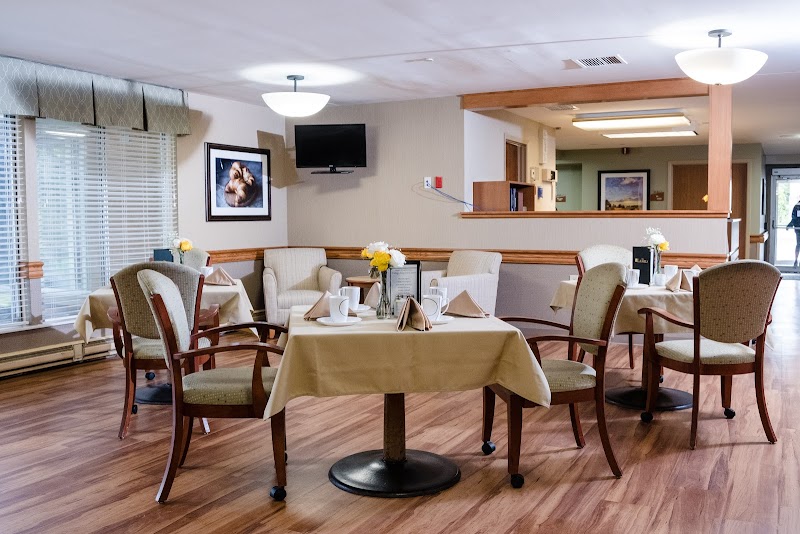
Who Owns and Operates The Laurels Of Chagrin Falls?

THE LAURELS OF CHAGRIN FALLS is owned by a for-profit company. For-profit facilities operate as businesses with obligations to shareholders or private owners. The facility is operated by CIENA HEALTHCARE/LAUREL HEALTH CARE, a chain that manages multiple nursing homes. With 82 certified beds and approximately 46 residents (about 56% occupancy), it is a smaller facility located in CHAGRIN FALLS, Ohio.
How Does The Laurels Of Chagrin Falls Compare to Other Ohio Nursing Homes?

Compared to the 100 nursing homes in Ohio, THE LAURELS OF CHAGRIN FALLS's overall rating (3 stars) is below the state average of 3.2, staff turnover (45%) is near the state average of 46%, and health inspection rating (3 stars) is at the national benchmark.

What Should Families Ask When Visiting The Laurels Of Chagrin Falls?

Based on this facility's data, families visiting should ask: "Can I visit during a mealtime to observe dining assistance and food quality?" "How do you handle medical emergencies, and what is your hospital transfer rate?" "Can I speak with family members of current residents about their experience?"

Is The Laurels Of Chagrin Falls Safe?

Based on CMS inspection data, THE LAURELS OF CHAGRIN FALLS has a clean safety record: no substantiated abuse findings (meaning no confirmed cases of resident harm), no Immediate Jeopardy citations (the most serious violation level indicating risk of serious injury or death), and is not on the Special Focus Facility watch list (a federal program monitoring the lowest-performing 1% of nursing homes). The facility has a 3-star overall rating and ranks #100 of 100 nursing homes in Ohio. While no facility is perfect, families should still ask about staff-to-resident ratios and recent inspection results during their visit.

Do Nurses at The Laurels Of Chagrin Falls Stick Around?

THE LAURELS OF CHAGRIN FALLS has a staff turnover rate of 45%, which is about average for Ohio nursing homes (state average: 46%). Moderate turnover is common in nursing homes, but families should still ask about staff tenure and how the facility maintains care continuity when employees leave.

Was The Laurels Of Chagrin Falls Ever Fined?

THE LAURELS OF CHAGRIN FALLS has been fined $93,486 across 2 penalty actions. This is above the Ohio average of $34,014. Fines in this range indicate compliance issues significant enough for CMS to impose meaningful financial consequences. Common causes include delayed correction of deficiencies, repeat violations, or care failures affecting resident safety. Families should ask facility leadership what changes have been made since these penalties.

Is The Laurels Of Chagrin Falls on Any Federal Watch List?

THE LAURELS OF CHAGRIN FALLS is not on any federal watch list. The most significant is the Special Focus Facility (SFF) program, which identifies the bottom 1% of nursing homes nationally based on persistent, serious quality problems. Not being on this list means the facility has avoided the pattern of deficiencies that triggers enhanced federal oversight. This is a positive indicator, though families should still review the facility's inspection history directly.